EP2275108B1 - Pharmaceutical preparation comprising dpp-iv inhibitor and other diabetes therapeutic agent in concomitant or combined form - Google Patents
Pharmaceutical preparation comprising dpp-iv inhibitor and other diabetes therapeutic agent in concomitant or combined form Download PDFInfo
- Publication number
- EP2275108B1 EP2275108B1 EP09746569.4A EP09746569A EP2275108B1 EP 2275108 B1 EP2275108 B1 EP 2275108B1 EP 09746569 A EP09746569 A EP 09746569A EP 2275108 B1 EP2275108 B1 EP 2275108B1
- Authority
- EP
- European Patent Office
- Prior art keywords
- compound
- medicine
- concentration
- plasma
- miglitol
- Prior art date
- Legal status (The legal status is an assumption and is not a legal conclusion. Google has not performed a legal analysis and makes no representation as to the accuracy of the status listed.)
- Not-in-force
Links
- 0 CC(C)(CNC(c1c(*)[n]2nc(*)c(*)c2nc1*)=O)NCC(N(CCC1)[C@@]1C#N)=O Chemical compound CC(C)(CNC(c1c(*)[n]2nc(*)c(*)c2nc1*)=O)NCC(N(CCC1)[C@@]1C#N)=O 0.000 description 2
Images


Classifications
-
- C—CHEMISTRY; METALLURGY
- C07—ORGANIC CHEMISTRY
- C07D—HETEROCYCLIC COMPOUNDS
- C07D487/00—Heterocyclic compounds containing nitrogen atoms as the only ring hetero atoms in the condensed system, not provided for by groups C07D451/00 - C07D477/00
- C07D487/02—Heterocyclic compounds containing nitrogen atoms as the only ring hetero atoms in the condensed system, not provided for by groups C07D451/00 - C07D477/00 in which the condensed system contains two hetero rings
- C07D487/04—Ortho-condensed systems
-
- A—HUMAN NECESSITIES
- A61—MEDICAL OR VETERINARY SCIENCE; HYGIENE
- A61K—PREPARATIONS FOR MEDICAL, DENTAL OR TOILETRY PURPOSES
- A61K31/00—Medicinal preparations containing organic active ingredients
- A61K31/13—Amines
- A61K31/155—Amidines (), e.g. guanidine (H2N—C(=NH)—NH2), isourea (N=C(OH)—NH2), isothiourea (—N=C(SH)—NH2)
-
- A—HUMAN NECESSITIES
- A61—MEDICAL OR VETERINARY SCIENCE; HYGIENE
- A61K—PREPARATIONS FOR MEDICAL, DENTAL OR TOILETRY PURPOSES
- A61K31/00—Medicinal preparations containing organic active ingredients
- A61K31/33—Heterocyclic compounds
- A61K31/395—Heterocyclic compounds having nitrogen as a ring hetero atom, e.g. guanethidine or rifamycins
- A61K31/435—Heterocyclic compounds having nitrogen as a ring hetero atom, e.g. guanethidine or rifamycins having six-membered rings with one nitrogen as the only ring hetero atom
- A61K31/44—Non condensed pyridines; Hydrogenated derivatives thereof
- A61K31/455—Nicotinic acids, e.g. niacin; Derivatives thereof, e.g. esters, amides
-
- A—HUMAN NECESSITIES
- A61—MEDICAL OR VETERINARY SCIENCE; HYGIENE
- A61K—PREPARATIONS FOR MEDICAL, DENTAL OR TOILETRY PURPOSES
- A61K31/00—Medicinal preparations containing organic active ingredients
- A61K31/33—Heterocyclic compounds
- A61K31/395—Heterocyclic compounds having nitrogen as a ring hetero atom, e.g. guanethidine or rifamycins
- A61K31/495—Heterocyclic compounds having nitrogen as a ring hetero atom, e.g. guanethidine or rifamycins having six-membered rings with two or more nitrogen atoms as the only ring heteroatoms, e.g. piperazine or tetrazines
- A61K31/505—Pyrimidines; Hydrogenated pyrimidines, e.g. trimethoprim
- A61K31/519—Pyrimidines; Hydrogenated pyrimidines, e.g. trimethoprim ortho- or peri-condensed with heterocyclic rings
-
- A—HUMAN NECESSITIES
- A61—MEDICAL OR VETERINARY SCIENCE; HYGIENE
- A61K—PREPARATIONS FOR MEDICAL, DENTAL OR TOILETRY PURPOSES
- A61K45/00—Medicinal preparations containing active ingredients not provided for in groups A61K31/00 - A61K41/00
- A61K45/06—Mixtures of active ingredients without chemical characterisation, e.g. antiphlogistics and cardiaca
-
- A—HUMAN NECESSITIES
- A61—MEDICAL OR VETERINARY SCIENCE; HYGIENE
- A61P—SPECIFIC THERAPEUTIC ACTIVITY OF CHEMICAL COMPOUNDS OR MEDICINAL PREPARATIONS
- A61P3/00—Drugs for disorders of the metabolism
-
- A—HUMAN NECESSITIES
- A61—MEDICAL OR VETERINARY SCIENCE; HYGIENE
- A61P—SPECIFIC THERAPEUTIC ACTIVITY OF CHEMICAL COMPOUNDS OR MEDICINAL PREPARATIONS
- A61P3/00—Drugs for disorders of the metabolism
- A61P3/04—Anorexiants; Antiobesity agents
-
- A—HUMAN NECESSITIES
- A61—MEDICAL OR VETERINARY SCIENCE; HYGIENE
- A61P—SPECIFIC THERAPEUTIC ACTIVITY OF CHEMICAL COMPOUNDS OR MEDICINAL PREPARATIONS
- A61P3/00—Drugs for disorders of the metabolism
- A61P3/08—Drugs for disorders of the metabolism for glucose homeostasis
- A61P3/10—Drugs for disorders of the metabolism for glucose homeostasis for hyperglycaemia, e.g. antidiabetics
-
- A—HUMAN NECESSITIES
- A61—MEDICAL OR VETERINARY SCIENCE; HYGIENE
- A61P—SPECIFIC THERAPEUTIC ACTIVITY OF CHEMICAL COMPOUNDS OR MEDICINAL PREPARATIONS
- A61P43/00—Drugs for specific purposes, not provided for in groups A61P1/00-A61P41/00
-
- A—HUMAN NECESSITIES
- A61—MEDICAL OR VETERINARY SCIENCE; HYGIENE
- A61P—SPECIFIC THERAPEUTIC ACTIVITY OF CHEMICAL COMPOUNDS OR MEDICINAL PREPARATIONS
- A61P5/00—Drugs for disorders of the endocrine system
- A61P5/48—Drugs for disorders of the endocrine system of the pancreatic hormones
- A61P5/50—Drugs for disorders of the endocrine system of the pancreatic hormones for increasing or potentiating the activity of insulin
Definitions
- the present invention relates to a medicine consisting of concomitant use or combination of ( S )- N -(2-(2-(2-cyanopyrrolidin-1-yl)-2-oxoethylamino)-2-met hylpropyl)-2-methylpyrazolo[1,5- a ]pyrimidine-6-carboxamide, which is a DPP-IV inhibitor, or an analogue thereof, and other diabetic medicine selected from the group consisting of a biguanide and an ⁇ -glucosidase inhibitor.
- Diabetes is a condition in which a glucose concentration in blood (blood glucose level) has increased abnormally, and suitable control of a blood glucose level is required.
- a typical therapeutic agent for diabetes is a sulfonylurea agent (hereinafter described as an SU agent), which is also used concomitantly with other therapeutic agent for diabetes.
- SU agent sulfonylurea agent
- the SU agent causes hypoglycemia as a side effect.
- use of the SU agent for a long period leads to fatigue of pancreatic ⁇ cells.
- GLP-1 and GIP are a peptide which is secreted from a gastrointestinal tract with a diet, acts on pancreatic ⁇ cells to accelerate blood glucose-dependent insulin secretion, and maintains homeostasis of glucose metabolism via acceleration of the generation and secretion of insulin based on the protection or improvement of the function of ⁇ cells, suppression of the secretion of glucagon, retardation of gastric emptying, and the like, whereby leads to enhancement of an effect of insulin in the periphery.
- DPP-IV dipeptidyl peptidase IV
- DPP-IV inhibitors suppress the metabolism of endogenous GLP-1 and GIP, and retain the effect of these. Therefore, they show promise for blood glucose concentration-dependent therapeutic agents for type 2 diabetes, and an effect of protecting pancreatic ⁇ cells, which seems to be caused by increase in the concentration of active GLP-1 and GIP, is expected in a long-term administration.
- Patent Document 1 For DPP-IV inhibitors, a treatment method for trying to control blood glucose by concomitant use with other diabetic medicine is known (Patent Document 1). For example, there has been reported that approaches to control blood glucose by concomitant use of E3024 trifluoro acetate, which is a DPP-IV inhibitor, with Voglibose (Non-patent Document 1), concomitant use of LAF237 with Metformin (Non-patent Document 2), concomitant use of 2-[[6-[(3R)-3-amino-1-piperidinyl]-3,4-dihydro-3-methyl-2,4 -dioxo-1(2H)-pyrimidinyl]methyl]-4-fluorobenzonitrile or 2-[2-(3-(R)-aminopiperidin-1-yl)-5-fluoro-6-oxo-6H-pyrimidi n-1-ylmethyl]benzonitrile with Voglibose (Patent
- the problem to be solved by the present invention is to provide a medicine which is excellent in the treatment of type 2 diabetes, diabetic complications or impaired glucose tolerance.
- the inventors of the present invention have done studies based on the above, and consequently found that an effect of suppressing increase in blood glucose is shown without secretion of excess insulin during concomitant use or combination of ( S )- N- (2-(2-(2-cyanopyrrolidin-1-yl)-2-oxoethylamino)-2-met hylpropyl)-2-methylpyrazolo[1,5- a ]pyrimidine-6-carboxamide (hereinafter referred to as compound (I)) or an analogue thereof with an ⁇ -glucosidase inhibitor such as Miglitol, or during concomitant use or combination with a biguanide drug such as Metformin, and completed the present invention. And then, a high concentration of an active GLP-1 is maintained and an increase in the concentration of GIP is suppressed.
- increase of blood glucose can be suppressed without secretion of excess insulin, whereby blood glucose is suitably controlled, as compared to the case where the DPP-IV inhibitor or other diabetic medicine used in the present invention is singly administered.
- pancreatic exhaustion is alleviated and an excellent action of protecting pancreas is exhibited.
- the concentration of GLP-1 is increased synergistically, whereby the concentration of the active GLP-1 in blood can be highly maintained.
- an action of accelerating neogenesis or replication of pancreatic ⁇ cells, or an action of lowering body weight can be expected.
- increase of the blood concentration of GIP can be suppressed. Since GIP may induce obesity or worsen insulin resistance, an action of lowering body weight and an action of improving insulin resistance can be expected by suppressing increase of the concentration of GIP in blood.
- the present invention can provide a medicine which is excellent as a therapeutic agent for type 2 diabetes, diabetic complications, impaired glucose tolerance, insulin resistance or obesity.
- the compound of the general formula (I), the compound (I) or an analogue thereof are compounds of the present invention having a DPP-IV inhibitory activity describedin WO2004/067509 , and can be prepared according to the synthesis methods described in that document.
- the salts of these compounds can also be formed with referring to the above-mentioned WO2004/067509 and the technical common knowledge.
- a solvate is a compound to which a solvent is bound, and when the solvent is water, it is sometimes specifically described as a hydrate.
- the other diabetic medicine includes active ingredients selected among a biguanide and an ⁇ -glucosidase inhibitor pharmaceutically acceptable salts thereof and solvates thereof.
- examples thereof may include an agent for improving hepatic glucose metabolism such as biguanides (e.g.; Metformin, Buformin, Phenformin), and an agent for inhibiting absorption of sugar such as ⁇ -glucosidase inhibitors (e.g.; Voglibose, Acarbose, Miglitol).
- Biguanides or ⁇ -glucosidase inhibitors are used according to the invention. Furthermore, Metformin is preferable as biguanides, and Miglitol is preferable as ⁇ -glucosidase inhibitors.
- the active ingredients thereof may be incorporated in separate formulations as a plurality of formulations, or may be incorporated in the same formulation as one formulation.
- the "medicine characterized by administering concomitantly” refers to a medicine which is expected to be administered in the concomitant use.
- the “administering concomitantly” refers to a medicine in which a plurality of medicines or the active ingredients thereof are administered to a patient, preferably, substantially simultaneously.
- the medicine comprising a combination refers to a medicine which is expected to be administered in combination, i.e., a medicine which is expected to be administered in the above-mentioned concomitant use.
- the case when the active ingredients to be administered are included in separate formulations as a plurality of formulations is not necessarily limited to the case when the plurality of formulations are administered at the same time.
- the administration method is not specifically limited so long as the periods at which respective drugs maintain their blood effective concentrations are overlapped.
- each formulation is administered according to its original method for administration. Therefore, the numbers of times of administration thereof may be the same or different.
- Examples of the manner of administration of the medicine of the present invention may include 1) administration of a single formulation which is obtained by simultaneously formulating the active ingredient of the other diabetic medicine, and the compound of the general formula (I) or an analogue thereof, 2) simultaneous administration of two kinds of formulations obtained by separately formulating the active ingredient of the other diabetic medicine, and the compound of the general formula (I) or an analogue thereof, in the same administration route, 3) staggered administration of two kinds of formulations obtained by separately formulating the active ingredient of the other diabetic medicine, and the compound of the general formula (I) or an analogue thereof in the same administration route, 4) simultaneous administration of two kinds of formulations obtained by separately formulating the active ingredient of the other diabetic medicine, and the compound of the general formula (I) or an analogue thereof in the different administration routes, 5) staggered administration of two kinds of formulations obtained by separately formulating the active ingredient of the other diabetic medicine, and the compound of the general formula (I) or an analogue thereof in the different administration routes (for example, administration in the
- the medicinal effect exhibited by administering the medicine of the present invention can be evidenced by, for example, by using a known corresponding pharmacological model. Namely, a person skilled in the art can confirm beneficial effects on the above-mentioned and below-mentioned indications to be treated by selecting a related animal test model. Namely, the experiments as mentioned below show that the medicine of the present invention can specifically provide a treatment effect in an enhanced or synergistic manner.
- the medicine of the present invention is effective as a therapeutic and/or prophylactic agent for type 2 diabetes, diabetic complications, impaired glucose tolerance, insulin resistance or obesity or the like.
- effectiveness on hyperglycemia, impaired fasting plasma glucose and the like by correction of glycemic control can specifically be expected.
- effectiveness on metabolic syndrome and the like by a body weight lowering action, or effectiveness on hyperinsulinemia, hypertriglyceridemia, or insulin resistance glucose metabolism disorder or the like by an insulin resistance improving action can be expected.
- a further advantage of the medicine of the present invention may be that the dose of the drug may be decreased by using individual drugs to be combined in low doses.
- examples of the advantages may include not only that only a small amount of dose is required, but also frequency of applications can be decreased, or generation of side effects can be decreased, and the like.
- the plurality of active ingredients may be included as the plurality of formulations in separate formulations, or may be included in the same formulation as one formulation, and in both cases, formulation can be carried out by using the excipients and the like mentioned below.
- the dosage form of the medicine of the present invention, oral agents which are excellent in convenience or compliance are preferable, it is not limited to these.
- the dose of the medicine of the present invention may be similar to a general dose of the active ingredient of the other diabetic medicine or the compound (I), and may be suitably selected according to the object of administration, administration route, objective disease, dosage form and the like.
- the ratio of the dose of the active ingredient of the other diabetic medicine to the compound (I) is naturally determined according to the respective doses.
- the dose of the compound of the general formula (I) is, for example, generally 0.1 to 2000 mg/day, preferably 1 to 1000 mg/day, more preferably 50 to 800 mg/day per an adult human patient (body weight: 60 kg).
- the dosage of the compound (I) is also similar. This amount may also be administered in two or three portions a day.
- the dose of the active ingredient in the other diabetic medicine varies according to the drug.
- the dose thereof is generally 25 to 5000 mg/day, preferably 50 to 3000 mg/day per an adult patient (body weight: 60 kg)
- the dose thereof is generally 0.01 to 1000 mg/day, preferably 0.1 to 500 mg/day per an adult patient (bodyweight: 60 kg).
- the biguanides is Metformin
- the effective amount of Metformin is generally 125 to 5000 mg/day, preferably 250 to 3000 mg/day per an adult human patient (body weight: 60 kg).
- the effective amount of Miglitol is generally 25 to 500 mg/day, preferably 50 to 250 mg/day per an adult patient (body weight: 60 kg), and when the ⁇ -glucosidase inhibitor is Voglibose, the dose thereof is generally 0.1 to 2 mg/day, preferably 0.2 to 1 mg/day per an adult patient (body weight: 60 kg).
- ELISA enzyme immunoassay
- Fig. 1 Based on the measured concentration of the active GLP-1 in the plasma, the amount of change relative to the concentration immediately before administration of sucrose was obtained, and an area under curve (hereinafter abbreviated as AUC) from immediately before the administration of sucrose to 120 minutes after the administration was calculated. The result of calculation is shown in Fig. 1 .
- Purified water, the compound (I) and Miglitol were orally administered respectively to the Zucker fatty rats fasted overnight in each group as described in (1) to (4), and after 15 minutes, a liquid diet (trade mark: ENSURE H, Meiji Dairies Corporation, Japan) was administered at a ratio of 10 ml/kg to carry out a diet loading test. Blood was collected from the catheter immediately before loading and after loading of the liquid diet, and centrifuged at 4°C, 3000 rpm for 10 minutes to obtain plasma.
- a liquid diet (trade mark: ENSURE H, Meiji Dairies Corporation, Japan) was administered at a ratio of 10 ml/kg to carry out a diet loading test. Blood was collected from the catheter immediately before loading and after loading of the liquid diet, and centrifuged at 4°C, 3000 rpm for 10 minutes to obtain plasma.
- the GIP concentration in the obtained plasma was measured by an ELISA (RAT/MOUSE GIP (TOTAL) ELISA KIT, LINCO Research, Inc., US), and the plamsa glucose and insulin concentrations was measured by Glucose C2 (Wako Pure Chemical Industries, Ltd., Japan) and ELISA (Rat Insulin ELISA Kit, Shibayagi, Co., Ltd., Japan), respectively.
- Glucose C2 Wi-Fi Pure Chemical Industries, Ltd., Japan
- ELISA Raster Insulin ELISA Kit, Shibayagi, Co., Ltd., Japan
- Fig. 2 The result of the GIP concentration in plasma is shown in Fig. 2 , the result of the plasma glucose level is shown in Fig. 3 and the result of the plasma insulin concentration is shown in Fig. 4 .
- the compound (I) significantly suppressed increase in the plasma glucose concentration when concomitantly used with Miglitol.
- the insulin concentration in blood plasma was significantly decreased by concomitant use of the compound (I) and Miglitol. Namely, it is shown that the compound (I) significantly suppresses increase in the plasma glucose concentration without excess secretion of insulin when concomitantly used with Miglitol.
- effectiveness for hyperglycemia and impaired fasting plasma glucose by correction of glycemic control can be expected.
- ZDF rat ZDF-Lepr fa /CrlCrlj rat
- Purified water, the compound (I) and Metformin were orally administered respectively to the ZDF rats fasted overnight in each group as described in (1) to (4), and after 15 minutes, 0.4 g/ml corn starch suspension in purified water was administered at a ratio of 5 ml/kg.
- Blood was collected from the catheter immediately before administration and after administration of corn starch, and centrifuged at 4°C, 3000 rpm for 10 minutes to obtain plasma.
- the concentration of the active GLP-1 in the obtained blood plasma was measured by ELISA (GLUCAGON-LIKE PEPTIDE-1 (ACTIVE) ELISA KIT, LINCO Research, Inc.
- the plasma glucose and insulin concentrations of the obtained plasma was measured by Glucose C2 (Wako Pure Chemical Industries, Ltd., Japan) and ELISA (Rat Insulin ELISA Kit, Shibayagi, Co., Ltd., Japan), respectively.
- Glucose C2 Waako Pure Chemical Industries, Ltd., Japan
- ELISA Racet Insulin ELISA Kit, Shibayagi, Co., Ltd., Japan
- AUC AUC from immediately before the administration of starch to 180 minutes after the administration was calculated.
- the result of the plasma active GLP-1 concentration is shown in Fig. 5
- the result of the plasma glucose concentration is shown in Fig. 6
- the result of the plasma insulin concentration is shown in Fig. 7 .
- Wistar rats Wistar/ST rats
- Purified water, the compound (I) and Metformin were orally administered respectively to the Wistar rats fasted overnight in each group as described in (1) to (4), and after 30 minutes, 0.4 g/ml corn starch suspension in purified water was administered at a ratio of 5 ml/kg.
- Blood was collected from the catheter immediately before administration and after administration of corn starch, and centrifuged at 4°C, 3000 rpm for 10 minutes to obtain plasma.
- the concentration of the GIP in the obtained plasma was measured by ELISA (RAT/MOUSE GIP (TOTAL) ELISA KIT, LINCO Research, Inc., US). Based on the measured GIP concentration, AUC from immediately before the administration of starch to 180 minutes after the administration was calculated. The result of calculation was shown in Fig. 8 .
- the medicine of the present invention is useful as a therapeutic and/or prophylactic agent of type 2 diabetes, diabetic complications or impaired glucose tolerance, and the like, and is expected to be an excellent medicine for these diseases.
Landscapes
- Health & Medical Sciences (AREA)
- Chemical & Material Sciences (AREA)
- General Health & Medical Sciences (AREA)
- Veterinary Medicine (AREA)
- Animal Behavior & Ethology (AREA)
- Life Sciences & Earth Sciences (AREA)
- Medicinal Chemistry (AREA)
- Pharmacology & Pharmacy (AREA)
- Public Health (AREA)
- Organic Chemistry (AREA)
- Epidemiology (AREA)
- Diabetes (AREA)
- Nuclear Medicine, Radiotherapy & Molecular Imaging (AREA)
- Bioinformatics & Cheminformatics (AREA)
- General Chemical & Material Sciences (AREA)
- Engineering & Computer Science (AREA)
- Chemical Kinetics & Catalysis (AREA)
- Obesity (AREA)
- Hematology (AREA)
- Endocrinology (AREA)
- Child & Adolescent Psychology (AREA)
- Emergency Medicine (AREA)
- Acyclic And Carbocyclic Compounds In Medicinal Compositions (AREA)
- Pharmaceuticals Containing Other Organic And Inorganic Compounds (AREA)
- Medicines That Contain Protein Lipid Enzymes And Other Medicines (AREA)
- Nitrogen Condensed Heterocyclic Rings (AREA)
Description
- The present invention relates to a medicine consisting of concomitant use or combination of (S)-N-(2-(2-(2-cyanopyrrolidin-1-yl)-2-oxoethylamino)-2-met hylpropyl)-2-methylpyrazolo[1,5-a]pyrimidine-6-carboxamide, which is a DPP-IV inhibitor, or an analogue thereof, and other diabetic medicine selected from the group consisting of a biguanide and an α-glucosidase inhibitor.
- Diabetes is a condition in which a glucose concentration in blood (blood glucose level) has increased abnormally, and suitable control of a blood glucose level is required. A typical therapeutic agent for diabetes is a sulfonylurea agent (hereinafter described as an SU agent), which is also used concomitantly with other therapeutic agent for diabetes. However, it is known that the SU agent causes hypoglycemia as a side effect. Furthermore, it is also concerned that use of the SU agent for a long period leads to fatigue of pancreatic β cells.
- An example of hormones which are involved in the change of a glucose concentration in blood may include glucagon-like peptide-1 (hereinafter described as GLP-1) and gastric inhibitory peptide (hereinafter described as GIP). GLP-1 and GIP are a peptide which is secreted from a gastrointestinal tract with a diet, acts on pancreatic β cells to accelerate blood glucose-dependent insulin secretion, and maintains homeostasis of glucose metabolism via acceleration of the generation and secretion of insulin based on the protection or improvement of the function of β cells, suppression of the secretion of glucagon, retardation of gastric emptying, and the like, whereby leads to enhancement of an effect of insulin in the periphery. However, since GLP-1 and GIP are rapidly decomposed by dipeptidyl peptidase IV (hereinafter described as DPP-IV) in circulating blood and inactivated, it may not exhibit its effect sufficiently in vivo.
- DPP-IV inhibitors suppress the metabolism of endogenous GLP-1 and GIP, and retain the effect of these. Therefore, they show promise for blood glucose concentration-dependent therapeutic agents for
type 2 diabetes, and an effect of protecting pancreatic β cells, which seems to be caused by increase in the concentration of active GLP-1 and GIP, is expected in a long-term administration. - However, since it is considered that acceleration of insulin secretion by GIP is diminished in a patient with
type 2 diabetes, the contribution of GIP to the effect of the DPP-IV inhibitor to accelerate insulin secretion in the patient is unclear. On the other hand, it is suggested by studies using receptor gene-deficient animals and the like that GIP may induce obesity or evoke insulin resistance. - For DPP-IV inhibitors, a treatment method for trying to control blood glucose by concomitant use with other diabetic medicine is known (Patent Document 1). For example, there has been reported that approaches to control blood glucose by concomitant use of E3024 trifluoro acetate, which is a DPP-IV inhibitor, with Voglibose (Non-patent Document 1), concomitant use of LAF237 with Metformin (Non-patent Document 2), concomitant use of 2-[[6-[(3R)-3-amino-1-piperidinyl]-3,4-dihydro-3-methyl-2,4 -dioxo-1(2H)-pyrimidinyl]methyl]-4-fluorobenzonitrile or 2-[2-(3-(R)-aminopiperidin-1-yl)-5-fluoro-6-oxo-6H-pyrimidi n-1-ylmethyl]benzonitrile with Voglibose (Patent Document 2), and concomitant use of 3-{2S,4S}-4-[4-(3-methyl-1-phenyl-1H-pyrazol-5-yl)piperadin -1-yl]pyrrolidin-2-ylcarbonyl}thiazolidine with Voglibose (Patent Document 3).
- However, they all relate to concomitant use of a specific compound having a DPP-IV inhibitory effect and other diabetic medicine, and a specific description and an effect of treating diabetes with respect to concomitant use of (S)-N-(2-(2-(2-cyanopyrrolidin-1-yl)-2-oxoethylamino)-2-met hylpropyl)-2-methylpyrazolo[1,5-a]pyrimidine-6-carboxamide or an analogue thereof as a DPP-IV inhibitor and other diabetic medicine are not known.
- Patent Document 1:
WO01/052825 - Patent Document 2:
WO2007/074884 - Patent Document 3:
WO2006/129785 - Non-patent Document 1: Yamazaki, K. et al., Journal of Pharmacological Sciences, 104, 29-38 (2007).
- Non-patent Document 2: Ahren, B. et al., Diabetes Care, 27, 2874-80 (2004).
- The problem to be solved by the present invention is to provide a medicine which is excellent in the treatment of
type 2 diabetes, diabetic complications or impaired glucose tolerance. - The inventors of the present invention have done studies based on the above, and consequently found that an effect of suppressing increase in blood glucose is shown without secretion of excess insulin during concomitant use or combination of (S)-N-(2-(2-(2-cyanopyrrolidin-1-yl)-2-oxoethylamino)-2-met hylpropyl)-2-methylpyrazolo[1,5-a]pyrimidine-6-carboxamide (hereinafter referred to as compound (I)) or an analogue thereof with an α-glucosidase inhibitor such as Miglitol, or during concomitant use or combination with a biguanide drug such as Metformin, and completed the present invention. And then, a high concentration of an active GLP-1 is maintained and an increase in the concentration of GIP is suppressed.
- Namely, the present invention is as described in
claim 1 andclaim 2. Also described herein is as follows. - (1) A medicine characterized in that a compound represented by the following general formula (I), a salt thereof, or a solvate thereof, and at least one kind of other diabetic medicine selected from the group consisting of biguanide and an α-glucosidase inhibitor are concomitantly administered:

- (2) A medicine comprising a combination of a compound represented by the general formula (I), a salt thereof, or a solvate thereof, and at least one kind of other diabetic medicine, selected from the group consisting of a biguanide and an α-glucosidase inhibitor.
(wherein R1, R2, R3 and R4 are each a hydrogen atom, a trifluoromethyl group or a C1-3 alkyl group) - (3) The medicine according to (1) or (2), which is for the treatment of
type 2 diabetes, diabetic complications, impaired glucose tolerance, insulin resistance, or obesity. - (4) The medicine according to (1) or (2), wherein the compound represented by the general formula (I) is (S)-N-(2-(2-(2-cyanopyrrolidin-1-yl)-2-oxoethylamino)-2-met hylpropyl)-2-methylpyrazolo[1,5-a]pyrimidine-6-carboxamide.
- (5) The medicine according to (1) or (2), wherein the other diabetic medicine is selected from an agent for improving hepatic glucose metabolism and an agent for inhibiting absorption of sugar, such agent being a biguanide and an α -glucosidase inhibitor, respectively.
- (6) The medicine according to (5), wherein the agent for improving hepatic glucose metabolism is a biguanide.
- (7) The medicine according to (6), wherein the biguanide is Metformin or a salt thereof.
- (8) The medicine according to (5), wherein the agent for inhibiting absorption of sugar is an α-glucosidase inhibitor.
- (9) The medicine according to (8), wherein the α-glucosidase inhibitor is Miglitol.
- According to the medicine of the present invention, increase of blood glucose can be suppressed without secretion of excess insulin, whereby blood glucose is suitably controlled, as compared to the case where the DPP-IV inhibitor or other diabetic medicine used in the present invention is singly administered. Thus, pancreatic exhaustion is alleviated and an excellent action of protecting pancreas is exhibited. Furthermore, the concentration of GLP-1 is increased synergistically, whereby the concentration of the active GLP-1 in blood can be highly maintained. Thus, an action of accelerating neogenesis or replication of pancreatic β cells, or an action of lowering body weight can be expected.
Furthermore, increase of the blood concentration of GIP can be suppressed. Since GIP may induce obesity or worsen insulin resistance, an action of lowering body weight and an action of improving insulin resistance can be expected by suppressing increase of the concentration of GIP in blood. - Therefore, the present invention can provide a medicine which is excellent as a therapeutic agent for
type 2 diabetes, diabetic complications, impaired glucose tolerance, insulin resistance or obesity. -
-
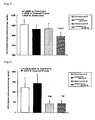
Fig. 1 is a graph showing the actions of the compound (I) alone, Miglitol alone and concomitant use of the compound (I) and Miglitol on the change in the increase of the plasma concentration of active GLP-1 after oral sucrose loading in Zucker fatty rats. -
Fig. 2 is a graph showing the actions of the compound (I) alone, Miglitol alone and concomitant use of the compound (I) and Miglitol on the change of the plasma concentration of GIP after the liquid diet loading in Zucker fatty rats. -
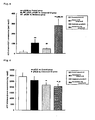
Fig. 3 is a graph showing the actions of the compound (I) alone, Miglitol alone and concomitant use of the compound (I) and Miglitol on the change of the blood glucose level after the liquid diet loading in Zucker fatty rats. -
Fig. 4 is a graph showing the actions of the compound (I) alone, Miglitol alone and concomitant use of the compound (I) and Miglitol on the change of the plasma insulin concentration after the liquid diet loading in Zucker fatty rats. -
Fig. 5 is a graph showing the actions of the compound (I) alone, Metformin alone and concomitant use of the compound (I) and Metformin on the change in the increase in the plasma concentration of active GLP-1 after the oral corn starch loading in ZDF rats. -
Fig. 6 is a graph showing the actions of the compound (I) alone, Metformin alone and concomitant use of the compound (I) and Metformin on the change of the blood glucose level after the oral corn starch loading in ZDF rats. -
Fig. 7 is a graph showing the actions of the compound (I) alone, Metformin alone and concomitant use of the compound (I) and Metformin on the change of the plasma concentration of insulin after oral loading of corn starch in ZDF rats. -
Fig. 8 is a graph showing the actions of the compound (I) alone, Metformin alone and concomitant use of the compound (I) and Metformin on the change of the plasma GIP concentration after the oral corn starch loading in Wistar rats. - The compound of the general formula (I), the compound (I) or an analogue thereof are compounds of the present invention having a DPP-IV inhibitory activity describedin
WO2004/067509 , and can be prepared according to the synthesis methods described in that document. The salts of these compounds can also be formed with referring to the above-mentionedWO2004/067509 and the technical common knowledge. A solvate is a compound to which a solvent is bound, and when the solvent is water, it is sometimes specifically described as a hydrate. - The other diabetic medicine includes active ingredients selected among a biguanide and an α-glucosidase inhibitor pharmaceutically acceptable salts thereof and solvates thereof. When such diabetic medicine are specified in view of a mechanism of action, examples thereof may include an agent for improving hepatic glucose metabolism such as biguanides (e.g.; Metformin, Buformin, Phenformin), and an agent for inhibiting absorption of sugar such as α-glucosidase inhibitors (e.g.; Voglibose, Acarbose, Miglitol).
- Biguanides or α-glucosidase inhibitors are used according to the invention. Furthermore, Metformin is preferable as biguanides, and Miglitol is preferable as α-glucosidase inhibitors.
- In the medicine of the present application invention, the active ingredients thereof may be incorporated in separate formulations as a plurality of formulations, or may be incorporated in the same formulation as one formulation.
- The "medicine characterized by administering concomitantly" refers to a medicine which is expected to be administered in the concomitant use. The "administering concomitantly" refers to a medicine in which a plurality of medicines or the active ingredients thereof are administered to a patient, preferably, substantially simultaneously. The medicine comprising a combination refers to a medicine which is expected to be administered in combination, i.e., a medicine which is expected to be administered in the above-mentioned concomitant use. In the medicine of the present invention, the case when the active ingredients to be administered are included in separate formulations as a plurality of formulations is not necessarily limited to the case when the plurality of formulations are administered at the same time. The administration method is not specifically limited so long as the periods at which respective drugs maintain their blood effective concentrations are overlapped. Generally, each formulation is administered according to its original method for administration. Therefore, the numbers of times of administration thereof may be the same or different.
- Examples of the manner of administration of the medicine of the present invention may include 1) administration of a single formulation which is obtained by simultaneously formulating the active ingredient of the other diabetic medicine, and the compound of the general formula (I) or an analogue thereof, 2) simultaneous administration of two kinds of formulations obtained by separately formulating the active ingredient of the other diabetic medicine, and the compound of the general formula (I) or an analogue thereof, in the same administration route, 3) staggered administration of two kinds of formulations obtained by separately formulating the active ingredient of the other diabetic medicine, and the compound of the general formula (I) or an analogue thereof in the same administration route, 4) simultaneous administration of two kinds of formulations obtained by separately formulating the active ingredient of the other diabetic medicine, and the compound of the general formula (I) or an analogue thereof in the different administration routes, 5) staggered administration of two kinds of formulations obtained by separately formulating the active ingredient of the other diabetic medicine, and the compound of the general formula (I) or an analogue thereof in the different administration routes (for example, administration in the order of the active ingredient for the other diabetic medicine and the compound of the general formula (I) or an analogue thereof, or administration in the reverse order), and the like.
- The medicinal effect exhibited by administering the medicine of the present invention can be evidenced by, for example, by using a known corresponding pharmacological model. Namely, a person skilled in the art can confirm beneficial effects on the above-mentioned and below-mentioned indications to be treated by selecting a related animal test model. Namely, the experiments as mentioned below show that the medicine of the present invention can specifically provide a treatment effect in an enhanced or synergistic manner.
- The medicine of the present invention is effective as a therapeutic and/or prophylactic agent for
type 2 diabetes, diabetic complications, impaired glucose tolerance, insulin resistance or obesity or the like. In these patients, effectiveness on hyperglycemia, impaired fasting plasma glucose and the like by correction of glycemic control can specifically be expected. Furthermore, effectiveness on metabolic syndrome and the like by a body weight lowering action, or effectiveness on hyperinsulinemia, hypertriglyceridemia, or insulin resistance glucose metabolism disorder or the like by an insulin resistance improving action can be expected. - A further advantage of the medicine of the present invention may be that the dose of the drug may be decreased by using individual drugs to be combined in low doses. With respect to this, examples of the advantages may include not only that only a small amount of dose is required, but also frequency of applications can be decreased, or generation of side effects can be decreased, and the like.
- For the formulation of the medicine of the present invention, as mentioned above, the plurality of active ingredients may be included as the plurality of formulations in separate formulations, or may be included in the same formulation as one formulation, and in both cases, formulation can be carried out by using the excipients and the like mentioned below. The dosage form of the medicine of the present invention, oral agents which are excellent in convenience or compliance are preferable, it is not limited to these.
- The dose of the medicine of the present invention may be similar to a general dose of the active ingredient of the other diabetic medicine or the compound (I), and may be suitably selected according to the object of administration, administration route, objective disease, dosage form and the like. The ratio of the dose of the active ingredient of the other diabetic medicine to the compound (I) is naturally determined according to the respective doses.
- Generally, when the medicine of the present invention is administered orally, the dose of the compound of the general formula (I) is, for example, generally 0.1 to 2000 mg/day, preferably 1 to 1000 mg/day, more preferably 50 to 800 mg/day per an adult human patient (body weight: 60 kg). The dosage of the compound (I) is also similar. This amount may also be administered in two or three portions a day.
- The dose of the active ingredient in the other diabetic medicine varies according to the drug. When the biguanides is used, the dose thereof is generally 25 to 5000 mg/day, preferably 50 to 3000 mg/day per an adult patient (body weight: 60 kg), and when the α-glucosidase inhibitor is used, the dose thereof is generally 0.01 to 1000 mg/day, preferably 0.1 to 500 mg/day per an adult patient (bodyweight: 60 kg). Specif ically, when the biguanides is Metformin, the effective amount of Metformin is generally 125 to 5000 mg/day, preferably 250 to 3000 mg/day per an adult human patient (body weight: 60 kg). Furthermore, when the α-glucosidase inhibitor is Miglitol, the effective amount of Miglitol is generally 25 to 500 mg/day, preferably 50 to 250 mg/day per an adult patient (body weight: 60 kg), and when the α-glucosidase inhibitor is Voglibose, the dose thereof is generally 0.1 to 2 mg/day, preferably 0.2 to 1 mg/day per an adult patient (body weight: 60 kg).
- The present invention is explained in more detail by the following Experimental Examples, but they do not limit the present invention and may be modified to the extent that they do not depart from the scope of the present invention.
- Effects of compound (I) alone, Miglitol alone and concomitant use of compound (I) and Miglitol on plasma concentration of active GLP-1 during oral sucrose loading test in Slc: Zucker-fa/fa rats (hereinafter abbreviated as Zucker fatty rats)
- An operation to insert a polyurethane catheter was performed on the right jugular vein of a Zucker fatty rat (9 weeks old, male, Japan SLC, Inc.) which is an obesity-insulin resistant model, and experiments were performed in the following four groups.
- (1) Control group: purified water was administered at a ratio of 5 ml/kg
- (2) Compound (I) group: the compound (I) dissolved in purified water was administered at a dose of 3 mg/kg (5 ml/kg)
- (3) Miglitol group: Miglitol dissolved in purified water was administered at a dose of 3 mg/kg (5 ml/kg)
- (4) Concomitant use group: the compound (I) and Miglitol dissolved in purified water were administered at respective dose of 3 mg/kg (5 ml/kg)
- Purified water, the compound (I) and Miglitol were orally administered respectively to the Zucker fatty rats fasted overnight in each group as described in (1) to (4), and after 15 minutes, a 30% aqueous sucrose solution was administered at a ratio of 10 ml/kg. Blood was collected from the catheter immediately before administration and after administration of sucrose, and centrifuged at 4°C, 3000 rpm for 10 minutes to obtain plasma. The concentration of an active GLP-1 in the obtained plasma was measured by an enzyme immunoassay (hereinafter abbreviated as ELISA) (GLUCAGON-LIKE PEPTIDE-1 (ACTIVE) ELISA KIT, LINCO Research, Inc., US). Based on the measured concentration of the active GLP-1 in the plasma, the amount of change relative to the concentration immediately before administration of sucrose was obtained, and an area under curve (hereinafter abbreviated as AUC) from immediately before the administration of sucrose to 120 minutes after the administration was calculated. The result of calculation is shown in
Fig. 1 . Each column in figure shows an average value (n=8 inGroups - In the oral sucrose loading tests to Zucker fatty rats, there was no significant difference in the increase of the concentration of the active GLP-1 in the plasma by administration of Miglitol, whereas the compound (I) increased the concentration significantly. Furthermore, when the compound (I) and Miglitol were used concomitantly, the concentration of the active GLP-1 in the plasma was increased more than that when the compound (I) was used alone, and the degree thereof was synergistic. Namely, it is shown that an action of accelerating neogenesis or replication of pancreatic p cells or an action of lowering body weight can be expected by the concomitant use of the compound (I) and Miglitol.
- Effects of compound (I) alone, Miglitol alone and concomitant use of compound (I) and Miglitol on GIP, glucose and insulin concentrations in plasma during liquid diet loading test in Crlj: ZUC-Lepr fa Genotype: fa/fa rats (hereinafter abbreviated as Zucker fatty rats)
- An operation to insert a polyurethane catheter was performed on the right jugular vein of a Zucker fatty rat (8 weeks old, male, Charles River Laboratories Japan, Inc.), which is an obesity and insulin-resistant model, and experiments were performed in the following four groups.
- (1) Control group: purified water was administered at a ratio of 5 ml/kg
- (2) Compound (I) group: the compound (I) dissolved in purified water was administered at a dose of 3 mg/kg (5 ml/kg)
- (3) Miglitol group: Miglitol dissolved in purified water was administered at a dose of 3 mg/kg (5 ml/kg)
- (4) Concomitant use group: the compound (I) and Miglitol dissolved in purified water were administered at respective dose of 3 mg/kg (5 ml/kg)
- Purified water, the compound (I) and Miglitol were orally administered respectively to the Zucker fatty rats fasted overnight in each group as described in (1) to (4), and after 15 minutes, a liquid diet (trade mark: ENSURE H, Meiji Dairies Corporation, Japan) was administered at a ratio of 10 ml/kg to carry out a diet loading test. Blood was collected from the catheter immediately before loading and after loading of the liquid diet, and centrifuged at 4°C, 3000 rpm for 10 minutes to obtain plasma. The GIP concentration in the obtained plasma was measured by an ELISA (RAT/MOUSE GIP (TOTAL) ELISA KIT, LINCO Research, Inc., US), and the plamsa glucose and insulin concentrations was measured by Glucose C2 (Wako Pure Chemical Industries, Ltd., Japan) and ELISA (Rat Insulin ELISA Kit, Shibayagi, Co., Ltd., Japan), respectively. Based on the measured GIP concentration in plasma, AUC from immediately before the loading of the liquid diet to 120 minutes after the loading was calculated. Based on the measured plasma glucose and insulin concentrations, AUC from immediately before the loading of the liquid diet to 60 minutes after the loading was calculated. In addition, GIP concentration in plasma shows the concentration of active GIP and inactive GIP in plasma. The result of the GIP concentration in plasma is shown in
Fig. 2 , the result of the plasma glucose level is shown inFig. 3 and the result of the plasma insulin concentration is shown inFig. 4 . Each column in figure shows an average value (n=8 inGroups - For the effect of suppressing the plasma glucose concentration, there was no significant difference in single administration of the compound (I) or Miglitol. However, the compound (I) significantly suppressed increase in the plasma glucose concentration when concomitantly used with Miglitol. Furthermore, the insulin concentration in blood plasma was significantly decreased by concomitant use of the compound (I) and Miglitol. Namely, it is shown that the compound (I) significantly suppresses increase in the plasma glucose concentration without excess secretion of insulin when concomitantly used with Miglitol. Thus, effectiveness for hyperglycemia and impaired fasting plasma glucose by correction of glycemic control can be expected.
- In the liquid diet loading test to Zucker fatty rats, there was no change in the increase in the GIP concentration in plasma by administering the compound (I), but Miglitol showed a tendency of suppressing. Furthermore, when the compound (I) and Miglitol were used concomitantly, the increase in the GIP concentration was significantly suppressed. Namely, it is shown that the compound (I) significantly suppresses the secretion of GIP when concomitantly used with Miglitol. Therefore, there may be expectations on effects in accordance with suppression of GIP secretion, for example, an action of lowering body weight, an action of improving insulin resistance, and the like.
- Effects of compound (I) alone, Metformin alone and concomitant use of compound (I) and Metformin on plasma concentrations of active GLP-1, glucose and insulin during oral corn starch loading test in ZDF-Lepr fa /CrlCrlj rat (hereinafter abbreviated as ZDF rat)
- An operation to insert a polyurethane catheter was performed on the right jugular vein of a ZDF rat (13 weeks old, male, Charles River Laboratories Japan, Inc.), and experiments were performed in the following four groups.
- (1) Control group: purified water was administered at a ratio of 5 ml/kg
- (2) Compound (I) group: the compound (I) dissolved in purified water was administered at a dose of 3 mg/kg (5 ml/kg)
- (3) Metformin group: Metformin dissolved in purified water was administered at a dose of 300 mg/kg (5 ml/kg)
- (4) Concomitant use group: the compound (I) and Metformin dissolved in purified water were administered at respective doses of 3 mg/kg (5 ml/kg) and 300 mg/kg (5 ml/kg)
- Purified water, the compound (I) and Metformin were orally administered respectively to the ZDF rats fasted overnight in each group as described in (1) to (4), and after 15 minutes, 0.4 g/ml corn starch suspension in purified water was administered at a ratio of 5 ml/kg. Blood was collected from the catheter immediately before administration and after administration of corn starch, and centrifuged at 4°C, 3000 rpm for 10 minutes to obtain plasma. The concentration of the active GLP-1 in the obtained blood plasma was measured by ELISA (GLUCAGON-LIKE PEPTIDE-1 (ACTIVE) ELISA KIT, LINCO Research, Inc. , US), the plasma glucose and insulin concentrations of the obtained plasma was measured by Glucose C2 (Wako Pure Chemical Industries, Ltd., Japan) and ELISA (Rat Insulin ELISA Kit, Shibayagi, Co., Ltd., Japan), respectively. Based on the measured concentration of the active GLP-1 in the plasma, the amount of change relative to the concentration immediately before starch administration was obtained. Based on the amount of change relative to the plasma active GLP-1, glucose and insulin concentrations, AUC from immediately before the administration of starch to 180 minutes after the administration was calculated. The result of the plasma active GLP-1 concentration is shown in
Fig. 5 , the result of the plasma glucose concentration is shown inFig. 6 and the result of the plasma insulin concentration is shown inFig. 7 . Each column in figure shows an average value (n=4 inGroups Group 2 and 4) ± a standard deviation. - In the oral corn starch loading test to ZDF rats, there was no significant difference in the increase of the concentration of the active GLP-1 in the plasma by administration of Metformin, whereas the compound (I) increased the concentration significantly. Furthermore, when the compound (I) and Metformin were used concomitantly, the concentration of the active GLP-1 in the plasma was increased more than that when the compound (I) was used alone, and the degree thereof was synergistic. Namely, it is shown that an action of accelerating neogenesis or replication of pancreatic β cells or an action of lowering body weight can be expected by the concomitant use of the compound (I) and Metformin.
- For the effect of suppressing the plasma glucose elevation, there was no significant difference in administration of the compound (I) alone, but Metformin was significantly suppressed. Furthermore, when the compound (I) and Metformin were used concomitantly, the increase in the plasma glucose concentration was significantly suppressed more than that when the compound (I) was used alone. The insulin concentration in plasma at that time was significantly lowered. Namely, it is shown that the compound (I) significantly suppresses increase in the plasma glucose concentration without excess secretion of insulin when concomitantly used with Metformin. Thus, effectiveness for hyperglycemia and fasting plasma glucose disorder by correction of blood glucose control can be expected.
- Effects of compound (I) alone, Metformin alone and concomitant use of compound (I) and Metformin on concentration of GIP in plasma during oral corn starch loading test in Slc: Wistar/ST rats (hereinafter abbreviated as Wistar rats)
- An operation to insert a polyurethane catheter was performed on the right jugular vein of a Wistar rat (9 weeks old, male, Japan SLC, Inc.), and experiments were performed in the following four groups.
- (1) Control group: purified water was administered at a ratio of 5 ml/kg
- (2) Compound (I) group: the compound (I) dissolved in purified water was administered at a dose of 3 mg/kg (5 ml/kg)
- (3) Metformin group: Metformin dissolved in purified water was administered at a dose of 300 mg/kg (5 ml/kg)
- (4) Concomitant use group: the compound (I) and Metformin dissolved in purified water were administered at respective doses of 3 mg/kg (5 ml/kg) and 300 mg/kg (5 ml/kg)
- Purified water, the compound (I) and Metformin were orally administered respectively to the Wistar rats fasted overnight in each group as described in (1) to (4), and after 30 minutes, 0.4 g/ml corn starch suspension in purified water was administered at a ratio of 5 ml/kg. Blood was collected from the catheter immediately before administration and after administration of corn starch, and centrifuged at 4°C, 3000 rpm for 10 minutes to obtain plasma. The concentration of the GIP in the obtained plasma was measured by ELISA (RAT/MOUSE GIP (TOTAL) ELISA KIT, LINCO Research, Inc., US). Based on the measured GIP concentration, AUC from immediately before the administration of starch to 180 minutes after the administration was calculated. The result of calculation was shown in
Fig. 8 . Each column in figure shows an average value (n=7) ± a standard deviation. - In the oral corn starch loading test to Wistar rats, there was no change in the increase in the concentration of GIP in plasma by the compound (I) administeration, but Metformin was significantly suppressed. Furthermore, when the compound (I) and Metformin were used concomitantly, the increase in the concentration of GIP was significantly suppressed more than that when the compound (I) was used alone. Therefore, there may be expectations on effects in accordance with suppression of GIP secretion, for example, an action of lowering body weight, an action of improving insulin resistance, and the like.
- The medicine of the present invention is useful as a therapeutic and/or prophylactic agent of
type 2 diabetes, diabetic complications or impaired glucose tolerance, and the like, and is expected to be an excellent medicine for these diseases.
Claims (5)
- A medicine comprising a compound represented by the following general formula (I), a salt thereof, or a solvate thereof, for use in the treatment of type 2 diabetes, diabetic complications, impaired glucose tolerance, insulin resistance, or obesity, wherein said medicine is concomitantly administered with at least one kind of other diabetic medicine selected from the group consisting of a biguanide and an α-glucosidase inhibitor;

- A medicine comprising a combination of a compound represented by the following general formula (I), a salt thereof, or a solvate thereof, and at least one kind of other diabetic medicine selected from the group consisting of a biguanide and an α-glucosidase inhibitor;

- The medicine according to claim 1 or claim 2, wherein the compound represented by the general formula (I) is (S)-N-(2-(2-(2-cyanopyrrolidin-1-yl)-2-oxoethylamino)-2-met hylpropyl)-2-methylpyrazolo[1,5-a]pyrimidine-6-carboxamide.
- The medicine according to any one of claims 1 to 3, wherein the biguanide is Metformin or a salt thereof.
- The medicine according to any one of claims 1 to 3, wherein the α-glucosidase inhibitor is Miglitol.
Priority Applications (1)
| Application Number | Priority Date | Filing Date | Title |
|---|---|---|---|
| PL09746569T PL2275108T3 (en) | 2008-05-14 | 2009-05-12 | Pharmaceutical preparation comprising dpp-iv inhibitor and other diabetes therapeutic agent in concomitant or combined form |
Applications Claiming Priority (2)
| Application Number | Priority Date | Filing Date | Title |
|---|---|---|---|
| JP2008127480 | 2008-05-14 | ||
| PCT/JP2009/058803 WO2009139362A1 (en) | 2008-05-14 | 2009-05-12 | Pharmaceutical preparation comprising dpp-iv inhibitor and other diabetes therapeutic agent in concomitant or combined form |
Publications (3)
| Publication Number | Publication Date |
|---|---|
| EP2275108A1 EP2275108A1 (en) | 2011-01-19 |
| EP2275108A4 EP2275108A4 (en) | 2011-04-27 |
| EP2275108B1 true EP2275108B1 (en) | 2014-07-09 |
Family
ID=41318729
Family Applications (1)
| Application Number | Title | Priority Date | Filing Date |
|---|---|---|---|
| EP09746569.4A Not-in-force EP2275108B1 (en) | 2008-05-14 | 2009-05-12 | Pharmaceutical preparation comprising dpp-iv inhibitor and other diabetes therapeutic agent in concomitant or combined form |
Country Status (15)
| Country | Link |
|---|---|
| US (1) | US8633199B2 (en) |
| EP (1) | EP2275108B1 (en) |
| JP (1) | JP4643760B2 (en) |
| KR (1) | KR101607081B1 (en) |
| CN (1) | CN102026641A (en) |
| AU (1) | AU2009247251B2 (en) |
| BR (1) | BRPI0912607A2 (en) |
| CA (1) | CA2724133C (en) |
| DK (1) | DK2275108T3 (en) |
| ES (1) | ES2507491T3 (en) |
| MX (1) | MX2010012245A (en) |
| PL (1) | PL2275108T3 (en) |
| PT (1) | PT2275108E (en) |
| RU (1) | RU2523552C2 (en) |
| WO (1) | WO2009139362A1 (en) |
Families Citing this family (19)
| Publication number | Priority date | Publication date | Assignee | Title |
|---|---|---|---|---|
| NZ599298A (en) | 2009-11-27 | 2014-11-28 | Boehringer Ingelheim Int | Treatment of genotyped diabetic patients with dpp-iv inhibitors such as linagliptin |
| WO2011107494A1 (en) | 2010-03-03 | 2011-09-09 | Sanofi | Novel aromatic glycoside derivatives, medicaments containing said compounds, and the use thereof |
| EP2547339A1 (en) | 2010-03-18 | 2013-01-23 | Boehringer Ingelheim International GmbH | Combination of a gpr119 agonist and the dpp-iv inhibitor linagliptin for use in the treatment of diabetes and related conditions |
| WO2011138421A1 (en) | 2010-05-05 | 2011-11-10 | Boehringer Ingelheim International Gmbh | Combination therapy |
| US8530413B2 (en) | 2010-06-21 | 2013-09-10 | Sanofi | Heterocyclically substituted methoxyphenyl derivatives with an oxo group, processes for preparation thereof and use thereof as medicaments |
| NZ603319A (en) | 2010-06-24 | 2015-04-24 | Boehringer Ingelheim Int | Diabetes therapy |
| TW201215388A (en) | 2010-07-05 | 2012-04-16 | Sanofi Sa | (2-aryloxyacetylamino)phenylpropionic acid derivatives, processes for preparation thereof and use thereof as medicaments |
| TW201221505A (en) | 2010-07-05 | 2012-06-01 | Sanofi Sa | Aryloxyalkylene-substituted hydroxyphenylhexynoic acids, process for preparation thereof and use thereof as a medicament |
| TW201215387A (en) | 2010-07-05 | 2012-04-16 | Sanofi Aventis | Spirocyclically substituted 1,3-propane dioxide derivatives, processes for preparation thereof and use thereof as a medicament |
| WO2013037390A1 (en) | 2011-09-12 | 2013-03-21 | Sanofi | 6-(4-hydroxy-phenyl)-3-styryl-1h-pyrazolo[3,4-b]pyridine-4-carboxylic acid amide derivatives as kinase inhibitors |
| EP2567959B1 (en) | 2011-09-12 | 2014-04-16 | Sanofi | 6-(4-hydroxy-phenyl)-3-styryl-1h-pyrazolo[3,4-b]pyridine-4-carboxylic acid amide derivatives as kinase inhibitors |
| WO2013045413A1 (en) | 2011-09-27 | 2013-04-04 | Sanofi | 6-(4-hydroxy-phenyl)-3-alkyl-1h-pyrazolo[3,4-b]pyridine-4-carboxylic acid amide derivatives as kinase inhibitors |
| WO2013174767A1 (en) | 2012-05-24 | 2013-11-28 | Boehringer Ingelheim International Gmbh | A xanthine derivative as dpp -4 inhibitor for use in modifying food intake and regulating food preference |
| TW201412745A (en) * | 2012-08-28 | 2014-04-01 | Sanwa Kagaku Kenkyusho Co | Crystal of N-[2-({2-[(2S)-2-cyanopyrrolidin-1-YL]-2- oxoethyl}amino)-2-methylpropyl]-2-methylpyrazolo[1,5-a]pyrimidine-6-carboxamide |
| JP6283314B2 (en) * | 2012-09-27 | 2018-02-21 | 株式会社三和化学研究所 | Anagliptin-containing solid preparation |
| WO2014051023A1 (en) * | 2012-09-27 | 2014-04-03 | 株式会社 三和化学研究所 | Anagliptin-containing preparation |
| WO2014051024A1 (en) * | 2012-09-27 | 2014-04-03 | 株式会社 三和化学研究所 | Anagliptin-containing drug composition |
| TWI500613B (en) | 2012-10-17 | 2015-09-21 | Cadila Healthcare Ltd | Novel heterocyclic compounds |
| JP6283316B2 (en) * | 2012-10-26 | 2018-02-21 | 株式会社三和化学研究所 | Anagliptin-containing solid preparation |
Family Cites Families (9)
| Publication number | Priority date | Publication date | Assignee | Title |
|---|---|---|---|---|
| DK1248604T4 (en) * | 2000-01-21 | 2012-05-21 | Novartis Ag | Combinations containing dipeptidyl peptidase IV inhibitors and antidiabetic agents |
| US20080076811A1 (en) * | 2000-01-21 | 2008-03-27 | Bork Balkan | Combinations comprising depeptidypeptidase-iv inhibitors and antidiabetic agents |
| US7078397B2 (en) * | 2000-06-19 | 2006-07-18 | Smithkline Beecham Corporation | Combinations of dipeptidyl peptidase IV inhibitors and other antidiabetic agents for the treatment of diabetes mellitus |
| GB0014969D0 (en) * | 2000-06-19 | 2000-08-09 | Smithkline Beecham Plc | Novel method of treatment |
| WO2004067509A1 (en) * | 2003-01-31 | 2004-08-12 | Sanwa Kagaku Kenkyusho Co., Ltd. | Compound inhibiting dipeptidyl peptidase iv |
| GT200600008A (en) * | 2005-01-18 | 2006-08-09 | FORMULATION OF DIRECT COMPRESSION AND PROCESS | |
| CN102210865A (en) * | 2005-06-03 | 2011-10-12 | 田边三菱制药株式会社 | Concomitant pharmaceutical agents and use thereof |
| JP5094416B2 (en) | 2005-12-28 | 2012-12-12 | 武田薬品工業株式会社 | Diabetes treatment |
| US7478621B2 (en) * | 2006-04-11 | 2009-01-20 | Zf Friedrichshafen Ag | Method of compensating for engine speed overshoot |
-
2009
- 2009-05-12 JP JP2010511974A patent/JP4643760B2/en active Active
- 2009-05-12 WO PCT/JP2009/058803 patent/WO2009139362A1/en not_active Ceased
- 2009-05-12 AU AU2009247251A patent/AU2009247251B2/en not_active Ceased
- 2009-05-12 MX MX2010012245A patent/MX2010012245A/en active IP Right Grant
- 2009-05-12 CA CA2724133A patent/CA2724133C/en not_active Expired - Fee Related
- 2009-05-12 PL PL09746569T patent/PL2275108T3/en unknown
- 2009-05-12 RU RU2010143817/15A patent/RU2523552C2/en not_active IP Right Cessation
- 2009-05-12 BR BRPI0912607A patent/BRPI0912607A2/en not_active IP Right Cessation
- 2009-05-12 EP EP09746569.4A patent/EP2275108B1/en not_active Not-in-force
- 2009-05-12 CN CN2009801172869A patent/CN102026641A/en active Pending
- 2009-05-12 ES ES09746569.4T patent/ES2507491T3/en active Active
- 2009-05-12 DK DK09746569.4T patent/DK2275108T3/en active
- 2009-05-12 US US12/988,541 patent/US8633199B2/en not_active Expired - Fee Related
- 2009-05-12 KR KR1020107025700A patent/KR101607081B1/en active Active
- 2009-05-12 PT PT97465694T patent/PT2275108E/en unknown
Also Published As
| Publication number | Publication date |
|---|---|
| AU2009247251B2 (en) | 2013-07-18 |
| WO2009139362A1 (en) | 2009-11-19 |
| CN102026641A (en) | 2011-04-20 |
| JPWO2009139362A1 (en) | 2011-09-22 |
| ES2507491T3 (en) | 2014-10-15 |
| US20110071166A1 (en) | 2011-03-24 |
| AU2009247251A1 (en) | 2009-11-19 |
| BRPI0912607A2 (en) | 2019-09-17 |
| PT2275108E (en) | 2014-09-30 |
| MX2010012245A (en) | 2011-04-11 |
| DK2275108T3 (en) | 2014-09-08 |
| US8633199B2 (en) | 2014-01-21 |
| JP4643760B2 (en) | 2011-03-02 |
| CA2724133C (en) | 2016-07-12 |
| EP2275108A4 (en) | 2011-04-27 |
| KR101607081B1 (en) | 2016-03-29 |
| KR20110016889A (en) | 2011-02-18 |
| RU2010143817A (en) | 2012-06-20 |
| PL2275108T3 (en) | 2015-01-30 |
| EP2275108A1 (en) | 2011-01-19 |
| AU2009247251A2 (en) | 2011-02-10 |
| CA2724133A1 (en) | 2009-11-19 |
| RU2523552C2 (en) | 2014-07-20 |
Similar Documents
| Publication | Publication Date | Title |
|---|---|---|
| US8633199B2 (en) | Medicine consisting of concomitant use or combination of DPP-IV inhibitor and other diabetic medicine | |
| JP6066144B2 (en) | Concomitant medication | |
| TW202202139A (en) | Treatment of type 2 diabetes or obesity or overweight with 2-〔(4-{6-〔( 4-cyano-2-fluorobenzyl)oxy〕pyridin-2-yl}piperidin-1-yl)methyl〕-1-〔( 2s)-oxetan-2-ylmethyl〕-1h-benzimidazole-6-carboxylic acid or a pharmaceutically salt thereof | |
| JP5685192B2 (en) | Methods of treatment for hyperuricemia and related conditions | |
| EP3996704A1 (en) | Combination therapy of gpr119 agonists and dpp-4 inhibitors | |
| JP2025027020A (en) | Combination for lowering serum phosphate in a patient - Patent application | |
| WO2023228023A1 (en) | Treatment of type 2 diabetes or weight management control with 2-((4-((s)-2-(5-chloropyridin-2-yl)-2-methylbenzo[d][1,3]dioxol-4-yl)piperidin-1-yl)methyl)-1-(((s)-oxetan-2-yl)methyl)-1h-benzo[d]imidazole-6-carboxylic acid or a pharmaceutically salt thereof | |
| TW200409643A (en) | Preventive agents for diabetes mellitus | |
| RU2818562C2 (en) | Combined therapy with gpr119 agonists and dpp-4 inhibitors | |
| HK1154814A (en) | Pharmaceutical preparation comprising dpp-iv inhibitor and other diabetes therapeutic agent in concomitant or combined form | |
| US20080139573A1 (en) | Treatment of resistant Schizophrenia and other CNS disorders | |
| JP2017128545A (en) | Concomitant medication | |
| JP2015098464A (en) | Agent for enhancing dpp-4 inhibitor |
Legal Events
| Date | Code | Title | Description |
|---|---|---|---|
| PUAI | Public reference made under article 153(3) epc to a published international application that has entered the european phase |
Free format text: ORIGINAL CODE: 0009012 |
|
| 17P | Request for examination filed |
Effective date: 20101110 |
|
| AK | Designated contracting states |
Kind code of ref document: A1 Designated state(s): AT BE BG CH CY CZ DE DK EE ES FI FR GB GR HR HU IE IS IT LI LT LU LV MC MK MT NL NO PL PT RO SE SI SK TR |
|
| AX | Request for extension of the european patent |
Extension state: AL BA RS |
|
| A4 | Supplementary search report drawn up and despatched |
Effective date: 20110328 |
|
| DAX | Request for extension of the european patent (deleted) | ||
| 17Q | First examination report despatched |
Effective date: 20111117 |
|
| GRAP | Despatch of communication of intention to grant a patent |
Free format text: ORIGINAL CODE: EPIDOSNIGR1 |
|
| GRAC | Information related to communication of intention to grant a patent modified |
Free format text: ORIGINAL CODE: EPIDOSCIGR1 |
|
| GRAP | Despatch of communication of intention to grant a patent |
Free format text: ORIGINAL CODE: EPIDOSNIGR1 |
|
| INTG | Intention to grant announced |
Effective date: 20131202 |
|
| GRAS | Grant fee paid |
Free format text: ORIGINAL CODE: EPIDOSNIGR3 |
|
| GRAA | (expected) grant |
Free format text: ORIGINAL CODE: 0009210 |
|
| AK | Designated contracting states |
Kind code of ref document: B1 Designated state(s): AT BE BG CH CY CZ DE DK EE ES FI FR GB GR HR HU IE IS IT LI LT LU LV MC MK MT NL NO PL PT RO SE SI SK TR |
|
| REG | Reference to a national code |
Ref country code: GB Ref legal event code: FG4D |
|
| REG | Reference to a national code |
Ref country code: CH Ref legal event code: EP Ref country code: AT Ref legal event code: REF Ref document number: 676315 Country of ref document: AT Kind code of ref document: T Effective date: 20140715 |
|
| REG | Reference to a national code |
Ref country code: IE Ref legal event code: FG4D |
|
| REG | Reference to a national code |
Ref country code: DE Ref legal event code: R096 Ref document number: 602009025213 Country of ref document: DE Effective date: 20140821 |
|
| REG | Reference to a national code |
Ref country code: DK Ref legal event code: T3 Effective date: 20140902 |
|
| REG | Reference to a national code |
Ref country code: NL Ref legal event code: T3 |
|
| REG | Reference to a national code |
Ref country code: PT Ref legal event code: SC4A Free format text: AVAILABILITY OF NATIONAL TRANSLATION Effective date: 20140923 |
|
| REG | Reference to a national code |
Ref country code: SE Ref legal event code: TRGR |
|
| REG | Reference to a national code |
Ref country code: ES Ref legal event code: FG2A Ref document number: 2507491 Country of ref document: ES Kind code of ref document: T3 Effective date: 20141015 |
|
| REG | Reference to a national code |
Ref country code: AT Ref legal event code: MK05 Ref document number: 676315 Country of ref document: AT Kind code of ref document: T Effective date: 20140709 |
|
| REG | Reference to a national code |
Ref country code: LT Ref legal event code: MG4D |
|
| PG25 | Lapsed in a contracting state [announced via postgrant information from national office to epo] |
Ref country code: GR Free format text: LAPSE BECAUSE OF FAILURE TO SUBMIT A TRANSLATION OF THE DESCRIPTION OR TO PAY THE FEE WITHIN THE PRESCRIBED TIME-LIMIT Effective date: 20141010 Ref country code: BG Free format text: LAPSE BECAUSE OF FAILURE TO SUBMIT A TRANSLATION OF THE DESCRIPTION OR TO PAY THE FEE WITHIN THE PRESCRIBED TIME-LIMIT Effective date: 20141009 Ref country code: NO Free format text: LAPSE BECAUSE OF FAILURE TO SUBMIT A TRANSLATION OF THE DESCRIPTION OR TO PAY THE FEE WITHIN THE PRESCRIBED TIME-LIMIT Effective date: 20141009 Ref country code: LT Free format text: LAPSE BECAUSE OF FAILURE TO SUBMIT A TRANSLATION OF THE DESCRIPTION OR TO PAY THE FEE WITHIN THE PRESCRIBED TIME-LIMIT Effective date: 20140709 Ref country code: FI Free format text: LAPSE BECAUSE OF FAILURE TO SUBMIT A TRANSLATION OF THE DESCRIPTION OR TO PAY THE FEE WITHIN THE PRESCRIBED TIME-LIMIT Effective date: 20140709 |
|
| REG | Reference to a national code |
Ref country code: PL Ref legal event code: T3 |
|
| PG25 | Lapsed in a contracting state [announced via postgrant information from national office to epo] |
Ref country code: AT Free format text: LAPSE BECAUSE OF FAILURE TO SUBMIT A TRANSLATION OF THE DESCRIPTION OR TO PAY THE FEE WITHIN THE PRESCRIBED TIME-LIMIT Effective date: 20140709 Ref country code: LV Free format text: LAPSE BECAUSE OF FAILURE TO SUBMIT A TRANSLATION OF THE DESCRIPTION OR TO PAY THE FEE WITHIN THE PRESCRIBED TIME-LIMIT Effective date: 20140709 Ref country code: CY Free format text: LAPSE BECAUSE OF FAILURE TO SUBMIT A TRANSLATION OF THE DESCRIPTION OR TO PAY THE FEE WITHIN THE PRESCRIBED TIME-LIMIT Effective date: 20140709 Ref country code: HR Free format text: LAPSE BECAUSE OF FAILURE TO SUBMIT A TRANSLATION OF THE DESCRIPTION OR TO PAY THE FEE WITHIN THE PRESCRIBED TIME-LIMIT Effective date: 20140709 Ref country code: IS Free format text: LAPSE BECAUSE OF FAILURE TO SUBMIT A TRANSLATION OF THE DESCRIPTION OR TO PAY THE FEE WITHIN THE PRESCRIBED TIME-LIMIT Effective date: 20141109 |
|
| REG | Reference to a national code |
Ref country code: DE Ref legal event code: R097 Ref document number: 602009025213 Country of ref document: DE |
|
| PG25 | Lapsed in a contracting state [announced via postgrant information from national office to epo] |
Ref country code: SK Free format text: LAPSE BECAUSE OF FAILURE TO SUBMIT A TRANSLATION OF THE DESCRIPTION OR TO PAY THE FEE WITHIN THE PRESCRIBED TIME-LIMIT Effective date: 20140709 Ref country code: CZ Free format text: LAPSE BECAUSE OF FAILURE TO SUBMIT A TRANSLATION OF THE DESCRIPTION OR TO PAY THE FEE WITHIN THE PRESCRIBED TIME-LIMIT Effective date: 20140709 Ref country code: RO Free format text: LAPSE BECAUSE OF FAILURE TO SUBMIT A TRANSLATION OF THE DESCRIPTION OR TO PAY THE FEE WITHIN THE PRESCRIBED TIME-LIMIT Effective date: 20140709 Ref country code: EE Free format text: LAPSE BECAUSE OF FAILURE TO SUBMIT A TRANSLATION OF THE DESCRIPTION OR TO PAY THE FEE WITHIN THE PRESCRIBED TIME-LIMIT Effective date: 20140709 |
|
| PLBE | No opposition filed within time limit |
Free format text: ORIGINAL CODE: 0009261 |
|
| STAA | Information on the status of an ep patent application or granted ep patent |
Free format text: STATUS: NO OPPOSITION FILED WITHIN TIME LIMIT |
|
| 26N | No opposition filed |
Effective date: 20150410 |
|
| PG25 | Lapsed in a contracting state [announced via postgrant information from national office to epo] |
Ref country code: SI Free format text: LAPSE BECAUSE OF FAILURE TO SUBMIT A TRANSLATION OF THE DESCRIPTION OR TO PAY THE FEE WITHIN THE PRESCRIBED TIME-LIMIT Effective date: 20140709 |
|
| PG25 | Lapsed in a contracting state [announced via postgrant information from national office to epo] |
Ref country code: LU Free format text: LAPSE BECAUSE OF FAILURE TO SUBMIT A TRANSLATION OF THE DESCRIPTION OR TO PAY THE FEE WITHIN THE PRESCRIBED TIME-LIMIT Effective date: 20150512 Ref country code: MC Free format text: LAPSE BECAUSE OF FAILURE TO SUBMIT A TRANSLATION OF THE DESCRIPTION OR TO PAY THE FEE WITHIN THE PRESCRIBED TIME-LIMIT Effective date: 20140709 |
|
| REG | Reference to a national code |
Ref country code: FR Ref legal event code: PLFP Year of fee payment: 8 |
|
| PG25 | Lapsed in a contracting state [announced via postgrant information from national office to epo] |
Ref country code: MT Free format text: LAPSE BECAUSE OF FAILURE TO SUBMIT A TRANSLATION OF THE DESCRIPTION OR TO PAY THE FEE WITHIN THE PRESCRIBED TIME-LIMIT Effective date: 20140709 |
|
| REG | Reference to a national code |
Ref country code: FR Ref legal event code: PLFP Year of fee payment: 9 |
|
| PG25 | Lapsed in a contracting state [announced via postgrant information from national office to epo] |
Ref country code: HU Free format text: LAPSE BECAUSE OF FAILURE TO SUBMIT A TRANSLATION OF THE DESCRIPTION OR TO PAY THE FEE WITHIN THE PRESCRIBED TIME-LIMIT; INVALID AB INITIO Effective date: 20090512 |
|
| PGFP | Annual fee paid to national office [announced via postgrant information from national office to epo] |
Ref country code: NL Payment date: 20170412 Year of fee payment: 9 |
|
| PGFP | Annual fee paid to national office [announced via postgrant information from national office to epo] |
Ref country code: IE Payment date: 20170510 Year of fee payment: 9 Ref country code: DK Payment date: 20170510 Year of fee payment: 9 |
|
| PG25 | Lapsed in a contracting state [announced via postgrant information from national office to epo] |
Ref country code: TR Free format text: LAPSE BECAUSE OF FAILURE TO SUBMIT A TRANSLATION OF THE DESCRIPTION OR TO PAY THE FEE WITHIN THE PRESCRIBED TIME-LIMIT Effective date: 20140709 |
|
| PGFP | Annual fee paid to national office [announced via postgrant information from national office to epo] |
Ref country code: PL Payment date: 20170406 Year of fee payment: 9 Ref country code: SE Payment date: 20170511 Year of fee payment: 9 Ref country code: BE Payment date: 20170413 Year of fee payment: 9 |
|
| REG | Reference to a national code |
Ref country code: FR Ref legal event code: PLFP Year of fee payment: 10 |
|
| PG25 | Lapsed in a contracting state [announced via postgrant information from national office to epo] |
Ref country code: MK Free format text: LAPSE BECAUSE OF FAILURE TO SUBMIT A TRANSLATION OF THE DESCRIPTION OR TO PAY THE FEE WITHIN THE PRESCRIBED TIME-LIMIT Effective date: 20140709 |
|
| REG | Reference to a national code |
Ref country code: DK Ref legal event code: EBP Effective date: 20180531 Ref country code: SE Ref legal event code: EUG Ref country code: NL Ref legal event code: MM Effective date: 20180601 |
|
| REG | Reference to a national code |
Ref country code: BE Ref legal event code: FP Effective date: 20140908 Ref country code: BE Ref legal event code: MM Effective date: 20180531 |
|
| PG25 | Lapsed in a contracting state [announced via postgrant information from national office to epo] |
Ref country code: SE Free format text: LAPSE BECAUSE OF NON-PAYMENT OF DUE FEES Effective date: 20180513 |
|
| REG | Reference to a national code |
Ref country code: IE Ref legal event code: MM4A |
|
| PG25 | Lapsed in a contracting state [announced via postgrant information from national office to epo] |
Ref country code: NL Free format text: LAPSE BECAUSE OF NON-PAYMENT OF DUE FEES Effective date: 20180601 Ref country code: IE Free format text: LAPSE BECAUSE OF NON-PAYMENT OF DUE FEES Effective date: 20180512 |
|
| PG25 | Lapsed in a contracting state [announced via postgrant information from national office to epo] |
Ref country code: BE Free format text: LAPSE BECAUSE OF NON-PAYMENT OF DUE FEES Effective date: 20180531 Ref country code: DK Free format text: LAPSE BECAUSE OF NON-PAYMENT OF DUE FEES Effective date: 20180531 |
|
| PG25 | Lapsed in a contracting state [announced via postgrant information from national office to epo] |
Ref country code: PL Free format text: LAPSE BECAUSE OF NON-PAYMENT OF DUE FEES Effective date: 20180512 |
|
| PGFP | Annual fee paid to national office [announced via postgrant information from national office to epo] |
Ref country code: DE Payment date: 20210413 Year of fee payment: 13 Ref country code: IT Payment date: 20210412 Year of fee payment: 13 Ref country code: FR Payment date: 20210412 Year of fee payment: 13 Ref country code: PT Payment date: 20210511 Year of fee payment: 13 |
|
| PGFP | Annual fee paid to national office [announced via postgrant information from national office to epo] |
Ref country code: GB Payment date: 20210414 Year of fee payment: 13 Ref country code: ES Payment date: 20210601 Year of fee payment: 13 Ref country code: CH Payment date: 20210519 Year of fee payment: 13 |
|
| REG | Reference to a national code |
Ref country code: DE Ref legal event code: R119 Ref document number: 602009025213 Country of ref document: DE |
|
| REG | Reference to a national code |
Ref country code: CH Ref legal event code: PL |
|
| GBPC | Gb: european patent ceased through non-payment of renewal fee |
Effective date: 20220512 |
|
| PG25 | Lapsed in a contracting state [announced via postgrant information from national office to epo] |
Ref country code: PT Free format text: LAPSE BECAUSE OF NON-PAYMENT OF DUE FEES Effective date: 20221114 Ref country code: LI Free format text: LAPSE BECAUSE OF NON-PAYMENT OF DUE FEES Effective date: 20220531 Ref country code: CH Free format text: LAPSE BECAUSE OF NON-PAYMENT OF DUE FEES Effective date: 20220531 |
|
| PG25 | Lapsed in a contracting state [announced via postgrant information from national office to epo] |
Ref country code: FR Free format text: LAPSE BECAUSE OF NON-PAYMENT OF DUE FEES Effective date: 20220531 |
|
| PG25 | Lapsed in a contracting state [announced via postgrant information from national office to epo] |
Ref country code: GB Free format text: LAPSE BECAUSE OF NON-PAYMENT OF DUE FEES Effective date: 20220512 Ref country code: DE Free format text: LAPSE BECAUSE OF NON-PAYMENT OF DUE FEES Effective date: 20221201 |
|
| REG | Reference to a national code |
Ref country code: ES Ref legal event code: FD2A Effective date: 20230629 |
|
| PG25 | Lapsed in a contracting state [announced via postgrant information from national office to epo] |
Ref country code: IT Free format text: LAPSE BECAUSE OF NON-PAYMENT OF DUE FEES Effective date: 20220512 Ref country code: ES Free format text: LAPSE BECAUSE OF NON-PAYMENT OF DUE FEES Effective date: 20220513 |