EP2275107A2 - Combinations for the treatment of diseases involving cell proliferation - Google Patents
Combinations for the treatment of diseases involving cell proliferation Download PDFInfo
- Publication number
- EP2275107A2 EP2275107A2 EP10184338A EP10184338A EP2275107A2 EP 2275107 A2 EP2275107 A2 EP 2275107A2 EP 10184338 A EP10184338 A EP 10184338A EP 10184338 A EP10184338 A EP 10184338A EP 2275107 A2 EP2275107 A2 EP 2275107A2
- Authority
- EP
- European Patent Office
- Prior art keywords
- compound
- synthetic
- amino
- inhibitor
- derivative
- Prior art date
- Legal status (The legal status is an assumption and is not a legal conclusion. Google has not performed a legal analysis and makes no representation as to the accuracy of the status listed.)
- Granted
Links
- 0 *C(CC1)CC*1N=C Chemical compound *C(CC1)CC*1N=C 0.000 description 45
- XEKFFJPHGLRXRS-UHFFFAOYSA-N CC(C(C)=C)N(CC1)CCC1N Chemical compound CC(C(C)=C)N(CC1)CCC1N XEKFFJPHGLRXRS-UHFFFAOYSA-N 0.000 description 1
- KZEWZZVNSOMEQT-UHFFFAOYSA-N CCC[N](C)(CC1)(CCC1N)=C Chemical compound CCC[N](C)(CC1)(CCC1N)=C KZEWZZVNSOMEQT-UHFFFAOYSA-N 0.000 description 1
- BFEWWTCNTUFKDX-UHFFFAOYSA-N NC(CC1)CCN1C1CCOCC1 Chemical compound NC(CC1)CCN1C1CCOCC1 BFEWWTCNTUFKDX-UHFFFAOYSA-N 0.000 description 1
Images


Classifications
-
- A—HUMAN NECESSITIES
- A61—MEDICAL OR VETERINARY SCIENCE; HYGIENE
- A61K—PREPARATIONS FOR MEDICAL, DENTAL OR TOILETRY PURPOSES
- A61K31/00—Medicinal preparations containing organic active ingredients
- A61K31/33—Heterocyclic compounds
- A61K31/395—Heterocyclic compounds having nitrogen as a ring hetero atom, e.g. guanethidine or rifamycins
- A61K31/495—Heterocyclic compounds having nitrogen as a ring hetero atom, e.g. guanethidine or rifamycins having six-membered rings with two or more nitrogen atoms as the only ring heteroatoms, e.g. piperazine or tetrazines
- A61K31/4985—Pyrazines or piperazines ortho- or peri-condensed with heterocyclic ring systems
-
- A—HUMAN NECESSITIES
- A61—MEDICAL OR VETERINARY SCIENCE; HYGIENE
- A61K—PREPARATIONS FOR MEDICAL, DENTAL OR TOILETRY PURPOSES
- A61K31/00—Medicinal preparations containing organic active ingredients
- A61K31/33—Heterocyclic compounds
- A61K31/395—Heterocyclic compounds having nitrogen as a ring hetero atom, e.g. guanethidine or rifamycins
- A61K31/435—Heterocyclic compounds having nitrogen as a ring hetero atom, e.g. guanethidine or rifamycins having six-membered rings with one nitrogen as the only ring hetero atom
-
- A—HUMAN NECESSITIES
- A61—MEDICAL OR VETERINARY SCIENCE; HYGIENE
- A61K—PREPARATIONS FOR MEDICAL, DENTAL OR TOILETRY PURPOSES
- A61K31/00—Medicinal preparations containing organic active ingredients
- A61K31/33—Heterocyclic compounds
- A61K31/395—Heterocyclic compounds having nitrogen as a ring hetero atom, e.g. guanethidine or rifamycins
- A61K31/435—Heterocyclic compounds having nitrogen as a ring hetero atom, e.g. guanethidine or rifamycins having six-membered rings with one nitrogen as the only ring hetero atom
- A61K31/44—Non condensed pyridines; Hydrogenated derivatives thereof
- A61K31/4409—Non condensed pyridines; Hydrogenated derivatives thereof only substituted in position 4, e.g. isoniazid, iproniazid
-
- A—HUMAN NECESSITIES
- A61—MEDICAL OR VETERINARY SCIENCE; HYGIENE
- A61K—PREPARATIONS FOR MEDICAL, DENTAL OR TOILETRY PURPOSES
- A61K31/00—Medicinal preparations containing organic active ingredients
- A61K31/33—Heterocyclic compounds
- A61K31/395—Heterocyclic compounds having nitrogen as a ring hetero atom, e.g. guanethidine or rifamycins
- A61K31/495—Heterocyclic compounds having nitrogen as a ring hetero atom, e.g. guanethidine or rifamycins having six-membered rings with two or more nitrogen atoms as the only ring heteroatoms, e.g. piperazine or tetrazines
- A61K31/505—Pyrimidines; Hydrogenated pyrimidines, e.g. trimethoprim
- A61K31/519—Pyrimidines; Hydrogenated pyrimidines, e.g. trimethoprim ortho- or peri-condensed with heterocyclic rings
-
- A—HUMAN NECESSITIES
- A61—MEDICAL OR VETERINARY SCIENCE; HYGIENE
- A61P—SPECIFIC THERAPEUTIC ACTIVITY OF CHEMICAL COMPOUNDS OR MEDICINAL PREPARATIONS
- A61P1/00—Drugs for disorders of the alimentary tract or the digestive system
-
- A—HUMAN NECESSITIES
- A61—MEDICAL OR VETERINARY SCIENCE; HYGIENE
- A61P—SPECIFIC THERAPEUTIC ACTIVITY OF CHEMICAL COMPOUNDS OR MEDICINAL PREPARATIONS
- A61P17/00—Drugs for dermatological disorders
-
- A—HUMAN NECESSITIES
- A61—MEDICAL OR VETERINARY SCIENCE; HYGIENE
- A61P—SPECIFIC THERAPEUTIC ACTIVITY OF CHEMICAL COMPOUNDS OR MEDICINAL PREPARATIONS
- A61P17/00—Drugs for dermatological disorders
- A61P17/06—Antipsoriatics
-
- A—HUMAN NECESSITIES
- A61—MEDICAL OR VETERINARY SCIENCE; HYGIENE
- A61P—SPECIFIC THERAPEUTIC ACTIVITY OF CHEMICAL COMPOUNDS OR MEDICINAL PREPARATIONS
- A61P19/00—Drugs for skeletal disorders
- A61P19/02—Drugs for skeletal disorders for joint disorders, e.g. arthritis, arthrosis
-
- A—HUMAN NECESSITIES
- A61—MEDICAL OR VETERINARY SCIENCE; HYGIENE
- A61P—SPECIFIC THERAPEUTIC ACTIVITY OF CHEMICAL COMPOUNDS OR MEDICINAL PREPARATIONS
- A61P25/00—Drugs for disorders of the nervous system
-
- A—HUMAN NECESSITIES
- A61—MEDICAL OR VETERINARY SCIENCE; HYGIENE
- A61P—SPECIFIC THERAPEUTIC ACTIVITY OF CHEMICAL COMPOUNDS OR MEDICINAL PREPARATIONS
- A61P27/00—Drugs for disorders of the senses
- A61P27/02—Ophthalmic agents
-
- A—HUMAN NECESSITIES
- A61—MEDICAL OR VETERINARY SCIENCE; HYGIENE
- A61P—SPECIFIC THERAPEUTIC ACTIVITY OF CHEMICAL COMPOUNDS OR MEDICINAL PREPARATIONS
- A61P29/00—Non-central analgesic, antipyretic or antiinflammatory agents, e.g. antirheumatic agents; Non-steroidal antiinflammatory drugs [NSAID]
-
- A—HUMAN NECESSITIES
- A61—MEDICAL OR VETERINARY SCIENCE; HYGIENE
- A61P—SPECIFIC THERAPEUTIC ACTIVITY OF CHEMICAL COMPOUNDS OR MEDICINAL PREPARATIONS
- A61P3/00—Drugs for disorders of the metabolism
- A61P3/08—Drugs for disorders of the metabolism for glucose homeostasis
- A61P3/10—Drugs for disorders of the metabolism for glucose homeostasis for hyperglycaemia, e.g. antidiabetics
-
- A—HUMAN NECESSITIES
- A61—MEDICAL OR VETERINARY SCIENCE; HYGIENE
- A61P—SPECIFIC THERAPEUTIC ACTIVITY OF CHEMICAL COMPOUNDS OR MEDICINAL PREPARATIONS
- A61P35/00—Antineoplastic agents
-
- A—HUMAN NECESSITIES
- A61—MEDICAL OR VETERINARY SCIENCE; HYGIENE
- A61P—SPECIFIC THERAPEUTIC ACTIVITY OF CHEMICAL COMPOUNDS OR MEDICINAL PREPARATIONS
- A61P35/00—Antineoplastic agents
- A61P35/04—Antineoplastic agents specific for metastasis
-
- A—HUMAN NECESSITIES
- A61—MEDICAL OR VETERINARY SCIENCE; HYGIENE
- A61P—SPECIFIC THERAPEUTIC ACTIVITY OF CHEMICAL COMPOUNDS OR MEDICINAL PREPARATIONS
- A61P37/00—Drugs for immunological or allergic disorders
- A61P37/02—Immunomodulators
-
- A—HUMAN NECESSITIES
- A61—MEDICAL OR VETERINARY SCIENCE; HYGIENE
- A61P—SPECIFIC THERAPEUTIC ACTIVITY OF CHEMICAL COMPOUNDS OR MEDICINAL PREPARATIONS
- A61P37/00—Drugs for immunological or allergic disorders
- A61P37/02—Immunomodulators
- A61P37/06—Immunosuppressants, e.g. drugs for graft rejection
-
- A—HUMAN NECESSITIES
- A61—MEDICAL OR VETERINARY SCIENCE; HYGIENE
- A61P—SPECIFIC THERAPEUTIC ACTIVITY OF CHEMICAL COMPOUNDS OR MEDICINAL PREPARATIONS
- A61P43/00—Drugs for specific purposes, not provided for in groups A61P1/00-A61P41/00
-
- A—HUMAN NECESSITIES
- A61—MEDICAL OR VETERINARY SCIENCE; HYGIENE
- A61P—SPECIFIC THERAPEUTIC ACTIVITY OF CHEMICAL COMPOUNDS OR MEDICINAL PREPARATIONS
- A61P9/00—Drugs for disorders of the cardiovascular system
Definitions
- the invention relates to new pharmaceutical compositions for the treatment of diseases involving cell proliferation, migration or apoptosis of cancer cells, or angiogenesis and the preparation thereof.
- the invention further relates to a method for the treatment of diseases involving cell proliferation, migration or apoptosis of cancer cells, or angiogenesis, which method comprises co-administration to a person in need of such treatment and/or co-treatment of a person in need of such treatment with effective amounts of:
- Polo-like kinases are serine/ threonine kinases that play important roles in regulating processes in the cell cycle.
- PLKs There are four PLKs disclosed in the state of the art, i.e. PLK-1, PLK-2, PLK-3.and PLK-4.
- PLKs play a role in the entry into and the exit from mitosis in mammalian cells. Especially for PLK-1 a central role with respect to the regulation of mitosis was shown ( Glover et al. 1998, Genes Dev. 12:3777-87 ; Qian et al. 2001, Mol Biol Cell. 12:1791-9 ).
- PLK-1 seems to be strongly associated with neoplastic cells including cancers ( WO 2004/014899 ).
- Overexpression of PLK1 has been documented for various tumor types such as non-small cell lung cancer, squamous cell carcinomas, breast, ovary or papillary carcinomas as well as colorectal cancers ( Wolf et al. 1997, Oncogene 14, pages 543-549 ; Knecht et al. 1999, Cancer Res. 59, pages 2794-2797 ; Wolf et al. 2000, Pathol Res Pract. 196, pages 753-759 ; Weichert et al. 2004, Br. J. Cancer 90, pages 815-821 ; Ito et al. 2004, Br. J. Cancer 90, pages 414-418 ; Takahashi et al. 2003, Cancer Sci. 94, pages 148-152 ).
- chemotherapeutic agent means a naturally occurring, semi-synthetic or synthetic chemical compound which, alone or via further activation, for example with radiations in the case of radio-immunotherapy, inhibits or kills growing cells, and which can be used or is approved for use in the treatment of diseases of oncological nature, which are commonly also denominated as cancers.
- these agents are generally classified according to their mechanism of action. In this matter, reference can be made, for example, to the classification made in " Cancer Chemotherapeutic Agents", American Chemical Society, 1995, W.O. Foye Ed .
- chemotherapeutic agents can be improved by using combination therapies with other chemotherapeutic, immunotherapeutic, immunomodulatory, antiangiogenic or hormonal compounds.
- Combination therapies constitute the gold standard in many settings of cancer therapy.
- chemotherapeutic agents are especially of interest, although not representing a limitation:
- the beneficial effects of the invention are mainly based on the additive and synergistic effects of the combined treatment, or to an improved tolerability of the treatment by the patient due, for example, to the administration of lower doses of the therapeutic agents involved.
- the compound 1 has the structure of the following general Formula (I): wherein R 1 , R 2 which may be identical or different, denote hydrogen or optionally substituted C 1 -C 6 -alkyl, or R 1 and R 2 together denote a 2- to 5-membered alkyl bridge which may contain 1 to 2 heteroatoms, R 3 denotes hydrogen or a group selected from among optionally substituted C 1 -C 12 -alkyl, C 2 -C 12 -alkenyl, C 2 -C 12 -alkynyl and C 6 -C 14 -aryl, or a group selected from among optionally substituted and/or bridged C 3 -C 12 -cycloalkyl, C 3 -C 12 -cycloalkenyl, C 7 -C 12 -polycycloalkyl, C 7 -C 12 -polycycloalkenyl, C 5 -C 12 -spirocycloalkyl, C 3 -
- L denotes a linker selected from among optionally substituted C 2 -C 10 -alkyl, C 2 -C 10 -alkenyl, C 6 -C 14 -aryl, -C 2 -C 4 -alkyl-C 6 -C 14 -aryl, -C 6 -C 14 -aryl-C 1 -C 4 -alkyl, optionally bridged C 3 -C 12 -cycloalkyl and heteroaryl which contains 1 or 2 nitrogen atoms,
- R 5 denotes a group selected from among optionally substituted morpholinyl, piperidinyl, piperazinyl, piperazinylcarbonyl, pyrrolidinyl, tropenyl, R 8 -diketomethylpiperazinyl, sulphoxomorpholinyl, sulphonylmorpholinyl, thiomorpholinyl, -NR 8 R 9 and azacycloheptyl
- R 6 , R 7 which may be identical or different, denote hydrogen or C 1 -C 4 -alkyl
- R 8 , R 9 denote unsubstituted nitrogen substituents at R 5 , which may be identical or different, denote either hydrogen or a group selected from among C 1 -C 6 -alkyl, -C 1 -C 4 -alkyl-C 3 -C 10 -cycloalkyl, C 3 -C 10 -cycloakyl, C 6 -C 14 -aryl, -
- Preferred compounds of Formula (I) are those wherein R 1 to R 4 , R 6 and R 7 are as hereinbefore defined, and L denotes a linker selected from among optionally substituted C 2 -C 10 -alkyl, C 2 -C 10 -alkenyl, C 6 -C 14 -aryl, -C 2 -C 4 -alkyl-C 6 -C 14 -aryl, -C 6 -C 14 -aryl-C 1 -C 4 -alkyl, optionally bridged C 3 -C 12 -cycloalkyl and heteroaryl which contains 1 or 2 nitrogen atoms n denotes 1 m denotes 1 or 2 R 5 denotes a group which is bound to L via a nitrogen atom, selected from among optionally substituted morpholinyl, piperidinyl, R 8 -piperazinyl, pyrrolidinyl, tropenyl, R 8 -diketomethylpiperazinyl,
- L denotes a linker selected from among optionally substituted C 2 -C 10 -alkyl, C 2 -C 10 -alkenyl, C 6 -C 14 -aryl, -C 2 -C 4 -alkyl-C 6 -C 14 -aryl, -C 6 -C 14 -aryl-C 1 -C 4 -alkyl, optionally bridged C 3 -C 12 -cycloalkyl and heteroaryl which contains 1 or 2 nitrogen atoms n denotes 0 or 1 m denotes 1 or 2
- R 5 denotes a group which is bound to L via a carbon atom, selected from among R 8 -piperidinyl, R 8 R 9 -piperazinyl, R 8 -pyrrolidinyl, R 8 - piperazinylcarbonyl, R 8 -tropenyl, R 8 -morpholinyl and R 8 -azacycloheptyl, and R 8 ,
- R 1 , R 2 which may be identical or different, denote a group selected from among hydrogen, Me, Et, Pr, or R 1 and R 2 together form a C 2 -C 4 -alkyl bridge , optionally in the form of the tautomers, the racemates, the enantiomers, the diastereomers and the mixtures thereof, and optionally the pharmacologically acceptable acid addition salts thereof.
- R 1 R 2 , m, n and R 5 to R 8 are as hereinbefore defined
- R 3 denotes a group selected from among optionally substituted C 1 -C 10 -alkyl, C 3 -C 7 -cycloalkyl, C 3 -C 6 -heterocycloalkyl and C 6 -C 14 -aryl or R 1 and R 3 or R 2 and R 3 together denote a saturated or unsaturated C 3 -C 4 -alkyl bridge which may contain 1 to 2 heteroatoms
- R 4 denotes a group selected from among hydrogen, OMe, OR, Me, Et, Pr, OEt, NHMe, NH 2 , F, CL, Br, O-propargyl, O-butynyl, CN, SMe, NMe2, CONH 2 , ethynyl, propynyl, butynyl and allyl
- L denotes a linker
- the compound 1 in accordance with the present invention is selected from the group consisting of the compounds of Formula (I) shown in the following Table Ex.
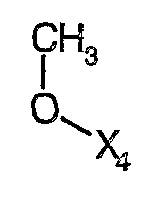
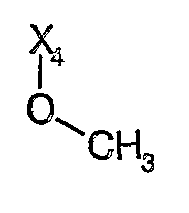
- the abbreviations X 1 , X 2 , X 3 , X 4 and X 5 used in the Table in each case denote a link to a position in the general Formula shown in the Table instead of the corresponding groups R 1 , R 2 , R 3 , R 4 and L-R 5 .
- Preferred compounds include small molecule tyrosin kinase or serine/threonine kinase inhibitors, compounds interacting with nucleic acids classified as alkylating agents or anthracyclines, anti-metabolites, inhibitors of DNA transcribing enzymes such as topoisomerase I or II, tubulin binding drugs, anti-mitotic agents, antibodies targeting growth factors or their receptors and antibodies binding to surface molecules of cancer cells or ligands of these surface molecules in form of the hydrates and/or solvates and optionally in the form of the individual optical isomers, mixtures of the individual enantiomers or racemates thereof.
- the instant invention is directed to a pharmaceutical combination, wherein the further chemotherapeutic or naturally occurring, semi-synthetic or synthetic therapeutic agent 2 is selected from the group consisting of a small molecule VEGF receptor antagonist such as vatalanib (PTK-787/ZK222584), SU-5416, SU-6668, SU-11248, SU-14813, AZD-6474, AZD-2171, CP-547632, CEP-7055, AG-013736, IM-842 or GW-786034, a dual EGFR/HER2 antagonist such as gefitinib, erlotinib, CI-1033 or GW-2016, an EGFR antagonist such as iressa (ZD-1839), tarceva (OSI-774), PKI-166, EKB-569, HKI-272 or herceptin, an antagonist of the mitogen-activated protein kinase such as BAY-43-9006 or BAY-57-9006,
- Preferred compounds include small molecule VEGF receptor antagonist such as vatalanib (PTK-787/ZK222584), SU-5416, SU-6668, SU-11248, SU-14813, AZD-6474, EGFR/BER2 antagonists such as CI-1033 or GW-2016, an EGFR antagonist such as iressa (gefitinib, ZD-1839), tarceva (erlotinib, OSI-774), PKI-166, EKB-569, HKI-272 or herceptin, an antagonist of the mitogen-activated protein kinase such as BAY-43-9006 or BAY-57-9006, atrasentan, rituximab, cetuximab, AvastinTM (bevacizumab), IMC-1C11, erbitux (C-225), DC-101, EMD-72000, vitaxin, imatinib, an alkylating agent or a platinum compound such as melphal
- the instant invention is directed to a pharmaceutical composition, wherein the further chemotherapeutic or naturally occurring, semi-synthetic or synthetic therapeutic agent 2 is selected from the group consisting of an anti-cancer drug from plants such as paclitaxel (taxol), docetaxel, a vinca alkaloid such as navelbine, vinblastin, vincristin, vindesine or vinorelbine, an alkylating agent or a platinum compound such as melphalan, cyclophosphamide, an oxazaphosphorine, cisplatin, carboplatin, oxaliplatin, satraplatin, tetraplatin, iproplatin, mitomycin, streptozocin, carmustine (BCNU), lomustine (CCNU), busulfan, ifosfamide, streptozocin, thiotepa, chlorambucil, a nitrogen mustard such as mechlorethamine, an immunomodulatory drug such as thalidomide,
- Preferred compounds include small molecule receptor antagonists such aus vatalanib, SU 11248 or AZD-6474, EGFR or HER2 antagonists such as gefitinib, erlotinib, CI-1033 or Herceptin, antibodies such as bevacizumab, cetuximab, rituximab, DNA alkylating drugs such as cisplatin, oxaliplatin or carboplatin, anthracyclines such as doxorubicin or epirubicin, an antimetabolite such as 5-FU, pemetrexed, gemcitabine or capecitabine, a camptothecin such as irinotecan or topotecan, an anti-cancer drug such as paclitaxel or docetaxel, an epipodophyllotoxin such as etoposide or teniposide, a proteasome inhibitor such as bortezomib or antiinflammatory drugs such as celecoxib or rofecoxi
- the instant invention is directed to a pharmaceutical composition as defined hereinbefore, wherein the further chemotherapeutic or naturally occurring, semi-synthetic or synthetic therapeutic agent 2 is the quinazoline derivative 4-[(3-chloro-4-fluorophenyl)amino]-6- ⁇ [4-(N,N-dimethylamino)-1-oxo-2-buten-1-yl]amino ⁇ -7-(( S )-tetrahydrofuran-3-yloxy)-quinazoline or a pharmaceutically acceptable salt thereof.
- the instant invention is directed to a pharmaceutical composition as defined hereinbefore, wherein the further chemotherapeutic or naturally occurring, semi-synthetic or synthetic therapeutic agent 2 is the di-maleic acid salt of the compound 4-[(3-chloro-4-fluorophenyl)amino]-6- ⁇ [4-(N,N-dimethylamino)-1-oxo-2-buten-1-yl]amino ⁇ -7-(( S )-tetrahydrofuran-3-yloxy)-quinazoline, or 4-[(3-chloro-4-fluoro-phenyl)amino]-6- ⁇ [4-(homomorpholin-4-yl)-1-oxo-2-buten-1-yl]amino ⁇ -7-[( S )-(tetrahydrofuran-3-yl)oxy]-quinazoline, or the tautomers, stereoisomers or a pharmaceutically acceptable salt thereof.
- the instant invention is directed to a pharmaceutical composition as defined hereinbefore, wherein the further chemotherapeutic or naturally occurring, semi-synthetic or synthetic therapeutic agent 2 is the 4-[(3-chloro-4-fluorophenyl)amino]-6- ⁇ [4-(homomorpholin-4-yl)-1-oxo-2-buten-1-yl]amino ⁇ -7-[( S )-(tetrahydrofuran-3-yl)oxy]-quinazoline , or a pharmaceutically acceptable salt thereof.
- the instant invention is directed to a pharmaceutical composition as defined hereinbefore, wherein the further chemotherapeutic or naturally occurring, semi-synthetic or synthetic therapeutic agent 2 is the 3-Z-[1-(4-(N-((4-methyl-piperazin-1-yl)-methylcarbonyl)-N-methyl-amino)-anilino)-1-phenylmethylene]-6-methoxycarbonyl-2-indolinone, or a polymorph, metabolite or pharmaceutically acceptable salt thereof.
- the instant invention is directed to a pharmaceutical composition as defined hereinbefore, wherein the further chemotherapeutic or naturally occurring, semi-synthetic or synthetic therapeutic agent 2 is the monoethanesulfonate salt of 3-Z-[1-(4-(N-((4-methyl-piperazin-1-yl)-methylcarbonyl)-N-methyl-amino)-anilino)-1-phenyl-methylene]-6-methoxycarbonyl-2-indolinone.
- the instant invention is directed to a pharmaceutical composition as defined hereinbefore, wherein the further chemotherapeutic or naturally occurring, semi-synthetic or synthetic therapeutic agent 2 is the 3-Z-[1-(4-dimethylaminomethylanilino)-1-(4-(2-carboxyethyl)phenyl)methylene]-6-fluoro-2-indolinone, or a polymorph, metabolite or pharmaceutically acceptable salt thereof.
- the instant invention is directed to a pharmaceutical composition, wherein the further chemotherapeutic or naturally occurring, semi-synthetic or synthetic therapeutic agent 2 is irinotecan, topotecan, oxaliplatin, docetaxel, paclitaxel, gemcitabine, pemetrexed, cisplatin, carboplatin, bevacizumab, cetuximab, gefitinib or erlotinib, particularly preferred irinotecan, docetaxel, gemcitabine, topotecan or paclitaxel.
- the further chemotherapeutic or naturally occurring, semi-synthetic or synthetic therapeutic agent 2 is irinotecan, topotecan, oxaliplatin, docetaxel, paclitaxel, gemcitabine, pemetrexed, cisplatin, carboplatin, bevacizumab, cetuximab, gefitinib or erlotinib, particularly preferred irinotecan, do
- the instant invention is directed to a pharmaceutical composition as defined hereinbefore, wherein the further naturally occurring, semi-synthetic or synthetic therapeutic agent 2 is a compound which reduces the transport of hyaluronan mediated by one or more ABC transporters, or drug transport inhibitor, such as a P-glycoprotein (P-gp) inhibitor molecule or inhibitor peptide, an MRP1 inhibitor, an antibody directed against and capable of blocking the ABC transporter, an antisense oligomer, iRNA, siRNA or aptamer directed against one or more ABC transporters.
- P-gp P-glycoprotein
- MRP1 inhibitor an antibody directed against and capable of blocking the ABC transporter
- an antisense oligomer iRNA, siRNA or aptamer directed against one or more ABC transporters.
- P-glycoprotein (P-gp) inhibitor molecules in accordance with the-present invention are zosuquidar (LY 335973), its salts (especially the trichloride salt) and its polymorphs, cyclosporin A (also known as cyclosporine), verapamil or its R-isomer, tamoxifen, quinidine, d-alpha tocopheryl polyethylene glycol 1000 succinate, VX-710, PSC833, phenothiazine, GF120918 (II), SDZ PSC 833, TMBY, MS-073, S-9788, SDZ 280-446, XR(9051) and functional derivatives, analogues and isomers of these.
- zosuquidar LY 335973
- its salts especially the trichloride salt
- cyclosporin A also known as cyclosporine
- verapamil or its R-isomer tamoxifen
- quinidine qui
- suitable pharmaceutically acceptable salts thereof may include alkali metal salts (e.g. sodium or potassium salts), alkaline earth metal salts (e. g. calcium or magnesium salts) and salts formed with suitable organic ligands (e.g. quaternary ammonium salts).
- alkali metal salts e.g. sodium or potassium salts
- alkaline earth metal salts e.g. calcium or magnesium salts
- suitable organic ligands e.g. quaternary ammonium salts
- the compounds 2 may have chiral centers and may occur as racemates, racemic mixtures and as individual diastereomers, or enantiomers with all isomeric forms being included in the present invention. Hence, where a compound is chiral, the separate enantiomers, substantially free of the others, are included within the scope of the invention. Further included are all mixtures of the two enantiomers. Also included within the scope of the invention are polymorphs and hydrates of the compounds of the instant invention.
- the present invention includes within its scope prodrugs of a compound 1 of Formula (I) and of the further active ingredient 2 .
- prodrugs will be functional derivatives of the compounds or active ingredients of this invention which are readily convertible in vivo into the required compound.
- the invention relates to a composition as defined hereinbefore, which inhibits the proliferation of various human tumour cell lines including but not limited to Saos-2, H4, MDA-MB-435S, MDA-MB453, MCF7, HeLa S3, HCT116, Colo 205, HT29, FaDu, HL-60, K-562, THP-1, HepG2, A549, NCI-H460, GRANTA-519, Raji, Ramos, BRO, SKOV-3, BxPC-3, Mia CaPa-2, DU145, PC-3, NCI-N87, MES-SA, SK-UT-1B and A431.
- Another embodiment of the invention relates to the use of a pharmaceutical composition as defined hereinbefore for the preparation of a medicament for the treatment of oncological diseases, such as malignant human neoplasias.
- the instant invention relates to the use of a pharmaceutical composition as defined hereinbefore, wherein the oncological disease is selected from the group consisting of solid tumours.
- the invention relates to the use of a pharmaceutical composition as defined hereinbefore, wherein the oncological disease is selected from the group consisting of urogenital cancers (such as prostate cancer, renal cell cancers, bladder cancers), gynecological cancers (such as ovarian cancers, cervical cancers, endometrial cancers), lung cancer, gastrointestinal cancers (such as colorectal cancers, pancreatic cancer, gastric cancer, oesophageal cancers, hepatocellular cancers, cholangiocellular cancers), head and neck cancer, malignant mesothelioma, breast cancer, malignant melanoma or bone and soft tissue sarcomas.
- urogenital cancers such as prostate cancer, renal cell cancers, bladder cancers
- gynecological cancers such as ovarian cancers, cervical cancers, endometrial cancers
- lung cancer such as gastrointestinal cancers (such as colorectal cancers, pancreatic cancer, gastric cancer, o
- the invention relates to the use of a pharmaceutical composition as defined hereinbefore wherein the oncological disease is selected from the group consisting of refractory or relapsed multiple myeloma, acute or chronic myelogenous leukaemia, myelodysplastic syndrome,acute lymphoblastic leukaemia, Hodgkin's or non-Hodgkin's lymphoma.
- the oncological disease is selected from the group consisting of refractory or relapsed multiple myeloma, acute or chronic myelogenous leukaemia, myelodysplastic syndrome,acute lymphoblastic leukaemia, Hodgkin's or non-Hodgkin's lymphoma.
- the disease is hormone sensitive or hormone refractory prostate cancer, ovarian carcinoma, or small cell lung cancer.
- the invention relates to the use of a composition as defined hereinbefore, wherein the oncological disease is characterized by inappropriate cellular proliferation, migration, apoptosis or angiogenesis, preferably by inappropriate cellular proliferation.
- Inappropriate cell proliferation means cellular proliferation resulting from inappropriate cell growth, from excessive cell division, from cell division at an accelerated rate and/or from inappropriate cell survival.
- the invention relates to the use according to the invention, wherein the disease is cancer selected from the group consisting of carcinomas, sarcomas, melanomas, myelomas, hematological neoplasias, lymphomas and childhood cancers.
- carcinomas within the scope of the invention include but are not limited to adenocarcinoma (AC), squamous cell carcinoma (SCC) and mixed or undifferentiated carcinomas.
- Carcinomas within the scope of the invention include but are not limited to the following histologies:
- sarcomas within the scope of the invention include but are not limited to Ewing-sarcoma, osteosarcoma or osteogenic sarcoma, chondrosarcoma, synovial sarcoma, leiomyosarcoma, rhabdomyosarcoma, mesothelial sarcoma or mesothelioma, fibrosarcoma, angiosarcoma or hemangioendothelioma, liposarcoma, glioma or astrocytoma, myxosarcoma, malignant fibrous histiocytoma, mesenchymous or mixed mesodermal tumour, neuroblastoma and clear cell sarcoma.
- Examples of skin tumors within the scope of the invention include but are not limited to basal cell carcinoma, Merkel cell carcinoma, sebaceous carcinoma, fibroxanthoma, malignant fibrous histiocytoma, and skin sarcoma.
- melanomas within the scope of the invention include but are not limited to superficial spreading melanoma, nodular and lentigo-maligna melanoma.
- myelomas within the scope of the invention include but are not limited to immunocytoma, plasmocytoma and multiple myeloma.
- childhood cancers within the scope of the invention include but are not limited to Wilms' tumor, neuroblastoma, retinoblastoma, rhabdomyosarcoma, Ewing's sarcoma and peripheral primitive neuroectodermal tumors, germ cell tumors and childhood lymphoma and leukemias.
- the invention relates to the use of a composition as defined hereinbefore, wherein the hematologic cancer is leukemia.
- hematologic neoplasias within the scope of the invention include but are not limited to acute or chronic leukemias of myeloid, erythroid or lymphatic origin, myelodysplastic syndromes (MDS) and myeloproliferative syndromes (MPS, such as chronic myelogeneous leukemia, osteomyelofibrosis, polycythemia vera or essential thrombocythemia).
- MDS myelodysplastic syndromes
- MPS myeloproliferative syndromes
- lymphomas within the scope of the invention include but are not limited to:
- the invention relates to the use according to the invention, wherein the disease is cancer selected from the group consisting of mixed tumours, undifferentiated tumours and metastases thereof.
- mixed tumours within the scope of the invention include but are not limited to adenosquamous carcinomas, mixed mesodermal tumours, carcinosarcomas and teratocarcinomas.
- undifferentiated, other tumours or metastases thereof within the scope of the invention include but are not limited to undifferentiated tumours, carcinomas of unknown primary (CUP), metastases of unknown primary (MUP) and pheochromocytoma, carcinoids.
- the invention relates to the use of a composition as defined hereinbefore, for the preparation of a medicament for the treatment of autoimmune disorders selected from the group consisting of amyloidosis, systemic lupus erythematosus, rheumatoid arthritis, Crohn's disease, multiple sclerosis, systemic sclerosis (scleroderma), mixed connective tissue disease, Sjögren's syndrome, ankylosing spondylitis, autoimmune vasculitis, Behcet's syndrome, psoriasis, autoimmune arthritis, sarcoidosis and diabetes mellitus.
- autoimmune disorders selected from the group consisting of amyloidosis, systemic lupus erythematosus, rheumatoid arthritis, Crohn's disease, multiple sclerosis, systemic sclerosis (scleroderma), mixed connective tissue disease, Sjögren's syndrome, ankylosing spondylitis, autoimmune vasculitis, Beh
- the invention relates to the use of a pharmaceutical composition as defined hereinbefore for the preparation of a medicament for the treatment of further non-oncological diseases, such as diabetic retinopathy and rheumatoid arthritis.
- the invention relates to the use of a composition as defined hereinbefore wherein the composition according to the invention is administered orally, enterically, transdermally, intravenously, peritoneally or by injection, preferably intravenously.
- the invention relates to a pharmaceutical combination preparation kit for the treatment of diseases involving cell proliferation, migration or apoptosis of myeloma cells, or angiogenesis, comprising a therapeutically effective amount of a compound 1 of Formula (I) in accordance with the present invention, or a polymorph, hydrate, metabolite or pharmaceutically acceptable salt thereof, and at least a further chemotherapeutic or naturally occurring, semi-synthetic or synthetic therapeutic agent 2 , and optionally adapted for a co-treatment with radiotherapy or radio-immunotherapy, characterised in that the compound 1 of Formula (I) is comprised within a first compartment and the further chemotherapeutic or naturally occurring, semi-synthetic or synthetic therapeutic agent 2 is comprised within a second compartment, such that the administration to a patient in need thereof can be simultaneous, separate or sequential.
- the invention relates to a pharmaceutical combination preparation kit, wherein the formulation of the compound 1 of Formula (I) in accordance with the present invention is for oral administration or injection.
- the invention relates to the use of a pharmaceutical combination or a pharmaceutical combination preparation kit, for the manufacture of a medicament, optionally adapted for a co-treatment with radiotherapy or radio-immunotherapy, to treat diseases involving cell proliferation, migration or apoptosis of cancer cells, or angiogenesis, in a human or non-human mammalian body.
- the invention relates to the use of an effective amount of a compound 1 of Formula (I) or a polymorph, hydrate, metabolite or pharmaceutically acceptable salt thereof, in combination with at least a further chemotherapeutic or naturally occurring, semi-synthetic or synthetic therapeutic agent 2 , for the manufacture of a pharmaceutical combination preparation, optionally adapted for a co-treatment with radiotherapy or radio-immunotherapy, for simultaneous, separate or sequential use in the treatment of diseases involving cell proliferation, migration or apoptosis of cancer cells, or angiogenesis, in a human or non-human mammalian body.
- the invention relates to a method for the treatment of diseases involving cell proliferation, migration or apoptosis of cancer cells, or angiogenesis, which method comprises simultaneous, separate or sequential co-administration of effective amounts of:
- the invention relates to the uses described above, characterised in that a compound 1 of Formula (I), or its polymorph, metabolite, hydrate, solvate, an individual optical isomer, mixtures of the individual enantiomers or racemates thereof, or a pharmaceutically acceptable salt thereof, is administered intermittent or in a daily dosage such that the plasma level of the active substance lies between 10 and 5000 nM for at least 12 hours of the dosing interval.
- terapéuticaally effective amount shall mean that amount of a drug or pharmaceutical agent that will elicit the biological or medical response of a tissue, system, animal or human that is being sought by a researcher or clinician.
- composition is intended to encompass a product comprising the specified ingredients in the specified amounts, as well as any product which results, directly or indirectly, from a combination of the specified ingredients in the specified amounts.
- the components 1 and 2 of the composition for a combination therapy may be administered separately (which implies that they are formulated separately) or together (which implies that they are formulated together).
- the administration of one element of the combination of the present invention may be prior to, concurrent to, or subsequent to the administration of the other element of the combination.
- the elements of the combination of 1 and 2 may be administered by oral (including buccal or sublingual), enterical, parenteral (e.g., intramuscular, intraperitoneal, intravenous, transdermal or subcutaneous injection, or implant), nasal, vaginal, rectal, or topical (e.g. ocular eyedrops) routes of administration and may be formulated, alone or together, in suitable dosage unit formulations containing conventional non-toxic pharmaceutically acceptable carriers, adjuvants and vehicles appropriate for each route of administration.
- oral including buccal or sublingual
- enterical e.g., intramuscular, intraperitoneal, intravenous, transdermal or subcutaneous injection, or implant
- nasal, vaginal, rectal e.g. ocular eyedrops
- topical e.g. ocular eyedrops
- the element 1 of the combination in accordance with the invention is administered orally, enterically, transdermally, intravenously, peritoneally or by injection, preferably intravenously.
- compositions for the administration of the components 1 and 2 of this invention may conveniently be presented in dosage unit form and may be prepared by any of the methods well known in the art of pharmacy. All methods include the step of bringing the active ingredient into association with the carrier which is constituted of one or more accessory ingredients. In general, the pharmaceutical compositions are prepared by uniformly and intimately bringing the active ingredients into association with a liquid carrier or a finely divided solid carrier or both, and then, if necessary, shaping the product into the desired dosage form. In the pharmaceutical compositions the active compounds are included in an amount sufficient to produce the desired pharmacologic effect.
- compositions containing the active ingredients 1 and 2 , separately or together, that are suitable for oral administration may be in the form of discrete units such as hard or soft capsules, tablets, troches or lozenges, each containing a predetermined amount of the active ingredients, or in the form of a dispersible powder or granules, or in the form of a solution or a suspension in an aqueous liquid or non-aqueous liquid, or in the form of syrups or elixirs, or in the form of an oil-in-water emulsion or a water-in-oil emulsion.
- discrete units such as hard or soft capsules, tablets, troches or lozenges, each containing a predetermined amount of the active ingredients, or in the form of a dispersible powder or granules, or in the form of a solution or a suspension in an aqueous liquid or non-aqueous liquid, or in the form of syrups or elixirs, or in the form of an oil-in
- Dosage forms intended for oral use may be prepared according to any method known to the art for the manufacture of pharmaceutical formulations and such compositions.
- excipients used may be, for example: (a) inert diluents such as mannitol, sorbitol, calcium carbonate, pregelatinized starch, lactose, calcium phosphate or sodium phosphate; (b) granulating and disintegrating agents, such as povidone, copovidone, hydroxypropylmethylcellulose, corn starch, alginic acid, crospovidone, sodiumstarchglycolate, croscarmellose, or polacrilin potassium ; (c) binding agents such as microcrystalline cellulose or acacia ; and (d) lubricating agents such as magnesium stearate, stearic acid, fumaric acid or talc.
- inert diluents such as mannitol, sorbitol, calcium carbonate, pregelatinized starch, lactose, calcium phosphate or sodium phosphate
- granulating and disintegrating agents such as povidone, copovidon
- formulations for oral use may be in the form of hard gelatin or HPMC (hydroxypropylmethylcellulose) capsules wherein the active ingredients 1 or 2 , separately or together, is mixed with an inert solid diluent, for example pregelatinized starch, calcium carbonate, calcium phosphate or kaolin, or dispensed via a pellet formulation. They may also be in the form of soft gelatin capsules wherein the active ingredient is mixed with water or an oil medium, for example peanut oil, liquid paraffin, medium chain triglycerides or olive oil.
- HPMC hydroxypropylmethylcellulose
- the tablets, capsules or pellets may be uncoated or they may be coated by known techniques to delay disintegration and absorption in the gastrointestinal tract and thereby provide a delayed action or sustained action over a longer period.
- a time delay material such as celluloseacetate phtalate or hydroxypropylcellulose acetate succinate or sustained release material such as ethylcellulose or ammoniomethacrylate copolymer (type B) may be employed.
- Liquid dosage forms for oral administration in accordance with the present invention include pharmaceutically acceptable emulsions, solutions, suspensions, syrups, and elixirs containing inert diluents commonly used in the art, such as water. Besides such inert diluents, compositions can also include adjuvants, such as wetting agents, emulsifying and suspending agents, and sweetening, flavoring, perfuming and preserving agents.
- adjuvants such as wetting agents, emulsifying and suspending agents, and sweetening, flavoring, perfuming and preserving agents.
- Aqueous suspensions in accordance with the present invention normally contain the active materials 1 and 2 , separately or together, in admixture with excipients suitable for the manufacture of aqueous suspensions.
- excipients may be (a) suspending agents such as hydroxy ethylcellulose, sodium carboxymethylcellulose, methylcellulose, hydroxypropylmethylcellulose, sodium alginate, polyvinylpyrrolidone, gum tragacanth and gum acacia; (b) dispersing or wetting agents which may be (b.1) a naturally-occurring phosphatide such as lecithin, (b.2) a condensation product of an alkylene oxide with a fatty acid, for example, polyoxyethylene stearate, (b.3) a condensation product of ethylene oxide with a long chain aliphatic alcohol, for example heptadecaethyleneoxycetanol, (b.4) a condensation product of ethylene oxide with a partial ester derived from a fatty acid and a he
- the aqueous suspensions may also contain: one or more preservatives, for example, ethyl or n-propyl p-hydroxybenzoate; one or more coloring agents; one or more flavoring agents; and one or more sweetening agents, such as sucrose or saccharin.
- preservatives for example, ethyl or n-propyl p-hydroxybenzoate
- coloring agents for example, ethyl or n-propyl p-hydroxybenzoate
- flavoring agents for example, ethyl or n-propyl p-hydroxybenzoate
- sweetening agents such as sucrose or saccharin.
- Oily suspensions in accordance with the present invention may be formulated by suspending the active ingredients 1 and 2 , separately or together, in a vegetable oil, for example arachis (peanut) oil, olive oil, sesame oil or coconut oil, or in a mineral oil such as liquid paraffin.
- the oily suspensions may contain a thickening agent, for example beeswax, hard paraffin or cetyl alcohol. Sweetening agents and flavoring agents may be added to provide a palatable oral preparation.
- These compositions may be prepared by the addition of an antioxidant such as ascorbic acid.
- Dispersible powders and granules are suitable formulations for the preparation of an aqueous suspension in accordance with the present invention.
- the active ingredients 1 and 2 are present, separately or together, in admixture with a dispersing or wetting agent, a suspending agent and one or more preservatives.
- a dispersing or wetting agent e.g., talc, kaolin, kaolin, kaolin, kaolin, kaolin, kaolin, kaolin, kaolin, kaolin, kaolin, sorbitol, sorbitol, sorbitol, sorbitol, sorbitol, sorbitol, sorbitol, sorbitol, sorbitol, sorbitol, sorbitol, sorbitol, sorbitol, mannitol, mannitol, mannitol, mannitol, mannitol, mannitol
- compositions of the invention may also be in the form of oil-in-water emulsions.
- the oily phase may be a vegetable oil such as olive oil or arachis (peanut) oil, or a mineral oil such as liquid paraffin or a mixture thereof.
- Suitable emulsifying agents may be (a) naturally-occurring gums such as gum acacia and gum tragacanth, (b) naturally-occurring phosphatides such as soybean and lecithin, (c) esters or partial esters derived from fatty acids and hexitol anhydrides, for example sorbitan monooleate, (d) condensation products of said partial esters with ethylene oxide, for example polyoxyethylene sorbitan monooleate.
- the emulsions may also contain sweetening and flavouring agents.
- Syrups and elixirs in accordance with the present invention may be formulated with sweetening agents, for example glycerol, propylene glycol, sorbitol or sucrose. Such formulations may also contain a preservative and flavoring and coloring agents.
- sweetening agents for example glycerol, propylene glycol, sorbitol or sucrose.
- Such formulations may also contain a preservative and flavoring and coloring agents.
- compositions containing 1 and 2 may be in the form of a sterile injectable aqueous or oleagenous suspension or solution.
- the suspension may be formulated according to known methods using those suitable dispersing or wetting agents and suspending agents which have been mentioned hereinbefore.
- a suitable sterile injectable preparation may also be a sterile injectable solution or suspension in a non toxic parenterally-acceptable diluent or solvent, for example a solution in 1,3-butane-diol.
- suitable acceptable vehicles and solvents that may be employed are water, Ringer's solution and an isotonic sodium chloride solution.
- sterile, fixed oils may conventionally be employed as a solvent or suspending medium.
- any bland fixed oil may be employed, including synthetic mono-or diglycerides.
- fatty acids such as oleic acid find use in the preparation of injectables in accordance with the present invention.
- Preparations for parenteral administration according to the present invention containing 1 and 2 include sterile aqueous or non-aqueous solutions, suspension, or emulsions.
- non-aqueous solvents or vehicles for the preparations in accordance with the present invention are propylene glycol, polyethylene glycol, vegetable oils, such as olive oil and corn oil, gelatin, and injectable organic esters such as ethyl oleate.
- Such dosage forms may also contain adjuvants such as preserving, wetting, emulsifying, and dispersing agents. They may be sterilized by, for example, by filtration through a bacteria-retaining filter, by incorporating sterilizing agents into the compositions, by irradiating the compositions, or by heating the compositions. They may also be manufactured in the form of sterile solid compositions which can be reconstituted in sterile water, or some other sterile injectable medium immediately before use.
- compositions can be prepared by mixing the active ingredient with a suitable non-irritating excipient which is solid at ordinary temperatures but liquid at the rectal temperature and will therefore melt in the rectum to release the active ingredient.
- suitable non-irritating excipient which is solid at ordinary temperatures but liquid at the rectal temperature and will therefore melt in the rectum to release the active ingredient.
- Such materials are cocoa butter, hard fat, and polyethylene glycols.
- compositions for buccal, nasal or sublingual administration in accordance with the present invention may be prepared with standard excipients well known in the art.
- the elements 1 and 2 of the combination of this invention may be formulated, separately or together, in liquid or semi-liquid preparations.
- suitable preparations are: liniments, lotions, applications; oil-in-water or water-in-oil emulsions such as creams, ointments, jellies or pastes, including toothpastes; solutions or suspensions such as drops.
- the dosage of the active ingredients in the compositions in accordance with the present invention may be varied, although the amount of the active ingredients 1 and 2 shall be such that a suitable dosage form is obtained.
- the selected dosage and the selected dosage form shall depend on the desired therapeutic effect, the route of administration and the duration of the treatment. Suitable dosage ranges for the combination are from the maximal tolerated dose for the single agent to lower doses, e.g. to one tenth of the maximal tolerated dose.
- compositions comprising a compound 1 of chemical structure (I) in combination with one of the aforementioned combination partners 2 , and by in vivo combination studies showing the potency of the combination to inhibit the proliferationn and/or to induce the apoptosis of tumour cells.
- the compound 1 of chemical structure (I) is 4-[[(7 R )-8-cyclopentyl-7-ethyl-5,6,7,8-tetrahydro-5-methyl-6-oxo-2-pteridinyl]amino]-3-methoxy- N -(1-methyl-4-piperidinyl)-benzamide, which is a compound of Formula (I) according to the invention (Exemplified compound Nr. 46 in Table 1).
- Exemplified compound Nr. 46 of Table 1 is a potent and selective inhibitor of the serine/threonine kinase PLK-1.
- irinotecan (sold under the Trade name Campto ® ) is a standard chemotherapeutic agent for treatment of colorectal carcinomas.
- Previous studies have shown that exemplified compound Nr. 46 of Table 1 and irinotecan are active on HCT 116 derived tumors in nude mice. The goal of the present study was to assess the anti-cancer efficacy of suboptimal doses of exemplified compound Nr. 46 of Table 1, irinotecan and the combination of exemplified compound Nr. 46 of Table 1 and irinotecan, in the human colon carcinoma model HCT 116 grown as xenograft in nude mice. Suboptimal doses of both compounds were used to facilitate the detection of additive, synergistic or antagonistic effects.
- Model Human colon carcinoma model HCT 116 grown as subcutaneous xenografts in nude mice.
- Tumor volumes and animal weights were recorded 3 times per week. Evaluation of therapy results was based on the absolute volumes of individual tumors.
- mice were female BomTac:NMRI-nu/nu.
- Exemplified compound Nr. 46 of Table 1 was dissolved in hydrochloric acid (0.1 N) diluted with 0.9% NaCl and injected intravenously into the tail vein.
- irinotecan infusion concentrate was diluted with 0.9% NaCl and injected intraperitoneally.
- the administration volume was 10 ml per kg body weight for both compounds.
- HCT 116 tumors were established from cultured HCT 116 cells. Tumor volumes were determined three times a week using a caliper. The weight of mice was determined as an indicator of tolerability on the same days. Plasma samples were taken on the last treatment day.
- Treatment with the combination of suboptimal doses of exemplified compound Nr. 46 of Table 1 and irinotecan shows a significant growth delay and a higher efficacy than either of the compounds alone, without a decrease in tolerability.
- Exemplified compound Nr. 46 of Table 1 is a potent and selective inhibitor of the PLK1 serine/threonine kinase.
- Docetaxel (sold under the Trade Name Taxotere ® ) is a standard chemotherapeutic agent for treatment of lung cancer.
- Previous studies have shown that exemplified compound Nr. 46 of Table 1 is active on nude mice xenografts derived from the human lung cancer cell line NCI-H460. The goal of the present study was to assess the anti-cancer effects of suboptimal doses of exemplified compound Nr. 46 of Table 1 and docetaxel on NCI-H460 tumor growth when administered alone or in combination. Suboptimal doses of both compounds were used to facilitate the detection of additive, synergistic or antagonistic effects.
- Model Human non-small cell lung carcinoma model NCI-H460 grown as subcutaneous xenografts in nude mice.
- Treatment groups (intravenous administration, 10 animals per group): Controls Vehicle, once weekly for 4 weeks ((q7d)x4) Exemplified compound Nr. 46 of Table 1 50 mg/kg, once weekly for 4 weeks ((q7d)x4) Docetaxel 15 mg/kg, once weekly for 4 weeks ((q7d)x4) Combination 50 mg/kg exemplified compound Nr. 46 of Table 1, once weekly for 4 weeks ((q7d)x4) and 15 mg/kg Docetaxel, once weekly (3 days after exemplified compound Nr. 46 of Table 1) for 4 weeks ((q7d)x4)
- Tumor volumes and animal weights were recorded 3 times per week. Evaluation of therapy results was based on the absolute volumes of individual tumors.
- mice were female BomTac:NMRI-nu/nu. Exemplified compound Nr. 46 of Table 1 was dissolved in hydrochloric acid (0.1 N) diluted with 0.9% NaCl and injected intravenously into the tail vein. Docetaxel infusion concentrate was diluted with 0.9% NaCl and injected intravenously. The administration volume was 10 ml per kg body weight.
- NCI-H460 tumors were established from cultured NCI-H460 cells. Tumor volumes were determined three times a week using a caliper. The weight of mice was determined as an indicator of tolerability on the same days. Plasma samples were taken on the last treatment day.
- Docetaxel significantly delays tumor growth (T/C 42 %, p ⁇ 0.05).
- the difference to the single treatment with exemplified compound Nr. 46 of Table 1 is also significant (p ⁇ 0.01), indicating that the two agents might act at least additively.
- Exemplified compound Nr. 46 of Table 1 is a potent and selective inhibitor of the serine/threonine kinase PLK1.
- Gemcitabine (sold under the Trade Name Gemzar ® ) is a standard chemotherapeutic agent for treatment of pancreatic adenocarcinomas .
- the goal of the present study was to assess the anti-cancer efficacy of suboptimal doses of exemplified compound Nr. 46 of Table 1, gemcitabine and their combination in the human pancreas adenocarcinoma model BxPC-3 grown as xenograft in nude mice. Suboptimal doses of both compounds were used to facilitate the detection of additive, synergistic or antagonistic effects.
- Model Human adenocarcinoma model BxPC-3 grown as subcutaneous xenografts in nude mice.
- Tumor volumes and animal weights were recorded 3 times per week. Evaluation of therapy results was based on the absolute volumes of individual tumors.
- mice were female BomTac:NMRI-nu/nu.
- Exemplified compound Nr. 46 of Table 1 was dissolved in hydrochloric acid (0.1 N) diluted with 0.9% NaCl and injected intravenously into the tail vein.
- Gemcitabin infusion concentrate was diluted with 0.9% NaCl and injected intraperitoneally.
- the administration volume was 10 ml per kg body weight for both compounds.
- BxPC-3 tumours were established from cultured BxPC-3. Tumour volumes were determined three times a week using a calliper. The weight of mice was determined as an indicator of tolerability on the same days. Plasma samples were taken on the last treatment day.
- a combined administration of 50 mg/kg exemplified compound Nr. 46 of Table 1 and of 100 mg/kg gemcitabine delays tumour growth to the same extend as exemplified compound Nr. 46 of Table 1 alone (T/C 24%).
- mice 50 mg/kg exemplified compound Nr. 46 of Table 1, 100 mg/kg gemcitabine and their combination were well tolerated. Control mice gained 6.2 % body weight. Mice treated with 50 mg/kg exemplified compound Nr. 46 of Table 1 showed 8.2 % body weight increase, mice treated with 100 mg/kg gemcitabine gained 8.8 % in average and mice treated with the combination gained 8.5. % body weight.
- a compound of Formula (A1) is reacted with a compound of Formula (A2) to obtain a compound of Formula (A3) (Diagram 1A).
- This reaction may be carried out according to WO 00/43369 or WO 00/43372 .
- Compound (A1) is commercially obtainable, for example, from City Chemical LLC, 139 Allings Crossing Road, West Haven, CT, 06516, USA.
- Compound (A2) may be prepared by procedures known from the literature: ( a ) F. Effenberger, U. Burkhart, J. Willfahrt Liebigs Ann. Chem. 1986, 314-333 ; (b) T. Fukuyama, C.-K. Jow, M. Cheung, Tetrahedron Lett.
- Step 1A 1 equivalent of the compound (A1) and 1 to 1.5 equivalents, preferably 1.1 equivalents of a base, preferably potassium carbonate, potassium hydrogen carbonate, sodium carbonate or sodium hydrogen carbonate, calcium carbonate, most preferably potassium carbonate, are stirred in a diluent optionally mixed with water, for example acetone, tetrahydrofuran, diethylether, cyclohexane, petroleum ether or dioxane, preferably cyclohexane or diethylether.
- a base preferably potassium carbonate, potassium hydrogen carbonate, sodium carbonate or sodium hydrogen carbonate, calcium carbonate, most preferably potassium carbonate
- Step 2A The compound obtained in Step 1A (A3) is reduced at the nitro group and cyclised to form the compound of Formula (A4) (Diagram 2A).
- Step 2A 1 equivalent of the nitro compound (A3) is dissolved in an acid, preferably glacial acetic acid, formic acid or hydrochloric acid, preferably glacial acetic acid, and heated to 50 to 70°C, preferably about 60°C. Then a reducing agent, for example zinc, tin or iron, preferably iron filings, is added to complete the exothermic reaction and the mixture is stirred for 0.2 to 2 hours, preferably 0.5 hours, at 100 to 125 °C, preferably at about 117 °C. After cooling to ambient temperature the iron salt is filtered off and the solvent is distilled off.
- an acid preferably glacial acetic acid, formic acid or hydrochloric acid, preferably glacial acetic acid
- a reducing agent for example zinc, tin or iron, preferably iron filings
- the residue is taken up in a solvent or mixture of solvents, for example ethyl acetate or dichloromethane/ methanol 9/1 and semisaturated NaCl solution, and filtered through kieselgur, for example.
- the organic phase is dried and evaporated down.
- the residue (compound (A4)) may be purified by chromatography or by crystallisation or used as the crude product in Step 3A of the synthesis.
- Step 2A (A4) may be reacted by electrophilic substitution as shown in Diagram 3A to obtain the compound of Formula (A5).
- Step 3A 1 equivalent of the amide of Formula (A4) is dissolved in an organic solvent, for example dimethylformamide or dimethylacetamide, preferably dimethylacetamide, and cooled to about -5 to 5 °C, preferably 0°C.
- organic solvent for example dimethylformamide or dimethylacetamide, preferably dimethylacetamide
- 0.9 to 1.3 equivalents of sodium hydride and 0.9 to 1.3 equivalents of a methylating reagent, e.g. methyl iodide, are added.
- the reaction mixture is stirred for 0.1 - 3 hours, preferably about 1 hour, at about 0 to 10 °C, preferably at about 5 °C, and may optionally be left to stand for a further 12 hours at this temperature.
- the reaction mixture is poured onto ice water and the precipitate is isolated.
- the residue (compound (A5)) may be purified by chromatography, preferably over silica gel, or by crystallisation, or used as the crude product in step 4A of the synthesis.
- the amination of the compound (A5) obtained in Step 3A to yield the compound of Formula (A9) may be carried out using the methods known from the literature, for variants 4.1 A from e.g. (a) M.P.V. Boarland, J.F.W. McOmie J. Chem. Soc. 1951, 1218-1221 or (b) F. H. S. Curd, F. C. Rose J. Chem. Soc. 1946, 343-348 , for variants 4.2 A from e.g. (a) Banks J. Am. Chem. Soc. 1944, 66, 1131 , (b) Ghosh and Dolly J. Indian Chem. Soc. 1981, 58, 512-513 or (c) N. P. Reddy and M. Tanaka Tetrahedron Lett. 1997, 38, 4807-4810 .
- 1 equivalent of the compound (A5) and 1 to 3 equivalents, preferably about 2 equivalents of the compound (A6) are heated without a solvent or in an organic solvent such as for example sulpholane, dimethylformamide, dimethylacetamide, toluene, N-methylpyrrolidone, dimethylsulphoxide or dioxane, preferably sulpholane, for 0.1 to 4 hours, preferably 1 hour, at 100 to 220 °C, preferably at about 160 °C.
- the product (A9) is crystallised by the addition of organic solvents or mixtures of solvents, e.g. diethylether/methanol, ethyl acetate, methylene chloride, or diethylether, preferably diethylether/methanol 9/1, or purified by chromatography.
- a solvent for example toluene or dioxane and combined with a phosphine ligand, for example 2,2'-bis-(diphenylphosphino)-1,1'-binaphthyl and a palladium catalyst, for example tris(dibenzylidene-acetone)-dipalladium(0) and a base, for example caesium carbonate, and refluxed for 1-24 h, preferably 17 h.
- the reaction mixture is purified for example over silica gel and the product (A8) is isolated from the solution or obtained by suitable crystallisation.
- the product (A8) is dissolved in a suitable solvent, for example dioxane and mixed with acid, for example semiconcentrated hydrochloric acid, for example in the ratio of solvent to acid of 3: 1. Then the mixture is refluxed for 1 - 48 h, for example 12 h, and the precipitate formed is isolated. If desired the product (A9) is purified by crystallisation.
- a suitable solvent for example dioxane and mixed with acid, for example semiconcentrated hydrochloric acid, for example in the ratio of solvent to acid of 3: 1.
- acid for example semiconcentrated hydrochloric acid
- 1 equivalent of the compound (A9) is dissolved with 1 equivalent of an activating reagent, e.g. O-benzotriazolyl-N,N,N',N'-tetramethyluronium tetrafluoroborate (TBTU) and a base, for example 1.5 equivalents of diisopropylethylamine (DIPEA) in an organic diluent, for example dichloromethane, tetrahydrofuran, dimethylformamide, N-methylpyrrolidone, dimethylacetamide, preferably dichloromethane or dimethylformamide.
- an activating reagent e.g. O-benzotriazolyl-N,N,N',N'-tetramethyluronium tetrafluoroborate (TBTU)
- DIPEA diisopropylethylamine
- organic diluent for example dichloromethane, tetrahydrofuran, dimethylformamide, N-methylpyrrolidon
- the compounds of general Formula (I) may be synthesised analogously to the following examples of synthesis.
- the numbering of the Examples corresponds to the numbering used in Table 1.
- Example 188 To synthesise the compounds Example 188 and Example 203 of Table 1, first of all an intermediate compound Z2 is prepared as described below.
- 1,1-dimethyl-2-dimethylamino-1-yl-ethylamine and 1,1-dimethyl-2-piperidin-1-yl-ethylamine may be obtained as follows.
- the compounds may be prepared according to the following references: (a) S. Schuetz et al. Arzneisch-Forschung 1971, 21, 739-763 , (b) V. M. Belikov et al.Tetrahedron 1970, 26, 1199-1216 and (c) E.B. Butler and McMillan J. Amer. Chem. Soc. 1950, 72, 2978 .
- trans-dibenzyl-4-morpholino-cyclohexylamine may be prepared by the following method:
- the cis isomer may be prepared analogously.
- the cis isomer may be prepared analogously.
- the cis isomer may be prepared analogously.
- the faster eluting cis compound crystallised from ethyl acetate.
- the trans-compound is crystallised from ethanol + concentrated HCl. Yield: 8.5 g (61 %) cis-isomer and 2.2 (13%) trans-isomer.
- the trans-isomer may be prepared analogously.
- Example 232 60 mg of the compound of Example 232 is dissolved in 10 mL ethyl acetate and stirred with 1 mL of acetic anhydride and 1 mL of triethylamine for 30 min. at RT. The solvent is eliminated in vacuo, the residue combined with water and ammonia, the crystals precipitated are suction filtered and washed with water and a little cold acetone. Yield: 40 mg.
Landscapes
- Health & Medical Sciences (AREA)
- Public Health (AREA)
- General Health & Medical Sciences (AREA)
- Veterinary Medicine (AREA)
- Animal Behavior & Ethology (AREA)
- Chemical & Material Sciences (AREA)
- Life Sciences & Earth Sciences (AREA)
- Pharmacology & Pharmacy (AREA)
- Medicinal Chemistry (AREA)
- General Chemical & Material Sciences (AREA)
- Chemical Kinetics & Catalysis (AREA)
- Organic Chemistry (AREA)
- Nuclear Medicine, Radiotherapy & Molecular Imaging (AREA)
- Bioinformatics & Cheminformatics (AREA)
- Engineering & Computer Science (AREA)
- Epidemiology (AREA)
- Immunology (AREA)
- Diabetes (AREA)
- Rheumatology (AREA)
- Dermatology (AREA)
- Heart & Thoracic Surgery (AREA)
- Pain & Pain Management (AREA)
- Oncology (AREA)
- Emergency Medicine (AREA)
- Endocrinology (AREA)
- Hematology (AREA)
- Obesity (AREA)
- Biomedical Technology (AREA)
- Neurology (AREA)
- Neurosurgery (AREA)
- Ophthalmology & Optometry (AREA)
- Cardiology (AREA)
- Orthopedic Medicine & Surgery (AREA)
- Physical Education & Sports Medicine (AREA)
- Transplantation (AREA)
- Pharmaceuticals Containing Other Organic And Inorganic Compounds (AREA)
- Medicines That Contain Protein Lipid Enzymes And Other Medicines (AREA)
- Acyclic And Carbocyclic Compounds In Medicinal Compositions (AREA)
- Nitrogen Condensed Heterocyclic Rings (AREA)
Abstract

and of an effective amount of an active compound 2 and/or co-treatment with radiation therapy, in a ratio which provides an additive and synergistic effect, and to the combined use of a compound 1 of Formula (I) and of an effective amount of an active compound 2 and/or radiotherapy for the manufacture of corresponding pharmaceutical combination preparations.
Description
- The invention relates to new pharmaceutical compositions for the treatment of diseases involving cell proliferation, migration or apoptosis of cancer cells, or angiogenesis and the preparation thereof. The invention further relates to a method for the treatment of diseases involving cell proliferation, migration or apoptosis of cancer cells, or angiogenesis, which method comprises co-administration to a person in need of such treatment and/or co-treatment of a person in need of such treatment with effective amounts of:
- (i) A
compound 1 of Formula (I)
- (ii) At least a further chemotherapeutic, immunotherapeutic or immunomodulatory, antiangiogenic, hormonal or naturally occurring, semi-synthetic or synthetic
therapeutic agent 2; and/or - (iii) Radiotherapy or radio-immunotherapy.
- Polo-like kinases (PLKs) are serine/ threonine kinases that play important roles in regulating processes in the cell cycle. There are four PLKs disclosed in the state of the art, i.e. PLK-1, PLK-2, PLK-3.and PLK-4. PLKs play a role in the entry into and the exit from mitosis in mammalian cells. Especially for PLK-1 a central role with respect to the regulation of mitosis was shown (Glover et al. 1998, Genes Dev. 12:3777-87; Qian et al. 2001, Mol Biol Cell. 12:1791-9). Overexpression of PLK-1 seems to be strongly associated with neoplastic cells including cancers (
WO 2004/014899 ). Overexpression of PLK1 has been documented for various tumor types such as non-small cell lung cancer, squamous cell carcinomas, breast, ovary or papillary carcinomas as well as colorectal cancers (Wolf et al. 1997, Oncogene 14, pages 543-549; Knecht et al. 1999, Cancer Res. 59, pages 2794-2797; Wolf et al. 2000, Pathol Res Pract. 196, pages 753-759; Weichert et al. 2004, Br. J. Cancer 90, pages 815-821; Ito et al. 2004, Br. J. Cancer 90, pages 414-418; Takahashi et al. 2003, Cancer Sci. 94, pages 148-152). - For the treatment of diseases of oncological nature, a large number of chemotherapeutic, immunotherapeutic or immunomodulatory, antiangiogenic or hormonal agents have already been suggested, which can be used as monotherapy (treatment with one agent) or as combination therapy (simultaneous, separate or sequential treatment with more than one agent) and/or which may be combined with radiotherapy or radio-immunotherapy. In this respect, chemotherapeutic agent means a naturally occurring, semi-synthetic or synthetic chemical compound which, alone or via further activation, for example with radiations in the case of radio-immunotherapy, inhibits or kills growing cells, and which can be used or is approved for use in the treatment of diseases of oncological nature, which are commonly also denominated as cancers. In the literature, these agents are generally classified according to their mechanism of action. In this matter, reference can be made, for example, to the classification made in "Cancer Chemotherapeutic Agents", American Chemical Society, 1995, W.O. Foye Ed.
- The efficacy of chemotherapeutic agents can be improved by using combination therapies with other chemotherapeutic, immunotherapeutic, immunomodulatory, antiangiogenic or hormonal compounds. Combination therapies constitute the gold standard in many settings of cancer therapy.
- Even if the concept of combining several therapeutic agents or therapies already has been suggested, and although various combination therapies are under investigation and in clinical trials, there is still a need for new and efficient therapeutic compositions for the treatment of cancer diseases, which show advantages over standard therapies.
- It is the purpose of the present invention to provide a combination therapy with the PLK Inhibitors of Formula (I) for the treatment of various cancer diseases.
- Thus, within the meaning of the present invention, the following classes of chemotherapeutic agents are especially of interest, although not representing a limitation:
- Synthetic small molecule VEGF receptor antagonists
- Small molecule growth factor (GF) receptor antagonists
- Inhibitors of the EGF receptor and/or VEGF receptor and/or integrin receptors or any other protein tyrosine kinase receptors, which are not classified under the synthetic small-molecules
- Small molecule inhibitors of the Ras/Raf/MAPK or PI3K/AKT pathways or any other serine/threonine kinases.
- Inhibitors of the Ras/Raf/MAPK or PI3K/AKT pathways or any other serine/threonine kinases, which are not classified under the synthetic small-molecules
- Inhibitors directed to EGF receptor and/or VEGF receptor and/or integrin receptors or any other protein tyrosine kinase receptors, which are synthetically manufactured antibodies, antibody fragments or fusion proteins
- Compounds which interact with nucleic acids and which are classified as alkylating agents or platinum compounds
- Compounds which interact with nucleic acids and which are classified as anthracyclines, as DNA intercalators or as DNA cross-linking agents
- Anti-metabolites
- Naturally occurring, semi-synthetic or synthetic bleomycin type antibiotics (BLM-group antibiotics)
- Inhibitors of DNA transcribing enzymes, especially topoisomerase I or topoisomerase II inhibitors
- Chromatin modifying agents
- Mitosis inhibitors, anti-mitotic agents, or cell-cycle inhibitors
- Compounds interacting with or binding tubulin
- Compounds inhibiting mitotic kinesins or other motor proteins including but not limited to Eg5, CENP-E, MCAK, Kid, MKLP-1
- Proteasome inhibitors
- Heat shock protein inhibitors
- Compounds targeting the anti-apoptotic function of Bc1-2, Bc1-x1 and like molecules
- Enzymes Hormones, hormone antagonists or hormone inhibitors, or inhibitors of steroid biosynthesis
- Steroids
- Cytokines, hypoxia-selective cytotoxins, inhibitors of cytokines, lymphokines, antibodies directed against cytokines or oral and parenteral tolerance induction strategies
- Supportive agents
- Antiinflammatory compounds such as but not limited to COX-2 inhibitors
- Chemical radiation sensitizers and protectors
- Photochemically activated drugs
- Synthetic poly- or oligonucleotides
- Other chemotherapeutic or naturally occurring, semi-synthetic or synthetic therapeutic agents, such as cytotoxic antibiotics, antibodies targeting surface molecules of cancer cells, antibodies targeting growth factors or their receptors, inhibitors of metalloproteinases, inhibitors of oncogenes, inhibitors of gene transcription or of RNA translation or protein expression, or complexes of rare earth elements.
- The beneficial effects of the invention are mainly based on the additive and synergistic effects of the combined treatment, or to an improved tolerability of the treatment by the patient due, for example, to the administration of lower doses of the therapeutic agents involved.
- Within the meaning of the present invention, the
compound 1 has the structure of the following general Formula (I):
R1, R2 which may be identical or different, denote hydrogen or optionally substituted C1-C6-alkyl,
or
R1 and R2 together denote a 2- to 5-membered alkyl bridge which may contain 1 to 2 heteroatoms,
R3 denotes hydrogen or a group selected from among optionally substituted C1-C12-alkyl, C2-C12-alkenyl, C2-C12-alkynyl and C6-C14-aryl, or
a group selected from among optionally substituted and/or bridged C3-C12-cycloalkyl, C3-C12-cycloalkenyl, C7-C12-polycycloalkyl, C7-C12-polycycloalkenyl, C5-C12-spirocycloalkyl, C3-C12-heterocycloalkyl which contains 1 to 2 heteroatoms, and C3-C12-heterocycloalkenyl which contains 1 to 2 heteroatoms, or
R1 and R3 or R2 and R3 together denote a saturated or unsaturated C3-C4-alkyl bridge which may contain 1 heteroatom,
R4 denotes a group selected from among hydrogen, -CN, hydroxy, -NR6R7 and halogen, or
a group selected from among optionally substituted C1-C6-alkyl, C2-C6-alkenyl, C2-C6-alkynyl, C1-C5-akyloxy, C2-C5-alkenyloxy, C2-C5-alkynyloxy, C1-C6-alkylthio, C1-C6-alkylsulphoxo and C1-C6-alkylsulphonyl, - L denotes a linker selected from among optionally substituted C2-C10-alkyl, C2-C10-alkenyl, C6-C14-aryl, -C2-C4-alkyl-C6-C14-aryl, -C6-C14-aryl-C1-C4-alkyl, optionally bridged C3-C12-cycloalkyl and heteroaryl which contains 1 or 2 nitrogen atoms,
- n
- denotes 0 or 1
- m
- denotes 1 or 2
- R5 denotes a group selected from among optionally substituted morpholinyl, piperidinyl, piperazinyl, piperazinylcarbonyl, pyrrolidinyl, tropenyl, R8-diketomethylpiperazinyl, sulphoxomorpholinyl, sulphonylmorpholinyl, thiomorpholinyl, -NR8R9 and azacycloheptyl,
R6, R7 which may be identical or different, denote hydrogen or C1-C4-alkyl, and
R8, R9 denote unsubstituted nitrogen substituents at R5, which may be identical or different, denote either hydrogen or a group selected from among C1-C6-alkyl, -C1-C4-alkyl-C3-C10-cycloalkyl, C3-C10-cycloakyl, C6-C14-aryl, -C1-C4-alkyl-C6-C14-aryl, pyranyl, pyridinyl, pyrimidinyl, C1-C4-alkyloxycarbonyl, C6-C14-arylcarbonyl, C1-C4-alkylcarbonyl, C6-C14-aryethyloxycarbonyl, C6-C14-arylsulphonyl, C1-C4-alkylsulphonyl- and C6-C14-aryl-C1-C4-alkylsulphonyl-,
optionally in form of its tautomers, racemates, enantiomers, diastereomers and the mixtures thereof and optionally in form of the pharmacologically acceptable acid addition salts, solvates, hydrates, polymorphs, physiologically functional derivatives or prodrugs thereof. - Preferred compounds of Formula (I) are those wherein
R1 to R4, R6 and R7 are as hereinbefore defined, and
L denotes a linker selected from among optionally substituted C2-C10-alkyl, C2-C10-alkenyl, C6-C14-aryl, -C2-C4-alkyl-C6-C14-aryl, -C6-C14-aryl-C1-C4-alkyl, optionally bridged C3-C12-cycloalkyl and heteroaryl which contains 1 or 2 nitrogen atoms n denotes 1
m denotes 1 or 2
R5 denotes a group which is bound to L via a nitrogen atom, selected from among optionally substituted morpholinyl, piperidinyl, R8-piperazinyl, pyrrolidinyl, tropenyl, R8-diketomethylpiperazinyl, sulphoxomorpholinyl, sulphonylmorpholinyl, thiomorpholinyl, -NR8R9 and azacycloheptyl,
R8, R9 denote unsubstituted nitrogen substituents at R5, which may be identical or different, hydrogen or a group selected from among C1-C6-alkyl, -C1-C4-alkyl-C3-C10-cycloalkyl, C3-C10-cycloalkyl, C6-C14-aryl, -C1-C4-alkyl-C6-C14-aryl, pyranyl, pyridinyl, pyrimidinyl, C1-C4-alkyloxycarbonyl, C6-C14-arylcarbonyl, C1-C4-alkylcarbonyl, C6-C14-arylmethyloxycarbonyl, C6-C14-arylsulphonyl, C1-C4-alkylsulphonyl and C6-C14-aryl-C1-C4-alkylsulphonyl. - Also preferred are compounds of Formula (I), wherein
R1 to R4, R6 and R7 are as hereinbefore defined, - L denotes a linker selected from among optionally substituted C2-C10-alkyl, C2-C10-alkenyl, C6-C14-aryl, -C2-C4-alkyl-C6-C14-aryl, -C6-C14-aryl-C1-C4-alkyl, optionally bridged C3-C12-cycloalkyl and heteroaryl which contains 1 or 2 nitrogen atoms n denotes 0 or 1
m denotes 1 or 2
R5 denotes a group which is bound to L via a carbon atom, selected from among R8-piperidinyl, R8R9-piperazinyl, R8-pyrrolidinyl, R8- piperazinylcarbonyl, R8-tropenyl, R8-morpholinyl and R8-azacycloheptyl,
and
R8, R9 denote unsubstituted nitrogen substituents at R5, which may be identical or different, hydrogen or a group selected from among C1-C6-alkyl, -C1-C4-alkyl-C3-C10-cycloalkyl, C3-C10-cycloalkyl, C6-C14-aryl, -C1-C4-alkyl-C6-C14-aryl, pyranyl, pyridinyl, pyrimidinyl, C1-C4-alkyloxycarbonyl, C6-C14-arylcarbonyl, C1-C4-alkylcarbonyl, C6-C14-arylmethyloxycarbonyl, C6-C14-arylsulphonyl, C1-C4-alkylsulphonyl and C6-C14-aryl-C1-C4-alkylsulphonyl,
optionally in the form of the tautomers, the racemates, the enantiomers, the diastereomers and the mixtures thereof, and optionally the pharmacologically acceptable acid addition salts thereof. - Particularly preferred are compounds of Formula I wherein
L, m, n and R3 to R9 are as hereinbefore defined, and
R1, R2 which may be identical or different, denote a group selected from among hydrogen, Me, Et, Pr, or
R1 and R2 together form a C2-C4-alkyl bridge ,
optionally in the form of the tautomers, the racemates, the enantiomers, the diastereomers and the mixtures thereof, and optionally the pharmacologically acceptable acid addition salts thereof. - Especially preferred are compounds of Formula I wherein
R1 R2, m, n and R5 to R8 are as hereinbefore defined, and
R3 denotes a group selected from among optionally substituted C1-C10-alkyl, C3-C7-cycloalkyl, C3-C6-heterocycloalkyl and C6-C14-aryl or
R1 and R3 or R2 and R3 together denote a saturated or unsaturated C3-C4-alkyl bridge which may contain 1 to 2 heteroatoms,
R4 denotes a group selected from among hydrogen, OMe, OR, Me, Et, Pr, OEt, NHMe, NH2, F, CL, Br, O-propargyl, O-butynyl, CN, SMe, NMe2, CONH2, ethynyl, propynyl, butynyl and allyl,
and
L denotes a linker selected from among optionally substituted phenyl, phenylmethyl, cyclohexyl and branched C1-C6-alkyl,
optionally in the form of the tautomers, the racemates, the enantiomers, the diastereomers and the mixtures thereof, and optionally the pharmacologically acceptable acid addition salts thereof. - In a further embodiment, the
compound 1 in accordance with the present invention is selected from the group consisting of the compounds of Formula (I) shown in the following Table
Ex. R1 R2 Config. R1 or R2 R3 R4 Ln-R5 m 27 H 
R 


44 H 
R 
H 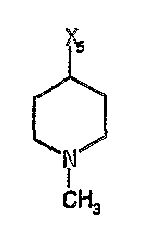
55 H 
R 


58 H 
R 


102 H 
R 

103 H 
R 


105 H 
R 


110 H 
R 


115 H 
R 


133 H 
R 


134 H 
R 


234 H 
R 

240 H 
R 


- This invention thus relates to a pharmaceutical composition comprising effective amounts of:
- (i) A
compound 1 of Formula (I) or optionally a polymorph, metabolite, hydrate, preferably the mono hydrate, solvate, individual optical isomers, mixtures of the individual enantiomers or racemates thereof, or a pharmaceutically acceptable salt thereof; and - (ii) At least one further chemotherapeutic or naturally occurring, semi-synthetic or synthetic
therapeutic agent 2; - In a preferred embodiment the instant invention is directed to a pharmaceutical composition, wherein the further chemotherapeutic or naturally occurring, semi-synthetic or synthetic therapeutic agent 2 is selected from the group consisting of compounds interacting with or binding tubulin, synthetic small molecule VEGF receptor antagonists, small molecule growth factor receptor antagonists, inhibitors of the EGF receptor and/or VEGF receptor and/or integrin receptors or any other protein tyrosine kinase receptors which are not classified under the synthetic small-molecules, inhibitors directed to EGF receptor and/or VEGF receptor and/or integrin receptors or any other protein tyrosine kinase receptors, which are fusion proteins, compounds which interact with nucleic acids and which are classified as alkylating agents or platinum compounds, compounds which interact with nucleic acids and which are classified as anthracyclines, as DNA intercalators or as DNA cross-linking agents, including DNA minor-groove binding compounds, anti-metabolites, naturally occurring, semi-synthetic or synthetic bleomycin type antibiotics, inhibitors of DNA transcribing enzymes, and especially the topoisomerase I or topoisomerase II inhibitors, chromatin modifying agents, mitosis inhibitors, anti-mitotic agents, cell-cycle inhibitors, proteasome inhibitors, enzymes, hormones, hormone antagonists, hormone inhibitors, inhibitors of steroid biosynthesis, steroids, cytokines, hypoxia-selective cytotoxins, inhibitors of cytokines, lymphokines, antibodies directed against cytokines, oral and parenteral tolerance induction agents, supportive agents, chemica sensitizers and protectors, photo-chemically activated drugs, synthetic poly- or oligonucleotides, optionally modified or conjugated, non-steroidal anti-inflammatory drugs, cytotoxic antibiotics, antibodies targeting the surface molecules of cancer cells, antibodies targeting growth factors or their receptors, inhibitors of metalloproteinases, metals, inhibitors of oncogenes, inhibitors of gene transcription or of RNA translation or protein expression, complexes of rare earth elements, and photo-chemotherapeutic agents.
- Preferred compounds include small molecule tyrosin kinase or serine/threonine kinase inhibitors, compounds interacting with nucleic acids classified as alkylating agents or anthracyclines, anti-metabolites, inhibitors of DNA transcribing enzymes such as topoisomerase I or II, tubulin binding drugs, anti-mitotic agents, antibodies targeting growth factors or their receptors and antibodies binding to surface molecules of cancer cells or ligands of these surface molecules in form of the hydrates and/or solvates and optionally in the form of the individual optical isomers, mixtures of the individual enantiomers or racemates thereof.
- In another preferred embodiment the instant invention is directed to a pharmaceutical combination, wherein the further chemotherapeutic or naturally occurring, semi-synthetic or synthetic therapeutic agent 2 is selected from the group consisting of a small molecule VEGF receptor antagonist such as vatalanib (PTK-787/ZK222584), SU-5416, SU-6668, SU-11248, SU-14813, AZD-6474, AZD-2171, CP-547632, CEP-7055, AG-013736, IM-842 or GW-786034, a dual EGFR/HER2 antagonist such as gefitinib, erlotinib, CI-1033 or GW-2016, an EGFR antagonist such as iressa (ZD-1839), tarceva (OSI-774), PKI-166, EKB-569, HKI-272 or herceptin, an antagonist of the mitogen-activated protein kinase such as BAY-43-9006 or BAY-57-9006, a quinazoline derivative such as 4-[(3-chloro-4-fluorophenyl)amino]-6-{[4-(N,N-dimethylamino)-1-oxo-2-buten-1-yl]amino}-7-((S)-tetrahydrofuran-3-yloxy)-quinazoline or 4-[(3-chloro-4-fluoro-phenyl)amino]-6-{[4-(homomorpholin-4-yl)-1-oxo-2-buten-1-yl]amino}-7-[(S)-(tetrahydrofuran-3-yl)oxy]-quinazoline, or a pharmaceutically acceptable salt thereof, a protein kinase receptor antagonist which is not classified under the synthetic small molecules such as atrasentan, rituximab, cetuximab, Avastin™ (bevacizumab), IMC-1C11, erbitux (C-225), DC-101, EMD-72000, vitaxin, imatinib, a protein tyrosine kinase inhibitor which is a fusion protein such as VEGFtrap, an alkylating agent or a platinum compound such as melphalan, cyclophosphamide, an oxazaphosphorine, cisplatin, carboplatin, oxaliplatin, satraplatin, tetraplatin, iproplatin, mitomycin, streptozocin, carmustine (BCNU), lomustine (CCNU), busulfan, ifosfamide, streptozocin, thiotepa, chlorambucil, a nitrogen mustard such as mechlorethamine, an ethyleneimine compound, an alkylsulphonate, daunorubicin, doxorubicin (adriamycin), liposomal doxorubicin (doxil), epirubicin, idarubicin, mitoxantrone, amsacrine, dactinomycin, distamycin or a derivative thereof, netropsin, pibenzimol, mitomycin, CC-1065, a duocarmycin, mithramycin, chromomycin, olivomycin, a phtalanilide such as propamidine or stilbamidine, an anthramycin, an aziridine, a nitrosourea or a derivative thereof, a pyrimidine or purine analogue or antagonist or an inhibitor of the nucleoside diphosphate reductase such as cytarabine, 5-fluorouracile (5-FU), pemetrexed, tegafur/uracil, uracil mustard, fludarabine, gemcitabine, capecitabine, mercaptopurine, cladribine, thioguanine, methotrexate, pentostatin, hydroxyurea, or folic acid, a phleomycin, a bleomycin or a derivative or salt thereof, CHPP, BZPP, MTPP, BAPP, liblomycin, an acridine or a derivative thereof, a rifamycin, an actinomycin, adramycin, a camptothecin such as irinotecan, (camptosar) or topotecan, an amsacrine or analogue thereof, a tricyclic carboxamide, an histonedeacetylase inhibitor such as SAHA, MD-275, trichostatin A, CBHA, LAQ824, or valproic acid, an anti-cancer drug from plants such as paclitaxel (taxol), docetaxel or taxotere, a vinca alkaloid such as navelbine, vinblastin, vincristin, vindesine or vinorelbine, a tropolone alkaloid such as colchicine or a derivative thereof, a macrolide such as maytansine, an ansamitocin or rhizoxin, an antimitotic peptide such as phomopsin or dolastatin, an epipodophyllotoxin or a derivative of podophyllotoxin such as etoposide or teniposide, a steganacin, an antimitotic carbamate derivative such as combretastatin or amphetinile, procarbazine, a proteasome inhibitor such as bortezomib, an enzyme such as asparaginase, pegylated asparaginase (pegaspargase) or a thymidine-phosphorylase inhibitor, a gestagen or an estrogen such as estramustine (T-66) or megestrol, an anti-androgen such as flutamide, casodex, anandron or cyproterone acetate, an aromatase inhibitor such as aminogluthetimide, anastrozole, formestan or letrozole, a GNrH analogue such as leuprorelin, buserelin, goserelin or triptorelin, an anti-estrogen such as tamoxifen or its citrate salt, droloxifene, trioxifene, raloxifene or zindoxifene, a derivative of 17β-estradiol such as ICI 164,384 or ICI 182,780, aminoglutethimide, formestane, fadrozole, finasteride, ketoconazole, a LH-RH antagonist such as leuprolide, a steroid such as prednisone, prednisolone, methylprednisolone, dexamethasone, budenoside, fluocortolone or triamcinolone, an interferon such as interferon β, an interleukin such as IL-10 or IL-12, an anti-TNFα antibody such as etanercept, an immunomodulatory drug such as thalidomide, its R- and S-enantiomers and its derivatives, or revimid (CC-5013), a leukotrien antagonist, mitomycin C, an aziridoquinone such as BMY-42355, AZQ or EO-9, a 2-nitroimidazole such as misonidazole, NLP-1 or NLA-1, a nitroacridine, anitroquinoline, a nitropyrazoloacridine, a "dual-function" nitro aromatic such as RSU-1069 or RB-6145, CB-1954, a N-oxide of nitrogen mustard such as nitromin, a metal complex of a nitrogen mustard, an anti-CD3 or-anti-CD25 antibody, a tolerance induction agent, a biphosphonate or derivative thereof such as minodronic acid or its derivatives (YM-529, Ono-5920, YH-529), zoledronic acid monohydrate, ibandronate sodium hydrate or clodronate disodium, a nitroimidazole such as metronidazole, misonidazole, benznidazole or nimorazole, a nitroaryl compound such as RSU-1069, a nitroxyl or N-oxide such as SR-4233, an halogenated pyrimidine analogue such as bromodeoxyuridine, iododeoxyuridine, a thiophosphate such as WR-2721, a photo-chemically activated drug such as porfimer, photofrin, a benzoporphyrin derivative, a pheophorbide derivative, merocyanin 540 (MC-540) or tin etioporpurin, an ant-template or an anti-sense RNA or DNA such as oblimersen, a non-steroidal inflammatory drug such as acetylsalicyclic acid, mesalazin, ibuprofen, naproxen, flurbiprofen, fenoprofen, fenbufen, ketoprofen, indoprofen, pirprofen, carprofen, oxaprozin, pranoprofen, miroprofen, tioxaprofen, suprofen, alminoprofen, tiaprofenic acid, fluprofen, indomethacin, sulindac, tolmetin, zomepirac, nabumetone, diclofenac, fenclofenac, alclofenac, bromfenac, ibufenac, aceclofenac, acemetacin, fentiazac, clidanac, etodolac, oxpinac, mefenamic acid, meclofenamic acid, flufenamic acid, nifluminic acid, tolfenamic acid, diflunisal, flufenisal, piroxicam, tenoxicam, lornoxicam, nimesulide, meloxicam, celecoxib, rofecoxib, or a pharmaceutically acceptable salt of a non-steroidal inflammatory drug, a cytotoxic antibiotic, an antibody targeting the surface molecules of cancer cells such as apolizumab or 1D09C3, an inhibitor of metalloproteinases such as TIMP-1 or TIMP-2, Zinc, an inhibitor of oncogenes such as P53 and Rb, a complex of rare earth elements such as the heterocyclic complexes of lanthanides, a photo-chemotherapeutic agent such as PUVA, an inhibitor of the transcription factor complex ESX/DRIP130/Sur-2, an inhibitor of HER-2 expression, such as the heat shock protein HSP90 modulator geldanamycin and its derivative 17-allylaminogeldanamycin or 17-AAG, or a therapeutic agent selected from IM-842, tetrathiomolybdate, squalamine, combrestatin A4, TNP-470, marimastat, neovastat, bicalutamide, abarelix, oregovomab, mitumomab, TLK-286, alemtuzumab, ibritumomab, temozolomide, denileukin diftitox, aldesleukin, dacarbazine, floxuridine, plicamycin, mitotane, pipobroman, plicamycin, tamoxifen and testolactone. Preferred compounds include small molecule VEGF receptor antagonist such as vatalanib (PTK-787/ZK222584), SU-5416, SU-6668, SU-11248, SU-14813, AZD-6474, EGFR/BER2 antagonists such as CI-1033 or GW-2016, an EGFR antagonist such as iressa (gefitinib, ZD-1839), tarceva (erlotinib, OSI-774), PKI-166, EKB-569, HKI-272 or herceptin, an antagonist of the mitogen-activated protein kinase such as BAY-43-9006 or BAY-57-9006, atrasentan, rituximab, cetuximab, Avastin™ (bevacizumab), IMC-1C11, erbitux (C-225), DC-101, EMD-72000, vitaxin, imatinib, an alkylating agent or a platinum compound such as melphalan, cyclophosphamide, cisplatin, carboplatin, oxaliplatin, satraplatin, daunorubicin, doxorubicin (adriamycin), liposomal doxorubicin (doxil), epirubicin, idarubicin, a pyrimidine or purine analogue or antagonist or an inhibitor of the nucleoside diphosphate reductase such as cytarabine, 5-fluorouracile (5-FU), pemetrexed, tegafur/uracil, gemcitabine, capecitabine, mercaptopurine, methotrexate, an anti-cancer drug such as paclitaxel (taxol) or docetaxel, a vinca alkaloid such as navelbine, vinblastin, vincristin, vindesine or vinorelbine, an antimitotic peptide such as dolastatin, an epipodophyllotoxin or a derivative of podophyllotoxin such as etoposide or teniposide, a non-steroidal inflammatory drug such as meloxicam, celecoxib, rofecoxib, an antibody targeting the surface molecules of cancer cells such as apolizumab or 1D09C3 or the heat shock protein HSP90 modulator geldanamycin and its derivative 17 -allylaminogeldanamycin or 17-AAG.
- In another preferred embodiment the instant invention is directed to a pharmaceutical composition, wherein the further chemotherapeutic or naturally occurring, semi-synthetic or synthetic therapeutic agent 2 is selected from the group consisting of an anti-cancer drug from plants such as paclitaxel (taxol), docetaxel, a vinca alkaloid such as navelbine, vinblastin, vincristin, vindesine or vinorelbine, an alkylating agent or a platinum compound such as melphalan, cyclophosphamide, an oxazaphosphorine, cisplatin, carboplatin, oxaliplatin, satraplatin, tetraplatin, iproplatin, mitomycin, streptozocin, carmustine (BCNU), lomustine (CCNU), busulfan, ifosfamide, streptozocin, thiotepa, chlorambucil, a nitrogen mustard such as mechlorethamine, an immunomodulatory drug such as thalidomide, its R- and S-enantiomers and its derivatives, or revimid (CC-5013)), an ethyleneimine compound, an alkylsulphonate, daunorubicin, doxorubicin (adriamycin), liposomal doxorubicin (doxil), epirubicin, idarubicin, mitoxantrone, amsacrine, dactinomycin, distamycin or a derivative thereof, netropsin, pibenzimol, mitomycin, CC-1065, a duocarmycin, mithramycin, chromomycin, olivomycin, a phtalanilide such as propamidine or stilbamidine, an anthramycin, an aziridine, a nitrosourea or a derivative thereof, a pyrimidine or purine analogue or antagonist or an inhibitor of the nucleoside diphosphate reductase such as cytarabine, 5-fluorouracile (5-FU), uracil mustard, fludarabine, gemcitabine, capecitabine, mercaptopurine, cladribine, thioguanine, methotrexate, pentostatin, hydroxyurea, or folic acid, an acridine or a derivative thereof, a rifamycin, an actinomycin, adramycin, a camptothecin such as irinotecan (camptosar) or topotecan, an amsacrine or analogue thereof, a tricyclic carboxamide, an histonedeacetylase inhibitor such as SAHA, MD-275, trichostatin A, CBHA, LAQ824, or valproic acid, a proteasome inhibitor such as bortezomib, a small molecule VEGF receptor antagonist such as vatalanib (PTK-787/ZK222584), SU-5416, SU-6668, SU-11248, SU-14813, AZD-6474, AZD-2171, CP-547632, CEP-7055, AG-013736, IM-842 or GW-786034, an antagonist of the mitogen-activated protein kinase such as BAY-43-9006 or BAY-57-9006, a dual EGFR/HER2 antagonist such as gefitinib, erlotinib, CI-1033 or GW-2016, an EGFR antagonist such as iressa (ZD-1839), tarceva (OSI-774), PHI-166, EKB-569, HKI-272 or herceptin, a quinazoline derivative such as 4-[(3-chloro-4-fluorophenyl)amino]-6-{[4-(N,N-dimethylamino)-1-oxo-2-buten-1-yl]amino}-7-((S)-tetrahydrofuran-3-yloxy)-quinazoline or 4-[(3-chloro-4-fluoro-phenyl)amino]-6-{[4-(homomorpholin-4-yl)-1-oxo-2-buten-1-yl]amino}-7-[(S)-(tetrahydrofuran-3-yl)oxy]-quinazoline , or a pharmaceutically acceptable salt thereof, an inhibitor of the transcription factor complex ESX/DRIP130/Sur-2, an inhibitor of HER-2 expression, such as the heat shock protein HSP90 modulator geldanamycin and its derivative 17-allylaminogeldanamycin or 17-AAG, a protein kinase receptor antagonist which is not classified under the synthetic small molecules such as atrasentan, rituximab, cetuximab, Avastin™ (bevacizumab), IMC-1C11, erbitux (C-225), DC-101, FMD-72000, vitaxin, imatinib, and an antibody targeting the surface molecules of cancer cells such as apolizumab or 1D09C3.
- Preferred compounds include small molecule receptor antagonists such aus vatalanib, SU 11248 or AZD-6474, EGFR or HER2 antagonists such as gefitinib, erlotinib, CI-1033 or Herceptin, antibodies such as bevacizumab, cetuximab, rituximab, DNA alkylating drugs such as cisplatin, oxaliplatin or carboplatin, anthracyclines such as doxorubicin or epirubicin, an antimetabolite such as 5-FU, pemetrexed, gemcitabine or capecitabine, a camptothecin such as irinotecan or topotecan, an anti-cancer drug such as paclitaxel or docetaxel, an epipodophyllotoxin such as etoposide or teniposide, a proteasome inhibitor such as bortezomib or antiinflammatory drugs such as celecoxib or rofecoxib., optionally in form of the pharmaceutically acceptable salts, in form of the hydrates and/or solvates and optionally in the form of the individual optical isomers, mixtures of the individual enantiomers or racemates thereof.
- In another preferred embodiment the instant invention is directed to a pharmaceutical composition as defined hereinbefore, wherein the further chemotherapeutic or naturally occurring, semi-synthetic or synthetic
therapeutic agent 2 is the quinazoline derivative 4-[(3-chloro-4-fluorophenyl)amino]-6-{[4-(N,N-dimethylamino)-1-oxo-2-buten-1-yl]amino}-7-((S)-tetrahydrofuran-3-yloxy)-quinazoline or a pharmaceutically acceptable salt thereof. - In another preferred embodiment the instant invention is directed to a pharmaceutical composition as defined hereinbefore, wherein the further chemotherapeutic or naturally occurring, semi-synthetic or synthetic
therapeutic agent 2 is the di-maleic acid salt of the compound 4-[(3-chloro-4-fluorophenyl)amino]-6-{[4-(N,N-dimethylamino)-1-oxo-2-buten-1-yl]amino}-7-((S)-tetrahydrofuran-3-yloxy)-quinazoline, or 4-[(3-chloro-4-fluoro-phenyl)amino]-6-{[4-(homomorpholin-4-yl)-1-oxo-2-buten-1-yl]amino}-7-[(S)-(tetrahydrofuran-3-yl)oxy]-quinazoline, or the tautomers, stereoisomers or a pharmaceutically acceptable salt thereof. - In another preferred embodiment the instant invention is directed to a pharmaceutical composition as defined hereinbefore, wherein the further chemotherapeutic or naturally occurring, semi-synthetic or synthetic
therapeutic agent 2 is the 4-[(3-chloro-4-fluorophenyl)amino]-6-{[4-(homomorpholin-4-yl)-1-oxo-2-buten-1-yl]amino}-7-[(S)-(tetrahydrofuran-3-yl)oxy]-quinazoline , or a pharmaceutically acceptable salt thereof. - In another preferred embodiment the instant invention is directed to a pharmaceutical composition as defined hereinbefore, wherein the further chemotherapeutic or naturally occurring, semi-synthetic or synthetic
therapeutic agent 2 is the 3-Z-[1-(4-(N-((4-methyl-piperazin-1-yl)-methylcarbonyl)-N-methyl-amino)-anilino)-1-phenylmethylene]-6-methoxycarbonyl-2-indolinone, or a polymorph, metabolite or pharmaceutically acceptable salt thereof. - In another preferred embodiment the instant invention is directed to a pharmaceutical composition as defined hereinbefore, wherein the further chemotherapeutic or naturally occurring, semi-synthetic or synthetic
therapeutic agent 2 is the monoethanesulfonate salt of 3-Z-[1-(4-(N-((4-methyl-piperazin-1-yl)-methylcarbonyl)-N-methyl-amino)-anilino)-1-phenyl-methylene]-6-methoxycarbonyl-2-indolinone. - In another preferred embodiment the instant invention is directed to a pharmaceutical composition as defined hereinbefore, wherein the further chemotherapeutic or naturally occurring, semi-synthetic or synthetic
therapeutic agent 2 is the 3-Z-[1-(4-dimethylaminomethylanilino)-1-(4-(2-carboxyethyl)phenyl)methylene]-6-fluoro-2-indolinone, or a polymorph, metabolite or pharmaceutically acceptable salt thereof. - In another preferred embodiment the instant invention is directed to a pharmaceutical composition, wherein the further chemotherapeutic or naturally occurring, semi-synthetic or synthetic
therapeutic agent 2 is irinotecan, topotecan, oxaliplatin, docetaxel, paclitaxel, gemcitabine, pemetrexed, cisplatin, carboplatin, bevacizumab, cetuximab, gefitinib or erlotinib, particularly preferred irinotecan, docetaxel, gemcitabine, topotecan or paclitaxel. - In another preferred embodiment the instant invention is directed to a pharmaceutical composition as defined hereinbefore, wherein the further naturally occurring, semi-synthetic or synthetic
therapeutic agent 2 is a compound which reduces the transport of hyaluronan mediated by one or more ABC transporters, or drug transport inhibitor, such as a P-glycoprotein (P-gp) inhibitor molecule or inhibitor peptide, an MRP1 inhibitor, an antibody directed against and capable of blocking the ABC transporter, an antisense oligomer, iRNA, siRNA or aptamer directed against one or more ABC transporters. Examples of P-glycoprotein (P-gp) inhibitor molecules in accordance with the-present invention are zosuquidar (LY 335973), its salts (especially the trichloride salt) and its polymorphs, cyclosporin A (also known as cyclosporine), verapamil or its R-isomer, tamoxifen, quinidine, d-alphatocopheryl polyethylene glycol 1000 succinate, VX-710, PSC833, phenothiazine, GF120918 (II), SDZ PSC 833, TMBY, MS-073, S-9788, SDZ 280-446, XR(9051) and functional derivatives, analogues and isomers of these. - Furthermore, where the
compounds 2 carries an acidic moiety, suitable pharmaceutically acceptable salts thereof may include alkali metal salts (e.g. sodium or potassium salts), alkaline earth metal salts (e. g. calcium or magnesium salts) and salts formed with suitable organic ligands (e.g. quaternary ammonium salts). - The
compounds 2 may have chiral centers and may occur as racemates, racemic mixtures and as individual diastereomers, or enantiomers with all isomeric forms being included in the present invention. Hence, where a compound is chiral, the separate enantiomers, substantially free of the others, are included within the scope of the invention. Further included are all mixtures of the two enantiomers. Also included within the scope of the invention are polymorphs and hydrates of the compounds of the instant invention. - The present invention includes within its scope prodrugs of a
compound 1 of Formula (I) and of the furtheractive ingredient 2. In general, such prodrugs will be functional derivatives of the compounds or active ingredients of this invention which are readily convertible in vivo into the required compound. - In a further embodiment the invention relates to a composition as defined hereinbefore, which inhibits the proliferation of various human tumour cell lines including but not limited to Saos-2, H4, MDA-MB-435S, MDA-MB453, MCF7, HeLa S3, HCT116, Colo 205, HT29, FaDu, HL-60, K-562, THP-1, HepG2, A549, NCI-H460, GRANTA-519, Raji, Ramos, BRO, SKOV-3, BxPC-3, Mia CaPa-2, DU145, PC-3, NCI-N87, MES-SA, SK-UT-1B and A431.
- Another embodiment of the invention relates to the use of a pharmaceutical composition as defined hereinbefore for the preparation of a medicament for the treatment of oncological diseases, such as malignant human neoplasias.
- In a preferred embodiment the instant invention relates to the use of a pharmaceutical composition as defined hereinbefore, wherein the oncological disease is selected from the group consisting of solid tumours.
- In a further preferred embodiment the invention relates to the use of a pharmaceutical composition as defined hereinbefore, wherein the oncological disease is selected from the group consisting of urogenital cancers (such as prostate cancer, renal cell cancers, bladder cancers), gynecological cancers (such as ovarian cancers, cervical cancers, endometrial cancers), lung cancer, gastrointestinal cancers (such as colorectal cancers, pancreatic cancer, gastric cancer, oesophageal cancers, hepatocellular cancers, cholangiocellular cancers), head and neck cancer, malignant mesothelioma, breast cancer, malignant melanoma or bone and soft tissue sarcomas.
- In a further preferred embodiment the invention relates to the use of a pharmaceutical composition as defined hereinbefore wherein the oncological disease is selected from the group consisting of refractory or relapsed multiple myeloma, acute or chronic myelogenous leukaemia, myelodysplastic syndrome,acute lymphoblastic leukaemia, Hodgkin's or non-Hodgkin's lymphoma.
- In a further preferred embodiment, the disease is hormone sensitive or hormone refractory prostate cancer, ovarian carcinoma, or small cell lung cancer.
- In a further preferred embodiment the invention relates to the use of a composition as defined hereinbefore, wherein the oncological disease is characterized by inappropriate cellular proliferation, migration, apoptosis or angiogenesis, preferably by inappropriate cellular proliferation. Inappropriate cell proliferation means cellular proliferation resulting from inappropriate cell growth, from excessive cell division, from cell division at an accelerated rate and/or from inappropriate cell survival.
- In a further preferred embodiment the invention relates to the use according to the invention, wherein the disease is cancer selected from the group consisting of carcinomas, sarcomas, melanomas, myelomas, hematological neoplasias, lymphomas and childhood cancers.
- Examples of carcinomas within the scope of the invention include but are not limited to adenocarcinoma (AC), squamous cell carcinoma (SCC) and mixed or undifferentiated carcinomas. Carcinomas within the scope of the invention include but are not limited to the following histologies:
- Head and neck tumours: SCC, AC, transitional cell cancers, mucoepidermoid cancers, undifferentiated carcinomas;
- Central nervous system tumours: Astrocytoma, glioblastoma, meningeoma, neurinoma, schwannoma, ependymoma, hypophysoma, oligodendroglioma, medulloblastoma;
- Bronchial and mediastinal tumours:
- o Bronchial tumours:
- ■ Small cell lung cancers (SCLC): oat-cell lung cancer, intermediate cell cancer, combined oat-cell lung cancer;
- ■ Non-small cell lung cancers (NSCLC): SCC, spindle cell carcinoma, AC, bronchioalveolar carcinoma, large cell NSCLC, clear cell NSCLC;
- ○ Mesothelioma;
- ○ Thymoma;
- ○ Thyroid carcinomas: papillary, follicular, anaplastic, medullary;
- o Bronchial tumours:
- Tumours of the gastrointestinal tract:
- ○ Oesophageal cancers: SCC, AC, anaplastic, carcinoid, sarcoma;
- ○ Gastric cancers: AC, adenosquamous, anaplastic;
- ○ Colorectal cancers: AC, including hereditary forms of AC, carcinoid, sarcoma;
- ○ Anal cancers: SCC, transitional epithelial cancer, AC, basal cell carcinoma;
- ○ Pancreatic cancers: AC, including ductal and acinary cancers, papillary, adenosquamous, undifferentiated, tumours of the endocrine pancreas;
- ○ Hepatocellular carcinoma, cholangiocarcinoma, angiosarcoma, hepatoblastoma;
- ○ Biliary carcinomas: AC, SCC, small cell, undifferentiated;
- ○ Gastrointestinal stroma tumours (GIST);
- Gynaecological cancers:
- ○ Breast cancers: AC, including invasive ductal, lobular and medullary cancers, tubular, mucinous cancers, Paget-carcinoma, inflammatory carcinoma, ductal and lobular carcinoma in situ;
- ○ Ovarian cancers: Epithelial tumours, stroma tumours, germ cell tumours, undifferentiated tumours;
- ○ Cervical cancers: SCC, AC, mixed and undifferentiated tumours;
- ○ Endometrial cancers: AC, SCC, mixed, undifferentiated tumours;
- ○ Vulvar cancers: SCC, AC;
- ○ Vaginal cancers: SCC, AC;
- Urinary tract and testicular cancers:
- ○ Testicular cancers: seminoma;
- ○ Non-seminomatous germ cell tumours: teratoma, embryonal cell carcinoma, choriocarcinoma, yolk sac tumour, mixed, Sertoli and Leydig-cell tumours;
- ○ Extragonadal germ cell tumours;
- ○ Prostate cancers: AC, small cell, SCC;
- ○ Renal cell cancers: AC, including clear cell, papillary and chromophobous carcinomas, hereditary forms (e.g. von-Hippel-Lindau syndrome), nephroblastoma;
- ○ Urinary bladder cancers: transitional cell (urothelial) cancers, SCC, AC;
- ○ Urethral cancers: SCC, transitional cell cancers, AC;
- ○ Penile cancers: SCC;
- Tumours of endocrine tissue:
- ○ Thyroid cancers: papillary, follicular, anaplastic, medullary carcinomas, including MEN syndrome;
- ○ Tumours of the endocrine pancreas;
- ○ Carcinoids;
- ○ Adrenal tumours, e.g. Pheochromocytoma.
- Examples of sarcomas within the scope of the invention include but are not limited to Ewing-sarcoma, osteosarcoma or osteogenic sarcoma, chondrosarcoma, synovial sarcoma, leiomyosarcoma, rhabdomyosarcoma, mesothelial sarcoma or mesothelioma, fibrosarcoma, angiosarcoma or hemangioendothelioma, liposarcoma, glioma or astrocytoma, myxosarcoma, malignant fibrous histiocytoma, mesenchymous or mixed mesodermal tumour, neuroblastoma and clear cell sarcoma.
- Examples of skin tumors within the scope of the invention include but are not limited to basal cell carcinoma, Merkel cell carcinoma, sebaceous carcinoma, fibroxanthoma, malignant fibrous histiocytoma, and skin sarcoma.
- Examples of melanomas within the scope of the invention include but are not limited to superficial spreading melanoma, nodular and lentigo-maligna melanoma.
- Examples of myelomas within the scope of the invention include but are not limited to immunocytoma, plasmocytoma and multiple myeloma.
- Examples of childhood cancers within the scope of the invention include but are not limited to Wilms' tumor, neuroblastoma, retinoblastoma, rhabdomyosarcoma, Ewing's sarcoma and peripheral primitive neuroectodermal tumors, germ cell tumors and childhood lymphoma and leukemias.
- In another preferred embodiment the invention relates to the use of a composition as defined hereinbefore, wherein the hematologic cancer is leukemia.
- Further examples of hematologic neoplasias within the scope of the invention include but are not limited to acute or chronic leukemias of myeloid, erythroid or lymphatic origin, myelodysplastic syndromes (MDS) and myeloproliferative syndromes (MPS, such as chronic myelogeneous leukemia, osteomyelofibrosis, polycythemia vera or essential thrombocythemia).
- Examples of lymphomas within the scope of the invention include but are not limited to:
- ○ Hodgkin-lymphoma;
- ○ Non-Hodgkin-lymphomas: T- and B-cell lymphomas
- ○ B-cell lymphomas:
- ■ Low and intermediate grade: Chronic lymphocytic leukemia (CLL), prolymphocytic leukemia (PLL), small lymphocytic lymphoma, hairy cell leukemia, plasmacytoid lymphoma, mantle cell lymphoma, follicular lymphoma, marginal zone lymphoma including MALT-lymphoma;
- ■ High grade: diffuse large B-cell lymphoma (DLBCL including immunoblastic and centroblastic variants), lymphoblastic, Burkitt's lymphoma;
- ○ T-cell lymphomas:
- ■ Low grade: T-CLL, T-PLL, Mycosis fungoides, Sezary-syndrome;
- ■ High grade: Anaplastic large cell, T-immunoblastic and lymphoblastic.
- ○ B-cell lymphomas:
- In another preferred embodiment the invention relates to the use according to the invention, wherein the disease is cancer selected from the group consisting of mixed tumours, undifferentiated tumours and metastases thereof.
- Examples of mixed tumours within the scope of the invention include but are not limited to adenosquamous carcinomas, mixed mesodermal tumours, carcinosarcomas and teratocarcinomas.
- Examples of undifferentiated, other tumours or metastases thereof within the scope of the invention include but are not limited to undifferentiated tumours, carcinomas of unknown primary (CUP), metastases of unknown primary (MUP) and pheochromocytoma, carcinoids.
- In a further embodiment the invention relates to the use of a composition as defined hereinbefore, for the preparation of a medicament for the treatment of autoimmune disorders selected from the group consisting of amyloidosis, systemic lupus erythematosus, rheumatoid arthritis, Crohn's disease, multiple sclerosis, systemic sclerosis (scleroderma), mixed connective tissue disease, Sjögren's syndrome, ankylosing spondylitis, autoimmune vasculitis, Behcet's syndrome, psoriasis, autoimmune arthritis, sarcoidosis and diabetes mellitus.
- In a further embodiment the invention relates to the use of a pharmaceutical composition as defined hereinbefore for the preparation of a medicament for the treatment of further non-oncological diseases, such as diabetic retinopathy and rheumatoid arthritis.
- In a further embodiment the invention relates to the use of a composition as defined hereinbefore wherein the composition according to the invention is administered orally, enterically, transdermally, intravenously, peritoneally or by injection, preferably intravenously.
- In a further embodiment the invention relates to a pharmaceutical combination preparation kit for the treatment of diseases involving cell proliferation, migration or apoptosis of myeloma cells, or angiogenesis, comprising a therapeutically effective amount of a
compound 1 of Formula (I) in accordance with the present invention, or a polymorph, hydrate, metabolite or pharmaceutically acceptable salt thereof, and at least a further chemotherapeutic or naturally occurring, semi-synthetic or synthetictherapeutic agent 2, and optionally adapted for a co-treatment with radiotherapy or radio-immunotherapy, characterised in that thecompound 1 of Formula (I) is comprised within a first compartment and the further chemotherapeutic or naturally occurring, semi-synthetic or synthetictherapeutic agent 2 is comprised within a second compartment, such that the administration to a patient in need thereof can be simultaneous, separate or sequential. - In a preferred embodiment the invention relates to a pharmaceutical combination preparation kit, wherein the formulation of the
compound 1 of Formula (I) in accordance with the present invention is for oral administration or injection. - In a further embodiment the invention relates to the use of a pharmaceutical combination or a pharmaceutical combination preparation kit, for the manufacture of a medicament, optionally adapted for a co-treatment with radiotherapy or radio-immunotherapy, to treat diseases involving cell proliferation, migration or apoptosis of cancer cells, or angiogenesis, in a human or non-human mammalian body.
- In a further embodiment the invention relates to the use of an effective amount of a
compound 1 of Formula (I) or a polymorph, hydrate, metabolite or pharmaceutically acceptable salt thereof, in combination with at least a further chemotherapeutic or naturally occurring, semi-synthetic or synthetictherapeutic agent 2 , for the manufacture of a pharmaceutical combination preparation, optionally adapted for a co-treatment with radiotherapy or radio-immunotherapy, for simultaneous, separate or sequential use in the treatment of diseases involving cell proliferation, migration or apoptosis of cancer cells, or angiogenesis, in a human or non-human mammalian body. - In a further embodiment the invention relates to a method for the treatment of diseases involving cell proliferation, migration or apoptosis of cancer cells, or angiogenesis, which method comprises simultaneous, separate or sequential co-administration of effective amounts of:
- (i)
- a
compound 1 of Formula (I) or a polymorph, metabolite, hydrate, solvate, an individual optical isomer, mixtures of the individual enantiomers or racemates thereof, or a pharmaceutically acceptable salt thereof; and - (ii)
- at least a further chemotherapeutic or naturally occurring, semi- synthetic or synthetic
therapeutic agent 2 ; - in the form of a combined preparation optionally adapted for a co-treatment with radiotherapy or radio-immunotherapy, to a person in need of such treatment.
- In a further embodiment the invention relates to the uses described above, characterised in that a
compound 1 of Formula (I), or its polymorph, metabolite, hydrate, solvate, an individual optical isomer, mixtures of the individual enantiomers or racemates thereof, or a pharmaceutically acceptable salt thereof, is administered intermittent or in a daily dosage such that the plasma level of the active substance lies between 10 and 5000 nM for at least 12 hours of the dosing interval. - The term "therapeutically effective amount" shall mean that amount of a drug or pharmaceutical agent that will elicit the biological or medical response of a tissue, system, animal or human that is being sought by a researcher or clinician.
- As used herein, the term "composition" is intended to encompass a product comprising the specified ingredients in the specified amounts, as well as any product which results, directly or indirectly, from a combination of the specified ingredients in the specified amounts.
- As already mentioned before, within the meaning of the present invention, the
components - In accordance with the present invention, the elements of the combination of 1 and 2 may be administered by oral (including buccal or sublingual), enterical, parenteral (e.g., intramuscular, intraperitoneal, intravenous, transdermal or subcutaneous injection, or implant), nasal, vaginal, rectal, or topical (e.g. ocular eyedrops) routes of administration and may be formulated, alone or together, in suitable dosage unit formulations containing conventional non-toxic pharmaceutically acceptable carriers, adjuvants and vehicles appropriate for each route of administration.
- In a preferred embodiment the
element 1 of the combination in accordance with the invention is administered orally, enterically, transdermally, intravenously, peritoneally or by injection, preferably intravenously. - The pharmaceutical compositions for the administration of the
components - The pharmaceutical compositions containing the
active ingredients - Dosage forms intended for oral use may be prepared according to any method known to the art for the manufacture of pharmaceutical formulations and such compositions.
- The excipients used may be, for example: (a) inert diluents such as mannitol, sorbitol, calcium carbonate, pregelatinized starch, lactose, calcium phosphate or sodium phosphate; (b) granulating and disintegrating agents, such as povidone, copovidone, hydroxypropylmethylcellulose, corn starch, alginic acid, crospovidone, sodiumstarchglycolate, croscarmellose, or polacrilin potassium ; (c) binding agents such as microcrystalline cellulose or acacia ; and (d) lubricating agents such as magnesium stearate, stearic acid, fumaric acid or talc.
- In some cases, formulations for oral use may be in the form of hard gelatin or HPMC (hydroxypropylmethylcellulose) capsules wherein the
active ingredients - The tablets, capsules or pellets may be uncoated or they may be coated by known techniques to delay disintegration and absorption in the gastrointestinal tract and thereby provide a delayed action or sustained action over a longer period. For example, a time delay material such as celluloseacetate phtalate or hydroxypropylcellulose acetate succinate or sustained release material such as ethylcellulose or ammoniomethacrylate copolymer (type B) may be employed.
- Liquid dosage forms for oral administration in accordance with the present invention include pharmaceutically acceptable emulsions, solutions, suspensions, syrups, and elixirs containing inert diluents commonly used in the art, such as water. Besides such inert diluents, compositions can also include adjuvants, such as wetting agents, emulsifying and suspending agents, and sweetening, flavoring, perfuming and preserving agents.
- Aqueous suspensions in accordance with the present invention normally contain the
active materials - The aqueous suspensions may also contain: one or more preservatives, for example, ethyl or n-propyl p-hydroxybenzoate; one or more coloring agents; one or more flavoring agents; and one or more sweetening agents, such as sucrose or saccharin.
- Oily suspensions in accordance with the present invention may be formulated by suspending the
active ingredients - Dispersible powders and granules are suitable formulations for the preparation of an aqueous suspension in accordance with the present invention. In these formulations the
active ingredients - The pharmaceutical compositions of the invention may also be in the form of oil-in-water emulsions. The oily phase may be a vegetable oil such as olive oil or arachis (peanut) oil, or a mineral oil such as liquid paraffin or a mixture thereof.
- Suitable emulsifying agents may be (a) naturally-occurring gums such as gum acacia and gum tragacanth, (b) naturally-occurring phosphatides such as soybean and lecithin, (c) esters or partial esters derived from fatty acids and hexitol anhydrides, for example sorbitan monooleate, (d) condensation products of said partial esters with ethylene oxide, for example polyoxyethylene sorbitan monooleate. The emulsions may also contain sweetening and flavouring agents.
- Syrups and elixirs in accordance with the present invention may be formulated with sweetening agents, for example glycerol, propylene glycol, sorbitol or sucrose. Such formulations may also contain a preservative and flavoring and coloring agents.
- The pharmaceutical compositions containing 1 and 2, separately or together, may be in the form of a sterile injectable aqueous or oleagenous suspension or solution. The suspension may be formulated according to known methods using those suitable dispersing or wetting agents and suspending agents which have been mentioned hereinbefore. A suitable sterile injectable preparation may also be a sterile injectable solution or suspension in a non toxic parenterally-acceptable diluent or solvent, for example a solution in 1,3-butane-diol. Examples of suitable acceptable vehicles and solvents that may be employed are water, Ringer's solution and an isotonic sodium chloride solution. In addition, sterile, fixed oils may conventionally be employed as a solvent or suspending medium. For this purpose any bland fixed oil may be employed, including synthetic mono-or diglycerides. In addition, fatty acids such as oleic acid find use in the preparation of injectables in accordance with the present invention.
- Preparations for parenteral administration according to the present invention containing 1 and 2 , separately or together, include sterile aqueous or non-aqueous solutions, suspension, or emulsions.
- Examples of suitables non-aqueous solvents or vehicles for the preparations in accordance with the present invention are propylene glycol, polyethylene glycol, vegetable oils, such as olive oil and corn oil, gelatin, and injectable organic esters such as ethyl oleate. Such dosage forms may also contain adjuvants such as preserving, wetting, emulsifying, and dispersing agents. They may be sterilized by, for example, by filtration through a bacteria-retaining filter, by incorporating sterilizing agents into the compositions, by irradiating the compositions, or by heating the compositions. They may also be manufactured in the form of sterile solid compositions which can be reconstituted in sterile water, or some other sterile injectable medium immediately before use.
- The
elements - Compositions for buccal, nasal or sublingual administration in accordance with the present invention may be prepared with standard excipients well known in the art.
- For topical administration, the
elements - The dosage of the active ingredients in the compositions in accordance with the present invention may be varied, although the amount of the
active ingredients - In the following, the present invention is illustrated via examples of pharmaceutical compositions comprising a
compound 1 of chemical structure (I) in combination with one of theaforementioned combination partners 2 , and by in vivo combination studies showing the potency of the combination to inhibit the proliferationn and/or to induce the apoptosis of tumour cells. In these examples, thecompound 1 of chemical structure (I) is 4-[[(7R)-8-cyclopentyl-7-ethyl-5,6,7,8-tetrahydro-5-methyl-6-oxo-2-pteridinyl]amino]-3-methoxy-N-(1-methyl-4-piperidinyl)-benzamide, which is a compound of Formula (I) according to the invention (Exemplified compound Nr. 46 in Table 1). - Exemplified compound Nr. 46 of Table 1 is a potent and selective inhibitor of the serine/threonine kinase PLK-1. irinotecan (sold under the Trade name Campto®) is a standard chemotherapeutic agent for treatment of colorectal carcinomas. Previous studies have shown that exemplified compound Nr. 46 of Table 1 and irinotecan are active on HCT 116 derived tumors in nude mice. The goal of the present study was to assess the anti-cancer efficacy of suboptimal doses of exemplified compound Nr. 46 of Table 1, irinotecan and the combination of exemplified compound Nr. 46 of Table 1 and irinotecan, in the human colon carcinoma model HCT 116 grown as xenograft in nude mice. Suboptimal doses of both compounds were used to facilitate the detection of additive, synergistic or antagonistic effects.
- Model:Human colon carcinoma model HCT 116 grown as subcutaneous xenografts in nude mice.
Treatment groups (10 animals per group): Controls Vehicle, i.v., once weekly for 6 weeks ((q7d)x6) Exemplified compound Nr. 46 of Table 1 30 mg/kg, i.v., once weekly for 10 weeks ((q7d)x10) Irinotecan 12.5 mg/kg, i.p., once weekly for 10 weeks ((q7d)x10) Combination 30 mg/kg exemplified compound Nr. 46 of Table 1, i.v., once weekly for 10 weeks ((q7d)x10) and 12.5 mg/kg irinotecan, i.p., once weekly (∼1h after exemplified compound Nr. 46 of Table 1) for 10 weeks ((q7d)x10) - Tumor volumes and animal weights were recorded 3 times per week. Evaluation of therapy results was based on the absolute volumes of individual tumors.
- Mice were female BomTac:NMRI-nu/nu. Exemplified compound Nr. 46 of Table 1 was dissolved in hydrochloric acid (0.1 N) diluted with 0.9% NaCl and injected intravenously into the tail vein. irinotecan infusion concentrate was diluted with 0.9% NaCl and injected intraperitoneally. The administration volume was 10 ml per kg body weight for both compounds. HCT 116 tumors were established from cultured HCT 116 cells. Tumor volumes were determined three times a week using a caliper. The weight of mice was determined as an indicator of tolerability on the same days. Plasma samples were taken on the last treatment day.
-
-
Figure 1.1
HCT 116 tumor responses to treatment with 30 mg/kg exemplified compound Nr. 46 of Table 1, 12.5 mg/kg irinotecan or both. HCT 116 tumor-bearing mice were treated intravenously with 30 mg/kg exemplified compound Nr. 46 of Table 1 once weekly ((q7d)x10), with 12.5 mg/kg irinotecan once weekly ((q7d)xlO), with both in parallel ((q7d)x10) or once weekly with the vehicle only, and median tumor volumes were plotted over time.Day 1 was the first day, day 64 the last day of treatment and day 121 the final day of the study. The triangles indicate the treatment days. -
Figure 1.2 Days until HCT 116 tumors reach 1000 mm3 in volume. HCT 116 tumor-bearing mice were treated with 30 mg/kg exemplified compound Nr. 46 of Table 1 i.v. once weekly ((q7d)x10), with 12.5 mg/kg irinotecan i.p. once weekly ((q7d)x10), or a combination of both compounds ((q7d)x10) at respective doses. Vehicle treated mice (once weekly) were used as controls. Individual days until HCT 116 tumors reach 1000 mm3 in volume were plotted. Each symbol represents one individual tumor. The horizontal lines represent the mean days. -
Figure 1.3
Change of body weight in response to treatment with 30 mg/kg exemplified compound Nr. 46 of Table 1, 12.5 mg/kg irinotecan or both. HCT 116 tumor-bearing mice were treated intravenously with 30 mg/kg exemplified compound Nr. 46 of Table 1 once weekly ((q7d)x10), with 12.5 mg/kg irinotecan once weekly ((q7d)x10), with both in parallel ((q7d)x10) or once weekly with the vehicle only and average changes of body weight were plotted over time.Day 1 was the first day, day 64 the last day of treatment and day 121 the final day of the study. The triangles indicate the treatment days. The triangles indicate the treatment days. - Results on day 39 (end of the controls):
- 30 mg/kg exemplified compound Nr. 46 of Table 1 i.v. significantly delays HCT 116 tumor growth (T/C = 20 %, p<0.001)
- 12.5 mg/kg irinotecan i.p. significantly delays tumor growth (T/C = 25 %, p<0.001)
- Combined administration of 30 mg/kg exemplified compound Nr. 46 of Table 1 and of 12.5 mg/kg irinotecan significantly delays tumor growth (T/C = 8 %, p<0.001).
- 30 mg/kg exemplified compound Nr. 46 of Table 1, 12.5 mg/kg irinotecan and their combination are well tolerated. Control mice gained 10.3 % body weight. Mice treated with 30 mg/kg exemplified compound Nr. 46 of Table 1 showed 8.6 % body weight increase, mice treated with 12.5 mg/kg irinotecan gained 5.9 % body weight in average, and mice treated with the combination gained 5.5. % body weight.
- Results on day 121 (end of the study):
- Weekly treatment (until day 64) with exemplified compound Nr. 46 of Table 1, irinotecan or a combination thereof delays the average time to reach 1000 mm3 in tumor volume for 33.7 days, 35.1 days or 56.0 days, respectively.
- A treatment with suboptimal doses of exemplified compound Nr. 46 of Table 1 or irinotecan significantly delays tumor growth and is well tolerated.
- Treatment with the combination of suboptimal doses of exemplified compound Nr. 46 of Table 1 and irinotecan shows a significant growth delay and a higher efficacy than either of the compounds alone, without a decrease in tolerability.
- The comparison of the growth delay (time until 1000 mm3 in tumor size) shows an additive/synergistic effect.
- Exemplified compound Nr. 46 of Table 1 is a potent and selective inhibitor of the PLK1 serine/threonine kinase. Docetaxel (sold under the Trade Name Taxotere®) is a standard chemotherapeutic agent for treatment of lung cancer. Previous studies have shown that exemplified compound Nr. 46 of Table 1 is active on nude mice xenografts derived from the human lung cancer cell line NCI-H460. The goal of the present study was to assess the anti-cancer effects of suboptimal doses of exemplified compound Nr. 46 of Table 1 and docetaxel on NCI-H460 tumor growth when administered alone or in combination. Suboptimal doses of both compounds were used to facilitate the detection of additive, synergistic or antagonistic effects.
- Model: Human non-small cell lung carcinoma model NCI-H460 grown as subcutaneous xenografts in nude mice.
Treatment groups (intravenous administration, 10 animals per group): Controls Vehicle, once weekly for 4 weeks ((q7d)x4) Exemplified compound Nr. 46 of Table 1 50 mg/kg, once weekly for 4 weeks ((q7d)x4) Docetaxel 15 mg/kg, once weekly for 4 weeks ((q7d)x4) Combination 50 mg/kg exemplified compound Nr. 46 of Table 1, once weekly for 4 weeks ((q7d)x4) and 15 mg/kg Docetaxel, once weekly (3 days after exemplified compound Nr. 46 of Table 1) for 4 weeks ((q7d)x4) - Tumor volumes and animal weights were recorded 3 times per week. Evaluation of therapy results was based on the absolute volumes of individual tumors.
- Mice were female BomTac:NMRI-nu/nu. Exemplified compound Nr. 46 of Table 1 was dissolved in hydrochloric acid (0.1 N) diluted with 0.9% NaCl and injected intravenously into the tail vein. Docetaxel infusion concentrate was diluted with 0.9% NaCl and injected intravenously. The administration volume was 10 ml per kg body weight. NCI-H460 tumors were established from cultured NCI-H460 cells. Tumor volumes were determined three times a week using a caliper. The weight of mice was determined as an indicator of tolerability on the same days. Plasma samples were taken on the last treatment day.
-
-
Figure 2.1
NCI-H460 tumor responses to treatment with 50 mg/kg exemplified compound Nr. 46 of Table 1, 15 mg/kg Docetaxel or both. NCI-H460 tumor-bearing mice were treated intravenously with 50 mg/kg exemplified compound Nr. 46 of Table 1 once weekly ((q7d)x4), with 15 mg/kg Docetaxel once weekly ((q7d)x4), with both in parallel or once weekly with the vehicle only, and median tumor volumes were plotted over time.Day 1 was the first day,day 25 the last day of treatment and day 43 the last day of the calculation of the median tumor volume. The triangles indicate the treatment days. -
Figure 2.2
Days until NCI-H460 tumors reach 1000 mm3 in volume. NCI-H460 tumor-bearing mice were treated with 50 mg/kg exemplified compound Nr. 46 of Table 1 i.v. once weekly ((q7d)x4), with 15 mg/kg Docetaxel i.v. once weekly ((q7d)x4), or a combination of both compounds at the same doses. Vehicle treated mice (once weekly) were used as controls. Individual days until NCI-H460 tumors reach 1000 mm3 in volume were plotted. Each symbol represents one individual tumor. The horizontal lines represent the median days. -
Figure 2.3
Change of body weight in response to treatment with 50 mg/kg exemplified compound Nr. 46 of Table 1, 15 mg/kg Docetaxel or both. NCI-H460 tumor-bearing mice were treated intravenously with 50 mg/kg exemplified compound Nr. 46 of Table 1 once weekly ((q7d)x4), with 15 mg/kg Docetaxel once weekly ((q7d)x4), with both in parallel or once weekly with the vehicle only and average changes of body weight were plotted over time.Day 1 was the first day,day 25 the last day of treatment and day 43 the last day of the calculation of the median body weights. The triangles indicate the treatment days. - 50 mg/kg exemplified compound Nr. 46 of Table 1 i.v. once weekly does not significantly delay NCI-H460 tumor growth (T/C = 65 %, p>0.05).
- 15 mg/kg Docetaxel i.v. once weekly significantly delays tumor growth (T/C = 42 %, p<0.05).
- Combined administration of 50 mg/kg exemplified compound Nr. 46 of Table 1 and of 15 mg/kg Docetaxel significantly delays tumor growth (T/C = 26 %, p<0.001).
- 50 mg/kg exemplified compound Nr. 46 of Table 1 is well tolerated.
- 15 mg/kg Docetaxel administered alone or in combination is not well tolerated. Mice treated with 15 mg/kg Docetaxel on average lost 4.8 % body weight until day 17. The combination of exemplified compound Nr. 46 of Table 1 and Docetaxel induced a body weight loss of 8.3. %.
- Weekly treatment (until day 25) with exemplified compound Nr. 46 of Table 1, Docetaxel or a combination thereof delays the average time to reach 1000 mm3 in tumor volume for 4.0 days, 10.5 days or 28.0 days compared to the controls, respectively.
- Mice treated with 15 mg/kg Docetaxel further lost body weight (up to 9.4 % on day 24) and one mouse had to be euthanized due to severe loss of body weight. Mice treated simultaneously with exemplified compound Nr. 46 of Table 1 and Docetaxel further lost body weight (up to 10.4 % on day 24) and two mice had to be euthanized due to severe loss of body weight.
- A treatment with suboptimal doses of exemplified compound Nr. 46 of Table 1 does not significantly delay tumor growth (T/C = 65 %, p>0.05).
- Docetaxel significantly delays tumor growth (T/C = 42 %, p<0.05).
- A combination of exemplified compound Nr. 46 of Table 1 and Docetaxel shows a significant growth delay compared to the controls (T/C = 26 %, p<0.001). The difference to the single treatment with exemplified compound Nr. 46 of Table 1 is also significant (p<0.01), indicating that the two agents might act at least additively.
- Exemplified compound Nr. 46 of Table 1 is a potent and selective inhibitor of the serine/threonine kinase PLK1. Gemcitabine (sold under the Trade Name Gemzar®) is a standard chemotherapeutic agent for treatment of pancreatic adenocarcinomas . The goal of the present study was to assess the anti-cancer efficacy of suboptimal doses of exemplified compound Nr. 46 of Table 1, gemcitabine and their combination in the human pancreas adenocarcinoma model BxPC-3 grown as xenograft in nude mice. Suboptimal doses of both compounds were used to facilitate the detection of additive, synergistic or antagonistic effects.
- Model: Human adenocarcinoma model BxPC-3 grown as subcutaneous xenografts in nude mice.
Treatment groups (10 animals per group): Controls Vehicle, i.v., once weekly for 4 weeks ((q7d)x4) Exemplified compound Nr. 46 of Table 1 50 mg/kg, i.v., once weekly for 6 weeks ((q7d)x6) Gemcitabine 100 mg/kg, i.p., once weekly for 6 weeks ((q7d)x6) Combination 50 mg/kg exemplified compound Nr. 46 of Table 1, i.v., once weekly for 6 weeks ((q7d)x6) and 100 mg/kg gemcitabine, i.p., once weekly (∼1h after exemplified compound Nr. 46 of Table 1) for 6 weeks ((q7d)x6) - Tumor volumes and animal weights were recorded 3 times per week. Evaluation of therapy results was based on the absolute volumes of individual tumors.
- Mice were female BomTac:NMRI-nu/nu. Exemplified compound Nr. 46 of Table 1 was dissolved in hydrochloric acid (0.1 N) diluted with 0.9% NaCl and injected intravenously into the tail vein. Gemcitabin infusion concentrate was diluted with 0.9% NaCl and injected intraperitoneally. The administration volume was 10 ml per kg body weight for both compounds. BxPC-3 tumours were established from cultured BxPC-3. Tumour volumes were determined three times a week using a calliper. The weight of mice was determined as an indicator of tolerability on the same days. Plasma samples were taken on the last treatment day.
-
-
Figure 3.1
BxPC-3 tumor responses to treatment with 50 mg/kg exemplified compound Nr. 46 of Table 1, 100 mg/kg gemcitabine or both. BxBC-3 tumor-bearing mice were treated intravenously with 50 mg/kg exemplified compound Nr. 46 of Table 1 once weekly ((q7d)x6), with 100 mg/kg gemcitabine once weekly ((q7d)x6), with both in parallel or once weekly with the vehicle only, and median tumour volumes were plotted over time.Day 1 was the first day, day 36 the last day of treatment and day 26 the last day of the calculation of the median tumour volume. -
Figure 3.2
Change of body weight in response to treatment with 50 mg/kg exemplified compound Nr. 46 of Table 1, 100 mg/kg gemcitabine or both.
BxPC-3 tumour-bearing mice were treated intravenously with 50 mg/kg exemplified compound Nr. 46 of Table 1 once weekly ((q7d)x6), with 100 mg/kg gemcitabine once weekly ((q7d)x6), with both in parallel or once weekly with the vehicle only and average changes of body weight were plotted over time.Day 1 was the first day, day 36 the last day of treatment and day 43 the last day of the calculation of the median body weights. The triangles indicate the treatment days. - 50 mg/kg exemplified compound Nr. 46 of Table 1 i.v. significantly delays HCT 116 tumour growth (T/C = 28 %).
- 100 mg/kg gemcitabine i.p. only marginally delays tumour growth (T/C = 65%) Higher doses of gemcitabine were not tolerated.
- A combined administration of 50 mg/kg exemplified compound Nr. 46 of Table 1 and of 100 mg/kg gemcitabine delays tumour growth to the same extend as exemplified compound Nr. 46 of Table 1 alone (T/C = 24%).
- 50 mg/kg exemplified compound Nr. 46 of Table 1, 100 mg/kg gemcitabine and their combination were well tolerated. Control mice gained 6.2 % body weight. Mice treated with 50 mg/kg exemplified compound Nr. 46 of Table 1 showed 8.2 % body weight increase, mice treated with 100 mg/kg gemcitabine gained 8.8 % in average and mice treated with the combination gained 8.5. % body weight.
- Weekly treatment (until day 36) with exemplified compound Nr. 46 of Table 1 or a combination of exemplified compound Nr. 46 of Table 1 and gemcitabine delays the average time to reach 1000 mm3 in tumour volume to the same extend. There is no significant difference between the two treatment groups.
- Treatment with suboptimal doses of exemplified compound Nr. 46 of Table 1 significantly delays tumour growth and is tolerated well. In contrast, the maximal tolerated dose of gemcitabine does not result in significant anti-tumour activity.
- Treatment with the combination of suboptimal doses of exemplified compound Nr. 46 of Table 1 and gemcitabine shows a comparable growth delay as exemplified compound Nr. 46 of Table 1 alone, indicating that the two agents do not act antagonistically in this model.
- A process for the manufacture of exemplified compound Nr. 46 of Table 1, i.e. the compound 4-[[(7R)-8-cyclopentyl-7-ethyl-5,6,7,8-tetrahydro-5-methyl-6-oxo-2-pteridinyl]amino]-3-methoxy-N-(1-methyl-4-piperidinyl)-benzamide, is described in
WO 03/20722 WO 04/76454 - However, for the sake of completeness, a process for the manufacture of the compound 4-[[(7R)-8-cyclopentyl-7-ethyl-5,6,7,8-tetrahydro-5-methyl-6-oxo-2-pteridinyl]amino]-3-methoxy-N-(1-methyl-4-piperidinyl)-benzamide is described as well hereinafter. This method is to be understood as an illustration of the invention without restricting it to the subject matter thereof.
- For the synthesis, first of all an intermediate compound Z3 is prepared as described below.

- 54.0 g (0.52 mol) D-2-aminobutyric acid are suspended in 540 mL methanol and slowly combined with 132 g (1.1 mol) thionyl chloride while cooling with ice. The mixture is refluxed for 1.5 h and then evaporated down. The oil remaining is combined with 540 mL tert-butylmethylether and the colourless crystals formed are suction filtered.
Yield: 78.8 g of a compound Z3a (colourless crystals) - 74.2 g of the compound Z3a and 43.5 mL (0.49 mol) cyclopentanone are dissolved in 800 mL dichloromethane. After the addition of 40.0 g (0.49 mol) sodium acetate and 150.0 g (0.71 mol) sodium triacetoxyborohydride at 0°C the mixture is stirred for 12 h at ambient temperature and then 500 mL of 20% sodium hydrogen carbonate solution are added. The aqueous phase is extracted with dichloromethane. The combined organic phases are washed with water, dried over MgSO4 and evaporated down.
Yield: 85.8 g of a compound Z3b (light yellow oil) - 40.0 g of the compound Z3b and 30.0 g (0.22 mol) potassium carbonate are suspended in 600 mL acetone and combined with 45.0 g (0.23 mol) 2,4-dichloro-5-nitropyrimidin in 200 mL acetone while cooling with ice. After 12 h a further 5.0
g 2,4-dichloro-5-nitropyrimidin are added and stirred for 3 h. The reaction mixture is evaporated down, taken up in 800 mL ethyl acetate and 600 mL water and the aqueous phase is extracted with ethyl acetate. The combined organic phases are washed with water, dried over MgSO4 and evaporated down.
Yield: 75.0 g of a compound Z3c (brown oil) - 100 g of the compound Z3c are dissolved in 650 mL glacial acetic acid and at 70°C 20 g of iron powder are added batchwise. The mixture is stirred for 1 h at 70°C, then for 1.5 h at 100°C and then filtered hot through diatomite (kieselguhr). The reaction mixture is evaporated down, taken up in methanol/dichloromethane, applied to silica gel and purified with ethyl acetate by Soxhlet extraction. The solvent is removed and the residue stirred with methanol.
Yield: 30.0 g of a compound Z3d (light brown crystals) - 25.0 g of the compound Z3d and 6.5 mL (0.1 mol) methyl iodide are placed in 250 mL dimethylacetamide and at -10°C 3.8 g (0.95 mol) sodium hydride as a 60% dispersion in mineral oil is added. It is stirred for 20 min at 0°C, then for 30 min at ambient temperature and finally ice is added. The reaction mixture is evaporated down and combined with 300 mL water. The precipitate formed is suction filtered and washed with petroleum ether.
Yield: 23.0 g of a compound Z3e (colourless solid) - 6.0 g of the compound Z3e and 5.1 g (31 mmol) 4-amino-3-methoxybenzoic acid are suspended in 90 mL ethanol and 350 mL water, combined with 3.5 mL concentrated hydrochloric acid and refluxed for 48 h. The reaction mixture is evaporated down, the residue stirred with methanol/diethyl ether and the precipitate formed is suction filtered.
Yield: 6.3 g of a compound Z3 (light beige crystals) - 4- [[(7R)-8-cyclopentyl-7-ethyl-5,6,7,8-tetrahydro-5-methyl-6-oxo-2-pteridinyl] amino]-3-methoxy-N-(1-methyl-4-piperidinyl)-berzamide is obtained as described below.
- 0.15 g of the compound Z3, 0.12 g TBTU, 0.12 mL DIPEA are dissolved in 5 mL dichloromethane and stirred for 30 minutes at 25°C. Then 50 mg 1-methyl-4-aminopiperidin are added and the mixture is stirred for a further 2.5 hours at 25°C. The solution is then extracted with water and then evaporated down. The residue is dissolved in warm ethyl acetate and crystallised from ether and petroleum ether. Yield: 0.025 g of white crystals. M.p.: 203°C as the base.
- All compounds of Formula (I) according to the invention may be prepared by the synthesis methods A described hereinafter, while the substituents of general Formula (A1) to (A9) have the meanings given hereinbefore. This method is to be understood as an illustration of the invention without restricting it to the subject matter thereof.
- A compound of Formula (A1) is reacted with a compound of Formula (A2) to obtain a compound of Formula (A3) (Diagram 1A). This reaction may be carried out according to
WO 00/43369 WO 00/43372 

- In
Step 1A, 1 equivalent of the compound (A1) and 1 to 1.5 equivalents, preferably 1.1 equivalents of a base, preferably potassium carbonate, potassium hydrogen carbonate, sodium carbonate or sodium hydrogen carbonate, calcium carbonate, most preferably potassium carbonate, are stirred in a diluent optionally mixed with water, for example acetone, tetrahydrofuran, diethylether, cyclohexane, petroleum ether or dioxane, preferably cyclohexane or diethylether. - At a temperature of 0 to 15 °C, preferably 5 to 10 °C, 1 equivalent of an amino acid of Formula (A2), dissolved in an organic solvent, for example acetone, tetrahydrofurane, diethylether, cyclohexane or dioxane, is added dropwise. The reaction mixture is heated to a temperature of 18°C to 30 °C, preferably about 22°C, with stirring and then stirred for a further 10 to 24 hours, preferably about 12 hours. Then the diluent is distilled off, the residue is combined with water and the mixture is extracted two to three times with an organic solvent, such as diethylether or ethyl acetate, preferably ethyl acetate. The combined organic extracts are dried and the solvent is distilled off. The residue (compound A3) may be used in
Step 2 without any prior purification. - The compound obtained in Step 1A (A3) is reduced at the nitro group and cyclised to form the compound of Formula (A4) (Diagram 2A).


- In
Step 2A, 1 equivalent of the nitro compound (A3) is dissolved in an acid, preferably glacial acetic acid, formic acid or hydrochloric acid, preferably glacial acetic acid, and heated to 50 to 70°C, preferably about 60°C. Then a reducing agent, for example zinc, tin or iron, preferably iron filings, is added to complete the exothermic reaction and the mixture is stirred for 0.2 to 2 hours, preferably 0.5 hours, at 100 to 125 °C, preferably at about 117 °C. After cooling to ambient temperature the iron salt is filtered off and the solvent is distilled off. The residue is taken up in a solvent or mixture of solvents, for example ethyl acetate or dichloromethane/ methanol 9/1 and semisaturated NaCl solution, and filtered through kieselgur, for example. The organic phase is dried and evaporated down. The residue (compound (A4)) may be purified by chromatography or by crystallisation or used as the crude product in Step 3A of the synthesis. - The compound obtained in Step 2A (A4) may be reacted by electrophilic substitution as shown in Diagram 3A to obtain the compound of Formula (A5).

- In
Step 3A 1 equivalent of the amide of Formula (A4) is dissolved in an organic solvent, for example dimethylformamide or dimethylacetamide, preferably dimethylacetamide, and cooled to about -5 to 5 °C, preferably 0°C. - Then 0.9 to 1.3 equivalents of sodium hydride and 0.9 to 1.3 equivalents of a methylating reagent, e.g. methyl iodide, are added. The reaction mixture is stirred for 0.1 - 3 hours, preferably about 1 hour, at about 0 to 10 °C, preferably at about 5 °C, and may optionally be left to stand for a further 12 hours at this temperature. The reaction mixture is poured onto ice water and the precipitate is isolated. The residue (compound (A5)) may be purified by chromatography, preferably over silica gel, or by crystallisation, or used as the crude product in step 4A of the synthesis.
- The amination of the compound (A5) obtained in Step 3A to yield the compound of Formula (A9) (Diagram 4A) may be carried out using the methods known from the literature, for variants 4.1 A from e.g. (a) M.P.V. Boarland, J.F.W. McOmie J. Chem. Soc. 1951, 1218-1221 or (b) F. H. S. Curd, F. C. Rose J. Chem. Soc. 1946, 343-348, for variants 4.2 A from e.g. (a) Banks J. Am. Chem. Soc. 1944, 66, 1131, (b) Ghosh and Dolly J. Indian Chem. Soc. 1981, 58, 512-513 or (c) N. P. Reddy and M. Tanaka Tetrahedron Lett. 1997, 38, 4807-4810.


- For example, in variant 4.1 A, 1 equivalent of the compound (A5) and 1 to 3 equivalents, preferably about 2 equivalents of the compound (A6) are heated without a solvent or in an organic solvent such as for example sulpholane, dimethylformamide, dimethylacetamide, toluene, N-methylpyrrolidone, dimethylsulphoxide or dioxane, preferably sulpholane, for 0.1 to 4 hours, preferably 1 hour, at 100 to 220 °C, preferably at about 160 °C. After cooling, the product (A9) is crystallised by the addition of organic solvents or mixtures of solvents, e.g. diethylether/methanol, ethyl acetate, methylene chloride, or diethylether, preferably diethylether/methanol 9/1, or purified by chromatography.
- For example, in variant 4.2 A , 1 equivalent of the compound (A5) and 1 to 3 equivalents of the compound (A6) are stirred with acid, for example 1-10 equivalents of 10-38% hydrochloric acid and/or an alcohol, for example ethanol, propanol, butanol, preferably ethanol, at reflux temperature for 1 to 48 hours, preferably about 5 hours. The product precipitated (A9) is filtered off and optionally washed with water, dried and crystallised from a suitable organic solvent.
- For example, in variant 4.3 A ,1 equivalent of the compound (A5) and 1 to 3 equivalents of the compound (A7) are dissolved in a solvent, for example toluene or dioxane and combined with a phosphine ligand, for example 2,2'-bis-(diphenylphosphino)-1,1'-binaphthyl and a palladium catalyst, for example tris(dibenzylidene-acetone)-dipalladium(0) and a base, for example caesium carbonate, and refluxed for 1-24 h, preferably 17 h. The reaction mixture is purified for example over silica gel and the product (A8) is isolated from the solution or obtained by suitable crystallisation. The product (A8) is dissolved in a suitable solvent, for example dioxane and mixed with acid, for example semiconcentrated hydrochloric acid, for example in the ratio of solvent to acid of 3: 1. Then the mixture is refluxed for 1 - 48 h, for example 12 h, and the precipitate formed is isolated. If desired the product (A9) is purified by crystallisation.
-


- For example, 1 equivalent of the compound (A9) is dissolved with 1 equivalent of an activating reagent, e.g. O-benzotriazolyl-N,N,N',N'-tetramethyluronium tetrafluoroborate (TBTU) and a base, for example 1.5 equivalents of diisopropylethylamine (DIPEA) in an organic diluent, for example dichloromethane, tetrahydrofuran, dimethylformamide, N-methylpyrrolidone, dimethylacetamide, preferably dichloromethane or dimethylformamide. After the addition of 1 equivalent of the amine (A10) the reaction mixture is stirred for 0.1 to 24 hours, preferably about 2 hours at 20°C to 100°C. The product of Formula (A11) is obtained for example by crystallisation or chromatographic purification.
- The compounds of general Formula (I) may be synthesised analogously to the following examples of synthesis. The numbering of the Examples corresponds to the numbering used in Table 1. These Examples are, however, intended only as examples of procedures to illustrate the invention further, without restricting the invention to their subject matter.
- The preparation of some intermediate compounds used to synthesise the compounds is also described hereinafter.
- To synthesise the compounds of Examples 94 and 95 of Table 1, first an intermediate compound Z1

- 50.0 g (0.48 mol) of D-alanine methyl ester x HCl and 49.1 g (0.50 mol) cyclohexanone are placed in 300 mL dichloromethane and then combined with 41.0 g (0.50 mol) sodium acetate and 159.0 g (0.75 mol) sodium triacetoxyborohydride. The mixture is stirred overnight and then 300 mL of 10% sodium hydrogen carbonate solution are added. The aqueous phase is extracted with dichloromethane. The combined organic phases are washed with 10% sodium hydrogen carbonate solution, dried over Na2SO4 and evaporated down.
Yield: 72.5 g of a compound Z1a (clear liquid) - 72.5 g of the compound Z1a are placed in 500 mL water and 76.6 g (0.39 mol) of 2,4-dichloro-5-nitropyrimidine in 500 mL diethyl ether are added. At a temperature of -5°
C 100mL 10% potassium hydrogen carbonate solution are added dropwise. The mixture is stirred for 3 h at -5°C and for a further 12 h at ambient temperature. The organic phase is separated off and dried over Na2SO4. On evaporation, the product crystallizes out.
Yield: 48.0 g of a compound Z1b (yellow crystals) - 48.0 g of the compound Z1b are dissolved in 350 mL glacial acetic acid and heated to 60°C. 47.5 g of iron powder are added, while the temperature rises to 105°C. The reaction mixture is stirred for three hours at 80°C, then filtered hot through cellulose and evaporated down. The residue is stirred in water and ethyl acetate, suction filtered and the light-grey precipitate is washed with ethyl acetate. The filtrate is washed with dilute ammonia and water, the organic phase is dried over Na2SO4, filtered through activated charcoal and evaporated down. Some more light-grey solids are obtained.
Yield: 29.5 g of a compound Z1c (light-grey crystals) - 32.1 g of the compound Z1c are placed in 300 mL dimethylacetamide and combined with 13 mL (0.2 mol) methyl iodide. At -5°C 6.4 g (0.16 mol) sodium hydride as a 60% dispersion in mineral oil is added batchwise. After 2 h the reaction mixture is poured onto 800 mL ice water. The precipitate formed is suction filtered and washed with petroleum ether.
Yield: 33.0 g of a compound Z1d (beige crystals) - 4.0 g of the compound Z1d and 2.3 g (15 mmol) 4-amino-3-methylbenzoic acid are suspended in 50 mL ethanol and 120 mL water, combined with 2 mL concentrated hydrochloric acid and refluxed for 48 h. The precipitate formed on cooling is suction filtered and washed with water, ethanol and diethyl ether.
Yield: 2.9 g of a compound Z1 (colourless crystals) - To synthesise the compounds Example 188 and Example 203 of Table 1, first of all an intermediate compound Z2

- A solution of 128.2 g (0.83 mol) D-alanine ethyl ester x HCl and 71.5 g (0.85 mol) cyclopentanone in 1500 mL dichloromethane is combined with 70.1 (0.85 mol) sodium acetate and 265.6 g (1.25 mol) sodium triacetoxyborohydride. The reaction mixture is stirred for 12 h and then poured into 1.5 L of a 10% sodium hydrogen carbonate solution. The aqueous phase is extracted with dichloromethane. The combined organic phases are dried over Na2SO4 and evaporated down.
Yield: 143.4 g of a compound Z2a (colourless oil) - 66.0 g of the compound Z2a are placed in 500 mL water and combined with 85.0 g (0.44 mol) 2,4-dichloro-5-nitropyrimidine in 500 mL diethyl ether. At -5°
C 100mL 10% potassium hydrogen carbonate solution are added dropwise and the reaction mixture is stirred for 48 h at ambient temperature. The aqueous phase is extracted with diethyl ether, the combined organic phases are dried over Na2SO4 and evaporated down. The dark red solid is stirred with petroleum ether and suction filtered.
Yield: 88.0 g of a compound Z2b (yellow crystals) - 88.0 g of the compound Z2b are dissolved in 1000 mL glacial acetic acid and at 60°C combined batchwise with 85 g iron powder, while the temperature rises to 110°C. It is stirred for 1 h at 60°C, then suction filtered hot through cellulose and evaporated down. The brown solid is stirred with 700 mL water and suction filtered.
Yield: 53.3 g of a compound Z2c (light brown crystals) - 53.3 g of the compound Z2c are dissolved in 300 mL dimethylacetamide and combined with 13 mL (0.21 mol) methyl iodide. At -5°C 5.0 g (0.21 mol) sodium hydride as a 60% dispersion in mineral oil are added batchwise. After 12 h the reaction mixture is poured onto 1000 mL ice water and the precipitate formed is suction filtered.
Yield: 40.0 g of a compound Z2d (colourless crystals) - 4.0 g of the compound Z2d and 2.8 g (16 mmol) 4-amino-3-chlorbenzoic acid are suspended in 25 mL ethanol and 60 mL water, combined with 3 mL concentrated hydrochloric acid and refluxed for 43 h. The precipitate formed on cooling is suction filtered and washed with water, ethanol and diethyl ether.
Yield: 0.9 g of a compound Z2 (colourless crystals) - To synthesise the compounds of Examples 19, 21, 22, 23, 45, 46, 55, 58, 116, 128, 131, 133, 134, 136, 138, 177, 217, 231, 239, 46, 184, 166 and 187 of Table 1, first of all an intermediate compound Z3

- 54.0 g (0.52 mol) D-2-aminobutyric acid are suspended in 540 mL methanol and slowly combined with 132 g (1.1 mol) thionyl chloride while cooling with ice. The mixture is refluxed for 1.5 h and then evaporated down. The oil remaining is combined with 540 mL tert-butylmethylether and the colourless crystals formed are suction filtered.
Yield: 78.8 g of a compound Z3a (colourless crystals) - 74.2 g of the compound Z3a and 43.5 mL (0.49 mol) cyclopentanone are dissolved in 800 mL dichloromethane. After the addition of 40.0 g (0.49 mol) sodium acetate and 150.0 g (0.71 mol) sodium triacetoxyborohydride at 0°C the mixture is stirred for 12 h at ambient temperature and then 500 mL of 20% sodium hydrogen carbonate solution are added. The aqueous phase is extracted with dichloromethane. The combined organic phases are washed with water, dried over MgSO4 and evaporated down.
Yield: 85.8 g of a compound Z3b (light yellow oil) - 40.0 g of the compound Z3b and 30.0 g (0.22 mol) potassium carbonate are suspended in 600 mL acetone and combined with 45.0 g (0.23 mol) 2,4-dichloro-5-nitropyrimidin in 200 mL acetone while cooling with ice. After 12 h a further 5.0
g 2,4-dichloro-5-nitropyrimidin are added and stirred for 3 h. The reaction mixture is evaporated down, taken up in 800 mL ethyl acetate and 600 mL water and the aqueous phase is extracted with ethyl acetate. The combined organic phases are washed with water, dried over MgSO4 and evaporated down.
Yield: 75.0 g of a compound Z3c (brown oil) - 100 g of the compound Z3c are dissolved in 650 mL glacial acetic acid and at 70°C 20 g of iron powder are added batchwise. The mixture is stirred for 1 h at 70°C, then for 1.5 h at 100°C and then filtered hot through kieselgur. The reaction mixture is evaporated down, taken up in methanol/dichloromethane, applied to silica gel and purified with ethyl acetate by Soxhlet extraction. The solvent is removed and the residue stirred with methanol.
Yield: 30.0 g of a compound Z3d (light brown crystals) - 25.0 g of the compound Z3d and 6.5 mL (0.1 mol) methyl iodide are placed in 250 mL dimethylacetamide and at -10°C 3.8 g (0.95 mol) sodium hydride as a 60% dispersion in mineral oil is added. It is stirred for 20 min at 0°C, then for 30 min at ambient temperature and finally ice is added. The reaction mixture is evaporated down and combined with 300 mL water. The precipitate formed is suction filtered and washed with petroleum ether.
Yield: 23.0 g of a compound Z3e (colourless solid) - 6.0 g of the compound Z3e and 5.1 g (31 mmol) 4-amino-3-methoxybenzoic acid are suspended in 90 mL ethanol and 350 mL water, combined with 3.5 mL concentrated hydrochloric acid and refluxed for 48 h. The reaction mixture is evaporated down, the residue stirred with methanol/diethyl ether and the precipitate formed is suction filtered.
Yield: 6.3 g of a compound Z3 (light beige crystals) - To synthesise the compound of Examples 81, 82, 93 and 137 of Table 1, first of all an intermediate compound Z4

- 25.0 g (0.19 mol) of ethyl 1-aminocyclopropane-1-carboxylate x HCl and 16.8 g (0.20 mol) of cyclopentanone are dissolved in 300 mL of dichloromethane and combined with 16.4 g (0.20 mol) of sodium acetate and 61.7 g (0.29 mol) of sodium triacetoxyborohydride. It is stirred overnight and the reaction mixture is then poured onto 400 mL of 10% sodium hydrogen carbonate solution. The aqueous phase is extracted with dichloromethane. The combined organic phases are dried over Na2SO4 and evaporated down.
Yield: 34.5 g of a compound Z4a (colourless oil) - 42.5 g (0.22 mol) of 2,4-dichloro-5-nitropyrimidine in 350 mL of diethyl ether are added to a mixture of 34.5 g of the compound Z4a in 350 mL water. At -5°C the mixture is combined with 80
mL 10% potassium hydrogen carbonate solution and stirred overnight at ambient temperature. The aqueous phase is extracted with diethyl ether. The combined organic phases are dried over Na2SO4 and evaporated down.
Yield: 53.8 g of a compound Z4b (brown oil) - 20.1 g of the compound Z4b are dissolved in 200 mL glacial acetic acid and combined batchwise at 60°C with 19.1 g iron powder, during which time the temperature rose to 100°C. The mixture is stirred for 3 h at 60°C, then suction filtered through cellulose and evaporated down. The residue is stirred in water and ethyl acetate and the yellow precipitate is suction filtered. The filtrate is washed with dilute ammonia and water, the organic phase dried over Na2SO4 and evaporated down. After the addition of diethyl ether additional product crystallised out.
Yield: 4.0 g of a compound Z4c (yellow crystals) - 7.8 g of the compound Z4c and 2.6 mL (0.04 mol) methyl iodide are dissolved in 100 mL dimethylacetamide and at -5°C 1.5 g (0.04 mol) sodium hydride are added batchwise as a 60% dispersion in mineral oil. After 2 h the reaction mixture is poured onto ice water and the precipitate formed is suction filtered.
Yield: 7.5 g of a compound Z4d (light brown crystals) - 3.0 g of the compound Z4d and 1.9 g (11 mmol) 4-amino-3-methoxybenzoic acid are suspended in 40 mL ethanol and 80 mL water, combined with 2 mL concentrated hydrochloric acid and refluxed for 20 h. A further 0.5 g of 4-amino-3-methoxybenzoic acid are added and refluxed for48 h. The precipitate formed on cooling is suction filtered and washed with water, ethanol and diethyl ether.
Yield: 2.1 g of a compound Z4 (colourless crystals) m.p.: 222-223°C - To synthesise the compounds of Examples 162, 43, 53, 161, 202, 211, 215 and 212 of Table 1, first of all an intermediate compound Z5

- A mixture of 73.4 mL (0.5 mol) ethyl 2-bromoisobutyrate, 87.1 mL (0.75 mol) of 3-methyl-1-butylamine, 82.5 g (0.6 mol) sodium iodide and 76.0 g (0.6 mol) of potassium carbonate in 1000 mL ethyl acetate is refluxed for3 days. Any salts present are filtered off and the filtrate evaporated down.
Yield: 97.0 g of a compound Z5a (red oil) Z5 - 49.0 g (0.25 mol) of 2,4-dichloro-5-nitropyrimidine and 38.3 g (0.28 mol) of potassium carbonate are suspended in 500 mL acetone and at 0°C combined with 93.0 g of the compound Z5a in 375 mL acetone. The reaction mixture is stirred overnight at ambient temperature, filtered and evaporated down. The residue dissolved in ethyl acetate is washed with water and the organic phase dried over MgSO4 and evaporated down.
Yield: 102.7 g of a compound Z5b (brown oil) - 22.7 g of the compound Z5b are dissolved in 350 mL glacial acetic acid and at 60°C combined batchwise with 17.4 g iron powder. After the addition ends the mixture is refluxed for 0.5 h, filtered hot and evaporated down. The residue is taken up in 200 mL dichloromethane/methanol (9:1) and washed with sodium chloride solution. The organic phase is suction filtered through kieselguhr, dried over MgSO4, evaporated down and purified by column chromatography (eluant: ethyl acetate/cyclohexane 1:1).
Yield: 1.9 g of a compound Z5c (colourless crystals) - 1.9 g of the compound Z5c are dissolved in 32 mL dimethylacetamide and while cooling with ice combined with 0.3 g (7 mmol) sodium hydride as a 60% dispersion in mineral oil. After 10 min 0.5 mL (7 mmol) methyl iodide are added and stirred for 3 h at ambient temperature. The reaction mixture is evaporated down and combined with water. The precipitate formed is suction filtered and washed with petroleum ether.
Yield: 1.6 g of a compound Z5d (colourless crystals) - 14.0 g of the compound Z5d and 10.0 g (0.06 mol) 4-amino-3-methoxybenzoic acid are suspended in 200 mL dioxane and 80 mL water, combined with 10 mL concentrated hydrochloric acid and refluxed for 40 h. The precipitate formed on cooling is suction filtered and washed with water, dioxane and diethyl ether.
Yield: 13.9 g of a compound Z5 (colourless crystals) - To synthesise the compounds of Examples 88, 194, 229 and 89 of Table 1, first of all an intermediate compound Z6

- 6.0 g (0.06 mol) L-2-aminobutyric acid is placed in 80 mL 0.5 M sulphuric acid and at 0°C combined with 5.5 g (0.08 mol) sodium nitrite in 15 mL water. The reaction mixture is stirred for 22 h at 0°C, combined with ammonium sulphate and filtered. The filtrate is extracted with diethyl ether and the combined organic dried over MgSO4 and evaporated down.
Yield: 6.0 g of a compound Z6a (yellow oil) - 200 mL methanol are combined successively with 65.0 mL (0.89 mol) thionyl chloride and 76.0 g of the compound Z6a in 50 mL methanol while cooling with ice. The resulting mixture is stirred for 1 h at 0°C and 2 h at ambient temperature and then the methanol and remaining thionyl chloride are eliminated in vacuo at 0°C.
Yield: 40.0 g of a compound Z6b (yellow oil) - 30.0 mL (0.17 mol) of trifluoromethanesulphonic acid anhydride are placed in 150 mL dichloromethane and while cooling with ice a solution of 20.0 g of the compound Z6b and 14.0 mL (0.17 mol) pyridine in 50 mL dichloromethane is added within one hour. The mixture is stirred for 2 h at ambient temperature, any salts formed are suction filtered and then washed with 100 mL water. The organic phase is dried over MgSO4 and evaporated down.
Yield: 42.0 g of a compound Z6c (light yellow oil) - 42.0 g of the compound Z6c in 200 mL, dichloromethane is added dropwise within one hour to a solution of 15.5 mL (0.17 mol) of aniline and 24.0 mL (0.17 mol) of triethylamine in 400 mL dichloromethane while cooling with ice. The mixture is stirred for 1 h at ambient temperature and a further 2 h at 35°C. The reaction mixture is washed with water, dried over MgSO4 and evaporated down. The residue remaining is purified by distillation (95-100°C, 1*10-3 mbar).
Yield: 14.0 of a compound Z6d (colourless oil) - 14.0 g of the compound Z6d and 16.0 g (0.1 mol) potassium carbonate are suspended in 100 mL acetone and at 10°C combined with 16.0 g (0.08 mol) of 2,4-dichloro-5-nitropyrimidine. The mixture is stirred for 4 h at 40°C, any salts formed are suction filtered and the filtrate evaporated down. The residue is taken up in 300 mL ethyl acetate and washed with water. The organic phase is dried over MgSO4 and evaporated down.
Yield: 31.0 g of a compound Z6e (brown oil) - 31.0 g of the compound Z6e are dissolved in 200 mL glacial acetic acid and at 60°C combined batchwise with 10 g iron powder, during which time the temperature rose to 85°C. The mixture is stirred for a further hour at 60°C, filtered through kieselguhr and evaporated down. The residue is stirred with methanol.
Yield: 4.5 g of a compound Z6f (brown crystals) - At -20°C 0.6 g (16 mmol) of sodium hydride as a 60% dispersion in mineral oil are added batchwise to a mixture of 4.5 g of the compound Z6f and 1.0 mL (16 mmol) methyl iodide in 100 mL dimethylacetamide. After 1 h the reaction mixture is combined with 50 mL water and evaporated down. The residue is stirred with 200 mL water, the precipitate is suction filtered and washed with petroleum ether.
Yield: 4.5 g of a compound Z6g (colourless crystals) - A suspension of 1.5 g of the compound Z6g and 1.4 g (8 mmol) of methyl 4-amino-3-methoxybenzoate in 30 mL toluene is combined with 0.4 g (0.6 mmol) of 2,2'-bis-(diphenylphosphino)-1,1'-binaphthyl, 0.23 g (0.3 mmol) of ris(dibenzylideneacetone)-dipalladium(0) and 7.0 g (21 mmol) of caesium carbonate and refluxed for17 h. The reaction mixture is applied to silica gel and purified by column chromatography (eluant: dichloromethane/methanol 9:1).
Yield: 1.7 g of a compound Z6h (yellow crystals) - 1.7 g of the compound Z6h are dissolved in 50 mL dioxane, combined with 15 mL of semiconcentrated hydrochloric acid and refluxed for12 h. After cooling the precipitate formed is suction filtered.
Yield: 1.1 g of a compound Z6 (colourless solid) - To synthesise the compounds of Examples 26, 20,32, 56, 101, 112 and 209 of Table 1, first of all an intermediate compound Z7

- 50.0 g (0.36 mol) D-alanine methyl ester x HCl is suspended in 500 mL of dichloromethane and 35 mL of acetone and combined with 30.0 g (0.37 mol) of sodium acetate and 80.0 g (0.38 mol) of sodium triacetoxyborohydride. The mixture is stirred for 12 h and then poured onto 400 mL of 10% sodium hydrogen carbonate solution. The organic phase is dried over Na2SO4 and evaporated down.
Yield: 51.0 g of a compound Z7a (yellow oil) - A suspension of 51.0 g of the compound Z7a in 450 mL water is combined with 80.0 g (0.41 mol) of 2,4-dichloro-5-nitropyridine in 450 mL of diethyl ether. At -5°
C 100 mL of 10% potassium hydrogen carbonate solution are added dropwise. The reaction mixture is stirred for 3 h, the organic phase dried over Na2SO4 and evaporated down.
Yield: 74 g of a compound Z7b (yellow oil) - 18.6 g of the compound Z7b are dissolved in 200 mL glacial acetic acid and at 60°C combined batchwise with 20.0 g iron powder. The mixture is stirred for 2 h at 60°C and then suction filtered through cellulose. The residue is dissolved in ethyl acetate and washed with water and concentrated ammonia. The organic phase is dried over Na2SO4 and evaporated down. The residue is crystallised from diethyl ether.
Yield: 9.8 g of a compound Z7c (colourless crystals) - 17.0 g of the compound Z7c and 7 mL (0.1 mol) methyl iodide are dissolved in 200 mL dimethylacetamide and at -5°C combined with 4.0 g (0.1 mol) of sodium hydride as a 60% dispersion in mineral oil. The reaction mixture is stirred for 30 min and then poured onto 300 mL ice water. The precipitate formed is suction filtered and stirred with petroleum ether.
Yield: 14.8 g of a compound Z7d (beige crystals) - 0.9 g of the compound Z7d and 1.5 g (9 mmol) 4-amino-3-methoxybenzoic acid are heated to 210°C for 30 min. After cooling the residue is stirred with ethyl acetate and the precipitate obtained is suction filtered.
Yield: 1.2 g of a compound Z7 (grey crystals) - The following acids can, for example, be prepared analogously to the methods of synthesis hereinbefore described.


- The following amines, 1,1-dimethyl-2-dimethylamino-1-yl-ethylamine and 1,1-dimethyl-2-piperidin-1-yl-ethylamine,

- The compounds may be prepared according to the following references: (a) S. Schuetz et al. Arzneimittel-Forschung 1971, 21, 739-763, (b) V. M. Belikov et al.Tetrahedron 1970, 26, 1199-1216 and (c) E.B. Butler and McMillan J. Amer. Chem. Soc. 1950, 72, 2978.
- Other amines can be prepared as follows, in a modified manner compared with the literature described above.
-

- 8.7 mL morpholine and 9.3 mL 2-nitropropane are prepared while cooling the reaction with ice, 7.5 mL formaldehyde (37%) and 4 mL of a 0.5 mol/L NaOH solution are slowly added dropwise (<10°C). Then the mixture is stirred for 1h at 25°C and 1h at 50°C. The solution is treated with water and ether and the aqueous phase is extracted 3x with ether. The combined organic phase is dried over NaSO4 and combined with HCl in dioxane (4mol/l), the precipitate formed is suction filtered. Yield: 21.7 of white powder 5 g of the white powder are dissolved in 80 mL methanol and with the addition of 2 g RaNi treated with hydrogen at 35°C and 50 psi for 40 minutes. This yields 3.6 g of 1,1-dimethyl-2-morpholin-1-yl-ethylamine.
- The following amines can be prepared analogously.
-

-

-

- 5 g of 1,3 Dimorpholine-2-nitropropane obtained from Messrs. Aldrich is dissolved in 80 mL methanol and treated with hydrogen for 5.5 h at 30°C and 50 psi with the addition of 2 g RaNi. This yields 4.2 g of 1,3 dimorpholin-2-amino-propane.
-

- The preparation of this amine is described in the following reference: S. Mitsuru et al. J. Med. Chem. 2000, 43, 2049-2063.
-

- 20 g (100 mmol) of 4-tert-butyloxycarbony-aminopiperidine are dissolved in 250 mL CH2Cl2 and stirred for 12 h at RT with 10 g (100 mmol) tetrahydro-4H-pyran-4-one and 42 g (200 mmol) NaBH(OAc)3. Then water and potassium carbonate are added, the organic phase is separated off, dried and the solvent is eliminated in vacuo. The residue is dissolved in 200 mL CH2Cl2 and stirred for 12 h at RT with 100 mL trifluoroacetic acid. The solvent is eliminated in vacuo, the residue taken up with CHCl3 and evaporated down again, then taken up in acetone and the hydrochloride is precipitated with ethereal HCl. Yield: 14.3 g (56%).
-

- 3.9 g (30 mmol) of 4-dibenzylcyclohexanone are dissolved in 100 mL of CH2Cl2 and stirred for 12 h at RT with 3.9 g (45 mmol) of morpholine and 9.5 g (45 mmol) NaBH(OAc)3. Then water and potassium carbonate are added, the organic phase is separated off, dried and the solvent is eliminated in vacuo. The residue is purified through a silica gel column (about 20 mL silica gel; about 500 mL of ethyl acetate 90/
methanol 10 + 1% concentrated ammonia). The appropriate fractions are evaporated down in vacuo. Yield : 6.6 g (60%) of cis-isomer and 2 g (18%) of trans-isomer. - Alternatively, the trans-dibenzyl-4-morpholino-cyclohexylamine may be prepared by the following method:
- 33 g (112 mmol) of 4-dibenzylcyclohexanone are dissolved in 300 mL MeOH, combined with 17.4 g (250 mmol) of hydroxylamine hydrochloride and stirred for 4 h at 60°C. The solvent is evaporated down in vacuo, combined with 500 mL water and 50 g potassium carbonate and extracted twice with 300 mL of dichloromethane. The organic phase is dried, evaporated down in vacuo, the residue is crystallised from petroleum ether, dissolved in 1.5 L of EtOH and heated to 70°C. 166 g of sodium are added batchwise and the mixture is refluxed until the sodium dissolves. The solvent is eliminated in vacuo, the residue combined with 100 mL water and extracted twice with 400 mL of ether. The organic phase is washed with water, dried, evaporated down in vacuo and the trans isomer is isolated using a column (about 1.5 L silica gel; about 2 L of
ethyl acetate 80/methanol 20 + 2 % concentrated ammonia). Yield: 12.6 g (41.2%). - 6.8 g (23 mmol) of trans-1-amino-4-dibenzylaminocyclohexane is dissolved in 90 mL of DMF and stirred for 8 h at 100°C with 5 mL (42 mmol) of 2,2'-dichloroethyl ether and 5 g of potassium carbonate. After cooling 30 mL of water is added, the precipitated crystals are suction filtered and purified through a short column (about 20 mL silica gel, about 100 mL ethyl acetate). The residue is crystallised from methanol and concentrated HCl as the dihydrochloride. Yield: 7.3 g (72.4%).
- 7.2 g (16.4 mmol) of trans-dibenzyl-4-morpholino-cyclohexylanune are dissolved in 100 mL of MeOH and hydrogenated on 1.4 g of Pd/C (10%) at 30-50°C. The solvent is eliminated in vacuo and the residue is crystallised from ethanol and concentrated HCl. Yield: 3.9 g (93%).
- The cis isomer may be prepared analogously.
-

- 2.0 g (6.8 mmol) of trans-1amino-4-dibenzylaminocyclohexane (see Example 2) is dissolved in 50 mL DMF and stirred for 48 h at RT with 1.6 g (7 mmol) of 1,5-dibromopentane and 2 g of potassium carbonate. The mixture is cooled, combined with water, extracted twice with 100 mL of dichloromethane, dried and the solvent is eliminated in vacuo. The residue is purified over a column ( about 100 mL silica gel, about 500
mL ethyl acetate 80/methanol 20 +1% concentrated ammonia). The desired fractions are evaporated down in vacuo and crystallised from petroleum ether. Yield: 1.2 g (49%). - 1.7 g (4.8 mmol) of trans-dibenzyl-4-piperidino-cyclohexylamine are dissolved in 35 mL MeOH and hydrogenated on 350 mg of Pd/C (10%) at 20°C. The solvent is eliminated in vacuo and the residue crystallised from ethanol and concentrated HCl. Yield: 1.1 g (78%).
- The cis isomer may be prepared analogously.
-

- 4.1 g (25.3 mmol) of 4-dibenzylcyclohexanone is dissolved in 50 mL of dichloromethane and stirred for 12 h at RT with 7.4 g (25.3 mmol) of N-phenylpyperazine and 7.4 g (35 mmol) of NaBH(OAc)3. Then water and potassium carbonate are added, the organic phase is separated off, dried and the solvent is eliminated in vacuo. The residue is purified over a silica gel column (
ethyl acetate 80/methanol 20 + 0.5% concentrated ammonia). Yield: 1.7 g (15.8%) of cis-isomer and 0.27 (2.5%) of trans-isomer. - 270 mg (0,61 mmol) of trans-dibenzyl-[4-(4-phenyl-piperazin-1-yl)-cyclohexyl]-amine are dissolved in 5 mL MeOH and hydrogenated on 40 mg of Pd/C (10%) at 20-30 °C. The solvent is eliminated in vacuo and the residue crystallised from ethanol and concentrated HCl. Yield: 110 mg (69%).
- The cis isomer may be prepared analogously.
-

- 9.8 g (33.4 mmol) of 4-dibenzylcyclohexanone is dissolved in 100 mL dichloromethane and stirred for 12 h at RT with 5.6 g (40 mmol) of N-cyclopropylmethylpiperazine and 8.5 g (40 mmol) of NaBH(OAc)3. Then water and potassium carbonate are added, the organic phase is separated off, dried and the solvent is eliminated in vacuo. The residue is purified over a silica gel column (about 50 mL silica gel, about 3 L ethyl acetate 95/
methanol 5 + 0.25% concentrated ammonia. The appropriate fractions are evaporated down in vacuo. The faster eluting cis compound crystallised from ethyl acetate. The trans-compound is crystallised from ethanol + concentrated HCl. Yield: 8.5 g (61 %) cis-isomer and 2.2 (13%) trans-isomer. - 8.5 g (20 mmol) of cis-dibenzyl-[4-(4-cyclopropylmethyl-piperazin-1-yl)-cyclohexyl]-amine are dissolved in 170 mL MeOH and hydrogenated on 1.7 g Pd/C (10%) at 30-50 °C. The solvent is eliminated in vacuo and the residue is crystallised from ethanol and concentrated HCl. Yield: 4.4 g (91%).
- The trans-isomer may be prepared analogously.
- 0.15g of the compound Z10, 0.14 g TBTU, 0.13 mL DIPEA are dissolved in dichloromethane and stirred for 20 minutes at 25°C. Then 90 µL 1-(3-aminopropyl)-4-methylpiperazine is added and stirred for a further 2 hours at 25°C. The solution is then diluted with dichloromethane and extracted with water. The product is precipitated by the addition of petroleum ether, ether and ethyl acetate to the organic phase. Yield: 0.16 g of beige solid.
- 0.10g of the compound Z10, 0.1 g TBTU, 0.08 mL DIPEA are dissolved in 4 mL dichloromethane and stirred for 20 minutes at 25°C. Then 44 µL dimethylaminopropylamine are added and stirred for a further 2 hours at 25°C. The solution is then diluted with dichloromethane and extracted with water. The product is precipitated by the addition of petroleum ether, ether and acetone to the organic phase. Yield: 0.08 g yellow solid.
- 0.15g of the compound Z10, 0.14 g TBTU, 0.13 mL DIPEA are dissolved in 5 mL dichloromethane and stirred for 20 minutes at 25°C. Then 75 µL 1-(2-aminoethyl) piperidine are added and stirred for a further 2 hours at 25°C. The solution is then diluted with dichloromethane and extracted with water. The product is precipitated by the addition of petroleum ether, ether and ethyl acetate to the organic phase. Yield: 0.14 g yellow solid.
- 0.1 g of the compound Z2, 0.09 g TBTU, 0.05 mL DIPEA are dissolved in 15 mL dichloromethane and stirred for 20 minutes at 25°C. Then 33 mg 1-methyl-4-aminopiperidin are added and the mixture is stirred for a further 3 hours at 25°C. The solution is extracted with 20 mL water, then evaporated down in vacuo. The product is crystallised using ether. Yield: 0.047 g of white crystals.
- 0.1 g of the compound Z2, 0.09 g TBTU, 0.5 mL DIPEA are dissolved in 15 mL dichloromethane and stirred for 30 minutes at 25°C. Then 50 mg 4-amino-1-benzylpiperidin are added and the mixture is stirred for a further 3 hours at 25°C. The solution is extracted with 20 mL water, then evaporated down in vacuo. Then the residue is chromatographed over silica gel and the isolated product is crystallised with ether. Yield: 0.015 g of white crystals.
- 0.17 g of the compound Z1, 0.19 g TBTU, 0.11 mL DIPEA are dissolved in 50 mL dichloromethane and stirred for 30 minutes at 25°C. Then 63 mg of 1-methyl-4-aminopiperidine are added and the mixture is stirred for a further 17 hours at 25°C. 50 mL of water and 1 g of potassium carbonate are added to the solution and the organic phase is separated off using a phase separation cartridge, then evaporated down in vacuo. Then the product is purified by silica gel chromatography and the purified product is crystallised with ether. Yield: 0.1 g of white crystals.
- 0.17 g of the compound Z1, 0.19 g TBTU, 0.11 mL DIPEA are dissolved in 50 mL dichloromethane and stirred for 30 minutes at 25°C. Then 77 mg of exo-3-β-amino-tropane are added and the mixture is stirred for a further 17 hours at 25°C. 50 mL of water and 1 g of potassium carbonate are added to the solution and the organic phase is separated off using a phase separation cartridge, then evaporated down in vacuo. Then the product is purified by silica gel chromatography and the purified product is crystallised with ether. Yield: 0.03 g of white crystals.
- 0.15 g of the compound Z3, 0.12 g TBTU, 0.12 mL DIPEA are dissolved in 5 mL dichloromethane and stirred for 30 minutes at 25°C. Then 50 mg 1-methyl-4-aminopiperidin are added and the mixture is stirred for a further 2.5 hours at 25°C. The solution is then extracted with water and then evaporated down. The residue is dissolved in warm ethyl acetate and crystallised from ether and petroleum ether. Yield: 0.025 g of white crystals.
- 0.2 g of the compound Z8, 0.2 g of TBTU, 0.1 mL of DIPEA are dissolved in 10 mL dichloromethane and stirred for 30 minutes at 25°C. Then 100 mg of 1-methyl-4-aminopiperidine are added and the mixture is stirred for a further 17 hours at 25 °C. The solution is then extracted with a dilute potassium carbonate solution and evaporated down. The residue is crystallised using ether. Yield: 0.12 g of white crystals.
- 0.2 g of compound Z8, 0.2 g of TBTU, 0.3 mL of DIPEA are dissolved in 5 mL dichloromethane and stirred for 1h at 25°C. Then 0.13 g of 4-amino-1-benzylpiperidine are added and the mixture is stirred for a further hour at 25°C. The solution is then diluted with 10 mL methylene chloride and extracted with 20 mL water. Then the product is purified over silica gel and crystallised from ethyl acetate and ether. Yield: 0.23 g of the compound Z8.
0.23 g of the benzylamine Z8 are dissolved in 10 mL methanol, combined with 50 mg of Pd/C and hydrogenated under 3 bar for 3h at 25°C. By adding petroleum ether and ethyl acetate white crystals are produced. These are chromatographed over silica gel and crystallised from ethyl acetate and ether. Yield: 0.075 g of white crystals. - 0.1g of compound Z10, 0.09 g of TBTU, 0.3 mL of DIPEA are dissolved in 4 mL of dichloromethane and stirred for 20 minutes at 25°C. Then 67 mg xx amine is added and stirred for a further 2 hours at 25°C. The solution is then diluted with dichloromethane and extracted with water. It is then chromatographed over silica gel and the residue is dissolved in acetone, combined with ethereal HCl and the precipitate formed is isolated. Yield: 0.09 g light yellow solid.
- 0.1 g of the compound Z10, 0.11 g of TBTU, 0.14 mL of DIPEA are dissolved in 2 mL dimethylformamide and stirred for 3h at 50°C. Then 55 mg of 4-morpholinomethylphenylamine is added. The reaction mixture is then cooled to ambient temperature within 17 h. Then the dimethylformamide is eliminated in vacuo, the residue is taken up in dichloromethane and extracted with water. It is then chromatographed over silica gel and the product crystallised from ethyl acetate and ether. Yield: 0.06 g yellowish crystals.
- 0.2 g of the compound Z4, 0.2 g of TBTU, 0.1 mL of DIPEA are dissolved in 10 mL dichloromethane and stirred for 30 minutes at 25°C. Then 0.1 g of 1-methyl-4-aminopiperidine are added and the mixture is stirred for a further 17 hours at 25°C. The solution is then extracted with aqueous potassium carbonate solution and then evaporated down. The product is crystallised using ether. Yield: 0.16 g of white crystals.
- 0.1 g of the compound Z5, 0.07 g of TBTU, 0.15 mL of DIPEA are dissolved in 5 mL dichloromethane and stirred for 20 minutes at 25°C. Then 0.04 g 1-methyl-4-aminopiperidine are added and the mixture is stirred for a further 2 hours at 25°C. The solution is then diluted with 15 mL dichloromethane and extracted with 20 mL water. The residue is dissolved in MeOH and acetone, combined with 1 mL ethereal HCl and evaporated down. A crystalline product is produced using ether, ethyl acetate and a little MeOH. Yield: 0.1 g of white crystals.
- 0.1 g of the compound Z6, 0.12 g of TBTU, 0.12 mL of DIPEA are in 10 mL dichloromethane dissolved and stirred for 30 minutes at 25°C. Then 0.04 g of 1-methyl-4-aminopiperidine are added and the mixture is stirred for a further 2 hours at 25°C. The solution is then diluted with 10 mL dichloromethane and extracted with 10 mL water. A crystalline product is produced using ether, ethyl acetate and petroleum ether. Yield: 0.6 g of white crystals.
- 0.1 g of the compound Z6, 0.08 g of TBTU, 0.08 mL of DIPEA are dissolved in 10 mL dichloromethane and stirred for 30 minutes at 25°C. Then 37 µL g N,N-dimethylneopentanediamine are added and the mixture is stirred for a further 2 hours at 25°C. The solution is then diluted with 10 mL dichloromethane and extracted with 10 mL water. The product is then chromatographed over silica gel and crystallised from ethyl acetate, ether and petroleum ether. Yield: 0.005 g of white crystals.
- 0.15 g of the compound Z7, 0.16 g of TBTU, 1 mL, of DIPEA are dissolved in 5 mL dichloromethane and stirred for 30 minutes at 25°C. Then 0.1 g 4-morpholinocyclohexylamine are added and the mixture is stirred for a further 17 hours at 25°C. The residue is then combined with 10 mL of 10% potassium carbonate solution, the precipitate is isolated and washed with water. It is then dissolved in dichloromethane and evaporated down again. The product is crystallised from ethyl acetate. Yield: 0.1 g of white crystals.
- 150 mg of the compound Z9 and 93 mg of amine are dissolved in 5 mL dichloromethane and stirred with 160 mg of TBTU and 1 mL of DIPEA for 12 h at RT. The solvent is eliminated in vacuo, the residue is combined with 10 mL of 10% potassium carbonate solution. The precipitate is suction filtered, washed with water, taken up in dichloromethane, dried and the solvent eliminated in vacuo. The residue is crystallised from ethyl acetate. Yield: 82.0 mg.
- 150 mg of the compound Z8 and 73 mg of trans-4-piperidino-cyclohexylamine are dissolved in 5 mL dichloromethane and stirred with 160 mg (0.50 mmol) of TBTU and 1 mL of DIPEA for 12 h at RT. The solvent is eliminated in vacuo, the residue is combined with 10 mL of 10% potassium carbonate solution. The precipitate is suction filtered, washed with water, taken up in dichloromethane, dried and the solvent eliminated in vacuo. The residue is crystallised from ethyl acetate. Yield: 87.0 mg.
- 100 mg of the compound Z9 and 42 mg of 3-amino-1-ethyl-pyrolidine are dissolved in 10 mL dichloromethane and stirred with 90 mg of TBTU and 0.5 mL of DIPEA for 12 h at RT. The solvent is eliminated in vacuo, the residue is combined with 10 mL of 10% potassium carbonate solution. The precipitate is suction filtered, washed with water, taken up in dichloromethane, dried and the solvent is eliminated in vacuo. The residue is crystallised from ethyl acetate/petroleum ether. Yield: 24.0 mg.
- 100 mg of the compound Z11 and 73 mg of 4-amino-1tetrahydro-4H-pyran-4-yl-piperidine are dissolved in 10 mL dichloromethane and stirred with 90 mg of TBTU and 0.5 mL of DIPEA for 1 h at RT. The solvent is eliminated in vacuo, the residue is combined with 10 mL of 10% potassium carbonate solution. The precipitate is suction filtered, washed with water, taken up in dichloromethane, dried and the solvent is eliminated in vacuo. The residue is crystallised from ethyl acetate/petroleum ether. Yield: 89 mg.
- 150 mg of the compound Z5 and 150 mg of trans-4-(4-cyclopropylmethyl-piperazin-1-yl)-cyclohexylamine (as the hydrochloride) are dissolved in 5 mL of dichloromethane and stirred with 160 mg of TBTU and 2 mL of DIPEA for 2 h at RT. The solvent is eliminated in vacuo, the residue is combined with 10 mL of 10% potassium carbonate solution. The precipitate is suction filtered, washed with water, taken up in dichloromethane, dried and the solvent eliminated in vacuo. The residue is purified over a column (20 mL silica gel, 300 mL ethyl acetate 90/
methanol 10 + 2% concentrated ammonia). The appropriate fractions are evaporated down in vacuo and crystallised from ethyl acetate. Yield: 140 mg. - 390 mg of the compound Z11 and 240 mg of trans-4-(4-tbutyloxycarbonyl-piperazin-1-yl)-cyclohexylamine are dissolved in 2.5 mL of NMP and stirred with 482 mg of TBTU and 1 mL triethylamine for 2 h at RT. Then 100 mL of water and 200 mg of potassium carbonate are added, the precipitate is suction filtered, washed with water and purified through a silica gel column. The appropriate fractions are evaporated down in vacuo, dissolved in 2 mL dichloromethane, combined with 2 mL of trifluoroacetic acid and stirred for 2 h at RT, combined with another 100ml of water and 200 mg potassium carbonate and the precipitate is suction filtered and washed with water. Then the precipitate is purified through a silica gel column. The appropriate fractions are evaporated down in vacuo and the residue is crystallised from ethanol and concentrated hydrochloric acid. Yield: 95 mg.
- 60 mg of the compound of Example 232 is dissolved in 10 mL ethyl acetate and stirred with 1 mL of acetic anhydride and 1 mL of triethylamine for 30 min. at RT. The solvent is eliminated in vacuo, the residue combined with water and ammonia, the crystals precipitated are suction filtered and washed with water and a little cold acetone. Yield: 40 mg.
- 1.2 g of the compound Z9 and 0.5g of 1,4-dioxaspiro[4.5]dec-8-ylamine were dissolved in 20 mL dichloromethane and stirred with 1.28 g of TBTU and 4 mL of triethylamine for 12 h at RT. Then 50 mL of water and 0.5 g of potassium carbonate are added, the organic phase is separated off, dried and evaporated down in vacuo. The residue is crystallised from ethyl acetate, combined with 25 mL of 1 N hydrochloric acid and 20 mL of methanol and stirred for 30 min at 50°C. The methanol is eliminated in vacuo, the precipitate is suction filtered, washed with water and dried.
The residue is taken up in 20 mL dichloromethane, stirred with 0.5 g of thiomorpholine and 0.5 g of NaBH(OAc)3 for 12 h at RT . Then water and potassium carbonate are added, the organic phase is separated off, dried and the solvent is eliminated in vacuo. The residue is purified over a silica gel column. The appropriate fractions are evaporated down in vacuo and the hydrochloride is precipitated with ethereal HCl. Yield: 86 mg of trans-isomer; amorphous powder. - 200 mg of the compound Z3 in 5 mL dichloromethane is combined with 0.1 mL of diisopropylethylamine and 180 mg of TBTU and stirred for 30 min. Then 191 mg of 4-(4-methyl-piperazin-1-yl)-phenylamine are added and the mixture is stirred overnight. The reaction mixture is combined with water and the aqueous phase extracted with dichloromethane. The combined organic phases are dried over Na2SO4 and evaporated down. The residue is purified by column chromatography (eluant: dichloromethane/methanol 100:7).
Yield: 128 mg (light yellow crystals). - The compounds of Formula (I) listed in Table 1, inter alia, are obtained analogously to the procedure described hereinbefore. The abbreviations X1, X2, X3, X4 and X5 used in Table 1 in each case denote a link to a position in the general Formula shown under Table 1 instead of the corresponding groups R1, R2, R3, R4 and L-R5.
Table 1 
Example R1 R2 Config. R1 or R2 R3 R4 Ln-R5 m 1 H 
R 

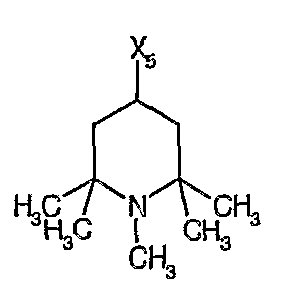
2 H 
R 


3 H 
R 
H 
4 H 
R 
H 
5 H 
R 

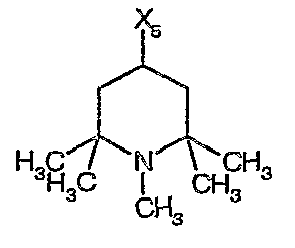
6 H 
R 


7 H 
R 


8 H 
R 
H 
9 H 
R 


10 H 
R 
H 
11 H 
R 
H 
12 H 
R 
H 
13 H 
R 
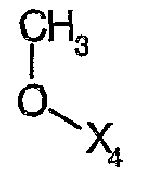

14 H 
R 
H 
15 H 
R 


16 H 
R 


17 H 
R 


18 H 
R 
H 
19 H 
R 

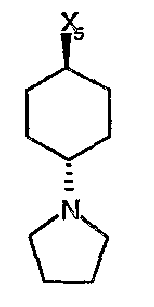
20 H 
R 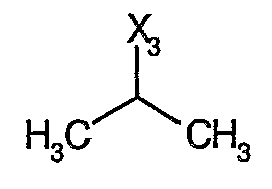


21 H 
R 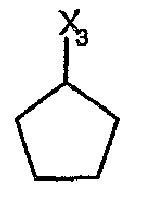


22 H 
R 


23 H 
R 


24 H 
R 


25 H 
R 


26 H 
R 


27 H 
R 
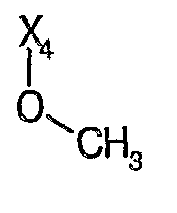

28 H 
R 


29 H 
R 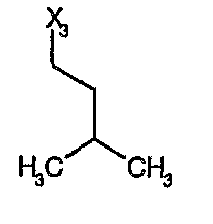


30 H 
R 


31 H 
R 
H 
32 H 
R 


33 H 
R 
H 
34 H 
R 


35 H 
R 


36 H 
R 


37 H 
R 


38 H 
R 


39 H 
R 
H 
40 H 
R 


41 H 
R 


42 H 
R 


43 


44 H 
R 
H 
45 H 
R 


46 H 
R 


47 H 
R 
H 
48 H 
R 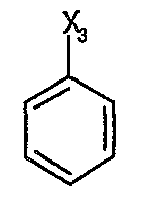
H 
49 H 
R 

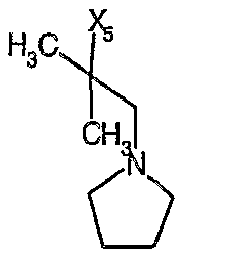
50 H 
R 


51 H 
R 


52 H 
R 


53 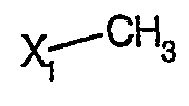


54 H 
R 


55 H 
R 


56 H 
R 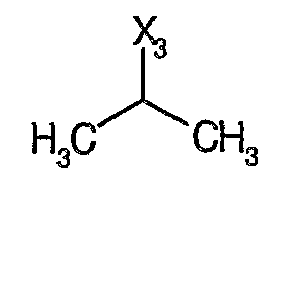


57 H 
R 


58 H 
R 


59 H 
R 


60 H 
R 

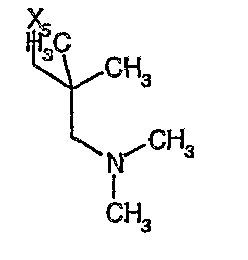
61 


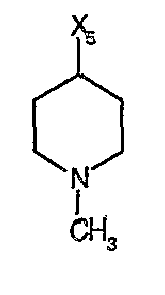
62 H 
R 


63 H 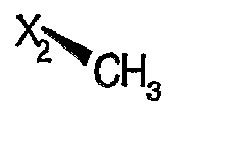
R 


64 H 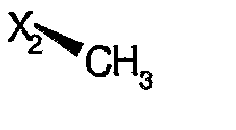
R 


65 H 
R 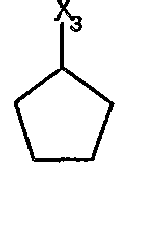


66 H 
R 


67 H 
R 


68 H 
R 
H 
69 H 
R 
H 
70 H 
R 
H 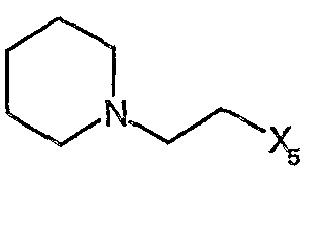
71 H 
R 


72 H 
R 


73 H 
R 
H 
74 H 
R 

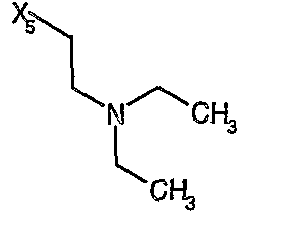
75 H 
R 


76 H 
R 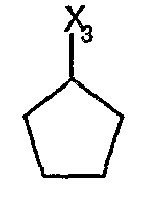


77 H 
R 
H 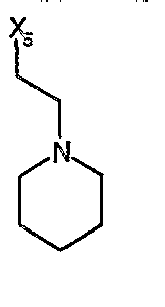
78 H 
R 
H 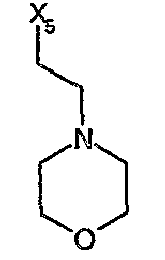
79 H 
R 
H 
80 H 
R 


81 H 
R 


82 H 
R 


83 H 
R 


84 H 
R 


85 H 
R 
H 
86 H 
R 


87 H 
R 


88 H 
R 
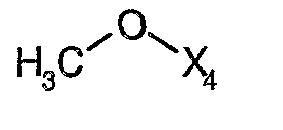

89 H 
R 


90 H 
R 
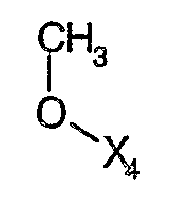

91 H 
R 


92 H 
R 
H 
93 H 
R 
H 
94 H 
R 


95 H 
R 

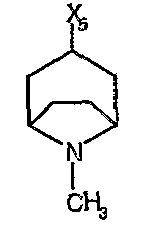
96 H 
R 


97 H 
R 


98 H 
R 


99 H 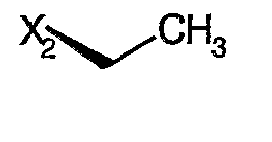
R 


100 H 
R 


101 H 
R 


102 H 
R 

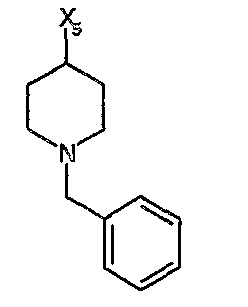
103 H 
R 


104 H 
R 


105 H 
R 

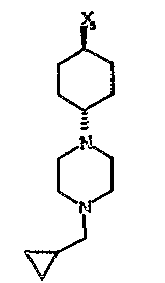
106 H 
R 


107 H 
R 


108 H 
R 


109 H 
R 


110 H 
R 


111 H 
R 


112 H 
R 


113 H 
R 


114 H 
R 
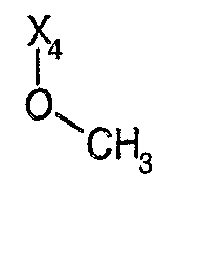

115 H 
R 


116 H 
R 


117 H 
R 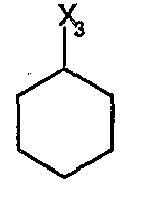

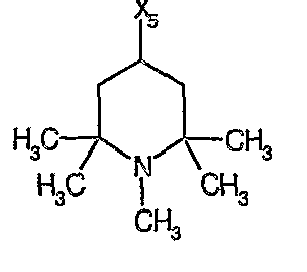
118 H 
R 


119 H 
R 


120 H 
R 


121 H 
R 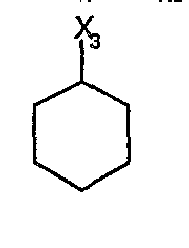


122 H 
R 


123 H 
R 


124 H 
R 


125 H 
R 


126 H 
R 


127 H 
R 


128 H 
R 


129 H 
R 


130 H 
R 


131 H 
R 


132 H 
R 


133 H 
R 


134 H 
R 


135 H 
R 


136 H 
R 


137 H 
R 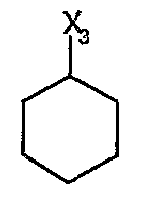


138 H 
R 


139 H 
R 


140 H 
R 


141 H 
R 
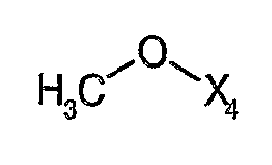

142 H 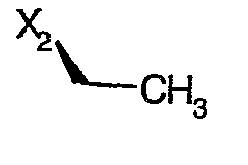
R 

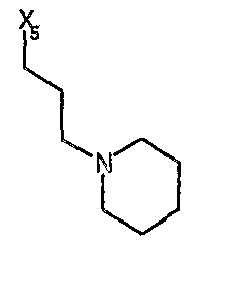
143 H 
R 
H 
144 H 
R 
H 
145 H 
R 


146 H 
R 


147 H 
R 
H 
148 H 
R 


149 H 
R 


150 H 
R 
H 
151 H 
R 


152 H 
R 


153 H 
R 


154 H 
R 
H 
155 H 
R 
H 
156 H 
R 


157 H 
R 
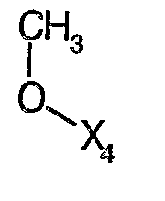

158 H 
R 

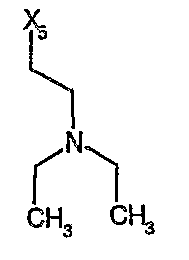
159 H 
R 
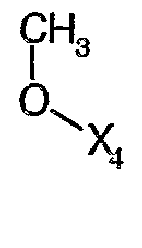

160 H 
R 


161 X1-CH3 

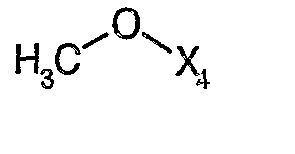

162 X1-CH3 


163 H 
R 


164 H 
R 


165 H 
R 


166 H 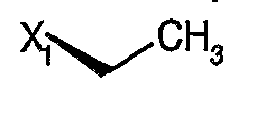
R 


167 H 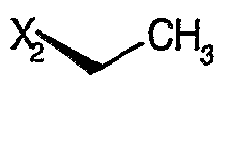
R 


168 H 
R 


169 H 
R 


170 H 
R 


171 H 
R 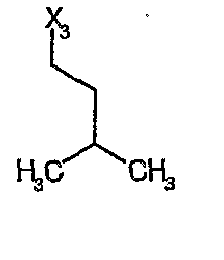
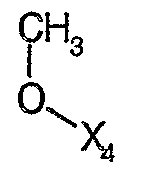

172 H 
R 


173 H 
R 


174 H 
R 


175 H 
R 


176 H 
R 


177 H 
R 


178 H 
R 


179 H 
R 


180 H 
R 


181 H 
R 


182 H 
R 


183 H 
R 


184 H 
R 


185 H 
R 


186 H 
R 


187 H 
R 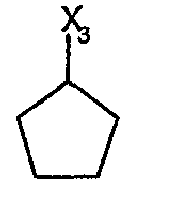

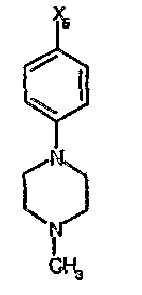
188 H 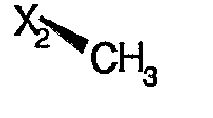
R 


189 H 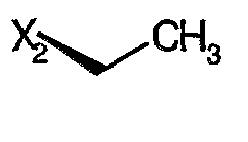
R 

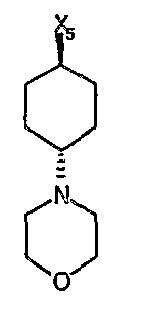
190 H 
R 


191 H 
R 


192 H 
R 


193 H 
R 


194 H 
R 


195 H 
R 


196 H 
R 


197 H 

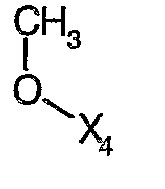

198 H 
R 

199 H 
R 

200 H 
R 

201 H 
R 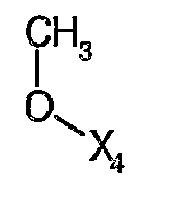

202 


203 H 
R 


204 H 
R 


205 H 
R 


206 H 
R 


207 H 
R 

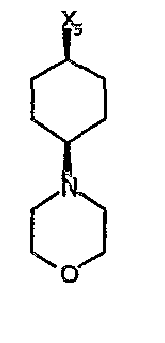
208 H 
R 


209 H 
R 


210 H 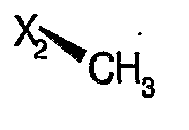
R 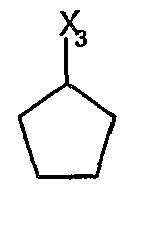

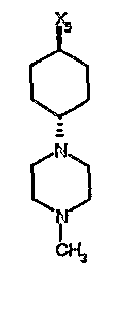
211 X1-CH3 


212 X1-CH3 

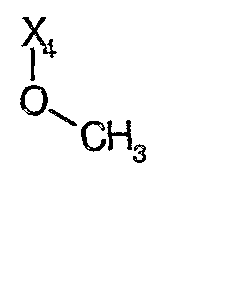

213 H 
R 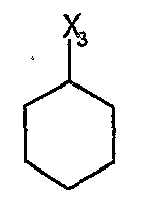


214 H 
R 


215 X1-CH3 


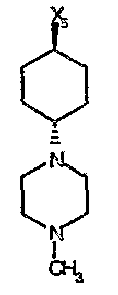
216 H 
R 


217 H 
R 


218 H 
R 


219 H 
R 


220 H 
R 


221 H 
R 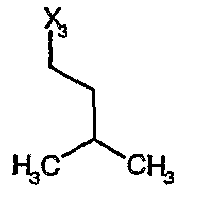


222 H 
R 


223 H 
R 


224 H 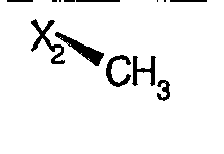
R 


225 H 
R 
H 
226 H 
R 


227 H 
R 


228 H 
R 


229 H 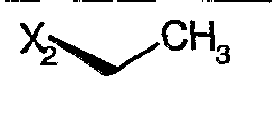
R 


230 H 
R 


231 H 
R 


232 H 
R 


233 H 
R 


234 H 
R 


235 H 
R 


236 H 
R 


237 H 
R 


238 H 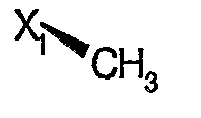
R 


239 H 
R 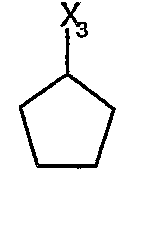


240 H 
R 


241 H 
R 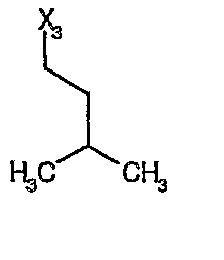


242 H 
R 


243 H 
R 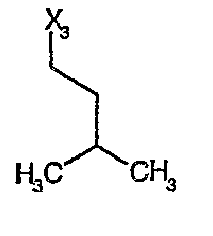


244 H 
R 


Claims (24)
- A pharmaceutical composition comprising effective amounts of:(i) A compound 1 of Formula (I)

R1, R2 which may be identical or different, denote hydrogen or optionally substituted C1-C6-alklyl,
or
R1 and R2 together denote a 2- to 5-membered alkyl bridge which may contain 1 to 2 heteroatoms,
R3 denotes hydrogen or a group selected from among optionally substituted C1-C12-alkyl, C2-C12-alkenyl, C2-C12-alkynyl and C6-C14-aryl, or
a group selected from among optionally substituted and/or bridged C3-C12-cycloalkyl, C3-C12-cycloalkenyl, C7-C12-polycycloalkyl, C7-C12-polycycloalkenyl, C5-C12-spirocycloalkyl, C3-C12-heterocycloalkyl which contains 1 to 2 heteroatoms, and C3-C12-heterocycloalkenyl which contains 1 to 2 heteroatoms, or
R1 and R3 or R2 and R3 together denote a saturated or unsaturated C3-C4-alkyl bridge which may contain 1 heteroatom,
R4 denotes a group selected from among hydrogen, -CN, hydroxy, -NR6R7 and halogen, or
a group selected from among optionally substituted C1-C6-akyl, C2-C6-akenyl, C2-C6-alkynyl, C1-C5-alkyloxy, C2-C5-alkenyloxy, C2-C5-alkynyloxy, C1-C6-alkylthio, C1-C6-alkylsulphoxo and C1-C6-alkylsulphonyl,
L denotes a linker selected from among optionally substituted C2-C10-alkyl, C2-C10-alkenyl, C6-C14-aryl, -C2-C4-alkyl-C6-C14-aryl, -C6-C14-aryl-C1-C4-alkyl, optionally bridged C3-C12-cycloalkyl and heteroaryl which contains 1 or 2 nitrogen atoms,
n denotes 0 or 1
m denotes 1 or 2
R5 denotes a group selected from among optionally substituted morpholinyl, piperidinyl, piperazinyl, piperazinylcarbonyl, pyrrolidinyl, tropenyl, R8-diketomethylpiperazinyl, sulphoxomorpholinyl, sulphonylmorpholinyl, thiomorpholinyl, -NR8R9 and azacycloheptyl,
R6, R7 which may be identical or different, denote hydrogen or C1-C4-alkyl, and
R8, R9 denote unsubstituted nitrogen substituents at R5, which may be identical or different, denote either hydrogen or a group selected from among C1-C6-alkyl, -C1-C4-alkyl-C3-C10-cycloakyl, C3-C10-cycloalkyl, C6-C14-aryl, -C1-C4-akyl-C6-C14-aryl, pyranyl, pyridinyl, pyrimidinyl, C1-C4-alkyloxycarbonyl, C6-C14-arylcarbonyl, C1-C4-alkylcarbonyl, C6-C14-arylmethyloxycarbonyl, C6-C14-arylsulphonyl, C1-C4-alkylsulphonyl- and C6-C14-aryl-C1-C4-alkylsulphonyl-,
optionally in form of its tautomers, racemates, enantiomers, diastereomers and the mixtures thereof and optionally in form of the pharmacologically acceptable acid addition salts, solvates, hydrates, polymorphs, physiologically functional derivatives or prodrugs thereof ;
and(ii) at least one further chemotherapeutic or naturally occurring, semi-synthetic or synthetic therapeutic agent 2 ;optionally in combination with one or more pharmaceutically acceptable excipients, and optionally adapted for a co-treatment with radiotherapy or radio-immunotherapy, in the form of a combined preparation for simultaneous, separate or sequential use in the treatment of diseases involving cell proliferation, migration or apoptosis of cancer cells, or angiogenesis. - The pharmaceutical composition according to claim 1, wherein the compound 1 is selected from the group consisting of the compounds of Formula (I) shown in the following Table

Example R1 R2 Config. R1 or R2 R3 R4 Ln-R5 m 27 H 
R 


44 H 
R 
H 
46 H 
R 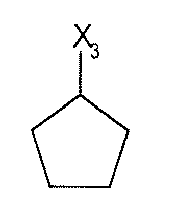


55 H 
R 


58 H 
R 


102 H 
R 


103 H 
R 


105 H 
R 


110 H 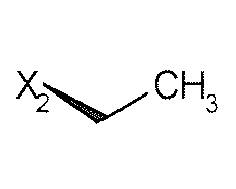
R 


115 H 
R 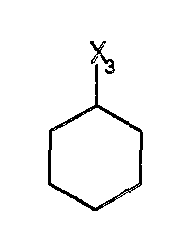


133 H 
R 


134 H 
R 


234 H 
R 


240 H 
R 


- A pharmaceutical composition according to claim 1 or 2, wherein the further chemotherapeutic or naturally occurring, semi-synthetic or synthetic therapeutic agent 2 is selected from the group consisting of synthetic small molecule VEGF receptor antagonists, small molecule growth factor receptor antagonists, inhibitors of the EGF receptor and/or VEGF receptor and/or integrin receptors or any other protein tyrosine kinase receptors which are not classified under the synthetic small-molecules, inhibitors directed to EGF receptor and/or VEGF receptor and/or integrin receptors or any other protein tyrosine kinase receptors, which are fusion proteins, compounds which interact with nucleic acids and which are classified as alkylating agents or platinum compounds, compounds which interact with nucleic acids and which are classified as anthracyclines, as DNA intercalators or as DNA cross-linking agents, including DNA minor-groove binding compounds, anti-metabolites, naturally occurring, semi-synthetic or synthetic bleomycin type antibiotics, inhibitors of DNA transcribing enzymes, and especially the topoisomerase I or topoisomerase II inhibitors, chromatin modifying agents, mitosis inhibitors, anti-mitotic agents, cell-cycle inhibitors, proteasome inhibitors, enzymes, hormones, hormone antagonists, hormone inhibitors, inhibitors of steroid biosynthesis, steroids, cytokines, hypoxia-selective cytotoxins, inhibitors of cytokines, lymphokines, antibodies directed against cytokines, oral and parenteral tolerance induction agents, supportive agents, chemical radiation sensitizers and protectors, photo-chemically activated drugs, synthetic poly- or oligonucleotides, optionally modified or conjugated, non-steroidal anti-inflammatory drugs, cytotoxic antibiotics, antibodies targeting growth factors or their receptors, antibodies targeting the surface molecules of cancer cells, inhibitors of metalloproteinases, metals, inhibitors of oncogenes, inhibitors of gene transcription or of RNA translation or protein expression, complexes of rare earth elements, compounds which reduces the transport of hyaluronan mediated by one or more ABC transporters, and photo-chemotherapeutic agents.
- A pharmaceutical combination according to claim 1 or 2, wherein the further chemotherapeutic or naturally occurring, semi-synthetic or synthetic therapeutic agent 2 is selected from the group consisting of a small molecule VEGF receptor antagonist such as vatalanib (PTK-787/ZK222584), SU-5416, SU-6668, SU-11248, SU-14813, AZD-6474, AZD-2171, CP-547632, CEP-7055, AG-013736, IM-842 or GW-786034, a dual EGFR/HER2 antagonist such as gefitinib, erlotinib, CI-1033 or GW-2016, an EGFR antagonist such as iressa (ZD-1839), tarceva (OSI-774), PKI-166, EKB-569, HKI-272 or herceptin, an antagonist of the mitogen-activated protein kinase such as BAY-43-9006 or BAY-57-9006, a quinazoline derivative such as 4-[(3-chloro-4-fluorophenyl)amino]-6-{[4-(N,N-dimethylamino)-1-oxo-2-buten-1-yl]amino}-7-((S)-tetrahydrofuran-3-yloxy)-quinazoline or 4-[(3-chloro-4-fluoro-phenyl)amino]-6-{[4-(homomorpholin-4-yl)-1-oxo-2-buten-1-yl]amino}-7-[(S)-(tetrahydrofuran-3-yl)oxy]-quinazoline , or a pharmaceutically acceptable salt thereof, a protein kinase receptor antagonist which is not classified under the synthetic small molecules such as atrasentan, rituximab, cetuximab, Avastin™ (bevacizumab), IMC-1C11, erbitux (C-225), DC-101, EMD-72000, vitaxin, imatinib, a protein tyrosine kinase inhibitor which is a fusion protein such as VEGFtrap, an alkylating agent or a platinum compound such as melphalan, cyclophosphamide, an oxazaphosphorine, cisplatin, carboplatin, oxaliplatin, satraplatin, tetraplatin, iproplatin, mitomycin, streptozocin, carmustine (BCNU), lomustine (CCNU), busulfan, ifosfamide, streptozocin, thiotepa, chlorambucil, a nitrogen mustard such as mechlorethamine, an ethyleneimine compound, an alkylsulphonate, daunorubicin, doxorubicin (adriamycin), liposomal doxorubicin (doxil), epirubicin, idarubicin, mitoxantrone, amsacrine, dactinomycin, distamycin or a derivative thereof, netropsin, pibenzimol, mitomycin, CC-1065, a duocarmycin, mithramycin, chromomycin, olivomycin, a phtalanilide such as propamidine or stilbamidine, an anthramycin, an aziridine, a nitrosourea or a derivative thereof, a pyrimidine or purine analogue or antagonist or an inhibitor of the nucleoside diphosphate reductase such as cytarabine, 5-fluorouracile (5-FU), pemetrexed, tegafur/uracil, uracil mustard, fludarabine, gemcitabine, capecitabine, mercaptopurine, cladribine, thioguanine, methotrexate, pentostatin, hydroxyurea, or folic acid, a phleomycin, a bleomycin or a derivative or salt thereof, CHPP, BZPP, MTPP, BAPP, liblomycin, an acridine or a derivative thereof, a rifamycin, an actinomycin, adramycin, a camptothecin such as irinotecan or topotecan, an amsacrine or analogue thereof, a tricyclic carboxamide, an histonedeacetylase inhibitor such as SAHA, MD-275, trichostatin A, CBHA, LAQ824, or valproic acid, an anti-cancer drug from plants such as paclitaxel (taxol), docetaxel or taxotere, a vinca alkaloid such as navelbine, vinblastin, vincristin, vindesine or vinorelbine, a tropolone alkaloid such as colchicine or a derivative thereof, a macrolide such as maytansine, an ansamitocin or rhizoxin, an antimitotic peptide such as phomopsin or dolastatin, an epipodophyllotoxin or a derivative of podophyllotoxin such as etoposide or teniposide, a steganacin, an antimitotic carbamate derivative such as combretastatin or amphetinile, procarbazine, a proteasome inhibitor such as bortezomib, an enzyme such as asparaginase, pegylated asparaginase (pegaspargase) or a thymidine-phosphorylase inhibitor, a gestagen or an estrogen such as estramustine (T-66) or megestrol, an anti-androgen such as flutamide, casodex, anandron or cyproterone acetate, an aromatase inhibitor such as aminogluthetimide, anastrozole, formestan or letrozole, a GNrH analogue such as leuprorelin, buserelin, goserelin or triptorelin, an anti-estrogen such as tamoxifen or its citrate salt, droloxifene, trioxifene, raloxifene or zindoxifene, a derivative of 17β-estradiol such as ICI 164,384 or ICI 182,780, aminoglutethimide, formestane, fadrozole, finasteride, ketoconazole, a LH-RH antagonist such as leuprolide, a steroid such as prednisone, prednisolone, methylprednisolone, dexamethasone, budenoside, fluocortolone or triamcinolone, an interferon such as interferon β, an interleukin such as IL-10 or IL-12, an anti-TNFα antibody such as etanercept, an immunomodulatory drug such as thalidomide, its R- and S-enantiomers and its derivatives, or revimid (CC-5013), a leukotrien antagonist, mitomycin C, an aziridoquinone such as BMY-42355, AZQ or EO-9, a 2-nitroimidazole such as misonidazole, NLP-1 or NLA-1, a nitroacridine, a nitroquinoline, a nitropyrazoloacridine, a "dual-function" nitro aromatic such as RSU-1069 or RB-6145, CB-1954, a N-oxide of nitrogen mustard such as nitromin, a metal complex of a nitrogen mustard, an anti-CD3 or anti-CD25 antibody, a tolerance induction agent, a biphosphonate or derivative thereof such as minodronic acid or its derivatives (YM-529, Ono-5920, YH-529), zoledronic acid monohydrate, ibandronate sodium hydrate or clodronate disodium, a nitroimidazole such as metronidazole, misonidazole, benznidazole or nimorazole, a nitroaryl compound such as RSU-1069, a nitroxyl or N-oxide such as SR-4233, an halogenated pyrimidine analogue such as bromodeoxyuridine, iododeoxyuridine, a thiophosphate such as WR-2721, a photo-chemically activated drug such as porfimer, photofrin, a benzoporphyrin derivative, a pheophorbide derivative, merocyanin 540 (MC-540) or tin etioporpurin, an ant-template or an anti-sense RNA or DNA such as oblimersen, a non-steroidal inflammatory drug such as acetylsalicyclic acid, mesalazin, ibuprofen, naproxen, flurbiprofen, fenoprofen, fenbufen, ketoprofen, indoprofen, pirprofen, carprofen, oxaprozin, pranoprofen, miroprofen, tioxaprofen, suprofen, alminoprofen, tiaprofenic acid, fluprofen, indomethacin, sulindac, tolmetin, zomepirac, nabumetone, diclofenac, fenclofenac, alclofenac, bromfenac, ibufenac, aceclofenac, acemetacin, fentiazac, clidanac, etodolac, oxpinac, mefenamic acid, meclofenamic acid, flufenamic acid, nifluminic acid, tolfenamic acid, diflunisal, flufenisal, piroxicam, tenoxicam, lornoxicam, nimesulide, meloxicam, celecoxib, rofecoxib, or a pharmaceutically acceptable salt of a non-steroidal inflammatory drug, a cytotoxic antibiotic, an antibody targeting the surface molecules of cancer cells such as apolizumab or 1D09C3, an inhibitor of metalloproteinases such as TIMP-1 or TIMP-2, Zinc, an inhibitor of oncogenes such as P53 and Rb, a complex of rare earth elements such as the heterocyclic complexes of lanthanides, a photo-chemotherapeutic agent such as PUVA, an inhibitor of the transcription factor complex ESX/DRIP130/Sur-2, an inhibitor of HER-2 expression, such as the heat shock protein HSP90 modulator geldanamycin and its derivative 17-allylaminogeldanamycin or 17-AAG, a compound which reduces the transport of hyaluronan mediated by one or more ABC transporters selected from a P-glycoprotein (P-gp) inhibitor molecule or inhibitor peptide, an MRP1 inhibitor, an antibody directed against and capable of blocking the ABC transporter, an antisense oligomer, iRNA, siRNA or aptamer directed against one or more ABC transporters, or a therapeutic agent selected from IM-842, tetrathiomolybdate, squalamine, combrestatin A4, TNP-470, marimastat, neovastat, bicalutamide, abarelix, oregovomab, mitumomab, TLK-286, alemtuzumab, ibritumomab, temozolomide, denileukin diftitox, aldesleukin, dacarbazine, floxuridine, plicamycin, mitotane, pipobroman, plicamycin, tamloxifen and testolactone.
- A pharmaceutical composition according to claim 1 or 2, wherein the further chemotherapeutic or naturally occurring, semi-synthetic or synthetic therapeutic agent 2 is selected from the group consisting of an anti-cancer drug from plants such as paclitaxel (taxol), docetaxel or taxotere, a vinca alkaloid such as navelbine, vinblastin, vincristin, vindesine or vinorelbine, a vinca alkaloid such as navelbine, vinblastin, vincristin, vindesine or vinorelbine, an alkylating agent or a platinum compound such as melphalan, cyclophosphamide, an oxazaphosphorine, cisplatin, carboplatin, oxaliplatin, satraplatin, tetraplatin, iproplatin, mitomycin, streptozocin, carmustine (BCNU), lomustine (CCNU), busulfan, ifosfamide, streptozocin, thiotepa, chlorambucil, a nitrogen mustard such as mechlorethamine, an immunomodulatory drug such as thalidomide, its R- and S-enantiomers and its derivatives, or revimid (CC-5013)), an ethyleneimine compound, an alkylsulphonate, daunorubicin, doxorubicin (adriamycin), liposomal doxorubicin (doxil), epirubicin, idarubicin, mitoxantrone, amsacrine, dactinomycin, distamycin or a derivative thereof, netropsin, pibenzimol, mitomycin, CC-1065, a duocarmycin, mithramycin, chromomycin, olivomycin, a phtalanilide such as propamidine or stilbamidine, an anthramycin, an aziridine, a nitrosourea or a derivative thereof, a pyrimidine or purine analogue or antagonist or an inhibitor of the nucleoside diphosphate reductase such as cytarabine, 5-fluorouracile (5-FU), pemetrexed, tegafur/uracil, uracil mustard, fludarabine, gemcitabine, capecitabine, mercaptopurine, cladribine, thioguanine, methotrexate, pentostatin, hydroxyurea, or folic acid, an acridine or a derivative thereof, a rifamycin, an actinomycin, adramycin, a camptothecin such as irinotecan or topotecan, an amsacrine or analogue thereof, a tricyclic carboxamide, an histonedeacetylase inhibitor such as SAHA, MD-275, trichostatin A, CBHA, LAQ824, or valproic acid, a proteasome inhibitor such as bortezomib, a small molecule VEGF receptor antagonist such as vatalanib (PTK-787/ZK222584), SU-5416, SU-6668, SU-11248, SU-14813, AZD-6474, AZD-2171, CP-547632, CEP-7055, AG-013736, IM-842 or GW-786034, an antagonist of the mitogen-activated protein kinase such as BAY-43-9006 or BAY-57-9006, a dual EGFR/HER2 antagonist such as gefitinib, erlotinib, CI-1033 or GW-2016, an EGFR antagonist such as iressa (ZD-1839), tarceva (OSI-774), PKI-166, EKB-569, HKI-272 or herceptin, a quinazoline derivative such as 4-[(3-chloro-4-fluorophenyl)amino]-6-{[4-(N,N-dimethylamino)-1-oxo-2-buten-1-yl]amino}-7-((S)-tetrahydrofuran-3-yloxy)-quinazoline or 4-[(3-chloro-4-fluoro-phenyl)amino]-6-{[4-(homomorpholin-4-yl)-1-oxo-2-buten-1-yl]amino}-7-[(S)-(tetrahydrofuran-3-yl)oxy]-quinazoline, or a pharmaceutically acceptable salt thereof, an inhibitor of the transcription factor complex ESX/DRIP130/Sur-2, an inhibitor of HER-2 expression, such as the heat shock protein HSP90 modulator geldanamycin and its derivative 17-allylaminogeldanamycin or 17-AAG, a protein kinase receptor antagonist which is not classified under the synthetic small molecules such as atrasentan, rituximab, cetuximab, Avastin™ (bevacizumab), IMC-1C11, erbitux (C-225), DC-101, EMD-72000, vitaxin, imatinib, a P-glycoprotein (P-gp) inhibitor molecule such as zosuquidar (LY 335973), its salts (especially the trichloride salt) and its polymorphs, cyclosporin A, verapamil or its R-isomer, tamoxifen, quinidine, d-alpha tocopheryl polyethylene glycol 1000 succinate, VX-710, PSC833, phenothiazine, GF120918 (II), SDZ PSC 833, TMBY, MS-073, S-9788, SDZ 280-446, XR(9051) and functional derivatives, analogues and isomers of these, or an antibody targeting the surface molecules of cancer cells such as apolizumab or 1D09C3.
- The pharmaceutical composition according to claim 1, wherein the further chemotherapeutic or naturally occurring, semi-synthetic or synthetic therapeutic agent 2 is the quinazoline derivative 4-[(3-chloro-4-fluorophenyl)amino]-6-{[4-(N,N-dimethylanfino)-1-oxo-2-buten-1-yl]amino}-7-((S)-tetrahydrofuran-3-yloxy)-quinazoline or a pharmaceutically acceptable salt thereof.
- The pharmaceutical combination according to claim 1, wherein the further chemotherapeutic or naturally occurring, semi-synthetic or synthetic therapeutic agent 2 is the di-maleic acid salt of the compound 4-[(3-chloro-4-fluorophenyl)amino]-6-{[4-(N,N-dimethylamino)-1-oxo-2-buten-1-yl]amino}-7-((S)-tetrahydrofuran-3-yloxy)-quinazoline, or 4-[(3-chloro-4-fluoro-phenyl)amino]-6-{[4-(homomorpholin-4-yl)-1-oxo-2-buten-1-yl]amino}-7-[(S)-(tetrahydrofuran-3-yl)oxy]-quinazoline, or the tautomers, stereoisomers or a pharmaceutically acceptable salt thereof.
- The pharmaceutical combination according to claim 1, wherein the further chemotherapeutic or naturally occurring, semi-synthetic or synthetic therapeutic agent 2 is 4-[(3-chloro-4-fluoro-phenyl)amino]-6-{[4-(homomorpholin-4-yl)-1-oxo-2-buten-1-yl]amino}-7-[(S)-(tetrahydrofuran-3-yl)oxy]-quinazoline , or the tautomers, stereoisomers or a pharmaceutically acceptable salt thereof.
- The pharmaceutical combination according to claim 1, wherein the further chemotherapeutic or naturally occurring, semi-synthetic or synthetic therapeutic agent 2 is 3-Z-[1-(4-(N-((4-methyl-piperazin-1-yl)-methylcarbonyl)-N-methyl-amino)-anilino)-1-phenyl-methylene]-6-methoxycarbonyl-2-indolinone, or a polymorph, metabolite or pharmaceutically acceptable salt thereof.
- The pharmaceutical combination according to claim 1, wherein the further chemotherapeutic or naturally occurring, semi-synthetic or synthetic therapeutic agent 2 is the monoethanesulfonate salt of 3-Z-[1-(4-(N-((4-methyl-piperazin-1-yl)-methylcarbonyl)-N-methyl-amino)-anilino)-1-phenyl-methylene]-6-methoxycarbonyl-2-indolinone.
- The pharmaceutical combination according to claim 1, wherein the further chemotherapeutic or naturally occurring, semi-synthetic or synthetic therapeutic agent 2 is 3-Z-[1-(4-dimethylaminomethylanilino)-1-(4-(2-carboxyethyl)phenyl)methylene]-6-fluoro-2-indolinone, or a polymorph, metabolite or pharmaceutically acceptable salt thereof.
- The pharmaceutical composition according to claim 1, wherein the further chemotherapeutic or naturally occurring, semi-synthetic or synthetic therapeutic agent 2 is selected from the group consisting of irinotecan, topotecan, oxaliplatin, docetaxel, paclitaxel, gemcitabine, pemetrexed, cisplatin, carboplatin, bevacizumab, cetuximab, gefitinib or erlotinib.
- Use of a pharmaceutical composition according to any one of claims 1 to 12 for the preparation of a medicament for the treatment of an oncological disease.
- Use according to claim 13, wherein the oncological disease is selected from the group consisting of solid tumours.
- Use according to claim 13 wherein the oncological disease is selected from the group consisting of urogenital cancers, lung cancers, gastrointestinal cancers, head and neck cancer, malignant mesotheliomas, breast cancer, malignant melanoma, childhood cancers, and bone or soft tissue sarcomas.
- Use according to claim 13 wherein the oncological disease is selected from the group consisting of refractory or relapsed multiple myeloma, acute or chronic myelogenous leukaemia, myelodysplastic syndrome, myeloproliferativesyndromes, acute lymphoblastic leukaemia, Hodgkin's and non-Hodgkin's lymphoma.
- Use of a pharmaceutical composition according to any one of claims 1 to 12 for the preparation of a medicament for the treatment of a non-oncological disease.
- Use according to claim 17, wherein the non-oncological disease is selected from the group consisting of autoimmune disorders, diabetic retinopathy and rheumatoid arthritis.
- A pharmaceutical combination preparation kit for the treatment of diseases involving cell proliferation, migration or apoptosis of cancer cells, or angiogenesis, comprising a therapeutically effective amount of:(i) a compound 1 of Formula (I) as defined in claims 1 or 2; and(ii) at least a further chemotherapeutic or naturally occurring, semi-synthetic or synthetic therapeutic agent 2 as defined in any one of claims 3 to 12;and optionally adapted for a co-treatment with radiotherapy or radio-immunotherapy;
characterised in that the compound 1 of Formula (I) is comprised within a first compartment and the further chemotherapeutic or naturally occurring, semi-synthetic or synthetic therapeutic agent 2 is comprised within a second compartment, such that the administration to a patient in need thereof can be simultaneous, separate or sequential. - The pharmaceutical combination preparation kit in accordance with claim 19, wherein the formulation of the compound 1 of Formula (I) is for oral administration or injection.
- Use of a pharmaceutical composition according to any one of claims 1 to 12 or a pharmaceutical combination preparation kit according to claims 19 or 20, for the manufacture of a medicament, optionally adapted for a co-treatment with radiotherapy or radio-immunotherapy, to treat diseases involving cell proliferation, migration or apoptosis of cancer cells, or angiogenesis, in a human or non-human mammalian body.
- Use of an effective amount of a compound 1 of Formula (I) as defined in claims 1 or 2 in combination with at least a further chemotherapeutic or naturally occurring, semi-synthetic or synthetic therapeutic agent 2 as defined in any one of claims 3 to 12, for the manufacture of a pharmaceutical combination preparation, optionally adapted for a co-treatment with radiotherapy or radio-immunotherapy, for simultaneous, separate or sequential use in the treatment of diseases involving cell proliferation, migration or apoptosis of cancer cells, or angiogenesis, in a human or non-human mammalian body.
- A method for the treatment of diseases involving cell proliferation, migration or apoptosis of cancer cells, or angiogenesis, which method comprises simultaneous, separate or sequential co-administration of effective amounts of:(iii) a compound 1 of Formula (I) as defined in claims 1 or 2; and(iv) at least a further chemotherapeutic or naturally occurring, semi-synthetic or synthetic therapeutic agent 2 as defined in any one of claims 3 to 12;in the form of a combined preparation optionally adapted for a co-treatment with radiotherapy or radio-immunotherapy, to a person in need of such treatment.
- Use according to any one of claims 13 to 18, 21 or 22, characterised in that the compound 1 of Formula (I), or its polymorph, hydrate, metabolite or pharmaceutically acceptable salt, is administered intermittent or in a daily dosage such that the plasma level of the active substance lies between 10 and 5000 nM for at least 12 hours of the dosing interval.
Priority Applications (2)
| Application Number | Priority Date | Filing Date | Title |
|---|---|---|---|
| EP10184338.1A EP2275107B1 (en) | 2004-08-14 | 2005-08-09 | Combinations for the treatment of diseases involving cell proliferation |
| PL10184338T PL2275107T3 (en) | 2004-08-14 | 2005-08-09 | Combinations for the treatment of diseases involving cell proliferation |
Applications Claiming Priority (4)
| Application Number | Priority Date | Filing Date | Title |
|---|---|---|---|
| EP04019361 | 2004-08-14 | ||
| EP04019448 | 2004-08-17 | ||
| EP05770228A EP1827441B1 (en) | 2004-08-14 | 2005-08-09 | Combinations for the treatment of diseases involving cell proliferation |
| EP10184338.1A EP2275107B1 (en) | 2004-08-14 | 2005-08-09 | Combinations for the treatment of diseases involving cell proliferation |
Related Parent Applications (2)
| Application Number | Title | Priority Date | Filing Date |
|---|---|---|---|
| EP05770228.4 Division | 2005-08-09 | ||
| EP05770228A Division EP1827441B1 (en) | 2004-08-14 | 2005-08-09 | Combinations for the treatment of diseases involving cell proliferation |
Publications (3)
| Publication Number | Publication Date |
|---|---|
| EP2275107A2 true EP2275107A2 (en) | 2011-01-19 |
| EP2275107A3 EP2275107A3 (en) | 2013-06-26 |
| EP2275107B1 EP2275107B1 (en) | 2016-10-05 |
Family
ID=35241347
Family Applications (2)
| Application Number | Title | Priority Date | Filing Date |
|---|---|---|---|
| EP10184338.1A Expired - Lifetime EP2275107B1 (en) | 2004-08-14 | 2005-08-09 | Combinations for the treatment of diseases involving cell proliferation |
| EP05770228A Expired - Lifetime EP1827441B1 (en) | 2004-08-14 | 2005-08-09 | Combinations for the treatment of diseases involving cell proliferation |
Family Applications After (1)
| Application Number | Title | Priority Date | Filing Date |
|---|---|---|---|
| EP05770228A Expired - Lifetime EP1827441B1 (en) | 2004-08-14 | 2005-08-09 | Combinations for the treatment of diseases involving cell proliferation |
Country Status (26)
| Country | Link |
|---|---|
| US (3) | US20060058311A1 (en) |
| EP (2) | EP2275107B1 (en) |
| JP (1) | JP5043660B2 (en) |
| KR (1) | KR101258426B1 (en) |
| CN (1) | CN101039673B (en) |
| AR (1) | AR050521A1 (en) |
| AT (1) | ATE512663T1 (en) |
| AU (1) | AU2005274384B2 (en) |
| BR (1) | BRPI0514357A (en) |
| CA (1) | CA2576269C (en) |
| CY (1) | CY1112200T1 (en) |
| DK (2) | DK1827441T3 (en) |
| ES (1) | ES2602465T3 (en) |
| HR (1) | HRP20110578T1 (en) |
| HU (1) | HUE032436T2 (en) |
| IL (1) | IL181305A (en) |
| ME (1) | ME01209B (en) |
| MX (2) | MX2007001853A (en) |
| NZ (1) | NZ553729A (en) |
| PL (2) | PL2275107T3 (en) |
| PT (1) | PT1827441E (en) |
| RS (1) | RS51807B (en) |
| RU (2) | RU2407532C9 (en) |
| SI (1) | SI1827441T1 (en) |
| TW (2) | TW201201810A (en) |
| WO (1) | WO2006018182A1 (en) |
Cited By (1)
| Publication number | Priority date | Publication date | Assignee | Title |
|---|---|---|---|---|
| US10568884B2 (en) | 2009-08-28 | 2020-02-25 | Array Biopharma Inc. | Compounds and compositions as protein kinase inhibitors |
Families Citing this family (136)
| Publication number | Priority date | Publication date | Assignee | Title |
|---|---|---|---|---|
| YU90901A (en) | 1999-06-21 | 2004-07-15 | Boehringer Ingelheim Pharma Gmbh. & Co.Kg. | Bicyclic heterocycles, medicaments containing these compounds, their use and methods for the production thereof |
| GB0011903D0 (en) * | 2000-05-18 | 2000-07-05 | Astrazeneca Ab | Combination chemotherapy |
| US7019012B2 (en) * | 2000-12-20 | 2006-03-28 | Boehringer Ingelheim International Pharma Gmbh & Co. Kg | Quinazoline derivatives and pharmaceutical compositions containing them |
| DE10221018A1 (en) * | 2002-05-11 | 2003-11-27 | Boehringer Ingelheim Pharma | Use of inhibitors of EGFR-mediated signal transduction for the treatment of benign prostatic hyperplasia (BPH) / prostatic hypertrophy |
| US6861422B2 (en) * | 2003-02-26 | 2005-03-01 | Boehringer Ingelheim Pharma Gmbh & Co. Kg | Dihydropteridinones, processes for preparing them and their use as pharmaceutical compositions |
| US20050043233A1 (en) * | 2003-04-29 | 2005-02-24 | Boehringer Ingelheim International Gmbh | Combinations for the treatment of diseases involving cell proliferation, migration or apoptosis of myeloma cells or angiogenesis |
| DE10349113A1 (en) * | 2003-10-17 | 2005-05-12 | Boehringer Ingelheim Pharma | Process for the preparation of aminocrotonyl compounds |
| US20050096332A1 (en) * | 2003-10-30 | 2005-05-05 | Boehringer Ingelheim International Gmbh | Use of tyrosine kinase inhibitors for the treatment of inflammatory processes |
| DE102004029784A1 (en) * | 2004-06-21 | 2006-01-05 | Boehringer Ingelheim Pharma Gmbh & Co. Kg | Novel 2-Benzylaminodihydropteridinones, process for their preparation and their use as medicaments |
| DE102004033670A1 (en) * | 2004-07-09 | 2006-02-02 | Boehringer Ingelheim Pharma Gmbh & Co. Kg | New pyridodihydropyrazinone, process for its preparation and its use as a medicament |
| US7728134B2 (en) * | 2004-08-14 | 2010-06-01 | Boehringer Ingelheim International Gmbh | Hydrates and polymorphs of 4[[(7R)-8-cyclopentyl-7-ethyl-5,6,7,8-tetrahydro-5-methyl-6-oxo-2-pteridinyl]amino]-3-methoxy-N-(1-methyl-4-piperidinyl)-benzamide, process for their manufacture and their use as medicament |
| US7759485B2 (en) * | 2004-08-14 | 2010-07-20 | Boehringer Ingelheim International Gmbh | Process for the manufacture of dihydropteridinones |
| US20060035903A1 (en) * | 2004-08-14 | 2006-02-16 | Boehringer Ingelheim International Gmbh | Storage stable perfusion solution for dihydropteridinones |
| US20060058311A1 (en) | 2004-08-14 | 2006-03-16 | Boehringer Ingelheim International Gmbh | Combinations for the treatment of diseases involving cell proliferation |
| US20060074088A1 (en) * | 2004-08-14 | 2006-04-06 | Boehringer Ingelheim International Gmbh | Dihydropteridinones for the treatment of cancer diseases |
| EP1630163A1 (en) * | 2004-08-25 | 2006-03-01 | Boehringer Ingelheim Pharma GmbH & Co.KG | Dihydropteridinones, methods for their preparation and their use as drugs |
| EP1632493A1 (en) * | 2004-08-25 | 2006-03-08 | Boehringer Ingelheim Pharma GmbH & Co.KG | Dihydropteridine derivatives, methods for their preparation and their use as drugs |
| CZ2004964A3 (en) * | 2004-09-14 | 2006-03-15 | Pliva-Lachema A. S. | Peroral pharmaceutical composition for targeted transport of platinum complex into colorectal region, process for its preparation and the composition for use as medicament |
| DE102004058337A1 (en) | 2004-12-02 | 2006-06-14 | Boehringer Ingelheim Pharma Gmbh & Co. Kg | Process for the preparation of fused piperazin-2-one derivatives |
| CN108421044A (en) | 2005-02-03 | 2018-08-21 | 综合医院公司 | The method for treating gefitinib resistant cancer |
| BRPI0618042A2 (en) | 2005-11-04 | 2011-08-16 | Wyeth Corp | uses of a rapamycin and herceptin, product, pharmaceutical package, and, pharmaceutical composition |
| EP1948179A1 (en) | 2005-11-11 | 2008-07-30 | Boehringer Ingelheim International GmbH | Quinazoline derivatives for the treatment of cancer diseases |
| PL1948180T3 (en) * | 2005-11-11 | 2013-09-30 | Boehringer Ingelheim Int | Combination treatment of cancer comprising egfr/her2 inhibitors |
| CA2639936C (en) * | 2006-01-26 | 2014-06-17 | Boehringer Ingelheim International Gmbh | Process for preparing aminocrotonylamino-substituted quinazoline derivatives |
| US7439358B2 (en) | 2006-02-08 | 2008-10-21 | Boehringer Ingelheim International Gmbh | Specific salt, anhydrous and crystalline form of a dihydropteridione derivative |
| CA2652888A1 (en) * | 2006-05-26 | 2007-12-06 | Celgene Corporation | Methods and compositions using immunomodulatory compounds in combination therapy |
| TW200808325A (en) * | 2006-07-06 | 2008-02-16 | Astrazeneca Ab | Novel compounds |
| BRPI0717586A2 (en) * | 2006-09-18 | 2013-10-29 | Boehringer Ingelheim Int | METHOD FOR TREATING CANCER PRESENTING EGFR CHANGES |
| US7981893B2 (en) * | 2006-10-19 | 2011-07-19 | Signal Pharmaceuticals, Llc | Heteroaryl compounds, compositions thereof, and methods of treatment therewith |
| US8168662B1 (en) | 2006-11-06 | 2012-05-01 | Poniard Pharmaceuticals, Inc. | Use of picoplatin to treat colorectal cancer |
| US8178564B2 (en) * | 2006-11-06 | 2012-05-15 | Poniard Pharmaceuticals, Inc. | Use of picoplatin to treat colorectal cancer |
| US8173686B2 (en) | 2006-11-06 | 2012-05-08 | Poniard Pharmaceuticals, Inc. | Use of picoplatin to treat colorectal cancer |
| US8168661B2 (en) * | 2006-11-06 | 2012-05-01 | Poniard Pharmaceuticals, Inc. | Use of picoplatin to treat colorectal cancer |
| CN101646671A (en) | 2006-12-14 | 2010-02-10 | 弗特克斯药品有限公司 | Compounds useful as protein kinase inhibitors |
| US20110033528A1 (en) * | 2009-08-05 | 2011-02-10 | Poniard Pharmaceuticals, Inc. | Stabilized picoplatin oral dosage form |
| TW200916094A (en) * | 2007-06-27 | 2009-04-16 | Poniard Pharmaceuticals Inc | Stabilized picoplatin dosage form |
| US20100260832A1 (en) * | 2007-06-27 | 2010-10-14 | Poniard Pharmaceuticals, Inc. | Combination therapy for ovarian cancer |
| WO2009011861A1 (en) * | 2007-07-16 | 2009-01-22 | Poniard Pharmaceuticals, Inc. | Oral formulations for picoplatin |
| EP3098223A1 (en) * | 2007-08-03 | 2016-11-30 | Boehringer Ingelheim International GmbH | Crystalline form of a dihydropteridione derivative |
| US8754094B2 (en) * | 2007-08-15 | 2014-06-17 | The Research Foundation Of State University Of New York | Methods for heat shock protein dependent cancer treatment |
| AU2016225895B2 (en) * | 2007-10-17 | 2018-02-08 | Wyeth Llc | Maleate salts of (E)-N-{4-[3-chloro-4-(2-pyridinylmethoxy)anilino]-3-cyano-7-ethoxy-6-quinolinyl} -4-)dimethylamino)-2-butenamide and crystalline forms thereof |
| US8022216B2 (en) | 2007-10-17 | 2011-09-20 | Wyeth Llc | Maleate salts of (E)-N-{4-[3-chloro-4-(2-pyridinylmethoxy)anilino]-3-cyano-7-ethoxy-6-quinolinyl}-4-(dimethylamino)-2-butenamide and crystalline forms thereof |
| EP2249644A4 (en) * | 2008-02-08 | 2012-05-30 | Poniard Pharmaceuticals Inc | PICOPLATIN AND AMRUBICIN USEFUL IN THE TREATMENT OF LUNG CANCER |
| EP2100894A1 (en) | 2008-03-12 | 2009-09-16 | 4Sc Ag | Pyridopyrimidines used as Plk1 (polo-like kinase) inhibitors |
| AU2015227503B2 (en) * | 2008-06-06 | 2017-02-23 | Boehringer Ingelheim International Gmbh | Capsule pharmaceutical dosage form comprising a suspension formulation of an indolinone derivative |
| MY158929A (en) * | 2008-06-06 | 2016-11-30 | Boehringer Ingelheim Int | Pharmaceutical combination |
| UY31867A (en) * | 2008-06-06 | 2010-01-29 | Boehringer Ingelheim Int | NEW SOLID PHARMACEUTICAL FORMULATIONS THAT INCLUDE BIBW 2992 |
| EP2299987B1 (en) | 2008-06-06 | 2018-02-21 | Boehringer Ingelheim International GmbH | Capsule pharmaceutical dosage form comprising a suspension formulation of an indolinone derivative |
| UA107560C2 (en) * | 2008-06-06 | 2015-01-26 | PHARMACEUTICAL FORM FOR THE IMMEDIATE RELEASE OF INDOLINON DERIVATIVES | |
| US20170065529A1 (en) | 2015-09-09 | 2017-03-09 | Boehringer Ingelheim International Gmbh | Pharmaceutical dosage form for immediate release of an indolinone derivative |
| CN102641270A (en) | 2008-06-17 | 2012-08-22 | 惠氏有限责任公司 | Antineoplastic combinations containing HKI-272 and vinorelbine |
| MX346186B (en) | 2008-06-23 | 2017-03-10 | Vertex Pharma | Protein kinase inhibitors. |
| US8669273B2 (en) | 2008-08-04 | 2014-03-11 | Wyeth Llc | Antineoplastic combinations of 4-anilino-3-cyanoquinolines and capecitabine |
| JP2012509878A (en) * | 2008-11-21 | 2012-04-26 | アイシス ファーマシューティカルズ, インコーポレーテッド | Anti-tumor combination therapy, including docetaxel and antisense oligonucleotide |
| WO2010064422A1 (en) * | 2008-12-02 | 2010-06-10 | 静岡県公立大学法人 | Method for killing tumor by photosensitization treatment under conditions where histone is highly acetylated |
| IL264349B2 (en) | 2009-04-06 | 2024-01-01 | Wyeth Llc | Regimens containing neratinib for the treatment of cancer |
| KR101224468B1 (en) * | 2009-05-20 | 2013-01-23 | 주식회사 파멥신 | Bispecific antibody having a novel form and use thereof |
| PL2451445T3 (en) | 2009-07-06 | 2019-09-30 | Boehringer Ingelheim International Gmbh | Process for drying of bibw2992, of its salts and of solid pharmaceutical formulations comprising this active ingredient |
| EP2464218B1 (en) * | 2009-08-10 | 2015-05-27 | Board of Regents, The University of Texas System | Treatment of brain metastases with inhibitors of endothelin receptors in combination with a cytotoxic chemotherapy agent |
| CN102020643A (en) | 2009-09-22 | 2011-04-20 | 上海恒瑞医药有限公司 | dihydropteridine ketone derivative, and preparation method and medicinal application thereof |
| WO2011049625A1 (en) | 2009-10-20 | 2011-04-28 | Mansour Samadpour | Method for aflatoxin screening of products |
| SG10201500895XA (en) | 2009-11-05 | 2015-04-29 | Rhizen Pharmaceuticals Sa | Chromen-4-one Derivatives As Kinase Modulators |
| SG183155A1 (en) | 2010-02-03 | 2012-09-27 | Signal Pharm Llc | Identification of lkb1 mutation as a predictive biomarker for sensitivity to tor kinase inhibitors |
| US20120329803A1 (en) * | 2010-02-17 | 2012-12-27 | Boehringer Ingelheim International Gmbh | Dihydropteridinones, method for production and use thereof |
| US20110280862A1 (en) * | 2010-05-14 | 2011-11-17 | The University Of Hong Kong | Gep and drug transporter regulation, cancer therapy and prognosis |
| MX384074B (en) | 2010-05-14 | 2025-03-12 | Dana Farber Cancer Inst Inc | COMPOSITIONS AND METHODS FOR TREATING NEOPLASMS, INFLAMMATORY DISEASES AND OTHER DISORDERS. |
| US9301962B2 (en) | 2010-05-14 | 2016-04-05 | Baylor College Of Medicine | Male contraceptive compositions and methods of use |
| MX373121B (en) | 2010-05-14 | 2020-04-30 | Dana Farber Cancer Inst Inc | COMPOSITIONS AND METHODS FOR THE TREATMENT OF LEUKEMIA. |
| US9045445B2 (en) | 2010-06-04 | 2015-06-02 | Albany Molecular Research, Inc. | Glycine transporter-1 inhibitors, methods of making them, and uses thereof |
| PL2608792T3 (en) | 2010-08-26 | 2018-03-30 | Boehringer Ingelheim International Gmbh | Methods of administering an egfr inhibitor |
| US8546566B2 (en) | 2010-10-12 | 2013-10-01 | Boehringer Ingelheim International Gmbh | Process for manufacturing dihydropteridinones and intermediates thereof |
| US9358233B2 (en) | 2010-11-29 | 2016-06-07 | Boehringer Ingelheim International Gmbh | Method for treating acute myeloid leukemia |
| WO2012079075A1 (en) | 2010-12-10 | 2012-06-14 | Concert Pharmaceuticals, Inc. | Deuterated phthalimide derivatives |
| EP2678342B1 (en) | 2011-02-25 | 2015-01-07 | Takeda Pharmaceutical Company Limited | N-substituted oxazinopteridines and oxazinopteridinones |
| RS58326B1 (en) | 2011-05-04 | 2019-03-29 | Rhizen Pharmaceuticals S A | Novel compounds as modulators of protein kinases |
| US20130131069A1 (en) * | 2011-05-13 | 2013-05-23 | Boehringer Ingelheim International Gmbh | Method for treatment of solid malignancies including advanced or metastatic solid malignancies |
| US8828391B2 (en) | 2011-05-17 | 2014-09-09 | Boehringer Ingelheim International Gmbh | Method for EGFR directed combination treatment of non-small cell lung cancer |
| US9370535B2 (en) * | 2011-05-17 | 2016-06-21 | Boehringer Ingelheim International Gmbh | Method for treatment of advanced solid tumors |
| WO2013130849A1 (en) | 2012-02-29 | 2013-09-06 | Concert Pharmaceuticals, Inc. | Substituted dioxopiperidinyl phthalimide derivatives |
| US9249093B2 (en) | 2012-04-20 | 2016-02-02 | Concert Pharmaceuticals, Inc. | Deuterated rigosertib |
| CN109970742A (en) | 2012-07-04 | 2019-07-05 | 理森制药股份公司 | Selective PI3Kδ inhibitor |
| EP2875020B1 (en) | 2012-07-19 | 2017-09-06 | Boehringer Ingelheim International GmbH | Process for the preparation of a fumaric acid salt of 9-[4-(3-chloro-2-fluoro-phenylamino)-7-methoxy- chinazolin-6-yloxy]-1,4-diaza-spiro[5.5]undecan-5-one |
| ES2765573T3 (en) | 2012-08-13 | 2020-06-09 | Univ Rockefeller | Melanoma treatment and diagnosis |
| AU2013203714B2 (en) | 2012-10-18 | 2015-12-03 | Signal Pharmaceuticals, Llc | Inhibition of phosphorylation of PRAS40, GSK3-beta or P70S6K1 as a marker for TOR kinase inhibitory activity |
| EP2922838B1 (en) | 2012-10-22 | 2018-03-14 | Concert Pharmaceuticals Inc. | Solid forms of {s-3-(4-amino-1-oxo-isoindolin-2-yl)(piperidine-3,4,4,5,5-d5)-2,6-dione} . |
| WO2014110322A2 (en) | 2013-01-11 | 2014-07-17 | Concert Pharmaceuticals, Inc. | Substituted dioxopiperidinyl phthalimide derivatives |
| US9714946B2 (en) | 2013-03-14 | 2017-07-25 | Dana-Farber Cancer Institute, Inc. | Bromodomain binding reagents and uses thereof |
| MX368286B (en) | 2013-04-17 | 2019-09-27 | Signal Pharm Llc | Combination therapy comprising a tor kinase inhibitor and a 5-substituted quinazolinone compound for treating cancer. |
| EA030726B1 (en) | 2013-04-17 | 2018-09-28 | СИГНАЛ ФАРМАСЬЮТИКАЛЗ, ЭлЭлСи | PHARMACEUTICAL FORMULATIONS, PROCESSES, SOLID FORMS AND METHODS OF USE RELATING TO 1-ETHYL-7-(2-METHYL-6-(1H-1,2,4-TRIAZOL-3-YL)PYRIDIN-3-YL)-3,4-DIHYDROPYRAZINO[2,3-b]PYRAZIN-2(1H)-ONE |
| CA2908957C (en) | 2013-04-17 | 2021-05-18 | Signal Pharmaceuticals, Llc | Combination therapy comprising a dihydropyrazino-pyrazine compound and an androgen receptor antagonist for treating prostate cancer |
| HK1221168A1 (en) | 2013-04-17 | 2017-05-26 | 西格诺药品有限公司 | Combination therapy comprising a tor kinase inhibitor and n-(3-(5-fluoro-2-(4-(2-methoxyethoxy)phenylamino)pyrimidin-4- ylamino)phenyl)acrylamide for treating cancer |
| US9505764B2 (en) | 2013-04-17 | 2016-11-29 | Signal Pharmaceuticals, Llc | Treatment of cancer with dihydropyrazino-pyrazines |
| CA2908353C (en) | 2013-04-17 | 2021-11-02 | Signal Pharmaceuticals, Llc | Treatment of cancer with dihydropyrazino-pyrazines |
| AU2014254059B2 (en) | 2013-04-17 | 2019-06-06 | Signal Pharmaceuticals, Llc | Combination therapy comprising a TOR kinase inhibitor and a cytidine analog for treating cancer |
| HK1223286A1 (en) | 2013-05-29 | 2017-07-28 | 西格诺药品有限公司 | Pharmaceutical compositions of 7-(6-(2-hydroxypropan-2-yl)pyridin-3-yl)-1-((trans)-4-methoxycyclohexyl)-3,4-dihydropyrazino[2,3-b]pyrazin-2(1h)-one, a solid form thereof and methods of their use |
| WO2015013635A2 (en) | 2013-07-25 | 2015-01-29 | Dana-Farber Cancer Institute, Inc. | Inhibitors of transcription factors and uses thereof |
| CA2919296A1 (en) * | 2013-07-26 | 2015-01-29 | Boehringer Ingelheim International Gmbh | Volasertib in combination with azacitidine for the treatment of acute myeloid leukemia and myelodysplastic syndrome ii |
| WO2015011236A1 (en) | 2013-07-26 | 2015-01-29 | Boehringer Ingelheim International Gmbh | Treatment of myelodysplastic syndrome |
| EA201600133A1 (en) * | 2013-07-26 | 2016-07-29 | Бёрингер Ингельхайм Интернациональ Гмбх | VOLASERTIBE IN COMBINATION WITH DECITABIN FOR TREATING ACUTE MYELOID LEUKEMIA AND MYELODYPLASTIC SYNDROME |
| EP3066101B1 (en) | 2013-11-08 | 2020-07-29 | Dana-Farber Cancer Institute, Inc. | Combination therapy for cancer using bromodomain and extra-terminal (bet) protein inhibitors |
| US9242965B2 (en) | 2013-12-31 | 2016-01-26 | Boehringer Ingelheim International Gmbh | Process for the manufacture of (E)-4-N,N-dialkylamino crotonic acid in HX salt form and use thereof for synthesis of EGFR tyrosine kinase inhibitors |
| AR099052A1 (en) | 2014-01-09 | 2016-06-29 | Takeda Pharmaceuticals Co | DERIVATIVES OF AZAINDOL |
| JP2017504650A (en) | 2014-01-31 | 2017-02-09 | ダナ−ファーバー キャンサー インスティテュート, インコーポレイテッド | Diazepan derivatives and uses thereof |
| RU2673944C2 (en) * | 2014-01-31 | 2018-12-03 | Дана-Фарбер Кансер Институт, Инк. | Dihydropteridinone derivatives and uses thereof |
| EP3099677A4 (en) | 2014-01-31 | 2017-07-26 | Dana-Farber Cancer Institute, Inc. | Diaminopyrimidine benzenesulfone derivatives and uses thereof |
| WO2015117087A1 (en) | 2014-01-31 | 2015-08-06 | Dana-Farber Cancer Institute, Inc. | Uses of diazepane derivatives |
| KR20160130778A (en) | 2014-02-28 | 2016-11-14 | 텐샤 세러퓨틱스 인코포레이티드 | Treatment of conditions associated with hyperinsulinaemia |
| NZ714742A (en) | 2014-04-16 | 2017-04-28 | Signal Pharm Llc | Solid forms of 1-ethyl-7-(2-methyl-6-(1h-1,2,4-triazol-3-yl)pyridin-3-yl)-3,4-dihydropyrazino[2,3-b]pyrazin-2(1h)-one, compositions thereof and methods of their use |
| JP2017511367A (en) | 2014-04-16 | 2017-04-20 | シグナル ファーマシューティカルズ,エルエルシー | 1-ethyl-7- (2-methyl-6- (1H-1,2,4-triazol-3-yl) pyridin-3-yl) -3,4-dihydropyrazino [2,3-b] pyrazine-2 Solid forms comprising (1H) -one and coforms, compositions thereof and methods of use |
| EP3177626A4 (en) | 2014-08-08 | 2017-12-27 | Dana Farber Cancer Institute, Inc. | Diazepane derivatives and uses thereof |
| MX2017001757A (en) | 2014-08-08 | 2017-05-30 | Dana Farber Cancer Inst Inc | Dihydropteridinone derivatives and uses thereof. |
| US9867831B2 (en) | 2014-10-01 | 2018-01-16 | Boehringer Ingelheim International Gmbh | Combination treatment of acute myeloid leukemia and myelodysplastic syndrome |
| AU2015339511B2 (en) | 2014-10-27 | 2020-05-14 | Tensha Therapeutics, Inc. | Bromodomain inhibitors |
| ES2901509T3 (en) | 2014-10-30 | 2022-03-22 | Kangpu Biopharmaceuticals Ltd | Isoindoline derivative, intermediate compound, preparation methods, pharmaceutical composition and use thereof |
| CN106279173A (en) * | 2015-05-29 | 2017-01-04 | 华东理工大学 | Pteridinone derivant is as the application of EGFR inhibitor |
| EP3307728A4 (en) | 2015-06-12 | 2019-07-17 | Dana Farber Cancer Institute, Inc. | ASSOCIATION THERAPY USING TRANSCRIPTION INHIBITORS AND KINASE INHIBITORS |
| UA123946C2 (en) | 2015-09-11 | 2021-06-30 | Дана-Фарбер Кенсер Інстітьют, Інк. | Acetamide thienotriazolodiazepines and uses thereof |
| PE20181287A1 (en) | 2015-09-11 | 2018-08-07 | Dana Farber Cancer Inst Inc | CYANE HAS ANOTHRIAZOLPIRAZINES AND USES OF THE SAME |
| CA3003288A1 (en) | 2015-11-25 | 2017-06-01 | Dana-Farber Cancer Institute, Inc. | Bivalent bromodomain inhibitors and uses thereof |
| DE102017005089A1 (en) | 2016-05-30 | 2017-11-30 | Bayer Pharma Aktiengesellschaft | Substituted 3,4-dihydroquinoxaline-2 (1H) -one |
| DE102017005091A1 (en) | 2016-05-30 | 2017-11-30 | Bayer Pharma Aktiengesellschaft | Substituted 3,4-dihydropyrido [2,3-b] pyrazine-2 (1H) -one |
| CN106831765B (en) * | 2016-12-28 | 2018-12-14 | 郑州大学 | 2- (2,6- dicyano phenyl) imidazo [1,2- α] pyridine compounds and their and preparation method thereof |
| RU2728829C1 (en) | 2017-02-28 | 2020-07-31 | Канпу Биофармасьютикалз, Лтд. | New isoindoline derivative, pharmaceutical composition including thereof and use thereof |
| EP4234035A3 (en) | 2017-05-16 | 2023-11-15 | Ability Pharmaceuticals S.A. | A pharmaceutical combination for the treatment of a cancer |
| ES2959860T3 (en) | 2017-06-22 | 2024-02-28 | Celgene Corp | Treatment of hepatocellular carcinoma characterized by hepatitis B virus infection |
| CN109776788B (en) * | 2017-11-14 | 2021-07-30 | 博瑞生物医药(苏州)股份有限公司 | Folate receptor targeted multi-arm conjugates |
| WO2019145410A1 (en) | 2018-01-25 | 2019-08-01 | Boehringer Ingelheim International Gmbh | Combination treatment of acute myeloid leukemia |
| WO2019209757A1 (en) | 2018-04-24 | 2019-10-31 | Vertex Pharmaceuticals Incorporated | Pteridinone compounds and uses thereof |
| WO2020033823A1 (en) * | 2018-08-10 | 2020-02-13 | Yale University | Small-molecule pi5p4k alpha/beta inhibitors and methods of treatment using same |
| EP3896062A4 (en) | 2018-12-06 | 2022-06-15 | Shanghai Institute of Materia Medica, Chinese Academy of Sciences | Isoindoline compound, and preparation method, pharmaceutical composition, and application of isoindoline compound |
| BR112021022682A2 (en) | 2019-05-14 | 2022-02-22 | Provention Bio Inc | Methods and compositions for preventing type 1 diabetes |
| CN110156700A (en) * | 2019-06-05 | 2019-08-23 | 鲁南制药集团股份有限公司 | Gefitinib and salicylic acid eutectic |
| EP4073025B1 (en) | 2019-12-13 | 2024-03-27 | Inspirna, Inc. | Metal salts and uses thereof |
| US12006366B2 (en) | 2020-06-11 | 2024-06-11 | Provention Bio, Inc. | Methods and compositions for preventing type 1 diabetes |
| WO2022251253A1 (en) | 2021-05-24 | 2022-12-01 | Provention Bio, Inc. | Methods for treating type 1 diabetes |
| WO2025228947A1 (en) | 2024-04-30 | 2025-11-06 | Crossfire Oncology B.V. | Bifunctional compounds capable of inducing degradation of polo-like kinase1 |
Citations (4)
| Publication number | Priority date | Publication date | Assignee | Title |
|---|---|---|---|---|
| WO2000043369A1 (en) | 1999-01-22 | 2000-07-27 | Elan Pharmaceuticals, Inc. | Compounds which inhibit leukocyte adhesion mediated by vla-4 |
| WO2003020722A1 (en) | 2001-09-04 | 2003-03-13 | Boehringer Ingelheim Pharma Gmbh & Co. Kg | Novel dihydropteridinones, method for producing the same and the use thereof as medicaments |
| WO2004014899A1 (en) | 2002-08-08 | 2004-02-19 | Smithkline Beecham Corporation | Thiophene compounds |
| WO2004076454A1 (en) | 2003-02-26 | 2004-09-10 | Boehringer Ingelheim Pharma Gmbh & Co Kg | Dihydropteridinones, method for the production and use thereof in the form of drugs |
Family Cites Families (65)
| Publication number | Priority date | Publication date | Assignee | Title |
|---|---|---|---|---|
| NL8303657A (en) | 1983-10-24 | 1985-05-17 | Pharmachemie Bv | SOLUTION, STABLE, AQUEOUS, AQUEOUS, CONTAINING SOLUTION OF CISPLATINE, AND METHOD OF PREPARING THEREOF. |
| DE3537761A1 (en) * | 1985-10-24 | 1987-04-30 | Bayer Ag | INFUSION SOLUTIONS OF 1-CYCLOPROPYL-6-FLUOR-1,4-DIHYDRO-4-OXO-7- (1-PIPERAZINYL) -QUINOLINE-3-CARBONIC ACID |
| JPH0276860A (en) | 1987-10-05 | 1990-03-16 | Toyo Jozo Co Ltd | 6-substituted-alkoxy-2-oxo-1,2-dihydroquinoxaline derivative |
| DE68908786T2 (en) | 1988-06-16 | 1994-03-17 | Smith Kline French Lab | Condensed pyrimidine derivatives, processes and intermediates for their preparation and pharmaceutical preparations containing them. |
| FR2645152B1 (en) | 1989-03-30 | 1991-05-31 | Lipha | 3H-PTERIDINONES-4, METHODS OF PREPARATION AND MEDICAMENTS CONTAINING THEM |
| US5043270A (en) * | 1989-03-31 | 1991-08-27 | The Board Of Trustees Of The Leland Stanford Junior University | Intronic overexpression vectors |
| CA2029651C (en) | 1989-11-17 | 2000-06-06 | David D. Davey | Tricyclic pteridinones and a process for their preparation |
| US5198547A (en) * | 1992-03-16 | 1993-03-30 | South Alabama Medical Science Foundation, Usa | Process for N5-formylating tetrahydropteridines |
| TW274550B (en) * | 1992-09-26 | 1996-04-21 | Hoechst Ag | |
| EP1195372A1 (en) * | 1994-04-18 | 2002-04-10 | Mitsubishi Pharma Corporation | N-heterocyclic substituted benzamide derivatives with antihypertensive activity |
| GB9418499D0 (en) | 1994-09-14 | 1994-11-02 | Ciba Geigy Ag | Process for producing n-methylated organic pigments |
| CO4410190A1 (en) | 1994-09-19 | 1997-01-09 | Lilly Co Eli | 3- [4- (2-AMINOETOXI) -BENZOIL] -2-ARIL-6-HYDROXYBENZO [b] CRYSTALLINE THIOPHEN |
| IL117923A (en) | 1995-05-03 | 2000-06-01 | Warner Lambert Co | Anti-cancer pharmaceutical compositions containing polysubstituted pyrido¬2,3-d¾pyrimidine derivatives and certain such novel compounds |
| JP4454044B2 (en) * | 1995-05-19 | 2010-04-21 | シンジェンタ パーティシペーションズ アクチェンゲゼルシャフト | Catalytic hydrogenation of aromatic nitro compounds. |
| US5698556A (en) * | 1995-06-07 | 1997-12-16 | Chan; Carcy L. | Methotrexate analogs and methods of using same |
| TR199900639T2 (en) | 1996-09-23 | 1999-06-21 | Eli Lilly And Company | Olanzapin dihydrate D. |
| SK1822001A3 (en) * | 1998-08-11 | 2002-08-06 | Pfizer Prod Inc | Substituted 1,8-naphthyridin-4(1h)-ones as phosphodiesterase 4 inhibitors |
| KR20020027649A (en) * | 1999-09-15 | 2002-04-13 | 로즈 암스트롱, 크리스틴 에이. 트러트웨인 | Pteridinones as Kinase Inhibitors |
| UA75054C2 (en) * | 1999-10-13 | 2006-03-15 | Бьорінгер Інгельхайм Фарма Гмбх & Ко. Кг | Substituted in position 6 indolinones, producing and use thereof as medicament |
| GB2359551A (en) | 2000-02-23 | 2001-08-29 | Astrazeneca Uk Ltd | Pharmaceutically active pyrimidine derivatives |
| EE200200506A (en) | 2000-03-06 | 2004-02-16 | Warner-Lambert Company | 5-alkylpyrido [2,3-d] pyrimidines as tyrosine kinase inhibitors |
| DE10018783A1 (en) | 2000-04-15 | 2001-10-25 | Fresenius Kabi De Gmbh | Stable aqueous ciprofloxacin infusion solutions containing sulfuric acid as the stabilizing agent useful for the treatment of bacterial infections in humans and animals |
| US20020183292A1 (en) * | 2000-10-31 | 2002-12-05 | Michel Pairet | Pharmaceutical compositions based on anticholinergics and corticosteroids |
| DE10058119A1 (en) * | 2000-11-22 | 2002-05-23 | Bayer Ag | Pharmaceutical kit containing repinotan, for use in acute treatment of neurological disorders such as stroke, including assay composition for determining body repinotan levels to optimize dosage |
| EP1353693B1 (en) * | 2001-01-16 | 2005-03-16 | Glaxo Group Limited | Pharmaceutical combination containing a 4-quinazolineamine and paclitaxel, carboplatin or vinorelbine for the treatment of cancer |
| US6756374B2 (en) | 2001-01-22 | 2004-06-29 | Hoffmann-La Roche Inc. | Diaminothiazoles having antiproliferative activity |
| WO2002076954A1 (en) | 2001-03-23 | 2002-10-03 | Smithkline Beecham Corporation | Compounds useful as kinase inhibitors for the treatment of hyperproliferative diseases |
| WO2002076985A1 (en) * | 2001-03-23 | 2002-10-03 | Smithkline Beecham Corporation | Compounds useful as kinase inhibitors for the treatment of hyperproliferative diseases |
| US20030055026A1 (en) * | 2001-04-17 | 2003-03-20 | Dey L.P. | Formoterol/steroid bronchodilating compositions and methods of use thereof |
| US6806272B2 (en) * | 2001-09-04 | 2004-10-19 | Boehringer Ingelheim Pharma Kg | Dihydropteridinones, processes for preparing them and their use as pharmaceutical compositions |
| DK1463493T3 (en) * | 2001-12-14 | 2008-02-04 | Serono Lab | Methods to induce ovulation using a non-polypeptide cAMP level modulator |
| WO2003093249A1 (en) * | 2002-05-03 | 2003-11-13 | Schering Aktiengesellschaft | Thiazolidinones and the use thereof as polo-like kinase inhibitors |
| PE20040701A1 (en) * | 2002-07-23 | 2004-11-30 | Boehringer Ingelheim Pharma | INDOLINONE DERIVATIVES SUBSTITUTED IN POSITION 6 AND THEIR PREPARATION AS MEDICINES |
| FR2843114B1 (en) | 2002-08-01 | 2004-09-10 | Poudres & Explosifs Ste Nale | PROCESS FOR MONOMETHYLATION OF NITROGEN HETEROCYCLES |
| US6861422B2 (en) * | 2003-02-26 | 2005-03-01 | Boehringer Ingelheim Pharma Gmbh & Co. Kg | Dihydropteridinones, processes for preparing them and their use as pharmaceutical compositions |
| NZ542652A (en) | 2003-03-26 | 2008-04-30 | Wyeth Corp | Immunogenic composition and methods |
| AU2004231342A1 (en) | 2003-04-14 | 2004-11-04 | Vectura Ltd | Dry power inhaler devices and dry power formulations for enhancing dosing efficiency |
| DE102004002557A1 (en) * | 2004-01-17 | 2005-08-04 | Boehringer Ingelheim Pharma Gmbh & Co. Kg | Use of substituted pyrimido (5,4-d) pyrimidines for the treatment of respiratory diseases |
| JP2007517828A (en) * | 2004-01-17 | 2007-07-05 | ベーリンガー インゲルハイム インターナショナル ゲゼルシャフト ミット ベシュレンクテル ハフツング | Use of substituted pteridines to treat airway diseases |
| DE102004029784A1 (en) * | 2004-06-21 | 2006-01-05 | Boehringer Ingelheim Pharma Gmbh & Co. Kg | Novel 2-Benzylaminodihydropteridinones, process for their preparation and their use as medicaments |
| DE102004033670A1 (en) * | 2004-07-09 | 2006-02-02 | Boehringer Ingelheim Pharma Gmbh & Co. Kg | New pyridodihydropyrazinone, process for its preparation and its use as a medicament |
| DE102004034623A1 (en) * | 2004-07-16 | 2006-02-02 | Boehringer Ingelheim Pharma Gmbh & Co. Kg | New 6-formyl-tetrahydropteridines, process for their preparation and their use as medicaments |
| US20060074088A1 (en) * | 2004-08-14 | 2006-04-06 | Boehringer Ingelheim International Gmbh | Dihydropteridinones for the treatment of cancer diseases |
| US7728134B2 (en) * | 2004-08-14 | 2010-06-01 | Boehringer Ingelheim International Gmbh | Hydrates and polymorphs of 4[[(7R)-8-cyclopentyl-7-ethyl-5,6,7,8-tetrahydro-5-methyl-6-oxo-2-pteridinyl]amino]-3-methoxy-N-(1-methyl-4-piperidinyl)-benzamide, process for their manufacture and their use as medicament |
| US7759485B2 (en) | 2004-08-14 | 2010-07-20 | Boehringer Ingelheim International Gmbh | Process for the manufacture of dihydropteridinones |
| US20060058311A1 (en) | 2004-08-14 | 2006-03-16 | Boehringer Ingelheim International Gmbh | Combinations for the treatment of diseases involving cell proliferation |
| US20060035903A1 (en) * | 2004-08-14 | 2006-02-16 | Boehringer Ingelheim International Gmbh | Storage stable perfusion solution for dihydropteridinones |
| EP1630163A1 (en) * | 2004-08-25 | 2006-03-01 | Boehringer Ingelheim Pharma GmbH & Co.KG | Dihydropteridinones, methods for their preparation and their use as drugs |
| EP1632493A1 (en) * | 2004-08-25 | 2006-03-08 | Boehringer Ingelheim Pharma GmbH & Co.KG | Dihydropteridine derivatives, methods for their preparation and their use as drugs |
| JP2008510770A (en) * | 2004-08-26 | 2008-04-10 | ベーリンガー インゲルハイム インターナショナル ゲゼルシャフト ミット ベシュレンクテル ハフツング | Novel pteridinone as a PLK inhibitor |
| JP2008510771A (en) * | 2004-08-27 | 2008-04-10 | ベーリンガー インゲルハイム インターナショナル ゲゼルシャフト ミット ベシュレンクテル ハフツング | Dihydropteridinone, process for its preparation and its use as a pharmaceutical agent |
| DE102004058337A1 (en) * | 2004-12-02 | 2006-06-14 | Boehringer Ingelheim Pharma Gmbh & Co. Kg | Process for the preparation of fused piperazin-2-one derivatives |
| JP2009503014A (en) * | 2005-08-03 | 2009-01-29 | ベーリンガー インゲルハイム インターナショナル ゲゼルシャフト ミット ベシュレンクテル ハフツング | Dihydropteridinone in the treatment of respiratory diseases |
| PL1948180T3 (en) | 2005-11-11 | 2013-09-30 | Boehringer Ingelheim Int | Combination treatment of cancer comprising egfr/her2 inhibitors |
| US7439358B2 (en) | 2006-02-08 | 2008-10-21 | Boehringer Ingelheim International Gmbh | Specific salt, anhydrous and crystalline form of a dihydropteridione derivative |
| CN101437795A (en) * | 2006-03-07 | 2009-05-20 | 阿斯利康(瑞典)有限公司 | Piperidine derivatives, their process for preparation, their use as therapeutic agents and pharmaceutical compositions containing them |
| CN102838599A (en) | 2006-05-04 | 2012-12-26 | 贝林格尔.英格海姆国际有限公司 | Polymorphs |
| EP3098223A1 (en) | 2007-08-03 | 2016-11-30 | Boehringer Ingelheim International GmbH | Crystalline form of a dihydropteridione derivative |
| JP4642085B2 (en) | 2008-01-17 | 2011-03-02 | 日本下水道事業団 | Facility management and renewal planning system using predictive health |
| EP2100894A1 (en) | 2008-03-12 | 2009-09-16 | 4Sc Ag | Pyridopyrimidines used as Plk1 (polo-like kinase) inhibitors |
| US20120329803A1 (en) | 2010-02-17 | 2012-12-27 | Boehringer Ingelheim International Gmbh | Dihydropteridinones, method for production and use thereof |
| US8546566B2 (en) | 2010-10-12 | 2013-10-01 | Boehringer Ingelheim International Gmbh | Process for manufacturing dihydropteridinones and intermediates thereof |
| US9358233B2 (en) | 2010-11-29 | 2016-06-07 | Boehringer Ingelheim International Gmbh | Method for treating acute myeloid leukemia |
| US20130131069A1 (en) | 2011-05-13 | 2013-05-23 | Boehringer Ingelheim International Gmbh | Method for treatment of solid malignancies including advanced or metastatic solid malignancies |
| US9370535B2 (en) | 2011-05-17 | 2016-06-21 | Boehringer Ingelheim International Gmbh | Method for treatment of advanced solid tumors |
-
2005
- 2005-07-26 US US11/189,540 patent/US20060058311A1/en not_active Abandoned
- 2005-08-09 HU HUE10184338A patent/HUE032436T2/en unknown
- 2005-08-09 PT PT05770228T patent/PT1827441E/en unknown
- 2005-08-09 JP JP2007526349A patent/JP5043660B2/en not_active Expired - Lifetime
- 2005-08-09 WO PCT/EP2005/008623 patent/WO2006018182A1/en not_active Ceased
- 2005-08-09 AU AU2005274384A patent/AU2005274384B2/en not_active Ceased
- 2005-08-09 RS RS20110302A patent/RS51807B/en unknown
- 2005-08-09 ME MEP-2011-124A patent/ME01209B/en unknown
- 2005-08-09 PL PL10184338T patent/PL2275107T3/en unknown
- 2005-08-09 CN CN2005800352724A patent/CN101039673B/en not_active Expired - Fee Related
- 2005-08-09 EP EP10184338.1A patent/EP2275107B1/en not_active Expired - Lifetime
- 2005-08-09 RU RU2007109108/15A patent/RU2407532C9/en not_active IP Right Cessation
- 2005-08-09 DK DK05770228.4T patent/DK1827441T3/en active
- 2005-08-09 NZ NZ553729A patent/NZ553729A/en not_active IP Right Cessation
- 2005-08-09 AT AT05770228T patent/ATE512663T1/en active
- 2005-08-09 EP EP05770228A patent/EP1827441B1/en not_active Expired - Lifetime
- 2005-08-09 BR BRPI0514357-8A patent/BRPI0514357A/en active Search and Examination
- 2005-08-09 PL PL05770228T patent/PL1827441T3/en unknown
- 2005-08-09 ES ES10184338.1T patent/ES2602465T3/en not_active Expired - Lifetime
- 2005-08-09 CA CA2576269A patent/CA2576269C/en not_active Expired - Fee Related
- 2005-08-09 KR KR1020077005955A patent/KR101258426B1/en not_active Expired - Fee Related
- 2005-08-09 SI SI200531347T patent/SI1827441T1/en unknown
- 2005-08-09 MX MX2007001853A patent/MX2007001853A/en active IP Right Grant
- 2005-08-09 DK DK10184338.1T patent/DK2275107T3/en active
- 2005-08-09 HR HR20110578T patent/HRP20110578T1/en unknown
- 2005-08-12 TW TW100137048A patent/TW201201810A/en unknown
- 2005-08-12 TW TW094127595A patent/TWI361071B/en active
- 2005-08-12 AR ARP050103380A patent/AR050521A1/en unknown
-
2007
- 2007-02-13 IL IL181305A patent/IL181305A/en not_active IP Right Cessation
- 2007-02-14 MX MX2012003352A patent/MX340965B/en unknown
-
2009
- 2009-05-07 US US12/437,280 patent/US8143247B2/en not_active Expired - Lifetime
-
2010
- 2010-09-01 RU RU2010136326/15A patent/RU2521394C2/en not_active IP Right Cessation
-
2011
- 2011-09-13 CY CY20111100877T patent/CY1112200T1/en unknown
-
2012
- 2012-01-03 US US13/342,507 patent/US8591895B2/en not_active Expired - Lifetime
Patent Citations (5)
| Publication number | Priority date | Publication date | Assignee | Title |
|---|---|---|---|---|
| WO2000043369A1 (en) | 1999-01-22 | 2000-07-27 | Elan Pharmaceuticals, Inc. | Compounds which inhibit leukocyte adhesion mediated by vla-4 |
| WO2000043372A1 (en) | 1999-01-22 | 2000-07-27 | Elan Pharmaceuticals, Inc. | Acyl derivatives which treat vla-4 related disorders |
| WO2003020722A1 (en) | 2001-09-04 | 2003-03-13 | Boehringer Ingelheim Pharma Gmbh & Co. Kg | Novel dihydropteridinones, method for producing the same and the use thereof as medicaments |
| WO2004014899A1 (en) | 2002-08-08 | 2004-02-19 | Smithkline Beecham Corporation | Thiophene compounds |
| WO2004076454A1 (en) | 2003-02-26 | 2004-09-10 | Boehringer Ingelheim Pharma Gmbh & Co Kg | Dihydropteridinones, method for the production and use thereof in the form of drugs |
Non-Patent Citations (23)
| Title |
|---|
| "Cancer Chemotherapeutic Agents", 1995, AMERICAN CHEMICAL SOCIETY |
| BANKS, J. AM. CHEM. SOC., vol. 66, 1944, pages 1131 |
| E.B. BUTLER; MCMILLAN, J. AMER. CHEM. SOC., vol. 72, 1950, pages 2978 |
| F. EFFENBERGER; U. BURKHART; J. WILLFAHRT, LIEBIGS ANN. CHEM., 1986, pages 314 - 333 |
| F. H. S. CURD; F. C. ROSE, J. CHEM. SOC., 1946, pages 343 - 348 |
| F.E. DUTTON; B.H. BYUNG, TETRAHEDRON LETT., vol. 30, 1998, pages 5313 - 5316 |
| GHOSH; DOLLY, J. INDIAN CHEM. SOC., vol. 58, 1981, pages 512 - 513 |
| GLOVER ET AL., GENES DEV., vol. 12, 1998, pages 3777 - 87 |
| ITO ET AL., BR. J. CANCER, vol. 90, 2004, pages 414 - 418 |
| J. M. RANAJUHI; M. M. JOULLIE, SYNTH. COMMUN., vol. 26, 1996, pages 1379 - 1384 |
| KNECHT ET AL., CANCER RES., vol. 59, 1999, pages 2794 - 2797 |
| M.P.V. BOARLAND; J.F.W. MCOMIE, J. CHEM SOC., 1951, pages 1218 - 1221 |
| N. P. REDDY; M. TANAKA, TETRAHEDRON LETT., vol. 38, 1997, pages 4807 - 4810 |
| QIAN ET AL., MOL BIOL CELL., vol. 12, 2001, pages 1791 - 9 |
| R. K. OLSEN, J. ORG. CHEM., vol. 35, 1970, pages 1912 - 1915 |
| S. MITSURU ET AL., J. MED. CHEM., vol. 43, 2000, pages 2049 - 2063 |
| S. SCHUETZ ET AL., ARZNEIMITTEL-FORSCFUNG, vol. 21, 1971, pages 739 - 763 |
| T. FUKUYAMA; C.-K. JOW; M. CHEUNG, TETRAHEDRON LETT., vol. 36, 1995, pages 6373 - 6374 |
| TAKAHASHI ET AL., CANCER SCI., vol. 94, 2003, pages 148 - 152 |
| V. M. BELIKOV ET AL., TETRAHEDRON, vol. 26, 1970, pages 1199 - 1216 |
| WEICHERT ET AL., BR. J. CANCER, vol. 90, 2004, pages 815 - 821 |
| WOLF ET AL., ONCOGENE, vol. 14, 1997, pages 543 - 549 |
| WOLF ET AL., PATHOL RES PRACT., vol. 196, 2000, pages 753 - 759 |
Cited By (3)
| Publication number | Priority date | Publication date | Assignee | Title |
|---|---|---|---|---|
| US10568884B2 (en) | 2009-08-28 | 2020-02-25 | Array Biopharma Inc. | Compounds and compositions as protein kinase inhibitors |
| US10576080B2 (en) | 2009-08-28 | 2020-03-03 | Array Biopharma Inc. | Compounds and compositions as protein kinase inhibitors |
| USRE49556E1 (en) | 2009-08-28 | 2023-06-20 | Array Biopharma Inc. | Compounds and compositions as protein kinase inhibitors |
Also Published As
Similar Documents
| Publication | Publication Date | Title |
|---|---|---|
| EP1827441B1 (en) | Combinations for the treatment of diseases involving cell proliferation | |
| CA2629249C (en) | Combination treatment of cancer comprising egfr/her2 inhibitors | |
| RU2492864C2 (en) | Method of treating cancer carrying egfr mutations | |
| JP2008509948A5 (en) | ||
| JP2010514676A5 (en) | ||
| EP3860575A1 (en) | Method for preparing and delivering bisantrene formulations | |
| AU2011226830A1 (en) | Combinations for the treatment of diseases involving cell proliferation | |
| ES2368245T3 (en) | COMBINATIONS FOR THE TREATMENT OF DISEASES THAT INVOLVE A CELL PROLIFERATION. |
Legal Events
| Date | Code | Title | Description |
|---|---|---|---|
| PUAI | Public reference made under article 153(3) epc to a published international application that has entered the european phase |
Free format text: ORIGINAL CODE: 0009012 |
|
| AC | Divisional application: reference to earlier application |
Ref document number: 1827441 Country of ref document: EP Kind code of ref document: P |
|
| AK | Designated contracting states |
Kind code of ref document: A2 Designated state(s): AT BE BG CH CY CZ DE DK EE ES FI FR GB GR HU IE IS IT LI LT LU LV MC NL PL PT RO SE SI SK TR |
|
| AX | Request for extension of the european patent |
Extension state: BA HR YU |
|
| REG | Reference to a national code |
Ref country code: DE Ref legal event code: R079 Ref document number: 602005050390 Country of ref document: DE Free format text: PREVIOUS MAIN CLASS: A61K0031498500 Ipc: A61K0031519000 |
|
| PUAL | Search report despatched |
Free format text: ORIGINAL CODE: 0009013 |
|
| AK | Designated contracting states |
Kind code of ref document: A3 Designated state(s): AT BE BG CH CY CZ DE DK EE ES FI FR GB GR HU IE IS IT LI LT LU LV MC NL PL PT RO SE SI SK TR |
|
| AX | Request for extension of the european patent |
Extension state: BA HR YU |
|
| RIC1 | Information provided on ipc code assigned before grant |
Ipc: A61P 37/06 20060101ALI20130522BHEP Ipc: A61P 27/02 20060101ALI20130522BHEP Ipc: A61K 31/519 20060101AFI20130522BHEP Ipc: A61P 35/00 20060101ALI20130522BHEP Ipc: A61K 31/5377 20060101ALI20130522BHEP Ipc: A61P 19/02 20060101ALI20130522BHEP |
|
| 17P | Request for examination filed |
Effective date: 20140102 |
|
| RAX | Requested extension states of the european patent have changed |
Extension state: HR Payment date: 20140102 Extension state: BA Payment date: 20140102 Extension state: YU Payment date: 20140102 |
|
| RBV | Designated contracting states (corrected) |
Designated state(s): AT BE BG CH CY CZ DE DK EE ES FI FR GB GR HU IE IS IT LI LT LU LV MC NL PL PT RO SE SI SK TR |
|
| 17Q | First examination report despatched |
Effective date: 20140611 |
|
| GRAP | Despatch of communication of intention to grant a patent |
Free format text: ORIGINAL CODE: EPIDOSNIGR1 |
|
| INTG | Intention to grant announced |
Effective date: 20160302 |
|
| GRAS | Grant fee paid |
Free format text: ORIGINAL CODE: EPIDOSNIGR3 |
|
| GRAA | (expected) grant |
Free format text: ORIGINAL CODE: 0009210 |
|
| AC | Divisional application: reference to earlier application |
Ref document number: 1827441 Country of ref document: EP Kind code of ref document: P |
|
| AK | Designated contracting states |
Kind code of ref document: B1 Designated state(s): AT BE BG CH CY CZ DE DK EE ES FI FR GB GR HU IE IS IT LI LT LU LV MC NL PL PT RO SE SI SK TR |
|
| AX | Request for extension of the european patent |
Extension state: BA HR YU |
|
| REG | Reference to a national code |
Ref country code: GB Ref legal event code: FG4D |
|
| REG | Reference to a national code |
Ref country code: CH Ref legal event code: EP |
|
| REG | Reference to a national code |
Ref country code: AT Ref legal event code: REF Ref document number: 834013 Country of ref document: AT Kind code of ref document: T Effective date: 20161015 |
|
| REG | Reference to a national code |
Ref country code: IE Ref legal event code: FG4D |
|
| REG | Reference to a national code |
Ref country code: DE Ref legal event code: R096 Ref document number: 602005050390 Country of ref document: DE |
|
| REG | Reference to a national code |
Ref country code: NL Ref legal event code: FP |
|
| REG | Reference to a national code |
Ref country code: DK Ref legal event code: T3 Effective date: 20170104 |
|
| REG | Reference to a national code |
Ref country code: SE Ref legal event code: TRGR |
|
| REG | Reference to a national code |
Ref country code: LT Ref legal event code: MG4D |
|
| REG | Reference to a national code |
Ref country code: ES Ref legal event code: FG2A Ref document number: 2602465 Country of ref document: ES Kind code of ref document: T3 Effective date: 20170221 |
|
| PG25 | Lapsed in a contracting state [announced via postgrant information from national office to epo] |
Ref country code: LV Free format text: LAPSE BECAUSE OF FAILURE TO SUBMIT A TRANSLATION OF THE DESCRIPTION OR TO PAY THE FEE WITHIN THE PRESCRIBED TIME-LIMIT Effective date: 20161005 |
|
| PG25 | Lapsed in a contracting state [announced via postgrant information from national office to epo] |
Ref country code: LT Free format text: LAPSE BECAUSE OF FAILURE TO SUBMIT A TRANSLATION OF THE DESCRIPTION OR TO PAY THE FEE WITHIN THE PRESCRIBED TIME-LIMIT Effective date: 20161005 Ref country code: GR Free format text: LAPSE BECAUSE OF FAILURE TO SUBMIT A TRANSLATION OF THE DESCRIPTION OR TO PAY THE FEE WITHIN THE PRESCRIBED TIME-LIMIT Effective date: 20170106 |
|
| REG | Reference to a national code |
Ref country code: SK Ref legal event code: T3 Ref document number: E 22712 Country of ref document: SK |
|
| PG25 | Lapsed in a contracting state [announced via postgrant information from national office to epo] |
Ref country code: IS Free format text: LAPSE BECAUSE OF FAILURE TO SUBMIT A TRANSLATION OF THE DESCRIPTION OR TO PAY THE FEE WITHIN THE PRESCRIBED TIME-LIMIT Effective date: 20170205 Ref country code: FI Free format text: LAPSE BECAUSE OF FAILURE TO SUBMIT A TRANSLATION OF THE DESCRIPTION OR TO PAY THE FEE WITHIN THE PRESCRIBED TIME-LIMIT Effective date: 20161005 Ref country code: PT Free format text: LAPSE BECAUSE OF FAILURE TO SUBMIT A TRANSLATION OF THE DESCRIPTION OR TO PAY THE FEE WITHIN THE PRESCRIBED TIME-LIMIT Effective date: 20170206 |
|
| REG | Reference to a national code |
Ref country code: DE Ref legal event code: R097 Ref document number: 602005050390 Country of ref document: DE |
|
| PG25 | Lapsed in a contracting state [announced via postgrant information from national office to epo] |
Ref country code: EE Free format text: LAPSE BECAUSE OF FAILURE TO SUBMIT A TRANSLATION OF THE DESCRIPTION OR TO PAY THE FEE WITHIN THE PRESCRIBED TIME-LIMIT Effective date: 20161005 Ref country code: RO Free format text: LAPSE BECAUSE OF FAILURE TO SUBMIT A TRANSLATION OF THE DESCRIPTION OR TO PAY THE FEE WITHIN THE PRESCRIBED TIME-LIMIT Effective date: 20161005 |
|
| PLBE | No opposition filed within time limit |
Free format text: ORIGINAL CODE: 0009261 |
|
| STAA | Information on the status of an ep patent application or granted ep patent |
Free format text: STATUS: NO OPPOSITION FILED WITHIN TIME LIMIT |
|
| REG | Reference to a national code |
Ref country code: FR Ref legal event code: PLFP Year of fee payment: 13 |
|
| PG25 | Lapsed in a contracting state [announced via postgrant information from national office to epo] |
Ref country code: BG Free format text: LAPSE BECAUSE OF FAILURE TO SUBMIT A TRANSLATION OF THE DESCRIPTION OR TO PAY THE FEE WITHIN THE PRESCRIBED TIME-LIMIT Effective date: 20170105 |
|
| 26N | No opposition filed |
Effective date: 20170706 |
|
| REG | Reference to a national code |
Ref country code: HU Ref legal event code: AG4A Ref document number: E032436 Country of ref document: HU |
|
| PGFP | Annual fee paid to national office [announced via postgrant information from national office to epo] |
Ref country code: NL Payment date: 20170821 Year of fee payment: 13 |
|
| PGFP | Annual fee paid to national office [announced via postgrant information from national office to epo] |
Ref country code: CH Payment date: 20170821 Year of fee payment: 13 Ref country code: CZ Payment date: 20170807 Year of fee payment: 13 Ref country code: SK Payment date: 20170808 Year of fee payment: 13 Ref country code: IT Payment date: 20170828 Year of fee payment: 13 |
|
| PG25 | Lapsed in a contracting state [announced via postgrant information from national office to epo] |
Ref country code: SI Free format text: LAPSE BECAUSE OF FAILURE TO SUBMIT A TRANSLATION OF THE DESCRIPTION OR TO PAY THE FEE WITHIN THE PRESCRIBED TIME-LIMIT Effective date: 20161005 |
|
| PGFP | Annual fee paid to national office [announced via postgrant information from national office to epo] |
Ref country code: SE Payment date: 20170821 Year of fee payment: 13 Ref country code: BE Payment date: 20170821 Year of fee payment: 13 Ref country code: AT Payment date: 20170822 Year of fee payment: 13 Ref country code: TR Payment date: 20170801 Year of fee payment: 13 Ref country code: DK Payment date: 20170821 Year of fee payment: 13 Ref country code: HU Payment date: 20170830 Year of fee payment: 13 |
|
| REG | Reference to a national code |
Ref country code: AT Ref legal event code: UEP Ref document number: 834013 Country of ref document: AT Kind code of ref document: T Effective date: 20161005 |
|
| PG25 | Lapsed in a contracting state [announced via postgrant information from national office to epo] |
Ref country code: MC Free format text: LAPSE BECAUSE OF FAILURE TO SUBMIT A TRANSLATION OF THE DESCRIPTION OR TO PAY THE FEE WITHIN THE PRESCRIBED TIME-LIMIT Effective date: 20161005 |
|
| REG | Reference to a national code |
Ref country code: IE Ref legal event code: MM4A |
|
| PGFP | Annual fee paid to national office [announced via postgrant information from national office to epo] |
Ref country code: PL Payment date: 20170804 Year of fee payment: 13 |
|
| PG25 | Lapsed in a contracting state [announced via postgrant information from national office to epo] |
Ref country code: LU Free format text: LAPSE BECAUSE OF NON-PAYMENT OF DUE FEES Effective date: 20170809 |
|
| PG25 | Lapsed in a contracting state [announced via postgrant information from national office to epo] |
Ref country code: IE Free format text: LAPSE BECAUSE OF NON-PAYMENT OF DUE FEES Effective date: 20170809 |
|
| REG | Reference to a national code |
Ref country code: FR Ref legal event code: PLFP Year of fee payment: 14 |
|
| REG | Reference to a national code |
Ref country code: ES Ref legal event code: FD2A Effective date: 20181029 |
|
| PG25 | Lapsed in a contracting state [announced via postgrant information from national office to epo] |
Ref country code: ES Free format text: LAPSE BECAUSE OF NON-PAYMENT OF DUE FEES Effective date: 20170810 |
|
| REG | Reference to a national code |
Ref country code: DK Ref legal event code: EBP Effective date: 20180831 |
|
| REG | Reference to a national code |
Ref country code: CH Ref legal event code: PL |
|
| REG | Reference to a national code |
Ref country code: SE Ref legal event code: EUG |
|
| REG | Reference to a national code |
Ref country code: NL Ref legal event code: MM Effective date: 20180901 |
|
| REG | Reference to a national code |
Ref country code: AT Ref legal event code: MM01 Ref document number: 834013 Country of ref document: AT Kind code of ref document: T Effective date: 20180809 |
|
| PG25 | Lapsed in a contracting state [announced via postgrant information from national office to epo] |
Ref country code: AT Free format text: LAPSE BECAUSE OF NON-PAYMENT OF DUE FEES Effective date: 20180809 Ref country code: CH Free format text: LAPSE BECAUSE OF NON-PAYMENT OF DUE FEES Effective date: 20180831 Ref country code: LI Free format text: LAPSE BECAUSE OF NON-PAYMENT OF DUE FEES Effective date: 20180831 Ref country code: HU Free format text: LAPSE BECAUSE OF NON-PAYMENT OF DUE FEES Effective date: 20180810 Ref country code: CZ Free format text: LAPSE BECAUSE OF NON-PAYMENT OF DUE FEES Effective date: 20180809 |
|
| REG | Reference to a national code |
Ref country code: SK Ref legal event code: MM4A Ref document number: E 22712 Country of ref document: SK Effective date: 20180809 |
|
| REG | Reference to a national code |
Ref country code: BE Ref legal event code: FP Effective date: 20161213 Ref country code: BE Ref legal event code: MM Effective date: 20180831 |
|
| PG25 | Lapsed in a contracting state [announced via postgrant information from national office to epo] |
Ref country code: SK Free format text: LAPSE BECAUSE OF NON-PAYMENT OF DUE FEES Effective date: 20180809 Ref country code: SE Free format text: LAPSE BECAUSE OF NON-PAYMENT OF DUE FEES Effective date: 20180810 |
|
| PG25 | Lapsed in a contracting state [announced via postgrant information from national office to epo] |
Ref country code: NL Free format text: LAPSE BECAUSE OF NON-PAYMENT OF DUE FEES Effective date: 20180901 |
|
| PG25 | Lapsed in a contracting state [announced via postgrant information from national office to epo] |
Ref country code: DK Free format text: LAPSE BECAUSE OF NON-PAYMENT OF DUE FEES Effective date: 20180831 Ref country code: IT Free format text: LAPSE BECAUSE OF NON-PAYMENT OF DUE FEES Effective date: 20180809 |
|
| PG25 | Lapsed in a contracting state [announced via postgrant information from national office to epo] |
Ref country code: BE Free format text: LAPSE BECAUSE OF NON-PAYMENT OF DUE FEES Effective date: 20180831 |
|
| PG25 | Lapsed in a contracting state [announced via postgrant information from national office to epo] |
Ref country code: CY Free format text: LAPSE BECAUSE OF NON-PAYMENT OF DUE FEES Effective date: 20161005 |
|
| PG25 | Lapsed in a contracting state [announced via postgrant information from national office to epo] |
Ref country code: PL Free format text: LAPSE BECAUSE OF NON-PAYMENT OF DUE FEES Effective date: 20180809 |
|
| REG | Reference to a national code |
Ref country code: DE Ref legal event code: R081 Ref document number: 602005050390 Country of ref document: DE Owner name: ONCOHEROES BIOSCIENCES INC., BROOKLINE, US Free format text: FORMER OWNER: BOEHRINGER INGELHEIM PHARMA GMBH & CO. KG, 55218 INGELHEIM, DE |
|
| REG | Reference to a national code |
Ref country code: GB Ref legal event code: 732E Free format text: REGISTERED BETWEEN 20210506 AND 20210512 |
|
| PG25 | Lapsed in a contracting state [announced via postgrant information from national office to epo] |
Ref country code: TR Free format text: LAPSE BECAUSE OF NON-PAYMENT OF DUE FEES Effective date: 20180809 |
|
| PGFP | Annual fee paid to national office [announced via postgrant information from national office to epo] |
Ref country code: DE Payment date: 20240814 Year of fee payment: 20 |
|
| PGFP | Annual fee paid to national office [announced via postgrant information from national office to epo] |
Ref country code: GB Payment date: 20240703 Year of fee payment: 20 |
|
| PGFP | Annual fee paid to national office [announced via postgrant information from national office to epo] |
Ref country code: FR Payment date: 20240703 Year of fee payment: 20 |
|
| REG | Reference to a national code |
Ref country code: DE Ref legal event code: R071 Ref document number: 602005050390 Country of ref document: DE |
|
| REG | Reference to a national code |
Ref country code: GB Ref legal event code: PE20 Expiry date: 20250808 |