EP2268745B1 - Preparations comprising disperse dye and/or uv absorber - Google Patents
Preparations comprising disperse dye and/or uv absorber Download PDFInfo
- Publication number
- EP2268745B1 EP2268745B1 EP20080804494 EP08804494A EP2268745B1 EP 2268745 B1 EP2268745 B1 EP 2268745B1 EP 20080804494 EP20080804494 EP 20080804494 EP 08804494 A EP08804494 A EP 08804494A EP 2268745 B1 EP2268745 B1 EP 2268745B1
- Authority
- EP
- European Patent Office
- Prior art keywords
- alkyl
- alkoxy
- halogen
- formula
- represents hydrogen
- Prior art date
- Legal status (The legal status is an assumption and is not a legal conclusion. Google has not performed a legal analysis and makes no representation as to the accuracy of the status listed.)
- Not-in-force
Links
- 0 COC(c(cc1)ccc1C(OCC*(C[U])c1cc(ClI)c(C=C(C#N)C#N)cc1)=O)=O Chemical compound COC(c(cc1)ccc1C(OCC*(C[U])c1cc(ClI)c(C=C(C#N)C#N)cc1)=O)=O 0.000 description 10
- KWEGXPOPDYFTKN-UHFFFAOYSA-N CCC(C)(CON)N=O Chemical compound CCC(C)(CON)N=O KWEGXPOPDYFTKN-UHFFFAOYSA-N 0.000 description 1
Classifications
-
- D—TEXTILES; PAPER
- D06—TREATMENT OF TEXTILES OR THE LIKE; LAUNDERING; FLEXIBLE MATERIALS NOT OTHERWISE PROVIDED FOR
- D06P—DYEING OR PRINTING TEXTILES; DYEING LEATHER, FURS OR SOLID MACROMOLECULAR SUBSTANCES IN ANY FORM
- D06P1/00—General processes of dyeing or printing textiles, or general processes of dyeing leather, furs, or solid macromolecular substances in any form, classified according to the dyes, pigments, or auxiliary substances employed
- D06P1/44—General processes of dyeing or printing textiles, or general processes of dyeing leather, furs, or solid macromolecular substances in any form, classified according to the dyes, pigments, or auxiliary substances employed using insoluble pigments or auxiliary substances, e.g. binders
- D06P1/52—General processes of dyeing or printing textiles, or general processes of dyeing leather, furs, or solid macromolecular substances in any form, classified according to the dyes, pigments, or auxiliary substances employed using insoluble pigments or auxiliary substances, e.g. binders using compositions containing synthetic macromolecular substances
- D06P1/5207—Macromolecular compounds obtained by reactions involving only carbon-to-carbon unsaturated bonds
- D06P1/525—Polymers of unsaturated carboxylic acids or functional derivatives thereof
- D06P1/5257—(Meth)acrylic acid
-
- C—CHEMISTRY; METALLURGY
- C09—DYES; PAINTS; POLISHES; NATURAL RESINS; ADHESIVES; COMPOSITIONS NOT OTHERWISE PROVIDED FOR; APPLICATIONS OF MATERIALS NOT OTHERWISE PROVIDED FOR
- C09B—ORGANIC DYES OR CLOSELY-RELATED COMPOUNDS FOR PRODUCING DYES, e.g. PIGMENTS; MORDANTS; LAKES
- C09B67/00—Influencing the physical, e.g. the dyeing or printing properties of dyestuffs without chemical reactions, e.g. by treating with solvents grinding or grinding assistants, coating of pigments or dyes; Process features in the making of dyestuff preparations; Dyestuff preparations of a special physical nature, e.g. tablets, films
- C09B67/0071—Process features in the making of dyestuff preparations; Dehydrating agents; Dispersing agents; Dustfree compositions
- C09B67/008—Preparations of disperse dyes or solvent dyes
- C09B67/0082—Preparations of disperse dyes or solvent dyes in liquid form
-
- C—CHEMISTRY; METALLURGY
- C09—DYES; PAINTS; POLISHES; NATURAL RESINS; ADHESIVES; COMPOSITIONS NOT OTHERWISE PROVIDED FOR; APPLICATIONS OF MATERIALS NOT OTHERWISE PROVIDED FOR
- C09B—ORGANIC DYES OR CLOSELY-RELATED COMPOUNDS FOR PRODUCING DYES, e.g. PIGMENTS; MORDANTS; LAKES
- C09B67/00—Influencing the physical, e.g. the dyeing or printing properties of dyestuffs without chemical reactions, e.g. by treating with solvents grinding or grinding assistants, coating of pigments or dyes; Process features in the making of dyestuff preparations; Dyestuff preparations of a special physical nature, e.g. tablets, films
- C09B67/0071—Process features in the making of dyestuff preparations; Dehydrating agents; Dispersing agents; Dustfree compositions
- C09B67/0084—Dispersions of dyes
- C09B67/0085—Non common dispersing agents
- C09B67/0089—Non common dispersing agents non ionic dispersing agent, e.g. EO or PO addition products
-
- C—CHEMISTRY; METALLURGY
- C09—DYES; PAINTS; POLISHES; NATURAL RESINS; ADHESIVES; COMPOSITIONS NOT OTHERWISE PROVIDED FOR; APPLICATIONS OF MATERIALS NOT OTHERWISE PROVIDED FOR
- C09B—ORGANIC DYES OR CLOSELY-RELATED COMPOUNDS FOR PRODUCING DYES, e.g. PIGMENTS; MORDANTS; LAKES
- C09B67/00—Influencing the physical, e.g. the dyeing or printing properties of dyestuffs without chemical reactions, e.g. by treating with solvents grinding or grinding assistants, coating of pigments or dyes; Process features in the making of dyestuff preparations; Dyestuff preparations of a special physical nature, e.g. tablets, films
- C09B67/0071—Process features in the making of dyestuff preparations; Dehydrating agents; Dispersing agents; Dustfree compositions
- C09B67/0084—Dispersions of dyes
- C09B67/0085—Non common dispersing agents
- C09B67/009—Non common dispersing agents polymeric dispersing agent
-
- D—TEXTILES; PAPER
- D06—TREATMENT OF TEXTILES OR THE LIKE; LAUNDERING; FLEXIBLE MATERIALS NOT OTHERWISE PROVIDED FOR
- D06P—DYEING OR PRINTING TEXTILES; DYEING LEATHER, FURS OR SOLID MACROMOLECULAR SUBSTANCES IN ANY FORM
- D06P3/00—Special processes of dyeing or printing textiles, or dyeing leather, furs, or solid macromolecular substances in any form, classified according to the material treated
- D06P3/34—Material containing ester groups
- D06P3/52—Polyesters
- D06P3/54—Polyesters using dispersed dyestuffs
Definitions
- Disperse dyes and UV absorbers are used in the textile industry for dyeing and finishing hydrophobic fiber materials of polyester in particular. These products are insoluble or sparingly soluble in water, but are applied to the textile material from an aqueous phase. Preparations, i.e., storage-stable formulations for the trade for example, and also treatment liquors and baths obtained therefrom, have to contain dispersants which keep these products in a fine state of subdivision. Dispersants for this purpose are subject to continuous further development and have to meet growing expectations.
- Polycarboxylate ethers are polymeric compounds based essentially on acrylic acid or methacrylic acid and esterified with polyether glycols. These compounds are known and are used as concrete superplasticizers: For instance, DE 10 2006 005 093 A1 describes concrete superplasticizer dispersions comprising silicon dioxide and polycarboxylate ethers and DE 10 2006 005 094 A1 describes similar dispersions composed of titanium dioxide and polycarboxylate ethers. DE 10 2005 052 817 B3 describes a self-compacting concrete mixture which likewise contains polycarboxylate ethers. The functioning of these auxiliaries is described in Chem. Republicer Zeit, 2005, 39, 262-273 .
- DE 10 2004 032399 A1 discloses mixtures comprising copolymers based on ethylenically unsaturated carboxylic acid derivatives and on alkenyl ether derivatives as well as comprising sulfogroup-containing co- and terpolymers.
- WO 99/55453 A discloses compexes of ultraviolet absorbers and quaternary ammonium compounds which are substantially free from unwanted salts.
- polycarboxylate ethers are very useful for dispersing UV absorbers or disperse dyes and UV absorbers.
- the present invention accordingly provides for the use of polycarboxylate ethers for dispersing UV absorbers or disperse dyes and UV adsorbers.
- the present invention also provides preparations comprising an UV absorber or a disperse dye and an UV absorber and further comprising a polycarboxylate ether as a dispersant.
- the preparations of the present invention may comprise UV absorber, but also disperse dye and UV absorber. Disperse dye and UV absorber, respectively, are present in particular in particle sizes of 0.2 and 5 ⁇ m, preferably of 0.4 and 1.2 ⁇ m. Preferred preparations according to the present invention comprise 1 to 50 weight percent and more preferably 5 to 40 weight percent of UV absorber or of disperse dye and UV absorber and 1 to 25 weight percent of polycarboxylate ether.
- the preparations of the present invention may further comprise further, customary auxiliaries, in particular anionic surfactants, nonionic surfactants, thickeners, defoaming or foam-suppressing components, so-called “acid donors", wetting, oxidizing, preserving and dustproofing agents and/or solvents.
- Anionic surfactants are for example ligninsulfonates, condensation products of naphthalenesulfonates with formaldehyde, alkyl or alkylaryl sulfonates or alkylaryl polyglycol ether sulfates.
- Nonionic surfactants are for example reaction products of alkylene oxides, as for example ethylene oxide or propylene oxide with alkylatable compounds, for example fatty alcohols, fatty amines, fatty acids, phenols, alkylphenols and carboxamides.
- Acid donors are for example butyrolactone, monochloroacetamide, sodium chloroacetate, sodium dichloroacetate, the sodium salt of 3-chloropropionic acid, monoesters of sulfuric acid such as for example lauryl sulfate, and also sulfuric esters of ethoxylated and propoxylated alcohols, for example butylglycol sulfate.
- An oxidizing agent is for example sodium m-nitrobenzenesulfonate
- fungicidal preservatives are for example sodium o-phenylphenoxide, sodium pentachlorophenoxide and methyl- and benzylisothiazolones, and the latter may also be substituted.
- Disperse dyes are known to one skilled in the art and are extensively described in the literature, for example in the Colour Index published by the British Society of Dyers and Colourists and the American Association of Textile Chemists and Colorists .
- Preferred disperse dyes are in particular monoazo, anthraquinone, quinophthalone and methine dyes and also coumarins.
- Particularly preferred disperse dyes are azo dyes of the formula (I) where A represents the residue of a diazo component
- R 1 represents hydrogen, (C 1 -C 4 )-alkyl, (C 1 -C 4 )-alkoxy, -NHCO(C 1 -C 4 )-alkyl, -NHSO 2 (C 1 -C 4 )-alkyl or halogen
- R 2 represents hydrogen, (C 1 -C 4 )-alkyl or (C 1 -C 4 )-alkoxy
- R 3 and R 4 independently represent hydrogen, (C 2 -C 4 )-alkenyl, (C 1 -C 4 )-alkyl or (C 1 -C 4 )-alkyl substituted by cyano, hydroxyl, phenoxy, (C 1 -C 4 )-alkoxy, -OCO(C 1 -C 4 )-alkyl, -OCOphenyl, -COO(C 1
- T 1 and T 2 independently represent hydrogen, halogen, (C 1 -C 4 )-alkyl, (C 1 -C 4 )-alkoxy, cyano, -SO 2 (C 1 -C 4 -alkyl) or nitro; and T 3 and T 4 independently represent hydrogen, halogen, trifluoromethyl, cyano, -SO 2 CH 3 , -SCN or nitro; or to the formula (III) where T 5 and T 5' independently represent hydrogen or halogen; and T 6 represents hydrogen, -SO 2 CH 3 , -SCN, (C 1 -C 4 )-alkoxy, halogen or nitro; or to the formula (IV) where T 12 represents hydrogen or halogen; or to the formula (IVa) where T 7 represents nitro, -CHO, cyano, -COCH 3 or a group of the formula where T 10 represents hydrogen, halogen, nitro or cyano; T 8 represents
- disperse dyes are anthraquinone dyes of the formula (V) where D 1 and D 2 independently represent hydrogen, hydroxyl, amino or nitro; D 3 and D 4 independently represent hydroxyl, amino or -NHR 5 ; D 5 and D 6 independently represent hydrogen, halogen, cyano, (C 1 -C 6 )-alkoxy, hydroxy-(C 1 -C 6 )-alkoxy, phenoxy-(C 1 -C 6 )-alkoxy, phenoxy, phenoxy substituted by (C 1 -C 4 )-alkyl, cyano-(C 1 -C 6 )-alkyl, hydroxyl, halogen, (C 1 -C 4 )-alkoxy or (C 1 -C 4 )-alkyl-COO-(C 1 -C 4 )-alkyl, phenyl, phenyl substituted by hydroxyl, (C 1 -C 4 )-alkyl or
- disperse dyes are quinophthalone dyes of the formula (VI) where R 6 represents hydrogen or halogen, in particular bromine; R 7 represents hydrogen or -COOR 8 , and R 8 represents hydrogen, (C 1 -C 4 )-alkyl or (C 1 -C 4 )-alkoxy-(C 1 -C 4 )-alkoxy.
- disperse dyes are methine dyes of the formulae (VII), (VII b), (VIIc) and (VIId) where L 1 represents a 5- or 6-membered carbocyclic or heterocyclic radical, preferably phenyl, substituted phenyl, thiazolyl, substituted thiazolyl, thienyl or substituted thienyl, in which case useful substitutents include in particular (C 1 -C 4 )-alkyl, (C 1 -C 4 )-alkoxy, hydroxyl, cyano, nitro and halogen; and R 30 represents (C 1 -C 20 )-alkyl, which may be straight chain and branched; where L 2 represents aryl and R 31 represents hydrogen, (C 1 -C 20 )-alkyl or (C 2 -C 20 )-alkenyl; where R 32 represents hydrogen or (C 1 -C 4 )-alkyl, R 33 and R 34 independently represent ( (C
- Particularly preferred dyes for the purposes of this invention are the Colour Index dyes
- Contemplated UV absorbers are in particular those from the group of the substituted benzophenones, benzoxazinones, benzotriazoles and triazines.
- UV absorbers are benzotriazoles of the formula (VIII) where R 9 represents hydrogen, halogen, (C 1 -C 12 )-alkyl, (C 2 -C 12 )-alkenyl, (C 1 -C 12 )-alkoxy or (C 2 -C 12 )-alkenoxy; R 10 represents hydrogen, halogen, (C 1 -C 12 )-alkyl, (C 2 -C 12 )-alkenyl, (C 1 -C 12 )-alkoxy, (C 2 -C 12 )-alkenoxy, aryl-(C 1 -C 4 )-alkyl, aryl-(C 1 -C 4 )-alkyl, where the aryl group is substituted, or a group of the formula (IX) R 11 represents hydrogen, hydroxyl, (C 7 -C 10 )-aralkyloxy, benzoyloxy or substituted benzoyloxy; and R 12 represents hydrogen,
- R 9 represents hydrogen, methyl or chlorine
- R 10 represents hydrogen or (C 1 -C 5 )-alkyl, in particular tert-butyl
- R 12 represents (C 1 -C 5 )-alkyl, in particular methyl.
- UV absorbers are triazines of the formula (X) where R 15 represents (C 1 -C 4 )-alkyl, (C 1 -C 4 )-alkoxy, halogen or hydroxyl; R 16 and R 17 independently represent (C 1 -C 4 )-alkylthio, (C 1 -C 4 )-alkoxy, (C 1 -C 18 )-alkyl, hydroxyl-, halogen-, (C 1 -C 4 )-alkoxy-, (C 1 -C 4 )-alkylthio-, amino- or mono- or di-(C 1 -C 4 )-alkylamino-substituted (C 1 -C 18 )-alkyl, phenyl or chlorine-, hydroxyl-, (C 1 -C 4 )-alkyl- or (C 1 -C 8 )-alkoxy-mono-substituted or -polysubstituted phen
- n in the triazine of the formula (X) is preferably 1, in which case R 15 is preferably attached meta relation to the hydroxyl group.
- a very particularly preferred UV absorber conforms to the formula (XXII)
- UV absorbers mentioned are known and are obtainable by known methods and are commercially available.
- the UV absorbers of the formula X are obtainable by heating an amidine and an o-hydroxybenzenecarboxylic ester, preferably in an approximate ratio of 2:1 in boiling organic solvents, see US 3,896,125 and Helv. Chim. Acta 1972, 55, 1566.1595 .
- Polycarboxylate ethers to be used according to the present invention or to be more precise polycarboxylate ethers present in preparations of the present invention are in particular copolymers of acrylic acid and/or methacrylic acid which are esterified with polyether glycols. They may preferably comprise further constituents. More preferably they comprise the hereinbelow defined structural repeat units A, B and C.
- the structural repeat unit A is a mono- or dicarboxylic acid derivative and conforms to the formula (XIa), (XIb) or (XIc) where R 18 represents hydrogen or (C 1 -C 20 )-alkyl; X represents -OM a , -O-(C p H 2p O) q -R 19 and/or -NH-(C p H 2p O) q -R 19 ; Y represents O or NR 19 ; M represents hydrogen, a uni- or bivalent metal cation, ammonium or an organic amine radical; R 19 represents hydrogen, (C 1 -C 20 )-alkyl, (C 2 -C 20 )-alkenyl, (C 5 -C 8 )-cydoalkyl, (C 6 -C 14 )-aryl, hydroxyl-, carboxyl- or sulfo-substituted (C 6 -C 14 )-aryl; p represents a
- An organic amine radical M is preferably a substituted ammonium group derived from primary, secondary or tertiary (C 1 -C 20 )-alkylamines, (C 1 -C 20 )-alkanolamines or (C 5 -C 8 )-cycloalkylamines.
- Examples of the corresponding amines are methylamine, dimethylamine, trimethylamine, ethanolamine, diethanolamine, triethanolamine, methyldiethanolamine, cyclohexylamine, dicyclohexylamine, phenylamine and diphenylamine in the protonated (ammonium) form.
- R 15 preferably represents methyl.
- p preferably represents 2 or 3.
- the structural repeat unit B conforms to the formula (XII) where p, q and R 19 are each as defined above and R 20 represents hydrogen or (C 1 -C 4 )-alkyl or (C 2 -C 5 )-alkenyl.
- the structural repeat unit C conforms to the formulae (XIIIa) or (XIIIb) where R 21 represents hydrogen or methyl; U represents hydrogen, -COOM a or -COOR 22 ; Q represents -COOR 22 ; R 22 represents (C 3 -C 20 )-alkyl, (C 3 -C 20 )-alkenyl, (C 5 -C 8 )-cycloalkyl, preferably cyclopentyl or cyclohexyl, or (C 6 -C 14 )-aryl, preferably phenyl or naphthyl; R 19 is as defined above, V represents a polydimethylsiloxane radical of the formula (XVI) or -O-CO-C 6 H 4 -CO-O-; and z represents a value from 0 to 4.
- the structural repeat unit C may optionally also comprise groups of the formulae (XIV) and/or (XV).
- U and R 21 are each as defined above and Q 1 conforms to the formula -E 1 -(CH(CH 3 )-CH 2 -O) x -(CH 2 -CH 2 -O) y -R 23 where E 1 represents -CO-NH-, -O- or -CH 2 -O-, x represents a number from 1 to 150; and y represents a number from 0 to 15; and R 23 has one of the meanings of R 19 or represents a group of the formula where R 21 and U are each as defined above and E 2 represents -NH-CO-, -O- or -O-CH 2 -.
- U and R 21 are each as defined above;
- W represents a group of the formula (XVI), (XVII) or (XVIII) where b represents 1 or 2; r represents a number from 2 to 100; z represents a number from 0 to 4; and
- R 24 has one of the meanings of R 19 or represents a group of the formula (XIX) or (XX) where R 21 , U and z are each as defined above and s represents 1 or 2.
- Polycarboxylate ethers to be used according to the present invention or to be more precise polycarboxylate ethers present in preparations of the present invention may further comprise the structural repeat unit D as well as the structural repeat units A, B and C.
- the structural repeat unit D conforms to the formula (XXIa) or (XXIb) where X, Y and M a are each as defined above.
- the proportions of structural repeat units present are preferably 55 to 75 mol% of structural repeat unit A, 19.5 to 39.5 mol% of structural repeat unit B, 0.5 to 2 mol% of structural repeat unit C and 5 to 20 mol% of structural repeat unit D.
- Polycarboxylate ethers particularly preferably to be used according to the present invention or to be more precise present in preparations of the present invention, as well as the structural repeat units A to D, comprise 1 to 50 mol%, in particular 1 to 20 mol% based on the sum total of the structural repeat units A to D, of structures resting on monomers based on vinylic or (meth)acrylic acid derivatives such as styrene, methylstyrene, vinyl acetate, vinyl propionate, ethylene, propylene, isobutene, hydroxyalkyl (meth)acrylates, acrylamide, methacrylamide, N-vinylpyrrolidone, allylsulfonic acid, methallylsulfonic acid, vinylsulfonic acid, vinylphosphonic add, AMPS, methyl methacrylate, methyl acrylate, butyl acrylate, allylhexyl acrylate and so on.
- vinylic or (meth)acrylic acid derivatives such as
- alkyl groups may be straight chain or branched. Examples are in particular methyl, ethyl, n-propyl, i-propyl, n-butyl, isobutyl, sec-butyl, tert-butyl, amyl, isoamyl, tert-amyl, n-hexyl, 2-ethylhexyl, n-heptyl, isooctyl, n-nonyl, isononyl, n-dodecyl, heptadecyl and octadecyl.
- alkoxy, alkenoxy and alkylene groups the first representing in particular methoxy, ethoxy, propoxy, isopropoxy, butoxy, isobutoxy, sec-butoxy or tert-butoxy.
- Alkylthio is for example methylthio, ethylthio, propylthio, isopropylthio, butylthio, isobutylthio, sec-butylthio and tert-butylthio.
- Cycloalkyl groups are in particular cyclopentyl, cyclohexyl and cycloheptyl, more preferably cyclohexyl.
- Aralkyl groups are in particular benzyl and phenethyl, while aryl is in particular phenyl or naphthyl.
- Halogen is in particular chlorine and bromine, of which chlorine is preferred.
- the polycarboxylate ethers to be used according to the invention or to be more precise present in preparations of the present invention preferably have molecular weights in the range from 5000 to 50 000 and more preferably in the range from 20 000 to 40 000.
- the polycarboxylate ethers to be used according to the invention or to be more precise present in the preparations of the present invention are obtainable by known methods, for example by the method described in DE 10 2006 005 094 A1 .
- the preparations of the present invention are obtainable by known methods. They are obtained in particular by slurrying the UV absorber or the disperse dye and the UV absorber together with the dispersant in a liquid medium, preferably in water, and subjecting the mixture to the action of shearing forces to mechanically comminute the dye and UV absorber particles originally present to such an extent that an optimal specific surface area is achieved and sedimentation is minimized. This is accomplished in suitable mills, such as ball or sand mills.
- the particle size of the UV absorbers or of the disperse dyes and UV absorbers is generally between 0.5 and 5 ⁇ m and preferably between 0.8 and 1.2 ⁇ m.
- the preparations thus obtained should be pourable for most applications. Accordingly, the dye, UV absorber and dispersant content is limited in these cases.
- the preparations are adjusted to a content of UV absorber or of disperse dye and UV absorber of 15 to 50 weight percent and a dispersant content of 5 to 25 weight percent.
- the preparations of the present invention comprise further auxiliaries, these are added in the desired amount in the course of the method of preparation described above.
- the dye dispersions thus obtained are very advantageous for making up dyeing liquors and print pastes.
- aqueous, i.e., liquid, preparations of the present invention described are preferred, but powder formulations are preferred for certain fields of use. These powders comprise the UV absorber or the disperse dye and the UV absorber, dispersant and, if appropriate, other auxiliaries.
- a preferred way of making pulverulent preparations consists in stripping the above-described liquid preparations of their liquid, for example by vacuum drying, freeze drying, by drying on drum dryers, but preferably by spray drying.
- the preparations of the present invention comprise disperse dye
- they are used for preparing dyeing liquors by diluting them in the requisite amounts with the dyeing medium, preferably with water, such that a liquor ratio of 5:1 to 50:1 is obtained.
- further dyeing auxiliaries such as dispersing, wetting and fixing auxiliaries, to the liquors.
- Organic and inorganic acids such as acetic acid, succinic acid, boric acid or phosphoric acid are added to set a pH in the range from 4 to 5, preferably 4.5. It is advantageous to buffer the pH setting and to add a sufficient amount of a buffering system.
- the acetic acid/sodium acetate system is an example of an advantageous buffering system.
- a disperse dye/UV absorber preparation of the present invention in textile printing, the requisite amounts of the preparation are kneaded in a conventional manner together with thickeners, for example alkali metal alginates or the like, and if appropriate further additives, for example fixation accelerants, wetting agents and oxidizing agents, to form print pastes.
- thickeners for example alkali metal alginates or the like
- further additives for example fixation accelerants, wetting agents and oxidizing agents
- the mixture is milled with the same amount of glass beads about 0.4-0.6 mm in diameter until the particle size is at least less than 5 ⁇ m and subsequently the dispersion is separated from the glass beads. While the mixture is being stirred 1.4 parts of a biocidal combination and 8.8 parts of demineralized water are added and stirred in until homogeneous. This gives a storable dispersion.
- the mixture is milled with the same amount of glass beads about 0.4-0.6 mm in diameter until the particle size is at least less than 5 ⁇ m and subsequently the dispersion is separated from the glass beads. While the mixture is being stirred 1.4 parts of a biocidal combination and 8.8 parts of demineralized water are added and stirred in until homogeneous. This gives a storable dispersion.
- the mixture is milled with the same amount of glass beads about 0.4-0.6 mm in diameter until the particle size is at least less than 5 ⁇ m and subsequently the dispersion is separated from the glass beads. This gives a storable dispersion.
- a UV absorber of the triazine type of the formula XXII 14 parts of a 60% by weight solution of a polycarboxylate ether (Melpers ® 9560 from BASF Construction Polymers GmbH) 16.6 parts of a 30% by weight solution of a modified polyvinylpyrrolidone and 46.7 parts of demineralized water are mixed in a glass bead mill.
- a polycarboxylate ether Melpers ® 9560 from BASF Construction Polymers GmbH
- the mixture is milled with the same amount of glass beads about 0.4-0.6 mm in diameter until the particle size is at least less than 5 ⁇ m and subsequently the dispersion is separated from the glass beads. While the mixture is being stirred 1.4 parts of a biocidal combination and 8.8 parts of demineralized water are added and stirred in until homogeneous. This gives a storable dispersion.
- the mixture is milled with the same amount of glass beads about 0.4-0.6 mm in diameter until the particle size is at least less than 5 ⁇ m and subsequently the dispersion is separated from the glass beads. While the mixture is being stirred 1.4 parts of a biocidal combination and 8.8 parts of demineralized water are added and stirred in until homogeneous. This gives a storable dispersion.
- the mixture is milled with the same amount of glass beads about 0.4-0.6 mm in diameter until the particle size is at least less than 5 ⁇ m and subsequently the dispersion is separated from the glass beads. While the mixture is being stirred 1.4 parts of a biocidal combination and 8.8 parts of demineralized water are added and stirred in until homogeneous. This gives a storable dispersion.
Landscapes
- Chemical & Material Sciences (AREA)
- Chemical Kinetics & Catalysis (AREA)
- Dispersion Chemistry (AREA)
- Organic Chemistry (AREA)
- Engineering & Computer Science (AREA)
- Textile Engineering (AREA)
- Cosmetics (AREA)
- Compositions Of Macromolecular Compounds (AREA)
- Emulsifying, Dispersing, Foam-Producing Or Wetting Agents (AREA)
- Coloring (AREA)
- Agricultural Chemicals And Associated Chemicals (AREA)
- Organic Low-Molecular-Weight Compounds And Preparation Thereof (AREA)
Description
- Disperse dyes and UV absorbers are used in the textile industry for dyeing and finishing hydrophobic fiber materials of polyester in particular. These products are insoluble or sparingly soluble in water, but are applied to the textile material from an aqueous phase. Preparations, i.e., storage-stable formulations for the trade for example, and also treatment liquors and baths obtained therefrom, have to contain dispersants which keep these products in a fine state of subdivision. Dispersants for this purpose are subject to continuous further development and have to meet growing expectations.
- Polycarboxylate ethers (PCEs) are polymeric compounds based essentially on acrylic acid or methacrylic acid and esterified with polyether glycols. These compounds are known and are used as concrete superplasticizers: For instance,
DE 10 2006 005 093 A1 describes concrete superplasticizer dispersions comprising silicon dioxide and polycarboxylate ethers andDE 10 2006 005 094 A1 describes similar dispersions composed of titanium dioxide and polycarboxylate ethers.DE 10 2005 052 817 B3 describes a self-compacting concrete mixture which likewise contains polycarboxylate ethers. The functioning of these auxiliaries is described in Chem. Unserer Zeit, 2005, 39, 262-273. -
DE 10 2004 032399 A1 discloses mixtures comprising copolymers based on ethylenically unsaturated carboxylic acid derivatives and on alkenyl ether derivatives as well as comprising sulfogroup-containing co- and terpolymers. -
WO 99/55453 A - It has now been found that, surprisingly, that polycarboxylate ethers are very useful for dispersing UV absorbers or disperse dyes and UV absorbers.
- The present invention accordingly provides for the use of polycarboxylate ethers for dispersing UV absorbers or disperse dyes and UV adsorbers.
- The present invention also provides preparations comprising an UV absorber or a disperse dye and an UV absorber and further comprising a polycarboxylate ether as a dispersant.
- The preparations of the present invention may comprise UV absorber, but also disperse dye and UV absorber. Disperse dye and UV absorber, respectively, are present in particular in particle sizes of 0.2 and 5 µm, preferably of 0.4 and 1.2 µm. Preferred preparations according to the present invention comprise 1 to 50 weight percent and more preferably 5 to 40 weight percent of UV absorber or of disperse dye and UV absorber and 1 to 25 weight percent of polycarboxylate ether.
- The preparations of the present invention may further comprise further, customary auxiliaries, in particular anionic surfactants, nonionic surfactants, thickeners, defoaming or foam-suppressing components, so-called "acid donors", wetting, oxidizing, preserving and dustproofing agents and/or solvents.
Anionic surfactants are for example ligninsulfonates, condensation products of naphthalenesulfonates with formaldehyde, alkyl or alkylaryl sulfonates or alkylaryl polyglycol ether sulfates. Nonionic surfactants are for example reaction products of alkylene oxides, as for example ethylene oxide or propylene oxide with alkylatable compounds, for example fatty alcohols, fatty amines, fatty acids, phenols, alkylphenols and carboxamides. "Acid donors" are for example butyrolactone, monochloroacetamide, sodium chloroacetate, sodium dichloroacetate, the sodium salt of 3-chloropropionic acid, monoesters of sulfuric acid such as for example lauryl sulfate, and also sulfuric esters of ethoxylated and propoxylated alcohols, for example butylglycol sulfate.
An oxidizing agent is for example sodium m-nitrobenzenesulfonate, fungicidal preservatives are for example sodium o-phenylphenoxide, sodium pentachlorophenoxide and methyl- and benzylisothiazolones, and the latter may also be substituted. - Any disperse dye is suitable in principle. Disperse dyes are known to one skilled in the art and are extensively described in the literature, for example in the Colour Index published by the British Society of Dyers and Colourists and the American Association of Textile Chemists and Colorists.
Preferred disperse dyes are in particular monoazo, anthraquinone, quinophthalone and methine dyes and also coumarins.
Particularly preferred disperse dyes are azo dyes of the formula (I)
A represents the residue of a diazo component
R1 represents hydrogen, (C1-C4)-alkyl, (C1-C4)-alkoxy, -NHCO(C1-C4)-alkyl, -NHSO2(C1-C4)-alkyl or halogen;
R2 represents hydrogen, (C1-C4)-alkyl or (C1-C4)-alkoxy; and
R3 and R4 independently represent hydrogen, (C2-C4)-alkenyl, (C1-C4)-alkyl or (C1-C4)-alkyl substituted by cyano, hydroxyl, phenoxy, (C1-C4)-alkoxy, -OCO(C1-C4)-alkyl, -OCOphenyl, -COO(C1-C4)-alkyl, -OCOO(C1-C4)-alkyl or -OCOOphenyl. - Examples of group A conform in particular to the formula (II)

T1 and T2 independently represent hydrogen, halogen, (C1-C4)-alkyl, (C1-C4)-alkoxy, cyano, -SO2(C1-C4-alkyl) or nitro; and
T3 and T4 independently represent hydrogen, halogen, trifluoromethyl, cyano, -SO2CH3, -SCN or nitro;
or to the formula (III)
T5 and T5' independently represent hydrogen or halogen; and
T6 represents hydrogen, -SO2CH3, -SCN, (C1-C4)-alkoxy, halogen or nitro; or to the formula (IV)
T12 represents hydrogen or halogen;
or to the formula (IVa)
T7 represents nitro, -CHO, cyano, -COCH3 or a group of the formula
T8 represents hydrogen, (C1-C6)-alkyl or halogen; and
T9 represents nitro, cyano, -COCH3 or -COOT11; where T11 represents (C1-C4)-alkyl. - Further particularity preferred disperse dyes are anthraquinone dyes of the formula (V)

D1 and D2 independently represent hydrogen, hydroxyl, amino or nitro;
D3 and D4 independently represent hydroxyl, amino or -NHR5;
D5 and D6 independently represent hydrogen, halogen, cyano, (C1-C6)-alkoxy, hydroxy-(C1-C6)-alkoxy, phenoxy-(C1-C6)-alkoxy, phenoxy, phenoxy substituted by (C1-C4)-alkyl, cyano-(C1-C6)-alkyl, hydroxyl, halogen, (C1-C4)-alkoxy or (C1-C4)-alkyl-COO-(C1-C4)-alkyl, phenyl, phenyl substituted by hydroxyl, (C1-C4)-alkyl or (C1-C4)-alkoxy, -SO2Ophenyl, -CO(C1-C4)-alkyl or -COO(C1-C4)-alkyl; and
R5 represents (C1-C4)-alkyl, hydroxy-(C1-C4)-alkyl, phenyl, phenyl substituted by (C1-C4)-alkyl, (C1-C4)-alkoxy, hydroxy-(C1-C4)-alkyl, -OSO2(C1-C4)-alkyl or halogen, -SO2-phenyl or -SO2-phenyl substituted by (C1-C4)-alkyl in the phenyl radical; or where
D5 and D6 together represent -CONR5'CO- and combine with the joining carbon atoms to form a five-membered ring, where
R5' represents (C1-C4)-alkyl, (C1-C4)-alkoxy-(C2-C4)-alkyl or (C1-C4)-alkoxy-(C2-C4)-alkoxy-(C2-C4)-alkyl. - Further particularly preferred disperse dyes are quinophthalone dyes of the formula (VI)

R6 represents hydrogen or halogen, in particular bromine;
R7 represents hydrogen or -COOR8, and
R8 represents hydrogen, (C1-C4)-alkyl or (C1-C4)-alkoxy-(C1-C4)-alkoxy. - Further particularly preferred disperse dyes are methine dyes of the formulae (VII), (VII b), (VIIc) and (VIId)


L1 represents a 5- or 6-membered carbocyclic or heterocyclic radical, preferably phenyl, substituted phenyl, thiazolyl, substituted thiazolyl, thienyl or substituted thienyl, in which case useful substitutents include in particular (C1-C4)-alkyl, (C1-C4)-alkoxy, hydroxyl, cyano, nitro and halogen; and
R30 represents (C1-C20)-alkyl, which may be straight chain and branched;
L2 represents aryl and
R31 represents hydrogen, (C1-C20)-alkyl or (C2-C20)-alkenyl;
R32 represents hydrogen or (C1-C4)-alkyl,
R33 and R34 independently represent (C1-C20)-alkyl, which may be straight chain and branched. - Particularly preferred dyes for the purposes of this invention are the Colour Index dyes
- C. I. Disperse Yellow 3, 4, 5, 7, 9, 13, 24, 30, 33, 34, 42, 49, 50, 51, 54, 56, 58, 60, 63, 64, 65, 66, 68, 71, 74, 76, 79, 82, 83, 85, 86, 88, 90, 91, 93, 98, 99, 100, 104, 108, 114, 116, 118, 119, 122, 124, 126, 135, 140, 141, 148, 149, 160, 162, 163, 164, 165, 179, 180, 182, 183, 184, 184:1, 186, 192, 198, 199, 202, 204, 210, 211, 215, 216, 218, 224, 227, 230, 235, 241 and 246;
- C. I. Disperse Orange 1, 3, 5, 7, 11, 13, 17, 20, 21, 25, 29, 30, 31, 32, 33, 37, 38, 42, 43, 44, 45, 47, 48, 49, 50, 53, 54, 56, 57, 58, 59, 60, 61, 62, 66, 71, 73, 76, 78, 80, 89, 90, 91, 96, 97, 119, 127, 128, 130, 139, 142, 146, 148, 151 and 157;
- C. I. Disperse Red 1, 4, 5, 77, 11, 12, 13, 15, 17, 27, 43, 44, 50, 52, 53, 54, 55, 56, 58, 59, 60, 65, 72, 73, 74, 75, 76, 78, 81, 82, 86, 88, 90, 91, 92, 93, 96, 103, 105, 106, 107, 108, 110, 111, 113, 117, 118, 121, 122, 127, 128, 131, 132, 134, 135, 137, 143, 145, 146, 151, 152, 153, 154, 157, 158, 159, 164, 167, 169, 177, 178, 179, 181, 182, 183, 184, 185, 188, 189, 190, 191, 192, 200, 201, 202, 203, 205, 206, 207, 208, 210, 221, 224, 225, 227, 229, 239, 240, 257, 258, 263, 272, 277, 278, 279, 281, 282, 283, 288, 296, 302, 303, 310, 311, 312, 320, 324, 328, 343, 356, 364, 367, 369, 376, 377, 378, 381, 382, 383 and 385;
- C. I. Violet 1, 4, 8, 17, 23, 26, 27, 28, 31, 33, 35, 36, 38, 40, 43, 46, 48, 50, 52, 56, 57, 59, 61, 63, 69, 77, 90, 93, 94, 95, 98 and 107;
- C.I. Blue 3, 7, 9, 14, 16, 19, 20, 26, 27, 35, 43, 44, 54, 55, 56, 58, 60, 62, 64, 70, 72, 73, 74, 75, 77, 79, 81, 82, 83, 84, 85, 87, 91, 93, 94, 95, 06, 102, 104, 106, 108, 112, 113, 115, 118, 119, 120, 122, 125, 128, 130, 131, 139, 141, 142, 143, 145, 146, 148, 149, 152, 153, 154, 158, 165, 171, 173, 174, 178, 181, 183, 185, 186, 187, 189, 197, 198, 200, 201, 205, 207, 211, 214, 224, 225, 257, 259, 267, 268, 270, 280, 284, 285, 286, 287, 288, 291, 293, 295, 297, 301, 315, 321, 330, 333, 341, 354, 356, 358, 367, 369, 371, 378 and 379;
- C. I. Disperse Green 9;
- C. I. Disperse Brown 1, 2, 4, 9, 13, 16 and 19;
- C. I. Disperse Black 1, 3, 10 and 24;
- C. I. Solvent Yellow 163; and
- C. I. Solvent Orange 60.
- Contemplated UV absorbers are in particular those from the group of the substituted benzophenones, benzoxazinones, benzotriazoles and triazines.
- Particularly preferred UV absorbers are benzotriazoles of the formula (VIII)

R9 represents hydrogen, halogen, (C1-C12)-alkyl, (C2-C12)-alkenyl, (C1-C12)-alkoxy or (C2-C12)-alkenoxy;
R10 represents hydrogen, halogen, (C1-C12)-alkyl, (C2-C12)-alkenyl, (C1-C12)-alkoxy, (C2-C12)-alkenoxy, aryl-(C1-C4)-alkyl, aryl-(C1-C4)-alkyl, where the aryl group is substituted, or a group of the formula (IX)
R12 represents hydrogen, halogen, benzoyl, substituted benzoyl, (C1-C12)-alkyl, (C2-C12)-alkenyl, (C1-C12)-alkoxy, (C7-C10)-aralkyl, (C2-C12)-alkenoxy or a group of the formula (IX);
R13 represents hydrogen, (C1-C10)-alkyl, (C2-C12)-alkenyl, -CO(C1-C10)-alkyl, -CO(C2-C12)-alkenyl, (C5-C8)-cycloalkyl, (C7-C10)-aralkyl or (C6-C10)-aryl;
R14 represents (C1-C20)-alkyl, (C2-C17)-alkenyl, (C5-C8)-cydoalkyl, (C7-C10)-aralkyl, (C6-C10)-aralkenyl or (C6-C10)-aryl; and
n represents 1 or 2;
and when n is = 1, R13 and R14 may combine with their supporting atoms to form a mono- or polynuclear 5- to 8-membered heterocycle. - In particularly preferred benzotriazoles of the formula (VIII),
R9 represents hydrogen, methyl or chlorine;
R10 represents hydrogen or (C1-C5)-alkyl, in particular tert-butyl; and
R12 represents (C1-C5)-alkyl, in particular methyl. - Further particularly preferred UV absorbers are triazines of the formula (X)

R15 represents (C1-C4)-alkyl, (C1-C4)-alkoxy, halogen or hydroxyl;
R16 and R17 independently represent (C1-C4)-alkylthio, (C1-C4)-alkoxy, (C1-C18)-alkyl, hydroxyl-, halogen-, (C1-C4)-alkoxy-, (C1-C4)-alkylthio-, amino- or mono- or di-(C1-C4)-alkylamino-substituted (C1-C18)-alkyl, phenyl or chlorine-, hydroxyl-, (C1-C4)-alkyl- or (C1-C8)-alkoxy-mono-substituted or -polysubstituted phenyl; and m represents 0,1 or 2. - m in the triazine of the formula (X) is preferably 1, in which case R15 is preferably attached meta relation to the hydroxyl group.
- A very particularly preferred UV absorber conforms to the formula (XXII)

- The UV absorbers mentioned are known and are obtainable by known methods and are commercially available.
For instance, the UV absorbers of the formula X are obtainable by heating an amidine and an o-hydroxybenzenecarboxylic ester, preferably in an approximate ratio of 2:1 in boiling organic solvents, seeUS 3,896,125 and Helv. Chim. Acta 1972, 55, 1566.1595. - Polycarboxylate ethers to be used according to the present invention or to be more precise polycarboxylate ethers present in preparations of the present invention are in particular copolymers of acrylic acid and/or methacrylic acid which are esterified with polyether glycols. They may preferably comprise further constituents. More preferably they comprise the hereinbelow defined structural repeat units A, B and C.
- The structural repeat unit A is a mono- or dicarboxylic acid derivative and conforms to the formula (XIa), (XIb) or (XIc)

R18 represents hydrogen or (C1-C20)-alkyl;
X represents -OMa, -O-(CpH2pO)q-R19 and/or -NH-(CpH2pO)q-R19;
Y represents O or NR19;
M represents hydrogen, a uni- or bivalent metal cation, ammonium or an organic amine radical;
R19 represents hydrogen, (C1-C20)-alkyl, (C2-C20)-alkenyl, (C5-C8)-cydoalkyl, (C6-C14)-aryl, hydroxyl-, carboxyl- or sulfo-substituted (C6-C14)-aryl;
p represents a whole number from 2 to 4;
q represents a number from 0 to 200;
and
a represents 1 when M represents a univalent cation and represents ½ when M represents a bivalent cation. - An organic amine radical M is preferably a substituted ammonium group derived from primary, secondary or tertiary (C1-C20)-alkylamines, (C1-C20)-alkanolamines or (C5-C8)-cycloalkylamines. Examples of the corresponding amines are methylamine, dimethylamine, trimethylamine, ethanolamine, diethanolamine, triethanolamine, methyldiethanolamine, cyclohexylamine, dicyclohexylamine, phenylamine and diphenylamine in the protonated (ammonium) form.
R15 preferably represents methyl.
p preferably represents 2 or 3. - The structural repeat unit B conforms to the formula (XII)

p, q and R19 are each as defined above and
R20 represents hydrogen or (C1-C4)-alkyl or (C2-C5)-alkenyl. - The structural repeat unit C conforms to the formulae (XIIIa) or (XIIIb)

R21 represents hydrogen or methyl;
U represents hydrogen, -COOMa or -COOR22;
Q represents -COOR22;
R22 represents (C3-C20)-alkyl, (C3-C20)-alkenyl, (C5-C8)-cycloalkyl, preferably cyclopentyl or cyclohexyl, or (C6-C14)-aryl, preferably phenyl or naphthyl;
R19 is as defined above,
V represents a polydimethylsiloxane radical of the formula (XVI) or -O-CO-C6H4-CO-O-; and
z represents a value from 0 to 4. - The structural repeat unit C may optionally also comprise groups of the formulae (XIV) and/or (XV).
- In the group of the formula (XIV)

and Q1 conforms to the formula
-E1-(CH(CH3)-CH2-O)x-(CH2-CH2-O)y-R23
where
E1 represents -CO-NH-, -O- or -CH2-O-,
x represents a number from 1 to 150; and
y represents a number from 0 to 15; and
R23 has one of the meanings of R19 or represents a group of the formula
E2 represents -NH-CO-, -O- or -O-CH2-. - In the group of the formula (XV)

W represents a group of the formula (XVI), (XVII) or (XVIII)
b represents 1 or 2;
r represents a number from 2 to 100;
z represents a number from 0 to 4; and
R24 has one of the meanings of R19 or represents a group of the formula (XIX) or (XX)
- Polycarboxylate ethers to be used according to the present invention or to be more precise polycarboxylate ethers present in preparations of the present invention may further comprise the structural repeat unit D as well as the structural repeat units A, B and C. The structural repeat unit D conforms to the formula (XXIa) or (XXIb)

- When the structural repeat unit D is additionally present, the proportions of structural repeat units present are preferably 55 to 75 mol% of structural repeat unit A, 19.5 to 39.5 mol% of structural repeat unit B, 0.5 to 2 mol% of structural repeat unit C and 5 to 20 mol% of structural repeat unit D.
- Polycarboxylate ethers particularly preferably to be used according to the present invention or to be more precise present in preparations of the present invention, as well as the structural repeat units A to D, comprise 1 to 50 mol%, in particular 1 to 20 mol% based on the sum total of the structural repeat units A to D, of structures resting on monomers based on vinylic or (meth)acrylic acid derivatives such as styrene, methylstyrene, vinyl acetate, vinyl propionate, ethylene, propylene, isobutene, hydroxyalkyl (meth)acrylates, acrylamide, methacrylamide, N-vinylpyrrolidone, allylsulfonic acid, methallylsulfonic acid, vinylsulfonic acid, vinylphosphonic add, AMPS, methyl methacrylate, methyl acrylate, butyl acrylate, allylhexyl acrylate and so on.
- In the above definitions of the compounds of the formulae (I) to (XXI), alkyl groups may be straight chain or branched. Examples are in particular methyl, ethyl, n-propyl, i-propyl, n-butyl, isobutyl, sec-butyl, tert-butyl, amyl, isoamyl, tert-amyl, n-hexyl, 2-ethylhexyl, n-heptyl, isooctyl, n-nonyl, isononyl, n-dodecyl, heptadecyl and octadecyl. The same logic applies to alkoxy, alkenoxy and alkylene groups, the first representing in particular methoxy, ethoxy, propoxy, isopropoxy, butoxy, isobutoxy, sec-butoxy or tert-butoxy. Alkylthio is for example methylthio, ethylthio, propylthio, isopropylthio, butylthio, isobutylthio, sec-butylthio and tert-butylthio.
Cycloalkyl groups are in particular cyclopentyl, cyclohexyl and cycloheptyl, more preferably cyclohexyl.
Aralkyl groups are in particular benzyl and phenethyl, while aryl is in particular phenyl or naphthyl.
Halogen is in particular chlorine and bromine, of which chlorine is preferred. - The polycarboxylate ethers to be used according to the invention or to be more precise present in preparations of the present invention preferably have molecular weights in the range from 5000 to 50 000 and more preferably in the range from 20 000 to 40 000.
- It has been determined that the polycarboxylate ethers available from BASF Construction Polymers GmbH under the trade names of Melpers® 9360 and Melpers® 9560 are particularly preferred.
- The polycarboxylate ethers to be used according to the invention or to be more precise present in the preparations of the present invention are obtainable by known methods, for example by the method described in
DE 10 2006 005 094 A1 .
The preparations of the present invention are obtainable by known methods. They are obtained in particular by slurrying the UV absorber or the disperse dye and the UV absorber together with the dispersant in a liquid medium, preferably in water, and subjecting the mixture to the action of shearing forces to mechanically comminute the dye and UV absorber particles originally present to such an extent that an optimal specific surface area is achieved and sedimentation is minimized. This is accomplished in suitable mills, such as ball or sand mills. The particle size of the UV absorbers or of the disperse dyes and UV absorbers is generally between 0.5 and 5 µm and preferably between 0.8 and 1.2 µm.
The preparations thus obtained should be pourable for most applications. Accordingly, the dye, UV absorber and dispersant content is limited in these cases. In general, the preparations are adjusted to a content of UV absorber or of disperse dye and UV absorber of 15 to 50 weight percent and a dispersant content of 5 to 25 weight percent.
When the preparations of the present invention comprise further auxiliaries, these are added in the desired amount in the course of the method of preparation described above. - The dye dispersions thus obtained are very advantageous for making up dyeing liquors and print pastes.
- The aqueous, i.e., liquid, preparations of the present invention described are preferred, but powder formulations are preferred for certain fields of use. These powders comprise the UV absorber or the disperse dye and the UV absorber, dispersant and, if appropriate, other auxiliaries.
A preferred way of making pulverulent preparations consists in stripping the above-described liquid preparations of their liquid, for example by vacuum drying, freeze drying, by drying on drum dryers, but preferably by spray drying. - When the preparations of the present invention comprise disperse dye, they are used for preparing dyeing liquors by diluting them in the requisite amounts with the dyeing medium, preferably with water, such that a liquor ratio of 5:1 to 50:1 is obtained. In addition, it is generally customary to add further dyeing auxiliaries, such as dispersing, wetting and fixing auxiliaries, to the liquors. Organic and inorganic acids such as acetic acid, succinic acid, boric acid or phosphoric acid are added to set a pH in the range from 4 to 5, preferably 4.5. It is advantageous to buffer the pH setting and to add a sufficient amount of a buffering system. The acetic acid/sodium acetate system is an example of an advantageous buffering system.
- To use a disperse dye/UV absorber preparation of the present invention in textile printing, the requisite amounts of the preparation are kneaded in a conventional manner together with thickeners, for example alkali metal alginates or the like, and if appropriate further additives, for example fixation accelerants, wetting agents and oxidizing agents, to form print pastes.
- 23 parts of 2-(2'-hydroxy-3'-tert-butyl-5'-methylphenyl)-5-chlorobenzotriazole,
14 parts of a 60% by weight solution of a polycarboxylate ether (Melpers® 9560 from BASF Construction Polymers GmbH)
4 parts of a condensation product of naphthalenesulfonic acid with formaldehyde and
48.8 parts of demineralized water
are mixed in a glass bead mill. - The mixture is milled with the same amount of glass beads about 0.4-0.6 mm in diameter until the particle size is at least less than 5 µm and subsequently the dispersion is separated from the glass beads.
While the mixture is being stirred
1.4 parts of a biocidal combination and
8.8 parts of demineralized water
are added and stirred in until homogeneous.
This gives a storable dispersion. - 23 parts of 2-(2'-hydroxy-3'-tert-butyl-5'-methylphenyl)-5-chlorobenzotriazole,
14 parts of a 60% by weight solution of a polycarboxylate ether (Melpers 9360 from BASF Construction Polymers GmbH)
4 parts of a condensation product of naphthalenesulfonic acid with formaldehyde and
48.8 parts of demineralized water
are mixed in a glass bead mill. - The mixture is milled with the same amount of glass beads about 0.4-0.6 mm in diameter until the particle size is at least less than 5 µm and subsequently the dispersion is separated from the glass beads.
While the mixture is being stirred
1.4 parts of a biocidal combination and
8.8 parts of demineralized water
are added and stirred in until homogeneous.
This gives a storable dispersion. - 12.5 parts of a commercially available UV absorber of the triazine type of the formula XXII

4 parts of a condensation product of naphthalenesulfonic acid with formaldehyde and
69.5 parts of demineralized water
are mixed in a glass bead mill. - The mixture is milled with the same amount of glass beads about 0.4-0.6 mm in diameter until the particle size is at least less than 5 µm and subsequently the dispersion is separated from the glass beads.
This gives a storable dispersion. - 12.5 parts of a UV absorber of the triazine type of the formula XXII
14 parts of a 60% by weight solution of a polycarboxylate ether (Melpers® 9560 from BASF Construction Polymers GmbH)
16.6 parts of a 30% by weight solution of a modified polyvinylpyrrolidone and
46.7 parts of demineralized water
are mixed in a glass bead mill. - The mixture is milled with the same amount of glass beads about 0.4-0.6 mm in diameter until the particle size is at least less than 5 µm and subsequently the dispersion is separated from the glass beads.
While the mixture is being stirred
1.4 parts of a biocidal combination and
8.8 parts of demineralized water
are added and stirred in until homogeneous.
This gives a storable dispersion. - 10 parts of C.I. Disperse Blue 284
10 parts of a 60% by weight solution of a polycarboxylate ether (Melpers® 9560 from BASF Construction Polymers GmbH)
6 parts of a condensation product of naphthalenesulfonic acid with formaldehyde and
63.8 parts of demineralized water
are mixed in a glass bead mill. - The mixture is milled with the same amount of glass beads about 0.4-0.6 mm in diameter until the particle size is at least less than 5 µm and subsequently the dispersion is separated from the glass beads.
While the mixture is being stirred
1.4 parts of a biocidal combination and
8.8 parts of demineralized water
are added and stirred in until homogeneous.
This gives a storable dispersion. - 21 parts of C.I. Disperse Blue 60 M
14 parts of a 60% by weight solution of a polycarboxylate ether (Melpers® 9560 from BASF Construction Polymers GmbH) and
54.8 parts of demineralized water
are mixed in a glass bead mill. - The mixture is milled with the same amount of glass beads about 0.4-0.6 mm in diameter until the particle size is at least less than 5 µm and subsequently the dispersion is separated from the glass beads.
While the mixture is being stirred
1.4 parts of a biocidal combination and
8.8 parts of demineralized water
are added and stirred in until homogeneous.
This gives a storable dispersion.
Claims (9)
- The use of polycarboxylate ethers for dispersing UV absorbers or for dispersing UV absorbers and disperse dyes.
- A preparation comprising an UV absorber or an UV absorber and a disperse dye, further comprising a polycarboxylate ether as a dispersant.
- The preparation as claimed in claim 2 comprising 1 to 50 weight percent of an UV absorber or of an UV absorber and a disperse dye and 1 to 25 weight percent of a polycarboxylate ether.
- The preparation as claimed in claim 2 and/or 3 comprising a monoazo, anthraquinone, quinophthalone, methine or coumarin disperse dye.
- The preparation as claimed in one or more of claims 2 to 4 comprising as disperse dye an azo dye of the formula (1)

A represents the residue of a diazo component
R1 represents hydrogen, (C1-C4)-alkyl, (C1-C4)-alkoxy, -NHCO(C1-C4)-alkyl, -NHSO2(C1-C4)-alkyl or halogen;
R2 represents hydrogen, (C1-C4)-alkyl or (C1-C4)-alkoxy; and
R3 and R4 independently represent hydrogen, (C2-C4)-alkenyl, (C1-C4)-alkyl or (C1-C4)-alkyl substituted by cyano, hydroxyl, phenoxy, (C1-C4)-alkoxy, -OCO(C1-C4)-alkyl, -OCOphenyl, -COO(C1-C4)-alkyl, -OCOO(C1-C4)-alkyl or -OCOOphenyl;
or an anthraquinone dye of the formula M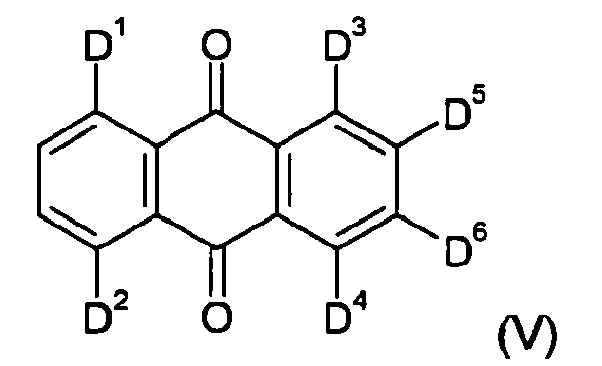
D1 and D2 independently represent hydrogen, hydroxyl, amino or nitro;
D3 and D4 independently represent hydroxyl, amino or -NHR5;
D5 and D6 independentty represent hydrogen, halogen, cyano, (C1-C6)-alkoxy, hydroxy-(C1-C6)-alkoxy, phenoxy-(C1-C6)-alkoxy, phenoxy, phenoxy substituted by (C1-C4)-alkyl, cyano-(C1-C6)-alkyl, hydroxyl, halogen, (C1-C4)-alkoxy or (C1-C4)-alkyl-COO-(C1-C4)-alkyl, phenyl, phenyl substituted by hydroxyl, (C1-C4)-alkyl or (C1-C4)-alkoxy, -SO2Ophenyl, -CO(C1-C4)-alkyl or -COO(C1-C4)-alkyl; and
R5 represents (C1-C4)-alkyl, hydroxy-(C1-C4)-alkyl, phenyl, phenyl substituted by (C1-C4)-alkyl, (C1-C4)-alkoxy, hydroxy-(C1-C4)-alkyl, -OSO2(C1-C4)-alkyl or halogen, -SO2-phenyl or -SO2-phenyl substituted by (C1-C4)-alkyl in the phenyl radical; or where
D5 and D6 together represent -CONR5'CO- and combine with the joining carbon atoms to form a five-membered ring, where
R5' represents (C1-C4)-alkyl, (C1-C4)-alkoxy-(C2-C4)-alkyl or (C1-C4)-alkoxy-(C2-C4)-alkoxy-(C2-C4)-alkyl;
or a quinophthalone dye of the formula (VI)
R6 represents hydrogen or halogen, in particular bromine;
R7 represents hydrogen or -COOR8, and
R8 represents hydrogen, (C1-C4)-alkyl or (C1-C4)-alkoxy-(C1-C4)-alkoxy;
or a methine dye of the formulae (VII), (VIIb), (VIIc) or (VIId)

L1 represents a 5- or 6-membered carbocyclic or heterocyclic radical and
R30 represents (C1-C20)-alkyl, which may be straight chain and branched;
L2 represents aryl and
R31 represents hydrogen, (C1-C20)-alkyl or (C2-C20)-alkenyl;
R32 represents hydrogen or (C1-C4)-alkyl,
R33 and R34 independently represent (C1-C20)-alkyl, which may be straight chain and branched. - The preparation as claimed in claim 5 wherein A conforms to the formula (II)

T1 and T2 independently represent hydrogen, halogen, (C1-C4)-alkyl, (C1-C4)-alkoxy, cyano, -SO2(C1-C4-alkyl) or nitro; and
T3 and T4 independently represent hydrogen, halogen, trifluoromethyl, cyano, -SO2CH3, -SCN or nitro;
or to the formula (III)
T5 and T5' independently represent hydrogen or halogen; and
T6 represents hydrogen, -SO2CH3 -SCN, (C1-C4)-alkoxy, halogen or nitro; or to the formula (IV)
T12 represents hydrogen or halogen; or to the formula (IVa)
T7 represents nitro, -CHO, cyano, -COCH3 or a group of the formula
T8 represents hydrogen, (C1-C6)-alkyl or halogen; and
T9 represents nitro, cyano, -COCH3 or -COOT11; where T11 represents (C1-C4)-alkyl. - The preparation as claimed in claim 2 and/or 3 comprising as UV absorber a benzotriazole of the formula (VIII)

R9 represents hydrogen, halogen, (C1-C12)-alkyl, (C2-C12)-alkenyl, (C1-C12)-alkoxy or (C2-C12)-alkenoxy;
R10 represents hydrogen, halogen, (C1-C12)-alkyl, (C2-C12)-alkenyl, (C1-C12)-alkoxy, (C2-C12)-alkenoxy, aryl-(C1-C4)-alkyl, aryl-(C1-C4)-alkyl, where the aryl group is substituted, or a group of the formula (IX)
R12 represents hydrogen, halogen, benzoyl, substituted benzoyl, (C1-C12)-alkyl, (C2-C12)-alkenyl, (C1-C12)-alkoxy, (C7-C10)-aralkyl, (C2-C12)-alkenoxy or a group of the formula (IX);
R13 represents hydrogen, (C1-C10)-alkyl, (C2-C12)-alkenyl, -CO(C1-C10)-alkyl, -CO(C2-C12)-alkenyl, (C5-C8)-cycloalkyl, (C7-C10)-aralkyl or (C6-C10)-aryl;
R14 represents (C1-C20)-alkyl, (C2-C17)-alkenyl, (C5-C8)-cycloalkyl, (C7-C10)-aralkyl, (C6-C10)-aralkenyl or (C6-C10)-aryl; and
n represents 1 or 2;
and when n is = 1, R13 and R14 may combine with their supporting atoms to form a mono- or polynuclear 5- to 8-membered heterocycle;
or a triazine of the formula (X)
R15 represents (C1-C4)-alkyl, (C1-C4)-alkoxy, halogen or hydroxyl;
R16 and R17 independently represent (C1-C4)-alkylthio, (C1-C4)-alkoxy, (C1-C18)-alkyl, hydroxyl-, halogen-, (C1-C4)-alkoxy-, (C1-C4)-alkylthio-, amino- or mono- or di-(C1-C4)-alkylamino-substftuted (C1-C18)-alkyl, phenyl or chlorine-, hydroxyl-, (C1-C4)-alkyl- or (C1-C8)-alkoxy-mono-substituted or -polysubstituted phenyl; and
m represents 0,1 or 2. - The preparation as claimed in claim 2 and/or 3 comprising as polycarboxylate ether a copolymer derived from acrylic acid and/or methacrylic acid and esterified with polyether glycols.
- The preparation as claimed in one or more of claims 2, 3 and 8 wherein the polycarboxylate ether comprises the structural repeat units A, B and C,
where
the structural repeat unit A conforms to the formula (Xla), (XIb) or (XIc)
R18 represents hydrogen or (C1-C20)-alkyl;
X represents -OMa, -O-(CpH2pO)q-R19 and/or -NH-(CpH2pO)q-R19;
Y represents O or NR19;
M represents hydrogen, a uni- or bivalent metal cation, ammonium or an organic amine radical;
R19 represents hydrogen, (C1-C20)-alkyl, (C2-C20)-alkenyl, (C5-C8)-cycloalkyl, (C6-C14)-aryl, hydroxyl-, carboxyl- or sulfo-substituted (C6-C14)-aryl;
p represents a whole number from 2 to 4;
q represents a number from 0 to 200;
and
a represents 1 when M represents a univalent cation and represents ½ when M represents a bivalent cation;
the structural repeat unit B conforms to the formula (XII)
p, q and R19 are each as defined above and
R20 represents hydrogen or (C1-C5)-alkyl or (C2-C5)-alkenyl;
and
the structural repeat unit C conforms to the formula (XIIIa) or (XIIIb)
R21 represents hydrogen or methyl;
U represents hydrogen, -COOMa or -COOR22;
Q represents -COOR22;
R22 represents (C3-C20)-alkyl, (C3-C20)-alkenyl, (C5-C8)-cycloalkyl, preferably cyclopentyl or cyclohexyl, or (C6-C14)-aryl, preferably phenyl or naphthyl;
R19 is as defined above,
V represents a polydimethylsiloxane radical of the formula (XVI) or -O-CO-C6H4-CO-O-; and
Z represents a value from 0 to 4.
Applications Claiming Priority (2)
| Application Number | Priority Date | Filing Date | Title |
|---|---|---|---|
| DE200710046745 DE102007046745A1 (en) | 2007-09-28 | 2007-09-28 | Disperse dye and / or UV absorber containing preparations |
| PCT/EP2008/062566 WO2009040317A2 (en) | 2007-09-28 | 2008-09-19 | Preparations comprising disperse dye and/or uv absorber |
Publications (2)
| Publication Number | Publication Date |
|---|---|
| EP2268745A2 EP2268745A2 (en) | 2011-01-05 |
| EP2268745B1 true EP2268745B1 (en) | 2013-12-04 |
Family
ID=40384381
Family Applications (1)
| Application Number | Title | Priority Date | Filing Date |
|---|---|---|---|
| EP20080804494 Not-in-force EP2268745B1 (en) | 2007-09-28 | 2008-09-19 | Preparations comprising disperse dye and/or uv absorber |
Country Status (13)
| Country | Link |
|---|---|
| US (1) | US9115465B2 (en) |
| EP (1) | EP2268745B1 (en) |
| JP (1) | JP5737746B2 (en) |
| KR (1) | KR101431869B1 (en) |
| CN (1) | CN101952370B (en) |
| BR (1) | BRPI0817534B1 (en) |
| CA (1) | CA2700929C (en) |
| DE (1) | DE102007046745A1 (en) |
| ES (1) | ES2446616T3 (en) |
| MX (1) | MX2010003374A (en) |
| PT (1) | PT2268745E (en) |
| TW (1) | TWI445770B (en) |
| WO (1) | WO2009040317A2 (en) |
Families Citing this family (9)
| Publication number | Priority date | Publication date | Assignee | Title |
|---|---|---|---|---|
| TWI464151B (en) * | 2009-07-06 | 2014-12-11 | Alcon Inc | Uv/visible light absorbers for ophthalmic lens materials |
| CN101838474B (en) * | 2010-05-25 | 2012-12-26 | 淮海工学院 | Organic dye and preparation method and application thereof |
| TWI454604B (en) * | 2011-12-27 | 2014-10-01 | Ind Tech Res Inst | Disperse dye composition, dyeing method of polyester fiber material and dyed polyester fiber material |
| CN102618084B (en) * | 2012-02-27 | 2013-11-27 | 中南林业科技大学 | Heterocyclic blue disperse dye and its synthesis method and application |
| CN105038316A (en) * | 2015-07-25 | 2015-11-11 | 大连理工大学 | Heterocyclic azo disperse dye and preparation method thereof |
| CN105238094B (en) * | 2015-07-27 | 2018-04-06 | 浙江正裕化学工业有限公司 | A kind of feux rouges blueness azo dispersion dyes with intensity of colour occurred frequently and preparation method thereof |
| CN106009771A (en) * | 2016-05-23 | 2016-10-12 | 杭州欣阳三友精细化工有限公司 | Dyestuff composition with high color fastness to sunlight and application thereof |
| KR102533255B1 (en) | 2016-06-01 | 2023-05-17 | 삼성디스플레이 주식회사 | Adhesive |
| CN106432321B (en) * | 2016-09-26 | 2019-06-28 | 成都纺织高等专科学校 | A kind of uvioresistant inorganic agent and preparation method thereof modified based on disperse dyes |
Family Cites Families (14)
| Publication number | Priority date | Publication date | Assignee | Title |
|---|---|---|---|---|
| NL302945A (en) | 1963-01-24 | |||
| DE2943902A1 (en) * | 1979-10-31 | 1981-05-14 | Hoechst Ag, 6000 Frankfurt | USE OF ESTERESTED OXALKYLATES AS A PREPARATION AGENT FOR DYES AND RELEVANT DYE PREPARATIONS |
| DE3116581A1 (en) * | 1981-04-27 | 1982-12-30 | Hoechst Ag, 6000 Frankfurt | USE OF ESTERESTED OXALKYLATES AS A PREPARATION AGENT FOR DYES AND RELEVANT DYE PREPARATIONS |
| US4708719A (en) * | 1984-11-08 | 1987-11-24 | Crucible Chemical Company | Disperse dye composition for use in solvent dyeing |
| US5189084A (en) | 1989-12-21 | 1993-02-23 | Ciba-Geigy Corporation | Process for incorporating o-hydroxyphenyl-s-triazines in organic polymers |
| JPH0778313B2 (en) * | 1991-06-04 | 1995-08-23 | 日華化学株式会社 | Dyeing aid for hydrophobic synthetic fibers |
| ES2080473T3 (en) * | 1991-07-12 | 1996-02-01 | Ciba Geigy Ag | PROCESS FOR THE PRINTING AND PHOTOCHEMICAL STABILIZATION OF POLYESTER FIBER MATERIALS. |
| US5384235A (en) * | 1992-07-01 | 1995-01-24 | Eastman Kodak Company | Photographic elements incorporating polymeric ultraviolet absorbers |
| US6046330A (en) * | 1998-04-24 | 2000-04-04 | Qinghong; Jessica Ann | Complexes of ultraviolet absorbers and quaternary ammonium compounds which are substantially free from unwanted salts |
| JP2001276595A (en) * | 2000-03-30 | 2001-10-09 | Toho Chem Ind Co Ltd | Novel dispersant compound |
| DE102004032399A1 (en) | 2004-07-03 | 2006-02-09 | Construction Research & Technology Gmbh | Blend composition containing copolymers based on unsaturated carboxylic acid and alkenyl ether derivatives and sulfo-containing copolymers and terpolymers |
| DE102005052817B3 (en) | 2005-11-05 | 2007-06-06 | Cemex Deutschland Ag | Concrete recipe for the production of sewage pipes, waste water pipes, and mains drainage pipes based on polycarboxylatether |
| DE102006005094A1 (en) | 2006-02-04 | 2007-08-09 | Degussa Gmbh | Titanium dioxide and polycarboxylate ether-containing dispersion |
| DE102006005093A1 (en) | 2006-02-04 | 2007-08-09 | Degussa Ag | Silica and polycarboxylate ether-containing dispersion |
-
2007
- 2007-09-28 DE DE200710046745 patent/DE102007046745A1/en not_active Withdrawn
-
2008
- 2008-09-19 PT PT08804494T patent/PT2268745E/en unknown
- 2008-09-19 MX MX2010003374A patent/MX2010003374A/en active IP Right Grant
- 2008-09-19 JP JP2010526255A patent/JP5737746B2/en not_active Expired - Fee Related
- 2008-09-19 EP EP20080804494 patent/EP2268745B1/en not_active Not-in-force
- 2008-09-19 ES ES08804494T patent/ES2446616T3/en active Active
- 2008-09-19 BR BRPI0817534-9A patent/BRPI0817534B1/en not_active IP Right Cessation
- 2008-09-19 KR KR1020107006548A patent/KR101431869B1/en not_active Expired - Fee Related
- 2008-09-19 WO PCT/EP2008/062566 patent/WO2009040317A2/en not_active Ceased
- 2008-09-19 US US12/680,419 patent/US9115465B2/en not_active Expired - Fee Related
- 2008-09-19 CN CN200880108708.1A patent/CN101952370B/en not_active Expired - Fee Related
- 2008-09-19 CA CA 2700929 patent/CA2700929C/en not_active Expired - Fee Related
- 2008-09-25 TW TW97136911A patent/TWI445770B/en not_active IP Right Cessation
Also Published As
| Publication number | Publication date |
|---|---|
| KR20100058600A (en) | 2010-06-03 |
| HK1147770A1 (en) | 2011-08-19 |
| WO2009040317A3 (en) | 2010-02-25 |
| BRPI0817534B1 (en) | 2018-01-23 |
| TW200914544A (en) | 2009-04-01 |
| MX2010003374A (en) | 2010-12-14 |
| KR101431869B1 (en) | 2014-08-27 |
| EP2268745A2 (en) | 2011-01-05 |
| CN101952370A (en) | 2011-01-19 |
| CA2700929C (en) | 2014-04-08 |
| PT2268745E (en) | 2014-02-21 |
| JP2010540705A (en) | 2010-12-24 |
| WO2009040317A2 (en) | 2009-04-02 |
| TWI445770B (en) | 2014-07-21 |
| CN101952370B (en) | 2014-10-08 |
| CA2700929A1 (en) | 2009-04-02 |
| US9115465B2 (en) | 2015-08-25 |
| US20100298471A1 (en) | 2010-11-25 |
| JP5737746B2 (en) | 2015-06-17 |
| ES2446616T3 (en) | 2014-03-10 |
| BRPI0817534A2 (en) | 2015-06-23 |
| DE102007046745A1 (en) | 2009-04-02 |
Similar Documents
| Publication | Publication Date | Title |
|---|---|---|
| US9115465B2 (en) | Preparations comprising disperse dye and/or UV absorber | |
| EP2663600B1 (en) | Disperse dye mixtures, their preparation and use | |
| KR101346852B1 (en) | Black and navy blue disperse dye composition having excellent moisture resistance | |
| CA2771450C (en) | Disperse dye mixtures, their preparation and use | |
| CA2719257C (en) | Azopyridone disperse dyes, their preparation and use | |
| MX2011006223A (en) | Mixtures of disperse dyes. | |
| EP2877628A1 (en) | Disperse azo dyes, a process for the preparation thereof and the use thereof | |
| CN109401359B (en) | A blue to black disperse dye composition and dye product | |
| JP5097106B2 (en) | Dye mixture | |
| JP5913566B2 (en) | Polyester dyeing method | |
| US4985044A (en) | Multi-component mixtures of blue disperse azo dyes for the dyeing of synthetic fibers | |
| HK1147770B (en) | Preparations comprising disperse dye and/or uv absorber | |
| CN109267384A (en) | A kind of disperse orange dye mill base and preparation method thereof | |
| CN111303661B (en) | Disperse red dye composition, disperse red dye preparation and application thereof | |
| JP2008542489A (en) | Blue disperse dyes that have fastness to light dyeing at high temperatures | |
| US20080189882A1 (en) | Hot-Light Resistant Blue Dispersion Dyes |
Legal Events
| Date | Code | Title | Description |
|---|---|---|---|
| PUAI | Public reference made under article 153(3) epc to a published international application that has entered the european phase |
Free format text: ORIGINAL CODE: 0009012 |
|
| 17P | Request for examination filed |
Effective date: 20100930 |
|
| AK | Designated contracting states |
Kind code of ref document: A2 Designated state(s): AT BE BG CH CY CZ DE DK EE ES FI FR GB GR HR HU IE IS IT LI LT LU LV MC MT NL NO PL PT RO SE SI SK TR |
|
| AX | Request for extension of the european patent |
Extension state: AL BA MK RS |
|
| DAX | Request for extension of the european patent (deleted) | ||
| RAP1 | Party data changed (applicant data changed or rights of an application transferred) |
Owner name: DYSTAR COLOURS DISTRIBUTION GMBH |
|
| 17Q | First examination report despatched |
Effective date: 20120216 |
|
| RIN1 | Information on inventor provided before grant (corrected) |
Inventor name: SCHRELL, ANDREAS Inventor name: GRUND, CLEMENS Inventor name: JORDAN, HARTWIG Inventor name: HOFMANN, MATTHIAS |
|
| REG | Reference to a national code |
Ref country code: DE Ref legal event code: R079 Ref document number: 602008029128 Country of ref document: DE Free format text: PREVIOUS MAIN CLASS: C09B0067000000 Ipc: D06P0003540000 |
|
| RIC1 | Information provided on ipc code assigned before grant |
Ipc: D06P 3/54 20060101AFI20130531BHEP Ipc: C09B 67/42 20060101ALI20130531BHEP |
|
| GRAP | Despatch of communication of intention to grant a patent |
Free format text: ORIGINAL CODE: EPIDOSNIGR1 |
|
| RAP1 | Party data changed (applicant data changed or rights of an application transferred) |
Owner name: DYSTAR COLOURS DISTRIBUTION GMBH |
|
| INTG | Intention to grant announced |
Effective date: 20130723 |
|
| GRAS | Grant fee paid |
Free format text: ORIGINAL CODE: EPIDOSNIGR3 |
|
| GRAA | (expected) grant |
Free format text: ORIGINAL CODE: 0009210 |
|
| AK | Designated contracting states |
Kind code of ref document: B1 Designated state(s): AT BE BG CH CY CZ DE DK EE ES FI FR GB GR HR HU IE IS IT LI LT LU LV MC MT NL NO PL PT RO SE SI SK TR |
|
| REG | Reference to a national code |
Ref country code: GB Ref legal event code: FG4D |
|
| REG | Reference to a national code |
Ref country code: CH Ref legal event code: EP |
|
| REG | Reference to a national code |
Ref country code: CH Ref legal event code: NV Representative=s name: FIAMMENGHI-FIAMMENGHI, CH |
|
| REG | Reference to a national code |
Ref country code: IE Ref legal event code: FG4D Ref country code: AT Ref legal event code: REF Ref document number: 643616 Country of ref document: AT Kind code of ref document: T Effective date: 20140115 |
|
| REG | Reference to a national code |
Ref country code: DE Ref legal event code: R096 Ref document number: 602008029128 Country of ref document: DE Effective date: 20140130 |
|
| REG | Reference to a national code |
Ref country code: PT Ref legal event code: SC4A Free format text: AVAILABILITY OF NATIONAL TRANSLATION Effective date: 20140214 |
|
| REG | Reference to a national code |
Ref country code: NL Ref legal event code: T3 |
|
| REG | Reference to a national code |
Ref country code: ES Ref legal event code: FG2A Ref document number: 2446616 Country of ref document: ES Kind code of ref document: T3 Effective date: 20140310 |
|
| REG | Reference to a national code |
Ref country code: AT Ref legal event code: MK05 Ref document number: 643616 Country of ref document: AT Kind code of ref document: T Effective date: 20131204 |
|
| PG25 | Lapsed in a contracting state [announced via postgrant information from national office to epo] |
Ref country code: LT Free format text: LAPSE BECAUSE OF FAILURE TO SUBMIT A TRANSLATION OF THE DESCRIPTION OR TO PAY THE FEE WITHIN THE PRESCRIBED TIME-LIMIT Effective date: 20131204 Ref country code: HR Free format text: LAPSE BECAUSE OF FAILURE TO SUBMIT A TRANSLATION OF THE DESCRIPTION OR TO PAY THE FEE WITHIN THE PRESCRIBED TIME-LIMIT Effective date: 20131204 Ref country code: FI Free format text: LAPSE BECAUSE OF FAILURE TO SUBMIT A TRANSLATION OF THE DESCRIPTION OR TO PAY THE FEE WITHIN THE PRESCRIBED TIME-LIMIT Effective date: 20131204 Ref country code: SE Free format text: LAPSE BECAUSE OF FAILURE TO SUBMIT A TRANSLATION OF THE DESCRIPTION OR TO PAY THE FEE WITHIN THE PRESCRIBED TIME-LIMIT Effective date: 20131204 Ref country code: NO Free format text: LAPSE BECAUSE OF FAILURE TO SUBMIT A TRANSLATION OF THE DESCRIPTION OR TO PAY THE FEE WITHIN THE PRESCRIBED TIME-LIMIT Effective date: 20140304 |
|
| REG | Reference to a national code |
Ref country code: LT Ref legal event code: MG4D |
|
| PG25 | Lapsed in a contracting state [announced via postgrant information from national office to epo] |
Ref country code: CY Free format text: LAPSE BECAUSE OF FAILURE TO SUBMIT A TRANSLATION OF THE DESCRIPTION OR TO PAY THE FEE WITHIN THE PRESCRIBED TIME-LIMIT Effective date: 20131204 Ref country code: AT Free format text: LAPSE BECAUSE OF FAILURE TO SUBMIT A TRANSLATION OF THE DESCRIPTION OR TO PAY THE FEE WITHIN THE PRESCRIBED TIME-LIMIT Effective date: 20131204 Ref country code: LV Free format text: LAPSE BECAUSE OF FAILURE TO SUBMIT A TRANSLATION OF THE DESCRIPTION OR TO PAY THE FEE WITHIN THE PRESCRIBED TIME-LIMIT Effective date: 20131204 |
|
| PG25 | Lapsed in a contracting state [announced via postgrant information from national office to epo] |
Ref country code: EE Free format text: LAPSE BECAUSE OF FAILURE TO SUBMIT A TRANSLATION OF THE DESCRIPTION OR TO PAY THE FEE WITHIN THE PRESCRIBED TIME-LIMIT Effective date: 20131204 Ref country code: IS Free format text: LAPSE BECAUSE OF FAILURE TO SUBMIT A TRANSLATION OF THE DESCRIPTION OR TO PAY THE FEE WITHIN THE PRESCRIBED TIME-LIMIT Effective date: 20140404 |
|
| PG25 | Lapsed in a contracting state [announced via postgrant information from national office to epo] |
Ref country code: SK Free format text: LAPSE BECAUSE OF FAILURE TO SUBMIT A TRANSLATION OF THE DESCRIPTION OR TO PAY THE FEE WITHIN THE PRESCRIBED TIME-LIMIT Effective date: 20131204 Ref country code: CZ Free format text: LAPSE BECAUSE OF FAILURE TO SUBMIT A TRANSLATION OF THE DESCRIPTION OR TO PAY THE FEE WITHIN THE PRESCRIBED TIME-LIMIT Effective date: 20131204 Ref country code: PL Free format text: LAPSE BECAUSE OF FAILURE TO SUBMIT A TRANSLATION OF THE DESCRIPTION OR TO PAY THE FEE WITHIN THE PRESCRIBED TIME-LIMIT Effective date: 20131204 Ref country code: RO Free format text: LAPSE BECAUSE OF FAILURE TO SUBMIT A TRANSLATION OF THE DESCRIPTION OR TO PAY THE FEE WITHIN THE PRESCRIBED TIME-LIMIT Effective date: 20131204 |
|
| REG | Reference to a national code |
Ref country code: DE Ref legal event code: R097 Ref document number: 602008029128 Country of ref document: DE |
|
| PLBE | No opposition filed within time limit |
Free format text: ORIGINAL CODE: 0009261 |
|
| STAA | Information on the status of an ep patent application or granted ep patent |
Free format text: STATUS: NO OPPOSITION FILED WITHIN TIME LIMIT |
|
| PG25 | Lapsed in a contracting state [announced via postgrant information from national office to epo] |
Ref country code: DK Free format text: LAPSE BECAUSE OF FAILURE TO SUBMIT A TRANSLATION OF THE DESCRIPTION OR TO PAY THE FEE WITHIN THE PRESCRIBED TIME-LIMIT Effective date: 20131204 |
|
| 26N | No opposition filed |
Effective date: 20140905 |
|
| REG | Reference to a national code |
Ref country code: DE Ref legal event code: R097 Ref document number: 602008029128 Country of ref document: DE Effective date: 20140905 |
|
| PG25 | Lapsed in a contracting state [announced via postgrant information from national office to epo] |
Ref country code: SI Free format text: LAPSE BECAUSE OF FAILURE TO SUBMIT A TRANSLATION OF THE DESCRIPTION OR TO PAY THE FEE WITHIN THE PRESCRIBED TIME-LIMIT Effective date: 20131204 |
|
| PG25 | Lapsed in a contracting state [announced via postgrant information from national office to epo] |
Ref country code: LU Free format text: LAPSE BECAUSE OF FAILURE TO SUBMIT A TRANSLATION OF THE DESCRIPTION OR TO PAY THE FEE WITHIN THE PRESCRIBED TIME-LIMIT Effective date: 20140919 Ref country code: MC Free format text: LAPSE BECAUSE OF FAILURE TO SUBMIT A TRANSLATION OF THE DESCRIPTION OR TO PAY THE FEE WITHIN THE PRESCRIBED TIME-LIMIT Effective date: 20131204 |
|
| REG | Reference to a national code |
Ref country code: IE Ref legal event code: MM4A |
|
| PG25 | Lapsed in a contracting state [announced via postgrant information from national office to epo] |
Ref country code: IE Free format text: LAPSE BECAUSE OF NON-PAYMENT OF DUE FEES Effective date: 20140919 |
|
| REG | Reference to a national code |
Ref country code: FR Ref legal event code: PLFP Year of fee payment: 8 |
|
| PG25 | Lapsed in a contracting state [announced via postgrant information from national office to epo] |
Ref country code: BG Free format text: LAPSE BECAUSE OF FAILURE TO SUBMIT A TRANSLATION OF THE DESCRIPTION OR TO PAY THE FEE WITHIN THE PRESCRIBED TIME-LIMIT Effective date: 20131204 |
|
| PG25 | Lapsed in a contracting state [announced via postgrant information from national office to epo] |
Ref country code: MT Free format text: LAPSE BECAUSE OF FAILURE TO SUBMIT A TRANSLATION OF THE DESCRIPTION OR TO PAY THE FEE WITHIN THE PRESCRIBED TIME-LIMIT Effective date: 20131204 Ref country code: GR Free format text: LAPSE BECAUSE OF FAILURE TO SUBMIT A TRANSLATION OF THE DESCRIPTION OR TO PAY THE FEE WITHIN THE PRESCRIBED TIME-LIMIT Effective date: 20140305 |
|
| PG25 | Lapsed in a contracting state [announced via postgrant information from national office to epo] |
Ref country code: HU Free format text: LAPSE BECAUSE OF FAILURE TO SUBMIT A TRANSLATION OF THE DESCRIPTION OR TO PAY THE FEE WITHIN THE PRESCRIBED TIME-LIMIT; INVALID AB INITIO Effective date: 20080919 |
|
| REG | Reference to a national code |
Ref country code: FR Ref legal event code: PLFP Year of fee payment: 9 |
|
| REG | Reference to a national code |
Ref country code: FR Ref legal event code: PLFP Year of fee payment: 10 |
|
| REG | Reference to a national code |
Ref country code: FR Ref legal event code: PLFP Year of fee payment: 11 |
|
| PGFP | Annual fee paid to national office [announced via postgrant information from national office to epo] |
Ref country code: NL Payment date: 20200925 Year of fee payment: 13 Ref country code: GB Payment date: 20200925 Year of fee payment: 13 Ref country code: FR Payment date: 20200928 Year of fee payment: 13 Ref country code: PT Payment date: 20200908 Year of fee payment: 13 Ref country code: TR Payment date: 20200910 Year of fee payment: 13 |
|
| PGFP | Annual fee paid to national office [announced via postgrant information from national office to epo] |
Ref country code: BE Payment date: 20200925 Year of fee payment: 13 Ref country code: CH Payment date: 20200929 Year of fee payment: 13 |
|
| PGFP | Annual fee paid to national office [announced via postgrant information from national office to epo] |
Ref country code: ES Payment date: 20201020 Year of fee payment: 13 Ref country code: IT Payment date: 20200923 Year of fee payment: 13 Ref country code: DE Payment date: 20200930 Year of fee payment: 13 |
|
| REG | Reference to a national code |
Ref country code: DE Ref legal event code: R082 Ref document number: 602008029128 Country of ref document: DE Representative=s name: KILBURN & STRODE LLP, NL |
|
| REG | Reference to a national code |
Ref country code: DE Ref legal event code: R119 Ref document number: 602008029128 Country of ref document: DE |
|
| REG | Reference to a national code |
Ref country code: NL Ref legal event code: MM Effective date: 20211001 |
|
| REG | Reference to a national code |
Ref country code: CH Ref legal event code: PL |
|
| REG | Reference to a national code |
Ref country code: BE Ref legal event code: MM Effective date: 20210930 |
|
| GBPC | Gb: european patent ceased through non-payment of renewal fee |
Effective date: 20210919 |
|
| PG25 | Lapsed in a contracting state [announced via postgrant information from national office to epo] |
Ref country code: PT Free format text: LAPSE BECAUSE OF NON-PAYMENT OF DUE FEES Effective date: 20220321 |
|
| PG25 | Lapsed in a contracting state [announced via postgrant information from national office to epo] |
Ref country code: NL Free format text: LAPSE BECAUSE OF NON-PAYMENT OF DUE FEES Effective date: 20211001 |
|
| PG25 | Lapsed in a contracting state [announced via postgrant information from national office to epo] |
Ref country code: GB Free format text: LAPSE BECAUSE OF NON-PAYMENT OF DUE FEES Effective date: 20210919 Ref country code: FR Free format text: LAPSE BECAUSE OF NON-PAYMENT OF DUE FEES Effective date: 20210930 Ref country code: DE Free format text: LAPSE BECAUSE OF NON-PAYMENT OF DUE FEES Effective date: 20220401 Ref country code: BE Free format text: LAPSE BECAUSE OF NON-PAYMENT OF DUE FEES Effective date: 20210930 |
|
| PG25 | Lapsed in a contracting state [announced via postgrant information from national office to epo] |
Ref country code: LI Free format text: LAPSE BECAUSE OF NON-PAYMENT OF DUE FEES Effective date: 20210930 Ref country code: CH Free format text: LAPSE BECAUSE OF NON-PAYMENT OF DUE FEES Effective date: 20210930 |
|
| PG25 | Lapsed in a contracting state [announced via postgrant information from national office to epo] |
Ref country code: IT Free format text: LAPSE BECAUSE OF NON-PAYMENT OF DUE FEES Effective date: 20210919 |
|
| REG | Reference to a national code |
Ref country code: ES Ref legal event code: FD2A Effective date: 20221125 |
|
| PG25 | Lapsed in a contracting state [announced via postgrant information from national office to epo] |
Ref country code: ES Free format text: LAPSE BECAUSE OF NON-PAYMENT OF DUE FEES Effective date: 20210920 |
|
| PG25 | Lapsed in a contracting state [announced via postgrant information from national office to epo] |
Ref country code: TR Free format text: LAPSE BECAUSE OF NON-PAYMENT OF DUE FEES Effective date: 20210919 |