EP2267134A1 - Isolated fungal promoters and gene transcription terminators and methods of protein and chemical production in a fungus - Google Patents
Isolated fungal promoters and gene transcription terminators and methods of protein and chemical production in a fungus Download PDFInfo
- Publication number
- EP2267134A1 EP2267134A1 EP10075314A EP10075314A EP2267134A1 EP 2267134 A1 EP2267134 A1 EP 2267134A1 EP 10075314 A EP10075314 A EP 10075314A EP 10075314 A EP10075314 A EP 10075314A EP 2267134 A1 EP2267134 A1 EP 2267134A1
- Authority
- EP
- European Patent Office
- Prior art keywords
- morphology
- gene
- seq
- filamented
- fungus
- Prior art date
- Legal status (The legal status is an assumption and is not a legal conclusion. Google has not performed a legal analysis and makes no representation as to the accuracy of the status listed.)
- Withdrawn
Links
Images





Classifications
-
- C—CHEMISTRY; METALLURGY
- C12—BIOCHEMISTRY; BEER; SPIRITS; WINE; VINEGAR; MICROBIOLOGY; ENZYMOLOGY; MUTATION OR GENETIC ENGINEERING
- C12P—FERMENTATION OR ENZYME-USING PROCESSES TO SYNTHESISE A DESIRED CHEMICAL COMPOUND OR COMPOSITION OR TO SEPARATE OPTICAL ISOMERS FROM A RACEMIC MIXTURE
- C12P7/00—Preparation of oxygen-containing organic compounds
- C12P7/40—Preparation of oxygen-containing organic compounds containing a carboxyl group including Peroxycarboxylic acids
- C12P7/44—Polycarboxylic acids
-
- C—CHEMISTRY; METALLURGY
- C07—ORGANIC CHEMISTRY
- C07K—PEPTIDES
- C07K14/00—Peptides having more than 20 amino acids; Gastrins; Somatostatins; Melanotropins; Derivatives thereof
- C07K14/37—Peptides having more than 20 amino acids; Gastrins; Somatostatins; Melanotropins; Derivatives thereof from fungi
- C07K14/38—Peptides having more than 20 amino acids; Gastrins; Somatostatins; Melanotropins; Derivatives thereof from fungi from Aspergillus
-
- C—CHEMISTRY; METALLURGY
- C12—BIOCHEMISTRY; BEER; SPIRITS; WINE; VINEGAR; MICROBIOLOGY; ENZYMOLOGY; MUTATION OR GENETIC ENGINEERING
- C12N—MICROORGANISMS OR ENZYMES; COMPOSITIONS THEREOF; PROPAGATING, PRESERVING, OR MAINTAINING MICROORGANISMS; MUTATION OR GENETIC ENGINEERING; CULTURE MEDIA
- C12N15/00—Mutation or genetic engineering; DNA or RNA concerning genetic engineering, vectors, e.g. plasmids, or their isolation, preparation or purification; Use of hosts therefor
- C12N15/09—Recombinant DNA-technology
-
- C—CHEMISTRY; METALLURGY
- C12—BIOCHEMISTRY; BEER; SPIRITS; WINE; VINEGAR; MICROBIOLOGY; ENZYMOLOGY; MUTATION OR GENETIC ENGINEERING
- C12N—MICROORGANISMS OR ENZYMES; COMPOSITIONS THEREOF; PROPAGATING, PRESERVING, OR MAINTAINING MICROORGANISMS; MUTATION OR GENETIC ENGINEERING; CULTURE MEDIA
- C12N15/00—Mutation or genetic engineering; DNA or RNA concerning genetic engineering, vectors, e.g. plasmids, or their isolation, preparation or purification; Use of hosts therefor
- C12N15/09—Recombinant DNA-technology
- C12N15/10—Processes for the isolation, preparation or purification of DNA or RNA
-
- C—CHEMISTRY; METALLURGY
- C12—BIOCHEMISTRY; BEER; SPIRITS; WINE; VINEGAR; MICROBIOLOGY; ENZYMOLOGY; MUTATION OR GENETIC ENGINEERING
- C12N—MICROORGANISMS OR ENZYMES; COMPOSITIONS THEREOF; PROPAGATING, PRESERVING, OR MAINTAINING MICROORGANISMS; MUTATION OR GENETIC ENGINEERING; CULTURE MEDIA
- C12N15/00—Mutation or genetic engineering; DNA or RNA concerning genetic engineering, vectors, e.g. plasmids, or their isolation, preparation or purification; Use of hosts therefor
- C12N15/09—Recombinant DNA-technology
- C12N15/63—Introduction of foreign genetic material using vectors; Vectors; Use of hosts therefor; Regulation of expression
- C12N15/79—Vectors or expression systems specially adapted for eukaryotic hosts
- C12N15/80—Vectors or expression systems specially adapted for eukaryotic hosts for fungi
-
- C—CHEMISTRY; METALLURGY
- C12—BIOCHEMISTRY; BEER; SPIRITS; WINE; VINEGAR; MICROBIOLOGY; ENZYMOLOGY; MUTATION OR GENETIC ENGINEERING
- C12P—FERMENTATION OR ENZYME-USING PROCESSES TO SYNTHESISE A DESIRED CHEMICAL COMPOUND OR COMPOSITION OR TO SEPARATE OPTICAL ISOMERS FROM A RACEMIC MIXTURE
- C12P17/00—Preparation of heterocyclic carbon compounds with only O, N, S, Se or Te as ring hetero atoms
- C12P17/02—Oxygen as only ring hetero atoms
- C12P17/06—Oxygen as only ring hetero atoms containing a six-membered hetero ring, e.g. fluorescein
-
- C—CHEMISTRY; METALLURGY
- C12—BIOCHEMISTRY; BEER; SPIRITS; WINE; VINEGAR; MICROBIOLOGY; ENZYMOLOGY; MUTATION OR GENETIC ENGINEERING
- C12P—FERMENTATION OR ENZYME-USING PROCESSES TO SYNTHESISE A DESIRED CHEMICAL COMPOUND OR COMPOSITION OR TO SEPARATE OPTICAL ISOMERS FROM A RACEMIC MIXTURE
- C12P21/00—Preparation of peptides or proteins
- C12P21/005—Glycopeptides, glycoproteins
-
- C—CHEMISTRY; METALLURGY
- C12—BIOCHEMISTRY; BEER; SPIRITS; WINE; VINEGAR; MICROBIOLOGY; ENZYMOLOGY; MUTATION OR GENETIC ENGINEERING
- C12P—FERMENTATION OR ENZYME-USING PROCESSES TO SYNTHESISE A DESIRED CHEMICAL COMPOUND OR COMPOSITION OR TO SEPARATE OPTICAL ISOMERS FROM A RACEMIC MIXTURE
- C12P35/00—Preparation of compounds having a 5-thia-1-azabicyclo [4.2.0] octane ring system, e.g. cephalosporin
-
- C—CHEMISTRY; METALLURGY
- C12—BIOCHEMISTRY; BEER; SPIRITS; WINE; VINEGAR; MICROBIOLOGY; ENZYMOLOGY; MUTATION OR GENETIC ENGINEERING
- C12P—FERMENTATION OR ENZYME-USING PROCESSES TO SYNTHESISE A DESIRED CHEMICAL COMPOUND OR COMPOSITION OR TO SEPARATE OPTICAL ISOMERS FROM A RACEMIC MIXTURE
- C12P37/00—Preparation of compounds having a 4-thia-1-azabicyclo [3.2.0] heptane ring system, e.g. penicillin
-
- C—CHEMISTRY; METALLURGY
- C12—BIOCHEMISTRY; BEER; SPIRITS; WINE; VINEGAR; MICROBIOLOGY; ENZYMOLOGY; MUTATION OR GENETIC ENGINEERING
- C12P—FERMENTATION OR ENZYME-USING PROCESSES TO SYNTHESISE A DESIRED CHEMICAL COMPOUND OR COMPOSITION OR TO SEPARATE OPTICAL ISOMERS FROM A RACEMIC MIXTURE
- C12P7/00—Preparation of oxygen-containing organic compounds
- C12P7/40—Preparation of oxygen-containing organic compounds containing a carboxyl group including Peroxycarboxylic acids
- C12P7/44—Polycarboxylic acids
- C12P7/46—Dicarboxylic acids having four or less carbon atoms, e.g. fumaric acid, maleic acid
-
- C—CHEMISTRY; METALLURGY
- C12—BIOCHEMISTRY; BEER; SPIRITS; WINE; VINEGAR; MICROBIOLOGY; ENZYMOLOGY; MUTATION OR GENETIC ENGINEERING
- C12P—FERMENTATION OR ENZYME-USING PROCESSES TO SYNTHESISE A DESIRED CHEMICAL COMPOUND OR COMPOSITION OR TO SEPARATE OPTICAL ISOMERS FROM A RACEMIC MIXTURE
- C12P7/00—Preparation of oxygen-containing organic compounds
- C12P7/40—Preparation of oxygen-containing organic compounds containing a carboxyl group including Peroxycarboxylic acids
- C12P7/44—Polycarboxylic acids
- C12P7/48—Tricarboxylic acids, e.g. citric acid
-
- C—CHEMISTRY; METALLURGY
- C12—BIOCHEMISTRY; BEER; SPIRITS; WINE; VINEGAR; MICROBIOLOGY; ENZYMOLOGY; MUTATION OR GENETIC ENGINEERING
- C12P—FERMENTATION OR ENZYME-USING PROCESSES TO SYNTHESISE A DESIRED CHEMICAL COMPOUND OR COMPOSITION OR TO SEPARATE OPTICAL ISOMERS FROM A RACEMIC MIXTURE
- C12P7/00—Preparation of oxygen-containing organic compounds
- C12P7/40—Preparation of oxygen-containing organic compounds containing a carboxyl group including Peroxycarboxylic acids
- C12P7/56—Lactic acid
-
- C—CHEMISTRY; METALLURGY
- C12—BIOCHEMISTRY; BEER; SPIRITS; WINE; VINEGAR; MICROBIOLOGY; ENZYMOLOGY; MUTATION OR GENETIC ENGINEERING
- C12P—FERMENTATION OR ENZYME-USING PROCESSES TO SYNTHESISE A DESIRED CHEMICAL COMPOUND OR COMPOSITION OR TO SEPARATE OPTICAL ISOMERS FROM A RACEMIC MIXTURE
- C12P7/00—Preparation of oxygen-containing organic compounds
- C12P7/40—Preparation of oxygen-containing organic compounds containing a carboxyl group including Peroxycarboxylic acids
- C12P7/58—Aldonic, ketoaldonic or saccharic acids
Definitions
- the invention pertains to isolated polynucleotide molecules of gene regulatory elements in filamentous fungi. More specifically, the present invention relates to isolation of filamentous fungal promoters and gene transcription terminators, construction of recombinant polynucleotide constructs, and methods for protein and chemical production in a fungus.
- Fungi are increasingly important in the production of many commercially useful products.
- filamentous fungi currently produce a number of metabolites on the industrial scale including antibiotics such as penicillins and cephalosporins, and organic acids such as citric and fumaric acids.
- Filamentous fungi are also used for the industrial production of enzymes such as proteases and lipases.
- Utilization of a filamentous fungus species for production of a desired compound often involve growing submerged cultures of the fungus.
- Filamentous fungi can exhibit numerous morphologies in submerged cultures, including pelleted and "filamented" morphologies.
- the presence of the filaments can increase the viscosity of the culture medium. The increased viscosity can affect the mass transfer and aeration properties of the culture, cause mixing problems in a bioreactor, and result in decreased productivity.
- filamentous fungi can exhibit a pelleted morphology.
- fungi cultures exhibiting a pelleted morphology can have relatively low viscosities and require substantially less power for mixing and aeration of the culture.
- Productivity for many compounds, for example citric acid, itaconic acid, statins, penicillins, and various enzymes can be enhanced by utilizing fungus exhibiting a pelleted morphology.
- production of chemicals for example peptic enzymes or fumaric acid, can be enhanced by utilizing a fungus exhibiting a filamented morphology. Typical practices in fungus-assisted chemical/protein production do not deliberately control the morphology of the fungus.
- the invention encompasses isolated polynucleotide molecules comprising polynucleotide sequences that regulate the expression of genes that are differentially expressed in a native fungus exhibiting a pelleted morphology relative to a filamented morphology.
- the invention encompasses promoters that possess strong, constitutive activity in genes that are differentially expressed in native fungi exhibiting a pelleted morphology relative to a filamented morphology.
- the invention also encompasses inducible gene promoters that, for example, initiate expression at certain developmental stages in the native fungus.
- the invention encompasses transcription terminators from genes that are differentially expressed in native fungi exhibiting the pelleted morphology relative to native fungi exhibiting the filamented morphology.
- One object of the present invention is to introduce new genetic material into eukaryotic organisms such as filamentous fungi to establish new strains for use in production of chemicals and/or proteins.
- Another object of the present invention is to regulate the morphology formation in filamentous fungi.
- a further object of the present invention encompasses a method for constitutive production of a compound, such as in chemical and protein production utilizing a transformed host cell.
- a still further object of the present invention encompasses a method of induced production of a compound from a transformed host cell.
- Another object of the present invention is to use the isolated Aspergillus niger ( A. niger ) promoters to regulate expression of foreign genes as well as reintroduced native genes for chemical or protein production.
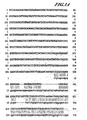
- Figs. 1A-1E compare the isolated nucleotide sequences for the promoter region of the A. niger Balu-42 gene, SEQ ID NO: 50 (top sequence), and for the promoter region of the Aspergillus kawachii cwpB gene for a hypothetical protein.
- Fig. 2 is an illustration of the procedure for promoter and transcription terminator sequence isolation by genome walking.
- Fig. 3 is a schematic illustrating a plasmid vector pZD672, which contains the promoter region of the pelleted-associated Arsa-7 gene (SEQ ID NO: 46) and the ⁇ -glucoronidase (GUS) reporter gene, for Agrobacterium- mediated transformation in A. niger.
- Fig. 4 is a schematic illustrating a plasmid vector pZD645, which contains the promoter region of the pelleted-associated A-37 gene (SEQ ID NO: 47) and the GUS reporter gene, for Agrobacterium- mediated transformation in A. niger.
- Fig. 5 is a schematic illustrating a plasmid vector pZD646, which contains the promoter region of the pelleted-associated Arsa-43 gene (SEQ ID NO: 48) and the GUS reporter gene, for Agrobacterium- mediated transformation in A. niger.
- Fig. 6 is a schematic illustrating a plasmid vector pZD682, which contains the promoter region of the filamented-associated Brsa-25 gene (SEQ ID NO: 51) and the GUS reporter gene, for Agrobacterium mediated transformation in A. niger.
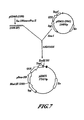
- Fig. 7 is a schematic illustrating a plasmid vector pZD673, which contains the promoter region of the filamented-associated Brsa-109 gene (SEQ ID NO: 53) and the GUS reporter gene, for Agrobacterium- mediated transformation in A. niger.
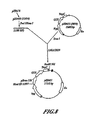
- Fig. 8 is a schematic illustrating a plasmid vector pZD681, which contains the promoter region of the filamented-associated Brsa-118 gene (SEQ ID NO: 54) and the GUS reporter gene, for Agrobacterium mediated transformation in A. niger.
- Fig. 9 is a plot of the promoter activity for a number of individual A . niger strains transformed with the promoter region of the pelleted-associated Arsa-7 gene (SEQ ID NO: 46) and the GUS reporter gene.
- the promoter activity is determined via GUS activity assays and is expressed as pmol MU/mg protein/min.
- Fig.10 is a plot of the promoter activity for a number of individual A. niger strains transformed with the promoter region of the pelleted-associated A-37 gene (SEQ ID NO: 47) and the GUS reporter gene.
- the promoter activity is determined via GUS activity assays and is expressed as pmol MU/mg protein/min.
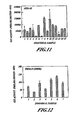
- Fig. 11 is a plot of the promoter activity for a number of individual A. niger strains transformed with the promoter region of the pelleted-associated Arsa-43 gene (SEQ ID NO: 48) and the GUS reporter gene.
- the promoter activity is determined via GUS activity assays and is expressed as pmol MU/mg protein/min.
- Fig. 12 is a plot of the promoter activity for a number of individual A. niger strains transformed with the promoter region of the filamented-associated Brsa-25 gene (SEQ ID NO: 51) and the GUS reporter gene.
- the promoter activity is determined via GUS activity assays and is expressed as pmol MU/mg protein/min.
- Fig. 13 is a plot of the promoter activity for a number of individual A. niger strains transformed with the promoter region of the filamented-associated Brsa-109 gene (SEQ ID NO: 53) and the GUS reporter gene.
- the promoter activity is determined via GUS activity assays and is expressed as pmol MU/mg protein/min.
- Fig. 14 is a plot of the promoter activity for a number of individual A . niger strains transformed with the promoter region of the filamented-associated Brsa-118 gene (SEQ ID NO: 54) and the GUS reporter gene.
- the promoter activity is determined via GUS activity assays and is expressed as pmol MU/mg protein/mim
- the filamentous fungi of the present invention are eukaryotic microorganisms and include all filamentous forms of the subdivision Eumycotina.
- a vegetative mycelium composed of chitin, cellulose, and other complex polysaccharides characterizes these fungi.
- the filamentous fungi of the present invention are morphologically, physiologically, and genetically distinct from yeasts. Vegetative growth by filamentous fungi is by hyphal elongation while carbon catabolism is obligately aerobic.
- Various species of filamentous fungi from the three major fungal groups may be used as expression hosts including Basidiomycetes, Ascomycetes, and Zygomycetes.
- An exemplary member of the Basidiomycetes group is Phanerochaete chrysosporium.
- Exemplary members of the group of Ascomycetes and Imperfect Fungus include Aspergillus niger, Aspergillus oryzae, Aspergillus terreus, Emericella nidulans, Neurospora crassa, Fusarium oxysporum, Penicillium chrysogenum, and Trichoderma reesei .
- Exemplary members of the Zygomycetes group include but are not limited to Rhizomucor miehei and Rhizopus oryzae.
- filamented and pelleted can refer to the morphology of filamentous fungi.
- filamentous fungi can be characterized by having a filamented morphology or a pelleted morphology.
- a morphology-enhanced promoter can refer to a DNA sequence that, when operably linked to a gene, can exhibit enhanced promoter activity and increased transcription of that gene in a specific morphology compared to some or all other morphologies in an organism.
- a pelleted-enhanced promoter is a DNA sequence that directs a relatively higher level of transcription for genes associated with a pelleted morphology.
- An analogous term can be applied to transcription terminators.
- a cloning vector is a DNA molecule, such as a plasmid, cosmid, or bacteriophage, which has the capability of replicating autonomously in a host cell.
- Cloning vectors typically contain one or a small number of restriction endonuclease recognition sites at which foreign DNA sequences and marker genes can be inserted in a determinable fashion without loss of an essential biological function of the vector.
- the marker gene aids in the identification and selection of cells transformed with the cloning vector. Marker genes can typically include genes that provide tetracycline, kanamycin, or ampicillin resistance.
- a transgene expression vector can mean a DNA molecule comprising a foreign gene that the host coll expresses.
- certain regulatory elements which include constitutive or inducible promoters, morphology-specific regulatory elements and enhancers, and transcription terminators control expression of the gene.
- Such a gene is said to be "operably linked to" the regulatory elements.
- a recombinant host can be any prokaryotic or eukaryotic cell that contains one or more recombinant DNA molecules, whether or not the DNA is genomically integrated. This term also includes those prokaryotic or eukaryotic cells that have been genetically engineered to contain the cloned gene(s) in the chromosome or genome of the host cell.
- a transgenic fungal strain is a fungal strain having one or more fungal cells that contain a foreign gene.
- RNA polymerase II catalyzes the transcription of a structural gene to produce mRNA.
- a DNA molecule can be designed to contain an RNA polymerase II template in which the RNA transcript has a sequence that is complementary to that of a specific mRNA.
- Constitutive can refer to continuous expression of a gene without any regulation. When used in conjunction with a particular morphology, it can also refer to expression of a gene under all conditions for that morphology.
- Homology can refer to the degree of similarity between sequences of nucleic acids or amino acids with regard to positional identity. It can also refer to the concept of similar functional properties among different nucleotide or amino acid sequences.
- Foreign gene as used herein can refer to genes from other organisms as well as native genes that are re-introduced to the organism.
- Heterologous can refer to aspects, for example, gene expression or proteins, that derive from or relate to different organisms.
- the present invention encompasses nine promoters and seven transcription terminators discovered in a fungal strain, Aspergillus niger ( A. niger ), which is a citric-acid-producing organism.
- A. niger Aspergillus niger
- the nucleotide sequences for the pelleted-enhanced promoters for the Arsa-7, A-37, Arsa-43, and A-90 genes as well as the filamented-enhanced promoters for the Brsa-25, Brsa-47, Brsa-109, and Brsa-118 genes are set forth in SEQ ID NOs. 46-49 and 51-54, respectively.
- the nucleotide sequence for the promoter for the Balu-42 gene is set forth in SEQ ID NO: 50 and has a 66.9% identity to the promoter region of Aspergillus kawachii cwpB gene for a hypothetical protein, as shown in Figs. 1A - 1E .
- the length of filamented-enhanced gene promoter Balu-42 is 2271 base pairs.
- BLAST Basic Local Alignment Search Tool
- EBL-EBI European Molecular Biology Laboratory - European Bioinformatics Institute
- nucleotide sequences for the three filaynented-enhanced transcription terminators for the Brsa-25, Brsa-47, and Brsa-118 genes, as well as the four pelleted-enhanced transcription terminators for the Arsa-7, A-37, Arsa-43, and A-90 genes are set forth in SEQ ID NOs. 59-61 and 55-58, respectively. These transcription terminators do not show any significant similarity to known sequences in the GeneBank database, the EMBL-EBI fungi nucleotide database, or the genome database of A . nidulans, N. crassa, and M grisea.
- the actual promoter fragments and transcription terminators comprising the polynucleotide sequences set forth in SEQ ID NOs. 46-61 were obtained from A. niger strain number 11414 at the American Type Culture Collection (ATCC11414). Culture samples of A. niger (filamented morphology) were harvested two days after inducement. The samples were centrifuged to form culture pellets, which were frozen with liquid nitrogen and stored at -80°C for total genome DNA extraction. Total genomic DNA of A. niger was extracted by the cetyltrimethylammonium bromide (CTAB) method.
- CTAB cetyltrimethylammonium bromide
- Genome walking served as an effective means for isolating the desired nucleotide sequences.
- the technique consists of digesting genomic DNA with restriction endonuclease Dra I, EcoR V, Puv II, or Stu I and linking the respective fragments with an adaptor oligonucleotide to form four genome walking libraries named DraI, EcoRV, PvuII, or StuI library, respectively.
- a gene-specific primer (GSP) and an adaptor primer provided by the manufacturer of the GENOMEWALKERTM kits (Clontech Laboratories, Inc., Palo Alto, CA) were used to isolate the gene-specific promoter or transcription terminator fragments.
- the genomic DNA sequence was determined by sequencing the DNA polymerase chain reaction (PCR) products.
- PCR DNA polymerase chain reaction
- each of the promoters and transcription terminators described above can be operably linked to additional DNA segments to form DNA constructs.
- a first DNA segment comprising at least a portion of a functional promoter sequence encompassed by the present invention (SEQ ID NO: 46-54) can be operably linked to a second DNA segment comprising a DNA sequence coding a protein of interest.
- the second DNA segment may comprise a GUS reporter gene or it may comprise a coding sequence that is differentially expressed in a native fungus exhibiting a pelleted morphology relative to the native fungus exhibiting a filamented morphology.
- the second DNA segment can comprise a sequence encoding a protein of interest which is not natively expressed in fungus, or which does not exhibit morphology-based differential expression in native fungus.
- proteins of interest include, but are not limited to cellulases, amyglucosidases, amylases, lipases, microbial rennets, xylanases, galactosidases, mannanases, glueanases, phytases, monoclonal antibodies, bovin serium albumin and human blood coagulation-associated proteins.
- the 3'-end of the second DNA segment in the construct can be operably linked to a third DNA segment comprising a transcription terminator.
- the third DNA segment comprises at least a portion of a transcription terminator encompassed by the present invention (SEQ ID NO: 55-61).
- the present invention can also encompass a vector.
- a vector can be one that will produce a fungus carrying the DNA sequence of interest, and can comprise, though at low efficiency, a naked piece of DNA capable of conferring the properties of this invention.
- Another example of a vector includes a transgene expression vector for the fungal strain, Aspergillus niger, which utilizes one of the native promoters to regulate the expression of a ⁇ -glucoronidase (GUS) reporter gene in A. niger. Further, this vector can be used as a chromosomal integration vector for other foreign gene expression in A. niger.
- GUS ⁇ -glucoronidase
- vectors can comprise the DNA construct as described above as well as laclate dehydrogenase cDNA from Rhizopus oryzae for lactic acid production in Aspergillus niger, genes of cellulases from Trichoderma reesei, cDNA of hen egg-white lysozyme (HEWL), and cDNA of single chain Fv (scFv) antibody fragments.
- the DNA fragments which comprise the coding sequences of any of genes of interest, can be inserted between the 5'-end and the 3'-end of a promoter and a transcription terminator, respectively, of the present invention.
- the constructs and vectors as described above can utilize promoter sequences of the present invention having strong, constitutive activity or inducible gene promoters that, for example, initiate expression at certain developmental stages in the native fungus.
- developmental stages can include, but are not limited to vegetative, sexual, pelleted morphology formation, and filamentous morphology formation.
- the early pelleted morphology formation stage can occur approximately 6 to 12 hrs after inoculation of spores into culture medium.
- Late pelleted morphology formation stage can occur, for example, 3 days after inoculation of spores into the culture medium
- the particular method of transformation typically guides selection of an appropriate vector, or whether to even use a vector.
- a heterologous nucleic acid sequence can be introduced into a fungal cell utilizing Agrobacterium tumefaciens containing a Ti plasmid.
- Agrobacterium tumefaciens culture it can be most advantageous to use a non-oncogenic strain of the Agrobacterium as the vector carrier so that normal non-oncogenic differentiation of the transformed cells is possible. It can also be preferable to have the Agrobacterium harbor a binary Ti plasmid system.
- the binary system comprises 1) a first Ti plasmid having a virulence region that is essential for the introduction of trdnsfer-DNA (T-DNA) into fungi, and 2) a chimeric plasmid.
- the chimeric plasmid contains at least one border region of the T-DNA region of a wild-type Ti plasmid flanking the nucleic acid to be transferred.
- Binary Ti plasmid systems have proven to be effective in transforming fungal cells. Such a binary system can be preferred because it typically does not require integration into the Ti plasmid in Agrobacterium.
- Methods involving the use of Agrobacterium include, but are not limited to: 1) co-cultivation of Agrobacterium with fungal spores; 2) transformation of fungal cells or tissues with Agrobacterium ; and 3) transformation of fungal protoplasts with Agrobacterium.
- nucleic acid may be transferred into fungal cells using polyethylene glycol/CaCl 2 -mediated genetic material uptake by the fungal cell.
- the nucleic acid can be introduced into fungal cells by electroporation.
- fungal protoplasts are electroporated in the presence of vectors or nucleic acids containing the relevant nucleic acid sequences. Electroporated fungal protoplasts can reform the cell wall, divide and form fungal tissues. Selection of the transformed fungal cells with the transformed gene can then be accomplished using phenotypic markers.
- the nucleic acid can also be introduced into fungal cells by microprojectile particle bombardment (biolistic) transformation.
- the nucleic acid can be coated on particles for nucleic acid delivery by rupture discs.
- the particles can comprise tungsten (M5) while the rupture discs can be, for example, 1100-psi rupture discs.
- the optimal distance between the rupture disc and the tungsten particle carrier and between the launch assembly and target cells can be adjusted to suit different fungal cells.
- the vectors described above can be used to facilitate the expression and/or secretion of heterologous proteins in fungal fermentation culture.
- Fungal cells comprising a transgene expression vector that allows high-level expression of a protein product of interest can be placed and maintained into fungal fermentation cultures and induced using appropriate agents.
- the protein of interest can be mammalian proteins, plant proteins, fungal proteins, or bacterial proteins, including, but not limited to, human blood factor proteins, plant proteases, fungal cellulases and hemicellulases, and thermally-stable DNA polymerases of bacteria, respectively.
- the result can be high-level production of the desired heterologous protein.
- the proteins produced by the transgenic fungal cells are not the desired product, but are used rather to enhance production of another chemical.
- the transgenic fungal cells of the present invention can be allowed to produce proteins, for example, enzymes, that enhance production of the desired chemical.
- Chemicals of interest can include, but are not limited to acids and statins. Examples of acids can include aconitic acid, citric acid, fumaric acid, itaconic acid, malic acid, succinic acid, oxalic acid, gluconic acid, and lactic acid. Examples of statins can include lovastatin and compactin
- the A. niger (ATCC11414) cells were grown in a liquid flask culture with non - citric acid production media containing 1000 ppb Mn 2+ , 140 g/l glucose, 3.1 g/l NH 4 NO 3 , 0.15 g/l KH 2 PO 4 , 0.15 g/l NaCl, 2.2 g/l MgSO 4 ⁇ 7H 2 O, 6.6 mg/l ZnSO 4 ⁇ 7H 2 O, and 0.1 mg/1 FeCl 3 adjusted to pH 2.0 with 4 M H 2 SO 4 .
- the biomass was then harvested by centrifugation and the genomic DNA was isolated by the CTAB method. Based on cDNA sequences of A. niger genes identified in U.S.
- the genomic DNA was first digested separately with restriction endonucleases Dra I, EcoR V, Pvu II, or Stu L This digestion generated a series of genomic DNA fragments with blunt ends. After generation of the blunt-end fragments, a GENOMEWALKER TM adaptor oligonucleotide of 48-base pairs was linked to the ends of genomic DNA fragments to generate four separate genome-walking libraries.
- the libraries were designated as Dra I, EcoR V, Pvu II, and Stu I, respectively.
- the genome-walking libraries were used as genomic DNA templates for genomic PCR with adaptor primer 1 (SEQ. ID NO. 35) or 2 (SEQ. ID NO..:36) and the appropriate GSP-3 fragment (SEQ ID NO: 19-34).
- the PCR fragments were separated by low melting point agarose gel electrophoresis and isolated by gelase digestion and a microcan centrifugal device. The PCR fragment was then inserted into the pGPM-Teasy vector for DNA replication and DNA sequencing. The PCR fragments were aligned with known genome DNA sequences using the BLAST 2 program to verify the identity of the newly isolated promoter or transcription terminator fragment.
- GSP-1 Oligonucleotides (GSP-1, GSP-2, GSP-3, and adaptor primers) used for promoter and transcription terminator isolation
- GSP-1 Gene specific primer
- GSP-2 Gene specific primer
- GSP-3 Gene specific primer
- GSP-1 Gene specific primer
- GSP-2 Gene specific primer
- GSP-3 Gene specific primer
- GSP-1 Gene specific primer
- Oligonucleotide name Oligonucleotide 1 Balu-42 FP-35 (Balu42-5P) 2 Brsa-25 FP-37 (Brsa25-5P) 3 Brsa-47 FP-51 (Brs47-P5) 5'-GCA ATC GTC TTC CCG TCG TTC A-3' 4 Brsa-109 FP-55 (Brs109-P5) 5 Brsa-118 FP-39 (Brsa118-5P) 6 Arsa-7 FP-47 (Arsa-7-P5) 7 A-37 FP-43 (A37-5P) 8
- This example describes the steps taken to prepare different fungal promoters fused in front of a GUS reporter gene with the 3'-TtripC transcription terminator.
- Use of the constructs produced according to this example demonstrates the function of different promoters and their potential use in the production of different proteins and chemicals via various fungi.
- the GUS reporter gene contains its own ATG-translation start site
- introduction of a proper restriction endonuclease site at the 3'-end of the promoter was preceded by removal of the ATG-ttanslation start site from all the promoter fragments being prepared for function analysis.
- PCR fragments were cloned into the pGEM-Teasy vector and the presence of the promoter fragment was confirmed by restriction endonuclease digestion.
- the promoter fragment released by restriction endonucleases was inserted into binary vectors pZD640 or pZD655 for Agrobacterium -mediated transformation. The method of construction for specific vectors for Agrobacterium -mediated transformation is described as follows:
- the PCR fragment containing the promoter for the pelleted-associated Arsa-7 gene (SEQ ID NO: 46) was first isolated via genome walking with gene specific primer FP-91 (SEQ ID NO: 24) and subsequently cloned into pGEM-Teasy vector to form pZD611. The plasmid DNA was then sequenced to confirm the newly isolated fragments. In order to remove the ATG-transcription start site at the promoter fragment's 3'-end, pZD611 was used for a template for PCR with primer FP-135 (SEQ ID NO 37) and FP-136 (SEQ ID NO: 38). Referring to Fig. 3 , the PCR product was inserted into pGEM-Teasy to form pZD667.
- Arsa-7 promoter fragment (SEQ ID NO: 46) was excised by Hind III and Pvu II and treated with DNA polymerase I-large fragment.
- the promoter fragment was finally inserted into the restriction endonuclease Sma I site of pZD655 in front of GUS reporter gene to form pZD672.
- pelleted-enhanced A-37 gene promoter (SEQ ID NO: 47) was first isolated from the genomic DNA using GENOMEWAIKER TM kits and gene-specific primer FP-93 (SEQ ID NO: 25), which was inserted into pGEM-Teasy to form pZD612.
- the A-37 promoter fragment (SEQ RD NO: 47) was then prepared by PCR with primer FP-125 (SEQ ID NO: 39) and T-7 (SEQ ID NO: 45) and inserted into a PCR 4 TOPO TM vector (Invitrogen Corporation, Carlsbad, CA) to form pZD636. Referring to Fig.
- the promoter fragment in pZD636 was excised with restriction endonuclease EcoR I and treated with DNA polymerase I-large fragment. Finally, the promoter fragment was inserted into pZD640 to form pZD645.
- the pelleted-enhanced Arsa-43 gene promoter (SEQ ID NO: 48) was first isolated from the genomic DNA using GENOMEWALIKER TM kits and gene specific primer FP-99 (SEQ ID NO: 26). The promoter was subsequently inserted into pGEM-Teasy vector to form pZD614. The ATG-sequence at the 3'-end of the Arsa-43 promoter fragment (SEQ ID NO: 48) was then removed by PCR using FP-124 (SEQ ID NO: 40) and reverse primers. Referring to Fig. 5 , the remaining fragment was cloned into the PCR4-TOPO TM vector to generate pZD635.
- the Arsa-43 promoter (SEQ ID NO: 48) was excised with restriction endonuclease Hind III and EcoR I, which was treated with DNA polymerase I, large fragment. Finally, the fragment was inserted in front of the GUS reporter gene at restriction endonuclease Hpa I site to form pZD646.
- the filamented-enhanced Brsa-25 gene promoter (SEQ ID NO: 51) was isolated using GENOMEWALKER TM kits and gene specific primer FP-81 (SEQ ID NO: 20). The isolated Brsa-25 promoter was then cloned into pGEM-Teasy vector to form pZD619. The promoter DNA fragment was confirmed by DNA sequencing.
- the ATG-sequence at the 3'-end of the promoter was removed and a restriction endonuclease site Sma I was added to the same end by PCR using gene specific primer FP-152 (SEQ ID NO: 41) and a T-7 (SEQ ID NO: 45) primer, which was further cloned into a pGEM-Teasy vector to form pZD677.
- FP-152 SEQ ID NO: 41
- T-7 SEQ ID NO: 45
- the filamented-enhanced, Brsa-109 gene promoter (SEQ ID NO: 53) was isolated with GENOMEWALKER TM kits and gene specific primer FP-87 (SEQ ID NO: 22).
- the isolated Brsa-109 promoter was subsequently cloned into pGEM-Teasy vector to form pZD613.
- the ATG at the 3'-end of the promoter was removed and the restriction endonuclease Pvu II was introduced at the same end of the promoter fragment by PCR with gene specific primers FP-137 (SEQ ID NO: 42) and FP-138 (SEQ ID NO: 43).
- the promoter fragment was then inserted into pGEM-Teasy vector to form pZD668. Referring to Fig. 7 , the promoter was isolated with Sac I and Pvu II, treated with DNA polymerase I-large fragment, and cloned into pZD655 in front of the GUS reporter gene to form pZ
- the filamented-enhanced Brsa-118 gene promoter (SEQ ID NO: 54) was isolated with GENOMEWALKER TM kits and gene specific primer FP-89 (SEQ ID NO: 23).
- the isolated Brsa-118 promoter was subsequently cloned into a PCR-4-Blunt-TOPO TM vector to form pZD610.
- the ATG at the 3'-end of the promoter was removed and the restriction endonuclease Pml I was introduced at the same end of the promoter by PCR with gene specific primer FP-155 (SEQ ID NO: 44) and T-7 primer (SEQ ID NO: 45).
- the promoter fragment was inserted into pGEM-Teasy vector to form pZD678. Referring to Fig. 8 , the promoter was isolated out with Pml I and Sma I and cloned into pZD655 in front of the GUS reporter gene to form pZD681.
- This example describes the methodology used for Agrobacterium- mediated transformation and colorimetric GUS assays of the GUS reporter gene under the control of the digerent A. niger gene promoters. Application of this system enables one to study the function of the sequences inserted in front of the reporter gene in terms of transcriptional activity.
- Escherichia coli DH5 ⁇ was used as the recombinant host for routine cloning experiments.
- the Agrobacterium tumefaciens strain AGLO served as the host for the binary vectors and in the transformation of A. niger.
- Transformation of the constructs carrying backbone binary vector pZD640 or 655 into Agrobacterium tumefaciens strain AGL0 was conducted by the freeze-and-thaw method as described by Ebert et al in the Proceedings of the National Academy of Sciences USA, 84:5745-5749 (1987 ), the content of which is incorporated herein by reference. Plasmid DNA from the transformed Agrobacterium clones was isolated and digested with various restriction endonucleases and analyzed in agarose gel electrophoresis to confirm transformation of each construct.
- Fungal spore transformation was performed as described in the article by Dai et al., titled Identification of genes associated with morphology in Aspergillus niger by using suppression subtractive hybridization (Applied Environmental Microbiology 70: 2474-2485 (2004 )), the content of which is incorporated herein by reference. At least 30 independently transformed fungal strains were selected for each promoter construct described in Example 2. Transformed colonies were removed from the agar selective media, which contained minimal medium (see J.W. Bennett and L. L.
- Biomasses of independent transgenic fungal strains were harvested from fresh test-tube cultures by centrifugation at various times ranging between one and three days. Extraction was performed by sonicating on ice five times for ten seconds each using a lysis buffer (50mM sodium phosphate, pH 7.0, 10mM EDTA, 0.1% TritonX-100, 0.1% sarkosyl and 10 mM ⁇ -mercaptoethanol).
- a lysis buffer 50mM sodium phosphate, pH 7.0, 10mM EDTA, 0.1% TritonX-100, 0.1% sarkosyl and 10 mM ⁇ -mercaptoethanol.
- Protein concentrations were determined by the BIO-RADTM reagent protein assay (Bio-Rad Laboratories, Hercules, CA) according to the Bradford method.
- the GUS activity assay involved incubating approximately 5-10 ⁇ g of protein in the presence of 1 mM 4-methylumbelliferyl ⁇ -D-glucuronide in 100 ⁇ l of lysis buffer at 37°C. Samples from each reaction were taken at 0, 10, 20 and 40 minutes. The enzyme reaction was quenched in 0.2 M sodium carbonate (Na 2 CO 3 ).
- the standard curve for 4-methylumbelliferon at 50, 100, 150, 200, 250, 300, 350 and 400 nM concentrations was generated with a FL600 Fluorescent Microplate Reader.
- the amount of 4-methylumbelliferyl ⁇ -D-glucuronide converted to 4-methylumbelliferon (MU) by GUS enzyme was determined with FL600 Fluorescent Microplate Reader and the MU standard curve.
- the GUS enzyme activity is expressed as pmol MU per mg protein min.
- the expression of the GUS gene with the Arsa-7 promoter was at a high level and gradually increased under pelleted culture conditions. It remained at barely detectable levels for the first three days of growth in filamented culture conditions and then rapidly increased after three days of growth.
- the plot shows the activity of pelleted-enhanced Arsa-7 gene promoter (SEQ ID NO: 46) in the protein extract of two days old individual transformant under pelleted growth conditions.
- the promoter activity is expressed at pmol MU/mg protein/min.
- the promoter activity in most of transgenic strains is about 200,000 pmol MU/mg protein/min.
- Transgenic strain No. 7 has the strongest activity among the 11 strains.
- the promoter activity is about four times higher than the hybrid Mac promoters that consist of the B-domain of 35S cauliflower mosaic virus promoter and the manopine synthase promoter of Agrobacterium tumefaciens. This activity appears to be the strongest one used in plant transgene expression. It is about 20 times higher than the yeast ⁇ -amylase promoter.
- the A-37 promoter (SEQ ID NO: 47) activity is still higher than the yeast ⁇ -amylase and is comparable to that of the hybrid MAC promoter.
- the plot shows the activity of the pelleted enhanced A-37 gene promoter (SEQ ID NO: 47) in the protein extract of two days old individual transformant under pelleted growth conditions.
- the GUS activity of most transformants was around 50,000 pmol MU/mg protein/min, while transgenic strains 4 and 16 were about 150,000 to 200,000 pmol MU/mg protein/min.
- the data show that the A-37 promoter (SEQ ID NO: 47) has high constitutive expression levels at pelleted culture conditions. Expression was low during the first day of growth prior to the rapid increase thereafter to the end of growth.
- the Arsa-43 promoter (SEQ ID NO: 48) is a polyubiquitin gene that is constitutively expressed at pelleted culture conditions. However, under filamented growth conditions its expression was low during the first day of growth, and thereafter increased rapidly to steady states for the rest of the filamented growth. Again, the plot shows the activity of the pelleted-enhanced Arsa-43 gene promoter (SEQ ID NO: 48) in the protein extract of two days old individual transformant under pelleted growth conditions. For comparison purposes, the GUS activity of most transformants is around 5,000 to 10,000 pmol MU/mg protein/min.
- Fig.12 shows the activity of filamented associated gene Brsa-25 promoter (SEQ ID NO: 51) in the protein extract of two days old individual transformant under filamentous growth conditions.
- the GUS activity of most transformants is around 50 to 100 pmol MU/mg protein/min.
- the Brsa-25 promoter is filamented specific and functions temporally, Its transcription increases rapidly at the first day culture and decreases to low levels at two and three day cultures. Thereafter, its transcription augments to the level of first cultures.
- the Brsa-109 promoter (SEQ ID NO: 53) is constitutive and filamented-specific.
- the plot shows the activity of the filamented-enhanced Brsa-109 gene promoter in the protein extract of two days old individual transformant under filamentous growth conditions.
- the GUS activity of most of the transformants was around 1000 to 4000 pmol MU/mg protein/min, except transformant clone 8, which had an activity level over 14000 pmol MU/mg protein/min.
- the Brsa-109 gene promoter (SEQ ID NO: 53) can be used for the expression of genes of interest in filamented growth conditions.
- the Brsa-118 promoter (SEQ ID NO: 54) is temporally dependent and filamented specific, similar to the promoter of the Brsa-25 promoter (SEQ ID NO: 53).
- the plot shows the activity of the filamented-enhanced Brsa-118 gene promoter in the protein extract of two day old individual transformant under filamentous growth conditions.
- the GUS activity of most transformants was around 500 to 2000 pmol MU/mg protein/min. This promoter can be used for expression of genes of interest in different developmental stages.
- This example describes the necessary steps taken to prepare different fungal transcription terminators and insert them into the host vector pGEM-Teasy for plasmid DNA preparation.
- the DNA was sequenced and aligned against known DNA fragments to confirm the newly isolated transcription terminators.
- the transcription terminators can be used for heterologous gene expression in fungi.
- the transcription terminator of the pelleted-associated Arsa-7 gene was isolated with GENOMEWALKERTM kits and gene specific primer FP-92 (SEQ ID NO: 31).
- the genome walking libraries in Example 2 were used as template DNAs for genomic PCR with adaptor primer 1 (SEQ ID NO: 35) and FP-92 primers (SEQ ID NO: 31).
- the DNA fragments were cloned into pGEM-Teasy vector to form pZD621.
- the DNA sequence of the Arsa-7 gene transcription terminator (SEQ ID NO: 55) in pZD621 was determined and aligned with the known genomic DNA sequence of the Arsa-7 gene to confirm the newly isolated fragments.
- the transcription terminator of the pelleted-associated A-37 gene was isolated with GENOMEWALKERTM kits and gene specific primer FP-94 (SEQ ID NO: 32).
- the genome walking libraries in Example 2 were used as template DNAs for genomic PCR with adaptor primer 2 (SEQ ID NO: 36) and FP-92 primers (SEQ ID NO: 31).
- the DNA fragments were cloned into pGEM-Teasy vector to form pZD622.
- the DNA sequence of the A-37 gene transcription terminator (SEQ ID NO: 56) in pZD622 was determined and aligned with the known genomic DNA sequence of the A-37 gene to confirm the newly isolated fragments.
- the transcription terminator of the pelleted-associated Arsa-43 gene was isolated with GENOMEWALKERTM kits and gene specific primer FP-100 (SEQ ID NO: 33).
- the genome walking libraries in example 2 were used as template DNAs for genomic PCR with adaptor primer 1 (SEQ ID NO: 35) and FP-100 primers (SEQ ID NO: 33).
- the DNA fragments were cloned into pGEM-Teasy vector to form pZD615.
- the DNA sequence of the Arsa-43 transcription terminator (SEQ ID NO: 57) in pZD615 was determined and aligned with the known genomic DNA sequence of the Arsa-43 gene to confirm the newly isolated fragments.
- the transcription terminator of pelleted-associated A-90 gene was isolated with GENOMEWALKERTM kits and gene specific primer FP-104 (SEQ ID NO: 34).
- the genome walking libraries in example 2 were used as template DNAs for genomic PCR with adaptor primer 1 (SEQ ID NO: 35) and FP-104 primers (SEQ ID NO: 34).
- the DNA fragments were cloned into pGEM-Teasy vectors to form pZD617.
- the DNA sequence of the A-90 gene transcription terminator (SEQ ID NO: 58) in pZD617 was determined and aligned with the known genomic DNA sequence of the A-90 gene to confirm the newly isolated fragments.
- the transcription terminator of filamented-associated Brsa-25 gene was isolated with GENOMEWALKERTM kits and gene specific primer FP-82 (SEQ ID NO: 28).
- the genome walking libraries in example 2 were used as template DNAs for genomic PCR with adaptor primer 2 (SEQ ID NO: 36) and FP-82 primers (SEQ ID NO: 28).
- the DNA fragments were cloned into pGEM-Teasy vectors to form pZD620.
- the DNA sequence of the Brsa-25 gene transcription terminator (SEQ ID NO: 59) in pZD620 was determined and aligned with the known genomic DNA sequence of the Brsa-25 gene to confirm the newly isolated fragments.
- the transcription terminator of filamented-associated gene Brsa-47 was isolated with GENOMEWALKERTM kits and gene specific primer FP-86 (SEQ ID NO: 29).
- the genome walking libraries in example 2 were used as template DNAs for genomic PCR with adaptor primer 1 (SEQ ID NO: 35) and FP-86 primers (SEQ ID NO: 29).
- the DNA fragments were cloned into pGEM-Teasy vectors to form pZD626.
- the DNA sequence of the Brsa-47 gene transcription terminator (SEQ ID NO: 60) in pZD626 was determined and aligned with the known genomic DNA sequence of the Brsa-47 gene to confirm the newly isolated fragments.
- the transcription terminator of filamented-associated Brsa-118 gene was isolated with GENOMEWALKERTM kits and gene specific primer FP-90 (SEQ ID NO: 30).
- the genome walking libraries in example 2 were used as template DNAs for genomic PCR with adaptor primer 1 (SEQ ID NO: 35) and FP-90 primers (SEQ ID NO: 30).
- the DNA fragments were cloned into pGEM-Teasy vectors to form pZD627.
- the DNA sequence of Brsa-118 gene transcription terminator (SEQ ID NO: 61) in pZD627 was determined and aligned with the known genomic DNA sequence of the Brsa-118 gene to confirm the newly isolated fragments.
Landscapes
- Chemical & Material Sciences (AREA)
- Organic Chemistry (AREA)
- Life Sciences & Earth Sciences (AREA)
- Engineering & Computer Science (AREA)
- Wood Science & Technology (AREA)
- Zoology (AREA)
- Health & Medical Sciences (AREA)
- Genetics & Genomics (AREA)
- Bioinformatics & Cheminformatics (AREA)
- Biotechnology (AREA)
- General Engineering & Computer Science (AREA)
- General Health & Medical Sciences (AREA)
- Biochemistry (AREA)
- Microbiology (AREA)
- General Chemical & Material Sciences (AREA)
- Chemical Kinetics & Catalysis (AREA)
- Biomedical Technology (AREA)
- Molecular Biology (AREA)
- Biophysics (AREA)
- Plant Pathology (AREA)
- Physics & Mathematics (AREA)
- Mycology (AREA)
- Medicinal Chemistry (AREA)
- Proteomics, Peptides & Aminoacids (AREA)
- Gastroenterology & Hepatology (AREA)
- Crystallography & Structural Chemistry (AREA)
- Micro-Organisms Or Cultivation Processes Thereof (AREA)
- Preparation Of Compounds By Using Micro-Organisms (AREA)
- Enzymes And Modification Thereof (AREA)
- Peptides Or Proteins (AREA)
Abstract
Description
- This invention was made with Government support under contract DE-AC0676RLO-1030, awarded by the U.S. Department of Energy. The Government has certain rights in this invention.
- The invention pertains to isolated polynucleotide molecules of gene regulatory elements in filamentous fungi. More specifically, the present invention relates to isolation of filamentous fungal promoters and gene transcription terminators, construction of recombinant polynucleotide constructs, and methods for protein and chemical production in a fungus.
- Fungi are increasingly important in the production of many commercially useful products. For example, filamentous fungi currently produce a number of metabolites on the industrial scale including antibiotics such as penicillins and cephalosporins, and organic acids such as citric and fumaric acids. Filamentous fungi are also used for the industrial production of enzymes such as proteases and lipases.
- Utilization of a filamentous fungus species for production of a desired compound often involve growing submerged cultures of the fungus. Filamentous fungi can exhibit numerous morphologies in submerged cultures, including pelleted and "filamented" morphologies. When fungi in culture exhibit a filamented morphology, the presence of the filaments can increase the viscosity of the culture medium. The increased viscosity can affect the mass transfer and aeration properties of the culture, cause mixing problems in a bioreactor, and result in decreased productivity.
- Alternatively, filamentous fungi can exhibit a pelleted morphology. In contrast to cultures of fungi exhibiting a filamented morphology, fungi cultures exhibiting a pelleted morphology can have relatively low viscosities and require substantially less power for mixing and aeration of the culture. Productivity for many compounds, for example citric acid, itaconic acid, statins, penicillins, and various enzymes, can be enhanced by utilizing fungus exhibiting a pelleted morphology. However, in certain fungal species, production of chemicals, for example peptic enzymes or fumaric acid, can be enhanced by utilizing a fungus exhibiting a filamented morphology. Typical practices in fungus-assisted chemical/protein production do not deliberately control the morphology of the fungus.
- During fungal-morphology formation, a series of genes are up regulated or down regulated. To achieve optimal production of chemicals and/or proteins of interest, one can utilize the promoters and transcription terminators that exhibit strong constitutive expression of those genes. Concurrently, one can utilize induced gene expression at specific culture conditions and key stages in the cell's development to maximize gene expression and minimize adverse effects on fungal growth that may be associated with the enhanced production of certain chemicals and/or proteins. Thus a need exists for isolated fungal promoters and transcription terminators for regulation of gene expression in a fungus as well as methods for promoting enhanced production of desired chemicals and proteins.
- In view of the foregoing and other problems, disadvantages, and drawbacks of traditional chemical and protein production in a fungus, the present invention has been devised. The invention encompasses isolated polynucleotide molecules comprising polynucleotide sequences that regulate the expression of genes that are differentially expressed in a native fungus exhibiting a pelleted morphology relative to a filamented morphology. In one aspect, the invention encompasses promoters that possess strong, constitutive activity in genes that are differentially expressed in native fungi exhibiting a pelleted morphology relative to a filamented morphology. The invention also encompasses inducible gene promoters that, for example, initiate expression at certain developmental stages in the native fungus. In another aspect, the invention encompasses transcription terminators from genes that are differentially expressed in native fungi exhibiting the pelleted morphology relative to native fungi exhibiting the filamented morphology.
- One object of the present invention is to introduce new genetic material into eukaryotic organisms such as filamentous fungi to establish new strains for use in production of chemicals and/or proteins.
- Another object of the present invention is to regulate the morphology formation in filamentous fungi.
- A further object of the present invention encompasses a method for constitutive production of a compound, such as in chemical and protein production utilizing a transformed host cell.
- A still further object of the present invention encompasses a method of induced production of a compound from a transformed host cell.
- Another object of the present invention is to use the isolated Aspergillus niger (A. niger) promoters to regulate expression of foreign genes as well as reintroduced native genes for chemical or protein production.
- Preferred embodiments of the invention are described below with reference to the following accompanying drawings.
-
Figs. 1A-1E compare the isolated nucleotide sequences for the promoter region of the A. niger Balu-42 gene, SEQ ID NO: 50 (top sequence), and for the promoter region of the Aspergillus kawachii cwpB gene for a hypothetical protein. -
Fig. 2 is an illustration of the procedure for promoter and transcription terminator sequence isolation by genome walking. -
Fig. 3 is a schematic illustrating a plasmid vector pZD672, which contains the promoter region of the pelleted-associated Arsa-7 gene (SEQ ID NO: 46) and the β-glucoronidase (GUS) reporter gene, for Agrobacterium-mediated transformation in A. niger. -
Fig. 4 is a schematic illustrating a plasmid vector pZD645, which contains the promoter region of the pelleted-associated A-37 gene (SEQ ID NO: 47) and the GUS reporter gene, for Agrobacterium-mediated transformation in A. niger. -
Fig. 5 is a schematic illustrating a plasmid vector pZD646, which contains the promoter region of the pelleted-associated Arsa-43 gene (SEQ ID NO: 48) and the GUS reporter gene, for Agrobacterium-mediated transformation in A. niger. -
Fig. 6 is a schematic illustrating a plasmid vector pZD682, which contains the promoter region of the filamented-associated Brsa-25 gene (SEQ ID NO: 51) and the GUS reporter gene, for Agrobacterium mediated transformation in A. niger. -
Fig. 7 is a schematic illustrating a plasmid vector pZD673, which contains the promoter region of the filamented-associated Brsa-109 gene (SEQ ID NO: 53) and the GUS reporter gene, for Agrobacterium-mediated transformation in A. niger. -
Fig. 8 is a schematic illustrating a plasmid vector pZD681, which contains the promoter region of the filamented-associated Brsa-118 gene (SEQ ID NO: 54) and the GUS reporter gene, for Agrobacterium mediated transformation in A. niger. -
Fig. 9 is a plot of the promoter activity for a number of individual A. niger strains transformed with the promoter region of the pelleted-associated Arsa-7 gene (SEQ ID NO: 46) and the GUS reporter gene. The promoter activity is determined via GUS activity assays and is expressed as pmol MU/mg protein/min. -
Fig.10 is a plot of the promoter activity for a number of individual A. niger strains transformed with the promoter region of the pelleted-associated A-37 gene (SEQ ID NO: 47) and the GUS reporter gene. The promoter activity is determined via GUS activity assays and is expressed as pmol MU/mg protein/min. -
Fig. 11 is a plot of the promoter activity for a number of individual A. niger strains transformed with the promoter region of the pelleted-associated Arsa-43 gene (SEQ ID NO: 48) and the GUS reporter gene. The promoter activity is determined via GUS activity assays and is expressed as pmol MU/mg protein/min. -
Fig. 12 is a plot of the promoter activity for a number of individual A. niger strains transformed with the promoter region of the filamented-associated Brsa-25 gene (SEQ ID NO: 51) and the GUS reporter gene. The promoter activity is determined via GUS activity assays and is expressed as pmol MU/mg protein/min. -
Fig. 13 is a plot of the promoter activity for a number of individual A. niger strains transformed with the promoter region of the filamented-associated Brsa-109 gene (SEQ ID NO: 53) and the GUS reporter gene. The promoter activity is determined via GUS activity assays and is expressed as pmol MU/mg protein/min. -
Fig. 14 is a plot of the promoter activity for a number of individual A. niger strains transformed with the promoter region of the filamented-associated Brsa-118 gene (SEQ ID NO: 54) and the GUS reporter gene. The promoter activity is determined via GUS activity assays and is expressed as pmol MU/mg protein/mim - For a clear and concise understanding of the specification and claims, including the scope given to such terms, the following definitions are provided:
- The filamentous fungi of the present invention are eukaryotic microorganisms and include all filamentous forms of the subdivision Eumycotina. A vegetative mycelium composed of chitin, cellulose, and other complex polysaccharides characterizes these fungi. The filamentous fungi of the present invention are morphologically, physiologically, and genetically distinct from yeasts. Vegetative growth by filamentous fungi is by hyphal elongation while carbon catabolism is obligately aerobic. Various species of filamentous fungi from the three major fungal groups may be used as expression hosts including Basidiomycetes, Ascomycetes, and Zygomycetes. An exemplary member of the Basidiomycetes group is Phanerochaete chrysosporium. Exemplary members of the group of Ascomycetes and Imperfect Fungus include Aspergillus niger, Aspergillus oryzae, Aspergillus terreus, Emericella nidulans, Neurospora crassa, Fusarium oxysporum, Penicillium chrysogenum, and Trichoderma reesei. Exemplary members of the Zygomycetes group include but are not limited to Rhizomucor miehei and Rhizopus oryzae.
- As used herein, the terms filamented and pelleted can refer to the morphology of filamentous fungi. Thus, filamentous fungi can be characterized by having a filamented morphology or a pelleted morphology.
- As used herein, a morphology-enhanced promoter can refer to a DNA sequence that, when operably linked to a gene, can exhibit enhanced promoter activity and increased transcription of that gene in a specific morphology compared to some or all other morphologies in an organism. For example, a pelleted-enhanced promoter is a DNA sequence that directs a relatively higher level of transcription for genes associated with a pelleted morphology. An analogous term can be applied to transcription terminators.
- A cloning vector is a DNA molecule, such as a plasmid, cosmid, or bacteriophage, which has the capability of replicating autonomously in a host cell. Cloning vectors typically contain one or a small number of restriction endonuclease recognition sites at which foreign DNA sequences and marker genes can be inserted in a determinable fashion without loss of an essential biological function of the vector. The marker gene aids in the identification and selection of cells transformed with the cloning vector. Marker genes can typically include genes that provide tetracycline, kanamycin, or ampicillin resistance.
- A transgene expression vector can mean a DNA molecule comprising a foreign gene that the host coll expresses. Typically, certain regulatory elements, which include constitutive or inducible promoters, morphology-specific regulatory elements and enhancers, and transcription terminators control expression of the gene. Such a gene is said to be "operably linked to" the regulatory elements.
- A recombinant host can be any prokaryotic or eukaryotic cell that contains one or more recombinant DNA molecules, whether or not the DNA is genomically integrated. This term also includes those prokaryotic or eukaryotic cells that have been genetically engineered to contain the cloned gene(s) in the chromosome or genome of the host cell.
- A transgenic fungal strain is a fungal strain having one or more fungal cells that contain a foreign gene. In eukaryotes, RNA polymerase II catalyzes the transcription of a structural gene to produce mRNA. A DNA molecule can be designed to contain an RNA polymerase II template in which the RNA transcript has a sequence that is complementary to that of a specific mRNA.
- Constitutive can refer to continuous expression of a gene without any regulation. When used in conjunction with a particular morphology, it can also refer to expression of a gene under all conditions for that morphology.
- Homology can refer to the degree of similarity between sequences of nucleic acids or amino acids with regard to positional identity. It can also refer to the concept of similar functional properties among different nucleotide or amino acid sequences.
- Foreign gene as used herein can refer to genes from other organisms as well as native genes that are re-introduced to the organism.
- Heterologous can refer to aspects, for example, gene expression or proteins, that derive from or relate to different organisms.
- The present invention encompasses nine promoters and seven transcription terminators discovered in a fungal strain, Aspergillus niger (A. niger), which is a citric-acid-producing organism. The nucleotide sequences for the pelleted-enhanced promoters for the Arsa-7, A-37, Arsa-43, and A-90 genes as well as the filamented-enhanced promoters for the Brsa-25, Brsa-47, Brsa-109, and Brsa-118 genes are set forth in SEQ ID NOs. 46-49 and 51-54, respectively. The nucleotide sequence for the promoter for the Balu-42 gene is set forth in SEQ ID NO: 50 and has a 66.9% identity to the promoter region of Aspergillus kawachii cwpB gene for a hypothetical protein, as shown in
Figs. 1A - 1E . The length of filamented-enhanced gene promoter Balu-42 is 2271 base pairs. Based on a Basic Local Alignment Search Tool (BLAST) search, the remaining promoters show no homology to any known promoters in the GeneBank database, the European Molecular Biology Laboratory - European Bioinformatics Institute (EMBL-EBI) fungi nucleotide database, or the genome database of A. nidulans, N. crassa, and M. grisea. - The nucleotide sequences for the three filaynented-enhanced transcription terminators for the Brsa-25, Brsa-47, and Brsa-118 genes, as well as the four pelleted-enhanced transcription terminators for the Arsa-7, A-37, Arsa-43, and A-90 genes are set forth in SEQ ID NOs. 59-61 and 55-58, respectively. These transcription terminators do not show any significant similarity to known sequences in the GeneBank database, the EMBL-EBI fungi nucleotide database, or the genome database of A. nidulans, N. crassa, and M grisea. The genes associated with the 16 regulatory elements encompassed by the present invention are described in published
U.S. , titled "Isolated Polynucleotides and Methods of Promoting a Morphology in a Fungus"by Lasure et al., the contents of which are herein incorporated by reference.patent application number 10/442,017 - The actual promoter fragments and transcription terminators comprising the polynucleotide sequences set forth in SEQ ID NOs. 46-61 were obtained from A. niger strain number 11414 at the American Type Culture Collection (ATCC11414). Culture samples of A. niger (filamented morphology) were harvested two days after inducement. The samples were centrifuged to form culture pellets, which were frozen with liquid nitrogen and stored at -80°C for total genome DNA extraction. Total genomic DNA of A. niger was extracted by the cetyltrimethylammonium bromide (CTAB) method.
- Genome walking served as an effective means for isolating the desired nucleotide sequences. Briefly, the technique consists of digesting genomic DNA with restriction endonuclease Dra I, EcoR V, Puv II, or Stu I and linking the respective fragments with an adaptor oligonucleotide to form four genome walking libraries named DraI, EcoRV, PvuII, or StuI library, respectively. A gene-specific primer (GSP) and an adaptor primer provided by the manufacturer of the GENOMEWALKER™ kits (Clontech Laboratories, Inc., Palo Alto, CA) were used to isolate the gene-specific promoter or transcription terminator fragments. The genomic DNA sequence was determined by sequencing the DNA polymerase chain reaction (PCR) products. One GSP was designed for promoter isolation and another one for gene transcription terminator isolation.
- Once identified, each of the promoters and transcription terminators described above can be operably linked to additional DNA segments to form DNA constructs. A first DNA segment comprising at least a portion of a functional promoter sequence encompassed by the present invention (SEQ ID NO: 46-54) can be operably linked to a second DNA segment comprising a DNA sequence coding a protein of interest. For example, the second DNA segment may comprise a GUS reporter gene or it may comprise a coding sequence that is differentially expressed in a native fungus exhibiting a pelleted morphology relative to the native fungus exhibiting a filamented morphology. Alternatively, the second DNA segment can comprise a sequence encoding a protein of interest which is not natively expressed in fungus, or which does not exhibit morphology-based differential expression in native fungus. Specific examples of proteins of interest include, but are not limited to cellulases, amyglucosidases, amylases, lipases, microbial rennets, xylanases, galactosidases, mannanases, glueanases, phytases, monoclonal antibodies, bovin serium albumin and human blood coagulation-associated proteins. Furthermore, the 3'-end of the second DNA segment in the construct can be operably linked to a third DNA segment comprising a transcription terminator. In a preferred embodiment, the third DNA segment comprises at least a portion of a transcription terminator encompassed by the present invention (SEQ ID NO: 55-61).
- The present invention can also encompass a vector. A nonlimiting example of such a vector can be one that will produce a fungus carrying the DNA sequence of interest, and can comprise, though at low efficiency, a naked piece of DNA capable of conferring the properties of this invention. Another example of a vector includes a transgene expression vector for the fungal strain, Aspergillus niger, which utilizes one of the native promoters to regulate the expression of a β-glucoronidase (GUS) reporter gene in A. niger. Further, this vector can be used as a chromosomal integration vector for other foreign gene expression in A. niger.
- Additional examples of vectors can comprise the DNA construct as described above as well as laclate dehydrogenase cDNA from Rhizopus oryzae for lactic acid production in Aspergillus niger, genes of cellulases from Trichoderma reesei, cDNA of hen egg-white lysozyme (HEWL), and cDNA of single chain Fv (scFv) antibody fragments. The DNA fragments, which comprise the coding sequences of any of genes of interest, can be inserted between the 5'-end and the 3'-end of a promoter and a transcription terminator, respectively, of the present invention.
- The constructs and vectors as described above can utilize promoter sequences of the present invention having strong, constitutive activity or inducible gene promoters that, for example, initiate expression at certain developmental stages in the native fungus. Examples of developmental stages can include, but are not limited to vegetative, sexual, pelleted morphology formation, and filamentous morphology formation. The early pelleted morphology formation stage can occur approximately 6 to 12 hrs after inoculation of spores into culture medium. Late pelleted morphology formation stage can occur, for example, 3 days after inoculation of spores into the culture medium
- The particular method of transformation typically guides selection of an appropriate vector, or whether to even use a vector. For example, a heterologous nucleic acid sequence can be introduced into a fungal cell utilizing Agrobacterium tumefaciens containing a Ti plasmid. When using an A. tumefaciens culture as a transformation vehicle, it can be most advantageous to use a non-oncogenic strain of the Agrobacterium as the vector carrier so that normal non-oncogenic differentiation of the transformed cells is possible. It can also be preferable to have the Agrobacterium harbor a binary Ti plasmid system. The binary system comprises 1) a first Ti plasmid having a virulence region that is essential for the introduction of trdnsfer-DNA (T-DNA) into fungi, and 2) a chimeric plasmid. The chimeric plasmid contains at least one border region of the T-DNA region of a wild-type Ti plasmid flanking the nucleic acid to be transferred. Binary Ti plasmid systems have proven to be effective in transforming fungal cells. Such a binary system can be preferred because it typically does not require integration into the Ti plasmid in Agrobacterium.
- Methods involving the use of Agrobacterium include, but are not limited to: 1) co-cultivation of Agrobacterium with fungal spores; 2) transformation of fungal cells or tissues with Agrobacterium; and 3) transformation of fungal protoplasts with Agrobacterium.
- The construct described herein can also be introduced into a fungal cell chemically through contact between the cell and the construct For example, nucleic acid may be transferred into fungal cells using polyethylene glycol/CaCl2-mediated genetic material uptake by the fungal cell. Alternatively, the nucleic acid can be introduced into fungal cells by electroporation. In this technique, fungal protoplasts are electroporated in the presence of vectors or nucleic acids containing the relevant nucleic acid sequences. Electroporated fungal protoplasts can reform the cell wall, divide and form fungal tissues. Selection of the transformed fungal cells with the transformed gene can then be accomplished using phenotypic markers. The nucleic acid can also be introduced into fungal cells by microprojectile particle bombardment (biolistic) transformation. The nucleic acid can be coated on particles for nucleic acid delivery by rupture discs. The particles can comprise tungsten (M5) while the rupture discs can be, for example, 1100-psi rupture discs. The optimal distance between the rupture disc and the tungsten particle carrier and between the launch assembly and target cells can be adjusted to suit different fungal cells.
- The vectors described above can be used to facilitate the expression and/or secretion of heterologous proteins in fungal fermentation culture. Fungal cells comprising a transgene expression vector that allows high-level expression of a protein product of interest can be placed and maintained into fungal fermentation cultures and induced using appropriate agents. The protein of interest can be mammalian proteins, plant proteins, fungal proteins, or bacterial proteins, including, but not limited to, human blood factor proteins, plant proteases, fungal cellulases and hemicellulases, and thermally-stable DNA polymerases of bacteria, respectively. The result can be high-level production of the desired heterologous protein. Techniques for isolating the heterologous proteins can include, but are not limited to fractional precipitation, various chromatographies, and ultracentrifugation. In some cases, the proteins produced by the transgenic fungal cells are not the desired product, but are used rather to enhance production of another chemical. In such instances, the transgenic fungal cells of the present invention can be allowed to produce proteins, for example, enzymes, that enhance production of the desired chemical. Chemicals of interest can include, but are not limited to acids and statins. Examples of acids can include aconitic acid, citric acid, fumaric acid, itaconic acid, malic acid, succinic acid, oxalic acid, gluconic acid, and lactic acid. Examples of statins can include lovastatin and compactin
- By combining the technology of the present invention with production methods described herein as well as those that are well-established (e.g., fungal fermentation and product recovery), chemical compounds and recombinant proteins can be efficiently and economically produced for the biopharmaceutical, industrial processing, animal health, and bioremediation industries. The following examples are given to illustrate the present invention. It should be understood that the invention is not to be limited to the specific conditions or details described in these examples.
- The A. niger (ATCC11414) cells were grown in a liquid flask culture with non-citric acid production media containing 1000 ppb Mn2+, 140 g/l glucose, 3.1 g/l NH4NO3, 0.15 g/l KH2PO4, 0.15 g/l NaCl, 2.2 g/l MgSO4·7H2O, 6.6 mg/l ZnSO4·7H2O, and 0.1 mg/1 FeCl3 adjusted to pH 2.0 with 4 M H2SO4. The biomass was then harvested by centrifugation and the genomic DNA was isolated by the CTAB method. Based on cDNA sequences of A. niger genes identified in
U.S. , two sets of gene-specific primers, GSP-1 (SEQ. ID NO.: 1-9) and GSP-2 (SEQ. ID NO.:10-18) at 5'-end and 3'-end, respectively, were designed, synthesized, and used to isolate genomic DNA fragments of a specific gene by genomic PCR The DNA sequences of specific genome DNA fragments were determined by conventional DNA sequencing. As shown inpatent application number 10/442,017Fig. 2 , the genomic DNA sequence was used as a source DNA sequence to design additional primers (SEQ. ID NO.: 19-34), designated generally as gene specific primers-3 (GSP-3) for isolation of fungal promoters or transcription terminators via genomic PCR. Table 1 lists the sequences for each of the gene specific primers as well as the adaptor primers. - The genomic DNA was first digested separately with restriction endonucleases Dra I, EcoR V, Pvu II, or Stu L This digestion generated a series of genomic DNA fragments with blunt ends. After generation of the blunt-end fragments, a GENOMEWALKER™ adaptor oligonucleotide of 48-base pairs was linked to the ends of genomic DNA fragments to generate four separate genome-walking libraries. The libraries were designated as Dra I, EcoR V, Pvu II, and Stu I, respectively. The genome-walking libraries were used as genomic DNA templates for genomic PCR with adaptor primer 1 (SEQ. ID NO. 35) or 2 (SEQ. ID NO..:36) and the appropriate GSP-3 fragment (SEQ ID NO: 19-34). The PCR fragments were separated by low melting point agarose gel electrophoresis and isolated by gelase digestion and a microcan centrifugal device. The PCR fragment was then inserted into the pGPM-Teasy vector for DNA replication and DNA sequencing. The PCR fragments were aligned with known genome DNA sequences using the
BLAST 2 program to verify the identity of the newly isolated promoter or transcription terminator fragment.Table 1: Oligonucleotides (GSP-1, GSP-2, GSP-3, and adaptor primers) used for promoter and transcription terminator isolation Gene specific primer (GSP-1) used for genome DNA isolation SEQ ID NO: Gene Oligonucleotide name Oligonucleotide 1 Balu-42 FP-35 (Balu42-5P) 
2 Brsa-25 FP-37 (Brsa25-5P) 
3 Brsa-47 FP-51 (Brs47-P5) 5'-GCA ATC GTC TTC CCG TCG TTC A-3' 4 Brsa-109 FP-55 (Brs109-P5) 
5 Brsa-118 FP-39 (Brsa118-5P) 
6 Arsa-7 FP-47 (Arsa-7-P5) 
7 A-37 FP-43 (A37-5P) 
8 Arsa-43 FP-95 (Arsa43-5P) 
9 A-90 FP-57 (A90-5P) 
Gene specif primer (GSP-2) used for genome DNA isolation SEQ ID NO: Gene Oligonucleotide name Oligonucleotide 10 Balu-42 FP-36 (Balu42-3P) 
11 Brsa-25 FF-38 (Brsa25-3P) 
12 Brsa-47 PP-52 (Brs47-P3) 5'-CAA AGA GTG GCT GTA GTT GGC T-3' 13 Brsa-109 FP-56 (Brs109-P3) 
14 Drsa-118 FP-40 (BrsaH8-3P) 
15 Arsa-7 Fp-48 (Arsa-7-P3) 5'-CAC AAG CGT CCA ATC CAT CAC A -3' 16 A-37 FP-44 (A35-3P) 
17 Arsa-43 FP-96 (Arsa43-3P) 
18 A-90 FP-58 (A90-3P) 
Gene specific primer (GSP-3) used for promoter isolation SEQ ID NO: Gene Oligonucleotide name Oligonucleotide 19 Balu-42 FP-79 (Balu-42R) 
20 Brsa-25 FP-81 (Brsa-25R) 
21 Brsa-47 FP-85 (Brsa-47R) 
22 Brsa-109 FP-87 (Brsa-109R) 
23 Brsa-118 FP-89 (Brsa-118R) 
24 Arsa-7 FP-91 (Arsa-7R) 
25 A-37 FP-93 (A-37R) 
26 Arsa-43 FP-99 (Arsa-43R) 
27 A-90 FP-105 (A-90R) 
Gene specific primer (GSP-3) used for transcriptional terminator isolation 28 Brsa-25 FP-82 (Brsa-25L) 
29 Brsa-47 FP-86 (Brsa-47L) 
30 Brsa-118 FP-90 (Brsa-118L) 
31 Arsa-7 FP-92 (Arsa-7L) 
32 A-37 FP-94 (A-37L) 
33 Arsa-43 FP-100 (Arsa-43L) 
34 A-90 FP-104 (A-90L) 
35 Adaptor primer-1 5'-GTA ATA CGA CTC ACT ATA GGG C-3' 36 Adaptor primter-2 5'-ACT ATA GGG CAC GCG TGG T-3' Gene specific primer used for deletion of ATG-transcription start site at the promoter fragment's 3'-end 37 Arsa-7 FP-135 (pArsa-7-412H5) 
38 Arsa-7 FP-136 (pArsa-7-2040P3) 
39 A-37 FP-125 (A-37-P-Xba-RI) 
40 Arsa-43 FP124 (Arsa-43-P-Cla-H3) 
41 Brsa-25 FP-152 (Brsa25-1677Sma) 
42 Brsa-109 FP-137 (PBrsa-109-23S5) 
43 Brsa-109 FP-138 (pBrsa-109-1835P3) 
44 Brsa-118 FP-155 (Brsa118-1502pml) 
45 T-7 primer 5'-TAA TAC GAC TCA CTA TAG GG-3' - This example describes the steps taken to prepare different fungal promoters fused in front of a GUS reporter gene with the 3'-TtripC transcription terminator. Use of the constructs produced according to this example demonstrates the function of different promoters and their potential use in the production of different proteins and chemicals via various fungi.
- Since the GUS reporter gene contains its own ATG-translation start site, in the transgene expression vector, introduction of a proper restriction endonuclease site at the 3'-end of the promoter was preceded by removal of the ATG-ttanslation start site from all the promoter fragments being prepared for function analysis. PCR fragments were cloned into the pGEM-Teasy vector and the presence of the promoter fragment was confirmed by restriction endonuclease digestion. The promoter fragment released by restriction endonucleases was inserted into binary vectors pZD640 or pZD655 for Agrobacterium-mediated transformation. The method of construction for specific vectors for Agrobacterium-mediated transformation is described as follows:
- The PCR fragment containing the promoter for the pelleted-associated Arsa-7 gene (SEQ ID NO: 46) was first isolated via genome walking with gene specific primer FP-91 (SEQ ID NO: 24) and subsequently cloned into pGEM-Teasy vector to form pZD611. The plasmid DNA was then sequenced to confirm the newly isolated fragments. In order to remove the ATG-transcription start site at the promoter fragment's 3'-end, pZD611 was used for a template for PCR with primer FP-135 (SEQ ID NO 37) and FP-136 (SEQ ID NO: 38). Referring to
Fig. 3 , the PCR product was inserted into pGEM-Teasy to form pZD667. Then the Arsa-7 promoter fragment (SEQ ID NO: 46) was excised by Hind III and Pvu II and treated with DNA polymerase I-large fragment. The promoter fragment was finally inserted into the restriction endonuclease Sma I site of pZD655 in front of GUS reporter gene to form pZD672. - Similarly, the pelleted-enhanced A-37 gene promoter (SEQ ID NO: 47) was first isolated from the genomic DNA using GENOMEWAIKER™ kits and gene-specific primer FP-93 (SEQ ID NO: 25), which was inserted into pGEM-Teasy to form pZD612. The A-37 promoter fragment (SEQ RD NO: 47) was then prepared by PCR with primer FP-125 (SEQ ID NO: 39) and T-7 (SEQ ID NO: 45) and inserted into a
PCR 4 TOPO™ vector (Invitrogen Corporation, Carlsbad, CA) to form pZD636. Referring toFig. 4 , the promoter fragment in pZD636 was excised with restriction endonuclease EcoR I and treated with DNA polymerase I-large fragment. Finally, the promoter fragment was inserted into pZD640 to form pZD645. - The pelleted-enhanced Arsa-43 gene promoter (SEQ ID NO: 48) was first isolated from the genomic DNA using GENOMEWALIKER™ kits and gene specific primer FP-99 (SEQ ID NO: 26). The promoter was subsequently inserted into pGEM-Teasy vector to form pZD614. The ATG-sequence at the 3'-end of the Arsa-43 promoter fragment (SEQ ID NO: 48) was then removed by PCR using FP-124 (SEQ ID NO: 40) and reverse primers. Referring to
Fig. 5 , the remaining fragment was cloned into the PCR4-TOPO™ vector to generate pZD635. The Arsa-43 promoter (SEQ ID NO: 48) was excised with restriction endonuclease Hind III and EcoR I, which was treated with DNA polymerase I, large fragment. Finally, the fragment was inserted in front of the GUS reporter gene at restriction endonuclease Hpa I site to form pZD646. - The filamented-enhanced Brsa-25 gene promoter (SEQ ID NO: 51) was isolated using GENOMEWALKER™ kits and gene specific primer FP-81 (SEQ ID NO: 20). The isolated Brsa-25 promoter was then cloned into pGEM-Teasy vector to form pZD619. The promoter DNA fragment was confirmed by DNA sequencing. The ATG-sequence at the 3'-end of the promoter was removed and a restriction endonuclease site Sma I was added to the same end by PCR using gene specific primer FP-152 (SEQ ID NO: 41) and a T-7 (SEQ ID NO: 45) primer, which was further cloned into a pGEM-Teasy vector to form pZD677. Referring to
Fig. 6 , the promoter fragment was excised with restriction endonuclease Sma I and cloned into pZD655 to form pZD682. - The filamented-enhanced, Brsa-109 gene promoter (SEQ ID NO: 53) was isolated with GENOMEWALKER™ kits and gene specific primer FP-87 (SEQ ID NO: 22). The isolated Brsa-109 promoter was subsequently cloned into pGEM-Teasy vector to form pZD613. The ATG at the 3'-end of the promoter was removed and the restriction endonuclease Pvu II was introduced at the same end of the promoter fragment by PCR with gene specific primers FP-137 (SEQ ID NO: 42) and FP-138 (SEQ ID NO: 43). The promoter fragment was then inserted into pGEM-Teasy vector to form pZD668. Referring to
Fig. 7 , the promoter was isolated with Sac I and Pvu II, treated with DNA polymerase I-large fragment, and cloned into pZD655 in front of the GUS reporter gene to form pZD673. - The filamented-enhanced Brsa-118 gene promoter (SEQ ID NO: 54) was isolated with GENOMEWALKER™ kits and gene specific primer FP-89 (SEQ ID NO: 23). The isolated Brsa-118 promoter was subsequently cloned into a PCR-4-Blunt-TOPO™ vector to form pZD610. The ATG at the 3'-end of the promoter was removed and the restriction endonuclease Pml I was introduced at the same end of the promoter by PCR with gene specific primer FP-155 (SEQ ID NO: 44) and T-7 primer (SEQ ID NO: 45). The promoter fragment was inserted into pGEM-Teasy vector to form pZD678. Referring to
Fig. 8 , the promoter was isolated out with Pml I and Sma I and cloned into pZD655 in front of the GUS reporter gene to form pZD681. - This example describes the methodology used for Agrobacterium-mediated transformation and colorimetric GUS assays of the GUS reporter gene under the control of the digerent A. niger gene promoters. Application of this system enables one to study the function of the sequences inserted in front of the reporter gene in terms of transcriptional activity.
- Escherichia coli DH5α was used as the recombinant host for routine cloning experiments. The Agrobacterium tumefaciens strain AGLO served as the host for the binary vectors and in the transformation of A. niger.
- Transformation of the constructs carrying backbone binary vector pZD640 or 655 into Agrobacterium tumefaciens strain AGL0 was conducted by the freeze-and-thaw method as described by Ebert et al in the Proceedings of the National Academy of Sciences USA, 84:5745-5749 (1987), the content of which is incorporated herein by reference. Plasmid DNA from the transformed Agrobacterium clones was isolated and digested with various restriction endonucleases and analyzed in agarose gel electrophoresis to confirm transformation of each construct. Fungal spore transformation was performed as described in the article by Dai et al., titled Identification of genes associated with morphology in Aspergillus niger by using suppression subtractive hybridization (Applied Environmental Microbiology 70: 2474-2485 (2004)), the content of which is incorporated herein by reference. At least 30 independently transformed fungal strains were selected for each promoter construct described in Example 2. Transformed colonies were removed from the agar selective media, which contained minimal medium (see J.W. Bennett and L. L. Lasure eds., More Gene Manipulations in Fungi, Academic Press Inc, San Diego, pp 441-458.) with 200 µg ml-1 hygromycin and 200 µg ml-1 cefotaxime, and then grown under sterile but equivalent conditions for spore production. The spores were enumerated and then cultured in a proper culture medium at a temperature of 30°C and a mixing speed of 250 rpm for 2 days. Finally, the biomass was harvested for a GUS activity assay. Fluorometric quantitation of GUS activity was performed according to Jefferson et al. in the European Molecular Biology Organization Journal, 6:3901-3907 (1987), the content of which is herein incorporated by reference.
- Biomasses of independent transgenic fungal strains were harvested from fresh test-tube cultures by centrifugation at various times ranging between one and three days. Extraction was performed by sonicating on ice five times for ten seconds each using a lysis buffer (50mM sodium phosphate, pH 7.0, 10mM EDTA, 0.1% TritonX-100, 0.1% sarkosyl and 10 mM β-mercaptoethanol).
- Protein concentrations were determined by the BIO-RAD™ reagent protein assay (Bio-Rad Laboratories, Hercules, CA) according to the Bradford method. The GUS activity assay involved incubating approximately 5-10 µg of protein in the presence of 1 mM 4-methylumbelliferyl β-D-glucuronide in 100 µl of lysis buffer at 37°C. Samples from each reaction were taken at 0, 10, 20 and 40 minutes. The enzyme reaction was quenched in 0.2 M sodium carbonate (Na2CO3). The standard curve for 4-methylumbelliferon at 50, 100, 150, 200, 250, 300, 350 and 400 nM concentrations was generated with a FL600 Fluorescent Microplate Reader. The amount of 4-methylumbelliferyl β-D-glucuronide converted to 4-methylumbelliferon (MU) by GUS enzyme was determined with FL600 Fluorescent Microplate Reader and the MU standard curve. The GUS enzyme activity is expressed as pmol MU per mg protein min.
- Referring to
Fig. 9 , the expression of the GUS gene with the Arsa-7 promoter (SEQ ID NO: 46) was at a high level and gradually increased under pelleted culture conditions. It remained at barely detectable levels for the first three days of growth in filamented culture conditions and then rapidly increased after three days of growth. The plot shows the activity of pelleted-enhanced Arsa-7 gene promoter (SEQ ID NO: 46) in the protein extract of two days old individual transformant under pelleted growth conditions. The promoter activity is expressed at pmol MU/mg protein/min. The promoter activity in most of transgenic strains is about 200,000 pmol MU/mg protein/min. Transgenic strain No. 7 has the strongest activity among the 11 strains. The promoter activity is about four times higher than the hybrid Mac promoters that consist of the B-domain of 35S cauliflower mosaic virus promoter and the manopine synthase promoter of Agrobacterium tumefaciens. This activity appears to be the strongest one used in plant transgene expression. It is about 20 times higher than the yeast α-amylase promoter. - Referring to
Fig.10 , the A-37 promoter (SEQ ID NO: 47) activity is still higher than the yeast α-amylase and is comparable to that of the hybrid MAC promoter. The plot shows the activity of the pelleted enhanced A-37 gene promoter (SEQ ID NO: 47) in the protein extract of two days old individual transformant under pelleted growth conditions. The GUS activity of most transformants was around 50,000 pmol MU/mg protein/min, whiletransgenic strains - Referring to
Fig.11 , the Arsa-43 promoter (SEQ ID NO: 48) is a polyubiquitin gene that is constitutively expressed at pelleted culture conditions. However, under filamented growth conditions its expression was low during the first day of growth, and thereafter increased rapidly to steady states for the rest of the filamented growth. Again, the plot shows the activity of the pelleted-enhanced Arsa-43 gene promoter (SEQ ID NO: 48) in the protein extract of two days old individual transformant under pelleted growth conditions. For comparison purposes, the GUS activity of most transformants is around 5,000 to 10,000 pmol MU/mg protein/min. -
Fig.12 shows the activity of filamented associated gene Brsa-25 promoter (SEQ ID NO: 51) in the protein extract of two days old individual transformant under filamentous growth conditions. The GUS activity of most transformants is around 50 to 100 pmol MU/mg protein/min. The Brsa-25 promoter is filamented specific and functions temporally, Its transcription increases rapidly at the first day culture and decreases to low levels at two and three day cultures. Thereafter, its transcription augments to the level of first cultures. - Referring to
Fig.13 , the Brsa-109 promoter (SEQ ID NO: 53) is constitutive and filamented-specific. The plot shows the activity of the filamented-enhanced Brsa-109 gene promoter in the protein extract of two days old individual transformant under filamentous growth conditions. The GUS activity of most of the transformants was around 1000 to 4000 pmol MU/mg protein/min, excepttransformant clone 8, which had an activity level over 14000 pmol MU/mg protein/min. The Brsa-109 gene promoter (SEQ ID NO: 53) can be used for the expression of genes of interest in filamented growth conditions. - Referring to
Fig. 14 , the Brsa-118 promoter (SEQ ID NO: 54) is temporally dependent and filamented specific, similar to the promoter of the Brsa-25 promoter (SEQ ID NO: 53). The plot shows the activity of the filamented-enhanced Brsa-118 gene promoter in the protein extract of two day old individual transformant under filamentous growth conditions. The GUS activity of most transformants was around 500 to 2000 pmol MU/mg protein/min. This promoter can be used for expression of genes of interest in different developmental stages. - This example describes the necessary steps taken to prepare different fungal transcription terminators and insert them into the host vector pGEM-Teasy for plasmid DNA preparation. The DNA was sequenced and aligned against known DNA fragments to confirm the newly isolated transcription terminators. The transcription terminators can be used for heterologous gene expression in fungi.
- The transcription terminator of the pelleted-associated Arsa-7 gene (SEQ ID NO: 55) was isolated with GENOMEWALKER™ kits and gene specific primer FP-92 (SEQ ID NO: 31). The genome walking libraries in Example 2 were used as template DNAs for genomic PCR with adaptor primer 1 (SEQ ID NO: 35) and FP-92 primers (SEQ ID NO: 31). The DNA fragments were cloned into pGEM-Teasy vector to form pZD621. The DNA sequence of the Arsa-7 gene transcription terminator (SEQ ID NO: 55) in pZD621 was determined and aligned with the known genomic DNA sequence of the Arsa-7 gene to confirm the newly isolated fragments.
- The transcription terminator of the pelleted-associated A-37 gene (SEQ ID NO: 56) was isolated with GENOMEWALKER™ kits and gene specific primer FP-94 (SEQ ID NO: 32). The genome walking libraries in Example 2 were used as template DNAs for genomic PCR with adaptor primer 2 (SEQ ID NO: 36) and FP-92 primers (SEQ ID NO: 31). The DNA fragments were cloned into pGEM-Teasy vector to form pZD622. The DNA sequence of the A-37 gene transcription terminator (SEQ ID NO: 56) in pZD622 was determined and aligned with the known genomic DNA sequence of the A-37 gene to confirm the newly isolated fragments.
- The transcription terminator of the pelleted-associated Arsa-43 gene (SEQ ID NO: 57) was isolated with GENOMEWALKER™ kits and gene specific primer FP-100 (SEQ ID NO: 33). The genome walking libraries in example 2 were used as template DNAs for genomic PCR with adaptor primer 1 (SEQ ID NO: 35) and FP-100 primers (SEQ ID NO: 33). The DNA fragments were cloned into pGEM-Teasy vector to form pZD615. The DNA sequence of the Arsa-43 transcription terminator (SEQ ID NO: 57) in pZD615 was determined and aligned with the known genomic DNA sequence of the Arsa-43 gene to confirm the newly isolated fragments.
- The transcription terminator of pelleted-associated A-90 gene (SEQ ID NO: 58) was isolated with GENOMEWALKER™ kits and gene specific primer FP-104 (SEQ ID NO: 34). The genome walking libraries in example 2 were used as template DNAs for genomic PCR with adaptor primer 1 (SEQ ID NO: 35) and FP-104 primers (SEQ ID NO: 34). The DNA fragments were cloned into pGEM-Teasy vectors to form pZD617. The DNA sequence of the A-90 gene transcription terminator (SEQ ID NO: 58) in pZD617 was determined and aligned with the known genomic DNA sequence of the A-90 gene to confirm the newly isolated fragments.
- The transcription terminator of filamented-associated Brsa-25 gene (SEQ ID NO: 59) was isolated with GENOMEWALKER™ kits and gene specific primer FP-82 (SEQ ID NO: 28). The genome walking libraries in example 2 were used as template DNAs for genomic PCR with adaptor primer 2 (SEQ ID NO: 36) and FP-82 primers (SEQ ID NO: 28). The DNA fragments were cloned into pGEM-Teasy vectors to form pZD620. The DNA sequence of the Brsa-25 gene transcription terminator (SEQ ID NO: 59) in pZD620 was determined and aligned with the known genomic DNA sequence of the Brsa-25 gene to confirm the newly isolated fragments.
- The transcription terminator of filamented-associated gene Brsa-47 (SEQ ID NO: 60) was isolated with GENOMEWALKER™ kits and gene specific primer FP-86 (SEQ ID NO: 29). The genome walking libraries in example 2 were used as template DNAs for genomic PCR with adaptor primer 1 (SEQ ID NO: 35) and FP-86 primers (SEQ ID NO: 29). The DNA fragments were cloned into pGEM-Teasy vectors to form pZD626. The DNA sequence of the Brsa-47 gene transcription terminator (SEQ ID NO: 60) in pZD626 was determined and aligned with the known genomic DNA sequence of the Brsa-47 gene to confirm the newly isolated fragments.
- The transcription terminator of filamented-associated Brsa-118 gene (SEQ ID NO: 61) was isolated with GENOMEWALKER™ kits and gene specific primer FP-90 (SEQ ID NO: 30). The genome walking libraries in example 2 were used as template DNAs for genomic PCR with adaptor primer 1 (SEQ ID NO: 35) and FP-90 primers (SEQ ID NO: 30). The DNA fragments were cloned into pGEM-Teasy vectors to form pZD627. The DNA sequence of Brsa-118 gene transcription terminator (SEQ ID NO: 61) in pZD627 was determined and aligned with the known genomic DNA sequence of the Brsa-118 gene to confirm the newly isolated fragments.
- While a number of embodiments of the present invention have been shown and described, it will be apparent to those skilled in the art that many changes and modifications may be made without departing from the invention in its broader aspects. The appended claims, therefore, are intended to cover all such changes and modifications as they fall within the true spirit and scope of the invention.
- The following numbered paragraphs provide further information to support the present invention:
- 1. An isolated polynucleotide molecule comprising a polynucleotide sequence that regulates expression of a gene, wherein said gene is differentially expressed in a native fungus exhibiting a pelleted morphology relative to said native fungus exhibiting a filamented morphology.
- 2. The isolated polynucleotide molecule as recited in
paragraph 1, wherein said expression is constitutive in said native fungus exhibiting said pelleted morphology. - 3. The isolated polynucleotide molecule as recited in
paragraph 1, wherein said expression initiates at a developmental stage in said native fungus exhibiting said filamented morphology. - 4. The isolated polynucleotide molecule as recited in
paragraph 1, wherein said expression is constitutive in said native fungus exhibiting said filamented morphology. - 5. The isolated polynucleotide molecule as recited in
paragraph 1, wherein said isolated polynucleotide molecule is combined with a molecule comprising a coding region of a foreign gene for heterologous gene expression. - 6. The isolated polynucleotide molecule as recited in
paragraph 1, wherein said native fungus is Aspergillus niger. - 7. An isolated polynucleotide molecule comprising a polynucleotide transcription terminator sequence from a gene that is differentially expressed in a native fungus exhibiting a pelleted morphology relative to said native fungus exhibiting a filamented morphology.
- 8. The isolated polynucleotide molecule as recited in
paragraph 7, wherein said isolated polynucleotide molecule is combined with a molecule comprising a foreign gene for heterologous gene expression. - 9. The isolated polynucleotide molecule as recited in
paragraph 7, wherein said native fungus is Aspergillus niger. - 10. An isolated polynucleotide molecule comprising a promoter functional in fungi, wherein said promoter comprises at least a portion of a sequence in any one of SEQ ID NOs.: 46-54.
- 11. An isolated polynucleotide molecule comprising a promoter having greater than 66.9% identity with the
SEQ ID 50. - 12. An isolated polynucleotide molecule comprising a transcription terminator, wherein said transcription terminator is contained in at least a portion of a sequence in any one of SEQ ID NOs.: 55-61.
- 13. A DNA construct comprising the following elements operably linked in the direction of transcription: a. a first DNA segment comprising at least a portion of a sequence set forth in any one of SEQ ID NOs.: 46-54, wherein said portion is a functional promoter; b. a second DNA segment comprising a sequence coding a protein of interest; and c. a third DNA segment comprising a transcription terminator.
- 14. The DNA construct as recited in
paragraph 13, wherein said transcription terminator comprises at least a portion of a sequence in any one of SEQ ID NOs.: 55-61. - 15. The DNA construct as recited in
paragraph 13, wherein said second DNA segment comprises an coding sequence that is differentially expressed in a native fungus exhibiting a pelleted morphology relative to said native fungus exhibiting a filamented moiphology. - 16. A vector comprising the DNA construct of
paragraph 13. - 17. The vector as recited in
paragraph 16, wherein said second DNA segment comprises a coding sequence for GUS. - 18. A vector comprising the DNA construct of paragraph 17.
- 19. A transformed host ceii comprising the UNA construct of
paragraph 13. - 20. The transformed host cell as recited in paragraph 19, wherein said transformed host cell constitutively expresses said second DNA segment.
- 21. The transformed host cell as recited in paragraph 19, wherein expression of said second DNA segment by said transformed host cell is temporally-regulated or spatially-regulated.
- 22. The transformed host cell comprising the DNA construct of paragraph 19, wherein said transcription terminator is contained in at least a portion of a sequence in any one of SEQ ID NOs.: 55-61.
- 23. A method of constitutive production of a compound comprising growing the transformed host cell of paragraph 20 in a culture and purifying said compound.
- 24. The method as recited in paragraph 23, wherein said compound comprises GUS.
- 25. The method as recited in paragraph 23, wherein said host cell comprises a fungus expressing a polypeptide that promotes a fungal morphology in fungal cells.
- 26. The method as recited in
paragraph 25, wherein said fungal morphology is pelleted. - 27. The method as recited in paragraph 26, wherein said compound is selected from the group consisting of acids, statins, antibiotics, proteins of industrial interest, therapeutic proteins and combinations thereof.
- 28. The method as recited in paragraph 27, wherein said acids are selected from the group consisting of aconitic acid, citric acid, fumaric acid, itaconic acid, malic acid, succinic acid, oxalic acid, gluconic acid, lactic acid, and combinations thereof.
- 29. The method as recited in paragraph 27, wherein said statins are selected from the group consisting of lovastatin, compactin, and combinations thereof.
- 30. The method as recited in paragraph 27, wherein said antibiotics are selected from the group consisting of penicillins, cephaloporins, and combinations thereof.
- 31. The method as recited in paragraph 27, wherein said proteins of industrial interest are selected from the group of cellulases, amyglucosidases, amylases, lipases, microbial rennets, xylanases, galactosidases, mannanases, glucanases, phytases, and combinations thereof.
- 32. The method as recited in paragraph 27, wherein said therapeutic proteins are selected from the group consisting of monoclonal antibodies, bovine serum albumin, human blood coagulation-associated proteins, and combinations thereof.
- 33. The method as recited in
paragraph 25, wherein said fungal morphology is filamented. - 34. The method as recited in paragraph 33, wherein said compound is selected from the group consisting of peptic enzymes, fumaric acid, proteins of industrial interest, therapeutic proteins and combinations thereof.
- 35. The method as recited in paragraph 34, wherein said proteins of industrial interest are selected from the group of cellulases, amyglucosidases, amylases, lipases, microbial rennets, xylanases, galactosidases, mannanases, glucanases, phytases, and combinations thereof.
- 36. The method as recited in paragraph 34, wherein said therapeutic proteins are selected from the group consisting of monoclonal antibodies, bovine serum albumin, human blood coagulation-associated proteins, and combinations thereof.
- 37. A method of induced production of a compound from the transformed host cell of Claim 21 comprising growing the transformed host cell in a culture, providing an inducing agent, and purifying said compound.
- 38. The method as recited in
paragraph 37, wherein said compound comprises GUS. - 39. The method as recited in
paragraph 37, wherein said host cell comprises a fungus expressing a polypeptide that promotes a fungal morphology in fungal cells. - 40. The method as recited in paragraph 39, wherein said fungal morphology is pelleted.
- 41. The method as recited in paragraph 40, wherein said compound is selected from the group consisting of citric acid, itaconic acid, statins, penicillins, and combinations thereof.
- 42. The method as recited in paragraph 39, wherein said fungal morphology is filamented.
- 43. The method as recited in paragraph 42, wherein said compound is selected from the group consisting of peptic enzymes, fumaric acid, and combinations thereof.
Claims (18)
- A method of morphology regulated protein expression in a fungus comprising:transforming an Aspergillus niger with an isolated polynucleotide molecule comprising a polynucleotide sequence that regulates native expression of a gene, wherein said polynucleotide sequence comprises SEQ. ID NO.: 47, said gene being differentially expressed in native Aspergillus niger exhibiting a pelleted morphology relative to said native fungus exhibiting a filamented morphology, the polynucleotide sequence that regulates expression being operably linked to a coding polynucleotide encoding a protein of interest; andexposing the transformed Aspergillus niger to culture conditions which promote either a pelleted morphology or a filamented morphology to induce production of the protein of interest.
- The method of Claim 1, wherein said native expression is constitutive in said native fungus exhibiting said pelleted morphology or said filamented morphology.
- The method of Claim 1, wherein said native expression initiates at a developmental stage in said native fungus exhibiting said filamented morphology.
- The method of Claim 1, wherein the isolated polynucleotide further comprises a polynucleotide transcription terminator sequence from a gene that is differentially expressed in the native Aspergillus niger exhibiting a pelleted morphology relative to said native fungus exhibiting a filamented morphology, and, optionally, wherein the polynucleotide transcription terminator comprises SEQ ID NO.: 56.
- A DNA construct comprising the following elements operably linked in the direction of transcription:a. a first DNA segment comprising SEQ ID NO.: 47, wherein said segment is a functional promoter;b. a second DNA segment comprising a sequence coding a protein of interest; andc. a third DNA segment comprising a transcription terminator, and, optionally, wherein said transcription terminator comprises SEQ ID NO.: 56.
- The DNA construct as recited in Claim 5, wherein said second DNA segment comprises a coding sequence that is differentially expressed in a native fungus exhibiting a pelleted morphology relative to said native fungus exhibiting a filamented morphology.
- A vector comprising the DNA construct of Claim 5, and optionally, wherein said second DNA segment comprises a coding sequence for GUS.
- A transformed fungal host cell comprising the DNA construct of Claim 5, and, optionally, wherein said transformed host cell constitutively expresses said second DNA segment, and/or wherein said transcription terminator is contained in SEQ ID NO.: 56.
- A method of constitutive production of a compound comprising growing the transformed host cell of Claim 8 in a culture and purifying said compound, and, optionally, wherein said compound comprises GUS.
- The method as recited in Claim 9, wherein said host cell expresses a polypeptide that promotes a fungal morphology in fungal cells, wherein said morphology is either pelleted or filamented.
- The method as recited in Claim 10, wherein said fungal morphology is pelleted, and, optionally, wherein said compound is selected from the group consisting of acids, statins, antibiotics, proteins of industrial interest, therapeutic proteins and combinations thereof.
- The method as recited in Claim 11, wherein said acids are selected from the group consisting of aconitic acid, citric acid, fumaric acid, itaconic acid, malic acid, succinic acid, oxalic acid, gluconic acid, lactic acid, and combinations thereof; wherein said statins are selected from the group consisting of lovastatin, compactin, and combinations thereof; wherein said antibiotics are selected from the group consisting of penicillins, cephaloporins, and combinations thereof; wherein said proteins of industrial interest are selected from the group consisting of cellulases, amyglucosidases, amylases, lipases, microbial rennets, xylanases, galactosidases, mannanases, glucanases, phytases, and combinations thereof; and wherein said therapeutic proteins are selected from the group consisting of monoclonal antibodies, bovine serum albumin, human blood coagulation-associated proteins, and combinations thereof.
- The method as recited in Claim 10, wherein said fungal morphology is filamented, and, optionally, wherein said compound is selected from the group consisting of peptic enzymes, fumaric acid, proteins of industrial interest, therapeutic proteins and combinations thereof.
- The method as recited in Claim 13, wherein said proteins of industrial interest are selected from the group of cellulases, amyglucosidases, amylases, lipases, microbial rennets, xylanases, galactosidases, mannanases, glucanases, phytases, and combinations thereof; and wherein said therapeutic proteins are selected from the group consisting of monoclonal antibodies, bovine serum albumin, human blood coagulation-associated proteins, and combinations thereof.
- A method of induced production of a compound from the transformed host cell of Claim 8 comprising growing the transformed host cell in a culture, providing an inducing agent, and purifying said compound, and, optionally, wherein said compound comprises GUS.
- The method as recited in Claim 15, wherein said host cell comprises a fungus expressing a polypeptide that promotes a fungal morphology in fungal cells, wherein said morphology is either pelleted or filamented.
- The method as recited in Claim 16, wherein said fungal morphology is pelleted, and, optionally, wherein said compound is selected from the group consisting of citric acid, itaconic acid, statins, penicillins, and combinations thereof.
- The method as recited in Claim 16, wherein said fungal morphology is filamented, and, optionally, wherein said compound is selected from the group consisting of peptic enzymes, fumaric acid, and combinations thereof.
Applications Claiming Priority (2)
| Application Number | Priority Date | Filing Date | Title |
|---|---|---|---|
| US10/920,625 US7449569B2 (en) | 2004-08-17 | 2004-08-17 | Isolated fungal promoters and gene transcription terminators and methods of protein and chemical production in a fungus |
| EP05858549A EP1799704B1 (en) | 2004-08-17 | 2005-08-12 | Isolated fungal promoters and gene transcription terminators and methods of protein and chemical production in a fungus |
Related Parent Applications (1)
| Application Number | Title | Priority Date | Filing Date |
|---|---|---|---|
| EP05858549.8 Division | 2005-08-12 |
Publications (1)
| Publication Number | Publication Date |
|---|---|
| EP2267134A1 true EP2267134A1 (en) | 2010-12-29 |
Family
ID=35910074
Family Applications (2)
| Application Number | Title | Priority Date | Filing Date |
|---|---|---|---|
| EP10075314A Withdrawn EP2267134A1 (en) | 2004-08-17 | 2005-08-12 | Isolated fungal promoters and gene transcription terminators and methods of protein and chemical production in a fungus |
| EP05858549A Expired - Lifetime EP1799704B1 (en) | 2004-08-17 | 2005-08-12 | Isolated fungal promoters and gene transcription terminators and methods of protein and chemical production in a fungus |
Family Applications After (1)
| Application Number | Title | Priority Date | Filing Date |
|---|---|---|---|
| EP05858549A Expired - Lifetime EP1799704B1 (en) | 2004-08-17 | 2005-08-12 | Isolated fungal promoters and gene transcription terminators and methods of protein and chemical production in a fungus |
Country Status (10)
| Country | Link |
|---|---|
| US (2) | US7449569B2 (en) |
| EP (2) | EP2267134A1 (en) |
| JP (1) | JP2008510495A (en) |
| KR (1) | KR20080028829A (en) |
| AT (1) | ATE482278T1 (en) |
| BR (1) | BRPI0514376A (en) |
| CA (1) | CA2573130A1 (en) |
| DE (1) | DE602005023756D1 (en) |
| DK (1) | DK1799704T3 (en) |
| WO (1) | WO2007032751A2 (en) |
Cited By (1)
| Publication number | Priority date | Publication date | Assignee | Title |
|---|---|---|---|---|
| CN102517265A (en) * | 2011-12-30 | 2012-06-27 | 中国农业大学 | Esterase, and preparation method and application thereof |
Families Citing this family (3)
| Publication number | Priority date | Publication date | Assignee | Title |
|---|---|---|---|---|
| US7449569B2 (en) | 2004-08-17 | 2008-11-11 | Battelle Memorial Institute | Isolated fungal promoters and gene transcription terminators and methods of protein and chemical production in a fungus |
| US8454906B2 (en) * | 2007-07-24 | 2013-06-04 | The Regents Of The University Of California | Microfabricated droplet generator for single molecule/cell genetic analysis in engineered monodispersed emulsions |
| CN105087521B (en) * | 2014-05-21 | 2018-02-09 | 东莞泛亚太生物科技有限公司 | The mannase of tool lifting production of enzyme and activity |
Citations (1)
| Publication number | Priority date | Publication date | Assignee | Title |
|---|---|---|---|---|
| WO2003100003A2 (en) * | 2002-05-20 | 2003-12-04 | Battelle Memorial Institute | Isolated polynucleotides and methods of promoting a morphology in a fungus |
Family Cites Families (2)
| Publication number | Priority date | Publication date | Assignee | Title |
|---|---|---|---|---|
| US442017A (en) * | 1890-12-02 | Ore distributer and sampler | ||
| US7449569B2 (en) | 2004-08-17 | 2008-11-11 | Battelle Memorial Institute | Isolated fungal promoters and gene transcription terminators and methods of protein and chemical production in a fungus |
-
2004
- 2004-08-17 US US10/920,625 patent/US7449569B2/en not_active Expired - Fee Related
-
2005
- 2005-08-12 BR BRPI0514376-4A patent/BRPI0514376A/en not_active IP Right Cessation
- 2005-08-12 DK DK05858549.8T patent/DK1799704T3/en active
- 2005-08-12 EP EP10075314A patent/EP2267134A1/en not_active Withdrawn
- 2005-08-12 WO PCT/US2005/028651 patent/WO2007032751A2/en not_active Ceased
- 2005-08-12 KR KR1020077002536A patent/KR20080028829A/en not_active Withdrawn
- 2005-08-12 CA CA002573130A patent/CA2573130A1/en not_active Abandoned
- 2005-08-12 JP JP2007535676A patent/JP2008510495A/en active Pending
- 2005-08-12 EP EP05858549A patent/EP1799704B1/en not_active Expired - Lifetime
- 2005-08-12 DE DE602005023756T patent/DE602005023756D1/en not_active Expired - Lifetime
- 2005-08-12 AT AT05858549T patent/ATE482278T1/en not_active IP Right Cessation
-
2008
- 2008-10-23 US US12/257,261 patent/US8735562B2/en not_active Expired - Fee Related
Patent Citations (1)
| Publication number | Priority date | Publication date | Assignee | Title |
|---|---|---|---|---|
| WO2003100003A2 (en) * | 2002-05-20 | 2003-12-04 | Battelle Memorial Institute | Isolated polynucleotides and methods of promoting a morphology in a fungus |
Non-Patent Citations (4)
| Title |
|---|
| DAI ET AL.: "Identification ofgenes associated with morphology in Aspergillus niger by using suppression subtractive hybridization", APPLIED ENVIRONMENTAL MICROBIOLOGY, vol. 70, 2004, pages 2474 - 2485, XP002428202, DOI: doi:10.1128/AEM.70.4.2474-2485.2004 |
| DAI ZIYU ET AL: "Identification of genes associated with morphology in Aspergillus niger by using suppression subtractive hybridization.", APPLIED AND ENVIRONMENTAL MICROBIOLOGY APR 2004, vol. 70, no. 4, April 2004 (2004-04-01), pages 2474 - 2485, XP002428202, ISSN: 0099-2240 * |
| EHERT ET AL., PROCEEDINGS OF THE NATIONAL ACADEMY OF SCIENCES USA, 1987, pages 5745 - 5749 |
| JEFFERSON ET AL., EUROPEAN MOLECULAR BIOLOGY ORGANIZATION JOURNAL, vol. 6, 1987, pages 3901 - 3907 |
Cited By (2)
| Publication number | Priority date | Publication date | Assignee | Title |
|---|---|---|---|---|
| CN102517265A (en) * | 2011-12-30 | 2012-06-27 | 中国农业大学 | Esterase, and preparation method and application thereof |
| CN102517265B (en) * | 2011-12-30 | 2014-05-28 | 中国农业大学 | Esterase, and preparation method and application thereof |
Also Published As
| Publication number | Publication date |
|---|---|
| DE602005023756D1 (en) | 2010-11-04 |
| US7449569B2 (en) | 2008-11-11 |
| EP1799704B1 (en) | 2010-09-22 |
| WO2007032751A3 (en) | 2007-08-09 |
| CA2573130A1 (en) | 2006-02-17 |
| US20060040342A1 (en) | 2006-02-23 |
| EP1799704A2 (en) | 2007-06-27 |
| WO2007032751A2 (en) | 2007-03-22 |
| JP2008510495A (en) | 2008-04-10 |
| DK1799704T3 (en) | 2010-12-13 |
| US20090068723A1 (en) | 2009-03-12 |
| BRPI0514376A (en) | 2008-06-10 |
| ATE482278T1 (en) | 2010-10-15 |
| KR20080028829A (en) | 2008-04-01 |
| US8735562B2 (en) | 2014-05-27 |
Similar Documents
| Publication | Publication Date | Title |
|---|---|---|
| JP6814141B2 (en) | Fungal Genome Modification System and Usage | |
| JP6937740B2 (en) | Genome editing system and usage | |
| EP0898618B1 (en) | Method of providing novel dna sequences | |
| JP2002509698A (en) | Expression cloning in filamentous fungi | |
| CN113106114B (en) | Factor for regulating expression efficiency of trichoderma reesei protein, regulating method and application | |
| KR20180086206A (en) | Modified bi-directional catalase promoter from Bacillus | |
| CN113564142A (en) | Burkholderia ester synthetase, coding gene and application thereof | |
| UA113293C2 (en) | APPLICATION OF THE ACTIVITY OF ENDOGENIC DNASHA TO REDUCE DNA CONTENT | |
| US8735562B2 (en) | Isolated fungal promoters and gene transcription terminators and methods of protein and chemical production in a fungus | |
| KR20200098424A (en) | Method for gene editing in microalgae using particle bombardment | |
| CN118931901B (en) | Gene promoter and its application | |
| EP4139332A1 (en) | Compositions and methods for enhanced protein production in filamentous fungal cells | |
| CN115074361B (en) | Strong promoter derived from fungi and its application | |
| CN117720627A (en) | Mutant of recombinant RNasin and application thereof | |
| CN101892228A (en) | A kind of highly acrylamide and acrylonitrile tolerance engineering bacteria producing nitrile hydratase and its application | |
| US20090042302A1 (en) | Isolated Polynucleotides and Methods of Promoting a Morphology in a Fungus | |
| CN116064521A (en) | pH-inducible promoter derived from Bacillus amyloliquefaciens and its application | |
| JP7778672B2 (en) | Erythritol-inducible promoter and method for producing target substance using same | |
| Hršelová et al. | Genetic transformation of extremophilic fungi Acidea extrema and Acidothrix acidophila | |
| EP3225686B1 (en) | Novel homing endonuclease derived from arabidopsis thaliana | |
| Ellis | Regulation of polyketide gene expression: the isolation and function of nitrogen regulatory factor NRFA from Penicillium urticae | |
| CN103571840B (en) | Promotor PgpdP and purposes thereof | |
| Jiang et al. | High-efficiency transformation of the plant pathogenic fungus Marssonina brunnea. | |
| CN121022832A (en) | A promoter for the SRU6 gene of *Agaricus macrocarpa* and a silencing vector containing this promoter | |
| CN121737167A (en) | CPR2, a cytochrome P450 reductase gene derived from Aspergillus nidulans, and its application. |
Legal Events
| Date | Code | Title | Description |
|---|---|---|---|
| PUAI | Public reference made under article 153(3) epc to a published international application that has entered the european phase |
Free format text: ORIGINAL CODE: 0009012 |
|
| 17P | Request for examination filed |
Effective date: 20100812 |
|
| AC | Divisional application: reference to earlier application |
Ref document number: 1799704 Country of ref document: EP Kind code of ref document: P |
|
| AK | Designated contracting states |
Kind code of ref document: A1 Designated state(s): AT BE BG CH CY CZ DE DK EE ES FI FR GB GR HU IE IS IT LI LT LU LV MC NL PL PT RO SE SI SK TR |
|
| STAA | Information on the status of an ep patent application or granted ep patent |
Free format text: STATUS: THE APPLICATION IS DEEMED TO BE WITHDRAWN |
|
| 18D | Application deemed to be withdrawn |
Effective date: 20110630 |