EP2244948B1 - Packing material and method - Google Patents
Packing material and method Download PDFInfo
- Publication number
- EP2244948B1 EP2244948B1 EP09709723A EP09709723A EP2244948B1 EP 2244948 B1 EP2244948 B1 EP 2244948B1 EP 09709723 A EP09709723 A EP 09709723A EP 09709723 A EP09709723 A EP 09709723A EP 2244948 B1 EP2244948 B1 EP 2244948B1
- Authority
- EP
- European Patent Office
- Prior art keywords
- bag
- elongated
- beads
- trough
- cross
- Prior art date
- Legal status (The legal status is an assumption and is not a legal conclusion. Google has not performed a legal analysis and makes no representation as to the accuracy of the status listed.)
- Not-in-force
Links
Images

Classifications
-
- B—PERFORMING OPERATIONS; TRANSPORTING
- B65—CONVEYING; PACKING; STORING; HANDLING THIN OR FILAMENTARY MATERIAL
- B65B—MACHINES, APPARATUS OR DEVICES FOR, OR METHODS OF, PACKAGING ARTICLES OR MATERIALS; UNPACKING
- B65B63/00—Auxiliary devices, not otherwise provided for, for operating on articles or materials to be packaged
- B65B63/02—Auxiliary devices, not otherwise provided for, for operating on articles or materials to be packaged for compressing or compacting articles or materials prior to wrapping or insertion in containers or receptacles
-
- B—PERFORMING OPERATIONS; TRANSPORTING
- B31—MAKING ARTICLES OF PAPER, CARDBOARD OR MATERIAL WORKED IN A MANNER ANALOGOUS TO PAPER; WORKING PAPER, CARDBOARD OR MATERIAL WORKED IN A MANNER ANALOGOUS TO PAPER
- B31D—MAKING ARTICLES OF PAPER, CARDBOARD OR MATERIAL WORKED IN A MANNER ANALOGOUS TO PAPER, NOT PROVIDED FOR IN SUBCLASSES B31B OR B31C
- B31D5/00—Multiple-step processes for making three-dimensional [3D] articles
- B31D5/0039—Multiple-step processes for making three-dimensional [3D] articles for making dunnage or cushion pads
- B31D5/0073—Multiple-step processes for making three-dimensional [3D] articles for making dunnage or cushion pads including pillow forming
- B31D5/0078—Multiple-step processes for making three-dimensional [3D] articles for making dunnage or cushion pads including pillow forming and filling with a material other than air or gas
-
- B—PERFORMING OPERATIONS; TRANSPORTING
- B65—CONVEYING; PACKING; STORING; HANDLING THIN OR FILAMENTARY MATERIAL
- B65D—CONTAINERS FOR STORAGE OR TRANSPORT OF ARTICLES OR MATERIALS, e.g. BAGS, BARRELS, BOTTLES, BOXES, CANS, CARTONS, CRATES, DRUMS, JARS, TANKS, HOPPERS, FORWARDING CONTAINERS; ACCESSORIES, CLOSURES, OR FITTINGS THEREFOR; PACKAGING ELEMENTS; PACKAGES
- B65D81/00—Containers, packaging elements, or packages, for contents presenting particular transport or storage problems, or adapted to be used for non-packaging purposes after removal of contents
- B65D81/02—Containers, packaging elements, or packages, for contents presenting particular transport or storage problems, or adapted to be used for non-packaging purposes after removal of contents specially adapted to protect contents from mechanical damage
- B65D81/05—Containers, packaging elements, or packages, for contents presenting particular transport or storage problems, or adapted to be used for non-packaging purposes after removal of contents specially adapted to protect contents from mechanical damage maintaining contents at spaced relation from package walls, or from other contents
- B65D81/051—Containers, packaging elements, or packages, for contents presenting particular transport or storage problems, or adapted to be used for non-packaging purposes after removal of contents specially adapted to protect contents from mechanical damage maintaining contents at spaced relation from package walls, or from other contents using pillow-like elements filled with cushioning material, e.g. elastic foam, fabric
Definitions
- the present invention relates to packing material and methods for protecting articles to be shipped and is a further development of the product described in U.S. Patent No. 6,085,909 (the '909 patent).
- the '909 patent teaches a reusable flexible packing bag that is filled with free-flowing beads, such as expanded polystyrene beads.
- the air is evacuated from the bag, and then the bag is sealed so that the internal pressure inside the bag is less than the external pressure from the ambient air.
- the pressure differential is enough to prevent the beads from flowing freely. Instead, they remain closely packed, and the bag maintains its shape.
- the bag preferably is formed into a flat shape before it is sealed, so the result is a substantially flat packing material that generally keeps its shape but that can be bent to wrap around an article to be packaged in order to conform to the contour of the article or of the package to cushion the article during shipping.
- the pressure differential between the ambient pressure acting on the outside of the packing bag and the pressure acting on the inside of the bag after it is sealed is sufficient to maintain the beads in a non-free-flowing condition. It is preferred that the pressure differential be at least 2.1 kPa (0.3 pounds per square inch) and more preferable that it be at least 3.4 kPa (0.5 pounds per square inch). Since the ambient atmospheric pressure is usually 101.4 kPa (14.7 pounds per square inch), the internal pressure inside the bag preferably is no greater than 99.3 kPa (14.4 pounds per square inch) and more preferably not greater than 97.9 kPa (14.2 pounds per square inch).
- FR A 1 215 270 relates to sheets for use in packing having padding between two layers.
- US 1,781,797 relates to a packing sheet having soft, loosely felted fibres and a backing of relatively strong fabric.
- Figures 1-9A show a first embodiment of a packing material 10 made of a thin plastic bag 12 with compressible beads 14 inside.
- the bag 12 is made of a material that is air tight, so a lower pressure can be maintained inside the bag than outside the bag.
- the bag 12 it also is preferable for the bag 12 to be made of a thermoplastic material so it can be scaled shut using heal, such as by using a heated wire or bar.
- other materials and other sealing mechanisms could be used instead, such as ultrasonic welding, chemical welding, adhesive, and so forth.
- Some preferred thermoplastic materials that may be used to make the bag include polyethylene, polypropylene, and nylon.
- the beads 14 preferably arc made of an expanded material with air pockets which can be compressed and which then will tend to spring back, such as expanded polystyrene.
- VFFS Vertical Form Fill and Seal machine
- VFFS machine such as a Triangle, Hayssen, Matrix Pro, or Universal Packaging Series 1500 machine, in order to produce the packing materials 10.
- a pair of parallel vertical plates or platens 16, 18, movable in the horizontal direction by means of hydraulic cylinders (not shown), has been added to the standard machine in order to make a squeezer assembly, which compresses the bag 12 after it has been filled with beads 14 but before the top edge 15A of the bag 12 is sealed.
- both of the platens 16, 18 present a generally flat surface 17 to the bag 12, but one platen 16 has elongated raised portions 20, 22, 24A-C, which project inwardly toward the bag 12 from the generally flat surface 17.
- these raised portions are raised approximately one-half inch from the generally flat surface 17 along their full length. While these raised portions are formed as elongated, straight lines (having an arched cross-section), other elongated shapes of raised portions could be used, if desired, to form elongated troughs that will help the packer bend the packing following the contour of a particular product or box.
- the platens 16, 18 of the squeezer assembly are moved toward each other to flatten and compress the bag 12 and the beads 14, evacuating the air from the inside of the bag 14.
- the generally flat surfaces 17 of the opposed platens 16, 18 are moved toward each other during the squeezing process until they are about one and one-half inches apart (and the raised portions 20, 22, 24A-C on the platen 16 are about one inch from the flat surface 17 of the opposite platen 18, forming trough portions 20', 22', 24A'-C' with a cross-section that is one inch thick while the adjacent constant cross-section area of the packing bag is one-and-one-half inches thick).
- the thickness of the constant cross-section flat portion of the packing material 10 and the thickness of the troughs may be adjusted as desired for various product and package arrangements.
- the top edge 15A of the bag 12 is sealed shut, using a heat sealing bar, which results in a reduced internal pressure in the bag 12 that is substantially less than the ambient air pressure acting on the outside of the bag 12.
- the internal pressure inside the bag is 96.5 kPa (14.0 pounds per square inch), while the ambient pressure is 101.4 kPa (14.7 pounds per square inch).
- the portions of the plastic sheet that are heat sealed together to close off the top edge 15A of the bag 12 form a web, which also provides the bottom edge 15 of the next bag (not shown) that is being formed above it.
- the bags 12 may be cut apart at the web, or they may be kept together to form an interconnected string of bags, if desired.
- the bags 12 may all be made the same length, or they may be made different lengths, if desired.
- the elongated raised portions 20, 22 on the platen 16 are parallel and extend in the vertical direction, and the elongated raised portions 24A-C are horizontal, extending perpendicular to the parallel raised portions 20, 22.
- the platens 16,18 compress the bag 12, they push beads 14 out of the areas of the raised portions 20, 22, 24A-C and into the adjacent areas, resulting in a packing material that has a generally uniform cross-sectional thickness of about one-and-one-half inches (approximately six beads across) but has a thinner cross-sectional trough in the areas of the raised portions 20, 22, 24A-C of about one inch (approximately four beads across).
- the resulting bag 12 has fewer beads in cross-section in the thinner cross-section trough areas 20', 22', 24A-C' that were formed by the raised portions 20, 22, 24A-C, respectively, than it has in the thicker, generally uniform cross-section areas.
- the size and number of the beads 14 and the thickness and contour of the bag and troughs may be selected as desired, depending upon the configuration of the product to be packed.
- troughs 20', 22', 24A-C' in this embodiment are oriented vertically and horizontally, they could be located and oriented in any desired position and direction suitable for the application, and they could follow an arcuate path or some other path besides a straight line, if desired. Of course, the raised portions on the platens would be changed accordingly in order to form the desired troughs.
- Figures 6-9A show the packing material 10 being used to pack a laptop computer 28 in a box 30. While a laptop computer 28 is being shown here, it is understood that the same type of arrangement could be used for packing other products, adjusting the dimensions and the number and arrangement of the troughs according to the dimensions and shape of the product being packed, as desired.
- the two parallel lengthwise troughs 20', 22' form the boundaries of first, second, and third adjacent constant cross-section portions 40, 42, 44, respectively.
- the second constant cross-section portion 42 is wider than the first and third portions 40, 44.
- the box 30 has a rectangular bottom 50, with rectangular left, right, frond and rear sides 52, 54, 56, 58, projecting upwardly from the bottom 50 along straight edges 62, 64, 66, 68, respectively.
- the central portion 42 of the packing material 10 covers the bottom 50 of the box 30, and the left and right portions 40, 44 extend upwardly along the left and right sides 52, 54, respectively, with the packing material 10 being bent along the troughs 20', 22', which lie along the edges 64, 62, respectively.
- the bottom edge 15 of the packing material 10 lies adjacent to the top edge 70 of the front side 56 of the box 30.
- the trough 24B' lies along the bottom rear edge 68, and the trough 24C' lies along the bottom front edge 66 of the box 30.
- the packing 10 is wrapped around the back of the laptop 28, with the trough 24A' lying along the top rear edge of the laptop 28. The remainder of the central portion 42 of the packing material 10 lies on top of the laptop 28.
- the trough 22' lies along the left edge 66 of the bottom of the box 30 and extends over the top left edge of the laptop 28.
- the trough 20' lies along the right edge 64 of the bottom of the box 30 and extends over the top right edge of the laptop 28.
- the portion 40 of the packing material 10 extends upwardly and downwardly along the inside of the left side wall 52 of the box 30, and the portion 44 of the packing material 10 extends upwardly and downwardly along the inside of the right side wall 54 of the box 30.
- This arrangement makes it very easy for a worker to pack the laptop 28 in the box 30. He simply places the packing in the bottom of the box 30, with the troughs 22', 20', 24B', 24C' lying along the edges 62, 64, 68, 66, respectively, and with the sides 40, 44 of the packing 10 lying along the sides 52, 54 of the box 30 and the rest of the packing 10 wrapping up along the front and back 56, 58 of the box 30.
- the laptop 28 or other product into the box 30, resting on the packing 10 that is on the bottom 50 of the box 30, folds the packing 10 over the top of the laptop 28, with part of the sides 40, 44 extending downwardly from the top edges of the laptop along the sides of the laptop, and then he closes the top 60 of the box 30. Since the troughs define the places where the packing is folded or bent, and since they match the dimensions of the box 30, this packing arrangement is readily repeatable. Also, since there are beads 14 even in the trough areas 20', 22', 24A-C', the product 28 is well-protected, even along the troughs.
- Figure 10 shows an alternative embodiment of a packing material 110, similar to the first embodiment, except that both of the platens that formed the packing material had raised portions which were opposite to each other, so the resulting troughs 120', 122' are indented or recessed from both sides rather than only from one side as in the first embodiment.
- This makes it easy to bend the packing material in both directions, both inwardly and outwardly, while the first embodiment preferably is bent inwardly.
- the raised portion 24C of the platen 16 on Fig. 5 could alternatively be placed on the platen 18, so that the trough formed by that raised portion would be on the other side of the packing material 10 from the troughs 20', 22', 24A', and 24B'.
- the dimensions of the raised portions of the platens and the thickness of the constant cross-section area of the packing material 110 are selected to provide enough beads 14 in the trough areas to continue to protect the product.
Landscapes
- Engineering & Computer Science (AREA)
- Mechanical Engineering (AREA)
- Buffer Packaging (AREA)
Abstract
Description
- The present invention relates to packing material and methods for protecting articles to be shipped and is a further development of the product described in
U.S. Patent No. 6,085,909 (the '909 patent). - The '909 patent teaches a reusable flexible packing bag that is filled with free-flowing beads, such as expanded polystyrene beads. The air is evacuated from the bag, and then the bag is sealed so that the internal pressure inside the bag is less than the external pressure from the ambient air. The pressure differential is enough to prevent the beads from flowing freely. Instead, they remain closely packed, and the bag maintains its shape. The bag preferably is formed into a flat shape before it is sealed, so the result is a substantially flat packing material that generally keeps its shape but that can be bent to wrap around an article to be packaged in order to conform to the contour of the article or of the package to cushion the article during shipping.
- As explained above, the pressure differential between the ambient pressure acting on the outside of the packing bag and the pressure acting on the inside of the bag after it is sealed is sufficient to maintain the beads in a non-free-flowing condition. It is preferred that the pressure differential be at least 2.1 kPa (0.3 pounds per square inch) and more preferable that it be at least 3.4 kPa (0.5 pounds per square inch). Since the ambient atmospheric pressure is usually 101.4 kPa (14.7 pounds per square inch), the internal pressure inside the bag preferably is no greater than 99.3 kPa (14.4 pounds per square inch) and more preferably not greater than 97.9 kPa (14.2 pounds per square inch).
- While the packing materials described in the '909 patent are readily used to wrap around a product or to fit along the inside of a box to protect against damage during shipping, the proper placement of the packing material depends upon the skill and judgment of the person who is placing it and therefore may not be consistently reproduced. Also, it takes time to properly position the packing.
-
DE 94 19 889 U1 relates to a packing material which is made out of a flexible casing filled loosely with foamed bodies. -
FR A 1 215 270 -
US 1,781,797 relates to a packing sheet having soft, loosely felted fibres and a backing of relatively strong fabric. - The embodiments of the invention described below improve over the teaching of the '909 patent by making it easier to place the packing properly, so the placement is easily repeatable and may be done very quickly while still ensuring that the product is well-protected.
- According to the present invention, there is provided a method of forming a protective packing as defined in appended claim 1, and a packing material as defined in appended
claim 7. -
-
Fig. 1 is a partially broken away plan view of a packing material made in accordance with the present invention; -
Fig. 2 is a section view taken along line 2-2 ofFig. 1 ; -
Fig. 2A is an enlarged section view taken along theline 2A-2A ofFig. 1 : -
Fig. 3 is a section view taken along line 3-3 ofFig. 1 ; -
Fig. 4 is an enlarged portion of the left side ofFig. 2 ; -
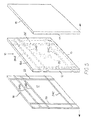
Fig. 5 is a schematic exploded perspective view showing the platens that help form the packing material; -
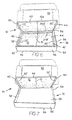
Fig. 6 is a perspective view showing a box with the packing material ofFig. 1 inside; -
Fig. 7 is the same view asFig. 6 but with a product on top of the packing material; -
Fig. 8 is the same view asFig. 7 but with the packing material wrapped further around the product; -
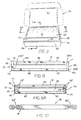
Fig. 9 is a section view taken along line 9-9 ofFig. 8 ; -
Fig. 9A is a section view taken along line 9A-9A ofFig. 8 ; and -
Fig. 10 is a view similar toFig. 2 but showing an alternative embodiment. -
Figures 1-9A show a first embodiment of apacking material 10 made of a thinplastic bag 12 withcompressible beads 14 inside. Thebag 12 is made of a material that is air tight, so a lower pressure can be maintained inside the bag than outside the bag. For ease of manufacturing, it also is preferable for thebag 12 to be made of a thermoplastic material so it can be scaled shut using heal, such as by using a heated wire or bar. However, other materials and other sealing mechanisms could be used instead, such as ultrasonic welding, chemical welding, adhesive, and so forth. Some preferred thermoplastic materials that may be used to make the bag include polyethylene, polypropylene, and nylon. Thebeads 14 preferably arc made of an expanded material with air pockets which can be compressed and which then will tend to spring back, such as expanded polystyrene. - One method of producing the
packing material 10 is to use a Vertical Form Fill and Seal machine (VFFS), which takes the thinplastic sheet material 12, forms it into a cylinder by overlapping the edges of the plastic sheet and sealing them together along thevertical seam 13, seals the thin plastic sheet together horizontally to fonn thebottom edge 15 of the bag, and then fills thebag 12 with thebeads 14. - A few modifications have been made to a standard VFFS machine, such as a Triangle, Hayssen, Matrix Pro, or Universal Packaging Series 1500 machine, in order to produce the
packing materials 10. - As shown schematically in
Figure 5 , a pair of parallel vertical plates orplatens bag 12 after it has been filled withbeads 14 but before thetop edge 15A of thebag 12 is sealed. - In this embodiment, both of the
platens flat surface 17 to thebag 12, but oneplaten 16 has elongated raisedportions bag 12 from the generallyflat surface 17. In this particular embodiment, these raised portions are raised approximately one-half inch from the generallyflat surface 17 along their full length. While these raised portions are formed as elongated, straight lines (having an arched cross-section), other elongated shapes of raised portions could be used, if desired, to form elongated troughs that will help the packer bend the packing following the contour of a particular product or box. - Once the
bag 12 has been filled withbeads 14, theplatens bag 12 and thebeads 14, evacuating the air from the inside of thebag 14. In this particular embodiment the generallyflat surfaces 17 of theopposed platens portions platen 16 are about one inch from theflat surface 17 of theopposite platen 18, formingtrough portions 20', 22', 24A'-C' with a cross-section that is one inch thick while the adjacent constant cross-section area of the packing bag is one-and-one-half inches thick). Of course, the thickness of the constant cross-section flat portion of thepacking material 10 and the thickness of the troughs may be adjusted as desired for various product and package arrangements. - As shown in the section views of
Figures 2-4 , there arefewer beads 14 in the cross section of the trough areas than in the generally constant cross-sectional thickness areas. For example, inFigure 4 , there are approximately six beads in the thickness of the generally constant cross-section area and approximately four beads in the thickness of the trough 22'. This makes it easier to bend the packing material along the trough 22' while still providing protection even in the area of the trough 22'. By making the trough 22' about two/thirds as thick as the generally constant cross-sectional thickness area, it is easier to bend thepacking material 10 along the trough 22'. - While the
platens bag 12, thetop edge 15A of thebag 12 is sealed shut, using a heat sealing bar, which results in a reduced internal pressure in thebag 12 that is substantially less than the ambient air pressure acting on the outside of thebag 12. In this particular case, the internal pressure inside the bag is 96.5 kPa (14.0 pounds per square inch), while the ambient pressure is 101.4 kPa (14.7 pounds per square inch). The portions of the plastic sheet that are heat sealed together to close off thetop edge 15A of thebag 12 form a web, which also provides thebottom edge 15 of the next bag (not shown) that is being formed above it. Thebags 12 may be cut apart at the web, or they may be kept together to form an interconnected string of bags, if desired. Thebags 12 may all be made the same length, or they may be made different lengths, if desired. - In this embodiment, the elongated raised
portions platen 16 are parallel and extend in the vertical direction, and the elongated raisedportions 24A-C are horizontal, extending perpendicular to the parallel raisedportions platens bag 12, they pushbeads 14 out of the areas of the raisedportions portions bag 12 has fewer beads in cross-section in the thinnercross-section trough areas 20', 22', 24A-C' that were formed by the raisedportions beads 14 and the thickness and contour of the bag and troughs may be selected as desired, depending upon the configuration of the product to be packed. - When the top edge a of the
bag 12 is sealed, the pressure differential between the ambient pressure outside thebag 12 and the pressure inside thebag 12 holds thebeads 14 in positions, so they are non-free-flowing. The packing material remains flat, with thetroughs 20', 22', 24A-C' remaining in their original positions. - While the
troughs 20', 22', 24A-C' in this embodiment are oriented vertically and horizontally, they could be located and oriented in any desired position and direction suitable for the application, and they could follow an arcuate path or some other path besides a straight line, if desired. Of course, the raised portions on the platens would be changed accordingly in order to form the desired troughs. -
Figures 6-9A show the packingmaterial 10 being used to pack alaptop computer 28 in abox 30. While alaptop computer 28 is being shown here, it is understood that the same type of arrangement could be used for packing other products, adjusting the dimensions and the number and arrangement of the troughs according to the dimensions and shape of the product being packed, as desired. - In this embodiment, the two parallel lengthwise troughs 20', 22' form the boundaries of first, second, and third adjacent
constant cross-section portions constant cross-section portion 42 is wider than the first andthird portions box 30 has a rectangular bottom 50, with rectangular left, right, frond andrear sides straight edges - As shown in
Fig. 6 , thecentral portion 42 of the packingmaterial 10 covers the bottom 50 of thebox 30, and the left andright portions right sides material 10 being bent along the troughs 20', 22', which lie along theedges - As shown in
Fig. 9 , thebottom edge 15 of the packingmaterial 10 lies adjacent to thetop edge 70 of thefront side 56 of thebox 30. Thetrough 24B' lies along the bottomrear edge 68, and thetrough 24C' lies along the bottomfront edge 66 of thebox 30. - The packing 10 is wrapped around the back of the
laptop 28, with thetrough 24A' lying along the top rear edge of thelaptop 28. The remainder of thecentral portion 42 of the packingmaterial 10 lies on top of thelaptop 28. - As shown in
Fig. 9A , the trough 22' lies along theleft edge 66 of the bottom of thebox 30 and extends over the top left edge of thelaptop 28. The trough 20' lies along theright edge 64 of the bottom of thebox 30 and extends over the top right edge of thelaptop 28. Theportion 40 of the packingmaterial 10 extends upwardly and downwardly along the inside of theleft side wall 52 of thebox 30, and theportion 44 of the packingmaterial 10 extends upwardly and downwardly along the inside of theright side wall 54 of thebox 30. - This arrangement makes it very easy for a worker to pack the
laptop 28 in thebox 30. He simply places the packing in the bottom of thebox 30, with thetroughs 22', 20', 24B', 24C' lying along theedges sides sides box 30 and the rest of the packing 10 wrapping up along the front and back 56, 58 of thebox 30. Then he places thelaptop 28 or other product into thebox 30, resting on the packing 10 that is on the bottom 50 of thebox 30, folds the packing 10 over the top of thelaptop 28, with part of thesides box 30. Since the troughs define the places where the packing is folded or bent, and since they match the dimensions of thebox 30, this packing arrangement is readily repeatable. Also, since there arebeads 14 even in thetrough areas 20', 22', 24A-C', theproduct 28 is well-protected, even along the troughs. - It alternatively may be decided to provide only the lengthwise parallel troughs 20', 22' and to simply align the
bottom edge 15 of the packing 10 with the topfront edge 70 of thebox 30 and press the packing 10 down into thebox 30 and then insert theproduct 28 and wrap the packing around the product (omitting the use of thehorizontal troughs 24A-C'). It will be obvious to those skilled in the art that various other alternative arrangements of troughs could be used as well, depending upon the circumstances. -
Figure 10 shows an alternative embodiment of apacking material 110, similar to the first embodiment, except that both of the platens that formed the packing material had raised portions which were opposite to each other, so the resulting troughs 120', 122' are indented or recessed from both sides rather than only from one side as in the first embodiment. This makes it easy to bend the packing material in both directions, both inwardly and outwardly, while the first embodiment preferably is bent inwardly. It also would be possible to have raised portions on both of the platens that are not opposed to each other, which would result in some indentations on one side and some indentations on the other side, so that some troughs are intended to be bent inwardly and other troughs are intended to be bent outwardly. For example, the raisedportion 24C of theplaten 16 onFig. 5 could alternatively be placed on theplaten 18, so that the trough formed by that raised portion would be on the other side of the packingmaterial 10 from thetroughs 20', 22', 24A', and 24B'. The dimensions of the raised portions of the platens and the thickness of the constant cross-section area of the packingmaterial 110 are selected to provideenough beads 14 in the trough areas to continue to protect the product. - It will be obvious that various modifications may be made to the embodiments described above without departing from the scope of the present invention as defined by the claims.
Claims (12)
- A method of forming a protective packing, comprising the steps of:filling a thin plastic bag (12) with a plurality of compressible beads (14);compressing the bag (12) between a pair of opposed platens (16, 18) having generally flat surfaces, said platens (16, 18) forming the bag into a generally flat shape having a constant cross sectional thickness; and thensealing the bag (12) with the internal pressure inside the bag (12) being sufficiently less than the ambient pressure to maintain the beads (14) in essentially fixed positions; characterized in that:at least one of the platens includes an elongated raised portion (20, 22, 24A-C) projecting from its generally flat surface, said platens (16, 18) defining at least one elongated trough (20', 22', 24A'-C') of lesser cross sectional thickness corresponding to the elongated raised portion (20, 22, 24A-C) of the platen (16, 18); wherein:the method includes the step of using the elongated raised portion (20, 22, 24A-C) to push some of the beads aside during the step of compressing the bag (12) so that the cross-section in the area of the elongated trough (20', 22', 24A'-C') has fewer beads than the cross-section in the constant cross-section area; andsaid step of sealing the bag (12) maintains the beads (14) in essentially fixed positions both within the area of constant cross sectional thickness and within the elongated trough (20', 22', 24A'-C'), the at least one elongated trough (20', 22', 24A'-C') having fewer beads (14) in cross-section while still having at least one bead (14) in the cross-sectional thickness of the trough area.
- A method of forming a protective packing as recited in claim 1, wherein the internal pressure in the bag (12) after it is sealed is not greater than 99.3 kPa (14.4 pounds per square inch).
- A method of forming a protective packing as recited in claim 2, wherein the platens (16, 18) have at least two parallel elongated linear raised portions (20, 22) and form at least two parallel elongated, linear troughs (20', 22'), which define the boundaries of at least, first second and third adjacent parallel elongated constant cross-section portions (40, 42, 44).
- A method of forming a protective packing as recited in claim 3, and further comprising the step of inserting the protective packing into a box having a rectangular bottom and rectangular left, right, front and rear sides projecting upwardly from the bottom along linear edges, such that the second elongated constant cross-section portion covers the bottom of the box, the two parallel elongated linear troughs lie along two of said linear edges, and the first and third elongated constant cross-section portions lie along two of the sides of the box.
- A method of forming a protective packing as recited in claim 4, wherein the platens (16, 18) also form at least one elongated linear trough (24A'-24C') extending at right angles to the two parallel elongated troughs (20'-22'), and wherein that right angle trough lies along a third of said linear edges.
- A method of forming a protective packing as recited in any preceding claim including:making the elongated trough (22') two/thirds as thick as the generally constant cross-sectional thickness area.
- A packing material, comprising:a thin plastic bag (12); anda plurality of compressible beads (14) inside the thin plastic bag (12),wherein the pressure inside the bag (12) is sufficiently lower than the ambient pressure outside the bag (12) to maintain the beads (14) in a non-free-flowing state,wherein the compressible beads (14) are arranged so that the bag (12) is generally flat, having a generally constant cross-sectional thickness with a first number of beads (14) in cross-section; characterized by:at least one elongated trough (20', 22', 24A'-C') having a lesser cross-sectional thickness with fewer beads (14) in cross-section while still having at least one bead (14) in the cross-sectional thickness of the trough area.
- A packing material as recited in claim 7, wherein the pressure inside the bag (12) is not greater than 99.3 kPa (14.4 pounds per square inch).
- A packing material as recited in claim 8, wherein the compressible beads (14) are arranged to form at least two parallel elongated linear troughs (20', 22') with at least first, second and third generally constant cross-sectional thickness areas (40, 42, 44) adjacent to the elongated linear troughs.
- A packing material as recited in claim 9, and further comprising:a box (30) having a rectangular bottom and rectangular left, right, front and rear sides projecting upwardly from the bottom along linear edges;wherein the second generally constant cross-sectional thickness area covers the bottom of the box, with the first and third generally constant cross-sectional thickness areas lying along the left and right sides of the box, and with the two parallel troughs lying along two of the linear edges.
- A packing material as recited in claim 10, and further comprising a third elongated trough (24A'-C') extending at right angles to the two parallel elongated troughs (20', 22'), wherein said third elongated trough (24A'-C') extends along a third of the linear edges.
- A packing material as recited in any one of claims 7 to 11 wherein the elongated trough (22') is two/thirds as thick as the generally constant cross-sectional thickness area.
Applications Claiming Priority (2)
| Application Number | Priority Date | Filing Date | Title |
|---|---|---|---|
| US2756508P | 2008-02-11 | 2008-02-11 | |
| PCT/US2009/033651 WO2009102699A1 (en) | 2008-02-11 | 2009-02-10 | Packing material and method |
Publications (2)
| Publication Number | Publication Date |
|---|---|
| EP2244948A1 EP2244948A1 (en) | 2010-11-03 |
| EP2244948B1 true EP2244948B1 (en) | 2011-09-07 |
Family
ID=40626549
Family Applications (1)
| Application Number | Title | Priority Date | Filing Date |
|---|---|---|---|
| EP09709723A Not-in-force EP2244948B1 (en) | 2008-02-11 | 2009-02-10 | Packing material and method |
Country Status (4)
| Country | Link |
|---|---|
| US (1) | US8011511B2 (en) |
| EP (1) | EP2244948B1 (en) |
| AT (1) | ATE523432T1 (en) |
| WO (1) | WO2009102699A1 (en) |
Families Citing this family (12)
| Publication number | Priority date | Publication date | Assignee | Title |
|---|---|---|---|---|
| US8763811B2 (en) * | 2011-05-05 | 2014-07-01 | Gary Lantz | Insulated shipping container, and method of making |
| US10293568B2 (en) | 2013-12-03 | 2019-05-21 | Clover Technologies Group, Llc | Forming of vacuum bag packaging |
| WO2016187435A2 (en) | 2015-05-20 | 2016-11-24 | Temperpak Technologies Inc. | Thermal insulation liners |
| US9957098B2 (en) | 2016-04-01 | 2018-05-01 | Vericool, Inc. | Shipping container with compostable insulation |
| US20180186546A1 (en) * | 2016-12-29 | 2018-07-05 | Dow Global Technologies Llc | Packaging with Three-Dimensional Loop Material |
| EP3583050A4 (en) * | 2017-02-16 | 2021-04-21 | Vericool, Inc. | COMPOSTABLE INSULATION FOR SHIPPING CONTAINER |
| US10800596B1 (en) | 2017-04-28 | 2020-10-13 | TemperPack Technologies, Inc. | Insulation panel |
| US11701872B1 (en) | 2017-04-28 | 2023-07-18 | TemperPack Technologies, Inc. | Insulation panel |
| US10357936B1 (en) | 2017-04-28 | 2019-07-23 | TemperPack Technologies, Inc. | Insulation panel |
| US10501252B1 (en) * | 2017-07-27 | 2019-12-10 | Amazon Technologies, Inc. | Packaging material having patterns of microsphere adhesive members that allow for bending around objects |
| CA3103074C (en) * | 2018-06-22 | 2022-11-15 | Church & Dwight Co., Inc. | System and method for filling a chambered package |
| US11079030B2 (en) | 2019-07-03 | 2021-08-03 | Mary Pilotte | Three position check valves for use with vacuum jammed film envelopes |
Family Cites Families (10)
| Publication number | Priority date | Publication date | Assignee | Title |
|---|---|---|---|---|
| US1781797A (en) * | 1927-03-22 | 1930-11-18 | Harrison R Williams | Process of making packing material and product |
| FR1215270A (en) * | 1958-11-13 | 1960-04-15 | Tablecloths for wrapping or wedging packed objects and machines for their manufacture | |
| US5206069A (en) * | 1987-08-12 | 1993-04-27 | Nagoya Oilchemical Co., Ltd. | Panel type masking member |
| DE9211531U1 (en) * | 1992-08-27 | 1992-12-17 | Maksimovic, Milosch, 8192 Geretsried | Device for protecting objects during transport |
| WO1994010063A1 (en) * | 1992-11-05 | 1994-05-11 | Jarvis Packaging & Designs, Inc. | Evacuated, encapsulating packaging |
| US5788078A (en) * | 1993-08-02 | 1998-08-04 | Free Flow Packaging Corporation | Vacuum formed cushioning device and method of making and using the same |
| JPH08164977A (en) * | 1994-12-15 | 1996-06-25 | Nec Corp | Cushion |
| DE9419899U1 (en) * | 1994-12-15 | 1995-03-16 | G & G NATURPACK GmbH, 34434 Borgentreich | packing material |
| US6085909A (en) * | 1995-01-05 | 2000-07-11 | Lyons; Michael J. | Reusable flexible bag for packaging objects |
| US7387203B2 (en) * | 2004-01-26 | 2008-06-17 | Time Warner, Inc. | Grooved board packaging and blank therefor |
-
2009
- 2009-02-10 WO PCT/US2009/033651 patent/WO2009102699A1/en not_active Ceased
- 2009-02-10 AT AT09709723T patent/ATE523432T1/en not_active IP Right Cessation
- 2009-02-10 EP EP09709723A patent/EP2244948B1/en not_active Not-in-force
- 2009-02-10 US US12/368,761 patent/US8011511B2/en not_active Expired - Fee Related
Also Published As
| Publication number | Publication date |
|---|---|
| ATE523432T1 (en) | 2011-09-15 |
| US8011511B2 (en) | 2011-09-06 |
| US20090199513A1 (en) | 2009-08-13 |
| WO2009102699A1 (en) | 2009-08-20 |
| EP2244948A1 (en) | 2010-11-03 |
Similar Documents
| Publication | Publication Date | Title |
|---|---|---|
| US8011511B2 (en) | Packing material and method | |
| ES2432678T3 (en) | Inflatable shipping packing and procedure to do the same | |
| ES2619558T3 (en) | Inflatable wrap and method for manufacturing it | |
| ES2601188T3 (en) | Apparatus and method for swelling and sealing a postal envelope | |
| EP2930123B1 (en) | Cushioning package | |
| EP2328819B9 (en) | Composite air and foam protective packaging | |
| US5588533A (en) | Inflatable packaging cushion | |
| US5664408A (en) | Apparatus for vacuum packaging a soft product | |
| AU2005290612B2 (en) | Pillow packaging bag, pillow type packaging body, heat seal bar for pillow packaging machine, and pillow packaging machine | |
| US3696580A (en) | Shrink film packaging method | |
| TWI426040B (en) | A cushioning bag for preset opening of air column turning zone and a method for manufacturing the same | |
| EP2042297B1 (en) | Apparatus and method for filling continuous air filling type air enclosure with air | |
| JPWO2004022449A1 (en) | Buffer package with packaged article, method for manufacturing the same, and apparatus for manufacturing the same | |
| JPH08504393A (en) | Inflatable package back | |
| TWM252680U (en) | Air packing bag having film valve | |
| CN103224094B (en) | Y-shaped inflatable bag and manufacturing method thereof | |
| JPH02242765A (en) | Cushioning packaging material and its manufacturing method | |
| CA2482107C (en) | Highly compressed filter tow bale and method for the production thereof | |
| JPH07165266A (en) | Gas injected inflating type paper-made package cushioning material and production thereof | |
| WO2017014267A1 (en) | Sealing device, blister packaging machine, and blister pack manufacturing method | |
| CN106986102A (en) | The preparation method and a kind of hot-melting sealed inflation vibration-proof package bag of hot-melting sealed inflation vibration-proof package bag | |
| CN110963167A (en) | Air-packing device and method of manufacturing the same | |
| CN106079585A (en) | Inflate buffer body and manufacture method thereof and inflation method | |
| CN214877027U (en) | Packaging device | |
| CN204548903U (en) | Inlet non return check valve continuously can tearing pneumatic die cushion |
Legal Events
| Date | Code | Title | Description |
|---|---|---|---|
| PUAI | Public reference made under article 153(3) epc to a published international application that has entered the european phase |
Free format text: ORIGINAL CODE: 0009012 |
|
| 17P | Request for examination filed |
Effective date: 20100817 |
|
| AK | Designated contracting states |
Kind code of ref document: A1 Designated state(s): AT BE BG CH CY CZ DE DK EE ES FI FR GB GR HR HU IE IS IT LI LT LU LV MC MK MT NL NO PL PT RO SE SI SK TR |
|
| AX | Request for extension of the european patent |
Extension state: AL BA RS |
|
| 17Q | First examination report despatched |
Effective date: 20110126 |
|
| GRAP | Despatch of communication of intention to grant a patent |
Free format text: ORIGINAL CODE: EPIDOSNIGR1 |
|
| RIN1 | Information on inventor provided before grant (corrected) |
Inventor name: OYLER, WILLIAM, KENNET, III Inventor name: SMITH, RON Inventor name: WOODS, CHARLES, W., II Inventor name: OYLER, MAX, D. Inventor name: LYONS, MICHAEL, J. |
|
| DAX | Request for extension of the european patent (deleted) | ||
| GRAS | Grant fee paid |
Free format text: ORIGINAL CODE: EPIDOSNIGR3 |
|
| GRAA | (expected) grant |
Free format text: ORIGINAL CODE: 0009210 |
|
| REG | Reference to a national code |
Ref country code: GB Ref legal event code: FG4D |
|
| REG | Reference to a national code |
Ref country code: CH Ref legal event code: EP |
|
| REG | Reference to a national code |
Ref country code: IE Ref legal event code: FG4D |
|
| REG | Reference to a national code |
Ref country code: DE Ref legal event code: R096 Ref document number: 602009002576 Country of ref document: DE Effective date: 20111110 |
|
| REG | Reference to a national code |
Ref country code: SE Ref legal event code: TRGR |
|
| REG | Reference to a national code |
Ref country code: NL Ref legal event code: T3 |
|
| PG25 | Lapsed in a contracting state [announced via postgrant information from national office to epo] |
Ref country code: FI Free format text: LAPSE BECAUSE OF FAILURE TO SUBMIT A TRANSLATION OF THE DESCRIPTION OR TO PAY THE FEE WITHIN THE PRESCRIBED TIME-LIMIT Effective date: 20110907 Ref country code: NO Free format text: LAPSE BECAUSE OF FAILURE TO SUBMIT A TRANSLATION OF THE DESCRIPTION OR TO PAY THE FEE WITHIN THE PRESCRIBED TIME-LIMIT Effective date: 20111207 Ref country code: HR Free format text: LAPSE BECAUSE OF FAILURE TO SUBMIT A TRANSLATION OF THE DESCRIPTION OR TO PAY THE FEE WITHIN THE PRESCRIBED TIME-LIMIT Effective date: 20110907 Ref country code: LT Free format text: LAPSE BECAUSE OF FAILURE TO SUBMIT A TRANSLATION OF THE DESCRIPTION OR TO PAY THE FEE WITHIN THE PRESCRIBED TIME-LIMIT Effective date: 20110907 |
|
| LTIE | Lt: invalidation of european patent or patent extension |
Effective date: 20110907 |
|
| PG25 | Lapsed in a contracting state [announced via postgrant information from national office to epo] |
Ref country code: LV Free format text: LAPSE BECAUSE OF FAILURE TO SUBMIT A TRANSLATION OF THE DESCRIPTION OR TO PAY THE FEE WITHIN THE PRESCRIBED TIME-LIMIT Effective date: 20110907 Ref country code: GR Free format text: LAPSE BECAUSE OF FAILURE TO SUBMIT A TRANSLATION OF THE DESCRIPTION OR TO PAY THE FEE WITHIN THE PRESCRIBED TIME-LIMIT Effective date: 20111208 Ref country code: SI Free format text: LAPSE BECAUSE OF FAILURE TO SUBMIT A TRANSLATION OF THE DESCRIPTION OR TO PAY THE FEE WITHIN THE PRESCRIBED TIME-LIMIT Effective date: 20110907 Ref country code: AT Free format text: LAPSE BECAUSE OF FAILURE TO SUBMIT A TRANSLATION OF THE DESCRIPTION OR TO PAY THE FEE WITHIN THE PRESCRIBED TIME-LIMIT Effective date: 20110907 Ref country code: CY Free format text: LAPSE BECAUSE OF FAILURE TO SUBMIT A TRANSLATION OF THE DESCRIPTION OR TO PAY THE FEE WITHIN THE PRESCRIBED TIME-LIMIT Effective date: 20110907 |
|
| REG | Reference to a national code |
Ref country code: AT Ref legal event code: MK05 Ref document number: 523432 Country of ref document: AT Kind code of ref document: T Effective date: 20110907 |
|
| PG25 | Lapsed in a contracting state [announced via postgrant information from national office to epo] |
Ref country code: IS Free format text: LAPSE BECAUSE OF FAILURE TO SUBMIT A TRANSLATION OF THE DESCRIPTION OR TO PAY THE FEE WITHIN THE PRESCRIBED TIME-LIMIT Effective date: 20120107 Ref country code: SK Free format text: LAPSE BECAUSE OF FAILURE TO SUBMIT A TRANSLATION OF THE DESCRIPTION OR TO PAY THE FEE WITHIN THE PRESCRIBED TIME-LIMIT Effective date: 20110907 Ref country code: CZ Free format text: LAPSE BECAUSE OF FAILURE TO SUBMIT A TRANSLATION OF THE DESCRIPTION OR TO PAY THE FEE WITHIN THE PRESCRIBED TIME-LIMIT Effective date: 20110907 |
|
| PG25 | Lapsed in a contracting state [announced via postgrant information from national office to epo] |
Ref country code: PT Free format text: LAPSE BECAUSE OF FAILURE TO SUBMIT A TRANSLATION OF THE DESCRIPTION OR TO PAY THE FEE WITHIN THE PRESCRIBED TIME-LIMIT Effective date: 20120109 Ref country code: PL Free format text: LAPSE BECAUSE OF FAILURE TO SUBMIT A TRANSLATION OF THE DESCRIPTION OR TO PAY THE FEE WITHIN THE PRESCRIBED TIME-LIMIT Effective date: 20110907 Ref country code: IT Free format text: LAPSE BECAUSE OF FAILURE TO SUBMIT A TRANSLATION OF THE DESCRIPTION OR TO PAY THE FEE WITHIN THE PRESCRIBED TIME-LIMIT Effective date: 20110907 Ref country code: EE Free format text: LAPSE BECAUSE OF FAILURE TO SUBMIT A TRANSLATION OF THE DESCRIPTION OR TO PAY THE FEE WITHIN THE PRESCRIBED TIME-LIMIT Effective date: 20110907 Ref country code: RO Free format text: LAPSE BECAUSE OF FAILURE TO SUBMIT A TRANSLATION OF THE DESCRIPTION OR TO PAY THE FEE WITHIN THE PRESCRIBED TIME-LIMIT Effective date: 20110907 |
|
| PLBE | No opposition filed within time limit |
Free format text: ORIGINAL CODE: 0009261 |
|
| STAA | Information on the status of an ep patent application or granted ep patent |
Free format text: STATUS: NO OPPOSITION FILED WITHIN TIME LIMIT |
|
| PG25 | Lapsed in a contracting state [announced via postgrant information from national office to epo] |
Ref country code: DK Free format text: LAPSE BECAUSE OF FAILURE TO SUBMIT A TRANSLATION OF THE DESCRIPTION OR TO PAY THE FEE WITHIN THE PRESCRIBED TIME-LIMIT Effective date: 20110907 |
|
| 26N | No opposition filed |
Effective date: 20120611 |
|
| PG25 | Lapsed in a contracting state [announced via postgrant information from national office to epo] |
Ref country code: MC Free format text: LAPSE BECAUSE OF NON-PAYMENT OF DUE FEES Effective date: 20120229 |
|
| REG | Reference to a national code |
Ref country code: DE Ref legal event code: R097 Ref document number: 602009002576 Country of ref document: DE Effective date: 20120611 |
|
| PG25 | Lapsed in a contracting state [announced via postgrant information from national office to epo] |
Ref country code: MK Free format text: LAPSE BECAUSE OF FAILURE TO SUBMIT A TRANSLATION OF THE DESCRIPTION OR TO PAY THE FEE WITHIN THE PRESCRIBED TIME-LIMIT Effective date: 20110907 |
|
| PG25 | Lapsed in a contracting state [announced via postgrant information from national office to epo] |
Ref country code: ES Free format text: LAPSE BECAUSE OF FAILURE TO SUBMIT A TRANSLATION OF THE DESCRIPTION OR TO PAY THE FEE WITHIN THE PRESCRIBED TIME-LIMIT Effective date: 20111218 |
|
| PG25 | Lapsed in a contracting state [announced via postgrant information from national office to epo] |
Ref country code: BG Free format text: LAPSE BECAUSE OF FAILURE TO SUBMIT A TRANSLATION OF THE DESCRIPTION OR TO PAY THE FEE WITHIN THE PRESCRIBED TIME-LIMIT Effective date: 20111207 |
|
| PG25 | Lapsed in a contracting state [announced via postgrant information from national office to epo] |
Ref country code: MT Free format text: LAPSE BECAUSE OF FAILURE TO SUBMIT A TRANSLATION OF THE DESCRIPTION OR TO PAY THE FEE WITHIN THE PRESCRIBED TIME-LIMIT Effective date: 20110907 |
|
| REG | Reference to a national code |
Ref country code: CH Ref legal event code: PL |
|
| PG25 | Lapsed in a contracting state [announced via postgrant information from national office to epo] |
Ref country code: CH Free format text: LAPSE BECAUSE OF NON-PAYMENT OF DUE FEES Effective date: 20130228 Ref country code: LI Free format text: LAPSE BECAUSE OF NON-PAYMENT OF DUE FEES Effective date: 20130228 |
|
| PG25 | Lapsed in a contracting state [announced via postgrant information from national office to epo] |
Ref country code: TR Free format text: LAPSE BECAUSE OF FAILURE TO SUBMIT A TRANSLATION OF THE DESCRIPTION OR TO PAY THE FEE WITHIN THE PRESCRIBED TIME-LIMIT Effective date: 20110907 |
|
| PGFP | Annual fee paid to national office [announced via postgrant information from national office to epo] |
Ref country code: IE Payment date: 20140211 Year of fee payment: 6 Ref country code: NL Payment date: 20140208 Year of fee payment: 6 Ref country code: SE Payment date: 20140211 Year of fee payment: 6 |
|
| PG25 | Lapsed in a contracting state [announced via postgrant information from national office to epo] |
Ref country code: LU Free format text: LAPSE BECAUSE OF NON-PAYMENT OF DUE FEES Effective date: 20120210 |
|
| PGFP | Annual fee paid to national office [announced via postgrant information from national office to epo] |
Ref country code: FR Payment date: 20140211 Year of fee payment: 6 Ref country code: BE Payment date: 20140214 Year of fee payment: 6 |
|
| PGFP | Annual fee paid to national office [announced via postgrant information from national office to epo] |
Ref country code: GB Payment date: 20140206 Year of fee payment: 6 |
|
| PG25 | Lapsed in a contracting state [announced via postgrant information from national office to epo] |
Ref country code: HU Free format text: LAPSE BECAUSE OF FAILURE TO SUBMIT A TRANSLATION OF THE DESCRIPTION OR TO PAY THE FEE WITHIN THE PRESCRIBED TIME-LIMIT Effective date: 20090210 |
|
| PGFP | Annual fee paid to national office [announced via postgrant information from national office to epo] |
Ref country code: DE Payment date: 20140417 Year of fee payment: 6 |
|
| PG25 | Lapsed in a contracting state [announced via postgrant information from national office to epo] |
Ref country code: BE Free format text: LAPSE BECAUSE OF NON-PAYMENT OF DUE FEES Effective date: 20150228 |
|
| REG | Reference to a national code |
Ref country code: DE Ref legal event code: R119 Ref document number: 602009002576 Country of ref document: DE |
|
| REG | Reference to a national code |
Ref country code: NL Ref legal event code: V1 Effective date: 20150901 |
|
| REG | Reference to a national code |
Ref country code: SE Ref legal event code: EUG |
|
| PG25 | Lapsed in a contracting state [announced via postgrant information from national office to epo] |
Ref country code: NL Free format text: LAPSE BECAUSE OF NON-PAYMENT OF DUE FEES Effective date: 20150901 |
|
| GBPC | Gb: european patent ceased through non-payment of renewal fee |
Effective date: 20150210 |
|
| REG | Reference to a national code |
Ref country code: IE Ref legal event code: MM4A |
|
| REG | Reference to a national code |
Ref country code: FR Ref legal event code: ST Effective date: 20151030 |
|
| PG25 | Lapsed in a contracting state [announced via postgrant information from national office to epo] |
Ref country code: SE Free format text: LAPSE BECAUSE OF NON-PAYMENT OF DUE FEES Effective date: 20150211 |
|
| PG25 | Lapsed in a contracting state [announced via postgrant information from national office to epo] |
Ref country code: IE Free format text: LAPSE BECAUSE OF NON-PAYMENT OF DUE FEES Effective date: 20150210 Ref country code: GB Free format text: LAPSE BECAUSE OF NON-PAYMENT OF DUE FEES Effective date: 20150210 Ref country code: DE Free format text: LAPSE BECAUSE OF NON-PAYMENT OF DUE FEES Effective date: 20150901 |
|
| PG25 | Lapsed in a contracting state [announced via postgrant information from national office to epo] |
Ref country code: FR Free format text: LAPSE BECAUSE OF NON-PAYMENT OF DUE FEES Effective date: 20150302 |