EP2243243B1 - Übertragung von planungsanfragenanweisungen - Google Patents
Übertragung von planungsanfragenanweisungen Download PDFInfo
- Publication number
- EP2243243B1 EP2243243B1 EP09708410A EP09708410A EP2243243B1 EP 2243243 B1 EP2243243 B1 EP 2243243B1 EP 09708410 A EP09708410 A EP 09708410A EP 09708410 A EP09708410 A EP 09708410A EP 2243243 B1 EP2243243 B1 EP 2243243B1
- Authority
- EP
- European Patent Office
- Prior art keywords
- message
- configuration
- indication
- scheduling request
- acknowledgement
- Prior art date
- Legal status (The legal status is an assumption and is not a legal conclusion. Google has not performed a legal analysis and makes no representation as to the accuracy of the status listed.)
- Active
Links
Images



Classifications
-
- H—ELECTRICITY
- H04—ELECTRIC COMMUNICATION TECHNIQUE
- H04L—TRANSMISSION OF DIGITAL INFORMATION, e.g. TELEGRAPHIC COMMUNICATION
- H04L1/00—Arrangements for detecting or preventing errors in the information received
- H04L1/12—Arrangements for detecting or preventing errors in the information received by using return channel
- H04L1/16—Arrangements for detecting or preventing errors in the information received by using return channel in which the return channel carries supervisory signals, e.g. repetition request signals
- H04L1/18—Automatic repetition systems, e.g. Van Duuren systems
- H04L1/1829—Arrangements specially adapted for the receiver end
- H04L1/1854—Scheduling and prioritising arrangements
-
- H—ELECTRICITY
- H04—ELECTRIC COMMUNICATION TECHNIQUE
- H04L—TRANSMISSION OF DIGITAL INFORMATION, e.g. TELEGRAPHIC COMMUNICATION
- H04L1/00—Arrangements for detecting or preventing errors in the information received
- H04L1/0001—Systems modifying transmission characteristics according to link quality, e.g. power backoff
- H04L1/0023—Systems modifying transmission characteristics according to link quality, e.g. power backoff characterised by the signalling
- H04L1/0027—Scheduling of signalling, e.g. occurrence thereof
-
- H—ELECTRICITY
- H04—ELECTRIC COMMUNICATION TECHNIQUE
- H04L—TRANSMISSION OF DIGITAL INFORMATION, e.g. TELEGRAPHIC COMMUNICATION
- H04L1/00—Arrangements for detecting or preventing errors in the information received
- H04L1/12—Arrangements for detecting or preventing errors in the information received by using return channel
- H04L1/16—Arrangements for detecting or preventing errors in the information received by using return channel in which the return channel carries supervisory signals, e.g. repetition request signals
- H04L1/1607—Details of the supervisory signal
- H04L1/1671—Details of the supervisory signal the supervisory signal being transmitted together with control information
-
- H—ELECTRICITY
- H04—ELECTRIC COMMUNICATION TECHNIQUE
- H04L—TRANSMISSION OF DIGITAL INFORMATION, e.g. TELEGRAPHIC COMMUNICATION
- H04L5/00—Arrangements affording multiple use of the transmission path
- H04L5/003—Arrangements for allocating sub-channels of the transmission path
- H04L5/0053—Allocation of signalling, i.e. of overhead other than pilot signals
- H04L5/0055—Physical resource allocation for ACK/NACK
-
- H—ELECTRICITY
- H04—ELECTRIC COMMUNICATION TECHNIQUE
- H04L—TRANSMISSION OF DIGITAL INFORMATION, e.g. TELEGRAPHIC COMMUNICATION
- H04L1/00—Arrangements for detecting or preventing errors in the information received
- H04L1/12—Arrangements for detecting or preventing errors in the information received by using return channel
- H04L2001/125—Arrangements for preventing errors in the return channel
Definitions
- the exemplary and non-limiting embodiments of this invention relate generally to wireless communication systems, methods, devices and computer programs and, more specifically, relate to signaling techniques between a mobile apparatus and a network node.
- E-UTRAN also referred to as UTRAN-LTE or as E-UTRA
- E-UTRA evolved UTRAN
- the current working assumption is that the DL access technique will be OFDMA, and the UL access technique will be SC-FDMA.
- 3GPP TS 36.300, V8.3.0 (2007-12), 3rd Generation Partnership Project; Technical Specification Group Radio Access Network; Evolved Universal Terrestrial Radio Access (E-UTRA) and Evolved Universal Terrestrial Access Network (E-UTRAN); Overall description; Stage 2 (Release 8).
- FIG. 1 reproduces Figure 4 of 3GPP TS 36.300, and shows the overall architecture of the E-UTRAN system.
- the E-UTRAN system includes eNBs, providing the E-UTRA user plane (PDCP/RLC/MAC/PHY) and control plane (RRC) protocol terminations towards the UE.
- the eNBs are interconnected with each other by means of an X2 interface.
- the eNBs are also connected by means of an S1 interface to an EPC (Evolved Packet Core), more specifically to a MME (Mobility Management Entity) by means of a S1-MME interface and to a Serving Gateway (S-GW) by means of a S1-U interface.
- EPC Evolved Packet Core
- MME Mobility Management Entity
- S-GW Serving Gateway
- the eNB hosts the following functions:
- TSG-RAN WG1, R1-080343, Sevilla, Spain, January 14 B 18, 2008 Source: Ericsson, Title: Multiplexing of ACK/NACK and Scheduling Request on PUCCH (referred to hereafter as R1-080343), and 3GPP TSG RAN WG1 Meeting #51bis, R1-080035, Sevilla, Spain, January 14 B 18, 2008, Source: Samsung, Nokia, Nokia Siemens Networks, Panasonic, TI, Title: Joint proposal on uplink ACK/NACK channelization, (referred to hereafter as R1-080035).
- PUCCH Formats 1a/1b are meant. Table 1 below summarizes the available PUCCH Formats: Table 1: PUCCH Formats PUCCH Formats Control type PUCCH Format 1 Scheduling request PUCCH Format 1a 1-bit ACK/NACK PUCCH Format 1b 2-bit ACK/NACK PUCCH Format 2 CQI PUCCH Format 2a CQI + 1-bit ACK/NACK PUCCH Format 2b CQI + 2-bit ACK/NACK
- a problem that arises relates to DTX detection in the case where ACK/NACK/DTX is transmitted simultaneously with the SR.
- the DTX situation relates to a failure of a DL resource allocation grant transmitted to a particular UE.
- the DL resource allocation fails the ACK/NACK(s) associated with the PDCCH/PDSCH are missing from the given UL sub-frame (this is DTX from the ACK/NACK point of view), since the UE has for whatever reason missed the DL allocation and therefore has no reason to transmit or include an ACK/NACK in the UL subframe.
- the eNB cannot know that the ACK/NACK is not present and may, as a result, incorrectly interpret the reception from the UE.
- a DL ACK/NACK DTX detector may be employed to attempt to solve the problem, e.g., to identify whether the DL ACK/NACK is present or not. However, if the ACK/NACK DTX detector fails then it is possible that at least two types of errors can occur.
- a first error type may be referred to as misdetection, DTX ⁇ ACK/NACK: wherein the DL resource allocation grant fails but eNB cannot detect that this has occurred.
- a second error type may be referred to as a false alarm, ACK/NACK ⁇ DTX: wherein the eNB considers that the DL allocation grant has failed even though it has been correctly received by the UE.
- DTX corresponds to signaling of the SR instead of the combination of the ACK/NACK and SR.
- the error cases in this type of SR and ACK/NACK multiplexing scheme can result in serious problems, in particular in a so called DTX (SR) ⁇ ACK error case, and should thus be considered when developing the multiplexing scheme for the SR and ACK/NACK.
- the DTX to ACK error occurs when the eNB detects an ACK, even though an ACK was not sent by the UE, but only the SR.
- the combination of DL scheduling information miss detection and the DTX to ACK error (for the DL-SCH) has an impact on higher layer protocols, e.g., it can result in higher layer error.
- Interpreting the received SR as an ACK is a particularly troublesome error situation from the DL point of view since a DL transmission is erroneously assumed to have been correctly received by the UE. This implies that the higher protocol layers must eventually detect the missed DL transmission by the UE, and then provide some means to recover. In general, this type of higher protocol layer error recovery would be significantly slower than a L1 recovery, and would require significantly more signaling overhead to accomplish. It is thus desirable that such error cases occur, if at all, at a very low rate.
- WO 2005/018270 discloses an extended acknowledgment and rate control channel. An acknowledgement command and a rate control command are combined to form a combined command.
- a further exemplary embodiment in accordance with this invention is an apparatus (10) as claimed in claim 14.
- An additional exemplary embodiment in accordance with this invention is a computer-readable medium tangibly encoding a computer program including program instructions, execution of the program instructions resulting in operations for signaling between a mobile apparatus (10) and a network node (12) as claimed in claim 6.
- the exemplary embodiments of this invention are generally related to the 3GPP LTE standardization, and in particular to SR transmission with and without simultaneous ACK/NACK transmission on the PUCCH.
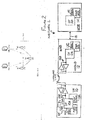
- a wireless network 1 is adapted for communication with an apparatus 10, also referred to herein for convenience as a UE 10, via another apparatus, such as a network access node 12, also referred to herein for convenience as a Node B (base station) and more specifically an eNB 12.
- the network 1 may include a network control element (NCE) 14 that may include the MME/S-GW functionality shown in Figure 1.
- NCE network control element
- the UE 10 includes a controller, such as a computer or a data processor (DP) 10A, a computer-readable memory medium embodied as a memory (MEM) 10B that stores a program of computer instructions (PROG) 10C, and a suitable radio frequency (RF) transceiver 10D for bidirectional wireless communications with the eNB 12 via one or more antennas.
- a controller such as a computer or a data processor (DP) 10A
- DP data processor
- MEM memory
- PROG program of computer instructions
- RF radio frequency
- the eNB 12 includes a controller, such as a computer or a data processor (DP) 12A, a computer-readable memory medium embodied as a memory (MEM) 12B that stores a program of computer instructions (PROG) 12C, and a suitable RF transceiver 12D for communication with the UE 10 via one or more antennas.
- the eNB 12 is coupled via a data / control path 13 to the NCE 14.
- the path 13 may be implemented as the S1 interface shown in Figure 1.
- the eNB 12 may also be coupled to another eNB via a data / control path (not shown), which may be implemented as the X2 interface shown in Figure 1.
- the NCE 14 a controller, such as a computer or a data processor (DP) 14A and a computer-readable memory medium embodied as a memory (MEM) 14B storing an associated program of computer instructions (PROG) 14C.
- DP data processor
- MEM memory
- PROG program of computer instructions
- At least one of the PROGs 10C and 12C is assumed to include program instructions that, when executed by the associated DP, enable the electronic device to operate in accordance with the exemplary embodiments of this invention, as will be discussed below in greater detail. That is, the exemplary embodiments of this invention may be implemented at least in part by computer software executable by the DP 10A of the UE 10 and by the DP 12A of the eNB 12, or by hardware, or by a combination of software and hardware.
- the UE 10 may be assumed to include an ACK/NACK resource processor 10E, as well as a SR resource processor 10F.
- the eNBs 10 may or may not be identically constructed, but in general are all assumed to be electrically and logically compatible with the relevant network protocols and standards needed for operation in the wireless network 1.
- the various embodiments of the UE 10 can include, but are not limited to, cellular phones, personal digital assistants (PDAs) having wireless communication capabilities, portable computers having wireless communication capabilities, image capture devices such as digital cameras having wireless communication capabilities, gaming devices having wireless communication capabilities, music storage and playback appliances having wireless communication capabilities, Internet appliances permitting wireless Internet access and browsing, as well as portable units or terminals that incorporate combinations of such functions.
- PDAs personal digital assistants
- portable computers having wireless communication capabilities
- image capture devices such as digital cameras having wireless communication capabilities
- gaming devices having wireless communication capabilities
- music storage and playback appliances having wireless communication capabilities
- Internet appliances permitting wireless Internet access and browsing, as well as portable units or terminals that incorporate combinations of such functions.
- the computer readable MEMs 10B, 12B and 14B may be of any type suitable to the local technical environment and may be implemented using any suitable data storage technology, such as semiconductor-based memory devices, flash memory, magnetic memory devices and systems, optical memory devices and systems, fixed memory and removable memory.
- the DPs 10A, 12A and 14A may be of any type suitable to the local technical environment, and may include one or more of general purpose computers, special purpose computers, microprocessors, digital signal processors (DSPs) and processors based on a multicore processor architecture, as nonlimiting examples.
- general purpose computers special purpose computers
- microprocessors microprocessors
- DSPs digital signal processors
- processors based on a multicore processor architecture, as nonlimiting examples.
- the SR plus DTX is transmitted by using the same constellation point as a NACK, with the goal being to maximize the separation between the ACK and SR signals.
- Constellation points may be represented using one or more modulation symbols, e.g., one or more digital bits.
- it is desirable to realize the maximum separation by selecting the constellation points for ACK/NACK in such a way that the NACK constellation point corresponds to the unmodulated RS sequence.
- the constellation arrangements for SR only, for SR plus DTX and for SR plus NACK are the same.
- the constellation points for ACK/NACK are such that the DTX-to-ACK problem is minimized since a DTX detection failure of an SR plus DTX would most likely read an SR plus NACK.
- the multiplexing of the SR and ACK/NACK may be accomplished in the following manner.
- the UE 10 transmits the ACK/NACK information using the ACK/NACK resources
- the UE 10 transmits the ACK/NACK information using the SR resources.
- UE 10 sends the SR it uses the constellation arrangement shown in Figure 3 for the mapping of a 1-bit ACK/NACK.
- the in-phase (I) and quadrature (Q) mapping of constellation points is according to the Table shown in Figure 3 .
- Figure 4 shows the mapping of a 2-bit ACK/NACK, where the I and Q mapping of constellation points is according to the Table shown in Figure 4 .
- This mapping is a non-limiting example.
- the constellation points used may be changed in accordance with this invention, for example, the ACK/NACK and NACK/ACK coordinates may be switched.
- the UE 10 when the UE 10 sends only the SR it uses the NACK (1-bit case) or the NACK/NACK (2-bit case) constellation point (1, 0). It should be noted that constellation point (1, 0) is also used for the transmitting reference signal for SR, as the SR transmission is performed with an unmodulated signal. In this case the DTX to NACK is not detectable in the eNB 12. However, this is not seen as a limitation since explicit DTX detection is not supported in all presently agreed upon UL modulation options. For example, a CQI plus ACK/NACK transmission scheme does not support explicit DTX detection.
- the ACK/NACK constellations are arranged in such a way that the SR signal and the ACK/NACK signals are separated in the complex domain (see Figure 5 for the 1-bit ACK/NACK case). Furthermore, for the case of the 2-bit ACK/NACK constellation a re-arrangement between two slots (slot #1, slot #2) is used (as in Figure 6 ), thereby maximizing the separation between ACK signal(s) and SR signals.
- Figures 5 and 6 show exemplary constellations, it being realized that other constellations are possible through either rotations, reflections, or the use of both.
- one exemplary re-arrangement between slots can be such that ACK/NACK constellation points remain the same in both slots, while the SR constellation point changes between slots (as in Figure 12 ).
- similar constellation points can be alternatively obtained by modulating the pilot part of the resource with the complex conjugate of the constellation point, e.g., in the case of SR and DTX.
- a separate periodic SR resource processor 10F-a is configured in order to support DTX detection.
- the operation in this embodiment is as follows:
- the eNB 12 can identify the possible DL grant failure by comparing signals at the SR only resource (periodic) and ACK/NACK + SR resource (aperiodic).
- a periodic SR resource may be considered as the primary SR resource.
- a certain UE 10 has an opportunity to transmit the SR using a pre-determined cyclic shift and OC resource on a given PRB.
- the periodic SR resource 10F configured with higher layer signaling, thus occurs periodically.
- the aperiodic SR resource applies to the third approach discussed above.
- the multiplexing scheme is designed in such a way that the ACK/NACK channel automatically contains a resource to be used when transmitting ACK/NACK and positive SR in the same sub-frame.
- the aperiodic SR resource 10F-a is considered to be available only when a certain UE 10 is transmitting ACK/NACK on the PUCCH, and may be considered to be linked to the ACK/NACK channel.
- the use of the third approach implies that the UE 10 has the capability to also send the SR in sub-frames other than those where the periodic SR resource 10F-a is available. As a result, if the UE 10 has DL data to receive (ACK/NACK resource is mapped), the UE 10 does not need to wait for the periodic SR resource 10F-a and a faster request of resources is made possible. Note, however, that in this case the improved DTX detection in the eNB 12 as described above may not be performed. This approach may thus be viewed as providing a trade-off between improved DTX detection and improved SR delay performance. In this case the modulation constellations shown in Figures 3 , 4 , 5 and 6 may be used to improve the DTX detection.
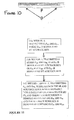
- the exemplary embodiments exploit the fact that the ACK/NACK and SR resources can be divided into a data part and a pilot part (e.g., RS sequence) containing a reference signal.
- a pilot part e.g., RS sequence
- Both the SR and the ACK/NACK resources can be divided into a data part ( D ) and a pilot part ( P ). Reference can be made to Figure 10 . Furthermore, it is preferred that both the SR and the ACK/NACK resource be within the same physical resource block.
- the exemplary embodiments of this invention provide a method, apparatus and computer programs for the UE 10 to indicate a DTX situation to the eNB 12.
- the UE transmits ACK/NACK information using an ACK/NACK resource
- the UE transmits the ACK/NACK information using a SR resource with the modulation constellation shown in either Figure 3 or Figure 5 for mapping a 1-bit ACK/NACK indication, or the modulation constellation shown in either Figure 4 or Figure 6 or Figure 12 for mapping a 2-bit ACK/NACK indication, where for the embodiment of Figure 6 and Figure 12 a constellation rearrangement is made over two slots.
- the eNB 12 is enabled to identify the possible DL grant failure by comparing signals at the SR only resource (periodic) and the ACK/NACK + SR resource (aperiodic), or by measuring the power of ACK/NACK + SR resource and comparing it to some predefined threshold value, or by comparing signals at the data and pilot parts of SR resource and at the data and pilot parts of the ACK/NACK resource.
- FIG. 11 is a logic flow diagram that illustrates the operation of a method, and a result of execution of computer program instructions, further in accordance with the exemplary embodiments of this invention.
- the UE transmits P AN and D AN , where D AN is modulated by ACK/NACK bits;
- the UE transmits P SR and D SR , where each of the SR and ACK/NACK resources is dividable into a data part ( D ) and a pilot part ( P ), and where the SR resource is denoted as containing P SR and D SR and the ACK/NACK resource is denoted as containing P AN and D AN.
- the eNB 12 is constructed and operated so as to receive and correctly interpret the UL signaling from the UE 10 for either or both of the embodiments shown in Figures 8, 9 and 11 .
- An exemplary embodiment in accordance with this invention is a method for signaling between a mobile apparatus (10) and a network node (12).
- the method includes generating a message that includes a first indication of a scheduling request. Determining whether a second indication is to be transmitted in a sub-frame with the first indication is also included.
- the second indication (e.g., an acknowledgment) indicates that a downlink resource allocation grant has succeeded and that each of at least one corresponding codeword has been detected correctly.
- the method includes, in response to a determination that the second indication is not to be included, the message is configured in a first configuration and in response to a determination that the second indication is to be included, the message also includes the second indication and the message is configured in a second configuration.
- the first configuration is distinct from the second configuration.
- the method also includes sending the message, via a wireless transmitter, in the sub-frame.
- the method also including determining whether a third indication is to be transmitted in a sub-frame with an indication of a scheduling request, where the third indication indicates that a downlink resource allocation grant has succeeded and that each of the at least one corresponding codeword has not been detected correctly.
- the message also includes the third indication and the message is configured in a third configuration.
- the message when the message is configured in either the second configuration or the third configuration, the message is sent using: acknowledge/negative-acknowledge physical uplink control channel resources when the scheduling request is a negative scheduling request, and scheduling request physical uplink control channel resources when the scheduling request is a positive scheduling request.
- the message when the message is configured in either the second configuration or the third configuration, the message is sent using: 1) a pilot part of the scheduling request resources and a data part of acknowledgement resources, or 2) a pilot part of the acknowledgement resources and a data part of the scheduling request resources.
- the first configuration is identical to the third configuration.
- the first configuration is distinct from the third configuration, and the second configuration is distinct from the third configuration.
- the first configuration, second configuration and third configuration are represented using a single modulation symbol.
- the first configuration, second configuration and third configuration are represented using two modulation symbols.
- the message when the message is configured in either the second configuration or the third configuration, the message is sent using periodic resources.
- a fourth configuration and/or a fifth configuration may be used to indicate that at least one corresponding codeword has been detected correctly and that at least one corresponding codeword has not been detected correctly.
- a further exemplary embodiment in accordance with this invention is an apparatus (10) for signaling between a mobile apparatus (10) and a network node (12).
- the apparatus (10) includes a message generating module configured to generate a message including a scheduling request.
- a determination module configured to determine whether an acknowledgement is to be transmitted in a same sub-frame as the message is also included.
- the message generating module is also configured: in response to a determination that the acknowledgement is not to be included, to configure the message in a first configuration, and in response to a determination that the acknowledgement is to be included, to configure the message in a second configuration that includes the acknowledgement.
- the first configuration is distinct from the second configuration.
- the determination module is also configured to determine whether a negative-acknowledgement is to be transmitted in the same sub-frame as the message; and the message generating module is also configured to configure the message in a third configuration that includes the negative-acknowledgement in response to a determination that the negative-acknowledgement is to be included.
- the apparatus (10) also includes a transmitter configured to, in response to the message being configured in either the second configuration or the third configuration, send the message using: acknowledge/negative-acknowledge physical uplink control channel resources when the scheduling request is a negative scheduling request, and scheduling request physical uplink control channel resources when the scheduling request is a positive scheduling request.
- the apparatus (10) also includes a transmitter (10D) configured to, in response to the message being configured in either the second configuration or the third configuration, send the message using: a pilot part of the scheduling request resources and a data part of acknowledgement resources, and a pilot part of the acknowledgement resources and a data part of the scheduling request resources.
- a transmitter (10D) configured to, in response to the message being configured in either the second configuration or the third configuration, send the message using: a pilot part of the scheduling request resources and a data part of acknowledgement resources, and a pilot part of the acknowledgement resources and a data part of the scheduling request resources.
- the message when the message is configured in either the second configuration or the third configuration, the message is sent using periodic resources.
- the first configuration is identical to the third configuration.
- the first configuration is distinct from the third configuration, and the second configuration is distinct from the third configuration.
- the first configuration, second configuration and third configuration are represented using a single modulation symbol.
- the first configuration, second configuration and third configuration are represented using two modulation symbols.
- the negative-acknowledgement indicates that a downlink resource allocation grant has succeeded and that each of at least one corresponding codeword has not been detected correctly
- the acknowledgement indicates that a downlink resource allocation grant has succeeded and that each of at least one corresponding codeword has been detected correctly
- the message generating module is also configured to configure the message in a fourth configuration and/or a fifth configuration in response to at least one corresponding codeword having been detected correctly and at least one corresponding codeword having not been detected correctly.
- An additional exemplary embodiment in accordance with this invention is a computer-readable medium tangibly encoding a computer program including program instructions, execution of the program instructions resulting in operations for signaling between a mobile apparatus (10) and a network node (12).
- the operations include generating a message including a scheduling request and determining whether an acknowledgement is to be transmitted in a same sub-frame as the scheduling request.
- the message is configured in a first configuration
- the message in response to a determination that the acknowledgement is to be included, the message is configured in a second configuration including the acknowledgement.
- the first configuration is distinct from the second configuration.
- the operations also include: determining whether a negative-acknowledgement is to be transmitted in the same sub-frame as the message; and in response to a determination that the negative-acknowledgement is to be included, the message is configured in a third configuration including the negative-acknowledgement.
- the message when the message is configured in either the second configuration or the third configuration, the message is sent using: acknowledge/negative-acknowledge physical uplink control channel resources when the scheduling request is a negative scheduling request, and scheduling request physical uplink control channel resources when the scheduling request is a positive scheduling request.
- the message when the message is configured in either the second configuration or the third configuration, the message is sent using: 1) a pilot part of the scheduling request resources and a data part of acknowledgement resources, or 2) a pilot part of the acknowledgement resources and a data part of the scheduling request resources.
- the message when the message is configured in either the second configuration or the third configuration, the message is sent using periodic resources.
- the first configuration is identical to the third configuration.
- the first configuration is distinct from the third configuration, and the second configuration is distinct from the third configuration.
- the first configuration, second configuration and third configuration are represented using a single modulation symbol.
- the first configuration, second configuration and third configuration are represented using two modulation symbols.
- the negative-acknowledgement indicates that a downlink resource allocation grant has succeeded and that each of at least one corresponding codeword has not been detected correctly
- the acknowledgement indicates that a downlink resource allocation grant has succeeded and that each of at least one corresponding codeword has been detected correctly
- the message is configured in a fourth configuration and/or a fifth configuration in response to at least one corresponding codeword having been detected correctly and at least one corresponding codeword having not been detected correctly.
- a further exemplary embodiment in accordance with this invention is an apparatus (10) for signaling between a mobile apparatus (10) and a network node (12).
- the apparatus (10) includes 32.
- An apparatus (10) includes message generation means (10F) for generating a message including a scheduling request; and first determining means (10E) for determining whether an acknowledgement is to be transmitted in a same sub-frame as the message.
- the message generation means (10F) is also for: configuring the message in a first configuration in response to a determination that the acknowledgement is not to be included, and configuring the message in a second configuration including the acknowledgement in response to a determination that the acknowledgement is to be included.
- the first configuration is distinct from the second configuration.
- the apparatus (10) also includes second determining means (10E) for determining whether a negative-acknowledgement is to be transmitted in the same sub-frame as the message.
- the message generation means (10F) is also for configuring the message in a third configuration including the negative-acknowledgement in response to a determination that the third indication is to be included.
- the apparatus (10) also includes sending means (10D) configured to, in response to the message being configured in either the second configuration or the third configuration, send the message using: acknowledge/negative-acknowledge physical uplink control channel resources when the scheduling request is a negative scheduling request, and scheduling request physical uplink control channel resources when the scheduling request is a positive scheduling request.
- sending means (10D) configured to, in response to the message being configured in either the second configuration or the third configuration, send the message using: acknowledge/negative-acknowledge physical uplink control channel resources when the scheduling request is a negative scheduling request, and scheduling request physical uplink control channel resources when the scheduling request is a positive scheduling request.
- the apparatus (10) also includes sending means (10D) configured to, in response to the message being configured in either the second configuration or the third configuration, send the message using: 1) a pilot part of the scheduling request resources and a data part of acknowledgement resources, or 2) a pilot part of the acknowledgement resources and a data part of the scheduling request resources.
- the message when the message is configured in either the second configuration or the third configuration, the message is sent using periodic resources.
- the first configuration is identical to the third configuration.
- the first configuration is distinct from the third configuration, and the second configuration is distinct from the third configuration.
- the first configuration, second configuration and third configuration are represented using a single modulation symbol.
- the first configuration, second configuration and third configuration are represented using two modulation symbols.
- the negative-acknowledgement indicates that a downlink resource allocation grant has succeeded and that each of at least one corresponding codeword has not been detected correctly
- the acknowledgement indicates that a downlink resource allocation grant has succeeded and that each of at least one corresponding codeword has been detected correctly
- the message generating module is also configured to configure the message in a fourth configuration and/or a fifth configuration in response to at least one corresponding codeword having been detected correctly and at least one corresponding codeword having not been detected correctly.
- the various exemplary embodiments may be implemented in hardware or special purpose circuits, software, logic or any combination thereof.
- some aspects may be implemented in hardware, while other aspects may be implemented in firmware or software which may be executed by a controller, microprocessor or other computing device, although the invention is not limited thereto.
- firmware or software which may be executed by a controller, microprocessor or other computing device, although the invention is not limited thereto.
- While various aspects of the exemplary embodiments of this invention may be illustrated and described as block diagrams, flow charts, or using some other pictorial representation, it is well understood that these blocks, apparatus, systems, techniques or methods described herein may be implemented in, as non-limiting examples, hardware, software, firmware, special purpose circuits or logic, general purpose hardware or controller or other computing devices, or some combination thereof.
- connection means any connection or coupling, either direct or indirect, between two or more elements, and may encompass the presence of one or more intermediate elements between two elements that are “connected” or “coupled” together.
- the coupling or connection between the elements can be physical, logical, or a combination thereof.
- two elements may be considered to be “connected” or “coupled” together by the use of one or more wires, cables and/or printed electrical connections, as well as by the use of electromagnetic energy, such as electromagnetic energy having wavelengths in the radio frequency region, the microwave region and the optical (both visible and invisible) region, as several non-limiting and non-exhaustive examples.
- the various names used for the described parameters are not intended to be limiting in any respect, as these parameters may be identified by any suitable names. Further, the formulas and expressions that use these various parameters may differ from those expressly disclosed herein. Further, the various names assigned to different channels (e.g., PUCCH, PUSCH, etc.) are not intended to be limiting in any respect, as these various channels may be identified by any suitable names.
Landscapes
- Engineering & Computer Science (AREA)
- Signal Processing (AREA)
- Computer Networks & Wireless Communication (AREA)
- Quality & Reliability (AREA)
- Mobile Radio Communication Systems (AREA)
- Digital Transmission Methods That Use Modulated Carrier Waves (AREA)
- Detection And Prevention Of Errors In Transmission (AREA)
Claims (21)
- Verfahren, umfassend:Erzeugen (10F) einer Nachricht, die eine erste Indikation einer Scheduling-Anforderung umfasst,Bestimmen (10E), ob eine zweite Indikation der Scheduling-Anforderung in einem Subrahmen mit der ersten Indikation zu senden ist, wobei die zweite Indikation angibt, dass eine Abwärtsstrecken-Betriebsmittelvergabegewährung erfolgreich gewesen ist und dass jedes von mindestens einem entsprechenden Codewort korrekt detektiert wurde;als Reaktion auf eine Bestimmung, dass die zweite Indikation nicht in die Nachricht aufzunehmen ist, wird die Nachricht in einer ersten Konfiguration konfiguriert undals Reaktion auf eine Bestimmung, dass die zweite Indikation in die Nachricht aufzunehmen ist, umfasst die Nachricht ferner die zweite Indikation und die Nachricht wird in einer zweiten Konfiguration konfiguriert,wobei die erste Konfiguration von der zweiten Konfiguration verschieden ist; undSenden der Nachricht über einen drahtlosen Sender in dem Subrahmen,dadurch gekennzeichnet, dass das Verfahren ferner umfasst zu bestimmen, ob eine dritte Indikation in einem Subrahmen mit der ersten Indikation einer Scheduling-Anforderung zu senden ist, wobei die dritte Indikation angibt, dass eine Abwärtsstrecken-Betriebsmittelvergabegewährung erfolgreich war und dass nicht jedes des mindestens einen entsprechenden Codeworts korrekt detektiert wurde;als Reaktion auf eine Bestimmung, dass die dritte Indikation in die Nachricht aufzunehmen ist, umfasst die Nachricht ferner die dritte Indikation und die Nachricht wird in einer dritten Konfiguration konfiguriert.
- Verfahren nach Anspruch 1, wobei, wenn die Nachricht in der zweiten Konfiguration oder der dritten Konfiguration konfiguriert wird, die Nachricht unter Verwendung von Folgendem gesendet wird:Bestätigungs- bzw. negative Bestätigungs-Betriebsmittel des physischen Aufwärtsstrecken-Steuerkanals, wenn die Scheduling-Anforderung eine negative Scheduling-Anforderung ist, undScheduling-Anforderungs-Betriebsmittel des physischen Aufwärtsstrecken-Steuerkanals, wenn die Scheduling-Anforderung eine positive Scheduling-Anforderung ist.
- Verfahren nach Anspruch 1, wobei, wenn die Nachricht in der zweiten Konfiguration oder der dritten Konfiguration konfiguriert wird, die Nachricht unter Verwendung einer der folgenden Alternativen gesendet wird:eines Pilotteils der Scheduling-Anforderungs-Betriebsmittel und eines Datenteils der Bestätigungs-Betriebsmittel undeines Pilotteils der Bestätigungs-Betriebsmittel und eines Datenteils der Scheduling-Anforderungs-Betriebsmittel.
- Verfahren nach einem der Ansprüche 1-3, wobei, wenn die Nachricht in der zweiten Konfiguration oder der dritten Konfiguration konfiguriert wird, die Nachricht unter Verwendung von periodischen Betriebsmitteln gesendet wird.
- Verfahren nach einem der Ansprüche 1-4, wobei das mindestens eine entsprechende Codewort mindestens zwei entsprechende Codewörter umfasst und das Verfahren ferner Folgendes umfasst:Bestimmen, ob eine vierte Indikation in einem Subrahmen mit einer Indikation einer Scheduling-Anforderung zu senden ist, wobei die vierte Indikation angibt, dass eine Abwärtsstrecken-Betriebsmittelvergabegewährung erfolgreich war, dass mindestens ein entsprechendes Codewort der mindestens zwei entsprechenden Codewörter nicht korrekt detektiert wurde und dass mindestens ein entsprechendes Codewort der mindestens zwei entsprechenden Codewörter korrekt detektiert wurde; undals Reaktion auf eine Bestimmung, dass die vierte Indikation aufzunehmen ist, umfasst die Nachricht ferner die vierte Indikation und die Nachricht wird in einer vierten Konfiguration konfiguriert.
- Computerlesbares Medium, das greifbar ein Computerprogramm codiert, das Programmanweisungen umfasst, wobei die Ausführung der Programmanweisungen zu Operationen führt, umfassend:Erzeugen (10F) einer Nachricht, die eine erste Indikation einer Scheduling-Anforderung umfasst,Bestimmen (10E), ob eine zweite Indikation der Scheduling-Anforderung in einem Subrahmen mit der ersten Indikation zu senden ist, wobei die zweite Indikation angibt, dass eine Abwärtsstrecken-Betriebsmittelvergabegewährung erfolgreich gewesen ist und dass jedes von mindestens einem entsprechenden Codewort korrekt detektiert wurde;als Reaktion auf eine Bestimmung, dass die zweite Indikation nicht in die Nachricht aufzunehmen ist, wird die Nachricht in einer ersten Konfiguration konfiguriert undals Reaktion auf eine Bestimmung, dass die zweite Indikation in die Nachricht aufzunehmen ist, umfasst die Nachricht ferner die zweite Indikation und die Nachricht wird in einer zweiten Konfiguration konfiguriert,wobei die erste Konfiguration von der zweiten Konfiguration verschieden ist; undSenden der Nachricht über einen drahtlosen Sender in dem Subrahmen,dadurch gekennzeichnet, dass die Ausführung der Programmanweisungen zu Operationen führt, ferner umfassend zu bestimmen, ob eine dritte Indikation in einem Subrahmen mit der ersten Indikation einer Scheduling-Anforderung zu senden ist, wobei die dritte Indikation angibt, dass eine Abwärtsstrecken-Betriebsmittelvergabegewährung erfolgreich war und dass nicht jedes des mindestens einen entsprechenden Codeworts korrekt detektiert wurde;als Reaktion auf eine Bestimmung, dass die dritte Indikation in die Nachricht aufzunehmen ist, umfasst die Nachricht ferner die dritte Indikation und die Nachricht wird in einer dritten Konfiguration konfiguriert.
- Computerlesbares Medium nach Anspruch 6, wobei die Operationen ferner Folgendes umfassen:Bestimmen, ob eine Negativ-Bestätigung in demselben Subrahmen wie die Nachricht zu senden ist; undals Reaktion auf eine Bestimmung, dass die Negativ-Bestätigung aufzunehmen ist, wird die Nachricht in einer dritten Konfiguration konfiguriert, die die Negativ-Bestätigung umfasst.
- Computerlesbares Medium nach Anspruch 7, wobei, wenn die Nachricht in der zweiten Konfiguration oder der dritten Konfiguration konfiguriert wird, die Nachricht unter Verwendung von Folgendem gesendet wird:Bestätigungs- bzw. negative Bestätigungs-Betriebsmittel des physischen Aufwärtsstrecken-Steuerkanals, wenn die Scheduling-Anforderung eine negative Scheduling-Anforderung ist, undScheduling-Anforderungs-Betriebsmittel des physischen Aufwärtsstrecken-Steuerkanals, wenn die Scheduling-Anforderung eine positive Scheduling-Anforderung ist.
- Computerlesbares Medium nach Anspruch 7, wobei, wenn die Nachricht in der zweiten Konfiguration oder der dritten Konfiguration konfiguriert wird, die Nachricht unter Verwendung einer der folgenden Alternativen gesendet wird:eines Pilotteils der Scheduling-Anforderungs-Betriebsmittel und eines Datenteils der Bestätigungs-Betriebsmittel undeines Pilotteils der Bestätigungs-Betriebsmittel und eines Datenteils der Scheduling-Anforderungs-Betriebsmittel.
- Computerlesbares Medium nach einem der Ansprüche 7-9, wobei, wenn die Nachricht in der zweiten Konfiguration oder der dritten Konfiguration konfiguriert wird, die Nachricht unter Verwendung von periodischen Betriebsmitteln gesendet wird.
- Computerlesbares Medium nach einem der Ansprüche 6-10, wobei die Negativ-Bestätigung angibt, dass eine Abwärtsstrecken-Betriebsmittelvergabegewährung erfolgreich war und dass nicht jedes von mindestens einem entsprechenden Codewort korrekt detektiert wurde.
- Computerlesbares Medium nach einem der Ansprüche 6-11, wobei die Bestätigung angibt, dass eine Abwärtsstecken-Betriebsmittelvergabegewährung erfolgreich war und dass jedes von mindestens einem entsprechenden Codewort korrekt detektiert wurde.
- Computerlesbares Medium nach einem der Ansprüche 6-12, wobei die Operationen ferner Folgendes umfassen:Bestimmen, ob eine Kombination Bestätigung und Negativ-Bestätigung in demselben Subrahmen wie die Nachricht zu senden ist; undals Reaktion auf eine Bestimmung, dass die Kombination Bestätigung und Negativ-Bestätigung aufzunehmen ist, wird die Nachricht in einer vierten Konfiguration konfiguriert, die die Kombination Bestätigung und Negativ-Bestätigung umfasst.
- Vorrichtung (10), umfassend:ein Nachrichtenerzeugungsmittel (10F) zum Erzeugen einer Nachricht, die eine erste Indikation einer Scheduling-Anforderung umfasst; undein erstes Bestimmungsmittel (10E) zum Bestimmen, ob eine zweite Indikation der Scheduling-Anforderung in einem selben Subrahmen wie die Nachricht zu senden ist,wobei die zweite Indikation angibt, dass eine Abwärtsstrecken-Betriebsmittelvergabegewährung erfolgreich war und dass jedes von mindestens einem entsprechenden Codewort korrekt detektiert wurde;wobei das Nachrichtenerzeugungsmittel (10F) ferner für Folgendes ausgelegt ist:Konfigurieren der Nachricht in einer ersten Konfiguration als Reaktion auf eine Bestimmung, dass die zweite Indikation nicht in die Nachricht aufzunehmen ist; undKonfigurieren der Nachricht in einer zweiten Konfiguration, die die zweite Indikation umfasst, als Reaktion auf eine Bestimmung, dass die zweite Indikation in die Nachricht aufzunehmen ist,wobei die erste Konfiguration von der zweiten Konfiguration verschieden ist,dadurch gekennzeichnet, dass das Bestimmungsmittel (10E) dafür ausgelegt ist, zu bestimmen, ob eine dritte Indikation in einem Subrahmen mit der ersten Indikation einer Scheduling-Anforderung zu senden ist, wobei die dritte Indikation angibt, dass eine Abwärtsstrecken-Betriebsmittelvergabegewährung erfolgreich war und dass nicht jedes des mindestens einen entsprechenden Codeworts korrekt detektiert wurde; undals Reaktion auf eine Bestimmung, dass die dritte Indikation in die Nachricht aufzunehmen ist, ist das Nachrichtenerzeugungsmittel (10F) ferner dafür ausgelegt, die dritte Indikation in die Nachricht aufzunehmen und die Nachricht in einer dritten Konfiguration zu konfigurieren.
- Vorrichtung (10) nach Anspruch 14, ferner umfassend:ein zweites Bestimmungsmittel (10E) zum Bestimmen, ob eine Negativ-Bestätigung in demselben Subrahmen wie die Nachricht zu senden ist,wobei das Nachrichtenerzeugungsmittel (10F) ferner als Reaktion auf eine Bestimmung, dass die Negativ-Bestätigung aufzunehmen ist, ferner zum Konfigurieren der Nachricht in einer dritten Konfiguration, die die Negativ-Bestätigung umfasst, dient.
- Vorrichtung (10) nach Anspruch 15, die ferner ein Sendemittel (10D) umfasst, das als Reaktion darauf, dass die Nachricht in der zweiten Konfiguration oder der dritten Konfiguration konfiguriert wird, dafür ausgelegt ist, die Nachricht unter Verwendung von Folgendem zu senden:Bestätigungs- bzw. negative Bestätigungs-Betriebsmittel des physischen Aufwärtsstrecken-Steuerkanals, wenn die Scheduling-Anforderung eine negative Scheduling-Anforderung ist, undScheduling-Anforderungs-Betriebsmittel des physischen Aufwärtsstrecken-Steuerkanals, wenn die Scheduling-Anforderung eine positive Scheduling-Anforderung ist.
- Vorrichtung (10) nach Anspruch 15, die ferner ein Sendemittel (10D) umfasst, das als Reaktion darauf, dass die Nachricht in der zweiten Konfiguration oder der dritten Konfiguration konfiguriert wird, dafür ausgelegt ist, die Nachricht unter Verwendung einer der folgenden Alternativen zu senden:eines Pilotteils der Scheduling-Anforderungs-Betriebsmittel und eines Datenteils der Bestätigungs-Betriebsmittel undeines Pilotteils der Bestätigungs-Betriebsmittel und eines Datenteils der Scheduling-Anforderungs-Betriebsmittel.
- Vorrichtung (10) nach einem der Ansprüche 15-17, wobei, wenn die Nachricht in der zweiten Konfiguration oder der dritten Konfiguration konfiguriert wird, die Nachricht unter Verwendung von periodischen Betriebsmitteln gesendet wird.
- Vorrichtung (10) nach einem der Ansprüche 15-18, wobei die Negativ-Bestätigung angibt, dass eine Abwärtsstrecken-Betriebsmittelvergabegewährung erfolgreich war und dass nicht jedes von mindestens einem entsprechenden Codewort korrekt detektiert wurde.
- Vorrichtung (10) nach einem der Ansprüche 16-19, wobei die Bestätigung angibt, dass die Abwärtsstecken-Betriebsmittelvergabegewährung erfolgreich war und dass jedes von mindestens einem entsprechenden Codewort korrekt detektiert wurde.
- Vorrichtung (10) nach einem der Ansprüche 14-20, ferner umfassend:ein drittes Bestimmungsmittel (10E) zum Bestimmen, ob eine Kombination Bestätigung und Negativ-Bestätigung in demselben Subrahmen wie die Nachricht zu senden ist,wobei das Nachrichtenerzeugungsmittel (10F) als Reaktion auf eine Bestimmung, dass die Kombination Bestätigung und Negativ-Bestätigung aufzunehmen ist,ferner zum Konfigurieren der Nachricht in einer vierten Konfiguration dient, die die Kombination Bestätigung und Negativ-Bestätigung umfasst.
Applications Claiming Priority (3)
| Application Number | Priority Date | Filing Date | Title |
|---|---|---|---|
| US6371208P | 2008-02-05 | 2008-02-05 | |
| US6688008P | 2008-02-22 | 2008-02-22 | |
| PCT/EP2009/051242 WO2009098219A2 (en) | 2008-02-05 | 2009-02-04 | Dtx detection when ack/nack is transmitted with scheduling request |
Publications (2)
| Publication Number | Publication Date |
|---|---|
| EP2243243A2 EP2243243A2 (de) | 2010-10-27 |
| EP2243243B1 true EP2243243B1 (de) | 2013-01-02 |
Family
ID=40952494
Family Applications (1)
| Application Number | Title | Priority Date | Filing Date |
|---|---|---|---|
| EP09708410A Active EP2243243B1 (de) | 2008-02-05 | 2009-02-04 | Übertragung von planungsanfragenanweisungen |
Country Status (13)
| Country | Link |
|---|---|
| US (1) | US8121082B2 (de) |
| EP (1) | EP2243243B1 (de) |
| JP (1) | JP5337168B2 (de) |
| KR (1) | KR101156785B1 (de) |
| CN (1) | CN101939937B (de) |
| AU (1) | AU2009211412B2 (de) |
| BR (1) | BRPI0907368B1 (de) |
| CA (1) | CA2713078C (de) |
| ES (1) | ES2407638T3 (de) |
| MX (1) | MX2010008566A (de) |
| RU (1) | RU2452105C2 (de) |
| WO (1) | WO2009098219A2 (de) |
| ZA (1) | ZA201005267B (de) |
Families Citing this family (28)
| Publication number | Priority date | Publication date | Assignee | Title |
|---|---|---|---|---|
| ES2674377T3 (es) | 2008-05-30 | 2018-06-29 | Interdigital Patent Holdings, Inc. | Método y aparato para la notificación de entrega de retransmisión de estrato de no acceso |
| CN104038323B (zh) | 2009-04-21 | 2018-01-05 | 光学无线技术有限责任公司 | 终端、基站及在其中使用的方法 |
| WO2011041623A1 (en) | 2009-10-01 | 2011-04-07 | Interdigital Patent Holdings, Inc. | Uplink control data transmission |
| PL3179769T3 (pl) | 2009-10-02 | 2019-03-29 | Sun Patent Trust | Stacja bazowa i sposób sterowania ponownym przesyłaniem |
| EP2326037A1 (de) * | 2009-11-18 | 2011-05-25 | Telefonaktiebolaget L M Ericsson (publ) | Verfahren und Basisstation zur Detektion eines HARQ-ACK Kodewortes |
| KR101782645B1 (ko) * | 2010-01-17 | 2017-09-28 | 엘지전자 주식회사 | 무선 통신 시스템에서 상향링크 제어 정보 전송 방법 및 장치 |
| CN102754384B (zh) * | 2010-02-16 | 2015-10-07 | 瑞典爱立信有限公司 | 具有用于dtx和ack/nack的不对等差错保护的用两个分开的码字将harq反馈信息编码的技术 |
| CN102215595A (zh) | 2010-04-07 | 2011-10-12 | 北京三星通信技术研究有限公司 | 一种上行调度请求传输方法 |
| US8982804B2 (en) * | 2010-04-08 | 2015-03-17 | Lg Electronics Inc. | Method and apparatus for transmitting and receiving uplink control information in wireless communication system |
| KR101835322B1 (ko) * | 2010-04-08 | 2018-03-07 | 엘지전자 주식회사 | 무선 통신 시스템에서 상향링크 제어 정보 송수신 방법 및 장치 |
| US20120113909A1 (en) * | 2010-05-06 | 2012-05-10 | Yu-Chih Jen | Method of Handling an Uplink Control Channel and Related Communication Device |
| CN102263769B (zh) * | 2010-05-25 | 2014-04-02 | 电信科学技术研究院 | 一种接收信号的方法和设备 |
| CN103026650B (zh) * | 2010-07-26 | 2016-06-08 | Lg电子株式会社 | 在无线通信系统中发送扩展上行链路控制信息的方法和设备 |
| WO2012015216A2 (ko) * | 2010-07-26 | 2012-02-02 | 엘지전자 주식회사 | 제어 정보를 전송하는 방법 및 이를 위한 장치 |
| US8670410B2 (en) * | 2010-09-17 | 2014-03-11 | Qualcomm Incorporated | Uplink control channel resource mapping for carrier aggregation |
| CN102404074B (zh) * | 2010-09-17 | 2014-06-18 | 电信科学技术研究院 | Tdd系统中的非周期srs的传输方法和设备 |
| KR20130118878A (ko) * | 2010-10-08 | 2013-10-30 | 엘지전자 주식회사 | 제어 정보를 전송하는 방법 및 이를 위한 장치 |
| CN103179672B (zh) * | 2011-12-23 | 2016-03-02 | 华为技术有限公司 | 通信方法、基站和用户设备 |
| US9065545B2 (en) * | 2012-03-12 | 2015-06-23 | Blackberry Limited | Handling scheduling request collisions with an ACK/NACK repetition signal |
| KR20130143283A (ko) | 2012-06-21 | 2013-12-31 | 주식회사 팬택 | 제어 신호 동시 전송 방법, 그 단말, 제어 신호 수신 방법, 및 그 기지국 |
| US9065645B2 (en) | 2012-09-27 | 2015-06-23 | Motorola Solutions, Inc. | Method and apparatus for providing acknowledgement information to radio communication devices in a wireless communication system |
| US9578650B2 (en) | 2013-09-04 | 2017-02-21 | Nokia Solutions And Networks Oy | Coordinated scheduling with adaptive muting |
| US20150065108A1 (en) * | 2013-09-04 | 2015-03-05 | Nokia Siemens Networks Oy | Coordinated scheduling with adaptive muting |
| US10555334B2 (en) * | 2015-04-27 | 2020-02-04 | Kyocera Corporation | Radio terminal, base station, and processor |
| CN107872845B (zh) * | 2016-09-27 | 2021-11-19 | 华为技术有限公司 | 信号发送方法及装置 |
| CN109995484B (zh) * | 2017-12-29 | 2021-01-22 | 电信科学技术研究院 | 一种数据传输、接收方法、终端及基站 |
| US11329858B2 (en) | 2018-02-16 | 2022-05-10 | Telefonaktiebolaget Lm Ericsson (Publ) | Quardrature phase-shifting keying reception for non-equiprobable bit reception |
| CN113055133B (zh) * | 2021-03-11 | 2022-10-14 | 宸芯科技有限公司 | 混合自动重传请求harq响应方法、装置、设备及介质 |
Family Cites Families (6)
| Publication number | Priority date | Publication date | Assignee | Title |
|---|---|---|---|---|
| ES2364869T3 (es) * | 2003-08-05 | 2011-09-15 | Qualcomm Incorporated | Canal extendido de confirmación de recepción y control de tasa de transmisión. |
| US7315527B2 (en) | 2003-08-05 | 2008-01-01 | Qualcomm Incorporated | Extended acknowledgement and rate control channel |
| KR100714675B1 (ko) * | 2004-01-30 | 2007-05-07 | 삼성전자주식회사 | 데이터 프레임 재전송 방법 및 상기 방법을 사용하는네트워크 장치 |
| DE602004018325D1 (de) | 2004-11-03 | 2009-01-22 | Panasonic Corp | HARQ Protokolloptimierung für Paketdatenübertragung |
| RU2302697C2 (ru) * | 2005-05-13 | 2007-07-10 | Федеральное государственное унитарное предприятие "Научно-производственное предприятие "Полет" | Способ радиосвязи и устройство для его осуществления |
| US8031680B2 (en) * | 2006-05-18 | 2011-10-04 | Motorola Mobility, Inc. | Communicating non-scheduling information in wireless networks |
-
2009
- 2009-02-03 US US12/322,544 patent/US8121082B2/en active Active
- 2009-02-04 MX MX2010008566A patent/MX2010008566A/es active IP Right Grant
- 2009-02-04 CA CA2713078A patent/CA2713078C/en active Active
- 2009-02-04 AU AU2009211412A patent/AU2009211412B2/en active Active
- 2009-02-04 BR BRPI0907368-0A patent/BRPI0907368B1/pt active IP Right Grant
- 2009-02-04 ES ES09708410T patent/ES2407638T3/es active Active
- 2009-02-04 CN CN2009801042969A patent/CN101939937B/zh active Active
- 2009-02-04 KR KR1020107019842A patent/KR101156785B1/ko active Active
- 2009-02-04 RU RU2010136174/08A patent/RU2452105C2/ru active
- 2009-02-04 WO PCT/EP2009/051242 patent/WO2009098219A2/en not_active Ceased
- 2009-02-04 EP EP09708410A patent/EP2243243B1/de active Active
- 2009-02-04 JP JP2010545453A patent/JP5337168B2/ja active Active
-
2010
- 2010-07-23 ZA ZA2010/05267A patent/ZA201005267B/en unknown
Also Published As
| Publication number | Publication date |
|---|---|
| RU2010136174A (ru) | 2012-03-20 |
| BRPI0907368A2 (pt) | 2015-07-14 |
| CN101939937B (zh) | 2013-10-30 |
| MX2010008566A (es) | 2010-08-31 |
| KR101156785B1 (ko) | 2012-06-18 |
| CA2713078C (en) | 2015-07-21 |
| ES2407638T3 (es) | 2013-06-13 |
| RU2452105C2 (ru) | 2012-05-27 |
| CN101939937A (zh) | 2011-01-05 |
| WO2009098219A3 (en) | 2010-02-25 |
| AU2009211412B2 (en) | 2014-04-24 |
| CA2713078A1 (en) | 2009-08-13 |
| BRPI0907368B1 (pt) | 2020-09-29 |
| JP2011515033A (ja) | 2011-05-12 |
| JP5337168B2 (ja) | 2013-11-06 |
| ZA201005267B (en) | 2011-03-30 |
| AU2009211412A1 (en) | 2009-08-13 |
| US8121082B2 (en) | 2012-02-21 |
| KR20100108616A (ko) | 2010-10-07 |
| EP2243243A2 (de) | 2010-10-27 |
| WO2009098219A2 (en) | 2009-08-13 |
| US20090219897A1 (en) | 2009-09-03 |
Similar Documents
| Publication | Publication Date | Title |
|---|---|---|
| EP2243243B1 (de) | Übertragung von planungsanfragenanweisungen | |
| CN102461044B (zh) | 用于pucch信道上的多个ack/nack的传输的资源选择 | |
| JP6629336B2 (ja) | グループ肯定応答/否定応答、およびgack/チャネル状態情報をトリガすること | |
| CN101578803B (zh) | 提供控制信令的方法和装置 | |
| CN104737487B (zh) | 解码多个子帧中控制信道的方法和用户设备 | |
| EP2329675B1 (de) | Optimierte uplink-steuersignalisierung für erweiterte bandbreiten | |
| AU2009211468B2 (en) | ACK/NACK channelization for resource blocks containing both ACK/NACK and CQI | |
| CN103733709B (zh) | 终端装置和发送方法 | |
| WO2009101581A1 (en) | Rach preamble response with flexible ul allocation | |
| EP2168291B1 (de) | Verfahren und vorrichtung zum vorsehen einer impliziten negativen empfangsquittierung | |
| CN104935401B (zh) | 一种设备对设备通信中用于传输数据的方法和设备 | |
| WO2009040735A2 (en) | Downlink control channel-to-resource element mapping | |
| WO2018174673A1 (en) | Method and apparatus for detecting downlink control signal in wireless communication system | |
| CN103548380B (zh) | 终端装置和响应信号发送方法 | |
| HK1148890B (en) | Rach preamble response with flexible ul allocation |
Legal Events
| Date | Code | Title | Description |
|---|---|---|---|
| PUAI | Public reference made under article 153(3) epc to a published international application that has entered the european phase |
Free format text: ORIGINAL CODE: 0009012 |
|
| 17P | Request for examination filed |
Effective date: 20100906 |
|
| AK | Designated contracting states |
Kind code of ref document: A2 Designated state(s): AT BE BG CH CY CZ DE DK EE ES FI FR GB GR HR HU IE IS IT LI LT LU LV MC MK MT NL NO PL PT RO SE SI SK TR |
|
| AX | Request for extension of the european patent |
Extension state: AL BA RS |
|
| 17Q | First examination report despatched |
Effective date: 20110224 |
|
| DAX | Request for extension of the european patent (deleted) | ||
| GRAP | Despatch of communication of intention to grant a patent |
Free format text: ORIGINAL CODE: EPIDOSNIGR1 |
|
| GRAS | Grant fee paid |
Free format text: ORIGINAL CODE: EPIDOSNIGR3 |
|
| GRAA | (expected) grant |
Free format text: ORIGINAL CODE: 0009210 |
|
| AK | Designated contracting states |
Kind code of ref document: B1 Designated state(s): AT BE BG CH CY CZ DE DK EE ES FI FR GB GR HR HU IE IS IT LI LT LU LV MC MK MT NL NO PL PT RO SE SI SK TR |
|
| REG | Reference to a national code |
Ref country code: GB Ref legal event code: FG4D |
|
| REG | Reference to a national code |
Ref country code: CH Ref legal event code: EP Ref country code: AT Ref legal event code: REF Ref document number: 592104 Country of ref document: AT Kind code of ref document: T Effective date: 20130115 |
|
| REG | Reference to a national code |
Ref country code: IE Ref legal event code: FG4D |
|
| REG | Reference to a national code |
Ref country code: DE Ref legal event code: R096 Ref document number: 602009012426 Country of ref document: DE Effective date: 20130228 |
|
| REG | Reference to a national code |
Ref country code: AT Ref legal event code: MK05 Ref document number: 592104 Country of ref document: AT Kind code of ref document: T Effective date: 20130102 |
|
| REG | Reference to a national code |
Ref country code: NL Ref legal event code: T3 |
|
| PG25 | Lapsed in a contracting state [announced via postgrant information from national office to epo] |
Ref country code: SI Free format text: LAPSE BECAUSE OF FAILURE TO SUBMIT A TRANSLATION OF THE DESCRIPTION OR TO PAY THE FEE WITHIN THE PRESCRIBED TIME-LIMIT Effective date: 20130102 |
|
| REG | Reference to a national code |
Ref country code: ES Ref legal event code: FG2A Ref document number: 2407638 Country of ref document: ES Kind code of ref document: T3 Effective date: 20130613 |
|
| REG | Reference to a national code |
Ref country code: LT Ref legal event code: MG4D |
|
| PG25 | Lapsed in a contracting state [announced via postgrant information from national office to epo] |
Ref country code: NO Free format text: LAPSE BECAUSE OF FAILURE TO SUBMIT A TRANSLATION OF THE DESCRIPTION OR TO PAY THE FEE WITHIN THE PRESCRIBED TIME-LIMIT Effective date: 20130402 Ref country code: SE Free format text: LAPSE BECAUSE OF FAILURE TO SUBMIT A TRANSLATION OF THE DESCRIPTION OR TO PAY THE FEE WITHIN THE PRESCRIBED TIME-LIMIT Effective date: 20130102 Ref country code: AT Free format text: LAPSE BECAUSE OF FAILURE TO SUBMIT A TRANSLATION OF THE DESCRIPTION OR TO PAY THE FEE WITHIN THE PRESCRIBED TIME-LIMIT Effective date: 20130102 Ref country code: LT Free format text: LAPSE BECAUSE OF FAILURE TO SUBMIT A TRANSLATION OF THE DESCRIPTION OR TO PAY THE FEE WITHIN THE PRESCRIBED TIME-LIMIT Effective date: 20130102 Ref country code: BE Free format text: LAPSE BECAUSE OF FAILURE TO SUBMIT A TRANSLATION OF THE DESCRIPTION OR TO PAY THE FEE WITHIN THE PRESCRIBED TIME-LIMIT Effective date: 20130102 Ref country code: BG Free format text: LAPSE BECAUSE OF FAILURE TO SUBMIT A TRANSLATION OF THE DESCRIPTION OR TO PAY THE FEE WITHIN THE PRESCRIBED TIME-LIMIT Effective date: 20130402 Ref country code: IS Free format text: LAPSE BECAUSE OF FAILURE TO SUBMIT A TRANSLATION OF THE DESCRIPTION OR TO PAY THE FEE WITHIN THE PRESCRIBED TIME-LIMIT Effective date: 20130502 Ref country code: CZ Free format text: LAPSE BECAUSE OF FAILURE TO SUBMIT A TRANSLATION OF THE DESCRIPTION OR TO PAY THE FEE WITHIN THE PRESCRIBED TIME-LIMIT Effective date: 20130102 |
|
| PG25 | Lapsed in a contracting state [announced via postgrant information from national office to epo] |
Ref country code: PT Free format text: LAPSE BECAUSE OF FAILURE TO SUBMIT A TRANSLATION OF THE DESCRIPTION OR TO PAY THE FEE WITHIN THE PRESCRIBED TIME-LIMIT Effective date: 20130502 Ref country code: LV Free format text: LAPSE BECAUSE OF FAILURE TO SUBMIT A TRANSLATION OF THE DESCRIPTION OR TO PAY THE FEE WITHIN THE PRESCRIBED TIME-LIMIT Effective date: 20130102 Ref country code: PL Free format text: LAPSE BECAUSE OF FAILURE TO SUBMIT A TRANSLATION OF THE DESCRIPTION OR TO PAY THE FEE WITHIN THE PRESCRIBED TIME-LIMIT Effective date: 20130102 Ref country code: GR Free format text: LAPSE BECAUSE OF FAILURE TO SUBMIT A TRANSLATION OF THE DESCRIPTION OR TO PAY THE FEE WITHIN THE PRESCRIBED TIME-LIMIT Effective date: 20130403 Ref country code: FI Free format text: LAPSE BECAUSE OF FAILURE TO SUBMIT A TRANSLATION OF THE DESCRIPTION OR TO PAY THE FEE WITHIN THE PRESCRIBED TIME-LIMIT Effective date: 20130102 |
|
| PG25 | Lapsed in a contracting state [announced via postgrant information from national office to epo] |
Ref country code: MC Free format text: LAPSE BECAUSE OF NON-PAYMENT OF DUE FEES Effective date: 20130228 Ref country code: HR Free format text: LAPSE BECAUSE OF FAILURE TO SUBMIT A TRANSLATION OF THE DESCRIPTION OR TO PAY THE FEE WITHIN THE PRESCRIBED TIME-LIMIT Effective date: 20130102 |
|
| REG | Reference to a national code |
Ref country code: CH Ref legal event code: PL |
|
| PG25 | Lapsed in a contracting state [announced via postgrant information from national office to epo] |
Ref country code: EE Free format text: LAPSE BECAUSE OF FAILURE TO SUBMIT A TRANSLATION OF THE DESCRIPTION OR TO PAY THE FEE WITHIN THE PRESCRIBED TIME-LIMIT Effective date: 20130102 Ref country code: RO Free format text: LAPSE BECAUSE OF FAILURE TO SUBMIT A TRANSLATION OF THE DESCRIPTION OR TO PAY THE FEE WITHIN THE PRESCRIBED TIME-LIMIT Effective date: 20130102 Ref country code: DK Free format text: LAPSE BECAUSE OF FAILURE TO SUBMIT A TRANSLATION OF THE DESCRIPTION OR TO PAY THE FEE WITHIN THE PRESCRIBED TIME-LIMIT Effective date: 20130102 Ref country code: SK Free format text: LAPSE BECAUSE OF FAILURE TO SUBMIT A TRANSLATION OF THE DESCRIPTION OR TO PAY THE FEE WITHIN THE PRESCRIBED TIME-LIMIT Effective date: 20130102 Ref country code: LI Free format text: LAPSE BECAUSE OF NON-PAYMENT OF DUE FEES Effective date: 20130228 Ref country code: CH Free format text: LAPSE BECAUSE OF NON-PAYMENT OF DUE FEES Effective date: 20130228 |
|
| PLBE | No opposition filed within time limit |
Free format text: ORIGINAL CODE: 0009261 |
|
| STAA | Information on the status of an ep patent application or granted ep patent |
Free format text: STATUS: NO OPPOSITION FILED WITHIN TIME LIMIT |
|
| RAP2 | Party data changed (patent owner data changed or rights of a patent transferred) |
Owner name: NOKIA SOLUTIONS AND NETWORKS OY |
|
| PG25 | Lapsed in a contracting state [announced via postgrant information from national office to epo] |
Ref country code: CY Free format text: LAPSE BECAUSE OF FAILURE TO SUBMIT A TRANSLATION OF THE DESCRIPTION OR TO PAY THE FEE WITHIN THE PRESCRIBED TIME-LIMIT Effective date: 20130102 |
|
| REG | Reference to a national code |
Ref country code: IE Ref legal event code: MM4A |
|
| 26N | No opposition filed |
Effective date: 20131003 |
|
| PG25 | Lapsed in a contracting state [announced via postgrant information from national office to epo] |
Ref country code: IT Free format text: LAPSE BECAUSE OF FAILURE TO SUBMIT A TRANSLATION OF THE DESCRIPTION OR TO PAY THE FEE WITHIN THE PRESCRIBED TIME-LIMIT Effective date: 20130102 |
|
| REG | Reference to a national code |
Ref country code: DE Ref legal event code: R097 Ref document number: 602009012426 Country of ref document: DE Effective date: 20131003 |
|
| PG25 | Lapsed in a contracting state [announced via postgrant information from national office to epo] |
Ref country code: IE Free format text: LAPSE BECAUSE OF NON-PAYMENT OF DUE FEES Effective date: 20130204 |
|
| REG | Reference to a national code |
Ref country code: DE Ref legal event code: R081 Ref document number: 602009012426 Country of ref document: DE Owner name: NOKIA SOLUTIONS AND NETWORKS OY, FI Free format text: FORMER OWNER: NOKIA SIEMENS NETWORKS OY, ESPOO, FI Effective date: 20140521 |
|
| PG25 | Lapsed in a contracting state [announced via postgrant information from national office to epo] |
Ref country code: MT Free format text: LAPSE BECAUSE OF FAILURE TO SUBMIT A TRANSLATION OF THE DESCRIPTION OR TO PAY THE FEE WITHIN THE PRESCRIBED TIME-LIMIT Effective date: 20130102 |
|
| REG | Reference to a national code |
Ref country code: ES Ref legal event code: PC2A Owner name: NOKIA SOLUTIONS AND NETWORKS OY Effective date: 20141121 |
|
| REG | Reference to a national code |
Ref country code: FR Ref legal event code: CD Owner name: NOKIA SOLUTIONS AND NETWORKS OY, FI Effective date: 20141201 |
|
| REG | Reference to a national code |
Ref country code: NL Ref legal event code: TD Effective date: 20150126 |
|
| PG25 | Lapsed in a contracting state [announced via postgrant information from national office to epo] |
Ref country code: TR Free format text: LAPSE BECAUSE OF FAILURE TO SUBMIT A TRANSLATION OF THE DESCRIPTION OR TO PAY THE FEE WITHIN THE PRESCRIBED TIME-LIMIT Effective date: 20130102 |
|
| PG25 | Lapsed in a contracting state [announced via postgrant information from national office to epo] |
Ref country code: MK Free format text: LAPSE BECAUSE OF FAILURE TO SUBMIT A TRANSLATION OF THE DESCRIPTION OR TO PAY THE FEE WITHIN THE PRESCRIBED TIME-LIMIT Effective date: 20130102 Ref country code: HU Free format text: LAPSE BECAUSE OF FAILURE TO SUBMIT A TRANSLATION OF THE DESCRIPTION OR TO PAY THE FEE WITHIN THE PRESCRIBED TIME-LIMIT; INVALID AB INITIO Effective date: 20090204 Ref country code: LU Free format text: LAPSE BECAUSE OF NON-PAYMENT OF DUE FEES Effective date: 20130204 |
|
| REG | Reference to a national code |
Ref country code: FR Ref legal event code: PLFP Year of fee payment: 8 |
|
| REG | Reference to a national code |
Ref country code: FR Ref legal event code: PLFP Year of fee payment: 9 |
|
| REG | Reference to a national code |
Ref country code: FR Ref legal event code: PLFP Year of fee payment: 10 |
|
| P01 | Opt-out of the competence of the unified patent court (upc) registered |
Effective date: 20230527 |
|
| PGFP | Annual fee paid to national office [announced via postgrant information from national office to epo] |
Ref country code: FR Payment date: 20251231 Year of fee payment: 18 |
|
| PGFP | Annual fee paid to national office [announced via postgrant information from national office to epo] |
Ref country code: NL Payment date: 20260106 Year of fee payment: 18 |
|
| PGFP | Annual fee paid to national office [announced via postgrant information from national office to epo] |
Ref country code: GB Payment date: 20260106 Year of fee payment: 18 |
|
| PGFP | Annual fee paid to national office [announced via postgrant information from national office to epo] |
Ref country code: ES Payment date: 20260310 Year of fee payment: 18 |
|
| PGFP | Annual fee paid to national office [announced via postgrant information from national office to epo] |
Ref country code: DE Payment date: 20251230 Year of fee payment: 18 |