EP2242491B1 - Novel use of 3,3'-diindolylmethane - Google Patents
Novel use of 3,3'-diindolylmethane Download PDFInfo
- Publication number
- EP2242491B1 EP2242491B1 EP09713416A EP09713416A EP2242491B1 EP 2242491 B1 EP2242491 B1 EP 2242491B1 EP 09713416 A EP09713416 A EP 09713416A EP 09713416 A EP09713416 A EP 09713416A EP 2242491 B1 EP2242491 B1 EP 2242491B1
- Authority
- EP
- European Patent Office
- Prior art keywords
- composition
- dim
- hearing loss
- age
- diindolylmethane
- Prior art date
- Legal status (The legal status is an assumption and is not a legal conclusion. Google has not performed a legal analysis and makes no representation as to the accuracy of the status listed.)
- Not-in-force
Links
Images
Classifications
-
- A—HUMAN NECESSITIES
- A61—MEDICAL OR VETERINARY SCIENCE; HYGIENE
- A61K—PREPARATIONS FOR MEDICAL, DENTAL OR TOILETRY PURPOSES
- A61K31/00—Medicinal preparations containing organic active ingredients
- A61K31/33—Heterocyclic compounds
- A61K31/395—Heterocyclic compounds having nitrogen as a ring hetero atom, e.g. guanethidine or rifamycins
- A61K31/40—Heterocyclic compounds having nitrogen as a ring hetero atom, e.g. guanethidine or rifamycins having five-membered rings with one nitrogen as the only ring hetero atom, e.g. sulpiride, succinimide, tolmetin, buflomedil
- A61K31/403—Heterocyclic compounds having nitrogen as a ring hetero atom, e.g. guanethidine or rifamycins having five-membered rings with one nitrogen as the only ring hetero atom, e.g. sulpiride, succinimide, tolmetin, buflomedil condensed with carbocyclic rings, e.g. carbazole
- A61K31/404—Indoles, e.g. pindolol
-
- A—HUMAN NECESSITIES
- A23—FOODS OR FOODSTUFFS; TREATMENT THEREOF, NOT COVERED BY OTHER CLASSES
- A23L—FOODS, FOODSTUFFS OR NON-ALCOHOLIC BEVERAGES, NOT OTHERWISE PROVIDED FOR; PREPARATION OR TREATMENT THEREOF
- A23L2/00—Non-alcoholic beverages; Dry compositions or concentrates therefor; Preparation or treatment thereof
- A23L2/52—Adding ingredients
-
- A—HUMAN NECESSITIES
- A23—FOODS OR FOODSTUFFS; TREATMENT THEREOF, NOT COVERED BY OTHER CLASSES
- A23L—FOODS, FOODSTUFFS OR NON-ALCOHOLIC BEVERAGES, NOT OTHERWISE PROVIDED FOR; PREPARATION OR TREATMENT THEREOF
- A23L33/00—Modifying nutritive qualities of foods; Dietetic products; Preparation or treatment thereof
- A23L33/10—Modifying nutritive qualities of foods; Dietetic products; Preparation or treatment thereof using additives
- A23L33/105—Plant extracts, their artificial duplicates or their derivatives
-
- A—HUMAN NECESSITIES
- A61—MEDICAL OR VETERINARY SCIENCE; HYGIENE
- A61P—SPECIFIC THERAPEUTIC ACTIVITY OF CHEMICAL COMPOUNDS OR MEDICINAL PREPARATIONS
- A61P27/00—Drugs for disorders of the senses
- A61P27/16—Otologicals
Definitions
- the present description relates to a novel use of 3,3'-diindolylmethane (CAS1968-05-4) and/or its derivatives ; in particular this invention relates to 3,3'-diindolylmethane and/or its derivatives in the form of a pharmaceutical and/or nutritional composition for use in the prevention and treatment of age-related hearing loss, also called presbycusis.
- DIM 3,3'-diindolylmethane
- indol derivative which can be found in cruciferous vegetables including cabbage, broccoli, Brussels sprouts, and cauliflower.
- DIM is formed from a condensation reaction of two molecules of its precursor, indole-3-carbinol (13C).
- DIM has been shown to have several beneficial properties such as cardio and brain protective activities, cancer prevention, and benefits for perimenopausal women in premenstrual syndrome (PMS), endometriosis, and cervical dysplasia. Women on estrogen replacement (HRT) also benefit from DIM supplementation, as well as men with estrogen-related conditions, including prostate hypertrophy. I3C and DIM have also been shown to have multiple anti-cancer effects both in in-vivo and in-vitro models.
- NDCD National Institute of Deafness and Other Communication Disorders
- the ear is made up of three parts: the outer ear (pinna or auricle), the middle ear, which includes the eardrum (tympanic membrane), and the inner ear (cochlea). Sound enters the outer ear and strikes the eardrum, causing it to vibrate. The eardrum's vibrations are amplified through the chamber of the middle ear along three tiny interconnected bones, hammer (malleus), anvil (incus), and stirrup (stapes), which pass on the vibrations of sound waves to the cochlea.
- a hearing loss also hearing impairment exists when an individual is not sensitive to the sounds normally heard by its kind.
- hearing loss arises mainly from the degeneration of hair cells or spiral ganglion (SG) cells in the cochlea.
- SG spiral ganglion
- Structural changes in the inner ear such as the degeneration of sensory cells, auditory neurons and cells of the stria vascularis, also contribute to hearing loss.
- the cochlear degeneration can be attributed to the accumulated effects of numerous insults including exposure to acoustic trauma and ototoxic drugs.
- hearing loss is a common phenomenon in mammals, regardless of noise and toxin exposure.
- hereditary factors, blood supply dysfunction due to heart disease, high blood pressure, diabetes, or other circulatory problems are all risk factors leading to hearing loss.
- ROS Reactive oxygen species
- Free radicals or ROS a product of cellular respiration, normally exist in three forms: the superoxide anion (O . 2 - ), hydrogen peroxide (H 2 O 2 ) and the hydroxyl radical (OH).
- SO . 2 - superoxide anion
- H 2 O 2 hydrogen peroxide
- OH hydroxyl radical
- SOD1 and SOD2 endogenous, cellular enzymes, such as catalase, copper/zinc and manganese superoxide dismutase (SOD1 and SOD2, respectively) and peroxidase convert ROS to neutral, non-reactive molecules. Accordingly these substances are important contributors to cellular stability and survival.
- Mitochondrial DNA located near the site of oxidative phosphorylation in the inner membrane of mitochondria, is especially vulnerable (Miquel et al., 1980, Barja, 2004 and Sastre et al., 2003). Accordingly the use of antioxidants as supplement for preventing age-related hearing loss was proposed.
- hearing aids which amplify the incoming sound.
- Hearing aids may alleviate some of the problems caused by hearing impairment, but are often insufficient.
- cochlear implants of increasing complexity and effectiveness. These are useful in treating mild to profound hearing impairment.
- Ginkgo extract was used to treat sudden hearing loss, or so called unilateral idiopathic sudden hearing loss. Ginkgo extract, which is shown to improve circulation, has been tested as treatment for the sudden hearing loss. In a double-blind study, ginkgo was compared to pentoxifylline, a circulation-enhancing drug used in Germany for the treatment of sudden hearing loss and the results indicate that ginkgo was at least as effective as the medication.
- Antioxidant supplementation was suggested as promising measures for hearing loss prevention, and commonly used antioxidants are citrus bioflavonoids, coenzyme Q10, lipoic acid, lutein, lycopene, oligomeric proanthocyanidins (OPCs), vitamin C and vitamin E.
- OPCs oligomeric proanthocyanidins
- WO 03/035621 describes a method for protecting against or treating hearing loss, which involves administering an effective amount of specific protein tyrosine kinase inhibitors.
- Bisindolyl-3-methane derivatives are not disclosed in WO 03/035621 .
- the object of the present invention is achieved by a composition containing 3,3'-diindolylmethane for the prevention, treatment and/or delay of age-related hearing loss in mammals.
- 3,3'-diindolylmethane and “DIM” as used herein also include derivatives of 3,3'-diindolylmethane according to the following chemical structure: wherein the residues R1, R2 and R3 are independently chosen from the following groups:
- 3,3'-diindolylmethane may be of synthetic origin or it may be isolated from plant extracts, such as extracts of cruciferous vegetables (including their seeds and/or sprouts). It may also be advantageous to use extracts containing 3,3'-diindolylmethane, for example extracts obtainable from cruciferous vegetables. Based on the particular extraction procedure the amount of phenolic compounds in a plant extract can be easily adjusted by a person skilled in the art. It is preferred if the amount of 3,3'-diindolylmethane in a plant extract according to the present invention is in the range of from 20 to 80 % by weight, more preferred from 30 to 50 % by weight, each based on the total weight of the extract.
- composition for use according to the invention is preferably a dietary supplement, a food or feed additive, a functional food or feed, a food or feed premix, and/or a beverage.
- mammals are preferably humans, the invention is not limited to humans but includes other mammals, such as dromedaries, camels, elephants, and horses and pets such as dogs, cats and/or small animals.
- 3,3'-diindolylmethane may be administered to, e.g., a human adult (weighing about 70 kg) in an amount of up to about 10 to 1000 mg/day in one or several dosage units or servings.
- the dosage for a human adult (weighing about 70 kg) is up to about 500 mg/day, especially from 30 to 300 mg/day.
- the amount of DIM contained therein is suitably no less than about 100 mg per serving.
- DIM is administered as a pharmaceutical formulation such formulation may contain up to about 500 mg per solid dosage unit, e.g. per capsule.
- serving denotes an amount of food and/or beverage normally ingested by a human adult with a meal at a time and may range, e.g., from about 100 g to about 500 g food and/or beverage.
- composition for use according to the present invention can preferably be a nutraceutical composition.
- nutraceutical as used herein denotes usefulness in both, the nutritional and pharmaceutical field of application.
- “nutraceutical compositions” according to the present invention can serve as supplements to food, feed and beverages, dietary supplements and as pharmaceutical formulations which may be solid - such as capsules - or liquid - such as solutions or suspensions. It is evident from the foregoing that the term “nutraceutical composition” also comprises food, feed and beverages containing DIM.
- a multi-vitamin and mineral supplement may be added to the compositions according to the present invention, e.g. to maintain a good balanced nutrition or to obtain an adequate amount of an essential nutrient missing in some diets.
- the multi-vitamin and mineral supplement may also be useful for disease prevention and protection against nutritional losses and deficiencies due to lifestyle patterns and common inadequate dietary patterns.
- composition for use according to the present invention can preferably be a food or beverage composition.
- Beverages can be e.g. sports drinks, energy drinks or other soft drinks, or any other suitable beverage preparation, e.g. yoghurt drinks, hot beverages or soups.
- the beverage is an "instant beverage", i.e. a beverage which is produced - normally by the consumer themselves - by stirring a powder into a liquid, usually milk or water.
- Sports drink a beverage is meant which is consumed before, during and/or after physical exercise, mainly to hydrate as well as to (re-) store electrolytes, sugar and other nutrients. Sports drinks are usually isotonic, meaning they contain the same proportions of nutrients as found in the human body.
- Energy drinks are beverages which contain (legal) stimulants, vitamins (especially B vitamins) and/or minerals with the intent to give the user a burst of energy.
- Common ingredients include caffeine, guarana (caffeine from the Guarana plant) and/or taurine, various forms of ginseng, maltodextrin, inositol, carnitine, creatine, glucuronolactone, coenzyme Q10 and/or ginkgo biloba.
- Some may contain high levels of sugar, or glucose, whereas others are sweetened completely or partially with a sugar alcohol and/or an artificial sweetener like Ca-cyclamate or Aspartame. Many such beverages are flavored and/or colored.
- a soft drink is a drink that does not contain alcohol.
- the term is used only for cold beverages. Hot chocolate, tea, and coffee are not considered soft drinks.
- the term includes carbonated and non-carbonated drinks, e.g. mineral water or so-called “near water drinks", i.e. water-based beverages which have an additional benefit, e.g. a special flavor and/or further (functional) ingredients.
- a "near water drink” is a mixture of water with very little juice.
- the amount of DIM in the composition is selected from the ranges given in the following table: Food Category typical serving size Preferred amount DIM in beverage or food (most preferred range in brackets) Beverages (final product) (e.g. soft drinks, juices (fruit and/or vegetable), teas, soups) 200 mL, preferred 3 servings a day 50-1000 mg/L (150-750) 10-200 mg/serving, (30-150) 30-600 mg/day (90-450) Dairy Products (e.g.
- composition is prepared in form of a capsule it is according to the present invention advantageous if the amount of DIM is selected from the ranges given in the following table: Category typical dosage Preferred amount DIM per capsule (most preferred in brackets) Capsules 1-2 x per day 20 - 600 mg/capsule (50 - 450)
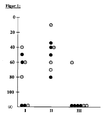
- the auditory-evoked brain stem response threshold in decibels (dB) 8 kHz is shown on the y-axis. Black circles represent male, grey circles female D257A mice. ⁇ means that no response was obtained.
- the efficacy of DIM was demonstrated as shown by tests set forth below.
- the test system was D257A-/- (D257A) mice that express a proofreading-deficient version of the mitochondrial DNA polymerase y (POLG). These mice display features of accelerated aging including age related hearing loss (presbycusis). Hearing loss can be monitored by an elevation in auditory-evoked brainstem response ( Kujoth et al., Science 309, 481-484, 2005 ).
- D257A mice Heterozygous D257A (-/+) mice were bred to generate homozogous D257A (-/-) mice, denoted D257A hereafter. Animals were identified with specific numbering and ear clippings. D257A mice were placed in various dietary regimens following PCR based genotyping and weaning at 3 weeks of age. Mice received a diet based on AIN-93M maintenance purified diet (TestDiet, Richmond, USA), with neither no supplementation (Control group), or supplementation with DIM (40 mg/kg, BioResponse LLC Boulder, CO), (-)-epigallocatechin gallate, or (EGCG) (300 mg/kg, DSM Nutritional Products, Switzerland).
- DIM 40 mg/kg, BioResponse LLC Boulder, CO
- EGCG epigallocatechin gallate
- ABRs Auditory brainstem responses
- Animals were anesthetized with a mixture of xylazine hydrochloride (10 mg/kg, i.m.) and ketamine hydrochloride (40 mg/kg, i.m.), and needle electrodes were placed subcutaneously at the vertex (active electrode), beneath the pinna of the measured ear (reference electrode), and beneath the opposite ear (ground).
- the stimulus duration, presentation rate, and rise/fall time was 3 ms, 19.3/s, and 1 ms respectively.
- DIM supplementation from early age on showed a protective effect on age related hearing loss. Since no other antioxidant showed a similar effect, we postulate that DIM is unique in the perspective that it provides additional protection than antioxidation, and could be used in nutraceutical or pharmaceutical composition for treating or preventing age-related hearing loss.
- compositions may be prepared by conventional formulation procedures.
- Soft gelatin capsules are prepared by conventional procedures containing as active ingredient 100 to 200 mg of DIM per capsule.
- Hard gelatin capsules are prepared by conventional procedures containing as active ingredient 100 to 200 mg of DIM per capsule.
- Food items may be prepared by conventional procedures containing DIM in an amount of 30 mg to 300 mg per serving.
- Examples of such food items are soft drinks, bread, cookies, yoghurt, ice cream, and sweets.
Landscapes
- Health & Medical Sciences (AREA)
- Life Sciences & Earth Sciences (AREA)
- Chemical & Material Sciences (AREA)
- Engineering & Computer Science (AREA)
- General Health & Medical Sciences (AREA)
- Medicinal Chemistry (AREA)
- Polymers & Plastics (AREA)
- Pharmacology & Pharmacy (AREA)
- Animal Behavior & Ethology (AREA)
- Food Science & Technology (AREA)
- Public Health (AREA)
- Veterinary Medicine (AREA)
- Nutrition Science (AREA)
- Epidemiology (AREA)
- Botany (AREA)
- Mycology (AREA)
- Nuclear Medicine, Radiotherapy & Molecular Imaging (AREA)
- Organic Chemistry (AREA)
- General Chemical & Material Sciences (AREA)
- Chemical Kinetics & Catalysis (AREA)
- Bioinformatics & Cheminformatics (AREA)
- Pharmaceuticals Containing Other Organic And Inorganic Compounds (AREA)
- Coloring Foods And Improving Nutritive Qualities (AREA)
- Confectionery (AREA)
- Medicines Containing Plant Substances (AREA)
- Feed For Specific Animals (AREA)
- Fodder In General (AREA)
- Dairy Products (AREA)
- Acyclic And Carbocyclic Compounds In Medicinal Compositions (AREA)
Abstract
Description
- The present description relates to a novel use of 3,3'-diindolylmethane (CAS1968-05-4) and/or its derivatives ; in particular this invention relates to 3,3'-diindolylmethane and/or its derivatives in the form of a pharmaceutical and/or nutritional composition for use in the prevention and treatment of age-related hearing loss, also called presbycusis.
- 3,3'-diindolylmethane (DIM) is a known plant indol derivative which can be found in cruciferous vegetables including cabbage, broccoli, Brussels sprouts, and cauliflower. DIM is formed from a condensation reaction of two molecules of its precursor, indole-3-carbinol (13C).
- DIM has been shown to have several beneficial properties such as cardio and brain protective activities, cancer prevention, and benefits for perimenopausal women in premenstrual syndrome (PMS), endometriosis, and cervical dysplasia. Women on estrogen replacement (HRT) also benefit from DIM supplementation, as well as men with estrogen-related conditions, including prostate hypertrophy. I3C and DIM have also been shown to have multiple anti-cancer effects both in in-vivo and in-vitro models.
- Approximately one third of the American population in the age of 65 to 75 suffers from hearing loss and 50 % of people above 75 have some degree of hearing loss, as indicated by the National Institute of Deafness and Other Communication Disorders (NIDCD).
- The ear is made up of three parts: the outer ear (pinna or auricle), the middle ear, which includes the eardrum (tympanic membrane), and the inner ear (cochlea). Sound enters the outer ear and strikes the eardrum, causing it to vibrate. The eardrum's vibrations are amplified through the chamber of the middle ear along three tiny interconnected bones, hammer (malleus), anvil (incus), and stirrup (stapes), which pass on the vibrations of sound waves to the cochlea.
- A hearing loss (also hearing impairment) exists when an individual is not sensitive to the sounds normally heard by its kind.
- It is not yet fully understood why hearing loss occurs, and many factors have been demonstrated to be the risk factor. Hearing loss arises mainly from the degeneration of hair cells or spiral ganglion (SG) cells in the cochlea. When the tiny hairs inside the cochlea are damaged or die, which often happens as people age, hearing loss occurs. Structural changes in the inner ear, such as the degeneration of sensory cells, auditory neurons and cells of the stria vascularis, also contribute to hearing loss. In humans, the cochlear degeneration can be attributed to the accumulated effects of numerous insults including exposure to acoustic trauma and ototoxic drugs. However, hearing loss is a common phenomenon in mammals, regardless of noise and toxin exposure. In addition, hereditary factors, blood supply dysfunction due to heart disease, high blood pressure, diabetes, or other circulatory problems are all risk factors leading to hearing loss.
- Reactive oxygen species (ROS) are one of the causes of age-related cellular degeneration throughout the organism. Free radicals or ROS, a product of cellular respiration, normally exist in three forms: the superoxide anion (O. 2 -), hydrogen peroxide (H2O2) and the hydroxyl radical (OH). These species are very unstable, reacting with and thereby damaging proteins, lipids and DNA. Endogenous, cellular enzymes, such as catalase, copper/zinc and manganese superoxide dismutase (SOD1 and SOD2, respectively) and peroxidase convert ROS to neutral, non-reactive molecules. Accordingly these substances are important contributors to cellular stability and survival. The importance of these endogenous antioxidants in cochlear cell survival was demonstrated in SOD1 transgenic mice in which early hearing loss and degeneration of auditory neurons and hairs cells was observed (McFadden et al., 1999a, McFadden et al., 1999b, McFadden et al., 2001 and Keithley et al., 2005). The stria vascularis is much less affected, so it seems that each oxidative tissue may use different antioxidant mechanisms to clear ROS. Although the absence of SOD1 results in a great deal of degeneration, half as much SOD1 was sufficient to maintain hearing and cochlear morphology (Keithley et al., 2005). Mitochondrial DNA (mtDNA), located near the site of oxidative phosphorylation in the inner membrane of mitochondria, is especially vulnerable (Miquel et al., 1980, Barja, 2004 and Sastre et al., 2003). Accordingly the use of antioxidants as supplement for preventing age-related hearing loss was proposed.
- Nevertheless many hearing impaired individuals use certain assistive devices in their daily lives, such as hearing aids, which amplify the incoming sound. Hearing aids may alleviate some of the problems caused by hearing impairment, but are often insufficient. In addition to hearing aids there exist cochlear implants of increasing complexity and effectiveness. These are useful in treating mild to profound hearing impairment.
- Currently, no dietary or medical interventions exist which have proven efficacy on treatment or prevention of hearing loss.
- Magnesium was used to protect ears from noise-induced hearing loss. It is not clear how magnesium might protect hearing and studies in animals suggest that magnesium deficiency can increase the stress on cells involved with hearing and thereby make them more susceptible to damage caused by intense noise. However, human magnesium deficiency is rare, so it is possible that supplemental magnesium acts in some entirely different way.
- Ginkgo extract was used to treat sudden hearing loss, or so called unilateral idiopathic sudden hearing loss. Ginkgo extract, which is shown to improve circulation, has been tested as treatment for the sudden hearing loss. In a double-blind study, ginkgo was compared to pentoxifylline, a circulation-enhancing drug used in Germany for the treatment of sudden hearing loss and the results indicate that ginkgo was at least as effective as the medication.
- Antioxidant supplementation was suggested as promising measures for hearing loss prevention, and commonly used antioxidants are citrus bioflavonoids, coenzyme Q10, lipoic acid, lutein, lycopene, oligomeric proanthocyanidins (OPCs), vitamin C and vitamin E. However, there is lack of scientific evidence on the effect of antioxidants in preventing hearing loss.
- Furthermore,
WO 03/035621 WO 03/035621 - It was therefore an object of the following invention to provide a composition for use in the prevention or delay of age-related hearing loss.
- It has surprisingly been found that the object of the present invention is achieved by a composition containing 3,3'-diindolylmethane for the prevention, treatment and/or delay of age-related hearing loss in mammals.
- The terms "3,3'-diindolylmethane" and "DIM" as used herein also include derivatives of 3,3'-diindolylmethane according to the following chemical structure:

- R1: H, OCH3, CH3 with the provisio that at least 3 of the 5 residues R1 are H;
- R2: CH3-(CH2)n-CH3 wherein n = 0 -16;
- R3: H, CH3-(CH2)n-R4 wherein n = 0 - 16 and R4 = H or COOH;
- According to the present invention 3,3'-diindolylmethane may be of synthetic origin or it may be isolated from plant extracts, such as extracts of cruciferous vegetables (including their seeds and/or sprouts). It may also be advantageous to use extracts containing 3,3'-diindolylmethane, for example extracts obtainable from cruciferous vegetables. Based on the particular extraction procedure the amount of phenolic compounds in a plant extract can be easily adjusted by a person skilled in the art. It is preferred if the amount of 3,3'-diindolylmethane in a plant extract according to the present invention is in the range of from 20 to 80 % by weight, more preferred from 30 to 50 % by weight, each based on the total weight of the extract.
- The composition for use according to the invention is preferably a dietary supplement, a food or feed additive, a functional food or feed, a food or feed premix, and/or a beverage.
- While for the purpose of the present invention mammals are preferably humans, the invention is not limited to humans but includes other mammals, such as dromedaries, camels, elephants, and horses and pets such as dogs, cats and/or small animals.
- For the purposes of the invention, 3,3'-diindolylmethane (DIM) may be administered to, e.g., a human adult (weighing about 70 kg) in an amount of up to about 10 to 1000 mg/day in one or several dosage units or servings. In a particular embodiment of the invention, the dosage for a human adult (weighing about 70 kg) is up to about 500 mg/day, especially from 30 to 300 mg/day. If administered in a food or beverage the amount of DIM contained therein is suitably no less than about 100 mg per serving. If DIM is administered as a pharmaceutical formulation such formulation may contain up to about 500 mg per solid dosage unit, e.g. per capsule.
- The term "serving" as used herein denotes an amount of food and/or beverage normally ingested by a human adult with a meal at a time and may range, e.g., from about 100 g to about 500 g food and/or beverage.
- The composition for use according to the present invention can preferably be a nutraceutical composition. The term "nutraceutical" as used herein denotes usefulness in both, the nutritional and pharmaceutical field of application. Thus, "nutraceutical compositions" according to the present invention can serve as supplements to food, feed and beverages, dietary supplements and as pharmaceutical formulations which may be solid - such as capsules - or liquid - such as solutions or suspensions. It is evident from the foregoing that the term "nutraceutical composition" also comprises food, feed and beverages containing DIM.
- A multi-vitamin and mineral supplement may be added to the compositions according to the present invention, e.g. to maintain a good balanced nutrition or to obtain an adequate amount of an essential nutrient missing in some diets. The multi-vitamin and mineral supplement may also be useful for disease prevention and protection against nutritional losses and deficiencies due to lifestyle patterns and common inadequate dietary patterns.
- The composition for use according to the present invention can preferably be a food or beverage composition. Beverages can be e.g. sports drinks, energy drinks or other soft drinks, or any other suitable beverage preparation, e.g. yoghurt drinks, hot beverages or soups.
- In a preferred embodiment of the present invention the beverage is an "instant beverage", i.e. a beverage which is produced - normally by the consumer themselves - by stirring a powder into a liquid, usually milk or water.
- By "sports drink" a beverage is meant which is consumed before, during and/or after physical exercise, mainly to hydrate as well as to (re-) store electrolytes, sugar and other nutrients. Sports drinks are usually isotonic, meaning they contain the same proportions of nutrients as found in the human body.
- Energy drinks are beverages which contain (legal) stimulants, vitamins (especially B vitamins) and/or minerals with the intent to give the user a burst of energy. Common ingredients include caffeine, guarana (caffeine from the Guarana plant) and/or taurine, various forms of ginseng, maltodextrin, inositol, carnitine, creatine, glucuronolactone, coenzyme Q10 and/or ginkgo biloba. Some may contain high levels of sugar, or glucose, whereas others are sweetened completely or partially with a sugar alcohol and/or an artificial sweetener like Ca-cyclamate or Aspartame. Many such beverages are flavored and/or colored.
- A soft drink is a drink that does not contain alcohol. In general, the term is used only for cold beverages. Hot chocolate, tea, and coffee are not considered soft drinks. The term includes carbonated and non-carbonated drinks, e.g. mineral water or so-called "near water drinks", i.e. water-based beverages which have an additional benefit, e.g. a special flavor and/or further (functional) ingredients. One simple example for a "near water drink" is a mixture of water with very little juice.
- If the composition is prepared in form of one of the following food articles it is according to the present invention advantageous if the amount of DIM in the composition is selected from the ranges given in the following table:
Food Category typical serving size Preferred amount DIM in beverage or food (most preferred range in brackets) Beverages (final product) (e.g. soft drinks, juices (fruit and/or vegetable), teas, soups) 200 mL, preferred 3 servings a day 50-1000 mg/L (150-750) 10-200 mg/serving, (30-150) 30-600 mg/day (90-450) Dairy Products (e.g. milk shakes, joghurts, joghurt drinks, ice creams) 150 g 50-1000 mg/kg (165-660) 8-150 mg/serving (25-100) Sweets and confectionaries (e.g. chocolates, candies, mints, jellies, cookies) 1 to 3 pieces of 5 g each per day 2000 - 40'000 mg/kg (6000-30'000) 10 - 200 mg/piece (30-150) 10-600 mg/day (30-450) other food items (e.g. breakfast cereals, muesli bars, snacks, pasta sauces) 25 g 400 - 8000 mg/kg (1200-6000) 10 - 200 mg /serving (30-150) - If the composition is prepared in form of a capsule it is according to the present invention advantageous if the amount of DIM is selected from the ranges given in the following table:
Category typical dosage Preferred amount DIM per capsule (most preferred in brackets) Capsules 1-2 x per day 20 - 600 mg/capsule (50 - 450) - The invention is further illustrated by
Figure 1 : -
Figure 1 shows the effect of tested compounds on age related hearing loss (presbycusis) in D257A mice, an accelerated ageing mouse model, which exhibit significantly reduced hearing function. - The auditory-evoked brain stem response threshold (hearing threshold) in decibels (dB) 8 kHz is shown on the y-axis. Black circles represent male, grey circles female D257A mice. ∞ means that no response was obtained.
- Values are shown for:
- I: Placebo control;
- II: DIM;
- III: EGCG;
- The invention is further illustrated by the following examples.
- The efficacy of DIM was demonstrated as shown by tests set forth below. The test system was D257A-/- (D257A) mice that express a proofreading-deficient version of the mitochondrial DNA polymerase y (POLG). These mice display features of accelerated aging including age related hearing loss (presbycusis). Hearing loss can be monitored by an elevation in auditory-evoked brainstem response (Kujoth et al., Science 309, 481-484, 2005).
- Heterozygous D257A (-/+) mice were bred to generate homozogous D257A (-/-) mice, denoted D257A hereafter. Animals were identified with specific numbering and ear clippings. D257A mice were placed in various dietary regimens following PCR based genotyping and weaning at 3 weeks of age. Mice received a diet based on AIN-93M maintenance purified diet (TestDiet, Richmond, USA), with neither no supplementation (Control group), or supplementation with DIM (40 mg/kg, BioResponse LLC Boulder, CO), (-)-epigallocatechin gallate, or (EGCG) (300 mg/kg, DSM Nutritional Products, Switzerland).
- Hearing function was tested in 9 month-old D257A mice receiving the various compounds. Auditory brainstem responses (ABRs) were measured with a tone burst stimulus (8, 16 and 32 kHz) using an ABR recording system (Intelligent Hearing System, Miami FL). Animals were anesthetized with a mixture of xylazine hydrochloride (10 mg/kg, i.m.) and ketamine hydrochloride (40 mg/kg, i.m.), and needle electrodes were placed subcutaneously at the vertex (active electrode), beneath the pinna of the measured ear (reference electrode), and beneath the opposite ear (ground). The stimulus duration, presentation rate, and rise/fall time was 3 ms, 19.3/s, and 1 ms respectively. Responses of 1024 sweeps were averaged at each intensity level (5 dB steps) to access the hearing threshold. The hearing threshold was defined as the lowest intensity level at which a clear reproducible waveform was visible in the trace. Means of ABR thresholds were compared at 8, 16 and 32 kHz.
- Age-related loss of auditory function and cochlear degeneration in D257A mice at the age of 9 months were described (Kujoth et al., Science. 2005 Jul 15;309(5733):481-4). Based on these data we tested whether DIM, or (-)-epigallocatechin gallate (EGCG), could help to prevent presbycusis.
- At the frequency of 8 kHz no deaf mice were present of the 8 mice treated with DIM. In the control control group 3 out of 8 mice were deaf. In the DIM treated group the hearing threshold was approximately 10 dB. In the control group it was approximately 40 dB. The amount of deaf mice was even higher in the mice treated with EGCG (see
Fig. 1 ). At 32 kH the percentage of deaf mice was also significantly lower in the DIM group compared to the control group and the other tested compounds. - DIM supplementation from early age on, showed a protective effect on age related hearing loss. Since no other antioxidant showed a similar effect, we postulate that DIM is unique in the perspective that it provides additional protection than antioxidation, and could be used in nutraceutical or pharmaceutical composition for treating or preventing age-related hearing loss.
- Pharmaceutical compositions may be prepared by conventional formulation procedures.
- Soft gelatin capsules are prepared by conventional procedures containing as
active ingredient 100 to 200 mg of DIM per capsule. - Hard gelatin capsules are prepared by conventional procedures containing as
active ingredient 100 to 200 mg of DIM per capsule. - Food items may be prepared by conventional procedures containing DIM in an amount of 30 mg to 300 mg per serving. Examples of such food items are soft drinks, bread, cookies, yoghurt, ice cream, and sweets.
Claims (11)
- 3,3'-diindolylmethane (DIM) and/or its derivatives according to the following chemical structure:
 R1: H, OCH3, CH3 with the provisio that at least 3 of the 5 residues R1 are H;R2: CH3-(CH2)n-CH3 wherein n = 0 - 16;R3: H, CH3-(CH2)n-R4 wherein n = 0 - 16 and R4 = H or COOHfor use in the prevention, treatment and/or delay of age-related hearing loss in mammals.
 - A composition containing DIM and/or its derivatives according to the chemical structure of claim 1 for use in the prevention, treatment and/or delay of age-related hearing loss in a mammal.
- Composition for use according to claim 2, wherein the composition is a pharmaceutical composition.
- Composition for use according to claim 2, wherein the composition is a nutraceutical composition.
- Composition for use according to claim 2, wherein the composition is a food or beverage or supplement to food or beverage.
- Composition for use according to claim 2, wherein the composition is pet food.
- Composition for use according to claim 2, wherein the 3,3'-diindolylmethane is of synthetic origin.
- Composition for use according to claim 2, wherein the 3,3'-diindolylmethane is isolated from plant extracts.
- Composition for use according to any of the claims 3 or 4, wherein the amount of DIM present in the composition is appropriate to provide a dosage of 10 to 1000 mg per day for an adult in one or several dosage units or servings.
- Dairy Product containing DIM and/or its derivatives according to the chemical structure of claim 1 for use in the prevention, treatment and/or delay of age-related hearing loss.
- Sweet and/or confectionary containing DIM and/or its derivatives according to the chemical structure of claim 1 for use in the prevention, treatment and/or delay of age-related hearing loss.
Priority Applications (2)
| Application Number | Priority Date | Filing Date | Title |
|---|---|---|---|
| PL09713416T PL2242491T3 (en) | 2008-02-19 | 2009-02-19 | Novel use of 3,3'-diindolylmethane |
| EP09713416A EP2242491B1 (en) | 2008-02-19 | 2009-02-19 | Novel use of 3,3'-diindolylmethane |
Applications Claiming Priority (3)
| Application Number | Priority Date | Filing Date | Title |
|---|---|---|---|
| EP08003002 | 2008-02-19 | ||
| PCT/EP2009/051959 WO2009103755A1 (en) | 2008-02-19 | 2009-02-19 | Novel use of 3,3'-diindolylmethane |
| EP09713416A EP2242491B1 (en) | 2008-02-19 | 2009-02-19 | Novel use of 3,3'-diindolylmethane |
Publications (2)
| Publication Number | Publication Date |
|---|---|
| EP2242491A1 EP2242491A1 (en) | 2010-10-27 |
| EP2242491B1 true EP2242491B1 (en) | 2012-07-11 |
Family
ID=40580855
Family Applications (1)
| Application Number | Title | Priority Date | Filing Date |
|---|---|---|---|
| EP09713416A Not-in-force EP2242491B1 (en) | 2008-02-19 | 2009-02-19 | Novel use of 3,3'-diindolylmethane |
Country Status (8)
| Country | Link |
|---|---|
| US (1) | US8420677B2 (en) |
| EP (1) | EP2242491B1 (en) |
| JP (1) | JP5407079B2 (en) |
| CN (1) | CN101945656B (en) |
| BR (1) | BRPI0907797B8 (en) |
| ES (1) | ES2390815T3 (en) |
| PL (1) | PL2242491T3 (en) |
| WO (1) | WO2009103755A1 (en) |
Families Citing this family (5)
| Publication number | Priority date | Publication date | Assignee | Title |
|---|---|---|---|---|
| EP2565196A4 (en) * | 2010-04-28 | 2014-03-26 | Sanwa Kagaku Kenkyusho Co | PROPHYLACTIC OR THERAPEUTIC MEDICINE FOR INTERNAL EAR DISORDERS |
| CN102327262A (en) * | 2011-10-08 | 2012-01-25 | 合肥博太医药生物技术发展有限公司 | Indole-3-methanol, diindolylmethane and application of derivative thereof in preparation of drug for treating diabetes |
| WO2013120107A1 (en) * | 2012-02-09 | 2013-08-15 | University Of Rochester | Methods and compositions for treating a subject to inhibit hearing loss |
| KR101392177B1 (en) | 2012-12-17 | 2014-05-08 | 한국식품연구원 | Composition comprising 3,3'-diindolylmethane for preventing and treating hyperosmia |
| WO2025239442A1 (en) * | 2024-05-16 | 2025-11-20 | 学校法人北里研究所 | Agent for preventing age-related hearing loss |
Family Cites Families (6)
| Publication number | Priority date | Publication date | Assignee | Title |
|---|---|---|---|---|
| JP4623962B2 (en) * | 2001-10-22 | 2011-02-02 | ザ・リサーチ・ファウンデーション・オブ・ステイト・ユニバーシティ・オブ・ニューヨーク | Protein kinases and phosphatase inhibitors, methods of designing them, and methods of using them |
| US7074938B2 (en) * | 2002-11-19 | 2006-07-11 | The Regents Of The University Of California | Method for the synthesis of soritin compounds |
| EP1734978A2 (en) * | 2004-03-17 | 2006-12-27 | Arnold C. Takemoto | Tissue detoxification and health supplements and methods of making and using them |
| US20060100264A1 (en) * | 2004-11-06 | 2006-05-11 | Bjeldanes Leonard F | 3,3'-Diindolylmethane immune activating compositions |
| US7989486B2 (en) * | 2004-12-30 | 2011-08-02 | Bioresponse, L.L.C. | Use of diindolylmethane-related indoles for the treatment and prevention of respiratory syncytial virus associated conditions |
| CN100378073C (en) * | 2005-12-29 | 2008-04-02 | 中国海洋大学 | Dindoly methylane and preparation process thereof |
-
2009
- 2009-02-19 WO PCT/EP2009/051959 patent/WO2009103755A1/en not_active Ceased
- 2009-02-19 EP EP09713416A patent/EP2242491B1/en not_active Not-in-force
- 2009-02-19 CN CN200980105668.XA patent/CN101945656B/en not_active Expired - Fee Related
- 2009-02-19 ES ES09713416T patent/ES2390815T3/en active Active
- 2009-02-19 US US12/918,143 patent/US8420677B2/en not_active Expired - Fee Related
- 2009-02-19 JP JP2010546367A patent/JP5407079B2/en not_active Expired - Fee Related
- 2009-02-19 BR BRPI0907797A patent/BRPI0907797B8/en not_active IP Right Cessation
- 2009-02-19 PL PL09713416T patent/PL2242491T3/en unknown
Also Published As
| Publication number | Publication date |
|---|---|
| BRPI0907797B8 (en) | 2021-05-25 |
| EP2242491A1 (en) | 2010-10-27 |
| US8420677B2 (en) | 2013-04-16 |
| PL2242491T3 (en) | 2012-12-31 |
| CN101945656B (en) | 2014-06-11 |
| US20110190367A1 (en) | 2011-08-04 |
| JP5407079B2 (en) | 2014-02-05 |
| JP2011514888A (en) | 2011-05-12 |
| CN101945656A (en) | 2011-01-12 |
| ES2390815T3 (en) | 2012-11-16 |
| BRPI0907797B1 (en) | 2019-12-03 |
| BRPI0907797A2 (en) | 2015-07-14 |
| WO2009103755A1 (en) | 2009-08-27 |
Similar Documents
| Publication | Publication Date | Title |
|---|---|---|
| KR101473017B1 (en) | Aging inhibitor | |
| CN101484158B (en) | Senescence inhibitor | |
| EP1438964B1 (en) | Process for producing collagen production enhancers and use thereof | |
| US9393190B2 (en) | Methods for enhancing skin tan and reducing risks of UV skin damage | |
| KR20080030633A (en) | How to Treat or Treat Stress | |
| US20090263367A1 (en) | Composition and method for promoting internal health and external appearance | |
| AU2010283544A1 (en) | Natural Extract from Whole Banana Fruit (Musa Spp.) | |
| AU2003282829B2 (en) | Antioxidative Compositions | |
| US8420677B2 (en) | Use of 3,3′-diindolylmethane | |
| EP1982707A1 (en) | Use of hydroxytyrosol as anti-aging agent | |
| US9452190B2 (en) | Neuroprotective natural extract from passion fruit | |
| KR20230028614A (en) | Hangover Relief and Functional Food Composition Containing Propolis | |
| WO2009103754A2 (en) | Novel use of 3,3'-diindolylmethane | |
| KR100817600B1 (en) | Pharmaceutical Compositions Containing Root Extract | |
| JP2011207815A (en) | Antioxidative stress agent | |
| JP2010265215A (en) | Methioninase inhibitor | |
| JP5926616B2 (en) | Aging inhibitor | |
| US20070293563A1 (en) | Novel Agents for Preventing and Treating Disorders Connected to Impaired Neurotransmission | |
| JP4141271B2 (en) | Citrus extract composition | |
| KR20180052514A (en) | A method for manufacturing low temperature aging garlic and composition for antifatigue comprising there of extract | |
| KR102323400B1 (en) | Combined Composition for preventing or treating hearing loss comprising Sarpogrelate and Vaccinium myrtillus extract | |
| US20070122509A1 (en) | Antioxidant dietary supplement compositions and methods for maintaining healthy skin | |
| JP2015063507A (en) | Inhibitor for retinal disorder caused by aging | |
| KR20230148620A (en) | Composition for the improving Testosterone deficiency syndrome comprising Ferulic acid as an active ingredient | |
| KR20070033236A (en) | Liver function protectant containing ellagic acid, ellagitannin and natural plant extracts containing the same as active ingredients |
Legal Events
| Date | Code | Title | Description |
|---|---|---|---|
| PUAI | Public reference made under article 153(3) epc to a published international application that has entered the european phase |
Free format text: ORIGINAL CODE: 0009012 |
|
| 17P | Request for examination filed |
Effective date: 20100811 |
|
| AK | Designated contracting states |
Kind code of ref document: A1 Designated state(s): AT BE BG CH CY CZ DE DK EE ES FI FR GB GR HR HU IE IS IT LI LT LU LV MC MK MT NL NO PL PT RO SE SI SK TR |
|
| AX | Request for extension of the european patent |
Extension state: AL BA RS |
|
| 17Q | First examination report despatched |
Effective date: 20110309 |
|
| DAX | Request for extension of the european patent (deleted) | ||
| RIC1 | Information provided on ipc code assigned before grant |
Ipc: A23L 2/52 20060101AFI20110805BHEP |
|
| GRAP | Despatch of communication of intention to grant a patent |
Free format text: ORIGINAL CODE: EPIDOSNIGR1 |
|
| RIC1 | Information provided on ipc code assigned before grant |
Ipc: A61K 31/404 20060101AFI20120207BHEP Ipc: A61P 27/16 20060101ALI20120207BHEP |
|
| GRAS | Grant fee paid |
Free format text: ORIGINAL CODE: EPIDOSNIGR3 |
|
| GRAA | (expected) grant |
Free format text: ORIGINAL CODE: 0009210 |
|
| AK | Designated contracting states |
Kind code of ref document: B1 Designated state(s): AT BE BG CH CY CZ DE DK EE ES FI FR GB GR HR HU IE IS IT LI LT LU LV MC MK MT NL NO PL PT RO SE SI SK TR |
|
| REG | Reference to a national code |
Ref country code: GB Ref legal event code: FG4D |
|
| REG | Reference to a national code |
Ref country code: CH Ref legal event code: EP |
|
| REG | Reference to a national code |
Ref country code: AT Ref legal event code: REF Ref document number: 565717 Country of ref document: AT Kind code of ref document: T Effective date: 20120715 |
|
| REG | Reference to a national code |
Ref country code: IE Ref legal event code: FG4D |
|
| REG | Reference to a national code |
Ref country code: DE Ref legal event code: R096 Ref document number: 602009008214 Country of ref document: DE Effective date: 20120906 |
|
| REG | Reference to a national code |
Ref country code: ES Ref legal event code: FG2A Ref document number: 2390815 Country of ref document: ES Kind code of ref document: T3 Effective date: 20121116 |
|
| REG | Reference to a national code |
Ref country code: NL Ref legal event code: VDEP Effective date: 20120711 |
|
| REG | Reference to a national code |
Ref country code: AT Ref legal event code: MK05 Ref document number: 565717 Country of ref document: AT Kind code of ref document: T Effective date: 20120711 |
|
| REG | Reference to a national code |
Ref country code: LT Ref legal event code: MG4D Effective date: 20120711 |
|
| REG | Reference to a national code |
Ref country code: PL Ref legal event code: T3 |
|
| PG25 | Lapsed in a contracting state [announced via postgrant information from national office to epo] |
Ref country code: HR Free format text: LAPSE BECAUSE OF FAILURE TO SUBMIT A TRANSLATION OF THE DESCRIPTION OR TO PAY THE FEE WITHIN THE PRESCRIBED TIME-LIMIT Effective date: 20120711 Ref country code: LT Free format text: LAPSE BECAUSE OF FAILURE TO SUBMIT A TRANSLATION OF THE DESCRIPTION OR TO PAY THE FEE WITHIN THE PRESCRIBED TIME-LIMIT Effective date: 20120711 Ref country code: AT Free format text: LAPSE BECAUSE OF FAILURE TO SUBMIT A TRANSLATION OF THE DESCRIPTION OR TO PAY THE FEE WITHIN THE PRESCRIBED TIME-LIMIT Effective date: 20120711 Ref country code: IS Free format text: LAPSE BECAUSE OF FAILURE TO SUBMIT A TRANSLATION OF THE DESCRIPTION OR TO PAY THE FEE WITHIN THE PRESCRIBED TIME-LIMIT Effective date: 20121111 Ref country code: FI Free format text: LAPSE BECAUSE OF FAILURE TO SUBMIT A TRANSLATION OF THE DESCRIPTION OR TO PAY THE FEE WITHIN THE PRESCRIBED TIME-LIMIT Effective date: 20120711 Ref country code: NO Free format text: LAPSE BECAUSE OF FAILURE TO SUBMIT A TRANSLATION OF THE DESCRIPTION OR TO PAY THE FEE WITHIN THE PRESCRIBED TIME-LIMIT Effective date: 20121011 Ref country code: BE Free format text: LAPSE BECAUSE OF FAILURE TO SUBMIT A TRANSLATION OF THE DESCRIPTION OR TO PAY THE FEE WITHIN THE PRESCRIBED TIME-LIMIT Effective date: 20120711 Ref country code: CY Free format text: LAPSE BECAUSE OF FAILURE TO SUBMIT A TRANSLATION OF THE DESCRIPTION OR TO PAY THE FEE WITHIN THE PRESCRIBED TIME-LIMIT Effective date: 20120711 |
|
| PG25 | Lapsed in a contracting state [announced via postgrant information from national office to epo] |
Ref country code: PT Free format text: LAPSE BECAUSE OF FAILURE TO SUBMIT A TRANSLATION OF THE DESCRIPTION OR TO PAY THE FEE WITHIN THE PRESCRIBED TIME-LIMIT Effective date: 20121112 Ref country code: GR Free format text: LAPSE BECAUSE OF FAILURE TO SUBMIT A TRANSLATION OF THE DESCRIPTION OR TO PAY THE FEE WITHIN THE PRESCRIBED TIME-LIMIT Effective date: 20121012 Ref country code: SI Free format text: LAPSE BECAUSE OF FAILURE TO SUBMIT A TRANSLATION OF THE DESCRIPTION OR TO PAY THE FEE WITHIN THE PRESCRIBED TIME-LIMIT Effective date: 20120711 Ref country code: LV Free format text: LAPSE BECAUSE OF FAILURE TO SUBMIT A TRANSLATION OF THE DESCRIPTION OR TO PAY THE FEE WITHIN THE PRESCRIBED TIME-LIMIT Effective date: 20120711 Ref country code: SE Free format text: LAPSE BECAUSE OF FAILURE TO SUBMIT A TRANSLATION OF THE DESCRIPTION OR TO PAY THE FEE WITHIN THE PRESCRIBED TIME-LIMIT Effective date: 20120711 |
|
| PG25 | Lapsed in a contracting state [announced via postgrant information from national office to epo] |
Ref country code: NL Free format text: LAPSE BECAUSE OF FAILURE TO SUBMIT A TRANSLATION OF THE DESCRIPTION OR TO PAY THE FEE WITHIN THE PRESCRIBED TIME-LIMIT Effective date: 20120711 |
|
| PG25 | Lapsed in a contracting state [announced via postgrant information from national office to epo] |
Ref country code: DK Free format text: LAPSE BECAUSE OF FAILURE TO SUBMIT A TRANSLATION OF THE DESCRIPTION OR TO PAY THE FEE WITHIN THE PRESCRIBED TIME-LIMIT Effective date: 20120711 Ref country code: EE Free format text: LAPSE BECAUSE OF FAILURE TO SUBMIT A TRANSLATION OF THE DESCRIPTION OR TO PAY THE FEE WITHIN THE PRESCRIBED TIME-LIMIT Effective date: 20120711 Ref country code: RO Free format text: LAPSE BECAUSE OF FAILURE TO SUBMIT A TRANSLATION OF THE DESCRIPTION OR TO PAY THE FEE WITHIN THE PRESCRIBED TIME-LIMIT Effective date: 20120711 Ref country code: CZ Free format text: LAPSE BECAUSE OF FAILURE TO SUBMIT A TRANSLATION OF THE DESCRIPTION OR TO PAY THE FEE WITHIN THE PRESCRIBED TIME-LIMIT Effective date: 20120711 |
|
| PLBE | No opposition filed within time limit |
Free format text: ORIGINAL CODE: 0009261 |
|
| STAA | Information on the status of an ep patent application or granted ep patent |
Free format text: STATUS: NO OPPOSITION FILED WITHIN TIME LIMIT |
|
| PG25 | Lapsed in a contracting state [announced via postgrant information from national office to epo] |
Ref country code: SK Free format text: LAPSE BECAUSE OF FAILURE TO SUBMIT A TRANSLATION OF THE DESCRIPTION OR TO PAY THE FEE WITHIN THE PRESCRIBED TIME-LIMIT Effective date: 20120711 |
|
| 26N | No opposition filed |
Effective date: 20130412 |
|
| PG25 | Lapsed in a contracting state [announced via postgrant information from national office to epo] |
Ref country code: BG Free format text: LAPSE BECAUSE OF FAILURE TO SUBMIT A TRANSLATION OF THE DESCRIPTION OR TO PAY THE FEE WITHIN THE PRESCRIBED TIME-LIMIT Effective date: 20121011 |
|
| REG | Reference to a national code |
Ref country code: DE Ref legal event code: R097 Ref document number: 602009008214 Country of ref document: DE Effective date: 20130412 |
|
| PG25 | Lapsed in a contracting state [announced via postgrant information from national office to epo] |
Ref country code: MC Free format text: LAPSE BECAUSE OF NON-PAYMENT OF DUE FEES Effective date: 20130228 |
|
| REG | Reference to a national code |
Ref country code: CH Ref legal event code: PL |
|
| PG25 | Lapsed in a contracting state [announced via postgrant information from national office to epo] |
Ref country code: CH Free format text: LAPSE BECAUSE OF NON-PAYMENT OF DUE FEES Effective date: 20130228 Ref country code: LI Free format text: LAPSE BECAUSE OF NON-PAYMENT OF DUE FEES Effective date: 20130228 |
|
| REG | Reference to a national code |
Ref country code: IE Ref legal event code: MM4A |
|
| PG25 | Lapsed in a contracting state [announced via postgrant information from national office to epo] |
Ref country code: IE Free format text: LAPSE BECAUSE OF NON-PAYMENT OF DUE FEES Effective date: 20130219 |
|
| PG25 | Lapsed in a contracting state [announced via postgrant information from national office to epo] |
Ref country code: MT Free format text: LAPSE BECAUSE OF FAILURE TO SUBMIT A TRANSLATION OF THE DESCRIPTION OR TO PAY THE FEE WITHIN THE PRESCRIBED TIME-LIMIT Effective date: 20120711 |
|
| PG25 | Lapsed in a contracting state [announced via postgrant information from national office to epo] |
Ref country code: LU Free format text: LAPSE BECAUSE OF NON-PAYMENT OF DUE FEES Effective date: 20130219 Ref country code: MK Free format text: LAPSE BECAUSE OF FAILURE TO SUBMIT A TRANSLATION OF THE DESCRIPTION OR TO PAY THE FEE WITHIN THE PRESCRIBED TIME-LIMIT Effective date: 20120711 Ref country code: HU Free format text: LAPSE BECAUSE OF FAILURE TO SUBMIT A TRANSLATION OF THE DESCRIPTION OR TO PAY THE FEE WITHIN THE PRESCRIBED TIME-LIMIT; INVALID AB INITIO Effective date: 20090219 |
|
| REG | Reference to a national code |
Ref country code: FR Ref legal event code: PLFP Year of fee payment: 8 |
|
| REG | Reference to a national code |
Ref country code: FR Ref legal event code: PLFP Year of fee payment: 9 |
|
| REG | Reference to a national code |
Ref country code: FR Ref legal event code: PLFP Year of fee payment: 10 |
|
| PGFP | Annual fee paid to national office [announced via postgrant information from national office to epo] |
Ref country code: GB Payment date: 20221230 Year of fee payment: 15 Ref country code: FR Payment date: 20221208 Year of fee payment: 15 |
|
| PGFP | Annual fee paid to national office [announced via postgrant information from national office to epo] |
Ref country code: PL Payment date: 20221214 Year of fee payment: 15 |
|
| PGFP | Annual fee paid to national office [announced via postgrant information from national office to epo] |
Ref country code: ES Payment date: 20230314 Year of fee payment: 15 |
|
| PGFP | Annual fee paid to national office [announced via postgrant information from national office to epo] |
Ref country code: TR Payment date: 20230216 Year of fee payment: 15 Ref country code: IT Payment date: 20230110 Year of fee payment: 15 Ref country code: DE Payment date: 20221229 Year of fee payment: 15 |
|
| REG | Reference to a national code |
Ref country code: DE Ref legal event code: R119 Ref document number: 602009008214 Country of ref document: DE |
|
| GBPC | Gb: european patent ceased through non-payment of renewal fee |
Effective date: 20240219 |
|
| PG25 | Lapsed in a contracting state [announced via postgrant information from national office to epo] |
Ref country code: DE Free format text: LAPSE BECAUSE OF NON-PAYMENT OF DUE FEES Effective date: 20240903 |
|
| PG25 | Lapsed in a contracting state [announced via postgrant information from national office to epo] |
Ref country code: GB Free format text: LAPSE BECAUSE OF NON-PAYMENT OF DUE FEES Effective date: 20240219 |
|
| PG25 | Lapsed in a contracting state [announced via postgrant information from national office to epo] |
Ref country code: FR Free format text: LAPSE BECAUSE OF NON-PAYMENT OF DUE FEES Effective date: 20240229 |
|
| PG25 | Lapsed in a contracting state [announced via postgrant information from national office to epo] |
Ref country code: GB Free format text: LAPSE BECAUSE OF NON-PAYMENT OF DUE FEES Effective date: 20240219 Ref country code: FR Free format text: LAPSE BECAUSE OF NON-PAYMENT OF DUE FEES Effective date: 20240229 Ref country code: DE Free format text: LAPSE BECAUSE OF NON-PAYMENT OF DUE FEES Effective date: 20240903 |
|
| PG25 | Lapsed in a contracting state [announced via postgrant information from national office to epo] |
Ref country code: IT Free format text: LAPSE BECAUSE OF NON-PAYMENT OF DUE FEES Effective date: 20240219 |
|
| REG | Reference to a national code |
Ref country code: ES Ref legal event code: FD2A Effective date: 20250331 |
|
| PG25 | Lapsed in a contracting state [announced via postgrant information from national office to epo] |
Ref country code: ES Free format text: LAPSE BECAUSE OF NON-PAYMENT OF DUE FEES Effective date: 20240220 |
|
| PG25 | Lapsed in a contracting state [announced via postgrant information from national office to epo] |
Ref country code: PL Free format text: LAPSE BECAUSE OF NON-PAYMENT OF DUE FEES Effective date: 20240219 |
|
| PG25 | Lapsed in a contracting state [announced via postgrant information from national office to epo] |
Ref country code: TR Free format text: LAPSE BECAUSE OF NON-PAYMENT OF DUE FEES Effective date: 20240219 |