EP2239324A1 - Cell transformed by human wnt3a gene - Google Patents
Cell transformed by human wnt3a gene Download PDFInfo
- Publication number
- EP2239324A1 EP2239324A1 EP09703915A EP09703915A EP2239324A1 EP 2239324 A1 EP2239324 A1 EP 2239324A1 EP 09703915 A EP09703915 A EP 09703915A EP 09703915 A EP09703915 A EP 09703915A EP 2239324 A1 EP2239324 A1 EP 2239324A1
- Authority
- EP
- European Patent Office
- Prior art keywords
- cells
- wnt3a
- human
- gene
- vector
- Prior art date
- Legal status (The legal status is an assumption and is not a legal conclusion. Google has not performed a legal analysis and makes no representation as to the accuracy of the status listed.)
- Granted
Links
- RNTWWSHZVCQOSJ-XUJMQFJOSA-N C1[C@]2(C3C4)N[I]5C34[C@@H]5CC[C@H]12 Chemical compound C1[C@]2(C3C4)N[I]5C34[C@@H]5CC[C@H]12 RNTWWSHZVCQOSJ-XUJMQFJOSA-N 0.000 description 1
Images

Classifications
-
- C—CHEMISTRY; METALLURGY
- C12—BIOCHEMISTRY; BEER; SPIRITS; WINE; VINEGAR; MICROBIOLOGY; ENZYMOLOGY; MUTATION OR GENETIC ENGINEERING
- C12N—MICROORGANISMS OR ENZYMES; COMPOSITIONS THEREOF; PROPAGATING, PRESERVING, OR MAINTAINING MICROORGANISMS; MUTATION OR GENETIC ENGINEERING; CULTURE MEDIA
- C12N5/00—Undifferentiated human, animal or plant cells, e.g. cell lines; Tissues; Cultivation or maintenance thereof; Culture media therefor
- C12N5/06—Animal cells or tissues; Human cells or tissues
- C12N5/0602—Vertebrate cells
- C12N5/0693—Tumour cells; Cancer cells
-
- C—CHEMISTRY; METALLURGY
- C07—ORGANIC CHEMISTRY
- C07K—PEPTIDES
- C07K14/00—Peptides having more than 20 amino acids; Gastrins; Somatostatins; Melanotropins; Derivatives thereof
- C07K14/435—Peptides having more than 20 amino acids; Gastrins; Somatostatins; Melanotropins; Derivatives thereof from animals; from humans
- C07K14/475—Growth factors; Growth regulators
-
- C—CHEMISTRY; METALLURGY
- C12—BIOCHEMISTRY; BEER; SPIRITS; WINE; VINEGAR; MICROBIOLOGY; ENZYMOLOGY; MUTATION OR GENETIC ENGINEERING
- C12N—MICROORGANISMS OR ENZYMES; COMPOSITIONS THEREOF; PROPAGATING, PRESERVING, OR MAINTAINING MICROORGANISMS; MUTATION OR GENETIC ENGINEERING; CULTURE MEDIA
- C12N5/00—Undifferentiated human, animal or plant cells, e.g. cell lines; Tissues; Cultivation or maintenance thereof; Culture media therefor
- C12N5/06—Animal cells or tissues; Human cells or tissues
- C12N5/0602—Vertebrate cells
- C12N5/0625—Epidermal cells, skin cells; Cells of the oral mucosa
- C12N5/0627—Hair cells
-
- C—CHEMISTRY; METALLURGY
- C12—BIOCHEMISTRY; BEER; SPIRITS; WINE; VINEGAR; MICROBIOLOGY; ENZYMOLOGY; MUTATION OR GENETIC ENGINEERING
- C12N—MICROORGANISMS OR ENZYMES; COMPOSITIONS THEREOF; PROPAGATING, PRESERVING, OR MAINTAINING MICROORGANISMS; MUTATION OR GENETIC ENGINEERING; CULTURE MEDIA
- C12N2501/00—Active agents used in cell culture processes, e.g. differentation
- C12N2501/40—Regulators of development
- C12N2501/415—Wnt; Frizzeled
-
- C—CHEMISTRY; METALLURGY
- C12—BIOCHEMISTRY; BEER; SPIRITS; WINE; VINEGAR; MICROBIOLOGY; ENZYMOLOGY; MUTATION OR GENETIC ENGINEERING
- C12N—MICROORGANISMS OR ENZYMES; COMPOSITIONS THEREOF; PROPAGATING, PRESERVING, OR MAINTAINING MICROORGANISMS; MUTATION OR GENETIC ENGINEERING; CULTURE MEDIA
- C12N2510/00—Genetically modified cells
- C12N2510/02—Cells for production
Definitions
- the present invention provides a cell transformed with a vector containing human Wnt3a protein gene that demonstrates high expression efficiency of human Wnt3a protein.
- Wnt protein is a secretory glycoprotein having a molecular weight of about 40,000 that is known to be an important intercellular signaling molecule for embryonic morphogenesis and hair follicle regeneration, and is involved in differentiation and functional maintenance of melanocytes.
- Nearly 20 types of vertebrate Wnt are known, these Wnt form subfamilies, and each binds to a seven-pass transmembrane receptor known as Frizzled and a single-pass transmembrane receptors known as LRP on the cell membrane.
- Wnt3a which is a member of the Wnt family, has been clearly demonstrated on the basis of transplant studies in mice to maintain hair follicle formation induction activity of hair papilla by acting on hair papilla cells ( Kishimoto, J. et al., Genes & Dev., 2000 May 15, 14(10), 1181-5 ), and considerable attention has recently been focused on its relationship with hair follicle induction. Research is being conducted on recombinant avian or mouse Wnt3a protein produced by avian Wnt3a or avian cells transformed with mouse Wnt3a gene by allowing this recombinant protein to act on mouse hair papilla cells.
- An object of the present invention is to provide a cell capable of efficiently expressing human Wnt3a recombinant protein having activity that induces formation of hair follicles by hair papilla cells.
- the present application includes the following inventions:
- human Wnt3a recombinant protein which has activity that induces hair follicle formation by hair papilla cells, can be efficiently expressed, and elucidation of the mechanisms of hair follicle formation and regeneration, as well as evaluation of effective drugs for hair follicle regeneration, are expected to be carried out efficiently.
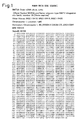
- Human Wnt3a is a protein comprised of 352 amino acid residues, and the nucleotide sequence of a gene encoding this protein is shown in SEQ ID NO:1 and FIG. 1 .
- An expression vector containing Wnt3a gene can be produced by linking Wnt3a gene to a vector through a suitable restriction site to be placed under the control of a suitable promoter of the vector using a known method.
- a suitable restriction site to be placed under the control of a suitable promoter of the vector using a known method.
- pTarget vector Promega
- pBK-CMV vector pBK-RSV vector
- pTarget vector is particularly preferable.
- a preferable promoter used in the present invention is a suitable promoter corresponding to the host used to express gene, examples of which include CMV promoter, SR ⁇ promoter, SV40 promoter, LTR promoter, HSV-TK promoter and ⁇ -actin promoter.
- a promoter corresponding to the host used to express gene
- examples of which include CMV promoter, SR ⁇ promoter, SV40 promoter, LTR promoter, HSV-TK promoter and ⁇ -actin promoter.
- an enhancer, splicing signal, poly(A) addition signal, selection marker or SV40 replication origin and the like may also be contained in the expression vector as desired.
- Hair follicle-derived cells such as human immortalized outer root sheath cells (IORS) or human immortalized dermal papilla cells (IDP), or human prostate cancer-derived cells (PC3) can be used as host cells. IORS are particularly preferable.
- human outer root sheath cells human scalp is obtained as a by-product of, for example, plastic surgery procedures or surgery procedures, and hair follicle tissue is obtained from the scalp under a stereo microscope.
- the tissue is allowed to stand undisturbed in a collagen-coated culture dish followed by culturing in a low-calcium serum-free medium such as K-GM (Clonetics) or Keratinocyte-SFM (Gibco BRL) and replacing the medium every 2 weeks.
- a hydrolase solution such as a mixed solution of collagenase and dispase
- the tissue is allowed to stand undisturbed in a collagen-coated culture dish followed by culturing in a low-calcium serum-free medium such as K-GM (Clonetics) or Keratinocyte-SFM (Gibco BRL) and replacing the medium every 2 weeks.
- K-GM Clonetics
- Keratinocyte-SFM Keratinocyte-SFM
- Human dermal papilla cells are also obtained in the same manner as outer root sheath cells from human scalp obtained as by-products of plastic surgery procedures and surgery procedures under a stereo microscope.
- the hair papilla are cultured in an ordinary animal cell culture medium such as Dulbecco's Modified Eagle Medium containing fetal calf serum and the medium is replaced every 2 days. After confirming that cells have proliferated, cells adhered to the culture vessel are released and recovered by centrifugation followed by subculturing in serum-free medium.
- Immortalization of human outer root sheath cells or human dermal papilla cells obtained in this manner can be carried out by known methods.
- the Large T antigen gene of SV40 virus deficient in a replication origin can be used as described in Japanese Unexamined Patent Publication No. 2000-89 .
- This gene is normally used in a status being introduced in a plasmid or virus vector.
- This gene is widely used in the art as a typical gene for immortalizing animal cells and can be acquired easily.
- a virus in which the EIA region in the adenovirus vector, ⁇ EI/X Doren, et al., J. Virol., Vol.
- retrovirus vector pZITtsa W. Filsell, et al., Journal of Cell Science, Vol. 107, 1761-1772 (1994 )
- pLTtsa M. Rassoulzadegan, et al., Proc. Nat. Acad. Sci. USA, Vol.
- pSV40ori- obtained by cloning SV40 viral DNA deficient in a replication origin in pBR322, or pSHPV16s ( Tissue Cult. Res. Commun., Vol. 11, 13-24 (1992 )), obtained by cloning human papillomavirus type 16 DNA in pSV2neo vector, can also be used.
- Prostate cancer cell line PC3 is a commercially available cell line that can be acquired from, for example, the American Type Culture Collection (ATCC) or DS Pharma Biomedical (formerly Dainippon Sumitomo Pharma).
- ATCC American Type Culture Collection
- DS Pharma Biomedical formerly Dainippon Sumitomo Pharma
- Transformation of host cells can be carried out by a commonly known method such as the calcium chloride method, calcium phosphate coprecipitation, DEAE dextran method, lipofection, protoplast polyethylene fusion or electroporation, and a suitable method is selected according to the host cells to be used.
- a suitable commercially available kit can also be used to carry out transformation. Examples of such kits include Fugene® (Roche Applied Science), CombiMag (OZ Biosciences) and PolyMag (OZ Biosciences).
- the resulting transformed host cells are cultured in a suitable culture medium, the cells are separated from the culture liquid by conventional means without limitation such as centrifugation or filtration, and cells are lysed as necessary, the protein component of the supernatant or filtrate is precipitated with a salt in the manner of ammonium sulfate, and the target protein can be recovered by carrying out various chromatographic techniques such as ion exchange chromatography or affinity chromatography.
- the hair follicle formation induction activity of Wnt3a can be measured by using, for example, LEF-1 (lymphocyte enhancer factor 1), which is a factor for which gene expression is accelerated by the action of Wnt3a, as an indicator ( Filali, M. et al., J. Biol. Chem., 277, 33398-33410, 2002 ).
- Wnt instructs cells so as not to decompose ⁇ -catenin ( ⁇ -CAT), and as a result, ⁇ -catenin binds with LEF-1 and similar proteins resulting in induction of hair follicle regeneration and hair growth.
- Confirmation of the expression of LEF-1 can be carried out by a commonly known method such as RT-PCR or Western blotting.
- the total length of human Wnt3a was amplified by PCR using cDNA synthesized from commercially available human placental total RNA (Clonetech) as a template and using a sense strand primer gatggccccactcggata (SEQ ID NO:2) and an antisense strand primer ggtgcctacttgcaggtgt (SEQ ID NO:3).
- SEQ ID NO:2 sense strand primer gatggccccactcggata
- SEQ ID NO:3 antisense strand primer ggtgcctacttgcaggtgt
- Each amplified gene PCR product was purified with a commercially available kit (Promega), coupled to pTarget vector, and cloned using E. coli.
- the nucleotide sequence of each inserted gene was determined using a DNA sequencer.
- the nucleotide sequence of the gene encoding Wnt3a is shown in FIG. 1 .
- Each of the cells shown in the following Table 1 were seeded into a 6-well plate at 1 to 3 x 10 5 cells followed by culturing until the cells reached sub-confluency under conditions of 37°C and 5% CO 2 .
- the constructed pTarget vector of Wnt3a or a control was transfected into the cultured cells using commercially available gene transfection reagents (Fugene® (Roche Applied Science), CombiMag (OZ Biosciences) and PolyMag (OZ Biosciences)). Which of the gene transfection reagents were used for which cells are as shown in Table 1.
- the transfection reagents were used in accordance with the protocol provided with each reagent.
- gene transfer efficiency was calculated by introducing a plasmid in which Azami Green gene (Medical & Biological Laboratories) was coupled to pTarget, followed by counting the number of cells positive for Azami Green fluorescence using a flow cytometer (Beckman Coulter). The medium, gene transfection reagent and results for transfer efficiency used for each cell are shown in Table 1.
- Wnt3a gene was found to be introduced at comparatively high efficiency in IORS, IDP and PC3 cells.
- the constructed pTarget vector of Wnt3a or the control was introduced into IORS cells, and total RNA was extracted 2 days later using Isogen (Nippon Gene) to synthesize cDNA.
- Isogen Natural Gene
- a PCR reaction was carried out on human Wnt3a using a sense primer caggaactacgtggagatca (SEQ ID NO:4) and an antisense primer ccatcccaccaaactcgatg (SEQ ID NO:5), and hyperexpression was observed when expression of Wnt3a by the introduced plasmid was investigated (data not shown).
- Wnt3a hyperexpressed by introduction of a constructed plasmid functions physiologically was investigated by using Lef-1, which is a factor in which gene expression is accelerated by the action of Wnt ( Filali, M. et al., J. Biol. Chem., 277, 33398-33410, 2002 ), as an indicator.
- the pTarget vector of Wnt3a plasmid or the control was introduced into IORS cells and total RNA was extracted 2 days later using Isogen (Nippon Gene) to synthesize cDNA.
Landscapes
- Health & Medical Sciences (AREA)
- Life Sciences & Earth Sciences (AREA)
- Engineering & Computer Science (AREA)
- Chemical & Material Sciences (AREA)
- Biomedical Technology (AREA)
- Organic Chemistry (AREA)
- Genetics & Genomics (AREA)
- Zoology (AREA)
- Bioinformatics & Cheminformatics (AREA)
- Biotechnology (AREA)
- Wood Science & Technology (AREA)
- Biochemistry (AREA)
- General Health & Medical Sciences (AREA)
- Cell Biology (AREA)
- Microbiology (AREA)
- General Engineering & Computer Science (AREA)
- Oncology (AREA)
- Proteomics, Peptides & Aminoacids (AREA)
- Molecular Biology (AREA)
- Medicinal Chemistry (AREA)
- Biophysics (AREA)
- Gastroenterology & Hepatology (AREA)
- Toxicology (AREA)
- Dermatology (AREA)
- Micro-Organisms Or Cultivation Processes Thereof (AREA)
Abstract
Description
- The present invention provides a cell transformed with a vector containing human Wnt3a protein gene that demonstrates high expression efficiency of human Wnt3a protein.
- Wnt protein is a secretory glycoprotein having a molecular weight of about 40,000 that is known to be an important intercellular signaling molecule for embryonic morphogenesis and hair follicle regeneration, and is involved in differentiation and functional maintenance of melanocytes. Nearly 20 types of vertebrate Wnt are known, these Wnt form subfamilies, and each binds to a seven-pass transmembrane receptor known as Frizzled and a single-pass transmembrane receptors known as LRP on the cell membrane. Wnt3a, which is a member of the Wnt family, has been clearly demonstrated on the basis of transplant studies in mice to maintain hair follicle formation induction activity of hair papilla by acting on hair papilla cells (Kishimoto, J. et al., Genes & Dev., 2000 May 15, 14(10), 1181-5), and considerable attention has recently been focused on its relationship with hair follicle induction. Research is being conducted on recombinant avian or mouse Wnt3a protein produced by avian Wnt3a or avian cells transformed with mouse Wnt3a gene by allowing this recombinant protein to act on mouse hair papilla cells.
- When considering use in clinical studies applicable to humans, it is necessary to prepare large amounts of human Wnt3a recombinant protein instead of human or mouse protein. However, recombinant human Wnt3a has the problem of it being difficult to produce protein that retains adequate activity probably due to problems in translation and modification following transcription. Thus, selection of host cells for use in efficiently producing human Wnt3a recombinant protein that retains hair follicle induction activity is an important factor for elucidating the mechanisms of hair follicle formation and regeneration as well as screening and evaluating drugs that induce and accelerate hair follicle formation and regeneration.
-
- Non-Patent Document 1: Genes & Dev., 2000 May 15, 14(10), 1181-5
- An object of the present invention is to provide a cell capable of efficiently expressing human Wnt3a recombinant protein having activity that induces formation of hair follicles by hair papilla cells.
- As a result of conducting extensive studies, the inventors of the present invention found that hair follicle-derived cells and prostate cancer-derived cells are optimum as hosts for efficiently expressing human Wnt3a recombinant protein that retains activity, thereby leading to completion of the present invention.
Thus, the present application includes the following inventions: - (1) a cell transformed with a vector containing human Wnt3a gene, wherein the cell is selected from a group consisting of hair follicle-derived cells and prostate cancer-derived cells;
- (2) the cell of (1), wherein the hair follicle-derived cells are IROS or IDP cells;
- (3) the cell or (1), wherein the prostate cancer-derived cells are PC3 cells; and,
- (4) the cell of any of (1) to (3), wherein the vector is a pTarget vector.
- According to the present invention, human Wnt3a recombinant protein, which has activity that induces hair follicle formation by hair papilla cells, can be efficiently expressed, and elucidation of the mechanisms of hair follicle formation and regeneration, as well as evaluation of effective drugs for hair follicle regeneration, are expected to be carried out efficiently.
-
-
FIG. 1 shows the nucleotide sequence of a gene encoding Wnt3a. -
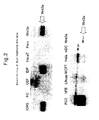
FIG. 2 shows Western blotting of cells containing Wnt3a. -
FIG. 3 shows confirmation of functional expression of Wnt3a introduced by accelerated expression of Lef-1. - Human Wnt3a is a protein comprised of 352 amino acid residues, and the nucleotide sequence of a gene encoding this protein is shown in SEQ ID NO:1 and
FIG. 1 . An expression vector containing Wnt3a gene can be produced by linking Wnt3a gene to a vector through a suitable restriction site to be placed under the control of a suitable promoter of the vector using a known method. There are no particular limitations on the type of vector, and all types of commercially available vectors can be used, including commercially available animal cell expression vectors such as pTarget vector (Promega), pBK-CMV vector or pBK-RSV vector (Stratagene). pTarget vector is particularly preferable. - There are no particular limitations on a preferable promoter used in the present invention provided it is a suitable promoter corresponding to the host used to express gene, examples of which include CMV promoter, SRα promoter, SV40 promoter, LTR promoter, HSV-TK promoter and β-actin promoter.
In addition, an enhancer, splicing signal, poly(A) addition signal, selection marker or SV40 replication origin and the like may also be contained in the expression vector as desired. - Hair follicle-derived cells, such as human immortalized outer root sheath cells (IORS) or human immortalized dermal papilla cells (IDP), or human prostate cancer-derived cells (PC3) can be used as host cells. IORS are particularly preferable.
In order to obtain human outer root sheath cells, human scalp is obtained as a by-product of, for example, plastic surgery procedures or surgery procedures, and hair follicle tissue is obtained from the scalp under a stereo microscope. Next, after treating the hair follicle tissue with a hydrolase solution, such as a mixed solution of collagenase and dispase, for 30 minutes at 37°C, the tissue is allowed to stand undisturbed in a collagen-coated culture dish followed by culturing in a low-calcium serum-free medium such as K-GM (Clonetics) or Keratinocyte-SFM (Gibco BRL) and replacing the medium every 2 weeks. After confirming that cells have proliferated, the cells adhered to the culture vessel are released and recovered by centrifugation followed by subculturing in serum-free medium. - Human dermal papilla cells are also obtained in the same manner as outer root sheath cells from human scalp obtained as by-products of plastic surgery procedures and surgery procedures under a stereo microscope. Next, the hair papilla are cultured in an ordinary animal cell culture medium such as Dulbecco's Modified Eagle Medium containing fetal calf serum and the medium is replaced every 2 days. After confirming that cells have proliferated, cells adhered to the culture vessel are released and recovered by centrifugation followed by subculturing in serum-free medium.
- Immortalization of human outer root sheath cells or human dermal papilla cells obtained in this manner can be carried out by known methods. Preferably, the Large T antigen gene of SV40 virus deficient in a replication origin can be used as described in Japanese Unexamined Patent Publication No.
2000-89 - Prostate cancer cell line PC3 is a commercially available cell line that can be acquired from, for example, the American Type Culture Collection (ATCC) or DS Pharma Biomedical (formerly Dainippon Sumitomo Pharma).
- Transformation of host cells can be carried out by a commonly known method such as the calcium chloride method, calcium phosphate coprecipitation, DEAE dextran method, lipofection, protoplast polyethylene fusion or electroporation, and a suitable method is selected according to the host cells to be used. In addition, a suitable commercially available kit can also be used to carry out transformation. Examples of such kits include Fugene® (Roche Applied Science), CombiMag (OZ Biosciences) and PolyMag (OZ Biosciences).
- The resulting transformed host cells are cultured in a suitable culture medium, the cells are separated from the culture liquid by conventional means without limitation such as centrifugation or filtration, and cells are lysed as necessary, the protein component of the supernatant or filtrate is precipitated with a salt in the manner of ammonium sulfate, and the target protein can be recovered by carrying out various chromatographic techniques such as ion exchange chromatography or affinity chromatography.
- The hair follicle formation induction activity of Wnt3a can be measured by using, for example, LEF-1 (lymphocyte enhancer factor 1), which is a factor for which gene expression is accelerated by the action of Wnt3a, as an indicator (Filali, M. et al., J. Biol. Chem., 277, 33398-33410, 2002). Wnt instructs cells so as not to decompose β-catenin (β-CAT), and as a result, β-catenin binds with LEF-1 and similar proteins resulting in induction of hair follicle regeneration and hair growth. Confirmation of the expression of LEF-1 can be carried out by a commonly known method such as RT-PCR or Western blotting.
- The following provides a more detailed explanation of the present invention through specific examples thereof. Furthermore, the present invention is not limited by these examples.
- The total length of human Wnt3a was amplified by PCR using cDNA synthesized from commercially available human placental total RNA (Clonetech) as a template and using a sense strand primer gatggccccactcggata (SEQ ID NO:2) and an antisense strand primer ggtgcctacttgcaggtgt (SEQ ID NO:3). Each amplified gene PCR product was purified with a commercially available kit (Promega), coupled to pTarget vector, and cloned using E. coli. After identifying the plasmids containing each gene based on an analysis of restrictase cleavage patterns, the nucleotide sequence of each inserted gene was determined using a DNA sequencer. The nucleotide sequence of the gene encoding Wnt3a is shown in
FIG. 1 . - Each of the cells shown in the following Table 1 were seeded into a 6-well plate at 1 to 3 x 10⁵ cells followed by culturing until the cells reached sub-confluency under conditions of 37°C and 5% CO2. Next, the constructed pTarget vector of Wnt3a or a control was transfected into the cultured cells using commercially available gene transfection reagents (Fugene® (Roche Applied Science), CombiMag (OZ Biosciences) and PolyMag (OZ Biosciences)). Which of the gene transfection reagents were used for which cells are as shown in Table 1. The transfection reagents were used in accordance with the protocol provided with each reagent. In addition, gene transfer efficiency was calculated by introducing a plasmid in which Azami Green gene (Medical & Biological Laboratories) was coupled to pTarget, followed by counting the number of cells positive for Azami Green fluorescence using a flow cytometer (Beckman Coulter). The medium, gene transfection reagent and results for transfer efficiency used for each cell are shown in Table 1.
-
[Table 1] Cell Name Species Origin Gene Transfer Efficiency Gene Transfection Reagent IORS Human Immortalized outer root sheath cells 25 Fugene hKC Human Epidermal keratinocytes 8 CombiMag CEF Chicken Fetal fibroblasts 10 PolyMag IDP Human Immortalized dermal papilla cells 18 PolyMag HacaT Human Immortalized keratinocytes 7 PolyMag Pam212 Mouse Squamous epithelial cells 32 PolyMag PC3 Human Prostate cancer cells 46 Fugene LNcap Human Prostate cancer cells 10 PolyMag hFB Human Fibroblasts 17 Fugene MCF7 Human Breast cancer cells 0.8 Fugene Hela Human Cervical cancer cells 0.3 Fugene mDC Mouse Dermal cells 0.4 Fugene - As a result, Wnt3a gene was found to be introduced at comparatively high efficiency in IORS, IDP and PC3 cells.
- The constructed pTarget vector of Wnt3a or the control was introduced into IORS cells, and total RNA was extracted 2 days later using Isogen (Nippon Gene) to synthesize cDNA. Using the resulting cDNA of IORS cells as a template, a PCR reaction was carried out on human Wnt3a using a sense primer caggaactacgtggagatca (SEQ ID NO:4) and an antisense primer ccatcccaccaaactcgatg (SEQ ID NO:5), and hyperexpression was observed when expression of Wnt3a by the introduced plasmid was investigated (data not shown).
- Cells transfected with each of the genes shown in Table 1 were lysed and subjected to heat treatment in SDS-polyacrylamide electrophoresis (SDS-PAGE) sample buffer 2 days after gene transfection followed by application to SDS-PAGE. At that time, samples were prepared so that the number of cells measured prior to protein extraction was equal between cells transfected with Wnt plasmid and the control vector. Next, protein was transferred from the gel following SDS-PAGE to a membrane using a semi-dry method. After treating the membrane with a commercially available blocking solution, the membrane was allowed to react with Wnt3a antibody (Abcam) diluted by 500-fold as the primary antibody. After washing with PBS-T, the membrane was allowed to further react with HRP-labeled anti-rabbit IgG (GE Healthcare Life Sciences) diluted by 2000-fold as the secondary antibody. Moreover, after washing with PBS-T, detection was carried out using ECL Advance (GE Healthcare Life Sciences). Commercially available mouse Wnt3a protein (R&D System) was used as a positive control. The results are shown in
FIG. 2 . High expression of Wnt3a was observed in IORS and IDP cells, and expression was also observed in PC3 cells. - Whether or not Wnt3a hyperexpressed by introduction of a constructed plasmid functions physiologically was investigated by using Lef-1, which is a factor in which gene expression is accelerated by the action of Wnt (Filali, M. et al., J. Biol. Chem., 277, 33398-33410, 2002), as an indicator. The pTarget vector of Wnt3a plasmid or the control was introduced into IORS cells and total RNA was extracted 2 days later using Isogen (Nippon Gene) to synthesize cDNA. Using the resulting cDNA of the IORS cells as a template, a PCR reaction was carried out on human Lef-1 using a sense primer cttccttggtgaacgagtctg (SEQ ID NO:6) and an antisense primer gtgttctctggccttgtcgt (SEQ ID NO:7).
The results are shown inFIG. 3 . In the case of having introduced Wnt3a plasmid, acceleration expression of Lef-1 gene was observed as compared with the control, and the introduced Wnt3a was determined to function physiologically.


Claims (4)
- A cell transformed with a vector containing human Wnt3a gene, wherein said cell is selected from a group consisting of hair follicle-derived cells and prostate cancer-derived cells.
- The cell according to claim 1, wherein the hair follicle-derived cells are immortalized outer root sheath (IORS) or immortalized dermal papilla (IDP) cells.
- The cell according to claim 1, wherein the prostate cancer-derived cells are human prostate cancer (PC3) cells.
- The cell according to any of claims 1 to 3, wherein the vector is a pTarget vector.
Applications Claiming Priority (2)
| Application Number | Priority Date | Filing Date | Title |
|---|---|---|---|
| JP2008010823A JP5300273B2 (en) | 2008-01-21 | 2008-01-21 | Human Wnt3a gene transformed cell |
| PCT/JP2009/050884 WO2009093612A1 (en) | 2008-01-21 | 2009-01-21 | Cell transformed by human wnt3a gene |
Publications (3)
| Publication Number | Publication Date |
|---|---|
| EP2239324A1 true EP2239324A1 (en) | 2010-10-13 |
| EP2239324A4 EP2239324A4 (en) | 2012-05-30 |
| EP2239324B1 EP2239324B1 (en) | 2013-07-24 |
Family
ID=40901120
Family Applications (1)
| Application Number | Title | Priority Date | Filing Date |
|---|---|---|---|
| EP09703915.0A Not-in-force EP2239324B1 (en) | 2008-01-21 | 2009-01-21 | Cell transformed by human wnt3a gene |
Country Status (7)
| Country | Link |
|---|---|
| US (1) | US8257972B2 (en) |
| EP (1) | EP2239324B1 (en) |
| JP (1) | JP5300273B2 (en) |
| KR (1) | KR101596056B1 (en) |
| CN (1) | CN101925676B (en) |
| ES (1) | ES2425883T3 (en) |
| WO (1) | WO2009093612A1 (en) |
Families Citing this family (1)
| Publication number | Priority date | Publication date | Assignee | Title |
|---|---|---|---|---|
| US20160122714A1 (en) * | 2013-06-12 | 2016-05-05 | Shiseido Company, Ltd. | Serum-free medium containing pdgf for ds cells |
Family Cites Families (3)
| Publication number | Priority date | Publication date | Assignee | Title |
|---|---|---|---|---|
| JP2000000089A (en) | 1998-06-15 | 2000-01-07 | Shiseido Co Ltd | Immortalized human outer root sheath cells and a hair restorer evaluation method using the same |
| DE60129799T2 (en) * | 2000-03-31 | 2008-04-30 | The General Hospital Corp., Boston | PROCESS FOR INCREASING HAIR GROWTH BY WNT POLYPEPTIDE |
| JP5258213B2 (en) | 2006-06-27 | 2013-08-07 | 株式会社 資生堂 | Cell mass that can form primitive organs composed of multiple cell types derived from somatic |
-
2008
- 2008-01-21 JP JP2008010823A patent/JP5300273B2/en active Active
-
2009
- 2009-01-21 CN CN2009801027437A patent/CN101925676B/en active Active
- 2009-01-21 KR KR1020107015031A patent/KR101596056B1/en active Active
- 2009-01-21 US US12/735,473 patent/US8257972B2/en not_active Expired - Fee Related
- 2009-01-21 WO PCT/JP2009/050884 patent/WO2009093612A1/en not_active Ceased
- 2009-01-21 EP EP09703915.0A patent/EP2239324B1/en not_active Not-in-force
- 2009-01-21 ES ES09703915T patent/ES2425883T3/en active Active
Also Published As
| Publication number | Publication date |
|---|---|
| EP2239324A4 (en) | 2012-05-30 |
| JP2009171852A (en) | 2009-08-06 |
| JP5300273B2 (en) | 2013-09-25 |
| KR20100102638A (en) | 2010-09-24 |
| WO2009093612A1 (en) | 2009-07-30 |
| CN101925676A (en) | 2010-12-22 |
| US8257972B2 (en) | 2012-09-04 |
| ES2425883T3 (en) | 2013-10-17 |
| EP2239324B1 (en) | 2013-07-24 |
| US20100311163A1 (en) | 2010-12-09 |
| CN101925676B (en) | 2012-08-22 |
| KR101596056B1 (en) | 2016-02-19 |
Similar Documents
| Publication | Publication Date | Title |
|---|---|---|
| US11008550B2 (en) | Use of RNA for reprogramming somatic cells | |
| US20020187550A1 (en) | Embryonic stem cells capable of differentiating into desired cell lines | |
| US20160186207A1 (en) | Novel method | |
| EP2393919B1 (en) | New permant human cell line | |
| KR20220105161A (en) | Compositions, methods and uses for reprogramming cells into type 2 dendritic cell components for antigen presentation | |
| CA2570464A1 (en) | Use of cardiotrophin to modulate stem cell proliferation | |
| EP2239324B1 (en) | Cell transformed by human wnt3a gene | |
| US20200022998A1 (en) | Medical use of notch4 or inhibitors thereof | |
| Yang et al. | Snail-induced epithelial-mesenchymal transition in gastric carcinoma cells and generation of cancer stem cell characteristics | |
| JP5097387B2 (en) | Artificial skin | |
| Catanuto et al. | Mouse retinal pigmented epithelial cell lines retain their phenotypic characteristics after transfection with human papilloma virus: a new tool to further the study of RPE biology | |
| EP3527655A1 (en) | Production method for kidney-like tissue | |
| CN117836402A (en) | Methods for reprogramming human cells | |
| EP2244715B1 (en) | Methods for gene transfer to mammals | |
| KR20210147343A (en) | Fusion protein for cell culture including extracellular matrix motif and use thereof | |
| Sainova et al. | Development of Animal Models, Presenting Appropriate Analogues to Respective Human Systems | |
| WO2025220751A1 (en) | Drug-dependent immortalized cell capable of inducing cell death and method for producing same | |
| US20210269478A1 (en) | Adjuvant for cell culture | |
| WO2024091801A2 (en) | Methods and compositions for inducing cell differentiation | |
| WO2024182558A1 (en) | Fluorescent cone reporter ips cells, retinal organoids and uses thereof | |
| KR20200036459A (en) | In vitro and in vivo bone metastasis method of prostate cancer cells by expression of green fluorescence CD133 protein | |
| Gavigan | Integrating controlled delivery of TAT-HOXB4 into a closed-system human blood stem cell expansion bioprocess | |
| HK1155765A (en) | Methods of long-term culture of eukaryotic cells and uses thereof |
Legal Events
| Date | Code | Title | Description |
|---|---|---|---|
| PUAI | Public reference made under article 153(3) epc to a published international application that has entered the european phase |
Free format text: ORIGINAL CODE: 0009012 |
|
| 17P | Request for examination filed |
Effective date: 20100727 |
|
| AK | Designated contracting states |
Kind code of ref document: A1 Designated state(s): AT BE BG CH CY CZ DE DK EE ES FI FR GB GR HR HU IE IS IT LI LT LU LV MC MK MT NL NO PL PT RO SE SI SK TR |
|
| AX | Request for extension of the european patent |
Extension state: AL BA RS |
|
| DAX | Request for extension of the european patent (deleted) | ||
| A4 | Supplementary search report drawn up and despatched |
Effective date: 20120425 |
|
| RIC1 | Information provided on ipc code assigned before grant |
Ipc: C12N 15/09 20060101ALI20120522BHEP Ipc: C12R 1/91 20060101ALI20120522BHEP Ipc: C07K 14/475 20060101ALI20120522BHEP Ipc: C12N 15/00 20060101AFI20120522BHEP Ipc: C12N 5/10 20060101ALI20120522BHEP |
|
| GRAP | Despatch of communication of intention to grant a patent |
Free format text: ORIGINAL CODE: EPIDOSNIGR1 |
|
| GRAS | Grant fee paid |
Free format text: ORIGINAL CODE: EPIDOSNIGR3 |
|
| GRAA | (expected) grant |
Free format text: ORIGINAL CODE: 0009210 |
|
| AK | Designated contracting states |
Kind code of ref document: B1 Designated state(s): AT BE BG CH CY CZ DE DK EE ES FI FR GB GR HR HU IE IS IT LI LT LU LV MC MK MT NL NO PL PT RO SE SI SK TR |
|
| REG | Reference to a national code |
Ref country code: GB Ref legal event code: FG4D |
|
| REG | Reference to a national code |
Ref country code: CH Ref legal event code: EP |
|
| REG | Reference to a national code |
Ref country code: AT Ref legal event code: REF Ref document number: 623500 Country of ref document: AT Kind code of ref document: T Effective date: 20130815 |
|
| REG | Reference to a national code |
Ref country code: IE Ref legal event code: FG4D |
|
| REG | Reference to a national code |
Ref country code: CH Ref legal event code: NV Representative=s name: BUGNION S.A., CH |
|
| REG | Reference to a national code |
Ref country code: DE Ref legal event code: R096 Ref document number: 602009017399 Country of ref document: DE Effective date: 20130919 |
|
| REG | Reference to a national code |
Ref country code: ES Ref legal event code: FG2A Ref document number: 2425883 Country of ref document: ES Kind code of ref document: T3 Effective date: 20131017 |
|
| REG | Reference to a national code |
Ref country code: NL Ref legal event code: VDEP Effective date: 20130724 |
|
| REG | Reference to a national code |
Ref country code: LT Ref legal event code: MG4D |
|
| PG25 | Lapsed in a contracting state [announced via postgrant information from national office to epo] |
Ref country code: IS Free format text: LAPSE BECAUSE OF FAILURE TO SUBMIT A TRANSLATION OF THE DESCRIPTION OR TO PAY THE FEE WITHIN THE PRESCRIBED TIME-LIMIT Effective date: 20131124 Ref country code: LT Free format text: LAPSE BECAUSE OF FAILURE TO SUBMIT A TRANSLATION OF THE DESCRIPTION OR TO PAY THE FEE WITHIN THE PRESCRIBED TIME-LIMIT Effective date: 20130724 Ref country code: BE Free format text: LAPSE BECAUSE OF FAILURE TO SUBMIT A TRANSLATION OF THE DESCRIPTION OR TO PAY THE FEE WITHIN THE PRESCRIBED TIME-LIMIT Effective date: 20130724 Ref country code: NO Free format text: LAPSE BECAUSE OF FAILURE TO SUBMIT A TRANSLATION OF THE DESCRIPTION OR TO PAY THE FEE WITHIN THE PRESCRIBED TIME-LIMIT Effective date: 20131024 Ref country code: PT Free format text: LAPSE BECAUSE OF FAILURE TO SUBMIT A TRANSLATION OF THE DESCRIPTION OR TO PAY THE FEE WITHIN THE PRESCRIBED TIME-LIMIT Effective date: 20131125 Ref country code: CY Free format text: LAPSE BECAUSE OF FAILURE TO SUBMIT A TRANSLATION OF THE DESCRIPTION OR TO PAY THE FEE WITHIN THE PRESCRIBED TIME-LIMIT Effective date: 20130911 Ref country code: HR Free format text: LAPSE BECAUSE OF FAILURE TO SUBMIT A TRANSLATION OF THE DESCRIPTION OR TO PAY THE FEE WITHIN THE PRESCRIBED TIME-LIMIT Effective date: 20130724 Ref country code: SE Free format text: LAPSE BECAUSE OF FAILURE TO SUBMIT A TRANSLATION OF THE DESCRIPTION OR TO PAY THE FEE WITHIN THE PRESCRIBED TIME-LIMIT Effective date: 20130724 |
|
| PG25 | Lapsed in a contracting state [announced via postgrant information from national office to epo] |
Ref country code: SI Free format text: LAPSE BECAUSE OF FAILURE TO SUBMIT A TRANSLATION OF THE DESCRIPTION OR TO PAY THE FEE WITHIN THE PRESCRIBED TIME-LIMIT Effective date: 20130724 Ref country code: LV Free format text: LAPSE BECAUSE OF FAILURE TO SUBMIT A TRANSLATION OF THE DESCRIPTION OR TO PAY THE FEE WITHIN THE PRESCRIBED TIME-LIMIT Effective date: 20130724 Ref country code: PL Free format text: LAPSE BECAUSE OF FAILURE TO SUBMIT A TRANSLATION OF THE DESCRIPTION OR TO PAY THE FEE WITHIN THE PRESCRIBED TIME-LIMIT Effective date: 20130724 Ref country code: FI Free format text: LAPSE BECAUSE OF FAILURE TO SUBMIT A TRANSLATION OF THE DESCRIPTION OR TO PAY THE FEE WITHIN THE PRESCRIBED TIME-LIMIT Effective date: 20130724 Ref country code: GR Free format text: LAPSE BECAUSE OF FAILURE TO SUBMIT A TRANSLATION OF THE DESCRIPTION OR TO PAY THE FEE WITHIN THE PRESCRIBED TIME-LIMIT Effective date: 20131025 Ref country code: NL Free format text: LAPSE BECAUSE OF FAILURE TO SUBMIT A TRANSLATION OF THE DESCRIPTION OR TO PAY THE FEE WITHIN THE PRESCRIBED TIME-LIMIT Effective date: 20130724 |
|
| PG25 | Lapsed in a contracting state [announced via postgrant information from national office to epo] |
Ref country code: CY Free format text: LAPSE BECAUSE OF FAILURE TO SUBMIT A TRANSLATION OF THE DESCRIPTION OR TO PAY THE FEE WITHIN THE PRESCRIBED TIME-LIMIT Effective date: 20130724 |
|
| PG25 | Lapsed in a contracting state [announced via postgrant information from national office to epo] |
Ref country code: CZ Free format text: LAPSE BECAUSE OF FAILURE TO SUBMIT A TRANSLATION OF THE DESCRIPTION OR TO PAY THE FEE WITHIN THE PRESCRIBED TIME-LIMIT Effective date: 20130724 Ref country code: RO Free format text: LAPSE BECAUSE OF FAILURE TO SUBMIT A TRANSLATION OF THE DESCRIPTION OR TO PAY THE FEE WITHIN THE PRESCRIBED TIME-LIMIT Effective date: 20130724 Ref country code: EE Free format text: LAPSE BECAUSE OF FAILURE TO SUBMIT A TRANSLATION OF THE DESCRIPTION OR TO PAY THE FEE WITHIN THE PRESCRIBED TIME-LIMIT Effective date: 20130724 Ref country code: SK Free format text: LAPSE BECAUSE OF FAILURE TO SUBMIT A TRANSLATION OF THE DESCRIPTION OR TO PAY THE FEE WITHIN THE PRESCRIBED TIME-LIMIT Effective date: 20130724 Ref country code: DK Free format text: LAPSE BECAUSE OF FAILURE TO SUBMIT A TRANSLATION OF THE DESCRIPTION OR TO PAY THE FEE WITHIN THE PRESCRIBED TIME-LIMIT Effective date: 20130724 |
|
| PLBE | No opposition filed within time limit |
Free format text: ORIGINAL CODE: 0009261 |
|
| STAA | Information on the status of an ep patent application or granted ep patent |
Free format text: STATUS: NO OPPOSITION FILED WITHIN TIME LIMIT |
|
| 26N | No opposition filed |
Effective date: 20140425 |
|
| REG | Reference to a national code |
Ref country code: DE Ref legal event code: R097 Ref document number: 602009017399 Country of ref document: DE Effective date: 20140425 |
|
| PG25 | Lapsed in a contracting state [announced via postgrant information from national office to epo] |
Ref country code: MC Free format text: LAPSE BECAUSE OF FAILURE TO SUBMIT A TRANSLATION OF THE DESCRIPTION OR TO PAY THE FEE WITHIN THE PRESCRIBED TIME-LIMIT Effective date: 20130724 Ref country code: LU Free format text: LAPSE BECAUSE OF FAILURE TO SUBMIT A TRANSLATION OF THE DESCRIPTION OR TO PAY THE FEE WITHIN THE PRESCRIBED TIME-LIMIT Effective date: 20140121 |
|
| REG | Reference to a national code |
Ref country code: IE Ref legal event code: MM4A |
|
| PG25 | Lapsed in a contracting state [announced via postgrant information from national office to epo] |
Ref country code: IE Free format text: LAPSE BECAUSE OF NON-PAYMENT OF DUE FEES Effective date: 20140121 |
|
| REG | Reference to a national code |
Ref country code: FR Ref legal event code: PLFP Year of fee payment: 8 |
|
| PG25 | Lapsed in a contracting state [announced via postgrant information from national office to epo] |
Ref country code: MT Free format text: LAPSE BECAUSE OF FAILURE TO SUBMIT A TRANSLATION OF THE DESCRIPTION OR TO PAY THE FEE WITHIN THE PRESCRIBED TIME-LIMIT Effective date: 20130724 |
|
| PG25 | Lapsed in a contracting state [announced via postgrant information from national office to epo] |
Ref country code: BG Free format text: LAPSE BECAUSE OF FAILURE TO SUBMIT A TRANSLATION OF THE DESCRIPTION OR TO PAY THE FEE WITHIN THE PRESCRIBED TIME-LIMIT Effective date: 20130724 |
|
| PG25 | Lapsed in a contracting state [announced via postgrant information from national office to epo] |
Ref country code: HU Free format text: LAPSE BECAUSE OF FAILURE TO SUBMIT A TRANSLATION OF THE DESCRIPTION OR TO PAY THE FEE WITHIN THE PRESCRIBED TIME-LIMIT; INVALID AB INITIO Effective date: 20090121 Ref country code: TR Free format text: LAPSE BECAUSE OF FAILURE TO SUBMIT A TRANSLATION OF THE DESCRIPTION OR TO PAY THE FEE WITHIN THE PRESCRIBED TIME-LIMIT Effective date: 20130724 |
|
| REG | Reference to a national code |
Ref country code: FR Ref legal event code: PLFP Year of fee payment: 9 |
|
| REG | Reference to a national code |
Ref country code: FR Ref legal event code: PLFP Year of fee payment: 10 |
|
| PG25 | Lapsed in a contracting state [announced via postgrant information from national office to epo] |
Ref country code: MK Free format text: LAPSE BECAUSE OF FAILURE TO SUBMIT A TRANSLATION OF THE DESCRIPTION OR TO PAY THE FEE WITHIN THE PRESCRIBED TIME-LIMIT Effective date: 20130724 |
|
| PGFP | Annual fee paid to national office [announced via postgrant information from national office to epo] |
Ref country code: FR Payment date: 20191129 Year of fee payment: 12 |
|
| PGFP | Annual fee paid to national office [announced via postgrant information from national office to epo] |
Ref country code: CH Payment date: 20191220 Year of fee payment: 12 |
|
| PGFP | Annual fee paid to national office [announced via postgrant information from national office to epo] |
Ref country code: AT Payment date: 20200113 Year of fee payment: 12 Ref country code: IT Payment date: 20200123 Year of fee payment: 12 Ref country code: ES Payment date: 20200206 Year of fee payment: 12 |
|
| REG | Reference to a national code |
Ref country code: CH Ref legal event code: PL |
|
| REG | Reference to a national code |
Ref country code: AT Ref legal event code: MM01 Ref document number: 623500 Country of ref document: AT Kind code of ref document: T Effective date: 20210121 |
|
| PG25 | Lapsed in a contracting state [announced via postgrant information from national office to epo] |
Ref country code: FR Free format text: LAPSE BECAUSE OF NON-PAYMENT OF DUE FEES Effective date: 20210131 Ref country code: AT Free format text: LAPSE BECAUSE OF NON-PAYMENT OF DUE FEES Effective date: 20210121 |
|
| PG25 | Lapsed in a contracting state [announced via postgrant information from national office to epo] |
Ref country code: LI Free format text: LAPSE BECAUSE OF NON-PAYMENT OF DUE FEES Effective date: 20210131 Ref country code: CH Free format text: LAPSE BECAUSE OF NON-PAYMENT OF DUE FEES Effective date: 20210131 |
|
| PGFP | Annual fee paid to national office [announced via postgrant information from national office to epo] |
Ref country code: GB Payment date: 20211216 Year of fee payment: 14 |
|
| REG | Reference to a national code |
Ref country code: ES Ref legal event code: FD2A Effective date: 20220426 |
|
| PG25 | Lapsed in a contracting state [announced via postgrant information from national office to epo] |
Ref country code: IT Free format text: LAPSE BECAUSE OF NON-PAYMENT OF DUE FEES Effective date: 20210121 |
|
| PGFP | Annual fee paid to national office [announced via postgrant information from national office to epo] |
Ref country code: DE Payment date: 20211215 Year of fee payment: 14 |
|
| PG25 | Lapsed in a contracting state [announced via postgrant information from national office to epo] |
Ref country code: ES Free format text: LAPSE BECAUSE OF NON-PAYMENT OF DUE FEES Effective date: 20210122 |
|
| REG | Reference to a national code |
Ref country code: DE Ref legal event code: R119 Ref document number: 602009017399 Country of ref document: DE |
|
| GBPC | Gb: european patent ceased through non-payment of renewal fee |
Effective date: 20230121 |
|
| PG25 | Lapsed in a contracting state [announced via postgrant information from national office to epo] |
Ref country code: GB Free format text: LAPSE BECAUSE OF NON-PAYMENT OF DUE FEES Effective date: 20230121 Ref country code: DE Free format text: LAPSE BECAUSE OF NON-PAYMENT OF DUE FEES Effective date: 20230801 |