EP2230822B1 - Einrichtung einer verbindung, die ein gateway zur netzwerkadressenübersetzung durchläuft - Google Patents
Einrichtung einer verbindung, die ein gateway zur netzwerkadressenübersetzung durchläuft Download PDFInfo
- Publication number
- EP2230822B1 EP2230822B1 EP10156429.2A EP10156429A EP2230822B1 EP 2230822 B1 EP2230822 B1 EP 2230822B1 EP 10156429 A EP10156429 A EP 10156429A EP 2230822 B1 EP2230822 B1 EP 2230822B1
- Authority
- EP
- European Patent Office
- Prior art keywords
- destination
- address
- combination
- source device
- connection
- Prior art date
- Legal status (The legal status is an assumption and is not a legal conclusion. Google has not performed a legal analysis and makes no representation as to the accuracy of the status listed.)
- Active
Links
Images


Classifications
-
- H—ELECTRICITY
- H04—ELECTRIC COMMUNICATION TECHNIQUE
- H04L—TRANSMISSION OF DIGITAL INFORMATION, e.g. TELEGRAPHIC COMMUNICATION
- H04L61/00—Network arrangements, protocols or services for addressing or naming
- H04L61/09—Mapping addresses
- H04L61/25—Mapping addresses of the same type
- H04L61/2503—Translation of Internet protocol [IP] addresses
- H04L61/256—NAT traversal
- H04L61/2578—NAT traversal without involvement of the NAT server
-
- H—ELECTRICITY
- H04—ELECTRIC COMMUNICATION TECHNIQUE
- H04L—TRANSMISSION OF DIGITAL INFORMATION, e.g. TELEGRAPHIC COMMUNICATION
- H04L61/00—Network arrangements, protocols or services for addressing or naming
- H04L61/09—Mapping addresses
- H04L61/25—Mapping addresses of the same type
- H04L61/2503—Translation of Internet protocol [IP] addresses
- H04L61/256—NAT traversal
- H04L61/2575—NAT traversal using address mapping retrieval, e.g. simple traversal of user datagram protocol through session traversal utilities for NAT [STUN]
Definitions
- the present invention relates to a method of establishing a connection traversing a network address translation gateway.
- Network address translation rewrites packet headers for the purpose of remapping a given IP address and/or ports.
- Many systems use network address translation to enable multiple hosts on a private network to access the Internet using a single public IP address.
- Network address translation obscures an internal networks structure. Traffic sent to and received from the Internet all appears to come from a single device.
- NAT gateways may not have end to end connectivity. This may cause problems with some Internet protocols. Typically, incoming packets are prevented from reaching their destination on the internal network by the NAT gateway. Furthermore, NAT may interfere with tunneling protocols such as IPsec because NAT may modify values in the packet which cause integrity checks to fail.
- NAT has become a popular method to address the limitation on the number of IPv4 addresses that are available.
- NAT is an indispensable function used extensively in routers for home and small office Internet connections.
- a common configuration has a local area network using a designated private IP address range (e.g., 192.1.x.x) connected to the Internet via a single public IP address.
- Document BOULTON ET AL "Best Current Practices for NAT Traversal for SIP; draft-ietf-sipping-nat-scenarios-07.txt", IETF, 9 July 2007, XP015051703 , discloses several best practices for NAT traversal for SIP.
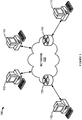
- FIG. 1 is an illustration of a mediated network address translation (NAT) traversal system (100).
- the NAT traversal system 100 comprises source device 110, destination device 111, mediation element 112, message server 113, network 120, NAT gateway 130, and NAT gateway 131.
- Source device 110 is operatively coupled NAT gateway 130.
- NAT gateway 130 is operatively coupled to network 120.
- Destination device 111 is operatively coupled to NAT gateway 131.
- NAT gateway 131 is operatively coupled to network 120.
- Mediation element 112 is operatively coupled to network 120.
- Message server 113 is operatively coupled to network 120.
- Network 120 may be any network or collection of networks that couple, link, or otherwise operatively connect NAT gateway 130, NAT gateway 131, mediation element 112, and/or message server 113.
- Network 120 may include other secondary data networks.
- network 120 may include a backhaul network, a local network, a long distance network, a packet network, the Internet, or any combination thereof, as well as other types of networks.
- Source device 110 may be any device, system, combination of devices, or other such communication platform capable of communicating with network 120 via NAT gateway 130.
- Destination device 111 may be any device, system, combination of devices, or other such communication platform capable of communicating with network 120 via NAT gateway 130.
- source device 110 or destination device 111 may be, or comprise, for example, a computer, a mobile phone, a wireless phone, a wireless modem, a personal digital assistant (PDA), a voice over internet protocol (VoIP) phone, a voice over packet (VOP) phone, a soft phone, a media device, a network enabled television, a network enabled digital video recorder (DVR), or a Slingbox, as well as other types of devices or systems that can exchange data with network 120 via NAT gateway 130 or NAT gateway 131.
- PDA personal digital assistant
- VoIP voice over internet protocol
- VOP voice over packet
- Soft phone a media device
- media device a network enabled television
- DVR network enabled digital video recorder
- Slingbox Slingbox
- NAT gateway 130 or NAT gateway 131 may be, or comprise, for example, a NAT configured router, switch, gateway, or computer.
- NAT gateway 130 or NAT gateway 131 may be configured to implement one or more of full cone NAT, (address) restricted cone NAT, port restricted cone NAT, or symmetric NAT.
- source device 110 and destination device 111 may be on the same local network, or may both use the same NAT gateway 130 or 131 to connect with network 120. In this case, (not shown) NAT gateway 130 and NAT gateway 131 would be the same device.
- Other devices may also use NAT gateway 130 or NAT gateway 131 to connect to network 120, but these are not illustrated in Figure 1 .
- Mediation element 112 or message server 113 may be, or comprise, for example, computer systems, servers, or other network connected elements.
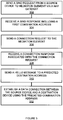
- Figure 2 is a flow diagram of a method of establishing a connection traversing at least one network address translation gateway.
- message server 113 and destination device 111 maintain persistent communication with each other.
- message server 113 knows destination device 111's public IP address and port number.
- the term "combination address" is used herein to refer to the combination of an IP address and a port number.
- Source device 110 sends a bind request to mediation element 112.
- This first bind request is a dummy bind request which is sent to a port that mediation element 112 is not going to respond to.
- this dummy bind request is shown as going to port B1.
- Source device 110 sends a second bind request to mediation element 112. This bind request is shown as being sent to port B2.
- the second bind request is not a dummy bind request.
- mediation element 112 sends a bind response to source device 110.
- This bind response provides source device 110 with the public IP address and port information corresponding to how source device 110 appears to network 120.
- the bind response provided by mediation element 112 tells source device 110 its combination network address after possibly having been translated by NAT Gateway 130.
- source device 110 After receiving the bind response from mediation element 112, source device 110 sends a connection request to mediation element 112.
- This connection request contains the combination address information associated with source device 110.
- the connection request may also contain other information, such as information about all of source device 110's local IP addresses, WAN address information obtained from a bind response, and, the connection request contains information about mediation element 112's IP address which is used for mediation. LAN and WAN address information that may be useful in establishing connectivity with destination device 111.
- Mediation element 112 forwards this connection request to message server 113.
- the connection request forwarded to message server 113 also contains information about mediation element 112.
- Mediation element 112 and message server 113 are able to communicate with each other via network 120.
- Mediation element 112 and message server 113 typically have static or easily determined public combination addresses.
- Message server 113 forwards the connection request to destination device 111. Message server 113 knows the correct combination address of where to send this connection request because it has been in persistent communication with destination device 111.
- destination device 111 may open a new UDP socket and send a bind request to mediation element 112.
- This first bind request is a dummy bind request which is sent to a port that mediation element 112 is not going to respond to.
- Destination device 111 uses information received in the connection request to know where to address this bind request.
- Destination device 110 sends a second bind request to mediation element 112. The second bind request is not a dummy bind request.
- mediation element 112 In response to the second bind request, mediation element 112 sends a bind response to destination device 111.
- This bind response provides destination device 111 with the public IP address and port information corresponding to how destination device 111 appears to network 120.
- the bind response provided by mediation element 112 tells destination device 111 its combination network address after possibly having been translated by NAT Gateway 131.
- connection response contains the combination address information associated with destination device 111.
- the connection response may also contain other information, such as all IP addresses of all of destination device 111's local interfaces, WAN address information associated with destination device 111 that may be useful in establishing connectivity with source device 110, and the WAN IP address of source device 110.
- This connection response is forwarded to source device 110 by mediation element 112 which may extract source device 110's IP address from the connection response.
- destination device 111 After sending the connection response, destination device 111 sends a series of hello messages. These hello messages may be sent to the addresses associated with source device 110 received in the connection request, and to a set of predicted combination addresses based on that address. For example, if a port number received in the connection request is S, destination device 111 may send hello messages to port S+1, S+2 ... S+N and S-1, S-2, ... S-N, where N is an arbitrary number such as 10. Other address prediction methods are possible.
- the received bind responses may be processed to determine patterns in IP addresses and port numbers. This pattern may be used to communicate more WAN combination addresses to source device 110. These additional combination addresses may be used by source device 110 to send additional hello messages. This may be particularly useful in covering scenarios where a NAT gateway 130-131 is using a pool of IP addresses or port numbers which have a difference that is greater than N.
- other port/IP patterns may be determined and additional hello messages may be sent by source device 110 to combination addresses that fit the pattern. All of these hello messages may be sent by destination device 111 from the same source port number.
- destination device 111 may send hello messages to one or more WAN IP addresses. Destination device 111 may send hello messages to one or more LAN addresses that were specified in the connection request.
- source device 110 After receiving the connection response, source device 110 sends a series of hello messages. These hello messages may be sent to the address associated with destination device 111 received in the connection response, and to a set of predicted combination addresses based on that address. For example, if the port number received in the connection response is D, source device 110 may send hello messages to port D+1, D+2 ... D+Q and D-1, D-2 ... D-Q, where Q is an arbitrary number such as 10. Other address prediction methods, such as those described above with respect to destination device 111, are possible. All of these hello messages may be sent by source device 110 from the same source port number. In addition, source device 110 may send hello messages to one or more WAN IP addresses. Source device 110 may send hello messages to one or more LAN addresses that were specified in the connection response.
- destination device 111 When destination device 111 receives a hello message from source device 110, it may obtain a "from source” combination address from the hello message. Destination device 111 may then send an acknowledgment message to this "from source” combination address. Likewise, when source device 110 receives hello message from destination device 111, it may obtain a "from destination” combination address from the hello message. Source device 110 may then send an acknowledgment message to this "from destination” combination address. Accordingly, when destination device 111 has both sent and received an acknowledgment message, it knows that a particular "from source” combination address can be used to send packets tor source device 110. Likewise, when source device 110 has both sent and received an acknowledgment message, it knows that a particular "from destination” combination address can be used to send packets tor destination device 111.
- source device 110 or destination device 111 When source device 110 or destination device 111 know a combination address that can be used to establish communication with the other device, they may stop sending hello messages to predicted port addresses. After both source device 110 and destination device 111 know combination addresses that can be used to establish communication with the other device, these devices establish data connection with each other using the predicted port addresses that were successful in reaching the other device.
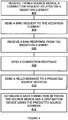
- Figure 3 is a flowchart of a source method of establishing a connection traversing at least one network address translation gateway. The steps illustrated in Figure 3 may be performed by one or more elements of NAT traversal system 100.
- a bind request is sent from a source device to a mediation element via an NAT gateway (302).
- source device 110 may send a bind request to mediation element 112.
- a bind response including a first combination address is received (304).
- source device 110 may receive a bind response from mediation element 112.
- This bind response may include a combination address associated with source device 110.
- This combination address may reflect the address that NAT Gateway 130 uses to represent source device 110 to network 120.
- a connection request is sent to the mediation element (306).
- source device 110 may send a connection request to mediation element 112.
- This connection request includes a combination address associated with source device 110 by NAT Gateway 130.
- this connection request includes combination addresses or other information that may be used to help establish connectivity with destination device 111.
- a connection response associated with the connection request is received (308).
- source device 110 may receive a connection response sent by destination device 111.
- This connection response may have been relayed to source device 110 by mediation element 112.
- This connection response may include a combination address or other information associated with destination device 111 that may be used to help establish connectivity with destination device 111.
- An hello message is sent to a predicted destination address (310). For example, if a port number received in the connection response is D, source device 110 may send hello messages to port D+1, D+2 ... D+Q, and D-1, D-2 ... D-Q, where Q is an arbitrary number such as 10. As discussed previously, other address prediction methods are possible. All of these hello messages may be sent by source device 110 from the same source port number.
- a data connection is established between the source device and the destination device using the predicted combination address (312). For example, a data connection may be established between source device 110 and destination device 111. This data connection may be established as a result of source device 110 having received an acknowledgment message. This acknowledgement message may have been in response to a hello message source device 110 sent to a predicted combination address.
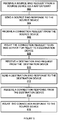
- Figure 4 is a flowchart of a destination method of establishing a connection traversing at least one network address translation gateway. The steps illustrated in Figure 4 may be performed by one or more elements of NAT traversal system 100.
- a connection request relayed via a mediation element is received from a source device (402).
- destination device 111 may receive a connection request from source device 110.
- This connection request may have been relayed by mediation element 112.
- This connection request includes a combination address associated with source device 110 by NAT Gateway 130.
- This connection request includes a combination address associated with mediation element 112.
- this connection request made include other information that may be used to help establish connectivity with destination device 111.
- a bind request is sent to the mediation element (404).
- destination device 111 may send a bind request to mediation element 112.
- a bind response from the mediation element is received (406).
- destination device 111 may receive, in response to the bind request sent in block 404, a bind response from mediation element 112.
- This bind response includes a combination address associated with destination device 111. This combination address may reflect the address that NAT Gateway 131 uses to represent destination device 110 to network 120.
- a connection response is sent (408).
- destination device 111 may send a connection response to mediation element 112.
- Mediation element 112 may relay this connection response to source device 110.
- this connection response may include combination addresses or other information associated with destination device 111 that may be used by source device 110 to help establish connectivity with destination device 111.
- An hello message is sent to a predicted source address (410). For example, if a port number received in the connection request is S, destination device 111 may send hello messages to port S+1, S+2 ... S+N, and S-1, S-2 ... S-N where N is an arbitrary number such as 10. As discussed previously, other address prediction methods are possible. All of these hello messages may be sent by destination device 111 from the same source port number.
- a data connection between the source device and the destination device is established using a predicted source address (412). For example, a data connection may be established between source device 110 and destination device 111. This data connection may be established as a result of destination device 111 having received an acknowledgment message. This acknowledgment message may have been in response to a hello message destination device 111 sent to a predicted combination address.
- Figure 5 is a flowchart of a mediation element method of establishing a connection traversing at least one network address translation gateway. The steps illustrated in Figure 5 may be performed by one or more elements of NAT traversal system 100.
- a source bind request is received from a source device via an NAT gateway (502).
- mediation element 112 may receive a bind request from source device 110. This bind request may have been sent via NAT gateway 130.
- a source bind response is sent to the source device (504).
- mediation element 112 may send, to source device 110, a response to the bind request received in block 502.
- This bind response includes a combination address associated with source device 110.
- This combination address may reflect the address that NAT Gateway 130 uses to represent source device 110 to network 120.
- This source bind response may include other combination addresses.
- this source bind response may include suggested or predicted combination addresses that mediation element 112 determines may be good choices as predicted combination addresses.
- a connection request is received from the source device (506).
- mediation element 112 may receive a connection request from source device 110.
- This connection request may include a combination address associated with source device 110 by NAT Gateway 130.
- this connection request made include other information that may be used to help establish connectivity with destination device 111.
- connection request is relayed to a message server for relay to a destination device (508).
- mediation element 112 may relay the connection request received in block 506 to message server 113 for relay to the destination device 111.
- This connection request includes information about mediation element 112, such as a combination address for mediation element 112.
- a destination bind request is received from the destination device (510).
- mediation element 112 may receive a bind request from destination device 111. This bind request may have been sent via NAT gateway 131.
- a destination bind response is sent to the destination device (512).
- mediation element 112 may send, to destination device 111, a response to the bind request received in block 510.
- This bind response may include a combination address associated with destination device 111.
- This combination address may reflect the address that NAT Gateway 131 uses to represent destination device 111 to network 120.
- This bind response may include other combination addresses.
- this destination bind response may include suggested or predicted combination addresses that mediation element 112 determines may be good choices as predicted combination addresses.
- a connection response is received from the destination device (514).
- mediation element 112 may receive a connection response from destination device 111.
- This connection response may include a combination address or other information associated with destination device 111 that may be used by source device 110 to help establish connectivity with destination device 111.
- the connection response is relayed to the source device (516).
- mediation element 112 may relay the connection response to source device 110.
- the connection response may also contain combination addresses or other information that may be useful in establishing connectivity with source device 110.
- the connection response may also contain information about mediation element 112.
- NAT traversal system 100 may be, comprise, or include computers systems. This includes, but is not limited to: source device 110, destination device 111, mediation element 112, message server 113, network 120, NAT gateway 130, and NAT gateway 131.
- FIG. 6 illustrates a block diagram of a computer system.
- Computer system 600 includes communication interface 620, processing system 630, and user interface 660.
- Processing system 630 includes storage system 640.
- Storage system 640 stores software 650.
- Processing system 630 is linked to communication interface 620 and user interface 660.
- Computer system 600 could be comprised of a programmed general-purpose computer, although those skilled in the art will appreciate that programmable or special purpose circuitry and equipment may be used.
- Computer system 600 may be distributed among multiple devices that together comprise elements 620-660.
- Communication interface 620 could comprise a network interface, modem, port, transceiver, or some other communication device. Communication interface 620 may be distributed among multiple communication devices.
- Processing system 630 could comprise a computer microprocessor, logic circuit, or some other processing device. Processing system 630 may be distributed among multiple processing devices.
- User interface 660 could comprise a keyboard, mouse, voice recognition interface, microphone and speakers, graphical display, touch screen, or some other type of user device. User interface 660 may be distributed among multiple user devices.
- Storage system 640 may comprise a disk, tape, integrated circuit, server, or some other memory device. Storage system 640 may be distributed among multiple memory devices.
- Processing system 630 retrieves and executes software 650 from storage system 640.
- Software 650 may comprise an operating system, utilities, drivers, networking software, and other software typically loaded onto a computer system.
- Software 650 may comprise an application program, firmware, or some other form of machine-readable processing instructions. When executed by processing system 630, software 650 directs processing system 630 to operate as described herein.
Landscapes
- Engineering & Computer Science (AREA)
- Computer Networks & Wireless Communication (AREA)
- Signal Processing (AREA)
- Data Exchanges In Wide-Area Networks (AREA)
Claims (7)
- Verfahren zum Erstellen einer Verbindung, die mindestens ein Gateway zur Netzwerkadressübersetzung NAT (130, 131) durchläuft, wobei das Verfahren aufweist:Senden (302) einer Bindeanforderung von einem Quellgerät (110) an ein erstes Element (112) über ein NAT-Gateway (130);Empfangen (304) einer Bindeantwort an dem Quellgerät (110), die eine Quellenkombinationsadresse enthält, welche die öffentliche Adresse des Quellgeräts ist; wobei die Quellenkombinationsadresse eine Kombination einer IP-Adresse und einer Portnummer aufweist;Erstellen einer Verbindungsanforderung an dem Quellgerät (110) und Aufnehmen der Quellenkombinationsadresse und Veranlassen, dass die Verbindungsanforderung über mindestens ein NAT-Gateway (130, 131) und über das erste Element (112) von dem Quellgerät an ein Zielgerät (111) gesendet wird;Empfangen (308) einer Verbindungsantwort an dem Quellgerät (110), die von dem Zielgerät (111) gesendet wurde und eine Zielkombinationsadresse enthält, welche die öffentliche Adresse des Zielgeräts ist; wobei die Zielkombinationsadresse eine Kombination einer IP-Adresse und einer Portnummer aufweist;Senden (310) einer Hello-Nachricht an eine vorhergesagte Zielkombinationsadresse auf Grundlage der empfangenen Zielkombinationsadresse; undErstellen (312) einer Datenverbindung zwischen dem Quellgerät (110) und dem Zielgerät (111) unter Verwendung der vorhergesagten Zielkombinationsadresse; wobeidie Verbindungsanforderung über das erste Element (112) und über einen Nachrichtenserver (113) an ein Zielgerät (111) gesendet wird;und wobei der Nachrichtenserver (113) eine dauernde Verbindung mit dem Zielgerät (111) aufrechterhält, sodass sich der Nachrichtenserver (113) mit dem Zielgerät (111) vor der Bindeanforderung von dem Quellgerät (110) in Kommunikation befand,wobei die von dem Quellgerät gesendete Verbindungsanforderung auch die IP-Adresse des ersten Elements (112) enthält, sodass in Reaktion auf die Verbindungsanforderung dem Zielgerät (111) ermöglicht wird, eine Bindeanforderung an das erste Element (112) zu senden; undwobei nach einem Empfangen einer Bindeantwort von dem ersten Element (112) das Zielgerät (111) die Verbindungsantwort an das erste Element (112) sendet, das die Zielkombinationsadresse des Zielgeräts (111) enthält.
- Verfahren nach Anspruch 1, wobei die Datenverbindung bei Empfang einer Bestätigungsnachricht erstellt wird als Ergebnis des Sendens der Nachricht an die vorhergesagte Zieladresse.
- Verfahren nach Anspruch 1 oder Anspruch 2, ferner aufweisend:Auswählen einer Mehrzahl von vorhergesagten Kombinationsadressen unter Verwendung eines Bereichs von Portnummern um eine erste Portnummer, die in der Quellen- oder der Zielkombinationsadresse enthalten ist; undSenden von Hello-Nachrichten an jede der vorhergesagten Kombinationsadressen.
- Verfahren nach einem der vorhergehenden Ansprüche, ferner aufweisend:wenn eine dem Quellgerät (506) zugehörige Verbindungsanforderung erstellt und über das erste Element (112) an das Zielgerät (508) gesendet wurde,Empfangen (510) einer Zielbindeanforderung von dem Zielgerät (508) an dem Quellgerät (506);Senden (512) einer Zielbindeantwort an das Zielgerät (508), wobei die Zielbindeantwort die dem Zielgerät zugehörige Zielkombinationsadresse enthält;Empfangen (514) der Verbindungsantwort von dem Zielgerät (508); undWeiterleiten der Verbindungsantwort an das Quellgerät (506) über das erste Element (112).
- Verfahren nach Anspruch 4, ferner aufweisend ein Senden einer Dummy-Bindeanforderung von dem Quellgerät.
- Verfahren nach Anspruch 4 oder Anspruch 5, ferner aufweisend ein Senden einer vorhergesagten Quellenkombinationsadresse an das Zielgerät (508).
- Verfahren nach einem der Ansprüche 4 bis 6, ferner aufweisend ein Senden einer vorhergesagten Zielkombinationsadresse an das Quellgerät (506).
Applications Claiming Priority (1)
| Application Number | Priority Date | Filing Date | Title |
|---|---|---|---|
| US12/405,039 US8149851B2 (en) | 2009-03-16 | 2009-03-16 | Mediated network address translation traversal |
Publications (2)
| Publication Number | Publication Date |
|---|---|
| EP2230822A1 EP2230822A1 (de) | 2010-09-22 |
| EP2230822B1 true EP2230822B1 (de) | 2018-08-22 |
Family
ID=42174035
Family Applications (1)
| Application Number | Title | Priority Date | Filing Date |
|---|---|---|---|
| EP10156429.2A Active EP2230822B1 (de) | 2009-03-16 | 2010-03-12 | Einrichtung einer verbindung, die ein gateway zur netzwerkadressenübersetzung durchläuft |
Country Status (2)
| Country | Link |
|---|---|
| US (2) | US8149851B2 (de) |
| EP (1) | EP2230822B1 (de) |
Families Citing this family (162)
| Publication number | Priority date | Publication date | Assignee | Title |
|---|---|---|---|---|
| US8266657B2 (en) | 2001-03-15 | 2012-09-11 | Sling Media Inc. | Method for effectively implementing a multi-room television system |
| KR20070085203A (ko) | 2004-06-07 | 2007-08-27 | 슬링 미디어 인코퍼레이티드 | 퍼스널 미디어 브로드캐스팅 시스템 |
| US7975062B2 (en) | 2004-06-07 | 2011-07-05 | Sling Media, Inc. | Capturing and sharing media content |
| US7917932B2 (en) | 2005-06-07 | 2011-03-29 | Sling Media, Inc. | Personal video recorder functionality for placeshifting systems |
| US9712486B2 (en) | 2006-09-25 | 2017-07-18 | Weaved, Inc. | Techniques for the deployment and management of network connected devices |
| US9231904B2 (en) | 2006-09-25 | 2016-01-05 | Weaved, Inc. | Deploying and managing networked devices |
| US10637724B2 (en) | 2006-09-25 | 2020-04-28 | Remot3.It, Inc. | Managing network connected devices |
| US11184224B2 (en) | 2006-09-25 | 2021-11-23 | Remot3.It, Inc. | System, method and compute program product for accessing a device on a network |
| US8447843B2 (en) | 2006-09-25 | 2013-05-21 | Yoics, Inc. | System, method and computer program product for identifying, configuring and accessing a device on a network |
| US9456054B2 (en) | 2008-05-16 | 2016-09-27 | Palo Alto Research Center Incorporated | Controlling the spread of interests and content in a content centric network |
| US8381310B2 (en) | 2009-08-13 | 2013-02-19 | Sling Media Pvt. Ltd. | Systems, methods, and program applications for selectively restricting the placeshifting of copy protected digital media content |
| US8171148B2 (en) | 2009-04-17 | 2012-05-01 | Sling Media, Inc. | Systems and methods for establishing connections between devices communicating over a network |
| US8406431B2 (en) | 2009-07-23 | 2013-03-26 | Sling Media Pvt. Ltd. | Adaptive gain control for digital audio samples in a media stream |
| US8923293B2 (en) | 2009-10-21 | 2014-12-30 | Palo Alto Research Center Incorporated | Adaptive multi-interface use for content networking |
| US20110219114A1 (en) * | 2010-03-05 | 2011-09-08 | Bo Yang | Pod-based server backend infrastructure for peer-assisted applications |
| US9264459B2 (en) * | 2010-12-16 | 2016-02-16 | Palo Alto Research Center Incorporated | SIP-based custodian routing in content-centric networks |
| US10075354B2 (en) | 2012-10-12 | 2018-09-11 | Sling Media L.L.C. | Identification of servers by common wide area network addresses |
| US9280546B2 (en) | 2012-10-31 | 2016-03-08 | Palo Alto Research Center Incorporated | System and method for accessing digital content using a location-independent name |
| US20140136508A1 (en) | 2012-11-09 | 2014-05-15 | Palo Alto Research Center Incorporated | Computer-Implemented System And Method For Providing Website Navigation Recommendations |
| US9400800B2 (en) | 2012-11-19 | 2016-07-26 | Palo Alto Research Center Incorporated | Data transport by named content synchronization |
| US10430839B2 (en) | 2012-12-12 | 2019-10-01 | Cisco Technology, Inc. | Distributed advertisement insertion in content-centric networks |
| US11956499B2 (en) | 2013-03-15 | 2024-04-09 | Sling TV L.L.C. | Automated replacement of stored digital content |
| US11564002B2 (en) | 2013-03-15 | 2023-01-24 | Sling TV L.L.C. | Automated replacement of video program content |
| US11778257B2 (en) | 2013-03-15 | 2023-10-03 | Sling TV L.L.C. | Digital advertisement frequency correction |
| US12200284B2 (en) | 2013-03-15 | 2025-01-14 | Sling TV L.L.C. | Digital advertisement frequency correction |
| US9756100B2 (en) | 2013-03-15 | 2017-09-05 | Echostar Technologies L.L.C. | Placeshifting of adaptive media streams |
| US9978025B2 (en) | 2013-03-20 | 2018-05-22 | Cisco Technology, Inc. | Ordered-element naming for name-based packet forwarding |
| US9935791B2 (en) | 2013-05-20 | 2018-04-03 | Cisco Technology, Inc. | Method and system for name resolution across heterogeneous architectures |
| US9185120B2 (en) | 2013-05-23 | 2015-11-10 | Palo Alto Research Center Incorporated | Method and system for mitigating interest flooding attacks in content-centric networks |
| US9444722B2 (en) | 2013-08-01 | 2016-09-13 | Palo Alto Research Center Incorporated | Method and apparatus for configuring routing paths in a custodian-based routing architecture |
| US9407549B2 (en) | 2013-10-29 | 2016-08-02 | Palo Alto Research Center Incorporated | System and method for hash-based forwarding of packets with hierarchically structured variable-length identifiers |
| US9282050B2 (en) | 2013-10-30 | 2016-03-08 | Palo Alto Research Center Incorporated | System and method for minimum path MTU discovery in content centric networks |
| US9276840B2 (en) | 2013-10-30 | 2016-03-01 | Palo Alto Research Center Incorporated | Interest messages with a payload for a named data network |
| US9401864B2 (en) | 2013-10-31 | 2016-07-26 | Palo Alto Research Center Incorporated | Express header for packets with hierarchically structured variable-length identifiers |
| US9311377B2 (en) | 2013-11-13 | 2016-04-12 | Palo Alto Research Center Incorporated | Method and apparatus for performing server handoff in a name-based content distribution system |
| US10101801B2 (en) | 2013-11-13 | 2018-10-16 | Cisco Technology, Inc. | Method and apparatus for prefetching content in a data stream |
| US10129365B2 (en) | 2013-11-13 | 2018-11-13 | Cisco Technology, Inc. | Method and apparatus for pre-fetching remote content based on static and dynamic recommendations |
| US10089655B2 (en) | 2013-11-27 | 2018-10-02 | Cisco Technology, Inc. | Method and apparatus for scalable data broadcasting |
| US9503358B2 (en) | 2013-12-05 | 2016-11-22 | Palo Alto Research Center Incorporated | Distance-based routing in an information-centric network |
| US9379979B2 (en) | 2014-01-14 | 2016-06-28 | Palo Alto Research Center Incorporated | Method and apparatus for establishing a virtual interface for a set of mutual-listener devices |
| US10098051B2 (en) | 2014-01-22 | 2018-10-09 | Cisco Technology, Inc. | Gateways and routing in software-defined manets |
| US10172068B2 (en) | 2014-01-22 | 2019-01-01 | Cisco Technology, Inc. | Service-oriented routing in software-defined MANETs |
| US9374304B2 (en) | 2014-01-24 | 2016-06-21 | Palo Alto Research Center Incorporated | End-to end route tracing over a named-data network |
| US9531679B2 (en) | 2014-02-06 | 2016-12-27 | Palo Alto Research Center Incorporated | Content-based transport security for distributed producers |
| US9954678B2 (en) | 2014-02-06 | 2018-04-24 | Cisco Technology, Inc. | Content-based transport security |
| US9678998B2 (en) | 2014-02-28 | 2017-06-13 | Cisco Technology, Inc. | Content name resolution for information centric networking |
| US10089651B2 (en) | 2014-03-03 | 2018-10-02 | Cisco Technology, Inc. | Method and apparatus for streaming advertisements in a scalable data broadcasting system |
| US9836540B2 (en) | 2014-03-04 | 2017-12-05 | Cisco Technology, Inc. | System and method for direct storage access in a content-centric network |
| US9391896B2 (en) | 2014-03-10 | 2016-07-12 | Palo Alto Research Center Incorporated | System and method for packet forwarding using a conjunctive normal form strategy in a content-centric network |
| US9626413B2 (en) | 2014-03-10 | 2017-04-18 | Cisco Systems, Inc. | System and method for ranking content popularity in a content-centric network |
| US9473405B2 (en) | 2014-03-10 | 2016-10-18 | Palo Alto Research Center Incorporated | Concurrent hashes and sub-hashes on data streams |
| US9407432B2 (en) | 2014-03-19 | 2016-08-02 | Palo Alto Research Center Incorporated | System and method for efficient and secure distribution of digital content |
| US9916601B2 (en) | 2014-03-21 | 2018-03-13 | Cisco Technology, Inc. | Marketplace for presenting advertisements in a scalable data broadcasting system |
| US9363179B2 (en) | 2014-03-26 | 2016-06-07 | Palo Alto Research Center Incorporated | Multi-publisher routing protocol for named data networks |
| US9363086B2 (en) | 2014-03-31 | 2016-06-07 | Palo Alto Research Center Incorporated | Aggregate signing of data in content centric networking |
| US9716622B2 (en) | 2014-04-01 | 2017-07-25 | Cisco Technology, Inc. | System and method for dynamic name configuration in content-centric networks |
| US9473576B2 (en) | 2014-04-07 | 2016-10-18 | Palo Alto Research Center Incorporated | Service discovery using collection synchronization with exact names |
| US10075521B2 (en) | 2014-04-07 | 2018-09-11 | Cisco Technology, Inc. | Collection synchronization using equality matched network names |
| US9390289B2 (en) | 2014-04-07 | 2016-07-12 | Palo Alto Research Center Incorporated | Secure collection synchronization using matched network names |
| US9451032B2 (en) | 2014-04-10 | 2016-09-20 | Palo Alto Research Center Incorporated | System and method for simple service discovery in content-centric networks |
| US9203885B2 (en) | 2014-04-28 | 2015-12-01 | Palo Alto Research Center Incorporated | Method and apparatus for exchanging bidirectional streams over a content centric network |
| US9992281B2 (en) | 2014-05-01 | 2018-06-05 | Cisco Technology, Inc. | Accountable content stores for information centric networks |
| US9609014B2 (en) | 2014-05-22 | 2017-03-28 | Cisco Systems, Inc. | Method and apparatus for preventing insertion of malicious content at a named data network router |
| US9455835B2 (en) | 2014-05-23 | 2016-09-27 | Palo Alto Research Center Incorporated | System and method for circular link resolution with hash-based names in content-centric networks |
| US9276751B2 (en) | 2014-05-28 | 2016-03-01 | Palo Alto Research Center Incorporated | System and method for circular link resolution with computable hash-based names in content-centric networks |
| US9467377B2 (en) | 2014-06-19 | 2016-10-11 | Palo Alto Research Center Incorporated | Associating consumer states with interests in a content-centric network |
| US9537719B2 (en) | 2014-06-19 | 2017-01-03 | Palo Alto Research Center Incorporated | Method and apparatus for deploying a minimal-cost CCN topology |
| US9516144B2 (en) | 2014-06-19 | 2016-12-06 | Palo Alto Research Center Incorporated | Cut-through forwarding of CCNx message fragments with IP encapsulation |
| US9426113B2 (en) | 2014-06-30 | 2016-08-23 | Palo Alto Research Center Incorporated | System and method for managing devices over a content centric network |
| US9699198B2 (en) | 2014-07-07 | 2017-07-04 | Cisco Technology, Inc. | System and method for parallel secure content bootstrapping in content-centric networks |
| US9621354B2 (en) | 2014-07-17 | 2017-04-11 | Cisco Systems, Inc. | Reconstructable content objects |
| US9959156B2 (en) | 2014-07-17 | 2018-05-01 | Cisco Technology, Inc. | Interest return control message |
| US9729616B2 (en) | 2014-07-18 | 2017-08-08 | Cisco Technology, Inc. | Reputation-based strategy for forwarding and responding to interests over a content centric network |
| US9590887B2 (en) | 2014-07-18 | 2017-03-07 | Cisco Systems, Inc. | Method and system for keeping interest alive in a content centric network |
| US9535968B2 (en) | 2014-07-21 | 2017-01-03 | Palo Alto Research Center Incorporated | System for distributing nameless objects using self-certifying names |
| US9882964B2 (en) | 2014-08-08 | 2018-01-30 | Cisco Technology, Inc. | Explicit strategy feedback in name-based forwarding |
| US9503365B2 (en) | 2014-08-11 | 2016-11-22 | Palo Alto Research Center Incorporated | Reputation-based instruction processing over an information centric network |
| US9729662B2 (en) | 2014-08-11 | 2017-08-08 | Cisco Technology, Inc. | Probabilistic lazy-forwarding technique without validation in a content centric network |
| US9391777B2 (en) | 2014-08-15 | 2016-07-12 | Palo Alto Research Center Incorporated | System and method for performing key resolution over a content centric network |
| US9467492B2 (en) | 2014-08-19 | 2016-10-11 | Palo Alto Research Center Incorporated | System and method for reconstructable all-in-one content stream |
| US9800637B2 (en) | 2014-08-19 | 2017-10-24 | Cisco Technology, Inc. | System and method for all-in-one content stream in content-centric networks |
| US9497282B2 (en) | 2014-08-27 | 2016-11-15 | Palo Alto Research Center Incorporated | Network coding for content-centric network |
| US10204013B2 (en) | 2014-09-03 | 2019-02-12 | Cisco Technology, Inc. | System and method for maintaining a distributed and fault-tolerant state over an information centric network |
| US9553812B2 (en) | 2014-09-09 | 2017-01-24 | Palo Alto Research Center Incorporated | Interest keep alives at intermediate routers in a CCN |
| US10069933B2 (en) | 2014-10-23 | 2018-09-04 | Cisco Technology, Inc. | System and method for creating virtual interfaces based on network characteristics |
| CN104301184B (zh) * | 2014-10-31 | 2017-10-27 | 北京百度网讯科技有限公司 | 链路的健康检查方法和装置 |
| US9536059B2 (en) | 2014-12-15 | 2017-01-03 | Palo Alto Research Center Incorporated | Method and system for verifying renamed content using manifests in a content centric network |
| US9590948B2 (en) | 2014-12-15 | 2017-03-07 | Cisco Systems, Inc. | CCN routing using hardware-assisted hash tables |
| US10237189B2 (en) | 2014-12-16 | 2019-03-19 | Cisco Technology, Inc. | System and method for distance-based interest forwarding |
| US9846881B2 (en) | 2014-12-19 | 2017-12-19 | Palo Alto Research Center Incorporated | Frugal user engagement help systems |
| US9473475B2 (en) | 2014-12-22 | 2016-10-18 | Palo Alto Research Center Incorporated | Low-cost authenticated signing delegation in content centric networking |
| US10003520B2 (en) | 2014-12-22 | 2018-06-19 | Cisco Technology, Inc. | System and method for efficient name-based content routing using link-state information in information-centric networks |
| US9660825B2 (en) | 2014-12-24 | 2017-05-23 | Cisco Technology, Inc. | System and method for multi-source multicasting in content-centric networks |
| US9946743B2 (en) | 2015-01-12 | 2018-04-17 | Cisco Technology, Inc. | Order encoded manifests in a content centric network |
| US9916457B2 (en) | 2015-01-12 | 2018-03-13 | Cisco Technology, Inc. | Decoupled name security binding for CCN objects |
| US9832291B2 (en) | 2015-01-12 | 2017-11-28 | Cisco Technology, Inc. | Auto-configurable transport stack |
| US9954795B2 (en) | 2015-01-12 | 2018-04-24 | Cisco Technology, Inc. | Resource allocation using CCN manifests |
| US9602596B2 (en) | 2015-01-12 | 2017-03-21 | Cisco Systems, Inc. | Peer-to-peer sharing in a content centric network |
| US9462006B2 (en) | 2015-01-21 | 2016-10-04 | Palo Alto Research Center Incorporated | Network-layer application-specific trust model |
| US9552493B2 (en) | 2015-02-03 | 2017-01-24 | Palo Alto Research Center Incorporated | Access control framework for information centric networking |
| US10333840B2 (en) | 2015-02-06 | 2019-06-25 | Cisco Technology, Inc. | System and method for on-demand content exchange with adaptive naming in information-centric networks |
| US10075401B2 (en) | 2015-03-18 | 2018-09-11 | Cisco Technology, Inc. | Pending interest table behavior |
| US10116605B2 (en) | 2015-06-22 | 2018-10-30 | Cisco Technology, Inc. | Transport stack name scheme and identity management |
| US10075402B2 (en) | 2015-06-24 | 2018-09-11 | Cisco Technology, Inc. | Flexible command and control in content centric networks |
| US10701038B2 (en) | 2015-07-27 | 2020-06-30 | Cisco Technology, Inc. | Content negotiation in a content centric network |
| US9986034B2 (en) | 2015-08-03 | 2018-05-29 | Cisco Technology, Inc. | Transferring state in content centric network stacks |
| US10610144B2 (en) | 2015-08-19 | 2020-04-07 | Palo Alto Research Center Incorporated | Interactive remote patient monitoring and condition management intervention system |
| US9832123B2 (en) | 2015-09-11 | 2017-11-28 | Cisco Technology, Inc. | Network named fragments in a content centric network |
| US10355999B2 (en) | 2015-09-23 | 2019-07-16 | Cisco Technology, Inc. | Flow control with network named fragments |
| US9977809B2 (en) | 2015-09-24 | 2018-05-22 | Cisco Technology, Inc. | Information and data framework in a content centric network |
| US10313227B2 (en) | 2015-09-24 | 2019-06-04 | Cisco Technology, Inc. | System and method for eliminating undetected interest looping in information-centric networks |
| US10454820B2 (en) | 2015-09-29 | 2019-10-22 | Cisco Technology, Inc. | System and method for stateless information-centric networking |
| US10263965B2 (en) | 2015-10-16 | 2019-04-16 | Cisco Technology, Inc. | Encrypted CCNx |
| US9794238B2 (en) | 2015-10-29 | 2017-10-17 | Cisco Technology, Inc. | System for key exchange in a content centric network |
| US10009446B2 (en) | 2015-11-02 | 2018-06-26 | Cisco Technology, Inc. | Header compression for CCN messages using dictionary learning |
| US9807205B2 (en) | 2015-11-02 | 2017-10-31 | Cisco Technology, Inc. | Header compression for CCN messages using dictionary |
| US10021222B2 (en) | 2015-11-04 | 2018-07-10 | Cisco Technology, Inc. | Bit-aligned header compression for CCN messages using dictionary |
| US10097521B2 (en) | 2015-11-20 | 2018-10-09 | Cisco Technology, Inc. | Transparent encryption in a content centric network |
| US9912776B2 (en) | 2015-12-02 | 2018-03-06 | Cisco Technology, Inc. | Explicit content deletion commands in a content centric network |
| US10097346B2 (en) | 2015-12-09 | 2018-10-09 | Cisco Technology, Inc. | Key catalogs in a content centric network |
| US10078062B2 (en) | 2015-12-15 | 2018-09-18 | Palo Alto Research Center Incorporated | Device health estimation by combining contextual information with sensor data |
| US10257271B2 (en) | 2016-01-11 | 2019-04-09 | Cisco Technology, Inc. | Chandra-Toueg consensus in a content centric network |
| US9949301B2 (en) | 2016-01-20 | 2018-04-17 | Palo Alto Research Center Incorporated | Methods for fast, secure and privacy-friendly internet connection discovery in wireless networks |
| US10305864B2 (en) | 2016-01-25 | 2019-05-28 | Cisco Technology, Inc. | Method and system for interest encryption in a content centric network |
| US10043016B2 (en) | 2016-02-29 | 2018-08-07 | Cisco Technology, Inc. | Method and system for name encryption agreement in a content centric network |
| US10003507B2 (en) | 2016-03-04 | 2018-06-19 | Cisco Technology, Inc. | Transport session state protocol |
| US10051071B2 (en) | 2016-03-04 | 2018-08-14 | Cisco Technology, Inc. | Method and system for collecting historical network information in a content centric network |
| US10742596B2 (en) | 2016-03-04 | 2020-08-11 | Cisco Technology, Inc. | Method and system for reducing a collision probability of hash-based names using a publisher identifier |
| US10038633B2 (en) | 2016-03-04 | 2018-07-31 | Cisco Technology, Inc. | Protocol to query for historical network information in a content centric network |
| US9832116B2 (en) | 2016-03-14 | 2017-11-28 | Cisco Technology, Inc. | Adjusting entries in a forwarding information base in a content centric network |
| US10212196B2 (en) | 2016-03-16 | 2019-02-19 | Cisco Technology, Inc. | Interface discovery and authentication in a name-based network |
| US11436656B2 (en) | 2016-03-18 | 2022-09-06 | Palo Alto Research Center Incorporated | System and method for a real-time egocentric collaborative filter on large datasets |
| US10067948B2 (en) | 2016-03-18 | 2018-09-04 | Cisco Technology, Inc. | Data deduping in content centric networking manifests |
| US10091330B2 (en) | 2016-03-23 | 2018-10-02 | Cisco Technology, Inc. | Interest scheduling by an information and data framework in a content centric network |
| US10033639B2 (en) | 2016-03-25 | 2018-07-24 | Cisco Technology, Inc. | System and method for routing packets in a content centric network using anonymous datagrams |
| US10320760B2 (en) | 2016-04-01 | 2019-06-11 | Cisco Technology, Inc. | Method and system for mutating and caching content in a content centric network |
| US9930146B2 (en) | 2016-04-04 | 2018-03-27 | Cisco Technology, Inc. | System and method for compressing content centric networking messages |
| US10425503B2 (en) | 2016-04-07 | 2019-09-24 | Cisco Technology, Inc. | Shared pending interest table in a content centric network |
| US10027578B2 (en) | 2016-04-11 | 2018-07-17 | Cisco Technology, Inc. | Method and system for routable prefix queries in a content centric network |
| US10404450B2 (en) | 2016-05-02 | 2019-09-03 | Cisco Technology, Inc. | Schematized access control in a content centric network |
| US10320675B2 (en) | 2016-05-04 | 2019-06-11 | Cisco Technology, Inc. | System and method for routing packets in a stateless content centric network |
| US10547589B2 (en) | 2016-05-09 | 2020-01-28 | Cisco Technology, Inc. | System for implementing a small computer systems interface protocol over a content centric network |
| US10063414B2 (en) | 2016-05-13 | 2018-08-28 | Cisco Technology, Inc. | Updating a transport stack in a content centric network |
| US10084764B2 (en) | 2016-05-13 | 2018-09-25 | Cisco Technology, Inc. | System for a secure encryption proxy in a content centric network |
| US10103989B2 (en) | 2016-06-13 | 2018-10-16 | Cisco Technology, Inc. | Content object return messages in a content centric network |
| US10305865B2 (en) | 2016-06-21 | 2019-05-28 | Cisco Technology, Inc. | Permutation-based content encryption with manifests in a content centric network |
| US10148572B2 (en) | 2016-06-27 | 2018-12-04 | Cisco Technology, Inc. | Method and system for interest groups in a content centric network |
| US10009266B2 (en) | 2016-07-05 | 2018-06-26 | Cisco Technology, Inc. | Method and system for reference counted pending interest tables in a content centric network |
| US11093834B2 (en) | 2016-07-06 | 2021-08-17 | Palo Alto Research Center Incorporated | Computer-implemented system and method for predicting activity outcome based on user attention |
| US9992097B2 (en) | 2016-07-11 | 2018-06-05 | Cisco Technology, Inc. | System and method for piggybacking routing information in interests in a content centric network |
| US10122624B2 (en) | 2016-07-25 | 2018-11-06 | Cisco Technology, Inc. | System and method for ephemeral entries in a forwarding information base in a content centric network |
| US10069729B2 (en) | 2016-08-08 | 2018-09-04 | Cisco Technology, Inc. | System and method for throttling traffic based on a forwarding information base in a content centric network |
| US10956412B2 (en) | 2016-08-09 | 2021-03-23 | Cisco Technology, Inc. | Method and system for conjunctive normal form attribute matching in a content centric network |
| US10033642B2 (en) | 2016-09-19 | 2018-07-24 | Cisco Technology, Inc. | System and method for making optimal routing decisions based on device-specific parameters in a content centric network |
| US10212248B2 (en) | 2016-10-03 | 2019-02-19 | Cisco Technology, Inc. | Cache management on high availability routers in a content centric network |
| US10447805B2 (en) | 2016-10-10 | 2019-10-15 | Cisco Technology, Inc. | Distributed consensus in a content centric network |
| US10135948B2 (en) | 2016-10-31 | 2018-11-20 | Cisco Technology, Inc. | System and method for process migration in a content centric network |
| US10243851B2 (en) | 2016-11-21 | 2019-03-26 | Cisco Technology, Inc. | System and method for forwarder connection information in a content centric network |
| TWI685272B (zh) | 2017-09-27 | 2020-02-11 | 關隆股份有限公司 | 無線系統的連線方法 |
| US11665132B2 (en) | 2018-12-31 | 2023-05-30 | Dish Network Technologies India Private Limited | Client-server connections over wide area network |
| US11611542B2 (en) | 2021-08-11 | 2023-03-21 | Dish Network Technologies India Private Limited | Secure media streaming communication via user datagram protocol |
| CN115022279B (zh) * | 2022-06-02 | 2024-04-16 | 京东科技信息技术有限公司 | 内网穿透方法和装置 |
Family Cites Families (2)
| Publication number | Priority date | Publication date | Assignee | Title |
|---|---|---|---|---|
| US8224985B2 (en) * | 2005-10-04 | 2012-07-17 | Sony Computer Entertainment Inc. | Peer-to-peer communication traversing symmetric network address translators |
| US7899932B2 (en) * | 2003-01-15 | 2011-03-01 | Panasonic Corporation | Relayed network address translator (NAT) traversal |
-
2009
- 2009-03-16 US US12/405,039 patent/US8149851B2/en active Active
-
2010
- 2010-03-12 EP EP10156429.2A patent/EP2230822B1/de active Active
-
2012
- 2012-03-30 US US13/436,569 patent/US8532126B2/en active Active
Non-Patent Citations (2)
| Title |
|---|
| JENNINGS C ET AL: "Managing Client Initiated Connections in the Session Initiation Protocol (SIP); draft-ietf-sip-outbound-16.txt", MANAGING CLIENT INITIATED CONNECTIONS IN THE SESSION INITIATION PROTOCOL (SIP); DRAFT-IETF-SIP-OUTBOUND-16.TXT, INTERNET ENGINEERING TASK FORCE, IETF; STANDARDWORKINGDRAFT, INTERNET SOCIETY (ISOC) 4, RUE DES FALAISES CH- 1205 GENEVA, SWITZERLAND, vol. sip, no. 16, 29 October 2008 (2008-10-29), XP015058983 * |
| ROSENBERG CISCO R MAHY (UNAFFILIATED) P MATTHEWS ALCATEL-LUCENT J: "Traversal Using Relays around NAT (TURN): Relay Extensions to Session Traversal Utilities for NAT (STUN); draft-ietf-behave-turn-13.txt", TRAVERSAL USING RELAYS AROUND NAT (TURN): RELAY EXTENSIONS TO SESSION TRAVERSAL UTILITIES FOR NAT (STUN); DRAFT-IETF-BEHAVE-TURN-13.TXT, INTERNET ENGINEERING TASK FORCE, IETF; STANDARDWORKINGDRAFT, INTERNET SOCIETY (ISOC) 4, RUE DES FALAISES CH- 1205, vol. behave, no. 13, 24 February 2009 (2009-02-24), XP015060735 * |
Also Published As
| Publication number | Publication date |
|---|---|
| EP2230822A1 (de) | 2010-09-22 |
| US20100232439A1 (en) | 2010-09-16 |
| US8532126B2 (en) | 2013-09-10 |
| US20120191864A1 (en) | 2012-07-26 |
| US8149851B2 (en) | 2012-04-03 |
Similar Documents
| Publication | Publication Date | Title |
|---|---|---|
| US8149851B2 (en) | Mediated network address translation traversal | |
| CN104040998B (zh) | 基于ice的nat遍历 | |
| US8432896B2 (en) | System and method for optimizing communications between session border controllers and endpoints in a network environment | |
| CN107257389B (zh) | 协同nat行为发现 | |
| US20040153858A1 (en) | Direct peer-to-peer transmission protocol between two virtual networks | |
| US20080133774A1 (en) | Method for implementing transparent gateway or proxy in a network | |
| US20050125532A1 (en) | Traversing firewalls and nats | |
| CN102484656B (zh) | 用于中继分组的方法和设备 | |
| US10298616B2 (en) | Apparatus and method of securing network communications | |
| US20100312880A1 (en) | Method and device for connecting packet-oriented communication terminals | |
| US8194566B2 (en) | Information processing device, and bubble packet transmission method and program | |
| Bi et al. | IPv4/IPv6 transition technologies and univer6 architecture | |
| JP6101997B2 (ja) | リアルタイム通信セッションを確立する通信システム | |
| US20110075668A1 (en) | Communication system, terminal device, and communication method | |
| WO2002071717A2 (en) | Traversing firewalls and nats | |
| US20100135292A1 (en) | Apparatus and method for supporting nat traversal in voice over internet protocol system | |
| Tseng et al. | Can: A context-aware NAT traversal scheme | |
| CN117118948A (zh) | 局域网设备间通信方法及装置 | |
| Leppäaho et al. | Traversal of the customer edge with NAT-unfriendly protocols | |
| Huston et al. | In defence of NATs | |
| JP4279847B2 (ja) | 通信システム、通信方法、ならびに、プログラム | |
| KR20020037223A (ko) | 공인 및 사설 아이피주소를 이용한 통신서비스방법 및시스템 | |
| US8572283B2 (en) | Selectively applying network address port translation to data traffic through a gateway in a communications network | |
| Chen et al. | AAAAA IP Shared Device Based on the Network Port Translation | |
| CN120321235A (zh) | 基于公网服务器访问内网服务器的流媒体数据存储方法 |
Legal Events
| Date | Code | Title | Description |
|---|---|---|---|
| PUAI | Public reference made under article 153(3) epc to a published international application that has entered the european phase |
Free format text: ORIGINAL CODE: 0009012 |
|
| AK | Designated contracting states |
Kind code of ref document: A1 Designated state(s): AT BE BG CH CY CZ DE DK EE ES FI FR GB GR HR HU IE IS IT LI LT LU LV MC MK MT NL NO PL PT RO SE SI SK SM TR |
|
| AX | Request for extension of the european patent |
Extension state: AL BA ME RS |
|
| 17P | Request for examination filed |
Effective date: 20110322 |
|
| 17Q | First examination report despatched |
Effective date: 20110415 |
|
| GRAP | Despatch of communication of intention to grant a patent |
Free format text: ORIGINAL CODE: EPIDOSNIGR1 |
|
| STAA | Information on the status of an ep patent application or granted ep patent |
Free format text: STATUS: GRANT OF PATENT IS INTENDED |
|
| INTG | Intention to grant announced |
Effective date: 20180316 |
|
| GRAS | Grant fee paid |
Free format text: ORIGINAL CODE: EPIDOSNIGR3 |
|
| GRAA | (expected) grant |
Free format text: ORIGINAL CODE: 0009210 |
|
| STAA | Information on the status of an ep patent application or granted ep patent |
Free format text: STATUS: THE PATENT HAS BEEN GRANTED |
|
| AK | Designated contracting states |
Kind code of ref document: B1 Designated state(s): AT BE BG CH CY CZ DE DK EE ES FI FR GB GR HR HU IE IS IT LI LT LU LV MC MK MT NL NO PL PT RO SE SI SK SM TR |
|
| REG | Reference to a national code |
Ref country code: GB Ref legal event code: FG4D |
|
| REG | Reference to a national code |
Ref country code: CH Ref legal event code: EP |
|
| REG | Reference to a national code |
Ref country code: AT Ref legal event code: REF Ref document number: 1033816 Country of ref document: AT Kind code of ref document: T Effective date: 20180915 |
|
| REG | Reference to a national code |
Ref country code: IE Ref legal event code: FG4D |
|
| REG | Reference to a national code |
Ref country code: DE Ref legal event code: R096 Ref document number: 602010052898 Country of ref document: DE |
|
| REG | Reference to a national code |
Ref country code: NL Ref legal event code: FP |
|
| REG | Reference to a national code |
Ref country code: LT Ref legal event code: MG4D |
|
| PG25 | Lapsed in a contracting state [announced via postgrant information from national office to epo] |
Ref country code: FI Free format text: LAPSE BECAUSE OF FAILURE TO SUBMIT A TRANSLATION OF THE DESCRIPTION OR TO PAY THE FEE WITHIN THE PRESCRIBED TIME-LIMIT Effective date: 20180822 Ref country code: SE Free format text: LAPSE BECAUSE OF FAILURE TO SUBMIT A TRANSLATION OF THE DESCRIPTION OR TO PAY THE FEE WITHIN THE PRESCRIBED TIME-LIMIT Effective date: 20180822 Ref country code: GR Free format text: LAPSE BECAUSE OF FAILURE TO SUBMIT A TRANSLATION OF THE DESCRIPTION OR TO PAY THE FEE WITHIN THE PRESCRIBED TIME-LIMIT Effective date: 20181123 Ref country code: LT Free format text: LAPSE BECAUSE OF FAILURE TO SUBMIT A TRANSLATION OF THE DESCRIPTION OR TO PAY THE FEE WITHIN THE PRESCRIBED TIME-LIMIT Effective date: 20180822 Ref country code: BG Free format text: LAPSE BECAUSE OF FAILURE TO SUBMIT A TRANSLATION OF THE DESCRIPTION OR TO PAY THE FEE WITHIN THE PRESCRIBED TIME-LIMIT Effective date: 20181122 Ref country code: NO Free format text: LAPSE BECAUSE OF FAILURE TO SUBMIT A TRANSLATION OF THE DESCRIPTION OR TO PAY THE FEE WITHIN THE PRESCRIBED TIME-LIMIT Effective date: 20181122 Ref country code: IS Free format text: LAPSE BECAUSE OF FAILURE TO SUBMIT A TRANSLATION OF THE DESCRIPTION OR TO PAY THE FEE WITHIN THE PRESCRIBED TIME-LIMIT Effective date: 20181222 |
|
| REG | Reference to a national code |
Ref country code: AT Ref legal event code: MK05 Ref document number: 1033816 Country of ref document: AT Kind code of ref document: T Effective date: 20180822 |
|
| PG25 | Lapsed in a contracting state [announced via postgrant information from national office to epo] |
Ref country code: ES Free format text: LAPSE BECAUSE OF FAILURE TO SUBMIT A TRANSLATION OF THE DESCRIPTION OR TO PAY THE FEE WITHIN THE PRESCRIBED TIME-LIMIT Effective date: 20180822 Ref country code: LV Free format text: LAPSE BECAUSE OF FAILURE TO SUBMIT A TRANSLATION OF THE DESCRIPTION OR TO PAY THE FEE WITHIN THE PRESCRIBED TIME-LIMIT Effective date: 20180822 Ref country code: HR Free format text: LAPSE BECAUSE OF FAILURE TO SUBMIT A TRANSLATION OF THE DESCRIPTION OR TO PAY THE FEE WITHIN THE PRESCRIBED TIME-LIMIT Effective date: 20180822 |
|
| PG25 | Lapsed in a contracting state [announced via postgrant information from national office to epo] |
Ref country code: EE Free format text: LAPSE BECAUSE OF FAILURE TO SUBMIT A TRANSLATION OF THE DESCRIPTION OR TO PAY THE FEE WITHIN THE PRESCRIBED TIME-LIMIT Effective date: 20180822 Ref country code: AT Free format text: LAPSE BECAUSE OF FAILURE TO SUBMIT A TRANSLATION OF THE DESCRIPTION OR TO PAY THE FEE WITHIN THE PRESCRIBED TIME-LIMIT Effective date: 20180822 Ref country code: IT Free format text: LAPSE BECAUSE OF FAILURE TO SUBMIT A TRANSLATION OF THE DESCRIPTION OR TO PAY THE FEE WITHIN THE PRESCRIBED TIME-LIMIT Effective date: 20180822 Ref country code: RO Free format text: LAPSE BECAUSE OF FAILURE TO SUBMIT A TRANSLATION OF THE DESCRIPTION OR TO PAY THE FEE WITHIN THE PRESCRIBED TIME-LIMIT Effective date: 20180822 Ref country code: CZ Free format text: LAPSE BECAUSE OF FAILURE TO SUBMIT A TRANSLATION OF THE DESCRIPTION OR TO PAY THE FEE WITHIN THE PRESCRIBED TIME-LIMIT Effective date: 20180822 Ref country code: PL Free format text: LAPSE BECAUSE OF FAILURE TO SUBMIT A TRANSLATION OF THE DESCRIPTION OR TO PAY THE FEE WITHIN THE PRESCRIBED TIME-LIMIT Effective date: 20180822 |
|
| REG | Reference to a national code |
Ref country code: DE Ref legal event code: R097 Ref document number: 602010052898 Country of ref document: DE |
|
| PG25 | Lapsed in a contracting state [announced via postgrant information from national office to epo] |
Ref country code: DK Free format text: LAPSE BECAUSE OF FAILURE TO SUBMIT A TRANSLATION OF THE DESCRIPTION OR TO PAY THE FEE WITHIN THE PRESCRIBED TIME-LIMIT Effective date: 20180822 Ref country code: SK Free format text: LAPSE BECAUSE OF FAILURE TO SUBMIT A TRANSLATION OF THE DESCRIPTION OR TO PAY THE FEE WITHIN THE PRESCRIBED TIME-LIMIT Effective date: 20180822 Ref country code: SM Free format text: LAPSE BECAUSE OF FAILURE TO SUBMIT A TRANSLATION OF THE DESCRIPTION OR TO PAY THE FEE WITHIN THE PRESCRIBED TIME-LIMIT Effective date: 20180822 |
|
| PLBE | No opposition filed within time limit |
Free format text: ORIGINAL CODE: 0009261 |
|
| STAA | Information on the status of an ep patent application or granted ep patent |
Free format text: STATUS: NO OPPOSITION FILED WITHIN TIME LIMIT |
|
| 26N | No opposition filed |
Effective date: 20190523 |
|
| REG | Reference to a national code |
Ref country code: DE Ref legal event code: R082 Ref document number: 602010052898 Country of ref document: DE Representative=s name: HERNANDEZ, YORCK, DIPL.-ING., DE Ref country code: DE Ref legal event code: R081 Ref document number: 602010052898 Country of ref document: DE Owner name: SLING MEDIA L.L.C., WILMINGTON, US Free format text: FORMER OWNER: SLING MEDIA, INC., FOSTER CITY, CALIF., US |
|
| REG | Reference to a national code |
Ref country code: NL Ref legal event code: PD Owner name: SLING MEDIA L.L.C.; US Free format text: DETAILS ASSIGNMENT: CHANGE OF OWNER(S), CHANGE OF LEGAL ENTITY; FORMER OWNER NAME: SLING MEDIA, INC. Effective date: 20190809 |
|
| PG25 | Lapsed in a contracting state [announced via postgrant information from national office to epo] |
Ref country code: SI Free format text: LAPSE BECAUSE OF FAILURE TO SUBMIT A TRANSLATION OF THE DESCRIPTION OR TO PAY THE FEE WITHIN THE PRESCRIBED TIME-LIMIT Effective date: 20180822 |
|
| PG25 | Lapsed in a contracting state [announced via postgrant information from national office to epo] |
Ref country code: MC Free format text: LAPSE BECAUSE OF FAILURE TO SUBMIT A TRANSLATION OF THE DESCRIPTION OR TO PAY THE FEE WITHIN THE PRESCRIBED TIME-LIMIT Effective date: 20180822 |
|
| REG | Reference to a national code |
Ref country code: CH Ref legal event code: PL |
|
| PG25 | Lapsed in a contracting state [announced via postgrant information from national office to epo] |
Ref country code: LU Free format text: LAPSE BECAUSE OF NON-PAYMENT OF DUE FEES Effective date: 20190312 |
|
| REG | Reference to a national code |
Ref country code: BE Ref legal event code: MM Effective date: 20190331 |
|
| PG25 | Lapsed in a contracting state [announced via postgrant information from national office to epo] |
Ref country code: CH Free format text: LAPSE BECAUSE OF NON-PAYMENT OF DUE FEES Effective date: 20190331 Ref country code: LI Free format text: LAPSE BECAUSE OF NON-PAYMENT OF DUE FEES Effective date: 20190331 Ref country code: IE Free format text: LAPSE BECAUSE OF NON-PAYMENT OF DUE FEES Effective date: 20190312 |
|
| PG25 | Lapsed in a contracting state [announced via postgrant information from national office to epo] |
Ref country code: BE Free format text: LAPSE BECAUSE OF NON-PAYMENT OF DUE FEES Effective date: 20190331 |
|
| PG25 | Lapsed in a contracting state [announced via postgrant information from national office to epo] |
Ref country code: TR Free format text: LAPSE BECAUSE OF FAILURE TO SUBMIT A TRANSLATION OF THE DESCRIPTION OR TO PAY THE FEE WITHIN THE PRESCRIBED TIME-LIMIT Effective date: 20180822 |
|
| PG25 | Lapsed in a contracting state [announced via postgrant information from national office to epo] |
Ref country code: PT Free format text: LAPSE BECAUSE OF FAILURE TO SUBMIT A TRANSLATION OF THE DESCRIPTION OR TO PAY THE FEE WITHIN THE PRESCRIBED TIME-LIMIT Effective date: 20181222 Ref country code: MT Free format text: LAPSE BECAUSE OF NON-PAYMENT OF DUE FEES Effective date: 20190312 |
|
| PG25 | Lapsed in a contracting state [announced via postgrant information from national office to epo] |
Ref country code: CY Free format text: LAPSE BECAUSE OF FAILURE TO SUBMIT A TRANSLATION OF THE DESCRIPTION OR TO PAY THE FEE WITHIN THE PRESCRIBED TIME-LIMIT Effective date: 20180822 |
|
| PG25 | Lapsed in a contracting state [announced via postgrant information from national office to epo] |
Ref country code: HU Free format text: LAPSE BECAUSE OF FAILURE TO SUBMIT A TRANSLATION OF THE DESCRIPTION OR TO PAY THE FEE WITHIN THE PRESCRIBED TIME-LIMIT; INVALID AB INITIO Effective date: 20100312 |
|
| REG | Reference to a national code |
Ref country code: DE Ref legal event code: R079 Ref document number: 602010052898 Country of ref document: DE Free format text: PREVIOUS MAIN CLASS: H04L0029120000 Ipc: H04L0067286900 |
|
| PG25 | Lapsed in a contracting state [announced via postgrant information from national office to epo] |
Ref country code: MK Free format text: LAPSE BECAUSE OF FAILURE TO SUBMIT A TRANSLATION OF THE DESCRIPTION OR TO PAY THE FEE WITHIN THE PRESCRIBED TIME-LIMIT Effective date: 20180822 |
|
| P01 | Opt-out of the competence of the unified patent court (upc) registered |
Effective date: 20230521 |
|
| PGFP | Annual fee paid to national office [announced via postgrant information from national office to epo] |
Ref country code: FR Payment date: 20251231 Year of fee payment: 17 |
|
| PGFP | Annual fee paid to national office [announced via postgrant information from national office to epo] |
Ref country code: NL Payment date: 20260106 Year of fee payment: 17 |
|
| PGFP | Annual fee paid to national office [announced via postgrant information from national office to epo] |
Ref country code: GB Payment date: 20260106 Year of fee payment: 17 |
|
| PGFP | Annual fee paid to national office [announced via postgrant information from national office to epo] |
Ref country code: DE Payment date: 20260102 Year of fee payment: 17 |