EP2228444A1 - microRNA for diagnostic and therapeutic purposes in cardiovascular diseases - Google Patents
microRNA for diagnostic and therapeutic purposes in cardiovascular diseases Download PDFInfo
- Publication number
- EP2228444A1 EP2228444A1 EP09154684A EP09154684A EP2228444A1 EP 2228444 A1 EP2228444 A1 EP 2228444A1 EP 09154684 A EP09154684 A EP 09154684A EP 09154684 A EP09154684 A EP 09154684A EP 2228444 A1 EP2228444 A1 EP 2228444A1
- Authority
- EP
- European Patent Office
- Prior art keywords
- mir
- hsa
- microrna
- seq
- group
- Prior art date
- Legal status (The legal status is an assumption and is not a legal conclusion. Google has not performed a legal analysis and makes no representation as to the accuracy of the status listed.)
- Withdrawn
Links
- 108700011259 MicroRNAs Proteins 0.000 title claims abstract description 95
- 239000002679 microRNA Substances 0.000 title claims abstract description 89
- 208000024172 Cardiovascular disease Diseases 0.000 title claims abstract description 45
- 230000001225 therapeutic effect Effects 0.000 title description 4
- 208000037265 diseases, disorders, signs and symptoms Diseases 0.000 claims abstract description 33
- 201000010099 disease Diseases 0.000 claims abstract description 32
- 239000000074 antisense oligonucleotide Substances 0.000 claims abstract description 27
- 238000012230 antisense oligonucleotides Methods 0.000 claims abstract description 27
- 238000000034 method Methods 0.000 claims abstract description 26
- 108091034117 Oligonucleotide Proteins 0.000 claims abstract description 24
- 239000003814 drug Substances 0.000 claims abstract description 17
- 230000004048 modification Effects 0.000 claims abstract description 17
- 238000012986 modification Methods 0.000 claims abstract description 17
- 239000007943 implant Substances 0.000 claims abstract description 14
- 238000004519 manufacturing process Methods 0.000 claims abstract description 14
- 230000002265 prevention Effects 0.000 claims abstract description 14
- 230000001939 inductive effect Effects 0.000 claims abstract description 11
- 230000000877 morphologic effect Effects 0.000 claims abstract description 10
- 150000001875 compounds Chemical class 0.000 claims abstract description 7
- 238000003745 diagnosis Methods 0.000 claims abstract description 6
- 238000012216 screening Methods 0.000 claims abstract description 5
- 210000004027 cell Anatomy 0.000 claims description 60
- 108091092305 Homo sapiens miR-493 stem-loop Proteins 0.000 claims description 28
- 108091060465 Homo sapiens miR-767 stem-loop Proteins 0.000 claims description 22
- -1 hsa-miR-548a Proteins 0.000 claims description 20
- 108091065449 Homo sapiens miR-299 stem-loop Proteins 0.000 claims description 19
- 239000000523 sample Substances 0.000 claims description 19
- 108091067007 Homo sapiens miR-324 stem-loop Proteins 0.000 claims description 16
- 230000035755 proliferation Effects 0.000 claims description 16
- 108091068998 Homo sapiens miR-191 stem-loop Proteins 0.000 claims description 15
- 230000006907 apoptotic process Effects 0.000 claims description 14
- 230000005764 inhibitory process Effects 0.000 claims description 14
- 230000002062 proliferating effect Effects 0.000 claims description 13
- 210000000056 organ Anatomy 0.000 claims description 12
- 210000001519 tissue Anatomy 0.000 claims description 12
- 230000003436 cytoskeletal effect Effects 0.000 claims description 7
- 230000006378 damage Effects 0.000 claims description 7
- 239000000126 substance Substances 0.000 claims description 7
- 206010016654 Fibrosis Diseases 0.000 claims description 6
- 206010019280 Heart failures Diseases 0.000 claims description 6
- 230000000692 anti-sense effect Effects 0.000 claims description 6
- 239000013068 control sample Substances 0.000 claims description 6
- 230000004761 fibrosis Effects 0.000 claims description 6
- 210000004292 cytoskeleton Anatomy 0.000 claims description 5
- 230000000694 effects Effects 0.000 claims description 5
- 206010007559 Cardiac failure congestive Diseases 0.000 claims description 4
- 206010007572 Cardiac hypertrophy Diseases 0.000 claims description 4
- 208000006029 Cardiomegaly Diseases 0.000 claims description 4
- 206010033892 Paraplegia Diseases 0.000 claims description 4
- 208000027418 Wounds and injury Diseases 0.000 claims description 4
- 210000002808 connective tissue Anatomy 0.000 claims description 4
- 208000014674 injury Diseases 0.000 claims description 4
- 230000003902 lesion Effects 0.000 claims description 4
- 230000004770 neurodegeneration Effects 0.000 claims description 4
- 210000003491 skin Anatomy 0.000 claims description 4
- 208000003037 Diastolic Heart Failure Diseases 0.000 claims description 3
- 206010020772 Hypertension Diseases 0.000 claims description 3
- 208000008253 Systolic Heart Failure Diseases 0.000 claims description 3
- 210000004204 blood vessel Anatomy 0.000 claims description 3
- 230000001684 chronic effect Effects 0.000 claims description 3
- 208000029078 coronary artery disease Diseases 0.000 claims description 3
- 238000002316 cosmetic surgery Methods 0.000 claims description 3
- 230000001631 hypertensive effect Effects 0.000 claims description 3
- 208000010125 myocardial infarction Diseases 0.000 claims description 3
- 230000008521 reorganization Effects 0.000 claims description 3
- 208000009525 Myocarditis Diseases 0.000 claims description 2
- 206010038748 Restrictive cardiomyopathy Diseases 0.000 claims description 2
- 206010039163 Right ventricular failure Diseases 0.000 claims description 2
- 230000000747 cardiac effect Effects 0.000 claims description 2
- 208000008494 pericarditis Diseases 0.000 claims description 2
- 238000003860 storage Methods 0.000 claims description 2
- 206010000891 acute myocardial infarction Diseases 0.000 claims 1
- 208000018578 heart valve disease Diseases 0.000 claims 1
- 210000004413 cardiac myocyte Anatomy 0.000 description 31
- 210000004556 brain Anatomy 0.000 description 21
- 108091070501 miRNA Proteins 0.000 description 18
- 210000001672 ovary Anatomy 0.000 description 15
- 230000010261 cell growth Effects 0.000 description 14
- 230000001413 cellular effect Effects 0.000 description 14
- 206010020880 Hypertrophy Diseases 0.000 description 10
- 210000000952 spleen Anatomy 0.000 description 10
- 210000001072 colon Anatomy 0.000 description 9
- 210000004185 liver Anatomy 0.000 description 9
- 229960001802 phenylephrine Drugs 0.000 description 8
- SONNWYBIRXJNDC-VIFPVBQESA-N phenylephrine Chemical compound CNC[C@H](O)C1=CC=CC(O)=C1 SONNWYBIRXJNDC-VIFPVBQESA-N 0.000 description 8
- 108091003079 Bovine Serum Albumin Proteins 0.000 description 7
- 239000012091 fetal bovine serum Substances 0.000 description 7
- 230000014509 gene expression Effects 0.000 description 7
- 108020004999 messenger RNA Proteins 0.000 description 7
- 239000002243 precursor Substances 0.000 description 7
- 210000002027 skeletal muscle Anatomy 0.000 description 7
- 210000003734 kidney Anatomy 0.000 description 6
- 210000002826 placenta Anatomy 0.000 description 6
- 108090000623 proteins and genes Proteins 0.000 description 6
- 210000004291 uterus Anatomy 0.000 description 6
- 210000001638 cerebellum Anatomy 0.000 description 5
- 210000004072 lung Anatomy 0.000 description 5
- 108020000948 Antisense Oligonucleotides Proteins 0.000 description 4
- 208000031229 Cardiomyopathies Diseases 0.000 description 4
- RPTUSVTUFVMDQK-UHFFFAOYSA-N Hidralazin Chemical compound C1=CC=C2C(NN)=NN=CC2=C1 RPTUSVTUFVMDQK-UHFFFAOYSA-N 0.000 description 4
- 230000015572 biosynthetic process Effects 0.000 description 4
- 210000001185 bone marrow Anatomy 0.000 description 4
- 238000004113 cell culture Methods 0.000 description 4
- 230000004663 cell proliferation Effects 0.000 description 4
- 210000005153 frontal cortex Anatomy 0.000 description 4
- 208000019622 heart disease Diseases 0.000 description 4
- 230000002401 inhibitory effect Effects 0.000 description 4
- 210000001259 mesencephalon Anatomy 0.000 description 4
- 210000001550 testis Anatomy 0.000 description 4
- 108091032973 (ribonucleotides)n+m Proteins 0.000 description 3
- PEDCQBHIVMGVHV-UHFFFAOYSA-N Glycerine Chemical compound OCC(O)CO PEDCQBHIVMGVHV-UHFFFAOYSA-N 0.000 description 3
- 102000004142 Trypsin Human genes 0.000 description 3
- 108090000631 Trypsin Proteins 0.000 description 3
- 239000012620 biological material Substances 0.000 description 3
- 238000011534 incubation Methods 0.000 description 3
- 230000035992 intercellular communication Effects 0.000 description 3
- 238000002955 isolation Methods 0.000 description 3
- 238000002360 preparation method Methods 0.000 description 3
- 238000010186 staining Methods 0.000 description 3
- 210000001541 thymus gland Anatomy 0.000 description 3
- 239000012588 trypsin Substances 0.000 description 3
- FWBHETKCLVMNFS-UHFFFAOYSA-N 4',6-Diamino-2-phenylindol Chemical compound C1=CC(C(=N)N)=CC=C1C1=CC2=CC=C(C(N)=N)C=C2N1 FWBHETKCLVMNFS-UHFFFAOYSA-N 0.000 description 2
- 102000010825 Actinin Human genes 0.000 description 2
- 108010063503 Actinin Proteins 0.000 description 2
- 208000020446 Cardiac disease Diseases 0.000 description 2
- 206010056370 Congestive cardiomyopathy Diseases 0.000 description 2
- 201000010046 Dilated cardiomyopathy Diseases 0.000 description 2
- 102000004190 Enzymes Human genes 0.000 description 2
- 108090000790 Enzymes Proteins 0.000 description 2
- 108091064367 Homo sapiens miR-509-1 stem-loop Proteins 0.000 description 2
- 108091063773 Homo sapiens miR-548a-1 stem-loop Proteins 0.000 description 2
- 108091063717 Homo sapiens miR-578 stem-loop Proteins 0.000 description 2
- 206010028980 Neoplasm Diseases 0.000 description 2
- 229930040373 Paraformaldehyde Natural products 0.000 description 2
- 208000031481 Pathologic Constriction Diseases 0.000 description 2
- 241000700159 Rattus Species 0.000 description 2
- 238000009825 accumulation Methods 0.000 description 2
- 230000001154 acute effect Effects 0.000 description 2
- 230000004075 alteration Effects 0.000 description 2
- 238000004458 analytical method Methods 0.000 description 2
- 239000005557 antagonist Substances 0.000 description 2
- 230000002236 anti-hypertrophic effect Effects 0.000 description 2
- 238000003556 assay Methods 0.000 description 2
- 230000030833 cell death Effects 0.000 description 2
- 230000032823 cell division Effects 0.000 description 2
- 230000008806 cellular morphological modification Effects 0.000 description 2
- 210000003679 cervix uteri Anatomy 0.000 description 2
- 230000008859 change Effects 0.000 description 2
- 238000003776 cleavage reaction Methods 0.000 description 2
- 230000000295 complement effect Effects 0.000 description 2
- 230000006735 deficit Effects 0.000 description 2
- 210000000981 epithelium Anatomy 0.000 description 2
- 238000013467 fragmentation Methods 0.000 description 2
- 238000006062 fragmentation reaction Methods 0.000 description 2
- 230000006870 function Effects 0.000 description 2
- 210000003976 gap junction Anatomy 0.000 description 2
- 230000004217 heart function Effects 0.000 description 2
- 229960002474 hydralazine Drugs 0.000 description 2
- 206010020871 hypertrophic cardiomyopathy Diseases 0.000 description 2
- 238000000338 in vitro Methods 0.000 description 2
- 238000001727 in vivo Methods 0.000 description 2
- MOYKHGMNXAOIAT-JGWLITMVSA-N isosorbide dinitrate Chemical compound [O-][N+](=O)O[C@H]1CO[C@@H]2[C@H](O[N+](=O)[O-])CO[C@@H]21 MOYKHGMNXAOIAT-JGWLITMVSA-N 0.000 description 2
- 229960000201 isosorbide dinitrate Drugs 0.000 description 2
- 229920002866 paraformaldehyde Polymers 0.000 description 2
- 230000003649 pro-hypertrophic effect Effects 0.000 description 2
- 230000008569 process Effects 0.000 description 2
- 230000001737 promoting effect Effects 0.000 description 2
- 230000009467 reduction Effects 0.000 description 2
- 230000001105 regulatory effect Effects 0.000 description 2
- 230000007017 scission Effects 0.000 description 2
- 210000000813 small intestine Anatomy 0.000 description 2
- 230000036262 stenosis Effects 0.000 description 2
- 208000037804 stenosis Diseases 0.000 description 2
- 239000006228 supernatant Substances 0.000 description 2
- 239000000725 suspension Substances 0.000 description 2
- RMMXLENWKUUMAY-UHFFFAOYSA-N telmisartan Chemical compound CCCC1=NC2=C(C)C=C(C=3N(C4=CC=CC=C4N=3)C)C=C2N1CC(C=C1)=CC=C1C1=CC=CC=C1C(O)=O RMMXLENWKUUMAY-UHFFFAOYSA-N 0.000 description 2
- 238000001890 transfection Methods 0.000 description 2
- 210000003932 urinary bladder Anatomy 0.000 description 2
- 230000002861 ventricular Effects 0.000 description 2
- BIDNLKIUORFRQP-XYGFDPSESA-N (2s,4s)-4-cyclohexyl-1-[2-[[(1s)-2-methyl-1-propanoyloxypropoxy]-(4-phenylbutyl)phosphoryl]acetyl]pyrrolidine-2-carboxylic acid Chemical compound C([P@@](=O)(O[C@H](OC(=O)CC)C(C)C)CC(=O)N1[C@@H](C[C@H](C1)C1CCCCC1)C(O)=O)CCCC1=CC=CC=C1 BIDNLKIUORFRQP-XYGFDPSESA-N 0.000 description 1
- 102000040650 (ribonucleotides)n+m Human genes 0.000 description 1
- 206010002329 Aneurysm Diseases 0.000 description 1
- 206010002383 Angina Pectoris Diseases 0.000 description 1
- 102000005862 Angiotensin II Human genes 0.000 description 1
- 102000008873 Angiotensin II receptor Human genes 0.000 description 1
- 108050000824 Angiotensin II receptor Proteins 0.000 description 1
- 101800000733 Angiotensin-2 Proteins 0.000 description 1
- 208000003017 Aortic Valve Stenosis Diseases 0.000 description 1
- 206010002915 Aortic valve incompetence Diseases 0.000 description 1
- 208000002150 Arrhythmogenic Right Ventricular Dysplasia Diseases 0.000 description 1
- 201000006058 Arrhythmogenic right ventricular cardiomyopathy Diseases 0.000 description 1
- 206010003210 Arteriosclerosis Diseases 0.000 description 1
- XPCFTKFZXHTYIP-PMACEKPBSA-N Benazepril Chemical compound C([C@@H](C(=O)OCC)N[C@@H]1C(N(CC(O)=O)C2=CC=CC=C2CC1)=O)CC1=CC=CC=C1 XPCFTKFZXHTYIP-PMACEKPBSA-N 0.000 description 1
- 101800000407 Brain natriuretic peptide 32 Proteins 0.000 description 1
- 239000002083 C09CA01 - Losartan Substances 0.000 description 1
- 239000002080 C09CA02 - Eprosartan Substances 0.000 description 1
- 239000004072 C09CA03 - Valsartan Substances 0.000 description 1
- 239000002947 C09CA04 - Irbesartan Substances 0.000 description 1
- 239000002053 C09CA06 - Candesartan Substances 0.000 description 1
- 239000005537 C09CA07 - Telmisartan Substances 0.000 description 1
- 229940127291 Calcium channel antagonist Drugs 0.000 description 1
- 241000283707 Capra Species 0.000 description 1
- 102000002585 Contractile Proteins Human genes 0.000 description 1
- 108010068426 Contractile Proteins Proteins 0.000 description 1
- 108020004414 DNA Proteins 0.000 description 1
- 102000053602 DNA Human genes 0.000 description 1
- 108020003215 DNA Probes Proteins 0.000 description 1
- 239000003298 DNA probe Substances 0.000 description 1
- 208000032781 Diabetic cardiomyopathy Diseases 0.000 description 1
- LTMHDMANZUZIPE-AMTYYWEZSA-N Digoxin Natural products O([C@H]1[C@H](C)O[C@H](O[C@@H]2C[C@@H]3[C@@](C)([C@@H]4[C@H]([C@]5(O)[C@](C)([C@H](O)C4)[C@H](C4=CC(=O)OC4)CC5)CC3)CC2)C[C@@H]1O)[C@H]1O[C@H](C)[C@@H](O[C@H]2O[C@@H](C)[C@H](O)[C@@H](O)C2)[C@@H](O)C1 LTMHDMANZUZIPE-AMTYYWEZSA-N 0.000 description 1
- JRWZLRBJNMZMFE-UHFFFAOYSA-N Dobutamine Chemical compound C=1C=C(O)C(O)=CC=1CCNC(C)CCC1=CC=C(O)C=C1 JRWZLRBJNMZMFE-UHFFFAOYSA-N 0.000 description 1
- 108010061435 Enalapril Proteins 0.000 description 1
- 241000206602 Eukaryota Species 0.000 description 1
- 108091069024 Homo sapiens miR-132 stem-loop Proteins 0.000 description 1
- 108091069094 Homo sapiens miR-134 stem-loop Proteins 0.000 description 1
- 108091068985 Homo sapiens miR-137 stem-loop Proteins 0.000 description 1
- 108091069017 Homo sapiens miR-140 stem-loop Proteins 0.000 description 1
- 108091068999 Homo sapiens miR-144 stem-loop Proteins 0.000 description 1
- 108091068997 Homo sapiens miR-152 stem-loop Proteins 0.000 description 1
- 108091067627 Homo sapiens miR-182 stem-loop Proteins 0.000 description 1
- 108091067605 Homo sapiens miR-183 stem-loop Proteins 0.000 description 1
- 108091068958 Homo sapiens miR-184 stem-loop Proteins 0.000 description 1
- 108091067995 Homo sapiens miR-192 stem-loop Proteins 0.000 description 1
- 108091067468 Homo sapiens miR-210 stem-loop Proteins 0.000 description 1
- 108091070397 Homo sapiens miR-28 stem-loop Proteins 0.000 description 1
- 108091070365 Homo sapiens miR-30a stem-loop Proteins 0.000 description 1
- 108091070395 Homo sapiens miR-31 stem-loop Proteins 0.000 description 1
- 108091070383 Homo sapiens miR-32 stem-loop Proteins 0.000 description 1
- 108091067011 Homo sapiens miR-326 stem-loop Proteins 0.000 description 1
- 108091066902 Homo sapiens miR-330 stem-loop Proteins 0.000 description 1
- 108091067543 Homo sapiens miR-382 stem-loop Proteins 0.000 description 1
- 108091032093 Homo sapiens miR-422a stem-loop Proteins 0.000 description 1
- 108091064365 Homo sapiens miR-505 stem-loop Proteins 0.000 description 1
- 108091064363 Homo sapiens miR-506 stem-loop Proteins 0.000 description 1
- 108091064364 Homo sapiens miR-507 stem-loop Proteins 0.000 description 1
- 108091086508 Homo sapiens miR-509-2 stem-loop Proteins 0.000 description 1
- 108091087072 Homo sapiens miR-509-3 stem-loop Proteins 0.000 description 1
- 108091064424 Homo sapiens miR-527 stem-loop Proteins 0.000 description 1
- 108091063768 Homo sapiens miR-548a-2 stem-loop Proteins 0.000 description 1
- 108091061687 Homo sapiens miR-548a-3 stem-loop Proteins 0.000 description 1
- 108091063755 Homo sapiens miR-552 stem-loop Proteins 0.000 description 1
- 108091063741 Homo sapiens miR-555 stem-loop Proteins 0.000 description 1
- 108091063730 Homo sapiens miR-571 stem-loop Proteins 0.000 description 1
- 108091061688 Homo sapiens miR-600 stem-loop Proteins 0.000 description 1
- 108091061689 Homo sapiens miR-605 stem-loop Proteins 0.000 description 1
- 108091061775 Homo sapiens miR-608 stem-loop Proteins 0.000 description 1
- 108091061772 Homo sapiens miR-609 stem-loop Proteins 0.000 description 1
- 108091061642 Homo sapiens miR-617 stem-loop Proteins 0.000 description 1
- 108091061634 Homo sapiens miR-634 stem-loop Proteins 0.000 description 1
- 108091061672 Homo sapiens miR-660 stem-loop Proteins 0.000 description 1
- CZGUSIXMZVURDU-JZXHSEFVSA-N Ile(5)-angiotensin II Chemical compound C([C@@H](C(=O)N[C@@H]([C@@H](C)CC)C(=O)N[C@@H](CC=1NC=NC=1)C(=O)N1[C@@H](CCC1)C(=O)N[C@@H](CC=1C=CC=CC=1)C([O-])=O)NC(=O)[C@@H](NC(=O)[C@H](CCCNC(N)=[NH2+])NC(=O)[C@@H]([NH3+])CC([O-])=O)C(C)C)C1=CC=C(O)C=C1 CZGUSIXMZVURDU-JZXHSEFVSA-N 0.000 description 1
- 206010061216 Infarction Diseases 0.000 description 1
- 108010007859 Lisinopril Proteins 0.000 description 1
- 108091030146 MiRBase Proteins 0.000 description 1
- 108020001621 Natriuretic Peptide Proteins 0.000 description 1
- 102000004571 Natriuretic peptide Human genes 0.000 description 1
- 206010028851 Necrosis Diseases 0.000 description 1
- 206010061876 Obstruction Diseases 0.000 description 1
- 239000005480 Olmesartan Substances 0.000 description 1
- 102000043276 Oncogene Human genes 0.000 description 1
- 108700020796 Oncogene Proteins 0.000 description 1
- 206010034487 Pericarditis constrictive Diseases 0.000 description 1
- 208000018262 Peripheral vascular disease Diseases 0.000 description 1
- 208000034189 Sclerosis Diseases 0.000 description 1
- 108091081021 Sense strand Proteins 0.000 description 1
- 208000006011 Stroke Diseases 0.000 description 1
- RTAQQCXQSZGOHL-UHFFFAOYSA-N Titanium Chemical compound [Ti] RTAQQCXQSZGOHL-UHFFFAOYSA-N 0.000 description 1
- GLNADSQYFUSGOU-GPTZEZBUSA-J Trypan blue Chemical compound [Na+].[Na+].[Na+].[Na+].C1=C(S([O-])(=O)=O)C=C2C=C(S([O-])(=O)=O)C(/N=N/C3=CC=C(C=C3C)C=3C=C(C(=CC=3)\N=N\C=3C(=CC4=CC(=CC(N)=C4C=3O)S([O-])(=O)=O)S([O-])(=O)=O)C)=C(O)C2=C1N GLNADSQYFUSGOU-GPTZEZBUSA-J 0.000 description 1
- 208000036142 Viral infection Diseases 0.000 description 1
- 230000001464 adherent effect Effects 0.000 description 1
- 210000000577 adipose tissue Anatomy 0.000 description 1
- 229950006323 angiotensin ii Drugs 0.000 description 1
- 239000003242 anti bacterial agent Substances 0.000 description 1
- 230000001028 anti-proliverative effect Effects 0.000 description 1
- 229940088710 antibiotic agent Drugs 0.000 description 1
- 206010002906 aortic stenosis Diseases 0.000 description 1
- 201000002064 aortic valve insufficiency Diseases 0.000 description 1
- 229910052586 apatite Inorganic materials 0.000 description 1
- 230000001640 apoptogenic effect Effects 0.000 description 1
- 238000013459 approach Methods 0.000 description 1
- 206010003119 arrhythmia Diseases 0.000 description 1
- 208000011775 arteriosclerosis disease Diseases 0.000 description 1
- 229960004530 benazepril Drugs 0.000 description 1
- 239000002876 beta blocker Substances 0.000 description 1
- 229940097320 beta blocking agent Drugs 0.000 description 1
- 230000000975 bioactive effect Effects 0.000 description 1
- 230000031018 biological processes and functions Effects 0.000 description 1
- 230000033228 biological regulation Effects 0.000 description 1
- 230000000903 blocking effect Effects 0.000 description 1
- 239000000480 calcium channel blocker Substances 0.000 description 1
- 208000035269 cancer or benign tumor Diseases 0.000 description 1
- 229960000932 candesartan Drugs 0.000 description 1
- SGZAIDDFHDDFJU-UHFFFAOYSA-N candesartan Chemical compound CCOC1=NC2=CC=CC(C(O)=O)=C2N1CC(C=C1)=CC=C1C1=CC=CC=C1C1=NN=N[N]1 SGZAIDDFHDDFJU-UHFFFAOYSA-N 0.000 description 1
- 229960000830 captopril Drugs 0.000 description 1
- FAKRSMQSSFJEIM-RQJHMYQMSA-N captopril Chemical compound SC[C@@H](C)C(=O)N1CCC[C@H]1C(O)=O FAKRSMQSSFJEIM-RQJHMYQMSA-N 0.000 description 1
- 210000000748 cardiovascular system Anatomy 0.000 description 1
- 229960004195 carvedilol Drugs 0.000 description 1
- NPAKNKYSJIDKMW-UHFFFAOYSA-N carvedilol Chemical compound COC1=CC=CC=C1OCCNCC(O)COC1=CC=CC2=NC3=CC=C[CH]C3=C12 NPAKNKYSJIDKMW-UHFFFAOYSA-N 0.000 description 1
- 210000005056 cell body Anatomy 0.000 description 1
- 230000024245 cell differentiation Effects 0.000 description 1
- 230000006037 cell lysis Effects 0.000 description 1
- 210000000170 cell membrane Anatomy 0.000 description 1
- 239000006285 cell suspension Substances 0.000 description 1
- 208000026106 cerebrovascular disease Diseases 0.000 description 1
- 230000010428 chromatin condensation Effects 0.000 description 1
- 239000013611 chromosomal DNA Substances 0.000 description 1
- 239000000470 constituent Substances 0.000 description 1
- 208000000839 constrictive pericarditis Diseases 0.000 description 1
- 238000000354 decomposition reaction Methods 0.000 description 1
- 230000007423 decrease Effects 0.000 description 1
- 230000003247 decreasing effect Effects 0.000 description 1
- 230000002950 deficient Effects 0.000 description 1
- 230000003412 degenerative effect Effects 0.000 description 1
- 230000001419 dependent effect Effects 0.000 description 1
- 238000001514 detection method Methods 0.000 description 1
- 230000006866 deterioration Effects 0.000 description 1
- 238000011161 development Methods 0.000 description 1
- 230000018109 developmental process Effects 0.000 description 1
- LTMHDMANZUZIPE-PUGKRICDSA-N digoxin Chemical compound C1[C@H](O)[C@H](O)[C@@H](C)O[C@H]1O[C@@H]1[C@@H](C)O[C@@H](O[C@@H]2[C@H](O[C@@H](O[C@@H]3C[C@@H]4[C@]([C@@H]5[C@H]([C@]6(CC[C@@H]([C@@]6(C)[C@H](O)C5)C=5COC(=O)C=5)O)CC4)(C)CC3)C[C@@H]2O)C)C[C@@H]1O LTMHDMANZUZIPE-PUGKRICDSA-N 0.000 description 1
- 229960005156 digoxin Drugs 0.000 description 1
- LTMHDMANZUZIPE-UHFFFAOYSA-N digoxine Natural products C1C(O)C(O)C(C)OC1OC1C(C)OC(OC2C(OC(OC3CC4C(C5C(C6(CCC(C6(C)C(O)C5)C=5COC(=O)C=5)O)CC4)(C)CC3)CC2O)C)CC1O LTMHDMANZUZIPE-UHFFFAOYSA-N 0.000 description 1
- 230000010339 dilation Effects 0.000 description 1
- 208000035475 disorder Diseases 0.000 description 1
- 238000009826 distribution Methods 0.000 description 1
- 239000002934 diuretic Substances 0.000 description 1
- 229940030606 diuretics Drugs 0.000 description 1
- 229960001089 dobutamine Drugs 0.000 description 1
- 238000012377 drug delivery Methods 0.000 description 1
- 230000008482 dysregulation Effects 0.000 description 1
- 230000002526 effect on cardiovascular system Effects 0.000 description 1
- 229960000873 enalapril Drugs 0.000 description 1
- GBXSMTUPTTWBMN-XIRDDKMYSA-N enalapril Chemical compound C([C@@H](C(=O)OCC)N[C@@H](C)C(=O)N1[C@@H](CCC1)C(O)=O)CC1=CC=CC=C1 GBXSMTUPTTWBMN-XIRDDKMYSA-N 0.000 description 1
- 230000006862 enzymatic digestion Effects 0.000 description 1
- JUKPWJGBANNWMW-VWBFHTRKSA-N eplerenone Chemical compound C([C@@H]1[C@]2(C)C[C@H]3O[C@]33[C@@]4(C)CCC(=O)C=C4C[C@H]([C@@H]13)C(=O)OC)C[C@@]21CCC(=O)O1 JUKPWJGBANNWMW-VWBFHTRKSA-N 0.000 description 1
- 229960001208 eplerenone Drugs 0.000 description 1
- 229960004563 eprosartan Drugs 0.000 description 1
- OROAFUQRIXKEMV-LDADJPATSA-N eprosartan Chemical compound C=1C=C(C(O)=O)C=CC=1CN1C(CCCC)=NC=C1\C=C(C(O)=O)/CC1=CC=CS1 OROAFUQRIXKEMV-LDADJPATSA-N 0.000 description 1
- 210000002950 fibroblast Anatomy 0.000 description 1
- 239000000706 filtrate Substances 0.000 description 1
- 238000000799 fluorescence microscopy Methods 0.000 description 1
- 229960002490 fosinopril Drugs 0.000 description 1
- ZZUFCTLCJUWOSV-UHFFFAOYSA-N furosemide Chemical compound C1=C(Cl)C(S(=O)(=O)N)=CC(C(O)=O)=C1NCC1=CC=CO1 ZZUFCTLCJUWOSV-UHFFFAOYSA-N 0.000 description 1
- 229960003883 furosemide Drugs 0.000 description 1
- 230000030279 gene silencing Effects 0.000 description 1
- 230000002068 genetic effect Effects 0.000 description 1
- 230000012010 growth Effects 0.000 description 1
- 238000003306 harvesting Methods 0.000 description 1
- 210000002837 heart atrium Anatomy 0.000 description 1
- 230000023560 heart growth Effects 0.000 description 1
- 230000004398 heart morphogenesis Effects 0.000 description 1
- 230000037183 heart physiology Effects 0.000 description 1
- 210000003709 heart valve Anatomy 0.000 description 1
- 210000003958 hematopoietic stem cell Anatomy 0.000 description 1
- 238000012188 high-throughput screening assay Methods 0.000 description 1
- 230000001969 hypertrophic effect Effects 0.000 description 1
- 238000005286 illumination Methods 0.000 description 1
- 230000006698 induction Effects 0.000 description 1
- 230000007574 infarction Effects 0.000 description 1
- 230000002757 inflammatory effect Effects 0.000 description 1
- 239000003112 inhibitor Substances 0.000 description 1
- 229960002198 irbesartan Drugs 0.000 description 1
- YCPOHTHPUREGFM-UHFFFAOYSA-N irbesartan Chemical compound O=C1N(CC=2C=CC(=CC=2)C=2C(=CC=CC=2)C=2[N]N=NN=2)C(CCCC)=NC21CCCC2 YCPOHTHPUREGFM-UHFFFAOYSA-N 0.000 description 1
- 230000000302 ischemic effect Effects 0.000 description 1
- YWXYYJSYQOXTPL-SLPGGIOYSA-N isosorbide mononitrate Chemical compound [O-][N+](=O)O[C@@H]1CO[C@@H]2[C@@H](O)CO[C@@H]21 YWXYYJSYQOXTPL-SLPGGIOYSA-N 0.000 description 1
- 229960003827 isosorbide mononitrate Drugs 0.000 description 1
- 229960002394 lisinopril Drugs 0.000 description 1
- RLAWWYSOJDYHDC-BZSNNMDCSA-N lisinopril Chemical compound C([C@H](N[C@@H](CCCCN)C(=O)N1[C@@H](CCC1)C(O)=O)C(O)=O)CC1=CC=CC=C1 RLAWWYSOJDYHDC-BZSNNMDCSA-N 0.000 description 1
- 229960004773 losartan Drugs 0.000 description 1
- KJJZZJSZUJXYEA-UHFFFAOYSA-N losartan Chemical compound CCCCC1=NC(Cl)=C(CO)N1CC1=CC=C(C=2C(=CC=CC=2)C=2[N]N=NN=2)C=C1 KJJZZJSZUJXYEA-UHFFFAOYSA-N 0.000 description 1
- 239000000463 material Substances 0.000 description 1
- 230000007246 mechanism Effects 0.000 description 1
- 239000012528 membrane Substances 0.000 description 1
- 210000004379 membrane Anatomy 0.000 description 1
- 230000002503 metabolic effect Effects 0.000 description 1
- 230000004060 metabolic process Effects 0.000 description 1
- 229960002237 metoprolol Drugs 0.000 description 1
- IUBSYMUCCVWXPE-UHFFFAOYSA-N metoprolol Chemical compound COCCC1=CC=C(OCC(O)CNC(C)C)C=C1 IUBSYMUCCVWXPE-UHFFFAOYSA-N 0.000 description 1
- 108091046551 miR-324 stem-loop Proteins 0.000 description 1
- 108091032985 miR-382 Proteins 0.000 description 1
- 108091050135 miR-382 stem-loop Proteins 0.000 description 1
- 108091057331 miR-509 stem-loop Proteins 0.000 description 1
- 108091043167 miR-555 stem-loop Proteins 0.000 description 1
- 108091057639 miR-617 stem-loop Proteins 0.000 description 1
- 210000003632 microfilament Anatomy 0.000 description 1
- 238000007431 microscopic evaluation Methods 0.000 description 1
- PZRHRDRVRGEVNW-UHFFFAOYSA-N milrinone Chemical compound N1C(=O)C(C#N)=CC(C=2C=CN=CC=2)=C1C PZRHRDRVRGEVNW-UHFFFAOYSA-N 0.000 description 1
- 229960003574 milrinone Drugs 0.000 description 1
- 208000005907 mitral valve insufficiency Diseases 0.000 description 1
- 208000006887 mitral valve stenosis Diseases 0.000 description 1
- 239000000203 mixture Substances 0.000 description 1
- 108091005573 modified proteins Proteins 0.000 description 1
- 102000035118 modified proteins Human genes 0.000 description 1
- 230000009456 molecular mechanism Effects 0.000 description 1
- 230000004660 morphological change Effects 0.000 description 1
- 239000000692 natriuretic peptide Substances 0.000 description 1
- 230000017074 necrotic cell death Effects 0.000 description 1
- 229960001267 nesiritide Drugs 0.000 description 1
- HPNRHPKXQZSDFX-OAQDCNSJSA-N nesiritide Chemical compound C([C@H]1C(=O)NCC(=O)N[C@@H](CCCNC(N)=N)C(=O)N[C@@H](CCCCN)C(=O)N[C@@H](CCSC)C(=O)N[C@@H](CC(O)=O)C(=O)N[C@@H](CCCNC(N)=N)C(=O)N[C@H](C(N[C@@H](CO)C(=O)N[C@@H](CO)C(=O)N[C@@H](CO)C(=O)N[C@@H](CO)C(=O)NCC(=O)N[C@@H](CC(C)C)C(=O)NCC(=O)N[C@@H](CSSC[C@@H](C(=O)N1)NC(=O)CNC(=O)[C@H](CO)NC(=O)CNC(=O)[C@H](CCC(N)=O)NC(=O)[C@@H](NC(=O)[C@H](CCSC)NC(=O)[C@H](CCCCN)NC(=O)[C@H]1N(CCC1)C(=O)[C@@H](N)CO)C(C)C)C(=O)N[C@@H](CCCCN)C(=O)N[C@@H](C(C)C)C(=O)N[C@@H](CC(C)C)C(=O)N[C@@H](CCCNC(N)=N)C(=O)N[C@@H](CCCNC(N)=N)C(=O)N[C@@H](CC=1N=CNC=1)C(O)=O)=O)[C@@H](C)CC)C1=CC=CC=C1 HPNRHPKXQZSDFX-OAQDCNSJSA-N 0.000 description 1
- 208000015122 neurodegenerative disease Diseases 0.000 description 1
- 150000002823 nitrates Chemical class 0.000 description 1
- 108020004707 nucleic acids Proteins 0.000 description 1
- 102000039446 nucleic acids Human genes 0.000 description 1
- 150000007523 nucleic acids Chemical class 0.000 description 1
- 239000002773 nucleotide Substances 0.000 description 1
- 125000003729 nucleotide group Chemical group 0.000 description 1
- 210000004940 nucleus Anatomy 0.000 description 1
- 229920002113 octoxynol Polymers 0.000 description 1
- 229960005117 olmesartan Drugs 0.000 description 1
- VTRAEEWXHOVJFV-UHFFFAOYSA-N olmesartan Chemical compound CCCC1=NC(C(C)(C)O)=C(C(O)=O)N1CC1=CC=C(C=2C(=CC=CC=2)C=2NN=NN=2)C=C1 VTRAEEWXHOVJFV-UHFFFAOYSA-N 0.000 description 1
- 230000005305 organ development Effects 0.000 description 1
- 210000004789 organ system Anatomy 0.000 description 1
- 210000003463 organelle Anatomy 0.000 description 1
- 230000001575 pathological effect Effects 0.000 description 1
- 230000009589 pathological growth Effects 0.000 description 1
- 230000037361 pathway Effects 0.000 description 1
- 239000008188 pellet Substances 0.000 description 1
- VSIIXMUUUJUKCM-UHFFFAOYSA-D pentacalcium;fluoride;triphosphate Chemical compound [F-].[Ca+2].[Ca+2].[Ca+2].[Ca+2].[Ca+2].[O-]P([O-])([O-])=O.[O-]P([O-])([O-])=O.[O-]P([O-])([O-])=O VSIIXMUUUJUKCM-UHFFFAOYSA-D 0.000 description 1
- 239000008177 pharmaceutical agent Substances 0.000 description 1
- 229920001296 polysiloxane Polymers 0.000 description 1
- 230000032361 posttranscriptional gene silencing Effects 0.000 description 1
- 208000009138 pulmonary valve stenosis Diseases 0.000 description 1
- 229960001455 quinapril Drugs 0.000 description 1
- JSDRRTOADPPCHY-HSQYWUDLSA-N quinapril Chemical compound C([C@@H](C(=O)OCC)N[C@@H](C)C(=O)N1[C@@H](CC2=CC=CC=C2C1)C(O)=O)CC1=CC=CC=C1 JSDRRTOADPPCHY-HSQYWUDLSA-N 0.000 description 1
- 229960003401 ramipril Drugs 0.000 description 1
- HDACQVRGBOVJII-JBDAPHQKSA-N ramipril Chemical compound C([C@@H](C(=O)OCC)N[C@@H](C)C(=O)N1[C@@H](C[C@@H]2CCC[C@@H]21)C(O)=O)CC1=CC=CC=C1 HDACQVRGBOVJII-JBDAPHQKSA-N 0.000 description 1
- 230000008707 rearrangement Effects 0.000 description 1
- 230000008929 regeneration Effects 0.000 description 1
- 238000011069 regeneration method Methods 0.000 description 1
- 230000023276 regulation of development, heterochronic Effects 0.000 description 1
- 230000008263 repair mechanism Effects 0.000 description 1
- 238000004904 shortening Methods 0.000 description 1
- 230000019491 signal transduction Effects 0.000 description 1
- 241000894007 species Species 0.000 description 1
- 238000012453 sprague-dawley rat model Methods 0.000 description 1
- 238000003756 stirring Methods 0.000 description 1
- 230000009885 systemic effect Effects 0.000 description 1
- 229960005187 telmisartan Drugs 0.000 description 1
- 238000002560 therapeutic procedure Methods 0.000 description 1
- 229910052719 titanium Inorganic materials 0.000 description 1
- 239000010936 titanium Substances 0.000 description 1
- 229960004699 valsartan Drugs 0.000 description 1
- SJSNUMAYCRRIOM-QFIPXVFZSA-N valsartan Chemical compound C1=CC(CN(C(=O)CCCC)[C@@H](C(C)C)C(O)=O)=CC=C1C1=CC=CC=C1C1=NN=N[N]1 SJSNUMAYCRRIOM-QFIPXVFZSA-N 0.000 description 1
- 229940124549 vasodilator Drugs 0.000 description 1
- 239000003071 vasodilator agent Substances 0.000 description 1
- 230000009385 viral infection Effects 0.000 description 1
- 238000005406 washing Methods 0.000 description 1
Images



Classifications
-
- C—CHEMISTRY; METALLURGY
- C12—BIOCHEMISTRY; BEER; SPIRITS; WINE; VINEGAR; MICROBIOLOGY; ENZYMOLOGY; MUTATION OR GENETIC ENGINEERING
- C12N—MICROORGANISMS OR ENZYMES; COMPOSITIONS THEREOF; PROPAGATING, PRESERVING, OR MAINTAINING MICROORGANISMS; MUTATION OR GENETIC ENGINEERING; CULTURE MEDIA
- C12N15/00—Mutation or genetic engineering; DNA or RNA concerning genetic engineering, vectors, e.g. plasmids, or their isolation, preparation or purification; Use of hosts therefor
- C12N15/09—Recombinant DNA-technology
- C12N15/11—DNA or RNA fragments; Modified forms thereof; Non-coding nucleic acids having a biological activity
- C12N15/113—Non-coding nucleic acids modulating the expression of genes, e.g. antisense oligonucleotides; Antisense DNA or RNA; Triplex- forming oligonucleotides; Catalytic nucleic acids, e.g. ribozymes; Nucleic acids used in co-suppression or gene silencing
-
- C—CHEMISTRY; METALLURGY
- C12—BIOCHEMISTRY; BEER; SPIRITS; WINE; VINEGAR; MICROBIOLOGY; ENZYMOLOGY; MUTATION OR GENETIC ENGINEERING
- C12N—MICROORGANISMS OR ENZYMES; COMPOSITIONS THEREOF; PROPAGATING, PRESERVING, OR MAINTAINING MICROORGANISMS; MUTATION OR GENETIC ENGINEERING; CULTURE MEDIA
- C12N2310/00—Structure or type of the nucleic acid
- C12N2310/10—Type of nucleic acid
- C12N2310/14—Type of nucleic acid interfering nucleic acids [NA]
- C12N2310/141—MicroRNAs, miRNAs
Definitions
- the present invention relates to the field of microRNA, in particular to microRNAs and antisense oligonucleotides against microRNAs for the diagnosis, prevention and/or therapy. Especially, the present invention relates to the use of microRNAs and its antisense oligonucleotides for the manufacture of a medicament for the treatment and/or prevention and for the diagnosis of various diseases.
- microRNAs are a broad class of small non-coding single stranded RNAs that control diverse biological processes including major signaling pathways, like developmental timing, hematopoietic cell differentiation, apoptosis, cell proliferation, and organ development (Kim, 2005).
- microRNAs regulate the expression of complementary target mRNAs by post-transcriptional gene silencing, which leads to mRNA cleavage or translational repression.
- miRNAs are one of the largest gene family accounting for about 1 % of the genome (Bartel, 2004 A). More than one third of all human genes are targeted by miRNAs (Lewis et al., 2005). miRNAs and their targets seem to form complex regulatory networks.
- a single microRNA regulates many different mRNA targets, and several different microRNAs control a single mRNA target. Consequently, the unique combination of miRNAs that are expressed in each cell type might affect the utilization of thousands of mRNAs (Lewis et al., 2003; Bartel et al., 2004 B; Kim, 2005).
- Dysregulation of microRNAs in various disease entities is caused by alterations in the genome (Mi et al., 2007). Differential expression or viral infections microRNA change function into tumor suppressors or oncogenes in some cases. microRNAs were recently implicated in the regulation of diverse cardiac functions in a series of elegant genetic studies (Care et al., 2007; Yang et al., 2007). Although these studies help to delineate the role of microRNA in heart physiology, growth and morphogenesis, detailed molecular mechanism for microRNAs in disease pathways in vivo are purely understood. Single stranded oligonucleotide antagonists against microRNAs have been shown to silence endogenous microRNAs in vitro and in vivo by affecting target mRNA. microRNA silencing results in modified protein levels and metabolism (Kruetzfeld et al., 2005).
- a first aspect of the present invention relates to the use of a microRNA selected from the group consisting of SEQ ID NO: 10, 15, 20, 21, 22, 25, 27, 28, hsa-miR-299-5p, and hsa-miR-509 for the manufacture of a medicament for the treatment and/or prevention of a disease selected from the group consisting of lesions, injury, neuronal degeneration, paraplegia, cardiovascular disease, and cicatrization of organ, connective tissue or skin.
- a second aspect of the present invention relates to the use of a microRNA selected from the group consisting of SEQ ID NO: 10, 15, 20, 21, 22, 25 to 28, hsa-miR-299-5p, hsa-miR-324-5p, and hsa-miR-509 for the manufacture of an implant for plastic surgery, organ and/or tissue replacement.
- a third aspect of the present invention relates to an implant obtainable by a method comprising the steps of:
- Another aspect of the present invention relates to the use of a microRNA or an antisense oligonucleotide against the microRNA for inducing a modification of a morphological phenotype of a cell, wherein the microRNA is selected from the group consisting of SEQ ID NO: 10, 15, 20, 21, 22, 25 to 28, hsa-miR-299-5p, hsa-miR-324-5p, and hsa-miR-509.
- a further aspect of the present invention relates to the use of a microRNA selected from the group consisting of SEQ ID NO: 1, 4 to 24, hsa-miR-18a*, hsa-miR-191*, hsa-miR-493-5p, hsa-miR-548a, hsa-miR-767-5p, hsa-miR-509, an antisense oligonucleotide against SEQ ID NO: 1, 4 to 24, hsa-miR-493-5p, hsa-miR-548a, hsa-miR-767-5p, and an antisense oligonucleotide against hsa-miR-509 for the manufacture of a medicament for the treatment and/or prevention of a cardiovascular disease.
- a microRNA selected from the group consisting of SEQ ID NO: 1, 4 to 24, hsa-miR-18a*, hsa-miR-191
- Another aspect of the present invention relates to the use of a microRNA selected from the group consisting of SEQ ID NO: 1, 4 to 24, hsa-miR-18a*, hsa-miR-191*, hsa-miR-493-5p, hsa-miR-548a, hsa-miR-767-5p, hsa-miR-509, an antisense oligonucleotide against SEQ ID NO: 1, 4 to 24, hsa-miR-493-5p, hsa-miR-548a, hsa-miR-767-5p, and an antisense oligonucleotide against hsa-miR-509 for the diagnosis of a cardiovascular disease or a predisposition thereof.
- a microRNA selected from the group consisting of SEQ ID NO: 1, 4 to 24, hsa-miR-18a*, hsa-miR-191*, h
- Still another aspect of the present invention relates to a method for diagnosing a cardiovascular disease, the method comprises the steps of:
- a further aspect of the present invention relates to a method for screening a pharmaceutically active compound for the treatment and/or prevention of a cardiovascular disease or a predisposition thereof, the method comprises the steps of:
- the present invention relates to the use of a microRNA selected from the group consisting of SEQ ID NO: 10, 15, 20, 21, 22, 25, 27, 28, hsa-miR-299-5p, and hsa-miR-509 for the manufacture of a medicament for the treatment and/or prevention of a disease selected from the group consisting of lesions, injury, neuronal degeneration, paraplegia, cardiovascular disease, and cicatrization of an organ, connective tissue or skin.
- a microRNA selected from the group consisting of SEQ ID NO: 10, 15, 20, 21, 22, 25, 27, 28, hsa-miR-299-5p, and hsa-miR-509 for the manufacture of a medicament for the treatment and/or prevention of a disease selected from the group consisting of lesions, injury, neuronal degeneration, paraplegia, cardiovascular disease, and cicatrization of an organ, connective tissue or skin.
- microRNAs Enhancement of cellular elongation and branching by microRNA induces cellular proliferation, sprouting and site directed growth of cells. These cellular morphological modifications provide a basis for cellular repair mechanisms, regeneration and neoplasm. Therefore, in approaches for treating apoptotic or degenerative diseases microRNAs are used for the manufacture of medicaments according to the invention.
- a medicament for the treatment and/or prevention of a disease selected from the group consisting of lesions, injury, neuronal degeneration, paraplegia, and cicatrization of an organ, connective tissue or skin using SEQ ID NO: 10, 15, 20, 21, 22, 25, 27, 28, hsa-miR-299-5p, and hsa-miR-509 is a new medical indication.
- microRNA Cellular morphological modifications by microRNA are useful for the following therapeutic purposes:
- Cellular outgrowths/roundish morphology Intercellular communication through gap junctions between cardiomyocytes is essential for electrical conduction as well as the formation of an ordered tissue structure. Cellular outgrowth may provide the basis for these intercellular communications and formation. In cardiac disease, both intercellular communication through gap junctions and the order of the tissue architecture are disturbed. Thus promoting cellular outgrowths or inhibiting the impairment of cellular outgrowth formation may represent a therapeutic measure in cardiac disease.
- Cytoskeletal architecture The ordered alignment of contractile proteins is mandatory for cardiomyocyte contractility and thus cardiac function. Means to preserve the cytoskeletal architecture may be employed to treat heart disease or prevent deterioration of existing disease.
- the present invention relates to the use of a microRNA selected from the group consisting of SEQ ID NO: 10, 15, 20, 21, 22, 25 to 28, hsa-miR-299-5p, hsa-miR-324-5p, and hsa-miR-509 for the manufacture of an implant for plastic surgery, organ and/or tissue replacement.
- the present invention relates to an implant obtained by a method comprising the steps of:
- implant is a biomaterial that replaces and acts as a biological structure.
- implant includes a single cell, an accumulation of cells, a tissue, an organ, and organ systems.
- the biomaterial can be combined with non-biomaterial, like a medical device or materials, such as titanium, silicone or apatite.
- the implant can also be combined with bioactive substances for e.g. drug delivery.
- microRNA selected from the group consisting of SEQ ID NO: 10, 15, 20, 21, 22, 25 to 28, hsa-miR-299-5p, hsa-miR-324-5p, and hsa-miR-509 induces a modification of the morphological phenotype of the cell. Based on this induced modification implants can be cultivated. Enhancement of cellular elongation and branching induced by microRNA are prerequisites for implant preparation and result in sprouting and site directed growth of cells.
- the method comprises the further step of cultivating the modified cell in an environment, which induces the modification.
- the method comprises the further step of giving the cell a desired shape by the environment of the cell.
- the environment is a mold.
- the method comprises the further step of harvesting the shaped cell.
- the present invention relates to the use of a microRNA or an antisense oligonucleotide against the microRNA for inducing a modification of a morphological phenotype of a cell, wherein the microRNA is selected from the group consisting of SEQ ID NO: 10, 15, 20, 21, 22, 25 to 28, hsa-miR-299-5p, hsa-miR-324-5p, and hsa-miR-509.
- morphological phenotype refers to the appearance of a cell including the size, shape and distribution of membranes, organelles, nucleus, and cytoskeleton.
- cytoskeletal reorganization refers to any kind of assembly, decomposition, and reconstruction of the cytoskeleton and its constituent parts, like actin filaments and microtubuli.
- cell refers to a single cell and an accumulation of cells, like cell cultures, explants, tissue, organs, and non-human organisms.
- Cardiomyocytes display an elongated cell shape and cellular outgrowths after treatment with SEQ ID NO: 15, 20 to 22, 27, hsa-mir-299-5p, hsa-mir-324-5p, and hsa-mir-509, compared to control-treated cardiomyocytes.
- Cellular outgrowths are protrusions of the cell body which are detected by immunofluorescent detection of ⁇ -actinin, also called branching.
- Cardiomyocytes display a roundish morphology after treatment with SEQ ID NO: 10 compared to control-treated cardiomyocytes. Roundish cardiomyocytes display less cellular outgrowths as control-treated cells, and some are completely devoid of significant cellular outgrowths as determined by staining for a-actinin.
- Cardiomyocytes display destruction of their cytoskeletal architecture after treatment with a SEQ ID NO: 25 compared to control-treated cardiomyocytes.
- the modification is selected from the group consisting of reshaping, elongation, branching, rounding, protuberance and cytoskeletal reorganization.
- the microRNA or the antisense against the microRNA is used to enhance or inhibit elongation and branching, and the microRNA is selected from the group consisting of SEQ ID NO: 10, 15, 20, 21, 22, 26, 27, 28, hsa-miR-299-5p, hsa-miR-324-5p, and hsa-miR-509 ( Figures 5 and 6 ).
- SEQ ID NO: 10 reduces cellular elongation and branching.
- SEQ ID NO: 15, 20, 21, 22, 26, 27, 28, hsa-miR-299-5p, hsa-miR-324-5p, and hsa-miR-509 enhances cellular elongation and branching.
- SEQ ID NO: 25 or the antisense against SEQ ID NO: 25 is used to reorganize cytoskeleton ( Figure 5 ).
- SEQ ID NO: 25 destructs the cytoskeleton.
- the present invention relates to the use of a microRNA selected from the group consisting SEQ ID NO: 1, 4 to 24, hsa-miR-18a*, hsa-miR-191*, hsa-miR-493-5p, hsa-miR-548a, hsa-miR-767-5p, hsa-miR-509, an antisense oligonucleotide against SEQ ID NO: 1, 4 to 24, hsa-miR-493-5p, hsa-miR-548a, hsa-miR-767-5p, and an antisense oligonucleotide against hsa-miR-509 for the manufacture of a medicament for the treatment and/or prevention of a cardiovascular disease.
- a microRNA selected from the group consisting SEQ ID NO: 1, 4 to 24, hsa-miR-18a*, hsa-miR-191*, hsa
- the present invention relates to the use of a microRNA selected from the group consisting of SEQ ID NO: 1, 4 to 24, hsa-miR-18a*, hsa-miR-191*, hsa-miR-493-5p, hsa-miR-548a, hsa-miR-767-5p, hsa-miR-509, an antisense oligonucleotide against SEQ ID NO: 1, 4 to 24, hsa-miR-493-5p, hsa-miR-548a, hsa-miR-767-5p, and an antisense oligonucleotide against hsa-miR-509 for the diagnosis of a cardiovascular disease or a predisposition thereof.
- a microRNA selected from the group consisting of SEQ ID NO: 1, 4 to 24, hsa-miR-18a*, hsa-miR-191*, hsa-
- microRNA refers to a single stranded RNA of about 19 to 25 nucleotides in length that is generated from endogenous hairpin-shaped transcripts by the RNase-III-type enzyme Dicer. microRNAs are present in one arm of the hairpin precursor, which lacks large internal loops or bulges.
- antisense oligonucleotide refers to a complementary strand of nucleic acids that hybridizes with its sense strand.
- antisense oligonucleotide comprises enzyme dependent antisense oligonucleotides, steric blocking antisense oligonucleotide, ribonucleic and deoxyribonucleic sequences, artificial and endogenous antisense oligonucleotides, coding and non-coding sequences, double and single stranded sequences regardless of length and formation.
- cardiovascular disease refers to a class of diseases, disorders and conditions that involves the heart or blood vessels.
- cardiac disease comprises disease types, like aneurysms, angina, arteriosclerosis, stroke, cerebrovascular diseases, congestive heart failure, coronary artery disease, myocardial infarction and peripheral vascular disease. Also encompassed are inflammatory, degenerative, metabolic, hereditary and accidental diseases.
- microRNAs modify cardiomyocyte cell proliferation by regulating gene expression via mRNA cleavage and translational repression.
- a defined set of miRNAs induced strong promotion (> 2 fold) or inhibition ( ⁇ 0.5 fold) of cardiomyocyte cell growth.
- SEQ ID NO: 1, 5 to 18, hsa-miR-493-5p, and hsa-miR-548a induce cardiomyocyte cell growth, which indicates a prohypertrophic phenotype and a role of these microRNAs in proliferative cardiovascular diseases.
- hsa-miR-493-5p, and hsa-miR-509 inhibit cardiomyocyte cell growth, which indicates an antihypertrophic phenotype and a role of these microRNAs in cardiovascular diseases related to apoptosis and anti-proliferation, i.e. proliferation inhibiting.
- SEQ ID NO: 17 is expressed in the kidney.
- SEQ ID NO: 19 to 22 are expressed in placenta, spleen, kidney and testis.
- SEQ ID NO: 17, 19 to 22 nevertheless affect cardiovascular tissue and modify cell size of cardiomyocytes.
- the cardiovascular disease is related to induction and/or inhibition of cardiomyocyte cell growth.
- the cardiovascular disease or the predisposition thereof is a disease selected from the group consisting of cardiac hypertrophy, hypertensive heart failure, diastolic heart failure, systolic heart failure, heart-related storage disease, cardiomyopathy, such as M. Fabry, cardiomyopathies, e.g.
- cardiomyopathy dilatative cardiomyopathy, hypertrophic cardiomyopathy with and without obstruction, restrictive cardiomyopathy, arrhythmogenic right ventricular cardiomyopathy and other forms of cardiomyopathy, like diabetic cardiomyopathy, constrictive pericarditis, coronary artery disease, myocardial infarction, acute and chronic right heart failure, cardiac arrhythmias due to fibrosis, myocarditis-related fibrosis, diseases of the heart valves leading to valve stenosis or insufficiency (e.g. sclerosis), e.g.
- mitral valve stenosis and/or insufficiency mitral valve stenosis and/or insufficiency, aortic valve stenosis and/or insufficiency, tricuspidal valve stenosis and/or insufficiency, pulmonary valve stenosis, blood vessel-related disease and/or insufficiency.
- the invention also concerns cardiac specific diseases involving fibrosis.
- the manufactured medicament provided herein comprises one or more additional pharmaceutical agents, like diuretics (e.g. sprionolactone, eplerenone, furosemide), inotropes (e.g. dobutamine, milrinone), digoxin, vasodilators, angiotensin II converting enzyme (ACE) inhibitors (e.g. captopril, enalapril, lisinopril, benazepril, quinapril, fosinopril, and ramipril), angiotensin II receptor blockers (ARB) (e.g.
- diuretics e.g. sprionolactone, eplerenone, furosemide
- inotropes e.g. dobutamine, milrinone
- digoxin e.g. dobutamine, milrinone
- vasodilators e.g. captopril, enalapril, lisinopril, be
- nitrates e.g. isosorbide mononitrate, isosorbide dinitrate
- beta-blockers e.g. carvedilol, metoprolol
- natriuretic peptides e.g. nesiritide
- the cardiovascular disease is a proliferative disease and the medicament comprises the microRNA selected from the group consisting of SEQ ID NO: 20, 21, 22, 24, and hsa-miR-509.
- the cardiovascular disease is a proliferative disease and the medicament comprises the antisense against a microRNA selected from the group consisting of SEQ ID NO: 5 to 10, 13, 14, 17, and 18.
- a proliferative disease is diagnosed and the microRNA is selected from the group consisting of SEQ ID NO: 5 to 10, 13, 14, 17, and 18.
- the cardiovascular disease relates to apoptosis or proliferation inhibition and the medicament comprises the microRNA selected from the group consisting of SEQ ID NO: 5 to 10, 13, 14, 17, and 18.
- the cardiovascular disease relates to apoptosis or proliferation inhibition and the medicament comprises the antisense against a microRNA selected from the group consisting of SEQ ID NO: 20, 21, 22, 24, and hsa-miR-509.
- a disease related to apoptosis or proliferation inhibition is diagnosed and the microRNA is selected from the group consisting of SEQ ID NO: 20, 21, 22, 24, and hsa-miR-509.
- the proliferative disease includes heart weight increase, fibrosis related diseases, left ventricular dilation, cardiac hypertrophy, hypertensive heart failure, diastolic heart failure, systolic heart failure, and impairment of fractional shortening.
- the cardiovascular disease related to apoptosis or proliferation inhibition includes hypotrophy, insufficiency, heart failure, pericarditis, and infarction.
- proliferative disease refers to diseases related to proliferation of tissue and organs. Preferably cell size is increased in a proliferative disease. In addition, proliferation includes increased number of cells and rearrangement of cells. The term “proliferative disease” also encompasses acute and chronic proliferation, localized disseminated and systemic proliferation, fibrosis, cell immigration, increased cell division, and preferably cellular growth and increase.
- apoptosis refers to cell death that involves a series of biochemical events leading to a variety of morphological changes, like blebbing, cell membrane modification, nuclear fragmentation, chromatin condensation, chromosomal DNA fragmentation, and cell shrinkage. Also included are processes of disposal of cellular debris.
- apoptosis as used herein comprises not only physiological cell death and lysis, but also necrosis, defective and pathological apoptosis, and hypothropy, such as in ischemic damage.
- proliferation inhibition refers to reduction of cell proliferation. Proliferation inhibition occurs by e.g. a decreased growth rate, shrinkage, and/or reduced cell division.
- SEQ ID NO: 5 to 10, 13, 14, 17, and 18 induced strong promotion of cardiomyocyte cell growth (about 1,6 to 2,2 fold), which indicates a particular prohypertrophic phenotype and an important role of these microRNAs in proliferative cardiovascular diseases.
- SEQ ID NO: 20, 21, 22, 24, and hsa-miR-509 induced strong inhibition of cardiomyocyte cell growth (about 0,7 to 0,4 fold), which indicates a particular antihypertrophic phenotype and an important role of these microRNAs in cardiovascular diseases related to apoptosis and proliferation inhibition.
- the present invention relates to a method for diagnosing a cardiovascular disease, the method comprises the steps of:
- providing a sample refers to any kind of sample taking and sample preparation.
- measuring a level includes determining a concentration, an expression level, and a relative or absolute amount of endogenous microRNA of the sample.
- modification includes alteration, decrease, and increase.
- the present invention relates to a method for screening a pharmaceutically active compound for the treatment and/or prevention of a cardiovascular disease or a predisposition thereof, the method comprises the steps of:
- Neonatal rat cardiomyocytes were isolated from 1-2 days old sprague dawley rats via enzymatic digestion. All preparation steps were performed under sterile conditions. The hearts were taken out and transferred into 10 cm cell culture dishes containing CBFHH and put on ice. After removing the atria, the hearts were cut into small pieces and treated with trypsin solution at room temperature (RT) for 15 min while stirring. Afterwards, the trypsin solution was exchanged and the tissue stirred again for 10 min. The suspension was carefully pipetted up and down 10 times, and the supernatant was transferred into a new tube containing 7.5 ml fetal bovine serum (FBS). This procedure was repeated until the trypsin solution was emptied.
- FBS 7.5 ml fetal bovine serum
- the tubes were subsequently centrifuged (800 x g at RT for 10 min). Each pellet containing the cells was resuspended in 10 ml of NRCM preplating medium, and the whole suspension was filtrated into a new 50 ml tube using a cell strainer (40 ⁇ m). For preplating, 10 ml of the filtrate were transferred in each of four 10 cm cell culture plates and incubated in a humidified 37 °C / 1 % CO 2 incubator for 1 h. During this incubation step, the more rapidly adherent fibroblasts were separated from the cardiomyocytes. After preplating, the cell supernatant containing the cardiomyocytes was transferred into a new 50 ml tube and the cell number was counted.
- NRCM were isolated and plated as described above (see 1. Isolation of primary cells). 24 h after isolation, the cells were transfected with the pre-miR TM miRNA Precursor Library (final concentration 50 nM; Ambion, Austin, USA) containing 471 human precursor miRNAs mimicking precursors annotated in miRBase sequence database version 8.0 ( http://microrna.sanger.ac.uk/sequences ). Before transfection the medium was replaced by NRCM medium with 5% FBS without antibiotics. The transfection procedure using Lipofectamine TM 2000 (Invitrogen, Düsseldorf, Germany) was performed according to manufacturers' instructions.
- miRNA SEQ ID NO Cell size normalized to control Tissue expression Basal 50 ⁇ M PE Cardial Other organs hsa-miR-134 0.82 0.82 brain (cortex) 1,3 ; ovary 3 hsa-miR-144 0.77 0.72 heart 1 colon 1 ; spleen 2 ; bone marrow 3 hsa-miR-148a 0.96 0.72 spleen 1 , liver 2 hsa-miR-148b 0.95 0.73 spleen, frontal cortex, lung 3 hsa-miR-152 1.00 0.80 colon 1,3 , ovary 3 hsa-miR-182* 0.73 0.65 heart 3 liver, skeletal muscle 3 hsa-miR-183 0.66 0.77 heart 3 thymus, liver 3 hsa-miR-18b 19 1.07 0.79 placenta, spleen, kidney 6 hsa-miR
- the mature miRNA hsa-mir-xyz-5p emerges from the precursor molecule of hsa-mir-xyz.
- Three genes (hsa-mir-548a-1, hsa-mir-548a-2 and hsa-mir-548a-3) are coding for hsa-mir-548a.
- the mature hsa-mir-548a molecule emerges from the precursor molecules of all three genes.
- Three genes (hsa-mir-509-1, hsa-mir-509-2 and hsa-mir-509-3) are coding for hsa-mir-509.
- the mature hsa-mir-509 molecule emerges from the precursor molecules of all three genes.
Landscapes
- Health & Medical Sciences (AREA)
- Life Sciences & Earth Sciences (AREA)
- Engineering & Computer Science (AREA)
- Genetics & Genomics (AREA)
- Biomedical Technology (AREA)
- Chemical & Material Sciences (AREA)
- Organic Chemistry (AREA)
- Molecular Biology (AREA)
- Biotechnology (AREA)
- General Engineering & Computer Science (AREA)
- Zoology (AREA)
- Bioinformatics & Cheminformatics (AREA)
- Wood Science & Technology (AREA)
- Microbiology (AREA)
- Plant Pathology (AREA)
- Biophysics (AREA)
- Biochemistry (AREA)
- General Health & Medical Sciences (AREA)
- Physics & Mathematics (AREA)
- Pharmaceuticals Containing Other Organic And Inorganic Compounds (AREA)
- Measuring Or Testing Involving Enzymes Or Micro-Organisms (AREA)
- Medicines That Contain Protein Lipid Enzymes And Other Medicines (AREA)
Abstract
The present invention relates to the use of microRNA and an antisense oligonucleotide for the manufacture of a medicament for the treatment and/or prevention and for the diagnosis of various diseases. An implant is also encompassed by the invention. The invention is directed to the use of microRNA for the manufacture of an implant. The present invention further relates to the use of microRNA or an antisense oligonucleotide against the microRNA for inducing a modification of a morphological phenotype of a cell. Additionally, the invention concerns a method for diagnosing a cardiovascular disease and a method for screening a pharmaceutically active compound for the treatment and/or prevention of a cardiovascular disease or a predisposition thereof.
Description
- The present invention relates to the field of microRNA, in particular to microRNAs and antisense oligonucleotides against microRNAs for the diagnosis, prevention and/or therapy. Especially, the present invention relates to the use of microRNAs and its antisense oligonucleotides for the manufacture of a medicament for the treatment and/or prevention and for the diagnosis of various diseases.
- microRNAs are a broad class of small non-coding single stranded RNAs that control diverse biological processes including major signaling pathways, like developmental timing, hematopoietic cell differentiation, apoptosis, cell proliferation, and organ development (Kim, 2005). microRNAs regulate the expression of complementary target mRNAs by post-transcriptional gene silencing, which leads to mRNA cleavage or translational repression. With more than 200 members per species in higher eukaryotes, miRNAs are one of the largest gene family accounting for about 1 % of the genome (Bartel, 2004 A). More than one third of all human genes are targeted by miRNAs (Lewis et al., 2005). miRNAs and their targets seem to form complex regulatory networks. For example, a single microRNA regulates many different mRNA targets, and several different microRNAs control a single mRNA target. Consequently, the unique combination of miRNAs that are expressed in each cell type might affect the utilization of thousands of mRNAs (Lewis et al., 2003; Bartel et al., 2004 B; Kim, 2005).
- Dysregulation of microRNAs in various disease entities is caused by alterations in the genome (Mi et al., 2007). Differential expression or viral infections microRNA change function into tumor suppressors or oncogenes in some cases. microRNAs were recently implicated in the regulation of diverse cardiac functions in a series of elegant genetic studies (Care et al., 2007; Yang et al., 2007). Although these studies help to delineate the role of microRNA in heart physiology, growth and morphogenesis, detailed molecular mechanism for microRNAs in disease pathways in vivo are purely understood. Single stranded oligonucleotide antagonists against microRNAs have been shown to silence endogenous microRNAs in vitro and in vivo by affecting target mRNA. microRNA silencing results in modified protein levels and metabolism (Kruetzfeld et al., 2005).
- Nevertheless, the therapeutic potential of specific microRNA and their antagonists in different disease models remains to be established.
- The solution to this problem is achieved by providing the embodiments characterized by the claims, and described further below.
- A first aspect of the present invention relates to the use of a microRNA selected from the group consisting of SEQ ID NO: 10, 15, 20, 21, 22, 25, 27, 28, hsa-miR-299-5p, and hsa-miR-509 for the manufacture of a medicament for the treatment and/or prevention of a disease selected from the group consisting of lesions, injury, neuronal degeneration, paraplegia, cardiovascular disease, and cicatrization of organ, connective tissue or skin.
- A second aspect of the present invention relates to the use of a microRNA selected from the group consisting of SEQ ID NO: 10, 15, 20, 21, 22, 25 to 28, hsa-miR-299-5p, hsa-miR-324-5p, and hsa-miR-509 for the manufacture of an implant for plastic surgery, organ and/or tissue replacement.
- A third aspect of the present invention relates to an implant obtainable by a method comprising the steps of:
- (a) providing at least one cell; and
- (b) contacting a microRNA selected from the group consisting of SEQ ID NO: 10, 15, 20, 21, 22, 25 to 28, hsa-miR-299-5p, hsa-miR-324-5p, and hsa-miR-509 with the cell;
- Another aspect of the present invention relates to the use of a microRNA or an antisense oligonucleotide against the microRNA for inducing a modification of a morphological phenotype of a cell, wherein the microRNA is selected from the group consisting of SEQ ID NO: 10, 15, 20, 21, 22, 25 to 28, hsa-miR-299-5p, hsa-miR-324-5p, and hsa-miR-509.
- A further aspect of the present invention relates to the use of a microRNA selected from the group consisting of SEQ ID NO: 1, 4 to 24, hsa-miR-18a*, hsa-miR-191*, hsa-miR-493-5p, hsa-miR-548a, hsa-miR-767-5p, hsa-miR-509, an antisense oligonucleotide against SEQ ID NO: 1, 4 to 24, hsa-miR-493-5p, hsa-miR-548a, hsa-miR-767-5p, and an antisense oligonucleotide against hsa-miR-509 for the manufacture of a medicament for the treatment and/or prevention of a cardiovascular disease.
- Another aspect of the present invention relates to the use of a microRNA selected from the group consisting of SEQ ID NO: 1, 4 to 24, hsa-miR-18a*, hsa-miR-191*, hsa-miR-493-5p, hsa-miR-548a, hsa-miR-767-5p, hsa-miR-509, an antisense oligonucleotide against SEQ ID NO: 1, 4 to 24, hsa-miR-493-5p, hsa-miR-548a, hsa-miR-767-5p, and an antisense oligonucleotide against hsa-miR-509 for the diagnosis of a cardiovascular disease or a predisposition thereof.
- Still another aspect of the present invention relates to a method for diagnosing a cardiovascular disease, the method comprises the steps of:
- (a) providing a sample of a patient supposed to suffer from the cardiovascular disease; and
- (b) measuring a level of an endogenous microRNA of the sample, wherein a modified level of a microRNA selected from the group consisting of SEQ ID NO: 1, 4 to 18, hsa-miR-18a*, hsa-miR-191*, hsa-miR-493-5p, hsa-miR-548a, and hsa-miR-767-5p, in comparison to a control sample indicates a proliferative cardiovascular disease or a predisposition thereof, and/or a modified level of a microRNA selected from the group consisting of SEQ ID NO: 4, 11, 19 to 24, hsa-miR-493-5p, and hsa-miR-509, in comparison to a control sample indicates a cardiovascular disease that relates to apoptosis or proliferation inhibition or a predisposition thereof.
- A further aspect of the present invention relates to a method for screening a pharmaceutically active compound for the treatment and/or prevention of a cardiovascular disease or a predisposition thereof, the method comprises the steps of:
- (a) providing a sample comprising a microRNA selected from the group consisting of SEQ ID NO: 1, 4 to 24, hsa-miR-18a*, hsa-miR-191*, hsa-miR-493-5p, hsa-miR-548a, hsa-miR-767-5p, and hsa-miR-509;
- (b) contacting a candidate substance with the sample; and
- (c) determining the effect of the candidate substance on the sample;
- The invention will be more apparent from the disclosure of the following description together with the figures and sequence listing.
-
-
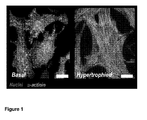
Figure 1 displays a computerized cell size analysis of α-actinin- and DAPI-stained neonatal rat cardiomyocytes (NRCM) culture under hypertrophy-inducing condition (left). NRCMs are recognized according to their α-actinin staining and thereby, other cells within the NRCM culture are excluded (right). -
Figure 2 displays immunostained NRCMs cultured under basal condition and hypertrophy-inducing condition. -
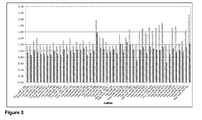
Figure 3 displays quantitative results of candidate microRNAs that induce cardiomyocyte cell growth. The cell size is normalized to the control. Light gray: basal condition; dark gray: hypertrophy-inducing condition by 50 µM PE. -
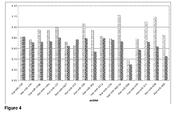
Figure 4 displays quantitative results of candidate miRNAs that inhibit cardiomyocyte cell growth. The cell size is normalized to the control. Light gray: basal condition; dark gray: hypertrophy-inducing condition by 50 µM PE. -
Figure 5 shows cell morphologies induced by specific microRNAs. microRNA-137 induces cytoskeletal destruction. miR-299-5p and miR-324-5p enhance elongation and branching of NRCMs. The cell size is normalized to the control, i.e. for miR-299-5p, basal: 1,00; 50 µM PE: 0,00. -
Figure 6 shows cell morphologies induced by specific microRNAs. miR-382, miR-509, miR-617 induce enhanced elongation and branching of NRCMs. miR-555 induces reduction of NRCM branching. - In a first aspect the present invention relates to the use of a microRNA selected from the group consisting of SEQ ID NO: 10, 15, 20, 21, 22, 25, 27, 28, hsa-miR-299-5p, and hsa-miR-509 for the manufacture of a medicament for the treatment and/or prevention of a disease selected from the group consisting of lesions, injury, neuronal degeneration, paraplegia, cardiovascular disease, and cicatrization of an organ, connective tissue or skin.
- Enhancement of cellular elongation and branching by microRNA induces cellular proliferation, sprouting and site directed growth of cells. These cellular morphological modifications provide a basis for cellular repair mechanisms, regeneration and neoplasm. Therefore, in approaches for treating apoptotic or degenerative diseases microRNAs are used for the manufacture of medicaments according to the invention.
- The manufacture of a medicament for the treatment and/or prevention of a disease selected from the group consisting of lesions, injury, neuronal degeneration, paraplegia, and cicatrization of an organ, connective tissue or skin using SEQ ID NO: 10, 15, 20, 21, 22, 25, 27, 28, hsa-miR-299-5p, and hsa-miR-509 is a new medical indication.
- Cellular morphological modifications by microRNA are useful for the following therapeutic purposes:
- Elongated shape: In dilated cardiomyopathy, wherein the ventricular diameter increases, an elongated shape of cardiomyocytes has been described (increase of long-axis diameter). In contrast, hypertrophic cardiomyopathy cardiomyocytes are mainly thicker, i.e. their short axis diameter increases. The underlying mechanisms for this shape change are largely unknown. Inhibiting cardiomyocyte elongation may represent a way to prevent or cure cardiac diseases that displays dilatation of the ventricles. Examples are idiopathic and inherited forms of dilated cardiomyopathy.
- Cellular outgrowths/roundish morphology: Intercellular communication through gap junctions between cardiomyocytes is essential for electrical conduction as well as the formation of an ordered tissue structure. Cellular outgrowth may provide the basis for these intercellular communications and formation. In cardiac disease, both intercellular communication through gap junctions and the order of the tissue architecture are disturbed. Thus promoting cellular outgrowths or inhibiting the impairment of cellular outgrowth formation may represent a therapeutic measure in cardiac disease.
- Cytoskeletal architecture: The ordered alignment of contractile proteins is mandatory for cardiomyocyte contractility and thus cardiac function. Means to preserve the cytoskeletal architecture may be employed to treat heart disease or prevent deterioration of existing disease.
- In another aspect the present invention relates to the use of a microRNA selected from the group consisting of SEQ ID NO: 10, 15, 20, 21, 22, 25 to 28, hsa-miR-299-5p, hsa-miR-324-5p, and hsa-miR-509 for the manufacture of an implant for plastic surgery, organ and/or tissue replacement.
- In another aspect the present invention relates to an implant obtained by a method comprising the steps of:
- (a) providing at least one cell; and
- (b) contacting a microRNA selected from the group consisting of SEQ ID NO: 10, 15, 20, 21, 22, 25 to 28, hsa-miR-299-5p, hsa-miR-324-5p, and hsa-miR-509 with the cell to induce a modification of a morphological phenotype of the cell.
- The term "implant" as used herein is a biomaterial that replaces and acts as a biological structure. The term "implant" includes a single cell, an accumulation of cells, a tissue, an organ, and organ systems. In an implant the biomaterial can be combined with non-biomaterial, like a medical device or materials, such as titanium, silicone or apatite. The implant can also be combined with bioactive substances for e.g. drug delivery.
- The microRNA selected from the group consisting of SEQ ID NO: 10, 15, 20, 21, 22, 25 to 28, hsa-miR-299-5p, hsa-miR-324-5p, and hsa-miR-509 induces a modification of the morphological phenotype of the cell. Based on this induced modification implants can be cultivated. Enhancement of cellular elongation and branching induced by microRNA are prerequisites for implant preparation and result in sprouting and site directed growth of cells.
- In a preferred embodiment, the method comprises the further step of cultivating the modified cell in an environment, which induces the modification. In a preferred embodiment, the method comprises the further step of giving the cell a desired shape by the environment of the cell. Preferably, the environment is a mold. In a preferred embodiment, the method comprises the further step of harvesting the shaped cell.
- In another aspect the present invention relates to the use of a microRNA or an antisense oligonucleotide against the microRNA for inducing a modification of a morphological phenotype of a cell, wherein the microRNA is selected from the group consisting of SEQ ID NO: 10, 15, 20, 21, 22, 25 to 28, hsa-miR-299-5p, hsa-miR-324-5p, and hsa-miR-509.
- The term "morphological phenotype" as used herein refers to the appearance of a cell including the size, shape and distribution of membranes, organelles, nucleus, and cytoskeleton. The term "cytoskeletal reorganization" as used herein refers to any kind of assembly, decomposition, and reconstruction of the cytoskeleton and its constituent parts, like actin filaments and microtubuli. The term "cell" as used herein refers to a single cell and an accumulation of cells, like cell cultures, explants, tissue, organs, and non-human organisms.
- Cardiomyocytes display an elongated cell shape and cellular outgrowths after treatment with SEQ ID NO: 15, 20 to 22, 27, hsa-mir-299-5p, hsa-mir-324-5p, and hsa-mir-509, compared to control-treated cardiomyocytes. Cellular outgrowths are protrusions of the cell body which are detected by immunofluorescent detection of α-actinin, also called branching.
- Cardiomyocytes display a roundish morphology after treatment with SEQ ID NO: 10 compared to control-treated cardiomyocytes. Roundish cardiomyocytes display less cellular outgrowths as control-treated cells, and some are completely devoid of significant cellular outgrowths as determined by staining for a-actinin.
- Cardiomyocytes display destruction of their cytoskeletal architecture after treatment with a SEQ ID NO: 25 compared to control-treated cardiomyocytes.
- In a preferred embodiment the modification is selected from the group consisting of reshaping, elongation, branching, rounding, protuberance and cytoskeletal reorganization.
- In another preferred embodiment the microRNA or the antisense against the microRNA is used to enhance or inhibit elongation and branching, and the microRNA is selected from the group consisting of SEQ ID NO: 10, 15, 20, 21, 22, 26, 27, 28, hsa-miR-299-5p, hsa-miR-324-5p, and hsa-miR-509 (
Figures 5 and6 ). SEQ ID NO: 10 reduces cellular elongation and branching. SEQ ID NO: 15, 20, 21, 22, 26, 27, 28, hsa-miR-299-5p, hsa-miR-324-5p, and hsa-miR-509 enhances cellular elongation and branching. - In a further preferred embodiment the SEQ ID NO: 25 or the antisense against SEQ ID NO: 25 is used to reorganize cytoskeleton (
Figure 5 ). SEQ ID NO: 25 destructs the cytoskeleton. - In another aspect the present invention relates to the use of a microRNA selected from the group consisting SEQ ID NO: 1, 4 to 24, hsa-miR-18a*, hsa-miR-191*, hsa-miR-493-5p, hsa-miR-548a, hsa-miR-767-5p, hsa-miR-509, an antisense oligonucleotide against SEQ ID NO: 1, 4 to 24, hsa-miR-493-5p, hsa-miR-548a, hsa-miR-767-5p, and an antisense oligonucleotide against hsa-miR-509 for the manufacture of a medicament for the treatment and/or prevention of a cardiovascular disease.
- In a further aspect the present invention relates to the use of a microRNA selected from the group consisting of SEQ ID NO: 1, 4 to 24, hsa-miR-18a*, hsa-miR-191*, hsa-miR-493-5p, hsa-miR-548a, hsa-miR-767-5p, hsa-miR-509, an antisense oligonucleotide against SEQ ID NO: 1, 4 to 24, hsa-miR-493-5p, hsa-miR-548a, hsa-miR-767-5p, and an antisense oligonucleotide against hsa-miR-509 for the diagnosis of a cardiovascular disease or a predisposition thereof.
- The term "microRNA" as used herein refers to a single stranded RNA of about 19 to 25 nucleotides in length that is generated from endogenous hairpin-shaped transcripts by the RNase-III-type enzyme Dicer. microRNAs are present in one arm of the hairpin precursor, which lacks large internal loops or bulges.
- The term "antisense oligonucleotide" as used herein refers to a complementary strand of nucleic acids that hybridizes with its sense strand. The term "antisense oligonucleotide" comprises enzyme dependent antisense oligonucleotides, steric blocking antisense oligonucleotide, ribonucleic and deoxyribonucleic sequences, artificial and endogenous antisense oligonucleotides, coding and non-coding sequences, double and single stranded sequences regardless of length and formation.
- The term "cardiovascular disease" as used herein refers to a class of diseases, disorders and conditions that involves the heart or blood vessels. The term "cardiovascular disease" comprises disease types, like aneurysms, angina, arteriosclerosis, stroke, cerebrovascular diseases, congestive heart failure, coronary artery disease, myocardial infarction and peripheral vascular disease. Also encompassed are inflammatory, degenerative, metabolic, hereditary and accidental diseases.
- For the identification of functionally relevant microRNAs a high-throughput screening assay was developed by the inventors in a 96-well format. By means of this assay it was possible to screen a library of 471 human microRNAs directly on the functional level in primary cell culture. Computational-based microscopic analysis of cardiomyocyte cell size was conducted (
Figure 1 ). An in vitro culture of transfected cardiomyocytes under basal and hypertrophy-inducing conditions (Figure 2 ) was used to classify the investigated miRNAs according to their function. The results show that pathological growth and hypertrophy of cardiomyocytes are key events during the development and progression of cardiovascular diseases, like heart failure (Figures 3 and4 ). After the screening procedure approximately 15% of the investigated miRNAs displayed a phenotypic effect either by promoting or inhibiting cell growth. They evidence that microRNA selected from the group consisting of SEQ ID NO: 1, 5 to 24, hsa-miR-18a*, hsa-miR-191*, hsa-miR-493-5p, hsa-miR-548a, hsa-miR-767-5p, hsa-miR-509, an antisense oligonucleotide against SEQ ID NO: 1, 5 to 24, hsa-miR-493-5p, hsa-miR-548a, hsa-miR-767-5p, and an antisense oligonucleotide against hsa-miR-509 plays an important role in cardiovascular disease processes. These microRNAs modify cardiomyocyte cell proliferation by regulating gene expression via mRNA cleavage and translational repression. A defined set of miRNAs induced strong promotion (> 2 fold) or inhibition (< 0.5 fold) of cardiomyocyte cell growth. Under basal conditions SEQ ID NO: 1, 5 to 18, hsa-miR-493-5p, and hsa-miR-548a induce cardiomyocyte cell growth, which indicates a prohypertrophic phenotype and a role of these microRNAs in proliferative cardiovascular diseases. Under hypertrophy-inducing conditions SEQ ID NO: 11, 19 to 24, hsa-miR-493-5p, and hsa-miR-509 inhibit cardiomyocyte cell growth, which indicates an antihypertrophic phenotype and a role of these microRNAs in cardiovascular diseases related to apoptosis and anti-proliferation, i.e. proliferation inhibiting. - For microRNA from the group consisting of SEQ ID NO: 17, 19 to 22 no expression in the cardiovascular system is published. SEQ ID NO: 17 is expressed in the kidney. SEQ ID NO: 19 to 22 are expressed in placenta, spleen, kidney and testis.
- It is surprising that SEQ ID NO: 17, 19 to 22 nevertheless affect cardiovascular tissue and modify cell size of cardiomyocytes.
- In a preferred embodiment, the cardiovascular disease is related to induction and/or inhibition of cardiomyocyte cell growth. In another preferred embodiment, the cardiovascular disease or the predisposition thereof is a disease selected from the group consisting of cardiac hypertrophy, hypertensive heart failure, diastolic heart failure, systolic heart failure, heart-related storage disease, cardiomyopathy, such as M. Fabry, cardiomyopathies, e.g. dilatative cardiomyopathy, hypertrophic cardiomyopathy with and without obstruction, restrictive cardiomyopathy, arrhythmogenic right ventricular cardiomyopathy and other forms of cardiomyopathy, like diabetic cardiomyopathy, constrictive pericarditis, coronary artery disease, myocardial infarction, acute and chronic right heart failure, cardiac arrhythmias due to fibrosis, myocarditis-related fibrosis, diseases of the heart valves leading to valve stenosis or insufficiency (e.g. sclerosis), e.g. mitral valve stenosis and/or insufficiency, aortic valve stenosis and/or insufficiency, tricuspidal valve stenosis and/or insufficiency, pulmonary valve stenosis, blood vessel-related disease and/or insufficiency. The invention also concerns cardiac specific diseases involving fibrosis.
- In a certain embodiment the manufactured medicament provided herein comprises one or more additional pharmaceutical agents, like diuretics (e.g. sprionolactone, eplerenone, furosemide), inotropes (e.g. dobutamine, milrinone), digoxin, vasodilators, angiotensin II converting enzyme (ACE) inhibitors (e.g. captopril, enalapril, lisinopril, benazepril, quinapril, fosinopril, and ramipril), angiotensin II receptor blockers (ARB) (e.g. candesartan, irbesartan, olmesartan, losartan, valsartan, telmisartan, eprosartan), calcium channel blockers, isosorbide dinitrate, hydralazine, nitrates (e.g. isosorbide mononitrate, isosorbide dinitrate), hydralazine, beta-blockers (e.g. carvedilol, metoprolol), and natriuretic peptides (e.g. nesiritide).
- In a preferred embodiment the cardiovascular disease is a proliferative disease and the medicament comprises the microRNA selected from the group consisting of SEQ ID NO: 20, 21, 22, 24, and hsa-miR-509. In another preferred embodiment the cardiovascular disease is a proliferative disease and the medicament comprises the antisense against a microRNA selected from the group consisting of SEQ ID NO: 5 to 10, 13, 14, 17, and 18. In another preferred embodiment a proliferative disease is diagnosed and the microRNA is selected from the group consisting of SEQ ID NO: 5 to 10, 13, 14, 17, and 18.
- In another preferred embodiment the cardiovascular disease relates to apoptosis or proliferation inhibition and the medicament comprises the microRNA selected from the group consisting of SEQ ID NO: 5 to 10, 13, 14, 17, and 18. In another preferred embodiment the cardiovascular disease relates to apoptosis or proliferation inhibition and the medicament comprises the antisense against a microRNA selected from the group consisting of SEQ ID NO: 20, 21, 22, 24, and hsa-miR-509. In another preferred embodiment a disease related to apoptosis or proliferation inhibition is diagnosed and the microRNA is selected from the group consisting of SEQ ID NO: 20, 21, 22, 24, and hsa-miR-509.
- In a certain embodiment the proliferative disease includes heart weight increase, fibrosis related diseases, left ventricular dilation, cardiac hypertrophy, hypertensive heart failure, diastolic heart failure, systolic heart failure, and impairment of fractional shortening. In a certain embodiment the cardiovascular disease related to apoptosis or proliferation inhibition includes hypotrophy, insufficiency, heart failure, pericarditis, and infarction.
- The term "proliferative disease" as used herein refers to diseases related to proliferation of tissue and organs. Preferably cell size is increased in a proliferative disease. In addition, proliferation includes increased number of cells and rearrangement of cells. The term "proliferative disease" also encompasses acute and chronic proliferation, localized disseminated and systemic proliferation, fibrosis, cell immigration, increased cell division, and preferably cellular growth and increase.
- The term "apoptosis" as used herein refers to cell death that involves a series of biochemical events leading to a variety of morphological changes, like blebbing, cell membrane modification, nuclear fragmentation, chromatin condensation, chromosomal DNA fragmentation, and cell shrinkage. Also included are processes of disposal of cellular debris. The term "apoptosis" as used herein comprises not only physiological cell death and lysis, but also necrosis, defective and pathological apoptosis, and hypothropy, such as in ischemic damage.
The term "proliferation inhibition" as used herein refers to reduction of cell proliferation. Proliferation inhibition occurs by e.g. a decreased growth rate, shrinkage, and/or reduced cell division. - Under basal conditions SEQ ID NO: 5 to 10, 13, 14, 17, and 18 induced strong promotion of cardiomyocyte cell growth (about 1,6 to 2,2 fold), which indicates a particular prohypertrophic phenotype and an important role of these microRNAs in proliferative cardiovascular diseases. Under hypertrophic conditions SEQ ID NO: 20, 21, 22, 24, and hsa-miR-509 induced strong inhibition of cardiomyocyte cell growth (about 0,7 to 0,4 fold), which indicates a particular antihypertrophic phenotype and an important role of these microRNAs in cardiovascular diseases related to apoptosis and proliferation inhibition.
- In another aspect the present invention relates to a method for diagnosing a cardiovascular disease, the method comprises the steps of:
- (a) providing a sample of a patient supposed to suffer from the cardiovascular disease; and
- (b) measuring a level of an endogenous microRNA of the sample,
- The term "providing a sample" refers to any kind of sample taking and sample preparation. The term "measuring a level" as used herein includes determining a concentration, an expression level, and a relative or absolute amount of endogenous microRNA of the sample. The term "modification" as used herein includes alteration, decrease, and increase.
- In another aspect the present invention relates to a method for screening a pharmaceutically active compound for the treatment and/or prevention of a cardiovascular disease or a predisposition thereof, the method comprises the steps of:
- (a) providing a sample containing a microRNA selected from the group consisting of SEQ ID NO: 1, 5 to 24, hsa-miR-18a*, hsa-miR-191*, hsa-miR-493-5p, hsa-miR-548a, hsa-miR-767-5p, and hsa-miR-509;
- (b) contacting a candidate substance with the sample; and
- (c) determining the effect of the candidate substance on the sample;
- Neonatal rat cardiomyocytes (NRCM) were isolated from 1-2 days old sprague dawley rats via enzymatic digestion. All preparation steps were performed under sterile conditions. The hearts were taken out and transferred into 10 cm cell culture dishes containing CBFHH and put on ice. After removing the atria, the hearts were cut into small pieces and treated with trypsin solution at room temperature (RT) for 15 min while stirring. Afterwards, the trypsin solution was exchanged and the tissue stirred again for 10 min. The suspension was carefully pipetted up and down 10 times, and the supernatant was transferred into a new tube containing 7.5 ml fetal bovine serum (FBS). This procedure was repeated until the trypsin solution was emptied. The tubes were subsequently centrifuged (800 x g at RT for 10 min). Each pellet containing the cells was resuspended in 10 ml of NRCM preplating medium, and the whole suspension was filtrated into a new 50 ml tube using a cell strainer (40 µm). For preplating, 10 ml of the filtrate were transferred in each of four 10 cm cell culture plates and incubated in a humidified 37 °C / 1 % CO2 incubator for 1 h. During this incubation step, the more rapidly adherent fibroblasts were separated from the cardiomyocytes. After preplating, the cell supernatant containing the cardiomyocytes was transferred into a new 50 ml tube and the cell number was counted. Therefore, 50 µl of cell suspension were mixed with 50 µl trypan blue and the cell number was determined by counting 5 big squares of a "Fuchs-Rosenthal" cell counting chamber and multiplying the resulting cell number by two. Finally, 40.000 cells per well were sown on black 96-well plates (lbidi, Martinsried, Germany) containing NRCM medium with 1% FBS and cultured in a humidified 37 °C/1% CO2 incubator.
- NRCM were isolated and plated as described above (see 1. Isolation of primary cells). 24 h after isolation, the cells were transfected with the pre-miR™ miRNA Precursor Library (final concentration 50 nM; Ambion, Austin, USA) containing 471 human precursor miRNAs mimicking precursors annotated in miRBase sequence database version 8.0 (http://microrna.sanger.ac.uk/sequences). Before transfection the medium was replaced by NRCM medium with 5% FBS without antibiotics. The transfection procedure using Lipofectamine™ 2000 (Invitrogen, Karlsruhe, Germany) was performed according to manufacturers' instructions. After 4-6 h incubation in a humidified 37 °C/1% CO2 incubator medium was exchanged to NRCM medium with 0,1% FBS. To induce hypertrophy one part of the cells was stimulated with 50 µM phenylephrine (PE) diluted in NRCM medium with 0.1% FBS after 48 h. For the unstimulated control cells, the medium was exchanged to NRCM medium with 0.1% FBS. Cells were incubated for 48 h and afterwards fixed by addition of 50 µl 4% paraformaldehyde (PFA) per well and 5 min incubation at 4 °C. Cells were washed three times with 1x PBS at RT and kept at 4 °C until staining. To stain the cells, they were incubated with 50 µl 0.2% Triton-X (diluted in 1 x PBS) per well for 5 min at RT and afterwards washed three times with 1x PBS. They were then incubated with 50 µl anti-α-actinin antibody (Sigma-Aldrich, Taufkirchen, Germany) solution (1:1000 diluted in 1x PBS) per well at 37°C for 30 min and washed three times with 1x PBS. They were then incubated with 50 µl of a mixture of alexa 488-conjugated goat anti-mouse IgG (final concentration 20 µg/ml; Invitrogen, Karlsruhe, Germany), DRAQ5™ red-fluorescent DNA probe (10 µM; Biostatus Limited, Leicestershire, UK) and DAPI (100 µg/µl; Sigma-Aldrich, Taufkirchen, Germany), all diluted in 1x PBS, at 37°C for 30 min. After three washing steps with 1x PBS, cells were covered with 100 µl 50% glycerol solution per well and stored at 4 °C. Cell sizes were determined by using automated fluorescence microscopy (X-CiteR120 illumination system, EXFO, Munich, Germany; SPOT PURSUIT CCD camera, Visitron Systems, Puchheim, Germany; BD Carv II, BD Biosciences, Heidelberg, Germany; AxioObserver.Z1, Zeiss, Göttingen, Germany) and computerized analysis (MetaMorph Basic imaging software, Molecular Devices, Ismaning, Germany).
Table 1. Candidate miRNAs that induce cardiomyocyte cell growth. miRNA (Sanger) / SEQ ID NO: Cell size normalized to control Tissue expression Basal 50 µM PE Cardial Other organs hsa-miR-130a 1.19 0.96 brain (cerebellum)1; lung 2 hsa-miR-130b 1.17 0.87 heart 3 liver, colon 3 hsa-miR-132 1.32 1.02 brain (cerebellum1, frontal cortex 3) hsa-miR-137 B 25 1.43 0.97 brain (cortex 1,3); lung, bladder, ovary 3 hsa-miR-140 1.18 0.91 small intestine 1; uterus, fallopian, ovary 3 hsa-miR-181b 1.16 0.91 brain (frontal cortex) 3 hsa-miR-181c 1.19 0.86 colon, brain 3 hsa-miR-181d 1 1.17 0.90 heart 5 brain, thymus 5 hsa-miR-184 1.26 1.00 heart3 liver, skeletal muscle 3; placenta 5 hsa-miR-189 1.15 0.92 ovary 3 hsa-miR-18a 2 1.19 0.87 spleen 1 hsa-miR-18a* 1.35 1.06 hsa-miR-190 1.21 0.89 kidney, brain 3 hsa-miR-191 3 hsa-miR-191* 1.41 1.00 hsa-miR-192 1.16 0.94 liver 2, 3; small intestine 3; epithelium 5 hsa-miR-19a 1.29 1.04 colon, bone marrow, ovary 3 hsa-miR-19b 1.24 1.04 spleen 1, 2, 3; colon, bone marrow, ovary 3 hsa-miR-210 1.33 1.08 heart 3 hsa-miR-26a 1.17 0.87 brain (cerebellum, midbrain 1) 2; skeletal muscle, ovary, uterus 3 hsa-miR-26b 1.30 0.93 liver, brain (cortex, cerebellum)1; lung 2; ovary, uterus 3 hsa-miR-28 1.24 0.99 ovary, uterus 3 hsa-miR-29a 1.98 1.59 heart3 colon, brain (cerebellum 1); brain 2; spleen, ovary, uterus 3 hsa-miR-29b 1.44 1.11 heart3 colon, brain (cortex, midbrain 1)3; brain 2; spleen, ovary 3 hsa-miR-29c 1.40 1.08 heart3 brain (cortex, midbrain 1); brain 2, ovary 3 hsa-miR-301 1.29 0.95 heart3 bone marrow, liver 3 hsa-miR-302b* 1.16 0.96 low abun-dance 5 hsa-miR-30a-5p 1.16 1.04 spleen, brain (cortex, midbrain) 1 hsa-miR-31 1.20 0.95 colon 3; epithelium 5 hsa-miR-32 1.55 1.23 cervix, thymus, skeletal muscle, lung, ovary, uterus 3 hsa-miR-324 26 hsa-miR-324-5p B 1.20 0.97 heart3 cervix, brain, bladder, ovary 3 hsa-miR-326 1.44 1.28 heart3 brain, skeletal muscle 3 hsa-miR-330 1.68 1.20 brain (frontal cortex) 3,5 hsa-miR-382 B 27 1.23 1.04 brain, placenta 4 hsa-miR-493 4 hsa-miR-493-5p A 1.23 0.73 hsa-miR-500 1.63 1.04 kidney, placenta 5 hsa-miR-505 1.71 1.12 liver 5 hsa-miR-507 1.57 0.94 testis 5 hsa-miR-527 1.76 1.15 placenta 5 hsa-miR-544 5 1.64 1.08 hsa-miR-548 a-1, a-2, a-3 6, 7, 8 hsa-miR-548a 1.73 1.04 hsa-miR-552 9 1.81 1.03 hsa-miR-555 B 10 1.89 1.14 hsa-miR-578 A 11 1.20 0.64 hsa-miR-600 12 1.21 0.91 hsa-miR-608 13 1.73 1.09 hsa-miR-609 14 1.78 0.97 hsa-miR-617 B 15 1.24 1.00 hsa-miR-634 16 1.31 0.97 hsa-miR-660 17 1.68 1.12 kidney 6 hsa-miR-767 18 hsa-miR-767-5p 2.15 1.25 Table 2. Candidate miRNAs that inhibit cardiomyocyte cell growth. miRNA SEQ ID NO: Cell size normalized to control Tissue expression Basal 50 µM PE Cardial Other organs hsa-miR-134 0.82 0.82 brain (cortex) 1,3; ovary 3 hsa-miR-144 0.77 0.72 heart1 colon1; spleen 2; bone marrow 3 hsa-miR-148a 0.96 0.72 spleen 1, liver 2 hsa-miR-148b 0.95 0.73 spleen, frontal cortex, lung 3 hsa-miR-152 1.00 0.80 colon 1,3, ovary 3 hsa-miR-182* 0.73 0.65 heart3 liver, skeletal muscle 3 hsa-miR-183 0.66 0.77 heart3 thymus, liver 3 hsa-miR-18b 19 1.07 0.79 placenta, spleen, kidney 6 hsa-miR-365 0.95 0.54 heart 5 adipose tissue 5 hsa-miR-422a 0.83 0.79 heart 5 skeletal muscle 5 hsa-miR-422b 0.79 0.76 heart 2,4 skeletal muscle 4 hsa-miR-493-5p A 1.23 0.73 hsa-miR-506 0.38 0.30 testis 5 hsa-miR-509 -1, -2, -3 20, 21, 22 hsa-miR-509 B 0.79 0.58 testis 5 hsa-miR-571 23 1.11 0.72 hsa-miR-578 A 1.20 0.64 hsa-miR-605 24 0.86 0.45 A These miRNAs have an opposite effect under basal and hypertrophy-inducing (50 µM PE) condition.
B These miRNAs display a specific morphological phenotype.
1 M. Lagos-Quintana et al., 2002
2 K. Wang et al., 2009
3 S. Baskerville and DP. Bartel, 2005
4 EJ. Lee et al., 2007
5 Y. Liang et al., 2007
6 http://mirnamap.mbc.nctu.edu.tw/ empty cells: no data
* asterisk: antisense oligonucleotide hsa-miR-299: SEQ ID NO: 28 - The mature miRNA hsa-mir-xyz-5p emerges from the precursor molecule of hsa-mir-xyz. Three genes (hsa-mir-548a-1, hsa-mir-548a-2 and hsa-mir-548a-3) are coding for hsa-mir-548a. The mature hsa-mir-548a molecule emerges from the precursor molecules of all three genes. Three genes (hsa-mir-509-1, hsa-mir-509-2 and hsa-mir-509-3) are coding for hsa-mir-509. The mature hsa-mir-509 molecule emerges from the precursor molecules of all three genes.
-
- Ambros, V. The functions of animal microRNAs. Nature 431, 350-355 (2004).
- Bartel, D. P. MicroRNAs: Genomics, biogenesis, mechanism, and function. Cell 116, 281-297 (2004, A).
- Bartel, D. P. et al. Micromanagers of gene expression: The potentially widespread influence of metazoan microRNAs. Nature Rev. Genet. 5, 396-400 (2004, B).
- Baskerville, S., Bartel DP. Microarray profiling of microRNAs reveals frequent co-expression with neighboring miRNAs and host genes. RNA 11, 241-7 (2005).
- Care, A. et al. MicroRNA-133 controls cardiac hypertrophy. Nat Med 13, 613-618 (2007).
- Kim, V.N. MicroRNA biogenesis: Coordinated cropping and dicing, Nature Reviews 6, 376-385 (2005).
- Kruetzfeldt, J. et al. Silencing of microRNAs in vivo with 'antagomirs'. Nature 438, 685-689 (2005).
- Lagos-Quintana, M. et al. Identification of Tissue-Specific MicroRNAs from Mouse. Current Biology 12, 735-739 (2002).
- Lee, E.J. et al. Systematic evaluation of microRNA processing patterns in tissues, cell lines, and tumors. RNA 14, 35-42 (2007).
- Lewis, B. P., et al. Prediction of mammalian microRNA targets. Cell 115, 787-798 (2003).
- Lewis, B. P., et al. Conserved seed pairing, often flanked by adenosines, indicates that thousands of human genes are microRNA targets. Cell 120, 15-20 (2005).
- Liang, Y. et al. Characterization of microRNA expression profiles in normal human tissues. BMC Genomics 8, 166-186 (2007).
- Mi, S. et al. MicroRNA expression signatures accurately discriminate acute lymphoblastic leukemia from acute myeloid leukemia. Proc. Natl. Acad. Sci. U S A 104, 19971-19976 (2007).
- Wang, K. et al. Circulating microRNAs, potential biomarkers for drug-induced liver injury. PNAS, doi:10.1073/pnas.0813371106 (published online before print February 25, 2009).
-
Yang, B. et al. The muscle-specific microRNA miR-1 regulates cardiac arrhythmogenic potential by targeting GJA1 and KCNJ2. Nat Med 13, 486-491 (2007). http://mirnamap.mbc.nctu.edu.tw/



an modified level of a microRNA selected from the group consisting of SEQ ID NO: 5, 11, 19 to 24, hsa-miR-493-5p, and hsa-miR-509, in comparison to a control sample indicates a cardiovascular disease that relates to apoptosis or proliferation inhibition or a predisposition thereof.
Claims (14)
- Use of a microRNA selected from the group consisting of SEQ ID NO: 10, 15, 20, 21, 22, 25, 27, 28, hsa-miR-299-5p, and hsa-miR-509 for the manufacture of a medicament for the treatment and/or prevention of a disease selected from the group consisting of lesions, injury, neuronal degeneration, paraplegia, cardiovascular disease, and cicatrization of an organ, connective tissue or skin.
- Use of a microRNA selected from the group consisting of SEQ ID NO: 10, 15, 20, 21, 22, 25 to 28, hsa-miR-299-5p, hsa-miR-324-5p, and hsa-miR-509 for the manufacture of an implant for plastic surgery, organ and/or tissue replacement.
- An implant obtained by a method comprising the steps of:(a) providing at least one cell; and(b) contacting a microRNA selected from the group consisting of SEQ ID NO: 10, 15, 20, 21, 22, 25 to 28, hsa-miR-299-5p, hsa-miR-324-5p, and hsa-miR-509 with the cell;wherein a modification of a morphological phenotype of the cell is induced.
- Use of a microRNA or an antisense oligonucleotide against the microRNA for inducing a modification of a morphological phenotype of a cell, wherein the microRNA is selected from the group consisting of SEQ ID NO: 10, 15, 20, 21, 22, 25 to 28, hsa-miR-299-5p, hsa-miR-324-5p, and hsa-miR-509.
- Use of claim 4, wherein the modification is selected from the group consisting of reshaping, elongation, branching, rounding, protuberance and cytoskeletal reorganization.
- Use of claim 4 or 5, wherein the microRNA or the antisense against the microRNA is used to enhance or inhibit elongation and branching, and the microRNA is selected from the group consisting of SEQ ID NO: 10, 15, 20, 21, 22, 26, 27, 28, hsa-miR-299-5p, hsa-miR-324-5p, and hsa-miR-509.
- Use of claim 4 or 5, wherein SEQ ID NO: 25 or the antisense against SEQ ID NO: 25 is used to reorganize the cytoskeleton.
- Use of a microRNA selected from the group consisting of SEQ ID NO: 1, 5 to 24, hsa-miR-18a*, hsa-miR-191*, hsa-miR-493-5p, hsa-miR-548a, hsa-miR-767-5p, hsa-miR-509, an antisense oligonucleotide against SEQ ID NO: 1, 5 to 24, hsa-miR-493-5p, hsa-miR-548a, hsa-miR-767-5p, and an antisense oligonucleotide against hsa-miR-509 for the manufacture of a medicament for the treatment and/or prevention of a cardiovascular disease.
- Use of a microRNA selected from the group consisting of SEQ ID NO: 1, 5 to 24, hsa-miR-18a*, hsa-miR-191*, hsa-miR-493-5p, hsa-miR-548a, hsa-miR-767-5p, hsa-miR-509, an antisense oligonucleotide against SEQ ID NO: 1, 5 to 24, hsa-miR-493-5p, hsa-miR-548a, hsa-miR-767-5p, and an antisense oligonucleotide against hsa-miR-509 for the diagnosis of a cardiovascular disease or a predisposition thereof.
- Use of claim 8 or 9, wherein the cardiovascular disease or the predisposition thereof is a disease selected from the group consisting of cardiac hypertrophy, hypertensive heart failure, diastolic heart failure, systolic heart failure, heart-related storage disease, cardiomyopathy, constrictive pericarditis, coronary artery disease, acute myocardial infarction, chronic myocardial infarction, right heart failure, cardiac arrythymias, myocarditis-related fibrosis, heart valve disease, and blood vessel-related disease.
- Use of claim 10, wherein the cardiovascular disease is a proliferative disease and the medicament comprises the microRNA selected from the group consisting of SEQ ID NO: 19, 20, 21, 22, 24, and hsa-miR-509.
- Use of claim 10, wherein the cardiovascular disease relates to apoptosis or proliferation inhibition and the medicament comprises the microRNA selected from the group consisting of SEQ ID NO: 5 to 10, 13, 14, 17, and 18.
- A method for diagnosing a cardiovascular disease, the method comprises the steps of:(a) providing a sample of a patient supposed to suffer from the cardiovascular disease; and(b) measuring a level of an endogenous microRNA of the sample,wherein a modified level of a microRNA selected from the group consisting of SEQ ID NO: 1, 5 to 18, hsa-miR-18a*, hsa-miR-191*, hsa-miR-493-5p, hsa-miR-548a, and hsa-miR-767-5p, in comparison to a control sample indicates a proliferative cardiovascular disease or a predisposition thereof, and/or a modified level of a microRNA selected from the group consisting of SEQ ID NO: 5, 11, 19 to 24, hsa-miR-493-5p, and hsa-miR-509, in comparison to a control sample indicates a cardiovascular disease that relates to apoptosis or proliferation inhibition or a predisposition thereof.
- A method for screening a pharmaceutically active compound for the treatment and/or prevention of a cardiovascular disease or a predisposition thereof, the method comprises the steps of:(a) providing a sample comprising a microRNA selected from the group consisting of SEQ ID NO: 1, 5 to 24, hsa-miR-18a*, hsa-miR-191*, hsa-miR-493-5p, hsa-miR-548a, hsa-miR-767-5p, and hsa-miR-509;(b) contacting a candidate substance with the sample; and(c) determining the effect of the candidate substance on the sample;wherein a modification of the microRNA indicates a pharmaceutically active compound.
Priority Applications (2)
| Application Number | Priority Date | Filing Date | Title |
|---|---|---|---|
| EP09154684A EP2228444A1 (en) | 2009-03-09 | 2009-03-09 | microRNA for diagnostic and therapeutic purposes in cardiovascular diseases |
| PCT/EP2010/052995 WO2010103015A1 (en) | 2009-03-09 | 2010-03-09 | Microrna for diagnostic and therapeutic purposes in cardiovascular diseases |
Applications Claiming Priority (1)
| Application Number | Priority Date | Filing Date | Title |
|---|---|---|---|
| EP09154684A EP2228444A1 (en) | 2009-03-09 | 2009-03-09 | microRNA for diagnostic and therapeutic purposes in cardiovascular diseases |
Publications (1)
| Publication Number | Publication Date |
|---|---|
| EP2228444A1 true EP2228444A1 (en) | 2010-09-15 |
Family
ID=40940619
Family Applications (1)
| Application Number | Title | Priority Date | Filing Date |
|---|---|---|---|
| EP09154684A Withdrawn EP2228444A1 (en) | 2009-03-09 | 2009-03-09 | microRNA for diagnostic and therapeutic purposes in cardiovascular diseases |
Country Status (2)
| Country | Link |
|---|---|
| EP (1) | EP2228444A1 (en) |
| WO (1) | WO2010103015A1 (en) |
Cited By (17)
| Publication number | Priority date | Publication date | Assignee | Title |
|---|---|---|---|---|
| WO2012122447A1 (en) * | 2011-03-09 | 2012-09-13 | The Brigham And Women's Hospital, Inc. | Methods of using microrna-26a to promote angiogenesis |
| WO2013093870A1 (en) | 2011-12-23 | 2013-06-27 | International Centre For Genetic Engineering And Biotechnology - Icgeb | microRNAs FOR CARDIAC REGENERATION THROUGH INDUCTION OF CARDIAC MYOCYTE PROLIFERATION |
| US8772030B2 (en) | 2003-07-31 | 2014-07-08 | Universita Degli Studi Di Roma “La Sapienza” | Cardiac stem cells and methods for isolation of same |
| EP2638158A4 (en) * | 2010-11-11 | 2015-07-15 | Univ Miami | COMPOSITIONS, CELLS, KITS AND METHODS FOR AUTOLOGOUS STEM CELL THERAPY |
| US9249392B2 (en) | 2010-04-30 | 2016-02-02 | Cedars-Sinai Medical Center | Methods and compositions for maintaining genomic stability in cultured stem cells |
| US9828603B2 (en) | 2012-08-13 | 2017-11-28 | Cedars Sinai Medical Center | Exosomes and micro-ribonucleic acids for tissue regeneration |
| US9845457B2 (en) | 2010-04-30 | 2017-12-19 | Cedars-Sinai Medical Center | Maintenance of genomic stability in cultured stem cells |
| US9884076B2 (en) | 2012-06-05 | 2018-02-06 | Capricor, Inc. | Optimized methods for generation of cardiac stem cells from cardiac tissue and their use in cardiac therapy |
| CN113846098A (en) * | 2021-09-18 | 2021-12-28 | 中国医学科学院基础医学研究所 | A kind of small RNA and its use in the treatment of cardiovascular disease |
| US11253551B2 (en) | 2016-01-11 | 2022-02-22 | Cedars-Sinai Medical Center | Cardiosphere-derived cells and exosomes secreted by such cells in the treatment of heart failure with preserved ejection fraction |
| US11351200B2 (en) | 2016-06-03 | 2022-06-07 | Cedars-Sinai Medical Center | CDC-derived exosomes for treatment of ventricular tachyarrythmias |
| US11357799B2 (en) | 2014-10-03 | 2022-06-14 | Cedars-Sinai Medical Center | Cardiosphere-derived cells and exosomes secreted by such cells in the treatment of muscular dystrophy |
| US11541078B2 (en) | 2016-09-20 | 2023-01-03 | Cedars-Sinai Medical Center | Cardiosphere-derived cells and their extracellular vesicles to retard or reverse aging and age-related disorders |
| US11660317B2 (en) | 2004-11-08 | 2023-05-30 | The Johns Hopkins University | Compositions comprising cardiosphere-derived cells for use in cell therapy |
| US11660355B2 (en) | 2017-12-20 | 2023-05-30 | Cedars-Sinai Medical Center | Engineered extracellular vesicles for enhanced tissue delivery |
| US11759482B2 (en) | 2017-04-19 | 2023-09-19 | Cedars-Sinai Medical Center | Methods and compositions for treating skeletal muscular dystrophy |
| US12146137B2 (en) | 2018-02-05 | 2024-11-19 | Cedars-Sinai Medical Center | Methods for therapeutic use of exosomes and Y-RNAS |
Families Citing this family (4)
| Publication number | Priority date | Publication date | Assignee | Title |
|---|---|---|---|---|
| EP2584040A1 (en) | 2011-10-17 | 2013-04-24 | Pharmahungary 2000 Kft. | Compounds for treatment of ischemic injury |
| GB2533872B (en) * | 2011-10-19 | 2016-08-31 | Council Scient Ind Res | Biomarkers useful for detection of types, grades and stages of human breast cancer |
| CN114196747A (en) * | 2020-09-17 | 2022-03-18 | 中国科学院上海药物研究所 | Biomarker related to occurrence and development of metabolic-related fatty liver disease |
| CN119530377B (en) * | 2024-12-31 | 2025-10-28 | 宁夏医科大学 | Application of miR-300-3p detection reagent in preparation of AngII-mediated myocardial hypertrophy product |
Citations (2)
| Publication number | Priority date | Publication date | Assignee | Title |
|---|---|---|---|---|
| WO2008043521A2 (en) * | 2006-10-09 | 2008-04-17 | Julius-Maximilians-Universität Würzburg | Microrna (mirna) for the diagnosis and treatment of heart diseases |
| WO2008103135A2 (en) * | 2007-02-16 | 2008-08-28 | The Johns Hopkins University | The micrornaome |
Family Cites Families (2)
| Publication number | Priority date | Publication date | Assignee | Title |
|---|---|---|---|---|
| EP2290073A3 (en) * | 2004-05-28 | 2011-08-31 | Asuragen, Inc. | Methods and compositions involving microRNA |
| WO2009044899A1 (en) * | 2007-10-03 | 2009-04-09 | Kyowa Hakko Kirin Co., Ltd. | Nucleic acid capable of regulating the proliferation of cell |
-
2009
- 2009-03-09 EP EP09154684A patent/EP2228444A1/en not_active Withdrawn
-
2010
- 2010-03-09 WO PCT/EP2010/052995 patent/WO2010103015A1/en not_active Ceased
Patent Citations (2)
| Publication number | Priority date | Publication date | Assignee | Title |
|---|---|---|---|---|
| WO2008043521A2 (en) * | 2006-10-09 | 2008-04-17 | Julius-Maximilians-Universität Würzburg | Microrna (mirna) for the diagnosis and treatment of heart diseases |
| WO2008103135A2 (en) * | 2007-02-16 | 2008-08-28 | The Johns Hopkins University | The micrornaome |
Non-Patent Citations (18)
| Title |
|---|
| AMBROS, V.: "The functions of animal microRNAs", NATURE, vol. 431, 2004, pages 350 - 355 |
| BARTEL, D. P. ET AL.: "Micromanagers of gene expression: The potentially widespread influence of metazoan microRNAs", NATURE REV. GENET., vol. 5, 2004, pages 396 - 400 |
| BARTEL, D. P.: "MicroRNAs: Genomics, biogenesis, mechanism, and function", CELL, vol. 116, 2004, pages 281 - 297 |
| BASKERVILLE, S.: "Bartel DP. Microarray profiling of microRNAs reveals frequent co- expression with neighboring miRNAs and host genes", RNA, vol. 11, 2005, pages 241 - 7 |
| CARE ALESSANDRA ET AL: "MicroRNA-133 controls cardiac hypertrophy", NATURE MEDICINE, vol. 13, no. 5, May 2007 (2007-05-01), pages 613 - 618, XP002542048, ISSN: 1078-8956 * |
| CARE, A. ET AL.: "MicroRNA-133 controls cardiac hypertrophy", NAT MED, vol. 13, 2007, pages 613 - 618 |
| JI RUIRUI ET AL: "MicroRNA expression signature and antisense-mediated depletion reveal an essential role of MicroRNA in vascular neointimal lesion formation", CIRCULATION RESEARCH, AMERICAN HEART ASSOCIATION, INC, US, vol. 100, no. 11, 8 June 2007 (2007-06-08), pages 1579 - 1588, XP002490267, ISSN: 1524-4571 * |
| KIM, V.N.: "MicroRNA biogenesis: Coordinated cropping and dicing", NATURE REVIEWS, vol. 6, 2005, pages 376 - 385 |
| KRUETZFELDT, J. ET AL.: "Silencing of microRNAs in vivo with 'antagomirs'", NATURE, vol. 438, 2005, pages 685 - 689 |
| LAGOS-QUINTANA, M. ET AL.: "Identification of Tissue-Specific MicroRNAs from Mouse", CURRENT BIOLOGY, vol. 12, 2002, pages 735 - 739 |
| LEE, E.J. ET AL.: "Systematic evaluation of microRNA processing patterns in tissues, cell lines, and tumors", RNA, vol. 14, 2007, pages 35 - 42 |
| LEWIS, B. P. ET AL.: "Conserved seed pairing, often flanked by adenosines, indicates that thousands of human genes are microRNA targets", CELL, vol. 120, 2005, pages 15 - 20 |
| LEWIS, B. P. ET AL.: "Prediction of mammalian microRNA targets", CELL, vol. 115, 2003, pages 787 - 798 |
| LIANG, Y. ET AL.: "Characterization of microRNA expression profiles in normal human tissues", BMC GENOMICS, vol. 8, 2007, pages 166 - 186 |
| MI, S. ET AL.: "MicroRNA expression signatures accurately discriminate acute lymphoblastic leukemia from acute myeloid leukemia", PROC. NATL. ACAD. SCI. U S A, vol. 104, 2007, pages 19971 - 19976 |
| URBICH CARMEN ET AL: "Role of microRNAs in vascular diseases, inflammation, and angiogenesis", CARDIOVASCULAR RESEARCH, vol. 79, no. 4, September 2008 (2008-09-01), pages 581 - 588, XP002542047, ISSN: 0008-6363 * |
| WANG, K. ET AL.: "PNAS", 25 February 2009, article "Circulating microRNAs, potential biomarkers for drug-induced liver injury" |
| YANG, B. ET AL.: "he muscle-specific microRNA miR-1 regulates cardiac arrhythmogenic potential by targeting GJA1 and KCNJ2", NAT MED, vol. 13, 2007, pages 486 - 491 |
Cited By (24)
| Publication number | Priority date | Publication date | Assignee | Title |
|---|---|---|---|---|
| US8772030B2 (en) | 2003-07-31 | 2014-07-08 | Universita Degli Studi Di Roma “La Sapienza” | Cardiac stem cells and methods for isolation of same |
| US8846396B2 (en) | 2003-07-31 | 2014-09-30 | Universita Degli Studi Di Roma “La Sapienza” | Methods for the isolation of cardiac stem cells |
| US11660317B2 (en) | 2004-11-08 | 2023-05-30 | The Johns Hopkins University | Compositions comprising cardiosphere-derived cells for use in cell therapy |
| US9249392B2 (en) | 2010-04-30 | 2016-02-02 | Cedars-Sinai Medical Center | Methods and compositions for maintaining genomic stability in cultured stem cells |
| US9845457B2 (en) | 2010-04-30 | 2017-12-19 | Cedars-Sinai Medical Center | Maintenance of genomic stability in cultured stem cells |
| EP2638158A4 (en) * | 2010-11-11 | 2015-07-15 | Univ Miami | COMPOSITIONS, CELLS, KITS AND METHODS FOR AUTOLOGOUS STEM CELL THERAPY |
| WO2012122447A1 (en) * | 2011-03-09 | 2012-09-13 | The Brigham And Women's Hospital, Inc. | Methods of using microrna-26a to promote angiogenesis |
| US9322015B2 (en) | 2011-03-09 | 2016-04-26 | The Brigham And Women's Hospital, Inc. | Methods of using microRNA-26a to promote angiogenesis |
| WO2013093870A1 (en) | 2011-12-23 | 2013-06-27 | International Centre For Genetic Engineering And Biotechnology - Icgeb | microRNAs FOR CARDIAC REGENERATION THROUGH INDUCTION OF CARDIAC MYOCYTE PROLIFERATION |
| US9884076B2 (en) | 2012-06-05 | 2018-02-06 | Capricor, Inc. | Optimized methods for generation of cardiac stem cells from cardiac tissue and their use in cardiac therapy |
| US11220687B2 (en) | 2012-08-13 | 2022-01-11 | Cedars-Sinai Medical Center | Exosomes and micro-ribonucleic acids for tissue regeneration |
| US9828603B2 (en) | 2012-08-13 | 2017-11-28 | Cedars Sinai Medical Center | Exosomes and micro-ribonucleic acids for tissue regeneration |
| US10457942B2 (en) | 2012-08-13 | 2019-10-29 | Cedars-Sinai Medical Center | Exosomes and micro-ribonucleic acids for tissue regeneration |
| US12584127B2 (en) | 2012-08-13 | 2026-03-24 | Cedars-Sinai Medical Center | Exosomes and micro-ribonucleic acids for tissue regeneration |
| US12544409B2 (en) | 2014-10-03 | 2026-02-10 | Cedars-Sinai Medical Center | Cardiosphere-derived cells and exosomes secreted by such cells in the treatment of muscular dystrophy |
| US11357799B2 (en) | 2014-10-03 | 2022-06-14 | Cedars-Sinai Medical Center | Cardiosphere-derived cells and exosomes secreted by such cells in the treatment of muscular dystrophy |
| US11872251B2 (en) | 2016-01-11 | 2024-01-16 | Cedars-Sinai Medical Center | Cardiosphere-derived cells and exosomes secreted by such cells in the treatment of heart failure with preserved ejection fraction |
| US11253551B2 (en) | 2016-01-11 | 2022-02-22 | Cedars-Sinai Medical Center | Cardiosphere-derived cells and exosomes secreted by such cells in the treatment of heart failure with preserved ejection fraction |
| US11351200B2 (en) | 2016-06-03 | 2022-06-07 | Cedars-Sinai Medical Center | CDC-derived exosomes for treatment of ventricular tachyarrythmias |
| US11541078B2 (en) | 2016-09-20 | 2023-01-03 | Cedars-Sinai Medical Center | Cardiosphere-derived cells and their extracellular vesicles to retard or reverse aging and age-related disorders |
| US11759482B2 (en) | 2017-04-19 | 2023-09-19 | Cedars-Sinai Medical Center | Methods and compositions for treating skeletal muscular dystrophy |
| US11660355B2 (en) | 2017-12-20 | 2023-05-30 | Cedars-Sinai Medical Center | Engineered extracellular vesicles for enhanced tissue delivery |
| US12146137B2 (en) | 2018-02-05 | 2024-11-19 | Cedars-Sinai Medical Center | Methods for therapeutic use of exosomes and Y-RNAS |
| CN113846098A (en) * | 2021-09-18 | 2021-12-28 | 中国医学科学院基础医学研究所 | A kind of small RNA and its use in the treatment of cardiovascular disease |
Also Published As
| Publication number | Publication date |
|---|---|
| WO2010103015A1 (en) | 2010-09-16 |
| WO2010103015A9 (en) | 2011-02-24 |
Similar Documents
| Publication | Publication Date | Title |
|---|---|---|
| WO2010103015A1 (en) | Microrna for diagnostic and therapeutic purposes in cardiovascular diseases | |
| Condorelli et al. | microRNAs in heart disease: putative novel therapeutic targets? | |
| Bronze-da-Rocha | MicroRNAs expression profiles in cardiovascular diseases | |
| CA2977624C (en) | Pharmaceutical composition for treating cancer comprising microrna as active ingredient | |
| Zhou et al. | MicroRNAs in pulmonary arterial hypertension | |
| Huang et al. | MicroRNA-21: a central regulator of fibrotic diseases via various targets | |
| Denby et al. | miR-21 and miR-214 are consistently modulated during renal injury in rodent models | |
| Orenes-Piñero et al. | Role of microRNAs in cardiac remodelling: new insights and future perspectives | |
| DK2217704T3 (en) | Method to promote angionesis, vascularization or vascular repair or to inhibit tumor angionesis | |
| EP2208499A1 (en) | Nucleic acid capable of regulating the proliferation of cell | |
| Gladka et al. | Small changes can make a big difference—microRNA regulation of cardiac hypertrophy | |
| Ge et al. | MicroRNA-350 induces pathological heart hypertrophy by repressing both p38 and JNK pathways | |
| EP2794882B1 (en) | Micrornas for cardiac regeneration through induction of cardiac myocyte proliferation | |
| Bhattacharya et al. | The crucial role and regulations of miRNAs in zebrafish development | |
| KR20100049079A (en) | Differential expression of micrornas in nonfailing versus failing human hearts | |
| EP2298359A1 (en) | Nucleic acid capable of controlling degranulation of mast cell | |
| WO2008029790A1 (en) | Novel nucleic acid | |
| WO2011094335A2 (en) | Microrna signatures predicting responsiveness to anti-her2 therapy | |
| JPWO2008084319A1 (en) | New nucleic acid | |
| US20130053429A1 (en) | Treatment of Fibrosis Using Microrna 19b | |
| Zhou et al. | Roles of microRNAs in pressure overload-and ischemia-related myocardial remodeling | |
| Ma et al. | Cardiac over-expression of microRNA-1 induces impairment of cognition in mice | |
| Gabriel et al. | Interactions among regulatory non-coding RNAs involved in cardiovascular diseases | |
| Dong et al. | Role of microRNAs in cardiac hypertrophy, myocardial fibrosis and heart failure | |
| Pagano et al. | The noncoding side of cardiac differentiation and regeneration |
Legal Events
| Date | Code | Title | Description |
|---|---|---|---|
| PUAI | Public reference made under article 153(3) epc to a published international application that has entered the european phase |
Free format text: ORIGINAL CODE: 0009012 |
|
| AK | Designated contracting states |
Kind code of ref document: A1 Designated state(s): AT BE BG CH CY CZ DE DK EE ES FI FR GB GR HR HU IE IS IT LI LT LU LV MC MK MT NL NO PL PT RO SE SI SK TR |
|
| AX | Request for extension of the european patent |
Extension state: AL BA RS |
|
| AKY | No designation fees paid | ||
| STAA | Information on the status of an ep patent application or granted ep patent |
Free format text: STATUS: THE APPLICATION IS DEEMED TO BE WITHDRAWN |
|
| 18D | Application deemed to be withdrawn |
Effective date: 20110316 |