EP2227552B1 - Increased folate production levels by fermenting melon juice with Lactobacillus - Google Patents
Increased folate production levels by fermenting melon juice with Lactobacillus Download PDFInfo
- Publication number
- EP2227552B1 EP2227552B1 EP08857768A EP08857768A EP2227552B1 EP 2227552 B1 EP2227552 B1 EP 2227552B1 EP 08857768 A EP08857768 A EP 08857768A EP 08857768 A EP08857768 A EP 08857768A EP 2227552 B1 EP2227552 B1 EP 2227552B1
- Authority
- EP
- European Patent Office
- Prior art keywords
- folate
- fermentation
- melon
- food
- strain
- Prior art date
- Legal status (The legal status is an assumption and is not a legal conclusion. Google has not performed a legal analysis and makes no representation as to the accuracy of the status listed.)
- Not-in-force
Links
Images
Classifications
-
- C—CHEMISTRY; METALLURGY
- C12—BIOCHEMISTRY; BEER; SPIRITS; WINE; VINEGAR; MICROBIOLOGY; ENZYMOLOGY; MUTATION OR GENETIC ENGINEERING
- C12P—FERMENTATION OR ENZYME-USING PROCESSES TO SYNTHESISE A DESIRED CHEMICAL COMPOUND OR COMPOSITION OR TO SEPARATE OPTICAL ISOMERS FROM A RACEMIC MIXTURE
- C12P17/00—Preparation of heterocyclic carbon compounds with only O, N, S, Se or Te as ring hetero atoms
- C12P17/18—Preparation of heterocyclic carbon compounds with only O, N, S, Se or Te as ring hetero atoms containing at least two hetero rings condensed among themselves or condensed with a common carbocyclic ring system, e.g. rifamycin
- C12P17/182—Heterocyclic compounds containing nitrogen atoms as the only ring heteroatoms in the condensed system
-
- A—HUMAN NECESSITIES
- A23—FOODS OR FOODSTUFFS; TREATMENT THEREOF, NOT COVERED BY OTHER CLASSES
- A23L—FOODS, FOODSTUFFS OR NON-ALCOHOLIC BEVERAGES, NOT OTHERWISE PROVIDED FOR; PREPARATION OR TREATMENT THEREOF
- A23L33/00—Modifying nutritive qualities of foods; Dietetic products; Preparation or treatment thereof
- A23L33/10—Modifying nutritive qualities of foods; Dietetic products; Preparation or treatment thereof using additives
- A23L33/105—Plant extracts, their artificial duplicates or their derivatives
-
- A—HUMAN NECESSITIES
- A23—FOODS OR FOODSTUFFS; TREATMENT THEREOF, NOT COVERED BY OTHER CLASSES
- A23L—FOODS, FOODSTUFFS OR NON-ALCOHOLIC BEVERAGES, NOT OTHERWISE PROVIDED FOR; PREPARATION OR TREATMENT THEREOF
- A23L33/00—Modifying nutritive qualities of foods; Dietetic products; Preparation or treatment thereof
- A23L33/10—Modifying nutritive qualities of foods; Dietetic products; Preparation or treatment thereof using additives
- A23L33/15—Vitamins
-
- C—CHEMISTRY; METALLURGY
- C12—BIOCHEMISTRY; BEER; SPIRITS; WINE; VINEGAR; MICROBIOLOGY; ENZYMOLOGY; MUTATION OR GENETIC ENGINEERING
- C12N—MICROORGANISMS OR ENZYMES; COMPOSITIONS THEREOF; PROPAGATING, PRESERVING, OR MAINTAINING MICROORGANISMS; MUTATION OR GENETIC ENGINEERING; CULTURE MEDIA
- C12N1/00—Microorganisms; Compositions thereof; Processes of propagating, maintaining or preserving microorganisms or compositions thereof; Processes of preparing or isolating a composition containing a microorganism; Culture media therefor
- C12N1/38—Chemical stimulation of growth or activity by addition of chemical compounds which are not essential growth factors; Stimulation of growth by removal of a chemical compound
-
- A—HUMAN NECESSITIES
- A23—FOODS OR FOODSTUFFS; TREATMENT THEREOF, NOT COVERED BY OTHER CLASSES
- A23V—INDEXING SCHEME RELATING TO FOODS, FOODSTUFFS OR NON-ALCOHOLIC BEVERAGES AND LACTIC OR PROPIONIC ACID BACTERIA USED IN FOODSTUFFS OR FOOD PREPARATION
- A23V2002/00—Food compositions, function of food ingredients or processes for food or foodstuffs
-
- A—HUMAN NECESSITIES
- A23—FOODS OR FOODSTUFFS; TREATMENT THEREOF, NOT COVERED BY OTHER CLASSES
- A23V—INDEXING SCHEME RELATING TO FOODS, FOODSTUFFS OR NON-ALCOHOLIC BEVERAGES AND LACTIC OR PROPIONIC ACID BACTERIA USED IN FOODSTUFFS OR FOOD PREPARATION
- A23V2400/00—Lactic or propionic acid bacteria
- A23V2400/11—Lactobacillus
- A23V2400/173—Reuteri
Definitions
- the instant invention relates to the field of microbiology and food-, feed- and food-supplement production using microbial fermentation of melon juice.
- Provided are methods of producing high folate levels by fermenting melon juice, as well as food-, feed- and food supplements comprising or consisting of fermented melon juice and/or folate (vitamin B9/B11) obtained from such fermentation methods.
- melon juice or parts thereof and/or dilutions and/or concentrations thereof
- a further embodiment is the use of p-aminobenzoic acid or paminobenzoate (p-ABA)(in combination with melon juice) for increasing folate production during microbial fermentation.
- p-ABA p-aminobenzoic acid or paminobenzoate
- Lactic acid bacteria refers to bacteria, which produce lactic acid or another organic acid (such as propionic acid) as an end product of fermentation, such as, but not limited to, bacteria of the genus Lactobacillus, Streptococcus, Lactococcus, Oenococcus, Leuconostoc, Pediococcus, Carnobacterium, Propionibacterium, Enterococcus and Bifidobacterium.
- Food grade are components which can safely be ingested (e.g. orally) by humans or animals.
- Probiotics or “probiotic strain(s)” refers to strains of bacteria, which have a beneficial effect on the host when ingested by a subject and which are generally regarded as safe (GRAS) to humans.
- GRAS safe
- Food grade refers to being regarded as safe for human and/or animal consumption, e.g. by the relevant regulatory authorities such as the US Food and Drug Administration (FDA).
- FDA US Food and Drug Administration
- Probiotic lactic acid bacteria are, thus, those LAB strains which also have probiotic properties, i.e. which are probiotic strains.
- Non-gmo bacterial strains refers to strains which have not been genetically modified by human intervention, i.e. which do not comprise homologous or heterologous nucleic acid sequences introduced into the cells or genome.
- chimeric genes comprising operably linked nucleic acid sequences, such as a promoter, coding sequence and terminator
- vectors have not been introduced into the bacteria.
- strains or "recombinant strains” are herein strains which have been genetically modified by human intervention, e.g. by introduction of homologous or heterologous genes into the genome, such as a chimeric gene.
- Non-mutant bacterial strains refer herein to wild-type strains, i.e. strains which have not been treated by mutagenic agents by humans.
- Wild-type strains are strains found in, or originally isolated from, nature and which are genetically essentially the same as the wild strain.
- Melon extract refers herein to the melon fruit extract of plants of the species Cucumis melo, e.g. ( C . melo var. reticulans, Galia melon), Muskmelon, Cantaloupe, Hami melon, Honeydew melon ( Cucumis melo var. inodorus ), Piel de Sapo, and Sugar melon, Cucumis melon subsp. agrestis; Cucumis melo subsp. melo.; Cucumis melo var. cantalupensis; Cucumis melo var. conomon, and others.
- Melon juice refers to the non-solid phase (liquid phase) obtained after liquidification of melon extract.
- “Folate” and “folic acid” [N-[4- ⁇ [2-amino-1,4-dihydro-4-oxo-6-pteridinyl)methyl] amino ⁇ benzoyl] - L-glutamic acid] are used herein interchangeably to refer to folic acid and derivatives of folic acid, e.g. differing in oxidation state, one-carbon substitutions or the number of glutamate residues.
- Alternative names are vitamin B9, vitamin B10, vitamin B11, vitamin B9/B11 or vitamin M.
- derivatives are tetrahydrofolate, 5-formyl tetrahydrofolate, 5,10-methylene tetrahydrofolate, 10-formyl tetrahydrofolate, 5-methyl tetrahydrofolate, 5,10-methenyl tetrahydrofolate, etc.
- polyglutamyl folate and/or shorter hydrolysis products such as di-, tri- and/or monoglutamyl folate.
- p-ABA refers to para -aminobenzoic acid or para -aminobenzoate or 4-aminobenzoic acid and is a folate building block in the folate biosynthetic pathway. GTP, p-ABA and glutamate form the precursors of folate.
- fermentation or “fermentation culture” refers to growth cultures used for growth of bacteria which convert carbohydrates into alcohol and/or acids, usually (but not necessarily) under anaerobic conditions.
- Fermentation medium refers to the growth medium being used for setting up the fermentation culture
- fermentation broth is generally used to refer to the fermented medium (i.e. during and/or after fermentation).
- both terms may be used interchangeably herein and the meaning will be clear from the context.
- Food or “food product” refers to liquid, semi-solid and/or solid food products (nutritional compositions), suitable for human and/or animal consumption.
- Food supplement refers to a composition ingested by humans in addition to the normal daily food intake. Generally, food supplements are in the form of tablets, powders, sachets, pills, etc.
- Food product ingredient or “food supplement ingredient” refers to a product which is suitable for being added to a final food product, or food supplement, or during the production process of a food product, or food supplement.
- indefinite article “a” or “an” does not exclude the possibility that more than one of the element is present, unless the context clearly requires that there be one and only one of the elements.
- the indefinite article “a” or “an” thus usually means “at least one”.
- “Growth phase” refers to commonly known growth phases of microorganism, e.g. in batch fermentation cultures, such as the lag-phase, exponential growth phase and the subsequent stationary phase, followed by the death phase.
- Percentages (%) sequence identity refers to the percentage identical nucleotides or amino acids between two sequences and can be determined using for example pairwise local alignment tools such as the program “water” of EmbossWIN (version 2.10.0) using default parameters, (gap opening penalty 10.0 and gap extension penalty 0.5, using Blosum62 for proteins and DNAFULL matrices for nucleic acids) or "Bestfit" of GCG Wisconsin Package, available from Accelrys Inc., 9685 Scranton Road, San Diego, CA 92121-3752 USA, using default parameters.
- pairwise local alignment tools such as the program “water” of EmbossWIN (version 2.10.0) using default parameters, (gap opening penalty 10.0 and gap extension penalty 0.5, using Blosum62 for proteins and DNAFULL matrices for nucleic acids) or "Bestfit" of GCG Wisconsin Package, available from Accelrys Inc., 9685 Scranton Road, San Diego, CA 92121-3752 USA, using default parameters.
- BLAST analysis using default settings may also be used, such as protein Blast of NCIMB (http://www.ncbi.nlm.nih.gov/BLAST/Blast.cgi), with a gap creation penalty 11 and gap extension penalty 1.
- Folate is essential for the human and animal diet and deficiency can result in a range of diseases and disorders, such as neural tube defects in newborns.
- Many plants, fungi and bacteria synthesize folate, including lactic bacteria (LAB), whereby folate concentrations in fermented dairy products are higher than in non-fermented dairy product.
- LAB lactic bacteria
- the annotated genome sequence of Lactococcus lactis subsp. lactis IL1403 shows the genes of the folate biosynthetic cluster.
- the folate genes from other gene clusters have also been identified, such as those of Lactococcus lactis MG1363, and are used to genetically engineer bacteria having increased folate production, for example through overexpression of the folKE gene ( Sybesma et al., 2003, Applied and Environm. Microb. Vol. 69(6), pp3069-3076 ). Controlled overepxression of folKE resulted in a 3-fold increase of total folate production and a 10-fold increase of extracellular folate production.
- Lactobacillus species produce no or very low levels of folate. Lactobacillus species are important in the production of fermented products and an increase in folate production by those species would be highly desirable. Lactobacillus species are for example used industrially for the production of yogurt, cheese, sauerkraut, pickles, and other fermented foods, as well as animal feeds, such as silage.
- the use of natural (food grade), rather than synthetic, fermentation media has the advantage that the natural media can be used as such for food-, feed- or food supplement production, eliminating the need for purifying the folate from the culture.
- WO02/097063 describes the production of bioavailable folic acid by recombinant microorganisms (genetically modified bacteria). The recombinant bacteria are grown on synthetic media.
- WO2006/013588 describes folic acid producing probiotic Bifidobacterium strains and their use. These may be used in formulations together with other probiotic LAB.
- WO2006/093408 relates to mutant bacteria which are resistant to methotrexate and overproduce folate.
- the bacteria are identified by using methotrexate as a selection agent. There is no indication that natural fermentation media may increase folate production.
- JP 1063352 discloses crushing finely fruits and vegetables such as watermelons, hydrolyzing and subjecting the product to lactic fermentation.
- the present invention provides methods for increasing folate levels produced by folate producing Lactobacillus species.
- the inventors found that total folate levels, and/or folate : vitamin B12 ratio, produced during fermentation of Lactobacillus species are significantly increased when melon extracts and/or melon juice or parts thereof or are used or added to the fermentation medium.
- foods such as fruit-containing or fruit derived foods are commonly preserved by fermentation, so that a method for food preservation (i.e. for reducing perishability food) is described herein, whereby the resulting product has as further benefit an increased folate level and/or an increased ratio of folate to vitamin B12.
- fruit of the species Cucumis melo may be used to prepare an extract.
- the fruit used comprise or consist of Galia melon.
- An extract is prepared from parts or all of one or more fruit. Mixtures of fruit (or fruit parts) from different species, subspecies or varieties of Cucumis melo may be used. Preferably however no fruit of other fruit species are used for preparing the extract and/or the fermentation medium.
- the fruit and/or fruit pieces used may be from any fruit ripening/developmental stage of the fruit, e.g. from ripe fruit or from earlier fruit ripening/developmental stages and/or mixtures of these.
- fruit seeds may be removed from the fruit so that the extract is free of seeds.
- the extract is preferably a liquid extract, i.e. the fruit juice.
- Fruit juice can be easily prepared by liquidification of fruit tissues using known methods (squashing, cutting, mashing, mixing, blending, heating, etc.) and optionally removing all or part of the solid fruit components by for example filtration or centrifugation or other methods known in the art.
- the extract is preferably (but not necessarily) also sterilized, e.g. by filtration or heating, to remove or kill microorganisms (such as non-desired bacteria or fungi) present
- the fermentation medium preferably comprises or consists of melon fruit extract.
- the final fermentation medium comprises at least 50% (vol/vol), more preferably at least 60%, 70%, 80%, 90% or more (e.g. 95% or 99% or 100%) melon fruit extract, e.g. melon juice, obtained directly from melon fruit.
- the melon fruit extract may be diluted using for example one or more food grade buffers, such as phosphate buffer, and optionally the pH is adjusted to a specific pH, such as about pH 5.0, pH 5.5, pH 6.0, pH 6.5, pH 7.0, pH 7.5 or any pH in between these values.
- the fermentation medium does in one embodiment not contain fruit extracts (e.g. juices) of plant species other than those derived from Cucumis melo.
- step (b) also several extracts of melon fruit may be mixed in the preparation of the fermentation medium.
- melon juice from one Cucumis melo species may be mixed with melon juice from another Cucumis melon species.
- Such mixtures have the same effect as co-extraction from different Cucumis melon species.
- the fermentation medium comprises or consists of extract from the Galia melon.
- the melon extract such as the melon juice
- freeze dried melon extract and/or melon juice may be used, e.g. as such or after reconstitution with water or buffer or the like.
- the fermentation medium may also comprise buffering agents, dilution agents (water, buffer), additional amino acids (e.g. folate building blocks, such as methionine, serine, glycine, thymine, inosine, xanthine, adenine and/or guanine), sugars, flavorings, coloring agents, nucleobases, nucleosides, additional carbon sources, etc.
- additional amino acids e.g. folate building blocks, such as methionine, serine, glycine, thymine, inosine, xanthine, adenine and/or guanine
- sugars e.g. folate building blocks, such as methionine, serine, glycine, thymine, inosine, xanthine, adenine and/or guanine
- sugars e.g. folate building blocks, such as methionine, serine, glycine, thymine, inos
- p-ABA is added to the fermentation medium in an amount which enhances folate yield compared to fermentation in the absence of additional p-ABA.
- at least 5mg p-ABA are added per liter fermentation medium and/or per liter melon juice and/or melon extract, more preferably at least 10mg, 20mg, 30mg, 40mg, 50mg, 60mg, 70mg, 80mg, 90mg or 100mg per liter.
- more p-ABA may be added, such as at least about 150mg, 200mg, 500mg, 1000mg per Liter fermentation medium, or more.
- p-ABA can be obtained commercially in different purity grades from Sigma Aldrich Inc. (St.
- Lactobacillus plantarum strains for example strain WCFS1, do respond positively to p-ABA addition.
- the folate producing bacterial strain itself produces p-ABA, e.g. naturally or after genetic modification (see e.g. Wegkamp et al. 2007, Applied and Environmental Microbiology Vol. 73, p2673-2681 ), and/or that one or more additional strains which produce p-ABA (naturally or after modification) are added to the medium.
- the p-ABA gene cluster from other bacteria such as the p-ABA biosynthetic gene cluster of Lactococcus lactis, can thus be introduced and overexpressed in the folate producing strain and/or in another strain, which can then be co-inoculated in step (c).
- step (c) a suitable amount of one or more Lactobacillus strains is used as inoculums of the fermentation medium.
- Inoculum amounts may vary, but in general a culture having a concentration of about 1x10 5 - 1x10 10 cells / ml (e.g. about 1x10 8 /ml) live or viable bacterial cells may be added to the fermentation medium at about 1% volume of the final volume of the fermentation medium, or more, or less (e.g. 0.8%, 0.5% volume).
- any Lactobacillus strain which is capable of producing folate at all i.e. which comprises the folate biosynthetic genes
- any Lactobacillus strain which is capable of producing folate at all can be used, including natural/wild type strains, recombinant (gmo) strains and mutant strains.
- Recombinant strains may also be strains which have been transformed with one or more folate biosynthetic genes, as also folate production levels of these strains can be increased further when using the methods according to the invention.
- the folate biosynthetic gene cluster can be cloned and/or introduced from one strain into another strain.
- Vector pNZ7026 carries the folate gene cluster of L.
- plantarum WCFS I see Examples
- this gene cluster can, thus, be introduced into other Lactobacillus strains by e.g. electroporation or conjugation or the genes ( folB, folK, folE, folC2, xtp2, folP ) can be used to identify and isolate homologous genes from other Lactobacillus species or strains.
- Strains which contain the folate biosynthetic gene cluster or orthologs thereof e.g.
- sequences comprising at least 40%, 50%, 60%, 70%, 80%, 90%, 95%, 98%, or more sequence identity on nucleic acid and/or amino acid level to the folate biosynthetic genes and/or proteins), for example to those of L. plantarum WCFS1, are likely to be able to produce folate.
- genetic and/or bioinformatics analysis can also be used to identify appropriate strains.
- natural/wild type (non-gmo and non-mutant) strains are used, i.e. strains as isolated from natural sources or non-modified derivatives thereof. Such strains are available at strain depository institutions or can be isolated from natural sources.
- the strain(s) used are preferably all be food grade, i.e. they should have (or should be able to obtain) GRAS status.
- the strains are preferably probiotic strains. Examples of strains include Lactobacillus strains belonging to the following species: L. reuteri, L. plantarum, L. rhamnosus, L. casei, L. paracasei, L. helveticus, L. delbrueckii,, L. brevis, L.
- Useful strains are for example (but not limited hereto) the following strains: L. plantarum WCFS1, L. reuteri 100-23, L. reuteri JCM 1112, L. delbrueckii subsp. bulgaricus ATCCBAA 365, L. delbrueckii subsp. bulgaricus ATCC 11842, and L. sake subsp. sakei 23 K (species known to possess the folate gene cluster, according to the ERGOTM bioinformatics database, see Overbeek et al., Nucleic Acids Res. 2003 Jan 1; vol 31(1):164-71 ).
- one or more (preferably) food-grade and/or probiotic LAB strains (of the genus Lactobacillus ) and/or species are use in the method.
- the strain not only produces folate during fermentation but also vitamin B12.
- the Lactobacillus strain used is capable of producing both folate and vitamin B12.
- the strain(s) is/are probiotic strains.
- An example of a Lactobacillus species which is capable hereof is Lactobacillus reuteri, e.g. L. reuteri JCM 1112, but more species and/or strains may be found, for example in the genera Clostridium, Geobacillus, Listeria, Propionibacteriurn, Fusobacterium, Salmonella, amongst others.
- Strict vegetarian diets are often low in vitamin B12, while they are relatively rich in folate. This leads to the risk that vitamin B12 deficiency is masked by folate, whereby a need for products comprising both folate and vitamin B12 exists.
- L. plantarum strain WCFS1 originally obtained from human saliva; Accession number NCIMB 8826, National Collection of Industrial and Marine Bacteria, Aberdeen, U.K
- CDM synthetic medium
- Folate production of strain L. reuteri JCM112 originally obtained from human intestine; Accession number NCIMB 11951, National Collection of Industrial and Marine Bacteria, Aberdeen, U.K
- the ratio of folate : vitamin B12 in the fermentation broth is increased significantly during and/or at the end of fermentation (i.e. during the stationary phase), resulting in a deviation from the common 1 : 1 ratio of folate : vitamin B12.
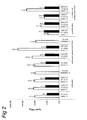
- the resulting folate : vitamin B12 ratio is preferably at least 2:1, 5:1, 10:1, 50:1, 100:1, 150:1, 200:1, 250:1, or more, or any ratio in between these. See e.g. Example 3 and Fig. 2 , showing that wild type and recombinant folate overexpressing strains produce a significantly increased folate : vitamin B12 ratio on melon medium according to the invention compared to other media, such as CDM or cucumber medium.
- one may alternatively or in addition use different strains during the fermentation process i.e. mixtures of strains
- at least one strain produces increased folate amounts and at least one other strain produces vitamin B12.
- at least one other strain produces vitamin B12.
- archaea do not produce folate, but do produce vitamin B12.
- a coinoculation of a folate producing strain with a suitable amount a vitamin B12 producing strain is also an embodiment herein.
- the skilled person can easily identify bacterial strains or other micro-organisms such as archaea, yeasts or fungi, which produce vitamin B12.
- Vitamin B 12 can be measure and/or quantified in the fermentation broth using standard methods, such as those mentioned for folate quantification.
- the folate yield obtained from fermentation on melon extract medium is significantly higher than compared to folate yield from fermentation using the same strain on CDM (chemically defined medium, as described in Teusink, B., van Enckevort, F.H., Francke, C., Wiersma, A., Wegkamp, A., Smid, E.J. and Siezen, R.J., 2005, Appl Environ Microbiol 71, 7253-7262 ).
- CDM chemically defined medium, as described in Teusink, B., van Enckevort, F.H., Francke, C., Wiersma, A., Wegkamp, A., Smid, E.J. and Siezen, R.J., 2005, Appl Environ Microbiol 71, 7253-7262 ).
- “Significantly higher” refers to at least 2x, preferably at least about 3x, 4x, 5x, 6x, 7x, 8x, 9x, 10x 15x, 16x, or more, total folate (the sum of intracellular and extracellular folate, corrected for background folate being present in the medium) being produced by the end of fermentation (in the fermentation broth) compared to fermentation on CDM. Background folate levels are preferably determined in medium not inoculated with bacteria but which is otherwise treated the same way.
- fermentation broth comprising (during and/or after fermentation according to the invention) a total amount of folate of at least about 40, 50, 60, 70, 80, 90, 100, 150, 200, 250, 300, 350, 400, 450, 500, 550, 600, 650, 700, 750, 800, 850, 900, 1000 ⁇ g or more folate per Liter fermentation broth is provided herein, depending on the strain or combination of strains used. Even higher levels can be achieved, for example if one or more gmo strains (e.g.
- folate overproducing are used, and optionally also p-ABA is added, folate can be produced according to the instant invention in amounts of at least 2000, 3000, 4000, 5000, 6000, 7000, 8000 ⁇ g folate or more per liter fermentation broth (see Examples).
- Total folate content can be measure using known techniques, such as for example the microbiological assay described by Home and Patterson (1988, Clin Chem 34:2357-2359 ) or by Sybesma et al. 2003 (Appl. Environm. Microbiol 69: 3069-3076 ).
- Other quantitative assays include for example HPLC or LC-MS analysis.
- Folate is preferably measured at the end of fermentation, i.e. during stationary phase of the inoculum strains.
- Suitable amounts of inoculum of each Lactobacillus strain may vary, but generally about 1% volume of a full-grown culture (containing e.g. about 1*10 8 cells per ml) is added to fresh fermentation medium. To produce inoculum standard microbiological methods may be used.
- inoculum levels may be adapted, however, total volume of inoculum (of 2 or more strains) does preferably not exceed 1% of the volume of the final fermentation medium.
- the fermentation medium is not inoculated with any other microorganisms other than the selected folate (and/or vitamin B12) producing Lactobacillus strain(s), and optionally one or more vitamin B12 producing microorganism(s).
- the medium is, thus, in one embodiment free of non-food grade microorganisms, pathogenic microorganisms, spoilage microorganisms and/or any other, non-desired and/or non-inoculated bacterial species or strain, such as e.g. Bifidobacterium, Enterococcus, Streptococcus, and/or Lactococcus strains, or others.
- step (d) is carried out using standard methods, as e.g. described in the Examples.
- the fermented medium also referred herein as the "fermentation broth" (or a part thereof) is optionally used further to e.g. purify folate there from and/or to make products comprising or consisting of the fermented medium (or parts thereof) comprising the folate produced by the Lactobacillus strain(s).
- the bacteria may be removed from the medium (e.g. by filtration or centrifugation) and the bacteria-free medium may be used further.
- the fermented medium comprising the bacteria may be used as such. This is particularly attractive in cases wherein the LAB used is a probiotic strain, especially a probiotic LAB strain capable of producing both folate and vitamin B12 by itself.
- a further option is to kill or inactivate most of or all of the bacteria, e.g. by heating or sonication.
- a food or feed product or nutraceutical product comprising or consisting of fermentation medium made according to the invention (or a part thereof)
- compositions and products comprising or consisting of fermentation broth (or one or more parts thereof) prepared according to the above method.
- the fermented medium (the fermentation broth) is in one embodiment used as such, but may optionally be concentrated or diluted or pre-treated prior to being used to prepare a food-, feed- or food supplement composition.
- Pre-treatments include filtration and/or centrifugation, sterilization, freeze-drying, freezing, and the like.
- the fermentation medium as such and/or the pre-treated fermentation medium are in essence the primary products of the above method. These primary products may be used as such or may be used as a food product- and/or food supplement ingredient, i.e. a suitable amount of primary product may be used as ingredient when making a final food- or food-supplement product.
- fermentation broth and/or the pre-treated fermentation broth may be used as ingredients in the preparation of folate fortified food, feed or food supplement products such as liquid foods (e.g. drinks, soups, yoghurts or yoghurt based drinks, milk shakes, soft drinks, fruit drinks, fermented dairy product, meal replacers, fermented fruit and/or juice products, etc.) or solid foods/feeds (meals, meal replacers, snacks such as candy bars, animal feed, fermented dairy products, fermented food or feed products, ice products, freeze dried food additives, cheeses, etc.) or semi-solid foods (deserts, etc.).
- the fermented medium and/or the pre-treated fermentation medium may simply be added to, or used during the production process of such products.
- the fermentation broth obtained from the above fermentation method may be pre-treated by concentration, dilution, filtration and/or lyophilization (freeze-drying) prior to being used as product or product ingredient.
- Concentration and dilution with water or buffer or other food grade liquids e.g. fruit juices, milk, etc.
- Filtration may be used to remove bacteria from the broth.
- the fermentation broth (or a concentrate, dilution and/or filtrate thereof) is freeze dried to make a folate-fortifed powder.
- Such powder is then used in the preparation of a food, feed or food supplement in solid, liquid or semi-solid form.
- Supplements may be formulated as drinks, tablets, capsules, gels, powders, pills, etc. whereby the supplement comprises a suitable amount of primary product and thereby also a suitable amount of folate.
- compositions according to the invention comprise live and/or viable (e.g. freeze-dried) bacteria.
- the food, feed or food supplement compositions according to the invention comprise or consist of a suitable amount of primary product (fermentation broth, e.g. as such or pre-treated).
- the amount of primary product to be used in the preparation of the composition will vary, depending on the concentration of folate in the fermentation broth and on the amount desired to be present in the composition to be made.
- the product comprises an amount of folate which is equivalent to at least about 20%, 25%, 30%, 40%, 50%, 60%, 70%, 80%, 90%, more preferably 100%, 150%, 200%, 300% or more of the recommended daily amount of folate.
- a composition for pregnant women or those who want to become pregnant may, for example, comprise an amount of fermentation broth which provides e.g.
- compositions for non-pregnant subjects may comprise about 200 ⁇ g folate / day (100% Recommended Daily Allowance).
- recommended intake levels varies between countries, ranging from 200 to 400 ⁇ g folate per day for none-pregnant and pregnant individuals, respectively, in Europe, whereas these levels are higher in the USA, where 400 and 600 ⁇ g folate are recommended for none-pregnant and pregnant individuals, respectively.
- the composition may for example comprise between about 20 ⁇ g and 600 ⁇ g folate per daily dosage, or more.
- the RDA for different countries may be different, so that effectively different amounts of folate may be present in the products made for different markets.
- the composition further comprises vitamin B12, preferably in the RDA for vitamin B12.
- vitamin B12 and the folate are produced by the same microorganism (i.e. by a single strain, e.g. L . reuteri ) in the method according to the invention, or at least they are produced in the same fermentation process (i.e. by the same or by different strains added to the fermentation medium).
- compositions may, thus, also comprise or consist of fermentation broth suitable for a single administration per day or for several daily administrations.
- folate fortified food or feed products e.g. the fermented food or feed products
- a daily intake is thus a preferred embodiment herein.
- the products according to the invention are preferably for oral intake by humans and/or animals, such as companion animals (dogs, cats, etc.) or farm animals (cows, horses, pigs, chickens, sheep, etc.) or any other animal (wild animals, e.g. kept in zoos, etc.).
- the products are especially suitable for subjects in need of a more regulated folate intake or subjects in need of an enhanced folate intake, such as athletes, pregnant women, folate deficient subjects, and the like.
- Preferred products include for example melon juice based drinks, or melon squash based drinks, containing high folate and preferably also vitamin B12 levels and which preferably have a long shelf-life for transport and storage, especially in less developed countries where people suffering from vitamin deficiencies can targeted (therapeutically or prophylactically).
- the fermentation medium and/or fermentation broth is also an embodiment herein as such.
- a Lactobacillus fermentation medium is provided which comprises or consists of melon fruit extract as described above and further comprises p-ABA, wherein said fermentation medium comprises no extracts of fruits of other plant species.
- a fermentation broth (as such and/or pre-treated) is provided, as described, which can be used to make folate fortified food, feed or food supplements. This primary product may also be stored for longer periods e.g. frozen or freeze dried before it is used as ingredient for production of the final product.
- the fermentation broth obtainable from Lactobacillus fermentation of the fermentation medium (comprising or consisting of melon fruit extract), for the preparation of a food-, feed- or food-supplement product is provided herein.
- L. plantarum WCFS 1 The genomic DNA of L. plantarum WCFS 1 was isolated using established procedures ( Ferain, T., Garmyn, D., Bernard, N., Hols, P. and Delcour, J. (1994) Lactobacillus plantarum 1dhl gene: overexpression and deletion. J Bacteriol 176, 596-601 ). PCR was performed as follows; 30 sec. denaturation at 94°C, 30 sec. primer annealing at 45°C, and elongation at 68°C for I min per kilo-base, this specific sequence was repeated for 30 cycles. Pfx polymerase (Invitrogen, Breda, The Netherlands) was used for amplification.
- DNA ligation was performed using T4 DNA ligase (Invitrogen) by overnight incubation at 16°C, DNA fragments were mixed with a 1:5 ratio of plasmid:insert:.
- the folate gene cluster was amplified by PCR using folBKpnF (forward primer, GAAAGAGGCTG GGTACC ATTATGGGCATGATTC), and folPXbaR (reverse primer CTTAACCCCA TCTAGA CGTAATATCG).
- folBKpnF and folPXbaR primers were modified in their sequence to introduce a KpnI, and Xbal restriction site, respectively (modified bases underlined).
- the folate gene cluster was amplified from 18 basepairs upstream of folB to 52 bases downstream of folP .
- the linear stretch of amplified DNA was partially digested, by Kpnl (Invitrogen) and XbaI (Invitrogen). Partial digestion is essential because folP contains an additional XbaI restriction site.
- the digested folate gene-cluster contains the full length of the folate gene cluster.
- Plasmid pNZ7021 Wegkamp, A., van Oorschot, W., de Vos, W.M. and Smid, E.J. (2007) Characterization of the Role of para-Aminobenzoic Acid Biosynthesis in Folate Production by Lactococcus lactis.
- Appl Environ Microbiol 73, 2673-2681 was also digested with Xbal and Kpnl. Both digested pieces of DNA were mixed in a 1: 5 ratio (plasmid:insert), and were ligated by T4 DNA ligase. The ligated DNA was transferred to competent cells ofNZ9000AylgG L. lactis (Klaus et al. 2005) strains using electroporation by established procedures ( de Vos, W.M., Vos, P., de Haard, H. and Boerrigter, I. (1989) Cloning and expression of the Lactococcus lactis subsp. cremoris SK11 gene encoding an extracellular serine proteinase.
- the transformed L. lactis strain was cultivated for 40 hours on M 17 plates with 10 mg/L CM. Chloramphenicol resistant colonies were checked for the presence of the plasmid by PCR using folPF (forward primer, CATGGCATCGATATTGAACGAATTG); and nisRKR (reverse primer, GTTCTATCGAAAGCGAAATC). Positive transfomiants were picked and inoculated on M17 broth with 10 mg/L CM. Total plasmid content was isolated from full grown overnight cultures and plasmids were isolated using Jetstar columns (Genomed GmbH, Bad Oeynhausen, Germany).
- plasmids pNZ7021 and pNZ7026 were transferred to competent cells of L. reuteri by electroporation as described elsewhere ( Walter, J., N. C. Heng, W. P. Hammes, D. M. Loach, G. W. Tannock, and C. Hertel. 2003. Identification of Lactobacillus reuteri genes specifically induced in the mouse gastrointestinal tract. Appl Environ Microbiol 69:2044-51 ).
- Transformants were grown for 40 hours on MRS plates with 10 mg/L CM and CM resistant cells were analyzed for the presence of the appropriate plasmids by PCR.
- primers folpF and nisRKR were used as probes.
- the primers CmdownF (forward primer) and nisRKR were used for monitoring the presence of pNZ7021 in the host strain.
- the melon media was diluted with a 0.5 M potassium-phosphate buffer (pH 5.8) in a 4:1 ratio (v/v). The final pH was adjusted to 6.0 and the melon media medium was forced through a 0.22 ⁇ m filter to assure sterility.
- both fruit media were supplemented with p-ABA till a final concentration of 10 mg/L.
- the melon and cucumber media were inoculation with L. reuteri wild-type, control (pNZ7021; empty vector) and folate overproducer (pNZ7026; folate gene cluster overexpressing plasmid).
- L. plantarum WCFS1 the wild-type was inoculated. Inoculated media were cultivated for 40 hours at 37°C.
- Total folate content was measured using the microbiological assay described by Home and Patterson (1988, Clin Chem 34:2357-2359 ) or by Sybesma et al. 2003 (Appl. Environm. Microbiol 69: 3069-3076 ). Folate samples were taken after approximately 40 hours of growth from culture from stationary phase. Additionally, the background levels of these vitamins were determined from samples treated identically but not inoculated.
- the folate production levels were determined for L. reuteri and L. plantarum on CDM and 80% melon juice.
- Results are shown in Tables I and 2 for L. reuteri JCM 1112 and in Tables 3 and 4 for L. plantarum WCFS 1 .
- Table I Fermentation of L. reuteri strain JCM1112 on 80% melon juice medium
- Strain Total folate production pool ⁇ g/L Standard deviation.
- ⁇ g/L Total folate production pool ⁇ g/L per OD 600 Fold * increase of folate pools compared to Table 2 Wild type JCM 1112 325.12 12,96 103.65 5.4x + pNZ7021 a 321,34 5,51 131,66 4,6x + PNZ7026 b 237,01 14,61 115,96 n.d.
- Cucumber juice was made as follows. Cucumber juice media was prepared by liquidification of intact cucumber ( Cucumis sativus ) using a kitchen blender (Moulinex, Masterchef 370, France).
- the resulting paste was forced through a cotton cloth, and the flowthrough was filtrated with a cellulose filter (0.15 mm) before being centrifuged twice at 10.000 RPM for 10 min at 4° C using a Sorvall centrifuge (Newton, CT, USA) equipped with a GSA600 rotor. The supernatant was stored at -20°C until further use.
- the cucumber juice was diluted in 1 volume of 0.2 M potassium-phosphate buffer (pH 5.8). The final pH was adjusted to 6.0 and the cucumber medium was forced through a 0.22 ⁇ m filter to assure sterility.
- both fruit media were supplemented with p-ABA till a final concentration of 10 mg/L.
- the cucumber and CDM media were inoculation with L. reuteri control (pNZ7021; empty vector) and folate overproducer (pNZ7026; folate gene cluster overexpressing plasmid). Inoculated media were cultivated for 40 hours at 37°C.
- Total folate content was measured using the microbiological assay described by Horne and Patterson (1988, Clin Chem 34:2357-2359 ) or by Sybesma et al. 2003 (Appl. Environm. Microbiol 69: 3069-3076 ). Folate samples were taken after approximately 40 hours of growth from culture from stationary phase.
- Folate production pools are shown in Tables 1 and 2 for L. reuteri JCM 1112 Table 1 - Fermentation of L. reuteri strain JCM 1112 on 80% cucumber juice medium Strain Total folate production pool ⁇ g/L Standard deviation. ⁇ g/L Total folate production pool ⁇ g/L per OD 600 Fold * increase of folate pools compared to Table 2 + pNZ7021 a 22,14 1,00 8.64 0.32x + pNZ7026 b 64.00 7,00 33.77 n.d. + pNZ7026 + P-ABA c 385,99 19.34 501.37 0.09x Blanc d 9.96 0.44 n.d.
- the ratio of folate and B12 production was determined after fermentation. of L. reuteri on CDM and melon juice. The experiments were performed as described above, however, additionally samples were taken for B12 analysis.
- Lactobacillus reuteri JCM1112 Lactobacillus plantarum WCFS 1.
- a 1% inoculum was used for inoculation of the developed media.
- the melon and CDM media were inoculation with L. reuteri wild-type, control (pNZ7021; empty vector) and folate overproducer (pNZ7026; folate gene cluster overexpressing plasmid). Inoculated media were cultivated for 40 hours at 37°C.
- Vitamin B12 content was determined according to the Official Methods of Analysis of AOAC International, using the L. delbrueckii subsp. lactis ATCC 7830 vitamin B 12 assay ( Horowitz, W. (ed.). 2006. Official methods of analysis of AOAC International, 18th ed. AOAC International, Gaithersburg, Md .). Cell extracts of stationary phase cultures for B 12 analysis were prepared as previously described ( Taranto, M. P., J. L. Vera, J. Hugenholtz, G. F. De Valdez, and F. Sesma. 2003. Lactobacillus reuteri CRL1098 produces cobalamin. J Bacteriol 185:5643-7 .).
- Total folate content was measured using the microbiological assay described by Home and Patterson (1988, Clin Chem 34:2357-2359 ) or by Sybesma et al. 2003 (Appl. Environm. Microbiol 69: 3069-3076 ). Folate samples were taken after approximately 40 hours of growth from culture from stationary phase.
- the bacterium L. reuteri was able to produce folate and B12 ratio in a 1:1 ratio on CDM, for the wild-type and control strain.
- the overexpression of folate resulted in a folate to B12 ratio of 100 to 1.
- Melon juice fermentation is a nice way to increase the folate content, thereby, a more favourable folate to B12 ratio can be obtained.
- a 10:1 folate and B12 ratio was found, in the folate overproducing strain this was 250:1.
- the food product is a fermented fruit juice that produces folate and B12 in suitable ratios. Moreover, Lactobacilli with probiotic properties to ferment melon juice and increase the folate content.
Landscapes
- Life Sciences & Earth Sciences (AREA)
- Chemical & Material Sciences (AREA)
- Engineering & Computer Science (AREA)
- Health & Medical Sciences (AREA)
- Organic Chemistry (AREA)
- Zoology (AREA)
- Wood Science & Technology (AREA)
- Bioinformatics & Cheminformatics (AREA)
- Genetics & Genomics (AREA)
- Biotechnology (AREA)
- General Health & Medical Sciences (AREA)
- Biochemistry (AREA)
- Mycology (AREA)
- Nutrition Science (AREA)
- General Engineering & Computer Science (AREA)
- General Chemical & Material Sciences (AREA)
- Microbiology (AREA)
- Polymers & Plastics (AREA)
- Food Science & Technology (AREA)
- Tropical Medicine & Parasitology (AREA)
- Biomedical Technology (AREA)
- Medicinal Chemistry (AREA)
- Virology (AREA)
- Botany (AREA)
- Chemical Kinetics & Catalysis (AREA)
- Fodder In General (AREA)
- Coloring Foods And Improving Nutritive Qualities (AREA)
- Micro-Organisms Or Cultivation Processes Thereof (AREA)
- Medicinal Preparation (AREA)
- Preparation Of Fruits And Vegetables (AREA)
Abstract
Description
- The instant invention relates to the field of microbiology and food-, feed- and food-supplement production using microbial fermentation of melon juice. Provided are methods of producing high folate levels by fermenting melon juice, as well as food-, feed- and food supplements comprising or consisting of fermented melon juice and/or folate (vitamin B9/B11) obtained from such fermentation methods. Also, the use of melon juice (or parts thereof and/or dilutions and/or concentrations thereof) as a fermentation medium or fermentation supplement of folate producing bacteria is described herein. A further embodiment is the use of p-aminobenzoic acid or paminobenzoate (p-ABA)(in combination with melon juice) for increasing folate production during microbial fermentation.
- "Lactic acid bacteria" (LAB) refers to bacteria, which produce lactic acid or another organic acid (such as propionic acid) as an end product of fermentation, such as, but not limited to, bacteria of the genus Lactobacillus, Streptococcus, Lactococcus, Oenococcus, Leuconostoc, Pediococcus, Carnobacterium, Propionibacterium, Enterococcus and Bifidobacterium.
- "Food grade" are components which can safely be ingested (e.g. orally) by humans or animals.
- "Probiotics" or "probiotic strain(s)" refers to strains of bacteria, which have a beneficial effect on the host when ingested by a subject and which are generally regarded as safe (GRAS) to humans.
- "Food grade" refers to being regarded as safe for human and/or animal consumption, e.g. by the relevant regulatory authorities such as the US Food and Drug Administration (FDA).
- "Probiotic lactic acid bacteria" are, thus, those LAB strains which also have probiotic properties, i.e. which are probiotic strains.
- "Non-gmo bacterial strains" refers to strains which have not been genetically modified by human intervention, i.e. which do not comprise homologous or heterologous nucleic acid sequences introduced into the cells or genome. For example, chimeric genes (comprising operably linked nucleic acid sequences, such as a promoter, coding sequence and terminator) or vectors have not been introduced into the bacteria.
- "Gmo bacterial strains" or "recombinant strains" are herein strains which have been genetically modified by human intervention, e.g. by introduction of homologous or heterologous genes into the genome, such as a chimeric gene.
- "Non-mutant bacterial strains" refer herein to wild-type strains, i.e. strains which have not been treated by mutagenic agents by humans. "Wild-type" strains are strains found in, or originally isolated from, nature and which are genetically essentially the same as the wild strain.
- "Melon extract" refers herein to the melon fruit extract of plants of the species Cucumis melo, e.g. (C. melo var. reticulans, Galia melon), Muskmelon, Cantaloupe, Hami melon, Honeydew melon (Cucumis melo var. inodorus), Piel de Sapo, and Sugar melon, Cucumis melon subsp. agrestis; Cucumis melo subsp. melo.; Cucumis melo var. cantalupensis; Cucumis melo var. conomon, and others.
- "Melon juice" refers to the non-solid phase (liquid phase) obtained after liquidification of melon extract.
- "Folate" and "folic acid" [N-[4-{[2-amino-1,4-dihydro-4-oxo-6-pteridinyl)methyl] amino} benzoyl] - L-glutamic acid] are used herein interchangeably to refer to folic acid and derivatives of folic acid, e.g. differing in oxidation state, one-carbon substitutions or the number of glutamate residues. Alternative names are vitamin B9, vitamin B10, vitamin B11, vitamin B9/B11 or vitamin M. Examples of derivatives are tetrahydrofolate, 5-formyl tetrahydrofolate, 5,10-methylene tetrahydrofolate, 10-formyl tetrahydrofolate, 5-methyl tetrahydrofolate, 5,10-methenyl tetrahydrofolate, etc. Encompassed herein are for example polyglutamyl folate and/or shorter hydrolysis products such as di-, tri- and/or monoglutamyl folate.
- "p-ABA" refers to para-aminobenzoic acid or para-aminobenzoate or 4-aminobenzoic acid and is a folate building block in the folate biosynthetic pathway. GTP, p-ABA and glutamate form the precursors of folate.
- "fermentation" or "fermentation culture" refers to growth cultures used for growth of bacteria which convert carbohydrates into alcohol and/or acids, usually (but not necessarily) under anaerobic conditions.
- "Fermentation medium" refers to the growth medium being used for setting up the fermentation culture, while "fermentation broth" is generally used to refer to the fermented medium (i.e. during and/or after fermentation). However, both terms may be used interchangeably herein and the meaning will be clear from the context.
- "Food" or "food product" refers to liquid, semi-solid and/or solid food products (nutritional compositions), suitable for human and/or animal consumption.
- "Food supplement" refers to a composition ingested by humans in addition to the normal daily food intake. Generally, food supplements are in the form of tablets, powders, sachets, pills, etc.
- "Food product ingredient" or "food supplement ingredient" refers to a product which is suitable for being added to a final food product, or food supplement, or during the production process of a food product, or food supplement.
- The term "comprising" is to be interpreted as specifying the presence of the stated parts, steps or components, but does not exclude the presence of one or more additional parts, steps or components.
- In addition, reference to an element by the indefinite article "a" or "an" does not exclude the possibility that more than one of the element is present, unless the context clearly requires that there be one and only one of the elements. The indefinite article "a" or "an" thus usually means "at least one".
- "Growth phase" refers to commonly known growth phases of microorganism, e.g. in batch fermentation cultures, such as the lag-phase, exponential growth phase and the subsequent stationary phase, followed by the death phase.
- "Percentages (%) sequence identity" refers to the percentage identical nucleotides or amino acids between two sequences and can be determined using for example pairwise local alignment tools such as the program "water" of EmbossWIN (version 2.10.0) using default parameters, (gap opening penalty 10.0 and gap extension penalty 0.5, using Blosum62 for proteins and DNAFULL matrices for nucleic acids) or "Bestfit" of GCG Wisconsin Package, available from Accelrys Inc., 9685 Scranton Road, San Diego, CA 92121-3752 USA, using default parameters. Alternatively, BLAST analysis using default settings may also be used, such as protein Blast of NCIMB (http://www.ncbi.nlm.nih.gov/BLAST/Blast.cgi), with a gap creation penalty 11 and
gap extension penalty 1. - Folate is essential for the human and animal diet and deficiency can result in a range of diseases and disorders, such as neural tube defects in newborns. Many plants, fungi and bacteria synthesize folate, including lactic bacteria (LAB), whereby folate concentrations in fermented dairy products are higher than in non-fermented dairy product. The annotated genome sequence of Lactococcus lactis subsp. lactis IL1403 shows the genes of the folate biosynthetic cluster. The folate genes from other gene clusters have also been identified, such as those of Lactococcus lactis MG1363, and are used to genetically engineer bacteria having increased folate production, for example through overexpression of the folKE gene (Sybesma et al., 2003, Applied and Environm. Microb. Vol. 69(6), pp3069-3076). Controlled overepxression of folKE resulted in a 3-fold increase of total folate production and a 10-fold increase of extracellular folate production.
- Not all LAB are able to produce folate. For example, Sybesma et al. (2003, Applied and Environm. Microbiology Vol. 69(8) pp4542-4548) found that while Lactococcus lactis, Streptococcus thermophilus and Leuconostoc species were able to produce folate, most Lactobacillus species tested were not, with the exception of L. plantarum. Total (intracellular and extracellular) deconjugated folate levels varied widely and maximum levels were 291 µg/L for strain L. lactis ssp. lactis NZ9010 (grown aerobically on M17 culture medium; strain is defective in lactate dehydrogenase), while L. plantarum WCFS I for example only produced 45 µg/L on MRS medium. Also the proportion excreted into the medium varied.
- Sybesma et al. (supra) also studied the effects of culture conditions such as pH, p-ABA and hemin on folate production and distribution in two commonly used LAB, L. lactis MG 1363 and S. thermophilus NIZO strain B 119. Culture media included M 17 medium, Chemically Defined Medium (CDM) and MRS medium. In continuous culture an increase in pH from 5.5 to 7.5 resulted in an increased folate production in these two strains by a factor 2-3, reaching 534 µg/L for S. thermophilus grown on M17 medium and 107 µg/L for L. lactis grown on CDM. For L. lactis, the addition of p-ABA in concentrations ranging from 1-100µM also increased folate production, while amounts of p-ABA above 100µM had no effect. Interestingly, the addition of growth inhibiting substances also resulted in a folate increase.
- As already mentioned, Lactobacillus species produce no or very low levels of folate. Lactobacillus species are important in the production of fermented products and an increase in folate production by those species would be highly desirable. Lactobacillus species are for example used industrially for the production of yogurt, cheese, sauerkraut, pickles, and other fermented foods, as well as animal feeds, such as silage. In addition, the use of natural (food grade), rather than synthetic, fermentation media has the advantage that the natural media can be used as such for food-, feed- or food supplement production, eliminating the need for purifying the folate from the culture. These objectives are met by the present invention.
-
WO02/097063 -
WO2006/013588 describes folic acid producing probiotic Bifidobacterium strains and their use. These may be used in formulations together with other probiotic LAB. -
WO2006/093408 relates to mutant bacteria which are resistant to methotrexate and overproduce folate. The bacteria are identified by using methotrexate as a selection agent. There is no indication that natural fermentation media may increase folate production. -
JP 1063352 - The present invention provides methods for increasing folate levels produced by folate producing Lactobacillus species. The inventors found that total folate levels, and/or folate : vitamin B12 ratio, produced during fermentation of Lactobacillus species are significantly increased when melon extracts and/or melon juice or parts thereof or are used or added to the fermentation medium. In addition, foods such as fruit-containing or fruit derived foods are commonly preserved by fermentation, so that a method for food preservation (i.e. for reducing perishability food) is described herein, whereby the resulting product has as further benefit an increased folate level and/or an increased ratio of folate to vitamin B12.
- Thus in one embodiment of the invention a method for producing folate and for increasing total folate levels produced by a folate producing Lactobacillus species is provided comprising the following steps:
- (a) providing an extract from a melon fruit of a Cucumis melo species;
- (b) using all or part of the melon fruit extract to prepare a fermentation medium;
- (c) inoculating said fermentation medium with one or more Lactobacillus strains;
- (d) allowing fermentation to take place; and optionally
- (e) using all or part of the fermented medium for the preparation of a food-, feed-or food supplement product with high folate levels and/or a high folate : vitamin B 12 ratio.
- In step (a) fruit of the species Cucumis melo may be used to prepare an extract. In a preferred embodiment the fruit used comprise or consist of Galia melon. An extract is prepared from parts or all of one or more fruit. Mixtures of fruit (or fruit parts) from different species, subspecies or varieties of Cucumis melo may be used. Preferably however no fruit of other fruit species are used for preparing the extract and/or the fermentation medium. The fruit and/or fruit pieces used may be from any fruit ripening/developmental stage of the fruit, e.g. from ripe fruit or from earlier fruit ripening/developmental stages and/or mixtures of these. Optionally fruit seeds may be removed from the fruit so that the extract is free of seeds.
- The extract is preferably a liquid extract, i.e. the fruit juice. Fruit juice can be easily prepared by liquidification of fruit tissues using known methods (squashing, cutting, mashing, mixing, blending, heating, etc.) and optionally removing all or part of the solid fruit components by for example filtration or centrifugation or other methods known in the art. Preferably at least 70%, 80%, 90% or even more preferably 99% or 100% of the solid plant components are removed. The extract is preferably (but not necessarily) also sterilized, e.g. by filtration or heating, to remove or kill microorganisms (such as non-desired bacteria or fungi) present
- In step (b) all or part of the melon fruit extract is used to prepare a fermentation medium. In other words the fermentation medium preferably comprises or consists of melon fruit extract. Most preferably the final fermentation medium comprises at least 50% (vol/vol), more preferably at least 60%, 70%, 80%, 90% or more (e.g. 95% or 99% or 100%) melon fruit extract, e.g. melon juice, obtained directly from melon fruit. The melon fruit extract may be diluted using for example one or more food grade buffers, such as phosphate buffer, and optionally the pH is adjusted to a specific pH, such as about pH 5.0, pH 5.5, pH 6.0, pH 6.5, pH 7.0, pH 7.5 or any pH in between these values. The fermentation medium does in one embodiment not contain fruit extracts (e.g. juices) of plant species other than those derived from Cucumis melo.
- In step (b) also several extracts of melon fruit may be mixed in the preparation of the fermentation medium. Thus, for example melon juice from one Cucumis melo species may be mixed with melon juice from another Cucumis melon species. Such mixtures have the same effect as co-extraction from different Cucumis melon species. In a preferred embodiment the fermentation medium comprises or consists of extract from the Galia melon.
- The melon extract, such as the melon juice, need not be freshly prepared in order to make the fermentation medium, but may also be extracted and then frozen, either as extracted or as a concentrate or as a dilution (e.g. in sterile water or buffer) for later use. Likewise freeze dried melon extract and/or melon juice may be used, e.g. as such or after reconstitution with water or buffer or the like.
- All components used in the preparation of the fermentation medium are preferably food grade. Apart from melon fruit extract(s) the fermentation medium may also comprise buffering agents, dilution agents (water, buffer), additional amino acids (e.g. folate building blocks, such as methionine, serine, glycine, thymine, inosine, xanthine, adenine and/or guanine), sugars, flavorings, coloring agents, nucleobases, nucleosides, additional carbon sources, etc. The use of additives depend also on the further use of the fermented medium (or parts thereof) and whether the fermented medium is to be used as an additive to make a folate fortified food or feed or whether it is used as such, e.g. in capsule or powder form (as a food or feed supplement) or whether the produced folate is to be purified from the fermented medium or used together with all or part of the medium.
- In one embodiment of the invention p-ABA is added to the fermentation medium in an amount which enhances folate yield compared to fermentation in the absence of additional p-ABA. Preferably at least 5mg p-ABA are added per liter fermentation medium and/or per liter melon juice and/or melon extract, more preferably at least 10mg, 20mg, 30mg, 40mg, 50mg, 60mg, 70mg, 80mg, 90mg or 100mg per liter. Also more p-ABA may be added, such as at least about 150mg, 200mg, 500mg, 1000mg per Liter fermentation medium, or more. p-ABA can be obtained commercially in different purity grades from Sigma Aldrich Inc. (St. Louis, MO, USA, see e.g. catalogue number A9878). Although not all Lactobacillus strains respond to p-ABA by producing more folate, the skilled person can easily determine whether p-ABA addition has a folate enhancing effect for a given strain. Lactobacillus plantarum strains, for example strain WCFS1, do respond positively to p-ABA addition.
- It is also an embodiment that the folate producing bacterial strain itself produces p-ABA, e.g. naturally or after genetic modification (see e.g. Wegkamp et al. 2007, Applied and Environmental Microbiology Vol. 73, p2673-2681), and/or that one or more additional strains which produce p-ABA (naturally or after modification) are added to the medium. The p-ABA gene cluster from other bacteria, such as the p-ABA biosynthetic gene cluster of Lactococcus lactis, can thus be introduced and overexpressed in the folate producing strain and/or in another strain, which can then be co-inoculated in step (c).
- In step (c) a suitable amount of one or more Lactobacillus strains is used as inoculums of the fermentation medium. Inoculum amounts may vary, but in general a culture having a concentration of about 1x10⁵ - 1x10¹⁰ cells / ml (e.g. about 1x10⁸/ml) live or viable bacterial cells may be added to the fermentation medium at about 1% volume of the final volume of the fermentation medium, or more, or less (e.g. 0.8%, 0.5% volume).
- In principle any Lactobacillus strain which is capable of producing folate at all (i.e. which comprises the folate biosynthetic genes) can be used, including natural/wild type strains, recombinant (gmo) strains and mutant strains. Recombinant strains may also be strains which have been transformed with one or more folate biosynthetic genes, as also folate production levels of these strains can be increased further when using the methods according to the invention. For example, the folate biosynthetic gene cluster can be cloned and/or introduced from one strain into another strain. Vector pNZ7026 carries the folate gene cluster of L. plantarum WCFS I (see Examples) and this gene cluster can, thus, be introduced into other Lactobacillus strains by e.g. electroporation or conjugation or the genes (folB, folK, folE, folC2, xtp2, folP) can be used to identify and isolate homologous genes from other Lactobacillus species or strains.
- One can easily test whether a strain is capable of producing folate at all, by e.g. culturing the strain on an appropriate medium and analyzing and/or quantifying whether folate is produced intracellularly and/or extracellularly using e.g. HPLC, LC-MS, microbiological assay and the like. Inoculation of the fermentation medium is done using standard microbiological methods, such as e.g. preparing fresh starter cultures of the strains(s) and/or using previously prepared inoculum such as frozen bacterial stocks having a defined amount of bacterial cells. Strains which contain the folate biosynthetic gene cluster or orthologs thereof (e.g. sequences comprising at least 40%, 50%, 60%, 70%, 80%, 90%, 95%, 98%, or more sequence identity on nucleic acid and/or amino acid level to the folate biosynthetic genes and/or proteins), for example to those of L. plantarum WCFS1, are likely to be able to produce folate. Thus, genetic and/or bioinformatics analysis can also be used to identify appropriate strains.
- In a preferred embodiment natural/wild type (non-gmo and non-mutant) strains are used, i.e. strains as isolated from natural sources or non-modified derivatives thereof. Such strains are available at strain depository institutions or can be isolated from natural sources. The strain(s) used are preferably all be food grade, i.e. they should have (or should be able to obtain) GRAS status. Also, the strains are preferably probiotic strains. Examples of strains include Lactobacillus strains belonging to the following species: L. reuteri, L. plantarum, L. rhamnosus, L. casei, L. paracasei, L. helveticus, L. delbrueckii,, L. brevis, L. crispatus, L. sakei, L. jensenii, L. sanfransiscensis, L. fructivorans, L. kefiri, L. curvatus, L. paraplantarum, L. kefirgranum, L. parakefir, L. fermentum, L. acidophilus, L. johnsonii, L. gasseri, L. xylosus, L. salivarius, L. murinus, L. minutis, L. gallinarium, L. amylovorus, etc.
- Useful strains are for example (but not limited hereto) the following strains: L. plantarum WCFS1, L. reuteri 100-23, L. reuteri JCM 1112, L. delbrueckii subsp. bulgaricus ATCCBAA 365, L. delbrueckii subsp. bulgaricus ATCC 11842, and L. sake subsp. sakei 23 K (species known to possess the folate gene cluster, according to the ERGO™ bioinformatics database, see Overbeek et al., Nucleic Acids Res. 2003 ).
- Thus, in one embodiment one or more (preferably) food-grade and/or probiotic LAB strains (of the genus Lactobacillus) and/or species are use in the method.
- For certain applications, such as for the preparation of foods or food supplements for e.g. vegetarians, it is also desired that the strain not only produces folate during fermentation but also vitamin B12. Thus in one embodiment the Lactobacillus strain used is capable of producing both folate and vitamin B12. Preferably the strain(s) is/are probiotic strains. An example of a Lactobacillus species which is capable hereof is Lactobacillus reuteri, e.g. L. reuteri JCM 1112, but more species and/or strains may be found, for example in the genera Clostridium, Geobacillus, Listeria, Propionibacteriurn, Fusobacterium, Salmonella, amongst others. Strict vegetarian diets are often low in vitamin B12, while they are relatively rich in folate. This leads to the risk that vitamin B12 deficiency is masked by folate, whereby a need for products comprising both folate and vitamin B12 exists.
- The Examples show that folate production by L. plantarum strain WCFS1 (originally obtained from human saliva; Accession number NCIMB 8826, National Collection of Industrial and Marine Bacteria, Aberdeen, U.K) was increased 2-3 fold on melon juice medium (about 58 µg/L medium) compared to synthetic medium (CDM) (29 µg/L medium). Folate production of strain L. reuteri JCM112 (originally obtained from human intestine; Accession number NCIMB 11951, National Collection of Industrial and Marine Bacteria, Aberdeen, U.K) increased almost 10 fold, from 8-35µg/L on CDM to 310 µg/L on melon juice medium. The use of these two strains for folate production and optionally also concomitant vitamin B12 production (by e.g. L. reuteri) according to the invention is also an embodiment herein. These two strains may also be used as controls in the described method.
- When using at least one strain capable of producing both folate and vitamin B12, the ratio of folate : vitamin B12 in the fermentation broth is increased significantly during and/or at the end of fermentation (i.e. during the stationary phase), resulting in a deviation from the common 1 : 1 ratio of folate : vitamin B12. The resulting folate : vitamin B12 ratio is preferably at least 2:1, 5:1, 10:1, 50:1, 100:1, 150:1, 200:1, 250:1, or more, or any ratio in between these. See e.g. Example 3 and
Fig. 2 , showing that wild type and recombinant folate overexpressing strains produce a significantly increased folate : vitamin B12 ratio on melon medium according to the invention compared to other media, such as CDM or cucumber medium. - Optionally, one may alternatively or in addition use different strains during the fermentation process (i.e. mixtures of strains), whereby at least one strain produces increased folate amounts and at least one other strain produces vitamin B12. For example archaea do not produce folate, but do produce vitamin B12. Thus a coinoculation of a folate producing strain with a suitable amount a vitamin B12 producing strain is also an embodiment herein. The skilled person can easily identify bacterial strains or other micro-organisms such as archaea, yeasts or fungi, which produce vitamin B12.
- Vitamin B 12 can be measure and/or quantified in the fermentation broth using standard methods, such as those mentioned for folate quantification.
- The folate yield obtained from fermentation on melon extract medium is significantly higher than compared to folate yield from fermentation using the same strain on CDM (chemically defined medium, as described in Teusink, B., van Enckevort, F.H., Francke, C., Wiersma, A., Wegkamp, A., Smid, E.J. and Siezen, R.J., 2005, Appl Environ Microbiol 71, 7253-7262). "Significantly higher" refers to at least 2x, preferably at least about 3x, 4x, 5x, 6x, 7x, 8x, 9x, 10x 15x, 16x, or more, total folate (the sum of intracellular and extracellular folate, corrected for background folate being present in the medium) being produced by the end of fermentation (in the fermentation broth) compared to fermentation on CDM. Background folate levels are preferably determined in medium not inoculated with bacteria but which is otherwise treated the same way. For example, fermentation broth comprising (during and/or after fermentation according to the invention) a total amount of folate of at least about 40, 50, 60, 70, 80, 90, 100, 150, 200, 250, 300, 350, 400, 450, 500, 550, 600, 650, 700, 750, 800, 850, 900, 1000µg or more folate per Liter fermentation broth is provided herein, depending on the strain or combination of strains used. Even higher levels can be achieved, for example if one or more gmo strains (e.g. folate overproducing) are used, and optionally also p-ABA is added, folate can be produced according to the instant invention in amounts of at least 2000, 3000, 4000, 5000, 6000, 7000, 8000µg folate or more per liter fermentation broth (see Examples).
- Total folate content can be measure using known techniques, such as for example the microbiological assay described by Home and Patterson (1988, Clin Chem 34:2357-2359) or by Sybesma et al. 2003 (Appl. Environm. Microbiol 69: 3069-3076). Other quantitative assays include for example HPLC or LC-MS analysis. Folate is preferably measured at the end of fermentation, i.e. during stationary phase of the inoculum strains.
- Suitable amounts of inoculum of each Lactobacillus strain may vary, but generally about 1% volume of a full-grown culture (containing e.g. about 1*108 cells per ml) is added to fresh fermentation medium. To produce inoculum standard microbiological methods may be used.
- When using mixtures of 2 or more Lactobacillus strains inoculum levels may be adapted, however, total volume of inoculum (of 2 or more strains) does preferably not exceed 1% of the volume of the final fermentation medium.
- Optionally other food grade folate producing bacteria and/or other food grade bacteria, such as probiotic strains may be added to the fermentation medium prior and/or during fermentation and/or after fermentation and/or to the food-, feed- or nutraceutical product made and comprising (or consisting of) melon extract fermented medium (see further below). However, in one embodiment preferably the fermentation medium is not inoculated with any other microorganisms other than the selected folate (and/or vitamin B12) producing Lactobacillus strain(s), and optionally one or more vitamin B12 producing microorganism(s). The medium is, thus, in one embodiment free of non-food grade microorganisms, pathogenic microorganisms, spoilage microorganisms and/or any other, non-desired and/or non-inoculated bacterial species or strain, such as e.g. Bifidobacterium, Enterococcus, Streptococcus, and/or Lactococcus strains, or others.
- The fermentation according to step (d) is carried out using standard methods, as e.g. described in the Examples.
- After fermentation has taken place for a suitable period, preferably until no further increase in optical density is observed, the fermented medium (also referred herein as the "fermentation broth") (or a part thereof) is optionally used further to e.g. purify folate there from and/or to make products comprising or consisting of the fermented medium (or parts thereof) comprising the folate produced by the Lactobacillus strain(s).
- Also parts of the fermented medium may be used. For example the bacteria may be removed from the medium (e.g. by filtration or centrifugation) and the bacteria-free medium may be used further. Alternatively, the fermented medium comprising the bacteria may be used as such. This is particularly attractive in cases wherein the LAB used is a probiotic strain, especially a probiotic LAB strain capable of producing both folate and vitamin B12 by itself. A further option is to kill or inactivate most of or all of the bacteria, e.g. by heating or sonication.
- When making a food or feed product or nutraceutical product comprising or consisting of fermentation medium made according to the invention (or a part thereof), it is an embodiment to add the fermentation broth (or part thereof), comprising the live and/or viable bacteria, to the product or product ingredients, e.g. to add it at the beginning, during and/or after the food or feed production process.
- Also provided are compositions and products comprising or consisting of fermentation broth (or one or more parts thereof) prepared according to the above method.
- The fermented medium (the fermentation broth) is in one embodiment used as such, but may optionally be concentrated or diluted or pre-treated prior to being used to prepare a food-, feed- or food supplement composition. Pre-treatments include filtration and/or centrifugation, sterilization, freeze-drying, freezing, and the like. The fermentation medium as such and/or the pre-treated fermentation medium are in essence the primary products of the above method. These primary products may be used as such or may be used as a food product- and/or food supplement ingredient, i.e. a suitable amount of primary product may be used as ingredient when making a final food- or food-supplement product.
- For example fermentation broth and/or the pre-treated fermentation broth may be used as ingredients in the preparation of folate fortified food, feed or food supplement products such as liquid foods (e.g. drinks, soups, yoghurts or yoghurt based drinks, milk shakes, soft drinks, fruit drinks, fermented dairy product, meal replacers, fermented fruit and/or juice products, etc.) or solid foods/feeds (meals, meal replacers, snacks such as candy bars, animal feed, fermented dairy products, fermented food or feed products, ice products, freeze dried food additives, cheeses, etc.) or semi-solid foods (deserts, etc.). The fermented medium and/or the pre-treated fermentation medium may simply be added to, or used during the production process of such products.
- The fermentation broth obtained from the above fermentation method may be pre-treated by concentration, dilution, filtration and/or lyophilization (freeze-drying) prior to being used as product or product ingredient. Concentration and dilution with water or buffer or other food grade liquids (e.g. fruit juices, milk, etc.) can be carried out to arrive at an appropriate folate level in the final food, feed or food-supplement product. Filtration may be used to remove bacteria from the broth. In one embodiment of the invention the fermentation broth (or a concentrate, dilution and/or filtrate thereof) is freeze dried to make a folate-fortifed powder. Such powder is then used in the preparation of a food, feed or food supplement in solid, liquid or semi-solid form. Supplements may be formulated as drinks, tablets, capsules, gels, powders, pills, etc. whereby the supplement comprises a suitable amount of primary product and thereby also a suitable amount of folate.
- Although the fermentation broth may be pre-treated to remove and/or inactivate the bacteria, it is preferred in certain embodiments of the invention that the bacteria are not removed and/or are not inactivated, especially if the bacteria have probiotic properties. Thus, preferably the compositions according to the invention comprise live and/or viable (e.g. freeze-dried) bacteria.
- The food, feed or food supplement compositions according to the invention comprise or consist of a suitable amount of primary product (fermentation broth, e.g. as such or pre-treated). The amount of primary product to be used in the preparation of the composition will vary, depending on the concentration of folate in the fermentation broth and on the amount desired to be present in the composition to be made. Preferably the product comprises an amount of folate which is equivalent to at least about 20%, 25%, 30%, 40%, 50%, 60%, 70%, 80%, 90%, more preferably 100%, 150%, 200%, 300% or more of the recommended daily amount of folate. A composition for pregnant women or those who want to become pregnant may, for example, comprise an amount of fermentation broth which provides e.g. about 400µg folate per day or 600 µg folate per day (200% or 300% Recommended Daily Allowance), while compositions for non-pregnant subjects may comprise about 200µg folate / day (100% Recommended Daily Allowance). It is noted that recommended intake levels varies between countries, ranging from 200 to 400 µg folate per day for none-pregnant and pregnant individuals, respectively, in Europe, whereas these levels are higher in the USA, where 400 and 600 µg folate are recommended for none-pregnant and pregnant individuals, respectively. Thus, the composition may for example comprise between about 20µg and 600 µg folate per daily dosage, or more. As mentioned the RDA for different countries may be different, so that effectively different amounts of folate may be present in the products made for different markets.
- In one embodiment the composition further comprises vitamin B12, preferably in the RDA for vitamin B12. Preferably the vitamin B12 and the folate are produced by the same microorganism (i.e. by a single strain, e.g. L. reuteri) in the method according to the invention, or at least they are produced in the same fermentation process (i.e. by the same or by different strains added to the fermentation medium).
- When preparing a food-, feed- or food supplement comprising or consisting of primary ingredients obtainable according to the above method, obviously standard food/feed/food-supplement production and formulation methods may be followed. For example, other components may be added during the production process, such as proteins, carbohydrates, fats, minerals (iron, calcium, copper, magnesium, selenium, zinc, etc.), prebiotics, other vitamins (vitamin B1, B2, B3, B5, B6, B12, C, D, E, betacarotene, biotin, etc.), binding agents, wetting agents, coloring agents, flavouring agents, stabilizers, emulsifiers, etc. If vitamin B12 is already present in a desired amount in the fermentation broth (e.g. RDA is about 1 µg for humans), further addition may not be desired. In addition, other bioactive ingredients may be added and may be comprised in the final product, such as probiotic bacteria, drugs, etc.
- Daily amounts of folate and/or vitamin B12 may of course be either administered at once or may be subdivided into two, three or more dosages per day. The compositions may, thus, also comprise or consist of fermentation broth suitable for a single administration per day or for several daily administrations.
- For some subjects daily intake is not necessary and products which provide folate may be consumed only once every few days or once a week, or less frequently. For example folate fortified food or feed products (e.g. the fermented food or feed products) need not be taken daily, although it appears to be better to take too much folate than too little, as deficiency is more dramatic than overdosing. A daily intake (one or more times per day) is thus a preferred embodiment herein.
- The products according to the invention are preferably for oral intake by humans and/or animals, such as companion animals (dogs, cats, etc.) or farm animals (cows, horses, pigs, chickens, sheep, etc.) or any other animal (wild animals, e.g. kept in zoos, etc.). The products are especially suitable for subjects in need of a more regulated folate intake or subjects in need of an enhanced folate intake, such as athletes, pregnant women, folate deficient subjects, and the like.
- Preferred products include for example melon juice based drinks, or melon squash based drinks, containing high folate and preferably also vitamin B12 levels and which preferably have a long shelf-life for transport and storage, especially in less developed countries where people suffering from vitamin deficiencies can targeted (therapeutically or prophylactically).
- The fermentation medium and/or fermentation broth is also an embodiment herein as such. Thus in one embodiment a Lactobacillus fermentation medium is provided which comprises or consists of melon fruit extract as described above and further comprises p-ABA, wherein said fermentation medium comprises no extracts of fruits of other plant species. In a further embodiment a fermentation broth (as such and/or pre-treated) is provided, as described, which can be used to make folate fortified food, feed or food supplements. This primary product may also be stored for longer periods e.g. frozen or freeze dried before it is used as ingredient for production of the final product.
- In a further embodiment the use of melon fruit extract for the preparation of fermentation medium (as described above) is described.
- In addition the use of the fermentation broth, obtainable from Lactobacillus fermentation of the fermentation medium (comprising or consisting of melon fruit extract), for the preparation of a food-, feed- or food-supplement product is provided herein.
- The following non-limiting examples illustrate the invention. Unless stated otherwise, the practice of the invention will employ standard conventional methods of molecular biology, pharmacology, microbiology or biochemistry. Such techniques are described in Sambrook and Russell (2001) Molecular Cloning: A Laboratory Manual, Third Edition, Cold Spring Harbor Laboratory Press, NY, in
Volumes - In this example it was determined whether melon juice fermentation yielded higher folate production pools when compared to CDM
- The following strains were used:
- Lactobacillus reuteri JCM 1112 and
Lactobacillus plantarum WCFS 1. For both strains a 1% inoculum was used for inoculation of the developed media. The human isolate L. reuteri JCM1112T was obtained from the Japanese Collection of Microorganisms (RIKEN BioResource Center, 2-1 Hirosawa, Wako, Saitama 351-0198, Japan). L. plantarum WCFS1, a human isolate obtained from the NIZO food research culture collection (Ede, The Netherlands). - The genomic DNA of
L. plantarum WCFS 1 was isolated using established procedures ( Ferain, T., Garmyn, D., Bernard, N., Hols, P. and Delcour, J. (1994) Lactobacillus plantarum 1dhl gene: overexpression and deletion. J Bacteriol 176, 596-601). PCR was performed as follows; 30 sec. denaturation at 94°C, 30 sec. primer annealing at 45°C, and elongation at 68°C for I min per kilo-base, this specific sequence was repeated for 30 cycles. Pfx polymerase (Invitrogen, Breda, The Netherlands) was used for amplification. DNA ligation was performed using T4 DNA ligase (Invitrogen) by overnight incubation at 16°C, DNA fragments were mixed with a 1:5 ratio of plasmid:insert:. The folate gene cluster was amplified by PCR using folBKpnF (forward primer, GAAAGAGGCTGGGTACCATTATGGGCATGATTC), and folPXbaR (reverse primer CTTAACCCCATCTAGACGTAATATCG). The folBKpnF and folPXbaR primers were modified in their sequence to introduce a KpnI, and Xbal restriction site, respectively (modified bases underlined). The folate gene cluster was amplified from 18 basepairs upstream of folB to 52 bases downstream of folP. The linear stretch of amplified DNA was partially digested, by Kpnl (Invitrogen) and XbaI (Invitrogen). Partial digestion is essential because folP contains an additional XbaI restriction site. The digested folate gene-cluster, contains the full length of the folate gene cluster. Plasmid pNZ7021 (Wegkamp, A., van Oorschot, W., de Vos, W.M. and Smid, E.J. (2007) Characterization of the Role of para-Aminobenzoic Acid Biosynthesis in Folate Production by Lactococcus lactis. Appl Environ Microbiol 73, 2673-2681) was also digested with Xbal and Kpnl. Both digested pieces of DNA were mixed in a 1: 5 ratio (plasmid:insert), and were ligated by T4 DNA ligase. The ligated DNA was transferred to competent cells ofNZ9000AylgG L. lactis (Klaus et al. 2005) strains using electroporation by established procedures (de Vos, W.M., Vos, P., de Haard, H. and Boerrigter, I. (1989) Cloning and expression of the Lactococcus lactis subsp. cremoris SK11 gene encoding an extracellular serine proteinase. Gene 85, 169-176). Subsequently, the transformed L. lactis strain was cultivated for 40 hours on M 17 plates with 10 mg/L CM. Chloramphenicol resistant colonies were checked for the presence of the plasmid by PCR using folPF (forward primer, CATGGCATCGATATTGAACGAATTG); and nisRKR (reverse primer, GTTCTATCGAAAGCGAAATC). Positive transfomiants were picked and inoculated on M17 broth with 10 mg/L CM. Total plasmid content was isolated from full grown overnight cultures and plasmids were isolated using Jetstar columns (Genomed GmbH, Bad Oeynhausen, Germany). The plasmid was checked by restriction analysis and subsequently sequenced using standard procedures as described below. The resulting plasmid was designated as pNZ7026. Next, plasmids pNZ7021 and pNZ7026 were transferred to competent cells of L. reuteri by electroporation as described elsewhere (Walter, J., N. C. Heng, W. P. Hammes, D. M. Loach, G. W. Tannock, and C. Hertel. 2003. Identification of Lactobacillus reuteri genes specifically induced in the mouse gastrointestinal tract. Appl Environ Microbiol 69:2044-51). Transformants were grown for 40 hours on MRS plates with 10 mg/L CM and CM resistant cells were analyzed for the presence of the appropriate plasmids by PCR. For L. plantarum containing the pNZ7026, primers folpF and nisRKR were used as probes. The primers CmdownF (forward primer) and nisRKR were used for monitoring the presence of pNZ7021 in the host strain. - Chemically Defined Media was made as described by Teusink, B., van Enckevort, F.H., Francke, C., Wiersma, A., Wegkamp, A., Smid, E.J. and Siezen, R.J., 2005, Appl Environ Microbiol 71, 7253-7262). Melon juice was made as described below. Melon media was made from Cucumis melo var. reticulatus after peeling and removal of seeds. The melon was liquidified using a kitchen blender and the resulting paste was squeezed through a cotton cloth. The flow through was centrifuged twice at 10.000 RPM for 10 min at room temperature using a Sorvall centrifuge (Newton, CT, USA). The supernatant was stored at -20°C until further use. Before inoculation, the melon media was diluted with a 0.5 M potassium-phosphate buffer (pH 5.8) in a 4:1 ratio (v/v). The final pH was adjusted to 6.0 and the melon media medium was forced through a 0.22 µm filter to assure sterility. When mentioned, both fruit media were supplemented with p-ABA till a final concentration of 10 mg/L.
- The melon and cucumber media were inoculation with L. reuteri wild-type, control (pNZ7021; empty vector) and folate overproducer (pNZ7026; folate gene cluster overexpressing plasmid). For L. plantarum WCFS1 the wild-type was inoculated. Inoculated media were cultivated for 40 hours at 37°C.
- Total folate content was measured using the microbiological assay described by Home and Patterson (1988, Clin Chem 34:2357-2359) or by Sybesma et al. 2003 (Appl. Environm. Microbiol 69: 3069-3076). Folate samples were taken after approximately 40 hours of growth from culture from stationary phase. Additionally, the background levels of these vitamins were determined from samples treated identically but not inoculated.
- The folate production levels were determined for L. reuteri and L. plantarum on CDM and 80% melon juice.
- Results are shown in Tables I and 2 for L. reuteri JCM 1112 and in Tables 3 and 4 for
L. plantarum WCFS 1 .Table I - Fermentation of L. reuteri strain JCM1112 on 80% melon juice medium Strain Total folate production pool µg/L Standard deviation. µg/L Total folate production pool µg/L per OD600 Fold* increase of folate pools compared to Table 2 Wild type JCM 1112 325.12 12,96 103.65 5.4x + pNZ7021a 321,34 5,51 131,66 4,6x + PNZ7026b 237,01 14,61 115,96 n.d. + pNZ7026 + P-ABAc 7451,09 182,11 2518,17 1.67x Blancd 22 1 n.d. = not determined
a, empty vector
b, folate overproduction plasmid
c, folate overproduction plasmid, containing additional 10 mg/L p-ABA
d, melon juice
*, fold increase is calculated based on the total folate production pool.Table 2 - Fermentation of L. reuteri strain JCM 1112 on CDM medium with p-ABA Strain Total folate production pool µg/L Standard deviation. µg/L OD600 Wild type JCM 1112 59.92 5 2.84 + pNZ7021a 69.05 8 2.75 + pNZ7026b 4449.05 201 2.42 a, empty vector
b, folate overproduction plasmidTable 3 - Fermentation of L. plantarum WCFS1 on 80% melon juice medium Strain Total folate production pool µg/L Standard deviation, µg/L Total folate production pool µg/L per OD600 Fold* increase of folate pools compared to Table 4 Wild type WCFS1 394,51 1,00 96.63 13.6x Blanca 22 1 a, melon juice
*, fold increase is calculated based on the total folate production pool.Table 4 - Fermentation of L. plantarum strain WCFS I on CDM medium with p-ABA Strain Total folate production pool µg/L Standard deviation, µg/L OD6oo Wild type WCFS1 129 3 3.53 - The results show that folate production of both wild-type and recombinant Lactobacillus strains can be significantly enhanced when melon juice is used as fermentation medium, when compared to CDM.
- In this Example the possibility of extending the findings described above for other fruit representatives of the genus Cucumis was investigated. The same experiment was tested using cucumber juice, Cucumis sativus.
- The following strains were used: Lactobacillus reuteri JCM1112. A 1% inoculum was used for inoculation of the developed media.
- Chemically Defined Media was made as described by Teusink, B., van Enckevort, F.H., Francke, C., Wiersma, A., Wegkamp, A., Smid, E.J. and Siezen, R.J., 2005, Appl Environ Microbiol 71, 7253-7262). Cucumber juice was made as follows. Cucumber juice media was prepared by liquidification of intact cucumber (Cucumis sativus) using a kitchen blender (Moulinex, Masterchef 370, France). The resulting paste was forced through a cotton cloth, and the flowthrough was filtrated with a cellulose filter (0.15 mm) before being centrifuged twice at 10.000 RPM for 10 min at 4° C using a Sorvall centrifuge (Newton, CT, USA) equipped with a GSA600 rotor. The supernatant was stored at -20°C until further use. Before inoculation, the cucumber juice was diluted in 1 volume of 0.2 M potassium-phosphate buffer (pH 5.8). The final pH was adjusted to 6.0 and the cucumber medium was forced through a 0.22 µm filter to assure sterility. When mentioned, both fruit media were supplemented with p-ABA till a final concentration of 10 mg/L.
- The cucumber and CDM media were inoculation with L. reuteri control (pNZ7021; empty vector) and folate overproducer (pNZ7026; folate gene cluster overexpressing plasmid). Inoculated media were cultivated for 40 hours at 37°C.
- Total folate content was measured using the microbiological assay described by Horne and Patterson (1988, Clin Chem 34:2357-2359) or by Sybesma et al. 2003 (Appl. Environm. Microbiol 69: 3069-3076). Folate samples were taken after approximately 40 hours of growth from culture from stationary phase.
- Folate production pools are shown in Tables 1 and 2 for L. reuteri JCM 1112
Table 1 - Fermentation of L. reuteri strain JCM 1112 on 80% cucumber juice medium Strain Total folate production pool µg/L Standard deviation. µg/L Total folate production pool µg/L per OD600 Fold* increase of folate pools compared to Table 2 + pNZ7021a 22,14 1,00 8.64 0.32x + pNZ7026b 64.00 7,00 33.77 n.d. + pNZ7026 + P-ABAc 385,99 19.34 501.37 0.09x Blancd 9.96 0.44 n.d. = not determined
a, empty vector
b, folate overproduction plasmid
c, folate overproduction plasmid, containing additional 10 mg/L p-ABA
d , cucumber juice
*, fold increase is calculated based on the total folate production pool.Table 2 - Fermentation of L. reuteri strain JCM 1112 on CDM medium with p-ABA Strain Total folate production pool µg/L Standard deviation, µg/L OD600 + pNZ7021a 69.05 8 2.75 + pNZ7026b 4449.05 201 2.42 a, empty vector
b, folate overproduction plasmid - The results show that folate production of the recombinant Lactobacillus reuteri strains can not be enhance when cucumber juice is used as fermentation medium, when compared to CDM. These experiments clearly show that ability to produce high folate pools depends on the type of fruit juice that is used as broth.
- The ratio of folate and B12 production was determined after fermentation. of L. reuteri on CDM and melon juice. The experiments were performed as described above, however, additionally samples were taken for B12 analysis.
- The following strains were used: Lactobacillus reuteri JCM1112 and
Lactobacillus plantarum WCFS 1. For both strains a 1% inoculum was used for inoculation of the developed media. - The melon and CDM media were inoculation with L. reuteri wild-type, control (pNZ7021; empty vector) and folate overproducer (pNZ7026; folate gene cluster overexpressing plasmid). Inoculated media were cultivated for 40 hours at 37°C.
- Vitamin B12 content was determined according to the Official Methods of Analysis of AOAC International, using the L. delbrueckii subsp. lactis ATCC 7830 vitamin B12 assay (Horowitz, W. (ed.). 2006. Official methods of analysis of AOAC International, 18th ed. AOAC International, Gaithersburg, Md.). Cell extracts of stationary phase cultures for B12 analysis were prepared as previously described (Taranto, M. P., J. L. Vera, J. Hugenholtz, G. F. De Valdez, and F. Sesma. 2003. Lactobacillus reuteri CRL1098 produces cobalamin. J Bacteriol 185:5643-7.).
- Total folate content was measured using the microbiological assay described by Home and Patterson (1988, Clin Chem 34:2357-2359) or by Sybesma et al. 2003 (Appl. Environm. Microbiol 69: 3069-3076). Folate samples were taken after approximately 40 hours of growth from culture from stationary phase.
- Results are shown in
Figures 1 and2 . -
Figure 1 shows folate production and B12 production pools after fermentation on CDM, for L. reuteri wild-type, control and folate overproducer. The white bars indicated folate pools, the black bars show B12 levels. -
Figure 2 shows folate production and B12 production pools after fermentation on cucumber and melon, for L. plantarum, L. reuteri wild-type, control and folate overproducer. The white bars indicated folate pools, the black bars show B12 levels. - The bacterium L. reuteri was able to produce folate and B12 ratio in a 1:1 ratio on CDM, for the wild-type and control strain. The overexpression of folate resulted in a folate to B12 ratio of 100 to 1. Melon juice fermentation is a nice way to increase the folate content, thereby, a more favourable folate to B12 ratio can be obtained. For the wild-type and control strain a 10:1 folate and B12 ratio was found, in the folate overproducing strain this was 250:1.
- Based on the three examples above a food product with beneficial properties is made. The food product is a fermented fruit juice that produces folate and B12 in suitable ratios. Moreover, Lactobacilli with probiotic properties to ferment melon juice and increase the folate content.
Claims (13)
- A method for increasing total folate levels produced by a folate producing Lactobacillus species during fermentation comprising the following steps:a) providing an extract from a melon fruit of a Cucumis melon species;b) using all or part of the melon fruit extract to prepare a fermentation medium;c) inoculating said fermentation medium with one or more folate producing Lactobacillus strains;d) allowing fermentation to take place; and optionallye) using all or part of the fermented medium for the preparation of a food-, feed- or food supplement product.
- The method according to claim 1, wherein said Lactobacillus strain is a wild type strain, mutant strain or recombinant strain.
- The method according to claim 1 or 2, wherein said Lactobacillus strain is a probiotic strain.
- The method according to any one of the preceding claims, wherein said Lactobacillus strain belongs to the species L. reuteri or L. plantarum.
- The method according to any one of the preceding claims, further comprising the step of adding para-aminobenzoic acid (p-ABA) to the fermentation medium during step b), c) and/or d).
- The method according to any one of the preceding claims wherein said melon fruit extract is melon juice.
- A Lactobacillus fermentation medium comprising or consisting of melon fruit extract of a fruit of the species Cucumis melo and further comprising p-ABA, wherein said fermentation medium comprises no extracts of fruits of other plant species.
- The fermentation medium according to claim 7, wherein said melon fruit extract is melon juice and wherein at least 50% of the medium consists of said melon juice.
- A fermentation broth obtained from the method according to claims 1-6.
- A food, feed or food supplement composition comprising or consisting of the fermentation broth of claim 9.
- The food, feed or food supplement composition according to claim 10, being selected from a fruit drink, a candy bar, a yoghurt drink, a fermented dairy product, a meal replacer, ice cream, cheese and a milk shake.
- Use of a fermentation broth according to claims 9 for the preparation of a food, feed or food supplement composition comprising folate and optionally vitamin B 12.
- The use according to claim 12, wherein said melon fruit extract is melon juice.
Priority Applications (1)
| Application Number | Priority Date | Filing Date | Title |
|---|---|---|---|
| EP08857768A EP2227552B1 (en) | 2007-12-06 | 2008-12-05 | Increased folate production levels by fermenting melon juice with Lactobacillus |
Applications Claiming Priority (4)
| Application Number | Priority Date | Filing Date | Title |
|---|---|---|---|
| US99282907P | 2007-12-06 | 2007-12-06 | |
| EP07122444 | 2007-12-06 | ||
| PCT/NL2008/050769 WO2009072880A1 (en) | 2007-12-06 | 2008-12-05 | Increased folate production levels in lactobacillus fermenting melon juice |
| EP08857768A EP2227552B1 (en) | 2007-12-06 | 2008-12-05 | Increased folate production levels by fermenting melon juice with Lactobacillus |
Publications (2)
| Publication Number | Publication Date |
|---|---|
| EP2227552A1 EP2227552A1 (en) | 2010-09-15 |
| EP2227552B1 true EP2227552B1 (en) | 2011-11-02 |
Family
ID=39370957
Family Applications (1)
| Application Number | Title | Priority Date | Filing Date |
|---|---|---|---|
| EP08857768A Not-in-force EP2227552B1 (en) | 2007-12-06 | 2008-12-05 | Increased folate production levels by fermenting melon juice with Lactobacillus |
Country Status (8)
| Country | Link |
|---|---|
| US (1) | US8524297B2 (en) |
| EP (1) | EP2227552B1 (en) |
| CN (1) | CN101939441B (en) |
| AT (1) | ATE531811T1 (en) |
| DK (1) | DK2227552T3 (en) |
| ES (1) | ES2376398T3 (en) |
| PT (1) | PT2227552E (en) |
| WO (1) | WO2009072880A1 (en) |
Families Citing this family (13)
| Publication number | Priority date | Publication date | Assignee | Title |
|---|---|---|---|---|
| HK1212733A1 (en) * | 2012-10-17 | 2016-06-17 | The Coca-Cola Company | Compositions and methods for vitamin-rich fermentates |
| CN104256575B (en) * | 2014-10-21 | 2016-01-20 | 浙江省林业科学研究院 | A kind of preparation method being rich in folic acid food medicine fungus fermentation products |
| KR101689192B1 (en) * | 2014-11-04 | 2016-12-26 | 해남자연농업영농조합법인 | Lactobacillus kefiri strain for enhancing activity of improving or preventing constipation by fermenting Cassia |
| CN105076402A (en) * | 2015-09-25 | 2015-11-25 | 齐齐哈尔医学院 | Method for preparing health yogurt rich in natural folic acid |
| CN105624182A (en) * | 2015-12-15 | 2016-06-01 | 重庆大学 | Preparation and application of recombinant plasmid for producing tetrahydrofolic acid and genetic engineering strain |
| KR101808306B1 (en) | 2016-10-18 | 2017-12-12 | 해남자연농업영농조합법인 | Lactobacillus casei strain for enhancing activity of improving or preventing constipation by fermenting Cassia |
| CN110358712B (en) * | 2019-07-26 | 2021-11-09 | 浙江一鸣食品股份有限公司 | Lactic acid bacteria composition and application thereof |
| CN110358714A (en) * | 2019-08-01 | 2019-10-22 | 浙江一鸣食品股份有限公司 | A kind of lactic acid bacteria composition with high folic acid production |
| CN112176079B (en) * | 2020-10-27 | 2023-06-23 | 深圳大学 | A combination of primers and probes for detection of female vaginal microorganisms based on quadruple droplet digital PCR and its application |
| CN112852844A (en) * | 2021-03-05 | 2021-05-28 | 昆明理工大学 | Application of hydroxymethyl dihydropterin pyrophosphokinase gene folK |
| WO2023073061A1 (en) * | 2021-10-27 | 2023-05-04 | Universiteit Van Amsterdam | Vegetable sidestream valorisation |
| CN114634938A (en) * | 2022-03-06 | 2022-06-17 | 昆明理工大学 | Application of lactobacillus plantarum gene fol KE in folic acid biosynthesis |
| CN115478027B (en) * | 2022-08-23 | 2024-04-09 | 北京三元食品股份有限公司 | Lactobacillus reuteri and application thereof |
Family Cites Families (5)
| Publication number | Priority date | Publication date | Assignee | Title |
|---|---|---|---|---|
| JPS6463352A (en) | 1987-09-02 | 1989-03-09 | Sankyo Yuki Kk | Food processing method for fruits like water melon or vegetables |
| EP1262541A1 (en) | 2001-05-28 | 2002-12-04 | Stichting Top-Instituut Voedselwetenschappen | Production of bioavailable folic acid |
| CN1285287C (en) * | 2004-05-18 | 2006-11-22 | 浙江省农业科学院 | Flesh type compound vegetable fermented drink and its preparing method |
| BRPI0418986A (en) | 2004-08-05 | 2007-12-11 | Anidral Srl | folic acid producing bifidobacterium bacterial strains, formulations and their uses |
| ATE482291T1 (en) | 2005-03-01 | 2010-10-15 | Campina Nederland Holding Bv | BACTERIA THAT NATURALLY OVERPRODUCE FOLATE |
-
2008
- 2008-12-05 US US12/811,782 patent/US8524297B2/en not_active Expired - Fee Related
- 2008-12-05 PT PT08857768T patent/PT2227552E/en unknown
- 2008-12-05 ES ES08857768T patent/ES2376398T3/en active Active
- 2008-12-05 WO PCT/NL2008/050769 patent/WO2009072880A1/en not_active Ceased
- 2008-12-05 DK DK08857768.9T patent/DK2227552T3/en active
- 2008-12-05 EP EP08857768A patent/EP2227552B1/en not_active Not-in-force
- 2008-12-05 AT AT08857768T patent/ATE531811T1/en active
- 2008-12-05 CN CN200880126248.5A patent/CN101939441B/en not_active Expired - Fee Related
Also Published As
| Publication number | Publication date |
|---|---|
| ES2376398T3 (en) | 2012-03-13 |
| PT2227552E (en) | 2012-02-08 |
| US8524297B2 (en) | 2013-09-03 |
| US20110159148A1 (en) | 2011-06-30 |
| EP2227552A1 (en) | 2010-09-15 |
| WO2009072880A1 (en) | 2009-06-11 |
| ATE531811T1 (en) | 2011-11-15 |
| CN101939441A (en) | 2011-01-05 |
| DK2227552T3 (en) | 2012-02-06 |
| CN101939441B (en) | 2014-05-07 |
Similar Documents
| Publication | Publication Date | Title |
|---|---|---|
| US8524297B2 (en) | Increased folate production levels in Lactobacillus fermenting melon juice | |
| Pescuma et al. | Functional fermented whey-based beverage using lactic acid bacteria | |
| KR101836862B1 (en) | Novel lactobacillus classified as lactobacillus plantarum, and use thereof | |
| AU2011218925B2 (en) | Method for constructing novel bacterium belonging to the genus Bifidobacterium | |
| JP5314421B2 (en) | Culture method of lactic acid bacteria with high immunomodulating activity | |
| KR20190111890A (en) | New Lactic Acid Bacteria and Its Uses | |
| JP6923883B2 (en) | Compositions for use in improving nutritional status | |
| JP5891337B2 (en) | Lactobacillus containing composition | |
| JP6039638B2 (en) | Adiponectin secretion promoter and / or suppressor | |
| CN111212575A (en) | Composition for muscle gain | |
| Ibrahim et al. | The genus Lactobacillus—Across the past and future | |
| El-Dein et al. | Utilization of autochthonous lactic acid bacteria attaining safety attributes, probiotic properties, and hypocholesterolemic potential in the production of a functional set yogurt | |
| WO2023281787A1 (en) | Lactic acid bacterium capable of extracellular production of spermidine | |
| KR102872554B1 (en) | New Lactiplantibacillus plantarum having antidyslipidemic activity and use thereof | |
| JP2026047372A (en) | Composition for improving intestinal flora | |
| Horáčková et al. | Influence of Whey, Whey Component and Malt on the Growth and Acids Production of Lactobacilli in Milk. | |
| Marino et al. | Main technological challenges associated with the incorporation of probiotic cultures into foods | |
| CN103562381B (en) | Disappearance D-ALPHA-Hydroxypropionic acid produces and has the derivative of the Lactobacillus johnsonii bacterial strain CNCM I-1225 of the storage life of improvement | |
| JP4473570B2 (en) | Method for improving survival of microorganisms in vivo and microorganisms with improved survival | |
| Eom et al. | Leuconostoc mesenteroides producing bifidogenic growth stimulator via whey fermentation | |
| JP7766703B2 (en) | Threonate-containing composition and method for producing the same | |
| JP7849997B2 (en) | Composition for IAP activation | |
| Kaya et al. | Postbiotics in Dairy: A Comprehensive Review of Applications and Health Impacts | |
| Walhe Rajan et al. | Vitamin B12 production and cholesterol reduction activity of Pediococcus pentosaceus isolates from fermented Indian foods | |
| CN122071676A (en) | A type of Lactobacillus delbrueckii subsp. bulgaricus with an ester-like aroma in fermented yogurt and its uses |
Legal Events
| Date | Code | Title | Description |
|---|---|---|---|
| PUAI | Public reference made under article 153(3) epc to a published international application that has entered the european phase |
Free format text: ORIGINAL CODE: 0009012 |
|
| 17P | Request for examination filed |
Effective date: 20100702 |
|
| AK | Designated contracting states |
Kind code of ref document: A1 Designated state(s): AT BE BG CH CY CZ DE DK EE ES FI FR GB GR HR HU IE IS IT LI LT LU LV MC MT NL NO PL PT RO SE SI SK TR |
|
| AX | Request for extension of the european patent |
Extension state: AL BA MK RS |
|
| 17Q | First examination report despatched |
Effective date: 20101126 |
|
| DAX | Request for extension of the european patent (deleted) | ||
| GRAP | Despatch of communication of intention to grant a patent |
Free format text: ORIGINAL CODE: EPIDOSNIGR1 |
|
| RTI1 | Title (correction) |
Free format text: INCREASED FOLATE PRODUCTION LEVELS IN LACTOBACILLUS FERMENTING MELON JUICE |
|
| RTI1 | Title (correction) |
Free format text: INCREASED FOLATE PRODUCTION LEVELS BY FERMENTING MELON JUICE WITH LACTOBACILLUS |
|
| GRAS | Grant fee paid |
Free format text: ORIGINAL CODE: EPIDOSNIGR3 |
|
| GRAA | (expected) grant |
Free format text: ORIGINAL CODE: 0009210 |
|
| RAP1 | Party data changed (applicant data changed or rights of an application transferred) |
Owner name: PURAC BIOCHEM B.V. |
|
| AK | Designated contracting states |
Kind code of ref document: B1 Designated state(s): AT BE BG CH CY CZ DE DK EE ES FI FR GB GR HR HU IE IS IT LI LT LU LV MC MT NL NO PL PT RO SE SI SK TR |
|
| REG | Reference to a national code |
Ref country code: GB Ref legal event code: FG4D |
|
| REG | Reference to a national code |
Ref country code: CH Ref legal event code: EP |
|
| REG | Reference to a national code |
Ref country code: IE Ref legal event code: FG4D |
|
| REG | Reference to a national code |
Ref country code: DE Ref legal event code: R096 Ref document number: 602008011152 Country of ref document: DE Effective date: 20120105 |
|
| REG | Reference to a national code |
Ref country code: DK Ref legal event code: T3 |
|
| REG | Reference to a national code |
Ref country code: PT Ref legal event code: SC4A Free format text: AVAILABILITY OF NATIONAL TRANSLATION Effective date: 20120130 Ref country code: NL Ref legal event code: T3 |
|
| REG | Reference to a national code |
Ref country code: ES Ref legal event code: FG2A Ref document number: 2376398 Country of ref document: ES Kind code of ref document: T3 Effective date: 20120313 |
|
| LTIE | Lt: invalidation of european patent or patent extension |
Effective date: 20111102 |
|
| PG25 | Lapsed in a contracting state [announced via postgrant information from national office to epo] |
Ref country code: LT Free format text: LAPSE BECAUSE OF FAILURE TO SUBMIT A TRANSLATION OF THE DESCRIPTION OR TO PAY THE FEE WITHIN THE PRESCRIBED TIME-LIMIT Effective date: 20111102 Ref country code: NO Free format text: LAPSE BECAUSE OF FAILURE TO SUBMIT A TRANSLATION OF THE DESCRIPTION OR TO PAY THE FEE WITHIN THE PRESCRIBED TIME-LIMIT Effective date: 20120202 Ref country code: IS Free format text: LAPSE BECAUSE OF FAILURE TO SUBMIT A TRANSLATION OF THE DESCRIPTION OR TO PAY THE FEE WITHIN THE PRESCRIBED TIME-LIMIT Effective date: 20120302 |
|
| PG25 | Lapsed in a contracting state [announced via postgrant information from national office to epo] |
Ref country code: HR Free format text: LAPSE BECAUSE OF FAILURE TO SUBMIT A TRANSLATION OF THE DESCRIPTION OR TO PAY THE FEE WITHIN THE PRESCRIBED TIME-LIMIT Effective date: 20111102 Ref country code: BE Free format text: LAPSE BECAUSE OF FAILURE TO SUBMIT A TRANSLATION OF THE DESCRIPTION OR TO PAY THE FEE WITHIN THE PRESCRIBED TIME-LIMIT Effective date: 20111102 Ref country code: PL Free format text: LAPSE BECAUSE OF FAILURE TO SUBMIT A TRANSLATION OF THE DESCRIPTION OR TO PAY THE FEE WITHIN THE PRESCRIBED TIME-LIMIT Effective date: 20111102 Ref country code: GR Free format text: LAPSE BECAUSE OF FAILURE TO SUBMIT A TRANSLATION OF THE DESCRIPTION OR TO PAY THE FEE WITHIN THE PRESCRIBED TIME-LIMIT Effective date: 20120203 Ref country code: SI Free format text: LAPSE BECAUSE OF FAILURE TO SUBMIT A TRANSLATION OF THE DESCRIPTION OR TO PAY THE FEE WITHIN THE PRESCRIBED TIME-LIMIT Effective date: 20111102 Ref country code: LV Free format text: LAPSE BECAUSE OF FAILURE TO SUBMIT A TRANSLATION OF THE DESCRIPTION OR TO PAY THE FEE WITHIN THE PRESCRIBED TIME-LIMIT Effective date: 20111102 Ref country code: SE Free format text: LAPSE BECAUSE OF FAILURE TO SUBMIT A TRANSLATION OF THE DESCRIPTION OR TO PAY THE FEE WITHIN THE PRESCRIBED TIME-LIMIT Effective date: 20111102 |
|
| PG25 | Lapsed in a contracting state [announced via postgrant information from national office to epo] |
Ref country code: CY Free format text: LAPSE BECAUSE OF FAILURE TO SUBMIT A TRANSLATION OF THE DESCRIPTION OR TO PAY THE FEE WITHIN THE PRESCRIBED TIME-LIMIT Effective date: 20111102 |
|
| PG25 | Lapsed in a contracting state [announced via postgrant information from national office to epo] |
Ref country code: EE Free format text: LAPSE BECAUSE OF FAILURE TO SUBMIT A TRANSLATION OF THE DESCRIPTION OR TO PAY THE FEE WITHIN THE PRESCRIBED TIME-LIMIT Effective date: 20111102 Ref country code: BG Free format text: LAPSE BECAUSE OF FAILURE TO SUBMIT A TRANSLATION OF THE DESCRIPTION OR TO PAY THE FEE WITHIN THE PRESCRIBED TIME-LIMIT Effective date: 20120202 Ref country code: CZ Free format text: LAPSE BECAUSE OF FAILURE TO SUBMIT A TRANSLATION OF THE DESCRIPTION OR TO PAY THE FEE WITHIN THE PRESCRIBED TIME-LIMIT Effective date: 20111102 Ref country code: MC Free format text: LAPSE BECAUSE OF NON-PAYMENT OF DUE FEES Effective date: 20111231 Ref country code: SK Free format text: LAPSE BECAUSE OF FAILURE TO SUBMIT A TRANSLATION OF THE DESCRIPTION OR TO PAY THE FEE WITHIN THE PRESCRIBED TIME-LIMIT Effective date: 20111102 |
|
| PG25 | Lapsed in a contracting state [announced via postgrant information from national office to epo] |
Ref country code: RO Free format text: LAPSE BECAUSE OF FAILURE TO SUBMIT A TRANSLATION OF THE DESCRIPTION OR TO PAY THE FEE WITHIN THE PRESCRIBED TIME-LIMIT Effective date: 20111102 Ref country code: IT Free format text: LAPSE BECAUSE OF FAILURE TO SUBMIT A TRANSLATION OF THE DESCRIPTION OR TO PAY THE FEE WITHIN THE PRESCRIBED TIME-LIMIT Effective date: 20111102 |
|
| PLBE | No opposition filed within time limit |
Free format text: ORIGINAL CODE: 0009261 |
|
| STAA | Information on the status of an ep patent application or granted ep patent |
Free format text: STATUS: NO OPPOSITION FILED WITHIN TIME LIMIT |
|
| REG | Reference to a national code |
Ref country code: AT Ref legal event code: MK05 Ref document number: 531811 Country of ref document: AT Kind code of ref document: T Effective date: 20111102 |
|
| REG | Reference to a national code |
Ref country code: IE Ref legal event code: MM4A |
|
| 26N | No opposition filed |
Effective date: 20120803 |
|
| PG25 | Lapsed in a contracting state [announced via postgrant information from national office to epo] |
Ref country code: IE Free format text: LAPSE BECAUSE OF NON-PAYMENT OF DUE FEES Effective date: 20111205 |
|
| REG | Reference to a national code |
Ref country code: DE Ref legal event code: R097 Ref document number: 602008011152 Country of ref document: DE Effective date: 20120803 |
|
| PG25 | Lapsed in a contracting state [announced via postgrant information from national office to epo] |
Ref country code: AT Free format text: LAPSE BECAUSE OF FAILURE TO SUBMIT A TRANSLATION OF THE DESCRIPTION OR TO PAY THE FEE WITHIN THE PRESCRIBED TIME-LIMIT Effective date: 20111102 |
|
| PG25 | Lapsed in a contracting state [announced via postgrant information from national office to epo] |
Ref country code: MT Free format text: LAPSE BECAUSE OF FAILURE TO SUBMIT A TRANSLATION OF THE DESCRIPTION OR TO PAY THE FEE WITHIN THE PRESCRIBED TIME-LIMIT Effective date: 20111102 |
|
| PG25 | Lapsed in a contracting state [announced via postgrant information from national office to epo] |
Ref country code: LU Free format text: LAPSE BECAUSE OF NON-PAYMENT OF DUE FEES Effective date: 20111205 |
|
| PG25 | Lapsed in a contracting state [announced via postgrant information from national office to epo] |
Ref country code: FI Free format text: LAPSE BECAUSE OF FAILURE TO SUBMIT A TRANSLATION OF THE DESCRIPTION OR TO PAY THE FEE WITHIN THE PRESCRIBED TIME-LIMIT Effective date: 20111102 |
|
| PG25 | Lapsed in a contracting state [announced via postgrant information from national office to epo] |
Ref country code: TR Free format text: LAPSE BECAUSE OF FAILURE TO SUBMIT A TRANSLATION OF THE DESCRIPTION OR TO PAY THE FEE WITHIN THE PRESCRIBED TIME-LIMIT Effective date: 20111102 |
|
| PG25 | Lapsed in a contracting state [announced via postgrant information from national office to epo] |
Ref country code: HU Free format text: LAPSE BECAUSE OF FAILURE TO SUBMIT A TRANSLATION OF THE DESCRIPTION OR TO PAY THE FEE WITHIN THE PRESCRIBED TIME-LIMIT Effective date: 20111102 |
|
| REG | Reference to a national code |
Ref country code: FR Ref legal event code: PLFP Year of fee payment: 8 |
|
| REG | Reference to a national code |
Ref country code: FR Ref legal event code: PLFP Year of fee payment: 9 |
|
| PGFP | Annual fee paid to national office [announced via postgrant information from national office to epo] |
Ref country code: GB Payment date: 20161228 Year of fee payment: 9 Ref country code: DK Payment date: 20161227 Year of fee payment: 9 Ref country code: NL Payment date: 20161215 Year of fee payment: 9 Ref country code: CH Payment date: 20161223 Year of fee payment: 9 |
|
| PGFP | Annual fee paid to national office [announced via postgrant information from national office to epo] |
Ref country code: PT Payment date: 20161124 Year of fee payment: 9 Ref country code: FR Payment date: 20161222 Year of fee payment: 9 |
|
| PGFP | Annual fee paid to national office [announced via postgrant information from national office to epo] |
Ref country code: DE Payment date: 20170228 Year of fee payment: 9 |
|
| PGFP | Annual fee paid to national office [announced via postgrant information from national office to epo] |
Ref country code: ES Payment date: 20170127 Year of fee payment: 9 |
|
| REG | Reference to a national code |
Ref country code: DE Ref legal event code: R119 Ref document number: 602008011152 Country of ref document: DE |
|
| REG | Reference to a national code |
Ref country code: DK Ref legal event code: EBP Effective date: 20171231 |
|
| PG25 | Lapsed in a contracting state [announced via postgrant information from national office to epo] |
Ref country code: PT Free format text: LAPSE BECAUSE OF NON-PAYMENT OF DUE FEES Effective date: 20180605 |
|
| REG | Reference to a national code |
Ref country code: CH Ref legal event code: PL |
|
| REG | Reference to a national code |
Ref country code: NL Ref legal event code: MM Effective date: 20180101 |
|
| GBPC | Gb: european patent ceased through non-payment of renewal fee |
Effective date: 20171205 |
|
| PG25 | Lapsed in a contracting state [announced via postgrant information from national office to epo] |
Ref country code: NL Free format text: LAPSE BECAUSE OF NON-PAYMENT OF DUE FEES Effective date: 20180101 |
|
| REG | Reference to a national code |
Ref country code: FR Ref legal event code: ST Effective date: 20180831 |
|
| PG25 | Lapsed in a contracting state [announced via postgrant information from national office to epo] |
Ref country code: DE Free format text: LAPSE BECAUSE OF NON-PAYMENT OF DUE FEES Effective date: 20180703 Ref country code: FR Free format text: LAPSE BECAUSE OF NON-PAYMENT OF DUE FEES Effective date: 20180102 |
|
| PG25 | Lapsed in a contracting state [announced via postgrant information from national office to epo] |
Ref country code: CH Free format text: LAPSE BECAUSE OF NON-PAYMENT OF DUE FEES Effective date: 20171231 Ref country code: LI Free format text: LAPSE BECAUSE OF NON-PAYMENT OF DUE FEES Effective date: 20171231 Ref country code: GB Free format text: LAPSE BECAUSE OF NON-PAYMENT OF DUE FEES Effective date: 20171205 |
|
| PG25 | Lapsed in a contracting state [announced via postgrant information from national office to epo] |
Ref country code: DK Free format text: LAPSE BECAUSE OF NON-PAYMENT OF DUE FEES Effective date: 20171231 |
|
| REG | Reference to a national code |
Ref country code: ES Ref legal event code: FD2A Effective date: 20190702 |
|
| PG25 | Lapsed in a contracting state [announced via postgrant information from national office to epo] |
Ref country code: ES Free format text: LAPSE BECAUSE OF NON-PAYMENT OF DUE FEES Effective date: 20171206 |