EP2227043A1 - Service de messagerie instantanée dans un terminal mobile - Google Patents
Service de messagerie instantanée dans un terminal mobile Download PDFInfo
- Publication number
- EP2227043A1 EP2227043A1 EP10001304A EP10001304A EP2227043A1 EP 2227043 A1 EP2227043 A1 EP 2227043A1 EP 10001304 A EP10001304 A EP 10001304A EP 10001304 A EP10001304 A EP 10001304A EP 2227043 A1 EP2227043 A1 EP 2227043A1
- Authority
- EP
- European Patent Office
- Prior art keywords
- contacts
- user
- list
- computer terminal
- terminal
- Prior art date
- Legal status (The legal status is an assumption and is not a legal conclusion. Google has not performed a legal analysis and makes no representation as to the accuracy of the status listed.)
- Granted
Links
Images

Classifications
-
- H—ELECTRICITY
- H04—ELECTRIC COMMUNICATION TECHNIQUE
- H04L—TRANSMISSION OF DIGITAL INFORMATION, e.g. TELEGRAPHIC COMMUNICATION
- H04L51/00—User-to-user messaging in packet-switching networks, transmitted according to store-and-forward or real-time protocols, e.g. e-mail
- H04L51/04—Real-time or near real-time messaging, e.g. instant messaging [IM]
-
- H—ELECTRICITY
- H04—ELECTRIC COMMUNICATION TECHNIQUE
- H04L—TRANSMISSION OF DIGITAL INFORMATION, e.g. TELEGRAPHIC COMMUNICATION
- H04L67/00—Network arrangements or protocols for supporting network services or applications
- H04L67/50—Network services
- H04L67/56—Provisioning of proxy services
- H04L67/561—Adding application-functional data or data for application control, e.g. adding metadata
-
- H—ELECTRICITY
- H04—ELECTRIC COMMUNICATION TECHNIQUE
- H04L—TRANSMISSION OF DIGITAL INFORMATION, e.g. TELEGRAPHIC COMMUNICATION
- H04L67/00—Network arrangements or protocols for supporting network services or applications
- H04L67/50—Network services
- H04L67/56—Provisioning of proxy services
- H04L67/566—Grouping or aggregating service requests, e.g. for unified processing
-
- H—ELECTRICITY
- H04—ELECTRIC COMMUNICATION TECHNIQUE
- H04L—TRANSMISSION OF DIGITAL INFORMATION, e.g. TELEGRAPHIC COMMUNICATION
- H04L67/00—Network arrangements or protocols for supporting network services or applications
- H04L67/50—Network services
- H04L67/56—Provisioning of proxy services
- H04L67/567—Integrating service provisioning from a plurality of service providers
-
- H—ELECTRICITY
- H04—ELECTRIC COMMUNICATION TECHNIQUE
- H04L—TRANSMISSION OF DIGITAL INFORMATION, e.g. TELEGRAPHIC COMMUNICATION
- H04L51/00—User-to-user messaging in packet-switching networks, transmitted according to store-and-forward or real-time protocols, e.g. e-mail
- H04L51/58—Message adaptation for wireless communication
-
- H—ELECTRICITY
- H04—ELECTRIC COMMUNICATION TECHNIQUE
- H04L—TRANSMISSION OF DIGITAL INFORMATION, e.g. TELEGRAPHIC COMMUNICATION
- H04L67/00—Network arrangements or protocols for supporting network services or applications
- H04L67/50—Network services
- H04L67/53—Network services using third party service providers
-
- H—ELECTRICITY
- H04—ELECTRIC COMMUNICATION TECHNIQUE
- H04W—WIRELESS COMMUNICATION NETWORKS
- H04W8/00—Network data management
- H04W8/18—Processing of user or subscriber data, e.g. subscribed services, user preferences or user profiles; Transfer of user or subscriber data
- H04W8/20—Transfer of user or subscriber data
- H04W8/205—Transfer to or from user equipment or user record carrier
Definitions
- the present invention relates to a method for activating features offered in a computer terminal. It also relates to a device and a computer terminal for carrying out this method.
- the invention relates to the general technical field of means for assisting the user or feature selection means facilitating the use of computer terminals.
- Computer terminals such as mobile phones, laptops or laptops, PDAs, BlackBerry®, etc.
- MAIL e-mails
- IM instant messaging session
- BLOG Blog
- the figure 1 schematizes different types of screen representation of a computer terminal T when activating these features.
- the screen of the terminal T displays the various functionalities (IM, MAIL, BLOG or other) in the form of bands, icons, drop-down menus, etc.
- the user can, using the navigation keys on his keyboard, select the desired functionality.
- IM instant messaging
- a specific computer application (AIM®, ICQ®, Windows Live Messenger®, Yahoo! Messenger®, ...) is launched from in such a way that the terminal T can connect to a S IM instant messaging server (Microsoft Live Communication Server®, Sun Java System Instant Messaging®, Jabberd®, Groupwise Messenger®, ...) and use the messaging services Instantly offered: Svc1 conversation, Svc2 contact list management, Svc3 status management, etc.
- Svc1, Svc2, Svc3 appear on the screen of the terminal T in the form of bands, icons, drop-down menus, etc.
- the user can then select the desired service using the navigation keys on his keyboard. For example, when the user activates the conversation service Svc1, the IM server returns to the terminal T, the list of contacts "user" U1, U2, U3, U4 (or "Buddy list” in English), said list appearing on the screen of said terminal.
- a new specific computer application Google Mail®, SFR Mail®, Orange Mail®, Outlook®, .
- a source MAIL S mail server SendMail®, Zimbra®, Lotus®, Microsoft Exchange Server®, ...) and use mail services traditionally offered: receiving / sending e-mail Svc1, managing the logbook Svc2 address, Svc3 message rules, etc.
- These services appear on the screen of the terminal T in the same way as for the IM function described above. For example, when the user activates the service of reception / sending e-mail Svc1, the server MAIL returns to the terminal T the mailbox mails of the user, the list of the mails displayed on the screen of said terminal.
- the object of the invention is to provide a new interface, easier to handle, and allowing a user to activate features on a computer terminal.
- the invention aims to integrate on a computer terminal features to quickly access certain services, when the user has previously subscribed to these services.
- the user of the computer terminal now has a single interface, similar to that used during the implementation of an instant messaging session, and to very easily activate the various features offered by said terminal.
- This new interface thus created requires fewer resources than interfaces known to those skilled in the art and usually offered to users of computer terminals. For this reason, it is particularly advantageous to propose this new interface on a mobile terminal where the resources must be optimized.
- the gateway server can directly generate said contacts.
- the gateway server comprises a database in which each user of a computer terminal is matched with the functionalities associated with the services to which said users have subscribed, said gateway server generating, for each user, the "functional" contacts. Associated with the said subscribed services.
- the source servers that directly generate the "functionality” contacts.
- the source servers transmit to the gateway server the "feature" contacts associated with the services to which the user of the computer terminal has subscribed.
- the source servers transmit information to the gateway server indicating the services to which the user of the computer terminal has subscribed, said gateway server generating the "feature" contacts associated with said received information.
- Yet another aspect of the invention relates to a computer terminal, particularly a mobile phone, equipped with a screen and in which several functionalities are proposed, one of these functionalities being a service instant messenger where a list, including "user” contacts, is displayed on said screen, said terminal being remarkable in that "feature” contacts are added to the list of "user” contacts so that an aggregated list wherein said "user” contacts and said “feature” contacts are displayed on the screen, and that a feature is activated by the selection, in the aggregated list, of the corresponding "function" contact.
- the object of the invention process enables the proposed features in a computer terminal T and delivered by IM S source servers S mail Blog S, S .... It applies particularly well to the generation an interface requiring few resources and allowing the activation of features offered in a mobile phone.
- the computer terminal T used for the implementation of the invention may be a mobile terminal such as a mobile phone, a device of the personal digital assistant (PDA) type, a device of the BlackBerry® type, or a fixed terminal such as a PC computer.
- the terminal T is equipped with a screen.
- the terminal T is equipped with a processor configured to execute one or more programs, subroutines, microprograms or any other equivalent type of software, in order to manage the steps of the method which will be described in detail in the following description.
- the terminal T also integrates a number of computer applications (programs, subroutines, firmware, ...) allowing it to implement the various features that it integrates: instant messaging, mail, blog, etc.
- the source servers S IM , S mail , S Blog , S ... are well known to those skilled in the art. They make it possible to deliver the functionalities proposed in the computer terminal T. They generally consist of a computer or a computer program configured to propose certain functionalities (mails, blog, etc.) and in particular instant messaging services, to a terminal T who connects to it. In practice, it is a S IM instant messaging server: Microsoft Live Communication Server®, Sun Java System Instant Messaging®, Jabber®, Groupwise Messenger®, or others; a S mail server may : SendMail®, Zimbra®, Lotus®, Microsoft Exchange Server®, or others; an S blog blog server or any other similar server capable of delivering services.
- the source servers S IM , S mail , Blog S, S ... integrate computer applications and are equipped with a processor configured to execute one or more programs, subroutines, firmware or any other equivalent types of software, allowing them to manage the different functionalities F1, F2, F3 which are proposed in the terminal T as well as the process steps which will be described in detail in the following description.
- the terminal T is configured to display on its screen the various proposed features (MAIL, IM, BLOG or other) as contacts (or “Buddy") in its list of contacts “user” instant messenger (or “Buddy list”) ").
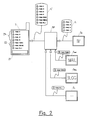
- the screen of the terminal T displays a list of contacts in which are present simultaneously: the "user" contacts U1, U2, U3, U4 itself (screen area Z1) and "function” contacts F1 (for example a MAIL function), F2 (for example a BLOG function), F3 (another function) (screen area Z2).
- This rich contact list is in HTML format, or in another format conventionally used in instant messaging.
- the user can activate one of the functionalities by selecting, in the aggregated list displayed on the screen of the terminal T, the corresponding "function" contact.
- the terminal T when the terminal T connects to an instant messaging server S IM , it emits a list L of "user" contacts.
- This initial list L groups the different people U1, U2, U3, U4 ("Buddy") with which the user of the terminal T has the possibility of communicating by instant messaging.
- This list L of "user” contacts passes through a gateway server SP remote from the terminal T. This gateway server SP adds, on the fly, the "function" contacts F1, F2, F3 in the list L of the "user” contacts.
- the gateway server SP is independent or not of the source servers S IM , S mail , S Blog , S ....
- the gateway server SP is arranged in such a way that all or part of the information intended or sent by the terminal T passes through said gateway server.
- this gateway server SP is a computer or a computer program configured to provide certain services to the computer terminals of the clients who connect to it.
- the gateway server SP may in particular be equipped with means for managing an instant messaging session, filtering messages, managing a user's contact lists, etc. Other services such as weather forecasts, advertisements, games, audio messaging, or others may also be implemented by the gateway server SP.
- the gateway server SP integrates computer applications and is equipped with a processor configured to execute one or more programs, subroutines, firmware or any other equivalent type of software, enabling it to manage the steps of the program. method which will be described in detail in the following description.
- the gateway server SP knows the functionalities likely to be proposed in the terminal T and consequently generates "functionality" contacts specific to each user. Indeed, the gateway server SP will generate the "functionality" contacts according to the user and the services to which he has subscribed.
- the gateway server SP has for this purpose a database in which are matched users and features that can be proposed on their computer terminal.
- a user activates his terminal T, it sends an authentication request to the gateway server SP. Once authenticated, the gateway server SP analyzes the services subscribed by this user and generates the corresponding "functionality" contacts.
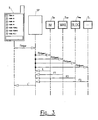
- the gateway server SP When the user activates his terminal T, the latter sends an auth authentication request Req to the gateway server SP.
- the gateway server SP will question the different source servers S mail , blog S, S ... so as to know if the user subscribed to the different services they offer.
- the gateway server SP sends, to the different source servers, Req quest quest in this sense, said requests containing the identification of the user.
- the different source servers S IM , S mail , Blog S, S ... control identification of the user. If the identification of the user is recognized by the source servers S IM , S mail , S Blog , S ...
- the server IM S IM will transmit the list L of the "user” contacts U1, U2, U3, U4 and the other S mail servers, S Blog , S ... will transmit the "feature” contacts F1, F2, F3 associated with the services they offer and to which the user has subscribed. Consequently, the gateway server SP adds the "feature” contacts F1, F2, F3 to the list L of the "user” contacts and transmits to the terminal T the list L aggregated.
- the different source servers S mail , blog S, S ... transmit to the gateway server SP, not directly contacts "Functionality" F1, F2, F3 but rather information indicating said gateway server the services to which the user has subscribed. Therefore, the gateway server SP generates the "function" contacts F1, F2, F3 associated with the received information.
- the user can directly select, in the aggregated list L 'displayed on the screen of the terminal T, the corresponding "function" contact.
- the user can, for example, using the navigation keys on his keyboard, select the desired functionality and activate it with a single click.
- the computer application associated with the activated functionality is launched in a conventional manner, the interface usually associated with said functionality appearing directly on the screen of the terminal T.
- the user writes in the text writing area ZT of the terminal T, the name of the contact "feature" associated with the feature he wishes to activate. For example, he will type the word “F1" or “MAIL” if he wants to use the MAIL feature, or the word “F2" or “BLOG” if he wants to use the BLOG functionality, etc.
- the MAIL, BLOG, ... functions can be associated with numbers, symbols or, more generally, with predefined text messages.
- the user will write in the text zone ZT, the text message associated with the feature he wishes to use.
- the text message written in the text zone ZT is then sent to the gateway server SP, for example in HTML format.
- IM IM it is sufficient that the user inscribes in the text zone ZT, the name of the "user” or contacts U1, U2, U3, U4 with which he wishes to converse.
- the gateway server SP is able to "understand” this message to establish a connection with the source server MAIL S corresponding mail .
- the gateway server SP advantageously comprises a memory zone in which these text messages are associated with requests intended to be sent to the source servers S IM , S mail , S Blog , S ... .
- the gateway server SP when it receives the text message (in the target format) associated with the MAIL function, the gateway server SP includes software capable of analyzing this text message and associating it with the request destined for the source server MAIL S mail .
- the gateway server SP comprises this message to establish a connection with the corresponding source server S IM : the gateway server SP analyzes the text message "U1" and associates it with the request destined for the source server S IM .
- the requests sent by the gateway server SP to the source servers S mail , Blog S, S ... is in practice a classic connection authorization request to implement the service associated with the functionality chosen by the user .
- the "user" contacts U1, U2, U3, U4 are preferably associated with regularly updated presence statuses. For example, these presence statuses indicate that a user is available, unavailable, temporarily unavailable, and so on.
- the more or less complex update of the presence statuses of the "user” contacts is for example described in the patent documents US2003 / 073440 (VERSADA NETWORKS), US2004 / 056901 (MARCH) US2006 / 009243 (AT & T WIRELESS SERVICES), US2006 / 129643 (Nielson) US2006 / 194596 (DENG) US2008 / 299953 (RAO) or US2008 / 267091 (NOKIA).
- the terminal T regularly transmits update requests to the instant messaging server S IM (via or not the gateway server SP).
- the instant messaging server S IM transmits to the terminal T (via or not the gateway server SP) status update information associated with the "user" contacts.
- all or part of the "function" contacts F1, F2, F3 are also associated with statuses containing information on the state of the functionalities. corresponding.
- MAIL "function" F1
- BLOG "function" contact
- these different statuses are regularly updated.
- the terminal T regularly transmits update requests to the source servers SIM, Smail, SBlog, S ... (via or not the gateway server SP).
- the source servers transmit to the terminal T (via or not the gateway server SP) status update information associated with the corresponding "feature" contacts.
Landscapes
- Engineering & Computer Science (AREA)
- Computer Networks & Wireless Communication (AREA)
- Signal Processing (AREA)
- Library & Information Science (AREA)
- Information Transfer Between Computers (AREA)
Abstract
Description
- La présente invention a pour objet un procédé pour activer des fonctionnalités proposées dans un terminal informatique. Elle a également pour objet un dispositif et un terminal informatique permettant la mise en oeuvre de ce procédé.
- L'invention concerne le domaine technique général des moyens d'aide à l'utilisateur ou des moyens de sélection de fonctionnalités facilitant l'emploi des terminaux informatiques.
- Les terminaux informatiques (tels que téléphones mobiles, ordinateurs PC portables ou fixes, PDA, BlackBerry®, ...) sont généralement équipés d'un certain nombre de fonctionnalités permettant, par exemple, de consulter des mails (MAIL), d'ouvrir une session de messagerie instantanée (IM), de communiquer sur un Blog (BLOG). Chacune de ces fonctionnalités est mise en oeuvre par une application informatique spécifique (ou logiciel) intégrée dans le terminal informatique.
- La
figure 1 schématise différents types de représentation d'écran d'un terminal informatique T lors de l'activation de ces fonctionnalités. Initialement, l'écran du terminal T affiche les différentes fonctionnalités (IM, MAIL, BLOG ou autre) sous forme de bandes, d'icônes, de menus déroulants, etc. L'utilisateur peut, au moyen des touches de navigation de son clavier, sélectionner la fonctionnalité souhaitée. - Par exemple, dans le cas où l'utilisateur sélectionne la fonction messagerie instantanée (IM), une application informatique spécifique (AIM®, ICQ®, Windows Live Messenger®, Yahoo ! Messenger®, ...) est lancée de manière à ce que le terminal T puisse se connecter à un serveur source de messagerie instantanée SIM (Microsoft Live Communication Server®, Sun Java System Instant Messaging®, Jabberd®, Groupwise Messenger®, ...) et utiliser les services de messagerie instantanée traditionnellement proposés : conversation Svc1, gestion des listes des contacts Svc2, gestion des statuts Svc3, etc. Ces services Svc1, Svc2, Svc3, se présentent sur l'écran du terminal T sous forme de bandes, d'icônes, de menus déroulants, etc. L'utilisateur peut alors sélectionner le service souhaité au moyen des touches de navigation de son clavier. À titre d'exemple, lorsque l'utilisateur actionne le service de conversation Svc1, le serveur IM renvoie vers le terminal T, la liste de contacts « usager » U1, U2, U3, U4 (ou « Buddy list » en anglais), ladite liste s'affichant sur l'écran dudit terminal.
- Dans le cas où l'utilisateur sélectionne la fonction mail (MAIL), une nouvelle application informatique spécifique (Google Mail®, SFR Mail®, Orange Mail®, Outlook®, ...) est lancée de manière à ce que le terminal T puisse se connecter à un serveur source MAIL Smail (SendMail®, Zimbra®, Lotus®, Microsoft Exchange Server®, ...) et utiliser les services mail traditionnellement proposés : réception/envoi e-mail Svc1, gestion du carnet d'adresse Svc2, règles de messages Svc3, etc. Ces services se présentent sur l'écran du terminal T de la même façon que pour la fonction IM décrite précédemment. A titre d'exemple, lorsque l'utilisateur actionne le service de réception/envoi e-mail Svc1, le serveur MAIL renvoie vers le terminal T la boîte aux lettres mails de l'utilisateur, la liste des mails s'affichant sur l'écran dudit terminal.
- On comprend qu'un fonctionnement similaire est mis en oeuvre lorsque l'utilisateur sélectionne la fonction BLOG ou une autre fonction.
- L'objectif de l'invention est de proposer une nouvelle interface, plus simple à manipuler, et permettant à un utilisateur d'activer des fonctionnalités sur un terminal informatique.
- Plus particulièrement, l'invention vise à intégrer sur un terminal informatique des fonctionnalités permettant d'accéder rapidement à certains services, lorsque l'utilisateur a préalablement souscrit à ces services.
- Pour ce faire, l'invention a pour objet un procédé pour activer des fonctionnalités proposées dans un terminal informatique et délivrées par des serveurs sources, une de ces fonctionnalités étant un service de messagerie instantanée où une liste, comportant des contacts « usager », s'affiche sur l'écran dudit terminal, ce procédé étant remarquable en ce que :
- un serveur de messagerie instantanée, délivrant le service de messagerie instantanée, émet la liste des contacts « usager »,
- la liste des contacts « usager » transite par un serveur passerelle distant du terminal informatique,
- le serveur passerelle rajoute, à la volée, des contacts « fonctionnalité » dans la liste des contacts « usager »,
- le serveur passerelle transmet au terminal informatique une liste agrégée formant interface unique et comprenant les contacts « usager » ainsi que les contacts « fonctionnalité »,
- le terminal informatique affiche sur son écran la liste agrégée dans laquelle sont inscrits les contacts « usager » et les contacts « fonctionnalité »,
- une fonctionnalité étant activée par la sélection, dans la liste agrégée affichée sur l'écran du terminal informatique, du contact « fonctionnalité » correspondant.
- L'utilisateur du terminal informatique dispose maintenant d'une unique interface, similaire à celle utilisée lors de la mise en oeuvre d'une session de messagerie instantanée, et permettant d'activer très simplement les différentes fonctionnalités proposées par ledit terminal. Cette nouvelle interface ainsi créée demande moins de ressources que les interfaces connues de l'homme du métier et habituellement proposée aux utilisateurs de terminaux informatiques. Pour cette raison, il est particulièrement avantageux de proposer cette nouvelle interface sur un terminal mobile où les ressources doivent être optimisées.
- Pour la génération des contacts « fonctionnalité », le serveur passerelle peut générer directement lesdits contacts. Dans ce cas, le serveur passerelle comporte une base de données dans laquelle sont mis en correspondance chaque utilisateur d'un terminal informatique et les fonctionnalités associées aux services auxquels lesdits utilisateurs ont souscrit, ledit serveur passerelle générant, pour chaque utilisateur, les contacts « fonctionnalité » associés aux dits services souscrits.
- Dans une variante de réalisation, ce sont les serveurs sources qui génèrent directement les contacts « fonctionnalité ». Dans ce cas, les serveurs sources transmettent au serveur passerelle les contacts « fonctionnalité » associés aux services auxquels l'utilisateur du terminal informatique a souscrit.
- Dans une autre variante de réalisation, les serveurs sources transmettent au serveur passerelle des informations indiquant les services auxquels l'utilisateur du terminal informatique a souscrit, ledit serveur passerelle générant les contacts « fonctionnalité » associés auxdites informations reçues.
- Selon des caractéristiques préférées de l'invention :
- lors de leur affichage sur l'écran du terminal informatique, les contacts « usager » sont associés à des statuts de présence,
- lors de leur affichage sur l'écran du terminal informatique, tout ou partie des contacts « fonctionnalité » sont associés à des statuts contenant des informations sur l'état des fonctionnalités correspondantes,
- les différents statuts sont régulièrement mis à jour.
- Avantageusement :
- le terminal informatique transmet des requêtes de mise à jour à destination des serveurs sources,
- en réponse à ces requêtes, les serveurs sources transmettent au terminal informatique des informations de mise à jour des statuts associés aux contacts « usager » et aux contacts « fonctionnalité ».
- L'invention concerne également un dispositif pour activer des fonctionnalités proposées dans un terminal informatique et délivrées par des serveurs sources, une de ces fonctionnalités étant un service de messagerie instantanée où une liste, comportant des contacts « usager », s'affiche sur l'écran dudit terminal, ce dispositif étant remarquable en ce qu'il comporte :
- un serveur de messagerie instantanée auquel se connecte le terminal informatique, ledit serveur comportant un moyen pour émettre la liste de contacts « usager »,
- un serveur passerelle distant du terminal informatique et par lequel transite la liste des contacts « usager », ledit serveur comportant :
- un moyen pour rajouter à la volée les contacts « fonctionnalité » dans la liste des contacts « usager »,
- un moyen pour transmettre au terminal informatique une liste agrégée formant interface unique et comprenant les contacts « usager » ainsi que les contacts « fonctionnalité », de sorte que ladite liste s'affiche sur l'écran dudit terminal,
- et remarquable en ce qu'une fonctionnalité est activée par la sélection, dans la liste agrégée affichée sur l'écran du terminal informatique, du contact « fonctionnalité » correspondant.
- Encore un autre aspect de l'invention concerne un terminal informatique, particulièrement un téléphone mobile, équipé d'un écran et dans lequel sont proposées plusieurs fonctionnalités, une de ces fonctionnalités étant un service de messagerie instantanée où une liste, comportant des contacts « usager », s'affiche sur ledit écran, ledit terminal étant remarquable en ce que des contacts « fonctionnalité » sont rajoutés dans la liste des contacts « usager » de sorte qu'une liste agrégée dans laquelle, sont inscrits lesdits contacts « usager » et lesdits contacts « fonctionnalité » s'affiche sur l'écran, et en ce qu'une fonctionnalité est activée par la sélection, dans la liste agrégée, du contact « fonctionnalité » correspondant.
- D'autres avantages et caractéristiques de l'invention apparaîtront mieux à la lecture de la description d'un mode de réalisation préféré qui va suivre, en référence aux dessins annexés, réalisés à titre d'exemples indicatifs et non limitatifs et sur lesquels :
- la
figure 1 illustre différents types de représentations d'écran d'un terminal mobile de l'art antérieur lors de l'activation des fonctionnalités, - la
figure 2 schématise les différentes étapes du procédé objet de l'invention, - la
figure 3 illustre chronologiquement les différentes étapes du procédé objet de l'invention, - la
figure 4 représente schématiquement un réseau de communication dans lequel le terminal informatique met en oeuvre une session mail MAIL, et - la
figure 5 représente schématiquement un réseau de communication dans lequel le terminal informatique met en oeuvre une session de Messagerie Instantanée IM. - Le procédé objet de l'invention permet d'activer des fonctionnalités proposées dans un terminal informatique T et délivrées par des serveurs sources SIM, Smail, SBlog, S.... Il s'applique particulièrement bien à la génération d'une interface nécessitant peu de ressources et permettant l'activation de fonctionnalités proposées dans un téléphone mobile.
- Le terminal informatique T utilisé pour la mise en oeuvre de l'invention peut être un terminal mobile tel qu'un téléphone mobile, un appareil du type assistant digital personnel (PDA), un appareil du type BlackBerry®, ou un terminal fixe tel qu'un ordinateur PC. Le terminal T est équipé d'un écran. D'une manière bien connue de l'homme du métier, le terminal T est équipé d'un processeur configuré pour exécuter un ou plusieurs programmes, sous-programmes, microprogrammes ou tous autres types de software équivalents, afin de gérer les étapes du procédé qui vont être décrites en détail dans la suite de la description. Le terminal T intègre également un certain nombre d'applications informatiques (programmes, sous-programmes, microprogrammes, ...) lui permettant de mettre en oeuvre les différentes fonctionnalités qu'il intègre : messagerie instantanée, mails, blog, etc.
- Les serveurs sources SIM, Smail, SBlog, S... sont bien connus de l'homme du métier. Ils permettent de délivrer les fonctionnalités proposées dans le terminal informatique T. Ils consistent généralement en un ordinateur ou un programme informatique configuré pour proposer certaines fonctionnalités (mails, blog, ...) et en particulier des services de messagerie instantanée, à un terminal T qui s'y connecte. En pratique, il s'agit d'un serveur de messagerie instantanée SIM : Microsoft Live Communication Server®, Sun Java System Instant Messaging®, Jabber®, Groupwise Messenger®, ou autres ; d'un serveur mail Smai : SendMail®, Zimbra®, Lotus®, Microsoft Exchange Server®, ou autres ; d'un serveur blog SBlog ou de tous autres serveurs similaires aptes à délivrer des services. D'une manière bien connue, les serveurs sources SIM, Smail, SBlog, S... intègrent des applications informatiques et sont équipés d'un processeur configuré pour exécuter un ou plusieurs programmes, sous-programmes, microprogrammes ou tous autres types de software équivalents, leur permettant de gérer les différentes fonctionnalités F1, F2, F3 qui sont proposées dans le terminal T ainsi que les étapes du procédé qui vont être décrites en détail dans la suite de la description.
- En se rapportant aux
figures 2 à 5 , le terminal T est configuré pour afficher sur son écran les différentes fonctionnalités proposées (MAIL, IM, BLOG ou autre) en tant que contacts (ou « Buddy ») dans sa liste de contacts « usager » de messagerie instantanée (ou « Buddy list »). En pratique, dès que l'utilisateur décide d'accéder aux différentes fonctionnalités proposées (via le menu de son terminal T), l'écran du terminal T affiche une liste de contacts dans laquelle sont présents simultanément: les contacts « usager » U1, U2, U3, U4 à proprement parler (zone écran Z1) et des contacts « fonctionnalités » F1 (par exemple une fonction MAIL), F2 (par exemple une fonction BLOG), F3 (une autre fonction) (zone écran Z2). Cette liste de contacts enrichie est au format HTML, ou dans un autre format classiquement utilisé en messagerie instantanée. L'utilisateur peut activer une des fonctionnalités en sélectionnant, dans la liste agrégée affichée sur l'écran du terminal T, le contact « fonctionnalité » correspondant. - Conformément à l'invention, et en se rapportant à la
figure 2 , on rajoute à la volée, dans un serveur SP qui est distant du terminal T, des contacts « fonctionnalité » F1(MAIL), F2(BLOG), F3(...) dans la liste L des contacts « usager » U1, U2, U3, U4. On transmet ensuite au terminal T une liste agrégée L' comprenant les contacts « usager » U1, U2, U3, U4 et les contacts « fonctionnalité » F1, F2, F3 de sorte que ladite liste agrégée s'inscrive sur l'écran dudit terminal. L'utilisateur du terminal T dispose ainsi d'une unique interface, similaire à celle utilisée lors de la mise en oeuvre d'une session de messagerie instantanée mais nécessitant moins de ressources, et permettant d'activer très simplement les différentes fonctionnalités proposées par ledit terminal. - En pratique, lorsque le terminal T se connecte à un serveur de messagerie instantanée SIM, ce dernier émet une liste L de contacts « usager ». Cette liste initiale L regroupe les différentes personnes U1, U2, U3, U4 (« Buddy ») avec qui l'utilisateur du terminal T a la possibilité de communiquer par messagerie instantanée. Cette liste L de contacts « usager » transite par un serveur passerelle SP distant du terminal T. Ce serveur passerelle SP rajoute, à la volée, les contacts « fonctionnalité » F1, F2, F3 dans la liste L des contacts « usager ».
- Le serveur passerelle SP est indépendant ou non des serveurs sources SIM, Smail, SBlog, S.... Le serveur passerelle SP est agencé de manière à ce que tout ou partie des informations à destination ou émises par le terminal T transitent par ledit serveur passerelle. En pratique, ce serveur passerelle SP, plus connu par l'homme du métier par le terme anglais « gateway », est un ordinateur ou un programme informatique configuré pour proposer certains services aux terminaux informatiques des clients qui s'y connectent. Le serveur passerelle SP peut notamment être équipé de moyens permettant de gérer une session de messagerie instantanée, de filtrer des messages, de gérer les listes de contacts d'un utilisateur, etc. D'autres services tels que : prévision météo, publicités, jeux, messagerie audio, ou autres peuvent également être mis en oeuvre par le serveur passerelle SP. Ce dernier permet de déporter et/ou d'ajouter certaines fonctionnalités sans avoir à modifier le serveur source SS. D'une manière bien connue, le serveur passerelle SP intègre des applications informatiques et est équipé d'un processeur configuré pour exécuter un ou plusieurs programmes, sous-programmes, microprogrammes ou tous autres types de software équivalents, lui permettant de gérer les étapes du procédé qui vont être décrites en détail dans la suite de la description.
- Dans ce cas, le serveur passerelle SP connaît les fonctionnalités susceptibles d'être proposées dans le terminal T et génère en conséquent des contacts « fonctionnalité » propres à chaque utilisateur. En effet, le serveur passerelle SP générera les contacts « fonctionnalité » selon l'utilisateur et les services auxquels ce dernier aura souscrit. Le serveur passerelle SP comporte à cet effet une base de données dans laquelle sont mis en correspondance les utilisateurs et les fonctionnalités susceptibles d'être proposées sur leur terminal informatique. En pratique, lorsqu'un utilisateur active son terminal T, ce dernier émet une requête d'authentification à destination du serveur passerelle SP. Une fois authentifié, le serveur passerelle SP analyse les services souscrits par cet utilisateur et génère les contacts « fonctionnalité » correspondants.
- Ce cas est illustré par les
figures 2 et3 . Lorsque l'utilisateur active son terminal T, ce dernier émet une requête d'authentification Reqauth à destination du serveur passerelle SP. Une fois que l'utilisateur est authentifié, le serveur passerelle SP va questionner les différents serveurs sources Smail, SBlog, S... de manière à savoir si l'utilisateur à souscrit aux différents services qu'ils proposent. En pratique, le serveur passerelle SP émet, à destination des différents serveurs sources, des requêtes Reqquest en ce sens, lesdites requêtes contenant l'identification de l'utilisateur. A la réception de ces requêtes Reqquest, les différents serveurs sources SIM, Smail, SBlog, S... contrôlent d'identification de l'utilisateur. Si l'identification de l'utilisateur est reconnue par les serveurs sources SIM, Smail, SBlog, S..., alors ces derniers transmettent les contacts correspondants : le serveur IM SIM transmettra la liste L des contacts « usager » U1, U2, U3, U4 et les autres serveurs Smail, SBlog, S...transmettrons les contacts « fonctionnalité » F1, F2, F3 associés aux services qu'ils proposent et auquel l'utilisateur a souscrit. Dès lors, le serveur passerelle SP rajoute les contacts « fonctionnalité » F1, F2, F3 dans la liste L des contacts « usager » et transmet au terminal T la liste L' agrégée. - On peut prévoir qu'après avoir reçu les requêtes Reqquest et reconnu l'identification de l'utilisateur, les différents serveurs sources Smail, SBlog, S... transmettent au serveur passerelle SP, non pas directement les contacts « fonctionnalité » F1, F2, F3 mais plutôt des informations indiquant audit serveur passerelle les services auquel l'utilisateur a souscrit. Dès lors, le serveur passerelle SP génère les contacts « fonctionnalité » F1, F2, F3 associés aux informations reçues.
- Pour activer une fonctionnalité, l'utilisateur peut directement sélectionner, dans la liste agrégée L' affichée sur l'écran du terminal T, le contact « fonctionnalité » correspondant. L'utilisateur peut par exemple, au moyen des touches de navigation de son clavier, sélectionner la fonctionnalité souhaitée et l'activer par un simple clic. Dans ce cas, l'application informatique associée à la fonctionnalité activée est lancée de manière classique, l'interface habituellement associée à ladite fonctionnalité apparaissant directement sur l'écran du terminal T.
- Dans une variante de réalisation, l'utilisateur inscrit dans la zone d'écriture texte ZT du terminal T, le nom du contact « fonctionnalité » associé à la fonctionnalité qu'il souhaite activer. Par exemple, il tapera le mot « F1 » ou « MAIL » s'il souhaite utiliser la fonctionnalité MAIL, ou le mot « F2 » ou « BLOG » s'il souhaite utiliser la fonctionnalité BLOG, etc. Les fonctionnalités MAIL, BLOG, ..., peuvent être associées à des numéros, des symboles ou de manière plus générale à des messages texte prédéfinis. Dans ce cas, l'utilisateur inscrira dans la zone texte ZT, le message texte associé à la fonctionnalité qu'il souhaite utiliser. Le message texte inscrit dans la zone texte ZT est ensuite envoyé vers le serveur passerelle SP, par exemple au format HTML. Pour utiliser la messagerie instantanée IM, il suffit que l'utilisateur inscrive dans la zone texte ZT, le nom du ou des contacts « usager » U1, U2, U3, U4 avec lequel il souhaite converser.
- En se rapportant à la
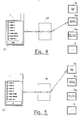
figure 4 , dans le cas où le message texte envoyé est « MAIL » (ou un message texte associé à la fonction MAIL par exemple « F1 »), le serveur passerelle SP est capable de « comprendre » ce message pour établir une connexion avec le serveur source MAIL Smail correspondant. Un fonctionnement similaire se produit lorsque le message texte envoyé correspond à la fonction BLOG ou une autre fonction. Pour comprendre les messages textes qu'il reçoit, le serveur passerelle SP comporte avantageusement une zone-mémoire dans lequel ces messages textes sont associés aux requêtes destinées à être émises vers les serveurs sources SIM, Smail, SBlog, S.... Par exemple, lorsqu'il reçoit le message texte (au format cible) associé à la fonction MAIL, le serveur passerelle SP comporte un logiciel capable d'analyser ce message texte et de l'associer à la requête destinée au serveur source MAIL Smail. En se rapportant à lafigure 5 , dans le cas où le message texte envoyé correspond au nom du contact « usager » U1, le serveur passerelle SP comprend ce message pour établir une connexion avec le serveur source SIM correspondant : le serveur passerelle SP analyse le message texte « U1 » et l'associe à la requête destinée au serveur source SIM. Les requêtes émises par le serveur passerelle SP à destination des serveurs sources Smail, SBlog, S... est en pratique une requête classique d'autorisation de connexion permettant de mettre en oeuvre le service associé à la fonctionnalité choisie par l'utilisateur. - Lors de leur affichage sur l'écran du terminal T, les contacts « usager » U1, U2, U3, U4 sont préférentiellement associés à des statuts de présence régulièrement mis à jour. Ces statuts de présence peuvent par exemple indiquer qu'un utilisateur est disponible, indisponible, indisponible temporairement, etc. La mise à jour plus ou moins complexe des statuts de présence des contacts « usager » est par exemple décrit dans les documents brevets
US2003/073440 (VERSADA NETWORKS),US2004/056901 (MARCH),US2006/009243 (AT & T WIRELESS SERVICES),US2006/129643 (NIELSON),US2006/194596 (DENG),US2008/299953 (RAO) ou encoreUS2008/267091 (NOKIA). En pratique, le terminal T transmet régulièrement des requêtes de mise à jour à destination du serveur de messagerie instantanée SIM (via ou non le serveur passerelle SP). En réponse à ces requêtes, le serveur de messagerie instantanée SIM transmet au terminal T (via ou non le serveur passerelle SP) des informations de mise à jour des statuts de présence associés aux contacts « usager ». - Conformément à une caractéristique avantageuse de l'invention, lors de leur affichage sur l'écran du terminal T, tout ou partie des contacts « fonctionnalité » F1, F2, F3 sont également associés à des statuts contenant des informations sur l'état des fonctionnalités correspondantes. Par exemple, en vis-à-vis du contact « fonctionnalité » F1 (MAIL), on peut lire le nombre de messages non lus, en vis-à-vis du contact « fonctionnalité » F2(BLOG), le nombre de commentaires sur le blog, etc. Comme pour les statuts de présences, ces différents statuts sont régulièrement mis à jour. En pratique, le terminal T transmet régulièrement des requêtes de mise à jour à destination des serveurs sources SIM, Smail, SBlog, S... (via ou non le serveur passerelle SP). En réponse à ces requêtes, les serveurs sources transmettent au terminal T (via ou non le serveur passerelle SP) des informations de mise à jour des statuts associés aux contacts « fonctionnalité » correspondants.
Claims (9)
- Procédé pour activer des fonctionnalités proposées dans un terminal informatique (T) et délivrées par des serveurs sources (SIM, Smail, SBlog, S...), une de ces fonctionnalités étant un service de messagerie instantanée où une liste (L), comportant des contacts « usager » (U1, U2, U3, U4), s'affiche sur l'écran dudit terminal, ce procédé se caractérisant par le fait que :- un serveur de messagerie instantanée (SIM), délivrant le service de messagerie instantanée, émet la liste (L) des contacts « usager » (U1, U2, U3, U4),- la liste (L) des contacts « usager » (U1, U2, U3, U4) transite par un serveur passerelle (SP) distant du terminal informatique (T),- le serveur passerelle (SP) rajoute, à la volée, des contacts « fonctionnalité » (F1, F2, F3) dans la liste (L) des contacts « usager » (U1, U2, U3, U4),- le serveur passerelle (SP) transmet au terminal informatique (T) une liste agrégée (L') formant interface unique et comprenant les contacts « usager » (U1, U2, U3, U4) ainsi que les contacts « fonctionnalité » (F1, F2, F3),- le terminal informatique (T) affiche sur son écran la liste agrégée (L') dans laquelle sont inscrits les contacts « usager » (U1, U2, U3, U4) et les contacts « fonctionnalité » (U1, U2, U3, U4),- une fonctionnalité étant activée par la sélection, dans la liste agrégée (L') affichée sur l'écran du terminal informatique (T), du contact « fonctionnalité » (F1, F2, F3) correspondant.
- Procédé selon la revendication 1, dans lequel le serveur passerelle (SP) comporte une base de données dans laquelle sont mis en correspondance chaque utilisateur d'un terminal informatique (T) et les fonctionnalités associées aux services auxquels lesdits utilisateurs ont souscrit, ledit serveur passerelle générant, pour chaque utilisateur, les contacts « fonctionnalité » (F1, F2, F3) associés aux dits services souscrits.
- Procédé selon la revendication 1, dans lequel les serveurs sources (SIM, Smail, SBlog, S...) transmettent au serveur passerelle (SP) les contacts « fonctionnalité » (F1, F2, F3) associés aux services auxquels l'utilisateur du terminal informatique (T) a souscrit.
- Procédé selon la revendication 1, dans lequel les serveurs sources (Smail, SBlog, S...) transmettent au serveur passerelle (SP) des informations indiquant les services auxquels l'utilisateur du terminal informatique (T) a souscrit, ledit serveur passerelle générant les contacts « fonctionnalité » (F1, F2, F3) associés aux dites informations reçues.
- Procédé selon l'une des revendications précédentes, dans lequel :- lors de leur affichage sur l'écran du terminal informatique (T), les contacts « usager » (U1, U2, U3, U4) sont associés à des statuts de présence,- lors de leur affichage sur l'écran du terminal informatique (T), tout ou partie des contacts « fonctionnalité » (F1, F2, F3) sont associés à des statuts contenant des informations sur l'état des fonctionnalités correspondantes,- les différents statuts sont régulièrement mis à jour.
- Procédé selon la revendication 5, dans lequel le terminal informatique (T) transmet des requêtes de mise à jour à destination des serveurs sources (SIM, Smail, SBlog, S...), en réponse à ces requêtes, les serveurs sources (SIM, Smail, SBlog, S...) transmettent au terminal informatique (T) des informations de mise à jour des statuts associés aux contacts « usager » (U1, U2, U3, U4) et aux contacts « fonctionnalité » (F1, F2, F3).
- Dispositif pour activer des fonctionnalités proposées dans un terminal informatique (T) et délivrées par des serveurs sources (SIM, Smail, SBlog, S...), une de ces fonctionnalités étant un service de messagerie instantanée où une liste (L), comportant des contacts « usager » (U1, U2, U3, U4), s'affiche sur l'écran dudit terminal, ce dispositif se caractérisant par le fait qu'il comporte :- un serveur de messagerie instantanée (SIM) auquel se connecte le terminal informatique (T), ledit serveur comportant un moyen pour émettre la liste (L) des contacts « usager » (U1, U2, U3, U4),- un serveur passerelle (SP) distant du terminal informatique (T) et par lequel transite la liste (L) des contacts « usager » (U1, U2, U3, U4), ledit serveur comportant :- un moyen pour rajouter à la volée les contacts « fonctionnalité » (F1, F2, F3) dans la liste (L) des contacts « usager » (U1, U2, U3, U4),- un moyen pour transmettre au terminal informatique (T) une liste agrégée (L') formant interface unique et comprenant les contacts « usager » (U1, U2, U3, U4) ainsi que les contacts « fonctionnalité » (F1, F2, F3), de sorte que ladite liste s'affiche sur l'écran dudit terminal,- et par le fait qu'une fonctionnalité est activée par la sélection, dans la liste (L') agrégée affichée sur l'écran du terminal informatique (T), du contact « fonctionnalité » correspondant.
- Terminal informatique équipé d'un écran et dans lequel sont proposées plusieurs fonctionnalités, une de ces fonctionnalités étant un service de messagerie instantanée où une liste (L), comportant des contacts « usager » (U1, U2, U3, U4), s'affiche sur ledit écran, se caractérisant par le fait que des contacts « fonctionnalité » (F1, F2, F3) sont rajoutés dans la liste (L) des contacts « usager » (U1, U2, U3, U4) de sorte qu'une liste agrégée (L') dans laquelle sont inscrits lesdits contacts « usager » et lesdits contacts « fonctionnalité » s'affiche sur l'écran, et par le fait qu'une fonctionnalité est activée par la sélection, dans la liste agrégée (L'), du contact « fonctionnalité » (F1, F2, F3) correspondant.
- Terminal informatique selon la revendication 8, ledit terminal étant un téléphone mobile.
Applications Claiming Priority (2)
| Application Number | Priority Date | Filing Date | Title |
|---|---|---|---|
| FR0900960A FR2942929B1 (fr) | 2009-03-03 | 2009-03-03 | Procede pour activer des fonctionnalites proposees dans un terminal informatique |
| US12/396,717 US20100228790A1 (en) | 2009-03-03 | 2009-03-03 | Method for activating functionalities proposed in a computer terminal |
Publications (2)
| Publication Number | Publication Date |
|---|---|
| EP2227043A1 true EP2227043A1 (fr) | 2010-09-08 |
| EP2227043B1 EP2227043B1 (fr) | 2014-04-02 |
Family
ID=41727568
Family Applications (1)
| Application Number | Title | Priority Date | Filing Date |
|---|---|---|---|
| EP10001304.4A Active EP2227043B1 (fr) | 2009-03-03 | 2010-02-09 | Service de messagerie instantanée dans un terminal mobile |
Country Status (2)
| Country | Link |
|---|---|
| EP (1) | EP2227043B1 (fr) |
| ES (1) | ES2472324T3 (fr) |
Citations (4)
| Publication number | Priority date | Publication date | Assignee | Title |
|---|---|---|---|---|
| WO2003098425A1 (fr) | 2002-05-17 | 2003-11-27 | America Online, Inc. | Fourniture de renseignements de contact supplementaires relatifs a un individu reference |
| US20040122901A1 (en) * | 2002-12-20 | 2004-06-24 | Nortel Networks Limited | Providing computer presence information to an integrated presence system |
| US20070165653A1 (en) * | 2005-12-29 | 2007-07-19 | Bridgeport Networks, Inc. | Inter-System Communication |
| WO2008002105A1 (fr) | 2006-06-30 | 2008-01-03 | Ktfreetel Co., Ltd. | Dispositif et procédé pour mettre en oeuvre un service de messagerie instantanée mobile |
-
2010
- 2010-02-09 ES ES10001304.4T patent/ES2472324T3/es active Active
- 2010-02-09 EP EP10001304.4A patent/EP2227043B1/fr active Active
Patent Citations (4)
| Publication number | Priority date | Publication date | Assignee | Title |
|---|---|---|---|---|
| WO2003098425A1 (fr) | 2002-05-17 | 2003-11-27 | America Online, Inc. | Fourniture de renseignements de contact supplementaires relatifs a un individu reference |
| US20040122901A1 (en) * | 2002-12-20 | 2004-06-24 | Nortel Networks Limited | Providing computer presence information to an integrated presence system |
| US20070165653A1 (en) * | 2005-12-29 | 2007-07-19 | Bridgeport Networks, Inc. | Inter-System Communication |
| WO2008002105A1 (fr) | 2006-06-30 | 2008-01-03 | Ktfreetel Co., Ltd. | Dispositif et procédé pour mettre en oeuvre un service de messagerie instantanée mobile |
Also Published As
| Publication number | Publication date |
|---|---|
| ES2472324T3 (es) | 2014-06-30 |
| EP2227043B1 (fr) | 2014-04-02 |
Similar Documents
| Publication | Publication Date | Title |
|---|---|---|
| US20250363506A1 (en) | Techniques for integrating external content from advertising services into client applications | |
| US20070143414A1 (en) | Reference links for instant messaging | |
| US20080267117A1 (en) | Method and system for linking to content and services for a communication device | |
| FR2926176A1 (fr) | Reseau de communication de transfert d'informations entre un terminal mobile et des serveurs sources, ainsi que terminal et procede de gestion de transfert d'informations dans un tel reseau. | |
| US20170039592A1 (en) | Advertisement coordination | |
| US20080133678A1 (en) | Content sharing system and method for devices | |
| US20070300164A1 (en) | Method and system for managing instant message logs from within a calendar application | |
| US20170214647A1 (en) | Computerized system and method for determining and displaying message content in a user's inbox | |
| US20100228790A1 (en) | Method for activating functionalities proposed in a computer terminal | |
| US8943128B2 (en) | Systems and methods for conveying information to an instant messaging client | |
| EP2336967B1 (fr) | Messagerie personnalisée sur encarts web. | |
| US20080155030A1 (en) | Systems and methods for conveying information to an instant messaging client | |
| EP2227043B1 (fr) | Service de messagerie instantanée dans un terminal mobile | |
| FR2942929A1 (fr) | Procede pour activer des fonctionnalites proposees dans un terminal informatique | |
| KR100851341B1 (ko) | 사용자 컴퓨터에 설치된 각 데이터 전송 프로그램을 이용한데이터 전송방법과 기록매체 | |
| WO2008021939A2 (fr) | Services de répertoire personnel personnalisable | |
| CA2673420C (fr) | Systemes et procedes pour transporter des informations a un client de messagerie instantanee | |
| EP2843923A2 (fr) | Dispositif et procédé d'enrichissement d'une communication | |
| KR20020003584A (ko) | 이메일 체킹 시스템 및 방법 | |
| WO2012126890A1 (fr) | Procédé de notification par un invitant d'une information sur une page d'un serveur d'un annonceur | |
| JP7401726B1 (ja) | 情報処理装置および情報処理方法 | |
| WO2023275475A1 (fr) | Procede de gestion d'une passerelle d'acces a un reseau sur un terminal mobile | |
| EP2274882B1 (fr) | Procede de transmission de message, dispositif et produit programme d'ordinateur correspondants | |
| FR2950774A1 (fr) | Procede de gestion de messages par un serveur, produit programme d'ordinateur, moyen de stockage et serveur correspondants | |
| EP4699282A1 (fr) | Procédé de traitement d'un message électronique, système de traitement de données associé |
Legal Events
| Date | Code | Title | Description |
|---|---|---|---|
| PUAI | Public reference made under article 153(3) epc to a published international application that has entered the european phase |
Free format text: ORIGINAL CODE: 0009012 |
|
| AK | Designated contracting states |
Kind code of ref document: A1 Designated state(s): AT BE BG CH CY CZ DE DK EE ES FI FR GB GR HR HU IE IS IT LI LT LU LV MC MK MT NL NO PL PT RO SE SI SK SM TR |
|
| AX | Request for extension of the european patent |
Extension state: AL BA RS |
|
| 17P | Request for examination filed |
Effective date: 20110228 |
|
| 17Q | First examination report despatched |
Effective date: 20110314 |
|
| RAP1 | Party data changed (applicant data changed or rights of an application transferred) |
Owner name: SYNCHRONOSS TECHNOLOGIES FRANCE |
|
| REG | Reference to a national code |
Ref country code: DE Ref legal event code: R079 Ref document number: 602010014723 Country of ref document: DE Free format text: PREVIOUS MAIN CLASS: H04W0004080000 Ipc: H04L0012580000 |
|
| RIC1 | Information provided on ipc code assigned before grant |
Ipc: H04L 29/08 20060101ALI20130828BHEP Ipc: H04L 12/58 20060101AFI20130828BHEP Ipc: H04W 8/20 20090101ALN20130828BHEP |
|
| RIC1 | Information provided on ipc code assigned before grant |
Ipc: H04L 29/08 20060101ALI20130905BHEP Ipc: H04L 12/58 20060101AFI20130905BHEP Ipc: H04W 8/20 20090101ALN20130905BHEP |
|
| GRAP | Despatch of communication of intention to grant a patent |
Free format text: ORIGINAL CODE: EPIDOSNIGR1 |
|
| RIC1 | Information provided on ipc code assigned before grant |
Ipc: H04L 29/08 20060101ALI20130923BHEP Ipc: H04L 12/58 20060101AFI20130923BHEP Ipc: H04W 8/20 20090101ALN20130923BHEP |
|
| INTG | Intention to grant announced |
Effective date: 20131021 |
|
| GRAS | Grant fee paid |
Free format text: ORIGINAL CODE: EPIDOSNIGR3 |
|
| GRAA | (expected) grant |
Free format text: ORIGINAL CODE: 0009210 |
|
| AK | Designated contracting states |
Kind code of ref document: B1 Designated state(s): AT BE BG CH CY CZ DE DK EE ES FI FR GB GR HR HU IE IS IT LI LT LU LV MC MK MT NL NO PL PT RO SE SI SK SM TR |
|
| REG | Reference to a national code |
Ref country code: GB Ref legal event code: FG4D Free format text: NOT ENGLISH |
|
| REG | Reference to a national code |
Ref country code: AT Ref legal event code: REF Ref document number: 660694 Country of ref document: AT Kind code of ref document: T Effective date: 20140415 Ref country code: CH Ref legal event code: EP |
|
| REG | Reference to a national code |
Ref country code: IE Ref legal event code: FG4D Free format text: LANGUAGE OF EP DOCUMENT: FRENCH |
|
| REG | Reference to a national code |
Ref country code: DE Ref legal event code: R096 Ref document number: 602010014723 Country of ref document: DE Effective date: 20140515 |
|
| REG | Reference to a national code |
Ref country code: ES Ref legal event code: FG2A Ref document number: 2472324 Country of ref document: ES Kind code of ref document: T3 Effective date: 20140630 |
|
| REG | Reference to a national code |
Ref country code: AT Ref legal event code: MK05 Ref document number: 660694 Country of ref document: AT Kind code of ref document: T Effective date: 20140402 |
|
| REG | Reference to a national code |
Ref country code: NL Ref legal event code: VDEP Effective date: 20140402 |
|
| REG | Reference to a national code |
Ref country code: LT Ref legal event code: MG4D |
|
| PG25 | Lapsed in a contracting state [announced via postgrant information from national office to epo] |
Ref country code: IS Free format text: LAPSE BECAUSE OF FAILURE TO SUBMIT A TRANSLATION OF THE DESCRIPTION OR TO PAY THE FEE WITHIN THE PRESCRIBED TIME-LIMIT Effective date: 20140802 Ref country code: NL Free format text: LAPSE BECAUSE OF FAILURE TO SUBMIT A TRANSLATION OF THE DESCRIPTION OR TO PAY THE FEE WITHIN THE PRESCRIBED TIME-LIMIT Effective date: 20140402 Ref country code: CY Free format text: LAPSE BECAUSE OF FAILURE TO SUBMIT A TRANSLATION OF THE DESCRIPTION OR TO PAY THE FEE WITHIN THE PRESCRIBED TIME-LIMIT Effective date: 20140402 Ref country code: NO Free format text: LAPSE BECAUSE OF FAILURE TO SUBMIT A TRANSLATION OF THE DESCRIPTION OR TO PAY THE FEE WITHIN THE PRESCRIBED TIME-LIMIT Effective date: 20140702 Ref country code: FI Free format text: LAPSE BECAUSE OF FAILURE TO SUBMIT A TRANSLATION OF THE DESCRIPTION OR TO PAY THE FEE WITHIN THE PRESCRIBED TIME-LIMIT Effective date: 20140402 Ref country code: LT Free format text: LAPSE BECAUSE OF FAILURE TO SUBMIT A TRANSLATION OF THE DESCRIPTION OR TO PAY THE FEE WITHIN THE PRESCRIBED TIME-LIMIT Effective date: 20140402 Ref country code: GR Free format text: LAPSE BECAUSE OF FAILURE TO SUBMIT A TRANSLATION OF THE DESCRIPTION OR TO PAY THE FEE WITHIN THE PRESCRIBED TIME-LIMIT Effective date: 20140703 Ref country code: CZ Free format text: LAPSE BECAUSE OF FAILURE TO SUBMIT A TRANSLATION OF THE DESCRIPTION OR TO PAY THE FEE WITHIN THE PRESCRIBED TIME-LIMIT Effective date: 20140402 Ref country code: BG Free format text: LAPSE BECAUSE OF FAILURE TO SUBMIT A TRANSLATION OF THE DESCRIPTION OR TO PAY THE FEE WITHIN THE PRESCRIBED TIME-LIMIT Effective date: 20140702 |
|
| PG25 | Lapsed in a contracting state [announced via postgrant information from national office to epo] |
Ref country code: SE Free format text: LAPSE BECAUSE OF FAILURE TO SUBMIT A TRANSLATION OF THE DESCRIPTION OR TO PAY THE FEE WITHIN THE PRESCRIBED TIME-LIMIT Effective date: 20140402 Ref country code: PL Free format text: LAPSE BECAUSE OF FAILURE TO SUBMIT A TRANSLATION OF THE DESCRIPTION OR TO PAY THE FEE WITHIN THE PRESCRIBED TIME-LIMIT Effective date: 20140402 Ref country code: LV Free format text: LAPSE BECAUSE OF FAILURE TO SUBMIT A TRANSLATION OF THE DESCRIPTION OR TO PAY THE FEE WITHIN THE PRESCRIBED TIME-LIMIT Effective date: 20140402 Ref country code: HR Free format text: LAPSE BECAUSE OF FAILURE TO SUBMIT A TRANSLATION OF THE DESCRIPTION OR TO PAY THE FEE WITHIN THE PRESCRIBED TIME-LIMIT Effective date: 20140402 Ref country code: AT Free format text: LAPSE BECAUSE OF FAILURE TO SUBMIT A TRANSLATION OF THE DESCRIPTION OR TO PAY THE FEE WITHIN THE PRESCRIBED TIME-LIMIT Effective date: 20140402 |
|
| PG25 | Lapsed in a contracting state [announced via postgrant information from national office to epo] |
Ref country code: PT Free format text: LAPSE BECAUSE OF FAILURE TO SUBMIT A TRANSLATION OF THE DESCRIPTION OR TO PAY THE FEE WITHIN THE PRESCRIBED TIME-LIMIT Effective date: 20140804 |
|
| REG | Reference to a national code |
Ref country code: DE Ref legal event code: R097 Ref document number: 602010014723 Country of ref document: DE |
|
| PG25 | Lapsed in a contracting state [announced via postgrant information from national office to epo] |
Ref country code: EE Free format text: LAPSE BECAUSE OF FAILURE TO SUBMIT A TRANSLATION OF THE DESCRIPTION OR TO PAY THE FEE WITHIN THE PRESCRIBED TIME-LIMIT Effective date: 20140402 Ref country code: RO Free format text: LAPSE BECAUSE OF FAILURE TO SUBMIT A TRANSLATION OF THE DESCRIPTION OR TO PAY THE FEE WITHIN THE PRESCRIBED TIME-LIMIT Effective date: 20140402 Ref country code: SK Free format text: LAPSE BECAUSE OF FAILURE TO SUBMIT A TRANSLATION OF THE DESCRIPTION OR TO PAY THE FEE WITHIN THE PRESCRIBED TIME-LIMIT Effective date: 20140402 Ref country code: DK Free format text: LAPSE BECAUSE OF FAILURE TO SUBMIT A TRANSLATION OF THE DESCRIPTION OR TO PAY THE FEE WITHIN THE PRESCRIBED TIME-LIMIT Effective date: 20140402 |
|
| PLBE | No opposition filed within time limit |
Free format text: ORIGINAL CODE: 0009261 |
|
| STAA | Information on the status of an ep patent application or granted ep patent |
Free format text: STATUS: NO OPPOSITION FILED WITHIN TIME LIMIT |
|
| 26N | No opposition filed |
Effective date: 20150106 |
|
| PG25 | Lapsed in a contracting state [announced via postgrant information from national office to epo] |
Ref country code: IT Free format text: LAPSE BECAUSE OF FAILURE TO SUBMIT A TRANSLATION OF THE DESCRIPTION OR TO PAY THE FEE WITHIN THE PRESCRIBED TIME-LIMIT Effective date: 20140402 |
|
| REG | Reference to a national code |
Ref country code: DE Ref legal event code: R097 Ref document number: 602010014723 Country of ref document: DE Effective date: 20150106 |
|
| PG25 | Lapsed in a contracting state [announced via postgrant information from national office to epo] |
Ref country code: BE Free format text: LAPSE BECAUSE OF NON-PAYMENT OF DUE FEES Effective date: 20150228 |
|
| PG25 | Lapsed in a contracting state [announced via postgrant information from national office to epo] |
Ref country code: SI Free format text: LAPSE BECAUSE OF FAILURE TO SUBMIT A TRANSLATION OF THE DESCRIPTION OR TO PAY THE FEE WITHIN THE PRESCRIBED TIME-LIMIT Effective date: 20140402 |
|
| PG25 | Lapsed in a contracting state [announced via postgrant information from national office to epo] |
Ref country code: LU Free format text: LAPSE BECAUSE OF FAILURE TO SUBMIT A TRANSLATION OF THE DESCRIPTION OR TO PAY THE FEE WITHIN THE PRESCRIBED TIME-LIMIT Effective date: 20150209 |
|
| REG | Reference to a national code |
Ref country code: CH Ref legal event code: PL |
|
| PG25 | Lapsed in a contracting state [announced via postgrant information from national office to epo] |
Ref country code: CH Free format text: LAPSE BECAUSE OF NON-PAYMENT OF DUE FEES Effective date: 20150228 Ref country code: MC Free format text: LAPSE BECAUSE OF FAILURE TO SUBMIT A TRANSLATION OF THE DESCRIPTION OR TO PAY THE FEE WITHIN THE PRESCRIBED TIME-LIMIT Effective date: 20140402 Ref country code: LI Free format text: LAPSE BECAUSE OF NON-PAYMENT OF DUE FEES Effective date: 20150228 |
|
| REG | Reference to a national code |
Ref country code: FR Ref legal event code: PLFP Year of fee payment: 7 |
|
| PG25 | Lapsed in a contracting state [announced via postgrant information from national office to epo] |
Ref country code: MT Free format text: LAPSE BECAUSE OF FAILURE TO SUBMIT A TRANSLATION OF THE DESCRIPTION OR TO PAY THE FEE WITHIN THE PRESCRIBED TIME-LIMIT Effective date: 20140402 |
|
| REG | Reference to a national code |
Ref country code: FR Ref legal event code: PLFP Year of fee payment: 8 |
|
| PG25 | Lapsed in a contracting state [announced via postgrant information from national office to epo] |
Ref country code: HU Free format text: LAPSE BECAUSE OF FAILURE TO SUBMIT A TRANSLATION OF THE DESCRIPTION OR TO PAY THE FEE WITHIN THE PRESCRIBED TIME-LIMIT; INVALID AB INITIO Effective date: 20100209 Ref country code: SM Free format text: LAPSE BECAUSE OF FAILURE TO SUBMIT A TRANSLATION OF THE DESCRIPTION OR TO PAY THE FEE WITHIN THE PRESCRIBED TIME-LIMIT Effective date: 20140402 |
|
| PG25 | Lapsed in a contracting state [announced via postgrant information from national office to epo] |
Ref country code: TR Free format text: LAPSE BECAUSE OF FAILURE TO SUBMIT A TRANSLATION OF THE DESCRIPTION OR TO PAY THE FEE WITHIN THE PRESCRIBED TIME-LIMIT Effective date: 20140402 |
|
| REG | Reference to a national code |
Ref country code: FR Ref legal event code: PLFP Year of fee payment: 9 |
|
| PG25 | Lapsed in a contracting state [announced via postgrant information from national office to epo] |
Ref country code: MK Free format text: LAPSE BECAUSE OF FAILURE TO SUBMIT A TRANSLATION OF THE DESCRIPTION OR TO PAY THE FEE WITHIN THE PRESCRIBED TIME-LIMIT Effective date: 20140402 |
|
| REG | Reference to a national code |
Ref country code: DE Ref legal event code: R079 Ref document number: 602010014723 Country of ref document: DE Free format text: PREVIOUS MAIN CLASS: H04L0012580000 Ipc: H04L0051000000 |
|
| PGFP | Annual fee paid to national office [announced via postgrant information from national office to epo] |
Ref country code: GB Payment date: 20251218 Year of fee payment: 17 |
|
| PGFP | Annual fee paid to national office [announced via postgrant information from national office to epo] |
Ref country code: FR Payment date: 20251208 Year of fee payment: 17 |
|
| PGFP | Annual fee paid to national office [announced via postgrant information from national office to epo] |
Ref country code: IE Payment date: 20251209 Year of fee payment: 17 |
|
| PGFP | Annual fee paid to national office [announced via postgrant information from national office to epo] |
Ref country code: ES Payment date: 20260305 Year of fee payment: 17 |
|
| PGFP | Annual fee paid to national office [announced via postgrant information from national office to epo] |
Ref country code: DE Payment date: 20251216 Year of fee payment: 17 |