EP2220185B1 - Bonding of silicone gaskets and systems containing bonded silicone gaskets - Google Patents
Bonding of silicone gaskets and systems containing bonded silicone gaskets Download PDFInfo
- Publication number
- EP2220185B1 EP2220185B1 EP08872401.8A EP08872401A EP2220185B1 EP 2220185 B1 EP2220185 B1 EP 2220185B1 EP 08872401 A EP08872401 A EP 08872401A EP 2220185 B1 EP2220185 B1 EP 2220185B1
- Authority
- EP
- European Patent Office
- Prior art keywords
- gasket
- sealant
- electrically conductive
- recited
- silicone
- Prior art date
- Legal status (The legal status is an assumption and is not a legal conclusion. Google has not performed a legal analysis and makes no representation as to the accuracy of the status listed.)
- Not-in-force
Links
- 229920001296 polysiloxane Polymers 0.000 title claims description 69
- 229910052751 metal Inorganic materials 0.000 claims description 70
- 239000002184 metal Substances 0.000 claims description 70
- 239000000565 sealant Substances 0.000 claims description 66
- 239000000758 substrate Substances 0.000 claims description 43
- 238000005260 corrosion Methods 0.000 claims description 30
- 230000007797 corrosion Effects 0.000 claims description 30
- 238000000034 method Methods 0.000 claims description 28
- 239000000945 filler Substances 0.000 claims description 24
- 239000003112 inhibitor Substances 0.000 claims description 22
- 229920006295 polythiol Polymers 0.000 claims description 16
- 229920001021 polysulfide Polymers 0.000 claims description 14
- 239000005077 polysulfide Substances 0.000 claims description 14
- 150000008117 polysulfides Polymers 0.000 claims description 14
- 230000003213 activating effect Effects 0.000 claims description 9
- 229910052782 aluminium Inorganic materials 0.000 claims description 9
- XAGFODPZIPBFFR-UHFFFAOYSA-N aluminium Chemical compound [Al] XAGFODPZIPBFFR-UHFFFAOYSA-N 0.000 claims description 9
- PXHVJJICTQNCMI-UHFFFAOYSA-N Nickel Chemical compound [Ni] PXHVJJICTQNCMI-UHFFFAOYSA-N 0.000 claims description 8
- 238000002156 mixing Methods 0.000 claims description 7
- 239000004590 silicone sealant Substances 0.000 claims description 7
- QGZKDVFQNNGYKY-UHFFFAOYSA-O Ammonium Chemical compound [NH4+] QGZKDVFQNNGYKY-UHFFFAOYSA-O 0.000 claims description 5
- 239000003054 catalyst Substances 0.000 claims description 5
- FXHOOIRPVKKKFG-UHFFFAOYSA-N N,N-Dimethylacetamide Chemical compound CN(C)C(C)=O FXHOOIRPVKKKFG-UHFFFAOYSA-N 0.000 claims description 4
- MTHSVFCYNBDYFN-UHFFFAOYSA-N diethylene glycol Chemical compound OCCOCCO MTHSVFCYNBDYFN-UHFFFAOYSA-N 0.000 claims description 4
- 229910052759 nickel Inorganic materials 0.000 claims description 4
- 239000002131 composite material Substances 0.000 claims description 2
- 239000003995 emulsifying agent Substances 0.000 description 19
- 230000009471 action Effects 0.000 description 13
- 239000013464 silicone adhesive Substances 0.000 description 12
- 229920000642 polymer Polymers 0.000 description 10
- 239000011159 matrix material Substances 0.000 description 9
- 239000000853 adhesive Substances 0.000 description 7
- 230000001070 adhesive effect Effects 0.000 description 7
- ZCDOYSPFYFSLEW-UHFFFAOYSA-N chromate(2-) Chemical compound [O-][Cr]([O-])(=O)=O ZCDOYSPFYFSLEW-UHFFFAOYSA-N 0.000 description 6
- 230000004913 activation Effects 0.000 description 5
- 230000008901 benefit Effects 0.000 description 5
- 239000000203 mixture Substances 0.000 description 4
- 239000000126 substance Substances 0.000 description 4
- 230000001804 emulsifying effect Effects 0.000 description 3
- 239000004587 polysulfide sealant Substances 0.000 description 3
- 238000004026 adhesive bonding Methods 0.000 description 2
- 239000011231 conductive filler Substances 0.000 description 2
- 239000004744 fabric Substances 0.000 description 2
- 238000010348 incorporation Methods 0.000 description 2
- 239000000463 material Substances 0.000 description 2
- 230000007246 mechanism Effects 0.000 description 2
- 239000002245 particle Substances 0.000 description 2
- 239000000049 pigment Substances 0.000 description 2
- 230000008569 process Effects 0.000 description 2
- 238000007789 sealing Methods 0.000 description 2
- 229920002379 silicone rubber Polymers 0.000 description 2
- OKTJSMMVPCPJKN-UHFFFAOYSA-N Carbon Chemical compound [C] OKTJSMMVPCPJKN-UHFFFAOYSA-N 0.000 description 1
- XUIMIQQOPSSXEZ-UHFFFAOYSA-N Silicon Chemical compound [Si] XUIMIQQOPSSXEZ-UHFFFAOYSA-N 0.000 description 1
- 239000000654 additive Substances 0.000 description 1
- 150000003868 ammonium compounds Chemical class 0.000 description 1
- 230000015572 biosynthetic process Effects 0.000 description 1
- 229910052799 carbon Inorganic materials 0.000 description 1
- 239000013626 chemical specie Substances 0.000 description 1
- 239000003795 chemical substances by application Substances 0.000 description 1
- 238000007744 chromate conversion coating Methods 0.000 description 1
- 239000011248 coating agent Substances 0.000 description 1
- 238000000576 coating method Methods 0.000 description 1
- 230000001419 dependent effect Effects 0.000 description 1
- 238000001035 drying Methods 0.000 description 1
- 238000001125 extrusion Methods 0.000 description 1
- 230000002349 favourable effect Effects 0.000 description 1
- 239000012530 fluid Substances 0.000 description 1
- 239000000446 fuel Substances 0.000 description 1
- 238000010438 heat treatment Methods 0.000 description 1
- 150000002739 metals Chemical class 0.000 description 1
- 238000012986 modification Methods 0.000 description 1
- 230000004048 modification Effects 0.000 description 1
- 238000000465 moulding Methods 0.000 description 1
- 229910052755 nonmetal Inorganic materials 0.000 description 1
- 239000003921 oil Substances 0.000 description 1
- 230000001590 oxidative effect Effects 0.000 description 1
- 238000006116 polymerization reaction Methods 0.000 description 1
- 229910052710 silicon Inorganic materials 0.000 description 1
- 239000010703 silicon Substances 0.000 description 1
- 229920005573 silicon-containing polymer Polymers 0.000 description 1
Images

Classifications
-
- C—CHEMISTRY; METALLURGY
- C09—DYES; PAINTS; POLISHES; NATURAL RESINS; ADHESIVES; COMPOSITIONS NOT OTHERWISE PROVIDED FOR; APPLICATIONS OF MATERIALS NOT OTHERWISE PROVIDED FOR
- C09J—ADHESIVES; NON-MECHANICAL ASPECTS OF ADHESIVE PROCESSES IN GENERAL; ADHESIVE PROCESSES NOT PROVIDED FOR ELSEWHERE; USE OF MATERIALS AS ADHESIVES
- C09J5/00—Adhesive processes in general; Adhesive processes not provided for elsewhere, e.g. relating to primers
- C09J5/02—Adhesive processes in general; Adhesive processes not provided for elsewhere, e.g. relating to primers involving pretreatment of the surfaces to be joined
-
- C—CHEMISTRY; METALLURGY
- C09—DYES; PAINTS; POLISHES; NATURAL RESINS; ADHESIVES; COMPOSITIONS NOT OTHERWISE PROVIDED FOR; APPLICATIONS OF MATERIALS NOT OTHERWISE PROVIDED FOR
- C09D—COATING COMPOSITIONS, e.g. PAINTS, VARNISHES OR LACQUERS; FILLING PASTES; CHEMICAL PAINT OR INK REMOVERS; INKS; CORRECTING FLUIDS; WOODSTAINS; PASTES OR SOLIDS FOR COLOURING OR PRINTING; USE OF MATERIALS THEREFOR
- C09D181/00—Coating compositions based on macromolecular compounds obtained by reactions forming in the main chain of the macromolecule a linkage containing sulfur, with or without nitrogen, oxygen, or carbon only; Coating compositions based on polysulfones; Coating compositions based on derivatives of such polymers
- C09D181/02—Polythioethers; Polythioether-ethers
-
- C—CHEMISTRY; METALLURGY
- C09—DYES; PAINTS; POLISHES; NATURAL RESINS; ADHESIVES; COMPOSITIONS NOT OTHERWISE PROVIDED FOR; APPLICATIONS OF MATERIALS NOT OTHERWISE PROVIDED FOR
- C09D—COATING COMPOSITIONS, e.g. PAINTS, VARNISHES OR LACQUERS; FILLING PASTES; CHEMICAL PAINT OR INK REMOVERS; INKS; CORRECTING FLUIDS; WOODSTAINS; PASTES OR SOLIDS FOR COLOURING OR PRINTING; USE OF MATERIALS THEREFOR
- C09D181/00—Coating compositions based on macromolecular compounds obtained by reactions forming in the main chain of the macromolecule a linkage containing sulfur, with or without nitrogen, oxygen, or carbon only; Coating compositions based on polysulfones; Coating compositions based on derivatives of such polymers
- C09D181/04—Polysulfides
-
- C—CHEMISTRY; METALLURGY
- C09—DYES; PAINTS; POLISHES; NATURAL RESINS; ADHESIVES; COMPOSITIONS NOT OTHERWISE PROVIDED FOR; APPLICATIONS OF MATERIALS NOT OTHERWISE PROVIDED FOR
- C09J—ADHESIVES; NON-MECHANICAL ASPECTS OF ADHESIVE PROCESSES IN GENERAL; ADHESIVE PROCESSES NOT PROVIDED FOR ELSEWHERE; USE OF MATERIALS AS ADHESIVES
- C09J9/00—Adhesives characterised by their physical nature or the effects produced, e.g. glue sticks
- C09J9/02—Electrically-conducting adhesives
-
- C—CHEMISTRY; METALLURGY
- C09—DYES; PAINTS; POLISHES; NATURAL RESINS; ADHESIVES; COMPOSITIONS NOT OTHERWISE PROVIDED FOR; APPLICATIONS OF MATERIALS NOT OTHERWISE PROVIDED FOR
- C09J—ADHESIVES; NON-MECHANICAL ASPECTS OF ADHESIVE PROCESSES IN GENERAL; ADHESIVE PROCESSES NOT PROVIDED FOR ELSEWHERE; USE OF MATERIALS AS ADHESIVES
- C09J2301/00—Additional features of adhesives in the form of films or foils
- C09J2301/50—Additional features of adhesives in the form of films or foils characterized by process specific features
- C09J2301/504—Additional features of adhesives in the form of films or foils characterized by process specific features process of pretreatment for improving adhesion of rubber on metallic surfaces
-
- C—CHEMISTRY; METALLURGY
- C09—DYES; PAINTS; POLISHES; NATURAL RESINS; ADHESIVES; COMPOSITIONS NOT OTHERWISE PROVIDED FOR; APPLICATIONS OF MATERIALS NOT OTHERWISE PROVIDED FOR
- C09J—ADHESIVES; NON-MECHANICAL ASPECTS OF ADHESIVE PROCESSES IN GENERAL; ADHESIVE PROCESSES NOT PROVIDED FOR ELSEWHERE; USE OF MATERIALS AS ADHESIVES
- C09J2481/00—Presence of sulfur containing polymers
-
- C—CHEMISTRY; METALLURGY
- C09—DYES; PAINTS; POLISHES; NATURAL RESINS; ADHESIVES; COMPOSITIONS NOT OTHERWISE PROVIDED FOR; APPLICATIONS OF MATERIALS NOT OTHERWISE PROVIDED FOR
- C09J—ADHESIVES; NON-MECHANICAL ASPECTS OF ADHESIVE PROCESSES IN GENERAL; ADHESIVE PROCESSES NOT PROVIDED FOR ELSEWHERE; USE OF MATERIALS AS ADHESIVES
- C09J2483/00—Presence of polysiloxane
- C09J2483/008—Presence of polysiloxane in the pretreated surface to be joined
Definitions
- This disclosure relates to electrically conductive silicone components and, more particularly to a system and method for bonding an electrically conductive silicone component using sealant having a corrosion inhibitor.
- Silicone components such as gaskets, are known and used in a variety of different applications.
- a silicone gasket may be used to provide a seal between two metal surfaces that may be otherwise difficult to seal together.
- Silicone adhesives are exclusively used to hold the silicone gasket in a desired position relative to the metal surfaces because of favorable bonding compatibility between the silicone adhesive and the silicone gasket.
- silicone adhesives have inherent drawbacks in some applications, with others have failed to overcome. These may include an incompatibility with electrical conductivity and corrosion protection additives, marginal adhesion to metallic substrates, and poor chemical resistance to fluids typically used on aircraft.
- US 5 776 549 discloses a method of bonding a polysulfide sealant to a cured silicone elastomer, comprising applying to the silicone elastomer a composition consisting of one part by weight of silicone sealant and 0.1 to 40 parts by weight of polysulfide sealant; and then applying a polysulfide sealant over the composition.
- US4 977 295 discloses a gasket comprising a silicone core and a polythioether coating impregnated with nickel particles, and containing an oxidizing inhibitor.
- the gasket is intended for bonding metallic parts.
- Subject-matter of the invention is a method of bonding an electrically conductive silicone gasket as claimed in claim 1, and a gasket system as claimed in claim 5.
- Embodiments of the invention are defined in the respective dependent claims.
- Exemplary gasket systems and methods disclosed herein facilitate strong bonding between an electrically conductive silicone gasket, a non-silicone sealant having a corrosion inhibitor, and a metallic surface.
- One example method of bonding includes activating selected surfaces of an electrically conductive silicone gasket, applying a non-silicone sealant having a corrosion inhibitor to at least a portion of the activated selected surfaces, and curing the sealant to thereby bond the electrically conductive silicone gasket onto a substrate.
- An example gasket system includes an electrically conductive silicone gasket, a metal substrate, and a non-silicone sealant bonding the electrically conductive silicone gasket and the metal substrate together.
- the sealant includes a corrosion inhibitor to control corrosion of the metal substrate.
- the electrically conductive silicone gasket is fluorosilicone and the metal substrate is alodined aluminum.
- the sealant may include a metal filler for electrical conductivity.
- the sealant comprises polysulfide or polythioether, or is formed from polysulfide or polythioether, and includes a corrosion inhibitor.
- silicone adhesives As noted above, others have failed to overcome inherent drawbacks in some applications of silicone adhesives. For example, the chemical nature of silicone adhesives make them effectively incompatible with electrical conductivity and incorporation of sacrificial corrosion inhibitor pigments. Thus, using silicone adhesives precludes an acceptable degree of corrosion protection. Also, where electrical conductivity between metal surfaces through the silicone gasket is desired, it has been necessary to limit areas of application of the silicone adhesive on the silicone gaskets to avoid electrically insulating the silicone gasket. Furthermore, the limited areas of application may not provide a desirable degree of bonding and sealing. Exemplary embodiments disclosed herein improve this situation.
- silicone adhesives As noted above, others have failed to overcome inherent drawbacks in some applications of silicone adhesives. For example, the chemical nature of silicone adhesives make them effectively incompatible with electrical conductivity and incorporation of sacrificial corrosion inhibitor pigments. Thus, using silicone adhesives precludes an acceptable degree of corrosion protection. Also, where electrical conductivity between metal surfaces through the silicone gasket is desired, it has been necessary to limit areas of application of the silicone adhesive on the silicone gaskets to avoid electrically insulating the silicone gasket. Furthermore, the limited areas of application may not provide a desirable degree of bonding and sealing. Exemplary embodiments disclosed herein improve this situation.
- the gasket system 10 includes an electrically conductive silicone gasket 12 that is bonded with a metal substrate 14.
- a sealant 16 bonds the electrically conductive silicone gasket 12 with the metal substrate 14.
- the sealant 16 provides adhesive and cohesive bonding between the gasket 12 and the metal substrate 14, a level of corrosion protection, and electrical conductivity, the combination of which has not been previously achieved using silicone adhesives to bond silicone gaskets.
- the electrically conductive silicone gasket 12 may be formed from any type of silicone, such as fluorosilicone, and includes an electrically conductive filler 17 to provide the gasket 12 with electrical conductivity properties.
- the electrically conductive filler 17 may include a metal in an amount suitable for achieving a desired level of electrical conductivity of the gasket 12.
- the electrical conductivity may be represented by electrical resistivity and could be about 2.5 mOhm. Given this description, one of ordinary skill in the art will recognize other levels of resistivity to meet their particular needs.
- the electrically conductive silicone gasket 12 may be formed in any suitable method, such as by molding or extrusion, into any desired shape.
- the metal substrate 14 may be any suitable type of metal for an intended use.
- the metal substrate 14 may be aluminum.
- the metal substrate 14 may be alodined aluminum, which includes a chromate conversion coating for corrosion protection.
- the metal substrate 14 may alternatively be formed from other types of metals, depending upon the intended use.
- the sealant 16 is also electrically conductive.
- the sealant 16 includes a polymer matrix 18 and a metal filler 20 dispersed through the polymer matrix 18 to provide the electrical conductivity.
- the metal filler 20 may be provided in an amount suitable for achieving a desired level of electrical conductivity of the sealant 16.
- the metal filler 20 may include nickel particles or other type of metal or non-metal filler, like carbon, suitable for providing electrical conductivity.
- the sealant 16 also provides a degree of corrosion protection to the metal substrate 14. It includes a corrosoin inhibitor.
- the sealant 16 includes, in an exemplary embodiment, a non-chromate corrosion inhibitor 22 that is also dispersed through the polymer matrix 18.
- the non-chromate corrosion inhibitor 22 may leach out of the sealant 16 over time and react with (e.g., passivate) corrosive chemical species from the environment to thereby prevent or limit corrosive attack on the metal substrate 14.
- other types of corrosion inhibitors may be utilized within the sealant 16, depending upon the needs of a particular intended use.
- the polymer matrix 18 is selected from non-silicone polymers. Namely, the polymer matrix 18 includes polythioether or polysulfide. Polythioether and polysulfide have relatively high resistance to organic fuels and oils, and a relatively high resistance to temperature. Thus, polythioether and polysulfide are well suited for environments typically associated with an aircraft. Furthermore, polythioether and polysulfide are compatible with the metal filler 20 and the non-chromate corrosion inhibitor 22 to provide electrical conductivity and facilitate corrosion protection of the metal substrate 14.
- the term "compatible" refers to the polythioether or polysulfide of the sealant 16 being relatively chemically stable as compared to the metal filler 20 and the non-chromate corrosion inhibitor 22 and/or the metal filler 20 and the non-chromate corrosion inhibitor 22 not preventing the desired adhesive and cohesive bonding. Further, these types of polymer matrices exhibit a far superior degree of cohesive bonding to metallic surfaces in comparison to silicon adhesives.
- Figure 2 illustrates selected portions of one example implementation of the gasket system 10, such as in aircraft 30 (e.g., airplane, helicopter, etc).
- the metal substrate 14 forms a portion of an aircraft airframe 32.
- a panel 34 is mounted on the aircraft airframe 32 and shields an electrical compartment 36 (e.g., containing electrical components, wiring, etc.) of the aircraft from the elements of the surrounding environment and from electromagnetic interference.
- the panel 34 may be formed of an electromagnetic shielding material, such as aluminum.
- the gasket 12 provides a seal between the panel 34 and the aircraft airframe 32.
- the electrically conductive silicone gasket 12 may be used in other areas of an aircraft or in non-aerospace applications.
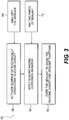
- Figure 3 illustrates an example method 56 of bonding the electrically conductive silicone gasket 12 to form the above-described gasket system 10.
- the example method 56 facilitates forming an adhesive and cohesive bond between the gasket 12 and the metal substrate 14 using the sealant 16.
- a non- silicone sealant comprising polythioether or polysulfide
- the method 56 generally includes an activating action 58, an application action 60, and a curing action 62. Other actions may optionally be used in combination with these actions.
- the activation action 58 includes activating a surface of the electrically conductive gasket 12 for adhesive and cohesive bonding with the sealant 16.
- the activation action 58 may include an emulsifying action 64 that is used to activate the electrically conductive gasket 12.
- An emulsifier may be applied before bonding the gasket 12 with the metal substrate 14 to selected surface portions of the electrically conductive silicone gasket 12 that are to be bonded with the sealant 16.
- the emulsifier is applied to sides 70a and 70b and bottom 70c of the electrically conductive silicone gasket 12.
- the emulsifier produces a surface-activated region 66 that is receptive for adhesive and cohesive bonding with the sealant 16.
- the emulsifier dissolves and removes a portion of the polymer matrix from the surface-activated region 66 such that the surface- activated region 66 includes a relatively greater amount of the metal filler 17 than an underlying subsurface region 68 of the gasket 12 that is not emulsified.
- the surface-activated region 66 includes a greater amount of exposed metal filler 17, which adhesively bonds with the sealant 16. That is, the silicone of the gasket is not necessarily compatible with adhesive bonding to the sealant 16, and removing a portion of the silicone thereby produces additional sites (e.g., in the metal filler 17) suitable for cohesive bonding.
- the emulsifier may partially dissolve the silicone material of the gasket 12 to thereby chemically activate the silicone for chemically bonding with the sealant 16.
- chemical bonding may be suitable to facilitate cohesive bonding between the gasket 12 and the sealant 16.
- the activation mechanism may be a combination of the above examples or may include other mechanisms, depending upon the type of emulsifier that is used.
- the emulsifier may include any suitable type of emulsifier for dissolving or activating the surface of the electrically conductive silicone gasket 12.
- the emulsifier includes at least one emulsifying agent selected from dimethylacetamide, ammonium, and glycol ether.
- the ammonium may be in the form of a quarternary ammonium compound.
- the emulsifier includes a mixture of the dimethylacetamide, ammonium, and glycol ether.
- One example mixture is a commercially available emulsifier known as POLYGONE(R) 500-AG.
- the emulsifier may be applied to selected surfaces of the electrically conductive silicone gasket 12 using any suitable method. For example, the emulsifier is wiped, brushed, sprayed, or otherwise applied onto selected surfaces of the gasket 12 using a brush, cloth, or other suitable applicator. Excess emulsifier may then be removed from the surfaces of the gasket 12, such as by wiping the surfaces with a dry cloth.
- the emulsifier may be applied to the surfaces of the gasket for an exposure time of about one minute before drying. However, as can be appreciated, the exposure time may depend upon the amount and type of emulsifier that is applied, and a degree of desired activation.
- the sealant 16 is applied to the electrically conductive silicone gasket 12.
- the sealant 16 may be applied directly to the surface- activated region 66 of the gasket 12, applied to the metal substrate 14 and then brought into contact with the electrically conductive silicone gasket 12, or applied to both the gasket 12 and the metal substrate 14.
- Polythioether or polysulfide is selected for the polymer matrix 18, and a mixing action 72 may be needed to form the polymer matrix 18.
- the mixing action 72 may include mixing a sealant base component with a sealant catalyst component (i.e., a two-part system) to initiate a polymerization reaction which results in formation of the polythioether or polysulfiide (depending on the types of base and catalyst components used).
- the metal filler 20 and the non-chromate corrosion inhibitor 22 may already be incorporated into the sealant base component or mixed in separately.
- the sealant 16 Upon mixing, the sealant 16 begins the curing process of the curing action 62.
- the curing action 62 may thereby be integrated with the application action 60 upon mixing of the sealant and catalyst components. Additionally, other curing actions, such as heating at an elevated temperature, may be used to facilitate the curing process.
- the sealant 16 adhesively bonds the electrically conductive silicone gasket 12 with the metal substrate 14. In this regard, the sealant 16 provides a relatively strong bond that is electrically conductive and corrosion resistant.
- the sealant 16 may be used in any suitable amount between the electrically conductive silicone gasket 12 and the metal substrate 14.
- the sealant 16 is applied with a thickness 76 ( Figure 1 ) that is about 0.005 inches (0.127 mm).
- a thickness 76 Figure 1
- other thicknesses may be used.
- the thickness of 0.127 mm (0.005 inches) is suitable for adhesively bonding the electrically conductive silicone gasket 12 to the metal substrate 14 with a desired level of electrical conductivity.
- the sealant 16 also provides the advantage of adhesively bonding the electrically conductive silicone gasket 12 with the metal substrate 14. That is, if the gasket 12 is peeled from the metal substrate 14, the peeling occurs through the sealant 16 rather than interfacially between the gasket 12 and the sealant 16 or interfacially between the sealant 16 and the metal substrate 14.
- the bonding may be a combination of cohesive bonding and adhesive bonding (e.g., interfacial peeling), with cohesive bonding being predominant.
- the type of peeling may be determined through known peeling testing.
- the sealant 16 of certain exemplary embodiments above thereby provides the advantage of adhesively bonding the electrically conductive silicone gasket 12 with the metal substrate 14 in combination with providing electrical conductivity and facilitating corrosion protection.
Landscapes
- Chemical & Material Sciences (AREA)
- Organic Chemistry (AREA)
- Chemical Kinetics & Catalysis (AREA)
- Life Sciences & Earth Sciences (AREA)
- Engineering & Computer Science (AREA)
- Materials Engineering (AREA)
- Wood Science & Technology (AREA)
- Sealing Material Composition (AREA)
- Gasket Seals (AREA)
- Adhesives Or Adhesive Processes (AREA)
Description
- This disclosure relates to electrically conductive silicone components and, more particularly to a system and method for bonding an electrically conductive silicone component using sealant having a corrosion inhibitor.
- Silicone components, such as gaskets, are known and used in a variety of different applications. For example, a silicone gasket may be used to provide a seal between two metal surfaces that may be otherwise difficult to seal together. Silicone adhesives are exclusively used to hold the silicone gasket in a desired position relative to the metal surfaces because of favorable bonding compatibility between the silicone adhesive and the silicone gasket. Although effective for certain applications, silicone adhesives have inherent drawbacks in some applications, with others have failed to overcome. These may include an incompatibility with electrical conductivity and corrosion protection additives, marginal adhesion to metallic substrates, and poor chemical resistance to fluids typically used on aircraft.
-
US 5 776 549 discloses a method of bonding a polysulfide sealant to a cured silicone elastomer, comprising applying to the silicone elastomer a composition consisting of one part by weight of silicone sealant and 0.1 to 40 parts by weight of polysulfide sealant; and then applying a polysulfide sealant over the composition. -
US4 977 295 discloses a gasket comprising a silicone core and a polythioether coating impregnated with nickel particles, and containing an oxidizing inhibitor. The gasket is intended for bonding metallic parts. - Subject-matter of the invention is a method of bonding an electrically conductive silicone gasket as claimed in claim 1, and a gasket system as claimed in claim 5. Embodiments of the invention are defined in the respective dependent claims.
- Exemplary gasket systems and methods disclosed herein facilitate strong bonding between an electrically conductive silicone gasket, a non-silicone sealant having a corrosion inhibitor, and a metallic surface. One example method of bonding includes activating selected surfaces of an electrically conductive silicone gasket, applying a non-silicone sealant having a corrosion inhibitor to at least a portion of the activated selected surfaces, and curing the sealant to thereby bond the electrically conductive silicone gasket onto a substrate.
- An example gasket system includes an electrically conductive silicone gasket, a metal substrate, and a non-silicone sealant bonding the electrically conductive silicone gasket and the metal substrate together. The sealant includes a corrosion inhibitor to control corrosion of the metal substrate.
- In a further example, the electrically conductive silicone gasket is fluorosilicone and the metal substrate is alodined aluminum. Additionally, the sealant may include a metal filler for electrical conductivity.
- According to this invention, the sealant comprises polysulfide or polythioether, or is formed from polysulfide or polythioether, and includes a corrosion inhibitor.
- Further embodiments of the invention are set out in the following numbered paragraphs:
- 1. A method of bonding an electrically conductive silicone gasket, comprising:
- activating selected surfaces of an electrically conductive silicone gasket;
- applying a sealant having a corrosion inhibitor to at least a portion of the activated selected surfaces of the electrically conductive silicone gasket; and
- curing the sealant to thereby bond the electrically conductive silicone gasket on a substrate.
- 2. The method as recited in paragraph 1, wherein the activating comprises emulsifying the surface of the electrically conductive silicone gasket.
- 3. The method as recited in paragraph 2, wherein the emulsifying comprises applying to the surface at least one emulsifier selected from dimethylacetamide, ammonium, and glycol ether.
- 4. The method as recited in paragraph 1, wherein the activating comprises exposing the surface to an emulsifier for about one minute.
- 5. The method as recited in paragraph 1, further comprising mixing a sealant base component with a sealant catalyst component to form the sealant.
- 6. The method as recited in paragraph 1, further comprising forming the sealant of polythioether.
- 7. The method as recited in paragraph 1, further comprising forming the sealant of polysulfide.
- 8. The method as recited in paragraph 1, further comprising forming the sealant of an electrically conductive composite material.
- 9. The method as recited in paragraph 1, further comprising adhesively bonding the sealant with the electrically conductive silicone gasket.
- 10. A gasket system comprising:
- an electrically conductive silicone gasket;
- a metal substrate; and
- a sealant adhesively bonded with the electrically conductive silicone gasket and the metal substrate, the sealant having a corrosion inhibitor.
- 11. The gasket system as recited in
paragraph 10, wherein the electrically conductive silicone gasket comprises fluorosilicone. - 12. The gasket system as recited in
paragraph 10, wherein the metal substrate comprises aluminum. - 13. The gasket system as recited in
paragraph 10, wherein the metal substrate comprises alodined aluminum. - 14. The gasket system as recited in
paragraph 10, wherein the metal substrate is a section of an aircraft air frame. - 15. The gasket system as recited in
paragraph 10, wherein the sealant comprises polythioether. - 16. The gasket system as recited in
paragraph 10, wherein the sealant comprises polysulfide. - 17. The gasket system as recited in
paragraph 10, wherein the sealant comprises a metal filler. - 18. The gasket system as recited in
paragraph 17, wherein the metal filler comprises nickel. - 19. The gasket system as recited in
paragraph 18, wherein the electrically conductive silicone gasket comprises a surface-activated region and a subsurface region adjacent to the surface-activated region, and the surface-activated region includes a first percentage of the metal filler and the subsurface region includes a second percentage of the metal filler that is less than the first percentage. - 20. A gasket system comprising:
- an electrically conductive fluorosilicone gasket;
- a metal substrate comprising alodined aluminum; and
- an electrically conductive sealant cohesively bonded with the electrically conductive fluorosilicone gasket, the electrically conductive sealant comprising a metal filler, a corrosion inhibitor, and at least one of polysulfide or polythioether.
- 21. The gasket system as recited in
paragraph 20, wherein the electrically conductive fluorosilicone gasket comprises a surface-activated region that is adhesively bonded with the electrically conductive sealant. - 22. A gasket system comprising:
- an apparatus including an electrically conductive silicone gasket, a metal substrate, and a sealant bonded with the electrically conductive silicone gasket and the metal substrate adhesively, the sealant having a corrosion inhibitor.
- 23. The gasket system as recited in
paragraph 22, wherein the apparatus comprises an aircraft. - 24. The gasket system as recited in
paragraph 22, wherein the apparatus comprises an airframe. - The various features and advantages of this invention will become apparent to those skilled in the art from the following detailed description of the currently preferred embodiment. The drawings that accompany the detailed description can be briefly described as follows,
-
Figure 1 illustrates selected portions of an example gasket system. -
Figure 2 illustrates selected portions of an example implementation of a gasket system in a portion of an aircraft airframe. -
Figure 3 illustrates an example method of bonding an electrically conductive silicone gasket in a gasket system. - As noted above, others have failed to overcome inherent drawbacks in some applications of silicone adhesives. For example, the chemical nature of silicone adhesives make them effectively incompatible with electrical conductivity and incorporation of sacrificial corrosion inhibitor pigments. Thus, using silicone adhesives precludes an acceptable degree of corrosion protection. Also, where electrical conductivity between metal surfaces through the silicone gasket is desired, it has been necessary to limit areas of application of the silicone adhesive on the silicone gaskets to avoid electrically insulating the silicone gasket. Furthermore, the limited areas of application may not provide a desirable degree of bonding and sealing. Exemplary embodiments disclosed herein improve this situation.
- The various features and advantages of this invention will become apparent to those skilled in the art from the following detailed description of the currently preferred embodiment. The drawings that accompany the detailed description can be briefly described as follows.
-
Figure 1 illustrates selected portions of an example gasket system. -
Figure 2 illustrates selected portions of an example implementation of a gasket system in a portion of an aircraft airframe. -
Figure 3 illustrates an example method of bonding an electrically conductive silicone gasket in a gasket system. - As noted above, others have failed to overcome inherent drawbacks in some applications of silicone adhesives. For example, the chemical nature of silicone adhesives make them effectively incompatible with electrical conductivity and incorporation of sacrificial corrosion inhibitor pigments. Thus, using silicone adhesives precludes an acceptable degree of corrosion protection. Also, where electrical conductivity between metal surfaces through the silicone gasket is desired, it has been necessary to limit areas of application of the silicone adhesive on the silicone gaskets to avoid electrically insulating the silicone gasket. Furthermore, the limited areas of application may not provide a desirable degree of bonding and sealing. Exemplary embodiments disclosed herein improve this situation.
- Turning now to
Figure 1 , this figure illustrates selected portions of anexample gasket system 10. In this example, thegasket system 10 includes an electricallyconductive silicone gasket 12 that is bonded with ametal substrate 14. Asealant 16 bonds the electricallyconductive silicone gasket 12 with themetal substrate 14. As will be described, thesealant 16 provides adhesive and cohesive bonding between thegasket 12 and themetal substrate 14, a level of corrosion protection, and electrical conductivity, the combination of which has not been previously achieved using silicone adhesives to bond silicone gaskets. - The electrically
conductive silicone gasket 12 may be formed from any type of silicone, such as fluorosilicone, and includes an electricallyconductive filler 17 to provide thegasket 12 with electrical conductivity properties. For example, the electricallyconductive filler 17 may include a metal in an amount suitable for achieving a desired level of electrical conductivity of thegasket 12. For example, the electrical conductivity may be represented by electrical resistivity and could be about 2.5 mOhm. Given this description, one of ordinary skill in the art will recognize other levels of resistivity to meet their particular needs. Additionally, the electricallyconductive silicone gasket 12 may be formed in any suitable method, such as by molding or extrusion, into any desired shape. - The
metal substrate 14 may be any suitable type of metal for an intended use. For example, themetal substrate 14 may be aluminum. In a further example, themetal substrate 14 may be alodined aluminum, which includes a chromate conversion coating for corrosion protection. As can be appreciated, themetal substrate 14 may alternatively be formed from other types of metals, depending upon the intended use. - In an exemplary embodiment, the
sealant 16 is also electrically conductive. In this regard, thesealant 16 includes apolymer matrix 18 and ametal filler 20 dispersed through thepolymer matrix 18 to provide the electrical conductivity. For example, themetal filler 20 may be provided in an amount suitable for achieving a desired level of electrical conductivity of thesealant 16. Themetal filler 20 may include nickel particles or other type of metal or non-metal filler, like carbon, suitable for providing electrical conductivity. - The
sealant 16 also provides a degree of corrosion protection to themetal substrate 14. It includes a corrosoin inhibitor. Thesealant 16 includes, in an exemplary embodiment, anon-chromate corrosion inhibitor 22 that is also dispersed through thepolymer matrix 18. Thenon-chromate corrosion inhibitor 22 may leach out of thesealant 16 over time and react with (e.g., passivate) corrosive chemical species from the environment to thereby prevent or limit corrosive attack on themetal substrate 14. Alternatively, other types of corrosion inhibitors may be utilized within thesealant 16, depending upon the needs of a particular intended use. - The
polymer matrix 18 is selected from non-silicone polymers. Namely, thepolymer matrix 18 includes polythioether or polysulfide. Polythioether and polysulfide have relatively high resistance to organic fuels and oils, and a relatively high resistance to temperature. Thus, polythioether and polysulfide are well suited for environments typically associated with an aircraft. Furthermore, polythioether and polysulfide are compatible with themetal filler 20 and thenon-chromate corrosion inhibitor 22 to provide electrical conductivity and facilitate corrosion protection of themetal substrate 14. For example, the term "compatible" refers to the polythioether or polysulfide of thesealant 16 being relatively chemically stable as compared to themetal filler 20 and thenon-chromate corrosion inhibitor 22 and/or themetal filler 20 and thenon-chromate corrosion inhibitor 22 not preventing the desired adhesive and cohesive bonding. Further, these types of polymer matrices exhibit a far superior degree of cohesive bonding to metallic surfaces in comparison to silicon adhesives. -
Figure 2 illustrates selected portions of one example implementation of thegasket system 10, such as in aircraft 30 (e.g., airplane, helicopter, etc). In this example, themetal substrate 14 forms a portion of anaircraft airframe 32. Apanel 34 is mounted on theaircraft airframe 32 and shields an electrical compartment 36 (e.g., containing electrical components, wiring, etc.) of the aircraft from the elements of the surrounding environment and from electromagnetic interference. In this regard, thepanel 34 may be formed of an electromagnetic shielding material, such as aluminum. Thegasket 12 provides a seal between thepanel 34 and theaircraft airframe 32. As can be appreciated, the electricallyconductive silicone gasket 12 may be used in other areas of an aircraft or in non-aerospace applications. -
Figure 3 illustrates anexample method 56 of bonding the electricallyconductive silicone gasket 12 to form the above-describedgasket system 10. Theexample method 56 facilitates forming an adhesive and cohesive bond between thegasket 12 and themetal substrate 14 using thesealant 16. Mere application of a non- silicone sealant comprising polythioether or polysulfide to a silicone gasket without applying the principles of themethod 56 will not provide adhesive and cohesive bonding. In this example, themethod 56 generally includes an activatingaction 58, anapplication action 60, and a curingaction 62. Other actions may optionally be used in combination with these actions. - The
activation action 58 includes activating a surface of the electricallyconductive gasket 12 for adhesive and cohesive bonding with thesealant 16. For example, theactivation action 58 may include an emulsifyingaction 64 that is used to activate the electricallyconductive gasket 12. An emulsifier may be applied before bonding thegasket 12 with themetal substrate 14 to selected surface portions of the electricallyconductive silicone gasket 12 that are to be bonded with thesealant 16. For example, the emulsifier is applied tosides conductive silicone gasket 12. The emulsifier produces a surface-activatedregion 66 that is receptive for adhesive and cohesive bonding with thesealant 16. The emulsifier dissolves and removes a portion of the polymer matrix from the surface-activatedregion 66 such that the surface- activatedregion 66 includes a relatively greater amount of themetal filler 17 than anunderlying subsurface region 68 of thegasket 12 that is not emulsified. Thus, the surface-activatedregion 66 includes a greater amount of exposedmetal filler 17, which adhesively bonds with thesealant 16. That is, the silicone of the gasket is not necessarily compatible with adhesive bonding to thesealant 16, and removing a portion of the silicone thereby produces additional sites (e.g., in the metal filler 17) suitable for cohesive bonding. - Additionally, or alternatively to removing the polymer matrix of the
gasket 12, the emulsifier may partially dissolve the silicone material of thegasket 12 to thereby chemically activate the silicone for chemically bonding with thesealant 16. For example, chemical bonding may be suitable to facilitate cohesive bonding between thegasket 12 and thesealant 16. As can be appreciated, the activation mechanism may be a combination of the above examples or may include other mechanisms, depending upon the type of emulsifier that is used. - The emulsifier may include any suitable type of emulsifier for dissolving or activating the surface of the electrically
conductive silicone gasket 12. For example, the emulsifier includes at least one emulsifying agent selected from dimethylacetamide, ammonium, and glycol ether. The ammonium may be in the form of a quarternary ammonium compound. In a further example, the emulsifier includes a mixture of the dimethylacetamide, ammonium, and glycol ether. One example mixture is a commercially available emulsifier known as POLYGONE(R) 500-AG. - The emulsifier may be applied to selected surfaces of the electrically
conductive silicone gasket 12 using any suitable method. For example, the emulsifier is wiped, brushed, sprayed, or otherwise applied onto selected surfaces of thegasket 12 using a brush, cloth, or other suitable applicator. Excess emulsifier may then be removed from the surfaces of thegasket 12, such as by wiping the surfaces with a dry cloth. The emulsifier may be applied to the surfaces of the gasket for an exposure time of about one minute before drying. However, as can be appreciated, the exposure time may depend upon the amount and type of emulsifier that is applied, and a degree of desired activation. - Subsequent to the
activation action 58, thesealant 16 is applied to the electricallyconductive silicone gasket 12. For example, thesealant 16 may be applied directly to the surface- activatedregion 66 of thegasket 12, applied to themetal substrate 14 and then brought into contact with the electricallyconductive silicone gasket 12, or applied to both thegasket 12 and themetal substrate 14. - Polythioether or polysulfide is selected for the
polymer matrix 18, and a mixingaction 72 may be needed to form thepolymer matrix 18. The mixingaction 72 may include mixing a sealant base component with a sealant catalyst component (i.e., a two-part system) to initiate a polymerization reaction which results in formation of the polythioether or polysulfiide (depending on the types of base and catalyst components used). Themetal filler 20 and thenon-chromate corrosion inhibitor 22 may already be incorporated into the sealant base component or mixed in separately. - Upon mixing, the
sealant 16 begins the curing process of the curingaction 62. Thus, the curingaction 62 may thereby be integrated with theapplication action 60 upon mixing of the sealant and catalyst components. Additionally, other curing actions, such as heating at an elevated temperature, may be used to facilitate the curing process. Upon curing, thesealant 16 adhesively bonds the electricallyconductive silicone gasket 12 with themetal substrate 14. In this regard, thesealant 16 provides a relatively strong bond that is electrically conductive and corrosion resistant. - The
sealant 16 may be used in any suitable amount between the electricallyconductive silicone gasket 12 and themetal substrate 14. In one example, thesealant 16 is applied with a thickness 76 (Figure 1 ) that is about 0.005 inches (0.127 mm). As can be appreciated, other thicknesses may be used. However, in this example, the thickness of 0.127 mm (0.005 inches) is suitable for adhesively bonding the electricallyconductive silicone gasket 12 to themetal substrate 14 with a desired level of electrical conductivity. - As mentioned, the
sealant 16 also provides the advantage of adhesively bonding the electricallyconductive silicone gasket 12 with themetal substrate 14. That is, if thegasket 12 is peeled from themetal substrate 14, the peeling occurs through thesealant 16 rather than interfacially between thegasket 12 and thesealant 16 or interfacially between thesealant 16 and themetal substrate 14. In a further example, the bonding may be a combination of cohesive bonding and adhesive bonding (e.g., interfacial peeling), with cohesive bonding being predominant. For example, the type of peeling may be determined through known peeling testing. - The
sealant 16 of certain exemplary embodiments above thereby provides the advantage of adhesively bonding the electricallyconductive silicone gasket 12 with themetal substrate 14 in combination with providing electrical conductivity and facilitating corrosion protection. - Although a combination of features is shown in the illustrated examples, not all of them need to be combined to realize the benefits of various embodiments of this disclosure. In other words, a system designed according to an embodiment of this disclosure will not necessarily include all of the features shown in any one of the Figures or all of the portions schematically shown in the Figures. Moreover, selected features of one example embodiment may be combined with selected features of other example embodiments.
- The preceding description is exemplary rather than limiting in nature. Variations and modifications to the disclosed examples may become apparent to those skilled in the art that do not necessarily depart from the essence of this disclosure. The scope of legal protection given to this disclosure can be determined by studying the following claims.
Claims (11)
- A method of bonding an electrically conductive silicone gasket, comprising:activating selected surfaces of an electrically conductive silicone gasket, the gasket comprising a metal filler, by dissolving and removing a portion of the silicone from the selected surfaces, thus producing surface-activated regions including a greater amount of the metal filler than an adjacent subsurface region;applying a non-silicone sealant to at least a portion of the activated selected surfaces of the electrically conductive silicone gasket, said sealant having a corrosion inhibitor and comprising polythioether or polysulfide; andcuring the sealant to thereby bond the electrically conductive silicone gasket on a substrate.
- The method as reciting in claim 1, wherein the activating comprises applying to the surface at east one of dimethylacetamide, ammonium, and glycol ether.
- The method as recited in claim 1 or 2, further comprising mixing a sealant base component with a sealant catalyst component to form the sealant.
- The method as recited in any of claims 1 to 3, further comprising forming the sealant of an electrically conductive composite material.
- A gasket system comprising:an electrically conductive silicone gasket, the gasket comprising a metal filler; a metal substrate; anda non-silicone sealant bonded with the electrically conductive silicone gasket and the metal substrate, the sealant having a corrosion inhibitor and comprising polythioether or polysulfide,wherein the electrically conductive silicone gasket comprises a surface-activated region and a subsurface region adjacent to the surface-activated region, and the surface-activated region includes a first percentage of the metal filler and the subsurface region includes a second percentage of the metal filler that is less than the first percentage.
- The gasket system as recited in claim 5, wherein the electrically conductive silicone gasket comprises fluorosilicone.
- The gasket system as recited in claim 5 or 6, wherein the metal substrate comprises aluminum.
- The gasket system as recited in any of claims 5 to 7, wherein the metal substrate comprises alodined aluminum.
- The gasket system as recited in any of claims 5 to 8, wherein the metal substrate is a section of an aircraft air frame.
- The gasket system as recited in any of claims 5 to 9, wherein the sealant comprises a metal filler.
- The gasket system as recited in claim 10, wherein the metal filler comprises nickel.
Applications Claiming Priority (2)
| Application Number | Priority Date | Filing Date | Title |
|---|---|---|---|
| US11/954,340 US8696859B2 (en) | 2007-12-12 | 2007-12-12 | Bonding of silicone gaskets and systems containing bonded silicone gaskets |
| PCT/US2008/084449 WO2009102371A2 (en) | 2007-12-12 | 2008-11-23 | Bonding of silicone gaskets and systems containing bonded silicone gaskets |
Publications (3)
| Publication Number | Publication Date |
|---|---|
| EP2220185A2 EP2220185A2 (en) | 2010-08-25 |
| EP2220185A4 EP2220185A4 (en) | 2013-08-14 |
| EP2220185B1 true EP2220185B1 (en) | 2017-08-09 |
Family
ID=40957420
Family Applications (1)
| Application Number | Title | Priority Date | Filing Date |
|---|---|---|---|
| EP08872401.8A Not-in-force EP2220185B1 (en) | 2007-12-12 | 2008-11-23 | Bonding of silicone gaskets and systems containing bonded silicone gaskets |
Country Status (3)
| Country | Link |
|---|---|
| US (1) | US8696859B2 (en) |
| EP (1) | EP2220185B1 (en) |
| WO (1) | WO2009102371A2 (en) |
Families Citing this family (3)
| Publication number | Priority date | Publication date | Assignee | Title |
|---|---|---|---|---|
| US9221547B2 (en) * | 2010-06-25 | 2015-12-29 | The Boeing Company | Static dissipative fuel tank coatings and methods |
| US9739402B2 (en) | 2013-03-04 | 2017-08-22 | Eaton Corporation | Electrically conductive seals for fluid conveyance systems |
| CN106068384B (en) * | 2014-01-07 | 2019-05-21 | 流体处理有限责任公司 | For variable speed multipump applications that provide energy savings by using a speed reference to calculate and compensate for friction losses |
Family Cites Families (13)
| Publication number | Priority date | Publication date | Assignee | Title |
|---|---|---|---|---|
| US3347978A (en) * | 1963-06-03 | 1967-10-17 | Lockheed Aircraft Corp | Electrically conductive joints and gaskets |
| US4673750A (en) * | 1985-04-04 | 1987-06-16 | Loctite Corporation | Auto-adhering one-component RTV silicone sealant composition utilizing glycidoxyalkyl substituted alkoxy-oxime silane as an adhesion promoter |
| US5045635A (en) * | 1989-06-16 | 1991-09-03 | Schlegel Corporation | Conductive gasket with flame and abrasion resistant conductive coating |
| US4977295A (en) | 1989-07-28 | 1990-12-11 | Raytheon Company | Gasket impervious to electromagnetic energy |
| US5145918A (en) | 1991-01-18 | 1992-09-08 | Dow Corning Corporation | Bonding polysulphide sealant to silicone |
| US6454267B1 (en) * | 1992-08-19 | 2002-09-24 | The Boeing Company | Corrosion resistant gasket for aircraft |
| JPH07126579A (en) * | 1993-09-13 | 1995-05-16 | Tigers Polymer Corp | Adhesive silicone-based member and method for adhering the same |
| US5910524A (en) | 1995-01-20 | 1999-06-08 | Parker-Hannifin Corporation | Corrosion-resistant, form-in-place EMI shielding gasket |
| US5621062A (en) * | 1995-11-02 | 1997-04-15 | Northrop Grumman Corporation | Ambient rapid-curing amino and epoxide polythioether reactants compositions |
| US6037008A (en) * | 1998-09-08 | 2000-03-14 | Ck Witco Corporation | Use of emulsified silane coupling agents as primers to improve adhesion of sealants, adhesives and coatings |
| JP4790168B2 (en) * | 2001-08-01 | 2011-10-12 | 株式会社アルテコ | Primer for 2-cyanoacrylate instant adhesive |
| US6784363B2 (en) * | 2001-10-02 | 2004-08-31 | Parker-Hannifin Corporation | EMI shielding gasket construction |
| UA81885C2 (en) | 2004-09-08 | 2008-02-11 | Прк-Дэсото Интэрнэшнл, Инк. | Preformed compositions in shaped form comprising polymer blends and method for sealing apertures |
-
2007
- 2007-12-12 US US11/954,340 patent/US8696859B2/en not_active Expired - Fee Related
-
2008
- 2008-11-23 EP EP08872401.8A patent/EP2220185B1/en not_active Not-in-force
- 2008-11-23 WO PCT/US2008/084449 patent/WO2009102371A2/en not_active Ceased
Non-Patent Citations (1)
| Title |
|---|
| None * |
Also Published As
| Publication number | Publication date |
|---|---|
| US8696859B2 (en) | 2014-04-15 |
| US20100007099A1 (en) | 2010-01-14 |
| WO2009102371A2 (en) | 2009-08-20 |
| EP2220185A4 (en) | 2013-08-14 |
| WO2009102371A3 (en) | 2009-11-26 |
| EP2220185A2 (en) | 2010-08-25 |
Similar Documents
| Publication | Publication Date | Title |
|---|---|---|
| CN108770221B (en) | printed circuit and preparation method thereof | |
| DE60006455T2 (en) | Heat-resistant, heat-conductive silicone rubber composite film, process for its production and use | |
| EP0347049A2 (en) | Improved primer compositions | |
| WO2020167622A1 (en) | Methods of making chemically resistant sealing components | |
| EP4010197B1 (en) | Electronic-circuit printing using low-cost ink | |
| JP3486404B2 (en) | Metal gasket blank and method of manufacturing the same | |
| US8696859B2 (en) | Bonding of silicone gaskets and systems containing bonded silicone gaskets | |
| JP6065604B2 (en) | Adhesive varnish, adhesive film, and wiring film | |
| JPH09228079A (en) | Metal anticorrosion method, anticorrosion material, and conductive sheet | |
| WO2021193973A1 (en) | Coating material and multilayer body | |
| JPS6140148A (en) | Method of bonding metallic plate | |
| US5145918A (en) | Bonding polysulphide sealant to silicone | |
| JP2002226995A (en) | Composition for coating type metal plate reinforcing material | |
| JP3962940B2 (en) | Resin composition for flexible circuit overcoat | |
| JP4929530B2 (en) | Undercoat paint composition for elastomer, paint and fluororubber coat gasket material | |
| KR102153536B1 (en) | Method for manufacturing metal mesh based silicon sheet | |
| WO2021225129A1 (en) | Coating material and laminate | |
| JPS62109880A (en) | Adhesive sheet having excellent lamination workability to metallic plate stained with oil | |
| DE102014105493B3 (en) | Glass ceramic capacitor with plastic encapsulation, and process for its preparation | |
| US10421865B2 (en) | Rubber-metal adhesive | |
| KR20010101322A (en) | Sealant Compositions and Sealant Articles Using the Same | |
| CN121046030A (en) | Composition, Flexible Conductive Sealant and its Preparation and Application Method | |
| DE202014101837U1 (en) | Glass ceramic capacitor with plastic encapsulation | |
| JP6828887B2 (en) | Rubber joint and its manufacturing method | |
| JP4254398B2 (en) | Stainless steel-nitrile rubber composite |
Legal Events
| Date | Code | Title | Description |
|---|---|---|---|
| PUAI | Public reference made under article 153(3) epc to a published international application that has entered the european phase |
Free format text: ORIGINAL CODE: 0009012 |
|
| 17P | Request for examination filed |
Effective date: 20100629 |
|
| AK | Designated contracting states |
Kind code of ref document: A2 Designated state(s): AT BE BG CH CY CZ DE DK EE ES FI FR GB GR HR HU IE IS IT LI LT LU LV MC MT NL NO PL PT RO SE SI SK TR |
|
| AX | Request for extension of the european patent |
Extension state: AL BA MK RS |
|
| DAX | Request for extension of the european patent (deleted) | ||
| A4 | Supplementary search report drawn up and despatched |
Effective date: 20130715 |
|
| RIC1 | Information provided on ipc code assigned before grant |
Ipc: C09J 9/02 20060101AFI20130709BHEP Ipc: C09D 181/02 20060101ALI20130709BHEP Ipc: C09J 5/02 20060101ALI20130709BHEP Ipc: C09D 181/04 20060101ALI20130709BHEP Ipc: C08L 81/02 20060101ALI20130709BHEP Ipc: C23F 11/18 20060101ALI20130709BHEP |
|
| 17Q | First examination report despatched |
Effective date: 20160914 |
|
| GRAP | Despatch of communication of intention to grant a patent |
Free format text: ORIGINAL CODE: EPIDOSNIGR1 |
|
| INTG | Intention to grant announced |
Effective date: 20170321 |
|
| GRAS | Grant fee paid |
Free format text: ORIGINAL CODE: EPIDOSNIGR3 |
|
| GRAA | (expected) grant |
Free format text: ORIGINAL CODE: 0009210 |
|
| AK | Designated contracting states |
Kind code of ref document: B1 Designated state(s): AT BE BG CH CY CZ DE DK EE ES FI FR GB GR HR HU IE IS IT LI LT LU LV MC MT NL NO PL PT RO SE SI SK TR |
|
| REG | Reference to a national code |
Ref country code: GB Ref legal event code: FG4D |
|
| REG | Reference to a national code |
Ref country code: CH Ref legal event code: EP Ref country code: AT Ref legal event code: REF Ref document number: 916813 Country of ref document: AT Kind code of ref document: T Effective date: 20170815 |
|
| REG | Reference to a national code |
Ref country code: IE Ref legal event code: FG4D |
|
| REG | Reference to a national code |
Ref country code: DE Ref legal event code: R096 Ref document number: 602008051582 Country of ref document: DE |
|
| REG | Reference to a national code |
Ref country code: FR Ref legal event code: PLFP Year of fee payment: 10 |
|
| REG | Reference to a national code |
Ref country code: NL Ref legal event code: MP Effective date: 20170809 |
|
| REG | Reference to a national code |
Ref country code: LT Ref legal event code: MG4D |
|
| REG | Reference to a national code |
Ref country code: AT Ref legal event code: MK05 Ref document number: 916813 Country of ref document: AT Kind code of ref document: T Effective date: 20170809 |
|
| PG25 | Lapsed in a contracting state [announced via postgrant information from national office to epo] |
Ref country code: HR Free format text: LAPSE BECAUSE OF FAILURE TO SUBMIT A TRANSLATION OF THE DESCRIPTION OR TO PAY THE FEE WITHIN THE PRESCRIBED TIME-LIMIT Effective date: 20170809 Ref country code: LT Free format text: LAPSE BECAUSE OF FAILURE TO SUBMIT A TRANSLATION OF THE DESCRIPTION OR TO PAY THE FEE WITHIN THE PRESCRIBED TIME-LIMIT Effective date: 20170809 Ref country code: NL Free format text: LAPSE BECAUSE OF FAILURE TO SUBMIT A TRANSLATION OF THE DESCRIPTION OR TO PAY THE FEE WITHIN THE PRESCRIBED TIME-LIMIT Effective date: 20170809 Ref country code: FI Free format text: LAPSE BECAUSE OF FAILURE TO SUBMIT A TRANSLATION OF THE DESCRIPTION OR TO PAY THE FEE WITHIN THE PRESCRIBED TIME-LIMIT Effective date: 20170809 Ref country code: NO Free format text: LAPSE BECAUSE OF FAILURE TO SUBMIT A TRANSLATION OF THE DESCRIPTION OR TO PAY THE FEE WITHIN THE PRESCRIBED TIME-LIMIT Effective date: 20171109 Ref country code: SE Free format text: LAPSE BECAUSE OF FAILURE TO SUBMIT A TRANSLATION OF THE DESCRIPTION OR TO PAY THE FEE WITHIN THE PRESCRIBED TIME-LIMIT Effective date: 20170809 Ref country code: AT Free format text: LAPSE BECAUSE OF FAILURE TO SUBMIT A TRANSLATION OF THE DESCRIPTION OR TO PAY THE FEE WITHIN THE PRESCRIBED TIME-LIMIT Effective date: 20170809 |
|
| PG25 | Lapsed in a contracting state [announced via postgrant information from national office to epo] |
Ref country code: ES Free format text: LAPSE BECAUSE OF FAILURE TO SUBMIT A TRANSLATION OF THE DESCRIPTION OR TO PAY THE FEE WITHIN THE PRESCRIBED TIME-LIMIT Effective date: 20170809 Ref country code: BG Free format text: LAPSE BECAUSE OF FAILURE TO SUBMIT A TRANSLATION OF THE DESCRIPTION OR TO PAY THE FEE WITHIN THE PRESCRIBED TIME-LIMIT Effective date: 20171109 Ref country code: LV Free format text: LAPSE BECAUSE OF FAILURE TO SUBMIT A TRANSLATION OF THE DESCRIPTION OR TO PAY THE FEE WITHIN THE PRESCRIBED TIME-LIMIT Effective date: 20170809 Ref country code: IS Free format text: LAPSE BECAUSE OF FAILURE TO SUBMIT A TRANSLATION OF THE DESCRIPTION OR TO PAY THE FEE WITHIN THE PRESCRIBED TIME-LIMIT Effective date: 20171209 Ref country code: PL Free format text: LAPSE BECAUSE OF FAILURE TO SUBMIT A TRANSLATION OF THE DESCRIPTION OR TO PAY THE FEE WITHIN THE PRESCRIBED TIME-LIMIT Effective date: 20170809 Ref country code: GR Free format text: LAPSE BECAUSE OF FAILURE TO SUBMIT A TRANSLATION OF THE DESCRIPTION OR TO PAY THE FEE WITHIN THE PRESCRIBED TIME-LIMIT Effective date: 20171110 |
|
| PG25 | Lapsed in a contracting state [announced via postgrant information from national office to epo] |
Ref country code: RO Free format text: LAPSE BECAUSE OF FAILURE TO SUBMIT A TRANSLATION OF THE DESCRIPTION OR TO PAY THE FEE WITHIN THE PRESCRIBED TIME-LIMIT Effective date: 20170809 Ref country code: DK Free format text: LAPSE BECAUSE OF FAILURE TO SUBMIT A TRANSLATION OF THE DESCRIPTION OR TO PAY THE FEE WITHIN THE PRESCRIBED TIME-LIMIT Effective date: 20170809 Ref country code: CZ Free format text: LAPSE BECAUSE OF FAILURE TO SUBMIT A TRANSLATION OF THE DESCRIPTION OR TO PAY THE FEE WITHIN THE PRESCRIBED TIME-LIMIT Effective date: 20170809 |
|
| REG | Reference to a national code |
Ref country code: DE Ref legal event code: R097 Ref document number: 602008051582 Country of ref document: DE |
|
| PG25 | Lapsed in a contracting state [announced via postgrant information from national office to epo] |
Ref country code: EE Free format text: LAPSE BECAUSE OF FAILURE TO SUBMIT A TRANSLATION OF THE DESCRIPTION OR TO PAY THE FEE WITHIN THE PRESCRIBED TIME-LIMIT Effective date: 20170809 Ref country code: SK Free format text: LAPSE BECAUSE OF FAILURE TO SUBMIT A TRANSLATION OF THE DESCRIPTION OR TO PAY THE FEE WITHIN THE PRESCRIBED TIME-LIMIT Effective date: 20170809 |
|
| PLBE | No opposition filed within time limit |
Free format text: ORIGINAL CODE: 0009261 |
|
| STAA | Information on the status of an ep patent application or granted ep patent |
Free format text: STATUS: NO OPPOSITION FILED WITHIN TIME LIMIT |
|
| PG25 | Lapsed in a contracting state [announced via postgrant information from national office to epo] |
Ref country code: MC Free format text: LAPSE BECAUSE OF FAILURE TO SUBMIT A TRANSLATION OF THE DESCRIPTION OR TO PAY THE FEE WITHIN THE PRESCRIBED TIME-LIMIT Effective date: 20170809 |
|
| 26N | No opposition filed |
Effective date: 20180511 |
|
| PG25 | Lapsed in a contracting state [announced via postgrant information from national office to epo] |
Ref country code: LI Free format text: LAPSE BECAUSE OF NON-PAYMENT OF DUE FEES Effective date: 20171130 Ref country code: CH Free format text: LAPSE BECAUSE OF NON-PAYMENT OF DUE FEES Effective date: 20171130 |
|
| PG25 | Lapsed in a contracting state [announced via postgrant information from national office to epo] |
Ref country code: SI Free format text: LAPSE BECAUSE OF FAILURE TO SUBMIT A TRANSLATION OF THE DESCRIPTION OR TO PAY THE FEE WITHIN THE PRESCRIBED TIME-LIMIT Effective date: 20170809 Ref country code: LU Free format text: LAPSE BECAUSE OF NON-PAYMENT OF DUE FEES Effective date: 20171123 |
|
| REG | Reference to a national code |
Ref country code: BE Ref legal event code: MM Effective date: 20171130 |
|
| REG | Reference to a national code |
Ref country code: IE Ref legal event code: MM4A |
|
| PG25 | Lapsed in a contracting state [announced via postgrant information from national office to epo] |
Ref country code: MT Free format text: LAPSE BECAUSE OF NON-PAYMENT OF DUE FEES Effective date: 20171123 |
|
| PG25 | Lapsed in a contracting state [announced via postgrant information from national office to epo] |
Ref country code: IE Free format text: LAPSE BECAUSE OF NON-PAYMENT OF DUE FEES Effective date: 20171123 |
|
| PG25 | Lapsed in a contracting state [announced via postgrant information from national office to epo] |
Ref country code: BE Free format text: LAPSE BECAUSE OF NON-PAYMENT OF DUE FEES Effective date: 20171130 |
|
| PG25 | Lapsed in a contracting state [announced via postgrant information from national office to epo] |
Ref country code: HU Free format text: LAPSE BECAUSE OF FAILURE TO SUBMIT A TRANSLATION OF THE DESCRIPTION OR TO PAY THE FEE WITHIN THE PRESCRIBED TIME-LIMIT; INVALID AB INITIO Effective date: 20081123 |
|
| PG25 | Lapsed in a contracting state [announced via postgrant information from national office to epo] |
Ref country code: CY Free format text: LAPSE BECAUSE OF NON-PAYMENT OF DUE FEES Effective date: 20170809 |
|
| PGFP | Annual fee paid to national office [announced via postgrant information from national office to epo] |
Ref country code: DE Payment date: 20191127 Year of fee payment: 12 |
|
| PGFP | Annual fee paid to national office [announced via postgrant information from national office to epo] |
Ref country code: FR Payment date: 20191125 Year of fee payment: 12 Ref country code: IT Payment date: 20191125 Year of fee payment: 12 |
|
| PG25 | Lapsed in a contracting state [announced via postgrant information from national office to epo] |
Ref country code: TR Free format text: LAPSE BECAUSE OF FAILURE TO SUBMIT A TRANSLATION OF THE DESCRIPTION OR TO PAY THE FEE WITHIN THE PRESCRIBED TIME-LIMIT Effective date: 20170809 |
|
| PGFP | Annual fee paid to national office [announced via postgrant information from national office to epo] |
Ref country code: GB Payment date: 20191127 Year of fee payment: 12 |
|
| PG25 | Lapsed in a contracting state [announced via postgrant information from national office to epo] |
Ref country code: PT Free format text: LAPSE BECAUSE OF FAILURE TO SUBMIT A TRANSLATION OF THE DESCRIPTION OR TO PAY THE FEE WITHIN THE PRESCRIBED TIME-LIMIT Effective date: 20170809 |
|
| REG | Reference to a national code |
Ref country code: DE Ref legal event code: R119 Ref document number: 602008051582 Country of ref document: DE |
|
| GBPC | Gb: european patent ceased through non-payment of renewal fee |
Effective date: 20201123 |
|
| PG25 | Lapsed in a contracting state [announced via postgrant information from national office to epo] |
Ref country code: FR Free format text: LAPSE BECAUSE OF NON-PAYMENT OF DUE FEES Effective date: 20201130 Ref country code: IT Free format text: LAPSE BECAUSE OF NON-PAYMENT OF DUE FEES Effective date: 20201123 |
|
| PG25 | Lapsed in a contracting state [announced via postgrant information from national office to epo] |
Ref country code: DE Free format text: LAPSE BECAUSE OF NON-PAYMENT OF DUE FEES Effective date: 20210601 Ref country code: GB Free format text: LAPSE BECAUSE OF NON-PAYMENT OF DUE FEES Effective date: 20201123 |