EP2213868A1 - Liquid trap device for gas - Google Patents
Liquid trap device for gas Download PDFInfo
- Publication number
- EP2213868A1 EP2213868A1 EP08848553A EP08848553A EP2213868A1 EP 2213868 A1 EP2213868 A1 EP 2213868A1 EP 08848553 A EP08848553 A EP 08848553A EP 08848553 A EP08848553 A EP 08848553A EP 2213868 A1 EP2213868 A1 EP 2213868A1
- Authority
- EP
- European Patent Office
- Prior art keywords
- filter element
- gas
- wall
- outlet port
- guide tube
- Prior art date
- Legal status (The legal status is an assumption and is not a legal conclusion. Google has not performed a legal analysis and makes no representation as to the accuracy of the status listed.)
- Granted
Links
Images





Classifications
-
- B—PERFORMING OPERATIONS; TRANSPORTING
- B01—PHYSICAL OR CHEMICAL PROCESSES OR APPARATUS IN GENERAL
- B01D—SEPARATION
- B01D46/00—Filters or filtering processes specially modified for separating dispersed particles from gases or vapours
- B01D46/24—Particle separators, e.g. dust precipitators, using rigid hollow filter bodies
- B01D46/2403—Particle separators, e.g. dust precipitators, using rigid hollow filter bodies characterised by the physical shape or structure of the filtering element
-
- B—PERFORMING OPERATIONS; TRANSPORTING
- B01—PHYSICAL OR CHEMICAL PROCESSES OR APPARATUS IN GENERAL
- B01D—SEPARATION
- B01D46/00—Filters or filtering processes specially modified for separating dispersed particles from gases or vapours
- B01D46/0002—Casings; Housings; Frame constructions
-
- B—PERFORMING OPERATIONS; TRANSPORTING
- B01—PHYSICAL OR CHEMICAL PROCESSES OR APPARATUS IN GENERAL
- B01D—SEPARATION
- B01D46/00—Filters or filtering processes specially modified for separating dispersed particles from gases or vapours
- B01D46/0027—Filters or filtering processes specially modified for separating dispersed particles from gases or vapours with additional separating or treating functions
- B01D46/003—Filters or filtering processes specially modified for separating dispersed particles from gases or vapours with additional separating or treating functions including coalescing means for the separation of liquid
-
- B—PERFORMING OPERATIONS; TRANSPORTING
- B01—PHYSICAL OR CHEMICAL PROCESSES OR APPARATUS IN GENERAL
- B01D—SEPARATION
- B01D46/00—Filters or filtering processes specially modified for separating dispersed particles from gases or vapours
- B01D46/0039—Filters or filtering processes specially modified for separating dispersed particles from gases or vapours with flow guiding by feed or discharge devices
- B01D46/0047—Filters or filtering processes specially modified for separating dispersed particles from gases or vapours with flow guiding by feed or discharge devices for discharging the filtered gas
-
- F—MECHANICAL ENGINEERING; LIGHTING; HEATING; WEAPONS; BLASTING
- F02—COMBUSTION ENGINES; HOT-GAS OR COMBUSTION-PRODUCT ENGINE PLANTS
- F02M—SUPPLYING COMBUSTION ENGINES IN GENERAL WITH COMBUSTIBLE MIXTURES OR CONSTITUENTS THEREOF
- F02M21/00—Apparatus for supplying engines with non-liquid fuels, e.g. gaseous fuels stored in liquid form
- F02M21/02—Apparatus for supplying engines with non-liquid fuels, e.g. gaseous fuels stored in liquid form for gaseous fuels
- F02M21/0218—Details on the gaseous fuel supply system, e.g. tanks, valves, pipes, pumps, rails, injectors or mixers
- F02M21/0227—Means to treat or clean gaseous fuels or fuel systems, e.g. removal of tar, cracking, reforming or enriching
-
- F—MECHANICAL ENGINEERING; LIGHTING; HEATING; WEAPONS; BLASTING
- F02—COMBUSTION ENGINES; HOT-GAS OR COMBUSTION-PRODUCT ENGINE PLANTS
- F02M—SUPPLYING COMBUSTION ENGINES IN GENERAL WITH COMBUSTIBLE MIXTURES OR CONSTITUENTS THEREOF
- F02M21/00—Apparatus for supplying engines with non-liquid fuels, e.g. gaseous fuels stored in liquid form
- F02M21/02—Apparatus for supplying engines with non-liquid fuels, e.g. gaseous fuels stored in liquid form for gaseous fuels
- F02M21/0203—Apparatus for supplying engines with non-liquid fuels, e.g. gaseous fuels stored in liquid form for gaseous fuels characterised by the type of gaseous fuel
- F02M21/0215—Mixtures of gaseous fuels; Natural gas; Biogas; Mine gas; Landfill gas
-
- Y—GENERAL TAGGING OF NEW TECHNOLOGICAL DEVELOPMENTS; GENERAL TAGGING OF CROSS-SECTIONAL TECHNOLOGIES SPANNING OVER SEVERAL SECTIONS OF THE IPC; TECHNICAL SUBJECTS COVERED BY FORMER USPC CROSS-REFERENCE ART COLLECTIONS [XRACs] AND DIGESTS
- Y02—TECHNOLOGIES OR APPLICATIONS FOR MITIGATION OR ADAPTATION AGAINST CLIMATE CHANGE
- Y02T—CLIMATE CHANGE MITIGATION TECHNOLOGIES RELATED TO TRANSPORTATION
- Y02T10/00—Road transport of goods or passengers
- Y02T10/10—Internal combustion engine [ICE] based vehicles
- Y02T10/30—Use of alternative fuels, e.g. biofuels
Definitions
- the present invention relates to an improvement of a liquid trap device for a gas, the device including a trap housing that is formed from a ceiling wall, a bottom wall opposite thereto, and a peripheral wall connecting the ceiling wall and the bottom wall, the ceiling wall having provided therein a gas inlet port and a gas outlet port, and a filter element that is retained between the ceiling wall and the bottom wall, the interior of the filter element communicating with the gas inlet port and the outer peripheral face of the filter element communicating with the gas outlet port via an internal space of the trap housing, and when gas flowing from the gas inlet port toward the gas outlet port passes through the filter element, a liquid contained in the gas is captured by the filter element.
- a fuel tank storing compressed natural gas is mounted thereon, and when the engine is operating, high pressure gaseous fuel fed out from the fuel tank is reduced in pressure to a predetermined pressure and supplied to the engine.
- compressed natural gas is stored in the fuel tank, lubricating oil within a compressor used for compressing the natural gas contaminates to a small extent the fuel that is compressed, and when gaseous fuel within the fuel tank is fed to the engine as fuel, it is necessary to capture the contaminating liquid from the gaseous fuel.
- the liquid trap device for a gas is used for capturing contaminating oil from a gas in such a situation, and is already known as disclosed in, for example, Patent Publication 1 below.
- a liquid that has been captured by the filter element and has exuded to its outer peripheral face is carried to a gas outlet by the flow of gas that has passed through the filter element.
- liquid that has been captured by the filter element, has exuded to its outer peripheral face, and is being carried by the flow of gas has to be made to fall before it reaches the gas outlet, and in order to do so it is important to guarantee a sufficient lateral distance from the filter element to the gas outlet.
- a trap housing is formed in a cylindrical shape that is substantially concentric with a filter element therewithin, and since a gas outlet is provided in an outer peripheral portion of an upper end wall of the trap housing, in order to guarantee a sufficient lateral distance from the filter element to the gas outlet it is necessary to form the trap housing with a sufficiently large diameter, and the dimensions of the liquid trap device for a gas inevitably increase.
- the present invention has been accomplished in the light of such circumstances, and it is an object thereof to provide a liquid trap device for a gas for which a sufficient lateral distance from a filter element to a gas outlet can be guaranteed even while having small dimensions and the performance in capturing a liquid can be enhanced.
- a liquid trap device for a gas comprising a trap housing that is formed from a ceiling wall, a bottom wall opposite the ceiling wall, and a peripheral wall connecting the ceiling wall and the bottom wall, the ceiling wall having provided therein a gas inlet port and a gas outlet port, and a filter element that is retained between the ceiling wall and the bottom wall, an interior of the filter element communicating with the gas inlet port and an outer peripheral face of the filter element communicating with the gas outlet port via an internal space of the trap housing, characterized in that the trap housing is formed as a shape that in plan view is long along one laterally central line, and the filter element and an outlet port upstream portion, opening within the trap housing, of the gas outlet port are disposed in proximity to first and second side wall portions respectively of the peripheral wall facing each other on the laterally central line.
- an inflow guide tube is constructed by making an inlet port downstream portion, opening within the filter element, of the gas inlet port project into the filter element from a lower face of the ceiling wall.
- an outflow guide tube is constructed by making the outlet port upstream portion project into the internal space from a lower face of the ceiling wall so as to form a stagnant portion around the outflow guide tube where gas becomes stagnant.
- the filter element and the outflow guide tube are disposed in the vicinity to the first and second side wall portions respectively, which face each other on the laterally central line of the peripheral wall of the trap housing, the shape of the trap housing, which is long along the laterally central line, is efficiently utilized, and a sufficient distance between the filter element and the outflow guide tube can be guaranteed; even if liquid exuded from the filter element is carried by gas passing through the filter element, the liquid is separated from the gas and falls while the gas is moving the long distance to the gas outlet port, and it is possible to prevent the liquid from flowing out to the gas outlet port, thereby achieving a balance between a compact size for the trap housing and an improvement in the performance in capturing a liquid.
- the inflow guide tube projects into the filter element, gas that is guided into the filter element diffuses to the whole of the inside of the filter element and is filtered by the whole filter element; it is therefore possible to prevent local saturation of the filter element, the service time of the filter element can as a result be increased, the amount of liquid captured can be increased, and a contribution can be made to a further improvement in the performance in capturing a liquid.
- the inflow guide tube projects into the filter element, a large distance in the vertical direction between lower opening ends of the gas inlet port and the gas outlet port can be guaranteed, and this can promote separation and falling of liquid from the gas heading from the filter element to the gas outlet port, thus contributing to an improvement in the performance in capturing a liquid.
- the flow of gas changes its direction so as to avoid the stagnant portion while leaving the liquid attached to the peripheral wall behind, and heads toward the outflow guide tube, the liquid attached to the peripheral wall is therefore prevented from reaching the outflow guide tube, it is possible to prevent it flowing out to the gas outlet port, and this can also contribute to an improvement in the performance in capturing a liquid.
- a fuel tank F stores compressed natural gas as a gaseous fuel.
- High pressure gaseous fuel within the fuel tank F is fed to a pressure regulator R through a high pressure guide tube 1 in order to reduce the pressure to a predetermined value.
- the pressure regulator R decreases the pressure of high pressure fuel thus fed to a predetermined pressure, and supplies it to a fuel injection valve I of an engine E through a low pressure guide tube 2, and in order to remove oil contaminating the gaseous fuel, a liquid trap device T for a gas is disposed partway along the low pressure guide tube 2.
- the liquid trap device T for a gas incudes as main components a trap housing 3 and a cylindrical filter element 4 disposed within the trap housing 3.
- the trap housing 3 is formed from a ceiling wall 5, a bottom wall 6 opposite thereto, and a peripheral wall 7 connecting the ceiling wall 5 and the bottom wall 6.
- the ceiling wall 5 and the peripheral wall 7 are molded integrally using as a material a synthetic resin, and after the filter element 4 is inserted thereinto, the bottom wall 6, which is similarly formed from a synthetic resin, is ultrasonically welded to a lower end face of the peripheral wall 7.
- the trap housing 3 is formed in a shape that in plan view extends long along one laterally central line X.
- two wall portions facing each other on the laterally central line X are called first and second side wall portions 7a and 7b, and two wall portions facing each other with the laterally central line X interposed therebetween are called third and fourth side wall portions 7c and 7d.
- the first side wall portions 7a is formed in a semi-cylindrical shape having its central axis Y1 on the laterally central line X
- the second side wall portion 7b is formed as a flat plate that is perpendicular to the laterally central line X
- the third and fourth side wall portions 7c and 7d are formed as flat plates perpendicular to the laterally central line X.
- the trap housing 3 has a shape in which in plan view one of the short sides of a rectangle having long sides along the laterally central line X is replaced by a semi-circle connecting the two long sides.
- the cylindrical filter element 4 is disposed on an offset axis Y2 offset on the laterally central line X toward the semi-cylindrical first side wall portion 7a relative to the central axis Y1, and is retained between the ceiling wall 5 and the bottom wall 6.
- the retaining structure therefor is now explained.
- a plurality of upper positioning projections 10 formed on a lower face of the ceiling wall 5 are a plurality of upper positioning projections 10 arranged in an annular form around the offset axis Y2 and a plurality of annular upper sealing projections 11 surrounding these upper positioning projections 10, an inner face of an upper end part of the filter element 4 being fitted onto these upper positioning projections 10, and the upper sealing projections 11 biting into the filter element 4.
- the plurality of annularly arranged upper positioning projections 10 may be replaced by a continuous annular projection.
- a support platform 12 is disposed on the bottom wall 6 so as to support the filter element 4 from below.
- the bottom wall 6 and the support platform 12 are equipped with a positioning projection 13 and a positioning hole 14 respectively that are fitted together on the offset axis Y2, and the support platform 12 is positioned and retained on the offset axis Y2 by the fitting.
- Formed on an upper face of the support platform 12 are a circular lower positioning projection 15 with its center on the offset axis Y2 and a plurality of annular lower sealing projections 16 surrounding the lower positioning projection 15, the lower positioning projection 15 being fitted an inner peripheral face of a lower end part of the filter element 4 and the lower sealing projections 16 biting into the filter element 4.
- the cylindrical filter element 4 is thus supported by between the ceiling wall 5 and the bottom wall 6 on the offset axis Y2, and the air tightness of the upper and lower end faces of the filter element 4 is maintained.
- a gas inlet port 20 providing communication between an upstream side 2a of the low pressure guide tube 2 and the interior of the filter element 4 and a gas outlet port 21 providing communication between an internal space 8, around the filter element 4, of the trap housing 3 and a downstream side 2b of the low pressure guide tube 2.
- the gas inlet port 20 is formed from a horizontal inlet port upstream portion 20a that, in a plan view of the trap housing 3, is disposed on the laterally central line X (see FIG.
- the upstream side 2a of the low pressure guide tube 2 is connected to an outwardly projecting end of the inlet port upstream portion 20a.
- the gas outlet port 21 is formed from a horizontal outlet port downstream portion 21b that is to one side and above the inlet port upstream portion 20a, extends in parallel to the inlet port upstream portion 20a, and has one end projecting outside the second side wall portion 7b, and an outlet port upstream portion 21 a that is bent downward from the other end of the outlet port downstream portion 21b and projects into the internal space 8 of the trap housing 3 from a lower face of the ceiling wall 5, and a portion of the outlet port upstream portion 21a that projects from the lower face of the ceiling wall 5 is defined as an outflow guide tube 24.
- the outlet port upstream portion 21a that is, the outflow guide tube 24
- the outlet port upstream portion 21a is disposed within a recess 23 formed in the ceiling wall 5 in a corner surrounded by the flat plate-shaped second side wall portion 7b of the peripheral wall 7, and the similarly flat plate-shaped third side wall portion 7c or the fourth side wall portion 7d, and an open face at the lower end of the outflow guide tube 24 is positioned above an open lower face of the recess 23.
- the lateral distance between the outflow guide tube 24 and the filter element 4 disposed in the vicinity of the first side wall portion 7a can be maximized within the trap housing 3.
- a portion of the recess 23 that surrounds the inflow guide tube 24 is defmed as a stagnant portion 23a in which gas becomes stagnant.
- FIG. 5 and FIG. 9 formed on the bottom wall 6 are a plurality of bosses 25 having a nut 25a embedded therein, and by fixing these bosses 25 to a bracket 26 by bolts 27 the trap housing 3 is supported on the bracket 26.
- a plurality of cutout recesses 29 are formed in a lower face of the bottom wall 6 so as to leave radial ribs 28. Furthermore, as shown in FIG. 4 and FIG. 8 , a large number of vertically extending ribs 30 are formed on an outer face of the second side wall portion 7b of the peripheral wall 7. Moreover, as shown in FIG. 2 and FIG. 8 , a plurality of cutout recesses 32 are formed in outer faces of the third and fourth side wall positions 7c and 7d so as to leave honeycomb-like ribs 31. These ribs 28, 30, and 31 and cutout recesses 29 and 32 enable both weight lightening and compressive strength of the trap housing 3 to be satisfied.
- gaseous fuel that has been reduced in pressure down to a predetermined pressure by the pressure regulator R flows into the gas inlet port 20, the gaseous fuel is guided into the filter element 4 by the inflow guide tube 22 and filtered by the filter element 4. That is, contaminating oil in the gaseous fuel is captured by the filter element 4. Gaseous fuel that has been filtered by the filter element 4 passes from the outflow guide tube 24 through the gas outlet port 21 and the low pressure guide tube 2 and is injected via the fuel injection valve I of the engine E.
- Gaseous fuel that has been filtered by the filter element 4 heads toward the outflow guide tube 24 of the gas outlet port 21.
- the filter element 4 and the outflow guide tube 24 and are disposed close to the first and second side wall portions 7a and 7b respectively, which face each other on the laterally central line X, of the peripheral wall 7 of the trap housing 3; moreover, since the outflow guide tube 24 is disposed in a corner between the second side wall portion 7b and the third side wall portion 7c or the fourth side wall portion 7d, a sufficient distance between the filter element 4 and the outflow guide tube 24 can be guaranteed by efficiently utilizing the shape of the trap housing 3, which is formed long along the laterally central line X; even if oil that had exuded from the filter element 4 is carried by gaseous fuel that has passed through the filter element 4, the oil is separated from the gaseous fuel and falls while the gaseous fuel is traveling the long distance up to the outflow guide tube 24, and it is therefore possible to prevent oil from flowing out to the outflow guide tube 24. In this way
- the inflow guide tube 22 projects deeply into the filter element 4 and the outflow guide tube 24 is disposed above the base of the inflow guide tube 22, it is also possible to guarantee a large distance in a vertical direction between lower opening ends of the inflow guide tube 22 and the outflow guide tube 24, and this also can promote separation and falling of oil from gaseous fuel that is heading from the filter element 4 toward the outflow guide tube 24, thus contributing to an improvement in the performance in capturing a liquid.
- Oil might become attached to and detached from the peripheral wall 7 by gaseous fuel that is heading from the filter element 4 to the outflow guide tube 24 colliding with the peripheral wall 7. Even if the oil that has become attached to the peripheral wall 7 is carried upward by the constant flow of gaseous fuel heading toward the outflow guide tube 24, since the stagnant portion 23a, in which the gas becomes stagnant, is present around the outflow guide tube 24 projecting downward from the ceiling wall 5, the flow of gaseous fuel changes its direction so as to avoided the stagnant portion 23a and heads toward the outflow guide tube 24 while leaving the oil attached to the peripheral wall 7, thus preventing the oil attached to the peripheral wall 7 from reaching the outflow guide tube 24 and preventing the outflow thereof to the gas outlet port 21, thereby greatly contributing to an improvement in the performance in capturing a liquid.
- Oil that has been separated from gaseous fuel and has fallen accumulates on an upper face of the bottom wall 6. Since the filter element 4 is supported by the support platform 12 placed on the bottom wall 6, the filter element 4 is not immersed in oil that has accumulated on the upper face of the bottom wall 6.
Landscapes
- Chemical & Material Sciences (AREA)
- Engineering & Computer Science (AREA)
- Chemical Kinetics & Catalysis (AREA)
- General Engineering & Computer Science (AREA)
- General Chemical & Material Sciences (AREA)
- Oil, Petroleum & Natural Gas (AREA)
- Combustion & Propulsion (AREA)
- Mechanical Engineering (AREA)
- Geometry (AREA)
- Physics & Mathematics (AREA)
- Filtering Of Dispersed Particles In Gases (AREA)
- Lubrication Details And Ventilation Of Internal Combustion Engines (AREA)
- Separating Particles In Gases By Inertia (AREA)
Abstract
Description
- The present invention relates to an improvement of a liquid trap device for a gas, the device including a trap housing that is formed from a ceiling wall, a bottom wall opposite thereto, and a peripheral wall connecting the ceiling wall and the bottom wall, the ceiling wall having provided therein a gas inlet port and a gas outlet port, and a filter element that is retained between the ceiling wall and the bottom wall, the interior of the filter element communicating with the gas inlet port and the outer peripheral face of the filter element communicating with the gas outlet port via an internal space of the trap housing, and when gas flowing from the gas inlet port toward the gas outlet port passes through the filter element, a liquid contained in the gas is captured by the filter element.
- In, for example, an automobile equipped with an engine employing natural gas as a fuel, a fuel tank storing compressed natural gas is mounted thereon, and when the engine is operating, high pressure gaseous fuel fed out from the fuel tank is reduced in pressure to a predetermined pressure and supplied to the engine. When compressed natural gas is stored in the fuel tank, lubricating oil within a compressor used for compressing the natural gas contaminates to a small extent the fuel that is compressed, and when gaseous fuel within the fuel tank is fed to the engine as fuel, it is necessary to capture the contaminating liquid from the gaseous fuel. The liquid trap device for a gas is used for capturing contaminating oil from a gas in such a situation, and is already known as disclosed in, for example, Patent Publication 1 below.
- Patent Publication 1: Japanese Patent Application Laid-open No.
2007-130558 - As one factor that degrades the performance of such a liquid trap device for a gas in capturing a liquid, a liquid that has been captured by the filter element and has exuded to its outer peripheral face is carried to a gas outlet by the flow of gas that has passed through the filter element. In order to prevent the performance in capturing a liquid from deteriorating, liquid that has been captured by the filter element, has exuded to its outer peripheral face, and is being carried by the flow of gas has to be made to fall before it reaches the gas outlet, and in order to do so it is important to guarantee a sufficient lateral distance from the filter element to the gas outlet. However, in a conventional liquid trap device for a gas, a trap housing is formed in a cylindrical shape that is substantially concentric with a filter element therewithin, and since a gas outlet is provided in an outer peripheral portion of an upper end wall of the trap housing, in order to guarantee a sufficient lateral distance from the filter element to the gas outlet it is necessary to form the trap housing with a sufficiently large diameter, and the dimensions of the liquid trap device for a gas inevitably increase.
- The present invention has been accomplished in the light of such circumstances, and it is an object thereof to provide a liquid trap device for a gas for which a sufficient lateral distance from a filter element to a gas outlet can be guaranteed even while having small dimensions and the performance in capturing a liquid can be enhanced.
- In order to attain the above object, according to a first aspect of the present invention, there is provided a liquid trap device for a gas comprising a trap housing that is formed from a ceiling wall, a bottom wall opposite the ceiling wall, and a peripheral wall connecting the ceiling wall and the bottom wall, the ceiling wall having provided therein a gas inlet port and a gas outlet port, and a filter element that is retained between the ceiling wall and the bottom wall, an interior of the filter element communicating with the gas inlet port and an outer peripheral face of the filter element communicating with the gas outlet port via an internal space of the trap housing, characterized in that the trap housing is formed as a shape that in plan view is long along one laterally central line, and the filter element and an outlet port upstream portion, opening within the trap housing, of the gas outlet port are disposed in proximity to first and second side wall portions respectively of the peripheral wall facing each other on the laterally central line.
- According to a second aspect of the present invention, in addition to the first aspect, an inflow guide tube is constructed by making an inlet port downstream portion, opening within the filter element, of the gas inlet port project into the filter element from a lower face of the ceiling wall.
- According to a third aspect of the present invention, in addition to the first aspect, an outflow guide tube is constructed by making the outlet port upstream portion project into the internal space from a lower face of the ceiling wall so as to form a stagnant portion around the outflow guide tube where gas becomes stagnant.
- In accordance with the first aspect of the present invention, since the filter element and the outflow guide tube are disposed in the vicinity to the first and second side wall portions respectively, which face each other on the laterally central line of the peripheral wall of the trap housing, the shape of the trap housing, which is long along the laterally central line, is efficiently utilized, and a sufficient distance between the filter element and the outflow guide tube can be guaranteed; even if liquid exuded from the filter element is carried by gas passing through the filter element, the liquid is separated from the gas and falls while the gas is moving the long distance to the gas outlet port, and it is possible to prevent the liquid from flowing out to the gas outlet port, thereby achieving a balance between a compact size for the trap housing and an improvement in the performance in capturing a liquid.
- In accordance with the second aspect of the present invention, since the inflow guide tube projects into the filter element, gas that is guided into the filter element diffuses to the whole of the inside of the filter element and is filtered by the whole filter element; it is therefore possible to prevent local saturation of the filter element, the service time of the filter element can as a result be increased, the amount of liquid captured can be increased, and a contribution can be made to a further improvement in the performance in capturing a liquid.
- Furthermore, since the inflow guide tube projects into the filter element, a large distance in the vertical direction between lower opening ends of the gas inlet port and the gas outlet port can be guaranteed, and this can promote separation and falling of liquid from the gas heading from the filter element to the gas outlet port, thus contributing to an improvement in the performance in capturing a liquid.
- In accordance with the third aspect of the present invention, even if liquid attached to the peripheral wall of the trap housing is carried upward by the flow of gas, since a stagnant portion where gas becomes stagnant is present at the periphery of the outflow guide tube projecting downward from the ceiling wall, the flow of gas changes its direction so as to avoid the stagnant portion while leaving the liquid attached to the peripheral wall behind, and heads toward the outflow guide tube, the liquid attached to the peripheral wall is therefore prevented from reaching the outflow guide tube, it is possible to prevent it flowing out to the gas outlet port, and this can also contribute to an improvement in the performance in capturing a liquid.
-
- [
FIG.1] FIG. 1 is a diagram of a gaseous fuel supply system of an engine equipped with a liquid trap device for a gas related to an embodiment of the present invention. (first embodiment) - [
FIG.2] FIG. 2 is an enlarged side view of the liquid trap device for a gas. (first embodiment) - [
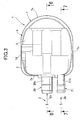
FIG.3] FIG. 3 is a view fromarrow 3 inFIG. 2 . (first embodiment) - [
FIG.4] FIG. 4 is a view fromarrow 4 inFIG. 2 . (first embodiment) - [
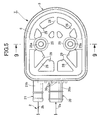
FIG.5] FIG. 5 is a view fromarrow 5 inFIG. 2 . (first embodiment) - [
FIG.6] FIG. 6 is a sectional view along line 6-6 inFIG. 3 . (first embodiment) - [
FIG.7] FIG. 7 is a sectional view along line 7-7 inFIG. 3 . (first embodiment) - [
FIG.8] FIG. 8 is a sectional view along line 8-8 inFIG. 6 . (first embodiment) - [
FIG.9] FIG. 9 is a sectional view along line 9-9 inFIG. 5 . (first embodiment) -
- T
- Liquid trap device for a gas
- X
- Laterally central line
- 3
- Trap housing
- 4
- Filter element
- 5
- Ceiling wall
- 6
- Bottom wall
- 7
- Peripheral wall
- 7a
- First side wall portion
- 7b
- Second side wall portion
- 8
- Internal space
- 20
- Gas inlet port
- 20b
- Inlet port downstream portion
- 21
- Gas outlet port
- 21 a
- Outlet port upstream portion
- 22
- Inflow guide tube
- 24
- Outflow guide tube
- A mode for canying out the present invention is explained below by reference to a preferred embodiment of the present invention shown in the attached drawings.
- First, in
FIG. 1 , a fuel tank F stores compressed natural gas as a gaseous fuel. High pressure gaseous fuel within the fuel tank F is fed to a pressure regulator R through a high pressure guide tube 1 in order to reduce the pressure to a predetermined value. The pressure regulator R decreases the pressure of high pressure fuel thus fed to a predetermined pressure, and supplies it to a fuel injection valve I of an engine E through a lowpressure guide tube 2, and in order to remove oil contaminating the gaseous fuel, a liquid trap device T for a gas is disposed partway along the lowpressure guide tube 2. - The specific arrangement of the liquid trap device T for a gas is explained below in detail.
- In
FIG. 2 to FIG. 7 , the liquid trap device T for a gas incudes as main components atrap housing 3 and acylindrical filter element 4 disposed within thetrap housing 3. Thetrap housing 3 is formed from aceiling wall 5, abottom wall 6 opposite thereto, and aperipheral wall 7 connecting theceiling wall 5 and thebottom wall 6. In the illustrated example, theceiling wall 5 and theperipheral wall 7 are molded integrally using as a material a synthetic resin, and after thefilter element 4 is inserted thereinto, thebottom wall 6, which is similarly formed from a synthetic resin, is ultrasonically welded to a lower end face of theperipheral wall 7. - As shown in
FIG. 8 , thetrap housing 3 is formed in a shape that in plan view extends long along one laterally central line X. In theperipheral wall 7 of thistrap housing 3, two wall portions facing each other on the laterally central line X are called first and secondside wall portions side wall portions - The first
side wall portions 7a is formed in a semi-cylindrical shape having its central axis Y1 on the laterally central line X, the secondside wall portion 7b is formed as a flat plate that is perpendicular to the laterally central line X, and the third and fourthside wall portions trap housing 3 has a shape in which in plan view one of the short sides of a rectangle having long sides along the laterally central line X is replaced by a semi-circle connecting the two long sides. - The
cylindrical filter element 4 is disposed on an offset axis Y2 offset on the laterally central line X toward the semi-cylindrical firstside wall portion 7a relative to the central axis Y1, and is retained between theceiling wall 5 and thebottom wall 6. The retaining structure therefor is now explained. - As shown in
FIG. 6 andFIG. 8 , formed on a lower face of theceiling wall 5 are a plurality ofupper positioning projections 10 arranged in an annular form around the offset axis Y2 and a plurality of annularupper sealing projections 11 surrounding theseupper positioning projections 10, an inner face of an upper end part of thefilter element 4 being fitted onto theseupper positioning projections 10, and theupper sealing projections 11 biting into thefilter element 4. The plurality of annularly arrangedupper positioning projections 10 may be replaced by a continuous annular projection. - On the other hand, a
support platform 12 is disposed on thebottom wall 6 so as to support thefilter element 4 from below. Thebottom wall 6 and thesupport platform 12 are equipped with apositioning projection 13 and apositioning hole 14 respectively that are fitted together on the offset axis Y2, and thesupport platform 12 is positioned and retained on the offset axis Y2 by the fitting. Formed on an upper face of thesupport platform 12 are a circularlower positioning projection 15 with its center on the offset axis Y2 and a plurality of annularlower sealing projections 16 surrounding thelower positioning projection 15, thelower positioning projection 15 being fitted an inner peripheral face of a lower end part of thefilter element 4 and thelower sealing projections 16 biting into thefilter element 4. Thecylindrical filter element 4 is thus supported by between theceiling wall 5 and thebottom wall 6 on the offset axis Y2, and the air tightness of the upper and lower end faces of thefilter element 4 is maintained. - Referring now to
FIG. 6 andFIG. 7 , provided in theceiling wall 5 are agas inlet port 20 providing communication between anupstream side 2a of the lowpressure guide tube 2 and the interior of thefilter element 4 and agas outlet port 21 providing communication between aninternal space 8, around thefilter element 4, of thetrap housing 3 and adownstream side 2b of the lowpressure guide tube 2. Thegas inlet port 20 is formed from a horizontal inlet portupstream portion 20a that, in a plan view of thetrap housing 3, is disposed on the laterally central line X (seeFIG. 8 ) and has one end projecting outside the secondside wall portion 7b, and an inlet portdownstream portion 20b that is bent downward from the other end of the inlet portupstream portion 20a on the offset axis Y2 and projects into thefilter element 4 from a lower face of theceiling wall 5, and a portion of the inlet portdownstream portion 20b that projects into thefilter element 4 is defined as aninflow guide tube 22. The length of projection of thisinflow guide tube 22 into thefilter element 4 is desirably 1/2 or greater of the overall height of thefilter element 4. Theupstream side 2a of the lowpressure guide tube 2 is connected to an outwardly projecting end of the inlet portupstream portion 20a. - The
gas outlet port 21 is formed from a horizontal outlet portdownstream portion 21b that is to one side and above the inlet portupstream portion 20a, extends in parallel to the inlet portupstream portion 20a, and has one end projecting outside the secondside wall portion 7b, and an outlet portupstream portion 21 a that is bent downward from the other end of the outlet portdownstream portion 21b and projects into theinternal space 8 of thetrap housing 3 from a lower face of theceiling wall 5, and a portion of the outlet portupstream portion 21a that projects from the lower face of theceiling wall 5 is defined as anoutflow guide tube 24. It should in particular be noted that the outlet portupstream portion 21a, that is, theoutflow guide tube 24, is disposed within arecess 23 formed in theceiling wall 5 in a corner surrounded by the flat plate-shaped secondside wall portion 7b of theperipheral wall 7, and the similarly flat plate-shaped thirdside wall portion 7c or the fourthside wall portion 7d, and an open face at the lower end of theoutflow guide tube 24 is positioned above an open lower face of therecess 23. By so doing, the lateral distance between theoutflow guide tube 24 and thefilter element 4 disposed in the vicinity of the firstside wall portion 7a can be maximized within thetrap housing 3. A portion of therecess 23 that surrounds theinflow guide tube 24 is defmed as astagnant portion 23a in which gas becomes stagnant. - In
FIG. 5 andFIG. 9 , formed on thebottom wall 6 are a plurality ofbosses 25 having anut 25a embedded therein, and by fixing thesebosses 25 to abracket 26 bybolts 27 thetrap housing 3 is supported on thebracket 26. - A plurality of cutout recesses 29 are formed in a lower face of the
bottom wall 6 so as to leaveradial ribs 28. Furthermore, as shown inFIG. 4 andFIG. 8 , a large number of vertically extendingribs 30 are formed on an outer face of the secondside wall portion 7b of theperipheral wall 7. Moreover, as shown inFIG. 2 andFIG. 8 , a plurality of cutout recesses 32 are formed in outer faces of the third and fourth side wall positions 7c and 7d so as to leave honeycomb-like ribs 31. Theseribs trap housing 3 to be satisfied. - The operation of this embodiment is now explained.
- When gaseous fuel that has been reduced in pressure down to a predetermined pressure by the pressure regulator R flows into the
gas inlet port 20, the gaseous fuel is guided into thefilter element 4 by theinflow guide tube 22 and filtered by thefilter element 4. That is, contaminating oil in the gaseous fuel is captured by thefilter element 4. Gaseous fuel that has been filtered by thefilter element 4 passes from theoutflow guide tube 24 through thegas outlet port 21 and the lowpressure guide tube 2 and is injected via the fuel injection valve I of the engine E. - During this process, since the
inflow guide tube 22 projects deeply into thefilter element 4, gaseous fuel that has been guided into thefilter element 4 diffuses to the whole of the interior of thefilter element 4 and is filtered by thewhole filter element 4; it is thus possible to prevent local saturation of thefilter element 4, and as a result the service time of thefilter element 4 can be prolonged. - Gaseous fuel that has been filtered by the
filter element 4 heads toward theoutflow guide tube 24 of thegas outlet port 21. Thefilter element 4 and theoutflow guide tube 24 and are disposed close to the first and secondside wall portions peripheral wall 7 of thetrap housing 3; moreover, since theoutflow guide tube 24 is disposed in a corner between the secondside wall portion 7b and the thirdside wall portion 7c or the fourthside wall portion 7d, a sufficient distance between thefilter element 4 and theoutflow guide tube 24 can be guaranteed by efficiently utilizing the shape of thetrap housing 3, which is formed long along the laterally central line X; even if oil that had exuded from thefilter element 4 is carried by gaseous fuel that has passed through thefilter element 4, the oil is separated from the gaseous fuel and falls while the gaseous fuel is traveling the long distance up to theoutflow guide tube 24, and it is therefore possible to prevent oil from flowing out to theoutflow guide tube 24. In this way, it is possible to achieve a balance between making thetrap housing 3 compact and improving the performance in capturing a liquid. - Furthermore, since the
inflow guide tube 22 projects deeply into thefilter element 4 and theoutflow guide tube 24 is disposed above the base of theinflow guide tube 22, it is also possible to guarantee a large distance in a vertical direction between lower opening ends of theinflow guide tube 22 and theoutflow guide tube 24, and this also can promote separation and falling of oil from gaseous fuel that is heading from thefilter element 4 toward theoutflow guide tube 24, thus contributing to an improvement in the performance in capturing a liquid. - Oil might become attached to and detached from the
peripheral wall 7 by gaseous fuel that is heading from thefilter element 4 to theoutflow guide tube 24 colliding with theperipheral wall 7. Even if the oil that has become attached to theperipheral wall 7 is carried upward by the constant flow of gaseous fuel heading toward theoutflow guide tube 24, since thestagnant portion 23a, in which the gas becomes stagnant, is present around theoutflow guide tube 24 projecting downward from theceiling wall 5, the flow of gaseous fuel changes its direction so as to avoided thestagnant portion 23a and heads toward theoutflow guide tube 24 while leaving the oil attached to theperipheral wall 7, thus preventing the oil attached to theperipheral wall 7 from reaching theoutflow guide tube 24 and preventing the outflow thereof to thegas outlet port 21, thereby greatly contributing to an improvement in the performance in capturing a liquid. - Oil that has been separated from gaseous fuel and has fallen accumulates on an upper face of the
bottom wall 6. Since thefilter element 4 is supported by thesupport platform 12 placed on thebottom wall 6, thefilter element 4 is not immersed in oil that has accumulated on the upper face of thebottom wall 6. - An embodiment of the present invention is explained above, but the present invention is not limited thereto and may be modified in a variety of ways as long as the modifications do not depart from the spirit and scope of the present invention.
Claims (3)
- A liquid trap device for a gas comprising a trap housing (3) that is formed from a ceiling wall (5), a bottom wall (6) opposite the ceiling wall (5), and a peripheral wall (7) connecting the ceiling wall (5) and the bottom wall (6), the ceiling wall (5) having provided therein a gas inlet port (20) and a gas outlet port (21), and a filter element (4) that is retained between the ceiling wall (5) and the bottom wall (6), an interior of the filter element (4) communicating with the gas inlet port (20) and an outer peripheral face of the filter element (4) communicating with the gas outlet port (21) via an internal space (8) of the trap housing (3),
characterized in that the trap housing (3) is formed as a shape that in plan view is long along one laterally central line (X), and the filter element (4) and an outlet port upstream portion (21a), opening within the trap housing (3), of the gas outlet port (21) are disposed in proximity to first and second side wall portions (7a, 7b) respectively of the peripheral wall (7) facing each other on the laterally central line (X). - The liquid trap device for a gas according to Claim 1,
wherein an inlet port downstream portion (20b), opening within the filter element (4), of the gas inlet port (20) is formed as projecting into the filter element (4) from a lower face of the ceiling wall (5) to be an inflow guide tube (22). - The liquid trap device for a gas according to Claim 1,
wherein the outlet port upstream portion (21a) is formed as projecting into the internal space (8) from a lower face of the ceiling wall (5) to form an outflow guide tube (24), thereby defining a stagnant portion (23a) around the outflow guide tube (24) where gas becomes stagnant.
Priority Applications (1)
| Application Number | Priority Date | Filing Date | Title |
|---|---|---|---|
| PL08848553T PL2213868T3 (en) | 2007-11-07 | 2008-10-20 | Liquid trap device for gas |
Applications Claiming Priority (2)
| Application Number | Priority Date | Filing Date | Title |
|---|---|---|---|
| JP2007289977A JP4970216B2 (en) | 2007-11-07 | 2007-11-07 | Gas trap device for gas |
| PCT/JP2008/068979 WO2009060711A1 (en) | 2007-11-07 | 2008-10-20 | Liquid trap device for gas |
Publications (3)
| Publication Number | Publication Date |
|---|---|
| EP2213868A1 true EP2213868A1 (en) | 2010-08-04 |
| EP2213868A4 EP2213868A4 (en) | 2012-04-11 |
| EP2213868B1 EP2213868B1 (en) | 2012-12-12 |
Family
ID=40625611
Family Applications (1)
| Application Number | Title | Priority Date | Filing Date |
|---|---|---|---|
| EP08848553A Not-in-force EP2213868B1 (en) | 2007-11-07 | 2008-10-20 | Liquid trap device for gas |
Country Status (8)
| Country | Link |
|---|---|
| US (1) | US8206477B2 (en) |
| EP (1) | EP2213868B1 (en) |
| JP (1) | JP4970216B2 (en) |
| KR (1) | KR101197344B1 (en) |
| CN (1) | CN101855441B (en) |
| CA (1) | CA2703690C (en) |
| PL (1) | PL2213868T3 (en) |
| WO (1) | WO2009060711A1 (en) |
Families Citing this family (9)
| Publication number | Priority date | Publication date | Assignee | Title |
|---|---|---|---|---|
| CN106014538B (en) * | 2011-06-30 | 2019-03-29 | 唐纳森公司 | Crankcase ventilation filter filter core and component |
| CN104349829B (en) | 2012-05-10 | 2016-02-17 | 纳薄特斯克汽车零部件有限公司 | oil separator |
| CN104641114B (en) * | 2012-07-02 | 2017-05-17 | 纳薄特斯克汽车零部件有限公司 | Oil separator |
| JP6052966B2 (en) * | 2012-08-31 | 2016-12-27 | 株式会社ニッキ | Gas filter device |
| WO2017176622A2 (en) | 2016-04-07 | 2017-10-12 | Entegris, Inc. | Gas filter |
| CN110115484B (en) * | 2018-02-06 | 2021-11-02 | 广东美的生活电器制造有限公司 | Food processor |
| CN109058009B (en) * | 2018-07-12 | 2020-09-11 | 安徽匠桥科技服务有限公司 | An Active Drain Liquid Trap for a Fuel System |
| CN109058000B (en) * | 2018-07-12 | 2021-04-23 | 南京禹智智能科技有限公司 | Active drain liquid trap for fuel system |
| EP4166921A4 (en) * | 2020-06-16 | 2023-12-13 | Panasonic Intellectual Property Management Co., Ltd. | Collection device |
Family Cites Families (16)
| Publication number | Priority date | Publication date | Assignee | Title |
|---|---|---|---|---|
| US1463990A (en) * | 1923-08-07 | louis | ||
| US2672853A (en) * | 1952-04-18 | 1954-03-23 | Joseph L Dunnigan | Sealed cooling system for internalcombustion engines |
| US2884089A (en) * | 1956-07-09 | 1959-04-28 | Staley Res And Dev Co | Air line separator |
| JPS5266111A (en) * | 1975-11-27 | 1977-06-01 | Aisan Ind Co Ltd | Tar removing device for the liquefied petroleum gas engine |
| JPS52117715A (en) | 1976-03-25 | 1977-10-03 | Kihara Seisakusho | Automatic seedling dropper for transplanter |
| JPS52117715U (en) * | 1976-07-09 | 1977-09-07 | ||
| JPS53117826U (en) * | 1977-02-26 | 1978-09-19 | ||
| JPS59127807A (en) | 1983-01-13 | 1984-07-23 | Nissan Motor Co Ltd | Electromagnetic solenoid |
| JPS59127807U (en) * | 1983-02-16 | 1984-08-28 | 日産自動車株式会社 | Blow-by gas reduction equipment |
| JPH03124950A (en) * | 1989-10-06 | 1991-05-28 | Nippon Carbureter Co Ltd | Fuel feeder for lpg engine |
| JPH0452517U (en) * | 1990-09-10 | 1992-05-06 | ||
| DE19645666A1 (en) * | 1996-11-06 | 1998-05-07 | Mann & Hummel Filter | Filter insert |
| JP2000205050A (en) * | 1999-01-13 | 2000-07-25 | Toyota Motor Corp | Gas fueled vehicle |
| US6883321B2 (en) * | 2003-04-25 | 2005-04-26 | Bendix Commercial Vehicle Systems Llc | Filter assembly for exhaust gases |
| JP4638329B2 (en) * | 2005-11-09 | 2011-02-23 | 株式会社ケーヒン | Gas trap device for gas |
| JP4535458B2 (en) * | 2006-07-18 | 2010-09-01 | ヤンマー株式会社 | Breather equipment |
-
2007
- 2007-11-07 JP JP2007289977A patent/JP4970216B2/en not_active Expired - Fee Related
-
2008
- 2008-10-20 CN CN2008801151177A patent/CN101855441B/en not_active Expired - Fee Related
- 2008-10-20 KR KR1020107010370A patent/KR101197344B1/en not_active Expired - Fee Related
- 2008-10-20 WO PCT/JP2008/068979 patent/WO2009060711A1/en not_active Ceased
- 2008-10-20 CA CA2703690A patent/CA2703690C/en not_active Expired - Fee Related
- 2008-10-20 PL PL08848553T patent/PL2213868T3/en unknown
- 2008-10-20 EP EP08848553A patent/EP2213868B1/en not_active Not-in-force
-
2010
- 2010-05-06 US US12/775,042 patent/US8206477B2/en active Active
Also Published As
| Publication number | Publication date |
|---|---|
| JP4970216B2 (en) | 2012-07-04 |
| PL2213868T3 (en) | 2013-06-28 |
| EP2213868B1 (en) | 2012-12-12 |
| JP2009114996A (en) | 2009-05-28 |
| EP2213868A4 (en) | 2012-04-11 |
| US8206477B2 (en) | 2012-06-26 |
| CA2703690A1 (en) | 2009-05-14 |
| US20100269460A1 (en) | 2010-10-28 |
| CN101855441B (en) | 2013-06-05 |
| KR101197344B1 (en) | 2012-11-05 |
| CA2703690C (en) | 2013-03-19 |
| KR20100066582A (en) | 2010-06-17 |
| WO2009060711A1 (en) | 2009-05-14 |
| CN101855441A (en) | 2010-10-06 |
Similar Documents
| Publication | Publication Date | Title |
|---|---|---|
| US8206477B2 (en) | Liquid trap device for gas | |
| US9011683B2 (en) | Filter cartridge centering device | |
| US7964096B2 (en) | Filter device utilizing returned fuel to prolong filter life | |
| US8469008B2 (en) | Return fuel diffusion device and fuel guide | |
| CN101301546B (en) | Liquid filtering cartridge, engine sub-assembly comprising such a cartridge. | |
| CN103657288B (en) | Gas filter for installation | |
| JP4395124B2 (en) | Gas trap device for gas | |
| CN100579812C (en) | Fuel storage tanks with integrally molded valves | |
| US7481861B2 (en) | Liquid trap device for gas | |
| KR20120027645A (en) | Air cleaner for automobiles | |
| JP6036575B2 (en) | Fuel filter device | |
| JP5154312B2 (en) | Pump device | |
| EP1936179A2 (en) | Fuel filter | |
| JP2011021517A (en) | Sedimenter | |
| JP2015190423A (en) | Fuel supply device | |
| KR100933723B1 (en) | Check Valve for Fuel Filter | |
| JP2024011415A (en) | Liquid trap device for gaseous fuel | |
| JP5342480B2 (en) | Gas trap device for gas | |
| CN115151714B (en) | Separator for liquid from a gas stream and assembly kit for a separator | |
| KR101154600B1 (en) | Pressure regulator of fuel pump | |
| EP2341233B1 (en) | Gas engine regulator | |
| KR101137103B1 (en) | Gas engine regulator | |
| CN102135050B (en) | Adjuster for gas engine | |
| JP2006336529A (en) | Fuel supply device | |
| JP2013221481A (en) | Oil separator |
Legal Events
| Date | Code | Title | Description |
|---|---|---|---|
| PUAI | Public reference made under article 153(3) epc to a published international application that has entered the european phase |
Free format text: ORIGINAL CODE: 0009012 |
|
| 17P | Request for examination filed |
Effective date: 20100517 |
|
| AK | Designated contracting states |
Kind code of ref document: A1 Designated state(s): AT BE BG CH CY CZ DE DK EE ES FI FR GB GR HR HU IE IS IT LI LT LU LV MC MT NL NO PL PT RO SE SI SK TR |
|
| AX | Request for extension of the european patent |
Extension state: AL BA MK RS |
|
| DAX | Request for extension of the european patent (deleted) | ||
| A4 | Supplementary search report drawn up and despatched |
Effective date: 20120314 |
|
| RIC1 | Information provided on ipc code assigned before grant |
Ipc: F02M 21/02 20060101AFI20120308BHEP Ipc: B01D 46/24 20060101ALI20120308BHEP Ipc: B01D 46/00 20060101ALI20120308BHEP |
|
| GRAP | Despatch of communication of intention to grant a patent |
Free format text: ORIGINAL CODE: EPIDOSNIGR1 |
|
| RIC1 | Information provided on ipc code assigned before grant |
Ipc: B01D 46/00 20060101ALI20120703BHEP Ipc: B01D 46/24 20060101ALI20120703BHEP Ipc: F02M 21/02 20060101AFI20120703BHEP |
|
| GRAS | Grant fee paid |
Free format text: ORIGINAL CODE: EPIDOSNIGR3 |
|
| GRAA | (expected) grant |
Free format text: ORIGINAL CODE: 0009210 |
|
| AK | Designated contracting states |
Kind code of ref document: B1 Designated state(s): AT BE BG CH CY CZ DE DK EE ES FI FR GB GR HR HU IE IS IT LI LT LU LV MC MT NL NO PL PT RO SE SI SK TR |
|
| REG | Reference to a national code |
Ref country code: GB Ref legal event code: FG4D |
|
| REG | Reference to a national code |
Ref country code: CH Ref legal event code: EP |
|
| REG | Reference to a national code |
Ref country code: AT Ref legal event code: REF Ref document number: 588447 Country of ref document: AT Kind code of ref document: T Effective date: 20121215 |
|
| REG | Reference to a national code |
Ref country code: IE Ref legal event code: FG4D |
|
| REG | Reference to a national code |
Ref country code: DE Ref legal event code: R096 Ref document number: 602008020864 Country of ref document: DE Effective date: 20130207 |
|
| REG | Reference to a national code |
Ref country code: NL Ref legal event code: T3 |
|
| PG25 | Lapsed in a contracting state [announced via postgrant information from national office to epo] |
Ref country code: HR Free format text: LAPSE BECAUSE OF FAILURE TO SUBMIT A TRANSLATION OF THE DESCRIPTION OR TO PAY THE FEE WITHIN THE PRESCRIBED TIME-LIMIT Effective date: 20121212 Ref country code: LT Free format text: LAPSE BECAUSE OF FAILURE TO SUBMIT A TRANSLATION OF THE DESCRIPTION OR TO PAY THE FEE WITHIN THE PRESCRIBED TIME-LIMIT Effective date: 20121212 Ref country code: FI Free format text: LAPSE BECAUSE OF FAILURE TO SUBMIT A TRANSLATION OF THE DESCRIPTION OR TO PAY THE FEE WITHIN THE PRESCRIBED TIME-LIMIT Effective date: 20121212 Ref country code: NO Free format text: LAPSE BECAUSE OF FAILURE TO SUBMIT A TRANSLATION OF THE DESCRIPTION OR TO PAY THE FEE WITHIN THE PRESCRIBED TIME-LIMIT Effective date: 20130312 Ref country code: SE Free format text: LAPSE BECAUSE OF FAILURE TO SUBMIT A TRANSLATION OF THE DESCRIPTION OR TO PAY THE FEE WITHIN THE PRESCRIBED TIME-LIMIT Effective date: 20121212 Ref country code: ES Free format text: LAPSE BECAUSE OF FAILURE TO SUBMIT A TRANSLATION OF THE DESCRIPTION OR TO PAY THE FEE WITHIN THE PRESCRIBED TIME-LIMIT Effective date: 20130323 |
|
| REG | Reference to a national code |
Ref country code: AT Ref legal event code: MK05 Ref document number: 588447 Country of ref document: AT Kind code of ref document: T Effective date: 20121212 |
|
| REG | Reference to a national code |
Ref country code: LT Ref legal event code: MG4D |
|
| PG25 | Lapsed in a contracting state [announced via postgrant information from national office to epo] |
Ref country code: LV Free format text: LAPSE BECAUSE OF FAILURE TO SUBMIT A TRANSLATION OF THE DESCRIPTION OR TO PAY THE FEE WITHIN THE PRESCRIBED TIME-LIMIT Effective date: 20121212 Ref country code: SI Free format text: LAPSE BECAUSE OF FAILURE TO SUBMIT A TRANSLATION OF THE DESCRIPTION OR TO PAY THE FEE WITHIN THE PRESCRIBED TIME-LIMIT Effective date: 20121212 Ref country code: GR Free format text: LAPSE BECAUSE OF FAILURE TO SUBMIT A TRANSLATION OF THE DESCRIPTION OR TO PAY THE FEE WITHIN THE PRESCRIBED TIME-LIMIT Effective date: 20130313 |
|
| REG | Reference to a national code |
Ref country code: PL Ref legal event code: T3 |
|
| PG25 | Lapsed in a contracting state [announced via postgrant information from national office to epo] |
Ref country code: CZ Free format text: LAPSE BECAUSE OF FAILURE TO SUBMIT A TRANSLATION OF THE DESCRIPTION OR TO PAY THE FEE WITHIN THE PRESCRIBED TIME-LIMIT Effective date: 20121212 Ref country code: EE Free format text: LAPSE BECAUSE OF FAILURE TO SUBMIT A TRANSLATION OF THE DESCRIPTION OR TO PAY THE FEE WITHIN THE PRESCRIBED TIME-LIMIT Effective date: 20121212 Ref country code: BG Free format text: LAPSE BECAUSE OF FAILURE TO SUBMIT A TRANSLATION OF THE DESCRIPTION OR TO PAY THE FEE WITHIN THE PRESCRIBED TIME-LIMIT Effective date: 20130312 Ref country code: SK Free format text: LAPSE BECAUSE OF FAILURE TO SUBMIT A TRANSLATION OF THE DESCRIPTION OR TO PAY THE FEE WITHIN THE PRESCRIBED TIME-LIMIT Effective date: 20121212 Ref country code: AT Free format text: LAPSE BECAUSE OF FAILURE TO SUBMIT A TRANSLATION OF THE DESCRIPTION OR TO PAY THE FEE WITHIN THE PRESCRIBED TIME-LIMIT Effective date: 20121212 Ref country code: BE Free format text: LAPSE BECAUSE OF FAILURE TO SUBMIT A TRANSLATION OF THE DESCRIPTION OR TO PAY THE FEE WITHIN THE PRESCRIBED TIME-LIMIT Effective date: 20121212 Ref country code: IS Free format text: LAPSE BECAUSE OF FAILURE TO SUBMIT A TRANSLATION OF THE DESCRIPTION OR TO PAY THE FEE WITHIN THE PRESCRIBED TIME-LIMIT Effective date: 20130412 |
|
| PG25 | Lapsed in a contracting state [announced via postgrant information from national office to epo] |
Ref country code: RO Free format text: LAPSE BECAUSE OF FAILURE TO SUBMIT A TRANSLATION OF THE DESCRIPTION OR TO PAY THE FEE WITHIN THE PRESCRIBED TIME-LIMIT Effective date: 20121212 Ref country code: PT Free format text: LAPSE BECAUSE OF FAILURE TO SUBMIT A TRANSLATION OF THE DESCRIPTION OR TO PAY THE FEE WITHIN THE PRESCRIBED TIME-LIMIT Effective date: 20130412 |
|
| PLBE | No opposition filed within time limit |
Free format text: ORIGINAL CODE: 0009261 |
|
| STAA | Information on the status of an ep patent application or granted ep patent |
Free format text: STATUS: NO OPPOSITION FILED WITHIN TIME LIMIT |
|
| PG25 | Lapsed in a contracting state [announced via postgrant information from national office to epo] |
Ref country code: DK Free format text: LAPSE BECAUSE OF FAILURE TO SUBMIT A TRANSLATION OF THE DESCRIPTION OR TO PAY THE FEE WITHIN THE PRESCRIBED TIME-LIMIT Effective date: 20121212 |
|
| 26N | No opposition filed |
Effective date: 20130913 |
|
| PG25 | Lapsed in a contracting state [announced via postgrant information from national office to epo] |
Ref country code: CY Free format text: LAPSE BECAUSE OF FAILURE TO SUBMIT A TRANSLATION OF THE DESCRIPTION OR TO PAY THE FEE WITHIN THE PRESCRIBED TIME-LIMIT Effective date: 20121212 |
|
| REG | Reference to a national code |
Ref country code: DE Ref legal event code: R097 Ref document number: 602008020864 Country of ref document: DE Effective date: 20130913 |
|
| PG25 | Lapsed in a contracting state [announced via postgrant information from national office to epo] |
Ref country code: MC Free format text: LAPSE BECAUSE OF FAILURE TO SUBMIT A TRANSLATION OF THE DESCRIPTION OR TO PAY THE FEE WITHIN THE PRESCRIBED TIME-LIMIT Effective date: 20121212 |
|
| REG | Reference to a national code |
Ref country code: CH Ref legal event code: PL |
|
| GBPC | Gb: european patent ceased through non-payment of renewal fee |
Effective date: 20131020 |
|
| REG | Reference to a national code |
Ref country code: DE Ref legal event code: R119 Ref document number: 602008020864 Country of ref document: DE Effective date: 20140501 |
|
| REG | Reference to a national code |
Ref country code: IE Ref legal event code: MM4A |
|
| PG25 | Lapsed in a contracting state [announced via postgrant information from national office to epo] |
Ref country code: LI Free format text: LAPSE BECAUSE OF NON-PAYMENT OF DUE FEES Effective date: 20131031 Ref country code: GB Free format text: LAPSE BECAUSE OF NON-PAYMENT OF DUE FEES Effective date: 20131020 Ref country code: CH Free format text: LAPSE BECAUSE OF NON-PAYMENT OF DUE FEES Effective date: 20131031 |
|
| REG | Reference to a national code |
Ref country code: FR Ref legal event code: ST Effective date: 20140630 |
|
| PG25 | Lapsed in a contracting state [announced via postgrant information from national office to epo] |
Ref country code: FR Free format text: LAPSE BECAUSE OF NON-PAYMENT OF DUE FEES Effective date: 20131031 Ref country code: DE Free format text: LAPSE BECAUSE OF NON-PAYMENT OF DUE FEES Effective date: 20140501 |
|
| PG25 | Lapsed in a contracting state [announced via postgrant information from national office to epo] |
Ref country code: IE Free format text: LAPSE BECAUSE OF NON-PAYMENT OF DUE FEES Effective date: 20131020 |
|
| PG25 | Lapsed in a contracting state [announced via postgrant information from national office to epo] |
Ref country code: TR Free format text: LAPSE BECAUSE OF FAILURE TO SUBMIT A TRANSLATION OF THE DESCRIPTION OR TO PAY THE FEE WITHIN THE PRESCRIBED TIME-LIMIT Effective date: 20121212 |
|
| PG25 | Lapsed in a contracting state [announced via postgrant information from national office to epo] |
Ref country code: HU Free format text: LAPSE BECAUSE OF FAILURE TO SUBMIT A TRANSLATION OF THE DESCRIPTION OR TO PAY THE FEE WITHIN THE PRESCRIBED TIME-LIMIT; INVALID AB INITIO Effective date: 20081020 Ref country code: LU Free format text: LAPSE BECAUSE OF NON-PAYMENT OF DUE FEES Effective date: 20131020 |
|
| PG25 | Lapsed in a contracting state [announced via postgrant information from national office to epo] |
Ref country code: MT Free format text: LAPSE BECAUSE OF FAILURE TO SUBMIT A TRANSLATION OF THE DESCRIPTION OR TO PAY THE FEE WITHIN THE PRESCRIBED TIME-LIMIT Effective date: 20121212 |
|
| PGFP | Annual fee paid to national office [announced via postgrant information from national office to epo] |
Ref country code: NL Payment date: 20210915 Year of fee payment: 14 Ref country code: IT Payment date: 20210910 Year of fee payment: 14 |
|
| PGFP | Annual fee paid to national office [announced via postgrant information from national office to epo] |
Ref country code: PL Payment date: 20210914 Year of fee payment: 14 |
|
| REG | Reference to a national code |
Ref country code: NL Ref legal event code: PD Owner name: HITACHI ASTEMO CO., LTD.; JP Free format text: DETAILS ASSIGNMENT: CHANGE OF OWNER(S), MERGE; FORMER OWNER NAME: KEIHIN CORPORATION Effective date: 20211123 |
|
| REG | Reference to a national code |
Ref country code: NL Ref legal event code: PD Owner name: HITACHI ASTEMO, LTD.; JP Free format text: DETAILS ASSIGNMENT: CHANGE OF OWNER(S), MERGE; FORMER OWNER NAME: KEIHIN CORPORATION Effective date: 20220121 |
|
| REG | Reference to a national code |
Ref country code: NL Ref legal event code: MM Effective date: 20221101 |
|
| PG25 | Lapsed in a contracting state [announced via postgrant information from national office to epo] |
Ref country code: NL Free format text: LAPSE BECAUSE OF NON-PAYMENT OF DUE FEES Effective date: 20221101 |
|
| PG25 | Lapsed in a contracting state [announced via postgrant information from national office to epo] |
Ref country code: IT Free format text: LAPSE BECAUSE OF NON-PAYMENT OF DUE FEES Effective date: 20221020 |
|
| PG25 | Lapsed in a contracting state [announced via postgrant information from national office to epo] |
Ref country code: PL Free format text: LAPSE BECAUSE OF NON-PAYMENT OF DUE FEES Effective date: 20221020 |