EP2209794B1 - Alpha-amylase inhibitors: the montbretins and uses thereof - Google Patents
Alpha-amylase inhibitors: the montbretins and uses thereof Download PDFInfo
- Publication number
- EP2209794B1 EP2209794B1 EP08839507.4A EP08839507A EP2209794B1 EP 2209794 B1 EP2209794 B1 EP 2209794B1 EP 08839507 A EP08839507 A EP 08839507A EP 2209794 B1 EP2209794 B1 EP 2209794B1
- Authority
- EP
- European Patent Office
- Prior art keywords
- montbretin
- compound
- crocosmia
- montbretins
- hpa
- Prior art date
- Legal status (The legal status is an assumption and is not a legal conclusion. Google has not performed a legal analysis and makes no representation as to the accuracy of the status listed.)
- Active
Links
- 0 CC([C@@](C([C@@]1O[C@@]([C@]2*)OC(COC(C=Cc3cc(*)c(*)cc3)=O)[C@@]2O)O)O)O[C@@]1OCC[C@@](C)([C@@](C*)C(C(*)=C)O[C@@]([C@](C1O)O)OC[C@]1O[C@@]([C@@]([C@]1O)O)OC(C)[C@@]1O)c1c(*)cc(*)cc1O Chemical compound CC([C@@](C([C@@]1O[C@@]([C@]2*)OC(COC(C=Cc3cc(*)c(*)cc3)=O)[C@@]2O)O)O)O[C@@]1OCC[C@@](C)([C@@](C*)C(C(*)=C)O[C@@]([C@](C1O)O)OC[C@]1O[C@@]([C@@]([C@]1O)O)OC(C)[C@@]1O)c1c(*)cc(*)cc1O 0.000 description 1
Images


Classifications
-
- C—CHEMISTRY; METALLURGY
- C07—ORGANIC CHEMISTRY
- C07H—SUGARS; DERIVATIVES THEREOF; NUCLEOSIDES; NUCLEOTIDES; NUCLEIC ACIDS
- C07H15/00—Compounds containing hydrocarbon or substituted hydrocarbon radicals directly attached to hetero atoms of saccharide radicals
- C07H15/26—Acyclic or carbocyclic radicals, substituted by hetero rings
-
- A—HUMAN NECESSITIES
- A23—FOODS OR FOODSTUFFS; TREATMENT THEREOF, NOT COVERED BY OTHER CLASSES
- A23G—COCOA; COCOA PRODUCTS, e.g. CHOCOLATE; SUBSTITUTES FOR COCOA OR COCOA PRODUCTS; CONFECTIONERY; CHEWING GUM; ICE-CREAM; PREPARATION THEREOF
- A23G4/00—Chewing gum
- A23G4/06—Chewing gum characterised by the composition containing organic or inorganic compounds
- A23G4/12—Chewing gum characterised by the composition containing organic or inorganic compounds containing microorganisms or enzymes; containing paramedical or dietetical agents, e.g. vitamins
-
- A—HUMAN NECESSITIES
- A23—FOODS OR FOODSTUFFS; TREATMENT THEREOF, NOT COVERED BY OTHER CLASSES
- A23L—FOODS, FOODSTUFFS OR NON-ALCOHOLIC BEVERAGES, NOT OTHERWISE PROVIDED FOR; PREPARATION OR TREATMENT THEREOF
- A23L33/00—Modifying nutritive qualities of foods; Dietetic products; Preparation or treatment thereof
- A23L33/10—Modifying nutritive qualities of foods; Dietetic products; Preparation or treatment thereof using additives
- A23L33/105—Plant extracts, their artificial duplicates or their derivatives
-
- A—HUMAN NECESSITIES
- A61—MEDICAL OR VETERINARY SCIENCE; HYGIENE
- A61P—SPECIFIC THERAPEUTIC ACTIVITY OF CHEMICAL COMPOUNDS OR MEDICINAL PREPARATIONS
- A61P1/00—Drugs for disorders of the alimentary tract or the digestive system
- A61P1/02—Stomatological preparations, e.g. drugs for caries, aphtae, periodontitis
-
- A—HUMAN NECESSITIES
- A61—MEDICAL OR VETERINARY SCIENCE; HYGIENE
- A61P—SPECIFIC THERAPEUTIC ACTIVITY OF CHEMICAL COMPOUNDS OR MEDICINAL PREPARATIONS
- A61P3/00—Drugs for disorders of the metabolism
- A61P3/04—Anorexiants; Antiobesity agents
-
- A—HUMAN NECESSITIES
- A61—MEDICAL OR VETERINARY SCIENCE; HYGIENE
- A61P—SPECIFIC THERAPEUTIC ACTIVITY OF CHEMICAL COMPOUNDS OR MEDICINAL PREPARATIONS
- A61P3/00—Drugs for disorders of the metabolism
- A61P3/08—Drugs for disorders of the metabolism for glucose homeostasis
- A61P3/10—Drugs for disorders of the metabolism for glucose homeostasis for hyperglycaemia, e.g. antidiabetics
-
- A—HUMAN NECESSITIES
- A61—MEDICAL OR VETERINARY SCIENCE; HYGIENE
- A61P—SPECIFIC THERAPEUTIC ACTIVITY OF CHEMICAL COMPOUNDS OR MEDICINAL PREPARATIONS
- A61P43/00—Drugs for specific purposes, not provided for in groups A61P1/00-A61P41/00
-
- A—HUMAN NECESSITIES
- A23—FOODS OR FOODSTUFFS; TREATMENT THEREOF, NOT COVERED BY OTHER CLASSES
- A23V—INDEXING SCHEME RELATING TO FOODS, FOODSTUFFS OR NON-ALCOHOLIC BEVERAGES AND LACTIC OR PROPIONIC ACID BACTERIA USED IN FOODSTUFFS OR FOOD PREPARATION
- A23V2002/00—Food compositions, function of food ingredients or processes for food or foodstuffs
Definitions
- This invention relates to inhibitors of mammalian ⁇ -amylases.
- Pancreatic ⁇ -amylase is an enzyme in the digestive system, catalyzing the initial step in the hydrolysis of starch, a principal source of glucose in the diet. It has been demonstrated that the activity of human pancreatic ⁇ -amylase (HPA) in the small intestine correlates to post-prandial glucose levels, the control of which is an important factor in diabetes and obesity. Salivary ⁇ -amylase is also involved in starch digestion and in the maintenance of the bacteria involved in oral plaque formation. Thus, modulation of ⁇ -amylase activity through the therapeutic use of inhibitors is of considerable medical relevance.
- HPA human pancreatic ⁇ -amylase
- ⁇ -glucosidase inhibitors acarbose (PrecoseTM) and miglitol (GlysetTM) have been used medically, their effectiveness may be limited by undesired side effects which may be due to non-specific inhibition of other ⁇ -glycosidases. These side effects may also be compounded by systemic absorption of these drugs and hence their distribution throughout the body. Unusually for an oral drug, poor absorption is a desirable quality for a pancreatic ⁇ -amylase inhibitor since the effect is only required locally (e.g. in the gut or oral cavity) and low systemic availability would reduce unwanted side effects.
- PrecoseTM acarbose
- GlysetTM miglitol
- Montbretin A and B were isolated from a common garden plant known as "Montbretia" which has been used as an anti-tumor remedy in Japanese folk medicine. However, no biological activity for montbretin A or B was reported.
- This invention includes the use of certain glycosylated acyl-flavonols as mammalian pancreatic and salivary ⁇ -amylase inhibitors.
- Such compounds can be easily isolated in good yield from any species, hybrid or cultivar of Crocosmia, a genus of perennial plants of the Iridaceae family. The genus is native to South Africa, but is now found worldwide.
- the Crocosmia contains relatively few members and includes the hybrid generally known as "Montbretia”. These compounds include montbretin A and B shown above and may be referred to herein collectively as “montbretin” or “montbretin compounds”.
- the montbretin compounds are now shown to be useful in controlling starch digestion (for example to manage postprandial glycemia in prediabetic or diabetic subjects and/or for management of obesity in any subject) or for inhibiting oral caries and/or plaque formation.
- the subject may be a human or other mammal.
- This invention also includes a novel compound having a methyl ester on the caffeic acid moiety and is named montbretin C as well as novel truncated derivatives of the naturally occurring montbretins in which the terminal glucose on the trisaccharide moiety is not present.
- Montbretin A is the most potent ⁇ -amylase inhibitor of the montbretins, in addition to being the most abundant of the naturally occurring forms. Detailed kinetic analysis of montbretin A demonstrates it to be a tight binding competitive inhibitor of HPA with a high level of selectivity when tested against a series of other glycosidases.
- This invention provides the use of a compound of formula I or a pharmaceutically acceptable salt thereof, as an ⁇ -amylase inhibitor in the treatment of pre-diabetes, diabetes, or obesity or for the prevention or treatment of dental caries or oral plaque or in the preparation of a composition for such use.
- X is H, OH or a glucopyranosyl moiety.
- R 1 , R 2 , R 5 , R 7 , R 3' and R 5' are independently selected from H, OH and OR with R being an unsubstituted alkyl of 1-6 carbons in length, including methyl.
- R 1 and R 2 may be replaced such that the carbon atoms to which they are attached are joined by a bridge having the structure (-O-CH 2 -O-).
- an 'alkyl' is a univalent, or free radical containing only carbon and hydrogen atoms arranged in a chain.
- the chain may be branched or unbranched.
- Unsubstituted, unbranched alkyls have a general formula C n H 2n+1 .
- R 7 is OH and/or R 3' is OH. In some of these embodiments, each of R 3' , R 5 , R 5 and R 7 is OH.
- This invention also provides the use of a compound of formula II or a pharmaceutically acceptable salt thereof, as an ⁇ -amylase inhibitor in the treatment of pre-diabetes, diabetes, or obesity or for the prevention or treatment of dental caries or oral plaque, or in the preparation of a composition for such use.
- R 1 and R 2 and X are as described above for formula I and R 3' , R 5 , R 5' and R 7 are -OH.
- R 1 is OH or -OCH 3 and/or R 2 is OH.
- R 1 is OH and R 2 is OH.
- X is -OH or a D-glucopyranosyl moiety.
- X has the following structure.
- a novel compound or a salt thereof of formula III may be made by transforming a naturally occurring montbretin, for example by reacting it with Br-CH 2 -Cl and C S CO 3 in DMF at elevated temperature.
- compositions comprising one or more physiologically acceptable carriers and/or excipients, and at least one montbretin compound or a pharmaceutically acceptable salt thereof, for use in the treatment of pre-diabetes, diabetes or obesity, or for the treatment or prevention of dental caries or oral plaque.
- the term "isolated" with regard to montbretins in this specification includes a condition whereby a naturally occurring montbretin compound is present in a preparation at any level of purity greater than that of the montbretin on a per weight basis in corm tissue of a Crocosmia, sp.
- the term “isolated” includes any preparation of that product, regardless of purity.
- the term “isolated” in this specification with regard to the montbretins includes preparations enriched in a specified montbretin, as compared to natural sources. Examples include preparation having at least about 1.5 fold, 2.0 fold or at least about 2.5 fold increase in purity or more of the montbretin, as compared to the plant tissue.
- montbretins may be assayed for ⁇ -amylase inhibitory activity, for example using the procedures described herein.
- Isolated, naturally occurring montbretins may be provided in the form of an extract from Crocosmia, sp. plant tissue, preferably an extract of the corm of such plants.
- Crocosmia corms typically comprise about 800 mg/kg (of montbretin A per kg of tissue).
- montbretins are easily purified from corm tissue in good yield.
- the montbretins are typically water soluble and polar solvents may be advantageously employed for the preparation of such extract. Good results are obtained by extracting with water and short chain alcohols, including methanol and ethanol.
- isolated montbretins may be administered to an animal subject together with other compounds found in such a plant extract, minimization of side effects will occur through the use of substantially purified montbretin compounds, including a level of purity generally acceptable for pharmaceutical and/or food and beverage formulations.
- FIG. 1 outlines a simplified procedure useful for isolation of montbretins from corm tissue.
- the corms are sliced or minced and extracted overnight with methanol followed by vacuum filtration of the tissue.
- the extraction is typically performed twice more followed by rotary evaporation of the methanol in a 30°C water bath. Long term storage of the resulting product is best done at -20°C or less.
- the crude extract may then be subjected to adsorbtion chromatography on an appropriate column for scavenging of hydrophobic/organic materials.
- a good resin is that known as HP-20 such as that sold under the trademark Diaion.
- Rotary evaporated methanol extracts are dissolved in water and loaded onto the column which is eluted first with 30% acetone in distilled water followed by 50% acetone:water then 100% acetone:water. The majority of the montbretin compound will be found in the 50% acetone fraction.
- the eluent is typically evaporated to about 1% of its original volume and then subjected to preparative high-pressure liquid chromatography (HPLC) for example using the procedures as described in the Examples below.
- HPLC high-pressure liquid chromatography
- the isolation procedure may be monitored, for example by the use of ultra performance liquid chromatography (UPLC) and/or assays for ⁇ -amylase inhibitory activity.
- Figure 2 shows the output of an HPLC preparation with the montbretin A peak identified.
- Naturally occurring montbretins may also be subjected to a variety of transformations employing procedures known in the art.
- sugars may be removed enzymatically or by hydrolysis and an example is the removal of the terminal glucose of the trisaccharide moiety in montbretin A-C using an enzyme such as is described in the examples herein. Removal of that glucosyl moiety does not affect ⁇ -amylase activity.
- Another example is the preparation of a compound of formula III as discussed above.
- Further examples of transformations include acylation of hydroxyl groups such as on the myricetin moiety of montbretin A-C. The following chart illustrates examples of routine chemical transformations that may be performed.
- compositions of this invention are generally administered orally to a subject and may be formulated by any means known in the art for oral uses.
- Compositions suitable for oral administration including enteric administration may be provided in various forms including liquid, solids such as tablets or powders, pills or capsules, suspensions or gels, etc. Such compositions may be formulated for timed or sustained release.
- Various techniques are known to those of skill in the art of formulating oral pharmaceutical compositions, and may be found in, for example, Remington: the Science & Practice of Pharmacy by Alfonso Gennaro, 20th ed., Williams & Wilkins, (2000 ).
- Compounds and compositions for use in this invention may also be administered by including an ⁇ -amylase inhibiting effective amount in a food, beverage, candy or other "treat", nutritional supplement, or the like, which is intended to be ingested by a subject.
- Compounds or compositions for use in this invention can be added to drinking water particularly for administration to animals.
- compounds or compositions for use in this invention may be included in an effective amount to inhibit salivary ⁇ -amylase in the oral cavity in chewing gum, mouthwash or other oral rinses, toothpaste or any other composition intended to be applied to the oral cavity or teeth.
- the natural montbretins may be prepared and administered according to various means known in the art for plant products.
- a non-exhaustive list of examples are plant extracts and formulations, teas, tinctures, vinegar tinctures, syrups and oral topical preparations including salves.
- Various techniques are known to those of skill in the art of medicinal plant extracts, and may be found in, for example, How to be Your Own Herbal Pharmacist by Linda Page, 2nd ed. Healthy healing Publications (1997 ).
- effective amounts of the montbretins may be used to treat a subject in need thereof for any condition benefitted by the inhibition of salivary or pancreatic ⁇ -amylase.
- examples include the treatment of pre-diabetes, diabetes and/or obesity through the inhibition of pancreatic ⁇ -amylase.
- Another example is the prophylaxis or treatment of dental caries and/or plaque as a result of the inhibition of salivary ⁇ -amylase. It is well within the skill of the medical practitioner to determine an "effective amount" depending upon the nature of the animal subject and whether the target enzyme is salivary or pancreatic.
- examples of doses of montbretin A that may be employed to manage blood glucose levels in diabetics may be in the range of about 0.5 mg/kg to about 60 mg/kg per day.
- Montbretins may be administered in association with each meal or about 3 times a day or they may be formulated for continuous administration.
- Natural sources for the montbretins include any member of the genus Crocosmia, including all species, hybrids and cultivars thereof. Plants of this genus are now common throughout the world as garden plants. These plants produce abundant corm tissue and the corms may also be purchased commercially since they are used in addition to seed for reproduction of the plants.
- a text describing plants of the genus Crocosmia is Goldblat, P. et al. "Crocosmia and Chasmanthe" Royal Horticultural Society; Timber Press; Oregon USA .
- Crocosmia crocosmiiflora Crocosmia ambongensis, Crocosmia aurea (Falling Stars), Crocosmia cinnabarina, Crocosmia fucata (Namaqualand, Cape region), Crocosmia luciferans, Crocosmia maculata, Crocosmia masonorum (Giant Montbretia), Crocosmia mathewsiana, Crocosmia paniculata (Aunt-Eliza), Crocosmia pauciflora, Crocosmia pearsei, Crocosmia pottsii, Crocosmia x crocosmoides, Crocosmia x latifolia, and the cultivars: 'His Majesty' (flowers large, orange), 'Jackanapes' (flowers orange-red, inner lobes golden yellow), and 'Solfatare' (yellow flowers with bronze foliage).
- the assay for HPA activity was based upon the enzymatic cleavage of a synthetic aryl glycoside substrate to yield a chromophoric product, the release of which can be monitored in a continuous fashion.
- the commercially available amylase substrate 2-chloro-4-nitrophenyl ⁇ -D-maltotrioside (CNP-G3) is used since the pKa of the chloronitrophenyl leaving group (pKa 6.4) is considerably lower than the pH value of the assay (pH 7.0), hence a high extinction coefficient for the chromophore is obtained.
- the assay solution also included Triton X-100TM (0.01%) to minimize the detection of promiscuous inhibitors.
- the samples in the initial screen were DMSO solutions containing 5 mg/mL of dried methanolic extracts, tested at a dilution of 60 nL in a final assay volume of 60 ⁇ L (5 ⁇ g/mL final extract concentration).
- the enzymatic activity of HPA was found to be completely unaffected by the addition of this small amount of DMSO (0.1%) and Triton X-100TM (0.01%).
- Each sample was run in duplicate with the replicate run on a separate plate. Two test plates containing a serial dilution of the known HPA inhibitor acarbose were run as the first and last plate of each batch in order to ensure the robustness and integrity of the assay for each given batch analyzed.
- the screen was performed on a Beckman Coulter Biomek FX Laboratory Automation Workstation equipped with a 96 channel pipetting head and a low volume 96 pin High Density ReplicatorTM. This workstation is integrated with a Beckman Coulter DTX880TM plate reader with UV/Vis capability allowing for sequential assay plate processing and reading.
- the assay was run in 384 well plates containing a 60 ⁇ L volume of 50 mM sodium phosphate buffer (pH 7.0), 100 mM sodium chloride, CNP-G3 (1 mM final concentration), HPA (1 ⁇ g/mL final concentration) and Triton X-100TM (0.01%).
- the extracts were added to the assay plate using three transfers of the High-Density ReplicatorTM pin tool (20 nL volume per transfer). Each sample was run in duplicate with the second duplicate run on a separate plate additionally containing 4'- O -methyl-methyl- ⁇ -D-fluoride (1 mM final concentration). All of the assay plates contained 32 high controls (no inhibitor). The inhibitors and enzyme were allowed to incubate together at room temperature for 10 minutes to allow for detection of "slow-on" type inhibitors. The reaction was initiated by addition of substrate and the subsequent release of the chloronitrophenolate anion was monitored continuously at 405 nm for 7 minutes.
- the plate reader software (Beckman Coulter Multimode DetectionTM) was then used to calculate the rate of the reaction in each well.
- the rate for each extract was normalized with respect to the high controls, and the data for each sample reported as % residual activity.
- For each sample the two replicates were plotted against one another (x, y), and those samples which fell within the hit window (set at 3 standard deviations from the mean of the sample set) were selected for validation.
- An aliquot (1 ⁇ L) of each of the extracts was retested in a half-area 6 well plate (100 ⁇ L final volume), and those samples that gave reproducible inhibitory activity were identified as "true hits".
- NCI National Cancer Institute U.S.A.
- Example 1 The extract from Example 1 with the most significant inhibitory activity (2% residual activity) was selected for further study.
- a preliminary kinetic analysis of the HPA inhibition was performed on the crude extract.
- a dilution series showed a semilogarithmic sigmoidal dose-response curve typical of a "well-behaved" inhibitor, and revealed a very low IC 50 value of 0.54 ⁇ 0.01 ⁇ L/100 ⁇ L (extract volume/assay volume).
- the crude extract showed no time-dependent inactivation of HPA, with the level of inhibition remaining constant for over 4 hours. These tests indicate an absence of undesirable modes of action such as enzyme denaturation or covalent enzyme modification.
- This extract was a dried methanolic extract of the bulbs from Crocosmia sp.
- the crude material (2 g) was partitioned between ethyl acetate and water, with the aqueous fraction then partitioned against butanol.
- the butanolic fraction was applied, 150 mg at a time, to a column packed with SephadexTM LH-20 pre-swollen in methanol for size exclusion chromatography.
- the resulting fractions were grouped based on biological activity.
- the active fraction was purified by HPLC using 22% aqueous acetonitrile, to afford three fractions. Further purification of the main fraction using a gradient from 30% to 40% aqueous acetonitrile over 30 minutes afforded montbretin A (15 min, 8.4 mg) as a yellow powder.
- montbretin B A gradient from 30% to 70% aqueous acetonitrile over 30 minutes on the second fraction afforded montbretin B as a yellow powder (16 min, 0.9 mg), and a gradient from 20% to 30% aqueous acetonitrile was used on the third fraction, which afforded montbretin C (20 min, 1.6 mg) as a yellow powder.
- Optical rotations were determined using a JASCO J-1010TM polarimeter equipped with a halogen lamp (589nm) and a 10 mm micro cell.
- UV spectra were recorded on a Waters 2487TM spectrophotometer.
- 1 H, 13 C, COSY, HSQC, HMBC, TOCSY and ROESY spectra were recorded on a Bruker AV600TM NMR spectrophotometer equipped with a cryoprobe. Chemical shifts were referenced to solvent peaks ( ⁇ H 3.31, ⁇ C, 49.15 for CD 3 OD).
- ESI mass spectra were recorded using a Micromass LCTTM mass spectrometer.
- HPLC separations were performed using a Waters 600TM pump and a Waters PDA900TM detector, using an Inertsil C18TM column, 9.4 x 250mm, flow 1 mL/min. All solvents were HPLC grade (Fisher) and filtered prior to use, then sparged with helium.
- montbretin A and B Two of these compounds were identified as montbretin A and B.
- the remaining family member was identified as a methyl ether of the cinnamic acid moiety and named montbretin C (Table 1).
- Montbretin A was identified using a combination of MS data, 1 and 2D NMR techniques and a comparison to earlier literature data (Asada, et al. [supra]). Standard techniques (COSY, HMBC and ROESY) were used to link together the sugars and the aromatic portions. The aromatic portions of montbretin A were completely elucidated using HMBC and COSY data. The identity of the sugar residues was obtained and confirmed using 1D-TOCSY and ROESY data, and was found to be in agreement with the assignments in the literature. Montbretin B was also identified via 1 and 2D NMR techniques, as well as comparison to the spectra of montbretin A and to the literature data.
- montbretin C was assigned based on MS, 1 and 2D NMR data, and by comparison with the spectra of montbretin A.
- the spectra of montbretin C appeared identical, except for an additional strong singlet at 3.71 ppm in the 1 H spectrum, and a new carbon at 55.8 ppm in the 13 C spectrum.
- montbretin C is 14 mass units higher than montbretin A, leading to the conclusion that montbretin C is a methyl ether of montbretin A.
- Examination of the 2D HMBC and 2D ROESY data led to the conclusion that the methyl ether is on C6.
- montbretins which contain a myricetin flavonol core, are glycosylated at the 3 and 4' positions.
- the 3 hydroxyl carries an ⁇ -linked linear trisaccharide consisting of D-glucopyranosyl-( ⁇ 1 ⁇ 2)-D-glucopyranosyl-( ⁇ 1 ⁇ 2)-L-rhamnopyranose, with the central D-glucosyl sugar bearing a 6- O -cinnamic ester which is differentially substituted among the family members.
- the 4' position bears a ⁇ -linked D-xylose unit, itself appended on its 4-hydroxyl with an ⁇ -linked L-rhamnopyranosyl moiety.
- the K i values and mode of inhibition of montbretin A, myricetin and ethyl caffeiate were determined by measuring the rate of reaction at differing inhibitor concentrations for a series of substrate concentrations. Reactions were performed on either a Varian Cary300TM or Cary4000TM UV/Vis spectrophotometer at 400 nm.
- the substrate concentration (CNP-G3) was typically varied from 1/5 to 5 times the K M value. A similar range of inhibitor concentrations was attempted but some limitations were encountered.
- the lowest concentration of montbretin A that could be measured was 4 nM (1/2 the K i value) due to the very low enzyme concentration required to remain significantly below the inhibitor concentration.
- K i values of montbretins B and C were determined by the range finder method. The rate of reaction for a series of varying inhibitor concentrations was measured at a fixed substrate concentration. From a Dixon plot of the data the intercept of the line of best fit through these points with the 1/V max line is equal to the -K i value. From these data K i values of 3.6 ⁇ 0.1 ⁇ M and 6.1 ⁇ 0.1 ⁇ M were obtained for montbretins B and C respectively.
- montbretin A showed a high level of selectivity towards HPA when tested against a series of glycosidases, including other GH13 enzymes (Table 3).
- Table 3 Glycosidase Specificity of Montbretin A Glycosidase RA (%) a] ⁇ -amylase (HPA) 11% ⁇ -glucosidase( Agrobacterium sp.) 100% ⁇ -galactosidase( E.
- DTT dithiothreitol
- flavonoids can also chelate metal cations raising the possibility that the inhibitor may be extracting the essential HPA calcium ion.
- kinetic studies were performed in the presence of 1 mM calcium chloride and no change in inhibition was noted.
- Montbretin A demonstrated time dependent inhibition towards the ⁇ -glucosidase from Agrobacterum, (Abg), with the extent of inhibition decreasing with time. Preincubation of montbretin A with Abg prior to addition of the assay substrate resulted in no inhibition being observed. Abg is promiscuous with regards to the substrate aglycone, hence it seems that montbretin A acts as a substrate for Abg and the terminal ⁇ -linked glucose residue is cleaved. The subsequent residue of montbretin A is also a ⁇ -linked glucose residue, however this residue bears a large 6- O -caffeic ester moiety and would therefore not be processed by Abg.
- the stability of montbretin A in both simulated intestinal fluid (SIF) and simulated gastric fluid (SGF) were analyzed via ultra performance liquid chromatography (UPLC).
- the instrument consisted of a Waters® AcquityTM UPLC system equipped with a PDA and a TQ detector in tandem.
- the 2 ⁇ L sample injection volume was passed through a Waters ® AcquityTM BEH C18 column (1.7 ⁇ m, 2.1x100mm), with mobile phases A and B consisting of water with 0.1 % formic acid and acetonitrile with 0.1 % formic acid, respectively.
- the mobile phases were delivered at a programmed linear gradient at a column temperature of 35°C. Linearity was evaluated using a set of montbretin A calibration standards with concentrations ranging from 10 to 100 ⁇ g/mL in water.
- oleamide positive control
- SGF or SIF solutions of oleamide (positive control) in SGF or SIF were prepared by diluting a 100 ⁇ L aliquot of oleamide (50mg/mL in 2-propanol) to 10mL with either SGF or SIF and incubated in a 37°C water bath for 1 or 3 hours, respectively.
- the sample was removed from the water bath and a 100 ⁇ L aliquot of the resulting solution was diluted to 1mL with de-ionized water in a glass UPLC glass sample vial and analyzed by UPLC for oleamide content.
- Simulated gastric fluid activity was chromatographically analyzed upon the ability of the gastrointestinal fluids ability to degrade the oleamide to oleic acid.
- Oleamide in the presence of either SGF or SIF displayed a significant decrease in concentration after incubation when compared to at the measured gastric stability study time points.
- the stability of montbretin A in SGF was examined at time points of 0, 15, 30, 45, and 60 minutes and in SIF, the stability was examined at time points of 0, 1, 2 and 3 hour.
- a slight decrease of montbretin A was observed in the simulated gastric environment whereas in the simulated intestinal environment, no significant decrease was observed.
- the level of degradation or loss of montbretin A in SGF was ⁇ 10% at 1 hour whereas in SIF, no significant degradation was observed within 3 hours of incubation at 37°C.
- Starch was obtained from Fisher Scientific and a 17.5% suspension was made in distilled water. The dose of starch given was 2 kg/g. Acarbose was dissolved in distilled water at a concentration of 10 mg/ml and given at a volume of 1 ml/kg. The dose of acarbose given was 10 mg/kg.
- Example 8 Acute Starch Tolerance Test (Plant extracts and Montbretin A)
- Montbretin A was dissolved in distilled water at a concentration of 5, 1 or 0.5 mg/ml and given at a volume of 1 ml/kg.
- the methanol extract contained montbretin A at a concentration of 3.2 mg/ml and ethanol extract at a concentration of 1.6 mg/ml. These extracts were dried and resuspended in distilled water.
- the procedure of Examples 6 and 7 were followed and the results are shown in Figures 5 and 6 . There was no difference in body weight among the groups. Acute administration of montbretin A at 5 mg/kg prevented the increase in plasma glucose following starch administration. While there was an indication of an effect with the lower doses on rats, it was not particularly significant when area under the curve was determined.
- Diarrhea occurred in 2 out 3 animals given the methanol extract and in 1 out of 2 animals given the ethanol extract. Diarrhea was moderately severe at the 60 and 90 minute time points in animals in both the methanolic (1 of 3) and the ethanolic extract groups. Diarrhea appeared to have been resolved by the 120 minute time point. No diarrhea was noted on animals dosed with the purified montbretin.
- montbretin A was dissolved in the drinking water so as to deliver a dose of 10 mg/kg/day.
- Body weight and food consumption measurements were done as described above.
- a fluid volume of 250 ml of montbretin A solution at a concentration of 0.09 mg/ml was placed on each cage daily. Fluid consumption was measured every 24 hours for 3 days.
- the food and fluid consumption and body weights were analyzed.
- the dose of montbretin A was determined based on weight and consumption values. There was no effect of montbretin A dissolved in the drinking water on body weight, fluid intake or food intake and a dose of approximately 10 mg/kg was achieved. There were no overt indications of side effects over the duration or of the trial.
Landscapes
- Health & Medical Sciences (AREA)
- Chemical & Material Sciences (AREA)
- Life Sciences & Earth Sciences (AREA)
- Engineering & Computer Science (AREA)
- Organic Chemistry (AREA)
- General Health & Medical Sciences (AREA)
- Nutrition Science (AREA)
- Nuclear Medicine, Radiotherapy & Molecular Imaging (AREA)
- General Chemical & Material Sciences (AREA)
- Pharmacology & Pharmacy (AREA)
- Chemical Kinetics & Catalysis (AREA)
- Animal Behavior & Ethology (AREA)
- Medicinal Chemistry (AREA)
- Public Health (AREA)
- Veterinary Medicine (AREA)
- Diabetes (AREA)
- Polymers & Plastics (AREA)
- Food Science & Technology (AREA)
- Bioinformatics & Cheminformatics (AREA)
- Hematology (AREA)
- Molecular Biology (AREA)
- Microbiology (AREA)
- Obesity (AREA)
- Inorganic Chemistry (AREA)
- Mycology (AREA)
- Botany (AREA)
- Biochemistry (AREA)
- Biotechnology (AREA)
- Genetics & Genomics (AREA)
- Endocrinology (AREA)
- Emergency Medicine (AREA)
- Child & Adolescent Psychology (AREA)
- Pharmaceuticals Containing Other Organic And Inorganic Compounds (AREA)
- Coloring Foods And Improving Nutritive Qualities (AREA)
- Saccharide Compounds (AREA)
- Cosmetics (AREA)
- Medicines Containing Plant Substances (AREA)
Description
- This invention relates to inhibitors of mammalian α-amylases.
- Pancreatic α-amylase is an enzyme in the digestive system, catalyzing the initial step in the hydrolysis of starch, a principal source of glucose in the diet. It has been demonstrated that the activity of human pancreatic α-amylase (HPA) in the small intestine correlates to post-prandial glucose levels, the control of which is an important factor in diabetes and obesity. Salivary α-amylase is also involved in starch digestion and in the maintenance of the bacteria involved in oral plaque formation. Thus, modulation of α-amylase activity through the therapeutic use of inhibitors is of considerable medical relevance. Although two α-glucosidase inhibitors, acarbose (Precose™) and miglitol (Glyset™) have been used medically, their effectiveness may be limited by undesired side effects which may be due to non-specific inhibition of other α-glycosidases. These side effects may also be compounded by systemic absorption of these drugs and hence their distribution throughout the body. Unusually for an oral drug, poor absorption is a desirable quality for a pancreatic α-amylase inhibitor since the effect is only required locally (e.g. in the gut or oral cavity) and low systemic availability would reduce unwanted side effects.
- Subsequent to filing of the related patent application noted above, it was reported that various flavonoids including myricetin inhibit human salivary α-amylase with IC50 values in excess of about 9 or 10 µM (Lo Piparo, E. et al. "Flavonoids for Controlling Starch Digestion: Structural Requirements for Inhibiting Human α-Amylase"; J. Med. Chem.; published on web May 29, 2008). As reported in the latter document, acarbose inhibited human salivary α-amylase with an IC50 of approximately 1µM. Previously, myricetin was reported as inhibiting porcine pancreatic α-amylase at an IC50 value of 0.38mM (Taderal, K. et al. (2006) J. Nutr. Sc., Vitaminol 52:149-153).
- Asada, Y. et al. (1988) Phytochemistry 27, 1497-1501 described naturally occurring glycosylated compounds containing a myricetin moiety having the following structures.

- Montbretin A and B were isolated from a common garden plant known as "Montbretia" which has been used as an anti-tumor remedy in Japanese folk medicine. However, no biological activity for montbretin A or B was reported.
- This invention includes the use of certain glycosylated acyl-flavonols as mammalian pancreatic and salivary α-amylase inhibitors. Such compounds (or starting compounds for the preparation thereof) can be easily isolated in good yield from any species, hybrid or cultivar of Crocosmia, a genus of perennial plants of the Iridaceae family. The genus is native to South Africa, but is now found worldwide. The Crocosmia contains relatively few members and includes the hybrid generally known as "Montbretia". These compounds include montbretin A and B shown above and may be referred to herein collectively as "montbretin" or "montbretin compounds". The montbretin compounds are now shown to be useful in controlling starch digestion (for example to manage postprandial glycemia in prediabetic or diabetic subjects and/or for management of obesity in any subject) or for inhibiting oral caries and/or plaque formation. The subject may be a human or other mammal.
- This invention also includes a novel compound having a methyl ester on the caffeic acid moiety and is named montbretin C as well as novel truncated derivatives of the naturally occurring montbretins in which the terminal glucose on the trisaccharide moiety is not present.
- Montbretin A is the most potent α-amylase inhibitor of the montbretins, in addition to being the most abundant of the naturally occurring forms. Detailed kinetic analysis of montbretin A demonstrates it to be a tight binding competitive inhibitor of HPA with a high level of selectivity when tested against a series of other glycosidases.
-
-
Figure 1 . A flow-chart showing a protocol for isolation of montbretins from the natural source using methanol (MeOH) extracts, HP-20 adsorbtion chromatography with an acetone: water mobile phase, preparative high pressure chromatograph (HPLC) and monitoring with ultra performance liquid chromatograph (UPLC). -
Figure 2 . A chart showing HPLC output with a Waters Autopurification System™ of an HP-20 purified sample as shown inFigure 1 , run on a gradient of 5% to 90% aqueous acetonitrile over 30 mM at 60 ml/min. The montbretin A fraction is labeled. -
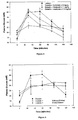
Figure 3 to 6 are graphs of starch tolerance tests using acarbose, montbretin A and alcoholic extracts of corms of Crocosmia, sp. - Any terms not directly defined herein shall be understood to have the meanings commonly associated with them as understood within the art of the invention. Certain terms are discussed below, or elsewhere in the specification, to provide additional guidance to the practitioner in describing the compositions, devices, methods and the like of embodiments of the invention, and how to make or use them. It will be appreciated that the same thing may be said in more than one way. Consequently, alternative language and synonyms may be used for any one or more of the terms discussed herein. No significance is to be placed upon whether or not a term is elaborated or discussed herein. Some synonyms or substitutable methods, materials and the like are provided. Recital of one or a few synonyms or equivalents does not exclude use of other synonyms or equivalents, unless it is explicitly stated. Use of examples in the specification, including examples of terms, is for illustrative purposes only and does not limit the scope and meaning of the embodiments of the invention herein.
- This invention provides the use of a compound of formula I or a pharmaceutically acceptable salt thereof, as an α-amylase inhibitor in the treatment of pre-diabetes, diabetes, or obesity or for the prevention or treatment of dental caries or oral plaque or in the preparation of a composition for such use.

- In formula I, X is H, OH or a glucopyranosyl moiety. R1, R2, R5, R7, R3' and R5' are independently selected from H, OH and OR with R being an unsubstituted alkyl of 1-6 carbons in length, including methyl. In some embodiments, R1 and R2 may be replaced such that the carbon atoms to which they are attached are joined by a bridge having the structure (-O-CH2-O-).
- As used herein an 'alkyl' is a univalent, or free radical containing only carbon and hydrogen atoms arranged in a chain. The chain may be branched or unbranched. Unsubstituted, unbranched alkyls have a general formula CnH2n+1.
- In some of the embodiments involving compounds of formula I, R7 is OH and/or R3' is OH. In some of these embodiments, each of R3', R5, R5 and R7 is OH.
- This invention also provides the use of a compound of formula II or a pharmaceutically acceptable salt thereof, as an α-amylase inhibitor in the treatment of pre-diabetes, diabetes, or obesity or for the prevention or treatment of dental caries or oral plaque, or in the preparation of a composition for such use. In formula II, R1 and R2 and X are as described above for formula I and R3', R5, R5' and R7 are -OH.
- In particular embodiments involving compounds of formula I or II, R1 is OH or -OCH3 and/or R2 is OH. In some of these embodiments R1 is OH and R2 is OH. In any or all of the aforementioned embodiments, X is -OH or a D-glucopyranosyl moiety. In particular embodiments, X has the following structure.

- In another aspect of the invention there is provided a novel compound or a salt thereof of formula III. This compound may be made by transforming a naturally occurring montbretin, for example by reacting it with Br-CH2-Cl and CSCO3 in DMF at elevated temperature.

- In accordance with a further aspect of the invention there is provided compositions comprising one or more physiologically acceptable carriers and/or excipients, and at least one montbretin compound or a pharmaceutically acceptable salt thereof, for use in the treatment of pre-diabetes, diabetes or obesity, or for the treatment or prevention of dental caries or oral plaque.
- In accordance with a further aspect of the invention there is provided novel, isolated montbretin compounds, or salts thereof or structural analogues thereof, excluding montbretin A and montbretin B.
- The term "isolated" with regard to montbretins in this specification includes a condition whereby a naturally occurring montbretin compound is present in a preparation at any level of purity greater than that of the montbretin on a per weight basis in corm tissue of a Crocosmia, sp. For synthetic compounds (such as transformation products of a naturally occurring montbretin), the term "isolated" includes any preparation of that product, regardless of purity. Thus, the term "isolated" in this specification with regard to the montbretins, includes preparations enriched in a specified montbretin, as compared to natural sources. Examples include preparation having at least about 1.5 fold, 2.0 fold or at least about 2.5 fold increase in purity or more of the montbretin, as compared to the plant tissue. In order to determine a level of purification or enrichment, montbretins may be assayed for α-amylase inhibitory activity, for example using the procedures described herein.
- Isolated, naturally occurring montbretins may be provided in the form of an extract from Crocosmia, sp. plant tissue, preferably an extract of the corm of such plants. Crocosmia corms typically comprise about 800 mg/kg (of montbretin A per kg of tissue). As is disclosed herein, montbretins (particularly montbretin A) are easily purified from corm tissue in good yield. The montbretins are typically water soluble and polar solvents may be advantageously employed for the preparation of such extract. Good results are obtained by extracting with water and short chain alcohols, including methanol and ethanol. Although isolated montbretins may be administered to an animal subject together with other compounds found in such a plant extract, minimization of side effects will occur through the use of substantially purified montbretin compounds, including a level of purity generally acceptable for pharmaceutical and/or food and beverage formulations.
- A variety of methods known in the art for obtaining flavonoids and the like from natural sources may be employed for isolation of montbretin compounds from plant tissue. Particular methodologies are disclosed in the Examples below. In addition,
Figure 1 outlines a simplified procedure useful for isolation of montbretins from corm tissue. Typically, the corms are sliced or minced and extracted overnight with methanol followed by vacuum filtration of the tissue. The extraction is typically performed twice more followed by rotary evaporation of the methanol in a 30°C water bath. Long term storage of the resulting product is best done at -20°C or less. The crude extract may then be subjected to adsorbtion chromatography on an appropriate column for scavenging of hydrophobic/organic materials. A good resin is that known as HP-20 such as that sold under the trademark Diaion. Rotary evaporated methanol extracts are dissolved in water and loaded onto the column which is eluted first with 30% acetone in distilled water followed by 50% acetone:water then 100% acetone:water. The majority of the montbretin compound will be found in the 50% acetone fraction. The eluent is typically evaporated to about 1% of its original volume and then subjected to preparative high-pressure liquid chromatography (HPLC) for example using the procedures as described in the Examples below. The isolation procedure may be monitored, for example by the use of ultra performance liquid chromatography (UPLC) and/or assays for α-amylase inhibitory activity.Figure 2 shows the output of an HPLC preparation with the montbretin A peak identified. - Naturally occurring montbretins may also be subjected to a variety of transformations employing procedures known in the art. For example, sugars may be removed enzymatically or by hydrolysis and an example is the removal of the terminal glucose of the trisaccharide moiety in montbretin A-C using an enzyme such as is described in the examples herein. Removal of that glucosyl moiety does not affect α-amylase activity. Another example is the preparation of a compound of formula III as discussed above. Further examples of transformations include acylation of hydroxyl groups such as on the myricetin moiety of montbretin A-C. The following chart illustrates examples of routine chemical transformations that may be performed.

- Compositions of this invention are generally administered orally to a subject and may be formulated by any means known in the art for oral uses. Compositions suitable for oral administration, including enteric administration may be provided in various forms including liquid, solids such as tablets or powders, pills or capsules, suspensions or gels, etc. Such compositions may be formulated for timed or sustained release. Various techniques are known to those of skill in the art of formulating oral pharmaceutical compositions, and may be found in, for example, Remington: the Science & Practice of Pharmacy by Alfonso Gennaro, 20th ed., Williams & Wilkins, (2000).
- Compounds and compositions for use in this invention may also be administered by including an α-amylase inhibiting effective amount in a food, beverage, candy or other "treat", nutritional supplement, or the like, which is intended to be ingested by a subject. Compounds or compositions for use in this invention can be added to drinking water particularly for administration to animals.
- For treatment or prophylaxis of dental plaque, caries, etc., compounds or compositions for use in this invention may be included in an effective amount to inhibit salivary α-amylase in the oral cavity in chewing gum, mouthwash or other oral rinses, toothpaste or any other composition intended to be applied to the oral cavity or teeth.
- In some embodiments of this invention the natural montbretins may be prepared and administered according to various means known in the art for plant products. A non-exhaustive list of examples are plant extracts and formulations, teas, tinctures, vinegar tinctures, syrups and oral topical preparations including salves. Various techniques are known to those of skill in the art of medicinal plant extracts, and may be found in, for example, How to be Your Own Herbal Pharmacist by Linda Page, 2nd ed. Healthy Healing Publications (1997).
- As is disclosed herein, effective amounts of the montbretins may be used to treat a subject in need thereof for any condition benefitted by the inhibition of salivary or pancreatic α-amylase. Examples include the treatment of pre-diabetes, diabetes and/or obesity through the inhibition of pancreatic α-amylase. Another example is the prophylaxis or treatment of dental caries and/or plaque as a result of the inhibition of salivary α-amylase. It is well within the skill of the medical practitioner to determine an "effective amount" depending upon the nature of the animal subject and whether the target enzyme is salivary or pancreatic. Based on the animal trials disclosed in the Examples herein, examples of doses of montbretin A that may be employed to manage blood glucose levels in diabetics may be in the range of about 0.5 mg/kg to about 60 mg/kg per day. Montbretins may be administered in association with each meal or about 3 times a day or they may be formulated for continuous administration.
- Natural sources for the montbretins include any member of the genus Crocosmia, including all species, hybrids and cultivars thereof. Plants of this genus are now common throughout the world as garden plants. These plants produce abundant corm tissue and the corms may also be purchased commercially since they are used in addition to seed for reproduction of the plants. A text describing plants of the genus Crocosmia is Goldblat, P. et al. "Crocosmia and Chasmanthe" Royal Horticultural Society; Timber Press; Oregon USA.
- Examples of members of the Crocosmia genus are Crocosmia crocosmiiflora, Crocosmia ambongensis, Crocosmia aurea (Falling Stars), Crocosmia cinnabarina, Crocosmia fucata (Namaqualand, Cape region), Crocosmia luciferans, Crocosmia maculata, Crocosmia masonorum (Giant Montbretia), Crocosmia mathewsiana, Crocosmia paniculata (Aunt-Eliza), Crocosmia pauciflora, Crocosmia pearsei, Crocosmia pottsii, Crocosmia x crocosmoides, Crocosmia x latifolia, and the cultivars: 'His Majesty' (flowers large, orange), 'Jackanapes' (flowers orange-red, inner lobes golden yellow), and 'Solfatare' (yellow flowers with bronze foliage).
- Other aspects and features of the present invention will become apparent to those ordinarily skilled in the art upon review of the following description of specific embodiments of the invention in conjunction with the accompanying figures. The invention is herein further described with reference to the following, non-limiting, examples. A description of the experimental procedures employed follows the examples.
- The assay for HPA activity was based upon the enzymatic cleavage of a synthetic aryl glycoside substrate to yield a chromophoric product, the release of which can be monitored in a continuous fashion. The commercially available amylase substrate 2-chloro-4-nitrophenyl α-D-maltotrioside (CNP-G3) is used since the pKa of the chloronitrophenyl leaving group (pKa 6.4) is considerably lower than the pH value of the assay (pH 7.0), hence a high extinction coefficient for the chromophore is obtained. The assay solution also included Triton X-100™ (0.01%) to minimize the detection of promiscuous inhibitors. The samples in the initial screen were DMSO solutions containing 5 mg/mL of dried methanolic extracts, tested at a dilution of 60 nL in a final assay volume of 60 µL (5 µg/mL final extract concentration). The enzymatic activity of HPA was found to be completely unaffected by the addition of this small amount of DMSO (0.1%) and Triton X-100™ (0.01%). Each sample was run in duplicate with the replicate run on a separate plate. Two test plates containing a serial dilution of the known HPA inhibitor acarbose were run as the first and last plate of each batch in order to ensure the robustness and integrity of the assay for each given batch analyzed.
- The screen was performed on a Beckman Coulter Biomek FX Laboratory Automation Workstation equipped with a 96 channel pipetting head and a low volume 96 pin High Density Replicator™. This workstation is integrated with a Beckman Coulter DTX880™ plate reader with UV/Vis capability allowing for sequential assay plate processing and reading. The assay was run in 384 well plates containing a 60 µL volume of 50 mM sodium phosphate buffer (pH 7.0), 100 mM sodium chloride, CNP-G3 (1 mM final concentration), HPA (1 µg/mL final concentration) and Triton X-100™ (0.01%). The CNP-G3 substrate was employed at a sub KM concentration (KM = 3.6 mM). The extracts were added to the assay plate using three transfers of the High-Density Replicator™ pin tool (20 nL volume per transfer). Each sample was run in duplicate with the second duplicate run on a separate plate additionally containing 4'-O-methyl-methyl-α-D-fluoride (1 mM final concentration). All of the assay plates contained 32 high controls (no inhibitor). The inhibitors and enzyme were allowed to incubate together at room temperature for 10 minutes to allow for detection of "slow-on" type inhibitors. The reaction was initiated by addition of substrate and the subsequent release of the chloronitrophenolate anion was monitored continuously at 405 nm for 7 minutes. The plate reader software (Beckman Coulter Multimode Detection™) was then used to calculate the rate of the reaction in each well. The rate for each extract was normalized with respect to the high controls, and the data for each sample reported as % residual activity. For each sample the two replicates were plotted against one another (x, y), and those samples which fell within the hit window (set at 3 standard deviations from the mean of the sample set) were selected for validation. An aliquot (1 µL) of each of the extracts was retested in a half-area 6 well plate (100 µL final volume), and those samples that gave reproducible inhibitory activity were identified as "true hits".
- 30,000 extracts from the National Cancer Institute U.S.A. (NCI), were screened using the above described procedures. The data for each plate were normalized relative to the high controls to evaluate data quality. The average Z' statistic, which represents the quality of the control samples and provides an indication of assay suitability, was determined to be 0.86. Additionally, the average Z value of 0.82, which represents how well the library is tolerated, demonstrated that the assay was remarkably robust and the data therein very reliable. The hit threshold was set at 3 standard deviations from the mean of the sample set (corresponding to 81% residual activity) and samples for which both replicates fell within the hit boundary were selected for further investigation.
- The majority of the samples exhibited around 100% residual activity for both replicates as would be expected for a sample set where the extracts are predominantly non-inhibitory. Only samples in which both replicates fell within the hit boundary were selected for further validation. 30 extracts identified as hits from the primary screen, each hit was reevaluated manually on a standard UV/Vis spectrophotometer. In the secondary screen, 25 of the extracts gave reproducible inhibition, confirming them to be "true hits"; whereas 5 extracts showed no significant HPA inhibition, thus identifying themselves as false positives.
- The extract from Example 1 with the most significant inhibitory activity (2% residual activity) was selected for further study. Prior to detailed investigation of the active components, a preliminary kinetic analysis of the HPA inhibition was performed on the crude extract. A dilution series showed a semilogarithmic sigmoidal dose-response curve typical of a "well-behaved" inhibitor, and revealed a very low IC50 value of 0.54 ± 0.01 µL/100 µL (extract volume/assay volume). Additionally, the crude extract showed no time-dependent inactivation of HPA, with the level of inhibition remaining constant for over 4 hours. These tests indicate an absence of undesirable modes of action such as enzyme denaturation or covalent enzyme modification. This extract was a dried methanolic extract of the bulbs from Crocosmia sp.
- In order to isolate the principal bioactive components from the complex mixture of the extract, a series of bioassay-guided purification steps as described below were performed on a larger quantity of the crude material obtained from the NCI open plant repository. At each step, the column fractions were assayed for HPA inhibition using the assay described above, and the active fractions taken forward.
- The crude material (2 g) was partitioned between ethyl acetate and water, with the aqueous fraction then partitioned against butanol. The butanolic fraction was applied, 150 mg at a time, to a column packed with Sephadex™ LH-20 pre-swollen in methanol for size exclusion chromatography. The resulting fractions were grouped based on biological activity. The active fraction was purified by HPLC using 22% aqueous acetonitrile, to afford three fractions. Further purification of the main fraction using a gradient from 30% to 40% aqueous acetonitrile over 30 minutes afforded montbretin A (15 min, 8.4 mg) as a yellow powder. A gradient from 30% to 70% aqueous acetonitrile over 30 minutes on the second fraction afforded montbretin B as a yellow powder (16 min, 0.9 mg), and a gradient from 20% to 30% aqueous acetonitrile was used on the third fraction, which afforded montbretin C (20 min, 1.6 mg) as a yellow powder.
- Column fractions from each step of the purification process were sub-sampled (100 µL) into 96 well plates which were then allowed to evaporate to dryness. Using the Biomek FX™ the fractions were redissolved in water and varying aliquots (1-10 µL) were transferred to a 384 well plate where they were analyzed for HPA inhibitory activity using the protocol described in Example 1.
- Optical rotations were determined using a JASCO J-1010™ polarimeter equipped with a halogen lamp (589nm) and a 10 mm micro cell. UV spectra were recorded on a Waters 2487™ spectrophotometer. 1H, 13C, COSY, HSQC, HMBC, TOCSY and ROESY spectra were recorded on a Bruker AV600™ NMR spectrophotometer equipped with a cryoprobe. Chemical shifts were referenced to solvent peaks (δH 3.31, δC, 49.15 for CD3OD). ESI mass spectra were recorded using a Micromass LCT™ mass spectrometer. HPLC separations were performed using a Waters 600™ pump and a Waters PDA900™ detector, using an Inertsil C18™ column, 9.4 x 250mm,
flow 1 mL/min. All solvents were HPLC grade (Fisher) and filtered prior to use, then sparged with helium. - After purification, a family of three related compounds was obtained. Through a combination of 2D-NMR spectroscopy and mass spectrometry two of these compounds were identified as montbretin A and B. The remaining family member was identified as a methyl ether of the cinnamic acid moiety and named montbretin C (Table 1).

- Montbretin A was identified using a combination of MS data, 1 and 2D NMR techniques and a comparison to earlier literature data (Asada, et al. [supra]). Standard techniques (COSY, HMBC and ROESY) were used to link together the sugars and the aromatic portions. The aromatic portions of montbretin A were completely elucidated using HMBC and COSY data. The identity of the sugar residues was obtained and confirmed using 1D-TOCSY and ROESY data, and was found to be in agreement with the assignments in the literature. Montbretin B was also identified via 1 and 2D NMR techniques, as well as comparison to the spectra of montbretin A and to the literature data.
- The structure of montbretin C was assigned based on MS, 1 and 2D NMR data, and by comparison with the spectra of montbretin A. The spectra of montbretin C appeared identical, except for an additional strong singlet at 3.71 ppm in the 1H spectrum, and a new carbon at 55.8 ppm in the 13C spectrum. Additionally, montbretin C is 14 mass units higher than montbretin A, leading to the conclusion that montbretin C is a methyl ether of montbretin A. Examination of the 2D HMBC and 2D ROESY data led to the conclusion that the methyl ether is on C6.
- These naturally occurring montbretins, which contain a myricetin flavonol core, are glycosylated at the 3 and 4' positions. The 3 hydroxyl carries an α-linked linear trisaccharide consisting of D-glucopyranosyl-(β1→2)-D-glucopyranosyl-(β1→2)-L-rhamnopyranose, with the central D-glucosyl sugar bearing a 6-O-cinnamic ester which is differentially substituted among the family members. The 4' position bears a β-linked D-xylose unit, itself appended on its 4-hydroxyl with an α-linked L-rhamnopyranosyl moiety.
- The Ki values and mode of inhibition of montbretin A, myricetin and ethyl caffeiate were determined by measuring the rate of reaction at differing inhibitor concentrations for a series of substrate concentrations. Reactions were performed on either a Varian Cary300™ or Cary4000™ UV/Vis spectrophotometer at 400 nm. The substrate concentration (CNP-G3) was typically varied from 1/5 to 5 times the KM value. A similar range of inhibitor concentrations was attempted but some limitations were encountered. The lowest concentration of montbretin A that could be measured was 4 nM (1/2 the Ki value) due to the very low enzyme concentration required to remain significantly below the inhibitor concentration. Conversely the limited aqueous solubility of myricetin and ethyl caffeiate meant that the highest inhibitor concentration determined for these compounds was 1.5 times the Ki value. Double reciprocal plots of the data for montbretin A and myricetin indicated both compounds to be competitive inhibitors of HPA. Ki values of 8.1 ± 0.5 nM and 110 ± 15 µM respectively were determined in using the analysis program GraFit™. A double reciprocal plot of the data obtained with ethyl caffeiate demonstrated it to be a non-competitive inhibitor of HPA with a Ki value of 1.3 ± 0.1 mM as determined using the GraFit™ program.
- Ki values of montbretins B and C were determined by the range finder method. The rate of reaction for a series of varying inhibitor concentrations was measured at a fixed substrate concentration. From a Dixon plot of the data the intercept of the line of best fit through these points with the 1/Vmax line is equal to the -Ki value. From these data Ki values of 3.6 ± 0.1 µM and 6.1 ± 0.1 µM were obtained for montbretins B and C respectively.
- Kinetic analyses of the three family members isolated showed montbretin A to be a considerably more potent inhibitor of HPA (Ki in the nanomolar range) than montbretins B and C (Ki in the micromolar range; see Table 2). The presence of the free meta-hydroxyl group of the cinnamic acid moiety appears important to tight binding of montbretin A since its removal or methylation (montbretins B and C respectively) lowers HPA inhibitory activity.
Table 2. Inhibition of HPA by Montbretins A-C Montbretin R1 Ki (nM) A OH 8.1 B H 3600 C OMe 6100 - Additionally, montbretin A showed a high level of selectivity towards HPA when tested against a series of glycosidases, including other GH13 enzymes (Table 3).
Table 3 Glycosidase Specificity of Montbretin A Glycosidase RA (%)a] α-amylase (HPA) 11% β-glucosidase(Agrobacteriumsp.) 100% β-galactosidase(E. coli) 98% β-hexosaminidase(Jack Bean) 99% α-mannosidase(Jack Bean) 100% α-galactosidase(Green Coffee Beans) 100% α-glucosidase(Brewers Yeast) 97% [a] Residual Enzyme Activity at 0.1µM Montbretin A - Given that flavonoids are known to possess both antioxidant and prooxidative properties, and initial concern was that montbretin A may inactivate HPA through redox modifications. In order to refute this possibility, inhibition of HPA by montbretin A was measured both in the presence and absence of 5 mM dithiothreitol (DTT). DTT would maintain the enzyme and reagents in a reducing environment, thereby preventing the occurrence of any redox chemistry either in solution or within the enzyme active site. No effect on HPA inhibition was observed upon the inclusion of DTT.
- Additionally, flavonoids can also chelate metal cations raising the possibility that the inhibitor may be extracting the essential HPA calcium ion. In order to discount this mechanism of action, kinetic studies were performed in the presence of 1 mM calcium chloride and no change in inhibition was noted.
- In order to investigate the structural motifs of the montbretins which contribute to α-amylase inhibition, commercially available compounds that correspond to the two aromatic portions; the flavonol core (myricetin) and the 6-O-acyl group (caffeic acid) were examined independently as HPA inhibitors. Myricetin was found to be an HPA inhibitor (Ki = 110 µM), albeit several orders of magnitude reduced from montbretin. The inhibition was observed to be of a competitive nature, indicating that inhibition arises from binding in the enzyme active site. Ethyl caffeinate, the ethyl ester of caffeic acid, was found to be a weak inhibitor of HPA (Ki = 1.3 mM). The inhibition mode in the latter case was observed to be non-competitive, suggesting that inhibition is arising through interactions remote from the active site. Without being bound to the following, these findings suggest a model in which the flavonol core occupies the active site while the caffeic acid moiety binds to a second site, with the sugar residues acting as linkers, and quite possibly also providing additional binding interactions.
- Montbretin A demonstrated time dependent inhibition towards the β-glucosidase from Agrobacterum, (Abg), with the extent of inhibition decreasing with time. Preincubation of montbretin A with Abg prior to addition of the assay substrate resulted in no inhibition being observed. Abg is promiscuous with regards to the substrate aglycone, hence it seems that montbretin A acts as a substrate for Abg and the terminal β-linked glucose residue is cleaved. The subsequent residue of montbretin A is also a β-linked glucose residue, however this residue bears a large 6-O-caffeic ester moiety and would therefore not be processed by Abg. Upon re-testing of the truncated montbretin A-derived compound, no significant change in the inhibitory potency with respect to HPA was observed. Thus, the terminal glucosyl residue on the trisaccharide moiety is not required for α-amylase activity.
- The stability of montbretin A in both simulated intestinal fluid (SIF) and simulated gastric fluid (SGF) were analyzed via ultra performance liquid chromatography (UPLC). The instrument consisted of a Waters® Acquity™ UPLC system equipped with a PDA and a TQ detector in tandem. The 2µL sample injection volume was passed through a Waters® Acquity™ BEH C18 column (1.7µm, 2.1x100mm), with mobile phases A and B consisting of water with 0.1 % formic acid and acetonitrile with 0.1 % formic acid, respectively. The mobile phases were delivered at a programmed linear gradient at a column temperature of 35°C. Linearity was evaluated using a set of montbretin A calibration standards with concentrations ranging from 10 to 100µg/mL in water.
- For the SGF stability studies, 2.0g of sodium chloride and 3.2 g of pepsin from porcine stomach mucosa 1:2,500 was dissolved in 7.0 mL of hydrochloric acid and 200 mL of de-ionized water. The resulting solution was diluted to 1L with de-ionized with a pH of 1.51. For the SIF, 26.8 g of monobasic potassium phosphate was dissolved in 250 mL of de-ionized water and mixed, followed by addition of 77 mL of 0.2 N sodium hydroxide and 500 ml of de-ionized water. 10 g of pancreatin, porcine pancreas was then added and mixed. The resulting solution was adjusted to a pH of 6.89 with 0.2 N sodium hydroxide and diluted to 1L with de-ionized water.
- To examine the gastrointestinal fluid activity, 0.5mg/ml solutions of oleamide (positive control) in SGF or SIF were prepared by diluting a 100µL aliquot of oleamide (50mg/mL in 2-propanol) to 10mL with either SGF or SIF and incubated in a 37°C water bath for 1 or 3 hours, respectively. At time points of 1 or 3 hours, the sample was removed from the water bath and a 100µL aliquot of the resulting solution was diluted to 1mL with de-ionized water in a glass UPLC glass sample vial and analyzed by UPLC for oleamide content. Simulated gastric fluid activity was chromatographically analyzed upon the ability of the gastrointestinal fluids ability to degrade the oleamide to oleic acid. Oleamide in the presence of either SGF or SIF displayed a significant decrease in concentration after incubation when compared to at the measured gastric stability study time points.
- Stability of montbretin was examined by preparing a 0.5 mg/ml solutions of montbretin A in either SGF or SIF by diluting appropriate aliquots of 5mg/ml of montbretin A in water with SGF or SIF. For stability of montbretin A in SGF, five 1mL aliquots of montbretin A in SGF were transferred into separate glass vials and placed in a 37°C water bath. At time points of 0, 15, 30, 45 and 60 min, one vial was taken out of the water bath and 1 mL of methanol was added to the solution and vortexed. 200µl of the resulting solution was transferred into a glass UPLC sample vial and diluted to 1 mL with de-ionized water and analyzed by UPLC for montbretin A content. For stability in SIF, four 1 mL aliquots of montbretin A solution is SIF in separate glass vials were placed in a 37°C water bath for time points of 0, 1, 2 and 3 hr and similarly analyzed as described above.
- The stability of montbretin A in SGF was examined at time points of 0, 15, 30, 45, and 60 minutes and in SIF, the stability was examined at time points of 0, 1, 2 and 3 hour. A slight decrease of montbretin A was observed in the simulated gastric environment whereas in the simulated intestinal environment, no significant decrease was observed. The level of degradation or loss of montbretin A in SGF was ∼10% at 1 hour whereas in SIF, no significant degradation was observed within 3 hours of incubation at 37°C.
- Corm tissue from a cross-section of all the major original Crocosmia species and their hybridizations were tested for the presence of montbretins. Those tests included:
- Crocosmia x crocosmiiflora [Crocosmia pottsii x Crocosmia aurea]; Crocosmia x crocosmiiflora 'Emily McKenzie' [Crocosmia pottsii x Crocosmia aurea]; Crocosmia 'Emberglow' [Crocosmia pottsii x Crocosmia paniculata]; Crocosmia 'Lucifer' [Crocosmia masoniorum x Crocosmia paniculata]. In each case, at least montbretin A and B were found with A being the predominant compound. In addition, various liquid extracts of the corm tissue were tested for the concentration of montbretins. The best results in terms of yield were obtained using water based slurries of corm tissue, aqueous extracts, methanolic extracts followed by ethanolic extracts.
- A study was done to determine the effect of acarbose on plasma glucose levels in response to a starch challenge in control and STZ-diabetic rats. Twenty-four animals were obtained at 200-250 g of body weight and randomly divided into control and diabetic groups. Diabetes was induced by a single intravenous tail vein injection of
streptozotocin 60 mg/kg in 0.9% normal saline. Control rats received normal saline injections only. Animals were subsequently divided into acarbose untreated and treated. The four treatment groups were: control, n=6, control + acarbose, n=6, diabetic, n=6 and diabetic + acarbose, n=6. Starch was obtained from Fisher Scientific and a 17.5% suspension was made in distilled water. The dose of starch given was 2 kg/g. Acarbose was dissolved in distilled water at a concentration of 10 mg/ml and given at a volume of 1 ml/kg. The dose of acarbose given was 10 mg/kg. - The animals were fasted overnight. A basal blood sample was collected (50 µl volume) and then at 30, 60, 90 and 120 minutes post drug administration. Starch and starch + acarbose was administered by oral gavage. Blood was centrifuged at 10,000 g x 25 minutes and plasma collected for determination of glucose levels using a Beckman Glucose Analyzer II™. Results are shown in
Figure 3 . There was no difference in body weight among the groups. There was a significant increase inplasma glucose - A second study was done to determine the effect of montbretin A on plasma glucose levels in response to a starch challenge in control and STZ-diabetic rats.
- The twenty-four animals from Example 6 were used following a wash out period of one week. Animals were divided into montbretin A untreated and treated. The four treatment groups were: control, n=6, control + montbretin A, n=6, diabetic, n=6 and diabetic + montbretin A, n=6. The procedures used in Example 6 were employed. Montbretin A was dissolved in distilled water at a concentration of 10 mg/ml and given at a volume of 1 ml/kg. The dose of montbretin A given was 10 mg/kg. The results are shown in
Figure 4 . There was no difference in body weight among the groups. There was a significant increase in plasma glucose levels in the diabetic untreated group at 30 and 60 minutes following starch administration. Thus, acute administration of montbretin A on rats at a dose of 10 mg/kg is effective in preventing the increase in plasma glucose following a starch challenge. - A study was done to determine the effect of various amounts of montbretin A and montbretin extracts on plasma glucose levels in response to a starch challenge in STZ-diabetic rats. Diabetic animals used in the previous Examples were used following a wash out period of one week. The six experimental groups were: diabetic (D, n=3) diabetic + montbretin A (5 mg/kg), (DT5, n=3), diabetic+rnontbretin A (1 mg/kg), (DT1, n=3), diabetic + montbretin A (0.5 mg/kg), (DT0.5, n=3), diabetic + Crocosmia corm methanol extract (5 mg/kg), (DM, n=3) and diabetic + Crocosmia corm ethanol extract (5 mg/kg), (DE, n=2).
- Montbretin A was dissolved in distilled water at a concentration of 5, 1 or 0.5 mg/ml and given at a volume of 1 ml/kg. The methanol extract contained montbretin A at a concentration of 3.2 mg/ml and ethanol extract at a concentration of 1.6 mg/ml. These extracts were dried and resuspended in distilled water. The procedure of Examples 6 and 7 were followed and the results are shown in
Figures 5 and 6 . There was no difference in body weight among the groups. Acute administration of montbretin A at 5 mg/kg prevented the increase in plasma glucose following starch administration. While there was an indication of an effect with the lower doses on rats, it was not particularly significant when area under the curve was determined. Diarrhea occurred in 2 out 3 animals given the methanol extract and in 1 out of 2 animals given the ethanol extract. Diarrhea was moderately severe at the 60 and 90 minute time points in animals in both the methanolic (1 of 3) and the ethanolic extract groups. Diarrhea appeared to have been resolved by the 120 minute time point. No diarrhea was noted on animals dosed with the purified montbretin. - A study was done to determine if there is aversion by animals to the taste of montbretin A dissolved in drinking water. Six (6) male Wistar rats weighing between 500-650 g were housed 2 rats per cage. Three hundred grams (300 g) of standard rat chow (Purnia) was placed in the food hopper of each cage daily. Food consumption per cage per day was determined every 24 hours for 3 days. A fluid volume of 900 ml of drinking water was placed on each cage daily. Fluid consumption per cage per day was determined every 24 hours for 3 days. Body weights of each animal were measured every 24 hours.
- Based on the preliminary drinking water values obtained, montbretin A was dissolved in the drinking water so as to deliver a dose of 10 mg/kg/day. Body weight and food consumption measurements were done as described above. A fluid volume of 250 ml of montbretin A solution at a concentration of 0.09 mg/ml was placed on each cage daily. Fluid consumption was measured every 24 hours for 3 days.
- The food and fluid consumption and body weights were analyzed. The dose of montbretin A was determined based on weight and consumption values. There was no effect of montbretin A dissolved in the drinking water on body weight, fluid intake or food intake and a dose of approximately 10 mg/kg was achieved. There were no overt indications of side effects over the duration or of the trial.
Claims (22)
- A compound or salt thereof, wherein the compound has the structure:

X is H, -OH or a glucopyranosyl moiety; and,
wherein said compound is not montbretin A or montbretin B. - The compound or salt thereof of claim 1, wherein X has the structure:

- The compound of claim 1 or 2, wherein R3' and R7 is -OH.
- The compound of claim 1 or 2, wherein each of R3', R5', R5, and R7 is -OH.
- The compound of any one of claims 1 to 4, wherein R1 and R2 are independently H or -OH.
- The compound of any one of claims 1 to 5, wherein R2 is -OH.
- The compound of any one of claims 1 to 6, wherein R1 is -OH.
- The compound or salt according to anyone of claims 1-7 for use as a medicament.
- The compound or salt according to anyone of claims 1-7 for use as a mammalian α-amylase inhibitor.
- A compound or a physiologically acceptable salt thereof for use as a mammalian α-amylase inhibitor, wherein the compound has the structure:

X is H, -OH or a glucopyranosyl moiety. - The compound of claim 10, wherein R3' and R7 is -OH.
- The compound of claim 10 or 11, wherein each of R3', R5', R5, and R7 is -OH.
- The compound of any one of claims 10 to 12, wherein R1 and R2 are independently H, -OH or -OMe.
- The compound of any one of claims 10 to 12, wherein R1 and R2 are independently H or -OH.
- The compound of any one of claims 10 to 14, wherein R2 is -OH.
- The compound of any one of claims 10 to 15, wherein R1 is -OH.
- The compound of any one of claims 10 to 16, wherein X is:

- The compound of claim 10, wherein the compound is montbretin A.
- Compound or salt according to any one of claims 10 to 18 for use in treatment of a subject for pre-diabetes, diabetes and/or obesity.
- Compound or salt according to any one of claims 10 to 18 for use in treatment or prophylaxis of dental caries and/or plaque.
- Use of the compound or salt according to any one of claims 10 to 18 for the manufacture of a medicament for treatment of a subject for pre-diabetes, diabetes and/or obesity.
- Use of the compound or salt according to any one of claims 10 to 18 for the manufacture of a medicament for treatment or prophylaxis of dental caries and/or plaque.
Applications Claiming Priority (2)
| Application Number | Priority Date | Filing Date | Title |
|---|---|---|---|
| US96084307P | 2007-10-16 | 2007-10-16 | |
| PCT/CA2008/001901 WO2009049428A1 (en) | 2007-10-16 | 2008-10-16 | Alpha-amylase inhibitors: the montbretins and uses thereof |
Publications (3)
| Publication Number | Publication Date |
|---|---|
| EP2209794A1 EP2209794A1 (en) | 2010-07-28 |
| EP2209794A4 EP2209794A4 (en) | 2013-12-25 |
| EP2209794B1 true EP2209794B1 (en) | 2014-12-10 |
Family
ID=40566964
Family Applications (1)
| Application Number | Title | Priority Date | Filing Date |
|---|---|---|---|
| EP08839507.4A Active EP2209794B1 (en) | 2007-10-16 | 2008-10-16 | Alpha-amylase inhibitors: the montbretins and uses thereof |
Country Status (5)
| Country | Link |
|---|---|
| US (1) | US8431541B2 (en) |
| EP (1) | EP2209794B1 (en) |
| JP (1) | JP5595920B2 (en) |
| CA (1) | CA2738834C (en) |
| WO (1) | WO2009049428A1 (en) |
Families Citing this family (6)
| Publication number | Priority date | Publication date | Assignee | Title |
|---|---|---|---|---|
| EP2672832B1 (en) | 2011-02-08 | 2020-03-25 | The Product Makers (Australia) Pty Ltd | Sugar extracts |
| EP2567959B1 (en) | 2011-09-12 | 2014-04-16 | Sanofi | 6-(4-hydroxy-phenyl)-3-styryl-1h-pyrazolo[3,4-b]pyridine-4-carboxylic acid amide derivatives as kinase inhibitors |
| AU2013308395C1 (en) | 2012-08-28 | 2018-03-15 | Poly Gain Pte Ltd | Extraction method |
| CN105362281B (en) * | 2015-10-27 | 2018-06-19 | 深圳大学 | A kind of alpha-amylase inhibitor and its extracting method and application |
| US11608353B2 (en) | 2016-07-27 | 2023-03-21 | The University Of British Columbia | Amylase inhibitor compounds, methods of their use and compositions thereof |
| US20230405035A1 (en) * | 2020-11-03 | 2023-12-21 | The University Of British Columbia | Montbretin a functional food |
Family Cites Families (6)
| Publication number | Priority date | Publication date | Assignee | Title |
|---|---|---|---|---|
| JPS6440494A (en) * | 1987-08-04 | 1989-02-10 | Nissan Chemical Ind Ltd | Saponins exhibiting cardiotonic activity |
| EP0956867A1 (en) | 1998-05-12 | 1999-11-17 | Franz-Peter Dr. Liebel | Use of flavonoid glycosides, tanning agents and microorganisms for the therapy and prophylaxis of diabetes mellitus |
| JP2002010753A (en) | 2000-04-24 | 2002-01-15 | Marukin Chuyu Co Ltd | Amylase inhibitor containing olive leaf or extract thereof and food for person having hyperglycemia |
| AU2002950627A0 (en) * | 2002-08-07 | 2002-09-12 | Queen Bioactives Pty Ltd | Method of lowering glycemic index of foods |
| JP2005306836A (en) | 2004-03-23 | 2005-11-04 | Seibutsu Yuki Kagaku Kenkyusho:Kk | α-Amylase inhibitor |
| JP2007070263A (en) | 2005-09-05 | 2007-03-22 | Oriza Yuka Kk | Diabetes prevention composition |
-
2008
- 2008-10-16 JP JP2010529207A patent/JP5595920B2/en not_active Expired - Fee Related
- 2008-10-16 CA CA2738834A patent/CA2738834C/en active Active
- 2008-10-16 EP EP08839507.4A patent/EP2209794B1/en active Active
- 2008-10-16 WO PCT/CA2008/001901 patent/WO2009049428A1/en not_active Ceased
- 2008-10-16 US US12/738,273 patent/US8431541B2/en active Active
Also Published As
| Publication number | Publication date |
|---|---|
| US20110189107A1 (en) | 2011-08-04 |
| JP5595920B2 (en) | 2014-09-24 |
| JP2011500609A (en) | 2011-01-06 |
| CA2738834A1 (en) | 2009-04-23 |
| EP2209794A4 (en) | 2013-12-25 |
| WO2009049428A1 (en) | 2009-04-23 |
| US8431541B2 (en) | 2013-04-30 |
| EP2209794A1 (en) | 2010-07-28 |
| CA2738834C (en) | 2015-10-13 |
Similar Documents
| Publication | Publication Date | Title |
|---|---|---|
| Hua et al. | Inhibition of α-glucosidase and α-amylase by flavonoid glycosides from Lu'an GuaPian tea: molecular docking and interaction mechanism | |
| US8575368B2 (en) | Proanthocyanidin of cashew apple, composition containing proanthocyanidin, and application thereof | |
| Hendra et al. | α-glucosidase and α-amylase inhibitory activity of flavonols from Stenochlaena palustris (Burm. f.) Bedd | |
| US8431541B2 (en) | Alpha-amylase inhibitors: the montbretins and uses thereof | |
| Zheng et al. | Screening and extraction process optimization for potential α-glucosidase inhibitors from quinoa seeds | |
| CN102459217A (en) | Compounds affecting glycemic index | |
| US6376682B1 (en) | Compound with α-glucosidase inhibiting action and method for producing the same | |
| Li et al. | Flavonoid glycosides from seeds of Hippophae rhamnoides subsp. Sinensis with α-glucosidase inhibition activity | |
| Lin et al. | Characterizations of the endogenous starch hydrolase inhibitors in acorns of Quercus fabri Hance | |
| US20080103201A1 (en) | Novel alpha-Glucosidase inhibitor from Tabernaemontana dichotoma | |
| KR100926798B1 (en) | Antioxidant composition comprising hispidine analogs isolated from mycelial cultures of Perinus or Innotus mushrooms | |
| El-Azab et al. | In vitro anti-diabetic effect and molecular docking study of Phlomis aurea components as diabetic enzymes inhibitor | |
| US20240254156A1 (en) | Novel isoflavone compound | |
| KR20030025200A (en) | Substances extracted from corn which can inhibit the activities of amylase, pharmaceutical compositions and food additives containing the same extracts for treatment or prevention of obesity and diabetes mellitus, and processes for their preparation | |
| KR20160017994A (en) | Composition for supressing of blood sugar level | |
| JP5255862B2 (en) | Antidiabetic | |
| EP3120847B1 (en) | Glechoma longituba extract for the treatment of kidney diseases or diabetes mellitus | |
| Imran et al. | In-vitro and in-silico antioxidant, α-glucosidase inhibitory potentials of abutilins C and D, new flavonoide glycosides from Abutilon pakistanicum | |
| KR101168379B1 (en) | Composition for Prevention and Treatment of Gout, Hypertension and Cancer comprising Acanthopanax senticosus Fruits Extracts | |
| KR100514916B1 (en) | Composition comprising the extract and flavonoid compounds isolated from Nelumbo nucifera stamen having antioxidation activity | |
| JP2000086653A (en) | Disaccharide hydrolase inhibitor | |
| WO2014077425A1 (en) | Pharmaceutical composition and functional health food containing paulownia extract for preventing or treating diabetes complications | |
| EP1840131B1 (en) | Novel polyphenol glycoside derived from acerola | |
| KR100736456B1 (en) | Novel Compounds Isolated from Leaves of Black Pepper and Antioxidants Using the Same | |
| CN112028963B (en) | 23-norursane triterpenoid compound and preparation method thereof and application in preparation of glycosidase inhibitor medicine |
Legal Events
| Date | Code | Title | Description |
|---|---|---|---|
| PUAI | Public reference made under article 153(3) epc to a published international application that has entered the european phase |
Free format text: ORIGINAL CODE: 0009012 |
|
| 17P | Request for examination filed |
Effective date: 20100511 |
|
| AK | Designated contracting states |
Kind code of ref document: A1 Designated state(s): AT BE BG CH CY CZ DE DK EE ES FI FR GB GR HR HU IE IS IT LI LT LU LV MC MT NL NO PL PT RO SE SI SK TR |
|
| AX | Request for extension of the european patent |
Extension state: AL BA MK RS |
|
| DAX | Request for extension of the european patent (deleted) | ||
| A4 | Supplementary search report drawn up and despatched |
Effective date: 20131125 |
|
| RIC1 | Information provided on ipc code assigned before grant |
Ipc: C07H 15/26 20060101AFI20131119BHEP Ipc: A23G 4/12 20060101ALI20131119BHEP Ipc: A61K 31/7042 20060101ALI20131119BHEP Ipc: A23L 2/52 20060101ALI20131119BHEP Ipc: A61K 31/704 20060101ALI20131119BHEP Ipc: A23L 1/30 20060101ALI20131119BHEP |
|
| RIN1 | Information on inventor provided before grant (corrected) |
Inventor name: BRAYER, GARY Inventor name: TARLING, ANDREW C. Inventor name: WOODS, KATHERINE Inventor name: ANDERSEN, RAYMOND Inventor name: WITHERS, STEPHEN |
|
| GRAP | Despatch of communication of intention to grant a patent |
Free format text: ORIGINAL CODE: EPIDOSNIGR1 |
|
| INTG | Intention to grant announced |
Effective date: 20140521 |
|
| RIN1 | Information on inventor provided before grant (corrected) |
Inventor name: TARLING, ANDREW C. Inventor name: ANDERSEN, RAYMOND Inventor name: BRAYER, GARY Inventor name: WITHERS, STEPHEN Inventor name: WOODS, KATHERINE |
|
| GRAS | Grant fee paid |
Free format text: ORIGINAL CODE: EPIDOSNIGR3 |
|
| GRAA | (expected) grant |
Free format text: ORIGINAL CODE: 0009210 |
|
| AK | Designated contracting states |
Kind code of ref document: B1 Designated state(s): AT BE BG CH CY CZ DE DK EE ES FI FR GB GR HR HU IE IS IT LI LT LU LV MC MT NL NO PL PT RO SE SI SK TR |
|
| REG | Reference to a national code |
Ref country code: GB Ref legal event code: FG4D |
|
| REG | Reference to a national code |
Ref country code: CH Ref legal event code: EP |
|
| REG | Reference to a national code |
Ref country code: IE Ref legal event code: FG4D |
|
| REG | Reference to a national code |
Ref country code: AT Ref legal event code: REF Ref document number: 700593 Country of ref document: AT Kind code of ref document: T Effective date: 20150115 |
|
| REG | Reference to a national code |
Ref country code: DE Ref legal event code: R096 Ref document number: 602008035814 Country of ref document: DE Effective date: 20150122 |
|
| REG | Reference to a national code |
Ref country code: CH Ref legal event code: NV Representative=s name: FIAMMENGHI-FIAMMENGHI, CH |
|
| REG | Reference to a national code |
Ref country code: NL Ref legal event code: T3 |
|
| REG | Reference to a national code |
Ref country code: SE Ref legal event code: TRGR |
|
| REG | Reference to a national code |
Ref country code: AT Ref legal event code: MK05 Ref document number: 700593 Country of ref document: AT Kind code of ref document: T Effective date: 20141210 |
|
| PG25 | Lapsed in a contracting state [announced via postgrant information from national office to epo] |
Ref country code: NO Free format text: LAPSE BECAUSE OF FAILURE TO SUBMIT A TRANSLATION OF THE DESCRIPTION OR TO PAY THE FEE WITHIN THE PRESCRIBED TIME-LIMIT Effective date: 20150310 Ref country code: LT Free format text: LAPSE BECAUSE OF FAILURE TO SUBMIT A TRANSLATION OF THE DESCRIPTION OR TO PAY THE FEE WITHIN THE PRESCRIBED TIME-LIMIT Effective date: 20141210 Ref country code: FI Free format text: LAPSE BECAUSE OF FAILURE TO SUBMIT A TRANSLATION OF THE DESCRIPTION OR TO PAY THE FEE WITHIN THE PRESCRIBED TIME-LIMIT Effective date: 20141210 Ref country code: ES Free format text: LAPSE BECAUSE OF FAILURE TO SUBMIT A TRANSLATION OF THE DESCRIPTION OR TO PAY THE FEE WITHIN THE PRESCRIBED TIME-LIMIT Effective date: 20141210 |
|
| REG | Reference to a national code |
Ref country code: LT Ref legal event code: MG4D |
|
| PG25 | Lapsed in a contracting state [announced via postgrant information from national office to epo] |
Ref country code: GR Free format text: LAPSE BECAUSE OF FAILURE TO SUBMIT A TRANSLATION OF THE DESCRIPTION OR TO PAY THE FEE WITHIN THE PRESCRIBED TIME-LIMIT Effective date: 20150311 Ref country code: AT Free format text: LAPSE BECAUSE OF FAILURE TO SUBMIT A TRANSLATION OF THE DESCRIPTION OR TO PAY THE FEE WITHIN THE PRESCRIBED TIME-LIMIT Effective date: 20141210 Ref country code: LV Free format text: LAPSE BECAUSE OF FAILURE TO SUBMIT A TRANSLATION OF THE DESCRIPTION OR TO PAY THE FEE WITHIN THE PRESCRIBED TIME-LIMIT Effective date: 20141210 Ref country code: HR Free format text: LAPSE BECAUSE OF FAILURE TO SUBMIT A TRANSLATION OF THE DESCRIPTION OR TO PAY THE FEE WITHIN THE PRESCRIBED TIME-LIMIT Effective date: 20141210 |
|
| PG25 | Lapsed in a contracting state [announced via postgrant information from national office to epo] |
Ref country code: CZ Free format text: LAPSE BECAUSE OF FAILURE TO SUBMIT A TRANSLATION OF THE DESCRIPTION OR TO PAY THE FEE WITHIN THE PRESCRIBED TIME-LIMIT Effective date: 20141210 Ref country code: SK Free format text: LAPSE BECAUSE OF FAILURE TO SUBMIT A TRANSLATION OF THE DESCRIPTION OR TO PAY THE FEE WITHIN THE PRESCRIBED TIME-LIMIT Effective date: 20141210 Ref country code: EE Free format text: LAPSE BECAUSE OF FAILURE TO SUBMIT A TRANSLATION OF THE DESCRIPTION OR TO PAY THE FEE WITHIN THE PRESCRIBED TIME-LIMIT Effective date: 20141210 Ref country code: RO Free format text: LAPSE BECAUSE OF FAILURE TO SUBMIT A TRANSLATION OF THE DESCRIPTION OR TO PAY THE FEE WITHIN THE PRESCRIBED TIME-LIMIT Effective date: 20141210 Ref country code: PT Free format text: LAPSE BECAUSE OF FAILURE TO SUBMIT A TRANSLATION OF THE DESCRIPTION OR TO PAY THE FEE WITHIN THE PRESCRIBED TIME-LIMIT Effective date: 20150410 |
|
| PG25 | Lapsed in a contracting state [announced via postgrant information from national office to epo] |
Ref country code: PL Free format text: LAPSE BECAUSE OF FAILURE TO SUBMIT A TRANSLATION OF THE DESCRIPTION OR TO PAY THE FEE WITHIN THE PRESCRIBED TIME-LIMIT Effective date: 20141210 Ref country code: IS Free format text: LAPSE BECAUSE OF FAILURE TO SUBMIT A TRANSLATION OF THE DESCRIPTION OR TO PAY THE FEE WITHIN THE PRESCRIBED TIME-LIMIT Effective date: 20150410 |
|
| REG | Reference to a national code |
Ref country code: DE Ref legal event code: R097 Ref document number: 602008035814 Country of ref document: DE |
|
| PLBE | No opposition filed within time limit |
Free format text: ORIGINAL CODE: 0009261 |
|
| STAA | Information on the status of an ep patent application or granted ep patent |
Free format text: STATUS: NO OPPOSITION FILED WITHIN TIME LIMIT |
|
| REG | Reference to a national code |
Ref country code: FR Ref legal event code: PLFP Year of fee payment: 8 |
|
| PG25 | Lapsed in a contracting state [announced via postgrant information from national office to epo] |
Ref country code: DK Free format text: LAPSE BECAUSE OF FAILURE TO SUBMIT A TRANSLATION OF THE DESCRIPTION OR TO PAY THE FEE WITHIN THE PRESCRIBED TIME-LIMIT Effective date: 20141210 |
|
| 26N | No opposition filed |
Effective date: 20150911 |
|
| PG25 | Lapsed in a contracting state [announced via postgrant information from national office to epo] |
Ref country code: SI Free format text: LAPSE BECAUSE OF FAILURE TO SUBMIT A TRANSLATION OF THE DESCRIPTION OR TO PAY THE FEE WITHIN THE PRESCRIBED TIME-LIMIT Effective date: 20141210 |
|
| PG25 | Lapsed in a contracting state [announced via postgrant information from national office to epo] |
Ref country code: BE Free format text: LAPSE BECAUSE OF FAILURE TO SUBMIT A TRANSLATION OF THE DESCRIPTION OR TO PAY THE FEE WITHIN THE PRESCRIBED TIME-LIMIT Effective date: 20141210 Ref country code: LU Free format text: LAPSE BECAUSE OF FAILURE TO SUBMIT A TRANSLATION OF THE DESCRIPTION OR TO PAY THE FEE WITHIN THE PRESCRIBED TIME-LIMIT Effective date: 20151016 |
|
| PG25 | Lapsed in a contracting state [announced via postgrant information from national office to epo] |
Ref country code: MC Free format text: LAPSE BECAUSE OF FAILURE TO SUBMIT A TRANSLATION OF THE DESCRIPTION OR TO PAY THE FEE WITHIN THE PRESCRIBED TIME-LIMIT Effective date: 20141210 |
|
| REG | Reference to a national code |
Ref country code: IE Ref legal event code: MM4A |
|
| REG | Reference to a national code |
Ref country code: FR Ref legal event code: PLFP Year of fee payment: 9 |
|
| PG25 | Lapsed in a contracting state [announced via postgrant information from national office to epo] |
Ref country code: IE Free format text: LAPSE BECAUSE OF NON-PAYMENT OF DUE FEES Effective date: 20151016 |
|
| PG25 | Lapsed in a contracting state [announced via postgrant information from national office to epo] |
Ref country code: BG Free format text: LAPSE BECAUSE OF FAILURE TO SUBMIT A TRANSLATION OF THE DESCRIPTION OR TO PAY THE FEE WITHIN THE PRESCRIBED TIME-LIMIT Effective date: 20141210 Ref country code: HU Free format text: LAPSE BECAUSE OF FAILURE TO SUBMIT A TRANSLATION OF THE DESCRIPTION OR TO PAY THE FEE WITHIN THE PRESCRIBED TIME-LIMIT; INVALID AB INITIO Effective date: 20081016 |
|
| PG25 | Lapsed in a contracting state [announced via postgrant information from national office to epo] |
Ref country code: CY Free format text: LAPSE BECAUSE OF FAILURE TO SUBMIT A TRANSLATION OF THE DESCRIPTION OR TO PAY THE FEE WITHIN THE PRESCRIBED TIME-LIMIT Effective date: 20141210 |
|
| PG25 | Lapsed in a contracting state [announced via postgrant information from national office to epo] |
Ref country code: TR Free format text: LAPSE BECAUSE OF FAILURE TO SUBMIT A TRANSLATION OF THE DESCRIPTION OR TO PAY THE FEE WITHIN THE PRESCRIBED TIME-LIMIT Effective date: 20141210 Ref country code: MT Free format text: LAPSE BECAUSE OF FAILURE TO SUBMIT A TRANSLATION OF THE DESCRIPTION OR TO PAY THE FEE WITHIN THE PRESCRIBED TIME-LIMIT Effective date: 20141210 |
|
| REG | Reference to a national code |
Ref country code: FR Ref legal event code: PLFP Year of fee payment: 10 |
|
| REG | Reference to a national code |
Ref country code: FR Ref legal event code: PLFP Year of fee payment: 11 |
|
| REG | Reference to a national code |
Ref country code: DE Ref legal event code: R082 Ref document number: 602008035814 Country of ref document: DE Representative=s name: KILBURN & STRODE LLP, NL |
|
| PGFP | Annual fee paid to national office [announced via postgrant information from national office to epo] |
Ref country code: GB Payment date: 20230905 Year of fee payment: 16 |
|
| PGFP | Annual fee paid to national office [announced via postgrant information from national office to epo] |
Ref country code: NL Payment date: 20231031 Year of fee payment: 16 |
|
| PGFP | Annual fee paid to national office [announced via postgrant information from national office to epo] |
Ref country code: SE Payment date: 20231025 Year of fee payment: 16 Ref country code: IT Payment date: 20231027 Year of fee payment: 16 Ref country code: FR Payment date: 20231009 Year of fee payment: 16 Ref country code: DE Payment date: 20231006 Year of fee payment: 16 Ref country code: CH Payment date: 20231102 Year of fee payment: 16 |
|
| REG | Reference to a national code |
Ref country code: DE Ref legal event code: R119 Ref document number: 602008035814 Country of ref document: DE |
|
| REG | Reference to a national code |
Ref country code: CH Ref legal event code: PL |
|
| REG | Reference to a national code |
Ref country code: SE Ref legal event code: EUG |
|
| REG | Reference to a national code |
Ref country code: NL Ref legal event code: MM Effective date: 20241101 |
|
| GBPC | Gb: european patent ceased through non-payment of renewal fee |
Effective date: 20241016 |
|
| PG25 | Lapsed in a contracting state [announced via postgrant information from national office to epo] |
Ref country code: DE Free format text: LAPSE BECAUSE OF NON-PAYMENT OF DUE FEES Effective date: 20250501 |
|
| PG25 | Lapsed in a contracting state [announced via postgrant information from national office to epo] |
Ref country code: GB Free format text: LAPSE BECAUSE OF NON-PAYMENT OF DUE FEES Effective date: 20241016 |
|
| PG25 | Lapsed in a contracting state [announced via postgrant information from national office to epo] |
Ref country code: NL Free format text: LAPSE BECAUSE OF NON-PAYMENT OF DUE FEES Effective date: 20241101 |
|
| PG25 | Lapsed in a contracting state [announced via postgrant information from national office to epo] |
Ref country code: FR Free format text: LAPSE BECAUSE OF NON-PAYMENT OF DUE FEES Effective date: 20241031 |
|
| PG25 | Lapsed in a contracting state [announced via postgrant information from national office to epo] |
Ref country code: CH Free format text: LAPSE BECAUSE OF NON-PAYMENT OF DUE FEES Effective date: 20241031 |
|
| PG25 | Lapsed in a contracting state [announced via postgrant information from national office to epo] |
Ref country code: SE Free format text: LAPSE BECAUSE OF NON-PAYMENT OF DUE FEES Effective date: 20241017 Ref country code: IT Free format text: LAPSE BECAUSE OF NON-PAYMENT OF DUE FEES Effective date: 20241016 |