EP2206503A1 - Use of atomic quantum clusters (aqc) as antimicrobial agents and biocides - Google Patents
Use of atomic quantum clusters (aqc) as antimicrobial agents and biocides Download PDFInfo
- Publication number
- EP2206503A1 EP2206503A1 EP08835314A EP08835314A EP2206503A1 EP 2206503 A1 EP2206503 A1 EP 2206503A1 EP 08835314 A EP08835314 A EP 08835314A EP 08835314 A EP08835314 A EP 08835314A EP 2206503 A1 EP2206503 A1 EP 2206503A1
- Authority
- EP
- European Patent Office
- Prior art keywords
- aqcs
- metal
- aqcs according
- bacteria
- mycobacterium
- Prior art date
- Legal status (The legal status is an assumption and is not a legal conclusion. Google has not performed a legal analysis and makes no representation as to the accuracy of the status listed.)
- Granted
Links
Images


Classifications
-
- A—HUMAN NECESSITIES
- A61—MEDICAL OR VETERINARY SCIENCE; HYGIENE
- A61K—PREPARATIONS FOR MEDICAL, DENTAL OR TOILETRY PURPOSES
- A61K33/00—Medicinal preparations containing inorganic active ingredients
- A61K33/24—Heavy metals; Compounds thereof
-
- B—PERFORMING OPERATIONS; TRANSPORTING
- B82—NANOTECHNOLOGY
- B82Y—SPECIFIC USES OR APPLICATIONS OF NANOSTRUCTURES; MEASUREMENT OR ANALYSIS OF NANOSTRUCTURES; MANUFACTURE OR TREATMENT OF NANOSTRUCTURES
- B82Y5/00—Nanobiotechnology or nanomedicine, e.g. protein engineering or drug delivery
-
- A—HUMAN NECESSITIES
- A61—MEDICAL OR VETERINARY SCIENCE; HYGIENE
- A61K—PREPARATIONS FOR MEDICAL, DENTAL OR TOILETRY PURPOSES
- A61K33/00—Medicinal preparations containing inorganic active ingredients
- A61K33/24—Heavy metals; Compounds thereof
- A61K33/242—Gold; Compounds thereof
-
- A—HUMAN NECESSITIES
- A61—MEDICAL OR VETERINARY SCIENCE; HYGIENE
- A61K—PREPARATIONS FOR MEDICAL, DENTAL OR TOILETRY PURPOSES
- A61K33/00—Medicinal preparations containing inorganic active ingredients
- A61K33/24—Heavy metals; Compounds thereof
- A61K33/244—Lanthanides; Compounds thereof
-
- A—HUMAN NECESSITIES
- A61—MEDICAL OR VETERINARY SCIENCE; HYGIENE
- A61K—PREPARATIONS FOR MEDICAL, DENTAL OR TOILETRY PURPOSES
- A61K33/00—Medicinal preparations containing inorganic active ingredients
- A61K33/24—Heavy metals; Compounds thereof
- A61K33/26—Iron; Compounds thereof
-
- A—HUMAN NECESSITIES
- A61—MEDICAL OR VETERINARY SCIENCE; HYGIENE
- A61K—PREPARATIONS FOR MEDICAL, DENTAL OR TOILETRY PURPOSES
- A61K33/00—Medicinal preparations containing inorganic active ingredients
- A61K33/24—Heavy metals; Compounds thereof
- A61K33/34—Copper; Compounds thereof
-
- A—HUMAN NECESSITIES
- A61—MEDICAL OR VETERINARY SCIENCE; HYGIENE
- A61K—PREPARATIONS FOR MEDICAL, DENTAL OR TOILETRY PURPOSES
- A61K33/00—Medicinal preparations containing inorganic active ingredients
- A61K33/24—Heavy metals; Compounds thereof
- A61K33/38—Silver; Compounds thereof
-
- A—HUMAN NECESSITIES
- A61—MEDICAL OR VETERINARY SCIENCE; HYGIENE
- A61K—PREPARATIONS FOR MEDICAL, DENTAL OR TOILETRY PURPOSES
- A61K45/00—Medicinal preparations containing active ingredients not provided for in groups A61K31/00 - A61K41/00
- A61K45/06—Mixtures of active ingredients without chemical characterisation, e.g. antiphlogistics and cardiaca
-
- A—HUMAN NECESSITIES
- A61—MEDICAL OR VETERINARY SCIENCE; HYGIENE
- A61P—SPECIFIC THERAPEUTIC ACTIVITY OF CHEMICAL COMPOUNDS OR MEDICINAL PREPARATIONS
- A61P31/00—Antiinfectives, i.e. antibiotics, antiseptics, chemotherapeutics
-
- A—HUMAN NECESSITIES
- A61—MEDICAL OR VETERINARY SCIENCE; HYGIENE
- A61P—SPECIFIC THERAPEUTIC ACTIVITY OF CHEMICAL COMPOUNDS OR MEDICINAL PREPARATIONS
- A61P31/00—Antiinfectives, i.e. antibiotics, antiseptics, chemotherapeutics
- A61P31/04—Antibacterial agents
-
- A—HUMAN NECESSITIES
- A61—MEDICAL OR VETERINARY SCIENCE; HYGIENE
- A61P—SPECIFIC THERAPEUTIC ACTIVITY OF CHEMICAL COMPOUNDS OR MEDICINAL PREPARATIONS
- A61P31/00—Antiinfectives, i.e. antibiotics, antiseptics, chemotherapeutics
- A61P31/04—Antibacterial agents
- A61P31/06—Antibacterial agents for tuberculosis
-
- A—HUMAN NECESSITIES
- A61—MEDICAL OR VETERINARY SCIENCE; HYGIENE
- A61P—SPECIFIC THERAPEUTIC ACTIVITY OF CHEMICAL COMPOUNDS OR MEDICINAL PREPARATIONS
- A61P31/00—Antiinfectives, i.e. antibiotics, antiseptics, chemotherapeutics
- A61P31/04—Antibacterial agents
- A61P31/08—Antibacterial agents for leprosy
-
- A—HUMAN NECESSITIES
- A61—MEDICAL OR VETERINARY SCIENCE; HYGIENE
- A61P—SPECIFIC THERAPEUTIC ACTIVITY OF CHEMICAL COMPOUNDS OR MEDICINAL PREPARATIONS
- A61P31/00—Antiinfectives, i.e. antibiotics, antiseptics, chemotherapeutics
- A61P31/10—Antimycotics
-
- A—HUMAN NECESSITIES
- A61—MEDICAL OR VETERINARY SCIENCE; HYGIENE
- A61P—SPECIFIC THERAPEUTIC ACTIVITY OF CHEMICAL COMPOUNDS OR MEDICINAL PREPARATIONS
- A61P43/00—Drugs for specific purposes, not provided for in groups A61P1/00-A61P41/00
-
- B—PERFORMING OPERATIONS; TRANSPORTING
- B22—CASTING; POWDER METALLURGY
- B22F—WORKING METALLIC POWDER; MANUFACTURE OF ARTICLES FROM METALLIC POWDER; MAKING METALLIC POWDER; APPARATUS OR DEVICES SPECIALLY ADAPTED FOR METALLIC POWDER
- B22F1/00—Metallic powder; Treatment of metallic powder, e.g. to facilitate working or to improve properties
- B22F1/14—Treatment of metallic powder
- B22F1/148—Agglomerating
-
- B—PERFORMING OPERATIONS; TRANSPORTING
- B82—NANOTECHNOLOGY
- B82Y—SPECIFIC USES OR APPLICATIONS OF NANOSTRUCTURES; MEASUREMENT OR ANALYSIS OF NANOSTRUCTURES; MANUFACTURE OR TREATMENT OF NANOSTRUCTURES
- B82Y30/00—Nanotechnology for materials or surface science, e.g. nanocomposites
-
- Y—GENERAL TAGGING OF NEW TECHNOLOGICAL DEVELOPMENTS; GENERAL TAGGING OF CROSS-SECTIONAL TECHNOLOGIES SPANNING OVER SEVERAL SECTIONS OF THE IPC; TECHNICAL SUBJECTS COVERED BY FORMER USPC CROSS-REFERENCE ART COLLECTIONS [XRACs] AND DIGESTS
- Y02—TECHNOLOGIES OR APPLICATIONS FOR MITIGATION OR ADAPTATION AGAINST CLIMATE CHANGE
- Y02A—TECHNOLOGIES FOR ADAPTATION TO CLIMATE CHANGE
- Y02A50/00—TECHNOLOGIES FOR ADAPTATION TO CLIMATE CHANGE in human health protection, e.g. against extreme weather
- Y02A50/30—Against vector-borne diseases, e.g. mosquito-borne, fly-borne, tick-borne or waterborne diseases whose impact is exacerbated by climate change
Definitions
- the present invention proposal describes the use of the antimicrobial and biocidal activity exhibited by Atomic Quantum Clusters (AQCs) of various metals synthesised according to the process described in the patent of invention application P200502041 and the AQCs claimed in the corresponding international application WO 2007/017550 .
- AQCs Atomic Quantum Clusters
- the Spanish patent application P200502041 and its international application WO 2007/017550 describe a process for obtaining atomic quantum clusters, denominated AQCs, and identify particles with sizes less than 1 nm - 2 nm of various metals. Also described are how to separate, stabilise and use them; the details of the method indicate that the physico-chemical properties of the clusters synthesised by this process are different from nanoparticles (particles larger than 1 nm - 2 nm).
- AQCs Because the physico-chemical properties of AQCs cannot be simply extrapolated from that of nano/microparticles, then the properties shown by these clusters cannot in principle be predicted from the properties shown by nano/microparticles, such as the antibacterial properties described above for nanoparticles and metal ions.
- the AQCs in contrast to nanoparticles that require "stabilisation” for charge or steric hindrance by some protective molecule) exhibit extraordinary stability precisely because of the existence of this Fermi level "gap". That is, clusters, as opposed to nanoparticles, do not dissolve to generate ions so that in principle, the extrapolation that they have bactericide properties, as described in the patent application US2006280785 A1 , also cannot be made.
- the present invention refers to the use of stable atomic quantum clusters, AQCs, that is, groups of atoms with the number of atoms being less than 500 (corresponding to a size of approximately 2 nm), as antimicrobial, antifungal and biocidal agents.
- AQCs are understood to be:
- Biocides are understood to be active and prepared substances, containing one or more active substances, presented in the form in which they are administered to the user, intended to destroy, counteract, neutralise, impede the action or execute control of some other type over any harmful organism by chemical or biological means.
- the AQCs of the present invention exhibit antimicrobial and biocidal activities at concentration of the order of 1 nM (expressed in atoms of the corresponding metal) that is of the order of 100,000 times less than the minimum inhibition concentration (MIC) normally used in studies of the antimicrobial activity of nanoparticles (see for example that cited in patent US2003108612A1 ), which demonstrates that the mechanism of action is also different. Furthermore, due to the extreme stability, these clusters can be used directly without the need to use any vehicle, avoiding processes such as that described in patent application US2006280785A1 for the use of nanoparticles as bactericidal agents.
- the present invention is based on the surprising fact that the AQCs exhibit antimicrobial, antifungal and biocidal properties.
- the bacteria against which the AQCs act include:
- the fungi against which the AQCs act include Actinomices, Aspergilus, Blatomyces, Cindida, Cromoblastomices, Cocidios, Criptococcus, Dermatophitos, Fusarius, Histoplasma, Madura, Mocor, Nocardia, Paracocidius, Penicillinum, Phaeohyphomyces, Scedosporium and Sporotricum.
- antifungal agents such as, for example, Amphotericin, Caspofungin, Micafungin, Anidulafungin, Fluconazole, Flucytosine, Griseofulvin, Imidazole, Itraconazole, Ketoconazole, Miconazole, Nystatin, Posaconazole, Terbinafine and Voriconazole.
- the present invention can be used for the treatment of a disease caused by bacteria or for the inhibition of bacterial growth. Its use in nosocomial infections by agents that have become resistant to traditional antibiotics is especially indicated.
- the object of the invention can also be used in vitro for all those cases where bacterial growth is undesirable or for the preparation of clinical diagnostic test kits.
- the object of the invention can be used to confer antibacterial properties to other materials such as polymers and plastics; as well as to surgical and hospital materials such as bandages, dressings, and disinfecting dispersions and solutions.
- AQCs are suitable for the preparation of a medicine or a phytosanitary product for the treatment of pathological or physiological states in people, animals and plants.
- AQCs are suitable for the preparation of a medicine to be administered by transdermal, transmucosal, buccal, oral, rectal, ocular, nasal, otic, topical, vaginal or parenteral routes.
- AQCs are suitable for the preparation of cosmetics and disinfectants.
- AQCs are particularly indicated when the bacterium is resistant to an antibiotic other than the AQCs.
- the administration of AQCs can be combined with that of other types of antibiotics, including as examples, penicillins and related medicines, carbapenems, monobactams, fluoroquinolones, parenteral and oral cephalosporins, aminoglycosides, macrolides, ketolides, tetracyclines, glycylcyclines, glycopeptides, nitrofurantoins, Fosfomycin, Rifamycin, Metronidazole, Quinupristin, Linezolid, Daptomycin, Chloramphenicol, Clindamycin, fusidic acid, Trimethoprim and Celestine.
- AQCs can also be used in combination with nanoparticles that exhibit known antibiotic activity.
- AQCs are indicated for conferring biocidal properties to various formulations such as paints, sealants, polymers and plastics.
- AQCs can also be used in construction materials, automation and textiles.
- AQCs can be used alone or in combination with other known biocides.
- AQCs are especially suitable as biocides for water treatment.
- the concentration to use (referring to atoms of the corresponding metal) is approximately 1 nM to 100 nM or higher.
- Example 1 describes the preparation of AQC samples whose antibacterial properties are described in Example 2.
- Example 1 also describes the nanoparticles and corresponding metal salt controls used to compare their antimicrobial activity, which are also reflected in Example 2.
- Example 3 describes the preparation of the AQC samples used in biocidal activity trials as well as that of the controls and reference biocidal samples.
- the final samples were diluted in water to obtain a final concentration of 100 nM clusters in atoms of Ag.
- the sample for microbiological assays was prepared by performing a washing stage with 10 ml acetone to a solution of 0.5 g in 10 ml water, in order to remove excess PVP. The resulting solution was finally diluted to obtain a solution of 100 nM of Ag nanoparticles.
- Au control sample 100 ⁇ M HAuCl 4 and 200 ⁇ M TBABr (tetrabutylammonium bromide) in a 1:1 mixture of acetonitrile/water.
- Samples Au6-Au9 AQCs of Au.
- AQCs of Au was carried out in an electrochemical cell using galvanostatic potentiometry, applying a constant current density of 10 mA/cm 2 for different times under the following experimental conditions:
- the final samples were diluted in a 1:1 mixture of acetonitrile/water to obtain a final concentration of clusters of 100 nM in atoms of Au. All the samples exhibited two UV-visible absorption peaks at 260 nm and 390 nm in addition to a small peak at 470 nm. Samples Au6 and Au7 also exhibited an additional peak at 300 nm.
- the final sample used in microbiological assays was obtained by dissolving 333 ⁇ l of the above product in the corresponding quantity of toluene so that the final particle concentration was 100 ⁇ M. 13) Sample Tol Control Sample containing 100 ⁇ M HAuCl 4 and 200 ⁇ M TOABr in toluene. Dried with anhydrous Na 2 SO 4 , filtered through a folded filter and finally through a 0.2 micron filter.
- Antimicrobial activity assays All the samples were sterilised by filtration through 0.22 micron membranes. The method used for antimicrobial activity assays was that of disc-diffusion. The cellulose discs were loaded for the assays by immersion in AQC solutions and then dried at 4 °C. The amount of cluster solution adsorbed by the discs of the present example was 25 ⁇ 1 ml. The growth medium used was Agar Müeller-Hilton. The microbial suspension used was 0.5 McFarland. The microorganisms trialled were:
- microorganisms were incubated for 24 hours at 35 °C in an aerobic atmosphere.
- Figures 1 to 5 show the halos observed with the various AQCs tested, as well as with the nanoparticles and corresponding salts tested as controls.
- Table 1 shows the halo diameters observed using a 6 mm diameter cellulose disc.
- the Ag control (Ag+ ions) and the Ag01 sample (Ag nanoparticles) did not give inhibition halos in any of the assays.
- the Ag AQCs have halos in all assays, except in the case of E. faecalis. It can also be seen that the halos for C. albicans are bigger for all AQC samples assayed.
- Au samples it can be observed that Au 3+ ions [either in acetonitrile-water mixture (Au control) or in toluene (Tol control)] and Au nanoparticles (Au10) did not give any inhibition halos.
- the AQC samples exhibited different behaviours depending on the sample type. Thus, sample Au6 exhibited inhibition halos only against C. albicans, E. coli and S. aureus. Samples Au7 and Au8 exhibited activity only against E. coli. Lastly, sample Au9 did not exhibit any activity.
- the AQC activity is different depending on the type of material (Au or Ag in these specific examples) and also depending on the size within the same material (which is related to the synthesis time according to that indicated in patent application No. P200502041 and its extension PCT/ES2006/070121 .
- the higher activity of the AQCs than the salts and nanoparticles of the metals trialled has also been clearly shown as the latter did not exhibit any activity under the conditions in which the assays were performed.
- Sample B1 a water-based paint-coating was prepared with a styrene acrylic copolymer adjuvant in 50% aqueous dispersion and a pigment-volume concentration of 22%, pigmented with titanium oxide and with a viscosity of 3 Pa.s. This sample was used as a control.
- Sample B2 To sample B1, a sample of 5 ⁇ M of Ag05 AQC was added (see Example 1), diluted in the final sample to 0.2%, which is equivalent to a final concentration of clusters in the paint of 10 nM.
- Sample B3 To sample B1, a sample of 5 ⁇ M of Ag05 AQC was added (see Example 1), diluted in the final sample to 0.4 %, which is equivalent to a final concentration of clusters in the paint of 20 nM.
Landscapes
- Health & Medical Sciences (AREA)
- Chemical & Material Sciences (AREA)
- Medicinal Chemistry (AREA)
- General Health & Medical Sciences (AREA)
- Pharmacology & Pharmacy (AREA)
- Life Sciences & Earth Sciences (AREA)
- Animal Behavior & Ethology (AREA)
- Veterinary Medicine (AREA)
- Public Health (AREA)
- Epidemiology (AREA)
- Inorganic Chemistry (AREA)
- Engineering & Computer Science (AREA)
- Nanotechnology (AREA)
- Organic Chemistry (AREA)
- Nuclear Medicine, Radiotherapy & Molecular Imaging (AREA)
- General Chemical & Material Sciences (AREA)
- Chemical Kinetics & Catalysis (AREA)
- Communicable Diseases (AREA)
- Oncology (AREA)
- Crystallography & Structural Chemistry (AREA)
- Bioinformatics & Cheminformatics (AREA)
- Biophysics (AREA)
- General Engineering & Computer Science (AREA)
- General Physics & Mathematics (AREA)
- Condensed Matter Physics & Semiconductors (AREA)
- Composite Materials (AREA)
- Physics & Mathematics (AREA)
- Biotechnology (AREA)
- Materials Engineering (AREA)
- Medical Informatics (AREA)
- Molecular Biology (AREA)
- Pulmonology (AREA)
- Pharmaceuticals Containing Other Organic And Inorganic Compounds (AREA)
- Medicinal Preparation (AREA)
- Medicines That Contain Protein Lipid Enzymes And Other Medicines (AREA)
- Agricultural Chemicals And Associated Chemicals (AREA)
- Powder Metallurgy (AREA)
Abstract
Description
- The present invention proposal describes the use of the antimicrobial and biocidal activity exhibited by Atomic Quantum Clusters (AQCs) of various metals synthesised according to the process described in the patent of invention application
P200502041 WO 2007/017550 . - Although the use of metals such as gold and silver as bactericides and biocides has been known since ancient times, there is no unanimous agreement about their mode of action, which seems to depend on their form, size and method of preparation. Thus, for example, Pal et al. [S. Pal, Appl. Environ. Microbiol. 2007, 73, 1712] showed that the geometry of the nanoparticles plays a very important role in their activity against Escherichia coli. Similarly, Cioffi et al. [N. Cioffi, Anal. Bioanal. Chem., 2005, 382, 1912] showed antimicrobial activity against Escherichia coli and Saccharomyces cerevisiae of Ag and Cu nanoparticles of sizes between 1.7 nm and 6.3 nm, obtained electrochemically in the presence of tetraoctylammonium salts. Also, these authors showed that the introduction of the particles into an inert polymer did not reduce their antimicrobial activity. Lee et al. [H. J. Lee, J. Mater. Sci. 2003, 38, 2199] showed that 2-5 nm silver particles also exhibited antimicrobial activity against a Gram-positive bacterium, Staphylococcus aureus, as well as against a Gram-negative bacterium, Klebsiela pneumoniae, and that this activity was preserved when the nanoparticles were introduced into cotton or polyester fibres. Similarly, Sondi et al. [I. Sondi, J. Colloid Interface Sci. 2004, 275, 177] also observed bactericide activity against E. coli of 12 nm Ag nanoparticles covered in a high molecular weight surfactant. Also, Xu et al. in the patent
US2003108612A1 described the use of metal nanoparticles as a method for the inhibition of bacterial growth and treatment of diseases caused by bacteria. - Although in this patent, the claims indicate that the particles exhibiting these properties must have sizes of 100 nm or less (claims 1, 17, 39 and 54), the patent states several times that the ideal sizes must be between 50 to 100 nm (claims 13, 29, 51 and 56). Therefore this patent of invention reveals that the size, provided it is between these intervals (less than 100 nm), does not appreciably affect the antibacterial properties. The particles described in this patent are also characterised, apart from their sizes obtained by electronic transmission microscopy and dark field microscopy, by the position of their plasmon band in visible spectroscopy.
- From the above, despite many studies carried out to date, the mechanism by which nano/microparticles exhibit antibacterial/biocidal behaviour under certain conditions is still unknown. Due to the fact that direct use of metal salts (mainly gold, silver and copper) also shows antibacterial properties [see for example, J. A. Spadaro, et al., Microb. Agents Chemother. 6 (1974) 637] one of the current hypotheses is that the metal micro/nanoparticles can serve as a metal ion reservoir, releasing ions that act as bactericides/biocides. Thus, for example, C.E. Easterly et al. in the patent application
US2006280785A1 used this idea by means of the incorporation of Ag nanoparticles of sizes <10 nm in liposomes of sizes <85 nm. The preferred use of nanoparticles in the size interval of 1 nm to 10 nm relies on the intent to dissolve the nanoparticles, generating a constant concentration of metal ions. The fact of using metal particles of the sizes described is due to the low stability exhibited by nanoparticles as their size decreases. - The Spanish patent application
P200502041 WO 2007/017550 describe a process for obtaining atomic quantum clusters, denominated AQCs, and identify particles with sizes less than 1 nm - 2 nm of various metals. Also described are how to separate, stabilise and use them; the details of the method indicate that the physico-chemical properties of the clusters synthesised by this process are different from nanoparticles (particles larger than 1 nm - 2 nm). This is because there is a separation of energy Fermi levels ("HOMO-LUMO" gap or bandgap) in AQCs that causes these particles to stop behaving like metals; this is easily observed in the suppression of their plasmon band, and the appearance of different bands due to electron transitions between the different energy levels of the clusters. They stop behaving in a "metallic" way and their behaviour becomes molecular in nature. Thus new properties appear in these clusters that are not observed in nanoparticles, microparticles or bulk metal materials. Because the physico-chemical properties of AQCs cannot be simply extrapolated from that of nano/microparticles, then the properties shown by these clusters cannot in principle be predicted from the properties shown by nano/microparticles, such as the antibacterial properties described above for nanoparticles and metal ions. The AQCs (in contrast to nanoparticles that require "stabilisation" for charge or steric hindrance by some protective molecule) exhibit extraordinary stability precisely because of the existence of this Fermi level "gap". That is, clusters, as opposed to nanoparticles, do not dissolve to generate ions so that in principle, the extrapolation that they have bactericide properties, as described in the patent applicationUS2006280785 A1 , also cannot be made. - The present invention refers to the use of stable atomic quantum clusters, AQCs, that is, groups of atoms with the number of atoms being less than 500 (corresponding to a size of approximately 2 nm), as antimicrobial, antifungal and biocidal agents. AQCs are understood to be:
- AQCs, stable atomic quantum clusters,
- AQCs characterised by being composed of less than 500 metal atoms (Mn, n<500),
- AQCs characterised by being composed of less than 200 metal atoms (Mn, n<200),
- AQCs characterised by being composed of between more than 2 and less than 27 metal atoms (Mn, 2<n<27),
- AQCs characterised by being composed of between 2 and 5 metal atoms,
- AQCs where the metals are selected from Au, Ag, Co, Cu, Pt, Fe, Cr, Pd, Ni, Rh, Pb or bi- and multi-metal combinations,
- AQCs where the metal is Au or Ag or their combinations.
- Biocides are understood to be active and prepared substances, containing one or more active substances, presented in the form in which they are administered to the user, intended to destroy, counteract, neutralise, impede the action or execute control of some other type over any harmful organism by chemical or biological means.
- It will also be shown that the mechanism of action of these AQCs is different from that of micro/nanoparticles as the clusters exhibit antimicrobial activities, while 5 nm nanoparticles tested as controls at concentrations (expressed in numbers of corresponding metal atoms) of even 100,000 times higher than that of the AQCs do not exhibit any activity, as will be described in the examples below. In addition, in contrast to what is observed with nanoparticles (referring to for example the patent
US2006280785Al ), the clusters exhibit certain specificity against various pathogens, both by the size of the cluster and by the type of metal element used, as will be shown in the examples described below. Lastly, the mechanisms are also different from those that might occur with metal salts for the same purpose, as metal salts have been used as controls and no antibacterial activity was observed under the same experimental conditions, even at concentrations 100,000 times higher than those of the clusters. - The AQCs of the present invention exhibit antimicrobial and biocidal activities at concentration of the order of 1 nM (expressed in atoms of the corresponding metal) that is of the order of 100,000 times less than the minimum inhibition concentration (MIC) normally used in studies of the antimicrobial activity of nanoparticles (see for example that cited in patent
US2003108612A1 ), which demonstrates that the mechanism of action is also different. Furthermore, due to the extreme stability, these clusters can be used directly without the need to use any vehicle, avoiding processes such as that described in patent applicationUS2006280785A1 for the use of nanoparticles as bactericidal agents. - The present invention is based on the surprising fact that the AQCs exhibit antimicrobial, antifungal and biocidal properties.
- The bacteria against which the AQCs act include:
- - Gram-positive bacteria selected among the group Staphylococcus aureus, Staphylococsus epidermidis, Streptococcus pneumoniae, Streptococcus agalactiae, Enterococcus faecalis and faecimus, Corynebacterium diphtheriae, Listeria monocytogenes, Bacillus anthracis, Clostridium perfringens, Clostridium difficile, Clostridium botulinum, Clostridium tetanus, and Clostridium novyi.
- - Gram-negative bacteria selected among the group Pseudomonas aeruginosa, Neisseria gonorrheae, Neisseria meningitidis, Haemophilus influenzae, Haemophilus parainfluenza, Haemophilus haemolyticus, Haemophilus parahaemolyticus, Haemophilus aphrophilus, Klebsiella pneumoniae, Campylobacter foetus, Campylobacter jejuni, Campylobacter coli, Helicobacter pylori, Vibrio cholerae, Vibrio opticus, Salmonella typhimurium, Salmonella spp, Shigella sonnei, Shigella boydii, Shigella flexneri, Shigella dysenteriae, Escherichia coli, Brucella melitensis, Brucella abortus, Brúcela suis, Rickettsia rickettsii, Francisella tularensis, Pasteurella multocida, Yersinia pestis, Acinetobacter baumani, Yersinia enterocolitica, Yersinia pseudotuberculosis, Proteus mirabilis, Bacteroides species, Fusobacterium species, Bordetella pertussis and Legionella pneumophilia.
- - anaerobic, acid-alcohol resistant, spiral, rickettsia, mycoplasma, actinomyces bacteria and miscellaneous bacteria which for example include Chlamidea, Chlamydophila, Mycoplasma Pneumonie, Rickettsia, Mycobacterium, Treponema pallidum, Treponema pertenue, Treponema carateum, Leptospira interrogans, Borrelia hermsii, Borrelia turicatae, Borrelia parkeri and Borrelia burgdorferi, Mycobacterium tuberculosis, Mycobacterium Bovis, Mycobacterium africanum, Mycobacterium microtii and Mycobacterium leprae.
- The fungi against which the AQCs act include Actinomices, Aspergilus, Blatomyces, Cindida, Cromoblastomices, Cocidios, Criptococcus, Dermatophitos, Fusarius, Histoplasma, Madura, Mocor, Nocardia, Paracocidius, Penicillinum, Phaeohyphomyces, Scedosporium and Sporotricum.
- They can also be used in combination with other antifungal agents such as, for example, Amphotericin, Caspofungin, Micafungin, Anidulafungin, Fluconazole, Flucytosine, Griseofulvin, Imidazole, Itraconazole, Ketoconazole, Miconazole, Nystatin, Posaconazole, Terbinafine and Voriconazole.
- The present invention can be used for the treatment of a disease caused by bacteria or for the inhibition of bacterial growth. Its use in nosocomial infections by agents that have become resistant to traditional antibiotics is especially indicated.
- The object of the invention can also be used in vitro for all those cases where bacterial growth is undesirable or for the preparation of clinical diagnostic test kits.
- The object of the invention can be used to confer antibacterial properties to other materials such as polymers and plastics; as well as to surgical and hospital materials such as bandages, dressings, and disinfecting dispersions and solutions.
- AQCs are suitable for the preparation of a medicine or a phytosanitary product for the treatment of pathological or physiological states in people, animals and plants.
- AQCs are suitable for the preparation of a medicine to be administered by transdermal, transmucosal, buccal, oral, rectal, ocular, nasal, otic, topical, vaginal or parenteral routes.
- AQCs are suitable for the preparation of cosmetics and disinfectants.
- AQCs are particularly indicated when the bacterium is resistant to an antibiotic other than the AQCs. The administration of AQCs can be combined with that of other types of antibiotics, including as examples, penicillins and related medicines, carbapenems, monobactams, fluoroquinolones, parenteral and oral cephalosporins, aminoglycosides, macrolides, ketolides, tetracyclines, glycylcyclines, glycopeptides, nitrofurantoins, Fosfomycin, Rifamycin, Metronidazole, Quinupristin, Linezolid, Daptomycin, Chloramphenicol, Clindamycin, fusidic acid, Trimethoprim and Celestine.
- AQCs can also be used in combination with nanoparticles that exhibit known antibiotic activity.
- AQCs are indicated for conferring biocidal properties to various formulations such as paints, sealants, polymers and plastics.
- AQCs can also be used in construction materials, automation and textiles.
- AQCs can be used alone or in combination with other known biocides.
- AQCs are especially suitable as biocides for water treatment.
- For the use of AQCs, both in antibacterial and biocide applications, the concentration to use (referring to atoms of the corresponding metal) is approximately 1 nM to 100 nM or higher.
- Throughout the description and the claims, the word "comprise" and its variants is not intended to exclude other technical characteristics, additives, components or steps. For experts in the field, other objects, advantages and characteristics of the invention will become apparent partly from the description and partly from the practice of the invention. The following examples and figures are provided by way of illustration and are not intended to be limiting of the present invention.
-
-
Fig. 1 .- Shows the halos obtained for growth inhibition experiments against E. coli ATCC 90028. -
Fig. 2 .- Shows the halos obtained for growth inhibition experiments against Staphylococcus aureus ATCC 29213. -
Fig. 3 .- Shows the halos obtained for growth inhibition experiments against Enterococcus faecalis ATCC 29212. -
Fig. 4 .- Shows the halos obtained for growth inhibition experiments against Pseudomonas aeruginosa ATCC 27853. -
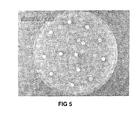
Fig. 5 .- Shows the halos obtained for growth inhibition experiments against Candida species. - The following examples clearly show the antimicrobial and biocidal properties of AQCs. Example 1 describes the preparation of AQC samples whose antibacterial properties are described in Example 2. Example 1 also describes the nanoparticles and corresponding metal salt controls used to compare their antimicrobial activity, which are also reflected in Example 2. Example 3 describes the preparation of the AQC samples used in biocidal activity trials as well as that of the controls and reference biocidal samples.
- Preparation of the AQCs, nanoparticles samples and control samples. Ag01; Ag05; Ag06; Ag07; Ag08. Ag control.
Au6; Au7; Au8; Au9. Au control (samples Au6-8). Au10. Au control (sample Au10).
1) Ag control sample: 100 µM AgNO3 and 200 µM tetrabutylammonium bromide solution. - The synthesis of AQCs of Ag was carried out in an electrochemical cell using galvanostatic potentiometry, applying a constant current density of 0.2 mA/cm2 for different times (t) under the following experimental conditions: Working electrode: Pt (6 cm2). Contraelectrode: Ag. Reference electrode: Ag/AgCl. Electrolyte solution: 200 µM tetrabutylammonium bromide in water. Temperature: 25 °C.
- The final samples were diluted in water to obtain a final concentration of 100 nM clusters in atoms of Ag.
- All the samples exhibited two UV absorption peaks at 211 nm and 227 nm as well as a small narrow band centred around 260 nm.
- The synthesis times used were:
- 2) Sample Ag05; t = 210 minutes.
- 3) Sample AgO6; t = 90 minutes.
- 4) Sample Ag07; t = 65 minutes.
- 5) Sample Ag08; t = 55 minutes.
- 6) Sample Ag01: Nanoparticles of Ag.
- The synthesis of silver nanoparticles was performed by reaction between PVP, poly(N-vinyl-2-pyrrolidone), of molecular weight PM=10,000 and silver nitrate. Firstly, a 50 ml solution of 20 nM AgNO3 was prepared. Then 20 g of PVP was weighed into a 250 ml precipitation flask and dissolved in distilled water. Water was added to reach a total of 91.25 ml. To this solution, 8.75 ml of silver nitrate solution were added. The flask was placed in a water bath at 70 °C for 4 hours. Once the reaction was complete, an excess of acetone was added to precipitate the nanoparticles. Part of the solvent was removed by decantation and the remainder was removed by evaporation in an oven. The sample obtained, dispersed in water, exhibited an absorption band at 410 nm, characteristic of the plasmon band of Ag particles. The size of the nanoparticles, measured by TEM, was 6 nm. The sample for microbiological assays was prepared by performing a washing stage with 10 ml acetone to a solution of 0.5 g in 10 ml water, in order to remove excess PVP. The resulting solution was finally diluted to obtain a solution of 100 nM of Ag nanoparticles.
7) Au control sample: 100µM HAuCl4 and 200µM TBABr (tetrabutylammonium bromide) in a 1:1 mixture of acetonitrile/water. Samples Au6-Au9: AQCs of Au. - The synthesis of AQCs of Au was carried out in an electrochemical cell using galvanostatic potentiometry, applying a constant current density of 10 mA/cm2 for different times under the following experimental conditions: Working electrode: Pt (2.5 cm2). Contraelectrode: Au. Reference electrode: Ag/AgCl.
Electrolyte solution: 0.1 M tetrabutylammonium bromide in a 1:1 mixture of acetonitrile/water.
Inert atmosphere of nitrogen.
Temperature: 25 °C. - The final samples were diluted in a 1:1 mixture of acetonitrile/water to obtain a final concentration of clusters of 100 nM in atoms of Au.
All the samples exhibited two UV-visible absorption peaks at 260 nm and 390 nm in addition to a small peak at 470 nm. Samples Au6 and Au7 also exhibited an additional peak at 300 nm. - The synthesis times used were:
- 8) Sample Au6; t = 200 s.
- 9) Sample Au7; t = 150 s.
- 10) Sample Au8; t = 100 s.
- 11) Sample Au9; t = 50 s.
- 12) Sample AuW: Nanoparticles of Au.
- The synthesis of gold nanoparticles was carried out by the method of Brust [M. Brust, et al. J. Chem. Soc. Chem. Commun. 1994, 801]. For this, two solutions were prepared. Firstly, 10 ml of 30 mM HAuCl4. Secondly, 0.670 g of TOABr (tetraoctylammonium bromide) were dissolved in 24 ml toluene. The Au(III) solution was introduced into a 100 ml flask with a stirring bar and the TOABr solution was added slowly with stirring, producing an exchange of the Au(III) salt with the organic phase. Then, 0.114 g NaBH4 were dissolved in 30 ml H2O (0.1 M) and added slowly using a funnel, drop by drop, over the earlier mixture. The hydride reduces the Au salt and the sample takes on an intense red colour characteristic of Au nanoparticles. Finally, the sample was purified. To do this, the aqueous phase was separated. The organic phase was washed with 25 ml of 0.1 M H2SO4. It was then washed 5 times with 25 ml distilled water and finally dried with anhydrous Na2SO4. The sample obtained, dispersed in toluene, exhibited an absorption band at 540 nm, characteristic of the plasmon band of Au nanoparticles. The size of the nanoparticles, measured by TEM, was 5 nm. The final sample used in microbiological assays was obtained by dissolving 333 µl of the above product in the corresponding quantity of toluene so that the final particle concentration was 100 µM.
13) Sample Tol Control
Sample containing 100 µM HAuCl4 and 200 µM TOABr in toluene. Dried with anhydrous Na2SO4, filtered through a folded filter and finally through a 0.2 micron filter. - Antimicrobial activity assays. All the samples were sterilised by filtration through 0.22 micron membranes. The method used for antimicrobial activity assays was that of disc-diffusion. The cellulose discs were loaded for the assays by immersion in AQC solutions and then dried at 4 °C. The amount of cluster solution adsorbed by the discs of the present example was 25 ±1 ml. The growth medium used was Agar Müeller-Hilton. The microbial suspension used was 0.5 McFarland. The microorganisms trialled were:
- E. coli ATCC 25922
- E. faecalis A TCC 29212
- P. aeruginosa ATCC 27853
- S. aureus ATCC 29213
- C. albicans species obtained from a clinical sample
- The microorganisms were incubated for 24 hours at 35 °C in an aerobic atmosphere.
-
Figures 1 to 5 show the halos observed with the various AQCs tested, as well as with the nanoparticles and corresponding salts tested as controls. Table 1 shows the halo diameters observed using a 6 mm diameter cellulose disc. - Table 1.- Results of the inhibition halos observed (expressed in mm) against various microorganisms for the experiments described in Example 2. From the antimicrobial trials, the following are deduced:
- For Ag samples, it can be seen that the Ag control (Ag+ ions) and the Ag01 sample (Ag nanoparticles) did not give inhibition halos in any of the assays. The Ag AQCs have halos in all assays, except in the case of E. faecalis. It can also be seen that the halos for C. albicans are bigger for all AQC samples assayed.
- For Au samples, it can be observed that Au3+ ions [either in acetonitrile-water mixture (Au control) or in toluene (Tol control)] and Au nanoparticles (Au10) did not give any inhibition halos. The AQC samples exhibited different behaviours depending on the sample type. Thus, sample Au6 exhibited inhibition halos only against C. albicans, E. coli and S. aureus. Samples Au7 and Au8 exhibited activity only against E. coli. Lastly, sample Au9 did not exhibit any activity.
- Thus, it has been demonstrated that the AQC activity is different depending on the type of material (Au or Ag in these specific examples) and also depending on the size within the same material (which is related to the synthesis time according to that indicated in patent application No.
P200502041 PCT/ES2006/070121 - For the study of the biocidal activity of the AQCs, three different samples were prepared.
- Sample B1: a water-based paint-coating was prepared with a styrene acrylic copolymer adjuvant in 50% aqueous dispersion and a pigment-volume concentration of 22%, pigmented with titanium oxide and with a viscosity of 3 Pa.s. This sample was used as a control. Sample B2: To sample B1, a sample of 5 µM of Ag05 AQC was added (see Example 1), diluted in the final sample to 0.2%, which is equivalent to a final concentration of clusters in the paint of 10 nM.
- Sample B3: To sample B1, a sample of 5 µM of Ag05 AQC was added (see Example 1), diluted in the final sample to 0.4 %, which is equivalent to a final concentration of clusters in the paint of 20 nM.
- The samples were stored in closed 100 ml containers and maintained at ambient temperature (22 °C) for 3 months. It was observed that in the samples containing AQCs (B2 and B3), a small anaerobic fermentation had started, which was manifested by a homogenous bubbling in the container. However, no changes in viscosity were seen in the samples compared to the initial viscosity (3 Pa.s). By contrast, the sample used as a control, apart from the anaerobic fermentation that was observed, exhibited a sharp fall in viscosity (1 Pa.s), indicating the clear degradation of the polymer under the test conditions. This example clearly shows the biocidal activity of AQCs for inhibiting the degradation of polymers used in paint-coating formulations.
Claims (21)
- Use of stable atomic quantum clusters (AQCs), characterised by being composed of less than 500 metal atoms (Mn, n<500), as biocidal agents.
- Use of AQCs according to claim 1, where said AQCs are composed of less than 200 metal atoms (Mn, n<200).
- Use of AQCs according to claim 2, where said AQCs are composed of more than 2 and less than 27 metal atoms (Mn, 2<n<27).
- Use of AQCs according to claim 3, where said AQCs are composed of between 2 and 5 metal atoms.
- Use of AQCs according to any of the claims 1 to 4, where the metals of said AQCs are selected from Au, Ag, Co, Cu, Pt, Fe, Cr, Pd, Ni, Rh, Pb or any their bi-metal or multi-metal combinations.
- Use of AQCs according to claim 5, where the metal is Au, Ag or any of their combinations.
- Use of AQCs according to any of the claims 1 to 6, at a concentration of at least 1 nM, referring to the atoms of the corresponding metal.
- Use of AQCs according to claim 7, where the concentration is between 1 nM and 100 nM, referring to the atoms of the corresponding metal.
- Use of AQCs according to any of the claims 1 to 6, where the biocidal agent is antimicrobial or antifungal.
- Use of AQCs according to claim 9, where the antimicrobial against acts against Gram-positive, Gram-negative, anaerobic, acid-alcohol resistant, spiral, rickettsia, mycoplasma, actinomyces or miscellaneous bacteria.
- Use of AQCs according to claim 10, where the Gram-positive bacteria are selected from the list comprising Staphylococcus aureus, Staphylococsus epidermidis, Streptococcus pneumoniae, Streptococcus agalactiae, Enterococcus faecalis or faecimus, Corynebacterium diphtheriae, Listeria monocytogenes, Bacillus anthracis, Clostridium perfringens, Clostridium difficile, Clostridium botulinum, Clostridium tetanus and Clostridium novyi.
- Use of AQCs according to claim 10 where the Gram-negative bacteria are selected among the list comprising Pseudomonas aeruginosa, Neisseria gonorrheae, Neisseria meningitidis, Haemophilus influenzae, Haemophilus parainfluenza, Haemophilus haemolyticus, Haemophilus parahaemolyticus, Haemophilus aphrophilus, Klebsiella pneumoniae, Campylobacter foetus, Campylobacter jejuni, Campylobacter coli, Helicobacter pylori, Vibrio cholerae, Vibrio opticus, Salmonella typhimurium, Salmonella spp, Shigella sonnei, Shigella boydii, Shigella flexneri, Shigella dysenteriae, Escherichia coli, Brucella melitensis, Brucella abortus, Brúcela suis, Rickettsia rickettsii, Francisella tularensis, Pasteurella multocida, Yersinia pestis, Acinetobacter baumani, Yersinia enterocolitica, Yersinia pseudotuberculosis, Proteus mirabilis, Bacteroides spp., Fusobacterium spp., Bordetella pertussis and Legionella pneumophilia.
- Use of AQCs according to claim 10 where the bacteria are selected from the list comprising Chlamydia, Chlamydophila, Mycoplasma Pneumonie, Rickettsia, Mycobacterium, Treponema pallidum, Treponema pertenue, Treponema carateum, Leptospira interrogans, Borrelia hermsii, Borrelia turicatae, Borrelia parkeri and Borrelia burgdorferi, Mycobacterium tuberculosis, Mycobacterium Bovis, Mycobacterium africanum, Mycobacterium microtii and Mycobacterium leprae.
- Use of AQCs according to claim 10, where the antifungal agent acts against fungi selected from the list comprising Actinomyces, Aspergilus, Blatomyces, Candida, Cromoblastomices, Cocidios, Criptococcus, Dermatophitos, Fusarius, Histoplasma, Madura, Mocor, Nocardia, Paracocidius, Penicillinum, Phaeohyphomyces, Scedosporium and Sporotricum.
- Use of AQCs according to claim 14, in combination with another antifungal agent selected from the list comprising Amphotericin, Caspofungin, Micafungin, Anidulafungin, Fluconazole, Flucytosine, Griseofulvin, Imidazole, Itraconazole, Ketoconazole, Miconazole, Nystatin, Posaconazole, Terbinafine and Voriconazole.
- Use of AQCs according to any of the claims 1 to 15 for the preparation of a medicine.
- Use of AQCs according to claim 16 for the preparation of a medicine for the treatment of diseases caused by bacteria or for the inhibition of bacterial growth.
- Use of AQCs according to claim 17 for the treatment of diseases caused by bacteria resistant to antibiotics.
- Use of AQCs according to claim 18 for the treatment of nosocomial infections.
- Use of AQCs according to any of the claims 1 to 15 for the preparation of a phytosanitary, cosmetic or disinfectant product or any other product selected from the list comprising in vitro clinical diagnostic test kits, paints, sealants, polymers and plastics.
- Use of AQCs according to claim 20 where said products are used in water treatment, construction, automotive, textile or hospital and surgical materials.
Applications Claiming Priority (2)
| Application Number | Priority Date | Filing Date | Title |
|---|---|---|---|
| ES200702615A ES2319064B1 (en) | 2007-10-05 | 2007-10-05 | USE OF ATOMIC QUANTIC CLUSTERS (AQCS) AS ANTIMICROBIALS AND BIOCIDES. |
| PCT/ES2008/070180 WO2009043958A1 (en) | 2007-10-05 | 2008-10-01 | Use of atomic quantum clusters (aqc) as antimicrobial agents and biocides |
Publications (3)
| Publication Number | Publication Date |
|---|---|
| EP2206503A1 true EP2206503A1 (en) | 2010-07-14 |
| EP2206503A4 EP2206503A4 (en) | 2011-09-07 |
| EP2206503B1 EP2206503B1 (en) | 2016-07-27 |
Family
ID=40525848
Family Applications (1)
| Application Number | Title | Priority Date | Filing Date |
|---|---|---|---|
| EP08835314.9A Active EP2206503B1 (en) | 2007-10-05 | 2008-10-01 | Use of atomic quantum clusters (aqc) as antimicrobial agents and biocides |
Country Status (5)
| Country | Link |
|---|---|
| US (1) | US9315380B2 (en) |
| EP (1) | EP2206503B1 (en) |
| JP (1) | JP2011504459A (en) |
| ES (2) | ES2319064B1 (en) |
| WO (1) | WO2009043958A1 (en) |
Cited By (4)
| Publication number | Priority date | Publication date | Assignee | Title |
|---|---|---|---|---|
| WO2012059571A1 (en) | 2010-11-05 | 2012-05-10 | Universidade De Santiago De Compostela | USE OF ATOMIC QUANTUM CLUSTERS (AQCs) IN THE PREVENTION OF AUTOIMMUNE DISEASES |
| WO2014090853A1 (en) * | 2012-12-12 | 2014-06-19 | Nanogap Sub Nm Powder, S.A. | Luminescent nanocompounds |
| CN104069128A (en) * | 2014-06-25 | 2014-10-01 | 东南大学 | Application of poly vinyl pyrrolidone (PVP) modified nano-silver and imidazole medicines in preparation of drug tolerance resistant fungus active combined medicines |
| WO2020094700A1 (en) * | 2018-11-07 | 2020-05-14 | Universidade De Santiago De Compostela | Stable polymer composites |
Families Citing this family (7)
| Publication number | Priority date | Publication date | Assignee | Title |
|---|---|---|---|---|
| ES2360649B2 (en) * | 2009-11-25 | 2011-10-17 | Universidade De Santiago De Compostela | DRIVING INKS OBTAINED BY COMBINATION OF AQCS AND METALLIC NANOPARTICLES. |
| ES2365313B2 (en) * | 2010-03-18 | 2012-01-19 | Universidad De Santiago De Compostela | PROCEDURE FOR THE PREPARATION OF ANISOTROPIC METAL NANOPARTICLES BY CATALYSIS BY AQCs. |
| EP2721414B1 (en) * | 2011-06-15 | 2017-08-23 | Fábrica Nacional de Moneda Y Timbre - Real Casa de la Moneda | Use of luminescent nanosystems for authenticating security documents |
| CN102851356B (en) * | 2012-03-22 | 2014-05-14 | 冯家望 | Composite gene chip and method for detection of fourteen common pathogenic bacteria |
| CN108159075B (en) * | 2017-12-27 | 2020-07-24 | 苏州大学 | Application of palladium nano material |
| WO2020065115A2 (en) * | 2018-09-26 | 2020-04-02 | Nanogap Sub-Nm-Powder, S.A. | Therapeutic uses of atomic quantum clusters |
| CN113059176A (en) * | 2021-02-22 | 2021-07-02 | 西安市第九医院 | Preparation method and application of cobalt-silver nanoparticles |
Family Cites Families (13)
| Publication number | Priority date | Publication date | Assignee | Title |
|---|---|---|---|---|
| US6939568B2 (en) * | 2001-04-23 | 2005-09-06 | Nucryst Pharmaceuticals Corp. | Treatment of inflammatory skin conditions |
| US6989157B2 (en) * | 2000-07-27 | 2006-01-24 | Nucryst Pharmaceuticals Corp. | Dry powders of metal-containing compounds |
| JP2002088406A (en) * | 2000-09-12 | 2002-03-27 | Sekisui Chem Co Ltd | Method for producing metal colloid solution and metal colloid solution obtained by the method |
| US20030108612A1 (en) * | 2001-10-31 | 2003-06-12 | Xu Xiaohong Nancy | Metallic nanoparticles for inhibition of bacterium growth |
| CA2500829A1 (en) * | 2002-10-22 | 2004-05-06 | Nucryst Pharmaceuticals Corp. | Prophylactic treatment methods |
| CN1925879B (en) * | 2003-10-30 | 2011-07-13 | 麦克内尔-Ppc股份有限公司 | Composite materials, making method, cosmetics comprising metal-loaded nanoparticles and drug combination |
| US7311933B2 (en) * | 2004-04-13 | 2007-12-25 | Eastman Kodak Company | Packaging material for inhibiting microbial growth |
| CN1953664A (en) * | 2004-05-12 | 2007-04-25 | 基肖尔·马杜卡尔·帕克尼卡尔 | Antimicrobial activity of biologically stable silver nanoparticles |
| US20060280785A1 (en) | 2004-08-11 | 2006-12-14 | Easterly Clay E | Biocidal materials for treatment against pathogens |
| WO2006049477A1 (en) * | 2004-11-08 | 2006-05-11 | Bio Dreams Co. Ltd. | Antifungal pharmaceutical composition |
| JP2006169222A (en) * | 2004-12-10 | 2006-06-29 | Estate Chemical Kk | Antibacterial composition |
| ES2277531B2 (en) | 2005-08-03 | 2008-07-16 | Universidad De Santiago De Compostela | PROCEDURE FOR OBTAINING ATOMIC QUANTIC CLUSTERS. |
| WO2007074484A2 (en) * | 2005-12-28 | 2007-07-05 | Mauro Pollini | Antibacterial surface treatments based on silver clusters deposition |
-
2007
- 2007-10-05 ES ES200702615A patent/ES2319064B1/en active Active
-
2008
- 2008-10-01 EP EP08835314.9A patent/EP2206503B1/en active Active
- 2008-10-01 JP JP2010527477A patent/JP2011504459A/en active Pending
- 2008-10-01 WO PCT/ES2008/070180 patent/WO2009043958A1/en not_active Ceased
- 2008-10-01 US US12/681,642 patent/US9315380B2/en not_active Expired - Fee Related
- 2008-10-01 ES ES08835314.9T patent/ES2593837T3/en active Active
Cited By (8)
| Publication number | Priority date | Publication date | Assignee | Title |
|---|---|---|---|---|
| WO2012059571A1 (en) | 2010-11-05 | 2012-05-10 | Universidade De Santiago De Compostela | USE OF ATOMIC QUANTUM CLUSTERS (AQCs) IN THE PREVENTION OF AUTOIMMUNE DISEASES |
| WO2012059572A1 (en) | 2010-11-05 | 2012-05-10 | Universidade De Santiago De Compostela | COMBINATION OF ATOMIC QUANTUM CLUSTERS (AQCs) AND ANTINEOPLASIC DRUGS, AND ITS USE IN THE PREVENTION AND/OR TREATMENT OF CELL PROLIFERATIVE DISORDERS |
| WO2012059570A1 (en) | 2010-11-05 | 2012-05-10 | Universidade De Santiago De Compostela | USE OF ATOMIC QUANTUM CLUSTERS (AQCs) IN THE PREVENTION OF VIRAL INFECTIONS |
| EP2457572A1 (en) | 2010-11-05 | 2012-05-30 | Universidade De Santiago De Compostela | Use of atomic quantum clusters (aqcs) in the prevention of cell proliferative disorders, viral infections and autoimmune diseases |
| WO2014090853A1 (en) * | 2012-12-12 | 2014-06-19 | Nanogap Sub Nm Powder, S.A. | Luminescent nanocompounds |
| US9302322B2 (en) | 2012-12-12 | 2016-04-05 | Nanogap Sub Nm Powder, S.A. | Luminescent nanocompounds |
| CN104069128A (en) * | 2014-06-25 | 2014-10-01 | 东南大学 | Application of poly vinyl pyrrolidone (PVP) modified nano-silver and imidazole medicines in preparation of drug tolerance resistant fungus active combined medicines |
| WO2020094700A1 (en) * | 2018-11-07 | 2020-05-14 | Universidade De Santiago De Compostela | Stable polymer composites |
Also Published As
| Publication number | Publication date |
|---|---|
| WO2009043958A1 (en) | 2009-04-09 |
| EP2206503A4 (en) | 2011-09-07 |
| ES2319064A1 (en) | 2009-05-01 |
| US9315380B2 (en) | 2016-04-19 |
| EP2206503B1 (en) | 2016-07-27 |
| JP2011504459A (en) | 2011-02-10 |
| ES2319064B1 (en) | 2010-02-15 |
| US20100215766A1 (en) | 2010-08-26 |
| ES2593837T3 (en) | 2016-12-13 |
Similar Documents
| Publication | Publication Date | Title |
|---|---|---|
| EP2206503B1 (en) | Use of atomic quantum clusters (aqc) as antimicrobial agents and biocides | |
| Samadi et al. | Synthesis and antimicrobial effects of silver nanoparticles produced by chemical reduction method | |
| Rodrigues et al. | Biogenic synthesis and antimicrobial activity of silica-coated silver nanoparticles for esthetic dental applications | |
| Vijayakumar et al. | Biosynthesis, characterisation and anti-bacterial effect of plant-mediated silver nanoparticles using Artemisia nilagirica | |
| Khatoon et al. | Antibacterial and antifungal activity of silver nanospheres synthesized by tri-sodium citrate assisted chemical approach | |
| Guzman et al. | Synthesis and antibacterial activity of silver nanoparticles against gram-positive and gram-negative bacteria | |
| Kruk et al. | Synthesis and antimicrobial activity of monodisperse copper nanoparticles | |
| Deka et al. | Bio-based thermostable, biodegradable and biocompatible hyperbranched polyurethane/Ag nanocomposites with antimicrobial activity | |
| Maiti et al. | Antimicrobial activities of silver nanoparticles synthesized from Lycopersicon esculentum extract | |
| Ahmad et al. | Biosynthesis, structural characterization and antimicrobial activity of gold and silver nanoparticles | |
| WO2020028391A1 (en) | Biopolymer-coated two-dimensional transition metal chalcogenides having potent antimicrobial activity | |
| García-Ruiz et al. | Novel biocompatible silver nanoparticles for controlling the growth of lactic acid bacteria and acetic acid bacteria in wines | |
| EP2091333A2 (en) | Antimicrobial agent | |
| CN102781229B (en) | Nanoparticles with fungicidal properties, a process for their preparation and their use in the manufacture of different articles | |
| Elango et al. | Synthesis, structural characterization and antimicrobial activities of polyindole stabilized Ag-Co3O4 nanocomposite by reflux condensation method | |
| Krishnamoorthy et al. | Biocidal activity of ZnO NPs against pathogens and antioxidant activity-a greener approach by Citrus hystrix leaf extract as bio-reductant | |
| Polinarski et al. | In-situ growth of Ag nanoparticles embedded in chitosan coating for potent antimicrobial activity | |
| Eskandari et al. | Bringing resistance modulation to methicillin-resistant Staphylococcus aureus (MRSA) and vancomycin-resistant enterococci (VRE) strains using a quaternary ammonium compound coupled with zinc oxide nanoparticles | |
| Sahib et al. | Biosynthesis of silver nanoparticles using Saccharomyces boulardii and study their biological activities | |
| John et al. | Synthesis, Characterization and Anti-bacterial Activities of Pure and Ag-doped SnO2Nanoparticles | |
| Eidan et al. | Exploring the potential of silver phosphate nanoparticles as a slow-releasing agent to develop antibacterial and biocompatible chitosan-based nanocomposite films | |
| Jawad et al. | The effect of changing the concentration of silver nanoparticles on the antibacterial properties of silver-PVP composite-coated implants | |
| Hussein | Antibacterial studying of silver nanoparticles synthesized by chemical reduction method using different stabilized concentrations | |
| Priyadarshini et al. | Potentiating the antibacterial effect of silver nanospheres by surface-capping with chlorhexidine gluconate | |
| Namakchi et al. | Synthesis of ternary nickel-cobalt-palladium nanoparticle by microemulsion method and investigation of its antibacterial activity on Escherichia coli |
Legal Events
| Date | Code | Title | Description |
|---|---|---|---|
| PUAI | Public reference made under article 153(3) epc to a published international application that has entered the european phase |
Free format text: ORIGINAL CODE: 0009012 |
|
| 17P | Request for examination filed |
Effective date: 20100427 |
|
| AK | Designated contracting states |
Kind code of ref document: A1 Designated state(s): AT BE BG CH CY CZ DE DK EE ES FI FR GB GR HR HU IE IS IT LI LT LU LV MC MT NL NO PL PT RO SE SI SK TR |
|
| AX | Request for extension of the european patent |
Extension state: AL BA MK RS |
|
| DAX | Request for extension of the european patent (deleted) | ||
| A4 | Supplementary search report drawn up and despatched |
Effective date: 20110809 |
|
| RIC1 | Information provided on ipc code assigned before grant |
Ipc: A61P 31/00 20060101ALI20110803BHEP Ipc: B22F 9/24 20060101ALI20110803BHEP Ipc: B22F 1/00 20060101ALI20110803BHEP Ipc: A61K 33/38 20060101AFI20110803BHEP |
|
| 17Q | First examination report despatched |
Effective date: 20130215 |
|
| RIC1 | Information provided on ipc code assigned before grant |
Ipc: B22F 1/00 20060101ALI20160113BHEP Ipc: A61K 45/06 20060101ALI20160113BHEP Ipc: B22F 9/24 20060101ALI20160113BHEP Ipc: A61K 33/38 20060101AFI20160113BHEP Ipc: A61K 33/34 20060101ALI20160113BHEP Ipc: A61K 33/24 20060101ALI20160113BHEP Ipc: B82Y 5/00 20110101ALI20160113BHEP Ipc: A61P 31/00 20060101ALI20160113BHEP Ipc: A61K 33/26 20060101ALI20160113BHEP Ipc: B82Y 30/00 20110101ALI20160113BHEP |
|
| GRAP | Despatch of communication of intention to grant a patent |
Free format text: ORIGINAL CODE: EPIDOSNIGR1 |
|
| INTG | Intention to grant announced |
Effective date: 20160226 |
|
| RAP1 | Party data changed (applicant data changed or rights of an application transferred) |
Owner name: UNIVERSIDADE DE SANTIAGO DE COMPOSTELA |
|
| GRAS | Grant fee paid |
Free format text: ORIGINAL CODE: EPIDOSNIGR3 |
|
| GRAA | (expected) grant |
Free format text: ORIGINAL CODE: 0009210 |
|
| AK | Designated contracting states |
Kind code of ref document: B1 Designated state(s): AT BE BG CH CY CZ DE DK EE ES FI FR GB GR HR HU IE IS IT LI LT LU LV MC MT NL NO PL PT RO SE SI SK TR |
|
| REG | Reference to a national code |
Ref country code: GB Ref legal event code: FG4D |
|
| REG | Reference to a national code |
Ref country code: CH Ref legal event code: EP |
|
| REG | Reference to a national code |
Ref country code: AT Ref legal event code: REF Ref document number: 815238 Country of ref document: AT Kind code of ref document: T Effective date: 20160815 |
|
| REG | Reference to a national code |
Ref country code: IE Ref legal event code: FG4D |
|
| REG | Reference to a national code |
Ref country code: DE Ref legal event code: R096 Ref document number: 602008045347 Country of ref document: DE |
|
| REG | Reference to a national code |
Ref country code: FR Ref legal event code: PLFP Year of fee payment: 9 |
|
| REG | Reference to a national code |
Ref country code: LT Ref legal event code: MG4D |
|
| REG | Reference to a national code |
Ref country code: NL Ref legal event code: MP Effective date: 20160727 |
|
| REG | Reference to a national code |
Ref country code: ES Ref legal event code: FG2A Ref document number: 2593837 Country of ref document: ES Kind code of ref document: T3 Effective date: 20161213 |
|
| REG | Reference to a national code |
Ref country code: AT Ref legal event code: MK05 Ref document number: 815238 Country of ref document: AT Kind code of ref document: T Effective date: 20160727 |
|
| PG25 | Lapsed in a contracting state [announced via postgrant information from national office to epo] |
Ref country code: FI Free format text: LAPSE BECAUSE OF FAILURE TO SUBMIT A TRANSLATION OF THE DESCRIPTION OR TO PAY THE FEE WITHIN THE PRESCRIBED TIME-LIMIT Effective date: 20160727 Ref country code: NL Free format text: LAPSE BECAUSE OF FAILURE TO SUBMIT A TRANSLATION OF THE DESCRIPTION OR TO PAY THE FEE WITHIN THE PRESCRIBED TIME-LIMIT Effective date: 20160727 Ref country code: NO Free format text: LAPSE BECAUSE OF FAILURE TO SUBMIT A TRANSLATION OF THE DESCRIPTION OR TO PAY THE FEE WITHIN THE PRESCRIBED TIME-LIMIT Effective date: 20161027 Ref country code: HR Free format text: LAPSE BECAUSE OF FAILURE TO SUBMIT A TRANSLATION OF THE DESCRIPTION OR TO PAY THE FEE WITHIN THE PRESCRIBED TIME-LIMIT Effective date: 20160727 Ref country code: LT Free format text: LAPSE BECAUSE OF FAILURE TO SUBMIT A TRANSLATION OF THE DESCRIPTION OR TO PAY THE FEE WITHIN THE PRESCRIBED TIME-LIMIT Effective date: 20160727 Ref country code: IS Free format text: LAPSE BECAUSE OF FAILURE TO SUBMIT A TRANSLATION OF THE DESCRIPTION OR TO PAY THE FEE WITHIN THE PRESCRIBED TIME-LIMIT Effective date: 20161127 |
|
| PG25 | Lapsed in a contracting state [announced via postgrant information from national office to epo] |
Ref country code: AT Free format text: LAPSE BECAUSE OF FAILURE TO SUBMIT A TRANSLATION OF THE DESCRIPTION OR TO PAY THE FEE WITHIN THE PRESCRIBED TIME-LIMIT Effective date: 20160727 Ref country code: PL Free format text: LAPSE BECAUSE OF FAILURE TO SUBMIT A TRANSLATION OF THE DESCRIPTION OR TO PAY THE FEE WITHIN THE PRESCRIBED TIME-LIMIT Effective date: 20160727 Ref country code: PT Free format text: LAPSE BECAUSE OF FAILURE TO SUBMIT A TRANSLATION OF THE DESCRIPTION OR TO PAY THE FEE WITHIN THE PRESCRIBED TIME-LIMIT Effective date: 20161128 Ref country code: BE Free format text: LAPSE BECAUSE OF NON-PAYMENT OF DUE FEES Effective date: 20160727 Ref country code: GR Free format text: LAPSE BECAUSE OF FAILURE TO SUBMIT A TRANSLATION OF THE DESCRIPTION OR TO PAY THE FEE WITHIN THE PRESCRIBED TIME-LIMIT Effective date: 20161028 Ref country code: SE Free format text: LAPSE BECAUSE OF FAILURE TO SUBMIT A TRANSLATION OF THE DESCRIPTION OR TO PAY THE FEE WITHIN THE PRESCRIBED TIME-LIMIT Effective date: 20160727 Ref country code: LV Free format text: LAPSE BECAUSE OF FAILURE TO SUBMIT A TRANSLATION OF THE DESCRIPTION OR TO PAY THE FEE WITHIN THE PRESCRIBED TIME-LIMIT Effective date: 20160727 |
|
| PG25 | Lapsed in a contracting state [announced via postgrant information from national office to epo] |
Ref country code: EE Free format text: LAPSE BECAUSE OF FAILURE TO SUBMIT A TRANSLATION OF THE DESCRIPTION OR TO PAY THE FEE WITHIN THE PRESCRIBED TIME-LIMIT Effective date: 20160727 Ref country code: RO Free format text: LAPSE BECAUSE OF FAILURE TO SUBMIT A TRANSLATION OF THE DESCRIPTION OR TO PAY THE FEE WITHIN THE PRESCRIBED TIME-LIMIT Effective date: 20160727 |
|
| REG | Reference to a national code |
Ref country code: DE Ref legal event code: R097 Ref document number: 602008045347 Country of ref document: DE |
|
| PG25 | Lapsed in a contracting state [announced via postgrant information from national office to epo] |
Ref country code: BG Free format text: LAPSE BECAUSE OF FAILURE TO SUBMIT A TRANSLATION OF THE DESCRIPTION OR TO PAY THE FEE WITHIN THE PRESCRIBED TIME-LIMIT Effective date: 20161027 Ref country code: SK Free format text: LAPSE BECAUSE OF FAILURE TO SUBMIT A TRANSLATION OF THE DESCRIPTION OR TO PAY THE FEE WITHIN THE PRESCRIBED TIME-LIMIT Effective date: 20160727 Ref country code: CZ Free format text: LAPSE BECAUSE OF FAILURE TO SUBMIT A TRANSLATION OF THE DESCRIPTION OR TO PAY THE FEE WITHIN THE PRESCRIBED TIME-LIMIT Effective date: 20160727 Ref country code: DK Free format text: LAPSE BECAUSE OF FAILURE TO SUBMIT A TRANSLATION OF THE DESCRIPTION OR TO PAY THE FEE WITHIN THE PRESCRIBED TIME-LIMIT Effective date: 20160727 |
|
| REG | Reference to a national code |
Ref country code: CH Ref legal event code: PL |
|
| PLBE | No opposition filed within time limit |
Free format text: ORIGINAL CODE: 0009261 |
|
| STAA | Information on the status of an ep patent application or granted ep patent |
Free format text: STATUS: NO OPPOSITION FILED WITHIN TIME LIMIT |
|
| 26N | No opposition filed |
Effective date: 20170502 |
|
| REG | Reference to a national code |
Ref country code: IE Ref legal event code: MM4A |
|
| PG25 | Lapsed in a contracting state [announced via postgrant information from national office to epo] |
Ref country code: CH Free format text: LAPSE BECAUSE OF NON-PAYMENT OF DUE FEES Effective date: 20161031 Ref country code: LI Free format text: LAPSE BECAUSE OF NON-PAYMENT OF DUE FEES Effective date: 20161031 |
|
| PG25 | Lapsed in a contracting state [announced via postgrant information from national office to epo] |
Ref country code: SI Free format text: LAPSE BECAUSE OF FAILURE TO SUBMIT A TRANSLATION OF THE DESCRIPTION OR TO PAY THE FEE WITHIN THE PRESCRIBED TIME-LIMIT Effective date: 20160727 Ref country code: LU Free format text: LAPSE BECAUSE OF NON-PAYMENT OF DUE FEES Effective date: 20161001 |
|
| REG | Reference to a national code |
Ref country code: FR Ref legal event code: PLFP Year of fee payment: 10 |
|
| PG25 | Lapsed in a contracting state [announced via postgrant information from national office to epo] |
Ref country code: IE Free format text: LAPSE BECAUSE OF NON-PAYMENT OF DUE FEES Effective date: 20161001 |
|
| PG25 | Lapsed in a contracting state [announced via postgrant information from national office to epo] |
Ref country code: HU Free format text: LAPSE BECAUSE OF FAILURE TO SUBMIT A TRANSLATION OF THE DESCRIPTION OR TO PAY THE FEE WITHIN THE PRESCRIBED TIME-LIMIT; INVALID AB INITIO Effective date: 20081001 Ref country code: CY Free format text: LAPSE BECAUSE OF FAILURE TO SUBMIT A TRANSLATION OF THE DESCRIPTION OR TO PAY THE FEE WITHIN THE PRESCRIBED TIME-LIMIT Effective date: 20160727 |
|
| PG25 | Lapsed in a contracting state [announced via postgrant information from national office to epo] |
Ref country code: MT Free format text: LAPSE BECAUSE OF NON-PAYMENT OF DUE FEES Effective date: 20161031 Ref country code: TR Free format text: LAPSE BECAUSE OF FAILURE TO SUBMIT A TRANSLATION OF THE DESCRIPTION OR TO PAY THE FEE WITHIN THE PRESCRIBED TIME-LIMIT Effective date: 20160727 Ref country code: MC Free format text: LAPSE BECAUSE OF FAILURE TO SUBMIT A TRANSLATION OF THE DESCRIPTION OR TO PAY THE FEE WITHIN THE PRESCRIBED TIME-LIMIT Effective date: 20160727 |
|
| REG | Reference to a national code |
Ref country code: FR Ref legal event code: PLFP Year of fee payment: 11 |
|
| PGFP | Annual fee paid to national office [announced via postgrant information from national office to epo] |
Ref country code: FR Payment date: 20221025 Year of fee payment: 15 |
|
| PGFP | Annual fee paid to national office [announced via postgrant information from national office to epo] |
Ref country code: IT Payment date: 20221020 Year of fee payment: 15 Ref country code: GB Payment date: 20221027 Year of fee payment: 15 Ref country code: DE Payment date: 20221027 Year of fee payment: 15 |
|
| REG | Reference to a national code |
Ref country code: DE Ref legal event code: R119 Ref document number: 602008045347 Country of ref document: DE |
|
| GBPC | Gb: european patent ceased through non-payment of renewal fee |
Effective date: 20231001 |
|
| PG25 | Lapsed in a contracting state [announced via postgrant information from national office to epo] |
Ref country code: GB Free format text: LAPSE BECAUSE OF NON-PAYMENT OF DUE FEES Effective date: 20231001 |
|
| PG25 | Lapsed in a contracting state [announced via postgrant information from national office to epo] |
Ref country code: GB Free format text: LAPSE BECAUSE OF NON-PAYMENT OF DUE FEES Effective date: 20231001 Ref country code: FR Free format text: LAPSE BECAUSE OF NON-PAYMENT OF DUE FEES Effective date: 20231031 Ref country code: DE Free format text: LAPSE BECAUSE OF NON-PAYMENT OF DUE FEES Effective date: 20240501 |
|
| PG25 | Lapsed in a contracting state [announced via postgrant information from national office to epo] |
Ref country code: IT Free format text: LAPSE BECAUSE OF NON-PAYMENT OF DUE FEES Effective date: 20231001 |
|
| PG25 | Lapsed in a contracting state [announced via postgrant information from national office to epo] |
Ref country code: IT Free format text: LAPSE BECAUSE OF NON-PAYMENT OF DUE FEES Effective date: 20231001 |
|
| PGFP | Annual fee paid to national office [announced via postgrant information from national office to epo] |
Ref country code: ES Payment date: 20251031 Year of fee payment: 18 |