EP2195338B1 - N-terminal modified interferon-alpha - Google Patents
N-terminal modified interferon-alpha Download PDFInfo
- Publication number
- EP2195338B1 EP2195338B1 EP08835587.0A EP08835587A EP2195338B1 EP 2195338 B1 EP2195338 B1 EP 2195338B1 EP 08835587 A EP08835587 A EP 08835587A EP 2195338 B1 EP2195338 B1 EP 2195338B1
- Authority
- EP
- European Patent Office
- Prior art keywords
- interferon alpha
- hifn
- fragment
- cys
- ifn
- Prior art date
- Legal status (The legal status is an assumption and is not a legal conclusion. Google has not performed a legal analysis and makes no representation as to the accuracy of the status listed.)
- Active
Links
Images


Classifications
-
- C—CHEMISTRY; METALLURGY
- C07—ORGANIC CHEMISTRY
- C07K—PEPTIDES
- C07K14/00—Peptides having more than 20 amino acids; Gastrins; Somatostatins; Melanotropins; Derivatives thereof
- C07K14/435—Peptides having more than 20 amino acids; Gastrins; Somatostatins; Melanotropins; Derivatives thereof from animals; from humans
- C07K14/52—Cytokines; Lymphokines; Interferons
- C07K14/555—Interferons [IFN]
- C07K14/56—IFN-alpha
-
- A—HUMAN NECESSITIES
- A61—MEDICAL OR VETERINARY SCIENCE; HYGIENE
- A61P—SPECIFIC THERAPEUTIC ACTIVITY OF CHEMICAL COMPOUNDS OR MEDICINAL PREPARATIONS
- A61P31/00—Antiinfectives, i.e. antibiotics, antiseptics, chemotherapeutics
- A61P31/12—Antivirals
-
- A—HUMAN NECESSITIES
- A61—MEDICAL OR VETERINARY SCIENCE; HYGIENE
- A61K—PREPARATIONS FOR MEDICAL, DENTAL OR TOILETRY PURPOSES
- A61K38/00—Medicinal preparations containing peptides
Definitions
- Interferons including IFN- ⁇ , IFN- ⁇ , and IFN- ⁇ , are natural proteins produced by immune cells in response to foreign agents (e.g., pathogens) or abnormal self agents (e.g., cancer cells). They have been widely used in treating viral infection and cancer.
- foreign agents e.g., pathogens
- abnormal self agents e.g., cancer cells
- hIFN- ⁇ 2b Mature human IFN- ⁇ -2b (hIFN- ⁇ 2b) and its counterparts in other species have two naturally-occurring disulfide bonds, which are crucial to their therapeutic applications. In hIFN- ⁇ 2b, these two disulfide bonds are formed between Cys 1 -Cys 98 and Cys 29 -Cys 138 , respectively. The former is required for the protein activity. Loss of the latter, on the other hand, renders the protein immunogenic.
- hIFN- ⁇ 2b is commonly prepared by expressing its encoding cDNA in E . coli. It has been found that the protein thus prepared contains a substantial amount of structural isoforms, including oligomers and slow monomers, both of which migrate slower than their native counterparts in SDS-polyacrymide gel electrophoresis under non-reducing conditions. These isoforms, resulting from formation of non-natural inter- or intramolecular disulfide bonds, have no therapeutic value as they are either inactive or immunogenic. It is therefore highly desired to develop new techniques for producing IFN- ⁇ proteins with little isoform contamination.
- US 2007/225205 A1 discloses interferon-alpha polypeptides and conjugates, and nucleic acids encoding the polypeptides.
- WO 00/09143 A1 relates to pharmaceutical compounds which are multivalent avb3 receptor/metastasis-associated receptor ligands.
- US 5710027 A discloses methods and vectors for expressing interferon-alpha (IFN-alpha) proteins in E. coli.
- IFN-alpha interferon-alpha
- US 5166322 A discloses cysteine added variants ('CAVs') of interleukin-3 having one or more cysteine residues substituted for selected naturally occurring amino acid residues, or inserted into the polypeptide sequence, and preferably being further modified by deletion of certain N-terminal amino acids.
- WO 2005/069845 discloses methods of increasing the yield in plant expression of recombinant proteins comprising: engineering glycosylation sites into cloned genes or cDNAs for proteins using codons that drive post-translational modifications in plants; and engineering the cloned genes or cDNAs to contain a plant secretory signal sequence that targets the gene products (protein) for secretion.
- the present invention is based on the unexpected discovery that addition of an amino acid residue to the N-terminus cystein (Cys 1 ) of mature hIFN- ⁇ 2b reduces formation of non-natural disulfide bonds, thereby substantially lowering the level of its structural isoforms.
- this invention features an isolated polypeptide including a first fragment, which has 1-5 (e.g., 1, 2, and 3) amino acid residues, and a second fragment, the N-terminal portion of which is a mature IFN- ⁇ having Cys 1 (e.g., mature hIFN- ⁇ 2b).
- the first fragment is linked to Cys 1 of the mature IFN- ⁇ via a peptide bond.
- the first fragment is a single amino acid, e.g., a proline.
- the first fragment is a single amino acid, it cannot be a methionine.
- This polypeptide can be used for treating diseases such as viral infection and cancer.
- this invention features a nucleic acid including a nucleotide sequence that encodes the polypeptide described above.
- Also within the scope of this invention is a method for reducing formation of non-natural disulfide bonds in a mature IFN- ⁇ by adding 1-5 amino acid residues to Cys 1 of the mature IFN- ⁇ .
- reduced formation of non-natural disulfide bonds in hIFN- ⁇ 2b is achieved by adding a proline residue to its Cys 1 .
- the present invention aims at reduction of forming non-natural disulfide bonds in a mature IFN- ⁇ , which has been achieved by adding a proline residue to Cys 1 of the mature IFN- ⁇ .
- this invention provides an isolated polypeptide that consists of two fragments: the first fragment consisting of a proline residue and the second fragment including a mature IFN- ⁇ at its N-terminal portion.
- the first fragment is linked to Cys 1 of the mature IFN- ⁇ through a peptide bond.
- IFN- ⁇ proteins having Cys 1 in their mature forms can be identified by searching a protein database, e.g., the GenBank database. Examples of such IFN- ⁇ proteins include human IFN- ⁇ 2b (GenBank Accession No. AAP20099; see also FIG. 1 ), pig IFN- ⁇ (GenBank Accession No. BAE93462), dog IFN- ⁇ (GenBank Accession No. BAE92736), and cattle IFN- ⁇ (GanBank Accession No. AAP87280).
- the first fragment described above can be a single amino acid residue, e.g., a proline. This single amino acid residue, however, cannot be a methionine, as it would be removed in cells.
- the first fragment can also be a peptide having 2-5 amino acid residues, the sequence of which is inconsequential.
- the isolated polypeptide described above can be prepared using recombinant technology.
- a gene encoding an IFN- ⁇ is isolated by methods known in the art. See, e.g., Sambrook et al., Molecular Cloning: A Luborutory Manual, 2nd Edition, Cold Spring Harbor, N.Y., 1989 .
- This gene is then modified by adding a nucleotide sequence encoding the fragment described above directly to the genetic coden encoding Cys 1 of the IFN- ⁇ . This modification can be achieved by, e.g., polymerase chain reaction (PCR).
- PCR polymerase chain reaction
- the gene thus modified, which encodes the N-terminal modified IFN- ⁇ can then be expressed in E. coli, yeast, insect, or mammalian cells.
- the isolated polypeptide can also be prepared by synthetic methods or a combination of synthetic and recombinant methods.
- the above-described first fragment is added by a synthetic method to the N-terminus of a mature IFN- ⁇ that is expressed and purified from host cells.
- a pharmaceutically acceptable carrier refers to a carrier that is compatible with the active ingredient of the composition (and preferably, capable of stabilizing the active ingredient) and not deleterious to the subject to be treated.
- Suitable carriers include microcrystalline cellulose, mannitol, glucose, defatted milk powder, polyvinylpyrrolidone, and starch, or a combination thereof. This composition can then be presented in a variety of forms, such as tablet, capsule, powder, or liquid.
- composition containing the isolated polypeptide can be administered to a subject via suitable routes, e.g., intravenous injection or subcutaneous injection, once or multiple times per day or once every several days.
- a sterile injectable composition can be a solution or suspension in a non-toxic parenterally acceptable diluent or solvent, such as a solution in 1,3-butanediol.
- acceptable vehicles and solvents that can be employed are mannitol, water, Ringer's solution, and isotonic sodium chloride solution.
- fixed oils are conventionally employed as a solvent or suspending medium (e.g., synthetic mono- or diglycerides).
- Fatty acid such as oleic acid and its glyceride derivatives are useful in the preparation of injectables, as are natural pharmaceutically acceptable oils, such as olive oil or castor oil, especially in their polyoxyethylated versions.
- oils such as olive oil or castor oil, especially in their polyoxyethylated versions.
- These oil solutions or suspensions can also contain a long chain alcohol diluent or dispersant, carboxymethyl cellulose, or similar dispersing agents.
- Other commonly used surfactants such as Tweens or Spans or other similar emulsifying agents or bioavailability enhancers which are commonly used in the manufacture of pharmaceutically acceptable solid, liquid, or other dosage forms can also be used for the purpose of formulation.
- EXAMPLE 1 Preparation of recombinant hIFN- ⁇ 2b and N-terminal modified hIFN- ⁇ 2b (Pro-hIFN- ⁇ 2b)
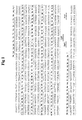
- a first nucleic acid encoding hIFN- ⁇ 2b was amplified by PCR using human genomic DNA as a template. See FIG. 1 .
- the PCR primers were designed based on the flanking sequences of the coding region of the hIFN- ⁇ 2b gene (GenBank Accession # NM_000605).
- the PCR product thus obtained was cloned into pGEM-T vector (Promega) and then subcloned into pET-24a (Novagen), a protein expression vector.
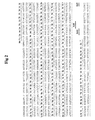
- a second nucleic acid encoding Pro-hIFN- ⁇ 2b was obtained by modifying the first nucleic acid described above via PCR amplification using primers designed according to the nucleic acid sequence shown in FIG 2 . Briefly, two additional codens, ATG and CCG (encoding Met and Pro, respectively) were added to the 5' of coden TGT that encodes Cys 1 of mature hIFN- ⁇ 2b. This nucleic acid was also cloned into expression vector pET-24a.
- E. coli BLR-CodonPlus DE 3-RIL strain (Novagene). E. coli clones expressing high levels of these two proteins were selected. As designed, the nascent protein expressed from the Pro-hIFN- ⁇ 2b gene has a Met at its N-terminus (Met-Pro-Cys--). This Met residue was removed in E. coli via internal enzymatic digestion, resulting in a mature protein having an N-terminal Pro, which is linked to the Cys 1 of hIFN- ⁇ 2b (Pro-Cys--).
- the E. coli clone expressing either hIFN- ⁇ 2b or Pro-hIFN- ⁇ 2b was cultured in a 1000 ml flask containing 250 ml SYN Broth medium (soytone, yeast extract, and NaCl) with karamycin (50 ug/mL) and chloramphenical (50 ug/mL) at 37 °C, 200 rpm for 16 hours.
- the oxygen concentration in the medium was controlled at 35% and its pH maintained at 7.1 by adding a 37% ammonia water whenever necessary.
- a feeding solution containing 800 g/L of glucose and 20 g/L of MgSO4 ⁇ 7H2O was prepared. When the dissolved oxygen rose to a value greater than the set point, an appropriate volume of the feeding solution was added to increase the glucose concentration in the culture medium.
- the expression of the hIFN- ⁇ 2b or the Pro-hIFN- ⁇ 2b gene was induced by IPTG at a final concentration of 0.7 mM, then addition of feeding material (yeast extract and trace element). E. coli cells expressing these proteins were collected five hours after IPTG induction.
- the collected E. coli cells were resuspended in TEN buffer (50 mM Tris-HCl, pH 7.0; 1 mM EDTA, and 100 mM NaCl) in a ratio of 1:10 (wet weight g/mL), disrupted by a homogenizer, and then centrifuged at 10,000 rpm for 20 min.
- the pellet containing inclusion bodies (IBs) was washed twice with TEN buffer and centrifuged as described above, suspended in a ration of 1 ml solution : 2.5 g pellet wet weight g/mL of a 4 M guanidium HCl (GnHCl) aqueous solution, and then centrifuged at 20,000 rpm for 20 min.
- the above-described IBs were mixed with 1.5 L freshly prepared refolding buffer (100 mM Tris-HCl (pH 7.0), 0.5 M L-Arginine, 2 mM EDTA).
- the reaction mixture thus formed was incubated for 24 ⁇ 36 hr without stirring at room temperature to allow refolding of the recombinant hIFN- ⁇ 2b and Pro-hIFN- ⁇ 2b proteins.
- the refolded proteins were then dialyzed against 20 mM Tris-HCl buffer, pH 7.0 and further purified by Q-Sepharose column chromatography described below.
- a Q-Sepharose column (GE Healthcare, Pittsburgh, PA) was pre-equilibrated and washed with a 20 mM Tris-HCl buffer (pH 7. 0). The refolded recombinant proteins were then loaded onto the equilibrated Q-Sepharose column and eluted with a 20 mM Tris-HCl buffer (pH 7. 0) containing 80 mM NaCl. Fractions containing Pro- hIFN- ⁇ 2b were collected based on their absorbance at 280 nm. The concentrations of these proteins were determined by a protein assay kit using the Bradford method (Pierce, Rockford, IL).
- the conformation of the refolded recombinant proteins was determined using C 18 reverse phase HPLC (RP-HPLC), in which native-formed proteins and slow monomers were separated (represented by different peaks shown in FIGs 3 and 4 ).
- the RP-HPLC analysis was conducted on an Angilent HPLC system equipped with an automated gradient controller, two buffer pumps, UV detector, and a recorder-integrator.
- a C18 HPLC column (46 mm x 250 mm, 5 ⁇ m particle size; 300 A pore size) was equilibrated in 80% buffer A: 0.2% (v/v) TFA in 30:70 acetonitrile : water (HPLC grade).
- the proteins were eluted from the C 18 HPLC column using buffer B (0.2% TFA in 80:20 acetonitrile : water) at a flow rate of 1 ml/min according to the following gradient: Time (min) Eluent A Eluent B 0 72 28 1 72 28 5 67 33 20 63 37 30 57 43 40 40 60 42 40 60 50 72 28
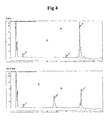
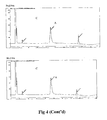
- Results obtained from the C18 HPLC analysis indicate that a substantial amount of the refolded recombinant hIFN- ⁇ 2b proteins are slow monomers (right peak in FIG. 3 ). Differently, there is only little contamination of slow monomers in refolded recombinant Pro- hIFN- ⁇ 2b proteins, see peak B in FIG. 4 .
- hIFN- ⁇ 2b was purified by Q-Sepharose column chromatography as described above.
- hIFN- ⁇ 2b isoforms, including oligomers and slow monomers, contained in the purified proteins were removed according to the method described in US Pat. No. 4,534,906 . Briefly, the proteins were mixed with ASP buffer (3M ammonium sulfate and 1M NaOAc) to the final concentration (0.9 M ammonium sulfate and 20 mM NaOAc) at the pH value of 4.5. The mixture was incubated at room temperature (e.g., 34 ⁇ 40°C) for 20 minutes to effect formation of protein precipitates, which include slow monomers and oligomers.
- ASP buffer 3M ammonium sulfate and 1M NaOAc
- hIFN- ⁇ 2b proteins prepared by Q-Sepharose column purification include a substantial amount of isoforms. See the right peak in the top panel of FIG. 5 . These isoforms have been removed after ammonium sulfate/sodium chloride treatment.
Landscapes
- Health & Medical Sciences (AREA)
- Chemical & Material Sciences (AREA)
- Life Sciences & Earth Sciences (AREA)
- Organic Chemistry (AREA)
- General Health & Medical Sciences (AREA)
- Medicinal Chemistry (AREA)
- Molecular Biology (AREA)
- Biophysics (AREA)
- Genetics & Genomics (AREA)
- Biochemistry (AREA)
- Toxicology (AREA)
- Gastroenterology & Hepatology (AREA)
- Zoology (AREA)
- Proteomics, Peptides & Aminoacids (AREA)
- Chemical Kinetics & Catalysis (AREA)
- Veterinary Medicine (AREA)
- Public Health (AREA)
- Animal Behavior & Ethology (AREA)
- Pharmacology & Pharmacy (AREA)
- Nuclear Medicine, Radiotherapy & Molecular Imaging (AREA)
- General Chemical & Material Sciences (AREA)
- Oncology (AREA)
- Communicable Diseases (AREA)
- Virology (AREA)
- Peptides Or Proteins (AREA)
- Medicines That Contain Protein Lipid Enzymes And Other Medicines (AREA)
- Preparation Of Compounds By Using Micro-Organisms (AREA)
Abstract
Description
- This application claims the benefit of
U.S. Provisional Application No. 60/976,696 filed on October 1, 2007 - Interferons (IFNs), including IFN-α, IFN-β, and IFN-γ, are natural proteins produced by immune cells in response to foreign agents (e.g., pathogens) or abnormal self agents (e.g., cancer cells). They have been widely used in treating viral infection and cancer.
- Mature human IFN-α-2b (hIFN-α2b) and its counterparts in other species have two naturally-occurring disulfide bonds, which are crucial to their therapeutic applications. In hIFN-α2b, these two disulfide bonds are formed between Cys1-Cys98 and Cys29-Cys138, respectively. The former is required for the protein activity. Loss of the latter, on the other hand, renders the protein immunogenic.
- hIFN-α2b is commonly prepared by expressing its encoding cDNA in E. coli. It has been found that the protein thus prepared contains a substantial amount of structural isoforms, including oligomers and slow monomers, both of which migrate slower than their native counterparts in SDS-polyacrymide gel electrophoresis under non-reducing conditions. These isoforms, resulting from formation of non-natural inter- or intramolecular disulfide bonds, have no therapeutic value as they are either inactive or immunogenic. It is therefore highly desired to develop new techniques for producing IFN-α proteins with little isoform contamination.
-
US 2007/225205 A1 discloses interferon-alpha polypeptides and conjugates, and nucleic acids encoding the polypeptides. -
WO 00/09143 A1 -
US 5710027 A discloses methods and vectors for expressing interferon-alpha (IFN-alpha) proteins in E. coli. -
US 5166322 A discloses cysteine added variants ('CAVs') of interleukin-3 having one or more cysteine residues substituted for selected naturally occurring amino acid residues, or inserted into the polypeptide sequence, and preferably being further modified by deletion of certain N-terminal amino acids. -
WO 2005/069845 discloses methods of increasing the yield in plant expression of recombinant proteins comprising: engineering glycosylation sites into cloned genes or cDNAs for proteins using codons that drive post-translational modifications in plants; and engineering the cloned genes or cDNAs to contain a plant secretory signal sequence that targets the gene products (protein) for secretion. - The present invention is based on the unexpected discovery that addition of an amino acid residue to the N-terminus cystein (Cys1) of mature hIFN-α2b reduces formation of non-natural disulfide bonds, thereby substantially lowering the level of its structural isoforms.
- In one aspect, this invention features an isolated polypeptide including a first fragment, which has 1-5 (e.g., 1, 2, and 3) amino acid residues, and a second fragment, the N-terminal portion of which is a mature IFN-α having Cys1 (e.g., mature hIFN-α2b). The first fragment is linked to Cys1 of the mature IFN-α via a peptide bond. In one example, the first fragment is a single amino acid, e.g., a proline. Of note, when the first fragment is a single amino acid, it cannot be a methionine. This polypeptide can be used for treating diseases such as viral infection and cancer.
- In another aspect, this invention features a nucleic acid including a nucleotide sequence that encodes the polypeptide described above.
- Also within the scope of this invention is a method for reducing formation of non-natural disulfide bonds in a mature IFN-α by adding 1-5 amino acid residues to Cys1 of the mature IFN-α. For example, reduced formation of non-natural disulfide bonds in hIFN-α2b is achieved by adding a proline residue to its Cys1.
- Other features or advantages of the present invention will be apparent from the following drawings and detailed description of several embodiments, and also from the appending claims.
-
-
FIG 1 . shows the amino acid sequence of hIFN-α2b and the its encoding nucleic acid sequence. -
FIG 2 . shows the amino acid sequence of a modified mature hIFN-α2b (Pro-IFN-α2b) and its encoding nucleic acid sequence. -
FIG 3 . is a High Performance Liquid Chromatograph ("HPLC") graph showing refolding of mature hIFN-α2b at different time points. Right peak: slow monomers of hIFN-α2b. Left peak: hIFN-α2b in its native form. -
FIG 4 . is an HPLC graph showing refolding of Pro-IFN-α2b at different time points. Peak A: unfolded Pro-IFN-α2b. Peak B: slow monomers of Pro-IFN-α2b. Peak C: Pro-IFN-α2b in its native form. -
FIG 5 . is an HPLC graph showing native and structural isoforms of hIFN-α2b before and after ammonium sulfate/sodium chloride treatment. Peak A: slow monomers of hIFN-α2b. Peak B: hIFN-α2b in its native form. - The present invention aims at reduction of forming non-natural disulfide bonds in a mature IFN-α, which has been achieved by adding a proline residue to Cys1 of the mature IFN-α.
- Accordingly, this invention provides an isolated polypeptide that consists of two fragments: the first fragment consisting of a proline residue and the second fragment including a mature IFN-α at its N-terminal portion. The first fragment is linked to Cys1 of the mature IFN-α through a peptide bond. IFN-α proteins having Cys1 in their mature forms can be identified by searching a protein database, e.g., the GenBank database. Examples of such IFN-α proteins include human IFN-α2b (GenBank Accession No. AAP20099; see also
FIG. 1 ), pig IFN-α (GenBank Accession No. BAE93462), dog IFN-α (GenBank Accession No. BAE92736), and cattle IFN-α (GanBank Accession No. AAP87280). - The first fragment described above can be a single amino acid residue, e.g., a proline. This single amino acid residue, however, cannot be a methionine, as it would be removed in cells. The first fragment can also be a peptide having 2-5 amino acid residues, the sequence of which is inconsequential.
- The isolated polypeptide described above can be prepared using recombinant technology. Below is an example. A gene encoding an IFN-α is isolated by methods known in the art. See, e.g., Sambrook et al., Molecular Cloning: A Luborutory Manual, 2nd Edition, Cold Spring Harbor, N.Y., 1989. This gene is then modified by adding a nucleotide sequence encoding the fragment described above directly to the genetic coden encoding Cys1 of the IFN-α. This modification can be achieved by, e.g., polymerase chain reaction (PCR). The gene thus modified, which encodes the N-terminal modified IFN-α, can then be expressed in E. coli, yeast, insect, or mammalian cells.
- The isolated polypeptide can also be prepared by synthetic methods or a combination of synthetic and recombinant methods. In one example, the above-described first fragment is added by a synthetic method to the N-terminus of a mature IFN-α that is expressed and purified from host cells.
- One can formulate the isolated polypeptide with a pharmaceutically acceptable carrier to produce a pharmaceutical composition. A pharmaceutically acceptable carrier refers to a carrier that is compatible with the active ingredient of the composition (and preferably, capable of stabilizing the active ingredient) and not deleterious to the subject to be treated. Suitable carriers include microcrystalline cellulose, mannitol, glucose, defatted milk powder, polyvinylpyrrolidone, and starch, or a combination thereof. This composition can then be presented in a variety of forms, such as tablet, capsule, powder, or liquid.
- The composition containing the isolated polypeptide can be administered to a subject via suitable routes, e.g., intravenous injection or subcutaneous injection, once or multiple times per day or once every several days. A sterile injectable composition can be a solution or suspension in a non-toxic parenterally acceptable diluent or solvent, such as a solution in 1,3-butanediol. Among the acceptable vehicles and solvents that can be employed are mannitol, water, Ringer's solution, and isotonic sodium chloride solution. In addition, fixed oils are conventionally employed as a solvent or suspending medium (e.g., synthetic mono- or diglycerides). Fatty acid, such as oleic acid and its glyceride derivatives are useful in the preparation of injectables, as are natural pharmaceutically acceptable oils, such as olive oil or castor oil, especially in their polyoxyethylated versions. These oil solutions or suspensions can also contain a long chain alcohol diluent or dispersant, carboxymethyl cellulose, or similar dispersing agents. Other commonly used surfactants such as Tweens or Spans or other similar emulsifying agents or bioavailability enhancers which are commonly used in the manufacture of pharmaceutically acceptable solid, liquid, or other dosage forms can also be used for the purpose of formulation.
- Without further elaboration, it is believed that the above description has adequately enabled the present invention. The following examples are, therefore, to be construed as merely illustrative, and not limitative of the remainder of the disclosure in any way whatsoever.
- A first nucleic acid encoding hIFN-α2b was amplified by PCR using human genomic DNA as a template. See
FIG. 1 . The PCR primers were designed based on the flanking sequences of the coding region of the hIFN-α2b gene (GenBank Accession # NM_000605). The PCR product thus obtained was cloned into pGEM-T vector (Promega) and then subcloned into pET-24a (Novagen), a protein expression vector. - A second nucleic acid encoding Pro-hIFN-α2b was obtained by modifying the first nucleic acid described above via PCR amplification using primers designed according to the nucleic acid sequence shown in
FIG 2 . Briefly, two additional codens, ATG and CCG (encoding Met and Pro, respectively) were added to the 5' of coden TGT that encodes Cys1 of mature hIFN-α2b. This nucleic acid was also cloned into expression vector pET-24a. - pET-24a vectors, carrying the hIFN-α2b and Pro- hIFN-α2b genes, were then transformed into E. coli BLR-CodonPlus (DE 3)-RIL strain (Novagene). E. coli clones expressing high levels of these two proteins were selected. As designed, the nascent protein expressed from the Pro-hIFN-α2b gene has a Met at its N-terminus (Met-Pro-Cys--). This Met residue was removed in E. coli via internal enzymatic digestion, resulting in a mature protein having an N-terminal Pro, which is linked to the Cys1 of hIFN-α2b (Pro-Cys--).
- The E. coli clone expressing either hIFN-α2b or Pro-hIFN-α2b was cultured in a 1000 ml flask containing 250 ml SYN Broth medium (soytone, yeast extract, and NaCl) with karamycin (50 ug/mL) and chloramphenical (50 ug/mL) at 37 °C, 200 rpm for 16 hours. 220 ml of the overnight culture were then transferred to a 5-liter jar fermentator (Bioflo 3000; New Brunswick Scientific Co., Edison, NJ) containing 3 L define medium (10 g/L glucose, 0.7 g/L MgSO4·7H2O, 4 g/L (NH4)2HPO4, 3 g/L KH2PO4, 6 g/L K2HPO4, 1.7 g/L citrate, 10 g/L yeast extract, 10ml/L Trace Element, and 2 g/L isoleucine) with karamycin (25 ug/mL), chloramphenical (25 ug/mL), 0.4% glycerol, and 0.5% (v/v) trace elements (10 g/L of FeSO4 · 7H2O, 2.25 g/L of ZnSO4·7H2O, 1 g/L of CuSO4 · 5H2O, 0.5 g/L of MnSO4 ·H2O, 0.3 g/L of H3BO3, 2 g/L of CaCl2·2H2O, 0.1 g/L of (NH4)6Mo7O24, 0.84 g/L EDTA, and 50 ml/L HCl). The oxygen concentration in the medium was controlled at 35% and its pH maintained at 7.1 by adding a 37% ammonia water whenever necessary. A feeding solution containing 800 g/L of glucose and 20 g/L of MgSO4·7H2O was prepared. When the dissolved oxygen rose to a value greater than the set point, an appropriate volume of the feeding solution was added to increase the glucose concentration in the culture medium. The expression of the hIFN-α2b or the Pro-hIFN-α2b gene was induced by IPTG at a final concentration of 0.7 mM, then addition of feeding material (yeast extract and trace element). E. coli cells expressing these proteins were collected five hours after IPTG induction.
- The collected E. coli cells were resuspended in TEN buffer (50 mM Tris-HCl, pH 7.0; 1 mM EDTA, and 100 mM NaCl) in a ratio of 1:10 (wet weight g/mL), disrupted by a homogenizer, and then centrifuged at 10,000 rpm for 20 min. The pellet containing inclusion bodies (IBs) was washed twice with TEN buffer and centrifuged as described above, suspended in a ration of 1 ml solution : 2.5 g pellet wet weight g/mL of a 4 M guanidium HCl (GnHCl) aqueous solution, and then centrifuged at 20,000 rpm for 20 min. The IBs, containing recombinant hIFN-α2b, were then solubilized in 50 mL of 6 M GuHCl with 5mM DTT, which was then stirred at room temperature for 1.5 hr followed by centrifugation at 20,000 rpm for 20 min at 25°C. The supernatant was collected. In this process, the recombinant hIFN-α2b or Pro-hIFN proteins were denatured.
- The above-described IBs were mixed with 1.5 L freshly prepared refolding buffer (100 mM Tris-HCl (pH 7.0), 0.5 M L-Arginine, 2 mM EDTA). The reaction mixture thus formed was incubated for 24∼36 hr without stirring at room temperature to allow refolding of the recombinant hIFN-α2b and Pro-hIFN-α2b proteins. The refolded proteins were then dialyzed against 20 mM Tris-HCl buffer, pH 7.0 and further purified by Q-Sepharose column chromatography described below.
- A Q-Sepharose column (GE Healthcare, Pittsburgh, PA) was pre-equilibrated and washed with a 20 mM Tris-HCl buffer (pH 7. 0). The refolded recombinant proteins were then loaded onto the equilibrated Q-Sepharose column and eluted with a 20 mM Tris-HCl buffer (pH 7. 0) containing 80 mM NaCl. Fractions containing Pro- hIFN-α2b were collected based on their absorbance at 280 nm. The concentrations of these proteins were determined by a protein assay kit using the Bradford method (Pierce, Rockford, IL).
- The conformation of the refolded recombinant proteins was determined using
C 18 reverse phase HPLC (RP-HPLC), in which native-formed proteins and slow monomers were separated (represented by different peaks shown inFIGs 3 and4 ). The RP-HPLC analysis was conducted on an Angilent HPLC system equipped with an automated gradient controller, two buffer pumps, UV detector, and a recorder-integrator. A C18 HPLC column (46 mm x 250 mm, 5 µm particle size; 300 A pore size) was equilibrated in 80% buffer A: 0.2% (v/v) TFA in 30:70 acetonitrile : water (HPLC grade).
The proteins were eluted from theC 18 HPLC column using buffer B (0.2% TFA in 80:20 acetonitrile : water) at a flow rate of 1 ml/min according to the following gradient:Time (min) Eluent A Eluent B 0 72 28 1 72 28 5 67 33 20 63 37 30 57 43 40 40 60 42 40 60 50 72 28 - Results obtained from the C18 HPLC analysis indicate that a substantial amount of the refolded recombinant hIFN-α2b proteins are slow monomers (right peak in
FIG. 3 ). Differently, there is only little contamination of slow monomers in refolded recombinant Pro- hIFN-α2b proteins, see peak B inFIG. 4 . - hIFN-α2b was purified by Q-Sepharose column chromatography as described above. hIFN-α2b isoforms, including oligomers and slow monomers, contained in the purified proteins were removed according to the method described in
US Pat. No. 4,534,906 . Briefly, the proteins were mixed with ASP buffer (3M ammonium sulfate and 1M NaOAc) to the final concentration (0.9 M ammonium sulfate and 20 mM NaOAc) at the pH value of 4.5. The mixture was incubated at room temperature (e.g., 34∼40°C) for 20 minutes to effect formation of protein precipitates, which include slow monomers and oligomers. The precipitates were removed by centrifugation and the supernatant containing hIFN-α2b in native form was collected. The proteins samples before and after ammonium sulfate/sodium chloride treatment were analyzed in C18 reverse phase HPLC and the results thus obtained were shown inFIG. 5 . hIFN-α2b proteins prepared by Q-Sepharose column purification include a substantial amount of isoforms. See the right peak in the top panel ofFIG. 5 . These isoforms have been removed after ammonium sulfate/sodium chloride treatment.
Claims (9)
- An isolated polypeptide consisting of
a first fragment represented by Xn, wherein n is 1 and X is Pro; and
a second fragment including a mature interferon alpha, the N-terminus of which is Cys, the mature interferon alpha forming the N-terminal portion of the second fragment, wherein the Cys is linked to the first fragment via a peptide bond. - The polypeptide of claim 1, wherein the interferon alpha is human interferon alpha-2b.
- An isolated nucleic acid comprising a nucleotide sequence that encodes a polypeptide consisting of:a first fragment represented by Xn, wherein n is 1 and X is Pro; anda second fragment including a mature interferon alpha, the N-terminus of which is Cys, the mature interferon alpha forming the N-terminal portion of the second fragment, wherein the Cys is linked to the first fragment via a peptide bond.
- The nucleic acid of claim 3, wherein the interferon alpha is human interferon alpha-2b.
- A vector comprising the nucleic acid of claim 3.
- A transformed cell comprising the vector of claim 5.
- The polypeptides of claim 1 or 2 for use in the treatment of a viral infection.
- A method of reducing formation of non-naturally occurring disulfide bonds in interferon alpha, comprising adding a Pro to the N-terminus Cys of a mature interferon alpha.
- The method of claim 8, wherein the interferon alpha is human interferon alpha-2b.
Priority Applications (1)
| Application Number | Priority Date | Filing Date | Title |
|---|---|---|---|
| PL08835587T PL2195338T3 (en) | 2007-10-01 | 2008-10-01 | N-terminal modified interferon-alpha |
Applications Claiming Priority (2)
| Application Number | Priority Date | Filing Date | Title |
|---|---|---|---|
| US97669607P | 2007-10-01 | 2007-10-01 | |
| PCT/US2008/078412 WO2009046080A1 (en) | 2007-10-01 | 2008-10-01 | N-terminal modified interferon-alpha |
Publications (3)
| Publication Number | Publication Date |
|---|---|
| EP2195338A1 EP2195338A1 (en) | 2010-06-16 |
| EP2195338A4 EP2195338A4 (en) | 2010-11-03 |
| EP2195338B1 true EP2195338B1 (en) | 2013-12-25 |
Family
ID=40526641
Family Applications (1)
| Application Number | Title | Priority Date | Filing Date |
|---|---|---|---|
| EP08835587.0A Active EP2195338B1 (en) | 2007-10-01 | 2008-10-01 | N-terminal modified interferon-alpha |
Country Status (7)
| Country | Link |
|---|---|
| US (1) | US8106160B2 (en) |
| EP (1) | EP2195338B1 (en) |
| CN (1) | CN101883784B (en) |
| AU (1) | AU2008308805B2 (en) |
| PL (1) | PL2195338T3 (en) |
| TW (1) | TWI544930B (en) |
| WO (1) | WO2009046080A1 (en) |
Families Citing this family (1)
| Publication number | Priority date | Publication date | Assignee | Title |
|---|---|---|---|---|
| US10960080B2 (en) | 2016-06-20 | 2021-03-30 | Elanco Us Inc. | Pegylated porcine interferon and methods of use thereof |
Citations (1)
| Publication number | Priority date | Publication date | Assignee | Title |
|---|---|---|---|---|
| WO2005069845A2 (en) * | 2004-01-14 | 2005-08-04 | Ohio University | Methods of producing peptides/proteins in plants and peptides/proteins produced thereby |
Family Cites Families (8)
| Publication number | Priority date | Publication date | Assignee | Title |
|---|---|---|---|---|
| US4534906A (en) | 1982-11-01 | 1985-08-13 | Genentech, Inc. | Removal of impurities from human leukocyte interferon preparations |
| WO1986002068A1 (en) * | 1984-09-26 | 1986-04-10 | Takeda Chemical Industries, Ltd. | Mutual separation of proteins |
| US5166322A (en) | 1989-04-21 | 1992-11-24 | Genetics Institute | Cysteine added variants of interleukin-3 and chemical modifications thereof |
| EP0626448A3 (en) * | 1993-05-26 | 1998-01-14 | BOEHRINGER INGELHEIM INTERNATIONAL GmbH | Process for preparing and purifying alpha-interferon |
| WO2000009143A1 (en) * | 1998-08-13 | 2000-02-24 | G.D. Searle & Co. | Multivalent avb3 and metastasis-associated receptor ligands |
| KR100360594B1 (en) * | 2000-01-19 | 2002-11-13 | 한미약품공업 주식회사 | Expression and secretion vector for human interferon alpha and process for producing human interferon alpha by employing same |
| CA2566247A1 (en) * | 2004-05-19 | 2005-12-01 | Maxygen, Inc. | Interferon-alpha polypeptides and conjugates |
| TWI381850B (en) * | 2005-12-30 | 2013-01-11 | Pharmaessentia Corp | Drug-polymer conjugates |
-
2008
- 2008-10-01 EP EP08835587.0A patent/EP2195338B1/en active Active
- 2008-10-01 TW TW097137779A patent/TWI544930B/en active
- 2008-10-01 CN CN200880109799.0A patent/CN101883784B/en active Active
- 2008-10-01 WO PCT/US2008/078412 patent/WO2009046080A1/en not_active Ceased
- 2008-10-01 US US12/243,227 patent/US8106160B2/en active Active
- 2008-10-01 AU AU2008308805A patent/AU2008308805B2/en active Active
- 2008-10-01 PL PL08835587T patent/PL2195338T3/en unknown
Patent Citations (1)
| Publication number | Priority date | Publication date | Assignee | Title |
|---|---|---|---|---|
| WO2005069845A2 (en) * | 2004-01-14 | 2005-08-04 | Ohio University | Methods of producing peptides/proteins in plants and peptides/proteins produced thereby |
Also Published As
| Publication number | Publication date |
|---|---|
| EP2195338A1 (en) | 2010-06-16 |
| TWI544930B (en) | 2016-08-11 |
| US20090269306A1 (en) | 2009-10-29 |
| TW200922614A (en) | 2009-06-01 |
| CN101883784A (en) | 2010-11-10 |
| AU2008308805B2 (en) | 2013-05-30 |
| WO2009046080A1 (en) | 2009-04-09 |
| AU2008308805A1 (en) | 2009-04-09 |
| EP2195338A4 (en) | 2010-11-03 |
| PL2195338T3 (en) | 2014-05-30 |
| CN101883784B (en) | 2014-10-15 |
| US8106160B2 (en) | 2012-01-31 |
Similar Documents
| Publication | Publication Date | Title |
|---|---|---|
| EP1789442B1 (en) | Muteins of fibroblast growth factor 21 | |
| JP2515308B2 (en) | Human immune interferon | |
| AU2002366275B2 (en) | Process for the purification and/or isolation of biologically active granulocyte colony stimulating factor | |
| KR19980042925A (en) | Polypeptide | |
| AU624625B2 (en) | Non-glycosylated, recombinant human il2 in the reduced form, the process for obtaining it and its use as a medicament | |
| JP2653061B2 (en) | Novel polypeptide and method for producing the same | |
| RU2575598C2 (en) | Method for obtaining alpha5-interferon protein | |
| US7311903B2 (en) | Glycosylated human interferon alpha isoform | |
| US8106160B2 (en) | N-terminal modified interferon-alpha | |
| CN1065875C (en) | Fibroblast growth factor-2 structural analogue, its production method and application | |
| Sengupta et al. | Optimized conditions for high-level expression and purification of recombinant human interleukin-2 in E. coli | |
| Yamasaki et al. | Purification and characterization of recombinant human granulocyte colony-stimulating factor (rhG-CSF) derivatives: KW-2228 and other derivatives | |
| JP2548204B2 (en) | New bioactive polypeptide | |
| JPH1192499A (en) | Human growth hormone mutant | |
| LT6164B (en) | SULIETI INTERFERONO-ALFA 5 PROTEINS WITH OTHER CITOKINS AND THEIR MANUFACTURE | |
| KR101113495B1 (en) | A method for purifying recombinant human Interferon beta | |
| WO1994003492A1 (en) | Interleukin-6 variants and uses therefor | |
| CN1137139C (en) | Production process of recombinant lymphotoxin derivative | |
| Yan et al. | Expression, refolding, and characterization of GFE peptide-fused human interferon-α2a in Escherichia coli | |
| CN1201831A (en) | A method for preparing recombinant human growth-stimulating hormone-releasing factor | |
| TH63184B (en) | Bioactive peptides | |
| JPH0692994A (en) | New polypeptide |
Legal Events
| Date | Code | Title | Description |
|---|---|---|---|
| PUAI | Public reference made under article 153(3) epc to a published international application that has entered the european phase |
Free format text: ORIGINAL CODE: 0009012 |
|
| 17P | Request for examination filed |
Effective date: 20100330 |
|
| AK | Designated contracting states |
Kind code of ref document: A1 Designated state(s): AT BE BG CH CY CZ DE DK EE ES FI FR GB GR HR HU IE IS IT LI LT LU LV MC MT NL NO PL PT RO SE SI SK TR |
|
| AX | Request for extension of the european patent |
Extension state: AL BA MK RS |
|
| A4 | Supplementary search report drawn up and despatched |
Effective date: 20101006 |
|
| DAX | Request for extension of the european patent (deleted) | ||
| 17Q | First examination report despatched |
Effective date: 20110812 |
|
| GRAP | Despatch of communication of intention to grant a patent |
Free format text: ORIGINAL CODE: EPIDOSNIGR1 |
|
| INTG | Intention to grant announced |
Effective date: 20130731 |
|
| GRAS | Grant fee paid |
Free format text: ORIGINAL CODE: EPIDOSNIGR3 |
|
| GRAA | (expected) grant |
Free format text: ORIGINAL CODE: 0009210 |
|
| AK | Designated contracting states |
Kind code of ref document: B1 Designated state(s): AT BE BG CH CY CZ DE DK EE ES FI FR GB GR HR HU IE IS IT LI LT LU LV MC MT NL NO PL PT RO SE SI SK TR |
|
| REG | Reference to a national code |
Ref country code: GB Ref legal event code: FG4D |
|
| REG | Reference to a national code |
Ref country code: CH Ref legal event code: EP |
|
| REG | Reference to a national code |
Ref country code: AT Ref legal event code: REF Ref document number: 646615 Country of ref document: AT Kind code of ref document: T Effective date: 20140115 |
|
| REG | Reference to a national code |
Ref country code: IE Ref legal event code: FG4D |
|
| REG | Reference to a national code |
Ref country code: DE Ref legal event code: R096 Ref document number: 602008029562 Country of ref document: DE Effective date: 20140220 |
|
| PG25 | Lapsed in a contracting state [announced via postgrant information from national office to epo] |
Ref country code: LT Free format text: LAPSE BECAUSE OF FAILURE TO SUBMIT A TRANSLATION OF THE DESCRIPTION OR TO PAY THE FEE WITHIN THE PRESCRIBED TIME-LIMIT Effective date: 20131225 Ref country code: SE Free format text: LAPSE BECAUSE OF FAILURE TO SUBMIT A TRANSLATION OF THE DESCRIPTION OR TO PAY THE FEE WITHIN THE PRESCRIBED TIME-LIMIT Effective date: 20131225 Ref country code: FI Free format text: LAPSE BECAUSE OF FAILURE TO SUBMIT A TRANSLATION OF THE DESCRIPTION OR TO PAY THE FEE WITHIN THE PRESCRIBED TIME-LIMIT Effective date: 20131225 Ref country code: HR Free format text: LAPSE BECAUSE OF FAILURE TO SUBMIT A TRANSLATION OF THE DESCRIPTION OR TO PAY THE FEE WITHIN THE PRESCRIBED TIME-LIMIT Effective date: 20131225 Ref country code: NO Free format text: LAPSE BECAUSE OF FAILURE TO SUBMIT A TRANSLATION OF THE DESCRIPTION OR TO PAY THE FEE WITHIN THE PRESCRIBED TIME-LIMIT Effective date: 20140325 |
|
| REG | Reference to a national code |
Ref country code: NL Ref legal event code: VDEP Effective date: 20131225 |
|
| REG | Reference to a national code |
Ref country code: AT Ref legal event code: MK05 Ref document number: 646615 Country of ref document: AT Kind code of ref document: T Effective date: 20131225 |
|
| REG | Reference to a national code |
Ref country code: LT Ref legal event code: MG4D |
|
| PG25 | Lapsed in a contracting state [announced via postgrant information from national office to epo] |
Ref country code: LV Free format text: LAPSE BECAUSE OF FAILURE TO SUBMIT A TRANSLATION OF THE DESCRIPTION OR TO PAY THE FEE WITHIN THE PRESCRIBED TIME-LIMIT Effective date: 20131225 |
|
| REG | Reference to a national code |
Ref country code: PL Ref legal event code: T3 |
|
| PG25 | Lapsed in a contracting state [announced via postgrant information from national office to epo] |
Ref country code: IS Free format text: LAPSE BECAUSE OF FAILURE TO SUBMIT A TRANSLATION OF THE DESCRIPTION OR TO PAY THE FEE WITHIN THE PRESCRIBED TIME-LIMIT Effective date: 20140425 Ref country code: EE Free format text: LAPSE BECAUSE OF FAILURE TO SUBMIT A TRANSLATION OF THE DESCRIPTION OR TO PAY THE FEE WITHIN THE PRESCRIBED TIME-LIMIT Effective date: 20131225 Ref country code: BE Free format text: LAPSE BECAUSE OF FAILURE TO SUBMIT A TRANSLATION OF THE DESCRIPTION OR TO PAY THE FEE WITHIN THE PRESCRIBED TIME-LIMIT Effective date: 20131225 |
|
| PG25 | Lapsed in a contracting state [announced via postgrant information from national office to epo] |
Ref country code: ES Free format text: LAPSE BECAUSE OF FAILURE TO SUBMIT A TRANSLATION OF THE DESCRIPTION OR TO PAY THE FEE WITHIN THE PRESCRIBED TIME-LIMIT Effective date: 20131225 Ref country code: SK Free format text: LAPSE BECAUSE OF FAILURE TO SUBMIT A TRANSLATION OF THE DESCRIPTION OR TO PAY THE FEE WITHIN THE PRESCRIBED TIME-LIMIT Effective date: 20131225 Ref country code: NL Free format text: LAPSE BECAUSE OF FAILURE TO SUBMIT A TRANSLATION OF THE DESCRIPTION OR TO PAY THE FEE WITHIN THE PRESCRIBED TIME-LIMIT Effective date: 20131225 Ref country code: PT Free format text: LAPSE BECAUSE OF FAILURE TO SUBMIT A TRANSLATION OF THE DESCRIPTION OR TO PAY THE FEE WITHIN THE PRESCRIBED TIME-LIMIT Effective date: 20140428 Ref country code: CZ Free format text: LAPSE BECAUSE OF FAILURE TO SUBMIT A TRANSLATION OF THE DESCRIPTION OR TO PAY THE FEE WITHIN THE PRESCRIBED TIME-LIMIT Effective date: 20131225 Ref country code: CY Free format text: LAPSE BECAUSE OF FAILURE TO SUBMIT A TRANSLATION OF THE DESCRIPTION OR TO PAY THE FEE WITHIN THE PRESCRIBED TIME-LIMIT Effective date: 20131225 Ref country code: AT Free format text: LAPSE BECAUSE OF FAILURE TO SUBMIT A TRANSLATION OF THE DESCRIPTION OR TO PAY THE FEE WITHIN THE PRESCRIBED TIME-LIMIT Effective date: 20131225 Ref country code: RO Free format text: LAPSE BECAUSE OF FAILURE TO SUBMIT A TRANSLATION OF THE DESCRIPTION OR TO PAY THE FEE WITHIN THE PRESCRIBED TIME-LIMIT Effective date: 20131225 |
|
| REG | Reference to a national code |
Ref country code: DE Ref legal event code: R097 Ref document number: 602008029562 Country of ref document: DE |
|
| PG25 | Lapsed in a contracting state [announced via postgrant information from national office to epo] |
Ref country code: DK Free format text: LAPSE BECAUSE OF FAILURE TO SUBMIT A TRANSLATION OF THE DESCRIPTION OR TO PAY THE FEE WITHIN THE PRESCRIBED TIME-LIMIT Effective date: 20131225 |
|
| PLBE | No opposition filed within time limit |
Free format text: ORIGINAL CODE: 0009261 |
|
| STAA | Information on the status of an ep patent application or granted ep patent |
Free format text: STATUS: NO OPPOSITION FILED WITHIN TIME LIMIT |
|
| 26N | No opposition filed |
Effective date: 20140926 |
|
| REG | Reference to a national code |
Ref country code: DE Ref legal event code: R097 Ref document number: 602008029562 Country of ref document: DE Effective date: 20140926 |
|
| PG25 | Lapsed in a contracting state [announced via postgrant information from national office to epo] |
Ref country code: LU Free format text: LAPSE BECAUSE OF FAILURE TO SUBMIT A TRANSLATION OF THE DESCRIPTION OR TO PAY THE FEE WITHIN THE PRESCRIBED TIME-LIMIT Effective date: 20141001 Ref country code: SI Free format text: LAPSE BECAUSE OF FAILURE TO SUBMIT A TRANSLATION OF THE DESCRIPTION OR TO PAY THE FEE WITHIN THE PRESCRIBED TIME-LIMIT Effective date: 20131225 Ref country code: MC Free format text: LAPSE BECAUSE OF FAILURE TO SUBMIT A TRANSLATION OF THE DESCRIPTION OR TO PAY THE FEE WITHIN THE PRESCRIBED TIME-LIMIT Effective date: 20131225 |
|
| REG | Reference to a national code |
Ref country code: CH Ref legal event code: PL |
|
| REG | Reference to a national code |
Ref country code: IE Ref legal event code: MM4A |
|
| PG25 | Lapsed in a contracting state [announced via postgrant information from national office to epo] |
Ref country code: CH Free format text: LAPSE BECAUSE OF NON-PAYMENT OF DUE FEES Effective date: 20141031 Ref country code: LI Free format text: LAPSE BECAUSE OF NON-PAYMENT OF DUE FEES Effective date: 20141031 |
|
| REG | Reference to a national code |
Ref country code: FR Ref legal event code: PLFP Year of fee payment: 8 |
|
| PG25 | Lapsed in a contracting state [announced via postgrant information from national office to epo] |
Ref country code: IE Free format text: LAPSE BECAUSE OF NON-PAYMENT OF DUE FEES Effective date: 20141001 |
|
| PG25 | Lapsed in a contracting state [announced via postgrant information from national office to epo] |
Ref country code: BG Free format text: LAPSE BECAUSE OF FAILURE TO SUBMIT A TRANSLATION OF THE DESCRIPTION OR TO PAY THE FEE WITHIN THE PRESCRIBED TIME-LIMIT Effective date: 20131225 |
|
| PG25 | Lapsed in a contracting state [announced via postgrant information from national office to epo] |
Ref country code: GR Free format text: LAPSE BECAUSE OF FAILURE TO SUBMIT A TRANSLATION OF THE DESCRIPTION OR TO PAY THE FEE WITHIN THE PRESCRIBED TIME-LIMIT Effective date: 20140326 Ref country code: IT Free format text: LAPSE BECAUSE OF FAILURE TO SUBMIT A TRANSLATION OF THE DESCRIPTION OR TO PAY THE FEE WITHIN THE PRESCRIBED TIME-LIMIT Effective date: 20131225 |
|
| PG25 | Lapsed in a contracting state [announced via postgrant information from national office to epo] |
Ref country code: MT Free format text: LAPSE BECAUSE OF FAILURE TO SUBMIT A TRANSLATION OF THE DESCRIPTION OR TO PAY THE FEE WITHIN THE PRESCRIBED TIME-LIMIT Effective date: 20131225 Ref country code: TR Free format text: LAPSE BECAUSE OF FAILURE TO SUBMIT A TRANSLATION OF THE DESCRIPTION OR TO PAY THE FEE WITHIN THE PRESCRIBED TIME-LIMIT Effective date: 20131225 Ref country code: HU Free format text: LAPSE BECAUSE OF FAILURE TO SUBMIT A TRANSLATION OF THE DESCRIPTION OR TO PAY THE FEE WITHIN THE PRESCRIBED TIME-LIMIT; INVALID AB INITIO Effective date: 20081001 |
|
| REG | Reference to a national code |
Ref country code: FR Ref legal event code: PLFP Year of fee payment: 9 |
|
| REG | Reference to a national code |
Ref country code: FR Ref legal event code: PLFP Year of fee payment: 10 |
|
| REG | Reference to a national code |
Ref country code: FR Ref legal event code: PLFP Year of fee payment: 11 |
|
| P01 | Opt-out of the competence of the unified patent court (upc) registered |
Effective date: 20230511 |
|
| PGFP | Annual fee paid to national office [announced via postgrant information from national office to epo] |
Ref country code: DE Payment date: 20251028 Year of fee payment: 18 |
|
| PGFP | Annual fee paid to national office [announced via postgrant information from national office to epo] |
Ref country code: GB Payment date: 20251023 Year of fee payment: 18 |
|
| PGFP | Annual fee paid to national office [announced via postgrant information from national office to epo] |
Ref country code: FR Payment date: 20251027 Year of fee payment: 18 |
|
| PGFP | Annual fee paid to national office [announced via postgrant information from national office to epo] |
Ref country code: PL Payment date: 20250911 Year of fee payment: 18 |