EP2173391B1 - Improvements relating to skin dressings - Google Patents
Improvements relating to skin dressings Download PDFInfo
- Publication number
- EP2173391B1 EP2173391B1 EP08776200A EP08776200A EP2173391B1 EP 2173391 B1 EP2173391 B1 EP 2173391B1 EP 08776200 A EP08776200 A EP 08776200A EP 08776200 A EP08776200 A EP 08776200A EP 2173391 B1 EP2173391 B1 EP 2173391B1
- Authority
- EP
- European Patent Office
- Prior art keywords
- dressing
- skin
- component
- nitrite
- rate
- Prior art date
- Legal status (The legal status is an assumption and is not a legal conclusion. Google has not performed a legal analysis and makes no representation as to the accuracy of the status listed.)
- Active
Links
Images

Classifications
-
- A—HUMAN NECESSITIES
- A61—MEDICAL OR VETERINARY SCIENCE; HYGIENE
- A61L—METHODS OR APPARATUS FOR STERILISING MATERIALS OR OBJECTS IN GENERAL; DISINFECTION, STERILISATION OR DEODORISATION OF AIR; CHEMICAL ASPECTS OF BANDAGES, DRESSINGS, ABSORBENT PADS OR SURGICAL ARTICLES; MATERIALS FOR BANDAGES, DRESSINGS, ABSORBENT PADS OR SURGICAL ARTICLES
- A61L15/00—Chemical aspects of, or use of materials for, bandages, dressings or absorbent pads
- A61L15/16—Bandages, dressings or absorbent pads for physiological fluids such as urine or blood, e.g. sanitary towels, tampons
- A61L15/42—Use of materials characterised by their function or physical properties
- A61L15/44—Medicaments
-
- A—HUMAN NECESSITIES
- A61—MEDICAL OR VETERINARY SCIENCE; HYGIENE
- A61L—METHODS OR APPARATUS FOR STERILISING MATERIALS OR OBJECTS IN GENERAL; DISINFECTION, STERILISATION OR DEODORISATION OF AIR; CHEMICAL ASPECTS OF BANDAGES, DRESSINGS, ABSORBENT PADS OR SURGICAL ARTICLES; MATERIALS FOR BANDAGES, DRESSINGS, ABSORBENT PADS OR SURGICAL ARTICLES
- A61L15/00—Chemical aspects of, or use of materials for, bandages, dressings or absorbent pads
- A61L15/16—Bandages, dressings or absorbent pads for physiological fluids such as urine or blood, e.g. sanitary towels, tampons
- A61L15/18—Bandages, dressings or absorbent pads for physiological fluids such as urine or blood, e.g. sanitary towels, tampons containing inorganic materials
-
- A—HUMAN NECESSITIES
- A61—MEDICAL OR VETERINARY SCIENCE; HYGIENE
- A61K—PREPARATIONS FOR MEDICAL, DENTAL OR TOILETRY PURPOSES
- A61K9/00—Medicinal preparations characterised by special physical form
- A61K9/70—Web, sheet or filament bases ; Films; Fibres of the matrix type containing drug
-
- A—HUMAN NECESSITIES
- A61—MEDICAL OR VETERINARY SCIENCE; HYGIENE
- A61L—METHODS OR APPARATUS FOR STERILISING MATERIALS OR OBJECTS IN GENERAL; DISINFECTION, STERILISATION OR DEODORISATION OF AIR; CHEMICAL ASPECTS OF BANDAGES, DRESSINGS, ABSORBENT PADS OR SURGICAL ARTICLES; MATERIALS FOR BANDAGES, DRESSINGS, ABSORBENT PADS OR SURGICAL ARTICLES
- A61L26/00—Chemical aspects of, or use of materials for, wound dressings or bandages in liquid, gel or powder form
- A61L26/0004—Chemical aspects of, or use of materials for, wound dressings or bandages in liquid, gel or powder form containing inorganic materials
-
- A—HUMAN NECESSITIES
- A61—MEDICAL OR VETERINARY SCIENCE; HYGIENE
- A61L—METHODS OR APPARATUS FOR STERILISING MATERIALS OR OBJECTS IN GENERAL; DISINFECTION, STERILISATION OR DEODORISATION OF AIR; CHEMICAL ASPECTS OF BANDAGES, DRESSINGS, ABSORBENT PADS OR SURGICAL ARTICLES; MATERIALS FOR BANDAGES, DRESSINGS, ABSORBENT PADS OR SURGICAL ARTICLES
- A61L26/00—Chemical aspects of, or use of materials for, wound dressings or bandages in liquid, gel or powder form
- A61L26/0061—Use of materials characterised by their function or physical properties
- A61L26/0066—Medicaments; Biocides
-
- A—HUMAN NECESSITIES
- A61—MEDICAL OR VETERINARY SCIENCE; HYGIENE
- A61P—SPECIFIC THERAPEUTIC ACTIVITY OF CHEMICAL COMPOUNDS OR MEDICINAL PREPARATIONS
- A61P17/00—Drugs for dermatological disorders
- A61P17/02—Drugs for dermatological disorders for treating wounds, ulcers, burns, scars, keloids, or the like
-
- A—HUMAN NECESSITIES
- A61—MEDICAL OR VETERINARY SCIENCE; HYGIENE
- A61L—METHODS OR APPARATUS FOR STERILISING MATERIALS OR OBJECTS IN GENERAL; DISINFECTION, STERILISATION OR DEODORISATION OF AIR; CHEMICAL ASPECTS OF BANDAGES, DRESSINGS, ABSORBENT PADS OR SURGICAL ARTICLES; MATERIALS FOR BANDAGES, DRESSINGS, ABSORBENT PADS OR SURGICAL ARTICLES
- A61L2300/00—Biologically active materials used in bandages, wound dressings, absorbent pads or medical devices
- A61L2300/10—Biologically active materials used in bandages, wound dressings, absorbent pads or medical devices containing or releasing inorganic materials
- A61L2300/114—Nitric oxide, i.e. NO
Definitions
- This invention relates to skin dressings for application to a part of a human or animal body for treatment of skin (for therapeutic or cosmetic purposes), and relates particularly (but not exclusively) to wound dressings for treatment of compromised skin, particularly skin lesions, i.e. any interruption in the surface of the skin, whether caused by injury or disease, including skin ulcers, burns, cuts, punctures, lacerations, blunt traumas, acne lesions, boils etc.
- skin dressing covers dressings such as patches, plasters, bandages and gauze etc. for use in connection with transdermal delivery of agents.
- the term also includes material in amorphous or liquid form.
- the term covers dressings for application to body surfaces generally, including internal and external tissues, particularly the skin including the scalp.
- the invention is based on the beneficial properties of nitric oxide (NO).
- Nitric oxide has a multitude of effects in living tissues. The mechanism of these effects is nearly always based on interaction of nitric oxide either with metal component (typically iron) or with thiol groups of key enzymes and other proteins. Depending on the particular enzyme, such interaction can lead to either activation or inhibition of the protein.
- metal component typically iron
- thiol groups of key enzymes and other proteins Depending on the particular enzyme, such interaction can lead to either activation or inhibition of the protein.
- An example of an effect based on the activation of an enzyme is that of vasodilatation: nitric oxide binds to the haem iron of the enzyme guanylate cyclase, which results in conformational change exposing the catalytic site of the enzyme. This leads to catalytic conversion of GTP to cGMP. This conversion initiates the whole cascade of reactions leading to protein phosphorylation and muscle relaxation (vasodilatation).
- nitric oxide effects based on activation of enzymes or growth factors by nitric oxide include stimulation of cell division (proliferation) and cell maturation, stimulation of cell differentiation and formation of cell receptors, neovascularisation, formation of fibroblasts in the wound and thereby enhancement of collagen formation, etc.
- Topical delivery of nitric oxide can be a very useful feature in various therapeutic or cosmetic applications including wound healing, treatment of skin or nail infections, sexual dysfunction etc.
- nitric oxide is a short-lived, unstable gaseous substance. Its instability is due to the unpaired electron of nitrogen. It is therefore beneficial to deliver nitric oxide topically in the form of a nitric oxide donor which diffuses into the body site and releases nitric oxide, either spontaneously or on activation.
- nitric oxide donors are nitrosothiols.
- Nitrosothiols are donors of nitric oxide which can be released by their spontaneous decomposition: 2 R-SNO ⁇ 2 NO + R-S-S-R
- Nitrosothiols can be produced by reaction between thiols and nitrite in acidic environment.
- the reaction mechanism involves formation of nitrosonium cation (NO + ) which, in turn, reacts with a thiol to produce corresponding nitrosothiol: NO 2 - + 2 H + ⁇ NO + + H 2 O
- R-SH + NO + ⁇ R-SNO + H + S-nitrosothiols can thus be produced conveniently by mixing a thiol (e.g. thioglycerol) with a source of nitrite (e.g. potassium nitrite) in acidic solution.
- the reaction proceeds at pH ⁇ 6, the rate of the reaction increasing with the acidity of the solution:
- WO2006/095193 discloses a skin dressing adapted, on activation, to release one or more S-nitrosothiols.
- the dressing comprises one or more components containing a source of nitrite, a source of thiol and a source of protons.
- WO2005/0949 discloses a material including a surface and a reactive agent that is capable of generating nitric oxide in situ when contacted with nitrite, nitrate or nitrosothiols in blood.
- the reactive agent comprises a source of metals or a source of metal ions such as copper, iron and zinc.
- the rate of the nitrosothiol generation can be controlled by pH.
- the rate increases with increasing acidity of the formulation containing a source of nitrite and a thiol.
- the acidity required may prevent applicability of such formulation (for example when applied onto intact or wounded skin).
- the present invention relates to a skin dressing adapted, on activation, to generate one or more S-nitrosothiols by reaction between a thiol and a nitrite salt in the dressing, the skin dressing comprising a source of Cu 2+ , Zn 2+ and/or Fe 2+ ions.
- the invention is based on the surprising finding that the presence of cations of transition metals, such as Cu 2+ , Zn 2+ or Fe 2+ , preferably Cu 2+ , can increase the rate of nitrosothiol production in a system containing a source of nitrite and a thiol. This is achieved without any changes of the pH of the formulation. This effect provides an alternative control over the rate of nitrosothiol generation and allows a more rapid nitrosothiol generation to be achieved at milder pH, which is less irritating and harmful to skin.
- transition metals such as Cu 2+ , Zn 2+ or Fe 2+
- nitrite is a compound with a pK a of 3.4 (at 25°C).
- nitrite can act as a buffer in the system, capable of maintaining pH in the range of from 3 to 4.
- the pH will be such that S-nitrosothiols begin to be generated.
- nitrite will help to maintain an acidic environment.
- its buffering capacity will reduce as the reaction proceeds.
- an acidic value e.g. below 5, e.g. from 3 to 4
- a more neutral value e.g. above 5, e.g. from 6 to 7
- the thiol may be preferably selected from the group consisting of 1-thioglycerol, 1-thioglucose, methyl- or ethyl-ester of cysteine.
- thiols include glutathione (L-glutathione, as this is the physiologically important version), cysteine, N-acetylcysteine, mercaptoethylamine, 3-mercaptopropanoic acid.
- the one or more S-nitrosothiols are generated by reacting together reagents in the dressing.
- the dressing includes a nitrite, e.g. potassium nitrite, and a thiol, e.g. 1-thioglycerol that react together in the dressing on activation to generate and release S-nitrosothiol.
- a nitrite e.g. potassium nitrite
- a thiol e.g. 1-thioglycerol that react together in the dressing on activation to generate and release S-nitrosothiol.
- the reagents are suitably provided in separate components of the dressing that are kept apart prior to use.
- the two dressing components are brought into contact (in the presence of a source of water and protons, if required), resulting in production in the dressing of the S-nitrosothiol that is then typically released from the dressing.
- the two dressing components are packaged separately. Alternatively, they can be brought into contact and packaged together in a sealed container so that they are ready for use as a one component system when unpackaged.
- the dressing comprises a first component comprising the thiol and a second component comprising the nitrite.
- the first component is acidic, having a pH in the range of from 2 to 5, preferably from 3 to 4.
- the second component may have a pH in the range of from 5 to 12, preferably from 6 to 11 and more preferably from 7 to 10.
- a small amount of buffer with a pK a in the range of from 7 to 12 is optionally present in the second component.
- the first component additionally comprises a buffer with a pK a of from 4.5 to 7.0, preferably of from 5 to 6, most preferably about 5.5.
- the pH of the first component preferably has a value of from 3 to 4. At this pH a very high proportion of the buffer will be present in protonated form and can thus serve as a useful source (or reservoir) of protons.
- nitrite Since the buffering capacity of this buffer is minimal at pH between about 3 to 4, nitrite will be a dominant buffer in the composition following activation. As the coversion of nitrite to S-nitrosothiol proceeds, accompanied by consumption of protons, the buffering capacity of nitrite will diminish and pH will increase.
- the buffering contribution of the source of protons buffer (with e.g. pK a about 5.5) will be minimal in the initial stages, but it will prevent the pH from rising too sharply above 4.5, where the conversion of nitrite to S-nitrosothiol is rather inefficient. The pH will only reach those levels if most nitrite is converted, at which point low pH is no longer required as the build-up of nitric oxide has been achieved.
- Suitable amounts of the reagents can be readily determined to achieve desired rate and yield of production of one or more S-nitrosothiols. In general, amounts of each reagent in the range 0.1% - 5% (w/w), based on the dressing, are likely to be appropriate.
- the or each dressing component may be in the form of a layer, e.g. in the form of a sheet, slab or film, that may produce from an amorphous material, not having any fixed form or shape, that can be deformed and shaped in three dimensions, including being squeezed through a nozzle.
- the or each dressing component conveniently comprises a carrier or support, typically in the form of a polymeric matrix.
- the or each component of the system can be in the form of liquid, amorphous gel or in the form of a layer e.g. in the form of a sheet, slab or dry film.
- a particularly convenient support comprises a polymer based on polyacrylic acid which contains dissociable groups with pK a between 5 to 6.
- the carrier or support conveniently comprises a hydrated hydrogel.
- a hydrated hydrogel means one or more water-based or aqueous gels, in hydrated form.
- a hydrated hydrogel thus includes a source of water, for activation of the dressing.
- a hydrated hydrogel can also act to absorb water and other materials exuded from a wound site, enabling the dressing to perform a valuable and useful function by removing such materials from a wound site.
- the hydrated hydrogel also provides a source of moisture, that can act in use to maintain a wound site moist, aiding healing.
- Suitable hydrated hydrogels are disclosed in WO 03/090800 .
- the hydrated hydrogel conveniently comprises hydrophilic polymer material.
- Suitable hydrophilic polymer materials include polyacrylates and methacrylates, e.g. as supplied by First Water Ltd in the form of proprietary hydrogels, including poly 2-acrylamido-2-methylpropane sulphonic acid (poly-AMPS) and/or salts thereof (e.g. as described in WO 01/96422 ), polysaccharides e.g. polysaccharide gums particularly xanthan gum (e.g. available under the Trade Mark Keltrol), various sugars, polycarboxylic acids (e.g.
- poly(methyl vinyl ether co-maleic anhydride) e.g. available under the Trade Mark Gantrez AN 139, having a molecular weight in the range 20,000 to 40,000
- polyvinyl pyrrolidone e.g. in the form of commercially available grades known as PVP K-30 and PVP K-90
- polyethylene oxide e.g. available under the Trade Mark Polyox WSR-301
- polyvinyl alcohol e.g. available under the Trade Mark Elvanol
- cross-linked polyacrylic polymer e.g. available under the Trade Mark Carbopol EZ-1
- Mixtures of hydrophilic polymer materials may be used in a gel.
- the hydrophilic polymer material is desirably present at a concentration of at least 1%, preferably at least 2%, more preferably at least 5%, yet more preferably at least 10%, or at least 20%, desirably at least 25% and even more desirably at least 30% by weight based on the total weight of the gel. Even higher amounts, up to about 40% by weight based on the total weight of the gel, may be used. Good results have been obtained with use of a hydrated hydrogel of poly-AMPS and/or salts thereof in an amount of about 30% by weight of the total weight of the gel.
- the hydrated hydrogel material is typically in the form of a solid layer, sheet or film of material that is typically cross-linked, and that may incorporate a mechanical reinforcing structure.
- the size and shape of the layer, sheet or film can be selected to suit the intended use of the dressing. Thicknesses in the range 0.05 to 5 mm, preferably 0.5 to 3 mm are particularly suitable.
- the hydrated hydrogel may be in the form of an amorphous gel not having a fixed form or shape, that can be deformed and shaped in three dimensions, including being squeezed through a nozzle.
- Amorphous gels are typically not cross-linked or have low levels of cross-linking.
- a shear-thinning amorphous gel may be used.
- Such a gel is liquid when subjected to shear stress (e.g. when being poured or squeezed through a nozzle) but set when static.
- the gel may be in the form of a pourable or squeezable component that may be dispensed, e.g.
- Amorphous gels allow efficient mixing of the two-component system.
- Such a gel may be applied in the form of a surface layer, or into a wound cavity as a fully conformable gel that fills the available space and contacts the wound surface.
- a typical example of an amorphous gel formulation is: 15% w/w AMPS (sodium salt), 0.19% polyethylene glycol diacrylate and 0.01% hydroxycyclohexyl phenyl ketone, with the volume made up to 100% with analytical grade DI water.
- the reagents are thoroughly mixed and dissolved, then polymerised for between 30-60 seconds, using a UV-A lamp delivering approximately 100 mW/cm 2 , to form the required hydrogel.
- This may be contained in plastic syringes from which the amorphous gel may then be dispensed from a syringe to a target site, as a surface layer or to fill a cavity.
- the components of the dressing can also be in the dry form.
- suitable dry support polymer materials comprise polyvinylalcohol (PVA), alginate or carboxymethylcellulose.
- PVA polyvinylalcohol
- alginate alginate
- carboxymethylcellulose carboxymethylcellulose
- the invention comprises a first component comprising a layer of hydrated hydrogel, preferably poly-AMPS and/or salts thereof, containing a source of nitrite, e.g. potassium nitrite, and a second component comprising a dry polymeric matrix, preferably dried PVA, containing a thiol, e.g. 1-thioglycerol.
- the first component may be used in contact with the skin, as the hydrated hydrogel has beneficial properties for skin contact, as discussed above, with the second component being placed on top of the first component. When the two components are brought into contact, this has the effect of activating the dressing.
- the water in the hydrated hydrogel of the first component functions to provide a suitable aqueous environment allowing generation of S-nitrosothiol.
- the dressing comprises two components which are amorphous.
- the components can be in the form of e.g. a gel, semi-solid, paste, cream, lotion or liquid e.g. an aqueous solution. Hydrated hydrogels may be conveniently employed, as discussed above.
- each component preferably contains a reagent which, when brought together, activate to release one or more S-nitrosothiols.
- one component contains a nitrite and the other contains a thiol.
- the nitrite and thiol could be kept together at a high enough pH to prevent reaction thereof, e.g. at a pH above 7, the second component containing a source of acidity.
- Another possibility is that one component contains anhydrous S-nitrosothiol and the second component contains water.
- the two amorphous components are kept separate until it is desired to apply the dressing to a body surface.
- they are packaged in a container having a nozzle, through which the amorphous components can be delivered.
- the two components are packaged in a two compartment dispenser, preferably being operable to deliver both components simultaneously.
- the two components can also be brought into contact and packaged together in a sealed container so that they are ready for use as a one component system when unpackaged.
- the dressing comprises two dry components.
- suitable dry support polymer materials comprise polyvinylalcohol (PVA), alginate or carboxymethylcellulose.
- PVA polyvinylalcohol
- the two components can either be kept separate during storage and activated by bringing them together and adding moisture. Alternatively, they can be kept together during storage and be activated by adding moisture.
- Preferred embodiments comprise two dressing components, one containing nitrite and the other containing thiol, e.g. glutathione.
- the two components can take a wide variety of material forms, as discussed above. However, the following examples of combinations are currently preferred: Nitrite component Thiol component Water Dry film or sheet Water Dry film or sheet with glycerol humectant Viscous aqueous solution Dry film or sheet Viscous aqueous solution Suspension in glycerol Water Suspension in propylene glycol Amorphous gel Water Water Water Amorphous gel Amorphous gel Water Sheet hydrogel Sheet hydrogel Water High water content sheet hydrogel High water content sheet hydrogel Dry film or sheet Dry film or sheet
- the dressing optionally includes, or is used with, a skin contact layer, preferably comprising a hydrated hydrogel of poly-AMPS and/or salts thereof, as mentioned above.
- the dressing optionally includes, or is used with, a covering or outer layer for adhering the dressing to the skin of a human or animal in known manner.
- Dressings in accordance with the invention can be manufactured in a range of different sizes and shapes for treatment of areas of skin e.g. wounds of different sizes and shapes. Appropriate amounts of reagents for a particular dressing can be readily determined by experiment.
- Dressing components are suitably stored prior to use in sterile, sealed, water-impervious packages, e.g. dual chamber plastic tubes or laminated aluminium foil packages.
- the dressing component or components are removed from their packaging and located in appropriate order on the skin of a human or animal, e.g. over a wound or other region of skin to be treated for cosmetic or therapeutic purposes.
- the dressing may also be used as an adjuvant for transdermal delivery, as noted above.
- the dressing is activated, in the case of multiple component dressings, by bringing the components into contact, resulting in release from the dressing of one or more S-nitrosothiols (after generation in the dressing after activation). S-nitrosothiols decompose spontaneously to produce nitric oxide, which has beneficial effects on tissues and also causes vasodilation.
- Reagent 1 Na-phosphate buffer (pH 7.4, 0.1 M)
- Reagent 2 Griess reagent: 20 mg of N-(1-Naphthyl)ethylendiamine dihydrochloride (NADD) + 500 mg of sulphanilamide dissolved in 2 mL of DMSO. (N.B. This solution is light sensitive and should be kept in the dark as much as possible)
- Reagent 3 Mercuric chloride (10 mM) in DMSO (13.58 mg of HgCl 2 in 5 mL of DMSO)
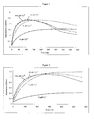
- This example demonstrates the effect of cupric cations on the the rate of nitrosothiol generation at pH 4.0 ( Fig. 1 ), pH 4.5 ( Fig. 2 ) and pH 5.0 ( Fig. 3 ).
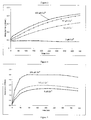
- This example demonstrates the effect of zinc cations on the the rate of nitrosothiol generation at pH 4.0 ( Fig. 4 ).
- the increase in nitrosylation rate was more marked in the presence of 250 ⁇ M zinc cations.
- This example demonstrates the effect of ferrous cations on the the rate of nitrosothiol generation at pH 4.0 ( Fig. 5 ) and pH 4.5 ( Fig. 6 ).
- the rate of nitrosylation could not be followed by measuring absorbance of the samples at 338 nm due to interference from the iron species. Instead, the generation of the S-nitroso-1-thioglycerol was followed by the Griess method ( Cook et al. Analytical Biochemistry, 238, 150-158, 1996 ). The nitrosylation rate was found to increase in the presence of both 100 ⁇ M and 250 ⁇ M ferrous cations.
Landscapes
- Health & Medical Sciences (AREA)
- Chemical & Material Sciences (AREA)
- Engineering & Computer Science (AREA)
- Life Sciences & Earth Sciences (AREA)
- Animal Behavior & Ethology (AREA)
- General Health & Medical Sciences (AREA)
- Public Health (AREA)
- Veterinary Medicine (AREA)
- Epidemiology (AREA)
- Materials Engineering (AREA)
- Inorganic Chemistry (AREA)
- Hematology (AREA)
- Bioinformatics & Cheminformatics (AREA)
- Medicinal Chemistry (AREA)
- Pharmacology & Pharmacy (AREA)
- Dermatology (AREA)
- Chemical Kinetics & Catalysis (AREA)
- General Chemical & Material Sciences (AREA)
- Nuclear Medicine, Radiotherapy & Molecular Imaging (AREA)
- Organic Chemistry (AREA)
- Medicinal Preparation (AREA)
- Pharmaceuticals Containing Other Organic And Inorganic Compounds (AREA)
- Acyclic And Carbocyclic Compounds In Medicinal Compositions (AREA)
- Materials For Medical Uses (AREA)
Abstract
Description
- This invention relates to skin dressings for application to a part of a human or animal body for treatment of skin (for therapeutic or cosmetic purposes), and relates particularly (but not exclusively) to wound dressings for treatment of compromised skin, particularly skin lesions, i.e. any interruption in the surface of the skin, whether caused by injury or disease, including skin ulcers, burns, cuts, punctures, lacerations, blunt traumas, acne lesions, boils etc. The term "skin dressing" covers dressings such as patches, plasters, bandages and gauze etc. for use in connection with transdermal delivery of agents. The term also includes material in amorphous or liquid form. The term covers dressings for application to body surfaces generally, including internal and external tissues, particularly the skin including the scalp. The invention is based on the beneficial properties of nitric oxide (NO).
- Nitric oxide has a multitude of effects in living tissues. The mechanism of these effects is nearly always based on interaction of nitric oxide either with metal component (typically iron) or with thiol groups of key enzymes and other proteins. Depending on the particular enzyme, such interaction can lead to either activation or inhibition of the protein. An example of an effect based on the activation of an enzyme is that of vasodilatation: nitric oxide binds to the haem iron of the enzyme guanylate cyclase, which results in conformational change exposing the catalytic site of the enzyme. This leads to catalytic conversion of GTP to cGMP. This conversion initiates the whole cascade of reactions leading to protein phosphorylation and muscle relaxation (vasodilatation). Other effects based on activation of enzymes or growth factors by nitric oxide include stimulation of cell division (proliferation) and cell maturation, stimulation of cell differentiation and formation of cell receptors, neovascularisation, formation of fibroblasts in the wound and thereby enhancement of collagen formation, etc.
- Topical delivery of nitric oxide can be a very useful feature in various therapeutic or cosmetic applications including wound healing, treatment of skin or nail infections, sexual dysfunction etc.
- Under normal conditions, nitric oxide (NO) is a short-lived, unstable gaseous substance. Its instability is due to the unpaired electron of nitrogen. It is therefore beneficial to deliver nitric oxide topically in the form of a nitric oxide donor which diffuses into the body site and releases nitric oxide, either spontaneously or on activation.
- Particularly useful nitric oxide donors are nitrosothiols. Nitrosothiols are donors of nitric oxide which can be released by their spontaneous decomposition:
2 R-SNO → 2 NO + R-S-S-R
- The rate of decomposition varies considerably depending on the side chain of the thiol. For example, whilst nitrosocysteine can be almost totally decomposed within minutes under normal conditions, it takes hours/days to achieve almost complete decomposition of nitrosoglycerol. The decomposition can be accelerated markedly in the presence of Cu2+ and Hg2+. Nitrosothiols are also able to donate nitric oxide directly onto another thiol group. This process, which is called trans-nitrosation, is quite common in vivo:
R1-SNO + R2-SH → R1-SH + R2-SNO
- Nitrosothiols can be produced by reaction between thiols and nitrite in acidic environment. The reaction mechanism involves formation of nitrosonium cation (NO+) which, in turn, reacts with a thiol to produce corresponding nitrosothiol:
NO2 - + 2 H+ → NO+ + H2O
R-SH + NO+ → R-SNO + H+
S-nitrosothiols can thus be produced conveniently by mixing a thiol (e.g. thioglycerol) with a source of nitrite (e.g. potassium nitrite) in acidic solution. The reaction proceeds at pH < 6, the rate of the reaction increasing with the acidity of the solution:
R-SH + NO2 - + H+ → R-SNO + H2O
-
WO2006/095193 discloses a skin dressing adapted, on activation, to release one or more S-nitrosothiols. The dressing comprises one or more components containing a source of nitrite, a source of thiol and a source of protons. -
WO2005/0949 - It is a well known fact that the rate of the nitrosothiol generation can be controlled by pH. In principle, the rate increases with increasing acidity of the formulation containing a source of nitrite and a thiol. However, whilst it is possible to ensure such rapid generation of nitrosothiols simply by adjusting pH, the acidity required may prevent applicability of such formulation (for example when applied onto intact or wounded skin).
- Whilst some applications may require only a slow rate of nitrosothiol generation, there are other applications that benefit from a rapid burst of nitrosothiols. It is possible to ensure such rapid generation of nitrosothiols simply by adjusting pH, but the acidity required may prevent applicability of such formulation (for example when applied onto intact or wounded skin).
- The present invention relates to a skin dressing adapted, on activation, to generate one or more S-nitrosothiols by reaction between a thiol and a nitrite salt in the dressing, the skin dressing comprising a source of Cu2+, Zn2+ and/or Fe2+ ions.
- The invention is based on the surprising finding that the presence of cations of transition metals, such as Cu2+, Zn2+ or Fe2+, preferably Cu2+, can increase the rate of nitrosothiol production in a system containing a source of nitrite and a thiol. This is achieved without any changes of the pH of the formulation. This effect provides an alternative control over the rate of nitrosothiol generation and allows a more rapid nitrosothiol generation to be achieved at milder pH, which is less irritating and harmful to skin.
- Whilst the effect of two metal cations (Hg+ and Cu+) on the rate of nitrosothiol decomposition has been well established for several decades, the use of transition metals to increase the rate of nitrosothiol production was not previously considered.
- It will be appreciated that nitrite is a compound with a pKa of 3.4 (at 25°C). Thus, nitrite can act as a buffer in the system, capable of maintaining pH in the range of from 3 to 4.
- After activating the dressing, e.g. by bringing two components together, at a skin site, the pH will be such that S-nitrosothiols begin to be generated. During this reaction nitrite will help to maintain an acidic environment. However, its buffering capacity will reduce as the reaction proceeds.
- Preferably there are no additional buffers with a pKa of from 1 to 4 in the dressing so that the pH of the dressing rises as the reaction proceeds, increasing the pH from an acidic value (e.g. below 5, e.g. from 3 to 4) to a more neutral value (e.g. above 5, e.g. from 6 to 7).
- Although the rise in pH will reduce and eventually may stop production of S-nitrosothiols, the presence of a source of Cu2+, Zn2+ and/or Fe2+ ions, particularly Cu2+, accelerates production of S-nitrosothiols, allowing production to continue at higher pH values.
- For example, if rapid generation of nitric oxide is required in order to achieve a localised vasodilatation and consequent increase of blood flow then the pH of the formulation immediately after activation must be very low so that the nitrosylation of thiol proceeds very readily. However, in the presence of cations of transition metals the same rapid rate of thiol nitrosylation can be achieved at a milder pH.
- The thiol may be preferably selected from the group consisting of 1-thioglycerol, 1-thioglucose, methyl- or ethyl-ester of cysteine.
- Other suitable thiols include glutathione (L-glutathione, as this is the physiologically important version), cysteine, N-acetylcysteine, mercaptoethylamine, 3-mercaptopropanoic acid.
- The one or more S-nitrosothiols are generated by reacting together reagents in the dressing.
- The dressing includes a nitrite, e.g. potassium nitrite, and a thiol, e.g. 1-thioglycerol that react together in the dressing on activation to generate and release S-nitrosothiol.
- The reagents are suitably provided in separate components of the dressing that are kept apart prior to use. To activate the dressing, the two dressing components are brought into contact (in the presence of a source of water and protons, if required), resulting in production in the dressing of the S-nitrosothiol that is then typically released from the dressing. Preferably, the two dressing components are packaged separately. Alternatively, they can be brought into contact and packaged together in a sealed container so that they are ready for use as a one component system when unpackaged.
- Preferably the dressing comprises a first component comprising the thiol and a second component comprising the nitrite.
- In this two component arrangement, typically the first component is acidic, having a pH in the range of from 2 to 5, preferably from 3 to 4. The second component may have a pH in the range of from 5 to 12, preferably from 6 to 11 and more preferably from 7 to 10. A small amount of buffer with a pKa in the range of from 7 to 12 is optionally present in the second component.
- Preferably the first component additionally comprises a buffer with a pKa of from 4.5 to 7.0, preferably of from 5 to 6, most preferably about 5.5. As discussed above, the pH of the first component preferably has a value of from 3 to 4. At this pH a very high proportion of the buffer will be present in protonated form and can thus serve as a useful source (or reservoir) of protons.
- Since the buffering capacity of this buffer is minimal at pH between about 3 to 4, nitrite will be a dominant buffer in the composition following activation. As the coversion of nitrite to S-nitrosothiol proceeds, accompanied by consumption of protons, the buffering capacity of nitrite will diminish and pH will increase. The buffering contribution of the source of protons buffer (with e.g. pKa about 5.5) will be minimal in the initial stages, but it will prevent the pH from rising too sharply above 4.5, where the conversion of nitrite to S-nitrosothiol is rather inefficient. The pH will only reach those levels if most nitrite is converted, at which point low pH is no longer required as the build-up of nitric oxide has been achieved.
- Thus, there is a co-operation between nitrite (pKa 3.4) and the source of protons buffer (pKa about 5.5) in terms of proton exchange, ensuring an efficient conversion of nitrite whilst maintaining mild pH environment.
- Suitable amounts of the reagents can be readily determined to achieve desired rate and yield of production of one or more S-nitrosothiols. In general, amounts of each reagent in the range 0.1% - 5% (w/w), based on the dressing, are likely to be appropriate.
- The or each dressing component may be in the form of a layer, e.g. in the form of a sheet, slab or film, that may produce from an amorphous material, not having any fixed form or shape, that can be deformed and shaped in three dimensions, including being squeezed through a nozzle.
- The or each dressing component conveniently comprises a carrier or support, typically in the form of a polymeric matrix. The or each component of the system can be in the form of liquid, amorphous gel or in the form of a layer e.g. in the form of a sheet, slab or dry film. A particularly convenient support comprises a polymer based on polyacrylic acid which contains dissociable groups with pKa between 5 to 6.
- The carrier or support conveniently comprises a hydrated hydrogel. A hydrated hydrogel means one or more water-based or aqueous gels, in hydrated form. A hydrated hydrogel thus includes a source of water, for activation of the dressing. A hydrated hydrogel can also act to absorb water and other materials exuded from a wound site, enabling the dressing to perform a valuable and useful function by removing such materials from a wound site. The hydrated hydrogel also provides a source of moisture, that can act in use to maintain a wound site moist, aiding healing.
- Suitable hydrated hydrogels are disclosed in
WO 03/090800 WO 01/96422 Trade Mark Natrosol 250 LR). - Mixtures of hydrophilic polymer materials may be used in a gel.
- In a hydrated hydrogel of hydrophilic polymer material, the hydrophilic polymer material is desirably present at a concentration of at least 1%, preferably at least 2%, more preferably at least 5%, yet more preferably at least 10%, or at least 20%, desirably at least 25% and even more desirably at least 30% by weight based on the total weight of the gel. Even higher amounts, up to about 40% by weight based on the total weight of the gel, may be used. Good results have been obtained with use of a hydrated hydrogel of poly-AMPS and/or salts thereof in an amount of about 30% by weight of the total weight of the gel.
- The hydrated hydrogel material is typically in the form of a solid layer, sheet or film of material that is typically cross-linked, and that may incorporate a mechanical reinforcing structure. The size and shape of the layer, sheet or film can be selected to suit the intended use of the dressing. Thicknesses in the range 0.05 to 5 mm, preferably 0.5 to 3 mm are particularly suitable.
- Alternatively, the hydrated hydrogel may be in the form of an amorphous gel not having a fixed form or shape, that can be deformed and shaped in three dimensions, including being squeezed through a nozzle. Amorphous gels are typically not cross-linked or have low levels of cross-linking. A shear-thinning amorphous gel may be used. Such a gel is liquid when subjected to shear stress (e.g. when being poured or squeezed through a nozzle) but set when static. Thus the gel may be in the form of a pourable or squeezable component that may be dispensed, e.g. from a compressible tube or a syringe-like dispenser, comprising a piston and cylinder, typically with a nozzle of about 3 mm diameter. Amorphous gels allow efficient mixing of the two-component system. Such a gel may be applied in the form of a surface layer, or into a wound cavity as a fully conformable gel that fills the available space and contacts the wound surface.
- A typical example of an amorphous gel formulation is: 15% w/w AMPS (sodium salt), 0.19% polyethylene glycol diacrylate and 0.01% hydroxycyclohexyl phenyl ketone, with the volume made up to 100% with analytical grade DI water. The reagents are thoroughly mixed and dissolved, then polymerised for between 30-60 seconds, using a UV-A lamp delivering approximately 100 mW/cm2, to form the required hydrogel. This may be contained in plastic syringes from which the amorphous gel may then be dispensed from a syringe to a target site, as a surface layer or to fill a cavity.
- The components of the dressing can also be in the dry form. Examples of suitable dry support polymer materials comprise polyvinylalcohol (PVA), alginate or carboxymethylcellulose. The stability of the active substances, especially thiols, will generally be better in the dry form.
- In one embodiment the invention comprises a first component comprising a layer of hydrated hydrogel, preferably poly-AMPS and/or salts thereof, containing a source of nitrite, e.g. potassium nitrite, and a second component comprising a dry polymeric matrix, preferably dried PVA, containing a thiol, e.g. 1-thioglycerol. The first component may be used in contact with the skin, as the hydrated hydrogel has beneficial properties for skin contact, as discussed above, with the second component being placed on top of the first component. When the two components are brought into contact, this has the effect of activating the dressing. The water in the hydrated hydrogel of the first component functions to provide a suitable aqueous environment allowing generation of S-nitrosothiol.
- In another embodiment, the dressing comprises two components which are amorphous. The components can be in the form of e.g. a gel, semi-solid, paste, cream, lotion or liquid e.g. an aqueous solution. Hydrated hydrogels may be conveniently employed, as discussed above. In embodiments of this type, each component preferably contains a reagent which, when brought together, activate to release one or more S-nitrosothiols. Preferably one component contains a nitrite and the other contains a thiol. Alternatively the nitrite and thiol could be kept together at a high enough pH to prevent reaction thereof, e.g. at a pH above 7, the second component containing a source of acidity. Another possibility is that one component contains anhydrous S-nitrosothiol and the second component contains water.
- The two amorphous components are kept separate until it is desired to apply the dressing to a body surface. Conveniently they are packaged in a container having a nozzle, through which the amorphous components can be delivered. Preferably, the two components are packaged in a two compartment dispenser, preferably being operable to deliver both components simultaneously. The two components can also be brought into contact and packaged together in a sealed container so that they are ready for use as a one component system when unpackaged.
- In yet another embodiment the dressing comprises two dry components. Examples of suitable dry support polymer materials comprise polyvinylalcohol (PVA), alginate or carboxymethylcellulose. The two components can either be kept separate during storage and activated by bringing them together and adding moisture. Alternatively, they can be kept together during storage and be activated by adding moisture.
- Preferred embodiments comprise two dressing components, one containing nitrite and the other containing thiol, e.g. glutathione. The two components can take a wide variety of material forms, as discussed above. However, the following examples of combinations are currently preferred:
Nitrite component Thiol component Water Dry film or sheet Water Dry film or sheet with glycerol humectant Viscous aqueous solution Dry film or sheet Viscous aqueous solution Suspension in glycerol Water Suspension in propylene glycol Amorphous gel Water Water Water Amorphous gel Amorphous gel Water Sheet hydrogel Sheet hydrogel Water High water content sheet hydrogel High water content sheet hydrogel Dry film or sheet Dry film or sheet - The dressing optionally includes, or is used with, a skin contact layer, preferably comprising a hydrated hydrogel of poly-AMPS and/or salts thereof, as mentioned above.
- The dressing optionally includes, or is used with, a covering or outer layer for adhering the dressing to the skin of a human or animal in known manner.
- Dressings in accordance with the invention can be manufactured in a range of different sizes and shapes for treatment of areas of skin e.g. wounds of different sizes and shapes. Appropriate amounts of reagents for a particular dressing can be readily determined by experiment.
- Dressing components are suitably stored prior to use in sterile, sealed, water-impervious packages, e.g. dual chamber plastic tubes or laminated aluminium foil packages.
- In use, the dressing component or components are removed from their packaging and located in appropriate order on the skin of a human or animal, e.g. over a wound or other region of skin to be treated for cosmetic or therapeutic purposes. The dressing may also be used as an adjuvant for transdermal delivery, as noted above. The dressing is activated, in the case of multiple component dressings, by bringing the components into contact, resulting in release from the dressing of one or more S-nitrosothiols (after generation in the dressing after activation). S-nitrosothiols decompose spontaneously to produce nitric oxide, which has beneficial effects on tissues and also causes vasodilation.
- The invention will be further described, by way of illustration, in the following Examples, and with reference to the accompanying figures, in which:
-
Figure 1 is a graph of absorbance (338 nm) versus time (in minutes) showing the effect of cupric cations on the rate of nitrosylation of 1-thioglycerol at pH 4.0. The absorbance (338 nm) is directly proportional to the concentration of S-nitroso-1-thioglycerol in the solution. -
Figure 2 is a graph of absorbance (338 nm) versus time (in minutes) showing the effect of cupric cations on the rate of nitrosylation of 1-thioglycerol at pH 4.5. The absorbance (338 nm) is directly proportional to the concentration of S-nitroso-1-thioglycerol in the solution. -
Figure 3 is a graph of absorbance (338 nm) versus time (in minutes) showing the effect of cupric cations on the rate of nitrosylation of 1-thioglycerol at pH 5.0. The absorbance (338 nm) is directly proportional to the concentration of S-nitroso-1-thioglycerol in the solution. -
Figure 4 is a graph of absorbance (338 nm) versus time (in minutes) showing the effect of zinc cations on the rate of nitrosylation of 1-thioglycerol at pH 4.0. The absorbance (338 nm) is directly proportional to the concentration of S-nitroso-1-thioglycerol in the solution. -
Figure 5 is a graph of absorbance (496 nm) versus time (in minutes) showing the effect of ferrous cations on the rate of nitrosylation of 1-thioglycerol at pH 4.0. The absorbance (496 nm) is directly proportional to the concentration of S-nitroso-1-thioglycerol in the solution. -
Figure 6 is a graph of absorbance (496 nm) versus time (in minutes) showing the effect of ferrous cations on the rate of nitrosylation of 1-thioglycerol at pH 4.5. The absorbance (496 nm) is directly proportional to the concentration of S-nitroso-1-thioglycerol in the solution. - Water (conductivity < 10 µS cm-1; either analytical reagent grade, Fisher or Sanyo Fistreem MultiPure)
Sodium nitrite, from Sigma (S2252)
1-Thioglycerol, from Fluka (88641)
Hydrochloric acid, from Fisher (J/4310/17)
Ferrous sulphate, from Aldrich (21,542-2)
Cupric nitrate, from Aldrich (467855)
Zinc sulphate, from Sigma (Z4750)
Sodium citrate, from Fisher (BPE327-500) - Nitrosothiols are known to absorb UV light around 338 nm (ε338 = approximately 900 M-1 cm-1). The nitrosylation rate can therefore be followed by direct absorbance measurement at 338 nm (Cook et al. Analytical Biochemistry, 238, 150-158, 1996). A solution containing nitrite (5 mM) and a given concentration of transition metal (either Cu2+ or Zn2+) was prepared in citrate buffer (50 mM, either pH 4.0 or pH 4.5) and absorbance (338 nm) was measured. 1-Thioglycerol was added to the mixture to achieve 5 mM concentration and changes in absorbance (338 nm) were followed as a function of time. Due to interference from iron species this method could not be used when studying the effect of Fe2+ cations on the rate of nitrosylation rate.
- This method was used when studying the effect of Fe2+ cations on the rate of nitrosylation rate. A solution containing nitrite (5 mM) and a given concentration of Fe2+ was prepared in citrate buffer (either pH 4.0 or pH 4.5 or pH 5.0). 1-Thioglycerol was added to the mixture to achieve 5 mM concentration and the concentration of S-nitroso-1-thioglycerol was measured as a function of time using the following procedure (based on Cook et al. Analytical Biochemistry, 238, 150-158, 1996):
- The following reagents were prepared:
Reagent 1: Na-phosphate buffer (pH 7.4, 0.1 M) Reagent 2: Griess reagent: 20 mg of N-(1-Naphthyl)ethylendiamine dihydrochloride (NADD) + 500 mg of sulphanilamide dissolved in 2 mL of DMSO. (N.B. This solution is light sensitive and should be kept in the dark as much as possible) Reagent 3: Mercuric chloride (10 mM) in DMSO (13.58 mg of HgCl2 in 5 mL of DMSO) - The six-step procedure set out below was then followed:
- Dispense 1.5 mL of
Reagent 1 into a plastic cuvette - Add 200 µL of the sample (i.e. sample in which S-nitroso-1-thioglycerol concentration is to be determined)
- Add 1.17 mL of DI water
- Add 100 µL of
Reagent 2 - Add 30 µL of
Reagent 3 and give the solution a good mix - Read absorbance of the resulting mixture at 496 nm in 10 min.
- The concentration of nitrosothiol concentration can be estimateded from the absorbance reading using the molar absorption coefficient for nitrosothiols = approximately 10,000 M-1 cm-1.
- This example demonstrates the effect of cupric cations on the the rate of nitrosothiol generation at pH 4.0 (
Fig. 1 ), pH 4.5 (Fig. 2 ) and pH 5.0 (Fig. 3 ). The rate of nitrosylation, followed by measuring absorbance of the samples at 338 nm, increased considerably in the presence of cupric cations in the concentration range 10 µM to 100 µM. - This example demonstrates the effect of zinc cations on the the rate of nitrosothiol generation at pH 4.0 (
Fig. 4 ). The rate of nitrosylation, followed by measuring absorbance of the samples at 338 nm, increased in the presence of 100 µM zinc cations. The increase in nitrosylation rate was more marked in the presence of 250 µM zinc cations. - This example demonstrates the effect of ferrous cations on the the rate of nitrosothiol generation at pH 4.0 (
Fig. 5 ) and pH 4.5 (Fig. 6 ). The rate of nitrosylation could not be followed by measuring absorbance of the samples at 338 nm due to interference from the iron species. Instead, the generation of the S-nitroso-1-thioglycerol was followed by the Griess method (Cook et al. Analytical Biochemistry, 238, 150-158, 1996). The nitrosylation rate was found to increase in the presence of both 100 µM and 250 µM ferrous cations.
Claims (10)
- A skin dressing adapted, on activation, to generate one or more S-nitrosothiols by reaction between a thiol and a nitrite salt in the dressing, the skin dressing comprising a source of Cu2+, Zn2+ and/or Fe2+ ions.
- A skin dressing according to claim 1, comprising a first component comprising the thiol and a second component comprising the nitrite salt.
- A skin dressing according to claim 1 or claim 2, which is free of any additional materials having a pKa of from 1.0 to 4.0.
- A skin dressing according to any one preceding claim, wherein, as the nitrite and thiol react to generate the one or more S-nitrosothiols, the pH of the dressing in contact with the skin increases from an acidic value to a more neutral value.
- A skin dressing according to any one preceding claim, which comprises a buffer with a pKa of from 4.5 to 7.0.
- A skin dressing according to any one of claims 2 to 5, wherein the pH of the first component is from 2.0 to 5.0.
- A skin dressing according to any one of claims 2 to 6, wherein the pH of the second component is from 5.0 to 12.0.
- A skin dressing according to any one of claims 2 to 7, wherein the first and second components are amorphous.
- A skin dressing according to any one of claims 2 to 8 wherein the first component and/or the second component comprise a polymeric support.
- A skin dressing according to claim 9, wherein the polymeric support comprises polyacrylic acid.
Applications Claiming Priority (2)
| Application Number | Priority Date | Filing Date | Title |
|---|---|---|---|
| GBGB0715554.2A GB0715554D0 (en) | 2007-08-09 | 2007-08-09 | Improvements relating to skin dressings |
| PCT/GB2008/050565 WO2009019499A2 (en) | 2007-08-09 | 2008-07-14 | Improvements relating to skin dressings |
Publications (2)
| Publication Number | Publication Date |
|---|---|
| EP2173391A2 EP2173391A2 (en) | 2010-04-14 |
| EP2173391B1 true EP2173391B1 (en) | 2011-08-03 |
Family
ID=38543322
Family Applications (1)
| Application Number | Title | Priority Date | Filing Date |
|---|---|---|---|
| EP08776200A Active EP2173391B1 (en) | 2007-08-09 | 2008-07-14 | Improvements relating to skin dressings |
Country Status (12)
| Country | Link |
|---|---|
| US (1) | US20100197802A1 (en) |
| EP (1) | EP2173391B1 (en) |
| JP (1) | JP2010535566A (en) |
| KR (1) | KR101506930B1 (en) |
| CN (1) | CN101878046A (en) |
| AT (1) | ATE518548T1 (en) |
| AU (1) | AU2008285284B2 (en) |
| CA (1) | CA2694622A1 (en) |
| DK (1) | DK2173391T3 (en) |
| ES (1) | ES2370679T3 (en) |
| GB (1) | GB0715554D0 (en) |
| WO (1) | WO2009019499A2 (en) |
Families Citing this family (23)
| Publication number | Priority date | Publication date | Assignee | Title |
|---|---|---|---|---|
| AU2006249323B2 (en) | 2005-05-27 | 2012-08-30 | The University Of North Carolina At Chapel Hill | Nitric oxide-releasing particles for nitric oxide therapeutics and biomedical applications |
| US7862598B2 (en) | 2007-10-30 | 2011-01-04 | The Invention Science Fund I, Llc | Devices and systems that deliver nitric oxide |
| US8642093B2 (en) | 2007-10-30 | 2014-02-04 | The Invention Science Fund I, Llc | Methods and systems for use of photolyzable nitric oxide donors |
| US20090110933A1 (en) * | 2007-10-30 | 2009-04-30 | Searete Llc, A Limited Liability Corporation Of The State Of Delaware | Systems and devices related to nitric oxide releasing materials |
| US8221690B2 (en) | 2007-10-30 | 2012-07-17 | The Invention Science Fund I, Llc | Systems and devices that utilize photolyzable nitric oxide donors |
| US20090112197A1 (en) * | 2007-10-30 | 2009-04-30 | Searete Llc | Devices configured to facilitate release of nitric oxide |
| US8980332B2 (en) | 2007-10-30 | 2015-03-17 | The Invention Science Fund I, Llc | Methods and systems for use of photolyzable nitric oxide donors |
| US20090112193A1 (en) * | 2007-10-30 | 2009-04-30 | Searete Llc, A Limited Liability Corporation Of The State Of Delaware | Systems and devices that utilize photolyzable nitric oxide donors |
| US7846400B2 (en) | 2007-10-30 | 2010-12-07 | The Invention Science Fund I, Llc | Substrates for nitric oxide releasing devices |
| US7897399B2 (en) * | 2007-10-30 | 2011-03-01 | The Invention Science Fund I, Llc | Nitric oxide sensors and systems |
| US8877508B2 (en) | 2007-10-30 | 2014-11-04 | The Invention Science Fund I, Llc | Devices and systems that deliver nitric oxide |
| US10080823B2 (en) | 2007-10-30 | 2018-09-25 | Gearbox Llc | Substrates for nitric oxide releasing devices |
| GB0901456D0 (en) | 2009-01-29 | 2009-03-11 | Insense Ltd | Treatment of psoriasis |
| CA3062005C (en) | 2009-08-21 | 2022-02-15 | Novan, Inc. | Topical gels comprising nitric oxide-releasing polysiloxane macromolecules and uses thereof |
| US9919072B2 (en) | 2009-08-21 | 2018-03-20 | Novan, Inc. | Wound dressings, methods of using the same and methods of forming the same |
| US8591876B2 (en) | 2010-12-15 | 2013-11-26 | Novan, Inc. | Methods of decreasing sebum production in the skin |
| WO2012118829A2 (en) | 2011-02-28 | 2012-09-07 | Novan, Inc. | Tertiary s-nitrosothiol-modified nitricoxide-releasing xerogels and methods of using the same |
| GB201309091D0 (en) * | 2013-05-20 | 2013-07-03 | Edixomed Ltd | Dressing system |
| GB201309092D0 (en) * | 2013-05-20 | 2013-07-03 | Edixomed Ltd | Transdermal delivery system |
| GB2599576B (en) * | 2019-06-04 | 2023-09-13 | Thirty Holdings Ltd | Methods and compositions for generating nitric oxide and uses thereof |
| EP4233830A3 (en) * | 2019-10-07 | 2023-09-20 | Insense Limited | Composition for delivering nitric oxide to skin |
| GB2589549A (en) * | 2019-10-07 | 2021-06-09 | Insense Ltd | Composition for delivering nitric oxide to skin |
| CN111068096A (en) * | 2019-12-24 | 2020-04-28 | 华侨大学 | A kind of preparation method of dECM-based wound repairing dressing |
Family Cites Families (5)
| Publication number | Priority date | Publication date | Assignee | Title |
|---|---|---|---|---|
| US5648101A (en) * | 1994-11-14 | 1997-07-15 | Tawashi; Rashad | Drug delivery of nitric oxide |
| US7128904B2 (en) * | 2001-01-16 | 2006-10-31 | The Regents Of The University Of Michigan | Material containing metal ion ligand complex producing nitric oxide in contact with blood |
| US7135189B2 (en) * | 2001-08-23 | 2006-11-14 | Boston Scientific Scimed, Inc. | Compositions and techniques for localized therapy |
| US20050181026A1 (en) | 2003-06-09 | 2005-08-18 | Insense Limited | Skin dressings |
| GB0505035D0 (en) * | 2005-03-11 | 2005-04-20 | Insense Ltd | Improvements relating to skin dressings |
-
2007
- 2007-08-09 GB GBGB0715554.2A patent/GB0715554D0/en not_active Ceased
-
2008
- 2008-07-14 KR KR1020107005212A patent/KR101506930B1/en not_active Expired - Fee Related
- 2008-07-14 JP JP2010519526A patent/JP2010535566A/en active Pending
- 2008-07-14 CA CA2694622A patent/CA2694622A1/en not_active Abandoned
- 2008-07-14 AU AU2008285284A patent/AU2008285284B2/en not_active Ceased
- 2008-07-14 US US12/670,675 patent/US20100197802A1/en not_active Abandoned
- 2008-07-14 AT AT08776200T patent/ATE518548T1/en not_active IP Right Cessation
- 2008-07-14 EP EP08776200A patent/EP2173391B1/en active Active
- 2008-07-14 CN CN2008801056774A patent/CN101878046A/en active Pending
- 2008-07-14 ES ES08776200T patent/ES2370679T3/en active Active
- 2008-07-14 WO PCT/GB2008/050565 patent/WO2009019499A2/en not_active Ceased
- 2008-07-14 DK DK08776200.1T patent/DK2173391T3/en active
Also Published As
| Publication number | Publication date |
|---|---|
| CN101878046A (en) | 2010-11-03 |
| ES2370679T3 (en) | 2011-12-21 |
| AU2008285284B2 (en) | 2013-05-23 |
| ATE518548T1 (en) | 2011-08-15 |
| AU2008285284A1 (en) | 2009-02-12 |
| KR101506930B1 (en) | 2015-03-31 |
| EP2173391A2 (en) | 2010-04-14 |
| WO2009019499A2 (en) | 2009-02-12 |
| CA2694622A1 (en) | 2009-02-12 |
| US20100197802A1 (en) | 2010-08-05 |
| DK2173391T3 (en) | 2011-11-21 |
| WO2009019499A3 (en) | 2009-12-03 |
| KR20100066500A (en) | 2010-06-17 |
| GB0715554D0 (en) | 2007-09-19 |
| JP2010535566A (en) | 2010-11-25 |
Similar Documents
| Publication | Publication Date | Title |
|---|---|---|
| AU2008285284B2 (en) | Improvements relating to skin dressings | |
| EP1855731B1 (en) | Improvements relating to skin dressings | |
| EP2173390B1 (en) | Improvements relating to skin dressings | |
| US9278157B2 (en) | Nitric oxide-generating skin dressings | |
| US9345804B2 (en) | S-nitrosothiol-generating skin dressings | |
| JP2022550990A (en) | Compositions that deliver nitric oxide to the skin |
Legal Events
| Date | Code | Title | Description |
|---|---|---|---|
| PUAI | Public reference made under article 153(3) epc to a published international application that has entered the european phase |
Free format text: ORIGINAL CODE: 0009012 |
|
| 17P | Request for examination filed |
Effective date: 20100204 |
|
| AK | Designated contracting states |
Kind code of ref document: A2 Designated state(s): AT BE BG CH CY CZ DE DK EE ES FI FR GB GR HR HU IE IS IT LI LT LU LV MC MT NL NO PL PT RO SE SI SK TR |
|
| AX | Request for extension of the european patent |
Extension state: AL BA MK RS |
|
| 17Q | First examination report despatched |
Effective date: 20100723 |
|
| DAX | Request for extension of the european patent (deleted) | ||
| GRAP | Despatch of communication of intention to grant a patent |
Free format text: ORIGINAL CODE: EPIDOSNIGR1 |
|
| GRAS | Grant fee paid |
Free format text: ORIGINAL CODE: EPIDOSNIGR3 |
|
| GRAA | (expected) grant |
Free format text: ORIGINAL CODE: 0009210 |
|
| AK | Designated contracting states |
Kind code of ref document: B1 Designated state(s): AT BE BG CH CY CZ DE DK EE ES FI FR GB GR HR HU IE IS IT LI LT LU LV MC MT NL NO PL PT RO SE SI SK TR |
|
| REG | Reference to a national code |
Ref country code: GB Ref legal event code: FG4D |
|
| REG | Reference to a national code |
Ref country code: CH Ref legal event code: EP |
|
| REG | Reference to a national code |
Ref country code: IE Ref legal event code: FG4D |
|
| REG | Reference to a national code |
Ref country code: CH Ref legal event code: NV Representative=s name: FREI PATENTANWALTSBUERO AG |
|
| REG | Reference to a national code |
Ref country code: DE Ref legal event code: R096 Ref document number: 602008008676 Country of ref document: DE Effective date: 20111006 |
|
| REG | Reference to a national code |
Ref country code: SE Ref legal event code: TRGR |
|
| REG | Reference to a national code |
Ref country code: NL Ref legal event code: T3 |
|
| REG | Reference to a national code |
Ref country code: DK Ref legal event code: T3 |
|
| REG | Reference to a national code |
Ref country code: ES Ref legal event code: FG2A Ref document number: 2370679 Country of ref document: ES Kind code of ref document: T3 Effective date: 20111221 |
|
| LTIE | Lt: invalidation of european patent or patent extension |
Effective date: 20110803 |
|
| PG25 | Lapsed in a contracting state [announced via postgrant information from national office to epo] |
Ref country code: PT Free format text: LAPSE BECAUSE OF FAILURE TO SUBMIT A TRANSLATION OF THE DESCRIPTION OR TO PAY THE FEE WITHIN THE PRESCRIBED TIME-LIMIT Effective date: 20111205 Ref country code: NO Free format text: LAPSE BECAUSE OF FAILURE TO SUBMIT A TRANSLATION OF THE DESCRIPTION OR TO PAY THE FEE WITHIN THE PRESCRIBED TIME-LIMIT Effective date: 20111103 Ref country code: FI Free format text: LAPSE BECAUSE OF FAILURE TO SUBMIT A TRANSLATION OF THE DESCRIPTION OR TO PAY THE FEE WITHIN THE PRESCRIBED TIME-LIMIT Effective date: 20110803 Ref country code: LT Free format text: LAPSE BECAUSE OF FAILURE TO SUBMIT A TRANSLATION OF THE DESCRIPTION OR TO PAY THE FEE WITHIN THE PRESCRIBED TIME-LIMIT Effective date: 20110803 Ref country code: IS Free format text: LAPSE BECAUSE OF FAILURE TO SUBMIT A TRANSLATION OF THE DESCRIPTION OR TO PAY THE FEE WITHIN THE PRESCRIBED TIME-LIMIT Effective date: 20111203 Ref country code: HR Free format text: LAPSE BECAUSE OF FAILURE TO SUBMIT A TRANSLATION OF THE DESCRIPTION OR TO PAY THE FEE WITHIN THE PRESCRIBED TIME-LIMIT Effective date: 20110803 |
|
| REG | Reference to a national code |
Ref country code: AT Ref legal event code: MK05 Ref document number: 518548 Country of ref document: AT Kind code of ref document: T Effective date: 20110803 |
|
| PG25 | Lapsed in a contracting state [announced via postgrant information from national office to epo] |
Ref country code: CY Free format text: LAPSE BECAUSE OF FAILURE TO SUBMIT A TRANSLATION OF THE DESCRIPTION OR TO PAY THE FEE WITHIN THE PRESCRIBED TIME-LIMIT Effective date: 20110803 Ref country code: PL Free format text: LAPSE BECAUSE OF FAILURE TO SUBMIT A TRANSLATION OF THE DESCRIPTION OR TO PAY THE FEE WITHIN THE PRESCRIBED TIME-LIMIT Effective date: 20110803 Ref country code: SI Free format text: LAPSE BECAUSE OF FAILURE TO SUBMIT A TRANSLATION OF THE DESCRIPTION OR TO PAY THE FEE WITHIN THE PRESCRIBED TIME-LIMIT Effective date: 20110803 Ref country code: AT Free format text: LAPSE BECAUSE OF FAILURE TO SUBMIT A TRANSLATION OF THE DESCRIPTION OR TO PAY THE FEE WITHIN THE PRESCRIBED TIME-LIMIT Effective date: 20110803 Ref country code: LV Free format text: LAPSE BECAUSE OF FAILURE TO SUBMIT A TRANSLATION OF THE DESCRIPTION OR TO PAY THE FEE WITHIN THE PRESCRIBED TIME-LIMIT Effective date: 20110803 Ref country code: GR Free format text: LAPSE BECAUSE OF FAILURE TO SUBMIT A TRANSLATION OF THE DESCRIPTION OR TO PAY THE FEE WITHIN THE PRESCRIBED TIME-LIMIT Effective date: 20111104 |
|
| PG25 | Lapsed in a contracting state [announced via postgrant information from national office to epo] |
Ref country code: BE Free format text: LAPSE BECAUSE OF FAILURE TO SUBMIT A TRANSLATION OF THE DESCRIPTION OR TO PAY THE FEE WITHIN THE PRESCRIBED TIME-LIMIT Effective date: 20110803 |
|
| PG25 | Lapsed in a contracting state [announced via postgrant information from national office to epo] |
Ref country code: SK Free format text: LAPSE BECAUSE OF FAILURE TO SUBMIT A TRANSLATION OF THE DESCRIPTION OR TO PAY THE FEE WITHIN THE PRESCRIBED TIME-LIMIT Effective date: 20110803 Ref country code: CZ Free format text: LAPSE BECAUSE OF FAILURE TO SUBMIT A TRANSLATION OF THE DESCRIPTION OR TO PAY THE FEE WITHIN THE PRESCRIBED TIME-LIMIT Effective date: 20110803 |
|
| PG25 | Lapsed in a contracting state [announced via postgrant information from national office to epo] |
Ref country code: RO Free format text: LAPSE BECAUSE OF FAILURE TO SUBMIT A TRANSLATION OF THE DESCRIPTION OR TO PAY THE FEE WITHIN THE PRESCRIBED TIME-LIMIT Effective date: 20110803 Ref country code: EE Free format text: LAPSE BECAUSE OF FAILURE TO SUBMIT A TRANSLATION OF THE DESCRIPTION OR TO PAY THE FEE WITHIN THE PRESCRIBED TIME-LIMIT Effective date: 20110803 |
|
| PLBE | No opposition filed within time limit |
Free format text: ORIGINAL CODE: 0009261 |
|
| STAA | Information on the status of an ep patent application or granted ep patent |
Free format text: STATUS: NO OPPOSITION FILED WITHIN TIME LIMIT |
|
| 26N | No opposition filed |
Effective date: 20120504 |
|
| REG | Reference to a national code |
Ref country code: DE Ref legal event code: R097 Ref document number: 602008008676 Country of ref document: DE Effective date: 20120504 |
|
| PG25 | Lapsed in a contracting state [announced via postgrant information from national office to epo] |
Ref country code: MC Free format text: LAPSE BECAUSE OF NON-PAYMENT OF DUE FEES Effective date: 20120731 |
|
| REG | Reference to a national code |
Ref country code: IE Ref legal event code: MM4A |
|
| PG25 | Lapsed in a contracting state [announced via postgrant information from national office to epo] |
Ref country code: BG Free format text: LAPSE BECAUSE OF FAILURE TO SUBMIT A TRANSLATION OF THE DESCRIPTION OR TO PAY THE FEE WITHIN THE PRESCRIBED TIME-LIMIT Effective date: 20111103 |
|
| PG25 | Lapsed in a contracting state [announced via postgrant information from national office to epo] |
Ref country code: IE Free format text: LAPSE BECAUSE OF NON-PAYMENT OF DUE FEES Effective date: 20120714 Ref country code: MT Free format text: LAPSE BECAUSE OF FAILURE TO SUBMIT A TRANSLATION OF THE DESCRIPTION OR TO PAY THE FEE WITHIN THE PRESCRIBED TIME-LIMIT Effective date: 20110803 |
|
| PG25 | Lapsed in a contracting state [announced via postgrant information from national office to epo] |
Ref country code: TR Free format text: LAPSE BECAUSE OF FAILURE TO SUBMIT A TRANSLATION OF THE DESCRIPTION OR TO PAY THE FEE WITHIN THE PRESCRIBED TIME-LIMIT Effective date: 20110803 |
|
| PG25 | Lapsed in a contracting state [announced via postgrant information from national office to epo] |
Ref country code: LU Free format text: LAPSE BECAUSE OF NON-PAYMENT OF DUE FEES Effective date: 20120714 |
|
| PG25 | Lapsed in a contracting state [announced via postgrant information from national office to epo] |
Ref country code: HU Free format text: LAPSE BECAUSE OF FAILURE TO SUBMIT A TRANSLATION OF THE DESCRIPTION OR TO PAY THE FEE WITHIN THE PRESCRIBED TIME-LIMIT Effective date: 20080714 |
|
| REG | Reference to a national code |
Ref country code: FR Ref legal event code: PLFP Year of fee payment: 9 |
|
| REG | Reference to a national code |
Ref country code: FR Ref legal event code: PLFP Year of fee payment: 10 |
|
| REG | Reference to a national code |
Ref country code: FR Ref legal event code: PLFP Year of fee payment: 11 |
|
| REG | Reference to a national code |
Ref country code: CH Ref legal event code: PCAR Free format text: NEW ADDRESS: POSTFACH, 8032 ZUERICH (CH) |
|
| PGFP | Annual fee paid to national office [announced via postgrant information from national office to epo] |
Ref country code: NL Payment date: 20230719 Year of fee payment: 16 |
|
| PGFP | Annual fee paid to national office [announced via postgrant information from national office to epo] |
Ref country code: IT Payment date: 20230719 Year of fee payment: 16 Ref country code: ES Payment date: 20230926 Year of fee payment: 16 Ref country code: CH Payment date: 20230802 Year of fee payment: 16 |
|
| REG | Reference to a national code |
Ref country code: DE Ref legal event code: R081 Ref document number: 602008008676 Country of ref document: DE Owner name: SUSSEX RESEARCH LTD., HAMPTON, GB Free format text: FORMER OWNER: INSENSE LTD., SHARNBROOK, BEDFORD, GB |
|
| PGFP | Annual fee paid to national office [announced via postgrant information from national office to epo] |
Ref country code: SE Payment date: 20230719 Year of fee payment: 16 Ref country code: DK Payment date: 20230721 Year of fee payment: 16 |
|
| REG | Reference to a national code |
Ref country code: GB Ref legal event code: 732E Free format text: REGISTERED BETWEEN 20231109 AND 20231115 |
|
| REG | Reference to a national code |
Ref country code: DK Ref legal event code: EBP Effective date: 20240731 |
|
| REG | Reference to a national code |
Ref country code: CH Ref legal event code: PL |
|
| REG | Reference to a national code |
Ref country code: SE Ref legal event code: EUG |
|
| REG | Reference to a national code |
Ref country code: NL Ref legal event code: MM Effective date: 20240801 |
|
| PG25 | Lapsed in a contracting state [announced via postgrant information from national office to epo] |
Ref country code: NL Free format text: LAPSE BECAUSE OF NON-PAYMENT OF DUE FEES Effective date: 20240801 |
|
| PG25 | Lapsed in a contracting state [announced via postgrant information from national office to epo] |
Ref country code: CH Free format text: LAPSE BECAUSE OF NON-PAYMENT OF DUE FEES Effective date: 20240731 |
|
| PG25 | Lapsed in a contracting state [announced via postgrant information from national office to epo] |
Ref country code: DK Free format text: LAPSE BECAUSE OF NON-PAYMENT OF DUE FEES Effective date: 20240731 |
|
| PGFP | Annual fee paid to national office [announced via postgrant information from national office to epo] |
Ref country code: GB Payment date: 20250528 Year of fee payment: 18 |
|
| PG25 | Lapsed in a contracting state [announced via postgrant information from national office to epo] |
Ref country code: IT Free format text: LAPSE BECAUSE OF NON-PAYMENT OF DUE FEES Effective date: 20240714 |
|
| REG | Reference to a national code |
Ref country code: ES Ref legal event code: FD2A Effective date: 20250829 |
|
| PG25 | Lapsed in a contracting state [announced via postgrant information from national office to epo] |
Ref country code: ES Free format text: LAPSE BECAUSE OF NON-PAYMENT OF DUE FEES Effective date: 20240715 |
|
| PGFP | Annual fee paid to national office [announced via postgrant information from national office to epo] |
Ref country code: DE Payment date: 20250722 Year of fee payment: 18 |
|
| PG25 | Lapsed in a contracting state [announced via postgrant information from national office to epo] |
Ref country code: SE Free format text: LAPSE BECAUSE OF NON-PAYMENT OF DUE FEES Effective date: 20240715 |
|
| PGFP | Annual fee paid to national office [announced via postgrant information from national office to epo] |
Ref country code: FR Payment date: 20250724 Year of fee payment: 18 |