EP2160422B1 - Maleimide-alpha-alkylstyrene-based terpolymer with low molten viscosity and continuous bulk process for producing it - Google Patents
Maleimide-alpha-alkylstyrene-based terpolymer with low molten viscosity and continuous bulk process for producing it Download PDFInfo
- Publication number
- EP2160422B1 EP2160422B1 EP07808184.1A EP07808184A EP2160422B1 EP 2160422 B1 EP2160422 B1 EP 2160422B1 EP 07808184 A EP07808184 A EP 07808184A EP 2160422 B1 EP2160422 B1 EP 2160422B1
- Authority
- EP
- European Patent Office
- Prior art keywords
- monomer
- polymer
- mixture
- polymerization
- alkylstyrene
- Prior art date
- Legal status (The legal status is an assumption and is not a legal conclusion. Google has not performed a legal analysis and makes no representation as to the accuracy of the status listed.)
- Not-in-force
Links
- 238000000034 method Methods 0.000 title claims description 49
- 230000008569 process Effects 0.000 title claims description 47
- 229920001897 terpolymer Polymers 0.000 title claims description 32
- 239000000178 monomer Substances 0.000 claims description 101
- 238000006116 polymerization reaction Methods 0.000 claims description 65
- 239000000203 mixture Substances 0.000 claims description 57
- 229920000642 polymer Polymers 0.000 claims description 37
- 239000002904 solvent Substances 0.000 claims description 18
- 238000004519 manufacturing process Methods 0.000 claims description 15
- -1 N-substituted maleimide Chemical class 0.000 claims description 13
- 150000002825 nitriles Chemical class 0.000 claims description 12
- 239000003999 initiator Substances 0.000 claims description 10
- 238000006243 chemical reaction Methods 0.000 claims description 8
- 239000000654 additive Substances 0.000 claims description 6
- 230000009477 glass transition Effects 0.000 claims description 6
- OZAIFHULBGXAKX-UHFFFAOYSA-N 2-(2-cyanopropan-2-yldiazenyl)-2-methylpropanenitrile Chemical group N#CC(C)(C)N=NC(C)(C)C#N OZAIFHULBGXAKX-UHFFFAOYSA-N 0.000 claims description 4
- 239000003795 chemical substances by application Substances 0.000 claims description 4
- 238000002156 mixing Methods 0.000 claims description 4
- 239000003960 organic solvent Substances 0.000 claims description 4
- HSLFISVKRDQEBY-UHFFFAOYSA-N 1,1-bis(tert-butylperoxy)cyclohexane Chemical compound CC(C)(C)OOC1(OOC(C)(C)C)CCCCC1 HSLFISVKRDQEBY-UHFFFAOYSA-N 0.000 claims description 3
- 239000004342 Benzoyl peroxide Substances 0.000 claims description 3
- OMPJBNCRMGITSC-UHFFFAOYSA-N Benzoylperoxide Chemical compound C=1C=CC=CC=1C(=O)OOC(=O)C1=CC=CC=C1 OMPJBNCRMGITSC-UHFFFAOYSA-N 0.000 claims description 3
- 235000019400 benzoyl peroxide Nutrition 0.000 claims description 3
- FVQMJJQUGGVLEP-UHFFFAOYSA-N (2-methylpropan-2-yl)oxy 2-ethylhexaneperoxoate Chemical compound CCCCC(CC)C(=O)OOOC(C)(C)C FVQMJJQUGGVLEP-UHFFFAOYSA-N 0.000 claims description 2
- XMNIXWIUMCBBBL-UHFFFAOYSA-N 2-(2-phenylpropan-2-ylperoxy)propan-2-ylbenzene Chemical compound C=1C=CC=CC=1C(C)(C)OOC(C)(C)C1=CC=CC=C1 XMNIXWIUMCBBBL-UHFFFAOYSA-N 0.000 claims description 2
- 238000009835 boiling Methods 0.000 claims description 2
- LSXWFXONGKSEMY-UHFFFAOYSA-N di-tert-butyl peroxide Chemical compound CC(C)(C)OOC(C)(C)C LSXWFXONGKSEMY-UHFFFAOYSA-N 0.000 claims description 2
- 239000002994 raw material Substances 0.000 claims description 2
- 230000000379 polymerizing effect Effects 0.000 claims 1
- 229920001577 copolymer Polymers 0.000 description 29
- PEEHTFAAVSWFBL-UHFFFAOYSA-N Maleimide Chemical compound O=C1NC(=O)C=C1 PEEHTFAAVSWFBL-UHFFFAOYSA-N 0.000 description 25
- 238000002360 preparation method Methods 0.000 description 16
- 239000000047 product Substances 0.000 description 15
- 229920005989 resin Polymers 0.000 description 13
- 239000011347 resin Substances 0.000 description 13
- 238000012662 bulk polymerization Methods 0.000 description 12
- 238000010528 free radical solution polymerization reaction Methods 0.000 description 12
- NLHHRLWOUZZQLW-UHFFFAOYSA-N Acrylonitrile Chemical compound C=CC#N NLHHRLWOUZZQLW-UHFFFAOYSA-N 0.000 description 10
- OKKJLVBELUTLKV-UHFFFAOYSA-N Methanol Chemical compound OC OKKJLVBELUTLKV-UHFFFAOYSA-N 0.000 description 9
- 229920005992 thermoplastic resin Polymers 0.000 description 9
- 238000004817 gas chromatography Methods 0.000 description 8
- 238000004458 analytical method Methods 0.000 description 7
- XYLMUPLGERFSHI-UHFFFAOYSA-N alpha-Methylstyrene Chemical group CC(=C)C1=CC=CC=C1 XYLMUPLGERFSHI-UHFFFAOYSA-N 0.000 description 6
- 229920006164 aromatic vinyl copolymer Polymers 0.000 description 6
- 238000000113 differential scanning calorimetry Methods 0.000 description 6
- 238000007720 emulsion polymerization reaction Methods 0.000 description 6
- HIDBROSJWZYGSZ-UHFFFAOYSA-N 1-phenylpyrrole-2,5-dione Chemical compound O=C1C=CC(=O)N1C1=CC=CC=C1 HIDBROSJWZYGSZ-UHFFFAOYSA-N 0.000 description 5
- ZMXDDKWLCZADIW-UHFFFAOYSA-N N,N-Dimethylformamide Chemical compound CN(C)C=O ZMXDDKWLCZADIW-UHFFFAOYSA-N 0.000 description 5
- FPYJFEHAWHCUMM-UHFFFAOYSA-N maleic anhydride Chemical compound O=C1OC(=O)C=C1 FPYJFEHAWHCUMM-UHFFFAOYSA-N 0.000 description 5
- 230000009467 reduction Effects 0.000 description 5
- 238000010557 suspension polymerization reaction Methods 0.000 description 5
- 238000005033 Fourier transform infrared spectroscopy Methods 0.000 description 4
- PPBRXRYQALVLMV-UHFFFAOYSA-N Styrene Chemical compound C=CC1=CC=CC=C1 PPBRXRYQALVLMV-UHFFFAOYSA-N 0.000 description 4
- 229920000122 acrylonitrile butadiene styrene Polymers 0.000 description 4
- 230000008901 benefit Effects 0.000 description 4
- 238000005227 gel permeation chromatography Methods 0.000 description 4
- 238000012545 processing Methods 0.000 description 4
- YXFVVABEGXRONW-UHFFFAOYSA-N Toluene Chemical compound CC1=CC=CC=C1 YXFVVABEGXRONW-UHFFFAOYSA-N 0.000 description 3
- 230000000694 effects Effects 0.000 description 3
- 238000001914 filtration Methods 0.000 description 3
- 239000000155 melt Substances 0.000 description 3
- 239000012779 reinforcing material Substances 0.000 description 3
- 239000007787 solid Substances 0.000 description 3
- 238000003756 stirring Methods 0.000 description 3
- 238000012546 transfer Methods 0.000 description 3
- 238000005160 1H NMR spectroscopy Methods 0.000 description 2
- 238000005481 NMR spectroscopy Methods 0.000 description 2
- 239000004793 Polystyrene Substances 0.000 description 2
- WYURNTSHIVDZCO-UHFFFAOYSA-N Tetrahydrofuran Chemical compound C1CCOC1 WYURNTSHIVDZCO-UHFFFAOYSA-N 0.000 description 2
- XECAHXYUAAWDEL-UHFFFAOYSA-N acrylonitrile butadiene styrene Chemical compound C=CC=C.C=CC#N.C=CC1=CC=CC=C1 XECAHXYUAAWDEL-UHFFFAOYSA-N 0.000 description 2
- 239000004676 acrylonitrile butadiene styrene Substances 0.000 description 2
- 230000000052 comparative effect Effects 0.000 description 2
- 229910003460 diamond Inorganic materials 0.000 description 2
- 239000010432 diamond Substances 0.000 description 2
- 239000003995 emulsifying agent Substances 0.000 description 2
- 239000000839 emulsion Substances 0.000 description 2
- 230000020169 heat generation Effects 0.000 description 2
- 238000005259 measurement Methods 0.000 description 2
- 230000000704 physical effect Effects 0.000 description 2
- 239000000126 substance Substances 0.000 description 2
- 238000002411 thermogravimetry Methods 0.000 description 2
- NBIYKOUEZOEMMC-UHFFFAOYSA-N 1-(2-methylpropyl)pyrrole-2,5-dione Chemical compound CC(C)CN1C(=O)C=CC1=O NBIYKOUEZOEMMC-UHFFFAOYSA-N 0.000 description 1
- MKRBAPNEJMFMHU-UHFFFAOYSA-N 1-benzylpyrrole-2,5-dione Chemical compound O=C1C=CC(=O)N1CC1=CC=CC=C1 MKRBAPNEJMFMHU-UHFFFAOYSA-N 0.000 description 1
- FPDOHAABWLBAKE-UHFFFAOYSA-N 1-bromo-3-phenylpyrrole-2,5-dione Chemical compound O=C1N(Br)C(=O)C=C1C1=CC=CC=C1 FPDOHAABWLBAKE-UHFFFAOYSA-N 0.000 description 1
- JNPCNDJVEUEFBO-UHFFFAOYSA-N 1-butylpyrrole-2,5-dione Chemical compound CCCCN1C(=O)C=CC1=O JNPCNDJVEUEFBO-UHFFFAOYSA-N 0.000 description 1
- SXTILEHINBCKSS-UHFFFAOYSA-N 1-chloro-3-phenylpyrrole-2,5-dione Chemical compound O=C1N(Cl)C(=O)C=C1C1=CC=CC=C1 SXTILEHINBCKSS-UHFFFAOYSA-N 0.000 description 1
- BQTPKSBXMONSJI-UHFFFAOYSA-N 1-cyclohexylpyrrole-2,5-dione Chemical compound O=C1C=CC(=O)N1C1CCCCC1 BQTPKSBXMONSJI-UHFFFAOYSA-N 0.000 description 1
- SJLLJZNSZJHXQN-UHFFFAOYSA-N 1-dodecylpyrrole-2,5-dione Chemical compound CCCCCCCCCCCCN1C(=O)C=CC1=O SJLLJZNSZJHXQN-UHFFFAOYSA-N 0.000 description 1
- HHVCCCZZVQMAMT-UHFFFAOYSA-N 1-hydroxy-3-phenylpyrrole-2,5-dione Chemical compound O=C1N(O)C(=O)C=C1C1=CC=CC=C1 HHVCCCZZVQMAMT-UHFFFAOYSA-N 0.000 description 1
- QCOLXFOZKYRROA-UHFFFAOYSA-N 1-methoxy-3-phenylpyrrole-2,5-dione Chemical compound O=C1N(OC)C(=O)C=C1C1=CC=CC=C1 QCOLXFOZKYRROA-UHFFFAOYSA-N 0.000 description 1
- IYBPIDAYDPNCTP-UHFFFAOYSA-N 1-methyl-3-phenylpyrrole-2,5-dione Chemical compound O=C1N(C)C(=O)C=C1C1=CC=CC=C1 IYBPIDAYDPNCTP-UHFFFAOYSA-N 0.000 description 1
- BAWHYOHVWHQWFQ-UHFFFAOYSA-N 1-naphthalen-1-ylpyrrole-2,5-dione Chemical compound O=C1C=CC(=O)N1C1=CC=CC2=CC=CC=C12 BAWHYOHVWHQWFQ-UHFFFAOYSA-N 0.000 description 1
- PSKLSRMDQQEEGQ-UHFFFAOYSA-N 1-nitro-3-phenylpyrrole-2,5-dione Chemical compound O=C1N([N+](=O)[O-])C(=O)C=C1C1=CC=CC=C1 PSKLSRMDQQEEGQ-UHFFFAOYSA-N 0.000 description 1
- NQDOCLXQTQYUDH-UHFFFAOYSA-N 1-propan-2-ylpyrrole-2,5-dione Chemical compound CC(C)N1C(=O)C=CC1=O NQDOCLXQTQYUDH-UHFFFAOYSA-N 0.000 description 1
- DABFKTHTXOELJF-UHFFFAOYSA-N 1-propylpyrrole-2,5-dione Chemical compound CCCN1C(=O)C=CC1=O DABFKTHTXOELJF-UHFFFAOYSA-N 0.000 description 1
- YEKDUBMGZZTUDY-UHFFFAOYSA-N 1-tert-butylpyrrole-2,5-dione Chemical compound CC(C)(C)N1C(=O)C=CC1=O YEKDUBMGZZTUDY-UHFFFAOYSA-N 0.000 description 1
- 238000001644 13C nuclear magnetic resonance spectroscopy Methods 0.000 description 1
- WAXBZQUSTLNLPU-UHFFFAOYSA-N 2,5-dioxo-3-phenylpyrrole-1-carboxylic acid Chemical compound O=C1N(C(=O)O)C(=O)C=C1C1=CC=CC=C1 WAXBZQUSTLNLPU-UHFFFAOYSA-N 0.000 description 1
- OYUNTGBISCIYPW-UHFFFAOYSA-N 2-chloroprop-2-enenitrile Chemical compound ClC(=C)C#N OYUNTGBISCIYPW-UHFFFAOYSA-N 0.000 description 1
- TVONJMOVBKMLOM-UHFFFAOYSA-N 2-methylidenebutanenitrile Chemical compound CCC(=C)C#N TVONJMOVBKMLOM-UHFFFAOYSA-N 0.000 description 1
- RLFXJQPKMZNLMP-UHFFFAOYSA-N 2-phenylprop-2-enenitrile Chemical compound N#CC(=C)C1=CC=CC=C1 RLFXJQPKMZNLMP-UHFFFAOYSA-N 0.000 description 1
- 239000004908 Emulsion polymer Substances 0.000 description 1
- GYCMBHHDWRMZGG-UHFFFAOYSA-N Methylacrylonitrile Chemical compound CC(=C)C#N GYCMBHHDWRMZGG-UHFFFAOYSA-N 0.000 description 1
- GHAZCVNUKKZTLG-UHFFFAOYSA-N N-ethyl-succinimide Natural products CCN1C(=O)CCC1=O GHAZCVNUKKZTLG-UHFFFAOYSA-N 0.000 description 1
- HDFGOPSGAURCEO-UHFFFAOYSA-N N-ethylmaleimide Chemical compound CCN1C(=O)C=CC1=O HDFGOPSGAURCEO-UHFFFAOYSA-N 0.000 description 1
- 229920001893 acrylonitrile styrene Polymers 0.000 description 1
- 230000002411 adverse Effects 0.000 description 1
- 229920005603 alternating copolymer Polymers 0.000 description 1
- 238000010923 batch production Methods 0.000 description 1
- SQHOHKQMTHROSF-UHFFFAOYSA-N but-1-en-2-ylbenzene Chemical compound CCC(=C)C1=CC=CC=C1 SQHOHKQMTHROSF-UHFFFAOYSA-N 0.000 description 1
- 230000008859 change Effects 0.000 description 1
- 239000007795 chemical reaction product Substances 0.000 description 1
- 230000015271 coagulation Effects 0.000 description 1
- 238000005345 coagulation Methods 0.000 description 1
- 238000010276 construction Methods 0.000 description 1
- 238000010924 continuous production Methods 0.000 description 1
- 238000011161 development Methods 0.000 description 1
- 238000010586 diagram Methods 0.000 description 1
- 229920006351 engineering plastic Polymers 0.000 description 1
- 239000012467 final product Substances 0.000 description 1
- 230000006872 improvement Effects 0.000 description 1
- 239000012535 impurity Substances 0.000 description 1
- 238000000465 moulding Methods 0.000 description 1
- SEEYREPSKCQBBF-UHFFFAOYSA-N n-methylmaleimide Chemical compound CN1C(=O)C=CC1=O SEEYREPSKCQBBF-UHFFFAOYSA-N 0.000 description 1
- SCUZVMOVTVSBLE-UHFFFAOYSA-N prop-2-enenitrile;styrene Chemical compound C=CC#N.C=CC1=CC=CC=C1 SCUZVMOVTVSBLE-UHFFFAOYSA-N 0.000 description 1
- 239000011541 reaction mixture Substances 0.000 description 1
- 238000011084 recovery Methods 0.000 description 1
- 238000003860 storage Methods 0.000 description 1
- 239000000375 suspending agent Substances 0.000 description 1
- 239000000725 suspension Substances 0.000 description 1
- 238000005979 thermal decomposition reaction Methods 0.000 description 1
- 125000000391 vinyl group Chemical group [H]C([*])=C([H])[H] 0.000 description 1
Images


Classifications
-
- C—CHEMISTRY; METALLURGY
- C08—ORGANIC MACROMOLECULAR COMPOUNDS; THEIR PREPARATION OR CHEMICAL WORKING-UP; COMPOSITIONS BASED THEREON
- C08F—MACROMOLECULAR COMPOUNDS OBTAINED BY REACTIONS ONLY INVOLVING CARBON-TO-CARBON UNSATURATED BONDS
- C08F222/00—Copolymers of compounds having one or more unsaturated aliphatic radicals, each having only one carbon-to-carbon double bond, and at least one being terminated by a carboxyl radical and containing at least one other carboxyl radical in the molecule; Salts, anhydrides, esters, amides, imides, or nitriles thereof
- C08F222/36—Amides or imides
- C08F222/40—Imides, e.g. cyclic imides
- C08F222/402—Alkyl substituted imides
-
- C—CHEMISTRY; METALLURGY
- C08—ORGANIC MACROMOLECULAR COMPOUNDS; THEIR PREPARATION OR CHEMICAL WORKING-UP; COMPOSITIONS BASED THEREON
- C08F—MACROMOLECULAR COMPOUNDS OBTAINED BY REACTIONS ONLY INVOLVING CARBON-TO-CARBON UNSATURATED BONDS
- C08F212/00—Copolymers of compounds having one or more unsaturated aliphatic radicals, each having only one carbon-to-carbon double bond, and at least one being terminated by an aromatic carbocyclic ring
- C08F212/02—Monomers containing only one unsaturated aliphatic radical
- C08F212/04—Monomers containing only one unsaturated aliphatic radical containing one ring
- C08F212/06—Hydrocarbons
- C08F212/12—Monomers containing a branched unsaturated aliphatic radical or a ring substituted by an alkyl radical
-
- C—CHEMISTRY; METALLURGY
- C08—ORGANIC MACROMOLECULAR COMPOUNDS; THEIR PREPARATION OR CHEMICAL WORKING-UP; COMPOSITIONS BASED THEREON
- C08F—MACROMOLECULAR COMPOUNDS OBTAINED BY REACTIONS ONLY INVOLVING CARBON-TO-CARBON UNSATURATED BONDS
- C08F2/00—Processes of polymerisation
- C08F2/02—Polymerisation in bulk
-
- C—CHEMISTRY; METALLURGY
- C08—ORGANIC MACROMOLECULAR COMPOUNDS; THEIR PREPARATION OR CHEMICAL WORKING-UP; COMPOSITIONS BASED THEREON
- C08F—MACROMOLECULAR COMPOUNDS OBTAINED BY REACTIONS ONLY INVOLVING CARBON-TO-CARBON UNSATURATED BONDS
- C08F212/00—Copolymers of compounds having one or more unsaturated aliphatic radicals, each having only one carbon-to-carbon double bond, and at least one being terminated by an aromatic carbocyclic ring
- C08F212/02—Monomers containing only one unsaturated aliphatic radical
- C08F212/04—Monomers containing only one unsaturated aliphatic radical containing one ring
- C08F212/06—Hydrocarbons
- C08F212/08—Styrene
-
- C—CHEMISTRY; METALLURGY
- C08—ORGANIC MACROMOLECULAR COMPOUNDS; THEIR PREPARATION OR CHEMICAL WORKING-UP; COMPOSITIONS BASED THEREON
- C08F—MACROMOLECULAR COMPOUNDS OBTAINED BY REACTIONS ONLY INVOLVING CARBON-TO-CARBON UNSATURATED BONDS
- C08F222/00—Copolymers of compounds having one or more unsaturated aliphatic radicals, each having only one carbon-to-carbon double bond, and at least one being terminated by a carboxyl radical and containing at least one other carboxyl radical in the molecule; Salts, anhydrides, esters, amides, imides, or nitriles thereof
- C08F222/36—Amides or imides
- C08F222/40—Imides, e.g. cyclic imides
-
- C—CHEMISTRY; METALLURGY
- C08—ORGANIC MACROMOLECULAR COMPOUNDS; THEIR PREPARATION OR CHEMICAL WORKING-UP; COMPOSITIONS BASED THEREON
- C08F—MACROMOLECULAR COMPOUNDS OBTAINED BY REACTIONS ONLY INVOLVING CARBON-TO-CARBON UNSATURATED BONDS
- C08F222/00—Copolymers of compounds having one or more unsaturated aliphatic radicals, each having only one carbon-to-carbon double bond, and at least one being terminated by a carboxyl radical and containing at least one other carboxyl radical in the molecule; Salts, anhydrides, esters, amides, imides, or nitriles thereof
- C08F222/36—Amides or imides
- C08F222/40—Imides, e.g. cyclic imides
- C08F222/406—Imides, e.g. cyclic imides substituted imides comprising nitrogen other than the imide nitrogen
-
- C—CHEMISTRY; METALLURGY
- C08—ORGANIC MACROMOLECULAR COMPOUNDS; THEIR PREPARATION OR CHEMICAL WORKING-UP; COMPOSITIONS BASED THEREON
- C08F—MACROMOLECULAR COMPOUNDS OBTAINED BY REACTIONS ONLY INVOLVING CARBON-TO-CARBON UNSATURATED BONDS
- C08F220/00—Copolymers of compounds having one or more unsaturated aliphatic radicals, each having only one carbon-to-carbon double bond, and only one being terminated by only one carboxyl radical or a salt, anhydride ester, amide, imide or nitrile thereof
- C08F220/02—Monocarboxylic acids having less than ten carbon atoms; Derivatives thereof
- C08F220/42—Nitriles
- C08F220/44—Acrylonitrile
Definitions
- the present invention relates to a process for preparing a bulk terpolymer.
- Prior heat-resistant copolymers can be classified, according to the component and the polymerization process, into different types. Specifically, the heat-resistant copolymers are broadly classified, according to the component, into maleimide-based copolymers and ⁇ -alkylstyrene-based copolymers, and are classified, according to the polymerization process, into emulsion copolymers, suspension copolymers, solution copolymers and bulk copolymers.
- the maleimide-based copolymers are generally prepared using a solution polymerization process due to technical problems associated with polymerization.
- the maleimide-based copolymers contain a large amount of maleimide, and thus they show high heat distortion temperature and high thermal decomposition temperature properties, and have an advantage of greatly improving the heat resistance of various thermoplastic resins, when they are blended with the thermoplastic resins.
- the maleimide-based copolymers when they have a high maleimide content, they will have a considerably high melt viscosity, leading to a high processing temperature, and stay at high temperatures, which deteriorate the color tone.
- the maleimide-based, heat-resistant copolymers have a problem in that an increase in the amount thereof blended with various thermoplastic resins leads to a rapid decrease in the impact resistance of the thermoplastic resins.
- they have a disadvantage in that, because they contain a large amount of expensive maleimide, the resulting heat-resistant copolymers have low price competitiveness.
- the ⁇ -alkylstyrene-based copolymers are mainly prepared using a bulk polymerization process or an emulsion polymerization process.
- the ⁇ -alkylstyrene-based copolymers prepared by bulk polymerization generally have a low ⁇ -alkylstyrene content, leading to a low melt viscosity. For this reason, they have advantages in that they have excellent processability, and when they are blended with various thermoplastic resins, the thermoplastic resins have a good color and excellent impact resistance and are relatively inexpensive.
- the ⁇ -alkylstyrene-based copolymers prepared by bulk polymerization have a disadvantage in that it is difficult to exhibit high heat resistance, which is most important.
- the emulsion-polymerized ⁇ -alkylstyrene-based copolymers have an advantage in that they can exhibit a heat resistance of about 135 °C due to a high ⁇ -alkylstyrene content.
- these emulsion-polymerized copolymers have disadvantages in that they have a significantly low processability due to a high melt viscosity versus heat resistance, and because low-molecular-weight emulsifying agents and other additives mostly remain in the resulting products due to the characteristics of the emulsion polymerization process, the emulsion-polymerized copolymers reduce the color of various thermoplastic resins, when they are added to the thermoplastic resins. In addition, they can generate gas during their processing, thus making the appearance poor.
- polymerization processes for preparing the maleimide-based copolymers are broadly classified into three categories: an emulsion polymerization process, a suspension polymerization process and a solution polymerization process.
- the emulsion polymerization process has been mainly applied for the preparation of polymerization products having a low maleimide content, because, when polymerization products have a high maleimide content, they have a high softening point during a polymer recovery process after completion of the polymerization, and thus they are impossible to recover from the emulsion system.
- This emulsion polymerization process has disadvantages in that the impact resistance of the emulsion polymers is reduced due to the influence of the remaining emulsifying agents, the color tone of the polymers is severely changed during a molding process, and a coagulation system is additionally required.
- the solution polymerization process has a disadvantage in that it entails a very high production cost, because it requires a process of removing a solvent used in the polymerization and a process of extracting a polymerization product from a solution system using a solvent/non-solvent system. Also, the above-mentioned polymerization processes (the emulsion polymerization process, the suspension polymerization process and the solution polymerization process) can all be carried out in a batch process, which has low productivity.
- a maleimide-aromatic vinyl copolymer prepared by solution polymerization disclosed in Japanese Patent Publication No. 1982-98536 , has excessively high thermal heat resistance and melt viscosity, leading to high processing temperature, is poorly colored due to its poor color tone, and shows poor blendability with ABS (acrylonitrile-butadiene-styrene copolymer; hereinafter, referred to as "ABS resin") and AS (acrylonitrile-styrene copolymer; hereinafter, referred to as AS resin) due to a great difference in melt viscosity from the resins.
- ABS resin acrylonitrile-butadiene-styrene copolymer
- AS resin acrylonitrile-styrene copolymer
- AS resin acrylonitrile-styrene copolymer
- an ⁇ -alkylstyrene-N-substituted maleimide-unsaturated nitrile-aromatic vinyl copolymer has disadvantages in that, because it is prepared by suspension polymerization, non-uniform copolymers having different compositions are likely to be formed, a filtering system is additionally required, and large amounts of additives, such as suspending agents, which remain in the polymerization product, adversely affect the physical properties of the polymerization product.
- N-substituted maleimide-unsaturated nitrile-maleic anhydride copolymers disclosed in Japanese Patent Publication Nos.
- US 4,874,829 A discloses polymerization of ⁇ -alkylstyrene and acrylonitrile. N-phenylmaleimide is used as copolymer to speed up polymerization.
- the present inventors have conducted studies to simultaneously solve the problems of the prior maleimide-based copolymers, including a decrease in processability caused by high heat resistance and high melt viscosity, resulting from high maleimide content, a decrease in impact resistance, caused by a decrease in blendability with other resins, and a high production cost resulting from the application of the solution polymerization or suspension polymerization process, and in addition, the problems of the prior ⁇ -alkylstyrene-based copolymer, including low heat resistance, a decrease in processability, and reductions in the appearance quality and color tone of molded articles, which occur when they are mixed with other resins.
- the present inventors have developed a heat-resistant terpolymer, which has excellent high-temperature thermal stability and heat resistance and a remarkably low melt viscosity, and thus is excellent not only in processability, but also in productivity, processability, moldability and blendability when it is blended with other thermoplastic resins, so that it can show high heat resistance, and which can be prepared at low cost and high efficiency, as well as a preparation process thereof.
- the terpolymer and the preparation process thereof have been developed by: applying maleimide, having high heat resistance and thermal stability and the effect of increasing melt viscosity, together with ⁇ -alkylstyrene, having low heat resistance and thermal stability compared to those of maleimide, but having excellent impact resistance, in which the expensive maleimide is used in a reduced amount in order to achieve low production cost and low melt viscosity and, at the same time, make it possible to apply a continuous bulk polymerization process, which is advantageous for high productivity and the low-cost preparation of polymerization products, a decrease in heat resistance, resulting from a decrease in maleimide content, is complemented by introducing a suitable amount of ⁇ -alkylstyrene; applying unsaturated nitrile, having excellent chemical resistance and serving as a solvent for solid maleimide, so as to make the polymerization system uniform, thus making it possible to apply the continuous bulk polymerization process; and applying a continuous bulk polymerization process equipped with a devolatil
- the present invention provides process for preparing a bulk terpolymer as defined by claim 1.
- Advantageous embodiments are indicated in further claims.
- the N-substituted maleimide monomer is selected from the group consisting of N-phenylmaleimide, N-methylmaleimide, N-ethylmaleimide, N-propylmaleimide, N-isopropylmaleimide, N-butylmaleimide, N-isobutylmaleimide, N-t-butylmaleimide, N-cyclohexylmaleimide, N-chlorophenylmaleimide, N-methylphenylmaleimide, N-bromophenylmaleimide, N-naphthylmaleimide, N-laurylmaleimide, N-hydroxyphenylmaleimide, N-methoxyphenylmaleimide, N-carboxyphenylmaleimide, N-nitrophenylmaleimide, N-benzylmaleimide.
- the N-substituted maleimide monomer is used in an amount of 5-60 wt% based on the total amount of the terpolymer, such that it is possible to prevent a reduction in the heat resistance and thermal stability of the terpolymer and, at the same time, inhibit an increase in the melt viscosity and brittleness of the terpolymer, and thus when the terpolymer is blended with other resins, it is easy to maintain processability and blendability and to control heat generation.
- the ⁇ -alkylstyrene monomer is selected from the group consisting of ⁇ -methylstyrene, ⁇ -ethylstyrene, methyl- ⁇ -methyl.
- the ⁇ -alkylstyrene monomer is used in an amount of 10-70 wt% based on the total amount of the terpolymer, such that it is possible to prevent a reduction in heat resistance, which can occur when the content thereof in the terpolymer is low, and it is possible to prevent a change in polymerization rate and a reduction in thermal stability and color tone, which can occur when the content thereof in the terpolymer is high.
- the unsaturated nitrile monomer that is used to prepare the terpolymer is selected from the group consisting of acrylonitrile, methacrylonitrile, ethacrylonitrile, phenylacrylonitrile, ⁇ -chloroacrylonitrile.
- the unsaturated nitrile monomer is preferably in an amount of more than 5 wt% based on the total weight of the terpolymer, such that it is possible to maintain a suitable polymerization rate and prevent non-uniform polymerization from occurring due to a decrease in the solubility of the N-substituted maleimide monomer. Also, it is used in an amount of less than 50 wt% based on the total weight of the terpolymer, such that it is easy to control heat generation during polymerization and it is possible to maintain the color tone of the terpolymer.
- the process according to the present invention is configured to provide a bulk terpolymer, which consists of 5-60 wt% of an N-substituted maleimide monomer, 10-70 wt% of an ⁇ -alkylstyrene monomer and 5-50 wt% of an unsaturated nirile monomer, and has a weight-average molecular weight (Mw) of 70,000-300,000 and a glass transition temperature of 140 - 200 °C, such that it has low melt viscosity.
- Mw weight-average molecular weight
- low production cost and the application of the continuous bulk polymerization process which is advantageous for high productivity and the low-cost preparation of polymerization products, can be achieved by applying maleimide, having high heat resistance and thermal stability and the effect of increasing melt viscosity, together with ⁇ -alkylstyrene, having low heat resistance and thermal stability compared to those of maleimide, but having excellent impact resistance, in which the expensive maleimide is used in a reduced amount, and a decrease in heat resistance, resulting from a decrease in maleimide content, is complemented by introducing a suitable amount of ⁇ -alkylstyrene; and the application of unsaturated nitrile, having excellent chemical resistance and serving as a solvent for solid maleimide, makes the polymerization system uniform, thus making it possible to apply the continuous bulk polymerization process.
- the afore mentioned the bulk terpolymer may have a melt viscosity of about 10 - 200 Pa.s, such that the heat resistance of the terpolymer can be maintained, while the blendability with other resins can be maximized.
- the N-substituted maleimide monomer, the ⁇ -alkylstyrene monomer and the unsaturated nitrile monomer can be continuously introduced from the respective storage tanks through a metering pump, or can be mixed with each other in a separate preparation tank, and then introduced into the polymerization reactor.
- the monomers are mixed with each other in a plurality of preparation tanks, and then alternately introduced until completion of the polymerization reaction.
- the polymerization reactor in which the introduced monomers are polymerized, may comprise one or more stirred tank reactors, which are connected with each other.
- the polymer and unreacted monomer mixture which are discharged from each of the stirred tank reactors, are introduced into the next stirred tank reactor in order to further increase the polymerization conversion, or are introduced into the devolatilizer in order to separate the unreacted monomers from the reaction mixture.
- the mixture of polymer and unreacted monomers, formed in a first stirred tank reactor can be transferred through the lower portion of the first stirred tank reactor into the upper portion of a second stirred tank reactor, in which it is polymerized. Then, it is transferred through the lower portion of the second stirred tank reactor into the upper portion of a third stirred tank reactor, and reaches a fifth stirred tank reactor through the same procedure as described above.
- Lines for feeding additives or monomers can be additionally connected to each of the stirred tank reactors in order to adjust viscosity or the composition of the final product.
- the mixture of polymer and monomers, passed through each of the stirred tank reactors, is transferred into the next stirred tank reactor, or is transferred from each of the stirred tank reactors directly into the devolatilizer, in which it is separated into the unreacted monomers and the polymer.
- the recovered unreacted monomer mixtures are introduced into the upper portion of the first stirred tank reactor through a condenser, and the molten polymer, passed through the devolatilizer, is passed through an extruder equipped with a vacuum system, and is finally prepared into a maleimide- ⁇ -alkylstyrene-based, heat-resistant terpolymer, which comprises the N-substituted maleimide monomer, the ⁇ -alkylstyrene monomer and the unsaturated nitrile monomer.
- the ⁇ -alkylstyrene monomer and the unsaturated nitrile monomer can be introduced first such that the solid N-substituted maleimide monomer can be dissolved, and then the N-substituted maleimide monomer is introduced into the preparation tank, in which the monomers are mixed with each other.
- the ⁇ -alkylstyrene monomer may also be introduced first into the preparation tank, and then a solution of the N-substituted maleimide monomer in the unsaturated nitrile monomer can be introduced into the preparation tank.
- the monomers may also be introduced directly into the polymerization reactor in the same manner as described above.
- the polymerization reactors can be operated under pressure or under reduced pressure, and the temperature of the polymer/monomer mixture in each of the polymerization reactors is preferably maintained at 60-180 °C during the polymerization, such that the polymerization rate can be sufficiently maintained.
- the polymer/monomer mixture in each of the polymerization reactors is preferably polymerized while it is maintained at a level of 40-95% of the stirred tank reactor. If the level is low, a problem of a reduction in productivity, caused by a decrease in polymerization rate, can occur, and if the level is high, there will be a problem in that it is difficult to control heat.
- the devolatilizer can be provided such that it separates the reaction product polymer from the unreacted monomers.
- the devolatilizer may consist of one or more devolatilizer units.
- the devolatilizer may consist of two or more devolatilizer units, and each of the devolatilizer units can be connected to the next devolatilizer unit or an extruder.
- the transferred mixture of polymer and monomers can be passed through a devolatilizer unit, and then transferred into a second devolatilizer unit or transferred directly into an extruder, and the molten polymer, passed through the second devolatilizer, can be transferred into a third devolatilizer or transferred directly into the extruder.
- the last devolatilizer unit may be connected directly to the extruder.
- the devolatilizers can be operated under reduced pressure in order to make it easy to separate the unreacted monomers from the polymer, and preferably, it can be operated at an internal pressure of 0 to -760 mmHg.
- the unreacted monomer mixtures, recovered from the devolatilizers, can be condensed into the original form in the condenser, the contents thereof are analyzed using a component analysis system, preferably GC (gas chromatography, CP-3800/VARIAN) equipment, and the analyzed monomer mixtures are introduced again into the upper portion of the first polymerization reactor. A series of such processes are repeated until the production of the terpolymer is completed.
- a component analysis system preferably GC (gas chromatography, CP-3800/VARIAN) equipment
- the final polymerization conversion rate of the polymer/monomer mixture, which is transferred into the devolatilizers, preferably the first devolatilizer, can be maintained in the range of 20 - 80 wt%. If the final polymerization conversion rate is less than 20 wt%, it will be difficult to transfer the polymer/monomer mixture through a polymer pump, because the mixture will have an excessively low melt viscosity, and if the final polymerization conversion rate is more than 80 wt%, it will also be difficult to transfer the polymer/monomer mixture through a polymer pump, because the mixture will have an excessively high melt viscosity.
- the temperature of the polymer, passed through the devolatilizer can be controlled in the range of 60-300 °C.
- the extruder is equipped with a vacuum system, which can be maintained at a vacuum of 0 to -760 mmHg, such that the unreacted monomers can be additionally removed. Also, the cylinder thereof can be set at a temperature of 100-350 °C.
- the monomer mixture may additionally contain less than 20 wt% of an organic solvent and contains 0-5000 ppm of an initiator.
- the solvent can be selected from the group consisting of organic solvents, having a boiling point of 60-200 °C, and mixtures thereof
- the initiator can be selected from the group consisting of azobisisobutyronitrile, benzoyl peroxide, t-butylperoxy-2-ethyl-hexanoate, cumyl peroxide, t-butyl peroxide, 1,1-di-(t-butylperoxy)cyclohexane, and mixtures thereof.
- the monomer mixture may contain a molecular weight-adjusting agent in order to adjust the molecular weight thereof.
- the molecular weight-adjusting agent can be selected from the group consisting of n-dodecylmercaptane, n-amylmercaptane, t-butylmercaptane, t-dodecylmercaptane, n-hexylmercaptane, n-octylmercaptane, n-nonylmercaptane, and mixtures thereof. Also, it is preferably used in an amount of 0-5000 ppm based on 100 parts by weight of the monomer mixture.
- the present invention provides a bulk polymerization process which can effectively produce the above-indicated heat-resistant terpolymer.
- the heat-resistant terpolymer which is prepared according to the present invention, is easily melt-blended with other engineering plastics due to its low melt viscosity, and thus will greatly contribute to an improvement in the physical properties of the resulting product.
- the heat-resistant terpolymer which is prepared according to the present invention, has advantages in that it has excellent stability due to its low impurity content, and the production cost thereof is low, because it is prepared through the bulk polymerization process.
- the resulting polymer/monomer mixtures were transferred from the lower ends of the stirred tank reactors through a polymer pump into a first devolatilizer 31.
- the mixtures were passed through a first heat exchanger 21, so that it was heated to the operating temperature of the first devolatilizer 31.
- the first devolatilizer 31 was operated in a vacuum of 350 torr at 150 °C, thus recovering the unreacted monomers.
- the mixtures were passed through the second devolatilizer 32, which was operated in a vacuum of 750 torr at 250 °C, thus recovering the remaining unreacted monomers.
- the molten polymer which has been passed through the first and second devolitilization units 31 and 32 and from which the remaining unreacted monomers have been substantially removed, was passed through an extruder 41, the cylinder temperature of which was set at 180-260 °C and which was equipped with a vacuum system. Then, a pellet-shaped, maleimide- ⁇ -alkylstyrene-based, heat-resistant terpolymer was finally prepared.
- the composition of the terpolymer thus prepared was analyzed using EA (elementary analysis, Vario EL/ELEMENTAR), 1H/13C NMR (nuclear magnetic resonance, 400 MHz/VARIAN) and FT-IR (Fourier transform infrared spectroscopy, FTS-60A/VIO-RAD). Also, the molecular weight thereof was analyzed by determining a value relative to a standard polystyrene (PS) sample through GPC (gel permeation chromatography, Shimadzu VP) using THF (tetrahydrofuran) as an eluate.
- PS polystyrene
- the glass transition temperature thereof was analyzed using DSC (differential scanning calorimetry, Diamond/Perkin-Elmer), the remaining unreacted monomers were analyzed using GC (gas chromatography, CP-3800/VARIAN), and the high-temperature thermal stability thereof was analyzed by measuring a temperature value corresponding to a loss of 1 wt% compared to initial weight, using TGA (thermogravimetric analysis, Pyris6/Perkin-Elmer).
- the melt viscosity thereof was measured using Reometer (Rosand Capillary/15 mm; shear rate method) under a gradually increasing load. The analysis results are shown in Tables 1 and 2 below and FIG. 1 .
- Tol. indicates toluene, a) indicates 1,1-di-(t-butylperoxy)cyclohexane, and b) indicates benzoyl peroxide.
- ⁇ -methylenestyrene and acrylonitrile were first introduced into a batch reactor. Alternatively, ⁇ -methylenestyrene and acrylonitrile were introduced, and then maleic anhydride was introduced with stirring. Alternatively, ⁇ -methylenestyrene, acrylonitrile and styrene were introduced, and then maleic anhydride was introduced with stirring. Also, a solvent and an initiator for each of the monomer mixtures were introduced, and the temperature of the reactor was elevated to a suitable temperature. As a suitable degree of polymerization was reached, the polymer/monomer mixture was transferred from the lower portion of the reactor into a DMF (N,N-dimethylformamide) solvent tank, in which it was completely dissolved.
- DMF N,N-dimethylformamide
- the resulting polymer solution was passed through a resolidification process in which the polymer solution was slowly added to the upper portion of a solvent tank containing a large amount of methanol, while only the polymer was resolidified, a filtering process in which only the polymer was filtered, and an extruder equipped with a vacuum system, thus preparing a pellet-shaped heat-resistant reinforcing material.
- the composition of the heat-resisitant reinforcing material thus prepared was analyzed using EA (elementary analysis, Vario EL/ELEMENTAR), 1H NMR (nuclear magnetic resonance, 400 MHz/VARIAN) and FT-IR(Fourier transform infrared spectroscopy, FTS-60A/VIO-RAD), and the molecular weight thereof was analyzed by determining a value relative to a standard polystyrene (PS) sample through GPC (gel permeation chromatography, Shimadzu VP) using THF (tetrahydrofuran) as an eluate.
- PS polystyrene
- the glass transition temperature thereof was analyzed using DSC (differential scanning calorimetry, Diamond/Perkin-Elmer), and the remaining unreacted monomers were analyzed using GC (gas chromatography, CP-3800/VARIAN).
- the high-temperature thermal stability thereof was analyzed by measuring a temperature value corresponding to a loss of 1 wt% compared to initial weight, using TGA (thermogravimetric analysis, Pyris6/Perkin-Elmer). The analysis results are shown in Tables 3 and 4 below.
Landscapes
- Chemical & Material Sciences (AREA)
- Health & Medical Sciences (AREA)
- Chemical Kinetics & Catalysis (AREA)
- Medicinal Chemistry (AREA)
- Polymers & Plastics (AREA)
- Organic Chemistry (AREA)
- Addition Polymer Or Copolymer, Post-Treatments, Or Chemical Modifications (AREA)
- Polymerisation Methods In General (AREA)
- Polymerization Catalysts (AREA)
Description
- The present invention relates to a process for preparing a bulk terpolymer.
- Prior heat-resistant copolymers can be classified, according to the component and the polymerization process, into different types. Specifically, the heat-resistant copolymers are broadly classified, according to the component, into maleimide-based copolymers and α-alkylstyrene-based copolymers, and are classified, according to the polymerization process, into emulsion copolymers, suspension copolymers, solution copolymers and bulk copolymers.
- The maleimide-based copolymers are generally prepared using a solution polymerization process due to technical problems associated with polymerization. Generally, the maleimide-based copolymers contain a large amount of maleimide, and thus they show high heat distortion temperature and high thermal decomposition temperature properties, and have an advantage of greatly improving the heat resistance of various thermoplastic resins, when they are blended with the thermoplastic resins. Meanwhile, when the maleimide-based copolymers have a high maleimide content, they will have a considerably high melt viscosity, leading to a high processing temperature, and stay at high temperatures, which deteriorate the color tone. Also, because heat resistance and impact resistance are generally inversely proportional to each other, the maleimide-based, heat-resistant copolymers have a problem in that an increase in the amount thereof blended with various thermoplastic resins leads to a rapid decrease in the impact resistance of the thermoplastic resins. In addition, they have a disadvantage in that, because they contain a large amount of expensive maleimide, the resulting heat-resistant copolymers have low price competitiveness.
- Meanwhile, the α-alkylstyrene-based copolymers are mainly prepared using a bulk polymerization process or an emulsion polymerization process. The α-alkylstyrene-based copolymers prepared by bulk polymerization generally have a low α-alkylstyrene content, leading to a low melt viscosity. For this reason, they have advantages in that they have excellent processability, and when they are blended with various thermoplastic resins, the thermoplastic resins have a good color and excellent impact resistance and are relatively inexpensive. However, the α-alkylstyrene-based copolymers prepared by bulk polymerization have a disadvantage in that it is difficult to exhibit high heat resistance, which is most important. On the other hand, the emulsion-polymerized α-alkylstyrene-based copolymers have an advantage in that they can exhibit a heat resistance of about 135 °C due to a high α-alkylstyrene content. However, these emulsion-polymerized copolymers have disadvantages in that they have a significantly low processability due to a high melt viscosity versus heat resistance, and because low-molecular-weight emulsifying agents and other additives mostly remain in the resulting products due to the characteristics of the emulsion polymerization process, the emulsion-polymerized copolymers reduce the color of various thermoplastic resins, when they are added to the thermoplastic resins. In addition, they can generate gas during their processing, thus making the appearance poor.
- More specifically, polymerization processes for preparing the maleimide-based copolymers are broadly classified into three categories: an emulsion polymerization process, a suspension polymerization process and a solution polymerization process.
- First, the emulsion polymerization process has been mainly applied for the preparation of polymerization products having a low maleimide content, because, when polymerization products have a high maleimide content, they have a high softening point during a polymer recovery process after completion of the polymerization, and thus they are impossible to recover from the emulsion system. This emulsion polymerization process has disadvantages in that the impact resistance of the emulsion polymers is reduced due to the influence of the remaining emulsifying agents, the color tone of the polymers is severely changed during a molding process, and a coagulation system is additionally required.
- Second, in the case of the suspension polymerization process, a maleimide monomer and an unsaturated vinyl monomer tend to form alternating copolymers. Thus, there is a disadvantage in that, if copolymers having a high maleimide content are to be obtained, a filtering system is additionally required, because non-uniform copolymers having different compositions are likely to be formed.
- Third, the solution polymerization process has a disadvantage in that it entails a very high production cost, because it requires a process of removing a solvent used in the polymerization and a process of extracting a polymerization product from a solution system using a solvent/non-solvent system. Also, the above-mentioned polymerization processes (the emulsion polymerization process, the suspension polymerization process and the solution polymerization process) can all be carried out in a batch process, which has low productivity.
- A maleimide-aromatic vinyl copolymer prepared by solution polymerization, disclosed in Japanese Patent Publication No.
1982-98536 1983-162616 2003-41080 1987-280249 1990-189361 US Patent Nos. 4874829 and6593424 , have good processability, but have remarkably low heat resistance, because they contains α-alkylstyrene as a main component. In addition, N-substituted maleimide-unsaturated nitrile-aromatic vinyl copolymers prepared by solution polymerization, disclosed inUS Patent Nos. 5478903 and5565537 , and N-substituted maleimide-aromatic vinyl copolymers prepared by solution polymerization, disclosed in Japanese Patent Publication Nos.2004-307760 2005-54097 - polymerization process, show excessively high heat resistance and melt viscosity, leading to high processing temperature, and have low processability. Also, when these copolymers are blended with other resins, they show low impact resistance, due to a decrease in blendability with the resins, which results from a difference in melt viscosity from the resins.
-
US 4,874,829 A discloses polymerization of α-alkylstyrene and acrylonitrile. N-phenylmaleimide is used as copolymer to speed up polymerization. - Accordingly, the present inventors have conducted studies to simultaneously solve the problems of the prior maleimide-based copolymers, including a decrease in processability caused by high heat resistance and high melt viscosity, resulting from high maleimide content, a decrease in impact resistance, caused by a decrease in blendability with other resins, and a high production cost resulting from the application of the solution polymerization or suspension polymerization process, and in addition, the problems of the prior α-alkylstyrene-based copolymer, including low heat resistance, a decrease in processability, and reductions in the appearance quality and color tone of molded articles, which occur when they are mixed with other resins. As a result, the present inventors have developed a heat-resistant terpolymer, which has excellent high-temperature thermal stability and heat resistance and a remarkably low melt viscosity, and thus is excellent not only in processability, but also in productivity, processability, moldability and blendability when it is blended with other thermoplastic resins, so that it can show high heat resistance, and which can be prepared at low cost and high efficiency, as well as a preparation process thereof. Specifically, the terpolymer and the preparation process thereof have been developed by: applying maleimide, having high heat resistance and thermal stability and the effect of increasing melt viscosity, together with α-alkylstyrene, having low heat resistance and thermal stability compared to those of maleimide, but having excellent impact resistance, in which the expensive maleimide is used in a reduced amount in order to achieve low production cost and low melt viscosity and, at the same time, make it possible to apply a continuous bulk polymerization process, which is advantageous for high productivity and the low-cost preparation of polymerization products, a decrease in heat resistance, resulting from a decrease in maleimide content, is complemented by introducing a suitable amount of α-alkylstyrene; applying unsaturated nitrile, having excellent chemical resistance and serving as a solvent for solid maleimide, so as to make the polymerization system uniform, thus making it possible to apply the continuous bulk polymerization process; and applying a continuous bulk polymerization process equipped with a devolatilizer. On the basis of this development, the present invention has been completed.
- Therefore, it is an object of the present invention to provide a continuous bulk polymerization process for the preparation of a low-melt-viscosity, maleimide-α-alkylstyrene-based, heat-resistant terpolymer, which is excellent in high-temperature thermal stability and heat resistance, processability and blendability which is equipped with a devolatilizer.
- To achieve the above object, the present invention provides process for preparing a bulk terpolymer as defined by
claim 1. Advantageous embodiments are indicated in further claims. - In the present invention, the N-substituted maleimide monomer is selected from the group consisting of N-phenylmaleimide, N-methylmaleimide, N-ethylmaleimide, N-propylmaleimide, N-isopropylmaleimide, N-butylmaleimide, N-isobutylmaleimide, N-t-butylmaleimide, N-cyclohexylmaleimide, N-chlorophenylmaleimide, N-methylphenylmaleimide, N-bromophenylmaleimide, N-naphthylmaleimide, N-laurylmaleimide, N-hydroxyphenylmaleimide, N-methoxyphenylmaleimide, N-carboxyphenylmaleimide, N-nitrophenylmaleimide, N-benzylmaleimide.
- In the present invention, the N-substituted maleimide monomer is used in an amount of 5-60 wt% based on the total amount of the terpolymer, such that it is possible to prevent a reduction in the heat resistance and thermal stability of the terpolymer and, at the same time, inhibit an increase in the melt viscosity and brittleness of the terpolymer, and thus when the terpolymer is blended with other resins, it is easy to maintain processability and blendability and to control heat generation.
- In the present invention, the α-alkylstyrene monomer is selected from the group consisting of α-methylstyrene, α-ethylstyrene, methyl-α-methyl.
- In the present invention, the α-alkylstyrene monomer is used in an amount of 10-70 wt% based on the total amount of the terpolymer, such that it is possible to prevent a reduction in heat resistance, which can occur when the content thereof in the terpolymer is low, and it is possible to prevent a change in polymerization rate and a reduction in thermal stability and color tone, which can occur when the content thereof in the terpolymer is high.
- In the present invention, the unsaturated nitrile monomer that is used to prepare the terpolymer is selected from the group consisting of acrylonitrile, methacrylonitrile, ethacrylonitrile, phenylacrylonitrile, α-chloroacrylonitrile.
- In the present invention, the unsaturated nitrile monomer is preferably in an amount of more than 5 wt% based on the total weight of the terpolymer, such that it is possible to maintain a suitable polymerization rate and prevent non-uniform polymerization from occurring due to a decrease in the solubility of the N-substituted maleimide monomer. Also, it is used in an amount of less than 50 wt% based on the total weight of the terpolymer, such that it is easy to control heat generation during polymerization and it is possible to maintain the color tone of the terpolymer.
- The process according to the present invention is configured to provide a bulk terpolymer, which consists of 5-60 wt% of an N-substituted maleimide monomer, 10-70 wt% of an α-alkylstyrene monomer and 5-50 wt% of an unsaturated nirile monomer, and has a weight-average molecular weight (Mw) of 70,000-300,000 and a glass transition temperature of 140 - 200 °C, such that it has low melt viscosity.
- Without being limited to any particular theory, in the above-described construction, low production cost and the application of the continuous bulk polymerization process, which is advantageous for high productivity and the low-cost preparation of polymerization products, can be achieved by applying maleimide, having high heat resistance and thermal stability and the effect of increasing melt viscosity, together with α-alkylstyrene, having low heat resistance and thermal stability compared to those of maleimide, but having excellent impact resistance, in which the expensive maleimide is used in a reduced amount, and a decrease in heat resistance, resulting from a decrease in maleimide content, is complemented by introducing a suitable amount of α-alkylstyrene; and the application of unsaturated nitrile, having excellent chemical resistance and serving as a solvent for solid maleimide, makes the polymerization system uniform, thus making it possible to apply the continuous bulk polymerization process.
- The afore mentioned the bulk terpolymer may have a melt viscosity of about 10 - 200 Pa.s, such that the heat resistance of the terpolymer can be maintained, while the blendability with other resins can be maximized.
- The N-substituted maleimide monomer, the α-alkylstyrene monomer and the unsaturated nitrile monomer can be continuously introduced from the respective storage tanks through a metering pump, or can be mixed with each other in a separate preparation tank, and then introduced into the polymerization reactor. In a preferred embodiment of the present invention, the monomers are mixed with each other in a plurality of preparation tanks, and then alternately introduced until completion of the polymerization reaction.
- The polymerization reactor, in which the introduced monomers are polymerized, may comprise one or more stirred tank reactors, which are connected with each other. The polymer and unreacted monomer mixture, which are discharged from each of the stirred tank reactors, are introduced into the next stirred tank reactor in order to further increase the polymerization conversion, or are introduced into the devolatilizer in order to separate the unreacted monomers from the reaction mixture.
- The mixture of polymer and unreacted monomers, formed in a first stirred tank reactor, can be transferred through the lower portion of the first stirred tank reactor into the upper portion of a second stirred tank reactor, in which it is polymerized. Then, it is transferred through the lower portion of the second stirred tank reactor into the upper portion of a third stirred tank reactor, and reaches a fifth stirred tank reactor through the same procedure as described above.
- Lines for feeding additives or monomers can be additionally connected to each of the stirred tank reactors in order to adjust viscosity or the composition of the final product.
- The mixture of polymer and monomers, passed through each of the stirred tank reactors, is transferred into the next stirred tank reactor, or is transferred from each of the stirred tank reactors directly into the devolatilizer, in which it is separated into the unreacted monomers and the polymer.
- The recovered unreacted monomer mixtures are introduced into the upper portion of the first stirred tank reactor through a condenser, and the molten polymer, passed through the devolatilizer, is passed through an extruder equipped with a vacuum system, and is finally prepared into a maleimide-α-alkylstyrene-based, heat-resistant terpolymer, which comprises the N-substituted maleimide monomer, the α-alkylstyrene monomer and the unsaturated nitrile monomer.
- For the preparation of the monomer mixture, the α-alkylstyrene monomer and the unsaturated nitrile monomer can be introduced first such that the solid N-substituted maleimide monomer can be dissolved, and then the N-substituted maleimide monomer is introduced into the preparation tank, in which the monomers are mixed with each other. Alternatively, the α-alkylstyrene monomer may also be introduced first into the preparation tank, and then a solution of the N-substituted maleimide monomer in the unsaturated nitrile monomer can be introduced into the preparation tank. Alternatively, the monomers may also be introduced directly into the polymerization reactor in the same manner as described above.
- The polymerization reactors can be operated under pressure or under reduced pressure, and the temperature of the polymer/monomer mixture in each of the polymerization reactors is preferably maintained at 60-180 °C during the polymerization, such that the polymerization rate can be sufficiently maintained.
- The polymer/monomer mixture in each of the polymerization reactors is preferably polymerized while it is maintained at a level of 40-95% of the stirred tank reactor. If the level is low, a problem of a reduction in productivity, caused by a decrease in polymerization rate, can occur, and if the level is high, there will be a problem in that it is difficult to control heat.
- The devolatilizer can be provided such that it separates the reaction product polymer from the unreacted monomers. The devolatilizer may consist of one or more devolatilizer units. In an embodiment of the present invention, the devolatilizer may consist of two or more devolatilizer units, and each of the devolatilizer units can be connected to the next devolatilizer unit or an extruder. For example, the transferred mixture of polymer and monomers can be passed through a devolatilizer unit, and then transferred into a second devolatilizer unit or transferred directly into an extruder, and the molten polymer, passed through the second devolatilizer, can be transferred into a third devolatilizer or transferred directly into the extruder. The last devolatilizer unit may be connected directly to the extruder. In an embodiment of the present invention, the devolatilizers can be operated under reduced pressure in order to make it easy to separate the unreacted monomers from the polymer, and preferably, it can be operated at an internal pressure of 0 to -760 mmHg.
- The unreacted monomer mixtures, recovered from the devolatilizers, can be condensed into the original form in the condenser, the contents thereof are analyzed using a component analysis system, preferably GC (gas chromatography, CP-3800/VARIAN) equipment, and the analyzed monomer mixtures are introduced again into the upper portion of the first polymerization reactor. A series of such processes are repeated until the production of the terpolymer is completed.
- The final polymerization conversion rate of the polymer/monomer mixture, which is transferred into the devolatilizers, preferably the first devolatilizer, can be maintained in the range of 20 - 80 wt%. If the final polymerization conversion rate is less than 20 wt%, it will be difficult to transfer the polymer/monomer mixture through a polymer pump, because the mixture will have an excessively low melt viscosity, and if the final polymerization conversion rate is more than 80 wt%, it will also be difficult to transfer the polymer/monomer mixture through a polymer pump, because the mixture will have an excessively high melt viscosity. In an embodiment of the present invention, the temperature of the polymer, passed through the devolatilizer, can be controlled in the range of 60-300 °C.
- The extruder is equipped with a vacuum system, which can be maintained at a vacuum of 0 to -760 mmHg, such that the unreacted monomers can be additionally removed. Also, the cylinder thereof can be set at a temperature of 100-350 °C.
- The monomer mixture may additionally contain less than 20 wt% of an organic solvent and contains 0-5000 ppm of an initiator. In the present invention, the solvent can be selected from the group consisting of organic solvents, having a boiling point of 60-200 °C, and mixtures thereof, and the initiator can be selected from the group consisting of azobisisobutyronitrile, benzoyl peroxide, t-butylperoxy-2-ethyl-hexanoate, cumyl peroxide, t-butyl peroxide, 1,1-di-(t-butylperoxy)cyclohexane, and mixtures thereof.
- The monomer mixture may contain a molecular weight-adjusting agent in order to adjust the molecular weight thereof. The molecular weight-adjusting agent can be selected from the group consisting of n-dodecylmercaptane, n-amylmercaptane, t-butylmercaptane, t-dodecylmercaptane, n-hexylmercaptane, n-octylmercaptane, n-nonylmercaptane, and mixtures thereof. Also, it is preferably used in an amount of 0-5000 ppm based on 100 parts by weight of the monomer mixture.
- The present invention provides a bulk polymerization process which can effectively produce the above-indicated heat-resistant terpolymer. The heat-resistant terpolymer, which is prepared according to the present invention, is easily melt-blended with other engineering plastics due to its low melt viscosity, and thus will greatly contribute to an improvement in the physical properties of the resulting product.
- Also, the heat-resistant terpolymer, which is prepared according to the present invention, has advantages in that it has excellent stability due to its low impurity content, and the production cost thereof is low, because it is prepared through the bulk polymerization process.
-
-
FIG. 1 shows the shear rates and shear viscosities of the products of Examples 1-8 of the present invention and prior products, PAS-1460 (Nippon Shokubai, Japan), P-60 (Kumho Petrochemical Co. Ltd, Republic of Korea) and MS-NC(Denka, Japan), as measured at 280 °C. -
FIG. 2 shows the shear rates and shear viscosities of the products of Examples 1-8 of the present invention and prior products, PAS-1460 (Nippon Shokubai, Japan), P-60 (Kumho Petrochemical Co. Ltd, Republic of Korea) and MS-NC (Denka, Japan), as measured at 300 °C. -
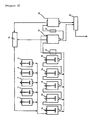
FIG. 3 shows a process diagram according to one embodiment of the present invention. - Hereinafter, the present invention will be described in further detail with reference to the following examples, but the scope of the present invention is not limited to these examples.
- As shown in
FIG. 3 , N-phenylmaleimide, α-methylstyrene and acrylonitrile, as main raw materials, were first introduced into afirst preparation tank 1 at room temperature in the amounts shown in Table 1 below and were mixed with stirring. After completion of the mixing, the monomer mixture in thefirst preparation tank 1 was slowly introduced into the upper portion of a polymerization reactor, while the temperature of the polymerization reactor was elevated to a suitable temperature. Also, in this process, a solvent and an initiator were slowly introduced into the upper portion of the polymerization reactor in the amounts shown in Table 1. During the polymerization process, the same monomer mixtures as described above were also prepared in second, third, fourth andfifth preparation tanks - As the rates of polymerization in stirred
tank reactors first devolatilizer 31. During the transfer, the mixtures were passed through afirst heat exchanger 21, so that it was heated to the operating temperature of thefirst devolatilizer 31. Thefirst devolatilizer 31 was operated in a vacuum of 350 torr at 150 °C, thus recovering the unreacted monomers. After the mixtures were passed through thefirst devolatilizer 31, they were passed through asecond heat exchanger 22, in which they were heated to the operating temperature of asecond devolatilizer 32. Then, the mixtures were passed through thesecond devolatilizer 32, which was operated in a vacuum of 750 torr at 250 °C, thus recovering the remaining unreacted monomers. - A series of continuous processes as described above were repeated until the production of the terpolymer was completed. Also, during passage through the first and second devolatilizers, the remaining unreacted monomers were volatilized and recovered through a
condenser 51. The composition ratios of the recovered monomers were calculated using GC (gas chromatography) equipment, and the monomers were introduced again into the polymerization reactor through the upper portion of the polymerization reactor. A series of such devolatilization processes were also repeated until the production of the terpolymer was completed. - The molten polymer, which has been passed through the first and
second devolitilization units extruder 41, the cylinder temperature of which was set at 180-260 °C and which was equipped with a vacuum system. Then, a pellet-shaped, maleimide-α-alkylstyrene-based, heat-resistant terpolymer was finally prepared. The composition of the terpolymer thus prepared was analyzed using EA (elementary analysis, Vario EL/ELEMENTAR), 1H/13C NMR (nuclear magnetic resonance, 400 MHz/VARIAN) and FT-IR (Fourier transform infrared spectroscopy, FTS-60A/VIO-RAD). Also, the molecular weight thereof was analyzed by determining a value relative to a standard polystyrene (PS) sample through GPC (gel permeation chromatography, Shimadzu VP) using THF (tetrahydrofuran) as an eluate. Moreover; the glass transition temperature thereof was analyzed using DSC (differential scanning calorimetry, Diamond/Perkin-Elmer), the remaining unreacted monomers were analyzed using GC (gas chromatography, CP-3800/VARIAN), and the high-temperature thermal stability thereof was analyzed by measuring a temperature value corresponding to a loss of 1 wt% compared to initial weight, using TGA (thermogravimetric analysis, Pyris6/Perkin-Elmer). In addition, the melt viscosity thereof was measured using Reometer (Rosand Capillary/15 mm; shear rate method) under a gradually increasing load. The analysis results are shown in Tables 1 and 2 below andFIG. 1 .[Table 1] 1 2 3 4 5 6 7 8 Compositions introduced into polymerization reactor Preparation tank N-phenylmaleimide monomer (wt%) 28.5 18.6 36.0 40.0 42.7 40.0 29.7 22.5 α-methylstyrene monomer (wt%) 46.5 61.4 31.0 25.0 19.3 22.0 39.6 55.0 Acrylonitrile monomer (wt%) 25.0 20.0 33.0 35.0 38.0 38.0 30.7 22.5 Feed line 1Solvent (wt%) - 5.0 10.0 - 5.0 5.0 10.0 - Feed line 2Initiator (ppm) 1500 - - 1000 1000 - 1000 2000 Polymerization conditions Operating conditions Polymerization temperature (°C) 115 110 120 95 95 100 120 120 Polymerization time (hr) 4.0 4.0 4.0 4.0 4.0 4.0 4.0 4.0 Devolatilization time (hr) 1.0 1.0 1.0 1.0 1.0 1.0 1.0 1.0 First heat exchanger (°C) 150 150 150 150 150 150 150 150 First devolatilizer (mmHg) -350 -350 -350 -350 -350 -350 -350 -350 Second heat exchanger (°C) 250 250 250 250 250 250 250 250 Second devolatilizer (mmHg) -750 -750 -750 -750 -750 -750 -750 -750 Additives Solvent - Tol. Tol. - Tol. Tol. Tol. - Initiator a) - - b) b) - a) a) Note: Tol. indicates toluene, a) indicates 1,1-di-(t-butylperoxy)cyclohexane, and b) indicates benzoyl peroxide. [Table 2] 1 2 3 4 5 6 7 8 Polymerization conversion (%) 50 60 55 60 65 60 55 55 Composition (wt%) of monomers in terpolymer N-phenylmaleimide monomer (PMI, wt%) 30 20 34 38 40 38 27 20 α-methylstyrene monomer (AMS, wt%) 46 62 35 29 24 26 45 60 Acrylonitrile monomer (AN, wt%) 24 18 31 33 36 36 28 20 Instrumental analysis results Weight-average molecular weight (Mw, x 104) 15 12 20 27 22 20 13 11 Glass transition temperature (°C) 170 153 175 185 190 180 165 155 Thermal stability (°C, 1wt% loss/TGA) 350 325 350 350 365 360 350 340 Contents (ppm) of remaining unreacted monomers PMI 55 50 50 53 51 50 52 50 AMS 52 57 53 43 51 51 43 48 AN 25 23 22 20 20 21 18 22 Color tone Light yellow Light yellow Light yellow Light yellow Light yellow Light yellow Light yellow Light yellow Peak shape in DSC measurement after blending with other resins One peak One peak One peak One peak One peak One peak One peak One peak Note: one peak means very excellent blendability with other resins - In Comparative Examples, α-methylenestyrene and acrylonitrile were first introduced into a batch reactor. Alternatively, α-methylenestyrene and acrylonitrile were introduced, and then maleic anhydride was introduced with stirring. Alternatively, α-methylenestyrene, acrylonitrile and styrene were introduced, and then maleic anhydride was introduced with stirring. Also, a solvent and an initiator for each of the monomer mixtures were introduced, and the temperature of the reactor was elevated to a suitable temperature. As a suitable degree of polymerization was reached, the polymer/monomer mixture was transferred from the lower portion of the reactor into a DMF (N,N-dimethylformamide) solvent tank, in which it was completely dissolved. The resulting polymer solution was passed through a resolidification process in which the polymer solution was slowly added to the upper portion of a solvent tank containing a large amount of methanol, while only the polymer was resolidified, a filtering process in which only the polymer was filtered, and an extruder equipped with a vacuum system, thus preparing a pellet-shaped heat-resistant reinforcing material. The composition of the heat-resisitant reinforcing material thus prepared was analyzed using EA (elementary analysis, Vario EL/ELEMENTAR), 1H NMR (nuclear magnetic resonance, 400 MHz/VARIAN) and FT-IR(Fourier transform infrared spectroscopy, FTS-60A/VIO-RAD), and the molecular weight thereof was analyzed by determining a value relative to a standard polystyrene (PS) sample through GPC (gel permeation chromatography, Shimadzu VP) using THF (tetrahydrofuran) as an eluate. Also, the glass transition temperature thereof was analyzed using DSC (differential scanning calorimetry, Diamond/Perkin-Elmer), and the remaining unreacted monomers were analyzed using GC (gas chromatography, CP-3800/VARIAN). In addition, the high-temperature thermal stability thereof was analyzed by measuring a temperature value corresponding to a loss of 1 wt% compared to initial weight, using TGA (thermogravimetric analysis, Pyris6/Perkin-Elmer). The analysis results are shown in Tables 3 and 4 below.
[Table 3] 1 2 3 4 5 6 7 8 Compositions introduced into polymerization reactor Polymerization reactor Maleic anhydride monomer (wt%) - - 18.0 36.0 13.5 27.0 22.5 31.5 α-methylstyrene monomer (wt%) 58.5 58.5 31.5 9.0 36.0 18.0 27.0 22.5 Acrylonitrile monomer (wt%) 41.5 27.0 27.0 45.0 22.5 27.0 13.5 13.5 Styrene monomer (wt%) - 4.5 13.5 - 18.0 18.0 27.0 22.5 Feed line 1 Solvent (wt%) 10.0 10.0 10.0 10.0 10.0 10.0 10.0 10.0 Feed line 2 Initiator (ppm) 3000 3000 2000 - 2000 2000 2000 - Polymerization conditions Operating conditions Polymerization temperature (C°) 130 130 120 120 120 120 125 120 Polymerization time (hr) 9 8 5 5 5 5 5 5 Additives Solvent EB EB EB EB EB EB EB EB Initiator a) a) a) - a) a) a) - [Table 4] 1 2 3 4 5 6 7 8 Polymerization conversion (%) 50 55 55 60 55 55 55 60 Composition (wt%) of monomer units in heat-resistant reinforcing materials Maleic anhydride monomer (PMI, wt%) - - 20 35 15 30 23 35 α-methylstyrene monomer (AMS, wt%) 60 60 30 10 38 17 25 25 Acrylonitrile monomer (AN, wt%) 40 28 25 55 25 25 15 15 Styrene monomer (SM, wt%) - 12 25 - 22 28 37 25 Instrumental analysis results Weight-average molecular weight 10 11 15 20 17 16 13 15 Glass transition temperature (°C) 115 117 150 170 145 148 151 160 Thermal stability (°C, 1wt% loss/TGA) 300 300 290 285 280 290 300 280 Contents (ppm) of remaining unreacted monomers MA 55 50 65 61 53 55 65 60 AMS 55 50 60 53 45 50 48 52 AN 25 22 23 24 25 30 28 25 SM 30 28 25 23 21 25 24 33 Color tone Light yellow Light yellow Light brown Light brown Light brown Light brown Light brown Light brown Peak shape in DSC measurement after blending with other resins Two peaks Two peaks Two peaks Two peaks Two peaks Two peaks Two peaks Two peaks Note: "two peaks" means poor blendability with other resins.
Claims (14)
- A process for preparing a bulk terpolymer, comprising the steps of:continuously introducing a mixture of an N-substituted maleimide monomer, an α-alkylstyrene monomer and an unsaturated nitrile monomer into a polymerization reactor comprising one or more stirred tank reactors;continuously polymerizing the monomer mixture introduced into the polymerization reactor; andtransferring the resulting mixture of polymer and unreacted monomers into a devolatilization system, in which the polymer/monomer mixture is separated into the polymer and the unreacted monomers,wherein the bulk terpolymer consists of 5-60 wt% of the N-substituted maleimide monomer, 10-70 wt% of the α-alkylstyrene monomer and 5-50 wt% of the unsaturated nitrile monomer and has a weight-average molecular weight (Mw) of 70,000-300,000 and a glass transition temperature of 140-200 °C.
- The process of Claim 1, wherein the unreacted monomer mixture recovered from the devolatilizer is introduced into a raw material feed line through a condenser, and the polymer is passed through an extruder equipped with a vacuum system.
- The process of Claim 1, wherein the monomer mixture is prepared by introducing the α-alkylstyrene monomer and the unsaturated nitrile monomer, and then introducing the N-substituted maleimide monomer, and mixing the introduced monomers, or prepared by adding a solution of the N-substituted maleimide monomer in the unsaturated nitrile monomer to the α-alkylstyrene monomer.
- The process of Claim 1, wherein the mixture of polymer and unreacted monomers is transferred from the stirred tank reactors directly into the devolatilizer or transferred into the next stirred tank reactor.
- The process of Claim 1, wherein the mixture of polymer and unreacted monomers is maintained at a temperature of 60-180 °C.
- The process of Claim 2, wherein the polymer transferred from the devolatilizer can be transferred into an extruder through other devolatilizers.
- The process of Claim 1, wherein the mixture of polymer and monomers, which is transferred into the devolatilizer, has a final polymerization conversion rate of 20-80 wt%.
- The process of Claim 1, wherein the monomer mixture further contains an organic solvent in an amount of less than 20 parts by weight based on 100 parts by weight of the monomer mixture, and 0-5000 ppm of an initiator.
- The process of Claim 8, wherein the solvent is selected from the group consisting of organic solvents, having a boiling point of 60-200 °C, and mixtures thereof, and the initiator is selected from the group consisting of azobisisobutyronitrile, benzoyl peroxide, t-butylperoxy-2-ethyl-hexanoate, cumyl peroxide, t-butyl peroxide, 1,1-di-(t-butylperoxy)cyclohexane, and mixtures thereof.
- The process of Claim 1, wherein additives, monomers or a mixture of monomers can be introduced into the stirred tank reactors through separate lines.
- The process of Claim 1, wherein the level of the polymer/monomer mixture in the polymerization reactor is 40- 95%.
- The process of Claim 1, wherein the temperature of the polymer, passed through the devolatilizer, is adjusted to 60-300 °C.
- The process of Claim 1, wherein the monomer mixture contains a molecular weight-adjusting agent in an amount of less than 5000 ppm based on 100 parts by weight of the monomer mixture.
- The process of Claim 13, wherein the molecular weight- adjusting agent is selected from the group consisting of n-dodecylmercaptane, n-amylmercaptane, t-butylmercaptane, t-dodecylmercaptane, n-hexylmercaptane, n-octylmercaptane, n-nonylmercaptane, and mixtures thereof.
Applications Claiming Priority (2)
| Application Number | Priority Date | Filing Date | Title |
|---|---|---|---|
| KR1020070059130A KR100922700B1 (en) | 2007-06-15 | 2007-06-15 | Low Melt Viscosity Maleimide-α-alkylstyrene Ternary Copolymer and Continuous Block Polymerization Process |
| PCT/KR2007/004392 WO2008153243A1 (en) | 2007-06-15 | 2007-09-11 | Maleimide-alpha-alkylstyrene-based terpolymer with low molten viscosity and continuous bulk process for producing it |
Publications (3)
| Publication Number | Publication Date |
|---|---|
| EP2160422A1 EP2160422A1 (en) | 2010-03-10 |
| EP2160422A4 EP2160422A4 (en) | 2011-03-09 |
| EP2160422B1 true EP2160422B1 (en) | 2014-06-18 |
Family
ID=40129838
Family Applications (1)
| Application Number | Title | Priority Date | Filing Date |
|---|---|---|---|
| EP07808184.1A Not-in-force EP2160422B1 (en) | 2007-06-15 | 2007-09-11 | Maleimide-alpha-alkylstyrene-based terpolymer with low molten viscosity and continuous bulk process for producing it |
Country Status (6)
| Country | Link |
|---|---|
| US (1) | US8507623B2 (en) |
| EP (1) | EP2160422B1 (en) |
| JP (1) | JP5194116B2 (en) |
| KR (1) | KR100922700B1 (en) |
| CN (1) | CN101711261B (en) |
| WO (1) | WO2008153243A1 (en) |
Families Citing this family (18)
| Publication number | Priority date | Publication date | Assignee | Title |
|---|---|---|---|---|
| KR101158707B1 (en) * | 2008-12-29 | 2012-06-22 | 제일모직주식회사 | Thermoplastic Resin Having Excellent Heat Resistance and Impact Strength and Method of Preparing the Same |
| CN101914179B (en) * | 2010-07-30 | 2012-01-25 | 宁波镇洋化工发展有限公司 | Preparation method of heat-resisting copolymer of aromatic-unsaturated nitrile-N-substituted maleimide-cyclic olefin |
| KR101672056B1 (en) * | 2010-11-26 | 2016-11-02 | 금호석유화학 주식회사 | Process for producing maleimide-alkylstyrene type tertiary (bulk) block copolymer for reducing oligomer content |
| CN102127273B (en) * | 2010-12-22 | 2012-11-21 | 山东舜天力塑胶有限公司 | Polrvinyl chloride heat-resistance modifier and preparation method thereof |
| CN102633935B (en) * | 2012-05-09 | 2014-03-12 | 中国天辰工程有限公司 | SAN continuous bulk method production process |
| US10435495B2 (en) | 2014-06-27 | 2019-10-08 | Lotte Advanced Materials Co., Ltd. | Copolymers and thermoplastic resin composition comprising the same |
| KR101811485B1 (en) | 2014-11-28 | 2017-12-21 | 주식회사 엘지화학 | Thermoplastic Resin Composition and Molded Article Thereof |
| KR101816428B1 (en) | 2016-08-04 | 2018-01-08 | 현대자동차주식회사 | Low glossy asa resin composition having excellent weather-ability and heat resitance |
| KR102010439B1 (en) | 2016-11-01 | 2019-08-13 | 주식회사 엘지화학 | Method for producing san resin with high heat resistance and produced the same |
| KR102158148B1 (en) * | 2017-07-28 | 2020-09-21 | 주식회사 엘지화학 | Copolymer and method for preparing the same |
| CN108819808A (en) * | 2018-08-06 | 2018-11-16 | 安徽华祺汽车装饰有限公司 | A kind of resistant automobile cushion |
| EP4190527B1 (en) * | 2020-07-27 | 2025-05-14 | Denka Company Limited | Maleimide-based copolymer, maleimide-based copolymer composition, resin composition, and injection molded body |
| CN114437274B (en) * | 2020-10-21 | 2024-07-02 | 中国石油化工股份有限公司 | Styrene-halogenated phenyl maleimide copolymer, and preparation method and application thereof |
| KR102685444B1 (en) * | 2020-11-05 | 2024-07-17 | 주식회사 엘지화학 | Method of preparing polymer |
| EP4053178B1 (en) | 2020-11-05 | 2025-07-09 | LG Chem, Ltd. | Polymer production method |
| CN114874372B (en) * | 2021-02-05 | 2023-07-21 | 中国石油化工股份有限公司 | Liquid butyl rubber and method for preparing liquid butyl rubber |
| CN114874371B (en) * | 2021-02-05 | 2023-07-21 | 中国石油化工股份有限公司 | Method for preparing liquid butyl rubber and liquid butyl rubber prepared by same |
| CN114874373B (en) * | 2021-02-05 | 2023-07-21 | 中国石油化工股份有限公司 | Liquid butyl rubber and preparation method thereof |
Family Cites Families (26)
| Publication number | Priority date | Publication date | Assignee | Title |
|---|---|---|---|---|
| GB1185308A (en) | 1967-03-07 | 1970-03-25 | Ici Ltd | Copolymers of Acrylonitrile. |
| GB1186362A (en) | 1967-03-10 | 1970-04-02 | Ici Ltd | Films and Fibres of Acrylonitrile Copolymers |
| GB1185307A (en) | 1967-09-20 | 1970-03-25 | Ici Ltd | Graft Copolymers of High Acrylonitrile/Aromatic Olefin Superstrate on a Diene Rubber as Substrate. |
| US4205020A (en) * | 1966-03-24 | 1980-05-27 | Imperial Chemical Industries Limited | Graft copolymers containing rubber, acrylonitrile and an aromatic olefin |
| JPS60203612A (en) * | 1984-03-29 | 1985-10-15 | Kanegafuchi Chem Ind Co Ltd | Preparation of copolymer |
| EP0222924B1 (en) * | 1985-05-16 | 1992-12-09 | Mitsubishi Rayon Co., Ltd. | Process for producing maleimide copolymer and thermoplastic resin composition comprising the copolymer |
| JPH0796580B2 (en) * | 1985-06-03 | 1995-10-18 | 三井東圧化学株式会社 | Transparent heat resistant styrene copolymer |
| JPS6337139A (en) * | 1986-08-01 | 1988-02-17 | Sekisui Plastics Co Ltd | Production of foamable copolymer resin particle |
| JPS6389561A (en) * | 1986-10-02 | 1988-04-20 | Mitsubishi Rayon Co Ltd | Heat resistant, heat decomposition resistant and impact resistant resin composition |
| JPS63135404A (en) * | 1986-11-28 | 1988-06-07 | Mitsubishi Rayon Co Ltd | Continuous coagulation of polymer latex |
| JPH0791341B2 (en) * | 1986-12-26 | 1995-10-04 | 日本合成ゴム株式会社 | Maleimide-based copolymer and method for producing the same |
| JPS63189455A (en) | 1987-02-02 | 1988-08-05 | Hitachi Chem Co Ltd | Thermoplastic resin composition |
| US4874829A (en) * | 1987-05-22 | 1989-10-17 | Monsanto Company | Process for preparing α-methylstyrene-acrylonitrile polymers |
| JPH0251514A (en) * | 1988-08-15 | 1990-02-21 | Mitsubishi Rayon Co Ltd | Preparation of maleimide copolymer |
| JPH02175740A (en) * | 1988-12-28 | 1990-07-09 | Nippon Oil & Fats Co Ltd | Vinyl chloride resin composition |
| JPH02215810A (en) * | 1989-02-17 | 1990-08-28 | Nippon Oil & Fats Co Ltd | Preparation of alpha-alkylstyrene resin |
| US5210140A (en) * | 1991-05-09 | 1993-05-11 | The B. F. Goodrich Company | Polyvinyl chloride blends |
| JP3078652B2 (en) * | 1992-06-17 | 2000-08-21 | 株式会社日本触媒 | Maleimide copolymer |
| JP3286971B2 (en) * | 1992-12-11 | 2002-05-27 | 鐘淵化学工業株式会社 | Styrene-based copolymer, thermoplastic resin composition containing the copolymer, and methods for producing them |
| JP3297180B2 (en) * | 1994-01-10 | 2002-07-02 | 三菱レイヨン株式会社 | Maleimide copolymer |
| US5489657A (en) * | 1994-10-21 | 1996-02-06 | General Electric Company | Bulk process for making maleimide copolymers |
| JPH08157536A (en) * | 1994-12-09 | 1996-06-18 | Nippon Steel Chem Co Ltd | Transparent heat-resistant styrene-based copolymer and method for producing the same |
| DE19713508A1 (en) | 1997-04-01 | 1998-10-08 | Bayer Ag | Polycarbonate / graft polymer molding compounds with reduced deposit formation |
| DE19922640A1 (en) | 1999-05-18 | 2000-11-23 | Bayer Ag | Production of ABS molding material, involves polymerization of monomers in rubber solution made by polymerizing diolefin in styrene with catalyst containing rare earth metal and organo-aluminium compounds |
| KR100417066B1 (en) * | 2001-01-08 | 2004-02-05 | 주식회사 엘지화학 | Method for preparing thermoplastic resin having superior heat resistance |
| EP2471821B1 (en) * | 2006-09-28 | 2017-02-01 | Korea Kumho Petrochemical Co., Ltd. | Maleimide-alpha-alkylstyrene-based tetrapolymer with low molten viscosity |
-
2007
- 2007-06-15 KR KR1020070059130A patent/KR100922700B1/en not_active Expired - Fee Related
- 2007-09-11 CN CN2007800533767A patent/CN101711261B/en active Active
- 2007-09-11 JP JP2010512053A patent/JP5194116B2/en not_active Expired - Fee Related
- 2007-09-11 US US12/664,600 patent/US8507623B2/en not_active Expired - Fee Related
- 2007-09-11 EP EP07808184.1A patent/EP2160422B1/en not_active Not-in-force
- 2007-09-11 WO PCT/KR2007/004392 patent/WO2008153243A1/en not_active Ceased
Also Published As
| Publication number | Publication date |
|---|---|
| CN101711261A (en) | 2010-05-19 |
| EP2160422A4 (en) | 2011-03-09 |
| JP2010530020A (en) | 2010-09-02 |
| EP2160422A1 (en) | 2010-03-10 |
| US20100240851A1 (en) | 2010-09-23 |
| KR100922700B1 (en) | 2009-10-20 |
| JP5194116B2 (en) | 2013-05-08 |
| CN101711261B (en) | 2013-05-29 |
| KR20080110416A (en) | 2008-12-18 |
| US8507623B2 (en) | 2013-08-13 |
| WO2008153243A1 (en) | 2008-12-18 |
Similar Documents
| Publication | Publication Date | Title |
|---|---|---|
| US8487057B2 (en) | Maleimide-alpha-alkylstyrene-based tetrapolymer with low molten viscosity and continuous bulk process for producing it | |
| US8507623B2 (en) | Maleimide-alpha-alkylstyrene-based terpolymer with low molten viscosity and continuous bulk process for producing it | |
| CN102282183B (en) | Maleimide copolymer, process for the production thereof, and heat-resistant resin compositions containing same | |
| CN111225929B (en) | Maleimide-based copolymer, method for producing same, and resin composition using maleimide-based copolymer | |
| KR20110063947A (en) | Method for producing high heat resistance and low melt viscosity maleimide-alpha-alkyl styrene quaternary bulk copolymer | |
| KR101432597B1 (en) | Method for producing a thermoplastic having highly heat resistance and scratch resistance | |
| KR101672056B1 (en) | Process for producing maleimide-alkylstyrene type tertiary (bulk) block copolymer for reducing oligomer content | |
| CN116133821A (en) | Maleimide-based copolymer, maleimide-based copolymer composition, resin composition, and injection molded article | |
| KR20100051368A (en) | N-SUBSTITUTED MALEIMIDE-α-ALKYL STYLENE BASED COPOLYMER AND PROCESS FOR PRODUCING THE SAME | |
| KR100751020B1 (en) | Continuous production method of high impact polystyrene resin with excellent heat resistance, surface gloss and practical impact strength | |
| KR101185633B1 (en) | Alphamethylstyrene-based copolymer having excellent heat resistance and method for preparing the same | |
| KR20090075486A (en) | Continuous production method of copolymerized heat resistant resin of α-methylstyrene and vinyl cyan compound | |
| KR20090115697A (en) | Low Melt Viscosity Maleimide-α-Alkylene Styrene Ternary Copolymer and Its Continuous Block Polymerization Process | |
| KR100751022B1 (en) | Continuous production method of ultra high gloss rubber modified styrene resin | |
| KR100587650B1 (en) | Continuous production method of rubber modified styrene resin with excellent impact strength | |
| KR20050030004A (en) | Continous polymerization process of rubber-modified styrenic resin with super high impact property | |
| KR100587648B1 (en) | Continuous production method of high impact polystyrene resin with excellent surface gloss and practical impact strength | |
| KR20260042659A (en) | Method for preparing maleimide-based tetrapolymer and maleimide-based tetrapolymer prepared therefrom |
Legal Events
| Date | Code | Title | Description |
|---|---|---|---|
| PUAI | Public reference made under article 153(3) epc to a published international application that has entered the european phase |
Free format text: ORIGINAL CODE: 0009012 |
|
| 17P | Request for examination filed |
Effective date: 20100114 |
|
| AK | Designated contracting states |
Kind code of ref document: A1 Designated state(s): AT BE BG CH CY CZ DE DK EE ES FI FR GB GR HU IE IS IT LI LT LU LV MC MT NL PL PT RO SE SI SK TR |
|
| AX | Request for extension of the european patent |
Extension state: AL BA HR MK RS |
|
| DAX | Request for extension of the european patent (deleted) | ||
| A4 | Supplementary search report drawn up and despatched |
Effective date: 20110203 |
|
| RIC1 | Information provided on ipc code assigned before grant |
Ipc: C08F 222/40 20060101ALI20110128BHEP Ipc: C08F 212/10 20060101AFI20110128BHEP |
|
| 17Q | First examination report despatched |
Effective date: 20111025 |
|
| REG | Reference to a national code |
Ref country code: DE Ref legal event code: R079 Ref document number: 602007037234 Country of ref document: DE Free format text: PREVIOUS MAIN CLASS: C08F0222400000 Ipc: C08F0212100000 |
|
| RIC1 | Information provided on ipc code assigned before grant |
Ipc: C08F 222/40 20060101ALI20131121BHEP Ipc: C08F 220/44 20060101ALI20131121BHEP Ipc: C08F 212/10 20060101AFI20131121BHEP Ipc: C08F 212/08 20060101ALI20131121BHEP Ipc: C08F 212/12 20060101ALI20131121BHEP |
|
| GRAP | Despatch of communication of intention to grant a patent |
Free format text: ORIGINAL CODE: EPIDOSNIGR1 |
|
| INTG | Intention to grant announced |
Effective date: 20140109 |
|
| GRAS | Grant fee paid |
Free format text: ORIGINAL CODE: EPIDOSNIGR3 |
|
| GRAA | (expected) grant |
Free format text: ORIGINAL CODE: 0009210 |
|
| AK | Designated contracting states |
Kind code of ref document: B1 Designated state(s): AT BE BG CH CY CZ DE DK EE ES FI FR GB GR HU IE IS IT LI LT LU LV MC MT NL PL PT RO SE SI SK TR |
|
| REG | Reference to a national code |
Ref country code: GB Ref legal event code: FG4D |
|
| REG | Reference to a national code |
Ref country code: CH Ref legal event code: EP |
|
| REG | Reference to a national code |
Ref country code: AT Ref legal event code: REF Ref document number: 673319 Country of ref document: AT Kind code of ref document: T Effective date: 20140715 |
|
| REG | Reference to a national code |
Ref country code: IE Ref legal event code: FG4D |
|
| REG | Reference to a national code |
Ref country code: DE Ref legal event code: R096 Ref document number: 602007037234 Country of ref document: DE Effective date: 20140807 |
|
| REG | Reference to a national code |
Ref country code: NL Ref legal event code: T3 |
|
| PG25 | Lapsed in a contracting state [announced via postgrant information from national office to epo] |
Ref country code: LT Free format text: LAPSE BECAUSE OF FAILURE TO SUBMIT A TRANSLATION OF THE DESCRIPTION OR TO PAY THE FEE WITHIN THE PRESCRIBED TIME-LIMIT Effective date: 20140618 Ref country code: CY Free format text: LAPSE BECAUSE OF FAILURE TO SUBMIT A TRANSLATION OF THE DESCRIPTION OR TO PAY THE FEE WITHIN THE PRESCRIBED TIME-LIMIT Effective date: 20140618 Ref country code: FI Free format text: LAPSE BECAUSE OF FAILURE TO SUBMIT A TRANSLATION OF THE DESCRIPTION OR TO PAY THE FEE WITHIN THE PRESCRIBED TIME-LIMIT Effective date: 20140618 Ref country code: GR Free format text: LAPSE BECAUSE OF FAILURE TO SUBMIT A TRANSLATION OF THE DESCRIPTION OR TO PAY THE FEE WITHIN THE PRESCRIBED TIME-LIMIT Effective date: 20140919 |
|
| REG | Reference to a national code |
Ref country code: AT Ref legal event code: MK05 Ref document number: 673319 Country of ref document: AT Kind code of ref document: T Effective date: 20140618 |
|
| REG | Reference to a national code |
Ref country code: LT Ref legal event code: MG4D |
|
| PG25 | Lapsed in a contracting state [announced via postgrant information from national office to epo] |
Ref country code: SE Free format text: LAPSE BECAUSE OF FAILURE TO SUBMIT A TRANSLATION OF THE DESCRIPTION OR TO PAY THE FEE WITHIN THE PRESCRIBED TIME-LIMIT Effective date: 20140618 Ref country code: LV Free format text: LAPSE BECAUSE OF FAILURE TO SUBMIT A TRANSLATION OF THE DESCRIPTION OR TO PAY THE FEE WITHIN THE PRESCRIBED TIME-LIMIT Effective date: 20140618 |
|
| PG25 | Lapsed in a contracting state [announced via postgrant information from national office to epo] |
Ref country code: RO Free format text: LAPSE BECAUSE OF FAILURE TO SUBMIT A TRANSLATION OF THE DESCRIPTION OR TO PAY THE FEE WITHIN THE PRESCRIBED TIME-LIMIT Effective date: 20140618 Ref country code: PT Free format text: LAPSE BECAUSE OF FAILURE TO SUBMIT A TRANSLATION OF THE DESCRIPTION OR TO PAY THE FEE WITHIN THE PRESCRIBED TIME-LIMIT Effective date: 20141020 Ref country code: EE Free format text: LAPSE BECAUSE OF FAILURE TO SUBMIT A TRANSLATION OF THE DESCRIPTION OR TO PAY THE FEE WITHIN THE PRESCRIBED TIME-LIMIT Effective date: 20140618 Ref country code: ES Free format text: LAPSE BECAUSE OF FAILURE TO SUBMIT A TRANSLATION OF THE DESCRIPTION OR TO PAY THE FEE WITHIN THE PRESCRIBED TIME-LIMIT Effective date: 20140618 Ref country code: SK Free format text: LAPSE BECAUSE OF FAILURE TO SUBMIT A TRANSLATION OF THE DESCRIPTION OR TO PAY THE FEE WITHIN THE PRESCRIBED TIME-LIMIT Effective date: 20140618 Ref country code: CZ Free format text: LAPSE BECAUSE OF FAILURE TO SUBMIT A TRANSLATION OF THE DESCRIPTION OR TO PAY THE FEE WITHIN THE PRESCRIBED TIME-LIMIT Effective date: 20140618 |
|
| PG25 | Lapsed in a contracting state [announced via postgrant information from national office to epo] |
Ref country code: AT Free format text: LAPSE BECAUSE OF FAILURE TO SUBMIT A TRANSLATION OF THE DESCRIPTION OR TO PAY THE FEE WITHIN THE PRESCRIBED TIME-LIMIT Effective date: 20140618 Ref country code: IS Free format text: LAPSE BECAUSE OF FAILURE TO SUBMIT A TRANSLATION OF THE DESCRIPTION OR TO PAY THE FEE WITHIN THE PRESCRIBED TIME-LIMIT Effective date: 20141018 Ref country code: PL Free format text: LAPSE BECAUSE OF FAILURE TO SUBMIT A TRANSLATION OF THE DESCRIPTION OR TO PAY THE FEE WITHIN THE PRESCRIBED TIME-LIMIT Effective date: 20140618 |
|
| REG | Reference to a national code |
Ref country code: DE Ref legal event code: R097 Ref document number: 602007037234 Country of ref document: DE |
|
| PLBE | No opposition filed within time limit |
Free format text: ORIGINAL CODE: 0009261 |
|
| STAA | Information on the status of an ep patent application or granted ep patent |
Free format text: STATUS: NO OPPOSITION FILED WITHIN TIME LIMIT |
|
| PG25 | Lapsed in a contracting state [announced via postgrant information from national office to epo] |
Ref country code: MC Free format text: LAPSE BECAUSE OF FAILURE TO SUBMIT A TRANSLATION OF THE DESCRIPTION OR TO PAY THE FEE WITHIN THE PRESCRIBED TIME-LIMIT Effective date: 20140618 Ref country code: DK Free format text: LAPSE BECAUSE OF FAILURE TO SUBMIT A TRANSLATION OF THE DESCRIPTION OR TO PAY THE FEE WITHIN THE PRESCRIBED TIME-LIMIT Effective date: 20140618 Ref country code: LU Free format text: LAPSE BECAUSE OF FAILURE TO SUBMIT A TRANSLATION OF THE DESCRIPTION OR TO PAY THE FEE WITHIN THE PRESCRIBED TIME-LIMIT Effective date: 20140911 Ref country code: IT Free format text: LAPSE BECAUSE OF FAILURE TO SUBMIT A TRANSLATION OF THE DESCRIPTION OR TO PAY THE FEE WITHIN THE PRESCRIBED TIME-LIMIT Effective date: 20140618 |
|
| REG | Reference to a national code |
Ref country code: CH Ref legal event code: PL |
|
| 26N | No opposition filed |
Effective date: 20150319 |
|
| REG | Reference to a national code |
Ref country code: IE Ref legal event code: MM4A |
|
| PG25 | Lapsed in a contracting state [announced via postgrant information from national office to epo] |
Ref country code: CH Free format text: LAPSE BECAUSE OF NON-PAYMENT OF DUE FEES Effective date: 20140930 Ref country code: SI Free format text: LAPSE BECAUSE OF FAILURE TO SUBMIT A TRANSLATION OF THE DESCRIPTION OR TO PAY THE FEE WITHIN THE PRESCRIBED TIME-LIMIT Effective date: 20140618 Ref country code: LI Free format text: LAPSE BECAUSE OF NON-PAYMENT OF DUE FEES Effective date: 20140930 |
|
| PG25 | Lapsed in a contracting state [announced via postgrant information from national office to epo] |
Ref country code: IE Free format text: LAPSE BECAUSE OF NON-PAYMENT OF DUE FEES Effective date: 20140911 |
|
| PG25 | Lapsed in a contracting state [announced via postgrant information from national office to epo] |
Ref country code: BG Free format text: LAPSE BECAUSE OF FAILURE TO SUBMIT A TRANSLATION OF THE DESCRIPTION OR TO PAY THE FEE WITHIN THE PRESCRIBED TIME-LIMIT Effective date: 20140618 |
|
| PG25 | Lapsed in a contracting state [announced via postgrant information from national office to epo] |
Ref country code: MT Free format text: LAPSE BECAUSE OF FAILURE TO SUBMIT A TRANSLATION OF THE DESCRIPTION OR TO PAY THE FEE WITHIN THE PRESCRIBED TIME-LIMIT Effective date: 20140618 |
|
| PG25 | Lapsed in a contracting state [announced via postgrant information from national office to epo] |
Ref country code: TR Free format text: LAPSE BECAUSE OF FAILURE TO SUBMIT A TRANSLATION OF THE DESCRIPTION OR TO PAY THE FEE WITHIN THE PRESCRIBED TIME-LIMIT Effective date: 20140618 Ref country code: BE Free format text: LAPSE BECAUSE OF FAILURE TO SUBMIT A TRANSLATION OF THE DESCRIPTION OR TO PAY THE FEE WITHIN THE PRESCRIBED TIME-LIMIT Effective date: 20140618 Ref country code: HU Free format text: LAPSE BECAUSE OF FAILURE TO SUBMIT A TRANSLATION OF THE DESCRIPTION OR TO PAY THE FEE WITHIN THE PRESCRIBED TIME-LIMIT; INVALID AB INITIO Effective date: 20070911 |
|
| REG | Reference to a national code |
Ref country code: FR Ref legal event code: PLFP Year of fee payment: 10 |
|
| REG | Reference to a national code |
Ref country code: FR Ref legal event code: PLFP Year of fee payment: 11 |
|
| REG | Reference to a national code |
Ref country code: FR Ref legal event code: PLFP Year of fee payment: 12 |
|
| PGFP | Annual fee paid to national office [announced via postgrant information from national office to epo] |
Ref country code: GB Payment date: 20220928 Year of fee payment: 16 |
|
| PGFP | Annual fee paid to national office [announced via postgrant information from national office to epo] |
Ref country code: FR Payment date: 20220928 Year of fee payment: 16 |
|
| PGFP | Annual fee paid to national office [announced via postgrant information from national office to epo] |
Ref country code: NL Payment date: 20220929 Year of fee payment: 16 |
|
| PGFP | Annual fee paid to national office [announced via postgrant information from national office to epo] |
Ref country code: DE Payment date: 20230930 Year of fee payment: 17 |
|
| REG | Reference to a national code |
Ref country code: DE Ref legal event code: R119 Ref document number: 602007037234 Country of ref document: DE |
|
| REG | Reference to a national code |
Ref country code: NL Ref legal event code: MM Effective date: 20231001 |
|
| GBPC | Gb: european patent ceased through non-payment of renewal fee |
Effective date: 20230911 |
|
| PG25 | Lapsed in a contracting state [announced via postgrant information from national office to epo] |
Ref country code: NL Free format text: LAPSE BECAUSE OF NON-PAYMENT OF DUE FEES Effective date: 20231001 |
|
| PG25 | Lapsed in a contracting state [announced via postgrant information from national office to epo] |
Ref country code: NL Free format text: LAPSE BECAUSE OF NON-PAYMENT OF DUE FEES Effective date: 20231001 |
|
| PG25 | Lapsed in a contracting state [announced via postgrant information from national office to epo] |
Ref country code: GB Free format text: LAPSE BECAUSE OF NON-PAYMENT OF DUE FEES Effective date: 20230911 |
|
| PG25 | Lapsed in a contracting state [announced via postgrant information from national office to epo] |
Ref country code: GB Free format text: LAPSE BECAUSE OF NON-PAYMENT OF DUE FEES Effective date: 20230911 Ref country code: FR Free format text: LAPSE BECAUSE OF NON-PAYMENT OF DUE FEES Effective date: 20230930 Ref country code: DE Free format text: LAPSE BECAUSE OF NON-PAYMENT OF DUE FEES Effective date: 20240403 |