EP2156753A1 - Low-fat food - Google Patents
Low-fat food Download PDFInfo
- Publication number
- EP2156753A1 EP2156753A1 EP08752255A EP08752255A EP2156753A1 EP 2156753 A1 EP2156753 A1 EP 2156753A1 EP 08752255 A EP08752255 A EP 08752255A EP 08752255 A EP08752255 A EP 08752255A EP 2156753 A1 EP2156753 A1 EP 2156753A1
- Authority
- EP
- European Patent Office
- Prior art keywords
- glu
- cys
- fat
- gly
- val
- Prior art date
- Legal status (The legal status is an assumption and is not a legal conclusion. Google has not performed a legal analysis and makes no representation as to the accuracy of the status listed.)
- Ceased
Links
- XTGCCZDVNSZCNI-PKPIPKONSA-N CCC(C(OCC(O)=O)=O)NC(CC[C@@H](C(O)=O)N)=O Chemical compound CCC(C(OCC(O)=O)=O)NC(CC[C@@H](C(O)=O)N)=O XTGCCZDVNSZCNI-PKPIPKONSA-N 0.000 description 1
Images


Classifications
-
- A—HUMAN NECESSITIES
- A23—FOODS OR FOODSTUFFS; TREATMENT THEREOF, NOT COVERED BY OTHER CLASSES
- A23L—FOODS, FOODSTUFFS OR NON-ALCOHOLIC BEVERAGES, NOT OTHERWISE PROVIDED FOR; PREPARATION OR TREATMENT THEREOF
- A23L27/00—Spices; Flavouring agents or condiments; Artificial sweetening agents; Table salts; Dietetic salt substitutes; Preparation or treatment thereof
-
- A—HUMAN NECESSITIES
- A23—FOODS OR FOODSTUFFS; TREATMENT THEREOF, NOT COVERED BY OTHER CLASSES
- A23D—EDIBLE OILS OR FATS, e.g. MARGARINES, SHORTENINGS OR COOKING OILS
- A23D7/00—Edible oil or fat compositions containing an aqueous phase, e.g. margarines
- A23D7/005—Edible oil or fat compositions containing an aqueous phase, e.g. margarines characterised by ingredients other than fatty acid triglycerides
- A23D7/0053—Compositions other than spreads
-
- A—HUMAN NECESSITIES
- A23—FOODS OR FOODSTUFFS; TREATMENT THEREOF, NOT COVERED BY OTHER CLASSES
- A23C—DAIRY PRODUCTS, e.g. MILK, BUTTER OR CHEESE; MILK OR CHEESE SUBSTITUTES; PREPARATION THEREOF
- A23C9/00—Milk preparations; Milk powder or milk powder preparations
- A23C9/12—Fermented milk preparations; Treatment using microorganisms or enzymes
- A23C9/13—Fermented milk preparations; Treatment using microorganisms or enzymes using additives
- A23C9/1322—Inorganic compounds; Minerals, including organic salts thereof, oligo-elements; Amino-acids, peptides, protein-hydrolysates or derivatives; Nucleic acids or derivatives; Yeast extract or autolysate; Vitamins; Antibiotics; Bacteriocins
-
- A—HUMAN NECESSITIES
- A23—FOODS OR FOODSTUFFS; TREATMENT THEREOF, NOT COVERED BY OTHER CLASSES
- A23C—DAIRY PRODUCTS, e.g. MILK, BUTTER OR CHEESE; MILK OR CHEESE SUBSTITUTES; PREPARATION THEREOF
- A23C9/00—Milk preparations; Milk powder or milk powder preparations
- A23C9/152—Milk preparations; Milk powder or milk powder preparations containing additives
-
- A—HUMAN NECESSITIES
- A23—FOODS OR FOODSTUFFS; TREATMENT THEREOF, NOT COVERED BY OTHER CLASSES
- A23C—DAIRY PRODUCTS, e.g. MILK, BUTTER OR CHEESE; MILK OR CHEESE SUBSTITUTES; PREPARATION THEREOF
- A23C9/00—Milk preparations; Milk powder or milk powder preparations
- A23C9/152—Milk preparations; Milk powder or milk powder preparations containing additives
- A23C9/1526—Amino acids; Peptides; Protein hydrolysates; Nucleic acids; Derivatives thereof
-
- A—HUMAN NECESSITIES
- A23—FOODS OR FOODSTUFFS; TREATMENT THEREOF, NOT COVERED BY OTHER CLASSES
- A23D—EDIBLE OILS OR FATS, e.g. MARGARINES, SHORTENINGS OR COOKING OILS
- A23D9/00—Other edible oils or fats, e.g. shortenings or cooking oils
- A23D9/007—Other edible oils or fats, e.g. shortenings or cooking oils characterised by ingredients other than fatty acid triglycerides
-
- A—HUMAN NECESSITIES
- A23—FOODS OR FOODSTUFFS; TREATMENT THEREOF, NOT COVERED BY OTHER CLASSES
- A23L—FOODS, FOODSTUFFS OR NON-ALCOHOLIC BEVERAGES, NOT OTHERWISE PROVIDED FOR; PREPARATION OR TREATMENT THEREOF
- A23L27/00—Spices; Flavouring agents or condiments; Artificial sweetening agents; Table salts; Dietetic salt substitutes; Preparation or treatment thereof
- A23L27/30—Artificial sweetening agents
- A23L27/31—Artificial sweetening agents containing amino acids, nucleotides, peptides or derivatives
-
- A—HUMAN NECESSITIES
- A23—FOODS OR FOODSTUFFS; TREATMENT THEREOF, NOT COVERED BY OTHER CLASSES
- A23L—FOODS, FOODSTUFFS OR NON-ALCOHOLIC BEVERAGES, NOT OTHERWISE PROVIDED FOR; PREPARATION OR TREATMENT THEREOF
- A23L27/00—Spices; Flavouring agents or condiments; Artificial sweetening agents; Table salts; Dietetic salt substitutes; Preparation or treatment thereof
- A23L27/30—Artificial sweetening agents
- A23L27/31—Artificial sweetening agents containing amino acids, nucleotides, peptides or derivatives
- A23L27/32—Artificial sweetening agents containing amino acids, nucleotides, peptides or derivatives containing dipeptides or derivatives
-
- A—HUMAN NECESSITIES
- A23—FOODS OR FOODSTUFFS; TREATMENT THEREOF, NOT COVERED BY OTHER CLASSES
- A23L—FOODS, FOODSTUFFS OR NON-ALCOHOLIC BEVERAGES, NOT OTHERWISE PROVIDED FOR; PREPARATION OR TREATMENT THEREOF
- A23L27/00—Spices; Flavouring agents or condiments; Artificial sweetening agents; Table salts; Dietetic salt substitutes; Preparation or treatment thereof
- A23L27/60—Salad dressings; Mayonnaise; Ketchup
-
- A—HUMAN NECESSITIES
- A23—FOODS OR FOODSTUFFS; TREATMENT THEREOF, NOT COVERED BY OTHER CLASSES
- A23L—FOODS, FOODSTUFFS OR NON-ALCOHOLIC BEVERAGES, NOT OTHERWISE PROVIDED FOR; PREPARATION OR TREATMENT THEREOF
- A23L33/00—Modifying nutritive qualities of foods; Dietetic products; Preparation or treatment thereof
- A23L33/10—Modifying nutritive qualities of foods; Dietetic products; Preparation or treatment thereof using additives
- A23L33/17—Amino acids, peptides or proteins
- A23L33/175—Amino acids
-
- A—HUMAN NECESSITIES
- A23—FOODS OR FOODSTUFFS; TREATMENT THEREOF, NOT COVERED BY OTHER CLASSES
- A23L—FOODS, FOODSTUFFS OR NON-ALCOHOLIC BEVERAGES, NOT OTHERWISE PROVIDED FOR; PREPARATION OR TREATMENT THEREOF
- A23L33/00—Modifying nutritive qualities of foods; Dietetic products; Preparation or treatment thereof
- A23L33/10—Modifying nutritive qualities of foods; Dietetic products; Preparation or treatment thereof using additives
- A23L33/17—Amino acids, peptides or proteins
- A23L33/18—Peptides; Protein hydrolysates
Definitions
- the present invention relates to a low-fat food, and a taste improving agent to be used for imparting fat-like richness and smoothness to a taste of a low-fat food.
- Patent Document 5 a technology for a oil and fat composition focused on its constituent fatty acid
- CaSR Calcium Sensing Receptor
- GPCR seven-transmembrane receptors
- the above-mentioned calcium receptor may act to promote or suppress biological functions. Therefore, at present, a therapeutic agent that utilizes an activating action on the calcium receptor and a therapeutic agent that utilizes an inhibitory action on the calcium receptor are appropriately used in the treatment of neurological diseases, hepatic diseases, cardiovascular diseases, digestive system diseases, and other diseases, depending on pathological conditions.
- the calcium receptor has functions to detect increased blood calcium level in the parathyroid, and suppress the secretion of the parathyroid hormone (PTH) to correct the blood calcium level. Therefore, an effect of reducing the blood calcium level is expected for a calcium receptor activator. It has been actually clarified that when the calcium receptor activator is used to treat secondary hyperparathyroidism in a hemodialysis patient, it reduces the PTH level without elevating the calcium and phosphorus levels.
- Non-patent Document 4 reports that glutathione ( ⁇ -Glu-Cys-Gly), a low molecular weight peptide, is a CaSR activator, but does not mention in any way a possibility for CaSR to be involved in taste reception.
- an amino acid or a peptide having a particular structure is useful as a calcium receptor activator.
- an amino acid or a peptide having a calcium receptor-activating effect may impart fat-like richness and smoothness to a taste of a low-fat food.
- An object of the present invention is to provide a low-fat food to which fat-like richness and smoothness are imparted.
- the inventors of the present invention have found that an amino acid and a peptide each having a calcium receptor-activating effect in the process of searching a calcium receptor activator.
- the inventors have further found that the amino acid and the peptide may improve a taste, in particular, fat-like richness and smoothness, of a low-fat food.
- the present invention has been completed. That is, the present invention provides the following:
- the embodiment of the present invention is a low-fat food containing a compound, preferably a peptide or an amino acid, having a calcium receptor-activating effect.
- another embodiment of the present invention is a taste improving agent for a low-fat food which is added to a low-fat food for imparting fat-like richness and smoothness to a taste of the low-fat food, and which contains a compound having a calcium receptor-activating effect.
- the taste improving agent for a low-fat food of the present invention has an effect of improving fat-like richness of a low-fat food when being added to the low-fat food before eating.
- still another embodiment of the present invention is a low-fat food in which the taste improving agent for a low-fat food comprising a compound having a calcium receptor-activating effect is added.
- the amino acid or the peptide having a calcium receptor-activating effect may impart kokumi to a food.
- kokumi means a taste that cannot be expressed by five basic tastes which are expressed by sweet taste, salty taste, sour taste, bitter taste and umami, in which marginal tastes of the basic tastes, such as thickness, growth (mouthfulness), continuity, and harmony as well as the basic tastes are enhanced.
- the compound having a calcium receptor-activating effect may impart kokumi, in particular, fat-like richness and smoothness to a low-fat food.
- low-fat food used in the present invention means a food which originally contains fat, but the fat content of which is reduced.
- fat as used herein has the same meaning as the term “oil and fat”, and encompasses both of narrowly-defined fat, which is a solid, and fatty oil, which is a liquid at normal temperature. Further, the fat includes both of animal fat and vegetable fat.
- the amino acid or the peptide to be used in the present invention may impart fat-like richness and smoothness to a fat-containing food to a greater or smaller extent depending on the fat content. Thus, the extent of the "reduction" of the fat content is not limited.
- a food having a smaller fat content than a conventional similar fat-containing food which is not subjected to the processing for reducing the fat content.
- fat-like richness and smoothness encompasses both of giving fat-like richness and smoothness to a food having nearly-imperceptible fat-like richness and smoothness, and enhancing fat-like richness and smoothness which are inherent to a food.
- the phrase "improvement of fat-like richness and smoothness" as used herein also has the same meaning.
- the low-fat food include: a dairy product such as cow milk, yogurt, butter, and cream; a food containing animal oil and fat and/or vegetable oil and fat, such as margarine, milk for coffee, sauce, and roux; and an emulsified food such as dressing and mayonnaise.
- a dairy product such as cow milk, yogurt, butter, and cream
- a food containing animal oil and fat and/or vegetable oil and fat such as margarine, milk for coffee, sauce, and roux
- an emulsified food such as dressing and mayonnaise.
- fat-like richness as used herein means richness mainly perceived_in middle taste to aftertaste when a fat-containing food is eaten.
- smoothness means mildness and roundness which are perceived when a fat-containing food is eaten. In general, when those two factors are combined, sticky taste and lasting pronounced and fatty taste are perceived_in the mouth or around the tongue. The sense of taste varies with time once the food is placed in the mouth, and the various stages of taste is sequentially called, from immediately after placing the food in the mouth, the initial taste, middle taste and aftertaste.
- initial taste, middle taste and aftertaste are tastes which are felt 0 to 2 seconds, 3 to 4 seconds and 5 seconds or later after placing the food in the mouth, respectively.
- fat-like richness and smoothness are simply described as "fat-like richness” collectively in some cases.
- calcium receptor in the present description means a receptor that is called Calcium Sensing Receptor (CaSR) and belongs to the class C of seven-transmembrane receptors.
- CaSR Calcium Sensing Receptor
- calcium receptor activator in the present description means a substance that binds to the above-mentioned calcium receptor to activate the calcium receptor.
- to activate a calcium receptor in the present description means that a ligand binds to a calcium receptor to activate a guanine nucleotide binding protein, to thereby transmit a signal.
- calcium receptor activity means that the calcium receptor transmits the signal.
- each amino acid and amino acids forming each peptide are L-amino acids unless otherwise stated.
- the compound having a calcium receptor-activating effect may be an amino acid, a peptide, or derivatives thereof, or various low molecular weight compounds as long as the compound has an effect of improving fat-like richness of the low-fat food.
- the compound may also be a novel compound obtained by screening.
- the compound may be obtained by reacting a calcium receptor with a test substance, and detecting a calcium receptor activity. It is preferably confirmed that the thus obtained compound has an effect of improving fat-like richness of the low-fat food.
- the calcium receptor activity is, for example, measured by using a measurement system using cells that express calcium receptors.
- the above-mentioned cells may be cells endogenously expressing calcium receptors, or may be recombinant cells in which exogenous calcium receptor genes are introduced.
- the measurement system of calcium receptor activity described above may be used without any particular limitation as long as, when an extracellular ligand (activator) specific to a calcium receptor is added to the above-mentioned cells that express calcium receptors, the measurement system may detect the binding (reaction) between the activator and the calcium receptor, or may respond to the binding (reaction) between the activator and the calcium receptor to thereby transmit a detectable signal into the cells.
- the calcium receptor activity is detected through the reaction with the test substance, it is determined that the test substance has a calcium receptor-stimulating activity, and is a substance that may improve fat-like richness of the low-fat food.
- the amino acid and peptide to be used as a test substance are not particularly limited, the peptide is preferably a peptide consisting of 2 to 10 amino acid residues, or a derivative thereof, and more preferably a peptide consisting of 2 or 3 amino acid residues or a derivative thereof. Further, the amino acid residue at the N-terminal side of the peptide is preferably ⁇ -glutamic acid.
- the origin of the above-mentioned calcium receptor is not particularly limited. Examples thereof include not only the above-mentioned human calcium receptor, but also a calcium receptor derived from an animal such as a mouse, a rat, and a dog.
- the calcium receptor activity can be confirmed by using live cells expressing a calcium receptor or its fragment, cell membranes expressing a calcium receptor or its fragment, an in vitro system containing a protein of a calcium receptor or its fragment, or the like.
- live cells expressing a calcium receptor or its fragment
- cell membranes expressing a calcium receptor or its fragment an in vitro system containing a protein of a calcium receptor or its fragment, or the like.
- confirmation of the calcium receptor activity is not limited to this example.
- a calcium receptor is expressed in cultured cells such as those of Xenopus laevis oocytes, hamster ovarian cells, and human fetal kidney cells.
- the calcium receptor can be expressed by cloning a calcium receptor gene in a plasmid that can carry a foreign gene and introducing the plasmid or cRNA obtained by using the plasmid as a template.
- an electrophysiological technique and a fluorescent indicator that indicates an increase in intracellular calcium level can be used.
- Expression of the calcium receptor is first confirmed based on the response to calcium or a specific activator.
- Oocytes that showed intracellular current with calcium at a concentration of about 5 mM, or cultured cells that showed fluorescence of the fluorescent indicator reagent with calcium at a concentration of about 5 mM are used.
- the calcium concentration dependency is determined by changing the calcium concentration.
- a test substance such as a peptide is prepared to a concentration of about 1 ⁇ M to 1 mM, and added to the oocytes or the cultured cells, and the calcium receptor activity of the above-mentioned peptide or the like is determined.
- Examples of the compound to be used in the present invention include various amino acids, peptides, or derivatives thereof, or various lowmolecular weight compounds having a calcium receptor-activating effect (hereinafter, when "amino acid” or “peptide” is simply used, the amino acid and the peptide sometimes mean both of an amino acid and an amino acid derivative, and both of a peptide and a peptide derivative, respectively).
- the amino acid or the peptide having a calcium receptor-activating effect to be used in the present invention may be an amino acid or a peptide having an effect of improving fat-like richness of the low-fat food when the low-fat food is eaten after the amino acid or the peptide is added thereto.
- Examples of such an amino acid or a peptide include ⁇ -Glu-X-Gly (X represents an amino acid or an amino acid derivative), ⁇ -Glu-Val-Y (Y represents an amino acid or an amino acid derivative), ⁇ -Glu-Ala, ⁇ -Glu-Gly, ⁇ -Glu-Cys, ⁇ -Glu-Met, ⁇ -Glu-Thr, ⁇ -Glu-Val, ⁇ -Glu-Orn, Asp-Gly, Cys-Gly, Cys-Met, Glu-Cys, Gly-Cys, Leu-Asp, D-Cys, ⁇ -Glu-Met(O), ⁇ -Glu- ⁇ -Glu-Val, ⁇ -Glu-Val-NH 2 , ⁇ -Glu-Val-ol, ⁇ -Glu-Ser, ⁇ -Glu-Tau, ⁇ -Glu-Cys(S-Me)(O), ⁇ -Glu-Leu, ⁇ -Glu-Ile, ⁇ -Glu-t-Leu, and
- the peptide may be a peptide derivative having a structure of ⁇ -Glu-X-OCH(Z)CO 2 H (X represents an amino acid or an amino acid derivative, and Z represents H (a hydrogen atom) or CH 3 (a methyl group)).
- the peptide may be a compound in which Y represents GlyA or LacA in the formula ⁇ -Glu-Val-Y. Preferable specific examples thereof include ⁇ -Glu-Val-GlyA, ⁇ -Glu-tLeu-GlyA, ⁇ -Glu-Abu-GlyA, ⁇ -Glu-Val-LacA, ⁇ -Glu-tLeu-LacA, and ⁇ -Glu-Abu-LacA.
- GlyA represents glycolic acid and LacA represents butyric acid.
- Butyric acid may be one of S- butyric acid and R- butyric acid, and preferred is S- butyric acid. Structural formulae of those compounds are described below.
- examples of the amino acid include: a neutral amino acid such as Gly, Ala, Val, Leu, Ile, Ser, Thr, Cys, Met, Asn, Gln, Pro, Hyp, and t-Leu, an acidic amino acid such as Asp and Glu; a basic amino acid such as Lys, Arg, and His; an aromatic amino acid such as Phe, Tyr, and Trp; homoserine, citrulline, ornithine, ⁇ -aminobutyric acid, norvaline, norleucine, and taurine.
- a neutral amino acid such as Gly, Ala, Val, Leu, Ile, Ser, Thr, Cys, Met, Asn, Gln, Pro, Hyp, and t-Leu
- an acidic amino acid such as Asp and Glu
- a basic amino acid such as Lys, Arg, and His
- an aromatic amino acid such as Phe, Tyr, and Trp
- the amino acid may also be a non-naturally occurring (non-protein constituent) amino acid such as tert-leucine, cycloleucine, ⁇ -aminoisobutyric acid, and L-penicillamine.
- X in the peptide ⁇ -Glu-X-Gly may be any one of such an amino acid or a derivative thereof described above, and preferably an amino acid or a derivative thereof, other than Cys.
- amino acid residues mean the following amino acids.
- examples of the amino acid derivative include various derivatives of above-mentioned amino acids such as an unusual amino acid, a non-natural amino acid, an amino alcohol, and a substituted amino acid of which side chain such as the terminal carbonyl group, the terminal amino group, and the thiol group of cysteine, is substituted with various substituents.
- substituents include an alkyl group, an acyl group, a hydroxy group, an amino group, an alkylamino group, a nitro group, a sulfonyl group, and various protection groups.
- substituted amino acid examples include: Arg(NO 2 ): N- ⁇ -nitroarginine; Cys(SNO): S-nitrocysteine; Cys(S-Me): S-methylcysteine; Cys(S-allyl): S-allylcysteine; Val-NH 2 : valinamide; and Val-ol: valinol (2-amino-3-methyl-1-butanol).
- ⁇ -Glu-Cys(SNO)-Gly has the following structural formula, and the "(O)" in the above formulae ⁇ -Glu-Met(O) and ⁇ -Glu-Cys(S-Me)(O) indicates a sulfoxide structure.
- the "( ⁇ )” in the ⁇ -Glu indicates that glutamic acid binds to another amino acid via the carboxy group at the ⁇ -position in glutamic acid.
- ⁇ -Glu-X-Gly (X represents an amino acid or an amino acid derivative), ⁇ -Glu-Val-Y (Y represents an amino acid or an amino acid derivative), ⁇ -Glu-Ala, ⁇ -Glu-Gly, ⁇ -Glu-Cys, ⁇ -Glu-Met, ⁇ -Glu-Thr, ⁇ -Glu-Val, ⁇ -Glu-Orn, Asp-Gly, Cys-Gly, Cys-Met, Glu-Cys, Gly-Cys, Leu-Asp, D-Cys, ⁇ -Glu-Met(O), ⁇ -Glu- ⁇ -Glu-Val, ⁇ -Glu-Val-NH 2 , ⁇ -Glu-Val-ol, ⁇ -Glu-Ser, ⁇ -Glu-Tau, ⁇ -Glu-Cys(S-Me)(O), ⁇ -Glu-Leu, ⁇ -Glu-Ile, ⁇ -Glu-t-Leu, and ⁇ -Glu-Cys(S-Me)
- ⁇ -Glu-X-Gly (X represents an amino acid or an amino acid derivative), ⁇ -Glu-Val-Y (Y represents an amino acid or an amino acid derivative), ⁇ -Glu-Ala, ⁇ -Glu-Gly, ⁇ -Glu-Cys, ⁇ -Glu-Met, ⁇ -Glu-Thr, ⁇ -Glu-Val, ⁇ -Glu-Orn, Asp-Gly, Cys-Gly, Cys-Met, Glu-Cys, Gly-Cys, Leu-Asp, D-Cys, ⁇ -Glu-Met(O), ⁇ -Glu- ⁇ -Glu-Val, ⁇ -Glu-Val-NH 2 , ⁇ -Glu-Val-ol, ⁇ -Glu-Ser, ⁇ -Glu-Tau, ⁇ -Glu-Cys(S-Me)(O), ⁇ -Glu-Leu, ⁇ -Glu-Ile, ⁇ -Glu-t-Leu, and ⁇ -Glu-Cys(S-Me
- the compound to be used in the present invention may be used alone or may be used as a mixture of arbitrary two kinds or three or more kinds.
- preferred compound is a compound having the following structural formula: ⁇ -Glu-X-Gly (X represents Cys(SNO), Cys(S-allyl), Gly, Cys(S-Me), Abu, t-Leu, Cle, Aib, Pen, or Ser); or ⁇ -Glu-Val-Y (Y represents Gly, Val, Glu, Lys, Phe, Ser, Pro, Arg, Asp, Met, Thr, His, Orn, Asn, Cys, Gln, GlyA, or LacA).
- particularly preferred compound is ⁇ -Glu-Val-Gly or ⁇ -Glu-Abu-Gly.
- the peptide can be obtained by appropriately using a known technique such as (1) a method of chemical synthesis, or (2) a method of synthesizing the peptide by an enzymatic reaction. Since the number of amino acid residues contained in the peptide to be used in the present invention is as comparatively small as 2 or 3 residues, a method of chemical synthesis is convenient.
- the oligopeptide can be synthesized or semi-synthesized by using a peptide synthesizer.
- An example of the method of chemical synthesis of the peptide includes a peptide solid phase synthetic method.
- the peptide synthesized as described above can be purified by usual means such as ion exchange chromatography, reversed phase high performance liquid chromatography, or affinity chromatography.
- Such a solid phase synthetic method of the peptide and the subsequent peptide purification are well known in this technical field.
- the peptide to be used in the present invention can also be produced by an enzymatic reaction.
- the method described in WO 2004/011653 can be used. That is, the peptide can also be produced by: reacting one amino acid or dipeptide of which carboxyl terminus is esterified or amidated with an amino acid having a free amino group (for example, an amino acid of which carboxyl group is protected) in the presence of a peptide producing enzyme; and purifying the produced dipeptide or tripeptide.
- the peptide producing enzyme examples include a culture of a microorganism having an ability to produce a peptide, microbial cells separated from the culture, or a processed product of cells of the microorganism, or a peptide producing enzyme derived from the microorganism.
- the peptide to be used in the present invention is not only produced by such an enzymatic method or a chemical synthesis method as mentioned above, but also may exist in, for example, a plant such as a vegetable or a fruit, a microorganism such as a yeast, and a yeast extract.
- the peptide may be extracted from these natural products before use. Further, the peptide does not need to be isolated before use, and there may be used a fraction containing the peptide of the present invention in a large amount.
- Examples of the low-molecular-weight compound to be used in the present invention include cinacalcet ((R)-N-(3-(3-(trifluoromethyl)phenyl)propyl)-1-(1-naphthyl)e thylamine) and an analogous compound thereof.
- Examples of the analogous compound of cinacalcet include the compound represented by the following chemical formula (1) ((R)-N-[(4-ethoxy-3-methylphenyl)methyl]-1-(1-naphthyl)ethyl amine)) or the compound represented by the following chemical formula (2) ((R)-N-(3-phenylprop-2-enyl)-1-(3-methoxyphenyl)ethylamine).
- Those compounds may be synthesized by such a known method as described in US Patent No. 6,211,244 , for example. Further, commercially-available products may also be used.
- the compound to be used in the present invention also include that in the form of a salt.
- the salt may be a pharmacologically acceptable salt.
- a salt with an acidic group such as a carboxyl group in the formula include: an ammonium salt; a salt with an alkali metal such as sodium and potassium; a salt with an alkaline earth metal such as calcium and magnesium, an aluminum salt, a zinc salt; a salt with an organic amine such as triethylamine, ethanolamine, morpholine, pyrrolidine, piperidine, piperazine, and dicyclohexylamine; and a salt with a basic amino acid such as arginine and lysine.
- Examples of a salt with a basic group in case where the basic group exists in the formula include: a salt with an inorganic acid such as hydrochloric acid, sulfuric acid, phosphoric acid, nitric acid, and hydrobromic acid; a salt with an organic carboxylic acid such as acetic acid, citric acid, benzoic acid, maleic acid, fumaric acid, tartaric acid, succinic acid, tannic acid, butyric acid, hibenzoic acid, pamoic acid, enanthoic acid, decanoic acid, teoclic acid, salicylic acid, lactic acid, oxalic acid, mandelic acid, and malic acid; and a salt with an organic sulfonic acid such as methanesulfonic acid, benzenesulfonic acid, and p-toluenesulfonic acid.
- an inorganic acid such as hydrochloric acid, sulfuric acid, phosphoric acid, nitric acid,
- the compound, preferably the peptide and the amino acid, to be used in the present invention may be used as a taste improving agent for a low-fat food, which is added to a low-fat food for improving fat-like richness of the low-fat food.
- the compound may be formed of only one kind or a mixture of two or more kinds. Further, the compound to be used in the present invention may be incorporated into the low-fat food to form a low-fat food having improved fat-like richness.
- the taste improving agent for a low-fat food of the present invention may be formed of only one kind or only two or more kinds chosen from the above-mentioned compounds to be used in the present invention, for example, or may further be formed by optionally adding other compound, various additives, and the like each having an function of improving a taste of the low-fat food.
- the amount of the taste improving agent for a low-fat food to be added to the low-fat food is not particularly limited as long as the amount may be sufficient for improving a taste, in particular, fat-like richness, of the low-fat food.
- the amount of the compound is 1 ppb to 99.9% by weight, preferably 10 ppb to 10% by weight, and more preferably about 1 ppm to 1% by weight in the low-fat food, for example.
- the low-fat food of the present invention contains the compound to be used in the present invention.
- the compound may be formed of only one kind or a mixture of two or more kinds.
- the ingredient of the low-fat food of the present invention is not particularly different from that of a conventional low-fat food except that the low-fat food of the present invention contains the above-mentioned compound.
- the low-fat food of the present invention may be produced in the same manner as in a general low-fat food except for the addition of the above-mentioned compound.
- the gene of the calcium receptor gene was prepared as follows. On the basis of the DNA sequence registered at NCBI (calcium receptor: NM_000388), synthetic oligo DNAs (forward primer (SEQ ID NO: 1) and reverse primer (SEQ ID NO: 2)) used for PCR were synthesized.
- Human kidney cDNA (manufactured by Clontech) was used as a material, and PCR was performed by using the primers and Pfu ultra DNA Polymerase (manufactured by Stratagene) under the following conditions. After a reaction at 94°C for 3 minutes, a cycle of reactions at 94°C for 30 seconds, 55°C for 30 seconds, and 72 °C for 2 minutes was repeated 35 times, and then a reaction was performed at 72°C for 7 minutes. Whether amplification was attained by PCR was detected by performing agarose electrophoresis, staining with a DNA staining reagent, and subsequent ultraviolet irradiation.
- the chain lengths of the PCR products were confirmed by comparison with DNA markers of known sizes which were simultaneously subjected to the electrophoresis.
- the plasmid vector pBR322 was digested with the restriction enzyme EcoRV (manufactured by Takara).
- the gene fragment amplified by PCR was ligated to the cleavage site of the plasmid by using Ligation Kit (manufactured by Promega).
- the Escherichia coli DH5 ⁇ strain was transformed with the ligation reaction solution, and a transformant harboring the plasmid in which the PCR amplification product was cloned was selected.
- the PCR amplification product was confirmed by DNA sequence analysis.
- cRNA of the calcium receptor gene was prepared using a cRNA preparation kit (manufactured by Ambion).
- L-amino acid samples 23 kinds of special grade amino acids including alanine, arginine, asparagine, aspartic acid, cysteine, glutamine, glutamic acid, glycine, histidine, isoleucine, leucine, lysine, methionine, phenylalanine, proline, serine, threonine, tryptophan, tyrosine, valine, ornithine, and taurine (all of those from Ajinomoto Co., Inc.), and hydroxyproline (Nacarai Tesque, Inc.), were used.
- D-Cys and D-Trp Nacarai Tesque, Inc.
- calcium chloride those of special grade were used.
- Glutamine and cysteine were prepared upon use, and the other samples were stored at -20°C after preparation.
- the peptides those each having a purity of 90% or higher were used. Purity of 80% or higher was used only for ⁇ -Glu-Cys.
- the solution used for dissolution of amino acids and peptides, preparation of Xenopus laevis oocytes, and culture of the oocytes had the following composition: 96 mM NaCl, 2 mM KCl, 1 mM MgCl 2 , 1.8 mM CaCl 2 , 5 mM Hepes, and pH 7.2.
- Boc-Val-OH (8.69 g, 40.0 mmol) and Gly-OBzl ⁇ HCl (8.07 g, 40.0 mmol) were dissolved in methylene chloride (100 ml) and the solution was kept at 0°C.
- Triethylamine (6.13 ml, 44.0 mmol), HOBt (1-hydroxybenzotriazole, 6.74 g, 44.0 mmol), and WSC ⁇ HCl (1-ethyl-3-(3-dimethylaminopropyl)carbodiimide hydrochloride, 8.44 g, 44.0 mmol) were added to the solution, and the mixture was stirred overnight at room temperature.
- the reaction solution was concentrated under reduced pressure, and the residue was dissolved in ethyl acetate (200 ml).
- the solution was washed with water (50 ml), 5% citric acid aqueous solution (50 ml ⁇ twice), saturated brine (50 ml), 5% sodium bicarbonate aqueous solution (50 ml ⁇ twice), and saturated brine (50 ml).
- the organic layer was dried over anhydrous magnesium sulfate, magnesium sulfate was removed by filtration, and the filtrate was concentrated under reduced pressure.
- the residue was recrystallized from ethyl acetate/n-hexane to obtain Boc-Val-Gly-OBzl (13.2 g, 36.2 mmol) as a white crystal.
- Boc-Val-Gly-OBzl (5.47 g, 15.0 mmol) was added to a 4 N HCl/dioxane solution (40 ml), and the mixture was stirred at room temperature for 50 minutes. Dioxane was removed by concentration under reduced pressure, n-hexane (30 ml) was added to the residue, and the mixture was concentrated under reduced pressure. The procedure was repeated 3 times to quantitatively obtain H-Val-Gly-OBzl ⁇ HCl H-Val-Gly-OBzl ⁇ HCl and Z-Glu-OBzl (5.57 g, 15.0 mmol) described above were dissolved in methylene chloride (50 ml), and the solution was kept at 0°C.
- Triethylamine (2.30 ml, 16.5 mmol), HOBt (1-hydroxybenzotriazole, 2.53 g, 16.5 mmol), and WSC ⁇ HCl (1-ethyl-3-(3-dimethylaminopropyl)carbodiimide hydrochloride, 3.16 g, 16.5 mmol) were added to the solution, and the mixture was stirred at room temperature overnight for 2 days.
- the reaction solution was concentrated under reduced pressure, and the residue was dissolved in heated ethyl acetate (1, 500 ml) .
- the solution was washed with water (200 ml)), 5% citric acid aqueous solution (200 ml ⁇ twice), saturated brine (150 ml), 5% sodium bicarbonate aqueous solution (200 ml ⁇ twice), and saturated brine (150 ml).
- the organic layer was dried over anhydrous magnesium sulfate, magnesium sulfate was removed by filtration, and the filtrate was concentrated under reduced pressure.
- the precipitated crystal was collected by filtration and dried under reduced pressure to obtain Z-Glu (Val-Gly-OBzl)-OBzl (6. 51 g, 10. 5 mmol) as a white crystal.
- a Ca ion concentration-dependent Cl ionic current measuring method using a Xenopus laevis oocyte expression system was used. If each activator is added to Xenopus laevis oocytes expressing the calcium receptor, intracellular Ca ions increase. Then, the Ca ion concentration-dependent Cl channel opens, and the intracellular current value changes as an ionic current. By measuring the change in the intracellular current value, whether the calcium receptor-activating effect is present or not can be known.
- abdomen of Xenopus laevis was opened, and an egg batch was taken out and then treated with a 1% collagenase solution at 20°C for 2 hours to obtain individual oocytes.
- 50 nl of 1 ⁇ g/pl receptor cRNA or 50 nl of sterilized water per oocyte were injected by using a micro glass capillary, and the oocytes were cultured at 18°C for 2 to 3 days.
- a solution obtained by adding 2 mM pyruvic acid, 10 U/ml penicillin, and 10 ⁇ g/ml streptomycin to the solution mentioned in Reference Example 2 was used.
- a test solution was added to the oocytes injected with cRNA or sterilized water. Electrophysiological measurement was performed by using an amplifier Geneclamp 500 (manufactured by Axon) and recording software AxoScope 9.0 (manufactured by Axon). The oocytes were membrane potential-clamped at -70 mV by the double electrode potential clamp method, and the intracellular current via the Ca ion concentration-dependent Cl ion was measured. The maximum value of the intracellular currents was considered as the response current value.
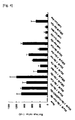
- the calcium receptor-activating effect of calcium was evaluated by using the method described in Reference Example 6. That is, oocytes injected with cRNA of the calcium receptor or sterilized water were prepared, and membrane potential-clamped at -70 mV by the double electrode potential clamp method. To the potential-clamped oocytes, calcium was added (2 mM, 5 mM, 10 mM, and 20 mM), and Ca ion concentration-dependent Cl response current was measured. FIG. 1 shows the results. The results confirmed that cRNA of the calcium receptor injected into the oocytes was functionally expressed. Further, since the oocytes injected with water did not respond to even a high concentration of calcium, it was confirmed that the calcium receptor was not expressed in the oocytes themselves.
- the calcium receptor-activating effect of L-amino acids was evaluated by using the method described in Reference Example 6. That is, oocytes injected with cRNA of the calcium receptor or sterilized water were prepared, and membrane potential-clamped at -70 mV by the double electrode potential clamp method.
- FIG. 2 shows the results.
- the activating effect was reported in Proc. Natl. Acad. Sci. USA, Apr. 25, 2000, 97(9): 4814-9 .
- the calcium receptor-activating effect of D-cysteine was evaluated by using the method described in Reference Example 6. That is, oocytes injected with cRNA of the calcium receptor or sterilized water were prepared, and membrane potential-clamped at -70 mV by the double electrode potential clamp method. To the potential-clamped oocytes, D-cysteine (10 mM), L-cysteine (10 mM), D-tryptophan (10 mM), or L-tryptophan (10 mM) was added, and Ca ion concentration-dependent Cl response current was measured.
- FIG. 3 shows the results. The results demonstrated that D-cysteine had a definite calcium receptor-activating effect.
- the calcium receptor-activating effect of a peptide was evaluated by using the method described in Reference Example 6. That is, oocytes injected with cRNA of the calcium receptor or sterilized water were prepared, and membrane potential-clamped at -70 mV by the double electrode potential clamp method.
- the calcium receptor-activating effects of peptides were evaluated in the same manner as that of Reference Example 10.
- Each of the peptides shown in Table 1 was added to potential-clamped oocytes at 1,000 ⁇ M, 300 ⁇ M, 100 ⁇ M, 30 ⁇ M, 10 ⁇ M, 3 ⁇ M, 1 ⁇ M, 0.3 ⁇ M, and 0.1 ⁇ M, and Ca ion concentration-dependent Cl response current was measured. The lowest concentration at which current was detected was shown in Table 1 as the activity. The results revealed that those 32 kinds of peptides each had a calcium receptor-activating effect.
- Typical examples are selected from ⁇ -Glu-X-Gly (X represents Cys(SNO), Cys(S-allyl), Gly, Cys(S-Me), Abu, or Ser), ⁇ -Glu-Val-Y (Y represents Gly, Val, Glu, Lys, Phe, Ser, Pro, Arg, Asp, Met, Thr, His, Orn, Asn, Cys, or Gln), ⁇ -Glu-Ala, ⁇ -Glu-Gly, ⁇ -Glu-Cys, ⁇ -Glu-Met, ⁇ -Glu-Thr, ⁇ -Glu-Val, ⁇ -Glu-Orn, Asp-Gly, Cys-Gly, Cys-Met, Glu-Cys, Gly-Cys, Leu-Asp, D-Cys, ⁇ -Glu-Met(O), ⁇ -Glu- ⁇ -Glu-Val, ⁇ -Glu-Val-NH 2 , ⁇ -Glu-Val-ol, ⁇ -Glu-Ser, ⁇ -
- the sensory evaluation test was performed as follows. To distilled water containing sodium glutamate (0.05 g/dl), inosine monophosphate (0.05 g/dl) and calcium chloride (1 mM), each of alliin (S-allyl-cysteine sulfoxide: control experiment of kokumi-imparting activity), ⁇ -Glu-Cys-Gly, ⁇ -Glu-Cys, ⁇ -Glu-Ala, and ⁇ -Glu-Val was mixed as a sample in an amount of 0.2 g/dl, and the presence or absence of the kokumi-imparting activity was determined. It should be noted that a sample, which became acidic after the sample had been dissolved, was adjusted with NaOH to pH 6.8 to 7.2 before use. Table 2 shows the results.
- a peptide in which a calcium receptor-activating effect was found was examined for its intensity of kokumi-imparting activity by a quantitative sensory evaluation test.
- the quantitative sensory evaluation test was performed as follows. To distilled water containing sodium glutamate (0.05 g/dl), inosine monophosphate (0.05 g/dl), and sodium chloride (0.5 g/dl), each of ⁇ -Glu-Cys-Gly (glutathione), ⁇ -Glu-Ala, ⁇ -Glu-Met, and ⁇ -Glu-Val was mixed as a sample in an amount of 0.1 g/dl, and the kokumi-imparting activity intensity was measured.
- a peptide in which a calcium receptor-activating effect was found was examined for its kokumi-imparting activity intensity by a quantitative sensory evaluation test.
- the quantitative sensory evaluation test was performed as follows. To distilled water containing sodium glutamate (0.05 g/dl), inosine monophosphate (0.05 g/dl), and sodium chloride (0.5 g/dl), each of ⁇ -Glu-Cys-Gly (glutathione), ⁇ -Glu-Cys, ⁇ -Glu-Val, and ⁇ -Glu-Val-Gly was mixed as a sample in an amount of 0.1 g/dl, or 0.01 g/dl as required, and the intensity of kokumi-imparting activity was measured.
- a peptide in which a calcium receptor-activating effect was found was examined for its kokumi-imparting activity intensity by a quantitative sensory evaluation test.
- Table 5 Sample Concentration (g/dl) Kokumi intensity Taste profile Initial and middle taste Aftertaste Control - 0 0 - ⁇ Glu-Cys-Gly 0.1 3.0 3.0 Thickness, growth, and continuity are enhanced. ⁇ Glu-Abu-Gly 0.01 3.0 2.0 Thickness and growth are enhanced mainly in initial and middle taste. ⁇ Glu-Val-Gly 0.01 3.0 3.0 Thickness and continuity are mainly enhanced. The whole taste is enhanced.
- a peptide in which a calcium receptor-activating effect and a kokumi-imparting activity were found was examined for its intensity of imparting fat-like richness to low-fat milk by a quantitative sensory evaluation test.
- the quantitative sensory evaluation test was performed as follows. Each of ⁇ -Glu-Cys-Gly (glutathione), ⁇ -Glu-Val-Gly, and ⁇ -Glu-Abu-Gly was mixed with commercially-available low-fat milk (non-fat milk solids content: 8.6% or more, milk fat content: 1.5%) at a concentration of 0.00001 to 1 g/dl, and the intensity of imparting fat-like richness was measured.
- each peptide was dissolved in low-fat milk, and then a sample, the pH of which was lowered, was adjusted with NaOH so that the pH might be ⁇ 0.2 with respect to the pH of the low-fat milk free of peptide.
- a peptide in which a calcium receptor-activating effect and a kokumi-imparting activity were found was examined for its intensity of imparting fat-like richness to low-calorie mayonnaise by a quantitative sensory evaluation test.
- each peptide was measured for its fat-like richness-imparting intensity.
- Each peptide widely exhibited a taste-improving activity at various concentrations.
- Table 7 shows the results at typical concentrations. As clear from Table 7, it was confirmed that the peptide of the present invention imparted fat-like richness and smoothness to the low-calorie mayonnaise at a lower concentration than glutathione.
- the quantitative sensory evaluation test was performed as follows. Each of ⁇ -Glu-Val-Gly and cinacalcet was mixed with commercially-available low-fat milk (non-fat milk solids content: 8.6% or more, milk fat content: 1.5%) at a concentration of 0.00001 to 1 g/dl, and the intensity of imparting fat-like richness was measured.
- each sample was measured for its intensity of imparting fat-like richness.
- Each sample widely exhibited a taste-improving activity at various concentrations.
- Table 9 shows the results at typical concentrations. As clear from Table 9, it was confirmed that the cinacalcet imparted fat-like richness and smoothness to the low-calorie mayonnaise at a comparable concentration to ⁇ -Glu-Val-Gly.
- the quantitative sensory evaluation test was performed as follows. Each of ⁇ -Glu-Val-Gly and cinacalcet was mixed with commercially-available low-fat yogurt (non-fat milk solids content: 10.0%, milk fat content: 1.0%) at a concentration of 0.00001 to 1 g/dl, and the intensity of imparting fat-like richness was measured.
- the low-fat food containing the compound, preferably the amino acid or the peptide, having a calcium receptor-activating effect of the present invention is excellent in taste, in particular, fat-like richness and smoothness, and hence, can be widely utilized for a dairy product, an emulsified food, and the like.
- the compound having a calcium receptor-activating effect may also be utilized as a taste improving agent which is added to a low-fat food for imparting fat-like richness to a taste of the low-fat food.
Landscapes
- Life Sciences & Earth Sciences (AREA)
- Chemical & Material Sciences (AREA)
- Engineering & Computer Science (AREA)
- Food Science & Technology (AREA)
- Polymers & Plastics (AREA)
- Health & Medical Sciences (AREA)
- Proteomics, Peptides & Aminoacids (AREA)
- Nutrition Science (AREA)
- Molecular Biology (AREA)
- Biochemistry (AREA)
- Mycology (AREA)
- Oil, Petroleum & Natural Gas (AREA)
- Microbiology (AREA)
- Peptides Or Proteins (AREA)
- Coloring Foods And Improving Nutritive Qualities (AREA)
- Seasonings (AREA)
- Dairy Products (AREA)
- Edible Oils And Fats (AREA)
- Bakery Products And Manufacturing Methods Therefor (AREA)
Abstract
Description
- The present invention relates to a low-fat food, and a taste improving agent to be used for imparting fat-like richness and smoothness to a taste of a low-fat food.
- In recent years, attention has been focused on problems associated with lifestyle-related diseases due to excess intake of calories and fat. In the food industry, under such a background, there is increasing interest in low-calorie, low-fat, non-fat foods, or the like because of diversified consumer needs and growing health consciousness. On the basis of those demands, products have been developed in various fields. However, because the fat essentially has a great contribution to food palatability, the general taste in low-fat or non-fat foods is plain or bland, is weak in kokumi, and also is weak in fat-derived richness and smoothness, leading to a problem of the low-fat or non-fat foods. In the present circumstances, consumer preferences are not sufficiently satisfied.
Further, in the field of dairy products, in particular, although there are many product groups in which milk fat is replaced with vegetable oil and fat or the like, the difference in the taste is clearly exhibited in many cases.
Thus far, various efforts have been implemented in order to solve the above-mentioned problems. For example, in relation to dairy products, there are exemplified: a taste improvement method by incorporating a water-soluble dietary fiber (Patent Document 1); a quality improvement method by using a chemically-modified starch or the like in combination (Patent Documents 2 and 3); and a taste improvement method by using agar (Patent Document 4). Further, in relation to a fat replacer, various technologies, such as a technology for a oil and fat composition focused on its constituent fatty acid (Patent Document 5), have been reported.
However, in all cases, in the present circumstances, consumer demands are not sufficiently satisfied in terms of palatability such as a fragrance, a flavor, a taste, and a texture, and in terms of production steps and prices as well. - Meanwhile, the calcium receptor which is also called Calcium Sensing Receptor (CaSR) is a receptor consisting of 1, 078 amino acids, which is classified into the class C of seven-transmembrane receptors (G protein-coupled receptor; GPCR). Cloning of the gene for the calcium receptor was reported in 1993 (Non-patent document 1), and the calcium receptor is known to cause various cell responses via elevation of intracellular calcium level etc. when being activated with calcium etc. The nucleotide sequence of the human calcium receptor is registered with GenBank Accession No. NM_000388 and is well conserved among animals.
- The above-mentioned calcium receptor may act to promote or suppress biological functions. Therefore, at present, a therapeutic agent that utilizes an activating action on the calcium receptor and a therapeutic agent that utilizes an inhibitory action on the calcium receptor are appropriately used in the treatment of neurological diseases, hepatic diseases, cardiovascular diseases, digestive system diseases, and other diseases, depending on pathological conditions. For example, the calcium receptor has functions to detect increased blood calcium level in the parathyroid, and suppress the secretion of the parathyroid hormone (PTH) to correct the blood calcium level. Therefore, an effect of reducing the blood calcium level is expected for a calcium receptor activator. It has been actually clarified that when the calcium receptor activator is used to treat secondary hyperparathyroidism in a hemodialysis patient, it reduces the PTH level without elevating the calcium and phosphorus levels.
- Since the functional analysis of the calcium receptor has been conducted mainly for calcium homeostasis, the applied researches, therefore, have so farmainly focusedonbonemetabolic diseases in which calcium regulation is involved. However, it has become clear that the calcium receptor is widely distributed in living bodies other than the parathyroid and kidney from the results of genetic expression analyses etc. (Non-patent
documents 2 and 3), and possibilities thereof for being involved in various biological functions and causes of diseases have been proposed. For example, it is speculated that the calcium receptor is involved in the functions of the liver, heart, lung, gastrointestinal tract, lymphocyte and pancreas. The inventors of the present invention also have confirmed that the calcium receptor is expressed in a wide range of tissues in living bodies by analysing RNAs extracted from each of rat tissues using RT-PCR. From the above-mentioned viewpoints, the values of activators and inhibitors of the calcium receptor are presently rapidly increasing for applications. - Moreover, in addition to calcium, cations such as a gadolinium cation, basic peptides such as polyarginine, polyamine such as spermine, amino acids such as phenylalanine, and so forth have been reported as calcium receptor activators (Non-patent document 4). Non-patent Document 5 reports that glutathione (γ-Glu-Cys-Gly), a low molecular weight peptide, is a CaSR activator, but does not mention in any way a possibility for CaSR to be involved in taste reception.
- Thus far, it has not been known that an amino acid or a peptide having a particular structure is useful as a calcium receptor activator. In addition, it has not been known that an amino acid or a peptide having a calcium receptor-activating effect may impart fat-like richness and smoothness to a taste of a low-fat food.
- Patent Document 1:
JP 2006-158232 A - Patent Document 2:
JP 2004-215563 A - Patent Document 3:
JP 2004-267160 A - Patent Document 4:
JP 2006-180792 A - Patent Document 5:
JP 2002-138296 A - Non-patent Document 1: Nature, 1993, Vol. 366(6455), pp. 575-580
- Non-patent Document 2: J. Endocrinol., 2000, Vol. 165(2), pp. 173-177
- Non-patent Document 3: Eur. J. Pharmacol., 2002, Vol. 447(2-3), pp. 271-278
- Non-patent Document 4: Cell Calcium, 2004, Vol. 35(3), pp. 209-216
- Non-patent Document 5: J. Biol. Chem., 2006, Vol. 281(13), pp. 8864-8870
- An object of the present invention is to provide a low-fat food to which fat-like richness and smoothness are imparted.
- The inventors of the present invention have found that an amino acid and a peptide each having a calcium receptor-activating effect in the process of searching a calcium receptor activator. The inventors have further found that the amino acid and the peptide may improve a taste, in particular, fat-like richness and smoothness, of a low-fat food. Thus, the present invention has been completed.
That is, the present invention provides the following: - (1) A low-fat food, wherein a compound having calcium receptor-activating effect is added thereto at a final concentration of 1 ppb to 99.9% by weight;
- (2) The low-fat food according to (1), wherein the compound is one kind or two or more kinds of amino acids or peptides selected from the group consisting of γ-Glu-X-Gly (X represents an amino acid or an amino acid derivative), γ-Glu-Val-Y (Y represents an amino acid or an amino acid derivative), γ-Glu-Ala, γ-Glu-Gly, γ-Glu-Cys, γ-Glu-Met, γ-Glu-Thr, γ-Glu-Val, γ-Glu-Orn, Asp-Gly, Cys-Gly, Cys-Met, Glu-Cys, Gly-Cys, Leu-Asp, D-Cys, γ-Glu-Met(O), γ-Glu-γ-Glu-Val, γ-Glu-Val-NH2, γ-Glu-Val-ol, γ-Glu-Ser, γ-Glu-Tau, γ-Glu-Cys(S-Me)(O), γ-Glu-Leu, γ-Glu-Ile, γ-Glu-t-Leu, and γ-Glu-Cys(S-Me);
- (3) The low-fat food according to (2), wherein the X is Cys(SNO), Cys(S-allyl), Gly, Cys(S-Me), Abu, t-Leu, Cle, Aib, Pen or Ser, and the Y is Gly, Val, Glu, Lys, Phe, Ser, Pro, Arg, Asp, Met, Thr, His, Orn, Asn, Cys, Gln, GlyA or LacA;
- (4) The low-fat food according to (2) or (3), wherein the compound is selected from the group consisting of γ-Glu-Val-Gly and γ-Glu-Abu-Gly;
- (5) The low-fat food according to any one of (1) to (4), wherein the low-fat food includes one kind or two or more kinds selected from the group consisting of a dairy product, a food containing animal oil and fat and/or vegetable oil and fat, and an emulsified food;
- (6) A taste improving agent for imparting fat-like richness and smoothness to a taste of a low-fat food, which comprises a compound having a calcium receptor-activating effect.
-
-
FIG. 1 shows a graph illustrating an action of calcium on a calcium receptor. The human calcium receptor cRNA was injected into Xenopus laevis oocytes by microinjection. Values of intracellular response currents which flew when a calcium chloride solution was added at an arbitrary concentration were recorded. The maximum value of intracellular currents was defined as a response current value. It was confirmed that no response was observed in oocytes injected with distilled water by microinjection as a control. -
FIG. 2 shows a graph illustrating an action of an L-amino acid on a calcium receptor. The human calcium receptor cRNA was injected into Xenopus laevis oocytes by microinjection. Values of intracellular response currents which flew when a 10 mM L-amino acid solution was added were recorded. The maximum value of intracellular currents was defined as a response current value. It was confirmed that no response was observed in oocytes injected with distilled water by microinjection as a control. -
FIG. 3 shows a graph illustrating an action of a D-amino acid on a calcium receptor. The human calcium receptor cRNA was injected into Xenopus laevis oocytes by microinjection. Values of intracellular response currents which flew when a 10 mM D-amino acid solution was added were recorded. The maximum value of intracellular currents was defined as a response current value. It was confirmed that no response was observed in oocytes injected with distilled water by microinjection as a control. -
FIG. 4 shows a graph illustrating an action of a peptide on a calcium receptor. The human calcium receptor cRNA was injected into Xenopus laevis oocytes by microinjection. Values of intracellular response currents which flew when a peptide solution was added at an arbitrary concentration were recorded. The maximum value of intracellular currents was defined as a response current value. It was confirmed that no response was observed in oocytes injected with distilled water by microinjection as a control. - Hereinafter, the present invention is described in detail.
The embodiment of the present invention is a low-fat food containing a compound, preferably a peptide or an amino acid, having a calcium receptor-activating effect. Further, another embodiment of the present invention is a taste improving agent for a low-fat food which is added to a low-fat food for imparting fat-like richness and smoothness to a taste of the low-fat food, and which contains a compound having a calcium receptor-activating effect. The taste improving agent for a low-fat food of the present invention has an effect of improving fat-like richness of a low-fat food when being added to the low-fat food before eating. Further, still another embodiment of the present invention is a low-fat food in which the taste improving agent for a low-fat food comprising a compound having a calcium receptor-activating effect is added. - First, the amino acid or the peptide having a calcium receptor-activating effect is described.
The inventors of the present invention have found that the amino acid or the peptide having a calcium receptor-activating effect may impart kokumi to a food. In general, the term "kokumi" means a taste that cannot be expressed by five basic tastes which are expressed by sweet taste, salty taste, sour taste, bitter taste and umami, in which marginal tastes of the basic tastes, such as thickness, growth (mouthfulness), continuity, and harmony as well as the basic tastes are enhanced. The inventors of the present invention have found that the compound having a calcium receptor-activating effect may impart kokumi, in particular, fat-like richness and smoothness to a low-fat food.
The term "low-fat food" used in the present invention means a food which originally contains fat, but the fat content of which is reduced. The term "fat" as used herein has the same meaning as the term "oil and fat", and encompasses both of narrowly-defined fat, which is a solid, and fatty oil, which is a liquid at normal temperature. Further, the fat includes both of animal fat and vegetable fat.
The amino acid or the peptide to be used in the present invention may impart fat-like richness and smoothness to a fat-containing food to a greater or smaller extent depending on the fat content. Thus, the extent of the "reduction" of the fat content is not limited. However, from the viewpoint of an effect of imparting fat-like richness, preferred is a food having a smaller fat content than a conventional similar fat-containing food, which is not subjected to the processing for reducing the fat content.
Further, to impart "fat-like richness and smoothness" encompasses both of giving fat-like richness and smoothness to a food having nearly-imperceptible fat-like richness and smoothness, and enhancing fat-like richness and smoothness which are inherent to a food. The phrase "improvement of fat-like richness and smoothness" as used herein also has the same meaning.
Specific examples of the low-fat food include: a dairy product such as cow milk, yogurt, butter, and cream; a food containing animal oil and fat and/or vegetable oil and fat, such as margarine, milk for coffee, sauce, and roux; and an emulsified food such as dressing and mayonnaise. - Meanwhile, the term "fat-like richness" as used herein means richness mainly perceived_in middle taste to aftertaste when a fat-containing food is eaten. Further, the term "smoothness" means mildness and roundness which are perceived when a fat-containing food is eaten. In general, when those two factors are combined, sticky taste and lasting pronounced and fatty taste are perceived_in the mouth or around the tongue. The sense of taste varies with time once the food is placed in the mouth, and the various stages of taste is sequentially called, from immediately after placing the food in the mouth, the initial taste, middle taste and aftertaste. Those are relative notions, and typically, initial taste, middle taste and aftertaste are tastes which are felt 0 to 2 seconds, 3 to 4 seconds and 5 seconds or later after placing the food in the mouth, respectively. Hereinafter, except for the case where fat-like richness and smoothness are described in combination, those are simply described as "fat-like richness" collectively in some cases.
- The term "calcium receptor" in the present description means a receptor that is called Calcium Sensing Receptor (CaSR) and belongs to the class C of seven-transmembrane receptors. The term "calcium receptor activator" in the present description means a substance that binds to the above-mentioned calcium receptor to activate the calcium receptor. Further, the phrase "to activate a calcium receptor" in the present description means that a ligand binds to a calcium receptor to activate a guanine nucleotide binding protein, to thereby transmit a signal. In addition, the term "calcium receptor activity" means that the calcium receptor transmits the signal.
In the present description, each amino acid and amino acids forming each peptide are L-amino acids unless otherwise stated. - The compound having a calcium receptor-activating effect may be an amino acid, a peptide, or derivatives thereof, or various low molecular weight compounds as long as the compound has an effect of improving fat-like richness of the low-fat food. The compound may also be a novel compound obtained by screening. For example, the compound may be obtained by reacting a calcium receptor with a test substance, and detecting a calcium receptor activity. It is preferably confirmed that the thus obtained compound has an effect of improving fat-like richness of the low-fat food.
- Hereinafter, a method of screening the compound having a calcium receptor activating effect is specifically described, but is not limited to the following steps:
- 1) measuring a calcium receptor activity by adding a test substance to a measurement system of calcium receptor activity for measuring the calcium receptor activity;
- 2) comparing a calcium receptor activity when adding the test substance with a calcium receptor activity when being free of the test substance; and
- 3) selecting the test substance exhibiting a high calcium receptor-stimulating activity when the test substance is added.
- The calcium receptor activity is, for example, measured by using a measurement system using cells that express calcium receptors. The above-mentioned cells may be cells endogenously expressing calcium receptors, or may be recombinant cells in which exogenous calcium receptor genes are introduced. The measurement system of calcium receptor activity described above may be used without any particular limitation as long as, when an extracellular ligand (activator) specific to a calcium receptor is added to the above-mentioned cells that express calcium receptors, the measurement system may detect the binding (reaction) between the activator and the calcium receptor, or may respond to the binding (reaction) between the activator and the calcium receptor to thereby transmit a detectable signal into the cells. When the calcium receptor activity is detected through the reaction with the test substance, it is determined that the test substance has a calcium receptor-stimulating activity, and is a substance that may improve fat-like richness of the low-fat food.
- Meanwhile, an effect of improving fat-like richness of the low-fat food may be confirmed by a method such as a gustatory test by humans. Further, although the amino acid and peptide to be used as a test substance are not particularly limited, the peptide is preferably a peptide consisting of 2 to 10 amino acid residues, or a derivative thereof, and more preferably a peptide consisting of 2 or 3 amino acid residues or a derivative thereof. Further, the amino acid residue at the N-terminal side of the peptide is preferably γ-glutamic acid.
- The origin of the above-mentioned calcium receptor is not particularly limited. Examples thereof include not only the above-mentioned human calcium receptor, but also a calcium receptor derived from an animal such as a mouse, a rat, and a dog.
- As described above, the calcium receptor activity can be confirmed by using live cells expressing a calcium receptor or its fragment, cell membranes expressing a calcium receptor or its fragment, an in vitro system containing a protein of a calcium receptor or its fragment, or the like.
An example using live cells is described below. However, confirmation of the calcium receptor activity is not limited to this example. - A calcium receptor is expressed in cultured cells such as those of Xenopus laevis oocytes, hamster ovarian cells, and human fetal kidney cells. The calcium receptor can be expressed by cloning a calcium receptor gene in a plasmid that can carry a foreign gene and introducing the plasmid or cRNA obtained by using the plasmid as a template. To detect the reaction, an electrophysiological technique and a fluorescent indicator that indicates an increase in intracellular calcium level can be used.
- Expression of the calcium receptor is first confirmed based on the response to calcium or a specific activator. Oocytes that showed intracellular current with calcium at a concentration of about 5 mM, or cultured cells that showed fluorescence of the fluorescent indicator reagent with calcium at a concentration of about 5 mM are used. The calcium concentration dependency is determined by changing the calcium concentration. Then, a test substance such as a peptide is prepared to a concentration of about 1 µM to 1 mM, and added to the oocytes or the cultured cells, and the calcium receptor activity of the above-mentioned peptide or the like is determined.
- Examples of the compound to be used in the present invention include various amino acids, peptides, or derivatives thereof, or various lowmolecular weight compounds having a calcium receptor-activating effect (hereinafter, when "amino acid" or "peptide" is simply used, the amino acid and the peptide sometimes mean both of an amino acid and an amino acid derivative, and both of a peptide and a peptide derivative, respectively). The amino acid or the peptide having a calcium receptor-activating effect to be used in the present invention may be an amino acid or a peptide having an effect of improving fat-like richness of the low-fat food when the low-fat food is eaten after the amino acid or the peptide is added thereto. Examples of such an amino acid or a peptide include γ-Glu-X-Gly (X represents an amino acid or an amino acid derivative), γ-Glu-Val-Y (Y represents an amino acid or an amino acid derivative), γ-Glu-Ala, γ-Glu-Gly, γ-Glu-Cys, γ-Glu-Met, γ-Glu-Thr, γ-Glu-Val, γ-Glu-Orn, Asp-Gly, Cys-Gly, Cys-Met, Glu-Cys, Gly-Cys, Leu-Asp, D-Cys, γ-Glu-Met(O), γ-Glu-γ-Glu-Val, γ-Glu-Val-NH2, γ-Glu-Val-ol, γ-Glu-Ser, γ-Glu-Tau, γ-Glu-Cys(S-Me)(O), γ-Glu-Leu, γ-Glu-Ile, γ-Glu-t-Leu, and γ-Glu-Cys (S-Me) (hereinafter, also referred to as a "peptide or the like of the present invention" together with the peptide derivative described below). In the present invention, one kind of those peptides or the like may be used, or two or more kinds thereof may be used in combination.
- Further, the peptide may be a peptide derivative having a structure of γ-Glu-X-OCH(Z)CO2H (X represents an amino acid or an amino acid derivative, and Z represents H (a hydrogen atom) or CH3 (a methyl group)). Further, the peptide may be a compound in which Y represents GlyA or LacA in the formula γ-Glu-Val-Y. Preferable specific examples thereof include γ-Glu-Val-GlyA, γ-Glu-tLeu-GlyA, γ-Glu-Abu-GlyA, γ-Glu-Val-LacA, γ-Glu-tLeu-LacA, and γ-Glu-Abu-LacA. It should be noted that GlyA represents glycolic acid and LacA represents butyric acid. Butyric acid may be one of S- butyric acid and R- butyric acid, and preferred is S- butyric acid. Structural formulae of those compounds are described below.
-

-

-

-

-

-

- Herein, examples of the amino acid include: a neutral amino acid such as Gly, Ala, Val, Leu, Ile, Ser, Thr, Cys, Met, Asn, Gln, Pro, Hyp, and t-Leu, an acidic amino acid such as Asp and Glu; a basic amino acid such as Lys, Arg, and His; an aromatic amino acid such as Phe, Tyr, and Trp; homoserine, citrulline, ornithine, α-aminobutyric acid, norvaline, norleucine, and taurine. The amino acid may also be a non-naturally occurring (non-protein constituent) amino acid such as tert-leucine, cycloleucine, α-aminoisobutyric acid, and L-penicillamine. It should be noted that X in the peptide γ-Glu-X-Gly may be any one of such an amino acid or a derivative thereof described above, and preferably an amino acid or a derivative thereof, other than Cys.
- Herein, abbreviations for amino acid residues mean the following amino acids.
- (1) Gly: Glycine
- (2) Ala: Alanine
- (3) Val: Valine
- (4) Leu: Leucine
- (5) Ile: Isoleucine
- (6) Met: Methionine
- (7) Phe: Phenylalanine
- (8) Tyr: Tyrosine
- (9) Trp: Tryptophan
- (10) His: Histidine
- (11) Lys: Lysine
- (12) Arg: Arginine
- (13) Ser: Serine
- (14) Thr: Threonine
- (15) Asp: Aspartic acid
- (16) Glu: Glutamic acid
- (17) Asn: Asparagine
- (18) Gln Glutamine
- (19) Cys: Cysteine
- (20) Pro: Proline
- (21) Orn: Ornithine
- (22) Sar: Sarcosine
- (23) Cit: Citrulline
- (24) N-Val: Norvaline
- (25) N-Leu: Norleucine
- (26) Abu: α-Aminobutyric acid
- (27) Tau: Taurine
- (28) Hyp: Hydroxyproline
- (29) t-Leu: tert-Leucine
- (30) Cle: Cycloleucine
- (31) Aib: α-Aminoisobutyric acid (2-methylalanine)
- (32) Pen: L-Penicillamine
- Further, examples of the amino acid derivative include various derivatives of above-mentioned amino acids such as an unusual amino acid, a non-natural amino acid, an amino alcohol, and a substituted amino acid of which side chain such as the terminal carbonyl group, the terminal amino group, and the thiol group of cysteine, is substituted with various substituents. Examples of the substituent include an alkyl group, an acyl group, a hydroxy group, an amino group, an alkylamino group, a nitro group, a sulfonyl group, and various protection groups. Examples of the substituted amino acid include: Arg(NO2): N-γ-nitroarginine; Cys(SNO): S-nitrocysteine; Cys(S-Me): S-methylcysteine; Cys(S-allyl): S-allylcysteine; Val-NH2: valinamide; and Val-ol: valinol (2-amino-3-methyl-1-butanol).
- It should be noted that herein, γ-Glu-Cys(SNO)-Gly has the following structural formula, and the "(O)" in the above formulae γ-Glu-Met(O) and γ-Glu-Cys(S-Me)(O) indicates a sulfoxide structure. The "(γ)" in the γ-Glu indicates that glutamic acid binds to another amino acid via the carboxy group at the γ-position in glutamic acid.
-

- γ-Glu-X-Gly (X represents an amino acid or an amino acid derivative), γ-Glu-Val-Y (Y represents an amino acid or an amino acid derivative), γ-Glu-Ala, γ-Glu-Gly, γ-Glu-Cys, γ-Glu-Met, γ-Glu-Thr, γ-Glu-Val, γ-Glu-Orn, Asp-Gly, Cys-Gly, Cys-Met, Glu-Cys, Gly-Cys, Leu-Asp, D-Cys, γ-Glu-Met(O), γ-Glu-γ-Glu-Val, γ-Glu-Val-NH2, γ-Glu-Val-ol, γ-Glu-Ser, γ-Glu-Tau, γ-Glu-Cys(S-Me)(O), γ-Glu-Leu, γ-Glu-Ile, γ-Glu-t-Leu, and γ-Glu-Cys(S-Me) each improve the fat-like richness of the low-fat food.
Therefore, γ-Glu-X-Gly (X represents an amino acid or an amino acid derivative), γ-Glu-Val-Y (Y represents an amino acid or an amino acid derivative), γ-Glu-Ala, γ-Glu-Gly, γ-Glu-Cys, γ-Glu-Met, γ-Glu-Thr, γ-Glu-Val, γ-Glu-Orn, Asp-Gly, Cys-Gly, Cys-Met, Glu-Cys, Gly-Cys, Leu-Asp, D-Cys, γ-Glu-Met(O), γ-Glu-γ-Glu-Val, γ-Glu-Val-NH2, γ-Glu-Val-ol, γ-Glu-Ser, γ-Glu-Tau, γ-Glu-Cys(S-Me)(O), γ-Glu-Leu, γ-Glu-Ile, γ-Glu-t-Leu, and γ-Glu-Cys(S-Me) (hereinafter, also referred to as "peptide and amino acid to be used in the present invention") can be used as a taste improving agent for a low-fat food which is added to a low-fat food for imparting fat-like richness to a taste of the low-fat food. - The compound to be used in the present invention may be used alone or may be used as a mixture of arbitrary two kinds or three or more kinds. Of those, preferred compound is a compound having the following structural formula: γ-Glu-X-Gly (X represents Cys(SNO), Cys(S-allyl), Gly, Cys(S-Me), Abu, t-Leu, Cle, Aib, Pen, or Ser); or γ-Glu-Val-Y (Y represents Gly, Val, Glu, Lys, Phe, Ser, Pro, Arg, Asp, Met, Thr, His, Orn, Asn, Cys, Gln, GlyA, or LacA). Of those conpounds, particularly preferred compound is γ-Glu-Val-Gly or γ-Glu-Abu-Gly.
- When the above-mentioned compound is commercially-available, a commercially-available product can be used. Further, when the compound was a peptide, the peptide can be obtained by appropriately using a known technique such as (1) a method of chemical synthesis, or (2) a method of synthesizing the peptide by an enzymatic reaction. Since the number of amino acid residues contained in the peptide to be used in the present invention is as comparatively small as 2 or 3 residues, a method of chemical synthesis is convenient. When chemically synthesizing the peptide, the oligopeptide can be synthesized or semi-synthesized by using a peptide synthesizer. An example of the method of chemical synthesis of the peptide includes a peptide solid phase synthetic method. The peptide synthesized as described above can be purified by usual means such as ion exchange chromatography, reversed phase high performance liquid chromatography, or affinity chromatography. Such a solid phase synthetic method of the peptide and the subsequent peptide purification are well known in this technical field.
- Further, the peptide to be used in the present invention can also be produced by an enzymatic reaction. For example, the method described in
WO 2004/011653 can be used. That is, the peptide can also be produced by: reacting one amino acid or dipeptide of which carboxyl terminus is esterified or amidated with an amino acid having a free amino group (for example, an amino acid of which carboxyl group is protected) in the presence of a peptide producing enzyme; and purifying the produced dipeptide or tripeptide. Examples of the peptide producing enzyme include a culture of a microorganism having an ability to produce a peptide, microbial cells separated from the culture, or a processed product of cells of the microorganism, or a peptide producing enzyme derived from the microorganism.
It should be noted that the peptide to be used in the present invention is not only produced by such an enzymatic method or a chemical synthesis method as mentioned above, but also may exist in, for example, a plant such as a vegetable or a fruit, a microorganism such as a yeast, and a yeast extract. When the peptide exists in natural products, the peptide may be extracted from these natural products before use.
Further, the peptide does not need to be isolated before use, and there may be used a fraction containing the peptide of the present invention in a large amount. - Examples of the low-molecular-weight compound to be used in the present invention include cinacalcet ((R)-N-(3-(3-(trifluoromethyl)phenyl)propyl)-1-(1-naphthyl)e thylamine) and an analogous compound thereof. Examples of the analogous compound of cinacalcet include the compound represented by the following chemical formula (1) ((R)-N-[(4-ethoxy-3-methylphenyl)methyl]-1-(1-naphthyl)ethyl amine)) or the compound represented by the following chemical formula (2) ((R)-N-(3-phenylprop-2-enyl)-1-(3-methoxyphenyl)ethylamine). Those compounds may be synthesized by such a known method as described in
US Patent No. 6,211,244 , for example. Further, commercially-available products may also be used. -


- The compound to be used in the present invention also include that in the form of a salt. When the peptide and the amino acid to be used in the present invention are in the form of a salt, the salt may be a pharmacologically acceptable salt. Examples of a salt with an acidic group such as a carboxyl group in the formula include: an ammonium salt; a salt with an alkali metal such as sodium and potassium; a salt with an alkaline earth metal such as calcium and magnesium, an aluminum salt, a zinc salt; a salt with an organic amine such as triethylamine, ethanolamine, morpholine, pyrrolidine, piperidine, piperazine, and dicyclohexylamine; and a salt with a basic amino acid such as arginine and lysine. Examples of a salt with a basic group in case where the basic group exists in the formula include: a salt with an inorganic acid such as hydrochloric acid, sulfuric acid, phosphoric acid, nitric acid, and hydrobromic acid; a salt with an organic carboxylic acid such as acetic acid, citric acid, benzoic acid, maleic acid, fumaric acid, tartaric acid, succinic acid, tannic acid, butyric acid, hibenzoic acid, pamoic acid, enanthoic acid, decanoic acid, teoclic acid, salicylic acid, lactic acid, oxalic acid, mandelic acid, and malic acid; and a salt with an organic sulfonic acid such as methanesulfonic acid, benzenesulfonic acid, and p-toluenesulfonic acid.
- The compound, preferably the peptide and the amino acid, to be used in the present invention may be used as a taste improving agent for a low-fat food, which is added to a low-fat food for improving fat-like richness of the low-fat food. The compound may be formed of only one kind or a mixture of two or more kinds. Further, the compound to be used in the present invention may be incorporated into the low-fat food to form a low-fat food having improved fat-like richness.
- The taste improving agent for a low-fat food of the present invention may be formed of only one kind or only two or more kinds chosen from the above-mentioned compounds to be used in the present invention, for example, or may further be formed by optionally adding other compound, various additives, and the like each having an function of improving a taste of the low-fat food.
- The amount of the taste improving agent for a low-fat food to be added to the low-fat food is not particularly limited as long as the amount may be sufficient for improving a taste, in particular, fat-like richness, of the low-fat food. Specifically, the amount of the compound is 1 ppb to 99.9% by weight, preferably 10 ppb to 10% by weight, and more preferably about 1 ppm to 1% by weight in the low-fat food, for example.
- The low-fat food of the present invention contains the compound to be used in the present invention. The compound may be formed of only one kind or a mixture of two or more kinds. The ingredient of the low-fat food of the present invention is not particularly different from that of a conventional low-fat food except that the low-fat food of the present invention contains the above-mentioned compound. Also for the production method, the low-fat food of the present invention may be produced in the same manner as in a general low-fat food except for the addition of the above-mentioned compound.
- Hereinafter, the present invention is more specifically described with reference to examples. However, the scope of the present invention is not limited to those examples.
- The gene of the calcium receptor gene was prepared as follows. On the basis of the DNA sequence registered at NCBI (calcium receptor: NM_000388), synthetic oligo DNAs (forward primer (SEQ ID NO: 1) and reverse primer (SEQ ID NO: 2)) used for PCR were synthesized.
- Human kidney cDNA (manufactured by Clontech) was used as a material, and PCR was performed by using the primers and Pfu ultra DNA Polymerase (manufactured by Stratagene) under the following conditions. After a reaction at 94°C for 3 minutes, a cycle of reactions at 94°C for 30 seconds, 55°C for 30 seconds, and 72 °C for 2 minutes was repeated 35 times, and then a reaction was performed at 72°C for 7 minutes. Whether amplification was attained by PCR was detected by performing agarose electrophoresis, staining with a DNA staining reagent, and subsequent ultraviolet irradiation. The chain lengths of the PCR products were confirmed by comparison with DNA markers of known sizes which were simultaneously subjected to the electrophoresis. The plasmid vector pBR322 was digested with the restriction enzyme EcoRV (manufactured by Takara). The gene fragment amplified by PCR was ligated to the cleavage site of the plasmid by using Ligation Kit (manufactured by Promega). The Escherichia coli DH5α strain was transformed with the ligation reaction solution, and a transformant harboring the plasmid in which the PCR amplification product was cloned was selected. The PCR amplification product was confirmed by DNA sequence analysis. By using the recombinant plasmid as a template, cRNA of the calcium receptor gene was prepared using a cRNA preparation kit (manufactured by Ambion).
- As L-amino acid samples, 23 kinds of special grade amino acids including alanine, arginine, asparagine, aspartic acid, cysteine, glutamine, glutamic acid, glycine, histidine, isoleucine, leucine, lysine, methionine, phenylalanine, proline, serine, threonine, tryptophan, tyrosine, valine, ornithine, and taurine (all of those from Ajinomoto Co., Inc.), and hydroxyproline (Nacarai Tesque, Inc.), were used. As D-Cys and D-Trp (Nacarai Tesque, Inc.) and calcium chloride, those of special grade were used.
- Further, as peptide samples, γ-Glu-Cys-Gly (Sigma Aldrich Japan K.K.), γ-Glu-Cys(SNO)-Gly (Doj indo Laboratories), γ-Glu-Ala (Bachem Feinchemikalien AG), γ-Glu-Gly (Bachem Feinchemikalien AG), γ-Glu-Cys (Sigma Aldrich Japan K.K.), γ-Glu-Met (Bachem Feinchemikalien AG), γ-Glu-Abu-Gly (Abu: α-aminobutyric acid, Bachem Feinchemikalien AG), γ-Glu-Thr (Kokusan Chemical Co., Ltd.), γ-Glu-Val (Kokusan Chemical Co., Ltd.), γ-Glu-Leu (custom synthesis product), γ-Glu-Ile (custom synthesis product), γ-Glu-Orn (Kokusan Chemical Co., Ltd.), Asp-Gly (custom synthesis product), Cys-Gly (custom synthesis product), Cys-Met (custom synthesis product), Glu-Cys (custom synthesis product), Gly-Cys (custom synthesis product), Leu-Asp (custom synthesis product), γ-Glu-Val-Val (custom synthesis product), γ-Glu-Val-Glu (custom synthesis product), γ-Glu-Val-Lys (custom synthesis product), γ-Glu-γ-Glu-Val (custom synthesis product), γ-Glu-Gly-Gly (custom synthesis product), γ-Glu-Val-Phe (custom synthesis product), γ-Glu-Val-Ser (custom synthesis product), γ-Glu-Val-Pro (custom synthesis product), γ-Glu-Val-Arg (custom synthesis product), γ-Glu-Val-Asp (custom synthesis product), γ-Glu-Val-Met (custom synthesis product), γ-Glu-Val-Thr (custom synthesis product), γ-Glu-Val-His (custom synthesis product), γ-Glu-Val-Asn (custom synthesis product), γ-Glu-Val-Gln (custom synthesis product), γ-Glu-Val-Cys (custom synthesis product), γ-Glu-Val-Orn (custom synthesis product), and γ-Glu-Ser-Gly (custom synthesis product) were used. Glutamine and cysteine were prepared upon use, and the other samples were stored at -20°C after preparation. As the peptides, those each having a purity of 90% or higher were used. Purity of 80% or higher was used only for γ-Glu-Cys.
- When the solution obtained by dissolving each sample showed an acidic or alkaline pH, the solution was adjusted to an approximately neutral pH by using NaOH or HCl. The solution used for dissolution of amino acids and peptides, preparation of Xenopus laevis oocytes, and culture of the oocytes had the following composition: 96 mM NaCl, 2 mM KCl, 1 mM MgCl2, 1.8 mM CaCl2, 5 mM Hepes, and pH 7.2.
- Boc-Val-OH (8.69 g, 40.0 mmol) and Gly-OBzl·HCl (8.07 g, 40.0 mmol) were dissolved in methylene chloride (100 ml) and the solution was kept at 0°C. Triethylamine (6.13 ml, 44.0 mmol), HOBt (1-hydroxybenzotriazole, 6.74 g, 44.0 mmol), and WSC·HCl (1-ethyl-3-(3-dimethylaminopropyl)carbodiimide hydrochloride, 8.44 g, 44.0 mmol) were added to the solution, and the mixture was stirred overnight at room temperature. The reaction solution was concentrated under reduced pressure, and the residue was dissolved in ethyl acetate (200 ml). The solution was washed with water (50 ml), 5% citric acid aqueous solution (50 ml × twice), saturated brine (50 ml), 5% sodium bicarbonate aqueous solution (50 ml × twice), and saturated brine (50 ml). The organic layer was dried over anhydrous magnesium sulfate, magnesium sulfate was removed by filtration, and the filtrate was concentrated under reduced pressure. The residue was recrystallized from ethyl acetate/n-hexane to obtain Boc-Val-Gly-OBzl (13.2 g, 36.2 mmol) as a white crystal.
- Boc-Val-Gly-OBzl (5.47 g, 15.0 mmol) was added to a 4 N HCl/dioxane solution (40 ml), and the mixture was stirred at room temperature for 50 minutes. Dioxane was removed by concentration under reduced pressure, n-hexane (30 ml) was added to the residue, and the mixture was concentrated under reduced pressure. The procedure was repeated 3 times to quantitatively obtain H-Val-Gly-OBzl·HCl
H-Val-Gly-OBzl·HCl and Z-Glu-OBzl (5.57 g, 15.0 mmol) described above were dissolved in methylene chloride (50 ml), and the solution was kept at 0°C. Triethylamine (2.30 ml, 16.5 mmol), HOBt (1-hydroxybenzotriazole, 2.53 g, 16.5 mmol), and WSC·HCl (1-ethyl-3-(3-dimethylaminopropyl)carbodiimide hydrochloride, 3.16 g, 16.5 mmol) were added to the solution, and the mixture was stirred at room temperature overnight for 2 days. The reaction solution was concentrated under reduced pressure, and the residue was dissolved in heated ethyl acetate (1, 500 ml) . The solution was washed with water (200 ml)), 5% citric acid aqueous solution (200 ml × twice), saturated brine (150 ml), 5% sodium bicarbonate aqueous solution (200 ml × twice), and saturated brine (150 ml). The organic layer was dried over anhydrous magnesium sulfate, magnesium sulfate was removed by filtration, and the filtrate was concentrated under reduced pressure. The precipitated crystal was collected by filtration and dried under reduced pressure to obtain Z-Glu (Val-Gly-OBzl)-OBzl (6. 51 g, 10. 5 mmol) as a white crystal. - Z-Glu(Val-Gly-OBzl)-OBzl described above (6.20 g, 10.03 mmol) was suspended in ethanol (200ml), 10% palladium/carbon (1.50 g) was added to the suspension, and a reduction reaction was performed under a hydrogen atmosphere at 55°C for 5 hours. During the reaction, 100 ml in a total volume of water were gradually added. The catalyst was removed by filtration using a Kiriyama funnel, and the filtrate was concentrated under reduced pressure to a half volume. The reaction solution was further filtered through a membrane filter, and the filtrate was concentrated under reduced pressure. After the residue was dissolved in a small volume of water, ethanol was added to the resultant to precipitate a crystal, and the crystal was collected by filtration and dried under reduced pressure to obtain γ-Glu-Val-Gly as a white powder (2.85 g, 9.40 mmol).
- ESI-MS: (M+H)+=304.1.
1H-NMR (400 MHz, D2O) δ (ppm): 0.87 (3H, d, J=6.8 Hz), 0.88 (3H, d, J=6.8 Hz), 1.99-2.09 (3H, m), 2.38-2.51 (2H, m) 3.72 (1H, t, J=6.35 Hz), 3.86 (1H, d, J=17.8 Hz), 3.80 (1H, d, J=17.8 Hz), 4.07 (1H, d, J=6.8 Hz). - Reduced glutathione (15.0 g, 48.8 mmol) was added to water (45 ml) and sodium hydroxide (4.52 g, 2.2 equivalents, 107 mmol) was added portionwise to the mixture under bubbling with nitrogen. Methyl iodide (4.56 ml, 1.5 equivalents, 73 mmol) was added to the mixture, and the solution was sealed and stirred at room temperature for 2 hours. The reaction solution was adjusted to
pH 2 to 3 with concentrated hydrochloric acid, supplemented with ethanol (150 ml), and stored overnight in a refrigerator. Since an oily product was separated, the supernatant was removed. When the remained oily product was dissolved in water and gradually supplemented with ethanol, a partially crystallized oily product was precipitated. Therefore, the supernatant was removed again. The residue was dissolved in water (300 ml), adsorbed to a column filled with an ion exchange resin (Dowex 1-acetate, 400 ml), washed with water, and then eluted with a 1 N acetic acid aqueous solution. The eluate was concentrated under reduced pressure, and reprecipitated from water/ethanol to obtain γ-Glu-Cys(S-Me) -Gly as a white powder (5.08 g, 15.8 mmol). - FAB-MS: (M+H)+=322.
1H-NMR (400 MHz, D2O) δ (ppm) : 2.14 (3H, s), 2.15-2.22 (2H, m), 2.50-2.58 (2H, m), 2.86 (1H, dd, J=9.0 Hz, J=14.0 Hz), 3.03 (1H, dd, J=5.0 Hz, J=14.0 Hz), 3.84 (1H, t, J=6.5 Hz), 3.99 (2H, s), 4.59 (1H, dd, J=5.0 Hz, J=9.0 Hz) - γ-Glu-Met(O), γ-Glu-Val-NH2, γ-Glu-Val-ol, γ-Glu-Ser, γ-Glu-Tau, γ-Glu-Cys(S-Me)(O), γ-Glu-t-Leu, γ-Glu-Cys(S-allyl)-Gly, and γ-Glu-Cys(S-Me) were synthesized in accordance with Reference Examples 3 and 4.
- For evaluation of the calcium receptor-activating effect, a Ca ion concentration-dependent Cl ionic current measuring method using a Xenopus laevis oocyte expression system was used. If each activator is added to Xenopus laevis oocytes expressing the calcium receptor, intracellular Ca ions increase. Then, the Ca ion concentration-dependent Cl channel opens, and the intracellular current value changes as an ionic current. By measuring the change in the intracellular current value, whether the calcium receptor-activating effect is present or not can be known.
- Specifically, abdomen of Xenopus laevis was opened, and an egg batch was taken out and then treated with a 1% collagenase solution at 20°C for 2 hours to obtain individual oocytes. Into the oocytes, 50 nl of 1 µg/pl receptor cRNA or 50 nl of sterilized water per oocyte were injected by using a micro glass capillary, and the oocytes were cultured at 18°C for 2 to 3 days. For the culture, a solution obtained by adding 2 mM pyruvic acid, 10 U/ml penicillin, and 10 µg/ml streptomycin to the solution mentioned in Reference Example 2 was used. After the culture, a test solution was added to the oocytes injected with cRNA or sterilized water. Electrophysiological measurement was performed by using an amplifier Geneclamp 500 (manufactured by Axon) and recording software AxoScope 9.0 (manufactured by Axon). The oocytes were membrane potential-clamped at -70 mV by the double electrode potential clamp method, and the intracellular current via the Ca ion concentration-dependent Cl ion was measured. The maximum value of the intracellular currents was considered as the response current value.
- The calcium receptor-activating effect of calcium was evaluated by using the method described in Reference Example 6. That is, oocytes injected with cRNA of the calcium receptor or sterilized water were prepared, and membrane potential-clamped at -70 mV by the double electrode potential clamp method. To the potential-clamped oocytes, calcium was added (2 mM, 5 mM, 10 mM, and 20 mM), and Ca ion concentration-dependent Cl response current was measured.
FIG. 1 shows the results. The results confirmed that cRNA of the calcium receptor injected into the oocytes was functionally expressed. Further, since the oocytes injected with water did not respond to even a high concentration of calcium, it was confirmed that the calcium receptor was not expressed in the oocytes themselves. - The calcium receptor-activating effect of L-amino acids was evaluated by using the method described in Reference Example 6. That is, oocytes injected with cRNA of the calcium receptor or sterilized water were prepared, and membrane potential-clamped at -70 mV by the double electrode potential clamp method. To the potential-clamped oocytes, alanine (10 mM), arginine (10 mM), asparagine (10 mM), aspartic acid (10 mM), cysteine (10 mM), glutamine (10 mM), glutamic acid (10 mM), glycine (10 mM), histidine (10 mM), isoleucine (10 mM), leucine (10 mM), lysine (10 mM), methionine (10 mM), phenylalanine (10 mM), proline (10 mM), serine (10 mM), threonine (10 mM), tryptophan (10 mM), tyrosine (10 mM), valine (10 mM), ornithine (10 mM), taurine (10 mM), or hydroxyproline (10 mM) was added, and Ca ion concentration-dependent Cl response current was measured.
FIG. 2 shows the results. The results demonstrated that cysteine, histidine, phenylalanine, tryptophan, and tyrosine each had a definite calcium receptor-activating effect. As for the above-mentioned amino acids, the activating effect was reported in Proc. Natl. Acad. Sci. USA, Apr. 25, 2000, 97(9): 4814-9. - The calcium receptor-activating effect of D-cysteine was evaluated by using the method described in Reference Example 6. That is, oocytes injected with cRNA of the calcium receptor or sterilized water were prepared, and membrane potential-clamped at -70 mV by the double electrode potential clamp method. To the potential-clamped oocytes, D-cysteine (10 mM), L-cysteine (10 mM), D-tryptophan (10 mM), or L-tryptophan (10 mM) was added, and Ca ion concentration-dependent Cl response current was measured.
FIG. 3 shows the results. The results demonstrated that D-cysteine had a definite calcium receptor-activating effect. - The calcium receptor-activating effect of a peptide was evaluated by using the method described in Reference Example 6. That is, oocytes injected with cRNA of the calcium receptor or sterilized water were prepared, and membrane potential-clamped at -70 mV by the double electrode potential clamp method. To the potential-clamped oocytes, γ-Glu-Cys-Gly (50 µM), γ-Glu-Cys(SNO)-Gly (50 µM), γ-Glu-Ala (50 µM), γ-Glu-Gly (500 µM), γ-Glu-Cys (50 µM), γ-Glu-Met (500 µM), γ-Glu-Thr (50 µM), γ-Glu-Val (50 µM), γ-Glu-Orn (500 µM), Asp-Gly (1 mM), Cys-Gly (1 mM), Cys-Met (1 mM), Glu-Cys (50 µM), Gly-Cys (500 µM), or Leu-Asp (1 mM) was added, and Ca ion concentration-dependent Cl response current was measured.
FIG. 4 shows the results. The results demonstrated that the above-mentioned peptide had a definite calcium receptor-activating effect. - The calcium receptor-activating effects of peptides were evaluated in the same manner as that of Reference Example 10. Each of the peptides shown in Table 1 was added to potential-clamped oocytes at 1,000 µM, 300 µM, 100 µM, 30 µM, 10 µM, 3 µM, 1 µM, 0.3 µM, and 0.1 µM, and Ca ion concentration-dependent Cl response current was measured. The lowest concentration at which current was detected was shown in Table 1 as the activity. The results revealed that those 32 kinds of peptides each had a calcium receptor-activating effect.
-
Table 1 Number Peptide Activity 1 γ-Glu-Met(O) 1,000 µM 2 γ-Glu-Val-Val 1,000 µM 3 γ-Glu-Val-Glu 1,000 µM 4 γ-Glu-Val-Lys 1,000 µM 5 γ-Glu-Val-Arg 1,000 µM 6 γ-Glu-Val-Asp 1,000 µM 7 γ-Glu-Val-Met 1,000 µM 8 γ-Glu-Val-Thr 1,000 µM 9 γ-Glu-γ-Glu-Val 1,000 µM 10 γ-Glu-Val-NH2 1,000 µM 11 µ-Glu-Val-ol 1,000 µM 12 µ-Glu-Ser 300 µM 13 γ-Glu-Tau 300 µM 14 γ-Glu-Cys(S-Me)(O) 300 µM 15 γ-Glu-Val-His 100 µM 16 γ-Glu-Val-Orn 100 µM 17 γ-Glu-Leu 100 µM 18 γ-Glu-Ile 100 µM 19 γ-Glu-t-Leu 100 µM 20 γ-Glu-Cys(S-allyl)-Gly 100 µM 21 γ-Glu-Val-Asn 30 µM 22 γ-Glu-Gly-Gly 30 µM 23 γ-Glu-Val-Phe 30 µM 24 γ-Glu-Val-Ser 30 µM 25 γ-Glu-Val-Pro 30 µM 26 γ-Glu-Ser-Gly 30 µM 27 γ-Glu-Cys(S-Me) 30 µM 28 γ-Glu-Val-Cys 10 µM 29 γ-Glu-Val-Gln 10 µM 30 γ-Glu-Abu-Gly 3 µM 31 γ-Glu-Cys(S-Me)-Gly 3 µM 32 γ-Glu-Val-Gly 0.1 µM - Typical examples are selected from γ-Glu-X-Gly (X represents Cys(SNO), Cys(S-allyl), Gly, Cys(S-Me), Abu, or Ser), γ-Glu-Val-Y (Y represents Gly, Val, Glu, Lys, Phe, Ser, Pro, Arg, Asp, Met, Thr, His, Orn, Asn, Cys, or Gln), γ-Glu-Ala, γ-Glu-Gly, γ-Glu-Cys, γ-Glu-Met, γ-Glu-Thr, γ-Glu-Val, γ-Glu-Orn, Asp-Gly, Cys-Gly, Cys-Met, Glu-Cys, Gly-Cys, Leu-Asp, D-Cys, γ-Glu-Met(O), γ-Glu-γ-Glu-Val, γ-Glu-Val-NH2, γ-Glu-Val-ol, γ-Glu-Ser, γ-Glu-Tau, γ-Glu-Cys(S-Me)(O), γ-Glu-Leu, γ-Glu-Ile, γ-Glu-t-Leu, and γ-Glu-Cys(S-Me), in each of which a calcium receptor-activating effect was found, and the presence or absence of the kokumi-imparting activity was examined by a sensory evaluation test.
- The sensory evaluation test was performed as follows. To distilled water containing sodium glutamate (0.05 g/dl), inosine monophosphate (0.05 g/dl) and calcium chloride (1 mM), each of alliin (S-allyl-cysteine sulfoxide: control experiment of kokumi-imparting activity), γ-Glu-Cys-Gly, γ-Glu-Cys, γ-Glu-Ala, and γ-Glu-Val was mixed as a sample in an amount of 0.2 g/dl, and the presence or absence of the kokumi-imparting activity was determined. It should be noted that a sample, which became acidic after the sample had been dissolved, was adjusted with NaOH to pH 6.8 to 7.2 before use. Table 2 shows the results.
-
Table 2 Kokumi-imparting activity of calcium receptor activator Calcium receptor promoter Kokumi-imparting activity γGlu-Cys-Gly + γGlu-Cys + γGlu-Ala + γGlu-Val + - A peptide in which a calcium receptor-activating effect was found was examined for its intensity of kokumi-imparting activity by a quantitative sensory evaluation test.
The quantitative sensory evaluation test was performed as follows. To distilled water containing sodium glutamate (0.05 g/dl), inosine monophosphate (0.05 g/dl), and sodium chloride (0.5 g/dl), each of γ-Glu-Cys-Gly (glutathione), γ-Glu-Ala, γ-Glu-Met, and γ-Glu-Val was mixed as a sample in an amount of 0.1 g/dl, and the kokumi-imparting activity intensity was measured. It should be noted that a sample, which became acidic after the sample had been dissolved, was adjusted with NaOH to pH 6.8 to 7.2 before use. It should also be noted that there is known that glutathione may impart kokumi to a food, and thus, glutathione was used as a comparative control. The test was performed with n=3 based on the following sensory evaluation scores: control (0 point) and glutathione addition (3 points). Table 3 shows the results. It should be noted that the term "initial and middle taste" is a collective term of an initial taste and a middle taste. -
Table 3 Sample Concentration
(g/dl)Kokumi intensity Taste profile Initial and middle taste Aftertaste Control - 0 0 - γGlu-Cys-Gly 0.1 3.0 3.0 Thickness, growth, and continuity are enhanced. γGlu-Ala 0.1 0.5 0.2 The effect is weak, but thickness is slightly enhanced. γGlu-Met 0.1 1.5 0.4 Thickness and growth are slightly enhanced. γGlu-Val 0.1 3.0 1.0 Thickness and growth are enhanced mainly in initial and middle taste. - A peptide in which a calcium receptor-activating effect was found was examined for its kokumi-imparting activity intensity by a quantitative sensory evaluation test.
The quantitative sensory evaluation test was performed as follows. To distilled water containing sodium glutamate (0.05 g/dl), inosine monophosphate (0.05 g/dl), and sodium chloride (0.5 g/dl), each of γ-Glu-Cys-Gly (glutathione), γ-Glu-Cys, γ-Glu-Val, and γ-Glu-Val-Gly was mixed as a sample in an amount of 0.1 g/dl, or 0.01 g/dl as required, and the intensity of kokumi-imparting activity was measured. It should be noted that a sample, which became acidic after the sample had been dissolved, was adjusted with NaOH to pH 6.8 to 7.2 before use. The test was performed with n=5 based on the following sensory evaluation scores: control (0 point) and glutathione addition (3 points). Table 4 shows the results. -
Table 4 Sample Concentration
(g/dl)Kokumi intensity Taste profile Initial and middle taste Aftertaste Control - 0 0 - γGlu-Cys-Gly 0.1 3.0 3.0 Thickness, growth, and continuity are enhanced. γGlu-Cys 0.1 2.0 2.0 A slightly weaker but comparable effect is exhibited compared with γ-Glu-Cys-Gly. γGlu-Val 0.1 3.0 1.0 Thickness and growth are enhanced mainly in initial and middle taste. γGlu-Val-Gly 0.1 * * * γGlu-Val-Gly 0.01 3.0 3.0 Thickness and continuity are mainly enhanced. The whole taste is enhanced. * Unmeasurable: kokumi-imparting activity is too strong to measure by sensory evaluation. - A peptide in which a calcium receptor-activating effect was found was examined for its kokumi-imparting activity intensity by a quantitative sensory evaluation test.
- The quantitative sensory evaluation test was performed as follows. To distilled water containing sodium glutamate (0.05 g/dl), inosine monophosphate (0.05 g/dl), and sodium chloride (0.5 g/dl), each of γ-Glu-Cys-Gly (glutathione), γ-Glu-Abu-Gly, and γ-Glu-Val-Gly was mixed as a sample in an amount of 0.1 g/dl or 0.01 g/dl, and the intensity of kokumi-imparting activity was measured. It should be noted that a sample, which became acidic after the sample had been dissolved, was adjusted with NaOH to pH 6.8 to 7.2 before use. The test was performed with n=12 based on the following sensory evaluation scores: control (0 point) and glutathione addition (3 points). Table 5 shows the results.
-
Table 5 Sample Concentration
(g/dl)Kokumi intensity Taste profile Initial and middle taste Aftertaste Control - 0 0 - γGlu-Cys-Gly 0.1 3.0 3.0 Thickness, growth, and continuity are enhanced. γGlu-Abu-Gly 0.01 3.0 2.0 Thickness and growth are enhanced mainly in initial and middle taste. γGlu-Val-Gly 0.01 3.0 3.0 Thickness and continuity are mainly enhanced. The whole taste is enhanced. - A peptide in which a calcium receptor-activating effect and a kokumi-imparting activity were found was examined for its intensity of imparting fat-like richness to low-fat milk by a quantitative sensory evaluation test.
The quantitative sensory evaluation test was performed as follows. Each of γ-Glu-Cys-Gly (glutathione), γ-Glu-Val-Gly, and γ-Glu-Abu-Gly was mixed with commercially-available low-fat milk (non-fat milk solids content: 8.6% or more, milk fat content: 1.5%) at a concentration of 0.00001 to 1 g/dl, and the intensity of imparting fat-like richness was measured.
It should be noted that each peptide was dissolved in low-fat milk, and then a sample, the pH of which was lowered, was adjusted with NaOH so that the pH might be ±0.2 with respect to the pH of the low-fat milk free of peptide.
The sensory score for fat-like richness and smoothness was defined as follows: control (free of peptide) : 0 point; strong: 3 points; and very strong: 5 points. Then, the test was performed with n=12. The taste-improving activity was widely exhibited at the above-mentioned addition concentrations. Table 6 shows the results at typical concentrations. As clear from Table 6, it was confirmed that the peptide of the present invention imparted fat-like richness and smoothness to low-fat milk at a lower concentration than glutathione. -
Table 6 Sample Concentration
(g/dl)Fat-like richness Smoothness Taste profile Control - 0 0 - γGlu-Cys-Gly 0.01 2.5 3.0 Growth exists in the whole taste. γGlu-Val-Gly 0.0001 2.5 2.3 Taste is enhanced in middle taste and aftertaste. γGlu-Val-Gly 0.001 4.5 4.0 Taste is enhanced in middle taste and strong aftertaste, and strong taste is achieved. γGlu-Abu-Gly 0.001 2.3 3.0 Harmony and growth exist in the whole taste. γGlu-Abu-Gly 0.01 4.3 4.0 Harmony and growth exist in the whole taste. - A peptide in which a calcium receptor-activating effect and a kokumi-imparting activity were found was examined for its intensity of imparting fat-like richness to low-calorie mayonnaise by a quantitative sensory evaluation test.
In the same manner as that in Example 1 except that commercially-available low-calorie mayonnaise (having a fat content reduced by 50% compared with a normal product) was used instead of low-fat milk, each peptide was measured for its fat-like richness-imparting intensity.
Each peptide widely exhibited a taste-improving activity at various concentrations. Table 7 shows the results at typical concentrations. As clear from Table 7, it was confirmed that the peptide of the present invention imparted fat-like richness and smoothness to the low-calorie mayonnaise at a lower concentration than glutathione. -
Table 7 Sample Concentration
(g/dl)Fat-like richness Smoothness Taste profile Control - 0 0 - γGlu-Cys-Gly 0.01 3.5 3.0 Fat-like richness with sweet taste is achieved. Milky flavor is enhanced. γGlu-Val-Gly 0.0001 3.0 3.0 Taste is enhanced in middle taste and aftertaste, and lasting taste is present. γGlu-Val-G1y 0.001 4.8 4.5 Taste is enhanced in middle taste and aftertaste, and lasting taste is present. Strong harmony is achieved. γGlu-Abu-Gly 0.001 3.2 3.0 Fat-like richness with sweettasteispresentin initial taste and middle taste. γGlu-Abu-Gly 0.01 4.7 4.3 Fat-like richness with sweet taste is present in initial taste and middle taste. Growth exists in the whole taste. - A peptide in which a calcium receptor-activating effect and a kokumi-imparting activity were found, and cinacalcet which is known to have a calcium receptor-activating effect were examined for their intensities of imparting fat-like richness to low-fat milk by a quantitative sensory evaluation test.
The quantitative sensory evaluation test was performed as follows. Each of γ-Glu-Val-Gly and cinacalcet was mixed with commercially-available low-fat milk (non-fat milk solids content: 8.6% or more, milk fat content: 1.5%) at a concentration of 0.00001 to 1 g/dl, and the intensity of imparting fat-like richness was measured.
It should be noted that each sample was dissolved in low-fat milk, and then a sample, the pH of which was lowered, was adjusted with NaOH so that the pH might be ±0.2 with respect to the pH of the low-fat milk free of a sample.
The sensory score for fat-like richness and smoothness was defined as follows: control (free of sample): 0 point; strong: 3 points; and very strong: 5 points. Then, the test was performed with n=12. The taste-improving activity was widely exhibited at the above-mentioned addition concentrations. Table 8 shows the results at typical concentrations. As clear from Table 8, it was confirmed that cinacalcet imparted fat-like richness and smoothness to the low-fat milk with at a comparable concentration to γ-Glu-Val-Gly. -
Table 8 Sample Concentration
(g/dl)Fat-like richness Smoothness Taste profile Control - 0 0 - γGlu-Val-Gly 0.001 4.5 4.0 Taste is enhanced in middle taste and aftertaste, and strong taste is achieved. Cinacalcet 0.0001 1.3 1.7 Lasting is present in aftertaste. Cinacalcet 0.001 4.0 4.2 Thickness and lasting aftertaste are present. - A peptide in which a calcium receptor-activating effect and a kokumi-imparting activity were found, and cinacalcet which is known to have a calcium receptor-activating effect were examined for their intensities of imparting fat-like richness to low-calorie mayonnaise by a quantitative sensory evaluation test.
In the same manner as that in Example 2, each sample was measured for its intensity of imparting fat-like richness.
Each sample widely exhibited a taste-improving activity at various concentrations. Table 9 shows the results at typical concentrations. As clear from Table 9, it was confirmed that the cinacalcet imparted fat-like richness and smoothness to the low-calorie mayonnaise at a comparable concentration to γ-Glu-Val-Gly. -
Table 9 Sample Concentration
(g/dl)Fat-like richness Smoothness Taste profile Control - 0 0 - γGlu-Val-Gly 0.001 4.8 4.5 Taste is enhanced in middle taste and aftertaste, and lasting taste is present. Harmony is strong. Cinacalcet 0.0001 1.8 2.5 Lasting is present in aftertaste. Cinacalcet 0.001 4.3 4.8 Thickness and lasting aftertaste are present. - A peptide in which a calcium receptor-activating effect and a kokumi-imparting activity were found, and cinacalcet which is known to have a calcium receptor-activating effect were examined for their intensities of imparting fat-like richness to low-fat yogurt by using a quantitative sensory evaluation test.
The quantitative sensory evaluation test was performed as follows. Each of γ-Glu-Val-Gly and cinacalcet was mixed with commercially-available low-fat yogurt (non-fat milk solids content: 10.0%, milk fat content: 1.0%) at a concentration of 0.00001 to 1 g/dl, and the intensity of imparting fat-like richness was measured.
It should be noted that after each sample was dissolved in low-fat yogurt, and a sample, the pH of which was lowered, was adjusted with NaOH so that the pH might be ±0.2 with respect to the pH of the low-fat milk free of a sample.
The sensory score for fat-like richness and smoothness was defined as follows: control (free of sample): 0 point; strong: 3 points; and very strong: 5 points. Then, the test was performed with n=12. A taste-improving activity was exhibited in a wide range of the above-mentioned addition concentrations. Table 10 shows the results at typical concentrations. As clear from Table 10, it was confirmed that cinacalcet and γ-Glu-Val-Gly each imparted fat-like richness and smoothness to the low-fat yogurt at a similar concentration. -
Table 10 Sample Concentration
(g/dl)Fat-like richness Smoothness Taste profile Control - 0 0 - γGlu-Val-Gly 0.001 4.5 4.0 Taste is enhanced in middle taste and strong aftertaste, and strong taste is achieved. Cinacalcet 0.0001 1.5 2.0 Lasting is present in aftertaste. Cinacalcet 0.001 4.0 4.5 Lasting is present in aftertaste. - The low-fat food containing the compound, preferably the amino acid or the peptide, having a calcium receptor-activating effect of the present invention is excellent in taste, in particular, fat-like richness and smoothness, and hence, can be widely utilized for a dairy product, an emulsified food, and the like. The compound having a calcium receptor-activating effect may also be utilized as a taste improving agent which is added to a low-fat food for imparting fat-like richness to a taste of the low-fat food.

Claims (6)
- A low-fat food, wherein a compound having calcium receptor-activating effect is added thereto at a final concentration of 1 ppb to 99.9% by weight.
- The low-fat food according to claim 1, wherein the compound is one kind or two or more kinds of amino acids or peptides selected from the group consisting of γ-Glu-X-Gly (X represents an amino acid or an amino acid derivative), γ-Glu-Val-Y (Y represents an amino acid or an amino acid derivative), γ-Glu-Ala, γ-Glu-Gly, γ-Glu-Cys, γ-Glu-Met, γ-Glu-Thr, γ-Glu-Val, γ-Glu-Orn, Asp-Gly, Cys-Gly, Cys-Met, Glu-Cys, Gly-Cys, Leu-Asp, D-Cys, γ-Glu-Met(O), γ-Glu-γ-Glu-Val, γ-Glu-Val-NH2, γ-Glu-Val-ol, γ-Glu-Ser, γ-Glu-Tau, γ-Glu-Cys(S-Me)(O), γ-Glu-Leu, γ-Glu-Ile, γ-Glu-t-Leu, and γ-Glu-Cys(S-Me).
- The low-fat food according to claim 2, wherein X is Cys(SNO), Cys(S-allyl), Gly, Cys(S-Me), Abu, t-Leu, Cle, Aib, Pen or Ser, and Y is Gly, Val, Glu, Lys, Phe, Ser, Pro, Arg, Asp, Met, Thr, His, Orn, Asn, Cys, GlyA, LacA, or Gln.
- The low-fat food according to claim 2 or 3, wherein the compound is selected from the group consisting of γ-Glu-Val-Gly and γ-Glu-Abu-Gly.
- The low-fat food according to any one of claims 1 to 4, wherein the low-fat food is one kind or two or more kinds selected from the group consisting of a dairy product, a food containing animal oil and fat and/or vegetable oil and fat, and an emulsified food.
- A taste improving agent for imparting fat-like richness and smoothness to the taste of a low-fat food, which comprises an amino acid or a peptide having a calcium receptor-activating effect.
Applications Claiming Priority (2)
| Application Number | Priority Date | Filing Date | Title |
|---|---|---|---|
| JP2007123769 | 2007-05-08 | ||
| PCT/JP2008/058325 WO2008139945A1 (en) | 2007-05-08 | 2008-05-01 | Low-fat food |
Publications (2)
| Publication Number | Publication Date |
|---|---|
| EP2156753A1 true EP2156753A1 (en) | 2010-02-24 |
| EP2156753A4 EP2156753A4 (en) | 2010-11-24 |
Family
ID=40002153
Family Applications (1)
| Application Number | Title | Priority Date | Filing Date |
|---|---|---|---|
| EP08752255A Ceased EP2156753A4 (en) | 2007-05-08 | 2008-05-01 | Low-fat food |
Country Status (13)
| Country | Link |
|---|---|
| US (1) | US8399417B2 (en) |
| EP (1) | EP2156753A4 (en) |
| JP (2) | JP5532920B2 (en) |
| KR (1) | KR101491995B1 (en) |
| CN (1) | CN101677621B (en) |
| AU (1) | AU2008249287C1 (en) |
| BR (1) | BRPI0811270A8 (en) |
| CA (1) | CA2686795C (en) |
| MX (1) | MX2009012078A (en) |
| MY (1) | MY151068A (en) |
| NZ (1) | NZ581627A (en) |
| SG (1) | SG193061A1 (en) |
| WO (1) | WO2008139945A1 (en) |
Cited By (1)
| Publication number | Priority date | Publication date | Assignee | Title |
|---|---|---|---|---|
| EP2415359A4 (en) * | 2009-04-01 | 2016-01-13 | Ajinomoto Kk | USE OF A PEPTIDE CONFERING A BETTER TASTE |
Families Citing this family (31)
| Publication number | Priority date | Publication date | Assignee | Title |
|---|---|---|---|---|
| US8420144B2 (en) * | 2005-11-09 | 2013-04-16 | Ajinomoto Co., Inc. | Kokumi-imparting agent, method of using, and compositions containing same |
| JP5757674B2 (en) * | 2005-11-09 | 2015-07-29 | 味の素株式会社 | Calcium receptor activator |
| PL2175273T3 (en) * | 2005-11-09 | 2014-02-28 | Ajinomoto Kk | Kokumi-imparting agent |
| MX2009012078A (en) | 2007-05-08 | 2009-12-01 | Ajinomoto Kk | Low-fat food. |
| EP2156846B1 (en) * | 2007-05-08 | 2014-08-13 | Ajinomoto Co., Inc. | Prophylactic or therapeutic agent for diarrhea |
| CN101959530A (en) * | 2008-02-25 | 2011-01-26 | 味之素株式会社 | Preventive or therapeutic agent for diabetes or obesity |
| WO2009119554A1 (en) | 2008-03-24 | 2009-10-01 | 味の素株式会社 | Promoter for bicarbonate secretion in gastrointestinal tract |
| WO2009128523A1 (en) * | 2008-04-17 | 2009-10-22 | 味の素株式会社 | Immunostimulating agent |
| JP2011083264A (en) * | 2009-10-19 | 2011-04-28 | Soda Aromatic Co Ltd | Oil and fat feel enhancer |
| AU2010339303B2 (en) | 2009-12-28 | 2013-06-20 | Ajinomoto Co., Inc. | Lanthionine derivative |
| RU2532106C2 (en) * | 2009-12-28 | 2014-10-27 | Адзиномото Ко., Инк. | Kokumi flavouring agent |
| JP5850398B2 (en) | 2009-12-28 | 2016-02-03 | 味の素株式会社 | Kokumi imparting agent |
| US20130116148A1 (en) * | 2010-06-18 | 2013-05-09 | Keio University | Liver disease marker, method and apparatus for measuring the same, and method for assaying pharmaceutical preparation |
| JP5954178B2 (en) * | 2010-10-05 | 2016-07-20 | 味の素株式会社 | Yeast and yeast extract containing γ-Glu-Abu, and methods for producing them |
| CN105595298A (en) * | 2010-10-25 | 2016-05-25 | Mc食品科技株式会社 | Flavor improving agent |
| EP2695526A4 (en) | 2011-04-04 | 2014-10-15 | Ajinomoto Kk | Manufacturing method for food with enhanced taste and method for enhancing taste of food |
| WO2013051685A1 (en) | 2011-10-07 | 2013-04-11 | 味の素株式会社 | Mutant γ-glutamyltransferase, and method for producing γ-glutamylvalylglycine or salt thereof |
| WO2013061972A1 (en) * | 2011-10-28 | 2013-05-02 | 味の素株式会社 | Food composition |
| WO2014017485A1 (en) * | 2012-07-25 | 2014-01-30 | 味の素株式会社 | Food or beverage containing fruit juice |
| WO2015115612A1 (en) | 2014-01-31 | 2015-08-06 | 味の素株式会社 | Mutant glutamate-cysteine ligase and method for manufacturing γ-glutamyl-valyl-glycine |
| WO2015133547A1 (en) | 2014-03-05 | 2015-09-11 | 味の素株式会社 | γ-GLUTAMYL-VALINE SYNTHASE, AND METHOD FOR PRODUCING γ-GLUTAMYL-VALYL-GLYCINE |
| JP6557947B2 (en) * | 2014-07-11 | 2019-08-14 | 味の素株式会社 | W / O / W emulsion |
| JP6638199B2 (en) * | 2015-03-18 | 2020-01-29 | 味の素株式会社 | Low fat / oil emulsified seasoning |
| JP6919566B2 (en) | 2015-09-04 | 2021-08-18 | 味の素株式会社 | Manufacturing method of γ-glutamylvalylglycine |
| JP6418699B2 (en) * | 2016-06-28 | 2018-11-07 | 長谷川香料株式会社 | Flavor improver for low-fat foods |
| SG11202000135PA (en) * | 2017-07-13 | 2020-02-27 | Fuji Oil Holdings Inc | Peptide |
| JP7124338B2 (en) | 2018-02-27 | 2022-08-24 | 味の素株式会社 | Method for producing mutant glutathione synthase and γ-glutamylvalylglycine |
| CN113316395A (en) * | 2019-01-16 | 2021-08-27 | 不二制油集团控股株式会社 | Edible oil and fat composition and method for producing same |
| JP7681510B2 (en) * | 2019-03-05 | 2025-05-22 | マース インコーポレーテッド | Peptide that modulates calcium-sensing receptor activity to regulate flavor, and pet food product containing the same |
| WO2023248646A1 (en) * | 2022-06-21 | 2023-12-28 | 味の素株式会社 | Method for imparting smoothness to foodstuff |
| WO2025047606A1 (en) * | 2023-08-25 | 2025-03-06 | 味の素株式会社 | Taste improving agent |
Family Cites Families (52)
| Publication number | Priority date | Publication date | Assignee | Title |
|---|---|---|---|---|
| US3331828A (en) * | 1964-09-30 | 1967-07-18 | Merck & Co Inc | Isolation of gamma-l-glutamyl dipeptides from glutamic acid fermentation broths by ion exchange |
| US3924015A (en) * | 1972-04-13 | 1975-12-02 | Firmenich & Cie | Flavoring agent |
| JPS609465A (en) | 1983-06-29 | 1985-01-18 | Ajinomoto Co Inc | Preparation of seasoning having good body or food having improved body |
| JPS60237963A (en) | 1984-05-02 | 1985-11-26 | Ajinomoto Co Inc | Production of seasoning having body or food with enhanced body |
| JPS60232071A (en) | 1984-05-02 | 1985-11-18 | Ajinomoto Co Inc | Preparation of seasoning having good body, and food having improved body |
| US4741914A (en) * | 1984-11-13 | 1988-05-03 | Ajinomoto Co., Inc. | Flavor enhancing seasoning containing deodorized garlic extract and process |
| US5409904A (en) * | 1984-11-13 | 1995-04-25 | Alcon Laboratories, Inc. | Hyaluronic acid compositions and methods |
| EP0276317B1 (en) * | 1986-07-07 | 1993-03-17 | Teijin Limited | Gamma-l-glutamyl-l-cysteine ethyl ester and drug containing it as effective ingredient |
| US4758551A (en) * | 1986-07-08 | 1988-07-19 | Cornell Research Foundation, Inc. | Methods for combatting renal toxicity due to metals or nephrotoxic drugs and for selectively modulating in vivo formation of leukotriene types |
| FR2611721B1 (en) * | 1987-02-26 | 1990-01-26 | Roussel Uclaf | NOVEL GLUTAMIC ACID DERIVATIVES, SALTS THEREOF, PROCESS FOR THEIR PREPARATION, APPLICATION AS MEDICAMENTS AND COMPOSITIONS CONTAINING THEM |
| NL9000613A (en) * | 1990-03-16 | 1991-10-16 | Friesland Condensfab | CALCIUM ENRICHED FERMENTED MILK BEVERAGES. |
| US5364930A (en) | 1990-10-16 | 1994-11-15 | Northwestern University | Synthetic C1q peptide fragments |
| JPH07188282A (en) | 1991-04-19 | 1995-07-25 | Suetsuna Yoko | Novel tripeptide, production method thereof and antihypertensive agent containing the same |
| WO1994022438A1 (en) | 1993-03-26 | 1994-10-13 | Constantin Romulus Dinu | Pharmaceutical composition for the treatment of certain viruses and autoimmune diseases and the procedure of its preparation |
| EP0672354B1 (en) * | 1994-03-18 | 2000-07-12 | Ajinomoto Co., Inc. | Proteinaceous material for enhancing food taste quality |
| JPH08289760A (en) | 1995-04-21 | 1996-11-05 | Ajinomoto Co Inc | Agent for imparting thick taste |
| JP3509458B2 (en) | 1997-04-04 | 2004-03-22 | 味の素株式会社 | New kokumi seasonings |
| DE69930320T3 (en) * | 1998-11-26 | 2014-01-09 | Ajinomoto Co., Inc. | METHOD FOR PRODUCING A TASTING COMPOUND CONSUMPTION FOR FOODSTUFFS |
| CA2634663C (en) * | 1999-02-22 | 2009-08-25 | University Of Connecticut | Novel albumin-free factor viii formulations |
| US6573299B1 (en) * | 1999-09-20 | 2003-06-03 | Advanced Medical Instruments | Method and compositions for treatment of the aging eye |
| EP1248840A2 (en) | 2000-01-13 | 2002-10-16 | Panorama Research, Inc. | Circularly permutated, interaction-activated proteins |
| JP4453057B2 (en) | 2000-05-17 | 2010-04-21 | 味の素株式会社 | Production method of cysteinylglycine-rich food material and food flavor enhancer |
| DE60143753D1 (en) * | 2000-08-08 | 2011-02-10 | Kao Corp | OIL / GREASE COMPOSITION |
| JP4031218B2 (en) | 2000-08-08 | 2008-01-09 | 花王株式会社 | Oil composition |
| JP3951584B2 (en) * | 2000-10-10 | 2007-08-01 | 味の素株式会社 | Method for producing modified raw milk and dairy product using the same |
| US6733797B1 (en) * | 2000-11-15 | 2004-05-11 | William K. Summers | Neuroceutical for improving memory and cognitive abilities |
| US20020193323A1 (en) * | 2000-11-22 | 2002-12-19 | Inna Yegorova | Compositions and methods for promoting a healthy cardiovascular system and enhancing blood flow |
| WO2002049653A1 (en) | 2000-12-21 | 2002-06-27 | Metabolic Engineering Laboratories Co., Ltd. | Compositions for preservation of organs and blood |
| JP4089164B2 (en) * | 2001-03-01 | 2008-05-28 | 味の素株式会社 | Amino acid taste (taste) improvement method by γ-glutamylation |
| US20030077564A1 (en) | 2001-10-02 | 2003-04-24 | Board Of Trustees Of Southern Illinois University | Nutrient medium for maintaining neural cells in injured nervous system |
| WO2003049687A2 (en) | 2001-12-06 | 2003-06-19 | Weller Health, Inc. | Medicinal compositions & therapeutic methods |
| US7063865B2 (en) * | 2002-05-10 | 2006-06-20 | Jeremy Park Jones | Composition and method for substantially reducing the deleterious effects of alcohol on the body |
| JP2004089181A (en) | 2002-07-08 | 2004-03-25 | Ajinomoto Co Inc | Method for modifying food material |
| JP4197928B2 (en) | 2002-11-22 | 2008-12-17 | ニプロ株式会社 | Impulse tube sealer |
| JP3941056B2 (en) | 2003-01-14 | 2007-07-04 | 三栄源エフ・エフ・アイ株式会社 | Quality improver for dairy products |
| DE602004010246T2 (en) * | 2003-04-25 | 2008-05-29 | Ajinomoto Co., Inc. | NEW GLYCOPEPTIDE OR PEPTIDE, WHICH IS CAPABLE OF GIVING TASTE, AND METHOD OF GIVING FOOD TO RICH TASTES |
| JP4148058B2 (en) * | 2003-07-31 | 2008-09-10 | 味の素株式会社 | Food with enhanced smoke |
| JP2005080503A (en) * | 2003-09-04 | 2005-03-31 | Ajinomoto Co Inc | METHOD FOR PRODUCING gamma-D-GLUTAMYL COMPOUND |
| US20050244512A1 (en) * | 2004-05-01 | 2005-11-03 | Holekamp Nancy M | Ophthalmic fluid and method of delivering same |
| JP2006158232A (en) | 2004-12-03 | 2006-06-22 | Taiyo Kagaku Co Ltd | Composition for improving the taste of low-fat or non-fat dairy products |
| JP2006180792A (en) | 2004-12-28 | 2006-07-13 | Ina Food Ind Co Ltd | Taste improver, processed milk, milk beverage, cold beverage and soymilk beverage |
| US9399030B2 (en) * | 2005-02-01 | 2016-07-26 | Ajinomoto Co., Inc. | Topically applied circulation enhancing agent and skin and hair cosmetic and bath agent containing the same |
| WO2006091716A2 (en) * | 2005-02-24 | 2006-08-31 | Nitromed, Inc. | Nitric oxide enhancing diuretic compounds, compositions and methods of use |
| JP2007117082A (en) * | 2005-09-27 | 2007-05-17 | Ajinomoto Co Inc | L-amino acid producing bacteria and preparation process of l-amino acid |
| GB0520912D0 (en) * | 2005-10-14 | 2005-11-23 | Hofmann Thomas F | Kokumi flavour compounds and use |
| PL2175273T3 (en) * | 2005-11-09 | 2014-02-28 | Ajinomoto Kk | Kokumi-imparting agent |
| JP5757674B2 (en) * | 2005-11-09 | 2015-07-29 | 味の素株式会社 | Calcium receptor activator |
| JP2008054507A (en) * | 2006-08-29 | 2008-03-13 | Ogawa & Co Ltd | Flavor enhancer |
| MX2009012078A (en) | 2007-05-08 | 2009-12-01 | Ajinomoto Kk | Low-fat food. |
| CN101959530A (en) * | 2008-02-25 | 2011-01-26 | 味之素株式会社 | Preventive or therapeutic agent for diabetes or obesity |
| WO2009119554A1 (en) * | 2008-03-24 | 2009-10-01 | 味の素株式会社 | Promoter for bicarbonate secretion in gastrointestinal tract |
| WO2009128523A1 (en) * | 2008-04-17 | 2009-10-22 | 味の素株式会社 | Immunostimulating agent |
-
2008
- 2008-05-01 MX MX2009012078A patent/MX2009012078A/en active IP Right Grant
- 2008-05-01 MY MYPI20094715 patent/MY151068A/en unknown
- 2008-05-01 AU AU2008249287A patent/AU2008249287C1/en active Active
- 2008-05-01 NZ NZ581627A patent/NZ581627A/en not_active Application Discontinuation
- 2008-05-01 SG SG2012033528A patent/SG193061A1/en unknown
- 2008-05-01 EP EP08752255A patent/EP2156753A4/en not_active Ceased
- 2008-05-01 CA CA2686795A patent/CA2686795C/en active Active
- 2008-05-01 CN CN200880015039.3A patent/CN101677621B/en active Active
- 2008-05-01 WO PCT/JP2008/058325 patent/WO2008139945A1/en not_active Ceased
- 2008-05-01 JP JP2009514104A patent/JP5532920B2/en active Active
- 2008-05-01 KR KR1020097025661A patent/KR101491995B1/en not_active Expired - Fee Related
- 2008-05-01 BR BRPI0811270A patent/BRPI0811270A8/en active IP Right Grant
-
2009
- 2009-11-06 US US12/613,590 patent/US8399417B2/en active Active
-
2014
- 2014-03-10 JP JP2014046661A patent/JP2014138608A/en active Pending
Cited By (1)
| Publication number | Priority date | Publication date | Assignee | Title |
|---|---|---|---|---|
| EP2415359A4 (en) * | 2009-04-01 | 2016-01-13 | Ajinomoto Kk | USE OF A PEPTIDE CONFERING A BETTER TASTE |
Also Published As
| Publication number | Publication date |
|---|---|
| CA2686795C (en) | 2015-11-24 |
| CA2686795A1 (en) | 2008-11-20 |
| MY151068A (en) | 2014-03-31 |
| BRPI0811270A8 (en) | 2017-06-27 |
| KR101491995B1 (en) | 2015-02-10 |
| AU2008249287B2 (en) | 2013-07-18 |
| US8399417B2 (en) | 2013-03-19 |
| CN101677621A (en) | 2010-03-24 |
| SG193061A1 (en) | 2013-09-30 |
| US20100120698A1 (en) | 2010-05-13 |
| MX2009012078A (en) | 2009-12-01 |
| JP5532920B2 (en) | 2014-06-25 |
| AU2008249287A2 (en) | 2010-01-21 |
| CN101677621B (en) | 2014-08-06 |
| NZ581627A (en) | 2012-07-27 |
| BRPI0811270A2 (en) | 2014-09-30 |
| AU2008249287A1 (en) | 2008-11-20 |
| EP2156753A4 (en) | 2010-11-24 |
| AU2008249287C1 (en) | 2015-06-04 |
| JPWO2008139945A1 (en) | 2010-08-05 |
| WO2008139945A1 (en) | 2008-11-20 |
| KR20100017721A (en) | 2010-02-16 |
| JP2014138608A (en) | 2014-07-31 |
Similar Documents
| Publication | Publication Date | Title |
|---|---|---|
| CA2686795C (en) | Low-fat food comprising a calcium receptor | |
| AU2008249288C1 (en) | Sweetener | |
| US9395376B2 (en) | Kokumi-imparting agent | |
| US8420144B2 (en) | Kokumi-imparting agent, method of using, and compositions containing same | |
| CN101305281B (en) | Agents given to KOKUMI | |
| TWI407916B (en) | Kokumi-imparting agent | |
| BRPI0811270B1 (en) | FOOD OF LOW FAT CONTENT, AND, FLAVOR INTENSIFICATION AGENT |
Legal Events
| Date | Code | Title | Description |
|---|---|---|---|
| PUAI | Public reference made under article 153(3) epc to a published international application that has entered the european phase |
Free format text: ORIGINAL CODE: 0009012 |
|
| 17P | Request for examination filed |
Effective date: 20091208 |
|
| AK | Designated contracting states |
Kind code of ref document: A1 Designated state(s): AT BE BG CH CY CZ DE DK EE ES FI FR GB GR HR HU IE IS IT LI LT LU LV MC MT NL NO PL PT RO SE SI SK TR |
|
| AX | Request for extension of the european patent |
Extension state: AL BA MK RS |
|
| A4 | Supplementary search report drawn up and despatched |
Effective date: 20101027 |
|
| RIC1 | Information provided on ipc code assigned before grant |
Ipc: A23L 1/228 20060101ALI20101021BHEP Ipc: A23L 1/227 20060101ALI20101021BHEP Ipc: A23L 1/24 20060101ALI20101021BHEP Ipc: A23L 1/22 20060101ALI20101021BHEP Ipc: A23D 9/007 20060101ALI20101021BHEP Ipc: A23C 9/152 20060101ALI20101021BHEP Ipc: A23L 1/305 20060101AFI20081203BHEP |
|
| 17Q | First examination report despatched |
Effective date: 20110201 |
|
| APBK | Appeal reference recorded |
Free format text: ORIGINAL CODE: EPIDOSNREFNE |
|
| APBN | Date of receipt of notice of appeal recorded |
Free format text: ORIGINAL CODE: EPIDOSNNOA2E |
|
| APBR | Date of receipt of statement of grounds of appeal recorded |
Free format text: ORIGINAL CODE: EPIDOSNNOA3E |
|
| APAF | Appeal reference modified |
Free format text: ORIGINAL CODE: EPIDOSCREFNE |
|
| REG | Reference to a national code |
Ref country code: DE Ref legal event code: R003 |
|
| APBT | Appeal procedure closed |
Free format text: ORIGINAL CODE: EPIDOSNNOA9E |
|
| STAA | Information on the status of an ep patent application or granted ep patent |
Free format text: STATUS: THE APPLICATION HAS BEEN REFUSED |
|
| 18R | Application refused |
Effective date: 20200206 |