EP2148508A1 - Information processing apparatus, terminal apparatus, and program - Google Patents
Information processing apparatus, terminal apparatus, and program Download PDFInfo
- Publication number
- EP2148508A1 EP2148508A1 EP09251591A EP09251591A EP2148508A1 EP 2148508 A1 EP2148508 A1 EP 2148508A1 EP 09251591 A EP09251591 A EP 09251591A EP 09251591 A EP09251591 A EP 09251591A EP 2148508 A1 EP2148508 A1 EP 2148508A1
- Authority
- EP
- European Patent Office
- Prior art keywords
- metadata
- content
- user
- retrieval
- stored
- Prior art date
- Legal status (The legal status is an assumption and is not a legal conclusion. Google has not performed a legal analysis and makes no representation as to the accuracy of the status listed.)
- Withdrawn
Links
Images




Classifications
-
- H—ELECTRICITY
- H04—ELECTRIC COMMUNICATION TECHNIQUE
- H04N—PICTORIAL COMMUNICATION, e.g. TELEVISION
- H04N7/00—Television systems
- H04N7/16—Analogue secrecy systems; Analogue subscription systems
- H04N7/173—Analogue secrecy systems; Analogue subscription systems with two-way working, e.g. subscriber sending a programme selection signal
- H04N7/17309—Transmission or handling of upstream communications
- H04N7/17318—Direct or substantially direct transmission and handling of requests
-
- G—PHYSICS
- G06—COMPUTING OR CALCULATING; COUNTING
- G06Q—INFORMATION AND COMMUNICATION TECHNOLOGY [ICT] SPECIALLY ADAPTED FOR ADMINISTRATIVE, COMMERCIAL, FINANCIAL, MANAGERIAL OR SUPERVISORY PURPOSES; SYSTEMS OR METHODS SPECIALLY ADAPTED FOR ADMINISTRATIVE, COMMERCIAL, FINANCIAL, MANAGERIAL OR SUPERVISORY PURPOSES, NOT OTHERWISE PROVIDED FOR
- G06Q30/00—Commerce
- G06Q30/02—Marketing; Price estimation or determination; Fundraising
-
- H—ELECTRICITY
- H04—ELECTRIC COMMUNICATION TECHNIQUE
- H04N—PICTORIAL COMMUNICATION, e.g. TELEVISION
- H04N21/00—Selective content distribution, e.g. interactive television or video on demand [VOD]
- H04N21/20—Servers specifically adapted for the distribution of content, e.g. VOD servers; Operations thereof
- H04N21/25—Management operations performed by the server for facilitating the content distribution or administrating data related to end-users or client devices, e.g. end-user or client device authentication, learning user preferences for recommending movies
- H04N21/254—Management at additional data server, e.g. shopping server, rights management server
- H04N21/2543—Billing, e.g. for subscription services
-
- H—ELECTRICITY
- H04—ELECTRIC COMMUNICATION TECHNIQUE
- H04N—PICTORIAL COMMUNICATION, e.g. TELEVISION
- H04N21/00—Selective content distribution, e.g. interactive television or video on demand [VOD]
- H04N21/20—Servers specifically adapted for the distribution of content, e.g. VOD servers; Operations thereof
- H04N21/25—Management operations performed by the server for facilitating the content distribution or administrating data related to end-users or client devices, e.g. end-user or client device authentication, learning user preferences for recommending movies
- H04N21/258—Client or end-user data management, e.g. managing client capabilities, user preferences or demographics, processing of multiple end-users preferences to derive collaborative data
- H04N21/25808—Management of client data
- H04N21/25816—Management of client data involving client authentication
-
- H—ELECTRICITY
- H04—ELECTRIC COMMUNICATION TECHNIQUE
- H04N—PICTORIAL COMMUNICATION, e.g. TELEVISION
- H04N21/00—Selective content distribution, e.g. interactive television or video on demand [VOD]
- H04N21/40—Client devices specifically adapted for the reception of or interaction with content, e.g. set-top-box [STB]; Operations thereof
- H04N21/45—Management operations performed by the client for facilitating the reception of or the interaction with the content or administrating data related to the end-user or to the client device itself, e.g. learning user preferences for recommending movies, resolving scheduling conflicts
- H04N21/466—Learning process for intelligent management, e.g. learning user preferences for recommending movies
- H04N21/4667—Processing of monitored end-user data, e.g. trend analysis based on the log file of viewer selections
-
- H—ELECTRICITY
- H04—ELECTRIC COMMUNICATION TECHNIQUE
- H04N—PICTORIAL COMMUNICATION, e.g. TELEVISION
- H04N21/00—Selective content distribution, e.g. interactive television or video on demand [VOD]
- H04N21/60—Network structure or processes for video distribution between server and client or between remote clients; Control signalling between clients, server and network components; Transmission of management data between server and client, e.g. sending from server to client commands for recording incoming content stream; Communication details between server and client
- H04N21/65—Transmission of management data between client and server
- H04N21/658—Transmission by the client directed to the server
- H04N21/6581—Reference data, e.g. a movie identifier for ordering a movie or a product identifier in a home shopping application
-
- H—ELECTRICITY
- H04—ELECTRIC COMMUNICATION TECHNIQUE
- H04N—PICTORIAL COMMUNICATION, e.g. TELEVISION
- H04N21/00—Selective content distribution, e.g. interactive television or video on demand [VOD]
- H04N21/80—Generation or processing of content or additional data by content creator independently of the distribution process; Content per se
- H04N21/83—Generation or processing of protective or descriptive data associated with content; Content structuring
- H04N21/84—Generation or processing of descriptive data, e.g. content descriptors
-
- H—ELECTRICITY
- H04—ELECTRIC COMMUNICATION TECHNIQUE
- H04N—PICTORIAL COMMUNICATION, e.g. TELEVISION
- H04N7/00—Television systems
- H04N7/16—Analogue secrecy systems; Analogue subscription systems
- H04N7/173—Analogue secrecy systems; Analogue subscription systems with two-way working, e.g. subscriber sending a programme selection signal
- H04N7/17309—Transmission or handling of upstream communications
- H04N7/17336—Handling of requests in head-ends
Definitions
- the present invention relates to an information processing apparatus and a terminal apparatus capable of being connected to each other via a network, and to a program.
- An IPTV Internet Protocol Television
- An IMS IP Multimedia Sub-system
- a candidate for a standard metadata format in standardization of an IPTV is TV-Anytime metadata.
- the TV-Anytime metadata is metadata standardized by the ETSI (European Telecommunications Standards Institute). For example, as a metadata format of an IPTV standard in DVB (digital video broadcasting) or an IPTV standard in ITU-T, TV-Anytime metadata is considered as a candidate.
- Patent Document 1 Japanese Patent Application Laid-open No. 2004-247844 (Paragraphs 0018 to 0021) (hereinafter, referred to as Patent Document 1) discloses a system for performing online operation and management of video a content by using TV-Anytime.
- a purchase request of this content is sent to a content purchase processing server.
- the content purchase request includes information that specifies the content, such as a title, a genre, and a keyword extracted from metadata associated with the content.
- the content purchase processing server performs user authentication, and then sends, to the user, license information (license) for viewing the content based on the information that specifies the content included in the content purchase request.
- Embodiments of the present invention provide an information processing apparatus, a terminal apparatus, and a program that are capable of obtaining metadata of a content that meets a retrieval condition specified by a user and information indicating whether the content has been purchased by the user as a metadata retrieval result.
- an information processing apparatus includes a content purchase history storage unit, a metadata storage unit, and a metadata retrieval unit.
- a content purchase history storage unit a content purchase history for each user is stored.
- the metadata storage unit metadata of a plurality of contents is stored.
- the metadata retrieval unit retrieves, upon reception of a metadata retrieval request that is sent from a terminal apparatus of the user via a network and includes information for identifying a user and a retrieval condition, metadata of a content that meets the retrieval condition from the metadata storage unit, judges whether the content retrieved has already been purchased based on the content purchase history of the user that is stored in the content purchase history storage unit, and sends a retrieval result of the metadata of the content that includes a judgment result to the terminal apparatus via the network as a metadata retrieval response.
- the information processing apparatus Upon reception of the metadata retrieval request including the information for identifying the user and the retrieval condition from the terminal apparatus, the information processing apparatus retrieves the metadata of the content that meets the retrieval condition, judges whether the retrieved content has already been purchased or not from the content purchase history that is associated with the user based on the information for identifying the user, and sends to the terminal apparatus of the user the metadata of the content including the judgment result as a response.
- the terminal apparatus it is possible to reduce a burden when the user of the terminal apparatus retrieves a content that has already been purchased of a content that is not yet purchased.
- the information processing apparatus may further include an update unit to update, upon reception of a content purchase request including information for identifying the user and the content from the terminal apparatus, the content purchase history of the user that is stored in the content purchase history storage unit.
- the content purchase history of the user can be updated in real time, and the information processing apparatus can send to the terminal apparatus a response based on a latest content purchase history in response to the next metadata retrieval request from the terminal apparatus of the user.
- the metadata retrieval request may be a TV-Anytime metadata query including one of an element and an attribute in which the information for identifying the user is stored
- the metadata retrieval response may be a TV-Anytime metadata including one of an element and an attribute in which information indicating whether the content has already been purchased is stored.
- a terminal apparatus includes a metadata retrieval request unit, a retrieval result receiving unit, and a display unit.
- the metadata retrieval request unit sends a metadata retrieval request including information for identifying a user and a retrieval condition to the information processing apparatus via the network.
- the retrieval result receiving unit receives, as a metadata retrieval response, a metadata retrieval result of a content that is sent from the information processing apparatus in response to the metadata retrieval request, the metadata retrieval result including a result of judging whether the content has already been purchased.
- the display unit displays the metadata retrieval result received by the retrieval result receiving unit so that whether the content has already been purchased is discernible for each content.
- the terminal apparatus can obtain a content metadata retrieval result including a result of judging whether the content has already been purchased or not from the information processing apparatus as a metadata retrieval response, only by sending the metadata retrieval request including the information for identifying the user and the retrieval condition to the information processing apparatus.
- the metadata retrieval result is displayed so that whether the content has already been purchased or not is discernible. Therefore, the user can discern the content that has already been purchased and the content that is not yet purchased at a glance, thereby improving the operability of the user.
- the terminal apparatus may further include a purchase request sending unit to send a purchase request of the content that is not yet purchased and discernibly displayed on the display unit to the information processing apparatus via the network.
- a purchase request sending unit to send a purchase request of the content that is not yet purchased and discernibly displayed on the display unit to the information processing apparatus via the network.
- a content purchase history storage unit a content purchase history for each user is stored.
- metadata storage unit metadata of a plurality of contents is stored.
- the metadata retrieval unit retrieves, upon reception of a metadata retrieval request that is sent from a terminal apparatus of the user via a network and includes information for identifying a user and a retrieval condition, metadata of a content that meets the retrieval condition from the metadata storage unit, judges whether the content retrieved has already been purchased based on the content purchase history of the user that is stored in the content purchase history storage unit, and sends a retrieval result of the metadata of the content that includes a judgment result to the terminal apparatus via the network.
- the embodiments it is possible to obtain, as a metadata retrieval result, the content metadata that meets the retrieval condition specified by the user with the information indicating whether the content has already been purchased or not.
- Fig. 1 is a block diagram showing a structure of an IPTV system 100 according to an embodiment of the present invention.
- the IPTV system 100 includes an IPTV client terminal 10 serving as a content reception apparatus, an IPTV server 20, and a network 30 capable of connecting the IPTV client terminal 10 and the IPTV server 20.
- the IPTV server 20 can distribute a content by streaming, downloading, or the like and grants a license necessary to reproduce the content.
- the IPTV client terminal 10 is a terminal apparatus such as a PC (personal computer), a set-top box, and a TV.
- the IPTV client terminal 10 includes a user interface processing unit 11, a user authentication client 12, a metadata client 13, an IPTV media client 14, a content purchase client 15, and the like.
- the IPTV server 20 is constituted of one or more server apparatuses.
- the IPTV server 20 includes a user authentication server 21, a metadata server 22, an IPTV media server 23, a content purchase server 24, a user account database 25, and the like.
- IPTV client terminal 10 Next, a detailed structure of the IPTV client terminal 10 will be described.
- the user interface processing unit 11 performs a processing of inputting/outputting with respect to a user 1. For example, the user interface processing unit 11 performs processings of inputting various instructions given by the user 1 to the user authentication client 12, the metadata client 13, and the IPTV media client 14, and visually indicating to the user 1 various information items from the user authentication client 12, the metadata client 13, the IPTV media client 14, and the content purchase client 15.
- the user authentication client 12 performs a processing necessary for user authentication with the user authentication server 21 in the IPTV server 20. More specifically, the user authentication client 12 sends a user authentication request including a password and a user ID encrypted by, for example, a public key cryptosystem to the user authentication server 21 in the IPTV server 20 via the network 30. When the user authentication client 12 obtains a user token as a user authentication response from the user authentication server 21, the user authentication client 12 sends to the metadata client 13 a sending request of a metadata retrieval request with the user token. The meaning of the user token will be described later.
- the metadata client 13 Based on the sending request of the metadata retrieval request from the user authentication client 12, the metadata client 13 sends a metadata retrieval request that mainly includes TV-Anytime metadata query including the user token to the metadata server 22 in the IPTV server 20 via the network 30. In addition, the metadata client 13 obtains TV-Anytime metadata of contents from the metadata server 22 via the network 30 in response to the metadata retrieval request. At this time, the TV-Anytime metadata as a response from the metadata server 22 includes information indicating whether the user 1 has already purchased the contents for each of them as a retrieval result. The information will be described later. The metadata client 13 gives the user interface processing unit 11 the obtained TV-Anytime metadata, and indicates a content list to the user 1.
- the IPTV media client 14 accesses the IPTV media server 23 and obtains data of a content encrypted. Then, the IPTV media client 14 uses a content key obtained in advance, to decrypt the data of the encrypted content and perform a reproduction processing.
- the content purchase client 15 performs a processing necessary to purchase a content with respect to the content purchase server 24 of the IPTV server 20.
- IPTV server 20 Next, a structure of the IPTV server 20 will be described in detail.
- the user authentication server 21 Upon reception of the user authentication request from the user authentication client 12 of the IPTV client terminal 10, the user authentication server 21 performs user authentication by checking a combination of a user ID and a password included in the user authentication request against user account information registered in the user account database 25.
- the user account information includes a user ID, a password, a content purchase history, a user token, and the like of a regular user. Those information items are stored in the user account database 25 while being associated with one another.
- the user authentication server 21 creates the user token for the user, and sends a user authentication response including the user token to the user authentication client 12 of the IPTV client terminal 10 via the network 30.
- the metadata server 22 stores metadata of a plurality of contents. Upon reception of the metadata retrieval request from the metadata client 13 of the IPTV client terminal 10, the metadata server 22 retrieves metadata of contents that meet a condition of a query included in the metadata retrieval request. Further, based on the user token included in the metadata retrieval request, the metadata server 22 queries the user account database 25 to find the content purchase history that is registered therein and associated with the user token, creates TV-Anytime metadata based on the content purchase history and the retrieval result of the metadata, and sends the TV-Anytime metadata as a metadata retrieval response, to the metadata client 13 of the IPTV client terminal 10 via the network 30.
- the IPTV media server 23 manages content data encrypted by a content key. In response to a content obtainment request from the IPTV media client 14 of the IPTV client terminal 10, the IPTV media server 23 sends target content data to the IPTV media client 14 of the IPTV client terminal 10 via the network 30.
- the content purchase server 24 performs a processing relating to purchase of a content with the content purchase client 15. Along with the purchase of the content by the content purchase client 15, the content purchase server 24 updates the content purchase history of the user that is stored in the user account database 25.
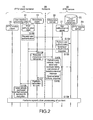
- Fig. 2 is a flowchart showing the operations.
- the user authentication client 12 sends a user authentication request including a password and a user ID encrypted by, for example, a public key cryptosystem, to the user authentication server 21 in the IPTV server 20 via the network 30 (Step S101).
- the user authentication server 21 upon reception of the user authentication request from the user authentication client 12 of the IPTV client terminal 10, the user authentication server 21 performs user authentication based on the password and the user ID included in the user authentication request and the user account information registered in the user account database 25 (Step S102).
- the user authentication server 21 When the user authentication is successfully performed, the user authentication server 21 creates the user token with respect to the user, and sends the user authentication response including the user token to the user authentication client 12 (Step S103).
- the user token refers to a password or the like for identifying the user who makes the metadata retrieval request. Even when a user logins with the same user ID, different user tokens are created for each login and given to the user 1.
- the user authentication client 12 upon reception of the user authentication response including the user token from the user authentication server 21, the user authentication client 12 notifies the metadata client 13 of a request to send the metadata retrieval request with the user token.
- the metadata client 13 when the metadata client 13 is notified of the request to send the metadata retrieval request with the user token, the metadata client 13 creates a TV-Anytime metadata query by using the user token, and sends the metadata retrieval request mainly including the TV-Anytime metadata query to the metadata server 22 in the IPTV server 20 via the network 30 (Step S104).
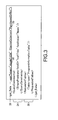
- FIG. 3 is a diagram showing an example of the TV-Anytime metadata query in which the user token can be described.
- a userToken attribute 32 capable of storing the user token is newly introduced in a root element 31.
- a filteringCriterion attribute 33 is newly introduced. This is information for distinguishing between the content metadata that has been purchased and otherwise to specify whether to describe it in the TV-Anytime metadata.
- "PurchasedOrNot” is stored, which is a value of distinguishing between the content metadata that has been purchased and otherwise and specifying that it is returned.
- a QueryConstraints element 34 is an element that describes the query condition. In this example, a condition that a content title includes a term "News" is specified.
- a RequestedTables element 35 is an element that specifies a table type of metadata to be a target of the query. In this example, it is specified to return a table type "ProgramInformation”.
- the ProgramInformation is metadata relating to identification of contents, and includes a content ID, a title and a genre of a content, content access information such as a URN (Uniform Resource Name) as an access destination of the content, access information necessary for accessing a license server as a distributor of a license for reproducing the content, a broadcasting time period (start time and end time), and an attribute or a substance of the content, for example.
- content access information such as a URN (Uniform Resource Name) as an access destination of the content
- access information necessary for accessing a license server as a distributor of a license for reproducing the content a broadcasting time period (start time and end time)
- start time and end time a broadcasting time period
- an attribute or a substance of the content for example.
- the metadata server 22 upon reception of the metadata retrieval request from the metadata client 13, retrieves metadata of contents that meet the condition of the query stored in the QueryConstraints element 34 of the TV-Anytime metadata query that is mainly contained in the metadata retrieval request. Next, the metadata server 22 extracts metadata corresponding to a table type stored in the RequestedTables element 35 of the TV-Anytime metadata query, from metadata of the contents that meet the condition. In this example, metadata of the ProgramInformation Table that relates to identification of the contents is extracted. Subsequently, the metadata server 22 make an inquiry to the user account database 25 about the content purchase history that is associated with the user token stored in the userToken attribute 32 of the root element 31.
- the metadata server 22 creates the TV-Anytime metadata based on the content purchase history and the metadata retrieval result (Step S105), and sends a metadata retrieval response that mainly includes the TV-Anytime metadata to the metadata client 13 of the IPTV client terminal 10 via the network 30 (Step S106).
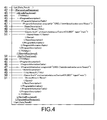
- FIG. 4 is a diagram showing a specific example of the TV-Anytime metadata.
- a get_Data_Result element 41 is a root element of a TV-Anytime metadata response format.
- a PersonalizedResponse element 42 is an element indicating that this response is personalized for each user.
- An AlreadyPurchased element 43 indicates that TV-Anytime metadata which is put between tags is metadata of a content that has already been purchased.
- a TVAMain element 44 is an element in which the TV-Anytime metadata of the content is stored.
- a ProgramDescription element 45 is disposed.
- a ProgramInformationTable element 46 is disposed.
- a ProgramInformation element 47 in which metadata for each content is stored is disposed, and as a programId attribute value therein, a content ID for identifying the contents is stored.
- a BasicDescription element 48 is disposed.
- a Title element 49 in which a title of the content is stored and a Genre element 50 in which information for specifying a classificatory scheme of the genre of the content is stored are disposed.
- a Name element 51 in which the genre name is stored is disposed.
- a NotYetPurchased element 52 indicates that the TV-Anytime metadata put between the tags is metadata of a content that is not yet purchased.
- the TVAMain element 44 the ProgramDescription element 45, the ProgramInformationTable element 46, the ProgramInformation element 47, the BasicDescription element 48, the Title element 49, the Genre element 50, and the Name element 51 are disposed.
- the PersonalizedResponse element 42, the AlreadyPurchased element 43, and the NotYetPurchased element 51 are newly introduced elements in this embodiment.
- the metadata client 13 upon reception of the metadata retrieval request that mainly includes the TV-Anytime metadata as described above from the metadata server 22 of the IPTV server 20, the metadata client 13 creates a content list screen based on the TV-Anytime metadata and indicates the list to the user 1 through the user interface processing unit 11 (Step S107).
- Fig. 5 is a diagram showing a display example of the content list screen indicated to the user 1.
- a content whose title is "News1" has already been purchased. Therefore, in the content list screen of Fig. 5 , a mark 61 indicating that the content can be viewed is displayed.
- the user 1 can confirm that the content has already been purchased and can be viewed immediately.
- a content whose title is "News2" is a content that is not yet purchased. Therefore, in the content list screen of Fig. 5 , a mark 62 indicating that the content can be purchased, that is, is not yet purchased is displayed.
- the user interface processing unit 11 extracts a content ID of the selected content from the TV-Anytime metadata and gives the content ID to the IPTV media client 14 (Step S108). Based on the obtained content ID, the IPTV media client 14 obtains encrypted content data corresponding to the content ID from the IPTV media server 23, and decrypts the encrypted content data by using a content key obtained in advance, thereby performing a reproduction processing (Step S109).
- Fig. 7 is a processing sequence in the case where the content that is not yet purchased is selected.
- Fig. 6 is a diagram showing an example of a content purchase confirmation screen displayed when the content that is not purchased is selected in the content list screen of Fig. 5 .
- the mark 62 indicating that the content can be purchased functions as a click button.
- a screen in which a descriptive sentence 71 of a contract for purchase in a license and buttons 72 and 73 used when the user 1 selects consent/non-consent to the purchase are disposed is displayed. Subsequent operations will be described in the following, on the assumption that the consent button 72 is clicked by the user 1 on this screen.
- the user interface processing unit 11 When detected that the consent button 72 is clicked in the content purchase confirmation screen of Fig. 6 , the user interface processing unit 11 notifies the content purchase client 15 of a content purchase request (Step S110).
- the content purchase client 15 Upon reception of the content purchase request, the content purchase client 15 starts a processing for purchasing the content. First, the content purchase client 15 requests the user authentication client 12 to send a user authentication request including a content ID of the content as the purchase target (Step S111). In response to this request, the user authentication client 12 sends a password and a user ID encrypted by, for example, the public key cryptosystem and the user authentication request for content purchase that includes a content ID, to the user authentication server 21 in the IPTV server 20 via the network 30 (Step S112).
- the user authentication server 21 upon reception of the user authentication request for the content purchase from the user authentication client 12 of the IPTV client terminal 10, the user authentication server 21 performs user authentication based on the combination of the password and the user ID included in the user authentication request and user account information registered in the user account database 25. If the user authentication is successfully performed, the user authentication server 21 sends a purchase consent request including the content ID of the content as the purchase target to the content purchase client 15 of the IPTV client terminal 10 via the network 30 (Step S113).
- the content purchase client 15 upon reception of the purchase consent request from the user authentication server 21, the content purchase client 15 reads data including a title and genre of the corresponding content from the TV-Anytime metadata based on the content ID included in the purchase consent request, and creates a content purchase consent confirmation screen including the data, to indicate the screen to the user 1 through the user interface processing unit 11 (Step S114).
- the content purchase client 15 sends a consent notification of the content purchase as a content purchase request to the content purchase server 24 of the IPTV server 20 via the network 30 (Step S116).
- the content purchase server 24 upon reception of the content purchase request from the content purchase client 15 of the IPTV client terminal 10, the content purchase server 24 updates the content purchase history registered in the user account database 25 while associating it with the user ID of the user 1 (Step S117). After that, the content purchase server 24 sends a completion notification of the content purchase to the content purchase client 15 of the IPTV client terminal 10 via the network 30.
- the content purchase client 15 upon reception of the completion notification of the content purchase, the content purchase client 15 indicates the completion of the content purchase to the user 1 through the user interface processing unit 11 (Step S118).
- the user interface processing unit 11 extracts the content ID of the selected content from the TV-Anytime metadata and gives the content ID to the IPTV media client 14 (Step S119).
- the IPTV media client 14 Based on the obtained content ID, the IPTV media client 14 obtains data of the encrypted content corresponding to the content ID from the IPTV media server 23, and decrypts the encrypted content data by using the content key obtained in advance, thereby performing a reproduction processing (Step S120).
- the IPTV server 20 Upon reception of the TV-Anytime metadata query including the retrieval condition of the query and the user token as the metadata retrieval request from the IPTV client terminal 10, the IPTV server 20 retrieves metadata of the content that meets the condition of the query, and judges whether the retrieved content has already been purchased or not from the content purchase history that is associated with the user token. Then, the IPTV server 20 sends, as a response, the metadata of the content including a result of the judgment to the IPTV client terminal 10 of the user 1. That is, only by sending the metadata retrieval request once, the IPTV client terminal 10 can obtain, as the metadata retrieval response, the metadata of the content that meets the condition of the query with the information indicating that the content has been purchased or not for each content. As a result, it is possible to reduce the burden when the user 1 of the IPTV client terminal 10 retrieves a content that has already been purchased or a content that is not yet purchased, and to reduce the entire burden due to the query processing in the IPTV server 20.
- the content list as the retrieval result of the metadata is indicated to the user 1 of the IPTV client terminal 10 so that the content that has been purchased and the content that is not yet purchased can be self-explanatorily distinguished. Therefore, an operability of the user when the user selects the content that has been purchased and inputs the instruction to reproduce the content is improved.
- the content that is not yet purchased is selected from the content list as the metadata retrieval result, and then a processing for purchasing the selected content can be immediately performed.
- Fig. 8 is a diagram showing a first modified example of the TV-Anytime metadata query.
- a device token for identifying a device IPTV client terminal 10.
- IPTV client terminal 10 IPTV client terminal 10.
- an attribute 132 whose name is "deviceToken” is newly introduced as the attribute of the root element 31, and "abcdef1234" is specified as a value (device token) of the deviceToken attribute 132.
- the other elements of the TV-Anytime metadata query are the same as those shown in Fig. 3 .
- the user ID, the content purchase history, and the like are associated with the device token and registered in the user account database 25.
- the other operations are the same in the above embodiment.
- Fig. 9 is a diagram showing the second modified example of the TV-Anytime metadata query.
- the filteringCriterion attribute 33 in the root element 31 is excluded from the TV-Anytime metadata query shown in Fig. 3 .
- Fig. 10 is a diagram showing the modified example of the TV-Anytime metadata that is a response to the TV-Anytime metadata query shown in Fig. 9 .
- the PersonalizedResponse element 42 and the AlreadyPurchased element 43 that are adopted for the TV-Anytime metadata shown in Fig. 4 are not adopted in this modified example.
- a PurchaseList element 81 in which information relating to the content purchase is stored is disposed in the ProgramInformation element 47 that is an element in which metadata corresponding to each content is stored.
- a DRMDeclaration element 85 in which information relating to the content purchase history is stored is subordinated to the PurchaseList element 81.
- a LicenseExpression element 86 is added as a subelement of the DRMDeclaration element 85.
- the metadata client 13 judges whether the content has already been purchased or not based on presence/absence of the LicenseExpression 86 below the DRMDeclaration element 85 of the TV-Anytime metadata, and can create the content list screen. That is, in Fig. 10 , based on the fact that the LicenseExpression element 86 is subordinated to the DRMDeclaration element 85 in one ProgramInformation element 47, it is judged that the content has already been purchased. Based on the fact that the LicenseExpression element 86 is absent in a second ProgramInformation element 47a, it is judged that the content is not yet purchased.
- a Price element 83 a purchase price of the content is stored.
- a purchase price of "200 yen” is stored.
- a PurchaseType href attribute, a QuantityUnit href attribute, a QuantityRange max attribute, and the like are disposed. Based on those attributes, details relating to the content purchase are specified.
- the PurchaseType href attribute is an attribute for specifying a format of the purchase. In the example of Fig.
- “PlayForPeriod” is specified as the attribute value thereof.
- the "PlayForPeriod” means "reproduction for a limited time period”.
- the QuantityUnit href attribute is an attribute for specifying a unit of the time period
- the QuantityRange max attribute is an attribute for specifying the number of units of the time period.
- the QuantityUnit href attribute value a "month” is specified
- the QuantityRange max attribute value "1" is specified. That is, those values means “one month”. Therefore, in the Purchase element 84 shown in Fig. 10 , data meaning "reproduction for a limited time period of one month" is stored.
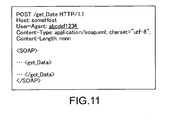
- the user token or the device token are stored as the attribute value of the root element of the TV-Anytime metadata query.
- a method in which the user token or the device token is stored in a header field of an HTTP header may be considered.
- Fig. 12 is a block diagram showing a structural example of hardware of a computer in which the series of processings described above are executed according to a program.
- a CPU Central Processing Unit
- ROM Read Only Memory
- RAM Random Access Memory
- an input/output interface 205 is connected to the input/output interface 205.
- an input unit 206 including a keyboard, a mouse, a microphone, and the like
- an output unit 207 including a display, a speaker, and the like
- a storage unit 208 including a hard disk, a non-volatile memory, and the like
- a communication unit 209 including a network interface and the like
- a drive 210 for driving a removable medium 211 such as a magnetic disk, an optical disk, a magneto-optical disk, and a semiconductor memory are connected.
- the CPU 201 loads a program stored in the storage unit 208 via the input/output interface 205 and the bus 204 and executes the program, thereby performing the series of processings described above, for example.
- the program executed by the computer 200 may be a program according to which the processings are performed in chronological order described in this specification, or may be a program according to which the processings are performed in parallel or at a required timing, e.g., at a timing of program call.
- the program may be executed by one computer or may be dispersedly executed by a plurality of computers. Further, the program may be transferred to a remote computer and executed.
Landscapes
- Engineering & Computer Science (AREA)
- Signal Processing (AREA)
- Multimedia (AREA)
- Databases & Information Systems (AREA)
- Business, Economics & Management (AREA)
- Finance (AREA)
- Development Economics (AREA)
- Strategic Management (AREA)
- Accounting & Taxation (AREA)
- Entrepreneurship & Innovation (AREA)
- Physics & Mathematics (AREA)
- General Business, Economics & Management (AREA)
- General Physics & Mathematics (AREA)
- Theoretical Computer Science (AREA)
- Game Theory and Decision Science (AREA)
- Marketing (AREA)
- Economics (AREA)
- Computer Security & Cryptography (AREA)
- Computer Graphics (AREA)
- Two-Way Televisions, Distribution Of Moving Picture Or The Like (AREA)
- Information Retrieval, Db Structures And Fs Structures Therefor (AREA)
- Management, Administration, Business Operations System, And Electronic Commerce (AREA)
Abstract
An information processing apparatus includes a content purchase history storage unit in which a content purchase history for each user is stored, a metadata storage unit in which metadata of a plurality of contents is stored, and a metadata retrieval unit to retrieve, upon reception of a metadata retrieval request that is sent from a terminal apparatus of the user via a network and includes information for identifying a user and a retrieval condition, metadata of a content that meets the retrieval condition from the metadata storage unit, judge whether the content retrieved has already been purchased based on the content purchase history of the user that is stored in the content purchase history storage unit, and send a retrieval result of the metadata of the content that includes a judgment result to the terminal apparatus via the network as a metadata retrieval response.
Description
- The present invention relates to an information processing apparatus and a terminal apparatus capable of being connected to each other via a network, and to a program.
- An IPTV (Internet Protocol Television) is a collective term for services or broadcasting technologies thereof for distributing digital television programs by using IPs. An IMS (IP Multimedia Sub-system) is a standard candidate for session control in an IPTV. A candidate for a standard metadata format in standardization of an IPTV is TV-Anytime metadata. The TV-Anytime metadata is metadata standardized by the ETSI (European Telecommunications Standards Institute). For example, as a metadata format of an IPTV standard in DVB (digital video broadcasting) or an IPTV standard in ITU-T, TV-Anytime metadata is considered as a candidate.
- For example, Japanese Patent Application Laid-open No.
2004-247844 Patent Document 1, when a user selects a content which the user wants to view from content list information recommended for the user by the system, a purchase request of this content is sent to a content purchase processing server. The content purchase request includes information that specifies the content, such as a title, a genre, and a keyword extracted from metadata associated with the content. The content purchase processing server performs user authentication, and then sends, to the user, license information (license) for viewing the content based on the information that specifies the content included in the content purchase request. - However, in a rule of a current TV-Anytime, in response to a query with respect to metadata, only a retrieval processing for retrieving a desired content by a user is performed. Information on a content purchase situation, that is, information on whether the user has already purchased the retrieved content is not sent as a retrieval result. In order for the user to know the content purchase situation, the user has to use another query to request a server to retrieve a content based on a purchase history and make an inquiry about contents that have been purchased. Accordingly, with increase in number of contents that have been purchased, a burden on the user increases when a desired content is retrieved therefrom. In addition, the query processing for retrieving a content and the query processing for making an inquiry about a content purchase history are separately performed by a server, increasing an entire burden on the server by the query processings, which is a problem.
- Embodiments of the present invention provide an information processing apparatus, a terminal apparatus, and a program that are capable of obtaining metadata of a content that meets a retrieval condition specified by a user and information indicating whether the content has been purchased by the user as a metadata retrieval result.
- According to an embodiment, there is provided an information processing apparatus. The information processing apparatus includes a content purchase history storage unit, a metadata storage unit, and a metadata retrieval unit. In the content purchase history storage unit, a content purchase history for each user is stored. In the metadata storage unit, metadata of a plurality of contents is stored. The metadata retrieval unit retrieves, upon reception of a metadata retrieval request that is sent from a terminal apparatus of the user via a network and includes information for identifying a user and a retrieval condition, metadata of a content that meets the retrieval condition from the metadata storage unit, judges whether the content retrieved has already been purchased based on the content purchase history of the user that is stored in the content purchase history storage unit, and sends a retrieval result of the metadata of the content that includes a judgment result to the terminal apparatus via the network as a metadata retrieval response.
- Upon reception of the metadata retrieval request including the information for identifying the user and the retrieval condition from the terminal apparatus, the information processing apparatus according to the embodiment retrieves the metadata of the content that meets the retrieval condition, judges whether the retrieved content has already been purchased or not from the content purchase history that is associated with the user based on the information for identifying the user, and sends to the terminal apparatus of the user the metadata of the content including the judgment result as a response. As a result, it is possible to reduce a burden when the user of the terminal apparatus retrieves a content that has already been purchased of a content that is not yet purchased.
- The information processing apparatus according to one embodiment may further include an update unit to update, upon reception of a content purchase request including information for identifying the user and the content from the terminal apparatus, the content purchase history of the user that is stored in the content purchase history storage unit.
- With this structure, the content purchase history of the user can be updated in real time, and the information processing apparatus can send to the terminal apparatus a response based on a latest content purchase history in response to the next metadata retrieval request from the terminal apparatus of the user.
- In the information processing apparatus according to one embodiment, the metadata retrieval request may be a TV-Anytime metadata query including one of an element and an attribute in which the information for identifying the user is stored, and the metadata retrieval response may be a TV-Anytime metadata including one of an element and an attribute in which information indicating whether the content has already been purchased is stored.
- According to another embodiment, there is provided a terminal apparatus. The terminal apparatus includes a metadata retrieval request unit, a retrieval result receiving unit, and a display unit. The metadata retrieval request unit sends a metadata retrieval request including information for identifying a user and a retrieval condition to the information processing apparatus via the network. The retrieval result receiving unit receives, as a metadata retrieval response, a metadata retrieval result of a content that is sent from the information processing apparatus in response to the metadata retrieval request, the metadata retrieval result including a result of judging whether the content has already been purchased. The display unit displays the metadata retrieval result received by the retrieval result receiving unit so that whether the content has already been purchased is discernible for each content.
- The terminal apparatus according to the embodiment can obtain a content metadata retrieval result including a result of judging whether the content has already been purchased or not from the information processing apparatus as a metadata retrieval response, only by sending the metadata retrieval request including the information for identifying the user and the retrieval condition to the information processing apparatus. In addition, the metadata retrieval result is displayed so that whether the content has already been purchased or not is discernible. Therefore, the user can discern the content that has already been purchased and the content that is not yet purchased at a glance, thereby improving the operability of the user.
- The terminal apparatus according to one embodiment may further include a purchase request sending unit to send a purchase request of the content that is not yet purchased and discernibly displayed on the display unit to the information processing apparatus via the network. With this structure, upon reception of the metadata retrieval response, a processing for purchasing the content that is not yet purchased by the user can be immediately performed.
- According to another embodiment, there is provided a program to cause a computer incorporated in an information processing apparatus to function as a content purchase history storage unit, a metadata storage unit, and a metadata retrieval unit. In the content purchase history storage unit, a content purchase history for each user is stored. In the metadata storage unit, metadata of a plurality of contents is stored. The metadata retrieval unit retrieves, upon reception of a metadata retrieval request that is sent from a terminal apparatus of the user via a network and includes information for identifying a user and a retrieval condition, metadata of a content that meets the retrieval condition from the metadata storage unit, judges whether the content retrieved has already been purchased based on the content purchase history of the user that is stored in the content purchase history storage unit, and sends a retrieval result of the metadata of the content that includes a judgment result to the terminal apparatus via the network.
- As described above, according to the embodiments, it is possible to obtain, as a metadata retrieval result, the content metadata that meets the retrieval condition specified by the user with the information indicating whether the content has already been purchased or not.
- Further particular and preferred aspects of the present invention are set out in the accompanying independent and dependent claims. Features of the dependent claims may be combined with features of the independent claims as appropriate, and in combinations other than those explicitly set out in the claims.
- The present invention will be described further, by way of example only, with reference to preferred embodiments thereof as illustrated in the accompanying drawings, in which:
-
Fig. 1 is a diagram showing a structure of an IPTV system according to an embodiment of the present invention; -
Fig. 2 is a diagram showing an operation sequence in which an IPTV client terminal requests a metadata retrieval of an IPTV server, and based on a response to the request, data of a content is obtained in the IPTV system shown inFig. 1 ; -
Fig. 3 is a diagram showing an example of a TV-Anytime metadata query in which a user token can be described; -
Fig. 4 is a diagram showing a specific example of TV-Anytime metadata; -
Fig. 5 is a diagram showing a display example of a content list screen; -
Fig. 6 is a diagram showing an example of a content purchase confirmation screen; -
Fig. 7 is a processing sequence in a case where a content that is not yet purchased is selected; -
Fig. 8 is a diagram showing a modified example of the TV-Anytime metadata query; -
Fig. 9 is another modified example of the TV-Anytime metadata; -
Fig. 10 is a diagram showing a modified example of the TV-Anytime metadata that is a response to the TV-Anytime metadata query shown inFig. 9 ; -
Fig. 11 is a diagram for explaining a method of storing a user token or a device token in a header field of an HTTP header; and -
Fig. 12 is a block diagram showing a structural example of hardware of a computer. - Hereinafter, an embodiment of the present invention will be described with reference to the drawings.
-
Fig. 1 is a block diagram showing a structure of anIPTV system 100 according to an embodiment of the present invention. - As shown in
Fig. 1 , theIPTV system 100 according to this embodiment includes anIPTV client terminal 10 serving as a content reception apparatus, anIPTV server 20, and anetwork 30 capable of connecting theIPTV client terminal 10 and theIPTV server 20. TheIPTV server 20 can distribute a content by streaming, downloading, or the like and grants a license necessary to reproduce the content. - The
IPTV client terminal 10 is a terminal apparatus such as a PC (personal computer), a set-top box, and a TV. TheIPTV client terminal 10 includes a userinterface processing unit 11, auser authentication client 12, ametadata client 13, anIPTV media client 14, acontent purchase client 15, and the like. - Specifically, the
IPTV server 20 is constituted of one or more server apparatuses. Herein, a case where theIPTV server 20 is constituted of a plurality of server apparatuses will be described. TheIPTV server 20 includes auser authentication server 21, ametadata server 22, anIPTV media server 23, acontent purchase server 24, auser account database 25, and the like. - Next, a detailed structure of the
IPTV client terminal 10 will be described. - The user
interface processing unit 11 performs a processing of inputting/outputting with respect to auser 1. For example, the userinterface processing unit 11 performs processings of inputting various instructions given by theuser 1 to theuser authentication client 12, themetadata client 13, and theIPTV media client 14, and visually indicating to theuser 1 various information items from theuser authentication client 12, themetadata client 13, theIPTV media client 14, and thecontent purchase client 15. - The
user authentication client 12 performs a processing necessary for user authentication with theuser authentication server 21 in theIPTV server 20. More specifically, theuser authentication client 12 sends a user authentication request including a password and a user ID encrypted by, for example, a public key cryptosystem to theuser authentication server 21 in theIPTV server 20 via thenetwork 30. When theuser authentication client 12 obtains a user token as a user authentication response from theuser authentication server 21, theuser authentication client 12 sends to the metadata client 13 a sending request of a metadata retrieval request with the user token. The meaning of the user token will be described later. - Based on the sending request of the metadata retrieval request from the
user authentication client 12, themetadata client 13 sends a metadata retrieval request that mainly includes TV-Anytime metadata query including the user token to themetadata server 22 in theIPTV server 20 via thenetwork 30. In addition, themetadata client 13 obtains TV-Anytime metadata of contents from themetadata server 22 via thenetwork 30 in response to the metadata retrieval request. At this time, the TV-Anytime metadata as a response from themetadata server 22 includes information indicating whether theuser 1 has already purchased the contents for each of them as a retrieval result. The information will be described later. Themetadata client 13 gives the userinterface processing unit 11 the obtained TV-Anytime metadata, and indicates a content list to theuser 1. - The
IPTV media client 14 accesses theIPTV media server 23 and obtains data of a content encrypted. Then, theIPTV media client 14 uses a content key obtained in advance, to decrypt the data of the encrypted content and perform a reproduction processing. - The
content purchase client 15 performs a processing necessary to purchase a content with respect to thecontent purchase server 24 of theIPTV server 20. - Hereinbefore, the structure of the
IPTV server 20 is described. - Next, a structure of the
IPTV server 20 will be described in detail. - Upon reception of the user authentication request from the
user authentication client 12 of theIPTV client terminal 10, theuser authentication server 21 performs user authentication by checking a combination of a user ID and a password included in the user authentication request against user account information registered in theuser account database 25. Here, the user account information includes a user ID, a password, a content purchase history, a user token, and the like of a regular user. Those information items are stored in theuser account database 25 while being associated with one another. When it is judged that the user to be authenticated is the regular user, theuser authentication server 21 creates the user token for the user, and sends a user authentication response including the user token to theuser authentication client 12 of theIPTV client terminal 10 via thenetwork 30. - The
metadata server 22 stores metadata of a plurality of contents. Upon reception of the metadata retrieval request from themetadata client 13 of theIPTV client terminal 10, themetadata server 22 retrieves metadata of contents that meet a condition of a query included in the metadata retrieval request. Further, based on the user token included in the metadata retrieval request, themetadata server 22 queries theuser account database 25 to find the content purchase history that is registered therein and associated with the user token, creates TV-Anytime metadata based on the content purchase history and the retrieval result of the metadata, and sends the TV-Anytime metadata as a metadata retrieval response, to themetadata client 13 of theIPTV client terminal 10 via thenetwork 30. - The
IPTV media server 23 manages content data encrypted by a content key. In response to a content obtainment request from theIPTV media client 14 of theIPTV client terminal 10, theIPTV media server 23 sends target content data to theIPTV media client 14 of theIPTV client terminal 10 via thenetwork 30. - The
content purchase server 24 performs a processing relating to purchase of a content with thecontent purchase client 15. Along with the purchase of the content by thecontent purchase client 15, thecontent purchase server 24 updates the content purchase history of the user that is stored in theuser account database 25. - Hereinbefore, the structure of the
IPTV server 20 is described. - Next, a description will be given on a series of operations from when the
IPTV client terminal 10 makes the metadata retrieval request to theIPTV server 20 until data of a content is obtained based on a response of the request in theIPTV system 100 according to this embodiment. -
Fig. 2 is a flowchart showing the operations. - First, in the
IPTV client terminal 10, theuser authentication client 12 sends a user authentication request including a password and a user ID encrypted by, for example, a public key cryptosystem, to theuser authentication server 21 in theIPTV server 20 via the network 30 (Step S101). - In the
IPTV server 20, upon reception of the user authentication request from theuser authentication client 12 of theIPTV client terminal 10, theuser authentication server 21 performs user authentication based on the password and the user ID included in the user authentication request and the user account information registered in the user account database 25 (Step S102). - When the user authentication is successfully performed, the
user authentication server 21 creates the user token with respect to the user, and sends the user authentication response including the user token to the user authentication client 12 (Step S103). Herein, the user token refers to a password or the like for identifying the user who makes the metadata retrieval request. Even when a user logins with the same user ID, different user tokens are created for each login and given to theuser 1. - In the
IPTV client terminal 10, upon reception of the user authentication response including the user token from theuser authentication server 21, theuser authentication client 12 notifies themetadata client 13 of a request to send the metadata retrieval request with the user token. - In the
IPTV client terminal 10, when themetadata client 13 is notified of the request to send the metadata retrieval request with the user token, themetadata client 13 creates a TV-Anytime metadata query by using the user token, and sends the metadata retrieval request mainly including the TV-Anytime metadata query to themetadata server 22 in theIPTV server 20 via the network 30 (Step S104). - Here, a description will be given on the TV-Anytime metadata query in which the user token can be described.
Fig. 3 is a diagram showing an example of the TV-Anytime metadata query in which the user token can be described. - In formats of current TV-Anytime metadata queries, there is no element and attribute in which a parameter for identifying the user can be described. In view of this, in this embodiment, in a
root element 31, auserToken attribute 32 capable of storing the user token is newly introduced. In addition, in theroot element 31, afilteringCriterion attribute 33 is newly introduced. This is information for distinguishing between the content metadata that has been purchased and otherwise to specify whether to describe it in the TV-Anytime metadata. In the example shown inFig. 3 , as a value of thefilteringCriterion attribute 33, "PurchasedOrNot" is stored, which is a value of distinguishing between the content metadata that has been purchased and otherwise and specifying that it is returned. - A
QueryConstraints element 34 is an element that describes the query condition. In this example, a condition that a content title includes a term "News" is specified. ARequestedTables element 35 is an element that specifies a table type of metadata to be a target of the query. In this example, it is specified to return a table type "ProgramInformation". The ProgramInformation is metadata relating to identification of contents, and includes a content ID, a title and a genre of a content, content access information such as a URN (Uniform Resource Name) as an access destination of the content, access information necessary for accessing a license server as a distributor of a license for reproducing the content, a broadcasting time period (start time and end time), and an attribute or a substance of the content, for example. - Let us return to the description on the operation. In the
IPTV server 20, upon reception of the metadata retrieval request from themetadata client 13, themetadata server 22 retrieves metadata of contents that meet the condition of the query stored in theQueryConstraints element 34 of the TV-Anytime metadata query that is mainly contained in the metadata retrieval request. Next, themetadata server 22 extracts metadata corresponding to a table type stored in theRequestedTables element 35 of the TV-Anytime metadata query, from metadata of the contents that meet the condition. In this example, metadata of the ProgramInformation Table that relates to identification of the contents is extracted. Subsequently, themetadata server 22 make an inquiry to theuser account database 25 about the content purchase history that is associated with the user token stored in theuserToken attribute 32 of theroot element 31. Then, themetadata server 22 creates the TV-Anytime metadata based on the content purchase history and the metadata retrieval result (Step S105), and sends a metadata retrieval response that mainly includes the TV-Anytime metadata to themetadata client 13 of theIPTV client terminal 10 via the network 30 (Step S106). - Here, with reference to
Fig. 4 , a specific example of the TV-Anytime metadata that is created by themetadata server 22 and sent to theIPTV client terminal 10 will be described.Fig. 4 is a diagram showing a specific example of the TV-Anytime metadata. - A
get_Data_Result element 41 is a root element of a TV-Anytime metadata response format. APersonalizedResponse element 42 is an element indicating that this response is personalized for each user. AnAlreadyPurchased element 43 indicates that TV-Anytime metadata which is put between tags is metadata of a content that has already been purchased. ATVAMain element 44 is an element in which the TV-Anytime metadata of the content is stored. As a subelement of theTVAMain element 44, aProgramDescription element 45 is disposed. In theProgramDescription element 45, aProgramInformationTable element 46 is disposed. In theProgramInformationTable element 46, aProgramInformation element 47 in which metadata for each content is stored is disposed, and as a programId attribute value therein, a content ID for identifying the contents is stored. In theProgramInformation element 47, aBasicDescription element 48 is disposed. In theBasicDescription element 48, aTitle element 49 in which a title of the content is stored and aGenre element 50 in which information for specifying a classificatory scheme of the genre of the content is stored are disposed. Further, as a subelement of theGenre element 49, aName element 51 in which the genre name is stored is disposed. - A
NotYetPurchased element 52 indicates that the TV-Anytime metadata put between the tags is metadata of a content that is not yet purchased. As in theAlreadyPurchased element 43, in theNotYetPurchased element 52, theTVAMain element 44, theProgramDescription element 45, theProgramInformationTable element 46, theProgramInformation element 47, theBasicDescription element 48, theTitle element 49, theGenre element 50, and theName element 51 are disposed. - In the above, the
PersonalizedResponse element 42, theAlreadyPurchased element 43, and theNotYetPurchased element 51 are newly introduced elements in this embodiment. - Let us return to the description of the operation. In the
IPTV client terminal 10, upon reception of the metadata retrieval request that mainly includes the TV-Anytime metadata as described above from themetadata server 22 of theIPTV server 20, themetadata client 13 creates a content list screen based on the TV-Anytime metadata and indicates the list to theuser 1 through the user interface processing unit 11 (Step S107). -
Fig. 5 is a diagram showing a display example of the content list screen indicated to theuser 1. In the TV-Anytime metadata shown inFig. 4 , a content whose title is "News1" has already been purchased. Therefore, in the content list screen ofFig. 5 , amark 61 indicating that the content can be viewed is displayed. Theuser 1 can confirm that the content has already been purchased and can be viewed immediately. Meanwhile, a content whose title is "News2" is a content that is not yet purchased. Therefore, in the content list screen ofFig. 5 , amark 62 indicating that the content can be purchased, that is, is not yet purchased is displayed. - When the
user 1 selects the content that has been purchased and inputs an instruction to reproduce the content in the content list screen through the userinterface processing unit 11, the userinterface processing unit 11 extracts a content ID of the selected content from the TV-Anytime metadata and gives the content ID to the IPTV media client 14 (Step S108). Based on the obtained content ID, theIPTV media client 14 obtains encrypted content data corresponding to the content ID from theIPTV media server 23, and decrypts the encrypted content data by using a content key obtained in advance, thereby performing a reproduction processing (Step S109). - Next, a description will be given on an operation in a case where a content that is not yet purchased is selected in the content list screen of
Fig. 5 .Fig. 7 is a processing sequence in the case where the content that is not yet purchased is selected. -
Fig. 6 is a diagram showing an example of a content purchase confirmation screen displayed when the content that is not purchased is selected in the content list screen ofFig. 5 . For example, in the content list screen ofFig. 5 , themark 62 indicating that the content can be purchased functions as a click button. When theuser 1 clicks themark 62, a screen in which adescriptive sentence 71 of a contract for purchase in a license andbuttons user 1 selects consent/non-consent to the purchase are disposed is displayed. Subsequent operations will be described in the following, on the assumption that theconsent button 72 is clicked by theuser 1 on this screen. - When detected that the
consent button 72 is clicked in the content purchase confirmation screen ofFig. 6 , the userinterface processing unit 11 notifies thecontent purchase client 15 of a content purchase request (Step S110). - Upon reception of the content purchase request, the
content purchase client 15 starts a processing for purchasing the content. First, thecontent purchase client 15 requests theuser authentication client 12 to send a user authentication request including a content ID of the content as the purchase target (Step S111). In response to this request, theuser authentication client 12 sends a password and a user ID encrypted by, for example, the public key cryptosystem and the user authentication request for content purchase that includes a content ID, to theuser authentication server 21 in theIPTV server 20 via the network 30 (Step S112). - In the
IPTV server 20, upon reception of the user authentication request for the content purchase from theuser authentication client 12 of theIPTV client terminal 10, theuser authentication server 21 performs user authentication based on the combination of the password and the user ID included in the user authentication request and user account information registered in theuser account database 25. If the user authentication is successfully performed, theuser authentication server 21 sends a purchase consent request including the content ID of the content as the purchase target to thecontent purchase client 15 of theIPTV client terminal 10 via the network 30 (Step S113). - In the
IPTV client terminal 10, upon reception of the purchase consent request from theuser authentication server 21, thecontent purchase client 15 reads data including a title and genre of the corresponding content from the TV-Anytime metadata based on the content ID included in the purchase consent request, and creates a content purchase consent confirmation screen including the data, to indicate the screen to theuser 1 through the user interface processing unit 11 (Step S114). - When the
user 1 inputs the fact that theuser 1 consents to the content purchase in the content purchase consent confirmation screen through the user interface processing unit 11 (Step S115), thecontent purchase client 15 sends a consent notification of the content purchase as a content purchase request to thecontent purchase server 24 of theIPTV server 20 via the network 30 (Step S116). - In the
IPTV server 20, upon reception of the content purchase request from thecontent purchase client 15 of theIPTV client terminal 10, thecontent purchase server 24 updates the content purchase history registered in theuser account database 25 while associating it with the user ID of the user 1 (Step S117). After that, thecontent purchase server 24 sends a completion notification of the content purchase to thecontent purchase client 15 of theIPTV client terminal 10 via thenetwork 30. - In the
IPTV client terminal 10, upon reception of the completion notification of the content purchase, thecontent purchase client 15 indicates the completion of the content purchase to theuser 1 through the user interface processing unit 11 (Step S118). After that, when theuser 1 inputs an instruction to reproduce the purchased content through the userinterface processing unit 11, the userinterface processing unit 11 extracts the content ID of the selected content from the TV-Anytime metadata and gives the content ID to the IPTV media client 14 (Step S119). Based on the obtained content ID, theIPTV media client 14 obtains data of the encrypted content corresponding to the content ID from theIPTV media server 23, and decrypts the encrypted content data by using the content key obtained in advance, thereby performing a reproduction processing (Step S120). - As described above, according to this embodiment, the following effect can be obtained.
- Upon reception of the TV-Anytime metadata query including the retrieval condition of the query and the user token as the metadata retrieval request from the
IPTV client terminal 10, theIPTV server 20 retrieves metadata of the content that meets the condition of the query, and judges whether the retrieved content has already been purchased or not from the content purchase history that is associated with the user token. Then, theIPTV server 20 sends, as a response, the metadata of the content including a result of the judgment to theIPTV client terminal 10 of theuser 1. That is, only by sending the metadata retrieval request once, theIPTV client terminal 10 can obtain, as the metadata retrieval response, the metadata of the content that meets the condition of the query with the information indicating that the content has been purchased or not for each content. As a result, it is possible to reduce the burden when theuser 1 of theIPTV client terminal 10 retrieves a content that has already been purchased or a content that is not yet purchased, and to reduce the entire burden due to the query processing in theIPTV server 20. - Further, according to this embodiment, the content list as the retrieval result of the metadata is indicated to the
user 1 of theIPTV client terminal 10 so that the content that has been purchased and the content that is not yet purchased can be self-explanatorily distinguished. Therefore, an operability of the user when the user selects the content that has been purchased and inputs the instruction to reproduce the content is improved. - Furthermore, according to this embodiment, the content that is not yet purchased is selected from the content list as the metadata retrieval result, and then a processing for purchasing the selected content can be immediately performed.
- Next, modified examples according to embodiments of the present invention will be described.
-
Fig. 8 is a diagram showing a first modified example of the TV-Anytime metadata query. In this modified example, instead of the user token (see,Fig. 3 ) for identifying the user, a device token for identifying a device (IPTV client terminal 10) is used. Specifically, inFig. 8 , anattribute 132 whose name is "deviceToken" is newly introduced as the attribute of theroot element 31, and "abcdef1234" is specified as a value (device token) of thedeviceToken attribute 132. The other elements of the TV-Anytime metadata query are the same as those shown inFig. 3 . The user ID, the content purchase history, and the like are associated with the device token and registered in theuser account database 25. The other operations are the same in the above embodiment. - Next, a second modified example of the TV-Anytime metadata query and a modified example of the TV-Anytime metadata that is a response to the TV-Anytime metadata query will be described.
-
Fig. 9 is a diagram showing the second modified example of the TV-Anytime metadata query. In the TV-Anytime metadata query, thefilteringCriterion attribute 33 in theroot element 31 is excluded from the TV-Anytime metadata query shown inFig. 3 . -
Fig. 10 is a diagram showing the modified example of the TV-Anytime metadata that is a response to the TV-Anytime metadata query shown inFig. 9 . ThePersonalizedResponse element 42 and theAlreadyPurchased element 43 that are adopted for the TV-Anytime metadata shown inFig. 4 are not adopted in this modified example. - In the modified example of the TV-Anytime metadata, in the
ProgramInformation element 47 that is an element in which metadata corresponding to each content is stored, aPurchaseList element 81 in which information relating to the content purchase is stored is disposed. ADRMDeclaration element 85 in which information relating to the content purchase history is stored is subordinated to thePurchaseList element 81. In a case where the content has already been purchased, a LicenseExpression element 86 is added as a subelement of theDRMDeclaration element 85. As subelements of the LicenseExpression element 86, aLicenseID element 87 in which an identifier of a license is stored and aDRMControlMessage element 88 in which information for obtaining the license is stored are added. - Accordingly, in the
IPTV client terminal 10, upon reception of the metadata retrieval request that mainly includes the TV-Anytime metadata as described above from themetadata server 22 of theIPTV server 20, themetadata client 13 judges whether the content has already been purchased or not based on presence/absence of the LicenseExpression 86 below theDRMDeclaration element 85 of the TV-Anytime metadata, and can create the content list screen. That is, inFig. 10 , based on the fact that the LicenseExpression element 86 is subordinated to theDRMDeclaration element 85 in oneProgramInformation element 47, it is judged that the content has already been purchased. Based on the fact that the LicenseExpression element 86 is absent in asecond ProgramInformation element 47a, it is judged that the content is not yet purchased. - It should be noted that, in the
PurchaseList element 81, aPrice element 83, aPurchase element 84, and the like are disposed in addition to theDRMDeclaration element 85. In thePrice element 83, a purchase price of the content is stored. In the example ofFig. 10 , a purchase price of "200 yen" is stored. In thePurchase element 84, a PurchaseType href attribute, a QuantityUnit href attribute, a QuantityRange max attribute, and the like are disposed. Based on those attributes, details relating to the content purchase are specified. Here, the PurchaseType href attribute is an attribute for specifying a format of the purchase. In the example ofFig. 10 , "PlayForPeriod" is specified as the attribute value thereof. The "PlayForPeriod" means "reproduction for a limited time period". The QuantityUnit href attribute is an attribute for specifying a unit of the time period, and the QuantityRange max attribute is an attribute for specifying the number of units of the time period. In the example ofFig. 10 , as the QuantityUnit href attribute value, a "month" is specified, and as the QuantityRange max attribute value, "1" is specified. That is, those values means "one month". Therefore, in thePurchase element 84 shown inFig. 10 , data meaning "reproduction for a limited time period of one month" is stored. - In the above embodiment and modified examples, the user token or the device token are stored as the attribute value of the root element of the TV-Anytime metadata query. As shown in
Fig. 11 , a method in which the user token or the device token is stored in a header field of an HTTP header may be considered. -
Fig. 12 is a block diagram showing a structural example of hardware of a computer in which the series of processings described above are executed according to a program. - In a
computer 200, a CPU (Central Processing Unit) 201, a ROM (Read Only Memory) 202, and a RAM (Random Access Memory) 203 are connected to one another via abus 204. - In addition, to the
bus 204, an input/output interface 205 is connected. To the input/output interface 205, aninput unit 206 including a keyboard, a mouse, a microphone, and the like, anoutput unit 207 including a display, a speaker, and the like, astorage unit 208 including a hard disk, a non-volatile memory, and the like, acommunication unit 209 including a network interface and the like, and adrive 210 for driving aremovable medium 211 such as a magnetic disk, an optical disk, a magneto-optical disk, and a semiconductor memory are connected. - In the
computer 200 structured as described above, theCPU 201 loads a program stored in thestorage unit 208 via the input/output interface 205 and thebus 204 and executes the program, thereby performing the series of processings described above, for example. - It should be noted that the program executed by the
computer 200 may be a program according to which the processings are performed in chronological order described in this specification, or may be a program according to which the processings are performed in parallel or at a required timing, e.g., at a timing of program call. - In addition, the program may be executed by one computer or may be dispersedly executed by a plurality of computers. Further, the program may be transferred to a remote computer and executed.
- The present application contains subject matter related to that disclosed in Japanese Priority Patent Application
JP 2008-189102 - Although particular embodiments have been described herein, it will be appreciated that the invention is not limited thereto and that many modifications and additions thereto may be made within the scope of the invention. For example, various combinations of the features of the following dependent claims can be made with the features of the independent claims without departing from the scope of the present invention.
Claims (7)
- An information processing apparatus, comprising:a content purchase history storage unit in which a content purchase history for each user is stored;a metadata storage unit in which metadata of a plurality of contents is stored; anda metadata retrieval unit to retrieve, upon reception of a metadata retrieval request that is sent from a terminal apparatus of the user via a network and includes information for identifying a user and a retrieval condition, metadata of a content that meets the retrieval condition from the metadata storage unit, judge whether the content retrieved has already been purchased based on the content purchase history of the user that is stored in the content purchase history storage unit, and send a retrieval result of the metadata of the content that includes a judgment result to the terminal apparatus via the network as a metadata retrieval response.
- The information processing apparatus according to claim 1, further comprising:an update unit to update, upon reception of a content purchase request including information for identifying the user and the content from the terminal apparatus, the content purchase history of the user that is stored in the content purchase history storage unit.
- The information processing apparatus according to claim 2,
wherein the metadata retrieval request is a TV-Anytime metadata query including one of an element and an attribute in which the information for identifying the user is stored, and
wherein the metadata retrieval response is a TV-Anytime metadata including one of an element and an attribute in which information indicating whether the content has already been purchased is stored. - A terminal apparatus capable of being connected with the information processing apparatus according to claim 1 via a network, comprising:a metadata retrieval request unit to send a metadata retrieval request including information for identifying a user and a retrieval condition to the information processing apparatus via the network;a retrieval result receiving unit to receive, as a metadata retrieval response, a metadata retrieval result of a content that is sent from the information processing apparatus in response to the metadata retrieval request, the metadata retrieval result including a result of judging whether the content has already been purchased; anda display unit to display the metadata retrieval result received by the retrieval result receiving unit so that whether the content has already been purchased is discernible for each content.
- The terminal apparatus according to claim 4, further comprising:a purchase request sending unit to send a purchase request of the content that is not yet purchased and discernibly displayed on the display unit to the information processing apparatus via the network.
- The terminal apparatus according to claim 5,
wherein the metadata retrieval request is a TV-Anytime metadata query including one of an element and an attribute in which the information for identifying the user is stored, and
wherein the metadata retrieval response is a TV-Anytime metadata including one of an element and an attribute in which information indicating whether the content has already been purchased is stored. - A program to cause a computer incorporated in an information processing apparatus to function as:a content purchase history storage unit in which a content purchase history for each user is stored;a metadata storage unit in which metadata of a plurality of contents is stored; anda metadata retrieval unit to retrieve, upon reception of a metadata retrieval request that is sent from a terminal apparatus of the user via a network and includes information for identifying a user and a retrieval condition, metadata of a content that meets the retrieval condition from the metadata storage unit, judge whether the content retrieved has already been purchased based on the content purchase history of the user that is stored in the content purchase history storage unit, and send a retrieval result of the metadata of the content that includes a judgment result to the terminal apparatus via the network.
Applications Claiming Priority (1)
| Application Number | Priority Date | Filing Date | Title |
|---|---|---|---|
| JP2008189102A JP4569682B2 (en) | 2008-07-22 | 2008-07-22 | Information processing device, terminal device, and program |
Publications (1)
| Publication Number | Publication Date |
|---|---|
| EP2148508A1 true EP2148508A1 (en) | 2010-01-27 |
Family
ID=40929612
Family Applications (1)
| Application Number | Title | Priority Date | Filing Date |
|---|---|---|---|
| EP09251591A Withdrawn EP2148508A1 (en) | 2008-07-22 | 2009-06-18 | Information processing apparatus, terminal apparatus, and program |
Country Status (4)
| Country | Link |
|---|---|
| US (1) | US20100023980A1 (en) |
| EP (1) | EP2148508A1 (en) |
| JP (1) | JP4569682B2 (en) |
| CN (1) | CN101635829A (en) |
Families Citing this family (12)
| Publication number | Priority date | Publication date | Assignee | Title |
|---|---|---|---|---|
| JP2006285607A (en) * | 2005-03-31 | 2006-10-19 | Sony Corp | Content information providing system, content information providing server, content reproducing device, content information providing method, content reproducing method, and computer program |
| WO2010087747A1 (en) * | 2009-01-29 | 2010-08-05 | Telefonaktiebolaget L M Ericsson (Publ) | Methods, apparatuses and computer program products for adding profile data |
| US8214853B2 (en) * | 2009-09-02 | 2012-07-03 | Ericsson Television, Inc | Systems and methods for providing content to a subscriber through a foreign service provider and for facilitating the subscriber incurring a fee for viewing the content |
| JP5211091B2 (en) * | 2010-02-26 | 2013-06-12 | 日本電信電話株式会社 | Terminal device, content navigation program, recording medium recording content navigation program, and content navigation method |
| EP2400445A3 (en) | 2010-06-28 | 2012-05-23 | Samsung Electronics Co., Ltd. | Image device, receiving method of contents, server and providing method of contents |
| JP5448192B2 (en) * | 2010-11-15 | 2014-03-19 | Necビッグローブ株式会社 | Search system, terminal, server, search method, program |
| CN102541529B (en) * | 2010-12-30 | 2015-12-16 | 北京亿阳信通科技有限公司 | A kind of query page generating device and method |
| WO2012140872A1 (en) * | 2011-04-12 | 2012-10-18 | パナソニック株式会社 | Server collaboration system |
| JP5875351B2 (en) * | 2011-12-01 | 2016-03-02 | キヤノン株式会社 | Information processing system, information processing apparatus, authentication method, and computer program |
| CN107111624B (en) | 2014-10-28 | 2021-07-13 | 索尼公司 | Receiving device, transmitting device and data processing method |
| US9819669B1 (en) * | 2015-06-25 | 2017-11-14 | Amazon Technologies, Inc. | Identity migration between organizations |
| CN108718312B (en) * | 2018-05-22 | 2020-08-14 | 朱小军 | File online encryption method |
Citations (4)
| Publication number | Priority date | Publication date | Assignee | Title |
|---|---|---|---|---|
| JP2004247844A (en) | 2003-02-12 | 2004-09-02 | Mitsubishi Electric Corp | Metadata selection processing method, metadata selection integration processing method, metadata selection integration processing program, video playback method, content purchase processing method, content purchase processing server, content distribution server |
| EP1528795A1 (en) * | 2003-10-31 | 2005-05-04 | Kabushiki Kaisha Toshiba | Method and apparatus for digital video distributing |
| EP1591918A1 (en) * | 2003-02-05 | 2005-11-02 | Sony Corporation | Information processing device, method, and program |
| JP2008189102A (en) | 2007-02-03 | 2008-08-21 | Nissan Motor Co Ltd | Control device for hybrid vehicle |
Family Cites Families (7)
| Publication number | Priority date | Publication date | Assignee | Title |
|---|---|---|---|---|
| JP4271483B2 (en) * | 2003-04-24 | 2009-06-03 | ソニー株式会社 | Content processing apparatus and content processing method |
| JP2005316525A (en) * | 2004-04-27 | 2005-11-10 | Fujitsu Ltd | Product introduction method and product introduction device |
| JP2005351994A (en) * | 2004-06-08 | 2005-12-22 | Sony Corp | Content distribution server, content distribution method, program |
| EP1638336A1 (en) * | 2004-09-17 | 2006-03-22 | Korea Electronics Technology Institute | Method for providing requested fields by get-data operation in TV-Anytime metadata service |
| WO2007021038A1 (en) * | 2005-08-12 | 2007-02-22 | Toshihiko Okabe | List comparing/indicating method |
| JP2007188347A (en) * | 2006-01-13 | 2007-07-26 | Big Top Kk | Information acquisition support system |
| US8280982B2 (en) * | 2006-05-24 | 2012-10-02 | Time Warner Cable Inc. | Personal content server apparatus and methods |
-
2008
- 2008-07-22 JP JP2008189102A patent/JP4569682B2/en not_active Expired - Fee Related
-
2009
- 2009-06-18 EP EP09251591A patent/EP2148508A1/en not_active Withdrawn
- 2009-07-15 US US12/503,533 patent/US20100023980A1/en not_active Abandoned
- 2009-07-22 CN CN200910164764A patent/CN101635829A/en active Pending
Patent Citations (4)
| Publication number | Priority date | Publication date | Assignee | Title |
|---|---|---|---|---|
| EP1591918A1 (en) * | 2003-02-05 | 2005-11-02 | Sony Corporation | Information processing device, method, and program |
| JP2004247844A (en) | 2003-02-12 | 2004-09-02 | Mitsubishi Electric Corp | Metadata selection processing method, metadata selection integration processing method, metadata selection integration processing program, video playback method, content purchase processing method, content purchase processing server, content distribution server |
| EP1528795A1 (en) * | 2003-10-31 | 2005-05-04 | Kabushiki Kaisha Toshiba | Method and apparatus for digital video distributing |
| JP2008189102A (en) | 2007-02-03 | 2008-08-21 | Nissan Motor Co Ltd | Control device for hybrid vehicle |
Non-Patent Citations (1)
| Title |
|---|
| WARD P: "THE EPO'S APPROACH TO BUSINESS METHOD PATENTS: A STUDY", WORLD INTELLECTUAL PROPERTY REPORT, BNA INTERNATIONAL, LONDON, GB, no. 17, 1 January 2003 (2003-01-01), pages 25 - 29, XP001205371, ISSN: 0952-7613 * |
Also Published As
| Publication number | Publication date |
|---|---|
| CN101635829A (en) | 2010-01-27 |
| JP4569682B2 (en) | 2010-10-27 |
| JP2010028584A (en) | 2010-02-04 |
| US20100023980A1 (en) | 2010-01-28 |
Similar Documents
| Publication | Publication Date | Title |
|---|---|---|
| EP2148508A1 (en) | Information processing apparatus, terminal apparatus, and program | |
| US12126600B2 (en) | Tracking and analyses of content presentation | |
| US9135363B2 (en) | Methods and systems for automatic content retrieval and organization | |
| US20170171125A1 (en) | Digital content delivery | |
| US20120090036A1 (en) | Method and apparatus for providing drm service | |
| KR20050074619A (en) | Usage data harvesting | |
| US9251501B2 (en) | Cross-platform reporting user interface | |
| CN103139649A (en) | Information processing device, information processing method, and information processing program | |
| JP5487299B2 (en) | Operation information generation apparatus and operation information generation method | |
| CN102572558A (en) | Video inter-cut method, device and system | |
| EP2175652A1 (en) | Server device, license distribution method, and content receiving device | |
| US9386060B2 (en) | Processing over-the-top content for improved initial delivery | |
| JP2008097294A (en) | Information processing program and information processing system | |
| US20130179447A1 (en) | Information processing apparatus | |
| JP2007135203A (en) | Retrieval method based on user information using get_Data operation in TV-Anytime service | |
| JP4355198B2 (en) | Content license management method and content distribution system | |
| KR20070027380A (en) | TV-based electronic newspaper service system | |
| JP2007300213A (en) | Content providing system, content providing server, and content providing program | |
| KR20090041558A (en) | System and method of providing electronic program guide for each user | |
| JP2010176480A (en) | Moving image file transmission server and method of controlling operation of the same | |
| JP2010045669A (en) | Viewing video retrieval system |
Legal Events
| Date | Code | Title | Description |
|---|---|---|---|
| PUAI | Public reference made under article 153(3) epc to a published international application that has entered the european phase |
Free format text: ORIGINAL CODE: 0009012 |
|
| 17P | Request for examination filed |
Effective date: 20090701 |
|
| AK | Designated contracting states |
Kind code of ref document: A1 Designated state(s): AT BE BG CH CY CZ DE DK EE ES FI FR GB GR HR HU IE IS IT LI LT LU LV MC MK MT NL NO PL PT RO SE SI SK TR |
|
| AX | Request for extension of the european patent |
Extension state: AL BA RS |
|
| 17Q | First examination report despatched |
Effective date: 20100118 |
|
| STAA | Information on the status of an ep patent application or granted ep patent |
Free format text: STATUS: THE APPLICATION IS DEEMED TO BE WITHDRAWN |
|
| 18D | Application deemed to be withdrawn |
Effective date: 20140103 |