EP2143719A1 - Pharmaceutical composition, food or beverage capable of enhancing sympathetic nerve activity - Google Patents
Pharmaceutical composition, food or beverage capable of enhancing sympathetic nerve activity Download PDFInfo
- Publication number
- EP2143719A1 EP2143719A1 EP08739193A EP08739193A EP2143719A1 EP 2143719 A1 EP2143719 A1 EP 2143719A1 EP 08739193 A EP08739193 A EP 08739193A EP 08739193 A EP08739193 A EP 08739193A EP 2143719 A1 EP2143719 A1 EP 2143719A1
- Authority
- EP
- European Patent Office
- Prior art keywords
- food
- drink
- medicinal composition
- effect
- nervous activity
- Prior art date
- Legal status (The legal status is an assumption and is not a legal conclusion. Google has not performed a legal analysis and makes no representation as to the accuracy of the status listed.)
- Withdrawn
Links
Images


Classifications
-
- C—CHEMISTRY; METALLURGY
- C07—ORGANIC CHEMISTRY
- C07D—HETEROCYCLIC COMPOUNDS
- C07D309/00—Heterocyclic compounds containing six-membered rings having one oxygen atom as the only ring hetero atom, not condensed with other rings
- C07D309/32—Heterocyclic compounds containing six-membered rings having one oxygen atom as the only ring hetero atom, not condensed with other rings having two double bonds between ring members or between ring members and non-ring members
-
- A—HUMAN NECESSITIES
- A23—FOODS OR FOODSTUFFS; TREATMENT THEREOF, NOT COVERED BY OTHER CLASSES
- A23C—DAIRY PRODUCTS, e.g. MILK, BUTTER OR CHEESE; MILK OR CHEESE SUBSTITUTES; PREPARATION THEREOF
- A23C9/00—Milk preparations; Milk powder or milk powder preparations
- A23C9/12—Fermented milk preparations; Treatment using microorganisms or enzymes
- A23C9/13—Fermented milk preparations; Treatment using microorganisms or enzymes using additives
-
- A—HUMAN NECESSITIES
- A23—FOODS OR FOODSTUFFS; TREATMENT THEREOF, NOT COVERED BY OTHER CLASSES
- A23L—FOODS, FOODSTUFFS OR NON-ALCOHOLIC BEVERAGES, NOT OTHERWISE PROVIDED FOR; PREPARATION OR TREATMENT THEREOF
- A23L2/00—Non-alcoholic beverages; Dry compositions or concentrates therefor; Preparation or treatment thereof
- A23L2/52—Adding ingredients
-
- A—HUMAN NECESSITIES
- A23—FOODS OR FOODSTUFFS; TREATMENT THEREOF, NOT COVERED BY OTHER CLASSES
- A23L—FOODS, FOODSTUFFS OR NON-ALCOHOLIC BEVERAGES, NOT OTHERWISE PROVIDED FOR; PREPARATION OR TREATMENT THEREOF
- A23L33/00—Modifying nutritive qualities of foods; Dietetic products; Preparation or treatment thereof
- A23L33/10—Modifying nutritive qualities of foods; Dietetic products; Preparation or treatment thereof using additives
-
- A—HUMAN NECESSITIES
- A23—FOODS OR FOODSTUFFS; TREATMENT THEREOF, NOT COVERED BY OTHER CLASSES
- A23L—FOODS, FOODSTUFFS OR NON-ALCOHOLIC BEVERAGES, NOT OTHERWISE PROVIDED FOR; PREPARATION OR TREATMENT THEREOF
- A23L33/00—Modifying nutritive qualities of foods; Dietetic products; Preparation or treatment thereof
- A23L33/10—Modifying nutritive qualities of foods; Dietetic products; Preparation or treatment thereof using additives
- A23L33/135—Bacteria or derivatives thereof, e.g. probiotics
-
- A—HUMAN NECESSITIES
- A61—MEDICAL OR VETERINARY SCIENCE; HYGIENE
- A61K—PREPARATIONS FOR MEDICAL, DENTAL OR TOILETRY PURPOSES
- A61K31/00—Medicinal preparations containing organic active ingredients
- A61K31/33—Heterocyclic compounds
- A61K31/335—Heterocyclic compounds having oxygen as the only ring hetero atom, e.g. fungichromin
- A61K31/35—Heterocyclic compounds having oxygen as the only ring hetero atom, e.g. fungichromin having six-membered rings with one oxygen as the only ring hetero atom
- A61K31/351—Heterocyclic compounds having oxygen as the only ring hetero atom, e.g. fungichromin having six-membered rings with one oxygen as the only ring hetero atom not condensed with another ring
-
- A—HUMAN NECESSITIES
- A61—MEDICAL OR VETERINARY SCIENCE; HYGIENE
- A61K—PREPARATIONS FOR MEDICAL, DENTAL OR TOILETRY PURPOSES
- A61K35/00—Medicinal preparations containing materials or reaction products thereof with undetermined constitution
- A61K35/66—Microorganisms or materials therefrom
- A61K35/74—Bacteria
-
- A—HUMAN NECESSITIES
- A61—MEDICAL OR VETERINARY SCIENCE; HYGIENE
- A61K—PREPARATIONS FOR MEDICAL, DENTAL OR TOILETRY PURPOSES
- A61K35/00—Medicinal preparations containing materials or reaction products thereof with undetermined constitution
- A61K35/66—Microorganisms or materials therefrom
- A61K35/74—Bacteria
- A61K35/741—Probiotics
- A61K35/744—Lactic acid bacteria, e.g. enterococci, pediococci, lactococci, streptococci or leuconostocs
-
- A—HUMAN NECESSITIES
- A61—MEDICAL OR VETERINARY SCIENCE; HYGIENE
- A61K—PREPARATIONS FOR MEDICAL, DENTAL OR TOILETRY PURPOSES
- A61K35/00—Medicinal preparations containing materials or reaction products thereof with undetermined constitution
- A61K35/66—Microorganisms or materials therefrom
- A61K35/74—Bacteria
- A61K35/741—Probiotics
- A61K35/744—Lactic acid bacteria, e.g. enterococci, pediococci, lactococci, streptococci or leuconostocs
- A61K35/745—Bifidobacteria
-
- A—HUMAN NECESSITIES
- A61—MEDICAL OR VETERINARY SCIENCE; HYGIENE
- A61K—PREPARATIONS FOR MEDICAL, DENTAL OR TOILETRY PURPOSES
- A61K35/00—Medicinal preparations containing materials or reaction products thereof with undetermined constitution
- A61K35/66—Microorganisms or materials therefrom
- A61K35/74—Bacteria
- A61K35/741—Probiotics
- A61K35/744—Lactic acid bacteria, e.g. enterococci, pediococci, lactococci, streptococci or leuconostocs
- A61K35/747—Lactobacilli, e.g. L. acidophilus or L. brevis
-
- A—HUMAN NECESSITIES
- A61—MEDICAL OR VETERINARY SCIENCE; HYGIENE
- A61P—SPECIFIC THERAPEUTIC ACTIVITY OF CHEMICAL COMPOUNDS OR MEDICINAL PREPARATIONS
- A61P1/00—Drugs for disorders of the alimentary tract or the digestive system
- A61P1/16—Drugs for disorders of the alimentary tract or the digestive system for liver or gallbladder disorders, e.g. hepatoprotective agents, cholagogues, litholytics
-
- A—HUMAN NECESSITIES
- A61—MEDICAL OR VETERINARY SCIENCE; HYGIENE
- A61P—SPECIFIC THERAPEUTIC ACTIVITY OF CHEMICAL COMPOUNDS OR MEDICINAL PREPARATIONS
- A61P11/00—Drugs for disorders of the respiratory system
- A61P11/16—Central respiratory analeptics
-
- A—HUMAN NECESSITIES
- A61—MEDICAL OR VETERINARY SCIENCE; HYGIENE
- A61P—SPECIFIC THERAPEUTIC ACTIVITY OF CHEMICAL COMPOUNDS OR MEDICINAL PREPARATIONS
- A61P15/00—Drugs for genital or sexual disorders; Contraceptives
- A61P15/08—Drugs for genital or sexual disorders; Contraceptives for gonadal disorders or for enhancing fertility, e.g. inducers of ovulation or of spermatogenesis
-
- A—HUMAN NECESSITIES
- A61—MEDICAL OR VETERINARY SCIENCE; HYGIENE
- A61P—SPECIFIC THERAPEUTIC ACTIVITY OF CHEMICAL COMPOUNDS OR MEDICINAL PREPARATIONS
- A61P19/00—Drugs for skeletal disorders
- A61P19/02—Drugs for skeletal disorders for joint disorders, e.g. arthritis, arthrosis
-
- A—HUMAN NECESSITIES
- A61—MEDICAL OR VETERINARY SCIENCE; HYGIENE
- A61P—SPECIFIC THERAPEUTIC ACTIVITY OF CHEMICAL COMPOUNDS OR MEDICINAL PREPARATIONS
- A61P19/00—Drugs for skeletal disorders
- A61P19/06—Antigout agents, e.g. antihyperuricemic or uricosuric agents
-
- A—HUMAN NECESSITIES
- A61—MEDICAL OR VETERINARY SCIENCE; HYGIENE
- A61P—SPECIFIC THERAPEUTIC ACTIVITY OF CHEMICAL COMPOUNDS OR MEDICINAL PREPARATIONS
- A61P19/00—Drugs for skeletal disorders
- A61P19/08—Drugs for skeletal disorders for bone diseases, e.g. rachitism, Paget's disease
-
- A—HUMAN NECESSITIES
- A61—MEDICAL OR VETERINARY SCIENCE; HYGIENE
- A61P—SPECIFIC THERAPEUTIC ACTIVITY OF CHEMICAL COMPOUNDS OR MEDICINAL PREPARATIONS
- A61P25/00—Drugs for disorders of the nervous system
-
- A—HUMAN NECESSITIES
- A61—MEDICAL OR VETERINARY SCIENCE; HYGIENE
- A61P—SPECIFIC THERAPEUTIC ACTIVITY OF CHEMICAL COMPOUNDS OR MEDICINAL PREPARATIONS
- A61P25/00—Drugs for disorders of the nervous system
- A61P25/02—Drugs for disorders of the nervous system for peripheral neuropathies
-
- A—HUMAN NECESSITIES
- A61—MEDICAL OR VETERINARY SCIENCE; HYGIENE
- A61P—SPECIFIC THERAPEUTIC ACTIVITY OF CHEMICAL COMPOUNDS OR MEDICINAL PREPARATIONS
- A61P3/00—Drugs for disorders of the metabolism
- A61P3/04—Anorexiants; Antiobesity agents
-
- A—HUMAN NECESSITIES
- A61—MEDICAL OR VETERINARY SCIENCE; HYGIENE
- A61P—SPECIFIC THERAPEUTIC ACTIVITY OF CHEMICAL COMPOUNDS OR MEDICINAL PREPARATIONS
- A61P3/00—Drugs for disorders of the metabolism
- A61P3/06—Antihyperlipidemics
-
- A—HUMAN NECESSITIES
- A61—MEDICAL OR VETERINARY SCIENCE; HYGIENE
- A61P—SPECIFIC THERAPEUTIC ACTIVITY OF CHEMICAL COMPOUNDS OR MEDICINAL PREPARATIONS
- A61P3/00—Drugs for disorders of the metabolism
- A61P3/08—Drugs for disorders of the metabolism for glucose homeostasis
- A61P3/10—Drugs for disorders of the metabolism for glucose homeostasis for hyperglycaemia, e.g. antidiabetics
-
- A—HUMAN NECESSITIES
- A61—MEDICAL OR VETERINARY SCIENCE; HYGIENE
- A61P—SPECIFIC THERAPEUTIC ACTIVITY OF CHEMICAL COMPOUNDS OR MEDICINAL PREPARATIONS
- A61P9/00—Drugs for disorders of the cardiovascular system
- A61P9/10—Drugs for disorders of the cardiovascular system for treating ischaemic or atherosclerotic diseases, e.g. antianginal drugs, coronary vasodilators, drugs for myocardial infarction, retinopathy, cerebrovascula insufficiency, renal arteriosclerosis
-
- A—HUMAN NECESSITIES
- A61—MEDICAL OR VETERINARY SCIENCE; HYGIENE
- A61P—SPECIFIC THERAPEUTIC ACTIVITY OF CHEMICAL COMPOUNDS OR MEDICINAL PREPARATIONS
- A61P9/00—Drugs for disorders of the cardiovascular system
- A61P9/12—Antihypertensives
-
- C—CHEMISTRY; METALLURGY
- C12—BIOCHEMISTRY; BEER; SPIRITS; WINE; VINEGAR; MICROBIOLOGY; ENZYMOLOGY; MUTATION OR GENETIC ENGINEERING
- C12G—WINE; PREPARATION THEREOF; ALCOHOLIC BEVERAGES; PREPARATION OF ALCOHOLIC BEVERAGES NOT PROVIDED FOR IN SUBCLASSES C12C OR C12H
- C12G3/00—Preparation of other alcoholic beverages
- C12G3/04—Preparation of other alcoholic beverages by mixing, e.g. for preparation of liqueurs
- C12G3/06—Preparation of other alcoholic beverages by mixing, e.g. for preparation of liqueurs with flavouring ingredients
-
- A—HUMAN NECESSITIES
- A23—FOODS OR FOODSTUFFS; TREATMENT THEREOF, NOT COVERED BY OTHER CLASSES
- A23V—INDEXING SCHEME RELATING TO FOODS, FOODSTUFFS OR NON-ALCOHOLIC BEVERAGES AND LACTIC OR PROPIONIC ACID BACTERIA USED IN FOODSTUFFS OR FOOD PREPARATION
- A23V2002/00—Food compositions, function of food ingredients or processes for food or foodstuffs
Definitions
- the present invention relates to a medicinal composition, a food or a drink which contains 2,3-dihydro-3,5-dihydroxy-6-methyl-4H-pyran-4-one and has an autonomic nervous control effect. Further, it relates to the medicinal composition, food or drink as described above which has an effect of enhancing sympathetic nervous activity and an effect of promoting energy metabolism and is to be used for treating a disease or condition relating to the autonomic nervous activity or energy metabolism, in particular, obesity and/or related complications.
- a living body has the autonomic nervous system, the endocrine system and the immune system.
- the autonomic nervous system is relatively free from the cerebral control and acts automatically without being consciously controlled, which is the origin of the name. It mainly controls visceral functions.
- the autonomic nervous system comprises the sympathetic nervous system and the parasympathetic nervous system and is controlled based on a balance between these two systems.
- the sympathetic nervous activity become predominant and the whole body is in a state of tension.
- the parasympathetic nervous activity become predominant, the tension is loosened and the body is relaxed (Non-Patent Document 1).
- Sympathetic hyperactivity causes pupil dilation, tachycardia, a rise in blood pressure, substance metabolism, hyperglycemia and so on. Parasympathetic hyperactivity causes activation of the digestion and absorption system, secretion of sweat and saliva and so on.
- the autonomic nervous activity relate to control of the white adipose tissue and the brown adipose tissue functions. Namely, the white adipose tissue function is controlled by the sympathetic nerve and hormones in the blood, while the brown adipose tissue function is controlled mainly by the sympathetic nerve (Non-Patent Document 2).
- antiobesity drugs have been developed and used around the world under these circumstances, it is also known that these drugs exert side effects.
- sibutramine (Meridia manufactured by Knoll, etc.) has a possible risk of inducing an increase in heart rate or a rise in blood pressure, which makes it difficult to administer this drug to patients with symptoms frequently occurring in obese persons such as hypertension, cardiac angina, congestive heart failure or cerebral stroke.
- Orlistat (Xenical manufactured by Roche) sometimes shows serious side effects of diarrhea and steatorrhea.
- mazindol (Sanorex)(Non-Patent Document 4), which is reported as having an antiobesity effect via the activation of the brown adipose tissue, and Farng Feng Tong San (bohutusyo-san) have been mainly employed.
- Farng Feng Tong San is composed of 18 kinds of crude drugs including ephedra herb which contains 1-ephedrine and d-pseudophedrine and enhances the release of noradrenaline from the sympathetic nervous ending to thereby activate ⁇ -adrenaline receptor in the brown adipose tissue (Non-Patent Document 5). It is reported that these drugs exert side effects too. That is, it has been confirmed that mazindol causes thirst, constipation, nausea and sleep disorders while Farng Feng Tong San causes hepatic disorders.
- lactic acid bacteria there have been disclosed an antiobesity effect of a fermented product obtained by fermenting carrot root by using lactic acid bacteria (Patent Document 1), an effect of preventing visceral fat accumulation achieved by a lactic acid bacterium cultured product (Patent Document 2) and so on.
- Patent Document 1 an antiobesity effect of a fermented product obtained by fermenting carrot root by using lactic acid bacteria
- Patent Document 2 an effect of preventing visceral fat accumulation achieved by a lactic acid bacterium cultured product
- no specific action on the white adipose tissue and the brown adipose tissue has been verified so far.
- Paying attention to health improvement using the autonomic nervous control effect of lactic acid bacteria there has been merely reported an effect of alleviating constipation (Patent Document 3) but no effect on obesity has been disclosed so far.
- Patent Document 4 JP-A-2004-201598
- Patent Document 3 JP-A-2004-155727
- Patent Document 4 JP-A-2006-28077
- Patent Document 5 JP-A-H04-1291 ( JP No.
- Non-Patent Document 1 Toshio Hagihara, et al., Iwanami Koza, Gendai Igaku no Kiso, vol.4, Seitai no Chousetsu Shisutemu, 1999
- Non-Patent Document 2 Nippon Rinsho, vol. 6, extra ed.6, 288-294, 2003
- Non-Patent Document 3 Himan Kenkyu 6:4-17, 2000
- Non-Patent Document 4 Yoshida T., et al.: Clin. Exp. Pharmacol. Physiol. 23:476-482, 1996
- Non-Patent Document 5 Nippon Rinsho, vol.61, extra. ed.6, 649-654, 2003
- An object of the present invention is to provide a safe composition for preventing or treating obesity and/or related complications which have an autonomic nervous control effect; in particular, an effect of enhancing sympathetic nervous activity and, moreover, an effect of promoting energy metabolism.
- the present inventors conducted intensive studies and isolated 2,3-dihydro-3,5-dihydroxy-6-methyl-4H-pyran-4-one from a culture supernatant of a lactic acid bacterium with the use of the direct effects on the rat autonomic nervous activity as an indication. Then, they have found that this compound has an effect of rather lowering blood pressure, though it has an effect of enhancing sympathetic nervous activity of the kidney and that it has another effect of enhancing sympathetic nervous activity of the white adipose tissue and the brown adipose tissue. Moreover, they have found that this compound has still another effect of promoting energy metabolism, thus completing the present invention.
- the present invention relates to a medicinal composition, a food or a drink which contains a clinically effective amount of 2,3-dihydro-3,5-dihydroxy-6-methyl-4H-pyran-4-one and a pharmaceutically or nutritionally acceptable additive, and has an autonomic nervous control effect.
- the invention further relates to the medicinal composition, food or drink as described above wherein the autonomic nervous control effect is an effect of enhancing sympathetic nervous activity.
- the invention further relates to a medicinal composition, a food or a drink, which has an effect of promoting energy metabolism.
- the invention further relates to the medicinal composition, food or drink as described above which is to be used for treating a disease or condition relating to autonomic nervous activity or energy metabolism.
- the invention further relates to the medicinal composition, food or drink as described above wherein the disease or condition relating to the autonomic nervous activity or energy metabolism is obesity and/or related complications (for example, diabetes/impaired glucose tolerance, hyperlipemia, hypertension, hyperuricemia/gout, coronary artery diseases (heart infarction, angina pectoris, etc.), brain infarction (brain thrombosis, transient ischemic attack, etc.), sleep apnea syndrome, fatty liver, orthopedic diseases (arthritis deformans, lumbar disease, etc.), menstruation disorder and so on).
- obesity and/or related complications for example, diabetes/impaired glucose tolerance, hyperlipemia, hypertension, hyperuricemia/gout, coronary artery diseases (heart infarction, angina pectoris, etc.), brain infarction (brain thrombosis, transient ischemic attack, etc.), sleep apnea syndrome, fatty liver, orthopedic diseases (arthritis deformans, lumbar disease
- the invention further relates to the medicinal composition, food or drink as described above which contains a microorganism capable of producing 2,3-dihydro-3,5-dihydroxy-6-methyl-4H-pyran-4-one or a processed product thereof.
- the invention further relates to the medicinal composition, food or drink as described above which contains a culture supernatant of a microorganism capable of producing 2,3-dihydro-3,5-dihydroxy-6-methyl-4H-pyran-4-one or a processed product thereof.
- the invention further relates to the medicinal composition, food or drink as described above wherein the microorganism is a lactic acid bacterium.
- the invention further relates to the medicinal composition, food or drink as described above wherein the lactic acid bacterium is one belonging to the genus Streptococcus, Lactobacillus, Leuconostoc, Pediococcus, Bifidobacterium, Tetragenococcus, Weissella, Enterococcus, Melisscoccus, Lactococcus, Carnobacterium, Vagococcus, Atopobium, Lactosphaera, Oenococcus, Abiotrophia, Paralactobacillus, Granulicatella, Atopobactor, Alkalibacterium or Olsenella.
- the lactic acid bacterium is one belonging to the genus Streptococcus, Lactobacillus, Leuconostoc, Pediococcus, Bifidobacterium, Tetragenococcus, Weissella, Enterococcus, Melisscoccus, Lactococcus, Carnobacter
- the invention further relates to the medicinal composition, food or drink as described above wherein the microorganism belongs to Lactobacillus plantarum (preferably Lactobacillus plantarum SAM 2446 strain (FERM ABP-10438)) or Lactobacillus brevis (preferably Lactobacillus brevis SAM 2447 strain (FERM ABP-10439)).
- the invention further relates to a method of producing the medicinal composition, food or drink as described above which comprises the step of culturing a microorganism capable of producing 2,3-dihydro-3,5-dihydroxy-6-methyl-4H-pyran-4-one in a medium.
- the invention further relates to the medicinal composition, food or drink as described above wherein the autonomic nervous control effect is one or more effects (preferably all effects) selected from the group consisting of an effect of enhancing sympathetic nervous activity of the kidney, an effect of enhancing sympathetic nervous activity of the adrenal gland, an effect of reducing vagal (parasympathetic) nervous activity of the stomach, an effect of enhancing sympathetic nervous activity of the white adipose tissue and an effect of enhancing sympathetic nervous activity of the brown adipose tissue.
- the invention further relates to the medicinal composition, food or drink as described above wherein autonomic nervous control effect is not accompanied by a rise in blood pressure.
- the invention further relates to the medicinal composition, food or drink as described above which has an effect of promoting energy metabolism and/or an effect of promoting fat burning.
- the invention further relates to the medicinal composition as described above which is to be orally administered.
- the invention further relates to an autonomic modulator which contains 2,3-dihydro-3,5-dihydroxy-6-methyl-4H-pyran-4-one as the active ingredient.
- the invention further relates to use of 2,3-dihydro-3,5-dihydroxy-6-methyl-4H-pyran-4-one in producing a medicinal composition, a food or a drink for treating a disease or condition relating to autonomic nervous activity.
- the invention further relates to a method of treating a disease relating to autonomic nervous activity which comprises administering 2,3-dihydro-3,5-dihydroxy-6-methyl-4H-pyran-4-one.
- the invention further relates to an energy metabolism controlling agent which contains 2,3-dihydro-3,5-dihydroxy-6-methyl-4H-pyran-4-one as the active ingredient.
- the invention further relates to use of 2,3-dihydro-3,5-dihydroxy-6-methyl-4H-pyran-4-one in producing a medicinal composition, a food or a drink for treating a disease or condition relating to energy metabolism.
- the invention further relates to an autonomic nervous control method which comprises administering 2,3-dihydro-3,5-dihydroxy-6-methyl-4H-pyran-4-one.
- the invention further relates to an energy metabolism controlling method which comprises administering 2,3-dihydro-3,5-dihydroxy-6-methyl-4H-pyran-4-one.
- DDMP 2,3-Dihydro-3,5-dihydroxy-6-methyl-4H-pyran-4-one
- composition a medicinal composition, a food or a drink (hereinafter sometimes referred to simply as "composition") containing DDMP has an autonomic nervous control effect; in particular, an effect of enhancing sympathetic nervous activity. Further, it has an effect of promoting energy metabolism, which makes it particularly useful in treating obesity and/or related complications.
- DDMP which is a compound analogous to maltol known as an aroma component
- it is contained in various kinds of foods and so on, such as propolis, oak barrels, maguey, wine, brandy, milk, cookies, birch sap, popcorn, strawberry jam, blackstrap molasses, brown sugar and so on.
- DDMP increases in the course of aging of wine ( Journal International des Sciences de la Vigne et du Vin 32:99-110, 1998 ) and brandy ( Priklanda Biokhmiyai Mikrobiologiya 15:902-908, 1979 ).
- DDMP and the DDMP-containing composition as described above can be obtained from foods, plants, etc. containing DDMP or materials in which DDMP has been formed by aging, heating, a Maillard reaction or the like.
- DDMP an optional procedure well known to a person skilled in the art may be conducted so as to increase the yield.
- To efficiently form the target compound by the Maillard reaction for example, it is a common practice to add ascorbic acid or another substance capable of participating in the Maillard reaction.
- DDMP is contained in a culture supernatant of a lactic acid bacterium ( Lactobacillus plantarum SAM 2446 strain (FERM ABP-10438)).
- the starting material may be fractionated as such. Alternatively, it may be concentrated by freeze drying, liquid-liquid partition using an organic solvent or the like prior to the fractionation.
- the subsequent fractionation procedure may be carried out by, if desired, conducting of crude fractionation by ultrafiltration or the like followed by a treatment with the use of a reversed phase column, etc.
- the liquid-liquid partition, ultrafiltration, reversed phase column treatment, etc. as described above can be conducted by methods commonly employed by a person skilled in the art.
- DDMP DDMP by synthesis.
- Examples of the method of synthesizing DDMP include a method which comprises heating glucose with ⁇ -alanine ( Nishibori S., et al.: Journal of Agricultural and Food Chemistry 41:2374-2377, 1993 ), a method which comprises heating sucrose with wine yeast ( Mishiev, P.J., et al.: Prikladnyaba Biokhimiya i Mikrobiologiya 17:307-311, 1981 ), a method which comprises heating glucose with piperidine ( Chen Yongkuan et al.: Huaxue Yanjiu Yu Yingyong 15:45-48, 2003 ), a method which comprises using glucose, piperidine and thioglycolic acid ( Isabelle Cutzach et al.: J.
- DDMP formation of DDMP by such a method can be confirmed by, for example, MS spectrometry or NMR spectrometry.
- DDMP contained in the composition according to the present invention may be used in the form of a pharmaceutically acceptable salt such as hydrochloride or in the form of a salt (a prodrug) that is converted into DDMP in vivo. Also, use can be made of a D-compound, an L-compound or a racemate.
- DDMP which is an approved food additive perfume having a high safety
- DDMP has an inhibitory effect of melanogenesis (Patent Document 4) and an antioxidant effect (Patent Document 5).
- Patent Document 4 It has never been reported so far that DDMP has an effect on the autonomic nerve, an effect on the sympathetic nerve, an effect of promoting energy metabolism, or an effect targeting the treatment of obesity and/or related complications.
- the present invention also provides the medicinal composition, food or drink as described above which contains a microorganism capable of producing DDMP or a processed product of the same, or a culture supernatant of this microorganism or a processed product of the same.
- the expression "capable of producing DDMP” as used herein means capable of producing DDMP when cultured under effective conditions. Such effective conditions can be appropriately determined by a person skilled in the art.
- the capability of producing DDMP of a microorganism can be confirmed by analyzing the microorganism (including a microorganism per se, dried cells of a microorganism, a culture medium of a microorganism, an extract of a microorganism and so on) by using a commonly employed procedure such as LC, MS or NMR to examine the presence of DDMP, etc.
- a microorganism capable of producing DDMP in the case of appropriately controlling the culture conditions (the culture composition, culture temperature, culture pH, culture density, etc.) also falls within the scope of the microorganism capable of producing DDMP.
- microorganism as described above may be collected from a natural source.
- a variant and/or a recombinant designed as being capable of producing DDMP are also included in the scope of the present invention.
- a variant and/or a recombinant designed as showing an elevated DDMP productivity compared with a wild strain when cultured in a culture medium of the same composition also fall within the scope.
- the microorganism capable of producing DDMP may be, for example, a lactic acid bacterium, a yeast, a hay bacillus or the like.
- the lactic acid bacterium include microorganisms belonging to the genus Streptococcus, Lactobacillus, Leuconostoc, Pediococcus, Bifidobacterium, Tetragenococcus, Weissella, Enterococcus, Melisscoccus, Lactococcus, Carnobacterium, Vagococcus, Atopobium, Lactosphaera, Oenococcus, Abiotrophia, Paralactobacillus, Granulicatella, Atopobactor, Alkalibacterium or Olsenella ;
- the yeast include microorganisms belonging to the genus Candida or Saccharomyces ; and examples of the hay bacillus include microorganisms belonging to Bacillus subtilis.
- Particularly preferable microorganisms are Lactobacillus plantarum (more specifically Lactobacillus plantarum SAM 2446 strain (FERM ABP-10438)) and Lactobacillus brevis (more specifically Lactobacillus brevis SAM 2447 strain (FERM ABP-10439)).
- the present invention further provides a method of producing the medicinal composition, food or drink as described above which comprises the step of culturing the above-described microorganism capable of producing DDMP in a medium.
- the microorganism can be cultured by inoculation of an appropriate medium with the microorganism and employing of a culture procedure that is well known to a person skilled in the art, depending on the kind of the microorganism.
- the culture in the case where the microorganism is a lactic acid bacterium will be briefly described by way of example.
- the medium use can be made of, for example, an agar medium and/or a liquid medium.
- a carbon source and a nitrogen source well known to a person skilled in the art are optionally added, each at a desired concentration.
- trace nutrients such as an inorganic ion and a vitamin may be further added.
- After preparation of the medium it is adjusted to pH 6.0 to 7.0 with the use of an appropriate acid or base and then sterilized using an autoclave or the like.
- the medium is inoculated with the lactic acid bacterium.
- the microorganism can be proliferated in the medium by shaken culture, static culture, industrial-scaled culture in a tank, solid culture in a solid medium such as an agar medium, etc. while the culture temperature is controlled to 10°C to 45°C usually for 1 to 2 days.
- the culture conditions vary depending on the microorganism employed.
- static culture can be conducted in MRS medium of around pH 6.5 at around 37°C for 1 day.
- the microorganism thus cultured is centrifuged if desired, and then filtered if necessary. Thus, a culture supernatant can be obtained.
- DDMP has an effect of enhancing the rat kidney sympathetic nervous activity without causing a rise in blood pressure when transduodenally administered to rats. Further, it has an effect of reducing vagal (parasympathetic) nervous activity of the stomach, an effect of enhancing sympathetic nervous activity of the interscapular brown adipose tissue and an effect of enhancing sympathetic nervous activity of the epididymal white adipose tissue in rats.
- DDMP is intestinal canal-inhibitive, enhances sympathetic nervous activity (the kidney and the adrenal gland), reduces vagal (parasympathetic) nervous activity of the stomach and further enhances sympathetic nervous activity of the white adipose tissue and the brown adipose tissue without causing a rise in blood pressure.
- DDMP caused an increase in the rat oxygen consumption when forcibly orally administered into the stomach of rats, which indicates that DDMP has an effect of promoting energy metabolism.
- the following table shows organs, hormones and vital actions seemingly participating in autonomic nervous activity, possible effects of the autonomic nerve thereon, and examples of the expected effects.
- the autonomic nervous activity closely affect various controlling mechanisms in vivo, for example, blood sugar control, blood pressure control, hormone secretion control, sugar metabolism control, gastric juice secretion control, blood flow rate control, body temperature control and so on.
- the sympathetic nervous activity are enhanced, for example, there arise fat decomposition in the white adipose tissue and heat production enhancement in the brown adipose tissue (Non-Patent Document 2), sugar synthesis due to gluconeogenesis in the liver, and a decrease in the digestion/absorption in the stomach.
- visceral fat among the fats relating to obesity, has a higher metabolic activity than subcutaneous fat. Therefore, it is known that visceral fat is quickly synthesized at hyperalimentation and vigorously synthesized and decomposed during exercise or in cases of malnutrition. Accordingly, it is considered that fat synthesis and decomposition are both vigorously conducted in an individual with visceral fat accumulation and the resulting free fatty acids that are the metabolites are released in a large amount. In addition, these free fatty acids released from the visceral fat would flow directly into the liver via the portal vein. The excessive inflow of the free fatty acids regulates the insulin clearance in the liver and potentiates gluconeogenesis, thereby elevating blood sugar level.
- the adipose tissue includes the white adipose tissue serving as a storage of fat energy and the brown adipose tissue oxidizing and decomposing fat and releasing energy from the body as heat.
- the white adipose tissue is widely distributed all over the body, mainly around visceral tissues and subcutaneous tissues. It is a specialized organ for storing excessive energy after food intake and re-supplying it as fatty acids and glycerol to the whole body.
- the autonomic nervous activity participate in the control of the functions of the white adipose tissue and the brown adipose tissue.
- the function of the white adipose tissue is controlled by the sympathetic nervous and blood hormones, while the function of the brown adipose tissue is controlled mainly by the sympathetic nervous (Non-Patent Document 2).
- the sympathetic nervous activity of the white adipose tissue is enhanced, fat decomposition is promoted.
- the sympathetic nervous activity of the brown adipose tissue is enhanced, fat oxidation and decomposition are promoted and energy is released from the body as heat.
- autonomous nervous control effect includes an effect of enhancing sympathetic nervous activity, an effect of reducing sympathetic nervous activity enhancement, an effect of reducing sympathetic nervous activity, an effect of enhancing parasympathetic nervous activity, an effect of reducing parasympathetic nervous activity enhancement and an effect of reducing parasympathetic nervous activity. It preferably means an effect selected from among an effect of enhancing sympathetic nervous activity, an effect of reducing parasympathetic nervous activity enhancement and an effect of reducing parasympathetic nervous activity.
- it means an effect selected from among an effect of enhancing the sympathetic nervous activity in the kidney, an effect of enhancing the sympathetic nervous activity in the adrenal gland, an effect of reducing vagal (parasympathetic) nervous activity of the stomach, an effect of enhancing sympathetic nervous activity of the white adipose tissue and an effect of enhancing sympathetic nervous activity of the brown adipose tissue.
- the composition according to the present invention is usable in treating a disease or condition relating to autonomic nervous activity; for example, symptoms frequently occurring due to autonomic nervous disorders such as shortness of breath, palpitation, shoulder stiffness, headache, vertigo, anxiety, loss of appetite, lassitude, sleep disorder, etc. It is particularly useful in treating a disease or condition which can be treated by enhancing sympathetic nervous activity; for example, obesity. Also, the composition according to the present invention reduces the vagal (parasympathetic) nervous activity of the stomach so as to regulate increased appetite and enhances the sympathetic nervous activity of the white adipose tissue and the brown adipose tissue without causing a rise in blood pressure.
- the composition according to the present invention promotes fat decomposition in these adipose tissues and thus prevents fat accumulation, which makes it useful in treating obesity and/or related complications (for example, diabetes/impaired glucose tolerance, hyperlipemia, hypertension, hyperuricemia/gout, coronary artery diseases (heart infarction, angina pectoris, etc.), brain infarction (brain thrombosis, transient ischemic attack, etc.), sleep apnea syndrome, fatty liver, orthopedic diseases (arthritis deformans, lumbar disease, etc.), menstruation disorder and so on).
- obesity and/or related complications for example, diabetes/impaired glucose tolerance, hyperlipemia, hypertension, hyperuricemia/gout, coronary artery diseases (heart infarction, angina pectoris, etc.), brain infarction (brain thrombosis, transient ischemic attack, etc.), sleep apnea syndrome, fatty liver, orthopedic diseases (arthritis deformans, lumbar disease
- the composition according to the present invention enhances sympathetic nervous activity of the white adipose tissue so as to promote fat decomposition. Also, it enhances sympathetic nervous activity of the brown adipose tissue and promotes oxidation and decomposition of fat to thereby release energy from the body as heat, which makes it effective in enhancing energy metabolism.
- the enhancement of energy metabolism can be evaluated by, for example, measuring the oxygen consumption in vivo .
- to treat a disease or condition means to prevent worsening of the disease or condition, to relieve the disease or condition, and to prevent the disease or condition.
- the composition according to the present invention containing DDMP contains DDMP in a clinically effective amount.
- the clinically effective amount means an amount clinically effective in controlling the autonomic nerve. Based on the results of Examples, as will be described hereinafter, it is determined that a sufficient effect can be obtained by administering 0.5 ⁇ g/kg or more of DDMP. Although there is no upper limit of the administration dose of DDMP, it is generally favorable that the DDMP dose does not exceed about 50 mg/kg from the viewpoint of the characteristic smell thereof, and in view of cost.
- the composition according to the present invention contains from 0.5 ⁇ g/kg to 50 mg/kg per dose (preferably from 1 ⁇ g/kg to 10 mg/kg and more preferably from 2 ⁇ g/kg to 5 mg/kg) of DDMP. More specifically, it is desirable that the composition according to the present invention contains from 30 ⁇ g to 3000 mg (preferably from 60 ⁇ g to 600 mg and more preferably from 120 ⁇ g to 300 mg) per dose of DDMP in the case of administering to an adult human. It is possible that the composition according to the present invention contains from 0.05 ⁇ g to 5 mg (preferably from 0.1 ⁇ g to 1 mg and more preferably from 0.2 ⁇ g to 0.5 mg) of DDMP per product weight (g).
- the composition according to the present invention contains 25 ⁇ g or more (preferably 40 ⁇ g or more and more preferably 80 ⁇ g or more) of DDMP per product weight (g).
- the upper limit may be adjusted to, for example, 0.5 mg, 1 mg or 5 mg per product weight (g).
- composition according to the present invention use can be made of a material containing DDMP, a microorganism capable of producing DDMP, a culture supernatant of the microorganism, a culture containing the microorganism, etc. either as such or after isolation and purification via extraction, fractionation or the like, though the present invention is not particularly restricted thereto. It is also possible to use a processed product such as a concentrate or a dry powder obtained by treating such a material as described above by using a commonly employed procedure such as sterilization, vacuum concentration, freeze drying or the like.
- a concentrate which can be hardly powdered by drying it may be mixed with an excipient commonly employed in the art such as dextrin, a high-molecular starch hydrolyzate or a high-molecular peptide and then powdered by drying. From the viewpoints of handling properties and storage properties, a powdered composition is preferred.
- composition according to the present invention can be processed into various forms such as foods and drinks (including foods, drinks, seasonings, alcoholic drinks, functional foods and so on) and medicinal compositions.
- foods and drinks including foods, drinks, seasonings, alcoholic drinks, functional foods and so on
- medicinal compositions for example, it is possible to provide a food, a drink or a medicine with the use of DDMP, a microorganism capable of producing DDMP, a culture supernatant of the microorganism, a processed product thereof and so on.
- Examples of the foods and drinks provided by the present invention include various ones such as candies, troches, yogurts, ice creams, puddings, jellies, mizu-yokan (adzuki bean jelly), alcoholic drinks, coffee drinks, juices, fruit drinks, carbonated drinks, soft drinks, milk, milk serum drinks, lactic acid drinks and so on.
- These foods and drinks can be prepared by conventional methods with the use of various additives if needed. More specifically, these foods and drinks can be produced by blending of appropriate materials commonly employed in foods such as glucose, fructose, sucrose, maltose, sorbitol, stevioside, rubusoside, corn syrup, lactose, citric acid, tartaric acid, malic acid, succinic acid, lactic acid, L-ascorbic acid, dl-a-tocopherol, sodium erythorbate, glycerol, propylene glycol, a glycerol fatty acid ester, a polyglycerol fatty acid ester, a sucrose fatty acid ester, a sorbitan fatty acid ester, a propylene glycol fatty acid ester, acacia, carrageenan, casein, gelatin, pectin, agar, vitamin Bs, nicotinamide, calcium panthothenate, amino acids, calcium salts
- the medicines provided by the present invention may be in various dosage forms that are prepared by conventional methods with the use of various additives if needed.
- oral administration such as tablets, capsules, granules, powder, syrups and extracts
- parenteral administration such as ointments, eye ointments, lotions, creams, patches, suppositories, eye drops, nasal drops and injections.
- Such medicines may be produced by conventional methods with the use of various additives.
- Any additives commonly employed in the art can be used without specific restriction.
- examples thereof include solid carriers such as starch, lactose, sucrose, mannitol, carboxymethylcellulose, corn starch and inorganic salts; liquid carriers such as distilled water, physiological saline, aqueous glucose solution and alcohols such as ethanol, propylene glycol and polyethylene glycol; and oily carriers such as various animal or vegetable oils, white vaseline, paraffin and waxes.
- composition according to the present invention contains DDMP as the active ingredient, optionally together with other active ingredient(s) commonly employed in medicinal compositions, foods and drinks.
- the composition according to the present invention may contain one member or a combination of two or more members selected from among a substance having an autonomic control effect (a sympathetic agents, a parasympathetic agents, etc.), a hypotensive substance, an antiobesity substance (a substance stimulating the appetite regulatory system, a substance acting on the satiety center, a substance participating in energy metabolism (for example, a ⁇ 3 receptor agents, a substance promoting energy consumption), etc.) that are well known to a person skilled in the art.
- a substance having an autonomic control effect a sympathetic agents, a parasympathetic agents, etc.
- a hypotensive substance a substance stimulating the appetite regulatory system, a substance acting on the satiety center, a substance participating in energy metabolism (for example, a ⁇ 3 receptor agents, a substance promoting energy consumption), etc.
- composition according to the present invention containing a microorganism capable of producing DDMP, a processed product thereof, a culture supernatant thereof or a processed product thereof, it may contain, in particular, the above-described substances with microbial origin (a substance having an autonomic control effect, a hypotensive substance, a substance promoting energy metabolism, etc.).
- substances with microbial origin a substance having an autonomic control effect, a hypotensive substance, a substance promoting energy metabolism, etc.
- indication may be made of a specific purpose of use (for example, controlling the autonomic nerve, enhancing the sympathetic nervous activity, regulating the parasympathetic nervous activity, preventing obesity, treating obesity, treating a complication of obesity, promoting energy metabolism, promoting fat burning or maintaining health) and/or a specific way of use (for example, dose, dosing frequency and dosing method).
- a specific purpose of use for example, controlling the autonomic nerve, enhancing the sympathetic nervous activity, regulating the parasympathetic nervous activity, preventing obesity, treating obesity, treating a complication of obesity, promoting energy metabolism, promoting fat burning or maintaining health
- a specific way of use for example, dose, dosing frequency and dosing method.
- the present invention provides a medicinal composition, a food or a drink for controlling autonomic nervous activity per se (in particular, enhancing the sympathetic nervous activity) that are the fundamental factors causative of a disease or condition relating to the autonomic nervous activity.
- a medicinal composition, a food or a drink having an effect of enhancing the sympathetic nervous activity of the white adipose tissue and the brown adipose tissue without causing a rise in blood pressure.
- a medicinal composition, a food or a drink having an effect of promoting energy metabolism.
- it provides a medicinal composition, a food or a drink which is efficacious and highly safe in treating obesity and/or related complications with little side effect (no rise in blood pressure) and can be conveniently produced.
- 2,3-dihydro-3,5-dihydroxy-6-methyl-4H-pyran-4-one was prepared by using a culture supernatant of Lactobacillus plantarum SAM 2446 strain (FERM ABP-10438) as the starting material and conducting a fractionation treatment. Then, the effects of 2,3-dihydro-3,5-dihydroxy-6-methyl-4H-pyran-4-one on rat autonomic nervous activity were examined.
- Example 1 Preparation of 2,3-dihydro-3,5-dihydroxy-6-methyl-4H-pyran-4-one (purification from lactic acid bacterium culture supernatant)
- lactic acid bacterium culture supernatant use was made of a freeze-dried culture supernatant obtained by culturing Lactobacillus plantarum SAM 2446 strain (FERM ABP-10438) in MRS medium.
- a sterilized MRS medium was inoculated with Lactobacillus plantarum SAM 2446 strain (FERM ABP-10438) which was then statically cultured therein at 37°C for 1 day.
- the cells were removed by centrifugation to give a culture supernatant.
- a freeze dried product was prepared by a conventional method and employed as the starting material.
- the lactic acid bacterium culture supernatant was ultra-filtered using Ultrafiltration Membranes YM10 (manufactured by Millipore) to give a low molecular fraction passing through the membranes.
- the obtained fraction was chromatographically fractionated through Develosil C30 UG-5 Column (manufactured by NOMURA CHEMICAL Co., Ltd.) with the use of the effect on the kidney sympathetic nervous activity observed in transduodenal administration as an indication, thereby giving 2,3-dihydro-3,5-dihydroxy-6-methyl-4H-pyran-4-one.
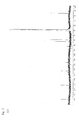
- Figs. 1 and 2 present MS and NMR data of this compound.
- the yield of 2,3-dihydro-3,5-dihydroxy-6-methyl-4H-pyran-4-one was 1.78 mg per 100 ml of the lactic acid bacterium culture supernatant.
- the sympathetic nerve controlling the kidney and the parasympathetic nerve controlling the stomach were picked up using a silver electrode.
- a cannula was inserted into the left femoral artery and then the blood pressure was measured by use of a transducer. From the initiation of the surgery to the completion of the measurement, a tube was inserted into the respiratory tract for the management of the airway.
- the body temperature (rat rectal temperature) was maintained at 35 ⁇ 0.5°C with the use of a heater.
- the transduodenal administration was conducted by dissolving 2,3-dihydro-3,5-dihydroxy-6-methyl-4H-pyran-4-one obtained in Example 1 in physiological saline to give a concentration of 10 ⁇ g/2 ml, and administering 2 ml/animal of the obtained solution at a rate of 1 ml/min through a polyethylene tube inserted into the duodenum.
- Electrical nervous activity thus obtained were amplified with a condenser type differential amplifier, monitored with an oscilloscope and recorded on a magnetic tape. To separate the raw data from the background noise, all of the nervous activity were converted into standard pulses by use of a slicer and a window discriminator before analysis.
- Discharge frequencies were indicated on a pen recorder by use of a rate meter at a reset time of 5 seconds. The data was analyzed based on the average discharge frequency per 5 seconds (pulse/5 sec) and expressed as a percentage by referring to the level before the administration as to 100%. A group with the administration of physiological saline was employed as a control.
- the control group showed no effect on all of the autonomic nervous activity and blood pressure.
- the kidney sympathetic nervous activity was enhanced ( Fig. 3 ) while the blood pressure was not elevated ( Fig. 4 ) and the stomach vagal (parasympathetic) nervous activity was reduced ( Fig. 5 ).
- Example 2 The procedure of Example 2 was followed and thus the effects of the transduodenal administration (10 ⁇ g) of 2,3-dihydro-3,5-dihydroxy-6-methyl-4H-pyran-4-one obtained in Example 1 on the rat epididymal white adipose tissue sympathetic nervous activity and the interscapular brown adipose tissue sympathetic nervous activity were examined in accordance with the methods reported in the documents cited in Example 2. A single rat was employed for each nervous experiment.
- 2,3-Dihydro-3,5-dihydroxy-6-methyl-4H-pyran-4-one was prepared by use of glucose, piperidine and thioglycolic acid in accordance with Isabelle Cutzach et al.: J. Agric. Food Chem. 47:1663-67, 1999 (modified). Next the synthesis method reported in this document will be briefly described.
- the purified 2,3-dihydro-3,5-dihydroxy-6-methyl-4H-pyran-4-one preparation was obtained at a yield of 6.93 g of the purified 2,3-dihydro-3,5-dihydroxy-6-methyl-4H-pyran-4-one preparation per 600 g of glucose.
- a combination of a DDMP-administered rat with a water-administered rat was referred to as a single experimental lot and the averages of five combinations (i.e., a DDMP-administered group having 5 rats and a water-administered group having 5 rats) were calculated.
- the DDMP-administered group showed an increase in oxygen consumption compared with the water-administered group. This difference was observed from 15 to 33 minutes after the administration ( Fig. 8 ). Based on these results, it was confirmed that DDMP has an effect of promoting energy metabolism.
- a DDMP-containing medicine (tablets) was produced by the following method.
- Example 4 2 g of DDMP obtained in Example 4 was added to 296.7 g of lactose and 1.3 g of magnesium stearate and the mixture was compressed, powdered, dressed and sieved to give granules of 20-50 mesh.
- Ice cream (Component) (Part by weight) Fresh cream (fat: 45%) 33.8 Skim milk powder 11.0 Granulated sugar 14.8 Sugar-containing yolk 0.3 Vanilla essence 0.1 Water 39.998 DDMP 0.002 Total 100.00
- Juice (Component) (Part by weight) Unshu orange juice concentrate (frozen) 5.0 High-fructose corn syrup 11.0 Citric acid 0.2 L-Ascorbic acid 0.02 DDMP 0.002 Perfume 0.2 Colorant 0.1 Water 83.478 Total 100.00 Lactic acid drink: (Component) (Part by weight) Fermented milk (solid milk content: 21%) 14.76 High-fructose corn syrup 13.31 Pectin 0.5 Citric acid 0.08 Perfume 0.15 Water 71.198 DDMP 0.002 Total 100.00 Yogurt: (Component) (Part by weight) Fresh milk (fat: 3.4%) 80.0 Fresh cream (fat: 50%) 8.0 Skim milk powder 1.5 Water 7.498 Starter 3.0 DDMP 0.002 Total 100.00 Coffee drink: (
Landscapes
- Health & Medical Sciences (AREA)
- Life Sciences & Earth Sciences (AREA)
- Chemical & Material Sciences (AREA)
- General Health & Medical Sciences (AREA)
- Medicinal Chemistry (AREA)
- Veterinary Medicine (AREA)
- Engineering & Computer Science (AREA)
- Public Health (AREA)
- Animal Behavior & Ethology (AREA)
- Pharmacology & Pharmacy (AREA)
- Organic Chemistry (AREA)
- Bioinformatics & Cheminformatics (AREA)
- Nuclear Medicine, Radiotherapy & Molecular Imaging (AREA)
- General Chemical & Material Sciences (AREA)
- Chemical Kinetics & Catalysis (AREA)
- Mycology (AREA)
- Microbiology (AREA)
- Epidemiology (AREA)
- Diabetes (AREA)
- Food Science & Technology (AREA)
- Physical Education & Sports Medicine (AREA)
- Polymers & Plastics (AREA)
- Molecular Biology (AREA)
- Nutrition Science (AREA)
- Rheumatology (AREA)
- Hematology (AREA)
- Obesity (AREA)
- Endocrinology (AREA)
- Cardiology (AREA)
- Neurosurgery (AREA)
- Neurology (AREA)
- Biomedical Technology (AREA)
- Reproductive Health (AREA)
- Orthopedic Medicine & Surgery (AREA)
- Heart & Thoracic Surgery (AREA)
- Biochemistry (AREA)
- Zoology (AREA)
- Gynecology & Obstetrics (AREA)
- Pregnancy & Childbirth (AREA)
- Gastroenterology & Hepatology (AREA)
Abstract
It is intended to provide a safe composition for preventing or treating obesity or related complications which has an autonomic nervous control effect, in particular, an effect of enhancing sympathetic nervous activity and an effect of promoting energy metabolism. Thus, a medicinal composition, a food or a drink containing 2,3-dihydro-3,5-dihydroxy-6-methyl-4H-pyran-4-one and having an autonomic nervous control effect and an effect of promoting energy metabolism is provided.
Description
- The present invention relates to a medicinal composition, a food or a drink which contains 2,3-dihydro-3,5-dihydroxy-6-methyl-4H-pyran-4-one and has an autonomic nervous control effect. Further, it relates to the medicinal composition, food or drink as described above which has an effect of enhancing sympathetic nervous activity and an effect of promoting energy metabolism and is to be used for treating a disease or condition relating to the autonomic nervous activity or energy metabolism, in particular, obesity and/or related complications.
- To maintain the homeostasis, a living body has the autonomic nervous system, the endocrine system and the immune system. Among these systems, the autonomic nervous system is relatively free from the cerebral control and acts automatically without being consciously controlled, which is the origin of the name. It mainly controls visceral functions. The autonomic nervous system comprises the sympathetic nervous system and the parasympathetic nervous system and is controlled based on a balance between these two systems. When the body is in action, the sympathetic nervous activity become predominant and the whole body is in a state of tension. On the contrary, when the parasympathetic nervous activity become predominant, the tension is loosened and the body is relaxed (Non-Patent Document 1). Sympathetic hyperactivity causes pupil dilation, tachycardia, a rise in blood pressure, substance metabolism, hyperglycemia and so on. Parasympathetic hyperactivity causes activation of the digestion and absorption system, secretion of sweat and saliva and so on. It is also known that the autonomic nervous activity relate to control of the white adipose tissue and the brown adipose tissue functions. Namely, the white adipose tissue function is controlled by the sympathetic nerve and hormones in the blood, while the brown adipose tissue function is controlled mainly by the sympathetic nerve (Non-Patent Document 2).
- On the other hand, obesity has become a serious health problem not only in developed countries but also in developing countries, so that antiobesity measures are required worldwide. In people having BMI (body mass index; a standard defining obesity) of 25 or higher, prevalences of various diseases such as hypertension, hyperglycemia and hyperglyceridemia show linear increases with an increase in BMI (Non-Patent Document 3). Also, it has been clarified that many pathological conditions induced by obesity relate not only to a degree of obesity but also to visceral fat accumulation.
- Although antiobesity drugs have been developed and used around the world under these circumstances, it is also known that these drugs exert side effects. As a typical example thereof, sibutramine (Meridia manufactured by Knoll, etc.) has a possible risk of inducing an increase in heart rate or a rise in blood pressure, which makes it difficult to administer this drug to patients with symptoms frequently occurring in obese persons such as hypertension, cardiac angina, congestive heart failure or cerebral stroke. Orlistat (Xenical manufactured by Roche) sometimes shows serious side effects of diarrhea and steatorrhea.
- In Japan, as antiobesity drugs, mazindol (Sanorex)(Non-Patent Document 4), which is reported as having an antiobesity effect via the activation of the brown adipose tissue, and Farng Feng Tong San (bohutusyo-san) have been mainly employed. Farng Feng Tong San is composed of 18 kinds of crude drugs including ephedra herb which contains 1-ephedrine and d-pseudophedrine and enhances the release of noradrenaline from the sympathetic nervous ending to thereby activate β-adrenaline receptor in the brown adipose tissue (Non-Patent Document 5). It is reported that these drugs exert side effects too. That is, it has been confirmed that mazindol causes thirst, constipation, nausea and sleep disorders while Farng Feng Tong San causes hepatic disorders.
- Paying attention to therapeutic effects of lactic acid bacteria, in particular, there have been disclosed an antiobesity effect of a fermented product obtained by fermenting carrot root by using lactic acid bacteria (Patent Document 1), an effect of preventing visceral fat accumulation achieved by a lactic acid bacterium cultured product (Patent Document 2) and so on. However, no specific action on the white adipose tissue and the brown adipose tissue has been verified so far. Paying attention to health improvement using the autonomic nervous control effect of lactic acid bacteria, there has been merely reported an effect of alleviating constipation (Patent Document 3) but no effect on obesity has been disclosed so far.
- On the other hand, concerning 2,3-dihydro-3,5-dihydroxy-6-methyl-4H-pyran-4-one which is contained in various foods and can be synthesized by a plurality of known methods, there have been known an inhibitory effect of tyrosinase, an inhibitory effect of melanogenesis (Patent Document 4) and an antioxidant effect (Patent Document 5) alone.
Patent Document 1:JP-A-2004-201598
Patent Document 2:JP-A-2004-99539
Patent Document 3:JP-A-2004-155727
Patent Document 4:JP-A-2006-28077
Patent Document 5:JP-A-H04-1291 JP No. 2843639
Non-Patent Document 1: Toshio Hagihara, et al., Iwanami Koza, Gendai Igaku no Kiso, vol.4, Seitai no Chousetsu Shisutemu, 1999
Non-Patent Document 2: Nippon Rinsho, vol. 6, extra ed.6, 288-294, 2003
Non-Patent Document 3: Himan Kenkyu 6:4-17, 2000
Non-Patent Document 4: Yoshida T., et al.: Clin. Exp. Pharmacol. Physiol. 23:476-482, 1996
Non-Patent Document 5: Nippon Rinsho, vol.61, extra. ed.6, 649-654, 2003 - There are a large number of autonomic nervous disorders, and of health disorders caused thereby. However, it has been a common practice to separately treat these disorders, and no attempt has been made so far to control the autonomic nervous activity per se that are the fundamental cause for these disorders. Although each symptom can be temporarily alleviated by such a symptomatic treatment, there still remains a high risk of recurrence or of the onset of another symptom caused by autonomic nervous disorders. Thus, there have been required drugs, foods and drinks whereby the autonomic nervous activity per se, i.e., the fundamental cause can be controlled.
- Moreover, preventives and remedies for obesity and related complications that have been widely used hitherto exhibit side effects. Thus, it is difficult to establish the desired antiobesity effects, minimal side effects and high safety at the same time. Furthermore, a process for synthesizing a drug involves additional step(s) and a thus synthesized drug should be processed into a form assuring easy intake thereof such as tablets, which brings about another problem; high cost. Under these circumstances, it has been required to utilize the antiobesity effect of a safe food material or a food-origin component that has been taken by human beings for a long time and it has been also strongly required to develop an active substance which can be obtained from a natural material occurring in nature via a simple process.
- No remedy for obesity based on the promotion of energy consumption has been developed so far (Nippon Rinsho, vol.61, extra ed.6, 686-691, 2003). Since the relationship between enlargement in adipose tissue and insulin resistance has been clarified, it is expected that an energy consumption promoter ensuring a qualitative change of enlarged adipose cells into small-sized cells having normal functions would be usable as an ideal remedy for obesity. When an antiobesity effect is to be achieved by enhancing the sympathetic nervous activity of adipose tissue from the above-described point of view, it is anticipated that blood pressure would be raised. Thus, this phenomenon should be avoided. Accordingly, it is ideal, if possible, that such an antiobesity effect based on the promotion of energy consumption having the characteristics as discussed above is provided with the use of a safe food material or a food-origin component that has been taken by human beings for a long time.
- An object of the present invention is to provide a safe composition for preventing or treating obesity and/or related complications which have an autonomic nervous control effect; in particular, an effect of enhancing sympathetic nervous activity and, moreover, an effect of promoting energy metabolism.
- It has been confirmed that cells of a specific lactic acid bacterium can reduce sympathetic nervous activity of the kidney and enhance parasympathetic nervous activity of the stomach (Tanida M, et al., Neuroscience Letters 389:109-114, 2005).
- To achieve the object as described above, the present inventors conducted intensive studies and isolated 2,3-dihydro-3,5-dihydroxy-6-methyl-4H-pyran-4-one from a culture supernatant of a lactic acid bacterium with the use of the direct effects on the rat autonomic nervous activity as an indication. Then, they have found that this compound has an effect of rather lowering blood pressure, though it has an effect of enhancing sympathetic nervous activity of the kidney and that it has another effect of enhancing sympathetic nervous activity of the white adipose tissue and the brown adipose tissue. Moreover, they have found that this compound has still another effect of promoting energy metabolism, thus completing the present invention.
- Accordingly, the present invention relates to a medicinal composition, a food or a drink which contains a clinically effective amount of 2,3-dihydro-3,5-dihydroxy-6-methyl-4H-pyran-4-one and a pharmaceutically or nutritionally acceptable additive, and has an autonomic nervous control effect.
The invention further relates to the medicinal composition, food or drink as described above wherein the autonomic nervous control effect is an effect of enhancing sympathetic nervous activity.
The invention further relates to a medicinal composition, a food or a drink, which has an effect of promoting energy metabolism.
The invention further relates to the medicinal composition, food or drink as described above which is to be used for treating a disease or condition relating to autonomic nervous activity or energy metabolism.
The invention further relates to the medicinal composition, food or drink as described above wherein the disease or condition relating to the autonomic nervous activity or energy metabolism is obesity and/or related complications (for example, diabetes/impaired glucose tolerance, hyperlipemia, hypertension, hyperuricemia/gout, coronary artery diseases (heart infarction, angina pectoris, etc.), brain infarction (brain thrombosis, transient ischemic attack, etc.), sleep apnea syndrome, fatty liver, orthopedic diseases (arthritis deformans, lumbar disease, etc.), menstruation disorder and so on).
The invention further relates to the medicinal composition, food or drink as described above which contains a microorganism capable of producing 2,3-dihydro-3,5-dihydroxy-6-methyl-4H-pyran-4-one or a processed product thereof.
The invention further relates to the medicinal composition, food or drink as described above which contains a culture supernatant of a microorganism capable of producing 2,3-dihydro-3,5-dihydroxy-6-methyl-4H-pyran-4-one or a processed product thereof.
The invention further relates to the medicinal composition, food or drink as described above wherein the microorganism is a lactic acid bacterium.
The invention further relates to the medicinal composition, food or drink as described above wherein the lactic acid bacterium is one belonging to the genus Streptococcus, Lactobacillus, Leuconostoc, Pediococcus, Bifidobacterium, Tetragenococcus, Weissella, Enterococcus, Melisscoccus, Lactococcus, Carnobacterium, Vagococcus, Atopobium, Lactosphaera, Oenococcus, Abiotrophia, Paralactobacillus, Granulicatella, Atopobactor, Alkalibacterium or Olsenella.
The invention further relates to the medicinal composition, food or drink as described above wherein the microorganism belongs to Lactobacillus plantarum (preferably Lactobacillus plantarum SAM 2446 strain (FERM ABP-10438)) or Lactobacillus brevis (preferably Lactobacillus brevis SAM 2447 strain (FERM ABP-10439)).
The invention further relates to a method of producing the medicinal composition, food or drink as described above which comprises the step of culturing a microorganism capable of producing 2,3-dihydro-3,5-dihydroxy-6-methyl-4H-pyran-4-one in a medium. - The invention further relates to the medicinal composition, food or drink as described above wherein the autonomic nervous control effect is one or more effects (preferably all effects) selected from the group consisting of an effect of enhancing sympathetic nervous activity of the kidney, an effect of enhancing sympathetic nervous activity of the adrenal gland, an effect of reducing vagal (parasympathetic) nervous activity of the stomach, an effect of enhancing sympathetic nervous activity of the white adipose tissue and an effect of enhancing sympathetic nervous activity of the brown adipose tissue.
The invention further relates to the medicinal composition, food or drink as described above wherein autonomic nervous control effect is not accompanied by a rise in blood pressure. The invention further relates to the medicinal composition, food or drink as described above which has an effect of promoting energy metabolism and/or an effect of promoting fat burning.
The invention further relates to the medicinal composition as described above which is to be orally administered.
The invention further relates to an autonomic modulator which contains 2,3-dihydro-3,5-dihydroxy-6-methyl-4H-pyran-4-one as the active ingredient.
The invention further relates to use of 2,3-dihydro-3,5-dihydroxy-6-methyl-4H-pyran-4-one in producing a medicinal composition, a food or a drink for treating a disease or condition relating to autonomic nervous activity.
The invention further relates to a method of treating a disease relating to autonomic nervous activity which comprises administering 2,3-dihydro-3,5-dihydroxy-6-methyl-4H-pyran-4-one.
The invention further relates to an energy metabolism controlling agent which contains 2,3-dihydro-3,5-dihydroxy-6-methyl-4H-pyran-4-one as the active ingredient.
The invention further relates to use of 2,3-dihydro-3,5-dihydroxy-6-methyl-4H-pyran-4-one in producing a medicinal composition, a food or a drink for treating a disease or condition relating to energy metabolism.
The invention further relates to an autonomic nervous control method which comprises administering 2,3-dihydro-3,5-dihydroxy-6-methyl-4H-pyran-4-one.
The invention further relates to an energy metabolism controlling method which comprises administering 2,3-dihydro-3,5-dihydroxy-6-methyl-4H-pyran-4-one. - 2,3-Dihydro-3,5-dihydroxy-6-methyl-4H-pyran-4-one (hereinafter sometimes referred to simply as "DDMP") to be used in the present invention is represented by the following formula.
-

- This compound is obtained in, for example, Example 1 as will be described hereinafter. A medicinal composition, a food or a drink (hereinafter sometimes referred to simply as "composition") containing DDMP has an autonomic nervous control effect; in particular, an effect of enhancing sympathetic nervous activity. Further, it has an effect of promoting energy metabolism, which makes it particularly useful in treating obesity and/or related complications.
- It is known that DDMP, which is a compound analogous to maltol known as an aroma component, is contained in various foods and so on. For example, it is contained in various kinds of foods and so on, such as propolis, oak barrels, maguey, wine, brandy, milk, cookies, birch sap, popcorn, strawberry jam, blackstrap molasses, brown sugar and so on. DDMP increases in the course of aging of wine (Journal International des Sciences de la Vigne et du Vin 32:99-110, 1998) and brandy (Priklanda Biokhmiyai Mikrobiologiya 15:902-908, 1979). On the other hand, it is formed by a Maillard reaction in an oak barrel (Cutzach Izabelle et al.: Journal of Agricultural and Food Chemistry 45:2217-2224, 1997), maguey (Lopez, M.G., et al.: Frontiers of Flavour Science:523-526, 2000) and milk (Pischetsrieder, Monica et al.: Food Research and Technology, 208:172-177, 1999).
- Therefore, DDMP and the DDMP-containing composition as described above can be obtained from foods, plants, etc. containing DDMP or materials in which DDMP has been formed by aging, heating, a Maillard reaction or the like. In forming DDMP, an optional procedure well known to a person skilled in the art may be conducted so as to increase the yield. To efficiently form the target compound by the Maillard reaction, for example, it is a common practice to add ascorbic acid or another substance capable of participating in the Maillard reaction.
- As will be described hereinafter in Examples, the present inventors have also found that DDMP is contained in a culture supernatant of a lactic acid bacterium (Lactobacillus plantarum SAM 2446 strain (FERM ABP-10438)).
- To separate DDMP from the above-described material, culture supernatant, etc., the starting material may be fractionated as such. Alternatively, it may be concentrated by freeze drying, liquid-liquid partition using an organic solvent or the like prior to the fractionation. The subsequent fractionation procedure may be carried out by, if desired, conducting of crude fractionation by ultrafiltration or the like followed by a treatment with the use of a reversed phase column, etc. The liquid-liquid partition, ultrafiltration, reversed phase column treatment, etc. as described above can be conducted by methods commonly employed by a person skilled in the art.
- It is also possible to obtain DDMP by synthesis. Examples of the method of synthesizing DDMP include a method which comprises heating glucose with β-alanine (Nishibori S., et al.: Journal of Agricultural and Food Chemistry 41:2374-2377, 1993), a method which comprises heating sucrose with wine yeast (Mishiev, P.J., et al.: Prikladnyaba Biokhimiya i Mikrobiologiya 17:307-311, 1981), a method which comprises heating glucose with piperidine (Chen Yongkuan et al.: Huaxue Yanjiu Yu Yingyong 15:45-48, 2003), a method which comprises using glucose, piperidine and thioglycolic acid (Isabelle Cutzach et al.: J. Agric. Food Chem. 47:1663-67, 1999), a method which comprises heating a saccharide composition during hydrolysis of starch with L-arginine and glutamic acid, or a saccharide composition during hydrolysis of starch with glutamic acid (Song Wendong et al.: Fenix Huaxue 29:620, 2001) and so on, though the synthesis method is not particularly restricted.
- The formation of DDMP by such a method can be confirmed by, for example, MS spectrometry or NMR spectrometry.
- DDMP contained in the composition according to the present invention may be used in the form of a pharmaceutically acceptable salt such as hydrochloride or in the form of a salt (a prodrug) that is converted into DDMP in vivo. Also, use can be made of a D-compound, an L-compound or a racemate.
- It has been reported that DDMP, which is an approved food additive perfume having a high safety, has an inhibitory effect of melanogenesis (Patent Document 4) and an antioxidant effect (Patent Document 5). However, it has never been reported so far that DDMP has an effect on the autonomic nerve, an effect on the sympathetic nerve, an effect of promoting energy metabolism, or an effect targeting the treatment of obesity and/or related complications.
- The present invention also provides the medicinal composition, food or drink as described above which contains a microorganism capable of producing DDMP or a processed product of the same, or a culture supernatant of this microorganism or a processed product of the same.
- The expression "capable of producing DDMP" as used herein means capable of producing DDMP when cultured under effective conditions. Such effective conditions can be appropriately determined by a person skilled in the art. The capability of producing DDMP of a microorganism can be confirmed by analyzing the microorganism (including a microorganism per se, dried cells of a microorganism, a culture medium of a microorganism, an extract of a microorganism and so on) by using a commonly employed procedure such as LC, MS or NMR to examine the presence of DDMP, etc. A microorganism capable of producing DDMP in the case of appropriately controlling the culture conditions (the culture composition, culture temperature, culture pH, culture density, etc.) also falls within the scope of the microorganism capable of producing DDMP.
- The microorganism as described above may be collected from a natural source. Moreover, a variant and/or a recombinant designed as being capable of producing DDMP are also included in the scope of the present invention. A variant and/or a recombinant designed as showing an elevated DDMP productivity compared with a wild strain when cultured in a culture medium of the same composition also fall within the scope.
- The microorganism capable of producing DDMP may be, for example, a lactic acid bacterium, a yeast, a hay bacillus or the like. Examples of the lactic acid bacterium include microorganisms belonging to the genus Streptococcus, Lactobacillus, Leuconostoc, Pediococcus, Bifidobacterium, Tetragenococcus, Weissella, Enterococcus, Melisscoccus, Lactococcus, Carnobacterium, Vagococcus, Atopobium, Lactosphaera, Oenococcus, Abiotrophia, Paralactobacillus, Granulicatella, Atopobactor, Alkalibacterium or Olsenella; examples of the yeast include microorganisms belonging to the genus Candida or Saccharomyces; and examples of the hay bacillus include microorganisms belonging to Bacillus subtilis.
- Particularly preferable microorganisms are Lactobacillus plantarum (more specifically Lactobacillus plantarum SAM 2446 strain (FERM ABP-10438)) and Lactobacillus brevis (more specifically Lactobacillus brevis SAM 2447 strain (FERM ABP-10439)).
- The present invention further provides a method of producing the medicinal composition, food or drink as described above which comprises the step of culturing the above-described microorganism capable of producing DDMP in a medium. The microorganism can be cultured by inoculation of an appropriate medium with the microorganism and employing of a culture procedure that is well known to a person skilled in the art, depending on the kind of the microorganism.
- Next, the culture in the case where the microorganism is a lactic acid bacterium will be briefly described by way of example. As the medium, use can be made of, for example, an agar medium and/or a liquid medium. To the medium, a carbon source and a nitrogen source well known to a person skilled in the art are optionally added, each at a desired concentration. If necessary, trace nutrients such as an inorganic ion and a vitamin may be further added. More conveniently, use can be made of a marketed medium such as MRS medium to which additives may be optionally added. After preparation of the medium, it is adjusted to pH 6.0 to 7.0 with the use of an appropriate acid or base and then sterilized using an autoclave or the like.
- Subsequently, the medium is inoculated with the lactic acid bacterium. Then, the microorganism can be proliferated in the medium by shaken culture, static culture, industrial-scaled culture in a tank, solid culture in a solid medium such as an agar medium, etc. while the culture temperature is controlled to 10°C to 45°C usually for 1 to 2 days. The culture conditions vary depending on the microorganism employed. In the case of using Lactobacillus plantarum, for example, static culture can be conducted in MRS medium of around pH 6.5 at around 37°C for 1 day. The microorganism thus cultured is centrifuged if desired, and then filtered if necessary. Thus, a culture supernatant can be obtained.
- As will be shown in Examples hereinafter, DDMP has an effect of enhancing the rat kidney sympathetic nervous activity without causing a rise in blood pressure when transduodenally administered to rats. Further, it has an effect of reducing vagal (parasympathetic) nervous activity of the stomach, an effect of enhancing sympathetic nervous activity of the interscapular brown adipose tissue and an effect of enhancing sympathetic nervous activity of the epididymal white adipose tissue in rats. That is to say, DDMP is intestinal canal-inhibitive, enhances sympathetic nervous activity (the kidney and the adrenal gland), reduces vagal (parasympathetic) nervous activity of the stomach and further enhances sympathetic nervous activity of the white adipose tissue and the brown adipose tissue without causing a rise in blood pressure.
- As will be shown in Examples hereinafter, DDMP caused an increase in the rat oxygen consumption when forcibly orally administered into the stomach of rats, which indicates that DDMP has an effect of promoting energy metabolism.
- As methods for evaluating autonomic nervous activity, there can be enumerated biophysical measurement methods using, for example, an electrocardiograph, a sphygmomanometer, a galvanic skin reflex meter or a pupil meter and biochemical methods of measuring blood catecholamine concentration, etc. Although analysis on heart rate change using an electrocardiograph is a commonly employed method, the present inventors evaluated the effects of DDMP on autonomic nervous activity by a method using rats, as will be shown in Examples hereinafter, whereby the effects of the administered substance on the autonomic nervous activity can be directly evaluated. This method is characterized in that the effects of the administered substance on the autonomic nervous activity controlling individual organs, tissues and so on can be separately examined. Moreover, this method has a merit that autonomic nervous control functions of different substances can be successively evaluated so long as the test animal survives.
- The following table shows organs, hormones and vital actions seemingly participating in autonomic nervous activity, possible effects of the autonomic nerve thereon, and examples of the expected effects.
-
[Table 1] Sympathomimetic Parasympathomimetic Pancreas Insulin Decrease Increase Glucagon Increase Decrease Adrenal gland Blood glucose Increase Decrease Blood pressure Increase Decrease Liver Glycogen Decomposition Synthesis Sugar Gluconeogenesis Glycolysis →Sugar synthesis enhancement →Sugar use promotion Kidney Blood pressure Increase Decrease Stomach Digestion/ Decrease Promotion absorption →Loss of →Appetite appetite enhancement (antiobesity) Skin Blood flow Decrease Increase rate →Mozsturization en- hancement (cosmetic) Immunity Decrease Increase →NK activity rise Pupil Enlargement Contraction Heart rate Increase Decrease Cardiovascular system Enhancement Regulation (facial pallor) (facial flush) Sweat and saliva Secretion Secretion enhancement regulation - As the above table clearly shows, the autonomic nervous activity closely affect various controlling mechanisms in vivo, for example, blood sugar control, blood pressure control, hormone secretion control, sugar metabolism control, gastric juice secretion control, blood flow rate control, body temperature control and so on. When the sympathetic nervous activity are enhanced, for example, there arise fat decomposition in the white adipose tissue and heat production enhancement in the brown adipose tissue (Non-Patent Document 2), sugar synthesis due to gluconeogenesis in the liver, and a decrease in the digestion/absorption in the stomach. When the parasympathetic nervous activity are enhanced, there arise promotion of sugar use due to glycolysis enhancement in the liver, appetite enhancement in the stomach, moisturization enhancement due to an increase in blood flow rate in the skin and immunopotentiation due to a rise in NK activity in the immunity.
- When particular attention is paid to antiobesity measures, visceral fat, among the fats relating to obesity, has a higher metabolic activity than subcutaneous fat. Therefore, it is known that visceral fat is quickly synthesized at hyperalimentation and vigorously synthesized and decomposed during exercise or in cases of malnutrition. Accordingly, it is considered that fat synthesis and decomposition are both vigorously conducted in an individual with visceral fat accumulation and the resulting free fatty acids that are the metabolites are released in a large amount. In addition, these free fatty acids released from the visceral fat would flow directly into the liver via the portal vein. The excessive inflow of the free fatty acids regulates the insulin clearance in the liver and potentiates gluconeogenesis, thereby elevating blood sugar level. As a result, peripheral insulin resistance is induced. It is considered that obesity results in impaired glucose tolerance through this mechanism (Matsuzawa Y.: Diabetes Metab. Rev. 13:3-13, 1997). On the other hand, the onset mechanism from obesity to hyperlipemia seemingly proceeds as follows: namely, a mechanism mediated by an increase in the excessive inflow of the free fatty acids from the visceral fat into the liver followed by an increase in fat synthesis substrates and enhancement of expression of lipid synthesis-relating protein genes; or a mechanism mediated by the promotion of exogenous cholesterol absorption due to insulin resistance (Kuriyama H. et al.: Hepatology 27:557-562, 1998).
- When the cross-talk of adipose tissue function and autonomic nervous activity is taken into consideration from the viewpoint of factors causative of obesity, the adipose tissue includes the white adipose tissue serving as a storage of fat energy and the brown adipose tissue oxidizing and decomposing fat and releasing energy from the body as heat. The white adipose tissue is widely distributed all over the body, mainly around visceral tissues and subcutaneous tissues. It is a specialized organ for storing excessive energy after food intake and re-supplying it as fatty acids and glycerol to the whole body. It is also reported that a decrease in the fat decomposition by the white adipose tissue and a decrease in the activity of the brown adipose tissue result in obesity (Nicholls, et al.: Physiol. Rev. 64:1-64, 1984).
- The autonomic nervous activity participate in the control of the functions of the white adipose tissue and the brown adipose tissue. Namely, the function of the white adipose tissue is controlled by the sympathetic nervous and blood hormones, while the function of the brown adipose tissue is controlled mainly by the sympathetic nervous (Non-Patent Document 2). When the sympathetic nervous activity of the white adipose tissue is enhanced, fat decomposition is promoted. When the sympathetic nervous activity of the brown adipose tissue is enhanced, fat oxidation and decomposition are promoted and energy is released from the body as heat.
- The term "autonomic nervous control effect" as used herein includes an effect of enhancing sympathetic nervous activity, an effect of reducing sympathetic nervous activity enhancement, an effect of reducing sympathetic nervous activity, an effect of enhancing parasympathetic nervous activity, an effect of reducing parasympathetic nervous activity enhancement and an effect of reducing parasympathetic nervous activity. It preferably means an effect selected from among an effect of enhancing sympathetic nervous activity, an effect of reducing parasympathetic nervous activity enhancement and an effect of reducing parasympathetic nervous activity. More specifically, it means an effect selected from among an effect of enhancing the sympathetic nervous activity in the kidney, an effect of enhancing the sympathetic nervous activity in the adrenal gland, an effect of reducing vagal (parasympathetic) nervous activity of the stomach, an effect of enhancing sympathetic nervous activity of the white adipose tissue and an effect of enhancing sympathetic nervous activity of the brown adipose tissue.
- Because it contains DDMP, the composition according to the present invention is usable in treating a disease or condition relating to autonomic nervous activity; for example, symptoms frequently occurring due to autonomic nervous disorders such as shortness of breath, palpitation, shoulder stiffness, headache, vertigo, anxiety, loss of appetite, lassitude, sleep disorder, etc. It is particularly useful in treating a disease or condition which can be treated by enhancing sympathetic nervous activity; for example, obesity. Also, the composition according to the present invention reduces the vagal (parasympathetic) nervous activity of the stomach so as to regulate increased appetite and enhances the sympathetic nervous activity of the white adipose tissue and the brown adipose tissue without causing a rise in blood pressure. Owing to these functions, the composition according to the present invention promotes fat decomposition in these adipose tissues and thus prevents fat accumulation, which makes it useful in treating obesity and/or related complications (for example, diabetes/impaired glucose tolerance, hyperlipemia, hypertension, hyperuricemia/gout, coronary artery diseases (heart infarction, angina pectoris, etc.), brain infarction (brain thrombosis, transient ischemic attack, etc.), sleep apnea syndrome, fatty liver, orthopedic diseases (arthritis deformans, lumbar disease, etc.), menstruation disorder and so on).
- The composition according to the present invention enhances sympathetic nervous activity of the white adipose tissue so as to promote fat decomposition. Also, it enhances sympathetic nervous activity of the brown adipose tissue and promotes oxidation and decomposition of fat to thereby release energy from the body as heat, which makes it effective in enhancing energy metabolism. The enhancement of energy metabolism can be evaluated by, for example, measuring the oxygen consumption in vivo.
- The expression "to treat a disease or condition" as used herein means to prevent worsening of the disease or condition, to relieve the disease or condition, and to prevent the disease or condition.
- The composition according to the present invention containing DDMP contains DDMP in a clinically effective amount. The clinically effective amount means an amount clinically effective in controlling the autonomic nerve. Based on the results of Examples, as will be described hereinafter, it is determined that a sufficient effect can be obtained by administering 0.5 µg/kg or more of DDMP. Although there is no upper limit of the administration dose of DDMP, it is generally favorable that the DDMP dose does not exceed about 50 mg/kg from the viewpoint of the characteristic smell thereof, and in view of cost. To fully achieve the effect, it is desirable that the composition according to the present invention contains from 0.5 µg/kg to 50 mg/kg per dose (preferably from 1 µg/kg to 10 mg/kg and more preferably from 2 µg/kg to 5 mg/kg) of DDMP. More specifically, it is desirable that the composition according to the present invention contains from 30 µg to 3000 mg (preferably from 60 µg to 600 mg and more preferably from 120 µg to 300 mg) per dose of DDMP in the case of administering to an adult human. It is possible that the composition according to the present invention contains from 0.05 µg to 5 mg (preferably from 0.1 µg to 1 mg and more preferably from 0.2 µg to 0.5 mg) of DDMP per product weight (g). From another viewpoint, it is possible that the composition according to the present invention contains 25 µg or more (preferably 40 µg or more and more preferably 80 µg or more) of DDMP per product weight (g). In each case, the upper limit may be adjusted to, for example, 0.5 mg, 1 mg or 5 mg per product weight (g).
- In the composition according to the present invention, use can be made of a material containing DDMP, a microorganism capable of producing DDMP, a culture supernatant of the microorganism, a culture containing the microorganism, etc. either as such or after isolation and purification via extraction, fractionation or the like, though the present invention is not particularly restricted thereto. It is also possible to use a processed product such as a concentrate or a dry powder obtained by treating such a material as described above by using a commonly employed procedure such as sterilization, vacuum concentration, freeze drying or the like. In the case of a concentrate which can be hardly powdered by drying, it may be mixed with an excipient commonly employed in the art such as dextrin, a high-molecular starch hydrolyzate or a high-molecular peptide and then powdered by drying. From the viewpoints of handling properties and storage properties, a powdered composition is preferred.
- The composition according to the present invention can be processed into various forms such as foods and drinks (including foods, drinks, seasonings, alcoholic drinks, functional foods and so on) and medicinal compositions. For example, it is possible to provide a food, a drink or a medicine with the use of DDMP, a microorganism capable of producing DDMP, a culture supernatant of the microorganism, a processed product thereof and so on.
- Examples of the foods and drinks provided by the present invention include various ones such as candies, troches, yogurts, ice creams, puddings, jellies, mizu-yokan (adzuki bean jelly), alcoholic drinks, coffee drinks, juices, fruit drinks, carbonated drinks, soft drinks, milk, milk serum drinks, lactic acid drinks and so on.
- These foods and drinks can be prepared by conventional methods with the use of various additives if needed. More specifically, these foods and drinks can be produced by blending of appropriate materials commonly employed in foods such as glucose, fructose, sucrose, maltose, sorbitol, stevioside, rubusoside, corn syrup, lactose, citric acid, tartaric acid, malic acid, succinic acid, lactic acid, L-ascorbic acid, dl-a-tocopherol, sodium erythorbate, glycerol, propylene glycol, a glycerol fatty acid ester, a polyglycerol fatty acid ester, a sucrose fatty acid ester, a sorbitan fatty acid ester, a propylene glycol fatty acid ester, acacia, carrageenan, casein, gelatin, pectin, agar, vitamin Bs, nicotinamide, calcium panthothenate, amino acids, calcium salts, a colorant, a perfume, a preserver and so on.
- The medicines provided by the present invention may be in various dosage forms that are prepared by conventional methods with the use of various additives if needed. For example, it is possible to provide medicines for oral administration such as tablets, capsules, granules, powder, syrups and extracts and medicines for parenteral administration such as ointments, eye ointments, lotions, creams, patches, suppositories, eye drops, nasal drops and injections.
- These medicines may be produced by conventional methods with the use of various additives. Any additives commonly employed in the art can be used without specific restriction. Examples thereof include solid carriers such as starch, lactose, sucrose, mannitol, carboxymethylcellulose, corn starch and inorganic salts; liquid carriers such as distilled water, physiological saline, aqueous glucose solution and alcohols such as ethanol, propylene glycol and polyethylene glycol; and oily carriers such as various animal or vegetable oils, white vaseline, paraffin and waxes.
- The composition according to the present invention contains DDMP as the active ingredient, optionally together with other active ingredient(s) commonly employed in medicinal compositions, foods and drinks.
- For example, the composition according to the present invention may contain one member or a combination of two or more members selected from among a substance having an autonomic control effect (a sympathetic agents, a parasympathetic agents, etc.), a hypotensive substance, an antiobesity substance (a substance stimulating the appetite regulatory system, a substance acting on the satiety center, a substance participating in energy metabolism (for example, a β3 receptor agents, a substance promoting energy consumption), etc.) that are well known to a person skilled in the art.
- In the case of the composition according to the present invention containing a microorganism capable of producing DDMP, a processed product thereof, a culture supernatant thereof or a processed product thereof, it may contain, in particular, the above-described substances with microbial origin (a substance having an autonomic control effect, a hypotensive substance, a substance promoting energy metabolism, etc.).
- In the medicinal composition, food or drink according to the present invention, indication may be made of a specific purpose of use (for example, controlling the autonomic nerve, enhancing the sympathetic nervous activity, regulating the parasympathetic nervous activity, preventing obesity, treating obesity, treating a complication of obesity, promoting energy metabolism, promoting fat burning or maintaining health) and/or a specific way of use (for example, dose, dosing frequency and dosing method).
- As discussed above in detail, the present invention provides a medicinal composition, a food or a drink for controlling autonomic nervous activity per se (in particular, enhancing the sympathetic nervous activity) that are the fundamental factors causative of a disease or condition relating to the autonomic nervous activity. In particular, it provides a medicinal composition, a food or a drink having an effect of enhancing the sympathetic nervous activity of the white adipose tissue and the brown adipose tissue without causing a rise in blood pressure. Further, it provides a medicinal composition, a food or a drink having an effect of promoting energy metabolism. Thus, it provides a medicinal composition, a food or a drink which is efficacious and highly safe in treating obesity and/or related complications with little side effect (no rise in blood pressure) and can be conveniently produced.
-
- [
Fig. 1] Fig. 1 presents an MS spectrum of 2,3-dihydro-3,5-dihydroxy-6-methyl-4H-pyran-4-one obtained in Example 1. - [
Fig. 2] Fig. 2 presents NMR spectra ((a) showing a 13C-NMR spectrum, while (b) showing a 1H-NMR spectrum) of 2,3-dihydro-3,5-dihydroxy-6-methyl-4H-pyran-4-one obtained in Example 1. - [
Fig. 3] Fig. 3 is a graph which shows the effect of enhancing the rat kidney sympathetic nervous activity of 2,3-dihydro-3,5-dihydroxy-6-methyl-4H-pyran-4-one obtained in Example 1. - [
Fig. 4] Fig. 4 is a graph which shows that 2,3-dihydro-3,5-dihydroxy-6-methyl-4H-pyran-4-one obtained in Example 1 causes no rise in blood pressure. - [
Fig. 5] Fig. 5 is a graph which shows the effect of reducing rat stomach vagal (parasympathetic) nervous activity of 2,3-dihydro-3,5-dihydroxy-6-methyl-4H-pyran-4-one obtained in Example 1. - [
Fig. 6] Fig. 6 is a graph which shows the effect of enhancing sympathetic nervous activity of the rat interscapular brown adipose tissue of 2,3-dihydro-3,5-dihydroxy-6-methyl-4H-pyran-4-one obtained in Example 1. - [
Fig. 7] Fig. 7 is a graph which shows the effect of enhancing the rat white adipose tissue sympathetic nervous activity of 2,3-dihydro-3,5-dihydroxy-6-methyl-4H-pyran-4-one obtained in Example 1. - [
Fig. 8] Fig. 8 is a graph which shows the effect of promoting rat energy metabolism of 2,3-dihydro-3,5-dihydroxy-6-methyl-4H-pyran-4-one obtained in Example 1. - Now, the present invention will be described in greater detail by reference to the following Examples, though the present invention is not restricted thereto.
- In the present Examples, 2,3-dihydro-3,5-dihydroxy-6-methyl-4H-pyran-4-one was prepared by using a culture supernatant of Lactobacillus plantarum SAM 2446 strain (FERM ABP-10438) as the starting material and conducting a fractionation treatment. Then, the effects of 2,3-dihydro-3,5-dihydroxy-6-methyl-4H-pyran-4-one on rat autonomic nervous activity were examined.
- In the present Examples, moreover, 2,3-dihydro-3,5-dihydroxy-6-methyl-4H-pyran-4-one was prepared by using glucose, piperidine and thioglycolic acid. Then, the effects of 2,3-dihydro-3,5-dihydroxy-6-methyl-4H-pyran-4-one on rat energy metabolism was examined.
In the present Examples, furthermore, medicines, foods and drinks were produced using DDMP. - As the lactic acid bacterium culture supernatant, use was made of a freeze-dried culture supernatant obtained by culturing Lactobacillus plantarum SAM 2446 strain (FERM ABP-10438) in MRS medium. A sterilized MRS medium was inoculated with Lactobacillus plantarum SAM 2446 strain (FERM ABP-10438) which was then statically cultured therein at 37°C for 1 day. Next, the cells were removed by centrifugation to give a culture supernatant. By use of the culture supernatant thus obtained, a freeze dried product was prepared by a conventional method and employed as the starting material. First, the lactic acid bacterium culture supernatant was ultra-filtered using Ultrafiltration Membranes YM10 (manufactured by Millipore) to give a low molecular fraction passing through the membranes. Next, the obtained fraction was chromatographically fractionated through Develosil C30 UG-5 Column (manufactured by NOMURA CHEMICAL Co., Ltd.) with the use of the effect on the kidney sympathetic nervous activity observed in transduodenal administration as an indication, thereby giving 2,3-dihydro-3,5-dihydroxy-6-methyl-4H-pyran-4-one.
Figs. 1 and2 present MS and NMR data of this compound. In this method, the yield of 2,3-dihydro-3,5-dihydroxy-6-methyl-4H-pyran-4-one was 1.78 mg per 100 ml of the lactic acid bacterium culture supernatant. - In these experiments, use was made of male Wister rats weighing about 300 g which had been fed in a thermostatic chamber (24°C) with a light-dark cycle of 12-hour intervals (under illumination from 8:00 to 20:00) for 1 week or longer. A single rat was employed for each nervous experiment. The animals were fed with a feed (Oriental Yeast, MF) and water ad libitum. The autonomic nervous activity were examined by fasting the rats for 3 hours on the day of the experiment and then subjecting to an abdominal surgery under urethane-anesthesia at the intermediate point of the light period. Then, the effects of the transduodenal administration of 2,3-dihydro-3,5-dihydroxy-6-methyl-4H-pyran-4-one obtained in Example 1 on the kidney sympathetic nervous activity, stomach vagal (parasympathetic) nervous activity and blood pressure were measured in accordance with the method reported by T. Yamano et al., Neurosci. Lett. 313:78-82 (2001), A. Niijima et al., Autonom. Neurosci.: Basic & Clinical 97:99-102 (2002) and M. Tanida et al., Am. J. Physiol: Regulatory, Integrative and Comparative Physiology 288:R447-R455 (2005). Namely, the sympathetic nerve controlling the kidney and the parasympathetic nerve controlling the stomach were picked up using a silver electrode. A cannula was inserted into the left femoral artery and then the blood pressure was measured by use of a transducer. From the initiation of the surgery to the completion of the measurement, a tube was inserted into the respiratory tract for the management of the airway. The body temperature (rat rectal temperature) was maintained at 35±0.5°C with the use of a heater. The transduodenal administration was conducted by dissolving 2,3-dihydro-3,5-dihydroxy-6-methyl-4H-pyran-4-one obtained in Example 1 in physiological saline to give a concentration of 10 µg/2 ml, and administering 2 ml/animal of the obtained solution at a rate of 1 ml/min through a polyethylene tube inserted into the duodenum. Electrical nervous activity thus obtained were amplified with a condenser type differential amplifier, monitored with an oscilloscope and recorded on a magnetic tape. To separate the raw data from the background noise, all of the nervous activity were converted into standard pulses by use of a slicer and a window discriminator before analysis.
Discharge frequencies were indicated on a pen recorder by use of a rate meter at a reset time of 5 seconds. The data was analyzed based on the average discharge frequency per 5 seconds (pulse/5 sec) and expressed as a percentage by referring to the level before the administration as to 100%. A group with the administration of physiological saline was employed as a control. - As a result, the control group showed no effect on all of the autonomic nervous activity and blood pressure. In the administration group, on the other hand, the kidney sympathetic nervous activity was enhanced (
Fig. 3 ) while the blood pressure was not elevated (Fig. 4 ) and the stomach vagal (parasympathetic) nervous activity was reduced (Fig. 5 ). - The procedure of Example 2 was followed and thus the effects of the transduodenal administration (10 µg) of 2,3-dihydro-3,5-dihydroxy-6-methyl-4H-pyran-4-one obtained in Example 1 on the rat epididymal white adipose tissue sympathetic nervous activity and the interscapular brown adipose tissue sympathetic nervous activity were examined in accordance with the methods reported in the documents cited in Example 2. A single rat was employed for each nervous experiment.
- As a result, both of the interscapular brown adipose tissue sympathetic nervous activity (
Fig. 6 ) and the epididymal white adipose tissue sympathetic nervous activity (Fig. 7 ) were enhanced. - 2,3-Dihydro-3,5-dihydroxy-6-methyl-4H-pyran-4-one was prepared by use of glucose, piperidine and thioglycolic acid in accordance with Isabelle Cutzach et al.: J. Agric. Food Chem. 47:1663-67, 1999 (modified). Next the synthesis method reported in this document will be briefly described.
- To a suspension of D-glucose (600 g, 3.33 mol) and triethylamine (192 mL, 3.33 mol), piperidine (329 mL, 3.33 mol) and acetic acid (192 mL, 3.33 mol) were added under stirring at room temperature. The obtained mixture was stirred under heating at 70°C for 1 hour. After cooling to room temperature by standing, the mixture was allowed to stand in a refrigerator overnight. The solid thus precipitated was washed with 4 L of a solvent mixture of ethanol-acetone (1:1) and collected by filtration. Then, it was heated to 35°C and dried under reduced pressure to give a piperidine derivative.
- A solution of the obtained piperidine derivative (176 g, 0.711 mol) in ethanol (1.6 L) was stirred under heating at 75°C. A solution of thioglycolic acid (49.6 ml, 0.713 mol) in ethanol (135 mL) was dropped thereinto over 40 minutes and the mixture was heated to 75°C and stirred for additional 20 hours. After completion of the reaction, the mixture was concentrated under reduced pressure to give
crude 2,3-dihydro-3,5-dihydroxy-6-methyl-4H-pyran-4-one. Thecrude 2,3-dihydro-3,5-dihydroxy-6-methyl-4H-pyran-4-one thus obtained was subjected to column chromatography successively with Daiso SP 120-40/60-ODS-B (manufactured by DAISO) and CHP20P (manufactured by MITSUBISHI CHEMICAL Co.). Thus a purified 2,3-dihydro-3,5-dihydroxy-6-methyl-4H-pyran-4-one preparation was obtained. - In the above synthesis method, the purified 2,3-dihydro-3,5-dihydroxy-6-methyl-4H-pyran-4-one preparation was obtained at a yield of 6.93 g of the purified 2,3-dihydro-3,5-dihydroxy-6-methyl-4H-pyran-4-one preparation per 600 g of glucose.
- Male SD rats aged 7 weeks were preliminarily fed with a solid feed (CE-2: NIPPON CREA) and water ad libitum for 1 week for the habituation to the light-dark cycle of 12-hour intervals. The thus habituated animals were fasted for 16 hours before the administration of the samples and then divided into two groups. Then, 40 µg/8 ml/kg body weight of DDMP and 8 ml/kg body weight of distilled water for injection were forcibly orally administered into the stomach to the respective groups. Within 60 minutes following the administration, oxygen consumption was measured with a metabolic meter for small animals (MK-5000RQ2: manufactured by MUROMACHI KIKAI Co., Ltd.). A combination of a DDMP-administered rat with a water-administered rat was referred to as a single experimental lot and the averages of five combinations (i.e., a DDMP-administered group having 5 rats and a water-administered group having 5 rats) were calculated.
- As a result, the DDMP-administered group showed an increase in oxygen consumption compared with the water-administered group. This difference was observed from 15 to 33 minutes after the administration (
Fig. 8 ). Based on these results, it was confirmed that DDMP has an effect of promoting energy metabolism. - A DDMP-containing medicine (tablets) was produced by the following method.
- 2 g of DDMP obtained in Example 4, 296.7 g of lactose and 1.3 g of magnesium stearate were mixed together and tabletted with a single-shot tabletting machine to give tablets, each being 10 mm in diameter and 300 mg in weight.
- 2 g of DDMP obtained in Example 4 was added to 296.7 g of lactose and 1.3 g of magnesium stearate and the mixture was compressed, powdered, dressed and sieved to give granules of 20-50 mesh.
- Various DDMP-containing foods and drinks of the following compositions were produced by conventional methods.
-
Ice cream: (Component) (Part by weight) Fresh cream (fat: 45%) 33.8 Skim milk powder 11.0 Granulated sugar 14.8 Sugar-containing yolk 0.3 Vanilla essence 0.1 Water 39.998 DDMP 0.002 Total 100.00 Juice: (Component) (Part by weight) Unshu orange juice concentrate (frozen) 5.0 High-fructose corn syrup 11.0 Citric acid 0.2 L-Ascorbic acid 0.02 DDMP 0.002 Perfume 0.2 Colorant 0.1 Water 83.478 Total 100.00 Lactic acid drink: (Component) (Part by weight) Fermented milk (solid milk content: 21%) 14.76 High-fructose corn syrup 13.31 Pectin 0.5 Citric acid 0.08 Perfume 0.15 Water 71.198 DDMP 0.002 Total 100.00 Yogurt: (Component) (Part by weight) Fresh milk (fat: 3.4%) 80.0 Fresh cream (fat: 50%) 8.0 Skim milk powder 1.5 Water 7.498 Starter 3.0 DDMP 0.002 Total 100.00 Coffee drink: (Component) (Part by weight) Granulated sugar 8.0 Skim milk powder 5.0 Caramel 0.2 Coffee extract 2.0 Perfume 0.1 Polyglycerol fatty acid ester 0.05 Sodium chloride 0.05 Water 84.598 DDMP 0.002 Total 100.00 Alcoholic drink: (Component) (Part by weight) 50 vol.% ethanol 32.0 Sugar 8.4 Fruit juice 2.4 DDMP 0.002 Purified water 57.198 Total 100.00 - Although 2,3-dihydro-3,5-dihydroxy-6-methyl-4H-pyran-4-one obtained from the lactic acid culture supernatant in Example 1 enhanced the kidney sympathetic nervous activity, it caused no rise in blood pressure. Based on these results, it is expected to have a higher safety level relative to hypertension, which brings about a problem as a complication of obesity, than commonly employed compositions having an effect of enhancing sympathetic nervous activity. Since it showed an effect of reducing vagal (parasympathetic) nervous activity of the stomach, it is expected to have an effect of intestinal canal-inhibitively regulating appetite. Moreover, it showed effects of enhancing sympathetic nervous activity of the interscapular brown fat adipose and the epididymal white adipose tissue. Thus, it is expected to have an antiobesity effect through the enhancement of fat burning. The procedures employed in the above Examples 2 and 3 are also advantageous in that the autonomic nervous control functions of different substances can be successively evaluated so long as the test animal survives.
- It has been further clarified that 2,3-dihydro-3,5-dihydroxy-6-methyl-4H-pyran-4-one enhances energy metabolism. These results indicate that use of 2,3-dihydro-3,5-dihydroxy-6-methyl-4H-pyran-4-one enables the provision of a medicinal composition, a food or a drink which is efficacious against obesity and/or related complications.
Claims (11)
- A medicinal composition, a food or a drink which contains a clinically effective amount of 2,3-dihydro-3,5-dihydroxy-6-methyl-4H-pyran-4-one and a pharmaceutically or nutritionally acceptable additive and has an autonomic nervous control effect.
- A medicinal composition, food or drink as claimed in claim 1 wherein the autonomic nervous control effect is an effect of enhancing sympathetic nervous activity.
- A medicinal composition, food or drink as claimed in claim 1 which has an effect of promoting energy metabolism.
- A medicinal composition, food or drink as claimed in any one of claims 1 to 3 which is to be used for treating a disease or condition relating to autonomic nervous activity or energy metabolism.
- A medicinal composition, food or drink as claimed in claim 4 wherein the disease or condition relating to autonomic nervous activity or energy metabolism is obesity and/or related complications.
- A medicinal composition, food or drink as claimed in any one of claims 1 to 5 which contains a microorganism capable of producing 2,3-dihydro-3,5-dihydroxy-6-methyl-4H-pyran-4-one or a processed product thereof.
- A medicinal composition, food or drink as claimed in any one of claims 1 to 5 which contains a culture supernatant of a microorganism capable of producing 2,3-dihydro-3,5-dihydroxy-6-methyl-4H-pyran-4-one or a processed product thereof.
- A medicinal composition, food or drink as claimed in claim 6 or 7 wherein the microorganism is a lactic acid bacterium.
- A medicinal composition, food or drink as claimed in claim 8 wherein the lactic acid bacterium is one belonging to the genus Streptococcus, Lactobacillus, Leuconostoc, Pediococcus, Bifidobacterium, Tetragenococcus, Weissella, Enterococcus, Melisscoccus, Lactococcus, Carnobacterium, Vagocoacus, Atopobium, Lactosphaera, Oenococcus, Abiotrophia, Paralactobacillus, Granulicatella, Atopobactor, Alkalibacterium or Olsenella.
- A medicinal composition, food or drink as claimed in claim 6 or 7 wherein the microorganism belongs to Lactobacillus plantarum (preferably Lactobacillus plantarum SAM 2446 strain (FERM ABP-10438)) or Lactobacillus brevis (preferably Lactobacillus brevis SAM 2447 strain (FERM ABP-10439)).
- A method of producing a medicinal composition, food or drink as claimed in any one of claims 1 to 10 which comprises the step of culturing a microorganism capable of producing 2,3-dihydro-3,5-dihydroxy-6-methyl-4H-pyran-4-one in a medium.
Applications Claiming Priority (2)
| Application Number | Priority Date | Filing Date | Title |
|---|---|---|---|
| JP2007092244 | 2007-03-30 | ||
| PCT/JP2008/056075 WO2008120712A1 (en) | 2007-03-30 | 2008-03-28 | Pharmaceutical composition, food or beverage capable of enhancing sympathetic nerve activity |
Publications (2)
| Publication Number | Publication Date |
|---|---|
| EP2143719A1 true EP2143719A1 (en) | 2010-01-13 |
| EP2143719A4 EP2143719A4 (en) | 2011-07-27 |
Family
ID=39808292
Family Applications (1)
| Application Number | Title | Priority Date | Filing Date |
|---|---|---|---|
| EP08739193A Withdrawn EP2143719A4 (en) | 2007-03-30 | 2008-03-28 | PHARMACEUTICAL COMPOSITION, FOOD OR BEVERAGE WHICH CAN IMPROVE SYMPATHETIC NERVE ACTIVITY |
Country Status (8)
| Country | Link |
|---|---|
| EP (1) | EP2143719A4 (en) |
| JP (1) | JPWO2008120712A1 (en) |
| KR (1) | KR20100016016A (en) |
| CN (1) | CN101707910A (en) |
| AU (1) | AU2008233632A1 (en) |
| CA (1) | CA2682374A1 (en) |
| TW (1) | TW200911775A (en) |
| WO (1) | WO2008120712A1 (en) |
Families Citing this family (10)
| Publication number | Priority date | Publication date | Assignee | Title |
|---|---|---|---|---|
| KR101494279B1 (en) * | 2010-10-01 | 2015-04-29 | 주식회사한국야쿠르트 | Lactobacillus plantarum KY1032 having inhibitory activity against adipocyte-specific gene expression and adipocyte differentiation, and product containing thereof as an effective factor |
| CN106661542B (en) * | 2014-05-29 | 2020-07-10 | 日东药品工业株式会社 | Novel lactic acid bacteria and composition comprising the same |
| JP6785141B2 (en) * | 2016-12-09 | 2020-11-18 | サントリーホールディングス株式会社 | Basal metabolic rate enhancer |
| US11857579B2 (en) | 2018-03-23 | 2024-01-02 | Morinaga Milk Industry Co., Ltd. | Composition for promoting the secretion of FGF21 |
| CN110818665A (en) * | 2019-11-07 | 2020-02-21 | 河南中烟工业有限责任公司 | Preparation method of 2, 3-dihydro-3, 5-dihydroxy-6-methyl-4H-pyran-4-one |
| CN110713476B (en) * | 2019-11-07 | 2022-07-26 | 河南中烟工业有限责任公司 | Synthesis method of 2, 3-dihydro-3, 5-dihydroxy-6-methyl-4H-pyran-4-one |
| CN110862366B (en) * | 2019-11-07 | 2023-05-16 | 河南中烟工业有限责任公司 | A milk-flavored tobacco sweetener, its preparation method and its application in cigarettes |
| CN112957307B (en) * | 2019-11-28 | 2023-06-02 | 浙江养生堂天然药物研究所有限公司 | Birch juice fermented by lactic acid bacteria and application thereof in anti-aging cosmetic composition |
| JP2021020944A (en) * | 2020-10-26 | 2021-02-18 | サントリーホールディングス株式会社 | Basal metabolism enhancer |
| JP7340560B2 (en) * | 2021-04-19 | 2023-09-07 | 日清ヨーク株式会社 | Lactic acid bacteria drink with antioxidant effect |
Family Cites Families (11)
| Publication number | Priority date | Publication date | Assignee | Title |
|---|---|---|---|---|
| JP2843639B2 (en) | 1990-04-18 | 1999-01-06 | 小川香料株式会社 | Antioxidant comprising pyran derivative and fragrance composition containing the same |
| JP2002193824A (en) * | 2000-12-25 | 2002-07-10 | Shiseido Co Ltd | Sympathetic nervous system activating fragrance composition comprising grapefruit oil and anti-obesity fragrance composition |
| JP2004099539A (en) | 2002-09-10 | 2004-04-02 | Wakamoto Pharmaceut Co Ltd | Visceral fat accumulation prevention composition or food |
| JP2004155727A (en) | 2002-11-07 | 2004-06-03 | Nippon Kenko Zoushin Kenkyukai:Kk | Fecal improvement composition |
| JP2004201598A (en) | 2002-12-25 | 2004-07-22 | Ryukyu Bio Resource Kaihatsu:Kk | Fermented product and method for producing the same |
| EP1732572A4 (en) * | 2004-03-18 | 2007-04-18 | Fasgen Llc | REGULATION OF FOOD BEHAVIOR BY MODIFICATION OF THE NEURONAL ENERGY BALANCE |
| JP4854939B2 (en) | 2004-07-15 | 2012-01-18 | 太陽化学株式会社 | Melanin production inhibitor |
| KR100686558B1 (en) * | 2004-09-02 | 2007-02-23 | 씨제이 주식회사 | Body fat-lowering functional Lactobacillus plantarium and foods containing it |
| KR101334292B1 (en) * | 2005-03-29 | 2013-12-02 | 하이네켄 서플라이 체인 비.브이. | Beverages and foodstuffs resistant to light induced flavour changes, processes for making the same, and compositions for imparting such resistance |
| JP5118292B2 (en) * | 2005-06-16 | 2013-01-16 | 株式会社ロッテ | Lipolysis accelerator |
| EP2143427A1 (en) * | 2007-03-30 | 2010-01-13 | Suntory Holdings Limited | Medicinal composition, food or drink having effect of enhancing parasympathetic nervous actions |
-
2008
- 2008-03-28 WO PCT/JP2008/056075 patent/WO2008120712A1/en not_active Ceased
- 2008-03-28 TW TW097111625A patent/TW200911775A/en unknown
- 2008-03-28 KR KR1020097022591A patent/KR20100016016A/en not_active Withdrawn
- 2008-03-28 JP JP2009507514A patent/JPWO2008120712A1/en not_active Withdrawn
- 2008-03-28 AU AU2008233632A patent/AU2008233632A1/en not_active Abandoned
- 2008-03-28 EP EP08739193A patent/EP2143719A4/en not_active Withdrawn
- 2008-03-28 CN CN200880011186A patent/CN101707910A/en active Pending
- 2008-03-28 CA CA002682374A patent/CA2682374A1/en not_active Abandoned
Also Published As
| Publication number | Publication date |
|---|---|
| CA2682374A1 (en) | 2008-10-09 |
| EP2143719A4 (en) | 2011-07-27 |
| KR20100016016A (en) | 2010-02-12 |
| TW200911775A (en) | 2009-03-16 |
| JPWO2008120712A1 (en) | 2010-07-15 |
| WO2008120712A1 (en) | 2008-10-09 |
| CN101707910A (en) | 2010-05-12 |
| AU2008233632A1 (en) | 2008-10-09 |
Similar Documents
| Publication | Publication Date | Title |
|---|---|---|
| US20100150890A1 (en) | Medicinal composition, food or drink having effect of enhancing sympathetic nervous activity | |
| AU2008233633B2 (en) | Medicinal composition, food or drink having effect of enhancing parasympathetic nervous activity | |
| CA2682374A1 (en) | Medicinal composition, food or drink having effect of enhancing sympathetic nervous activity | |
| TWI805560B (en) | Compositions for changing expression of clock genes | |
| JPWO2008155998A1 (en) | Anxiolytic antidepressant | |
| JP2017137296A (en) | Agent for activating astrocyte glucose metabolism | |
| US20160279156A1 (en) | Composition for preventing or treating colon cancer, containing 3,6-anhydrol-galactose | |
| KR20150092464A (en) | A pharmaceutical composition for treating cognitive and memory impairment | |
| KR20130081929A (en) | Composition comprising dieckol compound for treating insulin resistance or hyperinsulinemia | |
| JP2012131742A (en) | Glp-1 secretion promoter | |
| CN107580496A (en) | The anti-glycosuria effect of gypenoside 75 | |
| KR20100054428A (en) | Extracts for improving glucose homeostasis fermented using lactobacillus gasseri kctc 3163 from ginseng or ginseng extract | |
| KR101594979B1 (en) | Compositions for treating or preventing obesity containing extract or fractions of Euphorbia supina Raf. | |
| EP3632421B1 (en) | Acetic acid and/or an acetic acid salt for use in the treatment of alzheimer-type dementia | |
| KR20180050272A (en) | Composition for preventing or treating obesity comprising Chrysanthemum leaf | |
| US20090318552A1 (en) | Pharmaceutical composition comprising shikonin derivatives from lithospermum erythrorhizo dor treating or preventing diabetes mellitus and the use thereof | |
| KR102238430B1 (en) | A composition for improving, preventing and treating obesity and metabolic disease comprising polysaccharide fraction isolated from barley leaf | |
| JP7078227B2 (en) | Oral preparations and food and drink compositions for the prevention or improvement of circadian rhythm modulation and the symptoms caused by it. | |
| KR20230136446A (en) | Composition for preventing or treating comprising an extracts of Aster glehni as an active ingredient | |
| KR20210000294A (en) | Pharmaceutical composition comprising the extract of Phlomis umbrosa Turczaninow as an effective ingredient for preventing or treating of obesity | |
| KR102743956B1 (en) | Composition for preventing, improving or treating metabolic diseases comprising histone deacetylase inbibitors | |
| KR20230128186A (en) | A composition for improving, preventing and treating of metabolic disorders comprising fermented aronia and pear | |
| KR20250150737A (en) | Composition for preventing, ameliorating or treating obesity or metabolic disease caused by fat accumulation comprising Rapana venosa extract as effective component | |
| KR20240146830A (en) | Composition for prevention, improvement and treatment of neuroinflammation containing red ginseng extract cultivated with fermented complex mushroom-grain ripening strain as active ingredient | |
| KR20240006283A (en) | A composition for improving, preventing and treating of depression containing Eriobotrya japonica fruit extract |
Legal Events
| Date | Code | Title | Description |
|---|---|---|---|
| PUAI | Public reference made under article 153(3) epc to a published international application that has entered the european phase |
Free format text: ORIGINAL CODE: 0009012 |
|
| 17P | Request for examination filed |
Effective date: 20091029 |
|
| AK | Designated contracting states |
Kind code of ref document: A1 Designated state(s): AT BE BG CH CY CZ DE DK EE ES FI FR GB GR HR HU IE IS IT LI LT LU LV MC MT NL NO PL PT RO SE SI SK TR |
|
| DAX | Request for extension of the european patent (deleted) | ||
| A4 | Supplementary search report drawn up and despatched |
Effective date: 20110624 |
|
| STAA | Information on the status of an ep patent application or granted ep patent |
Free format text: STATUS: THE APPLICATION IS DEEMED TO BE WITHDRAWN |
|
| 18D | Application deemed to be withdrawn |
Effective date: 20110923 |