EP2140882A1 - Agent for treatment of pulmonary disease - Google Patents
Agent for treatment of pulmonary disease Download PDFInfo
- Publication number
- EP2140882A1 EP2140882A1 EP08751606A EP08751606A EP2140882A1 EP 2140882 A1 EP2140882 A1 EP 2140882A1 EP 08751606 A EP08751606 A EP 08751606A EP 08751606 A EP08751606 A EP 08751606A EP 2140882 A1 EP2140882 A1 EP 2140882A1
- Authority
- EP
- European Patent Office
- Prior art keywords
- pulmonary disease
- hmg
- coa reductase
- reductase inhibitor
- pitavastatin
- Prior art date
- Legal status (The legal status is an assumption and is not a legal conclusion. Google has not performed a legal analysis and makes no representation as to the accuracy of the status listed.)
- Granted
Links
Images
Classifications
-
- A—HUMAN NECESSITIES
- A61—MEDICAL OR VETERINARY SCIENCE; HYGIENE
- A61K—PREPARATIONS FOR MEDICAL, DENTAL OR TOILETRY PURPOSES
- A61K31/00—Medicinal preparations containing organic active ingredients
- A61K31/21—Esters, e.g. nitroglycerine, selenocyanates
- A61K31/215—Esters, e.g. nitroglycerine, selenocyanates of carboxylic acids
- A61K31/22—Esters, e.g. nitroglycerine, selenocyanates of carboxylic acids of acyclic acids, e.g. pravastatin
-
- A—HUMAN NECESSITIES
- A61—MEDICAL OR VETERINARY SCIENCE; HYGIENE
- A61K—PREPARATIONS FOR MEDICAL, DENTAL OR TOILETRY PURPOSES
- A61K9/00—Medicinal preparations characterised by special physical form
- A61K9/14—Particulate form, e.g. powders, Processes for size reducing of pure drugs or the resulting products, Pure drug nanoparticles
- A61K9/16—Agglomerates; Granulates; Microbeadlets ; Microspheres; Pellets; Solid products obtained by spray drying, spray freeze drying, spray congealing,(multiple) emulsion solvent evaporation or extraction
-
- A—HUMAN NECESSITIES
- A61—MEDICAL OR VETERINARY SCIENCE; HYGIENE
- A61K—PREPARATIONS FOR MEDICAL, DENTAL OR TOILETRY PURPOSES
- A61K31/00—Medicinal preparations containing organic active ingredients
- A61K31/33—Heterocyclic compounds
- A61K31/335—Heterocyclic compounds having oxygen as the only ring hetero atom, e.g. fungichromin
- A61K31/365—Lactones
- A61K31/366—Lactones having six-membered rings, e.g. delta-lactones
-
- A—HUMAN NECESSITIES
- A61—MEDICAL OR VETERINARY SCIENCE; HYGIENE
- A61K—PREPARATIONS FOR MEDICAL, DENTAL OR TOILETRY PURPOSES
- A61K31/00—Medicinal preparations containing organic active ingredients
- A61K31/33—Heterocyclic compounds
- A61K31/395—Heterocyclic compounds having nitrogen as a ring hetero atom, e.g. guanethidine or rifamycins
- A61K31/40—Heterocyclic compounds having nitrogen as a ring hetero atom, e.g. guanethidine or rifamycins having five-membered rings with one nitrogen as the only ring hetero atom, e.g. sulpiride, succinimide, tolmetin, buflomedil
-
- A—HUMAN NECESSITIES
- A61—MEDICAL OR VETERINARY SCIENCE; HYGIENE
- A61K—PREPARATIONS FOR MEDICAL, DENTAL OR TOILETRY PURPOSES
- A61K31/00—Medicinal preparations containing organic active ingredients
- A61K31/33—Heterocyclic compounds
- A61K31/395—Heterocyclic compounds having nitrogen as a ring hetero atom, e.g. guanethidine or rifamycins
- A61K31/40—Heterocyclic compounds having nitrogen as a ring hetero atom, e.g. guanethidine or rifamycins having five-membered rings with one nitrogen as the only ring hetero atom, e.g. sulpiride, succinimide, tolmetin, buflomedil
- A61K31/403—Heterocyclic compounds having nitrogen as a ring hetero atom, e.g. guanethidine or rifamycins having five-membered rings with one nitrogen as the only ring hetero atom, e.g. sulpiride, succinimide, tolmetin, buflomedil condensed with carbocyclic rings, e.g. carbazole
- A61K31/404—Indoles, e.g. pindolol
- A61K31/405—Indole-alkanecarboxylic acids; Derivatives thereof, e.g. tryptophan, indomethacin
-
- A—HUMAN NECESSITIES
- A61—MEDICAL OR VETERINARY SCIENCE; HYGIENE
- A61K—PREPARATIONS FOR MEDICAL, DENTAL OR TOILETRY PURPOSES
- A61K31/00—Medicinal preparations containing organic active ingredients
- A61K31/33—Heterocyclic compounds
- A61K31/395—Heterocyclic compounds having nitrogen as a ring hetero atom, e.g. guanethidine or rifamycins
- A61K31/435—Heterocyclic compounds having nitrogen as a ring hetero atom, e.g. guanethidine or rifamycins having six-membered rings with one nitrogen as the only ring hetero atom
- A61K31/47—Quinolines; Isoquinolines
-
- A—HUMAN NECESSITIES
- A61—MEDICAL OR VETERINARY SCIENCE; HYGIENE
- A61K—PREPARATIONS FOR MEDICAL, DENTAL OR TOILETRY PURPOSES
- A61K31/00—Medicinal preparations containing organic active ingredients
- A61K31/33—Heterocyclic compounds
- A61K31/395—Heterocyclic compounds having nitrogen as a ring hetero atom, e.g. guanethidine or rifamycins
- A61K31/495—Heterocyclic compounds having nitrogen as a ring hetero atom, e.g. guanethidine or rifamycins having six-membered rings with two or more nitrogen atoms as the only ring heteroatoms, e.g. piperazine or tetrazines
- A61K31/505—Pyrimidines; Hydrogenated pyrimidines, e.g. trimethoprim
-
- A—HUMAN NECESSITIES
- A61—MEDICAL OR VETERINARY SCIENCE; HYGIENE
- A61K—PREPARATIONS FOR MEDICAL, DENTAL OR TOILETRY PURPOSES
- A61K47/00—Medicinal preparations characterised by the non-active ingredients used, e.g. carriers or inert additives; Targeting or modifying agents chemically bound to the active ingredient
- A61K47/30—Macromolecular organic or inorganic compounds, e.g. inorganic polyphosphates
- A61K47/34—Macromolecular compounds obtained otherwise than by reactions only involving carbon-to-carbon unsaturated bonds, e.g. polyesters, polyamino acids, polysiloxanes, polyphosphazines, copolymers of polyalkylene glycol or poloxamers
-
- A—HUMAN NECESSITIES
- A61—MEDICAL OR VETERINARY SCIENCE; HYGIENE
- A61K—PREPARATIONS FOR MEDICAL, DENTAL OR TOILETRY PURPOSES
- A61K9/00—Medicinal preparations characterised by special physical form
- A61K9/0012—Galenical forms characterised by the site of application
- A61K9/007—Pulmonary tract; Aromatherapy
- A61K9/0073—Sprays or powders for inhalation; Aerolised or nebulised preparations generated by other means than thermal energy
- A61K9/0078—Sprays or powders for inhalation; Aerolised or nebulised preparations generated by other means than thermal energy for inhalation via a nebulizer such as a jet nebulizer, ultrasonic nebulizer, e.g. in the form of aqueous drug solutions or dispersions
-
- A—HUMAN NECESSITIES
- A61—MEDICAL OR VETERINARY SCIENCE; HYGIENE
- A61K—PREPARATIONS FOR MEDICAL, DENTAL OR TOILETRY PURPOSES
- A61K9/00—Medicinal preparations characterised by special physical form
- A61K9/20—Pills, tablets, discs, rods
-
- A—HUMAN NECESSITIES
- A61—MEDICAL OR VETERINARY SCIENCE; HYGIENE
- A61K—PREPARATIONS FOR MEDICAL, DENTAL OR TOILETRY PURPOSES
- A61K9/00—Medicinal preparations characterised by special physical form
- A61K9/48—Preparations in capsules, e.g. of gelatin, of chocolate
- A61K9/50—Microcapsules having a gas, liquid or semi-solid filling; Solid microparticles or pellets surrounded by a distinct coating layer, e.g. coated microspheres, coated drug crystals
- A61K9/51—Nanocapsules; Nanoparticles
- A61K9/5107—Excipients; Inactive ingredients
- A61K9/513—Organic macromolecular compounds; Dendrimers
- A61K9/5146—Organic macromolecular compounds; Dendrimers obtained otherwise than by reactions only involving carbon-to-carbon unsaturated bonds, e.g. polyethylene glycol, polyamines, polyanhydrides
- A61K9/5153—Polyesters, e.g. poly(lactide-co-glycolide)
-
- A—HUMAN NECESSITIES
- A61—MEDICAL OR VETERINARY SCIENCE; HYGIENE
- A61P—SPECIFIC THERAPEUTIC ACTIVITY OF CHEMICAL COMPOUNDS OR MEDICINAL PREPARATIONS
- A61P11/00—Drugs for disorders of the respiratory system
-
- A—HUMAN NECESSITIES
- A61—MEDICAL OR VETERINARY SCIENCE; HYGIENE
- A61K—PREPARATIONS FOR MEDICAL, DENTAL OR TOILETRY PURPOSES
- A61K9/00—Medicinal preparations characterised by special physical form
- A61K9/14—Particulate form, e.g. powders, Processes for size reducing of pure drugs or the resulting products, Pure drug nanoparticles
- A61K9/16—Agglomerates; Granulates; Microbeadlets ; Microspheres; Pellets; Solid products obtained by spray drying, spray freeze drying, spray congealing,(multiple) emulsion solvent evaporation or extraction
- A61K9/1605—Excipients; Inactive ingredients
- A61K9/1629—Organic macromolecular compounds
- A61K9/1641—Organic macromolecular compounds obtained otherwise than by reactions only involving carbon-to-carbon unsaturated bonds, e.g. polyethylene glycol, poloxamers
- A61K9/1647—Polyesters, e.g. poly(lactide-co-glycolide)
Definitions
- the present invention relates to a drug for the treatment of pulmonary diseases (hereinafter may be referred to as a "pulmonary disease therapeutic drug”), which drug exhibits excellent effects of ameliorating pulmonary diseases.
- Intractable pulmonary diseases e.g., chronic obstructive pulmonary disease (COPD), pulmonary fibrosis, acute respiratory distress syndrome (ARDS), and pulmonary hypertension
- COPD chronic obstructive pulmonary disease
- pulmonary fibrosis pulmonary fibrosis
- ARDS acute respiratory distress syndrome
- pulmonary hypertension pulmonary hypertension
- new remedies e.g., sildenafil, bosentan, and continuous intravenous infusion of prostacyclin
- the remedies cannot complete cure, for example, chronic obstructive pulmonary disease or pulmonary fibrosis. Therefore, demand has arisen for research and development of a fundamental and low-invasive therapeutic method for severe pulmonary diseases.
- Non-Patent Document 1 adrenocortical steroid is remarkably effective for mild to moderate bronchial asthma.
- adrenocortical steroid has been reported to prevent exacerbation of COPD.
- Non-Patent Document 2 adrenocortical steroid exhibits a limited effect on COPD.
- Non-Patent Document 3 Hitherto, there have not yet been obtained data that positively support the efficacy of adrenocortical steroid on pulmonary fibrosis.
- Non-Patent Document 4 adrenocortical steroid has been known not only to non-specifically inhibit immune function, but also to possibly cause various side effects, such as electrolyte abnormality, peptic ulcer, myopathy, behavioral abnormality, cataract, osteoporosis, osteonecrosis, and growth inhibition.
- Non-Patent Documents 5 and 6 retrospective clinical studies (epidemiological studies) on HMG-CoA reductase inhibitors, which exhibit a potent LDL-cholesterol lowering effect and are used as drugs of first choice for the treatment of hyperlipidemia, reported that use of HMG-CoA reductase inhibitors contributes to the survival rate of COPD patients (Non-Patent Documents 5 and 6).
- the present inventors have conducted extensive studies for applying an HMG-CoA reductase inhibitor to a pulmonary disease therapeutic drug, and as a result have found that when an HMG-CoA reductase inhibitor is incorporated into biocompatible polymer nanoparticles, and the nanoparticles are administered directly to a main lesion site of pulmonary disease (i.e., bronchiole to alveoli), the nanoparticles exhibit an excellent pulmonary disease therapeutic effect at a low dose.
- the present invention has been accomplished on the basis of this finding.
- biocompatible polymer nanoparticles containing an HMG-CoA reductase inhibitor can be administered directly to the lung by a simple procedure (e.g., inhalation), the nanoparticles are effectively transferred to a lesion site of pulmonary disease, and are accumulated in large amounts at the lesion site.
- the present invention provides a pulmonary disease therapeutic drug which exhibits higher efficacy at low dose and causes fewer side effects, as compared with the case where the HMG-CoA reductase inhibitor is orally administered for the purpose of the treatment of hyperlipidemia.
- HMG-CoA reductase inhibitors examples include lovastatin ( JP-A-1982-163374 , US Patent No. 4231938 ), simvastatin ( JP-A-1981-122375 , US Patent No. 4444784 ), pravastatin ( JP-A-1982-2240 , US Patent No. 4346227 ), fluvastatin ( JP-A-1985-500015 , US Patent No. 4739073 ), atorvastatin ( JP-A-1991-58967 , US Patent Nos. 4681893 and 5273995 ), rosuvastatin ( JP-A-1993-178841 , US Patent No.
- HMG-CoA reductase inhibitor examples include alkali metal salts, alkaline earth metal salts, ammonium salts, and alkylammonium salts.
- the HMG-CoA reductase inhibitor is more preferably atorvastatin, pitavastatin, or a salt thereof, particularly preferably pitavastatin or a salt thereof.
- the salt of the HMG-CoA reductase inhibitor is particularly preferably a calcium salt or a sodium salt.
- the HMG-CoA reductase inhibitor content of nanoparticles is preferably 0.001 to 20 wt.%, more preferably 0.005 to 20 wt.%, much more preferably 0.01 to 20 wt.%, particularly preferably 0.05 to 15 wt.%, from the viewpoint of effective drug delivery to a lesion site of the lung.
- the expression "nanoparticles containing an HMG-CoA reductase inhibitor” encompasses both the case where the HMG-CoA reductase inhibitor is contained in the nanoparticles, and the case where the HMG-CoA reductase inhibitor is adsorbed on the surfaces of the nanoparticles.
- biocompatible polymer which forms nanoparticles examples include polylactic acid, polyglycolic acid, polyaspartic acid, lactic acid-glycolic acid copolymers, aspartic acid-lactic acid-glycolic acid copolymers, polyamide, polycarbonate, polyalkylene (e.g., polyethylene), polypropylene, polyethylene glycol, polyethylene oxide, polyethylene terephthalate, polyvinyl compounds (e.g., polyvinyl alcohol, polyvinyl ether, and polyvinyl ester), acrylic acid-methacrylic acid polymers, cellulose and other polysaccharides, peptides, proteins, and copolymers or mixtures thereof.
- polyalkylene e.g., polyethylene
- polypropylene polyethylene glycol
- polyethylene oxide polyethylene oxide
- polyethylene terephthalate polyvinyl compounds
- acrylic acid-methacrylic acid polymers cellulose and other polysaccharides, peptides, proteins, and copolymers
- polylactic acid, polyglycolic acid, a lactic acid-glycolic acid copolymer (PLGA), and a block copolymer of any of these polymers and polyethylene glycol (PEG) are more preferred, with a block copolymer of a lactic acid-glycolic acid copolymer (PLGA) and polyethylene glycol (PEG) (PEG-modified PLGA, peg-PLGA) being particularly preferred.
- Any of the aforementioned biocompatible polymers can contain therein an HMG-CoA reductase inhibitor, and the drug-contained polymer can be stored for a long period of time while the efficacy of the drug is maintained. Conceivably, by virtue of degradation of the biocompatible polymer by an enzyme in vivo, sustained release of the HMG-CoA reductase inhibitor can be attained in the lung over several hours to several tens of hours.
- the nanoparticles employed in the present invention preferably have a particle size of 30 nm to 10 ⁇ m , particularly preferably 100 nm to 5 ⁇ m , from the viewpoints of effective drug delivery to a lesion site of the lung and effective incorporation of an HMG-CoA reductase inhibitor.
- the particle size of the nanoparticles can be measured by means of Coulter Counter N4 PLUS (product of Beckman Coulter Inc.).
- the thus-precipitated PLGA nanoparticles are recovered and resuspended in purified water, and washed so that excess PVA which has not been adsorbed on the surface of PLGA nanoparticles is removed, followed by lyophilization, to thereby form powder.
- the suspension of PLGA nanoparticles may be lyophilized without resuspending, to thereby form powder.
- the nanoparticles of the present invention can form a composite with higher-order structure, and encompass the thus-formed nanoparticle composite.
- a nanoparticle composite can be produced by uniformly mixing a sugar alcohol with a liquid containing nanoparticles produced by, for example, any of the aforementioned methods, and lyophilizing the resultant mixture.
- the sugar alcohol include mannitol, trehalose, sorbitol, erythritol, maltitol, and xylitol.
- the amount of the sugar alcohol added is preferably 0.001 to 1 wt.%, particularly preferably 0.01 to 0.1 wt.%, on the basis of the entirety of the nanoparticle-containing liquid.
- the nanoparticle-containing liquid preferably contains a dispersant such as polyvinyl alcohol or polyethylene glycol.
- the nanoparticle concentration of the nanoparticle-containing liquid is preferably 0.1 to 20 wt.%, particularly preferably 1 to 10 wt.%, from the viewpoint of prevention of aggregation of particles.
- the dispersant concentration of the nanoparticle-containing liquid is preferably 0.1 to 20 wt.%, particularly preferably 1 to 10 wt.%, from the viewpoint of effective dispersion of the nanoparticles.
- the daily dose of the nanoparticles of the present invention (as reduced to HMG-CoA reductase inhibitor), which is appropriately determined in consideration of the type of disease and symptoms, is 0.001 to 100 mg, preferably 0.01 to 50 mg, more preferably 0.01 to 30 mg, much more preferably 0.1 to 10 mg.
- the daily dose thereof is preferably 0.001 to 50 mg, more preferably 0.01 to 30 mg.
- Administration of the drug of the present invention to the lung is preferably carried out by means of, for example, an inhaler or a nebulizer.
- the frequency of administration may be once to thrice a day in the case of high-frequency dose, or may be once every two or three days or once a week in the case of low-frequency dose.
- the drug of the present invention When the drug of the present invention is administered directly to the lung (e.g., bronchiole to alveoli), the drug is delivered to a lesion site of the lung, and the HMG-CoA reductase inhibitor is released over a long period of time. Therefore, a low dose of the drug realizes safe treatment of a pulmonary disease.
- the pulmonary disease to be treated by the drug include pulmonary hypertension, chronic obstructive pulmonary disease, pulmonary fibrosis, acute respiratory distress syndrome, bronchial asthma, inflammatory pulmonary disease, pneumonia, and bronchitis.
- the drug is particularly useful for the treatment of pulmonary hypertension.
- adrenocortical steroid When adrenocortical steroid is employed for the treatment of a pulmonary disease in combination with the therapeutic drug of the present invention, the dose of adrenocortical steroid can be reduced, which leads to reduction of side effects of the steroid.
- a lactic acid-glycolic acid copolymer (PLGA, molecular weight: 20,000, ratio of lactic acid/glycolic acid: 75/25) (1 g) and pitavastatin calcium (0.025 g) were dissolved in acetone (40 mL), and ethanol (20 mL) was added to the solution, to thereby prepare a polymer solution.
- the polymer solution was added dropwise to an aqueous PVA solution (an aqueous solution (100 mL) containing PVA (0.5 g)) stirred at 400 rpm by means of a stirrer, to thereby form an emulsion.
- the organic solvent was removed from the emulsion by evaporation with stirring under reduced pressure at 40°C for one hour, followed by filtration with a membrane filter. Thereafter, the filtrate was lyophilized, to thereby produce PLGA nanoparticles of interest in the form of powder.
- the PLGA nanoparticles were found to have a pitavastatin calcium content of 1.3 wt.%.
- PLGA nanoparticles containing no pitavastatin calcium were prepared in the same manner as described above, except that pitavastatin calcium was not added.
- PEG-modified PLGA peg-PLGA (2 g) and pitavastatin calcium (0.1 g) were dissolved in acetone (20 mL), and ethanol (10 mL) was added to the solution, to thereby prepare a polymer solution.
- the polymer solution was added dropwise to purified water (50 mL) stirred at 400 rpm and at 40°C.
- the organic solvent was removed from the emulsion by evaporation under reduced pressure at 40°C over two hours, and then the suspension was filtered with a membrane filter having a pore size of 32 ⁇ m, so as to remove aggregated nanoparticles.
- the filtrate was employed as is in Test Example 2.
- the nanoparticle-containing liquid was found to have a pitavastatin calcium content of 0.0998 wt.%.
- LPS lipopolysaccharide
- mice of Control (+) group and Pitava group were anesthetized through intraperitoneal injection of pentobarbital sodium (50 mg/10 mL/kg), and the cervix of the mouse was incised and the airway thereof was exposed.
- Non-pitavastatin-calcium-incorporated PLGA nanoparticles (for the mice of Control (+) group) or pitavastatin-calcium-incorporated PLGA nanoparticles (for the mice of Pitava group) were suspended in saline under visual observation, and the resultant suspension (50 ⁇ L) was intratracheally administered together with air (200 ⁇ L) by a 27G injection needle.
- the dose (by weight) of administration of each type of the PLGA nanoparticles was 15 ⁇ g/body (pitavastatin calcium content: 0.2 ⁇ g/body for Pitava group).
- the nanoparticle liquid to be administered was reconstituted upon use by suspending the nanoparticles in saline, followed by sonication for 30 seconds by means of an ultrasonic homogenizer.
- each of the PLGA-nanoparticles-administered mice was transferred to a cage made of acrylic material and having inner dimensions of 26 cm (W) x 26 cm (D) x 10 cm (H), and LPS (Sigma) (30 ⁇ g/mL) nebulized by means of an ultrasonic nebulizer (Omron Corporation) was fed to the cage for inhalation exposure of the mouse to LPS. The inhalation exposure was continued for 30 minutes, and the thus-exposed mouse was returned to the rearing cage.
- each of the test mice was anesthetized through intraperitoneal injection of pentobarbital sodium (50 mg/10 mL/kg).
- pentobarbital sodium 50 mg/10 mL/kg.
- the abdominal aorta of the mouse was dissected for bleeding to death.
- the posterior cervix of the mouse was incised, and a polyethylene tube having an outer diameter of 1.2 mm (SP55, product of Natsume Seisakusho Co., Ltd.) was fixed to the bronchus.
- Bronchoalveolar lavage was carried out by repeating thrice a process including injection and recovery of phosphate-buffered saline (PBS) (1 mL).
- PBS phosphate-buffered saline
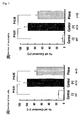
- Table 1 and Fig. 1 show the results (average value (represented by percentage with respect to the average (taken as 100) of data of Control (+) group), and standard error).
- another test was carried out by use of a solution prepared by dissolving pitavastatin calcium (i.e., non-polymer-incorporated form) (0.2 ⁇ g/body, 2 ⁇ g/body, or 20 ⁇ g/body) in saline (50 ⁇ L).
- MCT Monocrotaline
- the test results correspond to the case where a very low dose of pitavastatin calcium (i.e., 100 ⁇ g) is administered once for the treatment of pulmonary hypertension.
- the above data indicate that intratracheal administration of pitavastatin-calcium-incorporated PLGA nanoparticles is very effective.
- atorvastatin calcium salt requires a high dose (10 to 80 mg/day)
- pitavastatin calcium salt requires a low dose (1 to 4 mg/day).
- Test Examples 1 and 2 indicate that intratracheal administration of HMG-CoA-reductase-inhibitor-incorporated biocompatible polymer nanoparticles exhibits the effect of suppressing a pulmonary disease, even when the dose of the HMG-CoA reductase inhibitor is lower than that in the case where the inhibitor is used for the treatment of hyperlipidemia.
Landscapes
- Health & Medical Sciences (AREA)
- Chemical & Material Sciences (AREA)
- Life Sciences & Earth Sciences (AREA)
- Animal Behavior & Ethology (AREA)
- Pharmacology & Pharmacy (AREA)
- Medicinal Chemistry (AREA)
- General Health & Medical Sciences (AREA)
- Public Health (AREA)
- Veterinary Medicine (AREA)
- Epidemiology (AREA)
- Engineering & Computer Science (AREA)
- Bioinformatics & Cheminformatics (AREA)
- Pulmonology (AREA)
- Nanotechnology (AREA)
- Biomedical Technology (AREA)
- Optics & Photonics (AREA)
- Physics & Mathematics (AREA)
- Otolaryngology (AREA)
- Dispersion Chemistry (AREA)
- Emergency Medicine (AREA)
- Inorganic Chemistry (AREA)
- Proteomics, Peptides & Aminoacids (AREA)
- Organic Chemistry (AREA)
- Nuclear Medicine, Radiotherapy & Molecular Imaging (AREA)
- General Chemical & Material Sciences (AREA)
- Chemical Kinetics & Catalysis (AREA)
- Pharmaceuticals Containing Other Organic And Inorganic Compounds (AREA)
- Medicinal Preparation (AREA)
- Medicines That Contain Protein Lipid Enzymes And Other Medicines (AREA)
- Acyclic And Carbocyclic Compounds In Medicinal Compositions (AREA)
Abstract
Description
- The present invention relates to a drug for the treatment of pulmonary diseases (hereinafter may be referred to as a "pulmonary disease therapeutic drug"), which drug exhibits excellent effects of ameliorating pulmonary diseases.
- Intractable pulmonary diseases (e.g., chronic obstructive pulmonary disease (COPD), pulmonary fibrosis, acute respiratory distress syndrome (ARDS), and pulmonary hypertension) cause impairment of QOL and have very poor prognosis. Such an intractable pulmonary disease (e.g., pulmonary hypertension) has a five-year survival rate of 50% or less. Recently, new remedies (e.g., sildenafil, bosentan, and continuous intravenous infusion of prostacyclin) have been used for treatment of severe pulmonary hypertension, but these remedies exhibit unsatisfactory effects. Furthermore, the remedies cannot complete cure, for example, chronic obstructive pulmonary disease or pulmonary fibrosis. Therefore, demand has arisen for research and development of a fundamental and low-invasive therapeutic method for severe pulmonary diseases.
- Many acute or chronic respiratory diseases (e.g., bronchial asthma, COPD, and pulmonary fibrosis (interstitial pneumonia)) involve pathologic conditions associated with airway inflammation.
As has been known, in a general course of development of inflammatory conditions, firstly, signaling molecules (called "chemotactic factor") released at an early stage promote migration of inflammatory cells (e.g., neutrophils, basophils, eosinophils, and macrophages) to local sites, and the migrating inflammatory cells cause the release of enzymes or radicals which give damage to tissue, and as well release cytokines or similar factors, to thereby further cause migration and activation of inflammatory cells. When such inflammation is developed at the airway, infiltrated inflammatory cells cause damage to bronchial or lung tissue, which eventually results in respiratory dysfunctions characteristic of the aforementioned diseases, such as reduction in respiratory flow rate or oxygen exchange capacity. - On the basis of such findings, drugs exhibiting antiinflammatory effect have been applied to the treatment of inflammatory respiratory diseases. As has been already known, adrenocortical steroid is remarkably effective for mild to moderate bronchial asthma (Non-Patent Document 1). Also, adrenocortical steroid has been reported to prevent exacerbation of COPD. However, adrenocortical steroid exhibits a limited effect on COPD (Non-Patent Document 2). Hitherto, there have not yet been obtained data that positively support the efficacy of adrenocortical steroid on pulmonary fibrosis (Non-Patent Document 3). Meanwhile, adrenocortical steroid has been known not only to non-specifically inhibit immune function, but also to possibly cause various side effects, such as electrolyte abnormality, peptic ulcer, myopathy, behavioral abnormality, cataract, osteoporosis, osteonecrosis, and growth inhibition (Non-Patent Document 4).
- With the pervasion of therapies mainly using an inhaled steroid for the treatment of bronchial asthma, the number of emergency outpatients or inpatients with asthmatic attack has decreased, and the number of controllable outpatients has increased.
Even under such circumstances, the number of asthma patients is not reduced, and asthmatic deaths from fatal attack still occur. That is, currently available antiasthmatic combination therapies mainly using an inhaled steroid still do not exhibit satisfactory therapeutic effects. Therefore, demand has arisen for development of a new therapeutic agent having high efficacy and reduced side effects. - In recent years, retrospective clinical studies (epidemiological studies) on HMG-CoA reductase inhibitors, which exhibit a potent LDL-cholesterol lowering effect and are used as drugs of first choice for the treatment of hyperlipidemia, reported that use of HMG-CoA reductase inhibitors contributes to the survival rate of COPD patients (Non-Patent
Documents 5 and 6). Other studies previously reported that HMG-CoA reductase inhibitors exhibit an antiinflammatory effect, which is one of pleiotropic effects independent of the LDL-cholesterol lowering effect thereof, and suggested the possibility of application of HMG-CoA reductase inhibitors to the aforementioned inflammatory pulmonary diseases (Non-Patent Document 7). - However, when an HMG-CoA reductase inhibitor is orally administered, the absorbed HMG-CoA reductase inhibitor is accumulated specifically in the liver by the involvement of a drug transporter. Therefore, high-dose administration of an HMG-CoA reductase inhibitor is required for accumulation of the inhibitor in the lung so that the inhibitor exhibits effects on a pulmonary disease. However, particularly, high-dose administration of an HMG-CoA reductase inhibitor may raise concerns about severe side effects such as rhabdomyolysis.
- Non-Patent Document 1: GINA Guideline, 2006
- Non-Patent Document 2: GOLD Guideline, 2006
- Non-Patent Document 3: Walter N., et al., Proc. Am. Thorac. Soc., Vol. 3, 330-338, 2006
- Non-Patent Document 4: Goodman & Gilman, Pharmacological Basis of Therapeutics, 10th ed., McGraw hill, 2001
- Non-Patent Document 5: Soyseth V., et al., Eur. Respir. J., 29, 279-283, 2007
- Non-Patent Document 6: Mancini GBJ, et al., J. Am. Coll. Cardiol., 47, 2554-2560, 2006
- Non-Patent Document 7: Hothersall E., et al., Thorax 61, 729-734, 2006
- An object of the present invention is to provide an excellent pulmonary disease therapeutic drug exhibiting high efficacy and reduced side effects.
- The present inventors have conducted extensive studies for applying an HMG-CoA reductase inhibitor to a pulmonary disease therapeutic drug, and as a result have found that when an HMG-CoA reductase inhibitor is incorporated into biocompatible polymer nanoparticles, and the nanoparticles are administered directly to a main lesion site of pulmonary disease (i.e., bronchiole to alveoli), the nanoparticles exhibit an excellent pulmonary disease therapeutic effect at a low dose. The present invention has been accomplished on the basis of this finding.
- Accordingly, the present invention provides a pulmonary disease therapeutic drug designed for intratracheal administration, comprising biocompatible polymer nanoparticles containing an HMG-CoA reductase inhibitor.
The present invention also provides use of biocompatible polymer nanoparticles containing an HMG-CoA reductase inhibitor for producing a pulmonary disease therapeutic drug designed for intratracheal administration.
The present invention also provides biocompatible polymer nanoparticles, containing an HMG-CoA reductase inhibitor, for use in the treatment of a pulmonary disease through intratracheal administration.
The present invention also provides a method for treatment of a pulmonary disease, comprising intratracheally administering an effective amount of biocompatible polymer nanoparticles containing an HMG-CoA reductase inhibitor. Effects of the Invention - According to the present invention, since biocompatible polymer nanoparticles containing an HMG-CoA reductase inhibitor can be administered directly to the lung by a simple procedure (e.g., inhalation), the nanoparticles are effectively transferred to a lesion site of pulmonary disease, and are accumulated in large amounts at the lesion site. Thus, the present invention provides a pulmonary disease therapeutic drug which exhibits higher efficacy at low dose and causes fewer side effects, as compared with the case where the HMG-CoA reductase inhibitor is orally administered for the purpose of the treatment of hyperlipidemia.
-
- [
Fig. 1 ]
Fig. 1 shows the effect of intratracheal administration of pitavastatin-calcium-incorporated PLGA nanoparticles on the number of cells contained in bronchoalveolar lavage fluid recovered from LPS-induced acute lung injury mice. - [
Fig. 2 ]
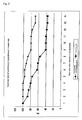
Fig. 2 shows the survival rate of monocrotaline-induced severe pulmonary hypertensive rats after intratracheal administration of pitavastatin-calcium-incorporated PLGA nanoparticles. - The pulmonary disease therapeutic drug designed for intratracheal administration of the present invention comprises biocompatible polymer nanoparticles containing an HMG-CoA reductase inhibitor. The active ingredient of the drug is an HMG-CoA reductase inhibitor.
The HMG-CoA reductase inhibitor employed in the present invention encompasses all the so-called statin compounds which exhibit cholesterol synthesis inhibitory activity and are known as therapeutic agents for hyperlipidemia. The HMG-CoA reductase inhibitor also encompasses lactone and open-ring forms of the compounds, and salts thereof. The HMG-CoA reductase inhibitor also encompasses hydrates of the compounds and salts thereof, and pharmaceutically acceptable solvates of the compounds and salts thereof. - Examples of preferred HMG-CoA reductase inhibitors include lovastatin (
JP-A-1982-163374 US Patent No. 4231938 ), simvastatin (JP-A-1981-122375 US Patent No. 4444784 ), pravastatin (JP-A-1982-2240 US Patent No. 4346227 ), fluvastatin (JP-A-1985-500015 US Patent No. 4739073 ), atorvastatin (JP-A-1991-58967 US Patent Nos. 4681893 and5273995 ), rosuvastatin (JP-A-1993-178841 US Patent No. 5260440 ), pitavastatin (Japanese Patent No.2569746 US Patent Nos. 5102888 and5856336 , European Patent No.304063 - The HMG-CoA reductase inhibitor is more preferably atorvastatin, pitavastatin, or a salt thereof, particularly preferably pitavastatin or a salt thereof. The salt of the HMG-CoA reductase inhibitor is particularly preferably a calcium salt or a sodium salt.
- In the pulmonary disease therapeutic drug of the present invention, the HMG-CoA reductase inhibitor content of nanoparticles is preferably 0.001 to 20 wt.%, more preferably 0.005 to 20 wt.%, much more preferably 0.01 to 20 wt.%, particularly preferably 0.05 to 15 wt.%, from the viewpoint of effective drug delivery to a lesion site of the lung. As used herein, the expression "nanoparticles containing an HMG-CoA reductase inhibitor" encompasses both the case where the HMG-CoA reductase inhibitor is contained in the nanoparticles, and the case where the HMG-CoA reductase inhibitor is adsorbed on the surfaces of the nanoparticles.
- Examples of the biocompatible polymer which forms nanoparticles include polylactic acid, polyglycolic acid, polyaspartic acid, lactic acid-glycolic acid copolymers, aspartic acid-lactic acid-glycolic acid copolymers, polyamide, polycarbonate, polyalkylene (e.g., polyethylene), polypropylene, polyethylene glycol, polyethylene oxide, polyethylene terephthalate, polyvinyl compounds (e.g., polyvinyl alcohol, polyvinyl ether, and polyvinyl ester), acrylic acid-methacrylic acid polymers, cellulose and other polysaccharides, peptides, proteins, and copolymers or mixtures thereof. Of these, polylactic acid, polyglycolic acid, a lactic acid-glycolic acid copolymer (PLGA), and a block copolymer of any of these polymers and polyethylene glycol (PEG) are more preferred, with a block copolymer of a lactic acid-glycolic acid copolymer (PLGA) and polyethylene glycol (PEG) (PEG-modified PLGA, peg-PLGA) being particularly preferred. Any of the aforementioned biocompatible polymers can contain therein an HMG-CoA reductase inhibitor, and the drug-contained polymer can be stored for a long period of time while the efficacy of the drug is maintained. Conceivably, by virtue of degradation of the biocompatible polymer by an enzyme in vivo, sustained release of the HMG-CoA reductase inhibitor can be attained in the lung over several hours to several tens of hours.
- The biocompatible polymer preferably has a molecular weight of 5,000 to 200,000, particularly preferably 15,000 to 25,000. When the biocompatible polymer is a lactic acid-glycolic acid copolymer (PLGA), the ratio by mole of lactic acid to glycolic acid may be 1 : 99 to 99 : 1, but is preferably 1 : 0.333. A PLGA having a lactic acid or glycolic acid content of 25 wt.% to 65 wt.% is preferably employed, since such a PLGA is amorphous and can be dissolved in an organic solvent such as acetone.
- The nanoparticles employed in the present invention preferably have a particle size of 30 nm to 10 µm, particularly preferably 100 nm to 5 µm, from the viewpoints of effective drug delivery to a lesion site of the lung and effective incorporation of an HMG-CoA reductase inhibitor. The particle size of the nanoparticles can be measured by means of Coulter Counter N4 PLUS (product of Beckman Coulter Inc.).
- The nanoparticles employed in the present invention may be produced through a method described in, for example, Journal of the Society of Powder Technology 42 (11), 765-772 (2005),
JP-A-2003-275281 JP-A-2004-262810 JP-A-2006-321763 - Next will be described an example of production of the nanoparticles of the present invention by the method based on diffusion of emulsion solvent in purified water.
A PLGA is dissolved in an organic solvent such as acetone, to thereby prepare a polymer solution. The polymer solution is mixed with an HMG-CoA reductase inhibitor or an aqueous solution thereof. The resultant mixture is added dropwise to an aqueous polyvinyl alcohol (PVA) solution, purified water, etc. under stirring, to thereby prepare an emulsion. The organic solvent (e.g., acetone) is removed by evaporation, to thereby form a suspension of PLGA nanoparticles, and the suspension is centrifuged. The thus-precipitated PLGA nanoparticles are recovered and resuspended in purified water, and washed so that excess PVA which has not been adsorbed on the surface of PLGA nanoparticles is removed, followed by lyophilization, to thereby form powder. Alternatively, the suspension of PLGA nanoparticles may be lyophilized without resuspending, to thereby form powder. - The nanoparticles of the present invention can form a composite with higher-order structure, and encompass the thus-formed nanoparticle composite. Such a nanoparticle composite can be produced by uniformly mixing a sugar alcohol with a liquid containing nanoparticles produced by, for example, any of the aforementioned methods, and lyophilizing the resultant mixture. Examples of the sugar alcohol include mannitol, trehalose, sorbitol, erythritol, maltitol, and xylitol. The amount of the sugar alcohol added is preferably 0.001 to 1 wt.%, particularly preferably 0.01 to 0.1 wt.%, on the basis of the entirety of the nanoparticle-containing liquid.
- Preferably, when in use, the nanoparticles of the present invention are contained in an aqueous solution such as saline (Japanese Pharmacopoeia) (pH = 6.0) or purified water (pH = 6.8). The nanoparticle-containing liquid preferably contains a dispersant such as polyvinyl alcohol or polyethylene glycol. The nanoparticle concentration of the nanoparticle-containing liquid is preferably 0.1 to 20 wt.%, particularly preferably 1 to 10 wt.%, from the viewpoint of prevention of aggregation of particles. The dispersant concentration of the nanoparticle-containing liquid is preferably 0.1 to 20 wt.%, particularly preferably 1 to 10 wt.%, from the viewpoint of effective dispersion of the nanoparticles.
- The daily dose of the nanoparticles of the present invention (as reduced to HMG-CoA reductase inhibitor), which is appropriately determined in consideration of the type of disease and symptoms, is 0.001 to 100 mg, preferably 0.01 to 50 mg, more preferably 0.01 to 30 mg, much more preferably 0.1 to 10 mg. Particularly when the HMG-CoA reductase inhibitor is pitavastatin or a salt thereof, the daily dose thereof is preferably 0.001 to 50 mg, more preferably 0.01 to 30 mg.
- Administration of the drug of the present invention to the lung is preferably carried out by means of, for example, an inhaler or a nebulizer. The frequency of administration may be once to thrice a day in the case of high-frequency dose, or may be once every two or three days or once a week in the case of low-frequency dose.
- When the drug of the present invention is administered directly to the lung (e.g., bronchiole to alveoli), the drug is delivered to a lesion site of the lung, and the HMG-CoA reductase inhibitor is released over a long period of time. Therefore, a low dose of the drug realizes safe treatment of a pulmonary disease. Examples of the pulmonary disease to be treated by the drug include pulmonary hypertension, chronic obstructive pulmonary disease, pulmonary fibrosis, acute respiratory distress syndrome, bronchial asthma, inflammatory pulmonary disease, pneumonia, and bronchitis. The drug is particularly useful for the treatment of pulmonary hypertension.
When adrenocortical steroid is employed for the treatment of a pulmonary disease in combination with the therapeutic drug of the present invention, the dose of adrenocortical steroid can be reduced, which leads to reduction of side effects of the steroid. - The present invention will next be described in more detail by way of examples, which should not be construed as limiting the invention thereto.
- Incorporation of a calcium salt of pitavastatin (pitavastatin calcium) (Japanese Patent No.
2569746 US Patent Nos. 5102888 and5856336 , European Patent No.304063 - A lactic acid-glycolic acid copolymer (PLGA, molecular weight: 20,000, ratio of lactic acid/glycolic acid: 75/25) (1 g) and pitavastatin calcium (0.025 g) were dissolved in acetone (40 mL), and ethanol (20 mL) was added to the solution, to thereby prepare a polymer solution. The polymer solution was added dropwise to an aqueous PVA solution (an aqueous solution (100 mL) containing PVA (0.5 g)) stirred at 400 rpm by means of a stirrer, to thereby form an emulsion. The organic solvent was removed from the emulsion by evaporation with stirring under reduced pressure at 40°C for one hour, followed by filtration with a membrane filter. Thereafter, the filtrate was lyophilized, to thereby produce PLGA nanoparticles of interest in the form of powder.
The PLGA nanoparticles were found to have a pitavastatin calcium content of 1.3 wt.%.
As a control, PLGA nanoparticles containing no pitavastatin calcium were prepared in the same manner as described above, except that pitavastatin calcium was not added. - PEG-modified PLGA (peg-PLGA) (2 g) and pitavastatin calcium (0.1 g) were dissolved in acetone (20 mL), and ethanol (10 mL) was added to the solution, to thereby prepare a polymer solution.
The polymer solution was added dropwise to purified water (50 mL) stirred at 400 rpm and at 40°C.
The organic solvent was removed from the emulsion by evaporation under reduced pressure at 40°C over two hours, and then the suspension was filtered with a membrane filter having a pore size of 32 µm, so as to remove aggregated nanoparticles.
The filtrate was employed as is in Test Example 2. The nanoparticle-containing liquid was found to have a pitavastatin calcium content of 0.0998 wt.%. - Male BALB/c mice purchased from Charles River Laboratories Japan Inc. (eight weeks old upon test) were preliminarily reared in a rearing chamber (temperature: 21 ± 2°C, humidity: 50 ± 20%, light period: 7:00 to 19:00) under conditions where feed and water were fed ad libitum. The thus-reared mice were employed for the test.
For the test, mice were divided into the following three groups: a group of mice without inhalation exposure to LPS (lipopolysaccharide) (Control (-) group, n = 7); a group of mice with administration of non-pitavastatin-calcium-incorporated PLGA nanoparticles and then inhalation exposure to LPS (Control (+) group, n = 14); and a group of mice with administration of pitavastatin-calcium-incorporated PLGA nanoparticles and then inhalation exposure to LPS (Pitava group, n = 13). - Each of the mice of Control (+) group and Pitava group was anesthetized through intraperitoneal injection of pentobarbital sodium (50 mg/10 mL/kg), and the cervix of the mouse was incised and the airway thereof was exposed. Non-pitavastatin-calcium-incorporated PLGA nanoparticles (for the mice of Control (+) group) or pitavastatin-calcium-incorporated PLGA nanoparticles (for the mice of Pitava group) were suspended in saline under visual observation, and the resultant suspension (50 µL) was intratracheally administered together with air (200 µL) by a 27G injection needle. After intratracheal administration, the cervix was sutured, and mice aroused from anesthesia were sequentially returned to the rearing cage.
The dose (by weight) of administration of each type of the PLGA nanoparticles was 15 µg/body (pitavastatin calcium content: 0.2 µg/body for Pitava group).
The nanoparticle liquid to be administered was reconstituted upon use by suspending the nanoparticles in saline, followed by sonication for 30 seconds by means of an ultrasonic homogenizer. - Twenty-four hours after intratracheal administration, each of the PLGA-nanoparticles-administered mice was transferred to a cage made of acrylic material and having inner dimensions of 26 cm (W) x 26 cm (D) x 10 cm (H), and LPS (Sigma) (30 µg/mL) nebulized by means of an ultrasonic nebulizer (Omron Corporation) was fed to the cage for inhalation exposure of the mouse to LPS. The inhalation exposure was continued for 30 minutes, and the thus-exposed mouse was returned to the rearing cage.
Four hours after initiation of inhalation exposure to LPS, each of the test mice was anesthetized through intraperitoneal injection of pentobarbital sodium (50 mg/10 mL/kg). The abdominal aorta of the mouse was dissected for bleeding to death. Thereafter, the posterior cervix of the mouse was incised, and a polyethylene tube having an outer diameter of 1.2 mm (SP55, product of Natsume Seisakusho Co., Ltd.) was fixed to the bronchus. Bronchoalveolar lavage was carried out by repeating thrice a process including injection and recovery of phosphate-buffered saline (PBS) (1 mL). The thus-recovered bronchoalveolar lavage fluid (BALF) was subjected to centrifugation at 1,000 rpm and 4°C for 10 minutes, and the collected migratory cells were resuspended in PBS (200 µL). The total number of the cells and the number of neutrophils were counted by means of an automated hematology analyzer (XT-2000i, Sysmex). - Table 1 and
Fig. 1 show the results (average value (represented by percentage with respect to the average (taken as 100) of data of Control (+) group), and standard error). -
[Table 1] n Average value Standard error Total number of cells Control (-) group 7 14.6 3.6 Control (+) group 14 100 8.8 Pitava group 13 74.0 5.4 Number of neutrophils Control (-) group 7 4.7 3.1 Control (+) group 14 100 9.8 Pitava group 13 72.6 5.8 - Intratracheal administration of pitavastatin-calcium-incorporated PLGA nanoparticles significantly inhibited migration of inflammatory cells (p < 0.05). The data indicated that migration of inflammatory cells is inhibited not by PLGA nanoparticles themselves, but by pitavastatin-calcium-incorporated PLGA nanoparticles.
In a manner similar to that described above, another test was carried out by use of a solution prepared by dissolving pitavastatin calcium (i.e., non-polymer-incorporated form) (0.2 µg/body, 2 µg/body, or 20 µg/body) in saline (50 µL). However, intratracheal administration of any of the aforementioned three doses of pitavastatin calcium did not exhibit the effect of inhibiting migration of inflammatory cells (a group of non-administration of pitavastatin calcium: n = 8, and a group of administration of pitavastatin calcium (any of the aforementioned doses): n = 8).
In the aforementioned tests, local administration of pitavastatin-calcium-incorporated PLGA nanoparticles to the lung inhibited LPS-induced inflammatory response. In this case, the dose of pitavastatin calcium required for inhibiting inflammatory response was considerably reduced, as compared with the case where pitavastatin calcium was administered without being incorporated in PLGA nanoparticles. This indicates that pitavastatin-calcium-incorporated PLGA nanoparticles are useful for the treatment of a pulmonary disease associated with inflammation. - Monocrotaline (MCT) was subcutaneously injected (60 mg/kg body weight) to male SD rats (seven weeks old, 250 to 300 g), to thereby prepare MCT-induced pulmonary hypertensive rats (severe pulmonary hypertension is established three weeks after MCT administration).
The rats were divided into the following two groups: (1) a first group (i.e., a group of rats with administration of pitavastatin-calcium-incorporated PEG-modified PLGA nanoparticles (nanoparticle administration group, n = 26)); and (2) a second group (i.e., a group of rats with administration of PBS (control) (control group, n = 41)).
On day 21 after administration of MCT, the anterior cervix of each rat was incised. A liquid containing pitavastatin-calcium-incorporated PEG-modified PLGA nanoparticles (produced in Example 2 above) (100 µL) and air (100 µL) were intratracheally administered to each of the rats of the first group, and PBS (100 µL) and air (100 µL) were intratracheally administered to each of the rats of the second group. The pitavastatin-calcium-incorporated PEG-modified PLGA nanoparticles were found to contain pitavastatin calcium in an amount of 100 µg/body.
Survival of the rats was observed for a period of 14 days after administration of the nanoparticles. - As shown in Table 2 and
Fig. 2 , in the control group, the survival rate of the rats (14 days after administration) was reduced to 37%, whereas in the nanoparticle administration group, the survival rate (14 days after administration) of the rats was 69%, which was significantly improved with respect to that of the control group (p < 0.01). -
[Table 2] Number of rats employed Number of rats survived 14 days after administration Survival rate Control group 41 15 37% Nanoparticle administration group 26 18 69% - The test results correspond to the case where a very low dose of pitavastatin calcium (i.e., 100 µg) is administered once for the treatment of pulmonary hypertension. The above data indicate that intratracheal administration of pitavastatin-calcium-incorporated PLGA nanoparticles is very effective.
In the case where an HMG-CoA reductase inhibitor is orally administered for the treatment of hyperlipidemia, atorvastatin calcium salt requires a high dose (10 to 80 mg/day), pitavastatin calcium salt requires a low dose (1 to 4 mg/day). The data obtained in Test Examples 1 and 2 indicate that intratracheal administration of HMG-CoA-reductase-inhibitor-incorporated biocompatible polymer nanoparticles exhibits the effect of suppressing a pulmonary disease, even when the dose of the HMG-CoA reductase inhibitor is lower than that in the case where the inhibitor is used for the treatment of hyperlipidemia.
Claims (15)
- A pulmonary disease therapeutic drug designed for intratracheal administration, comprising biocompatible polymer nanoparticles containing an HMG-CoA reductase inhibitor.
- A pulmonary disease therapeutic drug according to claim 1, wherein the HMG-CoA reductase inhibitor is lovastatin, simvastatin, pravastatin, fluvastatin, atorvastatin, rosuvastatin, pitavastatin, or a salt thereof.
- A pulmonary disease therapeutic drug according to claim 1, wherein the HMG-CoA reductase inhibitor is pitavastatin or a salt thereof.
- A pulmonary disease therapeutic drug according to any one of claims 1 to 3, wherein the pulmonary disease is pulmonary hypertension, chronic obstructive pulmonary disease, pulmonary fibrosis, acute respiratory distress syndrome, bronchial asthma, inflammatory pulmonary disease, pneumonia, or bronchitis.
- A pulmonary disease therapeutic drug according to any one of claims 1 to 4, wherein the biocompatible polymer is polylactic acid, polyglycolic acid, a lactic acid-glycolic acid copolymer, or a block copolymer of any of these polymers and polyethylene glycol.
- Use, for producing a pulmonary disease therapeutic drug designed for intratracheal administration, of biocompatible polymer nanoparticles containing an HMG-CoA reductase inhibitor.
- Use according to claim 6, wherein the HMG-CoA reductase inhibitor is lovastatin, simvastatin, pravastatin, fluvastatin, atorvastatin, rosuvastatin, pitavastatin, or a salt thereof.
- Use according to claim 6, wherein the HMG-CoA reductase inhibitor is pitavastatin or a salt thereof.
- Use according to any one of claims 6 to 8, wherein the pulmonary disease is pulmonary hypertension, chronic obstructive pulmonary disease, pulmonary fibrosis, acute respiratory distress syndrome, bronchial asthma, inflammatory pulmonary disease, pneumonia, or bronchitis.
- Use according to any one of claims 6 to 9, wherein the biocompatible polymer is polylactic acid, polyglycolic acid, a lactic acid-glycolic acid copolymer, or a block copolymer of any of these polymers and polyethylene glycol.
- A method for treatment of a pulmonary disease, comprising intratracheally administering an effective amount of biocompatible polymer nanoparticles containing an HMG-CoA reductase inhibitor.
- A method for treatment according to claim 11, wherein the HMG-CoA reductase inhibitor is lovastatin, simvastatin, pravastatin, fluvastatin, atorvastatin, rosuvastatin, pitavastatin, or a salt thereof.
- A method for treatment according to claim 11, wherein the HMG-CoA reductase inhibitor is pitavastatin or a salt thereof.
- A method for treatment according to claim 11, wherein the pulmonary disease is pulmonary hypertension, chronic obstructive pulmonary disease, pulmonary fibrosis, acute respiratory distress syndrome, bronchial asthma, inflammatory pulmonary disease, pneumonia, or bronchitis.
- A method for treatment according to claim 11, wherein the biocompatible polymer is polylactic acid, polyglycolic acid, a lactic acid-glycolic acid copolymer, or a block copolymer of any of these polymers and polyethylene glycol.
Applications Claiming Priority (3)
| Application Number | Priority Date | Filing Date | Title |
|---|---|---|---|
| JP2007119553 | 2007-04-27 | ||
| JP2007155816 | 2007-06-13 | ||
| PCT/JP2008/001081 WO2008139703A1 (en) | 2007-04-27 | 2008-04-25 | Agent for treatment of pulmonary disease |
Publications (3)
| Publication Number | Publication Date |
|---|---|
| EP2140882A1 true EP2140882A1 (en) | 2010-01-06 |
| EP2140882A4 EP2140882A4 (en) | 2010-05-26 |
| EP2140882B1 EP2140882B1 (en) | 2013-08-14 |
Family
ID=40001929
Family Applications (1)
| Application Number | Title | Priority Date | Filing Date |
|---|---|---|---|
| EP08751606.8A Active EP2140882B1 (en) | 2007-04-27 | 2008-04-25 | Agent for treatment of pulmonary disease |
Country Status (9)
| Country | Link |
|---|---|
| US (1) | US20100086615A1 (en) |
| EP (1) | EP2140882B1 (en) |
| JP (1) | JP4896220B2 (en) |
| KR (1) | KR101530393B1 (en) |
| CN (1) | CN101668542B (en) |
| CA (1) | CA2685054C (en) |
| ES (1) | ES2425969T3 (en) |
| PT (1) | PT2140882E (en) |
| WO (1) | WO2008139703A1 (en) |
Cited By (3)
| Publication number | Priority date | Publication date | Assignee | Title |
|---|---|---|---|---|
| EP2526927A1 (en) * | 2011-05-25 | 2012-11-28 | Justus-Liebig-Universität Gießen | Biocompatible nano- and microparticles coated with stabilisers for pulmonary application |
| EP2526926A1 (en) * | 2011-05-25 | 2012-11-28 | Justus-Liebig-Universität Gießen | Biocompatible nanopolymer particles with active agents for pulmonary application |
| WO2019162951A1 (en) * | 2018-02-26 | 2019-08-29 | Yissum Research Development Company Of The Hebrew University Of Jerusalem Ltd | Drug delivery systems |
Families Citing this family (8)
| Publication number | Priority date | Publication date | Assignee | Title |
|---|---|---|---|---|
| JP6551825B2 (en) * | 2014-02-10 | 2019-07-31 | 公立大学法人首都大学東京 | Chromatin structure regulator |
| EP3777890A1 (en) * | 2014-11-10 | 2021-02-17 | Masaaki II | Stem cells containing statin-encapsulated nanoparticles |
| CN109152764A (en) * | 2016-05-06 | 2019-01-04 | 学校法人大阪医科药科大学 | For enhance the encapsulating inhibin of the treatment of inflammatory diseases function of stem cell nanoparticle formulation and containing its treatment of inflammatory diseases with function enhance stem cell |
| JP2019196342A (en) * | 2018-05-10 | 2019-11-14 | 学校法人大阪医科薬科大学 | Statin-encapsulated nanoparticle preparation, dental pulp-derived stem cells containing the same, and cell preparation containing the same |
| EP3946268A4 (en) * | 2019-03-29 | 2023-01-04 | The Regents of The University of California | Inhaled statins as bronchodilators to improve lung function in respiratory diseases |
| EP4108260A4 (en) * | 2020-02-21 | 2024-03-06 | JSR Corporation | Composition for alleviating pulmonary hypertension, method for predicting prognosis of pulmonary hypertension, method for assisting in determining severity of pulmonary hypertension, and method for assisting in diagnosing pulmonary hypertension |
| WO2022009211A1 (en) * | 2020-07-09 | 2022-01-13 | Remedy Cell Ltd. | Methods for treating acute respiratory inflammatory conditions and cytokine storm syndrome |
| CN119031907A (en) * | 2022-01-28 | 2024-11-26 | 国立大学法人九州大学 | Pharmaceutical composition for treating retinitis pigmentosa |
Family Cites Families (27)
| Publication number | Priority date | Publication date | Assignee | Title |
|---|---|---|---|---|
| US4231938A (en) | 1979-06-15 | 1980-11-04 | Merck & Co., Inc. | Hypocholesteremic fermentation products and process of preparation |
| ZA81703B (en) | 1980-02-04 | 1982-09-29 | Merck & Co Inc | New antihypercholesterolemic compounds,intermediates and processes |
| US4444784A (en) | 1980-08-05 | 1984-04-24 | Merck & Co., Inc. | Antihypercholesterolemic compounds |
| MX7065E (en) | 1980-06-06 | 1987-04-10 | Sankyo Co | A MICROBIOLOGICAL PROCEDURE FOR PREPARING DERIVATIVES OF ML-236B |
| JPS572240A (en) | 1980-06-06 | 1982-01-07 | Sankyo Co Ltd | Ml-236b derivative |
| PH23486A (en) | 1982-11-22 | 1989-08-16 | Sanzoz Inc | Indole analogs of mevalonolactone,pharmaceutical compositions containing the same and method of use thereof |
| US4739073A (en) | 1983-11-04 | 1988-04-19 | Sandoz Pharmaceuticals Corp. | Intermediates in the synthesis of indole analogs of mevalonolactone and derivatives thereof |
| US4681893A (en) | 1986-05-30 | 1987-07-21 | Warner-Lambert Company | Trans-6-[2-(3- or 4-carboxamido-substituted pyrrol-1-yl)alkyl]-4-hydroxypyran-2-one inhibitors of cholesterol synthesis |
| JP2569746B2 (en) | 1987-08-20 | 1997-01-08 | 日産化学工業株式会社 | Quinoline mevalonolactones |
| CA1336714C (en) | 1987-08-20 | 1995-08-15 | Yoshihiro Fujikawa | Quinoline type mevalonolactone inhibitors of cholesterol biosynthesis |
| FI94339C (en) | 1989-07-21 | 1995-08-25 | Warner Lambert Co | Process for the preparation of pharmaceutically acceptable [R- (R *, R *)] - 2- (4-fluorophenyl) -, - dihydroxy-5- (1-methylethyl) -3-phenyl-4 - [(phenylamino) carbonyl] -1H- for the preparation of pyrrole-1-heptanoic acid and its pharmaceutically acceptable salts |
| JP2648897B2 (en) | 1991-07-01 | 1997-09-03 | 塩野義製薬株式会社 | Pyrimidine derivatives |
| US6946117B1 (en) * | 1997-09-29 | 2005-09-20 | Nektar Therapeutics | Stabilized preparations for use in nebulizers |
| US20010006656A1 (en) * | 1999-02-17 | 2001-07-05 | University Of Washington | Methods and compositions for inhibiting inflammation associated with pulmonary disease |
| FR2809112B1 (en) * | 2000-05-16 | 2004-05-07 | Centre Nat Rech Scient | MATERIALS BASED ON BIODEGRADABLE POLYMERS AND PREPARATION METHOD THEREOF |
| WO2003049701A2 (en) * | 2001-12-10 | 2003-06-19 | Spherics, Inc. | Methods and products useful in the formation and isolation of microparticles |
| JP4142318B2 (en) | 2002-03-20 | 2008-09-03 | 株式会社ホソカワ粉体技術研究所 | Method for producing drug-containing composite particles |
| AU2002330390A1 (en) * | 2002-03-20 | 2003-09-29 | Hosokawa Micron Corporation | Method of manufacturing chemical-containing composite particles |
| WO2003103640A1 (en) * | 2002-06-10 | 2003-12-18 | Elan Pharma International, Ltd | Nanoparticulate formulations comprising hmg coa reductase inhibitor derivatives (“statins”), novel combinations thereof as well as manufacturing of these pharmaceutical compositions |
| JP4707937B2 (en) | 2003-02-28 | 2011-06-22 | ホソカワミクロン株式会社 | Method for producing drug-containing composite particles and transpulmonary preparation |
| US20050119330A1 (en) * | 2003-03-17 | 2005-06-02 | Kao Peter N. | Use of antiproliferative agents in the treatment and prevention of pulmonary proliferative vascular diseases |
| US20040224030A1 (en) * | 2003-05-06 | 2004-11-11 | Shastri Venkatram R. | Microsphere delivery systems |
| US7183285B2 (en) * | 2004-04-29 | 2007-02-27 | Pharmix Corp. | Compositions and treatments for inhibiting kinase and/or HMG-CoA reductase |
| US20050245905A1 (en) * | 2004-04-30 | 2005-11-03 | Schmidt Steven P | Local drug-delivery system |
| JP2006321763A (en) | 2005-05-20 | 2006-11-30 | Hosokawa Funtai Gijutsu Kenkyusho:Kk | Biocompatible nanoparticles and method for producing the same |
| WO2007076295A2 (en) * | 2005-12-16 | 2007-07-05 | University Of Kansas | Nanoclusters for delivery of therapeutics |
| GB0619500D0 (en) * | 2006-10-03 | 2006-11-08 | Univ Keele | Treatment of fibrosis |
-
2008
- 2008-04-25 ES ES08751606T patent/ES2425969T3/en active Active
- 2008-04-25 WO PCT/JP2008/001081 patent/WO2008139703A1/en not_active Ceased
- 2008-04-25 CA CA2685054A patent/CA2685054C/en not_active Expired - Fee Related
- 2008-04-25 US US12/596,996 patent/US20100086615A1/en not_active Abandoned
- 2008-04-25 EP EP08751606.8A patent/EP2140882B1/en active Active
- 2008-04-25 PT PT87516068T patent/PT2140882E/en unknown
- 2008-04-25 JP JP2009513998A patent/JP4896220B2/en not_active Expired - Fee Related
- 2008-04-25 CN CN2008800137806A patent/CN101668542B/en not_active Expired - Fee Related
- 2008-04-25 KR KR1020097021959A patent/KR101530393B1/en not_active Expired - Fee Related
Cited By (5)
| Publication number | Priority date | Publication date | Assignee | Title |
|---|---|---|---|---|
| EP2526927A1 (en) * | 2011-05-25 | 2012-11-28 | Justus-Liebig-Universität Gießen | Biocompatible nano- and microparticles coated with stabilisers for pulmonary application |
| EP2526926A1 (en) * | 2011-05-25 | 2012-11-28 | Justus-Liebig-Universität Gießen | Biocompatible nanopolymer particles with active agents for pulmonary application |
| WO2012160085A1 (en) * | 2011-05-25 | 2012-11-29 | Justus-Liebig-Universität Giessen | Bio-compatible nano-polymer particles comprising active ingredients for pulmonary application |
| WO2012160088A1 (en) * | 2011-05-25 | 2012-11-29 | Justus-Liebig-Universität Giessen | Bio-compatible nano and microparticles coated with stabilisers for pulmonary application |
| WO2019162951A1 (en) * | 2018-02-26 | 2019-08-29 | Yissum Research Development Company Of The Hebrew University Of Jerusalem Ltd | Drug delivery systems |
Also Published As
| Publication number | Publication date |
|---|---|
| US20100086615A1 (en) | 2010-04-08 |
| JPWO2008139703A1 (en) | 2010-07-29 |
| CA2685054C (en) | 2014-11-04 |
| KR101530393B1 (en) | 2015-06-19 |
| HK1141708A1 (en) | 2010-11-19 |
| CN101668542B (en) | 2012-06-27 |
| PT2140882E (en) | 2013-09-30 |
| KR20100015758A (en) | 2010-02-12 |
| CN101668542A (en) | 2010-03-10 |
| EP2140882A4 (en) | 2010-05-26 |
| EP2140882B1 (en) | 2013-08-14 |
| CA2685054A1 (en) | 2008-11-20 |
| JP4896220B2 (en) | 2012-03-14 |
| ES2425969T3 (en) | 2013-10-18 |
| WO2008139703A1 (en) | 2008-11-20 |
Similar Documents
| Publication | Publication Date | Title |
|---|---|---|
| CA2685054C (en) | Agent for treatment of pulmonary disease | |
| JP6400479B2 (en) | Lung disease specific therapeutic agent | |
| Ungaro et al. | Insulin-loaded PLGA/cyclodextrin large porous particles with improved aerosolization properties: in vivo deposition and hypoglycaemic activity after delivery to rat lungs | |
| Pulivendala et al. | Inhalation of sustained release microparticles for the targeted treatment of respiratory diseases | |
| KR101644250B1 (en) | Diketopiperazine salts, diketomorpholine salts or diketodioxane salts for drug delivery | |
| US20150118318A1 (en) | Methods of Treating Inflammatory and Autoimmune Diseases and Disorders | |
| JP2001517614A (en) | Small particle liposome aerosol for anticancer drug delivery | |
| JP6840869B2 (en) | How to treat lung disorders | |
| AU2011325966B2 (en) | Modified immune-modulating particles | |
| Zhang et al. | Advances in nanomaterial-targeted treatment of acute lung injury after burns | |
| CA2788078A1 (en) | Compositions and methods for prevention and treatment of pulmonary hypertension | |
| Li et al. | RETRACTED ARTICLE: Preparation of novel pirfenidone microspheres for lung-targeted delivery: in vitro and in vivo study | |
| WO2012110462A1 (en) | Liquid propellant-free formulation comprising an antimuscarinic drug | |
| JP2007001926A (en) | Steroidal preparation for inhalation/nebulization | |
| HK1141708B (en) | Agent for treatment of pulmonary disease | |
| WO2005077399A1 (en) | Preventive and therapeutic agent for chronic obstructive pulmonary disease | |
| CN121129819B (en) | A dimeric prodrug of an esterase-responsive isohydroxamic acid HDAC inhibitor, self-assembled nanoparticles, and their applications | |
| Zhao et al. | Artesunate-mycophenolate Mofetil Dimer Micelles Alleviate Allogeneic Skin Graft Rejection by Inhibiting the TLR-4 Pathway in Macrophages | |
| WO2014137050A1 (en) | Porous microparticles in which trail is surface modified and chemical anticancer drug is incorporated, and preparation method therefor | |
| Sun et al. | Nebulized Inhalation of ROS-Responsive Dexamethasone-Loaded Liposomes Enhances Therapeutic Efficacy against Pulmonary Fibrosis | |
| CN105796496A (en) | Fenofibrate-containing nano-liposome as well as preparation method and application thereof | |
| JP2026048594A (en) | Use of bacterial cellulose for the treatment or prevention of respiratory tract diseases | |
| EP4429642B1 (en) | Niraparib particles and uses thereof | |
| CN121015686A (en) | Application of miR-130b-5p in the preparation of drugs for treating osteoarthritis, including sustained-release systems and preparation methods. | |
| CN117582454A (en) | Pharmaceutical compositions containing manganese-based metal-organic framework materials, and applications in the preparation of immune-enhancing drugs or tumor suppressors |
Legal Events
| Date | Code | Title | Description |
|---|---|---|---|
| PUAI | Public reference made under article 153(3) epc to a published international application that has entered the european phase |
Free format text: ORIGINAL CODE: 0009012 |
|
| 17P | Request for examination filed |
Effective date: 20091020 |
|
| AK | Designated contracting states |
Kind code of ref document: A1 Designated state(s): AT BE BG CH CY CZ DE DK EE ES FI FR GB GR HR HU IE IS IT LI LT LU LV MC MT NL NO PL PT RO SE SI SK TR |
|
| A4 | Supplementary search report drawn up and despatched |
Effective date: 20100423 |
|
| DAX | Request for extension of the european patent (deleted) | ||
| GRAP | Despatch of communication of intention to grant a patent |
Free format text: ORIGINAL CODE: EPIDOSNIGR1 |
|
| GRAS | Grant fee paid |
Free format text: ORIGINAL CODE: EPIDOSNIGR3 |
|
| GRAP | Despatch of communication of intention to grant a patent |
Free format text: ORIGINAL CODE: EPIDOSNIGR1 |
|
| GRAA | (expected) grant |
Free format text: ORIGINAL CODE: 0009210 |
|
| INTG | Intention to grant announced |
Effective date: 20130703 |
|
| AK | Designated contracting states |
Kind code of ref document: B1 Designated state(s): AT BE BG CH CY CZ DE DK EE ES FI FR GB GR HR HU IE IS IT LI LT LU LV MC MT NL NO PL PT RO SE SI SK TR |
|
| REG | Reference to a national code |
Ref country code: GB Ref legal event code: FG4D |
|
| REG | Reference to a national code |
Ref country code: CH Ref legal event code: EP Ref country code: AT Ref legal event code: REF Ref document number: 626406 Country of ref document: AT Kind code of ref document: T Effective date: 20130815 |
|
| REG | Reference to a national code |
Ref country code: IE Ref legal event code: FG4D |
|
| REG | Reference to a national code |
Ref country code: PT Ref legal event code: SC4A Free format text: AVAILABILITY OF NATIONAL TRANSLATION Effective date: 20130923 |
|
| REG | Reference to a national code |
Ref country code: DE Ref legal event code: R096 Ref document number: 602008026772 Country of ref document: DE Effective date: 20131010 |
|
| REG | Reference to a national code |
Ref country code: NL Ref legal event code: T3 |
|
| REG | Reference to a national code |
Ref country code: ES Ref legal event code: FG2A Ref document number: 2425969 Country of ref document: ES Kind code of ref document: T3 Effective date: 20131018 |
|
| REG | Reference to a national code |
Ref country code: SE Ref legal event code: TRGR |
|
| REG | Reference to a national code |
Ref country code: SE Ref legal event code: RPOT |
|
| REG | Reference to a national code |
Ref country code: AT Ref legal event code: MK05 Ref document number: 626406 Country of ref document: AT Kind code of ref document: T Effective date: 20130814 |
|
| REG | Reference to a national code |
Ref country code: LT Ref legal event code: MG4D |
|
| PG25 | Lapsed in a contracting state [announced via postgrant information from national office to epo] |
Ref country code: LT Free format text: LAPSE BECAUSE OF FAILURE TO SUBMIT A TRANSLATION OF THE DESCRIPTION OR TO PAY THE FEE WITHIN THE PRESCRIBED TIME-LIMIT Effective date: 20130814 Ref country code: NO Free format text: LAPSE BECAUSE OF FAILURE TO SUBMIT A TRANSLATION OF THE DESCRIPTION OR TO PAY THE FEE WITHIN THE PRESCRIBED TIME-LIMIT Effective date: 20131114 Ref country code: HR Free format text: LAPSE BECAUSE OF FAILURE TO SUBMIT A TRANSLATION OF THE DESCRIPTION OR TO PAY THE FEE WITHIN THE PRESCRIBED TIME-LIMIT Effective date: 20130814 Ref country code: AT Free format text: LAPSE BECAUSE OF FAILURE TO SUBMIT A TRANSLATION OF THE DESCRIPTION OR TO PAY THE FEE WITHIN THE PRESCRIBED TIME-LIMIT Effective date: 20130814 Ref country code: IS Free format text: LAPSE BECAUSE OF FAILURE TO SUBMIT A TRANSLATION OF THE DESCRIPTION OR TO PAY THE FEE WITHIN THE PRESCRIBED TIME-LIMIT Effective date: 20131214 Ref country code: CY Free format text: LAPSE BECAUSE OF FAILURE TO SUBMIT A TRANSLATION OF THE DESCRIPTION OR TO PAY THE FEE WITHIN THE PRESCRIBED TIME-LIMIT Effective date: 20130814 |
|
| PG25 | Lapsed in a contracting state [announced via postgrant information from national office to epo] |
Ref country code: LV Free format text: LAPSE BECAUSE OF FAILURE TO SUBMIT A TRANSLATION OF THE DESCRIPTION OR TO PAY THE FEE WITHIN THE PRESCRIBED TIME-LIMIT Effective date: 20130814 Ref country code: SI Free format text: LAPSE BECAUSE OF FAILURE TO SUBMIT A TRANSLATION OF THE DESCRIPTION OR TO PAY THE FEE WITHIN THE PRESCRIBED TIME-LIMIT Effective date: 20130814 Ref country code: FI Free format text: LAPSE BECAUSE OF FAILURE TO SUBMIT A TRANSLATION OF THE DESCRIPTION OR TO PAY THE FEE WITHIN THE PRESCRIBED TIME-LIMIT Effective date: 20130814 Ref country code: GR Free format text: LAPSE BECAUSE OF FAILURE TO SUBMIT A TRANSLATION OF THE DESCRIPTION OR TO PAY THE FEE WITHIN THE PRESCRIBED TIME-LIMIT Effective date: 20131115 Ref country code: PL Free format text: LAPSE BECAUSE OF FAILURE TO SUBMIT A TRANSLATION OF THE DESCRIPTION OR TO PAY THE FEE WITHIN THE PRESCRIBED TIME-LIMIT Effective date: 20130814 |
|
| PG25 | Lapsed in a contracting state [announced via postgrant information from national office to epo] |
Ref country code: CZ Free format text: LAPSE BECAUSE OF FAILURE TO SUBMIT A TRANSLATION OF THE DESCRIPTION OR TO PAY THE FEE WITHIN THE PRESCRIBED TIME-LIMIT Effective date: 20130814 Ref country code: RO Free format text: LAPSE BECAUSE OF FAILURE TO SUBMIT A TRANSLATION OF THE DESCRIPTION OR TO PAY THE FEE WITHIN THE PRESCRIBED TIME-LIMIT Effective date: 20130814 Ref country code: SK Free format text: LAPSE BECAUSE OF FAILURE TO SUBMIT A TRANSLATION OF THE DESCRIPTION OR TO PAY THE FEE WITHIN THE PRESCRIBED TIME-LIMIT Effective date: 20130814 Ref country code: EE Free format text: LAPSE BECAUSE OF FAILURE TO SUBMIT A TRANSLATION OF THE DESCRIPTION OR TO PAY THE FEE WITHIN THE PRESCRIBED TIME-LIMIT Effective date: 20130814 Ref country code: DK Free format text: LAPSE BECAUSE OF FAILURE TO SUBMIT A TRANSLATION OF THE DESCRIPTION OR TO PAY THE FEE WITHIN THE PRESCRIBED TIME-LIMIT Effective date: 20130814 |
|
| PLBE | No opposition filed within time limit |
Free format text: ORIGINAL CODE: 0009261 |
|
| STAA | Information on the status of an ep patent application or granted ep patent |
Free format text: STATUS: NO OPPOSITION FILED WITHIN TIME LIMIT |
|
| 26N | No opposition filed |
Effective date: 20140515 |
|
| REG | Reference to a national code |
Ref country code: DE Ref legal event code: R097 Ref document number: 602008026772 Country of ref document: DE Effective date: 20140515 |
|
| PG25 | Lapsed in a contracting state [announced via postgrant information from national office to epo] |
Ref country code: MC Free format text: LAPSE BECAUSE OF FAILURE TO SUBMIT A TRANSLATION OF THE DESCRIPTION OR TO PAY THE FEE WITHIN THE PRESCRIBED TIME-LIMIT Effective date: 20130814 Ref country code: LU Free format text: LAPSE BECAUSE OF FAILURE TO SUBMIT A TRANSLATION OF THE DESCRIPTION OR TO PAY THE FEE WITHIN THE PRESCRIBED TIME-LIMIT Effective date: 20140425 |
|
| REG | Reference to a national code |
Ref country code: CH Ref legal event code: PL |
|
| REG | Reference to a national code |
Ref country code: IE Ref legal event code: MM4A |
|
| PG25 | Lapsed in a contracting state [announced via postgrant information from national office to epo] |
Ref country code: LI Free format text: LAPSE BECAUSE OF NON-PAYMENT OF DUE FEES Effective date: 20140430 Ref country code: CH Free format text: LAPSE BECAUSE OF NON-PAYMENT OF DUE FEES Effective date: 20140430 |
|
| PG25 | Lapsed in a contracting state [announced via postgrant information from national office to epo] |
Ref country code: IE Free format text: LAPSE BECAUSE OF NON-PAYMENT OF DUE FEES Effective date: 20140425 |
|
| PG25 | Lapsed in a contracting state [announced via postgrant information from national office to epo] |
Ref country code: MT Free format text: LAPSE BECAUSE OF FAILURE TO SUBMIT A TRANSLATION OF THE DESCRIPTION OR TO PAY THE FEE WITHIN THE PRESCRIBED TIME-LIMIT Effective date: 20130814 |
|
| REG | Reference to a national code |
Ref country code: FR Ref legal event code: PLFP Year of fee payment: 9 |
|
| PG25 | Lapsed in a contracting state [announced via postgrant information from national office to epo] |
Ref country code: BG Free format text: LAPSE BECAUSE OF FAILURE TO SUBMIT A TRANSLATION OF THE DESCRIPTION OR TO PAY THE FEE WITHIN THE PRESCRIBED TIME-LIMIT Effective date: 20130814 |
|
| PG25 | Lapsed in a contracting state [announced via postgrant information from national office to epo] |
Ref country code: HU Free format text: LAPSE BECAUSE OF FAILURE TO SUBMIT A TRANSLATION OF THE DESCRIPTION OR TO PAY THE FEE WITHIN THE PRESCRIBED TIME-LIMIT; INVALID AB INITIO Effective date: 20080425 |
|
| REG | Reference to a national code |
Ref country code: FR Ref legal event code: PLFP Year of fee payment: 10 |
|
| REG | Reference to a national code |
Ref country code: FR Ref legal event code: PLFP Year of fee payment: 11 |
|
| PGFP | Annual fee paid to national office [announced via postgrant information from national office to epo] |
Ref country code: PT Payment date: 20200423 Year of fee payment: 13 Ref country code: NL Payment date: 20200420 Year of fee payment: 13 Ref country code: TR Payment date: 20200424 Year of fee payment: 13 |
|
| PGFP | Annual fee paid to national office [announced via postgrant information from national office to epo] |
Ref country code: BE Payment date: 20200420 Year of fee payment: 13 Ref country code: SE Payment date: 20200423 Year of fee payment: 13 |
|
| REG | Reference to a national code |
Ref country code: SE Ref legal event code: EUG |
|
| REG | Reference to a national code |
Ref country code: NL Ref legal event code: MM Effective date: 20210501 |
|
| REG | Reference to a national code |
Ref country code: BE Ref legal event code: MM Effective date: 20210430 |
|
| PG25 | Lapsed in a contracting state [announced via postgrant information from national office to epo] |
Ref country code: PT Free format text: LAPSE BECAUSE OF NON-PAYMENT OF DUE FEES Effective date: 20211025 Ref country code: SE Free format text: LAPSE BECAUSE OF NON-PAYMENT OF DUE FEES Effective date: 20210426 |
|
| PG25 | Lapsed in a contracting state [announced via postgrant information from national office to epo] |
Ref country code: NL Free format text: LAPSE BECAUSE OF NON-PAYMENT OF DUE FEES Effective date: 20210501 |
|
| PG25 | Lapsed in a contracting state [announced via postgrant information from national office to epo] |
Ref country code: BE Free format text: LAPSE BECAUSE OF NON-PAYMENT OF DUE FEES Effective date: 20210430 |
|
| PGFP | Annual fee paid to national office [announced via postgrant information from national office to epo] |
Ref country code: IT Payment date: 20220420 Year of fee payment: 15 Ref country code: GB Payment date: 20220425 Year of fee payment: 15 Ref country code: FR Payment date: 20220421 Year of fee payment: 15 Ref country code: ES Payment date: 20220629 Year of fee payment: 15 Ref country code: DE Payment date: 20220420 Year of fee payment: 15 |
|
| REG | Reference to a national code |
Ref country code: DE Ref legal event code: R119 Ref document number: 602008026772 Country of ref document: DE |
|
| GBPC | Gb: european patent ceased through non-payment of renewal fee |
Effective date: 20230425 |
|
| PG25 | Lapsed in a contracting state [announced via postgrant information from national office to epo] |
Ref country code: GB Free format text: LAPSE BECAUSE OF NON-PAYMENT OF DUE FEES Effective date: 20230425 |
|
| PG25 | Lapsed in a contracting state [announced via postgrant information from national office to epo] |
Ref country code: GB Free format text: LAPSE BECAUSE OF NON-PAYMENT OF DUE FEES Effective date: 20230425 Ref country code: FR Free format text: LAPSE BECAUSE OF NON-PAYMENT OF DUE FEES Effective date: 20230430 Ref country code: DE Free format text: LAPSE BECAUSE OF NON-PAYMENT OF DUE FEES Effective date: 20231103 |
|
| PG25 | Lapsed in a contracting state [announced via postgrant information from national office to epo] |
Ref country code: IT Free format text: LAPSE BECAUSE OF NON-PAYMENT OF DUE FEES Effective date: 20230425 |
|
| REG | Reference to a national code |
Ref country code: ES Ref legal event code: FD2A Effective date: 20240531 |
|
| PG25 | Lapsed in a contracting state [announced via postgrant information from national office to epo] |
Ref country code: ES Free format text: LAPSE BECAUSE OF NON-PAYMENT OF DUE FEES Effective date: 20230426 |
|
| PG25 | Lapsed in a contracting state [announced via postgrant information from national office to epo] |
Ref country code: ES Free format text: LAPSE BECAUSE OF NON-PAYMENT OF DUE FEES Effective date: 20230426 |