EP2139889B1 - Amino-naphthyridine derivatives - Google Patents
Amino-naphthyridine derivatives Download PDFInfo
- Publication number
- EP2139889B1 EP2139889B1 EP08716612A EP08716612A EP2139889B1 EP 2139889 B1 EP2139889 B1 EP 2139889B1 EP 08716612 A EP08716612 A EP 08716612A EP 08716612 A EP08716612 A EP 08716612A EP 2139889 B1 EP2139889 B1 EP 2139889B1
- Authority
- EP
- European Patent Office
- Prior art keywords
- group
- hydrogen
- general formula
- independently
- derivative
- Prior art date
- Legal status (The legal status is an assumption and is not a legal conclusion. Google has not performed a legal analysis and makes no representation as to the accuracy of the status listed.)
- Not-in-force
Links
- 0 CNc(nc1)cc2c1c(*)cc(*)n2 Chemical compound CNc(nc1)cc2c1c(*)cc(*)n2 0.000 description 6
Images



Classifications
-
- C—CHEMISTRY; METALLURGY
- C07—ORGANIC CHEMISTRY
- C07D—HETEROCYCLIC COMPOUNDS
- C07D471/00—Heterocyclic compounds containing nitrogen atoms as the only ring hetero atoms in the condensed system, at least one ring being a six-membered ring with one nitrogen atom, not provided for by groups C07D451/00 - C07D463/00
- C07D471/02—Heterocyclic compounds containing nitrogen atoms as the only ring hetero atoms in the condensed system, at least one ring being a six-membered ring with one nitrogen atom, not provided for by groups C07D451/00 - C07D463/00 in which the condensed system contains two hetero rings
- C07D471/04—Ortho-condensed systems
-
- A—HUMAN NECESSITIES
- A61—MEDICAL OR VETERINARY SCIENCE; HYGIENE
- A61P—SPECIFIC THERAPEUTIC ACTIVITY OF CHEMICAL COMPOUNDS OR MEDICINAL PREPARATIONS
- A61P31/00—Antiinfectives, i.e. antibiotics, antiseptics, chemotherapeutics
- A61P31/12—Antivirals
Definitions
- the present invention relates to new compounds having an amino-naphthyridine group.
- the present invention relates to new compounds, its stereoisomers and pharmaceutically acceptable salts or solvates thereof having a first unit (moiety) selected from the group of a phenyl derivative, a biphenyl derivative or a diphenyl alkane derivative and at least one amino-naphthyridine group linked with the first unit via a linking group.
- the present invention relates to compounds having a phenyl derivative unit and three amino-naphthyridine groups bound to the phenyl derivative unit via a linking group as well as salts or solvates thereof, in particular, pharmaceutically acceptable salts or solvates thereof.
- the present invention relates to pharmaceutical compositions comprising said compounds.
- the compounds are particularly useful for treating or preventing infections, like viral infections.
- Naphthyridine derivatives are known in the art and have been described to display various properties.
- 1,8-naphthyridines have been described to function as CFR receptor antagonists, see EP 1 695 974 .
- These naphthyridines acting as CFR receptor antagonists may represent novel antidepressant and/or anxiolytic drugs that may be useful in the treatment of the neuropsychiatric disorders manifested in hypersecretion of CRF.
- naphthyridine derivatives and physiologically tolerated salts and physiologically functional derivatives thereof are described which are beneficial in reducing blood glucose or having disturbances of lipid and carbohydrate metabolism, like the metabolic syndrome.
- naphthyridine derivatives anti-fungal, anti-viral and anti-bacterial properties of various naphthyridine derivatives.
- Bedard et al. Antimicrobialagents and Chemotherapy, April 2000, pages 929 to 937 , the properties of a series of 1,6-naphthyridine and 7,8-diisochinoline derivatives exhibiting potent activity against human cytomegaloma virus have been described.
- naphthyridine derivatives having anti-viral activity are described in EP 1 714 966 , WO 01/70742 , US 2004/044207 and WO 00/50424 , respectively.
- WO-A-2007 022946 describes a number of N-benzyl-naphthyridineamine derivatives in which the benzyl moiety is substituted by alkoxy or halogen. Said compounds are useful for the treatment of neurodegenerative disorders.
- WO-A-0050424 relates to N-acryl and N-benzyl - 1,8-naphthyridine-2-carboxy amides as antiviral compounds.
- the present invention addresses the need for further compounds based on naphthyridine and its derivatives. That is, the present invention addresses to provide new effective and specific compounds based on naphthyridine and its derivatives.
- the invention provides new compounds composed of a so called spacer unit (first unit) and at least one naphthyridine unit. These molecules would be of beneficial use in a variety of applications, including treating or preventing infections, in particular, viral, bacterial or fungal infection.
- the present invention fulfils these and other needs.
- the present invention relates to the provision of new compounds composed of a spacer unit A and at least one amino-naphthyridine unit B bound to the spacer unit via a linker moiety, in particular, a methylene group as well as salts or solvates thereof, which are particularly useful in therapeutic or prophylactic treatment of various diseases, disorders or conditions.
- a linker moiety in particular, a methylene group as well as salts or solvates thereof, which are particularly useful in therapeutic or prophylactic treatment of various diseases, disorders or conditions.
- the present inventors recognized that the acyclic amino-naphthyridine based molecules are artificial receptors for carbohydrate recognition.
- the molecules of the present invention are able to bind selectively and transiently or permanently to e.g. N-acetylneuraminic acid (Neu5Ac).
- N-acetylneuraminic acid is known to be overexpressed on the cell surface of tumor cells and, in addition, sialic acids and derivatives, like Neu5Ac, are frequently used as a recognition site for viruses.
- the present invention relates to pharmaceuticals containing the compounds of the present invention. These pharmaceuticals are particularly useful for preventing or treating infections, in particular, viral, parasitic, bacterial and fungal infections.
- the newly developed compounds composed of the spacer unit and the amino-naphthyridine derivative units are able to interact specifically with neutral and ionic (anionic or cationic) sugar molecules like Neu5Ac which is a representative of an anionic sugar.
- the interaction involves hydrogen-bonding, CH- ⁇ -interactions, ion pairing and ionic hydrogen-bonding.
- these new molecules are artificial receptors for the recognition of neutral and ionic sugar molecules, like Neu5Ac, allowing transient or permanent masking or blocking of sugar molecules, thus, preventing recognition and docketing of e.g. virus particles to host cells. That is, the new compounds may bind to its ligands present either on the surface of virus particles or other invaders, on host cells or present in the body fluid or extracellular space of an individual preventing interaction between said ligands and other molecules present on host cells, invaders, like virus, bacteria or parasites, the body fluid or the extracellular space.
- the amino-naphthyridine is a 2-amino-1,8-naphthyridine which may be substituted.
- the spacer unit is a phenyl derivative of the general formula II.
- composition comprising the compounds according to the present invention in effective amounts, optionally, together with pharmaceutically acceptable excipient can be used for the treatment or prevention of various diseases, disorders and conditions, in particular, infection diseases and cancer.
- the invention relates to compounds of the general formula I including stereoisomers and salts or solvates thereof A-(CH 2 -B) n (I) wherein A is
- B may be identical or different from each other. Preferably, if n is ⁇ 2 all B are identical.
- a preferred embodiment of the present invention relates to compounds wherein B is independently an amino-naphthyridine group of the general formula (Va), (VIa), or (VIIa) or or wherein R 5 or R 6 being independently a C 1 -C 6 alkyl group, hydroxyl group, C 1 -C 6 alkoxy group, halogen or NR 10 R 11 with R 10 and R 11 being independently hydrogen or a C 1 -C 6 alkyl group.
- the compound of the general formula I is a physiologically tolerated and pharmaceutically acceptable salt or solvate.
- the invention relates to compounds of the formula I in the form of their racemates, racemic-mixtures and pure enantiomers and their diastereomers and mixtures thereof.
- Suitable pharmaceutically acceptable acid addition salts of the compounds of the invention are salts of inorganic acids such as hydrochloric acid, hydrobromic, phosphoric, metaphosphoric, nitric and sulphuric acid, and or organic acids, such as, for example, acetic acid, benzene-sulfonic, benzoic, citric, ethanesulfonic, fumaric, gluconic, glycolic, inothionic, lactic, lactobionic, maleic, malic, methanesulfonic, succinic, p-toluelenesulfonic and tartaric acid.
- inorganic acids such as hydrochloric acid, hydrobromic, phosphoric, metaphosphoric, nitric and sulphuric acid
- organic acids such as, for example, acetic acid, benzene-sulfonic, benzoic, citric, ethanesulfonic, fumaric, gluconic, glycolic, inothionic, lactic
- salts with a pharmaceutically unacceptable anion are contemplated as well as the basic compounds. These salts with a pharmaceutically unacceptable anion may be useful as intermediates for the preparation or proliferation of pharmaceutically acceptable salts and/or for use in non-therapeutics, for example in vitro applications.
- the alkyl or alkoxy residues in the substituents R 1 , R 2 , R 3 , R 4 , R 5 , R 6 , R 7 , R 8 , R 10 , and R 11 may be both straight-chain and branched.
- the alkyl or alkoxy residues may be substituted; in particular, substitution may be present with a hydroxyl group, halogen, nitro group or C 1 -C 6 alkoxy group.
- the spacer unit is a phenyl derivative of the general formula (II) with each R 1 , R 2 and R 3 being a C 1 -C 6 alkyl group, a C 1 -C 6 alkoxy group, a hydroxyl group or a halogen.
- the substituents R 1 , R 2 and R 3 are independently an alkyl group selected from the group of methyl, ethyl, propyl or butyl.
- R 1 , R 2 and R 3 are a methyl or ethyl group, preferably R 1 , R 2 and R 3 are identical.
- the spacer unit is a phenyl derivative with R 1 , R 2 and R 3 being a methyl or ethyl group
- the amino-naphthyridine unit is a 2-amino-1,8-naphthyridine unit with R 6 is methyl and R 5 is hydrogen.
- R 1 , R 2 , R 3 are a methyl or ethyl group and R 5 and R 6 are a methyl group.
- Another preferred embodiment relates to compounds wherein the spacer unit is a biphenyl derivative of the general formula (III) with each R 7 being independently a hydrogen or C 1 -C 6 alkyl group, a C 1 -C 6 alkoxy group, a hydroxyl group or a halogen.
- the C 1 -C 6 alkyl group is a methyl, ethyl, propyl or butyl group, whereby each R 7 may have the same meaning or may be different.
- each R 7 is independently hydrogen, methoxy, hydroxyl or methyl group.
- each R 7 is independently methyl or ethyl group and R 6 is methyl
- R 5 is hydrogen or a methyl group
- the amino-naphthyridine group is a 2-amino-1,8-naphthyridine.
- the spacer unit is a diphenyl alkane moiety of the general formula (IV) where the alkane X is a C 1 -C 6 alkylene group, preferably a methylene or ethylene group.
- Said diphenyl alkane derivative may be substituted with substituents R 8 where each R 8 is independently hydrogen, C 1 -C 6 alkyl group, C 1 -C 6 alkoxy group, hydroxyl group or a halogen.
- each R 8 is independently a hydrogen, a methyl, ethyl, hydroxyl, methoxy or ethoxy group and, preferably, all R 8 are identical.
- Another preferred embodiment relates to a compound of the general formula I wherein A is a diphenyl methane derivative of the general formula (IV) wherein R 8 is methyl, R 6 of the 2-amino-1,8 naphthyridine moiety is methyl and R 5 is hydrogen or methyl.
- At least one amino-naphthyridine group of the general formulas (V), (VI), or (VII), in particular, of general formulas (Va), (VIa) or (VIIa) may be linked via the methylene group with the spacer molecule. That is, n is an integer of 1, 2 or 3 if the spacer moiety A is a phenyl derivative of formula (II) or n is an integer of 1, 2, 3, or 4 if A is a biphenyl derivative of general formula (III) or a diphenyl alkane derivative of general formula (IV).
- composition means a composition suitable for pharmaceutical use in a subject or an individual including an animal or human.
- a pharmaceutical composition generally comprises an effective amount of an active agent and a carrier, including e.g. a pharmaceutically acceptable carrier.
- a “prophylactic treatment” is a treatment administered to a subject or an individual who does not display signs or symptoms of a diseases, pathology, or medical disorder, or displays only early signs of symptoms of disease, pathology or disorders, such that the treatment is administered for the purpose of diminishing, preventing, or decreasing the risk of developing the disease, pathology or medical disorder.
- a “therapeutic treatment” is a treatment administered to a subject or an individual who display symptoms or signs of pathology disease, or disorder in which treatment is administered into the subject for the purpose of diminishing or eliminating those signs or symptoms of pathology, disease or disorder.
- the term “disease”, “disorder”, “pathology” and “condition” relates to infectious diseases, cancer, tumors or other disease involving binding or recognition of N-acetylneuraminic acid, other sialic acids, or carbohydrates in general.
- the disease, disorders, pathology and conditions include but are not limited to bacterial, fungal and viral infections, such as hepatitis B virus, hepatitis C virus, Human Immunodeficiency Virus, FIV influenza, coronavirus, Flavivirus, RSV as well as several others, such as Sendai, Newcastle disease, and polyoma viruses.
- the term “individual”, “patient” or “subject” which is used herein interchangeably refers to an individual or a subject in need of the therapy or prophylaxis.
- the term “subject”, “patient” or “individual” as used herein includes, but is not limited to an organism, a mammal including e.g. a human, a non-human primate (e.g. baboon, monkey), or non-human mammals.
- carrier refers to a diluent, adjuvant, excipient or vehicle.
- derivative refers to compounds derived or obtained from another compound and containing essential elements of the parent substance.
- the compounds according to the present invention can also be administered in combination with further active ingredients. That is, the pharmaceutical composition according to the present invention may comprise further active ingredients.
- the amount of a compound or formula I necessary to achieve the desired biological effect depends on a number of factors the skilled person is well aware of. These factors include but not limited to the specific compounds chosen, the intended use, the mode of administration and the clinical condition of the patient.
- the pharmaceutical composition of the invention can be produced by one of the known pharmaceutical methods, which essentially consists of mixing the ingredients with pharmacologically acceptable carriers and/or excipient.
- compositions according to the present invention containing the compounds of the general formula I are typically administered in a formulation that includes one or more pharmaceutically acceptable carriers or excipients.
- Such pharmaceutical compositions may be prepared in a manner known per se in the art to result in a pharmaceutical that is sufficiently storagestable and is suitable for administration to humans or animals.
- Pharmaceutical acceptable carriers or excipients means a carrier or excipient that at the dosages and concentrations employed does not cause any untoward effects in the patients to whom it is administered.
- Such pharmaceutically acceptable carriers and excipients are well known in the art (e.g. see Remington's Pharmaceutical Sciences, 18th Edition, A.R. Genaro Ed. Mack, Publishing Company (1990 ), Handbook of Pharmaceutical Excipients, 3rd Edition, A. Kibbe, Ed. Pharmaceutical Press. 2000 ).
- carrier refers to a carrier, diluent, adjuvant, excipient or vehicle with which the active ingredient is administered.
- Such pharmaceutical carriers can be sterile liquid, such as water and oils including those of petroleum, animal, vegetable or synthetic origin, such as peanut oil, soybean oil, mineral oil, sesame oil and the like. Water is a preferred carrier when the pharmaceutical composition is administered intravenously. Saline solutions and glycerol solutions can also be employed as liquid carriers, particularly for injectable solutions.
- Suitable pharmaceutical excipient include starch, gelatine, malt, rice, fluor, chalk silica gel, sodium stereate, glycerol monostereate, talc, sodium chloride, dried skim milk, glycerol, propylene, glycol, water, ethanol and the like. Pharmaceutical excipients of the sugar type are less preferred due to possible interaction with the active ingredient.
- the composition if desired, can also contain minor amounts of wetting or emulsifying agents, or pH buffering agents. These compositions can take the forms of solutions, suspensions, emulsion, tablets, pills, capsules, powders, sustaines release formulations and the like.
- composition can be formulated as a suppository with traditional binders and carriers such as glycerides.
- Oral formulations can include standard carriers, such as pharmaceutical grades of starch, sodium stereate, cellulose, magnesium, carbonate etc. Again, carriers based on sugars are less preferred due to possible interaction with the active principle.
- the compounds according to the present invention may be also be a component of a pharmaceutical composition provided in a formulation suitable for parentaral administration, in particular, in subcutaneous, intravenous, intradermal or intramuscular administration.
- compositions for intravenous administrations are solutions in sterile isotonic aqueous buffer.
- the composition may also include a solubilizing agent and a local anaesthetic, such as lidocaine to ease pain at the side of injection.
- In vitro assays may optionally be employed to help identifying optimal dosage ranges, the precise dose to be employed in the formulation will also depend on the root of administration, and the seriousness of the disease or disorder, and should be decided according to the judgement of the practitioner and each patient circumstance. Effective doses may be extrapolated from dose response curves derived from in vitro animal model test systems.
- the pharmaceutical composition is administered directly or in combination with an adjuvant.
- administered means administration of a therapeutically effective dose of the aforementioned pharmaceutical composition comprising the compounds according to the present invention, salts and solvates thereof as defined herein to an individual.
- the administration of the pharmaceutical composition can be done in a variety of ways as discussed above, including, but not limited to orally, subcutaneously, intravenously, intra-aterial, intranodal, intramedullary, intrathecal, intraventricular, intranasal, conjunctival, intrabronchial, transdermally, intrarectally, intraperitonally, intramusculary, intrapulmonary, vaginally, rectally, or intraocularly.
- the present invention relates to the use of a compound according to any one of claims 1 to 12 or compounds of the general formula I including stereoisomers and salts or solvates thereof A-(-CH2 - B)n (I) wherein A is
- halogen refers to a fluorine, chlorine, bromine or iodine atom.
- C 1 -C 6 alkyl is used herein as a group or part of the group refers to a linear or branched alkyl group containing from 1 to 6 carbon atoms; examples of such groups include methyl, ethyl, propyl, isopropyl, n-butyl, isobutyl, tertbutyl, pentyl or hexyl.
- the solvates may, for example, be hydrates.
- the compounds according to the present invention are composed of a spacer unit or spacer moiety as defined above, and, when n is 1 or 2, if A is a phenyl derivative or n is 1, 2 or 3 if A is a biphenyl derivative or diphenyl-alkane derivative, the spacer moiety is optionally further substituted with any one of the following substituents:
- Trihydrochloride 4b Compound 3b (0.1 g, 0.148 mmol) was dissolved in MeOH (3 mL), and HCl (1 mL, 10 %) was added. The resulting solution was stirred at room temperature for 30 min and evaporated in vacuo. This procedure was repeated twice to obtain the trihydrochloride 3b. M.p. 237-238 °C.
Landscapes
- Organic Chemistry (AREA)
- Chemical & Material Sciences (AREA)
- Health & Medical Sciences (AREA)
- Life Sciences & Earth Sciences (AREA)
- General Chemical & Material Sciences (AREA)
- Pharmacology & Pharmacy (AREA)
- Oncology (AREA)
- Chemical Kinetics & Catalysis (AREA)
- Virology (AREA)
- Medicinal Chemistry (AREA)
- Nuclear Medicine, Radiotherapy & Molecular Imaging (AREA)
- Communicable Diseases (AREA)
- Animal Behavior & Ethology (AREA)
- General Health & Medical Sciences (AREA)
- Public Health (AREA)
- Veterinary Medicine (AREA)
- Nitrogen Condensed Heterocyclic Rings (AREA)
- Pharmaceuticals Containing Other Organic And Inorganic Compounds (AREA)
Description
- The present invention relates to new compounds having an amino-naphthyridine group. In particular, the present invention relates to new compounds, its stereoisomers and pharmaceutically acceptable salts or solvates thereof having a first unit (moiety) selected from the group of a phenyl derivative, a biphenyl derivative or a diphenyl alkane derivative and at least one amino-naphthyridine group linked with the first unit via a linking group. In specific embodiments, the present invention relates to compounds having a phenyl derivative unit and three amino-naphthyridine groups bound to the phenyl derivative unit via a linking group as well as salts or solvates thereof, in particular, pharmaceutically acceptable salts or solvates thereof. Further, the present invention relates to pharmaceutical compositions comprising said compounds. The compounds are particularly useful for treating or preventing infections, like viral infections.
- Naphthyridine derivatives are known in the art and have been described to display various properties. For example, 1,8-naphthyridines have been described to function as CFR receptor antagonists, see
EP 1 695 974US 2005/0182085 naphthyridine derivatives and physiologically tolerated salts and physiologically functional derivatives thereof are described which are beneficial in reducing blood glucose or having disturbances of lipid and carbohydrate metabolism, like the metabolic syndrome. - Further, anti-fungal, anti-viral and anti-bacterial properties of various naphthyridine derivatives are known. For example, in Bedard et al., Antimicrobialagents and Chemotherapy, April 2000, pages 929 to 937, the properties of a series of 1,6-naphthyridine and 7,8-diisochinoline derivatives exhibiting potent activity against human cytomegaloma virus have been described. Furthermore, naphthyridine derivatives having anti-viral activity are described in
EP 1 714 966WO 01/70742 US 2004/044207 andWO 00/50424 -
WO-A-2007 022946 describes a number of N-benzyl-naphthyridineamine derivatives in which the benzyl moiety is substituted by alkoxy or halogen. Said compounds are useful for the treatment of neurodegenerative disorders. -
WO-A-0050424 - However, there is still a continuous need for compounds useful as active ingredients of pharmaceutically active and specific pharmaceuticals.
- The present invention addresses the need for further compounds based on naphthyridine and its derivatives. That is, the present invention addresses to provide new effective and specific compounds based on naphthyridine and its derivatives. The invention provides new compounds composed of a so called spacer unit (first unit) and at least one naphthyridine unit. These molecules would be of beneficial use in a variety of applications, including treating or preventing infections, in particular, viral, bacterial or fungal infection. The present invention fulfils these and other needs.
- The present invention relates to the provision of new compounds composed of a spacer unit A and at least one amino-naphthyridine unit B bound to the spacer unit via a linker moiety, in particular, a methylene group as well as salts or solvates thereof, which are particularly useful in therapeutic or prophylactic treatment of various diseases, disorders or conditions. The present inventors recognized that the acyclic amino-naphthyridine based molecules are artificial receptors for carbohydrate recognition. In particular, the molecules of the present invention are able to bind selectively and transiently or permanently to e.g. N-acetylneuraminic acid (Neu5Ac). N-acetylneuraminic acid is known to be overexpressed on the cell surface of tumor cells and, in addition, sialic acids and derivatives, like Neu5Ac, are frequently used as a recognition site for viruses. Thus, in a further aspect, the present invention relates to pharmaceuticals containing the compounds of the present invention. These pharmaceuticals are particularly useful for preventing or treating infections, in particular, viral, parasitic, bacterial and fungal infections.
- The newly developed compounds composed of the spacer unit and the amino-naphthyridine derivative units are able to interact specifically with neutral and ionic (anionic or cationic) sugar molecules like Neu5Ac which is a representative of an anionic sugar. The interaction involves hydrogen-bonding, CH-π-interactions, ion pairing and ionic hydrogen-bonding.
- Thus, these new molecules are artificial receptors for the recognition of neutral and ionic sugar molecules, like Neu5Ac, allowing transient or permanent masking or blocking of sugar molecules, thus, preventing recognition and docketing of e.g. virus particles to host cells. That is, the new compounds may bind to its ligands present either on the surface of virus particles or other invaders, on host cells or present in the body fluid or extracellular space of an individual preventing interaction between said ligands and other molecules present on host cells, invaders, like virus, bacteria or parasites, the body fluid or the extracellular space.
- Particular preferred, the amino-naphthyridine is a 2-amino-1,8-naphthyridine which may be substituted. In a preferred embodiment the spacer unit is a phenyl derivative of the general formula II.
- The pharmaceutical composition comprising the compounds according to the present invention in effective amounts, optionally, together with pharmaceutically acceptable excipient can be used for the treatment or prevention of various diseases, disorders and conditions, in particular, infection diseases and cancer.
- The invention relates to compounds of the general formula I including stereoisomers and salts or solvates thereof
A-(CH2-B)n (I)
wherein
A is - i) a phenyl derivative of the general formula (II)

- ii) a biphenyl derivative of the general formula (III)

- iii) a diphenyl alkane derivative of the general formula (IV)

X is a C1-C6 alkyl group, in particular, a methylen group; - B may be identical or different from each other. Preferably, if n is ≥2 all B are identical.
- A preferred embodiment of the present invention relates to compounds wherein B is independently an amino-naphthyridine group of the general formula (Va), (VIa), or (VIIa)


- In a preferred embodiment the compound of the general formula I is a physiologically tolerated and pharmaceutically acceptable salt or solvate.
- The invention relates to compounds of the formula I in the form of their racemates, racemic-mixtures and pure enantiomers and their diastereomers and mixtures thereof.
- Pharmaceutically acceptable salts are particularly suitable for medical applications because their solubility in water is greater than that of the initial or basic compounds. Suitable pharmaceutically acceptable acid addition salts of the compounds of the invention are salts of inorganic acids such as hydrochloric acid, hydrobromic, phosphoric, metaphosphoric, nitric and sulphuric acid, and or organic acids, such as, for example, acetic acid, benzene-sulfonic, benzoic, citric, ethanesulfonic, fumaric, gluconic, glycolic, inothionic, lactic, lactobionic, maleic, malic, methanesulfonic, succinic, p-toluelenesulfonic and tartaric acid.
- Within the scope of the present invention also salts with a pharmaceutically unacceptable anion are contemplated as well as the basic compounds. These salts with a pharmaceutically unacceptable anion may be useful as intermediates for the preparation or proliferation of pharmaceutically acceptable salts and/or for use in non-therapeutics, for example in vitro applications.
- According to the present invention, the alkyl or alkoxy residues in the substituents R1, R2, R3, R4, R5, R6, R7, R8, R10, and R11 may be both straight-chain and branched. Optionally, the alkyl or alkoxy residues may be substituted; in particular, substitution may be present with a hydroxyl group, halogen, nitro group or C1-C6 alkoxy group.
- If residues or substituents may occur more than once in the compounds of the formula I, they may all, independently of one another, have the stated meanings and be identical or different.
- In a preferred embodiment the spacer unit is a phenyl derivative of the general formula (II)
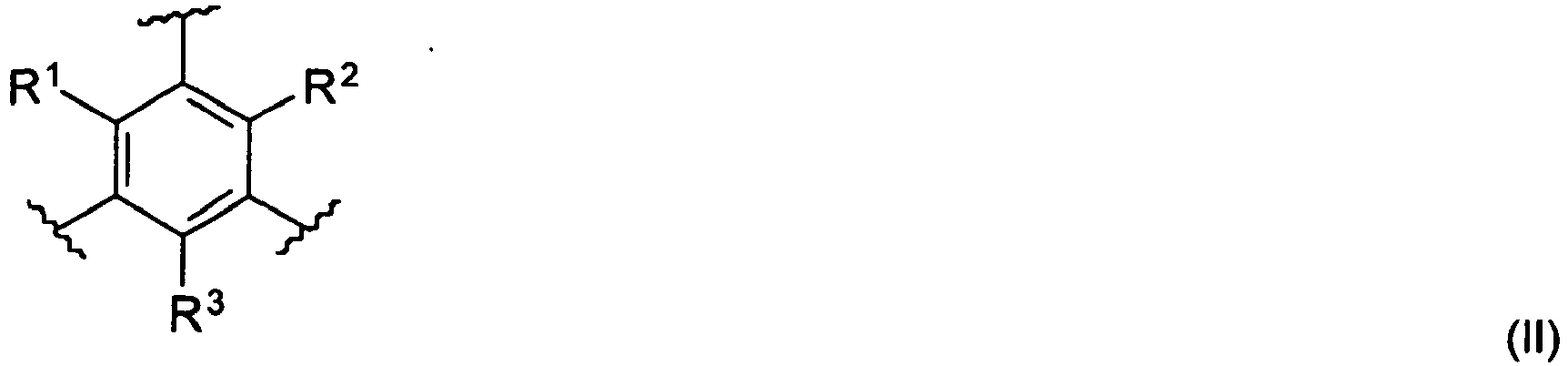
- In a particularly preferred embodiment the spacer unit is a phenyl derivative with R1, R2 and R3 being a methyl or ethyl group, the amino-naphthyridine unit is a 2-amino-1,8-naphthyridine unit with R6 is methyl and R5 is hydrogen. In another particularly preferred embodiment R1, R2, R3 are a methyl or ethyl group and R5 and R6 are a methyl group.
- Another preferred embodiment relates to compounds wherein the spacer unit is a biphenyl derivative of the general formula (III) with each R7 being independently a hydrogen or C1-C6 alkyl group, a C1-C6 alkoxy group, a hydroxyl group or a halogen. Particularly preferred, the C1-C6 alkyl group is a methyl, ethyl, propyl or butyl group, whereby each R7 may have the same meaning or may be different. In particularly preferred embodiments, each R7 is independently hydrogen, methoxy, hydroxyl or methyl group. Specific embodiments of the compounds according to the present invention are compounds wherein each R7 is independently methyl or ethyl group and R6 is methyl, R5 is hydrogen or a methyl group and the amino-naphthyridine group is a 2-amino-1,8-naphthyridine.
- In addition, in another embodiment of the present invention the spacer unit is a diphenyl alkane moiety of the general formula (IV) where the alkane X is a C1-C6 alkylene group, preferably a methylene or ethylene group. Said diphenyl alkane derivative may be substituted with substituents R8 where each R8 is independently hydrogen, C1-C6 alkyl group, C1-C6 alkoxy group, hydroxyl group or a halogen. Preferably, each R8 is independently a hydrogen, a methyl, ethyl, hydroxyl, methoxy or ethoxy group and, preferably, all R8 are identical.
- That is, another preferred embodiment relates to a compound of the general formula I wherein A is a diphenyl methane derivative of the general formula (IV) wherein R8 is methyl, R6 of the 2-amino-1,8 naphthyridine moiety is methyl and R5 is hydrogen or methyl.
- At least one amino-naphthyridine group of the general formulas (V), (VI), or (VII), in particular, of general formulas (Va), (VIa) or (VIIa) may be linked via the methylene group with the spacer molecule. That is, n is an integer of 1, 2 or 3 if the spacer moiety A is a phenyl derivative of formula (II) or n is an integer of 1, 2, 3, or 4 if A is a biphenyl derivative of general formula (III) or a diphenyl alkane derivative of general formula (IV).
- Particularly preferred embodiments are shown in
figures 1 to 5 . - As used herein, the following definitions will apply unless otherwise indicated:
- "Therapeutically effective amount" means a quantity of the compound which is effective in treating the named disorder or condition.
- The term "pharmaceutical composition" means a composition suitable for pharmaceutical use in a subject or an individual including an animal or human. A pharmaceutical composition generally comprises an effective amount of an active agent and a carrier, including e.g. a pharmaceutically acceptable carrier.
- A "prophylactic treatment" is a treatment administered to a subject or an individual who does not display signs or symptoms of a diseases, pathology, or medical disorder, or displays only early signs of symptoms of disease, pathology or disorders, such that the treatment is administered for the purpose of diminishing, preventing, or decreasing the risk of developing the disease, pathology or medical disorder.
- A "therapeutic treatment" is a treatment administered to a subject or an individual who display symptoms or signs of pathology disease, or disorder in which treatment is administered into the subject for the purpose of diminishing or eliminating those signs or symptoms of pathology, disease or disorder.
- As used herein, the term "disease", "disorder", "pathology" and "condition" relates to infectious diseases, cancer, tumors or other disease involving binding or recognition of N-acetylneuraminic acid, other sialic acids, or carbohydrates in general. In particular, the disease, disorders, pathology and conditions include but are not limited to bacterial, fungal and viral infections, such as hepatitis B virus, hepatitis C virus, Human Immunodeficiency Virus, FIV influenza, coronavirus, Flavivirus, RSV as well as several others, such as Sendai, Newcastle disease, and polyoma viruses.
- As used herein, the term "individual", "patient" or "subject" which is used herein interchangeably refers to an individual or a subject in need of the therapy or prophylaxis. The term "subject", "patient" or "individual" as used herein includes, but is not limited to an organism, a mammal including e.g. a human, a non-human primate (e.g. baboon, monkey), or non-human mammals.
- As used herein, the term "carrier" refers to a diluent, adjuvant, excipient or vehicle.
- The term "derivative" refers to compounds derived or obtained from another compound and containing essential elements of the parent substance.
- The compounds according to the present invention can also be administered in combination with further active ingredients. That is, the pharmaceutical composition according to the present invention may comprise further active ingredients.
- The amount of a compound or formula I necessary to achieve the desired biological effect depends on a number of factors the skilled person is well aware of. These factors include but not limited to the specific compounds chosen, the intended use, the mode of administration and the clinical condition of the patient. The pharmaceutical composition of the invention can be produced by one of the known pharmaceutical methods, which essentially consists of mixing the ingredients with pharmacologically acceptable carriers and/or excipient.
- The pharmaceutical composition according to the present invention containing the compounds of the general formula I are typically administered in a formulation that includes one or more pharmaceutically acceptable carriers or excipients. Such pharmaceutical compositions may be prepared in a manner known per se in the art to result in a pharmaceutical that is sufficiently storagestable and is suitable for administration to humans or animals.
- Pharmaceutical acceptable carriers or excipients means a carrier or excipient that at the dosages and concentrations employed does not cause any untoward effects in the patients to whom it is administered. Such pharmaceutically acceptable carriers and excipients are well known in the art (e.g. see Remington's Pharmaceutical Sciences, 18th Edition, A.R. Genaro Ed. Mack, Publishing Company (1990), Handbook of Pharmaceutical Excipients, 3rd Edition, A. Kibbe, Ed. Pharmaceutical Press. 2000).
- As indicated before, the term "carrier" or "excipient" refers to a carrier, diluent, adjuvant, excipient or vehicle with which the active ingredient is administered. Such pharmaceutical carriers can be sterile liquid, such as water and oils including those of petroleum, animal, vegetable or synthetic origin, such as peanut oil, soybean oil, mineral oil, sesame oil and the like. Water is a preferred carrier when the pharmaceutical composition is administered intravenously. Saline solutions and glycerol solutions can also be employed as liquid carriers, particularly for injectable solutions.
- Suitable pharmaceutical excipient include starch, gelatine, malt, rice, fluor, chalk silica gel, sodium stereate, glycerol monostereate, talc, sodium chloride, dried skim milk, glycerol, propylene, glycol, water, ethanol and the like. Pharmaceutical excipients of the sugar type are less preferred due to possible interaction with the active ingredient. The composition if desired, can also contain minor amounts of wetting or emulsifying agents, or pH buffering agents. These compositions can take the forms of solutions, suspensions, emulsion, tablets, pills, capsules, powders, sustaines release formulations and the like. The composition can be formulated as a suppository with traditional binders and carriers such as glycerides. Oral formulations can include standard carriers, such as pharmaceutical grades of starch, sodium stereate, cellulose, magnesium, carbonate etc. Again, carriers based on sugars are less preferred due to possible interaction with the active principle.
- The compounds according to the present invention may be also be a component of a pharmaceutical composition provided in a formulation suitable for parentaral administration, in particular, in subcutaneous, intravenous, intradermal or intramuscular administration.
- As noted before, the pharmaceutical composition may be adapted for intravenous administration to human beings. Typically, compositions for intravenous administrations are solutions in sterile isotonic aqueous buffer. Where necessary, the composition may also include a solubilizing agent and a local anaesthetic, such as lidocaine to ease pain at the side of injection.
- In vitro assays may optionally be employed to help identifying optimal dosage ranges, the precise dose to be employed in the formulation will also depend on the root of administration, and the seriousness of the disease or disorder, and should be decided according to the judgement of the practitioner and each patient circumstance. Effective doses may be extrapolated from dose response curves derived from in vitro animal model test systems. Preferably, the pharmaceutical composition is administered directly or in combination with an adjuvant.
- The term "administered" means administration of a therapeutically effective dose of the aforementioned pharmaceutical composition comprising the compounds according to the present invention, salts and solvates thereof as defined herein to an individual.
- The administration of the pharmaceutical composition can be done in a variety of ways as discussed above, including, but not limited to orally, subcutaneously, intravenously, intra-aterial, intranodal, intramedullary, intrathecal, intraventricular, intranasal, conjunctival, intrabronchial, transdermally, intrarectally, intraperitonally, intramusculary, intrapulmonary, vaginally, rectally, or intraocularly.
- In still another embodiment, the present invention relates to the use of a compound according to any one of
claims 1 to 12 or compounds of the general formula I including stereoisomers and salts or solvates thereof
A-(-CH2 - B)n (I)
wherein
A is - i) a phenyl derivative of the general formula (II)

- ii) a biphenyl derivative of the general formula (III)

- iii) a diphenyl alkane derivative of the general formula (IV)
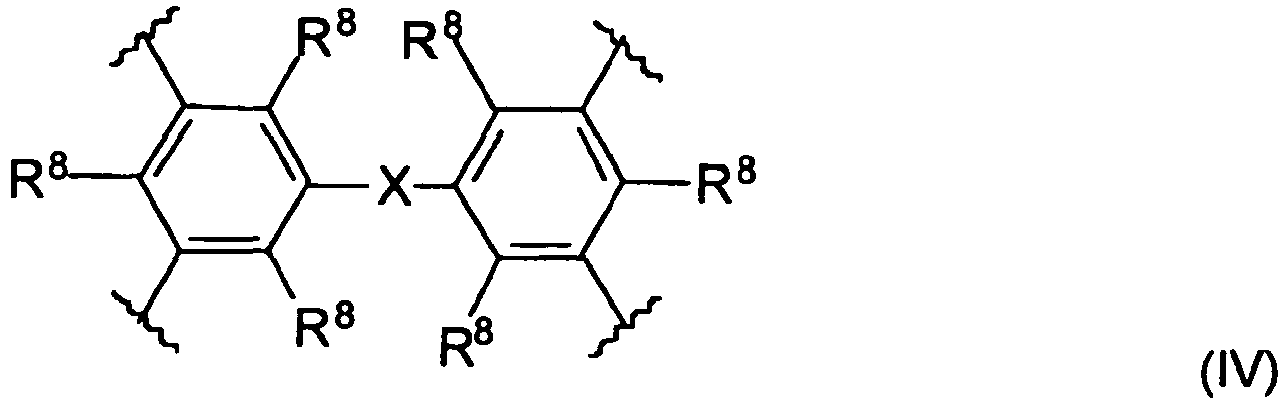
- The term "halogen" refers to a fluorine, chlorine, bromine or iodine atom.
- The term "C1-C6 alkyl" is used herein as a group or part of the group refers to a linear or branched alkyl group containing from 1 to 6 carbon atoms; examples of such groups include methyl, ethyl, propyl, isopropyl, n-butyl, isobutyl, tertbutyl, pentyl or hexyl.
- The solvates may, for example, be hydrates.
- The compounds according to the present invention are composed of a spacer unit or spacer moiety as defined above, and, when n is 1 or 2, if A is a phenyl derivative or n is 1, 2 or 3 if A is a biphenyl derivative or diphenyl-alkane derivative, the spacer moiety is optionally further substituted with any one of the following substituents:
- CH2-Y with
-
- Fig.1:
-
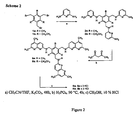
Figure 1 ,scheme 1, is a scheme showing the synthesis of 1,3,5-Tris[(7-methyl-naphthyridin-2-yl)aminomethyl]-2,4,6-trimethylbenzene (3a) and 1,3,5-Tris[(7-methyl-naphthyridin-2-yl)aminomethyl]-2,4,6-triethylbenzene (3b). - Fig.2:
-
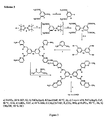
Figure 2 ,scheme 2, shows the synthesis of compounds according to the present invention wherein the naphthyridine residue is substituted with R4 and R5 are a methyl group. - Fig.3:
-
Figure 3 ,scheme 3, provides a scheme of the synthesis of compounds according to the present invention wherein A is a biphenyl group, n is 4, and the naphthyridine residue is a 2amino - Fig.4:
-
Figure 4 , shows a scheme of the synthesis of compounds according to the present invention. Therein, A is a diphenyl methane derivative, n is 4, and the naphthyridine residue is a 2amino - Fig.5:
-
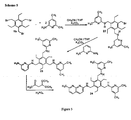
Figure 5 ,scheme 5, shows the synthesis of compounds according to the present invention wherein A is a phenyl derivative wherein R1, R2 and R3 are ethyl, n is 1. - Fig.6:
-
Figure 6 provides Examples of neutral/charge-reinforced hydrogen bonds and ion pairing found by molecular modelling studies in complexes formed between receptor 4b and(a, b, e, f) Neu5Ac or (c, d) ß-D-maltose. - The present invention is further described by reference to the following non-limiting figures and examples. The numbers indicated for the title compound refer to the numbering shown in
Figs. 1 to 5 , respectively. - 1,3,5-Tris[(6-amino-pyridin-2-yl)aminomethyl]-2,4,6-trimethylbenzene (2a): A mixture of 1,3,5-tris(bromomethyl)-2,4,6-trimethyl-benzene (0.72 g, 1.8 mmol), 2,6-diamino-pyridine (1.20 g, 11 mmol), and K2CO3 (0.79 g) in CH3CN (100 mL) was stirred at room temperature for 24 h and then heated under reflux for 2 h. After filtration of the reaction mixture and evaporation of CH3CN, the obtained powder was suspended in CHCl3. The suspension was filtrated, the chloroform solution was washed several times with water, dried, and the solvent was removed under reduced pressure. The crude product was crystallized from THF/hexane. Yield 60 %. M.p. 130-132 °C; 1H NMR (500 MHz, CDCl3): δ = 2.38 (s, 9H), 4.01 (t, 3H, J = 4.4 Hz), 4.15 (s, 6H), 4.35 (d, 6H, J = 4.4 Hz), 5.81-5.84 (m, 6H), 7.24 (d, 3H). 13C NMR (125 MHz, CDCl3): δ = 15.83, 41.65, 95.70, 96.81, 133.78, 136.84, 139.25, 157.68, 157.99. HR-MS calcd for C27H33N9: 483.2859; found: 483.2867.
- 1,3,5-Tris[(6-amino-pyridin-2-yl)aminomethyl]-2,4,6-triethylbenzene (2b): A mixture of 1,3,5-tris(bromomethyl)-2,4,6-triethyl-benzene (0.79 g, 1.8 mmol), 2,6-diamino-pyridine (1.20 g, 11 mmol), and K2CO3 (0.79 g) in CH3CN (100 mL) was stirred at room temperature for 24 h and then heated under reflux for 2 h. After filtration of the reaction mixture and evaporation of CH3CN, the obtained powder was suspended in CHCl3. The suspension was filtrated, the chloroform solution was washed several times with water, dried, and the solvent was removed under reduced pressure. The crude product was crystallized from THF/hexane. Yield 40%. M.p. 164-165 °C; 1H NMR (500 MHz, CDCl3): δ = 1.22 (t, 9H, J = 7.5 Hz), 2.75 (q, 6H, J = 7.5 Hz), 4.05 (t, 3H, J = 4.2 Hz), 4.20 (s, 6H), 4.35 (d, 6H, J = 4.2 Hz), 5.83-5.86 (m, 6H), 7.24 (m, 3H); 13C NMR (125 MHz, CDCl3): δ = 16.9, 23.0, 40.6, 95.9, 96.9, 133.3, 139.4, 143.8, 157.8, 157.9; HR-MS calcd for C30H39N9: 525.3328; found: 525.3322. Rf= 0.21 (CHCl3/CH3OH 7:1 vlv).
- 1,3,5-Tris[(7-methyl-naphthyridin-2-yl)aminomethyl]-2,4,6-trimethylbenzene (3a): 1,3,5-Tris[(6-amino-pyridin-2-yl)aminomethyl]-2,4,6-trimethylbenzene (2a) (2.0 g, 4.1 mmol), 4,4-dimethoxy-2-butanone (12.3 mmol), and H3PO4 (50 mL) were held at 90° for 4 h and then stirred at room temperature for 2 h. The reaction mixture was poured into water (200 mL), neutralized, and extracted several times with chloroform. The collected organic layers were dried over MgSO4 and the solvent was removed under reduced pressure. The crude product was purified several times by column chromatography (silica gel, CHCl3/ CH3OH, 7:1 to 2:1 v/v). Yield 30 %. M.p. 207-208 °C. 1H-NMR (400 MHz, CDCl3): δ = 2.34 (s, 9H), 2.61 (s, 9H), 4.71 (d, 6H, 3H, J = 3.0 Hz), 5.12 (t, 3H, J = 3.0 Hz), 6.60 (d, 3H, J = 8.8 Hz), 6.98 (d, 3H, J = 8.0 Hz), 7.65 (d, 3H, J = 8.8 Hz), 7.74 (d, 3H, J = 8.0 Hz). 13C NMR (100 MHz, CDCl3): δ = 15.9, 25.0, 41.1, 112.4, 114.9, 115.9, 133.3, 136.0, 136.5, 137.2, 156.5, 158.7, 161.3. HR-MS calcd for C39H38N9: 632.3250; found: 632.3256. Rf = 0.80 (CHCl3/CH3OH 2:1 vlv).
- 1,3,5-Tris[(7-methyl-naphthyridin-2-yl)aminomethyl]-2,4,6-triethylbenzene (3b): 1,3,5-Tris[(6-amino-pyridin-2-yl)aminomethyl]-2,4,6-triethylbenzene (2b) (4.7 g, 8.9 mmol), 4,4-dimethoxy-2-butanone (26.3 mmol), and H3PO4 (50 mL) were held at 90° for 4 h and then stirred at room temperature for 2 h. The reaction mixture was poured into water (300 mL), neutralized, and extracted several times with chloroform. The collected organic layers were dried over MgSO4 and the solvent was removed under reduced pressure. The crude product was purified several times by column chromatography (silica gel, CHCl3/ CH3OH, 7:1 to 2:1 v/v).
Yield 23%. M.p. 207-208 °C. 1H-NMR (400 MHz, CDCl3): δ = 1.23 (t, 9H, J = 7.5 Hz), 2.69 (s, 9H), 2.82 (q, 6H, J = 7.5 Hz), 4.74 (br s, 3H), 4.82 (d, 3H, J = 3.0 Hz), 6.58 (d, 3H, J = 8.6 Hz), 7.04 (d, 3H, J = 8.1 Hz), 7.72 (d, 3H, J = 8.6 Hz), 7.79 (d, 3H, J = 8.1 Hz). 13C NMR (100 MHz, CDCl3): δ =16.9, 23.1, 25.3, 40.6, 112.1, 115.2, 118.3, 132.9, 136.2, 136.9, 144.5, 156.7, 158.4, 161.3. HR-MS calcd for C42H44N9: 674.3719; found: 674.3714. Rf = 0.89 (CHCl3/CH3OH 2:1 vlv). - Trihydrochloride 4b: Compound 3b (0.1 g, 0.148 mmol) was dissolved in MeOH (3 mL), and HCl (1 mL, 10 %) was added. The resulting solution was stirred at room temperature for 30 min and evaporated in vacuo. This procedure was repeated twice to obtain the trihydrochloride 3b. M.p. 237-238 °C. 1H NMR (400 MHz, DMSO-d6): δ = 1.16 (t, 9H, J = 9.9 Hz), 2.78-2.82 (s + q, 9H + 6H), 4.80 (d, 3H, J = 3.5 Hz), 7.33 (d, 3H, J = 12.1 Hz), 7.48 (d, 3H, J = 10.6 Hz), 8.15 (d, 3H, J = 12.1 Hz), 8.61 (d, 3H, J = 10.6 Hz), 9.08 (br s, 3H), 15.29 (br s, 3H). 13C NMR (100 MHz, DMSO-d6): δ = 15.9, 19.5, 22.8, 39.5, 116.1, 116.8, 117.8, 130.7, 136.2, 143.7, 149.5, 154.8. 159.5. ESI-MS: m/z = 676 [M-2H+]+, 338.6 [M-H+]2+, 226.1 [M]3+ (C42H48N9 3+).
-
Compound 22. To a mixture of 1,3,5-tris(bromomethyl)-2,4,6-trimethyl-benzene (1b) (3.00 g, 6.80 mmol) and K2CO3 (1.88 g, 13.60 mmol) in CH3CN/THF (1:1 v/v; 40 mL) was added dropwise a CH3CN (10 mL) solution of 2-amino-4,6-dimethyl-pyridine (1.66 g, 13.60 mmol).The mixture was stirred at room temperature for 72 h. After filtration and evaporation of solvents, the crude product was purified by column chromatography (ethyl acetate/toluene, 1:3 v/v). Yield 30 %. M.p. 77-78 °C. 1H-NMR (400 MHz, CDCl3) δ = 1.22 (t, 3H, J = 7.5 Hz), 1.29 (t, 6H, J = 7.5 Hz), 2.24 (s, 6H), 2.36 (s, 6 H), 2.73 (q, 2H, J = 7.5 Hz), 2.85 (q, 4H, J = 7.5 Hz), 4.23 (t, 2H, J = 4.2 Hz), 4.37 (d, 4H, J = 4.2 Hz), 4.62 (s, 2 H), 6.10 (s, 2 H), 6.35 (s, 2 H). 13C-NMR (100 MHz, CDCl3) δ = 16.4, 16.7, 21.1, 22.8, 23.0, 24.1, 29.6, 40.5, 103.6, 113.9, 131.9, 133.4, 143.8, 144.9, 148.9, 156.5, 158.0. HR-MS calcd for C29H39BrN4 5232.2353; found: 522.2360. Rf = 0.31 (ethyl acetate/toluene, 1:3 v/v). -
Compound 23. To a mixture of 2,6-diaminopyridine (0.50 g, 4.58 mmol) and K2CO3 (0.21 g, 1.53 mmol) in CH3CN (10 mL) was added a CH3CN/THF (1:1 v/v; 20 mL) solution of compound 22 (0.9 g, 1.53 mmol). The mixture was heated to reflux for 12 h and stirred at room temperature for additional 24 h. After filtration and evaporation of solvents the crude product was taken up in CHCl3 (20 mL) and washed several times with water. The organic phase was dried over MgSO4 and the solvent was evaporated. The crude product was purified by column chromatography (toluene /ethyl acetate 1:3 (v:v) containing 2 % triethylamine). Yield 62 %. M.p. 78-79 °C. 1H-NMR (400 MHz, CDCl3) δ = 1.23 (t, 3 J = 7.5 Hz, 9 H), 2.23 (s, 6 H), 2.35 (s, 6 H), 2.74 (q, 3 J = 7.5 Hz, 6 H), 4.01 (br. s, 1 H), 4.13 (br. s, 2 H), 4.18 (br. s, 2 H), 4.35 (d, 3 J = 4.3 Hz, 2 H), 4.37 (d, 3 J = 4.3 Hz, 4 H), 5.83 (d, 3 J = 6.0 Hz, 1 H), 5.85 (d, 3 J = 5.7 Hz, 1 H), 6.11 (s, 2 H), 6.34 (s, 2 H), 7.25 (t, 3 J = 7.8 Hz, 1 H). 13C-NMR (100 MHz, CDCl3) δ = 16.85, 21.09, 22.88, 24.21, 40.47, 40.63, 95.89, 96.67, 103.46, 113.90, 133.18, 143.53, 143.58, 139.18, 148.72, 156.76, 157.71, 157.85, 158.24. HR-MS calcd for C34H45N7 551.3736; found: 551.3742. R f = 0.3 (chloroform/methanol, 7:1 v/v) -
Compound 24. Compound 23 (100 mg, 0.18 mmol), 4,4-dimethoxybutanone (0.016 mL, 0.36 mmol) and H3PO4 (5 mL) were held at 90°C for 2.5 h and then stirred at room temperature for 2 h. The reaction mixture was poured into water (10 mL), neutralized nad extracted several times with chloroform. The collected organic layers were dried over MgSO4 and the solvent was removed under reduced pressure. The crude product was purified several times by column chromatography (chloroform/methanole 20:1 v/v). Yield 16.5 %. 1H-NMR (400 MHz, CDCl3) = 1.23 (m, 9H), 2.23 (s, 6H), 2.34 (s, 6H), 2.72 (s, 3H), 2.80 (m, 6H), 4.26 (s, 2H), 4.37 (d, J = 4.1 Hz, 4H), 4.62 (s, 1H), 4.79 (d, J = 3.8 Hz, 2H), 6.11 (s, 2H), 6.35 (s, 2H), 6.60 (d, J = 8.7 Hz, 1 H) 7.05 (d, J = 8.0 Hz, 1 H), 7.72 (d, J = 8.7 Hz, 1 H), 7.80 (d, J = 8.0 Hz, 1 H).


and n is an integer of 1, 2, or 3 if A is a phenyl derivative of formula (II) or n is 1, 2, 3, or 4 if A is (III) or (IV).
B is independently an amino-naphthyridine group of the general formula (V), (VI), or (VII)


and n is an integer of 1, 2, or 3 if A is a phenyl derivative of formula (II) or n is 1, 2, 3, or 4 if A is (III) or (IV) and wherein when n is 1 or 2, if A is a phenyl derivative or when n is 1, 2 or 3, if A is a biphenyl derivative or diphenyl-alkane derivative, the spacer moiety is further substituted with any one of the following substituents: -CH2-Y wherein Y is

Claims (14)
- Compounds of the general formula (I) including stereoisomers and salts or solvates thereof
A-(-CH2 - B)n (I)
wherein
A is a spacer moiety selected fromi) a phenyl derivative of the general formula (II)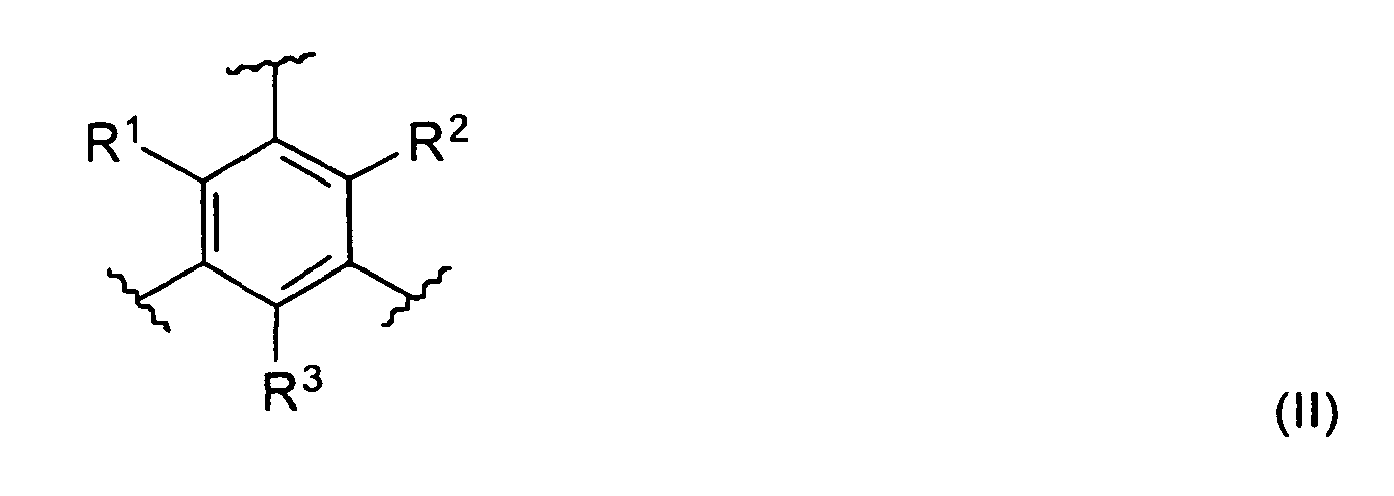 ii) a biphenyl derivative of the general formula (III)
 iii) a diphenyl alkane derivative of the general formula (IV)X is a C1-C6 alkylen group, in particular, a methylen group;
B is independently an amino-naphthyridine group of the general formula (V), (VI), or (VII)


hydroxyl group C1-C6 alkoxy group, halogen or NR10R11 with R10 and R11 being independently hydrogen, or a C1-C6 alkyl group, and m is an integer of 2 to 5,
and n is an integer of 1, 2, or 3 if A is a phenyl derivative of formula (II) or n is 1, 2, 3, or 4 if A is (III) or (IV), and wherein when n is 1 or 2, if A is a phenyl derivative or when n is 1, 2 or 3, if A is a biphenyl derivative or diphenyl-alkane derivative, the spacer moiety is further substituted with any one of the following substituents:-CH2-Y wherein Y is, or hydrogen, C1-C6 alkyl group, C1-C6 alkoxy group, hydroxyl group or a halogen, preferably hydrogen, methyl, ethyl, propyl or hydroxyl group.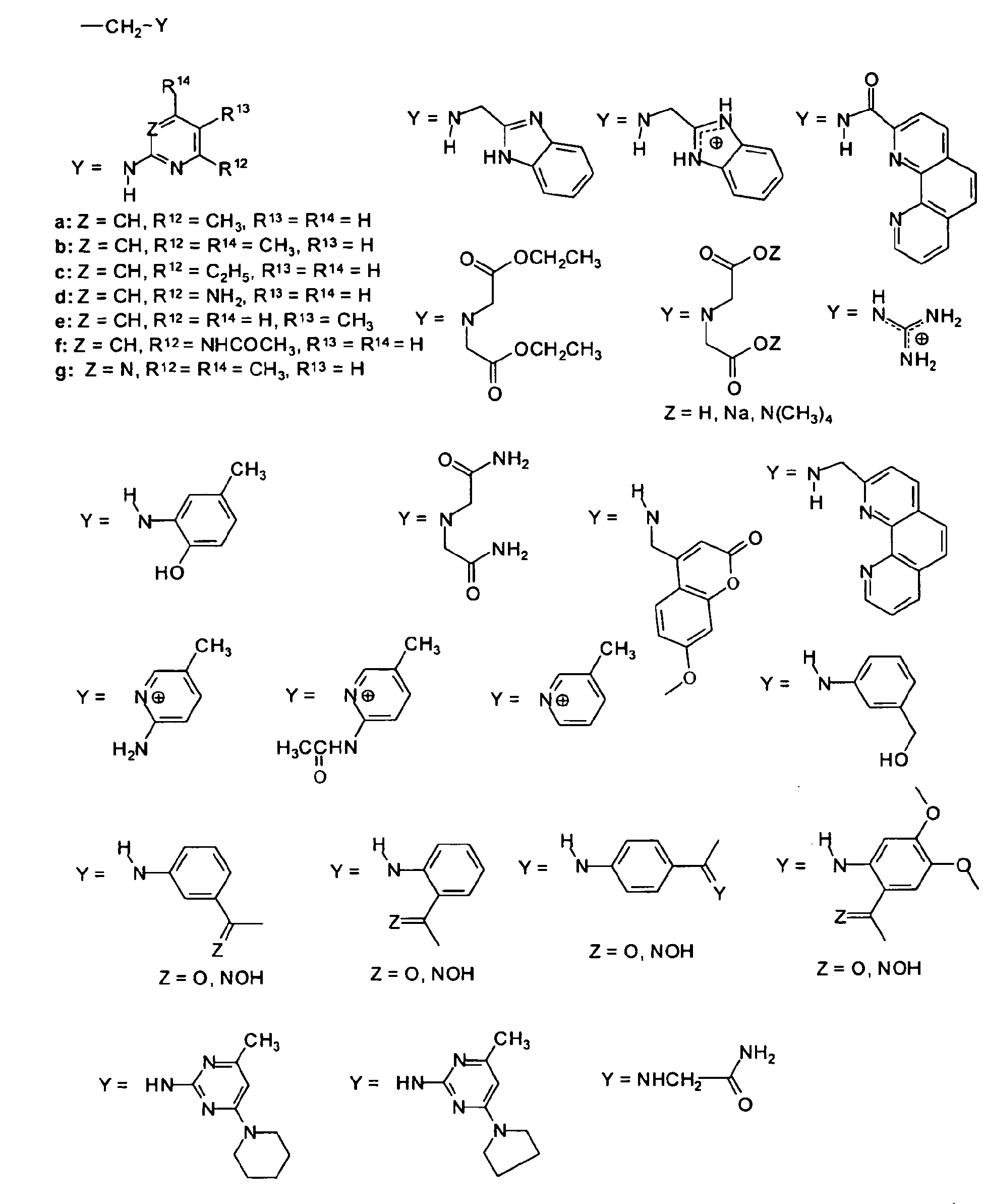
- A compound according to claim 1, wherein
B is an amino-naphthyridine group of the general formula (Va), (VIa), or (VIIa)


- A compound according to claim 1 or 2, wherein A is a phenyl derivative of the general formula II and each R1, R2 and R3 are independently an alkyl group selected from the group of methyl, ethyl, propyl or butyl.
- A compound according to claim 3, wherein each R1, R2 and R3 are a methyl or ethyl group.
- A compound according to claim 1 or 2, wherein A is the biphenyl derivative of the general formula III and each R7 are independently hydrogen, methyl, ethyl, propyl, methoxy or ethoxy groups.
- A compound according to claim 1 or 2, wherein A is a diphenyl alkane derivative of the general formula IV and each R8 is independently hydrogen, methyl, ethyl, propyl, hydroxyl, methoxy or ethoxy groups, in particular, methyl groups.
- A compound according to any one of claims 1,3 to 6, wherein each R4 is independently hydrogen, or a methyl, ethyl, propyl, isopropyl or butyl group.
- A compound according to any one of claims 1 to 6, wherein R5 or R6 being independently hydrogen or methyl, ethyl, propyl, isopropyl or butyl group.
- A compound according to claim 8, wherein R6 is methyl and R5 is hydrogen or methyl.
- A compound according to any one of the preceding claims, wherein A is a phenyl derivative of the general formula II and n is 3.
- A compound according to claim 1 wherein A is a biphenyl derivative of the general formula III or a diphenyl alkane derivative of the general formula IV wherein n is 4.
- A compound according to any one of the preceding claims which is a halogen salt.
- Pharmaceutical composition comprising a compound according to any one of claims 1 to 12 and, optionally, a pharmaceutically acceptable carrier or excipient.
- A compound according to any one of claims 1 to 12 or compounds of the general formula I including stereoisomers and salts or solvates thereof
A-(-CH2 - B)n (I)
wherein
A isi) a phenyl derivative of the general formula (II) ii) a biphenyl derivative of the general formula (III)
 iii) a diphenyl alkane derivative of the general formula (IV)X is a C1-C6 alkylen group, in particular, a methylen group;
B is independently an amino-naphthyridine group of the general formula (V), (VI), or (VII)


R11 being independently hydrogen, or a C1-C6 alkyl group, and m is an integer of 2 to 5,
and n is an integer of 1, 2, or 3 if A is a phenyl derivative of formula (II) or n is 1, 2, 3, or 4 if A is (III) or (IV) and wherein when n is 1 or 2, if A is a phenyl derivative or when n is 1, 2 or 3, if A is a biphenyl derivative or diphenyl-alkane derivative, the spacer moiety is further substituted with any one of the following substituents:- CH2-Y wherein Y is, or hydrogen, C1-C6 alkyl group, C1-C6 alkoxy group, hydroxyl group or a halogen, preferably hydrogen, methyl, ethyl, propyl or hydroxyl group, for use in preventing or treating infection or cancer.
Priority Applications (1)
| Application Number | Priority Date | Filing Date | Title |
|---|---|---|---|
| EP08716612A EP2139889B1 (en) | 2007-03-19 | 2008-03-18 | Amino-naphthyridine derivatives |
Applications Claiming Priority (3)
| Application Number | Priority Date | Filing Date | Title |
|---|---|---|---|
| EP07005561A EP1972627A1 (en) | 2007-03-19 | 2007-03-19 | Amino-napthyridine derivatives |
| PCT/EP2008/002160 WO2008113558A1 (en) | 2007-03-19 | 2008-03-18 | Amino-naphthyridine derivatives |
| EP08716612A EP2139889B1 (en) | 2007-03-19 | 2008-03-18 | Amino-naphthyridine derivatives |
Publications (2)
| Publication Number | Publication Date |
|---|---|
| EP2139889A1 EP2139889A1 (en) | 2010-01-06 |
| EP2139889B1 true EP2139889B1 (en) | 2012-12-19 |
Family
ID=38432923
Family Applications (2)
| Application Number | Title | Priority Date | Filing Date |
|---|---|---|---|
| EP07005561A Withdrawn EP1972627A1 (en) | 2007-03-19 | 2007-03-19 | Amino-napthyridine derivatives |
| EP08716612A Not-in-force EP2139889B1 (en) | 2007-03-19 | 2008-03-18 | Amino-naphthyridine derivatives |
Family Applications Before (1)
| Application Number | Title | Priority Date | Filing Date |
|---|---|---|---|
| EP07005561A Withdrawn EP1972627A1 (en) | 2007-03-19 | 2007-03-19 | Amino-napthyridine derivatives |
Country Status (2)
| Country | Link |
|---|---|
| EP (2) | EP1972627A1 (en) |
| WO (1) | WO2008113558A1 (en) |
Families Citing this family (9)
| Publication number | Priority date | Publication date | Assignee | Title |
|---|---|---|---|---|
| GB0519169D0 (en) * | 2005-09-21 | 2005-10-26 | Leuven K U Res & Dev | Novel anti-viral strategy |
| WO2021257857A1 (en) | 2020-06-19 | 2021-12-23 | Incyte Corporation | Naphthyridinone compounds as jak2 v617f inhibitors |
| WO2021257863A1 (en) | 2020-06-19 | 2021-12-23 | Incyte Corporation | Pyrrolotriazine compounds as jak2 v617f inhibitors |
| IL299612A (en) | 2020-07-02 | 2023-03-01 | Incyte Corp | Tricyclic urea compounds as jak2 v617f inhibitors |
| US11767323B2 (en) | 2020-07-02 | 2023-09-26 | Incyte Corporation | Tricyclic pyridone compounds as JAK2 V617F inhibitors |
| US11661422B2 (en) | 2020-08-27 | 2023-05-30 | Incyte Corporation | Tricyclic urea compounds as JAK2 V617F inhibitors |
| US11919908B2 (en) | 2020-12-21 | 2024-03-05 | Incyte Corporation | Substituted pyrrolo[2,3-d]pyrimidine compounds as JAK2 V617F inhibitors |
| CA3211748A1 (en) | 2021-02-25 | 2022-09-01 | Incyte Corporation | Spirocyclic lactams as jak2 v617f inhibitors |
| IL315647A (en) | 2022-03-17 | 2024-11-01 | Incyte Corp | Tricyclic urea compounds as jak2 v617f inhibitors |
Family Cites Families (5)
| Publication number | Priority date | Publication date | Assignee | Title |
|---|---|---|---|---|
| DE60001218D1 (en) * | 1999-02-22 | 2003-02-20 | Shire Biochem Inc | [1,8] -NAPHTHYRIDINE DERIVATIVES DERIVATIVES WITH ANTIVIRAL EFFECT |
| NZ521523A (en) * | 2000-03-21 | 2004-05-28 | Upjohn Co | 4-hydroxy-1,8-naphthyridine-3-carboxamides as antiviral agents |
| JP2004517860A (en) * | 2000-10-12 | 2004-06-17 | メルク エンド カムパニー インコーポレーテッド | Aza- and polyaza-naphthalenylcarboxamides useful as HIV integrase inhibitors |
| US7919623B2 (en) * | 2004-02-04 | 2011-04-05 | Shionogi & Co., Ltd. | Naphthyridine derivatives having inhibitory activity against HIV integrase |
| EP1917245A1 (en) * | 2005-08-21 | 2008-05-07 | Abbott GmbH & Co. KG | Heterocyclic compounds and their use as binding partners for 5-ht5 receptors |
-
2007
- 2007-03-19 EP EP07005561A patent/EP1972627A1/en not_active Withdrawn
-
2008
- 2008-03-18 EP EP08716612A patent/EP2139889B1/en not_active Not-in-force
- 2008-03-18 WO PCT/EP2008/002160 patent/WO2008113558A1/en not_active Ceased
Also Published As
| Publication number | Publication date |
|---|---|
| WO2008113558A1 (en) | 2008-09-25 |
| EP2139889A1 (en) | 2010-01-06 |
| EP1972627A1 (en) | 2008-09-24 |
Similar Documents
| Publication | Publication Date | Title |
|---|---|---|
| EP1972627A1 (en) | Amino-napthyridine derivatives | |
| CN111315747B (en) | Dihydropyrazolopyrimidine compounds and their preparation methods and uses | |
| AU2013296627C9 (en) | Deuterated ibrutinib | |
| EP2877468B1 (en) | Compounds and methods for treating hiv | |
| KR20160079147A (en) | 2-oxo-1,2-dihydro-quinoline modulators of immune function | |
| PL181895B1 (en) | New pyrazolo- and pyrrolopyridines _ _ _ _ _ _ _ _ _ _ _ _ _ _ _ _ _ _ _ _ _ _ _ _ _ _ _ _ _ _ _ _ _ _ _ _ _ _ _ EN EN EN EN | |
| EA034650B1 (en) | Acylaminopyrimidine derivatives for the treatment of viral infections and further diseases | |
| EP2139463B1 (en) | Anti-infective agents | |
| US11358944B2 (en) | Anxiolytic deuterated compound and medical use thereof | |
| US8513420B2 (en) | Amino-naphthyridine derivatives | |
| JP7706475B2 (en) | Combinations Containing Tricyclic Compounds and Their Use in the Manufacture of Medicaments for the Treatment of HBV | |
| WO2018084321A1 (en) | Novel compound useful for both egfr inhibition and tumor therapy | |
| JPH07500115A (en) | Heterocyclic compounds to enhance antitumor activity | |
| EP4482579B1 (en) | Compounds and compositions for treating conditions associated with lpa receptor activity | |
| JP2023538638A (en) | Pyrazole boronic acid compounds, pharmaceutical compositions containing the same, and uses thereof | |
| WO2018211324A1 (en) | Prodrugs for the treatment of disease | |
| JPS5931738A (en) | Glycerol derivative, preparation thereof and drug containing said derivative | |
| RU2075477C1 (en) | 1-[[2-(dilower alkylamino)alkyl]amino]-4-substituted thioxanthene-9-ones and pharmaceutical composition showing antitumor activity | |
| CN111233820B (en) | Fingolimod derivative containing crown ether and di (2-methoxyethoxy) structure | |
| CN116120327B (en) | 13,14-symmetrical disubstituted derivatives of β-elemene and preparation method and application thereof | |
| JPH01221364A (en) | HIV reverse transcriptase inhibitor and antitumor agent | |
| CN110857298B (en) | Heteroaryltetrahydropyridine compounds, pharmaceutical compositions containing the same, preparation methods and uses thereof | |
| US20250135006A1 (en) | Amphiphilic tlr7/8 adjuvants and uses thereof | |
| CN120923507A (en) | Quinazolinone macrocyclic compound, and preparation method and application thereof | |
| WO2024233280A1 (en) | Heterobifunctional small molecules that deubiquitinylate and stabilize target proteins by recruiting usp7 |
Legal Events
| Date | Code | Title | Description |
|---|---|---|---|
| PUAI | Public reference made under article 153(3) epc to a published international application that has entered the european phase |
Free format text: ORIGINAL CODE: 0009012 |
|
| 17P | Request for examination filed |
Effective date: 20091019 |
|
| AK | Designated contracting states |
Kind code of ref document: A1 Designated state(s): AT BE BG CH CY CZ DE DK EE ES FI FR GB GR HR HU IE IS IT LI LT LU LV MC MT NL NO PL PT RO SE SI SK TR |
|
| DAX | Request for extension of the european patent (deleted) | ||
| 17Q | First examination report despatched |
Effective date: 20101112 |
|
| GRAP | Despatch of communication of intention to grant a patent |
Free format text: ORIGINAL CODE: EPIDOSNIGR1 |
|
| GRAS | Grant fee paid |
Free format text: ORIGINAL CODE: EPIDOSNIGR3 |
|
| GRAA | (expected) grant |
Free format text: ORIGINAL CODE: 0009210 |
|
| AK | Designated contracting states |
Kind code of ref document: B1 Designated state(s): AT BE BG CH CY CZ DE DK EE ES FI FR GB GR HR HU IE IS IT LI LT LU LV MC MT NL NO PL PT RO SE SI SK TR |
|
| REG | Reference to a national code |
Ref country code: GB Ref legal event code: FG4D |
|
| REG | Reference to a national code |
Ref country code: CH Ref legal event code: EP |
|
| REG | Reference to a national code |
Ref country code: AT Ref legal event code: REF Ref document number: 589361 Country of ref document: AT Kind code of ref document: T Effective date: 20130115 |
|
| REG | Reference to a national code |
Ref country code: DE Ref legal event code: R096 Ref document number: 602008020948 Country of ref document: DE Effective date: 20130221 |
|
| REG | Reference to a national code |
Ref country code: DE Ref legal event code: R082 Ref document number: 602008020948 Country of ref document: DE Representative=s name: GRAMM, LINS & PARTNER GBR, DE |
|
| RAP2 | Party data changed (patent owner data changed or rights of a patent transferred) |
Owner name: TECHNISCHE UNIVERSITAET BRAUNSCHWEIG CAROLO-WILHEL |
|
| REG | Reference to a national code |
Ref country code: CH Ref legal event code: PUE Owner name: MONIKA MAZIK, DE Free format text: FORMER OWNER: TECHNISCHE UNIVERSITAET CAROLO-WILHELMINA ZU BRAUNSCHWEIG, DE Ref country code: CH Ref legal event code: NV Representative=s name: BRAUNPAT BRAUN EDER AG, CH |
|
| RAP2 | Party data changed (patent owner data changed or rights of a patent transferred) |
Owner name: TECHNISCHE UNIVERSITAET BRAUNSCHWEIG |
|
| PG25 | Lapsed in a contracting state [announced via postgrant information from national office to epo] |
Ref country code: FI Free format text: LAPSE BECAUSE OF FAILURE TO SUBMIT A TRANSLATION OF THE DESCRIPTION OR TO PAY THE FEE WITHIN THE PRESCRIBED TIME-LIMIT Effective date: 20121219 Ref country code: NO Free format text: LAPSE BECAUSE OF FAILURE TO SUBMIT A TRANSLATION OF THE DESCRIPTION OR TO PAY THE FEE WITHIN THE PRESCRIBED TIME-LIMIT Effective date: 20130319 Ref country code: LT Free format text: LAPSE BECAUSE OF FAILURE TO SUBMIT A TRANSLATION OF THE DESCRIPTION OR TO PAY THE FEE WITHIN THE PRESCRIBED TIME-LIMIT Effective date: 20121219 Ref country code: ES Free format text: LAPSE BECAUSE OF FAILURE TO SUBMIT A TRANSLATION OF THE DESCRIPTION OR TO PAY THE FEE WITHIN THE PRESCRIBED TIME-LIMIT Effective date: 20130330 Ref country code: SE Free format text: LAPSE BECAUSE OF FAILURE TO SUBMIT A TRANSLATION OF THE DESCRIPTION OR TO PAY THE FEE WITHIN THE PRESCRIBED TIME-LIMIT Effective date: 20121219 |
|
| REG | Reference to a national code |
Ref country code: DE Ref legal event code: R081 Ref document number: 602008020948 Country of ref document: DE Owner name: TECHNISCHE UNIVERSITAET BRAUNSCHWEIG, DE Free format text: FORMER OWNER: TECHNISCHE UNIVERSITAET CAROLO-WILHELMINA ZU BRAUNSCHWEIG, 38106 BRAUNSCHWEIG, DE Effective date: 20130320 Ref country code: DE Ref legal event code: R082 Ref document number: 602008020948 Country of ref document: DE Representative=s name: GRAMM, LINS & PARTNER GBR, DE Effective date: 20130320 Ref country code: DE Ref legal event code: R082 Ref document number: 602008020948 Country of ref document: DE Representative=s name: GRAMM, LINS & PARTNER PATENT- UND RECHTSANWAEL, DE Effective date: 20130320 Ref country code: DE Ref legal event code: R081 Ref document number: 602008020948 Country of ref document: DE Owner name: TECHNISCHE UNIVERSITAET BERGAKADEMIE FREIBERG, DE Free format text: FORMER OWNER: TECHNISCHE UNIVERSITAET CAROLO-WILHELMINA ZU BRAUNSCHWEIG, 38106 BRAUNSCHWEIG, DE Effective date: 20130320 |
|
| REG | Reference to a national code |
Ref country code: NL Ref legal event code: VDEP Effective date: 20121219 Ref country code: AT Ref legal event code: MK05 Ref document number: 589361 Country of ref document: AT Kind code of ref document: T Effective date: 20121219 |
|
| REG | Reference to a national code |
Ref country code: LT Ref legal event code: MG4D |
|
| PG25 | Lapsed in a contracting state [announced via postgrant information from national office to epo] |
Ref country code: LV Free format text: LAPSE BECAUSE OF FAILURE TO SUBMIT A TRANSLATION OF THE DESCRIPTION OR TO PAY THE FEE WITHIN THE PRESCRIBED TIME-LIMIT Effective date: 20121219 Ref country code: SI Free format text: LAPSE BECAUSE OF FAILURE TO SUBMIT A TRANSLATION OF THE DESCRIPTION OR TO PAY THE FEE WITHIN THE PRESCRIBED TIME-LIMIT Effective date: 20121219 Ref country code: GR Free format text: LAPSE BECAUSE OF FAILURE TO SUBMIT A TRANSLATION OF THE DESCRIPTION OR TO PAY THE FEE WITHIN THE PRESCRIBED TIME-LIMIT Effective date: 20130320 |
|
| REG | Reference to a national code |
Ref country code: GB Ref legal event code: 732E Free format text: REGISTERED BETWEEN 20130516 AND 20130522 |
|
| REG | Reference to a national code |
Ref country code: FR Ref legal event code: CD Owner name: TECHNISCHE UNIVERSITAT BRAUNSCHWEIG, DE Effective date: 20130530 |
|
| PG25 | Lapsed in a contracting state [announced via postgrant information from national office to epo] |
Ref country code: SK Free format text: LAPSE BECAUSE OF FAILURE TO SUBMIT A TRANSLATION OF THE DESCRIPTION OR TO PAY THE FEE WITHIN THE PRESCRIBED TIME-LIMIT Effective date: 20121219 Ref country code: EE Free format text: LAPSE BECAUSE OF FAILURE TO SUBMIT A TRANSLATION OF THE DESCRIPTION OR TO PAY THE FEE WITHIN THE PRESCRIBED TIME-LIMIT Effective date: 20121219 Ref country code: BE Free format text: LAPSE BECAUSE OF FAILURE TO SUBMIT A TRANSLATION OF THE DESCRIPTION OR TO PAY THE FEE WITHIN THE PRESCRIBED TIME-LIMIT Effective date: 20121219 Ref country code: AT Free format text: LAPSE BECAUSE OF FAILURE TO SUBMIT A TRANSLATION OF THE DESCRIPTION OR TO PAY THE FEE WITHIN THE PRESCRIBED TIME-LIMIT Effective date: 20121219 Ref country code: CZ Free format text: LAPSE BECAUSE OF FAILURE TO SUBMIT A TRANSLATION OF THE DESCRIPTION OR TO PAY THE FEE WITHIN THE PRESCRIBED TIME-LIMIT Effective date: 20121219 Ref country code: BG Free format text: LAPSE BECAUSE OF FAILURE TO SUBMIT A TRANSLATION OF THE DESCRIPTION OR TO PAY THE FEE WITHIN THE PRESCRIBED TIME-LIMIT Effective date: 20130319 Ref country code: IS Free format text: LAPSE BECAUSE OF FAILURE TO SUBMIT A TRANSLATION OF THE DESCRIPTION OR TO PAY THE FEE WITHIN THE PRESCRIBED TIME-LIMIT Effective date: 20130419 |
|
| PG25 | Lapsed in a contracting state [announced via postgrant information from national office to epo] |
Ref country code: RO Free format text: LAPSE BECAUSE OF FAILURE TO SUBMIT A TRANSLATION OF THE DESCRIPTION OR TO PAY THE FEE WITHIN THE PRESCRIBED TIME-LIMIT Effective date: 20121219 Ref country code: NL Free format text: LAPSE BECAUSE OF FAILURE TO SUBMIT A TRANSLATION OF THE DESCRIPTION OR TO PAY THE FEE WITHIN THE PRESCRIBED TIME-LIMIT Effective date: 20121219 Ref country code: PT Free format text: LAPSE BECAUSE OF FAILURE TO SUBMIT A TRANSLATION OF THE DESCRIPTION OR TO PAY THE FEE WITHIN THE PRESCRIBED TIME-LIMIT Effective date: 20130419 Ref country code: PL Free format text: LAPSE BECAUSE OF FAILURE TO SUBMIT A TRANSLATION OF THE DESCRIPTION OR TO PAY THE FEE WITHIN THE PRESCRIBED TIME-LIMIT Effective date: 20121219 |
|
| PLBE | No opposition filed within time limit |
Free format text: ORIGINAL CODE: 0009261 |
|
| STAA | Information on the status of an ep patent application or granted ep patent |
Free format text: STATUS: NO OPPOSITION FILED WITHIN TIME LIMIT |
|
| PG25 | Lapsed in a contracting state [announced via postgrant information from national office to epo] |
Ref country code: MC Free format text: LAPSE BECAUSE OF NON-PAYMENT OF DUE FEES Effective date: 20130331 Ref country code: DK Free format text: LAPSE BECAUSE OF FAILURE TO SUBMIT A TRANSLATION OF THE DESCRIPTION OR TO PAY THE FEE WITHIN THE PRESCRIBED TIME-LIMIT Effective date: 20121219 |
|
| 26N | No opposition filed |
Effective date: 20130920 |
|
| PG25 | Lapsed in a contracting state [announced via postgrant information from national office to epo] |
Ref country code: CY Free format text: LAPSE BECAUSE OF FAILURE TO SUBMIT A TRANSLATION OF THE DESCRIPTION OR TO PAY THE FEE WITHIN THE PRESCRIBED TIME-LIMIT Effective date: 20121219 Ref country code: HR Free format text: LAPSE BECAUSE OF FAILURE TO SUBMIT A TRANSLATION OF THE DESCRIPTION OR TO PAY THE FEE WITHIN THE PRESCRIBED TIME-LIMIT Effective date: 20121219 |
|
| PG25 | Lapsed in a contracting state [announced via postgrant information from national office to epo] |
Ref country code: IT Free format text: LAPSE BECAUSE OF FAILURE TO SUBMIT A TRANSLATION OF THE DESCRIPTION OR TO PAY THE FEE WITHIN THE PRESCRIBED TIME-LIMIT Effective date: 20121219 |
|
| REG | Reference to a national code |
Ref country code: IE Ref legal event code: MM4A |
|
| REG | Reference to a national code |
Ref country code: DE Ref legal event code: R097 Ref document number: 602008020948 Country of ref document: DE Effective date: 20130920 |
|
| PG25 | Lapsed in a contracting state [announced via postgrant information from national office to epo] |
Ref country code: IE Free format text: LAPSE BECAUSE OF NON-PAYMENT OF DUE FEES Effective date: 20130318 |
|
| PG25 | Lapsed in a contracting state [announced via postgrant information from national office to epo] |
Ref country code: MT Free format text: LAPSE BECAUSE OF FAILURE TO SUBMIT A TRANSLATION OF THE DESCRIPTION OR TO PAY THE FEE WITHIN THE PRESCRIBED TIME-LIMIT Effective date: 20121219 |
|
| PG25 | Lapsed in a contracting state [announced via postgrant information from national office to epo] |
Ref country code: TR Free format text: LAPSE BECAUSE OF FAILURE TO SUBMIT A TRANSLATION OF THE DESCRIPTION OR TO PAY THE FEE WITHIN THE PRESCRIBED TIME-LIMIT Effective date: 20121219 |
|
| PG25 | Lapsed in a contracting state [announced via postgrant information from national office to epo] |
Ref country code: LU Free format text: LAPSE BECAUSE OF NON-PAYMENT OF DUE FEES Effective date: 20130318 Ref country code: HU Free format text: LAPSE BECAUSE OF FAILURE TO SUBMIT A TRANSLATION OF THE DESCRIPTION OR TO PAY THE FEE WITHIN THE PRESCRIBED TIME-LIMIT; INVALID AB INITIO Effective date: 20080318 |
|
| REG | Reference to a national code |
Ref country code: DE Ref legal event code: R082 Ref document number: 602008020948 Country of ref document: DE Representative=s name: GRAMM, LINS & PARTNER PATENT- UND RECHTSANWAEL, DE |
|
| REG | Reference to a national code |
Ref country code: FR Ref legal event code: PLFP Year of fee payment: 9 |
|
| REG | Reference to a national code |
Ref country code: FR Ref legal event code: PLFP Year of fee payment: 10 |
|
| PGFP | Annual fee paid to national office [announced via postgrant information from national office to epo] |
Ref country code: FR Payment date: 20170323 Year of fee payment: 10 Ref country code: CH Payment date: 20170327 Year of fee payment: 10 |
|
| PGFP | Annual fee paid to national office [announced via postgrant information from national office to epo] |
Ref country code: GB Payment date: 20170327 Year of fee payment: 10 |
|
| REG | Reference to a national code |
Ref country code: DE Ref legal event code: R082 Ref document number: 602008020948 Country of ref document: DE Ref country code: DE Ref legal event code: R082 Ref document number: 602008020948 Country of ref document: DE Representative=s name: GRAMM, LINS & PARTNER PATENT- UND RECHTSANWAEL, DE Ref country code: DE Ref legal event code: R081 Ref document number: 602008020948 Country of ref document: DE Owner name: TECHNISCHE UNIVERSITAET BERGAKADEMIE FREIBERG, DE Free format text: FORMER OWNER: TECHNISCHE UNIVERSITAET BRAUNSCHWEIG, 38106 BRAUNSCHWEIG, DE |
|
| REG | Reference to a national code |
Ref country code: CH Ref legal event code: PCAR Free format text: NEW ADDRESS: HOLEESTRASSE 87, 4054 BASEL (CH) |
|
| REG | Reference to a national code |
Ref country code: CH Ref legal event code: PL |
|
| GBPC | Gb: european patent ceased through non-payment of renewal fee |
Effective date: 20180318 |
|
| PG25 | Lapsed in a contracting state [announced via postgrant information from national office to epo] |
Ref country code: CH Free format text: LAPSE BECAUSE OF NON-PAYMENT OF DUE FEES Effective date: 20180331 Ref country code: LI Free format text: LAPSE BECAUSE OF NON-PAYMENT OF DUE FEES Effective date: 20180331 Ref country code: GB Free format text: LAPSE BECAUSE OF NON-PAYMENT OF DUE FEES Effective date: 20180318 |
|
| PG25 | Lapsed in a contracting state [announced via postgrant information from national office to epo] |
Ref country code: FR Free format text: LAPSE BECAUSE OF NON-PAYMENT OF DUE FEES Effective date: 20180331 |
|
| REG | Reference to a national code |
Ref country code: DE Ref legal event code: R082 Ref document number: 602008020948 Country of ref document: DE |
|
| PGFP | Annual fee paid to national office [announced via postgrant information from national office to epo] |
Ref country code: DE Payment date: 20230929 Year of fee payment: 16 |
|
| REG | Reference to a national code |
Ref country code: DE Ref legal event code: R119 Ref document number: 602008020948 Country of ref document: DE |
|
| PG25 | Lapsed in a contracting state [announced via postgrant information from national office to epo] |
Ref country code: DE Free format text: LAPSE BECAUSE OF NON-PAYMENT OF DUE FEES Effective date: 20241001 |
|
| PG25 | Lapsed in a contracting state [announced via postgrant information from national office to epo] |
Ref country code: DE Free format text: LAPSE BECAUSE OF NON-PAYMENT OF DUE FEES Effective date: 20241001 |