EP2139488B1 - Use of riboflavin in the treatment of hypertension - Google Patents
Use of riboflavin in the treatment of hypertension Download PDFInfo
- Publication number
- EP2139488B1 EP2139488B1 EP08715988A EP08715988A EP2139488B1 EP 2139488 B1 EP2139488 B1 EP 2139488B1 EP 08715988 A EP08715988 A EP 08715988A EP 08715988 A EP08715988 A EP 08715988A EP 2139488 B1 EP2139488 B1 EP 2139488B1
- Authority
- EP
- European Patent Office
- Prior art keywords
- riboflavin
- blood pressure
- mthfr
- product
- treatment
- Prior art date
- Legal status (The legal status is an assumption and is not a legal conclusion. Google has not performed a legal analysis and makes no representation as to the accuracy of the status listed.)
- Not-in-force
Links
- AUNGANRZJHBGPY-SCRDCRAPSA-N Riboflavin Chemical compound OC[C@@H](O)[C@@H](O)[C@@H](O)CN1C=2C=C(C)C(C)=CC=2N=C2C1=NC(=O)NC2=O AUNGANRZJHBGPY-SCRDCRAPSA-N 0.000 title claims abstract description 135
- AUNGANRZJHBGPY-UHFFFAOYSA-N D-Lyxoflavin Natural products OCC(O)C(O)C(O)CN1C=2C=C(C)C(C)=CC=2N=C2C1=NC(=O)NC2=O AUNGANRZJHBGPY-UHFFFAOYSA-N 0.000 title claims abstract description 68
- 239000002151 riboflavin Substances 0.000 title claims abstract description 68
- 229960002477 riboflavin Drugs 0.000 title claims abstract description 68
- 235000019192 riboflavin Nutrition 0.000 title claims abstract description 68
- 238000011282 treatment Methods 0.000 title claims abstract description 20
- 206010020772 Hypertension Diseases 0.000 title description 7
- 230000036772 blood pressure Effects 0.000 claims abstract description 31
- 239000002220 antihypertensive agent Substances 0.000 claims abstract description 16
- 229940030600 antihypertensive agent Drugs 0.000 claims abstract description 13
- 239000003814 drug Substances 0.000 claims abstract description 12
- 238000011321 prophylaxis Methods 0.000 claims abstract description 12
- 239000000825 pharmaceutical preparation Substances 0.000 claims abstract description 8
- 229940127557 pharmaceutical product Drugs 0.000 claims abstract description 8
- 238000004519 manufacturing process Methods 0.000 claims abstract description 4
- 101000587058 Homo sapiens Methylenetetrahydrofolate reductase Proteins 0.000 claims abstract 8
- 102100029684 Methylenetetrahydrofolate reductase Human genes 0.000 claims abstract 8
- 239000002876 beta blocker Substances 0.000 claims description 12
- 229940097320 beta blocking agent Drugs 0.000 claims description 12
- 239000002934 diuretic Substances 0.000 claims description 10
- 229940030606 diuretics Drugs 0.000 claims description 10
- 239000005541 ACE inhibitor Substances 0.000 claims description 9
- 229940044094 angiotensin-converting-enzyme inhibitor Drugs 0.000 claims description 9
- 239000002160 alpha blocker Substances 0.000 claims description 6
- 229940124308 alpha-adrenoreceptor antagonist Drugs 0.000 claims description 6
- 238000007911 parenteral administration Methods 0.000 claims description 6
- 235000016709 nutrition Nutrition 0.000 claims description 5
- 230000035764 nutrition Effects 0.000 claims description 5
- JZUFKLXOESDKRF-UHFFFAOYSA-N Chlorothiazide Chemical compound C1=C(Cl)C(S(=O)(=O)N)=CC2=C1NCNS2(=O)=O JZUFKLXOESDKRF-UHFFFAOYSA-N 0.000 claims description 4
- 239000005557 antagonist Substances 0.000 claims description 4
- 229960002003 hydrochlorothiazide Drugs 0.000 claims description 4
- RMMXLENWKUUMAY-UHFFFAOYSA-N telmisartan Chemical compound CCCC1=NC2=C(C)C=C(C=3N(C4=CC=CC=C4N=3)C)C=C2N1CC(C=C1)=CC=C1C1=CC=CC=C1C(O)=O RMMXLENWKUUMAY-UHFFFAOYSA-N 0.000 claims description 4
- -1 nebbivolol Chemical compound 0.000 claims description 3
- YKFCISHFRZHKHY-NGQGLHOPSA-N (2s)-2-amino-3-(3,4-dihydroxyphenyl)-2-methylpropanoic acid;trihydrate Chemical compound O.O.O.OC(=O)[C@](N)(C)CC1=CC=C(O)C(O)=C1.OC(=O)[C@](N)(C)CC1=CC=C(O)C(O)=C1 YKFCISHFRZHKHY-NGQGLHOPSA-N 0.000 claims description 2
- METKIMKYRPQLGS-GFCCVEGCSA-N (R)-atenolol Chemical compound CC(C)NC[C@@H](O)COC1=CC=C(CC(N)=O)C=C1 METKIMKYRPQLGS-GFCCVEGCSA-N 0.000 claims description 2
- RZPZLFIUFMNCLY-WLHGVMLRSA-N (e)-but-2-enedioic acid;1-(propan-2-ylamino)-3-[4-(2-propan-2-yloxyethoxymethyl)phenoxy]propan-2-ol Chemical compound OC(=O)\C=C\C(O)=O.CC(C)NCC(O)COC1=CC=C(COCCOC(C)C)C=C1 RZPZLFIUFMNCLY-WLHGVMLRSA-N 0.000 claims description 2
- SGTNSNPWRIOYBX-UHFFFAOYSA-N 2-(3,4-dimethoxyphenyl)-5-{[2-(3,4-dimethoxyphenyl)ethyl](methyl)amino}-2-(propan-2-yl)pentanenitrile Chemical compound C1=C(OC)C(OC)=CC=C1CCN(C)CCCC(C#N)(C(C)C)C1=CC=C(OC)C(OC)=C1 SGTNSNPWRIOYBX-UHFFFAOYSA-N 0.000 claims description 2
- JIVPVXMEBJLZRO-CQSZACIVSA-N 2-chloro-5-[(1r)-1-hydroxy-3-oxo-2h-isoindol-1-yl]benzenesulfonamide Chemical compound C1=C(Cl)C(S(=O)(=O)N)=CC([C@@]2(O)C3=CC=CC=C3C(=O)N2)=C1 JIVPVXMEBJLZRO-CQSZACIVSA-N 0.000 claims description 2
- 229940123413 Angiotensin II antagonist Drugs 0.000 claims description 2
- XPCFTKFZXHTYIP-PMACEKPBSA-N Benazepril Chemical compound C([C@@H](C(=O)OCC)N[C@@H]1C(N(CC(O)=O)C2=CC=CC=C2CC1)=O)CC1=CC=CC=C1 XPCFTKFZXHTYIP-PMACEKPBSA-N 0.000 claims description 2
- 239000002083 C09CA01 - Losartan Substances 0.000 claims description 2
- 239000004072 C09CA03 - Valsartan Substances 0.000 claims description 2
- 239000002947 C09CA04 - Irbesartan Substances 0.000 claims description 2
- 239000005537 C09CA07 - Telmisartan Substances 0.000 claims description 2
- 239000002051 C09CA08 - Olmesartan medoxomil Substances 0.000 claims description 2
- GHOSNRCGJFBJIB-UHFFFAOYSA-N Candesartan cilexetil Chemical compound C=12N(CC=3C=CC(=CC=3)C=3C(=CC=CC=3)C3=NNN=N3)C(OCC)=NC2=CC=CC=1C(=O)OC(C)OC(=O)OC1CCCCC1 GHOSNRCGJFBJIB-UHFFFAOYSA-N 0.000 claims description 2
- JOATXPAWOHTVSZ-UHFFFAOYSA-N Celiprolol Chemical compound CCN(CC)C(=O)NC1=CC=C(OCC(O)CNC(C)(C)C)C(C(C)=O)=C1 JOATXPAWOHTVSZ-UHFFFAOYSA-N 0.000 claims description 2
- GJSURZIOUXUGAL-UHFFFAOYSA-N Clonidine Chemical compound ClC1=CC=CC(Cl)=C1NC1=NCCN1 GJSURZIOUXUGAL-UHFFFAOYSA-N 0.000 claims description 2
- 108010061435 Enalapril Proteins 0.000 claims description 2
- 108010007859 Lisinopril Proteins 0.000 claims description 2
- UQGKUQLKSCSZGY-UHFFFAOYSA-N Olmesartan medoxomil Chemical compound C=1C=C(C=2C(=CC=CC=2)C2=NNN=N2)C=CC=1CN1C(CCC)=NC(C(C)(C)O)=C1C(=O)OCC=1OC(=O)OC=1C UQGKUQLKSCSZGY-UHFFFAOYSA-N 0.000 claims description 2
- UJEWTUDSLQGTOA-UHFFFAOYSA-N Piretanide Chemical compound C=1C=CC=CC=1OC=1C(S(=O)(=O)N)=CC(C(O)=O)=CC=1N1CCCC1 UJEWTUDSLQGTOA-UHFFFAOYSA-N 0.000 claims description 2
- FCASKLHVRFDIJB-UHFFFAOYSA-N Riboflavine Natural products Cc1cc2N=C3C(NC(=O)NC3=O)N(CC(O)C(O)C(O)CO)c2cc1C FCASKLHVRFDIJB-UHFFFAOYSA-N 0.000 claims description 2
- HTWFXPCUFWKXOP-UHFFFAOYSA-N Tertatalol Chemical compound C1CCSC2=C1C=CC=C2OCC(O)CNC(C)(C)C HTWFXPCUFWKXOP-UHFFFAOYSA-N 0.000 claims description 2
- VXFJYXUZANRPDJ-WTNASJBWSA-N Trandopril Chemical compound C([C@@H](C(=O)OCC)N[C@@H](C)C(=O)N1[C@@H](C[C@H]2CCCC[C@@H]21)C(O)=O)CC1=CC=CC=C1 VXFJYXUZANRPDJ-WTNASJBWSA-N 0.000 claims description 2
- 239000002333 angiotensin II receptor antagonist Substances 0.000 claims description 2
- 229960002274 atenolol Drugs 0.000 claims description 2
- 229960004530 benazepril Drugs 0.000 claims description 2
- 229960003515 bendroflumethiazide Drugs 0.000 claims description 2
- HDWIHXWEUNVBIY-UHFFFAOYSA-N bendroflumethiazidum Chemical compound C1=C(C(F)(F)F)C(S(=O)(=O)N)=CC(S(N2)(=O)=O)=C1NC2CC1=CC=CC=C1 HDWIHXWEUNVBIY-UHFFFAOYSA-N 0.000 claims description 2
- 229960005400 bisoprolol fumarate Drugs 0.000 claims description 2
- 229960000830 captopril Drugs 0.000 claims description 2
- FAKRSMQSSFJEIM-RQJHMYQMSA-N captopril Chemical compound SC[C@@H](C)C(=O)N1CCC[C@H]1C(O)=O FAKRSMQSSFJEIM-RQJHMYQMSA-N 0.000 claims description 2
- 229960002320 celiprolol Drugs 0.000 claims description 2
- 229940083181 centrally acting adntiadrenergic agent methyldopa Drugs 0.000 claims description 2
- 229960001523 chlortalidone Drugs 0.000 claims description 2
- 229960005025 cilazapril Drugs 0.000 claims description 2
- HHHKFGXWKKUNCY-FHWLQOOXSA-N cilazapril Chemical compound C([C@@H](C(=O)OCC)N[C@@H]1C(N2[C@@H](CCCN2CCC1)C(O)=O)=O)CC1=CC=CC=C1 HHHKFGXWKKUNCY-FHWLQOOXSA-N 0.000 claims description 2
- 229960002896 clonidine Drugs 0.000 claims description 2
- HSUGRBWQSSZJOP-RTWAWAEBSA-N diltiazem Chemical compound C1=CC(OC)=CC=C1[C@H]1[C@@H](OC(C)=O)C(=O)N(CCN(C)C)C2=CC=CC=C2S1 HSUGRBWQSSZJOP-RTWAWAEBSA-N 0.000 claims description 2
- 229960004166 diltiazem Drugs 0.000 claims description 2
- RUZYUOTYCVRMRZ-UHFFFAOYSA-N doxazosin Chemical compound C1OC2=CC=CC=C2OC1C(=O)N(CC1)CCN1C1=NC(N)=C(C=C(C(OC)=C2)OC)C2=N1 RUZYUOTYCVRMRZ-UHFFFAOYSA-N 0.000 claims description 2
- 229960001389 doxazosin Drugs 0.000 claims description 2
- 229960000309 enalapril maleate Drugs 0.000 claims description 2
- OYFJQPXVCSSHAI-QFPUQLAESA-N enalapril maleate Chemical compound OC(=O)\C=C/C(O)=O.C([C@@H](C(=O)OCC)N[C@@H](C)C(=O)N1[C@@H](CCC1)C(O)=O)CC1=CC=CC=C1 OYFJQPXVCSSHAI-QFPUQLAESA-N 0.000 claims description 2
- 229960000573 eprosartan mesylate Drugs 0.000 claims description 2
- DJSLTDBPKHORNY-XMMWENQYSA-N eprosartan methanesulfonate Chemical compound CS(O)(=O)=O.C=1C=C(C(O)=O)C=CC=1CN1C(CCCC)=NC=C1\C=C(C(O)=O)/CC1=CC=CS1 DJSLTDBPKHORNY-XMMWENQYSA-N 0.000 claims description 2
- 229960002198 irbesartan Drugs 0.000 claims description 2
- YCPOHTHPUREGFM-UHFFFAOYSA-N irbesartan Chemical compound O=C1N(CC=2C=CC(=CC=2)C=2C(=CC=CC=2)C=2[N]N=NN=2)C(CCCC)=NC21CCCC2 YCPOHTHPUREGFM-UHFFFAOYSA-N 0.000 claims description 2
- 229960002394 lisinopril Drugs 0.000 claims description 2
- RLAWWYSOJDYHDC-BZSNNMDCSA-N lisinopril Chemical compound C([C@H](N[C@@H](CCCCN)C(=O)N1[C@@H](CCC1)C(O)=O)C(O)=O)CC1=CC=CC=C1 RLAWWYSOJDYHDC-BZSNNMDCSA-N 0.000 claims description 2
- 229960004773 losartan Drugs 0.000 claims description 2
- KJJZZJSZUJXYEA-UHFFFAOYSA-N losartan Chemical compound CCCCC1=NC(Cl)=C(CO)N1CC1=CC=C(C=2C(=CC=CC=2)C=2[N]N=NN=2)C=C1 KJJZZJSZUJXYEA-UHFFFAOYSA-N 0.000 claims description 2
- 229960001300 metoprolol tartrate Drugs 0.000 claims description 2
- 229960001597 nifedipine Drugs 0.000 claims description 2
- HYIMSNHJOBLJNT-UHFFFAOYSA-N nifedipine Chemical compound COC(=O)C1=C(C)NC(C)=C(C(=O)OC)C1C1=CC=CC=C1[N+]([O-])=O HYIMSNHJOBLJNT-UHFFFAOYSA-N 0.000 claims description 2
- 229960001199 olmesartan medoxomil Drugs 0.000 claims description 2
- 229960002582 perindopril Drugs 0.000 claims description 2
- IPVQLZZIHOAWMC-QXKUPLGCSA-N perindopril Chemical compound C1CCC[C@H]2C[C@@H](C(O)=O)N(C(=O)[C@H](C)N[C@@H](CCC)C(=O)OCC)[C@H]21 IPVQLZZIHOAWMC-QXKUPLGCSA-N 0.000 claims description 2
- 229960002508 pindolol Drugs 0.000 claims description 2
- PHUTUTUABXHXLW-UHFFFAOYSA-N pindolol Chemical compound CC(C)NCC(O)COC1=CC=CC2=NC=C[C]12 PHUTUTUABXHXLW-UHFFFAOYSA-N 0.000 claims description 2
- 229960001085 piretanide Drugs 0.000 claims description 2
- IENZQIKPVFGBNW-UHFFFAOYSA-N prazosin Chemical compound N=1C(N)=C2C=C(OC)C(OC)=CC2=NC=1N(CC1)CCN1C(=O)C1=CC=CO1 IENZQIKPVFGBNW-UHFFFAOYSA-N 0.000 claims description 2
- 229960001289 prazosin Drugs 0.000 claims description 2
- 229960001455 quinapril Drugs 0.000 claims description 2
- JSDRRTOADPPCHY-HSQYWUDLSA-N quinapril Chemical compound C([C@@H](C(=O)OCC)N[C@@H](C)C(=O)N1[C@@H](CC2=CC=CC=C2C1)C(O)=O)CC1=CC=CC=C1 JSDRRTOADPPCHY-HSQYWUDLSA-N 0.000 claims description 2
- 229960003401 ramipril Drugs 0.000 claims description 2
- HDACQVRGBOVJII-JBDAPHQKSA-N ramipril Chemical compound C([C@@H](C(=O)OCC)N[C@@H](C)C(=O)N1[C@@H](C[C@@H]2CCC[C@@H]21)C(O)=O)CC1=CC=CC=C1 HDACQVRGBOVJII-JBDAPHQKSA-N 0.000 claims description 2
- 229960005187 telmisartan Drugs 0.000 claims description 2
- WUBVEMGCQRSBBT-UHFFFAOYSA-N tert-butyl 4-(trifluoromethylsulfonyloxy)-3,6-dihydro-2h-pyridine-1-carboxylate Chemical compound CC(C)(C)OC(=O)N1CCC(OS(=O)(=O)C(F)(F)F)=CC1 WUBVEMGCQRSBBT-UHFFFAOYSA-N 0.000 claims description 2
- 229960003352 tertatolol Drugs 0.000 claims description 2
- 229960002051 trandolapril Drugs 0.000 claims description 2
- 229960004699 valsartan Drugs 0.000 claims description 2
- SJSNUMAYCRRIOM-QFIPXVFZSA-N valsartan Chemical compound C1=CC(CN(C(=O)CCCC)[C@@H](C(C)C)C(O)=O)=CC=C1C1=CC=CC=C1C1=NN=N[N]1 SJSNUMAYCRRIOM-QFIPXVFZSA-N 0.000 claims description 2
- 229960001722 verapamil Drugs 0.000 claims description 2
- 238000000034 method Methods 0.000 abstract description 6
- 108010030837 Methylenetetrahydrofolate Reductase (NADPH2) Proteins 0.000 description 37
- 102000005954 Methylenetetrahydrofolate Reductase (NADPH2) Human genes 0.000 description 37
- 208000024172 Cardiovascular disease Diseases 0.000 description 22
- 230000035487 diastolic blood pressure Effects 0.000 description 21
- FFFHZYDWPBMWHY-VKHMYHEASA-N L-homocysteine Chemical compound OC(=O)[C@@H](N)CCS FFFHZYDWPBMWHY-VKHMYHEASA-N 0.000 description 19
- 229940014144 folate Drugs 0.000 description 16
- 235000019152 folic acid Nutrition 0.000 description 16
- 239000011724 folic acid Substances 0.000 description 16
- OVBPIULPVIDEAO-LBPRGKRZSA-N folic acid Chemical compound C=1N=C2NC(N)=NC(=O)C2=NC=1CNC1=CC=C(C(=O)N[C@@H](CCC(O)=O)C(O)=O)C=C1 OVBPIULPVIDEAO-LBPRGKRZSA-N 0.000 description 16
- 230000035488 systolic blood pressure Effects 0.000 description 16
- 230000002028 premature Effects 0.000 description 13
- 210000002966 serum Anatomy 0.000 description 12
- 230000000694 effects Effects 0.000 description 10
- 239000000902 placebo Substances 0.000 description 10
- 229940068196 placebo Drugs 0.000 description 10
- 210000004027 cell Anatomy 0.000 description 9
- NGVDGCNFYWLIFO-UHFFFAOYSA-N pyridoxal 5'-phosphate Chemical compound CC1=NC=C(COP(O)(O)=O)C(C=O)=C1O NGVDGCNFYWLIFO-UHFFFAOYSA-N 0.000 description 8
- 230000023856 response to vitamin B2 Effects 0.000 description 7
- 229940127291 Calcium channel antagonist Drugs 0.000 description 6
- 238000004458 analytical method Methods 0.000 description 6
- 229940127088 antihypertensive drug Drugs 0.000 description 6
- 239000000480 calcium channel blocker Substances 0.000 description 6
- 210000003743 erythrocyte Anatomy 0.000 description 6
- 235000007682 pyridoxal 5'-phosphate Nutrition 0.000 description 6
- 239000011589 pyridoxal 5'-phosphate Substances 0.000 description 6
- 238000010162 Tukey test Methods 0.000 description 5
- 210000004369 blood Anatomy 0.000 description 5
- 239000008280 blood Substances 0.000 description 5
- 238000005259 measurement Methods 0.000 description 5
- XEEYBQQBJWHFJM-UHFFFAOYSA-N Iron Chemical compound [Fe] XEEYBQQBJWHFJM-UHFFFAOYSA-N 0.000 description 4
- 229940079593 drug Drugs 0.000 description 4
- 208000019622 heart disease Diseases 0.000 description 4
- 239000000047 product Substances 0.000 description 4
- 238000012216 screening Methods 0.000 description 4
- 238000007619 statistical method Methods 0.000 description 4
- KCXVZYZYPLLWCC-UHFFFAOYSA-N EDTA Chemical compound OC(=O)CN(CC(O)=O)CCN(CC(O)=O)CC(O)=O KCXVZYZYPLLWCC-UHFFFAOYSA-N 0.000 description 3
- 108010063907 Glutathione Reductase Proteins 0.000 description 3
- 102100036442 Glutathione reductase, mitochondrial Human genes 0.000 description 3
- PEDCQBHIVMGVHV-UHFFFAOYSA-N Glycerine Chemical compound OCC(O)CO PEDCQBHIVMGVHV-UHFFFAOYSA-N 0.000 description 3
- DNIAPMSPPWPWGF-UHFFFAOYSA-N Propylene glycol Chemical compound CC(O)CO DNIAPMSPPWPWGF-UHFFFAOYSA-N 0.000 description 3
- 238000000540 analysis of variance Methods 0.000 description 3
- 238000003556 assay Methods 0.000 description 3
- 238000013461 design Methods 0.000 description 3
- 230000002068 genetic effect Effects 0.000 description 3
- 208000010125 myocardial infarction Diseases 0.000 description 3
- 238000007427 paired t-test Methods 0.000 description 3
- 239000006187 pill Substances 0.000 description 3
- 238000002360 preparation method Methods 0.000 description 3
- 238000005070 sampling Methods 0.000 description 3
- 239000000243 solution Substances 0.000 description 3
- 102000004190 Enzymes Human genes 0.000 description 2
- 108090000790 Enzymes Proteins 0.000 description 2
- LFQSCWFLJHTTHZ-UHFFFAOYSA-N Ethanol Chemical compound CCO LFQSCWFLJHTTHZ-UHFFFAOYSA-N 0.000 description 2
- LYCAIKOWRPUZTN-UHFFFAOYSA-N Ethylene glycol Chemical compound OCCO LYCAIKOWRPUZTN-UHFFFAOYSA-N 0.000 description 2
- 230000004913 activation Effects 0.000 description 2
- 238000009530 blood pressure measurement Methods 0.000 description 2
- 239000002775 capsule Substances 0.000 description 2
- 239000003795 chemical substances by application Substances 0.000 description 2
- HVYWMOMLDIMFJA-DPAQBDIFSA-N cholesterol Chemical compound C1C=C2C[C@@H](O)CC[C@]2(C)[C@@H]2[C@@H]1[C@@H]1CC[C@H]([C@H](C)CCCC(C)C)[C@@]1(C)CC2 HVYWMOMLDIMFJA-DPAQBDIFSA-N 0.000 description 2
- 238000005345 coagulation Methods 0.000 description 2
- 230000015271 coagulation Effects 0.000 description 2
- 230000007423 decrease Effects 0.000 description 2
- 230000003205 diastolic effect Effects 0.000 description 2
- 235000005911 diet Nutrition 0.000 description 2
- 230000000378 dietary effect Effects 0.000 description 2
- LOKCTEFSRHRXRJ-UHFFFAOYSA-I dipotassium trisodium dihydrogen phosphate hydrogen phosphate dichloride Chemical compound P(=O)(O)(O)[O-].[K+].P(=O)(O)([O-])[O-].[Na+].[Na+].[Cl-].[K+].[Cl-].[Na+] LOKCTEFSRHRXRJ-UHFFFAOYSA-I 0.000 description 2
- 239000006185 dispersion Substances 0.000 description 2
- 238000004128 high performance liquid chromatography Methods 0.000 description 2
- 229910052742 iron Inorganic materials 0.000 description 2
- 150000002632 lipids Chemical class 0.000 description 2
- 230000002906 microbiologic effect Effects 0.000 description 2
- 238000001543 one-way ANOVA Methods 0.000 description 2
- 239000006186 oral dosage form Substances 0.000 description 2
- 239000002953 phosphate buffered saline Substances 0.000 description 2
- 238000003752 polymerase chain reaction Methods 0.000 description 2
- 239000000843 powder Substances 0.000 description 2
- 108090000623 proteins and genes Proteins 0.000 description 2
- 229960001327 pyridoxal phosphate Drugs 0.000 description 2
- 230000009467 reduction Effects 0.000 description 2
- 238000000926 separation method Methods 0.000 description 2
- 235000019156 vitamin B Nutrition 0.000 description 2
- 239000011720 vitamin B Substances 0.000 description 2
- XDIYNQZUNSSENW-UUBOPVPUSA-N (2R,3S,4R,5R)-2,3,4,5,6-pentahydroxyhexanal Chemical compound OC[C@@H](O)[C@@H](O)[C@H](O)[C@@H](O)C=O.OC[C@@H](O)[C@@H](O)[C@H](O)[C@@H](O)C=O XDIYNQZUNSSENW-UUBOPVPUSA-N 0.000 description 1
- SGUAFYQXFOLMHL-UHFFFAOYSA-N 2-hydroxy-5-{1-hydroxy-2-[(4-phenylbutan-2-yl)amino]ethyl}benzamide Chemical compound C=1C=C(O)C(C(N)=O)=CC=1C(O)CNC(C)CCC1=CC=CC=C1 SGUAFYQXFOLMHL-UHFFFAOYSA-N 0.000 description 1
- HXACOUQIXZGNBF-UHFFFAOYSA-N 4-pyridoxic acid Chemical compound CC1=NC=C(CO)C(C(O)=O)=C1O HXACOUQIXZGNBF-UHFFFAOYSA-N 0.000 description 1
- 101710188260 5,10-methylenetetrahydrofolate reductase Proteins 0.000 description 1
- 206010002383 Angina Pectoris Diseases 0.000 description 1
- 108010049003 Fibrinogen Proteins 0.000 description 1
- 102000008946 Fibrinogen Human genes 0.000 description 1
- FFEARJCKVFRZRR-BYPYZUCNSA-N L-methionine Chemical compound CSCC[C@H](N)C(O)=O FFEARJCKVFRZRR-BYPYZUCNSA-N 0.000 description 1
- 208000036696 Microcytic anaemia Diseases 0.000 description 1
- 206010067482 No adverse event Diseases 0.000 description 1
- 239000002202 Polyethylene glycol Substances 0.000 description 1
- 108010094028 Prothrombin Proteins 0.000 description 1
- 102100027378 Prothrombin Human genes 0.000 description 1
- FAPWRFPIFSIZLT-UHFFFAOYSA-M Sodium chloride Chemical compound [Na+].[Cl-] FAPWRFPIFSIZLT-UHFFFAOYSA-M 0.000 description 1
- ATJFFYVFTNAWJD-UHFFFAOYSA-N Tin Chemical compound [Sn] ATJFFYVFTNAWJD-UHFFFAOYSA-N 0.000 description 1
- 239000002250 absorbent Substances 0.000 description 1
- 230000002745 absorbent Effects 0.000 description 1
- 239000003655 absorption accelerator Substances 0.000 description 1
- 229960000528 amlodipine Drugs 0.000 description 1
- HTIQEAQVCYTUBX-UHFFFAOYSA-N amlodipine Chemical compound CCOC(=O)C1=C(COCCN)NC(C)=C(C(=O)OC)C1C1=CC=CC=C1Cl HTIQEAQVCYTUBX-UHFFFAOYSA-N 0.000 description 1
- 230000003321 amplification Effects 0.000 description 1
- 238000011872 anthropometric measurement Methods 0.000 description 1
- 238000013459 approach Methods 0.000 description 1
- 239000007864 aqueous solution Substances 0.000 description 1
- 239000011230 binding agent Substances 0.000 description 1
- 238000012742 biochemical analysis Methods 0.000 description 1
- 238000011325 biochemical measurement Methods 0.000 description 1
- 230000015572 biosynthetic process Effects 0.000 description 1
- 238000010241 blood sampling Methods 0.000 description 1
- 230000000747 cardiac effect Effects 0.000 description 1
- 229960004195 carvedilol Drugs 0.000 description 1
- NPAKNKYSJIDKMW-UHFFFAOYSA-N carvedilol Chemical compound COC1=CC=CC=C1OCCNCC(O)COC1=CC=CC2=NC3=CC=C[CH]C3=C12 NPAKNKYSJIDKMW-UHFFFAOYSA-N 0.000 description 1
- 239000013592 cell lysate Substances 0.000 description 1
- 235000012000 cholesterol Nutrition 0.000 description 1
- 229940121657 clinical drug Drugs 0.000 description 1
- 238000012790 confirmation Methods 0.000 description 1
- 238000010219 correlation analysis Methods 0.000 description 1
- 238000010586 diagram Methods 0.000 description 1
- 235000020930 dietary requirements Nutrition 0.000 description 1
- 239000003085 diluting agent Substances 0.000 description 1
- 230000007717 exclusion Effects 0.000 description 1
- 238000000605 extraction Methods 0.000 description 1
- 229940012952 fibrinogen Drugs 0.000 description 1
- 239000000945 filler Substances 0.000 description 1
- 238000001917 fluorescence detection Methods 0.000 description 1
- 238000002825 functional assay Methods 0.000 description 1
- 238000003205 genotyping method Methods 0.000 description 1
- 239000008187 granular material Substances 0.000 description 1
- 230000036541 health Effects 0.000 description 1
- 230000002440 hepatic effect Effects 0.000 description 1
- 239000003906 humectant Substances 0.000 description 1
- WGCNASOHLSPBMP-UHFFFAOYSA-N hydroxyacetaldehyde Natural products OCC=O WGCNASOHLSPBMP-UHFFFAOYSA-N 0.000 description 1
- 230000001631 hypertensive effect Effects 0.000 description 1
- 238000003018 immunoassay Methods 0.000 description 1
- 239000005414 inactive ingredient Substances 0.000 description 1
- 230000003993 interaction Effects 0.000 description 1
- 238000001361 intraarterial administration Methods 0.000 description 1
- 238000007918 intramuscular administration Methods 0.000 description 1
- 238000007912 intraperitoneal administration Methods 0.000 description 1
- 238000001990 intravenous administration Methods 0.000 description 1
- 208000017169 kidney disease Diseases 0.000 description 1
- 229960001632 labetalol Drugs 0.000 description 1
- ZNOVTXRBGFNYRX-ABLWVSNPSA-N levomefolic acid Chemical compound C1NC=2NC(N)=NC(=O)C=2N(C)C1CNC1=CC=C(C(=O)N[C@@H](CCC(O)=O)C(O)=O)C=C1 ZNOVTXRBGFNYRX-ABLWVSNPSA-N 0.000 description 1
- 235000007635 levomefolic acid Nutrition 0.000 description 1
- 239000011578 levomefolic acid Substances 0.000 description 1
- 208000019423 liver disease Diseases 0.000 description 1
- 239000000314 lubricant Substances 0.000 description 1
- 239000000463 material Substances 0.000 description 1
- 230000004060 metabolic process Effects 0.000 description 1
- 229930182817 methionine Natural products 0.000 description 1
- 230000035772 mutation Effects 0.000 description 1
- 235000020925 non fasting Nutrition 0.000 description 1
- 238000010606 normalization Methods 0.000 description 1
- 238000003199 nucleic acid amplification method Methods 0.000 description 1
- 235000015097 nutrients Nutrition 0.000 description 1
- 239000006201 parenteral dosage form Substances 0.000 description 1
- 239000008194 pharmaceutical composition Substances 0.000 description 1
- 239000000546 pharmaceutical excipient Substances 0.000 description 1
- 229920001223 polyethylene glycol Polymers 0.000 description 1
- 229940039716 prothrombin Drugs 0.000 description 1
- 238000003908 quality control method Methods 0.000 description 1
- 230000007115 recruitment Effects 0.000 description 1
- 238000011160 research Methods 0.000 description 1
- 230000004044 response Effects 0.000 description 1
- 150000003287 riboflavins Chemical class 0.000 description 1
- 230000000391 smoking effect Effects 0.000 description 1
- 239000001509 sodium citrate Substances 0.000 description 1
- NLJMYIDDQXHKNR-UHFFFAOYSA-K sodium citrate Chemical compound O.O.[Na+].[Na+].[Na+].[O-]C(=O)CC(O)(CC([O-])=O)C([O-])=O NLJMYIDDQXHKNR-UHFFFAOYSA-K 0.000 description 1
- 239000007787 solid Substances 0.000 description 1
- 238000007920 subcutaneous administration Methods 0.000 description 1
- 239000006228 supernatant Substances 0.000 description 1
- 239000013589 supplement Substances 0.000 description 1
- 238000012360 testing method Methods 0.000 description 1
- 238000011200 topical administration Methods 0.000 description 1
- 230000000699 topical effect Effects 0.000 description 1
- 208000019553 vascular disease Diseases 0.000 description 1
- 235000020820 vitamin B6 status Nutrition 0.000 description 1
- 235000020812 vitamin status Nutrition 0.000 description 1
- XLYOFNOQVPJJNP-UHFFFAOYSA-N water Substances O XLYOFNOQVPJJNP-UHFFFAOYSA-N 0.000 description 1
- 239000000080 wetting agent Substances 0.000 description 1
Images
Classifications
-
- A—HUMAN NECESSITIES
- A61—MEDICAL OR VETERINARY SCIENCE; HYGIENE
- A61K—PREPARATIONS FOR MEDICAL, DENTAL OR TOILETRY PURPOSES
- A61K31/00—Medicinal preparations containing organic active ingredients
- A61K31/33—Heterocyclic compounds
- A61K31/395—Heterocyclic compounds having nitrogen as a ring hetero atom, e.g. guanethidine or rifamycins
- A61K31/495—Heterocyclic compounds having nitrogen as a ring hetero atom, e.g. guanethidine or rifamycins having six-membered rings with two or more nitrogen atoms as the only ring heteroatoms, e.g. piperazine or tetrazines
- A61K31/505—Pyrimidines; Hydrogenated pyrimidines, e.g. trimethoprim
- A61K31/519—Pyrimidines; Hydrogenated pyrimidines, e.g. trimethoprim ortho- or peri-condensed with heterocyclic rings
- A61K31/525—Isoalloxazines, e.g. riboflavins, vitamin B2
-
- A—HUMAN NECESSITIES
- A61—MEDICAL OR VETERINARY SCIENCE; HYGIENE
- A61P—SPECIFIC THERAPEUTIC ACTIVITY OF CHEMICAL COMPOUNDS OR MEDICINAL PREPARATIONS
- A61P9/00—Drugs for disorders of the cardiovascular system
- A61P9/12—Antihypertensives
Definitions
- the present invention relates to the use of riboflavin in the treatment of hypertension in a genotype specific population.
- Hypertension commonly referred to as high blood pressure, is a medical condition where the blood pressure is elevated, generally chronically elevated. Hypertension of any aetiology is one of the major risk factors for cardiovascular disease (CVD), which includes heart disease and stroke.
- CVD cardiovascular disease
- MTHFR 10-methylenetetrahydrofolate reductase
- anti-hypertensive drugs e.g. ACE inhibitors, beta blockers and diuretics
- ACE inhibitors beta blockers and diuretics
- these drugs can have undesirable side effects and some subjects may remain hypertensive despite being tried on more than one type of anti-hypertensive drug.
- compositions comprising riboflavin are disclosed in US2007031394 and in WO0019817 .
- WO80/02799 discloses riboflavin analogues as antihypertensive agents.
- vitamin B2 riboflavin
- riboflavin in the manufacture of a medicament for the treatment or prophylaxis of elevated blood pressure in a subject homozygous or heterozygous for the MTHFR C677T polymorphism.
- a pharmaceutical product for the treatment or prophylaxis of elevated blood pressure in a subject homozygous or heterozygous for the MTHFR C677T polymorphism comprising a pharmaceutically effective amount of an anti-hypertensive agent and riboflavin, for simultaneous, separate or sequential administration.
- Suitable anti-hypertensive agents include ACE inhibitors such as quinapril, captopril, lisinopril, benazepril, perindopril, enalapril maleate, trandolapril, ramipril and cilazapril; beta blockers such as atenolol, tertatolol, metoprolol tartrate, bisoprolol fumarate, nebbivolol, celiprolol and pindolol; Ca ++ antagonists such as nifedipine, diltiazem, amlodipine, verapamil and felopidine; alpha blockers such as methyldopa, doxazosin, clonidine and prazosin; angiotensin II antagonists such as irbesartan, candesartan cilextil, olmesartan medoxomil, valsartan
- a product comprising riboflavin for use in the treatment or prophylaxis of elevated blood pressure in a subject homozygous or heterozygous for the MTHFR C677T polymorphism,
- the medicament or product of the invention is preferably in a form suitable for oral or parenteral administration.
- suitable oral dosage forms include tablets, capsules (including slow release capsules), pills, powders, granules and the like.
- Parenteral administration includes, for example, intravenous, intramuscular, intraarterial, intraperitoneal, intranasal, intravesical (e. g., to the bladder), intradermal, topical or subcutaneous administration.
- Suitable parenteral dosage forms include sterile injectable aqueous solutions or dispersions and sterile powders for the preparation of sterile injectable solutions or dispersions.
- the preferred route of administration is oral.
- Riboflavin may be administered together with a pharmaceutically compatible or acceptable carrier suitable for oral or parenteral administration, selected according to the particular type of administration used.
- riboflavin may be administered with one or more solid inactive ingredients for the preparation of suitable oral dosage forms.
- riboflavin may be administered with at least one excipient such as fillers, binders, humectants, disintegrating agents, solution retarders, absorption accelerators, wetting agents, absorbents or lubricating agents.
- riboflavin may be administered with a suitable carrier or diluent such as water, ethanol, saline solution, aqueous dextrose (glucose) and related sugar solutions, glycerol, or a glycol such as propylene glycol or polyethylene glycol.
- a suitable carrier or diluent such as water, ethanol, saline solution, aqueous dextrose (glucose) and related sugar solutions, glycerol, or a glycol such as propylene glycol or polyethylene glycol.
- the dose of riboflavin will be within dietary reference levels up to and including the maximum level considered to be safe. Although, unlike many other nutrients, no official upper tolerable level has been established for riboflavin, it is generally considered to be safe even at very high doses with evidence showing that levels up to 500mg/day are tolerated with no adverse effects. This compares with recommended dietary levels of riboflavin for adults which range from 1.1 to 1.8mg/day.
- the medicament or product is most preferably formulated for administration of riboflavin to a subject in an amount of approximately 1.6 mg/day. However, the medicament or product may be formulated for administration of riboflavin to a subject in any other suitable dose greater or less than 1.6 mg/day.
- a suitable dose may be from about 0.5 mg/day to 50 mg/day, preferably from about 0.75 mg/day to 20 mg/day, more preferably from about 1 mg/day to 10 mg/day, more preferably from about 1.2 mg/day to 5 mg/day, even more preferably from about 1.4 mg/day to about 5 mg/day.
- the invention has application in the area of personalised nutrition.
- personalised nutrition There is an increasing interest in gene-nutrient interactions, and with the greater accessibility of genetic profiling, the market for personalised nutrition is emerging in recent years.
- This approach is based on the view that dietary requirements should consider not only general factors such as age and sex, but also genetic factors which are specific to the subject. For example, a subject could check their MTHFR genotype and then proceed to take low-dose riboflavin, specifically if they are found to have the TT or CT genotype.
- the invention also has application in the design of clinical drug trials, e.g. those testing new anti-hypertensive medication drugs. For the successful outcome and correct interpretation of such trials, it will be critical that those with the TT genotype for the MTHFR C677T polymorphism in combination with low riboflavin status are stratified and randomised equally to the different treatment groups.
- Blood pressure measurements were recorded as the mean of two separate measurements taken 15 minutes apart using an Omcron 705CP electronic blood pressure monitor (Medisave, Dorset, UK). Weight (kg) and height in (m), were used to calculate BMI (weight (kg)/height 2 (m)). Waist circumference (cm) was also measured. All measurements were made using Seca approved equipment (Brosch Direct, Ltd, Peterborough, UK).
- One 30ml blood sample was collected from each patient, one 9ml EDTA tube for plasma and washed red cells, one 4ml EDTA tube for the preparation of red blood cell lysates and the measurement of haemoglobin (HB) and packed cell volume (PCV); one 8ml serum separation tube for serum extraction, one 5ml serum separation tube for lipid profile analysis and one 4ml sodium citrate tube for coagulation screening.
- the 9ml EDTA was immediately wrapped in tin foil and placed on ice. Samples were centrifuged within 2 hours of sampling at 3000rpm for 15 minutes. Plasma was removed and stored at -80° C for plasma homocysteine and PLP analysis.
- the buffy layer was removed for confirmation of MTHFR genotyping and stored at -20°C.
- the remaining red blood cells were thrice washed with phosphate buffered saline (PBS) with the supernatant and remaining buffy layer being discarded after each wash.
- PBS phosphate buffered saline
- the washed red cells were removed and stored at - 80°C for EGRac analysis (a functional indicator of riboflavin status). Serum was removed and stored at -80°C for serum folate.
- Plasma homocysteine was measured by immunoassay using the Abbott Imx analyser ( Leino A., 1999, “Fully automated measurement of total homocysteine in plasma and serum on the Abbott IMx analyzer.” Clin. Chem, 45, 569-71 ). Serum folate and red blood cell folate concentrations were determined by microbiological assay using the cryopreserved, microtitre plate method ( Molloy et al, 1997, "Microbiological assay for serum, plasma, and red cell folate using cryopreserved, microtiter plate method.” Methods Enzymol, 281, 43-53 ).
- Plasma PLP was determined by reverse-phase high pressure liquid chromatography (HPLC) with fluorescence detection ( Bates et al, 1999, "Plasma pyridoxal phosphate and pyridoxic acid and their relationship to plasma homocysteine in a representative sample of British men and women aged 65 years and over.” British Journal of Nutrition, 1, 191-201 ). Identification of the MTHFR C677T genotype was carried out using the polymerase chain reaction (PCR) amplification followed by HinFl ( Frosst et al, 1995, "A candidate genetic risk factor for vascular disease: A common mutation in methylenetetrahydrofolate reductase.” Nat Genetc, 10, 111-113 ).
- PCR polymerase chain reaction
- HinFl Frosst et al, 1995, "A candidate genetic risk factor for vascular disease: A common mutation in methylenetetrahydrofolate reductase.” Nat Genetc, 10, 111-113 ).
- Riboflavin status was determined on the basis of EGRac, a functional assay whereby the activity of glutathione reductase is measured both with and without added FAD. EGRac is then calculated as a ratio of FAD-stimulated to unstimulated enzyme activity ( Powers et al, 1983, "The relative effectiveness of iron and iron with riboflavin in correcting a microcytic anaemia in men and children in rural Gambia.” Hum Nutr Clin Nutr, 37, 413-425 ), and values ⁇ 1.3 are generally considered to reflect sub-optimal riboflavin status. Coagulation screening was measured by ACI Instrumentation Laboratories.
- HB and PCV were measured using Sysmex XE-2100 (Sysmex, UK Ltd. Milton Keynes UK) analyser and lipid profiles were measured using Abbott Architect CI 8200 analyser (Abbott Laboratories, USA). For all assays, samples were analysed blind, in duplicate and within 1 year of collection. Quality control was provided by repeated analysis of stored batches of pooled washed red blood cells (for EGRac), plasma for homocysteine and PLP and serum for folate covering a wide range of values.
- Patients with premature CVD are generally defined as subjects who develop CVD before the age of 55 for men, or before the age of 65 for women.
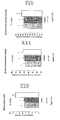
- patients with premature CVD and with the TT genotype had elevated blood homocysteine concentration, compared with both CC and CT patients.
- TT patients were also found to have significantly increased systolic and diastolic blood pressure, as shown in Figure 3 , compared to CC patients.
- CT individuals were found to have intermediate levels of diastolic blood pressure, compared to CC and TT patients (as shown in Figure 3 ).
- TT premature CVD patients sorted in accordance with their MTHFR genotype
- CT CT patients
- Table 2 The baseline characteristics of premature CVD patients sorted in accordance with their MTHFR genotype (TT, CT, or CC) are shown in Table 2 below. Referring to Table 2, it was observed that TT patients had significantly elevated systolic and diastolic blood pressure, compared to CC patients. CT patients were found to have intermediate values for diastolic blood pressure. Of note, the elevated blood pressure levels found in TT patients were strongly influenced by riboflavin status; patients with the combination of the TT genotype and low riboflavin status were unexpectedly found to have markedly elevated blood pressure.
- MTHFR methylenetetrahydrofolate reductase
- erythrocyte glutathione reductase activation coefficient riboflavin status, a higher EGRac value indicates lower vitamin status
- 'Higher' and 'lower' riboflavin status was determined using the median EGRac value within each genotype group as a cut-off.
- MTHFR methylenetetrahydrofolate reductase
- EGRac erythrocyte glutathione reductase activation coefficient (riboflavin status, higher values indicate lower status).
Landscapes
- Health & Medical Sciences (AREA)
- Public Health (AREA)
- Animal Behavior & Ethology (AREA)
- Veterinary Medicine (AREA)
- Chemical & Material Sciences (AREA)
- General Health & Medical Sciences (AREA)
- Pharmacology & Pharmacy (AREA)
- Medicinal Chemistry (AREA)
- Life Sciences & Earth Sciences (AREA)
- Epidemiology (AREA)
- Chemical Kinetics & Catalysis (AREA)
- Bioinformatics & Cheminformatics (AREA)
- Organic Chemistry (AREA)
- General Chemical & Material Sciences (AREA)
- Nuclear Medicine, Radiotherapy & Molecular Imaging (AREA)
- Engineering & Computer Science (AREA)
- Heart & Thoracic Surgery (AREA)
- Cardiology (AREA)
- Pharmaceuticals Containing Other Organic And Inorganic Compounds (AREA)
- Medicines That Contain Protein Lipid Enzymes And Other Medicines (AREA)
- Acyclic And Carbocyclic Compounds In Medicinal Compositions (AREA)
Abstract
Description
- The present invention relates to the use of riboflavin in the treatment of hypertension in a genotype specific population.
- Hypertension, commonly referred to as high blood pressure, is a medical condition where the blood pressure is elevated, generally chronically elevated. Hypertension of any aetiology is one of the major risk factors for cardiovascular disease (CVD), which includes heart disease and stroke.
- It has been found that there is an increased risk of CVD in individuals homozygous for the commonly occurring C677T polymorphism in the gene coding for the enzyme 5, 10-methylenetetrahydrofolate reductase (MTHFR). MTHFR is required for the formation of 5-methyltetrahydrofolate which in turn is required to convert homocysteine to methionine. Individuals who are homozygous for the MTHFR C677T polymorphism (TT genotype) are considered to have a significantly higher risk of heart disease and stroke than those with the wild-type gene (CC genotype). People who are heterozygous for the polymorphism (CT genotype) may also have a moderately higher risk of heart disease and stroke. Various anti-hypertensive drugs (e.g. ACE inhibitors, beta blockers and diuretics) are available to lower blood pressure in those deemed clinically to have hypertension. However, these drugs can have undesirable side effects and some subjects may remain hypertensive despite being tried on more than one type of anti-hypertensive drug.
- Pharmaceutical compositions comprising riboflavin are disclosed in
US2007031394 and inWO0019817 - The effect of riboflavin in lowering homocystein levels in individuals homozygous for the MTHFR 677C -> T Polymorphism is disclosed in McNulty et al., 2006, Circulation American Heart Association, Dallas, Texas, US, vol. 113(1):74-80.
-
WO80/02799 - It has now surprisingly been found that riboflavin (vitamin B2) has a significant systolic and diastolic blood pressure lowering effect, specifically in CVD patients homozygous for the MTHFR C677T polymorphism.
- According to a first aspect of the present invention, there is provided the use of riboflavin in the manufacture of a medicament for the treatment or prophylaxis of elevated blood pressure in a subject homozygous or heterozygous for the MTHFR C677T polymorphism.
- According to a second aspect of the present invention, there is provided a pharmaceutical product for the treatment or prophylaxis of elevated blood pressure in a subject homozygous or heterozygous for the MTHFR C677T polymorphism, comprising a pharmaceutically effective amount of an anti-hypertensive agent and riboflavin, for simultaneous, separate or sequential administration.
- Suitable anti-hypertensive agents include ACE inhibitors such as quinapril, captopril, lisinopril, benazepril, perindopril, enalapril maleate, trandolapril, ramipril and cilazapril; beta blockers such as atenolol, tertatolol, metoprolol tartrate, bisoprolol fumarate, nebbivolol, celiprolol and pindolol; Ca++ antagonists such as nifedipine, diltiazem, amlodipine, verapamil and felopidine; alpha blockers such as methyldopa, doxazosin, clonidine and prazosin; angiotensin II antagonists such as irbesartan, candesartan cilextil, olmesartan medoxomil, valsartan, losartan, telmisartan and eprosartan mesylate; alpha/beta blockers such as carvedilol and labetalol; and diuretics such as bendroflumethiazide, piretanide, chlorthalidone and hydrochlorothiazide (HCTZ).
- Advantages of the invention include the following:
- Riboflavin may be used to reduce blood pressure in the absence of any other antihypertensive agents.
- When other anti-hypertensive agents are administered with riboflavin, either simultaneously, separately or sequentially, the amount of the other antihypertensive agents necessary to have the required effect may advantageously be reduced, in that lesser amounts of the agents may be required in order to effect the treatment or prophylaxis of elevated blood pressure in a subject, thereby minimising any undesirable side effects of conventional anti-hypertensive agents.
- According to a third aspect of the present invention, there is provided a product comprising riboflavin for use in the treatment or prophylaxis of elevated blood pressure in a subject homozygous or heterozygous for the MTHFR C677T polymorphism,
- The medicament or product of the invention is preferably in a form suitable for oral or parenteral administration. Suitable oral dosage forms include tablets, capsules (including slow release capsules), pills, powders, granules and the like. Parenteral administration includes, for example, intravenous, intramuscular, intraarterial, intraperitoneal, intranasal, intravesical (e. g., to the bladder), intradermal, topical or subcutaneous administration. Suitable parenteral dosage forms include sterile injectable aqueous solutions or dispersions and sterile powders for the preparation of sterile injectable solutions or dispersions. The preferred route of administration is oral.
- Riboflavin may be administered together with a pharmaceutically compatible or acceptable carrier suitable for oral or parenteral administration, selected according to the particular type of administration used. For oral administration, riboflavin may be administered with one or more solid inactive ingredients for the preparation of suitable oral dosage forms. For example, riboflavin may be administered with at least one excipient such as fillers, binders, humectants, disintegrating agents, solution retarders, absorption accelerators, wetting agents, absorbents or lubricating agents. For parenteral administration, riboflavin may be administered with a suitable carrier or diluent such as water, ethanol, saline solution, aqueous dextrose (glucose) and related sugar solutions, glycerol, or a glycol such as propylene glycol or polyethylene glycol.
- In all cases, the dose of riboflavin will be within dietary reference levels up to and including the maximum level considered to be safe. Although, unlike many other nutrients, no official upper tolerable level has been established for riboflavin, it is generally considered to be safe even at very high doses with evidence showing that levels up to 500mg/day are tolerated with no adverse effects. This compares with recommended dietary levels of riboflavin for adults which range from 1.1 to 1.8mg/day. The medicament or product is most preferably formulated for administration of riboflavin to a subject in an amount of approximately 1.6 mg/day. However, the medicament or product may be formulated for administration of riboflavin to a subject in any other suitable dose greater or less than 1.6 mg/day. For example, a suitable dose may be from about 0.5 mg/day to 50 mg/day, preferably from about 0.75 mg/day to 20 mg/day, more preferably from about 1 mg/day to 10 mg/day, more preferably from about 1.2 mg/day to 5 mg/day, even more preferably from about 1.4 mg/day to about 5 mg/day.
- The invention has application in the area of personalised nutrition. There is an increasing interest in gene-nutrient interactions, and with the greater accessibility of genetic profiling, the market for personalised nutrition is emerging in recent years. This approach is based on the view that dietary requirements should consider not only general factors such as age and sex, but also genetic factors which are specific to the subject. For example, a subject could check their MTHFR genotype and then proceed to take low-dose riboflavin, specifically if they are found to have the TT or CT genotype.
- The invention also has application in the design of clinical drug trials, e.g. those testing new anti-hypertensive medication drugs. For the successful outcome and correct interpretation of such trials, it will be critical that those with the TT genotype for the MTHFR C677T polymorphism in combination with low riboflavin status are stratified and randomised equally to the different treatment groups.
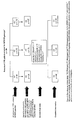
- Ethical approval was granted by both the Research Ethical Committee of the University of Ulster and Altnagelvin Hospital Trust, Londonderry, Northern Ireland. Premature CVD patients, males aged 55 years and females aged 65 years and under at time of event were recruited from the cardiac department of Altnagelvin hospital. Patients were indicated by a previous myocardial infarction (MI) or angina diagnosed by ECG changes. Potential participants (n = 404) were screened for MTHFR genotype on the basis of a buccal swab sample. Those with the TT genotype were identified (n = 54); these were age and sex matched with a similar number of patients with the CC or CT genotypes, resulting in a total of 197 patients who were invited to participate in the current intervention study (see
Figure 1 ). Exclusion criteria for all subjects were history of hepatic or renal disease, consumers of B-vitamin supplements, those taking medication known to interfere with folate metabolism, at least 3 months post MI prior to blood sampling. All volunteers provided written informed consent and completed a health and medical/lifestyle questionnaire which included questions regarding family history of CVD and smoking habits. - The study was a 16-week placebo controlled intervention trial. Patients were stratified on the basis of their initial screening plasma homocysteine within each genotype group and subsequently randomised within each stratum to receive either riboflavin (1.6mg/day) or placebo, as indicated in
Figure 1 . In an attempt to maximise compliance, patients were provided with riboflavin every 4 weeks in 7-day pill boxes and asked to return any unused pills which were recorded. Non-fasting blood samples were collected at screening and post intervention either at Altnagelvin hospital, their workplace or their own homes. - Blood pressure measurements were recorded as the mean of two separate measurements taken 15 minutes apart using an Omcron 705CP electronic blood pressure monitor (Medisave, Dorset, UK). Weight (kg) and height in (m), were used to calculate BMI (weight (kg)/height2 (m)). Waist circumference (cm) was also measured. All measurements were made using Seca approved equipment (Brosch Direct, Ltd, Peterborough, UK).
- One 30ml blood sample was collected from each patient, one 9ml EDTA tube for plasma and washed red cells, one 4ml EDTA tube for the preparation of red blood cell lysates and the measurement of haemoglobin (HB) and packed cell volume (PCV); one 8ml serum separation tube for serum extraction, one 5ml serum separation tube for lipid profile analysis and one 4ml sodium citrate tube for coagulation screening. The 9ml EDTA was immediately wrapped in tin foil and placed on ice. Samples were centrifuged within 2 hours of sampling at 3000rpm for 15 minutes. Plasma was removed and stored at -80° C for plasma homocysteine and PLP analysis. The buffy layer was removed for confirmation of MTHFR genotyping and stored at -20°C. The remaining red blood cells were thrice washed with phosphate buffered saline (PBS) with the supernatant and remaining buffy layer being discarded after each wash. The washed red cells were removed and stored at - 80°C for EGRac analysis (a functional indicator of riboflavin status). Serum was removed and stored at -80°C for serum folate.
- Plasma homocysteine was measured by immunoassay using the Abbott Imx analyser (Leino A., 1999, "Fully automated measurement of total homocysteine in plasma and serum on the Abbott IMx analyzer." Clin. Chem, 45, 569-71). Serum folate and red blood cell folate concentrations were determined by microbiological assay using the cryopreserved, microtitre plate method (Molloy et al, 1997, "Microbiological assay for serum, plasma, and red cell folate using cryopreserved, microtiter plate method." Methods Enzymol, 281, 43-53). Plasma PLP was determined by reverse-phase high pressure liquid chromatography (HPLC) with fluorescence detection (Bates et al, 1999, "Plasma pyridoxal phosphate and pyridoxic acid and their relationship to plasma homocysteine in a representative sample of British men and women aged 65 years and over." British Journal of Nutrition, 1, 191-201). Identification of the MTHFR C677T genotype was carried out using the polymerase chain reaction (PCR) amplification followed by HinFl (Frosst et al, 1995, "A candidate genetic risk factor for vascular disease: A common mutation in methylenetetrahydrofolate reductase." Nat Genetc, 10, 111-113). Riboflavin status was determined on the basis of EGRac, a functional assay whereby the activity of glutathione reductase is measured both with and without added FAD. EGRac is then calculated as a ratio of FAD-stimulated to unstimulated enzyme activity (Powers et al, 1983, "The relative effectiveness of iron and iron with riboflavin in correcting a microcytic anaemia in men and children in rural Gambia." Hum Nutr Clin Nutr, 37, 413-425), and values ≥1.3 are generally considered to reflect sub-optimal riboflavin status. Coagulation screening was measured by ACI Instrumentation Laboratories. HB and PCV were measured using Sysmex XE-2100 (Sysmex, UK Ltd. Milton Keynes UK) analyser and lipid profiles were measured using Abbott Architect CI 8200 analyser (Abbott Laboratories, USA). For all assays, samples were analysed blind, in duplicate and within 1 year of collection. Quality control was provided by repeated analysis of stored batches of pooled washed red blood cells (for EGRac), plasma for homocysteine and PLP and serum for folate covering a wide range of values.
- All statistical analysis was performed using the SPSS statistical package for the social sciences (version 11.0, SPSS UK Ltd., Chersey, United Kingdom). For normalisation purposes variables were log-transformed as appropriate prior to statistical analysis. One way ANOVA with Tukey's post hoc test was used to examine the differences in the baseline characteristics among the genotype groups. Categorical data were assessed using chi squared analysis. Correlation analysis was performed using bivariate Pearson correlation coefficients. The effect of riboflavin intervention within each genotype group was examined using paired t-tests. P values < 0.05 were considered significant.
-
-
Figure 1 shows the flow diagram of study design. -
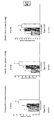
Figure 2(i) shows homocysteine concentration (µmol/l) by MTHFR genotype group among healthy controls;Figure 2(ii) shows systolic blood pressure (mmHg) by MTHFR genotype group among healthy controls; andFigure 2(iii) shows diastolic blood pressure (mmHg) by MTHFR genotype group among healthy controls. Values inFigures 2(i), 2(ii) and 2(iii) are mean (standard error bars). Different letters denote statistically significant differences between the MTHFR genotype groups, ANOVA with Tukey post-hoc test, P < 0.05 significant. InFigures 2(i)-2(iii) , the letter "a" denotes values that do not differ significantly from other "a" values; and the letter "b" denotes values which do not differ significantly from other "b" values, but which do differ from the values denoted as "a". -
Figure 3(i) shows homocysteine concentration (µmol/l) by MTHFR genotype group among premature CVD patients;Figure 3(ii) shows systolic blood pressure (mmHg) by MTHFR genotype group among premature CVD patients; andFigure 3(iii) shows diastolic blood pressure (mmHg) by MTHFR genotype group among premature CVD patients. Values inFigures 3(i), 3(ii) and 3(iii) are mean (standard error bars). Different letters denote statistically significant differences between the MTHFR genotype groups, ANOVA with Tukey post-hoc test, P < 0.05 significant. InFigures 3(i)-3(iii) , the letter "a" denotes values that do not differ significantly from other "a" values; and the letter "b" denotes values which do not differ significantly from other "b" values, but which do differ from the values denoted as "a". The letters "ab" denote values that do not differ significantly from a value denoted as "a" or "b". - Referring to
Figure 2 , in relation to blood homocysteine levels, the phenotype observed for healthy individuals homozygous for MTHFR C677T polymorphism (i.e. TT genotype) was elevated blood homocysteine concentration, compared to those with either CT or CC genotypes. In relation to corresponding blood pressure levels, it was found that in healthy individuals with the TT genotype there was no elevation in the systolic or diastolic blood pressure compared to values in either CT or CC genotypes, as shown inFigure 2 . - Patients with premature CVD are generally defined as subjects who develop CVD before the age of 55 for men, or before the age of 65 for women. Referring to
Figure 3 , patients with premature CVD and with the TT genotype had elevated blood homocysteine concentration, compared with both CC and CT patients. Of note, TT patients were also found to have significantly increased systolic and diastolic blood pressure, as shown inFigure 3 , compared to CC patients. CT individuals were found to have intermediate levels of diastolic blood pressure, compared to CC and TT patients (as shown inFigure 3 ). These results are unexpected, as healthy TT subjects showed no elevation in blood pressure compared with the other genotype groups. All patients were taking one or more antihypertensive drugs at the time of sampling, as indicated in Table 1 below, but it is clear fromFigure 3 that the medication was relatively ineffective in the TT genotype group.Table 1 Anti-hypertensive medications taken by patients (n=161) at time of sampling Anti-hypertensive medication % of patients Betablockers 38 Ace Inhibitors 18 Calcium channel blockers 6 Diuretics 3 Ace inhibitors + Betablockers 18 Ace inhibitors + Diuretics 4 Ace inhibitors + Calcium channel blockers 1 Betablockers + Calcium channel blockers 2 Betablockers + Diuretics 6 Calcium channel blockers + Diuretics 0.6 Ace inhibitors + Calcium channel blockers + Diuretics 0.6 Betablockers + Calcium channel blockers + Diuretics 0.6 - The baseline characteristics of premature CVD patients sorted in accordance with their MTHFR genotype (TT, CT, or CC) are shown in Table 2 below. Referring to Table 2, it was observed that TT patients had significantly elevated systolic and diastolic blood pressure, compared to CC patients. CT patients were found to have intermediate values for diastolic blood pressure. Of note, the elevated blood pressure levels found in TT patients were strongly influenced by riboflavin status; patients with the combination of the TT genotype and low riboflavin status were unexpectedly found to have markedly elevated blood pressure.
Table 2 Baseline characteristics of premature cardiovascular disease patients split by MTHFR 677C→T genotype MTHFR genotype All CC CT TT P General characteristics (n = 197) (n = 67) (n = 76) (n = 54) Age now (y) 53.2 (5.8) 53.4 (6.1) 52.6 (5.0) 54.0 (6.4) 0.382 Age at time of event (y) 46.9 (6.1) 47.1 (5.6) 46.9(5.4) 47.1(7.5) 0.891 Male (%) 75.1 78.1 69.7 78.2 0.303 Family history of CVD (%) 68.0 68.7 65.8 70.4 0.763 Family history of premature CVD (%) 41.6 40.3 50.0 31.5 0.127 Current smoker (%) 32.0 31.3 27.6 38.9 0.209 Body mass index (kg/m2) 29.1 (4.6) 29.3 (4.8) 28.7 (4.5) 29.3 (4.5) 0.724 Waist circumference (cm) 95.1 (12.1) 96.3(11.9) 94.2 (11.4) 95.0 (13.4) 0.625 Prothrombin time (sec) 13.9 (3.1) 13.7 (2.8) 14.1 (3.4) 13.6 (2.3) 0.700 Fibrinogen concentration (g/l) 3.93 (0.92) 3.93 (0.84) 3.97 (1.05) 3.88 (0.83) 0.853 Total cholesterol (mmol/l) 4.5 (0.9) 4.4 (0.81) 4.5 (0.8) 4.5 (1.0) 0.849 B-vitamin status Plasma homocysteine (µmol/l) 10.9(5.3) 9.8 (3.3)a 10.5 (3.9)ab 12.8 (8.0)b 0.007 EGRac 1.38 (0.20) 1.37 (0.17) 1.39 (0.22) 1.37 (0.19) 0.854 Red cell folate (nmol/l) 959(455) 1030(518)a 1011 (400)a 796(408)b 0.009 Pyridoxal phosphate (nmol/) (B-6) 61.0(37.0) 68.0(35.0)a 63.2(40.4)ab 49.4(32.0)b 0.017 Blood pressure Systolic Blood Pressure (mmHg) 135.0 (19.6) 131.1 (18.0)a 133.0 (19.7)a 142.8 (19.5)b 0.002 By riboflavin status: Lower riboflavin status 137.1 (20.5) 131.2 (20.4)a 135.8 (19.0)a 147.4 (19.8)b 0.005 Higher riboflavin status 132.5 (18.5) 131.0 (14.8) 129.6 (20.4) 138.6 (19.2) 0.172 Diastolic Blood Pressure(mmHg) 83.0 (12.2) 80.3 (12.5)a 83.3 (11.5)ab 86.0(12.3)b 0.038 By riboflavine status: Lower riboflavin status 84.1 (12.8) 80.8 (13.5) 84.6(11.8) 88.1 (12.7) 0.076 Higher riboflavin status 81.7(11.4) 79.6(11.2) 81.9(11.1) 84.1 (12.2) 0.381 Values are presented as mean (SD). Values among genotypes groups were compared using one way ANOVA with tukey post hoc tests.
Abbreviations: MTHFR, methylenetetrahydrofolate reductase; erythrocyte glutathione reductase activation coefficient (riboflavin status, a higher EGRac value indicates lower vitamin status); 'Higher' and 'lower' riboflavin status was determined using the median EGRac value within each genotype group as a cut-off. - Referring to Table 3 below, in a placebo controlled intervention study in 181 patients with premature CVD, significant lowering of both systolic and diastolic blood pressure in patients with the TT genotype was achieved following 16 weeks of low-dose riboflavin administration. The blood pressure response shown is of both statistical and clinical significance. The magnitude of blood pressure lowering (a decrease of 11 units in systolic and 8 in diastolic blood pressure) observed in response to riboflavin can be estimated from meta-analyses to lower the risk of heart disease by 29% and stroke by 46%. The results show that a significant and clinically important reduction in blood pressure was achieved in response to riboflavin, specifically in patients with the TT genotype. Referring again to Table 3, no significant reduction was observed in blood pressure (either systolic or diastolic) in CC patients following riboflavin administration.
Table 3. Response to riboflavin intervention for 16 weeks in premature CVD patients. MTHFR Genotype CC Placebo (n = 32) CC Riboflavin (n = 32) Pre Post P Pre Post P Homocysteine(µmol/l) 9.5(2.8) 9.3(2.9) 0.474 10.1 (3.9) 9.8(3.6) 0.271 EGRac 1.40(0.19) 1.42(0.20) 0.520 1.34(0.16) 1.24(0.07) <0.001 Serum folate(µg/l) 12.1(8.5) 14.0(9.6) 0.052 10.5(6.5) 12.0(7.5) 0.094 Red cell folate(nmol/l) 1063(589) 1139(561) 0.245 1021(557) 1075(526) 0.427 Systolic blood pressure (mmHg) 126.6(20.4) 129.0(22.1) 0.421 134.3(14.9) 133.4(15.3) 0.733 Diastolic blood pressure (mmHg) 79.3(14.9) 80.9(15.5) 0.546 80.1(8.9) 80.4(12.0) 0.881 CT Placebo (n=33) CT Riboflavin (n=35) Pre Post P Pre Post P Homocysteine(µmol/l) 11.2(4.1) 10.8(4.6) 0.327 10.5(3.8) 10.6(6.3) 0.881 EGRac 1.41(0.22) 1.44 (0.29) 0.209 1.38(0.24) 1.25(0.13) <0.001 Serum folate(µg/l) 7.83(4.34) 8.12(6.44) 0.744 10.41(6.61) 11.80(11.01) 0.342 Red cell folate (nmol/l) 991(388) 991(434) 0.997 1008(400) 1022(460) 0.759 Systolic blood pressure (mmHg) 133.6(21.5) 129.9(21.5) 0.241 136.2(16.9) 135.4(15.4) 0.708 Diastolic blood pressure (mmHg) 82.0(12.1) 81.9(14.2) 0.962 86.0(10.8) 84.2(9.2) 0.336 TT Placebo (n = 24) TT Riboflavin (n = 25) Pre Post P Pre Post P Homocysteine(µmol/l) 11.8(6.7) 11.8(7.8) 0.915 11.3(4.4) 10.0(3.1) 0.014 EGRac 1.32(0.12) 1.34(0.11) 0.298 1.41(0.20) 1.27(0.09) <0.001 Serum folate(µg/l) 7.7(6.6) 8.9(7.5) 0.157 8.1(4.8) 9.6(8.1) 0.244 Red cell folate (nmol/1) 808(488) 903(580) 0.164 845(303) 889(306) 0.305 Systolic blood pressure (mmHg) 143.8(18.1) 141.6(22.5) 0.566 142.8(22.1) 131.6(20.9) 0.005 Diastolic blood pressure (mmHg) 84.5(10.7) 85.4(12.7) 0.739 88.1(14.2) 80.2(14.2) 0.002 Values are presented as mean (SD). Pre and post intervention values within each treatment group were compared using paired t-test.
Abbreviations: MTHFR, methylenetetrahydrofolate reductase; EGRac, erythrocyte glutathione reductase activation coefficient (riboflavin status, higher values indicate lower status). - The association between riboflavin and blood pressure in healthy individuals according to MTHFR C677T genotype was investigated. Measurements were taken and recorded according to the procedures described in Example 1 above. The results obtained, namely the baseline characteristics of healthy subjects pre-screened and age-matched for MTHFR genotype (n=124), are shown in Table 4.
Table 4 MTHFR C677T Genotype General characteristics CC (n =46) CT (n =34) TT (n = 44) P Age (y) 51.4(4.0) 51.4(3.0) 50.8(5.1) 0.718 Male (%) 69.6 85.3 75 0.264 BMI (kg/m2) 28.1 (4.8) 28.0 (4.2) 28.6 (4.6) 0.791 Waist circumference (cm) 90.4 (11.9) 90.6 (12.3) 93.6 (13.5) 0.434 Systolic BP(mmHg) 132.9 (16.5) 134.8 (15.8) 137.4 (19.8) 0.473 Diastolic BP(mmHg) 84.1 (13.2) 86.4 (8.7) 88.1 (13.9) 0.315 Biochemical measurements Plasma homocysteine (µmol/l) 9.3 (1.9)a 8.9 (2.1)a 14.1 (8.0)b <0.001 Riboflavin status (EGRac) 1.34 (0.17) 1.37 (0.15) 1.38 (0.16) 0.492 Red cell folate (nmol/l) 874 (357) 955 (433) 748 (412) 0.071 Vitamin B6 status (PLP; nmol/l) 79.1 (47.4) 79.7 (38.7) 68.3 (35.5) 0.370 Values are mean (SD). ANOVA was used to compare values among the genotype groups; an overall P value < 0.05 indicates a statistically significant difference among the 3 genotype groups. The letters show where the differences are occurring: different letters (a,b) indicate significant differences between any two genotypes, whereas the same letter indicates that values were not significantly different between any two genotypes (Tukey post hoc tests). Thus, the letter "a" denotes values that do not differ significantly from other "a" values; and the letter "b" denotes values which do not differ significantly from other "b" values, but which do differ from the values denoted as "a". - As shown by the results obtained in Example 2 (Table 4), individuals with the TT genotype did not show significantly higher systolic or diastolic blood pressure, compared with the CC or CT genotype groups. However, they did demonstrate the typical phenotype for this TT genotype of significantly elevated plasma homocysteine and a tendency towards lower folate status, though, as shown in Table 4, the difference in folate status did not reach statistical significance (since the P value was not < 0.05).
- A placebo controlled intervention study in 81 healthy individuals was carried out. Blood pressure response to riboflavin intervention (1.6mg/day for 16 weeks) by MTHFR genotype in healthy individuals was investigated, and the results are shown in Table 5.
- Referring to the P values, the results of Table 5 show that there was no significant systolic or diastolic blood pressure lowering effect of riboflavin in this healthy cohort with the TT genotype. Therefore, the lowering of systolic and diastolic blood pressure by riboflavin in CVD patients having the TT genotype discussed above in Example 1 was unexpected, and is of statistical and clinical significance.
- Referring again to the P values shown in Table 5, the statistical analysis shows that there are no significant increases or decreases in blood pressure in response to riboflavin or placebo across the genotypes, with one exception, namely that diastolic blood pressure did show an increase with riboflavin treatment in the CC group. Whilst this is unexpected, this result may be attributed to chance and the relatively small sample size. Even taking this response to riboflavin in the CC group into account, it is noted that riboflavin was found to increase the diastolic blood pressure in healthy CC individuals, with the result that the lowering of systolic and diastolic blood pressure by riboflavin in CVD patients having the TT genotype discussed above in Example 1 is particularly unexpected.
Table 5. Blood Pressure response to riboflavin intervention (1.6mg/d, 16weeks) by MTHFR genotype in healthy subjects (n=81) MTHFR 677C → T Genotype CC (n=25) CT (n=30) TT (n=26) Before After p-value Before After p-value Before After p-value Systolic blood pressure (mmHg) Placebo median 136.0(124.7, 140.2) 129.0(120.3, 141.0) 0.663 147.0(136.5, 151.5) 142.0(132.1, 156.1) 0.981 146.0(135.5, 157.8) 150.0(141.6, 157.8) 0.395 Riboflavin treatment median 137.0(121.9, 148.4) 143.5(129.8, 156.2) 0.077 150.0(135.5, 153.3) 150.0(137.2, 153.4) 0.797 139.5(129.9, 142.5) 145.0(133.3, 151.1) 0.970 Diastolic blood pressure (mmHg) Placebo median 83.0(77.2, 93.0) 83.0(76.6, 85.74) 0.286 87.0(83.7, 92.8) 88.0(81.3, 95.0) 0.970 90.0(82.8, 94.1) 86.0(83.6, 95.5) 0.698 Riboflavin treatment median 80.5(73.7, 88.3) 86.5(78.7, 91.9) 0.033 87.0(82.7, 94.2) 89.0(83.3, 94.7) 0.767 88.5(81.1, 91,6) 88.5(82.8, 95.1) 0.172 Values are median (95% confidence interval).
Before and After intervention blood pressures were compared using a paired t-test. A P value < 0.05 indicates a statistically significant difference before versus after intervention.
Claims (13)
- Use of riboflavin in the manufacture of a medicament for the treatment or prophylaxis of elevated blood pressure in a subject homozygous for the MTHFR C677T polymorphism.
- Use of riboflavin in the manufacture of a medicament for the treatment or prophylaxis of elevated blood pressure in a subject heterozygous for the MTHFR C677T polymorphism.
- Use of riboflavin according to claim 1 or claim 2, wherein the medicament is in a form suitable for oral or parenteral administration.
- Use of riboflavin according to any one of claims 1-3, wherein the riboflavin is administered with a pharmaceutically compatible or acceptable carrier.
- A pharmaceutical product for use in the treatment or prophylaxis of elevated blood pressure in a subject homozygous for the MTHFR C677T polymorphism, comprising a pharmaceutically effective amount of an anti-hypertensive agent and riboflavin, the anti-hypertensive agent and the riboflavin being for simultaneous, separate or sequential administration.
- A pharmaceutical product for use In the treatment or prophylaxis of elevated blood pressure in a subject heterozygous for the MTHFR C677T polymorphism, comprising riboflavin and a pharmaceutically effective amount of an anti-hypertensive agent, the riboflavin and the antihypertensive agent being for simultaneous, separate or sequential administration.
- A pharmaceutical product for use according to claim 5 or claim 6, wherein the antihypertensive agent is selected from ACE inhibitors, beta blockers, Ca++ antagonists, alpha blockers, angiotensin II antagonists, alpha/beta blockers, and diuretics.
- A pharmaceutical product according to claim 7, wherein the ACE inhibitors are selected from quinapril, captopril, lisinopril, benazepril, perindopril, enalapril maleate, trandolapril, ramipril and cilazapril; the beta blockers are selected from atenolol, tertatolol, metoprolol tartrate, bisoprolol fumarate, nebbivolol, celiprolol and pindolol; the Ca++ antagonists are selected from nifedipine, diltiazem, amiodipine, verapamil and felopidine; the alpha blockers are selected from methyldopa, doxazosin, clonidine and prazosin; the anglotensin II antagonists are selected from irbesartan, candesartan cilextil, olmesartan medoxomil, valsartan, losartan, telmisartan and eprosartan mesylate; the alpha/beta blockers are selected from carvedllol and tabetalol; and the diuretics are selected from bendroflumethiazide, piretanide, chlorthalidone and hydrochlorothiazide (HCTZ).
- A pharmaceutical product according to any one of claims 5-8, wherein the pharmaceutical product is in a form suitable for oral or parenteral administration.
- Product comprising riboflavin for use in the treatment or prophylaxis of elevated blood pressure in a subject homozygous for the MTHFR C677T polymorphism.
- Product comprising riboflavin for use in the treatment or prophylaxis of elevated blood pressure in a subject heterozygous for the MTHFR C677T polymorphism,
- Product comprising riboflavine for use according to claim 10 or 11, the product comprising a nutrition product.
- Product comprising riboflavin for use according to claim 10 or 11, the product comprising a product for personalized nutrition.
Applications Claiming Priority (2)
| Application Number | Priority Date | Filing Date | Title |
|---|---|---|---|
| GBGB0703514.0A GB0703514D0 (en) | 2007-02-23 | 2007-02-23 | Use of riboflavin |
| PCT/EP2008/001437 WO2008101724A1 (en) | 2007-02-23 | 2008-02-22 | Use of riboflavin in the treatment of hypertension |
Publications (2)
| Publication Number | Publication Date |
|---|---|
| EP2139488A1 EP2139488A1 (en) | 2010-01-06 |
| EP2139488B1 true EP2139488B1 (en) | 2012-08-15 |
Family
ID=37945596
Family Applications (1)
| Application Number | Title | Priority Date | Filing Date |
|---|---|---|---|
| EP08715988A Not-in-force EP2139488B1 (en) | 2007-02-23 | 2008-02-22 | Use of riboflavin in the treatment of hypertension |
Country Status (10)
| Country | Link |
|---|---|
| US (1) | US20100324019A1 (en) |
| EP (1) | EP2139488B1 (en) |
| JP (1) | JP5577100B2 (en) |
| CN (1) | CN101678030B (en) |
| CA (1) | CA2679217C (en) |
| EA (1) | EA019281B1 (en) |
| ES (1) | ES2393144T3 (en) |
| GB (1) | GB0703514D0 (en) |
| MX (1) | MX2009009020A (en) |
| WO (1) | WO2008101724A1 (en) |
Families Citing this family (3)
| Publication number | Priority date | Publication date | Assignee | Title |
|---|---|---|---|---|
| SG10201704311VA (en) * | 2012-08-16 | 2017-07-28 | Critical Care Diagnostics Inc | Methods for predicting risk of developing hypertension |
| CN103721259A (en) * | 2014-01-07 | 2014-04-16 | 深圳奥萨医药有限公司 | Angiotensin II receptor blocker/thiazide diuretics/5-methyltetrahydrofolate pharmaceutical composition |
| CN109295216A (en) * | 2018-11-06 | 2019-02-01 | 宁波艾捷康宁生物科技有限公司 | The SNP site and detection kit of prediction of hypertension individuation medicine effect |
Family Cites Families (6)
| Publication number | Priority date | Publication date | Assignee | Title |
|---|---|---|---|---|
| US4264601A (en) * | 1979-06-12 | 1981-04-28 | The Board Of Regents Of The University Of Oklahoma | Antihypertensive agents and their use in treatment of hypertension |
| DE3682208D1 (en) * | 1986-12-18 | 1991-11-28 | Kurt Heinz Bauer | STABILIZED NIFEDIPINE CONCENTRATE AGAINST THE INFLUENCE OF LIGHT AND METHOD FOR THE PRODUCTION THEREOF. |
| US6485959B1 (en) * | 1998-10-07 | 2002-11-26 | Cedars Sinai Medical Center | Cell preconditioning and cryopresevation medium |
| CN1136895C (en) * | 2001-05-24 | 2004-02-04 | 魏振鸣 | Medicine for treating coronary heart disease |
| WO2006085128A1 (en) * | 2005-02-09 | 2006-08-17 | Wockhardt Limited | Cardiovascular therapeutic combinations |
| US7838526B2 (en) * | 2005-08-05 | 2010-11-23 | Esther Baldinger | Method of treating neurological disorders |
-
2007
- 2007-02-23 GB GBGB0703514.0A patent/GB0703514D0/en not_active Ceased
-
2008
- 2008-02-22 ES ES08715988T patent/ES2393144T3/en active Active
- 2008-02-22 CN CN2008800135209A patent/CN101678030B/en not_active Expired - Fee Related
- 2008-02-22 JP JP2009550246A patent/JP5577100B2/en not_active Expired - Fee Related
- 2008-02-22 MX MX2009009020A patent/MX2009009020A/en active IP Right Grant
- 2008-02-22 CA CA2679217A patent/CA2679217C/en active Active
- 2008-02-22 EA EA200901145A patent/EA019281B1/en not_active IP Right Cessation
- 2008-02-22 EP EP08715988A patent/EP2139488B1/en not_active Not-in-force
- 2008-02-22 WO PCT/EP2008/001437 patent/WO2008101724A1/en not_active Ceased
- 2008-02-22 US US12/528,105 patent/US20100324019A1/en not_active Abandoned
Also Published As
| Publication number | Publication date |
|---|---|
| ES2393144T3 (en) | 2012-12-18 |
| WO2008101724A1 (en) | 2008-08-28 |
| CN101678030B (en) | 2013-06-05 |
| JP5577100B2 (en) | 2014-08-20 |
| EP2139488A1 (en) | 2010-01-06 |
| CN101678030A (en) | 2010-03-24 |
| EA019281B1 (en) | 2014-02-28 |
| US20100324019A1 (en) | 2010-12-23 |
| CA2679217A1 (en) | 2008-08-28 |
| EA200901145A1 (en) | 2010-02-26 |
| CA2679217C (en) | 2016-05-17 |
| JP2010519235A (en) | 2010-06-03 |
| WO2008101724A8 (en) | 2009-10-08 |
| MX2009009020A (en) | 2010-02-17 |
| GB0703514D0 (en) | 2007-04-04 |
Similar Documents
| Publication | Publication Date | Title |
|---|---|---|
| Pfaffenrath et al. | Efficacy and tolerability of amitriptylinoxide in the treatment of chronic tension‐type headache: a multi‐centre controlled study | |
| Rosmond et al. | Tsp509I polymorphism in exon 2 of the glucocorticoid receptor gene in relation to obesity and cortisol secretion: cohort study | |
| Yu et al. | Frequency of potential azole drug–drug interactions and consequences of potential fluconazole drug interactions | |
| Wang et al. | Effect of long-term low-dose folic acid supplementation on degree of total homocysteine-lowering: major effect modifiers | |
| US20210338648A1 (en) | Methods and compositions for reducing serum uric acid | |
| EP4497376A2 (en) | Devices and methods for treating cancer and cardiac wasting | |
| Lijfering et al. | The risk of venous and arterial thrombosis in hyperhomocysteinaemia is low and mainly depends on concomitant thrombophilic defects | |
| JP2022009066A (en) | Methods for diagnosing and treating alzheimer's disease with s-equol | |
| CA2679217C (en) | Use of riboflavin in the treatment of hypertension | |
| KR20250078897A (en) | Treatment of hypertension using boxdrostat, an aldosterone synthase inhibitor | |
| EP2556833B1 (en) | Pharmaceutical composition for the treatment of alzheimer's disease, method for producing same and use thereof | |
| Bosco et al. | Association of homocysteine (but not of mthfr 677 c> t, mtr 2756 a> g, mtrr 66 a> g and tcn2 776 c> g) with ischaemic cerebrovascular disease in sicily | |
| WO2008137043A1 (en) | Methods and compositions | |
| Maruyama et al. | Relationships of nutrient intake and liestyle-related factors to serum folate and plasma homocysteine concentrations in 30-69 year-old Japanese | |
| Biswas et al. | Life‐threatening thrombotic complications of relative polycythaemia | |
| Papadakis et al. | Influence of the methylene tetrahydrofolate reductase (mthfr) gene polymorphisms on serum folate, cobalanin and homocysteine levels in healthy greek adults | |
| Ayyappadhas et al. | CYP 2D6* 4 polymorphism and interindividual response variation to metoprolol instage 1 hypertensive patients: no association in a rural Indian population? | |
| Saisa-ard et al. | EFFECT OF ANGIOTENSIN CONVERTING ENZYME INHIBITORS ON HEMOGLOBIN LEVELS AMONG PATIENTS WITH ADVANCED CHRONIC KIDNEY DISEASE: A RANDOMIZED CONTROL TRIAL | |
| Bermejo et al. | 4CPS-070 Study of cardiovascular toxicity associated with ibrutinib treatment | |
| Hristova et al. | Oxidative modifications caused by free radicals in hypertension | |
| Sung et al. | Efficacy of a Very-low-dose Combination of Perindopril and Indapamide—Preterax Compared with Cilazapril Monotherapy in Patients with Inadequate Blood Pressure Control—A Randomized, Double-blind, Add-on Study | |
| Zhang | Curative effects of enalapril combined with folic acid tablets on hypertension and its mechanism | |
| AL et al. | EFFECTS OF ANGIOTENSIN II ANTAGONIST LOSARTAN VERSUS ANGIOTENSIN CONVERTING ENZYME INHIBITOR ENALAPRIL ON SERUM URIC ACID LEVELS IN PATIENTS WITH METABOLIC SYNDROME | |
| Lelia et al. | FACTORS IMPAIRING THE COGNITIVE FUNCTION IN ELDERLY, DIABETIC, HYPERTENSIVE PATIENTS: PP. 17.159 | |
| Albarran et al. | RELATIONSHIP BETWEEN GLUCOSE METABOLISM AND MICROALBUMINURIA IN WOMEN WITH PRIOR GESTATIONAL DIABETES: PP. 17.158 |
Legal Events
| Date | Code | Title | Description |
|---|---|---|---|
| PUAI | Public reference made under article 153(3) epc to a published international application that has entered the european phase |
Free format text: ORIGINAL CODE: 0009012 |
|
| 17P | Request for examination filed |
Effective date: 20090923 |
|
| AK | Designated contracting states |
Kind code of ref document: A1 Designated state(s): AT BE BG CH CY CZ DE DK EE ES FI FR GB GR HR HU IE IS IT LI LT LU LV MC MT NL NO PL PT RO SE SI SK TR |
|
| DAX | Request for extension of the european patent (deleted) | ||
| GRAP | Despatch of communication of intention to grant a patent |
Free format text: ORIGINAL CODE: EPIDOSNIGR1 |
|
| GRAC | Information related to communication of intention to grant a patent modified |
Free format text: ORIGINAL CODE: EPIDOSCIGR1 |
|
| RAP1 | Party data changed (applicant data changed or rights of an application transferred) |
Owner name: UNIVERSITY OF ULSTER Owner name: THE PROVOST, FELLOWS AND SCHOLARS OF THE HOLY AND |
|
| GRAS | Grant fee paid |
Free format text: ORIGINAL CODE: EPIDOSNIGR3 |
|
| GRAA | (expected) grant |
Free format text: ORIGINAL CODE: 0009210 |
|
| AK | Designated contracting states |
Kind code of ref document: B1 Designated state(s): AT BE BG CH CY CZ DE DK EE ES FI FR GB GR HR HU IE IS IT LI LT LU LV MC MT NL NO PL PT RO SE SI SK TR |
|
| REG | Reference to a national code |
Ref country code: GB Ref legal event code: FG4D Ref country code: CH Ref legal event code: EP Ref country code: AT Ref legal event code: REF Ref document number: 570439 Country of ref document: AT Kind code of ref document: T Effective date: 20120815 |
|
| REG | Reference to a national code |
Ref country code: IE Ref legal event code: FG4D |
|
| REG | Reference to a national code |
Ref country code: DE Ref legal event code: R096 Ref document number: 602008018015 Country of ref document: DE Effective date: 20121011 |
|
| RAP2 | Party data changed (patent owner data changed or rights of a patent transferred) |
Owner name: THE PROVOST, FELLOWS, FOUNDATION SCHOLARS, & THE O Owner name: UNIVERSITY OF ULSTER |
|
| REG | Reference to a national code |
Ref country code: CH Ref legal event code: NV Representative=s name: ARNOLD AND SIEDSMA AG, CH |
|
| REG | Reference to a national code |
Ref country code: NL Ref legal event code: T3 |
|
| REG | Reference to a national code |
Ref country code: ES Ref legal event code: FG2A Ref document number: 2393144 Country of ref document: ES Kind code of ref document: T3 Effective date: 20121218 |
|
| REG | Reference to a national code |
Ref country code: AT Ref legal event code: MK05 Ref document number: 570439 Country of ref document: AT Kind code of ref document: T Effective date: 20120815 |
|
| PG25 | Lapsed in a contracting state [announced via postgrant information from national office to epo] |
Ref country code: FI Free format text: LAPSE BECAUSE OF FAILURE TO SUBMIT A TRANSLATION OF THE DESCRIPTION OR TO PAY THE FEE WITHIN THE PRESCRIBED TIME-LIMIT Effective date: 20120815 Ref country code: AT Free format text: LAPSE BECAUSE OF FAILURE TO SUBMIT A TRANSLATION OF THE DESCRIPTION OR TO PAY THE FEE WITHIN THE PRESCRIBED TIME-LIMIT Effective date: 20120815 Ref country code: CY Free format text: LAPSE BECAUSE OF FAILURE TO SUBMIT A TRANSLATION OF THE DESCRIPTION OR TO PAY THE FEE WITHIN THE PRESCRIBED TIME-LIMIT Effective date: 20120815 Ref country code: NO Free format text: LAPSE BECAUSE OF FAILURE TO SUBMIT A TRANSLATION OF THE DESCRIPTION OR TO PAY THE FEE WITHIN THE PRESCRIBED TIME-LIMIT Effective date: 20121115 Ref country code: LT Free format text: LAPSE BECAUSE OF FAILURE TO SUBMIT A TRANSLATION OF THE DESCRIPTION OR TO PAY THE FEE WITHIN THE PRESCRIBED TIME-LIMIT Effective date: 20120815 Ref country code: IS Free format text: LAPSE BECAUSE OF FAILURE TO SUBMIT A TRANSLATION OF THE DESCRIPTION OR TO PAY THE FEE WITHIN THE PRESCRIBED TIME-LIMIT Effective date: 20121215 Ref country code: HR Free format text: LAPSE BECAUSE OF FAILURE TO SUBMIT A TRANSLATION OF THE DESCRIPTION OR TO PAY THE FEE WITHIN THE PRESCRIBED TIME-LIMIT Effective date: 20120815 |
|
| PG25 | Lapsed in a contracting state [announced via postgrant information from national office to epo] |
Ref country code: SI Free format text: LAPSE BECAUSE OF FAILURE TO SUBMIT A TRANSLATION OF THE DESCRIPTION OR TO PAY THE FEE WITHIN THE PRESCRIBED TIME-LIMIT Effective date: 20120815 Ref country code: PL Free format text: LAPSE BECAUSE OF FAILURE TO SUBMIT A TRANSLATION OF THE DESCRIPTION OR TO PAY THE FEE WITHIN THE PRESCRIBED TIME-LIMIT Effective date: 20120815 Ref country code: SE Free format text: LAPSE BECAUSE OF FAILURE TO SUBMIT A TRANSLATION OF THE DESCRIPTION OR TO PAY THE FEE WITHIN THE PRESCRIBED TIME-LIMIT Effective date: 20120815 Ref country code: GR Free format text: LAPSE BECAUSE OF FAILURE TO SUBMIT A TRANSLATION OF THE DESCRIPTION OR TO PAY THE FEE WITHIN THE PRESCRIBED TIME-LIMIT Effective date: 20121116 Ref country code: PT Free format text: LAPSE BECAUSE OF FAILURE TO SUBMIT A TRANSLATION OF THE DESCRIPTION OR TO PAY THE FEE WITHIN THE PRESCRIBED TIME-LIMIT Effective date: 20121217 Ref country code: LV Free format text: LAPSE BECAUSE OF FAILURE TO SUBMIT A TRANSLATION OF THE DESCRIPTION OR TO PAY THE FEE WITHIN THE PRESCRIBED TIME-LIMIT Effective date: 20120815 Ref country code: BE Free format text: LAPSE BECAUSE OF FAILURE TO SUBMIT A TRANSLATION OF THE DESCRIPTION OR TO PAY THE FEE WITHIN THE PRESCRIBED TIME-LIMIT Effective date: 20120815 |
|
| PG25 | Lapsed in a contracting state [announced via postgrant information from national office to epo] |
Ref country code: EE Free format text: LAPSE BECAUSE OF FAILURE TO SUBMIT A TRANSLATION OF THE DESCRIPTION OR TO PAY THE FEE WITHIN THE PRESCRIBED TIME-LIMIT Effective date: 20120815 Ref country code: CZ Free format text: LAPSE BECAUSE OF FAILURE TO SUBMIT A TRANSLATION OF THE DESCRIPTION OR TO PAY THE FEE WITHIN THE PRESCRIBED TIME-LIMIT Effective date: 20120815 Ref country code: RO Free format text: LAPSE BECAUSE OF FAILURE TO SUBMIT A TRANSLATION OF THE DESCRIPTION OR TO PAY THE FEE WITHIN THE PRESCRIBED TIME-LIMIT Effective date: 20120815 Ref country code: DK Free format text: LAPSE BECAUSE OF FAILURE TO SUBMIT A TRANSLATION OF THE DESCRIPTION OR TO PAY THE FEE WITHIN THE PRESCRIBED TIME-LIMIT Effective date: 20120815 |
|
| PG25 | Lapsed in a contracting state [announced via postgrant information from national office to epo] |
Ref country code: SK Free format text: LAPSE BECAUSE OF FAILURE TO SUBMIT A TRANSLATION OF THE DESCRIPTION OR TO PAY THE FEE WITHIN THE PRESCRIBED TIME-LIMIT Effective date: 20120815 |
|
| PLBE | No opposition filed within time limit |
Free format text: ORIGINAL CODE: 0009261 |
|
| STAA | Information on the status of an ep patent application or granted ep patent |
Free format text: STATUS: NO OPPOSITION FILED WITHIN TIME LIMIT |
|
| 26N | No opposition filed |
Effective date: 20130516 |
|
| PG25 | Lapsed in a contracting state [announced via postgrant information from national office to epo] |
Ref country code: BG Free format text: LAPSE BECAUSE OF FAILURE TO SUBMIT A TRANSLATION OF THE DESCRIPTION OR TO PAY THE FEE WITHIN THE PRESCRIBED TIME-LIMIT Effective date: 20121115 |
|
| REG | Reference to a national code |
Ref country code: DE Ref legal event code: R097 Ref document number: 602008018015 Country of ref document: DE Effective date: 20130516 |
|
| PG25 | Lapsed in a contracting state [announced via postgrant information from national office to epo] |
Ref country code: MC Free format text: LAPSE BECAUSE OF NON-PAYMENT OF DUE FEES Effective date: 20130228 |
|
| PG25 | Lapsed in a contracting state [announced via postgrant information from national office to epo] |
Ref country code: MT Free format text: LAPSE BECAUSE OF FAILURE TO SUBMIT A TRANSLATION OF THE DESCRIPTION OR TO PAY THE FEE WITHIN THE PRESCRIBED TIME-LIMIT Effective date: 20120815 |
|
| PG25 | Lapsed in a contracting state [announced via postgrant information from national office to epo] |
Ref country code: TR Free format text: LAPSE BECAUSE OF FAILURE TO SUBMIT A TRANSLATION OF THE DESCRIPTION OR TO PAY THE FEE WITHIN THE PRESCRIBED TIME-LIMIT Effective date: 20120815 |
|
| PG25 | Lapsed in a contracting state [announced via postgrant information from national office to epo] |
Ref country code: LU Free format text: LAPSE BECAUSE OF NON-PAYMENT OF DUE FEES Effective date: 20130222 Ref country code: HU Free format text: LAPSE BECAUSE OF FAILURE TO SUBMIT A TRANSLATION OF THE DESCRIPTION OR TO PAY THE FEE WITHIN THE PRESCRIBED TIME-LIMIT; INVALID AB INITIO Effective date: 20080222 |
|
| REG | Reference to a national code |
Ref country code: FR Ref legal event code: PLFP Year of fee payment: 9 |
|
| REG | Reference to a national code |
Ref country code: FR Ref legal event code: PLFP Year of fee payment: 10 |
|
| REG | Reference to a national code |
Ref country code: FR Ref legal event code: PLFP Year of fee payment: 11 |
|
| PGFP | Annual fee paid to national office [announced via postgrant information from national office to epo] |
Ref country code: IE Payment date: 20220225 Year of fee payment: 15 Ref country code: GB Payment date: 20220228 Year of fee payment: 15 Ref country code: DE Payment date: 20220322 Year of fee payment: 15 Ref country code: CH Payment date: 20220321 Year of fee payment: 15 |
|
| PGFP | Annual fee paid to national office [announced via postgrant information from national office to epo] |
Ref country code: NL Payment date: 20220225 Year of fee payment: 15 Ref country code: IT Payment date: 20220228 Year of fee payment: 15 Ref country code: FR Payment date: 20220225 Year of fee payment: 15 |
|
| PGFP | Annual fee paid to national office [announced via postgrant information from national office to epo] |
Ref country code: ES Payment date: 20220426 Year of fee payment: 15 |
|
| REG | Reference to a national code |
Ref country code: DE Ref legal event code: R119 Ref document number: 602008018015 Country of ref document: DE |
|
| REG | Reference to a national code |
Ref country code: CH Ref legal event code: PL |
|
| REG | Reference to a national code |
Ref country code: NL Ref legal event code: MM Effective date: 20230301 |
|
| GBPC | Gb: european patent ceased through non-payment of renewal fee |
Effective date: 20230222 |
|
| PG25 | Lapsed in a contracting state [announced via postgrant information from national office to epo] |
Ref country code: LI Free format text: LAPSE BECAUSE OF NON-PAYMENT OF DUE FEES Effective date: 20230228 Ref country code: CH Free format text: LAPSE BECAUSE OF NON-PAYMENT OF DUE FEES Effective date: 20230228 |
|
| PG25 | Lapsed in a contracting state [announced via postgrant information from national office to epo] |
Ref country code: NL Free format text: LAPSE BECAUSE OF NON-PAYMENT OF DUE FEES Effective date: 20230301 |
|
| REG | Reference to a national code |
Ref country code: IE Ref legal event code: MM4A |
|
| PG25 | Lapsed in a contracting state [announced via postgrant information from national office to epo] |
Ref country code: GB Free format text: LAPSE BECAUSE OF NON-PAYMENT OF DUE FEES Effective date: 20230222 |
|
| PG25 | Lapsed in a contracting state [announced via postgrant information from national office to epo] |
Ref country code: IT Free format text: LAPSE BECAUSE OF NON-PAYMENT OF DUE FEES Effective date: 20230222 Ref country code: IE Free format text: LAPSE BECAUSE OF NON-PAYMENT OF DUE FEES Effective date: 20230222 Ref country code: GB Free format text: LAPSE BECAUSE OF NON-PAYMENT OF DUE FEES Effective date: 20230222 Ref country code: FR Free format text: LAPSE BECAUSE OF NON-PAYMENT OF DUE FEES Effective date: 20230228 Ref country code: DE Free format text: LAPSE BECAUSE OF NON-PAYMENT OF DUE FEES Effective date: 20230901 |
|
| REG | Reference to a national code |
Ref country code: ES Ref legal event code: FD2A Effective date: 20240405 |
|
| PG25 | Lapsed in a contracting state [announced via postgrant information from national office to epo] |
Ref country code: ES Free format text: LAPSE BECAUSE OF NON-PAYMENT OF DUE FEES Effective date: 20230223 |
|
| PG25 | Lapsed in a contracting state [announced via postgrant information from national office to epo] |
Ref country code: ES Free format text: LAPSE BECAUSE OF NON-PAYMENT OF DUE FEES Effective date: 20230223 |