EP2139202B1 - Verfahren zur Bereitstellung einer Nachfolgerliste - Google Patents
Verfahren zur Bereitstellung einer Nachfolgerliste Download PDFInfo
- Publication number
- EP2139202B1 EP2139202B1 EP08290625A EP08290625A EP2139202B1 EP 2139202 B1 EP2139202 B1 EP 2139202B1 EP 08290625 A EP08290625 A EP 08290625A EP 08290625 A EP08290625 A EP 08290625A EP 2139202 B1 EP2139202 B1 EP 2139202B1
- Authority
- EP
- European Patent Office
- Prior art keywords
- successor
- node
- peer
- nodes
- physical hardware
- Prior art date
- Legal status (The legal status is an assumption and is not a legal conclusion. Google has not performed a legal analysis and makes no representation as to the accuracy of the status listed.)
- Not-in-force
Links
- 238000000034 method Methods 0.000 title claims abstract description 37
- 238000004590 computer program Methods 0.000 claims abstract description 7
- 238000005259 measurement Methods 0.000 claims description 8
- 238000007726 management method Methods 0.000 description 10
- 235000008694 Humulus lupulus Nutrition 0.000 description 1
- 230000006978 adaptation Effects 0.000 description 1
- 230000005540 biological transmission Effects 0.000 description 1
- 230000006378 damage Effects 0.000 description 1
- 238000013500 data storage Methods 0.000 description 1
- 230000001419 dependent effect Effects 0.000 description 1
- 238000001514 detection method Methods 0.000 description 1
- 230000006872 improvement Effects 0.000 description 1
- 230000000977 initiatory effect Effects 0.000 description 1
- 238000013507 mapping Methods 0.000 description 1
- 230000007246 mechanism Effects 0.000 description 1
- 238000012544 monitoring process Methods 0.000 description 1
- 230000006855 networking Effects 0.000 description 1
- 235000014594 pastries Nutrition 0.000 description 1
- 238000012545 processing Methods 0.000 description 1
- 230000010076 replication Effects 0.000 description 1
Images

Classifications
-
- H—ELECTRICITY
- H04—ELECTRIC COMMUNICATION TECHNIQUE
- H04L—TRANSMISSION OF DIGITAL INFORMATION, e.g. TELEGRAPHIC COMMUNICATION
- H04L41/00—Arrangements for maintenance, administration or management of data switching networks, e.g. of packet switching networks
- H04L41/08—Configuration management of networks or network elements
- H04L41/0803—Configuration setting
- H04L41/0823—Configuration setting characterised by the purposes of a change of settings, e.g. optimising configuration for enhancing reliability
- H04L41/0836—Configuration setting characterised by the purposes of a change of settings, e.g. optimising configuration for enhancing reliability to enhance reliability, e.g. reduce downtime
-
- H—ELECTRICITY
- H04—ELECTRIC COMMUNICATION TECHNIQUE
- H04L—TRANSMISSION OF DIGITAL INFORMATION, e.g. TELEGRAPHIC COMMUNICATION
- H04L67/00—Network arrangements or protocols for supporting network services or applications
- H04L67/01—Protocols
- H04L67/10—Protocols in which an application is distributed across nodes in the network
- H04L67/104—Peer-to-peer [P2P] networks
-
- H—ELECTRICITY
- H04—ELECTRIC COMMUNICATION TECHNIQUE
- H04L—TRANSMISSION OF DIGITAL INFORMATION, e.g. TELEGRAPHIC COMMUNICATION
- H04L12/00—Data switching networks
- H04L12/28—Data switching networks characterised by path configuration, e.g. LAN [Local Area Networks] or WAN [Wide Area Networks]
- H04L12/42—Loop networks
- H04L12/437—Ring fault isolation or reconfiguration
-
- H—ELECTRICITY
- H04—ELECTRIC COMMUNICATION TECHNIQUE
- H04L—TRANSMISSION OF DIGITAL INFORMATION, e.g. TELEGRAPHIC COMMUNICATION
- H04L67/00—Network arrangements or protocols for supporting network services or applications
- H04L67/01—Protocols
- H04L67/10—Protocols in which an application is distributed across nodes in the network
- H04L67/104—Peer-to-peer [P2P] networks
- H04L67/1044—Group management mechanisms
- H04L67/1046—Joining mechanisms
-
- H—ELECTRICITY
- H04—ELECTRIC COMMUNICATION TECHNIQUE
- H04L—TRANSMISSION OF DIGITAL INFORMATION, e.g. TELEGRAPHIC COMMUNICATION
- H04L67/00—Network arrangements or protocols for supporting network services or applications
- H04L67/01—Protocols
- H04L67/10—Protocols in which an application is distributed across nodes in the network
- H04L67/104—Peer-to-peer [P2P] networks
- H04L67/1044—Group management mechanisms
- H04L67/1048—Departure or maintenance mechanisms
-
- H—ELECTRICITY
- H04—ELECTRIC COMMUNICATION TECHNIQUE
- H04L—TRANSMISSION OF DIGITAL INFORMATION, e.g. TELEGRAPHIC COMMUNICATION
- H04L67/00—Network arrangements or protocols for supporting network services or applications
- H04L67/01—Protocols
- H04L67/10—Protocols in which an application is distributed across nodes in the network
- H04L67/104—Peer-to-peer [P2P] networks
- H04L67/1044—Group management mechanisms
- H04L67/1053—Group management mechanisms with pre-configuration of logical or physical connections with a determined number of other peers
-
- H—ELECTRICITY
- H04—ELECTRIC COMMUNICATION TECHNIQUE
- H04L—TRANSMISSION OF DIGITAL INFORMATION, e.g. TELEGRAPHIC COMMUNICATION
- H04L45/00—Routing or path finding of packets in data switching networks
- H04L45/28—Routing or path finding of packets in data switching networks using route fault recovery
Definitions
- the present invention relates to a method of providing a successor list for routing in a peer-to-peer overlay network, and a network node and a computer program product to execute said method.
- VoIP e.g., Skype
- eMule Voice over Internet Protocol
- VoIP Voice over Internet Protocol
- the P2P network consists of nodes acting as peers, i.e., both as clients and as servers of the network.
- node and “peer” are used interchangeably.
- Each node of the network maintains one or more logical links to other nodes that are established with respect to an overlay algorithm and used for message transmission.
- State-of-the-art P2P networks build a logical topology structure based on overlay specific algorithms that are agnostic of the underlying network infrastructure.
- DHT Distributed Hash Table
- Some systems use hybrid architectures with unstructured groups of peers, and these groups are the structured in a larger topology (e.g. Skype).
- P2P networks are totally decentralised. Peers participating in the overlay may leave the network ungracefully and at random time. To maintain the topology structure of a P2P network in case of node failures, it is mandatory that each node maintains several links to direct neighbour nodes. In Chord, e.g., each peer maintains a so-called "redundant successor list" which stabilises the P2P ring topology if one or more of the succeeding neighbour peers ungracefully leaves the P2P overlay.
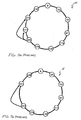
- Fig. 1a shows a prior art structured P2P overlay network N comprising a plurality of nodes 0, 20, 50, 87, 112, 140, 179, 200, 211, 223, 240.
- Fig. 1 a illustrates a Chord ring N.
- the reference signs 0, 20, 50, 87, 112, 140, 179, 200, 211, 223, 240 of the nodes are meant to represent also the node IDs of the nodes 0, 20, 50, 87, 112, 140, 179, 200, 211, 223, 240.
- Chord the nodes maintain direct connections to their predecessor and successor nodes, which results in a ring topology
- RSL redundant successor list
- a first node 200 of the plurality of nodes 0, 20, 50, 87, 112, 140, 179, 200, 211, 223, 240 maintains a successor list specifying identifiers of two successor nodes 211, 223 subsequently succeeding the first node 200. If the first successor node 211 crashes and leaves the ring, as is shown in Fig. 1b , the first node 200 still has a link to the other successor node 223 listed in the successor list.
- the topology structure of the peer-to-peer overlay network can be maintained. If multiple subsequent successor nodes neighbouring the first node 200 crash and the successor list does not list enough successor nodes such that the ring can be closed, the topology structure cannot be maintained and the ring breaks. Consequently the stability of the ring topology depends on the number of successor nodes listed in the successor list: the more successor nodes the more stable the ring.
- Chord A distributed lookup protocol that addresses the problem of locating a node which stores a desired data item. Chord provides support for just one operation: given a key, it maps the key onto a node. Each node n maintains a routing table with up to m entries, called finger table.
- XP002504247 represents the closest prior art.
- the publication describes the task of building a simple distributed and replicated database system on top of the distributed hash table Chord and the database application Berkeley DB Java Edition (JE).
- the publication also considers the case where nodes running on the same physical machine are neighbours in the Chord ring.
- EP 1 876 788 A1 describes a method for retrieving content of a distributed directory of a telecommunication system comprising a plurality of nodes arranged in a directed ring topology, the method comprising the steps of identifying a storage location of said content by means of a distributed hashing function, where the hashing function maps an element onto a node, where the node is responsible for carrying elements with a hash value between the node and its successor node.
- the object of the present invention is achieved by a method of providing a successor list for routing in a peer-to-peer overlay network having a DHT ring topology, the peer-to-peer overlay network comprising a plurality of nodes, whereby the successor list specifies identifiers of at least two successor nodes subsequently succeeding a first node of the plurality of nodes with regard to the ring topology structure of the peer-to-peer overlay network, the method comprising the steps of: determining, by the first node, whether the at least two successor nodes listed in the successor list run on the same physical hardware; if the at least two successor nodes run on the same physical hardware, adding , by the first node, to the successor list an identifier of at least one additional node of the plurality of nodes which succeeds the at least two successor nodes with regard to the ring topology structure of the peer-to-peer overlay network and runs on a different physical hardware than the at least two successor nodes; when a joining node joins the peer
- the object of the present invention is achieved by a first node of a peer-to-peer overlay network having a DHT ring topology, the peer-to-peer overlay network comprising a plurality of nodes, the first node maintaining a successor list for routing in the peer-to-peer overlay network, whereby the successor list specifies identifiers of at least two successor nodes subsequently succeeding the first node with regard to the ring topology structure of the peer-to-peer overlay network, whereby the first node comprises a control unit adapted to determine whether the at least two successor nodes listed in the successor list run on the same physical hardware, if the at least two successor nodes run on the same physical hardware, add to the successor list an identifier of at least one additional node of the plurality of nodes which succeeds the at least two successor nodes with regard to the ring topology structure of the peer-to-peer overlay network and runs on a different - physical hardware than the at least two successor nodes, when a joining node joins
- a computer program product for providing a successor list for routing in a peer-to-peer overlay network having a DHT ring topology, the peer-to-peer overlay network comprising a plurality of nodes, whereby the successor list specifies identifiers of at least two successor nodes subsequently succeeding a first node of the plurality of nodes with regard to the ring topology structure of the peer-to-peer overlay network, whereby the computer program product, when executed by the first node, performs the steps of: determining whether the at least two successor nodes listed in the successor list run on the same physical hardware; if the at least two successor nodes run on the same physical hardware, adding to the successor list an identifier of at least one additional node of the plurality of nodes which succeeds the at least two successor nodes with regard to the ring topology structure of the peer-to-peer overlay network and runs on a different physical hardware than the at least two successor nodes, when a joining node joins the peer
- a redundant successor list is based on the overlay specific node ID only, i.e. without considering the underlying physical hardware, as is the case in the prior art systems, it is possible that two successor nodes subsequently succeeding a node which routes according to the successor list are located on the same physical machine (e.g., a personal computer). If this physical hardware fails, the two successor nodes quit the DHT at the same time and the topology structure of the P2P overlay network is broken if the successor list maintained by the node only has links to peers running on the hardware that has failed.
- the present invention solves this problem encountered in the prior art.
- the present invention introduces an algorithm for providing a successor list which is based on the overlay topology specifics but at the same time respects the underlying physical hardware of the P2P overlay network.
- the present invention presents a system for providing a successor list which identifies the physical hardware on which one or more of the network nodes are running and considers this information about the physical hardware for a suitable redundant successor list.
- the successor list is amended so that the successor list also comprises one or more successor nodes running on a different hardware B.
- the present invention provides a secure way of providing a successor list.
- a successor list is a strategy to prevent the destruction of a topology structure in case of a node failure
- the successor list according to the present invention respects the physical hardware of potential or actual successor nodes to make sure that successor nodes do not run on the same physical node. This is not considered by prior art DHT algorithms.
- nodes are hosted on the same physical node (e.g. in virtualisation environments, e.g. VMware, Xen, ).
- the physical hardware of a node is disregarded, it is therefore likely that a topology structure is broken in case of a failure of multiple peers.
- the present invention avoids this risk by mean of a successor list provision that considers the physical hardware of a node.
- the present invention is especially helpful in small deployments where the probability that neighbour nodes are hosted on the same physical machine is increased.
- the present invention avoids the breaking of a topology structure by means of a mapping of the physical location and the overlay node ID.
- the invention maintains a redundancy of P2P topologies in virtual environments. And, the invention provides a higher efficiency because the successor list is automatically optimised to have the right length,
- the present invention provides a solution that considers virtualisation solutions on top of a distributed physical hardware infrastructure for the overlay topology creation and provision of redundant successor lists in a P2P network.
- this invention describes an improvement for a fundamental technology that can be beneficially used in distributed environments such as server clusters or pure P2P telephony systems.
- an identifier of as many additional nodes of the plurality of nodes which succeed the at least two successor nodes with regard to the topology structure of the peer-to-peer overlay network and which run on a different physical hardware than the at least two successor nodes are added to the successor list such that the total number of successor nodes listed in the successor list which run on different physical hardware becomes equal to a pre-defined redundancy factor.
- the identifier of the joining node is added to the successor list.
- the physical hardware on which the joining node runs is determined. Said determination is performed by the first node.
- the identifier of the at least one additional node is removed from the successor list if the total number of successor nodes listed in the successor list which run on different physical hardware is equal to a pre-defined redundancy factor whereby the total number is except the at least one additional node, i.e., said total number is determined without counting the at least one additional node.
- the first node detects information about its own hardware and about hardware of other nodes of the network.
- the goal of this detection is to find out which nodes of the plurality of nodes are running on a same physical hardware.
- the invention modifies the replication method executed by the Chord peers and thus is able to improve the availability of data in case of physical node failures.
- the invention associates each peer node to a hardware identifier, e.g., a CPU ID, a MAC address, etc. which identifies the hardware platform hosting the peer node.
- the peer node uses the hardware identifiers to replicate the set of resources for which it is responsible on at least one peer node running on a different hardware platform, preferably the closest successor in terms of topology structure, e.g., in terms of peer IDs.
- said physical hardware on which the at least two successor nodes run is determined by retrieving information from an external management unit linked or associated with the at least two successor nodes.
- said retrieval is performed by the first node.
- the physical hardware on which the at least one additional node runs is determined by retrieving information from an external management unit linked or associated with the at least one additional node.
- said retrieval is performed by the first node.
- the hardware on which the joining node runs is determined by retrieving information from an external management unit linked or associated with the joining node.
- said retrieval is performed by the first node.
- the external management unit may also be an external cluster management entity whereby the term "cluster" refers to the P2P overlay network as a cluster of network nodes.
- the external cluster management entity may be a central enrolment server, a bootstrap server or a network management and monitoring server.
- a manual (pre-)configuration of the nodes by a manager of the nodes is a solution.
- said physical hardware on which the at least two successor nodes run is determined by retrieving corresponding information from a network operator of the peer-to-peer network and/or from a user of the at least two successor nodes.
- said retrieval is performed by the first node.
- the physical hardware on which the at least one additional node runs is determined by retrieving corresponding information from a network operator of the peer-to-peer network and/or a user of the at least one additional node.
- said retrieval is performed by the first node.
- the hardware on which the joining node runs is determined by retrieving information from a network operator of the peer-to-peer network and/or a user of the joining node.
- said physical hardware on which the at least two successor nodes run is determined by means of a measurement on an application layer associated with the at least two successor nodes.
- said determination is performed by the first node.
- the physical hardware on which the at least one additional node runs is determined by means of a measurement on an application layer associated with the at least one additional node.
- said determination is performed by the first node.
- the hardware on which the joining node runs is determined by means of a measurement on an application layer associated with the joining node.
- said determination is performed by the first node.
- Said measurement on an application layer may be an application level probing mechanisms such as "ping" message exchanges.
- nodes can estimate from the connection latency if other nodes are hosted on the same device.
- other already known methods can be used to estimate if nodes are on the same hardware: E.g. network co-ordinate systems try to gain knowledge about the underlying network by measuring some inter-node latency without the need of explicit measurements of all links. This allows putting nodes close together In the logical overlay when they are nearby in a physical topology. Another example is Pastry which adjusts its routing table continuously for locality by measuring the latency to other nodes.
- the control unit is adapted to route a peer-to-peer message from the first node to a node of the successor list based on a routing policy. If said node of the successor list is not reachable in the peer-to-peer overlay network, e.g., due to a failure of the physical hardware on which said node of the successor list is/was running, the control unit is adapted to route the peer-to-peer message from the first node to the at least one additional node based on the routing policy.
- a peer-to-peer message is routed from the first node to one or more nodes of the at least two successor nodes based on a routing policy. If said one or more nodes of the at least two successor nodes is not reachable in the peer-to-peer overlay network, e.g., due to a failure of the physical hardware on which the at least two successor nodes are/were running, the peer-to-peer message is routed from the first node to the at least one additional node based on the routing policy.
- the routing policy specifies in which order to use the entries in the successor list. It is possible that the successor list comprises a sequence of identifiers of nodes. Then a routing policy may rule that the first node first tries to route the P2P message to a successor node of the successor list the identifier of which is the first identifier in the successor list. If this does not succeed, i.e., if the P2P message does not reach its destination, the first node then tries to route the P2P message to the at least one additional node the identifier of which is the second identifier in the successor list, and so on.
- the at least one additional node since it is unlikely that two different physical hardware units will fail at the same time, the at least one additional node will be reachable when the at least two successor nodes are not reachable since the at least one additional node and the at least two successor nodes run on different physical hardware.
- an identifier of as many additional nodes of the plurality of nodes which succeed the at least two successor nodes with regard to the topology structure of the peer-to-peer overlay network and which run on a different physical hardware than the at least two successor nodes are added to the successor list such that the total number of successor nodes listed in the successor list which run on different physical hardware becomes equal to a pre-defined redundancy factor.
- the invention introduces a dynamic redundant successor list algorithm to maintain the P2P overlay in case two or more subsequent successor nodes that are running on the same physical hardware quit the overlay.
- the dynamic redundant successor list algorithm provides that identfiers of successor nodes are added to the redundant successor list if one or more successors in the RSL are running on the same hardware, e.g., by virtualisation software.
- the dynamic redundant successor list algorithm provides that identifiers of redundant successor nodes are removed from the RSL if new peers, which are running on a different hardware than the nodes listed in the RSL, have joined the P2P network and have been added to the redundant successor list.
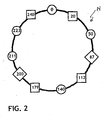
- Fig. 2 shows a P2P overlay network according to an embodiment of the invention.
- Fig. 2 illustrates a Chord ring N according to an embodiment of the invention.
- the Chord ring N comprises a plurality of nodes 0, 20, 50, 87, 112, 140, 179, 200, 211, 223, 240 where the reference signs 0, 20, 50, 87, 112, 140, 179, 200, 211, 223, 240 are meant to represent also the node IDs of the nodes 0, 20, 50, 87, 112, 140, 179, 200, 211, 223, 240.
- the node IDs of the nodes are assigned by the overlay specific DHT algorithm and can for example be based on an enrolment server or chosen randomly by the node itself.
- Each node represents a peer of the Chord ring N.
- a first node 200 determines the physical hardware on which the successor nodes contained in the successor list maintained by the first node 200 are running. Let us assume that the first node 200 maintains a successor list L with two entries: the one entry is an identifier, e.g., a node ID, of the node 211, and the other entry is an identifier, e.g., a node ID, of the node 223.
- the first node 200 is composed of one or several inter-linked computers, i.e., a hardware platform, a software platform basing on the hardware platform and several application programs executed by the system platform formed by the software and hardware platform.
- the functionality of the first node 200 is provided by the execution of these application programs.
- the application programs or a selected part of these application programs constitute a computer software product providing a routing service as described in the following, when executed on the system platform. Further, such computer software product is constituted by a storage medium storing these application programs or said selected part of application programs.
- the first node 200 comprises a control unit for control of the functions of the first node, a storage medium for storing data, and an interface for exchange of information with other nodes.
- the first node 200 may use any available information that helps to identify the physical hardware on which the successor nodes 211, 223 are running. It is possible that the first node 200 retrieves information about the physical hardware of the successor nodes 211, 223 by gathering information from a platform of the successor nodes 211, 223, e.g., a CPU ID, a MAC address, a location, an IP address, etc. Then, the first node 200 may gather corresponding information from the other nodes 0, 20, 50, 87, 112, 140, 179, 240 of the Chord ring N and compare the gathered pieces of information.
- the first node 200 may gather corresponding information from the other nodes 0, 20, 50, 87, 112, 140, 179, 240 of the Chord ring N and compare the gathered pieces of information.
- the first node 211 may use information retrieved from an external management entity, provided by means of a manual configuration performed by a user of the hardware on which the successor nodes 211, 223 are running, gathered by means of application layer measurements, etc.
- each of the other nodes 0, 20, 50, 87, 112, 140, 179, 211, 223, 240 may use any available information that helps to identify the physical hardware it is running on. It is possible that each of the other nodes 0, 20, 50, 87, 112, 140, 179, 211, 223, 240 communicates the gathered information about the respective physical hardware to the first node 200.
- the first node 200 accesses the physical hardware on which the other nodes 0, 20, 50, 87, 112, 140, 179, 211, 223, 240 are running and collects the pieces of information about their respective physical hardware from the other nodes 0, 20, 50, 87, 112, 140, 179, 211, 223, 240.
- Fig. 2 shows the hardware classification and illustrates this by different icon shapes for the nodes 0, 20, 50, 87, 112, 140, 179, 200, 211, 223, 240.
- Each shape represents another physical machine. That means that the nodes 0, 50, 140, 211, and 223 run on a first machine.
- the nodes 20, 112, 179, and 240 run on a second machine.
- the nodes 87 and 200 run on a third machine.
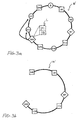
- Figs. 3a and 3b show a failure of the physical hardware on which the two successor nodes contained in the successor list L run.
- the nodes 211 and 223 are running on the same machine. In Fig. 3b this machine crashes and the nodes 211 and 223 quit the ring N. Consequently the node 200 is out of links to active peers to maintain the ring topology.
- the first node 200 loses the connection to any successor node since both successor nodes 211, 223 kept in the RSL associated with the first node 200 are not reachable due to the hardware failure.
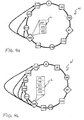
- Fig. 4a illustrates the method according to the invention for a dynamic redundant successor list adaptation.
- the nodes 0, 20, 50, 87, 112,140, 179, 200, 211, 223, 240 identify the physical hardware they are running on.
- the first node 200 introduces a dynamic redundant successor list algorithm to keep the P2P overlay stable if subsequent neighbour peers 211, 223 that are hosted on the same physical hardware crash.
- this algorithm comprises two sub-algorithms, an adding algorithm and a removing algorithm.
- the adding algorithm adds peers to the RSL if multiple subsequent neighbour peers listed in the RSL are running on same physical machine.
- the first node 200 adds an additional node 240 to the successor list L of the first node 200, thus expanding the successor list L.
- the reason for this addition is that the two successor nodes 211, 223, the identifiers of which were so far the only entries in the successor list L of the first node 200, are running on the same physical machine. Hence, if the machine on which the two successor nodes 211, 223 run crashes, the first node 200 still has left the node 240 in the successor list L of the first node 200, enabling the first node 200 left to close the ring topology of the network N.
- a peer To get the same redundancy factor as in a normal Chord environment where each peer runs on its own hardware, a peer has to add to the successor list the same amount of peers running on different hardware as the redundancy factor specifies.
- Fig. 4b shows a situation where the Chord ring N comprises a plurality of nodes 0, 20, 50, 87, 112, 140, 179, 200, 211, 219, 223, 240, and 249.
- a redundancy factor of three is realised according to the method of the present invention.
- a Chord redundancy factor of three needs requires the five nodes 211, 219, 223, 240, and 249 to be contained in the successor list L because the nodes 211 and 223 are running on the same physical machine and the nodes 219 and 240 are running on the same physical machine, too.
- the removing algorithm removes peers from the RSL if the additional node that was added previously is no longer needed. This is the case if a node joins or leaves in the ID space that is covered by the RSL.
- Fig. 5a shows a situation where the first node 200 maintains a successor list L containing the two original successor nodes 211 and 223 and the additional node 240 that was added later-on.
- the physical hardware on which the two original successor nodes 211 and 223 run is the same.
- the physical hardware on which the additional node 240 runs is different from the physical hardware on which the two original successor nodes 211 and 223 run.
- a joining node 220 joins the peer-to-peer overlay network N in between the successor nodes 211 and 223 listed in the successor list L.
- An identifier, e.g., a node ID 220, of the joining node 220 is added to the successor list of the first node 200.
- the first node 220 performs the amendment to its successor list L.
- the first node 220 determines the physical hardware on which the joining node 220 runs.
- the first node 220 detects that the physical hardware on which the joining node 220 runs is different from the physical hardware on which the two original successor nodes 211 and 223 run and is different from the physical hardware on which the additional node 240 runs.
- the first node 200 removes the identifier of the additional node 240 from the successor list L. Then the total number of successor nodes 211, 220 listed in the successor list L which run on different physical hardware-without counting the at least one additional node 240 the identifier of which has been removed from the successor list L - is equal to the pre-defined redundancy factor of two.
Landscapes
- Engineering & Computer Science (AREA)
- Computer Networks & Wireless Communication (AREA)
- Signal Processing (AREA)
- Physics & Mathematics (AREA)
- Computing Systems (AREA)
- Mathematical Physics (AREA)
- Theoretical Computer Science (AREA)
- Mobile Radio Communication Systems (AREA)
- Data Exchanges In Wide-Area Networks (AREA)
Claims (13)
- Verfahren zur Bereitstellung einer Nachfolgerliste (L) für die Leitweglenkung in einem Peer-to-Peer-Overlay-Netzwerk (N), welches eine DHT-Ringtopologie aufweist, wobei das Peer-to-Peer-Overlay-Netzwerk (N) eine Vielzahl von Knoten (0, 20, 50, 87, 112, 140, 179, 200, 211, 223, 240) umfasst, wobei die Nachfolgerliste (L) Kennungen von mindestens zwei Nachfolgerknoten (211, 223), welche anschließend einem ersten Knoten (200) der Vielzahl von Knoten (0, 20, 50, 87, 112, 140, 179, 200, 211, 223, 240) bezüglich der Ringtopologie-Struktur des Peer-to-Peer-Overlay-Netzwerks (N) folgen, angibt, wobei das Verfahren die folgenden Schritte umfasst:Ermitteln, durch den ersten Knoten (200), ob die mindestens zwei in der Nachfolgerliste (L) enthaltenen Nachfolgerknoten (211, 223) auf derselben physischen Hardware laufen;wenn die mindestens zwei Nachfolgerknoten (211, 223) auf derselben physischen Hardware laufen, Hinzufügen zu der Nachfolgerliste (L), durch den ersten Knoten (200), einer Kennung mindestens eines zusätzlichen Knotens (240) der Vielzahl von Knoten (0, 20, 50, 87, 112, 140, 179, 200, 211, 223, 240), welcher den mindestens zwei Nachfolgerknoten (211, 223) bezüglich der Ringtopologie-Struktur des Peer-to-Peer-Overlay-Netzwerks (N) folgt und auf einer anderen physischen Hardware als die mindestens zwei Nachfolgerknoten (211, 223) läuft;wenn ein beitretender Knoten (220) dem Peer-to-Peer-Overlay-Netzwerk (N) zwischen den in der Nachfolgerliste (L) enthaltenen Nachfolgerknoten beitritt, Hinzufügen, durch den ersten Knoten (200), der Kennung des beitretenden Knotens (220) zu der Nachfolgerliste (L);Ermitteln, durch den ersten Knoten (200), der physischen Hardware, auf welcher der beitretende Knoten (220) läuft; undEntfernen, durch den ersten Knoten (200), der Kennung des mindestens einen zusätzlichen Knotens (240) aus der Nachfolgerliste (L), wenn die Gesamtanzahl der in der Nachfolgerliste (L) enthaltenen Nachfolgerknoten, welche auf unterschiedlicher physischer Hardware laufen, mit Ausnahme des mindestens einen zusätzlichen Knotens (240), einem vorgegebenen Redundanzfaktor entspricht.
- Verfahren nach Anspruch 1,
wobei
das Verfahren weiterhin den folgenden Schritt umfasst:Wenn die mindestens zwei Nachfolgerknoten (211, 223) auf derselben physischen Hardware laufen, Hinzufügen zu der Nachfolgerliste (L) einer Kennung so vieler zusätzlicher Knoten (240) der Vielzahl von Knoten (0, 20, 50, 87, 112, 140, 179, 200, 211, 223, 240), welche den mindestens zwei Nachfolgerknoten (211, 223) bezüglich der Ringtopologie-Struktur des Peer-to-Peer-Overlay-Netzwerks (N) folgen und auf einer anderen physischen Hardware als die mindestens zwei Nachfolgerknoten (211, 223) laufen, derart, dass die Gesamtanzahl der in der Nachfolgerliste (L) enthaltenen Nachfolgerknoten, welche auf unterschiedlicher physischer Hardware laufen, einem vorgegebenen Redundanzfaktor entspricht. - Verfahren nach Anspruch 1,
wobei
das Verfahren weiterhin den folgenden Schritt umfasst:Ermitteln der physischen Hardware, auf welcher die mindestens zwei Nachfolgerknoten (211, 223) und/oder der mindestens eine zusätzliche Knoten (240) laufen, durch Abrufen von Informationen aus jeweils einer Plattform der mindestens zwei Nachfolgerknoten (211, 223) und/oder des mindestens einen zusätzlichen Knotens (240). - Verfahren nach Anspruch 1,
wobei
das Verfahren weiterhin den folgenden Schritt umfasst:Ermitteln der physischen Hardware, auf welcher der beitretende Knoten (220) läuft, durch Abrufen von Informationen aus einer Plattform des beitretenden Knotens (220). - Verfahren nach Anspruch 1,
wobei
das Verfahren weiterhin den folgenden Schritt umfasst:Ermitteln der physischen Hardware, auf welcher die mindestens zwei Nachfolgerknoten (211, 223) und/oder der mindestens eine zusätzliche Knoten (240) laufen, durch Abrufen von Informationen jeweils aus einer mit den mindestens zwei Nachfolgerknoten (211, 223) und/oder dem mindestens einen zusätzlichen Knoten (240) verknüpften externen Verwaltungseinheit. - Verfahren nach Anspruch 1,
wobei
das Verfahren weiterhin den folgenden Schritt umfasst:Ermitteln der physischen Hardware, auf welcher der beitretende Knoten (220) läuft, durch Abrufen von Informationen aus einer mit dem beitretenden Knoten (220) verknüpften externen Verwaltungseinheit. - Verfahren nach Anspruch 1,
wobei
das Verfahren weiterhin den folgenden Schritt umfasst:Ermitteln der physischen Hardware, auf welcher die mindestens zwei Nachfolgerknoten (211, 223) und/oder der mindestens eine zusätzliche Knoten (240) laufen, durch Abrufen von entsprechenden Informationen jeweils von einem Netzwerkbetreiber des Peer-to-Peer-Netzwerks (N) und/oder einem Benutzer der mindestens zwei Nachfolgerknoten (211, 223) und/oder des mindestens einen zusätzlichen Knotens (240). - Verfahren nach Anspruch 1,
wobei
das Verfahren weiterhin den folgenden Schritt umfasst:Ermitteln der physischen Hardware, auf welcher der beitretende Knoten (220) läuft, durch Abrufen von entsprechenden Informationen von einem Netzwerkbetreiber des Peer-to-Peer-Netzwerks (N) und/oder einem Benutzer des beitretenden Knotens (220). - Verfahren nach Anspruch 1,
wobei
das Verfahren weiterhin den folgenden Schritt umfasst:Ermitteln der physischen Hardware, auf welcher die mindestens zwei Nachfolgerknoten (211, 223) und/oder der mindestens eine zusätzliche Knoten (240) laufen, durch eine Latenzmessung auf einer Anwendungsschicht des Peer-to-Peer-Overlay-Netzwerks (N). - Verfahren nach Anspruch 1,
wobei
das Verfahren weiterhin den folgenden Schritt umfasst:Ermitteln der physischen Hardware, auf welcher der beitretende Knoten (220) läuft, durch eine Latenzmessung auf einer Anwendungsschicht des Peer-to-Peer-Overlay-Netzwerks (N). - Ein erster Knoten (200) eines Peer-to-Peer-Overlay-Netzwerks (N), welches eine DHT-Ringtopologie aufweist, wobei das Peer-to-Peer-Overlay-Netzwerk (N) eine Vielzahl von Knoten (0, 20, 50, 87, 112, 140, 179, 200, 211, 223, 240) umfasst, wobei der erste Knoten (200) eine Nachfolgerliste (L) für die Leitweglenkung in dem Peer-to-Peer-Overlay-Netzwerk (N) bereithält, wobei die Nachfolgerliste (L) Kennungen von mindestens zwei Nachfolgerknoten (211, 223), welche anschließend dem ersten Knoten (200) bezüglich der Ringtopologie-Struktur des Peer-to-Peer-Overlay-Netzwerks (N) folgen, angibt, wobei der erste Knoten (200) eine Steuereinheit umfasst, welche dazu ausgelegt ist, zu ermitteln, ob die mindestens zwei in der Nachfolgerliste (L) enthaltenen Nachfolgerknoten (211, 223) auf derselben physischen Hardware laufen; wenn die mindestens zwei Nachfolgerknoten (211, 223) auf derselben physischen Hardware laufen, eine Kennung mindestens eines zusätzlichen Knotens (240) der Vielzahl von Knoten (0, 20, 50, 87, 112, 140, 179, 200, 211, 223, 240), welcher den mindestens zwei Nachfolgerknoten (211, 223) bezüglich der Ringtopologie-Struktur des Peer-to-Peer-Overlay-Netzwerks (N) folgt und auf einer anderen physischen Hardware als die mindestens zwei Nachfolgerknoten (211, 223) läuft, zu der Nachfolgerliste (L) hinzuzufügen; wenn ein beitretender Knoten (220) dem Peer-to-Peer-Overlay-Netzwerk (N) zwischen den in der Nachfolgerliste (L) enthaltenen Nachfolgerknoten beitritt, die Kennung des beitretenden Knotens (220) zu der Nachfolgerliste (L) hinzuzufügen; die physische Hardware, auf welcher der beitretende Knoten (220) läuft, zu bestimmen; und die Kennung des mindestens einen zusätzlichen Knotens (240) aus der Nachfolgerliste (L) zu entfernen, wenn die Gesamtanzahl der in der Nachfolgerliste (L) enthaltenen Nachfolgerknoten, welche auf unterschiedlicher physischer Hardware laufen, mit Ausnahme des mindestens einen zusätzlichen Knotens (240), einem vorgegebenen Redundanzfaktor entspricht.
- Der erste Knoten (200) nach Anspruch 11,
wobei
die Steuereinheit weiterhin dazu ausgelegt ist, eine Peer-to-Peer-Nachricht auf der Basis einer Routing-Richtlinie von dem ersten Knoten (200) an einen Knoten der Nachfolgerliste (L) zu routen, und wenn der besagte Knoten der Nachfolgerliste (L) in dem Peer-to-Peer-Overlay-Netzwerk (N) nicht erreichbar ist, die Peer-to-Peer-Nachricht auf der Basis der Routing-Richtlinie von dem ersten Knoten (200) an den mindestens einen zusätzlichen Knoten (240) zu routen. - Computerprogramm-Produkt zur Bereitstellung einer Nachfolgerliste (L) für das Routen in einem Peer-to-Peer-Overlay-Netzwerk (N), welches eine DHT-Ringtopologie aufweist, wobei das Peer-to-Peer-Overlay-Netzwerk (N) eine Vielzahl von Knoten (0, 20, 50, 87, 112, 140, 179, 200, 211, 223, 240) umfasst, wobei die Nachfolgerliste (L) Kennungen von mindestens zwei Nachfolgerknoten (211, 223), welche anschließend einem ersten Knoten (200) der Vielzahl von Knoten (0, 20, 50, 87, 112, 140, 179, 200, 211, 223, 240) bezüglich der Ringtopologie-Struktur des Peer-to-Peer-Overlay-Netzwerks (N) folgen, angibt, wobei das Computerprogramm-Produkt bei dessen Ausführung durch den ersten Knoten (200) die folgenden Schritte durchführt:Ermitteln, ob die mindestens zwei in der Nachfolgerliste (L) enthaltenen Nachfolgerknoten (211, 223) auf derselben physischen Hardware laufen;wenn die mindestens zwei Nachfolgerknoten (211, 223) auf derselben physischen Hardware laufen, Hinzufügen zu der Nachfolgerliste (L) einer Kennung mindestens eines zusätzlichen Knotens (240) der Vielzahl von Knoten (0, 20, 50, 87, 112, 140, 179, 200, 211, 223, 240), welcher den mindestens zwei Nachfolgerknoten (211, 223) bezüglich der Ringtopologie-Struktur des Peer-to-Peer-Overlay-Netzwerks (N) folgt und auf einer anderen physischen Hardware als die mindestens zwei Nachfolgerknoten (211, 223) läuft;wenn ein beitretender Knoten (220) dem Peer-to-Peer-Overlay-Netzwerk (N) zwischen den in der Nachfolgerliste (L) enthaltenen Nachfolgerknoten beitritt, Hinzufügen der Kennung des beitretenden Knotens (220) zu der Nachfolgerliste (L);Ermitteln der physischen Hardware, auf welcher der beitretende Knoten (220) läuft; undEntfernen der Kennung des mindestens einen zusätzlichen Knotens (240) aus der Nachfolgerliste (L), wenn die Gesamtanzahl der in der Nachfolgerliste (L) enthaltenen Nachfolgerknoten, welche auf unterschiedlicher physischer Hardware laufen, mit Ausnahme des mindestens einen zusätzlichen Knotens (240), einem vorgegebenen Redundanzfaktor entspricht.
Priority Applications (7)
| Application Number | Priority Date | Filing Date | Title |
|---|---|---|---|
| AT08290625T ATE551818T1 (de) | 2008-06-27 | 2008-06-27 | Verfahren zur bereitstellung einer nachfolgerliste |
| EP08290625A EP2139202B1 (de) | 2008-06-27 | 2008-06-27 | Verfahren zur Bereitstellung einer Nachfolgerliste |
| PCT/EP2009/057702 WO2009156352A1 (en) | 2008-06-27 | 2009-06-19 | Method of providing a successor list |
| JP2011515327A JP5247882B2 (ja) | 2008-06-27 | 2009-06-19 | 後続リストを提供する方法 |
| KR1020107028992A KR101224374B1 (ko) | 2008-06-27 | 2009-06-19 | 후속자 목록을 제공하는 방법 |
| US12/492,872 US8792331B2 (en) | 2008-06-27 | 2009-06-26 | Method of providing a successor list |
| CN2009101509681A CN101616013B (zh) | 2008-06-27 | 2009-06-29 | 提供后继列表的方法 |
Applications Claiming Priority (1)
| Application Number | Priority Date | Filing Date | Title |
|---|---|---|---|
| EP08290625A EP2139202B1 (de) | 2008-06-27 | 2008-06-27 | Verfahren zur Bereitstellung einer Nachfolgerliste |
Publications (2)
| Publication Number | Publication Date |
|---|---|
| EP2139202A1 EP2139202A1 (de) | 2009-12-30 |
| EP2139202B1 true EP2139202B1 (de) | 2012-03-28 |
Family
ID=39941420
Family Applications (1)
| Application Number | Title | Priority Date | Filing Date |
|---|---|---|---|
| EP08290625A Not-in-force EP2139202B1 (de) | 2008-06-27 | 2008-06-27 | Verfahren zur Bereitstellung einer Nachfolgerliste |
Country Status (7)
| Country | Link |
|---|---|
| US (1) | US8792331B2 (de) |
| EP (1) | EP2139202B1 (de) |
| JP (1) | JP5247882B2 (de) |
| KR (1) | KR101224374B1 (de) |
| CN (1) | CN101616013B (de) |
| AT (1) | ATE551818T1 (de) |
| WO (1) | WO2009156352A1 (de) |
Families Citing this family (22)
| Publication number | Priority date | Publication date | Assignee | Title |
|---|---|---|---|---|
| CN102148740B (zh) * | 2010-02-05 | 2013-09-18 | 中国移动通信集团公司 | 一种邻区路由表的更新方法和系统 |
| JP5604415B2 (ja) * | 2011-12-27 | 2014-10-08 | エヌ・ティ・ティ・コムウェア株式会社 | ネットワークシステム及びネットワーク構築方法、端末 |
| US8849977B2 (en) * | 2012-03-09 | 2014-09-30 | Telefonaktiebolaget Lm Ericsson (Publ) | Method and a control node in an overlay network |
| US10587505B1 (en) | 2012-12-27 | 2020-03-10 | Sitting Man, Llc | Routing methods, systems, and computer program products |
| US10419335B1 (en) * | 2012-12-27 | 2019-09-17 | Sitting Man, Llc | Region scope-specific outside-scope indentifier-equipped routing methods, systems, and computer program products |
| US10397101B1 (en) * | 2012-12-27 | 2019-08-27 | Sitting Man, Llc | Routing methods, systems, and computer program products for mapping identifiers |
| US10404582B1 (en) | 2012-12-27 | 2019-09-03 | Sitting Man, Llc | Routing methods, systems, and computer program products using an outside-scope indentifier |
| US10904144B2 (en) | 2012-12-27 | 2021-01-26 | Sitting Man, Llc | Methods, systems, and computer program products for associating a name with a network path |
| US10411997B1 (en) * | 2012-12-27 | 2019-09-10 | Sitting Man, Llc | Routing methods, systems, and computer program products for using a region scoped node identifier |
| US10397100B1 (en) * | 2012-12-27 | 2019-08-27 | Sitting Man, Llc | Routing methods, systems, and computer program products using a region scoped outside-scope identifier |
| US10404583B1 (en) * | 2012-12-27 | 2019-09-03 | Sitting Man, Llc | Routing methods, systems, and computer program products using multiple outside-scope identifiers |
| US10411998B1 (en) * | 2012-12-27 | 2019-09-10 | Sitting Man, Llc | Node scope-specific outside-scope identifier-equipped routing methods, systems, and computer program products |
| US10447575B1 (en) | 2012-12-27 | 2019-10-15 | Sitting Man, Llc | Routing methods, systems, and computer program products |
| US10212076B1 (en) | 2012-12-27 | 2019-02-19 | Sitting Man, Llc | Routing methods, systems, and computer program products for mapping a node-scope specific identifier |
| US10419334B1 (en) * | 2012-12-27 | 2019-09-17 | Sitting Man, Llc | Internet protocol routing methods, systems, and computer program products |
| WO2014108356A2 (en) * | 2013-01-10 | 2014-07-17 | Telefonaktiebolaget L M Ericsson (Publ) | Connection mechanism for energy-efficient peer-to-peer networks |
| US9210219B2 (en) | 2013-07-15 | 2015-12-08 | Red Hat, Inc. | Systems and methods for consistent hashing using multiple hash rings |
| US9800575B1 (en) * | 2014-09-24 | 2017-10-24 | Ebay Inc. | Assigning storage responsibility in a distributed data storage system with replication |
| US11095715B2 (en) | 2014-09-24 | 2021-08-17 | Ebay Inc. | Assigning storage responsibility in a distributed data storage system with replication |
| CN107171820B (zh) * | 2016-03-08 | 2019-12-31 | 北京京东尚科信息技术有限公司 | 信息传输、发送、获取方法和装置 |
| US10608869B2 (en) * | 2017-03-20 | 2020-03-31 | Nicira, Inc. | Handling control-plane connectivity loss in virtualized computing environments |
| US10747632B2 (en) * | 2017-08-11 | 2020-08-18 | T-Mobile Usa, Inc. | Data redundancy and allocation system |
Family Cites Families (11)
| Publication number | Priority date | Publication date | Assignee | Title |
|---|---|---|---|---|
| US6353412B1 (en) * | 1998-03-17 | 2002-03-05 | Qualcomm, Incorporated | Method and apparatus for determining position location using reduced number of GPS satellites and synchronized and unsynchronized base stations |
| US7730207B2 (en) * | 2004-03-31 | 2010-06-01 | Microsoft Corporation | Routing in peer-to-peer networks |
| DE102004044987A1 (de) * | 2004-09-16 | 2006-03-30 | Siemens Ag | Verfahren, Computerprogramm mit Programmcode-Mitteln und Computerprogramm-Produkt zur Überwachung eines Systemzustands eines Systems mit verteilten Komponenten, insbesondere eines Netzwerks mit verteilten Komponenten, Netzwerk mit verteilten Komponenten |
| CN100452734C (zh) * | 2005-11-17 | 2009-01-14 | 中国科学院计算技术研究所 | 基于全局Internet拓扑知识的P2P应用构建方法 |
| US7881223B2 (en) * | 2006-03-31 | 2011-02-01 | Panasonic Corporation | Method for on demand distributed hash table update |
| US20070230468A1 (en) * | 2006-03-31 | 2007-10-04 | Matsushita Electric Industrial Co., Ltd. | Method to support mobile devices in a peer-to-peer network |
| ATE413765T1 (de) | 2006-07-07 | 2008-11-15 | Alcatel Lucent | Verteilter hashing-mechanismus für selbstorganisierende netzwerke |
| JP2008152594A (ja) * | 2006-12-19 | 2008-07-03 | Hitachi Ltd | マルチコアプロセッサ計算機の高信頼化方法 |
| US20080288654A1 (en) * | 2007-05-17 | 2008-11-20 | Nokia Corporation | Node and method to provide and keep real-time up-to-date data in a distributed hash table |
| US20090213754A1 (en) * | 2008-02-26 | 2009-08-27 | Roie Melamed | Device, System, and Method of Group Communication |
| CA2724406A1 (en) * | 2008-05-23 | 2009-11-26 | Jouni Maenpaa | Maintaining distributed hash tables in an overlay network |
-
2008
- 2008-06-27 AT AT08290625T patent/ATE551818T1/de active
- 2008-06-27 EP EP08290625A patent/EP2139202B1/de not_active Not-in-force
-
2009
- 2009-06-19 WO PCT/EP2009/057702 patent/WO2009156352A1/en not_active Ceased
- 2009-06-19 JP JP2011515327A patent/JP5247882B2/ja not_active Expired - Fee Related
- 2009-06-19 KR KR1020107028992A patent/KR101224374B1/ko not_active Expired - Fee Related
- 2009-06-26 US US12/492,872 patent/US8792331B2/en not_active Expired - Fee Related
- 2009-06-29 CN CN2009101509681A patent/CN101616013B/zh not_active Expired - Fee Related
Also Published As
| Publication number | Publication date |
|---|---|
| JP5247882B2 (ja) | 2013-07-24 |
| US20090323696A1 (en) | 2009-12-31 |
| CN101616013A (zh) | 2009-12-30 |
| US8792331B2 (en) | 2014-07-29 |
| WO2009156352A1 (en) | 2009-12-30 |
| KR101224374B1 (ko) | 2013-01-21 |
| CN101616013B (zh) | 2012-07-04 |
| ATE551818T1 (de) | 2012-04-15 |
| JP2011525766A (ja) | 2011-09-22 |
| EP2139202A1 (de) | 2009-12-30 |
| KR20110021935A (ko) | 2011-03-04 |
Similar Documents
| Publication | Publication Date | Title |
|---|---|---|
| US8792331B2 (en) | Method of providing a successor list | |
| EP2139205B1 (de) | Verfahren zur redundanten Datenspeicherung | |
| US20090323700A1 (en) | Method of determining a routing path | |
| Ratnasamy et al. | Routing algorithms for DHTs: Some open questions | |
| US7738466B2 (en) | Distributed hashing mechanism for self-organizing networks | |
| Wang et al. | Peer-to-peer overlay networks: A survey | |
| Pourebrahimi et al. | A survey of peer-to-peer networks | |
| US9069761B2 (en) | Service-aware distributed hash table routing | |
| Salter et al. | An optimized two-tier P2P architecture for contextualized keyword searches | |
| Bertier et al. | D2ht: The best of both worlds, integrating rps and dht | |
| Merz et al. | Fault-tolerant resource discovery in peer-to-peer grids | |
| Antonopoulos et al. | A Multi-Ring Method for Efficient Multi-Dimensional Data Lookup in P2P Networks. | |
| Dobre | A cluster-enhanced fault tolerant peer-to-peer systems | |
| Istin et al. | Sopsys: Self-organizing decentralized peer-to-peer system based on well balanced multi-way trees | |
| Guo et al. | Theory and network applications of balanced Kautz tree structures | |
| Beitollahi et al. | Analysis of peer-to-peer networks from a dependability perspective | |
| Galluccio et al. | On the efficiency and trustworthiness of DHT-based P2P search algorithms in mobile wireless networks | |
| Beitollahi et al. | Dependable overlay networks | |
| Mitra | Technological networks | |
| Dobre et al. | DistHash: A robust P2P DHT-based system for replicated objects | |
| Nazmudeen et al. | A Survey on Distributed Service Discovery Mechanisms with the Focus on Topology Awareness | |
| Deng et al. | Honeycomb: A Peer-to-Peer substrate for on-demand media streaming service | |
| Qiu | Protocols for resource management in a Peer-to-Peer Network | |
| Pandey et al. | A load balanced two-tier DHT with improved lookup performance of non-popular data items | |
| Galluccio et al. | Willage: A Two-Tiered Peer-to-Peer Resource Sharing Platform for Wireless Mesh Community Networks |
Legal Events
| Date | Code | Title | Description |
|---|---|---|---|
| PUAI | Public reference made under article 153(3) epc to a published international application that has entered the european phase |
Free format text: ORIGINAL CODE: 0009012 |
|
| 17P | Request for examination filed |
Effective date: 20090610 |
|
| AK | Designated contracting states |
Kind code of ref document: A1 Designated state(s): AT BE BG CH CY CZ DE DK EE ES FI FR GB GR HR HU IE IS IT LI LT LU LV MC MT NL NO PL PT RO SE SI SK TR |
|
| AX | Request for extension of the european patent |
Extension state: AL BA MK RS |
|
| AKX | Designation fees paid |
Designated state(s): AT BE BG CH CY CZ DE DK EE ES FI FR GB GR HR HU IE IS IT LI LT LU LV MC MT NL NO PL PT RO SE SI SK TR |
|
| GRAP | Despatch of communication of intention to grant a patent |
Free format text: ORIGINAL CODE: EPIDOSNIGR1 |
|
| GRAS | Grant fee paid |
Free format text: ORIGINAL CODE: EPIDOSNIGR3 |
|
| RAP1 | Party data changed (applicant data changed or rights of an application transferred) |
Owner name: ALCATEL LUCENT |
|
| GRAA | (expected) grant |
Free format text: ORIGINAL CODE: 0009210 |
|
| AK | Designated contracting states |
Kind code of ref document: B1 Designated state(s): AT BE BG CH CY CZ DE DK EE ES FI FR GB GR HR HU IE IS IT LI LT LU LV MC MT NL NO PL PT RO SE SI SK TR |
|
| REG | Reference to a national code |
Ref country code: GB Ref legal event code: FG4D |
|
| REG | Reference to a national code |
Ref country code: CH Ref legal event code: EP |
|
| REG | Reference to a national code |
Ref country code: AT Ref legal event code: REF Ref document number: 551818 Country of ref document: AT Kind code of ref document: T Effective date: 20120415 |
|
| REG | Reference to a national code |
Ref country code: IE Ref legal event code: FG4D |
|
| REG | Reference to a national code |
Ref country code: DE Ref legal event code: R096 Ref document number: 602008014420 Country of ref document: DE Effective date: 20120524 |
|
| REG | Reference to a national code |
Ref country code: NL Ref legal event code: VDEP Effective date: 20120328 |
|
| PG25 | Lapsed in a contracting state [announced via postgrant information from national office to epo] |
Ref country code: HR Free format text: LAPSE BECAUSE OF FAILURE TO SUBMIT A TRANSLATION OF THE DESCRIPTION OR TO PAY THE FEE WITHIN THE PRESCRIBED TIME-LIMIT Effective date: 20120328 Ref country code: NO Free format text: LAPSE BECAUSE OF FAILURE TO SUBMIT A TRANSLATION OF THE DESCRIPTION OR TO PAY THE FEE WITHIN THE PRESCRIBED TIME-LIMIT Effective date: 20120628 Ref country code: LT Free format text: LAPSE BECAUSE OF FAILURE TO SUBMIT A TRANSLATION OF THE DESCRIPTION OR TO PAY THE FEE WITHIN THE PRESCRIBED TIME-LIMIT Effective date: 20120328 |
|
| LTIE | Lt: invalidation of european patent or patent extension |
Effective date: 20120328 |
|
| PG25 | Lapsed in a contracting state [announced via postgrant information from national office to epo] |
Ref country code: GR Free format text: LAPSE BECAUSE OF FAILURE TO SUBMIT A TRANSLATION OF THE DESCRIPTION OR TO PAY THE FEE WITHIN THE PRESCRIBED TIME-LIMIT Effective date: 20120629 Ref country code: FI Free format text: LAPSE BECAUSE OF FAILURE TO SUBMIT A TRANSLATION OF THE DESCRIPTION OR TO PAY THE FEE WITHIN THE PRESCRIBED TIME-LIMIT Effective date: 20120328 Ref country code: LV Free format text: LAPSE BECAUSE OF FAILURE TO SUBMIT A TRANSLATION OF THE DESCRIPTION OR TO PAY THE FEE WITHIN THE PRESCRIBED TIME-LIMIT Effective date: 20120328 |
|
| REG | Reference to a national code |
Ref country code: AT Ref legal event code: MK05 Ref document number: 551818 Country of ref document: AT Kind code of ref document: T Effective date: 20120328 |
|
| PG25 | Lapsed in a contracting state [announced via postgrant information from national office to epo] |
Ref country code: CY Free format text: LAPSE BECAUSE OF FAILURE TO SUBMIT A TRANSLATION OF THE DESCRIPTION OR TO PAY THE FEE WITHIN THE PRESCRIBED TIME-LIMIT Effective date: 20120328 |
|
| PG25 | Lapsed in a contracting state [announced via postgrant information from national office to epo] |
Ref country code: EE Free format text: LAPSE BECAUSE OF FAILURE TO SUBMIT A TRANSLATION OF THE DESCRIPTION OR TO PAY THE FEE WITHIN THE PRESCRIBED TIME-LIMIT Effective date: 20120328 Ref country code: BE Free format text: LAPSE BECAUSE OF FAILURE TO SUBMIT A TRANSLATION OF THE DESCRIPTION OR TO PAY THE FEE WITHIN THE PRESCRIBED TIME-LIMIT Effective date: 20120328 Ref country code: PL Free format text: LAPSE BECAUSE OF FAILURE TO SUBMIT A TRANSLATION OF THE DESCRIPTION OR TO PAY THE FEE WITHIN THE PRESCRIBED TIME-LIMIT Effective date: 20120328 Ref country code: CZ Free format text: LAPSE BECAUSE OF FAILURE TO SUBMIT A TRANSLATION OF THE DESCRIPTION OR TO PAY THE FEE WITHIN THE PRESCRIBED TIME-LIMIT Effective date: 20120328 Ref country code: IS Free format text: LAPSE BECAUSE OF FAILURE TO SUBMIT A TRANSLATION OF THE DESCRIPTION OR TO PAY THE FEE WITHIN THE PRESCRIBED TIME-LIMIT Effective date: 20120728 Ref country code: SI Free format text: LAPSE BECAUSE OF FAILURE TO SUBMIT A TRANSLATION OF THE DESCRIPTION OR TO PAY THE FEE WITHIN THE PRESCRIBED TIME-LIMIT Effective date: 20120328 Ref country code: RO Free format text: LAPSE BECAUSE OF FAILURE TO SUBMIT A TRANSLATION OF THE DESCRIPTION OR TO PAY THE FEE WITHIN THE PRESCRIBED TIME-LIMIT Effective date: 20120328 Ref country code: SE Free format text: LAPSE BECAUSE OF FAILURE TO SUBMIT A TRANSLATION OF THE DESCRIPTION OR TO PAY THE FEE WITHIN THE PRESCRIBED TIME-LIMIT Effective date: 20120328 |
|
| PG25 | Lapsed in a contracting state [announced via postgrant information from national office to epo] |
Ref country code: SK Free format text: LAPSE BECAUSE OF FAILURE TO SUBMIT A TRANSLATION OF THE DESCRIPTION OR TO PAY THE FEE WITHIN THE PRESCRIBED TIME-LIMIT Effective date: 20120328 Ref country code: PT Free format text: LAPSE BECAUSE OF FAILURE TO SUBMIT A TRANSLATION OF THE DESCRIPTION OR TO PAY THE FEE WITHIN THE PRESCRIBED TIME-LIMIT Effective date: 20120730 |
|
| PG25 | Lapsed in a contracting state [announced via postgrant information from national office to epo] |
Ref country code: MC Free format text: LAPSE BECAUSE OF NON-PAYMENT OF DUE FEES Effective date: 20120630 Ref country code: AT Free format text: LAPSE BECAUSE OF FAILURE TO SUBMIT A TRANSLATION OF THE DESCRIPTION OR TO PAY THE FEE WITHIN THE PRESCRIBED TIME-LIMIT Effective date: 20120328 Ref country code: NL Free format text: LAPSE BECAUSE OF FAILURE TO SUBMIT A TRANSLATION OF THE DESCRIPTION OR TO PAY THE FEE WITHIN THE PRESCRIBED TIME-LIMIT Effective date: 20120328 Ref country code: DK Free format text: LAPSE BECAUSE OF FAILURE TO SUBMIT A TRANSLATION OF THE DESCRIPTION OR TO PAY THE FEE WITHIN THE PRESCRIBED TIME-LIMIT Effective date: 20120328 |
|
| REG | Reference to a national code |
Ref country code: CH Ref legal event code: PL |
|
| PLBE | No opposition filed within time limit |
Free format text: ORIGINAL CODE: 0009261 |
|
| STAA | Information on the status of an ep patent application or granted ep patent |
Free format text: STATUS: NO OPPOSITION FILED WITHIN TIME LIMIT |
|
| REG | Reference to a national code |
Ref country code: CH Ref legal event code: PL |
|
| PG25 | Lapsed in a contracting state [announced via postgrant information from national office to epo] |
Ref country code: IT Free format text: LAPSE BECAUSE OF FAILURE TO SUBMIT A TRANSLATION OF THE DESCRIPTION OR TO PAY THE FEE WITHIN THE PRESCRIBED TIME-LIMIT Effective date: 20120328 |
|
| 26N | No opposition filed |
Effective date: 20130103 |
|
| REG | Reference to a national code |
Ref country code: IE Ref legal event code: MM4A |
|
| REG | Reference to a national code |
Ref country code: DE Ref legal event code: R097 Ref document number: 602008014420 Country of ref document: DE Effective date: 20130103 |
|
| PG25 | Lapsed in a contracting state [announced via postgrant information from national office to epo] |
Ref country code: ES Free format text: LAPSE BECAUSE OF FAILURE TO SUBMIT A TRANSLATION OF THE DESCRIPTION OR TO PAY THE FEE WITHIN THE PRESCRIBED TIME-LIMIT Effective date: 20120709 Ref country code: IE Free format text: LAPSE BECAUSE OF NON-PAYMENT OF DUE FEES Effective date: 20120627 Ref country code: CH Free format text: LAPSE BECAUSE OF NON-PAYMENT OF DUE FEES Effective date: 20120630 Ref country code: LI Free format text: LAPSE BECAUSE OF NON-PAYMENT OF DUE FEES Effective date: 20120630 |
|
| PG25 | Lapsed in a contracting state [announced via postgrant information from national office to epo] |
Ref country code: MT Free format text: LAPSE BECAUSE OF FAILURE TO SUBMIT A TRANSLATION OF THE DESCRIPTION OR TO PAY THE FEE WITHIN THE PRESCRIBED TIME-LIMIT Effective date: 20120328 Ref country code: BG Free format text: LAPSE BECAUSE OF FAILURE TO SUBMIT A TRANSLATION OF THE DESCRIPTION OR TO PAY THE FEE WITHIN THE PRESCRIBED TIME-LIMIT Effective date: 20120628 |
|
| REG | Reference to a national code |
Ref country code: GB Ref legal event code: 732E Free format text: REGISTERED BETWEEN 20130926 AND 20131002 |
|
| REG | Reference to a national code |
Ref country code: FR Ref legal event code: GC Effective date: 20131018 |
|
| PG25 | Lapsed in a contracting state [announced via postgrant information from national office to epo] |
Ref country code: TR Free format text: LAPSE BECAUSE OF FAILURE TO SUBMIT A TRANSLATION OF THE DESCRIPTION OR TO PAY THE FEE WITHIN THE PRESCRIBED TIME-LIMIT Effective date: 20120328 |
|
| PG25 | Lapsed in a contracting state [announced via postgrant information from national office to epo] |
Ref country code: LU Free format text: LAPSE BECAUSE OF NON-PAYMENT OF DUE FEES Effective date: 20120627 |
|
| PG25 | Lapsed in a contracting state [announced via postgrant information from national office to epo] |
Ref country code: HU Free format text: LAPSE BECAUSE OF FAILURE TO SUBMIT A TRANSLATION OF THE DESCRIPTION OR TO PAY THE FEE WITHIN THE PRESCRIBED TIME-LIMIT Effective date: 20080627 |
|
| REG | Reference to a national code |
Ref country code: FR Ref legal event code: RG Effective date: 20141016 |
|
| REG | Reference to a national code |
Ref country code: FR Ref legal event code: PLFP Year of fee payment: 8 |
|
| REG | Reference to a national code |
Ref country code: FR Ref legal event code: PLFP Year of fee payment: 9 |
|
| PGFP | Annual fee paid to national office [announced via postgrant information from national office to epo] |
Ref country code: DE Payment date: 20160621 Year of fee payment: 9 Ref country code: GB Payment date: 20160621 Year of fee payment: 9 |
|
| PGFP | Annual fee paid to national office [announced via postgrant information from national office to epo] |
Ref country code: FR Payment date: 20160627 Year of fee payment: 9 |
|
| REG | Reference to a national code |
Ref country code: DE Ref legal event code: R119 Ref document number: 602008014420 Country of ref document: DE |
|
| GBPC | Gb: european patent ceased through non-payment of renewal fee |
Effective date: 20170627 |
|
| REG | Reference to a national code |
Ref country code: FR Ref legal event code: ST Effective date: 20180228 |
|
| PG25 | Lapsed in a contracting state [announced via postgrant information from national office to epo] |
Ref country code: GB Free format text: LAPSE BECAUSE OF NON-PAYMENT OF DUE FEES Effective date: 20170627 Ref country code: DE Free format text: LAPSE BECAUSE OF NON-PAYMENT OF DUE FEES Effective date: 20180103 |
|
| PG25 | Lapsed in a contracting state [announced via postgrant information from national office to epo] |
Ref country code: FR Free format text: LAPSE BECAUSE OF NON-PAYMENT OF DUE FEES Effective date: 20170630 |
|
| REG | Reference to a national code |
Ref country code: DE Ref legal event code: R081 Ref document number: 602008014420 Country of ref document: DE Owner name: WSOU INVESTMENTS, LLC, LOS ANGELES, US Free format text: FORMER OWNER: ALCATEL LUCENT, PARIS, FR Ref country code: DE Ref legal event code: R082 Ref document number: 602008014420 Country of ref document: DE Representative=s name: BARKHOFF REIMANN VOSSIUS, DE |
|
| REG | Reference to a national code |
Ref country code: GB Ref legal event code: 732E Free format text: REGISTERED BETWEEN 20200924 AND 20200930 |