EP2138128A1 - Prothèse herniaire et son procédé de fabrication - Google Patents
Prothèse herniaire et son procédé de fabrication Download PDFInfo
- Publication number
- EP2138128A1 EP2138128A1 EP09305535A EP09305535A EP2138128A1 EP 2138128 A1 EP2138128 A1 EP 2138128A1 EP 09305535 A EP09305535 A EP 09305535A EP 09305535 A EP09305535 A EP 09305535A EP 2138128 A1 EP2138128 A1 EP 2138128A1
- Authority
- EP
- European Patent Office
- Prior art keywords
- prosthesis
- tongues
- sheath
- tabs
- Prior art date
- Legal status (The legal status is an assumption and is not a legal conclusion. Google has not performed a legal analysis and makes no representation as to the accuracy of the status listed.)
- Granted
Links
- 238000004519 manufacturing process Methods 0.000 title claims description 3
- 238000000034 method Methods 0.000 title abstract 2
- 210000002105 tongue Anatomy 0.000 claims abstract description 19
- 206010019909 Hernia Diseases 0.000 claims description 9
- 238000003780 insertion Methods 0.000 claims description 5
- 230000037431 insertion Effects 0.000 claims description 5
- 230000000295 complement effect Effects 0.000 claims description 4
- 238000011065 in-situ storage Methods 0.000 claims description 3
- 238000012423 maintenance Methods 0.000 claims description 2
- 238000007493 shaping process Methods 0.000 claims description 2
- 239000000470 constituent Substances 0.000 claims 1
- 230000002035 prolonged effect Effects 0.000 abstract 1
- 239000004743 Polypropylene Substances 0.000 description 7
- -1 polypropylene Polymers 0.000 description 7
- 229920001155 polypropylene Polymers 0.000 description 7
- 238000003466 welding Methods 0.000 description 3
- 239000000463 material Substances 0.000 description 2
- 230000002093 peripheral effect Effects 0.000 description 2
- 208000031968 Cadaver Diseases 0.000 description 1
- 238000002513 implantation Methods 0.000 description 1
- 230000010354 integration Effects 0.000 description 1
- 229920001296 polysiloxane Polymers 0.000 description 1
- 239000007787 solid Substances 0.000 description 1
- 206010045458 umbilical hernia Diseases 0.000 description 1
- 230000009278 visceral effect Effects 0.000 description 1
Images
Classifications
-
- A—HUMAN NECESSITIES
- A61—MEDICAL OR VETERINARY SCIENCE; HYGIENE
- A61F—FILTERS IMPLANTABLE INTO BLOOD VESSELS; PROSTHESES; DEVICES PROVIDING PATENCY TO, OR PREVENTING COLLAPSING OF, TUBULAR STRUCTURES OF THE BODY, e.g. STENTS; ORTHOPAEDIC, NURSING OR CONTRACEPTIVE DEVICES; FOMENTATION; TREATMENT OR PROTECTION OF EYES OR EARS; BANDAGES, DRESSINGS OR ABSORBENT PADS; FIRST-AID KITS
- A61F2/00—Filters implantable into blood vessels; Prostheses, i.e. artificial substitutes or replacements for parts of the body; Appliances for connecting them with the body; Devices providing patency to, or preventing collapsing of, tubular structures of the body, e.g. stents
- A61F2/0063—Implantable repair or support meshes, e.g. hernia meshes
-
- A—HUMAN NECESSITIES
- A61—MEDICAL OR VETERINARY SCIENCE; HYGIENE
- A61F—FILTERS IMPLANTABLE INTO BLOOD VESSELS; PROSTHESES; DEVICES PROVIDING PATENCY TO, OR PREVENTING COLLAPSING OF, TUBULAR STRUCTURES OF THE BODY, e.g. STENTS; ORTHOPAEDIC, NURSING OR CONTRACEPTIVE DEVICES; FOMENTATION; TREATMENT OR PROTECTION OF EYES OR EARS; BANDAGES, DRESSINGS OR ABSORBENT PADS; FIRST-AID KITS
- A61F2/00—Filters implantable into blood vessels; Prostheses, i.e. artificial substitutes or replacements for parts of the body; Appliances for connecting them with the body; Devices providing patency to, or preventing collapsing of, tubular structures of the body, e.g. stents
- A61F2/0063—Implantable repair or support meshes, e.g. hernia meshes
- A61F2002/0072—Delivery tools therefor
Definitions
- the invention relates to the technical field of prostheses commonly used in the treatment of umbilical hernias and small eventrations.
- the prostheses thus described are in the form of a pocket having an opening neck and access to the useful part of an introducer device established in the form of a wing clamp ensuring deployment under the action a control rod for the introduction and shaping of the prosthesis.
- This device for introducing the prosthesis is used to place the prosthesis in situ, ensures the deployment of the prosthesis, then the operator removes it.
- the prostheses thus described have a significant disadvantage in relation to the difficult stability of the introducer device, inside the receiving pocket of the prosthesis and also during its removal.
- the applicant has thus designed a new hernia prosthesis which is particularly well adapted for its implementation by an introducer with increased stability of the latter with respect to the prosthesis, thus allowing positioning of the prosthesis. the prosthesis in the best conditions.
- the hernia prosthesis of the type comprising a first portion constituted by a pocket defined between a lower disk-shaped plate, an intermediate connecting plate and a disc-shaped upper plate, connected together by an assembly means, the upper plate including a central neck opening for passage and insertion, and then removal of an optimal introduction and deployment device of the prosthesis in situ, is remarkable in that said first part is assembled to a second component part a one-piece body, and in that the upper plate comprises, around the central opening, a plurality of radial tabs, and in that said body comprises three successive distinct zones, a first central zone in the form of a high-rise sleeve allowing introduction and maintenance and guiding for removal of the introducer device, said middle part fo sheath extending at the bottom by a plurality of strips arranged radially regularly and whose lower ends are divided in two to show each respectively two tabs in a Y-shaped configuration, and in that each of its tabs, by its end end, is attached to one of the tabs
- the hernia prosthesis is referenced as a whole by (P). It essentially comprises two assembled parts (A - B) made of materials of the same nature and, in particular, polypropylene.
- the first part (A) constitutes the pocket of the prosthesis and comprises a lower plate (1) of disc configuration, an annular intermediate connecting plate (2) of the same configuration and disposed at the peripheral edge of the lower plate, and an upper plate (3) disc shape, the three components thus described being connected by welding or other means of assembly peripheral edge.
- the bottom plate is solid and may have openings, if any, to ensure drainage of the implantation site.
- the upper plate has a central opening (3a) forming a neck for the passage and introduction of the introduction device (7).
- the lower plate is advantageously of non-woven polypropylene - non-knitted and silicone in order to limit visceral adhesions
- the upper plate is advantageously made of knitted polypropylene for example to promote tissue integration.
- the annular intermediate connecting plate is advantageously made of non-woven, non-knitted polypropylene.
- the upper plate has, around the central opening (3a), a circular cutout showing radial tabs (3b).
- the number of tabs is set at eight in order to distribute the forces during the folding or deployment of the prosthesis by the associated device.
- the second part (B) is a one-piece body and has the function of ensuring the introduction and stability of the introducer device (7) or connection with the pocket of the prosthesis.
- This second part, constituting the body, is made in one go and is also made of nonwoven polypropylene. It comprises three successive distinct zones, a first region (4) in the form of a high-rise sheath for introducing and maintaining the introducer device.
- the middle portion forming a sheath (4) is extended at the bottom by a plurality of strips (5) and, preferably, four strips arranged radially regularly and whose lower ends (5a) are divided in two so as to reveal each of two tabs ( 5b) in a Y-fastening configuration.
- Each of its tabs, at its end end, is fixed by welding or otherwise to one of the tabs (3b) formed on the pocket.
- the arrangement of 8 tabs (5b) which will be Y spaced after assembly with said tabs.
- the body comprises, in the upper part, beyond the sheath (4), two tongues (6) of high height and which have, in the upper part, a cutout (6a) longitudinal in its width to come hang on on the setting rings (7a) of the introducer device (7). These tongues are thus positioned along the outer tube (7b) of the device (7).
- the guide body of the introducer device and the connection with the bag is made from a plate of non-woven polypropylene material - non-knitted which is precut flat to forms to obtain.
- the sleeve portion (4) is made at the two half-parts (4a-4b) which will then be assembled by welding along the junction lines (4b) established at each end.
- the bands and tongues (5 and 5b) are established in the longitudinal extension of the half-parts (4a) of sheath.
- the tabs (6) are instead established in an axis perpendicular to the half-parts (4a) of the sleeve to reveal connecting lugs (6b) bent.
- the tongues (6) are in the extension of the junction lines of said half portions of sheath.
- the base of each tongue (6) thus comprises two connecting lugs (6b) with a slot (6c) between them to facilitate the holding of said tabs.
- a typical cross-shaped shape (6d) is thus obtained above the sleeve portion.
- This cross-shaped form besides the fact that it facilitates the connection of the tongues (6) with the sheath (4), provides a complementary holding function of the insertion device.
- This provides two successive holding areas of the device (7) preventing its tilting. The guidance of the device is so significantly improved.
- the body is stable vertically as it appears figure 1 drawings.
- the introduction device (7) comprises a tube (7b) with, at its lower end, a plurality of pre-folded tongues (7c) capable of defining a deformable parallelepiped thus constituting a finned tongs.
- a first end of said tongues is attached to the tube (7b) and the other end at the end of a rod (7d) sliding in the tube.
- the engagement rings (7a) are formed at the upper end of the tube (7b).
- the upper end of the rod (7d) has a ring (7e) for gripping and manipulation.
- the device (7) is made of biocompatible polypropylene.
- the rings (7a) allow the prosthesis to be secured to the introduction-deployment device for easy insertion of the prosthesis.
- the ring (7th) allows easy manipulation (for example with one hand) of the associated instrument.
- the body part of the prosthesis is of high height deployed in its entirety.
- the sheath portion (4) is about half of the fully expanded body portion and the complementary guiding cross portion about 2/3 from the pocket of the fully expanded body portion. There is thus a better hold and stability of the introduction device.
Landscapes
- Health & Medical Sciences (AREA)
- Heart & Thoracic Surgery (AREA)
- Life Sciences & Earth Sciences (AREA)
- Transplantation (AREA)
- Engineering & Computer Science (AREA)
- Biomedical Technology (AREA)
- Cardiology (AREA)
- Vascular Medicine (AREA)
- Oral & Maxillofacial Surgery (AREA)
- Animal Behavior & Ethology (AREA)
- General Health & Medical Sciences (AREA)
- Public Health (AREA)
- Veterinary Medicine (AREA)
- Prostheses (AREA)
- Materials For Medical Uses (AREA)
Abstract
Description
- L'invention se rattache au secteur technique des prothèses couramment utilisées dans le traitement des hernies ombilicales et des petites éventrations.
- Ce type de prothèses est bien connu ainsi que le dispositif introducteur qui lui est associé. Diverses études ont été faites et les publications de brevets en relation sont nombreuses. On cite, par exemple,
US 2007/0066980 ,WO 2004/093690 ,US 7.101.381 ,US 2006/0282105 ,US 5.258.000 ,US 3.857.395 . - Les prothèses ainsi décrites sont établies sous forme d'une poche présentant un col d'ouverture et d'accès à la partie utile d'un dispositif d'introduction établi sous la forme d'une pince à ailettes assurant un déploiement sous l'action d'une tige de commande pour l'introduction et la mise en forme de la prothèse. Ce dispositif d'introduction de la prothèse est utilisé pour la mise en place de la prothèse in situ, assure le déploiement de la prothèse, puis l'opérateur effectue son retrait.
- Les prothèses ainsi décrites présentent un inconvénient important en relation avec la difficile stabilité du dispositif introducteur, à l'intérieur de la poche réceptrice de la prothèse et aussi lors de son enlèvement.
- La démarche du demandeur a donc été de réfléchir à une nouvelle configuration de la prothèse herniaire pour répondre à ce problème posé.
- Après différentes études et essais, le demandeur a ainsi conçu une nouvelle prothèse herniaire qui est particulièrement bien adaptée pour sa mise en oeuvre par un dispositif d'introduction avec une stabilité accrue de celui-ci par rapport à la prothèse, permettant ainsi un positionnement de la prothèse dans les meilleures conditions.
- Selon une première caractéristique, la prothèse herniaire du type comprenant une première partie constituée par une poche définie entre une plaque inférieure de configuration discale, une plaque de liaison intermédiaire et une plaque supérieure de forme discale, reliés ensemble par un moyen d'assemblage, la plaque supérieure incluant une ouverture centrale formant col pour le passage et l'introduction, puis le retrait d'un dispositif d'introduction et déploiement optimal de la prothèse in situ, est remarquable en ce que ladite première partie est assemblée à une seconde partie constituant un corps monobloc, et en ce que la plaque supérieure comprend, autour de l'ouverture centrale, une pluralité de pattes radiales, et en ce que ledit corps comprend trois zones distinctes successives, une première zone médiane sous forme de fourreau de grande hauteur permettant l'introduction et le maintien et guidage pour retrait du dispositif introducteur, ladite partie médiane formant fourreau se prolongeant par le bas par une pluralité de bandes disposées radialement régulièrement et dont les extrémités inférieures sont divisées en deux pour faire apparaître chacune respectivement deux languettes dans une configuration de fixation en Y, et en ce que chacune de ses languettes, par son extrémité finale, est fixée à l'une des pattes formées sur la poche, et en ce que le corps comprend, en partie supérieure, au-delà du fourreau, deux languettes de grande hauteur et qui présentent, en partie supérieure, une découpe longitudinale dans sa largeur pour venir s'accrocher au dispositif introducteur.
- Ces caractéristiques et d'autres encore ressortiront bien de la suite de la description.
- Pour fixer l'objet de l'invention illustrée de manière non limitative aux figures des dessins où :
- La
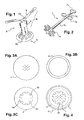
figure 1 est une vue en perspective de la prothèse, selon l'invention seule. - La
figure 2 est une vue en perspective du dispositif introducteur. - La
figure 3 est une vue éclatée en plan avant assemblage de ses composants et constituant la partie poche de la prothèse. - La
figure 4 est une vue en plan de la partie poche assemblée. - La
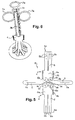
figure 5 est une vue en plan de la partie corps de guidage et fixation du dispositif d'introduction et d'attache à la partie poche de la prothèse. - La
figure 6 est une vue illustrant la mise en place du dispositif d'introduction sur la prothèse. - Afin de rendre plus concret l'objet de l'invention, on le décrit maintenant de manière non limitative illustrée aux figures des dessins.
- La prothèse herniaire, selon l'invention, est référencée dans son ensemble par (P). Elle comprend essentiellement deux parties assemblées (A - B) réalisées en des matériaux de même nature et, en particulier, le polypropylène. La première partie (A) constitue la poche de la prothèse et comprend une plaque inférieure (1) de configuration discale, une plaque de liaison (2) intermédiaire annulaire de même configuration et disposée en bordure périphérique de la plaque inférieure, et une plaque supérieure (3) de forme discale, les trois composants ainsi décrits étant reliés par soudage ou autre moyen d'assemblage en bordure périphérique. La plaque inférieure est pleine et peut présenter, le cas échéant, des ouvertures afin d'assurer le drainage du site d'implantation. La plaque supérieure présente une ouverture centrale (3a) formant col pour le passage et l'introduction du dispositif d'introduction (7). La plaque inférieure est avantageusement en polypropylène non tissé - non tricoté et siliconé afin de limiter les adhérences viscérales, la plaque supérieure est avantageusement en polypropylène tricoté par exemple afin de favoriser l'intégration tissulaire. La plaque de liaison intermédiaire annulaire est avantageusement en polypropylène non tissé, non tricoté.
- Dans la mise en oeuvre de l'invention, la plaque supérieure présente, autour de l'ouverture centrale (3a), une découpe circulaire faisant apparaître des pattes (3b) radiales. De préférence, le nombre de pattes est fixé à huit afin de répartir les forces lors du repli ou du déploiement de la prothèse par le dispositif associé. La seconde partie (B) constitue un corps monobloc et a pour fonction d'assurer la mise en place et la stabilité du dispositif introducteur (7) ou liaison avec la poche de la prothèse. Cette seconde partie, constituant le corps, est réalisée en une seule fois et est également en polypropylène non tissé. Elle comprend trois zones distinctes successives, une première zone (4) médiane sous forme de fourreau de grande hauteur permettant l'introduction et le maintien du dispositif introducteur. La partie médiane formant fourreau (4) se prolonge par le bas par une pluralité de bandes (5) et, de préférence quatre bandes disposées radialement régulièrement et dont les extrémités (5a) inférieures sont divisées en deux pour faire apparaître chacune respectivement deux languettes (5b) dans une configuration de fixation en Y. Chacune de ses languettes, par son extrémité finale, est fixée par soudure ou autre à l'une des pattes (3b) formées sur la poche. On a ainsi représenté la disposition de 8 languettes (5b) qui seront écartées en Y après assemblage avec lesdites pattes. Par ailleurs, le corps comprend, en partie supérieure, au-delà du fourreau (4), deux languettes (6) de grande hauteur et qui présentent, en partie supérieure, une découpe (6a) longitudinale dans sa largeur pour venir s'accrocher sur les anneaux de prise (7a) du dispositif introducteur (7). Ces languettes sont ainsi positionnées le long du tube (7b) extérieur du dispositif (7).
- On a, par ailleurs, représenté
figure 5 , en vue à plat, la configuration du corps lors de sa fabrication. En pratique, le corps de guidage du dispositif introducteur et de liaison avec la poche est réalisé à partir d'une plaque de matériau polypropylène non tissé - non tricoté qui est prédécoupée à plat aux formes à obtenir. La partie fourreau (4) est réalisée aux deux demi-parties (4a-4b) qui seront ensuite assemblées par soudure le long des lignes de jonction (4b) établies à chaque extrémité. - Les bandes et languettes (5 et 5b) sont établies dans le prolongement longitudinal des demi-parties (4a) de fourreau. Les languettes (6) sont par contre établies dans un axe perpendiculaire aux demi-parties (4a) de fourreau pour faire apparaître des pattes de raccordement (6b) coudées. Ainsi, lorsque le corps est assemblé par la liaison des deux parties (4a) du fourreau, les languettes (6) se situent dans le prolongement des lignes de jonction desdites demi parties de fourreau. La base de chaque languette (6) comprend ainsi deux pattes de raccordement (6b) avec une fente (6c) entre elles pour faciliter la tenue desdites languettes. On obtient ainsi une forme en croisillons (6d) typique située au dessus de la partie fourreau. Cette forme en croisillons, outre le fait qu'elle facilite le raccordement des languettes (6) avec le fourreau (4), assure une fonction complémentaire de tenue du dispositif d'introduction. On obtient ainsi deux zones de maintien successives du dispositif (7) en empêchant son basculement. Le guidage du dispositif est donc nettement amélioré. De par sa constitution, le corps est stable verticalement comme il apparaît
figure 1 des dessins. - Le dispositif d'introduction (7) comprend un tube (7b) avec, à son extrémité inférieure, une pluralité de languettes (7c) pré pliées susceptibles de définir un parallélépipède déformable en constituant ainsi une pince à ailettes. Une première extrémité desdites languettes est fixée au tube (7b) et l'autre extrémité au bout d'une tige (7d) coulissante dans le tube. Les anneaux de prise (7a) sont réalisés à l'extrémité supérieure du tube (7b). L'extrémité supérieure de la tige (7d) présente un anneau (7e) de prise et de manipulation. Le dispositif (7) est réalisé en polypropylène biocompatible.
- Les anneaux (7a) permettent la solidarisation de la prothèse sur le dispositif d'introduction-déploiement pour une introduction aisée de la prothèse.
- L'anneau (7e) permet une manipulation facile (par exemple d'une seule main) de l'instrument associé.
- Ainsi qu'il apparaît
figure 1 , la partie corps de la prothèse est de grande hauteur déployé dans son intégralité. La partie fourreau (4) se situe à environ la moitié de la partie corps déployé dans son intégralité et la partie croisillon de guidage complémentaire à environ les 2/3,depuis la poche, de la partie corps déployé dans son intégralité. On a ainsi une meilleure tenue et stabilité du dispositif d'introduction.
Claims (6)
- Prothèse herniaire du type comprenant une première partie (A) constituée par une poche définie entre une plaque inférieure (1) de configuration discale, une plaque de liaison intermédiaire (2) et une plaque supérieure (3) de forme discale, reliés ensemble par un moyen d'assemblage la plaque supérieure incluant une ouverture centrale formant col pour le passage et l'introduction puis le retrait d'un dispositif d'introduction de la prothèse in situ, caractérisée en ce que ladite première partie (A) est assemblée à une seconde partie (B) constituant un corps monobloc,
et en ce que la plaque supérieure comprend, autour de l'ouverture centrale (3a), une pluralité de pattes radiales (3b),
et en ce que ledit corps comprend trois zones distinctes successives, une première zone (4) médiane sous forme de fourreau de grande hauteur permettant l'introduction et le maintien du dispositif introducteur, ladite partie médiane formant fourreau (4) se prolongeant par le bas par une pluralité de bandes (5) disposées radialement régulièrement et dont les extrémités (5a) inférieures sont divisées en deux pour faire apparaître chacune respectivement deux languettes (5b) dans une configuration de fixation en Y,
et en ce que chacune de ses languettes, par son extrémité finale, est fixée à l'une des pattes (3b) formées sur la poche,
et en ce que le corps comprend, en partie supérieure, au-delà du fourreau (4), deux languettes (6) de grande hauteur et qui présentent, en partie supérieure, une découpe (6a) longitudinale dans sa largeur pour venir s'accrocher au dispositif introducteur (7). - Prothèse herniaire, selon la revendication 1, caractérisée en ce que la partie fourreau (4) est réalisée aux deux demi-parties (4a-4b) assemblées le long des lignes de jonction (4b) établies à chaque extrémité, et sert de guidage sur le dispositif d'introduction-déploiement.
- Prothèse herniaire, selon la revendication 2, caractérisée en ce que les bandes et languettes (5 et 5b) sont établies dans le prolongement longitudinal des demi-parties (4a) de fourreau,
et en ce que les languettes (6) sont établies dans un axe perpendiculaire aux demi-parties (4a) de fourreau pour faire apparaître des pattes de raccordement (6b) coudées. - Prothèse herniaire, selon la revendication 3, caractérisée en ce que la base de chaque languette (6) comprend deux pattes de raccordement (6b) avec une fente (6c) entre elles pour faciliter la tenue desdites languettes, en définissant une forme en croisillons (6d) située au dessus de la partie fourreau,
et en ce que ladite forme en croisillons a pour fonction de faciliter le raccordement des languettes (6) avec le fourreau (4) et d'assurer une fonction complémentaire de tenue du dispositif d'introduction, en définissant deux zones de maintien du dispositif (7) en empêchant son basculement. - Prothèse herniaire, selon la revendication 1, caractérisée en ce que la partie corps de la prothèse est de grande hauteur déployé dans son intégralité, et en ce que la partie fourreau (4) se situe à environ la moitié de la partie corps déployé dans son intégralité, et la partie croisillon de guidage complémentaire à environ les 2/3, depuis la poche, de la partie corps déployé dans son intégralité.
- Procédé de fabrication de la prothèse, selon l'une quelconque des revendications 1 à 5, caractérisé en ce que la mise en oeuvre de la partie corps (B) associée à la partie poche (A) consiste à réaliser, dans une plaque et à plat, prédécoupée, les formes constitutives dudit corps incluant la partie fourreau en deux demi parties (4a - 4b), la partie bande et ses languettes (5 - 5b), et la partie supérieure avec les languettes (6) avec des pattes de raccordement (6b) et fentes (6c) pour la définition d'une forme en croisillon (6d) constitutive avec la partie fourreau des zones de maintien et de guidage du dispositif d'introduction et de mise en forme de la prothèse.
Priority Applications (1)
| Application Number | Priority Date | Filing Date | Title |
|---|---|---|---|
| PL09305535T PL2138128T3 (pl) | 2008-06-27 | 2009-06-12 | Proteza przepuklinowa i sposób jej wytwarzania |
Applications Claiming Priority (1)
| Application Number | Priority Date | Filing Date | Title |
|---|---|---|---|
| FR0854306A FR2932978B1 (fr) | 2008-06-27 | 2008-06-27 | Prothese herniaire et son procede de fabrication |
Publications (2)
| Publication Number | Publication Date |
|---|---|
| EP2138128A1 true EP2138128A1 (fr) | 2009-12-30 |
| EP2138128B1 EP2138128B1 (fr) | 2010-07-14 |
Family
ID=39758804
Family Applications (1)
| Application Number | Title | Priority Date | Filing Date |
|---|---|---|---|
| EP09305535A Active EP2138128B1 (fr) | 2008-06-27 | 2009-06-12 | Prothèse herniaire et son procédé de fabrication |
Country Status (8)
| Country | Link |
|---|---|
| US (1) | US8052759B2 (fr) |
| EP (1) | EP2138128B1 (fr) |
| AT (1) | ATE473705T1 (fr) |
| DE (1) | DE602009000059D1 (fr) |
| ES (1) | ES2347209T3 (fr) |
| FR (1) | FR2932978B1 (fr) |
| PL (1) | PL2138128T3 (fr) |
| PT (1) | PT2138128E (fr) |
Cited By (2)
| Publication number | Priority date | Publication date | Assignee | Title |
|---|---|---|---|---|
| WO2014026745A1 (fr) * | 2012-08-14 | 2014-02-20 | Johnson & Johnson Medical Gmbh | Implant chirurgical pour la réparation de la paroi musculaire |
| EP2914206B1 (fr) * | 2012-11-02 | 2017-07-12 | Johnson & Johnson Medical GmbH | Treillis replié pour réparation de défaut dans la paroi musculaire |
Families Citing this family (37)
| Publication number | Priority date | Publication date | Assignee | Title |
|---|---|---|---|---|
| US8753358B2 (en) * | 2010-01-20 | 2014-06-17 | Douglas Wesley Cook | Dial fan hernia mesh system |
| FR2962646B1 (fr) | 2010-07-16 | 2012-06-22 | Sofradim Production | Prothese avec element radio-opaque |
| US8641758B1 (en) * | 2010-08-06 | 2014-02-04 | Robert G. Anderson | Method and apparatus for inserting a filled prosthetic bladder into a patient |
| US9861590B2 (en) | 2010-10-19 | 2018-01-09 | Covidien Lp | Self-supporting films for delivery of therapeutic agents |
| WO2012112752A2 (fr) * | 2011-02-16 | 2012-08-23 | Tyco Healthcare Group Lp | Système de réparation d'une hernie |
| FR2972626B1 (fr) | 2011-03-16 | 2014-04-11 | Sofradim Production | Prothese comprenant un tricot tridimensionnel et ajoure |
| FR2977789B1 (fr) | 2011-07-13 | 2013-07-19 | Sofradim Production | Prothese pour hernie ombilicale |
| FR2977790B1 (fr) | 2011-07-13 | 2013-07-19 | Sofradim Production | Prothese pour hernie ombilicale |
| US8579924B2 (en) | 2011-07-26 | 2013-11-12 | Covidien Lp | Implantable devices including a mesh and a pivotable film |
| US9782957B2 (en) | 2011-08-24 | 2017-10-10 | Covidien Lp | Medical device films |
| US9005308B2 (en) | 2011-10-25 | 2015-04-14 | Covidien Lp | Implantable film/mesh composite for passage of tissue therebetween |
| US9179994B2 (en) | 2011-10-25 | 2015-11-10 | Covidien Lp | Implantable film/mesh composite |
| US8932621B2 (en) | 2011-10-25 | 2015-01-13 | Covidien Lp | Implantable film/mesh composite |
| FR2985170B1 (fr) | 2011-12-29 | 2014-01-24 | Sofradim Production | Prothese pour hernie inguinale |
| US8945235B2 (en) | 2012-03-27 | 2015-02-03 | Atrium Medical Corporation | Removable deployment device, system, and method for implantable prostheses |
| US10206769B2 (en) | 2012-03-30 | 2019-02-19 | Covidien Lp | Implantable devices including a film providing folding characteristics |
| US9820837B2 (en) * | 2012-04-10 | 2017-11-21 | Ethicon, Inc. | Single plane tissue repair patch |
| FR2992662B1 (fr) | 2012-06-28 | 2014-08-08 | Sofradim Production | Tricot avec picots |
| FR2992547B1 (fr) | 2012-06-29 | 2015-04-24 | Sofradim Production | Prothese pour hernie |
| FR2994185B1 (fr) | 2012-08-02 | 2015-07-31 | Sofradim Production | Procede de preparation d’une couche poreuse a base de chitosane |
| FR2995788B1 (fr) | 2012-09-25 | 2014-09-26 | Sofradim Production | Patch hemostatique et procede de preparation |
| FR2995779B1 (fr) | 2012-09-25 | 2015-09-25 | Sofradim Production | Prothese comprenant un treillis et un moyen de consolidation |
| US9615907B2 (en) | 2012-11-30 | 2017-04-11 | Atrium Medical Corporation | Deployment rods for use with implantable hernia prostheses |
| WO2014117270A1 (fr) | 2013-01-29 | 2014-08-07 | 808189-1 Canada Inc. | Prothèse pour défaut de paroi musculaire et système de pose |
| US10245135B2 (en) | 2013-07-08 | 2019-04-02 | Bg Medical, Llc | Segmented skirted surgical mesh |
| CN106659561B (zh) | 2014-03-14 | 2019-07-16 | 阿特利姆医疗公司 | 用于可植入网状假体的可移除展开系统和方法 |
| US10105205B2 (en) | 2014-12-02 | 2018-10-23 | Bard Shannon Limited | Muscle wall defect prosthesis and deployment system |
| EP3059255B1 (fr) | 2015-02-17 | 2020-05-13 | Sofradim Production | Méthode pour préparer une matrice de chitosane comprenant un élément de renfort fibreux |
| EP3085337B1 (fr) | 2015-04-24 | 2022-09-14 | Sofradim Production | Prothèse pour supporter une structure mammaire |
| EP3106185B1 (fr) | 2015-06-19 | 2018-04-25 | Sofradim Production | Prothèse synthétique comprenant un tricot et un film non poreux et méthode pour la former |
| US10646322B2 (en) | 2015-12-28 | 2020-05-12 | C.R. Bard, Inc. | Deployment device for a soft tissue repair prosthesis |
| EP3195830B1 (fr) | 2016-01-25 | 2020-11-18 | Sofradim Production | Prothèse de réparation de hernie |
| EP3312325B1 (fr) | 2016-10-21 | 2021-09-22 | Sofradim Production | Méthode pour la fabrication un treillis avec suture crantée attachée et treillis ainsi obtenu |
| EP3398554B1 (fr) | 2017-05-02 | 2025-06-25 | Sofradim Production | Prothèse pour réparation de hernie inguinale |
| US11896472B2 (en) | 2019-10-28 | 2024-02-13 | Grant Technologies Llc | Surgical mesh having ingrowth-preventing coating on one side thereof, and method for making the same |
| US12064330B2 (en) | 2020-04-28 | 2024-08-20 | Covidien Lp | Implantable prothesis for minimally invasive hernia repair |
| US12004937B1 (en) * | 2023-01-13 | 2024-06-11 | Sheridan Technologies Llc | Blunt dissector, delivery and deployment device for delivery and deployment of surgical mesh during soft tissue repairs |
Citations (9)
| Publication number | Priority date | Publication date | Assignee | Title |
|---|---|---|---|---|
| US3857395A (en) | 1974-01-28 | 1974-12-31 | Kimberly Clark Co | Conformable absorbent tampon and inserter device therefor |
| US5147374A (en) * | 1991-12-05 | 1992-09-15 | Alfredo Fernandez | Prosthetic mesh patch for hernia repair |
| US5258000A (en) | 1991-11-25 | 1993-11-02 | Cook Incorporated | Tissue aperture repair device |
| WO2004024030A1 (fr) * | 2002-09-13 | 2004-03-25 | Zafer Malazgirt | Bouchon et treillis pour l'obturation de lesions dues a l'emploi d'un trocart |
| WO2004093690A1 (fr) | 2003-04-22 | 2004-11-04 | Patrick Leahy | Dispositif destine a etre utilise pour la chirurgie parietale |
| FR2872024A1 (fr) * | 2004-06-29 | 2005-12-30 | Textile Hi Tec Sa | Implant prothetique obturateur |
| WO2006040760A2 (fr) * | 2004-10-14 | 2006-04-20 | Mordehai Sholev | Dispositif de reparation des hernies |
| US7101381B2 (en) | 2002-08-02 | 2006-09-05 | C.R. Bard, Inc. | Implantable prosthesis |
| US20070276484A1 (en) * | 2006-05-26 | 2007-11-29 | Insertion, Llc | Method and apparatus for insertion of a flexible implant into the human body |
Family Cites Families (1)
| Publication number | Priority date | Publication date | Assignee | Title |
|---|---|---|---|---|
| US7828854B2 (en) * | 2006-10-31 | 2010-11-09 | Ethicon, Inc. | Implantable repair device |
-
2008
- 2008-06-27 FR FR0854306A patent/FR2932978B1/fr not_active Expired - Fee Related
-
2009
- 2009-06-12 PT PT09305535T patent/PT2138128E/pt unknown
- 2009-06-12 EP EP09305535A patent/EP2138128B1/fr active Active
- 2009-06-12 ES ES09305535T patent/ES2347209T3/es active Active
- 2009-06-12 AT AT09305535T patent/ATE473705T1/de not_active IP Right Cessation
- 2009-06-12 PL PL09305535T patent/PL2138128T3/pl unknown
- 2009-06-12 DE DE602009000059T patent/DE602009000059D1/de active Active
- 2009-06-26 US US12/492,274 patent/US8052759B2/en active Active
Patent Citations (11)
| Publication number | Priority date | Publication date | Assignee | Title |
|---|---|---|---|---|
| US3857395A (en) | 1974-01-28 | 1974-12-31 | Kimberly Clark Co | Conformable absorbent tampon and inserter device therefor |
| US5258000A (en) | 1991-11-25 | 1993-11-02 | Cook Incorporated | Tissue aperture repair device |
| US5147374A (en) * | 1991-12-05 | 1992-09-15 | Alfredo Fernandez | Prosthetic mesh patch for hernia repair |
| US7101381B2 (en) | 2002-08-02 | 2006-09-05 | C.R. Bard, Inc. | Implantable prosthesis |
| US20060282105A1 (en) | 2002-08-02 | 2006-12-14 | C.R. Bard, Inc. | Implantable prosthesis |
| WO2004024030A1 (fr) * | 2002-09-13 | 2004-03-25 | Zafer Malazgirt | Bouchon et treillis pour l'obturation de lesions dues a l'emploi d'un trocart |
| WO2004093690A1 (fr) | 2003-04-22 | 2004-11-04 | Patrick Leahy | Dispositif destine a etre utilise pour la chirurgie parietale |
| US20070066980A1 (en) | 2003-04-22 | 2007-03-22 | Patrick Leahy | Device for use in parietal surgery |
| FR2872024A1 (fr) * | 2004-06-29 | 2005-12-30 | Textile Hi Tec Sa | Implant prothetique obturateur |
| WO2006040760A2 (fr) * | 2004-10-14 | 2006-04-20 | Mordehai Sholev | Dispositif de reparation des hernies |
| US20070276484A1 (en) * | 2006-05-26 | 2007-11-29 | Insertion, Llc | Method and apparatus for insertion of a flexible implant into the human body |
Cited By (2)
| Publication number | Priority date | Publication date | Assignee | Title |
|---|---|---|---|---|
| WO2014026745A1 (fr) * | 2012-08-14 | 2014-02-20 | Johnson & Johnson Medical Gmbh | Implant chirurgical pour la réparation de la paroi musculaire |
| EP2914206B1 (fr) * | 2012-11-02 | 2017-07-12 | Johnson & Johnson Medical GmbH | Treillis replié pour réparation de défaut dans la paroi musculaire |
Also Published As
| Publication number | Publication date |
|---|---|
| DE602009000059D1 (de) | 2010-08-26 |
| ES2347209T3 (es) | 2010-10-26 |
| US20090326676A1 (en) | 2009-12-31 |
| FR2932978B1 (fr) | 2010-06-11 |
| ATE473705T1 (de) | 2010-07-15 |
| PT2138128E (pt) | 2010-08-26 |
| FR2932978A1 (fr) | 2010-01-01 |
| EP2138128B1 (fr) | 2010-07-14 |
| PL2138128T3 (pl) | 2010-12-31 |
| US8052759B2 (en) | 2011-11-08 |
Similar Documents
| Publication | Publication Date | Title |
|---|---|---|
| EP2138128B1 (fr) | Prothèse herniaire et son procédé de fabrication | |
| EP0852132B1 (fr) | Filtre sanguin à perméabilité améliorée | |
| EP2986255B1 (fr) | Implant, destiné à être placé dans un passage de circulation de sang, comportant un système d'écartement des bras proximaux | |
| EP1103233B1 (fr) | Procédé de fabrication d'un filtre sanguin monobloc | |
| EP3810034B1 (fr) | Matrice dermique acellulaire, notamment pour prothese mammaire | |
| EP1281375B1 (fr) | Dispositif et méthode d'implantation d'une endoprothèse | |
| EP3568088B1 (fr) | Dispositif intra-anevrismal | |
| EP1401359B1 (fr) | Ensemble permettant la mise en place d'une valve prothetique dans un conduit corporel | |
| EP3367968B1 (fr) | Couronne élastique et dispositif de traitement associé pour une implantation dans un conduit de circulation d'un fluide corporel | |
| EP0655228A1 (fr) | Filtre sanguin endovasculaire à deux séries d'éléments en forme de pétales | |
| FR2977790A1 (fr) | Prothese pour hernie ombilicale | |
| EP1100401A1 (fr) | Prothese pour le traitement chirurgical des hernies | |
| FR2977789A1 (fr) | Prothese pour hernie ombilicale | |
| WO2007148012A2 (fr) | Implant intervertebral distractable | |
| FR2718950A1 (fr) | Filtre sanguin à double-corolle de pattes tête-bêche et ensemble médical comprenant un tel filtre. | |
| EP2437638B1 (fr) | Dispositif d'emballage formant recipient | |
| WO2011131916A1 (fr) | Implant de soutien de l'uretre pour le traitement de l'incontinence urinaire chez l'homme | |
| EP1702593B1 (fr) | Dispositif orthopédique modulable destiné à soutenir et/ou surélever une partie du pied | |
| CA3225618A1 (fr) | Appareil pour injection dans la peau par incision superficielle et son ensemble de chargement | |
| FR2870690A1 (fr) | Bijou transformable | |
| FR2945931A1 (fr) | Prothese destinee aux pathologies du type hernie ou eventration | |
| FR2905824A1 (fr) | Plaque de preparation culinaire. | |
| EP2451362B1 (fr) | Dispositif implantable pour le rapprochement de structures anatomiques notamment dans le traitement de la hernie hiatale | |
| FR2872024A1 (fr) | Implant prothetique obturateur | |
| WO2021018981A1 (fr) | Dispositif intra-anévrismal |
Legal Events
| Date | Code | Title | Description |
|---|---|---|---|
| PUAI | Public reference made under article 153(3) epc to a published international application that has entered the european phase |
Free format text: ORIGINAL CODE: 0009012 |
|
| AK | Designated contracting states |
Kind code of ref document: A1 Designated state(s): AT BE BG CH CY CZ DE DK EE ES FI FR GB GR HR HU IE IS IT LI LT LU LV MC MK MT NL NO PL PT RO SE SI SK TR |
|
| GRAP | Despatch of communication of intention to grant a patent |
Free format text: ORIGINAL CODE: EPIDOSNIGR1 |
|
| 17P | Request for examination filed |
Effective date: 20100129 |
|
| GRAS | Grant fee paid |
Free format text: ORIGINAL CODE: EPIDOSNIGR3 |
|
| GRAA | (expected) grant |
Free format text: ORIGINAL CODE: 0009210 |
|
| AK | Designated contracting states |
Kind code of ref document: B1 Designated state(s): AT BE BG CH CY CZ DE DK EE ES FI FR GB GR HR HU IE IS IT LI LT LU LV MC MK MT NL NO PL PT RO SE SI SK TR |
|
| REG | Reference to a national code |
Ref country code: GB Ref legal event code: FG4D Free format text: NOT ENGLISH |
|
| REG | Reference to a national code |
Ref country code: CH Ref legal event code: EP |
|
| REG | Reference to a national code |
Ref country code: IE Ref legal event code: FG4D |
|
| REF | Corresponds to: |
Ref document number: 602009000059 Country of ref document: DE Date of ref document: 20100826 Kind code of ref document: P |
|
| REG | Reference to a national code |
Ref country code: PT Ref legal event code: SC4A Free format text: AVAILABILITY OF NATIONAL TRANSLATION Effective date: 20100819 |
|
| REG | Reference to a national code |
Ref country code: ES Ref legal event code: FG2A Ref document number: 2347209 Country of ref document: ES Kind code of ref document: T3 |
|
| REG | Reference to a national code |
Ref country code: NL Ref legal event code: VDEP Effective date: 20100714 |
|
| LTIE | Lt: invalidation of european patent or patent extension |
Effective date: 20100714 |
|
| REG | Reference to a national code |
Ref country code: PL Ref legal event code: T3 |
|
| PG25 | Lapsed in a contracting state [announced via postgrant information from national office to epo] |
Ref country code: LT Free format text: LAPSE BECAUSE OF FAILURE TO SUBMIT A TRANSLATION OF THE DESCRIPTION OR TO PAY THE FEE WITHIN THE PRESCRIBED TIME-LIMIT Effective date: 20100714 Ref country code: NL Free format text: LAPSE BECAUSE OF FAILURE TO SUBMIT A TRANSLATION OF THE DESCRIPTION OR TO PAY THE FEE WITHIN THE PRESCRIBED TIME-LIMIT Effective date: 20100714 Ref country code: AT Free format text: LAPSE BECAUSE OF FAILURE TO SUBMIT A TRANSLATION OF THE DESCRIPTION OR TO PAY THE FEE WITHIN THE PRESCRIBED TIME-LIMIT Effective date: 20100714 Ref country code: NO Free format text: LAPSE BECAUSE OF FAILURE TO SUBMIT A TRANSLATION OF THE DESCRIPTION OR TO PAY THE FEE WITHIN THE PRESCRIBED TIME-LIMIT Effective date: 20101014 Ref country code: FI Free format text: LAPSE BECAUSE OF FAILURE TO SUBMIT A TRANSLATION OF THE DESCRIPTION OR TO PAY THE FEE WITHIN THE PRESCRIBED TIME-LIMIT Effective date: 20100714 |
|
| REG | Reference to a national code |
Ref country code: IE Ref legal event code: FD4D |
|
| PG25 | Lapsed in a contracting state [announced via postgrant information from national office to epo] |
Ref country code: SI Free format text: LAPSE BECAUSE OF FAILURE TO SUBMIT A TRANSLATION OF THE DESCRIPTION OR TO PAY THE FEE WITHIN THE PRESCRIBED TIME-LIMIT Effective date: 20100714 Ref country code: IS Free format text: LAPSE BECAUSE OF FAILURE TO SUBMIT A TRANSLATION OF THE DESCRIPTION OR TO PAY THE FEE WITHIN THE PRESCRIBED TIME-LIMIT Effective date: 20101114 Ref country code: HR Free format text: LAPSE BECAUSE OF FAILURE TO SUBMIT A TRANSLATION OF THE DESCRIPTION OR TO PAY THE FEE WITHIN THE PRESCRIBED TIME-LIMIT Effective date: 20100714 Ref country code: CY Free format text: LAPSE BECAUSE OF FAILURE TO SUBMIT A TRANSLATION OF THE DESCRIPTION OR TO PAY THE FEE WITHIN THE PRESCRIBED TIME-LIMIT Effective date: 20100714 Ref country code: BG Free format text: LAPSE BECAUSE OF FAILURE TO SUBMIT A TRANSLATION OF THE DESCRIPTION OR TO PAY THE FEE WITHIN THE PRESCRIBED TIME-LIMIT Effective date: 20101014 |
|
| PG25 | Lapsed in a contracting state [announced via postgrant information from national office to epo] |
Ref country code: GR Free format text: LAPSE BECAUSE OF FAILURE TO SUBMIT A TRANSLATION OF THE DESCRIPTION OR TO PAY THE FEE WITHIN THE PRESCRIBED TIME-LIMIT Effective date: 20101015 Ref country code: SE Free format text: LAPSE BECAUSE OF FAILURE TO SUBMIT A TRANSLATION OF THE DESCRIPTION OR TO PAY THE FEE WITHIN THE PRESCRIBED TIME-LIMIT Effective date: 20100714 Ref country code: LV Free format text: LAPSE BECAUSE OF FAILURE TO SUBMIT A TRANSLATION OF THE DESCRIPTION OR TO PAY THE FEE WITHIN THE PRESCRIBED TIME-LIMIT Effective date: 20100714 |
|
| PG25 | Lapsed in a contracting state [announced via postgrant information from national office to epo] |
Ref country code: DK Free format text: LAPSE BECAUSE OF FAILURE TO SUBMIT A TRANSLATION OF THE DESCRIPTION OR TO PAY THE FEE WITHIN THE PRESCRIBED TIME-LIMIT Effective date: 20100714 Ref country code: IE Free format text: LAPSE BECAUSE OF FAILURE TO SUBMIT A TRANSLATION OF THE DESCRIPTION OR TO PAY THE FEE WITHIN THE PRESCRIBED TIME-LIMIT Effective date: 20100714 |
|
| PLBE | No opposition filed within time limit |
Free format text: ORIGINAL CODE: 0009261 |
|
| STAA | Information on the status of an ep patent application or granted ep patent |
Free format text: STATUS: NO OPPOSITION FILED WITHIN TIME LIMIT |
|
| PG25 | Lapsed in a contracting state [announced via postgrant information from national office to epo] |
Ref country code: SK Free format text: LAPSE BECAUSE OF FAILURE TO SUBMIT A TRANSLATION OF THE DESCRIPTION OR TO PAY THE FEE WITHIN THE PRESCRIBED TIME-LIMIT Effective date: 20100714 Ref country code: RO Free format text: LAPSE BECAUSE OF FAILURE TO SUBMIT A TRANSLATION OF THE DESCRIPTION OR TO PAY THE FEE WITHIN THE PRESCRIBED TIME-LIMIT Effective date: 20100714 Ref country code: EE Free format text: LAPSE BECAUSE OF FAILURE TO SUBMIT A TRANSLATION OF THE DESCRIPTION OR TO PAY THE FEE WITHIN THE PRESCRIBED TIME-LIMIT Effective date: 20100714 Ref country code: CZ Free format text: LAPSE BECAUSE OF FAILURE TO SUBMIT A TRANSLATION OF THE DESCRIPTION OR TO PAY THE FEE WITHIN THE PRESCRIBED TIME-LIMIT Effective date: 20100714 |
|
| 26N | No opposition filed |
Effective date: 20110415 |
|
| REG | Reference to a national code |
Ref country code: DE Ref legal event code: R097 Ref document number: 602009000059 Country of ref document: DE Effective date: 20110415 |
|
| PG25 | Lapsed in a contracting state [announced via postgrant information from national office to epo] |
Ref country code: MT Free format text: LAPSE BECAUSE OF FAILURE TO SUBMIT A TRANSLATION OF THE DESCRIPTION OR TO PAY THE FEE WITHIN THE PRESCRIBED TIME-LIMIT Effective date: 20100714 |
|
| BERE | Be: lapsed |
Owner name: ASPIDE MEDICAL Effective date: 20110630 |
|
| PG25 | Lapsed in a contracting state [announced via postgrant information from national office to epo] |
Ref country code: BE Free format text: LAPSE BECAUSE OF NON-PAYMENT OF DUE FEES Effective date: 20110630 |
|
| PG25 | Lapsed in a contracting state [announced via postgrant information from national office to epo] |
Ref country code: MC Free format text: LAPSE BECAUSE OF NON-PAYMENT OF DUE FEES Effective date: 20110630 |
|
| PG25 | Lapsed in a contracting state [announced via postgrant information from national office to epo] |
Ref country code: LU Free format text: LAPSE BECAUSE OF NON-PAYMENT OF DUE FEES Effective date: 20110612 |
|
| PG25 | Lapsed in a contracting state [announced via postgrant information from national office to epo] |
Ref country code: TR Free format text: LAPSE BECAUSE OF FAILURE TO SUBMIT A TRANSLATION OF THE DESCRIPTION OR TO PAY THE FEE WITHIN THE PRESCRIBED TIME-LIMIT Effective date: 20100714 |
|
| PG25 | Lapsed in a contracting state [announced via postgrant information from national office to epo] |
Ref country code: HU Free format text: LAPSE BECAUSE OF FAILURE TO SUBMIT A TRANSLATION OF THE DESCRIPTION OR TO PAY THE FEE WITHIN THE PRESCRIBED TIME-LIMIT Effective date: 20100714 |
|
| REG | Reference to a national code |
Ref country code: CH Ref legal event code: PL |
|
| PG25 | Lapsed in a contracting state [announced via postgrant information from national office to epo] |
Ref country code: CH Free format text: LAPSE BECAUSE OF NON-PAYMENT OF DUE FEES Effective date: 20130630 Ref country code: LI Free format text: LAPSE BECAUSE OF NON-PAYMENT OF DUE FEES Effective date: 20130630 |
|
| REG | Reference to a national code |
Ref country code: FR Ref legal event code: PLFP Year of fee payment: 8 |
|
| PGFP | Annual fee paid to national office [announced via postgrant information from national office to epo] |
Ref country code: PT Payment date: 20160518 Year of fee payment: 8 |
|
| REG | Reference to a national code |
Ref country code: FR Ref legal event code: PLFP Year of fee payment: 9 |
|
| PG25 | Lapsed in a contracting state [announced via postgrant information from national office to epo] |
Ref country code: PT Free format text: LAPSE BECAUSE OF NON-PAYMENT OF DUE FEES Effective date: 20171212 |
|
| REG | Reference to a national code |
Ref country code: FR Ref legal event code: PLFP Year of fee payment: 10 |
|
| PGFP | Annual fee paid to national office [announced via postgrant information from national office to epo] |
Ref country code: IT Payment date: 20190614 Year of fee payment: 11 Ref country code: DE Payment date: 20190611 Year of fee payment: 11 Ref country code: PL Payment date: 20190521 Year of fee payment: 11 |
|
| PGFP | Annual fee paid to national office [announced via postgrant information from national office to epo] |
Ref country code: FR Payment date: 20190628 Year of fee payment: 11 |
|
| PGFP | Annual fee paid to national office [announced via postgrant information from national office to epo] |
Ref country code: GB Payment date: 20190620 Year of fee payment: 11 Ref country code: ES Payment date: 20190701 Year of fee payment: 11 |
|
| REG | Reference to a national code |
Ref country code: DE Ref legal event code: R119 Ref document number: 602009000059 Country of ref document: DE |
|
| GBPC | Gb: european patent ceased through non-payment of renewal fee |
Effective date: 20200612 |
|
| PG25 | Lapsed in a contracting state [announced via postgrant information from national office to epo] |
Ref country code: GB Free format text: LAPSE BECAUSE OF NON-PAYMENT OF DUE FEES Effective date: 20200612 Ref country code: FR Free format text: LAPSE BECAUSE OF NON-PAYMENT OF DUE FEES Effective date: 20200630 |
|
| PG25 | Lapsed in a contracting state [announced via postgrant information from national office to epo] |
Ref country code: DE Free format text: LAPSE BECAUSE OF NON-PAYMENT OF DUE FEES Effective date: 20210101 |
|
| PG25 | Lapsed in a contracting state [announced via postgrant information from national office to epo] |
Ref country code: IT Free format text: LAPSE BECAUSE OF NON-PAYMENT OF DUE FEES Effective date: 20200612 |
|
| PG25 | Lapsed in a contracting state [announced via postgrant information from national office to epo] |
Ref country code: ES Free format text: LAPSE BECAUSE OF NON-PAYMENT OF DUE FEES Effective date: 20200613 |
|
| PG25 | Lapsed in a contracting state [announced via postgrant information from national office to epo] |
Ref country code: PL Free format text: LAPSE BECAUSE OF NON-PAYMENT OF DUE FEES Effective date: 20200612 |