EP2130914A1 - Novel glycosyltransferase and polynucleotide encoding the same - Google Patents
Novel glycosyltransferase and polynucleotide encoding the same Download PDFInfo
- Publication number
- EP2130914A1 EP2130914A1 EP08703468A EP08703468A EP2130914A1 EP 2130914 A1 EP2130914 A1 EP 2130914A1 EP 08703468 A EP08703468 A EP 08703468A EP 08703468 A EP08703468 A EP 08703468A EP 2130914 A1 EP2130914 A1 EP 2130914A1
- Authority
- EP
- European Patent Office
- Prior art keywords
- polynucleotide
- protein
- seq
- amino acid
- acid sequence
- Prior art date
- Legal status (The legal status is an assumption and is not a legal conclusion. Google has not performed a legal analysis and makes no representation as to the accuracy of the status listed.)
- Granted
Links
Images




Classifications
-
- C—CHEMISTRY; METALLURGY
- C12—BIOCHEMISTRY; BEER; SPIRITS; WINE; VINEGAR; MICROBIOLOGY; ENZYMOLOGY; MUTATION OR GENETIC ENGINEERING
- C12N—MICROORGANISMS OR ENZYMES; COMPOSITIONS THEREOF; PROPAGATING, PRESERVING, OR MAINTAINING MICROORGANISMS; MUTATION OR GENETIC ENGINEERING; CULTURE MEDIA
- C12N9/00—Enzymes; Proenzymes; Compositions thereof; Processes for preparing, activating, inhibiting, separating or purifying enzymes
- C12N9/10—Transferases (2.)
- C12N9/1048—Glycosyltransferases (2.4)
Definitions
- the present invention relates to novel glycosyltransferases which allow glycosylation of flavonoid compounds, and polynucleotides encoding the same.
- Glycosides of flavonoid compounds obtained by the present invention can be used for food, pharmaceutical and cosmetic purposes.
- Proanthocyanidin (grape seed extract) has been studied for its usefulness as a therapeutic agent for blood vessels, and one of the reasons for recent progress in these studies is that the target substance can serve as a marker for tracing in vivo absorption and metabolism because it is stable against heat and acids, highly soluble in water and highly absorbable in the body.
- polyphenol compounds such as catechin are often difficult to dissolve in water, and also involve a problem in that they are less absorbable in the body.
- Patent Document 1 discloses ⁇ -glucosidase with a molecular weight of about 57,000, which was collected from a culture solution of Xanthomonas campestris WU-9701.
- This enzyme uses maltose or the like as a donor (does not use maltotriose, cyclodextrin or starch as a donor) and transfers glucose to a specific acceptor to synthesize a glycoside.
- compounds listed as acceptors are those having an alcoholic hydroxyl group (e.g., menthol, ethanol, 1-propanol, 1-butanol, 2-butanol, isobutyl alcohol, 1-amyl alcohol, 2-amyl alcohol, 5-nonyl alcohol), as well as those having a phenolic hydroxyl group (e.g., capsaicin, dihydrocapsaicin, nonylic acid vanillylamide, catechin, epicatechin, vanillin, hydroquinone, catechol, resorcinol, 3,4-dimethoxyphenol).
- glycosides whose production was actually confirmed are monoglucosides only.
- Patent Document 2 discloses a method in which a mixture of a catechin compound and glucose-1-phosphate or sucrose is treated with sucrose phosphorylase to prepare a glycoside of the catechin compound.
- the sources of sucrose phosphorylase listed therein are Leuconostoc mesenteroides , Pseudomonas saccharophila , Pseudomonas putrefaciens , Clostridium pasteurianum , Acetobacter xylinum , and Pullularia pullulans .
- catechin compounds listed as acceptors are (+)-catechin, (-)-epicatechin, (-)-epicatechin 3-O-gallate, (-)-epigallocatechin and (-)-epigallocatechin 3-O-gallate, but it is only (+)-catechin that was actually used as an acceptor to prepare (+)-catechin 3'-O- ⁇ -D-glucopyranoside in the Example section.
- Patent Document 3 discloses epigallocatechin 3-O-gallate derivatives, in which a glucose residue or a maltooligosaccharide residue with a polymerization degree of 2 to 8 is attached to at least one of the 5-, 7-, 3'-, 4'-, 5'-, 3"-, 4"- and 5"-positions.
- Patent Document 3 actually discloses only a case where a mixture of (-)-epigallocatechin gallate and glucose-1-phosphate or sucrose was treated with sucrose phosphorylase to prepare 4'-O- ⁇ -D-glucopyranosyl(-)-epigallocatechin gallate and 4',4"-O- ⁇ -D-di-glucopyranosyl(-)-epigallocatechin gallate.
- Patent Document 4 discloses tea extracts or tea beverages whose astringent taste is reduced by glycosylation of polyphenols contained therein. To reduce the astringent taste of tea extracts or tea beverages, this document describes detailed procedures in which tea extracts or tea beverages are supplemented with dextrin, cyclodextrin, starch or a mixture thereof, and then treated with cyclomaltodextrin glucanotransferase.
- Example section it is shown that a green tea extract and ⁇ -cyclodextrin were treated with cyclomaltodextrin glucanotransferase derived from Bacillus stearothermophilus to give a reaction product with reduced astringent taste, which in turn indicates that polyphenols such as epigallocatechin 3-O-gallate and epicatechin were glycosylated.
- this document fails to show the detailed structure of the reaction product.
- Patent Document 5 discloses glycosides of catechin compounds in which glycosylation occurs at the 3'-position, at the 3'- and 5-positions, or at the 3'- and 7-positions.
- this document describes detailed procedures in which a catechin compound and dextrin, cyclodextrin, starch or a mixture thereof are treated with cyclomaltodextrin glucanotransferase derived from Bacillus stearothermophilus , as in the case of Patent Document 4.
- glycosides of (-)-epigallocatechin, (-)-epigallocatechin 3-O-gallate and (-)-epicatechin 3-O-gallate are considered to have 6 to 8 glucose residues on average per molecule of each polyphenol, as determined from their molar absorption coefficients.
- the glycosides obtained by the above procedures generated 3',7-di-O- ⁇ -D-glucopyranosyl(-)-epigallocatechin, 3',5-di-O- ⁇ -D-glucopyranosyl(-)-epigallocatechin, 3'-O- ⁇ -D-glucopyranosyl()-epigallocatechin, 3',7-di-O- ⁇ -D-glucopyranosyl(-)-epigallocatechin 3-O-gallate, 3'-O- ⁇ -D-glucopyranosyl(-)-epigallocatechin 3-O-gallate, 3'-O- ⁇ -D-glucopyranosyl(-)-gallocatechin and 3'-O- ⁇ -D-glucopyranosyl(-)-epicatechin 3-O-gallate.
- Non-patent Document 1 describes reduced astringent taste, increased water-solubility, improved stability and inhibited tyrosinase, while Non-patent Document 2 describes suppressed mutagenicity.
- glycosylation techniques cannot be regarded as sufficient in terms of properties of the enzymes used therein, including glycosyl donor specificity, specificity to compounds which can be glycosylated, glycosylation efficiency, etc.
- glycosyltransferases with more excellent properties.
- the inventors of the present invention have made extensive and intensive efforts to develop a glycosylation technique for flavonoid including catechin. As a result, the inventors have found a novel glycosyltransferase from the culture supernatant of Trichoderma viride and have cloned a gene thereof, thereby completing the present invention.
- the present invention provides a polynucleotide or a homolog thereof, which encodes a glycosyltransferase protein produced by ascomycetous filamentous fungi (preferably species belonging to the genus Trichoderma , more preferably Trichoderma viride ), i.e., a polynucleotide comprising any one of (A) to (K) shown below (preferably a polynucleotide consisting of any one of (A) to (K) shown below):
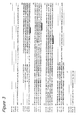
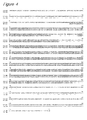
- SEQ ID NO: 6 shows the nucleotide sequence of genomic DNA for glycosyltransferase TRa2 obtained from T. viride strain IAM5141, while SEQ ID NOs: 9 and 10 show the cDNA and deduced amino acid sequences thereof, respectively.
- a sequence covering amino acids 1-20 of SEQ ID NO: 10 is predicted as a secretion signal.
- a mature protein essential for serving as a glycosyltransferase lies in the sequence downstream of amino acid 21 in SEQ ID NO: 10; it would be suitable to remove the signal sequence if this enzyme is expressed in a heterologous expression system such as E. coli.
- Polynucleotides encoding such a mature protein also fall within the scope of the present invention.
- the present invention also provides a polynucleotide comprising any one of (L) to (R) shown below (preferably a polynucleotide consisting of any one of (L) to (R) shown below):
- SEQ ID NO: 25 shows the nucleotide sequence of cDNA encoding TRa2 as a mature protein, i.e., a nucleotide sequence covering nucleotides 61-1389 of SEQ ID NO: 9.
- SEQ ID NO: 26 shows the amino acid sequence of TRa2 as a mature protein, i.e., an amino acid sequence covering amino acids 21-463 of SEQ ID NO: 10.
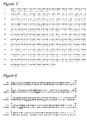
- the present invention also provides a polynucleotide which is derived from the genus Trichoderma (preferably Trichoderma viride , Trichoderma reesei , Trichoderma saturnisporum , Trichoderma ghanense , Trichoderma koningii , Trichoderma hamatum , Trichoderma harzianum or Trichoderma polysporum ), comprises any one of the nucleotide sequences shown in SEQ ID NOs: 11 to 24, and encodes a protein having glycosylation activity on a flavonoid compound.
- Trichoderma viride Trichoderma viride , Trichoderma reesei , Trichoderma saturnisporum , Trichoderma ghanense , Trichoderma koningii , Trichoderma hamatum , Trichoderma harzianum or Trichoderma polysporum
- a preferred example of such a polynucleotide is a polynucleotide which comprises any one of the nucleotide sequences shown in SEQ ID NOs: 11 to 24, shares high identity with the nucleotide sequence shown in SEQ ID NO: 6, 9 or 25, and encodes a protein having glycosylation activity on a flavonoid compound.
- glycosylation activity is intended to mean having the ability to transfer a sugar residue to a flavonoid compound.
- a mixture of flavonoid e.g., catechin
- an appropriate glycosyl donor e.g., dextrin
- HPLC high performance liquid chromatography
- a protein encoded by the polynucleotide of the present invention may have not only glycosylation activity, but also an additional activity, such as dextrinase activity.
- dextrinase activity is intended to mean an enzyme capable of hydrolyzing carbohydrates containing ⁇ -glucoside linkages (e.g., starch, dextrin), unless otherwise specified.
- Dextrinase is a kind of amylase.
- a commercially available dextrin e.g., starch hydrolyzed with an acid, heat or an enzyme to have an average molecular weight of about 3,500
- Those skilled in the art would design appropriate conditions for reaction with a target and procedures for determining whether dextrin is hydrolyzed.
- flavonoid compound is intended to include both flavonoid and esculetin, unless otherwise specified.
- flavonoid is intended to mean a catechin compound (flavanol), flavanone, flavone, flavonol, flavanonol, isoflavone, anthocyan or chalcone, as well as a methylated derivative thereof, unless otherwise specified.
- Flavonoid includes naringenin, quercetin, daidzein, genistein and kaempferol. Flavonoid available for use in the present invention may be of natural or synthetic origin.
- catechin compound is used in a broad sense to mean a polyoxy derivative of 3-oxyflavan, unless otherwise specified. This includes catechin, gallocatechin and 3-galloyl derivatives thereof, as well as optical isomers ((+)-, (-)-, (+)-epi- and (-)-epi-isomers) and racemates thereof.
- Methylated derivatives of catechin compounds refer to derivatives of the above catechin compounds, in which H in at least one OH group is replaced by methyl.
- methylated derivatives of catechin compounds include those having methyl in place of H in the OH group located at any of the 3'-, 4'-, 3"- and 4"-positions of epicatechin, epigallocatechin, epicatechin gallate or epigallocatechin gallate.
- Catechin compounds and their methylated derivatives available for use in the present invention may be of natural or synthetic origin.
- natural origin include tea extracts, concentrated and purified products thereof (e.g., green tea extracts such as Teavigo (DSM Nutrition Japan), Polyphenon (Mitsui Norin Co., Ltd., Japan) and Sunphenon (Taiyo Kagaku Co., Ltd., Japan)), as well as extracts of a tea cultivar "Benifuki.”
- flavonoid compounds may be used either alone or in combination.
- glycosyl donor is intended to mean a carbohydrate which can serve as a substrate for an enzyme in the method of the present invention and can be hydrolyzed to supply a sugar residue to a flavonoid compound, unless otherwise specified.
- Glycosyl donors available for use in the present invention are carbohydrates containing a maltotriose residue, including maltotriose, maltotetraose, maltopentaose, maltohexaose, maltoheptaose, dextrin, ⁇ -cyclodextrin and soluble starch.
- the term “dextrin” is intended to mean a hydrolysate of starch, unless otherwise specified, while the term “soluble starch” is intended to mean a hydrolysate of starch, which is soluble in hot water, unless otherwise specified.
- Hydrolysis may be accomplished by using any means such as an acid, heat or an enzyme.
- stringent conditions refers to conditions of 6 M urea, 0.4% SDS and 0.5 ⁇ SSC, or hybridization conditions equivalent thereto, unless otherwise specified. If necessary, more stringent conditions (e.g., 6 M urea, 0.4% SDS and 0.1 ⁇ SSC) or hybridization conditions equivalent thereto may be applied in the present invention. Under each of these conditions, the temperature may be set to about 40°C or higher. When more stringent conditions are required, the temperature may be set to a higher value, for example about 50°C and more particularly about 65°C.
- nucleotide sequence comprising substitution, deletion, insertion and/or addition of one or several nucleotides does not provide any limitation on the number of nucleotides to be substituted, deleted, inserted and/or added, as long as a protein encoded by a polynucleotide consisting of such a nucleotide sequence has desired functions.
- the number of such nucleotides is around 1 to 9 or around 1 to 4, or alternatively, a larger number of nucleotides may be substituted, deleted, inserted and/or added as long as such a mutation allows encoding of the same or a functionally similar amino acid sequence.
- nucleotide sequence comprising substitution, deletion, insertion and/or addition of one or several amino acids as used herein does not provide any limitation on the number of amino acids to be substituted, deleted, inserted and/or added, as long as a protein having such an amino acid sequence has desired functions.
- the number of such amino acids is around 1 to 9 or around 1 to 4, or alternatively, a larger number of amino acids may be substituted, deleted, inserted and/or added as long as such a mutation provides a functionally similar amino acid.
- Means for preparing a polynucleotide or protein having such a nucleotide or amino acid sequence are well known to those skilled in the art.
- the term "high identity” refers to a sequence identity of at least 60% or more, preferably 70% or more, more preferably 80% or more, even more preferably 90% or more, and most preferably 95% or more.
- Search and analysis for identity between nucleotide or amino acid sequences may be accomplished by using any algorithm or program (e.g., BLASTN, BLASTP, BLASTX, ClustalW) well known to those skilled in the art.
- algorithm or program e.g., BLASTN, BLASTP, BLASTX, ClustalW
- parameters may be set as required by those skilled in the art, or alternatively, default parameters specific for each program may be used. Detailed procedures for such analysis are also well known to those skilled in the art.
- the polynucleotide of the present invention can be obtained from natural products by using techniques such as hybridization and polymerase chain reaction (PCR).
- PCR polymerase chain reaction
- the polynucleotide of the present invention is preferably derived from the genus Trichoderma, more preferably Trichoderma viride.
- the present invention also provides a recombinant vector carrying the polynucleotide of the present invention, as well as a transformant (e.g., a transformed E. coli, yeast or insect cell) transformed with the recombinant vector.
- the present invention further provides a transformation method comprising the step of transforming a host (e.g., an E. coli, yeast or insect cell) by using the polynucleotide of the present invention (e.g., the step of transforming a host with the recombinant vector of the present invention).
- Such a vector generally has a promoter sequence, a terminator sequence, a sequence for inducible expression of an insert in response to external stimulation, a sequence recognized by a restriction enzyme for insertion of a target gene, and a sequence encoding a marker for transformant selection.
- the present invention also provides a novel glycosyltransferase protein and a homolog thereof, i.e., a protein comprising (i), (j) or (k) shown below (preferably a protein consisting of (i), (j) or (k) shown below):
- the present invention also provides a mature protein of the above novel glycosyltransferase protein and a homolog thereof, which is modified to remove a putative secretion signal sequence region, i.e., a protein comprising (p), (q) or (r) shown below (preferably a protein consisting of (p), (q) or (r) shown below):
- the present invention also provides a protein having glycosylation activity on a flavonoid compound, which is encoded by a polynucleotide being derived from the genus Trichoderma (preferably Trichoderma viride , Trichoderma reesei , Trichoderma saturnisporum , Trichoderma ghanense , Trichoderma koningii , Trichoderma hamatum , Trichoderma harzianum or Trichoderma polysporum ) and comprising any one of the nucleotide sequences shown in SEQ ID NOs: 11 to 24.
- Trichoderma preferably Trichoderma viride , Trichoderma reesei , Trichoderma saturnisporum , Trichoderma ghanense , Trichoderma koningii , Trichoderma hamatum , Trichoderma harzianum or Trichoderma polysporum
- Trichoderma preferably Trichoderma viride , Trichoderma reesei
- a preferred example of such a protein is a protein having glycosylation activity on a flavonoid compound, which is encoded by a polynucleotide comprising any one of the nucleotide sequences shown in SEQ ID NOs: 11 to 24 and sharing high identity with the nucleotide sequence shown in SEQ ID NO: 6, 9 or 25.
- the protein of the present invention can be isolated and purified from a culture supernatant obtained by culturing a species belonging to the genus Trichoderma , such as Trichoderma viride , Trichoderma reesei , Trichoderma saturnisporum , Trichoderma ghanense , Trichoderma koningii , Trichoderma hamatum , Trichoderma harzianum or Trichoderma polysporum in a known culture solution.
- the protein of the present invention can also be obtained as a recombinant protein from a transformant (e.g., a transformed yeast or E. coli cell) transformed with a recombinant vector carrying the polynucleotide of the present invention.
- novel enzyme proteins provided by the present invention, particularly preferred is a glycosyltransferase consisting of the amino acid sequence shown in SEQ ID NO: 10 (herein also referred to as "TRa2”), which is obtained from the culture supernatant of Trichoderma viride strain IAM5141.
- TRa2 glycosyltransferase consisting of the amino acid sequence shown in SEQ ID NO: 10
- This enzyme has the following enzymological features in reaction between flavonoid and glycosyl donor.
- this enzyme uses maltotriose, maltotetraose, maltopentaose, maltohexaose, maltoheptaose, soluble starch, dextrin, ⁇ -cyclodextrin or the like as a glycosyl donor, but does not target cellobiose, dextran, maltose monohydrate, carboxymethylcellulose sodium salt, isomaltooligosaccharide, ⁇ -cyclodextrin, ⁇ -cyclodextrin or the like as a glycosyl donor.
- this enzyme is a glycosyltransferase capable of producing not only sugars composed of one or two glucose molecules, but also glycosides whose sugar chain length is three (G3) or more glucose molecules.
- This enzyme can act on and glycosylate a wide range of polyphenols including major flavonoid members such as catechin, epigallocatechin gallate, naringenin, quercetin, daidzein, genistein and kaempferol, as well as esculetin.
- major flavonoid members such as catechin, epigallocatechin gallate, naringenin, quercetin, daidzein, genistein and kaempferol, as well as esculetin.
- reaction temperature dependence and pH dependence Optimum reaction temperature and pH (reaction temperature dependence and pH dependence):
- this enzyme allows a satisfactory reaction at a temperature of about 20°C to about 60°C, particularly about 35°C to about 55°C, or at a pH of about 4.0 to about 7.0, particularly about 4.5 to about 5.5, under the conditions shown in the Example section.
- this enzyme allows a satisfactory reaction at a temperature of about 20°C to about 60°C, particularly about 45°C to about 55°C, or at a pH of about 4.0 to about 9.0, particularly about 4.5 to about 7.0, under the conditions shown in the Example section.
- this enzyme is not deactivated either by treatment at about 20°C to about 45°C for 1 hr or by treatment at about pH 5.0 to 9.0 at room temperature for 16 hr.
- the present invention also provides a method for preparing a glycoside of a flavonoid compound, which comprises allowing the novel glycosyltransferase of the present invention to act on a mixture of the flavonoid compound and a glycosyl donor (preferably dextrin, soluble starch or ⁇ -cyclodextrin).
- a glycosyl donor preferably dextrin, soluble starch or ⁇ -cyclodextrin
- Glycosides of flavonoid compounds provided by the present invention have the following formula: wherein at least one of R 1 to R 5 represents a sugar residue, and each of the others represents OH or OCH 3 , or at least one of R 1 to R 4 represents a sugar residue and each of the others represents OH or OCH 3 , and R 5 represents H; and X represents H, CH 3 , a galloyl group or a methylated galloyl group.
- Glycosides obtained by the present invention can be used as food compositions, pharmaceutical compositions or cosmetic compositions. More specifically, for example, such a composition incorporating a glycoside of a catechin compound can be used as an agent for the following purposes, as in the case of catechin: anti-allergy, anti-oxidation, anti-cancer, anti-inflammation, anti-bacteria/anti-caries, anti-virus, detoxication, intestinal flora improvement, odor elimination, anti-hypercholesterolemia, anti-hypertension, anti-hyperglycemia, anti-thrombosis, dementia prevention, body fat burning, inhibition of body fat accumulation, endurance improvement, anti-fatigue or renal function improvement, or alternatively, can also be used as a food composition, a pharmaceutical composition or a cosmetic composition.
- Food compositions include nutritional supplementary foods, health foods, therapeutic dietary foods, general health foods, supplements and beverages. Beverages include tea beverages, juices, soft drinks, and drinkable preparations.
- Pharmaceutical compositions may be prepared as drugs or quasi drugs, preferably oral formulations or dermatologic external preparations, and may be provided in the form of solutions, tablets, granules, pills, syrups, lotions, sprays, plasters or ointments.
- Cosmetic compositions may be provided in the form of creams, liquid lotions, emulsion lotions or sprays.
- the amount of glycoside(s) incorporated into the food, pharmaceutical or cosmetic composition of the present invention is not limited in any way and may be determined as required by those skilled in the art in consideration of, e.g., solubility and taste by referring to preferred daily intakes of the corresponding flavonoid compound(s).
- the amount of the glycoside(s) of the present invention incorporated into a composition may be set to 0.01% to 99.9% by weight or may be determined such that the glycoside(s) of the present invention can be given 100 mg to 20 g per day as a single dose or in divided doses (e.g., three doses).
- the food, pharmaceutical or cosmetic composition of the present invention may further comprise various ingredients acceptable for food, pharmaceutical or cosmetic purposes.
- these additives and/or ingredients include vitamins, saccharides, excipients, disintegrating agents, binders, lubricants, emulsifiers, isotonizing agents, buffers, solubilizers, antiseptics, stabilizers, antioxidants, coloring agents, correctives, flavorings, coagulating agents, pH adjustors, thickeners, tea extracts, herbal extracts, and minerals.
- a glycosyltransferase protein can be immobilized on an appropriate carrier for use as an immobilized enzyme.
- a carrier any conventional resin used for the same purpose may be used, including basic resins (e.g., MARATHON WBA (Dow Chemical), SA series, WA series or FP series (Mitsubishi Chemical Corporation, Japan), and Amberlite IRA904 (Organo)), as well as hydrophobic resins (e.g., Diaion FPHA13 (Mitsubishi Chemical Corporation, Japan), HP series (Mitsubishi Chemical Corporation, Japan), and Amberlite XAD7 (Organo)).
- basic resins e.g., MARATHON WBA (Dow Chemical), SA series, WA series or FP series (Mitsubishi Chemical Corporation, Japan), and Amberlite IRA904 (Organo)
- hydrophobic resins e.g., Diaion FPHA13 (Mitsubishi Chemical Corporation, Japan), HP series (Mitsubishi Chemical Corporation, Japan), and Amberlite
- any conventional technique can be used for enzyme immobilization, as exemplified by physical adsorption, the binding method which uses ionic or covalent binding for immobilization, the crosslinking method which uses a reagent having a divalent functional group for immobilization through crosslinking, and the entrapping method which embeds an enzyme within a gel or semipermeable membrane of network structure.
- immobilization may be accomplished by allowing an enzyme (20 to 2,000 mg, e.g., 50 to 400 mg) in distilled water to be adsorbed to 5 ml of each resin, followed by removal of the supernatant and drying.
- the present invention also provides a method for determining the nucleotide sequence of a polynucleotide encoding a protein having glycosylation activity on a flavonoid compound or the amino acid sequence of a protein having glycosylation activity on a flavonoid compound, which comprises using all or part of the nucleotide or amino acid sequence shown in any one of SEQ ID NO: 6, SEQ ID NO: 9, SEQ ID NO: 10 and SEQ ID NOs: 11 to 26.
- the present invention provides novel enzymes which allow efficient glycosylation of flavonoid, as well as genes thereof.
- novel enzymes of the present invention allow glycosylation of flavonoid compounds to thereby improve their water solubility. This suggests that the present invention can enhance the oral absorption of flavonoid compounds. Moreover, improved water solubility will contribute to not only improvement of dissolution rate in water, but also improvement of absorption rate in the body. Thus, the present invention allows flavonoid compounds to exert their useful activity (e.g., antioxidative activity) in vivo with high efficiency.
- the present invention can also modify the taste of flavonoid compounds through glycosylation. Particularly when a flavonoid compound having bitter and astringent tastes like a catechin compound is glycosylated in accordance with the present invention, such tastes can be reduced.
- the present invention can also improve the heat stability of flavonoid through glycosylation.
- Trichoderma viride strain IAM5141 was inoculated from a slant into a liquid medium (10 ml) containing 1% yeast extract (Difco), 1% polypeptone (Nihon Pharmaceutical Co., Ltd., Japan) and 2% dextrin (Nacalai Tesque, Inc., Japan), followed by shaking culture at 30°C for 1 day to give a pre-cultured solution. Further, the entire volume of the pre-cultured solution was inoculated into 900 ml of the same liquid medium and cultured at 30°C for 3 days, followed by filter filtration to prepare a culture supernatant solution.
- dextrin and ⁇ -cyclodextrin are polymers in which glucose residues are linked through ⁇ -1,4 linkages and that the intended enzyme has the ability to degrade these polymers, it is suggested that the enzyme may be an ⁇ -amylase family-like enzyme.
- RNA was extracted with an RNeasy plant mini kit. The total RNA (1 ⁇ g) was used for cDNA synthesis in a SuperScript First-Strand system for RT-PCR(Invitrogen) using random hexamers.
- the plasmid pCRTRa2-cDNA was digested with restriction enzymes EcoRI and XhoI to give a fragment of approximately 1.5 kb, which was then ligated to an EcoRI- and SalI-digested fragment of plasmid pYE22m ( Biosci. Biotech. Biochem., 59(7), 1221-1228, 1995 ) using ligation high (Toyobo Co., Ltd., Japan) to thereby obtain plasmid pYETRa2.
- the plasmid pYETRa2 was used to transform yeast S. cerevisiae strain EH1315 by the lithium acetate method.
- the resulting transformed strain was designated as strain TRa2-1.
- a loopful of the strain TRa2-1 was inoculated into 10 ml YPD (Difco) liquid medium and cultured with shaking at 30°C for 2 days. Since the TRa2 protein has a secretion signal sequence composed of 20 amino acid residues at its N-terminal end, the protein was considered to be secreted into a culture solution. Then, the yeast cells were precipitated by centrifugation to collect the culture supernatant.
- the culture supernatant (500 ⁇ l) was concentrated about 5-fold using Microcon YM-30 (Amicon).
- the above concentrate (10 ⁇ l) was added to 100 ⁇ l of 20 mM acetate buffer (pH 5.0) containing 0.5% maltose, maltotriose, maltotetraose, dextrin, ⁇ -cyclodextrin, ⁇ -cyclodextrin, or ⁇ -cyclodextrin, and reacted at 50°C for 1 hour.
- each sample was analyzed by TLC as follows.
- none of the sugars was degraded in a culture solution of the control strain (strain C-1) transformed with vector pYE22m.
- the strain TRa2-1 was inoculated into 200 ml YPD liquid medium and cultured with shaking at 30°C for 3 days. The cells were collected by centrifugation to obtain the culture supernatant. This culture supernatant (100 ml) was concentrated to 50 ml using a ultrafiltration disk NMWL 30000/regenerated cellulose while adding 100 ml of 0.1 M acetate buffer (pH 5), and used as a TRa2 enzyme solution. The above TRa2 enzyme solution (50 ml) was mixed with (+)-catechin (1.5 g) and dextrin (5 g), followed by stirring at 45°C for 18 hr.
- the reaction solution was centrifuged, and the supernatant was adsorbed onto a LH20 (Amersham Biosciences) resin 60 ml/ ⁇ 2.5 ⁇ 20 cm column. After elution with distilled water (120 ml) and 10% ethanol (240 ml), glycoside fractions were collected and lyophilized to give 530 mg lyophilized powder, 50 mg of which was then dissolved in 5 ml distilled water and separated on a Develosil C30-UG-5 column 20 ⁇ 250 mm, A: 0.1% TFA/distilled water, B: 90% methanol/0.1% TFA, 30% B, 3 ml/min, 280 nm.
- Peaks 1 to 6 were collected and lyophilized in the order in which they were eluted from the HPLC column. MS and NMR analyses suggested that Peak 1 was 5-O-(4-O- ⁇ -D-glucopyranosyl- ⁇ -D-glucopyranosyl)-(+)-catechin, Peak 2 was 5-O- ⁇ -D-glucopyranosyl-(+)-catechin, Peak 3 was 4'-O-(4-O- ⁇ -D-glucopyranosyl- ⁇ -D-glucopyranosyl)-(+)-catechin, Peak 4 was 4'-O- ⁇ -D-glucopyranosyl-(+)-catechin, Peak 5 was 3'-O-(4-O- ⁇ -D-glucopyranosyl- ⁇ -D-glucopyranosyl)-(+)-catechin, and Peak 6 was 3'-O- ⁇ -D-glucopyranosyl-(+)-catechin.
- 5-O- ⁇ -D-glucopyranosyl-(+)-catechin m/z 453.2, NMR ⁇ ppm (D 2 O); 2.62 (1H, dd), 2.81 (1H, dd), 3.43 (1H, t), 3.45-3.55 (1H, m), 3.6-3.7 (3H, m), 3.83 (1H, t), 4.18 (1H, dd), 4.76 (1H, d), 5.62 (1H, d), 6.09 (1H, d), 6.31 (1H, d), 6.77 (1H, d), 6.8-6.9 (2H, m).
- 3'-O- ⁇ -D-glucopyranosyl-(+)-catechin m/z 453.2, NMR ⁇ ppm (D 2 O); 2.43 (1H, dd), 2.73 (1H, dd), 3.27 (1H, s), 3.44 (1H, t), 3.6-3.7 (4H, m), 3.88 (1H, t), 4.10 (1H, dd), 4.69 (1H, d), 5.46 (1H, d), 5.93 (1H, s), 6.01 (1H, s), 6.89 (1H, d), 6.94 (1H, dd), 7.18 (1H, d).
- the strain TRa2-1 was inoculated into 100 ml YPD liquid medium and cultured with shaking at 30°C for 3 days. The cells were collected by centrifugation to obtain the culture supernatant. This culture supernatant (45 ml) was concentrated to 20 ml using a ultrafiltration disk NMWL 30000/regenerated cellulose while adding 50 ml of 0.1 M acetate buffer (pH 5), and used as a TRa2 enzyme solution. This TRa2 enzyme solution (20 ml) was mixed with (-)-epigallocatechin-3-O-gallate (600 mg) and dextrin (2 g), followed by stirring at 50°C for 1 day.
- the reaction solution was centrifuged, and the supernatant was adsorbed onto a LH20 resin 25 ml/ ⁇ 1.5 ⁇ 30 cm column. After elution with distilled water (100 ml), 10% ethanol (100 ml), 20% ethanol (100 ml) and 30% ethanol (200 ml), the 30% ethanol fraction was collected and lyophilized.
- the lyophilized powder 120 mg was dissolved in 12 ml distilled water and separated on a Develosil C30-UG-5 column 20 ⁇ 250 mm, A: 0.1% TFA/distilled water, B: 90% methanol/0.1% TFA, 40% B, 3 ml/min, 280 nm.
- Peak 2 was 7-O-(4-O- ⁇ -D-glucopyranosyl- ⁇ -D-glucopyranosyl)-(-)-epigallocatechin-3-O-gallate
- Peak 5 was 3'-O-(4-O- ⁇ -D-glucopyranosyl- ⁇ -D-glucopyranosyl)-(-)-epigallocatechin-3-O-gallate
- Peak 6 was 3'-O- ⁇ -D-glucopyranosyl-(-)-epigallocatechin-3-O-gallate.
- Peak 3 was suggested to be a mixture of glucoside and maltotetraoside, as judged by its MS data (m/z 621.2, 1107.3), and the glucoside was considered to be 7-O- ⁇ -D-glucopyranosyl-(-)-epigallocatechin-3-O-gallate, as judged by its retention time.
- 3'-O- ⁇ -D-glucopyranosyl-(-)-epigallocatechin-3-O-gallate m/z 621.1, ⁇ ppm (CD3OD); 2.88 (1H, dd), 2.99 (1H, dd), 3.42 (1H, dd), 3.51 (1H, t), 3.69 (1H, m), 3.8-3.9 (3H, m), 4.88 (1H, d), 4.98 (1H, s), 5.49 (1H, broad s), 5.95 (1H, d), 5.96 (1H, d), 6.65 (1H, d), 7.01 (2H, s), 7.11 (1H, d).
- the plasmid pCRTRa2-cDNA was used as a template to perform PCR reaction with primers TraEcoRI-f2 and TRa2XhoI-r3.
- PCR was accomplished by using Ex Taq (Takara Bio Inc., Japan) under the following conditions: 94°C for 2 minutes, (94°C for 1 minute, 58°C for 1 minute, 724°C for 2 minutes) ⁇ 25 cycles, and 72°C for 10 minutes.
- the resulting PCR products were analyzed by agarose gel electrophoresis, confirming a DNA fragment of approximately 1.5 kb. This DNA fragment was excised from the agarose gel and purified by GFX.
- the resulting DNA fragment was cloned with a TOPO-TA cloning kit (Invitrogen), confirmed for its nucleotide sequence, and designated as plasmid pCRTRa2-cDNA 2.
- the plasmid pCRTRa2-cDNA2 was digested with EcoRI and XhoI to give a DNA fragment of approximately 1.5 kb, which was then ligated to an EcoRI- and XhoI-digested DNA fragment (approximately 9.2 kb) of plasmid pGA11 ( Appl. Environ. Microbiol., 63, 1362-1366 (1997 )) to thereby obtain plasmid pCAS-TRa2.
- the plasmid pCAS-TRa2 was used to transform yeast S. cerevisiae strain EH1315.
- the resulting transformed strain was designated as strain TRa2-2.
- a loopful of the strain TRa2-2 or a control strain (strain C-2) was inoculated into 10 ml YPD liquid medium and cultured at 30°C for 2 days.
- the control strain was prepared by transforming yeast S. cerevisiae strain EH1315 with plasmid pCAS1 which had been designed to have a multicloning site inserted into plasmid pGA11 between the secretion signal of the glucoamylase gene and a gene encoding the 3'-half of ⁇ -agglutinin.
- the cells were collected by centrifugation, washed with PBS and then suspended in 1 ml PBS. This suspension was used to perform sugar degradation reaction and glycosyltransferase reaction in the same manner as used in Examples 6 and 7, followed by analysis of the reaction products.
- the results confirmed that the strain TRa2-2 had not only dextrinase activity, but also glycosylation activity on catechin using dextrin as a glycosyl donor, whereas the strain C-2 was free from these activities. Namely, the strain TRa2-2 was shown to display TRa2 in an active form on the yeast surface.
- Trichoderma viride strain IFO31137, Trichoderma viride strain SAM1427, Trichoderma viride strain IFO31327, Trichoderma viride strain IFO30498, Trichoderma viride strain IFO5720, Trichoderma reesei strain IFO31329, Trichoderma reesei strain IFO31328, Trichoderma reesei strain IFO31326, Trichoderma saturnisporum strain IAM12535, Trichoderma ghanense strain IAM13109, Trichoderma koningii strain IAM12534, Trichoderma hamatum strain IAM12505, Trichoderma harzianum strain IFO31292 and Trichoderma polysporum strain SAM357 were each inoculated into 10 ml liquid medium containing 1% yeast extract (Difco), 1% polypeptone (Nihon Pharmaceutical Co., Ltd., Japan) and 2% dextrin (Nacalai Tesque, Inc., Japan), followed by
- genomic DNA was extracted for each strain with a DNeasy plant mini Kit (QIAGEN).
- This genomic DNA 50 ng was used as a template to perform PCR reaction with primers AMY-12f and AMY-15r. Namely, PCR was accomplished by using ExTaq (Takara Bio Inc., Japan) under the following conditions: 94°C for 2 minutes, (94°C for 1 minute, 50°C for 1 minute, 72°C for 1 minute) ⁇ 30 cycles, and 72°C for 10 minutes.
- the PCR products were analyzed by agarose gel electrophoresis, confirming a fragment of approximately 0.6 kbp for each strain.
- TRa2 homologs having the same activity as TRa2 when repeating the same procedure as used for obtaining the TRa2 gene of T .
- viride IAM5141 and its full-length cDNA
- the strain TRa2-1 was cultured overnight at 30°C with shaking in 10 ml YPD medium. After reaching the resting phase, the culture solution was inoculated into the same medium (2% (v/v)) and cultured with shaking at 30°C for 3 days. After culturing, the supernatant was collected by centrifugation and concentrated 5-fold to give a crude enzyme solution of TRa2.
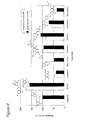
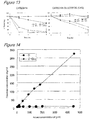
- the reaction was performed at 45°C for 24 hr in 100 ⁇ l enzyme reaction solution containing 0.5 mM or 10 mM glycosyl acceptor compound ((+)-catechin, (-)-epigallocatechin-3-O-gallate, esculetin, naringenin, quercetin, daidzein, genistein or kaempferol), 10 mg dextrin, 100 mM acetate buffer (pH 5.2) and the crude enzyme solution, followed by HPLC analysis. The results obtained are shown in Figure 9 .
- 0.5 mM or 10 mM glycosyl acceptor compound ((+)-catechin, (-)-epigallocatechin-3-O-gallate, esculetin, naringenin, quercetin, daidzein, genistein or kaempferol), 10 mg dextrin, 100 mM acetate buffer (pH 5.2) and the crude enzyme solution, followed by HPLC analysis
- the area ratio (%) between acceptor compound and glycoside product was 10% for (+)-catechin, 17.7% for (-)-epigallocatechin-3-O-gallate, 3.5% for esculetin, 4.4% for naringenin, 9.4% for quercetin, 10.7% for daidzein, 6.8% for genistein, and 3.1% for kaempferol.
- TRa2HisXhoI-r2 Gctcgagttagtggtggtggtggtggtggtgtgaagacagcagcaa (SEQ ID NO: 28)
- the plasmid pCRTRa2-cDNA was used as a template to perform PCR reaction with primers TraEcoRI-f2 and TRa2HisXhoI-r2.
- PCR was accomplished by using Ex Taq (Takara Bio Inc., Japan) under the following conditions: 94°C for 2 minutes, (94°C for 1 minute, 58°C for 1 minute, 72°C for 2 minutes) ⁇ 25 cycles, and 72°C for 10 minutes.
- the resulting PCR products were analyzed by agarose gel electrophoresis, confirming a DNA fragment of approximately 1.5 kb. This DNA fragment was excised from the agarose gel and purified by GFX.
- plasmid pCRTRa2-cDNA-His was digested with EcoRI and XhoI to give a DNA fragment of approximately 1.5 kb, which was then ligated to an EcoRI- and SalI-digested fragment of plasmid pYE22m using ligation high (Toyobo Co., Ltd., Japan) to thereby obtain plasmid pYE-TRa2-His.
- the plasmid pYE-TRa2-His was used to transform yeast S. cerevisiae strain EH1315. The resulting transformed strain was designated as strain TRa2-3.
- the strain TRa2-3 was cultured in 20 ml SD(-Trp) at 30°C for 16 hr.
- the pre-cultured solution was inoculated into 1 L of SD(-Trp) + 100 mM KH 2 PO 4 -KOH (pH 6.0) and cultured at 30°C for 3 days, followed by centrifugation to collect the culture supernatant.
- the culture supernatant was applied onto a Ni 2+ -chelated Chelating Sepharose Fast Flow (5 ml, Pharmacia Biotech) column equilibrated with Buffer S1 [20 mM NaH 2 PO 4 -NaOH (pH 7.4), 10 mM imidazole, 0.5 M NaCl, 15 mM 2-mercaptoethanol], followed by washing with the same buffer (40 ml). Subsequently, proteins bound to the column were eluted with Buffer E1 [20 mM NaH 2 PO 4 -NaOH (pH 7.4), 200 mM imidazole, 0.5 M NaCl, 15 mM 2-mercaptoethanol]. Active fractions were collected, and then desalted and concentrated using a VIVASPIN (30,000 MWCO, VIVASCIENCE).
- the enzyme solution was applied (1.5 ml/min) onto a Resource Q (1 ml, Pharmacia Biotech) column equilibrated with Buffer S2 [20 mM KH 2 PO 4 -KOH (pH 7.4), 15 mM 2-mercaptoethanol, 0.1% CHAPS], followed by washing with the same buffer (10 ml).
- Buffer S2 [20 mM KH 2 PO 4 -KOH (pH 7.4), 15 mM 2-mercaptoethanol, 0.1% CHAPS]
- proteins bound to the column were eluted with a 0-100% linear gradient of Buffer E2 [20 mM KH 2 PO 4 -KOH (pH 7.4), 0.6 M NaCl, 15 mM 2-mercaptoethanol, 0.1% CHAPS] (60 ml).
- Active fractions were collected, and then desalted and concentrated using a VIVASPIN (30,000 MWCO, VIVASCIENCE).
- reaction solution 100 ⁇ l, 10 mM catechin, 10 mg dextrin, 100 mM Acetate-NaOH (pH 5.3), enzyme solution
- 0.5% TFA 100 ⁇ l
- reaction solution 100 ⁇ l, 5 mM maltotetraose, 20 mM KH 2 PO 4 -KOH (pH 6.0), enzyme solution
- thermal treatment 100°C, 5 min
- the sample was centrifuged to collect the supernatant.
- HPLC conditions Eluent, 68% acetonitrile; analytical column, SUPELCOSIL LC-NH 2 (5 ⁇ m, 4.6 x 250 mm, SUPELCO); flow rate, 1 ml/min; separation mode, isocratic
- the enzyme solution ( ⁇ 10 mM epigallocatechin gallate) was treated at different temperatures ranging from 20°C to 60°C for 1 hr, and then cooled to 4°C. To the cooled samples, 10 mM epigallocatechin gallate and 10 mg dextrin were added and reacted (different temperatures, pH 5.3, 24 hr). After addition of 0.5% TFA to stop the reaction, each sample was analyzed by reversed-phase HPLC.
- the enzyme was added to 5 mM maltotetraose to perform hydrolysis reaction (different temperatures ranging from 20°C to 60°C, pH 6.0, 15 min). After stopping the reaction at 100°C for 5 min, each sample was analyzed by normal phase HPLC. The results obtained are shown in Figure 11 (left).
- the enzyme was added to 5 mM maltotetraose to perform hydrolysis reaction in a buffer of different pH (35°C, pH 4, 4.5, 5, Acetate-NaOH; pH 5.5, 6, 6.5, 7, NaH 2 PO 4 -NaOH; pH 8, 9, Tris-HCl, 15 min). After stopping the reaction at 100°C for 5 min, each sample was analyzed by normal phase HPLC. The results obtained are shown in Figure 11 (right).
- the enzyme was added to 10 mM catechin and 10 mg dextrin to perform glycosyltransferase reaction (45°C, pH 4, 4.5, 5, Acetate-NaOH; pH 5.5, 6, 6.5, 7, NaH 2 PO 4 -NaOH; pH 8, 9, Tris-HCl, 24 hr). After addition of TFA to stop the reaction, each sample was analyzed by reversed-phase HPLC. The results obtained are shown in Figure 12 (right).
- (+)-Catechin or 5-O- ⁇ -D-glucopyranosyl-(+)-catechin was added to water at different concentrations ranging from 10 to 450 mg/ml and dissolved by vigorous stirring, followed by centrifugation to remove precipitates. The supernatant was analyzed by HPLC to quantify the amounts of (+)-catechin and 5-O- ⁇ -D-glucopyranosyl-(+)-catechin. The results obtained are shown in Figure 14 . The results indicated that (+)-catechin was substantially insoluble in water, whereas 5-O- ⁇ -D-glucopyranosyl-(+)-catechin showed at least 40-fold or higher solubility.
- novel enzyme genes or modified variants thereof, transformants carrying the same, and novel enzyme proteins or modified variants thereof, which are obtained by the present invention are useful in producing glycosides of flavonoid compounds or in producing foods, drugs and/or cosmetics based on such glycosides.
Landscapes
- Life Sciences & Earth Sciences (AREA)
- Chemical & Material Sciences (AREA)
- Health & Medical Sciences (AREA)
- Genetics & Genomics (AREA)
- Organic Chemistry (AREA)
- Zoology (AREA)
- Engineering & Computer Science (AREA)
- Bioinformatics & Cheminformatics (AREA)
- Wood Science & Technology (AREA)
- Microbiology (AREA)
- Biotechnology (AREA)
- Biomedical Technology (AREA)
- Molecular Biology (AREA)
- Biochemistry (AREA)
- General Engineering & Computer Science (AREA)
- General Health & Medical Sciences (AREA)
- Medicinal Chemistry (AREA)
- Enzymes And Modification Thereof (AREA)
- Preparation Of Compounds By Using Micro-Organisms (AREA)
- Micro-Organisms Or Cultivation Processes Thereof (AREA)
- Immobilizing And Processing Of Enzymes And Microorganisms (AREA)
- Measuring Or Testing Involving Enzymes Or Micro-Organisms (AREA)
Abstract
Description
- The present invention relates to novel glycosyltransferases which allow glycosylation of flavonoid compounds, and polynucleotides encoding the same. Glycosides of flavonoid compounds obtained by the present invention can be used for food, pharmaceutical and cosmetic purposes.
- Proanthocyanidin (grape seed extract) has been studied for its usefulness as a therapeutic agent for blood vessels, and one of the reasons for recent progress in these studies is that the target substance can serve as a marker for tracing in vivo absorption and metabolism because it is stable against heat and acids, highly soluble in water and highly absorbable in the body. In contrast, polyphenol compounds such as catechin are often difficult to dissolve in water, and also involve a problem in that they are less absorbable in the body.
- Attempts have been made to develop a technique for glycosylation of catechin and other compounds, with the aim of improving their solubility in water and increasing their stability.
- By way of example,
Patent Document 1 discloses α-glucosidase with a molecular weight of about 57,000, which was collected from a culture solution of Xanthomonas campestris WU-9701. This enzyme uses maltose or the like as a donor (does not use maltotriose, cyclodextrin or starch as a donor) and transfers glucose to a specific acceptor to synthesize a glycoside. In this document, compounds listed as acceptors are those having an alcoholic hydroxyl group (e.g., menthol, ethanol, 1-propanol, 1-butanol, 2-butanol, isobutyl alcohol, 1-amyl alcohol, 2-amyl alcohol, 5-nonyl alcohol), as well as those having a phenolic hydroxyl group (e.g., capsaicin, dihydrocapsaicin, nonylic acid vanillylamide, catechin, epicatechin, vanillin, hydroquinone, catechol, resorcinol, 3,4-dimethoxyphenol). Moreover, glycosides whose production was actually confirmed are monoglucosides only. -
Patent Document 2 discloses a method in which a mixture of a catechin compound and glucose-1-phosphate or sucrose is treated with sucrose phosphorylase to prepare a glycoside of the catechin compound. The sources of sucrose phosphorylase listed therein are Leuconostoc mesenteroides, Pseudomonas saccharophila, Pseudomonas putrefaciens, Clostridium pasteurianum, Acetobacter xylinum, and Pullularia pullulans. Likewise, catechin compounds listed as acceptors are (+)-catechin, (-)-epicatechin, (-)-epicatechin 3-O-gallate, (-)-epigallocatechin and (-)-epigallocatechin 3-O-gallate, but it is only (+)-catechin that was actually used as an acceptor to prepare (+)-catechin 3'-O-α-D-glucopyranoside in the Example section. -
Patent Document 3 discloses epigallocatechin 3-O-gallate derivatives, in which a glucose residue or a maltooligosaccharide residue with a polymerization degree of 2 to 8 is attached to at least one of the 5-, 7-, 3'-, 4'-, 5'-, 3"-, 4"- and 5"-positions. As in the case ofPatent Document 2, the Example section ofPatent Document 3 actually discloses only a case where a mixture of (-)-epigallocatechin gallate and glucose-1-phosphate or sucrose was treated with sucrose phosphorylase to prepare 4'-O-α-D-glucopyranosyl(-)-epigallocatechin gallate and 4',4"-O-α-D-di-glucopyranosyl(-)-epigallocatechin gallate. -
Patent Document 4 discloses tea extracts or tea beverages whose astringent taste is reduced by glycosylation of polyphenols contained therein. To reduce the astringent taste of tea extracts or tea beverages, this document describes detailed procedures in which tea extracts or tea beverages are supplemented with dextrin, cyclodextrin, starch or a mixture thereof, and then treated with cyclomaltodextrin glucanotransferase. In the Example section, it is shown that a green tea extract and α-cyclodextrin were treated with cyclomaltodextrin glucanotransferase derived from Bacillus stearothermophilus to give a reaction product with reduced astringent taste, which in turn indicates that polyphenols such as epigallocatechin 3-O-gallate and epicatechin were glycosylated. However, this document fails to show the detailed structure of the reaction product. -
Patent Document 5 discloses glycosides of catechin compounds in which glycosylation occurs at the 3'-position, at the 3'- and 5-positions, or at the 3'- and 7-positions. For this purpose, this document describes detailed procedures in which a catechin compound and dextrin, cyclodextrin, starch or a mixture thereof are treated with cyclomaltodextrin glucanotransferase derived from Bacillus stearothermophilus, as in the case ofPatent Document 4. Further, in the examples using dextrin as a glycosyl donor in the above procedures, some of the resulting glycosides of (-)-epigallocatechin, (-)-epigallocatechin 3-O-gallate and (-)-epicatechin 3-O-gallate are considered to have 6 to 8 glucose residues on average per molecule of each polyphenol, as determined from their molar absorption coefficients. Moreover, it is confirmed that upon treatment with glucoamylase derived from Rhizopus niveus, the glycosides obtained by the above procedures generated 3',7-di-O-α-D-glucopyranosyl(-)-epigallocatechin, 3',5-di-O-α-D-glucopyranosyl(-)-epigallocatechin, 3'-O-α-D-glucopyranosyl()-epigallocatechin, 3',7-di-O-α-D-glucopyranosyl(-)-epigallocatechin 3-O-gallate, 3'-O-α-D-glucopyranosyl(-)-epigallocatechin 3-O-gallate, 3'-O-α-D-glucopyranosyl(-)-gallocatechin and 3'-O-α-D-glucopyranosyl(-)-epicatechin 3-O-gallate. - As to effects provided by catechin glycosides,
Non-patent Document 1 describes reduced astringent taste, increased water-solubility, improved stability and inhibited tyrosinase, while Non-patentDocument 2 describes suppressed mutagenicity. - Patent Document 1:
JP 2001-46096 A - Patent Document 2:
JP 05-176786 A 3024848 - Patent Document 3:
JP 07-10897 A 3071610 - Patent Document 4:
JP 08-298930 A 3579496 - Patent Document 5:
JP 09-3089 A 3712285 - Non-patent Document 1: Biosci. Biotech. Biochem., 57 (10), 1666-1669 (1993)
- Non-patent Document 2: Biosci. Biotech. Biochem., 57 (10), 1290-1293 (1993)
- These glycosylation techniques cannot be regarded as sufficient in terms of properties of the enzymes used therein, including glycosyl donor specificity, specificity to compounds which can be glycosylated, glycosylation efficiency, etc. Thus, there has been a demand for the development of glycosyltransferases with more excellent properties.
- The inventors of the present invention have made extensive and intensive efforts to develop a glycosylation technique for flavonoid including catechin. As a result, the inventors have found a novel glycosyltransferase from the culture supernatant of Trichoderma viride and have cloned a gene thereof, thereby completing the present invention.
- The present invention provides a polynucleotide or a homolog thereof, which encodes a glycosyltransferase protein produced by ascomycetous filamentous fungi (preferably species belonging to the genus Trichoderma, more preferably Trichoderma viride), i.e., a polynucleotide comprising any one of (A) to (K) shown below (preferably a polynucleotide consisting of any one of (A) to (K) shown below):
- (A) a polynucleotide which consists of all or part of the nucleotide sequence shown in SEQ ID NO: 6 (e.g., all or part of nucleotides 423-1928, a region corresponding to the nucleotide sequence of SEQ ID NO: 9);
- (B) a polynucleotide which is hybridizable under stringent conditions with a polynucleotide consisting of a nucleotide sequence complementary to the nucleotide sequence of the polynucleotide shown in (A) and which encodes a protein having glycosylation activity on a flavonoid compound;
- (C) a polynucleotide which consists of a nucleotide sequence comprising substitution, deletion, insertion and/or addition of one or several nucleotides in the nucleotide sequence of the polynucleotide shown in (A) and which encodes a protein having glycosylation activity on a flavonoid compound;
- (D) a polynucleotide which shares an identity of at least 60% or more with the nucleotide sequence of the polynucleotide shown in (A) and which encodes a protein having glycosylation activity on a flavonoid compound;
- (E) a polynucleotide which consists of the nucleotide sequence shown in SEQ ID NO: 9;
- (F) a polynucleotide which is hybridizable under stringent conditions with a polynucleotide consisting of a nucleotide sequence complementary to the nucleotide sequence of the polynucleotide shown in (E) and which encodes a protein having glycosylation activity on a flavonoid compound;
- (G) a polynucleotide which consists of a nucleotide sequence comprising substitution, deletion, insertion and/or addition of one or several nucleotides in the nucleotide sequence of the polynucleotide shown in (E) and which encodes a protein having glycosylation activity on a flavonoid compound;
- (H) a polynucleotide which shares an identity of at least 60% or more with the nucleotide sequence of the polynucleotide shown in (E) and which encodes a protein having glycosylation activity on a flavonoid compound;
- (I) a polynucleotide which encodes a protein consisting of the amino acid sequence shown in SEQ ID NO: 10;
- (J) a polynucleotide which encodes a protein consisting of an amino acid sequence comprising substitution, deletion, insertion and/or addition of one or several amino acids in the amino acid sequence shown in SEQ ID NO: 10 and having glycosylation activity on a flavonoid compound; and
- (K) a polynucleotide which encodes a protein consisting of an amino acid sequence sharing an identity of at least 60% or more with the amino acid sequence shown in SEQ ID NO: 10 and having glycosylation activity on a flavonoid compound.
- SEQ ID NO: 6 shows the nucleotide sequence of genomic DNA for glycosyltransferase TRa2 obtained from T. viride strain IAM5141, while SEQ ID NOs: 9 and 10 show the cDNA and deduced amino acid sequences thereof, respectively.
- When the deduced amino acid sequence of TRa2 is analyzed by Signal P, a sequence covering amino acids 1-20 of SEQ ID NO: 10 is predicted as a secretion signal. Thus, a mature protein essential for serving as a glycosyltransferase lies in the sequence downstream of amino acid 21 in SEQ ID NO: 10; it would be suitable to remove the signal sequence if this enzyme is expressed in a heterologous expression system such as E. coli. Polynucleotides encoding such a mature protein also fall within the scope of the present invention.
- Thus, the present invention also provides a polynucleotide comprising any one of (L) to (R) shown below (preferably a polynucleotide consisting of any one of (L) to (R) shown below):
- (L) a polynucleotide which consists of the nucleotide sequence shown in SEQ ID NO: 25;
- (M) a polynucleotide which is hybridizable under stringent conditions with a polynucleotide consisting of a nucleotide sequence complementary to the nucleotide sequence shown in SEQ ID NO: 25 and which encodes a protein having glycosylation activity on a flavonoid compound;
- (N) a polynucleotide which consists of a nucleotide sequence comprising substitution, deletion, insertion and/or addition of one or several nucleotides in the nucleotide sequence of the polynucleotide shown in SEQ ID NO: 25 and which encodes a protein having glycosylation activity on a flavonoid compound;
- (O) a polynucleotide which shares an identity of at least 60% or more with the nucleotide sequence shown in SEQ ID NO: 25 and which encodes a protein having glycosylation activity on a flavonoid compound;
- (P) a polynucleotide which encodes a protein consisting of the amino acid sequence shown in SEQ ID NO: 26;
- (Q) a polynucleotide which encodes a protein consisting of an amino acid sequence comprising substitution, deletion, insertion and/or addition of one or several amino acids in the amino acid sequence shown in SEQ ID NO: 26 and having glycosylation activity on a flavonoid compound; and
- (R) a polynucleotide which encodes a protein consisting of an amino acid sequence sharing an identity of at least 60% or more with the amino acid sequence shown in SEQ ID NO: 26 and having glycosylation activity on a flavonoid compound.
- SEQ ID NO: 25 shows the nucleotide sequence of cDNA encoding TRa2 as a mature protein, i.e., a nucleotide sequence covering nucleotides 61-1389 of SEQ ID NO: 9. Likewise, SEQ ID NO: 26 shows the amino acid sequence of TRa2 as a mature protein, i.e., an amino acid sequence covering amino acids 21-463 of SEQ ID NO: 10.
- The present invention also provides a polynucleotide which is derived from the genus Trichoderma (preferably Trichoderma viride, Trichoderma reesei, Trichoderma saturnisporum, Trichoderma ghanense, Trichoderma koningii, Trichoderma hamatum, Trichoderma harzianum or Trichoderma polysporum), comprises any one of the nucleotide sequences shown in SEQ ID NOs: 11 to 24, and encodes a protein having glycosylation activity on a flavonoid compound. A preferred example of such a polynucleotide is a polynucleotide which comprises any one of the nucleotide sequences shown in SEQ ID NOs: 11 to 24, shares high identity with the nucleotide sequence shown in SEQ ID NO: 6, 9 or 25, and encodes a protein having glycosylation activity on a flavonoid compound.
- As used herein, the term "glycosylation activity" is intended to mean having the ability to transfer a sugar residue to a flavonoid compound. To confirm whether a protein has the ability to transfer a sugar residue to a flavonoid compound, unless otherwise specified, a mixture of flavonoid (e.g., catechin) and an appropriate glycosyl donor (e.g., dextrin) may be contacted with the target enzyme and reacted for a sufficient period of time, followed by analysis of the reaction solution through high performance liquid chromatography (HPLC) or other techniques, for example as shown in the Example section described later.
- A protein encoded by the polynucleotide of the present invention may have not only glycosylation activity, but also an additional activity, such as dextrinase activity. As used herein, the term "dextrinase" is intended to mean an enzyme capable of hydrolyzing carbohydrates containing α-glucoside linkages (e.g., starch, dextrin), unless otherwise specified. Dextrinase is a kind of amylase. To determine whether a target has dextrinase activity, a commercially available dextrin (e.g., starch hydrolyzed with an acid, heat or an enzyme to have an average molecular weight of about 3,500) may be treated with the target under appropriate conditions to examine whether the dextrin is hydrolyzed. Those skilled in the art would design appropriate conditions for reaction with a target and procedures for determining whether dextrin is hydrolyzed.
- As used herein, the term "flavonoid compound" is intended to include both flavonoid and esculetin, unless otherwise specified.
- As used herein, the term "flavonoid" is intended to mean a catechin compound (flavanol), flavanone, flavone, flavonol, flavanonol, isoflavone, anthocyan or chalcone, as well as a methylated derivative thereof, unless otherwise specified. Flavonoid includes naringenin, quercetin, daidzein, genistein and kaempferol. Flavonoid available for use in the present invention may be of natural or synthetic origin.
- As used herein, the term "catechin compound" is used in a broad sense to mean a polyoxy derivative of 3-oxyflavan, unless otherwise specified. This includes catechin, gallocatechin and 3-galloyl derivatives thereof, as well as optical isomers ((+)-, (-)-, (+)-epi- and (-)-epi-isomers) and racemates thereof. Specific examples include catechin, gallocatechin (GC), catechin gallate (catechin-3-O-gallate; CG), gallocatechin gallate (gallocatechin-3-O-gallate; GCG), epicatechin (EC), epigallocatechin (EGC), epicatechin gallate (epicatechin-3-O-gallate; ECG) and epigallocatechin gallate (epigallocatechin-3-O-gallate; EGCG), as well as optical isomers thereof. Methylated derivatives of catechin compounds refer to derivatives of the above catechin compounds, in which H in at least one OH group is replaced by methyl. Examples of methylated derivatives of catechin compounds include those having methyl in place of H in the OH group located at any of the 3'-, 4'-, 3"- and 4"-positions of epicatechin, epigallocatechin, epicatechin gallate or epigallocatechin gallate. Catechin compounds and their methylated derivatives available for use in the present invention may be of natural or synthetic origin. Examples of natural origin include tea extracts, concentrated and purified products thereof (e.g., green tea extracts such as Teavigo (DSM Nutrition Japan), Polyphenon (Mitsui Norin Co., Ltd., Japan) and Sunphenon (Taiyo Kagaku Co., Ltd., Japan)), as well as extracts of a tea cultivar "Benifuki."
- In the present invention, flavonoid compounds may be used either alone or in combination.
- As used herein, the term "glycosyl donor" is intended to mean a carbohydrate which can serve as a substrate for an enzyme in the method of the present invention and can be hydrolyzed to supply a sugar residue to a flavonoid compound, unless otherwise specified. Glycosyl donors available for use in the present invention are carbohydrates containing a maltotriose residue, including maltotriose, maltotetraose, maltopentaose, maltohexaose, maltoheptaose, dextrin, γ-cyclodextrin and soluble starch. As used herein, the term "dextrin" is intended to mean a hydrolysate of starch, unless otherwise specified, while the term "soluble starch" is intended to mean a hydrolysate of starch, which is soluble in hot water, unless otherwise specified. Hydrolysis may be accomplished by using any means such as an acid, heat or an enzyme. In the present invention, it is possible to use a hydrolysate having an average molecular weight of about 3,500 as an example of dextrin and a hydrolysate having an average molecular weight of about 1,000,000 as an example of soluble starch.
- As used herein, the term "stringent conditions" refers to conditions of 6 M urea, 0.4% SDS and 0.5 × SSC, or hybridization conditions equivalent thereto, unless otherwise specified. If necessary, more stringent conditions (e.g., 6 M urea, 0.4% SDS and 0.1 × SSC) or hybridization conditions equivalent thereto may be applied in the present invention. Under each of these conditions, the temperature may be set to about 40°C or higher. When more stringent conditions are required, the temperature may be set to a higher value, for example about 50°C and more particularly about 65°C.
- Moreover, the expression "nucleotide sequence comprising substitution, deletion, insertion and/or addition of one or several nucleotides" as used herein does not provide any limitation on the number of nucleotides to be substituted, deleted, inserted and/or added, as long as a protein encoded by a polynucleotide consisting of such a nucleotide sequence has desired functions. The number of such nucleotides is around 1 to 9 or around 1 to 4, or alternatively, a larger number of nucleotides may be substituted, deleted, inserted and/or added as long as such a mutation allows encoding of the same or a functionally similar amino acid sequence. Likewise, the expression "nucleotide sequence comprising substitution, deletion, insertion and/or addition of one or several amino acids as used herein does not provide any limitation on the number of amino acids to be substituted, deleted, inserted and/or added, as long as a protein having such an amino acid sequence has desired functions. The number of such amino acids is around 1 to 9 or around 1 to 4, or alternatively, a larger number of amino acids may be substituted, deleted, inserted and/or added as long as such a mutation provides a functionally similar amino acid. Means for preparing a polynucleotide or protein having such a nucleotide or amino acid sequence are well known to those skilled in the art.
- As used herein to describe an amino acid sequence, the term "high identity" refers to a sequence identity of at least 60% or more, preferably 70% or more, more preferably 80% or more, even more preferably 90% or more, and most preferably 95% or more.
- Search and analysis for identity between nucleotide or amino acid sequences may be accomplished by using any algorithm or program (e.g., BLASTN, BLASTP, BLASTX, ClustalW) well known to those skilled in the art. In the case of using a program, parameters may be set as required by those skilled in the art, or alternatively, default parameters specific for each program may be used. Detailed procedures for such analysis are also well known to those skilled in the art.
- The polynucleotide of the present invention can be obtained from natural products by using techniques such as hybridization and polymerase chain reaction (PCR).
- The polynucleotide of the present invention is preferably derived from the genus Trichoderma, more preferably Trichoderma viride.
- The present invention also provides a recombinant vector carrying the polynucleotide of the present invention, as well as a transformant (e.g., a transformed E. coli, yeast or insect cell) transformed with the recombinant vector. The present invention further provides a transformation method comprising the step of transforming a host (e.g., an E. coli, yeast or insect cell) by using the polynucleotide of the present invention (e.g., the step of transforming a host with the recombinant vector of the present invention).
- There is no particular limitation on the vector into which the polynucleotide of the present invention is inserted, as long as it allows expression of the insert in a host. Such a vector generally has a promoter sequence, a terminator sequence, a sequence for inducible expression of an insert in response to external stimulation, a sequence recognized by a restriction enzyme for insertion of a target gene, and a sequence encoding a marker for transformant selection. To create such a recombinant vector and to effect transformation with such a recombinant vector, techniques well known to those skilled in the art may be applied.
- The present invention also provides a novel glycosyltransferase protein and a homolog thereof, i.e., a protein comprising (i), (j) or (k) shown below (preferably a protein consisting of (i), (j) or (k) shown below):
- (i) a protein which consists of the amino acid sequence shown in SEQ ID NO: 10;
- (j) a protein which consists of an amino acid sequence comprising substitution, deletion, insertion and/or addition of one or several amino acids in the amino acid sequence shown in SEQ ID NO: 10 and which has glycosylation activity on a flavonoid compound; or
- (k) a protein which consists of an amino acid sequence sharing an identity of at least 60% or more with the amino acid sequence shown in SEQ ID NO: 10 and which has glycosylation activity on a flavonoid compound.
- The present invention also provides a mature protein of the above novel glycosyltransferase protein and a homolog thereof, which is modified to remove a putative secretion signal sequence region, i.e., a protein comprising (p), (q) or (r) shown below (preferably a protein consisting of (p), (q) or (r) shown below):
- (p) a protein which consists of the amino acid sequence shown in SEQ ID NO: 26;
- (q) a protein which consists of an amino acid sequence comprising substitution, deletion, insertion and/or addition of one or several amino acids in the amino acid sequence shown in SEQ ID NO: 26 and which has glycosylation activity on a flavonoid compound; or
- (r) a protein which consists of an amino acid sequence sharing an identity of at least 60% or more with the amino acid sequence shown in SEQ ID NO: 26 and which has glycosylation activity on a flavonoid compound.
- The present invention also provides a protein having glycosylation activity on a flavonoid compound, which is encoded by a polynucleotide being derived from the genus Trichoderma (preferably Trichoderma viride, Trichoderma reesei, Trichoderma saturnisporum, Trichoderma ghanense, Trichoderma koningii, Trichoderma hamatum, Trichoderma harzianum or Trichoderma polysporum) and comprising any one of the nucleotide sequences shown in SEQ ID NOs: 11 to 24. A preferred example of such a protein is a protein having glycosylation activity on a flavonoid compound, which is encoded by a polynucleotide comprising any one of the nucleotide sequences shown in SEQ ID NOs: 11 to 24 and sharing high identity with the nucleotide sequence shown in SEQ ID NO: 6, 9 or 25.
- The protein of the present invention can be isolated and purified from a culture supernatant obtained by culturing a species belonging to the genus Trichoderma, such as Trichoderma viride, Trichoderma reesei, Trichoderma saturnisporum, Trichoderma ghanense, Trichoderma koningii, Trichoderma hamatum, Trichoderma harzianum or Trichoderma polysporum in a known culture solution. Alternatively, the protein of the present invention can also be obtained as a recombinant protein from a transformant (e.g., a transformed yeast or E. coli cell) transformed with a recombinant vector carrying the polynucleotide of the present invention.
- Among novel enzyme proteins provided by the present invention, particularly preferred is a glycosyltransferase consisting of the amino acid sequence shown in SEQ ID NO: 10 (herein also referred to as "TRa2"), which is obtained from the culture supernatant of Trichoderma viride strain IAM5141. This enzyme has the following enzymological features in reaction between flavonoid and glycosyl donor.
- Under the conditions shown in the Example section, this enzyme uses maltotriose, maltotetraose, maltopentaose, maltohexaose, maltoheptaose, soluble starch, dextrin, γ-cyclodextrin or the like as a glycosyl donor, but does not target cellobiose, dextran, maltose monohydrate, carboxymethylcellulose sodium salt, isomaltooligosaccharide, α-cyclodextrin, β-cyclodextrin or the like as a glycosyl donor. Moreover, this enzyme is a glycosyltransferase capable of producing not only sugars composed of one or two glucose molecules, but also glycosides whose sugar chain length is three (G3) or more glucose molecules.
- This enzyme can act on and glycosylate a wide range of polyphenols including major flavonoid members such as catechin, epigallocatechin gallate, naringenin, quercetin, daidzein, genistein and kaempferol, as well as esculetin.
- In the case of hydrolysis reaction, this enzyme allows a satisfactory reaction at a temperature of about 20°C to about 60°C, particularly about 35°C to about 55°C, or at a pH of about 4.0 to about 7.0, particularly about 4.5 to about 5.5, under the conditions shown in the Example section.
- Likewise, in the case of glycosyltransferase reaction, this enzyme allows a satisfactory reaction at a temperature of about 20°C to about 60°C, particularly about 45°C to about 55°C, or at a pH of about 4.0 to about 9.0, particularly about 4.5 to about 7.0, under the conditions shown in the Example section.
- Under the conditions shown in the Example section, this enzyme is not deactivated either by treatment at about 20°C to about 45°C for 1 hr or by treatment at about pH 5.0 to 9.0 at room temperature for 16 hr.
- The present invention also provides a method for preparing a glycoside of a flavonoid compound, which comprises allowing the novel glycosyltransferase of the present invention to act on a mixture of the flavonoid compound and a glycosyl donor (preferably dextrin, soluble starch or γ-cyclodextrin).
- Glycosides of flavonoid compounds provided by the present invention have the following formula:

at least one of R1 to R5 represents a sugar residue, and each of the others represents OH or OCH3, or
at least one of R1 to R4 represents a sugar residue and each of the others represents OH or OCH3, and R5 represents H; and
X represents H, CH3, a galloyl group or a methylated galloyl group. - This formula further encompasses the glycosides of flavonoid compounds listed below:
- 5-O-(4-O-α-D-glucopyranosyl-α-D-glucopyranosyl)-(+)-catechin;
- 5-O-α-D-glucopyranosyl-(+)-catechin;
- 4'-O-(4-O-α-D-glucopyranosyl-α-D-glucopyranosyl)-(+)-catechin;
- 4'-O-α-D-glucopyranosyl-(+)-catechin;
- 3'-O-(4-O-α-D-glucopyranosyl-α-D-glucopyranosyl)-(+)-catechin;
- 3'-O-α-D-glucopyranosyl-(+)-catechin;
- 7-O-α-D-glucopyranosyl-(-)-epigallocatechin-3-O-gallate;
- 7-O-(4-O-α-D-glucopyranosyl-α-D-glucopyranosyl)-(-)-epigallocatechin-3-O-gallate;
- 3'-O-α-D-glucopyranosyl-(-)-epigallocatechin-3-O-gallate; and
- 3'-O-(4-O-α-D-glucopyranosyl-α-D-glucopyranosyl)-(-)-epigallocatechin-3-O-gallate, as well as optical isomers thereof.
- Glycosides obtained by the present invention can be used as food compositions, pharmaceutical compositions or cosmetic compositions. More specifically, for example, such a composition incorporating a glycoside of a catechin compound can be used as an agent for the following purposes, as in the case of catechin: anti-allergy, anti-oxidation, anti-cancer, anti-inflammation, anti-bacteria/anti-caries, anti-virus, detoxication, intestinal flora improvement, odor elimination, anti-hypercholesterolemia, anti-hypertension, anti-hyperglycemia, anti-thrombosis, dementia prevention, body fat burning, inhibition of body fat accumulation, endurance improvement, anti-fatigue or renal function improvement, or alternatively, can also be used as a food composition, a pharmaceutical composition or a cosmetic composition.
- Food compositions include nutritional supplementary foods, health foods, therapeutic dietary foods, general health foods, supplements and beverages. Beverages include tea beverages, juices, soft drinks, and drinkable preparations. Pharmaceutical compositions may be prepared as drugs or quasi drugs, preferably oral formulations or dermatologic external preparations, and may be provided in the form of solutions, tablets, granules, pills, syrups, lotions, sprays, plasters or ointments. Cosmetic compositions may be provided in the form of creams, liquid lotions, emulsion lotions or sprays.
- The amount of glycoside(s) incorporated into the food, pharmaceutical or cosmetic composition of the present invention is not limited in any way and may be determined as required by those skilled in the art in consideration of, e.g., solubility and taste by referring to preferred daily intakes of the corresponding flavonoid compound(s). For example, the amount of the glycoside(s) of the present invention incorporated into a composition may be set to 0.01% to 99.9% by weight or may be determined such that the glycoside(s) of the present invention can be given 100 mg to 20 g per day as a single dose or in divided doses (e.g., three doses).
- The food, pharmaceutical or cosmetic composition of the present invention may further comprise various ingredients acceptable for food, pharmaceutical or cosmetic purposes. Examples of these additives and/or ingredients include vitamins, saccharides, excipients, disintegrating agents, binders, lubricants, emulsifiers, isotonizing agents, buffers, solubilizers, antiseptics, stabilizers, antioxidants, coloring agents, correctives, flavorings, coagulating agents, pH adjustors, thickeners, tea extracts, herbal extracts, and minerals.
- In the present invention, a glycosyltransferase protein can be immobilized on an appropriate carrier for use as an immobilized enzyme. As a carrier, any conventional resin used for the same purpose may be used, including basic resins (e.g., MARATHON WBA (Dow Chemical), SA series, WA series or FP series (Mitsubishi Chemical Corporation, Japan), and Amberlite IRA904 (Organo)), as well as hydrophobic resins (e.g., Diaion FPHA13 (Mitsubishi Chemical Corporation, Japan), HP series (Mitsubishi Chemical Corporation, Japan), and Amberlite XAD7 (Organo)). In addition, other resins such as Express-Ion D (Whatman), DEAE-Toyopearl 650M (Tosoh Corporation, Japan) and DEAE-sepharose CL4B (Amersham Biosciences) may be preferred for use. Any conventional technique can be used for enzyme immobilization, as exemplified by physical adsorption, the binding method which uses ionic or covalent binding for immobilization, the crosslinking method which uses a reagent having a divalent functional group for immobilization through crosslinking, and the entrapping method which embeds an enzyme within a gel or semipermeable membrane of network structure. For example, immobilization may be accomplished by allowing an enzyme (20 to 2,000 mg, e.g., 50 to 400 mg) in distilled water to be adsorbed to 5 ml of each resin, followed by removal of the supernatant and drying.
- The present invention also provides a method for determining the nucleotide sequence of a polynucleotide encoding a protein having glycosylation activity on a flavonoid compound or the amino acid sequence of a protein having glycosylation activity on a flavonoid compound, which comprises using all or part of the nucleotide or amino acid sequence shown in any one of SEQ ID NO: 6, SEQ ID NO: 9, SEQ ID NO: 10 and SEQ ID NOs: 11 to 26.
- The present invention provides novel enzymes which allow efficient glycosylation of flavonoid, as well as genes thereof.
- The novel enzymes of the present invention allow glycosylation of flavonoid compounds to thereby improve their water solubility. This suggests that the present invention can enhance the oral absorption of flavonoid compounds. Moreover, improved water solubility will contribute to not only improvement of dissolution rate in water, but also improvement of absorption rate in the body. Thus, the present invention allows flavonoid compounds to exert their useful activity (e.g., antioxidative activity) in vivo with high efficiency.
- The present invention can also modify the taste of flavonoid compounds through glycosylation. Particularly when a flavonoid compound having bitter and astringent tastes like a catechin compound is glycosylated in accordance with the present invention, such tastes can be reduced.
- The present invention can also improve the heat stability of flavonoid through glycosylation.
-
-
Figure 1 shows an HPLC analysis chart of catechin when treated with a crude enzyme solution of Trichoderma viride IAM5141. -
Figure 2 shows a dendrogram prepared by a dendrogram preparation program, Tree view, with respect to the amino acid sequences of putative ORFs having the alpha-amylase catalytic domain (accession No. PF00128) motif extracted from the genomic information databases of Aspergillus nidulans, Neurospora crassa, Magnaporthe grisea and Fusarium graminearum. -
Figure 3 shows an alignment of 4 amino acid sequences inGroup 1 ofFigure 2 , along with their highly conserved regions (underlined). -
Figure 4 shows a comparison between genomic DNA sequence (SEQ ID NO: 6) and cDNA sequence (SEQ ID NO: 9) of TRa2. -
Figure 5 shows the cDNA nucleotide sequence of TRa2 and its corresponding deduced amino acid sequence. The double-underlined part represents a putative secretion signal sequence. -
Figure 6 shows a comparison of the primary structure between the deduced amino acid sequence of TRa2 and the Taka-amylase precursor amino acid sequence (GB No. BAA00336). Underlined: putative secretion signal of TRa2; broken-underlined: secretion signal of Taka-amylase; double-underlined: 4 regions highly conserved among α-amylase family enzymes; and amino acid residues indicated with *: amino acid residues located at catalytic sites. -
Figure 7 shows HPLC analysis charts of the reaction solution when (+)-catechin or (-)-epigallocatechin-3-O-gallate and dextrin were added to and reacted in a culture supernatant stock of T. viride IAM5141 or a concentrate thereof. -
Figure 8 shows the results of partial nucleotide sequence alignment for TRa2 homologs obtained from genomic DNAs prepared from various strains of the genus Trichoderma. -
Figure 9 is a graph showing glycosylation activity of a crude TRa2 enzyme solution prepared from the culture supernatant of a transformant (strain TRa22-1), when used for reaction between each glycosyl acceptor compound ((+)-catechin, (-)-epigallocatechin-3-O-gallate, esculetin, naringenin, quercetin, daidzein, genistein or kaempferol) and dextrin. -
Figure 10 is graphs showing the temperature stability and pH stability of TRa2. -
Figure 11 is graphs showing the temperature dependence and pH dependence of TRa2-catalyzed carbohydrate hydrolysis reaction. -
Figure 12 is graphs showing the temperature dependence and pH dependence of TRa2-catalyzed glycosylation reaction. -
Figure 13 is a graph showing the % remaining of (+)-catechin or 4'-O-α-D-glucopyranosyl-(+)-catechin after a solution containing the same was treated at different temperatures ranging from 4°C to 100°C for 0 to 4 hours. -
Figure 14 is a graph showing the solubility of (+)-catechin and 5-O-α-D-glucopyranosyl-(+)-catechin in water. - Trichoderma viride strain IAM5141 was inoculated from a slant into a liquid medium (10 ml) containing 1% yeast extract (Difco), 1% polypeptone (Nihon Pharmaceutical Co., Ltd., Japan) and 2% dextrin (Nacalai Tesque, Inc., Japan), followed by shaking culture at 30°C for 1 day to give a pre-cultured solution. Further, the entire volume of the pre-cultured solution was inoculated into 900 ml of the same liquid medium and cultured at 30°C for 3 days, followed by filter filtration to prepare a culture supernatant solution. After addition of ammonium sulfate (387 g, 80% saturation) to the culture supernatant (690 ml), the mixture was stirred and centrifuged to collect a precipitate. The resulting precipitate was diluted with 10 ml of 0.1 M acetate buffer (pH 5.0) for use as a crude enzyme solution.
- To the crude enzyme solution (100 µl), catechin (3 mg) and dextrin (10 mg) were added and stirred at 50°C for 24 hours to cause an enzyme reaction. The reaction solution was diluted 10-fold with 0.1% trifluoroacetic acid (TFA), 10 µl of which was then analyzed by high performance liquid chromatography (HPLC).
-
- Column: Develosil C30-UG-5 (4.6 x 150 mm)
- Gradient conditions: 5% Eluent B → 50% Eluent B/20 min
- Eluent A: 0.1% TFA/distilled water
- Eluent B: 90% acetonitrile/0.08% TFA
- Flow rate: 1 ml/min
- Detection wavelength: 280 nm
- In view of the facts that dextrin and γ-cyclodextrin are polymers in which glucose residues are linked through α-1,4 linkages and that the intended enzyme has the ability to degrade these polymers, it is suggested that the enzyme may be an α-amylase family-like enzyme.
- For further study, with respect to a putative ORF having the alpha-amylase catalytic domain (accession No. PF00128) motif in the protein family database (PFAM), 9, 6, 8 and 6 amino acid sequences were extracted from the genomic information databases of Aspergillus nidulans, Neurospora crassa, Magnaporthe grisea and Fusarium graminearum, respectively, among microorganisms belonging to the same ascomycetous filamentous fungi as Trichoderma and already identified for their genome sequences. For these sequences, an alignment was prepared by the homology search program ClustalW and a dendrogram was prepared by the dendrogram preparation program Tree view, whereby the sequences were grouped on the basis of their homology. Four amino acid sequences in
Group 1 ofFigure 2 , i.e., MG02772.4 (EAA47529), MG10209.4 (EAA48146), AN3388.2 (EAA63356) and FG03842.1 (EAA71544) (numbers in parentheses are Genebank Accession Nos.) were aligned to synthesize oligo DNAs corresponding to the amino acid sequences of their highly conserved regions (Figure 3 , underlined). -
- Y-12f:
- 5'-TAYTGYGGNGGNACNTTYAARGGNYT-3' (SEQ ID NO: 1)
- AMY-15r:
- 5'-TTYTCNACRTGYTTNACNGTRTCDAT-3' (SEQ ID NO: 2)
- AMY-17r:
- 5'-GGTNAYRTCYTCNCKRTTNGCNGGRTC-3' (SEQ ID NO: 3)
- On the basis of the resulting nucleotide sequence of approximately 1.0 kbp, the following primers were designed and used to perform Inverse PCR.
-
- TRa2-2:
- 5'-CCAACCTGGTATCTACATAC-3' (SEQ ID NO: 4)
- TRa2-3:
- 5'-AGATGGCATCAAATCCCAT-3' (SEQ ID NO: 5)
- From the cells of T. viride strain IAM5141 curtured as described above(about 0.1 g), total RNA was extracted with an RNeasy plant mini kit. The total RNA (1 µg) was used for cDNA synthesis in a SuperScript First-Strand system for RT-PCR(Invitrogen) using random hexamers.
- On the basis of the genome sequence previously obtained, the following primers were designed.
-
- TRa2EcoRI-f2:
- 5'-GGAATTCATGAAGCTTCGATCCGCCGTCCC-3' (SEQ ID NO: 7)
- TRa2XhoI-r2:
- 5'-CCGCTCGAGTTATGAAGACAGCAGCACAAT-3' (SEQ ID NO: 8)
- The plasmid pCRTRa2-cDNA was digested with restriction enzymes EcoRI and XhoI to give a fragment of approximately 1.5 kb, which was then ligated to an EcoRI- and SalI-digested fragment of plasmid pYE22m (Biosci. Biotech. Biochem., 59(7), 1221-1228, 1995) using ligation high (Toyobo Co., Ltd., Japan) to thereby obtain plasmid pYETRa2.
- The plasmid pYETRa2 was used to transform yeast S. cerevisiae strain EH1315 by the lithium acetate method. The resulting transformed strain was designated as strain TRa2-1. A loopful of the strain TRa2-1 was inoculated into 10 ml YPD (Difco) liquid medium and cultured with shaking at 30°C for 2 days. Since the TRa2 protein has a secretion signal sequence composed of 20 amino acid residues at its N-terminal end, the protein was considered to be secreted into a culture solution. Then, the yeast cells were precipitated by centrifugation to collect the culture supernatant.
- The culture supernatant (500 µl) was concentrated about 5-fold using Microcon YM-30 (Amicon). The above concentrate (10 µl) was added to 100 µl of 20 mM acetate buffer (pH 5.0) containing 0.5% maltose, maltotriose, maltotetraose, dextrin, α-cyclodextrin, β-cyclodextrin, or γ-cyclodextrin, and reacted at 50°C for 1 hour.
- After completion of the reaction, each sample was analyzed by TLC as follows. The plate used was a silica gel G-60 plate (Merck & Co., Inc.), and the developing solution used was 2-propanol:acetone:0.5 M lactic acid = 2:2:1. For detection, the plate was sprayed with sulfuric acid:ethanol = 1:9, air-dried and then heated on a hot plate. As a result, none of the sugars was degraded in a culture solution of the control strain (strain C-1) transformed with vector pYE22m. In contrast, in a culture solution of the strain TRa2-1, maltotriose, maltotetraose, dextrin and γ-cyclodextrin were degraded to mainly generate maltose and glucose, but there was no degradation of maltose, α-cyclodextrin and β-cyclodextrin.
- To 100 µl of a culture supernatant stock or a concentrate thereof concentrated about 5-fold with a VIVASPIN 10,000 MWCO/PES (VIVASCIENCE), (+)-catechin or (-)-epigallocatechin-3-O-gallate (3 mg) and dextrin (10 mg) were added and reacted with stirring at 50°C for 1 day. After completion of the reaction, the reaction solution was diluted 10-fold with a 0.1% trifluoroacetic acid solution and analyzed by high performance liquid chromatography (HPLC) under the same conditions as used in Example 1. As a result, no reaction product was observed in the reaction solution reacted with the culture supernatant from the control strain (strain C-1) transformed with vector pYE22m, whereas the generation of catechin glycosides and epigallocatechin-3-O-gallate glycosides was confirmed in the case of the strain TRa2-1 (
Figure 7 ). - The strain TRa2-1 was inoculated into 200 ml YPD liquid medium and cultured with shaking at 30°C for 3 days. The cells were collected by centrifugation to obtain the culture supernatant. This culture supernatant (100 ml) was concentrated to 50 ml using a ultrafiltration disk NMWL 30000/regenerated cellulose while adding 100 ml of 0.1 M acetate buffer (pH 5), and used as a TRa2 enzyme solution. The above TRa2 enzyme solution (50 ml) was mixed with (+)-catechin (1.5 g) and dextrin (5 g), followed by stirring at 45°C for 18 hr. The reaction solution was centrifuged, and the supernatant was adsorbed onto a LH20 (Amersham Biosciences)
resin 60 ml/φ2.5 × 20 cm column. After elution with distilled water (120 ml) and 10% ethanol (240 ml), glycoside fractions were collected and lyophilized to give 530 mg lyophilized powder, 50 mg of which was then dissolved in 5 ml distilled water and separated on a Develosil C30-UG-5column 20 × 250 mm, A: 0.1% TFA/distilled water, B: 90% methanol/0.1% TFA, 30% B, 3 ml/min, 280 nm.Peaks 1 to 6 were collected and lyophilized in the order in which they were eluted from the HPLC column. MS and NMR analyses suggested thatPeak 1 was 5-O-(4-O-α-D-glucopyranosyl-α-D-glucopyranosyl)-(+)-catechin,Peak 2 was 5-O-α-D-glucopyranosyl-(+)-catechin,Peak 3 was 4'-O-(4-O-α-D-glucopyranosyl-α-D-glucopyranosyl)-(+)-catechin,Peak 4 was 4'-O-α-D-glucopyranosyl-(+)-catechin,Peak 5 was 3'-O-(4-O-α-D-glucopyranosyl-α-D-glucopyranosyl)-(+)-catechin, andPeak 6 was 3'-O-α-D-glucopyranosyl-(+)-catechin. - 5-O-(4-O-α-D-glucopyranosyl-α-D-glucopyranosyl)-(+)-catechin: m/z 615.2, NMR δ ppm (D2O); 2.71 (1H, dd), 2.85 (1H, dd), 3.42 (1H, t), 3.56-3.85 (9H, m), 4.19 (1H, t), 4.26 (1H, dd), 4.87 (1H, d), 5.70 (1H, d), 6.19 (1H, d), 6.39 (1H, d), 6.83 (1H, dd), 6.90-6.93 (2H, m).
- 5-O-α-D-glucopyranosyl-(+)-catechin: m/z 453.2, NMR δ ppm (D2O); 2.62 (1H, dd), 2.81 (1H, dd), 3.43 (1H, t), 3.45-3.55 (1H, m), 3.6-3.7 (3H, m), 3.83 (1H, t), 4.18 (1H, dd), 4.76 (1H, d), 5.62 (1H, d), 6.09 (1H, d), 6.31 (1H, d), 6.77 (1H, d), 6.8-6.9 (2H, m).
- 4'-O-(4-O-α-D-glucopyranosyl-α-D-glucopyranosyl)-(+)-catechin: m/z 615.2, NMR δ ppm (D2O); 2.54 (1H, dd), 2.81 (1H, dd), 3.43 (1H, t), 3.60 (1H, dd), 3.68-3.94 (9H, m), 4.19-4.28 (2H, m), 4.82 (1H, d), 5.44 (1H, d), 5.62 (1H, d), 6.04 (1H, d), 6.11 (1H, d), 6.91 (1H, dd), 7.00 (1H, d), 7.22 (1H, d).
- 4'-O-α-D-glucopyranosyl-(+)-catechin: m/z 453.2, NMR δ ppm (D2O); 2.45 (1H, dd), 2.73 (1H, dd), 3.45 (1H, t), 3.65-3.75 (4H, m), 4.11 (1H, dd), 4.7-4.75 (2H, m), 5.53 (1H, d), 5.95 (1H, d), 6.02 (1H, d), 6.83 (1H, dd), 6.91 (1H, d), 7.15 (1H, d).
- 3'-O-(4-O-α-D-glucopyranosyl-α-D-glucopyranosyl)-(+)-catechin: m/z 615.2, NMR δ ppm (D2O); 2.54 (1H, dd), 2.80 (1H, dd), 3.44 (1H, t), 3.59 ( 1H, dd), 3.67-3.90 (9H, m), 4.17-4.24 (2H, m), 4.83 (1H, d), 5.41 (1H, d), 5.55 (1H, d), 6.03 (1H, d), 6.10 (1H, d), 7.10 (1H, d), 7.06 (1H, d), 7.26 (1H, d).
- 3'-O-α-D-glucopyranosyl-(+)-catechin: m/z 453.2, NMR δ ppm (D2O); 2.43 (1H, dd), 2.73 (1H, dd), 3.27 (1H, s), 3.44 (1H, t), 3.6-3.7 (4H, m), 3.88 (1H, t), 4.10 (1H, dd), 4.69 (1H, d), 5.46 (1H, d), 5.93 (1H, s), 6.01 (1H, s), 6.89 (1H, d), 6.94 (1H, dd), 7.18 (1H, d).
- The strain TRa2-1 was inoculated into 100 ml YPD liquid medium and cultured with shaking at 30°C for 3 days. The cells were collected by centrifugation to obtain the culture supernatant. This culture supernatant (45 ml) was concentrated to 20 ml using a ultrafiltration disk NMWL 30000/regenerated cellulose while adding 50 ml of 0.1 M acetate buffer (pH 5), and used as a TRa2 enzyme solution. This TRa2 enzyme solution (20 ml) was mixed with (-)-epigallocatechin-3-O-gallate (600 mg) and dextrin (2 g), followed by stirring at 50°C for 1 day. The reaction solution was centrifuged, and the supernatant was adsorbed onto a LH20 resin 25 ml/φ1.5 × 30 cm column. After elution with distilled water (100 ml), 10% ethanol (100 ml), 20% ethanol (100 ml) and 30% ethanol (200 ml), the 30% ethanol fraction was collected and lyophilized. The lyophilized powder (120 mg) was dissolved in 12 ml distilled water and separated on a Develosil C30-UG-5
column 20 × 250 mm, A: 0.1% TFA/distilled water, B: 90% methanol/0.1% TFA, 40% B, 3 ml/min, 280 nm. MS and NMR analyses suggested thatPeak 2 was 7-O-(4-O-α-D-glucopyranosyl-α-D-glucopyranosyl)-(-)-epigallocatechin-3-O-gallate,Peak 5 was 3'-O-(4-O-α-D-glucopyranosyl-α-D-glucopyranosyl)-(-)-epigallocatechin-3-O-gallate, andPeak 6 was 3'-O-α-D-glucopyranosyl-(-)-epigallocatechin-3-O-gallate. In contrast,Peak 3 was suggested to be a mixture of glucoside and maltotetraoside, as judged by its MS data (m/z 621.2, 1107.3), and the glucoside was considered to be 7-O-α-D-glucopyranosyl-(-)-epigallocatechin-3-O-gallate, as judged by its retention time. - 7-O-(4-O-α-D-glucopyranosyl-α-D-glucopyranosyl)-(-)-epigallocatechin-3-O-gallate: m/z 783.2, NMR δ ppm (CD3OD); 2.88 (1H, dd), 2.01 (1H, dd), 3.26 (1H, t), 3.46 (1H, dd), 3.6-3.9 (9H, m), 4.08 (1H, t), 5.00 (1H, s), 5.20 (1H, d), 5.43 (1H, d), 5.54 (1H, s), 6.27 (1H, d), 6.34 (1H, d), 6.51 (2H, d), 6.94 (2H, d).
- 3'-O-α-D-glucopyranosyl-(-)-epigallocatechin-3-O-gallate: m/z 621.1, δ ppm (CD3OD); 2.88 (1H, dd), 2.99 (1H, dd), 3.42 (1H, dd), 3.51 (1H, t), 3.69 (1H, m), 3.8-3.9 (3H, m), 4.88 (1H, d), 4.98 (1H, s), 5.49 (1H, broad s), 5.95 (1H, d), 5.96 (1H, d), 6.65 (1H, d), 7.01 (2H, s), 7.11 (1H, d).
- 3'-O-(4-O-α-D-glucopyranosyl-α-D-glucopyranosyl)-(-)-epigallocatechin-3-O-gallate: m/z 783.2, δ ppm (CD3OD); 2.87 (1H, broad d), 2.99 (1H, dd), 3.27 (1H, t), 3.44-3.48 (2H, m), 3.6-3.8 (4H, m), 3.85 (2H, d), 3.98 (1H, dd), 4.06 (H, t), 4.85 (1H, d), 4.99 (1H, s), 5.28 (1H, d), 5.49 (1H broad s), 5.94 (1H, d), 5.96 (1H, d), 6.64 (1H, d), 7.01 (2H, s), 7.09 (1H, d).
- To express and display a TRa2 protein on the yeast surface, the following vector was constructed. The plasmid pCRTRa2-cDNA was used as a template to perform PCR reaction with primers TraEcoRI-f2 and TRa2XhoI-r3. PCR was accomplished by using Ex Taq (Takara Bio Inc., Japan) under the following conditions: 94°C for 2 minutes, (94°C for 1 minute, 58°C for 1 minute, 724°C for 2 minutes) × 25 cycles, and 72°C for 10 minutes. The resulting PCR products were analyzed by agarose gel electrophoresis, confirming a DNA fragment of approximately 1.5 kb.
This DNA fragment was excised from the agarose gel and purified by GFX. The resulting DNA fragment was cloned with a TOPO-TA cloning kit (Invitrogen), confirmed for its nucleotide sequence, and designated as plasmid pCRTRa2-cDNA 2. The plasmid pCRTRa2-cDNA2 was digested with EcoRI and XhoI to give a DNA fragment of approximately 1.5 kb, which was then ligated to an EcoRI- and XhoI-digested DNA fragment (approximately 9.2 kb) of plasmid pGA11 (Appl. Environ. Microbiol., 63, 1362-1366 (1997)) to thereby obtain plasmid pCAS-TRa2. - The plasmid pCAS-TRa2 was used to transform yeast S. cerevisiae strain EH1315. The resulting transformed strain was designated as strain TRa2-2. A loopful of the strain TRa2-2 or a control strain (strain C-2) was inoculated into 10 ml YPD liquid medium and cultured at 30°C for 2 days. The control strain was prepared by transforming yeast S. cerevisiae strain EH1315 with plasmid pCAS1 which had been designed to have a multicloning site inserted into plasmid pGA11 between the secretion signal of the glucoamylase gene and a gene encoding the 3'-half of α-agglutinin. The cells were collected by centrifugation, washed with PBS and then suspended in 1 ml PBS. This suspension was used to perform sugar degradation reaction and glycosyltransferase reaction in the same manner as used in Examples 6 and 7, followed by analysis of the reaction products. The results confirmed that the strain TRa2-2 had not only dextrinase activity, but also glycosylation activity on catechin using dextrin as a glycosyl donor, whereas the strain C-2 was free from these activities. Namely, the strain TRa2-2 was shown to display TRa2 in an active form on the yeast surface.
- Trichoderma viride strain IFO31137, Trichoderma viride strain SAM1427, Trichoderma viride strain IFO31327, Trichoderma viride strain IFO30498, Trichoderma viride strain IFO5720, Trichoderma reesei strain IFO31329, Trichoderma reesei strain IFO31328, Trichoderma reesei strain IFO31326, Trichoderma saturnisporum strain IAM12535, Trichoderma ghanense strain IAM13109, Trichoderma koningii strain IAM12534, Trichoderma hamatum strain IAM12505, Trichoderma harzianum strain IFO31292 and Trichoderma polysporum strain SAM357 were each inoculated into 10 ml liquid medium containing 1% yeast extract (Difco), 1% polypeptone (Nihon Pharmaceutical Co., Ltd., Japan) and 2% dextrin (Nacalai Tesque, Inc., Japan), followed by shaking culture at 30°C for 4 days. The cells were collected by filter filtration, and genomic DNA was extracted for each strain with a DNeasy plant mini Kit (QIAGEN). This genomic DNA (50 ng) was used as a template to perform PCR reaction with primers AMY-12f and AMY-15r. Namely, PCR was accomplished by using ExTaq (Takara Bio Inc., Japan) under the following conditions: 94°C for 2 minutes, (94°C for 1 minute, 50°C for 1 minute, 72°C for 1 minute) × 30 cycles, and 72°C for 10 minutes. The PCR products were analyzed by agarose gel electrophoresis, confirming a fragment of approximately 0.6 kbp for each strain. These DNA fragments were each excised from the agarose gel and purified with a GFX PCR DNA and Gel Band Purification Kit (Amersham Biosciences). Each DNA was cloned with a TOPO-TA cloning kit (Invitrogen) and analyzed for its nucleotide sequence using an ABI 3100 Avant (Applied Biosystems). As a result, the sequences of SEQ ID NOs: 11 to 24 were obtained. Their alignment results are shown in
Figure 8 . The identity between the TRa2 gene and regions corresponding to these sequences or between these sequences was found to be 63% to 99.5%. - On the basis of these sequences, it is possible to obtain TRa2 homologs having the same activity as TRa2 when repeating the same procedure as used for obtaining the TRa2 gene of T. viride IAM5141 and its full-length cDNA.
- The strain TRa2-1 was cultured overnight at 30°C with shaking in 10 ml YPD medium. After reaching the resting phase, the culture solution was inoculated into the same medium (2% (v/v)) and cultured with shaking at 30°C for 3 days. After culturing, the supernatant was collected by centrifugation and concentrated 5-fold to give a crude enzyme solution of TRa2. The reaction was performed at 45°C for 24 hr in 100 µl enzyme reaction solution containing 0.5 mM or 10 mM glycosyl acceptor compound ((+)-catechin, (-)-epigallocatechin-3-O-gallate, esculetin, naringenin, quercetin, daidzein, genistein or kaempferol), 10 mg dextrin, 100 mM acetate buffer (pH 5.2) and the crude enzyme solution, followed by HPLC analysis. The results obtained are shown in
Figure 9 . - The area ratio (%) between acceptor compound and glycoside product was 10% for (+)-catechin, 17.7% for (-)-epigallocatechin-3-O-gallate, 3.5% for esculetin, 4.4% for naringenin, 9.4% for quercetin, 10.7% for daidzein, 6.8% for genistein, and 3.1% for kaempferol.
- To express a C-terminally His-tagged TRa2 protein in yeast cells, the following primer was designed. TRa2HisXhoI-r2: Gctcgagttagtggtggtggtggtggtgtgaagacagcagcaa (SEQ ID NO: 28)
- The plasmid pCRTRa2-cDNA was used as a template to perform PCR reaction with primers TraEcoRI-f2 and TRa2HisXhoI-r2. PCR was accomplished by using Ex Taq (Takara Bio Inc., Japan) under the following conditions: 94°C for 2 minutes, (94°C for 1 minute, 58°C for 1 minute, 72°C for 2 minutes) × 25 cycles, and 72°C for 10 minutes. The resulting PCR products were analyzed by agarose gel electrophoresis, confirming a DNA fragment of approximately 1.5 kb. This DNA fragment was excised from the agarose gel and purified by GFX. The resulting DNA fragment was cloned with a TOPO-TA cloning kit (Invitrogen), confirmed for its nucleotide sequence, and designated as plasmid pCRTRa2-cDNA-His. pCRTRa2-cDNA-His was digested with EcoRI and XhoI to give a DNA fragment of approximately 1.5 kb, which was then ligated to an EcoRI- and SalI-digested fragment of plasmid pYE22m using ligation high (Toyobo Co., Ltd., Japan) to thereby obtain plasmid pYE-TRa2-His. The plasmid pYE-TRa2-His was used to transform yeast S. cerevisiae strain EH1315. The resulting transformed strain was designated as strain TRa2-3.
- The strain TRa2-3 was cultured in 20 ml SD(-Trp) at 30°C for 16 hr. The pre-cultured solution was inoculated into 1 L of SD(-Trp) + 100 mM KH2PO4-KOH (pH 6.0) and cultured at 30°C for 3 days, followed by centrifugation to collect the culture supernatant.
- The culture supernatant was applied onto a Ni2+-chelated Chelating Sepharose Fast Flow (5 ml, Pharmacia Biotech) column equilibrated with Buffer S1 [20 mM NaH2PO4-NaOH (pH 7.4), 10 mM imidazole, 0.5 M NaCl, 15 mM 2-mercaptoethanol], followed by washing with the same buffer (40 ml). Subsequently, proteins bound to the column were eluted with Buffer E1 [20 mM NaH2PO4-NaOH (pH 7.4), 200 mM imidazole, 0.5 M NaCl, 15 mM 2-mercaptoethanol]. Active fractions were collected, and then desalted and concentrated using a VIVASPIN (30,000 MWCO, VIVASCIENCE).
- Subsequently, the enzyme solution was applied (1.5 ml/min) onto a Resource Q (1 ml, Pharmacia Biotech) column equilibrated with Buffer S2 [20 mM KH2PO4-KOH (pH 7.4), 15 mM 2-mercaptoethanol, 0.1% CHAPS], followed by washing with the same buffer (10 ml). Subsequently, proteins bound to the column were eluted with a 0-100% linear gradient of Buffer E2 [20 mM KH2PO4-KOH (pH 7.4), 0.6 M NaCl, 15 mM 2-mercaptoethanol, 0.1% CHAPS] (60 ml). Active fractions were collected, and then desalted and concentrated using a VIVASPIN (30,000 MWCO, VIVASCIENCE).
- The same procedure was repeated again to perform Resource Q column chromatography. Active fractions showing a single band on SDS-PAGE were collected, and then desalted and concentrated using a VIVASPIN (30,000 MWCO, VIVASCIENCE).
- A reaction solution (100 µl, 10 mM catechin, 10 mg dextrin, 100 mM Acetate-NaOH (pH 5.3), enzyme solution) was stirred at 45°C for 24 hr, followed by addition of 0.5% TFA (100 µl) to stop the reaction. After stopping the reaction, the sample was centrifuged to collect the supernatant. The product was analyzed by HPLC under the conditions as shown below. HPLC conditions: Eluent A, 0.1% TFA; Eluent B, 90% acetonitrile, 0.08% TFA; analytical column, Develosil C30-UG-5 (4.6 x 150 mm, NOMURA CHEMICAL); flow rate, 1 ml/min; separation mode, 0 min-5% B, 20 min-50% B, 20.5 min-5% B, 25 min-5% B
- A reaction solution (100 µl, 5 mM maltotetraose, 20 mM KH2PO4-KOH (pH 6.0), enzyme solution) was reacted at 35°C for 15 minutes, followed by thermal treatment (100°C, 5 min) to stop the reaction. After stopping the reaction, the sample was centrifuged to collect the supernatant. The product was analyzed by HPLC under the conditions as shown below. HPLC conditions: Eluent, 68% acetonitrile; analytical column, SUPELCOSIL LC-NH2 (5 µm, 4.6 x 250 mm, SUPELCO); flow rate, 1 ml/min; separation mode, isocratic
- The enzyme solution (± 10 mM epigallocatechin gallate) was treated at different temperatures ranging from 20°C to 60°C for 1 hr, and then cooled to 4°C. To the cooled samples, 10 mM epigallocatechin gallate and 10 mg dextrin were added and reacted (different temperatures, pH 5.3, 24 hr). After addition of 0.5% TFA to stop the reaction, each sample was analyzed by reversed-phase HPLC.
- The results obtained are shown in
Figure 10 (left). - To the enzyme solution (± 10 mM epigallocatechin gallate), a buffer of different pH (
pH 4, 4.5, 5, Acetate-NaOH; pH 5.5, 6, 6.5, 7, NaH2PO4-NaOH;pH - The results obtained are shown in
Figure 10 (right). - The enzyme was added to 5 mM maltotetraose to perform hydrolysis reaction (different temperatures ranging from 20°C to 60°C, pH 6.0, 15 min). After stopping the reaction at 100°C for 5 min, each sample was analyzed by normal phase HPLC. The results obtained are shown in
Figure 11 (left). - In addition, the enzyme was added to 10 mM catechin and 10 mg dextrin to perform glycosyltransferase reaction (different temperatures ranging from 20°C to 60°C, pH 5.3, 24 hr). After addition of TFA to stop the reaction, each sample was analyzed by reversed-phase HPLC. The results obtained are shown in
Figure 12 (left). - The enzyme was added to 5 mM maltotetraose to perform hydrolysis reaction in a buffer of different pH (35°C,
pH 4, 4.5, 5, Acetate-NaOH; pH 5.5, 6, 6.5, 7, NaH2PO4-NaOH;pH Figure 11 (right). - In addition, the enzyme was added to 10 mM catechin and 10 mg dextrin to perform glycosyltransferase reaction (45°C,
pH 4, 4.5, 5, Acetate-NaOH; pH 5.5, 6, 6.5, 7, NaH2PO4-NaOH;pH Figure 12 (right). - After 10 mM potassium phosphate buffer (pH 7.0, 30 µl) containing 100 µM (+)-catechin or 4'-O-α-D-glucopyranosyl-(+)-catechin was treated at different temperatures ranging from 4°C to 100°C for 0 to 4 hours, each sample was transferred on ice and mixed with 0.1% TFA (60 µl), followed by HPLC analysis in the same manner as shown in Example 1.
Figure 13 shows the % remaining of (+)-catechin or 4'-O-α-D-glucopyranosyl-(+)-catechin when treated at different temperatures. The results indicated that 4'-O-α-D-glucopyranosyl-(+)-catechin was more stable against heat than catechin. - (+)-Catechin or 5-O-α-D-glucopyranosyl-(+)-catechin was added to water at different concentrations ranging from 10 to 450 mg/ml and dissolved by vigorous stirring, followed by centrifugation to remove precipitates. The supernatant was analyzed by HPLC to quantify the amounts of (+)-catechin and 5-O-α-D-glucopyranosyl-(+)-catechin. The results obtained are shown in
Figure 14 . The results indicated that (+)-catechin was substantially insoluble in water, whereas 5-O-α-D-glucopyranosyl-(+)-catechin showed at least 40-fold or higher solubility. - The novel enzyme genes or modified variants thereof, transformants carrying the same, and novel enzyme proteins or modified variants thereof, which are obtained by the present invention, are useful in producing glycosides of flavonoid compounds or in producing foods, drugs and/or cosmetics based on such glycosides.




Claims (12)
- A polynucleotide comprising any one of (A) to (K) shown below:(A) a polynucleotide which consists of all or part of the nucleotide sequence shown in SEQ ID NO: 6;(B) a polynucleotide which is hybridizable under stringent conditions with a polynucleotide consisting of a nucleotide sequence complementary to the nucleotide sequence of the polynucleotide shown in (A) and which encodes a protein having glycosylation activity on a flavonoid compound;(C) a polynucleotide which consists of a nucleotide sequence comprising substitution, deletion, insertion and/or addition of one or several nucleotides in the nucleotide sequence of the polynucleotide shown in (A) and which encodes a protein having glycosylation activity on a flavonoid compound;(D) a polynucleotide which shares an identity of at least 60% or more with the nucleotide sequence of the polynucleotide shown in (A) and which encodes a protein having glycosylation activity on a flavonoid compound;(E) a polynucleotide which consists of the nucleotide sequence shown in SEQ ID NO: 9;(F) a polynucleotide which is hybridizable under stringent conditions with a polynucleotide consisting of a nucleotide sequence complementary to the nucleotide sequence of the polynucleotide shown in (E) and which encodes a protein having glycosylation activity on a flavonoid compound;(G) a polynucleotide which consists of a nucleotide sequence comprising substitution, deletion, insertion and/or addition of one or several nucleotides in the nucleotide sequence of the polynucleotide shown in (E) and which encodes a protein having glycosylation activity on a flavonoid compound;(H) a polynucleotide which shares an identity of at least 60% or more with the nucleotide sequence of the polynucleotide shown in (E) and which encodes a protein having glycosylation activity on a flavonoid compound;(I) a polynucleotide which encodes a protein consisting of the amino acid sequence shown in SEQ ID NO: 10;(J) a polynucleotide which encodes a protein consisting of an amino acid sequence comprising substitution, deletion, insertion and/or addition of one or several amino acids in the amino acid sequence shown in SEQ ID NO: 10 and having glycosylation activity on a flavonoid compound; and(K) a polynucleotide which encodes a protein consisting of an amino acid sequence sharing an identity of at least 60% or more with the amino acid sequence shown in SEQ ID NO: 10 and having glycosylation activity on a flavonoid compound.
- A polynucleotide comprising any one of (L) to (R) shown below:(L) a polynucleotide which consists of the nucleotide sequence shown in SEQ ID NO: 25;(M) a polynucleotide which is hybridizable under stringent conditions with a polynucleotide consisting of a nucleotide sequence complementary to the nucleotide sequence shown in SEQ ID NO: 25 and which encodes a protein having glycosylation activity on a flavonoid compound;(N) a polynucleotide which consists of a nucleotide sequence comprising substitution, deletion, insertion and/or addition of one or several nucleotides in the nucleotide sequence of the polynucleotide shown in SEQ ID NO: 25 and which encodes a protein having glycosylation activity on a flavonoid compound;(O) a polynucleotide which shares an identity of at least 60% or more with the nucleotide sequence shown in SEQ ID NO: 25 and which encodes a protein having glycosylation activity on a flavonoid compound;(P) a polynucleotide which encodes a protein consisting of the amino acid sequence shown in SEQ ID NO: 26;(Q) a polynucleotide which encodes a protein consisting of an amino acid sequence comprising substitution, deletion, insertion and/or addition of one or several amino acids in the amino acid sequence shown in SEQ ID NO: 26 and having glycosylation activity on a flavonoid compound; and(R) a polynucleotide which encodes a protein consisting of an amino acid sequence sharing an identity of at least 60% or more with the amino acid sequence shown in SEQ ID NO: 26 and having glycosylation activity on a flavonoid compound.
- The polynucleotide according to claim 1 or 2, which is derived from an ascomycetous filamentous fungus (preferably the genus Trichoderma, more preferably Trichoderma viride).
- A vector carrying the polynucleotide according to claim 1, 2 or 3.
- A transformant transformed with the vector according to claim 4.
- A protein comprising (i), (j) or (k) shown below:(i) a protein which consists of the amino acid sequence shown in SEQ ID NO: 10;(j) a protein which consists of an amino acid sequence comprising substitution, deletion, insertion and/or addition of one or several amino acids in the amino acid sequence shown in SEQ ID NO: 10 and which has glycosylation activity on a flavonoid compound; or(k) a protein which consists of an amino acid sequence sharing an identity of at least 60% or more with the amino acid sequence shown in SEQ ID NO: 10 and which has glycosylation activity on a flavonoid compound.
- A protein comprising (p), (q) or (r) shown below:(p) a protein which consists of the amino acid sequence shown in SEQ ID NO: 26;(q) a protein which consists of an amino acid sequence comprising substitution, deletion, insertion and/or addition of one or several amino acids in the amino acid sequence shown in SEQ ID NO: 26 and which has glycosylation activity on a flavonoid compound; or(r) a protein which consists of an amino acid sequence sharing an identity of at least 60% or more with the amino acid sequence shown in SEQ ID NO: 26 and which has glycosylation activity on a flavonoid compound.
- The protein according to claim 6 or 7, which is immobilized on a resin.
- A polynucleotide which is derived from the genus Trichoderma (preferably Trichoderma viride, Trichoderma reesei, Trichoderma saturnisporum, Trichoderma ghanense, Trichoderma koningii, Trichoderma hamatum, Trichoderma harzianum or Trichoderma polysporum), comprises any one of the nucleotide sequences shown in SEQ ID NOs: 11 to 24, and encodes a protein having glycosylation activity on a flavonoid compound.
- A protein having glycosylation activity on a flavonoid compound, which is encoded by a polynucleotide being derived from the genus Trichoderma (preferably Trichoderma viride, Trichoderma reesei, Trichoderma saturnisporum, Trichoderma ghanense, Trichoderma koningii, Trichoderma hamatum, Trichoderma harzianum or Trichoderma polysporum) and comprising any one of the nucleotide sequences shown in SEQ ID NOs: 11 to 24.
- The protein according to claim 10, which is immobilized on a resin.
- A method for determining the nucleotide sequence of a polynucleotide encoding a protein having glycosylation activity on a flavonoid compound or the amino acid sequence of a protein having glycosylation activity on a flavonoid compound, which comprises using all or part of the nucleotide or amino acid sequence shown in any one of SEQ ID NO: 6, SEQ ID NO: 9, SEQ ID NO: 10 and SEQ ID NOs: 11 to 26.
Applications Claiming Priority (2)
| Application Number | Priority Date | Filing Date | Title |
|---|---|---|---|
| JP2007010759A JP5192700B2 (en) | 2007-01-19 | 2007-01-19 | Novel glycosylation enzyme and polynucleotide encoding the same |
| PCT/JP2008/050618 WO2008088046A1 (en) | 2007-01-19 | 2008-01-18 | Novel glycosyltransferase and polynucleotide encoding the same |
Publications (3)
| Publication Number | Publication Date |
|---|---|
| EP2130914A1 true EP2130914A1 (en) | 2009-12-09 |
| EP2130914A4 EP2130914A4 (en) | 2010-02-24 |
| EP2130914B1 EP2130914B1 (en) | 2015-07-15 |
Family
ID=39636046
Family Applications (1)
| Application Number | Title | Priority Date | Filing Date |
|---|---|---|---|
| EP08703468.2A Not-in-force EP2130914B1 (en) | 2007-01-19 | 2008-01-18 | Novel glycosyltransferase and polynucleotide encoding the same |
Country Status (8)
| Country | Link |
|---|---|
| US (2) | US8278088B2 (en) |
| EP (1) | EP2130914B1 (en) |
| JP (1) | JP5192700B2 (en) |
| CN (1) | CN101589141B (en) |
| AU (1) | AU2008205894B2 (en) |
| CA (1) | CA2675828C (en) |
| DK (1) | DK2130914T3 (en) |
| WO (1) | WO2008088046A1 (en) |
Families Citing this family (3)
| Publication number | Priority date | Publication date | Assignee | Title |
|---|---|---|---|---|
| JP5192700B2 (en) | 2007-01-19 | 2013-05-08 | サントリーホールディングス株式会社 | Novel glycosylation enzyme and polynucleotide encoding the same |
| CN117986326B (en) * | 2024-03-21 | 2024-09-17 | 甘肃农业大学 | Trichoderma hook T21 antibacterial peptide BII and preparation method and application thereof |
| CN121518428B (en) * | 2026-01-14 | 2026-05-01 | 广州华狮化妆品科技有限公司 | Recombinant sucrose phosphorylase or functional fragment thereof, and preparation method and application thereof |
Family Cites Families (19)
| Publication number | Priority date | Publication date | Assignee | Title |
|---|---|---|---|---|
| JPS61282720A (en) | 1985-06-06 | 1986-12-12 | Matsushita Electric Ind Co Ltd | heating stove |
| JPS6340528A (en) | 1986-08-05 | 1988-02-20 | 株式会社東芝 | Endoscope apparatus |
| JP3024848B2 (en) | 1991-12-26 | 2000-03-27 | キッコーマン株式会社 | Method for producing catechin glycosides |
| JP2662667B2 (en) | 1993-03-30 | 1997-10-15 | 江崎グリコ株式会社 | Amylase X-23 and production method thereof |
| JP3071610B2 (en) | 1993-06-28 | 2000-07-31 | キッコーマン株式会社 | Epigallocatechin gallate derivative |
| JP3579496B2 (en) | 1995-05-10 | 2004-10-20 | 三井農林株式会社 | Tea extract or tea beverage with reduced astringency and method for producing the same |
| JP3712285B2 (en) | 1995-06-21 | 2005-11-02 | 三井農林株式会社 | Novel polyphenol glycoside, its production method and its use |
| JP2001046096A (en) | 1999-08-09 | 2001-02-20 | Lotte Co Ltd | Method for producing glycoside using α-glucosidase, novel α-glucosidase, and method for producing the same |
| JP4043015B2 (en) * | 2000-03-28 | 2008-02-06 | 江崎グリコ株式会社 | Method for producing glycosylated product |
| AU2001297819A1 (en) * | 2000-11-15 | 2002-11-25 | Kemin Industries, Inc. | Enzyme over-producing transgenic microorganisms |
| US7560126B2 (en) | 2001-02-21 | 2009-07-14 | Verenium Corporation | Amylases, nucleic acids encoding them and methods for making and using them |
| JP4592249B2 (en) | 2001-11-30 | 2010-12-01 | 江崎グリコ株式会社 | Food / drinks and medicines for rheumatic symptoms |
| WO2004091544A2 (en) * | 2003-03-06 | 2004-10-28 | Diversa Corporation | Amylases, nucleic acids encoding them and methods for making and using them |
| JP2004305027A (en) * | 2003-04-02 | 2004-11-04 | Ezaki Glico Co Ltd | Method for producing soluble flavonoids |
| EP1709167B1 (en) * | 2004-01-08 | 2010-04-21 | Novozymes A/S | Amylase |
| JP5184786B2 (en) | 2007-01-19 | 2013-04-17 | サントリーホールディングス株式会社 | Method for glycosylation of flavonoids |
| JP5192700B2 (en) | 2007-01-19 | 2013-05-08 | サントリーホールディングス株式会社 | Novel glycosylation enzyme and polynucleotide encoding the same |
| EP2132307B1 (en) * | 2007-03-14 | 2011-11-16 | Danisco US Inc. | Trichoderma reesei -amylase is a maltogenic enzyme |
| JP4927774B2 (en) | 2007-10-12 | 2012-05-09 | サントリーホールディングス株式会社 | UDP-glucuronyltransferase and polynucleotide encoding the same |
-
2007
- 2007-01-19 JP JP2007010759A patent/JP5192700B2/en not_active Expired - Fee Related
-
2008
- 2008-01-18 DK DK08703468.2T patent/DK2130914T3/en active
- 2008-01-18 EP EP08703468.2A patent/EP2130914B1/en not_active Not-in-force
- 2008-01-18 AU AU2008205894A patent/AU2008205894B2/en not_active Ceased
- 2008-01-18 CA CA2675828A patent/CA2675828C/en not_active Expired - Fee Related
- 2008-01-18 CN CN2008800024668A patent/CN101589141B/en not_active Expired - Fee Related
- 2008-01-18 WO PCT/JP2008/050618 patent/WO2008088046A1/en not_active Ceased
- 2008-01-18 US US12/523,068 patent/US8278088B2/en not_active Expired - Fee Related
-
2012
- 2012-06-22 US US13/530,914 patent/US8383384B2/en not_active Expired - Fee Related
Also Published As
| Publication number | Publication date |
|---|---|
| JP2008173075A (en) | 2008-07-31 |
| WO2008088046A1 (en) | 2008-07-24 |
| US20100273154A1 (en) | 2010-10-28 |
| CN101589141A (en) | 2009-11-25 |
| US8383384B2 (en) | 2013-02-26 |
| EP2130914A4 (en) | 2010-02-24 |
| JP5192700B2 (en) | 2013-05-08 |
| US8278088B2 (en) | 2012-10-02 |
| CN101589141B (en) | 2013-05-15 |
| US20120301941A1 (en) | 2012-11-29 |
| DK2130914T3 (en) | 2015-09-07 |
| CA2675828C (en) | 2015-02-24 |
| AU2008205894B2 (en) | 2013-10-03 |
| AU2008205894A1 (en) | 2008-07-24 |
| EP2130914B1 (en) | 2015-07-15 |
| CA2675828A1 (en) | 2008-07-24 |
Similar Documents
| Publication | Publication Date | Title |
|---|---|---|
| US9364492B2 (en) | Method for glycosylation of flavonoid compounds | |
| Nagashima et al. | Purification and characterization of UDP-glucuronate: baicalein 7-O-glucuronosyltransferase from Scutellaria baicalensis Georgi. cell suspension cultures | |
| JP2008174507A5 (en) | ||
| JP4927774B2 (en) | UDP-glucuronyltransferase and polynucleotide encoding the same | |
| US7033800B2 (en) | Glycosyl transfer product | |
| Miyahara et al. | Isolation of an acyl-glucose-dependent anthocyanin 7-O-glucosyltransferase from the monocot Agapanthus africanus | |
| Ren et al. | A highly versatile fungal glucosyltransferase for specific production of quercetin-7-O-β-D-glucoside and quercetin-3-O-β-D-glucoside in different hosts | |
| US8383384B2 (en) | Polypeptide having glycosylation activity on a flavonoid | |
| Noguchi et al. | A novel glucosylation enzyme: molecular cloning, expression, and characterization of Trichoderma viride JCM22452 α-amylase and enzymatic synthesis of some flavonoid monoglucosides and oligoglucosides | |
| Matera et al. | Investigation on production and reaction conditions of sucrose synthase based glucosylation cascade towards flavonoid modification | |
| AU2013201029B2 (en) | Method for glycosylation of flavonoid compounds | |
| JP4418865B2 (en) | Novel glucosyltransferase gene | |
| JP2008173075A5 (en) | ||
| Hashmi et al. | Antimelanogenesis activity of polyphenol glycoside synthesized by transglycosylation reaction of CGTase from Xanthomonas Campestris | |
| Wei-Lin et al. | Over-Expression of the Thermobifida fusca β-Glucosidase in a Yarrowia lipolytica Transformant to Degrade Soybean Isoflavones |
Legal Events
| Date | Code | Title | Description |
|---|---|---|---|
| PUAI | Public reference made under article 153(3) epc to a published international application that has entered the european phase |
Free format text: ORIGINAL CODE: 0009012 |
|
| 17P | Request for examination filed |
Effective date: 20090813 |
|
| AK | Designated contracting states |
Kind code of ref document: A1 Designated state(s): AT BE BG CH CY CZ DE DK EE ES FI FR GB GR HR HU IE IS IT LI LT LU LV MC MT NL NO PL PT RO SE SI SK TR |
|
| A4 | Supplementary search report drawn up and despatched |
Effective date: 20100127 |
|
| DAX | Request for extension of the european patent (deleted) | ||
| RIN1 | Information on inventor provided before grant (corrected) |
Inventor name: FUKAMI, HARUKAZU Inventor name: OCHIAI, MISA Inventor name: NAKAO, MASAHIRO Inventor name: NOGUCHI, AKIO |
|
| 17Q | First examination report despatched |
Effective date: 20100614 |
|
| R17C | First examination report despatched (corrected) |
Effective date: 20101126 |
|
| GRAP | Despatch of communication of intention to grant a patent |
Free format text: ORIGINAL CODE: EPIDOSNIGR1 |
|
| INTG | Intention to grant announced |
Effective date: 20150227 |
|
| GRAS | Grant fee paid |
Free format text: ORIGINAL CODE: EPIDOSNIGR3 |
|
| GRAA | (expected) grant |
Free format text: ORIGINAL CODE: 0009210 |
|
| RIN1 | Information on inventor provided before grant (corrected) |
Inventor name: FUKAMI, HARUKAZU Inventor name: OCHIAI, MISA Inventor name: NOGUCHI, AKIO Inventor name: NAKAO, MASAHIRO |
|
| AK | Designated contracting states |
Kind code of ref document: B1 Designated state(s): AT BE BG CH CY CZ DE DK EE ES FI FR GB GR HR HU IE IS IT LI LT LU LV MC MT NL NO PL PT RO SE SI SK TR |
|
| REG | Reference to a national code |
Ref country code: CH Ref legal event code: EP Ref country code: GB Ref legal event code: FG4D |
|
| REG | Reference to a national code |
Ref country code: IE Ref legal event code: FG4D |
|
| REG | Reference to a national code |
Ref country code: AT Ref legal event code: REF Ref document number: 736807 Country of ref document: AT Kind code of ref document: T Effective date: 20150815 |
|
| REG | Reference to a national code |
Ref country code: DE Ref legal event code: R096 Ref document number: 602008039018 Country of ref document: DE |
|
| REG | Reference to a national code |
Ref country code: DK Ref legal event code: T3 Effective date: 20150831 |
|
| REG | Reference to a national code |
Ref country code: NL Ref legal event code: FP |
|
| REG | Reference to a national code |
Ref country code: AT Ref legal event code: MK05 Ref document number: 736807 Country of ref document: AT Kind code of ref document: T Effective date: 20150715 Ref country code: FR Ref legal event code: PLFP Year of fee payment: 9 |
|
| REG | Reference to a national code |
Ref country code: LT Ref legal event code: MG4D |
|
| PG25 | Lapsed in a contracting state [announced via postgrant information from national office to epo] |
Ref country code: GR Free format text: LAPSE BECAUSE OF FAILURE TO SUBMIT A TRANSLATION OF THE DESCRIPTION OR TO PAY THE FEE WITHIN THE PRESCRIBED TIME-LIMIT Effective date: 20151016 Ref country code: FI Free format text: LAPSE BECAUSE OF FAILURE TO SUBMIT A TRANSLATION OF THE DESCRIPTION OR TO PAY THE FEE WITHIN THE PRESCRIBED TIME-LIMIT Effective date: 20150715 Ref country code: NO Free format text: LAPSE BECAUSE OF FAILURE TO SUBMIT A TRANSLATION OF THE DESCRIPTION OR TO PAY THE FEE WITHIN THE PRESCRIBED TIME-LIMIT Effective date: 20151015 Ref country code: LV Free format text: LAPSE BECAUSE OF FAILURE TO SUBMIT A TRANSLATION OF THE DESCRIPTION OR TO PAY THE FEE WITHIN THE PRESCRIBED TIME-LIMIT Effective date: 20150715 Ref country code: LT Free format text: LAPSE BECAUSE OF FAILURE TO SUBMIT A TRANSLATION OF THE DESCRIPTION OR TO PAY THE FEE WITHIN THE PRESCRIBED TIME-LIMIT Effective date: 20150715 |
|
| PGFP | Annual fee paid to national office [announced via postgrant information from national office to epo] |
Ref country code: GB Payment date: 20151203 Year of fee payment: 9 |
|
| PG25 | Lapsed in a contracting state [announced via postgrant information from national office to epo] |
Ref country code: HR Free format text: LAPSE BECAUSE OF FAILURE TO SUBMIT A TRANSLATION OF THE DESCRIPTION OR TO PAY THE FEE WITHIN THE PRESCRIBED TIME-LIMIT Effective date: 20150715 Ref country code: SE Free format text: LAPSE BECAUSE OF FAILURE TO SUBMIT A TRANSLATION OF THE DESCRIPTION OR TO PAY THE FEE WITHIN THE PRESCRIBED TIME-LIMIT Effective date: 20150715 Ref country code: ES Free format text: LAPSE BECAUSE OF FAILURE TO SUBMIT A TRANSLATION OF THE DESCRIPTION OR TO PAY THE FEE WITHIN THE PRESCRIBED TIME-LIMIT Effective date: 20150715 Ref country code: PL Free format text: LAPSE BECAUSE OF FAILURE TO SUBMIT A TRANSLATION OF THE DESCRIPTION OR TO PAY THE FEE WITHIN THE PRESCRIBED TIME-LIMIT Effective date: 20150715 Ref country code: PT Free format text: LAPSE BECAUSE OF FAILURE TO SUBMIT A TRANSLATION OF THE DESCRIPTION OR TO PAY THE FEE WITHIN THE PRESCRIBED TIME-LIMIT Effective date: 20151116 Ref country code: AT Free format text: LAPSE BECAUSE OF FAILURE TO SUBMIT A TRANSLATION OF THE DESCRIPTION OR TO PAY THE FEE WITHIN THE PRESCRIBED TIME-LIMIT Effective date: 20150715 |
|
| PGFP | Annual fee paid to national office [announced via postgrant information from national office to epo] |
Ref country code: FR Payment date: 20151215 Year of fee payment: 9 |
|
| PGFP | Annual fee paid to national office [announced via postgrant information from national office to epo] |
Ref country code: NL Payment date: 20160120 Year of fee payment: 9 |
|
| REG | Reference to a national code |
Ref country code: DE Ref legal event code: R097 Ref document number: 602008039018 Country of ref document: DE |
|
| PG25 | Lapsed in a contracting state [announced via postgrant information from national office to epo] |
Ref country code: EE Free format text: LAPSE BECAUSE OF FAILURE TO SUBMIT A TRANSLATION OF THE DESCRIPTION OR TO PAY THE FEE WITHIN THE PRESCRIBED TIME-LIMIT Effective date: 20150715 Ref country code: CZ Free format text: LAPSE BECAUSE OF FAILURE TO SUBMIT A TRANSLATION OF THE DESCRIPTION OR TO PAY THE FEE WITHIN THE PRESCRIBED TIME-LIMIT Effective date: 20150715 Ref country code: IT Free format text: LAPSE BECAUSE OF FAILURE TO SUBMIT A TRANSLATION OF THE DESCRIPTION OR TO PAY THE FEE WITHIN THE PRESCRIBED TIME-LIMIT Effective date: 20150715 Ref country code: SK Free format text: LAPSE BECAUSE OF FAILURE TO SUBMIT A TRANSLATION OF THE DESCRIPTION OR TO PAY THE FEE WITHIN THE PRESCRIBED TIME-LIMIT Effective date: 20150715 |
|
| PGFP | Annual fee paid to national office [announced via postgrant information from national office to epo] |
Ref country code: DE Payment date: 20160229 Year of fee payment: 9 Ref country code: DK Payment date: 20160118 Year of fee payment: 9 |
|
| PLBE | No opposition filed within time limit |
Free format text: ORIGINAL CODE: 0009261 |
|
| STAA | Information on the status of an ep patent application or granted ep patent |
Free format text: STATUS: NO OPPOSITION FILED WITHIN TIME LIMIT |
|
| PG25 | Lapsed in a contracting state [announced via postgrant information from national office to epo] |
Ref country code: RO Free format text: LAPSE BECAUSE OF FAILURE TO SUBMIT A TRANSLATION OF THE DESCRIPTION OR TO PAY THE FEE WITHIN THE PRESCRIBED TIME-LIMIT Effective date: 20150715 Ref country code: BE Free format text: LAPSE BECAUSE OF NON-PAYMENT OF DUE FEES Effective date: 20160131 |
|
| 26N | No opposition filed |
Effective date: 20160418 |
|
| PG25 | Lapsed in a contracting state [announced via postgrant information from national office to epo] |
Ref country code: IS Free format text: LAPSE BECAUSE OF FAILURE TO SUBMIT A TRANSLATION OF THE DESCRIPTION OR TO PAY THE FEE WITHIN THE PRESCRIBED TIME-LIMIT Effective date: 20150715 |
|
| PG25 | Lapsed in a contracting state [announced via postgrant information from national office to epo] |
Ref country code: LU Free format text: LAPSE BECAUSE OF FAILURE TO SUBMIT A TRANSLATION OF THE DESCRIPTION OR TO PAY THE FEE WITHIN THE PRESCRIBED TIME-LIMIT Effective date: 20160118 Ref country code: SI Free format text: LAPSE BECAUSE OF FAILURE TO SUBMIT A TRANSLATION OF THE DESCRIPTION OR TO PAY THE FEE WITHIN THE PRESCRIBED TIME-LIMIT Effective date: 20150715 |
|
| REG | Reference to a national code |
Ref country code: CH Ref legal event code: PL |
|
| PG25 | Lapsed in a contracting state [announced via postgrant information from national office to epo] |
Ref country code: MC Free format text: LAPSE BECAUSE OF FAILURE TO SUBMIT A TRANSLATION OF THE DESCRIPTION OR TO PAY THE FEE WITHIN THE PRESCRIBED TIME-LIMIT Effective date: 20150715 |
|
| PG25 | Lapsed in a contracting state [announced via postgrant information from national office to epo] |
Ref country code: CH Free format text: LAPSE BECAUSE OF NON-PAYMENT OF DUE FEES Effective date: 20160131 Ref country code: LI Free format text: LAPSE BECAUSE OF NON-PAYMENT OF DUE FEES Effective date: 20160131 |
|
| REG | Reference to a national code |
Ref country code: IE Ref legal event code: MM4A |
|
| PG25 | Lapsed in a contracting state [announced via postgrant information from national office to epo] |
Ref country code: BE Free format text: LAPSE BECAUSE OF FAILURE TO SUBMIT A TRANSLATION OF THE DESCRIPTION OR TO PAY THE FEE WITHIN THE PRESCRIBED TIME-LIMIT Effective date: 20150715 |
|
| PG25 | Lapsed in a contracting state [announced via postgrant information from national office to epo] |
Ref country code: IE Free format text: LAPSE BECAUSE OF NON-PAYMENT OF DUE FEES Effective date: 20160118 |
|
| REG | Reference to a national code |
Ref country code: DE Ref legal event code: R119 Ref document number: 602008039018 Country of ref document: DE |
|
| REG | Reference to a national code |
Ref country code: DK Ref legal event code: EBP Effective date: 20170131 |
|
| PG25 | Lapsed in a contracting state [announced via postgrant information from national office to epo] |
Ref country code: MT Free format text: LAPSE BECAUSE OF FAILURE TO SUBMIT A TRANSLATION OF THE DESCRIPTION OR TO PAY THE FEE WITHIN THE PRESCRIBED TIME-LIMIT Effective date: 20150715 |
|
| REG | Reference to a national code |
Ref country code: NL Ref legal event code: MM Effective date: 20170201 |
|
| GBPC | Gb: european patent ceased through non-payment of renewal fee |
Effective date: 20170118 |
|
| REG | Reference to a national code |
Ref country code: FR Ref legal event code: ST Effective date: 20170929 |
|
| PG25 | Lapsed in a contracting state [announced via postgrant information from national office to epo] |
Ref country code: FR Free format text: LAPSE BECAUSE OF NON-PAYMENT OF DUE FEES Effective date: 20170131 |
|
| PG25 | Lapsed in a contracting state [announced via postgrant information from national office to epo] |
Ref country code: GB Free format text: LAPSE BECAUSE OF NON-PAYMENT OF DUE FEES Effective date: 20170118 Ref country code: NL Free format text: LAPSE BECAUSE OF NON-PAYMENT OF DUE FEES Effective date: 20170201 Ref country code: DE Free format text: LAPSE BECAUSE OF NON-PAYMENT OF DUE FEES Effective date: 20170801 |
|
| PG25 | Lapsed in a contracting state [announced via postgrant information from national office to epo] |
Ref country code: DK Free format text: LAPSE BECAUSE OF NON-PAYMENT OF DUE FEES Effective date: 20170131 |
|
| PG25 | Lapsed in a contracting state [announced via postgrant information from national office to epo] |
Ref country code: HU Free format text: LAPSE BECAUSE OF FAILURE TO SUBMIT A TRANSLATION OF THE DESCRIPTION OR TO PAY THE FEE WITHIN THE PRESCRIBED TIME-LIMIT; INVALID AB INITIO Effective date: 20080118 Ref country code: CY Free format text: LAPSE BECAUSE OF FAILURE TO SUBMIT A TRANSLATION OF THE DESCRIPTION OR TO PAY THE FEE WITHIN THE PRESCRIBED TIME-LIMIT Effective date: 20150715 |
|
| PG25 | Lapsed in a contracting state [announced via postgrant information from national office to epo] |
Ref country code: MT Free format text: LAPSE BECAUSE OF FAILURE TO SUBMIT A TRANSLATION OF THE DESCRIPTION OR TO PAY THE FEE WITHIN THE PRESCRIBED TIME-LIMIT Effective date: 20160131 Ref country code: TR Free format text: LAPSE BECAUSE OF FAILURE TO SUBMIT A TRANSLATION OF THE DESCRIPTION OR TO PAY THE FEE WITHIN THE PRESCRIBED TIME-LIMIT Effective date: 20150715 |
|
| PG25 | Lapsed in a contracting state [announced via postgrant information from national office to epo] |
Ref country code: BG Free format text: LAPSE BECAUSE OF FAILURE TO SUBMIT A TRANSLATION OF THE DESCRIPTION OR TO PAY THE FEE WITHIN THE PRESCRIBED TIME-LIMIT Effective date: 20150715 |