EP2127525A1 - Process for the production of refined whole-wheat flour with low coloration - Google Patents
Process for the production of refined whole-wheat flour with low coloration Download PDFInfo
- Publication number
- EP2127525A1 EP2127525A1 EP08156930A EP08156930A EP2127525A1 EP 2127525 A1 EP2127525 A1 EP 2127525A1 EP 08156930 A EP08156930 A EP 08156930A EP 08156930 A EP08156930 A EP 08156930A EP 2127525 A1 EP2127525 A1 EP 2127525A1
- Authority
- EP
- European Patent Office
- Prior art keywords
- bran
- germ
- approximately
- endosperm
- wheat
- Prior art date
- Legal status (The legal status is an assumption and is not a legal conclusion. Google has not performed a legal analysis and makes no representation as to the accuracy of the status listed.)
- Granted
Links
- 238000000034 method Methods 0.000 title claims abstract description 43
- 230000008569 process Effects 0.000 title claims abstract description 24
- 235000011844 whole wheat flour Nutrition 0.000 title claims abstract description 18
- 238000004519 manufacturing process Methods 0.000 title description 3
- 235000013312 flour Nutrition 0.000 claims abstract description 75
- 241000209140 Triticum Species 0.000 claims abstract description 59
- 235000021307 Triticum Nutrition 0.000 claims abstract description 59
- 239000002245 particle Substances 0.000 claims abstract description 43
- 235000013339 cereals Nutrition 0.000 claims abstract description 32
- 238000003801 milling Methods 0.000 claims abstract description 19
- 150000002632 lipids Chemical class 0.000 claims abstract description 11
- 238000002156 mixing Methods 0.000 claims abstract description 9
- 230000001143 conditioned effect Effects 0.000 claims abstract description 7
- 230000009257 reactivity Effects 0.000 claims abstract description 5
- 239000000203 mixture Substances 0.000 claims description 15
- 235000020985 whole grains Nutrition 0.000 claims description 14
- 235000008429 bread Nutrition 0.000 claims description 7
- 238000010438 heat treatment Methods 0.000 claims description 7
- 235000011845 white flour Nutrition 0.000 claims description 7
- 150000001720 carbohydrates Chemical class 0.000 claims description 6
- 239000000835 fiber Substances 0.000 claims description 5
- 239000004615 ingredient Substances 0.000 claims description 4
- 238000004448 titration Methods 0.000 claims description 4
- 235000015895 biscuits Nutrition 0.000 claims description 3
- 235000012970 cakes Nutrition 0.000 claims description 3
- 239000010419 fine particle Substances 0.000 claims description 3
- 235000013305 food Nutrition 0.000 claims description 3
- 235000015927 pasta Nutrition 0.000 claims description 3
- 235000013550 pizza Nutrition 0.000 claims description 3
- 235000012184 tortilla Nutrition 0.000 claims description 3
- 235000012773 waffles Nutrition 0.000 claims description 3
- 239000011521 glass Substances 0.000 claims 1
- 235000015097 nutrients Nutrition 0.000 description 11
- 238000000926 separation method Methods 0.000 description 10
- 235000013325 dietary fiber Nutrition 0.000 description 8
- 239000000047 product Substances 0.000 description 7
- 239000003925 fat Substances 0.000 description 6
- 235000019197 fats Nutrition 0.000 description 6
- 229910052500 inorganic mineral Inorganic materials 0.000 description 6
- 239000011707 mineral Substances 0.000 description 6
- 238000010298 pulverizing process Methods 0.000 description 6
- 235000013343 vitamin Nutrition 0.000 description 6
- 239000011782 vitamin Substances 0.000 description 6
- 229930003231 vitamin Natural products 0.000 description 6
- 229940088594 vitamin Drugs 0.000 description 6
- 235000014633 carbohydrates Nutrition 0.000 description 5
- 235000016709 nutrition Nutrition 0.000 description 5
- 230000008901 benefit Effects 0.000 description 4
- 230000003750 conditioning effect Effects 0.000 description 4
- 238000009826 distribution Methods 0.000 description 4
- 239000012467 final product Substances 0.000 description 4
- 238000005194 fractionation Methods 0.000 description 4
- 108090000623 proteins and genes Proteins 0.000 description 4
- 102000004169 proteins and genes Human genes 0.000 description 4
- 235000019640 taste Nutrition 0.000 description 4
- GVJHHUAWPYXKBD-UHFFFAOYSA-N (±)-α-Tocopherol Chemical compound OC1=C(C)C(C)=C2OC(CCCC(C)CCCC(C)CCCC(C)C)(C)CCC2=C1C GVJHHUAWPYXKBD-UHFFFAOYSA-N 0.000 description 2
- 108090000790 Enzymes Proteins 0.000 description 2
- 102000004190 Enzymes Human genes 0.000 description 2
- XEEYBQQBJWHFJM-UHFFFAOYSA-N Iron Chemical compound [Fe] XEEYBQQBJWHFJM-UHFFFAOYSA-N 0.000 description 2
- 239000006227 byproduct Substances 0.000 description 2
- HVYWMOMLDIMFJA-DPAQBDIFSA-N cholesterol Chemical compound C1C=C2C[C@@H](O)CC[C@]2(C)[C@@H]2[C@@H]1[C@@H]1CC[C@H]([C@H](C)CCCC(C)C)[C@@]1(C)CC2 HVYWMOMLDIMFJA-DPAQBDIFSA-N 0.000 description 2
- 238000007906 compression Methods 0.000 description 2
- 230000006835 compression Effects 0.000 description 2
- 235000019152 folic acid Nutrition 0.000 description 2
- OVBPIULPVIDEAO-LBPRGKRZSA-N folic acid Chemical compound C=1N=C2NC(N)=NC(=O)C2=NC=1CNC1=CC=C(C(=O)N[C@@H](CCC(O)=O)C(O)=O)C=C1 OVBPIULPVIDEAO-LBPRGKRZSA-N 0.000 description 2
- 238000002372 labelling Methods 0.000 description 2
- 238000012986 modification Methods 0.000 description 2
- 230000004048 modification Effects 0.000 description 2
- 235000021140 nondigestible carbohydrates Nutrition 0.000 description 2
- 235000019645 odor Nutrition 0.000 description 2
- 150000002978 peroxides Chemical class 0.000 description 2
- LXNHXLLTXMVWPM-UHFFFAOYSA-N pyridoxine Chemical compound CC1=NC=C(CO)C(CO)=C1O LXNHXLLTXMVWPM-UHFFFAOYSA-N 0.000 description 2
- 238000003860 storage Methods 0.000 description 2
- 239000000126 substance Substances 0.000 description 2
- 206010006187 Breast cancer Diseases 0.000 description 1
- 208000026310 Breast neoplasm Diseases 0.000 description 1
- OYPRJOBELJOOCE-UHFFFAOYSA-N Calcium Chemical compound [Ca] OYPRJOBELJOOCE-UHFFFAOYSA-N 0.000 description 1
- 206010009944 Colon cancer Diseases 0.000 description 1
- AUNGANRZJHBGPY-UHFFFAOYSA-N D-Lyxoflavin Natural products OCC(O)C(O)C(O)CN1C=2C=C(C)C(C)=CC=2N=C2C1=NC(=O)NC2=O AUNGANRZJHBGPY-UHFFFAOYSA-N 0.000 description 1
- 241000196324 Embryophyta Species 0.000 description 1
- DGAQECJNVWCQMB-PUAWFVPOSA-M Ilexoside XXIX Chemical compound C[C@@H]1CC[C@@]2(CC[C@@]3(C(=CC[C@H]4[C@]3(CC[C@@H]5[C@@]4(CC[C@@H](C5(C)C)OS(=O)(=O)[O-])C)C)[C@@H]2[C@]1(C)O)C)C(=O)O[C@H]6[C@@H]([C@H]([C@@H]([C@H](O6)CO)O)O)O.[Na+] DGAQECJNVWCQMB-PUAWFVPOSA-M 0.000 description 1
- 241001465754 Metazoa Species 0.000 description 1
- OVBPIULPVIDEAO-UHFFFAOYSA-N N-Pteroyl-L-glutaminsaeure Natural products C=1N=C2NC(N)=NC(=O)C2=NC=1CNC1=CC=C(C(=O)NC(CCC(O)=O)C(O)=O)C=C1 OVBPIULPVIDEAO-UHFFFAOYSA-N 0.000 description 1
- PVNIIMVLHYAWGP-UHFFFAOYSA-N Niacin Chemical compound OC(=O)C1=CC=CN=C1 PVNIIMVLHYAWGP-UHFFFAOYSA-N 0.000 description 1
- AUNGANRZJHBGPY-SCRDCRAPSA-N Riboflavin Chemical compound OC[C@@H](O)[C@@H](O)[C@@H](O)CN1C=2C=C(C)C(C)=CC=2N=C2C1=NC(=O)NC2=O AUNGANRZJHBGPY-SCRDCRAPSA-N 0.000 description 1
- 229920002472 Starch Polymers 0.000 description 1
- 244000098338 Triticum aestivum Species 0.000 description 1
- 244000098345 Triticum durum Species 0.000 description 1
- 235000007264 Triticum durum Nutrition 0.000 description 1
- 229930003451 Vitamin B1 Natural products 0.000 description 1
- 229930003471 Vitamin B2 Natural products 0.000 description 1
- 229930003427 Vitamin E Natural products 0.000 description 1
- HCHKCACWOHOZIP-UHFFFAOYSA-N Zinc Chemical compound [Zn] HCHKCACWOHOZIP-UHFFFAOYSA-N 0.000 description 1
- 150000001298 alcohols Chemical class 0.000 description 1
- 150000001299 aldehydes Chemical class 0.000 description 1
- 230000003078 antioxidant effect Effects 0.000 description 1
- 235000004251 balanced diet Nutrition 0.000 description 1
- 230000015572 biosynthetic process Effects 0.000 description 1
- 238000004061 bleaching Methods 0.000 description 1
- 239000008280 blood Substances 0.000 description 1
- 210000004369 blood Anatomy 0.000 description 1
- 239000011575 calcium Substances 0.000 description 1
- 229910052791 calcium Inorganic materials 0.000 description 1
- 230000005800 cardiovascular problem Effects 0.000 description 1
- 230000019522 cellular metabolic process Effects 0.000 description 1
- 238000006243 chemical reaction Methods 0.000 description 1
- 235000012000 cholesterol Nutrition 0.000 description 1
- 239000011362 coarse particle Substances 0.000 description 1
- 208000029742 colonic neoplasm Diseases 0.000 description 1
- 238000004891 communication Methods 0.000 description 1
- 238000010924 continuous production Methods 0.000 description 1
- 238000010586 diagram Methods 0.000 description 1
- 235000005911 diet Nutrition 0.000 description 1
- 230000037213 diet Effects 0.000 description 1
- 230000029087 digestion Effects 0.000 description 1
- 235000013399 edible fruits Nutrition 0.000 description 1
- 229940011871 estrogen Drugs 0.000 description 1
- 239000000262 estrogen Substances 0.000 description 1
- 229960000304 folic acid Drugs 0.000 description 1
- 239000011724 folic acid Substances 0.000 description 1
- 150000002224 folic acids Chemical class 0.000 description 1
- 238000009472 formulation Methods 0.000 description 1
- WIGCFUFOHFEKBI-UHFFFAOYSA-N gamma-tocopherol Natural products CC(C)CCCC(C)CCCC(C)CCCC1CCC2C(C)C(O)C(C)C(C)C2O1 WIGCFUFOHFEKBI-UHFFFAOYSA-N 0.000 description 1
- 210000001035 gastrointestinal tract Anatomy 0.000 description 1
- 230000002641 glycemic effect Effects 0.000 description 1
- 239000005556 hormone Substances 0.000 description 1
- 229940088597 hormone Drugs 0.000 description 1
- 210000000936 intestine Anatomy 0.000 description 1
- 229910052742 iron Inorganic materials 0.000 description 1
- 150000002576 ketones Chemical class 0.000 description 1
- 239000002655 kraft paper Substances 0.000 description 1
- 230000002366 lipolytic effect Effects 0.000 description 1
- 230000004060 metabolic process Effects 0.000 description 1
- 239000011785 micronutrient Substances 0.000 description 1
- 235000013369 micronutrients Nutrition 0.000 description 1
- 235000021084 monounsaturated fats Nutrition 0.000 description 1
- 235000001968 nicotinic acid Nutrition 0.000 description 1
- 229960003512 nicotinic acid Drugs 0.000 description 1
- 239000011664 nicotinic acid Substances 0.000 description 1
- 230000035764 nutrition Effects 0.000 description 1
- 238000007254 oxidation reaction Methods 0.000 description 1
- 238000004806 packaging method and process Methods 0.000 description 1
- 235000017807 phytochemicals Nutrition 0.000 description 1
- 229930000223 plant secondary metabolite Natural products 0.000 description 1
- 235000021085 polyunsaturated fats Nutrition 0.000 description 1
- 230000008092 positive effect Effects 0.000 description 1
- 230000001737 promoting effect Effects 0.000 description 1
- RADKZDMFGJYCBB-UHFFFAOYSA-N pyridoxal hydrochloride Natural products CC1=NC=C(CO)C(C=O)=C1O RADKZDMFGJYCBB-UHFFFAOYSA-N 0.000 description 1
- 230000001105 regulatory effect Effects 0.000 description 1
- 230000006833 reintegration Effects 0.000 description 1
- 229960002477 riboflavin Drugs 0.000 description 1
- 239000004576 sand Substances 0.000 description 1
- 235000021003 saturated fats Nutrition 0.000 description 1
- 238000005549 size reduction Methods 0.000 description 1
- 239000011734 sodium Substances 0.000 description 1
- 229910052708 sodium Inorganic materials 0.000 description 1
- 235000019698 starch Nutrition 0.000 description 1
- 239000008107 starch Substances 0.000 description 1
- 235000019587 texture Nutrition 0.000 description 1
- 229960003495 thiamine Drugs 0.000 description 1
- DPJRMOMPQZCRJU-UHFFFAOYSA-M thiamine hydrochloride Chemical compound Cl.[Cl-].CC1=C(CCO)SC=[N+]1CC1=CN=C(C)N=C1N DPJRMOMPQZCRJU-UHFFFAOYSA-M 0.000 description 1
- 239000003053 toxin Substances 0.000 description 1
- 231100000765 toxin Toxicity 0.000 description 1
- 108700012359 toxins Proteins 0.000 description 1
- 235000013311 vegetables Nutrition 0.000 description 1
- 235000010374 vitamin B1 Nutrition 0.000 description 1
- 239000011691 vitamin B1 Substances 0.000 description 1
- 235000019164 vitamin B2 Nutrition 0.000 description 1
- 239000011716 vitamin B2 Substances 0.000 description 1
- 235000019160 vitamin B3 Nutrition 0.000 description 1
- 239000011708 vitamin B3 Substances 0.000 description 1
- 235000019158 vitamin B6 Nutrition 0.000 description 1
- 239000011726 vitamin B6 Substances 0.000 description 1
- 235000019165 vitamin E Nutrition 0.000 description 1
- 239000011709 vitamin E Substances 0.000 description 1
- 229940046009 vitamin E Drugs 0.000 description 1
- 229940011671 vitamin b6 Drugs 0.000 description 1
- XLYOFNOQVPJJNP-UHFFFAOYSA-N water Substances O XLYOFNOQVPJJNP-UHFFFAOYSA-N 0.000 description 1
- 230000004580 weight loss Effects 0.000 description 1
- 239000011701 zinc Substances 0.000 description 1
- 229910052725 zinc Inorganic materials 0.000 description 1
Images
Classifications
-
- A—HUMAN NECESSITIES
- A21—BAKING; EDIBLE DOUGHS
- A21D—TREATMENT OF FLOUR OR DOUGH FOR BAKING, e.g. BY ADDITION OF MATERIALS; BAKING; BAKERY PRODUCTS
- A21D13/00—Finished or partly finished bakery products
- A21D13/02—Products made from whole meal; Products containing bran or rough-ground grain
-
- A—HUMAN NECESSITIES
- A21—BAKING; EDIBLE DOUGHS
- A21D—TREATMENT OF FLOUR OR DOUGH FOR BAKING, e.g. BY ADDITION OF MATERIALS; BAKING; BAKERY PRODUCTS
- A21D6/00—Other treatment of flour or dough before baking, e.g. cooling, irradiating or heating
- A21D6/003—Heat treatment
-
- A—HUMAN NECESSITIES
- A23—FOODS OR FOODSTUFFS; TREATMENT THEREOF, NOT COVERED BY OTHER CLASSES
- A23L—FOODS, FOODSTUFFS OR NON-ALCOHOLIC BEVERAGES, NOT OTHERWISE PROVIDED FOR; PREPARATION OR TREATMENT THEREOF
- A23L7/00—Cereal-derived products; Malt products; Preparation or treatment thereof
- A23L7/10—Cereal-derived products
- A23L7/198—Dry unshaped finely divided cereal products, not provided for in groups A23L7/117 - A23L7/196 and A23L29/00, e.g. meal, flour, powder, dried cereal creams or extracts
-
- B—PERFORMING OPERATIONS; TRANSPORTING
- B02—CRUSHING, PULVERISING, OR DISINTEGRATING; PREPARATORY TREATMENT OF GRAIN FOR MILLING
- B02C—CRUSHING, PULVERISING, OR DISINTEGRATING IN GENERAL; MILLING GRAIN
- B02C9/00—Other milling methods or mills specially adapted for grain
- B02C9/04—Systems or sequences of operations; Plant
Definitions
- This invention pertains to an improved whole-wheat flour and more particularly to a white whole-wheat flour and a process for producing it. According to the process of the invention, the entire wheat grain is used, thereby producing a whole-grain wheat flour.
- Wheat is made up of three main anatomical components in a relative ratio; these components are endosperm (approximately 80.0%), bran (17.5%), and germ (2.5%).
- the endosperm is the part that is separated in a conventional mill and is milled to very small sizes (approximately 95.0% to a size of less than 150 microns), i.e., it is the main component of the refined wheat flour.
- the bran is the part that covers the wheat grain and is the part of the wheat in which the fiber, vitamins, and minerals are concentrated.
- bran is generally considered a by-product from the production of refined wheat, and therefore this product is present in bulk and is very difficult to mill.
- the germ is the heart of the grain, and in it are concentrated the lipids of the grain, as well as goodly amounts of vitamins and minerals
- the endosperm is the main component of white wheat flour and is used to make bread since the bran is removed and is later used as animal feed.
- the germ is also removed because it has a high content of fat, which breaks down and therefore affects the bread's shelf life.
- milling provides yields of between 72% and 75% of white wheat flour, which is also referred to as refined flour
- white wheat flour which is also referred to as refined flour
- This flour generally contains 1-4% dietary fiber, derived from small quantities of bran-
- the by-products of milling mainly include bran and germ, with a certain amount of endosperm.
- Whole flours are obtained from milling the endosperm with the bran and the germ. Other so-called “whole” flours contain only a certain amount of bran. There are also certain whole flours that include a portion of the germ. According to the present invention, whole or whole-grain flour should be understood to mean flours that contain bran and germ and that comply with the standards that are applicable for being considered whole flours.
- a person's diet consist of carbohydrates of plant origin.
- the majority of the foods are selected from among fruits, vegetables, and cereals (whole grain), which provide abundant sources of digestible and non-digestible carbohydrates, as well as vitamins and minerals.
- the non-digestible carbohydrates represent the dietary fiber. These fibers resist digestion in the human gastrointestinal tract. These fibers have a positive effect on the human hormone balance and reduce the level of estrogen in the blood, thereby reducing the risk of breast cancer
- dietary fiber helps to eliminate toxins from the intestines.
- Bran contains a number of micronutrients, as well as dietary fiber, minerals, lipids, vitamins, and some substances known as "phytochemicals" that exert an anti-oxidant action on cellular metabolism
- U.S. Patent 7,101,580 describes a treatment for bleaching bran using peroxide.
- U.S. Patent Applications Nos. 2005/136173 , 2005/136174 , and 2006/0073254 describe a process for producing milled whole-grain flour. According to this process, the wheat grain is milled, and a fine fraction that basically consists of endosperm and a coarse fraction that includes bran, germ, and a small amount of endosperm are obtained. The coarse fraction is subsequently milled to a size of approximately 500 microns and is then mixed with the fine fraction.
- the technical problem that is addressed by this invention basically involves milling the bran, which can be homogenized with the refined flour and can be integrated with the germ so that a mixture can subsequently be produced in which the above-mentioned components are incorporated at the ratio prescribed by USDA Release 18 of the National Nutrient Database for Standard Reference. It is absolutely necessary that it be this mixture or one very close to it for it to be possible to say that it is WHOLE WHEAT as defined by the Standard.
- the composition of the whole flour includes endosperm (approximately 80%), bran (17.5%), and germ (25%).
- This patent addresses the problem of producing a whole-wheat flour with organoleptic properties similar to those of white wheat flour, without reducing the bran content
- One of the goals of the invention is therefore to produce a whole flour that has the texture of refined flour
- Another goal of the invention is to provide a process that is an alternative to conventional wheat milling.
- Yet another goal of the invention is to provide a system for processing the whole-wheat flour of this invention.
- a refined whole-wheat flour that is produced by means of a process that consists in bringing all of the wheat's components down to a very small size (approximately 150 microns) to provide the texture of a refined flour; this is accomplished by adding a process that is an alternative to conventional milling.
- a stream of whole-wheat flour that basically consists of endosperm (80.0%), bran (17 5%), and germ (approx. 25%).
- the bran consists of a mixture of a stream of fine bran and a stream of pulverized bran.
- the mixing has to be carried out in line and in a very precise manner so as to avoid altering the ratio of ingredients that produces a flour in conformity with USDA Release 18 of the National Nutrient Database for Standard Reference; the equipment used to do the mixing contains very high-precision flow meters to allow only the exact amount needed of each ingredient to pass in order to carry out the remixing and finally to produce the flour of the invention.
- the composition of the whole-grain flour of this invention is approximately 80.0% endosperm, approximately 17.5% bran, and approximately 25% germ
- Wheat conditioning 20 consists in supplying grains of wheat under conditions that are suitable for milling. A variety of techniques are known in the state of the art. Conditioning includes a step where the wheat is cleaned in order to remove stones and sand mixed in with the wheat; sieve separators are generally used for this purpose. A certain amount of moisture is then added to the grain in order to harden the bran and make it easier to separate during milling
- the conditioned whole-wheat grain is fed to a number of titration banks 25 to be fractionated This fractionation produces fine particles that basically consist of endosperm and coarse particles that are composed mainly of germ and bran.
- the separation 28 of the coarse and fine milled particles of endosperm, bran, and germ is done using separation equipment, e.g., one or more sifters, thereby producing a stream of refined flour (endosperm) with a very fine grain size range (150-180 microns), a stream of bran in wider openings in different grain size ranges, and a stream of germ in the form of small flakes, with a particle size of approximately 700-850 microns.
- separation equipment e.g., one or more sifters
- the streams of bran, germ, and endosperm that are separated at step 28 are distributed at step 30 in order to process each component.
- a control valve is used that is operationally connected to the sifter(s) in order to feed the streams to the different component treatment steps in the necessary quantities as directed by the pulverization system controller.
- the endosperm is delivered to a subsequent compression step 43 to standardize the particle size at around 150-180 microns, where the particles are collected in a refined-flour container 45
- the germ is delivered to a step 51 to be heat-treated in a heat-treatment unit in order for the lipids or fats contained in the germ to be deactivated so as to reduce the reactivity of the lipids contained in the germ. This ensures that the final product that is produced with the wheat flour of this invention has an improved shelf life.
- the purpose of the heat treatment is to prevent the lipid oxidation reactions that lead to the formation of volatile and non-voiatite chemicals that impart odors and tastes (peroxides, aldehydes, alcohols, and ketones) that are characteristic of rancidity. These reactions are promoted by enzymes that are present in the bran; the heat treatment deactivates or destroys these lipolytic enzymes
- the wheat germ has a particle diameter of approximately 750-850 microns and does not require an additional milling step.
- An additional milling step can, however, be included in order to homogenize the germ particle size.
- the germ is collected in the wheat germ container 57.
- the treatment of the bran consists of a bran separation step for producing a stream of fine bran particles and a stream of coarse bran particles, plus a step where the coarse bran particles are milled, optionally followed by reintegration of the two.
- the bran that is obtained from the grain fractionation step 25 has a particle diameter distribution of between 200 and 2000 microns.
- the bran that is separated at step 28 is distributed by step 30 to a bran separation step 60.
- the purpose of the bran separation step is to separate the fine bran particles measuring around 200 microns.
- the fine particles are sent to a fine bran container 65.
- the remaining particles are sent to a size-reduction or pulverization step.
- the portion of coarse bran that is produced in bran separation step 60 is stored in a container 71 and is then subjected to a pulverization process 73.
- the purpose of this pulverization step is to ensure a mean particle size of approximately 180 microns.
- the pulverized bran is then sent through a filter 74 , preferably a sleeve filter, to a pulverized bran container 75
- endosperm 45 is prepared in hoppers before they are mixed.
- the streams of bran, germ, and endosperm pass through high-precision flow meters.
- the meters 47, 57, 67, and 77 for endosperm, germ, fine bran, and pulverized bran, respectively, are shown whose purpose is to ensure the ideal relative ratio of these components, and the components then are sent to the mixer 80 to be mixed.
- the fine-bran and pulverized-bran lines can be combined to form a single bran component with a particle size of 80-200 microns, so that only a single flow controller 77 is used.
- composition of the nutrients of the flour as per USDA Release 18 of the National Nutrient Database for Standard Reference is achieved by combining approximately 80.0% endosperm, approximately 17.5% bran, and approximately 2.5% germ.
- the controller is linked to a control center and is connected to controllers 47, 57, 67, and/or 77 by means of remote or wireless communication.
- the control center can be operated manually or can automatically make the partial volume adjustments needed to produce the required formulation
- the above-mentioned milled products arrive at the mixer, where they are incorporated in a ratio that is suitable for being homogenized and for producing the final product.
- the mixer is preferably an in-line mixer.
- the endosperm supplies the carbohydrate component
- the bran supplies most of the dietary fiber and ash (or minerals)
- the germ supplies the bulk of the proteins and vitamins.
- the proportion of each component depends on the variety and size of the wheat used, while the total quantities of endosperm, germ, fine bran, and pulverized bran are variable, but, owing to the flow controllers 47, 57, 67, and 77, the composition of the resulting flour is always the same, i.e, approximately 80.0% endosperm, approximately 17.5% bran, and approximately 25% germ; this is the same as the natural composition of wheat grain.
- this invention makes it possible to ensure the continuous production of whole-wheat flour with a uniform composition, regardless of the portions of wheat used and the variations in the amounts of endosperm, germ, and bran in the grains that are used.
- every grain of wheat is used, and product wastage is minimal
- endosperm, germ, fine bran, and pulverized bran from a different source when the grain that is used does not provide the quantities needed to achieve the ratio of components established by USDA Release 18 of the National Nutrient Database for Standard Reference.
- the product is optionally but preferably stored and packaged using conventional packaging equipment 90, Preferably , 25-kg two-ply polyethylene-lined Kraft-paper sacks are used.
- a label is optionally but preferably affixed to the sack with this equipment. The label preferably indicates the production lot, bar code, and expiration date.
- the final product is stored in conventional warehousing 100 from where it is distributed for consumption.
- the whole-wheat flour of this invention contains 71.00-73.00% carbohydrates, 1.50-2.50% fat, 1.40-1.60% ash, 11.60-12.20% fiber, 10.0-13.0% moisture, and 13.0-14.0% protein, so that it fully complies with USDA Release 18 of the National Nutrient Database for Standard Reference and therefore constitutes a whole-grain or whole flour-
- the color of the whole-grain flour of this invention is defined in terms of its luminosity (L), reds (a+), and yellows (b+), as indicated by the following table: L a+ b+ 84-86 1-1.5 21-23
- a white flour has a luminosity value L of 90-92, a+ values of 05-1.0, and b+ values of 10-12.
- the whole flour of the invention combines the nutritional benefits of whole grain with the process and quality benefits of products made with refined white flour.
- the applicant has developed a revolutionary white whole flour that offers the best of both worlds, taste, texture, and nutrition.
- we process a variety of white wheat that makes it possible to produce a flour that retains a light taste, as well as the color and texture of conventional refined flour.
- the flour of the invention retains the nutritional advantages of a whole flour: a higher concentration of phytonutrients, a lower concentration of starch, and four-five times higher levels of nutrients, including minerals, B complex vitamins, and dietary fiber than those found in refined flours.
- the benefits of this flour include:
- Nutritional Information Amount per Ration Energy Content 334 kcal Size of Ration: 100 mg Total fat: 1.95 g Total folates: 42.0 mg Consisting of: Folic acid: 0.00 mg Saturated fat: 0.332 g Niacin (vitamins B3): 6.5 mg Mono-unsaturated fat: 0.243 g Vitamin B1: 0.42 mg Poly-unsaturated fat: 0,781 g Vitamin B2: 0.19 mg Cholesterol 0.00 mg Iron 3.76 mg Sodium: 5,0 mg Vitamin E: 0.78 mg Carbohydrates: 70.5 g Zinc: 2.871 mg Including: Calcium: 33 mg Dietary fiber: 11.6 g Vitamin B6: 0.32 mg Protein: 13.0 g
Landscapes
- Engineering & Computer Science (AREA)
- Food Science & Technology (AREA)
- Life Sciences & Earth Sciences (AREA)
- Physics & Mathematics (AREA)
- Thermal Sciences (AREA)
- Health & Medical Sciences (AREA)
- Nutrition Science (AREA)
- Chemical & Material Sciences (AREA)
- Polymers & Plastics (AREA)
- Cereal-Derived Products (AREA)
Abstract
Description
- This invention pertains to an improved whole-wheat flour and more particularly to a white whole-wheat flour and a process for producing it. According to the process of the invention, the entire wheat grain is used, thereby producing a whole-grain wheat flour.
- Wheat is made up of three main anatomical components in a relative ratio; these components are endosperm (approximately 80.0%), bran (17.5%), and germ (2.5%).
- In conventional wheat processing, the endosperm is the part that is separated in a conventional mill and is milled to very small sizes (approximately 95.0% to a size of less than 150 microns), i.e., it is the main component of the refined wheat flour. The bran is the part that covers the wheat grain and is the part of the wheat in which the fiber, vitamins, and minerals are concentrated. However, bran is generally considered a by-product from the production of refined wheat, and therefore this product is present in bulk and is very difficult to mill. Finally, the germ is the heart of the grain, and in it are concentrated the lipids of the grain, as well as goodly amounts of vitamins and minerals
- When wheat grains are milled, the endosperm is the main component of white wheat flour and is used to make bread since the bran is removed and is later used as animal feed. The germ is also removed because it has a high content of fat, which breaks down and therefore affects the bread's shelf life.
- Although the endosperm in wheat makes up between 80% and 83% of the grain, milling provides yields of between 72% and 75% of white wheat flour, which is also referred to as refined flour Thus, from 100 kilograms of wheat only 72-75 kilograms of white flour is obtained. This flour generally contains 1-4% dietary fiber, derived from small quantities of bran- The by-products of milling mainly include bran and germ, with a certain amount of endosperm.
- Whole flours are obtained from milling the endosperm with the bran and the germ. Other so-called "whole" flours contain only a certain amount of bran. There are also certain whole flours that include a portion of the germ. According to the present invention, whole or whole-grain flour should be understood to mean flours that contain bran and germ and that comply with the standards that are applicable for being considered whole flours.
- In general, the texture and taste of white flour ensure that they are more readily accepted on the market than whole flours; the latter, however, have greater nutriment value.
- It is generally recommended that 50-60% of a person's diet consist of carbohydrates of plant origin. In a balanced diet, the majority of the foods are selected from among fruits, vegetables, and cereals (whole grain), which provide abundant sources of digestible and non-digestible carbohydrates, as well as vitamins and minerals. The non-digestible carbohydrates represent the dietary fiber. These fibers resist digestion in the human gastrointestinal tract. These fibers have a positive effect on the human hormone balance and reduce the level of estrogen in the blood, thereby reducing the risk of breast cancer In addition, dietary fiber helps to eliminate toxins from the intestines. Bran contains a number of micronutrients, as well as dietary fiber, minerals, lipids, vitamins, and some substances known as "phytochemicals" that exert an anti-oxidant action on cellular metabolism
- Various attempts have been made to enhance the texture and improve the color of whole flours. For example,
U.S. Patent 7,101,580 describes a treatment for bleaching bran using peroxide. - Other techniques involve altering the composition of the whole flour by reducing the amount of bran. These flours cannot, however, be considered whole flours
- It should be mentioned that before 2002 there was no definition of the composition of a whole flour. Thus, flour manufacturers introduced the concepts of "whole grain flour" [in English] for identifying flours that had certain amounts of bran. Thus, many kinds of flour that were not really whole flours were labeled as such However, in 2002 the U.S. Department of Agriculture (USDA, to use its English initials) issued Release 18 of the National Nutrient Database for Standard Reference, which defined the composition that a flour had to have to be considered whole flour. This standard sets forth the following composition:
Nutrient Unit Value % Total fats (lipids) g 1.87 Ash g 1.60 Carbohydrates g 72.57 Dietary fiber g 12.20 Protein g 13.70 Water g 10.27 -
U.S. Patent No, 6,372,281 dated 16 April 2002 describes a procedure for preparing a whole flour in which the bran fraction is subsequently milled and then mixed with the endosperm white-flour fraction. However, this procedure does not produce a whole flour as per USDA Release 18 of the National Nutrient Database for Standard Reference, because the germ portion is removed from said flour. -
U.S. Patent Applications Nos. 2005/136173 ,2005/136174 , and2006/0073254 describe a process for producing milled whole-grain flour. According to this process, the wheat grain is milled, and a fine fraction that basically consists of endosperm and a coarse fraction that includes bran, germ, and a small amount of endosperm are obtained. The coarse fraction is subsequently milled to a size of approximately 500 microns and is then mixed with the fine fraction. The processes described in the above-mentioned U.S. patents have various drawbacks: firstly, milling the bran along with the germ creates problems because these components of wheat have different mechanical properties Thus, the wheat germ tends to release the fats that it contains and to make the resulting flour thicker. Moreover, the lipids contained in the germ tend to break down and to impart to the bread the rancid odor of stale bread. In addition, the texture and final color of the resulting product are still not satisfactory, especially because of the size of the bran particle, which is larger than 500 microns. - The technical problem that is addressed by this invention basically involves milling the bran, which can be homogenized with the refined flour and can be integrated with the germ so that a mixture can subsequently be produced in which the above-mentioned components are incorporated at the ratio prescribed by USDA Release 18 of the National Nutrient Database for Standard Reference. It is absolutely necessary that it be this mixture or one very close to it for it to be possible to say that it is WHOLE WHEAT as defined by the Standard. According to this invention, the composition of the whole flour includes endosperm (approximately 80%), bran (17.5%), and germ (25%).
- This patent addresses the problem of producing a whole-wheat flour with organoleptic properties similar to those of white wheat flour, without reducing the bran content
- One of the goals of the invention is therefore to produce a whole flour that has the texture of refined flour
- Another goal of the invention is to provide a process that is an alternative to conventional wheat milling.
- Yet another goal of the invention is to provide a system for processing the whole-wheat flour of this invention.
- The above-mentioned goals are achieved by providing a refined whole-wheat flour that is produced by means of a process that consists in bringing all of the wheat's components down to a very small size (approximately 150 microns) to provide the texture of a refined flour; this is accomplished by adding a process that is an alternative to conventional milling.
- According to this invention, a stream of whole-wheat flour is provided that basically consists of endosperm (80.0%), bran (17 5%), and germ (approx. 25%). The bran consists of a mixture of a stream of fine bran and a stream of pulverized bran.
- Now, in order to carry out the milling of the component that is the most problematic, i.e, the bran, it is advantageous to use a high-speed hammer mill. This ingredient is diverted from its natural flow to be processed by this mill; once milled, it is sent to an in-line mixer where it joins the germ and the refined flour.
- The mixing has to be carried out in line and in a very precise manner so as to avoid altering the ratio of ingredients that produces a flour in conformity with USDA Release 18 of the National Nutrient Database for Standard Reference; the equipment used to do the mixing contains very high-precision flow meters to allow only the exact amount needed of each ingredient to pass in order to carry out the remixing and finally to produce the flour of the invention. The composition of the whole-grain flour of this invention is approximately 80.0% endosperm, approximately 17.5% bran, and approximately 25% germ
-
-
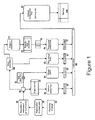
Fig. 1 shows a diagram of the process according to this invention -
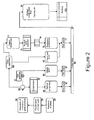
Fig. 2 shows a valiant of the process of the invention. - In accordance with the process of this invention, the following steps are included:
- 1. Conditioning of the wheat grain;
- 2. Fractionation of the wheat grain;
- 3. Separation and distribution of the endosperm, bran, and germ;
- 4. Milling of the endosperm;
- 5. Treatment of the germ;
- 6. Treatment of the bran, which includes:
- 61. Separation of the fine bran;
- 6.2. Pulverization of the coarse bran;
- 7. Mixing;
- 8. Sacking and labeling;
- 9. Storage of the final product.
- Below the steps are described with reference to the Figures.
-
Wheat conditioning 20 consists in supplying grains of wheat under conditions that are suitable for milling. A variety of techniques are known in the state of the art. Conditioning includes a step where the wheat is cleaned in order to remove stones and sand mixed in with the wheat; sieve separators are generally used for this purpose. A certain amount of moisture is then added to the grain in order to harden the bran and make it easier to separate during milling - The conditioned whole-wheat grain is fed to a number of
titration banks 25 to be fractionated This fractionation produces fine particles that basically consist of endosperm and coarse particles that are composed mainly of germ and bran. - The
separation 28 of the coarse and fine milled particles of endosperm, bran, and germ is done using separation equipment, e.g., one or more sifters, thereby producing a stream of refined flour (endosperm) with a very fine grain size range (150-180 microns), a stream of bran in wider openings in different grain size ranges, and a stream of germ in the form of small flakes, with a particle size of approximately 700-850 microns. - The streams of bran, germ, and endosperm that are separated at
step 28 are distributed atstep 30 in order to process each component. To do so, a control valve is used that is operationally connected to the sifter(s) in order to feed the streams to the different component treatment steps in the necessary quantities as directed by the pulverization system controller. - The endosperm is delivered to a
subsequent compression step 43 to standardize the particle size at around 150-180 microns, where the particles are collected in a refined-flour container 45 - The germ is delivered to a
step 51 to be heat-treated in a heat-treatment unit in order for the lipids or fats contained in the germ to be deactivated so as to reduce the reactivity of the lipids contained in the germ. This ensures that the final product that is produced with the wheat flour of this invention has an improved shelf life. - The purpose of the heat treatment is to prevent the lipid oxidation reactions that lead to the formation of volatile and non-voiatite chemicals that impart odors and tastes (peroxides, aldehydes, alcohols, and ketones) that are characteristic of rancidity. These reactions are promoted by enzymes that are present in the bran; the heat treatment deactivates or destroys these lipolytic enzymes
- According to this invention, the wheat germ has a particle diameter of approximately 750-850 microns and does not require an additional milling step. An additional milling step can, however, be included in order to homogenize the germ particle size. Finally, the germ is collected in the
wheat germ container 57. - According to this invention, the treatment of the bran consists of a bran separation step for producing a stream of fine bran particles and a stream of coarse bran particles, plus a step where the coarse bran particles are milled, optionally followed by reintegration of the two.
- The bran that is obtained from the
grain fractionation step 25 has a particle diameter distribution of between 200 and 2000 microns. The bran that is separated atstep 28 is distributed bystep 30 to abran separation step 60. The purpose of the bran separation step is to separate the fine bran particles measuring around 200 microns. The fine particles are sent to afine bran container 65. The remaining particles (coarse bran particles) are sent to a size-reduction or pulverization step. - The portion of coarse bran that is produced in
bran separation step 60 is stored in acontainer 71 and is then subjected to apulverization process 73. The purpose of this pulverization step is to ensure a mean particle size of approximately 180 microns. The pulverized bran is then sent through afilter 74 , preferably a sleeve filter, to a pulverizedbran container 75 - According to the process of this invention, the following are obtained:
- a) endosperm, with a particle diameter of approximately 150-180 microns, whereby the particles are contained in
container 45; - b) germ, with a particle diameter of approximately 700-850 microns, whereby the particles are contained in
container 55; - c) fine bran, with a particle diameter of approximately 200 microns, whereby the particles are contained in
container 65, and - d) pulverized bran, with a particle diameter of approximately 180 microns, whereby the particles are contained in
container 75. - These components are then mixed to produce the flour as per USDA Release 18 of the National Nutrient Database for Standard Reference.
- To accomplish this, the above-mentioned components,
endosperm 45,bran germ 55 are prepared in hoppers before they are mixed. - First, the streams of bran, germ, and endosperm pass through high-precision flow meters. As in
Fig. 1 , themeters mixer 80 to be mixed. - In accordance with the scheme of the invention illustrated in
Fig, 2 , the fine-bran and pulverized-bran lines can be combined to form a single bran component with a particle size of 80-200 microns, so that only asingle flow controller 77 is used. - According to this invention, the composition of the nutrients of the flour as per USDA Release 18 of the National Nutrient Database for Standard Reference is achieved by combining approximately 80.0% endosperm, approximately 17.5% bran, and approximately 2.5% germ.
- The controller is linked to a control center and is connected to
controllers - The above-mentioned milled products arrive at the mixer, where they are incorporated in a ratio that is suitable for being homogenized and for producing the final product. The mixer is preferably an in-line mixer.
- The endosperm supplies the carbohydrate component, the bran supplies most of the dietary fiber and ash (or minerals), while the germ supplies the bulk of the proteins and vitamins. The proportion of each component depends on the variety and size of the wheat used, while the total quantities of endosperm, germ, fine bran, and pulverized bran are variable, but, owing to the
flow controllers - Thus, this invention makes it possible to ensure the continuous production of whole-wheat flour with a uniform composition, regardless of the portions of wheat used and the variations in the amounts of endosperm, germ, and bran in the grains that are used.
- According to the FDA Code of Federal Regulations, in order for a flour to be considered "refined", at least 90% of the flour must pass through a US std 70 mesh (212 microns) The flour of this invention complies with this standard.
- According to this invention, every grain of wheat is used, and product wastage is minimal However, as will be obvious to one skilled in the art, it is possible to add endosperm, germ, fine bran, and pulverized bran from a different source when the grain that is used does not provide the quantities needed to achieve the ratio of components established by USDA Release 18 of the National Nutrient Database for Standard Reference.
- The product is optionally but preferably stored and packaged using
conventional packaging equipment 90, Preferably , 25-kg two-ply polyethylene-lined Kraft-paper sacks are used. Likewise, a label is optionally but preferably affixed to the sack with this equipment. The label preferably indicates the production lot, bar code, and expiration date. - In the last optional but preferred step, the final product is stored in
conventional warehousing 100 from where it is distributed for consumption. - The whole-wheat flour of this invention contains 71.00-73.00% carbohydrates, 1.50-2.50% fat, 1.40-1.60% ash, 11.60-12.20% fiber, 10.0-13.0% moisture, and 13.0-14.0% protein, so that it fully complies with USDA Release 18 of the National Nutrient Database for Standard Reference and therefore constitutes a whole-grain or whole flour-
- To obtain a low color tone in the flour, it is necessary to work with a variety of white flour since it has little coloration compared to typical red wheats.
- The color of the whole-grain flour of this invention is defined in terms of its luminosity (L), reds (a+), and yellows (b+), as indicated by the following table:
L a+ b+ 84-86 1-1.5 21-23 - It is accepted that a white flour has a luminosity value L of 90-92, a+ values of 05-1.0, and b+ values of 10-12.
- The whole flour of the invention combines the nutritional benefits of whole grain with the process and quality benefits of products made with refined white flour. The applicant has developed a revolutionary white whole flour that offers the best of both worlds, taste, texture, and nutrition. Using an exclusive milling process, we process a variety of white wheat that makes it possible to produce a flour that retains a light taste, as well as the color and texture of conventional refined flour. Likewise, the flour of the invention retains the nutritional advantages of a whole flour: a higher concentration of phytonutrients, a lower concentration of starch, and four-five times higher levels of nutrients, including minerals, B complex vitamins, and dietary fiber than those found in refined flours.
- According to the process of the invention, it is possible to produce one soft-wheat flour and another flour with hard wheat; this allows us to use the flour in baked products such as bread, pasta, pizza dough, tortillas, cereal, biscuits, cakes, cocktail canapés, waffles, etc
- The benefits of this flour include:
- Preventing colon cancer;
- Preventing cardiovascular problems;
- Reducing the glycemic index;
- Promoting weight loss;
- Regulating metabolism.
- The following table shows the nutritional value of the flour of the invention.
Nutritional Information Amount per Ration Energy Content 334 kcal Size of Ration: 100 mg Total fat: 1.95 g Total folates: 42.0 mg Consisting of: Folic acid: 0.00 mg Saturated fat: 0.332 g Niacin (vitamins B3): 6.5 mg Mono-unsaturated fat: 0.243 g Vitamin B1: 0.42 mg Poly-unsaturated fat: 0,781 g Vitamin B2: 0.19 mg Cholesterol 0.00 mg Iron 3.76 mg Sodium: 5,0 mg Vitamin E: 0.78 mg Carbohydrates: 70.5 g Zinc: 2.871 mg Including: Calcium: 33 mg Dietary fiber: 11.6 g Vitamin B6: 0.32 mg Protein: 13.0 g - Various modifications will be obvious to one skilled in the art; said modifications should be considered to be included within the scope of the protection contained in the following claims.
Claims (21)
- A method for obtaining a refined wheat flour, which comprises the steps of:(a) supplying a quantity of conditioned wheat grain;(b) fractionating the wheat grain to obtain endosperm, bran, and germ;(c) separating and distributing the endosperm, bran, and germ to allow them to be treated;(d) milling the endosperm that is obtained in step (c) in order to homogenize the particle size to approximately 150-180 microns;(e) treating the germ in order to reduce the reactivity of the lipids contained therein;(f) treating the bran obtained in step (c) by:(i) separating the stream of bran coming from step (c) in order to produce a fine bran and a coarse bran, and(ii) milling the coarse bran from step (i) in order to obtain a pulverized bran with a particle diameter of approximately 180 microns;(g) mixing the endosperm from step (d), the germ from step (e), the fine bran from step (f-i), and the pulverized bran from step (f-ii) in order to obtain a whitish whole-wheat flour that consists of approximately 80.0% endosperm, approximately 17.5% bran, and approximately 2.5% germ.
- A method in accordance with Claim 1, wherein the refined wheat flour obtained is whitish, having an L value which is a) greater than whole wheat flour produced by milling the endosperm together with the unbleached bran and b) less than conventional bleached white flour.
- A method in accordance with Claim 2, wherein the whitish refined wheat flour obtained hasa) an L value on the Hunter scale which is greater than 80 and less than 93 orb) an L* value of from 80-93, using a CIE Illuminant C.
- A method in accordance with Claim 3, wherein the whitish color is measured using a Minolta CR310 Chroma meter with a CRA33e glass light protection tube.
- A method in accordance with Claim 2, wherein treating the germ in order to reduce the reactivity of the lipids contained therein comprises heating the germ
- A method in accordance with Claim 2, wherein mixing the endosperm from step (d), the germ from step (e), the fine bran from step (f-i), and the pulverized bran from step (f-ii) to obtain a whitish whole-wheat flour is performed in a measurable and controlled manner with high-precision flow meters.
- A method in accordance with Claim 2, wherein the wheat grain that is supplied consists of white Wheat-
- A method in accordance with Claim 2, wherein the process is continuous.
- The method in accordance with Claim 2, wherein mixing the endosperm from step (d), the germ from step (e), the fine bran from step (f-i), and the pulverized bran from step (f-ii) to obtain a whitish whole-wheat flour is performed in an in-line mixer wherein the endosperm, the germ, the fine bran, and the pulverized bran are run through individual high-precision flow meters, whereby these flow meters are operationally connected to a flow controller, before the ingredients are mixed in an in-line mixer.
- The method in accordance with Claim 2, wherein the fine bran and pulverized bran are combined to form a single stream of bran before reaching the mixing step.
- A whitish whole-wheat flour that is obtained by the process of any of Claim 1-10, whereby said flour contains:a) approximately 80.0% milled endosperm, with a particle diameter of approximately 150-180 microns;b) approximately 2.5% treated germ, with a particle diameter of approximately 700-850 microns; andc) approximately 17.5% bran, with a particle diameter of 180-200 microns,
- A whitish wheat flour in accordance with Claim 11, wherein the whitish whole-wheat flour has a carbohydrate content of 71.00-73.00%, a fat content of 1.50-2.50%, an ash content of 1.40-1.60%, a fiber content of 11.60-12.20%, a moisture content of 10.0-13.0%, and a protein content of 13.0-14.0%.
- The whitish whole-wheat flour of Claim 11, wherein the bran contains:i) a fine bran with a particle diameter of approximately 200 microns; andii) a pulverized bran with a particle diameter of approximately 180 microns.
- The whitish whole-wheat flour in accordance with Claim 11, which has a color that is defined by a luminosity value L of 84-86, a+ values of 1-15, and b+ values of 21-23, based on the Hunter scale or using a CIE Illuminant C.
- A baked product based on a whitish whole-grain wheat flour that is obtained by the process of any of Claims 1-10, wherein said product contains a combination of:a) approximately 80.0% milled endosperm, with a particle diameter of approximately 150-180 microns;b) approximately 2.5% treated germ, with a particle diameter of approximately 700-850 microns; andc) approximately 17.5% bran, with a particle diameter of 180-200 microns
- A baked product in accordance with Claim 15, wherein the baked product is selected from among bread, pasta, pizza dough, tortillas, cereal, biscuits, cakes, cocktail canapés, and waffles
- A method of using a whitish whole-grain wheat flour that is obtained by the process of any of Claims 1-10, and contains a combination of:a) Approximately 80,0% milled endosperm, with a particle diameter of approximately 150-180 microns;b) Approximately 2.5% treated germ, with a particle diameter of approximately 700-850 microns; andc) Approximately 17.5% bran, with a particle diameter of 180-200 microns; in the making of whole-grain baked products,
said method comprising forming a dough with said whitish whole grain wheat flour for a food product - A method in accordance with Claim 17, wherein the food product is bread, pasta, pizza dough, tortillas, cereal, biscuits, cakes, cocktail canapés, or waffles.
- A system for making a whitish whole-grain wheat flour, which comprises:- a wheat conditioner (a),- a conditioned-wheat supply device (b) operatively connected to wheat conditioner (a) to receive conditioned wheat,- a plurality of wheat-grain titration tanks (c) each operatively connected to the conditioned wheat supply device (b) so as to receive conditioned wheat therefrom, said wheat grain titration tanks adapted to fractionate the endosperm, bran, and germ of the conditioned wheat into fine particles,- one or more sifters (d), each operatively connected to a grain titration tank (c) to receive the fractionated endosperm there from , bran, and germ, wherein each sifter is adapted to separate the fractionated endosperm, bran, and germ; and each sifter is also operationally connected to a control valve (e) for transporting the separated endosperm, bran, and germ;- an endosperm compressor (f) operatively connected to the control valve (e) to receive endosperm therefore, wherein said endosperm compressor is adapted to homogenize the particle size of the endosperm obtained from the sifter(s) (d) to approximately 150-180 microns;- a heat-treatment unit (g) operatively connected to the control valve (e) to receive germ therefrom, wherein said heat treatment unit is adapted to treat the germ to reduce the reactivity of the lipids contained in the germ;- a bran sieve (h) operatively connected to the control valve (e) to receive bran therefrom, wherein said bran sieve is adapted to separate the bran into fine bran with a particle size of less than 200 microns; and coarse bran with a particle size of greater than 200 microns;
a high-speed hammer mill (i) operatively connected to the bran sieve (h) to receive coarse bran therefrom which has been separated with said bran sieve, wherein said high speed hammer mill is adapted to pulverized bran to a particle size of approximately 180 microns;
an in-line mixer (j) adapted to receive and mix, the homogenized endosperm from endosperm compressor (f) the deactivated germ from the heat treatment unit (g), the fine bran from bran sieve (h) and pulverized bran from hammer mill (i), to form wheat flour. - A method in accordance with Claim 2, wherein the whitish refined wheat flour obtained has an L value on the Hunter scale or using CIE Illuminant C , which is greater than 70, 71, 72, 73, 74, 75, 76, 77, 78, 79 , 80, 81, 82, 83, 84, 85, 86, 87 ,88, 89, 90, 91, 92, 93, 94, 95, 96, 97, 98 or 99.
- A method in accordance with claim 20 wherein the 1. value on the Hunter scale or using a CIE Illuminant C is less than 100, 99, 98, 97, 96, 95, 94, 93, 92, 91, 90, 89, 88, 87, 86, 85, 84, 83, 82, 81, 80, 79, 77, 76, 75, 74, 73, 72 or 71.
Priority Applications (3)
| Application Number | Priority Date | Filing Date | Title |
|---|---|---|---|
| ES08156930.3T ES2651896T3 (en) | 2008-05-26 | 2008-05-26 | Production procedure of refined whole wheat flour with weak coloration |
| EP08156930.3A EP2127525B1 (en) | 2008-05-26 | 2008-05-26 | Process for the production of refined whole-wheat flour with low coloration |
| PT81569303T PT2127525T (en) | 2008-05-26 | 2008-05-26 | Process for the production of refined whole-wheat flour with low coloration |
Applications Claiming Priority (1)
| Application Number | Priority Date | Filing Date | Title |
|---|---|---|---|
| EP08156930.3A EP2127525B1 (en) | 2008-05-26 | 2008-05-26 | Process for the production of refined whole-wheat flour with low coloration |
Publications (2)
| Publication Number | Publication Date |
|---|---|
| EP2127525A1 true EP2127525A1 (en) | 2009-12-02 |
| EP2127525B1 EP2127525B1 (en) | 2017-09-13 |
Family
ID=39540777
Family Applications (1)
| Application Number | Title | Priority Date | Filing Date |
|---|---|---|---|
| EP08156930.3A Not-in-force EP2127525B1 (en) | 2008-05-26 | 2008-05-26 | Process for the production of refined whole-wheat flour with low coloration |
Country Status (3)
| Country | Link |
|---|---|
| EP (1) | EP2127525B1 (en) |
| ES (1) | ES2651896T3 (en) |
| PT (1) | PT2127525T (en) |
Cited By (3)
| Publication number | Priority date | Publication date | Assignee | Title |
|---|---|---|---|---|
| WO2012148543A1 (en) * | 2011-02-24 | 2012-11-01 | Kraft Foods Global Brands Llc | Stabilized whole grain flour and method of making |
| JP2017012099A (en) * | 2015-07-01 | 2017-01-19 | 日東富士製粉株式会社 | Method for producing pulverized bran, pulverized bran, and food product |
| WO2017167966A1 (en) | 2016-04-01 | 2017-10-05 | Nestec S.A. | Confectionery composition comprising bran-like material |
Citations (10)
| Publication number | Priority date | Publication date | Assignee | Title |
|---|---|---|---|---|
| JPH01206943A (en) * | 1988-02-16 | 1989-08-21 | Nisshin Flour Milling Co Ltd | Wheat flour composition for bread and preparation thereof |
| CA2141974C (en) * | 1994-02-14 | 1998-06-09 | Michael J. Wolt | Ultra-fine whole wheat flours and food products made therefrom |
| RU2165708C2 (en) * | 1998-07-31 | 2001-04-27 | Валентина Андреевна Васькина | Composition for pastry production |
| US6372281B1 (en) | 2000-02-25 | 2002-04-16 | General Mills, Inc. | Process of milling hard white wheat and products thereof |
| US20050136174A1 (en) | 2003-12-17 | 2005-06-23 | Theodore Korolchuk | Process for producing an ultrafine-milled whole-grain wheat flour and products thereof |
| US20060073254A1 (en) | 2004-10-04 | 2006-04-06 | Steve Catani | No-carb tabletop sweeteners substitute |
| US7101580B2 (en) | 1999-09-09 | 2006-09-05 | General Mills, Inc. | Method of bleaching cereal grains |
| US20070054016A1 (en) * | 1999-09-09 | 2007-03-08 | Metzger Lloyd E | Bleached grain and grain products and methods of preparation |
| US20070104855A1 (en) * | 2005-08-25 | 2007-05-10 | Arndt Elizabeth A | Whole grain flour and products including same |
| US20070269579A1 (en) * | 2006-05-17 | 2007-11-22 | Mingus J D | Recombined whole grain having visually indistinguishable particulate matter and related baked products |
-
2008
- 2008-05-26 EP EP08156930.3A patent/EP2127525B1/en not_active Not-in-force
- 2008-05-26 PT PT81569303T patent/PT2127525T/en unknown
- 2008-05-26 ES ES08156930.3T patent/ES2651896T3/en active Active
Patent Citations (11)
| Publication number | Priority date | Publication date | Assignee | Title |
|---|---|---|---|---|
| JPH01206943A (en) * | 1988-02-16 | 1989-08-21 | Nisshin Flour Milling Co Ltd | Wheat flour composition for bread and preparation thereof |
| CA2141974C (en) * | 1994-02-14 | 1998-06-09 | Michael J. Wolt | Ultra-fine whole wheat flours and food products made therefrom |
| RU2165708C2 (en) * | 1998-07-31 | 2001-04-27 | Валентина Андреевна Васькина | Composition for pastry production |
| US7101580B2 (en) | 1999-09-09 | 2006-09-05 | General Mills, Inc. | Method of bleaching cereal grains |
| US20070054016A1 (en) * | 1999-09-09 | 2007-03-08 | Metzger Lloyd E | Bleached grain and grain products and methods of preparation |
| US6372281B1 (en) | 2000-02-25 | 2002-04-16 | General Mills, Inc. | Process of milling hard white wheat and products thereof |
| US20050136174A1 (en) | 2003-12-17 | 2005-06-23 | Theodore Korolchuk | Process for producing an ultrafine-milled whole-grain wheat flour and products thereof |
| US20050136173A1 (en) | 2003-12-17 | 2005-06-23 | Theodore Korolchuk | Process for producing an ultrafine-milled whole-grain wheat flour and products thereof |
| US20060073254A1 (en) | 2004-10-04 | 2006-04-06 | Steve Catani | No-carb tabletop sweeteners substitute |
| US20070104855A1 (en) * | 2005-08-25 | 2007-05-10 | Arndt Elizabeth A | Whole grain flour and products including same |
| US20070269579A1 (en) * | 2006-05-17 | 2007-11-22 | Mingus J D | Recombined whole grain having visually indistinguishable particulate matter and related baked products |
Non-Patent Citations (2)
| Title |
|---|
| DATABASE WPI Week 198939, Derwent World Patents Index; AN 1989-282402, XP002486686 * |
| DATABASE WPI Week 200137, Derwent World Patents Index; AN 2001-352573, XP002486687 * |
Cited By (7)
| Publication number | Priority date | Publication date | Assignee | Title |
|---|---|---|---|---|
| WO2012148543A1 (en) * | 2011-02-24 | 2012-11-01 | Kraft Foods Global Brands Llc | Stabilized whole grain flour and method of making |
| CN103619182A (en) * | 2011-02-24 | 2014-03-05 | 洲际大品牌有限责任公司 | Stabilized whole grain flour and method of making the same |
| AU2012249144B2 (en) * | 2011-02-24 | 2016-05-12 | Intercontinental Great Brands Llc | Stabilized whole grain flour and method of making |
| JP2017012099A (en) * | 2015-07-01 | 2017-01-19 | 日東富士製粉株式会社 | Method for producing pulverized bran, pulverized bran, and food product |
| WO2017167966A1 (en) | 2016-04-01 | 2017-10-05 | Nestec S.A. | Confectionery composition comprising bran-like material |
| WO2017167965A2 (en) | 2016-04-01 | 2017-10-05 | Nestec S.A. | Ingredient for foodstuffs |
| EP4248758A2 (en) | 2016-04-01 | 2023-09-27 | Société des Produits Nestlé S.A. | Ingredient for foodstuffs |
Also Published As
| Publication number | Publication date |
|---|---|
| EP2127525B1 (en) | 2017-09-13 |
| ES2651896T3 (en) | 2018-01-30 |
| PT2127525T (en) | 2017-12-20 |
Similar Documents
| Publication | Publication Date | Title |
|---|---|---|
| US8821954B2 (en) | Process for the production of refined whole wheat flour with low coloration | |
| Afzal et al. | 23. Effect of eggshell powder fortification on the physicochemical and organoleptic characteristics of muffins | |
| Ukom et al. | Quality and sensory acceptability of yellow maize ogi porridge enriched with orange-fleshed sweet potato and African yam bean seed flours for infants | |
| Omoba et al. | Optimisation of plantain-brewers’ spent grain biscuit using response surface methodology | |
| Emmanuel-Ikpeme et al. | Nutritional and organoleptic properties of wheat (Triticum aestivum) and beniseed (Sesame indicum) composite flour baked foods | |
| Kanojia et al. | Products and byproducts of wheat milling process | |
| Hamzehpour et al. | The Effects of Quinoa and Amaranth Flour on the Qualitative Characteristics of Gluten‐Free Cakes | |
| Chakraborty et al. | Innovative ingredients fortified nutrients enriched biscuits and cookies: quality and sensory analyses | |
| EP2127525B1 (en) | Process for the production of refined whole-wheat flour with low coloration | |
| Manguldar et al. | Vegan and gluten-free granola bar production with pumpkin | |
| Masood et al. | Aloe vera based cookies as a functional food | |
| Nwadi et al. | Production, evaluation of quality characteristics and storage stability of extruded snacks from blends of whole wheat flour and chicken egg | |
| Jones | Role of cereals in nutrition and health | |
| Alizadeh et al. | Effect of semolina replacement with amaranth flour on quality characteristics of functional pasta | |
| CN105581070A (en) | Total-nutrition anti-cancer food capable of reducing high blood pressure, high blood sugar and high blood fat as well as processing method thereof | |
| RU2088090C1 (en) | Dough composition for bread production | |
| Kaur et al. | Development and nutritional evaluation of multigrain bread supplemented with sunflower seed (Helianthus annuus) flour | |
| Arshid et al. | DEVELOPMENT AND CHARACHTERIZATION OF BARLEY SUPLLEMENTED FLAVORED CHAPATTIS. | |
| Inamdar et al. | Wheat | |
| Bhullar et al. | Novel Whole-Grain Foods: Nutritional and Phytochemical Properties for Healthcare | |
| RU2769733C1 (en) | Noodle products intended for persons of gerontological profile, and method for their production | |
| RU2771252C1 (en) | Semi-finished porridge intended for persons of gerontological profile, and the method for production of porridge | |
| Osuji et al. | Evaluation of nutrient, phytochemical and organoleptic properties of cookies made from wheat, cocoyam, cashew and groundnut paste blends | |
| Sibt-e-Abbas et al. | Nutritional and Sensory Evaluation of Bread Fortified withDefatted Chia Flour: Bread fortification using defatted chia flour | |
| Ayo et al. | QUALITY EVALUATION OF ACHA AND PINEAPPLE PULP FLOUR BLEND BISCUITS |
Legal Events
| Date | Code | Title | Description |
|---|---|---|---|
| PUAI | Public reference made under article 153(3) epc to a published international application that has entered the european phase |
Free format text: ORIGINAL CODE: 0009012 |
|
| AK | Designated contracting states |
Kind code of ref document: A1 Designated state(s): AT BE BG CH CY CZ DE DK EE ES FI FR GB GR HR HU IE IS IT LI LT LU LV MC MT NL NO PL PT RO SE SI SK TR |
|
| AX | Request for extension of the european patent |
Extension state: AL BA MK RS |
|
| 17P | Request for examination filed |
Effective date: 20100602 |
|
| 17Q | First examination report despatched |
Effective date: 20100629 |
|
| AKX | Designation fees paid |
Designated state(s): AT BE BG CH CY CZ DE DK EE ES FI FR GB GR HR HU IE IS IT LI LT LU LV MC MT NL NO PL PT RO SE SI SK TR |
|
| RAP1 | Party data changed (applicant data changed or rights of an application transferred) |
Owner name: GRUPO ALTEX S.A. DE C.V. |
|
| REG | Reference to a national code |
Ref country code: DE Ref legal event code: R079 Ref document number: 602008052083 Country of ref document: DE Free format text: PREVIOUS MAIN CLASS: A21D0006000000 Ipc: A23L0007100000 |
|
| RIC1 | Information provided on ipc code assigned before grant |
Ipc: A23L 7/10 20160101AFI20161006BHEP |
|
| GRAP | Despatch of communication of intention to grant a patent |
Free format text: ORIGINAL CODE: EPIDOSNIGR1 |
|
| STAA | Information on the status of an ep patent application or granted ep patent |
Free format text: STATUS: GRANT OF PATENT IS INTENDED |
|
| INTG | Intention to grant announced |
Effective date: 20161116 |
|
| GRAS | Grant fee paid |
Free format text: ORIGINAL CODE: EPIDOSNIGR3 |
|
| GRAJ | Information related to disapproval of communication of intention to grant by the applicant or resumption of examination proceedings by the epo deleted |
Free format text: ORIGINAL CODE: EPIDOSDIGR1 |
|
| GRAL | Information related to payment of fee for publishing/printing deleted |
Free format text: ORIGINAL CODE: EPIDOSDIGR3 |
|
| STAA | Information on the status of an ep patent application or granted ep patent |
Free format text: STATUS: EXAMINATION IS IN PROGRESS |
|
| GRAP | Despatch of communication of intention to grant a patent |
Free format text: ORIGINAL CODE: EPIDOSNIGR1 |
|
| STAA | Information on the status of an ep patent application or granted ep patent |
Free format text: STATUS: GRANT OF PATENT IS INTENDED |
|
| INTC | Intention to grant announced (deleted) | ||
| INTG | Intention to grant announced |
Effective date: 20170419 |
|
| RIN1 | Information on inventor provided before grant (corrected) |
Inventor name: CASTILLO RODRIGUEZ, FRANCISCO BERNARDINO Inventor name: SANCHEZ OLIVARES, GERARDO ALBERTO |
|
| GRAA | (expected) grant |
Free format text: ORIGINAL CODE: 0009210 |
|
| STAA | Information on the status of an ep patent application or granted ep patent |
Free format text: STATUS: THE PATENT HAS BEEN GRANTED |
|
| AK | Designated contracting states |
Kind code of ref document: B1 Designated state(s): AT BE BG CH CY CZ DE DK EE ES FI FR GB GR HR HU IE IS IT LI LT LU LV MC MT NL NO PL PT RO SE SI SK TR |
|
| REG | Reference to a national code |
Ref country code: GB Ref legal event code: FG4D |
|
| REG | Reference to a national code |
Ref country code: CH Ref legal event code: EP |
|
| REG | Reference to a national code |
Ref country code: IE Ref legal event code: FG4D |
|
| REG | Reference to a national code |
Ref country code: AT Ref legal event code: REF Ref document number: 927275 Country of ref document: AT Kind code of ref document: T Effective date: 20171015 |
|
| REG | Reference to a national code |
Ref country code: DE Ref legal event code: R096 Ref document number: 602008052083 Country of ref document: DE |
|
| REG | Reference to a national code |
Ref country code: PT Ref legal event code: SC4A Ref document number: 2127525 Country of ref document: PT Date of ref document: 20171220 Kind code of ref document: T Free format text: AVAILABILITY OF NATIONAL TRANSLATION Effective date: 20171212 |
|
| REG | Reference to a national code |
Ref country code: NL Ref legal event code: MP Effective date: 20170913 |
|
| REG | Reference to a national code |
Ref country code: LT Ref legal event code: MG4D |
|
| REG | Reference to a national code |
Ref country code: ES Ref legal event code: FG2A Ref document number: 2651896 Country of ref document: ES Kind code of ref document: T3 Effective date: 20180130 |
|
| PG25 | Lapsed in a contracting state [announced via postgrant information from national office to epo] |
Ref country code: SE Free format text: LAPSE BECAUSE OF FAILURE TO SUBMIT A TRANSLATION OF THE DESCRIPTION OR TO PAY THE FEE WITHIN THE PRESCRIBED TIME-LIMIT Effective date: 20170913 Ref country code: FI Free format text: LAPSE BECAUSE OF FAILURE TO SUBMIT A TRANSLATION OF THE DESCRIPTION OR TO PAY THE FEE WITHIN THE PRESCRIBED TIME-LIMIT Effective date: 20170913 Ref country code: NO Free format text: LAPSE BECAUSE OF FAILURE TO SUBMIT A TRANSLATION OF THE DESCRIPTION OR TO PAY THE FEE WITHIN THE PRESCRIBED TIME-LIMIT Effective date: 20171213 Ref country code: LT Free format text: LAPSE BECAUSE OF FAILURE TO SUBMIT A TRANSLATION OF THE DESCRIPTION OR TO PAY THE FEE WITHIN THE PRESCRIBED TIME-LIMIT Effective date: 20170913 Ref country code: HR Free format text: LAPSE BECAUSE OF FAILURE TO SUBMIT A TRANSLATION OF THE DESCRIPTION OR TO PAY THE FEE WITHIN THE PRESCRIBED TIME-LIMIT Effective date: 20170913 |
|
| REG | Reference to a national code |
Ref country code: AT Ref legal event code: MK05 Ref document number: 927275 Country of ref document: AT Kind code of ref document: T Effective date: 20170913 |
|
| PG25 | Lapsed in a contracting state [announced via postgrant information from national office to epo] |
Ref country code: LV Free format text: LAPSE BECAUSE OF FAILURE TO SUBMIT A TRANSLATION OF THE DESCRIPTION OR TO PAY THE FEE WITHIN THE PRESCRIBED TIME-LIMIT Effective date: 20170913 Ref country code: BG Free format text: LAPSE BECAUSE OF FAILURE TO SUBMIT A TRANSLATION OF THE DESCRIPTION OR TO PAY THE FEE WITHIN THE PRESCRIBED TIME-LIMIT Effective date: 20171213 Ref country code: GR Free format text: LAPSE BECAUSE OF FAILURE TO SUBMIT A TRANSLATION OF THE DESCRIPTION OR TO PAY THE FEE WITHIN THE PRESCRIBED TIME-LIMIT Effective date: 20171214 |
|
| PG25 | Lapsed in a contracting state [announced via postgrant information from national office to epo] |
Ref country code: NL Free format text: LAPSE BECAUSE OF FAILURE TO SUBMIT A TRANSLATION OF THE DESCRIPTION OR TO PAY THE FEE WITHIN THE PRESCRIBED TIME-LIMIT Effective date: 20170913 |
|
| PG25 | Lapsed in a contracting state [announced via postgrant information from national office to epo] |
Ref country code: RO Free format text: LAPSE BECAUSE OF FAILURE TO SUBMIT A TRANSLATION OF THE DESCRIPTION OR TO PAY THE FEE WITHIN THE PRESCRIBED TIME-LIMIT Effective date: 20170913 Ref country code: CZ Free format text: LAPSE BECAUSE OF FAILURE TO SUBMIT A TRANSLATION OF THE DESCRIPTION OR TO PAY THE FEE WITHIN THE PRESCRIBED TIME-LIMIT Effective date: 20170913 Ref country code: PL Free format text: LAPSE BECAUSE OF FAILURE TO SUBMIT A TRANSLATION OF THE DESCRIPTION OR TO PAY THE FEE WITHIN THE PRESCRIBED TIME-LIMIT Effective date: 20170913 |
|
| PG25 | Lapsed in a contracting state [announced via postgrant information from national office to epo] |
Ref country code: EE Free format text: LAPSE BECAUSE OF FAILURE TO SUBMIT A TRANSLATION OF THE DESCRIPTION OR TO PAY THE FEE WITHIN THE PRESCRIBED TIME-LIMIT Effective date: 20170913 Ref country code: AT Free format text: LAPSE BECAUSE OF FAILURE TO SUBMIT A TRANSLATION OF THE DESCRIPTION OR TO PAY THE FEE WITHIN THE PRESCRIBED TIME-LIMIT Effective date: 20170913 Ref country code: IS Free format text: LAPSE BECAUSE OF FAILURE TO SUBMIT A TRANSLATION OF THE DESCRIPTION OR TO PAY THE FEE WITHIN THE PRESCRIBED TIME-LIMIT Effective date: 20180113 Ref country code: IT Free format text: LAPSE BECAUSE OF FAILURE TO SUBMIT A TRANSLATION OF THE DESCRIPTION OR TO PAY THE FEE WITHIN THE PRESCRIBED TIME-LIMIT Effective date: 20170913 Ref country code: SK Free format text: LAPSE BECAUSE OF FAILURE TO SUBMIT A TRANSLATION OF THE DESCRIPTION OR TO PAY THE FEE WITHIN THE PRESCRIBED TIME-LIMIT Effective date: 20170913 |
|
| REG | Reference to a national code |
Ref country code: DE Ref legal event code: R097 Ref document number: 602008052083 Country of ref document: DE |
|
| PLBE | No opposition filed within time limit |
Free format text: ORIGINAL CODE: 0009261 |
|
| STAA | Information on the status of an ep patent application or granted ep patent |
Free format text: STATUS: NO OPPOSITION FILED WITHIN TIME LIMIT |
|
| PG25 | Lapsed in a contracting state [announced via postgrant information from national office to epo] |
Ref country code: DK Free format text: LAPSE BECAUSE OF FAILURE TO SUBMIT A TRANSLATION OF THE DESCRIPTION OR TO PAY THE FEE WITHIN THE PRESCRIBED TIME-LIMIT Effective date: 20170913 |
|
| 26N | No opposition filed |
Effective date: 20180614 |
|
| PG25 | Lapsed in a contracting state [announced via postgrant information from national office to epo] |
Ref country code: SI Free format text: LAPSE BECAUSE OF FAILURE TO SUBMIT A TRANSLATION OF THE DESCRIPTION OR TO PAY THE FEE WITHIN THE PRESCRIBED TIME-LIMIT Effective date: 20170913 |
|
| REG | Reference to a national code |
Ref country code: DE Ref legal event code: R119 Ref document number: 602008052083 Country of ref document: DE |
|
| REG | Reference to a national code |
Ref country code: CH Ref legal event code: PL |
|
| GBPC | Gb: european patent ceased through non-payment of renewal fee |
Effective date: 20180526 |
|
| REG | Reference to a national code |
Ref country code: BE Ref legal event code: MM Effective date: 20180531 |
|
| PG25 | Lapsed in a contracting state [announced via postgrant information from national office to epo] |
Ref country code: MC Free format text: LAPSE BECAUSE OF FAILURE TO SUBMIT A TRANSLATION OF THE DESCRIPTION OR TO PAY THE FEE WITHIN THE PRESCRIBED TIME-LIMIT Effective date: 20170913 |
|
| REG | Reference to a national code |
Ref country code: IE Ref legal event code: MM4A |
|
| PG25 | Lapsed in a contracting state [announced via postgrant information from national office to epo] |
Ref country code: CH Free format text: LAPSE BECAUSE OF NON-PAYMENT OF DUE FEES Effective date: 20180531 Ref country code: LI Free format text: LAPSE BECAUSE OF NON-PAYMENT OF DUE FEES Effective date: 20180531 |
|
| PG25 | Lapsed in a contracting state [announced via postgrant information from national office to epo] |
Ref country code: LU Free format text: LAPSE BECAUSE OF NON-PAYMENT OF DUE FEES Effective date: 20180526 |
|
| PG25 | Lapsed in a contracting state [announced via postgrant information from national office to epo] |
Ref country code: IE Free format text: LAPSE BECAUSE OF NON-PAYMENT OF DUE FEES Effective date: 20180526 Ref country code: FR Free format text: LAPSE BECAUSE OF NON-PAYMENT OF DUE FEES Effective date: 20180531 Ref country code: DE Free format text: LAPSE BECAUSE OF NON-PAYMENT OF DUE FEES Effective date: 20181201 Ref country code: GB Free format text: LAPSE BECAUSE OF NON-PAYMENT OF DUE FEES Effective date: 20180526 |
|
| PG25 | Lapsed in a contracting state [announced via postgrant information from national office to epo] |
Ref country code: BE Free format text: LAPSE BECAUSE OF NON-PAYMENT OF DUE FEES Effective date: 20180531 |
|
| PG25 | Lapsed in a contracting state [announced via postgrant information from national office to epo] |
Ref country code: MT Free format text: LAPSE BECAUSE OF NON-PAYMENT OF DUE FEES Effective date: 20180526 |
|
| PG25 | Lapsed in a contracting state [announced via postgrant information from national office to epo] |
Ref country code: TR Free format text: LAPSE BECAUSE OF FAILURE TO SUBMIT A TRANSLATION OF THE DESCRIPTION OR TO PAY THE FEE WITHIN THE PRESCRIBED TIME-LIMIT Effective date: 20170913 |
|
| PG25 | Lapsed in a contracting state [announced via postgrant information from national office to epo] |
Ref country code: HU Free format text: LAPSE BECAUSE OF FAILURE TO SUBMIT A TRANSLATION OF THE DESCRIPTION OR TO PAY THE FEE WITHIN THE PRESCRIBED TIME-LIMIT; INVALID AB INITIO Effective date: 20080526 |
|
| PG25 | Lapsed in a contracting state [announced via postgrant information from national office to epo] |
Ref country code: CY Free format text: LAPSE BECAUSE OF FAILURE TO SUBMIT A TRANSLATION OF THE DESCRIPTION OR TO PAY THE FEE WITHIN THE PRESCRIBED TIME-LIMIT Effective date: 20170913 |
|
| PGFP | Annual fee paid to national office [announced via postgrant information from national office to epo] |
Ref country code: PT Payment date: 20220510 Year of fee payment: 15 Ref country code: ES Payment date: 20220601 Year of fee payment: 15 |
|
| PG25 | Lapsed in a contracting state [announced via postgrant information from national office to epo] |
Ref country code: PT Free format text: LAPSE BECAUSE OF NON-PAYMENT OF DUE FEES Effective date: 20231127 |
|
| REG | Reference to a national code |
Ref country code: ES Ref legal event code: FD2A Effective date: 20240701 |
|
| PG25 | Lapsed in a contracting state [announced via postgrant information from national office to epo] |
Ref country code: ES Free format text: LAPSE BECAUSE OF NON-PAYMENT OF DUE FEES Effective date: 20230527 |
|
| PG25 | Lapsed in a contracting state [announced via postgrant information from national office to epo] |
Ref country code: ES Free format text: LAPSE BECAUSE OF NON-PAYMENT OF DUE FEES Effective date: 20230527 |