EP2120385B1 - Verfahren, gerät und system zum auslösen der betätigung eines geräts - Google Patents
Verfahren, gerät und system zum auslösen der betätigung eines geräts Download PDFInfo
- Publication number
- EP2120385B1 EP2120385B1 EP08734062.6A EP08734062A EP2120385B1 EP 2120385 B1 EP2120385 B1 EP 2120385B1 EP 08734062 A EP08734062 A EP 08734062A EP 2120385 B1 EP2120385 B1 EP 2120385B1
- Authority
- EP
- European Patent Office
- Prior art keywords
- trigger
- domain
- target
- quitting
- target device
- Prior art date
- Legal status (The legal status is an assumption and is not a legal conclusion. Google has not performed a legal analysis and makes no representation as to the accuracy of the status listed.)
- Active
Links
Images


Classifications
-
- H—ELECTRICITY
- H04—ELECTRIC COMMUNICATION TECHNIQUE
- H04L—TRANSMISSION OF DIGITAL INFORMATION, e.g. TELEGRAPHIC COMMUNICATION
- H04L63/00—Network architectures or network communication protocols for network security
- H04L63/08—Network architectures or network communication protocols for network security for authentication of entities
- H04L63/0823—Network architectures or network communication protocols for network security for authentication of entities using certificates
-
- G—PHYSICS
- G06—COMPUTING OR CALCULATING; COUNTING
- G06F—ELECTRIC DIGITAL DATA PROCESSING
- G06F21/00—Security arrangements for protecting computers, components thereof, programs or data against unauthorised activity
- G06F21/30—Authentication, i.e. establishing the identity or authorisation of security principals
- G06F21/305—Authentication, i.e. establishing the identity or authorisation of security principals by remotely controlling device operation
-
- H—ELECTRICITY
- H04—ELECTRIC COMMUNICATION TECHNIQUE
- H04L—TRANSMISSION OF DIGITAL INFORMATION, e.g. TELEGRAPHIC COMMUNICATION
- H04L9/00—Cryptographic mechanisms or cryptographic arrangements for secret or secure communications; Network security protocols
- H04L9/32—Cryptographic mechanisms or cryptographic arrangements for secret or secure communications; Network security protocols including means for verifying the identity or authority of a user of the system or for message authentication, e.g. authorization, entity authentication, data integrity or data verification, non-repudiation, key authentication or verification of credentials
- H04L9/3247—Cryptographic mechanisms or cryptographic arrangements for secret or secure communications; Network security protocols including means for verifying the identity or authority of a user of the system or for message authentication, e.g. authorization, entity authentication, data integrity or data verification, non-repudiation, key authentication or verification of credentials involving digital signatures
-
- H—ELECTRICITY
- H04—ELECTRIC COMMUNICATION TECHNIQUE
- H04L—TRANSMISSION OF DIGITAL INFORMATION, e.g. TELEGRAPHIC COMMUNICATION
- H04L2209/00—Additional information or applications relating to cryptographic mechanisms or cryptographic arrangements for secret or secure communication H04L9/00
- H04L2209/60—Digital content management, e.g. content distribution
- H04L2209/603—Digital right managament [DRM]
-
- H—ELECTRICITY
- H04—ELECTRIC COMMUNICATION TECHNIQUE
- H04L—TRANSMISSION OF DIGITAL INFORMATION, e.g. TELEGRAPHIC COMMUNICATION
- H04L2463/00—Additional details relating to network architectures or network communication protocols for network security covered by H04L63/00
- H04L2463/101—Additional details relating to network architectures or network communication protocols for network security covered by H04L63/00 applying security measures for digital rights management
Definitions
- the present disclosure relates to digital rights management, and more specifically, to method, device and system for triggering a device to perform an operation.
- Digital Rights Management controls the utilization of the digital content with a rights restriction and content protection scheme so as to protect the legal rights of the content owner.
- a user may acquire digital contents from a network or other device.
- the digital contents are encrypted and may form a content data package together with some other information such as content encryption algorithm.
- Rights Issuer (RI) is responsible for issuing license corresponding to the content data.
- the license may contain a content decipher key and associated rights.
- the device can access the digital content only when provided with both the content data and the license.
- a DRM device may acquire a content decipher key based on the license such that the digital content may be deciphered.
- the license may contain information such as rights, restrictions.
- the rights indicates what the device can do, e.g., allowing the device to print, to browse, etc., while the restriction indicates under what kind of condition can a device do, e.g., maximum allowable browsing times.
- the DRM device must perform an operation associated with the rights and restrictions information in the license.
- a device may need to register with the RI first. By registration, the two parties may complete verification and exchange capability information with each other.
- the device may also send a request to the RI for joining one or more domains.
- a domain includes a set of devices. Any device in a domain can purchase a domain license for the domain.
- the domain license may be distributed freely among the devices in the domain. Usually, the devices in the domain have a same domain key which is used to encapsulate the domain license. Therefore, any device in the domain may use the domain license.
- the device may send a request to the RI for quitting the domain.
- the domain is not managed by the RI, but by a Domain Authority (DA). The device may send a join request or quit request to the DA.
- DA Domain Authority
- the RI may issue a trigger to trigger a device to interact with the RI.
- the trigger may include a registration trigger, a license acquiring trigger, a domain joining trigger, a domain quitting trigger, or a statistic reporting trigger, etc.
- the process after the device receives a domain quitting trigger is described as follows.
- the RI sends a domain quitting trigger to the device.
- the device deletes domain related information stored locally after the device receives the domain quitting trigger.
- the device sends a domain quitting request message to the RI, informing the RI that the current device will quit the domain.
- the RI returns a domain quitting response message to the device, confirming that the RI has deleted the device in the domain.
- the element ⁇ signature> in the domain quitting trigger contains a signature applied to the element ⁇ leaveDomain>. Such signature is regarded as a result of using a message authentication code (mac) key for message authentication (HMAC).
- the mac key is encapsulated in the element ⁇ encKey> by the domain key and delivered to the device. Since any device in the domain has the domain key, a device in the domain which has been controlled by a hacker may intercept a domain quitting trigger issued by the RI to a legal device in the domain and then arbitrarily promulgate the trigger among devices in the domain. As a result, the other legal devices in the domain may be attached. Although the other device is not the original target object to which the trigger should be sent, since the other device fails to identify whether the received trigger is the trigger intended to be sent to the current device, the current device may quit the domain for no reason, which may do harm to the user.
- the device is very likely to result in an incorrect operation and unnecessary loss as the device fails to identify whether the received trigger is the trigger intended to be sent to the current device.
- LRM Local Rights Manager
- the LRM interacts with the RI and imports a license.
- the LRM specifies an ID of a receiving device.
- the RI determines based on the ID of the receiving device whether the receiving device has registered with the RI. If the receiving device has not registered with the RI, the RI triggers the receiving device to register with RI.
- the RI triggers the receiving device to acquire the license.
- the device ID is a public key hash value in the device certificate.
- the structure of the registration trigger is described as follows.
- the receiving device fails to identify whether the received registration trigger is the registration trigger intended to be sent to the current device. Moreover, in the case where the receiving device has multiple certificates, a corresponding receiving device may have multiple device IDs. When the receiving device is registering with the RI, the receiving device may arbitrarily choose an ID to register with the RI, which is very likely that the ID used by the receiving device for registration is inconsistent with the ID provided by the LRM to the RI. If two IDs are inconsistent, the receiving device may not successfully acquire the license imported by the LRM.
- Open Mobile Alliance "OMA DRM v2.0 Extensions for Broadcast Support", 25 Apr 2006, Sections 9.2., describes the capability to address multiple devices using a single message provided for improved efficiency of the communication protocols.
- a method, device and system for triggering a device to perform an operation are provided according to one embodiment of the present disclosure, in which a check is performed on whether the received trigger is the trigger intended to be sent to the current device. Accordingly, the present disclosure is able to prevent a hacker from using the trigger to attach devices.
- An embodiment of the invention provides a method for triggering a device to perform an operation according to claim 1.
- An embodiment of the invention provides a communication device according to claim 3.
- An embodiment of the invention provides a communication system according to claim 4.
- the second device after the second device receives a trigger containing related information of the target device sent by a first device and determines based on the related information that the current device is the target device to receive the trigger, the second device performs an operation triggered by the trigger.
- the second device may check if the received trigger is the trigger intended to be sent to the current device and thus prevent the hacker from using the trigger to attack the devices.
- a second device after receiving a trigger containing related information of the target device sent by a first device, a second device determines based on the related information whether the second device is the target device and performs the operation triggered by the trigger when the second device determines that the second device is the target device. Accordingly, the second device may check if the received trigger is the trigger intended to be sent to the second device and thus prevent the hacker from using the trigger to attack the devices.
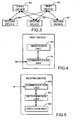
- Figure 3 illustrates a structure of a communication system according to one embodiment of the present disclosure.
- the system includes a first device 300, a second device 301.
- the first device is configured to provide a trigger containing related information of a target device so that the target device may be triggered to interact with the first device 300.
- the second device 301 is configured to receive the trigger containing, related information of the target device sent from the first device 300, and perform the operation triggered by the trigger when the second device determines based on the related information that the second device is the target device receiving the trigger.
- the first device 300 may be a rights issuer (RI), or other service entity, such as a trigger generating device (e.g., domain authority (DA), Local Rights Manager (LRM)).
- a trigger generating device e.g., domain authority (DA), Local Rights Manager (LRM)
- the first device 300 may also be an intermediate device forwarding the message.
- the trigger generating device may send a trigger to the second device via the intermediate device.
- Figure 4 illustrates a block diagram of the first device according to one embodiment of the present disclosure.
- the first device includes a generation unit 400, a communication unit 401.
- the generation unit 400 is configured to generate a trigger containing related information of the target device.
- the communication unit 401 is configured to send the generated trigger so as to trigger the target device to perform a corresponding operation.
- FIG. 5 illustrates a block diagram of the second device according to one embodiment of the present disclosure.
- the second device includes a communication unit 500, a determination unit 501, and an execution unit 502.
- the communication unit 500 is configured to receive the trigger containing related information of the target device sent by the first device.
- the determination unit 501 is configured to determine based on the related information whether the second device is the target device to receive the trigger.
- the execution unit 502 is configured to perform the operation triggered by the trigger when it is determined that the second device is the target device.
- the trigger received by the second device may be a trigger triggering various operations.
- the trigger may be a registration trigger, a domain joining trigger, a domain quitting trigger, a license acquiring trigger or a statistic reporting trigger, etc.
- the operations to be performed by the triggered device may be a registration operation, a domain joining operation, a domain quitting operation, a license acquiring operation or a statistic reporting operation.
- the related information contained in the trigger may be a device ID and/or a device name of the target device or may be other device information which can be used to identify the target device, for instance, device address, etc.
- the second device may compare one or more of the related information of the target device, i.e., device ID, device name and device address, with the associated information of the second device, and determine based on the comparison result whether the second device is the target device.
- the trigger may contain a device ID of a target device. If the RI needs to trigger a plurality of devices via the trigger for initiating subsequent interactions, the trigger may also contain device IDs of the plurality of target devices. Of course, alternatively, the trigger may not contain the device ID. For instance, when the RI triggers all the devices in the domain to quit the domain, the RI may broadcast a domain quitting trigger which does not contain any specified device ID.
- the trigger may also contain a signature applied by the first device to the related information of the target device.
- the first device may create a signature to the related information of the target device using a private key of the first device.
- the second device may verify the signature using a public key of the first device.
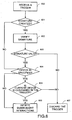
- Figure 6 illustrates a flowchart after a second device receives a trigger sent by RI according to one embodiment of the present disclosure. The process includes the following steps.
- the second device receives a trigger which is sent from RI to the second device.
- the second device determines whether the received trigger carries signature of the RI. If the received trigger carries signature of the RI, the process proceeds to step 602; otherwise, the process proceeds to step 604.
- the second device verifies the signature carried by the trigger.
- the signature is created using a private key of the RI and is the signature to the related information of the target device carried in the trigger.
- the second device may verify the signature using a public key of the RI.
- the second device determines the validity of the verification result obtained at step 602. If the verification result is valid, the process proceeds to step 604; otherwise, the process proceeds to step 607.
- the second device determines whether the trigger specifies a target device ID. If the trigger specifies a target device ID, the process proceeds to step 605; otherwise, the process proceeds to step 606.
- the second device determines whether the target device ID specified in the trigger is the same as a certain ID of the second device. If the target device ID specified in the trigger is the same as a certain ID of the second device, the process proceeds to step 606; otherwise, the process proceeds to step 607.
- the second device performs a corresponding operation, e.g., registration, joining the domain, quitting the domain, reporting the statistic, etc., and then terminates the triggering procedure.
- the second device may perform the operation triggered by the trigger using the ID of the second device contained in the trigger.
- the second device discards the trigger and terminates the triggering procedure.
- the second device when the second device receives triggers of some types, e.g., license acquiring trigger, domain joining trigger, domain quitting trigger, statistic reporting trigger, the second device, however, does not have valid registration information. For example, the registration information contained in the device has been deleted or expired and thus turned invalid, or other device has requested a license for the second device and sent the acquired license acquiring trigger to the second device but the current device has not registered with the RI.
- the second device may first initiate a registration protocol automatically. If the specified target device ID in the trigger received previously by the second device is the same as the ID of the second device, the second device may use the specified current device ID to perform a registration interaction procedure with the RI.
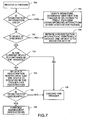
- Figure 7 illustrates a flowchart of the second device registering with the RI according to one embodiment of the present disclosure. The process includes the following steps.
- the second device receives a trigger, e.g., a license acquiring trigger, a domain joining trigger, a domain quitting trigger, a statistic reporting trigger, etc.
- a trigger e.g., a license acquiring trigger, a domain joining trigger, a domain quitting trigger, a statistic reporting trigger, etc.
- the second device determines whether the second device contains valid registration information. If the second device contains valid registration information, the process proceeds to step 707; otherwise, the process proceeds to step 702.
- the second device determines whether the received trigger specifies a target device ID. If the received trigger has specified a target device ID, the process proceeds to step 703; otherwise, the process proceeds to step 708.
- the second device determines whether the ID of the second device is consistent with the target device ID specified in the trigger. If the ID of the second device is consistent with the target device ID specified in the trigger, the process proceeds to step 704; otherwise, the process proceeds to step 709.
- the second device initiates a registration interaction with the RI.
- the second device needs to use an ID of the second device which is consistent with the target device ID specified in the trigger to register with the RI.
- the second device may incorporate in a registration request message the ID of the second device specified in the trigger.
- the second device determines whether the registration is successful. If the registration is successful, the process proceeds to step 706; otherwise, the process proceeds to step 709.
- the second device performs a corresponding subsequent operation based on the type of the trigger previously received and terminates the triggering procedure.
- the second device may verify the signature contained in the trigger. If the signature in the trigger is created using a private key of the RI, the second device may verify the signature using a public key of the RI.
- the second device may verify the signature contained in the received trigger. If the signature in the trigger is created using a private key of the RI, the second device may verify the signature using a public key of the RI. After the signature verification has been completed, the second device may perform a corresponding subsequent operation based on the type of the trigger received. The details of this step may refer to the procedure in Figure 6 .
- the second device may initiate a registration interaction procedure with the RI. If the second device has a plurality of device IDs, the second device may arbitrarily choose one ID to register with the RI.
- the second device may discard the trigger and terminate the triggering procedure.
- a device ID specified in the trigger is needed for registration with the RI so as to assure that the second device may later interact with the RI successfully.
- the second device is able to successfully acquire the license imported by the LRM only when the device ID used by the second device during registration with the RI is consistent with the device ID provided by the LRM to the RI.
- the second device since the second device has not registered with the RI at the moment, the second device may probably not know the public key of the RI.
- the RI may incorporate its own certificate or certificate link into the trigger for transmission to the second device at the time of creating the signature.
- CA Certificate Authority
- the RI since the RI may not know a root Certificate Authority (CA) trusted by the device prior to registration, it is not guaranteed that the second device trust the certificate link carried in the trigger. If the certificate is not trusted, the signature verification may not be able to guarantee the security. Therefore, it is possible that the registration triggering message does not carry the signature of the RI.
- CA Certificate Authority
- Figure 8 illustrates a flowchart after the second device receives a registration trigger according to one embodiment of the present disclosure. The process includes the following steps.
- the second device receives a registration trigger.
- the second device determines whether the trigger specifies a target device ID. If the trigger specifies a target device IDI, the process proceeds to step 802; otherwise, the process proceeds to step 803.
- the second device determines whether the target device ID specified in the trigger is the same as a certain ID of the second device. If the target device ID specified in the trigger is the same as a certain ID of the second device, the process proceeds to step 805; otherwise, the process proceeds to step 804.
- the second device may initiate a registration interaction procedure with the RI. If the second device has a plurality of device IDs, the second device may arbitrarily choose one ID to register with the RI.
- the second device may discard the trigger and terminate the triggering procedure.
- the second device initiates a registration interaction with RI.
- the second device needs to use an ID of the second device which is specified in the trigger to register with the RI.
- the second device may incorporate in a registration request message the specified ID of the second device.
- the RI issues a trigger to a device, triggering the device to perform a corresponding operation.
- a trigger for other service entity, such as DA, LRM, they may also trigger the device to perform a corresponding operation by issuing a trigger, the process of which is similar to those illustrated in Figure 7 and Figure 8 .
- the trigger requires a signature
- the signature is created by the other service entity issuing the trigger.
- the second device after the second device receives a trigger containing related information of the target device sent by a first device and determines based on the related information that the current device is the target device for the received trigger, the second device performs a trigger triggering operation.
- the second device may check if the received trigger is the trigger intended to be sent to the second device and thus prevent the hacker from using the trigger to attack the devices, especially using the domain quitting trigger to attach the devices.
- service entity such as RI, DA or LRM may instruct the second device to use a specific device ID to interact with the second device by virtue of the trigger issued.
- the present disclosure may be implemented with software on a necessary hardware platform.
- the embodiment may also be implemented with hardware. But, most of the time, the former approach is more preferable.
- technical solutions of the present disclosure, or the part which the present disclosure makes contribution over the prior art may be embodied in a software product.
- the computer software product may be stored in a readable storage media.
- the software product may include a set of instructions enabling a terminal device to perform methods according to various embodiments of the present disclosure.
Landscapes
- Engineering & Computer Science (AREA)
- Computer Security & Cryptography (AREA)
- Theoretical Computer Science (AREA)
- Computer Hardware Design (AREA)
- Signal Processing (AREA)
- General Engineering & Computer Science (AREA)
- Computer Networks & Wireless Communication (AREA)
- Software Systems (AREA)
- General Physics & Mathematics (AREA)
- Physics & Mathematics (AREA)
- Computing Systems (AREA)
- Mobile Radio Communication Systems (AREA)
- Computer And Data Communications (AREA)
Claims (4)
- Verfahren zum Auslösen, durch eine erste Vorrichtung, einer zweiten Vorrichtung, eine Operation auszuführen, das Folgendes umfasst:Empfangen (600), durch die zweite Vorrichtung, eines Auslösers, der durch die erste Vorrichtung gesendet wird, wobei der Auslöser eine Vorrichtungs-ID einer Zielvorrichtung enthält, wobei die Vorrichtungs-ID der Zielvorrichtung ein Hash-Wert eines öffentlichen Schlüssels in einem Vorrichtungszertifikat der Zielvorrichtung ist, und der Auslöser einen Domänenzusammenführungsauslöser, einen Domänenbeendigungsauslöser, einen Lizenzerfassungsauslöser oder einen Statistikberichtsauslöser umfasst; undAusführen (606), durch die zweite Vorrichtung, basierend auf dem Typ des Auslösers einer Operation, die durch den Auslöser ausgelöst ist, wenn die zweite Vorrichtung basierend auf der Vorrichtungs-ID der Zielvorrichtung bestimmt, dass die zweite Vorrichtung die Zielvorrichtung ist, wobei die Operation Domänenzusammenführung, Domänenbeendigung, Lizenzerfassung oder Statistikberichten umfasst; undwobei der Auslöser ferner eine Signatur umfasst, die durch die erste Vorrichtung für die Vorrichtungs-ID der Zielvorrichtung unter Verwendung eines privaten Schlüssels der ersten Vorrichtung erzeugt wird, wenn der Auslöser ein Domänenzusammenführungsauslöser, ein Domänenbeendigungsauslöser, ein Lizenzerfassungsauslöser oder ein Statistikberichtsauslöser ist, und wobei das Verfahren ferner Folgendes umfasst:Verifizieren (602), durch die zweite Vorrichtung, der Signatur unter Verwendung eines öffentlichen Schlüssels der ersten Vorrichtung.
- Verfahren nach Anspruch 1, wobei die erste Vorrichtung eine Rechtevergabeeinheit, eine Domäneninstanz, einen Manager für lokale Rechte oder eine Zwischenvorrichtung, die Nachrichten weiterleitet, umfasst.
- Kommunikationsvorrichtung, die Folgendes umfasst:eine Kommunikationseinheit (500), die konfiguriert ist, einen Auslöser, der durch eine andere Vorrichtung gesendet wird, zu empfangen, wobei der Auslöser eine Vorrichtungs-ID einer Zielvorrichtung enthält, wobei die Vorrichtungs-ID der Zielvorrichtung ein Hash-Wert eines öffentlichen Schlüssels in einem Vorrichtungszertifikat der Zielvorrichtung ist, und der Auslöser einen Domänenzusammenführungsauslöser, einen Domänenbeendigungsauslöser, einen Lizenzerfassungsauslöser oder einen Statistikberichtsauslöser umfasst;eine Ausführungseinheit (502), die konfiguriert ist, basierend auf dem Typ des Auslösers eine Operation, die durch den Auslöser ausgelöst ist, auszuführen, wenn basierend auf der Vorrichtungs-ID der Zielvorrichtung bestimmt wird, dass die aktuelle Vorrichtung die Zielvorrichtung ist, wobei die Operation Domänenzusammenführung, Domänenbeendigung, Lizenzerfassung oder Statistikberichten umfasst; undwobei der Auslöser ferner eine Signatur umfasst, die durch die andere Vorrichtung für die Vorrichtungs-ID der Zielvorrichtung unter Verwendung eines privaten Schlüssels der ersten Vorrichtung erzeugt wird, falls der Auslöser ein Domänenzusammenführungsauslöser, ein Domänenbeendigungsauslöser, ein Lizenzerfassungsauslöser oder ein Statistikberichtsauslöser ist, und die aktuelle Vorrichtung ausgelegt ist, die Signatur unter Verwendung eines öffentlichen Schlüssels der ersten Vorrichtung zu verifizieren.
- Kommunikationssystem, das Folgendes umfasst:eine erste Vorrichtung (300), die konfiguriert ist, einen Auslöser bereitzustellen, wobei der Auslöser eine Vorrichtungs-ID einer Zielvorrichtung enthält, wobei die Vorrichtungs-ID der Zielvorrichtung ein Hash-Wert eines öffentlichen Schlüssels in einem Vorrichtungszertifikat der Zielvorrichtung ist, und der Auslöser einen Domänenzusammenführungsauslöser, einen Domänenbeendigungsauslöser, einen Lizenzerfassungsauslöser oder einen Statistikberichtsauslöser umfasst; undeine zweite Vorrichtung (301), die konfiguriert ist, den von der ersten Vorrichtung gesendeten Auslöser zu empfangen und basierend auf dem Typ des Auslösers die Operation auszuführen, die durch den Auslöser ausgelöst ist, wenn die zweite Vorrichtung basierend auf der Vorrichtungs-ID der Zielvorrichtung bestimmt, dass die zweite Vorrichtung die Zielvorrichtung ist, wobei die Operation Domänenzusammenführung, Domänenbeendigung, Lizenzerfassung oder Statistikberichten umfasst; wobei der Auslöser ferner eine Signatur umfasst, die durch die erste Vorrichtung für die Vorrichtungs-ID der Zielvorrichtung unter Verwendung eines privaten Schlüssels der ersten Vorrichtung erzeugt wird, falls der Auslöser ein Domänenzusammenführungsauslöser, ein Domänenbeendigungsauslöser, ein Lizenzerfassungsauslöser oder ein Statistikberichtsauslöser ist, und die zweite Vorrichtung ausgelegt ist, die Signatur unter Verwendung eines öffentlichen Schlüssels der ersten Vorrichtung zu verifizieren.
Applications Claiming Priority (2)
| Application Number | Priority Date | Filing Date | Title |
|---|---|---|---|
| CN 200710097801 CN101290641B (zh) | 2007-04-16 | 2007-04-16 | 触发设备执行操作的方法、设备及系统 |
| PCT/CN2008/070704 WO2008125056A1 (fr) | 2007-04-16 | 2008-04-14 | PROCÉDÉ, DISPOSITIF ET SYSTÈME DE MISE EN œUVRE D'UN DISPOSITIF DE DÉCLENCHEMENT |
Publications (3)
| Publication Number | Publication Date |
|---|---|
| EP2120385A1 EP2120385A1 (de) | 2009-11-18 |
| EP2120385A4 EP2120385A4 (de) | 2010-05-12 |
| EP2120385B1 true EP2120385B1 (de) | 2015-11-04 |
Family
ID=39863274
Family Applications (1)
| Application Number | Title | Priority Date | Filing Date |
|---|---|---|---|
| EP08734062.6A Active EP2120385B1 (de) | 2007-04-16 | 2008-04-14 | Verfahren, gerät und system zum auslösen der betätigung eines geräts |
Country Status (3)
| Country | Link |
|---|---|
| EP (1) | EP2120385B1 (de) |
| CN (1) | CN101290641B (de) |
| WO (1) | WO2008125056A1 (de) |
Families Citing this family (1)
| Publication number | Priority date | Publication date | Assignee | Title |
|---|---|---|---|---|
| US11165588B1 (en) * | 2020-04-09 | 2021-11-02 | International Business Machines Corporation | Key attribute verification |
Family Cites Families (7)
| Publication number | Priority date | Publication date | Assignee | Title |
|---|---|---|---|---|
| DE60012351T2 (de) * | 1999-10-19 | 2005-08-04 | Thomson Licensing S.A., Boulogne | System und verfahren zum überprüfen der berechtigung zur übertragung geschützten informationsinhalts |
| US7076467B1 (en) * | 2000-08-04 | 2006-07-11 | Sony Computer Entertainment America Inc. | Network-based method and system for transmitting digital data to a client computer and charging only for data that is used by the client computer user |
| EP1511347A3 (de) * | 2003-08-27 | 2008-04-02 | Koninklijke KPN N.V. | Verfahren und System zur Beschränkung von Geräte-Leistungsmerkmalen |
| CN1564255A (zh) * | 2004-03-24 | 2005-01-12 | 华中科技大学 | 基于在线受控访问技术的数字存储媒体保护方法及其系统 |
| CN100395990C (zh) * | 2004-12-23 | 2008-06-18 | 华为技术有限公司 | 对设备进行授权许可的方法 |
| CN1851608A (zh) * | 2005-09-28 | 2006-10-25 | 华为技术有限公司 | Drm系统内撤销ro的方法及系统 |
| CN100426311C (zh) * | 2006-02-17 | 2008-10-15 | 华为技术有限公司 | 一种对媒体内容的触发使用方进行限制的方法和系统 |
-
2007
- 2007-04-16 CN CN 200710097801 patent/CN101290641B/zh active Active
-
2008
- 2008-04-14 WO PCT/CN2008/070704 patent/WO2008125056A1/zh not_active Ceased
- 2008-04-14 EP EP08734062.6A patent/EP2120385B1/de active Active
Also Published As
| Publication number | Publication date |
|---|---|
| CN101290641B (zh) | 2010-10-13 |
| EP2120385A1 (de) | 2009-11-18 |
| CN101290641A (zh) | 2008-10-22 |
| WO2008125056A1 (fr) | 2008-10-23 |
| EP2120385A4 (de) | 2010-05-12 |
Similar Documents
| Publication | Publication Date | Title |
|---|---|---|
| US9489498B2 (en) | Digital rights management using trusted processing techniques | |
| CN102378170B (zh) | 一种鉴权及业务调用方法、装置和系统 | |
| JP4981921B2 (ja) | 移動ディジタル著作権管理ネットワークにおけるライセンス作成のための方法および装置 | |
| US9015819B2 (en) | Method and system for single sign-on | |
| CN104753674B (zh) | 一种应用身份的验证方法和设备 | |
| CN103517273A (zh) | 认证方法、管理平台和物联网设备 | |
| US20100017888A1 (en) | Method, device and system for transferring license | |
| CN102571693A (zh) | 能力安全调用方法、装置及系统 | |
| CN108259502A (zh) | 用于获取接口访问权限的鉴定方法、服务端及存储介质 | |
| CN107948235B (zh) | 基于jar的云数据安全管理与审计装置 | |
| CN100479386C (zh) | 域管理系统、建立本地域的方法和获取本地域许可的方法 | |
| CN117915322A (zh) | 一种基于密钥完整性检测的切片二次认证方法及系统 | |
| EP2120385B1 (de) | Verfahren, gerät und system zum auslösen der betätigung eines geräts | |
| CN120165887A (zh) | 一种认证令牌中的身份信息更新方法及身份认证系统 | |
| CN118803744A (zh) | 一种安全模式建立方法、设备及介质 | |
| HK1136412B (en) | Digital rights management using trusted processing techniques |
Legal Events
| Date | Code | Title | Description |
|---|---|---|---|
| PUAI | Public reference made under article 153(3) epc to a published international application that has entered the european phase |
Free format text: ORIGINAL CODE: 0009012 |
|
| 17P | Request for examination filed |
Effective date: 20090930 |
|
| AK | Designated contracting states |
Kind code of ref document: A1 Designated state(s): AT BE BG CH CY CZ DE DK EE ES FI FR GB GR HR HU IE IS IT LI LT LU LV MC MT NL NO PL PT RO SE SI SK TR |
|
| RIC1 | Information provided on ipc code assigned before grant |
Ipc: H04L 29/06 20060101ALI20100331BHEP Ipc: H04L 9/00 20060101AFI20081030BHEP |
|
| A4 | Supplementary search report drawn up and despatched |
Effective date: 20100412 |
|
| DAX | Request for extension of the european patent (deleted) | ||
| 17Q | First examination report despatched |
Effective date: 20121123 |
|
| REG | Reference to a national code |
Ref country code: DE Ref legal event code: R079 Ref document number: 602008040987 Country of ref document: DE Free format text: PREVIOUS MAIN CLASS: H04L0009000000 Ipc: G06F0021300000 |
|
| GRAP | Despatch of communication of intention to grant a patent |
Free format text: ORIGINAL CODE: EPIDOSNIGR1 |
|
| RIC1 | Information provided on ipc code assigned before grant |
Ipc: H04L 29/06 20060101ALI20150417BHEP Ipc: G06F 21/30 20130101AFI20150417BHEP Ipc: H04L 9/32 20060101ALI20150417BHEP |
|
| INTG | Intention to grant announced |
Effective date: 20150512 |
|
| GRAS | Grant fee paid |
Free format text: ORIGINAL CODE: EPIDOSNIGR3 |
|
| GRAA | (expected) grant |
Free format text: ORIGINAL CODE: 0009210 |
|
| AK | Designated contracting states |
Kind code of ref document: B1 Designated state(s): AT BE BG CH CY CZ DE DK EE ES FI FR GB GR HR HU IE IS IT LI LT LU LV MC MT NL NO PL PT RO SE SI SK TR |
|
| REG | Reference to a national code |
Ref country code: GB Ref legal event code: FG4D |
|
| REG | Reference to a national code |
Ref country code: CH Ref legal event code: EP |
|
| REG | Reference to a national code |
Ref country code: AT Ref legal event code: REF Ref document number: 759648 Country of ref document: AT Kind code of ref document: T Effective date: 20151115 |
|
| REG | Reference to a national code |
Ref country code: IE Ref legal event code: FG4D |
|
| REG | Reference to a national code |
Ref country code: DE Ref legal event code: R096 Ref document number: 602008040987 Country of ref document: DE |
|
| RIN2 | Information on inventor provided after grant (corrected) |
Inventor name: ZHOU, HAOJUN Inventor name: CHEN, DAGANG Inventor name: ZHOU, ZHIPENG Inventor name: FENG, WENJIE Inventor name: DANG, PEI Inventor name: HUANG, CHEN Inventor name: ZHANG, RENZHOU |
|
| REG | Reference to a national code |
Ref country code: DE Ref legal event code: R083 Ref document number: 602008040987 Country of ref document: DE |
|
| REG | Reference to a national code |
Ref country code: FR Ref legal event code: PLFP Year of fee payment: 9 Ref country code: NL Ref legal event code: MP Effective date: 20151104 |
|
| REG | Reference to a national code |
Ref country code: LT Ref legal event code: MG4D |
|
| REG | Reference to a national code |
Ref country code: AT Ref legal event code: MK05 Ref document number: 759648 Country of ref document: AT Kind code of ref document: T Effective date: 20151104 |
|
| PG25 | Lapsed in a contracting state [announced via postgrant information from national office to epo] |
Ref country code: NL Free format text: LAPSE BECAUSE OF FAILURE TO SUBMIT A TRANSLATION OF THE DESCRIPTION OR TO PAY THE FEE WITHIN THE PRESCRIBED TIME-LIMIT Effective date: 20151104 Ref country code: HR Free format text: LAPSE BECAUSE OF FAILURE TO SUBMIT A TRANSLATION OF THE DESCRIPTION OR TO PAY THE FEE WITHIN THE PRESCRIBED TIME-LIMIT Effective date: 20151104 Ref country code: IS Free format text: LAPSE BECAUSE OF FAILURE TO SUBMIT A TRANSLATION OF THE DESCRIPTION OR TO PAY THE FEE WITHIN THE PRESCRIBED TIME-LIMIT Effective date: 20160304 Ref country code: IT Free format text: LAPSE BECAUSE OF FAILURE TO SUBMIT A TRANSLATION OF THE DESCRIPTION OR TO PAY THE FEE WITHIN THE PRESCRIBED TIME-LIMIT Effective date: 20151104 Ref country code: LT Free format text: LAPSE BECAUSE OF FAILURE TO SUBMIT A TRANSLATION OF THE DESCRIPTION OR TO PAY THE FEE WITHIN THE PRESCRIBED TIME-LIMIT Effective date: 20151104 Ref country code: NO Free format text: LAPSE BECAUSE OF FAILURE TO SUBMIT A TRANSLATION OF THE DESCRIPTION OR TO PAY THE FEE WITHIN THE PRESCRIBED TIME-LIMIT Effective date: 20160204 Ref country code: ES Free format text: LAPSE BECAUSE OF FAILURE TO SUBMIT A TRANSLATION OF THE DESCRIPTION OR TO PAY THE FEE WITHIN THE PRESCRIBED TIME-LIMIT Effective date: 20151104 |
|
| PG25 | Lapsed in a contracting state [announced via postgrant information from national office to epo] |
Ref country code: PT Free format text: LAPSE BECAUSE OF FAILURE TO SUBMIT A TRANSLATION OF THE DESCRIPTION OR TO PAY THE FEE WITHIN THE PRESCRIBED TIME-LIMIT Effective date: 20160304 Ref country code: SE Free format text: LAPSE BECAUSE OF FAILURE TO SUBMIT A TRANSLATION OF THE DESCRIPTION OR TO PAY THE FEE WITHIN THE PRESCRIBED TIME-LIMIT Effective date: 20151104 Ref country code: GR Free format text: LAPSE BECAUSE OF FAILURE TO SUBMIT A TRANSLATION OF THE DESCRIPTION OR TO PAY THE FEE WITHIN THE PRESCRIBED TIME-LIMIT Effective date: 20160205 Ref country code: AT Free format text: LAPSE BECAUSE OF FAILURE TO SUBMIT A TRANSLATION OF THE DESCRIPTION OR TO PAY THE FEE WITHIN THE PRESCRIBED TIME-LIMIT Effective date: 20151104 Ref country code: LV Free format text: LAPSE BECAUSE OF FAILURE TO SUBMIT A TRANSLATION OF THE DESCRIPTION OR TO PAY THE FEE WITHIN THE PRESCRIBED TIME-LIMIT Effective date: 20151104 Ref country code: PL Free format text: LAPSE BECAUSE OF FAILURE TO SUBMIT A TRANSLATION OF THE DESCRIPTION OR TO PAY THE FEE WITHIN THE PRESCRIBED TIME-LIMIT Effective date: 20151104 Ref country code: FI Free format text: LAPSE BECAUSE OF FAILURE TO SUBMIT A TRANSLATION OF THE DESCRIPTION OR TO PAY THE FEE WITHIN THE PRESCRIBED TIME-LIMIT Effective date: 20151104 |
|
| PG25 | Lapsed in a contracting state [announced via postgrant information from national office to epo] |
Ref country code: CZ Free format text: LAPSE BECAUSE OF FAILURE TO SUBMIT A TRANSLATION OF THE DESCRIPTION OR TO PAY THE FEE WITHIN THE PRESCRIBED TIME-LIMIT Effective date: 20151104 |
|
| REG | Reference to a national code |
Ref country code: DE Ref legal event code: R097 Ref document number: 602008040987 Country of ref document: DE |
|
| PG25 | Lapsed in a contracting state [announced via postgrant information from national office to epo] |
Ref country code: RO Free format text: LAPSE BECAUSE OF FAILURE TO SUBMIT A TRANSLATION OF THE DESCRIPTION OR TO PAY THE FEE WITHIN THE PRESCRIBED TIME-LIMIT Effective date: 20151104 Ref country code: DK Free format text: LAPSE BECAUSE OF FAILURE TO SUBMIT A TRANSLATION OF THE DESCRIPTION OR TO PAY THE FEE WITHIN THE PRESCRIBED TIME-LIMIT Effective date: 20151104 Ref country code: SK Free format text: LAPSE BECAUSE OF FAILURE TO SUBMIT A TRANSLATION OF THE DESCRIPTION OR TO PAY THE FEE WITHIN THE PRESCRIBED TIME-LIMIT Effective date: 20151104 Ref country code: BE Free format text: LAPSE BECAUSE OF NON-PAYMENT OF DUE FEES Effective date: 20160430 Ref country code: EE Free format text: LAPSE BECAUSE OF FAILURE TO SUBMIT A TRANSLATION OF THE DESCRIPTION OR TO PAY THE FEE WITHIN THE PRESCRIBED TIME-LIMIT Effective date: 20151104 |
|
| PLBE | No opposition filed within time limit |
Free format text: ORIGINAL CODE: 0009261 |
|
| STAA | Information on the status of an ep patent application or granted ep patent |
Free format text: STATUS: NO OPPOSITION FILED WITHIN TIME LIMIT |
|
| 26N | No opposition filed |
Effective date: 20160805 |
|
| PG25 | Lapsed in a contracting state [announced via postgrant information from national office to epo] |
Ref country code: SI Free format text: LAPSE BECAUSE OF FAILURE TO SUBMIT A TRANSLATION OF THE DESCRIPTION OR TO PAY THE FEE WITHIN THE PRESCRIBED TIME-LIMIT Effective date: 20151104 |
|
| REG | Reference to a national code |
Ref country code: CH Ref legal event code: PL |
|
| PG25 | Lapsed in a contracting state [announced via postgrant information from national office to epo] |
Ref country code: LU Free format text: LAPSE BECAUSE OF FAILURE TO SUBMIT A TRANSLATION OF THE DESCRIPTION OR TO PAY THE FEE WITHIN THE PRESCRIBED TIME-LIMIT Effective date: 20160414 Ref country code: BE Free format text: LAPSE BECAUSE OF FAILURE TO SUBMIT A TRANSLATION OF THE DESCRIPTION OR TO PAY THE FEE WITHIN THE PRESCRIBED TIME-LIMIT Effective date: 20151104 |
|
| REG | Reference to a national code |
Ref country code: IE Ref legal event code: MM4A |
|
| PG25 | Lapsed in a contracting state [announced via postgrant information from national office to epo] |
Ref country code: CH Free format text: LAPSE BECAUSE OF NON-PAYMENT OF DUE FEES Effective date: 20160430 Ref country code: LI Free format text: LAPSE BECAUSE OF NON-PAYMENT OF DUE FEES Effective date: 20160430 |
|
| REG | Reference to a national code |
Ref country code: FR Ref legal event code: PLFP Year of fee payment: 10 |
|
| PG25 | Lapsed in a contracting state [announced via postgrant information from national office to epo] |
Ref country code: IE Free format text: LAPSE BECAUSE OF NON-PAYMENT OF DUE FEES Effective date: 20160414 |
|
| REG | Reference to a national code |
Ref country code: FR Ref legal event code: PLFP Year of fee payment: 11 |
|
| PG25 | Lapsed in a contracting state [announced via postgrant information from national office to epo] |
Ref country code: CY Free format text: LAPSE BECAUSE OF FAILURE TO SUBMIT A TRANSLATION OF THE DESCRIPTION OR TO PAY THE FEE WITHIN THE PRESCRIBED TIME-LIMIT Effective date: 20151104 Ref country code: HU Free format text: LAPSE BECAUSE OF FAILURE TO SUBMIT A TRANSLATION OF THE DESCRIPTION OR TO PAY THE FEE WITHIN THE PRESCRIBED TIME-LIMIT; INVALID AB INITIO Effective date: 20080414 |
|
| PG25 | Lapsed in a contracting state [announced via postgrant information from national office to epo] |
Ref country code: MT Free format text: LAPSE BECAUSE OF NON-PAYMENT OF DUE FEES Effective date: 20160430 Ref country code: TR Free format text: LAPSE BECAUSE OF FAILURE TO SUBMIT A TRANSLATION OF THE DESCRIPTION OR TO PAY THE FEE WITHIN THE PRESCRIBED TIME-LIMIT Effective date: 20151104 Ref country code: MC Free format text: LAPSE BECAUSE OF FAILURE TO SUBMIT A TRANSLATION OF THE DESCRIPTION OR TO PAY THE FEE WITHIN THE PRESCRIBED TIME-LIMIT Effective date: 20151104 |
|
| PG25 | Lapsed in a contracting state [announced via postgrant information from national office to epo] |
Ref country code: BG Free format text: LAPSE BECAUSE OF FAILURE TO SUBMIT A TRANSLATION OF THE DESCRIPTION OR TO PAY THE FEE WITHIN THE PRESCRIBED TIME-LIMIT Effective date: 20151104 |
|
| P01 | Opt-out of the competence of the unified patent court (upc) registered |
Effective date: 20230514 |
|
| PGFP | Annual fee paid to national office [announced via postgrant information from national office to epo] |
Ref country code: FR Payment date: 20250310 Year of fee payment: 18 |
|
| PGFP | Annual fee paid to national office [announced via postgrant information from national office to epo] |
Ref country code: GB Payment date: 20250306 Year of fee payment: 18 |
|
| PGFP | Annual fee paid to national office [announced via postgrant information from national office to epo] |
Ref country code: DE Payment date: 20250305 Year of fee payment: 18 |