EP2106929A1 - Self-braking castor for transport trolleys - Google Patents
Self-braking castor for transport trolleys Download PDFInfo
- Publication number
- EP2106929A1 EP2106929A1 EP08425218A EP08425218A EP2106929A1 EP 2106929 A1 EP2106929 A1 EP 2106929A1 EP 08425218 A EP08425218 A EP 08425218A EP 08425218 A EP08425218 A EP 08425218A EP 2106929 A1 EP2106929 A1 EP 2106929A1
- Authority
- EP
- European Patent Office
- Prior art keywords
- wheel
- auxiliary wheel
- main wheel
- disc
- main
- Prior art date
- Legal status (The legal status is an assumption and is not a legal conclusion. Google has not performed a legal analysis and makes no representation as to the accuracy of the status listed.)
- Granted
Links
Images


Classifications
-
- B—PERFORMING OPERATIONS; TRANSPORTING
- B60—VEHICLES IN GENERAL
- B60B—VEHICLE WHEELS; CASTORS; AXLES FOR WHEELS OR CASTORS; INCREASING WHEEL ADHESION
- B60B33/00—Castors in general ; Anti-clogging castors
- B60B33/02—Castors in general ; Anti-clogging castors with disengageable swivel action, i.e. comprising a swivel locking mechanism
- B60B33/021—Castors in general ; Anti-clogging castors with disengageable swivel action, i.e. comprising a swivel locking mechanism combined with braking of castor wheel
-
- B—PERFORMING OPERATIONS; TRANSPORTING
- B60—VEHICLES IN GENERAL
- B60B—VEHICLE WHEELS; CASTORS; AXLES FOR WHEELS OR CASTORS; INCREASING WHEEL ADHESION
- B60B33/00—Castors in general ; Anti-clogging castors
- B60B33/0028—Construction of wheels; methods of assembling on axle
-
- B—PERFORMING OPERATIONS; TRANSPORTING
- B60—VEHICLES IN GENERAL
- B60B—VEHICLE WHEELS; CASTORS; AXLES FOR WHEELS OR CASTORS; INCREASING WHEEL ADHESION
- B60B33/00—Castors in general ; Anti-clogging castors
- B60B33/0036—Castors in general ; Anti-clogging castors characterised by type of wheels
- B60B33/0039—Single wheels
-
- B—PERFORMING OPERATIONS; TRANSPORTING
- B60—VEHICLES IN GENERAL
- B60B—VEHICLE WHEELS; CASTORS; AXLES FOR WHEELS OR CASTORS; INCREASING WHEEL ADHESION
- B60B33/00—Castors in general ; Anti-clogging castors
- B60B33/0047—Castors in general ; Anti-clogging castors characterised by details of the rolling axle
- B60B33/0049—Castors in general ; Anti-clogging castors characterised by details of the rolling axle the rolling axle being horizontal
-
- B—PERFORMING OPERATIONS; TRANSPORTING
- B60—VEHICLES IN GENERAL
- B60B—VEHICLE WHEELS; CASTORS; AXLES FOR WHEELS OR CASTORS; INCREASING WHEEL ADHESION
- B60B33/00—Castors in general ; Anti-clogging castors
- B60B33/0047—Castors in general ; Anti-clogging castors characterised by details of the rolling axle
- B60B33/0057—Castors in general ; Anti-clogging castors characterised by details of the rolling axle the rolling axle being offset from swivel axis
-
- B—PERFORMING OPERATIONS; TRANSPORTING
- B60—VEHICLES IN GENERAL
- B60B—VEHICLE WHEELS; CASTORS; AXLES FOR WHEELS OR CASTORS; INCREASING WHEEL ADHESION
- B60B33/00—Castors in general ; Anti-clogging castors
- B60B33/006—Castors in general ; Anti-clogging castors characterised by details of the swivel mechanism
- B60B33/0065—Castors in general ; Anti-clogging castors characterised by details of the swivel mechanism characterised by details of the swivel axis
- B60B33/0068—Castors in general ; Anti-clogging castors characterised by details of the swivel mechanism characterised by details of the swivel axis the swivel axis being vertical
-
- B—PERFORMING OPERATIONS; TRANSPORTING
- B60—VEHICLES IN GENERAL
- B60B—VEHICLE WHEELS; CASTORS; AXLES FOR WHEELS OR CASTORS; INCREASING WHEEL ADHESION
- B60B33/00—Castors in general ; Anti-clogging castors
- B60B33/006—Castors in general ; Anti-clogging castors characterised by details of the swivel mechanism
- B60B33/0065—Castors in general ; Anti-clogging castors characterised by details of the swivel mechanism characterised by details of the swivel axis
- B60B33/0073—Castors in general ; Anti-clogging castors characterised by details of the swivel mechanism characterised by details of the swivel axis the swivel axis being symmetrical to wheel or wheels
-
- B—PERFORMING OPERATIONS; TRANSPORTING
- B60—VEHICLES IN GENERAL
- B60B—VEHICLE WHEELS; CASTORS; AXLES FOR WHEELS OR CASTORS; INCREASING WHEEL ADHESION
- B60B33/00—Castors in general ; Anti-clogging castors
- B60B33/0078—Castors in general ; Anti-clogging castors characterised by details of the wheel braking mechanism
- B60B33/0086—Castors in general ; Anti-clogging castors characterised by details of the wheel braking mechanism acting on rim or side portion of tyre
-
- B—PERFORMING OPERATIONS; TRANSPORTING
- B60—VEHICLES IN GENERAL
- B60B—VEHICLE WHEELS; CASTORS; AXLES FOR WHEELS OR CASTORS; INCREASING WHEEL ADHESION
- B60B33/00—Castors in general ; Anti-clogging castors
- B60B33/0078—Castors in general ; Anti-clogging castors characterised by details of the wheel braking mechanism
- B60B33/0089—Castors in general ; Anti-clogging castors characterised by details of the wheel braking mechanism acting on the floor
-
- B—PERFORMING OPERATIONS; TRANSPORTING
- B60—VEHICLES IN GENERAL
- B60B—VEHICLE WHEELS; CASTORS; AXLES FOR WHEELS OR CASTORS; INCREASING WHEEL ADHESION
- B60B33/00—Castors in general ; Anti-clogging castors
- B60B33/0078—Castors in general ; Anti-clogging castors characterised by details of the wheel braking mechanism
- B60B33/0092—Castors in general ; Anti-clogging castors characterised by details of the wheel braking mechanism actuated remotely, e.g. by cable or electrically
-
- B—PERFORMING OPERATIONS; TRANSPORTING
- B60—VEHICLES IN GENERAL
- B60B—VEHICLE WHEELS; CASTORS; AXLES FOR WHEELS OR CASTORS; INCREASING WHEEL ADHESION
- B60B33/00—Castors in general ; Anti-clogging castors
- B60B33/02—Castors in general ; Anti-clogging castors with disengageable swivel action, i.e. comprising a swivel locking mechanism
- B60B33/023—Castors in general ; Anti-clogging castors with disengageable swivel action, i.e. comprising a swivel locking mechanism by using friction
-
- B—PERFORMING OPERATIONS; TRANSPORTING
- B60—VEHICLES IN GENERAL
- B60B—VEHICLE WHEELS; CASTORS; AXLES FOR WHEELS OR CASTORS; INCREASING WHEEL ADHESION
- B60B33/00—Castors in general ; Anti-clogging castors
- B60B33/02—Castors in general ; Anti-clogging castors with disengageable swivel action, i.e. comprising a swivel locking mechanism
- B60B33/025—Castors in general ; Anti-clogging castors with disengageable swivel action, i.e. comprising a swivel locking mechanism by using form-fit, e.g. front teeth
-
- B—PERFORMING OPERATIONS; TRANSPORTING
- B60—VEHICLES IN GENERAL
- B60B—VEHICLE WHEELS; CASTORS; AXLES FOR WHEELS OR CASTORS; INCREASING WHEEL ADHESION
- B60B33/00—Castors in general ; Anti-clogging castors
- B60B33/02—Castors in general ; Anti-clogging castors with disengageable swivel action, i.e. comprising a swivel locking mechanism
- B60B33/026—Castors in general ; Anti-clogging castors with disengageable swivel action, i.e. comprising a swivel locking mechanism being actuated remotely, e.g. by cable or electrically
-
- B—PERFORMING OPERATIONS; TRANSPORTING
- B60—VEHICLES IN GENERAL
- B60B—VEHICLE WHEELS; CASTORS; AXLES FOR WHEELS OR CASTORS; INCREASING WHEEL ADHESION
- B60B2200/00—Type of product being used or applied
- B60B2200/40—Articles of daily use
- B60B2200/43—Carts
-
- B—PERFORMING OPERATIONS; TRANSPORTING
- B60—VEHICLES IN GENERAL
- B60B—VEHICLE WHEELS; CASTORS; AXLES FOR WHEELS OR CASTORS; INCREASING WHEEL ADHESION
- B60B2200/00—Type of product being used or applied
- B60B2200/40—Articles of daily use
- B60B2200/43—Carts
- B60B2200/432—Shopping carts
Definitions
- This invention relates to a self-braking castor.
- the invention relates, in particular, to a self-braking castor applicable to sofas, drawers, trolleys and the like.
- the user picks products off the shelves and places them in the trolley.
- the swivel castors that support the trolley allow the trolley to be steered easily, with a very tight turning radius, so that the user can manoeuvre it without problems along the shop aisles or inside the shopping centre.
- the shopping centres or shops where the trolleys are used are laid out on two or more floors linked by inclined passenger conveyors that enable users to take trolleys with them without effort from one floor to the other.
- inclined passenger conveyors have a plurality of longitudinal parallel grooves.
- the swivel castors which the trolleys run on have locking mechanisms that come into action when the castors are pushed onto the conveyor.
- the castors remain locked, preventing the trolleys from moving while they are travelling on the inclined conveyor, and are unlocked again when they reach a level floor.
- Castors of this kind are described, for example, in patent GB 1 333 533 .
- castors normally comprise a main wheel for moving the trolley and an auxiliary locking wheel parallel to the main wheel.
- the auxiliary wheel can move vertically relative to the main wheel between a first, running position where the lower portion of the auxiliary wheel and the lower portion of the main wheel are aligned in the same plane, and a stop position where the lower portion of the auxiliary wheel is lower down than the lower portion of the main wheel.
- the auxiliary wheel activates the locking mechanism of the main wheel.
- the castor also has spring means which urge the auxiliary wheel into the stop position.
- the auxiliary wheel When the trolley is on a level floor surface, the auxiliary wheel is held in the running position by the reaction of the floor to the weight of the trolley.
- the auxiliary wheel When the trolley is moved onto a conveyor, the auxiliary wheel is no longer subjected to the reaction of the floor and sinks freely into the longitudinal grooves in the conveyor and is pressed into the stop position by the spring means.
- each auxiliary wheel moves out of the respective groove and the level floor applies an upward force on the auxiliary wheel which returns it to the running position.
- This invention therefore has for an aim to overcome the above mentioned disadvantage by providing a self-braking castor which can securely stop the trolley when travelling on an inclined path where it must be held still but which, at the same time, can prevent the trolley from coming to a sudden brief stop when stopping is not wanted.
- the numeral 1 denotes in its entirety a self-braking castor for transport trolleys, in particular shopping trolleys.
- the castor 1 is connected to a mounting fork 2 consisting of two lateral arms 3 and having an upper portion 4 that swivels about a vertical axis to enable the trolley mounted on it to turn around very tight corners: this forms a typical swivel castor.
- the mounting fork 2 does not have the upper swivelling portion 4, thus forming a fixed trolley castor.
- the self-braking castor 1 is mounted between the two arms 3 of the fork and comprises a main wheel 5, an auxiliary wheel 6 mounted substantially beside the main wheel 5, and a hub 7.
- the hub 7 is designed to fix the self-braking castor 1 to the arms 3 of the fork 2 and to mutually connect the main wheel 5 and the auxiliary wheel 6 by means of a bolt 8 passing through the main wheel 5, the auxiliary wheel 6 and the hub 7 and fixed to one of the fork arms 3 by a nut 9.
- the hub 7 comprises a first face 10 from which extends a cylindrical protrusion 11 and a second face 12 from which protrudes an element 13 substantially in the shape of a parallelepiped.
- the hub 7 has a through hole 14 that passes through a part of the protruding element 13 and cylindrical protrusion 11: the hole 14 defines a passage through the hub 7 into which the bolt 8 is inserted.
- a cylindrical protuberance 15 for fixing the hub 7 to one of the lateral arms 3 of the fork 2 by inserting the protuberance 15 into a matching hole made in the arm 3 of the fork 2, as shown in Figures 2 and 4 .
- the hub 7 is thus fixed relative to the fork 2 during trolley movement.
- the main wheel 5 comprises an internal disc 16 keyed to a ball bearing 17, the cylindrical protrusion 11 of the hub 7 being inserted in the ball bearing 17 in such a way as to enable the main wheel 5 to revolve about a defined axis X relative to the hub 7 itself, which is fixed to the fork 2.
- the internal disc 16 of the main wheel 5 has an outside face 18 facing a lateral arm 3 of the trolley fork 2 and an inside face 19 facing the auxiliary wheel 6.
- the outside face 18 has a plate 20 to make it easier to fix the wheel 5 to the fork 2.
- the inside face 19 has a plurality of peripheral seats 21 whose purpose is described in detail below.
- the inside disc 16 of the main wheel 5 has attached to it a ring 23 made of rubbery material forming the tread of the main wheel 5.
- the auxiliary wheel 6 comprises a circular crown 24 which is made of a plastic material, such as polyurethane, and which, since it is designed to brake the main wheel 5, and hence the trolley, must be thin enough to sink into the longitudinal grooves 25 of standard width (6-7 millimetres) of a passenger conveyor 100.
- a plastic material such as polyurethane
- the circular crown 24 is mounted on a central disc 26 with an interposed ball crown ring 27 so that the auxiliary wheel 6 can freely rotate relative to the central disc 26 itself.
- the central disc 26 has an inside face 28 facing the main wheel 5 and an outside face 29 facing a lateral arm 3 of the fork 2.
- the central disc 26 has a substantially rectangular slot 30 designed to receive the parallelepiped-shaped element 13 protruding from the hub 7.
- the central disc 26 is therefore free to move vertically relative to the hub 7 and main wheel 5 thanks to the presence of the slot 30.
- central disc 26 is movable between a raised position, illustrated in Figure 2 , and a lowered operating position, illustrated in Figure 10 , through a plurality of intermediate positions, one of which is illustrated in Figure 11 .
- the central disc 26 comprises, on the inside face 28, under the slot 30, a seat 31 defined by two lateral walls 32, 33 and a front wall 34, designed to contain a spring 35.
- the spring 35 is located inside the seat 31 under and opposing the parallelepiped shaped element 13 protruding from the hub 7 and inserted in the slot 30.
- the spring 35 exerts a downward force on the central disc 26 and tends to move it to the lowered wheel locked position.
- the spring 35 constitutes elastic means acting on the auxiliary wheel 6 in such a way as to urge the auxiliary wheel 6 into the lowered, locked operating position.
- the inside face 28 of the central disc 26 comprises a pawl 36 extending from the inside face 28 towards the inside face 19 of the internal disc 16 of the main wheel 5 and designed to engage one of the seats 21 of the inside face 19 of the internal disc 16 of the main wheel 5.
- the central disc 26 is free to move vertically relative to the main wheel 5 between a first, non-operating raised position, through a plurality of non-operating, intermediate positions, where the pawl 36 does not engage any of the seats 21, and the above mentioned lowered, operating position in which the pawl 36 engages one of the seats 21, as shown in Figure 10 .
- the main wheel 5 is free to rotate relative to the central disc 26 of the auxiliary wheel 6, the central disc 26 being, on the other hand, fixed to the fork 2.
- the pawl 36 of the central disc 26 of the auxiliary wheel 6 is engaged with one of the seats 21 on the inside face 19 of the main wheel 5, the main wheel 5 thus being locked relative to the central disc 26 of the auxiliary wheel 6.
- the only degree of freedom of the disc 26, therefore, is vertical translational movement relative to the hub 7.
- the outside face 29 of the central disc 26 of the auxiliary wheel 6 comprises a protrusion 37 for stopping the vertical translational movement of the disc 26 and auxiliary wheel 6.
- the protrusion 37 extends in a plane P1 parallel to the auxiliary wheel 6 and is located at a predetermined distance D1 from the auxiliary wheel 6 itself.
- the protrusion is raised relative to the auxiliary wheel 6, with reference to the plane defined by the floor so that, when the auxiliary wheel 6 is in contact with the floor 101, the protrusion 37 is, instead, raised off the floor.
- the protrusion 37 is made of a plastic material.
- the protrusion 37 is designed to keep the auxiliary wheel 6 in one of the raised, non-operating positions until the trolley is pushed onto the inclined conveyor 100.
- the protrusion 37 enables the central disc 26 to move into the lowered operating position where the main wheel 5 is locked in the longitudinal grooves 25.
- the outside face 29 of the central disc 26 comprises a plurality of channels 38 made at the rectangular slot 30, designed to prevent dirt from accumulating at the slot 30 itself.
- the protrusion 37 constitutes means 39 for controlling the auxiliary wheel 6 designed to keep the auxiliary wheel 6 in one of the raised, non-operating positions until the trolley is off the conveyor 100.
- control means 39 enable the auxiliary wheel 6 to move into the lowered operating position inside one of the grooves 25.
- the floor 101 exerts on the auxiliary wheel 6 an upwardly directed force in reaction to the weight of the trolley itself.
- the reaction force exerted by the floor 101 is sufficient to overcome the downwardly directed pushing force exerted by the spring 35 and tending to keep the auxiliary wheel 6 in the lowered operating position where the auxiliary wheel 6 itself is locked.
- the auxiliary wheel 6 remains in the first, non-operating raised position in contact with the floor 101 together with the main wheel 5.
- the pawl 36 of the central disc 26 of the auxiliary wheel 6 is not engaged with any of the seats 21 on the internal disc 16 of the main wheel 5 and the main wheel 5 is thus free to revolve together with the crown ring 24 of the auxiliary wheel 6, thus allowing the trolley to move freely.
- the protrusion 37 connected to the central disc 26 is not, however, in contact with the floor 101 since it is, advantageously, raised relative to the crown ring 24.
- the crown ring 24 of the auxiliary wheel 6 sinks into the groove 25 and the pawl 36 of the central disc 26 engages one of the seats 21 on the internal disc 16 of the main wheel 5.
- the distance D1 is calculated in such a way that when the crown ring 24 of the auxiliary wheel 6 sinks into one groove 25, the protrusion 37 sinks into an adjacent groove.
- the distance D1 is a whole multiple of the distance between two adjacent grooves 25.
- the central disc 26 is fixed to the lateral arms 3 of the trolley fork 2 by means of the bolt 8 and cylindrical protuberance 15 of the parallelepiped shaped element 13 on the hub 7.
- control means 39 comprise, instead of the protrusion 37, a second crown ring 41 parallel to the first crown ring 24, located at a distance D2 from the latter and mounted, together with the first crown ring 24, on the central disc 26 of the auxiliary wheel, with an interposed ball crown ring 27.
- the distance D2 is such that when the auxiliary wheel 6 is in the lowered position, inside one of the grooves 25 of the conveyor 100, the second crown ring 41 is inside another groove 25 of the conveyor 100.
- control means comprise a supporting wheel rotatably mounted on the central disc of the auxiliary wheel.
- the supporting wheel is located at a predetermined distance from the auxiliary wheel.
- This distance is such that when the auxiliary wheel is in the lowered position, inside one of the grooves of the conveyor, the supporting wheel is inside another groove of the conveyor.
Landscapes
- Engineering & Computer Science (AREA)
- Mechanical Engineering (AREA)
- Handcart (AREA)
- Braking Arrangements (AREA)
Abstract
Description
- This invention relates to a self-braking castor.
- The invention relates, in particular, to a self-braking castor applicable to sofas, drawers, trolleys and the like.
- In the following specification we will refer, in particular, to self-braking swivel castors for shopping trolleys but without thereby restricting the scope of the invention.
- As is known, these trolleys are used in shopping centres or other self-service shops.
- The user picks products off the shelves and places them in the trolley.
- The swivel castors that support the trolley allow the trolley to be steered easily, with a very tight turning radius, so that the user can manoeuvre it without problems along the shop aisles or inside the shopping centre.
- Very often, the shopping centres or shops where the trolleys are used are laid out on two or more floors linked by inclined passenger conveyors that enable users to take trolleys with them without effort from one floor to the other.
- As is known, inclined passenger conveyors have a plurality of longitudinal parallel grooves.
- To enable trolleys to be transported safely on inclined conveyors, the swivel castors which the trolleys run on have locking mechanisms that come into action when the castors are pushed onto the conveyor. The castors remain locked, preventing the trolleys from moving while they are travelling on the inclined conveyor, and are unlocked again when they reach a level floor.
- Castors of this kind are described, for example, in
patent GB 1 333 533 - These castors normally comprise a main wheel for moving the trolley and an auxiliary locking wheel parallel to the main wheel.
- The auxiliary wheel can move vertically relative to the main wheel between a first, running position where the lower portion of the auxiliary wheel and the lower portion of the main wheel are aligned in the same plane, and a stop position where the lower portion of the auxiliary wheel is lower down than the lower portion of the main wheel.
- In the stop position, the auxiliary wheel activates the locking mechanism of the main wheel.
- The castor also has spring means which urge the auxiliary wheel into the stop position.
- When the trolley is on a level floor surface, the auxiliary wheel is held in the running position by the reaction of the floor to the weight of the trolley.
- When the trolley is moved onto a conveyor, the auxiliary wheel is no longer subjected to the reaction of the floor and sinks freely into the longitudinal grooves in the conveyor and is pressed into the stop position by the spring means.
- Thus, during the period in which the trolley is transported by the conveyor, the trolley castors are locked and the trolley is held securely in place on the conveyor.
- When the trolley is pushed off the conveyor, each auxiliary wheel moves out of the respective groove and the level floor applies an upward force on the auxiliary wheel which returns it to the running position.
- It is not unusual, especially in the underground car parks of supermarkets, for a floor to present surface irregularities or thermal expansion joints that form grooves between adjacent floor blocks.
- When a user is pushing a trolley along the car park floor, it is very likely that one or more of the trolley castors will run close to an expansion joint.
- It is therefore easy for the auxiliary wheel to sink into the groove accidentally, thus activating the castor locking mechanism and bringing the trolley to a sudden stop.
- This can be very dangerous, especially if the shopping trolley is full: the sudden stopping of the trolley and the inertia created by the trolley load may cause the user's body to collide with the trolley frame, causing injuries that may be very serious if the user pushing the trolley is an elderly person.
- This invention therefore has for an aim to overcome the above mentioned disadvantage by providing a self-braking castor which can securely stop the trolley when travelling on an inclined path where it must be held still but which, at the same time, can prevent the trolley from coming to a sudden brief stop when stopping is not wanted.
- The technical characteristics of the invention, with reference to the above aims, are clearly described in the claims below and its advantages are apparent from the detailed description which follows, with reference to the accompanying drawings which illustrate a preferred embodiment of the invention provided merely by way of example without restricting the scope of the inventive concept, and in which:
-
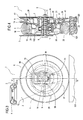
Figure 1 is a side view, with some parts in cross section, of a castor according to this invention; -
Figure 2 is a section view through the line II-II ofFigure 1 ; -
Figure 3 is a side view, with some parts in cross section, showing a second embodiment of the castor according to the invention. -
Figure 4 is a section view through the line IV-IV ofFigure 3 ; -
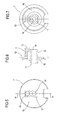
Figure 5 is a front view of a detail of the castor according to the invention; -
Figure 6 is a section view through the line VI-VI ofFigure 5 ; -
Figure 7 is a rear view of the detail ofFigure 5 ; -
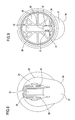
Figure 8 is a front view of a detail of the castor ofFigures 1 and 2 ; -
Figure 9 is a rear view of the detail ofFigure 8 ; -
Figure 10 is a section view of the castor according to the invention in a second operating position; -
Figure 11 is a section view of the castor according to the invention in a non-operating, intermediate position. - With reference to the accompanying drawings, especially
Figure 1 , thenumeral 1 denotes in its entirety a self-braking castor for transport trolleys, in particular shopping trolleys. - As shown in
Figures 1, 2 ,3 and 4 , thecastor 1 is connected to amounting fork 2 consisting of twolateral arms 3 and having anupper portion 4 that swivels about a vertical axis to enable the trolley mounted on it to turn around very tight corners: this forms a typical swivel castor. - In one form of it, the
mounting fork 2 does not have the upperswivelling portion 4, thus forming a fixed trolley castor. - The self-
braking castor 1 is mounted between the twoarms 3 of the fork and comprises amain wheel 5, anauxiliary wheel 6 mounted substantially beside themain wheel 5, and ahub 7. - The
hub 7 is designed to fix the self-braking castor 1 to thearms 3 of thefork 2 and to mutually connect themain wheel 5 and theauxiliary wheel 6 by means of abolt 8 passing through themain wheel 5, theauxiliary wheel 6 and thehub 7 and fixed to one of thefork arms 3 by anut 9. - As illustrated in detail in
Figures 5, 6 and 7 , thehub 7 comprises afirst face 10 from which extends acylindrical protrusion 11 and asecond face 12 from which protrudes anelement 13 substantially in the shape of a parallelepiped. - The
hub 7 has a throughhole 14 that passes through a part of theprotruding element 13 and cylindrical protrusion 11: thehole 14 defines a passage through thehub 7 into which thebolt 8 is inserted. - Also extending from the parallelepiped-
shaped protruding element 13 is acylindrical protuberance 15 for fixing thehub 7 to one of thelateral arms 3 of thefork 2 by inserting theprotuberance 15 into a matching hole made in thearm 3 of thefork 2, as shown inFigures 2 and4 . - The
hub 7 is thus fixed relative to thefork 2 during trolley movement. - As shown in
Figures 2 and4 , themain wheel 5 comprises aninternal disc 16 keyed to a ball bearing 17, thecylindrical protrusion 11 of thehub 7 being inserted in the ball bearing 17 in such a way as to enable themain wheel 5 to revolve about a defined axis X relative to thehub 7 itself, which is fixed to thefork 2. - The
internal disc 16 of themain wheel 5 has anoutside face 18 facing alateral arm 3 of thetrolley fork 2 and aninside face 19 facing theauxiliary wheel 6. - The
outside face 18 has aplate 20 to make it easier to fix thewheel 5 to thefork 2. - As shown in
Figures 1, 2 ,3 and 4 , theinside face 19 has a plurality ofperipheral seats 21 whose purpose is described in detail below. - At its
perimetric portion 22, theinside disc 16 of themain wheel 5 has attached to it aring 23 made of rubbery material forming the tread of themain wheel 5. - Advantageously, as shown in
Figures 2 and4 , between theinside face 19 of theinternal disc 16 and thehub 7, at thebearing 17, there is a C-shaped channel 102 forming a "labyrinth" that keeps dirt from the top of thedisc 16 out of the bearing. - The
auxiliary wheel 6 comprises acircular crown 24 which is made of a plastic material, such as polyurethane, and which, since it is designed to brake themain wheel 5, and hence the trolley, must be thin enough to sink into thelongitudinal grooves 25 of standard width (6-7 millimetres) of apassenger conveyor 100. - The
circular crown 24 is mounted on acentral disc 26 with an interposedball crown ring 27 so that theauxiliary wheel 6 can freely rotate relative to thecentral disc 26 itself. - As illustrated in
Figures 2 ,8 and 9 , thecentral disc 26 has aninside face 28 facing themain wheel 5 and anoutside face 29 facing alateral arm 3 of thefork 2. - The
central disc 26 has a substantiallyrectangular slot 30 designed to receive the parallelepiped-shaped element 13 protruding from thehub 7. - The
central disc 26 is therefore free to move vertically relative to thehub 7 andmain wheel 5 thanks to the presence of theslot 30. - More specifically, the
central disc 26 is movable between a raised position, illustrated inFigure 2 , and a lowered operating position, illustrated inFigure 10 , through a plurality of intermediate positions, one of which is illustrated inFigure 11 . - As shown
Figure 9 , thecentral disc 26 comprises, on theinside face 28, under theslot 30, aseat 31 defined by twolateral walls front wall 34, designed to contain aspring 35. - As may be seen in
Figure 2 , thespring 35 is located inside theseat 31 under and opposing the parallelepipedshaped element 13 protruding from thehub 7 and inserted in theslot 30. - Thus, the
spring 35 exerts a downward force on thecentral disc 26 and tends to move it to the lowered wheel locked position. - The
spring 35 constitutes elastic means acting on theauxiliary wheel 6 in such a way as to urge theauxiliary wheel 6 into the lowered, locked operating position. - The
inside face 28 of thecentral disc 26 comprises apawl 36 extending from theinside face 28 towards theinside face 19 of theinternal disc 16 of themain wheel 5 and designed to engage one of theseats 21 of theinside face 19 of theinternal disc 16 of themain wheel 5. - More specifically, the
central disc 26 is free to move vertically relative to themain wheel 5 between a first, non-operating raised position, through a plurality of non-operating, intermediate positions, where thepawl 36 does not engage any of theseats 21, and the above mentioned lowered, operating position in which thepawl 36 engages one of theseats 21, as shown inFigure 10 . - At any of the raised positions, the
main wheel 5 is free to rotate relative to thecentral disc 26 of theauxiliary wheel 6, thecentral disc 26 being, on the other hand, fixed to thefork 2. - At the lowered, operating position, the
pawl 36 of thecentral disc 26 of theauxiliary wheel 6 is engaged with one of theseats 21 on theinside face 19 of themain wheel 5, themain wheel 5 thus being locked relative to thecentral disc 26 of theauxiliary wheel 6. - The parallelepiped shaped
element 13 protruding from thehub 7 and inserted in theslot 30 of thecentral disc 26 prevents thecentral disc 26 from rotating relative to thefork 2. - The only degree of freedom of the
disc 26, therefore, is vertical translational movement relative to thehub 7. - As shown in
Figures 1, 2 ,8, 9 ,10, 11 , theoutside face 29 of thecentral disc 26 of theauxiliary wheel 6 comprises aprotrusion 37 for stopping the vertical translational movement of thedisc 26 andauxiliary wheel 6. - The
protrusion 37 extends in a plane P1 parallel to theauxiliary wheel 6 and is located at a predetermined distance D1 from theauxiliary wheel 6 itself. - Further, as shown in
Figures 1 and 2 , the protrusion is raised relative to theauxiliary wheel 6, with reference to the plane defined by the floor so that, when theauxiliary wheel 6 is in contact with thefloor 101, theprotrusion 37 is, instead, raised off the floor. - The
protrusion 37 is made of a plastic material. - The
protrusion 37 is designed to keep theauxiliary wheel 6 in one of the raised, non-operating positions until the trolley is pushed onto theinclined conveyor 100. - As explained in more detail below, when the trolley is on the
conveyor 100, theprotrusion 37 enables thecentral disc 26 to move into the lowered operating position where themain wheel 5 is locked in thelongitudinal grooves 25. - Advantageously, as shown in
Figure 8 , theoutside face 29 of thecentral disc 26 comprises a plurality ofchannels 38 made at therectangular slot 30, designed to prevent dirt from accumulating at theslot 30 itself. - The
protrusion 37 constitutes means 39 for controlling theauxiliary wheel 6 designed to keep theauxiliary wheel 6 in one of the raised, non-operating positions until the trolley is off theconveyor 100. - When the trolley is positioned on the
conveyor 100, the control means 39 enable theauxiliary wheel 6 to move into the lowered operating position inside one of thegrooves 25. - In use, when the trolley is pushed along a
level floor 101, thefloor 101 exerts on theauxiliary wheel 6 an upwardly directed force in reaction to the weight of the trolley itself. - The reaction force exerted by the
floor 101 is sufficient to overcome the downwardly directed pushing force exerted by thespring 35 and tending to keep theauxiliary wheel 6 in the lowered operating position where theauxiliary wheel 6 itself is locked. - Thus, when the trolley is on the
floor 101, theauxiliary wheel 6 remains in the first, non-operating raised position in contact with thefloor 101 together with themain wheel 5. - The
pawl 36 of thecentral disc 26 of theauxiliary wheel 6 is not engaged with any of theseats 21 on theinternal disc 16 of themain wheel 5 and themain wheel 5 is thus free to revolve together with thecrown ring 24 of theauxiliary wheel 6, thus allowing the trolley to move freely. - Under these conditions, the
protrusion 37 connected to thecentral disc 26 is not, however, in contact with thefloor 101 since it is, advantageously, raised relative to thecrown ring 24. - As illustrated in
Figure 10 , when atrolley castor 1 is moved onto the conveyor and theauxiliary wheel 6 moves over one of thegrooves 25 of theconveyor 100, theauxiliary wheel 6 is no longer subjected to the reaction force of thefloor 101 and thespring 35, opposed by thehub 7, pushes thecentral disc 26 of theauxiliary wheel 6 downwards to the second, operating lowered position. - The
crown ring 24 of theauxiliary wheel 6 sinks into thegroove 25 and thepawl 36 of thecentral disc 26 engages one of theseats 21 on theinternal disc 16 of themain wheel 5. - At the same time, the
protrusion 37 fixed to thecentral disc 26, being parallel to thecrown 24 and at a distance D1 from the latter, sinks into anothergroove 25 of theconveyor 100, causing theauxiliary wheel 6 to move down to the second operating lowered position. - Thus, the
main wheel 5 is locked relative to thecentral disc 26 of theauxiliary wheel 6. - The distance D1 is calculated in such a way that when the
crown ring 24 of theauxiliary wheel 6 sinks into onegroove 25, theprotrusion 37 sinks into an adjacent groove. - More specifically, the distance D1 is a whole multiple of the distance between two
adjacent grooves 25. - The
central disc 26 is fixed to thelateral arms 3 of thetrolley fork 2 by means of thebolt 8 andcylindrical protuberance 15 of the parallelepiped shapedelement 13 on thehub 7. - When the
trolley castor 1 moves off theconveyor 100, thecrown ring 24 gradually moves out of therespective conveyor groove 25 and thefloor 101 exerts on theauxiliary wheel 6 an upwardly directed force tat moves it back to the first, raised non-operating position, thereby disengaging thepawl 36 from theseat 21 on theinternal disc 16 of themain wheel 5 and enabling themain wheel 5 to start rotating again. - As illustrated in
Figure 11 , if one of theauxiliary wheels 6 unexpectedly sinks into a crack or groove 40 separating adjacent parts of thefloor 101 while the trolley is being pushed along the floor, thewheel 6 is no longer subjected to the reaction force of the floor opposing the force of thespring 35 and would thus tend to sink into thegroove 40 and move into the second, lowered operating position, bringing themain wheel 5, and hence the trolley, to a sudden stop. - Instead, as clearly illustrated in
Figure 11 , as thecrown ring 24 of theauxiliary wheel 6 starts sinking into thegroove 40, theauxiliary wheel 6 moves from the first raised position into one of the intermediate raised positions but does not reach the second, lowered operating position. - That is because when the
auxiliary wheel 6 starts sinking into thegroove 40, theprotrusion 37 of thecentral disc 26 comes into contact with the portion of thefloor 101 adjacent thegroove 40, thus preventing theauxiliary wheel 6 from sinking further and stopping. - Thanks to the
protrusion 37, therefore, themain wheel 5 of the trolley continues rotating and the trolley does not come to a sudden stop. - In a second possible embodiment, illustrated in
Figures 3 and 4 , the control means 39 comprise, instead of theprotrusion 37, asecond crown ring 41 parallel to thefirst crown ring 24, located at a distance D2 from the latter and mounted, together with thefirst crown ring 24, on thecentral disc 26 of the auxiliary wheel, with an interposedball crown ring 27. - The distance D2 is such that when the
auxiliary wheel 6 is in the lowered position, inside one of thegrooves 25 of theconveyor 100, thesecond crown ring 41 is inside anothergroove 25 of theconveyor 100. - In a third embodiment that is not illustrated, the control means comprise a supporting wheel rotatably mounted on the central disc of the auxiliary wheel. The supporting wheel is located at a predetermined distance from the auxiliary wheel.
- This distance is such that when the auxiliary wheel is in the lowered position, inside one of the grooves of the conveyor, the supporting wheel is inside another groove of the conveyor.
Claims (12)
- A self-braking castor applicable to the lateral arms (3) of forks (2) of transport trolleys, in particular shopping trolleys, comprising:- a main running wheel (5) that revolves about a defined axis (X); and- an auxiliary wheel (6) mounted substantially beside the main wheel (5) and designed to be inserted into longitudinal grooves (25) of passenger conveyors; the auxiliary wheel (6) being movable vertically in a plane (P) perpendicular to the axis (X) of revolution of the main wheel (5), between a first, non-operating raised position through a plurality of non-operating, intermediate positions, in which the auxiliary wheel (6) allows the main wheel (5) to revolve, and a lowered operating position in which the auxiliary wheel (6) is inside one of the longitudinal grooves (25) and prevents the main wheel (5) from revolving; the castor being characterized in that it comprises means (39) for controlling the auxiliary wheel (6) and designed to keep the auxiliary wheel (6) at least in one of the intermediate non-operating positions until the trolley is off the conveyor (100); the control means (39) enabling the auxiliary wheel (6) to move into the lowered operating position inside one of the grooves (25) when the trolley is positioned on the conveyor (100).
- The castor according to claim 1, characterized in that the auxiliary wheel (6) comprises a crown ring (24) rotatably mounted on a central disc (26) designed to engage with the main wheel (5) and having an inside face (28) facing the main wheel (5) and an outside face (29) facing an arm (3) of the trolley fork (2), the disc (26) being movable vertically between a plurality of non-operating, raised positions where it allows the main wheel (5) to revolve and a lowered operating position where it engages with the main wheel (5) and prevents the main wheel (5) from revolving, and in that the control means (39) comprise a protrusion (37) for stopping the vertical translational movement of the disc (26) and crown ring (24), the protrusion (37) being fixed to the central disc (26) and being located at a predetermined distance (D1) from the crown ring (24), the distance (D1) being such that when the auxiliary wheel (6) is in the lowered position inside one of the grooves (25) of the conveyor (100), the protrusion (37) is inside another groove (25) of the conveyor (100).
- The castor according to claim 2, characterized in that the protrusion (37) is substantially parallel to the crown ring (24).
- The castor according to claim 1, characterized in that the auxiliary wheel (6) comprises a crown ring (24) rotatably mounted on a central disc (26) designed to engage with the main wheel (5) and having an inside face (28) facing the main wheel (5) and an outside face (29) facing an arm (3) of the trolley fork (2), the disc (26) being movable vertically between a plurality of non-operating, raised positions where it allows the main wheel (5) to revolve and a lowered operating position where it engages with the main wheel (5) and prevents the main wheel (5) from revolving, and in that the control means (39) comprise a second crown ring (41) integral with the first crown ring (24) and mounted rotatably relative to the central disc (26), the second crown ring (41) being located at a predetermined distance (D2) from the first crown ring (24) such that when the auxiliary crown ring (24) is in the lowered position inside one of the grooves (25) of the conveyor (100), the second crown ring (41) is inside another groove (25) of the conveyor (100).
- The castor according to claim 1, characterized in that the auxiliary wheel (6) is rotatably mounted on a central disc (26) designed to engage with the main wheel (5) and having an inside face (28) facing the main wheel (5) and an outside face (29) facing an arm (3) of the trolley fork (2), the disc (26) being movable vertically between a plurality of non-operating, raised positions where it allows the main wheel (5) to revolve and a lowered operating position where it prevents the main wheel (5) from revolving, and in that the control means (39) comprise a supporting wheel mounted rotatably on the central disc, the supporting wheel being parallel to the auxiliary wheel and being located at a predetermined distance from the auxiliary wheel (6), said distance being such that when the auxiliary wheel (6) is in the lowered position inside one of the grooves (25) of the conveyor (100), the supporting wheel is inside another groove (25) of the conveyor (100).
- The castor according to any of the foregoing claims from 2 to 5, characterized in that the central disc (26) comprises a pawl (36) extending from the inside face (28) and designed to engage with matching seats (21) on the main wheel (5) when the disc (26) and the auxiliary wheel (6) are in the lowered operating position in such a way that the main wheel (5) is locked relative to the disc (26).
- The castor according to claim 6, characterized in that it comprises a hub (7) connecting the main wheel (5) to the lateral arms (3) of the fork (2), the wheel (5) being able to freely rotate relative to the hub (7), said hub (7) comprising a substantially rectangular protruding element (13) that can be connected to the central disc (26) of the auxiliary wheel (6).
- The castor according to claim 7, characterized in that the element (13) protruding from the hub (7) comprises a portion that is designed to be fixed to the fork (2).
- The castor according to claim 8, characterized in that the central disc (26) comprises a substantially rectangular slot (30) in which the protruding element (13) of the hub (7) is inserted, said slot (30) being designed to make the disc (26) slide vertically relative to the hub (7) and to lock the rotation of the disc (26) relative to the hub (7).
- The castor according to claim 9, characterized in that the central disc (26) comprises a spring (35) located in the slot (30), the spring (35) exerting a force on the protruding element (13) of the hub in such a way that the spring (35) tends to keep the disc (26) in the second, lowered operating position.
- The castor according to claim 10, characterized in that the inside face (28) of the central disc (26) comprises a seat (31) defined by two lateral walls (32, 33) and one front wall (34), said seat (31) being designed to stably receive the spring (35).
- The castor according to any of the foregoing claims from 2 to 9, characterized in that the outside face (29) of the central disc (26) comprises a plurality of channels (38) made at the rectangular slot (30), designed to prevent dirt from accumulating at the slot (30) itself.
Priority Applications (3)
| Application Number | Priority Date | Filing Date | Title |
|---|---|---|---|
| EP08425218A EP2106929B1 (en) | 2008-04-03 | 2008-04-03 | Self-braking castor for transport trolleys |
| AT08425218T ATE461058T1 (en) | 2008-04-03 | 2008-04-03 | SELF-BRAKED ROLLER FOR TRANSPORT TROLLEYS |
| DE602008000843T DE602008000843D1 (en) | 2008-04-03 | 2008-04-03 | Self-braking roller for dolly |
Applications Claiming Priority (1)
| Application Number | Priority Date | Filing Date | Title |
|---|---|---|---|
| EP08425218A EP2106929B1 (en) | 2008-04-03 | 2008-04-03 | Self-braking castor for transport trolleys |
Publications (2)
| Publication Number | Publication Date |
|---|---|
| EP2106929A1 true EP2106929A1 (en) | 2009-10-07 |
| EP2106929B1 EP2106929B1 (en) | 2010-03-17 |
Family
ID=39712536
Family Applications (1)
| Application Number | Title | Priority Date | Filing Date |
|---|---|---|---|
| EP08425218A Not-in-force EP2106929B1 (en) | 2008-04-03 | 2008-04-03 | Self-braking castor for transport trolleys |
Country Status (3)
| Country | Link |
|---|---|
| EP (1) | EP2106929B1 (en) |
| AT (1) | ATE461058T1 (en) |
| DE (1) | DE602008000843D1 (en) |
Cited By (1)
| Publication number | Priority date | Publication date | Assignee | Title |
|---|---|---|---|---|
| EP2399758A1 (en) * | 2010-06-24 | 2011-12-28 | K. Hartwall Oy AB | Castor |
Citations (5)
| Publication number | Priority date | Publication date | Assignee | Title |
|---|---|---|---|---|
| GB1333533A (en) * | 1971-02-06 | 1973-10-10 | Tente Rollen Gmbh & Co | Swivel castors |
| JPS57138401A (en) * | 1981-02-17 | 1982-08-26 | Naohisa Hashimoto | Castor |
| EP0373398A1 (en) * | 1988-12-10 | 1990-06-20 | Wanzl Metallwarenfabrik Gmbh | Roller for transport trolleys, particularly shopping trolleys |
| DE19611902A1 (en) * | 1996-03-26 | 1997-10-02 | Rhombus Rollen Gmbh & Co | Shopping trolley steering roller with fork wheels engaging belt grooves |
| US5787547A (en) * | 1993-07-05 | 1998-08-04 | Ateliers Reunis Caddie S.A. | Castor for trolley adapted to be immobilized on a travelling walkway |
-
2008
- 2008-04-03 EP EP08425218A patent/EP2106929B1/en not_active Not-in-force
- 2008-04-03 DE DE602008000843T patent/DE602008000843D1/en active Active
- 2008-04-03 AT AT08425218T patent/ATE461058T1/en not_active IP Right Cessation
Patent Citations (5)
| Publication number | Priority date | Publication date | Assignee | Title |
|---|---|---|---|---|
| GB1333533A (en) * | 1971-02-06 | 1973-10-10 | Tente Rollen Gmbh & Co | Swivel castors |
| JPS57138401A (en) * | 1981-02-17 | 1982-08-26 | Naohisa Hashimoto | Castor |
| EP0373398A1 (en) * | 1988-12-10 | 1990-06-20 | Wanzl Metallwarenfabrik Gmbh | Roller for transport trolleys, particularly shopping trolleys |
| US5787547A (en) * | 1993-07-05 | 1998-08-04 | Ateliers Reunis Caddie S.A. | Castor for trolley adapted to be immobilized on a travelling walkway |
| DE19611902A1 (en) * | 1996-03-26 | 1997-10-02 | Rhombus Rollen Gmbh & Co | Shopping trolley steering roller with fork wheels engaging belt grooves |
Cited By (3)
| Publication number | Priority date | Publication date | Assignee | Title |
|---|---|---|---|---|
| EP2399758A1 (en) * | 2010-06-24 | 2011-12-28 | K. Hartwall Oy AB | Castor |
| CN102310717A (en) * | 2010-06-24 | 2012-01-11 | K·哈特瓦尔有限公司 | Castor |
| AU2011203052B2 (en) * | 2010-06-24 | 2013-05-09 | K. Hartwall Oy Ab | Castor |
Also Published As
| Publication number | Publication date |
|---|---|
| DE602008000843D1 (en) | 2010-04-29 |
| EP2106929B1 (en) | 2010-03-17 |
| ATE461058T1 (en) | 2010-04-15 |
Similar Documents
| Publication | Publication Date | Title |
|---|---|---|
| EP2813410B1 (en) | Platform truck for moving heavy objects | |
| US3608693A (en) | Rollers, particularly for shopping trolleys | |
| CA2589542A1 (en) | Pallet dolly | |
| EP1750989B1 (en) | Trolley with a swivable guide wheel | |
| KR20090079868A (en) | Stopper device of rolling wheel | |
| US9327954B2 (en) | Lifting system for display cases | |
| US20020027330A1 (en) | Control wheel assembly for trolleys | |
| US20060012140A1 (en) | Storage carts | |
| EP2106929B1 (en) | Self-braking castor for transport trolleys | |
| WO2008007050A1 (en) | Method and apparatus for braking a wheel | |
| EP3782873B1 (en) | Heavy-goods moving cart | |
| CA2527077C (en) | Storage carts | |
| WO1995008449A1 (en) | Castors | |
| WO1994010000A1 (en) | Wheel assemblies | |
| KR101434937B1 (en) | Wheel having sub-roller part for shopping cart | |
| KR200490642Y1 (en) | Friction Pad for Moving Wheels on Shopping Carts | |
| EP4556347A1 (en) | Decorative article delivery device | |
| WO1993001077A1 (en) | Improvements in internesting trolley systems | |
| JPH0624299Y2 (en) | Parent-child trolley | |
| JPH0522487Y2 (en) | ||
| EP0105144B1 (en) | Cam wheel and caster lock | |
| CN223605390U (en) | A type of swivel caster that automatically returns to its original position after being lifted into the air. | |
| KR102664011B1 (en) | Caster device with step overcoming function and transport apparatus including the same | |
| CN119704941A (en) | Universal castor capable of automatically resetting after vacation | |
| AU712834B2 (en) | A wheel and brake assembly |
Legal Events
| Date | Code | Title | Description |
|---|---|---|---|
| PUAI | Public reference made under article 153(3) epc to a published international application that has entered the european phase |
Free format text: ORIGINAL CODE: 0009012 |
|
| GRAP | Despatch of communication of intention to grant a patent |
Free format text: ORIGINAL CODE: EPIDOSNIGR1 |
|
| 17P | Request for examination filed |
Effective date: 20081024 |
|
| AK | Designated contracting states |
Kind code of ref document: A1 Designated state(s): AT BE BG CH CY CZ DE DK EE ES FI FR GB GR HR HU IE IS IT LI LT LU LV MC MT NL NO PL PT RO SE SI SK TR |
|
| AX | Request for extension of the european patent |
Extension state: AL BA MK RS |
|
| GRAS | Grant fee paid |
Free format text: ORIGINAL CODE: EPIDOSNIGR3 |
|
| GRAA | (expected) grant |
Free format text: ORIGINAL CODE: 0009210 |
|
| AK | Designated contracting states |
Kind code of ref document: B1 Designated state(s): AT BE BG CH CY CZ DE DK EE ES FI FR GB GR HR HU IE IS IT LI LT LU LV MC MT NL NO PL PT RO SE SI SK TR |
|
| REG | Reference to a national code |
Ref country code: GB Ref legal event code: FG4D |
|
| REG | Reference to a national code |
Ref country code: CH Ref legal event code: EP |
|
| REG | Reference to a national code |
Ref country code: IE Ref legal event code: FG4D |
|
| REF | Corresponds to: |
Ref document number: 602008000843 Country of ref document: DE Date of ref document: 20100429 Kind code of ref document: P |
|
| AKX | Designation fees paid |
Designated state(s): AT BE BG CH CY CZ DE DK EE ES FI FR GB GR HR HU IE IS IT LI LT LU LV MC MT NL NO PL PT RO SE SI SK TR |
|
| REG | Reference to a national code |
Ref country code: NL Ref legal event code: VDEP Effective date: 20100317 |
|
| PG25 | Lapsed in a contracting state [announced via postgrant information from national office to epo] |
Ref country code: NO Free format text: LAPSE BECAUSE OF FAILURE TO SUBMIT A TRANSLATION OF THE DESCRIPTION OR TO PAY THE FEE WITHIN THE PRESCRIBED TIME-LIMIT Effective date: 20100617 Ref country code: HR Free format text: LAPSE BECAUSE OF FAILURE TO SUBMIT A TRANSLATION OF THE DESCRIPTION OR TO PAY THE FEE WITHIN THE PRESCRIBED TIME-LIMIT Effective date: 20100317 Ref country code: LT Free format text: LAPSE BECAUSE OF FAILURE TO SUBMIT A TRANSLATION OF THE DESCRIPTION OR TO PAY THE FEE WITHIN THE PRESCRIBED TIME-LIMIT Effective date: 20100317 |
|
| LTIE | Lt: invalidation of european patent or patent extension |
Effective date: 20100317 |
|
| PG25 | Lapsed in a contracting state [announced via postgrant information from national office to epo] |
Ref country code: SI Free format text: LAPSE BECAUSE OF FAILURE TO SUBMIT A TRANSLATION OF THE DESCRIPTION OR TO PAY THE FEE WITHIN THE PRESCRIBED TIME-LIMIT Effective date: 20100317 Ref country code: PL Free format text: LAPSE BECAUSE OF FAILURE TO SUBMIT A TRANSLATION OF THE DESCRIPTION OR TO PAY THE FEE WITHIN THE PRESCRIBED TIME-LIMIT Effective date: 20100317 Ref country code: AT Free format text: LAPSE BECAUSE OF FAILURE TO SUBMIT A TRANSLATION OF THE DESCRIPTION OR TO PAY THE FEE WITHIN THE PRESCRIBED TIME-LIMIT Effective date: 20100317 Ref country code: FI Free format text: LAPSE BECAUSE OF FAILURE TO SUBMIT A TRANSLATION OF THE DESCRIPTION OR TO PAY THE FEE WITHIN THE PRESCRIBED TIME-LIMIT Effective date: 20100317 Ref country code: LV Free format text: LAPSE BECAUSE OF FAILURE TO SUBMIT A TRANSLATION OF THE DESCRIPTION OR TO PAY THE FEE WITHIN THE PRESCRIBED TIME-LIMIT Effective date: 20100317 |
|
| PG25 | Lapsed in a contracting state [announced via postgrant information from national office to epo] |
Ref country code: SE Free format text: LAPSE BECAUSE OF FAILURE TO SUBMIT A TRANSLATION OF THE DESCRIPTION OR TO PAY THE FEE WITHIN THE PRESCRIBED TIME-LIMIT Effective date: 20100317 Ref country code: RO Free format text: LAPSE BECAUSE OF FAILURE TO SUBMIT A TRANSLATION OF THE DESCRIPTION OR TO PAY THE FEE WITHIN THE PRESCRIBED TIME-LIMIT Effective date: 20100317 Ref country code: NL Free format text: LAPSE BECAUSE OF FAILURE TO SUBMIT A TRANSLATION OF THE DESCRIPTION OR TO PAY THE FEE WITHIN THE PRESCRIBED TIME-LIMIT Effective date: 20100317 Ref country code: GR Free format text: LAPSE BECAUSE OF FAILURE TO SUBMIT A TRANSLATION OF THE DESCRIPTION OR TO PAY THE FEE WITHIN THE PRESCRIBED TIME-LIMIT Effective date: 20100618 Ref country code: ES Free format text: LAPSE BECAUSE OF FAILURE TO SUBMIT A TRANSLATION OF THE DESCRIPTION OR TO PAY THE FEE WITHIN THE PRESCRIBED TIME-LIMIT Effective date: 20100628 Ref country code: EE Free format text: LAPSE BECAUSE OF FAILURE TO SUBMIT A TRANSLATION OF THE DESCRIPTION OR TO PAY THE FEE WITHIN THE PRESCRIBED TIME-LIMIT Effective date: 20100317 Ref country code: CY Free format text: LAPSE BECAUSE OF FAILURE TO SUBMIT A TRANSLATION OF THE DESCRIPTION OR TO PAY THE FEE WITHIN THE PRESCRIBED TIME-LIMIT Effective date: 20100317 Ref country code: BE Free format text: LAPSE BECAUSE OF FAILURE TO SUBMIT A TRANSLATION OF THE DESCRIPTION OR TO PAY THE FEE WITHIN THE PRESCRIBED TIME-LIMIT Effective date: 20100317 |
|
| PG25 | Lapsed in a contracting state [announced via postgrant information from national office to epo] |
Ref country code: CZ Free format text: LAPSE BECAUSE OF FAILURE TO SUBMIT A TRANSLATION OF THE DESCRIPTION OR TO PAY THE FEE WITHIN THE PRESCRIBED TIME-LIMIT Effective date: 20100317 Ref country code: SK Free format text: LAPSE BECAUSE OF FAILURE TO SUBMIT A TRANSLATION OF THE DESCRIPTION OR TO PAY THE FEE WITHIN THE PRESCRIBED TIME-LIMIT Effective date: 20100317 Ref country code: BG Free format text: LAPSE BECAUSE OF FAILURE TO SUBMIT A TRANSLATION OF THE DESCRIPTION OR TO PAY THE FEE WITHIN THE PRESCRIBED TIME-LIMIT Effective date: 20100617 Ref country code: MC Free format text: LAPSE BECAUSE OF NON-PAYMENT OF DUE FEES Effective date: 20100430 Ref country code: IS Free format text: LAPSE BECAUSE OF FAILURE TO SUBMIT A TRANSLATION OF THE DESCRIPTION OR TO PAY THE FEE WITHIN THE PRESCRIBED TIME-LIMIT Effective date: 20100717 |
|
| PLBE | No opposition filed within time limit |
Free format text: ORIGINAL CODE: 0009261 |
|
| STAA | Information on the status of an ep patent application or granted ep patent |
Free format text: STATUS: NO OPPOSITION FILED WITHIN TIME LIMIT |
|
| PG25 | Lapsed in a contracting state [announced via postgrant information from national office to epo] |
Ref country code: IE Free format text: LAPSE BECAUSE OF NON-PAYMENT OF DUE FEES Effective date: 20100403 Ref country code: DK Free format text: LAPSE BECAUSE OF FAILURE TO SUBMIT A TRANSLATION OF THE DESCRIPTION OR TO PAY THE FEE WITHIN THE PRESCRIBED TIME-LIMIT Effective date: 20100317 |
|
| 26N | No opposition filed |
Effective date: 20101220 |
|
| PG25 | Lapsed in a contracting state [announced via postgrant information from national office to epo] |
Ref country code: MT Free format text: LAPSE BECAUSE OF FAILURE TO SUBMIT A TRANSLATION OF THE DESCRIPTION OR TO PAY THE FEE WITHIN THE PRESCRIBED TIME-LIMIT Effective date: 20100317 |
|
| PG25 | Lapsed in a contracting state [announced via postgrant information from national office to epo] |
Ref country code: PT Free format text: LAPSE BECAUSE OF FAILURE TO SUBMIT A TRANSLATION OF THE DESCRIPTION OR TO PAY THE FEE WITHIN THE PRESCRIBED TIME-LIMIT Effective date: 20100817 Ref country code: LU Free format text: LAPSE BECAUSE OF NON-PAYMENT OF DUE FEES Effective date: 20100403 Ref country code: HU Free format text: LAPSE BECAUSE OF FAILURE TO SUBMIT A TRANSLATION OF THE DESCRIPTION OR TO PAY THE FEE WITHIN THE PRESCRIBED TIME-LIMIT Effective date: 20100918 |
|
| PG25 | Lapsed in a contracting state [announced via postgrant information from national office to epo] |
Ref country code: TR Free format text: LAPSE BECAUSE OF FAILURE TO SUBMIT A TRANSLATION OF THE DESCRIPTION OR TO PAY THE FEE WITHIN THE PRESCRIBED TIME-LIMIT Effective date: 20100317 |
|
| REG | Reference to a national code |
Ref country code: CH Ref legal event code: PL |
|
| GBPC | Gb: european patent ceased through non-payment of renewal fee |
Effective date: 20120403 |
|
| PG25 | Lapsed in a contracting state [announced via postgrant information from national office to epo] |
Ref country code: GB Free format text: LAPSE BECAUSE OF NON-PAYMENT OF DUE FEES Effective date: 20120403 Ref country code: LI Free format text: LAPSE BECAUSE OF NON-PAYMENT OF DUE FEES Effective date: 20120430 Ref country code: CH Free format text: LAPSE BECAUSE OF NON-PAYMENT OF DUE FEES Effective date: 20120430 |
|
| PGFP | Annual fee paid to national office [announced via postgrant information from national office to epo] |
Ref country code: IT Payment date: 20140423 Year of fee payment: 7 Ref country code: FR Payment date: 20140428 Year of fee payment: 7 Ref country code: DE Payment date: 20140627 Year of fee payment: 7 |
|
| REG | Reference to a national code |
Ref country code: DE Ref legal event code: R119 Ref document number: 602008000843 Country of ref document: DE |
|
| PG25 | Lapsed in a contracting state [announced via postgrant information from national office to epo] |
Ref country code: IT Free format text: LAPSE BECAUSE OF NON-PAYMENT OF DUE FEES Effective date: 20150403 Ref country code: DE Free format text: LAPSE BECAUSE OF NON-PAYMENT OF DUE FEES Effective date: 20151103 |
|
| REG | Reference to a national code |
Ref country code: FR Ref legal event code: ST Effective date: 20151231 |
|
| PG25 | Lapsed in a contracting state [announced via postgrant information from national office to epo] |
Ref country code: FR Free format text: LAPSE BECAUSE OF NON-PAYMENT OF DUE FEES Effective date: 20150430 |