EP2094107B1 - Mycotoxin-reducing composition - Google Patents
Mycotoxin-reducing composition Download PDFInfo
- Publication number
- EP2094107B1 EP2094107B1 EP07824430A EP07824430A EP2094107B1 EP 2094107 B1 EP2094107 B1 EP 2094107B1 EP 07824430 A EP07824430 A EP 07824430A EP 07824430 A EP07824430 A EP 07824430A EP 2094107 B1 EP2094107 B1 EP 2094107B1
- Authority
- EP
- European Patent Office
- Prior art keywords
- mycotoxin
- composition
- enzyme
- toxin
- foodstuff
- Prior art date
- Legal status (The legal status is an assumption and is not a legal conclusion. Google has not performed a legal analysis and makes no representation as to the accuracy of the status listed.)
- Revoked
Links
Images




Classifications
-
- A—HUMAN NECESSITIES
- A23—FOODS OR FOODSTUFFS; TREATMENT THEREOF, NOT COVERED BY OTHER CLASSES
- A23L—FOODS, FOODSTUFFS OR NON-ALCOHOLIC BEVERAGES, NOT OTHERWISE PROVIDED FOR; PREPARATION OR TREATMENT THEREOF
- A23L5/00—Preparation or treatment of foods or foodstuffs, in general; Food or foodstuffs obtained thereby; Materials therefor
- A23L5/20—Removal of unwanted matter, e.g. deodorisation or detoxification
- A23L5/27—Removal of unwanted matter, e.g. deodorisation or detoxification by chemical treatment, by adsorption or by absorption
-
- A—HUMAN NECESSITIES
- A23—FOODS OR FOODSTUFFS; TREATMENT THEREOF, NOT COVERED BY OTHER CLASSES
- A23K—FODDER
- A23K10/00—Animal feeding-stuffs
- A23K10/10—Animal feeding-stuffs obtained by microbiological or biochemical processes
-
- A—HUMAN NECESSITIES
- A23—FOODS OR FOODSTUFFS; TREATMENT THEREOF, NOT COVERED BY OTHER CLASSES
- A23K—FODDER
- A23K10/00—Animal feeding-stuffs
- A23K10/10—Animal feeding-stuffs obtained by microbiological or biochemical processes
- A23K10/14—Pretreatment of feeding-stuffs with enzymes
-
- A—HUMAN NECESSITIES
- A23—FOODS OR FOODSTUFFS; TREATMENT THEREOF, NOT COVERED BY OTHER CLASSES
- A23K—FODDER
- A23K10/00—Animal feeding-stuffs
- A23K10/10—Animal feeding-stuffs obtained by microbiological or biochemical processes
- A23K10/16—Addition of microorganisms or extracts thereof, e.g. single-cell proteins, to feeding-stuff compositions
- A23K10/18—Addition of microorganisms or extracts thereof, e.g. single-cell proteins, to feeding-stuff compositions of live microorganisms
-
- A—HUMAN NECESSITIES
- A23—FOODS OR FOODSTUFFS; TREATMENT THEREOF, NOT COVERED BY OTHER CLASSES
- A23K—FODDER
- A23K10/00—Animal feeding-stuffs
- A23K10/30—Animal feeding-stuffs from material of plant origin, e.g. roots, seeds or hay; from material of fungal origin, e.g. mushrooms
- A23K10/37—Animal feeding-stuffs from material of plant origin, e.g. roots, seeds or hay; from material of fungal origin, e.g. mushrooms from waste material
- A23K10/38—Animal feeding-stuffs from material of plant origin, e.g. roots, seeds or hay; from material of fungal origin, e.g. mushrooms from waste material from distillers' or brewers' waste
-
- A—HUMAN NECESSITIES
- A23—FOODS OR FOODSTUFFS; TREATMENT THEREOF, NOT COVERED BY OTHER CLASSES
- A23K—FODDER
- A23K20/00—Accessory food factors for animal feeding-stuffs
- A23K20/10—Organic substances
- A23K20/163—Sugars; Polysaccharides
-
- A—HUMAN NECESSITIES
- A23—FOODS OR FOODSTUFFS; TREATMENT THEREOF, NOT COVERED BY OTHER CLASSES
- A23K—FODDER
- A23K20/00—Accessory food factors for animal feeding-stuffs
- A23K20/10—Organic substances
- A23K20/189—Enzymes
-
- A—HUMAN NECESSITIES
- A23—FOODS OR FOODSTUFFS; TREATMENT THEREOF, NOT COVERED BY OTHER CLASSES
- A23K—FODDER
- A23K20/00—Accessory food factors for animal feeding-stuffs
- A23K20/20—Inorganic substances, e.g. oligoelements
- A23K20/28—Silicates, e.g. perlites, zeolites or bentonites
-
- A—HUMAN NECESSITIES
- A23—FOODS OR FOODSTUFFS; TREATMENT THEREOF, NOT COVERED BY OTHER CLASSES
- A23K—FODDER
- A23K50/00—Feeding-stuffs specially adapted for particular animals
- A23K50/10—Feeding-stuffs specially adapted for particular animals for ruminants
-
- A—HUMAN NECESSITIES
- A23—FOODS OR FOODSTUFFS; TREATMENT THEREOF, NOT COVERED BY OTHER CLASSES
- A23L—FOODS, FOODSTUFFS OR NON-ALCOHOLIC BEVERAGES, NOT OTHERWISE PROVIDED FOR; PREPARATION OR TREATMENT THEREOF
- A23L5/00—Preparation or treatment of foods or foodstuffs, in general; Food or foodstuffs obtained thereby; Materials therefor
- A23L5/20—Removal of unwanted matter, e.g. deodorisation or detoxification
- A23L5/25—Removal of unwanted matter, e.g. deodorisation or detoxification using enzymes
-
- A—HUMAN NECESSITIES
- A23—FOODS OR FOODSTUFFS; TREATMENT THEREOF, NOT COVERED BY OTHER CLASSES
- A23L—FOODS, FOODSTUFFS OR NON-ALCOHOLIC BEVERAGES, NOT OTHERWISE PROVIDED FOR; PREPARATION OR TREATMENT THEREOF
- A23L5/00—Preparation or treatment of foods or foodstuffs, in general; Food or foodstuffs obtained thereby; Materials therefor
- A23L5/20—Removal of unwanted matter, e.g. deodorisation or detoxification
- A23L5/27—Removal of unwanted matter, e.g. deodorisation or detoxification by chemical treatment, by adsorption or by absorption
- A23L5/273—Removal of unwanted matter, e.g. deodorisation or detoxification by chemical treatment, by adsorption or by absorption using adsorption or absorption agents, resins, synthetic polymers, or ion exchangers
-
- A—HUMAN NECESSITIES
- A23—FOODS OR FOODSTUFFS; TREATMENT THEREOF, NOT COVERED BY OTHER CLASSES
- A23L—FOODS, FOODSTUFFS OR NON-ALCOHOLIC BEVERAGES, NOT OTHERWISE PROVIDED FOR; PREPARATION OR TREATMENT THEREOF
- A23L5/00—Preparation or treatment of foods or foodstuffs, in general; Food or foodstuffs obtained thereby; Materials therefor
- A23L5/20—Removal of unwanted matter, e.g. deodorisation or detoxification
- A23L5/28—Removal of unwanted matter, e.g. deodorisation or detoxification using microorganisms
-
- A—HUMAN NECESSITIES
- A61—MEDICAL OR VETERINARY SCIENCE; HYGIENE
- A61K—PREPARATIONS FOR MEDICAL, DENTAL OR TOILETRY PURPOSES
- A61K31/00—Medicinal preparations containing organic active ingredients
- A61K31/70—Carbohydrates; Sugars; Derivatives thereof
- A61K31/715—Polysaccharides, i.e. having more than five saccharide radicals attached to each other by glycosidic linkages; Derivatives thereof, e.g. ethers, esters
-
- A—HUMAN NECESSITIES
- A61—MEDICAL OR VETERINARY SCIENCE; HYGIENE
- A61K—PREPARATIONS FOR MEDICAL, DENTAL OR TOILETRY PURPOSES
- A61K33/00—Medicinal preparations containing inorganic active ingredients
- A61K33/06—Aluminium, calcium or magnesium; Compounds thereof, e.g. clay
-
- A—HUMAN NECESSITIES
- A61—MEDICAL OR VETERINARY SCIENCE; HYGIENE
- A61K—PREPARATIONS FOR MEDICAL, DENTAL OR TOILETRY PURPOSES
- A61K36/00—Medicinal preparations of undetermined constitution containing material from algae, lichens, fungi or plants, or derivatives thereof, e.g. traditional herbal medicines
- A61K36/06—Fungi, e.g. yeasts
- A61K36/062—Ascomycota
- A61K36/064—Saccharomycetales, e.g. baker's yeast
-
- A—HUMAN NECESSITIES
- A61—MEDICAL OR VETERINARY SCIENCE; HYGIENE
- A61K—PREPARATIONS FOR MEDICAL, DENTAL OR TOILETRY PURPOSES
- A61K38/00—Medicinal preparations containing peptides
- A61K38/16—Peptides having more than 20 amino acids; Gastrins; Somatostatins; Melanotropins; Derivatives thereof
- A61K38/43—Enzymes; Proenzymes; Derivatives thereof
- A61K38/44—Oxidoreductases (1)
-
- A—HUMAN NECESSITIES
- A61—MEDICAL OR VETERINARY SCIENCE; HYGIENE
- A61K—PREPARATIONS FOR MEDICAL, DENTAL OR TOILETRY PURPOSES
- A61K38/00—Medicinal preparations containing peptides
- A61K38/16—Peptides having more than 20 amino acids; Gastrins; Somatostatins; Melanotropins; Derivatives thereof
- A61K38/43—Enzymes; Proenzymes; Derivatives thereof
- A61K38/44—Oxidoreductases (1)
- A61K38/443—Oxidoreductases (1) acting on CH-OH groups as donors, e.g. glucose oxidase, lactate dehydrogenase (1.1)
-
- A—HUMAN NECESSITIES
- A61—MEDICAL OR VETERINARY SCIENCE; HYGIENE
- A61K—PREPARATIONS FOR MEDICAL, DENTAL OR TOILETRY PURPOSES
- A61K38/00—Medicinal preparations containing peptides
- A61K38/16—Peptides having more than 20 amino acids; Gastrins; Somatostatins; Melanotropins; Derivatives thereof
- A61K38/43—Enzymes; Proenzymes; Derivatives thereof
- A61K38/46—Hydrolases (3)
-
- A—HUMAN NECESSITIES
- A61—MEDICAL OR VETERINARY SCIENCE; HYGIENE
- A61K—PREPARATIONS FOR MEDICAL, DENTAL OR TOILETRY PURPOSES
- A61K38/00—Medicinal preparations containing peptides
- A61K38/16—Peptides having more than 20 amino acids; Gastrins; Somatostatins; Melanotropins; Derivatives thereof
- A61K38/43—Enzymes; Proenzymes; Derivatives thereof
- A61K38/46—Hydrolases (3)
- A61K38/465—Hydrolases (3) acting on ester bonds (3.1), e.g. lipases, ribonucleases
-
- A—HUMAN NECESSITIES
- A61—MEDICAL OR VETERINARY SCIENCE; HYGIENE
- A61K—PREPARATIONS FOR MEDICAL, DENTAL OR TOILETRY PURPOSES
- A61K38/00—Medicinal preparations containing peptides
- A61K38/16—Peptides having more than 20 amino acids; Gastrins; Somatostatins; Melanotropins; Derivatives thereof
- A61K38/43—Enzymes; Proenzymes; Derivatives thereof
- A61K38/46—Hydrolases (3)
- A61K38/47—Hydrolases (3) acting on glycosyl compounds (3.2), e.g. cellulases, lactases
-
- A—HUMAN NECESSITIES
- A61—MEDICAL OR VETERINARY SCIENCE; HYGIENE
- A61K—PREPARATIONS FOR MEDICAL, DENTAL OR TOILETRY PURPOSES
- A61K38/00—Medicinal preparations containing peptides
- A61K38/16—Peptides having more than 20 amino acids; Gastrins; Somatostatins; Melanotropins; Derivatives thereof
- A61K38/43—Enzymes; Proenzymes; Derivatives thereof
- A61K38/46—Hydrolases (3)
- A61K38/48—Hydrolases (3) acting on peptide bonds (3.4)
-
- A—HUMAN NECESSITIES
- A61—MEDICAL OR VETERINARY SCIENCE; HYGIENE
- A61P—SPECIFIC THERAPEUTIC ACTIVITY OF CHEMICAL COMPOUNDS OR MEDICINAL PREPARATIONS
- A61P1/00—Drugs for disorders of the alimentary tract or the digestive system
-
- A—HUMAN NECESSITIES
- A61—MEDICAL OR VETERINARY SCIENCE; HYGIENE
- A61P—SPECIFIC THERAPEUTIC ACTIVITY OF CHEMICAL COMPOUNDS OR MEDICINAL PREPARATIONS
- A61P1/00—Drugs for disorders of the alimentary tract or the digestive system
- A61P1/12—Antidiarrhoeals
-
- A—HUMAN NECESSITIES
- A61—MEDICAL OR VETERINARY SCIENCE; HYGIENE
- A61P—SPECIFIC THERAPEUTIC ACTIVITY OF CHEMICAL COMPOUNDS OR MEDICINAL PREPARATIONS
- A61P1/00—Drugs for disorders of the alimentary tract or the digestive system
- A61P1/16—Drugs for disorders of the alimentary tract or the digestive system for liver or gallbladder disorders, e.g. hepatoprotective agents, cholagogues, litholytics
-
- A—HUMAN NECESSITIES
- A61—MEDICAL OR VETERINARY SCIENCE; HYGIENE
- A61P—SPECIFIC THERAPEUTIC ACTIVITY OF CHEMICAL COMPOUNDS OR MEDICINAL PREPARATIONS
- A61P17/00—Drugs for dermatological disorders
-
- A—HUMAN NECESSITIES
- A61—MEDICAL OR VETERINARY SCIENCE; HYGIENE
- A61P—SPECIFIC THERAPEUTIC ACTIVITY OF CHEMICAL COMPOUNDS OR MEDICINAL PREPARATIONS
- A61P3/00—Drugs for disorders of the metabolism
-
- A—HUMAN NECESSITIES
- A61—MEDICAL OR VETERINARY SCIENCE; HYGIENE
- A61P—SPECIFIC THERAPEUTIC ACTIVITY OF CHEMICAL COMPOUNDS OR MEDICINAL PREPARATIONS
- A61P35/00—Antineoplastic agents
-
- A—HUMAN NECESSITIES
- A61—MEDICAL OR VETERINARY SCIENCE; HYGIENE
- A61P—SPECIFIC THERAPEUTIC ACTIVITY OF CHEMICAL COMPOUNDS OR MEDICINAL PREPARATIONS
- A61P9/00—Drugs for disorders of the cardiovascular system
-
- C—CHEMISTRY; METALLURGY
- C12—BIOCHEMISTRY; BEER; SPIRITS; WINE; VINEGAR; MICROBIOLOGY; ENZYMOLOGY; MUTATION OR GENETIC ENGINEERING
- C12Y—ENZYMES
- C12Y101/00—Oxidoreductases acting on the CH-OH group of donors (1.1)
-
- C—CHEMISTRY; METALLURGY
- C12—BIOCHEMISTRY; BEER; SPIRITS; WINE; VINEGAR; MICROBIOLOGY; ENZYMOLOGY; MUTATION OR GENETIC ENGINEERING
- C12Y—ENZYMES
- C12Y104/00—Oxidoreductases acting on the CH-NH2 group of donors (1.4)
- C12Y104/03—Oxidoreductases acting on the CH-NH2 group of donors (1.4) with oxygen as acceptor (1.4.3)
-
- C—CHEMISTRY; METALLURGY
- C12—BIOCHEMISTRY; BEER; SPIRITS; WINE; VINEGAR; MICROBIOLOGY; ENZYMOLOGY; MUTATION OR GENETIC ENGINEERING
- C12Y—ENZYMES
- C12Y104/00—Oxidoreductases acting on the CH-NH2 group of donors (1.4)
- C12Y104/03—Oxidoreductases acting on the CH-NH2 group of donors (1.4) with oxygen as acceptor (1.4.3)
- C12Y104/03002—L-Amino-acid oxidase (1.4.3.2)
-
- C—CHEMISTRY; METALLURGY
- C12—BIOCHEMISTRY; BEER; SPIRITS; WINE; VINEGAR; MICROBIOLOGY; ENZYMOLOGY; MUTATION OR GENETIC ENGINEERING
- C12Y—ENZYMES
- C12Y104/00—Oxidoreductases acting on the CH-NH2 group of donors (1.4)
- C12Y104/03—Oxidoreductases acting on the CH-NH2 group of donors (1.4) with oxygen as acceptor (1.4.3)
- C12Y104/03003—D-Amino-acid oxidase (1.4.3.3)
-
- C—CHEMISTRY; METALLURGY
- C12—BIOCHEMISTRY; BEER; SPIRITS; WINE; VINEGAR; MICROBIOLOGY; ENZYMOLOGY; MUTATION OR GENETIC ENGINEERING
- C12Y—ENZYMES
- C12Y111/00—Oxidoreductases acting on a peroxide as acceptor (1.11)
- C12Y111/01—Peroxidases (1.11.1)
- C12Y111/01007—Peroxidase (1.11.1.7), i.e. horseradish-peroxidase
-
- C—CHEMISTRY; METALLURGY
- C12—BIOCHEMISTRY; BEER; SPIRITS; WINE; VINEGAR; MICROBIOLOGY; ENZYMOLOGY; MUTATION OR GENETIC ENGINEERING
- C12Y—ENZYMES
- C12Y111/00—Oxidoreductases acting on a peroxide as acceptor (1.11)
- C12Y111/01—Peroxidases (1.11.1)
- C12Y111/01013—Manganese peroxidase (1.11.1.13)
-
- C—CHEMISTRY; METALLURGY
- C12—BIOCHEMISTRY; BEER; SPIRITS; WINE; VINEGAR; MICROBIOLOGY; ENZYMOLOGY; MUTATION OR GENETIC ENGINEERING
- C12Y—ENZYMES
- C12Y301/00—Hydrolases acting on ester bonds (3.1)
- C12Y301/01—Carboxylic ester hydrolases (3.1.1)
-
- C—CHEMISTRY; METALLURGY
- C12—BIOCHEMISTRY; BEER; SPIRITS; WINE; VINEGAR; MICROBIOLOGY; ENZYMOLOGY; MUTATION OR GENETIC ENGINEERING
- C12Y—ENZYMES
- C12Y301/00—Hydrolases acting on ester bonds (3.1)
- C12Y301/01—Carboxylic ester hydrolases (3.1.1)
- C12Y301/01003—Triacylglycerol lipase (3.1.1.3)
-
- C—CHEMISTRY; METALLURGY
- C12—BIOCHEMISTRY; BEER; SPIRITS; WINE; VINEGAR; MICROBIOLOGY; ENZYMOLOGY; MUTATION OR GENETIC ENGINEERING
- C12Y—ENZYMES
- C12Y301/00—Hydrolases acting on ester bonds (3.1)
- C12Y301/01—Carboxylic ester hydrolases (3.1.1)
- C12Y301/01025—1,4-Lactonase (3.1.1.25)
-
- C—CHEMISTRY; METALLURGY
- C12—BIOCHEMISTRY; BEER; SPIRITS; WINE; VINEGAR; MICROBIOLOGY; ENZYMOLOGY; MUTATION OR GENETIC ENGINEERING
- C12Y—ENZYMES
- C12Y302/00—Hydrolases acting on glycosyl compounds, i.e. glycosylases (3.2)
- C12Y302/01—Glycosidases, i.e. enzymes hydrolysing O- and S-glycosyl compounds (3.2.1)
-
- C—CHEMISTRY; METALLURGY
- C12—BIOCHEMISTRY; BEER; SPIRITS; WINE; VINEGAR; MICROBIOLOGY; ENZYMOLOGY; MUTATION OR GENETIC ENGINEERING
- C12Y—ENZYMES
- C12Y303/00—Hydrolases acting on ether bonds (3.3)
- C12Y303/02—Ether hydrolases (3.3.2)
- C12Y303/02003—Epoxide hydrolase (3.3.2.3)
-
- C—CHEMISTRY; METALLURGY
- C12—BIOCHEMISTRY; BEER; SPIRITS; WINE; VINEGAR; MICROBIOLOGY; ENZYMOLOGY; MUTATION OR GENETIC ENGINEERING
- C12Y—ENZYMES
- C12Y304/00—Hydrolases acting on peptide bonds, i.e. peptidases (3.4)
-
- A—HUMAN NECESSITIES
- A23—FOODS OR FOODSTUFFS; TREATMENT THEREOF, NOT COVERED BY OTHER CLASSES
- A23V—INDEXING SCHEME RELATING TO FOODS, FOODSTUFFS OR NON-ALCOHOLIC BEVERAGES AND LACTIC OR PROPIONIC ACID BACTERIA USED IN FOODSTUFFS OR FOOD PREPARATION
- A23V2002/00—Food compositions, function of food ingredients or processes for food or foodstuffs
-
- C—CHEMISTRY; METALLURGY
- C12—BIOCHEMISTRY; BEER; SPIRITS; WINE; VINEGAR; MICROBIOLOGY; ENZYMOLOGY; MUTATION OR GENETIC ENGINEERING
- C12Y—ENZYMES
- C12Y302/00—Hydrolases acting on glycosyl compounds, i.e. glycosylases (3.2)
- C12Y302/01—Glycosidases, i.e. enzymes hydrolysing O- and S-glycosyl compounds (3.2.1)
- C12Y302/01004—Cellulase (3.2.1.4), i.e. endo-1,4-beta-glucanase
-
- Y—GENERAL TAGGING OF NEW TECHNOLOGICAL DEVELOPMENTS; GENERAL TAGGING OF CROSS-SECTIONAL TECHNOLOGIES SPANNING OVER SEVERAL SECTIONS OF THE IPC; TECHNICAL SUBJECTS COVERED BY FORMER USPC CROSS-REFERENCE ART COLLECTIONS [XRACs] AND DIGESTS
- Y02—TECHNOLOGIES OR APPLICATIONS FOR MITIGATION OR ADAPTATION AGAINST CLIMATE CHANGE
- Y02P—CLIMATE CHANGE MITIGATION TECHNOLOGIES IN THE PRODUCTION OR PROCESSING OF GOODS
- Y02P60/00—Technologies relating to agriculture, livestock or agroalimentary industries
- Y02P60/80—Food processing, e.g. use of renewable energies or variable speed drives in handling, conveying or stacking
- Y02P60/87—Re-use of by-products of food processing for fodder production
Definitions
- This invention relates to reducing the mycotoxin content of a foodstuff.
- Mycotoxins are toxins produced by funghi that are known to affect adversely the nutrition and health of humans and animals.
- the production of mycotoxins is the result of the natural biological process of funghi and has occurred over thousands of years.
- mycotoxin production has been influenced by climate change and changes in agricultural practise.
- Mycotoxins are produced by a wide range of funghi including Aspergillus (Aflatoxin and Ochratoxin), Fusarium , (Zearalenone, Deoxynivalenol, Fumonisin) and Penicillium (PR toxin and Roquefortin). These toxins have a considerable pharmacological effect, even at very low concentrations (parts per billion), while toxicity may be further enhanced by metabolism in vivo , particularly by the liver. Detoxification of most toxins occurs in the liver, while in the gastro-intestinal tract (GIT), under certain conditions, detoxification may also be achieved by micro-organisms.
- Aspergillus Aspergillus and Ochratoxin
- Fusarium Fusarium
- Zearalenone Deoxynivalenol, Fumonisin
- Penicillium PR toxin and Roquefortin
- Aflatoxins Aflatoxins
- trichothenes for example Deoxynivalenol
- Zearalenone group the Fumonisins
- endophyte toxins Aflatoxins, the trichothenes (for example Deoxynivalenol), the Zearalenone group, the Fumonisins and the endophyte toxins.
- Aflatoxins can cause growth reduction, suppressed immunity, reduced feed efficiency and increased mortality in cattle, among other symptoms. In pigs, reduced feed efficiency, increased mortality, and lower growth rates can be observed. In poultry, there are similar symptoms and a decreased ability to metabolize fat, protein and starch.
- Zearalenone in cattle and pigs mimics oestrogen and produces a considerable reduction in reproductive performance, reduced growth, reduced milk production and reduced feed efficiency. In poultry, increased mortality is observed.
- Deoxynivalenol an example of a trichothene, causes severe symptoms in cattle, pigs and poultry, including gastric effects such as vomiting, reduced growth rates, reduced egg production, scours and reduced feed efficiency.
- Fumonisin produces negative effects via a reduction in blood circulation and cardiac output, at least in part by agonising sphingosine receptors. In this way they reduce growth and cause pulmonary oedema in swine and poultry. This reduction of circulation affects all major organs including the liver and can exacerbate and enhance the effects of other toxins that may also be present.
- Ochratoxin can be carcinogenic in man and produces immuno-supression in farm animals.
- Lolitrem B ( Acremonium lolii in Ryegrass) is an example of an endophyte toxin that produces a form of grass staggers often confused with hypomagnesaemia.
- Sporidesmin ( Pithomyces spp . in Ryegrass) is an endophyte that causes facial eczema and liver damage in sheep.
- Ergovaline ( Acremonium coenophialum ) is an endophyte toxin found in tall fescue, which reduces prolactin release and reduces blood flow.
- mycotoxin-binding agents such as bentonite clay
- binding and removal of mycotoxins are only partly successful. Some mycotoxins remain toxic even when attached to a binding agent, while some toxins do not bind efficiently at normal in vivo concentrations. Higher contamination levels are also an issue as the current recommended levels of binders may not be sufficient to remove all toxins present.
- An alternative technique is to add to foodstuffs enzymes, or microorganisms, that break down mycotoxins, to reduce toxicity.
- this is often not effective at reducing mycotoxin content sufficiently, which may be due to a dynamic equilibrium in the gasto-intestinal tract, which prevents excretion of the toxins.
- compositions capable of reducing the incidents of fescue toxicosis, caused by endophyte (ergovaline) infected fescue, in mammals.
- the composition must contain a vasadilatator and can contain other ingredients.
- the present invention is based on the surprising realisation that a composition containing an enzyme, a mycotoxin-binding agent and a microorganism capable of taking up a mycotoxin is unexpectedly effective at reducing mycotoxin toxicity.
- a composition comprises an enzyme, a mycotoxin-binding agent and a sacharomyces yeast capable of taking up a mycotoxin.
- a method of reducing the toxicity of a mycotoxin in a foodstuff comprises the step of contacting the foodstuff with a composition as defined above.
- a foodstuff comprises a composition as defined above.
- a composition as defined above is useful in therapy, in particular the treatment of a disease caused by a mycotoxin.
- a composition as defined above is used in the manufacture of a medicament for the treatment of a disease caused by a mycotoxin.
- the invention is based on the finding that combining an enzyme, a mycotoxin-binding agent and a microorganism that is capable of taking up a mycotoxin is surprisingly effective at reducing the toxicity of mycotoxins present in a foodstuff.
- the present inventor has realised that, when an enzyme alone is used, a dynamic equilibrium exists that prevents toxins from being defecated. Therefore, the sequestration by a microorganism and binding by a binding agent act as an aid to the ultimate degradation of the toxin by the enzymes and, optionally, microorganisms in the composition.
- an enzyme is to be given its usual meaning in the art, i.e. a biological catalyst.
- an enzyme is a protein.
- the enzyme is preferably at least partially purified, i.e. is provided as a cell extract, isolate or purified preparation.
- the enzyme is present in the composition in addition to any enzymes present in the microorganism, i.e. the enzymes, microorganism and mycotoxin-binding agent are present as three separate components of the composition.
- the purpose of the enzyme in the composition of the invention is to modify one or more mycotoxins, to reduce the toxicity of the toxin.
- the enzyme breaks down the toxin, partially or completely, thereby removing the toxicity of the toxin.
- the one or more enzymes of the composition preferably break down the toxin.
- the enzyme may further induce a modification of a toxin so that binding to the binding agent is increased, pending further degradation.
- the inventor believes that epoxidation and/or dehydrogenation of the toxin, in particular, improves binding.
- An increase in binding of the toxin to the binding agent may be detected by a toxin binding assay, as detailed in Example B, experiment 4.
- Other enzymes, that do not necessarily act directly upon a mycotoxin may be used to produce radicals that modify the toxin. This may be achieved with or without binding of the toxin to the enzyme.
- An example of a suitable enzyme of this type is lignin peroxidase.
- the enzyme may be replaced with a biomimetic catalyst (such as the haem prosthetic group), an organo-metallic catalyst or a metallic catalyst.
- Any enzyme, or combination of enzymes, with the ability to reduce the toxicity of a mycotoxin is within the scope of the invention.
- Preferred enzymes include an esterase, lipase, protease, oxidase, amino acid oxidase, lactonohydrolase, peroxidase, lactoperoxidase, manganese peroxidase, epoxidase, polysaccharase and dehydrogenase. Any combination of preferred enzymes can be used and the skilled person will realise that the specific combination of enzymes required may depend on the toxin or toxins to be treated.
- Particularly preferred enzymes include cellulases, epoxidases, dehydrogenases, hemicellulases (also known as xylanases) and lipases, preferably a triacylglycerol lipase (E.C. number 3.1.1.3), such as lipase AE 02 (obtainable from Candida Rugosa and commercially available from Mann Associates; Cambridge, UK) or "Lipase OF" (commercially available from Meito Sangyo, Japan).
- the combination preferably includes a lipase.
- a preferred combination of enzymes is the combination of a cellulase, a hemicellulase (xylanase) and a lipase.
- a preferred combination of enzymes suitable for use in the invention is shown in Table 2, below.
- the second component of the composition according to the invention is a mycotoxin-binding agent.
- One or more binding agents can be included. Preferably, 2, 3, 4 or more different binding agents are included.
- binding refers both to ionic or covalent chemical bonding and weaker physical adsorption involving van der waals interactions and/or hydrogen bonding.
- the binding agent has a charged surface. The charge may be positive or negative.
- Binding refers to the non-transient association of a mycotoxin to the binding agent.
- the binding has a minimum affinity between the mycotoxin and binding agent such that 10mg of binding agent will bind 50% of a 200 ⁇ g/l (i.e. physiological) concentration of toxin.
- Binding may be determined using the method provided in Example B, experiment 4.
- Mycotoxin-binding agents are known in the art; examples of suitable binding agents are zeolites, montmorillonite, bentonite clays, diatomaceous earth, activated charcoals, fibrous plant materials such as wheat bran and alfalfa fibre, yeast cell wall extract and polysaccharides. Any agent that can bind a mycotoxin or a mycotoxin breakdown product is within the scope of the invention.
- Preferred mycotoxin-binding agents include a bentonite clay, preferably sodium bentonite or more preferably calcium bentonite, and a polysaccharide, preferably glucomannan, more preferably an esterified glucomannan.
- the glucomannan is preferably obtained as a yeast cell wall extract, as is recognised in the art.
- Glucomannan-containing mycotoxin adsorbents are commercially available, for example Mycosorb®, obtainable from Alltech UK, Stamford, UK.
- the binding agent has at least one ionic, i.e. charged, surface, which will allow (strong) ionic bonding between the toxin and binding agent to occur.
- the charge may be positive or negative.
- ionic binding agents are bentonites such as sodium bentonite and calcium bentonite.
- the third component of the composition according to the invention is a microorganism.
- the term "microorganism” refers to bacteria and yeasts. The skilled person will recognise that the microorganism is preferably not harmful to the health of the human or animal which will ingest the foodstuff to which the composition will be applied, i.e. the microorganism is preferably non-pathogenic.
- the purpose of the microorganism is to uptake mycotoxins. Any microorganism that can uptake mycotoxins can be used according to the invention. Once taken up, the microorganism sequesters the toxin, which cannot then be taken up by the host animal. The microorganism's endogenous enzymes may then breakdown the toxins, although this is not an absolute requirement.
- the microorganism is a yeast, more preferably a saccharomyces, most preferably Saccharomyces cerevisiae .
- the microorganism has the function of physically taking up the toxin to sequester it within the bacterial or yeast cell.
- the toxin is modified in the cell and analogues are released, which are then able to bind to the binders where further enzyme degradation can take place. Therefore, in a preferred embodiment, the microorganism additionally performs a second function, that of expressing one or more enzymes capable of breaking down a mycotoxin.
- One or more different microorganisms can be included in the composition of the invention.
- at least two microorganisms are included; the first microorganism is primarily responsible for mycotoxin uptake and the second is primarily responsible for mycotoxin degrading enzyme expression.
- the composition must still contain the enzyme component as a separate component of the composition.
- additional components can be included in a composition of the invention, if necessary.
- suitable additional components are food supplements such as vitamins and minerals, mineral oil, a flow agent such as a fine, precipitated calcium silicate powder (e.g. hubersorb), and a sugar source such as dried molasses.
- An example of a formulation according to the invention is provided in Table 1.
- the three essential components are preferably prepared as a mixture, optionally with a flow agent (as in Table 2), and subsequently combined with the additional components when needed for application to a foodstuff.
- a flow agent as in Table 2
- any amount of each of the three essential components of the composition can be used that achieves the desired result of reducing mycotoxin levels.
- Preferably, between 0.1 kg and 50 kg of the composition is applied to each tonne of feed, more preferably between 0.2 kg and 10 kg per tonne, e.g. 0.5, 1, 1.2, 1.5, 2.5, 5, 7.5 kg or more per tonne. Suitable levels will be apparent to the skilled person.
- the composition is applied to the feed such that the microorganism is present at approximately 1x10 9 cells per tonne of feed or greater. More preferably, the microorganism is present at 2x10 9, 3x10 9, 4x10 9, or 5x10 9 cells per tonne of feed or greater. Yet more preferably, 1x10 10 cells per tonne of feed is applied, more preferably 1x10 11 cells per tonne of feed or greater is applied, for example greater than 2x10 11 cells per tonne of feed, more preferably greater than 1x10 12 , 2x10 12 cells per tonne of feed or more.
- compositions that is required per tonne of feed will depend on the feed to be treated, the toxins present and the intended recipient of the feed.
- an animal that consumes a small amount of feed per day will generally require a higher concentration of microorganism applied to the feed than an animal that consumes a large amount of feed per day.
- a suitable amount is 2.2x10 11 cells per tonne of feed, while for swine and poultry a preferred amount is 1.1x10 12 cells per tonne of feed.
- the microorganism is present at any suitable level that allows detoxification to occur when applied to a foodstuff.
- the microorganism is present at approximately 1x10 9 cells or greater per kilogram of the composition, more preferably 1x10 10 cells per kilogram of composition, or greater, for example 1x10 11 or 1x10 12 cells per kilogram, or greater.
- the skilled person will appreciate that the amount of microorganism in the composition will affect the amount of composition required to achieve the desired effect, in particular the cells per tonne of feed recited above.
- yeast is included at approx 5% (by weight). 1Kg of the composition defined by Table 1 contains approximately 5x10 11 yeast cells.
- the one or more enzyme is present in the composition at an effective level. Less than 5% by weight of enzyme is preferred, more preferably less than 1%, more preferably between 0.01% and 0.5% by weight, yet more preferably between 0.15% and 0.25% by weight.
- the composition of Table 1 contains an enzyme mixture totalling 0.16% by weight, including the flow agent.
- the binder is present in the largest proportion, at an effective level.
- at least 50% by weight of the composition should be binding agent, more preferably 60 to 90%.
- the composition of Table 1 contains a mixture of binding agents totalling approx 85%.
- a suitable range for each of the essential ingredients in the composition of the invention is: microorganism - 0.1% to 10% by weight, preferably 2% to 8%, i.e. 5%; enzyme - less than 5% by weight of enzyme is preferred, more preferably less than 1%, more preferably between 0.01% and 0.5% by weight, yet more preferably between 0.15% and 0.25% by weight; binder - preferably at least 50% by weight of the composition is binding agent, more preferably 60 to 90%.
- the balance (if any) can be made up with the additional agents recited above, if required.
- composition of the invention can be in any suitable formulation, for example a solid such as a powder or granulate, a gel or a liquid.
- a solid such as a powder or granulate, a gel or a liquid.
- the formulation is a solid, more preferably a powder.
- the composition of the invention is effective at reducing mycotoxin levels.
- the composition is used to reduce mycotoxins in a foodstuff.
- foodstuff is to be given its usual meaning in the art, referring to any material that is eaten by a human or animal for nutrition.
- Foodstuffs comprise carbohydrates, fats and/or proteins among other components.
- the foodstuff can be of animal or vegetable origin. Human food and animal feeds are within the scope of the term.
- the foodstuff is an animal feed of plant origin, commonly known as fodder, more preferably a cereal foodstuff.
- the term "foodstuff” includes materials that must be processed before safe consumption by a human or animal.
- distiller's grains are a cereal by-product of the distillation process. Distiller's grains are known in the art. Briefly, they are produced in distilleries by drying mash and are used commonly as a fodder for livestock, especially ruminants. Detoxifying distiller's grains, by reduction of mycotoxin content, is therefore within the scope of the invention.
- the composition can be added to the foodstuff any way that is effective at reducing the mycotoxin content. Contact between the composition and foodstuff is required.
- the preferred method is to treat the foodstuff before ingestion to remove, preferably completely, the toxicity. This is "detoxification" of the foodstuff before consumption.
- An alternative method is to treat the feed immediately before ingestion, or simultaneous with ingestion, and to rely on the invention to complete the detoxification during digestion. This post-ingestion detoxification is particularly suitable for use in animals, preferably ruminants such as cattle and sheep.
- a method of reducing the toxicity of a mycotoxin or mycotoxins in a foodstuff comprises the step of contacting the foodstuff with a composition as defined herein.
- the mycotoxin can be any mycotoxin.
- Preferred mycotoxins include Zearalenone, a tricothene such as Deoxynivalenol, Aflatoxin, Fumonisin, Roquefortin, ochratoxin or an endophyte toxin, such as sporidesmin, ergovaline or Lolitrem B.
- a foodstuff of any human or non-human animal, preferably non-human mammal, can be detoxified according to the invention.
- the foodstuff is for a farm animal such as cattle, horses, pigs or poultry.
- detoxification is thought to be achieved in a number of ways, acting in synergy.
- the enzyme component breaks down toxins and/or improves the toxin binding to the mycotoxin-binding agent.
- the binding agent prevents the mycotoxins from being absorbed by the animal and allows their excretion.
- the microorganism uptakes and sequesters the toxins and may also break down the toxins. Any toxin that is released by the microorganism is thought to bind more strongly to the binding agent, where further degradation (by the enzymes) may occur. Therefore, the actions of the microorganism and/or enzyme are thought to potentiate the binding of the toxin two the binding agent.
- the toxin may therefore be removed from the foodstuff by enzyme breakdown, by binding to the binding agent and/or sequestration in the microorganism, thus removing it from the foodstuff; if detoxification occurs in an animal, the removal is ultimately from the gastrointestinal tract in faecal material.
- sequestrations have the further effects of preventing absorption into the animal and facilitating the action of the enzymes of the invention in the gastrointestinal tract.
- compositions of the invention can therefore be used in therapy, to treat a disease caused by a mycotoxin.
- the modification of various toxins by enzymes was examined by screening the activity of a number of a selection of enzymes against various toxins.
- the change in the toxin was measured by a monoclonal antibody in an Elisa test. Since the monoclonal antibody retains, in many cases, the ability to cross react with the fragments produced by the enzyme catalysis, this provides a definitive screening tool but not a quantitative measure of the enzymes activity.
- Suitable enzymes which may be used as part of the invention are shown in Table 3 and examples of their action are shown in Tables 4-6. Table 3 - Examples of the Enzymes suitable for use in the Composition of the Invention.
- Fumonisin was further examined by incubating it as in Table 3, but with an aminoxidase to remove the amine groups.
- the lipase 2 again achieved degradation while the oxidase also degraded the toxin.
- Table 5 Blank Lipase AEO 2 Oxidase Lipase AE 02 + Oxidase Results 0.38 0.45 0.41 0.46 %max abs Ave 20.89 24.91 22.6 23.23 ppm 0.26 0.18 0.2 0.19 % degradation 31.90% 22.10% 26.00%
- Toxin at physiological levels of approx. 200 ⁇ g/L was mixed with a constant quantity (50mg) of binder, agitated for 30 min, centrifuged and the toxin remaining in solution measured using a RIDASCREEN® FAST mycotoxin test kit (available from R-Biopharm GmbH, Darmstadt, Germany). The results are determined by reference to a standard binding curve for the toxin and binder.
- FIG. 1 shows the binding percentage at a typical (physiological) rumen concentration.
- the binding abilities of various components are demonstrated at a physiological concentration of toxin. It can be seen from the variability in the results that a mixture of binders is preferable to a single entity.
- Figures 2 , 3 , and 4 illustrate the effects of the microorganism and its endogenous microbial enzymes on the mycotoxins DON, Zearalenone and Fumonisin.
- the yeast take up the toxin, rapidly reducing the toxicity of the culture.
- the toxin is then metabolised and released, in an altered form, where it is able to bind the binding agent, for subsequent degradation.
- Yeast Saccharomyces Cerevisiae NYCC R404 . rapidly take up DON from solution, preventing uptake into the animal. The yeast metabolise the DON and release break-down products (metabolites) which are able to bind to two different bentonite binders. Further degradation can then occur on the binders. See Figure 2 .
- Yeast Saccharomyces Cerevisiae NYCC R404
- Saccharomyces Cerevisiae NYCC R404 can remove fumonisin from the gastro-intestinal tract by sequestration, as shown in Figure 4 . Again, a peak of metabolites is produced early on before further degradation over time.
- FIG. 5 shows that as the desired formulation (as defined in Table 1) was added, at a rate of 0.5 kilos /1000kilos of feed for 2days, and 0.25 kilos 1000 kilos of feed thereafter, milk production increased. Milk production is shown in lbs.
- Boars also benefited. Exposed to DON, their semen volume and sperm concentration decreased by 50% within 7 days. On treatment they returned to normal also in approximately 7 days.
Landscapes
- Health & Medical Sciences (AREA)
- Life Sciences & Earth Sciences (AREA)
- Chemical & Material Sciences (AREA)
- Engineering & Computer Science (AREA)
- Organic Chemistry (AREA)
- General Health & Medical Sciences (AREA)
- Bioinformatics & Cheminformatics (AREA)
- Polymers & Plastics (AREA)
- Zoology (AREA)
- Biochemistry (AREA)
- Medicinal Chemistry (AREA)
- Veterinary Medicine (AREA)
- Pharmacology & Pharmacy (AREA)
- Animal Behavior & Ethology (AREA)
- Public Health (AREA)
- Genetics & Genomics (AREA)
- Wood Science & Technology (AREA)
- General Engineering & Computer Science (AREA)
- Food Science & Technology (AREA)
- Epidemiology (AREA)
- Microbiology (AREA)
- Animal Husbandry (AREA)
- Gastroenterology & Hepatology (AREA)
- Proteomics, Peptides & Aminoacids (AREA)
- Immunology (AREA)
- Molecular Biology (AREA)
- Biotechnology (AREA)
- Nutrition Science (AREA)
- Physiology (AREA)
- Chemical Kinetics & Catalysis (AREA)
- Nuclear Medicine, Radiotherapy & Molecular Imaging (AREA)
- General Chemical & Material Sciences (AREA)
- Biomedical Technology (AREA)
- Mycology (AREA)
- Inorganic Chemistry (AREA)
- Botany (AREA)
- Natural Medicines & Medicinal Plants (AREA)
- Birds (AREA)
- Medical Informatics (AREA)
- Alternative & Traditional Medicine (AREA)
Abstract
Description
- This invention relates to reducing the mycotoxin content of a foodstuff.
- Mycotoxins are toxins produced by funghi that are known to affect adversely the nutrition and health of humans and animals. The production of mycotoxins is the result of the natural biological process of funghi and has occurred over thousands of years. However, mycotoxin production has been influenced by climate change and changes in agricultural practise.
- Mycotoxins are produced by a wide range of funghi including Aspergillus (Aflatoxin and Ochratoxin), Fusarium, (Zearalenone, Deoxynivalenol, Fumonisin) and Penicillium (PR toxin and Roquefortin). These toxins have a considerable pharmacological effect, even at very low concentrations (parts per billion), while toxicity may be further enhanced by metabolism in vivo, particularly by the liver. Detoxification of most toxins occurs in the liver, while in the gastro-intestinal tract (GIT), under certain conditions, detoxification may also be achieved by micro-organisms.
- A large number of mycotoxins have been identified. Currently, there are five main groups of particular agricultural interest: the Aflatoxins, the trichothenes (for example Deoxynivalenol), the Zearalenone group, the Fumonisins and the endophyte toxins.
- Aflatoxins can cause growth reduction, suppressed immunity, reduced feed efficiency and increased mortality in cattle, among other symptoms. In pigs, reduced feed efficiency, increased mortality, and lower growth rates can be observed. In poultry, there are similar symptoms and a decreased ability to metabolize fat, protein and starch.
- Zearalenone in cattle and pigs mimics oestrogen and produces a considerable reduction in reproductive performance, reduced growth, reduced milk production and reduced feed efficiency. In poultry, increased mortality is observed.
- Deoxynivalenol (DON), an example of a trichothene, causes severe symptoms in cattle, pigs and poultry, including gastric effects such as vomiting, reduced growth rates, reduced egg production, scours and reduced feed efficiency.
- Fumonisin produces negative effects via a reduction in blood circulation and cardiac output, at least in part by agonising sphingosine receptors. In this way they reduce growth and cause pulmonary oedema in swine and poultry. This reduction of circulation affects all major organs including the liver and can exacerbate and enhance the effects of other toxins that may also be present.
- Ochratoxin can be carcinogenic in man and produces immuno-supression in farm animals.
- Lolitrem B (Acremonium lolii in Ryegrass) is an example of an endophyte toxin that produces a form of grass staggers often confused with hypomagnesaemia.
- Sporidesmin (Pithomyces spp. in Ryegrass) is an endophyte that causes facial eczema and liver damage in sheep.
- Ergovaline (Acremonium coenophialum) is an endophyte toxin found in tall fescue, which reduces prolactin release and reduces blood flow.
- It is in the interests of the health of both humans and animals that mycotoxins are reduced, or preferably removed altogether, from the food chain.
- Current techniques used to reduce mycotoxin content in a foodstuff involve the use of mycotoxin-binding agents, such as bentonite clay, to which the toxins bind and can therefore be removed with the clay. However, binding and removal of mycotoxins are only partly successful. Some mycotoxins remain toxic even when attached to a binding agent, while some toxins do not bind efficiently at normal in vivo concentrations. Higher contamination levels are also an issue as the current recommended levels of binders may not be sufficient to remove all toxins present.
- An alternative technique is to add to foodstuffs enzymes, or microorganisms, that break down mycotoxins, to reduce toxicity. However, this is often not effective at reducing mycotoxin content sufficiently, which may be due to a dynamic equilibrium in the gasto-intestinal tract, which prevents excretion of the toxins.
-
US 2006/188549 discloses compositions capable of reducing the incidents of fescue toxicosis, caused by endophyte (ergovaline) infected fescue, in mammals. The composition must contain a vasadilatator and can contain other ingredients. - An effective technique for reducing mycotoxin toxicity is therefore still required.
- The present invention is based on the surprising realisation that a composition containing an enzyme, a mycotoxin-binding agent and a microorganism capable of taking up a mycotoxin is unexpectedly effective at reducing mycotoxin toxicity.
- According to a first aspect of the invention, a composition comprises an enzyme, a mycotoxin-binding agent and a sacharomyces yeast capable of taking up a mycotoxin.
- According to a second aspect of the invention, a method of reducing the toxicity of a mycotoxin in a foodstuff comprises the step of contacting the foodstuff with a composition as defined above.
- According to a third aspect of the invention, a foodstuff comprises a composition as defined above.
- According to a fourth aspect of the invention, a composition as defined above is useful in therapy, in particular the treatment of a disease caused by a mycotoxin.
- According to a fifth aspect of the invention, a composition as defined above is used in the manufacture of a medicament for the treatment of a disease caused by a mycotoxin.
- The invention is described with reference to the following figures, wherein:
-
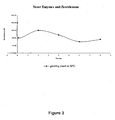
Figure 1 is a graph indicating the binding percentage of various mycotoxins and mycotoxin-binding agents; -
Figure 2 illustrates the effect of Saccharomyces cerevisiae uptake of DON, which is then modified by the yeast, followed by release and binding of the modified toxin to bentonite; -
Figure 3 illustrates the effect of Saccharomyces cerevisiae uptake of Zearalenone; -
Figure 4 illustrates the reduction of fumonisin using Saccharomyces cerevisiae; -
Figure 5 shows the increase in milk production seen in a dairy herd, contaminated with Deoxynivalenol and Zearalenone, after application of a composition according to the invention; and -
Figure 6 shows the increase in milk production seen in a dairy herd, contaminated with Vomitoxin, after application of a composition according to the invention. - The invention is based on the finding that combining an enzyme, a mycotoxin-binding agent and a microorganism that is capable of taking up a mycotoxin is surprisingly effective at reducing the toxicity of mycotoxins present in a foodstuff.
- The present inventor has realised that, when an enzyme alone is used, a dynamic equilibrium exists that prevents toxins from being defecated. Therefore, the sequestration by a microorganism and binding by a binding agent act as an aid to the ultimate degradation of the toxin by the enzymes and, optionally, microorganisms in the composition.
- As used herein, the term "enzyme" is to be given its usual meaning in the art, i.e. a biological catalyst. For the avoidance of doubt, an enzyme is a protein. The enzyme is preferably at least partially purified, i.e. is provided as a cell extract, isolate or purified preparation. The enzyme is present in the composition in addition to any enzymes present in the microorganism, i.e. the enzymes, microorganism and mycotoxin-binding agent are present as three separate components of the composition. The purpose of the enzyme in the composition of the invention is to modify one or more mycotoxins, to reduce the toxicity of the toxin. Preferably, the enzyme breaks down the toxin, partially or completely, thereby removing the toxicity of the toxin.
- Therefore, the one or more enzymes of the composition preferably break down the toxin. The enzyme may further induce a modification of a toxin so that binding to the binding agent is increased, pending further degradation. Without wishing to be bound by theory, the inventor believes that epoxidation and/or dehydrogenation of the toxin, in particular, improves binding. An increase in binding of the toxin to the binding agent may be detected by a toxin binding assay, as detailed in Example B,
experiment 4. Other enzymes, that do not necessarily act directly upon a mycotoxin, may be used to produce radicals that modify the toxin. This may be achieved with or without binding of the toxin to the enzyme. An example of a suitable enzyme of this type is lignin peroxidase. In this embodiment, where radicals are used, the enzyme may be replaced with a biomimetic catalyst (such as the haem prosthetic group), an organo-metallic catalyst or a metallic catalyst. - Any enzyme, or combination of enzymes, with the ability to reduce the toxicity of a mycotoxin is within the scope of the invention. Preferred enzymes include an esterase, lipase, protease, oxidase, amino acid oxidase, lactonohydrolase, peroxidase, lactoperoxidase, manganese peroxidase, epoxidase, polysaccharase and dehydrogenase. Any combination of preferred enzymes can be used and the skilled person will realise that the specific combination of enzymes required may depend on the toxin or toxins to be treated. Particularly preferred enzymes include cellulases, epoxidases, dehydrogenases, hemicellulases (also known as xylanases) and lipases, preferably a triacylglycerol lipase (E.C. number 3.1.1.3), such as lipase AE 02 (obtainable from Candida Rugosa and commercially available from Mann Associates; Cambridge, UK) or "Lipase OF" (commercially available from Meito Sangyo, Japan). The combination preferably includes a lipase. A preferred combination of enzymes is the combination of a cellulase, a hemicellulase (xylanase) and a lipase. A preferred combination of enzymes suitable for use in the invention is shown in Table 2, below.
- The second component of the composition according to the invention is a mycotoxin-binding agent. One or more binding agents can be included. Preferably, 2, 3, 4 or more different binding agents are included. The term "binding" refers both to ionic or covalent chemical bonding and weaker physical adsorption involving van der waals interactions and/or hydrogen bonding. In a preferred embodiment, the binding agent has a charged surface. The charge may be positive or negative. Binding refers to the non-transient association of a mycotoxin to the binding agent. In a preferred embodiment, the binding has a minimum affinity between the mycotoxin and binding agent such that 10mg of binding agent will bind 50% of a 200µg/l (i.e. physiological) concentration of toxin. Binding may be determined using the method provided in Example B,
experiment 4. Mycotoxin-binding agents are known in the art; examples of suitable binding agents are zeolites, montmorillonite, bentonite clays, diatomaceous earth, activated charcoals, fibrous plant materials such as wheat bran and alfalfa fibre, yeast cell wall extract and polysaccharides. Any agent that can bind a mycotoxin or a mycotoxin breakdown product is within the scope of the invention. Preferred mycotoxin-binding agents include a bentonite clay, preferably sodium bentonite or more preferably calcium bentonite, and a polysaccharide, preferably glucomannan, more preferably an esterified glucomannan. The glucomannan is preferably obtained as a yeast cell wall extract, as is recognised in the art. Glucomannan-containing mycotoxin adsorbents are commercially available, for example Mycosorb®, obtainable from Alltech UK, Stamford, UK. - Preferably, the binding agent has at least one ionic, i.e. charged, surface, which will allow (strong) ionic bonding between the toxin and binding agent to occur. The charge may be positive or negative. Examples of ionic binding agents are bentonites such as sodium bentonite and calcium bentonite.
- The third component of the composition according to the invention is a microorganism. As used herein, the term "microorganism" refers to bacteria and yeasts. The skilled person will recognise that the microorganism is preferably not harmful to the health of the human or animal which will ingest the foodstuff to which the composition will be applied, i.e. the microorganism is preferably non-pathogenic. The purpose of the microorganism is to uptake mycotoxins. Any microorganism that can uptake mycotoxins can be used according to the invention. Once taken up, the microorganism sequesters the toxin, which cannot then be taken up by the host animal. The microorganism's endogenous enzymes may then breakdown the toxins, although this is not an absolute requirement. Preferably, the microorganism is a yeast, more preferably a saccharomyces, most preferably Saccharomyces cerevisiae.
- The microorganism has the function of physically taking up the toxin to sequester it within the bacterial or yeast cell. In the case of one toxin at least (DON), the toxin is modified in the cell and analogues are released, which are then able to bind to the binders where further enzyme degradation can take place. Therefore, in a preferred embodiment, the microorganism additionally performs a second function, that of expressing one or more enzymes capable of breaking down a mycotoxin.
- One or more different microorganisms can be included in the composition of the invention. In one embodiment, at least two microorganisms are included; the first microorganism is primarily responsible for mycotoxin uptake and the second is primarily responsible for mycotoxin degrading enzyme expression. For the avoidance of doubt, in the embodiments where a microorganism expresses one or more enzymes capable of breaking down a mycotoxin, the composition must still contain the enzyme component as a separate component of the composition.
Table 1 - Example Composition according to the Invention. Name Source/Company Specification kg Approx % wt FerMos Mannan oligosaccharide (Binding Agent) JACKLYN IND FerMos, 25kg Bags 7.445 35% Terra-Green 24/48 LVM (Binding Agent) OIL DRI Terra-Green, 24/48 LVM, 50 lb bags 6.68742 30% Sodium bentonite (Binding Agent) Eastern Mineral Sodium Bentonite Granular 2.06116 10% Diabond Granular (Binding Agent) Eastern Mineral 200 Bags of Diabond granular, 50 lb bags 2.06116 10% Dried molasses Bartlett Milling Dried molasses, 50 lb bags. 1.03058 5% S. cerevisiae Yeast JACKLYN IND Bulk Yeast 10B/g, 20 kg box 1 5% Vitamin A, A-30 RC BWATER Vitamin A, A-30, 50 lb bag 0.51529 2% Vitamin E, E-20 RC WATER Vitamin E, E-20, 50 lb bag 0.51529 2% Enzyme Premix IV (See Table 2) Micron Mycotex SW enzymes 0.03405 <1% (0.16%) Light mineral oil AKEY drum Light mineral oil, 387 lb 0.22809 1% TOTAL 21.53204 100.00% Table 2 - Enzyme Formulation suitable for use in the Composition of the Invention Name Source Specification kg % wt Cellulase 300 TR BIOCAT Cellulase 300 TR, 75,000/g, 0.49000 32.67% Hemicellulase 1500 BIOCAT Hemicellulase 1500 0.49000 32.67% Lipase OF Meito Sangyo 400,000U/g 0.49000 32.67% Flow Agent DUNLEARY Hubersorb 600, 30 lb bag 0.03000 2.00% TOTAL 1.50000 100.00% - In addition to these essential components, additional components can be included in a composition of the invention, if necessary. Examples of suitable additional components are food supplements such as vitamins and minerals, mineral oil, a flow agent such as a fine, precipitated calcium silicate powder (e.g. hubersorb), and a sugar source such as dried molasses. An example of a formulation according to the invention is provided in Table 1.
- The three essential components are preferably prepared as a mixture, optionally with a flow agent (as in Table 2), and subsequently combined with the additional components when needed for application to a foodstuff.
- Any amount of each of the three essential components of the composition can be used that achieves the desired result of reducing mycotoxin levels. Preferably, between 0.1 kg and 50 kg of the composition is applied to each tonne of feed, more preferably between 0.2 kg and 10 kg per tonne, e.g. 0.5, 1, 1.2, 1.5, 2.5, 5, 7.5 kg or more per tonne. Suitable levels will be apparent to the skilled person.
- In a preferred embodiment, the composition is applied to the feed such that the microorganism is present at approximately 1x10⁹ cells per tonne of feed or greater. More preferably, the microorganism is present at 2x10⁹, 3x10⁹, 4x10⁹, or 5x10⁹ cells per tonne of feed or greater. Yet more preferably, 1x10¹⁰ cells per tonne of feed is applied, more preferably 1x10¹¹ cells per tonne of feed or greater is applied, for example greater than 2x10¹¹ cells per tonne of feed, more preferably greater than 1x10¹², 2x10¹² cells per tonne of feed or more. The skilled person will realise that the precise amount of composition that is required per tonne of feed will depend on the feed to be treated, the toxins present and the intended recipient of the feed. For example, an animal that consumes a small amount of feed per day will generally require a higher concentration of microorganism applied to the feed than an animal that consumes a large amount of feed per day. For cattle, an example of a suitable amount is 2.2x10¹¹ cells per tonne of feed, while for swine and poultry a preferred amount is 1.1x10¹² cells per tonne of feed.
- In the composition, the microorganism is present at any suitable level that allows detoxification to occur when applied to a foodstuff. Preferably, the microorganism is present at approximately 1x10⁹ cells or greater per kilogram of the composition, more preferably 1x10¹⁰ cells per kilogram of composition, or greater, for example 1x10¹¹ or 1x10¹² cells per kilogram, or greater. The skilled person will appreciate that the amount of microorganism in the composition will affect the amount of composition required to achieve the desired effect, in particular the cells per tonne of feed recited above. In the example composition of Table 1, yeast is included at approx 5% (by weight). 1Kg of the composition defined by Table 1 contains approximately 5x10¹¹ yeast cells. Therefore, applying 0.5Kg of this composition to a tonne of feed will provide approximately 2.5x10¹¹ cells per tonne of feed, while applying 2.5 Kg of this composition to a tonne of feed will provide approximately 1.25x10¹² cells per tonne of feed.
- The one or more enzyme is present in the composition at an effective level. Less than 5% by weight of enzyme is preferred, more preferably less than 1%, more preferably between 0.01% and 0.5% by weight, yet more preferably between 0.15% and 0.25% by weight. The composition of Table 1 contains an enzyme mixture totalling 0.16% by weight, including the flow agent.
- The binder is present in the largest proportion, at an effective level. Preferably, at least 50% by weight of the composition should be binding agent, more preferably 60 to 90%. The composition of Table 1 contains a mixture of binding agents totalling approx 85%.
- For the avoidance of doubt, a suitable range for each of the essential ingredients in the composition of the invention is: microorganism - 0.1% to 10% by weight, preferably 2% to 8%, i.e. 5%; enzyme - less than 5% by weight of enzyme is preferred, more preferably less than 1%, more preferably between 0.01% and 0.5% by weight, yet more preferably between 0.15% and 0.25% by weight; binder - preferably at least 50% by weight of the composition is binding agent, more preferably 60 to 90%. The balance (if any) can be made up with the additional agents recited above, if required.
- The composition of the invention can be in any suitable formulation, for example a solid such as a powder or granulate, a gel or a liquid. Preferably, the formulation is a solid, more preferably a powder.
- The composition of the invention is effective at reducing mycotoxin levels. Preferably, the composition is used to reduce mycotoxins in a foodstuff. As used herein, the term "foodstuff" is to be given its usual meaning in the art, referring to any material that is eaten by a human or animal for nutrition. Foodstuffs comprise carbohydrates, fats and/or proteins among other components. The foodstuff can be of animal or vegetable origin. Human food and animal feeds are within the scope of the term. In a preferred embodiment, the foodstuff is an animal feed of plant origin, commonly known as fodder, more preferably a cereal foodstuff. The term "foodstuff" includes materials that must be processed before safe consumption by a human or animal. A preferred example of such a material are "distiller's grains". These grains, also known as "distiller's dried grains", are a cereal by-product of the distillation process. Distiller's grains are known in the art. Briefly, they are produced in distilleries by drying mash and are used commonly as a fodder for livestock, especially ruminants. Detoxifying distiller's grains, by reduction of mycotoxin content, is therefore within the scope of the invention.
- The composition can be added to the foodstuff any way that is effective at reducing the mycotoxin content. Contact between the composition and foodstuff is required. The preferred method is to treat the foodstuff before ingestion to remove, preferably completely, the toxicity. This is "detoxification" of the foodstuff before consumption. An alternative method is to treat the feed immediately before ingestion, or simultaneous with ingestion, and to rely on the invention to complete the detoxification during digestion. This post-ingestion detoxification is particularly suitable for use in animals, preferably ruminants such as cattle and sheep.
- A method of reducing the toxicity of a mycotoxin or mycotoxins in a foodstuff comprises the step of contacting the foodstuff with a composition as defined herein. The mycotoxin can be any mycotoxin. Preferred mycotoxins include Zearalenone, a tricothene such as Deoxynivalenol, Aflatoxin, Fumonisin, Roquefortin, ochratoxin or an endophyte toxin, such as sporidesmin, ergovaline or Lolitrem B.
- A foodstuff of any human or non-human animal, preferably non-human mammal, can be detoxified according to the invention. Preferably, the foodstuff is for a farm animal such as cattle, horses, pigs or poultry.
- Without wishing to be bound by theory, detoxification is thought to be achieved in a number of ways, acting in synergy. The enzyme component breaks down toxins and/or improves the toxin binding to the mycotoxin-binding agent. The binding agent prevents the mycotoxins from being absorbed by the animal and allows their excretion. The microorganism uptakes and sequesters the toxins and may also break down the toxins. Any toxin that is released by the microorganism is thought to bind more strongly to the binding agent, where further degradation (by the enzymes) may occur. Therefore, the actions of the microorganism and/or enzyme are thought to potentiate the binding of the toxin two the binding agent. These three components therefore work in an advantageous complex synergy that could not be predicted.
- The toxin may therefore be removed from the foodstuff by enzyme breakdown, by binding to the binding agent and/or sequestration in the microorganism, thus removing it from the foodstuff; if detoxification occurs in an animal, the removal is ultimately from the gastrointestinal tract in faecal material. These sequestrations have the further effects of preventing absorption into the animal and facilitating the action of the enzymes of the invention in the gastrointestinal tract.
- The skilled person will realise that the health of animals and humans can be adversely affected by the presence of a mycotoxin in a foodstuff. The compositions of the invention can therefore be used in therapy, to treat a disease caused by a mycotoxin.
- The invention is further described with reference to the following nonlimiting examples.
- The modification of various toxins by enzymes was examined by screening the activity of a number of a selection of enzymes against various toxins. The change in the toxin was measured by a monoclonal antibody in an Elisa test. Since the monoclonal antibody retains, in many cases, the ability to cross react with the fragments produced by the enzyme catalysis, this provides a definitive screening tool but not a quantitative measure of the enzymes activity.
- Suitable enzymes which may be used as part of the invention are shown in Table 3 and examples of their action are shown in Tables 4-6.
Table 3 - Examples of the Enzymes suitable for use in the Composition of the Invention. ENZYME EC NUMBER ACTION Esterase 3.1.1.x Ester hydrolysis Lipase 3.1.1.3 Ester hydrolysis Protease 3.4.x.x Hydrolysis of peptides Oxidase 1.4.3 Oxidations Aminoacid oxidase 1.4.3.2 & 3 Oxidation of amino acid NH2 Lacotonohydrolase 3.1.1.25 Hydrolysis of lactones Peroxidase 1.11.1.7 Peroxidation reactions Lactoperoxidase 1.11.1.7 Peroxidation reactions Manganese peroxidase 1.11.1.13 Production of Mn+++ Epoxidase 3.3.2.3 Hydrolysis of peroxides Polysaccharase 3.2.1 Hydrolysis of sugar cross links Dehydrogenases 1.1 Oxidation by removal of hydrogen - Lipase AE 02 (Mann Associates, Cambridge, UK) was incubated with Fumonisin 200µg/litre and measured after 1 hour at 37°C. The remaining fumonisin was measured by ELISA assay. Boiled enzyme controls were also used in each case. It can be seen that there was a considerable reduction in the Fumonisin reacting with the antibody indicating degradation of the toxin.
Table 4 pH 6.4 pH4.5 No Buffer Std Norm 0.06 0.045 0.028 Experimental 0.039 0.046 0.01 % degradation 30 0 50 Std boiled 0.049 0.054 0.046 Experimental 0.039 0.046 0.014 % degradation 22 15 70 - Fumonisin was further examined by incubating it as in Table 3, but with an aminoxidase to remove the amine groups. The
lipase 2 again achieved degradation while the oxidase also degraded the toxin. There was no apparent synergy of using both enzymes. This demonstrates that a combination of enzymes, alone, is not effective at improving mycotoxin degradation.Table 5 Blank Lipase AEO 2 Oxidase Lipase AE 02 + Oxidase Results 0.38 0.45 0.41 0.46 %max abs Ave 20.89 24.91 22.6 23.23 ppm 0.26 0.18 0.2 0.19 % degradation 31.90% 22.10% 26.00% - Enzyme degradation of Zearalenone was examined using a variety of preparations. Of these preparations, some achieved degradation but the composition according to the invention (as defined in Table 1) produced a synergistic effect. Repeats of the experiment followed by analysis by HPLC showed that the formulation was capable of reducing the toxin levels to zero.
Table 6 Enzyme Formulation defined in Table 1 Cellulase From Table 2 Xylanase of Table 2 Nitrilase (Control) Lipase AE 02 Experimental 0.0010 0.014 0.022 0.024 0.006 Control 0.019 0.015 0.026 0.017 0.012 % reduction in apparent toxin concentration 47 7 17 0 12 - Toxin at physiological levels of approx. 200µg/L was mixed with a constant quantity (50mg) of binder, agitated for 30 min, centrifuged and the toxin remaining in solution measured using a RIDASCREEN® FAST mycotoxin test kit (available from R-Biopharm GmbH, Darmstadt, Germany). The results are determined by reference to a standard binding curve for the toxin and binder.
- The results are shown in
Figure 1 , which shows the binding percentage at a typical (physiological) rumen concentration. The binding abilities of various components are demonstrated at a physiological concentration of toxin. It can be seen from the variability in the results that a mixture of binders is preferable to a single entity. (Volclay = Na bentonite; Teragreen = Ca bentonite, FerMOS = polysaccharide binding complex). - In the following experiments (5, 6, 7) active yeast cultures (Saccharomyces Cerevisiae NYCC R404) were charged with the appropriate toxin at 200µg/L and the disappearance from the supernatant followed by ELISA assays.
-
Figures 2 ,3 , and4 illustrate the effects of the microorganism and its endogenous microbial enzymes on the mycotoxins DON, Zearalenone and Fumonisin. In each case, the yeast take up the toxin, rapidly reducing the toxicity of the culture. The toxin is then metabolised and released, in an altered form, where it is able to bind the binding agent, for subsequent degradation. These examples illustrate the synergy of the composition according to the invention. - Yeast (Saccharomyces Cerevisiae NYCC R404) rapidly take up DON from solution, preventing uptake into the animal. The yeast metabolise the DON and release break-down products (metabolites) which are able to bind to two different bentonite binders. Further degradation can then occur on the binders. See
Figure 2 . - Rapid uptake by yeast (Saccharomyces Cerevisiae NYCC R404) is demonstrated with the toxin Zearalenone. The enzyme modification occurs in the cell and metabolite peak is then produced, as with DON, before it is subsequently degraded. See
Figure 3 . - Yeast (Saccharomyces Cerevisiae NYCC R404) can remove fumonisin from the gastro-intestinal tract by sequestration, as shown in
Figure 4 . Again, a peak of metabolites is produced early on before further degradation over time. - Treatment of a small herd receiving contaminated feed. Prior to treatment the 49 head herd exhibited rough hair coat, abortions, scours, erratic appetites, a lower and erratic milk production, feed in manure and stressed demeanour in the animals.
Figure 5 shows that as the desired formulation (as defined in Table 1) was added, at a rate of 0.5 kilos /1000kilos of feed for 2days, and 0.25 kilos 1000 kilos of feed thereafter, milk production increased. Milk production is shown in lbs. - Feed containing corn silage known to be contaminated with Vomitoxin (DON), and determined to be at 16.6 ppm, was fed to a 160 head dairy herd which was used in a one month experiment. Enzymes and binders (as part of the formulation defined in Table 1) were fed at 0.5 kilo per 1000 kilo of total mixed ration. Milk production is shown in
Figure 6 , adjusted for 150 DIM. - In a group of pigs where reproduction and growth performance was poor and the conception rate was less than 50%, the number born alive was at 5 pigs per litter. Grower finisher days were over 200 days and animals were very variable. A toxin challenge was identified. Feed analysis showed 4.1 and 4.8 ppm of DON. All breeding pigs were immediately placed on feed containing 2.5kg/tonne of the formulation (as defined in Table 1).
- After 21 days first service, conception was back to normal at over 90% and pigs born alive returned to Greater than 10. Pig feed intake in grower finisher was back to normal. Subsequently, pig variation in grower finisher also returned to normal.
- Boars also benefited. Exposed to DON, their semen volume and sperm concentration decreased by 50% within 7 days. On treatment they returned to normal also in approximately 7 days.
Claims (15)
- A composition comprising an enzyme, a mycotoxin-binding agent and a saccharomyces yeast capable of taking up a mycotoxin.
- A composition according to claim 1, wherein the active agents consist of the enzyme, mycotoxin-binding agent and saccharomyces yeast capable of taking up a mycotoxin.
- A composition according to any preceding claim, wherein the enzyme is an esterase, lipase, protease, oxidase, amino acid oxidase, lactonohydrolase, peroxidase, lactoperoxidase, manganese peroxidase, epoxidase, polysaccharase or dehydrogenase.
- A composition according to any preceding claim, wherein the binder comprises a polysaccharide, such as glucomannan, or a bentonite.
- A composition according to any preceding claim, further comprising a microorganism that expresses at least one enzyme as defined by claim 3.
- A composition according to any previous claim, for application to a foodstuff.
- A composition according to any of claims 1 to 6, wherein the toxin binder is charged.
- A method of reducing the toxicity of a mycotoxin in a foodstuff, comprising the step of contacting the foodstuff with a composition as defined in any preceding claim.
- A method according to claim 8, wherein the mycotoxin to be modified is a tricothene, preferably deoxynivalenol, or is Zearalenone, Aflatoxin, Fumonisin, Roquefortin, an ochratoxin or an endophyte toxin.
- A method according to claim 9, wherein the endophyte is Lolitrem B, sporidesmin or ergovaline.
- A method according to any of claims 8 to 10, wherein the foodstuff is contacted with the composition prior to consumption by an animal, or wherein the foodstuff is contacted with the composition simultaneous with consumption by an animal.
- A method according to any of claims 8 to 11, wherein the enzyme potentiates the toxin binding to the toxin binder.
- A foodstuff comprising a composition as defined in any of claims 1 to 7.
- A composition according to any of claims 1 to 7, for use in therapy.
- A composition according to any of claims 1 to 7, for use in the treatment of a disease caused by a mycotoxin.
Priority Applications (1)
| Application Number | Priority Date | Filing Date | Title |
|---|---|---|---|
| PL07824430T PL2094107T3 (en) | 2006-11-01 | 2007-11-01 | Mycotoxin-reducing composition |
Applications Claiming Priority (2)
| Application Number | Priority Date | Filing Date | Title |
|---|---|---|---|
| GBGB0621792.1A GB0621792D0 (en) | 2006-11-01 | 2006-11-01 | Composition |
| PCT/GB2007/004191 WO2008053232A2 (en) | 2006-11-01 | 2007-11-01 | Mycotoxin-reducing composition |
Publications (2)
| Publication Number | Publication Date |
|---|---|
| EP2094107A2 EP2094107A2 (en) | 2009-09-02 |
| EP2094107B1 true EP2094107B1 (en) | 2010-12-29 |
Family
ID=37547166
Family Applications (1)
| Application Number | Title | Priority Date | Filing Date |
|---|---|---|---|
| EP07824430A Revoked EP2094107B1 (en) | 2006-11-01 | 2007-11-01 | Mycotoxin-reducing composition |
Country Status (13)
| Country | Link |
|---|---|
| US (2) | US20110150853A1 (en) |
| EP (1) | EP2094107B1 (en) |
| AT (1) | ATE493037T1 (en) |
| AU (1) | AU2007315907B2 (en) |
| CA (1) | CA2668024C (en) |
| DE (1) | DE602007011664D1 (en) |
| DK (1) | DK2094107T3 (en) |
| ES (1) | ES2357750T3 (en) |
| GB (1) | GB0621792D0 (en) |
| MX (1) | MX2009004724A (en) |
| NZ (1) | NZ576662A (en) |
| PL (1) | PL2094107T3 (en) |
| WO (1) | WO2008053232A2 (en) |
Families Citing this family (29)
| Publication number | Priority date | Publication date | Assignee | Title |
|---|---|---|---|---|
| EA200901471A1 (en) * | 2008-12-29 | 2010-12-30 | Ооо "Промфермент" | METHODS AND COMPOSITIONS FOR FINE DECOMPOSITION CONTAINING MYCOTOXINS DISTRIBUTED IN NORTHERN AND SOUTHERN LATITUDES |
| EP2289617A1 (en) * | 2009-08-27 | 2011-03-02 | Süd-Chemie AG | Toxin adsorbent |
| US8828465B2 (en) * | 2010-05-17 | 2014-09-09 | Kemin Industries, Inc. | Mycotoxin binder |
| WO2012037297A1 (en) * | 2010-09-16 | 2012-03-22 | Cubena, Inc. | Mycotoxin binding food and feed additives and processing aids, fungistatic and bacteriostatic plant protecting agents and methods of utilizing the same |
| AT513472A1 (en) * | 2012-10-09 | 2014-04-15 | Erber Ag | Enzyme preparation for the transformation of ergopeptins, process therefor and feed and feed or silage additive containing the same |
| US9695381B2 (en) | 2012-11-26 | 2017-07-04 | Lee Tech, Llc | Two stage high speed centrifuges in series used to recover oil and protein from a whole stillage in a dry mill process |
| HUE042895T2 (en) * | 2013-02-21 | 2019-07-29 | Direvo Ind Biotechnology Gmbh | Mycotoxin-binders |
| DK201400146A1 (en) * | 2014-03-16 | 2015-09-28 | Janima Holding Aps | Combination product for bedding in animal husbandry. Product is manufactured as a traditional drying agent for housing and has been added to raw materials in the form of stomach stabilizing starch and fiber, as well as minerals that bind toxins. |
| CA2947454A1 (en) * | 2014-05-06 | 2015-11-12 | Veterinaerinstituttet | A method for trichothecene detoxification |
| EP3142495B1 (en) * | 2014-05-09 | 2023-01-11 | Hicare Health Foods Pty Limited | Digestive supplement to mitigate adverse reactions |
| US11427839B2 (en) | 2014-08-29 | 2022-08-30 | Lee Tech Llc | Yeast stage tank incorporated fermentation system and method |
| US11680278B2 (en) | 2014-08-29 | 2023-06-20 | Lee Tech Llc | Yeast stage tank incorporated fermentation system and method |
| US20160374364A1 (en) * | 2015-06-25 | 2016-12-29 | Lee Tech LLC. | Method of and system for producing a high value animal feed additive from a stillage in an alcohol production process |
| EP3368498A4 (en) | 2015-10-27 | 2019-06-12 | Cytozyme Animal Nutrition, Inc. | Animal nutrition compositions and related methods |
| US10674746B2 (en) | 2015-10-27 | 2020-06-09 | Cytozyme Animal Nutrition, Inc. | Animal nutrition compositions and related methods |
| WO2017083964A1 (en) * | 2015-11-16 | 2017-05-26 | Mycotox Solutions Inc. | Uses of mycotoxin-detoxifying antibodies |
| US11166478B2 (en) | 2016-06-20 | 2021-11-09 | Lee Tech Llc | Method of making animal feeds from whole stillage |
| BE1024550B1 (en) * | 2016-12-28 | 2018-04-03 | Impextraco Nv | Composition for use as a toxin eliminator in animals |
| CN107012131B (en) * | 2017-01-12 | 2020-11-06 | 中国农业科学院北京畜牧兽医研究所 | A kind of manganese peroxidase and its gene and application in detoxification of mycotoxins |
| ES2847202T3 (en) | 2017-07-20 | 2021-08-02 | Tolsa Sa | Composition for mycotoxin binding and its use |
| WO2019027988A1 (en) | 2017-07-31 | 2019-02-07 | Poet Research, Inc. | Remediation of toxins in biorefinery process streams |
| CN108893416B (en) * | 2018-06-01 | 2021-11-26 | 河南广安生物科技股份有限公司 | Yeast for degrading vomitoxin and application thereof |
| CN109486776B (en) * | 2018-12-11 | 2021-03-26 | 中国农业科学院北京畜牧兽医研究所 | Manganese peroxidase NfMnP and coding gene and application thereof |
| US20210403841A1 (en) | 2020-03-12 | 2021-12-30 | Poet Research, Inc. | Enzymatic degradation of mycotoxins during grain processing |
| BR112023014736A2 (en) | 2021-01-22 | 2023-12-12 | Lee Tech Llc | SYSTEM AND METHOD FOR IMPROVING THE PROCESS OF WET GRINDING AND DRY GRINDING CORN |
| GB2610895C (en) * | 2021-05-21 | 2024-08-28 | Anpario Plc | Composition for use in the treatment and/or prevention of mycotoxic disease |
| CN113693189B (en) * | 2021-09-28 | 2023-11-17 | 中国农业科学院北京畜牧兽医研究所 | Application and method of manganese peroxidase for degradation of patulin |
| CN114698767B (en) * | 2022-06-07 | 2022-08-23 | 山东健源生物科技有限公司 | Biological agent for removing mycotoxin in feed as well as preparation method and application of biological agent |
| CN119421641A (en) | 2022-06-17 | 2025-02-11 | 李科技有限公司 | System and method for producing pure starch slurry and alcohol using a process combining wet corn grinding and dry corn grinding |
Family Cites Families (14)
| Publication number | Priority date | Publication date | Assignee | Title |
|---|---|---|---|---|
| US4305876A (en) * | 1976-05-10 | 1981-12-15 | Hoffmann-La Roche, Inc. | Process for the manufacture of tertiary, optically active aliphatic compounds |
| US5165946A (en) * | 1990-03-07 | 1992-11-24 | Engelhard Corporation | Animal feed additive and method for inactivating mycotoxins present in animal feeds |
| US5792931A (en) * | 1994-08-12 | 1998-08-11 | Pioneer Hi-Bred International, Inc. | Fumonisin detoxification compositions and methods |
| AT504U1 (en) * | 1994-10-19 | 1995-12-27 | Erber Erich Kg | FEED ADDITIVES AND USE OF THE SAME FOR INACTIVATING MYCOTOXINS IN FEEDS OR. IN THE DIGESTIVE WAY OF ANIMALS AND METHOD FOR PRODUCING A FEED |
| JP4421777B2 (en) * | 1998-04-17 | 2010-02-24 | オールテック インコーポレイテッド | Composition for demycotoxin of feed |
| CA2336462C (en) * | 1999-05-03 | 2008-04-29 | Alltech, Inc. | Novel compositions and methods for reduction of effects of endophyte-infected forages |
| WO2002096635A1 (en) * | 2001-05-25 | 2002-12-05 | Apache Products Company | Expandable microspheres for foam insulation and methods |
| AT413540B (en) * | 2001-12-20 | 2006-03-15 | Erber Ag | MICRO-ORGANISM, WHICH EXTRACT OCHRATOXINS AND OCHRATOXINS AND ZEARALENONE, AND METHOD AND USE THEREFOR |
| US20060240567A1 (en) * | 2002-11-08 | 2006-10-26 | Brown Stanley E | Method of immobilizing a protein to a zeolite |
| FR2866203B1 (en) * | 2004-02-13 | 2006-12-08 | Roquette Freres | PROCESS FOR PRODUCING A GLUTEN-BASED COOKING PRODUCT |
| BRPI0514999A (en) * | 2004-08-25 | 2008-07-01 | Cadbury Adams Usa Llc | liquid-filled chewing gum composition |
| AT501359B1 (en) | 2004-11-16 | 2007-10-15 | Erber Ag | METHOD AND MICROORGANISM FOR THE DETOXIFICATION OF FUMONISINES AND THEIR USE AND FEED ADDITIVE |
| MX2007008866A (en) * | 2005-01-28 | 2007-09-11 | Archer Daniels Midland Co | FOOD COMPOSITIONS FOR ANIMALS ABLE TO REDUCE THE INCIDENCE OF FESTUCA TOXYCOSIS IN MAMMALS. |
| US7597916B2 (en) * | 2005-09-22 | 2009-10-06 | Castillo Alejandro R | Livestock anti-acid composition |
-
2006
- 2006-11-01 GB GBGB0621792.1A patent/GB0621792D0/en not_active Ceased
-
2007
- 2007-11-01 US US12/447,837 patent/US20110150853A1/en not_active Abandoned
- 2007-11-01 PL PL07824430T patent/PL2094107T3/en unknown
- 2007-11-01 CA CA2668024A patent/CA2668024C/en not_active Expired - Fee Related
- 2007-11-01 MX MX2009004724A patent/MX2009004724A/en active IP Right Grant
- 2007-11-01 ES ES07824430T patent/ES2357750T3/en active Active
- 2007-11-01 EP EP07824430A patent/EP2094107B1/en not_active Revoked
- 2007-11-01 DK DK07824430.8T patent/DK2094107T3/en active
- 2007-11-01 WO PCT/GB2007/004191 patent/WO2008053232A2/en not_active Ceased
- 2007-11-01 DE DE602007011664T patent/DE602007011664D1/en active Active
- 2007-11-01 NZ NZ576662A patent/NZ576662A/en not_active IP Right Cessation
- 2007-11-01 AT AT07824430T patent/ATE493037T1/en active
- 2007-11-01 AU AU2007315907A patent/AU2007315907B2/en not_active Ceased
-
2014
- 2014-12-19 US US14/577,567 patent/US9901108B2/en not_active Expired - Fee Related
Non-Patent Citations (1)
| Title |
|---|
| ŠTYRIAK I ET AL.: "The use of yeast for microbial degradation of some selected mycotoxins", MYCOTOXIN RESEARCH, 1 March 2001 (2001-03-01), pages 24 - 27, XP036088594 |
Also Published As
| Publication number | Publication date |
|---|---|
| WO2008053232A2 (en) | 2008-05-08 |
| DK2094107T3 (en) | 2011-03-28 |
| WO2008053232A3 (en) | 2008-08-21 |
| MX2009004724A (en) | 2009-10-12 |
| US20110150853A1 (en) | 2011-06-23 |
| US20150150285A1 (en) | 2015-06-04 |
| GB0621792D0 (en) | 2006-12-13 |
| CA2668024A1 (en) | 2008-05-08 |
| AU2007315907B2 (en) | 2012-02-23 |
| AU2007315907A1 (en) | 2008-05-08 |
| ATE493037T1 (en) | 2011-01-15 |
| CA2668024C (en) | 2012-06-26 |
| ES2357750T3 (en) | 2011-04-29 |
| PL2094107T3 (en) | 2011-07-29 |
| NZ576662A (en) | 2012-03-30 |
| US9901108B2 (en) | 2018-02-27 |
| DE602007011664D1 (en) | 2011-02-10 |
| EP2094107A2 (en) | 2009-09-02 |
Similar Documents
| Publication | Publication Date | Title |
|---|---|---|
| US9901108B2 (en) | Mycotoxin-reducing composition | |
| AU2012200952B2 (en) | Mycotoxin-reducing composition | |
| KR100218974B1 (en) | Fodder additive to de-activate mycotoxins | |
| RU2457851C2 (en) | Agent for fermentation improvement in ruminant scars | |
| US20180343891A1 (en) | System for and a method of producing enriched and digested probiotic super feed using wet mill and dry mill processes | |
| CN109554356B (en) | Mycotoxin biodegradation agent containing glucose oxidase and saccharomyces cerevisiae and application thereof | |
| EP1871179A1 (en) | Animal feed compositions capable of reducing the incidence of fescue toxicosis in mammals | |
| CN107109375B (en) | Use of trichothecene-converting alcohol dehydrogenase, method for converting trichothecene compounds and trichothecene-converting additive | |
| Azzaz et al. | Microbial feed supplements for ruminant’s performance enhancement | |
| He et al. | Post-weaning diarrhea and use of feedstuffs in pigs | |
| WO2006099153A2 (en) | Compositions and methods providing rumen bypass protein in ruminant diets | |
| Pettersson | Controlling mycotoxins in animal feed | |
| AU714602B2 (en) | Animal feed additives | |
| El-Sagheer et al. | Effect of enzymes and probiotic mixture supplementation to the diet of growing female rabbits on performance and carcass criteria | |
| Edison et al. | Beta-glucanases in animal nutrition | |
| Kalma | Probiotic supplementation in rabbit: A review | |
| EP0796048A1 (en) | Micro-organisms, enzymes, and their use | |
| CN118285455A (en) | High-efficiency mycotoxin degrading agent for agricultural products and preparation method thereof | |
| Mohamed et al. | Ameliorating effects of organic and inorganic mycotoxin binders on the performance of Ossimi sheep | |
| Ren et al. | Effect of bio-fermented feed on Simmental crossbred cattle’s growth performance, rumen fermentation, and antioxidant status | |
| CN112293568A (en) | Fermented Chinese herbal medicine and preparation method thereof, and feed mycotoxin mold removal agent and preparation method thereof | |
| Khobragade et al. | Rumen microbial establishment and adaptation to various anti-nutritional factors (ANFs): an overview | |
| Purushothaman et al. | Effect of autoclaving and supplementation of enzyme or yeast culture on feeding value of little millet for broilers | |
| Žitñan et al. | The effect of diet composition on the development of rumen digestion in lambs | |
| CN118892164B (en) | Rumen bypass fermented soybean meal and preparation method and application thereof |
Legal Events
| Date | Code | Title | Description |
|---|---|---|---|
| PUAI | Public reference made under article 153(3) epc to a published international application that has entered the european phase |
Free format text: ORIGINAL CODE: 0009012 |
|
| 17P | Request for examination filed |
Effective date: 20090520 |
|
| AK | Designated contracting states |
Kind code of ref document: A2 Designated state(s): AT BE BG CH CY CZ DE DK EE ES FI FR GB GR HU IE IS IT LI LT LU LV MC MT NL PL PT RO SE SI SK TR |
|
| DAX | Request for extension of the european patent (deleted) | ||
| GRAP | Despatch of communication of intention to grant a patent |
Free format text: ORIGINAL CODE: EPIDOSNIGR1 |
|
| GRAS | Grant fee paid |
Free format text: ORIGINAL CODE: EPIDOSNIGR3 |
|
| RAP1 | Party data changed (applicant data changed or rights of an application transferred) |
Owner name: ALPHA-ALCHEMY LIMITED |
|
| RIN1 | Information on inventor provided before grant (corrected) |
Inventor name: PARFITT, DAVID Inventor name: MANN, STEPHEN PHILIP |
|
| GRAA | (expected) grant |
Free format text: ORIGINAL CODE: 0009210 |
|
| AK | Designated contracting states |
Kind code of ref document: B1 Designated state(s): AT BE BG CH CY CZ DE DK EE ES FI FR GB GR HU IE IS IT LI LT LU LV MC MT NL PL PT RO SE SI SK TR |
|
| REG | Reference to a national code |
Ref country code: GB Ref legal event code: FG4D |
|
| REG | Reference to a national code |
Ref country code: CH Ref legal event code: EP |
|
| REG | Reference to a national code |
Ref country code: IE Ref legal event code: FG4D |
|
| REF | Corresponds to: |
Ref document number: 602007011664 Country of ref document: DE Date of ref document: 20110210 Kind code of ref document: P |
|
| REG | Reference to a national code |
Ref country code: DE Ref legal event code: R096 Ref document number: 602007011664 Country of ref document: DE Effective date: 20110210 |
|
| REG | Reference to a national code |
Ref country code: DK Ref legal event code: T3 |
|
| REG | Reference to a national code |
Ref country code: NL Ref legal event code: T3 |
|
| PG25 | Lapsed in a contracting state [announced via postgrant information from national office to epo] |
Ref country code: LT Free format text: LAPSE BECAUSE OF FAILURE TO SUBMIT A TRANSLATION OF THE DESCRIPTION OR TO PAY THE FEE WITHIN THE PRESCRIBED TIME-LIMIT Effective date: 20101229 |
|
| REG | Reference to a national code |
Ref country code: ES Ref legal event code: FG2A Ref document number: 2357750 Country of ref document: ES Kind code of ref document: T3 Effective date: 20110429 |
|
| LTIE | Lt: invalidation of european patent or patent extension |
Effective date: 20101229 |
|
| PG25 | Lapsed in a contracting state [announced via postgrant information from national office to epo] |
Ref country code: FI Free format text: LAPSE BECAUSE OF FAILURE TO SUBMIT A TRANSLATION OF THE DESCRIPTION OR TO PAY THE FEE WITHIN THE PRESCRIBED TIME-LIMIT Effective date: 20101229 Ref country code: CY Free format text: LAPSE BECAUSE OF FAILURE TO SUBMIT A TRANSLATION OF THE DESCRIPTION OR TO PAY THE FEE WITHIN THE PRESCRIBED TIME-LIMIT Effective date: 20101229 Ref country code: BG Free format text: LAPSE BECAUSE OF FAILURE TO SUBMIT A TRANSLATION OF THE DESCRIPTION OR TO PAY THE FEE WITHIN THE PRESCRIBED TIME-LIMIT Effective date: 20110329 Ref country code: LV Free format text: LAPSE BECAUSE OF FAILURE TO SUBMIT A TRANSLATION OF THE DESCRIPTION OR TO PAY THE FEE WITHIN THE PRESCRIBED TIME-LIMIT Effective date: 20101229 Ref country code: SE Free format text: LAPSE BECAUSE OF FAILURE TO SUBMIT A TRANSLATION OF THE DESCRIPTION OR TO PAY THE FEE WITHIN THE PRESCRIBED TIME-LIMIT Effective date: 20101229 Ref country code: SI Free format text: LAPSE BECAUSE OF FAILURE TO SUBMIT A TRANSLATION OF THE DESCRIPTION OR TO PAY THE FEE WITHIN THE PRESCRIBED TIME-LIMIT Effective date: 20101229 |
|
| PG25 | Lapsed in a contracting state [announced via postgrant information from national office to epo] |
Ref country code: GR Free format text: LAPSE BECAUSE OF FAILURE TO SUBMIT A TRANSLATION OF THE DESCRIPTION OR TO PAY THE FEE WITHIN THE PRESCRIBED TIME-LIMIT Effective date: 20110330 Ref country code: IS Free format text: LAPSE BECAUSE OF FAILURE TO SUBMIT A TRANSLATION OF THE DESCRIPTION OR TO PAY THE FEE WITHIN THE PRESCRIBED TIME-LIMIT Effective date: 20110429 Ref country code: PT Free format text: LAPSE BECAUSE OF FAILURE TO SUBMIT A TRANSLATION OF THE DESCRIPTION OR TO PAY THE FEE WITHIN THE PRESCRIBED TIME-LIMIT Effective date: 20110429 Ref country code: CZ Free format text: LAPSE BECAUSE OF FAILURE TO SUBMIT A TRANSLATION OF THE DESCRIPTION OR TO PAY THE FEE WITHIN THE PRESCRIBED TIME-LIMIT Effective date: 20101229 Ref country code: EE Free format text: LAPSE BECAUSE OF FAILURE TO SUBMIT A TRANSLATION OF THE DESCRIPTION OR TO PAY THE FEE WITHIN THE PRESCRIBED TIME-LIMIT Effective date: 20101229 |
|
| REG | Reference to a national code |
Ref country code: PL Ref legal event code: T3 |
|
| PG25 | Lapsed in a contracting state [announced via postgrant information from national office to epo] |
Ref country code: SK Free format text: LAPSE BECAUSE OF FAILURE TO SUBMIT A TRANSLATION OF THE DESCRIPTION OR TO PAY THE FEE WITHIN THE PRESCRIBED TIME-LIMIT Effective date: 20101229 Ref country code: RO Free format text: LAPSE BECAUSE OF FAILURE TO SUBMIT A TRANSLATION OF THE DESCRIPTION OR TO PAY THE FEE WITHIN THE PRESCRIBED TIME-LIMIT Effective date: 20101229 |
|
| PLBI | Opposition filed |
Free format text: ORIGINAL CODE: 0009260 |
|
| PLAX | Notice of opposition and request to file observation + time limit sent |
Free format text: ORIGINAL CODE: EPIDOSNOBS2 |
|
| 26 | Opposition filed |
Opponent name: ERBER AKTIENGESELLSCHAFT Effective date: 20110928 |
|
| REG | Reference to a national code |
Ref country code: DE Ref legal event code: R026 Ref document number: 602007011664 Country of ref document: DE Effective date: 20110928 |
|
| PLAF | Information modified related to communication of a notice of opposition and request to file observations + time limit |
Free format text: ORIGINAL CODE: EPIDOSCOBS2 |
|
| PLBB | Reply of patent proprietor to notice(s) of opposition received |
Free format text: ORIGINAL CODE: EPIDOSNOBS3 |
|
| PG25 | Lapsed in a contracting state [announced via postgrant information from national office to epo] |
Ref country code: MC Free format text: LAPSE BECAUSE OF NON-PAYMENT OF DUE FEES Effective date: 20111130 |
|
| REG | Reference to a national code |
Ref country code: CH Ref legal event code: PL |
|
| PG25 | Lapsed in a contracting state [announced via postgrant information from national office to epo] |
Ref country code: LI Free format text: LAPSE BECAUSE OF NON-PAYMENT OF DUE FEES Effective date: 20111130 Ref country code: CH Free format text: LAPSE BECAUSE OF NON-PAYMENT OF DUE FEES Effective date: 20111130 |
|
| PG25 | Lapsed in a contracting state [announced via postgrant information from national office to epo] |
Ref country code: MT Free format text: LAPSE BECAUSE OF FAILURE TO SUBMIT A TRANSLATION OF THE DESCRIPTION OR TO PAY THE FEE WITHIN THE PRESCRIBED TIME-LIMIT Effective date: 20101229 |
|
| PG25 | Lapsed in a contracting state [announced via postgrant information from national office to epo] |
Ref country code: LU Free format text: LAPSE BECAUSE OF NON-PAYMENT OF DUE FEES Effective date: 20111101 |
|
| PG25 | Lapsed in a contracting state [announced via postgrant information from national office to epo] |
Ref country code: TR Free format text: LAPSE BECAUSE OF FAILURE TO SUBMIT A TRANSLATION OF THE DESCRIPTION OR TO PAY THE FEE WITHIN THE PRESCRIBED TIME-LIMIT Effective date: 20101229 |
|
| PG25 | Lapsed in a contracting state [announced via postgrant information from national office to epo] |
Ref country code: HU Free format text: LAPSE BECAUSE OF FAILURE TO SUBMIT A TRANSLATION OF THE DESCRIPTION OR TO PAY THE FEE WITHIN THE PRESCRIBED TIME-LIMIT Effective date: 20101229 |
|
| RDAF | Communication despatched that patent is revoked |
Free format text: ORIGINAL CODE: EPIDOSNREV1 |
|
| APBM | Appeal reference recorded |
Free format text: ORIGINAL CODE: EPIDOSNREFNO |
|
| APBP | Date of receipt of notice of appeal recorded |
Free format text: ORIGINAL CODE: EPIDOSNNOA2O |
|
| APAH | Appeal reference modified |
Free format text: ORIGINAL CODE: EPIDOSCREFNO |
|
| APBQ | Date of receipt of statement of grounds of appeal recorded |
Free format text: ORIGINAL CODE: EPIDOSNNOA3O |
|
| REG | Reference to a national code |
Ref country code: FR Ref legal event code: PLFP Year of fee payment: 9 |
|
| REG | Reference to a national code |
Ref country code: FR Ref legal event code: PLFP Year of fee payment: 10 |
|
| RAP2 | Party data changed (patent owner data changed or rights of a patent transferred) |
Owner name: BLUE RIDGE SOLUTIONS LTD |
|
| REG | Reference to a national code |
Ref country code: FR Ref legal event code: PLFP Year of fee payment: 11 |
|
| PGFP | Annual fee paid to national office [announced via postgrant information from national office to epo] |
Ref country code: AT Payment date: 20171026 Year of fee payment: 11 |
|
| APBU | Appeal procedure closed |
Free format text: ORIGINAL CODE: EPIDOSNNOA9O |
|
| REG | Reference to a national code |
Ref country code: FR Ref legal event code: PLFP Year of fee payment: 12 |
|
| RIC2 | Information provided on ipc code assigned after grant |
Ipc: A23K 20/189 20160101ALI20190314BHEP Ipc: A23K 10/14 20160101ALI20190314BHEP Ipc: A23K 10/10 20160101AFI20190314BHEP Ipc: A23K 10/18 20160101ALI20190314BHEP Ipc: A61K 38/47 20060101ALI20190314BHEP Ipc: A61K 36/064 20060101ALI20190314BHEP Ipc: A61K 38/46 20060101ALI20190314BHEP Ipc: A61K 33/06 20060101ALI20190314BHEP Ipc: A23L 5/20 20160101ALI20190314BHEP Ipc: A61K 38/44 20060101ALI20190314BHEP Ipc: A61K 31/715 20060101ALI20190314BHEP Ipc: A23K 20/28 20160101ALI20190314BHEP Ipc: A23K 20/163 20160101ALI20190314BHEP Ipc: A23K 50/10 20160101ALI20190314BHEP Ipc: A23K 10/38 20160101ALI20190314BHEP Ipc: A61K 38/48 20060101ALI20190314BHEP |
|
| APBM | Appeal reference recorded |
Free format text: ORIGINAL CODE: EPIDOSNREFNO |
|
| APBP | Date of receipt of notice of appeal recorded |
Free format text: ORIGINAL CODE: EPIDOSNNOA2O |
|
| APAH | Appeal reference modified |
Free format text: ORIGINAL CODE: EPIDOSCREFNO |
|
| PLAB | Opposition data, opponent's data or that of the opponent's representative modified |
Free format text: ORIGINAL CODE: 0009299OPPO |
|
| REG | Reference to a national code |
Ref country code: AT Ref legal event code: MM01 Ref document number: 493037 Country of ref document: AT Kind code of ref document: T Effective date: 20181101 |
|
| R26 | Opposition filed (corrected) |
Opponent name: ERBER AKTIENGESELLSCHAFT Effective date: 20110928 |
|
| APBQ | Date of receipt of statement of grounds of appeal recorded |
Free format text: ORIGINAL CODE: EPIDOSNNOA3O |
|
| PG25 | Lapsed in a contracting state [announced via postgrant information from national office to epo] |
Ref country code: AT Free format text: LAPSE BECAUSE OF NON-PAYMENT OF DUE FEES Effective date: 20181101 |
|
| PGFP | Annual fee paid to national office [announced via postgrant information from national office to epo] |
Ref country code: FR Payment date: 20210913 Year of fee payment: 15 Ref country code: NL Payment date: 20210928 Year of fee payment: 15 |
|
| REG | Reference to a national code |
Ref country code: DE Ref legal event code: R081 Ref document number: 602007011664 Country of ref document: DE Owner name: MICRON BIO-SYSTEMS LTD., ROYSTON, GB Free format text: FORMER OWNER: ALPHA-ALCHEMY LTD., CAMBRIDGESHIRE, GB |
|
| REG | Reference to a national code |
Ref country code: GB Ref legal event code: 732E Free format text: REGISTERED BETWEEN 20211028 AND 20211103 |
|
| PGFP | Annual fee paid to national office [announced via postgrant information from national office to epo] |
Ref country code: GB Payment date: 20210922 Year of fee payment: 15 |
|
| REG | Reference to a national code |
Ref country code: GB Ref legal event code: 732E Free format text: REGISTERED BETWEEN 20211104 AND 20211110 |
|
| PGFP | Annual fee paid to national office [announced via postgrant information from national office to epo] |
Ref country code: DE Payment date: 20210923 Year of fee payment: 15 Ref country code: DK Payment date: 20211109 Year of fee payment: 15 Ref country code: ES Payment date: 20211207 Year of fee payment: 15 Ref country code: IE Payment date: 20211012 Year of fee payment: 15 |
|
| PGFP | Annual fee paid to national office [announced via postgrant information from national office to epo] |
Ref country code: IT Payment date: 20211012 Year of fee payment: 15 Ref country code: BE Payment date: 20211018 Year of fee payment: 15 |
|
| PGFP | Annual fee paid to national office [announced via postgrant information from national office to epo] |
Ref country code: PL Payment date: 20211006 Year of fee payment: 15 |
|
| PLAB | Opposition data, opponent's data or that of the opponent's representative modified |
Free format text: ORIGINAL CODE: 0009299OPPO |
|
| REG | Reference to a national code |
Ref country code: DE Ref legal event code: R103 Ref document number: 602007011664 Country of ref document: DE Ref country code: DE Ref legal event code: R064 Ref document number: 602007011664 Country of ref document: DE |
|
| APBU | Appeal procedure closed |
Free format text: ORIGINAL CODE: EPIDOSNNOA9O |
|
| R26 | Opposition filed (corrected) |
Opponent name: DSM AUSTRIA GMBH Effective date: 20110928 |
|
| RDAD | Information modified related to despatch of communication that patent is revoked |
Free format text: ORIGINAL CODE: EPIDOSCREV1 |
|
| STAA | Information on the status of an ep patent application or granted ep patent |
Free format text: STATUS: PATENT REVOKED |
|
| RDAG | Patent revoked |
Free format text: ORIGINAL CODE: 0009271 |
|
| 27W | Patent revoked |
Effective date: 20220601 |
|
| GBPR | Gb: patent revoked under art. 102 of the ep convention designating the uk as contracting state |
Effective date: 20220601 |
|
| REG | Reference to a national code |
Ref country code: AT Ref legal event code: MA03 Ref document number: 493037 Country of ref document: AT Kind code of ref document: T Effective date: 20220601 |