EP2083819B1 - Pde10 inhibitors and related compositions and methods - Google Patents
Pde10 inhibitors and related compositions and methods Download PDFInfo
- Publication number
- EP2083819B1 EP2083819B1 EP07845135.8A EP07845135A EP2083819B1 EP 2083819 B1 EP2083819 B1 EP 2083819B1 EP 07845135 A EP07845135 A EP 07845135A EP 2083819 B1 EP2083819 B1 EP 2083819B1
- Authority
- EP
- European Patent Office
- Prior art keywords
- compound
- alkyl
- following structure
- compounds
- hydrogen
- Prior art date
- Legal status (The legal status is an assumption and is not a legal conclusion. Google has not performed a legal analysis and makes no representation as to the accuracy of the status listed.)
- Active
Links
- 0 *C(C(N(*)N=C(*)c1ccccc1)=O)N(*)* Chemical compound *C(C(N(*)N=C(*)c1ccccc1)=O)N(*)* 0.000 description 12
- QNJWFNICGDNCCT-UHFFFAOYSA-N Cc1cc(SCC(OC)=O)c(cccc2)c2n1 Chemical compound Cc1cc(SCC(OC)=O)c(cccc2)c2n1 QNJWFNICGDNCCT-UHFFFAOYSA-N 0.000 description 2
- MCEOSIYJRZMQNS-UHFFFAOYSA-N CC1Sc(cccc2)c2NC1=O Chemical compound CC1Sc(cccc2)c2NC1=O MCEOSIYJRZMQNS-UHFFFAOYSA-N 0.000 description 1
- IHAANZLPRGWOJV-UHFFFAOYSA-N Cc1cc(NC)c(cccc2)c2n1 Chemical compound Cc1cc(NC)c(cccc2)c2n1 IHAANZLPRGWOJV-UHFFFAOYSA-N 0.000 description 1
- FQKLIBNGRKRDCL-UHFFFAOYSA-N Cc1cc(S)c(cccc2)c2n1 Chemical compound Cc1cc(S)c(cccc2)c2n1 FQKLIBNGRKRDCL-UHFFFAOYSA-N 0.000 description 1
- FYWVXBVNXZELCR-UHFFFAOYSA-N Cc1cc(SCC(NN)=O)c(cccc2)c2n1 Chemical compound Cc1cc(SCC(NN)=O)c(cccc2)c2n1 FYWVXBVNXZELCR-UHFFFAOYSA-N 0.000 description 1
- UFSXKKJZEMLAJF-UHFFFAOYSA-N Cc1nc2ccccc2[n]1Cc1ccccc1 Chemical compound Cc1nc2ccccc2[n]1Cc1ccccc1 UFSXKKJZEMLAJF-UHFFFAOYSA-N 0.000 description 1
- VSOSXKMEQPYESP-UHFFFAOYSA-N c1cnc2ccncc2c1 Chemical compound c1cnc2ccncc2c1 VSOSXKMEQPYESP-UHFFFAOYSA-N 0.000 description 1
Images



Classifications
-
- A—HUMAN NECESSITIES
- A61—MEDICAL OR VETERINARY SCIENCE; HYGIENE
- A61K—PREPARATIONS FOR MEDICAL, DENTAL OR TOILETRY PURPOSES
- A61K31/00—Medicinal preparations containing organic active ingredients
- A61K31/33—Heterocyclic compounds
- A61K31/395—Heterocyclic compounds having nitrogen as a ring hetero atom, e.g. guanethidine or rifamycins
- A61K31/40—Heterocyclic compounds having nitrogen as a ring hetero atom, e.g. guanethidine or rifamycins having five-membered rings with one nitrogen as the only ring hetero atom, e.g. sulpiride, succinimide, tolmetin, buflomedil
- A61K31/403—Heterocyclic compounds having nitrogen as a ring hetero atom, e.g. guanethidine or rifamycins having five-membered rings with one nitrogen as the only ring hetero atom, e.g. sulpiride, succinimide, tolmetin, buflomedil condensed with carbocyclic rings, e.g. carbazole
- A61K31/404—Indoles, e.g. pindolol
-
- A—HUMAN NECESSITIES
- A61—MEDICAL OR VETERINARY SCIENCE; HYGIENE
- A61K—PREPARATIONS FOR MEDICAL, DENTAL OR TOILETRY PURPOSES
- A61K31/00—Medicinal preparations containing organic active ingredients
- A61K31/33—Heterocyclic compounds
- A61K31/395—Heterocyclic compounds having nitrogen as a ring hetero atom, e.g. guanethidine or rifamycins
- A61K31/41—Heterocyclic compounds having nitrogen as a ring hetero atom, e.g. guanethidine or rifamycins having five-membered rings with two or more ring hetero atoms, at least one of which being nitrogen, e.g. tetrazole
- A61K31/4164—1,3-Diazoles
- A61K31/4184—1,3-Diazoles condensed with carbocyclic rings, e.g. benzimidazoles
-
- A—HUMAN NECESSITIES
- A61—MEDICAL OR VETERINARY SCIENCE; HYGIENE
- A61K—PREPARATIONS FOR MEDICAL, DENTAL OR TOILETRY PURPOSES
- A61K31/00—Medicinal preparations containing organic active ingredients
- A61K31/33—Heterocyclic compounds
- A61K31/395—Heterocyclic compounds having nitrogen as a ring hetero atom, e.g. guanethidine or rifamycins
- A61K31/435—Heterocyclic compounds having nitrogen as a ring hetero atom, e.g. guanethidine or rifamycins having six-membered rings with one nitrogen as the only ring hetero atom
- A61K31/44—Non condensed pyridines; Hydrogenated derivatives thereof
- A61K31/4402—Non condensed pyridines; Hydrogenated derivatives thereof only substituted in position 2, e.g. pheniramine, bisacodyl
-
- A—HUMAN NECESSITIES
- A61—MEDICAL OR VETERINARY SCIENCE; HYGIENE
- A61K—PREPARATIONS FOR MEDICAL, DENTAL OR TOILETRY PURPOSES
- A61K31/00—Medicinal preparations containing organic active ingredients
- A61K31/33—Heterocyclic compounds
- A61K31/395—Heterocyclic compounds having nitrogen as a ring hetero atom, e.g. guanethidine or rifamycins
- A61K31/435—Heterocyclic compounds having nitrogen as a ring hetero atom, e.g. guanethidine or rifamycins having six-membered rings with one nitrogen as the only ring hetero atom
- A61K31/47—Quinolines; Isoquinolines
-
- A—HUMAN NECESSITIES
- A61—MEDICAL OR VETERINARY SCIENCE; HYGIENE
- A61K—PREPARATIONS FOR MEDICAL, DENTAL OR TOILETRY PURPOSES
- A61K31/00—Medicinal preparations containing organic active ingredients
- A61K31/33—Heterocyclic compounds
- A61K31/395—Heterocyclic compounds having nitrogen as a ring hetero atom, e.g. guanethidine or rifamycins
- A61K31/495—Heterocyclic compounds having nitrogen as a ring hetero atom, e.g. guanethidine or rifamycins having six-membered rings with two or more nitrogen atoms as the only ring heteroatoms, e.g. piperazine or tetrazines
- A61K31/4965—Non-condensed pyrazines
-
- A—HUMAN NECESSITIES
- A61—MEDICAL OR VETERINARY SCIENCE; HYGIENE
- A61K—PREPARATIONS FOR MEDICAL, DENTAL OR TOILETRY PURPOSES
- A61K31/00—Medicinal preparations containing organic active ingredients
- A61K31/33—Heterocyclic compounds
- A61K31/395—Heterocyclic compounds having nitrogen as a ring hetero atom, e.g. guanethidine or rifamycins
- A61K31/495—Heterocyclic compounds having nitrogen as a ring hetero atom, e.g. guanethidine or rifamycins having six-membered rings with two or more nitrogen atoms as the only ring heteroatoms, e.g. piperazine or tetrazines
- A61K31/505—Pyrimidines; Hydrogenated pyrimidines, e.g. trimethoprim
- A61K31/517—Pyrimidines; Hydrogenated pyrimidines, e.g. trimethoprim ortho- or peri-condensed with carbocyclic ring systems, e.g. quinazoline, perimidine
-
- A—HUMAN NECESSITIES
- A61—MEDICAL OR VETERINARY SCIENCE; HYGIENE
- A61K—PREPARATIONS FOR MEDICAL, DENTAL OR TOILETRY PURPOSES
- A61K31/00—Medicinal preparations containing organic active ingredients
- A61K31/33—Heterocyclic compounds
- A61K31/395—Heterocyclic compounds having nitrogen as a ring hetero atom, e.g. guanethidine or rifamycins
- A61K31/54—Heterocyclic compounds having nitrogen as a ring hetero atom, e.g. guanethidine or rifamycins having six-membered rings with at least one nitrogen and one sulfur as the ring hetero atoms, e.g. sulthiame
- A61K31/542—Heterocyclic compounds having nitrogen as a ring hetero atom, e.g. guanethidine or rifamycins having six-membered rings with at least one nitrogen and one sulfur as the ring hetero atoms, e.g. sulthiame ortho- or peri-condensed with heterocyclic ring systems
-
- A—HUMAN NECESSITIES
- A61—MEDICAL OR VETERINARY SCIENCE; HYGIENE
- A61P—SPECIFIC THERAPEUTIC ACTIVITY OF CHEMICAL COMPOUNDS OR MEDICINAL PREPARATIONS
- A61P25/00—Drugs for disorders of the nervous system
- A61P25/18—Antipsychotics, i.e. neuroleptics; Drugs for mania or schizophrenia
-
- C—CHEMISTRY; METALLURGY
- C07—ORGANIC CHEMISTRY
- C07D—HETEROCYCLIC COMPOUNDS
- C07D215/00—Heterocyclic compounds containing quinoline or hydrogenated quinoline ring systems
- C07D215/02—Heterocyclic compounds containing quinoline or hydrogenated quinoline ring systems having no bond between the ring nitrogen atom and a non-ring member or having only hydrogen atoms or carbon atoms directly attached to the ring nitrogen atom
- C07D215/16—Heterocyclic compounds containing quinoline or hydrogenated quinoline ring systems having no bond between the ring nitrogen atom and a non-ring member or having only hydrogen atoms or carbon atoms directly attached to the ring nitrogen atom with hetero atoms or with carbon atoms having three bonds to hetero atoms with at the most one bond to halogen, e.g. ester or nitrile radicals, directly attached to ring carbon atoms
- C07D215/36—Sulfur atoms
-
- C—CHEMISTRY; METALLURGY
- C07—ORGANIC CHEMISTRY
- C07D—HETEROCYCLIC COMPOUNDS
- C07D235/00—Heterocyclic compounds containing 1,3-diazole or hydrogenated 1,3-diazole rings, condensed with other rings
- C07D235/02—Heterocyclic compounds containing 1,3-diazole or hydrogenated 1,3-diazole rings, condensed with other rings condensed with carbocyclic rings or ring systems
- C07D235/04—Benzimidazoles; Hydrogenated benzimidazoles
- C07D235/24—Benzimidazoles; Hydrogenated benzimidazoles with hetero atoms or with carbon atoms having three bonds to hetero atoms with at the most one bond to halogen, e.g. ester or nitrile radicals, directly attached in position 2
- C07D235/28—Sulfur atoms
Definitions
- This invention relates generally to compounds having activity as PDE10 inhibitors, and to compositions containing the same, as well as to compounds for use in treating schizophrenia by administration of such compounds to a warm-blooded animal in need thereof.
- Cyclic nucleotide phosphodiesterases are represented by a large superfamily of enzymes. PDEs are known to possess a modular architecture, with a conserved catalytic domain proximal to the carboxyl terminus, and regulatory domains or motifs often near the amino terminus. The PDE superfamily currently includes more than twenty different genes subgrouped into eleven PDE families ( Lugnier, C., "Cyclic nucleotide phosphodiesterase (PDE) superfamily: a new target for the development of specific therapeutic agents.” Pharmacol Ther. 2006 Mar; 109(3):366-98 ).
- PDE10 A recently described PDE, PDE10, was reported simultaneously by three independent groups ( Fujishige et al., "Cloning and characterization of a novel human phosphodiesterase that hydrolyzes both cAMP and cGMP (PDE10A),” J Biol Chem 1999, 274:18438-18445 ; Loughney et al., “Isolation and characterization of PDE10A, a novel human 3', 5'-cyclic nucleotide phosphodiesterase," Gene 1999, 234:109-117 ; Soderling et al., “Isolation and characterization of a dual-substrate phosphodiesterase gene family: PDE10A," Proc Natl Acad Sci USA 1999, 96:7071-7076 ).
- PDE10 has the capacity to hydrolyze both cAMP and cGMP; however, the K m for cAMP is approximately 0.05 ⁇ M, whereas the K M for cGMP is 3 ⁇ M. In addition, the V max for cAMP hydrolysis is fivefold lower than for cGMP. Because of these kinetics, cGMP hydrolysis by PDE10 is potently inhibited by cAMP in vitro, suggesting that PDE10 may function as a cAMP-inhibited cGMP phosphodiesterase in vivo. Unlike PDE8 or PDE9, PDE10 is inhibited by IBMX with an IC 50 (50% inhibitory concentration) of 2.6 ⁇ M. (See Soderling and Beavo, "Regulation of cAMP and cGMP signaling: new phosphodiesterases and new functions," Current Opinion in Cell Biology, 2000, 12:174-179 .)
- PDE10 contains two amino-terminal domains that are similar to the cGMP-binding domains of PDE2, PDE5 and PDE6, which are domains conserved across a wide variety of proteins. Because of the wide conservation of this domain, it is now referred to as the GAF domain (for the GAF proteins: cGMP binding phosphodiesterases; the cynobacterial Anabaena adenylyl cyclase; and the Escherichia coli transcriptional regulator fhlA). Although in PDE2, PDE5 and PDE6 the GAF domains bind cGMP, this is probably not the primary function of this domain in all cases ( e.g., E. coli are not thought to synthesize cGMP).
- Inhibitors of the PDE family of enzymes have widely been sought for a broad indication of therapeutic uses.
- Reported therapeutic uses of PDE inhibitors include allergies, obtrusive lung disease, hypertension, renal carcinoma, angina, congestive heart failure, depression and erectile dysfunction ( WO 01/41807 A2 ).
- Other inhibitors of PDE have been disclosed for treatment of ischemic heart conditions ( U.S. Pat. No. 5,693,652 ). More specifically, inhibitors of PDE10 have been disclosed for treatment of certain neurological and psychiatric disorders including, Parkinson's disease, Huntington's disease, schizophrenia, delusional disorders, drug-induced psychosis and panic and obsessive-compulsive disorders ( U.S. Patent Application No. 2003/0032579 ).
- PDE10 has been shown to be present at high levels in neurons in areas of the brain that are closely associated with many neurological and psychiatric disorders. By inhibiting PDE10 activity, levels of cAMP and cGMP are increased within neurons, and the ability of these neurons to function properly is thereby improved. Thus, inhibition of PDE10 is believed to be useful in the treatment of a wide variety of conditions or disorders that would benefit from increasing levels of cAMP and cGMP within neurons, including those neurological, psychotic, anxiety and/or movement disorders mentioned above.
- WO2006/113236 discloses a method of treating an inflammatory disorder in a subject. The method involves administering to a subject an effective amount of a compound that modulates soluble adenylyl cyclase, thereby treating the inflammatory disorder in the subject.
- WO2006/113236 (A2 ) also relates to a method of inhibiting respiratory burst in adherent neutrophils without inhibiting neutrophil degranulation in or bacterial killing by neutrophils. The method involves contacting adherent neutrophils with an effective amount of a compound that modulates soluble adenylyl cyclase.
- WO2005/070419 discloses a method of treating a disorder mediated by soluble adenylyl cyclase in a subject. The method involves administering to a subject an effective amount of a compound disclosed herein that modulates soluble adenylyl cyclase, under conditions effective to treat the disorder mediated by soluble adenylyl cyclase.
- WO2005/070419 also relates to a method of treating a disorder mediated by soluble adenylyl cyclase in a subject, where the disorder is selected from the group consisting of learning or memory disorders, malaria, fungal infection, spinal cord injury, Alzheimer's disease, amyotrophic lateral sclerosis, and peripheral neuropathy.
- the method involves modulating soluble adenylyl cyclase in the subject.
- Another aspect relates to a method of modulating soluble adenylyl cyclase. The method involves contacting eukaryotic cells with a compound that modulates soluble adenylyl cyclase, under conditions effective to modulate soluble adenylyl cyclase.
- WO2005/037779 discloses medicinally used substances which specifically inhibit peptidases splitting Gly-Pro-p-nitroanilide.
- WO2005/037779 (A2 ) further relates to the use of at least one such substance or at least one pharmaceutical or cosmetic composition containing at least one such substance for preventing and treating diseases, particularly diseases with an overshooting immune response (autoimmune diseases, allergies, and transplant rejections), other chronic inflammatory diseases, neuronal diseases, brain damages, skin diseases (acne and psoriasis, among others), tumor diseases, and special viral infections (including SARS).
- diseases with an overshooting immune response autoimmune diseases, allergies, and transplant rejections
- other chronic inflammatory diseases include neuronal diseases, brain damages, skin diseases (acne and psoriasis, among others), tumor diseases, and special viral infections (including SARS).
- WO02/32896 discloses pharmaceutical compositions comprising 1-(furazanyl-3-yl)-[1,2,3]triazole derivatives for the treatment and/or prevention of disorders and diseases, wherein an inhibition of GSK-3 (glycogen synthase kinase-3) is beneficial, especially Alzheimer's disease, bipolar disorder, IGT (impaired glucose tolerance), Type 1 diabetes, Type 2 diabetes and obesity.
- WO2006/033318 discloses a compound useful as an NMDA antagonist having a wide safety region which is a therapeutic agent for Alzheimer's disease, vascular dementia (vascular agnosia), Parkinson's disease, ischemic apoplexy, and pains or a preventive agent for these.
- the compound is an amine derivative or salt thereof characterized by comprising an amine-containing structure (A) and a di- or tricyclic fused ring (indane, tetralone, 4,5,6,7-tetrahydrobenzothiophene, 4,5,6,7-tetrahydrobenzofuran, 7,8-dihydro-6H-indeno[4,5-b]furan, 2,3-dihydro-1H-cyclopenta[a]naphthalene, etc.) bonded to the structure (A) through e.g. a bond or lower alkylene.
- the NMDA antagonist contains the derivative or salt as an active ingredient.
- WO2006/127396 (A1 ) relates to compounds, their uses for the elucidation of PAR2 activity and their uses for the treatment or prevention of diseases or disorders related to PAR2 activity, wherein the compound is a derivative of 2-oxo-4-phenyl-3-pyrrolidinecarboxylic acid.
- WO2008/020920 (A1 ) discloses dioxaborolan derivatives such as isonicotinic acid [2-(4,4,5,5-tetramethyl-[1,3,2]dioxaborolan-2-yl)benzylidene]-hydrazide along with compositions containing the same and methods of use thereof in treating oxidative stress.
- Dayam R. et al. discloses the discovery of structurally diverse inhibitors of HIV-1 integrase in the Journal of medicinal chemistery, American Chemical Society, Washington, vol. 48, no. 25, pages 8009 - 8015 .
- WO2007/008529 discloses compounds and methods useful as inhibitors of cholesterol absorption for the treatment or prevention of cholesterol-related diseases, such as atherosclerosis.
- WO00/73280 (A1 ) discloses novel cathecol hydrazone derivatives.
- US2003/018047 (A1 ) discloses a method for treating certain neurologic and psychiatric disorders in mammals, including humans, comprising administration of a selective PDE10 inhbitor.
- US2003018047 (A1 ) relates to treatment of mood, movement, and anxiety disorders; psychosis; drug, for example alcohol, addiction; disorders having as a symptom deficient cognition; and neurodegenerative disorders and conditions.
- US2003/018047 (A1 ) furthermore provides the use of papaverine as a selective inhibitor of PDE10.
- US2003/018047 (A1 ) also provides assays for identifying chemical compounds that have activity as selective PDE10 inhibitors.
- the present invention provides a compound for use in treating schizophrenia in a warm-blooded animal in need thereof, said compound having the following structure (I): or a pharmaceutically acceptable salt, stereoisomer, or solvate thereof, wherein:
- the present invention provides the use of a compound for the preparation of a medicament for use in treating schizophrenia in a warm-blooded animal in need thereof, said compound having the following structure (I): or a pharmaceutically acceptable salt, stereoisomer, or solvate thereof, wherein:
- the present invention provides a compound having the following structure (IVg): or a pharmaceutically acceptable salt, stereoisomer, or solvate thereof, wherein:
- the present invention provides a pharmaceutical composition
- a pharmaceutical composition comprising a compound of the invention and a pharmaceutically acceptable carrier or diluent.
- Heterocycle means a 4- to 7-membered monocyclic, or 7- to 10-membered bicyclic, heterocyclic ring which is either saturated, unsaturated or aromatic, and which contains from 1 to 4 heteroatoms independently selected from nitrogen, oxygen and sulfur, and wherein the nitrogen and sulfur heteroatoms may be optionally oxidized, and the nitrogen heteroatom may be optionally quaternized, including bicyclic rings in which any of the above heterocycles are fused to a benzene ring.
- the heterocycle may be attached via any heteroatom or carbon atom.
- An aromatic heterocycle is referred to herein as a "heteroaryl", and includes furyl, benzofuranyl, thiophenyl, benzothiophenyl, pyrrolyl, indolyl, isoindolyl, azaindolyl, pyridyl, quinolinyl, isoquinolinyl, oxazolyl, isooxazolyl, benzoxazolyl, pyrazolyl, imidazolyl, benzimidazolyl, thiazolyl, benzothiazolyl, isothiazolyl, pyridazinyl, pyrimidinyl, pyrazinyl, triazinyl, cinnolinyl, phthalazinyl, oxadiazolyl, thiadiazolyl, benzisoxazolyl, triazolyl, tetrazolyl, indazolyl and quinazolinyl.
- optionally substituted as used in the context of an optionally substituted heterocycle (as well heteroaryl) means that at least one hydrogen atom is replaced with a substituent.
- substituted one or more of the above groups are substituted.
- substituents may be further substituted with one or more of the above substituents, such that the substituent is a substituted alkyl, substituted aryl, substituted arylalkyl, substituted heterocycle or substituted heterocyclealkyl.
- R a and R b in this context may be the same or different and independently hydrogen, alkyl, haloalkyl, substituted alkyl, aryl, substituted aryl, arylalkyl, substituted arylalkyl, heterocycle, substituted heterocycle, heterocyclealkyl or substituted heterocyclealkyl.
- both m and n are 0 and p is 1, and the compounds have the following structure (II) or a pharmaceutically acceptable salt, stereoisomer, or solvate thereof:
- n, n and p are 1, and the compounds have the following structure (III) or a pharmaceutically acceptable salt, stereoisomer, or solvate thereof:
- n and p are both 1, and the compounds have the following structure (IV) or a pharmaceutically acceptable salt, stereoisomer, or solvate thereof:
- both m and p are 1 and n is 0, and the compounds have the following structure (V) or a pharmaceutically acceptable salt, stereoisomer, or solvate thereof:
- each of m, n and p are 0, and the compounds have the following structure (VI) or a pharmaceutically acceptable salt, stereoisomer, or solvate thereof:
- R 3 , R 4 and R 5 are hydrogen.
- R 2 is methyl or difluoromethyl.
- R 1 is absent and x is 3 with the R 2 groups at the 3, 4 and 5 positions, as represented by structure (IIa):
- A is 1 H -indol-3-yl or 2 H- benzo[ b ][1,4]thiazin-3(4 H )-one-2-yl.
- B is -S-, -O- or -NR 6 -, respectively, and compounds have the following structures (IVa), (IVb) and (IVc):
- R 3 , R 4 , R 5 and R 6 are hydrogen.
- R 2 is 5 hydrogen, methyl, ethyl, difluoromethyl, 2-propeneyl, 2-methylpropyl, C 1 alkanediyl, -CH 2 CONH 2 and more specifically methyl.
- R 1 is absent or halogen
- x is 2 with the R 2 groups located at the 3 and 4 positions
- x is 3 with the R 2 groups located at the 3, 4 and 5 positions, as represented by structures (IVd) 10 and (IVe), respectively:
- R 1 is 15 2 substituents that are the same or different and independently halogen, such as fluorine, as represented by structure (IVf):
- A is an optionally substituted quinolin-4-yl as represented by structure (IVg) where a is 1, 2, 3 or 4, b is 1 or 2 and R 7 and R 8 are the same or different and independently hydrogen, halogen, C 1-6 alkyl, -O(C 1-6 alkyl), C 1-6 haloalkyl or nitro.
- x is 1 with the proviso that R 1 is not hydrogen or methyl.
- x is 2 or 3 with the proviso that R 1 is not hydrogen.
- A is 2-methylquinolyn-4-yl, quinolin-4-yl, 2-methyl-6-nitroquinolin-4-yl, 6-bromoquinolin-4-yl, 8-methoxy-5-methylquinolin-4-yl, 6,7-dimethoxy-2-methylquniolin-4-yl, 8-methoxyquinolin-4-yl, 7-(trifluoromethyl)quinolin-4-yl, 2-methyl-8-(trifluoromethyl)quinolin-4-yl or 6-methoxyquinolin-4-yl.
- A is an optionally substituted 1-benzyl-1 H -benzo[ d ]imidazol-2-yl as represented by structure (IVh) where c is 1, 2, 3, 4 or 5 and R 9 is hydrogen or halogen.
- A is 1-benzyl-1 H -benzo[ d ]imidazol-2-yl, 1-(2-chlorobenzyl)-1 H- benzo[ d ]imidazol-2-yl or 1-(4-chlorobenzyl)-1 H- benzo[ d ]imidazol-2-yl.
- any two two R 2 groups, or any R 2 group and R 1 group may be taken together to form a C 1-6 alkanediyl.
- a C 1-6 alkanediyl such as -CH 2 -
- representative compounds have the following structure (I-1)
- the compounds of the present invention may be prepared by known organic synthesis techniques, including the methods described in more detail in the Examples, or in some instances may be obtained from commercially available sources.
- the compounds of structure (I) above may be made by the following reaction schemes, wherein all substituents are as defined above unless indicated otherwise.
- Compounds of formula (1) can be obtained commercially or synthesized through standard literature methods. Compounds of formula (1) can be reacted with a variety of benzaldehyde derivatives of formula (2) in alcoholic solvents, such as ethanol, and in the presence of a catalytic amount of acid, such as acetic acid, and under reflux to provide compounds of structure (II).
- alcoholic solvents such as ethanol
- a catalytic amount of acid such as acetic acid
- Compounds of formula (5) in ethanol can then be reacted with a hydrazine compound, such as (6), at reflux to provide compounds of formula (7).
- Compounds of formula (11) in ethanol can be reacted with a hydrazine compound such as (6) to obtain compounds of formula (12).
- Compounds of formula (12) can then be reacted with a variety of benzaldehyde derivatives, such as (2), in alcoholic solvents, such as ethanol, and in the presence of a catalytic amount of acid, such as acetic acid, and under reflux to provide compounds of structure (V).
- Compounds of formula (13) in ethanol can be reacted with a hydrazine compound, such as (6), to obtain compounds of formula (14).
- Compounds of formula (14) can then be reacted with a variety of benzaldehyde derivatives, such as (2), in alcoholic solvents, such as ethanol, and in the presence of a catalytic amount of acid, such as acetic acid, and under reflux to provide compounds of structure (VI).
- the compounds of the present invention may generally be utilized as the free acid or free base. Alternatively, the compounds of this invention may be used in the form of acid or base addition salts. Acid addition salts of the free amino compounds of the present invention may be prepared by methods well known in the art, and may be formed from organic and inorganic acids. Suitable organic acids include maleic, fumaric, benzoic, ascorbic, succinic, methanesulfonic, acetic, trifluoroacetic, oxalic, propionic, tartaric, salicylic, citric, gluconic, lactic, mandelic, cinnamic, aspartic, stearic, palmitic, glycolic, glutamic, and benzenesulfonic acids.
- Suitable inorganic acids include hydrochloric, hydrobromic, sulfuric, phosphoric, and nitric acids.
- Base addition salts included those salts that form with the carboxylate anion and include salts formed with organic and inorganic cations such as those chosen from the alkali and alkaline earth metals (for example, lithium, sodium, potassium, magnesium, barium and calcium), as well as the ammonium ion and substituted derivatives thereof (for example, dibenzylammonium, benzylammonium, 2-hydroxyethylammonium, and the like).
- the term "pharmaceutically acceptable salt" of structures (I) through (VI) is intended to encompass any and all acceptable salt forms.
- the compounds of structures (I) through (VI) may have chiral centers and may occur as racemates, racemic mixtures and as individual enantiomers or diastereomers. All such isomeric forms are included within the present invention, including mixtures thereof. Furthermore, some of the crystalline forms of the compounds of structures (I) through (VI) may exist as polymorphs, which are included in the present invention. In addition, some of the compounds of structures (I) through (VI) may also form solvates with water or other organic solvents. Such solvates are similarly included within the scope of this invention.
- compositions containing one or more compounds of structures (I) through (VI) are disclosed.
- the compounds of the present invention may be formulated as pharmaceutical compositions.
- Pharmaceutical compositions of the present invention comprise one or more compounds of the present invention and a pharmaceutically acceptable carrier and/or diluent.
- the PDE10 inhibitor is present in the composition in an amount which is effective to treat a particular disorder--that is, in an amount sufficient to achieve desired PDE10 inhibition, and preferably with acceptable toxicity to the warm-blooded animal.
- the pharmaceutical compositions of the present invention may include a PDE10 inhibitor in an amount from 0.1 mg to 250 mg per dosage depending upon the route of administration, and more typically from 1 mg to 60 mg. Appropriate concentrations and dosages can be readily determined by one skilled in the art.
- a typical daily dosage might range from about 1 ⁇ g/kg to 100 mg/kg, preferably 0.01-100 mg/kg, more preferably 0.1-70 mg/kg, depending on the type and severity of the disease whether, for example, by one or more separate administrations. For repeated administrations over several days or longer, depending on the condition, the treatment is sustained until a desired suppression of disease symptoms occurs.
- other dosage regimens may be useful. The progress of this therapy can be monitored by standard techniques and assays.
- the specification for the dosage unit forms of the invention are dictated by and directly dependent on the unique characteristics of the active compound and the particular therapeutic effect to be achieved, and the limitations inherent in the art of compounding such an active compound for the treatment of individuals.
- compositions formulated as liquid solutions include saline and sterile water, and may optionally include antioxidants, buffers, bacteriostats and other common additives.
- the compositions can also be formulated as pills, capsules, granules, or tablets which contain, in addition to a PDE10 inhibitor, diluents, dispersing and surface active agents, binders, and lubricants.
- PDE10 inhibitor in an appropriate manner, and in accordance with accepted practices, such as those disclosed in Remington's Pharmaceutical Sciences, Gennaro, Ed., Mack Publishing Co., Easton, PA 1990 .
- systemic administration includes oral and parenteral methods of administration, including subcutaneous, intramuscular, intracranial, intraorbital, ophthalmic, intraventricular, intracapsular, intraarticular, intraspinal, intracisternal, intraperitoneal, intranasal, aerosol, intravenous, intradermal, inhalational, transdermal, transmucosal, and rectal administration.
- suitable pharmaceutical compositions of PDE10 inhibitors include powders, granules, pills, tablets, and capsules as well as liquids, syrups, suspensions, and emulsions. These compositions may also include flavorants, preservatives, suspending, thickening and emulsifying agents, and other pharmaceutically acceptable additives and excipients.
- the compounds of the present invention can be prepared in aqueous injection solutions which may contain, in addition to the PDE10 inhibitor, buffers, antioxidants, bacteriostats, and other additives and excipients commonly employed in such solutions.
- compositions of the present invention may be carried in a delivery system to provide for sustained release or enhanced uptake or activity of the therapeutic compound, such as a liposomal or hydrogel system for injection, a microparticle, nanopartical or micelle system for oral or parenteral delivery, or a staged capsule system for oral delivery.
- a delivery system to provide for sustained release or enhanced uptake or activity of the therapeutic compound, such as a liposomal or hydrogel system for injection, a microparticle, nanopartical or micelle system for oral or parenteral delivery, or a staged capsule system for oral delivery.
- compounds of structures (I) through (VI) are expected to avoid or reduce metabolic side effects associated with conventional antipsychotics, in particular the incidence of therapeutically induced obesity.
- conventional antipsychotics in particular the incidence of therapeutically induced obesity.
- olanzapine Zaprexa®
- the most widely prescribed medication to treat schizophrenia, and related atypical antipsychotics is associated with significant metabolic side effects including obesity and associated conditions such as diabetes.
- olanzapine In animals, subchronic treatment with olanzapine stimulates food intake and increases body weight, consistent with human situations. Furthermore, olanzapine acutely lowers blood leptin levels. Leptin is a satiety hormone produced from adipose tissues, and decrease of leptin level stimulates appetite. It is theorized that olanzapine could stimulate food intake at least partly by reducing leptin levels. Acute administration of olanzapine also changes the animal's response in glucose and insulin levels in glucose tolerance tests, which may also be directly linked to olanzapine's effect in food intake and body weight gain.
- compositions of the present invention may be administered in combination with one ore more additional therapeutic agents, in combination or by concurrent or sequential administration.
- additional agents i.e., adjuvants
- Compounds of this invention may be assayed to determine their IC 50 values by a modification of the two-step method of Thompson and Appleman (Biochemistry 10; 311-316; 1971 ).
- cAMP is spiked with ( 3 H)cAMP and incubated with PDE10 and various concentrations of a compound of structure (I). After the appropriate incubation time, the reaction is terminated by heating. The mixture is then subjected to treatment with snake venom phosphatase. The phosphatase hydrolyzes any AMP in the mixture, but leaves unreacted cAMP intact.
- the percent of inhibition can be determined.
- IC 50 values can be calculated by performing the experiment at several concentrations using standard graphical means. A detailed description of the actual technique used for IC 50 assays are shown in Example 8. To this end, PDE10 inhibitors of the invention have an IC 50 of 100 ⁇ M or less, generally less than 10 ⁇ M, and typically less than 1 ⁇ M.
- the mixture was then concentrated under vacuum using a rotary evaporator.
- the crude product was diluted with hexanes and triturated.
- the precipitated solid product was transferred to a glass fiber funnel, the supernatant was removed by vacuum filtration and the solid was washed thoroughly with n -hexane twice to yield: 16 mg (61%) of 1-1.
- the crude product was diluted with hexanes and triturated.
- the precipitated solid product was transferred to a glass fiber funnel, the supernatant was removed by vacuum filtration and the solid was washed thoroughly with n -hexane twice to yield 104 mg (36%) of 2-1.
- Step 4A Preparation of ethyl 2-(1H-benzo[d]imidazol-2-ylthio)acetate 4a
- Step 4B Preparation of ethyl 2-(1-benzyl-1H-benzo[d]imidazol-2-ylthio)acetate 4b
- Step 4C Preparation of 2-(1-benzyl-1H-benzo[d]imidazol-2-ylthio)acetohydrazide 4c
- the water/ethyl acetate solution was decanted into a separating funnel and the organic layer isolated.
- the aqueous layer was extracted with ethyl acetate (4 x 200ml), and the combined extracts were dried over magnesium sulfate.
- the solution was filtered and concentrated in vacuo.
- the resulting orange gel was purified by flash chromatography (50% EtOAc:50% petroleum ether ⁇ 100% EtOAc) to yield 5a as a yellow solid (1.70 g, 30%).
- 2-methylquinoline-4-thiol 5a (1.00 g, 5.71mmol, 1.00 eq.) was dissolved in dimethylformamide (10 mL) at room temperature. Potassium carbonate (0.87 g, 6.28 mmol, 1.10 eq.) was added and the mixture was stirred for 15 minutes. Methyl bromoacetate (921 mg, 6.02 mmol, 1.05 eq.) was added dropwise to the solution, and the reaction was stirred at room temperature for 2.5 hours. Water (20 mL) was added to the reaction mixture, and the aqueous layer was extracted with ethyl acetate (30 mL).
- Example 5C was performed in an analogous fashion to Example 4, Step 4C.
- Example 5D was performed in an analogous fashion to Example 4, Step 4D.
- reaction mixture was heated to reflux and stirred at that temperature for 20 hours.
- the reaction was then cooled to room temperature and concentrated in vacuo.
- Water (100 mL) was added, and the mixture was adjusted to pH 7 with 1 M aqueous NaOH solution.
- the aqueous layer was extracted into ethyl acetate (3 x 100 mL), and the combined organic extracts were dried over magnesium sulfate and concentrated in vacuo to give 6a as a pale-orange oil (15.6 g, 46%).
- Step 6C was performed in an analogous fashion to Example 4, Step 4C.
- Step 6D was prepared in an analogous fashion to Example 4, Step 4D.
- the phosphodiesterase (PDE) assay was performed using recombinant human PDE 1A3, 2A3, 3 catalytic region, 4 catalytic region, 5 catalytic region, 7A, 8A, 9A2, 10A1 and 11A1 enzymes expressed in a baculoviral system using Sf9 cells.
- PDE activity was measured using a modification of the two-step method of Thompson and Appleman described above which was adapted for 96 well plate format.
- the effect of the PDE inhibitors was determined by assaying a fixed amount of the enzyme in the presence of test compound concentrations and a substrate concentration below that of the Km, so that Ki equals IC 50 .
- the final assay volume was 110 ⁇ l with assay buffer (10mM MgCl 2 ; 40mM Tris.HCl; pH 7.4). Reactions were initiated with enzyme and incubated with ( 3 H) -substrate and substance for 20 minutes at 30° C. The reaction was terminated by denaturing the enzyme (heating the reaction to 70° C for 2 minutes). The reaction was then cooled at 4° C for 10 minutes before the addition of snake venom ( Crotalus atrox, 0.2 mg/ml) for 10 minutes at 30° C, thus allowing non-specific hydrolysis of the tritiated substrate.
- assay buffer 10mM MgCl 2 ; 40mM Tris.HCl; pH 7.4
- Separation of the remaining unhydrolysed cyclic nucleotide was achieved by a batch binding of the mixture to activated Dowex (200 ⁇ l) anion exchange resin.
- the anion exchange resin bound the charged nucleotides, leaving only hydrolysed ( 3 H) substrate in the soluble fraction.
- the soluble fraction (50 ⁇ l) was then added to microscint-20 (200 ⁇ l) and counted on a Top Count Plate reader. Radioactivity units were plotted against inhibitor concentration and IC 50 values obtained using Graph Pad Prism software.
- compounds of this invention are PDE10 inhibitors with an IC 50 of 100 ⁇ M or less, generally less than 10 ⁇ M, and typically less than 1 ⁇ M.
- compounds 1-1, 2-2, 4-1, 5-1, 5-2, 5-3, 5-4, 5-5, 5-25, 5-26, 5-27, 5-64, 5-67, 5-73, 5-75, 5-76, 5-77, 5-79, 5-91, 5-92, 5-104, 5-105, 5-108, 5-109, 5-110, 5-111, 5-112, 5-114, 5-115, 5-118, 5-119, 5-121, 5-122, 5-123, 5-125, 5-129, 5-130, 5-161, 5-162 and 5-163 were found to have IC 50 's of less than or equal to 1 ⁇ M.
- Schizophrenia has been associated with dysfunctions of dopaminergic, glutamatergic and serotonergic neurotransmission.
- Psychostimulant drugs in these three classes dopaminergic agonists (such as amphetamine and apomorphine), glutamatergic antagonists (such as PCP and ketamine), and serotonergic agonists (such as LSD and MDMA), all induce psychotomimetic states (e.g., hyperactivity and disruption of prepulse inhibition) in animals that closely resemble schizophrenia symptoms in humans.
- Known antipsychotic drugs including both typical antipsychotics (e.g., haloperidol) and atypical antipsychotics (e.g., olanzapine), reverse such psychotomimetic states in animals. Examples 9-14 described below evaluate representative compounds of the present invention in animal behavioral models to compare the resulting effect to that of known antipsychotics. Methods used in the Examples 9-14 are as follows.
- Prepulse inhibition (PPI) of the acoustic startle response evaluates the brain's sensorimotor gating function that is often disrupted in schizophrenic and other psychotic conditions.
- Psychostimulants such as PCP and amphetamine reduce or disrupt PPI, and many antipsychotics increase PPI and/or reverse psychostimulant-induced reduction of PPI.
- the startle response to the loud noise itself is a measure of the basic sensorimotor reflex. The test is done using the SR-Lab System (San Diego Instruments, San Diego, CA). A test session consists of six trial types under the background noise of 70 dB.
- One type uses a 40 msec, 120 dB noise as the startle stimulus.
- Four types contain acoustic startle stimulus preceded by acoustic prepulses of different intensity: the 20-msec prepulse noise of 73, 76, 79, or 82 dB is presented 100 msec before the 120 dB startle stimulus.
- the last trial type uses the 70 dB background noise with no startle stimulus to measure baseline reaction.
- Six blocks of the six trial types are presented in pseudorandom order. The startle response is recorded for 65 ms starting with the onset of the startle stimulus. Measurements used to assess PPI are the maximum startle amplitude and the percent each of the 4 prepulses inhibits the startle response.
- Psychostimulant-induced hyperactivity is measured by injecting animals with PCP or amphetamine and monitoring the animals' activity levels in the VersaMax chambers (Accuscan Instruments, Columbus, OH) measuring 40 x 40 cm.
- Locomotor activity is detected by photobeam breaks as the animal crosses each beam. The animal is placed in the center of the field and left undisturbed for a period of time (20 min to 2 hr) to measure its spontaneous activity in a novel environment. Measurements used to assess locomotor activity include: horizontal activity, total distance traveled, vertical activity (rearing events - animal raises up on hindlimbs), rotation, stereotypy, and distance traveled in the center compared to total distance traveled (center: total distance ratio).
- Psychostimulants including dopamine agonist amphetamine and NMDA antagonist PCP, induce psychosis-like conditions manifested as hyperactivity and increased stereotypic behavior.
- Known antipsychotics are able to reverse psychostimulant-induced hyperactivity and increased stereotypy.
- Conditioned avoidance response is a behavioral test to evaluate antipsychotic effect of a test compound. It utilizes a shuttle box (Med Associates, St. Albans, VT) with two equal chambers separated by a retractable door. Each chamber is fitted with metal grid floor that is capable of delivering electric shocks independently.
- a computer program is used to implement the testing paradigm as well as record the animal's movement between the two chambers through infrared beam sensors. The testing paradigm is as the follows. A mouse is placed into one chamber. A light (conditioned stimulus, CS) comes on.
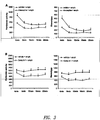
- Compound 5-1 (Table 3) was found to reduce PCP-induced hyperactivity similar to olanzapine and haloperidol, as shown in FIGURE 2 .
- C57BL/6 male mice were injected with either compound or vehicle via i.p.
- PCP 5 mg/kg
- vehicle as in FIGURE 2B the mice were placed in the activity chambers 10 minutes after PCP injection and their locomotor activities were monitored by infrared beam breaks for 20 min.
- Compound 5-1 (Table 3) was found to reduce amphetamine-induced hyperactivity similar to olanzapine, as shown in FIGURE 3 .
- C57BL/6 male mice were injected with either compound or vehicle via i.p.
- the mice were injected with amphetamine (2 mg/kg in ( FIGURE 3A ) or 5 mg/kg in ( FIGURE 3B )) via i.p.
- the mice were placed in the activity chambers 10 minutes after amphetamine injection and their locomotor activities were monitored by infrared beam breaks for 20 min.
- Compound 5-1 (Table 3) was found to reduce Conditioned Avoidance Response (CAR) similar to haloperidol and olanzapine, as shown in FIGURE 4 .
- CAR Conditioned Avoidance Response
- CAR Conditioned Avoidance Response
- CAR Conditioned Avoidance Response
- FIGURE 4 C57BL/6 male mice were trained in the CAR paradigm to predict and avoid the noxious stimulus, reaching a plateau of approximately 20-25 avoidance responses per 30 trials (“training plateau") each day. The mice were then injected with compound or vehicle via i.p., and 20 minutes later they were tested for 30 trials in the CAR paradigm. Vehicle treatment and compound treatment were given to the same animals on alternating days, and the effect of compound in reducing avoidance response was analyzed through within-subject comparison (paired t-test). Vehicle exposure (“vehicle”) does not alter the avoidance response of these trained animals.
- Compound 5-103 (Table 3) was found to reduce Conditioned Avoidance Response (CAR), as shown in FIGURE 6 .
- Compound 5-103 (10 mg/kg) significantly reduces the number of avoidance response (** p ⁇ 0.01, n 6 per group, paired t-test).
- Experimental procedure was the same as in Example 12.
Landscapes
- Health & Medical Sciences (AREA)
- Chemical & Material Sciences (AREA)
- Animal Behavior & Ethology (AREA)
- Veterinary Medicine (AREA)
- Public Health (AREA)
- General Health & Medical Sciences (AREA)
- Life Sciences & Earth Sciences (AREA)
- Pharmacology & Pharmacy (AREA)
- Medicinal Chemistry (AREA)
- Organic Chemistry (AREA)
- Epidemiology (AREA)
- Engineering & Computer Science (AREA)
- Bioinformatics & Cheminformatics (AREA)
- Nuclear Medicine, Radiotherapy & Molecular Imaging (AREA)
- General Chemical & Material Sciences (AREA)
- Chemical Kinetics & Catalysis (AREA)
- Psychiatry (AREA)
- Neurosurgery (AREA)
- Neurology (AREA)
- Biomedical Technology (AREA)
- Pharmaceuticals Containing Other Organic And Inorganic Compounds (AREA)
Description
- This invention relates generally to compounds having activity as PDE10 inhibitors, and to compositions containing the same, as well as to compounds for use in treating schizophrenia by administration of such compounds to a warm-blooded animal in need thereof.
- Cyclic nucleotide phosphodiesterases (PDEs) are represented by a large superfamily of enzymes. PDEs are known to possess a modular architecture, with a conserved catalytic domain proximal to the carboxyl terminus, and regulatory domains or motifs often near the amino terminus. The PDE superfamily currently includes more than twenty different genes subgrouped into eleven PDE families (Lugnier, C., "Cyclic nucleotide phosphodiesterase (PDE) superfamily: a new target for the development of specific therapeutic agents." Pharmacol Ther. 2006 Mar; 109(3):366-98).
- A recently described PDE, PDE10, was reported simultaneously by three independent groups (Fujishige et al., "Cloning and characterization of a novel human phosphodiesterase that hydrolyzes both cAMP and cGMP (PDE10A)," J Biol Chem 1999, 274:18438-18445; Loughney et al., "Isolation and characterization of PDE10A, a novel human 3', 5'-cyclic nucleotide phosphodiesterase," Gene 1999, 234:109-117; Soderling et al., "Isolation and characterization of a dual-substrate phosphodiesterase gene family: PDE10A," Proc Natl Acad Sci USA 1999, 96:7071-7076). PDE10 has the capacity to hydrolyze both cAMP and cGMP; however, the K m for cAMP is approximately 0.05 µM, whereas the KM for cGMP is 3 µM. In addition, the V max for cAMP hydrolysis is fivefold lower than for cGMP. Because of these kinetics, cGMP hydrolysis by PDE10 is potently inhibited by cAMP in vitro, suggesting that PDE10 may function as a cAMP-inhibited cGMP phosphodiesterase in vivo. Unlike PDE8 or PDE9, PDE10 is inhibited by IBMX with an IC50 (50% inhibitory concentration) of 2.6 µM. (See Soderling and Beavo, "Regulation of cAMP and cGMP signaling: new phosphodiesterases and new functions," Current Opinion in Cell Biology, 2000, 12:174-179.)
- PDE10 contains two amino-terminal domains that are similar to the cGMP-binding domains of PDE2, PDE5 and PDE6, which are domains conserved across a wide variety of proteins. Because of the wide conservation of this domain, it is now referred to as the GAF domain (for the GAF proteins: cGMP binding phosphodiesterases; the cynobacterial Anabaena adenylyl cyclase; and the Escherichia coli transcriptional regulator fhlA). Although in PDE2, PDE5 and PDE6 the GAF domains bind cGMP, this is probably not the primary function of this domain in all cases (e.g., E. coli are not thought to synthesize cGMP). Interestingly, in vitro binding studies of PDE10 indicate the dissociation constant (Kd) for cGMP binding is well above 9 µM. As in vivo concentrations of cGMP are not thought to reach such high levels in most cells, it seems likely that either the affinity of PDE10 for cGMP is increased by regulation, or that the primary function of the GAF domain in PDE10 may be for something other than cGMP binding.
- Inhibitors of the PDE family of enzymes have widely been sought for a broad indication of therapeutic uses. Reported therapeutic uses of PDE inhibitors include allergies, obtrusive lung disease, hypertension, renal carcinoma, angina, congestive heart failure, depression and erectile dysfunction (
WO 01/41807 A2 U.S. Pat. No. 5,693,652 ). More specifically, inhibitors of PDE10 have been disclosed for treatment of certain neurological and psychiatric disorders including, Parkinson's disease, Huntington's disease, schizophrenia, delusional disorders, drug-induced psychosis and panic and obsessive-compulsive disorders (U.S. Patent Application No. 2003/0032579 ). PDE10 has been shown to be present at high levels in neurons in areas of the brain that are closely associated with many neurological and psychiatric disorders. By inhibiting PDE10 activity, levels of cAMP and cGMP are increased within neurons, and the ability of these neurons to function properly is thereby improved. Thus, inhibition of PDE10 is believed to be useful in the treatment of a wide variety of conditions or disorders that would benefit from increasing levels of cAMP and cGMP within neurons, including those neurological, psychotic, anxiety and/or movement disorders mentioned above. -
WO2006/113236 (A2 ) discloses a method of treating an inflammatory disorder in a subject. The method involves administering to a subject an effective amount of a compound that modulates soluble adenylyl cyclase, thereby treating the inflammatory disorder in the subject.WO2006/113236 (A2 ) also relates to a method of inhibiting respiratory burst in adherent neutrophils without inhibiting neutrophil degranulation in or bacterial killing by neutrophils. The method involves contacting adherent neutrophils with an effective amount of a compound that modulates soluble adenylyl cyclase. -
WO2005/070419 (A1 ) discloses a method of treating a disorder mediated by soluble adenylyl cyclase in a subject. The method involves administering to a subject an effective amount of a compound disclosed herein that modulates soluble adenylyl cyclase, under conditions effective to treat the disorder mediated by soluble adenylyl cyclase.WO2005/070419 (A1 ) also relates to a method of treating a disorder mediated by soluble adenylyl cyclase in a subject, where the disorder is selected from the group consisting of learning or memory disorders, malaria, fungal infection, spinal cord injury, Alzheimer's disease, amyotrophic lateral sclerosis, and peripheral neuropathy. The method involves modulating soluble adenylyl cyclase in the subject. Another aspect relates to a method of modulating soluble adenylyl cyclase. The method involves contacting eukaryotic cells with a compound that modulates soluble adenylyl cyclase, under conditions effective to modulate soluble adenylyl cyclase. -
WO2005/037779 (A2 ) discloses medicinally used substances which specifically inhibit peptidases splitting Gly-Pro-p-nitroanilide.WO2005/037779 (A2 ) further relates to the use of at least one such substance or at least one pharmaceutical or cosmetic composition containing at least one such substance for preventing and treating diseases, particularly diseases with an overshooting immune response (autoimmune diseases, allergies, and transplant rejections), other chronic inflammatory diseases, neuronal diseases, brain damages, skin diseases (acne and psoriasis, among others), tumor diseases, and special viral infections (including SARS). -
WO02/32896 Type 2 diabetes and obesity. -
WO2006/033318 (A1 ) discloses a compound useful as an NMDA antagonist having a wide safety region which is a therapeutic agent for Alzheimer's disease, vascular dementia (vascular agnosia), Parkinson's disease, ischemic apoplexy, and pains or a preventive agent for these. The compound is an amine derivative or salt thereof characterized by comprising an amine-containing structure (A) and a di- or tricyclic fused ring (indane, tetralone, 4,5,6,7-tetrahydrobenzothiophene, 4,5,6,7-tetrahydrobenzofuran, 7,8-dihydro-6H-indeno[4,5-b]furan, 2,3-dihydro-1H-cyclopenta[a]naphthalene, etc.) bonded to the structure (A) through e.g. a bond or lower alkylene. The NMDA antagonist contains the derivative or salt as an active ingredient. -
WO2006/127396 (A1 ) relates to compounds, their uses for the elucidation of PAR2 activity and their uses for the treatment or prevention of diseases or disorders related to PAR2 activity, wherein the compound is a derivative of 2-oxo-4-phenyl-3-pyrrolidinecarboxylic acid. -
WO2008/020920 (A1 ) discloses dioxaborolan derivatives such as isonicotinic acid [2-(4,4,5,5-tetramethyl-[1,3,2]dioxaborolan-2-yl)benzylidene]-hydrazide along with compositions containing the same and methods of use thereof in treating oxidative stress. - Dayam R. et al. discloses the discovery of structurally diverse inhibitors of HIV-1 integrase in the Journal of medicinal chemistery, American Chemical Society, Washington, vol. 48, no. 25, pages 8009 - 8015.
-
WO2007/008529 (A2 ) discloses compounds and methods useful as inhibitors of cholesterol absorption for the treatment or prevention of cholesterol-related diseases, such as atherosclerosis. -
WO00/73280 (A1 -
US2003/018047 (A1 ) discloses a method for treating certain neurologic and psychiatric disorders in mammals, including humans, comprising administration of a selective PDE10 inhbitor. In particular,US2003018047 (A1 ) relates to treatment of mood, movement, and anxiety disorders; psychosis; drug, for example alcohol, addiction; disorders having as a symptom deficient cognition; and neurodegenerative disorders and conditions.US2003/018047 (A1 ) furthermore provides the use of papaverine as a selective inhibitor of PDE10.US2003/018047 (A1 ) also provides assays for identifying chemical compounds that have activity as selective PDE10 inhibitors. - While advances have been made with regard to inhibition of PDE10, there remains a need in the field for inhibitors of PDE10, as well as the need to treat various conditions and/or disorders that would benefit from the same.
- The present invention provides a compound for use in treating schizophrenia in a warm-blooded animal in need thereof, said compound having the following structure (I):
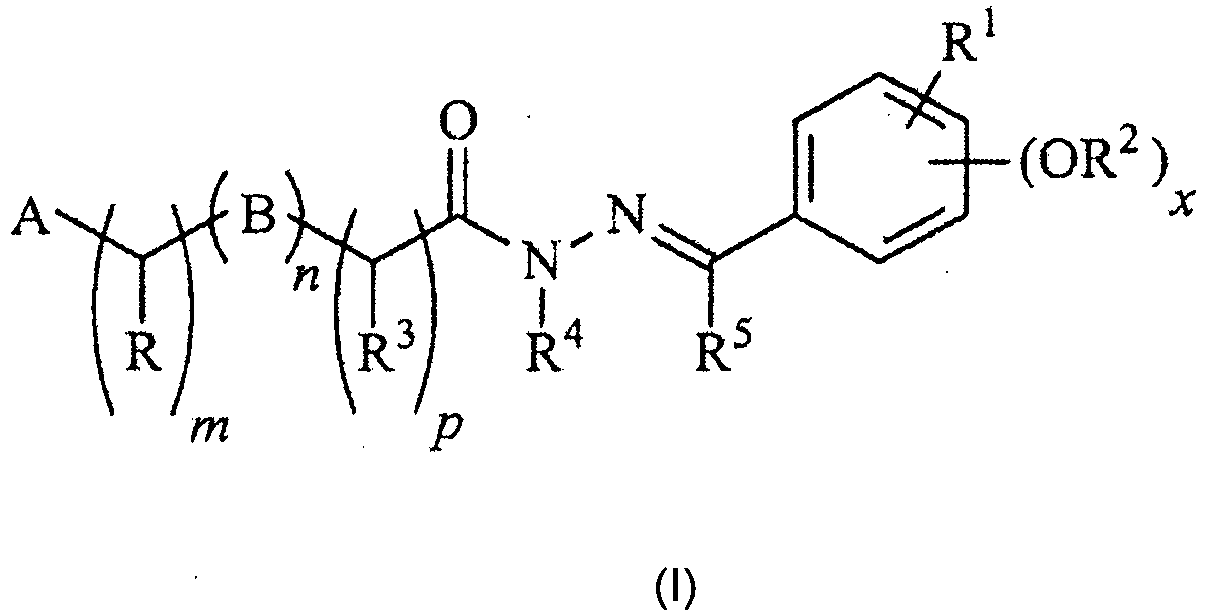
wherein: - m, n and p are individually 0 or 1;
- x is 1, 2 or 3;
- A is an optionally substituted heterocycle;
- B is -O-, -NR6- or -S(O)z- where z is 0, 1 or 2;
- R is hydrogen or oxo;
- R1 is absent or represents 1, 2 or 3 substituents that are the same or different and independently halogen, C1-6alkyl, -CHF2, -CF3, -CH2NH2, -CH2NH(C1-6alkyl) or -CH2N(C1-6alkyl)2;
- R2 is at each occurrence the same or different and independently hydrogen, C1-6alkyl, -C(=O)(C1-6alkyl), benzyl, -CH2CONH2, -CHF2, -CF3, or any two R2 groups may be taken together to form a C1-6alkanediyl; and
- R3, R4, R5 and R6 are the same or different and independently hydrogen or C1-6alkyl.
- In another embodiment, the present invention provides the use of a compound for the preparation of a medicament for use in treating schizophrenia in a warm-blooded animal in need thereof, said compound having the following structure (I):
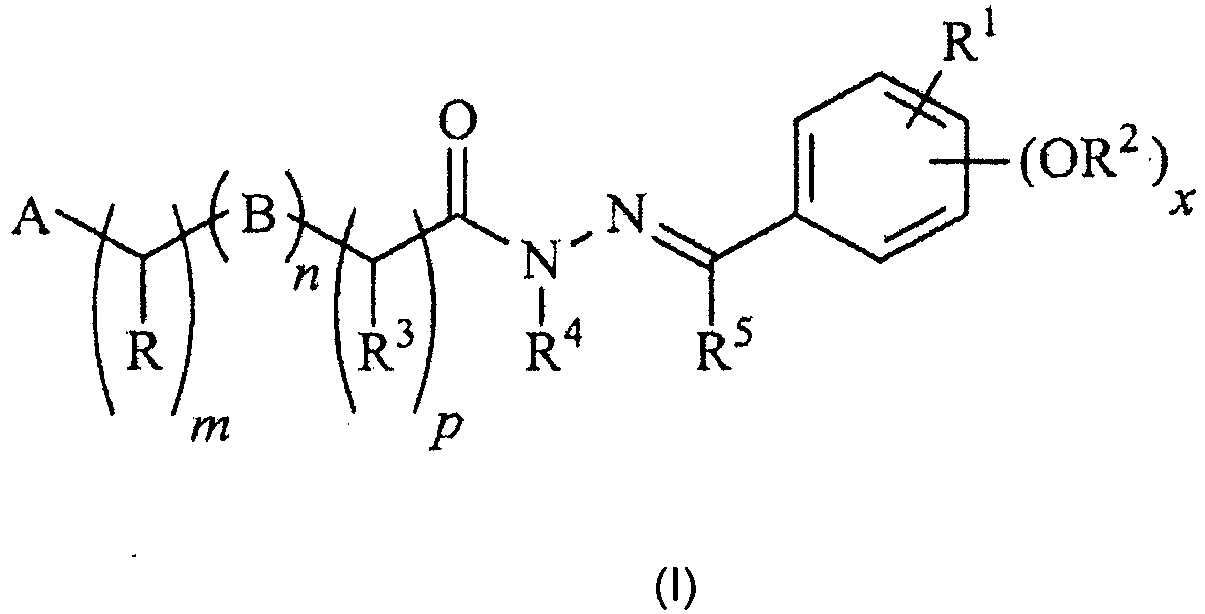
- m, n and p are individually 0 or 1;
- x is 1, 2 or 3;
- A is an optionally substituted heterocycle;
- B is -O-, -NR6- or -S(O)z- where z is 0, 1 or 2;
- R is hydrogen or oxo;
- R1 is absent or represents 1, 2 or 3 substituents that are the same or different and independently halogen, C1-6alkyl, -CHF2, -CF3, -CH2NH2, -CH2NH(C1-6alkyl) or -CH2N(C1-6alkyl)2;
- R2 is at each occurrence the same or different and independently hydrogen, C1-6alkyl, -C(=O)(C1-6alkyl), benzyl, -CH2CONH2, -CHF2, -CF3, or any two R2 groups may be taken together to form a C1-6alkanediyl; and
- R3, R4, R5 and R6 are the same or different and independently hydrogen or C1-6alkyl.
- In another embodiment, the present invention provides a compound having the following structure (IVg):


- a is 1, 2, 3 or 4;
- b is 1 or 2;
- x is 1, 2 or 3 with the proviso that when x is 1, R1 is not a single methyl substituent;
- R1 represents 1 or 2 substitutents independently halogen, C1-6alkyl, -CHF2 or -CF3;
- R2 is at each occurrence the same or different and independently, hydrogen, C1-6alkyl, benzyl, -CH2CONH2, -CHF2, -CF3, or any two R2 groups may be taken together to form a C1-6alkanediyl; and
- R3, R4 and R5 are the same or different and independently hydrogen or C1-6alkyl; and
- R7 and R8 are the same or different and independently hydrogen, halogen, C1-6alkyl, -O(C1-6alkyl), C1-6haloalkyl or nitro.
- In another embodiment, the present invention provides a pharmaceutical composition comprising a compound of the invention and a pharmaceutically acceptable carrier or diluent.
- Preferred embodiments are set forth in the subclaims.
-
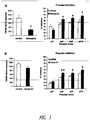
FIGURE 1 illustrates that compound 5-1 (Table 3) increases prepulse inhibition (PPI) similar to olanzapine. C57BL/6 male mice were injected intraperitoneally (i.p.) with either compound or vehicle as described in Example 9.FIGURE 1A shows that olanzapine (3 mg/kg) significantly decreases the startle response (left panel) and increases PPI at 3 different prepulse levels (right panel) compared to vehicle control (* p<0.05, n=8 per group, student's t-test).FIGURE 1B shows that compound 5-1 (50 mg/kg) does not affect the startle response (left panel) but significantly increases PPI at 3 different prepulse levels (right panel) compared to vehicle control (* p<0.05, ** p<0.01, n=24 per group, student's t-test). -
FIGURE 2 illustrates that compound 5-1 (Table 3) reduces PCP-induced hyperactivity similar to olanzapine and haloperidol as described in Example 10.FIGURE 2A shows that both olanzapine (0.2 mg/kg) and haloperidol (0.2 mg/kg) significantly reduce the hyperactivity (left panel) and stereotypy (right panel) induced by PCP as seen in the vehicle+PCP control (p<0.001, n=8 per group, repeated measures ANOVA).FIGURE 2B shows that compound 5-1 (50 mg/kg) completely abolishes the hyperactivity (left panel) and stereotypy (right panel) induced by PCP as seen in the vehicle+PCP control (p<0.001, n=8 per group, repeated measures ANOVA). -
FIGURE 3 illustrates that compound 5-1 (Table 3) reduces amphetamine-induced hyperactivity similar to olanzapine, as described in Example 11.FIGURE 3A shows that olanzapine (0.2 mg/kg) partially but significantly reduce the hyperactivity (left panel) and stereotypy (right panel) induced by amphetamine ("amph") as seen in the vehicle+amph control (p<0.05, n=8 per group, repeatedmeasures ANOVA).FIGURE 3B shows that compound 5-1 (50 mg/kg) also partially but significantly reduce the hyperactivity (left panel) and stereotypy (right panel) induced by amphetamine as seen in the vehicle+amph control (p<0.01, n=8 per group, repeated measures ANOVA). -
FIGURE 4 illustrates that compound 5-1 (Table 3) reduces Conditioned Avoidance Response (CAR) similar to haloperidol and olanzapine, as described in Example 12.FIGURE 4A shows that haloperidol (0.15 mg/kg) significantly reduces the number of avoidance response (*** p<0.001, n=6 per group, paired t-test).FIGURE 4B shows that olanzapine (0.45 mg/kg) significantly reduces the number of avoidance response (** p<0.01, n=6 per group, paired t-test).FIGURE 4C shows that compound 5-1 (30 mg/kg) significantly reduces the number of avoidance response (*** p<0.001, n=6 per group, paired t-test). In all these cases, the numbers of escape response increase correspondingly and the total numbers of transitions between the two chambers do not change (data not shown), indicating a specific reduction of CAR that is not due to compromised motor function. -
FIGURE 5 illustrates that compound 5-110 (Table 3) exhibits antipsychotic properties in two behavioral tests, as described in Example 13.FIGURE 5A shows that compound 5-110 (10 mg/kg) significantly reduces the number of avoidance response in the CAR test (** p<0.01, n=6 per group, paired t-test).FIGURE 5B shows that compound 5-110 (30 mg/kg) significantly reduces the hyperactivity (left panel) and stereotypy (right panel) induced by PCP (5 mg/kg) (p<0.001, n=8 per group, repeated measures ANOVA). -
FIGURE 6 illustrates that compound 5-103 (Table 3) reduces Conditioned Avoidance Response (CAR), as described in Example 14. Compound 5-103 (10 mg/kg) significantly reduces the number of avoidance response (** p<0.01, n=6 per group, paired t-test). - As used herein, the above terms have the following meaning:
- "C1-6alkyl" means a straight chain or branched, noncyclic or cyclic, unsaturated or saturated aliphatic hydrocarbon containing from 1 to 6 carbon atoms. Representative saturated straight chain alkyls include methyl, ethyl, n-propyl, n-butyl, n-pentyl, n-hexyl, and the like; while saturated branched alkyls include isopropyl, sec-butyl, isobutyl, tert-butyl, isopentyl, and the like. Representative saturated cyclic alkyls include cyclopropyl, cyclobutyl, cyclopentyl, cyclohexyl, and the like; while unsaturated cyclic alkyls include cyclopentenyl and cyclohexenyl, and the like. Unsaturated alkyls contain at least one double or triple bond between adjacent carbon atoms (referred to as an "alkenyl" or "alkynyl", respectively). Representative straight chain and branched alkenyls include ethylenyl, propylenyl, 1-butenyl, 2-butenyl, isobutylenyl, 1-pentenyl, 2-pentenyl, 3-methyl-1-butenyl, 2-methyl-2-butenyl, 2,3-dimethyl-2-butenyl, and the like; while representative straight chain and branched alkynyls include acetylenyl, propynyl, 1-butynyl, 2- butynyl, 1--pentynyl, 2-pentynyl, 3-methyl-1-butynyl, and the like.
- "C1-6alkanediyl" means a divalent C1-6alkyl from which two hydrogen atoms are taken from the same carbon atom or from different carbon atoms, such as-CH2-, -CH2CH2-, -CH=CH-, -CH=C(CH3)-, -CH2CH2CH2-, -CH2CH=CH-,-CH(CH3)CH2CH2-, -CH2C(CH3)2CH2-, and the like.
- "Heterocycle" means a 4- to 7-membered monocyclic, or 7- to 10-membered bicyclic, heterocyclic ring which is either saturated, unsaturated or aromatic, and which contains from 1 to 4 heteroatoms independently selected from nitrogen, oxygen and sulfur, and wherein the nitrogen and sulfur heteroatoms may be optionally oxidized, and the nitrogen heteroatom may be optionally quaternized, including bicyclic rings in which any of the above heterocycles are fused to a benzene ring. The heterocycle may be attached via any heteroatom or carbon atom. An aromatic heterocycle is referred to herein as a "heteroaryl", and includes furyl, benzofuranyl, thiophenyl, benzothiophenyl, pyrrolyl, indolyl, isoindolyl, azaindolyl, pyridyl, quinolinyl, isoquinolinyl, oxazolyl, isooxazolyl, benzoxazolyl, pyrazolyl, imidazolyl, benzimidazolyl, thiazolyl, benzothiazolyl, isothiazolyl, pyridazinyl, pyrimidinyl, pyrazinyl, triazinyl, cinnolinyl, phthalazinyl, oxadiazolyl, thiadiazolyl, benzisoxazolyl, triazolyl, tetrazolyl, indazolyl and quinazolinyl. In addition to the heteroaryls listed above, heterocycles also include morpholinyl, pyrrolidinonyl, pyrrolidinyl, piperidinyl, piperazinyl, and the like.
- The term "optionally substituted" as used in the context of an optionally substituted heterocycle (as well heteroaryl) means that at least one hydrogen atom is replaced with a substituent. In the case of an oxo substituent ("=O") two hydrogen atoms are replaced. When substituted, one or more of the above groups are substituted. "substituents" within the context of this invention include halogen, hydroxy, oxo, cyano, nitro, amino, alkylamino, dialkylamino, alkyl, alkoxy, alkylthio, haloalkyl, aryl, arylalkyl, heteroaryl, heteroarylalkyl, heterocycle and heterocyclealkyl, as well as-NRaRb, -NRaC(=O)Rb, -NRaC(=O)NRaNRb, -NRaC(=O)ORb -NRaSO2Rb, -C(=O)Ra,-C(=O)ORa, -C(=O)NRaRb, -OC(=O)NRaRb, -ORa, -SRa, -SORa, -S(=O)2Ra, -OS(=O)2Ra and -S(=O)2ORa. In addition, the above substituents may be further substituted with one or more of the above substituents, such that the substituent is a substituted alkyl, substituted aryl, substituted arylalkyl, substituted heterocycle or substituted heterocyclealkyl. Ra and Rb in this context may be the same or different and independently hydrogen, alkyl, haloalkyl, substituted alkyl, aryl, substituted aryl, arylalkyl, substituted arylalkyl, heterocycle, substituted heterocycle, heterocyclealkyl or substituted heterocyclealkyl.
- In one embodiment, both m and n are 0 and p is 1, and the compounds have the following structure (II) or a pharmaceutically acceptable salt, stereoisomer, or solvate thereof:

- In another embodiment, m, n and p are 1, and the compounds have the following structure (III) or a pharmaceutically acceptable salt, stereoisomer, or solvate thereof:

- In another embodiment, m is 0 and n and p are both 1, and the compounds have the following structure (IV) or a pharmaceutically acceptable salt, stereoisomer, or solvate thereof:

- In another embodiment, both m and p are 1 and n is 0, and the compounds have the following structure (V) or a pharmaceutically acceptable salt, stereoisomer, or solvate thereof:

- In another embodiment, each of m, n and p are 0, and the compounds have the following structure (VI) or a pharmaceutically acceptable salt, stereoisomer, or solvate thereof:

- In more specific embodiments of structure (II), R3, R4 and R5 are hydrogen.
- In more specific embodiments of structure (II), R2 is methyl or difluoromethyl.
- In even more specific embodiments of structure (II), R1 is absent and x is 3 with the R2 groups at the 3, 4 and 5 positions, as represented by structure (IIa):

- In yet further specific embodiments of structure (II), A is 1H-indol-3-yl or 2H-benzo[b][1,4]thiazin-3(4H)-one-2-yl.
- In more specific embodiments of structure (IV), B is -S-, -O- or -NR6-, respectively, and compounds have the following structures (IVa), (IVb) and (IVc):


- In more specific embodiments of structures (IVa), (IVb) and (IVc), R3, R4, R5 and R6 are hydrogen.
- In more specific embodiments of structures (IVa), (IVb) and (IVc), R2 is 5 hydrogen, methyl, ethyl, difluoromethyl, 2-propeneyl, 2-methylpropyl, C1alkanediyl, -CH2CONH2 and more specifically methyl.
- In more specific embodiments of structures (IVa), (IVb) and (IVc), R1 is absent or halogen, x is 2 with the R2 groups located at the 3 and 4 positions, or x is 3 with the R2 groups located at the 3, 4 and 5 positions, as represented by structures (IVd) 10 and (IVe), respectively:

- In more specific embodiments of structures (IVa), (IVb) and (IVc), R1 is 15 2 substituents that are the same or different and independently halogen, such as fluorine, as represented by structure (IVf):

- In yet further specific embodiments of structure (IVa), A is an optionally substituted quinolin-4-yl as represented by structure (IVg) where a is 1, 2, 3 or 4, b is 1 or 2 and R7 and R8 are the same or different and independently hydrogen, halogen, C1-6alkyl, -O(C1-6alkyl), C1-6haloalkyl or nitro.

- In yet further specific embodiments of structure (IVg), x is 1 with the proviso that R1 is not hydrogen or methyl.
- In yet further specific embodiments of structure (IVg), x is 2 or 3 with the proviso that R1 is not hydrogen.
- In yet further specific embodiments of structure (IVg), A is 2-methylquinolyn-4-yl, quinolin-4-yl, 2-methyl-6-nitroquinolin-4-yl, 6-bromoquinolin-4-yl, 8-methoxy-5-methylquinolin-4-yl, 6,7-dimethoxy-2-methylquniolin-4-yl, 8-methoxyquinolin-4-yl, 7-(trifluoromethyl)quinolin-4-yl, 2-methyl-8-(trifluoromethyl)quinolin-4-yl or 6-methoxyquinolin-4-yl.
- In yet further specific embodiments of structure (IVa), A is an optionally substituted 1-benzyl-1H-benzo[d]imidazol-2-yl as represented by structure (IVh) where c is 1, 2, 3, 4 or 5 and R9 is hydrogen or halogen.

- In yet further specific embodiments of structure (IVh), A is 1-benzyl-1H-benzo[d]imidazol-2-yl, 1-(2-chlorobenzyl)-1H-benzo[d]imidazol-2-yl or 1-(4-chlorobenzyl)-1H-benzo[d]imidazol-2-yl.
- In more specific embodiments of structures (I) through (VI) above, any two two R2 groups, or any R2 group and R1 group, may be taken together to form a C1-6alkanediyl. For example, when two R2 groups are taken together to form a C1-6alkanediyl (such as -CH2-) representative compounds have the following structure (I-1), and when an R2 group and R1 group are taken together to form a C1-6alkanediyl (such as -CH=C(CH3)-) representative compounds have the following structure (I-2):

- The compounds of the present invention may be prepared by known organic synthesis techniques, including the methods described in more detail in the Examples, or in some instances may be obtained from commercially available sources. In general, the compounds of structure (I) above may be made by the following reaction schemes, wherein all substituents are as defined above unless indicated otherwise.

- Compounds of formula (1) can be obtained commercially or synthesized through standard literature methods. Compounds of formula (1) can be reacted with a variety of benzaldehyde derivatives of formula (2) in alcoholic solvents, such as ethanol, and in the presence of a catalytic amount of acid, such as acetic acid, and under reflux to provide compounds of structure (II).

- Compounds of formula (3) can be prepared by standard methods or purchased commercially and reacted with compounds of formula (4) where X=Br, Cl and the like, and Y=Me, Et and the like in an appropriate alcoholic solvent such as ethanol and in the presence of a base, such as potassium carbonate and heated to reflux to provide compounds of formula (5). Compounds of formula (5) in ethanol can then be reacted with a hydrazine compound, such as (6), at reflux to provide compounds of formula (7). Compounds of formula (7) can then be reacted with a variety of aryl carbonyl derivatives of formula (2) in alcoholic solvents, such as ethanol, and in the presence of a catalytic amount of acid, such as acetic acid, and under reflux to provide compounds of structure (III).

- Compounds of formula (8) can be purchased commercially or prepared via standard methods. As shown in
Scheme 3, compounds of formula (8) can be reacted with compounds of formula (4) where X=Br, Cl and the like and Y=Me, Et and the like in an appropriate alcoholic solvent, such as ethanol, and in the presence of a base, such as potassium carbonate, and heated to reflux to provide compounds of formula (9). Compounds of formula (9) in ethanol can then be reacted with a hydrazine compound, such as (6), at reflux to provide compounds of formula (10). Compounds of formula (10) can then be reacted with a variety of aryl carbonyl derivatives of formula (2) in alcoholic solvents, such as ethanol, and in the presence of a catalytic amount of acid, such as acetic acid, and under reflux to provide compounds of structure (IV).
- Compounds of formula (11) where Y=Me, Et, and the like can be obtained commercially or prepared via standard methods. Compounds of formula (11) in ethanol can be reacted with a hydrazine compound such as (6) to obtain compounds of formula (12). Compounds of formula (12) can then be reacted with a variety of benzaldehyde derivatives, such as (2), in alcoholic solvents, such as ethanol, and in the presence of a catalytic amount of acid, such as acetic acid, and under reflux to provide compounds of structure (V).

- Compounds of formula (13) where Y=methyl (Me),ethyl (Et), etc. can be obtained commercially or prepared via standard methods. Compounds of formula (13) in ethanol can be reacted with a hydrazine compound, such as (6), to obtain compounds of formula (14). Compounds of formula (14) can then be reacted with a variety of benzaldehyde derivatives, such as (2), in alcoholic solvents, such as ethanol, and in the presence of a catalytic amount of acid, such as acetic acid, and under reflux to provide compounds of structure (VI).
- The compounds of the present invention may generally be utilized as the free acid or free base. Alternatively, the compounds of this invention may be used in the form of acid or base addition salts. Acid addition salts of the free amino compounds of the present invention may be prepared by methods well known in the art, and may be formed from organic and inorganic acids. Suitable organic acids include maleic, fumaric, benzoic, ascorbic, succinic, methanesulfonic, acetic, trifluoroacetic, oxalic, propionic, tartaric, salicylic, citric, gluconic, lactic, mandelic, cinnamic, aspartic, stearic, palmitic, glycolic, glutamic, and benzenesulfonic acids. Suitable inorganic acids include hydrochloric, hydrobromic, sulfuric, phosphoric, and nitric acids. Base addition salts included those salts that form with the carboxylate anion and include salts formed with organic and inorganic cations such as those chosen from the alkali and alkaline earth metals (for example, lithium, sodium, potassium, magnesium, barium and calcium), as well as the ammonium ion and substituted derivatives thereof (for example, dibenzylammonium, benzylammonium, 2-hydroxyethylammonium, and the like). Thus, the term "pharmaceutically acceptable salt" of structures (I) through (VI) is intended to encompass any and all acceptable salt forms.
- With regard to stereoisomers, the compounds of structures (I) through (VI) may have chiral centers and may occur as racemates, racemic mixtures and as individual enantiomers or diastereomers. All such isomeric forms are included within the present invention, including mixtures thereof. Furthermore, some of the crystalline forms of the compounds of structures (I) through (VI) may exist as polymorphs, which are included in the present invention. In addition, some of the compounds of structures (I) through (VI) may also form solvates with water or other organic solvents. Such solvates are similarly included within the scope of this invention.
- In another embodiment of the invention, pharmaceutical compositions containing one or more compounds of structures (I) through (VI) are disclosed. For the purposes of administration, the compounds of the present invention may be formulated as pharmaceutical compositions. Pharmaceutical compositions of the present invention comprise one or more compounds of the present invention and a pharmaceutically acceptable carrier and/or diluent. The PDE10 inhibitor is present in the composition in an amount which is effective to treat a particular disorder--that is, in an amount sufficient to achieve desired PDE10 inhibition, and preferably with acceptable toxicity to the warm-blooded animal. Typically, the pharmaceutical compositions of the present invention may include a PDE10 inhibitor in an amount from 0.1 mg to 250 mg per dosage depending upon the route of administration, and more typically from 1 mg to 60 mg. Appropriate concentrations and dosages can be readily determined by one skilled in the art.
- In general terms, a typical daily dosage might range from about 1 µg/kg to 100 mg/kg, preferably 0.01-100 mg/kg, more preferably 0.1-70 mg/kg, depending on the type and severity of the disease whether, for example, by one or more separate administrations. For repeated administrations over several days or longer, depending on the condition, the treatment is sustained until a desired suppression of disease symptoms occurs. However, other dosage regimens may be useful. The progress of this therapy can be monitored by standard techniques and assays. The specification for the dosage unit forms of the invention are dictated by and directly dependent on the unique characteristics of the active compound and the particular therapeutic effect to be achieved, and the limitations inherent in the art of compounding such an active compound for the treatment of individuals.
- Pharmaceutically acceptable carrier and/or diluents are familiar to those skilled in the art. For compositions formulated as liquid solutions, acceptable carriers and/or diluents include saline and sterile water, and may optionally include antioxidants, buffers, bacteriostats and other common additives. The compositions can also be formulated as pills, capsules, granules, or tablets which contain, in addition to a PDE10 inhibitor, diluents, dispersing and surface active agents, binders, and lubricants. One skilled in this art may further formulate the PDE10 inhibitor in an appropriate manner, and in accordance with accepted practices, such as those disclosed in Remington's Pharmaceutical Sciences, Gennaro, Ed., Mack Publishing Co., Easton, PA 1990.
- The compound for use in treating schizophrenia includes systemic administration of a PDE10 inhibitor recited in claim 1 of
this invention, preferably in the form of a pharmaceutical composition as discussed above. As used herein, systemic administration includes oral and parenteral methods of administration, including subcutaneous, intramuscular, intracranial, intraorbital, ophthalmic, intraventricular, intracapsular, intraarticular, intraspinal, intracisternal, intraperitoneal, intranasal, aerosol, intravenous, intradermal, inhalational, transdermal, transmucosal, and rectal administration. - For oral administration, suitable pharmaceutical compositions of PDE10 inhibitors include powders, granules, pills, tablets, and capsules as well as liquids, syrups, suspensions, and emulsions. These compositions may also include flavorants, preservatives, suspending, thickening and emulsifying agents, and other pharmaceutically acceptable additives and excipients. For parenteral administration, the compounds of the present invention can be prepared in aqueous injection solutions which may contain, in addition to the PDE10 inhibitor, buffers, antioxidants, bacteriostats, and other additives and excipients commonly employed in such solutions. Compositions of the present invention may be carried in a delivery system to provide for sustained release or enhanced uptake or activity of the therapeutic compound, such as a liposomal or hydrogel system for injection, a microparticle, nanopartical or micelle system for oral or parenteral delivery, or a staged capsule system for oral delivery.
- In a further advantage of the present invention, compounds of structures (I) through (VI) are expected to avoid or reduce metabolic side effects associated with conventional antipsychotics, in particular the incidence of therapeutically induced obesity. For example, chronic use of olanzapine (Zyprexa®), the most widely prescribed medication to treat schizophrenia, and related atypical antipsychotics is associated with significant metabolic side effects including obesity and associated conditions such as diabetes.
- In animals, subchronic treatment with olanzapine stimulates food intake and increases body weight, consistent with human situations. Furthermore, olanzapine acutely lowers blood leptin levels. Leptin is a satiety hormone produced from adipose tissues, and decrease of leptin level stimulates appetite. It is theorized that olanzapine could stimulate food intake at least partly by reducing leptin levels. Acute administration of olanzapine also changes the animal's response in glucose and insulin levels in glucose tolerance tests, which may also be directly linked to olanzapine's effect in food intake and body weight gain. Examination of the acute effect of PDE10 inhibitors of the present invention on metabolism, such as leptin, insulin and glucose changes during a metabolic challenge in standard animal models, as well as the chronic effect of PDE10 inhibitors of the present invention in food intake, body weight and energy homeostasis, in comparison with olanzapine should provide evidence to the pharmaceutical advantage of PDE10 inhibitors as antipsychotics in terms of less side-effect concerns.
- The compositions of the present invention may be administered in combination with one ore more additional therapeutic agents, in combination or by concurrent or sequential administration. Suitable additional agents (i.e., adjuvants) may include typical antipsychotics that block dopamine-D2 receptors and serotonin 5HT2 receptors, e.g., haloperidol, fluphenazine, chlorpromazine, and atypical antipsychotics, e.g., clozapine, olanzapine, risperidone, quetiapine, ziprasidone.
- Compounds of this invention may be assayed to determine their IC50 values by a modification of the two-step method of Thompson and Appleman (). In short, cAMP is spiked with (3H)cAMP and incubated with PDE10 and various concentrations of a compound of structure (I). After the appropriate incubation time, the reaction is terminated by heating. The mixture is then subjected to treatment with snake venom phosphatase. The phosphatase hydrolyzes any AMP in the mixture, but leaves unreacted cAMP intact. Thus, by separating cAMP from the mixture and determining its concentration (by radiography), the percent of inhibition can be determined. IC50 values can be calculated by performing the experiment at several concentrations using standard graphical means. A detailed description of the actual technique used for IC50 assays are shown in Example 8. To this end, PDE10 inhibitors of the invention have an IC50 of 100µM or less, generally less than 10 µM, and typically less than 1 µM.
-

- In a round-bottom glass flask equipped with a magnetic stir bar (3-Oxo-3, 4-dihydro-2H-benzo [1, 4] thiazin-2-yl)-acetic acid hydrazide (1 eq. 0.063 mmol; 15 mg) was dissolved in ethanol (3 mL) at room temperature. To this well stirred solution, acetic acid (∼3 drops) and 3, 4, 5-trimethoxy-benzaldehyde solution (0.063 mmol; 12.4 mg dissolved in 0.5 mL of ethanol) were added, and the reaction mixture was stirred for another 5 hours at ambient temperature and monitored by TLC (typically with 1,2-dichloroethane-ethanol 5:1). The mixture was then concentrated under vacuum using a rotary evaporator. The crude product was diluted with hexanes and triturated. The precipitated solid product was transferred to a glass fiber funnel, the supernatant was removed by vacuum filtration and the solid was washed thoroughly with n-hexane twice to yield: 16 mg (61%) of 1-1.
-
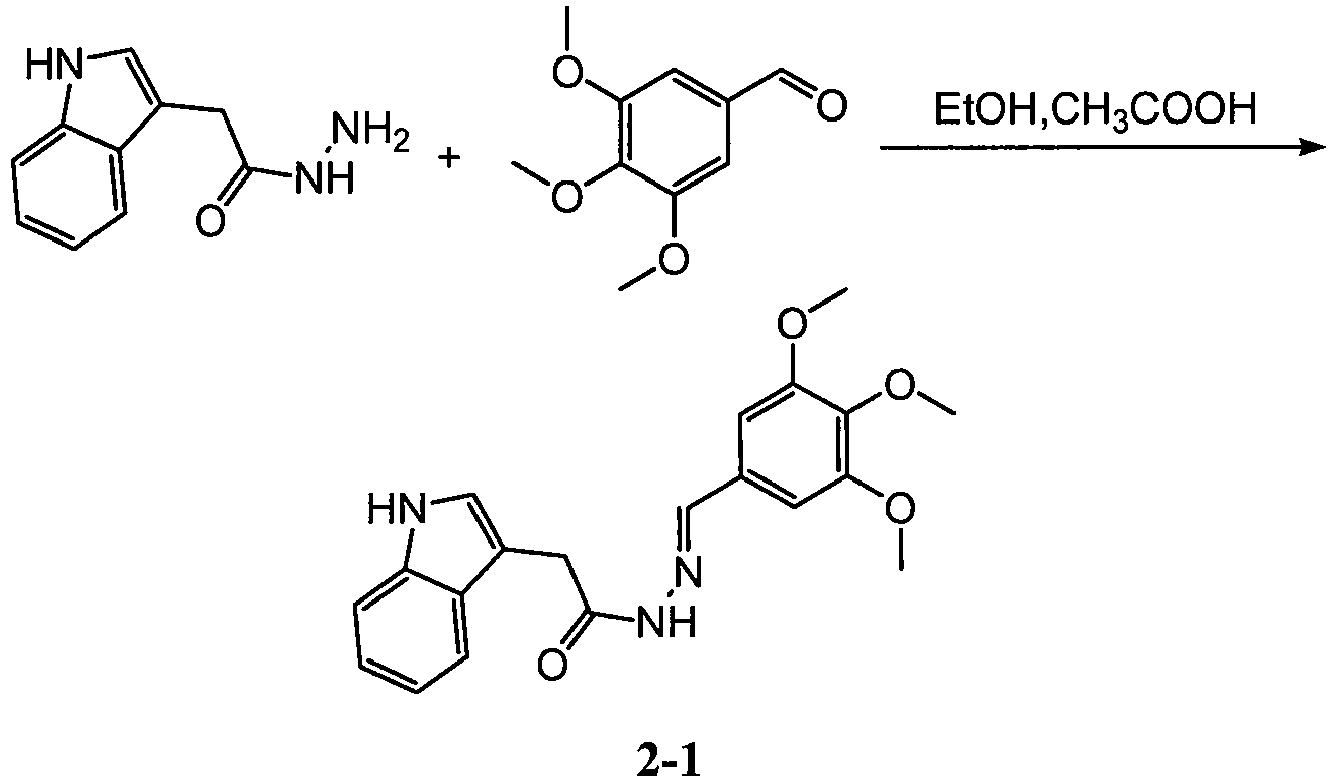
- In a round-bottom glass flask equipped with a magnetic stir bar (1H-indol-3-yl)-acetic acid hydrazide (1 eq. 0.793 mmol; 150 mg) was dissolved in ethanol (10 mL) at room temperature. To this well stirred solution, acetic acid (∼3 mL) and the 3, 4, 5-trimethoxy-benzaldehyde solution (1 eq. 0.793 mmol; 155.5 mg dissolved in 5mL of ethanol) were added dropwise. The reaction mixture was stirred at room temperature until the reaction was complete (approximately 2 hours) as determined by TLC (typically with 1,2-dichloroethane-ethanol 5:1). The mixture was then concentrated under reduced pressure. The crude product was diluted with hexanes and triturated. The precipitated solid product was transferred to a glass fiber funnel, the supernatant was removed by vacuum filtration and the solid was washed thoroughly with n-hexane twice to yield 104 mg (36%) of 2-1.
- Referring to Table 1 below, the listed derivatives of structure (II), where R3, R4 and R5 are hydrogen, were synthesized according to the procedures outlined in Examples 1 and 2.
Table 1 
No. MW A R1 x R2 1-1 415.47 
H 3 3-CH3 4-CH3 5-CH3 2-1 367.40 
H 3 3-CH3 4-CH3 5-CH3 2-2 403.38 
H 3 3-CH3 4-CHF2 5-CH3 2-3 367.40 
H 3 2-CH3 4-CH3 5-CH3 2-4 415.47 
H 3 2-CH3 4-CH3 5-CH3 2-5 355.37 
2-F 2 4-CH3 5-CH3 2-6 410.43 
H 3 3-CH3 4-CH2CONH2 5-CH3 2-7 451.45 
H 3 3-CH3 4-CHF2 5-CH3 2-8 458.49 
H 3 3-CH3 4-CH2CONH2 5-CH3 2-9 351.41 
H 2 3-CH3 4-CH3 2-10 338.37 
H 2 3-CH3 4-CH3 2-11 332.38 
H 2 3-CH3 2-COCH3 2-12 339.35 
H 2 3-CH3 4-CH3 2-13 333.43 
H 2 3-CH2CH3 4-CH2CH3 2-14 488.54 
H 2 3-CH3 4-CH3 2-15 369.40 
H 2 3-CH2-4 2-16 371.41 
H 2 3-H 4-CH3 2-17 385.44 
H 2 3-CH2CH3 4-H 2-18 489.57 
H 2 3-benzyl 4-benzyl 2-19 321.34 
H 2 3-CH2-4 2-20 367.40 
H 3 2-CH3 3-CH3 4-CH3 2-21 491.57 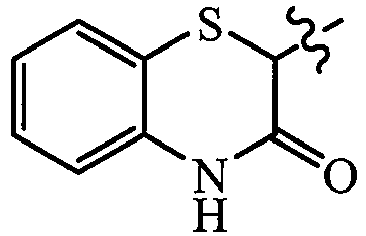
H 3 3-CH3 4-benzyl 5-CH3 2-22 443.50 
H 3 3-CH3 4-benzyl 5-CH3 2-23 415.47 
H 3 2-CH3 3-CH3 4-CH3 2-24 537.64 
H 2 3-benzyl 4-benzyl - As used in Table 1 above, as well as in the tables that follow, the numbers preceding (and following in the case of alkanediyls) the R1 and R2 substituents refer to the substituent's position on the aromatic ring as shown below.

-

- Referring to Table 2, the above derivative of structure (III), where R1, R3, R4 and R5 are hydrogen, can be synthesized by
Reaction Scheme 2 from corresponding intermediate 5.Table 2 
No. MW A B R R6 x R2 3-1 328.32 
NR6 =O H 2 3-CH3 4-H -

- To a stirred solution of 1H-benzo[d]imidazole-2(3H)-thione (20.0 g, 0.13 mol, 1.0 eq.) in anhydrous ethanol (500 mL) at room temperature, was added potassium carbonate (9.25 g, 0.07 mol, 0.5 eq.) and ethyl bromoacetate (26.7 g, 0.16 mmol, 1.2 eq.). The reaction was heated to reflux and stirred at that temperature for 6 hours. The solvent was removed in vacuo and water (200 mL) was added. The aqueous phase was extracted with dichloromethane (3 x 100 mL), and the combined organic extracts were washed with water (200 mL) and brine (200 mL). The organic phase was dried over magnesium sulfate and concentrated in vacuo to give a colorless oil which solidified on standing. Purification by flash chromatography (CHCl3 → 10% MeOH:90% CHCl3) gave 4a as a white solid (11.7 g, 37%).
-

- To a stirred solution of ethyl 2-(1H-benzo[d]imidazol-2-ylthio)acetate 4a (11.2 g, 47.6 mmol, 1.0 eq.) in 10:1 diethyl ether:dimethylformamide (450 mL) at 0 °C, was added 60% sodium hydride in mineral oil (2.09 g, 52.3 mmol, 1.1 eq.), and the reaction was stirred at 0 °C for 20 minutes. Benzyl bromide (9.78 g, 57.1 mmol, 1.2 eq.) was added at 0 °C, and the reaction was stirred with warming to room temperature for 16 hours. The reaction mixture was quenched with methanol (100 mL) and concentrated in vacuo. The residue was taken into hot chloroform (400 mL) and filtered. The filtrate was washed with water (200 mL), 1M HCl (200 mL) and brine (200 mL). The organic layer was dried over magnesium sulfate and concentrated in vacuo. Purification by flash chromatography (10% EtOAc:90% petroleum ether) gave 4b as a pale-yellow solid (4.82 g, 30%).
-

- To a stirred solution of ethyl 2-(1-benzyl-1H-benzo[d]imidazol-2-ylthio)acetate 4b (200 mg, 0.61 mmol, 1.0 eq.) in ethanol (5 mL), was added hydrazine monohydrate (61 mg, 1.23 mmol, 2.0 eq.), and the reaction mixture was heated to reflux and stirred at that temperature for 16 hours. The reaction mixture was cooled to room temperature and concentrated in vacuo. The mixture was dissolved in ethyl acetate (20 mL) and washed with water (20 mL) and brine (20 mL). The organic layer was dried over magnesium sulfate and concentrated in vacuo giving 4c as a pale yellow solid which was used without further purification (200 mg, 100%).
-

- To a stirred solution of 2-(1-benzyl-1H-benzo[d]imidazol-2-ylthio)acetohydrazide 4c (200 mg, 0.61 mmol, 1.0 eq.) in ethanol (5 mL), was added 3-methoxy-4-ethoxybenzaldehyde (110 mg, 0.61 mmol, 1.0 eq.) and acetic acid (3 drops). The mixture was heated to reflux and stirred at that temperature for 16 hours. The reaction mixture was cooled to room temperature, and the precipitate that formed on cooling was filtered and washed with water (10 mL), ethanol (10 mL) and diethyl ether (10 mL). The solid was dried by high vacuum overnight giving 4-1 as a white solid (196 mg, 67%).
-

- A stirred suspension of 2-methylquinolin-4-ol (5.10 g, 32.0 mmol, 1.0 eq.) in tetrahydrofuran (51 mL) was heated to 50 °C, and 6.5g of Lawesson's Reagent (6.5 g, 16.0 mmol, 0.5 eq.) was added in one portion. The reaction was heated to 80 °C and stirred at that temperature for 6 hours. The reaction was poured into a hot biphasic solution of ethyl acetate (200 mL) and water (200 mL) and was vigorously stirred. A viscous orange gel precipitated from the solution. The water/ethyl acetate solution was decanted into a separating funnel and the organic layer isolated. The aqueous layer was extracted with ethyl acetate (4 x 200ml), and the combined extracts were dried over magnesium sulfate. The solution was filtered and concentrated in vacuo. The resulting orange gel was purified by flash chromatography (50% EtOAc:50% petroleum ether → 100% EtOAc) to yield 5a as a yellow solid (1.70 g, 30%).
-

- 2-methylquinoline-4-thiol 5a (1.00 g, 5.71mmol, 1.00 eq.) was dissolved in dimethylformamide (10 mL) at room temperature. Potassium carbonate (0.87 g, 6.28 mmol, 1.10 eq.) was added and the mixture was stirred for 15 minutes. Methyl bromoacetate (921 mg, 6.02 mmol, 1.05 eq.) was added dropwise to the solution, and the reaction was stirred at room temperature for 2.5 hours. Water (20 mL) was added to the reaction mixture, and the aqueous layer was extracted with ethyl acetate (30 mL). The aqueous layer was further extracted with ethyl acetate (3 x 50 mL), and the combined organic layers were dried over magnesium sulfate, filtered and concentrated in vacuo. The resulting residue was dried on high vacuum to yield 5b as a brown solid (1.25 g, 88%).
-
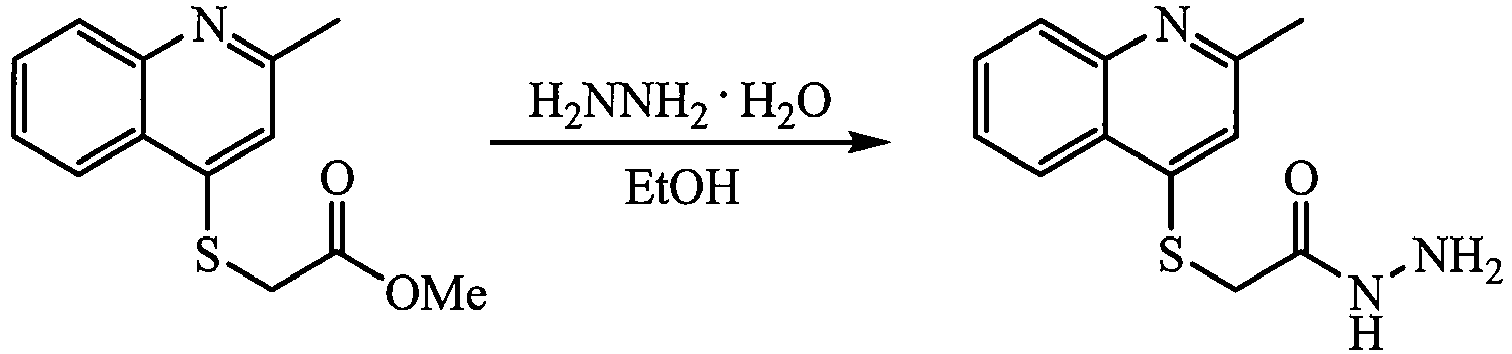
- Example 5, Step 5C was performed in an analogous fashion to Example 4, Step 4C.
-

- Example 5, Step 5D was performed in an analogous fashion to Example 4, Step 4D.
-

- 2-(2-methylquinolin-4-ylsulfanyl)-acetic acid-(3,4-dimethoxybenzylidene)-hydrazide 5-1 (220 mg, 0.56 mmol, 1.0 eq.) in methanol (40 mL) and dimethylsulfoxide (2 mL) was heated to 100 °C for 2 hours until completely dissolved before being allowed to cool to 50 °C. 1.25 M methanolic hydrochloric acid (1 eq.) was then added, and the mixture was stirred for 20 min before partially concentrating in vacuo. The product was then obtained through filtration and dried to give 5-1a (180 mg, 75%).
- Referring to Table 3, the following derivatives of structure (IV), wherein R3 is hydrogen, were synthesized according to the procedures outlined in Examples 4 and 5 (in the following table, an R1 substituent is absent when H is designated).
Table 3 
No. MW A B R1 p x R2 R4 R5 4-1 474.58 
S H 1 2 3-CH3 H H 4-CH2CH3 5-1 395.48 
S H 1 2 3-CH3 H H 4-CH3 5-2 526.56 
S H 1 3 3-CH3 H H 4-CHF2 5-CH3 5-3 561.01 
S H 1 3 3-CH3 H H 4-CHF2 5-CH3 5-4 512.99 
S 2-F 1 2 4-CH3 H H 5-CH3 5-5 525.03 
S H 1 3 2-CH3 H H 4-CH3 5-CH3 5-6 525.03 
S H 1 3 3-CH2CH3 H H 4-H 5-7 478.55 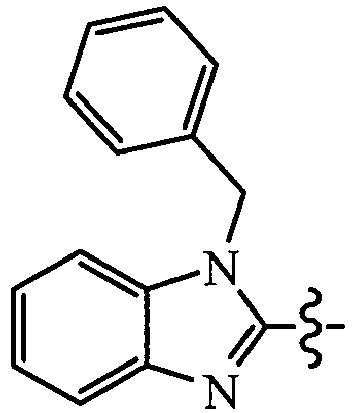
S 2-F 1 2 4-CH3 H H 5-CH3 5-8 460.56 
S H 1 2 3-CH2CH3 H H 4-H 5-9 490.58 
S H 1 3 2-CH3 H H 4-CH3 5-CH3 5-10 533.61 
S H 1 3 3-CH3 H H 4-CH2CONH2 5-CH3 5-11 460.56 
S H 1 2 2-CH3 H H 4-CH3 5-12 411.48 
S H 1 2 3-CH3 H H 4-CH3 5-13 360.44 
S H 1 2 3-CH3 H H 4-CH3 5-14 473.55 
S H 1 2 3-CH3 H H 4-CH3 5-15 331.39 
S H 1 2 3-CH3 H H 4-CH3 5-16 384.46 
S H 1 2 3-CH3 H H 4-CH3 5-17 381.45 
S H 1 2 3-CH3 H H 4-CH3 5-18 387.48 
S H 1 2 2-CH3 H H 3-CH3 5-19 430.53 
S H 1 1 4-CH3 H H 5-20 331.39 
S H 1 2 3-H H H 4-CH2CH3 5-21 361.42 
S H 1 3 3-CH3 H H 4-CH3 5-CH3 5-22 459.53 
S H 1 2 3-CH3 H H 4-H 5-23 432.50 
S H 1 2 3-H H H 4-H 5-24 370.43 
S H 1 2 3-CH3 H H 4-CH3 5-25 490.58 
S H 1 3 3-CH3 H H 4-CH3 5-CH3 5-26 460.56 
S H 1 2 3-CH3 H H 4-CH3 5-27 495.00 
S H 1 2 3-CH3 H H 4-CH3 5-28 474.54 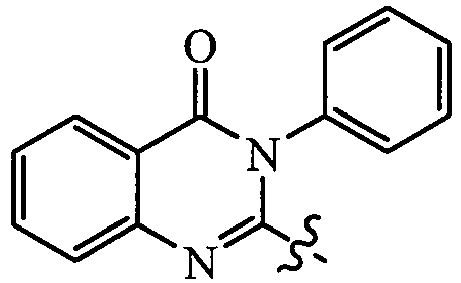
S H 1 2 3-CH3 H H 4-CH3 5-29 409.51 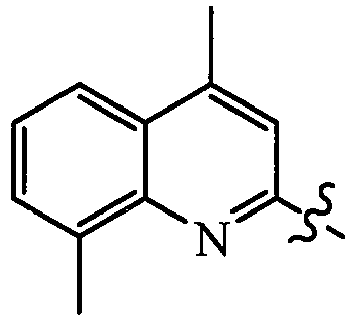
S H 1 2 3-CH3 H H 4-CH3 5-30 387.48 
S H 1 2 3-CH3 H H 4-CH3 5-31 474.58 
S H 1 2 3-CH3 H H 4-CH3 5-32 371.41 
S H 1 2 3-CH3 H H 4-CH3 5-33 495.00 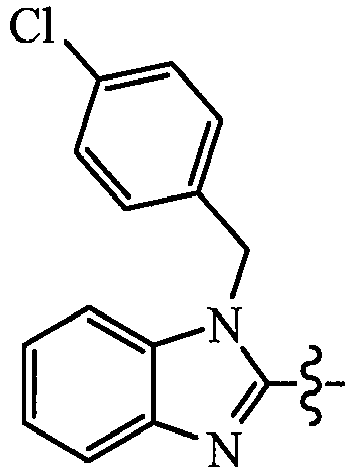
S H 1 2 3-CH3 H H 4-CH3 5-34 423.47 
O H 1 3 3-CH3 H H 4-CH2CH3 5-CH3 5-35 446.53 
S H 1 2 3-CH3 H H 4-H 5-35 398.48 
S H 1 2 3-CH3 H H 4-CH3 5-37 379.42 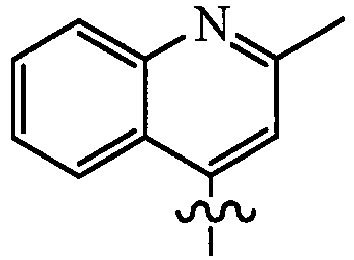
O H 1 2 3-CH3 H H 4-CH3 5-38 433.51 
O H 1 2 3-CH3 H H 4-cyclopentyl 5-39 504.61 
S H 1 3 3-CH3 H H 4-CH2CH3 5-CH3 5-40 488.61 
S H 1 2 3-CH3 H 4-n-propyl H 5-41 488.61 
S H 1 2 3-CH3CH3 H H 4-CH2CH3 5-42 463.53 
O H 1 3 3-CH3 H H 4-cyclopentyl 5-CH3 5-43 486.59 
S H 1 2 3-CH3 H H 4-(2)-propenyl 5-44 474.58 
S H 1 2 3-CH3 H H 4-CH2CH3 5-45 423.53 
S H 1 2 3-CH3 H H 4-n-propyl 5-46 407.47 
O H 1 2 3-CH3 H H 4-n-propyl 5-47 514.65 
S H 1 2 3-cyclopentyl H H 4-CH3 5-48 444.51 
S H 1 2 3-CH2-4 H H 5-49 514.65 
S H 1 2 3-CH3 H H 4-cyclopentyl 5-50 518.64 
S H 1 3 3-CH3 H H 4-n-propyl 5-CH3 5-51 544.67 
S H 1 3 3-CH3 H H 4-cyclopentyl 5-CH3 5-52 612.75 
S H 1 2 3-benzyl H H 4-benzyl 5-53 446.53 
S H 1 2 3-H H H 4-CH3 5-54 490.58 
S H 1 3 2-CH3 H H 3-CH3 4-CH3 5-55 566.68 
S H 1 3 3-CH3 H H 4-benzyl 5-CH3 5-56 647.20 
S H 1 2 3-benzyl H H 4-benzyl 5-57 478.96 
S H 1 2 3-CH2-4 H H 5-58 480.97 
S H 1 2 3-H H H 4-CH3 5-59 525.03 
S H 1 3 2-CH3 H H 3-CH3 4-CH3 5-60 601.12 
S H 1 3 3-CH3 H H 4-benzyl 5-CH3 5-61 456.55 
CH2 H 1 2 3-n-propyl H H 4-CH3 5-62 486.59 
CH2 H 1 2 3-CH2CH3 H H 4-CH3 5-63 460.56 
S H 1 2 3-CH3 H H 5-CH3 5-64 476.55 
S H 1 3 3-CH3 H H 4-H 5-CH3 5-65 486.59 
S H 1 2 3-cyclopropyl H H 4-CH3 5-66 464.97 
S 3-Cl 1 1 4-CH3 H H 5-67 474.58 
S H 1 2 3-CH2CH3 H H 4-CH3 5-68 446.53 
S H 1 2 3-H H H 4-CH3 5-69 409.51 
S H 1 2 3-CH3 H CH3 4-CH3 5-70 365.45 
S H 1 1 4-CH3 H H 5-71 474.38 
S 3-Br 1 2 4-H H H 5-CH2CH3 5-72 349.39 
O H 1 1 2-CH3 H H 5-73 395.48 
S 5-CH3 1 2 3-CH3 H H 4-H 5-74 423.47 
O H 1 2 3-CH3 H H 4-CH3 5-75 409.46 
S H 1 3 3,4-CH2-5-CH3 H H 5-76 429.93 
S 3-Cl 1 2 4-CH3 H H 5-CH3 5-77 474.38 
S 3-Br 1 2 4-CH3 H H 5-CH3 5-78 409.44 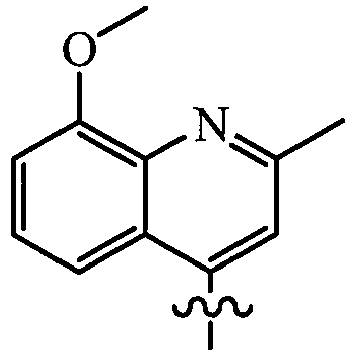
O H 1 2 3-CH3 H H 4-CH3 5-79 415.46 
S 4-CHF2 1 1 3-CH3 H H 5-80 365.39 
O H 1 2 3-CH3 H H 4-H 5-81 363.42 
O 3-CH3 1 1 4-CH3 H H 5-82 439.47 
O H 1 2 3-CH3 H H 4-CH3 5-83 378.43 
NR6 (R6= H) H 1 2 3-CH3 H H 4-CH3 5-84 365.39 
O H 1 2 3-CH3 H H 4-CH3 5-85 444.29 
O 2-Br 1 2 3-H H H 4-CH3 5-86 393.40 
O H 1 3 3-CH2-4 H H 5-CH3 5-87 397.41 
O 2-F 1 2 4-CH3 H H 5-CH3 5-88 367.38 
O 4-F 1 1 3-CH3 H H 5-89 399.83 
O 3-Cl 1 2 4-H H H 5-CH3 5-90 458.32 
O 3-Br 1 2 4-H H H 5-CH2CH3 5-91 413.86 
O 3-Cl 1 2 4-CH3 H H 5-CH3 5-92 458.32 
O 3-Br 1 2 4-CH3 H H 5-CH3 5-93 371.41 
O H 1 2 3-CH3 H H 4-CH3 5-94 383.38 
O 3-F 1 2 4-H H H 5-CH3 5-95 383.83 
O 3-Cl 1 1 4-CH3 H H 5-96 429.42 
O H 1 2 3-CH2CH3 H H 4-CHF2 5-97 415.40 
O H 1 2 3-CH3 H H 4-CHF2 5-98 379.42 
O 3-CH3 1 2 4-H H H 5-CH3 5-99 399.40 
O 4-CHF2 1 1 3-CH3 H H 5-100 409.44 
O H 1 3 2-CH3 H H 3-CH3 4-CH3 5-101 409.44 
O H 1 3 2-CH3 H H 4-CH3 5-CH3 5-102 435.42 
S H 1 2 3-CF3 H H 4-H 5-103 395.48 
S H 1 2 3-CH2CH3 H H 4-H 5-104 409.51 
S H 1 2 3-CH3 H H 4-CH2CH3 5-105 409.51 
S H 1 2 3-CH2CH3 H H 4-CH3 5-106 447.41 
O H 1 2 3-CH3 H H 4-CH3 5-107 424.41 
O H 1 2 3-CH3 H H 4-CH3 5-108 365.45 
S H 1 1 3-CH3 H H 5-109 395.48 
S H 1 2 3-CH3 H H 5-CH3 5-110 411.48 
S H 1 3 3-CH3 H H 4-H 5-CH3 5-111 431.46 
S H 1 2 3-CHF2 H H 4-CH3 5-112 437.56 
S H 1 2 3-CH2CH(CH3)2 H H 4-CH3 5-113 449.45 
S H 1 2 3-CF3 H H 4-H 5-114 425.51 
S H 1 2 3-CH3 H H 4-CH3 5-115 486.59 
S H 1 2 3-(2)-propenyl H H 4-CH3 5-116 488.61 
S H 1 2 3-n-propyl H H 4-CH3 5-117 400.46 
S H 1 3 3-CH3 H H 4-CH3 5-CH3 5-118 454.50 
S H 1 3 3-CH3 H H 4-CH2CONH2 5-CH3 5-119 447.46 
S H 1 3 3-CH3 H H 4-CHF2 5-CH3 5-120 487.58 
S H 1 3 3-CH3 H H 4-benzyl 5-CH3 5-121 399.44 
S 2-F 1 2 4-CH3 H H 5-CH3 5-122 411.48 
S H 1 3 3-CH3 H H 4-CH3 5-CH3 5-123 411.48 
S H 1 3 2-CH3 H H 4-CH3 5-CH3 5-124 411.48 
S H 1 3 2-CH3 H H 3-CH3 4-CH3 5-125 381.45 
S H 1 2 3-CH2CH3 H H 4-H 5-126 367.43 
S H 1 2 3-H H H 4-CH3 5-127 365.41 
S H 1 2 3-CH2-4 H H 5-128 533.65 
S H 1 2 3-benzyl H H 4-benzyl 5-129 525.03 
S H 1 3 3-CH3 H H 4-CH3 5-CH3 5-130 490.57 
S H 1 3 3-CH3 H H 4-CH3 5-CH3 5-131 449.45 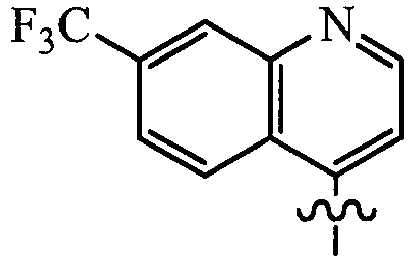
S H 1 2 3-CH3 H H 4-CH3 5-132 437.41 
S 3-F 1 1 4-CH3 H H 5-133 437.41 
S 4-F 1 1 3-CH3 H H 5-134 453.87 
S 3-Cl 1 1 4-CH3 H H 5-135 487.42 
S 3-CF3 1 1 5-CH3 H H 5-136 449.45 
S H 1 2 3-CH3 H H 5-CH3 5-137 425.5 
S H 1 2 3-CH3 H H 4-CH3 5-138 413.47 
S 3-F 1 1 4-CH3 H H 5-139 413.47 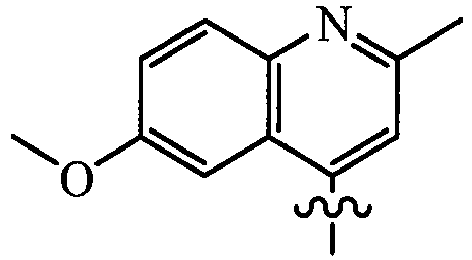
S 4-F 1 1 3-CH3 H H 5-140 429.92 
S 3-Cl 1 1 4-CH3 H H 5-141 463.47 
S 3-CF3 1 1 4-CH3 H H 5-142 425.5 
S H 1 2 3-CH3 H H 5-CH3 5-143 381.45 
S H 1 2 3-CH3 H H 5-CH3 5-144 369.41 
S 3-F 1 1 4-CH3 H H 5-145 369.41 
S 4-F 1 1 3-CH3 H H 5-146 385.87 
S 3-Cl 1 1 4-CH3 H H 5-147 419.42 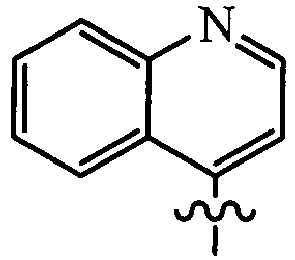
S 3-CF3 1 1 4-CH3 H H 5-148 381.45 
S H 1 2 3-CH3 H H 5-CH3 5-149 395.47 
S H 1 2 3-CH3 H H 4-CH3 5-150 383.44 
S 3-F 1 1 4-CH3 H H 5-151 383.44 
S 4-F 1 1 3-CH3 H H 5-152 399.89 
S 3-Cl 1 1 4-CH3 H H 5-153 433.45 
S 3-CF3 1 1 4-CH3 H H 5-154 395.47 
S H 1 2 3-CH3 H H 5-CH3 5-155 474.37 
S H 1 2 3-CH3 H H 4-CH3 5-156 462.34 
S 3-F 1 1 4-CH3 H H 5-157 462.34 
S 4-F 1 1 3-CH3 H H 5-158 478.79 
S 3-Cl 1 1 4-CH3 H H 5-159 512.34 
S 3-CF3 1 1 5-CH3 H H 5-160 474.37 
S H 1 2 3-CH3 H H 5-CH3 5-161 419.50 
S R1 and R2 taken together (see R2) 1 2 
H H 5-162 440.52 
S H 1 3 3-CH3 CH 3 H 4-CH3 5-CH3 5-163 435.55 
S H 1 2 
H H 4-CH3 5-164 441.50 
S H 1 3 3-CH3 H H 4-CH3 5-CH3 5-165 439.53 
S H 2 3 3-CH3 H H 4-CH3 5-CH3 5-166 422.48 
NR6 (R6= CH3) H 1 3 3-CH3 H H 4-CH3 5-CH3 5-167 454.54 
S H 1 3 3-CH3 H H 4-CH3 5-CH3 5-168 361.42 
S H 1 3 3-CH3 H H 4-CH3 5-CH3 5-169 362.41 
S H 1 3 3-CH3 H H 4-CH3 5-CH3 5-170 467.44 
S H 1 2 3-CHF2 H H 4-CHF2 5-171 387.40 
S 3-F 1 1 4-H H H 5-F 5-172 438.54 
S 3-CH2N (CH3)2 1 1 4-H H H 5-173 401.43 
S 3-F 1 1 4-CH3 H H 5-F 5-174 385.37 
O 2-F 1 1 3-CH3 H H 4-F 5-175 431.46 
S 3-F 1 1 4-CH3 H H 5-F 5-176 431.46 
S 2-F 1 1 4-CH3 H H 3-F 5-177 401.43 
S 2-F 1 1 4-CH3 H H 3-F 5-178 401.43 
S 3-F 1 1 4-CH3 H H 5-F 5-179 387.40 
S 3-F 1 1 4-CH3 H H 5-F 5-180 381.45 
S H 1 2 3-CH3 H H 4-CH3 5-181 455.40 
S 2-F 1 1 4-CH3 H H 3-F 5-182 455.40 
S 3-F 1 1 4-CH3 H H 5-F -

- To a stirred solution of benzene-1,2-diamine (20.0 g, 0.19 mol, 1.0 eq.) in dioxane (500 mL) at room temperature, was added succinic anhydride (22.2 g, 0.22 mol, 1.2 eq.), and the reaction mixture was heated to 80 °C and stirred at that temperature for 16 hours. The resulting precipitate was filtered and washed with dioxane (100 mL), water (100 mL) and diethyl ether (100 mL) to give a white solid. The solid was suspended in ethanol (400 mL), and concentrated sulfuric acid (10 mL) was added at room temperature. The reaction mixture was heated to reflux and stirred at that temperature for 20 hours. The reaction was then cooled to room temperature and concentrated in vacuo. Water (100 mL) was added, and the mixture was adjusted to pH 7 with 1 M aqueous NaOH solution. The aqueous layer was extracted into ethyl acetate (3 x 100 mL), and the combined organic extracts were dried over magnesium sulfate and concentrated in vacuo to give 6a as a pale-orange oil (15.6 g, 46%).
-

- To a stirred solution of ethyl 3-(1H-benzo[d]imidazol-2-yl)propanoate 6a (2.85 g, 13.1 mmol, 1.0 eq.) in tetrahydrofuran (100 mL) at 0 °C, was added 60% sodium hydride in mineral oil (784 mg, 19.6 mmol, 1.5 eq.), and the reaction was stirred at 0 °C for 20 minutes. Benzyl bromide (4.47 g, 26.1 mmol, 2.0 eq.) was added at 0 °C, and the reaction was stirred, with warming to room temperature, for 16 hours. The mixture was concentrated in vacuo and water (100 mL) was carefully added. The aqueous layer was extracted with dichloromethane (3 x 75 mL), and the combined organic extracts were washed with 1M hydrochloric acid (100 mL) and brine (100 mL). The organic layer was dried over magnesium sulfate and concentrated in vacuo. Purification by flash chromatography (5% MeOH:95% EtOAc) gave 6b as an orange oil (3.32 g, 82%).
-

- Step 6C was performed in an analogous fashion to Example 4, Step 4C.
-

- Step 6D was prepared in an analogous fashion to Example 4, Step 4D.
- Referring to Table 4, the following derivatives of structure (V), wherein R, R3, R4 and R5 are hydrogen, were synthesized according to the procedures outlined in Example 6.
Table 4 
No. MW A R1 x R2 6-1 442.52 
H 2 3-CH3 4-CH3 6-2 382.42 
H 2 3-CH3 4-CH3 5-CH3 6-3 387.44 
H 2 3-CH3 4-H 6-4 320.39 
H 2 3-H 4-CH3 6-5 336.35 
H 2 3-CH2-4 6-6 338.37 
H 2 3-H 4-CH3 6-7 352.39 
H 2 3-CH2CH3 4-H 6-8 382.42 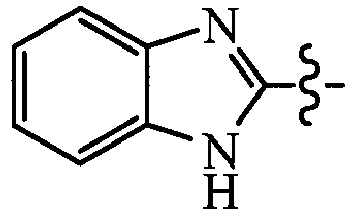
H 3 2-CH3 3-CH3 4-CH3 No. MW A R1 x R2 6-9 382.42 
H 3 2-CH3 4-CH3 5-CH3 6-10 370.38 
2- F 2 4-CH3 5-CH3 6-11 458.52 
H 3 3-CH3 4-benzyl 5-CH3 6-12 456.55 
H 2 3-CH3 4-CH2CH3 6-13 456.55 
H 2 3-CH2CH3 4-CH3 - Referring to Table 5, the following derivatives of structure (IV), wherein R4 and R5 are hydrogen, can be synthesized according to
Reaction Scheme 5.Table 5 
No. MW A R1 x R2 7-1 304.30 
H 3 3-CH3 4-CH3 5-CH3 7-2 380.40 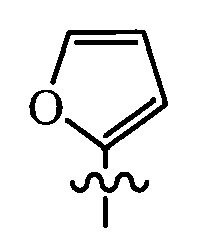
H 2 3-CH3 4-benzyl 5-CH3 7-3 272.26 
H 2 3-CH3 4-H 7-4 271.28 H 2 3-H 4-CH3 7-5 323.35 
H 2 3-CH2CH3 4-H 7-6 328.32 
H 2 3-CH3 4-H 7-7 328.32 
H 2 3-H 4-CH3 7-8 258.23 
H 2 3-CH2-4 7-9 260.25 
H 2 3-H 4-CH3 7-10 274.28 
H 2 3-CH2CH3 4-H 7-11 304.30 
H 3 2-CH3 3-CH3 4-CH3 7-12 304.30 
H 3 2-CH3 4-CH3 5-CH3 7-13 292.27 
2- F 2 4-CH3 5-CH3 7-14 340.28 
H 3 3-CH3 4-CHF2 5-CH3 7-15 347.33 
H 3 3-CH3 4-CH2CONH2 5-CH3 - The phosphodiesterase (PDE) assay was performed using recombinant human PDE 1A3, 2A3, 3 catalytic region, 4 catalytic region, 5 catalytic region, 7A, 8A, 9A2, 10A1 and 11A1 enzymes expressed in a baculoviral system using Sf9 cells. PDE activity was measured using a modification of the two-step method of Thompson and Appleman described above which was adapted for 96 well plate format. The effect of the PDE inhibitors was determined by assaying a fixed amount of the enzyme in the presence of test compound concentrations and a substrate concentration below that of the Km, so that Ki equals IC50. The final assay volume was 110 µl with assay buffer (10mM MgCl2; 40mM Tris.HCl; pH 7.4). Reactions were initiated with enzyme and incubated with (3H) -substrate and substance for 20 minutes at 30° C. The reaction was terminated by denaturing the enzyme (heating the reaction to 70° C for 2 minutes). The reaction was then cooled at 4° C for 10 minutes before the addition of snake venom (Crotalus atrox, 0.2 mg/ml) for 10 minutes at 30° C, thus allowing non-specific hydrolysis of the tritiated substrate. Separation of the remaining unhydrolysed cyclic nucleotide was achieved by a batch binding of the mixture to activated Dowex (200 µl) anion exchange resin. The anion exchange resin bound the charged nucleotides, leaving only hydrolysed (3H) substrate in the soluble fraction. The soluble fraction (50 µl) was then added to microscint-20 (200 µl) and counted on a Top Count Plate reader. Radioactivity units were plotted against inhibitor concentration and IC50 values obtained using Graph Pad Prism software.
- In the above assay, compounds of this invention are PDE10 inhibitors with an IC50 of 100µM or less, generally less than 10 µM, and typically less than 1 µM. To this end, compounds 1-1, 2-2, 4-1, 5-1, 5-2, 5-3, 5-4, 5-5, 5-25, 5-26, 5-27, 5-64, 5-67, 5-73, 5-75, 5-76, 5-77, 5-79, 5-91, 5-92, 5-104, 5-105, 5-108, 5-109, 5-110, 5-111, 5-112, 5-114, 5-115, 5-118, 5-119, 5-121, 5-122, 5-123, 5-125, 5-129, 5-130, 5-161, 5-162 and 5-163 were found to have IC50's of less than or equal to 1 µM.
- Schizophrenia has been associated with dysfunctions of dopaminergic, glutamatergic and serotonergic neurotransmission. Psychostimulant drugs in these three classes, dopaminergic agonists (such as amphetamine and apomorphine), glutamatergic antagonists (such as PCP and ketamine), and serotonergic agonists (such as LSD and MDMA), all induce psychotomimetic states (e.g., hyperactivity and disruption of prepulse inhibition) in animals that closely resemble schizophrenia symptoms in humans. Known antipsychotic drugs, including both typical antipsychotics (e.g., haloperidol) and atypical antipsychotics (e.g., olanzapine), reverse such psychotomimetic states in animals. Examples 9-14 described below evaluate representative compounds of the present invention in animal behavioral models to compare the resulting effect to that of known antipsychotics. Methods used in the Examples 9-14 are as follows.
- Prepulse inhibition (PPI) of the acoustic startle response evaluates the brain's sensorimotor gating function that is often disrupted in schizophrenic and other psychotic conditions. Psychostimulants such as PCP and amphetamine reduce or disrupt PPI, and many antipsychotics increase PPI and/or reverse psychostimulant-induced reduction of PPI. In addition, the startle response to the loud noise itself (in the absense of any prepulse) is a measure of the basic sensorimotor reflex. The test is done using the SR-Lab System (San Diego Instruments, San Diego, CA). A test session consists of six trial types under the background noise of 70 dB. One type uses a 40 msec, 120 dB noise as the startle stimulus. Four types contain acoustic startle stimulus preceded by acoustic prepulses of different intensity: the 20-msec prepulse noise of 73, 76, 79, or 82 dB is presented 100 msec before the 120 dB startle stimulus. The last trial type uses the 70 dB background noise with no startle stimulus to measure baseline reaction. Six blocks of the six trial types are presented in pseudorandom order. The startle response is recorded for 65 ms starting with the onset of the startle stimulus. Measurements used to assess PPI are the maximum startle amplitude and the percent each of the 4 prepulses inhibits the startle response.
- Psychostimulant-induced hyperactivity is measured by injecting animals with PCP or amphetamine and monitoring the animals' activity levels in the VersaMax chambers (Accuscan Instruments, Columbus, OH) measuring 40 x 40 cm. Locomotor activity is detected by photobeam breaks as the animal crosses each beam. The animal is placed in the center of the field and left undisturbed for a period of time (20 min to 2 hr) to measure its spontaneous activity in a novel environment. Measurements used to assess locomotor activity include: horizontal activity, total distance traveled, vertical activity (rearing events - animal raises up on hindlimbs), rotation, stereotypy, and distance traveled in the center compared to total distance traveled (center: total distance ratio). Psychostimulants, including dopamine agonist amphetamine and NMDA antagonist PCP, induce psychosis-like conditions manifested as hyperactivity and increased stereotypic behavior. Known antipsychotics are able to reverse psychostimulant-induced hyperactivity and increased stereotypy.
- Conditioned avoidance response (CAR) is a behavioral test to evaluate antipsychotic effect of a test compound. It utilizes a shuttle box (Med Associates, St. Albans, VT) with two equal chambers separated by a retractable door. Each chamber is fitted with metal grid floor that is capable of delivering electric shocks independently. A computer program is used to implement the testing paradigm as well as record the animal's movement between the two chambers through infrared beam sensors. The testing paradigm is as the follows. A mouse is placed into one chamber. A light (conditioned stimulus, CS) comes on. Five seconds later, mild electric shocks (0.4 mA) (unconditioned stimulus, US) are delivered to the chamber where the mouse is located (as detected by infrared beams) until the mouse escapes to the adjacent chamber or until 10 sec has elapsed. The US and CS always co-terminate. With randomized inter-trial intervals averaging 15 sec, 30 such CS-US pairing trials are given to each mouse each day. For each trial, an escape response is registered if the mouse crosses to the other chamber after being shocked (i.e., during the 10-sec US period), and an avoidance response is registered if the mouse crosses to the other chamber during the first 5-sec CS only period. The animals are trained in such paradigm for 15-20 days, during which the average percentage of avoidance responses will improve to 60-80%. This indicates that animals have learned to avoid the onset of footshocks by moving to the opposite chamber upon activation of the CS (light). These trained animals are then used for compound testing using the same paradigm. Known antipsychotics have been found to inhibit the conditioned avoidance response, and the ability of new compounds to inhibit this response is thought to be predictive of antipsychotic effect in humans.
- Compound 5-1 (Table 3) was found to increase prepulse inhibition (PPI) similar to olanzapine, as shown in
FIGURE 1 . C57BL/6 male mice were injected intraperitoneally (i.p.) with either compound or vehicle. Thirty minutes after injection, the mice were transferred to the PPI testing chamber and evaluated.FIGURE 1A shows that olanzapine (3 mg/kg) significantly decreases the startle response (left panel) and increases PPI at 3 different prepulse levels (right panel) compared to vehicle control (* p<0.05, n=8 per group, student's t-test).FIGURE 1B shows that compound 5-1 (50 mg/kg) does not affect the startle response (left panel) but significantly increases PPI at 3 different prepulse levels (right panel) compared to vehicle control (* p<0.05, ** p<0.01, n=24 per group, student's t-test). - Compound 5-1 (Table 3) was found to reduce PCP-induced hyperactivity similar to olanzapine and haloperidol, as shown in
FIGURE 2 . C57BL/6 male mice were injected with either compound or vehicle via i.p. Ten minutes later, the mice were injected with PCP (5 mg/kg) (or vehicle as inFIGURE 2B ) via i.p. The mice were placed in theactivity chambers 10 minutes after PCP injection and their locomotor activities were monitored by infrared beam breaks for 20 min.FIGURE 2A shows that both olanzapine (0.2 mg/kg) and haloperidol (0.2 mg/kg) significantly reduce the hyperactivity (left panel) and stereotypy (right panel) induced by PCP as seen in the vehicle+PCP control (p<0.001, n=8 per group, repeated measures ANOVA).FIGURE 2B shows that compound 5-1 (50 mg/kg) completely abolishes the hyperactivity (left panel) and stereotypy (right panel) induced by PCP as seen in the vehicle+PCP control (p<0.001, n=8 per group, repeated measures ANOVA). - Compound 5-1 (Table 3) was found to reduce amphetamine-induced hyperactivity similar to olanzapine, as shown in
FIGURE 3 . C57BL/6 male mice were injected with either compound or vehicle via i.p. Ten minutes later, the mice were injected with amphetamine (2 mg/kg in (FIGURE 3A ) or5 mg/kg in (FIGURE 3B )) via i.p. The mice were placed in theactivity chambers 10 minutes after amphetamine injection and their locomotor activities were monitored by infrared beam breaks for 20 min.FIGURE 3A shows that olanzapine (0.2 mg/kg) partially but significantly reduce the hyperactivity (left panel) and stereotypy (right panel) induced by amphetamine ("amph") as seen in the vehicle+amph control (p<0.05, n=8 per group, repeated measures ANOVA).FIGURE 3B shows that compound 5-1 (50 mg/kg) also partially but significantly reduce the hyperactivity (left panel) and stereotypy (right panel) induced by amphetamine as seen in the vehicle+amph control (p<0.01, n=8 per group, repeated measures ANOVA). - Compound 5-1 (Table 3) was found to reduce Conditioned Avoidance Response (CAR) similar to haloperidol and olanzapine, as shown in
FIGURE 4 . C57BL/6 male mice were trained in the CAR paradigm to predict and avoid the noxious stimulus, reaching a plateau of approximately 20-25 avoidance responses per 30 trials ("training plateau") each day. The mice were then injected with compound or vehicle via i.p., and 20 minutes later they were tested for 30 trials in the CAR paradigm. Vehicle treatment and compound treatment were given to the same animals on alternating days, and the effect of compound in reducing avoidance response was analyzed through within-subject comparison (paired t-test). Vehicle exposure ("vehicle") does not alter the avoidance response of these trained animals.FIGURE 4A shows that haloperidol (0.15 mg/kg) significantly reduces the number of avoidance response (*** p<0.001, n=6 per group, paired t-test).FIGURE 4B shows that olanzapine (0.45 mg/kg) significantly reduces the number of avoidance response (** p<0.01, n=6 per group, paired t-test).FIGURE 4C shows that compound 5-1 (30 mg/kg) significantly reduces the number of avoidance response (*** p<0.001, n=6 per group, paired t-test). In all these cases, the numbers of escape response increase correspondingly and the total numbers of transitions between the two chambers do not change (data not shown), indicating a specific reduction of CAR that is not due to compromised motor function. - Compound 5-110 (Table 3) was found to exhibit antipsychotic properties in two behavioral tests, as shown in
FIGURE 5. FIGURE 5A shows that compound 5-110 (10 mg/kg) significantly reduces the number of avoidance response in the CAR test (** p<0.01, n=6 per group, paired t-test). Experimental procedure was the same as in Example 12.FIGURE 5B shows that compound 5-110 (30 mg/kg) significantly reduces the hyperactivity (left panel) and stereotypy (right panel) induced by PCP (5 mg/kg) (p<0.001, n=8 per group, repeated measures ANOVA). Experimental procedure was the same as in Example 10. - Compound 5-103 (Table 3) was found to reduce Conditioned Avoidance Response (CAR), as shown in
FIGURE 6 . Compound 5-103 (10 mg/kg) significantly reduces the number of avoidance response (** p<0.01, n=6 per group, paired t-test). Experimental procedure was the same as in Example 12.
Claims (15)
- A compound for use in treating schizophrenia in a warm-blooded animal in need thereof, said compound having the following structure (I):

wherein:m, n and p are individually 0 or 1;x is 1, 2 or 3;A is an optionally substituted heterocycle;B is -O-, -NR6- or -S(O)z- where z is 0, 1 or 2;R is hydrogen or oxo;R1 is absent or represents 1, 2 or 3 substituents that are the same or different and independently halogen, C1-6alkyl, -CHF2, -CF3, -CH2NH2, -CH2NH(C1-6alkyl) or -CH2N(C1-6alkyl)2;R2 is at each occurrence the same or different and independently hydrogen, C1-6alkyl, -C(=O)(C1-6alkyl), benzyl, -CH2CONH2, -CHF2, -CF3, or any two R2 groups may be taken together to form a C1-6alkanediyl; andR3, R4, R5 and R6 are the same or different and independently hydrogen or C1-6alkyl. - Use of a compound for the preparation of a medicament for use in treating schizophrenia in a warm-blooded animal in need thereof, said compound having the following structure (I):

wherein:m, n and p are individually 0 or 1;x is 1, 2 or 3;A is an optionally substituted heterocycle;B is -O-, -NR6- or -S(O)z- where z is 0, 1 or 2;R is hydrogen or oxo;R1 is absent or represents 1, 2 or 3 substituents that are the same or different and independently halogen, C1-6alkyl, -CHF2, -CF3, -CH2NH2, -CH2NH(C1-6alkyl) or -CH2N(C1-6alkyl)2;R2 is at each occurrence the same or different and independently hydrogen, C1-6alkyl, -C(=O)(C1-6alkyl), benzyl, -CH2CONH2, -CHF2, -CF3, or any two R2 groups may be taken together to form a C1-6alkanediyl; andR3, R4, R5 and R6 are the same or different and independently hydrogen or C1-6alkyl. - The compound for use or use according to claim 1 or 2, wherein the compound has the following structure (II):
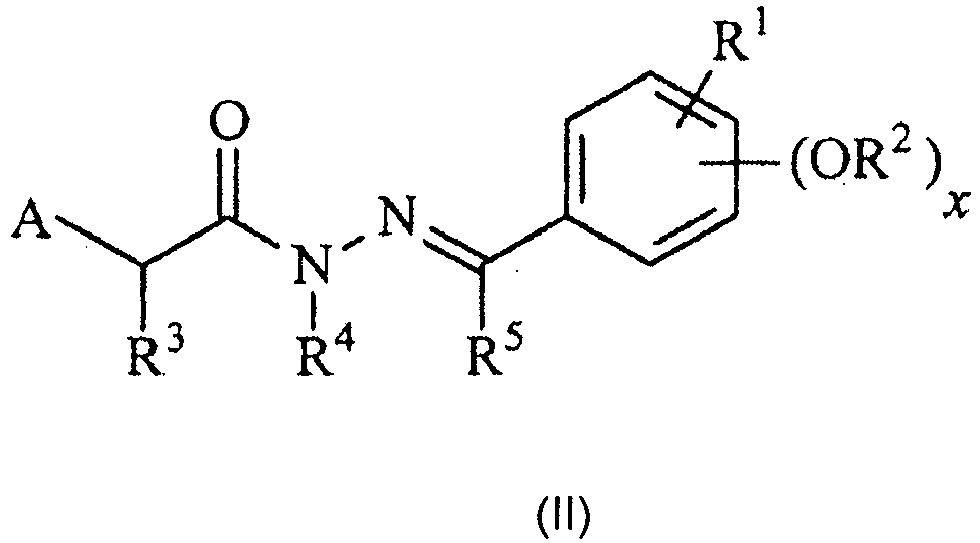
- The compound for use or use according to claim 1 or 2, wherein the compound has the following structure (III):

- The compound for use or use according to claim 1 or 2, wherein the compound has the following structure (IV):

- The compound for use or use according to claim 1 or 2, wherein the compound has the following structure (V):

- The compound for use or use according to claim 1 or 2, wherein the compound has the following structure (VI):
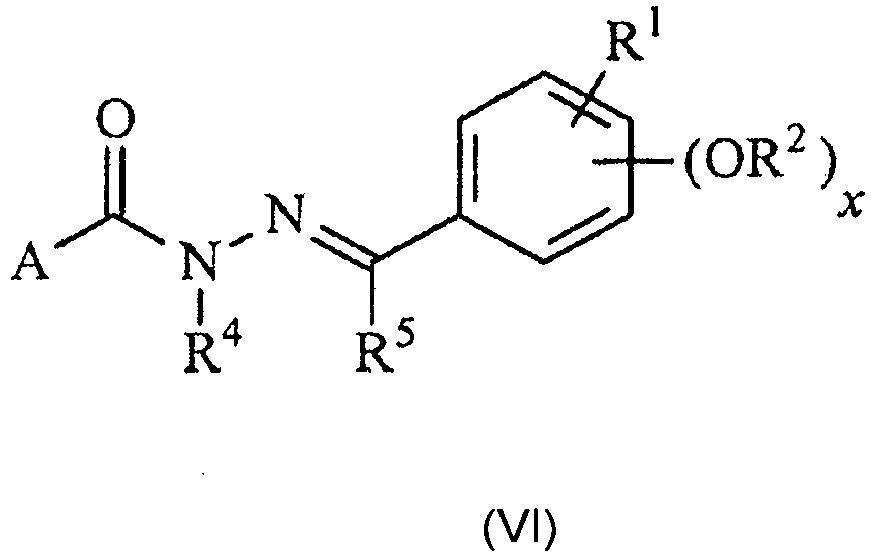
- The compound for use or use according to claim 1 or 2, wherein the compound has the following structure (IVa):

- The compound for use or use according to claim 1 or 2, wherein the compound has the following structure (IVb):
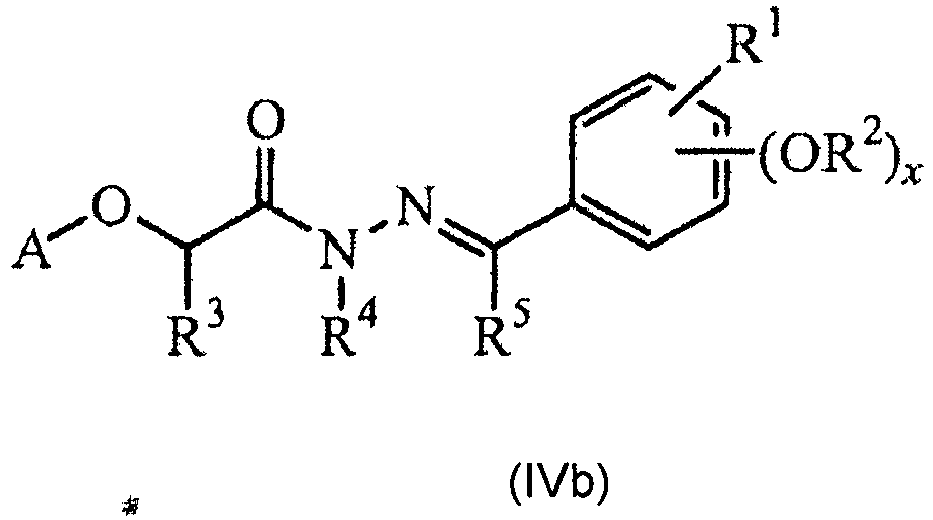
- The compound for use or use according to claim 1 or 2, wherein the compound has the following structure (IVc):

- The compound for use or use according to claim 1 or 2, wherein the compound has the following structure (IVg):
 a is 1, 2, 3 or 4;b is 1 or 2; andR7 and R8 are the same or different and independently hydrogen, halogen, C1-6alkyl, -O(C1-6alkyl), C1-6haloalkyl or nitro.
 - The compound for use or use according to claim 1 or 2, wherein the compound has the following structure (IVh):
 c is 1, 2, 3, 4 or 5; andR9 is at each occurrence the same or different and independently, hydrogen, halogen or C1-6alkyl.
 - A compound having the following structure (IVg):

wherein:a is 1, 2, 3 or 4;b is 1 or 2;x is 1, 2 or 3 with the proviso that when x is 1, R1 is not a single methyl substituent;R1 represents 1 or 2 substitutents independently halogen, C1-6alkyl, -CHF2 or -CF3;R2 is at each occurrence the same or different and independently, hydrogen, C1-6alkyl, benzyl, -CH2CONH2, -CHF2, -CF3, or any two R2 groups may be taken together to form a C1-6alkanediyl; andR3, R4 and R5 are the same or different and independently hydrogen or C1-6alkyl; andR7 and R8 are the same or different and independently hydrogen, halogen, C1-6alkyl, -O(C1-6alkyl), C1-6haloalkyl or nitro. - The compound of claim 13 wherein R3, R4 and R5 are hydrogen.
- A pharmaceutical composition comprising a compound of claim 13 and a pharmaceutically acceptable carrier or diluent.
Applications Claiming Priority (3)
| Application Number | Priority Date | Filing Date | Title |
|---|---|---|---|
| US86674506P | 2006-11-21 | 2006-11-21 | |
| US89638607P | 2007-03-22 | 2007-03-22 | |
| PCT/US2007/085440 WO2008064342A2 (en) | 2006-11-21 | 2007-11-21 | Pde10 inhibitors and related compositions and methods |
Publications (2)
| Publication Number | Publication Date |
|---|---|
| EP2083819A2 EP2083819A2 (en) | 2009-08-05 |
| EP2083819B1 true EP2083819B1 (en) | 2017-02-22 |
Family
ID=39430607
Family Applications (1)
| Application Number | Title | Priority Date | Filing Date |
|---|---|---|---|
| EP07845135.8A Active EP2083819B1 (en) | 2006-11-21 | 2007-11-21 | Pde10 inhibitors and related compositions and methods |
Country Status (3)
| Country | Link |
|---|---|
| EP (1) | EP2083819B1 (en) |
| ES (1) | ES2624791T3 (en) |
| WO (1) | WO2008064342A2 (en) |
Cited By (1)
| Publication number | Priority date | Publication date | Assignee | Title |
|---|---|---|---|---|
| WO2024196958A3 (en) * | 2023-03-20 | 2024-10-24 | University Of Notre Dame Du Lac | Compounds for restoring susceptibility to beta-lactam antibiotics |
Families Citing this family (14)
| Publication number | Priority date | Publication date | Assignee | Title |
|---|---|---|---|---|
| US7786139B2 (en) | 2006-11-21 | 2010-08-31 | Omeros Corporation | PDE10 inhibitors and related compositions and methods |
| WO2009143178A2 (en) * | 2008-05-20 | 2009-11-26 | Omeros Corporation | Pde10 inhibitors and related compositions and methods |
| CN102143752B (en) | 2008-08-05 | 2014-12-10 | 奥默罗斯公司 | PDE10 inhibitors and related compositions and methods |
| CN101624376B (en) * | 2009-08-19 | 2011-09-14 | 沈阳中海药业有限公司 | Substituted hydrazide compound and application thereof |
| NZ601967A (en) | 2010-03-12 | 2015-03-27 | Omeros Corp | Pde10 inhibitors and related compositions and methods |
| CN102060757B (en) * | 2010-12-14 | 2013-05-22 | 聊城大学 | Acylhydrazone Schiff base compound and its preparation method and application |
| MX2013009575A (en) | 2011-02-18 | 2014-10-14 | Exonhit Therapeutics Sa | Substituted 6,7-dialkoxy-3-isoquinolinol derivatives as inhibitors of phosphodiesterase 10 (pde10a). |
| ITRM20120131A1 (en) | 2012-03-30 | 2013-10-01 | Consiglio Nazionale Ricerche | USEFUL INHIBITORS OF THE TCR / MHCII-COLLAGEN INTERACTION FOR THE TREATMENT OF RHEUMATOID ARTHRITIS. |
| WO2014071044A1 (en) | 2012-11-01 | 2014-05-08 | Allergan, Inc. | Substituted 6,7-dialkoxy-3-isoquinoline derivatives as inhibitors of phosphodiesterase 10 (pde10a) |
| NZ716462A (en) * | 2014-04-28 | 2017-11-24 | Omeros Corp | Optically active pde10 inhibitor |
| NZ716494A (en) * | 2014-04-28 | 2017-07-28 | Omeros Corp | Processes and intermediates for the preparation of a pde10 inhibitor |
| CN107530313A (en) | 2015-04-24 | 2018-01-02 | 奥默罗斯公司 | PDE10 inhibitor and compositions related and method |
| WO2017079678A1 (en) | 2015-11-04 | 2017-05-11 | Omeros Corporation | Solid state forms of a pde10 inhibitor |
| CN106474113B (en) * | 2016-08-30 | 2019-02-26 | 徐州医科大学 | A kind of pharmaceutical composition for nerve regeneration after ischemic stroke and its application |
Family Cites Families (10)
| Publication number | Priority date | Publication date | Assignee | Title |
|---|---|---|---|---|
| AU758207B2 (en) * | 1999-05-28 | 2003-03-20 | Cj Cheiljedang Corporation | Cathecol hydrazone derivatives, process for preparing the same and pharmaceutical composition containing the same |
| WO2002032896A1 (en) * | 2000-10-16 | 2002-04-25 | Novo Nordisk A/S | Furazanyl-triazole derivates for the treatment of diseases |
| US20030018047A1 (en) * | 2001-04-20 | 2003-01-23 | Pfizer Inc. | Therapeutic use of selective PDE10 inhibitors |
| DE10348022A1 (en) * | 2003-10-15 | 2005-05-25 | Imtm Gmbh | New dipeptidyl peptidase IV inhibitors for the functional influence of different cells and for the treatment of immunological, inflammatory, neuronal and other diseases |
| EP1706114B1 (en) * | 2004-01-21 | 2012-12-26 | Cornell Research Foundation, Inc. | Chemical inhibitors of soluble adenylyl cyclase (sac) |
| TW200621677A (en) * | 2004-09-21 | 2006-07-01 | Astellas Pharma Inc | Cyclic amine derivative or salt thereof |
| WO2006113236A2 (en) * | 2005-04-14 | 2006-10-26 | Cornell Research Foundation, Inc. | Novel chemical inhibitors of neutrophil activation through the sac-dependent pathway |
| US20070123508A1 (en) * | 2005-05-27 | 2007-05-31 | Roger Olsson | PAR2-modulating compounds and their use |
| WO2007008529A2 (en) * | 2005-07-08 | 2007-01-18 | Kalypsys, Inc | Celullar cholesterol absorption modifiers |
| US8236783B2 (en) * | 2006-08-15 | 2012-08-07 | Duke University | ROS-sensitive iron chelators and methods of using the same |
-
2007
- 2007-11-21 EP EP07845135.8A patent/EP2083819B1/en active Active
- 2007-11-21 ES ES07845135.8T patent/ES2624791T3/en active Active
- 2007-11-21 WO PCT/US2007/085440 patent/WO2008064342A2/en not_active Ceased
Non-Patent Citations (1)
| Title |
|---|
| None * |
Cited By (1)
| Publication number | Priority date | Publication date | Assignee | Title |
|---|---|---|---|---|
| WO2024196958A3 (en) * | 2023-03-20 | 2024-10-24 | University Of Notre Dame Du Lac | Compounds for restoring susceptibility to beta-lactam antibiotics |
Also Published As
| Publication number | Publication date |
|---|---|
| WO2008064342A3 (en) | 2008-10-09 |
| WO2008064342A2 (en) | 2008-05-29 |
| EP2083819A2 (en) | 2009-08-05 |
| ES2624791T3 (en) | 2017-07-17 |
Similar Documents
| Publication | Publication Date | Title |
|---|---|---|
| US8278327B2 (en) | PDE10 inhibitors and related compositions and methods | |
| WO2008064342A2 (en) | Pde10 inhibitors and related compositions and methods | |
| EP2310016B1 (en) | Pde10 inhibitors and related compositions and methods | |
| CN100553631C (en) | Pharmaceutical use of 4-fluoro-N-(1,2-indan-2-yl)benzamide | |
| JP6731463B2 (en) | Novel Bicyclic Bromodomain Inhibitor | |
| US8399476B2 (en) | Imidazo[1,2-a]pyridines and their use as pharmaceuticals | |
| EP2544679B1 (en) | Pde10 inhibitors and related compositions and methods | |
| WO2009143178A2 (en) | Pde10 inhibitors and related compositions and methods | |
| US11117865B2 (en) | Inhibitors of bromodomain-containing protein 4 (BRD4) | |
| US20210130349A1 (en) | Novel phosphodiesterase inhibitors and uses thereof | |
| JP2022105013A (en) | Pyrimidinone derivatives and uses thereof to neutralize biological activity of chemokines | |
| US9879002B2 (en) | PDE10 inhibitors and related compositions and methods | |
| US10626113B2 (en) | Phosphodiesterase inhibitors and uses thereof | |
| RU2212237C2 (en) | Agent for treatment of neurogenic inflammation | |
| JP7862858B2 (en) | Combination therapy for treating MPS1 | |
| JP2005506299A (en) | Compounds and methods | |
| JP2006504627A (en) | Compounds and methods | |
| JPWO2000033845A1 (en) | erectile dysfunction medication |
Legal Events
| Date | Code | Title | Description |
|---|---|---|---|
| PUAI | Public reference made under article 153(3) epc to a published international application that has entered the european phase |
Free format text: ORIGINAL CODE: 0009012 |
|
| 17P | Request for examination filed |
Effective date: 20090518 |
|
| AK | Designated contracting states |
Kind code of ref document: A2 Designated state(s): AT BE BG CH CY CZ DE DK EE ES FI FR GB GR HU IE IS IT LI LT LU LV MC MT NL PL PT RO SE SI SK TR |
|
| 17Q | First examination report despatched |
Effective date: 20090907 |
|
| DAX | Request for extension of the european patent (deleted) | ||
| RAP1 | Party data changed (applicant data changed or rights of an application transferred) |
Owner name: OMEROS CORPORATION |
|
| GRAP | Despatch of communication of intention to grant a patent |
Free format text: ORIGINAL CODE: EPIDOSNIGR1 |
|
| INTG | Intention to grant announced |
Effective date: 20160830 |
|
| GRAS | Grant fee paid |
Free format text: ORIGINAL CODE: EPIDOSNIGR3 |
|
| GRAA | (expected) grant |
Free format text: ORIGINAL CODE: 0009210 |
|
| AK | Designated contracting states |
Kind code of ref document: B1 Designated state(s): AT BE BG CH CY CZ DE DK EE ES FI FR GB GR HU IE IS IT LI LT LU LV MC MT NL PL PT RO SE SI SK TR |
|
| REG | Reference to a national code |
Ref country code: GB Ref legal event code: FG4D |
|
| REG | Reference to a national code |
Ref country code: CH Ref legal event code: EP |
|
| REG | Reference to a national code |
Ref country code: AT Ref legal event code: REF Ref document number: 868735 Country of ref document: AT Kind code of ref document: T Effective date: 20170315 |
|
| REG | Reference to a national code |
Ref country code: IE Ref legal event code: FG4D |
|
| REG | Reference to a national code |
Ref country code: DE Ref legal event code: R096 Ref document number: 602007049896 Country of ref document: DE |
|
| REG | Reference to a national code |
Ref country code: LT Ref legal event code: MG4D |
|
| REG | Reference to a national code |
Ref country code: NL Ref legal event code: MP Effective date: 20170222 |
|
| REG | Reference to a national code |
Ref country code: AT Ref legal event code: MK05 Ref document number: 868735 Country of ref document: AT Kind code of ref document: T Effective date: 20170222 |
|
| REG | Reference to a national code |
Ref country code: ES Ref legal event code: FG2A Ref document number: 2624791 Country of ref document: ES Kind code of ref document: T3 Effective date: 20170717 |
|
| PG25 | Lapsed in a contracting state [announced via postgrant information from national office to epo] |
Ref country code: GR Free format text: LAPSE BECAUSE OF FAILURE TO SUBMIT A TRANSLATION OF THE DESCRIPTION OR TO PAY THE FEE WITHIN THE PRESCRIBED TIME-LIMIT Effective date: 20170523 Ref country code: FI Free format text: LAPSE BECAUSE OF FAILURE TO SUBMIT A TRANSLATION OF THE DESCRIPTION OR TO PAY THE FEE WITHIN THE PRESCRIBED TIME-LIMIT Effective date: 20170222 Ref country code: LT Free format text: LAPSE BECAUSE OF FAILURE TO SUBMIT A TRANSLATION OF THE DESCRIPTION OR TO PAY THE FEE WITHIN THE PRESCRIBED TIME-LIMIT Effective date: 20170222 |
|
| PG25 | Lapsed in a contracting state [announced via postgrant information from national office to epo] |
Ref country code: PT Free format text: LAPSE BECAUSE OF FAILURE TO SUBMIT A TRANSLATION OF THE DESCRIPTION OR TO PAY THE FEE WITHIN THE PRESCRIBED TIME-LIMIT Effective date: 20170622 Ref country code: AT Free format text: LAPSE BECAUSE OF FAILURE TO SUBMIT A TRANSLATION OF THE DESCRIPTION OR TO PAY THE FEE WITHIN THE PRESCRIBED TIME-LIMIT Effective date: 20170222 Ref country code: LV Free format text: LAPSE BECAUSE OF FAILURE TO SUBMIT A TRANSLATION OF THE DESCRIPTION OR TO PAY THE FEE WITHIN THE PRESCRIBED TIME-LIMIT Effective date: 20170222 Ref country code: SE Free format text: LAPSE BECAUSE OF FAILURE TO SUBMIT A TRANSLATION OF THE DESCRIPTION OR TO PAY THE FEE WITHIN THE PRESCRIBED TIME-LIMIT Effective date: 20170222 Ref country code: BG Free format text: LAPSE BECAUSE OF FAILURE TO SUBMIT A TRANSLATION OF THE DESCRIPTION OR TO PAY THE FEE WITHIN THE PRESCRIBED TIME-LIMIT Effective date: 20170522 Ref country code: NL Free format text: LAPSE BECAUSE OF FAILURE TO SUBMIT A TRANSLATION OF THE DESCRIPTION OR TO PAY THE FEE WITHIN THE PRESCRIBED TIME-LIMIT Effective date: 20170222 |
|
| PG25 | Lapsed in a contracting state [announced via postgrant information from national office to epo] |
Ref country code: RO Free format text: LAPSE BECAUSE OF FAILURE TO SUBMIT A TRANSLATION OF THE DESCRIPTION OR TO PAY THE FEE WITHIN THE PRESCRIBED TIME-LIMIT Effective date: 20170222 Ref country code: SK Free format text: LAPSE BECAUSE OF FAILURE TO SUBMIT A TRANSLATION OF THE DESCRIPTION OR TO PAY THE FEE WITHIN THE PRESCRIBED TIME-LIMIT Effective date: 20170222 Ref country code: EE Free format text: LAPSE BECAUSE OF FAILURE TO SUBMIT A TRANSLATION OF THE DESCRIPTION OR TO PAY THE FEE WITHIN THE PRESCRIBED TIME-LIMIT Effective date: 20170222 Ref country code: CZ Free format text: LAPSE BECAUSE OF FAILURE TO SUBMIT A TRANSLATION OF THE DESCRIPTION OR TO PAY THE FEE WITHIN THE PRESCRIBED TIME-LIMIT Effective date: 20170222 |
|
| REG | Reference to a national code |
Ref country code: DE Ref legal event code: R097 Ref document number: 602007049896 Country of ref document: DE |
|
| REG | Reference to a national code |
Ref country code: FR Ref legal event code: PLFP Year of fee payment: 11 |
|
| PG25 | Lapsed in a contracting state [announced via postgrant information from national office to epo] |
Ref country code: PL Free format text: LAPSE BECAUSE OF FAILURE TO SUBMIT A TRANSLATION OF THE DESCRIPTION OR TO PAY THE FEE WITHIN THE PRESCRIBED TIME-LIMIT Effective date: 20170222 Ref country code: DK Free format text: LAPSE BECAUSE OF FAILURE TO SUBMIT A TRANSLATION OF THE DESCRIPTION OR TO PAY THE FEE WITHIN THE PRESCRIBED TIME-LIMIT Effective date: 20170222 |
|
| PLBE | No opposition filed within time limit |
Free format text: ORIGINAL CODE: 0009261 |
|
| STAA | Information on the status of an ep patent application or granted ep patent |
Free format text: STATUS: NO OPPOSITION FILED WITHIN TIME LIMIT |
|
| 26N | No opposition filed |
Effective date: 20171123 |
|
| PG25 | Lapsed in a contracting state [announced via postgrant information from national office to epo] |
Ref country code: SI Free format text: LAPSE BECAUSE OF FAILURE TO SUBMIT A TRANSLATION OF THE DESCRIPTION OR TO PAY THE FEE WITHIN THE PRESCRIBED TIME-LIMIT Effective date: 20170222 |
|
| PG25 | Lapsed in a contracting state [announced via postgrant information from national office to epo] |
Ref country code: MC Free format text: LAPSE BECAUSE OF FAILURE TO SUBMIT A TRANSLATION OF THE DESCRIPTION OR TO PAY THE FEE WITHIN THE PRESCRIBED TIME-LIMIT Effective date: 20170222 |
|
| PG25 | Lapsed in a contracting state [announced via postgrant information from national office to epo] |
Ref country code: LI Free format text: LAPSE BECAUSE OF NON-PAYMENT OF DUE FEES Effective date: 20171130 Ref country code: CH Free format text: LAPSE BECAUSE OF NON-PAYMENT OF DUE FEES Effective date: 20171130 |
|
| PG25 | Lapsed in a contracting state [announced via postgrant information from national office to epo] |
Ref country code: LU Free format text: LAPSE BECAUSE OF NON-PAYMENT OF DUE FEES Effective date: 20171121 |
|
| REG | Reference to a national code |
Ref country code: BE Ref legal event code: MM Effective date: 20171130 |
|
| REG | Reference to a national code |
Ref country code: IE Ref legal event code: MM4A |
|
| PG25 | Lapsed in a contracting state [announced via postgrant information from national office to epo] |
Ref country code: MT Free format text: LAPSE BECAUSE OF NON-PAYMENT OF DUE FEES Effective date: 20171121 |
|
| PG25 | Lapsed in a contracting state [announced via postgrant information from national office to epo] |
Ref country code: IE Free format text: LAPSE BECAUSE OF NON-PAYMENT OF DUE FEES Effective date: 20171121 |
|
| PG25 | Lapsed in a contracting state [announced via postgrant information from national office to epo] |
Ref country code: BE Free format text: LAPSE BECAUSE OF NON-PAYMENT OF DUE FEES Effective date: 20171130 |
|
| PG25 | Lapsed in a contracting state [announced via postgrant information from national office to epo] |
Ref country code: HU Free format text: LAPSE BECAUSE OF FAILURE TO SUBMIT A TRANSLATION OF THE DESCRIPTION OR TO PAY THE FEE WITHIN THE PRESCRIBED TIME-LIMIT; INVALID AB INITIO Effective date: 20071121 |
|
| PG25 | Lapsed in a contracting state [announced via postgrant information from national office to epo] |
Ref country code: CY Free format text: LAPSE BECAUSE OF NON-PAYMENT OF DUE FEES Effective date: 20170222 |
|
| PG25 | Lapsed in a contracting state [announced via postgrant information from national office to epo] |
Ref country code: TR Free format text: LAPSE BECAUSE OF FAILURE TO SUBMIT A TRANSLATION OF THE DESCRIPTION OR TO PAY THE FEE WITHIN THE PRESCRIBED TIME-LIMIT Effective date: 20170222 |
|
| PG25 | Lapsed in a contracting state [announced via postgrant information from national office to epo] |
Ref country code: IS Free format text: LAPSE BECAUSE OF FAILURE TO SUBMIT A TRANSLATION OF THE DESCRIPTION OR TO PAY THE FEE WITHIN THE PRESCRIBED TIME-LIMIT Effective date: 20170622 |
|
| P01 | Opt-out of the competence of the unified patent court (upc) registered |
Effective date: 20230323 |
|
| PGFP | Annual fee paid to national office [announced via postgrant information from national office to epo] |
Ref country code: DE Payment date: 20251128 Year of fee payment: 19 |
|
| PGFP | Annual fee paid to national office [announced via postgrant information from national office to epo] |
Ref country code: GB Payment date: 20251127 Year of fee payment: 19 |
|
| PGFP | Annual fee paid to national office [announced via postgrant information from national office to epo] |
Ref country code: IT Payment date: 20251119 Year of fee payment: 19 |
|
| PGFP | Annual fee paid to national office [announced via postgrant information from national office to epo] |
Ref country code: FR Payment date: 20251125 Year of fee payment: 19 |
|
| PGFP | Annual fee paid to national office [announced via postgrant information from national office to epo] |
Ref country code: ES Payment date: 20251201 Year of fee payment: 19 |