EP2069781B1 - Prognose der alkoholische leberzirrhose - Google Patents
Prognose der alkoholische leberzirrhose Download PDFInfo
- Publication number
- EP2069781B1 EP2069781B1 EP07824351.6A EP07824351A EP2069781B1 EP 2069781 B1 EP2069781 B1 EP 2069781B1 EP 07824351 A EP07824351 A EP 07824351A EP 2069781 B1 EP2069781 B1 EP 2069781B1
- Authority
- EP
- European Patent Office
- Prior art keywords
- neutrophils
- patients
- individual
- plasma
- sample
- Prior art date
- Legal status (The legal status is an assumption and is not a legal conclusion. Google has not performed a legal analysis and makes no representation as to the accuracy of the status listed.)
- Active
Links
Images



Classifications
-
- G—PHYSICS
- G01—MEASURING; TESTING
- G01N—INVESTIGATING OR ANALYSING MATERIALS BY DETERMINING THEIR CHEMICAL OR PHYSICAL PROPERTIES
- G01N33/00—Investigating or analysing materials by specific methods not covered by groups G01N1/00 - G01N31/00
- G01N33/48—Biological material, e.g. blood, urine; Haemocytometers
- G01N33/50—Chemical analysis of biological material, e.g. blood, urine; Testing involving biospecific ligand binding methods; Immunological testing
- G01N33/68—Chemical analysis of biological material, e.g. blood, urine; Testing involving biospecific ligand binding methods; Immunological testing involving proteins, peptides or amino acids
- G01N33/6893—Chemical analysis of biological material, e.g. blood, urine; Testing involving biospecific ligand binding methods; Immunological testing involving proteins, peptides or amino acids related to diseases not provided for elsewhere
-
- A—HUMAN NECESSITIES
- A61—MEDICAL OR VETERINARY SCIENCE; HYGIENE
- A61B—DIAGNOSIS; SURGERY; IDENTIFICATION
- A61B5/00—Measuring for diagnostic purposes; Identification of persons
- A61B5/41—Detecting, measuring or recording for evaluating the immune or lymphatic systems
- A61B5/412—Detecting or monitoring sepsis
-
- A—HUMAN NECESSITIES
- A61—MEDICAL OR VETERINARY SCIENCE; HYGIENE
- A61B—DIAGNOSIS; SURGERY; IDENTIFICATION
- A61B5/00—Measuring for diagnostic purposes; Identification of persons
- A61B5/72—Signal processing specially adapted for physiological signals or for diagnostic purposes
- A61B5/7271—Specific aspects of physiological measurement analysis
- A61B5/7275—Determining trends in physiological measurement data; Predicting development of a medical condition based on physiological measurements, e.g. determining a risk factor
-
- A—HUMAN NECESSITIES
- A61—MEDICAL OR VETERINARY SCIENCE; HYGIENE
- A61P—SPECIFIC THERAPEUTIC ACTIVITY OF CHEMICAL COMPOUNDS OR MEDICINAL PREPARATIONS
- A61P1/00—Drugs for disorders of the alimentary tract or the digestive system
- A61P1/16—Drugs for disorders of the alimentary tract or the digestive system for liver or gallbladder disorders, e.g. hepatoprotective agents, cholagogues, litholytics
-
- A—HUMAN NECESSITIES
- A61—MEDICAL OR VETERINARY SCIENCE; HYGIENE
- A61P—SPECIFIC THERAPEUTIC ACTIVITY OF CHEMICAL COMPOUNDS OR MEDICINAL PREPARATIONS
- A61P25/00—Drugs for disorders of the nervous system
- A61P25/30—Drugs for disorders of the nervous system for treating abuse or dependence
- A61P25/32—Alcohol-abuse
-
- A—HUMAN NECESSITIES
- A61—MEDICAL OR VETERINARY SCIENCE; HYGIENE
- A61P—SPECIFIC THERAPEUTIC ACTIVITY OF CHEMICAL COMPOUNDS OR MEDICINAL PREPARATIONS
- A61P31/00—Antiinfectives, i.e. antibiotics, antiseptics, chemotherapeutics
- A61P31/12—Antivirals
-
- A—HUMAN NECESSITIES
- A61—MEDICAL OR VETERINARY SCIENCE; HYGIENE
- A61P—SPECIFIC THERAPEUTIC ACTIVITY OF CHEMICAL COMPOUNDS OR MEDICINAL PREPARATIONS
- A61P33/00—Antiparasitic agents
- A61P33/10—Anthelmintics
- A61P33/12—Schistosomicides
-
- A—HUMAN NECESSITIES
- A61—MEDICAL OR VETERINARY SCIENCE; HYGIENE
- A61P—SPECIFIC THERAPEUTIC ACTIVITY OF CHEMICAL COMPOUNDS OR MEDICINAL PREPARATIONS
- A61P35/00—Antineoplastic agents
- A61P35/04—Antineoplastic agents specific for metastasis
-
- A—HUMAN NECESSITIES
- A61—MEDICAL OR VETERINARY SCIENCE; HYGIENE
- A61P—SPECIFIC THERAPEUTIC ACTIVITY OF CHEMICAL COMPOUNDS OR MEDICINAL PREPARATIONS
- A61P37/00—Drugs for immunological or allergic disorders
- A61P37/02—Immunomodulators
- A61P37/06—Immunosuppressants, e.g. drugs for graft rejection
-
- A—HUMAN NECESSITIES
- A61—MEDICAL OR VETERINARY SCIENCE; HYGIENE
- A61B—DIAGNOSIS; SURGERY; IDENTIFICATION
- A61B5/00—Measuring for diagnostic purposes; Identification of persons
- A61B5/42—Detecting, measuring or recording for evaluating the gastrointestinal, the endocrine or the exocrine systems
- A61B5/4222—Evaluating particular parts, e.g. particular organs
- A61B5/4244—Evaluating particular parts, e.g. particular organs liver
-
- G—PHYSICS
- G01—MEASURING; TESTING
- G01N—INVESTIGATING OR ANALYSING MATERIALS BY DETERMINING THEIR CHEMICAL OR PHYSICAL PROPERTIES
- G01N2333/00—Assays involving biological materials from specific organisms or of a specific nature
- G01N2333/195—Assays involving biological materials from specific organisms or of a specific nature from bacteria
-
- G—PHYSICS
- G01—MEASURING; TESTING
- G01N—INVESTIGATING OR ANALYSING MATERIALS BY DETERMINING THEIR CHEMICAL OR PHYSICAL PROPERTIES
- G01N2800/00—Detection or diagnosis of diseases
- G01N2800/52—Predicting or monitoring the response to treatment, e.g. for selection of therapy based on assay results in personalised medicine; Prognosis
-
- G—PHYSICS
- G16—INFORMATION AND COMMUNICATION TECHNOLOGY [ICT] SPECIALLY ADAPTED FOR SPECIFIC APPLICATION FIELDS
- G16H—HEALTHCARE INFORMATICS, i.e. INFORMATION AND COMMUNICATION TECHNOLOGY [ICT] SPECIALLY ADAPTED FOR THE HANDLING OR PROCESSING OF MEDICAL OR HEALTHCARE DATA
- G16H50/00—ICT specially adapted for medical diagnosis, medical simulation or medical data mining; ICT specially adapted for detecting, monitoring or modelling epidemics or pandemics
- G16H50/30—ICT specially adapted for medical diagnosis, medical simulation or medical data mining; ICT specially adapted for detecting, monitoring or modelling epidemics or pandemics for calculating health indices; for individual health risk assessment
-
- Y—GENERAL TAGGING OF NEW TECHNOLOGICAL DEVELOPMENTS; GENERAL TAGGING OF CROSS-SECTIONAL TECHNOLOGIES SPANNING OVER SEVERAL SECTIONS OF THE IPC; TECHNICAL SUBJECTS COVERED BY FORMER USPC CROSS-REFERENCE ART COLLECTIONS [XRACs] AND DIGESTS
- Y02—TECHNOLOGIES OR APPLICATIONS FOR MITIGATION OR ADAPTATION AGAINST CLIMATE CHANGE
- Y02A—TECHNOLOGIES FOR ADAPTATION TO CLIMATE CHANGE
- Y02A90/00—Technologies having an indirect contribution to adaptation to climate change
- Y02A90/10—Information and communication technologies [ICT] supporting adaptation to climate change, e.g. for weather forecasting or climate simulation
Definitions
- the invention relates to a method for assessing liver function, in particular for predicting the clinical outcome of alcoholic cirrhosis.
- liver failure is the result of a precipitating event such as infection or alcoholic hepatitis on the background of established chronic liver disease; an entity that is referred to as "acute-on-chronic liver failure (ACLF)".
- ACLF acute-on-chronic liver failure
- Fujimoto et al (Alcohol Clin Exp Res, 24: 48S-54S, 2000 ) reports an evaluation of plasma endotoxin levels and serum concentrations of cytokines and lipopolysaccharide binding protein during the acute and recovery phase of patients with alcoholic hepatitis.
- US 5,998,389 describes assays for endotoxin and in particular methods for reducing the number of false positives in an endotoxin assay due to a glucan-sensitive enzymatic pathway in an amebocyte lysate.
- WO 2004/071645 describes methods for use in determining whether a patient may benefit from treatment with a toll-like receptor 4 antagonist, such as an antiendotoxin compound.
- US 2004/0228829 describes a device for removing toxins from the blood of patients suffering from acute liver failure.
- WO 96/41183 describes methods and kits for diagnosing ulcerative colitis, primary sclerosing cholangitis and type 1 autoimmune hepatitis.
- Rolando et al (European Journal of Gastroenterology and Hepatology, 12: pages 1135-1140, 2000 ) reports that phagocytosis is reduced in neutrophils from patients with acute liver failure compared with control patients.
- the inventors examined patients with alcoholic liver disease and have discovered a humoral factor, present in plasma, that destroys immune function in such patients.
- the removal of endotoxin leads to the restoration of function, suggesting that the humoral factor is an endotoxin-like molecule.
- Detection of this endotoxin-like molecule in those patients may be used to assess their clinical prognosis, in particular, risk of infection, risk of mortality, risk of organ failure and the likelihood that they will respond to conventional therapies such as immunosuppressive treatment.
- the humoral factor is capable of promoting neutrophil activation.
- the presence of the endotoxin-like molecule can be determined by assessing the neutrophil function of the individual. Accordingly, abnormal neutrophil function, such as neutrophil activation or decreased neutrophil phagocytic ability, represent important biological markers of deleterious outcome of liver failure. These markers may be used as a reliable predictor of progression and outcome in patients with liver failure.
- a method for assessing prognosis in an individual suffering from alcoholic cirrhosis which method comprises
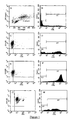
- Figure 1 Representative FACS-analysis plots for Phagotest ® and Bursttest ® .
- A Neutrophils were gated according to their forward and side scatter characteristics.
- B Analysis of phagocytosis: On a sample without bacteria markers are set that more than 99% of the gated neutrophils are within the first maker.
- C Representative FACS-plot from a patient with high resting oxidative burst. The percentage of double positive (CD16 positive cells producing reactive oxygen metabolites determined by green fluorescence in FL-1) is measured.
- E Representative FACS-plot from a patient with low resting oxidative burst
- F Corresponding FACS-plot of a patient with low GMFI
- G Representative FACS-plot from a healthy control subject
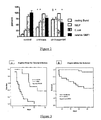
- H Corresponding FACS-plot of a healthy control with normal GMFI Figure 2 : Resting oxidative burst, oxidative burst after stimulation with fMLP or E. coli and relative GMFI for controls, patients with alcoholic cirrhosis and cirrhosis+AH. * significant versus control. ⁇ significant versus control and cirrhosis.
- Figure 3 (A) Analysis for time to infection (Kaplan-Meier) for patients with high versus low resting burst. (B) Kaplan Meier survival curve and log-rank analysis for patients with and without culture positive infection.
- GMFI geometric mean of fluorescence intensity
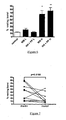
- Figure 7 Reversibility of resting oxidative burst by incubation of patients neutrophils with normal plasma.
- Figure 8 Influence of plasma on phagocytosis. Patient neutrophils incubated in their own plasma show decreased phagocytosis. Incubation of normal neutrophils with plasma from patients with low resting burst does not change phagocytosis, plasma from patients with high burst decreases phagocytosis. Incubation of patient neutrophils with normal plasma restores phagocytic function.
- Figure 9 Dose dependent increase in resting burst through incubation with endotoxin. * p ⁇ 0.05; ** p ⁇ 0.001.
- Figure 10 Incubation with endotoxin does not change phagocytosis in normal neutrophils but decreases phagocytosis further in patients neutrophils.
- Figure 11 Resting oxidative burst is reversible by passing plasma over an endotoxin-removal column or incubation with CD14 antibodies. The columns or the CD14 antibodies do not influence resting burst when plasma from patients with low burst or control plasma is used.
- the current strategies for the treatment of alcoholic hepatitis include administration of immunosuppressive agents such as steroids and more recently anti-TNF strategies have been used.
- immunosuppressive agents such as steroids
- anti-TNF strategies have been used.
- the data for the use of these drugs in alcoholic hepatitis are conflicting and although steroids are widely used, there is considerable heterogeneity in the results of the existing clinical trials.
- the use of anti-TNF strategies in alcoholic hepatitis in patients has been shown to have a positive effect in some studies whereas increased infection risk (and mortality) has resulted in stoppage of the clinical trial in other studies.
- the inventors have determined that the detection or measurement of endotoxin or endotoxin activity in plasma or whole blood from liver disease patients allows the classification of those patients into low risk or high risk groups. This allows prediction of the prognosis of a patient. In particular, this allows the determination of the relative risk of mortality, risk of infection and risk of organ failure in patients with liver failure. Assessment of endotoxin or endotoxin activity may also help define assignment to a specific therapy. This can be used to determine whether a patient should be treated with, for example, antibiotics, corticosteroids, anti-TNF or extracorporeal therapy. This can also be used to predict whether such therapies are likely to lead to unwanted side effects, such as an increased risk of infection. This information can be used by a physician in order to make a clinical decision as to how best to treat an individual patient.
- the inventors have demonstrated that the use of such measurements acts as a reliable predictor of outcome in patients with severe alcoholic hepatitis. It is believed that application of a test as described herein helps define those patients in whom treatment with immunosuppressive agents, such as steroids or anti-TNF strategies, will be effective. This will also help define those other patients in which such immunosuppressive therapies may lead to an increased risk of infection. It is also believed that application of this test helps define those patients with progressive liver failure in whom early intervention with liver support systems is warranted, compared with currently available prognostic scores (DF, MELD, Child-Pugh). Its use may also be expanded to a population of patients awaiting transplantation to stratify utilization of organs for transplantation or to determine organ function after orthotopic liver transplantation.
- immunosuppressive agents such as steroids or anti-TNF strategies
- the presence of the endotoxin-like humoral factor can be assessed by detecting the factor directly, for example by detecting the presence of endotoxin, or it can be assessed by detecting the factor indirectly.
- a method may comprise detecting endotoxin activity as an indicator of the presence of such a humoral factor, or detecting a downstream effect caused by the presence of the humoral factor.
- humoral factor transmissible factor
- endotoxin-like factor and endotoxin are used interchangeably to describe the factor identified in the Examples in patients having liver disease. These terms are intended to refer to a factor that can be found in the blood or plasma of such patients, that is transmissible and that has endotoxin activity.
- the humoral factor can be transmitted in plasma. That is, neutrophil activation can be caused in a population of normal neutrophils by exposure to plasma which has been in contact with a population of activated neutrophils. For example, as demonstrated in the Examples, the humoral factor can cause activation of neutrophils that were not previously activated.
- a method for detecting endotoxin may therefore involve contacting plasma from the individual with a sample of normal neutrophils not from that individual and determining whether this causes abnormal function, such as activation, in those neutrophils.
- the neutrophils may be any sample of normal neutrophils as described herein.
- the neutrophils may be from an individual who does not have liver failure, they may be from a population of neutrophils which has been previously tested and shown to have normal function, for example shown not to be activated, or they may be from a neutrophil cell line.
- Neutrophil function such as neutrophil activation may be measured by any of the methods described herein, for example by assessing oxidative burst or MPO levels. Such an assay may be carried out on a sample of plasma from the individual and may be carried out in vitro.
- the presence of a factor in the plasma of an individual suffering from liver failure, which factor is capable of activating neutrophils, is indicative that the individual themself has activated neutrophils and is indicative that the individual may be classified as high risk as described herein.
- the Inventors have demonstrated that the transmissible activity of the humoral factor in plasma is removable by endotoxin removal. Similarly, activation of neutrophils can be stimulated by exposing those neutrophils to endotoxin.
- the assays relating to the transmissible factor may therefore be adapted to the detection of endotoxin or its effects.
- the assays may detect the presence of endotoxin in plasma from the individual, or specific effects of that endotoxin.
- the presence or activity of endotoxin may be detected using methods known in the art.
- a method of the invention comprises assessing the neutrophil function of the individual by assessing the ability of the neutrophils to phagocytose.
- Other neutrophil functions include their ability to carry out other essential neutrophil functions such as oxidative burst or degranulation.
- Specific biochemical effects of neutrophil activation may also be assessed, such as release of reactive oxidants or production of hypochlorous acid following MPO activation by a population of neutrophils.
- the presence of, or amount of, endotoxin may be assessed in a variety of ways. This will involve the detection of, and/or measurement of, endotoxin, an endotoxin activity, or a downstream effect of endotoxin, and a comparison with the presence, amount, or level of eridotoxin, endotoxin activity or a downstream effect of endotoxin in a normal individual. For example, this may involve the detection of, and/or measurement of a function of neutrophils in the individual and a comparison with the same or equivalent function in normal neutrophils.
- endotoxin presence, amount or effect, such as neutrophil function, in a sample from an individual having liver failure may be compared with endotoxin presence, amount or effect, such as neutrophil function, in a control sample, such as a sample (e.g. of neutrophils) that is not from that individual.
- the control sample for comparison may be from an individual that does not have liver disease or an individual that does not have liver failure, such as an individual that has normal liver function.
- Such a comparison with a normal sample such as normally functioning neutrophils will allow an assessment of whether endotoxin levels (e.g. neutrophil function) in the individual with liver failure are normal, and the individual is thus at low risk for the factors described herein, or whether endotoxin levels (e.g. neutrophil function) are abnormal, and the individual is thus at high risk for the factors described herein.
- the proportion of neutrophils in a sample reacting in a particular way may be assessed.
- the overall reaction of a population may be quantified.
- the average reaction of individuals within a population of neutrophils may be assessed.
- the presence or absence of specific factors in a sample may be assessed or quantified.
- a comparison of the quantity obtained in relation to an individual having liver disease may be compared with the quantity obtained for a control.
- the quantities are the same or similar, endotoxin in the individual may be considered normal and the individual classified as low risk.
- a quantity that is similar to a control may differ from the control by less that 1%, less than 2%, less than 5%, less than 10% or less than 20%.
- endotoxin in the individual may be considered abnormal and the individual classified as at high risk.
- a quantity that is different to a control may differ from the control by more than 1%, more than 2%, more than 5%, more than 10% or more than 20%.
- a suitable threshold for assessing whether a difference exists may be determined based on the particular assay being used. For example, where an assay has a high degree of variability between control samples, a greater variance from the control may be considered a difference in accordance with the invention. Where an assay has less variability and control samples show greater consistency, a smaller difference from the control may be considered such a difference.
- liver failure samples e.g. neutrophils
- normal samples e.g. neutrophils
- endotoxin e.g. neutrophil function
- Neutrophil function can be assessed by the level of activation of the neutrophils. An increased level of neutrophil activation compared with neutrophils from a normal control is indicative that the individual is at high risk of the factors described herein. As shown in the Examples, the Inventors have found that in some individuals (classified as low risk), neutrophils are generally primed but not activated, whereas in other individuals (classified as high risk), neutrophils are generally activated. Primed neutrophils are ready to respond to a bacterial challenge. Priming of neutrophils involves functional and structural changes resulting in an increased response to a microbal challenge and is well described in the art. Activated neutrophils are also well described in the art.
- neutrophil phagocytosis A function of neutrophils that is assessed according to the invention is neutrophil phagocytosis.
- the Inventors have observed that neutrophil phagocytosis is abnormal in individuals classified as high risk for the factors described herein. An individual having abnormal phagocytosis compared with phagocytosis by a normal population of neutrophils can therefore be classified as at high risk for the factors described herein. A similar level and degree of neutrophil phagocytosis is indicative that the individual should be classified as at low risk for the factors described herein.
- neutrophils were able to phagocytose bacteria in a similar way to healthy controls, but the number of bacteria phagocytosed by each neutrophil was significantly reduced compared to the normal neutrophil control.
- a number of different approaches can be used to quantify or assess phagocytosis. For example, some methods will assess the overall number or proportion of neutrophils that show phagocytosis within a sample. This may provide an indication of the relative phagocytotic activity of different samples, as such samples may comprise populations of neutrophils that are actively phagocytosing, and populations of neutrophils that are not. Alternatively, some methods may assess the total amount of phagocytosis that is occurring in a sample, such as the number of bacteria that are phagocytosed when contacted with a given population of neutrophils. Such methods may provide an indication of the rate of killing of bacteria by a given neutrophil population. A rate of killing per neutrophil cell can also be determined on a sample by sample basis.
- the Phagotest ® kit (Orpegen Pharma, Heidelberg, Germany) uses FITC-labelled opsonized E. coli bacteria and can be used to measure the overall percentage of neutrophils showing phagocytosis and the number of bacteria engulfed per cell.
- a method of the invention may therefore quantify the number of neutrophils in a sample showing phagocytosis.
- a method of the invention may quantify the level of phagocytosis activity shown by individual neutrophils. This may be achieved by quantifying the number of cells that individual neutrophils, or a population of neutrophils are able to phagocytose.
- neutrophil function is assessed in an individual. Preferably this is carried out in vitro or ex vivo on a sample from the individual.
- abnormal neutrophil function may be used as a predictor of disease progression in a patient with liver failure.
- abnormal neutrophil function may be detected by reduced phagocytic activity. Patients in which reduced phagocytosis is seen, can be classified as at high risk of the factors described herein.
- the indicators of abnormal neutrophil function may be quantified by comparing with the relative levels in individuals who are not suffering from liver disease. For example, a sample of neutrophils from an individual who is not suffering from liver disease or an individual who does not have liver failure may be used for comparison. Generally, the control neutrophils for comparison should be from a source in which the neutrophils are expected to be normal. A number of such samples may be used to achieve an average "normal" level for the function being assessed. Using such an approach, it may be possible to set particular levels of, for example, phagocytosis or other neutrophil function which will be particularly indicative of these clinical effects.
- a determination of neutrophil function by an assessment of the phagocytic ability of neutrophils may be used to categorise individuals. Using these methods, individuals having liver failure may be categorised as being at high risk or at low risk of a variety of factors. As described above, individuals may be categorised in this way based on the function of their neutrophils.
- neutrophils are categorised as at low risk. These individuals have a lower risk of factors such as infection, organ failure and mortality. These individuals are more likely to respond to conventional liver failure therapies such as immunosuppressives, corticosteroids and antibiotics.
- abnormal neutrophil function may be seen as, for example, decreased phagocytosis.
- Individuals in this category are at higher risk of infection, higher risk of organ failure and higher risk of mortality.
- the increased risk of organ failure and mortality in these individuals may be a direct result of the increased risk of infection.
- Such high risk individuals are also more likely to be non-responders to conventional treatments of liver disease, such as immunosuppressives, steroids and antibiotics. It is notable that in the studies carried out by the Inventors, this high risk group of patients had infection with multiple resistant unconventional organisms despite antibiotic therapy, often during the same hospital admission. Use of such treatments on high risk individuals may further increase the risk of infection in those individuals, and the potential consequences of such infection such as organ failure and mortality.
- an abnormal neutrophil function in an individual with liver failure is indicative of an increased likelihood of infection, and/or organ failure, increased mortality and decreased likelihood that the patient will respond well to steroid, antibiotic or immunosuppressive treatment.
- results reported herein may also have important implications in the selection of patients having liver failure for immunosuppressive therapy.
- the methods described herein may allow the selection of patients in which such treatment should be considered, and patients in which such treatment should be avoided. This also allows identification of patients in whom the risk of infection is increased. Such individuals may then be monitored more carefully and subjected to more rigorous checks and procedures in order to avoid such an infection occurring.
- the result of a method of the invention should be predictive of a specific outcome such as mortality, i.e. ideally the skilled person would like to be able to determine clinical outcome, for example survival or death, on the basis of such a method.
- a receiver operating characteristic (ROC) curve may allow this to be achieved.
- ROC receiver operating characteristic
- Sensitivity is the probability that the disease (or outcome in the case of the present invention) is diagnosed when it is actually present and specificity is the probability that the disease is identified as being absent when it properly is absent.
- both of sensitivity and specificity should be one. However, changing the cut point to try to increase one of sensitivity and specificity will usually result in a decrease in the other.
- the ROC curve is a graphical technique for establishing the optimal cut point.
- the X-axis is 1 minus the specificity and the Y-axis is the sensitivity.
- a diagonal line is drawn from the lower left corner to the upper right corner.
- This graph reflects the characteristics of a test with no discriminating power. The closer the graph gets to the upper left corner the better it is at discriminating between cases and non-cases.
- An index of the goodness of the test is the area under the curve - the closer this value is to one the better the discriminating power of the test.
- an ROC curve may be used to establish a cut point for an assay of the invention.
- a score above the cut point may be indicative of deleterious outcome, whereas a score below the cut point may be indicative of non-deleterious outcome.
- the cut point can be selected depending on the requirements of the test, for example whether it is more important to exclude false positives or whether it is more important to identify all true positives. In the case of a test for identifying those patients admitted with liver failure who will die, it is important that all of the those patients are identified in which case the cut point may well also identify a number of false positives.
- the Examples show that a cut off of 42% GMFI in the Phagotest ® assay had a sensitivity of 86% and a specificity of 76% for predicting death.
- a patient having less than 42% of normal GMFI can be classified as having increased risk of infection, increased mortality and decreased likelihood of response to immunosuppressive treatment such as steroid treatment.
- a patient having greater than or equal to 42% of normal GMFI in this assay can be classified as having a decreased risk of infection, decreased mortality and increased likelihood of response to immunosuppressive treatment.
- the method of the invention may be used to give relative or comparative prognostic information about an individual. For example, for some measures of neutrophil function a linear relationship may exist, with greater deviation from normal function correlating with increasing severity of liver disease or increasingly poor prognosis for the patient.
- the method of the invention may be carried out in combination with one or more additional scoring systems used to assess the severity of liver disease and hepatic encephalopathy and also the prognosis of subjects. For example, from about two, three, four or more to about five, six, seven, eight or more scoring systems may be combined with those of the invention.
- additional scoring systems include the Child-Pugh, West Haven Criteria, Glasgow Coma Scale or modified Child-Pugh scoring system.
- DF, SOFA, MELD or APACHE II may be used scoring system may be used. Points are assigned to parameters including serum bilirubin levels, serum albumin levels and to signs including presence of ascites or encephalopathy.
- Subjects to be treated may be classified in Child-Pugh class A , B or C. Generally subjects to be treated are classified in Child-Pugh class C.
- the assessment of liver function may be useful in a wide range of situations.
- the method allows the patients with liver dysfunction to be distinguished from those with no liver dysfunction.
- the progression of alcoholic cirrhosis may be monitored using the method of the invention; in particular those patients who are likely to suffer from a deleterious outcome may be identified. That is to say, the method of the invention may be used to predict the outcome of alcoholic cirrhosis.
- the invention allows the selection of suitable treatment for an individual with alcoholic cirrhosis.
- a patient who shows decreased neutrophil phagocytosis as described herein will be less likely to respond well to conventional treatments of liver disease, such as steroid treatment, antibiotic administration and immunosuppressive therapies. Indeed, it is likely that if immunosuppressive therapies were administered to such a patient, the prognosis of that patient would worsen, with an increased risk of infection and mortality.
- the present invention therefore allows the selection of a suitable approach for treatment of alcoholic cirrhosis in an individual, depending on whether that individual also exhibits abnormal neutrophil function. If the patient does not exhibit abnormal neutrophil function, then immunotherapies, antibiotic administration or steroid treatment would be expected to be beneficial.
- Liver failure is the final stage of liver disease. Liver failure is divided into types depending on the rapidity of onset. Acute liver failure develops rapidly, but chronic liver failure may take months or years to develop. By definition, liver failure occurs when the liver is so diseased, and functioning so poorly, that encephalopathy is evident. Any progressive liver disease can result in liver failure; examples include: acetaminotophen toxicity, cirrhosis, viral hepatitis, and metastatic cancer of the liver. Other signs of liver disease such as jaundice, ascites, fetor hepaticus, and failure of coagulation indicate that the liver is having trouble performing its normal physiological duties, but it is not termed liver failure until the mental status changes appear.
- liver disease or liver failure is difficult to estimate because the condition has many causes. According to the invention, it is, however, possible to predict the clinical outcome of liver disease, in particular in patients with acute liver failure, as well as in those with ACLF. It is particularly useful in the prediction of clinical outcome in patients with alcoholic hepatitis.
- the method of the invention is carried out on an individual suffering from alcoholic cirrhosis.
- This may be an individual whose liver is decompensated or which shows hepatic encephalopathy.
- the individual's liver may be in the compensated state.
- the method is preferably carried out on an individual who is in liver failure.
- the individual may have chronic liver disease.
- the individual has liver cirrhosis, for example with or without alcoholic hepatitis.
- the individual may have acute liver failure.
- the individual may have hepatic encephalopathy.
- the chronic liver disease may be alcohol-induced.
- a man or woman to be treated may be, or have been, an alcoholic. He or she may be, or have been, consuming on average 50 or more units of alcohol per week, 60 or more units of alcohol per week, 75 or more units of alcohol per week and even 100 or more units of alcohol per week. The man or woman may be, or have been, consuming on average up to 100 units of alcohol per week, up to 150 units of alcohol per week and even up to 200 units of alcohol per week.
- the measurement of one unit of alcohol differs from country to country. Here, one unit equals 8 grams of ethanol in accordance with the United Kingdom standard.
- the man or woman may have been consuming such levels of alcohol for 5 or more years, 10 or more years, 15 or more years or 20 or more years.
- the individual may have been consuming such levels of alcohol for up to 10 years, up to 20 years, up to 30 years and even up to 40 years.
- the individual may be aged, for example, 25 years or over, 35 years or over, 45 years or over and even over 60 years.
- the individual may be male or female. Women may be more susceptible to the adverse effects of alcohol than men. Women can develop alcoholic chronic liver disease in a shorter time frame and from smaller amounts of alcohol than men. There seems to be no single factor to account for increased susceptibility to alcoholic liver damage in females, but the effect of hormones on the metabolism of alcohol may play an important role.
- Alcoholic hepatitis may range from a mild hepatitis, with abnormal laboratory tests being the only indication of disease, to severe liver dysfunction with complications such as jaundice (yellow skin caused by bilirubin retention), hepatic encephalopathy, ascites, bleeding esophageal varices, abnormal blood clotting and coma.
- the individual may have one or more of a number of other conditions known to result in liver damage such as, for example, primary biliary cirrhosis, autoimmune chronic active hepatitis, and/or schistosomiasis (parasitic infection).
- the individual may have or have had a bile duct blockage.
- the underlying cause of liver disease may not be known.
- the individual may have been diagnosed as having cryptogenic cirrhosis. Accordingly, the individual may be suspected of having any of the conditions listed herein.
- liver disease such as acute liver failure and hepatic encephalopathy are well known in the art and in particular to clinicians and veterinarians in the field.
- the individual will have been diagnosed as having liver failure, for example by a medical or veterinarian professional.
- the individual may display one or more symptoms associated with liver disease such as one or more of jaundice, ascites, skin changes, fluid retention, nail changes, easy bruising, nose bleeds, oesophageal varices, and in male individuals may have enlargement of breasts.
- the individual may display exhaustion, fatigue, loss of appetite, nausea, weakness and/or weight loss.
- the individual may also display one or more symptoms associated with hepatic encephalopathy such as one or more of confusion, disorientation, dementia, stupor, coma, cerebral edema, multiorgan failure (respiratory failure, cardiovascular failure or kidney failure), muscle stiffness/rigidity, seizures or speech impairment.
- the individual to be treated may or may not be taking other drugs to treat liver disease.
- the individual to be treated may be at risk of developing hepatic encephalopathy.
- liver disease may have been, or be, confirmed by physical examination including techniques such as ultrasound.
- Liver biopsies may have been taken to look for build up of fibrosis, necrotic cells, cellular degeneration and/or inflammation and other characteristic features of liver disease.
- Liver function may have been assessed in the individual to determine whether this is compromised in the individual.
- the nature and underlying cause of the liver disease may be characterized. Any history of exposure to causative agents of liver disease may be determined.
- the individual to be treated may be at risk for hepatic encephalopathic episodes, for example patients who are awaiting liver transplants, surgical and/or portal hypertension patients.
- a person at risk for hepatic encephalopathic episodes is a person who has not suffered any hepatic encephalopathic episodes or has not suffered any hepatic encephalopathic episode for an extended period of time (about 12 weeks or longer), but has a disorder or medical condition which creates a risk of hepatic encephalopathic episodes.
- a hepatic encephalopathic episode is a clinical condition characterised by the presence of cerebral dysfunction in patients with liver disease or dysfunction. There is a wide spectrum of mental disturbances in hepatic encephalopathy which range from minimal where the main effects are a reduction in the quality of life, to overt which leads to coma and ultimately death.
- neutrophil function of an individual is assessed.
- the method is carried out in vitro or ex vivo on a sample from the individual.
- the sample will generally be from a tissue known to contain neutrophils or a tissue which has been in contact with neutrophils.
- the sample typically comprises a body fluid of the individual.
- the sample may be a sample of blood from the individual, such as a sample of blood, which comprises neutrophils.
- the sample may be a blood sample which has been processed to remove other components but to leave some components, for example neutrophils, present.
- the sample may be a blood sample which has been fractionated and a fraction comprising neutrophils selected.
- Neutrophil function may be assessed in a population of neutrophils or in individual neutrophils. For example, some assays will measure the proportion of neutrophils in a sample having a particular characteristic or response. Other assays will assess the characteristics or function of individual neutrophils.
- the sample may be a component of blood which the neutrophil has been in contact with.
- the sample may contain neutrophils.
- the sample may not contain neutrophils.
- the sample my not contain cells.
- the sample may be a plasma sample from an individual. Such samples may be obtained in any appropriate way. Methods for obtaining blood, plasma and other blood fractions are well known to those skilled in the art.
- the information obtained by assessing endotoxin can be used to select a suitable therapeutic agent. For example, if the endotoxin assessment leads to a classification of the individual as high risk as described herein, treatments such as immunosuppressives, steroids and antibiotics may be avoided. If the endotoxin assessment leads to a classification of the individual as low risk as described herein, treatments such as immunosuppressives, steroids and antibiotics may be selected for the treatment of that individual.
- the invention can therefore also be used in combination with a method of treatment of liver failure, which method comprises determining whether or not the individual has abnormal endotoxin using a method as described above and
- blood samples were collected and used for routine biochemistry, neutrophil function, cytokine profile and thiobarbituric acid (T-BARS/ modified MDA) detection.
- Peripheral venous blood was aseptically collected into pyrogen free tubes (BD Vacutainer Lithium-Heparin, 60U per tube, Beckton and Dickinson, Madison, UK)) from patients and healthy volunteers.
- pyrogen free tubes BD Vacutainer Lithium-Heparin, 60U per tube, Beckton and Dickinson, Madison, UK
- blood was kept at room temperature, for harvesting plasma, blood was placed on ice immediately.
- Neutrophils were either investigated in a whole blood assay (as described below) or after isolation by a one-step gradient centrifugation.
- the Phagoburst ® kit (Orpegen Pharma, Heidelberg, Germany) was used to determine the percentage of neutrophils that produce reactive oxidants by stimulation with opsonized E. coli bacteria or without any stimulus according to the manufacturers instructions.
- the Phagotest ® (Orpegen Pharma, Heidelberg, Germany) was used to measure the overall percentage of neutrophils showing phagocytosis and the individual cellular phagocytotic activity using FITC-labelled opsonized E. coli bacteria (see appendix).
- Neutrophils were gated on forward and side scatter ( figure 2A ) characteristics and subsequently the percentage of CD 16 positive cells- FITC positive cells, corresponding to the percentage of neutrophils undergoing phagocytosis and the geometric mean of fluorescence intensity (GMFI), corresponding to the number of bacteria engulfed by one cell, was analyzed ( figure 1B , D, F). To avoid variability due to batch-to-batch difference of bacteria, results were normalized to the mean of at least 3 healthy control samples for each new batch of bacteria used. Samples were analyzed in triplicate or duplicate.
- Endotoxin E.coli 0111:B4 Lot 085K4068, Sigma Aldrich, St. Louis, MO, USA
- E.coli 0111:B4 Lot 085K4068 Sigma Aldrich, St. Louis, MO, USA
- PBS PBS
- Whole blood was incubated for 1 h with the respective endotoxin concentration at 37°C in a water bath before Phagotest ® or Bursttest ® were performed.
- Detoxi-Gel ® Affinity-pack prepacked columns (Pierce Biotechnology, Rockford, IL) containing an endotoxin removal gel consisting of immobilised polymixin B that binds to the lipid A portion of bacterial lipopolysaccharide were used to remove endotoxin from plasma samples. 100 ⁇ L of this endotoxin-free, diluted plasma sample were incubated with 50 ⁇ L of cell suspension and Bursttest ® or Phagotest ® was performed as indicated.
- Plasma TNF ⁇ , sTNF ⁇ R1, sTNF ⁇ R2, IL-6 and IL-8 were determined using commercially available kits (BioSource International, Nivelles, Belgium).
- Malondialdehyde was determined using a modified thiobarbituric acid reactive substances assay as known in the art. Free 8-Isoprostane F2alpha was assayed with a commercial EIA kit (Cayman Chemical, Ann Arbor, MI).
- a group of 10 patients was selected with varying severity of liver disease. Neutrophil resting burst (%) was measured in a sample from each patient as described herein. Plasma (cell free) myeloperoxidase (MPO) activity was also assessed.
- EDTA as an anticoagulant
- Analysis comprised incubation of plasma (50 ⁇ L) in a solution of 100mM phosphate buffer (pH 7), containing 13mM guaiacaol (2-methoxyphenol) and 0.02% cetyltrimethylammoniumbromide (CTAB) at 37°C (total volume 1mL). Following an equilibration period of 5 minutes the reaction was started with the addition of 1 ⁇ mole hydrogen peroxide (H 2 O 2 ). The progress of the reaction was monitored at 470nm for 60 minutes in a diode array spectrophotometer.
- 100mM phosphate buffer pH 7
- CTL cetyltrimethylammoniumbromide
- the activity of MPO was determined from the rate of change in absorbance at 470nm (after removal of background absorbance signals), and expressed in guaiacol units (defined as the amount of enzyme that forms 1 ⁇ mole tetraguaiacol per minute, using an extinction coefficient of 26mM -1 cm -1 ).
- neutrophil oxidative burst was increased when compared with controls.
- Neutrophils from patients with alcoholic cirrhosis overall had a 5.6 times higher resting oxidative burst (p ⁇ 0.001) than healthy controls.
- Neutrophils from patients with cirrhosis+AH had significantly higher resting oxidative burst compared to patients with cirrhosis alone (p ⁇ 0.001) or controls (p ⁇ 0.001, figure 2A ).
- the burst-inducing effect was detectable immediately after mixing plasma and cells but could also be shown after up to one hour of incubation (results not shown). This result indicated that there is a transmissible factor present in patient's plasma which causes neutrophils activation.
- Plasma from patients shown to have a high resting burst in the whole blood assay was able to induce a high resting burst in normal neutrophils.
- the Phagoburst ® kit (Orpegen Pharma, Heidelberg, Germany) was used to determine the percentage of neutrophils that produce reactive oxidants by stimulation with opsonized E. coli bacteria or without any stimulus according to the manufacturers instructions.
- 100 ⁇ l of heparinized whole blood or isolated neutrophils (as indicated) were incubated for 20 minutes with 20 ⁇ l of the bacteria, N-formylmethionyl-leucyl-pehnylalanine (fMLP), phorbol 12-myristate 13-acetate (PMA) or without stimulus at 37°C. Formation of the reactive oxidants during the oxidative burst was monitored by the addition and oxidation of dihydrorhodamine 123.
- neutrophils were stained with anti-CD16-PE antibody (IOTest ® , Beckman Coulter) and analysed by fluorescence activated cell sorting. (FACS), (Becton Dickinson FACScan, San Jose, CA.) using CellquestTM software. Neutrophils were gated on forward and side scatter characteristics ( figure 1A ) and subsequently the percentage of CD 16 positive cells producing reactive oxygen metabolites determined by green fluorescence (FL-1) measurement ( figure 1C , E, G). Samples were analyzed in triplicate of duplicate. The interassay coefficient of variation (CV) for resting burst was 5.4%, for stimulated burst 4.2%, the intraassay CV for resting burst was 4.7%, for stimulated burst 2.4%.
- FACS fluorescence activated cell sorting.
- the Phagotest ® (Orpegen Pharma, Heidelberg, Germany) was used to measure the overall percentage of neutrophils showing phagocytosis and the individual cellular phagocytotic activity using FITC-labelled opsonized E. coli bacteria. 100 ⁇ l of whole blood or isolated neutrophils (as indicated below) were incubated with 20 ⁇ l of bacteria at 37°C for 20 min while a negative control sample remained on ice.
- neutrophils were stained with anti-CD-16-PE antibody (IOTest ® , Beckman Coulter) Neutrophils were gated on forward and side scatter ( figure 2A ) characteristics and subsequently the percentage of CD 16 positive cells- FITC positive cells, corresponding to the percentage of neutrophils undergoing phagocytosis and the geometric mean of fluorescence intensity (GMFI), corresponding to the number of bacteria engulfed by one cell, was analyzed ( figure 1B , D, F). To avoid misinterpretation of results due to batch-to-batch variability of bacteria, results are normalized to the mean of at least 3 healthy control samples for each new batch of bacteria used. Samples were analyzed in triplicate of duplicate. The interassay CV for percentage of phagocytosis was 6,8%, for GMFI 10,1% the respective intraassay CV for percentage of phagocytosis was 4,1%, and 1,6% for GMFI
- Detoxi-Gel Affinity-pack prepacked columns (Pierce Biotechnology, Rockford, IL) containing an endotoxin removal gel consisting of immobilised polymixin B that binds to the lipid A portion of bacterial lipopolysaccharide were used to remove endotoxin from plasma samples.
- the columns were regenerated with 1% sodium deoxycholate (Sigma Aldrich, St. Louis, MO, USA), washed with sterile water and equilibrated with sterile sodium chloride 0.9% supplemented with 50IU/ml of heparin (Multipharm, Waxham, UK) at room temperature.
- Plasma samples are diluted 1:1 with PBS and applied on the column and after discarding the void the sample was collected in a pyrogen free sample tube. 150 ⁇ L of this endotoxin-free, diluted plasma sample were incubated with 50 ⁇ L of cell suspension and Bursttest ® or Phagotest ® was performed as indicated.
- TNF ⁇ , sTNF ⁇ R1, sTNF ⁇ R2, IL-6 and IL-8 were determined from ethylenediamine-tetraacetate anticoagulated plasma samples using commercially available sets (BioSource International, Nivelles, Belgium) following the manufacturer's instructions. The lower limit for the detection of the cytokines was 3 pg/mL. The intra-assay coefficient of variation was 5.4% to 6.4%. IL-6 and IL-8 were undetectable in controls.
Landscapes
- Health & Medical Sciences (AREA)
- Life Sciences & Earth Sciences (AREA)
- Engineering & Computer Science (AREA)
- General Health & Medical Sciences (AREA)
- Veterinary Medicine (AREA)
- Chemical & Material Sciences (AREA)
- Public Health (AREA)
- Animal Behavior & Ethology (AREA)
- Biomedical Technology (AREA)
- Immunology (AREA)
- Medicinal Chemistry (AREA)
- Molecular Biology (AREA)
- Chemical Kinetics & Catalysis (AREA)
- Physics & Mathematics (AREA)
- Pathology (AREA)
- Organic Chemistry (AREA)
- Pharmacology & Pharmacy (AREA)
- Nuclear Medicine, Radiotherapy & Molecular Imaging (AREA)
- General Chemical & Material Sciences (AREA)
- Surgery (AREA)
- Hematology (AREA)
- Medical Informatics (AREA)
- Urology & Nephrology (AREA)
- Heart & Thoracic Surgery (AREA)
- Bioinformatics & Cheminformatics (AREA)
- Biophysics (AREA)
- Psychiatry (AREA)
- Biotechnology (AREA)
- Biochemistry (AREA)
- Physiology (AREA)
- Signal Processing (AREA)
- Artificial Intelligence (AREA)
- Vascular Medicine (AREA)
- General Physics & Mathematics (AREA)
- Computer Vision & Pattern Recognition (AREA)
- Addiction (AREA)
- Oncology (AREA)
- Analytical Chemistry (AREA)
- Proteomics, Peptides & Aminoacids (AREA)
- Food Science & Technology (AREA)
Claims (7)
- Verfahren für die Prognose bei einem Patienten, der an alkoholischer Zirrhose leidet, wobei dieses Verfahren Folgendes umfasst:(a)(I) Herstellung eines Kontakts zwischen einer Plasmaprobe vom genannten Patienten und einer Population normaler Neutrophile, die nicht von dem genannten Patienten stammen, zur Erzeugung einer Testpopulation von Neutrophilen und(II) Herstellung einer Kontrollprobe mit einer Population von normalen Neutrophilen, die nicht von dem genannten Patienten stammen, wobei die genannte Kontrollprobe nicht mit der genannten Plasmaprobe in Kontakt kommt,(b) Ermittlung der Phagozytosefähigkeit der Testpopulation von Neutrophilen von (a)(I),(c) Vergleich der genannten Phagozytosefähigkeit von (b) mit der Phagozytosefähigkeit der genannten Kontrollprobe von Neutrophilen von (a)(II),dadurch gekennzeichnet, dass ein geringerer Grad der neutrophilen Phagozytose in der genannten Testpopulation im Vergleich zum Grad der neutrophilen Phagozytose in der genannten Kontrollprobe auf eine Prognose einer Infektion und/oder eines Organversagens und/oder auf Mortalität hinweist.
- Verfahren nach Anspruch 1, dadurch gekennzeichnet, dass die genannte Kontrollprobe von (a)(II) eine Vollblutprobe oder eine Fraktion einer Vollblutprobe, die die genannte neutrophile Zellenpopulation enthält, ist.
- Verfahren nach einem der vorangehenden Ansprüche, dadurch gekennzeichnet, dass Schritt (b) die Ermittlung folgender Faktoren einschließt:(a) Gesamtzahl von Neutrophilen innerhalb der Probe, die Phagozytose zeigen,(b) Anteil von Neutrophilen innerhalb der Probe, die Phagozytose zeigen,(c) Gesamtzahl von Bakterien, die bei Kontakt mit der Probe von Neutrophilen phagozytosiert werden, oder(d) Anzahl von Zellen, zu deren Phagozytosierung ein einzelnes Neutrophil oder eine Population von Neutrophilen in der Lage sind.
- Verfahren nach einem der vorangehenden Ansprüche, gekennzeichnet durch:(a) zu phagozytosierendes Markierungsmaterial,(b) Möglichkeit des Auftretens einer Phagozytose,(c) Quantifizierung und/oder Lokalisierung der Markierung zwecks Anzeige des aufgetretenen Phagozytosegrads.
- Verfahren nach Anspruch 4, dadurch gekennzeichnet, dass das genannte, zu phagozytosierende Material Zellen sind.
- Verfahren nach Anspruch 4, dadurch gekennzeichnet, dass das genannte, zu phagozytosierende markierte Material aus FITC-markierten opsonisierten E. coli-Bakterien besteht.
- Verfahren nach einem der vorangehenden Ansprüche, dadurch gekennzeichnet, dass der an alkoholischer Zirrhose leidende Patient auch an alkoholischer Hepatitis leidet.
Applications Claiming Priority (2)
| Application Number | Priority Date | Filing Date | Title |
|---|---|---|---|
| GBGB0621454.8A GB0621454D0 (en) | 2006-10-27 | 2006-10-27 | Goal directed therapy for liver failure |
| PCT/GB2007/004107 WO2008050144A1 (en) | 2006-10-27 | 2007-10-29 | Prognosis and therapy of liver failure |
Publications (2)
| Publication Number | Publication Date |
|---|---|
| EP2069781A1 EP2069781A1 (de) | 2009-06-17 |
| EP2069781B1 true EP2069781B1 (de) | 2015-12-23 |
Family
ID=37546126
Family Applications (1)
| Application Number | Title | Priority Date | Filing Date |
|---|---|---|---|
| EP07824351.6A Active EP2069781B1 (de) | 2006-10-27 | 2007-10-29 | Prognose der alkoholische leberzirrhose |
Country Status (6)
| Country | Link |
|---|---|
| US (1) | US8415117B2 (de) |
| EP (1) | EP2069781B1 (de) |
| JP (1) | JP5225998B2 (de) |
| ES (1) | ES2564809T3 (de) |
| GB (1) | GB0621454D0 (de) |
| WO (1) | WO2008050144A1 (de) |
Families Citing this family (2)
| Publication number | Priority date | Publication date | Assignee | Title |
|---|---|---|---|---|
| US20150095069A1 (en) * | 2013-10-01 | 2015-04-02 | The Regents Of The University Of Michigan | Algorithms to Identify Patients with Hepatocellular Carcinoma |
| WO2021152587A1 (en) | 2020-01-30 | 2021-08-05 | Yeda Research And Development Co. Ltd. | Treating acute liver disease with tlr-mik inhibitors |
Citations (1)
| Publication number | Priority date | Publication date | Assignee | Title |
|---|---|---|---|---|
| WO1996041183A1 (en) * | 1995-06-07 | 1996-12-19 | Cedars-Sinai Medical Center | Differential assay for ulcerative colitis, primary sclerosing cholangitis and type 1 autoimmune hepatitis |
Family Cites Families (9)
| Publication number | Priority date | Publication date | Assignee | Title |
|---|---|---|---|---|
| SU784869A1 (ru) | 1977-08-22 | 1980-12-07 | Горьковский Медицинский Институт Им. С.М.Кирова | Способ диагностики заболеваний печени |
| JPH0738880B2 (ja) | 1983-06-24 | 1995-05-01 | 東レ株式会社 | エンドトキシン血症治療剤 |
| US5476715A (en) | 1989-10-03 | 1995-12-19 | Fresenius Ag | Particulate adsorbent for the removal of biomacromolecules such as LDL and endotoxins from whole blood in extracorporeal circuits |
| US5998389A (en) | 1998-05-20 | 1999-12-07 | Biowhitaker Technologies | Endotoxin-specific assay |
| US6774102B1 (en) | 1999-09-29 | 2004-08-10 | Gambro Dialysatoren Gmbh & Co. Kg | Extracorporeal endotoxin removal method |
| AU2003202542A1 (en) | 2002-01-07 | 2003-07-24 | Euroscreen S.A. | Ligand for g-protein coupled receptor gpr43 and uses thereof |
| WO2004071645A2 (en) | 2003-02-07 | 2004-08-26 | Ferro Corporation | Method and apparatus for supercritical fluid assisted particle production |
| WO2004071465A2 (en) * | 2003-02-12 | 2004-08-26 | Eisai Co., Ltd | Methods and kits for use in the diagnosis and treatment of endotoxemia |
| US20040228829A1 (en) | 2003-03-11 | 2004-11-18 | Roberts Craig P. | Plasma detoxification system and methods of use |
-
2006
- 2006-10-27 GB GBGB0621454.8A patent/GB0621454D0/en not_active Ceased
-
2007
- 2007-10-29 US US12/311,605 patent/US8415117B2/en active Active
- 2007-10-29 WO PCT/GB2007/004107 patent/WO2008050144A1/en not_active Ceased
- 2007-10-29 EP EP07824351.6A patent/EP2069781B1/de active Active
- 2007-10-29 JP JP2009533946A patent/JP5225998B2/ja active Active
- 2007-10-29 ES ES07824351.6T patent/ES2564809T3/es active Active
Patent Citations (1)
| Publication number | Priority date | Publication date | Assignee | Title |
|---|---|---|---|---|
| WO1996041183A1 (en) * | 1995-06-07 | 1996-12-19 | Cedars-Sinai Medical Center | Differential assay for ulcerative colitis, primary sclerosing cholangitis and type 1 autoimmune hepatitis |
Non-Patent Citations (1)
| Title |
|---|
| ROLANDO ET AL., EUROPEAN JOURNAL OF GASTROENTEROLOGY AND HEPATOLOGY, vol. 12, 2000, pages 1135 - 1140 * |
Also Published As
| Publication number | Publication date |
|---|---|
| ES2564809T3 (es) | 2016-03-29 |
| US20100297018A1 (en) | 2010-11-25 |
| JP2010507795A (ja) | 2010-03-11 |
| EP2069781A1 (de) | 2009-06-17 |
| WO2008050144A1 (en) | 2008-05-02 |
| GB0621454D0 (en) | 2006-12-06 |
| JP5225998B2 (ja) | 2013-07-03 |
| US8415117B2 (en) | 2013-04-09 |
Similar Documents
| Publication | Publication Date | Title |
|---|---|---|
| EP2061533B1 (de) | Apparat zur verwendung in einer therapie für lebererkrankungen | |
| Chuengsamarn et al. | Association between serum uric acid level and microalbuminuria to chronic vascular complications in Thai patients with type 2 diabetes | |
| US11041864B2 (en) | Method for prediction of prognosis of sepsis | |
| Li et al. | Impact of sepsis on the urinary level of interleukin-18 and cystatin C in critically ill neonates | |
| US9910052B2 (en) | Method of diagnosing and treating infectious disseminated intravascular coagulation | |
| Ma et al. | Clinical utility of the inflammatory factors combined with lipid markers in the diagnostic and prognostic assessment of ischemic stroke: based on logistic regression models | |
| US20050147972A1 (en) | Method of diagnosis of inflammatory diseases using calgranulin c | |
| MX2009002378A (es) | Biomarcadores para evaluar la funcion hepatica. | |
| Cui et al. | The clinical characters and prognosis of COVID-19 patients with multiple organ dysfunction | |
| Picard et al. | Alveolar haemorrhage in the immunocompetent host: a scale for early diagnosis of an immune cause | |
| US20120164663A1 (en) | Methylated Arginine Metabolites as Risk Predictors of Cardiovascular Disease | |
| US8415117B2 (en) | Prognosis and therapy of liver failure | |
| Olcott et al. | Plasma neutrophil Gelatinase-Associated Lipocalin as a biomarker of kidney injury and potential predictor of hypoxic brain injury in severe plasmodium falciparum malaria: insights from India | |
| El-Gamasy et al. | Heat shock protein 60 as a biomarker for acute kidney injury secondary to septic shock in pediatric patients, Egyptian multicenter experience | |
| Su et al. | The value of serial serum cell adhesion molecules in predicting acute kidney injury after severe sepsis in adults | |
| Azab et al. | Serum Calprotectin: A promising Biomarker for Inflammatory Bowel Disease [IBD] | |
| Liu et al. | Early warning of bloodstream infection in elderly patients with circulating microparticles | |
| Allam et al. | Serum Dickkopf-3 Level in Chronic Kidney Disease Patients and Its Association with Cardiovascular Disease | |
| Rout et al. | Comparative study between CRP/albumin ratio and serum procalcitonin as a prognostic marker in sepsis | |
| Svraka et al. | What proteins and albumins in bronchoalveolar lavage fluid and serum could tell us in COVID-19 and influenza acute respiratory distress syndrome on mechanical ventilation patient-A prospective double center study | |
| Zhou et al. | Correlation between sTREM-1 and serum sTM in patients with AKI and the predictive value of their joint evalution in AKI occurrence and patients’ death | |
| Ali et al. | Comparison of Quantitative C-Reactive Protein with Blood Lactate Levels as Septic Markers in Neonatal Sepsis: A Cross-Sectional Study in a Tertiary Care Setting, Peshawar | |
| Mawgoud Fawaz et al. | Role of kidney injury molecule 1 and nephrin as biomarkers for diagnosis of nephropathy in type 2 diabetes mellitus | |
| Widagdo et al. | Mid Regional Pro-Adrenomedullin, Lactate, and Risk Factors as Predictors of Sepsis Severity | |
| El-Maghraby et al. | Diagnostic and prognostic value of plasma gelsolin in multiorgan failure in patients with sepsis |
Legal Events
| Date | Code | Title | Description |
|---|---|---|---|
| PUAI | Public reference made under article 153(3) epc to a published international application that has entered the european phase |
Free format text: ORIGINAL CODE: 0009012 |
|
| 17P | Request for examination filed |
Effective date: 20090326 |
|
| AK | Designated contracting states |
Kind code of ref document: A1 Designated state(s): AT BE BG CH CY CZ DE DK EE ES FI FR GB GR HU IE IS IT LI LT LU LV MC MT NL PL PT RO SE SI SK TR |
|
| AX | Request for extension of the european patent |
Extension state: AL BA HR MK RS |
|
| RIN1 | Information on inventor provided before grant (corrected) |
Inventor name: MOOKERJEE, RAJESHWAR, P. Inventor name: DAVIES, NATHAN Inventor name: STADLBAUER, VANESSA Inventor name: JALAN, RAJIV |
|
| 17Q | First examination report despatched |
Effective date: 20091229 |
|
| RIC1 | Information provided on ipc code assigned before grant |
Ipc: G01N 33/68 20060101AFI20120622BHEP Ipc: A61K 35/00 20060101ALI20120622BHEP Ipc: G01N 33/50 20060101ALI20120622BHEP Ipc: G01N 33/579 20060101ALI20120622BHEP |
|
| DAX | Request for extension of the european patent (deleted) | ||
| RIC1 | Information provided on ipc code assigned before grant |
Ipc: G01N 33/68 20060101AFI20121221BHEP |
|
| REG | Reference to a national code |
Ref country code: DE Ref legal event code: R079 Ref document number: 602007044311 Country of ref document: DE Free format text: PREVIOUS MAIN CLASS: G01N0033500000 Ipc: A61B0005000000 |
|
| RIC1 | Information provided on ipc code assigned before grant |
Ipc: A61B 5/00 20060101AFI20150410BHEP Ipc: G01N 33/68 20060101ALI20150410BHEP |
|
| GRAP | Despatch of communication of intention to grant a patent |
Free format text: ORIGINAL CODE: EPIDOSNIGR1 |
|
| INTG | Intention to grant announced |
Effective date: 20150601 |
|
| GRAS | Grant fee paid |
Free format text: ORIGINAL CODE: EPIDOSNIGR3 |
|
| GRAA | (expected) grant |
Free format text: ORIGINAL CODE: 0009210 |
|
| AK | Designated contracting states |
Kind code of ref document: B1 Designated state(s): AT BE BG CH CY CZ DE DK EE ES FI FR GB GR HU IE IS IT LI LT LU LV MC MT NL PL PT RO SE SI SK TR |
|
| REG | Reference to a national code |
Ref country code: GB Ref legal event code: FG4D |
|
| REG | Reference to a national code |
Ref country code: CH Ref legal event code: EP |
|
| REG | Reference to a national code |
Ref country code: IE Ref legal event code: FG4D |
|
| REG | Reference to a national code |
Ref country code: AT Ref legal event code: REF Ref document number: 766148 Country of ref document: AT Kind code of ref document: T Effective date: 20160115 |
|
| REG | Reference to a national code |
Ref country code: DE Ref legal event code: R096 Ref document number: 602007044311 Country of ref document: DE |
|
| REG | Reference to a national code |
Ref country code: CH Ref legal event code: NV Representative=s name: VENI GMBH, CH |
|
| REG | Reference to a national code |
Ref country code: ES Ref legal event code: FG2A Ref document number: 2564809 Country of ref document: ES Kind code of ref document: T3 Effective date: 20160329 |
|
| REG | Reference to a national code |
Ref country code: NL Ref legal event code: FP |
|
| REG | Reference to a national code |
Ref country code: LT Ref legal event code: MG4D |
|
| PG25 | Lapsed in a contracting state [announced via postgrant information from national office to epo] |
Ref country code: LT Free format text: LAPSE BECAUSE OF FAILURE TO SUBMIT A TRANSLATION OF THE DESCRIPTION OR TO PAY THE FEE WITHIN THE PRESCRIBED TIME-LIMIT Effective date: 20151223 |
|
| REG | Reference to a national code |
Ref country code: AT Ref legal event code: MK05 Ref document number: 766148 Country of ref document: AT Kind code of ref document: T Effective date: 20151223 |
|
| PG25 | Lapsed in a contracting state [announced via postgrant information from national office to epo] |
Ref country code: GR Free format text: LAPSE BECAUSE OF FAILURE TO SUBMIT A TRANSLATION OF THE DESCRIPTION OR TO PAY THE FEE WITHIN THE PRESCRIBED TIME-LIMIT Effective date: 20160324 Ref country code: SE Free format text: LAPSE BECAUSE OF FAILURE TO SUBMIT A TRANSLATION OF THE DESCRIPTION OR TO PAY THE FEE WITHIN THE PRESCRIBED TIME-LIMIT Effective date: 20151223 Ref country code: LV Free format text: LAPSE BECAUSE OF FAILURE TO SUBMIT A TRANSLATION OF THE DESCRIPTION OR TO PAY THE FEE WITHIN THE PRESCRIBED TIME-LIMIT Effective date: 20151223 Ref country code: FI Free format text: LAPSE BECAUSE OF FAILURE TO SUBMIT A TRANSLATION OF THE DESCRIPTION OR TO PAY THE FEE WITHIN THE PRESCRIBED TIME-LIMIT Effective date: 20151223 |
|
| PG25 | Lapsed in a contracting state [announced via postgrant information from national office to epo] |
Ref country code: CZ Free format text: LAPSE BECAUSE OF FAILURE TO SUBMIT A TRANSLATION OF THE DESCRIPTION OR TO PAY THE FEE WITHIN THE PRESCRIBED TIME-LIMIT Effective date: 20151223 |
|
| PG25 | Lapsed in a contracting state [announced via postgrant information from national office to epo] |
Ref country code: IS Free format text: LAPSE BECAUSE OF FAILURE TO SUBMIT A TRANSLATION OF THE DESCRIPTION OR TO PAY THE FEE WITHIN THE PRESCRIBED TIME-LIMIT Effective date: 20160423 Ref country code: PT Free format text: LAPSE BECAUSE OF FAILURE TO SUBMIT A TRANSLATION OF THE DESCRIPTION OR TO PAY THE FEE WITHIN THE PRESCRIBED TIME-LIMIT Effective date: 20160426 Ref country code: RO Free format text: LAPSE BECAUSE OF FAILURE TO SUBMIT A TRANSLATION OF THE DESCRIPTION OR TO PAY THE FEE WITHIN THE PRESCRIBED TIME-LIMIT Effective date: 20151223 Ref country code: SK Free format text: LAPSE BECAUSE OF FAILURE TO SUBMIT A TRANSLATION OF THE DESCRIPTION OR TO PAY THE FEE WITHIN THE PRESCRIBED TIME-LIMIT Effective date: 20151223 Ref country code: PL Free format text: LAPSE BECAUSE OF FAILURE TO SUBMIT A TRANSLATION OF THE DESCRIPTION OR TO PAY THE FEE WITHIN THE PRESCRIBED TIME-LIMIT Effective date: 20151223 Ref country code: AT Free format text: LAPSE BECAUSE OF FAILURE TO SUBMIT A TRANSLATION OF THE DESCRIPTION OR TO PAY THE FEE WITHIN THE PRESCRIBED TIME-LIMIT Effective date: 20151223 Ref country code: EE Free format text: LAPSE BECAUSE OF FAILURE TO SUBMIT A TRANSLATION OF THE DESCRIPTION OR TO PAY THE FEE WITHIN THE PRESCRIBED TIME-LIMIT Effective date: 20151223 |
|
| REG | Reference to a national code |
Ref country code: DE Ref legal event code: R097 Ref document number: 602007044311 Country of ref document: DE |
|
| PLBE | No opposition filed within time limit |
Free format text: ORIGINAL CODE: 0009261 |
|
| STAA | Information on the status of an ep patent application or granted ep patent |
Free format text: STATUS: NO OPPOSITION FILED WITHIN TIME LIMIT |
|
| PG25 | Lapsed in a contracting state [announced via postgrant information from national office to epo] |
Ref country code: DK Free format text: LAPSE BECAUSE OF FAILURE TO SUBMIT A TRANSLATION OF THE DESCRIPTION OR TO PAY THE FEE WITHIN THE PRESCRIBED TIME-LIMIT Effective date: 20151223 |
|
| 26N | No opposition filed |
Effective date: 20160926 |
|
| PG25 | Lapsed in a contracting state [announced via postgrant information from national office to epo] |
Ref country code: BE Free format text: LAPSE BECAUSE OF FAILURE TO SUBMIT A TRANSLATION OF THE DESCRIPTION OR TO PAY THE FEE WITHIN THE PRESCRIBED TIME-LIMIT Effective date: 20151223 |
|
| REG | Reference to a national code |
Ref country code: FR Ref legal event code: PLFP Year of fee payment: 10 |
|
| PG25 | Lapsed in a contracting state [announced via postgrant information from national office to epo] |
Ref country code: SI Free format text: LAPSE BECAUSE OF FAILURE TO SUBMIT A TRANSLATION OF THE DESCRIPTION OR TO PAY THE FEE WITHIN THE PRESCRIBED TIME-LIMIT Effective date: 20151223 |
|
| REG | Reference to a national code |
Ref country code: IE Ref legal event code: MM4A |
|
| PG25 | Lapsed in a contracting state [announced via postgrant information from national office to epo] |
Ref country code: LU Free format text: LAPSE BECAUSE OF NON-PAYMENT OF DUE FEES Effective date: 20161029 |
|
| REG | Reference to a national code |
Ref country code: FR Ref legal event code: PLFP Year of fee payment: 11 |
|
| PG25 | Lapsed in a contracting state [announced via postgrant information from national office to epo] |
Ref country code: IE Free format text: LAPSE BECAUSE OF NON-PAYMENT OF DUE FEES Effective date: 20161029 |
|
| PG25 | Lapsed in a contracting state [announced via postgrant information from national office to epo] |
Ref country code: HU Free format text: LAPSE BECAUSE OF FAILURE TO SUBMIT A TRANSLATION OF THE DESCRIPTION OR TO PAY THE FEE WITHIN THE PRESCRIBED TIME-LIMIT; INVALID AB INITIO Effective date: 20071029 Ref country code: CY Free format text: LAPSE BECAUSE OF FAILURE TO SUBMIT A TRANSLATION OF THE DESCRIPTION OR TO PAY THE FEE WITHIN THE PRESCRIBED TIME-LIMIT Effective date: 20151223 |
|
| PG25 | Lapsed in a contracting state [announced via postgrant information from national office to epo] |
Ref country code: MC Free format text: LAPSE BECAUSE OF FAILURE TO SUBMIT A TRANSLATION OF THE DESCRIPTION OR TO PAY THE FEE WITHIN THE PRESCRIBED TIME-LIMIT Effective date: 20151223 Ref country code: MT Free format text: LAPSE BECAUSE OF NON-PAYMENT OF DUE FEES Effective date: 20161031 Ref country code: TR Free format text: LAPSE BECAUSE OF FAILURE TO SUBMIT A TRANSLATION OF THE DESCRIPTION OR TO PAY THE FEE WITHIN THE PRESCRIBED TIME-LIMIT Effective date: 20151223 |
|
| PG25 | Lapsed in a contracting state [announced via postgrant information from national office to epo] |
Ref country code: BG Free format text: LAPSE BECAUSE OF FAILURE TO SUBMIT A TRANSLATION OF THE DESCRIPTION OR TO PAY THE FEE WITHIN THE PRESCRIBED TIME-LIMIT Effective date: 20151223 |
|
| REG | Reference to a national code |
Ref country code: FR Ref legal event code: PLFP Year of fee payment: 12 |
|
| P01 | Opt-out of the competence of the unified patent court (upc) registered |
Effective date: 20230522 |
|
| P02 | Opt-out of the competence of the unified patent court (upc) changed |
Effective date: 20230526 |
|
| PGFP | Annual fee paid to national office [announced via postgrant information from national office to epo] |
Ref country code: NL Payment date: 20250912 Year of fee payment: 19 Ref country code: IT Payment date: 20250922 Year of fee payment: 19 |
|
| PGFP | Annual fee paid to national office [announced via postgrant information from national office to epo] |
Ref country code: GB Payment date: 20250904 Year of fee payment: 19 |
|
| PGFP | Annual fee paid to national office [announced via postgrant information from national office to epo] |
Ref country code: FR Payment date: 20250908 Year of fee payment: 19 |
|
| REG | Reference to a national code |
Ref country code: CH Ref legal event code: U11 Free format text: ST27 STATUS EVENT CODE: U-0-0-U10-U11 (AS PROVIDED BY THE NATIONAL OFFICE) Effective date: 20251101 |
|
| PGFP | Annual fee paid to national office [announced via postgrant information from national office to epo] |
Ref country code: DE Payment date: 20250902 Year of fee payment: 19 |
|
| PGFP | Annual fee paid to national office [announced via postgrant information from national office to epo] |
Ref country code: CH Payment date: 20251101 Year of fee payment: 19 |
|
| PGFP | Annual fee paid to national office [announced via postgrant information from national office to epo] |
Ref country code: ES Payment date: 20251106 Year of fee payment: 19 |