EP2067675A2 - Brake control circuit - Google Patents
Brake control circuit Download PDFInfo
- Publication number
- EP2067675A2 EP2067675A2 EP08170233A EP08170233A EP2067675A2 EP 2067675 A2 EP2067675 A2 EP 2067675A2 EP 08170233 A EP08170233 A EP 08170233A EP 08170233 A EP08170233 A EP 08170233A EP 2067675 A2 EP2067675 A2 EP 2067675A2
- Authority
- EP
- European Patent Office
- Prior art keywords
- port
- valve
- valve member
- movable
- blocked
- Prior art date
- Legal status (The legal status is an assumption and is not a legal conclusion. Google has not performed a legal analysis and makes no representation as to the accuracy of the status listed.)
- Granted
Links
Images


Classifications
-
- B—PERFORMING OPERATIONS; TRANSPORTING
- B60—VEHICLES IN GENERAL
- B60T—VEHICLE BRAKE CONTROL SYSTEMS OR PARTS THEREOF; BRAKE CONTROL SYSTEMS OR PARTS THEREOF, IN GENERAL; ARRANGEMENT OF BRAKING ELEMENTS ON VEHICLES IN GENERAL; PORTABLE DEVICES FOR PREVENTING UNWANTED MOVEMENT OF VEHICLES; VEHICLE MODIFICATIONS TO FACILITATE COOLING OF BRAKES
- B60T8/00—Arrangements for adjusting wheel-braking force to meet varying vehicular or ground-surface conditions, e.g. limiting or varying distribution of braking force
- B60T8/32—Arrangements for adjusting wheel-braking force to meet varying vehicular or ground-surface conditions, e.g. limiting or varying distribution of braking force responsive to a speed condition, e.g. acceleration or deceleration
- B60T8/321—Arrangements for adjusting wheel-braking force to meet varying vehicular or ground-surface conditions, e.g. limiting or varying distribution of braking force responsive to a speed condition, e.g. acceleration or deceleration deceleration
- B60T8/3255—Systems in which the braking action is dependent on brake pedal data
- B60T8/327—Pneumatic systems
-
- B—PERFORMING OPERATIONS; TRANSPORTING
- B60—VEHICLES IN GENERAL
- B60T—VEHICLE BRAKE CONTROL SYSTEMS OR PARTS THEREOF; BRAKE CONTROL SYSTEMS OR PARTS THEREOF, IN GENERAL; ARRANGEMENT OF BRAKING ELEMENTS ON VEHICLES IN GENERAL; PORTABLE DEVICES FOR PREVENTING UNWANTED MOVEMENT OF VEHICLES; VEHICLE MODIFICATIONS TO FACILITATE COOLING OF BRAKES
- B60T13/00—Transmitting braking action from initiating means to ultimate brake actuator with power assistance or drive; Brake systems incorporating such transmitting means, e.g. air-pressure brake systems
- B60T13/10—Transmitting braking action from initiating means to ultimate brake actuator with power assistance or drive; Brake systems incorporating such transmitting means, e.g. air-pressure brake systems with fluid assistance, drive, or release
- B60T13/66—Electrical control in fluid-pressure brake systems
- B60T13/68—Electrical control in fluid-pressure brake systems by electrically-controlled valves
- B60T13/683—Electrical control in fluid-pressure brake systems by electrically-controlled valves in pneumatic systems or parts thereof
-
- B—PERFORMING OPERATIONS; TRANSPORTING
- B60—VEHICLES IN GENERAL
- B60T—VEHICLE BRAKE CONTROL SYSTEMS OR PARTS THEREOF; BRAKE CONTROL SYSTEMS OR PARTS THEREOF, IN GENERAL; ARRANGEMENT OF BRAKING ELEMENTS ON VEHICLES IN GENERAL; PORTABLE DEVICES FOR PREVENTING UNWANTED MOVEMENT OF VEHICLES; VEHICLE MODIFICATIONS TO FACILITATE COOLING OF BRAKES
- B60T7/00—Brake-action initiating means
- B60T7/12—Brake-action initiating means for automatic initiation; for initiation not subject to will of driver or passenger
- B60T7/20—Brake-action initiating means for automatic initiation; for initiation not subject to will of driver or passenger specially for trailers, e.g. in case of uncoupling of or overrunning by trailer
-
- B—PERFORMING OPERATIONS; TRANSPORTING
- B60—VEHICLES IN GENERAL
- B60T—VEHICLE BRAKE CONTROL SYSTEMS OR PARTS THEREOF; BRAKE CONTROL SYSTEMS OR PARTS THEREOF, IN GENERAL; ARRANGEMENT OF BRAKING ELEMENTS ON VEHICLES IN GENERAL; PORTABLE DEVICES FOR PREVENTING UNWANTED MOVEMENT OF VEHICLES; VEHICLE MODIFICATIONS TO FACILITATE COOLING OF BRAKES
- B60T8/00—Arrangements for adjusting wheel-braking force to meet varying vehicular or ground-surface conditions, e.g. limiting or varying distribution of braking force
- B60T8/32—Arrangements for adjusting wheel-braking force to meet varying vehicular or ground-surface conditions, e.g. limiting or varying distribution of braking force responsive to a speed condition, e.g. acceleration or deceleration
- B60T8/321—Arrangements for adjusting wheel-braking force to meet varying vehicular or ground-surface conditions, e.g. limiting or varying distribution of braking force responsive to a speed condition, e.g. acceleration or deceleration deceleration
- B60T8/323—Systems specially adapted for tractor-trailer combinations
-
- B—PERFORMING OPERATIONS; TRANSPORTING
- B60—VEHICLES IN GENERAL
- B60T—VEHICLE BRAKE CONTROL SYSTEMS OR PARTS THEREOF; BRAKE CONTROL SYSTEMS OR PARTS THEREOF, IN GENERAL; ARRANGEMENT OF BRAKING ELEMENTS ON VEHICLES IN GENERAL; PORTABLE DEVICES FOR PREVENTING UNWANTED MOVEMENT OF VEHICLES; VEHICLE MODIFICATIONS TO FACILITATE COOLING OF BRAKES
- B60T8/00—Arrangements for adjusting wheel-braking force to meet varying vehicular or ground-surface conditions, e.g. limiting or varying distribution of braking force
- B60T8/32—Arrangements for adjusting wheel-braking force to meet varying vehicular or ground-surface conditions, e.g. limiting or varying distribution of braking force responsive to a speed condition, e.g. acceleration or deceleration
- B60T8/34—Arrangements for adjusting wheel-braking force to meet varying vehicular or ground-surface conditions, e.g. limiting or varying distribution of braking force responsive to a speed condition, e.g. acceleration or deceleration having a fluid pressure regulator responsive to a speed condition
- B60T8/36—Arrangements for adjusting wheel-braking force to meet varying vehicular or ground-surface conditions, e.g. limiting or varying distribution of braking force responsive to a speed condition, e.g. acceleration or deceleration having a fluid pressure regulator responsive to a speed condition including a pilot valve responding to an electromagnetic force
- B60T8/3615—Electromagnetic valves specially adapted for anti-lock brake and traction control systems
- B60T8/3655—Continuously controlled electromagnetic valves
Definitions
- the present invention relates to a brake control circuit for trailer brakes in a by-wire brake system, comprising a fluid pressure source and a fluid reservoir.
- a by-wire brake system at least some of the traditional components such as the pumps, hoses, fluids, belts and brake boosters and master cylinders are replaced with electronic sensors and actuators.
- an object of this invention is to provide a control circuit for electro-hydraulic and electro-pneumatic by-wire trailer brakes which can function even if one of the internal components fails.
- a brake control circuit of the above mentioned type is provided with a pair of electro-hydraulic proportional valves, for controlling communication between the source, the reservoir and the trailer brakes, and further with a pair of electro-hydraulic shutoff valves, each controlling communication between the trailer brakes and a corresponding one of the proportional valves.
- the electro-hydraulic and electro-pneumatic control circuits for trailer brakes in a by-wire brake system include a pair of solenoid operated proportional valves and a pair of solenoid operated shutoff valves. These valves control communication between a pressure source, a reservoir and the trailer brakes. Each shutoff valve is between a trailer brakes and a corresponding one of the proportional valves.
- the circuit includes four electro-hydraulic or electro-pneumatic valves.
- the circuit includes a pair of valves on each side of the circuit.
- Each side of the circuit includes a proportional valve to achieve the trailer braking function and a shutoff valve to stop the proportional valve from working unintentionally.
- a brake control circuit 10 is installed as part of a by-wire brake system (not shown) on a vehicle (not shown) such as a tractor, and is connected to trailer brakes 12 on a trailer (not shown).
- Brake control circuit 10 includes four solenoid operated valves 18, 20, 22 and 24, and is connected to a pump 14 or source of pressurized hydraulic fluid, and to a fluid reservoir 16.
- First solenoid operated proportional valve 18 has a first port 30 connected to the source 14, a second port 32 connected to the reservoir 16, and a third port 34.
- Valve 18 also includes a first valve member 40 movable to a first position wherein the first port 30 is blocked and the second port 32 is communicated with the third port 34.
- Vale member 40 is also movable to a second position wherein the second port 32 is blocked and the first port 30 is communicated with the third port 34.
- a spring 42 biases the first valve member 40 to its first position.
- a solenoid 44 is operable to move the first valve member 40 to its second position;
- Second solenoid operated proportional valve 20 has a first port 50 connected to the source 14, a second port 52 connected to the reservoir 16, and a third port 54.
- a second valve member 60 is movable to a first position wherein the first port 50 is blocked and the second port 52 is communicated with the third port 54.
- Valve member 60 is also movable to a second position wherein the second port 52 is blocked and the first port 50 is communicated with the third port 54.
- a spring 62 biases the second valve member 60 to its first position.
- a solenoid 64 is operable to move the second valve member 60 to its second position;
- First solenoid operated shutoff valve 22 has a first port 70 connected to the third port 34 of the first valve 18 and a second port 72 connected to the trailer brake 12.
- Valve 22 has a third valve member 74 movable to a first position wherein the first and second ports 70 and 72 are blocked, and movable to a second position wherein the first port 70 is communicated with the second port 72.
- a spring 76 biases the third valve member 74 to its first position.
- a solenoid 78 is operable to move the third valve member 74 to its second position.
- Second solenoid operated shutoff valve 24 has a first port 80 connected to the third port 54 of the second valve 20 and a second port 82 connected to the trailer brake 12.
- Valve 24 includes a fourth valve member 84 movable to a first position wherein the first and second ports 80 and 82 are blocked, and movable to a second position wherein the first port 80 is communicated with the second port 82.
- a spring 86 biases the fourth valve member 84 to its first position.
- a solenoid 88 is operable to move the fourth valve member 84 to its second position.
- the circuit 10 also includes a first pilot line 90 which communicates the third port 34 of the first valve to an end of the first valve member 40.
- a second pilot line 92 communicates the third port 54 of the second valve 20 to an end of the second valve member 60.
- a load sense line 94 communicating the second ports 72, 82 of the third and fourth valves 22, 24 to the reservoir 16 via a restriction 96.
- the proportional valves 18 and 20 can be controlled in response to a variety of inputs, such as tractor brake pressure, pedal position, change in speeds, and/or other inputs.
- the output pressure to the trailer brakes 12 is preferably limited by pressure limiting valve (not shown) to 150 bar maximum.
- Two pressure sensor 98 and 100 make possible fault checking by an electronic control unit (not shown).
- the pressure sensors 98, 100 in conjunction with the proportional valve that is being activated will provide three values to compare to determine which component is malfunctioning.
- a brake control circuit 110 is installed as part of a by-wire pneumatic brake system (not shown) on a vehicle (not shown) such as a tractor, and is connected to an electronic trailer brake controller 111 and to pneumatic non-spring trailer brakes 112 on a trailer (not shown).
- Brake control circuit 110 includes four solenoid operated valves 118, 120, 122 and 124, and is connected to a tank 114 or source of pressurized air and an air vent 116.
- a regulating valve 108 regulates the pressure in tank 114 supplied by air compressor 106.
- First solenoid operated proportional valve 118 has a first port 130 connected to the tank 114, a second port 132 connected to the vent 116, and a third port 134.
- Valve 118 also includes a first valve member 140 movable to a first position wherein the first port 130 is blocked and the second port 132 is communicated with the third port 134.
- Valve member 140 is also movable to a second position wherein the second port 132 is blocked and the first port 130 is communicated with the third port 134.
- a spring 142 biases the first valve member 140 to its first position.
- a solenoid 144 is operable to move the first valve member 140 to its second position.
- Second solenoid operated proportional valve 120 has a first port 150 connected to the source 114, a second port 152 connected to the reservoir 116, and a third port 154.
- a second valve member 160 is movable to a first position wherein the first port 150 is blocked and the second port 152 is communicated with the third port 154.
- Valve member 160 is also movable to a second position wherein the second port 152 is blocked and the first port 150 is communicated with the third port 154.
- a spring 162 biases the second valve member 160 to its first position.
- a solenoid 164 is operable to move the second valve member 160 to its second position;
- First solenoid operated shutoff valve 122 has a first port 170 connected to the third port 134 of the first valve 118, a second port 171 connected to the vent 116 and a third port 172 connected to the trailer brake 112 via a shuttle valve 138.
- Valve 122 has a third valve member 174 movable to a first position wherein the first port 170 is blocked and second port 171 is communicated to third port 172, and movable to a second position wherein the second port 171 is blocked and port 170 is communicated with the second port 172.
- a spring 176 biases the third valve member 174 to its first position.
- a solenoid 178 is operable to move the third valve member 174 to its second position.
- Second solenoid operated shutoff valve 124 has a first port 180 connected to the third port 154 of the second valve 120, a second port 181 connected to the vent 116 and a third port 182 connected to the trailer brake 112 via shuttle valve 138.
- Valve 122 has a third valve member 184 movable to a first position wherein the second port 181 is blocked and first port 180 is communicated to third port 182, and movable to a second position wherein the first port 180 is blocked and port 181 is communicated with the third port 182.
- a spring 186 biases the third valve member 184 to its first position.
- a solenoid 188 is operable to move the third valve member 184 to its second position.
- Valve 138 communicates the higher pressure to the trailer brakes 112.
- the circuit 110 also includes a first pilot line 190 which communicates the third port 134 of the first valve to an end of the first valve member 140.
- a second pilot line 192 communicates the third port 154 of the second valve 120 to an end of the second valve member 160.
- a brake control circuit 210 is installed as part of a by-wire brake system (not shown) on a vehicle (not shown) such as a tractor, and is connected to an electronic trailer brake controller 211 and to pneumatic trailer service brakes 212 and pneumatic spring trailer park brakes 213 on a trailer (not shown).
- Brake control circuit 210 includes four solenoid operated valves 218, 220, 222 and 224, and is connected to a tank 214 or source of pressurized air and an air vent 216.
- a regulating valve 208 regulates the pressure in tank 214 supplied by air compressor 206.
- First solenoid operated proportional valve 218 has a first port 230 connected to the tank 214, a second port 232 connected to the vent 216, and a third port 234.
- Valve 218 also includes a first valve member 240 movable to a first position wherein the first port 230 is blocked and the second port 232 is communicated with the third port 234.
- Valve member 240 is also movable to a second position wherein the second port 232 is blocked and the first port 230 is communicated with the third port 234.
- a spring 242 biases the first valve member 240 to its first position.
- a solenoid 244 is operable to move the first valve member 240 to its second position.
- Second solenoid operated proportional valve 220 has a first port 250 connected to the source 214, a second port 252 connected to the reservoir 216, and a third port 254.
- a second valve member 260 is movable to a first position wherein the first port 250 is blocked and the second port 252 is communicated with the third port 254.
- Valve member 260 is also movable to a second position wherein the second port 252 is blocked and the first port 250 is communicated with the third port 254.
- a spring 262 biases the second valve member 260 to its first position.
- a solenoid 264 is operable to move the second valve member 260 to its second position.
- First solenoid operated shutoff valve 222 has a first port 270 connected to the third port 234 of the first valve 218, a second port 271 connected to the vent 216 and a third port 272 connected to the pneumatic trailer service brake 212.
- Valve 222 has a third valve member 274 movable to a first position wherein the first port 270 is blocked and second port 271 is communicated to third port 272, and movable to a second position wherein the second port 271 is blocked and port 270 is communicated with the second port 272.
- a spring 276 biases the third valve member 274 to its first position.
- a solenoid 278 is operable to move the third valve member 274 to its second position.
- Second solenoid operated shutoff valve 224 has a first port 280 connected to the third port 254 of the second valve 220, a second port 281 connected to the vent 216 and a third port 282 connected to the trailer spring-applied park brake 213.
- Valve 222 has a third valve member 284 movable to a first position wherein the first port 280 is blocked and second port 281 is communicated to third port 282, and movable to a second position wherein the second port 281 is blocked and port 280 is communicated with the third port 282.
- a spring 286 biases the third valve member 284 to its first position.
- a solenoid 288 is operable to move the third valve member 284 to its second position.
- the circuit 210 also includes a first pilot line 290 which communicates the third port 234 of the first valve to an end of the first valve member 240.
- a second pilot line 292 communicates the third port 254 of the second valve 220 to an end of the second valve member 260.
- the circuit includes four valves to provide redundancy to ensure brake function in the event of a single valve failure.
- the circuits include redundancy on each side, with each side having a proportional valve to achieve the trailer braking function and a shut off valve to stop the proportional valve from working unintentionally.
- the two proportional valves can be used to achieve the braking function either individually or in conjunction with one another.
- the shut off valves are used to shut off one of the proportional valves if it is malfunctioning or to prevent back flow when only one valve is used.
- the proportional valves can be sized one of three ways: a) So that service brake mode uses both valves (valves sized for 55-60% of flow rate required). b) So that one valve is used for service brakes with 100% of the flow, and the second valve is at a reduced flow rate (55-60%). c) So that both valves, individually, can be used for service brakes with each being able to flow 100% of the flow.
Landscapes
- Engineering & Computer Science (AREA)
- Transportation (AREA)
- Mechanical Engineering (AREA)
- Physics & Mathematics (AREA)
- Electromagnetism (AREA)
- Fluid Mechanics (AREA)
- Valves And Accessory Devices For Braking Systems (AREA)
- Braking Systems And Boosters (AREA)
Abstract
Description
- The present invention relates to a brake control circuit for trailer brakes in a by-wire brake system, comprising a fluid pressure source and a fluid reservoir.
- In a by-wire brake system at least some of the traditional components such as the pumps, hoses, fluids, belts and brake boosters and master cylinders are replaced with electronic sensors and actuators.
- There is a need for redundant electro-hydraulic and electro-pneumatic control circuits for trailer brakes in a by-wire brake system. The circuits must be capable of functioning even if one of the internal components fail, while at the same time, still achieving all of the requirements for a hydraulic or pneumatic trailer brake system.
- Accordingly, an object of this invention is to provide a control circuit for electro-hydraulic and electro-pneumatic by-wire trailer brakes which can function even if one of the internal components fails.
- The object of the invention will be achieved by the teachings of claim 1. Further advantageous embodiments are defined within the subclaims.
- According to the invention a brake control circuit of the above mentioned type is provided with a pair of electro-hydraulic proportional valves, for controlling communication between the source, the reservoir and the trailer brakes, and further with a pair of electro-hydraulic shutoff valves, each controlling communication between the trailer brakes and a corresponding one of the proportional valves. Accordingly, the electro-hydraulic and electro-pneumatic control circuits for trailer brakes in a by-wire brake system include a pair of solenoid operated proportional valves and a pair of solenoid operated shutoff valves. These valves control communication between a pressure source, a reservoir and the trailer brakes. Each shutoff valve is between a trailer brakes and a corresponding one of the proportional valves. Thus, the circuit includes four electro-hydraulic or electro-pneumatic valves. The circuit includes a pair of valves on each side of the circuit. Each side of the circuit includes a proportional valve to achieve the trailer braking function and a shutoff valve to stop the proportional valve from working unintentionally.
-
Fig. 1 is a schematic diagram of a control circuit of the present invention for hydraulic brakes; -
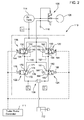
Fig. 2 is a schematic diagram of a control circuit of the present invention for pneumatic trailer brakes and non-spring park brakes; and -
Fig. 3 is a schematic diagram of a control circuit of the present invention for pneumatic trailer brakes and spring park brakes. - Referring to
Fig. 1 , abrake control circuit 10 is installed as part of a by-wire brake system (not shown) on a vehicle (not shown) such as a tractor, and is connected totrailer brakes 12 on a trailer (not shown).Brake control circuit 10 includes four solenoid operatedvalves pump 14 or source of pressurized hydraulic fluid, and to afluid reservoir 16. - First solenoid operated
proportional valve 18 has afirst port 30 connected to thesource 14, asecond port 32 connected to thereservoir 16, and athird port 34. Valve 18 also includes afirst valve member 40 movable to a first position wherein thefirst port 30 is blocked and thesecond port 32 is communicated with thethird port 34. Valemember 40 is also movable to a second position wherein thesecond port 32 is blocked and thefirst port 30 is communicated with thethird port 34. Aspring 42 biases thefirst valve member 40 to its first position. Asolenoid 44 is operable to move thefirst valve member 40 to its second position; - Second solenoid operated
proportional valve 20 has afirst port 50 connected to thesource 14, asecond port 52 connected to thereservoir 16, and athird port 54. Asecond valve member 60 is movable to a first position wherein thefirst port 50 is blocked and thesecond port 52 is communicated with thethird port 54. Valvemember 60 is also movable to a second position wherein thesecond port 52 is blocked and thefirst port 50 is communicated with thethird port 54. Aspring 62 biases thesecond valve member 60 to its first position. Asolenoid 64 is operable to move thesecond valve member 60 to its second position; - First solenoid operated
shutoff valve 22 has afirst port 70 connected to thethird port 34 of thefirst valve 18 and asecond port 72 connected to thetrailer brake 12. Valve 22 has athird valve member 74 movable to a first position wherein the first andsecond ports first port 70 is communicated with thesecond port 72. Aspring 76 biases thethird valve member 74 to its first position. Asolenoid 78 is operable to move thethird valve member 74 to its second position. - Second solenoid operated
shutoff valve 24 has afirst port 80 connected to thethird port 54 of thesecond valve 20 and a second port 82 connected to thetrailer brake 12. Valve 24 includes afourth valve member 84 movable to a first position wherein the first andsecond ports 80 and 82 are blocked, and movable to a second position wherein thefirst port 80 is communicated with the second port 82. Aspring 86 biases thefourth valve member 84 to its first position. Asolenoid 88 is operable to move thefourth valve member 84 to its second position. - The
circuit 10 also includes afirst pilot line 90 which communicates thethird port 34 of the first valve to an end of thefirst valve member 40. Asecond pilot line 92 communicates thethird port 54 of thesecond valve 20 to an end of thesecond valve member 60. Aload sense line 94 communicating thesecond ports 72, 82 of the third andfourth valves reservoir 16 via arestriction 96. - The
proportional valves - The output pressure to the
trailer brakes 12 is preferably limited by pressure limiting valve (not shown) to 150 bar maximum. Two pressure sensor 98 and 100 make possible fault checking by an electronic control unit (not shown). The pressure sensors 98, 100 in conjunction with the proportional valve that is being activated will provide three values to compare to determine which component is malfunctioning. - Referring now to
Fig. 2 , abrake control circuit 110 is installed as part of a by-wire pneumatic brake system (not shown) on a vehicle (not shown) such as a tractor, and is connected to an electronictrailer brake controller 111 and to pneumaticnon-spring trailer brakes 112 on a trailer (not shown).Brake control circuit 110 includes four solenoid operatedvalves tank 114 or source of pressurized air and anair vent 116. A regulatingvalve 108 regulates the pressure intank 114 supplied byair compressor 106. - First solenoid operated
proportional valve 118 has afirst port 130 connected to thetank 114, asecond port 132 connected to thevent 116, and athird port 134. Valve 118 also includes a first valve member 140 movable to a first position wherein thefirst port 130 is blocked and thesecond port 132 is communicated with thethird port 134. Valve member 140 is also movable to a second position wherein thesecond port 132 is blocked and thefirst port 130 is communicated with thethird port 134. Aspring 142 biases the first valve member 140 to its first position. Asolenoid 144 is operable to move the first valve member 140 to its second position. - Second solenoid operated
proportional valve 120 has afirst port 150 connected to thesource 114, asecond port 152 connected to thereservoir 116, and athird port 154. A second valve member 160 is movable to a first position wherein thefirst port 150 is blocked and thesecond port 152 is communicated with thethird port 154. Valve member 160 is also movable to a second position wherein thesecond port 152 is blocked and thefirst port 150 is communicated with thethird port 154. Aspring 162 biases the second valve member 160 to its first position. Asolenoid 164 is operable to move the second valve member 160 to its second position; - First solenoid operated shutoff valve 122 has a
first port 170 connected to thethird port 134 of thefirst valve 118, asecond port 171 connected to thevent 116 and athird port 172 connected to thetrailer brake 112 via ashuttle valve 138. Valve 122 has athird valve member 174 movable to a first position wherein thefirst port 170 is blocked andsecond port 171 is communicated tothird port 172, and movable to a second position wherein thesecond port 171 is blocked andport 170 is communicated with thesecond port 172. Aspring 176 biases thethird valve member 174 to its first position. Asolenoid 178 is operable to move thethird valve member 174 to its second position. - Second solenoid operated
shutoff valve 124 has afirst port 180 connected to thethird port 154 of thesecond valve 120, asecond port 181 connected to thevent 116 and athird port 182 connected to thetrailer brake 112 viashuttle valve 138. Valve 122 has athird valve member 184 movable to a first position wherein thesecond port 181 is blocked andfirst port 180 is communicated tothird port 182, and movable to a second position wherein thefirst port 180 is blocked andport 181 is communicated with thethird port 182. Aspring 186 biases thethird valve member 184 to its first position. Asolenoid 188 is operable to move thethird valve member 184 to its second position.Valve 138 communicates the higher pressure to thetrailer brakes 112. - The
circuit 110 also includes a first pilot line 190 which communicates thethird port 134 of the first valve to an end of the first valve member 140. Asecond pilot line 192 communicates thethird port 154 of thesecond valve 120 to an end of the second valve member 160. - Referring now to
Fig. 3 , abrake control circuit 210 is installed as part of a by-wire brake system (not shown) on a vehicle (not shown) such as a tractor, and is connected to an electronictrailer brake controller 211 and to pneumatictrailer service brakes 212 and pneumatic springtrailer park brakes 213 on a trailer (not shown).Brake control circuit 210 includes four solenoid operatedvalves tank 214 or source of pressurized air and anair vent 216. A regulatingvalve 208 regulates the pressure intank 214 supplied byair compressor 206. - First solenoid operated proportional valve 218 has a
first port 230 connected to thetank 214, asecond port 232 connected to thevent 216, and athird port 234. Valve 218 also includes afirst valve member 240 movable to a first position wherein thefirst port 230 is blocked and thesecond port 232 is communicated with thethird port 234.Valve member 240 is also movable to a second position wherein thesecond port 232 is blocked and thefirst port 230 is communicated with thethird port 234. Aspring 242 biases thefirst valve member 240 to its first position. Asolenoid 244 is operable to move thefirst valve member 240 to its second position. - Second solenoid operated
proportional valve 220 has afirst port 250 connected to thesource 214, asecond port 252 connected to thereservoir 216, and athird port 254. Asecond valve member 260 is movable to a first position wherein thefirst port 250 is blocked and thesecond port 252 is communicated with thethird port 254.Valve member 260 is also movable to a second position wherein thesecond port 252 is blocked and thefirst port 250 is communicated with thethird port 254. Aspring 262 biases thesecond valve member 260 to its first position. Asolenoid 264 is operable to move thesecond valve member 260 to its second position. - First solenoid operated
shutoff valve 222 has afirst port 270 connected to thethird port 234 of the first valve 218, asecond port 271 connected to thevent 216 and athird port 272 connected to the pneumatictrailer service brake 212.Valve 222 has athird valve member 274 movable to a first position wherein thefirst port 270 is blocked andsecond port 271 is communicated tothird port 272, and movable to a second position wherein thesecond port 271 is blocked andport 270 is communicated with thesecond port 272. Aspring 276 biases thethird valve member 274 to its first position. Asolenoid 278 is operable to move thethird valve member 274 to its second position. - Second solenoid operated
shutoff valve 224 has afirst port 280 connected to thethird port 254 of thesecond valve 220, asecond port 281 connected to thevent 216 and a third port 282 connected to the trailer spring-appliedpark brake 213.Valve 222 has athird valve member 284 movable to a first position wherein thefirst port 280 is blocked andsecond port 281 is communicated to third port 282, and movable to a second position wherein thesecond port 281 is blocked andport 280 is communicated with the third port 282. Aspring 286 biases thethird valve member 284 to its first position. Asolenoid 288 is operable to move thethird valve member 284 to its second position. - The
circuit 210 also includes afirst pilot line 290 which communicates thethird port 234 of the first valve to an end of thefirst valve member 240. Asecond pilot line 292 communicates thethird port 254 of thesecond valve 220 to an end of thesecond valve member 260. - With these
circuits trailer brakes - The proportional valves can be sized one of three ways: a) So that service brake mode uses both valves (valves sized for 55-60% of flow rate required). b) So that one valve is used for service brakes with 100% of the flow, and the second valve is at a reduced flow rate (55-60%). c) So that both valves, individually, can be used for service brakes with each being able to flow 100% of the flow.
- While the present invention has been described in conjunction with a specific embodiment, it is understood that many alternatives, modifications and variations will be apparent to those skilled in the art in light of the foregoing description. Accordingly, this invention is intended to embrace all such alternatives, modifications and variations which fall within the spirit and scope of the appended claims.
Claims (8)
- A brake control circuit (10, 110, 210) for trailer brakes (12, 112, 212, 213) in a by-wire brake system, comprising a fluid pressure source (14, 114, 214) and a fluid reservoir (16, 116, 216) characterized in comprising a pair of electro-hydraulic proportional valves (18, 20, 118, 120, 218, 220), for controlling communication between the source (14, 114, 214), the reservoir (16, 116, 216) and the trailer brakes (12, 112, 212), and further with a pair of electro-hydraulic shutoff valves (22, 24, 122, 124, 222, 224), each controlling communication between the trailer brakes (12, 112, 212) and a corresponding one of the proportional valves (18, 20, 118, 120, 218, 220).
- The brake control circuit (10) of claim 1, wherein the fluid pressure source (14) comprises a hydraulic pump; and the fluid reservoir (16) comprises a hydraulic fluid reservoir.
- The brake control circuit (110, 210) of claim 1, wherein the fluid pressure source (114, 214) comprises a tank or pressurized air; and the fluid reservoir (116, 216) comprises an air vent.
- The brake control circuit (10) of claim 1 or 2, comprising the first solenoid operated proportional valve (18) having a first port (30) connected to the pump (14), a second port (32) connected to the reservoir (16), a third port (34), a first valve member (40) movable to a first position wherein the first port (30) is blocked and the second port (32) is communicated with the third port (34), and movable to a second position wherein the second port (32) is blocked and the first port (30) is communicated with the third port (34), a spring (42) biasing the first valve member (40) to its first position, and a solenoid (44) operable to move the first valve member (40) to its second position; the second solenoid operated proportional valve (20) having a first port (50) connected to the pump, a second port (52) connected to the reservoir (16), a third port (54), a second valve member (60) movable to a first position wherein the first port (50) is blocked and the second port (52) is communicated with the third port (54), and movable to a second position wherein the second port (52) is blocked and the first port (50) is communicated with the third port (54), a spring (62) biasing the second valve member (60) to its first position, and a solenoid (64) operable to move the second valve (60) member to its second position; a first solenoid operated shutoff valve (22) having a first port (70) connected to the third port (34) of the first proportional valve (18) and a second port (72) connected to the trailer brake (12), a third valve member (74) movable to a first position wherein the first and second ports (70, 72) are blocked, and movable to a second position wherein the first port (70) is communicated with the second port (72), a spring (76) biasing the third valve member (74) to its first position, and a solenoid (78) operable to move the third valve member (74) to its second position; and a second solenoid operated shutoff valve (24) having a first port (80) connected to the third (54) port of the second proportional valve (20) and a second port (82) connected to the trailer brake (12), a fourth valve member (84) movable to a first position wherein the first and second ports (80, 82) are blocked, and movable to a second position wherein the first port (80) is communicated with the second port (82), a spring (86) biasing the fourth valve member (84) to its first position, and a solenoid (88) operable to move the fourth valve member (84) to its second position.
- The brake control circuit (10) of claim 4, further comprising: a first pilot line (90) communicating the third port (34) of the first proportional valve (18) to an end of the first valve member (40); and a second pilot line (92) communicating the third port (54) of the second proportional valve (20) to an end of the second valve member (60).
- The brake control circuit (10) of claim 4 or 5, further comprising: a load sense line (94) communicating the second ports (72, 82) of the first and second shutoff valves (22, 24) to the reservoir via a restriction (96).
- The brake control circuit (110) of claim 3, wherein the first solenoid operated proportional valve (118) having a first port (130) connected to the tank (114), a second port (132) connected to the vent (116), a third port (134), a first valve member (140) movable to a first position wherein the first port (130) is blocked and the second port (132) is communicated with the third port (134), and movable to a second position wherein the second port (132) is blocked and the first port (130) is communicated with the third port (134), a spring (142) biasing the first valve member (140) to its first position, and a solenoid (144) operable to move the first valve member (140) to its second position; the second solenoid operated proportional valve (120) having a first port (150) connected to the tank, a second port (152) connected to the vent (116), a third port (154), a second valve member (160) movable to a first position wherein the second port (152) is blocked and the first port (150) is communicated with the third port (154), and movable to a second position wherein the first port (150) is blocked and the second port (152) is communicated with the third port (154), a spring (162) biasing the second valve member (160) to its first position, and a solenoid (164) operable to move the second valve (160) member to its second position; the first solenoid operated shutoff valve (122) having a first port (170) connected to the third port (134) of the first valve (118), a second port (171) connected to the vent (116), a third port (172) connected to the trailer brake (112) via a shuttle valve (138), a third valve member (174) movable to a first position wherein the first port (170) is blocked and second port (171) is communicated to third port (172), and movable to a second position wherein the second port (171) is blocked and first port (170) is communicated with the third port (172), a spring (176) biasing the third valve member (174) to its first position, and a solenoid (178) operable to move the third valve member (174) to its second position; and the second solenoid operated shutoff valve (124) having a first port (180) connected to the third port (154) of the second valve (120), a second port (181) connected to the vent (116), a third port (182) connected to the trailer brake (112) via shuttle valve (138), a third valve member (184) movable to a first position wherein the second port (181) is blocked and first port (180) is communicated to third port (182), and movable to a second position wherein the first port (180) is blocked and second port (181) is communicated with the third port (182), a spring (186) biasing the third valve member (184) to its first position, and a solenoid (186) operable to move the third valve member (184) to its second position, the shuttle valve (138) communicating a higher pressure to the trailer brakes (112).
- The brake control circuit (210) of claim 3, comprising: a first solenoid operated proportional valve (218) having a first port (230) connected to the tank (214), a second port (232) connected to the vent (216), a third port (234), a first valve member (240) movable to a first position wherein the first port (230) is blocked and the second port (232) is communicated with the third port (234), and movable to a second position wherein the second port (232) is blocked and the first port (230) is communicated with the third port (234), a spring (242) biasing the first valve member (240) to its first position, and a solenoid (244) operable to move the first valve member (240) to its second position; a second solenoid operated proportional valve (220) having a first port (250) connected to the tank (214), a second port (252) connected to the vent (216), a third port (254), a second valve member (260) movable to a first position wherein the first port (250) is blocked and the second port (252) is communicated with the third port (254), and movable to a second position wherein the second port (252) is blocked and the first port (250) is communicated with the third port (254), a spring (262) biasing the second valve member (260) to its first position, and a solenoid (264) operable to move the second valve member (260) to its second position; a first solenoid operated shutoff valve (222) having a first port (270) connected to the third port (234) of the first valve (218), a second port (271) connected to the vent (216), a third port (272) connected to a trailer service brake (212), a third valve member (274) movable to a first position wherein the first port (270) is blocked and the second port (271) is communicated to the third port (272), and movable to a second position wherein the second port (271) is blocked and the first port (270) is communicated with the third port (272), a spring (276) biasing the third valve member (274) to its first position, and a solenoid (278) operable to move the third valve member (274) to its second position; and a second solenoid operated shutoff valve (224) having a first port (280) connected to the third port (254) of the second valve (220), a second port (282) connected to the vent (216), a third port (282) connected to a trailer park brake (213), a third valve member (284) movable to a first position wherein the first port (280) is blocked and the second port (281) is communicated to the third port (282), and movable to a second position wherein the second port (281) is blocked and the first port (280) is communicated with the third port (282), a spring (286) biasing the third valve member (284) to its first position, and a solenoid (288) operable to move the third valve member (284) to its second position.
Priority Applications (1)
| Application Number | Priority Date | Filing Date | Title |
|---|---|---|---|
| EP11170035.7A EP2380792B1 (en) | 2007-12-05 | 2008-11-28 | Brake-by-wire system |
Applications Claiming Priority (1)
| Application Number | Priority Date | Filing Date | Title |
|---|---|---|---|
| US11/951,067 US7517026B1 (en) | 2007-12-05 | 2007-12-05 | Control circuit for trailer brakes in a by-wire brake system |
Related Child Applications (1)
| Application Number | Title | Priority Date | Filing Date |
|---|---|---|---|
| EP11170035.7 Division-Into | 2011-06-15 |
Publications (3)
| Publication Number | Publication Date |
|---|---|
| EP2067675A2 true EP2067675A2 (en) | 2009-06-10 |
| EP2067675A3 EP2067675A3 (en) | 2010-12-01 |
| EP2067675B1 EP2067675B1 (en) | 2013-12-11 |
Family
ID=40365405
Family Applications (2)
| Application Number | Title | Priority Date | Filing Date |
|---|---|---|---|
| EP08170233.4A Active EP2067675B1 (en) | 2007-12-05 | 2008-11-28 | Brake control circuit |
| EP11170035.7A Active EP2380792B1 (en) | 2007-12-05 | 2008-11-28 | Brake-by-wire system |
Family Applications After (1)
| Application Number | Title | Priority Date | Filing Date |
|---|---|---|---|
| EP11170035.7A Active EP2380792B1 (en) | 2007-12-05 | 2008-11-28 | Brake-by-wire system |
Country Status (2)
| Country | Link |
|---|---|
| US (1) | US7517026B1 (en) |
| EP (2) | EP2067675B1 (en) |
Cited By (1)
| Publication number | Priority date | Publication date | Assignee | Title |
|---|---|---|---|---|
| WO2011129711A1 (en) * | 2010-04-14 | 2011-10-20 | Przemysłowy Instytut Maszyn Rolniczych | Tractor -trailer braking system |
Families Citing this family (19)
| Publication number | Priority date | Publication date | Assignee | Title |
|---|---|---|---|---|
| FR2897581B1 (en) * | 2006-02-22 | 2008-05-16 | Poclain Hydraulics Ind Soc Par | DEVICE FOR CONTROLLING THE HYDRAULIC BRAKE OF A TRAILER ATTACHED TO A TRACTOR |
| ITBO20060714A1 (en) * | 2006-10-16 | 2008-04-17 | Cnh Italia Spa | PARKING BRAKE, IN PARTICULAR FOR AN AGRICULTURAL TRACTOR, EQUIPPED WITH A SAFETY DEVICE |
| DE202008008044U1 (en) * | 2008-06-16 | 2009-11-05 | Liebherr-Hydraulikbagger Gmbh | Mobile working device |
| US9802593B2 (en) * | 2011-06-07 | 2017-10-31 | Bendix Commercial Vehicle Systems Llc | Multi-pressure valve controller and method for a vehicle braking system |
| US8974011B2 (en) * | 2012-10-23 | 2015-03-10 | Deere & Company | Tractor hydraulic brake circuit with ABS capability |
| DE102012023137A1 (en) * | 2012-11-27 | 2014-05-28 | Wabco Gmbh | Valve arrangement for an electropneumatic brake system |
| DE102013012538A1 (en) * | 2013-07-27 | 2015-01-29 | Borgwarner Inc. | Hydraulic control device for controlling a double clutch and method for the hydraulic control of a dual clutch |
| US9434366B1 (en) * | 2015-04-09 | 2016-09-06 | Bendix Commercial Vehicle Systems Llc | Parking apparatus for a heavy vehicle during a loss of electrical power |
| DE102016100526A1 (en) * | 2016-01-14 | 2017-07-20 | Knorr-Bremse Systeme für Nutzfahrzeuge GmbH | Control device for controlling a brake system for a vehicle, brake system for a vehicle, method for operating a control device and method for applying at least one braking device of a brake system for a vehicle with a brake pressure |
| US10173652B2 (en) * | 2016-07-28 | 2019-01-08 | Deere & Company | Hydraulic trailer brake circuit for adjustable gain and improved stability |
| US10040436B2 (en) * | 2016-07-28 | 2018-08-07 | Deere & Company | Trailer brake pilot control circuit and method of control thereof |
| DE102017005980A1 (en) * | 2017-03-21 | 2018-09-27 | Wabco Gmbh | Integrated trailer control module (TCV) with external electropneumatic manual brake unit (EPH) |
| ES2916401T3 (en) * | 2019-11-18 | 2022-06-30 | Knorr Bremse Systeme Fuer Nutzfahrzeuge Gmbh | Brake system for an air supply and control module of motor vehicles and trailers |
| DE102020117324A1 (en) * | 2020-07-01 | 2022-01-05 | Zf Cv Systems Global Gmbh | Procedure for testing a select high valve |
| US11820341B2 (en) * | 2020-10-01 | 2023-11-21 | Valcrum, Llc | Electrically modulated air brake |
| US12054014B2 (en) | 2021-02-25 | 2024-08-06 | Deere & Company | Bi-directional air delivery system |
| US11932213B2 (en) * | 2021-03-26 | 2024-03-19 | Toyota Research Institute, Inc. | System and method for controlling one or more brakes of a vehicle |
| US12448989B2 (en) | 2022-02-21 | 2025-10-21 | Deere & Company | Auxiliary hydraulic system for a work vehicle |
| US12227161B2 (en) | 2022-02-24 | 2025-02-18 | Deere & Company | Brake pedal feedback system |
Family Cites Families (15)
| Publication number | Priority date | Publication date | Assignee | Title |
|---|---|---|---|---|
| DE3215475A1 (en) | 1982-04-24 | 1983-11-03 | Robert Bosch Gmbh, 7000 Stuttgart | ELECTRO-PNEUMATIC BRAKE SYSTEM |
| US4835970A (en) * | 1985-08-13 | 1989-06-06 | Nissan Motor Co. Ltd. | Pneumatic power brake system |
| JPS6361671A (en) * | 1986-08-30 | 1988-03-17 | Sumitomo Electric Ind Ltd | Brake pressure control device |
| KR930001020B1 (en) * | 1987-06-16 | 1993-02-12 | 스미도모 덴기 고오교오 가부시기가이샤 | Hydraulic control device and brake device using it |
| GB9102472D0 (en) * | 1991-02-05 | 1991-03-20 | Lucas Ind Plc | Braking system for a vehicle |
| GB9215510D0 (en) * | 1992-07-22 | 1992-09-02 | Grau Ltd | Braking systems |
| JP3261225B2 (en) * | 1993-09-16 | 2002-02-25 | 本田技研工業株式会社 | Vehicle braking system |
| US5941608A (en) * | 1996-03-07 | 1999-08-24 | Kelsey-Hayes Company | Electronic brake management system with manual fail safe |
| JP3753810B2 (en) * | 1996-10-18 | 2006-03-08 | 株式会社日立製作所 | Brake hydraulic pressure control device |
| DE19718533A1 (en) * | 1997-05-02 | 1998-11-05 | Itt Mfg Enterprises Inc | Brake control system for vehicle |
| DE10018400C1 (en) * | 2000-04-13 | 2001-08-30 | Haldex Brake Prod Gmbh | Valve arrangement for compressed air braking system has multiple identical parallel valves driven selectively individually or in common for large throughputs according to control philosophy |
| US6666527B2 (en) * | 2001-06-04 | 2003-12-23 | Dura Global Technologies Inc. | Electro-hydraulic brake actuating device for a trailer |
| US7128376B2 (en) | 2003-05-30 | 2006-10-31 | Goodrich Corporation | Redundant architecture for brake-by-wire system |
| US7150508B2 (en) * | 2004-04-19 | 2006-12-19 | Kelsey-Hayes Company | Modular regenerative braking |
| DE102004035763A1 (en) * | 2004-07-21 | 2006-03-16 | Wabco Gmbh & Co.Ohg | Brake pressure modulator pilot unit |
-
2007
- 2007-12-05 US US11/951,067 patent/US7517026B1/en active Active
-
2008
- 2008-11-28 EP EP08170233.4A patent/EP2067675B1/en active Active
- 2008-11-28 EP EP11170035.7A patent/EP2380792B1/en active Active
Non-Patent Citations (1)
| Title |
|---|
| None |
Cited By (1)
| Publication number | Priority date | Publication date | Assignee | Title |
|---|---|---|---|---|
| WO2011129711A1 (en) * | 2010-04-14 | 2011-10-20 | Przemysłowy Instytut Maszyn Rolniczych | Tractor -trailer braking system |
Also Published As
| Publication number | Publication date |
|---|---|
| US7517026B1 (en) | 2009-04-14 |
| EP2380792A1 (en) | 2011-10-26 |
| EP2067675A3 (en) | 2010-12-01 |
| EP2380792B1 (en) | 2013-12-11 |
| EP2067675B1 (en) | 2013-12-11 |
Similar Documents
| Publication | Publication Date | Title |
|---|---|---|
| EP2067675B1 (en) | Brake control circuit | |
| CN114650938B (en) | Electropneumatic control module | |
| US10093293B2 (en) | Brake pressure modulator of an electronic braking system of a utility vehicle | |
| US8651588B2 (en) | Electro-pneumatic brake control device | |
| CN101801745B (en) | Parking brake modulator and use of a brake modulator as a parking brake modulator | |
| US12263821B2 (en) | Reliable parking brake valve unit with a bypass valve | |
| CN114761294B (en) | Parking brake valve assembly with monostable and fault-tolerant design | |
| CN111032456B (en) | Electropneumatic trailer supply module for providing a trailer supply pressure | |
| CN112088115B (en) | Redundant brake unit for a brake system and system using the same | |
| US11970146B2 (en) | Secondary brake system of a vehicle, and method for controlling it | |
| CN114761295B (en) | Fail-safe valve unit for parking brake function and parking brake valve arrangement | |
| US12594917B2 (en) | Failsafe valve unit, electronically controllable pneumatic brake system, vehicle, and method | |
| EP2008897A2 (en) | Hydraulic by-wire vehicle braking system | |
| CN111372827A (en) | Brake system | |
| CN118265642A (en) | Fail-safe redundant brake system with pressure feed-in via the main modulator bleed path | |
| CN117693454A (en) | Electronically controllable pneumatic braking system with only one shuttle valve for fail-safe braking applications for autonomous driving operation | |
| CN112512881A (en) | Electro-pneumatic handbrake (EPH) with partially decoupled TCV (European drive control) | |
| US20240116484A1 (en) | Vehicle control device | |
| CN107438544B (en) | Compressed air unit for vehicles with double relay valve | |
| US12240426B2 (en) | Electropneumatic device with a protective valve unit | |
| CN112996701A (en) | Vehicle brake system | |
| CN101638088B (en) | Braking device for a motor vehicle activated by compressing a medium | |
| CN102369125B (en) | Braking control system | |
| JP7416907B2 (en) | parking brake device | |
| US20250206284A1 (en) | Compressed-air supply arrangement of a pneumatic brake system, and method for engaging a parking brake by limiting the delivery rate |
Legal Events
| Date | Code | Title | Description |
|---|---|---|---|
| PUAI | Public reference made under article 153(3) epc to a published international application that has entered the european phase |
Free format text: ORIGINAL CODE: 0009012 |
|
| AK | Designated contracting states |
Kind code of ref document: A2 Designated state(s): AT BE BG CH CY CZ DE DK EE ES FI FR GB GR HR HU IE IS IT LI LT LU LV MC MT NL NO PL PT RO SE SI SK TR |
|
| AX | Request for extension of the european patent |
Extension state: AL BA MK RS |
|
| PUAL | Search report despatched |
Free format text: ORIGINAL CODE: 0009013 |
|
| AK | Designated contracting states |
Kind code of ref document: A3 Designated state(s): AT BE BG CH CY CZ DE DK EE ES FI FR GB GR HR HU IE IS IT LI LT LU LV MC MT NL NO PL PT RO SE SI SK TR |
|
| AX | Request for extension of the european patent |
Extension state: AL BA MK RS |
|
| 17P | Request for examination filed |
Effective date: 20110601 |
|
| AKX | Designation fees paid |
Designated state(s): DE FR GB IT |
|
| GRAP | Despatch of communication of intention to grant a patent |
Free format text: ORIGINAL CODE: EPIDOSNIGR1 |
|
| RIC1 | Information provided on ipc code assigned before grant |
Ipc: B60T 7/20 20060101ALI20130527BHEP Ipc: B60T 8/32 20060101ALN20130527BHEP Ipc: B60T 13/68 20060101AFI20130527BHEP |
|
| INTG | Intention to grant announced |
Effective date: 20130703 |
|
| GRAS | Grant fee paid |
Free format text: ORIGINAL CODE: EPIDOSNIGR3 |
|
| GRAA | (expected) grant |
Free format text: ORIGINAL CODE: 0009210 |
|
| AK | Designated contracting states |
Kind code of ref document: B1 Designated state(s): DE FR GB IT |
|
| REG | Reference to a national code |
Ref country code: GB Ref legal event code: FG4D |
|
| REG | Reference to a national code |
Ref country code: DE Ref legal event code: R096 Ref document number: 602008029205 Country of ref document: DE Effective date: 20140206 |
|
| REG | Reference to a national code |
Ref country code: DE Ref legal event code: R097 Ref document number: 602008029205 Country of ref document: DE |
|
| PLBE | No opposition filed within time limit |
Free format text: ORIGINAL CODE: 0009261 |
|
| STAA | Information on the status of an ep patent application or granted ep patent |
Free format text: STATUS: NO OPPOSITION FILED WITHIN TIME LIMIT |
|
| 26N | No opposition filed |
Effective date: 20140912 |
|
| REG | Reference to a national code |
Ref country code: DE Ref legal event code: R097 Ref document number: 602008029205 Country of ref document: DE Effective date: 20140912 |
|
| GBPC | Gb: european patent ceased through non-payment of renewal fee |
Effective date: 20141128 |
|
| REG | Reference to a national code |
Ref country code: FR Ref legal event code: ST Effective date: 20150731 |
|
| PG25 | Lapsed in a contracting state [announced via postgrant information from national office to epo] |
Ref country code: GB Free format text: LAPSE BECAUSE OF NON-PAYMENT OF DUE FEES Effective date: 20141128 |
|
| PG25 | Lapsed in a contracting state [announced via postgrant information from national office to epo] |
Ref country code: FR Free format text: LAPSE BECAUSE OF NON-PAYMENT OF DUE FEES Effective date: 20141201 |
|
| PG25 | Lapsed in a contracting state [announced via postgrant information from national office to epo] |
Ref country code: IT Free format text: LAPSE BECAUSE OF NON-PAYMENT OF DUE FEES Effective date: 20141128 |
|
| PGFP | Annual fee paid to national office [announced via postgrant information from national office to epo] |
Ref country code: DE Payment date: 20251021 Year of fee payment: 18 |