EP2056843B1 - Utilisation de sucres en c7 dans la prévention et le traitement des mycoses - Google Patents
Utilisation de sucres en c7 dans la prévention et le traitement des mycoses Download PDFInfo
- Publication number
- EP2056843B1 EP2056843B1 EP07803123.4A EP07803123A EP2056843B1 EP 2056843 B1 EP2056843 B1 EP 2056843B1 EP 07803123 A EP07803123 A EP 07803123A EP 2056843 B1 EP2056843 B1 EP 2056843B1
- Authority
- EP
- European Patent Office
- Prior art keywords
- sugars
- avocado
- mannoheptulose
- advantageously
- use according
- Prior art date
- Legal status (The legal status is an assumption and is not a legal conclusion. Google has not performed a legal analysis and makes no representation as to the accuracy of the status listed.)
- Active
Links
Images
Classifications
-
- A—HUMAN NECESSITIES
- A61—MEDICAL OR VETERINARY SCIENCE; HYGIENE
- A61K—PREPARATIONS FOR MEDICAL, DENTAL OR TOILETRY PURPOSES
- A61K36/00—Medicinal preparations of undetermined constitution containing material from algae, lichens, fungi or plants, or derivatives thereof, e.g. traditional herbal medicines
- A61K36/18—Magnoliophyta (angiosperms)
- A61K36/185—Magnoliopsida (dicotyledons)
- A61K36/54—Lauraceae (Laurel family), e.g. cinnamon or sassafras
-
- A—HUMAN NECESSITIES
- A61—MEDICAL OR VETERINARY SCIENCE; HYGIENE
- A61K—PREPARATIONS FOR MEDICAL, DENTAL OR TOILETRY PURPOSES
- A61K31/00—Medicinal preparations containing organic active ingredients
- A61K31/70—Carbohydrates; Sugars; Derivatives thereof
- A61K31/7004—Monosaccharides having only carbon, hydrogen and oxygen atoms
-
- A—HUMAN NECESSITIES
- A61—MEDICAL OR VETERINARY SCIENCE; HYGIENE
- A61P—SPECIFIC THERAPEUTIC ACTIVITY OF CHEMICAL COMPOUNDS OR MEDICINAL PREPARATIONS
- A61P17/00—Drugs for dermatological disorders
-
- A—HUMAN NECESSITIES
- A61—MEDICAL OR VETERINARY SCIENCE; HYGIENE
- A61P—SPECIFIC THERAPEUTIC ACTIVITY OF CHEMICAL COMPOUNDS OR MEDICINAL PREPARATIONS
- A61P17/00—Drugs for dermatological disorders
- A61P17/08—Antiseborrheics
-
- A—HUMAN NECESSITIES
- A61—MEDICAL OR VETERINARY SCIENCE; HYGIENE
- A61P—SPECIFIC THERAPEUTIC ACTIVITY OF CHEMICAL COMPOUNDS OR MEDICINAL PREPARATIONS
- A61P17/00—Drugs for dermatological disorders
- A61P17/10—Anti-acne agents
-
- A—HUMAN NECESSITIES
- A61—MEDICAL OR VETERINARY SCIENCE; HYGIENE
- A61P—SPECIFIC THERAPEUTIC ACTIVITY OF CHEMICAL COMPOUNDS OR MEDICINAL PREPARATIONS
- A61P31/00—Antiinfectives, i.e. antibiotics, antiseptics, chemotherapeutics
-
- A—HUMAN NECESSITIES
- A61—MEDICAL OR VETERINARY SCIENCE; HYGIENE
- A61P—SPECIFIC THERAPEUTIC ACTIVITY OF CHEMICAL COMPOUNDS OR MEDICINAL PREPARATIONS
- A61P31/00—Antiinfectives, i.e. antibiotics, antiseptics, chemotherapeutics
- A61P31/10—Antimycotics
Definitions
- the present invention relates to the use of at least one C7 sugar selected from the group consisting of mannoheptulose, mixtures of mannoheptulose and perseitol to prevent and / or fight against the proliferation of yeasts present in the skin, dander and / or mucous membranes.
- fungi Classified in the kingdom of Fungi, fungi are eukaryotic organisms, heterotrophic vis-à-vis carbon, absorbotrophic, reproducing by sporulation. Microscopic fungi are subdivided into molds, dermatophytes and yeasts (unicellular organisms). Certain microscopic fungi can cause in humans parasitic affections of the skin, superficial body growths and viscera.
- Fungal infections are parasitic diseases caused by the proliferation of microscopic fungi parasitic to the body. Among the most common fungal infections are candidiasis and pityrosporosis, which are caused by the proliferation of yeasts in the skin.
- Candidiasis are diseases caused by a yeast of the candida genus. There are two different forms of candidiasis by their evolution: acute mycosis (the most frequent), due to local factors, and chronic mycosis (rare), whose treatment is more difficult and which are sometimes due to a deficit of the system immune.
- Cutaneous candidiasis (affecting the skin) is located mainly in the folds of the body and is favored by maceration (excess moisture or insufficient drying of the skin). Cutaneous candidiasis results in the presence of an intertrigo, that is to say, a lesion that starts at the bottom of the skin folds, which becomes erythematous (red coloring) and which eventually ooze and cause pruritus (itching ). Cutaneous candidiasis can also be found at the level of the nails, at their base. They cause what is called a tourniole, in other words a superficial paronychia.
- Oral candidiasis causes lily of the valley that is characterized by a whitish and bright red on the inside of the cheeks. Oral candidiasis occurs mainly in people suffering from an absence of saliva (asialia). In immunocompromised individuals (with decreased immune defenses), such as those with HIV (AIDS) and individuals with dental appliances, oral candidiasis is facilitated.
- the genital candidiasis is the origin in the woman of vulvovaginitis with white losses and in the man of balanitis (inflammation of the foreskin). Male genital candidiasis causes pruritus and frequent urethral discharge. Other candidiasis are aggravations of infant diaper rash due to maceration and increased pH which becomes alkaline.
- Pityrosporoses are very common infections of the skin due to a yeast of the genus Pityrosporum.
- D-mannoheptulose the first ketoheptosis identified in 1916 by La Forge, of general formula (I) found in some plants, especially in alfalfa ( Medicago sativa L. ), avocado, fig ( Ficus officinalis L.) in stonecrop ( Sedum spectabile Bor. ) and in primula ( Primula officinalis Jacq .).
- alfalfa Medicago sativa L.
- avocado fig ( Ficus officinalis L.) in stonecrop ( Sedum spectabile Bor. ) and in primula ( Primula officinalis Jacq .).
- fig Ficus officinalis L.
- stonecrop Sedum spectabile Bor.
- primula Primula officinalis Jacq .
- patent application WO95 / 03809 describes the use of D-mannoheptulose, as a glucokinase inhibitor, to inhibit tumor cell development and demand
- US2003 / 0092669 describes an oral dietary supplement comprising D-mannoheptulose, which makes it possible to reduce the level of insulin and thus allows weight loss.
- Perseitol, polyol form of D-mannoheptulose, of general formula (II) is also found in the avocado, especially in the fruit or in the core of the avocado.
- the subject of the invention is the use of at least one C 7 sugar selected from the group consisting of mannoheptulose, mixtures of mannoheptulose and perseitol, for the manufacture of a composition intended for the prevention and / or treatment in infants and young children of mycoses selected from the group consisting of candidiasis, and pityrosporoses selected from the group consisting of pityriasis versicolor, pityrosporic folliculitis and seborrheic dermatitis.
- the inventors have found that when these C7 sugars are put in contact with particular yeasts of the genus Candida and Pityrosporum these sugars are capable of causing the aggregation of said yeasts. Once aggregated, said yeasts have a limited ability to move; their size being larger, they can no longer penetrate the keratinocytes.
- the yeasts referred to in the invention therefore advantageously have mannose residues on their surface.
- yeasts One of the modes of action of yeasts is to modulate the proinflammatory action of the host to ensure their survival (thus, the yeast M. furfur is able to reduce the production of pro-inflammatory cytokines intended to fight against its propagation such that the IL-1 ⁇ , IL-6 and TNF- ⁇ and to increase the production of TGF ⁇ -1 (immunosuppressive and anti-inflammatory cytokine) by keratinocytes).
- the removal of these Interleukins allows yeasts to survive in the host without generating an anti-inflammatory response.
- the target candidiasis are in particular those selected from the group consisting of candidal intertrigos, oral candidal candidiasis, adult or child genital candidiasis, candidal onyxis and perionyxis, chronic mucocutaneous candidiasis and candidal folliculitis. .
- Candidiasis is caused by yeasts of the genus Candida, and in the first place C. albicans. Under certain physiological conditions (pregnancy), pathological (diabetes) or arrogatory (treatment with hormones, in particular corticosteroids, with antibiotics or immunosuppressants), Candida can become pathogenic and cause various cutaneous and mucosal manifestations.
- Oral candidiasis can reach all segments of the digestive tract. We can distinguish between pearl, cheilite and stomatitis (lily of the valley). Candidiasis is often marked by erythema.
- Genital candidiasis is mainly found in adults or by extension of a gluteal dermatitis in children. There are candidal vulvovaginitis, urethritis (common in diabetics), balanitis and balanoposthitis, and genital candidiasis. Infant genital candidiasis affects young children and is commonly known as diaper rash (which may have different causes).
- Candida onyxis and perionyxis are favored by moisture.
- Chronic mucocutaneous candidiasis is a chronic, cutaneous and mucosal infection that occurs in patients with immune deficiency.
- Candida folliculitis is particularly associated with heroin addiction and is a reflection of sepsis.
- the candidiasis is chosen from the group consisting of infantile genital candidiasis, in particular diaper rash.
- the pityrosporoses targeted are those selected from the group consisting of pityriasis versicolor, pityrosporic folliculitis and seborrheic dermatitis.
- a dandruff condition consists of non-inflammatory desquamation of the scalp. Seborrheic dermatitis is distinguished by the presence of erythema and an extension of the disease outside the scalp. Malassezia sp plays a central role, responsible for an inflammatory reaction leading to epidermal alterations.
- pityrosporoses are selected from the group consisting of pityrosporic folliculitis and seborrheic dermatitis.
- the targeted mycoses are candidiasis (in particular those due to the proliferation of Candida spp., In particular C. albicans ) and pityrosporoses (in particular those due to the proliferation of Malassezia spp, in particular M. fufur ).
- Malassezia spp. Yeasts of the genus Malassezia ( Malassezia spp .) are associated with many systemic and cutaneous diseases, either because they cause it or because they are associated with it. Examples of Malassezia spp. Related diseases include pityriasis versicolor, seborrheic dermatitis, dandruff, folliculitis, reticulated confluent papillomatosis, and seborrheic blepharitis. It has also been shown that Malassezia spp. is associated with deeper infections such as mastitis, sinusitis, purulent arthritis, external malignant otitis, fungal septicemia, angiitis, peritonitis and meningitis. ( Helen Ruth Ashbee, recent developments in the immunology and biology of Malassezia species, HEMS Immunol Med. Microbiol. 47 (2006) 14-23 ).
- the inventors have shown that the C7 sugars according to the invention are capable of causing the agglomeration of yeasts (which are then too large and can no longer penetrate into the cells) and to rebalance the tolerance of the keratinocytes vis- with respect to these yeasts. These yeasts lose their ability to invade and their pathogenicity and this without the sugars at these concentrations having the capacity to kill or inhibit the growth of the aggressors (not fungicide or fungistasis).
- these C7 sugars have a mode of action that is a physical and non-chemical mode. Thus, they have a long-term effectiveness, unlike chemical effectors that are likely to induce resistance from pathogens.
- This long-term effect is particularly interesting because it makes it possible to treat patients with mycosis unresponsive to conventional treatments existing to date, in particular because of a resistance to chemical effectors used on the part of yeasts.
- the C7 sugars according to the invention are therefore useful in the treatment and prevention of mycoses. They can also be associated with other medications for the treatment of diseases (skin diseases mainly) where the proliferation of yeasts can be a manifestation without being the cause.
- the C7 sugars according to the invention are used in the context of a treatment for diaper rash. They can be used alone or in combination with other active ingredients.
- the physical action of the C7 sugars according to the invention on the aggregation of yeasts does not disturb the cutaneous balance, which is particularly fragile and sensitive in infants and young children.
- these sugars are particularly suitable for the treatment of babies and young children or people with a fragile skin balance, for whom conventional treatments must be used sparingly because of undesirable side effects that can be severe.
- the active ingredients that can be used in combination are zinc oxide, talc, titanium oxide, vitamin B5, polyphenols, anti-enzyme (urease, lipase, protease) of the soy isoflavone type, oleyl acetate, emulsifying water in oil or in silicone that protects the skin of the child.
- the active ingredients that can be used in combination are also procyanidolic oligomers (PCOs) and anthocyanosides, such as those described in the application EP 953 353 .
- PCOs procyanidolic oligomers
- anthocyanosides such as those described in the application EP 953 353 .
- the C7 sugars according to the invention are used in the context of a treatment for seborrheic dermatitis. They can be used alone or in combination with other active ingredients.
- the active ingredients that can be used in combination are antifungals (ketoconazole, pyrithione zinc, pyroctone olamine, ...), antilipases, selenium and lithium salts, tars (coal tar, ichtyol pale, etc.), anti-inflammatory agents, exfoliants or keratoregulators (AHA, polyhydroxy acids, free esterified or substituted BHA ).
- C7 sugar refers to sugars whose sugar unit comprises 7 carbon atoms.
- C7 sugar is selected from the group consisting of mannoheptulose, and mixtures of mannoheptulose and perseitol.
- the source of D-mannoheptulose and / or perseitol may be a water-soluble extract of avocado or other plant sugars. Otherwise, D-mannoheptulose and perseitol are commercially available (synthetic origin). According to an advantageous variant of the invention, the source of D-mannoheptulose and / or perseitol is a water-soluble extract of avocado sugars.
- the water soluble extract of avocado sugars can be directly obtained from any part of the avocado or avocado, such as the fruit, skin, kernel, leaf or roots of the avocado. avocado. It is also possible to obtain an excerpt avocado peptide from co-products of the avocado processing industry, among which may be mentioned in a non-exhaustive way: fresh avocado pulp, frozen pulp, dehydrated pulp, avocado cake derived from oil extraction processes (mechanical extraction and / or solvent of the previously dehydrated fruit), the deoiled solids from wet oil extraction processes (so-called centrifugation process), the deoiled solids from enzymatic avocado oil extraction processes, raw avocado purees (guacamole), solid waste from the production units of these purees.
- the extract is advantageously obtained from the fresh fruit of the avocado tree.
- the fruits can be chosen among the Hass, Fuerte, Ettinger, Bacon, Nabal, Anaheim, Lula, Real, Zutano, Queen, Criola Selva, Mexicana Cranta, Dschang Region, Hall, Booth, Peterson, Co // inson Redn, more advantageously among the varieties Hass, Fuerte and Reed.
- the Hass, Fuerte, Ettinger and Bacon varieties are preferred .
- the avocado fruit is mainly water, pulp, oil and stone.
- the proportions of these constituents are, like all natural and vegetable matters, extremely variable.
- Table 1 Water 70-85% protein 1.5-4.5% lipids 12-23% sugars 1.5-5% fibers 1.1-1.6%
- avocado is not particularly rich in polysaccharides.
- the nature of the soluble monosaccharides is quite particular, such as perseitol or D-mannoheptulose consisting of 7 carbon atoms.
- the first step of the process is to dry the fruit and de-oil it.
- drying can be achieved by all techniques known to those skilled in the art, among which include hot air drying, lyophilization or osmotic drying.
- the temperature during this drying step will be advantageously maintained, whatever the technique used, less than or equal to 80 ° C.
- the drying in ventilated dryers in a thin layer and under a current of hot air, at a temperature of between 70 and 75 ° C. is preferred.
- the duration of the operation can vary from 5 to 72 hours.
- the final aqueous extract may contain, by weight, 0.1 to 20% of dry matter, advantageously 1 to 10% of dry matter, and still more advantageously 3 to 5% of dry matter.
- the content of C7 sugars, that is to say D-mannoheptulose and perseitol, in the dry matter is advantageously between 50 and 100%, more particularly between 65 and 90% by weight, relative to the total weight dry matter.
- the water-soluble extract of avocado sugar advantageously comprises, relative to the total weight of the dry matter, 10 to 80% by weight of D-mannoheptulose more advantageously 15 to 70% by weight of D-mannoheptulose.
- the water-soluble extract of avocado sugar advantageously comprises, relative to the total weight of the dry matter, 20 to 80% by weight of perseitol, more advantageously 25 to 70% by weight of perseitol.
- the inventors have observed a synergistic effect between D-mannoheptulose and / or perseitol and the minority sugars (fructose, glucose, sucrose) present in the avocado sugar extract.
- the extract obtained may optionally be lyophilized in order to obtain a solid powder (dry extract), totally water-soluble.
- the extract obtained may optionally be fractionated into each purified sugar.
- This separation and purification can be performed by all the techniques known to those skilled in the art, among which may be mentioned in a non-exhaustive manner precipitation / filtration, recrystallization, or separation by chromatography such as I.S.M.B. (Improved Simulated Moving Bed).
- the composition may further comprise (with or without the compounds listed above) organic acids, sugars metabolizable and non-metabolizable by the body, excipients such as polyols, maltodextrins, derivatives silica, titanium oxides, glycols such as pentylene glycol or butylene glycol, caprilyl glycol, active agents for maintaining the skin flora.
- excipients such as polyols, maltodextrins, derivatives silica, titanium oxides, glycols such as pentylene glycol or butylene glycol, caprilyl glycol, active agents for maintaining the skin flora.
- the composition may furthermore comprise (with or without the compounds listed above) at least one compound chosen from the group consisting of glycollients, moisturizing active agents, activators of keratin synthesis, kératorégulateurs , keratolytics, skin barrier restructuring agents (cutaneous lipid synthesis activators, PPAR agonists or Peroxysome Proliferator Activated Receptor), activators of keratinocyte differentiation (retinoids, calcidone®, calcium, vitamin D3, vitamin C ), keratinocyte proliferation activators (retinoids and vitamin B5), antibiotics, anti-bacterial agents, antifungal compounds (potassium sorbate, parabens, piroctone olamine, pyrithione zinc, cyclopyrox, selenium salts, and regulators of desquamation - coal tar and ichthyol pale -, anti-viral agents, sebo-regulators, such as 5-alpha reductase inhibitors,
- the activators of keratin synthesis that can be used in the context of the present invention in combination with the C7 sugars according to the invention are advantageously retinoids, lupine peptides (marketed by the company Silab), key proteins of the stratum comeum or granulosum (keratins).
- the antibiotics that can be used in the context of the present invention in combination with the C7 sugars according to the invention are advantageously fucidic acid, penicillin, tetracyclines, pristinamycin, erythromycin, clindamycin, mupirocin, minocycline, doxycycline.
- the anti-viral agents that can be used in the context of the present invention in combination with these C7 sugars are advantageously acyclovir and valacyclovir.
- Anti-irritant agents may be used in the context of the present invention in combination with these C7 sugars are advantageously glycine, sugars and / or lupine peptides, the Cyclocéramide ® (derived from oxazoline).
- the soothing agents that can be used in the context of the present invention in combination with the C7 sugars according to the invention are advantageously alpha bisabolol, liquorice derivatives.
- the kératorégulados that can be used in the context of the present invention in combination with these C7 sugars are advantageously alpha-hydroxy acids and their derivatives.
- a keratolytic that can be used in the context of the present invention in combination with these C7 sugars is especially salicylic acid and its derivatives.
- the antioxidants that can be used in the context of the present invention in combination with these C7 sugars are advantageously vitamins (C, E), trace elements (copper, zinc, selenium).
- the growth factors that can be used in the context of the present invention in combination with these C7 sugars are advantageously becaplermine and TGF-beta (Transforming Growth Factor beta).
- the cicatrizing agents that can be used in the context of the present invention in combination with the C7 sugars according to the invention are advantageously vitamin A, panthenol, avocadofuran®, zinc oxide, magnesium, silicon madecassic or Asiatic acid.
- the medicaments that can be used in the context of the present invention, in combination with the C7 sugars according to the invention, are advantageously the medicaments, suitable for administration for the topical or oral route, for the prevention and / or treatment of atopy (corticosteroids, emollients), acne (antibiotics, benzoyl peroxide, retinoids, azelaic acid, vitamin PP, zinc, cyclins), eczema (immunomodulators, emollients, salmon oil, borage, meadow biotic, pro-biotic) or psoriasis (corticosteroids, calcipotriol, calcitriol, tazarotene, cade oil, acitretin, PUVA therapy).
- atopy corticosteroids, emollients
- acne antibiotics, benzoyl peroxide, retinoids, azelaic acid, vitamin PP, zinc, cyclins
- anti-inflammatory agents that can be used in the context of the present invention in combination with D-mannoheptulose and / or perseitol are advantageously steroidal anti-inflammatory agents (AIS), such as steroids, or non-steroids (NSAIDs). .
- AIS steroidal anti-inflammatory agents
- steroids such as steroids
- NSAIDs non-steroids
- the restructuring agents of the cutaneous barrier making it possible to stimulate the synthesis of the key lipids of the epidermis, and which can be used in the context of the present invention in combination, advantageously with a synergistic effect, with the C 7 sugars according to the invention.
- the invention is advantageously concentrated on sunflower concentrates, and even more advantageously on linoleic sunflower concentrates, such as the active ingredient marketed by Laboratoires Expanscience, Soline ® (see the international application).
- WO 01/21150 unsaponifiables of vegetable oil, such as Avocadofurane® (see the international application WO 01/21150 ), agonists PPARs (rosiglitazone, pioglitazone).
- the restructuring agents are advantageously present in a proportion ranging from 0.001 to 30% by weight, relative to the total weight of the composition or the drug.
- the antifungal compounds that can be used in the context of the present invention in combination with the C7 sugars, advantageously D-mannoheptulose and / or perseitol, are advantageously econazole and ketoconazole.
- the antiseptic preservatives that can be used in the context of the present invention in combination with the C7 sugars according to the invention are, for example, triclosan, chlorhexidine or quaternary ammoniums.
- the immnumodulators which can be used in the context of the present invention in combination, advantageously with a synergistic effect, with the C7 sugars according to the invention are advantageously tacrolimus, pimecrolimus and oxazolines.
- oxazolines which can be used in the context of the present invention in combination, advantageously with a synergistic effect, with the C 7 sugars according to the invention are advantageously oxazolines chosen from the group consisting of 2-undecyl-4-hydroxymethyl- 4-methyl-1,3-oxazoline, 2-undecyl-4,4-dimethyl-1,3-oxazoline, (E) -4,4-dimethyl-2-heptadec-8-enyl-1,3- oxazoline, 4-hydroxymethyl-4-methyl-2-heptadecyl-1,3-oxazoline, (E) -4-hydroxymethyl-4-methyl-2-heptadec-8-enyl-1,3-oxazoline, 2 -undécyl-4-ethyl-4-hydroxymethyl-1,3-oxazoline.
- said oxazoline is 2-undecyl-4,4-dimethyl-1,3-oxazoline, called OX-100
- the compounds containing unsaponifiables of vegetable oils that can be used in the context of the present invention in combination, advantageously with a synergistic effect, with the C7 sugars according to the invention are advantageously chosen from the group consisting of furan lipids. avocado, avocado and soya unsaponifiables, lupine oil concentrates, sunflower oil concentrates and mixtures thereof.
- the furanic lipids of avocado that can be used in the context of the present invention in combination, advantageously with a synergistic effect, with the C7 sugars according to the invention are advantageously Natural 2-alkyl furans, including active avocadofurane® ® marketed by Laboratoires Expanscience, obtainable by the process described in the international application WO 01/21605 .
- the unsaponifiables of avocado and soya that can be used in the context of the present invention in combination, advantageously with a synergistic effect, with the C7 sugars according to the invention are advantageously a mixture of admisifiables of furanic avocado and unsaponifiable soybeans in a ratio of about 1: 3-2: 3.
- the unsaponifiables of avocado and soya are even more advantageously the product Piasclédine ® , marketed by Laboratoires Expanscience.
- lupine oil concentrates that can be used in the context of the present invention in combination, advantageously with a synergistic effect, with the C7 sugars according to the invention are advantageously concentrates obtained by molecular distillation of lupine oil, advantageously of sweet white lupine oil, such as those described in the international application WO 98/47479 . They advantageously contain about 60% by weight of unsaponifiables.
- the sunflower oil concentrates that can be used in the context of the present invention in combination, advantageously with a synergistic effect, with the C7 sugars according to the invention are advantageously linoleic sunflower concentrates, such as the marketed active ingredient. by Laboratoires Expanscience, Soline ® (see the international application WO 01/21150 ).
- the composition according to the invention further comprises at least one agent chosen from the group consisting of antifungals (pharmaceutical or cosmetic classics, such as those defined above), antibacterials (such as those defined above ), antibiotics (conventional or endogenous, such as those defined above), anti-virals (such as those defined above), lipidic plant extracts containing unsaponifiables such as sunflower concentrates, avocado concentrates and concentrates soya bean (such as those defined above), zinc oxide, vitamins (as defined above), and plant peptides and sugars (such as those defined previously), anti-inflammatories (such as those defined above), activators of the differentiation and / or proliferation of keratinocytes (such as those defined above).
- antifungals pharmaceutical or cosmetic classics, such as those defined above
- antibacterials such as those defined above
- antibiotics conventional or endogenous, such as those defined above
- anti-virals such as those defined above
- lipidic plant extracts containing unsaponifiables such as sunflower concentrates, avocado
- the composition advantageously comprises 0.001 to 20% by weight, more preferably 0.001 to 10% by weight, still more preferably 0.01 to 10% by weight, still more preferably 0.01 to 5% by weight, still more preferably 0.01 to 2% by weight of C7 sugars according to the invention, relative to the total weight of the composition.
- C7 sugars are mannoheptulose, and mixtures of mannoheptulose and perseitol.
- the composition advantageously comprises 0.01 to 20% by weight, more preferably 0.01 to 10% by weight, even more advantageously 0.05 to 5% by weight, and still more advantageously 0, 0.5 to 2% by weight of an avocado sugar extract as defined above, relative to the total weight of the composition.
- the modes of administration, the dosages and the optimal dosage forms of the composition may be determined according to the criteria generally taken into account in the establishment of a pharmaceutical or dermatological / cosmetological or veterinary treatment by local or systemic route.
- 50 kg of fresh avocados, the Hass variety, are cut into thin strips of 2 to 5 mm thick, including the core, using a disc slicer.
- the drying tool is a thermo-regulated oven with hot air flow.
- the sliced avocados are spread over a thickness of 4 to 5 cm on tiered shelves.
- the drying temperature is set at 80 ° C, the duration is 48 hours.
- the fruits are under cold pressure. This operation is carried out on a small laboratory Komet® press. 4 kgs of delipidated dried fruit called meal are then obtained.
- the delipidated fruits are then ground cold and then extracted at reflux, in the presence of 25 liters of ethanol.
- the exhausted lipid powder is then recovered by filtration on Buchner and dried in an oven at 50 ° C for 5 hours.
- Table 3 gives the composition of the C7 avocado sugar extract, at 5% dry matter, prepared according to the method described above: Table 3 Aspect Pale yellow solution Analytical criteria Dry matter 5% pH 4.0 Absorbance at 420 nm (1 ⁇ 2 dilution) 0,008 Absorbance at 550 nm (1 ⁇ 2 dilution) 0,004 Composition (% / dry matter) Sucrose 1.8 Glucose 3.0 D-mannoheptulose 38.6 Fructose 4.4 perseitol 38.0
- Example 1 The effects of the avocado sugar extract described in Example 1 (AV 119) were analyzed on the yeast invasion capacities of which Malassezia furfur (a dimorphic and lipo-dependent yeast which is a commensal of the flora). human normal dermal) and Candida albicans. The effect of these yeasts and AV119 on the expression of proinflammatory and immunomodulatory cytokines of keratinocytes was also analyzed.
- Staphylococcus aureus ATCC 29737 Streptococcus pyogenes ATCC 10389, Pseudomonas aeruginosa ATCC 25619, Candida albicans ATCC 53324 and Malassezia furfur ATCC 12078 are obtained from the American Type Culture Collection (Rockeville, MD USA).
- the bacterial strains are used as a negative control and C. albicans yeast is used as a positive control.
- the main target of the study is Malassezia furfur.
- the tests are performed on normal human keratinocytes obtained from surgical samples of normal adult skin.
- Anti-microbial activity is determined by the modified agar gel diffusion method of Perez et al. ( Perez C. et al. An antibiotic by the agar well diffusion method. Acta Biologiae and Medicine Experimentalis. 1990 ; 15: 113-115 ).
- the plates are incubated at 35 ⁇ 2 ° C for 24 hours, except for C. albicans (incubation at 30 ° C) and M. furfur (incubation at 30 ° C for 4 days).
- the measurement of the diameter of the inhibition zone makes it possible to conclude as to the antimicrobial effect.
- the determination of the living microorganisms was made after 24 hours of AV 119 / microorganism contact by counting the colony forming units (CFU) on the selective agar medium in order to exclude a direct anti-microbial effect of AV119.
- CFU colony forming units
- results obtained show that the microorganisms analyzed ( S. aureus P. aeruginosa, S. pyogenes, M. furfur and C. albicans) are all resistant to AV119. Indeed, at all concentrations tested, no significant effect on the viability or growth of bacteria and yeasts is observed.
- the keratinocytes are pretreated with 0.1% AV119 for 24 hours and then infected with bacterial suspensions (at 100 bacteria per cell) for 2 hours at 37 ° C.
- the cells are then washed, subjected to an incubation period of 2 hours at 37 ° C. and then lysed.
- the cell lysates are then diluted in PBS and deposited on an agar-selective medium in order to quantify the number of live intracellular bacteria.
- AV119 does not modify the invasion capacities of S. aureus, P. aeruginosa and S. pyogenes.
- the human keratinocytes are pretreated for 24 hours with 0.1% AV119 and then infected with M. furfur (yeast / keratinocyte: 30/1) or with C. albicans (yeast / keratinocyte: 10/1) for 24, 48 or 72 hours.
- the percentage of incorporation is evaluated by counting the number of keratinocytes in which M. furfur or C. albicans has penetrated.
- Keratinocyte-SFM medium 155 ⁇ 18 148 ⁇ 16 225 ⁇ 23 247 ⁇ 31 Keratinocyte-SFM medium + 0.025% AV119 150 ⁇ 21 153 ⁇ 15 195 ⁇ 18 205 ⁇ 27 Keratinocyte-SFM medium + 0.050% AV119 140 ⁇ 19 137 ⁇ 13 203 ⁇ 13 197 ⁇ 31 Keratinocyte-SFM medium + 0.1% AV119 14 ⁇ 7 16 ⁇ 4 36 ⁇ 11 32 ⁇ 5 Keratinocyte-SFM medium + 0.2% AV119 15 ⁇ 4 19 ⁇ 3 41 ⁇ 6 37 ⁇ 3
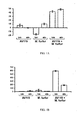
- Flocculation is quantified by measuring the optical density (at 660 nm) of a suspension of M. furfur and C. albicans after shaking and a subsequent resting period to allow the flocculates to settle.
- the tests are performed in the presence of 0.1% AV119 or glucose (negative control) or mannan (positive control).
- the tubes are shaken for 15 minutes and allowed to stand for 15 minutes and then the optical density is measured at 660 nm.
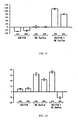
- IL1 ⁇ , IL6, IL8 and TGF ⁇ 1 mRNAs in human keratinocytes is determined by RT-PCR in real time.
- the cells are pretreated with 0.1% AV 119 for 24 hours and then treated with M. furfur (yeast / keratinocytes: 30/1) for 24 and 48 hours.
- M. furfur acts in particular by decreasing the expression of the cytokine IL1 ⁇ and by increasing the production of TGF ⁇ 1.
- the yeast modulates the pro-inflammatory response of the host to allow its survival.
- Keratinocytes treated or not treated with AV119 are incubated with the supernatant obtained from cells treated with AV119 and infected with M. furfur.
- the response of the keratinocytes is not modified by the presence or absence of the supernatant, indicating the absence of a specific metabolite capable of inducing a pro-inflammatory response in the cells treated with AV119 and infected with M. furfur.
Landscapes
- Health & Medical Sciences (AREA)
- Life Sciences & Earth Sciences (AREA)
- Veterinary Medicine (AREA)
- Chemical & Material Sciences (AREA)
- Public Health (AREA)
- General Health & Medical Sciences (AREA)
- Medicinal Chemistry (AREA)
- Animal Behavior & Ethology (AREA)
- Pharmacology & Pharmacy (AREA)
- Natural Medicines & Medicinal Plants (AREA)
- Nuclear Medicine, Radiotherapy & Molecular Imaging (AREA)
- Engineering & Computer Science (AREA)
- General Chemical & Material Sciences (AREA)
- Chemical Kinetics & Catalysis (AREA)
- Organic Chemistry (AREA)
- Epidemiology (AREA)
- Bioinformatics & Cheminformatics (AREA)
- Dermatology (AREA)
- Biotechnology (AREA)
- Oncology (AREA)
- Communicable Diseases (AREA)
- Alternative & Traditional Medicine (AREA)
- Molecular Biology (AREA)
- Botany (AREA)
- Medical Informatics (AREA)
- Microbiology (AREA)
- Mycology (AREA)
- Medicines Containing Plant Substances (AREA)
- Pharmaceuticals Containing Other Organic And Inorganic Compounds (AREA)
Applications Claiming Priority (2)
| Application Number | Priority Date | Filing Date | Title |
|---|---|---|---|
| FR0607651A FR2905270B1 (fr) | 2006-08-31 | 2006-08-31 | Utilisation de sucres en c7 dans la prevention et le traitement des mycoses |
| PCT/EP2007/059136 WO2008025847A2 (fr) | 2006-08-31 | 2007-08-31 | Utilisation de sucres en c7 dans la prévention et le traitement des mycoses |
Publications (2)
| Publication Number | Publication Date |
|---|---|
| EP2056843A2 EP2056843A2 (fr) | 2009-05-13 |
| EP2056843B1 true EP2056843B1 (fr) | 2013-10-16 |
Family
ID=37889642
Family Applications (1)
| Application Number | Title | Priority Date | Filing Date |
|---|---|---|---|
| EP07803123.4A Active EP2056843B1 (fr) | 2006-08-31 | 2007-08-31 | Utilisation de sucres en c7 dans la prévention et le traitement des mycoses |
Country Status (12)
| Country | Link |
|---|---|
| US (1) | US20090239812A1 (enExample) |
| EP (1) | EP2056843B1 (enExample) |
| CN (1) | CN101534838B (enExample) |
| AU (1) | AU2007291216A1 (enExample) |
| BR (1) | BRPI0716137A2 (enExample) |
| CA (1) | CA2661494C (enExample) |
| ES (1) | ES2436619T3 (enExample) |
| FR (1) | FR2905270B1 (enExample) |
| IL (1) | IL197237A0 (enExample) |
| IN (1) | IN2014DN08070A (enExample) |
| MX (1) | MX2009002369A (enExample) |
| WO (1) | WO2008025847A2 (enExample) |
Families Citing this family (7)
| Publication number | Priority date | Publication date | Assignee | Title |
|---|---|---|---|---|
| FR2948566B1 (fr) * | 2009-07-30 | 2012-08-10 | Expanscience Lab | Extrait du fruit de schizandra sphenanthera et compositions cosmetiques, dermatologiques et nutraceutiques le comprenant |
| FR2953722B1 (fr) | 2009-12-16 | 2012-03-09 | Expanscience Lab | Composition comprenant au moins un sucre en c7 pour le traitement de l'alopecie, pour le traitement cosmetique des phaneres, et pour le soin des cheveux, cils ou ongles |
| WO2012012390A1 (en) | 2010-07-19 | 2012-01-26 | Marvphyt Development Llc | Botanical composition and methods of manufacture and use |
| FR2993282B1 (fr) | 2012-07-13 | 2017-11-10 | Expanscience Lab | Procede d'identification de marqueurs moleculaires de la peau d'enfant |
| FR3001889B1 (fr) | 2013-02-11 | 2021-02-12 | Expanscience Lab | Utilisation d'une composition comprenant un perseose d'avocat dans la protection des cellules souches epidermiques . |
| FR3045669B1 (fr) | 2015-12-16 | 2019-04-05 | Laboratoires Expanscience | Procedes d'evaluation des effets de la deshydratation sur la peau d'enfant |
| FR3143977A1 (fr) * | 2022-12-21 | 2024-06-28 | Laboratoires Expanscience | Insaponifiables d'avocat-malassezia |
Family Cites Families (4)
| Publication number | Priority date | Publication date | Assignee | Title |
|---|---|---|---|---|
| DE19852508C2 (de) * | 1998-11-16 | 2002-09-26 | Georg Huebner | Verwendung der unverseiften Bestandteile aus Avocado |
| US6861077B1 (en) * | 2000-03-17 | 2005-03-01 | L'oreal S.A. | Use of plant extracts in a cosmetic composition to protect keratinous fibers |
| FR2869543B1 (fr) * | 2004-04-30 | 2006-07-28 | Expanscience Laboratoires Sa | Medicament comprenant un extrait peptidique d'avocat destine au traitement et la prevention des maladies liees a une deficience du systeme immunitaire |
| FR2869541B1 (fr) * | 2004-04-30 | 2007-12-28 | Expanscience Sa Lab | Utilisation d'une composition comprenant du d-mannoheptulose et/ou du perseitol dans le traitement et la prevention des maladies liees a une modification de l'immunite innee |
-
2006
- 2006-08-31 FR FR0607651A patent/FR2905270B1/fr not_active Expired - Lifetime
-
2007
- 2007-08-31 ES ES07803123.4T patent/ES2436619T3/es active Active
- 2007-08-31 MX MX2009002369A patent/MX2009002369A/es active IP Right Grant
- 2007-08-31 WO PCT/EP2007/059136 patent/WO2008025847A2/fr not_active Ceased
- 2007-08-31 US US12/310,450 patent/US20090239812A1/en not_active Abandoned
- 2007-08-31 CN CN200780031589XA patent/CN101534838B/zh active Active
- 2007-08-31 EP EP07803123.4A patent/EP2056843B1/fr active Active
- 2007-08-31 BR BRPI0716137-9A2A patent/BRPI0716137A2/pt not_active Application Discontinuation
- 2007-08-31 AU AU2007291216A patent/AU2007291216A1/en not_active Abandoned
- 2007-08-31 CA CA2661494A patent/CA2661494C/fr not_active Expired - Fee Related
-
2009
- 2009-02-25 IL IL197237A patent/IL197237A0/en unknown
-
2014
- 2014-09-26 IN IN8070DEN2014 patent/IN2014DN08070A/en unknown
Non-Patent Citations (4)
| Title |
|---|
| BEERS, M., H. ET AL.: "The Merck Manual of diagnosis and therapy", 2006, MERCK RESEARCH LABORATORIES, USA, ISBN: 091 1910-18-2, article "120 Fungal skin infections", pages: 986 - 993 * |
| DATABASE EMBASE [online] ELSEVIER SCIENCE PUBLISHERS, AMSTERDAM, NL; May 2006 (2006-05-01), KWON K -S ET AL: "Immunohistochemical study of human [beta] defensin-2 expression in superficial mycosis", Database accession no. EMB-2006437114 * |
| JOLY S ET AL: "Human [beta]-Defensins 2 and 3 Demonstrate Strain-Selective Activity against Oral Microorganisms", JOURNAL OF CLINICAL MICROBIOLOGY 200403 US LNKD- DOI:10.1128/JCM.42.3.1024-1029.2004, vol. 42, no. 3, March 2004 (2004-03-01), pages 1024 - 1029, ISSN: 0095-1137 * |
| KWON K -S ET AL: "Immunohistochemical study of human [beta] defensin-2 expression in superficial mycosis", KOREAN JOURNAL OF DERMATOLOGY 200605 KR, vol. 44, no. 5, May 2006 (2006-05-01), pages 538 - 544, ISSN: 0494-4739 * |
Also Published As
| Publication number | Publication date |
|---|---|
| ES2436619T3 (es) | 2014-01-03 |
| BRPI0716137A2 (pt) | 2013-10-08 |
| WO2008025847A3 (fr) | 2008-07-31 |
| CA2661494C (fr) | 2015-06-30 |
| MX2009002369A (es) | 2009-03-12 |
| IL197237A0 (en) | 2009-12-24 |
| CN101534838B (zh) | 2012-09-05 |
| FR2905270B1 (fr) | 2010-03-26 |
| WO2008025847A2 (fr) | 2008-03-06 |
| US20090239812A1 (en) | 2009-09-24 |
| CN101534838A (zh) | 2009-09-16 |
| AU2007291216A1 (en) | 2008-03-06 |
| IN2014DN08070A (enExample) | 2015-05-01 |
| EP2056843A2 (fr) | 2009-05-13 |
| FR2905270A1 (fr) | 2008-03-07 |
| CA2661494A1 (fr) | 2008-03-06 |
Similar Documents
| Publication | Publication Date | Title |
|---|---|---|
| EP1763355B1 (fr) | Composition comprenant du D-mannoheptulose et/ou perséitol pour le traitement ou la prévention de maladies liées à une modification de l'immunité innée et/ou acquise | |
| EP1744775B1 (fr) | Medicament comprenant un extrait peptidique d'avocat destine au traitement et a la prevention des maladies liees a une deficience du systeme immunitaire | |
| CA2661494C (fr) | Utilisation de sucres en c7 dans la prevention et le traitement des mycoses | |
| EP2364135B1 (fr) | Médicament ou compostion dermatologique comprenant un extrait peptidique d'avocat destiné au traitement et à la prévention du prurit interne | |
| CA2821876A1 (fr) | Extrait de pulpe et/ou de peau d'avocat riche en polyphenols et compositions cosmetiques, dermatologiques et nutraceutiques le comprenant | |
| KR102875743B1 (ko) | 반려동물용 피부 상태 개선용 조성물 | |
| WO2006021660A1 (fr) | Utilisation d'au moins un triene d'acide gras conjugue pour la preparation d'un medicament destine au traitement de l'inflammation | |
| EP1151754B1 (fr) | Utilisation d'une fraction du lait d'équidé choisie parmi du lait écrémé, du lactosérum et du caséinate de sodium ayant une activité anti-inflammatoire | |
| WO2022018392A1 (fr) | Extrait de fleurs de bombax costatum riche en polysaccharides | |
| HK1130440A (en) | Use of c7 sugars in prevention and treatment of mycoses | |
| HK1130440B (en) | Use of c7 sugars in prevention and treatment of mycoses | |
| KR20220106891A (ko) | 마늘 레시틴 추출물을 포함하는 항산화, 항염증, 또는 항균용 조성물 | |
| WO2023194696A1 (fr) | Association d'un extrait de garcinia mangostana et d'un jus d'avena sativa fraiche pour lutter contre l'inflammation induite par c. acnes | |
| WO2021140131A1 (fr) | Utilisation de la taxodione comme agent anti-glycation | |
| FR3113809A1 (fr) | Plathelminthe et extrait de plathelminthe dépourvu de microorganismes pathogènes pour l’Homme |
Legal Events
| Date | Code | Title | Description |
|---|---|---|---|
| PUAI | Public reference made under article 153(3) epc to a published international application that has entered the european phase |
Free format text: ORIGINAL CODE: 0009012 |
|
| 17P | Request for examination filed |
Effective date: 20090313 |
|
| AK | Designated contracting states |
Kind code of ref document: A2 Designated state(s): AT BE BG CH CY CZ DE DK EE ES FI FR GB GR HU IE IS IT LI LT LU LV MC MT NL PL PT RO SE SI SK TR |
|
| AX | Request for extension of the european patent |
Extension state: AL BA HR MK RS |
|
| 17Q | First examination report despatched |
Effective date: 20090618 |
|
| DAX | Request for extension of the european patent (deleted) | ||
| REG | Reference to a national code |
Ref country code: HK Ref legal event code: DE Ref document number: 1130440 Country of ref document: HK |
|
| GRAP | Despatch of communication of intention to grant a patent |
Free format text: ORIGINAL CODE: EPIDOSNIGR1 |
|
| INTG | Intention to grant announced |
Effective date: 20130510 |
|
| GRAS | Grant fee paid |
Free format text: ORIGINAL CODE: EPIDOSNIGR3 |
|
| GRAA | (expected) grant |
Free format text: ORIGINAL CODE: 0009210 |
|
| AK | Designated contracting states |
Kind code of ref document: B1 Designated state(s): AT BE BG CH CY CZ DE DK EE ES FI FR GB GR HU IE IS IT LI LT LU LV MC MT NL PL PT RO SE SI SK TR |
|
| REG | Reference to a national code |
Ref country code: GB Ref legal event code: FG4D Free format text: NOT ENGLISH |
|
| REG | Reference to a national code |
Ref country code: CH Ref legal event code: EP |
|
| REG | Reference to a national code |
Ref country code: IE Ref legal event code: FG4D Free format text: LANGUAGE OF EP DOCUMENT: FRENCH |
|
| REG | Reference to a national code |
Ref country code: AT Ref legal event code: REF Ref document number: 636120 Country of ref document: AT Kind code of ref document: T Effective date: 20131115 |
|
| REG | Reference to a national code |
Ref country code: DE Ref legal event code: R096 Ref document number: 602007033374 Country of ref document: DE Effective date: 20131212 |
|
| REG | Reference to a national code |
Ref country code: ES Ref legal event code: FG2A Ref document number: 2436619 Country of ref document: ES Kind code of ref document: T3 Effective date: 20140103 |
|
| REG | Reference to a national code |
Ref country code: HK Ref legal event code: GR Ref document number: 1130440 Country of ref document: HK |
|
| REG | Reference to a national code |
Ref country code: NL Ref legal event code: VDEP Effective date: 20131016 |
|
| REG | Reference to a national code |
Ref country code: AT Ref legal event code: MK05 Ref document number: 636120 Country of ref document: AT Kind code of ref document: T Effective date: 20131016 |
|
| REG | Reference to a national code |
Ref country code: LT Ref legal event code: MG4D |
|
| PG25 | Lapsed in a contracting state [announced via postgrant information from national office to epo] |
Ref country code: SE Free format text: LAPSE BECAUSE OF FAILURE TO SUBMIT A TRANSLATION OF THE DESCRIPTION OR TO PAY THE FEE WITHIN THE PRESCRIBED TIME-LIMIT Effective date: 20131016 Ref country code: FI Free format text: LAPSE BECAUSE OF FAILURE TO SUBMIT A TRANSLATION OF THE DESCRIPTION OR TO PAY THE FEE WITHIN THE PRESCRIBED TIME-LIMIT Effective date: 20131016 Ref country code: IS Free format text: LAPSE BECAUSE OF FAILURE TO SUBMIT A TRANSLATION OF THE DESCRIPTION OR TO PAY THE FEE WITHIN THE PRESCRIBED TIME-LIMIT Effective date: 20140216 Ref country code: LT Free format text: LAPSE BECAUSE OF FAILURE TO SUBMIT A TRANSLATION OF THE DESCRIPTION OR TO PAY THE FEE WITHIN THE PRESCRIBED TIME-LIMIT Effective date: 20131016 Ref country code: NL Free format text: LAPSE BECAUSE OF FAILURE TO SUBMIT A TRANSLATION OF THE DESCRIPTION OR TO PAY THE FEE WITHIN THE PRESCRIBED TIME-LIMIT Effective date: 20131016 |
|
| PG25 | Lapsed in a contracting state [announced via postgrant information from national office to epo] |
Ref country code: LV Free format text: LAPSE BECAUSE OF FAILURE TO SUBMIT A TRANSLATION OF THE DESCRIPTION OR TO PAY THE FEE WITHIN THE PRESCRIBED TIME-LIMIT Effective date: 20131016 Ref country code: AT Free format text: LAPSE BECAUSE OF FAILURE TO SUBMIT A TRANSLATION OF THE DESCRIPTION OR TO PAY THE FEE WITHIN THE PRESCRIBED TIME-LIMIT Effective date: 20131016 Ref country code: CY Free format text: LAPSE BECAUSE OF FAILURE TO SUBMIT A TRANSLATION OF THE DESCRIPTION OR TO PAY THE FEE WITHIN THE PRESCRIBED TIME-LIMIT Effective date: 20131016 |
|
| PG25 | Lapsed in a contracting state [announced via postgrant information from national office to epo] |
Ref country code: PT Free format text: LAPSE BECAUSE OF FAILURE TO SUBMIT A TRANSLATION OF THE DESCRIPTION OR TO PAY THE FEE WITHIN THE PRESCRIBED TIME-LIMIT Effective date: 20140217 |
|
| REG | Reference to a national code |
Ref country code: DE Ref legal event code: R097 Ref document number: 602007033374 Country of ref document: DE |
|
| PG25 | Lapsed in a contracting state [announced via postgrant information from national office to epo] |
Ref country code: EE Free format text: LAPSE BECAUSE OF FAILURE TO SUBMIT A TRANSLATION OF THE DESCRIPTION OR TO PAY THE FEE WITHIN THE PRESCRIBED TIME-LIMIT Effective date: 20131016 |
|
| PLBE | No opposition filed within time limit |
Free format text: ORIGINAL CODE: 0009261 |
|
| STAA | Information on the status of an ep patent application or granted ep patent |
Free format text: STATUS: NO OPPOSITION FILED WITHIN TIME LIMIT |
|
| PG25 | Lapsed in a contracting state [announced via postgrant information from national office to epo] |
Ref country code: PL Free format text: LAPSE BECAUSE OF FAILURE TO SUBMIT A TRANSLATION OF THE DESCRIPTION OR TO PAY THE FEE WITHIN THE PRESCRIBED TIME-LIMIT Effective date: 20131016 Ref country code: CZ Free format text: LAPSE BECAUSE OF FAILURE TO SUBMIT A TRANSLATION OF THE DESCRIPTION OR TO PAY THE FEE WITHIN THE PRESCRIBED TIME-LIMIT Effective date: 20131016 Ref country code: SK Free format text: LAPSE BECAUSE OF FAILURE TO SUBMIT A TRANSLATION OF THE DESCRIPTION OR TO PAY THE FEE WITHIN THE PRESCRIBED TIME-LIMIT Effective date: 20131016 Ref country code: RO Free format text: LAPSE BECAUSE OF FAILURE TO SUBMIT A TRANSLATION OF THE DESCRIPTION OR TO PAY THE FEE WITHIN THE PRESCRIBED TIME-LIMIT Effective date: 20131016 |
|
| 26N | No opposition filed |
Effective date: 20140717 |
|
| PG25 | Lapsed in a contracting state [announced via postgrant information from national office to epo] |
Ref country code: DK Free format text: LAPSE BECAUSE OF FAILURE TO SUBMIT A TRANSLATION OF THE DESCRIPTION OR TO PAY THE FEE WITHIN THE PRESCRIBED TIME-LIMIT Effective date: 20131016 |
|
| REG | Reference to a national code |
Ref country code: DE Ref legal event code: R097 Ref document number: 602007033374 Country of ref document: DE Effective date: 20140717 |
|
| PG25 | Lapsed in a contracting state [announced via postgrant information from national office to epo] |
Ref country code: SI Free format text: LAPSE BECAUSE OF FAILURE TO SUBMIT A TRANSLATION OF THE DESCRIPTION OR TO PAY THE FEE WITHIN THE PRESCRIBED TIME-LIMIT Effective date: 20131016 |
|
| PG25 | Lapsed in a contracting state [announced via postgrant information from national office to epo] |
Ref country code: LU Free format text: LAPSE BECAUSE OF FAILURE TO SUBMIT A TRANSLATION OF THE DESCRIPTION OR TO PAY THE FEE WITHIN THE PRESCRIBED TIME-LIMIT Effective date: 20140831 Ref country code: MC Free format text: LAPSE BECAUSE OF FAILURE TO SUBMIT A TRANSLATION OF THE DESCRIPTION OR TO PAY THE FEE WITHIN THE PRESCRIBED TIME-LIMIT Effective date: 20131016 |
|
| REG | Reference to a national code |
Ref country code: CH Ref legal event code: PL |
|
| PG25 | Lapsed in a contracting state [announced via postgrant information from national office to epo] |
Ref country code: CH Free format text: LAPSE BECAUSE OF NON-PAYMENT OF DUE FEES Effective date: 20140831 Ref country code: BE Free format text: LAPSE BECAUSE OF NON-PAYMENT OF DUE FEES Effective date: 20140831 Ref country code: LI Free format text: LAPSE BECAUSE OF NON-PAYMENT OF DUE FEES Effective date: 20140831 |
|
| REG | Reference to a national code |
Ref country code: IE Ref legal event code: MM4A |
|
| PG25 | Lapsed in a contracting state [announced via postgrant information from national office to epo] |
Ref country code: IE Free format text: LAPSE BECAUSE OF NON-PAYMENT OF DUE FEES Effective date: 20140831 |
|
| PG25 | Lapsed in a contracting state [announced via postgrant information from national office to epo] |
Ref country code: BG Free format text: LAPSE BECAUSE OF FAILURE TO SUBMIT A TRANSLATION OF THE DESCRIPTION OR TO PAY THE FEE WITHIN THE PRESCRIBED TIME-LIMIT Effective date: 20131016 |
|
| PG25 | Lapsed in a contracting state [announced via postgrant information from national office to epo] |
Ref country code: MT Free format text: LAPSE BECAUSE OF FAILURE TO SUBMIT A TRANSLATION OF THE DESCRIPTION OR TO PAY THE FEE WITHIN THE PRESCRIBED TIME-LIMIT Effective date: 20131016 Ref country code: GR Free format text: LAPSE BECAUSE OF FAILURE TO SUBMIT A TRANSLATION OF THE DESCRIPTION OR TO PAY THE FEE WITHIN THE PRESCRIBED TIME-LIMIT Effective date: 20140117 |
|
| PG25 | Lapsed in a contracting state [announced via postgrant information from national office to epo] |
Ref country code: HU Free format text: LAPSE BECAUSE OF FAILURE TO SUBMIT A TRANSLATION OF THE DESCRIPTION OR TO PAY THE FEE WITHIN THE PRESCRIBED TIME-LIMIT; INVALID AB INITIO Effective date: 20070831 Ref country code: TR Free format text: LAPSE BECAUSE OF FAILURE TO SUBMIT A TRANSLATION OF THE DESCRIPTION OR TO PAY THE FEE WITHIN THE PRESCRIBED TIME-LIMIT Effective date: 20131016 |
|
| REG | Reference to a national code |
Ref country code: FR Ref legal event code: PLFP Year of fee payment: 10 |
|
| REG | Reference to a national code |
Ref country code: FR Ref legal event code: PLFP Year of fee payment: 11 |
|
| PGFP | Annual fee paid to national office [announced via postgrant information from national office to epo] |
Ref country code: DE Payment date: 20170530 Year of fee payment: 16 Ref country code: GB Payment date: 20170822 Year of fee payment: 11 Ref country code: ES Payment date: 20170919 Year of fee payment: 11 Ref country code: IT Payment date: 20170810 Year of fee payment: 11 |
|
| REG | Reference to a national code |
Ref country code: FR Ref legal event code: PLFP Year of fee payment: 12 |
|
| REG | Reference to a national code |
Ref country code: DE Ref legal event code: R119 Ref document number: 602007033374 Country of ref document: DE |
|
| GBPC | Gb: european patent ceased through non-payment of renewal fee |
Effective date: 20180831 |
|
| PG25 | Lapsed in a contracting state [announced via postgrant information from national office to epo] |
Ref country code: DE Free format text: LAPSE BECAUSE OF NON-PAYMENT OF DUE FEES Effective date: 20190301 Ref country code: IT Free format text: LAPSE BECAUSE OF NON-PAYMENT OF DUE FEES Effective date: 20180831 |
|
| REG | Reference to a national code |
Ref country code: ES Ref legal event code: FD2A Effective date: 20190918 |
|
| PG25 | Lapsed in a contracting state [announced via postgrant information from national office to epo] |
Ref country code: GB Free format text: LAPSE BECAUSE OF NON-PAYMENT OF DUE FEES Effective date: 20180831 Ref country code: ES Free format text: LAPSE BECAUSE OF NON-PAYMENT OF DUE FEES Effective date: 20180901 |
|
| PGFP | Annual fee paid to national office [announced via postgrant information from national office to epo] |
Ref country code: FR Payment date: 20260710 Year of fee payment: 20 |