EP2051706B1 - Transmucosal administration of 2-(10-hydroxydecyl)-5,6-dimethoxy-3-methyl-2,5-cyclohexadiene-1,4-dione (idebenone) - Google Patents
Transmucosal administration of 2-(10-hydroxydecyl)-5,6-dimethoxy-3-methyl-2,5-cyclohexadiene-1,4-dione (idebenone) Download PDFInfo
- Publication number
- EP2051706B1 EP2051706B1 EP07801511.2A EP07801511A EP2051706B1 EP 2051706 B1 EP2051706 B1 EP 2051706B1 EP 07801511 A EP07801511 A EP 07801511A EP 2051706 B1 EP2051706 B1 EP 2051706B1
- Authority
- EP
- European Patent Office
- Prior art keywords
- idebenone
- administration
- treatment
- oral
- day
- Prior art date
- Legal status (The legal status is an assumption and is not a legal conclusion. Google has not performed a legal analysis and makes no representation as to the accuracy of the status listed.)
- Active
Links
Images

Classifications
-
- A—HUMAN NECESSITIES
- A61—MEDICAL OR VETERINARY SCIENCE; HYGIENE
- A61K—PREPARATIONS FOR MEDICAL, DENTAL OR TOILETRY PURPOSES
- A61K31/00—Medicinal preparations containing organic active ingredients
- A61K31/12—Ketones
- A61K31/122—Ketones having the oxygen directly attached to a ring, e.g. quinones, vitamin K1, anthralin
-
- A—HUMAN NECESSITIES
- A61—MEDICAL OR VETERINARY SCIENCE; HYGIENE
- A61P—SPECIFIC THERAPEUTIC ACTIVITY OF CHEMICAL COMPOUNDS OR MEDICINAL PREPARATIONS
- A61P21/00—Drugs for disorders of the muscular or neuromuscular system
-
- A—HUMAN NECESSITIES
- A61—MEDICAL OR VETERINARY SCIENCE; HYGIENE
- A61P—SPECIFIC THERAPEUTIC ACTIVITY OF CHEMICAL COMPOUNDS OR MEDICINAL PREPARATIONS
- A61P21/00—Drugs for disorders of the muscular or neuromuscular system
- A61P21/04—Drugs for disorders of the muscular or neuromuscular system for myasthenia gravis
-
- A—HUMAN NECESSITIES
- A61—MEDICAL OR VETERINARY SCIENCE; HYGIENE
- A61P—SPECIFIC THERAPEUTIC ACTIVITY OF CHEMICAL COMPOUNDS OR MEDICINAL PREPARATIONS
- A61P25/00—Drugs for disorders of the nervous system
-
- A—HUMAN NECESSITIES
- A61—MEDICAL OR VETERINARY SCIENCE; HYGIENE
- A61P—SPECIFIC THERAPEUTIC ACTIVITY OF CHEMICAL COMPOUNDS OR MEDICINAL PREPARATIONS
- A61P25/00—Drugs for disorders of the nervous system
- A61P25/14—Drugs for disorders of the nervous system for treating abnormal movements, e.g. chorea, dyskinesia
- A61P25/16—Anti-Parkinson drugs
-
- A—HUMAN NECESSITIES
- A61—MEDICAL OR VETERINARY SCIENCE; HYGIENE
- A61P—SPECIFIC THERAPEUTIC ACTIVITY OF CHEMICAL COMPOUNDS OR MEDICINAL PREPARATIONS
- A61P25/00—Drugs for disorders of the nervous system
- A61P25/28—Drugs for disorders of the nervous system for treating neurodegenerative disorders of the central nervous system, e.g. nootropic agents, cognition enhancers, drugs for treating Alzheimer's disease or other forms of dementia
-
- A—HUMAN NECESSITIES
- A61—MEDICAL OR VETERINARY SCIENCE; HYGIENE
- A61P—SPECIFIC THERAPEUTIC ACTIVITY OF CHEMICAL COMPOUNDS OR MEDICINAL PREPARATIONS
- A61P27/00—Drugs for disorders of the senses
- A61P27/02—Ophthalmic agents
-
- A—HUMAN NECESSITIES
- A61—MEDICAL OR VETERINARY SCIENCE; HYGIENE
- A61P—SPECIFIC THERAPEUTIC ACTIVITY OF CHEMICAL COMPOUNDS OR MEDICINAL PREPARATIONS
- A61P3/00—Drugs for disorders of the metabolism
-
- A—HUMAN NECESSITIES
- A61—MEDICAL OR VETERINARY SCIENCE; HYGIENE
- A61P—SPECIFIC THERAPEUTIC ACTIVITY OF CHEMICAL COMPOUNDS OR MEDICINAL PREPARATIONS
- A61P3/00—Drugs for disorders of the metabolism
- A61P3/12—Drugs for disorders of the metabolism for electrolyte homeostasis
-
- A—HUMAN NECESSITIES
- A61—MEDICAL OR VETERINARY SCIENCE; HYGIENE
- A61P—SPECIFIC THERAPEUTIC ACTIVITY OF CHEMICAL COMPOUNDS OR MEDICINAL PREPARATIONS
- A61P39/00—General protective or antinoxious agents
- A61P39/06—Free radical scavengers or antioxidants
-
- A—HUMAN NECESSITIES
- A61—MEDICAL OR VETERINARY SCIENCE; HYGIENE
- A61P—SPECIFIC THERAPEUTIC ACTIVITY OF CHEMICAL COMPOUNDS OR MEDICINAL PREPARATIONS
- A61P43/00—Drugs for specific purposes, not provided for in groups A61P1/00-A61P41/00
-
- A—HUMAN NECESSITIES
- A61—MEDICAL OR VETERINARY SCIENCE; HYGIENE
- A61P—SPECIFIC THERAPEUTIC ACTIVITY OF CHEMICAL COMPOUNDS OR MEDICINAL PREPARATIONS
- A61P9/00—Drugs for disorders of the cardiovascular system
-
- A—HUMAN NECESSITIES
- A61—MEDICAL OR VETERINARY SCIENCE; HYGIENE
- A61P—SPECIFIC THERAPEUTIC ACTIVITY OF CHEMICAL COMPOUNDS OR MEDICINAL PREPARATIONS
- A61P9/00—Drugs for disorders of the cardiovascular system
- A61P9/10—Drugs for disorders of the cardiovascular system for treating ischaemic or atherosclerotic diseases, e.g. antianginal drugs, coronary vasodilators, drugs for myocardial infarction, retinopathy, cerebrovascula insufficiency, renal arteriosclerosis
Definitions
- the present invention relates to a medicament for transmucosal administration of 2,3-dimethoxy-5-methyl-6-( 10-hydroxydecyl)-1,4-benzoquinone (idebenone).
- Idebenone is a synthetic analogue of coenzyme Q10 (CoQ10), a vital cell membrane antioxidant and essential constituent of the adenosine-triphosphate (ATP) producing mitochondrial electron transport chain (ETC).
- CoQ10 coenzyme Q10
- ATP adenosine-triphosphate
- ETC mitochondrial electron transport chain
- idebenone protects cell membranes and mitochondria from oxidative damage because of its ability to inhibit lipid peroxidation ( M. Suno, M. Shibota, A. Nagaoka, Arch. Gerontol. Geriatr. 8 (1989), 307-311 ). Idebenone also interacts with the ETC, preserving ATP formation in ischemic states. It has been shown that the compound stimulates nerve growth factor, a characteristic that could be important for the treatment of Alzheimer's and other neurodegenerative diseases ( K. Yamada, A. Nitta, T. Hasegawa, K. Fuji, M. Hiramatsu, T. Kameyama, Y. Furukawa, K. Hayashi, T. Nabeshima, Behav. Brain Res.
- idebenone As a lipophilic compound idebenone is well absorbed in the gastrointestinal tract after conventional oral administration, which is the normal route for administering said compound. Dosage forms such as tablets or capsules have been used in clinical trials and as marketed product. Idebenone fast dissolving tablets are also described in EP 0 553 777 A2 . In the course of our investigations on the pharmacological profile of idebenone, we discovered that the compound, after being absorbed in the gut, is metabolized very quickly during its first passage through the liver ("first-pass-effect"). Experiments showed that more than 98% of the idebenone is metabolized during its first passage through the liver.
- Hepatic metabolism of idebenone results in side chain oxidation, reduction of the quinone ring, sulphate and glucuronide conjugation and subsequent renal excretion.
- the high first-pass-effect leads to a fast reduction of pharmacologically active plasma levels of free idebenone.
- oral administration of idebenone requires high doses of the compound to achieve pharmacologically efficacious plasma levels in the body. Said high doses can result in unwanted side effects such as diarrhea.
- JP-11116470 describes a dermal administration form of idebenone to treat dementia, especially senile dementia of the Alzheimer type.
- the dermal administration preparation is preferably administered in the form of a cataplasm, a patch or a tape.
- the dermal administration route has strong limitations regarding an administrable dose for systemic use, patient compliance and dosing accuracy.
- the present invention has been accomplished to overcome the above-mentioned disadvantages of the state of the art.
- Said object has been achieved by the use of idebenone in the preparation of a medicament for transmucosal administration.
- the present invention relates to the use of idebenone (International Nonproprietary Name (INN): idebenone; Chemical name: 2-(10-Hydroxydecyl)-5,6-dimethoxy-3-methyl-2,5-cyclohexadiene-1,4-dione; Chemical Abstracts Service (CAS) registry number: 58186-27-9 ) for the preparation of a medicament for transmucosal administration to human beings or animals, which can be highly useful in maintaining or restoring health.
- Transmucosal formulations comprising as an active ingredient idebenone together with additives and excipients conventionally used in transmucosal formulations are further described herein. Moreover, processes for preparing the transmucosal formulations in question are also described.
- Idebenone has the following formula:
- Idebenone a member of the quinone family, has been promoted commercially as a synthetic analog of Coenzyme Q10. Moreover, it has been made the subject of various medical studies investigating its efficacy in the treatment of, for example, neuromuscular diseases such as Friedreich's Ataxia or neurological diseases such as Alzheimer's disease. Idebenone has also been used in topical applications to treat wrinkles. Therefore, idebenone may be regarded as toxicologically safe which means that it can be used as a pharmaceutical active agent in a medicament. The toxicological safety of Idebenone has been confirmed in a clinical study with 536 patients that have been treated with up to 360 mg of idebenone t.i.d. (ter in die).
- idebenone is rapidly metabolized during its first passage through the liver.
- the major metabolites are idebenone conjugates such as glucuronates and sulphates as well as derivatives where the side chain of the parent compound has been oxidized.
- the metabolites of idebenone are pharmacologically not significantly active and they are rapidly excreted. Due to this strong first pass metabolism, oral administration of idebenone requires high doses in order to reach pharmacologically active plasma levels. These high doses result in unwanted effects such as diarrhea and gastrointestinal (GI) tract disturbances which are frequently observed in clinical applications.
- GI gastrointestinal
- Circumvention of the strong first pass metabolism of idebenone allows reaching similarly high plasma levels of this drug to be obtained whilst significantly reducing the dose that has to be administered.
- Lower drug exposure is generally believed to be associated with a reduced risk of adverse side effects and offers a medical advantage leading to improved compliance by the patient.
- the medicament according to the invention is effective and easy to handle and therefore has an advantage in terms of practical administration, especially to patients with swallowing difficulties.
- formulations for transmucosal administration or “transmucosal formulations” means formulations that are in a form intended to be absorbed into the body through the mucosae. According to the invention, such formulations constitute the basis of medicament containing idebenone for transmucosal administration.
- the term "mucosae” includes the nasal mucosa, the colon mucosa and the oral mucosae.
- the oral mucosae comprise the sublingual and buccal mucosa. Idebenone is preferably applied through the oral or nasal mucosa, more preferably via the sublingual or buccal mucosa.
- the medicament for transmucosal administration of idebenone can be prepared, for example, as fast-dissolving tablets, emulsions, solutions, sprays, gels, mucoadhesive tablets or pastes, pastilles, sublingual tablets, drops, chewing tablets, suppositories or gums.
- Each of these application forms can be produced by conventionally known formulation methods using formulation additives generally used for the production of such formulations.
- Such additives used for formulations described in the present invention may contain adjuvants or expedients etc. including solvents, buffers, flavoring agents, sweetening agents, fillers, preserving agents, gelling agents, carriers, diluents, surfactants and mucoadhesive polymers.
- Preferred solvents which can be used in the medicament according to the present invention are alcohols, especially ethanol, fatty acid esters, triglycerides, water and mixtures thereof.
- Preferred preserving agents are lower alkyl parahydroxybenzoates, especially methyl and propyl parahydroxybenzoates.
- suitable carriers and diluents include lactose, dextrose, sucrose, sorbitol, mannitol, starches, gum acacia, calcium phosphate, alginates, tragacanth, gelatin, calcium silicate, microcrystalline cellulose, polyvinylpyrrolidone, cellulose, water syrup, methyl cellulose, methyl and propylhydroxybenzoates, talc, magnesium stearate and mineral oil.
- the medicament for transmucosal administration of idebenone according to the present invention can be used in the treatment of various mitochondrial, neuromuscular or neurological diseases.
- diseases to be treated include, but are not limited to, Friedreich's Ataxia, Duchenne Muscular Dystrophy, Becker Muscular Dystrophy, Alzheimer's Disease, Leber's Hereditary Optic Neuropathy, MELAS (mitochondrial myopathy, encephalopathy, lactic acidosis with stroke-like episodes), Parkinson's Disease and mitochondrial myopathies.
- the effective dosage of idebenone employed may vary depending on e.g. the condition being treated and the severity of the condition being treated. In comparison to the conventional oral route of administration the dosage can be significantly reduced for the transmucosal administration without affecting the activity of idebenone. It could be shown that the plasma level of idebenone reaches the required concentration at dosages which have been reduced to a tenth of the dosage in oral application forms.
- Suitable doses of idebenone administered by transmucosal formulations are 0.01 mg/kg/day to 60 mg/kg/day.
- idebenone is administered in a dosage of 0.01 mg/kg/day to 20 mg/kg/day, more preferably in a dosage of 0.01 mg/kg/day to 10 mg/kg/day and even more preferably in a dosage of 0.01 mg/kg/day to less than 5 mg/kg/day.
- the dosage of the active ingredient idebenone is between 0.1 mg/kg/day to 4 mg/kg/day. Studies have shown that, surprisingly, such low dosages achieve the required plasma level of idebenone if it is applied via the oral mucosae. The required dosage may be ascertained readily by a person skilled in the art.
- idebenone may be administered in combination with a second therapeutic agent, wherein said second therapeutic agent is preferably selected from glucocorticosteroids such as 6a-methylprednisolone-21 sodium succinate (solumedrol®) or deflazacort (calcort®) which are routinely used in DMD patients for treatment of inflammation and muscle weakness.
- glucocorticosteroids such as 6a-methylprednisolone-21 sodium succinate (solumedrol®) or deflazacort (calcort®) which are routinely used in DMD patients for treatment of inflammation and muscle weakness.
- idebenone may be administered in combination with any medicament used in DMD patients to treat DMD-associated cardiomyopathy such as ACE-inhibitors, beta-blockers and diuretics.
- idebenone may be administered in combination with further therapeutic agents, wherein said further therapeutic agents are preferably erythropoietin, vitamin E, vitamin C, mitoquinone ( MitoQ; K. M. Taylor, R. Smith, WO05019232A1 ), inhibitors of the cysteine protease calpain or inhibitors of the proteasome.
- said further therapeutic agents are preferably erythropoietin, vitamin E, vitamin C, mitoquinone ( MitoQ; K. M. Taylor, R. Smith, WO05019232A1 ), inhibitors of the cysteine protease calpain or inhibitors of the proteasome.
- Preferred calpain inhibitors are those disclosed in WO 2004/078908 A1 , WO 2006/021409 A1 and WO 2006/021413 A1 .
- Idebenone and the further active agents can be used simultaneously, separately or sequentially in order to treat or prevent the disease symptoms.
- the active agents may be provided in a single dosage form or as separate formulations, each formulation containing at least one of the active agents.
- TPGS Tocopherol-polyethylenglycol-400-succinate
- Miglyol 812 N and idebenone are mixed and sonicated for approx. 10 minutes until the substance is completely dissolved (clear orange solution).
- the molten TPGS is added to the Miglyol/idebenone solution and stirred.
- the mixture is diluted and homogenized until a homogeneous emulsion is obtained.
- Table 2 Ingredient [mg/tablet] Function Idebenone 10 Active Ingredient Lactose monohydrate 60 Filler Povidone K30 4,5 Binder Croscarmellose 5 Disintegrant Microcrystalline cellulose 30 Filler Flavour 2.5 Flavouring agent Aspartame 6 Sweetener Magnesium stearate 0.75 Glidant Talc 1.25 Glidant
- Idebenone, lactose monohydrate, flavor and aspartame are mixed in a high-shear mixer until a homogeneous mixture is obtained.
- Povidone is dissolved in water (approx. 8 - 10% solution) and added to the dry mixture and granulated.
- the wet granules are dried in a fluid bed dryer, sieved and added to a pre-mixture of microcrystalline cellulose, magnesium stearate and talc. The final mixture is compressed to tablets.
- Idebenone, Prednisone, Lactose monohydrate, Flavor and Aspartame are mixed in a high-shear mixer until a homogeneous mixture is obtained.
- Povidone is dissolved in water (approx. 8 - 10% solution) and added to the dry mixture and granulated.
- the wet granules are dried in a fluid bed dryer, sieved and added to a pre-mixture of Microcrystalline Cellulose, Magnesium Stearate and Talc. The final mixture is compressed to round shaped tablets.
- Quantification of idebenone was performed by liquid chromatography (LC) coupled on-line with tandem mass spectrometry (MS/MS). Calibration samples were prepared in human plasma and quality control (QC) samples were prepared in dog plasma.
- LC liquid chromatography
- MS/MS tandem mass spectrometry
- 150 ⁇ l of dog plasma were treated with 10 ⁇ l of an EDTA solution, prepared by dissolution of 1245 mg EDTA-potassium salt in 33 ml of 1M NH 4 OAc, and 300 ⁇ l of Methanol. After vigorous shaking, samples were centrifuged for 45 minutes with 1960 RCF at 4 °C. A 50 ⁇ l aliquot of the supernatant was injected into the LC-MS/MS system. All unknown, calibration and QC samples were subjected to the same assay procedure.
- Idebenone conjugates such as glucuronates and sulphates have been quantified after acidic hydrolysis as described by R. Artuch, C. Colomé, M. A. Vilaseca, A. Aracil. M. Pineda, J. Neurosci. Meth. 115 (2002), 63-66 .
- the pharmacokinetic analysis included maximum plasma concentration (C max ). the time when maximum plasma concentration was observed (T max ). and the area under the plasma concentrations versus time curve from time 0 h to 480 min (AUC 0-480min ).
- C max maximum plasma concentration
- T max time when maximum plasma concentration was observed
- AUC 0-480min area under the plasma concentrations versus time curve from time 0 h to 480 min
- the relative bioavailability of idebenone after sublingual administration compared to the oral administration was calculated for each dog from normalized (1 mg/kg) AUC values.
- the AUC ratios of the metabolites were also calculated.
- C max ratios, normalized to a 1 mg/kg dose were calculated.
- Table 6 Mean pharmacokinetic parameters of idebenone and total conjugated (i.e. inactive) metabolites after oral (40 mg/kg) vs. sublingual (4 mg/kg) administration in dogs. Numbers in round brackets indicate the minimum and maximum values observed.
- Table 7 shows the improvement of the bioavailability of idebenone by oromucosal compared to oral administration after dose normalization to 1 mg/kg.
- the normalized AUC 0-480 obtained with the oromucosal formulation is 11.1 times higher than the normalized AUC 0-480 obtained after oral administration of idebenone.
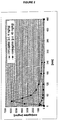
- Figure 1 shows the mean plasma levels of idebenone after oromucosal administration of 4 mg/kg compared to oral administration of 40 mg/kg administration of idebenone in dogs over the first two hours after administration.
- the oromucosal formulation results in a much higher C max and in an earlier T max
- Figure 2 shows the mean plasma levels of the inactive conjugates of idebenone after oromucosal administration of 4 mg/kg compared to oral administration of 40 mg/kg administration of idebenone in dogs over 8 hours after administration.
Landscapes
- Health & Medical Sciences (AREA)
- Chemical & Material Sciences (AREA)
- Life Sciences & Earth Sciences (AREA)
- Pharmacology & Pharmacy (AREA)
- Engineering & Computer Science (AREA)
- Bioinformatics & Cheminformatics (AREA)
- Veterinary Medicine (AREA)
- Public Health (AREA)
- General Health & Medical Sciences (AREA)
- Animal Behavior & Ethology (AREA)
- Medicinal Chemistry (AREA)
- General Chemical & Material Sciences (AREA)
- Nuclear Medicine, Radiotherapy & Molecular Imaging (AREA)
- Chemical Kinetics & Catalysis (AREA)
- Organic Chemistry (AREA)
- Neurology (AREA)
- Biomedical Technology (AREA)
- Neurosurgery (AREA)
- Obesity (AREA)
- Diabetes (AREA)
- Epidemiology (AREA)
- Physical Education & Sports Medicine (AREA)
- Orthopedic Medicine & Surgery (AREA)
- Heart & Thoracic Surgery (AREA)
- Hematology (AREA)
- Cardiology (AREA)
- Hospice & Palliative Care (AREA)
- Psychology (AREA)
- Psychiatry (AREA)
- Vascular Medicine (AREA)
- Biochemistry (AREA)
- Urology & Nephrology (AREA)
- Ophthalmology & Optometry (AREA)
- Toxicology (AREA)
- Medicinal Preparation (AREA)
- Acyclic And Carbocyclic Compounds In Medicinal Compositions (AREA)
- Pharmaceuticals Containing Other Organic And Inorganic Compounds (AREA)
- Medicines That Contain Protein Lipid Enzymes And Other Medicines (AREA)
Description
- The present invention relates to a medicament for transmucosal administration of 2,3-dimethoxy-5-methyl-6-( 10-hydroxydecyl)-1,4-benzoquinone (idebenone).
- Idebenone is a synthetic analogue of coenzyme Q10 (CoQ10), a vital cell membrane antioxidant and essential constituent of the adenosine-triphosphate (ATP) producing mitochondrial electron transport chain (ETC). Up to now, idebenone has been used in a variety of medical applications. Similar to coenzyme Q10, idebenone undergoes reduction/oxidation cycles in living organisms and reduced idebenone is an antioxidant and radical scavenger (A. Mordente, G. E. Martorana, G. Minotti, B. Giardina, Chem. Res. Toxicol. 11 (1998), 54-63). It is known that idebenone protects cell membranes and mitochondria from oxidative damage because of its ability to inhibit lipid peroxidation (M. Suno, M. Shibota, A. Nagaoka, Arch. Gerontol. Geriatr. 8 (1989), 307-311). Idebenone also interacts with the ETC, preserving ATP formation in ischemic states. It has been shown that the compound stimulates nerve growth factor, a characteristic that could be important for the treatment of Alzheimer's and other neurodegenerative diseases (K. Yamada, A. Nitta, T. Hasegawa, K. Fuji, M. Hiramatsu, T. Kameyama, Y. Furukawa, K. Hayashi, T. Nabeshima, Behav. Brain Res. 83 (1997), 117-122). The compound has also been suggested for the treatment of Friedreich's Ataxia and other mitochondrial and neuromuscular diseases (A. O. Hausse, Y. Aggoun, D. Bonnet, D. Sidi, A. Munnich, A. Rotig, P. Rustin, Heart 87 (2002), 346-349).
- As a lipophilic compound idebenone is well absorbed in the gastrointestinal tract after conventional oral administration, which is the normal route for administering said compound. Dosage forms such as tablets or capsules have been used in clinical trials and as marketed product. Idebenone fast dissolving tablets are also described in
EP 0 553 777 A2 - In addition, the requirement for oral formulations of idebenone to be swallowed inflicts difficulties in the practical administration to patients with swallowing problems, e.g. a patient with a serious disease such as Duchenne Muscular Dystrophy or Friedreich's Ataxia, elderly or young patients.
-
JP-11116470 - However, the dermal administration route has strong limitations regarding an administrable dose for systemic use, patient compliance and dosing accuracy.
- The present invention has been accomplished to overcome the above-mentioned disadvantages of the state of the art. Thus, it is the object of the present invention to provide a mode of administering idebenone to a subject in need thereof that avoids the strong first pass metabolism observed after conventional oral administration and thus allows to avoid undesired side effects caused by high doses of said active agent.
- It is a further object to facilitate the administration of idebenone for human beings with swallowing problems.
- Said object has been achieved by the use of idebenone in the preparation of a medicament for transmucosal administration.
- The present invention is limited to the subject-matter as defined in the appended claims. The following description is subject to this limitation.
-
-
Figure 1 shows the plasma levels of idebenone after oromucosal administration (4 mg/kg sublingual (s.l.)) vs. oral (40 mg/kg per os (p.o.)) administration of idebenone in the same Beagle dogs (n=3). -
Figure 2 shows the plasma levels of total conjugated (i.e. inactive) metabolites after oromucosal (4 mg/kg s.l.) vs. oral (40 mg/kg p.o.) administration of idebenone in dogs. - The present invention relates to the use of idebenone (International Nonproprietary Name (INN): idebenone; Chemical name: 2-(10-Hydroxydecyl)-5,6-dimethoxy-3-methyl-2,5-cyclohexadiene-1,4-dione; Chemical Abstracts Service (CAS) registry number: 58186-27-9) for the preparation of a medicament for transmucosal administration to human beings or animals, which can be highly useful in maintaining or restoring health. Transmucosal formulations comprising as an active ingredient idebenone together with additives and excipients conventionally used in transmucosal formulations are further described herein. Moreover, processes for preparing the transmucosal formulations in question are also described.
- Idebenone has the following formula:

- Idebenone, a member of the quinone family, has been promoted commercially as a synthetic analog of Coenzyme Q10. Moreover, it has been made the subject of various medical studies investigating its efficacy in the treatment of, for example, neuromuscular diseases such as Friedreich's Ataxia or neurological diseases such as Alzheimer's disease. Idebenone has also been used in topical applications to treat wrinkles. Therefore, idebenone may be regarded as toxicologically safe which means that it can be used as a pharmaceutical active agent in a medicament. The toxicological safety of Idebenone has been confirmed in a clinical study with 536 patients that have been treated with up to 360 mg of idebenone t.i.d. (ter in die). Compared to the placebo treated control group, no treatment emergent adverse events except some gastrointestinal irritations as well as a slight increase in orthopedic events were observed (L. J. Thai, M. Grundman, J. Berg, K. Emstrom, R. Margolin, E. Pfeiffer, M. F. Weiner, E. Zamrini, R. G. Thomas, Neurology 61 (2003), 1498-1502).
- It has now been observed that, after conventional oral administration and absorption in the gut, idebenone is rapidly metabolized during its first passage through the liver. The major metabolites are idebenone conjugates such as glucuronates and sulphates as well as derivatives where the side chain of the parent compound has been oxidized. The metabolites of idebenone are pharmacologically not significantly active and they are rapidly excreted. Due to this strong first pass metabolism, oral administration of idebenone requires high doses in order to reach pharmacologically active plasma levels. These high doses result in unwanted effects such as diarrhea and gastrointestinal (GI) tract disturbances which are frequently observed in clinical applications.
- It has surprisingly been found that high plasma levels of free idebenone, meaning idebenone which is neither conjugated nor otherwise metabolized, can be reached by transmucosal administration of idebenone whereby idebenone can be absorbed into the body through mucosal absorption. Thus, although transmucosal administration of Coenzyme Q10 has been described in an earlier publication (
K. Fujii, T. Kawabe, K. Hosoe, T. Hidaka, EP1388340 A1 ) we unexpectedly were able to demonstrate that the much more polar compound idebenone is rapidly absorbed through mucous membranes. By use of transmucosal formulations the high first pass metabolism observed after conventional oral administration of idebenone can be circumvented. - Circumvention of the strong first pass metabolism of idebenone allows reaching similarly high plasma levels of this drug to be obtained whilst significantly reducing the dose that has to be administered. Lower drug exposure is generally believed to be associated with a reduced risk of adverse side effects and offers a medical advantage leading to improved compliance by the patient.
- In addition to circumventing the first pass effect, the medicament according to the invention is effective and easy to handle and therefore has an advantage in terms of practical administration, especially to patients with swallowing difficulties.
- In the present invention, "formulations for transmucosal administration" or "transmucosal formulations" means formulations that are in a form intended to be absorbed into the body through the mucosae. According to the invention, such formulations constitute the basis of medicament containing idebenone for transmucosal administration.
- Furthermore, according to the present invention, the term "mucosae" includes the nasal mucosa, the colon mucosa and the oral mucosae. The oral mucosae comprise the sublingual and buccal mucosa. Idebenone is preferably applied through the oral or nasal mucosa, more preferably via the sublingual or buccal mucosa.
- The medicament for transmucosal administration of idebenone can be prepared, for example, as fast-dissolving tablets, emulsions, solutions, sprays, gels, mucoadhesive tablets or pastes, pastilles, sublingual tablets, drops, chewing tablets, suppositories or gums.
- Each of these application forms can be produced by conventionally known formulation methods using formulation additives generally used for the production of such formulations. Such additives used for formulations described in the present invention may contain adjuvants or expedients etc. including solvents, buffers, flavoring agents, sweetening agents, fillers, preserving agents, gelling agents, carriers, diluents, surfactants and mucoadhesive polymers.
- Preferred solvents which can be used in the medicament according to the present invention are alcohols, especially ethanol, fatty acid esters, triglycerides, water and mixtures thereof.
- Preferred preserving agents are lower alkyl parahydroxybenzoates, especially methyl and propyl parahydroxybenzoates.
- Examples of suitable carriers and diluents include lactose, dextrose, sucrose, sorbitol, mannitol, starches, gum acacia, calcium phosphate, alginates, tragacanth, gelatin, calcium silicate, microcrystalline cellulose, polyvinylpyrrolidone, cellulose, water syrup, methyl cellulose, methyl and propylhydroxybenzoates, talc, magnesium stearate and mineral oil.
- The medicament for transmucosal administration of idebenone according to the present invention can be used in the treatment of various mitochondrial, neuromuscular or neurological diseases. Examples of diseases to be treated include, but are not limited to, Friedreich's Ataxia, Duchenne Muscular Dystrophy, Becker Muscular Dystrophy, Alzheimer's Disease, Leber's Hereditary Optic Neuropathy, MELAS (mitochondrial myopathy, encephalopathy, lactic acidosis with stroke-like episodes), Parkinson's Disease and mitochondrial myopathies.
- The effective dosage of idebenone employed may vary depending on e.g. the condition being treated and the severity of the condition being treated. In comparison to the conventional oral route of administration the dosage can be significantly reduced for the transmucosal administration without affecting the activity of idebenone. It could be shown that the plasma level of idebenone reaches the required concentration at dosages which have been reduced to a tenth of the dosage in oral application forms.
- Suitable doses of idebenone administered by transmucosal formulations are 0.01 mg/kg/day to 60 mg/kg/day. Preferably, idebenone is administered in a dosage of 0.01 mg/kg/day to 20 mg/kg/day, more preferably in a dosage of 0.01 mg/kg/day to 10 mg/kg/day and even more preferably in a dosage of 0.01 mg/kg/day to less than 5 mg/kg/day. Most preferably, the dosage of the active ingredient idebenone is between 0.1 mg/kg/day to 4 mg/kg/day. Studies have shown that, surprisingly, such low dosages achieve the required plasma level of idebenone if it is applied via the oral mucosae. The required dosage may be ascertained readily by a person skilled in the art.
- In a preferred embodiment, idebenone may be administered in combination with a second therapeutic agent, wherein said second therapeutic agent is preferably selected from glucocorticosteroids such as 6a-methylprednisolone-21 sodium succinate (solumedrol®) or deflazacort (calcort®) which are routinely used in DMD patients for treatment of inflammation and muscle weakness. Likewise, idebenone may be administered in combination with any medicament used in DMD patients to treat DMD-associated cardiomyopathy such as ACE-inhibitors, beta-blockers and diuretics.
- In a further preferred embodiment, idebenone may be administered in combination with further therapeutic agents, wherein said further therapeutic agents are preferably erythropoietin, vitamin E, vitamin C, mitoquinone (
MitoQ; K. M. Taylor, R. Smith, WO05019232A1 WO 2004/078908 A1 ,WO 2006/021409 A1 andWO 2006/021413 A1 . - Idebenone and the further active agents can be used simultaneously, separately or sequentially in order to treat or prevent the disease symptoms. The active agents may be provided in a single dosage form or as separate formulations, each formulation containing at least one of the active agents.
- The following examples illustrate the invention, but are not intended to limit the scope of the invention.
- Micro-emulsion formulation.
Table 1 Ingredient [mg/ml] Function Idebenone 20 Active Ingredient Miglyol 812 N 144 Solvent TPGS 96 Surfactant Water 750 Solvent - Preparation: TPGS (Tocopherol-polyethylenglycol-400-succinate) is preheated to about 60 °C. Miglyol 812 N and idebenone are mixed and sonicated for approx. 10 minutes until the substance is completely dissolved (clear orange solution). The molten TPGS is added to the Miglyol/idebenone solution and stirred. The mixture is diluted and homogenized until a homogeneous emulsion is obtained.
-
Table 2 Ingredient [mg/tablet] Function Idebenone 10 Active Ingredient Lactose monohydrate 60 Filler Povidone K30 4,5 Binder Croscarmellose 5 Disintegrant Microcrystalline cellulose 30 Filler Flavour 2.5 Flavouring agent Aspartame 6 Sweetener Magnesium stearate 0.75 Glidant Talc 1.25 Glidant - Preparation: Idebenone, lactose monohydrate, flavor and aspartame are mixed in a high-shear mixer until a homogeneous mixture is obtained. Povidone is dissolved in water (approx. 8 - 10% solution) and added to the dry mixture and granulated. The wet granules are dried in a fluid bed dryer, sieved and added to a pre-mixture of microcrystalline cellulose, magnesium stearate and talc. The final mixture is compressed to tablets.
-
Table 3 Ingredient amount Function Idebenone 10 g Active Methylparahydroxybenzoate 2 g Preservative Propylparahydroxybenzoate 0.2 g Preservative Aspartame 0.6 g Sweetener Flavour 0.6 g Flavouring agent Ethanol (96%) 500 ml Solvent Purified water q.s. Solvent - Preparation: 10 g Idebenone is dissolved in 500 ml ethanol (96%) and is mixed with 400 ml of purified water. Methylparahydroxy benzoate, propylparahydroxy benzoate and aspartame are dissolved in the mixture. The final volume is adjusted to 1000 ml with purified water. The solution is filtered and filled into an appropriate spray device.
-
Table 4 Ingredient [mg/tablet] Function Idebenone 10 Active Ingredient Prednisone 2.5 Active Ingredient Lactose monohydrate 57.5 Filler Povidone K30 4.5 Binder Croscarmellose 5 Disintegrant Microcrystalline cellulose 30 Filler Flavor 2.5 Flavouring agent Aspartame 6 Sweetener Magnesium stearate 0.75 Glidant Talc 1.25 Glidant - Preparation: Idebenone, Prednisone, Lactose monohydrate, Flavor and Aspartame are mixed in a high-shear mixer until a homogeneous mixture is obtained. Povidone is dissolved in water (approx. 8 - 10% solution) and added to the dry mixture and granulated. The wet granules are dried in a fluid bed dryer, sieved and added to a pre-mixture of Microcrystalline Cellulose, Magnesium Stearate and Talc. The final mixture is compressed to round shaped tablets.
- Quantification of idebenone was performed by liquid chromatography (LC) coupled on-line with tandem mass spectrometry (MS/MS). Calibration samples were prepared in human plasma and quality control (QC) samples were prepared in dog plasma.
- 150 µl of dog plasma were treated with 10 µl of an EDTA solution, prepared by dissolution of 1245 mg EDTA-potassium salt in 33 ml of 1M NH4OAc, and 300 µl of Methanol. After vigorous shaking, samples were centrifuged for 45 minutes with 1960 RCF at 4 °
C. A 50 µl aliquot of the supernatant was injected into the LC-MS/MS system. All unknown, calibration and QC samples were subjected to the same assay procedure. - Samples were stored at approx. 8 °C for maximally 24h if not used immediately.
- Idebenone was separated and quantified by HPLC-MS/MS: For HPLC, a Synergi™ 4µ MAX-RP (50 x 2 mm) column (Phenomenex, Schlieren, Switzerland) was used. Column temperature: 50 °C. Mobile phase A: water + 30mM NH4OAc; mobile phase B: MeOH/H2O 100/3 (v/v) + 30 mM NH4OAc, gradient elution (table 4). Flow: 250 µl/min and 400µl/min.
- Once separated, idebenone was quantified by ESI-MS/MS (
API 4000, Perkin-Elmer-Europe BV, Rotkreuz, Switzerland) in positive mode.Table 5: Pump-gradient program and time events for separation and quantification of idebenone Time [min] mobile phase B [%] Flow [µl/min] Comments 0.01 50 250 start gradient, HPLC eluent to MS 3.00 - 250 - 3.01 - 400 - 3.75 95 400 end gradient 4.50 95 400 - 4.51 50 400 - 5.90 50 400 - 5.91 50 250 - 29.99 50 250 pump shutdown 30.00 95 20 - From times 0.01 to 3.75 min a linear gradient was used.
- Idebenone conjugates such as glucuronates and sulphates have been quantified after acidic hydrolysis as described by R. Artuch, C. Colomé, M. A. Vilaseca, A. Aracil. M. Pineda, J. Neurosci. Meth. 115 (2002), 63-66.
- Pharmacokinetic data after sublingual delivery of idebenone
- Plasma levels of idebenone were studied after the administration of a micro-emulsion, prepared as described in example 1, to dogs (n = 3). The sublingual administration of 4 mg/kg was compared with 40 mg/kg oral administration in a cross-over design.
- Blood samples were collected for 8 hours after administration. Concentrations of idebenone in plasma were measured by HPLC-MS/MS as described in example 4 and pharmacokinetic parameters were calculated.
- The pharmacokinetic analysis included maximum plasma concentration (Cmax). the time when maximum plasma concentration was observed (Tmax). and the area under the plasma concentrations versus time curve from time 0 h to 480 min (AUC0-480min).The relative bioavailability of idebenone after sublingual administration compared to the oral administration was calculated for each dog from normalized (1 mg/kg) AUC values. The AUC ratios of the metabolites were also calculated. In addition, Cmax ratios, normalized to a 1 mg/kg dose, were calculated.
- The obtained results are shown in Tables 6 and 7 below.
Table 6 Mean pharmacokinetic parameters of idebenone and total conjugated (i.e. inactive) metabolites after oral (40 mg/kg) vs. sublingual (4 mg/kg) administration in dogs. Numbers in round brackets indicate the minimum and maximum values observed. Dosing Parameter Cmax [ng/ml] Tmax [min] AUC0-480 [min*ng/ml] 4 mg/kg oromucosal idebenone 105.6 (76.9-133.4) 6.3 (3-8) 1265 (675-2261) conjugates 871 (272-1260) 50(15-120) 55053 40 mg/kg oral idebenone 31.9 (15.21-42.04) 22.7 (8-30) 1079.3 (655-1692) conjugates 6206 (1824-9663) 25 (15-30) 446013 (272990-737465) - As shown in Table 6, the oromucosal formulation of idebenone, prepared according to example 1, clearly gives superior plasma levels of idebenone compared to conventional oral application.
- With 1265 min*ng/ml the AUC0-480 after oromucosal administration of 4 mg/kg of idebenone is higher than the AUC after oral administration, even if idebenone is administered at a 10-fold higher dose (40 mg/kg, AUC0-480 = 1079.3 min*ng/ml).
- Even more, the maximum plasma concentration after oromucosal administration of 4 mg/kg (105.6 ng/ml) exceeds the Cmax after application of 40 mg/kg p.o. (31.9 ng/ml).
Table 7 AUC and Cmax ratios for idebenone and total conjugated (i.e. inactive) metabolites of oromucosal (4 mg/kg) and oral (40 mg/kg) administration in dogs. The ratios were normalized to a 1 mg/kg dose. Idebenone (normalized for dose) AUC ratio 11.1 Cmax ratio 36.8 conjugates (normalized for dose) AUC ratio 1.4 Cmax ratio 1.4 - Table 7 shows the improvement of the bioavailability of idebenone by oromucosal compared to oral administration after dose normalization to 1 mg/kg. The normalized AUC0-480 obtained with the oromucosal formulation is 11.1 times higher than the normalized AUC0-480 obtained after oral administration of idebenone. Parallel to the increase of the normalized AUC0-480 after oromucosal versus oral administration the normalized Cmax increases by a factor of 36.8.
- On the other hand, the Cmax and AUC0-480 values of the inactive conjugates of idebenone are only slightly increased after oromucosal compared to oral administration (factor 1.4).
- The results are further illustrated in
Figures 1 and2 . -
Figure 1 shows the mean plasma levels of idebenone after oromucosal administration of 4 mg/kg compared to oral administration of 40 mg/kg administration of idebenone in dogs over the first two hours after administration. The oromucosal formulation results in a much higher Cmax and in an earlier Tmax -
Figure 2 shows the mean plasma levels of the inactive conjugates of idebenone after oromucosal administration of 4 mg/kg compared to oral administration of 40 mg/kg administration of idebenone in dogs over 8 hours after administration.
Claims (8)
- Idebenone for use in transmucosal administration, wherein idebenone is administered in a dosage from 0.01 mg/kg/day to less than 5 mg/kg/day.
- Idebenone according to claim 1 for use in the treatment of mitochondrial, neurological or neuromuscular diseases.
- Idebenone according to claim 2 for use in the treatment of Friedreich's Ataxia (FRDA), Leber's Hereditary Optic Neuropathy (LHON), mitochondrial myopathy, encephalopathy, lactic acidosis with stroke-like episodes (MELAS) and mitochondrial myopathies.
- Idebenone according to claim 2 for use in the treatment of Duchenne Muscular Dystrophy (DMD) and Becker Muscular Dystrophy (BMD).
- Idebenone according to claim 2 for use in the treatment of Alzheimer's disease or Parkinsons's disease.
- Idebenone according to any of claims 1 to 5, wherein the medicament containing the idebenon is in the form of a suppository, drop, chewing gum, fast dissolving tablet or spray.
- Idebenone according to any of claims 1 to 6, wherein the medicament containing the idebenone is administered via the nasal mucosa, the oral mucosa or the colon mucosa.
- Idebenone according to any of claims 1 to 7, wherein the medicament containing the idebenone comprises a second therapeutic agent.
Priority Applications (3)
| Application Number | Priority Date | Filing Date | Title |
|---|---|---|---|
| EP07801511.2A EP2051706B1 (en) | 2006-08-14 | 2007-08-03 | Transmucosal administration of 2-(10-hydroxydecyl)-5,6-dimethoxy-3-methyl-2,5-cyclohexadiene-1,4-dione (idebenone) |
| SI200731778A SI2051706T1 (en) | 2006-08-14 | 2007-08-03 | Transmucosal administration of 2-(10-hydroxydecyl)-5,6-dimethoxy-3-methyl-2,5-cyclohexadiene-1,4-dione (idebenone) |
| CY20161100744T CY1117860T1 (en) | 2006-08-14 | 2016-07-27 | DIABLENONOGENIC ADMINISTRATION 2- (10-Hydroxydecyl) -5,6-dimethoxy-3-methyl-2,5-cyclohexadieno-1,4-dione (IDEBENONI) |
Applications Claiming Priority (4)
| Application Number | Priority Date | Filing Date | Title |
|---|---|---|---|
| US83749606P | 2006-08-14 | 2006-08-14 | |
| EP06016935A EP1891946A1 (en) | 2006-08-14 | 2006-08-14 | Transmucosal administration of 2,3-dimethoxy-5-methyl-6-(10-hydroxydecyl)-1,4-benzoquinone |
| EP07801511.2A EP2051706B1 (en) | 2006-08-14 | 2007-08-03 | Transmucosal administration of 2-(10-hydroxydecyl)-5,6-dimethoxy-3-methyl-2,5-cyclohexadiene-1,4-dione (idebenone) |
| PCT/EP2007/006895 WO2008019769A1 (en) | 2006-08-14 | 2007-08-03 | Transmucosal administration of 2,3-dimethoxy-5-methyl-6-(10- hydroxydecy l)-1,4-benzoquinone |
Publications (2)
| Publication Number | Publication Date |
|---|---|
| EP2051706A1 EP2051706A1 (en) | 2009-04-29 |
| EP2051706B1 true EP2051706B1 (en) | 2016-05-11 |
Family
ID=37564291
Family Applications (2)
| Application Number | Title | Priority Date | Filing Date |
|---|---|---|---|
| EP06016935A Withdrawn EP1891946A1 (en) | 2006-08-14 | 2006-08-14 | Transmucosal administration of 2,3-dimethoxy-5-methyl-6-(10-hydroxydecyl)-1,4-benzoquinone |
| EP07801511.2A Active EP2051706B1 (en) | 2006-08-14 | 2007-08-03 | Transmucosal administration of 2-(10-hydroxydecyl)-5,6-dimethoxy-3-methyl-2,5-cyclohexadiene-1,4-dione (idebenone) |
Family Applications Before (1)
| Application Number | Title | Priority Date | Filing Date |
|---|---|---|---|
| EP06016935A Withdrawn EP1891946A1 (en) | 2006-08-14 | 2006-08-14 | Transmucosal administration of 2,3-dimethoxy-5-methyl-6-(10-hydroxydecyl)-1,4-benzoquinone |
Country Status (19)
| Country | Link |
|---|---|
| US (1) | US20090208425A1 (en) |
| EP (2) | EP1891946A1 (en) |
| JP (2) | JP5665167B2 (en) |
| CN (1) | CN101541317B (en) |
| AU (1) | AU2007286491B2 (en) |
| BR (1) | BRPI0715901A2 (en) |
| CA (1) | CA2660577C (en) |
| CY (1) | CY1117860T1 (en) |
| ES (1) | ES2574087T3 (en) |
| HU (1) | HUE029241T2 (en) |
| IL (1) | IL196745A (en) |
| MX (1) | MX2009001674A (en) |
| NZ (1) | NZ574422A (en) |
| PL (1) | PL2051706T3 (en) |
| PT (1) | PT2051706T (en) |
| RU (1) | RU2429830C2 (en) |
| SI (1) | SI2051706T1 (en) |
| WO (1) | WO2008019769A1 (en) |
| ZA (1) | ZA200900902B (en) |
Families Citing this family (15)
| Publication number | Priority date | Publication date | Assignee | Title |
|---|---|---|---|---|
| DK2108366T3 (en) | 2008-04-09 | 2012-01-30 | Santhera Pharmaceuticals Ch | Idebenone for the treatment of respiratory disease in muscular dystrophy |
| EP2246048A1 (en) | 2009-04-30 | 2010-11-03 | Santhera Pharmaceuticals (Schweiz) AG | Quinone derivative 2,3-dimethoxy-5-methyl-6-(10-hydroxydecyl)-1,4-benzoquinone for the treatment of primary progressive multiple sclerosis |
| RS55173B1 (en) | 2010-08-16 | 2017-01-31 | Santhera Pharmaceuticals (Schweiz) Ag | AEROSOL APPARATUS AND SYSTEM FOR IMPROVED AIR FLOW |
| CN102091038B (en) * | 2011-01-20 | 2012-07-25 | 天津大学 | Idebenone nanometer lipid carrier transdermal absorption preparation and preparation method thereof |
| US10806703B2 (en) * | 2012-01-20 | 2020-10-20 | Lts Lohmann Therapie-System Ag | Transmucosal administration system for a pharmaceutical drug |
| EP2620141A1 (en) | 2012-01-25 | 2013-07-31 | Santhera Pharmaceuticals (Schweiz) AG | Thin film drug delivery system for the transmucosal administration of a 1,4-benzoquinone derivative |
| CA2922849A1 (en) | 2012-08-31 | 2014-03-06 | Ixchel Pharma, Llc | Agents useful for treating obesity, diabetes and related disorders |
| US20150150790A1 (en) * | 2013-12-04 | 2015-06-04 | Jao Hung Biotechnology Co., Ltd. | Transdermal enhancer |
| DE102017104277A1 (en) | 2017-03-01 | 2018-09-06 | Lts Lohmann Therapie-Systeme Ag | Transmucosal administration system for idebenone |
| US12310967B2 (en) | 2017-12-21 | 2025-05-27 | Gliapharm Sa | Compositions and methods of treatment for neurological disorders comprising motor neuron diseases |
| US12274703B2 (en) | 2017-12-21 | 2025-04-15 | Gliapharm Sa | Compositions and methods of treatment for neurological disorders comprising a dementia |
| WO2020132378A2 (en) | 2018-12-22 | 2020-06-25 | Gliapharm Sa | Compositions and methods of treatment for neurological disorders comprising depression |
| US12514830B2 (en) | 2020-03-19 | 2026-01-06 | Bemido Sa | Idebenone for the treatment of Acute Respiratory Distress Syndrome (ARDS) in patients diagnosed with a coronavirus infection |
| EP4351545A1 (en) | 2021-06-07 | 2024-04-17 | Katholieke Universiteit Leuven | Idebenone in the treatment of drug resistant epilepsy |
| CN115944599B (en) * | 2023-01-17 | 2025-09-02 | 中国药科大学 | Idebenone dripping pill and application thereof |
Family Cites Families (19)
| Publication number | Priority date | Publication date | Assignee | Title |
|---|---|---|---|---|
| JP2503571B2 (en) * | 1988-02-26 | 1996-06-05 | 武田薬品工業株式会社 | Cerebral circulation metabolism improver |
| JPH07103018B2 (en) * | 1988-09-16 | 1995-11-08 | 武田薬品工業株式会社 | Schizophrenia remedy |
| EP0553777B1 (en) * | 1992-01-29 | 2002-04-24 | Takeda Chemical Industries, Ltd. | Fast dissolving tablet and its production |
| EP0915696B1 (en) * | 1996-07-11 | 2002-05-29 | Takeda Chemical Industries, Ltd. | ANTI-beta-AMYLOID PROTEIN-INDUCED CYTOTOXICITY COMPOSITION |
| JPH11116470A (en) * | 1997-08-12 | 1999-04-27 | Takeda Chem Ind Ltd | Dermal administration preparation containing idebenone |
| ES2252865T3 (en) * | 1997-09-26 | 2006-05-16 | Noven Pharmaceuticals, Inc. | BIOADHESIVE COMPOSITIONS AND METHODS FOR THE TOPICAL ADMINISTRATION OF ACTIVE AGENTS. |
| US6133322A (en) * | 1998-10-29 | 2000-10-17 | Institut National De La Sante Et De La Recherche Medicale (Inserm) | Quinone derivatives for treating or preventing diseases associated with iron overload |
| SE9803760D0 (en) * | 1998-11-04 | 1998-11-04 | Jan Hedner | Methods to treat and diagnose the restless legs syndrome and the corresponding agents |
| CA2381860C (en) * | 1999-08-26 | 2009-11-24 | Takeda Chemical Industries, Ltd. | Matrix adhering to nasal mucosa |
| RU2168985C1 (en) * | 2000-09-06 | 2001-06-20 | Федеральное государственное унитарное предприятие Московское производственное химико-фармацевтическое объединение им. Н.А. Семашко | Medicinal forms of nootropic agent (variants) and method of their preparing |
| AU2002309038B2 (en) * | 2001-05-10 | 2007-05-17 | Kaneka Corporation | Compositions for transmucosal administration containing coenzyme Q as the active ingredient |
| JP2003026567A (en) * | 2001-05-10 | 2003-01-29 | Kanegafuchi Chem Ind Co Ltd | Composition for mucosal administration containing coenzyme Q as active ingredient |
| RU2201711C2 (en) * | 2001-06-27 | 2003-04-10 | Московский научно-исследовательский институт психиатрии | Method for evaluating idebenone therapy effectiveness in treating cognitive disorders |
| MXPA03000985A (en) * | 2001-07-27 | 2004-04-02 | Yamanouchi Pharma Co Ltd | Compositions containing sustained-release fine grains for tablets quickly disintegrable in the oral cavity and process for producing the same. |
| EP1378753B1 (en) * | 2002-07-01 | 2006-05-31 | Santhera Pharmaceuticals (Schweiz) GmbH | A screening method and compounds for treating Friedreich Ataxia |
| US20040067986A1 (en) * | 2002-10-04 | 2004-04-08 | Nathan Sassover | Neuro-degenerative inhibitor, neuro-endocrine modulator, and neuro-cerebral metabolism enhancer |
| EP1618881A1 (en) * | 2004-07-20 | 2006-01-25 | Santhera Pharmaceuticals (Schweiz) GmbH | Use of non-glucocorticoid steroids for the treatment of muscular dystrophy |
| CN1838969A (en) * | 2004-10-07 | 2006-09-27 | 三仪股份有限公司 | Preparation for percutaneous/permucosal absorption |
| PT1861080E (en) * | 2005-03-21 | 2010-06-17 | Santhera Pharmaceuticals Ch | Idebenone for the treatment of muscular dystrophies |
-
2006
- 2006-08-14 EP EP06016935A patent/EP1891946A1/en not_active Withdrawn
-
2007
- 2007-08-03 PL PL07801511.2T patent/PL2051706T3/en unknown
- 2007-08-03 AU AU2007286491A patent/AU2007286491B2/en not_active Ceased
- 2007-08-03 WO PCT/EP2007/006895 patent/WO2008019769A1/en not_active Ceased
- 2007-08-03 ES ES07801511.2T patent/ES2574087T3/en active Active
- 2007-08-03 BR BRPI0715901-3A patent/BRPI0715901A2/en not_active Application Discontinuation
- 2007-08-03 PT PT78015112T patent/PT2051706T/en unknown
- 2007-08-03 SI SI200731778A patent/SI2051706T1/en unknown
- 2007-08-03 CA CA2660577A patent/CA2660577C/en active Active
- 2007-08-03 US US12/375,586 patent/US20090208425A1/en not_active Abandoned
- 2007-08-03 RU RU2009103638/15A patent/RU2429830C2/en active
- 2007-08-03 EP EP07801511.2A patent/EP2051706B1/en active Active
- 2007-08-03 HU HUE07801511A patent/HUE029241T2/en unknown
- 2007-08-03 CN CN200780030147.3A patent/CN101541317B/en not_active Expired - Fee Related
- 2007-08-03 JP JP2009524098A patent/JP5665167B2/en not_active Expired - Fee Related
- 2007-08-03 MX MX2009001674A patent/MX2009001674A/en active IP Right Grant
- 2007-08-03 NZ NZ574422A patent/NZ574422A/en not_active IP Right Cessation
-
2009
- 2009-01-27 IL IL196745A patent/IL196745A/en active IP Right Grant
- 2009-02-06 ZA ZA200900902A patent/ZA200900902B/en unknown
-
2013
- 2013-01-11 JP JP2013003311A patent/JP5907901B2/en not_active Expired - Fee Related
-
2016
- 2016-07-27 CY CY20161100744T patent/CY1117860T1/en unknown
Also Published As
| Publication number | Publication date |
|---|---|
| HUE029241T2 (en) | 2017-02-28 |
| EP1891946A1 (en) | 2008-02-27 |
| SI2051706T1 (en) | 2016-06-30 |
| CY1117860T1 (en) | 2017-05-17 |
| WO2008019769A1 (en) | 2008-02-21 |
| ZA200900902B (en) | 2010-07-28 |
| AU2007286491A1 (en) | 2008-02-21 |
| CA2660577C (en) | 2012-05-01 |
| CA2660577A1 (en) | 2008-02-21 |
| IL196745A (en) | 2016-10-31 |
| AU2007286491B2 (en) | 2010-06-24 |
| RU2429830C2 (en) | 2011-09-27 |
| JP2013100319A (en) | 2013-05-23 |
| JP5907901B2 (en) | 2016-04-26 |
| ES2574087T3 (en) | 2016-06-14 |
| RU2009103638A (en) | 2010-09-27 |
| JP2010500384A (en) | 2010-01-07 |
| CN101541317A (en) | 2009-09-23 |
| NZ574422A (en) | 2011-04-29 |
| JP5665167B2 (en) | 2015-02-04 |
| BRPI0715901A2 (en) | 2013-08-06 |
| IL196745A0 (en) | 2009-11-18 |
| CN101541317B (en) | 2015-04-15 |
| EP2051706A1 (en) | 2009-04-29 |
| PL2051706T3 (en) | 2016-11-30 |
| MX2009001674A (en) | 2009-02-25 |
| PT2051706T (en) | 2016-07-18 |
| US20090208425A1 (en) | 2009-08-20 |
Similar Documents
| Publication | Publication Date | Title |
|---|---|---|
| CA2660577C (en) | Transmucosal administration of 2,3-dimethoxy-5-methyl-6-(10-hydroxydecyl)-1,4-benzoquinone | |
| EP3488846B1 (en) | Transmucosal administration system for a pharmaceutical drug | |
| EP2029146B1 (en) | Methods to administer solid dosage forms of ethinyl estradiol and prodrugs thereof with improved bioavailabilty | |
| EP2620141A1 (en) | Thin film drug delivery system for the transmucosal administration of a 1,4-benzoquinone derivative | |
| EP3522872B1 (en) | Amlodipine formulations | |
| JP6799648B2 (en) | Transmucosal administration of galantamine-improved brain bioavailability and lipophilic prodrugs with selected formulations | |
| ES3041301T3 (en) | Pharmaceutical composition comprising benzocaine with enhanced stability | |
| WO2022153334A1 (en) | Transmucosal dosage forms of foscarnet |
Legal Events
| Date | Code | Title | Description |
|---|---|---|---|
| PUAI | Public reference made under article 153(3) epc to a published international application that has entered the european phase |
Free format text: ORIGINAL CODE: 0009012 |
|
| 17P | Request for examination filed |
Effective date: 20090226 |
|
| AK | Designated contracting states |
Kind code of ref document: A1 Designated state(s): AT BE BG CH CY CZ DE DK EE ES FI FR GB GR HU IE IS IT LI LT LU LV MC MT NL PL PT RO SE SI SK TR |
|
| AX | Request for extension of the european patent |
Extension state: AL BA HR MK RS |
|
| RAP1 | Party data changed (applicant data changed or rights of an application transferred) |
Owner name: SANTHERA PHARMACEUTICALS (SCHWEIZ) AG |
|
| DAX | Request for extension of the european patent (deleted) | ||
| 17Q | First examination report despatched |
Effective date: 20121025 |
|
| GRAP | Despatch of communication of intention to grant a patent |
Free format text: ORIGINAL CODE: EPIDOSNIGR1 |
|
| INTG | Intention to grant announced |
Effective date: 20151015 |
|
| GRAS | Grant fee paid |
Free format text: ORIGINAL CODE: EPIDOSNIGR3 |
|
| GRAA | (expected) grant |
Free format text: ORIGINAL CODE: 0009210 |
|
| AK | Designated contracting states |
Kind code of ref document: B1 Designated state(s): AT BE BG CH CY CZ DE DK EE ES FI FR GB GR HU IE IS IT LI LT LU LV MC MT NL PL PT RO SE SI SK TR |
|
| REG | Reference to a national code |
Ref country code: GB Ref legal event code: FG4D |
|
| REG | Reference to a national code |
Ref country code: CH Ref legal event code: NV Representative=s name: BOVARD AG, CH Ref country code: CH Ref legal event code: EP |
|
| REG | Reference to a national code |
Ref country code: AT Ref legal event code: REF Ref document number: 798076 Country of ref document: AT Kind code of ref document: T Effective date: 20160515 |
|
| REG | Reference to a national code |
Ref country code: RO Ref legal event code: EPE |
|
| REG | Reference to a national code |
Ref country code: IE Ref legal event code: FG4D |
|
| REG | Reference to a national code |
Ref country code: ES Ref legal event code: FG2A Ref document number: 2574087 Country of ref document: ES Kind code of ref document: T3 Effective date: 20160614 |
|
| REG | Reference to a national code |
Ref country code: DE Ref legal event code: R096 Ref document number: 602007046290 Country of ref document: DE |
|
| REG | Reference to a national code |
Ref country code: NL Ref legal event code: FP |
|
| REG | Reference to a national code |
Ref country code: EE Ref legal event code: FG4A Ref document number: E011879 Country of ref document: EE Effective date: 20160603 |
|
| REG | Reference to a national code |
Ref country code: PT Ref legal event code: SC4A Ref document number: 2051706 Country of ref document: PT Date of ref document: 20160718 Kind code of ref document: T Free format text: AVAILABILITY OF NATIONAL TRANSLATION Effective date: 20160712 |
|
| REG | Reference to a national code |
Ref country code: DK Ref legal event code: T3 Effective date: 20160801 |
|
| REG | Reference to a national code |
Ref country code: SE Ref legal event code: TRGR |
|
| REG | Reference to a national code |
Ref country code: FR Ref legal event code: PLFP Year of fee payment: 10 |
|
| PG25 | Lapsed in a contracting state [announced via postgrant information from national office to epo] |
Ref country code: IT Free format text: LAPSE BECAUSE OF FAILURE TO SUBMIT A TRANSLATION OF THE DESCRIPTION OR TO PAY THE FEE WITHIN THE PRESCRIBED TIME-LIMIT Effective date: 20160511 |
|
| REG | Reference to a national code |
Ref country code: SK Ref legal event code: T3 Ref document number: E 22473 Country of ref document: SK Ref country code: GR Ref legal event code: EP Ref document number: 20160401541 Country of ref document: GR Effective date: 20161020 |
|
| REG | Reference to a national code |
Ref country code: DE Ref legal event code: R097 Ref document number: 602007046290 Country of ref document: DE |
|
| REG | Reference to a national code |
Ref country code: HU Ref legal event code: AG4A Ref document number: E029241 Country of ref document: HU |
|
| PLBE | No opposition filed within time limit |
Free format text: ORIGINAL CODE: 0009261 |
|
| STAA | Information on the status of an ep patent application or granted ep patent |
Free format text: STATUS: NO OPPOSITION FILED WITHIN TIME LIMIT |
|
| 26N | No opposition filed |
Effective date: 20170214 |
|
| REG | Reference to a national code |
Ref country code: FR Ref legal event code: PLFP Year of fee payment: 11 |
|
| REG | Reference to a national code |
Ref country code: FR Ref legal event code: PLFP Year of fee payment: 12 |
|
| PG25 | Lapsed in a contracting state [announced via postgrant information from national office to epo] |
Ref country code: IT Free format text: LAPSE BECAUSE OF FAILURE TO SUBMIT A TRANSLATION OF THE DESCRIPTION OR TO PAY THE FEE WITHIN THE PRESCRIBED TIME-LIMIT Effective date: 20160511 |
|
| PGRI | Patent reinstated in contracting state [announced from national office to epo] |
Ref country code: IT Effective date: 20190204 |
|
| PGFP | Annual fee paid to national office [announced via postgrant information from national office to epo] |
Ref country code: NL Payment date: 20220824 Year of fee payment: 16 |
|
| PGFP | Annual fee paid to national office [announced via postgrant information from national office to epo] |
Ref country code: TR Payment date: 20220728 Year of fee payment: 16 Ref country code: SK Payment date: 20220720 Year of fee payment: 16 Ref country code: SE Payment date: 20220818 Year of fee payment: 16 Ref country code: RO Payment date: 20220729 Year of fee payment: 16 Ref country code: PT Payment date: 20220719 Year of fee payment: 16 Ref country code: LU Payment date: 20220824 Year of fee payment: 16 Ref country code: LT Payment date: 20220726 Year of fee payment: 16 Ref country code: IT Payment date: 20220831 Year of fee payment: 16 Ref country code: IE Payment date: 20220818 Year of fee payment: 16 Ref country code: GB Payment date: 20220824 Year of fee payment: 16 Ref country code: FI Payment date: 20220819 Year of fee payment: 16 Ref country code: ES Payment date: 20220901 Year of fee payment: 16 Ref country code: EE Payment date: 20220825 Year of fee payment: 16 Ref country code: DK Payment date: 20220818 Year of fee payment: 16 Ref country code: DE Payment date: 20220622 Year of fee payment: 16 Ref country code: CZ Payment date: 20220720 Year of fee payment: 16 Ref country code: BG Payment date: 20220831 Year of fee payment: 16 Ref country code: AT Payment date: 20220823 Year of fee payment: 16 |
|
| PGFP | Annual fee paid to national office [announced via postgrant information from national office to epo] |
Ref country code: SI Payment date: 20220726 Year of fee payment: 16 Ref country code: PL Payment date: 20220726 Year of fee payment: 16 Ref country code: MC Payment date: 20220824 Year of fee payment: 16 Ref country code: LV Payment date: 20220823 Year of fee payment: 16 Ref country code: IS Payment date: 20220727 Year of fee payment: 16 Ref country code: HU Payment date: 20220802 Year of fee payment: 16 Ref country code: GR Payment date: 20220829 Year of fee payment: 16 Ref country code: FR Payment date: 20220824 Year of fee payment: 16 Ref country code: BE Payment date: 20220824 Year of fee payment: 16 |
|
| PGFP | Annual fee paid to national office [announced via postgrant information from national office to epo] |
Ref country code: CH Payment date: 20220829 Year of fee payment: 16 |
|
| PGFP | Annual fee paid to national office [announced via postgrant information from national office to epo] |
Ref country code: CY Payment date: 20220729 Year of fee payment: 16 |
|
| PGFP | Annual fee paid to national office [announced via postgrant information from national office to epo] |
Ref country code: MT Payment date: 20220825 Year of fee payment: 16 |
|
| REG | Reference to a national code |
Ref country code: LT Ref legal event code: MM4D Effective date: 20230803 |
|
| REG | Reference to a national code |
Ref country code: DE Ref legal event code: R119 Ref document number: 602007046290 Country of ref document: DE |
|
| PG25 | Lapsed in a contracting state [announced via postgrant information from national office to epo] |
Ref country code: MC Free format text: LAPSE BECAUSE OF NON-PAYMENT OF DUE FEES Effective date: 20230831 |
|
| REG | Reference to a national code |
Ref country code: SK Ref legal event code: MM4A Ref document number: E 22473 Country of ref document: SK Effective date: 20230803 |
|
| REG | Reference to a national code |
Ref country code: EE Ref legal event code: MM4A Ref document number: E011879 Country of ref document: EE Effective date: 20230831 |
|
| REG | Reference to a national code |
Ref country code: DK Ref legal event code: EBP Effective date: 20230831 |
|
| REG | Reference to a national code |
Ref country code: CH Ref legal event code: PL |
|
| PG25 | Lapsed in a contracting state [announced via postgrant information from national office to epo] |
Ref country code: MC Free format text: LAPSE BECAUSE OF NON-PAYMENT OF DUE FEES Effective date: 20230831 |
|
| REG | Reference to a national code |
Ref country code: NL Ref legal event code: MM Effective date: 20230901 |
|
| PG25 | Lapsed in a contracting state [announced via postgrant information from national office to epo] |
Ref country code: GR Free format text: LAPSE BECAUSE OF NON-PAYMENT OF DUE FEES Effective date: 20240307 |
|
| PG25 | Lapsed in a contracting state [announced via postgrant information from national office to epo] |
Ref country code: LT Free format text: LAPSE BECAUSE OF NON-PAYMENT OF DUE FEES Effective date: 20230803 |
|
| REG | Reference to a national code |
Ref country code: AT Ref legal event code: MM01 Ref document number: 798076 Country of ref document: AT Kind code of ref document: T Effective date: 20230803 |
|
| PG25 | Lapsed in a contracting state [announced via postgrant information from national office to epo] |
Ref country code: LU Free format text: LAPSE BECAUSE OF NON-PAYMENT OF DUE FEES Effective date: 20230803 |
|
| PG25 | Lapsed in a contracting state [announced via postgrant information from national office to epo] |
Ref country code: AT Free format text: LAPSE BECAUSE OF NON-PAYMENT OF DUE FEES Effective date: 20230803 |
|
| GBPC | Gb: european patent ceased through non-payment of renewal fee |
Effective date: 20230803 |
|
| PG25 | Lapsed in a contracting state [announced via postgrant information from national office to epo] |
Ref country code: RO Free format text: LAPSE BECAUSE OF NON-PAYMENT OF DUE FEES Effective date: 20230803 Ref country code: LU Free format text: LAPSE BECAUSE OF NON-PAYMENT OF DUE FEES Effective date: 20230803 Ref country code: LT Free format text: LAPSE BECAUSE OF NON-PAYMENT OF DUE FEES Effective date: 20230803 Ref country code: HU Free format text: LAPSE BECAUSE OF NON-PAYMENT OF DUE FEES Effective date: 20230804 Ref country code: GR Free format text: LAPSE BECAUSE OF NON-PAYMENT OF DUE FEES Effective date: 20240307 Ref country code: FI Free format text: LAPSE BECAUSE OF NON-PAYMENT OF DUE FEES Effective date: 20230803 Ref country code: EE Free format text: LAPSE BECAUSE OF NON-PAYMENT OF DUE FEES Effective date: 20230831 Ref country code: CZ Free format text: LAPSE BECAUSE OF NON-PAYMENT OF DUE FEES Effective date: 20230803 Ref country code: BG Free format text: LAPSE BECAUSE OF NON-PAYMENT OF DUE FEES Effective date: 20240229 Ref country code: AT Free format text: LAPSE BECAUSE OF NON-PAYMENT OF DUE FEES Effective date: 20230803 Ref country code: SK Free format text: LAPSE BECAUSE OF NON-PAYMENT OF DUE FEES Effective date: 20230803 Ref country code: PT Free format text: LAPSE BECAUSE OF NON-PAYMENT OF DUE FEES Effective date: 20240205 Ref country code: CH Free format text: LAPSE BECAUSE OF NON-PAYMENT OF DUE FEES Effective date: 20230831 |
|
| PG25 | Lapsed in a contracting state [announced via postgrant information from national office to epo] |
Ref country code: SI Free format text: LAPSE BECAUSE OF NON-PAYMENT OF DUE FEES Effective date: 20230804 |
|
| REG | Reference to a national code |
Ref country code: BE Ref legal event code: MM Effective date: 20230831 |
|
| PG25 | Lapsed in a contracting state [announced via postgrant information from national office to epo] |
Ref country code: NL Free format text: LAPSE BECAUSE OF NON-PAYMENT OF DUE FEES Effective date: 20230901 |
|
| REG | Reference to a national code |
Ref country code: IE Ref legal event code: MM4A |
|
| PG25 | Lapsed in a contracting state [announced via postgrant information from national office to epo] |
Ref country code: SI Free format text: LAPSE BECAUSE OF NON-PAYMENT OF DUE FEES Effective date: 20230804 Ref country code: SE Free format text: LAPSE BECAUSE OF NON-PAYMENT OF DUE FEES Effective date: 20230804 Ref country code: NL Free format text: LAPSE BECAUSE OF NON-PAYMENT OF DUE FEES Effective date: 20230901 Ref country code: LV Free format text: LAPSE BECAUSE OF NON-PAYMENT OF DUE FEES Effective date: 20230803 |
|
| REG | Reference to a national code |
Ref country code: SI Ref legal event code: KO00 Effective date: 20240429 |
|
| PG25 | Lapsed in a contracting state [announced via postgrant information from national office to epo] |
Ref country code: IE Free format text: LAPSE BECAUSE OF NON-PAYMENT OF DUE FEES Effective date: 20230803 |
|
| PG25 | Lapsed in a contracting state [announced via postgrant information from national office to epo] |
Ref country code: GB Free format text: LAPSE BECAUSE OF NON-PAYMENT OF DUE FEES Effective date: 20230803 |
|
| PG25 | Lapsed in a contracting state [announced via postgrant information from national office to epo] |
Ref country code: DK Free format text: LAPSE BECAUSE OF NON-PAYMENT OF DUE FEES Effective date: 20230831 |
|
| PG25 | Lapsed in a contracting state [announced via postgrant information from national office to epo] |
Ref country code: IT Free format text: LAPSE BECAUSE OF FAILURE TO SUBMIT A TRANSLATION OF THE DESCRIPTION OR TO PAY THE FEE WITHIN THE PRESCRIBED TIME-LIMIT Effective date: 20230803 Ref country code: IE Free format text: LAPSE BECAUSE OF NON-PAYMENT OF DUE FEES Effective date: 20230803 Ref country code: GB Free format text: LAPSE BECAUSE OF NON-PAYMENT OF DUE FEES Effective date: 20230803 Ref country code: FR Free format text: LAPSE BECAUSE OF NON-PAYMENT OF DUE FEES Effective date: 20230831 Ref country code: DK Free format text: LAPSE BECAUSE OF NON-PAYMENT OF DUE FEES Effective date: 20230831 Ref country code: DE Free format text: LAPSE BECAUSE OF NON-PAYMENT OF DUE FEES Effective date: 20240301 Ref country code: CY Free format text: LAPSE BECAUSE OF NON-PAYMENT OF DUE FEES Effective date: 20230803 |
|
| PG25 | Lapsed in a contracting state [announced via postgrant information from national office to epo] |
Ref country code: BE Free format text: LAPSE BECAUSE OF NON-PAYMENT OF DUE FEES Effective date: 20230831 |
|
| REG | Reference to a national code |
Ref country code: ES Ref legal event code: FD2A Effective date: 20240927 |
|
| PG25 | Lapsed in a contracting state [announced via postgrant information from national office to epo] |
Ref country code: ES Free format text: LAPSE BECAUSE OF NON-PAYMENT OF DUE FEES Effective date: 20230804 |
|
| PG25 | Lapsed in a contracting state [announced via postgrant information from national office to epo] |
Ref country code: PL Free format text: LAPSE BECAUSE OF NON-PAYMENT OF DUE FEES Effective date: 20230803 |
|
| PG25 | Lapsed in a contracting state [announced via postgrant information from national office to epo] |
Ref country code: PL Free format text: LAPSE BECAUSE OF NON-PAYMENT OF DUE FEES Effective date: 20230803 Ref country code: ES Free format text: LAPSE BECAUSE OF NON-PAYMENT OF DUE FEES Effective date: 20230804 |
|
| PG25 | Lapsed in a contracting state [announced via postgrant information from national office to epo] |
Ref country code: IS Free format text: LAPSE BECAUSE OF NON-PAYMENT OF DUE FEES Effective date: 20240305 |