EP2047976A1 - Steel plate-reinforcing material of type applying vibration-damping performance to steel plate - Google Patents
Steel plate-reinforcing material of type applying vibration-damping performance to steel plate Download PDFInfo
- Publication number
- EP2047976A1 EP2047976A1 EP07790904A EP07790904A EP2047976A1 EP 2047976 A1 EP2047976 A1 EP 2047976A1 EP 07790904 A EP07790904 A EP 07790904A EP 07790904 A EP07790904 A EP 07790904A EP 2047976 A1 EP2047976 A1 EP 2047976A1
- Authority
- EP
- European Patent Office
- Prior art keywords
- weight
- steel plate
- layer
- parts
- performance
- Prior art date
- Legal status (The legal status is an assumption and is not a legal conclusion. Google has not performed a legal analysis and makes no representation as to the accuracy of the status listed.)
- Granted
Links
- 229910000831 Steel Inorganic materials 0.000 title claims abstract description 60
- 239000010959 steel Substances 0.000 title claims abstract description 60
- 238000013016 damping Methods 0.000 title claims abstract description 44
- 239000012779 reinforcing material Substances 0.000 title claims abstract description 15
- 239000000463 material Substances 0.000 claims abstract description 56
- 229920001187 thermosetting polymer Polymers 0.000 claims abstract description 51
- 239000000835 fiber Substances 0.000 claims abstract description 27
- 238000002844 melting Methods 0.000 claims abstract description 22
- 230000008018 melting Effects 0.000 claims abstract description 22
- 238000004070 electrodeposition Methods 0.000 claims abstract description 17
- 229920001971 elastomer Polymers 0.000 claims description 47
- 239000005060 rubber Substances 0.000 claims description 34
- 229920005989 resin Polymers 0.000 claims description 29
- 239000011347 resin Substances 0.000 claims description 29
- 239000003208 petroleum Substances 0.000 claims description 19
- 239000004088 foaming agent Substances 0.000 claims description 17
- 239000000806 elastomer Substances 0.000 claims description 13
- 125000001931 aliphatic group Chemical group 0.000 claims description 12
- 239000007788 liquid Substances 0.000 claims description 12
- 229920000728 polyester Polymers 0.000 claims description 10
- 125000003118 aryl group Chemical group 0.000 claims description 9
- 150000003505 terpenes Chemical class 0.000 claims description 8
- 235000007586 terpenes Nutrition 0.000 claims description 8
- 239000004902 Softening Agent Substances 0.000 claims description 7
- 239000011256 inorganic filler Substances 0.000 claims description 6
- 229910003475 inorganic filler Inorganic materials 0.000 claims description 6
- 239000003431 cross linking reagent Substances 0.000 claims description 4
- 239000003365 glass fiber Substances 0.000 claims description 4
- 230000002787 reinforcement Effects 0.000 abstract description 46
- 238000004321 preservation Methods 0.000 abstract description 13
- 230000000694 effects Effects 0.000 abstract description 9
- 230000002265 prevention Effects 0.000 abstract description 5
- 239000000853 adhesive Substances 0.000 abstract description 3
- 230000001070 adhesive effect Effects 0.000 abstract description 3
- 229920002857 polybutadiene Polymers 0.000 description 16
- VTYYLEPIZMXCLO-UHFFFAOYSA-L Calcium carbonate Chemical compound [Ca+2].[O-]C([O-])=O VTYYLEPIZMXCLO-UHFFFAOYSA-L 0.000 description 14
- 239000005062 Polybutadiene Substances 0.000 description 14
- NINIDFKCEFEMDL-UHFFFAOYSA-N Sulfur Chemical compound [S] NINIDFKCEFEMDL-UHFFFAOYSA-N 0.000 description 12
- 239000010426 asphalt Substances 0.000 description 12
- 150000001875 compounds Chemical class 0.000 description 12
- 239000010445 mica Substances 0.000 description 12
- 229910052618 mica group Inorganic materials 0.000 description 12
- 239000000049 pigment Substances 0.000 description 12
- 239000011593 sulfur Substances 0.000 description 12
- 229910052717 sulfur Inorganic materials 0.000 description 12
- 238000005187 foaming Methods 0.000 description 11
- 239000004744 fabric Substances 0.000 description 10
- 239000011521 glass Substances 0.000 description 10
- 239000006229 carbon black Substances 0.000 description 8
- 239000000203 mixture Substances 0.000 description 8
- UFWIBTONFRDIAS-UHFFFAOYSA-N Naphthalene Chemical compound C1=CC=CC2=CC=CC=C21 UFWIBTONFRDIAS-UHFFFAOYSA-N 0.000 description 7
- 229910000019 calcium carbonate Inorganic materials 0.000 description 7
- 238000003490 calendering Methods 0.000 description 7
- 239000000945 filler Substances 0.000 description 7
- -1 for example Substances 0.000 description 7
- KAKZBPTYRLMSJV-UHFFFAOYSA-N Butadiene Chemical compound C=CC=C KAKZBPTYRLMSJV-UHFFFAOYSA-N 0.000 description 6
- YXFVVABEGXRONW-UHFFFAOYSA-N Toluene Chemical compound CC1=CC=CC=C1 YXFVVABEGXRONW-UHFFFAOYSA-N 0.000 description 6
- 239000003795 chemical substances by application Substances 0.000 description 6
- 239000012188 paraffin wax Substances 0.000 description 6
- 239000010729 system oil Substances 0.000 description 6
- 238000004132 cross linking Methods 0.000 description 5
- 230000006866 deterioration Effects 0.000 description 5
- 238000004519 manufacturing process Methods 0.000 description 5
- 229920002589 poly(vinylethylene) polymer Polymers 0.000 description 5
- 238000003860 storage Methods 0.000 description 5
- 229910052782 aluminium Inorganic materials 0.000 description 4
- XAGFODPZIPBFFR-UHFFFAOYSA-N aluminium Chemical compound [Al] XAGFODPZIPBFFR-UHFFFAOYSA-N 0.000 description 4
- 230000000052 comparative effect Effects 0.000 description 4
- 239000011888 foil Substances 0.000 description 4
- 238000010438 heat treatment Methods 0.000 description 4
- 238000004898 kneading Methods 0.000 description 4
- 238000000034 method Methods 0.000 description 4
- 238000005406 washing Methods 0.000 description 4
- 230000015572 biosynthetic process Effects 0.000 description 3
- 239000003822 epoxy resin Substances 0.000 description 3
- 239000003094 microcapsule Substances 0.000 description 3
- 239000003921 oil Substances 0.000 description 3
- 229920000647 polyepoxide Polymers 0.000 description 3
- 230000008569 process Effects 0.000 description 3
- 238000010998 test method Methods 0.000 description 3
- OZAIFHULBGXAKX-UHFFFAOYSA-N 2-(2-cyanopropan-2-yldiazenyl)-2-methylpropanenitrile Chemical compound N#CC(C)(C)N=NC(C)(C)C#N OZAIFHULBGXAKX-UHFFFAOYSA-N 0.000 description 2
- 239000004156 Azodicarbonamide Substances 0.000 description 2
- 229920000049 Carbon (fiber) Polymers 0.000 description 2
- BWGNESOTFCXPMA-UHFFFAOYSA-N Dihydrogen disulfide Chemical compound SS BWGNESOTFCXPMA-UHFFFAOYSA-N 0.000 description 2
- MWRWFPQBGSZWNV-UHFFFAOYSA-N Dinitrosopentamethylenetetramine Chemical compound C1N2CN(N=O)CN1CN(N=O)C2 MWRWFPQBGSZWNV-UHFFFAOYSA-N 0.000 description 2
- UIIMBOGNXHQVGW-UHFFFAOYSA-M Sodium bicarbonate Chemical compound [Na+].OC([O-])=O UIIMBOGNXHQVGW-UHFFFAOYSA-M 0.000 description 2
- XSQUKJJJFZCRTK-UHFFFAOYSA-N Urea Chemical compound NC(N)=O XSQUKJJJFZCRTK-UHFFFAOYSA-N 0.000 description 2
- 230000004075 alteration Effects 0.000 description 2
- XOZUGNYVDXMRKW-AATRIKPKSA-N azodicarbonamide Chemical compound NC(=O)\N=N\C(N)=O XOZUGNYVDXMRKW-AATRIKPKSA-N 0.000 description 2
- 235000019399 azodicarbonamide Nutrition 0.000 description 2
- TZCXTZWJZNENPQ-UHFFFAOYSA-L barium sulfate Chemical compound [Ba+2].[O-]S([O-])(=O)=O TZCXTZWJZNENPQ-UHFFFAOYSA-L 0.000 description 2
- 229920005549 butyl rubber Polymers 0.000 description 2
- 239000004202 carbamide Substances 0.000 description 2
- 239000004917 carbon fiber Substances 0.000 description 2
- 125000003178 carboxy group Chemical group [H]OC(*)=O 0.000 description 2
- 239000011248 coating agent Substances 0.000 description 2
- 238000000576 coating method Methods 0.000 description 2
- 239000000470 constituent Substances 0.000 description 2
- 229920001577 copolymer Polymers 0.000 description 2
- 238000001035 drying Methods 0.000 description 2
- 239000002657 fibrous material Substances 0.000 description 2
- 238000007667 floating Methods 0.000 description 2
- VNWKTOKETHGBQD-UHFFFAOYSA-N methane Chemical compound C VNWKTOKETHGBQD-UHFFFAOYSA-N 0.000 description 2
- 239000005056 polyisocyanate Substances 0.000 description 2
- 229920001228 polyisocyanate Polymers 0.000 description 2
- 229920000098 polyolefin Polymers 0.000 description 2
- 239000000126 substance Substances 0.000 description 2
- 150000003672 ureas Chemical class 0.000 description 2
- 229920002554 vinyl polymer Polymers 0.000 description 2
- USVVENVKYJZFMW-ONEGZZNKSA-N (e)-carboxyiminocarbamic acid Chemical compound OC(=O)\N=N\C(O)=O USVVENVKYJZFMW-ONEGZZNKSA-N 0.000 description 1
- YFYZPVXABJAXSL-UHFFFAOYSA-N 2,3-dinitrosobenzene-1,4-dicarboxamide Chemical compound NC(=O)C1=CC=C(C(N)=O)C(N=O)=C1N=O YFYZPVXABJAXSL-UHFFFAOYSA-N 0.000 description 1
- RSWGJHLUYNHPMX-UHFFFAOYSA-N Abietic-Saeure Natural products C12CCC(C(C)C)=CC2=CCC2C1(C)CCCC2(C)C(O)=O RSWGJHLUYNHPMX-UHFFFAOYSA-N 0.000 description 1
- ATRRKUHOCOJYRX-UHFFFAOYSA-N Ammonium bicarbonate Chemical compound [NH4+].OC([O-])=O ATRRKUHOCOJYRX-UHFFFAOYSA-N 0.000 description 1
- 239000004215 Carbon black (E152) Substances 0.000 description 1
- 229920000742 Cotton Polymers 0.000 description 1
- 239000004606 Fillers/Extenders Substances 0.000 description 1
- NIPNSKYNPDTRPC-UHFFFAOYSA-N N-[2-oxo-2-(2,4,6,7-tetrahydrotriazolo[4,5-c]pyridin-5-yl)ethyl]-2-[[3-(trifluoromethoxy)phenyl]methylamino]pyrimidine-5-carboxamide Chemical compound O=C(CNC(=O)C=1C=NC(=NC=1)NCC1=CC(=CC=C1)OC(F)(F)F)N1CC2=C(CC1)NN=N2 NIPNSKYNPDTRPC-UHFFFAOYSA-N 0.000 description 1
- 229920000459 Nitrile rubber Polymers 0.000 description 1
- 239000004743 Polypropylene Substances 0.000 description 1
- 241000220317 Rosa Species 0.000 description 1
- KHPCPRHQVVSZAH-HUOMCSJISA-N Rosin Natural products O(C/C=C/c1ccccc1)[C@H]1[C@H](O)[C@@H](O)[C@@H](O)[C@@H](CO)O1 KHPCPRHQVVSZAH-HUOMCSJISA-N 0.000 description 1
- GWEVSGVZZGPLCZ-UHFFFAOYSA-N Titan oxide Chemical compound O=[Ti]=O GWEVSGVZZGPLCZ-UHFFFAOYSA-N 0.000 description 1
- 239000002253 acid Substances 0.000 description 1
- 239000000956 alloy Substances 0.000 description 1
- 229910045601 alloy Inorganic materials 0.000 description 1
- 150000001412 amines Chemical class 0.000 description 1
- 239000001099 ammonium carbonate Substances 0.000 description 1
- 235000012501 ammonium carbonate Nutrition 0.000 description 1
- 229910052788 barium Inorganic materials 0.000 description 1
- DSAJWYNOEDNPEQ-UHFFFAOYSA-N barium atom Chemical compound [Ba] DSAJWYNOEDNPEQ-UHFFFAOYSA-N 0.000 description 1
- 229920001400 block copolymer Polymers 0.000 description 1
- 238000009835 boiling Methods 0.000 description 1
- MTAZNLWOLGHBHU-UHFFFAOYSA-N butadiene-styrene rubber Chemical compound C=CC=C.C=CC1=CC=CC=C1 MTAZNLWOLGHBHU-UHFFFAOYSA-N 0.000 description 1
- 238000006243 chemical reaction Methods 0.000 description 1
- 239000004927 clay Substances 0.000 description 1
- 229910052570 clay Inorganic materials 0.000 description 1
- 229940118308 colloid sulfur Drugs 0.000 description 1
- 238000010276 construction Methods 0.000 description 1
- 238000001816 cooling Methods 0.000 description 1
- 238000004925 denaturation Methods 0.000 description 1
- 230000036425 denaturation Effects 0.000 description 1
- 150000001993 dienes Chemical class 0.000 description 1
- 239000005038 ethylene vinyl acetate Substances 0.000 description 1
- 238000001125 extrusion Methods 0.000 description 1
- 239000012765 fibrous filler Substances 0.000 description 1
- 244000144992 flock Species 0.000 description 1
- 125000000524 functional group Chemical group 0.000 description 1
- 229930195733 hydrocarbon Natural products 0.000 description 1
- 150000002430 hydrocarbons Chemical class 0.000 description 1
- 230000006872 improvement Effects 0.000 description 1
- 229920000554 ionomer Chemical class 0.000 description 1
- 239000012948 isocyanate Substances 0.000 description 1
- VTHJTEIRLNZDEV-UHFFFAOYSA-L magnesium dihydroxide Chemical compound [OH-].[OH-].[Mg+2] VTHJTEIRLNZDEV-UHFFFAOYSA-L 0.000 description 1
- 239000000347 magnesium hydroxide Substances 0.000 description 1
- 229910001862 magnesium hydroxide Inorganic materials 0.000 description 1
- 229910052751 metal Inorganic materials 0.000 description 1
- 239000002184 metal Substances 0.000 description 1
- 150000002739 metals Chemical class 0.000 description 1
- 239000002480 mineral oil Substances 0.000 description 1
- 235000010446 mineral oil Nutrition 0.000 description 1
- 239000004745 nonwoven fabric Substances 0.000 description 1
- 150000001451 organic peroxides Chemical class 0.000 description 1
- 239000004033 plastic Substances 0.000 description 1
- 229920003023 plastic Polymers 0.000 description 1
- 229920001084 poly(chloroprene) Polymers 0.000 description 1
- 229920001200 poly(ethylene-vinyl acetate) Polymers 0.000 description 1
- 229920001195 polyisoprene Polymers 0.000 description 1
- 229920000642 polymer Polymers 0.000 description 1
- 229920001155 polypropylene Polymers 0.000 description 1
- 239000000843 powder Substances 0.000 description 1
- 239000010734 process oil Substances 0.000 description 1
- 230000009467 reduction Effects 0.000 description 1
- 238000009774 resonance method Methods 0.000 description 1
- 230000004044 response Effects 0.000 description 1
- RMAQACBXLXPBSY-UHFFFAOYSA-N silicic acid Chemical compound O[Si](O)(O)O RMAQACBXLXPBSY-UHFFFAOYSA-N 0.000 description 1
- 235000012239 silicon dioxide Nutrition 0.000 description 1
- 229910000030 sodium bicarbonate Inorganic materials 0.000 description 1
- 235000017557 sodium bicarbonate Nutrition 0.000 description 1
- 229920003048 styrene butadiene rubber Polymers 0.000 description 1
- 229920003002 synthetic resin Polymers 0.000 description 1
- 239000000057 synthetic resin Substances 0.000 description 1
- 239000000454 talc Substances 0.000 description 1
- 229910052623 talc Inorganic materials 0.000 description 1
- 125000003698 tetramethyl group Chemical group [H]C([H])([H])* 0.000 description 1
- OGIDPMRJRNCKJF-UHFFFAOYSA-N titanium oxide Inorganic materials [Ti]=O OGIDPMRJRNCKJF-UHFFFAOYSA-N 0.000 description 1
- KHPCPRHQVVSZAH-UHFFFAOYSA-N trans-cinnamyl beta-D-glucopyranoside Natural products OC1C(O)C(O)C(CO)OC1OCC=CC1=CC=CC=C1 KHPCPRHQVVSZAH-UHFFFAOYSA-N 0.000 description 1
- 125000000391 vinyl group Chemical group [H]C([*])=C([H])[H] 0.000 description 1
Images

Classifications
-
- B—PERFORMING OPERATIONS; TRANSPORTING
- B62—LAND VEHICLES FOR TRAVELLING OTHERWISE THAN ON RAILS
- B62D—MOTOR VEHICLES; TRAILERS
- B62D29/00—Superstructures, understructures, or sub-units thereof, characterised by the material thereof
- B62D29/001—Superstructures, understructures, or sub-units thereof, characterised by the material thereof characterised by combining metal and synthetic material
-
- B—PERFORMING OPERATIONS; TRANSPORTING
- B32—LAYERED PRODUCTS
- B32B—LAYERED PRODUCTS, i.e. PRODUCTS BUILT-UP OF STRATA OF FLAT OR NON-FLAT, e.g. CELLULAR OR HONEYCOMB, FORM
- B32B15/00—Layered products comprising a layer of metal
- B32B15/04—Layered products comprising a layer of metal comprising metal as the main or only constituent of a layer, which is next to another layer of the same or of a different material
- B32B15/046—Layered products comprising a layer of metal comprising metal as the main or only constituent of a layer, which is next to another layer of the same or of a different material of foam
-
- B—PERFORMING OPERATIONS; TRANSPORTING
- B32—LAYERED PRODUCTS
- B32B—LAYERED PRODUCTS, i.e. PRODUCTS BUILT-UP OF STRATA OF FLAT OR NON-FLAT, e.g. CELLULAR OR HONEYCOMB, FORM
- B32B5/00—Layered products characterised by the non- homogeneity or physical structure, i.e. comprising a fibrous, filamentary, particulate or foam layer; Layered products characterised by having a layer differing constitutionally or physically in different parts
- B32B5/18—Layered products characterised by the non- homogeneity or physical structure, i.e. comprising a fibrous, filamentary, particulate or foam layer; Layered products characterised by having a layer differing constitutionally or physically in different parts characterised by features of a layer of foamed material
-
- B—PERFORMING OPERATIONS; TRANSPORTING
- B32—LAYERED PRODUCTS
- B32B—LAYERED PRODUCTS, i.e. PRODUCTS BUILT-UP OF STRATA OF FLAT OR NON-FLAT, e.g. CELLULAR OR HONEYCOMB, FORM
- B32B7/00—Layered products characterised by the relation between layers; Layered products characterised by the relative orientation of features between layers, or by the relative values of a measurable parameter between layers, i.e. products comprising layers having different physical, chemical or physicochemical properties; Layered products characterised by the interconnection of layers
- B32B7/04—Interconnection of layers
- B32B7/12—Interconnection of layers using interposed adhesives or interposed materials with bonding properties
-
- B—PERFORMING OPERATIONS; TRANSPORTING
- B32—LAYERED PRODUCTS
- B32B—LAYERED PRODUCTS, i.e. PRODUCTS BUILT-UP OF STRATA OF FLAT OR NON-FLAT, e.g. CELLULAR OR HONEYCOMB, FORM
- B32B2262/00—Composition or structural features of fibres which form a fibrous or filamentary layer or are present as additives
- B32B2262/02—Synthetic macromolecular fibres
- B32B2262/0276—Polyester fibres
-
- B—PERFORMING OPERATIONS; TRANSPORTING
- B32—LAYERED PRODUCTS
- B32B—LAYERED PRODUCTS, i.e. PRODUCTS BUILT-UP OF STRATA OF FLAT OR NON-FLAT, e.g. CELLULAR OR HONEYCOMB, FORM
- B32B2262/00—Composition or structural features of fibres which form a fibrous or filamentary layer or are present as additives
- B32B2262/10—Inorganic fibres
- B32B2262/101—Glass fibres
-
- B—PERFORMING OPERATIONS; TRANSPORTING
- B32—LAYERED PRODUCTS
- B32B—LAYERED PRODUCTS, i.e. PRODUCTS BUILT-UP OF STRATA OF FLAT OR NON-FLAT, e.g. CELLULAR OR HONEYCOMB, FORM
- B32B2307/00—Properties of the layers or laminate
- B32B2307/50—Properties of the layers or laminate having particular mechanical properties
- B32B2307/558—Impact strength, toughness
-
- B—PERFORMING OPERATIONS; TRANSPORTING
- B32—LAYERED PRODUCTS
- B32B—LAYERED PRODUCTS, i.e. PRODUCTS BUILT-UP OF STRATA OF FLAT OR NON-FLAT, e.g. CELLULAR OR HONEYCOMB, FORM
- B32B2605/00—Vehicles
-
- Y—GENERAL TAGGING OF NEW TECHNOLOGICAL DEVELOPMENTS; GENERAL TAGGING OF CROSS-SECTIONAL TECHNOLOGIES SPANNING OVER SEVERAL SECTIONS OF THE IPC; TECHNICAL SUBJECTS COVERED BY FORMER USPC CROSS-REFERENCE ART COLLECTIONS [XRACs] AND DIGESTS
- Y10—TECHNICAL SUBJECTS COVERED BY FORMER USPC
- Y10T—TECHNICAL SUBJECTS COVERED BY FORMER US CLASSIFICATION
- Y10T428/00—Stock material or miscellaneous articles
- Y10T428/249921—Web or sheet containing structurally defined element or component
- Y10T428/249953—Composite having voids in a component [e.g., porous, cellular, etc.]
- Y10T428/249982—With component specified as adhesive or bonding agent
- Y10T428/249984—Adhesive or bonding component contains voids
-
- Y—GENERAL TAGGING OF NEW TECHNOLOGICAL DEVELOPMENTS; GENERAL TAGGING OF CROSS-SECTIONAL TECHNOLOGIES SPANNING OVER SEVERAL SECTIONS OF THE IPC; TECHNICAL SUBJECTS COVERED BY FORMER USPC CROSS-REFERENCE ART COLLECTIONS [XRACs] AND DIGESTS
- Y10—TECHNICAL SUBJECTS COVERED BY FORMER USPC
- Y10T—TECHNICAL SUBJECTS COVERED BY FORMER US CLASSIFICATION
- Y10T428/00—Stock material or miscellaneous articles
- Y10T428/249921—Web or sheet containing structurally defined element or component
- Y10T428/249953—Composite having voids in a component [e.g., porous, cellular, etc.]
- Y10T428/249986—Void-containing component contains also a solid fiber or solid particle
-
- Y—GENERAL TAGGING OF NEW TECHNOLOGICAL DEVELOPMENTS; GENERAL TAGGING OF CROSS-SECTIONAL TECHNOLOGIES SPANNING OVER SEVERAL SECTIONS OF THE IPC; TECHNICAL SUBJECTS COVERED BY FORMER USPC CROSS-REFERENCE ART COLLECTIONS [XRACs] AND DIGESTS
- Y10—TECHNICAL SUBJECTS COVERED BY FORMER USPC
- Y10T—TECHNICAL SUBJECTS COVERED BY FORMER US CLASSIFICATION
- Y10T428/00—Stock material or miscellaneous articles
- Y10T428/249921—Web or sheet containing structurally defined element or component
- Y10T428/249953—Composite having voids in a component [e.g., porous, cellular, etc.]
- Y10T428/249987—With nonvoid component of specified composition
- Y10T428/24999—Inorganic
-
- Y—GENERAL TAGGING OF NEW TECHNOLOGICAL DEVELOPMENTS; GENERAL TAGGING OF CROSS-SECTIONAL TECHNOLOGIES SPANNING OVER SEVERAL SECTIONS OF THE IPC; TECHNICAL SUBJECTS COVERED BY FORMER USPC CROSS-REFERENCE ART COLLECTIONS [XRACs] AND DIGESTS
- Y10—TECHNICAL SUBJECTS COVERED BY FORMER USPC
- Y10T—TECHNICAL SUBJECTS COVERED BY FORMER US CLASSIFICATION
- Y10T428/00—Stock material or miscellaneous articles
- Y10T428/249921—Web or sheet containing structurally defined element or component
- Y10T428/249953—Composite having voids in a component [e.g., porous, cellular, etc.]
- Y10T428/249987—With nonvoid component of specified composition
- Y10T428/249991—Synthetic resin or natural rubbers
-
- Y—GENERAL TAGGING OF NEW TECHNOLOGICAL DEVELOPMENTS; GENERAL TAGGING OF CROSS-SECTIONAL TECHNOLOGIES SPANNING OVER SEVERAL SECTIONS OF THE IPC; TECHNICAL SUBJECTS COVERED BY FORMER USPC CROSS-REFERENCE ART COLLECTIONS [XRACs] AND DIGESTS
- Y10—TECHNICAL SUBJECTS COVERED BY FORMER USPC
- Y10T—TECHNICAL SUBJECTS COVERED BY FORMER US CLASSIFICATION
- Y10T428/00—Stock material or miscellaneous articles
- Y10T428/249921—Web or sheet containing structurally defined element or component
- Y10T428/249953—Composite having voids in a component [e.g., porous, cellular, etc.]
- Y10T428/249987—With nonvoid component of specified composition
- Y10T428/249991—Synthetic resin or natural rubbers
- Y10T428/249992—Linear or thermoplastic
-
- Y—GENERAL TAGGING OF NEW TECHNOLOGICAL DEVELOPMENTS; GENERAL TAGGING OF CROSS-SECTIONAL TECHNOLOGIES SPANNING OVER SEVERAL SECTIONS OF THE IPC; TECHNICAL SUBJECTS COVERED BY FORMER USPC CROSS-REFERENCE ART COLLECTIONS [XRACs] AND DIGESTS
- Y10—TECHNICAL SUBJECTS COVERED BY FORMER USPC
- Y10T—TECHNICAL SUBJECTS COVERED BY FORMER US CLASSIFICATION
- Y10T428/00—Stock material or miscellaneous articles
- Y10T428/28—Web or sheet containing structurally defined element or component and having an adhesive outermost layer
Definitions
- the present invention relates to the steel plate-reinforcing material of the type giving vibration-damping performance to the steel plate. More particularly, the present invention rotates to thereof which may be structured in a ceiling of vehicles in spite of foaming type and may be structured in both before electrodeposition and after electrodeposition when a manufacturing process of vehicles.
- a material for reinforcement of the steel plate was stacked for said steel plate.
- said material for reinforcement of the steel plate include a material which a restricted layer such as aluminum foil or a glass cloth etc. puts up a bark of a thermosetting foamed viscoelasticity layer manufactured by epoxy resin or a rubber etc.. Said restricted layer may be used for reasons of endowing the performance of toughness for the thermosetting foamed viscoelasticity layer.
- thermosetting foamed viscoelasticity layer As said material for reinforcement of the steel plate, two layers structure composed of said restricted layer and said thermosetting foamed viscoelasticity layer is to be desired for reasons of price-respect etc..
- the automobile has a vertical section and a rear section such as the door, a quarter and a roof.
- a vertical section such as the door, a quarter and a roof.
- the structure of the material for reinforcement of the steel plate is carried out, for example, from the request of both said reinforcement and vibration-damping that the prevention of the dent when washing etc., the measures of rainy sound and the measures of propagation of sound to automobile-body.
- Said material for reinforcement of the steel plate was used the foam-type thereof, but, in order to structure against said rear section, it is necessary excellent heat resistance and adhesive strength more than structure against said vertical section such as the door.
- a pigment having high aspect ratio such as mica and special denatured asphalt may be added for reason of respect of cost and intensity, but the addition of said pigment having high aspect ratio such as mica and special denatured asphalt has troubles that initial baking performance is good for the rear section such as the ceiling etc., however, in the result of the test of the performance of impact resistance, when the impact from the outer side was added, the appearance of float part and peel part are occurred, it can not show fully function of reinforcement and vibration-damping, also, after preservation of proper period, said material has trouble of deterioration of the performance of impact resistance.
- the present invention's Claims is as follows.
- the present invention can be provided the steel plate-reinforcing material of the type giving vibration-damping performance to a steel plate which may be structured also after electrodeposition, even when the prescription of low temperature hardening as the steel plate-reinforcing material of the type giving vibration-damping performance to the steel plate which may be structured also after electrodeposition was carried out, said material has excellent storage stability when even after preservation of proper period, said material has not trouble of deterioration of the performance of impact resistance.
- polybutadiene rubber, styrene-butadiene rubber and isobutylene-isoprene rubber can be recommended.
- the number average molecular weight of thereof is from 500 to 20000, preferably from 1000 to 10000. If the number average molecular weight of thereof is less than 500, it is feared that the tack strength to the steel plate will deteriorate, whereas if it is exceeding 20000, it is feared that the performance of flattery of form (configuration flattery nature) will deteriorate.
- the amount of said rubber is from 5 to 30% by weight, preferably from 7 to 15 % by weight. If the amount of the rubber component is less than 5%, the tackiness and the performance of flattery of form deteriorates. If it is exceeding 30% by weight, the viscosity of the constituent before bridge formation become low, and the tack strength to the steel plate deteriorates.
- the coefficient of viscosity [ ⁇ ] (Toluene at:30°C) is not less than 0.5 dl/gr in order to acquire kneading workability and cross-linking formation fizz.
- the blend amount of said thermal plasticity elastomer of (b) component is from 5 to 30% by weight, preferably from 7 to 15% by weight. If the amount of the thermal plasticity elastomer of (b) component is less than 5% by weight, the tackiness and the performance of flattery of form deteriorates, if it is exceeding 30% by weight, the viscosity of the constituent before bridge formation become low, and the tack strength to the steel plate deteriorates.
- terpene system resin As the tackifiers of (C) component for use in the thermosetting foamed viscoelasticity layer, terpene system resin, aliphatic and aromatic series system petroleum resins, rosin resin and cumarone-indene resin can be shown as examples.
- the tackifiers must use two or more kinds which each tackifier has different component and melting point.
- the combination of said terpene system resin, said aliphatic series system petroleum resin and said aromatic series system petroleum resin can be recommended.
- cross-linking agent of (g) component for use in the thermosetting foamed viscoelasticity layer the following examples can be recited.
- Sulfur the combination of a compound which generates sulfur by heating with cross linking accelerator; organic peroxide; isocyanate compound; amine system compound.
- a method of cross linking can be used too the process of cross linking by ultraviolet rays, electron ray and X-ray etc.
- sulfur general sulfur such as powder sulfur and colloid sulfur etc. can be used.
- tetramethyl thiraum disulfide, tetraethyl thiraum disulfide can be shown as examples.
- Said steel plate-reinforcing material of the type giving vibration-damping performance to the steel plate is able to manufactured by sticking-pressure-unifying between the restricted layer and the thermosetting foamed viscoelasticity layer.
- Said steel plate-reinforcing material of the type giving vibration-damping performance to the steel plate is useful for various field of a production machinery, a transport machinery and an industrial machine, for example, in the automobile field, according to the construction parts of the automobile, it carries out punching-manufacturing by conventionally well-known processing machine such as a press machine etc., after, mainly, it may be used on the occasion when an attachment working in one's post called "Body Shop" of the automobile manufactures factory.
- the vibration-damping reinforcement sheet 3-5 of Comparative Example 1-3 has not problems regarding with the initial baking performance to the rear section, as shown in described above test result of the performance of impact resistance, when the impact from the outside was added, the appearance of the float part and the peel part are occurred, fully function of reinforcement and vibration-damping can not be shown. Particularly, after the preservation of 1 month under 35 °C X 85 % humidity, it was caused the result that the performance of impact resistance became still more deteriorate. As shown in Example 1, it can be seen that the performance of impact resistance was raised up largely when the polyester system cut-fiber was added.
Landscapes
- Engineering & Computer Science (AREA)
- Architecture (AREA)
- Structural Engineering (AREA)
- Chemical & Material Sciences (AREA)
- Combustion & Propulsion (AREA)
- Transportation (AREA)
- Mechanical Engineering (AREA)
- Laminated Bodies (AREA)
- Compositions Of Macromolecular Compounds (AREA)
- Body Structure For Vehicles (AREA)
- Vibration Prevention Devices (AREA)
- Manufacture Of Porous Articles, And Recovery And Treatment Of Waste Products (AREA)
Abstract
Description
- The present invention relates to the steel plate-reinforcing material of the type giving vibration-damping performance to the steel plate. More particularly, the present invention rotates to thereof which may be structured in a ceiling of vehicles in spite of foaming type and may be structured in both before electrodeposition and after electrodeposition when a manufacturing process of vehicles.
- In an automobile, the thickness of thereof was showing a tendency to thin out by reduction of weight and the progress of strength of the steel plate. Therefore, from the request that the prevention of a dent of the body of the automobile, and from the request of a diminution of the noise when a door shuts, a material for reinforcement of the steel plate was stacked for said steel plate.
Examples of said material for reinforcement of the steel plate include a material which a restricted layer such as aluminum foil or a glass cloth etc. puts up a bark of a thermosetting foamed viscoelasticity layer manufactured by epoxy resin or a rubber etc..
Said restricted layer may be used for reasons of endowing the performance of toughness for the thermosetting foamed viscoelasticity layer.
As said material for reinforcement of the steel plate, two layers structure composed of said restricted layer and said thermosetting foamed viscoelasticity layer is to be desired for reasons of price-respect etc..
However, in former example, it is often necessary at least three structure, because of the need of compatibility both the performance of vibration-damping and the performance of reinforcement (Japan Unexamined Patent Publication No.Hei. 7-68696 Hei. 2005-186303 Hei. 8-35538
Said material for reinforcement of the steel plate become as higher an effect of reinforcement as increase a degree of hardening of said thermosetting foamed viscoelasticity layer, on the other hand, an effect of the diminution of the noise when the door shuts and rainy sound become lose. Also, when if a structure of the only a vibration-damping material, an effect of vibration-damping become higher, on the other hand, the effect of reinforcement become extremely low. According as kind of the automobile, there is a case that both the steel plate reinforcement sheet and the vibration-damping sheet are used for one plate of door. In this case, it is preferred to have both the function of reinforcement and the function of vibration-damping, generally, but it is extremely difficult to have both these function of reinforcement and vibration-damping.
The automobile has a vertical section and a rear section such as the door, a quarter and a roof. As above mentioned, it is necessary to stick the material for reinforcement of the steel plate on the vertical section such as the door. On the other hand, at the rear section such as the roof too, the structure of the material for reinforcement of the steel plate is carried out, for example, from the request of both said reinforcement and vibration-damping that the prevention of the dent when washing etc., the measures of rainy sound and the measures of propagation of sound to automobile-body. Said material for reinforcement of the steel plate was used the foam-type thereof, but, in order to structure against said rear section, it is necessary excellent heat resistance and adhesive strength more than structure against said vertical section such as the door.
However, said foam-type material for reinforcement of the steel plate has inconvenience by drop-out etc., in a roof-panel of the ceiling, generally, therefore, it is numerous toward to select non-foam-type thereof.
In order to stick the material for reinforcement of the steel plate on the automobile, foaming and heat-melting-adhesion by utilization of heat(energy) of a heating apparatus (heating drying oven) in coating and drying line of thereof are effective. In the automobile production line, various coating work process thereof is carried out after through the process composed of washing treatment of an antirust oil from the face of the steel plate, chemical conversion treatment and electrodeposition. Then, in order to stick the material for reinforcement of the steel plate on the back side of an outside section, it need to stick before a stage of structure of the body, it is desirable to stick before or after washing and removing-oil treatment. Therefore, generally, in the case of before-after electrodeposition, at ratio of near 100%, it carried out before electrodeposition, in the present circumstances. Whereas, in case of structure of a member such as the material for reinforcement of the steel plate on the above-mentioned ceiling, in order to try equation of the force of pressure-fixation, the structure by an automatic machine for pressure-fixation is desirable. But the establishment of said automatic machine is difficult before electrodeposition for reason of relation of space in the line of the automobile, then said establishment carries out after electrodeposition. From said request, the material for reinforcement of the steel plate of the type which may be structured also after electrodeposition was proposed partially. But, temperature-difference of structure between before electrodeposition and after electrodeposition is 30 °C or so, it is need to make a prescription of low-temperature-hardening as the material for reinforcement of the steel plate of the type which may be structured also after electrodeposition.
However, in this case, said material against low temperature has trouble of storage stability when temperature was rose, when said material uses as composition elements of the material for reinforcement of the steel plate after preservation of proper period, said material has trouble of deterioration of the performance of impact resistance.
In the material for reinforcement of the steel plate, a pigment having high aspect ratio such as mica and special denatured asphalt may be added for reason of respect of cost and intensity, but the addition of said pigment having high aspect ratio such as mica and special denatured asphalt has troubles that initial baking performance is good for the rear section such as the ceiling etc., however, in the result of the test of the performance of impact resistance, when the impact from the outer side was added, the appearance of float part and peel part are occurred, it can not show fully function of reinforcement and vibration-damping, also, after preservation of proper period, said material has trouble of deterioration of the performance of impact resistance. - Patent Documents 1: Japan Unexamined Patent Publication No.
Hei. 7-68696 2005-186303 Hei. 8-35538 - It is therefore an object of the present invention to provide technical skill to eliminate the above-mentioned problems, and to provide technical skill can be reply the above-mentioned request.
The foregoing and other objects and novel features of the present invention will become clear from the following description and the accompanying drawings. - The present invention's Claims is as follows.
- (Claim 1) A steel plate-reinforcing material of a type giving vibration-damping performance to a steel plate comprising a restricted layer and a thermosetting foamed viscoelasticity layer, as a tackifiers included said thermosetting foamed viscoelasticity layer, two or more kinds of tackifiers which each tackifier has different component and melting point are used, a fiber is added to said thermosetting foamed viscoelasticity layer.
- (Claim 2) The material according to
claim 1, wherein said two or more kinds of tackifiers comprising a terpene system resin, an aliphatic series system petroleum resin and an aromatic series system petroleum resin. - (Claim 3) The material according to
claim - (Claim 4) The material according to claim 1 or 2, wherein said fiber comprising the polyester system fiber and a glass fiber.
- (Claim 5) The material according to any of
claims - (a) a rubber having number average molecular weight of 500 to 20000,
- (b) a thermal plasticity elastomer;
- (c) the tackifiers,
- (d) a foaming agent,
- (e) an inorganic filler,
- (f) a softening agent, and
- (g) a cross-linking agent.
- (Claim 6) The material according to any of
claims - (Claim 7) The material according to any of
claims - (Claim 8) The material according to any of
claims
wherein said material may be structured even after electrodeposition of vehicles. - According to the present invention, the present invention can be provided the steel plate-reinforcing material of the type giving vibration-damping performance to the steel plate which may be replied for the request that the prevention of the dent of the body of the automobile and the diminution of the noise when the door shuts.
According to the present invention, the present invention can be provided the steel plate-reinforcing material of the type giving vibration-damping performance to the steel plate having both function of reinforcement and vibration-damping. Specially, the present invention can be provided said material structured two layers composed of the restricted layer and the thermosetting foamed viscoelasticity layer. Said material is low price for reason of two layers structure which is composed of the restricted layer and the thermosetting foamed viscoelasticity layer.
According to the present invention, the present invention can be provided the steel plate-reinforcing material of the type giving vibration-damping performance to the steel plate which may be structured not only on the vertical section such as the door, but also on the rear section such as roof, nevertheless foam-type thereof, it can be structured in said the rear section without inconvenience by drop-out etc., when structured against said rear section, it can be showed excellent heat resistance and adhesive strength. Therefore, in the roof panel of the ceiling, the steel plate-reinforcing material of the type giving vibration-damping performance to the steel plate can be replied for the request of both said reinforcement and vibration-damping that the prevention of the dent at washing etc., the measures of rainy sound and the measures of propagation of sound to automobile-body may be provided.
According to the present invention, the present invention can be provided the steel plate-reinforcing material of the type giving vibration-damping performance to a steel plate which may be structured also after electrodeposition, even when the prescription of low temperature hardening as the steel plate-reinforcing material of the type giving vibration-damping performance to the steel plate which may be structured also after electrodeposition was carried out, said material has excellent storage stability when even after preservation of proper period, said material has not trouble of deterioration of the performance of impact resistance.
According to the present invention, even when the pigment having high aspect ratio such as mica and special denatured asphalt was added, initial baking performance is good to the rear section such as the ceiling etc., if when the impact from outer side was added, the appearance of float part and peel part doesn't occurs, fully function of reinforcement and vibration-damping can be shown, also, after preservation of proper period, said material has not trouble of deterioration of the performance of impact resistance. - In the present invention, as regards the tackifier comprised the thermosetting foamed viscoelasticity layer, two or more kinds of the tackifiers which each tackifier has different component and melting point are used, the fiber (the fibrous material) is added together to the thermosetting foamed viscoelasticity layer, therefore, the steel plate-reinforcing material of the type giving vibration-damping performance to the steel plate structured two layers composed of the restricted layer and the thermosetting foamed viscoelasticity layer can be provided.
Said material has both function of reinforcement and vibration-damping. Said material can be structured on the rear section such as the roof nevertheless foam-type and can be structured also after electrodeposition Furthermore, nevertheless when the pigment having high aspect ratio such as mica and special denatured asphalt was added, the initial baking performance was good to the rear section such as the ceiling etc., when if the impact from outer side was added, the appearance of the float part and the peel part does not occur, the fully function of reinforcement and vibration-damping can be shown, also, after preservation of proper period, said material has not trouble of deterioration of the performance of impact resistance. - It is desirable that the restricted layer in the present invention is as light-weight and thinly as possible. Also, it is desirable that the restricted layer can be endowed the performance of strong for the thermosetting foamed viscoelasticity layer. Further, it is desirable that the material thereof may be easily stack and unified to said thermosetting foamed viscoelasticity layer. As said restricted layer, concretely, a glass cloth; a carbon fiber; an organic series nonwoven fabric manufactured by a synthetic resin fiber; a metallic foil manufactured by aluminum, steel or alloys etc of various metals; and so on may be shown as examples.
The glass cloth and the metallic foil manufactured by aluminum are especially desirable when the price, the weight, the performance of sticking and the intensity are took into consideration, along the above. Said glass cloth etc. may be used at least one kind of above-mentioned examples. - The thermosetting foamed viscoelasticity layer in the present invention comprising (a) the rubber having the number average molecular weight of 500 to 20000, (b)the thermal plasticity elastomer, (c) the tackifiers, (d) the foaming agent, (e) the inorganic filler, (f)the softening agent and (g) the cross-linking agent.
It is preferred to admix these components in altogether 100% by weight, as following mentioned, including the case that the fiber is admixed and the liquid rubber is replaced the partial of the rubber having the number average molecular weight of 500 to 20000, also, including the case that the softening agent is admixed in response to need. - As (a) the rubber having the number average molecular weight of 500 to 20000 for use in the thermosetting foamed viscoelasticity layer, conjugated diene system polymers such as polybutadiene rubber, 1,2-polybutadiene rubber, styrene-butadien rubber, acrylonitrile-butadiene rubber, poly isoprene rubber, chloroprene rubber, isobutylene-isoprene rubber etc. can be recited as examples. Specially, the rubber having functional group of -OH, -COOH, -NH2, -NCO, -CH=CH2 etc. can be recited as examples. Especially, polybutadiene rubber, styrene-butadiene rubber and isobutylene-isoprene rubber can be recommended.
The number average molecular weight of thereof is from 500 to 20000, preferably from 1000 to 10000. If the number average molecular weight of thereof is less than 500, it is feared that the tack strength to the steel plate will deteriorate, whereas if it is exceeding 20000, it is feared that the performance of flattery of form (configuration flattery nature) will deteriorate.
The amount of said rubber is from 5 to 30% by weight, preferably from 7 to 15 % by weight. If the amount of the rubber component is less than 5%, the tackiness and the performance of flattery of form deteriorates. If it is exceeding 30% by weight, the viscosity of the constituent before bridge formation become low, and the tack strength to the steel plate deteriorates. - In the present invention, when part of (a) the rubber having the number average molecular weight of from 500 to 20000 for use in the thermosetting foamed viscoelasticity layer is replaced with the other liquid rubber, it is found that the storage stability can be improve, even after preservation of proper period, excellent performance of impact resistance can be obtained.
As said liquid rubber, for example, liquid butadiene denatured rubber of molecular weight 45000 may be shown as examples.
Said liquid rubber is able to replace from 5 to 50% by weight of the rubber having the number average molecular weight of 500 to 20000. If the amount of the liquid rubber is less than 5% by weight, the performance of impact resistance by improvement of the storage stability become sufficient, if it is exceeding 50% by weight, said effect become saturate and is not economical. - As the thermal plasticity elastomer of (b) component for use in the thermosetting foamed viscoelasticity layer, 1, 2 -polybutadiene; an ethylene-vinylacetate copolymer; the copolymer of an aromatic series vinyl compound and a conjugated diene compound ; and these hydrogenated compound, ionomer, or carboxy denaturation object of polyolefine etc. can be recited as examples.
The combination which above-mentioned thermal plasticity elastomer take together an epoxy resin or polyisocyanate etc. may be applied.
In the above-mentioned examples, 1,2-polybutadiene, the copolymer of the aromatic series vinyl compound and the conjugated diene compound, particularly, block copolymer of thereof, the acid deneturation object of polyolefine of thereof and these combined the epoxy resin or polyisocyanate are desirable.
As 1,2-polybutadiene, 1,2-polybutadiene which the content by amount of 1,2 bond is more than 70%, preferably more than 85% is desirable. That cristallinity is more than 5%, preferably more than from 10 to 40% is able to recommend.
As molecular weight, it is desirable that the coefficient of viscosity [η] (Toluene at:30°C) is not less than 0.5 dl/gr in order to acquire kneading workability and cross-linking formation fizz.
The blend amount of said thermal plasticity elastomer of (b) component is from 5 to 30% by weight, preferably from 7 to 15% by weight.
If the amount of the thermal plasticity elastomer of (b) component is less than 5% by weight, the tackiness and the performance of flattery of form deteriorates, if it is exceeding 30% by weight, the viscosity of the constituent before bridge formation become low, and the tack strength to the steel plate deteriorates. - As the tackifiers of (C) component for use in the thermosetting foamed viscoelasticity layer, terpene system resin, aliphatic and aromatic series system petroleum resins, rosin resin and cumarone-indene resin can be shown as examples.
The tackifiers must use two or more kinds which each tackifier has different component and melting point.
As the examples of together using of said tackifiers, the combination of said terpene system resin, said aliphatic series system petroleum resin and said aromatic series system petroleum resin can be recommended.
If said tackifier is one kind, example, if said tackifier is only said aliphatic series system petroleum resin only, the initial baking performance is good to the rear section such as the ceiling etc., however, as shown in later test result of the performance of impact resistance, when the impact from outer side was added, the appearance of the float part and the peel part are occurred, fully function of reinforcement and vibration-damping can not be shown, also, after preservation of proper period, the performance of impact resistance deteriorates.
It is desirable that the blend amount of said tackifiers is from 10 to 25% by weight. If the amount of the tackifiers is less than 10% by weight, the tackiness to the steel plate deteriorates, if it is exceeding 25% by weight, the adhesion reinforcement deteriorates. - As above mentioned, in the present invention, the tackifiers comprised the thermosetting foamed viscoelasticity layer are used two kinds or more having different component and melting point, also, the fiber was added to said thermosetting foamed viscoelasticity layer.
As above mentioned, if said tackifier is one kind, example, if said tackifier is only the aliphatic series system petroleum resin, the initial baking performance is good to the rear section such as the ceiling etc., however, as shown in later test result of the performance of impact resistance, when an impact from outer side is added, the appearance of the float part and the peel part occurs, fully function of reinforcement and vibration-damping can not be shown, also, after preservation of proper period, the performance of impact resistance deteriorates.
Moreover, it is not only one kind, but also said tackifiers was used two or more kinds having different component and melting point, equally, the initial baking performance is good to the rear section such as the ceiling etc., however, as shown in later test result of the performance of impact resistance, when the impact from outer side was added, the appearance of the float part and the peel part are occurred, fully function of reinforcement and vibration-damping can not be shown, also, after preservation of proper period, the performance of impact resistance deteriorates.
However, now, when the fiber was added, it was found that the performance of impact resistance can be raised, even if the pigment having high aspect ratio such as mica and special denatured asphalt was added, the initial baking performance is good to the rear section such as the ceiling etc., even if the impact from outer side was added, the appearance of the float part and the peel part didn't occur, fully function of reinforcement and vibration-damping can be shown, also, after preservation of proper period, the performance of impact resistance didn't deteriorate.
As the examples of said fiber (the fibrous material), the polyester system fiber and the glass fiber can be shown. The combination of fibers comprising the polyester system fiber and the glass fiber is superior in order to raise above-mentioned effect.
It is desirable that the blend amount of said fiber is from 1 to 10% by weight. If the amount of the fiber is less than 1% by weight, the performance of impact resistance become not sufficient, if it is exceeding 10% by weight, said effect become saturate and it is not economical. - As the foaming agent of (d) component for use in the thermosetting foamed viscoelasticity layer, well-known inorganic or organic foaming agent can be used.
The examples thereof are as follows. - Sodium bicarbonate;
- Ammonium carbonate;
- Azodicarbonamide;
- Dinitrosopentamethylenetetramine;
- Dinitrosoterephthalamide;
- Azobisisobutyronitrile;
- Azodicarboxylic acid barium;
- Sulfonylhydrazide;
- Toluene sulfonylhydrazide etc..
- As the inorganic filler of (e) component for use in the thermosetting foamed viscoelasticity layer, calcium carbonate, barium sulfate, magnesium hydroxide, mica, talc, clay, silicic acid, a pigments or the like such as titanium oxide and carbon black etc., and fibrous filler such as carbon fiber and cotton flocks etc. can be used as examples.
In the present invention, at the thermosetting foamed viscoelasticity layer, hence, it is not only using of the tackifiers of two or more kinds having different component and melting point, but also using of adding of the fiber, when even if the pigment or the like such as mica and carbon black etc. was added as the filler, it was found that the performance of impact resistance can be raised.
It is desirable that the blend amount of said inorganic filler is from 10 to 60% by weight, preferably from 10 to 40% by weight. If the amount of the inorganic filler is less than 1 0 % by weight, the performance of kneading become not sufficient, and the disadvantages on the cost front in order to rise in prices of the whole bring out. If it is exceeding 60% by weight, the performance of viscoelasticity performance and the intensity deteriorates. - As the softening agent of (f) component for use in the thermosetting foamed viscoelasticity layer, generally, the softening agent for rubber of mineral oil system called process oil or extender oil can be recited as examples. The softening agent of naphthene system and aromatic series system are desirable for reason of compatibility against above-mentioned the other components. Further, atactic polypropylene and bituminous substance such as asphalt can be shown as examples.
It is desirable that the blend amount of said (f) component is from 0 to 200 parts by weight, preferably from 10 to 150 parts by weight. If the amount of said (f) component is exceeding 200 parts by weight, the performance of working of kneading deteriorates.
In the present invention, even if when a denatured asphalt is added, the performance of impact resistance after baking of the rear section can be raised. - As the cross-linking agent of (g) component for use in the thermosetting foamed viscoelasticity layer, the following examples can be recited.
Sulfur; the combination of a compound which generates sulfur by heating with cross linking accelerator; organic peroxide; isocyanate compound; amine system compound.
A method of cross linking can be used too the process of cross linking by ultraviolet rays, electron ray and X-ray etc.
As said sulfur, general sulfur such as powder sulfur and colloid sulfur etc. can be used. As said compound which generates sulfur by heating, tetramethyl thiraum disulfide, tetraethyl thiraum disulfide can be shown as examples. - It is desirable that the blend amount of said (g) component is from 1 to 10% by weight, preferably from 3 to 8 parts by weight. If the amount of said (g) component is less than 1 % by weight, the performance of reinforcement cannot obtain for reason that the degree of cross linking become not sufficient, if it is exceeding 10% by weight, become brittle, the utility become fall behind.
- Said thermosetting foamed viscoelasticity layer is able to manufactured by dispersing-kneading of above-mentioned various each compounds with the use of conventionally well-known mixed dispersers such as a dissolver, a banbury mixer, an open kneader and a vacuum kneader etc., after, by manufacturing in a sheet-form with the use of processing machinery such as a calendering roll and an extrusion molding machine etc.
- Said steel plate-reinforcing material of the type giving vibration-damping performance to the steel plate is able to manufactured by sticking-pressure-unifying between the restricted layer and the thermosetting foamed viscoelasticity layer. Said steel plate-reinforcing material of the type giving vibration-damping performance to the steel plate is useful for various field of a production machinery, a transport machinery and an industrial machine, for example, in the automobile field, according to the construction parts of the automobile, it carries out punching-manufacturing by conventionally well-known processing machine such as a press machine etc., after, mainly, it may be used on the occasion when an attachment working in one's post called "Body Shop" of the automobile manufactures factory.
- For better understanding of the present invention, examples will be described below. Needless to say, the present invention is not limited by the following examples.
-
- 1) As the restricted layer, the glass cloth having a thickness of 0.2mm.
- 2) As the thermosetting foamed viscoelasticity layer, as follows, the mixed-total-amount become 100 parts by weight in all so,
the rubber (polybutadiene system) having the number average molecular weight of 2000 1 2 parts by weight,
the thermal plasticity elastomer (polybutadiene system) 14 parts by weight, the filler (calcium carbonate etc.) 23 parts by weight,
the softening material (paraffin or naphthene system oil, etc.) 3 parts by weight,
the curing agent (sulfur) 4.5 parts by weight,
a vulcanizing accelerator 2.5 parts by weight,
thefoaming agent 2 parts by weight,
the foamingassistant 2 parts by weight,
thecarbon black 1 parts by weight,
the pigment having high aspect ratio (the mica etc.) 10 parts by weight,
the specialdenatured asphalt 5 parts by weight,
the aliphatic series system petroleum resin (melting point: 100°C) 10 parts by weight,
the aromatic series system petroleum resin (melting point:90°C) 5 parts by weight,
the terpene system resin (melting point:95°C),
the polyester system cut-fiber 1 parts by weight,
above-mentioned various compounds are mixed and kneaded by pressure type kneader, after, the sheet having the thickness of 1.8mm are made by calendaring.
These above-mentioned restricted layer 1) and thermosetting foamed viscoelasticity layer 2) are sticked and pressure-unified, a sample (a vibration-damping reinforcement sheet 1) having a release paper on one side thereof is made, this release paper is released form this sample, and this sample is offered to after-mentioned each test. -
- 1) As the restricted layer, the glass cloth having the thickness of 0.2mm.
- 2) As the thermosetting foamed viscoelasticity layer, as follows, the mixed-total-amount become 100 parts by weight in all so,
the rubber (polybutadiene system) having the number average molecular weight of 2000 12 parts by weight,
the thermal plasticity elastomer (polybutadiene system) 14 parts by weight,
the filler (calcium carbonate etc.) 23 parts by weight,
the softening material ( paraffin or naphthene system oil etc.) 3 parts by weight,
the curing agent (sulfur) 4.5 parts by weight,
the vulcanizing accelerator 2.5 parts by weight,
thefoaming agent 2 parts by weight,
the foamingassistant 2 parts by weight,
thecarbon black 1 parts by weight,
the pigment having high aspect ratio (the mica etc.) 10 parts by weight,
the specialdenatured asphalt 5 parts by weight,
the aliphatic series system petroleum resin (melting point: 100°C) 10 parts by weight,
the aromatic series system petroleum resin (melting point:90°C) 5 parts by weight,
the terpene system resin (melting point:85°C),
the polyester system cut-fiber 1 parts by weight,
the liquid butadiene denatured rubber of molecular weight 45000 5 parts by weight,
above-mentioned various compounds are mixed and kneaded by pressure type kneader, after, the sheet having the thickness of 1.8mm is made by calendaring.
These above-mentioned restricted layer 1) and thermosetting foamed viscoelasticity layer 2) are sticked and pressure-unified, a sample (a vibration-damping reinforcement sheet 2) having a release paper on one side thereof is made, this release paper is released form this sample, and this sample is offered to after-mentioned each test. -
- 1) As the restricted layer, the metallic foil manufactured by aluminum of the thickness of 100µ is used as a substitute for the glass cloth having the thickness of 0.2mm,
- 2) As the thermosetting foamed viscoelasticity layer, as follows, the mixed-total-amount become 100 parts by weight in all so,
the rubber (polybutadiene system) having the number average molecular weight of 2000 12 parts by weight,
the thermal plasticity elastomer (polybutadiene system) 14 parts by weight, the filler (calcium carbonate etc.) 23 parts by weight,
the softening material ( paraffin or naphthene system oil etc.) 3 parts by weight,
the curing agent (sulfur) 4.5 parts by weight,
a vulcanizing accelerator 2.5 parts by weight,
thefoaming agent 2 parts by weight,
the foamingassistant 2 parts by weight,
thecarbon black 1 parts by weight,
the pigment having high aspect ratio (the mica etc.) 10 parts by weight,
the specialdenatured asphalt 5 parts by weight,
the aliphatic series system petroleum resin (melting point: 100°C) 10 parts by weight,
the aromatic series system petroleum resin (melting point:90°C) 5 parts by weight,
the terpene system resin (melting point:85°C),
the polyester system cut-fiber 1 parts by weight,
the liquid butadiene denatured rubber of molecular weight 45000 5 parts by weight,
above-mentioned various compounds are mixed and kneaded by pressure type kneader, after, the sheet having the thickness of 1.8mm is made by calendaring.
These above-mentioned restricted layer 1) and thermosetting foamed viscoelasticity layer 2) are sticked and pressure-unified, a sample (a vibration-damping reinforcement sheet 2) having the release paper on one side thereof is made, this release paper is released form this sample; and this sample is offered to after-mentioned each test. -
- 1) As the restricted layer, the glass cloth having the thickness of 0.2mm.
- 2) As the thermosetting foamed viscoelasticity layer, as follows, the mixed-total-amount become 100 parts by weight in all so,
the rubber (polybutadiene system) having the number average molecular weight of 2000 12 parts by weight,
the thermal plasticity elastomer (polybutadiene system) 19 parts by weight,
the filler (calcium carbonate etc.) 34 parts by weight,
the softening material ( paraffin or naphthene system oil etc.) 3 parts by weight,
the curing agent (sulfur) 4.5 parts by weight,
a vulcanizing accelerator 2.5 parts by weight,
thefoaming agent 2 parts by weight,
the foamingassistant 2 parts by weight,
thecarbon black 1 parts by weight,
the aliphatic series system petroleum resin (melting point:100°C) 20 parts by weight,
above-mentioned various compounds are mixed and kneaded by pressure type kneader, after, the sheet having the thickness of 1.8mm is made by calendaring.
These above-mentioned restricted layer 1) and thermosetting foamed viscoelasticity layer 2) are sticked and pressure-unified, a sample (a vibration-damping reinforcement sheet 3) having a release paper on one side thereof is made, this release paper is released form this sample, and this sample is offered to after-mentioned each test. -
- 1) As the restricted layer, the glass cloth having the thickness of 0.2mm.
- 2) As the thermosetting foamed viscoelasticity layer, as follows, the mixed-total-amount become 100 parts by weight in all so,
the rubber (polybutadiene system) having the number average molecular weight of 2000 12 parts by weight,
the thermal plasticity elastomer (polybutadiene system) 14 parts by weight, the filler (calcium carbonate etc.) 24 parts by weight,
the softening material ( paraffin or naphthene system oil etc.) 3 parts by weight,
the curing agent (sulfur) 4.5 parts by weight,
a vulcanizing accelerator 2.5 parts by weight,
thefoaming agent 2 parts by weight,
the foamingassistant 2 parts by weight,
thecarbon black 1 parts by weight,
the pigment having high aspect ratio (the mica etc.) 10 parts by weight,
the specialdenatured asphalt 5 parts by weight,
the aliphatic series system petroleum resin (melting point: 100°C) 20 parts by weight,
above-mentioned various compounds are mixed and kneaded by pressure type kneader, after, the sheet having the thickness of 1.8mm is made by calendaring.
These above-mentioned 1) restricted layer and 2) thermosetting foamed viscoelasticity layer are sticked and pressure-unified, a sample (a vibration-damping reinforcement sheet 4) having the release paper on one side thereof is made, this release paper is released form this sample, and this sample is offered to after-mentioned each test. -
- 1) As the restricted layer, the glass cloth having the thickness of 0.2mm.
- 2) As the thermosetting foamed viscoelasticity layer, as follows, the mixed-total-amount become 100 parts by weight in all so,
the rubber (polybutadiene system) having the number average molecular weight of 2000 1 2 parts by weight,
the thermal plasticity elastomer(polybutadiene system) 14 parts by weight,
the filler (calcium carbonate etc.) 24 parts by weight,
the softening material ( paraffin or naphthene system oil etc.) 3 parts by weight,
the curing agent (sulfur) 4.5 parts by weight,
the vulcanizing accelerator 2.5 parts by weight,
thefoaming agent 2 parts by weight,
the foamingassistant 2 parts by weight,
thecarbon black 1 parts by weight,
the pigment having high aspect ratio (the mica etc.) 10 parts by weight,
the specialdenatured asphalt 5 parts by weight,
the aliphatic series system petroleum resin (melting point: 100°C) 10 parts by weight,
the aromatic series system petroleum resin (melting point:90°C) 5 parts by weight,
the terpene system resin (melting point:85°C) 5 parts by weight,
above-mentioned various compounds are mixed and kneaded by pressure type kneader, after, the sheet having the thickness of 1.8mm is made by calendaring.
These above-mentioned restricted layer 1) and thermosetting foamed viscoelasticity layer 2) are stucked and pressure-unified, a sample (a vibration-damping reinforcement sheet 5) having the release-paper on one side thereof is made, this release-paper is released form this sample, and this sample is offered to after-mentioned each test. - Test method
- (1) The performance of reinforcement
A sample of 150 X 25mm was stuck on the center of the test steel plate of 150 X 25 X 0.8mm (SPCC-SD steel plate), and was performed baking for 30 minutes in the inside of a thermal-wind-drying-machine controlled at 150 plus minus 2 °C, a test piece was made by leave cooling down till a normal temperature. Next, the temperature of said test piece was adjusted 20 plus minus 2 °C, after, a bend-test was performed as shown inFigure 1 , a load(N) when the test piece was displaced 1 mm was measured. Further, the speed of cross head was 1mm/minutes. - (2) The performance of baking to the rear section
A sample was cut in the size of 50 X 100mm, and was putted on the center of the test steel plate (200 X 300 X 0.8mm), after, was stuck for 5 second under the condition which a pressure of 5.9 KPa puts on the all section of a vibration-damping reinforcement sheet.
Next, above-mentioned steel plate was allowed for 24 hours under the condition which said sample was rear face, and said steel plate was baked 150 X 30 plus minus for 2 minutes, after, the condition of said sample was confirmed. - (3) The performance of impact resistance
The test piece carried out baking in above-mentioned (2) was allowed to cool down to a temperature 20°C, said test piece was connected with a slamming-test-machine as shownFigure 2 , the impact was given to the test piece from an angle of 70 degrees. If the test piece dose not occur the peeling, the floating or the aberration, etc., the impact was given to the test piece till 10 times in same angle. During this time, in the test piece, if there was nothing wrong, the 10 angle raises up in their angle, same test was carried out repeatedly in same test piece. The impact angle and the number of times was confirmed when any the peeling, the floating or the aberration was occurred. - (4) The performance of vibration-damping
With the resonance method (refer to Acoustical Materials Association of JAPAN publication "Noise Cure Handbook" 438 pages), the loss-factor η in each temperature of 20°C, 40°C, and 60°C was measured. In addition, it is judged that the more the value of the loss-factor η was large, the more the performance of vibration-damping was high, and it has the performance of vibration-damping when if they are 0.05 or more values. - The results of test are shown in Table 1.
-

- Result
The vibration-damping reinforcement sheet 3-5 of Comparative Example 1-3 has not problems regarding with the initial baking performance to the rear section, as shown in described above test result of the performance of impact resistance, when the impact from the outside was added, the appearance of the float part and the peel part are occurred, fully function of reinforcement and vibration-damping can not be shown. Particularly, after the preservation of 1 month under 35 °C X 85 % humidity, it was caused the result that the performance of impact resistance became still more deteriorate.
As shown in Example 1, it can be seen that the performance of impact resistance was raised up largely when the polyester system cut-fiber was added.
As shown in Example 2, when the parts of the liquid polybutadiene having the number average molecular weight of 2000 was replaced the liquid rubber (polybutadiene denatured) having the number average molecular weight of 45000, it can be seen that the storage stability: can be improved, even after the preservation of 1 month(30days) under 35 °C X 85 % humidity (RH), it is found that largely excellent performance of impact resistance can be obtained. - The present invention can be applied to the all of vehicles besides the automobile.
- [
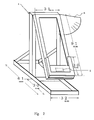
Figure 1 ] It is an explanatory Figures of test method (the performance of reinforcement) in Examples of the present invention.
[Figure 2 ] It is an explanatory Figures of test method (the performance of impact resistance) in Examples of the present invention. -
- 1
- The sample
- 2
- The steel plate for test
- 3
- The load
- 4
- The slamming test machine
- 5
- The test piece
- 6
- A indicate board of an angle
Among the above, the using of only or together of azodicarbonamide and dinitrosopentamethylenetetramine, or the using of compound composed of these and said foaming assistant such as urea and urea derivative etc. is preferable.
The blend amount of said (d)component is from 1 to 10% by weight, preferably from 4 to 7% by weight. If the amount of the (d) component is less than 1 % by weight, the desired foaming effectiveness cannot obtain, if it is exceeding 10% by weight, a good appearance cannot obtain in order to generates the gas from the foaming agent.
As said foaming agent, the using of above-mentioned organic foaming agent together with a heat expansibility microcapsule which wrapped hydrocarbon having low boiling point in a shell of a thermal plastic may be recommended. According to said together-using, the adiabatic efficiency of the ceiling etc. can be raised.
The ratio of said organic foaming agent use together with the heat expansibility microcapsule is preferably the organic foaming agent : the heat expansibility microcapsule = 1 : 1-2, when deviates from said ratio of said together-using, said adiabatic efficiency become decrease.
Claims (8)
- A steel ptate-reinforcing material of a type giving vibration-damping performance to a steel plate comprising a restricted layer and a thermosetting foamed viscoelasticity layer, as a tackifiers included said thermosetting foamed viscoelasticity layer, two or more kinds of tackifiers which each tackifier has different component and melting point are used, a fiber is added to said thermosetting foamed viscoelasticity layer.
- The material according to claim 1, wherein said two or more kinds of tackifiers comprising a terpene system resin, an aliphatic series system petroleum resin and an aromatic series system petroleum resin.
- The material according to claim 1 or 2, wherein said fiber comprising a polyester system fiber.
- The material according to claim 1 or 2, wherein said fiber comprising the polyester system fiber and a glass fiber.
- The material according to any of claims 1, 2, 3 or 4, wherein said thermosetting foamed viscoelasticity layer comprising;(a) a rubber having number average molecular weight of 500 to 20000,(b) a thermal plasticity elastomer;(c) the tackifiers,(d) a foaming agent,(e) an inorganic filler,(f) a softening agent, and(g) a cross-linking agent.
- The material according to any of claims 1, 2, 3, 4 or 5, wherein the partial of said rubber having number average molecular weight of 500 to 20 000 (a) in said thermosetting foamed viscoelasticity layer being replaced by any other liquid rubbers.
- The material according to any of claims 1, 2, 3, 4, 5 or 6, wherein said material may be structured for a ceiling of vehicles.
- The material according to any of claims 1 , 2, 3, 4, 5, 6 or 7, wherein said material may be structured even after electrodeposition of vehicles.
Applications Claiming Priority (2)
| Application Number | Priority Date | Filing Date | Title |
|---|---|---|---|
| JP2006204224A JP4203589B2 (en) | 2006-07-27 | 2006-07-27 | Damping performance imparted steel plate reinforcement |
| PCT/JP2007/064149 WO2008020522A1 (en) | 2006-07-27 | 2007-07-18 | Steel plate-reinforcing material of type applying vibration-damping performance to steel plate |
Publications (3)
| Publication Number | Publication Date |
|---|---|
| EP2047976A1 true EP2047976A1 (en) | 2009-04-15 |
| EP2047976A4 EP2047976A4 (en) | 2009-09-23 |
| EP2047976B1 EP2047976B1 (en) | 2016-03-23 |
Family
ID=39082049
Family Applications (1)
| Application Number | Title | Priority Date | Filing Date |
|---|---|---|---|
| EP07790904.2A Ceased EP2047976B1 (en) | 2006-07-27 | 2007-07-18 | Steel plate-reinforcing material of type applying vibration-damping performance to steel plate |
Country Status (5)
| Country | Link |
|---|---|
| US (1) | US8268440B2 (en) |
| EP (1) | EP2047976B1 (en) |
| JP (1) | JP4203589B2 (en) |
| CN (1) | CN101495302B (en) |
| WO (1) | WO2008020522A1 (en) |
Cited By (1)
| Publication number | Priority date | Publication date | Assignee | Title |
|---|---|---|---|---|
| EP2821452A4 (en) * | 2012-02-27 | 2015-10-28 | Nihon Tokushu Toryo Co Ltd | SHEET-RESISTANT SHEET-TYPE VIBRATION SHOCK ABSORBER |
Families Citing this family (13)
| Publication number | Priority date | Publication date | Assignee | Title |
|---|---|---|---|---|
| JP5328578B2 (en) * | 2009-09-09 | 2013-10-30 | トヨタ自動車株式会社 | Steel plate reinforcement |
| JP5066598B2 (en) * | 2010-09-30 | 2012-11-07 | 日東電工株式会社 | Method and structure for reinforcing metal plate |
| JP5778962B2 (en) * | 2011-03-30 | 2015-09-16 | 株式会社神戸製鋼所 | Foamed resin coated metal sheet and method for producing the same |
| JP5815176B2 (en) * | 2012-02-06 | 2015-11-17 | 日本特殊塗料株式会社 | Damping material that can be used in a wide temperature range |
| EP2778200A1 (en) * | 2013-03-14 | 2014-09-17 | Autoneum Management AG | Sound damping composition |
| CN104004324B (en) * | 2014-06-11 | 2016-04-20 | 长春徳联化工有限公司 | A kind of automobile fiber damping material and preparation method thereof |
| DK3670622T3 (en) | 2016-09-20 | 2022-07-04 | Avery Dennison Corp | Multilayer tape |
| US11059264B2 (en) | 2018-03-19 | 2021-07-13 | Avery Dennison Corporation | Multilayer constrained-layer damping |
| WO2019222352A1 (en) | 2018-05-17 | 2019-11-21 | Avery Dennison Corporation | Partial coverage multilayer damping laminate |
| CN110922689B (en) * | 2019-12-13 | 2020-10-23 | 中国科学院长春应用化学研究所 | Butyl adhesive tape covered with hot melt adhesive film and preparation method thereof |
| KR20210078970A (en) * | 2019-12-19 | 2021-06-29 | 주식회사 포스코 | Surface treatment composition for vibration damping steel sheet and vibration damping steel sheet |
| JP7355645B2 (en) * | 2019-12-27 | 2023-10-03 | 日東電工株式会社 | Reinforcement materials and structures |
| KR20220100254A (en) * | 2021-01-08 | 2022-07-15 | 현대자동차주식회사 | Sealer for body panel reinforcement |
Family Cites Families (12)
| Publication number | Priority date | Publication date | Assignee | Title |
|---|---|---|---|---|
| JPS62275743A (en) * | 1985-11-29 | 1987-11-30 | 豊田合成株式会社 | Vibration-damping sound-insulating sheet for car |
| US4734323A (en) * | 1986-04-22 | 1988-03-29 | Toyoda Gosei Co., Ltd. | Vibration damping soundproof sheets for use in vehicles |
| JP3183738B2 (en) | 1992-12-08 | 2001-07-09 | 日本ゼオン株式会社 | Vehicle damping reinforcement structure |
| JP3274249B2 (en) | 1993-08-31 | 2002-04-15 | 日本特殊塗料株式会社 | Steel sheet vibration suppression reinforcement sheet |
| JPH0835538A (en) | 1994-07-25 | 1996-02-06 | Lintec Corp | Vibration control / reinforcement sheet |
| US6361643B2 (en) * | 1994-11-23 | 2002-03-26 | Henkel Teroson Gmbh | Method for reducing mechanical vibration in metal constructions |
| JPH09226061A (en) | 1996-02-22 | 1997-09-02 | Nitto Denko Corp | Resin adhesive sheet for reinforcing thin steel plate |
| JPH1076586A (en) | 1996-09-03 | 1998-03-24 | Nippon Tokushu Toryo Co Ltd | Steel plate reinforcement |
| JP3584687B2 (en) * | 1997-08-01 | 2004-11-04 | 東海ゴム工業株式会社 | Damping structure and foamable rubber composition therefor |
| JP3488860B2 (en) * | 2000-09-05 | 2004-01-19 | 北川工業株式会社 | Damping material |
| JP3685791B2 (en) * | 2003-08-08 | 2005-08-24 | 日東電工株式会社 | Adhesive sheet for steel plate |
| JP2005186303A (en) * | 2003-12-24 | 2005-07-14 | Saitama Rubber Kogyo Kk | Damping reinforcing sheet for steel panel |
-
2006
- 2006-07-27 JP JP2006204224A patent/JP4203589B2/en not_active Expired - Lifetime
-
2007
- 2007-07-18 WO PCT/JP2007/064149 patent/WO2008020522A1/en not_active Ceased
- 2007-07-18 US US12/375,326 patent/US8268440B2/en not_active Expired - Fee Related
- 2007-07-18 EP EP07790904.2A patent/EP2047976B1/en not_active Ceased
- 2007-07-18 CN CN2007800279446A patent/CN101495302B/en not_active Expired - Fee Related
Non-Patent Citations (2)
| Title |
|---|
| DATABASE WPI Week 199745, Derwent Publications Ltd., London, GB; AN 1997-485236, XP002541453 & JP 09 226061 A (NITTO DENKO CORP) 02 September 1997 * |
| See also references of WO2008020522A1 * |
Cited By (1)
| Publication number | Priority date | Publication date | Assignee | Title |
|---|---|---|---|---|
| EP2821452A4 (en) * | 2012-02-27 | 2015-10-28 | Nihon Tokushu Toryo Co Ltd | SHEET-RESISTANT SHEET-TYPE VIBRATION SHOCK ABSORBER |
Also Published As
| Publication number | Publication date |
|---|---|
| CN101495302A (en) | 2009-07-29 |
| JP4203589B2 (en) | 2009-01-07 |
| EP2047976A4 (en) | 2009-09-23 |
| WO2008020522A1 (en) | 2008-02-21 |
| US8268440B2 (en) | 2012-09-18 |
| JP2008030257A (en) | 2008-02-14 |
| US20100048749A1 (en) | 2010-02-25 |
| EP2047976B1 (en) | 2016-03-23 |
| CN101495302B (en) | 2013-11-06 |
Similar Documents
| Publication | Publication Date | Title |
|---|---|---|
| EP2047976B1 (en) | Steel plate-reinforcing material of type applying vibration-damping performance to steel plate | |
| JP5066598B2 (en) | Method and structure for reinforcing metal plate | |
| US20070299193A1 (en) | Sprayable Low-Viscosity Rubber Damping Compounds | |
| EP2492538A1 (en) | Vibration damping sheet, method for damping vibration of vibrating member, and method for utilizing the vibrating member | |
| JP5986101B2 (en) | Constrained layer damping material | |
| EP2821452B1 (en) | Chip-reistant sheet-like vibration damper | |
| CN102086352A (en) | Reinforced rubber sheet suitable for construction on steel plate with oil surface at low temperature, and preparation method thereof | |
| JP3274249B2 (en) | Steel sheet vibration suppression reinforcement sheet | |
| JP3256916B2 (en) | Steel sheet reinforcement sheet | |
| JP5815176B2 (en) | Damping material that can be used in a wide temperature range | |
| JPH07122056B2 (en) | Composition for composite type damping material | |
| JP2011089544A (en) | Vibration damping sheet, method for damping vibration of vibrating member, and method of using the member | |
| JPS6230177A (en) | Reinforcing material made of resin | |
| KR100733619B1 (en) | Low specific gravity damping sheet composition | |
| JPH0550554A (en) | Composite vibration-dampening material and its manufacture | |
| US20210388241A1 (en) | Multilayered patches for sealing applications and related methods | |
| WO1995017469A1 (en) | Improvements in or relating to sound deadening materials | |
| JPH0569506A (en) | Composite type vibraton damping material and manufacture thereof | |
| JPH09286965A (en) | Hot melt type adhesive, solvent type adhesive and foam sheet and fiber sheet surface-treated with the adhesive | |
| JPH0431884B2 (en) | ||
| JPH0732956A (en) | Damping material for automobile and its temporary fixing method |
Legal Events
| Date | Code | Title | Description |
|---|---|---|---|
| PUAI | Public reference made under article 153(3) epc to a published international application that has entered the european phase |
Free format text: ORIGINAL CODE: 0009012 |
|
| 17P | Request for examination filed |
Effective date: 20090122 |
|
| AK | Designated contracting states |
Kind code of ref document: A1 Designated state(s): AT BE BG CH CY CZ DE DK EE ES FI FR GB GR HU IE IS IT LI LT LU LV MC MT NL PL PT RO SE SI SK TR |
|
| AX | Request for extension of the european patent |
Extension state: AL BA HR MK RS |
|
| RBV | Designated contracting states (corrected) |
Designated state(s): DE FR GB |
|
| A4 | Supplementary search report drawn up and despatched |
Effective date: 20090824 |
|
| 17Q | First examination report despatched |
Effective date: 20091230 |
|
| DAX | Request for extension of the european patent (deleted) | ||
| RAP1 | Party data changed (applicant data changed or rights of an application transferred) |
Owner name: TOYOTA JIDOSHA KABUSHIKI KAISHA Owner name: NIHON TOKUSHU TORYO CO., LTD. |
|
| GRAP | Despatch of communication of intention to grant a patent |
Free format text: ORIGINAL CODE: EPIDOSNIGR1 |
|
| INTG | Intention to grant announced |
Effective date: 20150916 |
|
| GRAS | Grant fee paid |
Free format text: ORIGINAL CODE: EPIDOSNIGR3 |
|
| GRAA | (expected) grant |
Free format text: ORIGINAL CODE: 0009210 |
|
| AK | Designated contracting states |
Kind code of ref document: B1 Designated state(s): DE FR GB |
|
| REG | Reference to a national code |
Ref country code: GB Ref legal event code: FG4D |
|
| REG | Reference to a national code |
Ref country code: DE Ref legal event code: R096 Ref document number: 602007045437 Country of ref document: DE |
|
| REG | Reference to a national code |
Ref country code: FR Ref legal event code: PLFP Year of fee payment: 10 |
|
| REG | Reference to a national code |
Ref country code: DE Ref legal event code: R097 Ref document number: 602007045437 Country of ref document: DE |
|
| PLBE | No opposition filed within time limit |
Free format text: ORIGINAL CODE: 0009261 |
|
| STAA | Information on the status of an ep patent application or granted ep patent |
Free format text: STATUS: NO OPPOSITION FILED WITHIN TIME LIMIT |
|
| 26N | No opposition filed |
Effective date: 20170102 |
|
| REG | Reference to a national code |
Ref country code: DE Ref legal event code: R084 Ref document number: 602007045437 Country of ref document: DE |
|
| REG | Reference to a national code |
Ref country code: GB Ref legal event code: 746 Effective date: 20170621 |
|
| REG | Reference to a national code |
Ref country code: FR Ref legal event code: PLFP Year of fee payment: 11 |
|
| REG | Reference to a national code |
Ref country code: FR Ref legal event code: PLFP Year of fee payment: 12 |
|
| PGFP | Annual fee paid to national office [announced via postgrant information from national office to epo] |
Ref country code: GB Payment date: 20220606 Year of fee payment: 16 |
|
| PGFP | Annual fee paid to national office [announced via postgrant information from national office to epo] |
Ref country code: FR Payment date: 20220609 Year of fee payment: 16 |
|
| PGFP | Annual fee paid to national office [announced via postgrant information from national office to epo] |
Ref country code: DE Payment date: 20220531 Year of fee payment: 16 |
|
| P01 | Opt-out of the competence of the unified patent court (upc) registered |
Effective date: 20230510 |
|
| REG | Reference to a national code |
Ref country code: DE Ref legal event code: R119 Ref document number: 602007045437 Country of ref document: DE |
|
| GBPC | Gb: european patent ceased through non-payment of renewal fee |
Effective date: 20230718 |
|
| PG25 | Lapsed in a contracting state [announced via postgrant information from national office to epo] |
Ref country code: DE Free format text: LAPSE BECAUSE OF NON-PAYMENT OF DUE FEES Effective date: 20240201 Ref country code: GB Free format text: LAPSE BECAUSE OF NON-PAYMENT OF DUE FEES Effective date: 20230718 |
|
| PG25 | Lapsed in a contracting state [announced via postgrant information from national office to epo] |
Ref country code: FR Free format text: LAPSE BECAUSE OF NON-PAYMENT OF DUE FEES Effective date: 20230731 |