EP2046947B1 - Method for the production of multipotent stem cells - Google Patents
Method for the production of multipotent stem cells Download PDFInfo
- Publication number
- EP2046947B1 EP2046947B1 EP07789590A EP07789590A EP2046947B1 EP 2046947 B1 EP2046947 B1 EP 2046947B1 EP 07789590 A EP07789590 A EP 07789590A EP 07789590 A EP07789590 A EP 07789590A EP 2046947 B1 EP2046947 B1 EP 2046947B1
- Authority
- EP
- European Patent Office
- Prior art keywords
- adipocytes
- phase
- markers
- aza
- cells
- Prior art date
- Legal status (The legal status is an assumption and is not a legal conclusion. Google has not performed a legal analysis and makes no representation as to the accuracy of the status listed.)
- Not-in-force
Links
Images




Classifications
-
- C—CHEMISTRY; METALLURGY
- C12—BIOCHEMISTRY; BEER; SPIRITS; WINE; VINEGAR; MICROBIOLOGY; ENZYMOLOGY; MUTATION OR GENETIC ENGINEERING
- C12N—MICROORGANISMS OR ENZYMES; COMPOSITIONS THEREOF; PROPAGATING, PRESERVING, OR MAINTAINING MICROORGANISMS; MUTATION OR GENETIC ENGINEERING; CULTURE MEDIA
- C12N5/00—Undifferentiated human, animal or plant cells, e.g. cell lines; Tissues; Cultivation or maintenance thereof; Culture media therefor
- C12N5/06—Animal cells or tissues; Human cells or tissues
- C12N5/0602—Vertebrate cells
- C12N5/0652—Cells of skeletal and connective tissues; Mesenchyme
- C12N5/0653—Adipocytes; Adipose tissue
-
- A—HUMAN NECESSITIES
- A61—MEDICAL OR VETERINARY SCIENCE; HYGIENE
- A61P—SPECIFIC THERAPEUTIC ACTIVITY OF CHEMICAL COMPOUNDS OR MEDICINAL PREPARATIONS
- A61P43/00—Drugs for specific purposes, not provided for in groups A61P1/00-A61P41/00
-
- C—CHEMISTRY; METALLURGY
- C12—BIOCHEMISTRY; BEER; SPIRITS; WINE; VINEGAR; MICROBIOLOGY; ENZYMOLOGY; MUTATION OR GENETIC ENGINEERING
- C12N—MICROORGANISMS OR ENZYMES; COMPOSITIONS THEREOF; PROPAGATING, PRESERVING, OR MAINTAINING MICROORGANISMS; MUTATION OR GENETIC ENGINEERING; CULTURE MEDIA
- C12N2501/00—Active agents used in cell culture processes, e.g. differentation
- C12N2501/06—Anti-neoplasic drugs, anti-retroviral drugs, e.g. azacytidine, cyclophosphamide
-
- C—CHEMISTRY; METALLURGY
- C12—BIOCHEMISTRY; BEER; SPIRITS; WINE; VINEGAR; MICROBIOLOGY; ENZYMOLOGY; MUTATION OR GENETIC ENGINEERING
- C12N—MICROORGANISMS OR ENZYMES; COMPOSITIONS THEREOF; PROPAGATING, PRESERVING, OR MAINTAINING MICROORGANISMS; MUTATION OR GENETIC ENGINEERING; CULTURE MEDIA
- C12N2506/00—Differentiation of animal cells from one lineage to another; Differentiation of pluripotent cells
Definitions
- the present invention relates to a new method for the production of multipotent stem cells.
- ES embryonic stem populations
- stem cells can be identified in adults; although these only have the capacity of differentiating in a limited number of cellular types, they do not arouse ethical problems.
- stem cells bone marrow (Saulnier N. et al., 2005), seminiferous epithelium of the male gonad (Cyranoski D. et al., 2006), epithelia (Janes SM, et al., 2002), peripheral blood, cord blood (Saulnier N. et al., 2005) and adipose tissue (Strem BM, et al., 2005).
- epithelial cells 293T can de-differentiate until markers are expressed typical of the embryonic state after 1 hour treatment with the extract of NCCIT cells, isolated from teratoma.
- Dnmt1 is the main enzyme which maintains the methylation state during the DNA replication. Its inactivation in murine models resulted in the loss of genomic imprinting and led to the precocious mortality of the embryo. Dnmt3a, Dnmt3b and Dnmt31, which mainly catalyze the methylation de novo, are extremely active in embryonic stem cells and promote their differentiation in vitro.
- 5-AzaC Used as an effective chemotherapeutic agent in the treatment of leukemia (Yang AS, et al., 2006), 5-AzaC has proved to be a useful experimental means for studying DNA methylation in cell differentiation and in gene activation mechanisms (J.G. Herman, et al., 1994; K. Yoshiura, et al., 1995; Y.L. Ottaviano, et al., 1994; C.M. Bender, et al., 1998). 5-AzaC, for example, has proved to intervene in differentiation induction in a myogenic sense of multipotent stem cells isolated from the umbilical cord, bone marrow and adipose tissue (Lin Y, et al., 2006).
- Lin Tsai Ming et al. (Stem cells and development, vol. 14, no.1, February 2005, pages 92-102 ) disclose a method to obtain multipotential stem cells from adipose tissue using a medium with reduced calcium and antioxidants. The cells thus obtained are able to differentiate into adipocytes, osteoblasts, chondrocytes and myoblasts and express embryonic stem cell marker Oct-4. The cited document does not disclose a method wherein the multipotential stem cells are obtained after treatment with 5-azaC.
- 5-AzaC reverses the differentiated state of embryonic cells, organized in embroid bodies, to that which can be phenotypically attributed to undifferentiated pluripotent stem cells expressing typical markers such as SSEA-1, alkaline phosphatase, Oct4, Nanog and SOX2.
- the authors of the present invention have now found a method for the production of multipotent stem cells which satisfies all the demands described above and which overcomes the disadvantages of the methods already known in the state of the art.
- the authors have in fact found advantageous alternative sources of highly differentiated somatic cells destined for generative medicine, which, subjected to demethylating treatment at suitable concentrations, represent an inexhaustible source of easily available multipotent autologous stem cells.
- the reprogramming of this somatic cell source represents an important solution to the problem of the scarcity of bone marrow donors and has no problems of an ethical nature.
- An object of the present invention therefore relates to a method for the production of multipotent stem cells starting from adipocytes or pre-adipocytes comprising the demethylating treatment phase of said cells with 5' Aza 2' cytidine at a concentration ranging from 0.1 ⁇ M to 175 ⁇ M until the appearance of markers typical of the undifferentiated and multipotent embryonic state and/or the reduction in the expression of the late differentiative phase markers.
- said highly differentiated adult somatic cells of mammals or their precursors are adipocytes or pre-adipocytes and said late differentiative phase markers are adipogenic markers, preferably selected from leptin and GLUT-4 or a combination thereof.
- the concentration of use of 5' Aza 2' cytidine is preferably selected from 100 ⁇ M, 125 ⁇ M, 150 ⁇ M and 175 ⁇ M.
- said culture in a maintenance medium free of adipogenic induction agents of phase iii) has a duration of 7-10 days.
- the method of the invention also comprises a differentiation induction phase in an osteogenic sense (100 nM dexamethasone, 10 mM ⁇ -glycerophosphate, 0.05 mM ascorbic acid-2-phosphate), chondrogenic (2.0x10 -4 M ascorbic acid-2-phosphate, 1 ng/ml TGF ⁇ 1) or myogenic (20% Fetal Bovine Serum (FBS), 10% Horse Serum, 1% chicken embryo extract).
- an osteogenic sense 100 nM dexamethasone, 10 mM ⁇ -glycerophosphate, 0.05 mM ascorbic acid-2-phosphate
- chondrogenic 2.0x10 -4 M ascorbic acid-2-phosphate, 1 ng/ml TGF ⁇ 1
- the invention relates to the use of 5' Aza 2' cytidine at a concentration ranging from 0.1 ⁇ M to 175 ⁇ M for the induction of multipotent staminality starting from adipocytes or pre-adipocytes.
- concentration of 5' Aza 2' cytidine is preferably selected from 100 ⁇ M, 125 ⁇ M, 150 ⁇ M and 175 ⁇ M.
- Human pre-adipocytes and embryonic cell lines 3T3-L1 were sown at a density of 5 x 10 3 cells/cm 2 and cultivated in Petri plates in a proliferative medium (DMEM-F12, 10% Fetal Calf Serum (FCS), 1% antibiotic-fungizone (AF)) until the maximum cell confluence is reached.
- DMEM-F12 10% Fetal Calf Serum
- FCS Fetal Calf Serum
- AF antibiotic-fungizone
- the differentiative induction is obtained by 48 hour treatment in specific medium consisting of DMEM, 10% Fetal Bovine Serum (FBS), 1% AF and specific differentiating factors (insulin, isobutylmethylxanthine, dexamethasone, indomethacin).
- the mature differentiated form (univacuolar phenotype) is reached after culture of 7-10 days in maintenance medium, free of adipogenic inductive agents.
- Immunofluorescence studies verify the expression of leptin, a hormone typically expressed by adipocytes in adult phase.
- the mature adipose cells were maintained in a culture with DMEM, 10% FBS, 1% AF for two weeks, under continuous stimulation of 5'Azacytidine at molar concentrations of 0.1 ⁇ M, 1 ⁇ M, 10 ⁇ M, 100 ⁇ M, 125 ⁇ M, 150 ⁇ M, 175 ⁇ M, 250 ⁇ M.
- the optimum dose of 5'Azacytidine ranges from 0.1 ⁇ M to 175 ⁇ M and the concentrations which are particularly effective are those between 100 ⁇ M and 175 ⁇ M.
- the demethylating treatment is no longer suitable for the production of multipotent cells starting from highly differentiated cells as it becomes a chemotherapeutic treatment which induces the cells to apoptosis rather than reverting to the undifferentiated state as shown in Figure 7 where a high apoptotic degree is observed (treatment of cultures with 5'Azacytidine at a concentration of 250 ⁇ M).
- doses ⁇ 0.1 ⁇ M as shown in Figure 8 there are no signs of cell damage and/or cell proliferation in the cells treated.
- the primers were purchased from New England Biolabs.
- Amplification conditions 95°C for 10 minutes (initial denaturation), 30 cycles of 95°C for 30 seconds (denaturation), 52°C for 45 seconds (annealing), 72°C for 45 seconds (extension), 72°C for 10 minutes (final extension).
- the reaction mixture was prepared with 1 ⁇ l of cDNA, 1 ⁇ l of dNtPs Mix (10 mM), 1.25 ⁇ l of MgCl 2 solution (25 mM), 1.25 ⁇ l of buffer 10X, 0.2 ⁇ l of Ampli Taq Gold (5U ⁇ l) (Applied Biosystem), 1 ⁇ l of specific sense primer and 1 ⁇ l of antisense primer (10 pM), 8 ⁇ l of H 2 O RNase free in a final volume of 12.5 ⁇ l.
- the preliminary results show a change in the morphology of the plate; it is mainly observed in fact at concentrations of 1-10 ⁇ M and higher than 100 ⁇ M, which, with the progressive disappearance of globose cells, grouped in large clusters and characterized by a voluminous lipid vacuole, is associated with the appearance of cell elements having a more elongated form with or without lipid vacuoles distributed at a cytoplasmatic level.
- Optic microscope images are provided hereunder of cell populations after 10 days of treatment with 5-AzaC. Phase contrast microscope images (100x enlargement) are enclosed of reference populations and those treated with 5-Azacytidine.
- the expression of the late-phase adipogenic markers (leptin, GLUT-4), precocious-phase markers (PPAR-y, CEBP- ⁇ ) and markers typical of the undifferentiated embryonic state (OCT4, SOX2, NANOG, SSEA-1, alkaline phosphatase) was evaluated by means of PCR and RT-PCR.
- Figure 1 shows the result of the semiquantitative PCR relating to the expression of the Ob gene (leptin) of adipocyte populations treated with 175 ⁇ M 5-Azacytidine.
Landscapes
- Health & Medical Sciences (AREA)
- Engineering & Computer Science (AREA)
- Biomedical Technology (AREA)
- Life Sciences & Earth Sciences (AREA)
- Bioinformatics & Cheminformatics (AREA)
- Chemical & Material Sciences (AREA)
- Organic Chemistry (AREA)
- Biotechnology (AREA)
- Genetics & Genomics (AREA)
- Zoology (AREA)
- Wood Science & Technology (AREA)
- General Health & Medical Sciences (AREA)
- Microbiology (AREA)
- Biochemistry (AREA)
- Cell Biology (AREA)
- General Engineering & Computer Science (AREA)
- Rheumatology (AREA)
- Nuclear Medicine, Radiotherapy & Molecular Imaging (AREA)
- Veterinary Medicine (AREA)
- Public Health (AREA)
- Animal Behavior & Ethology (AREA)
- Pharmacology & Pharmacy (AREA)
- Medicinal Chemistry (AREA)
- General Chemical & Material Sciences (AREA)
- Chemical Kinetics & Catalysis (AREA)
- Micro-Organisms Or Cultivation Processes Thereof (AREA)
- Pharmaceuticals Containing Other Organic And Inorganic Compounds (AREA)
- Immobilizing And Processing Of Enzymes And Microorganisms (AREA)
Abstract
Description
- The present invention relates to a new method for the production of multipotent stem cells.
- Research on multipotent and totipotent stem cells (Conrad C., et al., 2005) has opened up new and interesting applicative prospects for cellular therapy and tissue engineering. What the most suitable stem cell source is for applicative purposes, however, is still to be defined.
- The use of embryonic stem populations (ES) has recently stimulated a growing scientific interest in the medical field. Although these cells are characterized by a high replication capacity, differentiative pluripotentiality and long-term expansion in vitro, their therapeutic use, however, is limited due to the numerous ethical problems involved (Kiatpongsan S. et al., 2006).
- Considerable experimental evidence has demonstrated that alternative sources of stem cells can be identified in adults; although these only have the capacity of differentiating in a limited number of cellular types, they do not arouse ethical problems. Among the sources of adult stem cells, bone marrow (Saulnier N. et al., 2005), seminiferous epithelium of the male gonad (Cyranoski D. et al., 2006), epithelia (Janes SM, et al., 2002), peripheral blood, cord blood (Saulnier N. et al., 2005) and adipose tissue (Strem BM, et al., 2005).
- Adult stem cells, however, are not easily available as they are numerically limited; furthermore they cannot be cultivated in vitro for a long period as, after various cell divisions, they tend to lose their multipotentiality.
- Together with this physiological stem cell sources, another extremely promising source has recently been added, which can be obtained by modification of the differentiated cell genetic program (F. Santos, et al., 2002; A.J. Peter, et al., 2001; R. Wolf, et al., 2001; J.C. Gutierrez, et al., 2000; T.H. Bestor, 2000; C. Stewart, et al., 1982; R.D. Palmiter, et al., 1982; D. Biniszkiewicz, et al., 2002; M.F. Chan, et al., 2001; M. Okano, et al., 1999). The researchers Wilmut and Campbell (Shiels PG, et al., 1999; Eyestone WH, et al., 1999) and subsequently Yanagimachi and collaborators (Wakayama T, et al., 2001) clearly established, using animal models, that the nucleus of completely differentiated somatic cells can be reprogrammed if transferred into the cytoplasm of an egg cell. The mechanisms and molecules involved in this deprogramming and reprogramming process of the genome of somatic cells has not yet been completely clarified. It is clear, however, that during this process the chromatin is decondensed, the nucleosome structure is destabilized and the regulator proteins are dissociated from the DNA fibre thus influencing the gene expression (T. Haaf, et al., 2000).
- Other experimental observations have shown that, in the first embryonic development phases, there are numerous epigenetic methylation modifications of the cytosine residues with respect to the genome, as a result of which there is a change in the cell phenotype and commitment of the cell towards a specific differentiative line (F. Santos, et al., 2002; A.J. Peter, et al., 2001; R. Wolf, et al., 2001; J.C. Gutierrez, et al., 2000; Jetsche A. et al., 2006; Szyf M, et al., 1989; Keshhet I, et al., 1985).
- In this respect, the idea was developed of being able to reprogram any completely differentiated cell by partially or completely modifying the methylation state of its genome, by means of treatment with specific factors.
- Taranger and collaborators (Taranger CK, et al., 2005) have in fact shown that epithelial cells 293T can de-differentiate until markers are expressed typical of the embryonic state after 1 hour treatment with the extract of NCCIT cells, isolated from teratoma. Quantitative gene expression analysis and microarray study effected on the colonies maintained in a culture for 23 passages revealed that the transition to the pluripotent cell phenotype involves a dynamic stimulation of hundreds of genes typical of NCCIT cells (among which OCT4 (Ovitt CE, et al., 1998), SOX2 (M.V. Zappone, et al., 2000), NANOG (K. Mitsui, et al., 2003)) and an expression drop in genes characterizing cells 293T and generic differentiation indicators such as, for example, type A laminins.
- Furthermore, experimental evidence has shown that a demethylating agent, 5' Aza 2' cytidine (5-AzaC), a product analogous to cytosine, can cause an extensive demethylation of the residues of 5-methylcytosine (M. Vlahovic, et al., 1999) and reduce the methyltransferase DNA activity (Tsuji-Takayama K, et al., 2004; Karpf AR, et al., 1999; U. Aapola, et al., 2001; X. Cheng, 1995; L.R. Silverman, et al., 1993; Simonsson, S., and Gurdon, 2004; Flasza, M., et al., 2003).
- 4 enzymes of DNA cytosine methyltransferase, Dnmt1, Dnmt3a, Dnmt3b and Dnmt31 have been identified in embryonic cells (Shiels PG, et al., 1999; Eyestone WH, et al., 1999; Wakayama T, et al., 2001).
- Dnmt1 is the main enzyme which maintains the methylation state during the DNA replication. Its inactivation in murine models resulted in the loss of genomic imprinting and led to the precocious mortality of the embryo. Dnmt3a, Dnmt3b and Dnmt31, which mainly catalyze the methylation de novo, are extremely active in embryonic stem cells and promote their differentiation in vitro.
- Used as an effective chemotherapeutic agent in the treatment of leukemia (Yang AS, et al., 2006), 5-AzaC has proved to be a useful experimental means for studying DNA methylation in cell differentiation and in gene activation mechanisms (J.G. Herman, et al., 1994; K. Yoshiura, et al., 1995; Y.L. Ottaviano, et al., 1994; C.M. Bender, et al., 1998). 5-AzaC, for example, has proved to intervene in differentiation induction in a myogenic sense of multipotent stem cells isolated from the umbilical cord, bone marrow and adipose tissue (Lin Y, et al., 2006). Other studies also provide data relating to its modulating activity on embryonic development with respect to proliferogenic and differentiative effects (Tsuji-Takayama K, et al., 2004). Furthermore, embryoid bodies differentiated in vitro and treated for 6 hours with 5-AzaC (1 µM) re-established the colony growth process typical of stem cells and the sensitivity to LEUKEMIA INHIBITORY FACTOR (LIF).
- The demethylating action of 5-Azacitydine, with a consequent restoration of the cell multipotentiality, is widely demonstrated and verified also in plants, mono-cotyledons (wheat) and dicotyledons (tomatoes), in
W02005003344 . - Lin Tsai Ming et al. (Stem cells and development, vol. 14, no.1, February 2005, pages 92-102) disclose a method to obtain multipotential stem cells from adipose tissue using a medium with reduced calcium and antioxidants. The cells thus obtained are able to differentiate into adipocytes, osteoblasts, chondrocytes and myoblasts and express embryonic stem cell marker Oct-4. The cited document does not disclose a method wherein the multipotential stem cells are obtained after treatment with 5-azaC.
- Morphological/functional analysis and gene expression study have lead to the conclusion that 5-AzaC reverses the differentiated state of embryonic cells, organized in embroid bodies, to that which can be phenotypically attributed to undifferentiated pluripotent stem cells expressing typical markers such as SSEA-1, alkaline phosphatase, Oct4, Nanog and SOX2.
- Numerous other studies have described reactivation in somatic cells by treatment with 5-AzaC of silenced genes such as VHL, E-cadherin, estrogen receptor and p16. Genes of the STAT family, which have an important role in maintaining the undifferentiated state of embryonic stem cells (ES) and their capacity of self-replication by transduction of the LIF signal, are also probably the target of demethylating agents. Karpf and collaborators (Karpf AR., et al., 1999) have observed that silenced STAT genes in tumor cells of the colon are reactivated by treatment with 5-AzaC, accompanied by the reestablishment of the cell sensitivity with alpha interferon (INF-α).
- It would therefore seem that treatment with 5'Aza 2' cytidine can have an effect on the proliferation, differentiation or de-differentiation of different cell types, belonging to animal or vegetable organisms and at various development phases (embryonic, adult, etc.).
- In the light of what is specified above, there is evidently the necessity of availing of a method for the production of multipotent stem cells starting from an inexhaustible autologous cell source, easily available and free of ethical problems. It is also desirable that the method be easily controllable, repeatable and above all, that it does not lead to the neoplastic transformation of the same cells.
- The authors of the present invention have now found a method for the production of multipotent stem cells which satisfies all the demands described above and which overcomes the disadvantages of the methods already known in the state of the art. The authors have in fact found advantageous alternative sources of highly differentiated somatic cells destined for generative medicine, which, subjected to demethylating treatment at suitable concentrations, represent an inexhaustible source of easily available multipotent autologous stem cells. The reprogramming of this somatic cell source represents an important solution to the problem of the scarcity of bone marrow donors and has no problems of an ethical nature.
- An object of the present invention therefore relates to a method for the production of multipotent stem cells starting from adipocytes or pre-adipocytes comprising the demethylating treatment phase of said cells with 5' Aza 2' cytidine at a concentration ranging from 0.1 µM to 175 µM until the appearance of markers typical of the undifferentiated and multipotent embryonic state and/or the reduction in the expression of the late differentiative phase markers.
- According to a preferred embodiment of the method according to the invention, when said method is carried out starting from pre-adipocytes it comprises the following phases:
- a) induction of the differentiation of pre-adipocytes in mature cells by:
- i) culture of the pre-adipocytes until the maximum confluence is reached;
- ii) treatment with differentiating factors;
- iii) culture in maintenance medium free of differentiative induction agents until the expression of leptin or GLUT-4 is verified;
- b) demethylating treatment of the highly differentiated mature adipose cells with 5' Aza 2' cytidine at a concentration ranging from 0.1 µM to 175 µM until the appearance of markers typical of the undifferentiated embryonic state and/or the reduction in the expression of the late differentiative phase markers.
- In a particularly preferred embodiment of the invention, said highly differentiated adult somatic cells of mammals or their precursors are adipocytes or pre-adipocytes and said late differentiative phase markers are adipogenic markers, preferably selected from leptin and GLUT-4 or a combination thereof.
- According to a preferred embodiment of the method according to the invention, when said method is carried out starting from pre-adipocytes, it comprises the following phases:
- a) induction of the differentiation of said preadipocytes in mature adipocytes by:
- i) culture of the adipocyte precursors until the maximum confluence is reached;
- ii) treatment with differentiating factors, preferably selected from insulin, isobutylmethylxanthine, dexamethasone, indomethacin or a combination thereof ;
- iii) culture in a maintenance medium free of adipogenic induction agents until the expression of leptin or GLUT-4 is verified;
- b) demethylating treatment of the highly differentiated mature adipose cells with 5' Aza 2' cytidine at a concentration ranging from 0.1 µM to 175 µM until the appearance of markers typical of the undifferentiated embryonic state and/or the reduction in the expression of the late differentiative phase adipogenic markers, preferably selected from leptin and GLUT-4 or a combination thereof. Said markers typical of the undifferentiated embryonic state are preferably selected from OCT4, SOX2, NANOG, SSEA-1 and alkaline phosphates or a combination thereof.
- The concentration of use of 5' Aza 2' cytidine is preferably selected from 100 µM, 125 µM, 150 µM and 175 µM.
- In a preferred embodiment, said culture in a maintenance medium free of adipogenic induction agents of phase iii) has a duration of 7-10 days.
- According to a preferred embodiment, the method of the invention also comprises a differentiation induction phase in an osteogenic sense (100 nM dexamethasone, 10 mM β-glycerophosphate, 0.05 mM ascorbic acid-2-phosphate), chondrogenic (2.0x10⁻⁴ M ascorbic acid-2-phosphate, 1 ng/ml TGFβ1) or myogenic (20% Fetal Bovine Serum (FBS), 10% Horse Serum, 1% chicken embryo extract).
- Finally, the invention relates to the use of 5' Aza 2' cytidine at a concentration ranging from 0.1 µM to 175 µM for the induction of multipotent staminality starting from adipocytes or pre-adipocytes. The concentration of 5' Aza 2' cytidine is preferably selected from 100 µM, 125 µM, 150 µM and 175 µM.
- The present invention is now described for illustrative but non-limiting purposes, according to its preferred embodiments, with particular reference to the figures of the enclosed drawings, in which:
-
figure 1 shows the result of a semiquantitative PCR relating to the expression of the Ob (leptin) gene of populations of adipocytes treated with 175 µM 5-Azacytidine; -
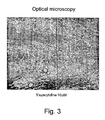
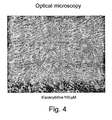
figures 2-6 show the phase contrast microscope images (100x enlargement) of the cell populations after 10 days of treatment with 5-Azacytidine (1 µM, 10 µM, 100 µM, 175 µM) and mature reference adipocytes, respectively; -
figures 7 and 8 show the phase contrast microscope images (100x enlargement) of cultures treated with 5-Azacytidine at concentrations equal to 250 µM and lower than 0.1 µM, respectively. - The effects were evaluated of the demethylating agent 5-Azacytidine (at different concentrations) on the capacity of mature adipose cells of reverting to the undifferentiated state and being reprogrammed, after adequate stimulation, in a multilinear differentiative sense (for example, in an osteogenic, chondrogenic and myogenic sense).
- Human pre-adipocytes and embryonic cell lines 3T3-L1 were sown at a density of 5 x 10³ cells/cm2 and cultivated in Petri plates in a proliferative medium (DMEM-F12, 10% Fetal Calf Serum (FCS), 1% antibiotic-fungizone (AF)) until the maximum cell confluence is reached. The differentiative induction is obtained by 48 hour treatment in specific medium consisting of DMEM, 10% Fetal Bovine Serum (FBS), 1% AF and specific differentiating factors (insulin, isobutylmethylxanthine, dexamethasone, indomethacin). The mature differentiated form (univacuolar phenotype) is reached after culture of 7-10 days in maintenance medium, free of adipogenic inductive agents. Immunofluorescence studies verify the expression of leptin, a hormone typically expressed by adipocytes in adult phase.
- The mature adipose cells were maintained in a culture with DMEM, 10% FBS, 1% AF for two weeks, under continuous stimulation of 5'Azacytidine at molar concentrations of 0.1 µM, 1 µM, 10 µM, 100 µM, 125 µM, 150 µM, 175 µM, 250 µM. The optimum dose of 5'Azacytidine ranges from 0.1 µM to 175 µM and the concentrations which are particularly effective are those between 100 µM and 175 µM. At doses ≥ 250 µM the demethylating treatment is no longer suitable for the production of multipotent cells starting from highly differentiated cells as it becomes a chemotherapeutic treatment which induces the cells to apoptosis rather than reverting to the undifferentiated state as shown in
Figure 7 where a high apoptotic degree is observed (treatment of cultures with 5'Azacytidine at a concentration of 250 µM). At doses ≤ 0.1 µM as shown inFigure 8 , there are no signs of cell damage and/or cell proliferation in the cells treated. - In order to amplify the cDNA obtained from the 5-Aza cultures treated, the following were used:
- Eppendorf thermocycler Amplifier ;
- Specific primers designed with the help of the PrimerQuest program (http://biotools.idt.com) and Nucleotide database consultation (http://www.ncbi.nlm.nih.gov) and BLAST (Basic Local Alignment Search Tool) (http://www.ncbi.nlm.nih.gov/BLAST/).
- The primers were purchased from New England Biolabs.
- Amplification conditions: 95°C for 10 minutes (initial denaturation), 30 cycles of 95°C for 30 seconds (denaturation), 52°C for 45 seconds (annealing), 72°C for 45 seconds (extension), 72°C for 10 minutes (final extension). The reaction mixture was prepared with 1 µl of cDNA, 1 µl of dNtPs Mix (10 mM), 1.25 µl of MgCl2 solution (25 mM), 1.25 µl of buffer 10X, 0.2 µl of Ampli Taq Gold (5U µl) (Applied Biosystem), 1 µl of specific sense primer and 1 µl of antisense primer (10 pM), 8 µl of H2O RNase free in a final volume of 12.5 µl.
- In cells treated with the demethylating agent 5-Azac, the preliminary results show a change in the morphology of the plate; it is mainly observed in fact at concentrations of 1-10 µM and higher than 100 µM, which, with the progressive disappearance of globose cells, grouped in large clusters and characterized by a voluminous lipid vacuole, is associated with the appearance of cell elements having a more elongated form with or without lipid vacuoles distributed at a cytoplasmatic level. Optic microscope images are provided hereunder of cell populations after 10 days of treatment with 5-AzaC. Phase contrast microscope images (100x enlargement) are enclosed of reference populations and those treated with 5-Azacytidine.
- Cell proliferation is observed by measuring the 5'-bromo-2'deoxyuridine (BrdU) incorporated in the adipose cells treated with 5-Azacytidine. As it is known in literature that mature adipose cells do not have a proliferating capacity, it is interesting to better characterize the cell fraction having a fibroblastoid morphology which only appears in the samples treated and not in the reference samples.
- With the use of the TACS Klenow In Situ Apoptotic Detection kit, apoptotic phenomena were observed in both the samples treated and in the reference samples 24 hours, 48 hours, 72 hours after treatment with 5-Azacytidine. The following table indicates the results relating to the samples of adipocytes treated with 125 µM, 150 µM, 175 µM.
Table 1 TIME REFERENCE TREATED TREATED TREATED 125 µM 150 µM 175 µM 25 hours 10% 15% 22% 38% 48 hours 12% 15% 28% 41% 72 hours 10% 10% 10% 10% Semiquantitative (PCR) and quantitative (RT-PCR) tests - The expression of the late-phase adipogenic markers (leptin, GLUT-4), precocious-phase markers (PPAR-y, CEBP-α) and markers typical of the undifferentiated embryonic state (OCT4, SOX2, NANOG, SSEA-1, alkaline phosphatase) was evaluated by means of PCR and RT-PCR.
- The preliminary results show a reduction in the expression of the differentiative late-phase adipogenic markers.
Figure 1 shows the result of the semiquantitative PCR relating to the expression of the Ob gene (leptin) of adipocyte populations treated with 175 µM 5-Azacytidine. -
- Conrad C, Huss R. J Surg Res. 2005 Apr; 124(2):201-8.
- Kiatpongsan S, Tannirandorn Y, Virutamasen P. J Med Assoc Thai. 2006 Jan;89(1):111-7.
- Saulnier N, Di Campli C, Zocco MA, Di Gioacchino G, Novi M, Gasbarrini A. Eur Rev Med Pharmacol Sci. 2005 Nov-Dec;9(6):315-24.
- Cyranoski D. Nature. 2006 Mar 30;440(7084):586-7.
- Janes SM, Lowell S, Hutter C. J Pathol. 2002 Jul; 197(4):479-91.
- Strem BM, Hicok KC, Zhu M, Wulur I, Alfonso Z, Schreiber RE, Fraser JK, Hedrick MH. Keio J Med. 2005 Sep; 54(3):132-41.
- F. Santos, B. Hendrich, W. Reik, W. Dean. Dev. Biol. 2002; 241:172-182.
- A.J. Peter, T. Daiya. Science 2001;293:1068-1070.
- R. Wolf, W. Dean, J. Walter. Science 2001; 293:1089-1093.
- J.C. Gutierrez, S. Callejas, S. Borniquel, A. Martin-Gonzalez. Int. Microbiol. 2000; 3:139-146.
- T.H. Bestor. Hum. Mol. Genet. 2000; 9:2395-2402.
- C. Stewart, H. Stuhlmann, D. Jahner, R. Jaenisch. Proc. Natl. Acad. Sci. USA 1982; 79:4098-4102.
- R.D. Palmiter, H.Y. Chen, R.L. Brinster. Cell 1982; 29:701-710.
- D. Biniszkiewicz, J. Gribnau, B. Ramsahoye, F. Gaudet, K. Eggan, D. Humpherys, M.A. Mastrangelo, Z. Jun, J. Walter, R. Jaenisch. Mol. Cell. Biol. 2002; 22:2124-2135.
- M.F. Chan, R. van Amerongen, T. Nijjar, E. Cuppen, P.A. Jones, P.W. Laird. Mol. Cell. Biol. 2001; 21:7587-7600.
- M. Okano, D.W. Bell, D.A. Haber, E. Li. Cell 1999; 99:247-257.
- Shiels PG, Kind AJ, Campbell KH. Wilmut I, Waddington D, Colman A, Schnieke AE. Cloning. 1999; 1(2):119-25.
- Eyestone WH, Campbell KH. J Reprod Fertil Suppl. 1999; 54:489-97.
- Wakayama T, Yanagimachi R. Mol Reprod Dev. 2001 Apr; 58(4):376-83.
- T. Haaf, M. Schmid. Cytogenet. Cell Genet. 2000; 91:113-123.
- F. Santos, B. Hendrich, W. Reik, W. Dean. Dev. Biol. 2002; 241:172-182.
- A.J. Peter, T. Daiya. Science 2001; 293:1068-1070.
- R. Wolf, W. Dean, J. Walter. Science 2001; 293:1089-1093.
- J.C. Gutierrez, S. Callejas, S. Borniquel, A. Martin-Gonzalez. Int. Microbiol. 2000; 3:139-146.
- Jetsch A. Curr Top Microbiol Immunol. 2006;301:203-25.
- Szyf M, Schimmer BP, Seidman JG. Proc Natl Acad Sci U S A. 1989 Sep; 86(18):6853-7.
- Keshhet I, Yisraeli J, Cedar H. Proc Natl Acad Sci U S A. 1985 May; 82(9):2560-4.
- Taranger CK, Noer A, Sorensen AL, Hakelien AM, Boquest AC, Collas P. Mol Biol Cell. 2005; 16(12):5719-35.
- Ovitt CE, Scholer HR. Mol Hum Reprod. 1998 Nov; 4(11):1021-31.
- M.V. Zappone, R. Galli, R. Catena, N. Meani, S. De Biasi, E. Mattei, C. Tiveron, A.L. Vescovi, R. Lovell-Badge, S. Ottolenghi. Development 2000; 127:2367-2382.
- K. Mitsui, Y. Tokuzawa, H. Itoh, K. Segawa, M. Murakami, K. Takahashi, M. Maruyama, M. Maeda, S. Yamanaka. Cell 2003; 113:631-642.
- M. Vlahovic, F. Bulic-Jakus, G. Juric-Lekic, A. Fusis, S. Maric, D. Serman. Int. J. Dev. Biol. 1999; 43:843-846.
- Tsuji-Takayama K, Inoue T, Ijiri Y, Otani T, Motoda R, Nakamura S, Orita K. Biochem Biophys Res Commun. 2004 Oct 8; 323(1):86-90.
- Karpf AR, Peterson PW, Rawlins JT, Dalley BK, Yang Q, Albertsen H, Jones DA. Proc Natl Acad Sci U S A. 1999 Nov;96(24):14007-12.
- U. Aapola, R. Lyle, K. Krohn, S.E. Antonarakis, P. Peterson. Cytogenet. Cell Genet. 2001;92:122-126.
- X. Cheng. Curr. Opin. Struct. Biol. 1995;5:4-10.
- L.R. Silverman, J.F. Holland, R.S. Weinberg, B.P. Alter, R.B. Davis, R.R. Ellison, E.P. Demakos, C.J. Cornell, R.W. Carey, C. Schiffer, E. Frei III, O.R. McIntypr. Leukemia (Baltimore) 1993; 7:21-29.
- Simonsson, S., and Gurdon. J. Nat. Cell Biol. 2004; 6:984-990.
- Flasza, M., Shering, A. F., Smith, K., Andrews, P. W., Talley, P., and Johnson, P. A. Cloning Stem Cells 2003; 5:339-354.
- Yang AS, Doshi KD, Choi SW, Mason JB, Mannari RK, Gharybian V, Luna R, Rashid A, Shen L, Estecio MR, Kantarjian HM, Garcia-Manero G, Issa JP. Cancer Res. 2006 May; 66(10):5495-503.
- J.G. Herman, F. Latif, Y. Weng, M.I. Lerman, B. Zbar, S. Liu, D. Samid, D.S. Duan, J.R. Gnarra, W.M. Linehan, S.B. Baylin. Proc. Natl. Acad. Sci. USA 1994; 919:700-9704.
- K. Yoshiura, Y. Kanai, A. Ochiari, Y. Shimoyama, T. Sugimura, S. Hirohashi. Proc. Natl. Acad. Sci. USA 1995; 92:7416-7419.
- Y.L. Ottaviano, J.P. Issa, F.F. Parl, H.S. Smith, S.B. Baylin, N.E. Davidson. Cancer Res. 1994; 54:2552-2555.
- C.M. Bender, M.M. Pao, P.A. Jones. Cancer Res. 1998; 58:95-101.
- Lin Y, Liu L, Li Z, Qiao J, Wu L, Tang W, Zheng X, Chen X, Yan Z, Tian W. Mol Cell Biochem. 2006 May 23.
- Tsuji-Takayama K, Inoue T, Ijiri Y, Otani T, Motoda R, Nakamura S, Orita K. Biochem Biophys Res Commun. 2004 Oct 8; 323(1):86-90.
- Cellini Francesco, Cifarelli RosaAnna Gallitelli Maria; Mango Teresa; Lauria Giuseppe; Semeraro Lucia. METHOD FOR THE ISOLATION OF EXPRESSED SEQUENCE TAGS IN PLANTS 13.01.2005.
WO2005003344
Claims (10)
- A method for the production of multipotent stem cells starting from adipocytes or pre-adipocytes comprising the demethylating treatment phase of said cells with 5' Aza 2' cytidine at a concentration ranging from 0.1 µM to 175 µM until the appearance of markers typical of the undifferentiated and multipotent embryonic state and/or the reduction in the expression of the late adipogenic differentiative phase markers.
- The method according to claim 1, comprising the following phases:a) induction of the differentiation of pre-adipocytes in mature adipocytes by:i) culture of the pre-adipocytes until the maximum confluence is reached;ii) treatment with differentiating factors;iii) culture in a maintenance medium free of adipogenic induction agents until the expression of leptin or GLUT-4 is verified;b) demethylating treatment of the highly differentiated mature adipose cells with 5' Aza 2' cytidine at a concentration ranging from 0.1 µM to 175 µM until the appearance of markers typical of the undifferentiated embryonic state and/or the reduction in the expression of the late differentiative phase adipogenic markers.
- The method according to any of the claims 1-2, wherein the concentration of 5' Aza 2' cytidine is selected from 100 µM, 125 µM, 150 µM, 175 µM.
- The method according to any of the claims 1-3, wherein said markers typical of the undifferentiated embryonic state are selected from OCT4, SOX2, NANOG, SSEA-1 and alkaline phosphatase or a combination thereof.
- The method according to any of the claims 1-4, wherein said adipogenic late differentiative phase markers are selected from leptin and GLUT-4 or a combination thereof.
- The method according to any of the claims 2-5, wherein said differentiating factors of phase ii) are selected from insulin, isobutylmethylxanthine, dexamethasone, indomethacin or a combination thereof.
- The method according to any of the claims 2-6, wherein said culture of phase iii) has a duration of 7-10 days.
- The method according to any of the claims 1-7, further comprising a differentiation induction phase in an osteogenic, chondrogenic or myogenic sense.
- Use of 5' Aza 2' cytidine at a concentration ranging from 0.1 µM to 175 µM for the induction of multipotent staminality starting from adipocytes or pre-adipocytes
- Use according to claim 9, wherein the concentration of 5' Aza 2' cytidine is selected from 100 µM, 125 µM, 150 µM, 175 µM.
Applications Claiming Priority (2)
| Application Number | Priority Date | Filing Date | Title |
|---|---|---|---|
| IT001498A ITMI20061498A1 (en) | 2006-07-28 | 2006-07-28 | METHOD FOR THE PRODUCTION OF MULTIPOTENT STEM CELLS, RELATED KITS AND MEDICAL FIELDS |
| PCT/IB2007/002204 WO2008012675A2 (en) | 2006-07-28 | 2007-07-26 | Method for the production of multipotent stem cells, relative kits and uses in the medical field |
Publications (2)
| Publication Number | Publication Date |
|---|---|
| EP2046947A2 EP2046947A2 (en) | 2009-04-15 |
| EP2046947B1 true EP2046947B1 (en) | 2010-12-15 |
Family
ID=38961264
Family Applications (1)
| Application Number | Title | Priority Date | Filing Date |
|---|---|---|---|
| EP07789590A Not-in-force EP2046947B1 (en) | 2006-07-28 | 2007-07-26 | Method for the production of multipotent stem cells |
Country Status (11)
| Country | Link |
|---|---|
| US (1) | US20100003223A1 (en) |
| EP (1) | EP2046947B1 (en) |
| AT (1) | ATE491783T1 (en) |
| AU (1) | AU2007278968B2 (en) |
| CA (1) | CA2660986A1 (en) |
| DE (1) | DE602007011278D1 (en) |
| DK (1) | DK2046947T3 (en) |
| ES (1) | ES2358057T3 (en) |
| IT (1) | ITMI20061498A1 (en) |
| PT (1) | PT2046947E (en) |
| WO (1) | WO2008012675A2 (en) |
Families Citing this family (1)
| Publication number | Priority date | Publication date | Assignee | Title |
|---|---|---|---|---|
| EP2638058B1 (en) * | 2010-11-12 | 2017-01-11 | Merck Sharp & Dohme Corp. | Enolase peptide conjugate vaccines against staphylococcus aureus |
Family Cites Families (1)
| Publication number | Priority date | Publication date | Assignee | Title |
|---|---|---|---|---|
| CA2530304A1 (en) | 2003-06-26 | 2005-01-13 | Metapontum Agrobios S.R.L. | Method for the isolation of expressed sequence tags in plants |
-
2006
- 2006-07-28 IT IT001498A patent/ITMI20061498A1/en unknown
-
2007
- 2007-07-26 PT PT07789590T patent/PT2046947E/en unknown
- 2007-07-26 CA CA002660986A patent/CA2660986A1/en not_active Abandoned
- 2007-07-26 AU AU2007278968A patent/AU2007278968B2/en not_active Expired - Fee Related
- 2007-07-26 DE DE602007011278T patent/DE602007011278D1/en active Active
- 2007-07-26 WO PCT/IB2007/002204 patent/WO2008012675A2/en not_active Ceased
- 2007-07-26 ES ES07789590T patent/ES2358057T3/en active Active
- 2007-07-26 DK DK07789590.2T patent/DK2046947T3/en active
- 2007-07-26 US US12/310,236 patent/US20100003223A1/en not_active Abandoned
- 2007-07-26 AT AT07789590T patent/ATE491783T1/en active
- 2007-07-26 EP EP07789590A patent/EP2046947B1/en not_active Not-in-force
Non-Patent Citations (1)
| Title |
|---|
| LIN T.-M. ET AL: "ACCELERATED GROWTH AND PROLONGED LIFESPAN OF ADIPOSE TISSUE-DERIVED HUMAN MESENCHYMAL STEM CELLS IN A MEDIUM USING REDUCED CALCIUM AND ANTIOXIDANTS", STEM CELLS AND DEVELOPMENT, ELSEVIER, NL LNKD- DOI:10.1089/SCD.2005.14.92, vol. 14, no. 1, 1 January 2005 (2005-01-01), pages 92 - 102, XP009046469, ISSN: 1547-3287 * |
Also Published As
| Publication number | Publication date |
|---|---|
| DE602007011278D1 (en) | 2011-01-27 |
| WO2008012675A3 (en) | 2008-04-24 |
| PT2046947E (en) | 2011-03-22 |
| EP2046947A2 (en) | 2009-04-15 |
| ATE491783T1 (en) | 2011-01-15 |
| AU2007278968B2 (en) | 2012-11-29 |
| WO2008012675A2 (en) | 2008-01-31 |
| US20100003223A1 (en) | 2010-01-07 |
| ES2358057T3 (en) | 2011-05-05 |
| ITMI20061498A1 (en) | 2008-01-29 |
| CA2660986A1 (en) | 2008-01-31 |
| AU2007278968A1 (en) | 2008-01-31 |
| DK2046947T3 (en) | 2011-04-04 |
Similar Documents
| Publication | Publication Date | Title |
|---|---|---|
| Atlasi et al. | OCT4 spliced variants are differentially expressed in human pluripotent and nonpluripotent cells | |
| Tseng et al. | Increased lysis of stem cells but not their differentiated cells by natural killer cells; de-differentiation or reprogramming activates NK cells | |
| Tsuji-Takayama et al. | Demethylating agent, 5-azacytidine, reverses differentiation of embryonic stem cells | |
| Linher et al. | Primordial germ cell-like cells differentiated in vitro from skin-derived stem cells | |
| Yang et al. | Multilineage potential of STRO‐1+ rat dental pulp cells in vitro | |
| Lagarkova et al. | Induction of pluripotency in human endothelial cells resets epigenetic profile on genome scale | |
| Dansranjavin et al. | The role of promoter CpG methylation in the epigenetic control of stem cell related genes during differentiation | |
| JP2012509072A (en) | Reprogramming cells to a pluripotent state | |
| Kimura et al. | Pluripotent stem cells derived from mouse primordial germ cells by small molecule compounds | |
| CN103003416A (en) | Generation of induced pluripotent stem cells from small volumes of peripheral blood | |
| Salvador et al. | The promoter of the oocyte-specific gene, Gdf9, is active in population of cultured mouse embryonic stem cells with an oocyte-like phenotype | |
| CN102725399B (en) | Materials and methods for generating pluripotent stem cells | |
| Qin et al. | Mouse meningiocytes express Sox2 and yield high efficiency of chimeras after nuclear reprogramming with exogenous factors | |
| CN102712903A (en) | Generation of induced pluripotent stem cells from cord blood | |
| Moslem et al. | Mesenchymal stem/stromal cells derived from induced pluripotent stem cells support CD34pos hematopoietic stem cell propagation and suppress inflammatory reaction | |
| JP2017529068A (en) | Stem cell compositions and methods for producing stem cells for therapeutic applications | |
| Li et al. | Correlation of expression and methylation of imprinted genes with pluripotency of parthenogenetic embryonic stem cells | |
| Amari et al. | In vitro generation of IL-35-expressing human Wharton’s jelly-derived mesenchymal stem cells using lentiviral vector | |
| Koh et al. | Parthenogenesis-derived multipotent stem cells adapted for tissue engineering applications | |
| AU2007278968B2 (en) | Method for the production of multipotent stem cells, relative kits and uses in the medical field | |
| RU2382077C1 (en) | Method for recovery and cultivation of autologous dermal fibroblasts for stimulation of regenerative processes and replacement therapy | |
| Dinger et al. | Androgenetic embryonic stem cells form neural progenitor cells in vivo and in vitro | |
| Sfougataki et al. | Reprogramming of bone marrow derived mesenchymal stromal cells to human induced pluripotent stem cells from pediatric patients with hematological diseases using a commercial mRNA kit | |
| AU2023285359A1 (en) | Production of immune cells | |
| Kharizinejad et al. | Role of spermatogonial stem cells extract in transdifferentiation of 5‐Aza‐2′‐deoxycytidine‐treated bone marrow mesenchymal stem cells into germ‐like cells |
Legal Events
| Date | Code | Title | Description |
|---|---|---|---|
| PUAI | Public reference made under article 153(3) epc to a published international application that has entered the european phase |
Free format text: ORIGINAL CODE: 0009012 |
|
| 17P | Request for examination filed |
Effective date: 20090213 |
|
| AK | Designated contracting states |
Kind code of ref document: A2 Designated state(s): AT BE BG CH CY CZ DE DK EE ES FI FR GB GR HU IE IS IT LI LT LU LV MC MT NL PL PT RO SE SI SK TR |
|
| AX | Request for extension of the european patent |
Extension state: AL BA HR MK RS |
|
| 17Q | First examination report despatched |
Effective date: 20090605 |
|
| DAX | Request for extension of the european patent (deleted) | ||
| GRAP | Despatch of communication of intention to grant a patent |
Free format text: ORIGINAL CODE: EPIDOSNIGR1 |
|
| RIC1 | Information provided on ipc code assigned before grant |
Ipc: C12N 5/077 20100101AFI20100610BHEP |
|
| RTI1 | Title (correction) |
Free format text: METHOD FOR THE PRODUCTION OF MULTIPOTENT STEM CELLS |
|
| GRAS | Grant fee paid |
Free format text: ORIGINAL CODE: EPIDOSNIGR3 |
|
| GRAA | (expected) grant |
Free format text: ORIGINAL CODE: 0009210 |
|
| AK | Designated contracting states |
Kind code of ref document: B1 Designated state(s): AT BE BG CH CY CZ DE DK EE ES FI FR GB GR HU IE IS IT LI LT LU LV MC MT NL PL PT RO SE SI SK TR |
|
| REG | Reference to a national code |
Ref country code: CH Ref legal event code: EP Ref country code: GB Ref legal event code: FG4D |
|
| REG | Reference to a national code |
Ref country code: IE Ref legal event code: FG4D |
|
| REF | Corresponds to: |
Ref document number: 602007011278 Country of ref document: DE Date of ref document: 20110127 Kind code of ref document: P |
|
| REG | Reference to a national code |
Ref country code: PT Ref legal event code: SC4A Free format text: AVAILABILITY OF NATIONAL TRANSLATION Effective date: 20110315 |
|
| REG | Reference to a national code |
Ref country code: SE Ref legal event code: TRGR |
|
| REG | Reference to a national code |
Ref country code: NL Ref legal event code: T3 |
|
| REG | Reference to a national code |
Ref country code: CH Ref legal event code: NV Representative=s name: BOHEST AG |
|
| REG | Reference to a national code |
Ref country code: DK Ref legal event code: T3 |
|
| PG25 | Lapsed in a contracting state [announced via postgrant information from national office to epo] |
Ref country code: LT Free format text: LAPSE BECAUSE OF FAILURE TO SUBMIT A TRANSLATION OF THE DESCRIPTION OR TO PAY THE FEE WITHIN THE PRESCRIBED TIME-LIMIT Effective date: 20101215 |
|
| REG | Reference to a national code |
Ref country code: ES Ref legal event code: FG2A Ref document number: 2358057 Country of ref document: ES Kind code of ref document: T3 Effective date: 20110420 |
|
| LTIE | Lt: invalidation of european patent or patent extension |
Effective date: 20101215 |
|
| PG25 | Lapsed in a contracting state [announced via postgrant information from national office to epo] |
Ref country code: BG Free format text: LAPSE BECAUSE OF FAILURE TO SUBMIT A TRANSLATION OF THE DESCRIPTION OR TO PAY THE FEE WITHIN THE PRESCRIBED TIME-LIMIT Effective date: 20110315 Ref country code: CY Free format text: LAPSE BECAUSE OF FAILURE TO SUBMIT A TRANSLATION OF THE DESCRIPTION OR TO PAY THE FEE WITHIN THE PRESCRIBED TIME-LIMIT Effective date: 20101215 Ref country code: LV Free format text: LAPSE BECAUSE OF FAILURE TO SUBMIT A TRANSLATION OF THE DESCRIPTION OR TO PAY THE FEE WITHIN THE PRESCRIBED TIME-LIMIT Effective date: 20101215 Ref country code: SI Free format text: LAPSE BECAUSE OF FAILURE TO SUBMIT A TRANSLATION OF THE DESCRIPTION OR TO PAY THE FEE WITHIN THE PRESCRIBED TIME-LIMIT Effective date: 20101215 |
|
| PG25 | Lapsed in a contracting state [announced via postgrant information from national office to epo] |
Ref country code: CZ Free format text: LAPSE BECAUSE OF FAILURE TO SUBMIT A TRANSLATION OF THE DESCRIPTION OR TO PAY THE FEE WITHIN THE PRESCRIBED TIME-LIMIT Effective date: 20101215 Ref country code: GR Free format text: LAPSE BECAUSE OF FAILURE TO SUBMIT A TRANSLATION OF THE DESCRIPTION OR TO PAY THE FEE WITHIN THE PRESCRIBED TIME-LIMIT Effective date: 20110316 Ref country code: IS Free format text: LAPSE BECAUSE OF FAILURE TO SUBMIT A TRANSLATION OF THE DESCRIPTION OR TO PAY THE FEE WITHIN THE PRESCRIBED TIME-LIMIT Effective date: 20110415 Ref country code: EE Free format text: LAPSE BECAUSE OF FAILURE TO SUBMIT A TRANSLATION OF THE DESCRIPTION OR TO PAY THE FEE WITHIN THE PRESCRIBED TIME-LIMIT Effective date: 20101215 |
|
| PG25 | Lapsed in a contracting state [announced via postgrant information from national office to epo] |
Ref country code: RO Free format text: LAPSE BECAUSE OF FAILURE TO SUBMIT A TRANSLATION OF THE DESCRIPTION OR TO PAY THE FEE WITHIN THE PRESCRIBED TIME-LIMIT Effective date: 20101215 Ref country code: PL Free format text: LAPSE BECAUSE OF FAILURE TO SUBMIT A TRANSLATION OF THE DESCRIPTION OR TO PAY THE FEE WITHIN THE PRESCRIBED TIME-LIMIT Effective date: 20101215 Ref country code: SK Free format text: LAPSE BECAUSE OF FAILURE TO SUBMIT A TRANSLATION OF THE DESCRIPTION OR TO PAY THE FEE WITHIN THE PRESCRIBED TIME-LIMIT Effective date: 20101215 |
|
| PLBE | No opposition filed within time limit |
Free format text: ORIGINAL CODE: 0009261 |
|
| STAA | Information on the status of an ep patent application or granted ep patent |
Free format text: STATUS: NO OPPOSITION FILED WITHIN TIME LIMIT |
|
| PGFP | Annual fee paid to national office [announced via postgrant information from national office to epo] |
Ref country code: CH Payment date: 20110726 Year of fee payment: 5 Ref country code: DK Payment date: 20110727 Year of fee payment: 5 |
|
| 26N | No opposition filed |
Effective date: 20110916 |
|
| PG25 | Lapsed in a contracting state [announced via postgrant information from national office to epo] |
Ref country code: MT Free format text: LAPSE BECAUSE OF FAILURE TO SUBMIT A TRANSLATION OF THE DESCRIPTION OR TO PAY THE FEE WITHIN THE PRESCRIBED TIME-LIMIT Effective date: 20101215 |
|
| REG | Reference to a national code |
Ref country code: DE Ref legal event code: R097 Ref document number: 602007011278 Country of ref document: DE Effective date: 20110916 |
|
| PG25 | Lapsed in a contracting state [announced via postgrant information from national office to epo] |
Ref country code: MC Free format text: LAPSE BECAUSE OF NON-PAYMENT OF DUE FEES Effective date: 20110731 |
|
| PGFP | Annual fee paid to national office [announced via postgrant information from national office to epo] |
Ref country code: FI Payment date: 20120726 Year of fee payment: 6 Ref country code: SE Payment date: 20120726 Year of fee payment: 6 Ref country code: GB Payment date: 20120801 Year of fee payment: 6 Ref country code: IE Payment date: 20120810 Year of fee payment: 6 |
|
| PGFP | Annual fee paid to national office [announced via postgrant information from national office to epo] |
Ref country code: BE Payment date: 20120820 Year of fee payment: 6 Ref country code: IT Payment date: 20120713 Year of fee payment: 6 Ref country code: FR Payment date: 20120810 Year of fee payment: 6 Ref country code: ES Payment date: 20120730 Year of fee payment: 6 Ref country code: DE Payment date: 20120731 Year of fee payment: 6 |
|
| PGFP | Annual fee paid to national office [announced via postgrant information from national office to epo] |
Ref country code: NL Payment date: 20120725 Year of fee payment: 6 Ref country code: PT Payment date: 20120126 Year of fee payment: 6 |
|
| PGFP | Annual fee paid to national office [announced via postgrant information from national office to epo] |
Ref country code: AT Payment date: 20120810 Year of fee payment: 6 |
|
| PG25 | Lapsed in a contracting state [announced via postgrant information from national office to epo] |
Ref country code: LU Free format text: LAPSE BECAUSE OF NON-PAYMENT OF DUE FEES Effective date: 20110726 |
|
| PG25 | Lapsed in a contracting state [announced via postgrant information from national office to epo] |
Ref country code: TR Free format text: LAPSE BECAUSE OF FAILURE TO SUBMIT A TRANSLATION OF THE DESCRIPTION OR TO PAY THE FEE WITHIN THE PRESCRIBED TIME-LIMIT Effective date: 20101215 |
|
| PG25 | Lapsed in a contracting state [announced via postgrant information from national office to epo] |
Ref country code: HU Free format text: LAPSE BECAUSE OF FAILURE TO SUBMIT A TRANSLATION OF THE DESCRIPTION OR TO PAY THE FEE WITHIN THE PRESCRIBED TIME-LIMIT Effective date: 20101215 |
|
| BERE | Be: lapsed |
Owner name: METAPONTUM AGROBIOS S.R.L. Effective date: 20130731 |
|
| REG | Reference to a national code |
Ref country code: PT Ref legal event code: MM4A Free format text: LAPSE DUE TO NON-PAYMENT OF FEES Effective date: 20140127 |
|
| REG | Reference to a national code |
Ref country code: NL Ref legal event code: V1 Effective date: 20140201 |
|
| REG | Reference to a national code |
Ref country code: DK Ref legal event code: EBP Effective date: 20130731 |
|
| REG | Reference to a national code |
Ref country code: CH Ref legal event code: PL |
|
| REG | Reference to a national code |
Ref country code: SE Ref legal event code: EUG |
|
| REG | Reference to a national code |
Ref country code: AT Ref legal event code: MM01 Ref document number: 491783 Country of ref document: AT Kind code of ref document: T Effective date: 20130726 |
|
| GBPC | Gb: european patent ceased through non-payment of renewal fee |
Effective date: 20130726 |
|
| REG | Reference to a national code |
Ref country code: IE Ref legal event code: MM4A |
|
| REG | Reference to a national code |
Ref country code: DE Ref legal event code: R119 Ref document number: 602007011278 Country of ref document: DE Effective date: 20140201 |
|
| REG | Reference to a national code |
Ref country code: FR Ref legal event code: ST Effective date: 20140331 |
|
| PG25 | Lapsed in a contracting state [announced via postgrant information from national office to epo] |
Ref country code: LI Free format text: LAPSE BECAUSE OF NON-PAYMENT OF DUE FEES Effective date: 20130731 Ref country code: BE Free format text: LAPSE BECAUSE OF NON-PAYMENT OF DUE FEES Effective date: 20130731 Ref country code: CH Free format text: LAPSE BECAUSE OF NON-PAYMENT OF DUE FEES Effective date: 20130731 Ref country code: FI Free format text: LAPSE BECAUSE OF NON-PAYMENT OF DUE FEES Effective date: 20130726 Ref country code: DE Free format text: LAPSE BECAUSE OF NON-PAYMENT OF DUE FEES Effective date: 20140201 Ref country code: NL Free format text: LAPSE BECAUSE OF NON-PAYMENT OF DUE FEES Effective date: 20140201 Ref country code: SE Free format text: LAPSE BECAUSE OF NON-PAYMENT OF DUE FEES Effective date: 20130727 Ref country code: GB Free format text: LAPSE BECAUSE OF NON-PAYMENT OF DUE FEES Effective date: 20130726 |
|
| PG25 | Lapsed in a contracting state [announced via postgrant information from national office to epo] |
Ref country code: IT Free format text: LAPSE BECAUSE OF NON-PAYMENT OF DUE FEES Effective date: 20130726 Ref country code: FR Free format text: LAPSE BECAUSE OF NON-PAYMENT OF DUE FEES Effective date: 20130731 Ref country code: AT Free format text: LAPSE BECAUSE OF NON-PAYMENT OF DUE FEES Effective date: 20130726 |
|
| PG25 | Lapsed in a contracting state [announced via postgrant information from national office to epo] |
Ref country code: PT Free format text: LAPSE BECAUSE OF NON-PAYMENT OF DUE FEES Effective date: 20140127 |
|
| PG25 | Lapsed in a contracting state [announced via postgrant information from national office to epo] |
Ref country code: IE Free format text: LAPSE BECAUSE OF NON-PAYMENT OF DUE FEES Effective date: 20130726 |
|
| REG | Reference to a national code |
Ref country code: ES Ref legal event code: FD2A Effective date: 20140905 |
|
| PG25 | Lapsed in a contracting state [announced via postgrant information from national office to epo] |
Ref country code: DK Free format text: LAPSE BECAUSE OF NON-PAYMENT OF DUE FEES Effective date: 20130731 |
|
| PG25 | Lapsed in a contracting state [announced via postgrant information from national office to epo] |
Ref country code: ES Free format text: LAPSE BECAUSE OF NON-PAYMENT OF DUE FEES Effective date: 20130727 |