EP2045751A1 - Verfahren und Systeme zum Konfigurieren von Computersystemen für eine spezifische Anwendung - Google Patents
Verfahren und Systeme zum Konfigurieren von Computersystemen für eine spezifische Anwendung Download PDFInfo
- Publication number
- EP2045751A1 EP2045751A1 EP08165379A EP08165379A EP2045751A1 EP 2045751 A1 EP2045751 A1 EP 2045751A1 EP 08165379 A EP08165379 A EP 08165379A EP 08165379 A EP08165379 A EP 08165379A EP 2045751 A1 EP2045751 A1 EP 2045751A1
- Authority
- EP
- European Patent Office
- Prior art keywords
- computing system
- approved
- application programs
- computing
- computing device
- Prior art date
- Legal status (The legal status is an assumption and is not a legal conclusion. Google has not performed a legal analysis and makes no representation as to the accuracy of the status listed.)
- Withdrawn
Links
Images




Classifications
-
- G—PHYSICS
- G06—COMPUTING OR CALCULATING; COUNTING
- G06F—ELECTRIC DIGITAL DATA PROCESSING
- G06F21/00—Security arrangements for protecting computers, components thereof, programs or data against unauthorised activity
- G06F21/50—Monitoring users, programs or devices to maintain the integrity of platforms, e.g. of processors, firmware or operating systems
- G06F21/51—Monitoring users, programs or devices to maintain the integrity of platforms, e.g. of processors, firmware or operating systems at application loading time, e.g. accepting, rejecting, starting or inhibiting executable software based on integrity or source reliability
-
- G—PHYSICS
- G06—COMPUTING OR CALCULATING; COUNTING
- G06F—ELECTRIC DIGITAL DATA PROCESSING
- G06F2221/00—Indexing scheme relating to security arrangements for protecting computers, components thereof, programs or data against unauthorised activity
- G06F2221/21—Indexing scheme relating to G06F21/00 and subgroups addressing additional information or applications relating to security arrangements for protecting computers, components thereof, programs or data against unauthorised activity
- G06F2221/2153—Using hardware token as a secondary aspect
Definitions
- a first computing system may comprise a first set of predetermined application programs, a processor limited to executing the first set of predetermined application programs and pre-approved application programs received from a pre-approved computing device, and a communication interface configured to enable communication between the first computing system and the pre-approved computing device.
- the pre-approved computing device is a plurality of computing devices.
- first computing system further comprises a security module that prevents the first computing system from receiving any application programs from any non-approved computing device.
- the first computing system further comprises a security module that prevents the first computing system from executing any application programs from any non-approved computing device.
- the computing system further comprises a security module configured to prevent the creation of computer-executable instructions except by consent of the security module.
- the first computing system is a plurality of computing systems.
- the pre-approved application programs may comprise at least one of a software update, a hardware update, an application update, a registry key update, an operating system update, and a device driver update.
- the pre-approved computing device may manage communication between the first computing system and additional computing systems.
- the first computing system may further comprise a user-interface configured to facilitate communication between the first computing system and the pre-approved computing device.
- the pre-approved application programs may comprise application programs not included in the first set of predetermined application programs.
- the pre-approved computing device is configured to further limit the processor of the first computing system to executing only a portion of the first set of predetermined application programs.
- a method for configuring the first computing system comprises identifying the first computing system, where the first computing system comprises a processor and a communication interface, predetermining a first set of computer-executable application programs limiting the processor to executing the first set of predetermined computer-executable application programs and pre-approved computer-executable application programs received from a pre-approved computing device, and configuring the communication interface to enable communication between the first computing system and the pre-approved computing device.
- the pre-approved computing device is a plurality of computing devices.
- a security module is configured to prevent the first computing system from receiving any application programs from any non-approved computing device.
- a security module is configured to prevent the first computing system from executing any application programs from any non-approved computing device.
- a security module is configured to prevent the creation of computer-executable instructions except by consent of the security module.
- the first computing system is a plurality of computing systems.
- the pre-approved application programs comprise at least one of a software update, a hardware update, an application update, a registry key update, an operating system update, and a device driver update.
- the pre-approved computing device is configured to manage communication between the first computing system and additional computing systems.
- a user-interface facilitates communication between the first computing system and the pre-approved computing device.
- the pre-approved application programs comprise application programs not included in the first set of predetermined application programs.
- the pre-approved computing device is configured to further limit the processor of the first computing system to execute only a portion of the first set of predetermined application programs.
- a computer-readable medium comprises a first computer-executable instruction operable to identify a first computing system, the first computing system comprising a processor and a communication interface, a second computer-executable instruction operable to pre-determine a first set of computer executable application programs, a third computer-executable instruction operable to limit the processor to executing the first set of predetermined computer-executable application programs and pre-approved computer-executable application programs received from a pre-approved computing device, and a fourth computer-executable instruction operable to configure a communication interface to enable communication between the first computing system and the pre-approved computing device.
- FIG. 1 is an illustration of an exemplary specific-use computing system according to at least one embodiment.
- FIG. 2 is a flow diagram of an exemplary computer-implemented method for configuring a specific-use computing system according to at least one embodiment.
- FIG. 3 is a flow diagram of an exemplary computer-implemented method for configuring a specific-use computing system according to an additional embodiment.
- FIG. 4 is a block diagram of an exemplary computing system capable of implementing one or more of the embodiments described and/or illustrated herein.
- FIG. 5 is a block diagram of an exemplary computing system capable of implementing one or more of the embodiments described and/or illustrated herein.
- FIG. 1 is an illustration of an exemplary specific-use computing system 102 and a pre-approved computing device 104 for configuring the same.
- Specific-use computing system 102 generally represents any type or form of computing system, including any single or multi-processor computing device or system capable of executing computer-readable instructions.
- specific-use computing system 102 may be configured so that it may only execute predetermined application programs installed on specific-use computing system 102 and pre-approved application programs received from a pre-approved computing device, such as pre-approved computing device 104.
- specific-use computing system 102 may comprise a first set of predetermined application programs and a processor limited to executing the first set of predetermined application programs.
- the first set of predetermined application programs may be chosen by a user or by a manufacturer of specific-use computing system 102.
- the first set of predetermined applications may be installed initially upon manufacture of specific-use computing system 102.
- the first set of predetermined application programs may represent application programs that are known to be safe and/or secure.
- specific-use computing system 102 may communicate with a pre-approved computing device, such as pre-approved computing device 104, via communication interface 108.
- Communication interface 108 may include any type or form of infrastructure capable of facilitating communication between one or more computing systems or components of computing systems. Examples of communication interface 108 include, without limitation, a communication bus and a network interface. Communication interface 108 may either represent a portion of specific-use computing system 102 or, alternatively, a separate component from specific-use computing system 102.
- Pre-approved computing device 104 generally represents any type or form of computing system, including any single or multi-processor computing device or system capable of executing computer-readable instructions.
- Pre-approved computing device 104 may represent a single computing system or a plurality of computing systems, such as a network of computing systems.
- pre-approved computing device 104 may comprise a plurality of pre-approved sub-computing devices 106.
- pre-approved computing device 104 may configure specific-use computing system 102 via communication interface 108.
- specific-use computing system 102 may be limited to executing both the first set of predetermined application programs installed on specific-use computing system 102 and pre-approved application programs received from a pre-approved computing device, such as pre-approved computing device 104. Accordingly, if an application program has not been predetermined for inclusion in the first set of pre-approved application programs, the specific-use computing system 102 may not execute the application program. Similarly, if the application program is received by the specific-use computing system 102 from any computing device other than pre-approved computing device 104, the specific-use computing system 102 may not execute the application program.
- application programs not contained within the initial first set of predetermined application programs may be received from a pre-approved computing device, such as pre-approved computing device 104, and installed for use on specific-use computing system 102.
- specific-use computing system 102 may comprise a user interface that enables a user of specific-use computing system 102 to identify and select additional programs to be received from pre-approved computing device 104 and installed for use on specific-use computing system 102.
- the pre-approved application programs received from pre-approved computing device 104 may represent application programs not included in the first set of predetermined application programs installed on specific-use computing system 102.
- the pre-approved application programs received from the pre-approved computing device may be added after the first set of predetermined application programs have been received by and/or installed on specific-use computing system 102.
- pre-approved computing device 104 may further configure specific-use computing system 102 by limiting specific-use computing system 102 to executing only a portion of the first set of predetermined application programs installed on specific-use computing system 102. For example, if the first set of predetermined application programs installed on specific-use computing system 102 comprises a first application program, a second application program, and a third application program, pre-approved computing device 104 may limit specific-use computing system 102 to executing only the first application program and the third application program.
- specific-use computing system 102 may additionally comprise a security module.
- This security module generally represents any type or form of hardware device or software module capable of enforcing security policies for specific-use computing system 102.
- the security module may be configured to prevent specific-use computing system 102 from receiving or executing any application programs from any non-approved computing device.
- This security module may also be configured to prevent the creation of computer-executable instructions except by consent of the security module.
- FIG. 2 is a flow diagram of an exemplary computer-implemented method for configuring specific-use computing system 102 according to at least one embodiment.
- a first computing system such as specific-use computing system 102
- specific-use computing system may comprise a processor and a communication interface.
- the specific-use computing system 102 may be any system as described above or below or any system capable of performing the steps described herein.
- a first set of computer-executable application programs may be predetermined. This pre-determination may occur in any number of ways. For example, before the specific-use computing system 102 is operational, a user may choose a certain number of programs to be used in association with the specific-use computing system 102. Alternatively, a user may choose a certain number of programs to be used in association with the first computing system after the specific-use computing system 102 is operational.
- a processor may be limited to executing the first set of predetermined computer-executable application programs and the pre-approved computer-executable application programs received from the pre-approved computing device 104.
- the processor may not perform any functions other than those to which the processor is specifically directed to implement.
- communication interface 108 may be configured to enable communication between the specific-use computing system 102 and the pre-approved computing device 104.
- This communication interface may be any form of communication infrastructure capable of facilitating communication between one or more components of a computing device, such as a communication bus and a network.
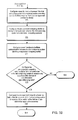
- FIG. 3 is a flow diagram of an exemplary computer-implemented method for configuring a specific-use computing system according to an additional embodiment.
- steps 302 through 308 may be identical to steps 202 through 208 described above.
- a security module may be configured to prevent specific-use computing system 102 from receiving and/or executing any application programs from any non-approved computing device.
- This security module may be any computer-executable instruction that allows specific-use computing system 102 to function as discussed above. In some embodiments, this may give the user great comfort to know there is a finite number of application programs the processor will execute.
- pre-approved computing device 104 may manage communication between the specific-use computing system 102 and additional computing systems. In certain embodiments, this may entail limiting the ability of specific-use computing system 102 to communicate with additional devices or computing systems. For example, pre-approved computing device 104 may prevent specific-use computing system 102 from communicating with web servers known to host malicious files and software. Thus, in some embodiments, pre-approved computing device 104 may determine with which devices or systems specific-use computing system 102 may communicate.
- a user interface may facilitate communication between the specific-use computing system 102 and the pre-approved computing device 104.
- the user interface may be any type of interface that enables a user to communicate.
- the user interface may be a web-based interface.
- a user of specific-purpose computing system 102 may, through this user interface, request that the first set of predetermined application programs be expanded or contracted, request the ability to communicate with additional or fewer external devices, and the like.
- a user may determine whether to configure the pre-approved computing device 104 to further limit the specific-use computing system 102 to executing only a portion of the first set of predetermined application programs. For example, as detailed above, a user of specific-use computing device 102 or an operator of pre-approved device may request that one or more of the application programs contained within the first set of predetermined application programs be removed from specific-use computing system 102 or disabled. If it is determined to further limit the processor as discussed above, the pre-approved computing device 104 may be so configured. If it is determined to not further limit the processor as discussed above, the process flow of the exemplary method may then terminate.
- FIG. 4 is a block diagram of an exemplary computing system 410 capable of implementing one or more of the embodiments described and/or illustrated herein.
- computing system 410 may represent a specific-use computing system (such as specific-use computing system 102 in FIG. 1 ) configured in the manner described herein.
- Computing system 410 broadly represents any single or multi-processor computing device or system capable of executing computer-readable instructions. Examples of computing system 410 include, without limitation, workstations, laptops, client-side terminals, servers, distributed computing systems, handheld devices, or any other computing system or device. In its most basic configuration, computing system 410 may comprise at least one processor 414 and a system memory 416.
- Processor 414 generally represents any type or form of processing unit capable of processing data or interpreting and executing instructions.
- processor 414 may receive instructions from a software application or module. These instructions may cause processor 414 to perform the functions of one or more of the exemplary embodiments described and/or illustrated herein.
- processor 414 may perform and/or be a means for performing, either alone or in combination with other elements, one or more of the identifying, predetermining, limiting, configuring, and preventing steps described herein.
- Processor 414 may also perform and/or be a means for performing any other steps, methods, or processes described and/or illustrated herein.
- System memory 416 generally represents any type or form of volatile or non-volatile storage device or medium capable of storing data and/or other computer-readable instructions. Examples of system memory 416 include, without limitation, random access memory (RAM), read only memory (ROM), flash memory, or any other suitable memory device. Although not required, in certain embodiments computing device 410 may comprise both a volatile memory unit (such as, for example, system memory 416) and a non-volatile storage device (such as, for example, primary storage device 432, as described in detail below).
- volatile memory unit such as, for example, system memory 416
- non-volatile storage device such as, for example, primary storage device 432, as described in detail below.
- exemplary computing system 410 may also comprise one or more components or elements in addition to processor 414 and system memory 416.
- computing system 410 may comprise a memory controller 418, an Input/Output (I/O) controller 418, and a communication interface 422, each of which may be interconnected via a communication infrastructure 412.
- Communication infrastructure 412 generally represents any type or form of infrastructure capable of facilitating communication between one or more components of a computing device. Examples of communication infrastructure 412 include, without limitation, a communication bus (such as an ISA, PCI, PCIe, or similar bus) and a network.
- Memory controller 418 generally represents any type or form of device capable of handling memory or data or controlling communication between one or more components of computing system 410.
- memory controller 418 may control communication between processor 414, system memory 416, and I/O controller 420 via communication infrastructure 412.
- the pre-approved computing device 104 may control communication with processor 414 of the specific-use computing system 102.
- memory controller 418 may perform and/or be a means for performing, either alone or in combination with other elements, one or more of the steps or features described and/or illustrated herein, such as identifying, predetermining, limiting, configuring, and preventing.
- I/O controller 420 generally represents any type or form of module capable of coordinating and/or controlling the input and output functions of a computing device.
- I/O controller may control or facilitate transfer of data between one or more elements of computing system 410, such as processor 414, system memory 416, communication interface 422, display adapter 426, input interface 430, and storage interface 434.
- I/O controller 420 may be used, for example, to perform and/or be a means for performing, either alone or in combination with other elements, one or more of the identifying, predetermining, limiting, configuring, and preventing steps described herein.
- I/O controller 420 may also be used to perform and/or be a means for performing other steps and features set forth in the instant disclosure.
- Communication interface 422 broadly represents any type or form of communication device or adapter capable of facilitating communication between exemplary computing system 410 and one or more additional devices.
- communication interface 422 may facilitate communication between computing system 410 and a private or public network comprising additional computing systems.
- communication interface 422 may facilitate communication with the first computing system and the pre-approved computing device.
- Examples of communication interface 422 include, without limitation, a wired network interface (such as a network interface card), a wireless network interface (such as a wireless network interface card), a modem, and any other suitable interface.
- communication interface 422 may provide a direct connection to a remote server via a direct link to a network, such as the Internet.
- Communication interface 422 may also indirectly provide such a connection through, for example, a local area network (such as an Ethernet network), a personal area network (such as a BLUETOOTH network), a telephone or cable network, a cellular telephone connection, a satellite data connection, or any other suitable connection.
- a local area network such as an Ethernet network
- a personal area network such as a BLUETOOTH network
- a telephone or cable network such as a PSTN connection
- a cellular telephone connection such as a cellular telephone connection
- satellite data connection such as satellite data connection
- communication interface 422 may also represent a host adapter configured to facilitate communication between computing system 410 and one or more additional network or storage devices via an external bus or communications channel.
- host adapters include, without limitation, SCSI host adapters, USB host adapters, IEEE 1394 host adapters, SATA and eSATA host adapters, ATA and PATA host adapters, Fibre Channel interface adapters, Ethernet adapters, or the like.
- Communication interface 422 may also allow computing system 410 to engage in distributed or remote computing. For example, communication interface 422 may receive instructions from a remote device or send instructions to a remote device for execution.
- communication interface 422 may perform and/or be a means for performing, either alone or in combination with other elements, one or more of the identifying, predetermining, limiting, configuring, and preventing steps disclosed herein. Communication interface 422 may also be used to perform and/or be a means for performing other steps and features set forth in the instant disclosure.
- computing system 410 may also comprise at least one display device 424 coupled to communication infrastructure 412 via a display adapter 426.
- Display device 424 generally represents any type or form of device capable of visually displaying information forwarded by display adapter 426.
- display adapter 426 generally represents any type or form of device configured to forward graphics, text, and other data from communication infrastructure 412 (or from a frame buffer, as known in the art) for display on display device 424.
- exemplary computing system 410 may also comprise at least one input device 428 coupled to communication infrastructure 412 via an input interface 430.
- Input device 428 generally represents any type or form of input device capable of providing input, either computer or human generated, to exemplary computing system 410. Examples of input device 428 include, without limitation, a keyboard, a pointing device, a speech recognition device, or any other input device.
- input device 428 may perform and/or be a means for performing, either alone or in combination with other elements, one or more of the identifying, predetermining, limiting, configuring, and preventing steps disclosed herein.
- Input device 428 may also be used to perform and/or be a means for performing other steps and features set forth in the instant disclosure.
- exemplary computing system 410 may also comprise a primary storage device 432 and a backup storage device 433 coupled to communication infrastructure 412 via a storage interface 434.
- Storage devices 432 and 433 generally represent any type or form of storage device or medium capable of storing data and/or other computer-readable instructions.
- storage devices 432 and 433 may be a magnetic disk drive (e.g., a so-called hard drive), a floppy disk drive, a magnetic tape drive, an optical disk drive, a flash drive, or the like.
- Storage interface 434 generally represents any type or form of interface or device for transferring data between storage devices 432 and 433 and other components of computing system 410.
- storage devices 432 and 433 may be configured to read from and/or write to a removable storage unit configured to store computer software, data, or other computer-readable information.
- suitable removable storage units include, without limitation, a floppy disk, a magnetic tape, an optical disk, a flash memory device, or the like.
- Storage devices 432 and 433 may also comprise other similar structures or devices for allowing computer software, data, or other computer-readable instructions to be loaded into computing system 410.
- storage devices 432 and 433 may be configured to read and write software, data, or other computer-readable information.
- Storage devices 432 and 433 may also be a part of computing system 410 or may be a separate device accessed through other interface systems.
- the exemplary file systems disclosed herein may be stored on primary storage device 432, while the exemplary file-system backups disclosed herein may be stored on backup storage device 433.
- Storage devices 432 and 433 may also be used, for example, to perform and/or be a means for performing, either alone or in combination with other elements, one or more of the identifying, predetermining, limiting, configuring, and preventing steps disclosed herein.
- Storage devices 432 and 433 may also be used to perform and/or be a means for performing other steps and features set forth in the instant disclosure.
- computing system 410 may also employ any number of software, firmware, and/or hardware configurations.
- one or more of the exemplary embodiments disclosed herein may be encoded as a computer program (also referred to as computer software, software applications, computer-readable instructions, or computer control logic) on a computer-readable medium.
- computer-readable medium generally refers to any form of device, carrier, or medium capable of storing or carrying computer-readable instructions. Examples of computer-readable media include recordable media (such as floppy disks and CD-or DVD-ROMs), transmission-type media (such as carrier waves), electronic-storage media, magnetic-storage media, optical-storage media, and other distribution systems.
- the computer-readable medium containing the computer program may then be loaded into computing system 410. All or a portion of the computer program stored on the computer-readable medium may then be stored in system memory 416 and/or various portions of storage devices 432 and 433.
- a computer program loaded into computing system 410 may cause processor 414 to perform and/or be a means for performing the functions of one or more of the exemplary embodiments described and/or illustrated herein.
- one or more of the exemplary embodiments described and/or illustrated herein may be implemented in firmware and/or hardware.
- computing system 410 may be configured as an application specific integrated circuit (ASIC) adapted to implement one or more of the exemplary embodiments disclosed herein.
- ASIC application specific integrated circuit
- FIG. 5 is a block diagram of an exemplary network architecture 500 in which one or more of the exemplary embodiments herein may be implemented.
- client systems 510, 520, and 530 and servers 540 and 545 may be coupled to a network 550.
- Client systems 510, 520, and 530 generally represent any type or form of computing device or system, such as exemplary computing system 410 in FIG. 4 .
- servers 540 and 545 generally represent computing devices or systems, such as application servers or database servers, configured to provide various database services and/or to run certain software applications.
- Network 550 generally represents any telecommunication or computer network; including, for example, an intranet, a wide area network (WAN), a local area network (LAN), a personal area network (PAN), or the Internet.
- WAN wide area network
- LAN local area network
- PAN personal area network
- one or more storage devices 560(1)-(N) may be directly attached to server 540.
- storage devices 590(1)-(N) may be directly attached to server 545.
- Storage devices 560(1)-(N) and storage devices 590(1)-(N) generally represent any type or form of storage device or medium capable of storing data and/or other computer-readable instructions.
- storage devices 560(1)-(N) and storage devices 590(1)-(N) may represent network-attached storage (NAS) devices configured to communicate with servers 540 and 545 using various protocols, such as NFS, SMB, or CIFS.
- NAS network-attached storage
- Servers 540 and 545 may also be connected to a storage area network (SAN) fabric 580.
- SAN fabric 580 generally represents any type or form of computer network or architecture capable of facilitating communication between a plurality of storage devices.
- SAN fabric 580 may facilitate communication between servers 540 and 545 and a plurality of storage devices 590(1)-(N) and/or an intelligent storage array 595.
- SAN fabric 580 may also facilitate, via network 550 and servers 540 and 550, communication between client systems 510, 520, and 530 and storage devices 590(1)-(N) and/or intelligent storage array 595 in such a manner that devices 590(1)-(N) and array 595 appear as locally attached devices to client systems 510, 520, and 530.
- storage devices 590(1)-(N) and intelligent storage array 595 generally represent any type or form of storage device or medium capable of storing data and/or other computer-readable instructions.
- a communication interface such as communication interface 422 in FIG. 4
- Client systems 510, 520, and 530 may be able to access information on server 540 or 545 using, for example, a web browser or other client software.
- client software may allow client systems 510, 520, and 530 to access data hosted by server 540, server 545, storage devices 560(1)-(N), storage devices 570(1)-(N), storage devices 590(1)-(N), or intelligent storage array 595.
- FIG. 5 depicts the use of a network (such as the Internet) for exchanging data, the embodiments described and/or illustrated herein are not limited to the Internet or any particular network-based environment.
- all or a portion of one or more of the exemplary embodiments disclosed herein may be encoded as a computer program and loaded onto and executed by server 540, server 545, storage devices 560(1)-(N), storage devices 570(1)-(N), storage devices 590(1)-(N), intelligent storage array 595, or any combination thereof. All or a portion of one or more of the exemplary embodiments disclosed herein may also be encoded as a computer program, stored in server 540, run by server 545, and distributed to client systems 510, 520, and 530 over network 550.
- network architecture 500 may perform and/or be a means for performing, either alone or in combination with other elements, one or more of the identifying, predetermining, limiting, configuring, and preventing steps disclosed herein.
- Network architecture 500 may also be used to perform and/or be a means for performing other steps and features set forth in the instant disclosure.
- client systems 510, 520, and 530 may represent specific-purpose computers (such as specific-purpose computer 102) configured in the manner described herein.
- server 540, server 545, storage devices 560(1)-(N), storage devices 570(1)-(N), storage devices 590(1)-(N), intelligent storage array 595, or any combination thereof may represent one or more pre-approved computing devices (such as pre-approved computing devices 104 and 106).
Landscapes
- Engineering & Computer Science (AREA)
- Computer Security & Cryptography (AREA)
- Software Systems (AREA)
- Theoretical Computer Science (AREA)
- Computer Hardware Design (AREA)
- Physics & Mathematics (AREA)
- General Engineering & Computer Science (AREA)
- General Physics & Mathematics (AREA)
- Stored Programmes (AREA)
Applications Claiming Priority (1)
| Application Number | Priority Date | Filing Date | Title |
|---|---|---|---|
| US11/864,957 US8205217B2 (en) | 2007-09-29 | 2007-09-29 | Methods and systems for configuring a specific-use computing system limited to executing predetermined and pre-approved application programs |
Publications (1)
| Publication Number | Publication Date |
|---|---|
| EP2045751A1 true EP2045751A1 (de) | 2009-04-08 |
Family
ID=40149799
Family Applications (1)
| Application Number | Title | Priority Date | Filing Date |
|---|---|---|---|
| EP08165379A Withdrawn EP2045751A1 (de) | 2007-09-29 | 2008-09-29 | Verfahren und Systeme zum Konfigurieren von Computersystemen für eine spezifische Anwendung |
Country Status (4)
| Country | Link |
|---|---|
| US (1) | US8205217B2 (de) |
| EP (1) | EP2045751A1 (de) |
| JP (1) | JP5567772B2 (de) |
| CN (2) | CN105243323A (de) |
Families Citing this family (4)
| Publication number | Priority date | Publication date | Assignee | Title |
|---|---|---|---|---|
| US8935656B2 (en) * | 2009-09-09 | 2015-01-13 | International Business Machines Corporation | Communicating information in computing systems |
| US9098333B1 (en) | 2010-05-07 | 2015-08-04 | Ziften Technologies, Inc. | Monitoring computer process resource usage |
| US9558348B1 (en) * | 2012-03-01 | 2017-01-31 | Mcafee, Inc. | Ranking software applications by combining reputation and code similarity |
| US9274816B2 (en) | 2012-12-21 | 2016-03-01 | Mcafee, Inc. | User driven emulation of applications |
Citations (1)
| Publication number | Priority date | Publication date | Assignee | Title |
|---|---|---|---|---|
| US20060143474A1 (en) | 2003-07-04 | 2006-06-29 | Bayerische Motoren Werke Aktiengesellschaft | Method for authenticating, in particular, software components that can be loaded into a control unit of a motor vehicle |
Family Cites Families (16)
| Publication number | Priority date | Publication date | Assignee | Title |
|---|---|---|---|---|
| US20040107368A1 (en) * | 1998-06-04 | 2004-06-03 | Z4 Technologies, Inc. | Method for digital rights management including self activating/self authentication software |
| US20040117628A1 (en) * | 1998-06-04 | 2004-06-17 | Z4 Technologies, Inc. | Computer readable storage medium for enhancing license compliance of software/digital content including self-activating/self-authenticating software/digital content |
| US7269259B1 (en) * | 2000-05-01 | 2007-09-11 | Xtex, Incorporated | Methods and apparatus for authenticating data as originating from a storage and processing device and for securing software and data stored on the storage and processing device |
| JP3723058B2 (ja) * | 2000-08-04 | 2005-12-07 | シャープ株式会社 | アプリケーション管理方法、アプリケーション管理プログラムを記録したコンピュータ読み取り可能な記録媒体、端末装置、および携帯型電話機 |
| JP3863401B2 (ja) * | 2001-10-12 | 2006-12-27 | 株式会社東芝 | ソフトウェア処理装置 |
| US20040025033A1 (en) * | 2002-08-02 | 2004-02-05 | Todd Luke B. | System and method for preventing unauthorized installation, use and reproduction of software |
| US7890427B1 (en) * | 2003-01-09 | 2011-02-15 | Hewlett-Packard Development Company, L.P. | Authentication of notifications received in an electronic device in a mobile services network |
| US20040153644A1 (en) * | 2003-02-05 | 2004-08-05 | Mccorkendale Bruce | Preventing execution of potentially malicious software |
| JP2004258777A (ja) * | 2003-02-24 | 2004-09-16 | Fujitsu Ltd | セキュリティ管理装置、セキュリティ管理システム、セキュリティ管理方法、セキュリティ管理プログラム |
| US20060031830A1 (en) * | 2004-08-03 | 2006-02-09 | International Business Machines Corp. | System with location-sensitive software installation method |
| JP2006048268A (ja) * | 2004-08-03 | 2006-02-16 | Kyocera Mita Corp | インストールプログラム、インストール方法および電子機器 |
| US7437721B2 (en) * | 2004-09-29 | 2008-10-14 | Microsoft Corporation | Isolating software deployment over a network from external malicious intrusion |
| US7694296B1 (en) * | 2005-05-24 | 2010-04-06 | Symantec Corporation | Preventing unauthorized installs and uninstalls of software modules |
| US20070079373A1 (en) * | 2005-10-04 | 2007-04-05 | Computer Associates Think, Inc. | Preventing the installation of rootkits using a master computer |
| US8291226B2 (en) * | 2006-02-10 | 2012-10-16 | Qualcomm Incorporated | Method and apparatus for securely booting from an external storage device |
| JP5190800B2 (ja) * | 2006-02-21 | 2013-04-24 | 日本電気株式会社 | プログラムの実行制御システム、実行制御方法、実行制御用コンピュータプログラム |
-
2007
- 2007-09-29 US US11/864,957 patent/US8205217B2/en not_active Expired - Fee Related
-
2008
- 2008-08-29 CN CN201510567613.8A patent/CN105243323A/zh active Pending
- 2008-08-29 CN CNA2008102149335A patent/CN101398876A/zh active Pending
- 2008-09-29 EP EP08165379A patent/EP2045751A1/de not_active Withdrawn
- 2008-09-29 JP JP2008250571A patent/JP5567772B2/ja not_active Expired - Fee Related
Patent Citations (1)
| Publication number | Priority date | Publication date | Assignee | Title |
|---|---|---|---|---|
| US20060143474A1 (en) | 2003-07-04 | 2006-06-29 | Bayerische Motoren Werke Aktiengesellschaft | Method for authenticating, in particular, software components that can be loaded into a control unit of a motor vehicle |
Non-Patent Citations (3)
| Title |
|---|
| "Simple Package management with Synaptic Package Manager in Ubuntu", WWW.DEBIANADMIN.COM, Retrieved from the Internet <URL:http://web.archive.org/web/20070827122147/http://www.debianadmin.com/simple-package-management-with-synaptic-package-manager-in-ubuntu.html> * |
| L. VAN DOOM ET AL., SIGNED EXECUTABLES FOR LINUX, 4 June 2001 (2001-06-04), Retrieved from the Internet <URL:www.cs.umd.edu/-waa/pubs/cs4259.ps> |
| LEENDERT VAN DOORN, GRECO BALLINTIJN, WILLIAM A ARBAUGH: "Signed Executables for Linux", 4 June 2001 (2001-06-04), pages 1 - 9, XP002509324, Retrieved from the Internet <URL:www.cs.umd.edu/~waa/pubs/cs4259.ps> [retrieved on 20080107] * |
Also Published As
| Publication number | Publication date |
|---|---|
| CN101398876A (zh) | 2009-04-01 |
| JP5567772B2 (ja) | 2014-08-06 |
| JP2009110511A (ja) | 2009-05-21 |
| CN105243323A (zh) | 2016-01-13 |
| US8205217B2 (en) | 2012-06-19 |
| US20090089814A1 (en) | 2009-04-02 |
Similar Documents
| Publication | Publication Date | Title |
|---|---|---|
| US8060734B1 (en) | Systems and methods for providing recommendations to improve boot performance based on community data | |
| US8060940B2 (en) | Systems and methods for controlling access to data through application virtualization layers | |
| US8429745B1 (en) | Systems and methods for data loss prevention on mobile computing systems | |
| US9246941B1 (en) | Systems and methods for predicting the impact of security-policy changes on users | |
| US8694983B1 (en) | Systems and methods for providing guidance on the potential impact of application and operating-system changes on a computing system | |
| US8112392B1 (en) | Methods and systems for creating snapshots of virtualized applications | |
| US8762987B1 (en) | Systems and methods for determining and quantifying the impact of an application on the health of a system | |
| AU2012347883B2 (en) | System and method for restoring application data | |
| US8819666B2 (en) | Systems and methods for updating a software product | |
| US8281410B1 (en) | Methods and systems for providing resource-access information | |
| US8635422B1 (en) | Systems and methods for reclaiming storage space from deleted volumes on thin-provisioned disks | |
| US9219611B1 (en) | Systems and methods for automating cloud-based code-signing services | |
| US8219766B1 (en) | Systems and methods for identifying the presence of sensitive data in backups | |
| US20100154027A1 (en) | Methods and Systems for Enabling Community-Tested Security Features for Legacy Applications | |
| US8434073B1 (en) | Systems and methods for preventing exploitation of byte sequences that violate compiler-generated alignment | |
| US9342550B1 (en) | Systems and methods for preventing data loss via temporary-file generating applications | |
| US9146748B1 (en) | Systems and methods for injecting drivers into computing systems during restore operations | |
| US20170132418A1 (en) | System and method updating disk encryption software and performing pre-boot compatibility verification | |
| US9135002B1 (en) | Systems and methods for recovering an application on a computing device | |
| US8205217B2 (en) | Methods and systems for configuring a specific-use computing system limited to executing predetermined and pre-approved application programs | |
| US8712967B1 (en) | Systems and methods for simultaneously configuring multiple independent backups | |
| US8250652B1 (en) | Systems and methods for circumventing malicious attempts to block the installation of security software | |
| US9678836B1 (en) | Systems and methods for managing data protection of storage units | |
| US8452931B1 (en) | Systems and methods for simultaneously providing multiple data protection functions | |
| US8868870B1 (en) | Systems and methods for managing off-host storage migration |
Legal Events
| Date | Code | Title | Description |
|---|---|---|---|
| PUAI | Public reference made under article 153(3) epc to a published international application that has entered the european phase |
Free format text: ORIGINAL CODE: 0009012 |
|
| AK | Designated contracting states |
Kind code of ref document: A1 Designated state(s): AT BE BG CH CY CZ DE DK EE ES FI FR GB GR HR HU IE IS IT LI LT LU LV MC MT NL NO PL PT RO SE SI SK TR |
|
| AX | Request for extension of the european patent |
Extension state: AL BA MK RS |
|
| 17Q | First examination report despatched |
Effective date: 20090929 |
|
| 17P | Request for examination filed |
Effective date: 20090831 |
|
| AKX | Designation fees paid |
Designated state(s): DE FR GB |
|
| STAA | Information on the status of an ep patent application or granted ep patent |
Free format text: STATUS: THE APPLICATION HAS BEEN WITHDRAWN |
|
| 18W | Application withdrawn |
Effective date: 20101119 |