EP2044958A2 - Pharmaceutical composition for treating arteriosclerosis - Google Patents
Pharmaceutical composition for treating arteriosclerosis Download PDFInfo
- Publication number
- EP2044958A2 EP2044958A2 EP08021793A EP08021793A EP2044958A2 EP 2044958 A2 EP2044958 A2 EP 2044958A2 EP 08021793 A EP08021793 A EP 08021793A EP 08021793 A EP08021793 A EP 08021793A EP 2044958 A2 EP2044958 A2 EP 2044958A2
- Authority
- EP
- European Patent Office
- Prior art keywords
- group
- spla
- hydrogen atom
- formula
- alkyl
- Prior art date
- Legal status (The legal status is an assumption and is not a legal conclusion. Google has not performed a legal analysis and makes no representation as to the accuracy of the status listed.)
- Withdrawn
Links
- 206010003210 Arteriosclerosis Diseases 0.000 title claims abstract description 59
- 208000011775 arteriosclerosis disease Diseases 0.000 title claims abstract description 59
- 239000008194 pharmaceutical composition Substances 0.000 title claims abstract description 48
- 150000001875 compounds Chemical class 0.000 claims abstract description 90
- 230000002401 inhibitory effect Effects 0.000 claims abstract description 62
- 102000004895 Lipoproteins Human genes 0.000 claims abstract description 39
- 108090001030 Lipoproteins Proteins 0.000 claims abstract description 39
- 230000007850 degeneration Effects 0.000 claims abstract description 30
- 208000023589 ischemic disease Diseases 0.000 claims abstract description 19
- 210000002966 serum Anatomy 0.000 claims abstract description 16
- 125000004435 hydrogen atom Chemical group [H]* 0.000 claims description 57
- 150000003839 salts Chemical class 0.000 claims description 36
- 229910052736 halogen Inorganic materials 0.000 claims description 34
- 150000002367 halogens Chemical class 0.000 claims description 34
- 125000001424 substituent group Chemical group 0.000 claims description 30
- 239000012453 solvate Substances 0.000 claims description 28
- 230000002452 interceptive effect Effects 0.000 claims description 24
- 125000000623 heterocyclic group Chemical group 0.000 claims description 22
- 125000003178 carboxy group Chemical group [H]OC(*)=O 0.000 claims description 21
- 230000002378 acidificating effect Effects 0.000 claims description 20
- 125000002837 carbocyclic group Chemical group 0.000 claims description 19
- 229910052717 sulfur Inorganic materials 0.000 claims description 17
- 125000004430 oxygen atom Chemical group O* 0.000 claims description 16
- 125000001997 phenyl group Chemical group [H]C1=C([H])C([H])=C(*)C([H])=C1[H] 0.000 claims description 16
- 125000004434 sulfur atom Chemical group 0.000 claims description 16
- 125000003545 alkoxy group Chemical group 0.000 claims description 15
- 125000005647 linker group Chemical group 0.000 claims description 15
- 125000000008 (C1-C10) alkyl group Chemical group 0.000 claims description 14
- 125000006273 (C1-C3) alkyl group Chemical group 0.000 claims description 14
- 125000004169 (C1-C6) alkyl group Chemical group 0.000 claims description 14
- 229910006069 SO3H Inorganic materials 0.000 claims description 10
- 125000004453 alkoxycarbonyl group Chemical group 0.000 claims description 10
- 125000004432 carbon atom Chemical group C* 0.000 claims description 10
- 125000001188 haloalkyl group Chemical group 0.000 claims description 10
- 125000003710 aryl alkyl group Chemical group 0.000 claims description 9
- 125000003118 aryl group Chemical group 0.000 claims description 9
- 125000004104 aryloxy group Chemical group 0.000 claims description 8
- 125000004429 atom Chemical group 0.000 claims description 8
- 229910052799 carbon Inorganic materials 0.000 claims description 8
- 125000004414 alkyl thio group Chemical group 0.000 claims description 7
- 125000000392 cycloalkenyl group Chemical group 0.000 claims description 6
- 125000000596 cyclohexenyl group Chemical group C1(=CCCCC1)* 0.000 claims description 5
- 229910052757 nitrogen Inorganic materials 0.000 claims description 5
- 125000004455 (C1-C3) alkylthio group Chemical group 0.000 claims description 4
- 125000005913 (C3-C6) cycloalkyl group Chemical group 0.000 claims description 4
- 239000003085 diluting agent Substances 0.000 claims description 4
- 125000003837 (C1-C20) alkyl group Chemical group 0.000 claims description 3
- 125000006645 (C3-C4) cycloalkyl group Chemical group 0.000 claims description 3
- 125000003358 C2-C20 alkenyl group Chemical group 0.000 claims description 3
- 239000003937 drug carrier Substances 0.000 claims description 3
- 125000004433 nitrogen atom Chemical group N* 0.000 claims description 3
- 239000000654 additive Substances 0.000 claims description 2
- 125000005907 alkyl ester group Chemical group 0.000 claims description 2
- 108010007622 LDL Lipoproteins Proteins 0.000 description 87
- 102000007330 LDL Lipoproteins Human genes 0.000 description 87
- -1 sec-buthyl Chemical group 0.000 description 80
- 108010010234 HDL Lipoproteins Proteins 0.000 description 68
- 102000015779 HDL Lipoproteins Human genes 0.000 description 68
- 210000004027 cell Anatomy 0.000 description 45
- 239000000203 mixture Substances 0.000 description 44
- HVYWMOMLDIMFJA-DPAQBDIFSA-N cholesterol Chemical compound C1C=C2C[C@@H](O)CC[C@]2(C)[C@@H]2[C@@H]1[C@@H]1CC[C@H]([C@H](C)CCCC(C)C)[C@@]1(C)CC2 HVYWMOMLDIMFJA-DPAQBDIFSA-N 0.000 description 43
- 239000000243 solution Substances 0.000 description 34
- 235000014113 dietary fatty acids Nutrition 0.000 description 33
- 239000000194 fatty acid Substances 0.000 description 33
- 229930195729 fatty acid Natural products 0.000 description 33
- 150000004665 fatty acids Chemical class 0.000 description 33
- 239000004480 active ingredient Substances 0.000 description 32
- 230000000694 effects Effects 0.000 description 32
- 239000000651 prodrug Substances 0.000 description 31
- 229940002612 prodrug Drugs 0.000 description 31
- 238000011282 treatment Methods 0.000 description 29
- 239000003112 inhibitor Substances 0.000 description 27
- CGIGDMFJXJATDK-UHFFFAOYSA-N indomethacin Chemical compound CC1=C(CC(O)=O)C2=CC(OC)=CC=C2N1C(=O)C1=CC=C(Cl)C=C1 CGIGDMFJXJATDK-UHFFFAOYSA-N 0.000 description 24
- 238000000034 method Methods 0.000 description 23
- 235000012000 cholesterol Nutrition 0.000 description 22
- 150000003904 phospholipids Chemical class 0.000 description 20
- ARUVKPQLZAKDPS-UHFFFAOYSA-L copper(II) sulfate Chemical compound [Cu+2].[O-][S+2]([O-])([O-])[O-] ARUVKPQLZAKDPS-UHFFFAOYSA-L 0.000 description 18
- 229910000366 copper(II) sulfate Inorganic materials 0.000 description 18
- 108091003079 Bovine Serum Albumin Proteins 0.000 description 17
- 102000004190 Enzymes Human genes 0.000 description 17
- 108090000790 Enzymes Proteins 0.000 description 17
- 238000006243 chemical reaction Methods 0.000 description 17
- 238000009472 formulation Methods 0.000 description 17
- WTJKGGKOPKCXLL-RRHRGVEJSA-N phosphatidylcholine Chemical compound CCCCCCCCCCCCCCCC(=O)OC[C@H](COP([O-])(=O)OCC[N+](C)(C)C)OC(=O)CCCCCCCC=CCCCCCCCC WTJKGGKOPKCXLL-RRHRGVEJSA-N 0.000 description 17
- 239000000872 buffer Substances 0.000 description 15
- QKNYBSVHEMOAJP-UHFFFAOYSA-N 2-amino-2-(hydroxymethyl)propane-1,3-diol;hydron;chloride Chemical compound Cl.OCC(N)(CO)CO QKNYBSVHEMOAJP-UHFFFAOYSA-N 0.000 description 14
- 229940098773 bovine serum albumin Drugs 0.000 description 14
- 238000011161 development Methods 0.000 description 14
- 230000018109 developmental process Effects 0.000 description 14
- 230000003902 lesion Effects 0.000 description 14
- HQKMJHAJHXVSDF-UHFFFAOYSA-L magnesium stearate Chemical compound [Mg+2].CCCCCCCCCCCCCCCCCC([O-])=O.CCCCCCCCCCCCCCCCCC([O-])=O HQKMJHAJHXVSDF-UHFFFAOYSA-L 0.000 description 14
- UWYANTZRSJRLJO-UHFFFAOYSA-N 2-[2-ethyl-1-oxamoyl-3-[(2-phenylphenyl)methyl]indolizin-8-yl]oxyacetic acid Chemical compound N12C=CC=C(OCC(O)=O)C2=C(C(=O)C(N)=O)C(CC)=C1CC1=CC=CC=C1C1=CC=CC=C1 UWYANTZRSJRLJO-UHFFFAOYSA-N 0.000 description 13
- UXVMQQNJUSDDNG-UHFFFAOYSA-L Calcium chloride Chemical compound [Cl-].[Cl-].[Ca+2] UXVMQQNJUSDDNG-UHFFFAOYSA-L 0.000 description 13
- LFQSCWFLJHTTHZ-UHFFFAOYSA-N Ethanol Chemical compound CCO LFQSCWFLJHTTHZ-UHFFFAOYSA-N 0.000 description 13
- 239000000524 Thiobarbituric Acid Reactive Substance Substances 0.000 description 13
- 239000001110 calcium chloride Substances 0.000 description 13
- 229910001628 calcium chloride Inorganic materials 0.000 description 13
- 150000002632 lipids Chemical class 0.000 description 13
- 210000002540 macrophage Anatomy 0.000 description 13
- 0 CC(C(*)=CCC1)C1=C(C)* Chemical compound CC(C(*)=CCC1)C1=C(C)* 0.000 description 12
- 229960000905 indomethacin Drugs 0.000 description 12
- 239000003826 tablet Substances 0.000 description 12
- RYCNUMLMNKHWPZ-SNVBAGLBSA-N 1-acetyl-sn-glycero-3-phosphocholine Chemical compound CC(=O)OC[C@@H](O)COP([O-])(=O)OCC[N+](C)(C)C RYCNUMLMNKHWPZ-SNVBAGLBSA-N 0.000 description 11
- 229940124638 COX inhibitor Drugs 0.000 description 11
- 230000008859 change Effects 0.000 description 10
- 210000000497 foam cell Anatomy 0.000 description 10
- 239000002609 medium Substances 0.000 description 10
- 238000005199 ultracentrifugation Methods 0.000 description 10
- OKKJLVBELUTLKV-UHFFFAOYSA-N Methanol Chemical compound OC OKKJLVBELUTLKV-UHFFFAOYSA-N 0.000 description 9
- 229920002472 Starch Polymers 0.000 description 9
- 150000003254 radicals Chemical class 0.000 description 9
- 239000008107 starch Substances 0.000 description 9
- 235000019698 starch Nutrition 0.000 description 9
- 210000001519 tissue Anatomy 0.000 description 9
- 102000001381 Arachidonate 5-Lipoxygenase Human genes 0.000 description 8
- 108010093579 Arachidonate 5-lipoxygenase Proteins 0.000 description 8
- WSFSSNUMVMOOMR-UHFFFAOYSA-N Formaldehyde Chemical compound O=C WSFSSNUMVMOOMR-UHFFFAOYSA-N 0.000 description 8
- 241000699670 Mus sp. Species 0.000 description 8
- 239000002253 acid Substances 0.000 description 8
- 238000003556 assay Methods 0.000 description 8
- 230000003247 decreasing effect Effects 0.000 description 8
- 238000002474 experimental method Methods 0.000 description 8
- 238000004519 manufacturing process Methods 0.000 description 8
- 238000002360 preparation method Methods 0.000 description 8
- XLYOFNOQVPJJNP-UHFFFAOYSA-N water Substances O XLYOFNOQVPJJNP-UHFFFAOYSA-N 0.000 description 8
- 201000001320 Atherosclerosis Diseases 0.000 description 7
- 241000124008 Mammalia Species 0.000 description 7
- 125000000217 alkyl group Chemical group 0.000 description 7
- YZXBAPSDXZZRGB-DOFZRALJSA-N arachidonic acid Chemical class CCCCC\C=C/C\C=C/C\C=C/C\C=C/CCCC(O)=O YZXBAPSDXZZRGB-DOFZRALJSA-N 0.000 description 7
- 239000003795 chemical substances by application Substances 0.000 description 7
- 239000012228 culture supernatant Substances 0.000 description 7
- 239000013604 expression vector Substances 0.000 description 7
- 239000004615 ingredient Substances 0.000 description 7
- 230000005764 inhibitory process Effects 0.000 description 7
- 235000019359 magnesium stearate Nutrition 0.000 description 7
- 108090000623 proteins and genes Proteins 0.000 description 7
- 239000007787 solid Substances 0.000 description 7
- VOPWNXZWBYDODV-UHFFFAOYSA-N Chlorodifluoromethane Chemical compound FC(F)Cl VOPWNXZWBYDODV-UHFFFAOYSA-N 0.000 description 6
- 241000699666 Mus <mouse, genus> Species 0.000 description 6
- 238000004458 analytical method Methods 0.000 description 6
- 239000002299 complementary DNA Substances 0.000 description 6
- 210000004940 nucleus Anatomy 0.000 description 6
- 210000003024 peritoneal macrophage Anatomy 0.000 description 6
- 239000012679 serum free medium Substances 0.000 description 6
- 238000012360 testing method Methods 0.000 description 6
- 230000036962 time dependent Effects 0.000 description 6
- 238000005406 washing Methods 0.000 description 6
- 101000889990 Homo sapiens Apolipoprotein(a) Proteins 0.000 description 5
- VYPSYNLAJGMNEJ-UHFFFAOYSA-N Silicium dioxide Chemical compound O=[Si]=O VYPSYNLAJGMNEJ-UHFFFAOYSA-N 0.000 description 5
- 238000002835 absorbance Methods 0.000 description 5
- 239000002585 base Substances 0.000 description 5
- 210000004369 blood Anatomy 0.000 description 5
- 239000008280 blood Substances 0.000 description 5
- 229920002678 cellulose Polymers 0.000 description 5
- 239000001913 cellulose Substances 0.000 description 5
- 235000010980 cellulose Nutrition 0.000 description 5
- 150000001840 cholesterol esters Chemical class 0.000 description 5
- 238000001962 electrophoresis Methods 0.000 description 5
- 239000000499 gel Substances 0.000 description 5
- 125000004438 haloalkoxy group Chemical group 0.000 description 5
- 102000045903 human LPA Human genes 0.000 description 5
- 239000007788 liquid Substances 0.000 description 5
- 238000005502 peroxidation Methods 0.000 description 5
- 239000000843 powder Substances 0.000 description 5
- 235000018102 proteins Nutrition 0.000 description 5
- 102000004169 proteins and genes Human genes 0.000 description 5
- IJGRMHOSHXDMSA-UHFFFAOYSA-N Atomic nitrogen Chemical compound N#N IJGRMHOSHXDMSA-UHFFFAOYSA-N 0.000 description 4
- KFZMGEQAYNKOFK-UHFFFAOYSA-N Isopropanol Chemical compound CC(C)O KFZMGEQAYNKOFK-UHFFFAOYSA-N 0.000 description 4
- LRHPLDYGYMQRHN-UHFFFAOYSA-N N-Butanol Chemical compound CCCCO LRHPLDYGYMQRHN-UHFFFAOYSA-N 0.000 description 4
- NPGIHFRTRXVWOY-UHFFFAOYSA-N Oil red O Chemical compound Cc1ccc(C)c(c1)N=Nc1cc(C)c(cc1C)N=Nc1c(O)ccc2ccccc12 NPGIHFRTRXVWOY-UHFFFAOYSA-N 0.000 description 4
- 102000003992 Peroxidases Human genes 0.000 description 4
- DPXJVFZANSGRMM-UHFFFAOYSA-N acetic acid;2,3,4,5,6-pentahydroxyhexanal;sodium Chemical compound [Na].CC(O)=O.OCC(O)C(O)C(O)C(O)C=O DPXJVFZANSGRMM-UHFFFAOYSA-N 0.000 description 4
- 230000001464 adherent effect Effects 0.000 description 4
- 235000021342 arachidonic acid Nutrition 0.000 description 4
- WPYMKLBDIGXBTP-UHFFFAOYSA-N benzoic acid Chemical compound OC(=O)C1=CC=CC=C1 WPYMKLBDIGXBTP-UHFFFAOYSA-N 0.000 description 4
- 230000015572 biosynthetic process Effects 0.000 description 4
- 239000002775 capsule Substances 0.000 description 4
- 239000001768 carboxy methyl cellulose Substances 0.000 description 4
- 125000000753 cycloalkyl group Chemical group 0.000 description 4
- 125000000113 cyclohexyl group Chemical group [H]C1([H])C([H])([H])C([H])([H])C([H])(*)C([H])([H])C1([H])[H] 0.000 description 4
- 230000001419 dependent effect Effects 0.000 description 4
- 238000005755 formation reaction Methods 0.000 description 4
- 238000004128 high performance liquid chromatography Methods 0.000 description 4
- 230000000302 ischemic effect Effects 0.000 description 4
- 230000003647 oxidation Effects 0.000 description 4
- 238000007254 oxidation reaction Methods 0.000 description 4
- 230000001575 pathological effect Effects 0.000 description 4
- 230000007170 pathology Effects 0.000 description 4
- 230000003389 potentiating effect Effects 0.000 description 4
- 230000002265 prevention Effects 0.000 description 4
- 235000019812 sodium carboxymethyl cellulose Nutrition 0.000 description 4
- 229920001027 sodium carboxymethylcellulose Polymers 0.000 description 4
- 239000006188 syrup Substances 0.000 description 4
- 235000020357 syrup Nutrition 0.000 description 4
- 239000000454 talc Substances 0.000 description 4
- 229910052623 talc Inorganic materials 0.000 description 4
- 235000012222 talc Nutrition 0.000 description 4
- ZIIUUSVHCHPIQD-UHFFFAOYSA-N 2,4,6-trimethyl-N-[3-(trifluoromethyl)phenyl]benzenesulfonamide Chemical compound CC1=CC(C)=CC(C)=C1S(=O)(=O)NC1=CC=CC(C(F)(F)F)=C1 ZIIUUSVHCHPIQD-UHFFFAOYSA-N 0.000 description 3
- CSCPPACGZOOCGX-UHFFFAOYSA-N Acetone Chemical compound CC(C)=O CSCPPACGZOOCGX-UHFFFAOYSA-N 0.000 description 3
- 101710095339 Apolipoprotein E Proteins 0.000 description 3
- UHOVQNZJYSORNB-UHFFFAOYSA-N Benzene Chemical compound C1=CC=CC=C1 UHOVQNZJYSORNB-UHFFFAOYSA-N 0.000 description 3
- 125000006577 C1-C6 hydroxyalkyl group Chemical group 0.000 description 3
- 238000011746 C57BL/6J (JAX™ mouse strain) Methods 0.000 description 3
- 239000004215 Carbon black (E152) Substances 0.000 description 3
- PEDCQBHIVMGVHV-UHFFFAOYSA-N Glycerine Chemical compound OCC(O)CO PEDCQBHIVMGVHV-UHFFFAOYSA-N 0.000 description 3
- OYHQOLUKZRVURQ-HZJYTTRNSA-N Linoleic acid Chemical compound CCCCC\C=C/C\C=C/CCCCCCCC(O)=O OYHQOLUKZRVURQ-HZJYTTRNSA-N 0.000 description 3
- 102100026918 Phospholipase A2 Human genes 0.000 description 3
- 108010064785 Phospholipases Proteins 0.000 description 3
- 102000015439 Phospholipases Human genes 0.000 description 3
- DNIAPMSPPWPWGF-UHFFFAOYSA-N Propylene glycol Chemical compound CC(O)CO DNIAPMSPPWPWGF-UHFFFAOYSA-N 0.000 description 3
- 239000000443 aerosol Substances 0.000 description 3
- 230000004075 alteration Effects 0.000 description 3
- 150000001412 amines Chemical class 0.000 description 3
- 229940114079 arachidonic acid Drugs 0.000 description 3
- 210000001367 artery Anatomy 0.000 description 3
- 210000003567 ascitic fluid Anatomy 0.000 description 3
- 206010008118 cerebral infarction Diseases 0.000 description 3
- 208000026106 cerebrovascular disease Diseases 0.000 description 3
- HGCIXCUEYOPUTN-UHFFFAOYSA-N cyclohexene Chemical group C1CCC=CC1 HGCIXCUEYOPUTN-UHFFFAOYSA-N 0.000 description 3
- 230000002950 deficient Effects 0.000 description 3
- 239000003814 drug Substances 0.000 description 3
- 230000005284 excitation Effects 0.000 description 3
- 239000012894 fetal calf serum Substances 0.000 description 3
- 239000000796 flavoring agent Substances 0.000 description 3
- 238000003306 harvesting Methods 0.000 description 3
- 229930195733 hydrocarbon Natural products 0.000 description 3
- 150000002430 hydrocarbons Chemical class 0.000 description 3
- 229910052739 hydrogen Inorganic materials 0.000 description 3
- 239000001257 hydrogen Substances 0.000 description 3
- 125000004029 hydroxymethyl group Chemical group [H]OC([H])([H])* 0.000 description 3
- 230000003834 intracellular effect Effects 0.000 description 3
- 238000001990 intravenous administration Methods 0.000 description 3
- 235000020778 linoleic acid Nutrition 0.000 description 3
- OYHQOLUKZRVURQ-IXWMQOLASA-N linoleic acid Natural products CCCCC\C=C/C\C=C\CCCCCCCC(O)=O OYHQOLUKZRVURQ-IXWMQOLASA-N 0.000 description 3
- 239000013081 microcrystal Substances 0.000 description 3
- 208000010125 myocardial infarction Diseases 0.000 description 3
- VLKZOEOYAKHREP-UHFFFAOYSA-N n-Hexane Chemical compound CCCCCC VLKZOEOYAKHREP-UHFFFAOYSA-N 0.000 description 3
- 125000001624 naphthyl group Chemical group 0.000 description 3
- 239000003960 organic solvent Substances 0.000 description 3
- 239000012188 paraffin wax Substances 0.000 description 3
- 238000007747 plating Methods 0.000 description 3
- 230000003248 secreting effect Effects 0.000 description 3
- 238000002415 sodium dodecyl sulfate polyacrylamide gel electrophoresis Methods 0.000 description 3
- 239000002904 solvent Substances 0.000 description 3
- 241000894007 species Species 0.000 description 3
- 238000010186 staining Methods 0.000 description 3
- 239000000725 suspension Substances 0.000 description 3
- CWERGRDVMFNCDR-UHFFFAOYSA-M thioglycolate(1-) Chemical compound [O-]C(=O)CS CWERGRDVMFNCDR-UHFFFAOYSA-M 0.000 description 3
- 125000006700 (C1-C6) alkylthio group Chemical group 0.000 description 2
- 125000000171 (C1-C6) haloalkyl group Chemical group 0.000 description 2
- KVJHGPAAOUGYJX-UHFFFAOYSA-N 1,1,3,3-tetraethoxypropane Chemical compound CCOC(OCC)CC(OCC)OCC KVJHGPAAOUGYJX-UHFFFAOYSA-N 0.000 description 2
- 125000001637 1-naphthyl group Chemical group [H]C1=C([H])C([H])=C2C(*)=C([H])C([H])=C([H])C2=C1[H] 0.000 description 2
- 125000000094 2-phenylethyl group Chemical group [H]C1=C([H])C([H])=C(C([H])=C1[H])C([H])([H])C([H])([H])* 0.000 description 2
- RVBUGGBMJDPOST-UHFFFAOYSA-N 2-thiobarbituric acid Chemical compound O=C1CC(=O)NC(=S)N1 RVBUGGBMJDPOST-UHFFFAOYSA-N 0.000 description 2
- XXDVOJKRZBNPFN-UHFFFAOYSA-N 9-[(e)-diazomethyl]anthracene Chemical compound C1=CC=C2C(C=[N+]=[N-])=C(C=CC=C3)C3=CC2=C1 XXDVOJKRZBNPFN-UHFFFAOYSA-N 0.000 description 2
- 229920000936 Agarose Polymers 0.000 description 2
- 206010002383 Angina Pectoris Diseases 0.000 description 2
- 102000006410 Apoproteins Human genes 0.000 description 2
- 108010083590 Apoproteins Proteins 0.000 description 2
- 239000005711 Benzoic acid Substances 0.000 description 2
- LPYNVMJBPIKFOA-UHFFFAOYSA-N CCc1c(Cc2ccccc2Cc2ccccc2)[n](cc(C)nc2OCC(O)=O)c2c1C(C(N)=O)=O Chemical compound CCc1c(Cc2ccccc2Cc2ccccc2)[n](cc(C)nc2OCC(O)=O)c2c1C(C(N)=O)=O LPYNVMJBPIKFOA-UHFFFAOYSA-N 0.000 description 2
- VTYYLEPIZMXCLO-UHFFFAOYSA-L Calcium carbonate Chemical compound [Ca+2].[O-]C([O-])=O VTYYLEPIZMXCLO-UHFFFAOYSA-L 0.000 description 2
- 241000283707 Capra Species 0.000 description 2
- 108010010803 Gelatin Proteins 0.000 description 2
- UFHFLCQGNIYNRP-UHFFFAOYSA-N Hydrogen Chemical compound [H][H] UFHFLCQGNIYNRP-UHFFFAOYSA-N 0.000 description 2
- GUBGYTABKSRVRQ-QKKXKWKRSA-N Lactose Natural products OC[C@H]1O[C@@H](O[C@H]2[C@H](O)[C@@H](O)C(O)O[C@@H]2CO)[C@H](O)[C@@H](O)[C@H]1O GUBGYTABKSRVRQ-QKKXKWKRSA-N 0.000 description 2
- WSMYVTOQOOLQHP-UHFFFAOYSA-N Malondialdehyde Chemical compound O=CCC=O WSMYVTOQOOLQHP-UHFFFAOYSA-N 0.000 description 2
- XQHXEBCEJGFYFD-UHFFFAOYSA-N NC(c1cccc([n](CC2CCCCC2)c2ccc3)c1c2c3OCC(O)=O)=O Chemical compound NC(c1cccc([n](CC2CCCCC2)c2ccc3)c1c2c3OCC(O)=O)=O XQHXEBCEJGFYFD-UHFFFAOYSA-N 0.000 description 2
- 206010028851 Necrosis Diseases 0.000 description 2
- 241000283973 Oryctolagus cuniculus Species 0.000 description 2
- 238000012408 PCR amplification Methods 0.000 description 2
- 108700020962 Peroxidase Proteins 0.000 description 2
- 108010058864 Phospholipases A2 Proteins 0.000 description 2
- OAICVXFJPJFONN-UHFFFAOYSA-N Phosphorus Chemical compound [P] OAICVXFJPJFONN-UHFFFAOYSA-N 0.000 description 2
- 229920001213 Polysorbate 20 Polymers 0.000 description 2
- 102000004005 Prostaglandin-endoperoxide synthases Human genes 0.000 description 2
- 108090000459 Prostaglandin-endoperoxide synthases Proteins 0.000 description 2
- 206010063837 Reperfusion injury Diseases 0.000 description 2
- CDBYLPFSWZWCQE-UHFFFAOYSA-L Sodium Carbonate Chemical compound [Na+].[Na+].[O-]C([O-])=O CDBYLPFSWZWCQE-UHFFFAOYSA-L 0.000 description 2
- 235000021355 Stearic acid Nutrition 0.000 description 2
- 108010055297 Sterol Esterase Proteins 0.000 description 2
- 102000000019 Sterol Esterase Human genes 0.000 description 2
- RTAQQCXQSZGOHL-UHFFFAOYSA-N Titanium Chemical compound [Ti] RTAQQCXQSZGOHL-UHFFFAOYSA-N 0.000 description 2
- 108010062497 VLDL Lipoproteins Proteins 0.000 description 2
- SXEHKFHPFVVDIR-UHFFFAOYSA-N [4-(4-hydrazinylphenyl)phenyl]hydrazine Chemical compound C1=CC(NN)=CC=C1C1=CC=C(NN)C=C1 SXEHKFHPFVVDIR-UHFFFAOYSA-N 0.000 description 2
- 108010022164 acetyl-LDL Proteins 0.000 description 2
- 230000009471 action Effects 0.000 description 2
- 239000011543 agarose gel Substances 0.000 description 2
- 238000000246 agarose gel electrophoresis Methods 0.000 description 2
- 125000003342 alkenyl group Chemical group 0.000 description 2
- 238000010171 animal model Methods 0.000 description 2
- 125000005428 anthryl group Chemical group [H]C1=C([H])C([H])=C2C([H])=C3C(*)=C([H])C([H])=C([H])C3=C([H])C2=C1[H] 0.000 description 2
- 239000007864 aqueous solution Substances 0.000 description 2
- 125000005110 aryl thio group Chemical group 0.000 description 2
- 239000003659 bee venom Substances 0.000 description 2
- 125000000499 benzofuranyl group Chemical group O1C(=CC2=C1C=CC=C2)* 0.000 description 2
- 235000010233 benzoic acid Nutrition 0.000 description 2
- 125000001797 benzyl group Chemical group [H]C1=C([H])C([H])=C(C([H])=C1[H])C([H])([H])* 0.000 description 2
- 239000011230 binding agent Substances 0.000 description 2
- 239000000969 carrier Substances 0.000 description 2
- 210000004978 chinese hamster ovary cell Anatomy 0.000 description 2
- 210000000349 chromosome Anatomy 0.000 description 2
- 229940110456 cocoa butter Drugs 0.000 description 2
- 235000019868 cocoa butter Nutrition 0.000 description 2
- 208000029742 colonic neoplasm Diseases 0.000 description 2
- 238000001816 cooling Methods 0.000 description 2
- 125000001995 cyclobutyl group Chemical group [H]C1([H])C([H])([H])C([H])(*)C1([H])[H] 0.000 description 2
- 125000000582 cycloheptyl group Chemical group [H]C1([H])C([H])([H])C([H])([H])C([H])([H])C([H])(*)C([H])([H])C1([H])[H] 0.000 description 2
- 125000000640 cyclooctyl group Chemical group [H]C1([H])C([H])([H])C([H])([H])C([H])([H])C([H])(*)C([H])([H])C([H])([H])C1([H])[H] 0.000 description 2
- 125000001511 cyclopentyl group Chemical group [H]C1([H])C([H])([H])C([H])([H])C([H])(*)C1([H])[H] 0.000 description 2
- 125000001559 cyclopropyl group Chemical group [H]C1([H])C([H])([H])C1([H])* 0.000 description 2
- 125000000151 cysteine group Chemical group N[C@@H](CS)C(=O)* 0.000 description 2
- 150000001993 dienes Chemical class 0.000 description 2
- 230000003292 diminished effect Effects 0.000 description 2
- ZUOUZKKEUPVFJK-UHFFFAOYSA-N diphenyl Chemical compound C1=CC=CC=C1C1=CC=CC=C1 ZUOUZKKEUPVFJK-UHFFFAOYSA-N 0.000 description 2
- 239000000839 emulsion Substances 0.000 description 2
- 150000002148 esters Chemical class 0.000 description 2
- 235000019634 flavors Nutrition 0.000 description 2
- 239000012634 fragment Substances 0.000 description 2
- 230000006870 function Effects 0.000 description 2
- 125000002541 furyl group Chemical group 0.000 description 2
- 239000008273 gelatin Substances 0.000 description 2
- 229920000159 gelatin Polymers 0.000 description 2
- 239000007903 gelatin capsule Substances 0.000 description 2
- 235000019322 gelatine Nutrition 0.000 description 2
- 235000011852 gelatine desserts Nutrition 0.000 description 2
- 239000008187 granular material Substances 0.000 description 2
- 235000009200 high fat diet Nutrition 0.000 description 2
- 125000002768 hydroxyalkyl group Chemical group 0.000 description 2
- 230000003100 immobilizing effect Effects 0.000 description 2
- 238000002991 immunohistochemical analysis Methods 0.000 description 2
- 239000008101 lactose Substances 0.000 description 2
- 239000000314 lubricant Substances 0.000 description 2
- 229940118019 malondialdehyde Drugs 0.000 description 2
- 239000000463 material Substances 0.000 description 2
- 239000000693 micelle Substances 0.000 description 2
- 230000005012 migration Effects 0.000 description 2
- 238000013508 migration Methods 0.000 description 2
- 238000002156 mixing Methods 0.000 description 2
- 230000004048 modification Effects 0.000 description 2
- 238000012986 modification Methods 0.000 description 2
- 125000002950 monocyclic group Chemical group 0.000 description 2
- 210000002464 muscle smooth vascular Anatomy 0.000 description 2
- VKWNTWQXVLKCSG-UHFFFAOYSA-N n-ethyl-1-[(4-phenyldiazenylphenyl)diazenyl]naphthalen-2-amine Chemical compound CCNC1=CC=C2C=CC=CC2=C1N=NC(C=C1)=CC=C1N=NC1=CC=CC=C1 VKWNTWQXVLKCSG-UHFFFAOYSA-N 0.000 description 2
- 230000017074 necrotic cell death Effects 0.000 description 2
- 238000006386 neutralization reaction Methods 0.000 description 2
- HCZKYJDFEPMADG-UHFFFAOYSA-N nordihydroguaiaretic acid Chemical compound C=1C=C(O)C(O)=CC=1CC(C)C(C)CC1=CC=C(O)C(O)=C1 HCZKYJDFEPMADG-UHFFFAOYSA-N 0.000 description 2
- 238000004305 normal phase HPLC Methods 0.000 description 2
- QIQXTHQIDYTFRH-UHFFFAOYSA-N octadecanoic acid Chemical compound CCCCCCCCCCCCCCCCCC(O)=O QIQXTHQIDYTFRH-UHFFFAOYSA-N 0.000 description 2
- OQCDKBAXFALNLD-UHFFFAOYSA-N octadecanoic acid Natural products CCCCCCCC(C)CCCCCCCCC(O)=O OQCDKBAXFALNLD-UHFFFAOYSA-N 0.000 description 2
- 230000001590 oxidative effect Effects 0.000 description 2
- 108010071584 oxidized low density lipoprotein Proteins 0.000 description 2
- 239000002245 particle Substances 0.000 description 2
- 230000002093 peripheral effect Effects 0.000 description 2
- 108040007629 peroxidase activity proteins Proteins 0.000 description 2
- 125000003356 phenylsulfanyl group Chemical group [*]SC1=C([H])C([H])=C([H])C([H])=C1[H] 0.000 description 2
- 239000008363 phosphate buffer Substances 0.000 description 2
- 230000003237 phospholipolytic effect Effects 0.000 description 2
- 229910052698 phosphorus Inorganic materials 0.000 description 2
- 239000011574 phosphorus Substances 0.000 description 2
- 239000002504 physiological saline solution Substances 0.000 description 2
- 239000013612 plasmid Substances 0.000 description 2
- 235000010486 polyoxyethylene sorbitan monolaurate Nutrition 0.000 description 2
- 239000001267 polyvinylpyrrolidone Substances 0.000 description 2
- 229920000036 polyvinylpyrrolidone Polymers 0.000 description 2
- 235000013855 polyvinylpyrrolidone Nutrition 0.000 description 2
- 239000000047 product Substances 0.000 description 2
- 238000000746 purification Methods 0.000 description 2
- 125000004076 pyridyl group Chemical group 0.000 description 2
- 239000011541 reaction mixture Substances 0.000 description 2
- 230000009467 reduction Effects 0.000 description 2
- 108091008146 restriction endonucleases Proteins 0.000 description 2
- 229920006395 saturated elastomer Polymers 0.000 description 2
- 239000000377 silicon dioxide Substances 0.000 description 2
- 229910052708 sodium Inorganic materials 0.000 description 2
- 239000011734 sodium Substances 0.000 description 2
- 239000008117 stearic acid Substances 0.000 description 2
- 239000000126 substance Substances 0.000 description 2
- 239000006228 supernatant Substances 0.000 description 2
- 239000000829 suppository Substances 0.000 description 2
- 208000024891 symptom Diseases 0.000 description 2
- 210000001179 synovial fluid Anatomy 0.000 description 2
- 125000001544 thienyl group Chemical group 0.000 description 2
- 230000002792 vascular Effects 0.000 description 2
- 238000005303 weighing Methods 0.000 description 2
- WZUVPPKBWHMQCE-XJKSGUPXSA-N (+)-haematoxylin Chemical compound C12=CC(O)=C(O)C=C2C[C@]2(O)[C@H]1C1=CC=C(O)C(O)=C1OC2 WZUVPPKBWHMQCE-XJKSGUPXSA-N 0.000 description 1
- 125000004738 (C1-C6) alkyl sulfinyl group Chemical group 0.000 description 1
- 125000004916 (C1-C6) alkylcarbonyl group Chemical group 0.000 description 1
- 125000004739 (C1-C6) alkylsulfonyl group Chemical group 0.000 description 1
- 125000004741 (C1-C6) haloalkylsulfonyl group Chemical group 0.000 description 1
- 125000006552 (C3-C8) cycloalkyl group Chemical group 0.000 description 1
- NWUYHJFMYQTDRP-UHFFFAOYSA-N 1,2-bis(ethenyl)benzene;1-ethenyl-2-ethylbenzene;styrene Chemical compound C=CC1=CC=CC=C1.CCC1=CC=CC=C1C=C.C=CC1=CC=CC=C1C=C NWUYHJFMYQTDRP-UHFFFAOYSA-N 0.000 description 1
- 125000003363 1,3,5-triazinyl group Chemical group N1=C(N=CN=C1)* 0.000 description 1
- YBYIRNPNPLQARY-UHFFFAOYSA-N 1H-indene Natural products C1=CC=C2CC=CC2=C1 YBYIRNPNPLQARY-UHFFFAOYSA-N 0.000 description 1
- FKJSFKCZZIXQIP-UHFFFAOYSA-N 2-bromo-1-(4-bromophenyl)ethanone Chemical compound BrCC(=O)C1=CC=C(Br)C=C1 FKJSFKCZZIXQIP-UHFFFAOYSA-N 0.000 description 1
- 125000000954 2-hydroxyethyl group Chemical group [H]C([*])([H])C([H])([H])O[H] 0.000 description 1
- UPHOPMSGKZNELG-UHFFFAOYSA-N 2-hydroxynaphthalene-1-carboxylic acid Chemical class C1=CC=C2C(C(=O)O)=C(O)C=CC2=C1 UPHOPMSGKZNELG-UHFFFAOYSA-N 0.000 description 1
- 125000001622 2-naphthyl group Chemical group [H]C1=C([H])C([H])=C2C([H])=C(*)C([H])=C([H])C2=C1[H] 0.000 description 1
- 125000003903 2-propenyl group Chemical group [H]C([*])([H])C([H])=C([H])[H] 0.000 description 1
- KIUMMUBSPKGMOY-UHFFFAOYSA-N 3,3'-Dithiobis(6-nitrobenzoic acid) Chemical compound C1=C([N+]([O-])=O)C(C(=O)O)=CC(SSC=2C=C(C(=CC=2)[N+]([O-])=O)C(O)=O)=C1 KIUMMUBSPKGMOY-UHFFFAOYSA-N 0.000 description 1
- QOXOZONBQWIKDA-UHFFFAOYSA-N 3-hydroxypropyl Chemical group [CH2]CCO QOXOZONBQWIKDA-UHFFFAOYSA-N 0.000 description 1
- 125000006201 3-phenylpropyl group Chemical group [H]C1=C([H])C([H])=C(C([H])=C1[H])C([H])([H])C([H])([H])C([H])([H])* 0.000 description 1
- DEUPNPRGHXXEHM-LVIBINNISA-N 4-[4-[(4r,9as)-7-(4-carboxy-3-methoxy-2,5,6-trimethylphenoxy)carbonyl-4,4a-dihydroxy-6-methoxy-3,4,5,8,9a-pentamethyl-1-oxo-9h-xanthene-2-carbonyl]oxy-2-methoxy-3,5,6-trimethylbenzoyl]oxy-2-methoxy-3,5,6-trimethylbenzoic acid Chemical compound CC1=C(C(O)=O)C(OC)=C(C)C(OC(=O)C=2C(=C(C)C(OC(=O)C=3C([C@]4(C)CC5=C(C)C(C(=O)OC=6C(=C(OC)C(C(O)=O)=C(C)C=6C)C)=C(OC)C(C)=C5OC4(O)[C@](C)(O)C=3C)=O)=C(C)C=2C)OC)=C1C DEUPNPRGHXXEHM-LVIBINNISA-N 0.000 description 1
- XQXPVVBIMDBYFF-UHFFFAOYSA-N 4-hydroxyphenylacetic acid Chemical compound OC(=O)CC1=CC=C(O)C=C1 XQXPVVBIMDBYFF-UHFFFAOYSA-N 0.000 description 1
- GUBGYTABKSRVRQ-XLOQQCSPSA-N Alpha-Lactose Chemical compound O[C@@H]1[C@@H](O)[C@@H](O)[C@@H](CO)O[C@H]1O[C@@H]1[C@@H](CO)O[C@H](O)[C@H](O)[C@H]1O GUBGYTABKSRVRQ-XLOQQCSPSA-N 0.000 description 1
- QGZKDVFQNNGYKY-UHFFFAOYSA-O Ammonium Chemical compound [NH4+] QGZKDVFQNNGYKY-UHFFFAOYSA-O 0.000 description 1
- 241000416162 Astragalus gummifer Species 0.000 description 1
- BVKZGUZCCUSVTD-UHFFFAOYSA-M Bicarbonate Chemical class OC([O-])=O BVKZGUZCCUSVTD-UHFFFAOYSA-M 0.000 description 1
- 125000000882 C2-C6 alkenyl group Chemical group 0.000 description 1
- 125000003601 C2-C6 alkynyl group Chemical group 0.000 description 1
- 238000011740 C57BL/6 mouse Methods 0.000 description 1
- WNLIFTJORXYCDU-UHFFFAOYSA-N CCCc1c(CC2CCCCC2)[n](cc(C)nc2OCC(O)=O)c2c1C(C(N)=O)=O Chemical compound CCCc1c(CC2CCCCC2)[n](cc(C)nc2OCC(O)=O)c2c1C(C(N)=O)=O WNLIFTJORXYCDU-UHFFFAOYSA-N 0.000 description 1
- NIMYDGYNYUMPBT-UHFFFAOYSA-O CCCc1c(CCc2ccccc2)[n](cc(C)nc2[OH+]CC(O)=O)c2c1C(C(N)=O)=O Chemical compound CCCc1c(CCc2ccccc2)[n](cc(C)nc2[OH+]CC(O)=O)c2c1C(C(N)=O)=O NIMYDGYNYUMPBT-UHFFFAOYSA-O 0.000 description 1
- YBTKENGQKPGQNZ-UHFFFAOYSA-N CCCc1c(Cc2ccccc2)[n](cc(C)nc2OCC(O)=O)c2c1C(C(N)=O)=O Chemical compound CCCc1c(Cc2ccccc2)[n](cc(C)nc2OCC(O)=O)c2c1C(C(N)=O)=O YBTKENGQKPGQNZ-UHFFFAOYSA-N 0.000 description 1
- AXJGSYBVKVWASU-UHFFFAOYSA-N CCc1c(Cc2cc(-c3ccccc3)ccc2)[n](cc(C)nc2OCC(O)=O)c2c1C(C(N)=O)=O Chemical compound CCc1c(Cc2cc(-c3ccccc3)ccc2)[n](cc(C)nc2OCC(O)=O)c2c1C(C(N)=O)=O AXJGSYBVKVWASU-UHFFFAOYSA-N 0.000 description 1
- XAAAYOATZKYPJZ-UHFFFAOYSA-N CCc1c(Cc2cc(-c3ccccc3)ccc2)[n](cc(C)nc2OCC(O[N])=O)c2c1C(C(NI)O)=O Chemical compound CCc1c(Cc2cc(-c3ccccc3)ccc2)[n](cc(C)nc2OCC(O[N])=O)c2c1C(C(NI)O)=O XAAAYOATZKYPJZ-UHFFFAOYSA-N 0.000 description 1
- VADQBFVBTUXTCH-UHFFFAOYSA-N CCc1c(Cc2ccccc2)[n](C=C(c2ccccc2)NC2(C)OCC(O)=O)c2c1C(C)=O Chemical compound CCc1c(Cc2ccccc2)[n](C=C(c2ccccc2)NC2(C)OCC(O)=O)c2c1C(C)=O VADQBFVBTUXTCH-UHFFFAOYSA-N 0.000 description 1
- QEHARDUTICQPJR-UHFFFAOYSA-N CCc1c(Cc2ccccc2)[n](cc(-c2ccccc2)nc2OCC(O)=O)c2c1C(C(N)=O)=O Chemical compound CCc1c(Cc2ccccc2)[n](cc(-c2ccccc2)nc2OCC(O)=O)c2c1C(C(N)=O)=O QEHARDUTICQPJR-UHFFFAOYSA-N 0.000 description 1
- OVQALELHRHXKSA-UHFFFAOYSA-N CCc1c(Cc2ccccc2)[n](cc(C2=CC=CCC2)nc2OCC(O)=O)c2c1C(C(N)=O)=O Chemical compound CCc1c(Cc2ccccc2)[n](cc(C2=CC=CCC2)nc2OCC(O)=O)c2c1C(C(N)=O)=O OVQALELHRHXKSA-UHFFFAOYSA-N 0.000 description 1
- GNWIZUYPDFJIRT-UHFFFAOYSA-N CN1C(Cc2ccccc2)CCC1 Chemical compound CN1C(Cc2ccccc2)CCC1 GNWIZUYPDFJIRT-UHFFFAOYSA-N 0.000 description 1
- GAWIXWVDTYZWAW-UHFFFAOYSA-N C[CH]O Chemical group C[CH]O GAWIXWVDTYZWAW-UHFFFAOYSA-N 0.000 description 1
- OYPRJOBELJOOCE-UHFFFAOYSA-N Calcium Chemical compound [Ca] OYPRJOBELJOOCE-UHFFFAOYSA-N 0.000 description 1
- 208000020446 Cardiac disease Diseases 0.000 description 1
- 108010089254 Cholesterol oxidase Proteins 0.000 description 1
- 206010009944 Colon cancer Diseases 0.000 description 1
- OCUCCJIRFHNWBP-IYEMJOQQSA-L Copper gluconate Chemical class [Cu+2].OC[C@@H](O)[C@@H](O)[C@H](O)[C@@H](O)C([O-])=O.OC[C@@H](O)[C@@H](O)[C@H](O)[C@@H](O)C([O-])=O OCUCCJIRFHNWBP-IYEMJOQQSA-L 0.000 description 1
- 229920002261 Corn starch Polymers 0.000 description 1
- 102000004127 Cytokines Human genes 0.000 description 1
- 108090000695 Cytokines Proteins 0.000 description 1
- 239000004375 Dextrin Substances 0.000 description 1
- 229920001353 Dextrin Polymers 0.000 description 1
- BWGNESOTFCXPMA-UHFFFAOYSA-N Dihydrogen disulfide Chemical compound SS BWGNESOTFCXPMA-UHFFFAOYSA-N 0.000 description 1
- 239000006144 Dulbecco’s modified Eagle's medium Substances 0.000 description 1
- KCXVZYZYPLLWCC-UHFFFAOYSA-N EDTA Chemical class OC(=O)CN(CC(O)=O)CCN(CC(O)=O)CC(O)=O KCXVZYZYPLLWCC-UHFFFAOYSA-N 0.000 description 1
- WQZGKKKJIJFFOK-GASJEMHNSA-N Glucose Natural products OC[C@H]1OC(O)[C@H](O)[C@@H](O)[C@@H]1O WQZGKKKJIJFFOK-GASJEMHNSA-N 0.000 description 1
- WZUVPPKBWHMQCE-UHFFFAOYSA-N Haematoxylin Natural products C12=CC(O)=C(O)C=C2CC2(O)C1C1=CC=C(O)C(O)=C1OC2 WZUVPPKBWHMQCE-UHFFFAOYSA-N 0.000 description 1
- 206010019280 Heart failures Diseases 0.000 description 1
- MDCTVRUPVLZSPG-BQBZGAKWSA-N His-Asp Chemical group OC(=O)C[C@@H](C(O)=O)NC(=O)[C@@H](N)CC1=CNC=N1 MDCTVRUPVLZSPG-BQBZGAKWSA-N 0.000 description 1
- 208000031226 Hyperlipidaemia Diseases 0.000 description 1
- 206010022562 Intermittent claudication Diseases 0.000 description 1
- 102000000853 LDL receptors Human genes 0.000 description 1
- 108010001831 LDL receptors Proteins 0.000 description 1
- 235000010643 Leucaena leucocephala Nutrition 0.000 description 1
- 240000007472 Leucaena leucocephala Species 0.000 description 1
- FYYHWMGAXLPEAU-UHFFFAOYSA-N Magnesium Chemical compound [Mg] FYYHWMGAXLPEAU-UHFFFAOYSA-N 0.000 description 1
- 235000019759 Maize starch Nutrition 0.000 description 1
- 241001465754 Metazoa Species 0.000 description 1
- AFVFQIVMOAPDHO-UHFFFAOYSA-N Methanesulfonic acid Chemical class CS(O)(=O)=O AFVFQIVMOAPDHO-UHFFFAOYSA-N 0.000 description 1
- 241000699660 Mus musculus Species 0.000 description 1
- JCJMBFNXBWSTLL-UHFFFAOYSA-N NC(c1cccc([n](Cc2cccc(Oc3ccccc3)c2)c2ccc3)c1c2c3OCC(O)=O)=O Chemical compound NC(c1cccc([n](Cc2cccc(Oc3ccccc3)c2)c2ccc3)c1c2c3OCC(O)=O)=O JCJMBFNXBWSTLL-UHFFFAOYSA-N 0.000 description 1
- CTQNGGLPUBDAKN-UHFFFAOYSA-N O-Xylene Chemical compound CC1=CC=CC=C1C CTQNGGLPUBDAKN-UHFFFAOYSA-N 0.000 description 1
- RJECHNNFRHZQKU-UHFFFAOYSA-N Oelsaeurecholesterylester Natural products C12CCC3(C)C(C(C)CCCC(C)C)CCC3C2CC=C2C1(C)CCC(OC(=O)CCCCCCCC=CCCCCCCCC)C2 RJECHNNFRHZQKU-UHFFFAOYSA-N 0.000 description 1
- 229910019142 PO4 Inorganic materials 0.000 description 1
- 229930040373 Paraformaldehyde Natural products 0.000 description 1
- 108091005804 Peptidases Proteins 0.000 description 1
- ZLMJMSJWJFRBEC-UHFFFAOYSA-N Potassium Chemical compound [K] ZLMJMSJWJFRBEC-UHFFFAOYSA-N 0.000 description 1
- 239000004365 Protease Substances 0.000 description 1
- 102100037486 Reverse transcriptase/ribonuclease H Human genes 0.000 description 1
- 101710126382 Signal recognition particle receptor subunit alpha Proteins 0.000 description 1
- 102100026900 Signal recognition particle receptor subunit alpha Human genes 0.000 description 1
- 101710111458 Signal recognition particle receptor subunit alpha homolog Proteins 0.000 description 1
- FAPWRFPIFSIZLT-UHFFFAOYSA-M Sodium chloride Chemical compound [Na+].[Cl-] FAPWRFPIFSIZLT-UHFFFAOYSA-M 0.000 description 1
- NINIDFKCEFEMDL-UHFFFAOYSA-N Sulfur Chemical compound [S] NINIDFKCEFEMDL-UHFFFAOYSA-N 0.000 description 1
- 210000001744 T-lymphocyte Anatomy 0.000 description 1
- 229920002253 Tannate Polymers 0.000 description 1
- 208000007536 Thrombosis Diseases 0.000 description 1
- 229920001615 Tragacanth Polymers 0.000 description 1
- DTQVDTLACAAQTR-UHFFFAOYSA-N Trifluoroacetic acid Chemical class OC(=O)C(F)(F)F DTQVDTLACAAQTR-UHFFFAOYSA-N 0.000 description 1
- 239000007983 Tris buffer Substances 0.000 description 1
- 229920004890 Triton X-100 Polymers 0.000 description 1
- 239000013504 Triton X-100 Substances 0.000 description 1
- 102000004142 Trypsin Human genes 0.000 description 1
- 108090000631 Trypsin Proteins 0.000 description 1
- 150000001242 acetic acid derivatives Chemical class 0.000 description 1
- 150000007513 acids Chemical class 0.000 description 1
- 125000004423 acyloxy group Chemical group 0.000 description 1
- 230000002776 aggregation Effects 0.000 description 1
- 238000004220 aggregation Methods 0.000 description 1
- 235000010443 alginic acid Nutrition 0.000 description 1
- 239000000783 alginic acid Substances 0.000 description 1
- 229920000615 alginic acid Polymers 0.000 description 1
- 229960001126 alginic acid Drugs 0.000 description 1
- 150000004781 alginic acids Chemical class 0.000 description 1
- 125000001931 aliphatic group Chemical group 0.000 description 1
- 229910052783 alkali metal Inorganic materials 0.000 description 1
- 150000001340 alkali metals Chemical class 0.000 description 1
- 229910052784 alkaline earth metal Inorganic materials 0.000 description 1
- 150000001342 alkaline earth metals Chemical class 0.000 description 1
- 125000004450 alkenylene group Chemical group 0.000 description 1
- 125000003806 alkyl carbonyl amino group Chemical group 0.000 description 1
- 125000004691 alkyl thio carbonyl group Chemical group 0.000 description 1
- 125000000304 alkynyl group Chemical group 0.000 description 1
- HSFWRNGVRCDJHI-UHFFFAOYSA-N alpha-acetylene Natural products C#C HSFWRNGVRCDJHI-UHFFFAOYSA-N 0.000 description 1
- 229910052782 aluminium Inorganic materials 0.000 description 1
- XAGFODPZIPBFFR-UHFFFAOYSA-N aluminium Chemical compound [Al] XAGFODPZIPBFFR-UHFFFAOYSA-N 0.000 description 1
- 210000002588 alveolar type II cell Anatomy 0.000 description 1
- 150000001408 amides Chemical class 0.000 description 1
- 125000000539 amino acid group Chemical group 0.000 description 1
- 208000007502 anemia Diseases 0.000 description 1
- 210000004102 animal cell Anatomy 0.000 description 1
- 239000003242 anti bacterial agent Substances 0.000 description 1
- 230000001093 anti-cancer Effects 0.000 description 1
- 229940088710 antibiotic agent Drugs 0.000 description 1
- 210000000709 aorta Anatomy 0.000 description 1
- 125000002029 aromatic hydrocarbon group Chemical group 0.000 description 1
- 230000027746 artery morphogenesis Effects 0.000 description 1
- 150000001504 aryl thiols Chemical class 0.000 description 1
- QVGXLLKOCUKJST-UHFFFAOYSA-N atomic oxygen Chemical compound [O] QVGXLLKOCUKJST-UHFFFAOYSA-N 0.000 description 1
- 125000005334 azaindolyl group Chemical group N1N=C(C2=CC=CC=C12)* 0.000 description 1
- JPNZKPRONVOMLL-UHFFFAOYSA-N azane;octadecanoic acid Chemical class [NH4+].CCCCCCCCCCCCCCCCCC([O-])=O JPNZKPRONVOMLL-UHFFFAOYSA-N 0.000 description 1
- 108010058966 bacteriophage T7 induced DNA polymerase Proteins 0.000 description 1
- 230000008901 benefit Effects 0.000 description 1
- SRSXLGNVWSONIS-UHFFFAOYSA-N benzenesulfonic acid Chemical class OS(=O)(=O)C1=CC=CC=C1 SRSXLGNVWSONIS-UHFFFAOYSA-N 0.000 description 1
- 150000001558 benzoic acid derivatives Chemical class 0.000 description 1
- 125000001164 benzothiazolyl group Chemical group S1C(=NC2=C1C=CC=C2)* 0.000 description 1
- 125000004196 benzothienyl group Chemical group S1C(=CC2=C1C=CC=C2)* 0.000 description 1
- 125000003354 benzotriazolyl group Chemical group N1N=NC2=C1C=CC=C2* 0.000 description 1
- 125000004541 benzoxazolyl group Chemical group O1C(=NC2=C1C=CC=C2)* 0.000 description 1
- 125000000051 benzyloxy group Chemical group [H]C1=C([H])C([H])=C(C([H])=C1[H])C([H])([H])O* 0.000 description 1
- 239000004305 biphenyl Substances 0.000 description 1
- 235000010290 biphenyl Nutrition 0.000 description 1
- 230000037396 body weight Effects 0.000 description 1
- 238000009835 boiling Methods 0.000 description 1
- 150000001642 boronic acid derivatives Chemical class 0.000 description 1
- 150000001649 bromium compounds Chemical class 0.000 description 1
- 125000001246 bromo group Chemical group Br* 0.000 description 1
- GZUXJHMPEANEGY-UHFFFAOYSA-N bromomethane Chemical class BrC GZUXJHMPEANEGY-UHFFFAOYSA-N 0.000 description 1
- 125000004799 bromophenyl group Chemical group 0.000 description 1
- 125000004369 butenyl group Chemical group C(=CCC)* 0.000 description 1
- UFWIBTONFRDIAS-UHFFFAOYSA-N c1cc2ccccc2cc1 Chemical compound c1cc2ccccc2cc1 UFWIBTONFRDIAS-UHFFFAOYSA-N 0.000 description 1
- 230000002308 calcification Effects 0.000 description 1
- 239000011575 calcium Substances 0.000 description 1
- 229910052791 calcium Inorganic materials 0.000 description 1
- 229910000019 calcium carbonate Inorganic materials 0.000 description 1
- 239000001506 calcium phosphate Substances 0.000 description 1
- 229910000389 calcium phosphate Inorganic materials 0.000 description 1
- 235000011010 calcium phosphates Nutrition 0.000 description 1
- 125000003917 carbamoyl group Chemical group [H]N([H])C(*)=O 0.000 description 1
- 125000000609 carbazolyl group Chemical group C1(=CC=CC=2C3=CC=CC=C3NC12)* 0.000 description 1
- 150000004649 carbonic acid derivatives Chemical class 0.000 description 1
- 125000002915 carbonyl group Chemical group [*:2]C([*:1])=O 0.000 description 1
- 125000002057 carboxymethyl group Chemical group [H]OC(=O)C([H])([H])[*] 0.000 description 1
- 210000000170 cell membrane Anatomy 0.000 description 1
- 210000003855 cell nucleus Anatomy 0.000 description 1
- 230000001413 cellular effect Effects 0.000 description 1
- 230000002490 cerebral effect Effects 0.000 description 1
- 238000012512 characterization method Methods 0.000 description 1
- 239000013522 chelant Substances 0.000 description 1
- 239000003153 chemical reaction reagent Substances 0.000 description 1
- 150000001805 chlorine compounds Chemical class 0.000 description 1
- 125000001309 chloro group Chemical group Cl* 0.000 description 1
- 125000004218 chloromethyl group Chemical group [H]C([H])(Cl)* 0.000 description 1
- 125000000068 chlorophenyl group Chemical group 0.000 description 1
- 150000001841 cholesterols Chemical class 0.000 description 1
- RJECHNNFRHZQKU-RMUVNZEASA-N cholesteryl oleate Chemical compound C([C@@H]12)C[C@]3(C)[C@@H]([C@H](C)CCCC(C)C)CC[C@H]3[C@@H]1CC=C1[C@]2(C)CC[C@H](OC(=O)CCCCCCC\C=C/CCCCCCCC)C1 RJECHNNFRHZQKU-RMUVNZEASA-N 0.000 description 1
- 150000001860 citric acid derivatives Chemical class 0.000 description 1
- 238000003776 cleavage reaction Methods 0.000 description 1
- 210000002808 connective tissue Anatomy 0.000 description 1
- 125000001047 cyclobutenyl group Chemical group C1(=CCC1)* 0.000 description 1
- 125000001162 cycloheptenyl group Chemical group C1(=CCCCCC1)* 0.000 description 1
- 125000000522 cyclooctenyl group Chemical group C1(=CCCCCCC1)* 0.000 description 1
- 125000002433 cyclopentenyl group Chemical group C1(=CCCC1)* 0.000 description 1
- 238000012217 deletion Methods 0.000 description 1
- 230000037430 deletion Effects 0.000 description 1
- 238000000151 deposition Methods 0.000 description 1
- 230000000994 depressogenic effect Effects 0.000 description 1
- 238000013461 design Methods 0.000 description 1
- 235000019425 dextrin Nutrition 0.000 description 1
- 239000008121 dextrose Substances 0.000 description 1
- 125000005509 dibenzothiophenyl group Chemical group 0.000 description 1
- 125000004188 dichlorophenyl group Chemical group 0.000 description 1
- 125000004212 difluorophenyl group Chemical group 0.000 description 1
- LFFIJRJGKBSELO-FQEVSTJZSA-O diheptanoyl sn-dithiophosphatidylcholine Chemical compound CCCCCCC(=O)SC[C@H](COP(O)(=O)OCC[N+](C)(C)C)SC(=O)CCCCCC LFFIJRJGKBSELO-FQEVSTJZSA-O 0.000 description 1
- 201000010099 disease Diseases 0.000 description 1
- 208000037265 diseases, disorders, signs and symptoms Diseases 0.000 description 1
- WDEABJKSGGRCQA-UHFFFAOYSA-N docebenone Chemical compound CC1=C(C)C(=O)C(CCCCC#CCCCC#CCO)=C(C)C1=O WDEABJKSGGRCQA-UHFFFAOYSA-N 0.000 description 1
- POULHZVOKOAJMA-UHFFFAOYSA-N dodecanoic acid Chemical class CCCCCCCCCCCC(O)=O POULHZVOKOAJMA-UHFFFAOYSA-N 0.000 description 1
- 231100000673 dose–response relationship Toxicity 0.000 description 1
- 229940048820 edetates Drugs 0.000 description 1
- 150000002066 eicosanoids Chemical class 0.000 description 1
- 238000005516 engineering process Methods 0.000 description 1
- 230000002255 enzymatic effect Effects 0.000 description 1
- 125000004494 ethyl ester group Chemical group 0.000 description 1
- 125000001495 ethyl group Chemical group [H]C([H])([H])C([H])([H])* 0.000 description 1
- 125000004672 ethylcarbonyl group Chemical group [H]C([H])([H])C([H])([H])C(*)=O 0.000 description 1
- 125000006125 ethylsulfonyl group Chemical group 0.000 description 1
- 125000002534 ethynyl group Chemical group [H]C#C* 0.000 description 1
- 230000001747 exhibiting effect Effects 0.000 description 1
- 238000000605 extraction Methods 0.000 description 1
- 239000003925 fat Substances 0.000 description 1
- 235000019197 fats Nutrition 0.000 description 1
- 230000001605 fetal effect Effects 0.000 description 1
- 238000011049 filling Methods 0.000 description 1
- 150000002222 fluorine compounds Chemical class 0.000 description 1
- 125000001153 fluoro group Chemical group F* 0.000 description 1
- 125000001207 fluorophenyl group Chemical group 0.000 description 1
- 238000005187 foaming Methods 0.000 description 1
- 235000013355 food flavoring agent Nutrition 0.000 description 1
- VZCYOOQTPOCHFL-OWOJBTEDSA-L fumarate(2-) Chemical class [O-]C(=O)\C=C\C([O-])=O VZCYOOQTPOCHFL-OWOJBTEDSA-L 0.000 description 1
- 239000011521 glass Substances 0.000 description 1
- 150000002306 glutamic acid derivatives Chemical class 0.000 description 1
- 239000011544 gradient gel Substances 0.000 description 1
- 125000005059 halophenyl group Chemical group 0.000 description 1
- 208000019622 heart disease Diseases 0.000 description 1
- 210000003494 hepatocyte Anatomy 0.000 description 1
- 125000005842 heteroatom Chemical group 0.000 description 1
- 210000003630 histaminocyte Anatomy 0.000 description 1
- 150000004677 hydrates Chemical class 0.000 description 1
- XMBWDFGMSWQBCA-UHFFFAOYSA-N hydrogen iodide Chemical compound I XMBWDFGMSWQBCA-UHFFFAOYSA-N 0.000 description 1
- 230000003301 hydrolyzing effect Effects 0.000 description 1
- HBMCQTHGYMTCOF-UHFFFAOYSA-N hydroquinone monoacetate Natural products CC(=O)OC1=CC=C(O)C=C1 HBMCQTHGYMTCOF-UHFFFAOYSA-N 0.000 description 1
- 125000004356 hydroxy functional group Chemical group O* 0.000 description 1
- 125000002883 imidazolyl group Chemical group 0.000 description 1
- 230000028993 immune response Effects 0.000 description 1
- 238000003364 immunohistochemistry Methods 0.000 description 1
- 238000001727 in vivo Methods 0.000 description 1
- 125000003453 indazolyl group Chemical group N1N=C(C2=C1C=CC=C2)* 0.000 description 1
- 125000003454 indenyl group Chemical group C1(C=CC2=CC=CC=C12)* 0.000 description 1
- 125000001041 indolyl group Chemical group 0.000 description 1
- 210000004969 inflammatory cell Anatomy 0.000 description 1
- 230000028709 inflammatory response Effects 0.000 description 1
- 150000007529 inorganic bases Chemical class 0.000 description 1
- 230000003993 interaction Effects 0.000 description 1
- 208000021156 intermittent vascular claudication Diseases 0.000 description 1
- 238000007918 intramuscular administration Methods 0.000 description 1
- 238000010253 intravenous injection Methods 0.000 description 1
- 238000011835 investigation Methods 0.000 description 1
- 125000002346 iodo group Chemical group I* 0.000 description 1
- 125000006303 iodophenyl group Chemical group 0.000 description 1
- 239000003456 ion exchange resin Substances 0.000 description 1
- 229920003303 ion-exchange polymer Polymers 0.000 description 1
- 208000028867 ischemia Diseases 0.000 description 1
- 125000000959 isobutyl group Chemical group [H]C([H])([H])C([H])(C([H])([H])[H])C([H])([H])* 0.000 description 1
- 125000001449 isopropyl group Chemical group [H]C([H])([H])C([H])(*)C([H])([H])[H] 0.000 description 1
- 125000000842 isoxazolyl group Chemical group 0.000 description 1
- 238000005304 joining Methods 0.000 description 1
- 150000003903 lactic acid esters Chemical class 0.000 description 1
- 230000003859 lipid peroxidation Effects 0.000 description 1
- 239000011344 liquid material Substances 0.000 description 1
- VVNXEADCOVSAER-UHFFFAOYSA-N lithium sodium Chemical compound [Li].[Na] VVNXEADCOVSAER-UHFFFAOYSA-N 0.000 description 1
- 210000004185 liver Anatomy 0.000 description 1
- 230000004807 localization Effects 0.000 description 1
- 239000007937 lozenge Substances 0.000 description 1
- 210000004072 lung Anatomy 0.000 description 1
- 210000005265 lung cell Anatomy 0.000 description 1
- 239000011777 magnesium Substances 0.000 description 1
- 229910052749 magnesium Inorganic materials 0.000 description 1
- ZLNQQNXFFQJAID-UHFFFAOYSA-L magnesium carbonate Chemical compound [Mg+2].[O-]C([O-])=O ZLNQQNXFFQJAID-UHFFFAOYSA-L 0.000 description 1
- 239000001095 magnesium carbonate Substances 0.000 description 1
- 229910000021 magnesium carbonate Inorganic materials 0.000 description 1
- 150000004701 malic acid derivatives Chemical class 0.000 description 1
- FGJIDQWRRLDGDB-CPIXEKRISA-N manoalide Chemical compound C=1([C@@H](O[C@H](CC=1)C=1[C@@H](OC(=O)C=1)O)O)CC\C=C(/C)CCC1=C(C)CCCC1(C)C FGJIDQWRRLDGDB-CPIXEKRISA-N 0.000 description 1
- FGJIDQWRRLDGDB-GMKZXUHWSA-N manoalide Natural products CC(=CCCC1=CC[C@@H](O[C@H]1O)C2=CC(=O)O[C@H]2O)CCC3=C(C)CCCC3(C)C FGJIDQWRRLDGDB-GMKZXUHWSA-N 0.000 description 1
- 238000002844 melting Methods 0.000 description 1
- 230000008018 melting Effects 0.000 description 1
- 229960000901 mepacrine Drugs 0.000 description 1
- 229910052751 metal Inorganic materials 0.000 description 1
- 239000002184 metal Substances 0.000 description 1
- 229920000609 methyl cellulose Polymers 0.000 description 1
- 150000004702 methyl esters Chemical class 0.000 description 1
- 125000002496 methyl group Chemical group [H]C([H])([H])* 0.000 description 1
- LRMHVVPPGGOAJQ-UHFFFAOYSA-N methyl nitrate Chemical class CO[N+]([O-])=O LRMHVVPPGGOAJQ-UHFFFAOYSA-N 0.000 description 1
- 150000005451 methyl sulfates Chemical class 0.000 description 1
- 125000004674 methylcarbonyl group Chemical group CC(=O)* 0.000 description 1
- 239000001923 methylcellulose Substances 0.000 description 1
- 235000010981 methylcellulose Nutrition 0.000 description 1
- 125000006216 methylsulfinyl group Chemical group [H]C([H])([H])S(*)=O 0.000 description 1
- 125000004170 methylsulfonyl group Chemical group [H]C([H])([H])S(*)(=O)=O 0.000 description 1
- 150000007522 mineralic acids Chemical class 0.000 description 1
- 238000012544 monitoring process Methods 0.000 description 1
- 210000001616 monocyte Anatomy 0.000 description 1
- 125000004108 n-butyl group Chemical group [H]C([H])([H])C([H])([H])C([H])([H])C([H])([H])* 0.000 description 1
- 125000003136 n-heptyl group Chemical group [H]C([H])([H])C([H])([H])C([H])([H])C([H])([H])C([H])([H])C([H])([H])C([H])([H])* 0.000 description 1
- 125000001280 n-hexyl group Chemical group C(CCCCC)* 0.000 description 1
- 125000000740 n-pentyl group Chemical group [H]C([H])([H])C([H])([H])C([H])([H])C([H])([H])C([H])([H])* 0.000 description 1
- 125000004123 n-propyl group Chemical group [H]C([H])([H])C([H])([H])C([H])([H])* 0.000 description 1
- 125000006256 n-propyloxycarbonyl group Chemical group [H]C([H])([H])C([H])([H])C([H])([H])OC(*)=O 0.000 description 1
- 125000004923 naphthylmethyl group Chemical group C1(=CC=CC2=CC=CC=C12)C* 0.000 description 1
- 230000007935 neutral effect Effects 0.000 description 1
- 150000002823 nitrates Chemical class 0.000 description 1
- 231100000252 nontoxic Toxicity 0.000 description 1
- 230000003000 nontoxic effect Effects 0.000 description 1
- 125000005593 norbornanyl group Chemical group 0.000 description 1
- 239000003921 oil Substances 0.000 description 1
- 239000002674 ointment Substances 0.000 description 1
- 150000007524 organic acids Chemical class 0.000 description 1
- 150000007530 organic bases Chemical class 0.000 description 1
- 125000000962 organic group Chemical group 0.000 description 1
- 150000003901 oxalic acid esters Chemical class 0.000 description 1
- 125000002971 oxazolyl group Chemical group 0.000 description 1
- 229910052760 oxygen Inorganic materials 0.000 description 1
- 239000001301 oxygen Substances 0.000 description 1
- 150000002942 palmitic acid derivatives Chemical class 0.000 description 1
- 235000019161 pantothenic acid Nutrition 0.000 description 1
- 229920002866 paraformaldehyde Polymers 0.000 description 1
- 239000001814 pectin Substances 0.000 description 1
- 229920001277 pectin Polymers 0.000 description 1
- 235000010987 pectin Nutrition 0.000 description 1
- 239000008188 pellet Substances 0.000 description 1
- 230000010412 perfusion Effects 0.000 description 1
- 239000000546 pharmaceutical excipient Substances 0.000 description 1
- 125000004344 phenylpropyl group Chemical group 0.000 description 1
- 235000021317 phosphate Nutrition 0.000 description 1
- 239000003358 phospholipase A2 inhibitor Substances 0.000 description 1
- 125000001476 phosphono group Chemical group [H]OP(*)(=O)O[H] 0.000 description 1
- 150000003013 phosphoric acid derivatives Chemical class 0.000 description 1
- 125000004592 phthalazinyl group Chemical group C1(=NN=CC2=CC=CC=C12)* 0.000 description 1
- 230000004962 physiological condition Effects 0.000 description 1
- 230000001766 physiological effect Effects 0.000 description 1
- 230000019612 pigmentation Effects 0.000 description 1
- 239000006187 pill Substances 0.000 description 1
- 125000003367 polycyclic group Chemical group 0.000 description 1
- 238000006116 polymerization reaction Methods 0.000 description 1
- 239000000256 polyoxyethylene sorbitan monolaurate Substances 0.000 description 1
- 229910052700 potassium Inorganic materials 0.000 description 1
- 239000011591 potassium Substances 0.000 description 1
- 239000003380 propellant Substances 0.000 description 1
- 125000004368 propenyl group Chemical group C(=CC)* 0.000 description 1
- 125000002568 propynyl group Chemical group [*]C#CC([H])([H])[H] 0.000 description 1
- 239000008213 purified water Substances 0.000 description 1
- 125000000561 purinyl group Chemical group N1=C(N=C2N=CNC2=C1)* 0.000 description 1
- 125000003373 pyrazinyl group Chemical group 0.000 description 1
- 125000003226 pyrazolyl group Chemical group 0.000 description 1
- 125000000714 pyrimidinyl group Chemical group 0.000 description 1
- 125000000168 pyrrolyl group Chemical group 0.000 description 1
- 125000001453 quaternary ammonium group Chemical group 0.000 description 1
- GPKJTRJOBQGKQK-UHFFFAOYSA-N quinacrine Chemical compound C1=C(OC)C=C2C(NC(C)CCCN(CC)CC)=C(C=CC(Cl)=C3)C3=NC2=C1 GPKJTRJOBQGKQK-UHFFFAOYSA-N 0.000 description 1
- 125000002294 quinazolinyl group Chemical group N1=C(N=CC2=CC=CC=C12)* 0.000 description 1
- 125000002943 quinolinyl group Chemical group N1=C(C=CC2=CC=CC=C12)* 0.000 description 1
- 125000001567 quinoxalinyl group Chemical group N1=C(C=NC2=CC=CC=C12)* 0.000 description 1
- 230000002829 reductive effect Effects 0.000 description 1
- 125000006413 ring segment Chemical group 0.000 description 1
- 150000003902 salicylic acid esters Chemical class 0.000 description 1
- 102000014452 scavenger receptors Human genes 0.000 description 1
- 108010078070 scavenger receptors Proteins 0.000 description 1
- 230000007017 scission Effects 0.000 description 1
- 238000012216 screening Methods 0.000 description 1
- 239000012056 semi-solid material Substances 0.000 description 1
- 108091008012 small dense LDL Proteins 0.000 description 1
- 239000003998 snake venom Substances 0.000 description 1
- 229910000029 sodium carbonate Inorganic materials 0.000 description 1
- NRHMKIHPTBHXPF-TUJRSCDTSA-M sodium cholate Chemical compound [Na+].C([C@H]1C[C@H]2O)[C@H](O)CC[C@]1(C)[C@@H]1[C@@H]2[C@@H]2CC[C@H]([C@@H](CCC([O-])=O)C)[C@@]2(C)[C@@H](O)C1 NRHMKIHPTBHXPF-TUJRSCDTSA-M 0.000 description 1
- 239000001509 sodium citrate Substances 0.000 description 1
- NLJMYIDDQXHKNR-UHFFFAOYSA-K sodium citrate Chemical compound O.O.[Na+].[Na+].[Na+].[O-]C(=O)CC(O)(CC([O-])=O)C([O-])=O NLJMYIDDQXHKNR-UHFFFAOYSA-K 0.000 description 1
- 239000011343 solid material Substances 0.000 description 1
- 238000003797 solvolysis reaction Methods 0.000 description 1
- 210000001845 splenic macrophage Anatomy 0.000 description 1
- 229910001220 stainless steel Inorganic materials 0.000 description 1
- 239000010935 stainless steel Substances 0.000 description 1
- 239000007858 starting material Substances 0.000 description 1
- 230000000707 stereoselective effect Effects 0.000 description 1
- 239000008223 sterile water Substances 0.000 description 1
- 238000003756 stirring Methods 0.000 description 1
- 238000007920 subcutaneous administration Methods 0.000 description 1
- 238000006467 substitution reaction Methods 0.000 description 1
- 239000000758 substrate Substances 0.000 description 1
- 150000003900 succinic acid esters Chemical class 0.000 description 1
- 239000011593 sulfur Substances 0.000 description 1
- 230000001629 suppression Effects 0.000 description 1
- 239000000375 suspending agent Substances 0.000 description 1
- 150000003899 tartaric acid esters Chemical class 0.000 description 1
- 125000000999 tert-butyl group Chemical group [H]C([H])([H])C(*)(C([H])([H])[H])C([H])([H])[H] 0.000 description 1
- 125000001113 thiadiazolyl group Chemical group 0.000 description 1
- 125000000335 thiazolyl group Chemical group 0.000 description 1
- 150000003555 thioacetals Chemical class 0.000 description 1
- 125000002813 thiocarbonyl group Chemical group *C(*)=S 0.000 description 1
- 125000003944 tolyl group Chemical group 0.000 description 1
- 230000000699 topical effect Effects 0.000 description 1
- 125000005490 tosylate group Chemical group 0.000 description 1
- 235000010487 tragacanth Nutrition 0.000 description 1
- 239000000196 tragacanth Substances 0.000 description 1
- 229940116362 tragacanth Drugs 0.000 description 1
- 238000011830 transgenic mouse model Methods 0.000 description 1
- 125000001425 triazolyl group Chemical group 0.000 description 1
- QORWJWZARLRLPR-UHFFFAOYSA-H tricalcium bis(phosphate) Chemical compound [Ca+2].[Ca+2].[Ca+2].[O-]P([O-])([O-])=O.[O-]P([O-])([O-])=O QORWJWZARLRLPR-UHFFFAOYSA-H 0.000 description 1
- 125000002827 triflate group Chemical class FC(S(=O)(=O)O*)(F)F 0.000 description 1
- 125000002023 trifluoromethyl group Chemical group FC(F)(F)* 0.000 description 1
- 125000004360 trifluorophenyl group Chemical group 0.000 description 1
- LENZDBCJOHFCAS-UHFFFAOYSA-N tris Chemical compound OCC(N)(CO)CO LENZDBCJOHFCAS-UHFFFAOYSA-N 0.000 description 1
- 239000012588 trypsin Substances 0.000 description 1
- NQPDZGIKBAWPEJ-UHFFFAOYSA-M valerate Chemical class CCCCC([O-])=O NQPDZGIKBAWPEJ-UHFFFAOYSA-M 0.000 description 1
- 231100000216 vascular lesion Toxicity 0.000 description 1
- 239000013598 vector Substances 0.000 description 1
- 125000000391 vinyl group Chemical group [H]C([*])=C([H])[H] 0.000 description 1
- 229920002554 vinyl polymer Polymers 0.000 description 1
- 239000001993 wax Substances 0.000 description 1
- 125000005023 xylyl group Chemical group 0.000 description 1
Images


Classifications
-
- C—CHEMISTRY; METALLURGY
- C07—ORGANIC CHEMISTRY
- C07D—HETEROCYCLIC COMPOUNDS
- C07D405/00—Heterocyclic compounds containing both one or more hetero rings having oxygen atoms as the only ring hetero atoms, and one or more rings having nitrogen as the only ring hetero atom
- C07D405/02—Heterocyclic compounds containing both one or more hetero rings having oxygen atoms as the only ring hetero atoms, and one or more rings having nitrogen as the only ring hetero atom containing two hetero rings
- C07D405/04—Heterocyclic compounds containing both one or more hetero rings having oxygen atoms as the only ring hetero atoms, and one or more rings having nitrogen as the only ring hetero atom containing two hetero rings directly linked by a ring-member-to-ring-member bond
-
- A—HUMAN NECESSITIES
- A61—MEDICAL OR VETERINARY SCIENCE; HYGIENE
- A61K—PREPARATIONS FOR MEDICAL, DENTAL OR TOILETRY PURPOSES
- A61K31/00—Medicinal preparations containing organic active ingredients
-
- A—HUMAN NECESSITIES
- A61—MEDICAL OR VETERINARY SCIENCE; HYGIENE
- A61K—PREPARATIONS FOR MEDICAL, DENTAL OR TOILETRY PURPOSES
- A61K31/00—Medicinal preparations containing organic active ingredients
- A61K31/33—Heterocyclic compounds
- A61K31/395—Heterocyclic compounds having nitrogen as a ring hetero atom, e.g. guanethidine or rifamycins
- A61K31/40—Heterocyclic compounds having nitrogen as a ring hetero atom, e.g. guanethidine or rifamycins having five-membered rings with one nitrogen as the only ring hetero atom, e.g. sulpiride, succinimide, tolmetin, buflomedil
- A61K31/403—Heterocyclic compounds having nitrogen as a ring hetero atom, e.g. guanethidine or rifamycins having five-membered rings with one nitrogen as the only ring hetero atom, e.g. sulpiride, succinimide, tolmetin, buflomedil condensed with carbocyclic rings, e.g. carbazole
-
- A—HUMAN NECESSITIES
- A61—MEDICAL OR VETERINARY SCIENCE; HYGIENE
- A61K—PREPARATIONS FOR MEDICAL, DENTAL OR TOILETRY PURPOSES
- A61K31/00—Medicinal preparations containing organic active ingredients
- A61K31/33—Heterocyclic compounds
- A61K31/395—Heterocyclic compounds having nitrogen as a ring hetero atom, e.g. guanethidine or rifamycins
- A61K31/40—Heterocyclic compounds having nitrogen as a ring hetero atom, e.g. guanethidine or rifamycins having five-membered rings with one nitrogen as the only ring hetero atom, e.g. sulpiride, succinimide, tolmetin, buflomedil
- A61K31/403—Heterocyclic compounds having nitrogen as a ring hetero atom, e.g. guanethidine or rifamycins having five-membered rings with one nitrogen as the only ring hetero atom, e.g. sulpiride, succinimide, tolmetin, buflomedil condensed with carbocyclic rings, e.g. carbazole
- A61K31/404—Indoles, e.g. pindolol
-
- A—HUMAN NECESSITIES
- A61—MEDICAL OR VETERINARY SCIENCE; HYGIENE
- A61K—PREPARATIONS FOR MEDICAL, DENTAL OR TOILETRY PURPOSES
- A61K31/00—Medicinal preparations containing organic active ingredients
- A61K31/33—Heterocyclic compounds
- A61K31/395—Heterocyclic compounds having nitrogen as a ring hetero atom, e.g. guanethidine or rifamycins
- A61K31/435—Heterocyclic compounds having nitrogen as a ring hetero atom, e.g. guanethidine or rifamycins having six-membered rings with one nitrogen as the only ring hetero atom
- A61K31/4353—Heterocyclic compounds having nitrogen as a ring hetero atom, e.g. guanethidine or rifamycins having six-membered rings with one nitrogen as the only ring hetero atom ortho- or peri-condensed with heterocyclic ring systems
- A61K31/437—Heterocyclic compounds having nitrogen as a ring hetero atom, e.g. guanethidine or rifamycins having six-membered rings with one nitrogen as the only ring hetero atom ortho- or peri-condensed with heterocyclic ring systems the heterocyclic ring system containing a five-membered ring having nitrogen as a ring hetero atom, e.g. indolizine, beta-carboline
-
- A—HUMAN NECESSITIES
- A61—MEDICAL OR VETERINARY SCIENCE; HYGIENE
- A61K—PREPARATIONS FOR MEDICAL, DENTAL OR TOILETRY PURPOSES
- A61K31/00—Medicinal preparations containing organic active ingredients
- A61K31/33—Heterocyclic compounds
- A61K31/395—Heterocyclic compounds having nitrogen as a ring hetero atom, e.g. guanethidine or rifamycins
- A61K31/495—Heterocyclic compounds having nitrogen as a ring hetero atom, e.g. guanethidine or rifamycins having six-membered rings with two or more nitrogen atoms as the only ring heteroatoms, e.g. piperazine or tetrazines
- A61K31/4985—Pyrazines or piperazines ortho- or peri-condensed with heterocyclic ring systems
-
- A—HUMAN NECESSITIES
- A61—MEDICAL OR VETERINARY SCIENCE; HYGIENE
- A61K—PREPARATIONS FOR MEDICAL, DENTAL OR TOILETRY PURPOSES
- A61K31/00—Medicinal preparations containing organic active ingredients
- A61K31/33—Heterocyclic compounds
- A61K31/395—Heterocyclic compounds having nitrogen as a ring hetero atom, e.g. guanethidine or rifamycins
- A61K31/495—Heterocyclic compounds having nitrogen as a ring hetero atom, e.g. guanethidine or rifamycins having six-membered rings with two or more nitrogen atoms as the only ring heteroatoms, e.g. piperazine or tetrazines
- A61K31/505—Pyrimidines; Hydrogenated pyrimidines, e.g. trimethoprim
- A61K31/519—Pyrimidines; Hydrogenated pyrimidines, e.g. trimethoprim ortho- or peri-condensed with heterocyclic rings
-
- A—HUMAN NECESSITIES
- A61—MEDICAL OR VETERINARY SCIENCE; HYGIENE
- A61P—SPECIFIC THERAPEUTIC ACTIVITY OF CHEMICAL COMPOUNDS OR MEDICINAL PREPARATIONS
- A61P3/00—Drugs for disorders of the metabolism
- A61P3/06—Antihyperlipidemics
-
- A—HUMAN NECESSITIES
- A61—MEDICAL OR VETERINARY SCIENCE; HYGIENE
- A61P—SPECIFIC THERAPEUTIC ACTIVITY OF CHEMICAL COMPOUNDS OR MEDICINAL PREPARATIONS
- A61P43/00—Drugs for specific purposes, not provided for in groups A61P1/00-A61P41/00
-
- A—HUMAN NECESSITIES
- A61—MEDICAL OR VETERINARY SCIENCE; HYGIENE
- A61P—SPECIFIC THERAPEUTIC ACTIVITY OF CHEMICAL COMPOUNDS OR MEDICINAL PREPARATIONS
- A61P9/00—Drugs for disorders of the cardiovascular system
- A61P9/10—Drugs for disorders of the cardiovascular system for treating ischaemic or atherosclerotic diseases, e.g. antianginal drugs, coronary vasodilators, drugs for myocardial infarction, retinopathy, cerebrovascula insufficiency, renal arteriosclerosis
-
- C—CHEMISTRY; METALLURGY
- C07—ORGANIC CHEMISTRY
- C07D—HETEROCYCLIC COMPOUNDS
- C07D209/00—Heterocyclic compounds containing five-membered rings, condensed with other rings, with one nitrogen atom as the only ring hetero atom
- C07D209/02—Heterocyclic compounds containing five-membered rings, condensed with other rings, with one nitrogen atom as the only ring hetero atom condensed with one carbocyclic ring
- C07D209/04—Indoles; Hydrogenated indoles
- C07D209/10—Indoles; Hydrogenated indoles with substituted hydrocarbon radicals attached to carbon atoms of the hetero ring
- C07D209/18—Radicals substituted by carbon atoms having three bonds to hetero atoms with at the most one bond to halogen, e.g. ester or nitrile radicals
- C07D209/22—Radicals substituted by carbon atoms having three bonds to hetero atoms with at the most one bond to halogen, e.g. ester or nitrile radicals with an aralkyl radical attached to the ring nitrogen atom
-
- C—CHEMISTRY; METALLURGY
- C07—ORGANIC CHEMISTRY
- C07D—HETEROCYCLIC COMPOUNDS
- C07D209/00—Heterocyclic compounds containing five-membered rings, condensed with other rings, with one nitrogen atom as the only ring hetero atom
- C07D209/56—Ring systems containing three or more rings
- C07D209/80—[b, c]- or [b, d]-condensed
- C07D209/82—Carbazoles; Hydrogenated carbazoles
- C07D209/88—Carbazoles; Hydrogenated carbazoles with hetero atoms or with carbon atoms having three bonds to hetero atoms with at the most one bond to halogen, e.g. ester or nitrile radicals, directly attached to carbon atoms of the ring system
-
- C—CHEMISTRY; METALLURGY
- C07—ORGANIC CHEMISTRY
- C07D—HETEROCYCLIC COMPOUNDS
- C07D471/00—Heterocyclic compounds containing nitrogen atoms as the only ring hetero atoms in the condensed system, at least one ring being a six-membered ring with one nitrogen atom, not provided for by groups C07D451/00 - C07D463/00
- C07D471/02—Heterocyclic compounds containing nitrogen atoms as the only ring hetero atoms in the condensed system, at least one ring being a six-membered ring with one nitrogen atom, not provided for by groups C07D451/00 - C07D463/00 in which the condensed system contains two hetero rings
- C07D471/04—Ortho-condensed systems
-
- C—CHEMISTRY; METALLURGY
- C07—ORGANIC CHEMISTRY
- C07D—HETEROCYCLIC COMPOUNDS
- C07D487/00—Heterocyclic compounds containing nitrogen atoms as the only ring hetero atoms in the condensed system, not provided for by groups C07D451/00 - C07D477/00
- C07D487/02—Heterocyclic compounds containing nitrogen atoms as the only ring hetero atoms in the condensed system, not provided for by groups C07D451/00 - C07D477/00 in which the condensed system contains two hetero rings
- C07D487/04—Ortho-condensed systems
Definitions
- the present invention relates to group V or X secretory phospholipase A 2 inhibitors that inhibit potent degeneration activity of group V or X secretory phospholipase A 2 (sPLA 2 ) on serum lipoproteins, and, more particularly, to pharmaceutical compositions for treating, preventing, and diagnosing an ischemic disease based on arteriosclerosis.
- Arteriosclerosis is a general term that means a pathology wherein the artery wall thickens and hardens.
- Arteriosclerosis lesion is pathologically classified into the three kinds; atherosclerosis, arteriolar arteriosclerosis and medial necrosis, and, among them, atherosclerosis has been emphasized in the causes of ischemic diseases such as myocardial infarction and cerebral infarction.
- Hyperlipidemia which is a condition wherein the level of serum lipids such as cholesterol and neutral fats in serum is increased, is closely associated with the development of atherosclerosis. Serum lipids occur as lipoproteins that form complexes with a protein.
- lipoproteins containing cholesterol are classified depending on the density into very low density lipoprotein (VLDL), low density lipoprotein (LDL), high density lipoprotein (HDL), and the like. LDL among them is taken up by cells in peripheral tissues via LDL receptor, and is responsible for deliver of cholesterol into the cells.
- VLDL very low density lipoprotein
- LDL low density lipoprotein
- HDL high density lipoprotein
- LDLs in the initial stage of atherosclerosis are degenerated in any way to induce peroxidized lipids, increased negative charge of the whole particles, composition altered by phospholipolysis and structure alteration involved, diminished size (increase in the density), and the like, compared to normal LDLs ( Yokode, et al., Rinshokensa 44, 1052-1058 (2000 )), and the degenerated LDLs are taken up by monocytes and macrophage that infiltrate into vascular intimal tissues via scavenger receptors, thereby depositing oily droplets of cholesteryl esters in foam cells, and accelerating the formations of fatty streak in association with T lymphocytes and vascular smooth muscle.
- the pathology proceeds by interaction between the cells residing in the fatty streak so as to form rigid protruded lesions in vascular lumens, called fibrous plaque, and then develops into atherosclerosis, which is associated with calcification and thrombotic events, with increasing the surrounding connective tissues.
- HDLs play a role in delivering excessive cholesterol of peripheral tissues into liver, and are responsible for suppression of arteriosclerosis development.
- HDL level in blood is depressed or that HDL is degenerated, then HDL functions are lowered, and the level of cholesterol released in blood is increased, which is one of the etiological factors in arteriosclerosis.
- degeneration or qualitative alteration of lipoproteins such as LDL and HDL is one of the major etiological factors in the development of arteriosclerosis.
- oxidative modification has been known, in which the oxidized LDLs are increased in negative charge, diminished, and increased in the density.
- the oxidative modification has been believed responsible for the development of arteriosclerosis pathology, because the oxidized LDLs are detected at the actual lesions of arteriosclerosis, and because LDLs artificially oxidized induce foaming of macrophage, and activate the cells to promote the production of various cytokines.
- Phospholipase A 2 (PLA 2 ) is a general term that represents a phospholipolytic enzyme that hydrolyzes the 2-acyl ester bond of 3- sn -phosphoglycerides.
- secretory PLA 2 represents PLA 2 molecules having a lower molecular weight (13-18 kDa) that are extracellularly secreted, and are known to include eight kinds of group IB, IIA, IID, IIE, IIF, V, X, and XII in human. Any one of the molecular species contains 12 to 16 Cys residues in its structure, which form intramolecular disulfide bonds, and contains the conserved active center composing of His-Asp residues. They also contain the common Ca 2+ -binding site, and require a Ca 2+ level of mM order to express the enzyme activity ( Ishizaki, et al., J. Biol. Chem.
- Group IIA sPLA 2 was found to be expressed at vascular smooth muscles and foam cells in human arteriosclerosis lesions, and the expression has been recognized to have a correlation with the development of arteriosclerosis ( Elinder, et al., Arterioscler. Thromb. Vasc. Biol.
- transgenic mice that express a high level of human group IIA sPLA 2 were found to be increased in LDL level and decreased in HDL level, and to have arteriosclerosis lesions ( Tietge, et al., J. Biol. Chem. 275, 10077-10084 (2000 )), as well as to deteriorate the arteriosclerosis compared to normal mice when a high-fat diet is administered ( Ivandic, et al., Arterioscler. Thromb. Vasc.
- HDLs treated with sPLA 2 from snake venom are altered in the size and density in association with phospholipolysis, and that they are increased in the uptake by hepatocytes ( Collet, et al., Biochim. Biophys. Acta 1043, 301-310 (1990 )).
- group IIA sPLA 2 particularly has a hydrolyzing potency for phospholipids of lipoproteins as described above, group IIA sPLA 2 has been found to be extremely weaker in phospholipolysis for LDL than the sPLA 2 from bee venom ( Hurt-Camejo, et al., Curr. Opin. Lipidol.
- Human group X sPLA 2 was cloned from fetal lung tissues in 1997 on the basis of sPLA 2 -related sequences of the DNA database ( Cupillard, et al., J. Biol. Chem. 272, 15745-15752 (1997 )). Gene of human group X sPLA 2 is located on chromosome 16 differently from the other sPLA 2 s.
- the enzyme contains 16 cysteine residues in the molecule, and contains all of the intramolecular disulfide linkages located at positions characteristic of both group IB sPLA 2 and group II (groups IIA/IID/IIE/IIF) sPLA 2 .
- the enzyme possesses a carboxyl terminus-based extension structure that is unique of group II sPLA 2 .
- Group X sPLA 2 exists in two molecular species, one of which is an inactivated form, pro-form, that possesses a propeptide sequence consisting of 11 amino acid residues attached at the N-terminus, and the other of which is an activated form that is produced by cleavage and deletion of the propeptide sequence with a protease such as trypsin ( Morioka, et al., Arch. Biochem. Biophys. 381, 31-42 (2000 )).
- Activated group X sPLA 2 has been shown to have a more potent enzymatic activity than other sPLA 2 s from mammals such as group IB and IIA sPLA 2 irrespective of the kind and the property of substrates, phospholipids, and further to have much more potent activities which release arachidonic acids from the cell membranes at the contact to the cells, and which produce lipid mediators such as eicosanoids and lysophospholipids, than group IB and IIA sPLA 2 ( Hanasaki, et al., J. Biol. Chem. 274, 34203-34211 (1999 ); Saiga, et al., Biochim. Biophys. Acta 1530, 67-76 (2001 )).
- group X sPLA 2 is expressed in type II alveolar epithelial cells and splenic macrophages, and is accelerated in the expression in human colon cancer cells, suggesting that the enzyme would be responsible for inflammatory and immunological responses, as well as the onset and development of colon cancers ( Morioka, et al., FEBS Lett. 487, 262-266 (2000 )).
- group X sPLA 2 is expressed in type II alveolar epithelial cells and splenic macrophages, and is accelerated in the expression in human colon cancer cells, suggesting that the enzyme would be responsible for inflammatory and immunological responses, as well as the onset and development of colon cancers ( Morioka, et al., FEBS Lett. 487, 262-266 (2000 )).
- group X sPLA 2 is expressed in type II alveolar epithelial cells and splenic macrophages, and is accelerated in the expression in human colon cancer cells, suggesting that the enzyme would be
- Human group V sPLA 2 was cloned in 1994 ( Chen , et al., J. Biol.Chem., 1994, 269, 2365-2368 ). Gene of human group V sPLA 2 is located on chromosome 1 as same as group IIA sPLA 2 .
- the enzyme contains 12 cysteine residues in the molecule, which is less than group IIA sFLA 2 by two residues, and contains no carboxyl terminus-based extension structure found in group II sPLA 2 .
- group V sPLA 2 The expression of group V sPLA 2 is detected mainly in heart, as well as lung and inflammatory cells such as mast cells and macrophages, and, in such cells, the enzyme is known to involve the production of lipid mediators ( Makoto Murakami, Ichirou Kudou, Gendaiiryou, 2000, 32, 517-548 ). However, since no report describes the degeneration activity of group V sPLA 2 on lipoproteins, it has been unknown that the enzyme would be responsible for the onset and development of arteriosclerosis.
- the inventors of the present application investigated physiological activities of human group V or X sPLA 2 , and found that these enzymes exhibit a potency that powerfully releases fatty acids from the phospholipid comprised in lipoproteins in blood.
- the inventors demonstrated that the compounds that inhibit group V and/or X sPLA 2 suppress the degeneration activity of group V or X sPLA 2 on serum lipoproteins, thus accomplishing the present invention.
- EP-620214 Japanese Patent Publication (kokai) No. 7-010838 , US-5578634
- EP-620215 Japanese Patent Publication (kokai) No. 7-025850 , US-5684034
- EP-675110 Japanese Patent Publication (kokai) No. 7-285933 , US-5654326
- WO96/03120 Japanese Patent Publication (kokai) No. 10-505336
- WO96/03376 Japanese Patent Publication (kokai) No.
- the present invention has been accomplished on the basis of the findings as shown above.
- the present invention relates to:
- a pharmaceutical composition for suppressing degeneration of serum lipoproteins which comprises a group V and/or X sPLA 2 -inhibiting compound as an active ingredient
- the inventors of the present invention found that human group V and X sPLA 2 s powerfully releases fatty acids from the phospholipid of lipoproteins in blood. Further, the inventors showed that group V and/or X sPLA 2 is very potent in degeneration of LDL and HDL, including phospholipolysis, release of fatty acids, production of lysophospholipids, increase in negative charge, and uptake into macrophage, by comparing with those of group IB and group IIA sPLA 2 , and found that these actions of group V and X sPLA 2 s differ from degeneration actions of lipoproteins caused by oxidation, which have been previously reported.
- the term "degeneration of serum lipoproteins” refers to phospholipolysis, release of fatty acids, production of lysophospholipid, increase of negative charge, uptake into macrophage and the like, and does not include degeneration by oxidation.
- a group V and/or X sPLA 2 -inhibiting compound” or "a group V and/or X sPLA 2 -inhibitor” as used in the invention includes a compound that inhibits group V sPLA 2 , a compound that inhibits group X sPLA 2 , and a compound that has an inhibitory activity on both group V and X sPLA 2 s.
- the present invention encompasses a pharmaceutical composition that comprises both a compound that inhibits group V sPLA 2 and a compound that inhibits group X sPLA 2 as active ingredients.
- the present invention encompasses a pharmaceutical composition for treating or preventing arteriosclerosis or for treating or preventing an ischemic disease based on arteriosclerosis, which comprises a group V and/or X sPLA 2 -inhibiting compound as an active ingredient.
- arteriosclerosis as used herein is a general term that means a pathology wherein the artery wall thickens and hardens, and refers to any pathological embodiment that leads to cerebral ischemic attack, cerebral infarction, angina pectoris, myocardial infarction, and intermittent claudication, all of which are caused by constriction and occlusion of artery. According to the present invention, atherosclerosis among the arteriosclerosis is preferably treated.
- ischemic disease based on arteriosclerosis refers to an ischemic disease caused by or associated with arteriosclerosis. Ischemic diseases in general include various clinical pathological embodiments caused by topical anemia, such as necrosis.
- ischemic disease refers to an ischemic cardiac disease caused by occlusive ischemia due to alterations in vessel or of vessel itself, such as angina pectoris, myocardial infarction, cardiac failure, and cerebral infarction.
- composition of the present invention which comprises a group V and/or X sPLA 2 -inhibiting compound shown by general formula (I)
- alkyl as used in formula (I) solely or in combination with other terms means a straight or branched monovalent hydrocarbon radial, which has an indicated number of carbon atom.
- the radicals include, for example, methyl, ethyl, n-propyl, isopropyl, n-butyl, isobutyl, sec-buthyl, tert-butyl, n-pentyl, n-hexyl, n-heptyl, n-octyl, n-nonyl, n-decanyl, n-undecanyl, n-dodecanyl, n-tri-decanyl, n-tetra-decanyl, n-penta-decanyl, n-hexa-decanyl, n-hepta-decanyl, n-octa-decanyl, n-nona-decany
- alkenyl as used in formula (I) solely or in combination with other terms means a straight or branched monovalent hydrocarbon radial, which has an indicated number of carbon atom, and have one or more double bonds.
- the radicals include, for example, vinyl, allyl, propenyl, crotonyl, isopentenyl, various butenyl isomers, and the like.
- alkynyl as used in formula (I) solely or in combination with other terms means a straight or branched monovalent hydrocarbon radial, which has an indicated number of carbon atom, and have one or more triple bonds.
- the radicals include, for example, ethynyl, propynyl, 6-heptynyl, 7-octynyl, 8-nonyl, and the like.
- carrier group as used in formula (I) means a radical derived from a saturated or unsaturated, substituted or unsubstituted 5 to 14-, preferably 5 to 10-, more preferably 5 to 7-membered organic nucleus whose ring forming atoms (other than hydrogen) are solely carbon atoms.
- the term includes a group wherein two or three of the radial as mentioned above are connected each other.
- Typical carbocyclic groups include cycloalkyls such as cyclopropyl, cyclobutyl, cyclopentyl, cyclohexyl, cycloheptyl and cyclooctyl; cycloalkenyls such as cyclobutenyl, cyclopentenyl, cyclohexenyl, cycloheptenyl and cyclooctenyl, phenyl, naphthyl, norbornanyl, bicycloheptadienyl, indenyl, stilbenyl, terphenylyl, phenyl-cyclohexenyl, acenaphthyl, anthryl, biphenylyl, bibenzylyl and phenylalkylphenyl derivatives shown by formula (II):
- Preferred carbocyclic group in R 3 and R 4 includes phenyl, cyclohexyl, and the like.
- heterocyclic group as used in formula (I) means a radical derived from monocyclic or polycyclic, saturated or unsaturated, substituted or unsubstituted heterocyclic nuclei having 5 to 14 ring atoms and containing from 1 to 3 hetero atoms selected from the group consisting of nitrogen, oxygen and sulfur.
- Heterocyclic groups include, for example, pyridyl, pyrrolyl, furanyl, benzofuranyl, thienyl, benzothienyl, pyrazolyl, imidazolyl, phenylimidazolyl, triazolyl, isoxazolyl, oxazolyl, thiazolyl, thiadiazolyl, indolyl, carbazolyl, norharmanyl, azaindolyl, benzofuranyl, dibenzofuranyl, dibenzothiophenyl, indazolyl, imidazo[1.2-a]pyridinyl, benzotriazolyl, anthranilyl, 1,2-benzisoxazolyl, benzoxazolyl, benzothiazolyl, purinyl, pyridinyl, dipyridinyl, phenylpyridinyl, benzylpyridinyl, pyrimidinyl, phenyl
- Preferred heterocyclic group in R 3 and R 4 includes furyl, thienyl, and the like.
- Preferred carbocyclic group and heterocyclic group in group R 5 includes a radial shown by the formula: in which h is an integer of 0 to 2; each R 16 and R 17 is a group selected independently from a halogen, a C1-C10 alkyl, a C1-C10 alkyloxy, a C1-C10 alkylthio, an aryloxy, a phenyl, and a C1-C10 haloalkyl; ⁇ is an oxygen atom or a sulfur atom; ⁇ is -CH 2 - or -(CH 2 ) 2 -; ⁇ is an oxygen atom or a sulfur atom; c, i, and p are an integer of 0 to 5; e is an integer of 0 to 7; g is an integer of 0 to 4; and each k and n is independently an integer of 0 to 3.
- each one of groups R 16 and groups R 17 may be different each other.
- R 16 is a substituent on a naphthyl group, R 16 may be substituted at any position on the naphthyl group.
- More preferable groups include a radial shown by the formula: in which R 19 is a hydrogen atom, a C1-C3 alkyl, or a halogen; E is a single bond, -CH 2 - or -O-; ⁇ is -CH 2 - or -(CH 2 ) 2 -.
- Preferred group of R 5 includes a "carbocyclic group"-C1-C3 alkyl, and a “heterocyclic group”-C1-C3 alkyl.
- non-interfering substituent as used in formula (I) means a radical suitable for substitution on "carbocyclic group", "heterocyclic group” as defined above, and the basic nucleus.
- Exemplified non-interfering radicals include a C1-C10 alkyl, a C2-C6 alkenyl, a C2-C6 alkynyl, a C7-C12 aralkyl (such as benzyl and phenethyl), a C7-C12 alkaryl, a C3-C8 cycloalkyl, a C3-C8 cycloalkenyl, phenyl, tolyl, xylyl, biphenyl, a C1-C10 alkyloxy, a C1-C6 alkyloxy-C1-C6 alkyl (such as methyloxymethyl ethyloxymethyl, methyloxyethyl, and ethyloxyethyl),
- substituents may be substituted by one or more substituent(s) selected from a group consisting of a C1-C6 alkyl, a C1-C6 alkyloxy, a C2-C6 haloalkyloxy, a C1-C6 haloalkyl, and a halogen.
- Preferred non-interfering substituent as used as "substituted by a non-interfering substituent" in R 3 , R 4 and R 5 includes a halogen, a C1-C6 alkyl, a C1-C6 alkyloxy, a C1-C6 alkylthio, and a C1-C6 haloalkyl. More preferred one includes a halogen, a C1-C3 alkyl, a Cl-C3 alkyloxy, a C1-C3 alkylthio, and a C1-C3 haloalkyl.
- Preferred non-interfering substituent as used in R 1 , R 2 , R 3 , R 4 , and R 7 includes a C1-C6 alkyl, an aralkyl, a C1-C6 alkyloxy, a C1-C6 alkylthio, a C1-C6 hydroxyalkyl, a C2-C6 haloalkyloxy, a halogen, a carboxy, a C1-C6 alkyloxycarbonyl, an aryloxy, an arylthiol, a carbocyclic group, and a heterocyclic group. More preferred one includes a C1-C6 alkyl, an aralkyl, a carboxy, a C1-C6 hydroxyalkyl, phenyl, and a C1-C6 alkyloxycarbonyl.
- halogen as used in formula (I) means fluoro, chloro, bromo, or iodo.
- cycloalkyl as used in formula (I) means a monovalent cyclic hydrocarbon radial having an indicated number of carbon atom.
- the radicals include, for example, cyclopropyl, cyclobutyl, cyclopentyl, cyclohexyl, cycloheptyl, cyclooctyl, and the like.
- cycloalkenyl as used in formula (I) means a monovalent cyclic hydrocarbon radial having an indicated number of carbon atom, and containing one or more double bond(s).
- the radicals include, for example, 1-cyclopropenyl, 2-cyclopropenyl, 1-cyclobutenyl, 2-cyclobutenyl, and the like.
- alkyloxy as used in formula (I) include for example methyloxy, ethyloxy, n-propyloxy, isopropyloxy, n-butyloxy, n-pentyloxy, n-hexyloxy, and the like.
- alkylthio as used in formula (I) include for example methylthio, ethylthio, n-propylthio, isopropylthio, n-butylthio, n-pentylthio, n-hexylthio, and the like.
- the term "acidic group” as used in formula (I) means an organic group which when attached to a nucleus through suitable linking atoms (hereinafter defined as the "a linker group to the acidic group”), acts as a proton donor capable of hydrogen bonding.
- Acidic groups include, for example, a group shown by the formula: or in which R 21 is a hydrogen atom, a metal, or a C1-C10 alkyl, and each R 22 is independently a hydrogen atom or a C1-C10 alkyl, provided that, when an acidic group has both R 21 and R 22 , then at least one of R 21 and R 22 is a hydrogen atom.
- Preferred group includes -COOH, -SO 3 H, - CONHSO 2 C 6 H 5 , or P(O)(OH) 2 , and more preferred one includes - COOH.
- a linker group to the acidic group means a divalent linking group symbolized as, -(L 1 )-, which has the function of joining the nucleus to an acidic group in the general relationship.
- the group includes, for example, a group shown by the formula: in which M is -CH 2 -, -O-, -N (R 25 )-, or -S-, and each R 23 and R 24 is independently a hydrogen atom, a C1-C10 alkyl, an aryl, an aralkyl, a carboxy, or a halogen, and a group shown by the formula: in which each R 13 and R 14 is independently a hydrogen atom, a C1-C10 alkyl, a C1-C10 aralkyl, a carboxy, an alkyloxycarbonyl, or a halogen.
- Preferred one includes, for example, -O-CH 2 -, -S-CH 2 -, -N (R 25 )-CH 2 -,-CH 2 -CH 2 -, -O-CH (CH 3 )-, and -O-CH((CH 2 ) 2 C 6 H 5 )- wherein R 25 is a C1-C6 alkyl, and more preferred one includes -O-CH 2 - and -S-CH 2 -.
- the length of the linker to the acidic group means the number of atoms (excluding hydrogen) in the shortest chain of the linker group -(L 1 )- that connects the nucleus with the acidic group.
- the presence of a carbocyclic ring in -(L 1 )- counts as the number of atoms approximately equivalent to the calculated diameter of the carbocyclic ring.
- a benzene or cyclohexane ring in the linker to the acid group counts as 2 atoms in calculating the length of -(L 1 )-.
- Preferred length is 2 to 3.
- haloalkyl as used in formula (I) means "an alkyl” as defined above substituted at any position with a halogen as defined above.
- Haloalkyl includes, for example, chloromethyl, trifluoromethyl, 2-chloromethyl, 2-bromomethyl and the like.
- hydroxyalkyl as used in formula (I) means "an alkyl” as defined above substituted at any position with hydroxy. Hydroxyalkyl includes, for example, hydroxymethyl, 2-hydroxyethyl, 3-hydroxypropyl, and the like, with hydroxymethyl being preferred.
- Haloalkyl in “haloalkyloxy” as used in formula (I) is as defined above.
- Haloalkyloxy includes, for example, 2-chloroethyloxy, 2-trifluoroethyloxy, 2-chloroethyloxy, and the like.
- aryl as used in formula (I) means a monocyclic or condensed aromatic hydrocarbon group, and includes, for example, phenyl, 1-naphthyl, 2-naphthyl, anthryl, and the like, with phenyl or 1-naphthyl being preferred.
- aralkyl as used in formula (I) means "an alkyl” as defined above substituted at any substituable position with “an aryl” as defined above, and includes, for example, benzyl, phenethyl, phenylpropyl (e.g. 3-phenylpropyl), naphthylmethyl (e.g. 1-naphthylmethyl) and the like.
- alkyloxycarbonyl as used in formula (I) includes, for example, methyloxycarbony, ethyloxycarbonyl, n-propyloxycarbonyl, and the like.
- aryloxy as used in formula (I) includes, for example, phenyloxy and the like.
- arylthio as used in formula (I) includes, for example, phenylthio and the like.
- halophenyl as used in formula (I) means a phenyl substituted at one or more position(s) with "a halogen” as defined above, and includes, for example, fluorophenyl, chlorophenyl, bromophenyl, iodophenyl, difluorophenyl, dichlorophenyl, dibromophenyl, trifluorophenyl, trichlorophenyl, tribromophenyl, chlorofluorophenyl, bromochlorophenyl, and the like.
- Cyclohexene ring in ring D as used in formula (I) means a cyclohexen ring having, in the ring, only one double bond at the condensed part sharing with the adjacent ring.
- Preferred combination between ring A and -B- are one of (m) to (r) in the followings: with one of (m) to (p) being more preferred.
- Group V and/or X sPLA 2 -inhibiting compounds shown by general formula (I) can be prepared in accordance with the well-known preparation described in EP-620214 (Japanese Patent Publication (kokai) No. 7-010838 , US-5578634 ), EP-620215 (Japanese Patent Publication (kokai) No. 7-025850 , US-5684034 ), EP-675110 (Japanese Patent Publication (kokai) No. 7-285933 , US-5654326 ), WO96/03120 (Japanese Patent Publication (kokai) No. 10-505336 ), WO96/03383 (Japanese Patent Publication (kokai) No. 10-505584 ), W098/ 18464 ( EP839806 ), W099 / 51605 , W099 / 59999 , or the like.
- EP-620214 Japanese Patent Publication (kokai) No. 7
- Group X sPLA 2 -inhibiting compounds can be selected by preparing cells that express human group X sPLA 2 and the culture supernatant therefor, and then assaying candidates for the inhibitory activity as described hereinafter. Specifically, the cDNA sequence encoding human group X sPLA 2 ( Cupillard, et al., J. Biol. Chem, 1997, 272, 15745-15752 ) is inserted into an expression vector for animal cells. The resultant expression vector is transfected into a host cell to provide a cell that stably expresses human group X sPLA 2 . The cells are cultured to prepare the culture supernatants therefor.
- chromogenic assay as described below is used to identify group X sPLA 2 -inhibiting compounds and estimate the activity.
- the general guidance of this assay is described in the article " Analysis of Human Synovial Fluid Phospholipase A2 on Short Chain Phosphatidylcholine-Mixed Micelles: Development of a Spectrophotometric Assay Suitable for a Microtiterplate Reader", Analytical Biochemistry, 204, pp 190-197,1992 by Laure J. Reynolds, Lori L. Hughes and Edward A. Dennis .
- Group V sPLA 2 -inhibiting compounds can be selected by a similar procedure to that described above except for the use of the cDNA sequence encoding human group V sPLA 2 ( Chen, et al., J. Biol. Chem, 1994, 269, 2365-2368 ).
- a group V and/or X sPLA 2 -inhibiting compound When a group V and/or X sPLA 2 -inhibiting compound has an acidic group or a basic group, it can be formed to a salt which is more soluble in water and is more physiologically suitable.
- Typical pharmaceutically acceptable salts include, but not limited to, salts formed with an alkali metal or an alkaline-earth metal such as lithium sodium, potassium, calcium, magnesium, aluminum, or the like. Salts can be readily made from a free acid by treating the acid in a solution with a base, or contacting the acid to an ion-exchange resin.
- the pharmaceutically acceptable salts include addition salts made from a relatively nontoxic inorganic and organic base of a compound for treatment or prevention of ischemic reperfusion injury, such as an amine cation, an ammonium, a quaternary ammonium derived from a nitrogen base that are basic sufficiently to form a salt with the compound (for example, S.M.Berge, et al., "Pharmaceutical Salts," J.Phar.Sci., 66, 1-19 (1977 )).
- a relatively nontoxic inorganic and organic base of a compound for treatment or prevention of ischemic reperfusion injury such as an amine cation, an ammonium, a quaternary ammonium derived from a nitrogen base that are basic sufficiently to form a salt with the compound (for example, S.M.Berge, et al., "Pharmaceutical Salts," J.Phar.Sci., 66, 1-19 (1977 )).
- the basic group contained in the group V and/or X sPLA 2 -inhibiting compound can be reacted with a suitable organic or inorganic acid to form salts such as acetates, benzenesulfonates, benzoates, bicarbonates, bisulfonates, bitartrates, borates, bromides, camsylates, carbonates, chlorides, clavulanates, citrates, edetates, edisylates, estolates, esylates, fluorides, fumarates, gluceptates, gluconates, glutamates, glycolylarsanilates, hexylresorcinates, hydroxynaphthoates, iodide, isothionates, lactates, lactobionates, laurates, malates, malseates, mandelates, mesylates, methylbromides, methylnitrates, methylsulfates,
- a group V and/or X sPLA 2 -inhibiting compound When a group V and/or X sPLA 2 -inhibiting compound has one or more chiral centers, those may exist in optically active forms.
- the compounds when the compounds contain an alkenyl or alkenylene group, there exists the possibility of cis- and trans- isomeric forms of the compounds.
- the R- and S- isomers and mixtures thereof, including racemic mixtures as well as mixtures of cis- and trans- isomers, are contemplated by this invention. Additional asymmetric carbon atoms can be present in a substituent group such as an alkyl group. All such isomers as well as the mixtures thereof are intended to be included in the invention.
- a particular stereoisomer is desired, it can be prepared by methods well-known in the art by using stereospecific reactions with starting materials which contain the asymmetric centers and are already resolved or, alternatively by methods which lead to mixtures of the stereoisomers and subsequent resolution by known methods.
- Prodrugs as used herein mean derivatives of the group V and/or X sPLA 2 -inhibiting compounds, which have chemically or metabolically cleavable groups and become by solvolysis or under physiological conditions the compounds which are pharmaceutically active in vivo .
- the prodrug derivatives are active in both acid and base derivatives, and the acid derivatives offers advantages of solubility, tissue compatibility, or release control in a mammalian organism ( Bundgard, H., Design of Prodrugs, pp. 7-9, 21-24, Elsevier, Amsterdam 1985 ).
- prodrugs including acid derivatives are well known in the art, such as esters prepared by reaction of the parent acidic compound with a suitable alcohol, or amides prepared by reaction of the parent acid compound with a suitable amine.
- Simple aliphatic or aromatic esters derived from acidic groups pendent on the compounds are preferred prodrugs. More preferable includes C1-C6 alkyl esters of acidic groups, such as methyl ester, ethyl ester.
- double ester type prodrugs such as (acyloxy) alkyl esters or ((alkoxycarbonyl)oxy)alkyl esters.
- pharmaceutically acceptable means carriers, diluents or additives that are compatible with other ingredients in the composition and harmless to a recipient.
- compositions for treatment or prevention according to the present invention can be administered by a variety of routes including oral, aerosol, rectal, transdermal, subcutaneous, intravenous, intramuscular, and intranasal.
- routes including oral, aerosol, rectal, transdermal, subcutaneous, intravenous, intramuscular, and intranasal.
- Formulations of the invention are prepared by combining (e.g., mixing) a therapeutically effective amount of the compounds together with a pharmaceutically acceptable carrier or diluent therefor.
- the formulations are prepared by known procedures using well-known and readily available ingredients.
- the active ingredient is admixed with a carrier, or diluted by a carrier, or enclosed within a carrier which may be in the form of a capsule, sachet, paper or other container.
- a carrier which may be in the form of a capsule, sachet, paper or other container.
- the carrier serves as a diluent, it may be a solid, semi-solid or liquid material which acts as a medium, or can be in the form of tablets, pills, powders, lozenges, elixirs, suspensions, emulsions, solutions, syrups, aerosols (as a solid in a liquid medium), or ointment, containing, for example, up to 10% of the active compound.
- the compounds exhibiting an anti-cancer activity of the present invention are preferably formulated prior to administration.
- any suitable carrier known in the art can be used.
- the carrier may be a solid, liquid, or mixture of a solid and a liquid.
- a compound for treatment or prevention of ischemic reperfusion injury is dissolved in a 4 % dextrose/0.5 % sodium citrate aqueous solution so as to be 2 mg/ml concentration for intravenous injection.
- Solid form formulations include powders, tablets and capsules.
- a solid carrier can be one or more substances which may also act as flavoring agents, lubricants, solubilisers, suspending agents, binders, tablet disintegrating agents and encapsulating material.
- Tablets for oral administration may contain suitable excipients such as calcium carbonate, sodium carbonate, lactose, calcium phosphate, together with disintegrating agents such as maize starch, or alginic acid, and/or binding agents such as gelatin or acacia, and lubricating agents such as magnesium stearate, stearic acid, or talc.
- suitable excipients such as calcium carbonate, sodium carbonate, lactose, calcium phosphate, together with disintegrating agents such as maize starch, or alginic acid, and/or binding agents such as gelatin or acacia, and lubricating agents such as magnesium stearate, stearic acid, or talc.
- the carrier is a finely pulverized solid which is in admixture with the finely pulverized active ingredient.
- the active ingredient is mixed with a carrier having the necessary binding properties in suitable proportions and compacted in the shape and size desired.
- the powders and the tablets preferably contain from about 1 to about 99 weight percent of the active ingredient which is the novel compound of this invention.
- Suitable solid carriers are magnesium carbonate, magnesium stearate, talc, sugar, lactose, pectin, dextrin, starch, gelatin, tragacanth, methyl cellulose, sodium carboxymethyl cellulose, low melting waxes, and cocoa butter.
- Sterile liquid form formulations include suspensions, emulsions, syrups and elixirs.
- the active ingredient can be dissolved or suspended in a pharmaceutically acceptable carrier, such as sterile water, sterile organic solvent or a mixture of both.
- a pharmaceutically acceptable carrier such as sterile water, sterile organic solvent or a mixture of both.
- the active ingredient can often be dissolved in a suitable organic solvent, for example, aqueous propylene glycol.
- Other compositions can be made by dispersing the finely divided active ingredient in aqueous starch or sodium carboxymethyl cellulose solution or in a suitable oil.
- the dosage for an adult can be generally 0.01 to 10 mg/kg/hour, and preferably 0.1-1 mg/kg/hour.
- LDL and HDL were isolated from human plasma by ultracentrifugation ( Havel, et al., J. Clin. Invest. 34, 1345-1353 (1955 )).
- Human group IB, IIA and X sPLA 2 s (0.5 nmol/L to 500 nmol/L) were reacted with LDL and HDL (0.35-1 mg/ml) at 37°C in a solution containing 12.5 mmol/L Tris-HCL buffer (pH 8.0), 125 mg/L bovine serum albumin, and 1 mmol/L calcium chloride.
- the fatty acids released from the lipoproteins were extracted according to the method of Dole ( Dole, et al., J. Biol. Chem.
- each sPLA 2 In order to examine does-dependent release of fatty acids induced by each sPLA 2 , the lipoprotein was reacted with 0.5, 5, 50, and 500 nmol/L group X sPLA 2 , and 50 and 500 nmol/L group IB and IIA sPLA 2 for 60 minutes. Further, in order to examine time-dependent fatty acid release induced by sPLA 2 , each 50 nmol/L sPLA 2 was used, and the change in the release with time course was traced during the period time of 4 hours after the sPLA 2 addition. In the experiment for determining the inhibitory activity of a sPLA 2 inhibitor (indoxam; Yokota, et al., Biochim. Biophys.
- a cyclooxygenase (COX) inhibitor indomethacin
- a 5-lipoxygenase (5-LOX) inhibitor AA-861; 2,3,5-trimethyl-6-(12-hydroxy-5, 10- dodecadiynyl)-1, 4-benzoquinone ( Yoshimoto, et al., Biochem. Biophys. Acta. 713, 470-473 (1982 )), those agents were added to the reaction giving a final concentration of 10 ⁇ mol/L, virtually simultaneously with the addition of sPLA 2 .
- the experiment for time-dependent release revealed that only group X sPLA 2 among groups IB, IIA, and X sPLA 2 s released the fatty acids significantly.
- the fatty acid release from HDL induced by group X sPLA 2 reached a plateau at 60 minutes after the addition, whereas the fatty acid release from LDL continued to time-dependently increase for 4 hours.
- the experiment for does-dependent release of fatty acids showed that group X sPLA 2 at as low as 5 nmol/L significantly released fatty acids from LDL and HDL in a dose-dependent manner, whereas group IB and IIA sPLA 2 released only minor amounts of fatty acids even at a high dose of 500 nmol/L ( Fig. 1 ).
- the fatty acid release induced by group X sPLA 2 was inhibited by a sPLA 2 inhibitor (indoxam), and it was affected neither by a COX inhibitor (indomethacin) nor a 5-LOX inhibitor (AA-861) ( Fig. 2 ).
- LDL and HDL were isolated from human plasma by ultracentrifugation ( Havel, et al., J. Clin. Invest. 34, 1345-1353 (1955 )).
- Human group IB, IIA and X sPLA 2 s (50 nmol/L) and CuSO 4 (20 ⁇ mol/L) were reacted with LDL and HDL (1 mg/ml) at 37°C for 3, 6, and 24 hours in a solution containing 12.5 mmol/L Tris-HCL buffer (pH 8.0), 125 mg/L bovine serum albumin, and 1 mmol/L calcium chloride. Then, the change in the phospholipid composition of the LDL and HDL was traced by HPLC.
- Phospholipids were extracted from a 10 ⁇ g sample of LDL and a 15 ⁇ g sample of HDL according to the known method ( Bligh, et al., Can. J. Biochem. Physiol. 37, 911-917 (1959 )). Subsequently, the phospholipids were loaded on normal phase HPLC column (Ultrasphere silica, 4.6 x 250 mm and 4.6 x 45 mm, Beckman) to fraction the eluted phosphatidylcholine (PC) and lysophosphatidylcholine (lyso-PC), and the amount of phosphorus was determined as previously reported ( Saiga, et al., Biochim. Biophys. Acta 1530, 67-76 (2001 )).
- LDL and HDL were isolated from human plasma by ultracentrifugation ( Havel, et al., J. Clin. Invest. 34, 1345-1353 (1955 )).
- Human group IB, IIA and X sPLA 2 s (50 nmol/L) and CuSO 4 (20 ⁇ mol/L) were reacted with LDL and HDL (1mg/ml) at 37°C for 3, 6, and 24 hours in a solution containing 12.5 mmol/L Tris-HCL buffer (pH 8.0), 125 mg/L bovine serum albumin, and 1 mmol/L calcium chloride.
- a 1 ⁇ g sample of LDL and a 2 ⁇ g sample of HDL were electrophoresed on agarose gel (Helena Laboratories, TITAN GEL Lipoprotein; 90V, 25 minutes). After the electrophoresis, the gel was dried at 50 to 60°C for about 1 hour, stained with 6 ml of a stain solution (Helena Laboratories, Fat Red 7B agarose solution) for about 3 minutes, and then decolorized with 25 ml of a decolorizing solution (70% methanol).
- a stain solution Helena Laboratories, Fat Red 7B agarose solution
- This type of lipoprotein degeneration induced by group X sPLA 2 was inhibited by a sPLA 2 inhibitor (indoxam), and it was affected neither by a COX inhibitor (indomethacin) nor a 5-LOX inhibitor (AA-861).
- LDL and HDL were isolated from human plasma by ultracentrifugation ( Havel, et al., J. Clin. Invest. 34, 1345-1353 (1955 )).
- Human group IB, IIA and X sPLA 2 s (50 nmol/L) and CuSO 4 (20 ⁇ mol/L) were reacted with LDL and HDL (1mg/ml) at 37°C for 3, 6, and 24 hours in a solution containing 12.5 mmol/L Tris-HCL buffer (pH 8.0), 125 mg/L bovine serum albumin, and 1 mmol/L calcium chloride.
- LDL and HDL were isolated from human plasma by ultracentrifugation ( Havel, et al., J. Clin. Invest. 34, 1345-1353 (1955 )).
- Human group IB, IIA and X sPLA 2 s (50 nmol/L) and CuSO 4 (20 ⁇ mol/L) were reacted with LDL and HDL (1mg/ml) at 37°C for 3, 6, and 24 hours in a solution containing 12.5 mmol/L Tris-HCL buffer (pH 8.0), 125 mg/L bovine serum albumin, and 1 mmol/L calcium chloride.
- TBARS thiobarbituric acid reactive substances
- Fig. 5A and B The results are shown in Fig. 5A and B . Significantly elevated amount of TBARS having a peak at 6 hour was observed in both LDL ( Fig. 5A ) and HDL ( Fig. 5B ) treated with CuSO 4 . On the other hand, no elevated amount of TBARS was observed in the treatment with all sPLA 2 s including group X sPLA 2 .
- LDL and HDL were isolated from human plasma by ultracentrifugation ( Havel, et al., J. Clin. Invest. 34, 1345-1353 (1955 )).
- Human group IB, IIA and X sPLA 2 s (50 nmol/L) and CuSO 4 (20 ⁇ mol/L) were reacted with LDL and HDL (0.2 mg/ml) at 37°C for 0 to 6 hours in a solution containing 12.5 mmol/L Tris-HCL buffer (pH 8.0), 125 mg/L bovine serum albumin, and 1 mmol/L calcium chloride.
- conjugated diene which is one of the indicators for lipid peroxidation
- C57BL/6J mice male, 8 weeks were injected peritoneally with 2 ml of a 4% thioglycollate solution, and, 4 days later, the celis from the peritoneal fluids were harvested.
- the cells were plated on a chamber slide, and incubated for 2 hours in the presence of the serum-free medium (BIO WHITTAKER: X-VIVO 15). Then, non-adherent cells were removed by the washing procedure to prepare peritoneal macrophages.
- the cells were added with 0.2 mg/ml LDL (Sigma) and 50 nmol/L group X PLA 2 , and incubated in the serum-free medium for 48 hours.
- Apolipoprotein E gene-deficient mice C57BL/6J - Apoe t m l U n c mice (female, 8 weeks) described in The Journal of Clinical Investigation Vol.94, pp.937-945 (1994 ) were purchased from Jackson Lab., and used as an animal model for arteriosclerosis. As control, C57BL/6 mice (male, 8 weeks) were used. Immediately after the purchase, the animals were grown and fed with the high-fat diet wherein 15.8 % cocoa butter, 1.25 % cholesterol and 0.5 % sodium cholate were supplemented into a conventional pellet, CA-1.
- mice aged 12 weeks, 17 weeks, and 22 weeks were performed on perfusion expulsion of blood, and the vessels were chemically immobilized with a 4% aqueous paraformaldehyde and dissected to remove the juxtacardiac ascending aorta.
- the tissue was immersed in the same immobilization liquid overnight, washed with a phosphate buffer, dehydrated conventionally with an aqueous ethanol briefly, and embedded in paraffin wax.
- Microtome was used to prepare paraffin sections having a thickness of about 5 ⁇ m, and then they were mounted on slide glass to make pathological samples for staining.
- each sample slide was immersed in xylol to remove the paraffin wax, reacted with methanol containing 0.3% H 2 O 2 to remove endogenous peroxidases, and then treated with 5% normal goat serum for 20 minutes. Subsequently, the sample slides were immersed in PBS containing 0.1% bovine serum albumin for 30 minutes, and reacted with anti-human group X sPLA 2 rabbit polyclonal antibody (6 ⁇ g/mL) at 4°C for 14 hours as described in The Journal of Biological Chemistry Vol.274, No.48, pp.34203-34211 (1999 ).
- the slides were washed thoroughly with PBS containing 0.1% polyoxyethylene (20) sorbitan monolaurate (Tween20; Wako Pure Chemical Industries, Ltd.Osaka), reacted with biotinylated goat anti-rabbit IgG antibody for 30 minutes, and treated with a peroxidases-containing avidin-biothin complex reagent (Vector Laboratories), followed by being left for 30 minutes.
- PBS polyoxyethylene (20) sorbitan monolaurate
- Teween20 Wako Pure Chemical Industries, Ltd.Osaka
- biotinylated goat anti-rabbit IgG antibody for 30 minutes
- a peroxidases-containing avidin-biothin complex reagent Vector Laboratories
- the antibody was reacted with purified mouse group X sPLA 2 proteins (300 ⁇ g/mL) for 2 hours before being added onto the slides, and then the slides were treated with the antibody and the protein reaction. Also, the tissue sample was treated with 0.4% haematoxylin solution to counter-stain the cell nuclei.
- Example 8 Increase in cholesterol esters within macrophage induced by group X sPLPL 2 -degencrated LDL
- Group X sPLA 2 (50 nmol/L) was reacted with LDL from human plasma at 37°C for 24 hours in a solution containing 12.5 mmol/L Tris-HCL buffer (pH 8.0), 125 mg/L bovine serum albumin, and 1 mmol/L calcium chloride to prepare LDL degenerated by group X sPLA 2 .
- Peritoneal macrophages were prepared by injecting 2 ml of a 3% thioglycollate solution into C57BL/6J mice (male, 8 weeks) peritoneally, harvesting the cells from the peritoneal fluids 4 days later, plating the cells on a 24-well plate, incubating for 2 hours in the presence of the serum-free medium (BIO WHITTAKER: X-VIVO 15), and then removing non-adherent cells by the washing procedure. The cells were added with 0.2 mg/ml LDL, incubated in the serum-free medium for 48 hours, and allowed to stand in a mixture of hexane and isopropanol (3 : 2) for 30 minutes so as to extract the cholesterol deposited in macrophages.
- the serum-free medium BIO WHITTAKER: X-VIVO 15
- the extracted cholesterols were reacted with 1 unit/ml cholesterol oxidase (Roche), 10 unit/ml peroxidase (Boehringer Mannheim), 40 ⁇ g/ml p-hydroxyphenyl acetate (Sigma), and 1 unit/ml cholesterol esterase (TOYOBO) in a 0.1 M phosphate buffer at 37°C for 30 minutes according to the known method ( Gamble, et al., J. Lipid. Res. 19, 1068-1070 (1978 )), and the total cholesterol (including the free cholesterol and cholesterol esters) was determined by measuring the fluorescence in the solution (excitation wavelength: 305 nm, fluorescence wavelength: 420 nm).
- the reaction in a reaction mixture free from cholesterol esterase was performed at 37°C for 30 minutes, and only the free cholesterol was determined. Amounts of the total cholesterol and the free cholesterol were calculated by reference to a standard curve generated using cholesterol and cholesterol oleate as standards, and the free cholesterol amount was deduced from the total cholesterol amount to give cholesterol ester amount.
- Group X sPLA 2 (50 nmol/L) was reacted with HDL from human plasma at 37°C for 3 hours in a solution containing 12.5 mmol/L Tris-HCL buffer (pH 8.0), 125 mg/ L bovine serum albumin, and 1 mmol/L calcium chloride to prepare HDL degenerated by group X sPLA 2 .
- Peritoneal macrophages were prepared by harvesting the washing of peritoneal fluids from ICR mice (female, 12 weeks), plating the same on a 24-well plate, incubating for 2 hours in the presence of the 10% fetal calf serum-containing medium (GIBCO BRL: Dulbecco's Modified Eagle Medium), and then removing non-adherent cells by the washing procedure. The cells were added with 50 ⁇ g/ml acetylated LDL (Biomedical Technology Inc.), and incubated for 24 hours to prepare foamy macrophages.
- GEBCO BRL Dulbecco's Modified Eagle Medium
- HDL acetylated LDL
- cDNA encoding human group V sPLA 2 was obtained by PCR using human heart marathon ready cDNA from CLONTECH as a template.
- the following primers were used in PCR: hGV-S: 5'-caaagaacgcgtccaccatgaaaggcctcctcccactggct-3' (SEQ ID NO:1)
- hGV-AS 5'-ctcgctgcggccgctaggagcagaggatgttgggaaa-3' (SEQ ID NO:2)
- hGV-S contains Kozak sequence and a recognition site for restriction enzyme Mlu I.
- hGV-AS contains a recognition site for restriction enzyme Not I.
- PCR was conducted at 35 cycles in conditions of 94°C for 0.5 minute, 55°C for 0.5 minute, and 72°C for 2.5 minutes. PCR amplification fragments were digested with Mlu I and Not I, and inserted into the modified pBluescript-SK(-). The base sequence was confirmed using Sequenase Ver.2.0 (USB).
- group V sPLA 2 -His Tag wherein the six His residues were attached to the carboxyl-terminus was constructed by PCR using hGV-S primer and hGV-H6AS primer (5'-ctcgctgcggccgcctaatggtgatggtgatgggagcagagga tgttgggaag-3') (SEQ ID NO: 3), and using human group V sPLA 2 plasmid DNA as a template.
- the PCR amplification fragments were digested with Sma I and Not I and were replaced with the site corresponding to the group V sPLA 2 plasmid DNA.
- the cDNA was inserted downstream the SR- ⁇ promoter of the expression vector for mammal cells.
- the expression vector was transfected into CHO host cells using a Lipofect AMINE regent (Gibco BRL) according to the instructions of the manufacturer to prepare CHO cells stably expressing human group V sPLA 2 .
- the cells were incubated nearly to confluent phase in ⁇ -MEM medium containing 10% fetal calf serum, and the culture supernatant was harvested to give materials for purification.
- human group V sPLA 2 was purified using the nickel-chelate HiTrap Chelating HP column (Amersham Pharmacia Biotech) to homogeneous state as migrated as a single bond on SDS-PAGE electrophoresis (molecular weight: about 14 kDa), which then was used in the following analysis for degeneration of lipoproteins.
- LDL and HDL were isolated from human plasma by ultracentrifugation ( Havel, et al., J. Clin. Invest. 34, 1345-1353 (1955 )).
- Human group IIA or V sPLA 2 were reacted with LDL and HDL (1 mg/ml) at 37°C in a solution containing 12.5 mmol/L Tris-HCL buffer (pH 8.0), 125 mg/L bovine serum albumin, and 1 mmol/L calcium chloride, and the fatty acids released were extracted according to the method of Dole ( Dole, et al., J. Biol. Chem. 235, 2595-2599 (1960 )).
- the fatty acids were labeled with 9-anthryldiazomethane by the known method ( Hanasaki, et al., J. Biol. Chem. 274, 34203-34211 (1999 )), and then were determined by detecting fluorescence of the labeled products (fatty acids) eluted from high performance liquid chromatography (HPLC) on reverse-phase column (LichroCART 125-4 Superspher 100 RP-18 column, Merck).
- HPLC high performance liquid chromatography
- Merck LichroCART 125-4 Superspher 100 RP-18 column
- LDL and HDL were isolated from human plasma by ultracentrifugation ( Havel, et al., J. Clin. Invest. 34, 1345-1353 (1955 )).
- Human group IIA and V sPLA 2 s (50 nmol/L) were reacted with LDL and HDL (lmg/ml) at 37°C for 3, 6, and 24 hours in a solution containing 12.5 mmol/L Tris-HCL buffer (pH 8.0), 125 mg/L bovine serum albumin, and 1 mmol/L calcium chloride, and then the change in the phospholipid composition of the LDL and HDL was traced by HPLC.
- Phospholipids were extracted from a 10 ⁇ g sample of LDL and a 15 ⁇ g sample of HDL according to the method of Bligh, et al. ( Bligh, et al., Can. J. Biochem. Physiol. 37, 911-917 (1959 )), and subsequently, the phospholipids were loaded on normal phase HPLC column (Ultrasphere silica, 4.6 x 250 mm and 4.6 x 45 mm, Beckman) so that the eluted phosphatidylcholine (PC) and lysophosphatidylcholine (lyso-PC) were fractionated, and the amount of phosphorus was determined as previously reported ( Saiga, et al., Biochim. Biophys. Acta 1530, 67-76 (2001 )).
- PC phosphatidylcholine
- lyso-PC lysophosphatidylcholine
- Example 12 Degeneration activity of group V sPLA 2 on isolated human lipoproteins
- LDL and HDL were isolated from human plasma by ultracentrifugation ( Havel, et al., J. Clin. Invest. 34, 1345-1353 (1955 )).
- Human group IIA and V sPLA 2 s (50 nmol/L) were reacted with LDL and HDL (1mg/ml) at 37°C for 3, 6, and 24 hours in a solution containing 12.5 mmol/L Tris-HCL buffer (pH 8:0), 125 mg/L bovine serum albumin, and 1 mmol/ L calcium chloride, and then 1 ⁇ g of the LDL and 2 ⁇ g of the HDL were spotted on an agarose gel (Helena Laboratories, TITAN GEL Lipoprotein), followed by being electrophoresed at 90V for 25 minutes.
- agarose gel Helena Laboratories, TITAN GEL Lipoprotein
- the gels were dried at 50 to 60 °C for about one hour, stained with 6 ml of a stain solution (Helena Laboratories, Fat Red 7B agarose solution) for about three minutes, and then decolorized with 25 ml of a decolorizing solution (70% methanol).
- a stain solution Helena Laboratories, Fat Red 7B agarose solution
- a decolorizing solution 70% methanol
- the lipoprotein degeneration induced by group V sPLA 2 was inhibited by a sPLA 2 inhibitor (indoxam), and it was not affected by a COX inhibitor (indomethacin).
- LDL and HDL were isolated from human plasma by ultracentrifugation ( Havel, et al., J. Clin. Invest. 34, 1345-1353 (1955 )).
- Human group IIA and V sPLA 2 s (50 nmol/L) were reacted with LDL and HDL (lmg/ml) at 37°C for 24 and 3 hours, respectively, in a solution containing 12.5 mmol/L Tris-HCL buffer (pH 8.0), 125 mg/L bovine serum albumin, and 1 mmol/L calcium chloride, and then 500 ⁇ l of 20% TCA and 500 ⁇ l of thiobarbituric acid (3.35 mg/ml) were added to the preparation of each 10 ⁇ g of LDL and HDL in 200 ⁇ l of a physiological saline, followed by boiling at 95°C for 60 minutes in accordance with the method of Nagano et al.
- TBARS thiobarbituric acid reactive substances
- Peritoneal macrophages were prepared by injecting 2-ml of a 4% thioglycollate solution into C57BL/6J mice (male, 8 weeks) peritoneally, harvesting the peritoneal cells 4 days later, plating the cells on a chamber slide, incubating for 2 hours in the presence of the serum-free medium (BIO WHITTAKER: X-VIVO 15), and then removing non-adherent cells by the washing procedure.
- the cells were added with 0.2 mg/ml LDL (Sigma), and 50 nmol/L group IIA or V sPLA 2 , and the culture was incubated in the serum-free medium for 48 hours.
- cDNA sequence encoding human group V or X sPLA 2 was inserted in forward direction downstream the promoter of an expression vector for mammal cells, pSVL SV40 Late Promoter Expression Vector (Amersham Pharmacia Biotech).
- the expression vector was transfected into CHO host cells using a Lipofect AMINE regent (Gibco BRL) according to the instructions of the manufacturer to provide CHO cells stably expressing human group V or X sPLA 2 .
- the cells were incubated in ⁇ -MEM medium containing 10% fetal calf serum for 3 days, and the culture supernatant was used to determine the activity of the enzymes.
- the following chromogenic assay is used to identify and evaluate inhibitors of group V or X sPLA 2 .
- the assay has been adapted for high volume screening using 96 well microtiter plates. A general description of this assay is found in the article, " Analysis of Human Synovial Fluid Phospholipase A2 on Short Chain Phosphatidylcholine-Mixed Micelles: Development of a Spectrophotometric Assay Suitable for a Microtiterplate Reader", by Laure. J. Reynolds, Lori L. Hughes and Edward A Dennis, Analytical Biochemistry, 204, pp 190-197,1992 .
- test compound (or a solvent blank) was added according to the predetermined arrangement of the plate, and diheptanoyl thio PC (1mM) was reacted with human group V or X sPLA 2 in the presence of Triton X-100 (0.3mM), 5,5'-dithiobis-(2-nitrobenzoic acid) (125 ⁇ M) in a Tris buffer (25mM, pH7.3), CaCl 2 (10mM), KCl (100mM), bovine serum albumin. Absorbance at 405 nm is read to estimate the inhibitory activity.
- the reaction with human group V sPLA 2 was performed in 40 ⁇ l/well at 40°C for 45 minutes, and the reaction with human group X sPLA 2 was performed in 15 ⁇ l/well at 40°C for 30 minutes.
- IC 50 values were determined by plotting log concentrations of the test compounds described in Tables 1-4 versus inhibition values in the range from 10-90% inhibition.
- active ingredient means a compound that inhibits group V and/or X sPLA 2 , a prodrug thereof, a pharmaceutical acceptable salt of them, or a solvate thereof.
- a hard gelatin capsule is prepared using the following ingredients: Dose (mg/capsule) Active ingredient 250 Starch, dried 200 Magnesium stearate 10 Total 460 mg
- a tablet is prepared using the following ingredients: Dose (mg/tablet) Active ingredient 250 Cellulose, microcrystals 400 Silicon dioxide, fumed 10 Stearic acid 5 Total 665 mg
- the ingredients are blended and compressed to form tablets each weighing 665 mg.
- An aerosol solution is prepared containing the following ingredients: Weight Active ingredient 0.25 Ethanol 25.75 Propellant 22 (chlorodifluoromethane) 74.00 Total 100.00
- the active ingredient is mixed with ethanol and the mixture added to a portion of the propellant 22 was cooled to -30°C and transferred to a filling device. The required amount is then fed to a stainless steel container and diluted with the reminder of the propellant. The valve units are then fitted to the container.
- Tablets each containing 60 mg of an active ingredient, are made as follows. Active ingredient 60 mg Starch 45 mg Microcrystals cellulose 35 mg Polyvinylpyrrolidone (as 10% solution in water) 4 mg Sodium carboxymethyl starch 4.5 mg Magnesium stearate 0.5 mg Talc 1 mg Total 150 mg
- the aqueous solution containing polyvinylpyrrolidone is mixed with the resultant powder, and the mixture then is passed through a No. 14 mesh U.S. sieve.
- the granules so produced are dried at 50°C and passed through a No. 18 mesh U.S. sieve.
- the sodium carboxymethyl starch, magnesium stearate, and talc previously passed through No. 60 mesh U.S. sieve, are then added to the granules which, after mixing, are compressed on a tablet machine to yield tablets each weighing 150 mg.
- Capsules each containing 80 mg of active ingredient, are made as follows: Active ingredient 80 mg Starch 59 mg Microcrystals cellulose 59 mg Magnesium stearate 2 mg Total 200 mg
- the active ingredient, cellulose, starch, and magnesium stearate are blended, passed through a No. 45 mesh U.S. sieve, and filled into hard gelatin capsules in 200 mg quantities.
- Suppositories each containing 225 mg of active ingredient, are made as follows: Active ingredient 225 mg Saturated fatty acid glycerides 2000 mg Total 2225 mg
- the active ingredient is passed through a No. 60 mesh U.S. sieve and suspended in the saturated fatty acid glycerides previously melted using the minimum heat necessary. The mixture is then poured into a suppository mold of nominal 2g capacity and allowed to cool.
- Suspensions each containing 50 mg of active ingredient, are made as follows: Active ingredient 50 mg Sodium carboxymethyl cellulose 50 mg Syrup 1.25 ml Benzoic acid solution 0.10 ml Flavor q.v. Color q.v. Purified water to total 5 ml
- the active ingredient is passed through a No. 45 U.S. sieve, and mixed with the sodium carboxymethyl cellulose and syrup to form a smooth paste.
- the benzoic acid solution, flavor and color are diluted with a portion of the water and added, with stirring. Sufficient water is then added to produce the required volume.
- An intravenous formulation may be prepared as follows: Active ingredient 100 mg Isotonic saline 1000 ml
- the solution of the above ingredients is generally administered intravenously to a subject at a rate of 1 ml per minute.
- the inventors of the present invention found for the first time that group V and X sPLA 2 s are responsible for the onset and development of arteriosclerosis by demonstrating that these enzymes degenerate serum lipoproteins, and that these enzymes are expressed at arteriosclerosis lesions.
- the invention is based on the findings.
- the inventors examined the inhibitory activity of sPLA 2 inhibitors on lipoprotein degeneration induced by group V and X sPLA 2 s, and showed that such compounds are useful in the treatment of ischemic disease based on arteriosclerosis.
- the invention is applicable to medicaments for treatment and prevention of ischemic disease based on arteriosclerosis due to the inhibition of lipoprotein degeneration induced by group V and/or X spLA 2 s.
Landscapes
- Health & Medical Sciences (AREA)
- Chemical & Material Sciences (AREA)
- Organic Chemistry (AREA)
- Public Health (AREA)
- Life Sciences & Earth Sciences (AREA)
- Animal Behavior & Ethology (AREA)
- General Health & Medical Sciences (AREA)
- Veterinary Medicine (AREA)
- Pharmacology & Pharmacy (AREA)
- Medicinal Chemistry (AREA)
- Epidemiology (AREA)
- Engineering & Computer Science (AREA)
- Bioinformatics & Cheminformatics (AREA)
- General Chemical & Material Sciences (AREA)
- Nuclear Medicine, Radiotherapy & Molecular Imaging (AREA)
- Chemical Kinetics & Catalysis (AREA)
- Obesity (AREA)
- Diabetes (AREA)
- Urology & Nephrology (AREA)
- Vascular Medicine (AREA)
- Cardiology (AREA)
- Heart & Thoracic Surgery (AREA)
- Hematology (AREA)
- Pharmaceuticals Containing Other Organic And Inorganic Compounds (AREA)
- Acyclic And Carbocyclic Compounds In Medicinal Compositions (AREA)
- Nitrogen Condensed Heterocyclic Rings (AREA)
- Medicines That Contain Protein Lipid Enzymes And Other Medicines (AREA)
- Medicines Containing Plant Substances (AREA)
- Indole Compounds (AREA)
- Medicines Containing Material From Animals Or Micro-Organisms (AREA)
Abstract

ring A is:

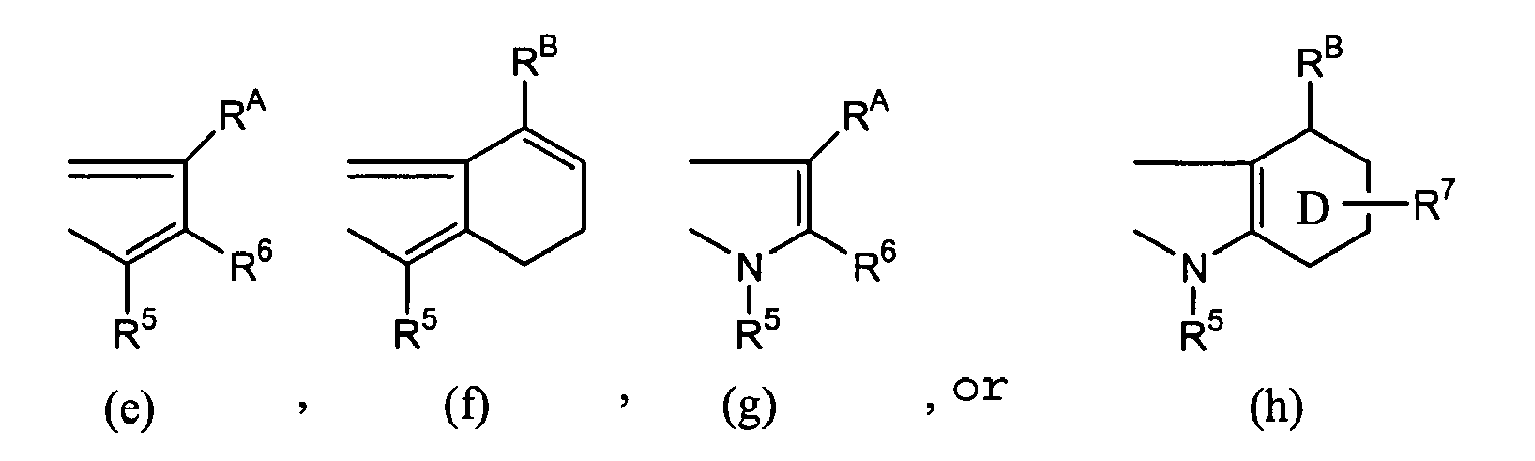
Description
- The present invention relates to group V or X secretory phospholipase A2 inhibitors that inhibit potent degeneration activity of group V or X secretory phospholipase A2 (sPLA2) on serum lipoproteins, and, more particularly, to pharmaceutical compositions for treating, preventing, and diagnosing an ischemic disease based on arteriosclerosis.
- Arteriosclerosis is a general term that means a pathology wherein the artery wall thickens and hardens. Arteriosclerosis lesion is pathologically classified into the three kinds; atherosclerosis, arteriolar arteriosclerosis and medial necrosis, and, among them, atherosclerosis has been emphasized in the causes of ischemic diseases such as myocardial infarction and cerebral infarction. Hyperlipidemia, which is a condition wherein the level of serum lipids such as cholesterol and neutral fats in serum is increased, is closely associated with the development of atherosclerosis. Serum lipids occur as lipoproteins that form complexes with a protein. Specifically, lipoproteins containing cholesterol are classified depending on the density into very low density lipoprotein (VLDL), low density lipoprotein (LDL), high density lipoprotein (HDL), and the like. LDL among them is taken up by cells in peripheral tissues via LDL receptor, and is responsible for deliver of cholesterol into the cells.
- LDLs in the initial stage of atherosclerosis are degenerated in any way to induce peroxidized lipids, increased negative charge of the whole particles, composition altered by phospholipolysis and structure alteration involved, diminished size (increase in the density), and the like, compared to normal LDLs (Yokode, et al., Rinshokensa 44, 1052-1058 (2000)), and the degenerated LDLs are taken up by monocytes and macrophage that infiltrate into vascular intimal tissues via scavenger receptors, thereby depositing oily droplets of cholesteryl esters in foam cells, and accelerating the formations of fatty streak in association with T lymphocytes and vascular smooth muscle. Thereafter, the pathology proceeds by interaction between the cells residing in the fatty streak so as to form rigid protruded lesions in vascular lumens, called fibrous plaque, and then develops into atherosclerosis, which is associated with calcification and thrombotic events, with increasing the surrounding connective tissues. On the other hand, HDLs play a role in delivering excessive cholesterol of peripheral tissues into liver, and are responsible for suppression of arteriosclerosis development. Thus, in case that HDL level in blood is depressed or that HDL is degenerated, then HDL functions are lowered, and the level of cholesterol released in blood is increased, which is one of the etiological factors in arteriosclerosis.
- As shown above, degeneration or qualitative alteration of lipoproteins such as LDL and HDL is one of the major etiological factors in the development of arteriosclerosis. As one of the degeneration, oxidative modification has been known, in which the oxidized LDLs are increased in negative charge, diminished, and increased in the density. The oxidative modification has been believed responsible for the development of arteriosclerosis pathology, because the oxidized LDLs are detected at the actual lesions of arteriosclerosis, and because LDLs artificially oxidized induce foaming of macrophage, and activate the cells to promote the production of various cytokines.
- On the other hand, the phospholipid composition in degenerated LDLs has been found to be altered (phospholipolysis), and thus this finding has focused attention on a phospholipolytic enzyme, phospholipase A2 (PLA2) as a molecule responsible for the degeneration of LDL and HDL. Phospholipase A2 (PLA2; EC 3.1.1.4) is a general term that represents a phospholipolytic enzyme that hydrolyzes the 2-acyl ester bond of 3-sn-phosphoglycerides. Among them, secretory PLA2 (sPLPL2) represents PLA2 molecules having a lower molecular weight (13-18 kDa) that are extracellularly secreted, and are known to include eight kinds of group IB, IIA, IID, IIE, IIF, V, X, and XII in human. Any one of the molecular species contains 12 to 16 Cys residues in its structure, which form intramolecular disulfide bonds, and contains the conserved active center composing of His-Asp residues. They also contain the common Ca2+ -binding site, and require a Ca2+ level of mM order to express the enzyme activity (Ishizaki, et al., J. Biol. Chem. 274, 24973-24979 (1999); Suzuki, et al., J. Biol. Chem. 275, 5785-5793 (2000); Six, et al., Biochim. Biophys. Acta 1488, 1-19 (2000); and Gelb, et al., J. Biol. Chem. 275, 39823-39826 (2000)). Group IIA sPLA2 was found to be expressed at vascular smooth muscles and foam cells in human arteriosclerosis lesions, and the expression has been recognized to have a correlation with the development of arteriosclerosis (Elinder, et al., Arterioscler. Thromb. Vasc. Biol. 17, 2257-2263 (1997), and Menschikowski, et al., Atherosclerosis 118, 173-181 (1995)). Further, transgenic mice that express a high level of human group IIA sPLA2 were found to be increased in LDL level and decreased in HDL level, and to have arteriosclerosis lesions (Tietge, et al., J. Biol. Chem. 275, 10077-10084 (2000)), as well as to deteriorate the arteriosclerosis compared to normal mice when a high-fat diet is administered (Ivandic, et al., Arterioscler. Thromb. Vasc. Biol.19, 1284-1290 (1999)), thereby group IIA sPLA2 drawing attention in the contribution to arteriosclerosis development. Also, it have been found that LDLs treated with sPLA2 from bee venom are increased in negative charge of the whole particles, altered in phospholipid composition, and increased in the uptake into macrophage (Aviram, et al., Biochem. Biophys. Res. Commun. 185, 465-472 (1992)), and that they have characterizations very similar to small dense LDLs that are considered as one of risk factors of ischemic diseases (Sartipy, et al., J. Biol. Chem. 274, 25913-25920 (1999)). Further, it has been known that HDLs treated with sPLA2 from snake venom are altered in the size and density in association with phospholipolysis, and that they are increased in the uptake by hepatocytes (Collet, et al., Biochim. Biophys. Acta 1043, 301-310 (1990)). Although, among the human sPLA2 molecules, group IIA sPLA2 particularly has a hydrolyzing potency for phospholipids of lipoproteins as described above, group IIA sPLA2 has been found to be extremely weaker in phospholipolysis for LDL than the sPLA2 from bee venom (Hurt-Camejo, et al., Curr. Opin. Lipidol. 11, 465-471 (2000)), and to be stronger in phospholipolysis for HDL than that for LDL (Pruzanski, et al., J. Lipid. Res. 39, 2150-2160 (1998)). In view of these findings, sPLA2 molecular species other than group IIA sPLA2 would be responsible for arteriosclerosis development, and it is unknown which endogenous sPLA2 molecule would be responsible for arteriosclerosis development, showing that the exact degeneration activity of these sPLA2 molecules on lipoproteins and the exact expression profiles thereof in arteriosclerosis have been unknown.
- Human group X sPLA2 was cloned from fetal lung tissues in 1997 on the basis of sPLA2 -related sequences of the DNA database (Cupillard, et al., J. Biol. Chem. 272, 15745-15752 (1997)). Gene of human group X sPLA2 is located on chromosome 16 differently from the other sPLA2 s. The enzyme contains 16 cysteine residues in the molecule, and contains all of the intramolecular disulfide linkages located at positions characteristic of both group IB sPLA2 and group II (groups IIA/IID/IIE/IIF) sPLA2. Additionally, the enzyme possesses a carboxyl terminus-based extension structure that is unique of group II sPLA2. Group X sPLA2 exists in two molecular species, one of which is an inactivated form, pro-form, that possesses a propeptide sequence consisting of 11 amino acid residues attached at the N-terminus, and the other of which is an activated form that is produced by cleavage and deletion of the propeptide sequence with a protease such as trypsin (Morioka, et al., Arch. Biochem. Biophys. 381, 31-42 (2000)). Activated group X sPLA2 has been shown to have a more potent enzymatic activity than other sPLA2 s from mammals such as group IB and IIA sPLA2 irrespective of the kind and the property of substrates, phospholipids, and further to have much more potent activities which release arachidonic acids from the cell membranes at the contact to the cells, and which produce lipid mediators such as eicosanoids and lysophospholipids, than group IB and IIA sPLA2 (Hanasaki, et al., J. Biol. Chem. 274, 34203-34211 (1999); Saiga, et al., Biochim. Biophys. Acta 1530, 67-76 (2001)). Immunohistochemical analysis using the specific antibodies revealed that group X sPLA2 is expressed in type II alveolar epithelial cells and splenic macrophages, and is accelerated in the expression in human colon cancer cells, suggesting that the enzyme would be responsible for inflammatory and immunological responses, as well as the onset and development of colon cancers (Morioka, et al., FEBS Lett. 487, 262-266 (2000)). However, since no report describes the degeneration activity of group X sPLA2 on lipoproteins and the expression thereof at the arteriosclerosis lesions, it has been unknown that the enzyme would be responsible for the onset and development of arteriosclerosis.
- Human group V sPLA2 was cloned in 1994 (Chen , et al., J. Biol.Chem., 1994, 269, 2365-2368). Gene of human group V sPLA2 is located on
chromosome 1 as same as group IIA sPLA2. The enzyme contains 12 cysteine residues in the molecule, which is less than group IIA sFLA2 by two residues, and contains no carboxyl terminus-based extension structure found in group II sPLA2. The expression of group V sPLA2 is detected mainly in heart, as well as lung and inflammatory cells such as mast cells and macrophages, and, in such cells, the enzyme is known to involve the production of lipid mediators (Makoto Murakami, Ichirou Kudou, Gendaiiryou, 2000, 32, 517-548). However, since no report describes the degeneration activity of group V sPLA2 on lipoproteins, it has been unknown that the enzyme would be responsible for the onset and development of arteriosclerosis. - The inventors of the present application investigated physiological activities of human group V or X sPLA2, and found that these enzymes exhibit a potency that powerfully releases fatty acids from the phospholipid comprised in lipoproteins in blood.
- On the basis of the finding, the inventors demonstrated that the compounds that inhibit group V and/or X sPLA2 suppress the degeneration activity of group V or X sPLA2 on serum lipoproteins, thus accomplishing the present invention.
- For compounds that inhibit sPLA2,
EP-620214 7-010838 US-5578634 ),EP-620215 7-025850 US-5684034 ),EP-675110 7-285933 US-5654326 ),WO96/03120 10-505336 WO96/03376 10-503208 US-5641800 ),WO96/03383 10-505584 WO97/21664 EP-779271 WO97/21716 EP-779273 WO98/18464 EP839806 WO98/24437 EP846687 WO98/24756 WO98/24794 WO98/25609 WO99/51605 WO99/59999 - The present invention has been accomplished on the basis of the findings as shown above.
- Specifically, the present invention relates to:
- (1) A pharmaceutical composition for suppressing degeneration of serum lipoproteins, a pharmaceutical composition for treating or preventing arteriosclerosis, or a pharmaceutical composition for treating or preventing an ischemic disease based on arteriosclerosis, which comprises a group V and/or X sPLA2-inhibiting compound as an active ingredient;
- (2) The pharmaceutical composition of the present invention, in which the group V and/or X sPLA2-inhibiting compound is shown by general formula (I):

ring A is:
each R3 and R4 is independently a hydrogen atom, a non-interfering substituent, a carbocyclic group, a carbocyclic group substituted by a non-interfering substituent, a heterocyclic group, or a heterocyclic group substituted by a non-interfering substituent; and
-B- is a group of (e)-(h):
in which L2 is a divalent linker group of 1-18 atoms selected from a hydrogen atom, a nitrogen atom, a carbon atom, an oxygen atom and a sulfur atom, and R8 is a group selected from (j) and (k);
R6 is a hydrogen atom, a halogen, a C 1-C3 alkyl, a C3-C4 cycloalkyl, a C3-C4 cycloalkenyl, a C1-C3 alkyloxy, or a C1-C3 alkylthio;
R7 is a hydrogen atom or a non-interfering substituent;
RA is a group of formula:
RB is -CONH2 or -CONHNH2; and
ring D is a cyclohexene ring or a benzene ring, provided that, when -B- is a group of (e) or (f), then ring A is a ring of (b), (c), or (d); or a prodrug thereof or a pharmaceutically acceptable salt of them or a solvate of them;
Preferably, the pharmaceutical composition of the present invention, in which the group V and/or X sPLA2-inhibiting compound is shown by general formula (I) in which
R1 is a hydrogen atom or a group of formula: -(L3)-R11 wherein L3 is -OCH2-, -SCH2-, -NH-CH2-, -CH2-CH2-, -O-CH(CH3)-, or -O-CH-(CH2CH2C6C5)-; and R11 is -COOH, -CONHSO2C6H5, -SO3H, or -P(O)(OH)2; and
R2 is a hydrogen atom or a group of formula: -(L4)-R12 wherein L4 is a group of formula:


provided that R1 and R2 are not a hydrogen atom, simultaneously; or a prodrug thereof or a pharmaceutically acceptable salt of them or a solvate of them;
More preferably, the pharmaceutical composition of the present invention, in which the group V and/or X sPLA2-inhibiting compound is shown by general formula (I) in which
R3 is a hydrogen atom, a C1-C6 alkyl, a C3-C6 cycloalkyl, an aryl, or a heterocyclic group, and R4 is a hydrogen atom or a halogen; or a prodrug thereof or a pharmaceutically acceptable salt of them or a solvate of them; Even more preferably, the pharmaceutical composition of the present invention, in which the group V and/or X sPLA2-inhibiting compound is shown by general formula (I) in which
R5 is a group of -(CH2)1-6-R15 wherein R15 is a group of formula:


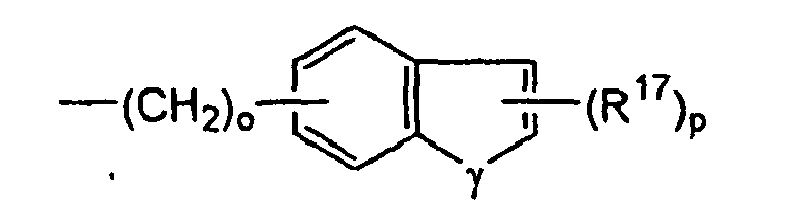
Even much more preferably, the pharmaceutical composition of the present invention, in which the group V and/or X sPLA2-inhibiting compound is shown by general formula (I) in which
R5 is a group of -CH2-R18 wherein R18 is a group of formula:

Even more preferably, the pharmaceutical composition of the present invention, in which the group V and/or X sPLA2-inhibiting compound is shown by general formula (I) in which R1 is -OCH2COOH; or a prodrug thereof or a pharmaceutically acceptable salt of them or a solvate of them;
Even more preferably, the pharmaceutical composition of the present invention, in which the group V and/or X sPLA2-inhibiting compound is shown by general formula (I) in which R2 is a hydrogen atom; or a prodrug thereof or a pharmaceutically acceptable salt of them or a solvate of them;
Even more preferably, the pharmaceutical composition of the present invention, in which the group V and/or X sPLA2-inhibiting compound is shown by general formula (I) in which R6 is a C1-C3 alkyl; or a prodrug thereof or a pharmaceutically acceptable salt of them or a solvate of them;
Even more preferably, the pharmaceutical composition of the present invention, in which the group V and/or X sPLA2-inhibiting compound is shown by general formula (I) in which RA is -CH2CONH2 or -COCONH2; or a prodrug thereof or a pharmaceutically acceptable salt of them or a solvate of them;
Even more preferably, the pharmaceutical composition of the present invention, in which the group V and/or X sPLA2-inhibiting compound is shown by the formula:


Specifically, the pharmaceutical composition of the present invention, in which the group V sPLA2-inhibiting compound is shown by the formula:


Alternatively, the pharmaceutical composition of the present invention, in which the group X sPLA2-inhibiting compound is shown by the formula:


- (3) Use of a group V and/or X sPLA2-inhibiting compound for preparation of a medicament for treating or preventing arteriosclerosis or an ischemic disease based on arteriosclerosis; preferably, the use of the present invention in which the group V and/or X sPLA2-inhibiting compound is a compound as described above; and
- (4) A method for treating or preventing arteriosclerosis or an ischemic disease based on arteriosclerosis in a mammal including a human, which comprises administrating to said mammal a therapeutically effective amount of a group V and/or X sPLA2-inhibiting compound, thereby alleviating their symptoms; preferably, the method of the present invention, in which the group V and/or X sPLA2-inhibiting compound is a compound as described above.
-
-
Fig. 1 represents a graph showing does-dependent release of arachidonic acid from LDL induced by group IB, IIA and X sPLA2 s (at 37 °C for one hour). -
Fig. 2 represents a graph showing effects of inhibitors on release of arachidonic acid from LDL induced by group X sPLA2 (sPLA2 inhibitor: indoxam, COX inhibitor: indomethacin, 5-LOX inhibitor: AA-861, each 10 µmol/L, the results are expressed as the percent of arachidonic acid released by group X sPLA2 in the absence of inhibitors). -
Fig. 3 represents a graph showing changes in the contents of a major phospholipid of LDL, phosphatidylcholine (PC) (Fig. 3A ), and lyso-form thereof (lyso-PC) (Fig. 3B ), when LDL is reacted with group IB, IIA and X sPLA2 s, and CuSO4 for 3, 6 and 24 hours. -
Fig. 4 represents a photograph substitute for drawing which shows the results of analysis of agarose gel electrophoresis for electric charge of LDL subjected to the reactions with group IB, IIA and X sPLA2 s, and CuSO4 for 3, 6 and 24 hours (the upper: cathode, the lower: anode). -
Fig. 5 represents a graph showing changes in peroxidation of lipid contained in LDL (A) and HDL (B) subjected to the reactions with group IB, IIA and X sPLA2 s, and CuSO4 for 3, 6 and 24 hours, in which the thiobarbituric acid reactive substances (TBARS) are expressed in terms of malondialdehyde (MDA). -
Fig. 6 represents a graph showing reduction in cholesterol efflux induced by group X sPLA2-degenerated HDL. Addition of non-degenerated HDL (natural HDL) to medium reduced significantly the level of intracellular cholesterol ester compared to the medium only, whereas addition of group X-degenerated HDL (X-HDL) significantly suppress the reduction. -
Fig. 7 represents a graph showing time-dependent fatty acid release from LDL induced by group IIA or V sPLA2 (at 37 °C, addition of 50 nmol/L sPLA2). -
Fig. 8 represents a graph showing effects of inhibitors on release of linoleic acid from LDL induced by group V sPLA2 (sPLA2 inhibitor: indoxam, COX inhibitor: indomethacin, each 10 µM, the results are expressed as the percent of linoleic acid released by group V sPLA2 in the absence of inhibitors). -
Fig. 9 represents a graph showing changes in the contents of a major phospholipid of LDL, phosphatidylcholine (PC) (A), and lyso-form thereof (lyso-PC) (B), when LDL is reacted with group IIA and V sPLA2 s, or CuSO2 for 3, 6 and 24 hours (at 37 °C, addition of 50 nmol/L sPLA2). -
Fig. 10 represents a photograph substitute for drawing which shows the results of analysis of agarose gel electrophoresis for electric charge of LDL subjected to the reactions with group V sPLA2 for 3, 6 and 24 hours (the upper: cathode, the lower: anode). - The inventors of the present invention found that human group V and X sPLA2s powerfully releases fatty acids from the phospholipid of lipoproteins in blood. Further, the inventors showed that group V and/or X sPLA2 is very potent in degeneration of LDL and HDL, including phospholipolysis, release of fatty acids, production of lysophospholipids, increase in negative charge, and uptake into macrophage, by comparing with those of group IB and group IIA sPLA2, and found that these actions of group V and X sPLA2s differ from degeneration actions of lipoproteins caused by oxidation, which have been previously reported. In this context, the term "degeneration of serum lipoproteins" according to the present invention refers to phospholipolysis, release of fatty acids, production of lysophospholipid, increase of negative charge, uptake into macrophage and the like, and does not include degeneration by oxidation.
- "A group V and/or X sPLA2-inhibiting compound" or "a group V and/or X sPLA2-inhibitor" as used in the invention includes a compound that inhibits group V sPLA2, a compound that inhibits group X sPLA2, and a compound that has an inhibitory activity on both group V and X sPLA2s. In an embodiment, the present invention encompasses a pharmaceutical composition that comprises both a compound that inhibits group V sPLA2 and a compound that inhibits group X sPLA2 as active ingredients.
- The inventors also found that group X sPLA2 is expressed in foam cells at vascular lesions in a pathologic animal model of arteriosclerosis by employing an antibody specific to group X sPLA2. Thus, the present invention encompasses a pharmaceutical composition for treating or preventing arteriosclerosis or for treating or preventing an ischemic disease based on arteriosclerosis, which comprises a group V and/or X sPLA2-inhibiting compound as an active ingredient. The term "arteriosclerosis" as used herein is a general term that means a pathology wherein the artery wall thickens and hardens, and refers to any pathological embodiment that leads to cerebral ischemic attack, cerebral infarction, angina pectoris, myocardial infarction, and intermittent claudication, all of which are caused by constriction and occlusion of artery. According to the present invention, atherosclerosis among the arteriosclerosis is preferably treated. The term "ischemic disease based on arteriosclerosis" as used herein refers to an ischemic disease caused by or associated with arteriosclerosis. Ischemic diseases in general include various clinical pathological embodiments caused by topical anemia, such as necrosis. However, in accordance with the present invention, the term "ischemic disease" refers to an ischemic cardiac disease caused by occlusive ischemia due to alterations in vessel or of vessel itself, such as angina pectoris, myocardial infarction, cardiac failure, and cerebral infarction.
- The term "alkyl" as used in formula (I) solely or in combination with other terms means a straight or branched monovalent hydrocarbon radial, which has an indicated number of carbon atom. The radicals include, for example, methyl, ethyl, n-propyl, isopropyl, n-butyl, isobutyl, sec-buthyl, tert-butyl, n-pentyl, n-hexyl, n-heptyl, n-octyl, n-nonyl, n-decanyl, n-undecanyl, n-dodecanyl, n-tri-decanyl, n-tetra-decanyl, n-penta-decanyl, n-hexa-decanyl, n-hepta-decanyl, n-octa-decanyl, n-nona-decanyl, n-eicosanyl, and the like.
- The term "alkenyl" as used in formula (I) solely or in combination with other terms means a straight or branched monovalent hydrocarbon radial, which has an indicated number of carbon atom, and have one or more double bonds. The radicals include, for example, vinyl, allyl, propenyl, crotonyl, isopentenyl, various butenyl isomers, and the like.
- The term "alkynyl" as used in formula (I) solely or in combination with other terms means a straight or branched monovalent hydrocarbon radial, which has an indicated number of carbon atom, and have one or more triple bonds. The radicals include, for example, ethynyl, propynyl, 6-heptynyl, 7-octynyl, 8-nonyl, and the like.
- The term "carbocyclic group" as used in formula (I) means a radical derived from a saturated or unsaturated, substituted or unsubstituted 5 to 14-, preferably 5 to 10-, more preferably 5 to 7-membered organic nucleus whose ring forming atoms (other than hydrogen) are solely carbon atoms. The term includes a group wherein two or three of the radial as mentioned above are connected each other. Typical carbocyclic groups include cycloalkyls such as cyclopropyl, cyclobutyl, cyclopentyl, cyclohexyl, cycloheptyl and cyclooctyl; cycloalkenyls such as cyclobutenyl, cyclopentenyl, cyclohexenyl, cycloheptenyl and cyclooctenyl, phenyl, naphthyl, norbornanyl, bicycloheptadienyl, indenyl, stilbenyl, terphenylyl, phenyl-cyclohexenyl, acenaphthyl, anthryl, biphenylyl, bibenzylyl and phenylalkylphenyl derivatives shown by formula (II):

- Preferred carbocyclic group in R3 and R4 includes phenyl, cyclohexyl, and the like.
- The term "heterocyclic group" as used in formula (I) means a radical derived from monocyclic or polycyclic, saturated or unsaturated, substituted or unsubstituted heterocyclic nuclei having 5 to 14 ring atoms and containing from 1 to 3 hetero atoms selected from the group consisting of nitrogen, oxygen and sulfur. Heterocyclic groups include, for example, pyridyl, pyrrolyl, furanyl, benzofuranyl, thienyl, benzothienyl, pyrazolyl, imidazolyl, phenylimidazolyl, triazolyl, isoxazolyl, oxazolyl, thiazolyl, thiadiazolyl, indolyl, carbazolyl, norharmanyl, azaindolyl, benzofuranyl, dibenzofuranyl, dibenzothiophenyl, indazolyl, imidazo[1.2-a]pyridinyl, benzotriazolyl, anthranilyl, 1,2-benzisoxazolyl, benzoxazolyl, benzothiazolyl, purinyl, pyridinyl, dipyridinyl, phenylpyridinyl, benzylpyridinyl, pyrimidinyl, phenylpyrimidinyl, pyrazinyl, 1,3,5-triazinyl, quinolinyl, phthalazinyl, quinazolinyl, quinoxalinyl, and the like.
- Preferred heterocyclic group in R3 and R4 includes furyl, thienyl, and the like.
- Preferred carbocyclic group and heterocyclic group in group R5 includes a radial shown by the formula:



- More preferable groups include a radial shown by the formula:


- Preferred group of R5 includes a "carbocyclic group"-C1-C3 alkyl, and a "heterocyclic group"-C1-C3 alkyl.
- The term "non-interfering substituent" as used in formula (I) means a radical suitable for substitution on "carbocyclic group", "heterocyclic group" as defined above, and the basic nucleus. Exemplified non-interfering radicals include a C1-C10 alkyl, a C2-C6 alkenyl, a C2-C6 alkynyl, a C7-C12 aralkyl (such as benzyl and phenethyl), a C7-C12 alkaryl, a C3-C8 cycloalkyl, a C3-C8 cycloalkenyl, phenyl, tolyl, xylyl, biphenyl, a C1-C10 alkyloxy, a C1-C6 alkyloxy-C1-C6 alkyl (such as methyloxymethyl ethyloxymethyl, methyloxyethyl, and ethyloxyethyl), a C1-C6 alkyloxy-C1-C6 alkyloxy (such as methyloxymethyloxy and methyloxyethyloxy), a C 1-C6 alkylcarbonyl (such as methylcarbonyl and ethylcarbonyl), a C 1-C6 alkylcarbonylamino (such as methylcarbonyamino and ethylcarbonylamino), a C1-C6 alkyloxyamino (such as methyloxyamino and ethyloxyamino), a C1-C6 alkyloxyaminocarbonyl (such as methyloxyaminocarbonyl and ethyloxyaminocarbonyl), a mono- or di-C1-C6 alkylamino (such as methylamino, ethylamino, dimethylamino, and ethylmethylamino), a C1-C10 alkylthio, a C1-C6 alkylthiocarbonyl (such as methylthiocarbonyl and ethylthiocarbonyl), a C1-C6 alkylsulfinyl (such as methylsulfinyl and ethylsulfinyl), a C1-C6 alkylsulfonyl (such as methylsulfonyl and ethylsulfonyl), a C2-C6 haloalkyloxy (such as 2-chloroethyloxy and 2-bromooethyloxy), a C1-C6 haloalkylsulfonyl (such as chloromethylsulfonyl and bromomethylsulfonyl), a C1-C10 haloalkyl, a C1-C6 hydroxyalkyl (such as hydroxymethyl and hydroxyethyl), a C1-C6 alkyloxycarbonyl (such as methyloxycarbony and ethyloxycarbonyl), -(CH2)1-8-O-(a C1-C6 alkyl), benzyloxy, an aryloxy (such as phenyloxy), an arylthio (such as phenylthio), -(CONHSO2 R20 wherein R20 is a C1-C6 alkyl or an aryl), - CHO, amino, amidino, a halogen, carbamyl, carboxyl, carbalkyloxy, - (CH2)1-8-COOH (such as carboxymethyl, carboxyethyl and carboxypropyl), cyano, cyanoguanidino, guanidino, hydrazido, hydrazino, hydroxy, hydroxyamino, nitro, phosphono, -SO3H, thioacetal, thiocarbonyl, a C1-C6 carbonyl, a carbocyclic group, a heterocyclic group, and the like. These substituents may be substituted by one or more substituent(s) selected from a group consisting of a C1-C6 alkyl, a C1-C6 alkyloxy, a C2-C6 haloalkyloxy, a C1-C6 haloalkyl, and a halogen.
- Preferred non-interfering substituent as used as "substituted by a non-interfering substituent" in R3, R4 and R5 includes a halogen, a C1-C6 alkyl, a C1-C6 alkyloxy, a C1-C6 alkylthio, and a C1-C6 haloalkyl. More preferred one includes a halogen, a C1-C3 alkyl, a Cl-C3 alkyloxy, a C1-C3 alkylthio, and a C1-C3 haloalkyl.
- Preferred non-interfering substituent as used in R1 , R2 , R3 , R4 , and R7 includes a C1-C6 alkyl, an aralkyl, a C1-C6 alkyloxy, a C1-C6 alkylthio, a C1-C6 hydroxyalkyl, a C2-C6 haloalkyloxy, a halogen, a carboxy, a C1-C6 alkyloxycarbonyl, an aryloxy, an arylthiol, a carbocyclic group, and a heterocyclic group. More preferred one includes a C1-C6 alkyl, an aralkyl, a carboxy, a C1-C6 hydroxyalkyl, phenyl, and a C1-C6 alkyloxycarbonyl.
- The term "halogen" as used in formula (I) means fluoro, chloro, bromo, or iodo.
- The term "cycloalkyl" as used in formula (I) means a monovalent cyclic hydrocarbon radial having an indicated number of carbon atom. The radicals include, for example, cyclopropyl, cyclobutyl, cyclopentyl, cyclohexyl, cycloheptyl, cyclooctyl, and the like.
- The term "cycloalkenyl" as used in formula (I) means a monovalent cyclic hydrocarbon radial having an indicated number of carbon atom, and containing one or more double bond(s). The radicals include, for example, 1-cyclopropenyl, 2-cyclopropenyl, 1-cyclobutenyl, 2-cyclobutenyl, and the like.
- The term "alkyloxy" as used in formula (I) include for example methyloxy, ethyloxy, n-propyloxy, isopropyloxy, n-butyloxy, n-pentyloxy, n-hexyloxy, and the like.
- The term "alkylthio" as used in formula (I) include for example methylthio, ethylthio, n-propylthio, isopropylthio, n-butylthio, n-pentylthio, n-hexylthio, and the like.
- The term "acidic group" as used in formula (I) means an organic group which when attached to a nucleus through suitable linking atoms (hereinafter defined as the "a linker group to the acidic group"), acts as a proton donor capable of hydrogen bonding. Acidic groups include, for example, a group shown by the formula:


- The term "a linker group to the acidic group" as used in formula (I) means a divalent linking group symbolized as, -(L1)-, which has the function of joining the nucleus to an acidic group in the general relationship. The group includes, for example, a group shown by the formula:


- The term "the length of the linker to the acidic group" as used in formula (I) means the number of atoms (excluding hydrogen) in the shortest chain of the linker group -(L1)- that connects the nucleus with the acidic group. The presence of a carbocyclic ring in -(L1)- counts as the number of atoms approximately equivalent to the calculated diameter of the carbocyclic ring. Thus, a benzene or cyclohexane ring in the linker to the acid group counts as 2 atoms in calculating the length of -(L1)-. Preferred length is 2 to 3.
- The term "haloalkyl" as used in formula (I) means "an alkyl" as defined above substituted at any position with a halogen as defined above. Haloalkyl includes, for example, chloromethyl, trifluoromethyl, 2-chloromethyl, 2-bromomethyl and the like.
- The term "hydroxyalkyl" as used in formula (I) means "an alkyl" as defined above substituted at any position with hydroxy. Hydroxyalkyl includes, for example, hydroxymethyl, 2-hydroxyethyl, 3-hydroxypropyl, and the like, with hydroxymethyl being preferred.
- The term "haloalkyl" in "haloalkyloxy" as used in formula (I) is as defined above. Haloalkyloxy includes, for example, 2-chloroethyloxy, 2-trifluoroethyloxy, 2-chloroethyloxy, and the like.
- The term "aryl" as used in formula (I) means a monocyclic or condensed aromatic hydrocarbon group, and includes, for example, phenyl, 1-naphthyl, 2-naphthyl, anthryl, and the like, with phenyl or 1-naphthyl being preferred.
- The term "aralkyl" as used in formula (I) means "an alkyl" as defined above substituted at any substituable position with "an aryl" as defined above, and includes, for example, benzyl, phenethyl, phenylpropyl (e.g. 3-phenylpropyl), naphthylmethyl (e.g. 1-naphthylmethyl) and the like.
- The term "alkyloxycarbonyl" as used in formula (I) includes, for example, methyloxycarbony, ethyloxycarbonyl, n-propyloxycarbonyl, and the like.
- The term "aryloxy" as used in formula (I) includes, for example, phenyloxy and the like.
- The term "arylthio" as used in formula (I) includes, for example, phenylthio and the like.
- The term "halophenyl" as used in formula (I) means a phenyl substituted at one or more position(s) with "a halogen" as defined above, and includes, for example, fluorophenyl, chlorophenyl, bromophenyl, iodophenyl, difluorophenyl, dichlorophenyl, dibromophenyl, trifluorophenyl, trichlorophenyl, tribromophenyl, chlorofluorophenyl, bromochlorophenyl, and the like.
- "Cyclohexene ring" in ring D as used in formula (I) means a cyclohexen ring having, in the ring, only one double bond at the condensed part sharing with the adjacent ring.
- Preferred combination between ring A and -B- are one of (m) to (r) in the followings:


- Group V and/or X sPLA2-inhibiting compounds shown by general formula (I) can be prepared in accordance with the well-known preparation described in
EP-620214 7-010838 US-5578634 ),EP-620215 7-025850 US-5684034 ),EP-675110 7-285933 US-5654326 ),WO96/03120 10-505336 WO96/03383 10-505584 W098/ 18464 EP839806 W099 / 51605 W099 / 59999 - Group X sPLA2-inhibiting compounds can be selected by preparing cells that express human group X sPLA2 and the culture supernatant therefor, and then assaying candidates for the inhibitory activity as described hereinafter. Specifically, the cDNA sequence encoding human group X sPLA2 (Cupillard, et al., J. Biol. Chem, 1997, 272, 15745-15752) is inserted into an expression vector for animal cells. The resultant expression vector is transfected into a host cell to provide a cell that stably expresses human group X sPLA2. The cells are cultured to prepare the culture supernatants therefor. Then, chromogenic assay as described below is used to identify group X sPLA2-inhibiting compounds and estimate the activity. The general guidance of this assay is described in the article "Analysis of Human Synovial Fluid Phospholipase A2 on Short Chain Phosphatidylcholine-Mixed Micelles: Development of a Spectrophotometric Assay Suitable for a Microtiterplate Reader", Analytical Biochemistry, 204, pp 190-197,1992 by Laure J. Reynolds, Lori L. Hughes and Edward A. Dennis.
- Group V sPLA2-inhibiting compounds can be selected by a similar procedure to that described above except for the use of the cDNA sequence encoding human group V sPLA2 (Chen, et al., J. Biol. Chem, 1994, 269, 2365-2368).
- When a group V and/or X sPLA2-inhibiting compound has an acidic group or a basic group, it can be formed to a salt which is more soluble in water and is more physiologically suitable. Typical pharmaceutically acceptable salts include, but not limited to, salts formed with an alkali metal or an alkaline-earth metal such as lithium sodium, potassium, calcium, magnesium, aluminum, or the like. Salts can be readily made from a free acid by treating the acid in a solution with a base, or contacting the acid to an ion-exchange resin. The pharmaceutically acceptable salts include addition salts made from a relatively nontoxic inorganic and organic base of a compound for treatment or prevention of ischemic reperfusion injury, such as an amine cation, an ammonium, a quaternary ammonium derived from a nitrogen base that are basic sufficiently to form a salt with the compound (for example, S.M.Berge, et al., "Pharmaceutical Salts," J.Phar.Sci., 66, 1-19 (1977)). Further, the basic group contained in the group V and/or X sPLA2-inhibiting compound can be reacted with a suitable organic or inorganic acid to form salts such as acetates, benzenesulfonates, benzoates, bicarbonates, bisulfonates, bitartrates, borates, bromides, camsylates, carbonates, chlorides, clavulanates, citrates, edetates, edisylates, estolates, esylates, fluorides, fumarates, gluceptates, gluconates, glutamates, glycolylarsanilates, hexylresorcinates, hydroxynaphthoates, iodide, isothionates, lactates, lactobionates, laurates, malates, malseates, mandelates, mesylates, methylbromides, methylnitrates, methylsulfates, mucates, napsylates, nitrates, oleates, oxalates, palmitates, pantothenates, phosphates, polygalacturonates, salicylates, stearates, subacetates, succinates, tannates, tartrates, tosylates, trifluoroacetates, trifluoromethane sulfonates, valerates, and the like. Solvates as used hrein include those formed with an organic solvent and/or water. Hydrates may be formed with any number of water molecule.
- When a group V and/or X sPLA2-inhibiting compound has one or more chiral centers, those may exist in optically active forms. Likewise, when the compounds contain an alkenyl or alkenylene group, there exists the possibility of cis- and trans- isomeric forms of the compounds. The R- and S- isomers and mixtures thereof, including racemic mixtures as well as mixtures of cis- and trans- isomers, are contemplated by this invention. Additional asymmetric carbon atoms can be present in a substituent group such as an alkyl group. All such isomers as well as the mixtures thereof are intended to be included in the invention. If a particular stereoisomer is desired, it can be prepared by methods well-known in the art by using stereospecific reactions with starting materials which contain the asymmetric centers and are already resolved or, alternatively by methods which lead to mixtures of the stereoisomers and subsequent resolution by known methods.
- Prodrugs as used herein mean derivatives of the group V and/or X sPLA2-inhibiting compounds, which have chemically or metabolically cleavable groups and become by solvolysis or under physiological conditions the compounds which are pharmaceutically active in vivo. The prodrug derivatives are active in both acid and base derivatives, and the acid derivatives offers advantages of solubility, tissue compatibility, or release control in a mammalian organism (Bundgard, H., Design of Prodrugs, pp. 7-9, 21-24, Elsevier, Amsterdam 1985). For example, prodrugs including acid derivatives are well known in the art, such as esters prepared by reaction of the parent acidic compound with a suitable alcohol, or amides prepared by reaction of the parent acid compound with a suitable amine. Simple aliphatic or aromatic esters derived from acidic groups pendent on the compounds are preferred prodrugs. More preferable includes C1-C6 alkyl esters of acidic groups, such as methyl ester, ethyl ester. In some cases it is possible to prepare double ester type prodrugs such as (acyloxy) alkyl esters or ((alkoxycarbonyl)oxy)alkyl esters.
- The term "pharmaceutically acceptable" means carriers, diluents or additives that are compatible with other ingredients in the composition and harmless to a recipient.
- The compositions for treatment or prevention according to the present invention can be administered by a variety of routes including oral, aerosol, rectal, transdermal, subcutaneous, intravenous, intramuscular, and intranasal. Formulations of the invention are prepared by combining (e.g., mixing) a therapeutically effective amount of the compounds together with a pharmaceutically acceptable carrier or diluent therefor. The formulations are prepared by known procedures using well-known and readily available ingredients.
- In making the compositions of the present invention, the active ingredient is admixed with a carrier, or diluted by a carrier, or enclosed within a carrier which may be in the form of a capsule, sachet, paper or other container. When the carrier serves as a diluent, it may be a solid, semi-solid or liquid material which acts as a medium, or can be in the form of tablets, pills, powders, lozenges, elixirs, suspensions, emulsions, solutions, syrups, aerosols (as a solid in a liquid medium), or ointment, containing, for example, up to 10% of the active compound. The compounds exhibiting an anti-cancer activity of the present invention are preferably formulated prior to administration.
- For the formulations, any suitable carrier known in the art can be used. In such a formulation, the carrier may be a solid, liquid, or mixture of a solid and a liquid. For instance, a compound for treatment or prevention of ischemic reperfusion injury is dissolved in a 4 % dextrose/0.5 % sodium citrate aqueous solution so as to be 2 mg/ml concentration for intravenous injection. Solid form formulations include powders, tablets and capsules. A solid carrier can be one or more substances which may also act as flavoring agents, lubricants, solubilisers, suspending agents, binders, tablet disintegrating agents and encapsulating material. Tablets for oral administration may contain suitable excipients such as calcium carbonate, sodium carbonate, lactose, calcium phosphate, together with disintegrating agents such as maize starch, or alginic acid, and/or binding agents such as gelatin or acacia, and lubricating agents such as magnesium stearate, stearic acid, or talc.
- In powders, the carrier is a finely pulverized solid which is in admixture with the finely pulverized active ingredient. In tablets, the active ingredient is mixed with a carrier having the necessary binding properties in suitable proportions and compacted in the shape and size desired. The powders and the tablets preferably contain from about 1 to about 99 weight percent of the active ingredient which is the novel compound of this invention. Suitable solid carriers are magnesium carbonate, magnesium stearate, talc, sugar, lactose, pectin, dextrin, starch, gelatin, tragacanth, methyl cellulose, sodium carboxymethyl cellulose, low melting waxes, and cocoa butter.
- Sterile liquid form formulations include suspensions, emulsions, syrups and elixirs. The active ingredient can be dissolved or suspended in a pharmaceutically acceptable carrier, such as sterile water, sterile organic solvent or a mixture of both. The active ingredient can often be dissolved in a suitable organic solvent, for example, aqueous propylene glycol. Other compositions can be made by dispersing the finely divided active ingredient in aqueous starch or sodium carboxymethyl cellulose solution or in a suitable oil.
- Although an appropriate dosage varies depending on kind of disease, the administration route, age, body weight of the patient, in the case of intravenous administration, the dosage for an adult can be generally 0.01 to 10 mg/kg/hour, and preferably 0.1-1 mg/kg/hour.
- The following Examples are mere illustration of the present invention, but not intended to limit the scope of the invention.
- LDL and HDL were isolated from human plasma by ultracentrifugation (Havel, et al., J. Clin. Invest. 34, 1345-1353 (1955)). Human group IB, IIA and X sPLA2 s (0.5 nmol/L to 500 nmol/L) were reacted with LDL and HDL (0.35-1 mg/ml) at 37°C in a solution containing 12.5 mmol/L Tris-HCL buffer (pH 8.0), 125 mg/L bovine serum albumin, and 1 mmol/L calcium chloride. The fatty acids released from the lipoproteins were extracted according to the method of Dole (Dole, et al., J. Biol. Chem. 235, 2595-2599 (1960)), and were labeled with 9-anthryldiazomethane by the known method (Hanasaki, et al., J. Biol. Chem. 274, 34203-34211 (1999)). Then, the released fatty acids were determined by detecting fluorescence of the labeled products (fatty acids) eluted from high performance liquid chromatography (HPLC) on reverse-phase column (LichroCART 125-4
Superspher 100 RP-18 columnmol/Merck). In order to examine does-dependent release of fatty acids induced by each sPLA2, the lipoprotein was reacted with 0.5, 5, 50, and 500 nmol/L group X sPLA2, and 50 and 500 nmol/L group IB and IIA sPLA2 for 60 minutes. Further, in order to examine time-dependent fatty acid release induced by sPLA2, each 50 nmol/L sPLA2 was used, and the change in the release with time course was traced during the period time of 4 hours after the sPLA2 addition. In the experiment for determining the inhibitory activity of a sPLA2 inhibitor (indoxam; Yokota, et al., Biochim. Biophys. Acta 1438, 213-222 (1999)), a cyclooxygenase (COX) inhibitor (indomethacin) or a 5-lipoxygenase (5-LOX) inhibitor (AA-861; 2,3,5-trimethyl-6-(12-hydroxy-5, 10- dodecadiynyl)-1, 4-benzoquinone (Yoshimoto, et al., Biochem. Biophys. Acta. 713, 470-473 (1982)), those agents were added to the reaction giving a final concentration of 10 µmol/L, virtually simultaneously with the addition of sPLA2. - The experiment for time-dependent release revealed that only group X sPLA2 among groups IB, IIA, and X sPLA2 s released the fatty acids significantly. The fatty acid release from HDL induced by group X sPLA2 reached a plateau at 60 minutes after the addition, whereas the fatty acid release from LDL continued to time-dependently increase for 4 hours. The experiment for does-dependent release of fatty acids showed that group X sPLA2 at as low as 5 nmol/L significantly released fatty acids from LDL and HDL in a dose-dependent manner, whereas group IB and IIA sPLA2 released only minor amounts of fatty acids even at a high dose of 500 nmol/L (
Fig. 1 ). The fatty acid release induced by group X sPLA2 was inhibited by a sPLA2 inhibitor (indoxam), and it was affected neither by a COX inhibitor (indomethacin) nor a 5-LOX inhibitor (AA-861) (Fig. 2 ). - LDL and HDL were isolated from human plasma by ultracentrifugation (Havel, et al., J. Clin. Invest. 34, 1345-1353 (1955)). Human group IB, IIA and X sPLA2s (50 nmol/L) and CuSO4 (20 µmol/L) were reacted with LDL and HDL (1 mg/ml) at 37°C for 3, 6, and 24 hours in a solution containing 12.5 mmol/L Tris-HCL buffer (pH 8.0), 125 mg/L bovine serum albumin, and 1 mmol/L calcium chloride. Then, the change in the phospholipid composition of the LDL and HDL was traced by HPLC. Phospholipids were extracted from a 10 µg sample of LDL and a 15 µg sample of HDL according to the known method (Bligh, et al., Can. J. Biochem. Physiol. 37, 911-917 (1959)). Subsequently, the phospholipids were loaded on normal phase HPLC column (Ultrasphere silica, 4.6 x 250 mm and 4.6 x 45 mm, Beckman) to fraction the eluted phosphatidylcholine (PC) and lysophosphatidylcholine (lyso-PC), and the amount of phosphorus was determined as previously reported (Saiga, et al., Biochim. Biophys. Acta 1530, 67-76 (2001)).
- The result showed that treatment with CuSO4 and group X sPLA2 decreased PC contents in LDL with time course as shown at the time points of 3, 6, and 24 hours (
Fig. 3A ), and lyso-PC contents were increased according to the PC decrease (Fig. 3B ). Treatment with CuSO4 caused decreased PC contents in HDL, and increased lyso-PC contents with time course similarly to the case of LDL. Treatment with group X sPLA2 decomposed PC in HDL much faster than the case of LDL, and 3-hours treatment decreased the content up to 10% of original level, whereas lyso-PC contents were increased according to the PC decrease, and were produced in an amount of 6 times amount of CuSO4 -treated HDL after 3 hours. On the other hand, treatment with group IB and IIA sPLA2 showed no significant change in the phospholipid composition (Fig. 3A, B ). - LDL and HDL were isolated from human plasma by ultracentrifugation (Havel, et al., J. Clin. Invest. 34, 1345-1353 (1955)). Human group IB, IIA and X sPLA2 s (50 nmol/L) and CuSO4 (20 µmol/L) were reacted with LDL and HDL (1mg/ml) at 37°C for 3, 6, and 24 hours in a solution containing 12.5 mmol/L Tris-HCL buffer (pH 8.0), 125 mg/L bovine serum albumin, and 1 mmol/L calcium chloride. Then, a 1 µg sample of LDL and a 2 µg sample of HDL were electrophoresed on agarose gel (Helena Laboratories, TITAN GEL Lipoprotein; 90V, 25 minutes). After the electrophoresis, the gel was dried at 50 to 60°C for about 1 hour, stained with 6 ml of a stain solution (Helena Laboratories, Fat Red 7B agarose solution) for about 3 minutes, and then decolorized with 25 ml of a decolorizing solution (70% methanol). In the experiment for determining the activity of a sPLA2 inhibitor (indoxam), a COX inhibitor (indomethacin) or a 5-LOX inhibitor (AA-861), those agents were added to the reaction giving a final concentration of 10 µmol/L, virtually simultaneously with the addition of sPLA2.
- The result is shown in
Fig. 4 . Treatment of both LDL and HDL with CuSO4 resulted in a large migrating shift toward the anode with time course compared to the untreated lipo (no data for HDL). Among treatments with human sPLA2 s, only treatment with group X sPLA2 resulted in a time-dependent migrating shift toward the anode similar to the treatment with CuSO4, showing that the change in phospholipid composition caused by the group X sPLA2 -induced fatty acid release caused the increase in negative charge of each lipoprotein. This type of lipoprotein degeneration induced by group X sPLA2 was inhibited by a sPLA2 inhibitor (indoxam), and it was affected neither by a COX inhibitor (indomethacin) nor a 5-LOX inhibitor (AA-861). - LDL and HDL were isolated from human plasma by ultracentrifugation (Havel, et al., J. Clin. Invest. 34, 1345-1353 (1955)). Human group IB, IIA and X sPLA2 s (50 nmol/L) and CuSO4 (20 µmol/L) were reacted with LDL and HDL (1mg/ml) at 37°C for 3, 6, and 24 hours in a solution containing 12.5 mmol/L Tris-HCL buffer (pH 8.0), 125 mg/L bovine serum albumin, and 1 mmol/L calcium chloride. After delipidated with a solution of acetone : ethanol (1:1), the reaction mixtures were dissolved in a buffer for electrophoresis (10 mmol/L Tris-HCL buffer (pH 6.8), 2% SDS, 30% Glycerol, 0.1% 2ME, 0.1% BPB), and analyzed by SDS-polyacrylamide gel electrophoresis (SDS-PAGE). In the electrophoresis, each 5 µg of LDL (apoB-100) and of HDL (apoA-1) was loaded on 4% gel and 4-20% gradient gel, respectively.
- The result showed that the band of the apoA-1 treated with CuSO4 disappeared at the original position to be migrated in view of the protein molecular weight, and shifted toward the high molecular weight side as a broad band resemble an aggregation form, whereas the band of the apoB-100 in LDL also shifted toward the high molecular weight side. On the other hand, a part of apoB-100 and apoA-1 treated with group X sPLA2 shifted toward the high molecular weight side as shown above 24 hours after the treatment, although not as significant as the treatment with CuSO4. Treatment with group IB and IIA sPLA2 caused no change compared to the untreated.
- LDL and HDL were isolated from human plasma by ultracentrifugation (Havel, et al., J. Clin. Invest. 34, 1345-1353 (1955)). Human group IB, IIA and X sPLA2 s (50 nmol/L) and CuSO4 (20 µmol/L) were reacted with LDL and HDL (1mg/ml) at 37°C for 3, 6, and 24 hours in a solution containing 12.5 mmol/L Tris-HCL buffer (pH 8.0), 125 mg/L bovine serum albumin, and 1 mmol/L calcium chloride. Then, 500 µl of 20% TCA and 500 µl of thiobarbituric acid (3.35 mg/ml) were added to the preparation of each 10 µg of LDL and HDL in 200 µl of a physiological saline, and the mixture was boiled at 95°C for 60 minutes, according to the known method (Nagano, et al., Proc. Natl. Acad. Sci. USA. 88, 6457-6461, (1991)). After cooling, the thiobarbituric acid reactive substances (TBARS), which is one of the indicators for peroxidation of lipids, was extracted with n-butanol (2 ml), and the fluorescence in the supernatant was determined (excitation wavelength: 515 nm, fluorescence wavelength: 550 nm). TBARS amount was calculated by reference to a standard curve generated using a tetraethoxypropane as a standard.
- The results are shown in
Fig. 5A and B . Significantly elevated amount of TBARS having a peak at 6 hour was observed in both LDL (Fig. 5A ) and HDL (Fig. 5B ) treated with CuSO4. On the other hand, no elevated amount of TBARS was observed in the treatment with all sPLA2 s including group X sPLA2. - LDL and HDL were isolated from human plasma by ultracentrifugation (Havel, et al., J. Clin. Invest. 34, 1345-1353 (1955)). Human group IB, IIA and X sPLA2 s (50 nmol/L) and CuSO4 (20 µmol/L) were reacted with LDL and HDL (0.2 mg/ml) at 37°C for 0 to 6 hours in a solution containing 12.5 mmol/L Tris-HCL buffer (pH 8.0), 125 mg/L bovine serum albumin, and 1 mmol/L calcium chloride. Then, the production of conjugated diene, which is one of the indicators for lipid peroxidation, was analyzed by monitoring the changes in absorbance at 234 nm with time course in accordance with the known method (Esterbauer, et al., Free Rad. Res. Comms. 6, 67-75 (1989)).
- The result showed that absorbance at 234 nm was increased in the time-dependent manner for 90 minutes from the addition in the treatment of both LDL and HDL with CuSO4, and then the absorbance was gradually decreased. On the other hand, no change in the absorbance at 234 nm was observed in the treatment with all sPLA2 s including group X sPLA2.
- The results as described above demonstrated that the degeneration of lipoproteins induced by group X sPLA2 (fatty acid release, change in phospholipid composition, increased negative charge, polymerization of apoprotein) are similar to the degeneration by oxidation of CuSO4 treatment, but is not dependent on the oxidation of lipoproteins.
- C57BL/6J mice (male, 8 weeks) were injected peritoneally with 2 ml of a 4% thioglycollate solution, and, 4 days later, the celis from the peritoneal fluids were harvested. The cells were plated on a chamber slide, and incubated for 2 hours in the presence of the serum-free medium (BIO WHITTAKER: X-VIVO 15). Then, non-adherent cells were removed by the washing procedure to prepare peritoneal macrophages. The cells were added with 0.2 mg/ml LDL (Sigma) and 50 nmol/L group X PLA2, and incubated in the serum-free medium for 48 hours. Uptake of LDL into macrophages were confirmed by immobilizing the cells with 4% formaldehyde for 20 minutes, and then staining the lipids with an Oil Red O stain solution. In the experiment for determining the inhibitory activity of a sPLA2 inhibitor (indoxam), a COX inhibitor (indomethacin) or a 5-LOX inhibitor (AA-861), those agents were added to the reaction giving a final concentration of 10 µmol/L, virtually simultaneously with the addition of sPLA2.
- The results showed that a positive signal for Oil Red O stain was detected in the cells treated with group X sPLA2, which demonstrated the uptake of LDL into the cells, whereas no positive signal was detected in the untreated cells. This revealed that group X sPLA2 increased uptake of LDL into macrophages, and has the potential to contribute to the formation of foam cells developed in arteriosclerosis lesions. Effect of group X sPLA2 on uptake of LDL into the cells was inhibited with a sPLA2 inhibitor (indoxam), which was added to the cells simultaneously with the addition of group X sPLA2 and LDL, and it was affected neither by a COX inhibitor (indomethacin) nor a 5-LOX inhibitor (NDGA).
- Apolipoprotein E gene-deficient mice, C57BL/6J - Apoet m l U n c mice (female, 8 weeks) described in The Journal of Clinical Investigation Vol.94, pp.937-945 (1994) were purchased from Jackson Lab., and used as an animal model for arteriosclerosis. As control, C57BL/6 mice (male, 8 weeks) were used. Immediately after the purchase, the animals were grown and fed with the high-fat diet wherein 15.8 % cocoa butter, 1.25 % cholesterol and 0.5 % sodium cholate were supplemented into a conventional pellet, CA-1. Each of mice aged 12 weeks, 17 weeks, and 22 weeks were performed on perfusion expulsion of blood, and the vessels were chemically immobilized with a 4% aqueous paraformaldehyde and dissected to remove the juxtacardiac ascending aorta. The tissue was immersed in the same immobilization liquid overnight, washed with a phosphate buffer, dehydrated conventionally with an aqueous ethanol briefly, and embedded in paraffin wax. Microtome was used to prepare paraffin sections having a thickness of about 5 µm, and then they were mounted on slide glass to make pathological samples for staining. In the immunohistochemistry, each sample slide was immersed in xylol to remove the paraffin wax, reacted with methanol containing 0.3% H2 O2 to remove endogenous peroxidases, and then treated with 5% normal goat serum for 20 minutes. Subsequently, the sample slides were immersed in PBS containing 0.1% bovine serum albumin for 30 minutes, and reacted with anti-human group X sPLA2 rabbit polyclonal antibody (6 µg/mL) at 4°C for 14 hours as described in The Journal of Biological Chemistry Vol.274, No.48, pp.34203-34211 (1999). Then, the slides were washed thoroughly with PBS containing 0.1% polyoxyethylene (20) sorbitan monolaurate (Tween20; Wako Pure Chemical Industries, Ltd.Osaka), reacted with biotinylated goat anti-rabbit IgG antibody for 30 minutes, and treated with a peroxidases-containing avidin-biothin complex reagent (Vector Laboratories), followed by being left for 30 minutes. After washing with PBS, the reaction in a 50 mmol/L Tris-HCl (pH 7.6) buffer containing 200 µg/mL diaminobenzidine and 0.006% H2 O2 for 10 minutes developed coloration of the peroxidase activity amplified around the target group X molecules, so that the localization of group X sPLA2 was visualized in the tissue samples. This analysis will detect the positive signal for group X sPLA2 molecules as liver-brown pigmentation of diaminobenzidine. In the absorption-neutralization experiment for group X sPLA2 signal, the antibody was reacted with purified mouse group X sPLA2 proteins (300 µg/mL) for 2 hours before being added onto the slides, and then the slides were treated with the antibody and the protein reaction. Also, the tissue sample was treated with 0.4% haematoxylin solution to counter-stain the cell nuclei.
- The results showed that the positive signal for group X sPLA2 in the vessels isolated from the apolipoprotein E gene-deficient mice aged 12 weeks, 17 weeks, and 22 weeks was locally detected only at the population of foam cells, which is the initial sign of arteriosclerosis. On the other hand, in the control vessel tissues of normal mice, no initial sign of arteriogenesis was not detected, and no positive signal for group X sPLA2 was detected. Further, the signal as detected at the arteriosclerosis lesion in the apolipoprotein E gene-deficient mice was disappeared by the absorption-neutralization treatment using mouse group X sPLA2 protein, suggesting that the positive reaction is specific to group X sPLA2 molecules. Those positive signals were not detected with IgG prepared from non-immunized rabbits. The results as described above show that group X sPLA2 molecules are significantly expressed in a high level at the foam cells of vessel lesions of the mouse arteriosclerosis model.
- Group X sPLA2 (50 nmol/L) was reacted with LDL from human plasma at 37°C for 24 hours in a solution containing 12.5 mmol/L Tris-HCL buffer (pH 8.0), 125 mg/L bovine serum albumin, and 1 mmol/L calcium chloride to prepare LDL degenerated by group X sPLA2. Peritoneal macrophages were prepared by injecting 2 ml of a 3% thioglycollate solution into C57BL/6J mice (male, 8 weeks) peritoneally, harvesting the cells from the
peritoneal fluids 4 days later, plating the cells on a 24-well plate, incubating for 2 hours in the presence of the serum-free medium (BIO WHITTAKER: X-VIVO 15), and then removing non-adherent cells by the washing procedure. The cells were added with 0.2 mg/ml LDL, incubated in the serum-free medium for 48 hours, and allowed to stand in a mixture of hexane and isopropanol (3 : 2) for 30 minutes so as to extract the cholesterol deposited in macrophages. After replacing the solvent with isopropanol, the extracted cholesterols were reacted with 1 unit/ml cholesterol oxidase (Roche), 10 unit/ml peroxidase (Boehringer Mannheim), 40 µg/ml p-hydroxyphenyl acetate (Sigma), and 1 unit/ml cholesterol esterase (TOYOBO) in a 0.1 M phosphate buffer at 37°C for 30 minutes according to the known method (Gamble, et al., J. Lipid. Res. 19, 1068-1070 (1978)), and the total cholesterol (including the free cholesterol and cholesterol esters) was determined by measuring the fluorescence in the solution (excitation wavelength: 305 nm, fluorescence wavelength: 420 nm). Further, the reaction in a reaction mixture free from cholesterol esterase was performed at 37°C for 30 minutes, and only the free cholesterol was determined. Amounts of the total cholesterol and the free cholesterol were calculated by reference to a standard curve generated using cholesterol and cholesterol oleate as standards, and the free cholesterol amount was deduced from the total cholesterol amount to give cholesterol ester amount. - The results showed that the cholesterol ester amount in the uptake of group X sPLA2-treated LDL was increased significantly compared to that in the uptake of untreated LDL, and thus that the LDL modified by the enzyme has the potential to accelerate the formation of foam cells developed in arteriosclerosis lesions.
- Group X sPLA2 (50 nmol/L) was reacted with HDL from human plasma at 37°C for 3 hours in a solution containing 12.5 mmol/L Tris-HCL buffer (pH 8.0), 125 mg/ L bovine serum albumin, and 1 mmol/L calcium chloride to prepare HDL degenerated by group X sPLA2. Peritoneal macrophages were prepared by harvesting the washing of peritoneal fluids from ICR mice (female, 12 weeks), plating the same on a 24-well plate, incubating for 2 hours in the presence of the 10% fetal calf serum-containing medium (GIBCO BRL: Dulbecco's Modified Eagle Medium), and then removing non-adherent cells by the washing procedure. The cells were added with 50 µg/ml acetylated LDL (Biomedical Technology Inc.), and incubated for 24 hours to prepare foamy macrophages. After the excess of acetylated LDL in the medium was removed, 100 µg/ml HDL was added to the medium, and then the medium was incubated in the absence of serum for 24 hours. The intracellular cholesterol was extracted and determined, and then the capability of HDL to cause cellular cholesterol efflux from the foam cells was determined.
- The results showed that the efflux of intracellular cholesterol from the cells treated with group X sPLA2-degenerated HDL was decreased significantly compared to that from the cells treated with undegenerated HDL. This demonstrated that the degeneration of HDL by the enzyme has the potential to suppress the efflux of cholesterol by HDL in the foam cells developed in arteriosclerosis lesions (
Fig. 6 ). - cDNA encoding human group V sPLA2 was obtained by PCR using human heart marathon ready cDNA from CLONTECH as a template. The following primers were used in PCR:
hGV-S: 5'-caaagaacgcgtccaccatgaaaggcctcctcccactggct-3' (SEQ ID NO:1)
hGV-AS: 5'-ctcgctgcggccgcctaggagcagaggatgttgggaaa-3' (SEQ ID NO:2) - hGV-S contains Kozak sequence and a recognition site for restriction enzyme Mlu I. hGV-AS contains a recognition site for restriction enzyme Not I. PCR was conducted at 35 cycles in conditions of 94°C for 0.5 minute, 55°C for 0.5 minute, and 72°C for 2.5 minutes. PCR amplification fragments were digested with Mlu I and Not I, and inserted into the modified pBluescript-SK(-). The base sequence was confirmed using Sequenase Ver.2.0 (USB). Then, group V sPLA2-His Tag wherein the six His residues were attached to the carboxyl-terminus was constructed by PCR using hGV-S primer and hGV-H6AS primer (5'-ctcgctgcggccgcctaatggtgatggtgatgatgggagcagagga tgttgggaaag-3') (SEQ ID NO: 3), and using human group V sPLA2 plasmid DNA as a template. The PCR amplification fragments were digested with Sma I and Not I and were replaced with the site corresponding to the group V sPLA2 plasmid DNA. After confirming the base sequence in the region as newly amplified by PCR, the cDNA was inserted downstream the SR-α promoter of the expression vector for mammal cells. The expression vector was transfected into CHO host cells using a Lipofect AMINE regent (Gibco BRL) according to the instructions of the manufacturer to prepare CHO cells stably expressing human group V sPLA2. The cells were incubated nearly to confluent phase in α-MEM medium containing 10% fetal calf serum, and the culture supernatant was harvested to give materials for purification.
- From the culture supernatant, human group V sPLA2 was purified using the nickel-chelate HiTrap Chelating HP column (Amersham Pharmacia Biotech) to homogeneous state as migrated as a single bond on SDS-PAGE electrophoresis (molecular weight: about 14 kDa), which then was used in the following analysis for degeneration of lipoproteins.
- LDL and HDL were isolated from human plasma by ultracentrifugation (Havel, et al., J. Clin. Invest. 34, 1345-1353 (1955)). Human group IIA or V sPLA2 were reacted with LDL and HDL (1 mg/ml) at 37°C in a solution containing 12.5 mmol/L Tris-HCL buffer (pH 8.0), 125 mg/L bovine serum albumin, and 1 mmol/L calcium chloride, and the fatty acids released were extracted according to the method of Dole (Dole, et al., J. Biol. Chem. 235, 2595-2599 (1960)). The fatty acids were labeled with 9-anthryldiazomethane by the known method (Hanasaki, et al., J. Biol. Chem. 274, 34203-34211 (1999)), and then were determined by detecting fluorescence of the labeled products (fatty acids) eluted from high performance liquid chromatography (HPLC) on reverse-phase column (LichroCART 125-4
Superspher 100 RP-18 column, Merck). In order to examine time-dependent fatty acid release induced by group IIA and V sPLA2 s, each 50 nmol/L sPLA2 was used, and the change in the release with time course was traced at the time points of 3, 6, and 24 hour after the sPLA2 addition. In the experiment for determining the inhibitory activity of a sPLA2 inhibitor (indoxam), or a COX inhibitor (indomethacin), those agents were added to the reaction giving a final concentration of 10 µmol/L, virtually simultaneously with the addition of sPLA2. - The result showed that group V sPLA2 released the fatty acids very significantly, and that the fatty acid release from HDL reached a
plateau 3 hours after the addition, and continued for 24 hours. On the other hand, the fatty acid release from LDL induced by group V sPLA2 continued to increase for 24 hours with time course, whereas the fatty acid release induced by group IIA sPLA2 was shown a quite small amount (Fig. 7 ). Linoleic acid release of the fatty acid release induced by group V sPLA2 was inhibited by a sPLA2 inhibitor (indoxam), and it was not affected by a COX inhibitor (indomethacin) (Fig. 8 ). - LDL and HDL were isolated from human plasma by ultracentrifugation (Havel, et al., J. Clin. Invest. 34, 1345-1353 (1955)). Human group IIA and V sPLA2 s (50 nmol/L) were reacted with LDL and HDL (lmg/ml) at 37°C for 3, 6, and 24 hours in a solution containing 12.5 mmol/L Tris-HCL buffer (pH 8.0), 125 mg/L bovine serum albumin, and 1 mmol/L calcium chloride, and then the change in the phospholipid composition of the LDL and HDL was traced by HPLC. Phospholipids were extracted from a 10 µg sample of LDL and a 15 µg sample of HDL according to the method of Bligh, et al. (Bligh, et al., Can. J. Biochem. Physiol. 37, 911-917 (1959)), and subsequently, the phospholipids were loaded on normal phase HPLC column (Ultrasphere silica, 4.6 x 250 mm and 4.6 x 45 mm, Beckman) so that the eluted phosphatidylcholine (PC) and lysophosphatidylcholine (lyso-PC) were fractionated, and the amount of phosphorus was determined as previously reported (Saiga, et al., Biochim. Biophys. Acta 1530, 67-76 (2001)).
- The result showed that treatment of LDL with group V sPLA2 decreased PC contents with time course as shown at the time points of 3, 6, and 24 hours, and lyso-PC contents were increased according to the PC decrease (
Fig. 9A and B ). Treatment of HDL with group V sPLA2 decomposed PC much faster, and 3-hours treatment decreased the content up to about 30% of initial level, whereas lyso-PC contents were also increased according to the PC decrease. On the other hand, treatment with group IIA sPLA2 showed no significant change in the phospholipid composition. - LDL and HDL were isolated from human plasma by ultracentrifugation (Havel, et al., J. Clin. Invest. 34, 1345-1353 (1955)). Human group IIA and V sPLA2 s (50 nmol/L) were reacted with LDL and HDL (1mg/ml) at 37°C for 3, 6, and 24 hours in a solution containing 12.5 mmol/L Tris-HCL buffer (pH 8:0), 125 mg/L bovine serum albumin, and 1 mmol/ L calcium chloride, and then 1 µg of the LDL and 2 µg of the HDL were spotted on an agarose gel (Helena Laboratories, TITAN GEL Lipoprotein), followed by being electrophoresed at 90V for 25 minutes. After the electrophoresis, the gels were dried at 50 to 60 °C for about one hour, stained with 6 ml of a stain solution (Helena Laboratories, Fat Red 7B agarose solution) for about three minutes, and then decolorized with 25 ml of a decolorizing solution (70% methanol). In the experiment for determining the activity of a sPLA2 inhibitor (indoxam) or a COX inhibitor (indomethacin), those agents were added to the reaction giving a final concentration of 10 µmol/L, virtually simultaneously with the addition of sPLA2.
- The result showed that treatment of both LDL and HDL with group V sPLA2 resulted in a large migrating shift toward the anode compared to the untreated. Migration of HDL toward the anode reached a
plateau 3 hours after the addition similarly to the fatty acid release, and continued for 24 hours. Migration of LDL toward the anode continued to increase for 24 hours with time course. As shown above, the fatty acid release induced by group V sPLA2 revealed that negative charge of each lipoprotein was changed (degenerated) (Fig. 10 ). On the other hand, treatment of each lipoprotein with human group IIA sPLA2 resulted in no migrating shift toward the anode. - The lipoprotein degeneration induced by group V sPLA2 was inhibited by a sPLA2 inhibitor (indoxam), and it was not affected by a COX inhibitor (indomethacin).
- LDL and HDL were isolated from human plasma by ultracentrifugation (Havel, et al., J. Clin. Invest. 34, 1345-1353 (1955)). Human group IIA and V sPLA2 s (50 nmol/L) were reacted with LDL and HDL (lmg/ml) at 37°C for 24 and 3 hours, respectively, in a solution containing 12.5 mmol/L Tris-HCL buffer (pH 8.0), 125 mg/L bovine serum albumin, and 1 mmol/L calcium chloride, and then 500 µl of 20% TCA and 500 µl of thiobarbituric acid (3.35 mg/ml) were added to the preparation of each 10 µg of LDL and HDL in 200 µl of a physiological saline, followed by boiling at 95°C for 60 minutes in accordance with the method of Nagano et al. (Proc. Natl. Acad. Sci. USA. 88, 6457-6461, (1991)). After cooling, the thiobarbituric acid reactive substances (TBARS), which is one of the indicators for peroxidation of lipids, was extracted with n-butanol (2 ml), and the fluorescence in the supernatant was determined (excitation wavelength: 515 nm, fluorescence wavelength: 550 nm). TBARS amount was calculated by reference to a standard curve generated using a tetraethoxypropane as a standard.
- The results showed that no elevated amount of TBARS was observed in all of the treatments with group IIA and V sPLA2 s.
- Peritoneal macrophages were prepared by injecting 2-ml of a 4% thioglycollate solution into C57BL/6J mice (male, 8 weeks) peritoneally, harvesting the
peritoneal cells 4 days later, plating the cells on a chamber slide, incubating for 2 hours in the presence of the serum-free medium (BIO WHITTAKER: X-VIVO 15), and then removing non-adherent cells by the washing procedure. The cells were added with 0.2 mg/ml LDL (Sigma), and 50 nmol/L group IIA or V sPLA2, and the culture was incubated in the serum-free medium for 48 hours. Uptake of LDL into macrophages were confirmed by immobilizing the cells with 4% formaldehyde for 20 minutes, and then staining the lipids with an Oil Red O stain solution. The results showed that a positive signal for Oil Red O stain was detected in the cells treated with group V sPLA2, which demonstrated the uptake of LDL into the cells, whereas no positive signal was detected in the group IIA sPLA2 -treated cells and the untreated cells. This revealed that group V sPLA2 increased uptake of LDL into macrophages, and has the potential to contribute to the formation of foam cells developed in arteriosclerosis lesions. - The following reference examples demonstrate the activity of the preferred compounds of the present invention to inhibit human group V or X sPLA2.
- cDNA sequence encoding human group V or X sPLA2 (Chen et al., J. Biol. Chem, 1994, 269, 2365-2368; and Cupillard et al., J. Biol. Chem, 1997, 272, 15745-15752) was inserted in forward direction downstream the promoter of an expression vector for mammal cells, pSVL SV40 Late Promoter Expression Vector (Amersham Pharmacia Biotech). The expression vector was transfected into CHO host cells using a Lipofect AMINE regent (Gibco BRL) according to the instructions of the manufacturer to provide CHO cells stably expressing human group V or X sPLA2. The cells were incubated in α-MEM medium containing 10% fetal calf serum for 3 days, and the culture supernatant was used to determine the activity of the enzymes.
- The following chromogenic assay is used to identify and evaluate inhibitors of group V or X sPLA2. The assay has been adapted for high volume screening using 96 well microtiter plates. A general description of this assay is found in the article, "Analysis of Human Synovial Fluid Phospholipase A2 on Short Chain Phosphatidylcholine-Mixed Micelles: Development of a Spectrophotometric Assay Suitable for a Microtiterplate Reader", by Laure. J. Reynolds, Lori L. Hughes and Edward A Dennis, Analytical Biochemistry, 204, pp 190-197,1992.
- A test compound (or a solvent blank) was added according to the predetermined arrangement of the plate, and diheptanoyl thio PC (1mM) was reacted with human group V or X sPLA2 in the presence of Triton X-100 (0.3mM), 5,5'-dithiobis-(2-nitrobenzoic acid) (125 µM) in a Tris buffer (25mM, pH7.3), CaCl2 (10mM), KCl (100mM), bovine serum albumin. Absorbance at 405 nm is read to estimate the inhibitory activity.
- The reaction with human group V sPLA2 was performed in 40 µl/well at 40°C for 45 minutes, and the reaction with human group X sPLA2 was performed in 15 µl/well at 40°C for 30 minutes.
- IC50 values were determined by plotting log concentrations of the test compounds described in Tables 1-4 versus inhibition values in the range from 10-90% inhibition.
- The results of group V sPLA2 inhibition tests are displayed in Table 5, and the results of group X sPLA2 inhibition tests are displayed in Table 6:


Table 5 The results of group V sPLA2 Inhibition Tests Compound No. IC50(nM) Compound No. IC50(nM) 1 12 7 2 20 11 8 3 2 13 9 1 21 5 10 7 22 13 23 8 3 5 11 2 19 6 Table 6 The results of group X sPLA2 Inhibition Tests Compound No. IC50(nM) Compound No. IC50(nM) 1 10 12 16 2 10 13 19 3 5 14 9 7 5 15 17 -8 3 16 7 9 13 17 12 10 12 18 16 11 10 19 26 - The following Formulation Examples 1 to 8 are mere illustration, but not intended to limit the scope of the invention. The term "active ingredient" means a compound that inhibits group V and/or X sPLA2, a prodrug thereof, a pharmaceutical acceptable salt of them, or a solvate thereof.
- A hard gelatin capsule is prepared using the following ingredients:
Dose (mg/capsule) Active ingredient 250 Starch, dried 200 Magnesium stearate 10 Total 460 mg - A tablet is prepared using the following ingredients:
Dose (mg/tablet) Active ingredient 250 Cellulose, microcrystals 400 Silicon dioxide, fumed 10 Stearic acid 5 Total 665 mg - The ingredients are blended and compressed to form tablets each weighing 665 mg.
- An aerosol solution is prepared containing the following ingredients:
Weight Active ingredient 0.25 Ethanol 25.75 Propellant 22 (chlorodifluoromethane) 74.00 Total 100.00 - The active ingredient is mixed with ethanol and the mixture added to a portion of the propellant 22 was cooled to -30°C and transferred to a filling device. The required amount is then fed to a stainless steel container and diluted with the reminder of the propellant. The valve units are then fitted to the container.
- Tablets, each containing 60 mg of an active ingredient, are made as follows.
Active ingredient 60 mg Starch 45 mg Microcrystals cellulose 35 mg Polyvinylpyrrolidone (as 10% solution in water) 4 mg Sodium carboxymethyl starch 4.5 mg Magnesium stearate 0.5 mg Talc 1 mg Total 150 mg - The active ingredient, starch, and cellulose, all of which are passed through a No. 45 mesh U.S. sieve are mixed thoroughly. The aqueous solution containing polyvinylpyrrolidone is mixed with the resultant powder, and the mixture then is passed through a No. 14 mesh U.S. sieve. The granules so produced are dried at 50°C and passed through a No. 18 mesh U.S. sieve. The sodium carboxymethyl starch, magnesium stearate, and talc, previously passed through No. 60 mesh U.S. sieve, are then added to the granules which, after mixing, are compressed on a tablet machine to yield tablets each weighing 150 mg.
- Capsules, each containing 80 mg of active ingredient, are made as follows:
Active ingredient 80 mg Starch 59 mg Microcrystals cellulose 59 mg Magnesium stearate 2 mg Total 200 mg - The active ingredient, cellulose, starch, and magnesium stearate are blended, passed through a No. 45 mesh U.S. sieve, and filled into hard gelatin capsules in 200 mg quantities.
- Suppositories, each containing 225 mg of active ingredient, are made as follows:
Active ingredient 225 mg Saturated fatty acid glycerides 2000 mg Total 2225 mg - The active ingredient is passed through a No. 60 mesh U.S. sieve and suspended in the saturated fatty acid glycerides previously melted using the minimum heat necessary. The mixture is then poured into a suppository mold of nominal 2g capacity and allowed to cool.
- Suspensions, each containing 50 mg of active ingredient, are made as follows:
Active ingredient 50 mg Sodium carboxymethyl cellulose 50 mg Syrup 1.25 ml Benzoic acid solution 0.10 ml Flavor q.v. Color q.v. Purified water to total 5 ml - The active ingredient is passed through a No. 45 U.S. sieve, and mixed with the sodium carboxymethyl cellulose and syrup to form a smooth paste. The benzoic acid solution, flavor and color are diluted with a portion of the water and added, with stirring. Sufficient water is then added to produce the required volume.
- An intravenous formulation may be prepared as follows:
Active ingredient 100 mg Isotonic saline 1000 ml - The solution of the above ingredients is generally administered intravenously to a subject at a rate of 1 ml per minute.
- As described above, the inventors of the present invention found for the first time that group V and X sPLA2s are responsible for the onset and development of arteriosclerosis by demonstrating that these enzymes degenerate serum lipoproteins, and that these enzymes are expressed at arteriosclerosis lesions. The invention is based on the findings. The inventors examined the inhibitory activity of sPLA2 inhibitors on lipoprotein degeneration induced by group V and X sPLA2s, and showed that such compounds are useful in the treatment of ischemic disease based on arteriosclerosis. Specifically, the invention is applicable to medicaments for treatment and prevention of ischemic disease based on arteriosclerosis due to the inhibition of lipoprotein degeneration induced by group V and/or X spLA2s.
- The present invention can also be described as set out in the following numbered clauses.
- 1. A pharmaceutical composition for suppressing degeneration of serum lipoproteins, which comprises a group V or X sPLA2-inhibiting compound as an active ingredient.
- 2. A pharmaceutical composition for treating or preventing arteriosclerosis, which comprises a group V and/ or X sPLA2-inhibiting compound as an active ingredient.
- 3. A pharmaceutical composition for treating or preventing an ischemic disease based on arteriosclerosis, which comprises a group V and/or X sPLA2-inhibiting compound as an active ingredient.
- 4. The pharmaceutical composition of any one of clauses 1-3, in which the group V and/or X sPLA2-inhibiting compound is shown by general formula (I):

ring A is:
each R3 and R4 is independently a hydrogen atom, a non-interfering substituent, a carbocyclic group, a carbocyclic group substituted by a non-interfering substituent, a heterocyclic group, or a heterocyclic group substituted by a non-interfering substituent; and
-B- is a group of (e)-(h):
in which L2 is a divalent linker group of 1-18 atoms selected from a hydrogen atom, a nitrogen atom, a carbon atom, an oxygen atom and a sulfur atom, and R8 is a group selected from (j) and (k);
R6 is a hydrogen atom, a halogen, a C1-C3 alkyl, a C3-C4 cycloalkyl, a C3-C4 cycloalkenyl, a C1-C3 alkyloxy, or a C1-C3 alkylthio;
R7 is a hydrogen atom or a non-interfering substituent;
RA is a group of formula:
RB is -CONH2 or -CONHNH2; and
ring D is a cyclohexene ring or a benzene ring; provided that, when -B- is a group of (e) or (f), then ring A is a ring of (b), (c), or (d);
or a prodrug thereof or a pharmaceutically acceptable salt of them or a solvate of them. - 5. The pharmaceutical composition in
clause 4, in which the group V and/or X sPLA2-inhibiting compound is shown by general formula (I) in which
R1 is a hydrogen atom or a group of formula: -(L3)-R11 wherein L3 is -OCH2-, -SCH2-, -NH-CH2-, -CH2-CH2-, -O-CH(CH3)-, or -O-CH-(CH2CH2C6C5)-; and R11 is -COOH, -CONHSO2C6H5, -SO3H, or -P(O)(OH)2; and
R2 is a hydrogen atom or a group of formula: -(L4)-R12 wherein L4 is a group of formula:


provided that R1 and R2 are not a hydrogen atom, simultaneously;
or a prodrug thereof or a pharmaceutically acceptable salt of them or a solvate of them. - 6. The pharmaceutical composition in
clause
R3 is a hydrogen atom, a C1-C6 alkyl, a C3-C6 cycloalkyl, an aryl, or a heterocyclic group, and R4 is a hydrogen atom or a halogen; or a prodrug thereof or a pharmaceutically acceptable salt of them or a solvate of them. - 7. The pharmaceutical composition in any one of
clauses 4 to 6, in which the group V and/or X sPLA2-inhibiting compound is shown by general formula (I) in which
R5 is a group of -(CH2)1-6-R15 wherein R15 is a group of formula: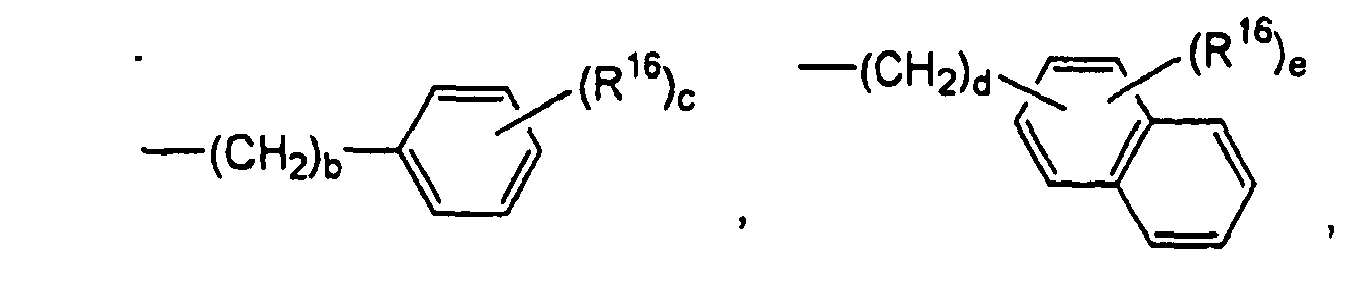


or a prodrug thereof or a pharmaceutically acceptable salt of them or a solvate of them. - 8. The pharmaceutical composition of
clause 7, in which the group V and/or X sPLA2-inhibiting compound is shown by general formula (I) in which
R5 is a group of -CH2-R18 wherein R18 is a group of formula:

or a prodrug thereof or a pharmaceutically acceptable salt of them or a solvate of them. - 9. The pharmaceutical composition in any one of
clauses 4 to 8, in which the group V and/or X sPLA2-inhibiting compound is shown by general formula (I) in which R1 is -OCH2COOH; or a prodrug thereof or a pharmaceutically acceptable salt of them or a solvate of them. - 10. The pharmaceutical composition of any one of
clauses 4 to 9, in which the group V and/or X sPLA2-inhibiting compound is shown by general formula (I) in which R2 is a hydrogen atom; or a prodrug thereof or a pharmaceutically acceptable salt of them or a solvate of them. - 11. The pharmaceutical composition of any one of
clauses 4 to 10, in which the group V and/or X sPLA2-inhibiting compound is shown by general formula (I) in which R6 is a C1-C3 alkyl; or a prodrug thereof or a pharmaceutically acceptable salt of them or a solvate of them. - 12. The pharmaceutical composition of any one of
clauses 4 to 11, in which the group V and/or X sPLA2-inhibiting compound is shown by general formula (I) in which RA is -C2CONH2 or -COCONH2; or a prodrug thereof or a pharmaceutically acceptable salt of them or a solvate of them. - 13. The pharmaceutical composition of any one of
clauses 1 to 3, in which the group V and/or X sPLA2-inhibiting compound is shown by the formula:


- 14. The pharmaceutical composition of any one of
clauses 1 to 3, in which the group V sPLA2-inhibiting compound is shown by the formula:


- 15. The pharmaceutical composition of any one of
clauses 1 to 3, in which the group X sPLA2-inhibiting compound is shown by the formula:


- 16. Use of a group V and/or X sPLA2-inhibiting compound for preparation of a medicament for treating or preventing arteriosclerosis or an ischemic disease based on arteriosclerosis.
- 17. The use in clause 16 in which the group V and/or X sPLA2-inhibiting compound is a compound of any one of
clauses 4 to 15. - 18. A method for treating or preventing arteriosclerosis or an ischemic disease based on arteriosclerosis in a mammal including a human, which comprises administrating to said mammal a therapeutically effective amount of a group V and/or X sPLA2-inhibiting compound, thereby alleviating their symptoms.
- 19. The method in
clause 18, in which the group V and/or X sPLA2-inhibiting compound is a compound of any one ofclauses 4 to 15.

Claims (15)
- A pharmaceutical composition comprising a group V or X sPLA2-inhibiting compound represented by general formula (I):

ring A is:
each R3 and R4 is independently a hydrogen atom, a non-interfering substituent, a carbocyclic group, a carbocyclic group substituted by a non-interfering substituent, a heterocyclic group, or a heterocyclic group substituted by a non-interfering substituent; and
-B- is a group of (e)-(h):
R6 is a hydrogen atom, a halogen, a C1-C3 alkyl, a C3-C4 cycloalkyl, a C3-C4 cycloalkenyl, a C1-C3 alkyloxy, or a C1-C3 alkylthio;
R7 is a hydrogen atom or a non-interfering substituent;
RA is a group of formula:
RB is -CONH2 or -CONHNH2; and
ring D is a cyclohexene ring or a benzene ring; provided that, when -B- is a group of (e) or (f), then ring A is a ring of (b), or (c) ;
or a pharmaceutically acceptable C1 - C6 alkylester, salt, or solvate thereof; and
one or more pharmaceutically acceptable carriers, diluents, or additives
for use in suppressing degeneration of serum lipoproteins and/or treating or preventing arteriosclerosis and/or treating or preventing an ischemic disease based on arteriosclerosis. - The pharmaceutical composition of claim 1 wherein
R1 is a hydrogen atom or a group of formula: -(L3)-R11 wherein L3 is -OCH2-, -SCH2-, -NH-CH2-, -CH2-CH2-, -O-CH(CH3), or -O-CH-(CH2CH2C6H5)-; and R11 is -COOH, -CONHSO2C6H5, -SO3H, or -P(O)(OH)2; and
R2 is a hydrogen atom or a group of formula: -(L4)-R12 wherein L4 is a group of formula:


provided that R1 and R2 are not a hydrogen atom, simultaneously. - The pharmaceutical composition of any one of claims 1 to 2, wherein
R3 is a hydrogen atom, a C1-C6 alkyl, a C3-C6 cycloalkyl, an aryl, or a heterocyclic group, and R4 is a hydrogen atom or a halogen. - The pharmaceutical composition of any of claims 1 to 3, wherein
R5 is a group of -(CH2)1-6-R15 wherein R15 is a group of formula:


- The pharmaceutical composition of any one of claims 1 to 4, wherein R5 is a group of -CH2-R18 wherein R18 is a group of formula:


- The pharmaceutical composition of any one of claims 1 to 5, wherein R1 is -OCH2COOH.
- The pharmaceutical composition of any one of claims 1 to 6, wherein R2 is a hydrogen atom.
- The pharmaceutical composition of any one of claims 1 to 7, wherein R6 is a C1-C3 alkyl.
- The pharmaceutical composition of any one of claims 1 to 8, wherein RA is -CH2CONH2 or -COCONH2.
- The pharmaceutical composition of claim 1, wherein the group V or X sPLA2- inhibiting compound is:

- The pharmaceutical composition of claim 1, wherein the group V or X sPLA2- inhibiting compound is:

- A group V or X sPLA2 inhibiting compound represented by general formula (I):

ring A is:
R2 is a hydrogen atom or a group of formula: -(L4)-R12 wherein L4 is a group of formula:


R3 is a hydrogen atom, a C1-C6 alkyl, a C3-C6 cycloalkyl, an aryl, or a heterocyclic group;
R4 is a hydrogen atom or a halogen;
-B- is a group of (e)-(h);


R6 is a C1-C3 alkyl;
R7 is a hydrogen atom or a non-interfering substituent;
RA is -CH2CONH2 or -COCONH2;
RB is -CONCH2 OR -CONHNH2; and
ring D is a cyclohexene ring or a benzene ring; provided that, when -B- is a group of (e) or (f), then ring A is a ring of (b) or (c);
or a pharmaceutically acceptable C1-C6 alkyl ester, salt, or solvate thereof
for use in suppressing degeneration of serum lipoproteins and/or treating or preventing arteriosclerosis and/or treating or preventing an ischemic disease based on arteriosclerosis. - The compound of claim 12, wherein
R5 is a group of -CH2-R18 wherein R18 is a group of formula:

- The compound of any one of claims 12 to 13, wherein R1 is -OCH2COOH.
- The compound of any one of claims 12-14, wherein R2 is a hydrogen atom.
Applications Claiming Priority (3)
| Application Number | Priority Date | Filing Date | Title |
|---|---|---|---|
| JP2001078569 | 2001-03-19 | ||
| JP2001401289 | 2001-12-28 | ||
| EP02705327A EP1378246B1 (en) | 2001-03-19 | 2002-03-19 | sPLA2 INHIBITORS FOR ARTERIOSCLEROSIS |
Related Parent Applications (1)
| Application Number | Title | Priority Date | Filing Date |
|---|---|---|---|
| EP02705327A Division EP1378246B1 (en) | 2001-03-19 | 2002-03-19 | sPLA2 INHIBITORS FOR ARTERIOSCLEROSIS |
Publications (2)
| Publication Number | Publication Date |
|---|---|
| EP2044958A2 true EP2044958A2 (en) | 2009-04-08 |
| EP2044958A3 EP2044958A3 (en) | 2009-07-08 |
Family
ID=26611547
Family Applications (2)
| Application Number | Title | Priority Date | Filing Date |
|---|---|---|---|
| EP08021793A Withdrawn EP2044958A3 (en) | 2001-03-19 | 2002-03-19 | Pharmaceutical composition for treating arteriosclerosis |
| EP02705327A Expired - Lifetime EP1378246B1 (en) | 2001-03-19 | 2002-03-19 | sPLA2 INHIBITORS FOR ARTERIOSCLEROSIS |
Family Applications After (1)
| Application Number | Title | Priority Date | Filing Date |
|---|---|---|---|
| EP02705327A Expired - Lifetime EP1378246B1 (en) | 2001-03-19 | 2002-03-19 | sPLA2 INHIBITORS FOR ARTERIOSCLEROSIS |
Country Status (14)
| Country | Link |
|---|---|
| US (1) | US20040248898A1 (en) |
| EP (2) | EP2044958A3 (en) |
| JP (1) | JP4499361B2 (en) |
| KR (1) | KR100908968B1 (en) |
| CN (1) | CN1553814B (en) |
| AT (1) | ATE428425T1 (en) |
| BR (1) | BR0208275A (en) |
| CA (1) | CA2441110C (en) |
| DE (1) | DE60231969D1 (en) |
| ES (1) | ES2324766T3 (en) |
| MX (1) | MXPA03008440A (en) |
| PT (1) | PT1378246E (en) |
| TW (1) | TWI314457B (en) |
| WO (1) | WO2002074342A1 (en) |
Families Citing this family (13)
| Publication number | Priority date | Publication date | Assignee | Title |
|---|---|---|---|---|
| JPWO2002000621A1 (en) * | 2000-06-29 | 2004-04-22 | 塩野義製薬株式会社 | Compound having X-type sPLA2 inhibitory action |
| US20050244367A1 (en) * | 2004-05-03 | 2005-11-03 | Ilypsa, Inc. | Phospholipase inhibitors localized in the gastrointestinal lumen |
| KR20070091607A (en) | 2004-10-12 | 2007-09-11 | 디코드 제네틱스, 아이엔씨. | Substituted Bicyclic Compounds Around Sulfonamide for Obstructive Arterial Disease |
| US8329913B2 (en) | 2004-10-29 | 2012-12-11 | Zeria Pharmaceutical Co., Ltd. | Carbazole derivative, solvate thereof, or pharmaceutically acceptable salt thereof |
| US7666898B2 (en) | 2005-11-03 | 2010-02-23 | Ilypsa, Inc. | Multivalent indole compounds and use thereof as phospholipase-A2 inhibitors |
| CA2627352A1 (en) * | 2005-11-03 | 2007-05-18 | Ilypsa, Inc. | Indole compounds having c4-amide substituents and use thereof as phospholipase-a2 inhibitors |
| EP2027117A2 (en) | 2006-05-16 | 2009-02-25 | Decode Genetics EHF | Process for preparing 7-(acryloyl)-indoles |
| EP2154958A4 (en) * | 2007-05-03 | 2011-05-04 | Anthera Pharmaceuticals Inc | TREATMENT OF CARDIOVASCULAR DISEASE AND DYSLIPIDEMIA USING SECRETARY <SB> 2 </ SB> SECONDARY PHOSPHOLIPASE A (SPLA <SB> 2 </ SB> INHIBITORS) AND COMBINED THERAPIES INVOLVING SPLA <SB> 2 INHIBITORS </ SB> |
| US8048880B2 (en) * | 2007-05-03 | 2011-11-01 | Anthera Pharmaceuticals, Inc. | Treatment of cardiovascular disease and dyslipidemia using secretory phospholipase A2 (SPLA2) inhibitors and SPLA2 inhibitor combination therapies |
| US20090062369A1 (en) * | 2007-08-31 | 2009-03-05 | Joaquim Trias | Use of secretory phospholipase a2 (spla2) inhibitors to decrease spla2 levels |
| WO2010038104A1 (en) * | 2008-10-03 | 2010-04-08 | INSERM (Institut National de la Santé et de la Recherche Médicale) | Combination of cardiovascular risk factors for the diagnosis/prognosis of a cardiovascular disease/event. |
| NZ720946A (en) | 2009-04-29 | 2017-09-29 | Amarin Pharmaceuticals Ie Ltd | Pharmaceutical compositions comprising epa and a cardiovascular agent and methods of using the same |
| KR101037404B1 (en) * | 2010-12-07 | 2011-05-30 | 박철형 | Ceiling LED lighting by extruded main body |
Citations (15)
| Publication number | Priority date | Publication date | Assignee | Title |
|---|---|---|---|---|
| EP0620215A1 (en) | 1993-04-16 | 1994-10-19 | Eli Lilly And Company | 1H-indole-3-acetamide derivatives as sPLA2 inhibitors |
| EP0620214A1 (en) | 1993-04-16 | 1994-10-19 | Eli Lilly And Company | 1H-indole-3-acetic acid hydrazide sPLA2 inhibitors |
| EP0675110A1 (en) | 1994-04-01 | 1995-10-04 | Eli Lilly And Company | 1H-Indole-3-glyoxylamide sPLA2 inhibitors |
| WO1996003376A1 (en) | 1994-07-21 | 1996-02-08 | Eli Lilly And Company | 1H-INDOLE-1-FUNCTIONAL sPLA2 INHIBITORS |
| WO1996003383A1 (en) | 1994-07-21 | 1996-02-08 | Eli Lilly And Company | INDOLIZINE sPLA2 INHIBITORS |
| WO1996003120A1 (en) | 1994-07-21 | 1996-02-08 | Eli Lilly And Company | INDENE sPLA2 INHIBITORS |
| EP0779273A1 (en) | 1995-12-13 | 1997-06-18 | Eli Lilly And Company | Naphthyl glyoxamides as sPLA2 inhibitors |
| EP0779271A1 (en) | 1995-12-13 | 1997-06-18 | Eli Lilly And Company | Naphthyl acetamides as sPLA2 inhibitors |
| EP0839806A1 (en) | 1996-10-30 | 1998-05-06 | Eli Lilly And Company | Substituted tricyclics |
| EP0846687A1 (en) | 1996-12-04 | 1998-06-10 | Eli Lilly And Company | Pyrazoles as human non-pancreatic secretory phospholipase A2 inhibitors |
| WO1998024794A1 (en) | 1996-12-03 | 1998-06-11 | Eli Lilly And Company | PHENYL GLYOXAMIDES AS sPLA2 INHIBITORS |
| WO1998024756A1 (en) | 1996-12-03 | 1998-06-11 | Eli Lilly And Company | Phenyl acetamides as spla2 inhibitors |
| WO1998025609A1 (en) | 1996-12-10 | 1998-06-18 | Eli Lilly And Company | PYRROLES AS sPLA2 INHIBITORS |
| WO1999051605A1 (en) | 1998-03-31 | 1999-10-14 | Shionogi & Co., Ltd. | PYRROLO[1,2-a]PYRAZINE sPLA2 INHIBITOR |
| WO1999059999A1 (en) | 1998-05-21 | 1999-11-25 | Shionogi & Co., Ltd. | PYRROLO[1,2-b]PYRIDAZINE DERIVATIVES HAVING sPLA2 INHIBITORY EFFECT |
Family Cites Families (5)
| Publication number | Priority date | Publication date | Assignee | Title |
|---|---|---|---|---|
| EP0658205B1 (en) * | 1993-06-25 | 2000-03-15 | Smithkline Beecham Plc | Lipoprotein associated phospholipase a2, inhibitors thereof and use of the same in diagnosis and therapy |
| US5498608A (en) * | 1994-01-07 | 1996-03-12 | Salix Pharmaceuticals | Use of 2-hydroxy-5-phenylazobenzoic acid derivatives as colon cancer chemopreventative and chemotherapeutic agents |
| ATE329619T1 (en) * | 1998-10-14 | 2006-07-15 | Shionogi & Co | SPLA2 INHIBITORS FOR THE TREATMENT OF ISCHEMIC REPERFUSION INJURY |
| US6756376B1 (en) * | 1999-11-15 | 2004-06-29 | Shionogi & Co., Ltd. | Tricyclic azaindolizine derivatives having an sPLA2-inhibitory activities |
| JPWO2002000621A1 (en) * | 2000-06-29 | 2004-04-22 | 塩野義製薬株式会社 | Compound having X-type sPLA2 inhibitory action |
-
2002
- 2002-03-18 TW TW091105096A patent/TWI314457B/zh not_active IP Right Cessation
- 2002-03-19 BR BR0208275-6A patent/BR0208275A/en not_active Application Discontinuation
- 2002-03-19 ES ES02705327T patent/ES2324766T3/en not_active Expired - Lifetime
- 2002-03-19 US US10/472,234 patent/US20040248898A1/en not_active Abandoned
- 2002-03-19 MX MXPA03008440A patent/MXPA03008440A/en active IP Right Grant
- 2002-03-19 CN CN028095529A patent/CN1553814B/en not_active Expired - Fee Related
- 2002-03-19 WO PCT/JP2002/002585 patent/WO2002074342A1/en not_active Ceased
- 2002-03-19 CA CA2441110A patent/CA2441110C/en not_active Expired - Fee Related
- 2002-03-19 KR KR1020037012268A patent/KR100908968B1/en not_active Expired - Fee Related
- 2002-03-19 AT AT02705327T patent/ATE428425T1/en not_active IP Right Cessation
- 2002-03-19 EP EP08021793A patent/EP2044958A3/en not_active Withdrawn
- 2002-03-19 EP EP02705327A patent/EP1378246B1/en not_active Expired - Lifetime
- 2002-03-19 JP JP2002573049A patent/JP4499361B2/en not_active Expired - Fee Related
- 2002-03-19 PT PT02705327T patent/PT1378246E/en unknown
- 2002-03-19 DE DE60231969T patent/DE60231969D1/en not_active Expired - Lifetime
Patent Citations (29)
| Publication number | Priority date | Publication date | Assignee | Title |
|---|---|---|---|---|
| US5578634A (en) | 1993-04-16 | 1996-11-26 | Eli Lilly And Company | 1H-indole-3-acetic acid hydrazide sPLA2 inhibitors |
| EP0620214A1 (en) | 1993-04-16 | 1994-10-19 | Eli Lilly And Company | 1H-indole-3-acetic acid hydrazide sPLA2 inhibitors |
| JPH0710838A (en) | 1993-04-16 | 1995-01-13 | Eli Lilly & Co | sPLA2 inhibitor 1H-indole-3-acetic acid hydrazide |
| JPH0725850A (en) | 1993-04-16 | 1995-01-27 | Eli Lilly & Co | 1H-indole-3-acetamide, a sPLA2 inhibitor |
| US5684034A (en) | 1993-04-16 | 1997-11-04 | Eli Lilly And Company | 1H-indole-3-acetamide sPLA2 inhibitors |
| EP0620215A1 (en) | 1993-04-16 | 1994-10-19 | Eli Lilly And Company | 1H-indole-3-acetamide derivatives as sPLA2 inhibitors |
| EP0675110A1 (en) | 1994-04-01 | 1995-10-04 | Eli Lilly And Company | 1H-Indole-3-glyoxylamide sPLA2 inhibitors |
| JPH07285933A (en) | 1994-04-01 | 1995-10-31 | Eli Lilly & Co | 1h-indole-3-glyoxylamide spla2 inhibitor |
| US5654326A (en) | 1994-04-01 | 1997-08-05 | Eli Lilly And Company | 1H-indole-3-glyoxylamide SPLA2 inhibitors |
| US5641800A (en) | 1994-07-21 | 1997-06-24 | Eli Lilly And Company | 1H-indole-1-functional sPLA2 inhibitors |
| JPH10505336A (en) | 1994-07-21 | 1998-05-26 | イーライ・リリー・アンド・カンパニー | Inden sPLA ▲ Lower 2 ▼ Inhibitor |
| WO1996003120A1 (en) | 1994-07-21 | 1996-02-08 | Eli Lilly And Company | INDENE sPLA2 INHIBITORS |
| WO1996003383A1 (en) | 1994-07-21 | 1996-02-08 | Eli Lilly And Company | INDOLIZINE sPLA2 INHIBITORS |
| WO1996003376A1 (en) | 1994-07-21 | 1996-02-08 | Eli Lilly And Company | 1H-INDOLE-1-FUNCTIONAL sPLA2 INHIBITORS |
| JPH10503208A (en) | 1994-07-21 | 1998-03-24 | イーライ・リリー・アンド・カンパニー | 1H-indole-1-functional sPLA (2) Inhibitor |
| JPH10505584A (en) | 1994-07-21 | 1998-06-02 | イーライ・リリー・アンド・カンパニー | Indolizine sPLA (2) Inhibitor |
| EP0779271A1 (en) | 1995-12-13 | 1997-06-18 | Eli Lilly And Company | Naphthyl acetamides as sPLA2 inhibitors |
| WO1997021664A1 (en) | 1995-12-13 | 1997-06-19 | Eli Lilly And Company | NAPHTHYL ACETAMIDES AS sPLA2 INHIBITORS |
| WO1997021716A1 (en) | 1995-12-13 | 1997-06-19 | Eli Lilly And Company | NAPHTHYL GLYOXAMIDES AS sPLA2 INHIBITORS |
| EP0779273A1 (en) | 1995-12-13 | 1997-06-18 | Eli Lilly And Company | Naphthyl glyoxamides as sPLA2 inhibitors |
| EP0839806A1 (en) | 1996-10-30 | 1998-05-06 | Eli Lilly And Company | Substituted tricyclics |
| WO1998018464A1 (en) | 1996-10-30 | 1998-05-07 | Eli Lilly And Company | Substituted tricyclics |
| WO1998024794A1 (en) | 1996-12-03 | 1998-06-11 | Eli Lilly And Company | PHENYL GLYOXAMIDES AS sPLA2 INHIBITORS |
| WO1998024756A1 (en) | 1996-12-03 | 1998-06-11 | Eli Lilly And Company | Phenyl acetamides as spla2 inhibitors |
| EP0846687A1 (en) | 1996-12-04 | 1998-06-10 | Eli Lilly And Company | Pyrazoles as human non-pancreatic secretory phospholipase A2 inhibitors |
| WO1998024437A1 (en) | 1996-12-04 | 1998-06-11 | Eli Lilly And Company | Pyrazoles as human non-pancreatic secretory phospholipase a2 inhibitors |
| WO1998025609A1 (en) | 1996-12-10 | 1998-06-18 | Eli Lilly And Company | PYRROLES AS sPLA2 INHIBITORS |
| WO1999051605A1 (en) | 1998-03-31 | 1999-10-14 | Shionogi & Co., Ltd. | PYRROLO[1,2-a]PYRAZINE sPLA2 INHIBITOR |
| WO1999059999A1 (en) | 1998-05-21 | 1999-11-25 | Shionogi & Co., Ltd. | PYRROLO[1,2-b]PYRIDAZINE DERIVATIVES HAVING sPLA2 INHIBITORY EFFECT |
Non-Patent Citations (43)
| Title |
|---|
| AVIRAM ET AL., BIOCHEM. BIOPHYS. RES. COMMUN., vol. 185, 1992, pages 465 - 472 |
| BLIGH ET AL., CAN. J. BIOCHEM. PHYSIOL., vol. 37, 1959, pages 911 - 917 |
| BUNDGARD, H.: "Design of Prodrugs", 1985, ELSEVIER, pages: 7 - 9 |
| CHEN ET AL., J. BIOL. CHEM, vol. 269, 1994, pages 2365 - 2368 |
| CHEN ET AL., J. BIOL.CHEM., vol. 269, 1994, pages 2365 - 2368 |
| COLLET ET AL., BIOCHIM. BIOPHYS. ACTA, vol. 1043, 1990, pages 301 - 310 |
| CUPILLARD ET AL., J. BIOL. CHEM, vol. 272, 1997, pages 15745 - 15752 |
| CUPILLARD ET AL., J. BIOL. CHEM., vol. 272, 1997, pages 15745 - 15752 |
| DOLE ET AL., J. BIOL. CHEM., vol. 235, 1960, pages 2595 - 2599 |
| ELINDER ET AL., ARTERIOSCLER. THROMB. VASC. BIOL., vol. 17, 1997, pages 2257 - 2263 |
| ESTERBAUER ET AL., FREE RAD. RES. COMMS., vol. 6, 1989, pages 67 - 75 |
| GAMBLE ET AL., J. LIPID. RES., vol. 19, 1978, pages 1068 - 1070 |
| GELB ET AL., J. BIOL. CHEM., vol. 275, 2000, pages 39823 - 39826 |
| HANASAKI ET AL., J. BIOL. CHEM., vol. 274, 1999, pages 34203 - 34211 |
| HANASAKI K. ET AL., J.BIOL.CHEM., vol. 274, no. 48, 26 November 1999 (1999-11-26), pages 34203 - 11 |
| HAVEL ET AL., J. CLIN. INVEST., vol. 34, 1955, pages 1345 - 1353 |
| HURT-CAMEJO ET AL., CURR. OPIN. LIPIDOL., vol. 11, 2000, pages 465 - 471 |
| ISHIZAKI ET AL., J. BIOL. CHEM., vol. 274, 1999, pages 24973 - 24979 |
| IVANDIC ET AL., ARTERIOSCLER. THROMB. VASC. BIOL., vol. 19, 1999, pages 1284 - 1290 |
| LAURE J. REYNOLDS; LORI L. HUGHES; EDWARD A. DENNIS: "Analysis of Human Synovial Fluid Phospholipase A2 on Short Chain Phosphatidylcholine-Mixed Micelles: Development of a Spectrophotometric Assay Suitable for a Microtiterplate Reader", ANALYTICAL BIOCHEMISTRY, vol. 204, 1992, pages 190 - 197 |
| LAURE. J. REYNOLDS; LORI L. HUGHES; EDWARD A DENNIS: "Analysis of Human Synovial Fluid Phospholipase AZ on Short Chain Phosphatidylcholine-Mixed Micelles: Development of a Spectrophotometric Assay Suitable for a Microtiterplate Reader", ANALYTICAL BIOCHEMISTRY, vol. 204, 1992, pages 190 - 197 |
| LOMBARDO D. ET AL., J. BIOL. CHEM., vol. 260, 1985, pages 7234 - 7240 |
| MAKOTO MURAKAMI; ICHIROU KUDOU, GENDAIIRYOU, vol. 32, 2000, pages 517 - 548 |
| MENSCHIKOWSKI ET AL., ATHEROSCLEROSIS, vol. 118, 1995, pages 173 - 181 |
| MORIOKA ET AL., ARCH. BIOCHEM. BIOPHYS., vol. 381, 2000, pages 31 - 42 |
| MORIOKA ET AL., FEBS LETT., vol. 487, 2000, pages 262 - 266 |
| NAGANO ET AL., PROC. NATL. ACAD. SCI. USA., vol. 88, 1991, pages 6457 - 6461 |
| PRUZANSKI ET AL., J. LIPID. RES., vol. 39, 1998, pages 2150 - 2160 |
| ROBERTS M.F. ET AL., J. BIOL. CHEM., vol. 252, 1977, pages 2405 - 2411 |
| S.M.BERGE ET AL.: "Pharmaceutical Salts", J.PHAR.SCI., vol. 66, 1977, pages 1 - 19, XP002675560, DOI: doi:10.1002/jps.2600660104 |
| SAIGA ET AL., BIOCHIM. BIOPHYS. ACTA, vol. 1530, 2001, pages 67 - 76 |
| SARTIPY ET AL., J. BIOL. CHEM., vol. 274, 1999, pages 25913 - 25920 |
| SIX ET AL., BIOCHIM. BIOPHYS. ACTA, vol. 1488, 2000, pages 1 - 19 |
| SUZUKI ET AL., J. BIOL. CHEM., vol. 275, 2000, pages 5785 - 5793 |
| SUZULD N ET AL., J.BIOL.CHEM., vol. 275, no. 8, 25 February 2000 (2000-02-25), pages 5785 - 93 |
| THE JOURNAL OF BIOLOGICAL CHEMISTRY, vol. 274, no. 48, 1999, pages 34203 - 34211 |
| THE JOURNAL OF CLINICAL INVESTIGATION, vol. 94, 1994, pages 937 - 945 |
| TIETGE ET AL., J. BIOL. CHEM., vol. 275, 2000, pages 10077 - 10084 |
| VADAS P. ET AL., LAB. INVEST., vol. 55, 1986, pages 391 - 404 |
| Y6KODE ET AL., RINSHOKENSA, vol. 44, 2000, pages 1052 - 1058 |
| YOKOTA ET AL., BIOCHIM. BIOPHYS. ACTA, vol. 1438, 1999, pages 213 - 222 |
| YOSHIDA T. ET AL., J. ANTIBIOTICS., vol. 44, 1991, pages 1467 - 1470 |
| YOSHIMOTO ET AL., BIOCHEM. BIOPHYS. ACTA., vol. 713, 1982, pages 470 - 473 |
Also Published As
| Publication number | Publication date |
|---|---|
| CN1553814A (en) | 2004-12-08 |
| ATE428425T1 (en) | 2009-05-15 |
| MXPA03008440A (en) | 2004-01-29 |
| BR0208275A (en) | 2004-04-13 |
| CA2441110A1 (en) | 2002-09-26 |
| TWI314457B (en) | 2009-09-11 |
| EP1378246A1 (en) | 2004-01-07 |
| CA2441110C (en) | 2010-10-12 |
| JP4499361B2 (en) | 2010-07-07 |
| EP2044958A3 (en) | 2009-07-08 |
| PT1378246E (en) | 2009-05-22 |
| DE60231969D1 (en) | 2009-05-28 |
| JPWO2002074342A1 (en) | 2004-07-08 |
| ES2324766T3 (en) | 2009-08-14 |
| WO2002074342A1 (en) | 2002-09-26 |
| CN1553814B (en) | 2010-05-26 |
| KR100908968B1 (en) | 2009-07-22 |
| EP1378246B1 (en) | 2009-04-15 |
| EP1378246A4 (en) | 2004-07-07 |
| KR20030085026A (en) | 2003-11-01 |
| US20040248898A1 (en) | 2004-12-09 |
Similar Documents
| Publication | Publication Date | Title |
|---|---|---|
| EP1378246B1 (en) | sPLA2 INHIBITORS FOR ARTERIOSCLEROSIS | |
| AU2018219292B2 (en) | Tunable endogenous protein degradation with heterobifunctional compounds | |
| US20090286796A1 (en) | Compounds exhibiting type X sPLA2 inhibiting effect | |
| EP2125803B1 (en) | Pyrrolo[2,3-b]pyridine compounds, azaindole compounds used for synthesizing said pyrrolo[2,3-b]pyridine compounds, methods for the production thereof, and uses thereof | |
| EP1771446B1 (en) | Azaindole inhibitors of mtp and apob | |
| WO2014142290A1 (en) | Pyrazole-amide compound and medicinal uses therefor | |
| TWI748194B (en) | Novel lxr modulators with bicyclic core moiety | |
| CN102040550A (en) | Inhibitors of cytosolic phospholipase A2 | |
| JP7744689B2 (en) | Compound for preventing or treating lipid metabolism-related diseases | |
| US20090318492A1 (en) | Indole compounds having c4-acidic substituents and use thereof as phospholipase-a2 inhibitors | |
| WO2003057149A2 (en) | 4-substituted fused heteropyrimidines and fused hetero-4-pyrimidones | |
| WO2021174023A1 (en) | Small molecule inhibitors of scl15a4 with anti-inflammatory activity | |
| TW201627302A (en) | Substituted amide compounds | |
| US9061997B2 (en) | Quinolinone derivatives | |
| IL293811A (en) | Modulators of cullin 3 adaptor kbtbd4 as anti-cancer compounds | |
| US20040077651A1 (en) | Remedies for cancer | |
| US20090239896A1 (en) | Azaindole compounds and use thereof as phospholipase-a2 inhibitors | |
| US6967200B2 (en) | Remedies for cirrhosis | |
| WO2016115460A1 (en) | Small molecule antagonists of dusp5 and methods of use | |
| Moineaux et al. | Synthesis, crystal structures and electronic properties of isomers of chloro-pyridinylvinyl-1H-indoles | |
| JP2004536127A (en) | Kinase inhibitors and uses thereof | |
| CN120659787A (en) | Substituted pyrazolopyrimidines and use thereof | |
| US20090306171A1 (en) | Indole compounds having c4-amide substituents and use thereof as phospholipase-a2 inhibitors | |
| HUP9903545A2 (en) | Substituted tricyclics compounds, process for producing them and pharmaceutical compositions containing them |
Legal Events
| Date | Code | Title | Description |
|---|---|---|---|
| PUAI | Public reference made under article 153(3) epc to a published international application that has entered the european phase |
Free format text: ORIGINAL CODE: 0009012 |
|
| 17P | Request for examination filed |
Effective date: 20081216 |
|
| AC | Divisional application: reference to earlier application |
Ref document number: 1378246 Country of ref document: EP Kind code of ref document: P |
|
| AK | Designated contracting states |
Kind code of ref document: A2 Designated state(s): AT BE CH CY DE DK ES FI FR GB GR IE IT LI LU MC NL PT SE TR |
|
| PUAL | Search report despatched |
Free format text: ORIGINAL CODE: 0009013 |
|
| AK | Designated contracting states |
Kind code of ref document: A3 Designated state(s): AT BE CH CY DE DK ES FI FR GB GR IE IT LI LU MC NL PT SE TR |
|
| 17Q | First examination report despatched |
Effective date: 20100113 |
|
| AKX | Designation fees paid |
Designated state(s): AT BE CH CY DE DK ES FI FR GB GR IE IT LI LU MC NL PT SE TR |
|
| STAA | Information on the status of an ep patent application or granted ep patent |
Free format text: STATUS: THE APPLICATION IS DEEMED TO BE WITHDRAWN |
|
| 18D | Application deemed to be withdrawn |
Effective date: 20100526 |