EP2042430A2 - Remote aircraft manufacturing, monitoring, maintenance and management system - Google Patents
Remote aircraft manufacturing, monitoring, maintenance and management system Download PDFInfo
- Publication number
- EP2042430A2 EP2042430A2 EP08075973A EP08075973A EP2042430A2 EP 2042430 A2 EP2042430 A2 EP 2042430A2 EP 08075973 A EP08075973 A EP 08075973A EP 08075973 A EP08075973 A EP 08075973A EP 2042430 A2 EP2042430 A2 EP 2042430A2
- Authority
- EP
- European Patent Office
- Prior art keywords
- aircraft
- computer
- server
- ground
- configuration identity
- Prior art date
- Legal status (The legal status is an assumption and is not a legal conclusion. Google has not performed a legal analysis and makes no representation as to the accuracy of the status listed.)
- Ceased
Links
Images



Classifications
-
- G—PHYSICS
- G06—COMPUTING OR CALCULATING; COUNTING
- G06F—ELECTRIC DIGITAL DATA PROCESSING
- G06F8/00—Arrangements for software engineering
- G06F8/60—Software deployment
-
- B—PERFORMING OPERATIONS; TRANSPORTING
- B64—AIRCRAFT; AVIATION; COSMONAUTICS
- B64D—EQUIPMENT FOR FITTING IN OR TO AIRCRAFT; FLIGHT SUITS; PARACHUTES; ARRANGEMENT OR MOUNTING OF POWER PLANTS OR PROPULSION TRANSMISSIONS IN AIRCRAFT
- B64D47/00—Equipment not otherwise provided for
-
- B—PERFORMING OPERATIONS; TRANSPORTING
- B64—AIRCRAFT; AVIATION; COSMONAUTICS
- B64F—GROUND OR AIRCRAFT-CARRIER-DECK INSTALLATIONS SPECIALLY ADAPTED FOR USE IN CONNECTION WITH AIRCRAFT; DESIGNING, MANUFACTURING, ASSEMBLING, CLEANING, MAINTAINING OR REPAIRING AIRCRAFT, NOT OTHERWISE PROVIDED FOR; HANDLING, TRANSPORTING, TESTING OR INSPECTING AIRCRAFT COMPONENTS, NOT OTHERWISE PROVIDED FOR
- B64F5/00—Designing, manufacturing, assembling, cleaning, maintaining or repairing aircraft, not otherwise provided for; Handling, transporting, testing or inspecting aircraft components, not otherwise provided for
- B64F5/60—Testing or inspecting aircraft components or systems
-
- G—PHYSICS
- G06—COMPUTING OR CALCULATING; COUNTING
- G06F—ELECTRIC DIGITAL DATA PROCESSING
- G06F8/00—Arrangements for software engineering
- G06F8/60—Software deployment
- G06F8/65—Updates
-
- H—ELECTRICITY
- H04—ELECTRIC COMMUNICATION TECHNIQUE
- H04B—TRANSMISSION
- H04B7/00—Radio transmission systems, i.e. using radiation field
- H04B7/14—Relay systems
- H04B7/15—Active relay systems
- H04B7/185—Space-based or airborne stations; Stations for satellite systems
- H04B7/18502—Airborne stations
- H04B7/18506—Communications with or from aircraft, i.e. aeronautical mobile service
-
- G—PHYSICS
- G06—COMPUTING OR CALCULATING; COUNTING
- G06F—ELECTRIC DIGITAL DATA PROCESSING
- G06F8/00—Arrangements for software engineering
- G06F8/60—Software deployment
- G06F8/65—Updates
- G06F8/654—Updates using techniques specially adapted for alterable solid state memories, e.g. for EEPROM or flash memories
Definitions
- the present invention relates to information systems which collect, manage, process, and transfer data, and more specifically to a mobile platform and ground information system to manage, process, and wirelessly communicate data both to and from a mobile platform (e.g. aircraft, ship, automobile, train, spacecraft).
- a mobile platform e.g. aircraft, ship, automobile, train, spacecraft.
- Modem mobile platforms have an increasing volume of electronic and software driven systems controlled or partially operated by computers and computer software. Most mobile platforms have no capability for remotely managing and maintaining system configuration. Further, the collection and communication of a mobile platform's system(s) data for use in remotely managing and maintaining the mobile platform during the manufacturing process is beyond the capability of today's mobile platform systems. Some mobile platforms now have the onboard capability of collecting system data for monitoring. This data can be removed to a ground-based facility for later after-the-fact health assessment (e.g. diagnostics and trend analysis). Some mobile platforms have the capability to transmit a limited amount of this data to ground-based facilities while in motion. The capability to troubleshoot problems from remote locations is very limited.
- the present invention can apply to any mobile platform with computer systems.
- an aircraft is used as an example of a mobile platform.
- the aircraft industry processes, organizations, and regulatory requirements are used to explain the invention. Very similar processes and implementations can be applicable to other mobile platforms
- An aircraft's configuration is herein defined as the identity of each software and hardware part used on the aircraft.
- An authorized configuration of each aircraft is required in order for the aircraft to be flight approved by regulatory bodies.
- the configuration identities of the aircraft; both that which is captured on engineering renderings, herein defined as the authorized configuration identity; and a current parts listing of the physical aircraft, herein defined as the actual configuration identity; are in a constant state of flux due to maintenance and engineering activities. Reconciliation of these two configuration identities is presently difficult.
- Most of the information providing the authorized configuration identity of each aircraft is now rendered in hard copy form, i.e., as a document set, which is revised and maintained by the airline operating the individual aircraft.
- An initial version of the authorized configuration identity for each aircraft is provided by the aircraft manufacturer, and is thereafter updated by the airline as changes to the aircraft authorized configuration identity are made.
- the disadvantage of the present system of managing each aircraft's configuration is that the authorized and actual configuration data is not available to all personnel requiring the information.
- the latency, manual nature and the logistics of the update process is error prone.
- the required aircraft authorized configuration identity information is therefore difficult to maintain and use.
- a total electronic version of the aircraft authorized and actual configuration identities are not presently available. Further, where the electronic version of the actual configuration identity does exist, it does not contain many of the parts actually existing on the aircraft. Reconciliation of these two identities is manpower intensive and logistically difficult.
- Another disadvantage of the present system of managing an aircraft's configuration is the logistics problems associated with the location, number, and type of software parts that must be available.
- Some aircraft have software parts stored on one or more mass storage devices. Software parts are also retained in one or more ground-based locations. Aircraft software is also stored on diskettes and other media onboard the aircraft in binders. The variety of types and locations of these software and media parts compound the problem of maintaining up-to-date inventories of aircraft software on and off the aircraft.
- a further disadvantage of the present infrastructure both on and off aircraft is that airline operators, suppliers, and manufacturers have little or no access to the systems and the data on each individual aircraft.
- a person or persons must physically go to the aircraft, wherever the aircraft is located in the world, and gather data to resolve problems.
- these parties must contact either an airline maintenance group or an engineer working for the aircraft manufacturer or designer in order to obtain other data.
- the manufacturer's and supplier's personnel must travel to the aircraft to obtain data to solve the problem.
- the problem solution may require making either hardware or software changes to the physical aircraft.
- the new actual configuration identity must then be verified and a quality control step conducted to confirm that the changes made are proper.
- Each of these activities adds to the cost of maintaining an aircraft and increases the delay time in updating the physical aircraft or correcting problems.
- an aircraft hardwired or wireless data communication system provides an aircraft mounted computer/server in communication with a plurality of aircraft systems.
- the computer/server collects, stores and/or distributes the aircraft hardware and software actual configuration identity.
- the computer/server also stores the loadable software parts.
- the aircraft actual configuration identity is accessible in real-time via the computer/server.
- the data communication system ties the computer/server to the ground-based computer systems via at least one transceiver, modem, and/or antenna of the aircraft.
- an authorized system user can schedule maintenance operations, query the actual configuration identity of the aircraft, monitor systems' parameters and status, run some system tests, load software to update the aircraft system functionality, make log book entries, and manage the physical aircraft.
- the ground-based computer system can be a single computer or a plurality of linked computers/computer systems.
- the ground-based computer system is accessed by a plurality of organizational computer systems.
- Organizational computer systems can include a single computer or a plurality of linked computers/computer systems.
- Each organizational computer system has remote real-time access to the aircraft mounted computer/server.
- the system of the present invention provides that a plurality of remote users can access the aircraft mounted computer/server to manage in real-time the operational status and configuration of the aircraft systems.
- These computers also have access to ground-based manufacturing data, maintenance data, authorized configuration data, and mission information.
- Users as defined herein can include any person or software program (agent) granted access to the system of the present invention. Each user will require an authorization to access the system of the present invention.
- a data manager known in the art is used to control access to the system of the present invention.
- a user can submit one of a plurality of commands to the computer/server of the present invention, including software loading commands, system functional test commands, maintenance information input or withdrawal commands, other data withdrawal commands, log book entry commands, and system monitoring commands.
- the system of the present invention provides remote, real-time access to specific hardware installed in an aircraft. For each hardware part identified by known electronic part number placards, the system of the present invention provides remote access to the aircraft's hardware identity. Any deviation between an actual configuration identity versus the authorized configuration identity of the aircraft is ascertained by performing a comparison of the authorized aircraft configuration identity obtained from the ground against the actual configuration identity, both of which are remotely accessible. Also, if a change to the authorized configuration identity is required, the new authorized configuration identity provided by one of the ground- based computers is compared to each aircraft's actual configuration identity to determine which aircraft have incorporated the authorized change.
- System software and data updates are remotely sent to the computer/server on the aircraft.
- an authorized user can remotely move new software and data to the aircraft, initiate an installation of software and data, and interrogate the aircraft for the most current actual configuration identity.
- an authorized user has access to the aircraft systems to view and analyze real-time and on board collected system data, and perform system status checks and testing.
- the system of the present invention also permits more than one authorized user to remotely access aircraft systems and simultaneously perform system status checks and testing. For example, this permits both engineering personnel and maintenance personnel to simultaneously access an aircraft's system status and real-time signal data, even if the aircraft is in flight, to identify and resolve problems.
- Data forwarded to the aircraft using the system of the present invention is stored in a computer/server onboard the aircraft. Any software or data affecting flight systems or operating system controls of the aircraft is temporarily isolated from the operational systems of the aircraft by an electronic firewall known in the art.
- An existing set of interlocks e.g., aircraft on the ground, wheels stopped, or engines shut off, satisfy safety requirements which must be met before software or data can be transferred into and modify the systems of the aircraft.
- Information is transmitted from the ground-based computer via wireless communication signals which are forwarded to the aircraft. If the aircraft is out of direct path range of the ground-based computer, a satellite system can also be used to relay the information directly to an in-flight or remotely stationed aircraft.
- the ground-based computer is connected via either wired, or wireless secure communication lines and/or via a secure Internet connection to the individual users.
- a security system known in the art, is employed to prevent unauthorized access and or alteration of the software and/or data sent on all transmission paths identified herein.
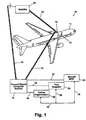
- the RAM system 10 provides in an aircraft 11 a computer/server 12.
- the computer/server 12 is in wireless communication through an aircraft transceiver/antenna 14 with a ground-based computer system (GBCS) 16 along a wireless signal path 18.
- the GBCS 16 can be a single computer or multiple linked computers and/or servers.
- the computer/server 12 as defined herein can be: a stand-alone computer such as a personal computer; a portable, e.g., laptop computer; an aircraft installed computer module; or a monitor providing input/output capability remotely operating from a separate computer unit.
- the GBCS 16 can be a stand-alone computer or a network of computers.
- the GBCS 16 in turn communicates with at least one organizational computer system at one or more of the following exemplary locations: an aircraft manufacturer 26, a part supplier 28, an airline organization 30, and additional, i.e., third parties (not shown) through each of a plurality of signal paths.
- Each signal path can be an Internet signal path, an individual local area network (LAN) signal path, hardwired, or a wireless signal path.
- the aircraft manufacturer 26 is shown in communication with the GBCS 16 along an exemplary signal path 32.
- the part supplier 28 is shown in communication with the GBCS 16 along a signal path 34.
- the airline organization 30 is shown in communication with the GBCS 16 along a signal path 36.
- Each of the individual organizational computer systems, e.g., the aircraft manufacturer 26, the part supplier 28, and the airline organization 30 are in communication with other organizational computer systems along a signal- path 38, a signal path 39 and a signal path 40, respectively.
- Personnel onboard an aircraft 11 in flight or at a remote facility can evaluate a problem and receive real-time data from one or more aircraft systems of the aircraft 11 using the RAM system 10 of the present invention.
- Software programs (not shown) are also required on the aircraft 11 and at the GBCS 16 to properly secure and use the system of the present invention.
- the computer/server 12 which is located on the aircraft 11 is isolated by an electronic firewall 42 from each of a plurality of aircraft systems 44.
- the aircraft systems 44 provide control of the aircraft during flight.
- the software parts and data contained in the computer/server 12 are not permitted to be overwritten into the aircraft systems 44 until certain conditions of the aircraft 11 are met. These conditions or interlocks normally include requirements such as the aircraft 11 being on the ground. Other requirements can also be invoked for the set of interlocks.
- a configuration management subsystem (CMS) 46 is preferably provided within the computer/server 12, but is shown separate in Figure 2 for clarity. The CMS 46 will be discussed further herein with reference to Figure 9 .
- the RAM system 10 of the present invention is therefore capable of providing a real-time remote display of the operating parameters of the aircraft 11.
- Any aircraft system of the aircraft systems 44 may be tied into the computer/server 12.
- Exemplary systems which may be accessible by the computer/server 12 include: flight controls; engine controls; autopilot; navigation; electrical; hydraulics; pneumatics; and water waste.
- Real-time signal data and health status of each of these systems is available using the system of the present invention. Diagnostic tests and manufacturing activities can also be performed provided the interlock requirements are met.
- Software revisions can also be uploaded for any of the systems connected with the computer/server 12. Older aircraft can be fitted with a system of the present invention but may have limited functionality.
- the RAM system 10 of the present invention can be used to collect real-time diagnostic, configuration, or other data and can be used to send software parts or data to the aircraft.
- the computer/server 12 can also be linked to a plurality of electronic part identification placards (EPIPs) 50.
- EPIPs 50 are known in the art and identify via individualized part numbers that specific non-computer based hardware components are installed on the aircraft 11. The information from the plurality of the EPIPs 50 is therefore also available to the computer/server 12 for transmission from the aircraft 11 to the GBCS 16 shown in Figure 1 . This collection of information forms a part of the aircraft's hardware actual configuration identity (ACI).
- ACI hardware actual configuration identity
- a combination of data including the configuration of all software and data on the aircraft 11 (i.e., the software ACI), and the individual parts identified by the plurality of EPIPs 50 and electronic hardware reports (i.e., the hardware ACI) form an aircraft actual configuration identity (AACI) of the aircraft 11.
- the AACI can be obtained by any authorized user of the RAM system 10 of the present invention using at least one of the plurality of individual computers shown in Figure 1 .
- the AACI can then be compared to its authorized configuration identity which is normally stored in both the aircraft computer/server 12 and in organizational computer systems (shown in Figure 8 ) of the aircraft manufacturer 26 and/or the airline organization 30 (shown in Figure 1 ).
- a remote real-time or near real-time comparison between the AACI and the authorized configuration identity of the aircraft can be performed any time the aircraft 11 electronic systems are operating and the computer/server 12 is available.
- a sequence of steps is shown to update an aircraft's physical software configuration.
- an updated aircraft authorized configuration identity is loaded into an aircraft authorized configuration identity file.
- the updated authorized configuration identity file is transmitted to an individual aircraft.
- a system user or software program initiates a query through the aircraft computer/server for the actual configuration identity.
- the aircraft systems continually update their actual configuration identities on the aircraft's computer/server.
- the new authorized configuration identity is compared to the aircraft actual configuration identity generated in step 56.
- a reconfiguration step 62 if the comparison performed in the comparison step 60 identifies that a difference exists between the authorized configuration identity of the aircraft and the actual configuration identity of the aircraft, the aircraft data load system of the present invention reconfigures the aircraft system(s) based on the authorized configuration identity of the aircraft, when the aircraft interlock system permits.
- the updated software parts or data stored in the aircraft computer/server are overwritten into the aircraft systems of the aircraft during this step.
- a quality control verification is electronically performed to validate that all the aircraft system(s), including the modified systems, conform with the authorized configuration identity of the aircraft.
- a sending step 66 at the request of an authorized system user, the AACI is transmitted by the computer/server to the GBCS as a report.
- the ground configuration management system of the GBCS compares the AACI report to the authorized configuration identity documentation in the GBCS to determine if any differences exist.
- differences identified in step 68 are reported by the GBCS to the user.
- the user can remotely initiate software or data loading if the aircraft interlock system permits, or store the software or data in the on-board computer/server for later loading.
- a validation step 74 the aircraft configuration management system electronically provides a revised AACI report for off aircraft validation
- the steps to identify, develop, and transfer a software or data item using the RAM system 10 of the present invention are detailed.
- an identification step 76 a user, supplier or manufacturer identities to a software supplier a need for a software and/or data update.
- the software supplier develops an updated software and/or data package for an aircraft.
- an item identification/part numbering step 80 a unique part number or identifier is added to the software or data package to uniquely identify the software or data package from all other packages. The package is then secured for transmission.
- the identifier or part number from step 80 is added to the aircraft authorized configuration identity.
- the updated software or data package is provided directly to the aircraft computer/server for storage and future use.
- a software program un-packages, verifies, and stores the updated software or data package on the aircraft computer/server.
- data package processing is automatically performed if aircraft interlock systems permit.
- the updated software or data package is transmitted first to a quality control center (as known in the art) of either the aircraft manufacturer or airline where the package and its contents are validated, tested and verified to conform to appropriate aircraft industry standards. After verification and testing, the software or data package is then transmitted to the aircraft computer/server for storage and future use.
- the aircraft manufacturer 26 can use one or more organizational computer systems to interact with one or more internal groups (e.g. an engineering group 90, an operations group 92, and/or a flight test group 94).
- the engineering group 90 computer systems are connected to the GBCS 16 by at least one signal path 96.
- the operations group 92 computer systems are connected to the GBCS 16 by at least one signal path 98.
- the flight test group 94 computer systems are connected to the GBCS 16 by at least one signal path 100.
- the one or more part suppliers 28 are connected to the GBCS 16 by at least one signal path 34 and are connected to each organization of the aircraft manufacturer 26 by the signal path 38 and the signal path 39.
- the signal paths 38 and 39 are Internet data transmission paths.
- the aircraft manufacturer 26 and/or the part supplier 28 users can collaboratively evaluate a problem using real time data from one or more systems of the aircraft 11 (shown in Figure 1 ) or ground systems of the aircraft manufacturer 26, and/or the part supplier 28 using the system of the present invention.
- Remote connection of the aircraft manufacturer 26 and/or the part supplier 28 to the computer/server 12 is possible by direct transmission between the GBCS 16 to the computer/server 12 via the wireless signal path 18, or by wireless signal transmission via the satellite 20 along the ground-satellite signal path 22 and the satellite-aircraft signal path 24 previously discussed in reference to Figure 1 .
- a hardwired transmission path 102 can also be connected between the GBCS 16 and the computer/server 12, when the aircraft is on the ground, in place of the wireless signal path 18.
- exemplary organizational computer systems connecting the airline organization 30, one or more part suppliers 28, and the aircraft manufacturer 26 (shown in Figure 1 ) to the GBCS 16 and to the computer/server 12 of the present invention are shown in greater detail.
- the airline organization 30 can use one or more organizational computer systems to interact with one or more internal groups (e.g. a maintenance group 110, and/or an operations group 112).
- the maintenance group 110 computer/servers are connected to the GBCS 16 by at least one signal path 116.
- the operations group 112 computer/servers are connected to the GBCS 16 by at least one signal path 118.
- the one or more part suppliers 28 and the aircraft manufacturer 26 can be connected to the GBCS 16 by at least one signal path and are connected to each of the airline organizations 30 by the signal path 39 and the signal path 40.
- the signal paths 39 and 40 are internet data transmission paths.
- Airline organization 30 users and/or part supplier 28 users and/or aircraft manufacturer 26 users, either onboard an aircraft or at a remote facility, can collaboratively evaluate a problem using real-time data from one or more systems of the aircraft 11 (shown in Figure 1 ) or ground systems of the airline organization 30, and/or the part supplier 28, and/or the aircraft manufacturer 26 using the system of the present invention.
- Remote connection of the airline organization 30 and/or the part suppliers 28, and/or the aircraft manufacturer 26 to the computer/server 12 is possible by direct transmission between the GBCS 16 to the computer/server 12 via the wireless signal path 18, or by wireless signal transmission via satellite 20 along the ground-satellite signal path 22 and the satellite-aircraft signal path 24 previously discussed in reference to Figure 6 .
- a hardwired transmission path 120 can also be connected between the GBCS 16 and the computer/server 12, when the aircraft is on the ground, for a signal path in place of the wireless signal path 18.
- the software/data supplier 130 develops a new software or data item, packages the software or data item and transmits this package to a quality control or receipt inspection group 132 which is part of the aircraft manufacturer 26 identified in Figure 1 .
- the software package is transmitted via a signal path 134.
- the quality control or receipt inspection group 132 is connected to a distribution control and vault 136 via a data transfer line 138.
- Software or data packages can be electronically transferred to any of a plurality of workstations (e.g. engineering workstations 140 via a data transfer line 142, and/or of manufacturing workstations 144 via a data transfer line 146).
- a distribution and control function of the distribution control and vault 136 controls distribution of software and data packages based on engineering bill of materials (EBOMs), manufacturing bill of materials (MBOMs) and/or other control documents 148.
- EBOMs engineering bill of materials
- MBOMs manufacturing bill of materials
- the EBOM, MBOM and/or other control documents 148 can be packaged and distributed by the distribution control and vault 136 via a data transfer line 150 or to various locations (e.g. engineering workstations 140, manufacturing workstations 144, and/or the aircraft's computer/server 12).
- the software or data package can also be transmitted from the distribution control and vault 136 to the airline organization 30 via a signal path 152.
- a preferred embodiment of the present invention identifies the hardware and software used for configuration management and software load operations whose operation steps were described in reference to figures 3 and 4 .
- An actual aircraft configuration identity (AACI) 160 is collected by the CMS 46 from the aircraft systems 44 along a data transfer line 162.
- a remote user can access the AACI 160 via the GBCS 16. The remote user can determine whether a configuration change needs to be made. If an update is required, an updated authorized configuration identity 166 is packaged and sent through the GBCS 16 to the CMS 46 (within or connected to the aircraft computer/server 12). The CMS 46 then compares the new authorized configuration identity 166 to the AACI 160 to identify any differences.
- the CMS 46 sends a delta configuration report along line 168 to a data load system (DLS) 170. If the DLS 170 identifies that a safe status exists, the DLS 170 automatically initiates one or more software loads along one or more data transfer lines 172 into the aircraft systems 44. This process is repeated each time an updated authorized configuration identity is generated and uploaded to the CMS 46. As previously identified herein, existing interlocks 174 in the aircraft systems 44 prevent software or data being changed in any of the aircraft systems 44 at an inappropriate time.
- the DLS 170 may be an existing aircraft system which is modified per the present invention.
- the DLS 170 functionality may be distributed among the aircraft systems 44 including the CMS 46 instead of a stand-alone system.
- each aircraft system 44 can report status and transmit signals to an aircraft onboard health manager 180.
- the health manager 180 is an existing avionics system that collects and reports data on aircraft systems which is modified per the present invention to permit expanded functionality (e.g. more data, more tests, diagnostics) and real/-time data transfer to and from the health manager 180.
- the health manager 180 consolidates the status reports and transmits them in real-time to the GBCS 16 via one of the signal paths previously described herein. This information is routed to exemplary locations such as an engineering workstation 182 and a maintenance workstation 184.
- the engineering workstation 182 and the maintenance workstation 184 exemplify two of a plurality of workstations which can be part of the organizational computer systems located at one or more of the aircraft manufacturer, the part supplier, and/or the airline, in addition to any other user authorized to connect into the system of the present invention.
- an authorized user can access and view reports, and can also initiate requests for additional status, real-time data, or diagnostic tests.
- the GBCS 16 transmits these requests to the health manager 180, which, depending on the request: 1) transmits the additional status; 2) initiates real-time transmission of selected signals; and/or 3) requests one of the aircraft systems 44 to perform a specific diagnostic test.
- the health manager 180 can consolidate, store and/or transmit the results of the diagnostic test(s).
- An authorized user via the GBCS 16 can assess real-time status of sensed systems and determine if they conform to their basis of certification, or whether repair deferral is possible based on regulatory approval. This capability can be used as part of the formal process of returning an aircraft 11 to a state of airworthiness.
- a remote authorized user can view an entry on a technical logbook 186.
- the technical logbook 186 is a file which contains data required to maintain the airworthiness of the aircraft 11.
- the technical logbook 186 can be remotely maintained via the GBCS 16. If the problem can be fixed remotely, the procedure is conducted. If the problem is deferrable, the deferral is noted in the technical logbook 186.
- the authorized user is able to remotely affix appropriate certification data (e.g. airframe and power plant mechanic's license number) into the technical logbook 186, allowing the aircraft 11 to continue operations.
- an authorized ground user remotely requests performance of a specific test from one of a plurality of ground-based workstations.
- the GBCS 16 transmits the request to the onboard aircraft health manager 180.
- the health manager 180 requests the selected aircraft system to perform a test.
- the health manager 180 transmits the test results from step 196 to the GBCS 16.
- the GBCS 16 reports the test results to the ground-based user.
- a wireless or hardwired transmission path is utilized to maintain, monitor, manufacture, manage and/or administer aircraft.
- Personnel can remotely monitor the real-time status of aircraft systems, even with the aircraft in flight.
- Two or more persons can simultaneously review aircraft data and perform maintenance actions.
- By providing aircraft configuration data electronically the data is more easily accessed by personnel with the appropriate security clearance.
- Copies of software or data on physical media are no longer required to be stored on an aircraft and are no longer required to be delivered to the aircraft or airline for use in maintenance and loading.
- the description of the invention is merely exemplary in nature and, thus, variations that do not depart from the gist of the invention are intended to be within the scope of the invention. Such variations are not to be regarded as a departure from the spirit and scope of the invention.
- the present invention can apply to any mobile platform with computer systems.
- an aircraft is used as an example of a mobile platform.
- the aircraft industry processes, organizations, and regulatory requirements are used to explain the invention. Very similar processes and implementations can be applicable to other mobile platforms
Landscapes
- Engineering & Computer Science (AREA)
- Software Systems (AREA)
- Theoretical Computer Science (AREA)
- General Engineering & Computer Science (AREA)
- General Physics & Mathematics (AREA)
- Physics & Mathematics (AREA)
- Aviation & Aerospace Engineering (AREA)
- Computer Networks & Wireless Communication (AREA)
- Signal Processing (AREA)
- Computer Security & Cryptography (AREA)
- Astronomy & Astrophysics (AREA)
- Manufacturing & Machinery (AREA)
- Transportation (AREA)
- Computer And Data Communications (AREA)
- Mobile Radio Communication Systems (AREA)
- Management, Administration, Business Operations System, And Electronic Commerce (AREA)
- Debugging And Monitoring (AREA)
Abstract
Description
- The present invention relates to information systems which collect, manage, process, and transfer data, and more specifically to a mobile platform and ground information system to manage, process, and wirelessly communicate data both to and from a mobile platform (e.g. aircraft, ship, automobile, train, spacecraft).
- Modem mobile platforms have an increasing volume of electronic and software driven systems controlled or partially operated by computers and computer software. Most mobile platforms have no capability for remotely managing and maintaining system configuration. Further, the collection and communication of a mobile platform's system(s) data for use in remotely managing and maintaining the mobile platform during the manufacturing process is beyond the capability of today's mobile platform systems. Some mobile platforms now have the onboard capability of collecting system data for monitoring. This data can be removed to a ground-based facility for later after-the-fact health assessment (e.g. diagnostics and trend analysis). Some mobile platforms have the capability to transmit a limited amount of this data to ground-based facilities while in motion. The capability to troubleshoot problems from remote locations is very limited.
- The present invention can apply to any mobile platform with computer systems. In the description below, an aircraft is used as an example of a mobile platform. The aircraft industry processes, organizations, and regulatory requirements are used to explain the invention. Very similar processes and implementations can be applicable to other mobile platforms
- Commercial airlines are required to retain and maintain an authorized configuration of each aircraft. An aircraft's configuration is herein defined as the identity of each software and hardware part used on the aircraft. An authorized configuration of each aircraft is required in order for the aircraft to be flight approved by regulatory bodies. The configuration identities of the aircraft; both that which is captured on engineering renderings, herein defined as the authorized configuration identity; and a current parts listing of the physical aircraft, herein defined as the actual configuration identity; are in a constant state of flux due to maintenance and engineering activities. Reconciliation of these two configuration identities is presently difficult. Most of the information providing the authorized configuration identity of each aircraft is now rendered in hard copy form, i.e., as a document set, which is revised and maintained by the airline operating the individual aircraft. An initial version of the authorized configuration identity for each aircraft is provided by the aircraft manufacturer, and is thereafter updated by the airline as changes to the aircraft authorized configuration identity are made.
- The disadvantage of the present system of managing each aircraft's configuration is that the authorized and actual configuration data is not available to all personnel requiring the information. The latency, manual nature and the logistics of the update process is error prone. The required aircraft authorized configuration identity information is therefore difficult to maintain and use. A total electronic version of the aircraft authorized and actual configuration identities are not presently available. Further, where the electronic version of the actual configuration identity does exist, it does not contain many of the parts actually existing on the aircraft. Reconciliation of these two identities is manpower intensive and logistically difficult.
- Another disadvantage of the present system of managing an aircraft's configuration is the logistics problems associated with the location, number, and type of software parts that must be available. Some aircraft have software parts stored on one or more mass storage devices. Software parts are also retained in one or more ground-based locations. Aircraft software is also stored on diskettes and other media onboard the aircraft in binders. The variety of types and locations of these software and media parts compound the problem of maintaining up-to-date inventories of aircraft software on and off the aircraft.
- Software changes are commonly made on an aircraft by first loading new software parts onto a physical media, e.g., a CD ROM, or a diskette. The physical media must then be transported to the location of the aircraft for the software to be loaded on the individual aircraft. The disadvantage of this system is that changes to the aircraft's software cannot be made any faster than the process that delivers the physical media between the supplier and ultimately to the individual aircraft
- A further disadvantage of the present infrastructure both on and off aircraft is that airline operators, suppliers, and manufacturers have little or no access to the systems and the data on each individual aircraft. A person or persons must physically go to the aircraft, wherever the aircraft is located in the world, and gather data to resolve problems. Typically, these parties must contact either an airline maintenance group or an engineer working for the aircraft manufacturer or designer in order to obtain other data. Often, the manufacturer's and supplier's personnel must travel to the aircraft to obtain data to solve the problem. The problem solution may require making either hardware or software changes to the physical aircraft. The new actual configuration identity must then be verified and a quality control step conducted to confirm that the changes made are proper. Each of these activities adds to the cost of maintaining an aircraft and increases the delay time in updating the physical aircraft or correcting problems.
- A need therefore exists for a system which provides electronic transfer of information to and from each individual aircraft which also provides real-time access to a greater number of people in the information stream. A need also exists for a paperless, totally electronic system to simplify configuration assessment and modifications, to accomplish systems monitoring, maintenance, management, and manufacturing.
- According to a preferred embodiment of the present invention, an aircraft hardwired or wireless data communication system is provided. In a preferred embodiment, the system provides an aircraft mounted computer/server in communication with a plurality of aircraft systems. The computer/server collects, stores and/or distributes the aircraft hardware and software actual configuration identity. The computer/server also stores the loadable software parts. The aircraft actual configuration identity is accessible in real-time via the computer/server. The data communication system ties the computer/server to the ground-based computer systems via at least one transceiver, modem, and/or antenna of the aircraft. By remotely accessing the computer/server, an authorized system user can schedule maintenance operations, query the actual configuration identity of the aircraft, monitor systems' parameters and status, run some system tests, load software to update the aircraft system functionality, make log book entries, and manage the physical aircraft.
- Access to the computer/server is provided by hardwired or wireless communication with a ground-based computer system. The ground-based computer system can be a single computer or a plurality of linked computers/computer systems. In one preferred embodiment, the ground-based computer system is accessed by a plurality of organizational computer systems. Organizational computer systems can include a single computer or a plurality of linked computers/computer systems. Each organizational computer system has remote real-time access to the aircraft mounted computer/server. The system of the present invention provides that a plurality of remote users can access the aircraft mounted computer/server to manage in real-time the operational status and configuration of the aircraft systems. These computers also have access to ground-based manufacturing data, maintenance data, authorized configuration data, and mission information.
- Users as defined herein can include any person or software program (agent) granted access to the system of the present invention. Each user will require an authorization to access the system of the present invention. A data manager known in the art is used to control access to the system of the present invention. A user can submit one of a plurality of commands to the computer/server of the present invention, including software loading commands, system functional test commands, maintenance information input or withdrawal commands, other data withdrawal commands, log book entry commands, and system monitoring commands.
- The system of the present invention provides remote, real-time access to specific hardware installed in an aircraft. For each hardware part identified by known electronic part number placards, the system of the present invention provides remote access to the aircraft's hardware identity. Any deviation between an actual configuration identity versus the authorized configuration identity of the aircraft is ascertained by performing a comparison of the authorized aircraft configuration identity obtained from the ground against the actual configuration identity, both of which are remotely accessible. Also, if a change to the authorized configuration identity is required, the new authorized configuration identity provided by one of the ground- based computers is compared to each aircraft's actual configuration identity to determine which aircraft have incorporated the authorized change.
- System software and data updates are remotely sent to the computer/server on the aircraft. Using one or more of the individual ground-based computers provided in the system, an authorized user can remotely move new software and data to the aircraft, initiate an installation of software and data, and interrogate the aircraft for the most current actual configuration identity.
- Using one or more of the individual ground-based computers provided in the system, an authorized user has access to the aircraft systems to view and analyze real-time and on board collected system data, and perform system status checks and testing. The system of the present invention also permits more than one authorized user to remotely access aircraft systems and simultaneously perform system status checks and testing. For example, this permits both engineering personnel and maintenance personnel to simultaneously access an aircraft's system status and real-time signal data, even if the aircraft is in flight, to identify and resolve problems.
- Data forwarded to the aircraft using the system of the present invention is stored in a computer/server onboard the aircraft. Any software or data affecting flight systems or operating system controls of the aircraft is temporarily isolated from the operational systems of the aircraft by an electronic firewall known in the art. An existing set of interlocks, e.g., aircraft on the ground, wheels stopped, or engines shut off, satisfy safety requirements which must be met before software or data can be transferred into and modify the systems of the aircraft.
- Information is transmitted from the ground-based computer via wireless communication signals which are forwarded to the aircraft. If the aircraft is out of direct path range of the ground-based computer, a satellite system can also be used to relay the information directly to an in-flight or remotely stationed aircraft. The ground-based computer is connected via either wired, or wireless secure communication lines and/or via a secure Internet connection to the individual users. A security system, known in the art, is employed to prevent unauthorized access and or alteration of the software and/or data sent on all transmission paths identified herein.
- Further areas of applicability of the present invention will become apparent from the detailed description provided hereinafter. It should be understood that the detailed description and specific examples, while indicating a preferred embodiment of the invention, are intended for purposes of illustration only and are not intended to limit the scope of the invention.
- The present invention will become more fully understood from the detailed description and the accompanying drawings, wherein:
-
Figure 1 is a block diagram of a preferred embodiment of the present invention; -
Figure 2 is a perspective view of an aircraft showing the aircraft located computer of the present invention, and its interface with both the electronic firewall and the aircraft system of the aircraft; -
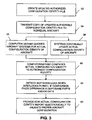
Figure 3 is a block diagram identifying the steps to load, interrogate and update an aircraft configuration using the system of the present invention; -
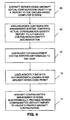
Figure 4 is a block diagram of another embodiment ofFigure 3 showing alternate steps to load, interrogate and update an aircraft configuration; -
Figure 5 is a block diagram identifying the steps a software supplier or manufacturer would take to prepare and upload a software modification to an aircraft using the system of the present invention; -
Figure 6 is a block diagram of an exemplary aircraft manufacturer's connections to and use of the system of the present invention; -
Figure 7 is a block diagram of an exemplary aircraft operator's connections to and use of the system of the present invention; -
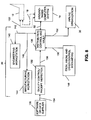
Figure 8 is a block diagram of an exemplary aircraft manufacturer's software and data distribution system of the present invention; -
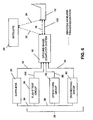
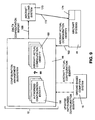
Figure 9 is a block diagram of the present invention detailing a flow path to compare an authorized configuration identity to an actual configuration identity of an aircraft, predisposing software loading of aircraft systems; -
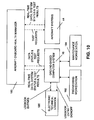
Figure 10 is a block diagram of the present invention identifying steps to remotely assess an aircraft's health; and -
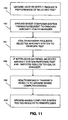
Figure 11 is a block diagram of the present invention identifying steps to remotely perform diagnostic testing of an aircraft. - The following description of the preferred embodiments is merely exemplary in nature and is in no way intended to limit the invention, its application, or uses.
- Referring to
Figure 1 , a remote aircraft manufacturing, monitoring, maintenance and management (RAM)system 10 in accordance with a preferred embodiment of the present invention is shown. TheRAM system 10 provides in an aircraft 11 a computer/server 12. The computer/server 12 is in wireless communication through an aircraft transceiver/antenna 14 with a ground-based computer system (GBCS) 16 along awireless signal path 18. TheGBCS 16 can be a single computer or multiple linked computers and/or servers. As known in the art, the computer/server 12 as defined herein can be: a stand-alone computer such as a personal computer; a portable, e.g., laptop computer; an aircraft installed computer module; or a monitor providing input/output capability remotely operating from a separate computer unit. If theaircraft 11 is not in a direct line signal communication path with theGBCS 16, Communication can be relayed via a satellite 20 (via a ground-satellite signal path 22 and a satellite-aircraft signal path 24). This provides two-way wireless communication between theaircraft 11 and theGBCS 16 for any location of theaircraft 11 in the world, whether the aircraft is in flight or on the ground. - The
GBCS 16 can be a stand-alone computer or a network of computers. TheGBCS 16 in turn communicates with at least one organizational computer system at one or more of the following exemplary locations: anaircraft manufacturer 26, apart supplier 28, anairline organization 30, and additional, i.e., third parties (not shown) through each of a plurality of signal paths. Each signal path can be an Internet signal path, an individual local area network (LAN) signal path, hardwired, or a wireless signal path. Theaircraft manufacturer 26 is shown in communication with theGBCS 16 along anexemplary signal path 32. Thepart supplier 28 is shown in communication with theGBCS 16 along asignal path 34. Theairline organization 30 is shown in communication with theGBCS 16 along asignal path 36. Each of the individual organizational computer systems, e.g., theaircraft manufacturer 26, thepart supplier 28, and theairline organization 30 are in communication with other organizational computer systems along a signal-path 38, asignal path 39 and asignal path 40, respectively. - Personnel onboard an
aircraft 11 in flight or at a remote facility can evaluate a problem and receive real-time data from one or more aircraft systems of theaircraft 11 using theRAM system 10 of the present invention. Software programs (not shown) are also required on theaircraft 11 and at theGBCS 16 to properly secure and use the system of the present invention. - Referring now to
Figure 2 , within theRAM system 10, the computer/server 12 which is located on theaircraft 11 is isolated by anelectronic firewall 42 from each of a plurality ofaircraft systems 44. Theaircraft systems 44 provide control of the aircraft during flight. The software parts and data contained in the computer/server 12 are not permitted to be overwritten into theaircraft systems 44 until certain conditions of theaircraft 11 are met. These conditions or interlocks normally include requirements such as theaircraft 11 being on the ground. Other requirements can also be invoked for the set of interlocks. A configuration management subsystem (CMS) 46 is preferably provided within the computer/server 12, but is shown separate inFigure 2 for clarity. TheCMS 46 will be discussed further herein with reference toFigure 9 . - By using permissible signals through the
electronic firewall 42, it is also possible for theaircraft 11, while in flight, to provide, along one of a plurality ofelectronic busses 48, signals between theaircraft systems 44 and the computer/server 12. These signals can be routed to the computer/server 12 for dissemination via the signal paths shown inFigure 1 . TheRAM system 10 of the present invention is therefore capable of providing a real-time remote display of the operating parameters of theaircraft 11. - Any aircraft system of the
aircraft systems 44 may be tied into the computer/server 12. Exemplary systems which may be accessible by the computer/server 12 include: flight controls; engine controls; autopilot; navigation; electrical; hydraulics; pneumatics; and water waste. Real-time signal data and health status of each of these systems is available using the system of the present invention. Diagnostic tests and manufacturing activities can also be performed provided the interlock requirements are met. Software revisions can also be uploaded for any of the systems connected with the computer/server 12. Older aircraft can be fitted with a system of the present invention but may have limited functionality. On any aircraft having at least one electronic or software loadable system, or hardware electronic identification placards, theRAM system 10 of the present invention can be used to collect real-time diagnostic, configuration, or other data and can be used to send software parts or data to the aircraft. - The computer/
server 12 can also be linked to a plurality of electronic part identification placards (EPIPs) 50. The EPIPs 50 are known in the art and identify via individualized part numbers that specific non-computer based hardware components are installed on theaircraft 11. The information from the plurality of theEPIPs 50 is therefore also available to the computer/server 12 for transmission from theaircraft 11 to theGBCS 16 shown inFigure 1 . This collection of information forms a part of the aircraft's hardware actual configuration identity (ACI). - A combination of data including the configuration of all software and data on the aircraft 11 (i.e., the software ACI), and the individual parts identified by the plurality of EPIPs 50 and electronic hardware reports (i.e., the hardware ACI) form an aircraft actual configuration identity (AACI) of the
aircraft 11. The AACI can be obtained by any authorized user of theRAM system 10 of the present invention using at least one of the plurality of individual computers shown inFigure 1 . The AACI can then be compared to its authorized configuration identity which is normally stored in both the aircraft computer/server 12 and in organizational computer systems (shown inFigure 8 ) of theaircraft manufacturer 26 and/or the airline organization 30 (shown inFigure 1 ). A remote real-time or near real-time comparison between the AACI and the authorized configuration identity of the aircraft can be performed any time theaircraft 11 electronic systems are operating and the computer/server 12 is available. - Referring to
Figure 3 , a sequence of steps is shown to update an aircraft's physical software configuration. At acreation step 52, an updated aircraft authorized configuration identity is loaded into an aircraft authorized configuration identity file. At atransmission step 54, the updated authorized configuration identity file is transmitted to an individual aircraft. At aquery step 56, a system user or software program initiates a query through the aircraft computer/server for the actual configuration identity. At aparallel update step 58, similar to step 56, the aircraft systems continually update their actual configuration identities on the aircraft's computer/server. At acomparison step 60, the new authorized configuration identity is compared to the aircraft actual configuration identity generated instep 56. At areconfiguration step 62, if the comparison performed in thecomparison step 60 identifies that a difference exists between the authorized configuration identity of the aircraft and the actual configuration identity of the aircraft, the aircraft data load system of the present invention reconfigures the aircraft system(s) based on the authorized configuration identity of the aircraft, when the aircraft interlock system permits. The updated software parts or data stored in the aircraft computer/server are overwritten into the aircraft systems of the aircraft during this step. At averification step 64, a quality control verification is electronically performed to validate that all the aircraft system(s), including the modified systems, conform with the authorized configuration identity of the aircraft. - Referring to
Figure 4 , another embodiment for a software update procedure of the present invention is shown. At a sendingstep 66, at the request of an authorized system user, the AACI is transmitted by the computer/server to the GBCS as a report. At acomparison step 68, the ground configuration management system of the GBCS compares the AACI report to the authorized configuration identity documentation in the GBCS to determine if any differences exist. At areporting step 70, differences identified instep 68 are reported by the GBCS to the user. At aninitiation step 72, the user can remotely initiate software or data loading if the aircraft interlock system permits, or store the software or data in the on-board computer/server for later loading. At avalidation step 74 the aircraft configuration management system electronically provides a revised AACI report for off aircraft validation - Referring to
Figure 5 , the steps to identify, develop, and transfer a software or data item using theRAM system 10 of the present invention are detailed. At anidentification step 76, a user, supplier or manufacturer identities to a software supplier a need for a software and/or data update. At adevelopment step 78, the software supplier develops an updated software and/or data package for an aircraft. At an item identification/part numbering step 80, a unique part number or identifier is added to the software or data package to uniquely identify the software or data package from all other packages. The package is then secured for transmission. Atstep 82 the identifier or part number fromstep 80 is added to the aircraft authorized configuration identity. In atransmission step 84 the updated software or data package is provided directly to the aircraft computer/server for storage and future use. At anunpackaging step 86, a software program un-packages, verifies, and stores the updated software or data package on the aircraft computer/server. In analternate step 88 data package processing is automatically performed if aircraft interlock systems permit. In another preferred embodiment of the present invention, the updated software or data package is transmitted first to a quality control center (as known in the art) of either the aircraft manufacturer or airline where the package and its contents are validated, tested and verified to conform to appropriate aircraft industry standards. After verification and testing, the software or data package is then transmitted to the aircraft computer/server for storage and future use. - Referring now to
Figure 6 , exemplary organizational computer systems connecting theaircraft manufacturer 26 and one or more part suppliers 28 (shown inFigure 1 ) to theGBCS 16 and to the computer/server 12 are shown in greater detail. Theaircraft manufacturer 26 can use one or more organizational computer systems to interact with one or more internal groups (e.g. anengineering group 90, anoperations group 92, and/or a flight test group 94). Theengineering group 90 computer systems are connected to theGBCS 16 by at least onesignal path 96. Theoperations group 92 computer systems are connected to theGBCS 16 by at least onesignal path 98. Theflight test group 94 computer systems are connected to theGBCS 16 by at least onesignal path 100. As previously noted in reference toFigure 1 the one ormore part suppliers 28 are connected to theGBCS 16 by at least onesignal path 34 and are connected to each organization of theaircraft manufacturer 26 by thesignal path 38 and thesignal path 39. In a preferred embodiment of the present invention, thesignal paths - The
aircraft manufacturer 26 and/or thepart supplier 28 users, either on board an aircraft or at a remote facility, can collaboratively evaluate a problem using real time data from one or more systems of the aircraft 11 (shown inFigure 1 ) or ground systems of theaircraft manufacturer 26, and/or thepart supplier 28 using the system of the present invention. Remote connection of theaircraft manufacturer 26 and/or thepart supplier 28 to the computer/server 12 is possible by direct transmission between theGBCS 16 to the computer/server 12 via thewireless signal path 18, or by wireless signal transmission via thesatellite 20 along the ground-satellite signal path 22 and the satellite-aircraft signal path 24 previously discussed in reference toFigure 1 . Ahardwired transmission path 102 can also be connected between theGBCS 16 and the computer/server 12, when the aircraft is on the ground, in place of thewireless signal path 18. - Referring to
Figure 7 , exemplary organizational computer systems connecting theairline organization 30, one ormore part suppliers 28, and the aircraft manufacturer 26 (shown inFigure 1 ) to theGBCS 16 and to the computer/server 12 of the present invention are shown in greater detail. Theairline organization 30 can use one or more organizational computer systems to interact with one or more internal groups (e.g. amaintenance group 110, and/or an operations group 112). Themaintenance group 110 computer/servers are connected to theGBCS 16 by at least onesignal path 116. Theoperations group 112 computer/servers are connected to theGBCS 16 by at least onesignal path 118. - As previously noted in reference to
Figure 1 , the one ormore part suppliers 28 and theaircraft manufacturer 26 can be connected to theGBCS 16 by at least one signal path and are connected to each of theairline organizations 30 by thesignal path 39 and thesignal path 40. In a preferred embodiment of the present invention thesignal paths Airline organization 30 users and/orpart supplier 28 users and/oraircraft manufacturer 26 users, either onboard an aircraft or at a remote facility, can collaboratively evaluate a problem using real-time data from one or more systems of the aircraft 11 (shown inFigure 1 ) or ground systems of theairline organization 30, and/or thepart supplier 28, and/or theaircraft manufacturer 26 using the system of the present invention. Remote connection of theairline organization 30 and/or thepart suppliers 28, and/or theaircraft manufacturer 26 to the computer/server 12 is possible by direct transmission between theGBCS 16 to the computer/server 12 via thewireless signal path 18, or by wireless signal transmission viasatellite 20 along the ground-satellite signal path 22 and the satellite-aircraft signal path 24 previously discussed in reference toFigure 6 . Ahardwired transmission path 120 can also be connected between theGBCS 16 and the computer/server 12, when the aircraft is on the ground, for a signal path in place of thewireless signal path 18. - Referring to
Figure 8 , an exemplary flow path for software or data items which are provided by a software supplier is shown. The software/data supplier 130 develops a new software or data item, packages the software or data item and transmits this package to a quality control orreceipt inspection group 132 which is part of theaircraft manufacturer 26 identified inFigure 1 . The software package is transmitted via asignal path 134. The quality control orreceipt inspection group 132 is connected to a distribution control and vault 136 via adata transfer line 138. Software or data packages can be electronically transferred to any of a plurality of workstations (e.g. engineering workstations 140 via adata transfer line 142, and/or ofmanufacturing workstations 144 via a data transfer line 146). - A distribution and control function of the distribution control and vault 136 controls distribution of software and data packages based on engineering bill of materials (EBOMs), manufacturing bill of materials (MBOMs) and/or other control documents 148. The EBOM, MBOM and/or
other control documents 148 can be packaged and distributed by the distribution control and vault 136 via adata transfer line 150 or to various locations (e.g. engineering workstations 140,manufacturing workstations 144, and/or the aircraft's computer/server 12). The software or data package can also be transmitted from the distribution control and vault 136 to theairline organization 30 via asignal path 152. - Referring to
Figure 9 , a preferred embodiment of the present invention identifies the hardware and software used for configuration management and software load operations whose operation steps were described in reference tofigures 3 and4 . An actual aircraft configuration identity (AACI) 160 is collected by theCMS 46 from theaircraft systems 44 along adata transfer line 162. A remote user can access theAACI 160 via theGBCS 16. The remote user can determine whether a configuration change needs to be made. If an update is required, an updated authorizedconfiguration identity 166 is packaged and sent through theGBCS 16 to the CMS 46 (within or connected to the aircraft computer/server 12). TheCMS 46 then compares the new authorizedconfiguration identity 166 to theAACI 160 to identify any differences. TheCMS 46 sends a delta configuration report alongline 168 to a data load system (DLS) 170. If theDLS 170 identifies that a safe status exists, theDLS 170 automatically initiates one or more software loads along one or moredata transfer lines 172 into theaircraft systems 44. This process is repeated each time an updated authorized configuration identity is generated and uploaded to theCMS 46. As previously identified herein, existinginterlocks 174 in theaircraft systems 44 prevent software or data being changed in any of theaircraft systems 44 at an inappropriate time. TheDLS 170 may be an existing aircraft system which is modified per the present invention. TheDLS 170 functionality may be distributed among theaircraft systems 44 including theCMS 46 instead of a stand-alone system. - Referring to
Figure 10 , in a preferred embodiment of the present invention, remote access for health assessment capabilities operates as follows. As known in the art, eachaircraft system 44 can report status and transmit signals to an aircraftonboard health manager 180. Thehealth manager 180 is an existing avionics system that collects and reports data on aircraft systems which is modified per the present invention to permit expanded functionality (e.g. more data, more tests, diagnostics) and real/-time data transfer to and from thehealth manager 180. In a preferred embodiment of the present invention, thehealth manager 180 consolidates the status reports and transmits them in real-time to theGBCS 16 via one of the signal paths previously described herein. This information is routed to exemplary locations such as anengineering workstation 182 and amaintenance workstation 184. Theengineering workstation 182 and themaintenance workstation 184 exemplify two of a plurality of workstations which can be part of the organizational computer systems located at one or more of the aircraft manufacturer, the part supplier, and/or the airline, in addition to any other user authorized to connect into the system of the present invention. In these workstations, an authorized user can access and view reports, and can also initiate requests for additional status, real-time data, or diagnostic tests. TheGBCS 16 transmits these requests to thehealth manager 180, which, depending on the request: 1) transmits the additional status; 2) initiates real-time transmission of selected signals; and/or 3) requests one of theaircraft systems 44 to perform a specific diagnostic test. Thehealth manager 180 can consolidate, store and/or transmit the results of the diagnostic test(s). - An authorized user via the
GBCS 16 can assess real-time status of sensed systems and determine if they conform to their basis of certification, or whether repair deferral is possible based on regulatory approval. This capability can be used as part of the formal process of returning anaircraft 11 to a state of airworthiness. A remote authorized user can view an entry on atechnical logbook 186. Thetechnical logbook 186 is a file which contains data required to maintain the airworthiness of theaircraft 11. Thetechnical logbook 186 can be remotely maintained via theGBCS 16. If the problem can be fixed remotely, the procedure is conducted. If the problem is deferrable, the deferral is noted in thetechnical logbook 186. The authorized user is able to remotely affix appropriate certification data (e.g. airframe and power plant mechanic's license number) into thetechnical logbook 186, allowing theaircraft 11 to continue operations. - Referring to
Figure 11 , the steps used to interact with the aircraftonboard health manager 180 described inFigure 10 are detailed. At astep 190, an authorized ground user remotely requests performance of a specific test from one of a plurality of ground-based workstations. At astep 192, theGBCS 16 transmits the request to the onboardaircraft health manager 180. At astep 194, thehealth manager 180 requests the selected aircraft system to perform a test. At astep 196, if theaircraft systems 44 interlocks 174 (shown and discussed in reference toFigure 9 ) are satisfied, the system performs the tests and reports the results to thehealth manager 180. At astep 198, thehealth manager 180 transmits the test results fromstep 196 to theGBCS 16. At astep 200, theGBCS 16 reports the test results to the ground-based user. - The system of the present invention provides several advantages. A wireless or hardwired transmission path is utilized to maintain, monitor, manufacture, manage and/or administer aircraft. Personnel can remotely monitor the real-time status of aircraft systems, even with the aircraft in flight. Two or more persons can simultaneously review aircraft data and perform maintenance actions. By providing aircraft configuration data electronically, the data is more easily accessed by personnel with the appropriate security clearance. Copies of software or data on physical media are no longer required to be stored on an aircraft and are no longer required to be delivered to the aircraft or airline for use in maintenance and loading.
- The description of the invention is merely exemplary in nature and, thus, variations that do not depart from the gist of the invention are intended to be within the scope of the invention. Such variations are not to be regarded as a departure from the spirit and scope of the invention. For example, the present invention can apply to any mobile platform with computer systems. For example, in the description above, an aircraft is used as an example of a mobile platform. The aircraft industry processes, organizations, and regulatory requirements are used to explain the invention. Very similar processes and implementations can be applicable to other mobile platforms
Claims (28)
- A method to communicate in real-time with an aircraft (11) comprising the steps of:disposing a computer/server (12) on said aircraft (11);connecting said computer/server (12) with a plurality of systems of said aircraft (11);collecting a plurality of real-time system data from each of said plurality of systems in said computer/server (12);wirelessly communicating said plurality of real-time system data from said computer/server (12) to a ground-based computer system (16);linking said ground-based computer system (16) with a plurality of user computers; andenabling each of said plurality of user computers to perform:reading said system data via said ground-based computer system (16);transmitting each of data and commands in real-time from each of said user computers via said ground-based computer system (16) to said aircraft (11);storing an authorized configuration identity file accessible by authorized ones of said user computers;interacting with an aircraft onboard health manager (180), wherein interacting comprises:initiating from one of the plurality of user computers a request;transmitting the request to the onboard health manager (180) through the ground-based computer system (16);depending on the request, at least one of:- transmitting a status,- initiating real-time transmission of a signal, and- requesting one of the aircraft systems (44) to perform a specific diagnostic test,by the onboard health manager (180); andif one of the aircraft systems (44) was requested to perform a diagnostic test:- performing the test by the aircraft system (44) and reporting the results to the health manager (180);- transmitting the test results from the health manager (180) to the ground-based computer system (16); and- reporting the test results to the user computer.
- A method to communicate in real-time with an aircraft (11) comprising the steps of:disposing a computer/server (12) on said aircraft (11);connecting said computer/server (12) with a plurality of systems of said aircraft (11);collecting a plurality of real-time system data from each of said plurality of systems in said computer/server (12);linking the computer/server (12) to a plurality of electronic part identification placards, EPIPs, (50);identifying that specific non-computer based hardware components are installed on the aircraft (11) via individualized part numbers in the EPIPs (50);wirelessly communicating said plurality of real-time system data from said computer/server (12) to a ground-based computer system (16);connecting said ground-based computer system (16) with a plurality of user computers; andenabling each of said plurality of user computers to perform:reading said system data via said ground-bases computer system (16);transmitting each of data and commands in real-time from each of said user computers via said ground-based computer system (16) to said aircraft (11); andstoring an authorized configuration identity file accessible by authorized ones of said user computers.
- The method of claim 1 or 2, further comprising disposing a configuration management subsystem (46) in said computer/server (12) and in each of said user computers.
- The method of claim 1, 2, or 3, further comprising transferring to said computer/server (12) an updated authorized configuration identity file of said aircraft (11) from one of said authorized user computers.
- The method according to any of claims 1-4, comprising:identifying a difference between said aircraft actual configuration identity and said updated authorized aircraft configuration identity; andreporting said difference to both said ground-based computer system (16) and to said data load system.
- The method according to any of claims 1-5, comprising automatically loading new software parts from said data load system to said aircraft systems (44) when permitted by loading interlocks.
- The method according to any of claims 1-6, comprising manually loading new software parts from said data load system to said aircraft systems (44) when permitted by loading interlocks.
- An aircraft wireless data communication system comprising:an aircraft (11) having a plurality of aircraft systems (44);each of said aircraft systems (44) having a system actual configuration identity;each said system actual configuration identity being transferable as a system actual configuration identity file;a computer/server (12) being adaptable to electronically communicate with each of said plurality of aircraft systems (44), characterised in thatan aircraft onboard health manager (180) being adaptable to electronically communicate with the computer/server (12) and with each of said plurality of aircraft systems (44);each said system actual configuration identity file being combinable in said computer/server (12) to form an aircraft actual configuration identity;said aircraft actual configuration identity being transferable as an aircraft actual configuration identity file; andsaid computer/server (12) being in wireless communication with at least one ground-based network of computers;wherein any one of said ground-based network of computers is operable to:- receive a real-time status of each of said aircraft systems (44);- send a data set to said computer/server (12),wherein said data set includes an authorized aircraft configuration identity, including the identity of each software and hardware part of the aircraft (11), transferable as an authorized aircraft configuration identity file; and- send a command set to said onboard computer (12);wherein the command set comprises a request for performance of a specific test wherein the health manager (180) receiving the request, requests a selected aircraft system to perform a test, and wherein the results of the test are transmitted by the health manager (180) to the ground-based network of computers.
- An aircraft wireless data communication system comprising:an aircraft (11) having a plurality of aircraft systems (44);each of said aircraft systems (44) having a system actual configuration identity;each said system actual configuration identity being transferable as a system actual configuration identity file;a computer/server (12) being adaptable to electronically communicate with each of said plurality of aircraft systems (44), characterised in that:wherein the computer/server (12) is linked to a plurality of electronic part identification placards, EPIPS, (50), that identify via individualized part numbers that specific non-computer based hardware components are installed on the aircraft (11);each said system actual configuration identity file being combinable in said computer/server (12) to form an aircraft actual configuration identity;
wherein the collection of information from the plurality of EPIPs (50) forms part of the aircraft's actual configuration identity,said aircraft actual configuration identity being transferable as an aircraft actual configuration identity file;said computer/server (12) being in wireless communication with at least one ground-based network of computers;wherein any one of said ground-based network of computers is operable to:receive a real-time status of each of said aircraft systems (44);send a command set to said computer/server (12); andsend a data set to said computer/server (12),wherein said data set includes an authorized aircraft configuration identity, including the identity of each software and hardware part of the aircraft (11), transferable as an authorized aircraft configuration identity file. - The system of claim 8 or 9, wherein said computer,/server (12) further comprises a configuration management subsystem (46), said configuration management subsystem (46) being in communication with said aircraft systems (44) and adaptable to retrievably obtain and report said actual aircraft configuration identity file.
- The system of claim 10, wherein said configuration management subsystem (46) is adaptable to receive said authorized aircraft configuration identity file from said ground-based network of computers along one of an indirect (22, 24) and a direct (18) signal path.
- The system of claim 10 or 11, further comprising an aircraft data load system wherein a difference determinable by said configuration management subsystem (46) between said authorized aircraft configuration identity file and said actual aircraft configuration identity file is reportable to said aircraft data load system and to said ground-based network of computers.
- An aircraft wireless data communication system comprising:an aircraft having a plurality of aircraft systems (44);each of said aircraft systems (44) having a system actual configuration identity;each said system actual configuration identity being transferable as a system actual configuration identity file;a computer/server being adaptable to electronically communicate with each of said plurality of aircraft systems (44), the computer/server further comprising a configuration management subsystem (46), said configuration management subsystem (46) being in communication with said aircraft systems (44) and adaptable to retrievably obtain and report said actual aircraft configuration identity file;characterised in thateach said system actual configuration identity file being combinable in said computer/server to form an aircraft actual configuration identity;said aircraft actual configuration identity being transferable as an aircraft actual configuration identity file; andsaid computer/server being in wireless communication with at least one ground-based network of computers;wherein any one of said ground-based network of computers is operable to:receive a real-time status of each of said aircraft systems (44); andsend a data set to said computer!server,wherein said data set includes an authorized aircraft configuration identity, including the identity of each software and hardware part of the aircraft, transferable as an authorized aircraft configuration identity file and wherein the system further comprises an aircraft data load system wherein a difference determinable by said configuration management subsystem (46) between said authorized aircraft configuration identity file and said actual aircraft configuration identity file is reportable to said aircraft data load system and to said ground-based network of computers.
- The system of any of claims 8-13, said ground-based network of computers including at least an aircraft manufacturer network, an airline network, and a parts supplier network; and
each said network having a central linking computer electronically connectable with each of a plurality of individual computers;
wherein each of said independent computers operates to receive a real-time status of said aircraft actual configuration identity. - The system of claim 14, wherein said plurality of individual computers of said aircraft manufacturer network further comprises at least one of an engineering group, a manufacturing group and a flight test group.
- The system of claim 15, wherein said plurality of individual computers of said aircraft manufacturer network further comprises:a combined communication link between said engineering group, said manufacturing group and said flight test group; andan aircraft manufacturer communication link joining said combined communication link to said parts supplier network.
- The system of claim 14, 15, or 16 wherein said plurality of individual computers of said airline network further comprises at least one of an operations group and a maintenance group.
- The system according to any of claims 14-17,
wherein said plurality of individual computers of said airline network further comprises:a combined communications link between said operations group and said maintenance group; andan airline organization communication link joining said combined communication link to said parts supplier network and said aircraft manufacturer network. - The system according to any of claims 14-18, wherein an Internet communication link connectably joins said parts supplier network to said ground-based network of computers.
- System according to any of claims 8-19, comprising an information system adapted for use on a mobile platform:an onboard computer (12) residing on said mobile platform;said onboard computer (12) adapted to communicate with at least one software based platform system;said onboard computer (12) being adaptable to wirelessly communicate with a ground-based communication system;said ground-based communication system being linkable with a plurality of users; andeach of said plurality of users via said ground-based communication system and said onboard computer (12) being capable of:send a command set to said onboard computer (12).
- The system of claim 20, wherein said software based platform system further includes a system configuration of said mobile platform.
- The system of claim 21, wherein said system configuration comprises at least one of the following:a platform electronic hardware configuration;a platform electronic software configuration; anda platform hardware configuration.
- The system according to any of claims 20-22, wherein said command set further comprises at least one of:a configuration report command;a software loading command;a system functional test command;a maintenance information command; anda system monitoring command.
- The system according to any of claims 20-23, wherein said onboard computer (12) comprises one of a portable computer and a portable computer interface operable to provide movable platform user communication with said system.
- The system according to any of claims 20-24, wherein each of said plurality of users is linkable to said ground-based communication system via a security system to enable said plurality of users to access said ground-based communication system.
- The system according to any of claims 20-25, wherein said mobile platform further comprises a mobile platform mounted transceiver and antenna system.
- The system of claim 26, further comprising said ground-based communication system being wirelessly linked with said mobile platform mounted transceiver and antenna system through at least one of a direct communication path (18) and a satellite communication path (22, 24).
- The system of claim 26 or 27, further comprising said ground-based communication system being wirelessly linked with said mobile platform mounted transceiver and antenna system through a terminal wireless based communication system.
Applications Claiming Priority (2)
| Application Number | Priority Date | Filing Date | Title |
|---|---|---|---|
| US10/307,818 US7636568B2 (en) | 2002-12-02 | 2002-12-02 | Remote aircraft manufacturing, monitoring, maintenance and management system |
| EP03078744A EP1426870A3 (en) | 2002-12-02 | 2003-11-27 | Remote aircraft manufacturing, monitoring, maintenance and management system |
Related Parent Applications (1)
| Application Number | Title | Priority Date | Filing Date |
|---|---|---|---|
| EP03078744A Division EP1426870A3 (en) | 2002-12-02 | 2003-11-27 | Remote aircraft manufacturing, monitoring, maintenance and management system |
Publications (2)
| Publication Number | Publication Date |
|---|---|
| EP2042430A2 true EP2042430A2 (en) | 2009-04-01 |
| EP2042430A3 EP2042430A3 (en) | 2009-06-10 |
Family
ID=32312208
Family Applications (4)
| Application Number | Title | Priority Date | Filing Date |
|---|---|---|---|
| EP08075973A Ceased EP2042430A3 (en) | 2002-12-02 | 2003-11-27 | Remote aircraft manufacturing, monitoring, maintenance and management system |
| EP03078744A Ceased EP1426870A3 (en) | 2002-12-02 | 2003-11-27 | Remote aircraft manufacturing, monitoring, maintenance and management system |
| EP07012627A Withdrawn EP1840755A2 (en) | 2002-12-02 | 2003-11-27 | Remote aircraft manufacturing, monitoring, maintenance and management system |
| EP10186025A Ceased EP2278494A3 (en) | 2002-12-02 | 2003-11-27 | Remote aircraft manufacturing, monitoring, maintenance and management system |
Family Applications After (3)
| Application Number | Title | Priority Date | Filing Date |
|---|---|---|---|
| EP03078744A Ceased EP1426870A3 (en) | 2002-12-02 | 2003-11-27 | Remote aircraft manufacturing, monitoring, maintenance and management system |
| EP07012627A Withdrawn EP1840755A2 (en) | 2002-12-02 | 2003-11-27 | Remote aircraft manufacturing, monitoring, maintenance and management system |
| EP10186025A Ceased EP2278494A3 (en) | 2002-12-02 | 2003-11-27 | Remote aircraft manufacturing, monitoring, maintenance and management system |
Country Status (2)
| Country | Link |
|---|---|
| US (1) | US7636568B2 (en) |
| EP (4) | EP2042430A3 (en) |
Cited By (1)
| Publication number | Priority date | Publication date | Assignee | Title |
|---|---|---|---|---|
| US11142345B2 (en) | 2017-06-22 | 2021-10-12 | Textron Innovations Inc. | System and method for performing a test procedure |
Families Citing this family (121)
| Publication number | Priority date | Publication date | Assignee | Title |
|---|---|---|---|---|
| US8019501B2 (en) * | 1995-06-07 | 2011-09-13 | Automotive Technologies International, Inc. | Vehicle diagnostic and prognostic methods and systems |
| US7921442B2 (en) | 2000-08-16 | 2011-04-05 | The Boeing Company | Method and apparatus for simultaneous live television and data services using single beam antennas |
| US7251550B2 (en) * | 2003-10-01 | 2007-07-31 | Honeywell International Inc. | Aircraft accessory monitor |
| US7257469B1 (en) * | 2003-11-25 | 2007-08-14 | Garmin International, Inc. | Delivering data updates to an avionics device |
| US8417590B2 (en) * | 2004-03-26 | 2013-04-09 | Jet X Aerospace, Llc | Method of maintaining aircraft |
| US7860497B2 (en) * | 2004-03-31 | 2010-12-28 | The Boeing Company | Dynamic configuration management |
| US20060229772A1 (en) * | 2005-04-08 | 2006-10-12 | Honeywell International Inc. | Systems and methods for avionics software delivery |
| FR2888362B1 (en) * | 2005-07-05 | 2007-10-12 | Airbus France Sas | DIAGNOSTIC TOOL FOR AIRCRAFT REPAIR AND METHOD USING THE TOOL |
| US20070072599A1 (en) * | 2005-09-27 | 2007-03-29 | Romine Christopher M | Device manufacturing using the device's embedded wireless technology |
| US8255112B2 (en) | 2005-10-28 | 2012-08-28 | The Boeing Company | Remote aircraft maintenance in a networked environment |
| US8423430B2 (en) * | 2005-11-16 | 2013-04-16 | The Boeing Company | Integrated materials management for commercial aircraft fleets including access to real-time on-board systems information |
| US7548802B2 (en) * | 2005-11-16 | 2009-06-16 | The Boeing Company | Centralized management of maintenance and materials for commercial aircraft fleets |
| US7761200B2 (en) * | 2005-11-16 | 2010-07-20 | The Boeing Company | Centralized management of maintenance and materials for commercial aircraft fleets with access to real-time information |
| US8331926B2 (en) * | 2005-12-02 | 2012-12-11 | The Boeing Company | Methods and systems for vehicle communications with ground systems |
| FR2898675B1 (en) * | 2006-03-14 | 2008-05-30 | Thales Sa | METHOD FOR IMPROVING AERONAUTICAL SAFETY RELATING TO AIR / GROUND COMMUNICATIONS AND THE AIRCRAFT ENVIRONMENT |
| FR2903384B1 (en) * | 2006-07-04 | 2009-05-29 | Airbus France Sas | FLIGHT CONTROL SYSTEM FOR AIRCRAFT, AND TEST SYSTEM FOR TESTING SUCH A FLIGHT CONTROL SYSTEM. |
| GB2441555A (en) * | 2006-09-06 | 2008-03-12 | Boeing Co | Methods And Systems For Logistics Health Status Reasoner |
| JP2010504032A (en) | 2006-09-15 | 2010-02-04 | タレス アビオニクス インコーポレイテッド | System and method for wirelessly transferring content to and from aircraft |
| US20080114507A1 (en) * | 2006-11-10 | 2008-05-15 | Ruth Robert S | System and method for situational control of mobile platform maintenance and operation |
| US9037317B2 (en) * | 2006-12-21 | 2015-05-19 | The Boeing Company | System and method for automatic dependent surveillance collection and analysis |
| US8712567B2 (en) * | 2006-12-22 | 2014-04-29 | Aviat U.S., Inc. | Manufactured product configuration |
| US20080154444A1 (en) * | 2006-12-22 | 2008-06-26 | Boeing Company A Corporation Of Delaware | Apparatus and method for cooperative employment with installed airborne application control system |
| US8041444B2 (en) | 2006-12-22 | 2011-10-18 | Harris Stratex Networks Operating Corporation | Intelligent production station and production method |
| WO2008089796A2 (en) | 2007-01-24 | 2008-07-31 | Swiss Reinsurance Company | Computer-assisted, fully automated alarm and/or intervention system for malfunctions in air-borne means of transport and/or air-borne person conveying means, and corresponding method |
| US7949335B2 (en) * | 2007-03-21 | 2011-05-24 | Arinc Incorporated | Multi-modal portable communications gateway |
| US8299924B2 (en) | 2007-06-06 | 2012-10-30 | The Boeing Company | Method and apparatus for locating objects using radio frequency identification |
| US8289201B2 (en) | 2007-06-06 | 2012-10-16 | The Boeing Company | Method and apparatus for using non-linear ground penetrating radar to detect objects located in the ground |
| WO2009036391A2 (en) | 2007-09-12 | 2009-03-19 | Proximetry, Inc. | Systems and methods for delivery of wireless data and multimedia content to aircraft |
| US8005581B2 (en) * | 2007-09-28 | 2011-08-23 | United Technologies Corp. | Systems and methods for communicating aircraft data |
| FR2924241B1 (en) * | 2007-11-23 | 2009-11-27 | Thales Sa | DOWNLOAD SERVER WITH TWO PORTS AND ASSOCIATED METHOD |
| US8185609B2 (en) * | 2007-11-27 | 2012-05-22 | The Boeing Company | Method and apparatus for processing commands in an aircraft network |
| US8442751B2 (en) | 2007-11-27 | 2013-05-14 | The Boeing Company | Onboard electronic distribution system |
| US8930310B2 (en) * | 2007-11-27 | 2015-01-06 | The Boeing Company | Proxy server for distributing aircraft software parts |
| US8490074B2 (en) | 2007-11-27 | 2013-07-16 | The Boeing Company | Aircraft software part library |
| US8165930B2 (en) * | 2007-11-27 | 2012-04-24 | The Boeing Company | Crate tool |
| US9208308B2 (en) | 2007-11-27 | 2015-12-08 | The Boeing Company | Alternate parts signature list file |
| US20090138874A1 (en) * | 2007-11-27 | 2009-05-28 | The Boeing Company | Software Maintenance Tool |
| CN106886423B (en) * | 2007-11-27 | 2020-11-03 | 波音公司 | Method and apparatus for distributing Loadable Software Aircraft Parts (LSAPs) |
| US20090138873A1 (en) * | 2007-11-27 | 2009-05-28 | The Boeing Company | Method and Apparatus for Loadable Aircraft Software Parts Distribution |
| US8321083B2 (en) * | 2008-01-30 | 2012-11-27 | The Boeing Company | Aircraft maintenance laptop |
| US8055393B2 (en) * | 2008-02-06 | 2011-11-08 | The Boeing Company | Method and apparatus for loading software aircraft parts |
| US20100023201A1 (en) * | 2008-07-24 | 2010-01-28 | David Scott Kinney | Method and apparatus for obtaining vehicle data |
| US8258936B2 (en) * | 2008-10-17 | 2012-09-04 | Honeywell International Inc. | Method and system for acquiring integrated operational and support data for a vehicle |
| FR2943152B1 (en) * | 2009-03-13 | 2019-03-15 | Airbus Operations | AUTOMATED SOFTWARE DOWNLOADING METHODS AND DEVICES IN AN APPARATUS SUCH AS AN AIRCRAFT INCLUDING UPDATING THE ASSOCIATED DOCUMENTATION |
| US8903669B1 (en) | 2009-03-27 | 2014-12-02 | The Boeing Company | Multi-band receiver using harmonic synchronous detection |
| US8335601B2 (en) * | 2009-06-09 | 2012-12-18 | Honeywell International Inc. | System and method of automated fault analysis and diagnostic testing of an aircraft |
| US8275572B2 (en) * | 2009-06-10 | 2012-09-25 | The Boeing Company | Difference frequency detection with range measurement |
| FR2949161B1 (en) * | 2009-08-14 | 2011-09-09 | Thales Sa | DEVICE FOR SYSTEM DIAGNOSIS |
| US8756195B2 (en) | 2009-08-27 | 2014-06-17 | The Boeing Company | Universal delta set management |
| FR2952258B1 (en) * | 2009-11-05 | 2011-11-11 | Airbus | METHOD AND APPARATUS FOR ACCESSING MAINTENANCE FUNCTIONS OF AN AIRCRAFT FROM A MOBILE MAINTENANCE TERMINAL |
| EP2378468A1 (en) * | 2009-11-10 | 2011-10-19 | Airbus Operations GmbH | Platform for aircraft maintenance services and asset management |
| FR2959633B1 (en) * | 2010-04-29 | 2012-08-31 | Airbus Operations Sas | METHOD FOR UPGRADING AN AIRCRAFT |
| US10102687B1 (en) | 2010-08-17 | 2018-10-16 | The Boeing Company | Information management system for ground vehicles |
| US8733628B2 (en) * | 2010-11-15 | 2014-05-27 | The Boeing Company | Onboard data archiving system and method |
| US20120191830A1 (en) * | 2011-01-25 | 2012-07-26 | Paul Raymond Scheid | Avionic data communication management arrangement |
| US9845734B2 (en) | 2011-04-20 | 2017-12-19 | Honeywell International Inc. | Air turbine start system with monopole starter air valve position |
| US9082208B2 (en) * | 2011-07-12 | 2015-07-14 | Spirit Aerosystems, Inc. | System and method for locating and displaying aircraft information |
| CN102416821A (en) * | 2011-07-27 | 2012-04-18 | 中国国际航空股份有限公司 | Data processing method for aircraft system |
| CA2787171C (en) * | 2011-10-06 | 2019-03-26 | The Boeing Company | Aircraft emulation system |
| US9087419B2 (en) * | 2011-11-14 | 2015-07-21 | Arinc Incorporated | Method and apparatus for remote e-Enabled aircraft solution management using an electronic flight bag (EFB) |
| FR2987145B1 (en) * | 2012-02-20 | 2014-04-04 | Airbus Operations Sas | METHOD AND APPARATUS FOR OPTIMIZING DATA UPDATES IN OPERALLY APPROVED AIRCRAFT SOFTWARE APPLICATIONS |
| US9571181B2 (en) * | 2012-03-01 | 2017-02-14 | Honeywell International Inc. | Programmable portable electronic device for airborne operational communications |
| AU2012385244B2 (en) * | 2012-07-10 | 2016-05-05 | Swiss Reinsurance Company Ltd. | Avionic system for emergency interception in case of imminent damages of aircraft fleets following natural disaster events |
| US8942865B2 (en) | 2013-02-18 | 2015-01-27 | The Boeing Company | Methods and systems for aircraft data communications over heterogeneous connectivity |
| US10320908B2 (en) * | 2013-03-25 | 2019-06-11 | Sita Information Networking Computing Ireland Limited | In-flight computing device for aircraft cabin crew |
| US9336248B2 (en) * | 2013-04-24 | 2016-05-10 | The Boeing Company | Anomaly detection in chain-of-custody information |
| US9160543B2 (en) | 2013-05-07 | 2015-10-13 | The Boeing Company | Verification of aircraft information in response to compromised digital certificate |
| US9237022B2 (en) | 2013-05-07 | 2016-01-12 | The Boeing Company | Use of multiple digital signatures and quorum rules to verify aircraft information |
| US9694903B2 (en) | 2013-06-27 | 2017-07-04 | Airbus Operations (Sas) | Secure aircraft-based mobile device connectivity systems and methods |
| US9972142B2 (en) * | 2013-07-23 | 2018-05-15 | Gulfstream Aerospace Corporation | Methods, systems and apparatus for automated generation of a flight log and a squawk list file |
| US20150051756A1 (en) * | 2013-08-14 | 2015-02-19 | The Boeing Company | Aircraft System Control and Reporting via a Mobile Device |
| FR3013140B1 (en) * | 2013-11-13 | 2017-04-14 | Flightwatching | SYSTEM AND METHOD FOR DIAGNOSING AIRCRAFT FAILURE |
| US9037320B1 (en) * | 2014-01-29 | 2015-05-19 | The Boeing Company | Unscheduled maintenance disruption severity and flight decision system and method |
| US9826039B2 (en) | 2014-02-04 | 2017-11-21 | Honeywell International Inc. | Configurable communication systems and methods for communication |
| US20150203216A1 (en) * | 2014-02-12 | 2015-07-23 | Honeywell International Inc. | System and method for remote access to on-board aircraft systems |
| US9542180B2 (en) | 2014-04-11 | 2017-01-10 | The Boeing Company | Vehicle configuration driven loading of software parts |
| US9407635B2 (en) | 2014-05-16 | 2016-08-02 | The Boeing Company | Vehicle data delivery |
| US20160124738A1 (en) * | 2014-05-16 | 2016-05-05 | Rosemount Aerospace Inc. | Tablet based airborne data loader |
| FR3026507B1 (en) | 2014-09-26 | 2016-12-23 | Dassault Aviat | SERVICE INFRASTRUCTURE OF SERVICES IN AN AIRCRAFT, AND ASSOCIATED ACCESS METHOD |
| US20160188675A1 (en) * | 2014-12-29 | 2016-06-30 | Ge Aviation Systems Llc | Network for digital emulation and repository |
| US9921823B2 (en) | 2015-01-09 | 2018-03-20 | Garmin International, Inc. | Line replacement unit (LRU) replacement process |
| US9812019B2 (en) * | 2015-02-13 | 2017-11-07 | Honeywell International Inc. | Systems and methods for detecting if a datalink application is available at an airport |
| US9686027B2 (en) * | 2015-05-20 | 2017-06-20 | Viasat, Inc. | Validation of a two-way satellite communication system without utilizing a satellite |
| US20170043884A1 (en) * | 2015-08-13 | 2017-02-16 | Airbus (S.A.S.) | Methods and systems for health management of a fleet of aircraft |
| WO2017108133A1 (en) | 2015-12-23 | 2017-06-29 | Swiss Reinsurance Company Ltd. | Automated, reactive flight-delay risk-transfer system and method thereof |
| JP2017156938A (en) * | 2016-03-01 | 2017-09-07 | ヤンマー株式会社 | Terminal device and software rewriting program |
| US10706645B1 (en) * | 2016-03-09 | 2020-07-07 | Drew Technologies, Inc. | Remote diagnostic system and method |
| US10163078B2 (en) | 2016-06-30 | 2018-12-25 | The Boeing Company | Aircraft non-periodic maintenance scheduling system |
| US10444748B2 (en) | 2016-06-30 | 2019-10-15 | Ge Aviation Systems Llc | In-situ measurement logging by wireless communication unit for communicating engine data |
| US10764747B2 (en) | 2016-06-30 | 2020-09-01 | Ge Aviation Systems Llc | Key management for wireless communication system for communicating engine data |
| US10200110B2 (en) | 2016-06-30 | 2019-02-05 | Ge Aviation Systems Llc | Aviation protocol conversion |
| US10712377B2 (en) | 2016-06-30 | 2020-07-14 | Ge Aviation Systems Llc | Antenna diagnostics for wireless communication unit for communicating engine data |
| US10467016B2 (en) | 2016-06-30 | 2019-11-05 | General Electric Company | Managing an image boot |
| US10681132B2 (en) | 2016-06-30 | 2020-06-09 | Ge Aviation Systems Llc | Protocol for communicating engine data to wireless communication unit |
| US10318451B2 (en) | 2016-06-30 | 2019-06-11 | Ge Aviation Systems Llc | Management of data transfers |
| US10529150B2 (en) | 2016-06-30 | 2020-01-07 | Aviation Systems LLC | Remote data loading for configuring wireless communication unit for communicating engine data |
| US10819601B2 (en) | 2016-06-30 | 2020-10-27 | Ge Aviation Systems Llc | Wireless control unit server for conducting connectivity test |
| US10470114B2 (en) | 2016-06-30 | 2019-11-05 | General Electric Company | Wireless network selection |
| US10664258B2 (en) | 2016-10-27 | 2020-05-26 | Honeywell International Inc. | Systems and methods for updating aircraft data based on location of aircraft |
| US10783724B2 (en) * | 2016-11-07 | 2020-09-22 | Raytheon Technologies Corporation | Vehicle data collection system and method |
| US10891607B2 (en) * | 2017-02-03 | 2021-01-12 | Smartsky Networks, Llc | Aerospace commerce exchange |
| US10878645B2 (en) * | 2017-04-19 | 2020-12-29 | Sikorsky Aircraft Corporation | Real time HUMS |
| US11502924B2 (en) * | 2018-01-22 | 2022-11-15 | Viasat, Inc. | Selective transmission of system log data for mobile platforms |
| US11562073B2 (en) * | 2018-11-28 | 2023-01-24 | The Boeing Company | Systems and methods of software load verification |
| FR3089325B1 (en) * | 2018-12-03 | 2023-03-31 | Safran Electronics & Defense | Method and device for managing software configurations of aircraft equipment |
| US11614987B2 (en) * | 2019-03-26 | 2023-03-28 | Hcl Technologies Limited | Verifying data loading requirements of an avionics unit |
| EP3716114A1 (en) | 2019-03-29 | 2020-09-30 | General Electric Company | Method and system for remote load of on-board certified software |
| EP3716115A1 (en) | 2019-03-29 | 2020-09-30 | General Electric Company | Reporting and configuration enhancements of on-board certified software |
| US11323435B2 (en) | 2019-05-08 | 2022-05-03 | The Boeing Company | Method and apparatus for advanced security systems over a power line connection |
| US11508025B1 (en) * | 2019-07-08 | 2022-11-22 | Safran Electronics & Defense | System and method for updating data for computing devices included in an aircraft |
| CN110708354A (en) * | 2019-09-03 | 2020-01-17 | 杭州第九区科技有限公司 | Cloud server-based equipment monitoring system and application method thereof |
| DE102019218574A1 (en) | 2019-11-29 | 2021-06-02 | Airbus Operations Gmbh | CONFIGURATION MANAGEMENT FOR AVIONICS NETWORK AND PROCEDURE FOR VERIFYING THE CONFIGURATION OF AN AVIONICS NETWORK |
| US11720697B2 (en) | 2020-03-24 | 2023-08-08 | The Boeing Company | Methods for providing network access to technical data files |
| US11334340B2 (en) * | 2020-04-03 | 2022-05-17 | Aerion Intellectual Property Management Corporation | Aircraft software management system |
| FR3110989B1 (en) | 2020-05-28 | 2022-08-26 | Dassault Aviat | Aircraft computer file distribution system, assembly and associated method |
| EP4738105A3 (en) * | 2021-09-01 | 2026-07-22 | ViaSat, Inc. | Software deployment on vehicles |
| US12229544B2 (en) * | 2022-02-15 | 2025-02-18 | Pratt & Whitney Canada Corp. | System and method for software update in aircraft |
| US12374228B2 (en) | 2022-03-14 | 2025-07-29 | Gregory M. Griffith | Systems and methods for conducting fixed-base operator (FBO) aviation services using a portable electronic device |
| US12675273B2 (en) * | 2022-08-29 | 2026-07-07 | SkyRyse, Inc. | Software update system for aerial vehicles |
| US12512901B2 (en) * | 2023-02-14 | 2025-12-30 | Honeywell International Inc. | D-ATIS collection and dissemination systems and methods |
| US12614411B2 (en) | 2023-03-28 | 2026-04-28 | ARING Incorporated | System and method for automated logging and reporting of aircraft maintenance events |
Family Cites Families (12)
| Publication number | Priority date | Publication date | Assignee | Title |
|---|---|---|---|---|
| US6097301A (en) * | 1996-04-04 | 2000-08-01 | Micron Communications, Inc. | RF identification system with restricted range |
| US6047165A (en) | 1995-11-14 | 2000-04-04 | Harris Corporation | Wireless, frequency-agile spread spectrum ground link-based aircraft data communication system |
| US5890079A (en) | 1996-12-17 | 1999-03-30 | Levine; Seymour | Remote aircraft flight recorder and advisory system |
| US6208955B1 (en) | 1998-06-12 | 2001-03-27 | Rockwell Science Center, Llc | Distributed maintenance system based on causal networks |
| US6154636A (en) | 1999-05-14 | 2000-11-28 | Harris Corporation | System and method of providing OOOI times of an aircraft |
| US6173159B1 (en) | 1999-06-25 | 2001-01-09 | Harris Corporation | Wireless spread spectrum ground link-based aircraft data communication system for updating flight management files |
| US6160998A (en) | 1999-06-25 | 2000-12-12 | Harris Corporation | Wireless spread spectrum ground link-based aircraft data communication system with approach data messaging download |
| US6167238A (en) | 1999-06-25 | 2000-12-26 | Harris Corporation | Wireless-based aircraft data communication system with automatic frequency control |
| US6163681A (en) | 1999-06-25 | 2000-12-19 | Harris Corporation | Wireless spread spectrum ground link-based aircraft data communication system with variable data rate |
| US6148179A (en) | 1999-06-25 | 2000-11-14 | Harris Corporation | Wireless spread spectrum ground link-based aircraft data communication system for engine event reporting |
| DE19960394A1 (en) | 1999-11-22 | 2001-05-31 | Horst Rippelmeyer | Method for making an aircraft's voice and technical data secure during its flight stores transmitted voice and technical data in an external memory allowing the aircraft to land safely by remote control in the event of pilot inability. |
| US6671589B2 (en) | 2001-02-13 | 2003-12-30 | William Holst | Method and apparatus to support remote and automatically initiated data loading and data acquisition of airborne computers using a wireless spread spectrum aircraft data services link |
-
2002
- 2002-12-02 US US10/307,818 patent/US7636568B2/en active Active
-
2003
- 2003-11-27 EP EP08075973A patent/EP2042430A3/en not_active Ceased
- 2003-11-27 EP EP03078744A patent/EP1426870A3/en not_active Ceased
- 2003-11-27 EP EP07012627A patent/EP1840755A2/en not_active Withdrawn
- 2003-11-27 EP EP10186025A patent/EP2278494A3/en not_active Ceased
Cited By (1)
| Publication number | Priority date | Publication date | Assignee | Title |
|---|---|---|---|---|
| US11142345B2 (en) | 2017-06-22 | 2021-10-12 | Textron Innovations Inc. | System and method for performing a test procedure |
Also Published As
| Publication number | Publication date |
|---|---|
| US20040106404A1 (en) | 2004-06-03 |
| EP1840755A2 (en) | 2007-10-03 |
| EP1426870A3 (en) | 2004-09-29 |
| EP2042430A3 (en) | 2009-06-10 |
| EP2278494A3 (en) | 2011-03-09 |
| US7636568B2 (en) | 2009-12-22 |
| EP2278494A2 (en) | 2011-01-26 |
| EP1426870A2 (en) | 2004-06-09 |
Similar Documents
| Publication | Publication Date | Title |
|---|---|---|
| US7636568B2 (en) | Remote aircraft manufacturing, monitoring, maintenance and management system | |
| AU2002301638B2 (en) | Integrated internet portal and deployed product microserver management system | |
| US8170988B2 (en) | System and method for synchronizing databases | |
| US8078354B2 (en) | Global product management of a vehicle and a fleet of vehicles | |
| EP1562151B1 (en) | Dual-architecture microserver card | |
| US7860684B2 (en) | Methods and systems for advanced spaceport information management | |
| CN112036771A (en) | An aircraft health management system | |
| EP1592203A1 (en) | Microserver test port retrofit kit | |
| US20150375870A1 (en) | Method for testing a maintenance and materials management system | |
| Brown et al. | Prognostics and health management a data-driven approach to supporting the F-35 lightning II | |
| CN102246210B (en) | Systems and methods for performing real-time data analysis | |
| US8437906B2 (en) | System and method for generating maintenance release information | |
| CN105404268A (en) | Vehicle auditing and control of maintenance and diagnosis for vehicle systems | |
| EP3716114A1 (en) | Method and system for remote load of on-board certified software | |
| WO2003003257A2 (en) | Hata management | |
| US11755737B2 (en) | Reporting and configuration enhancements of on-board certified software | |
| Sudolsky | IVHM solutions using commercially-available aircraft condition monitoring systems | |
| Teal et al. | Technology update II: Wire systems diagnostics & prognostics | |
| CN119668710A (en) | A method for remote loading of air-ground aviation data | |
| EP3835901A1 (en) | Full equipment list auto identification system | |
| NZ546229A (en) | A method of communicating with a deployed product, including the use of a dual-architecture card |
Legal Events
| Date | Code | Title | Description |
|---|---|---|---|
| PUAI | Public reference made under article 153(3) epc to a published international application that has entered the european phase |
Free format text: ORIGINAL CODE: 0009012 |
|
| AC | Divisional application: reference to earlier application |
Ref document number: 1426870 Country of ref document: EP Kind code of ref document: P |
|
| AK | Designated contracting states |
Kind code of ref document: A2 Designated state(s): DE FR GB |
|
| PUAL | Search report despatched |
Free format text: ORIGINAL CODE: 0009013 |
|
| AK | Designated contracting states |
Kind code of ref document: A3 Designated state(s): DE FR GB |
|
| 17P | Request for examination filed |
Effective date: 20091209 |
|
| 17Q | First examination report despatched |
Effective date: 20100108 |
|
| AKX | Designation fees paid |
Designated state(s): DE FR GB |
|
| STAA | Information on the status of an ep patent application or granted ep patent |
Free format text: STATUS: THE APPLICATION HAS BEEN REFUSED |
|
| 18R | Application refused |
Effective date: 20131022 |