EP2041280B1 - Methods for enhancing a secretion efficiency of recombinant foreign protein in yeast expression system - Google Patents
Methods for enhancing a secretion efficiency of recombinant foreign protein in yeast expression system Download PDFInfo
- Publication number
- EP2041280B1 EP2041280B1 EP06768960.4A EP06768960A EP2041280B1 EP 2041280 B1 EP2041280 B1 EP 2041280B1 EP 06768960 A EP06768960 A EP 06768960A EP 2041280 B1 EP2041280 B1 EP 2041280B1
- Authority
- EP
- European Patent Office
- Prior art keywords
- galactose
- secretion
- gene
- protein
- yeast
- Prior art date
- Legal status (The legal status is an assumption and is not a legal conclusion. Google has not performed a legal analysis and makes no representation as to the accuracy of the status listed.)
- Not-in-force
Links
- 108090000623 proteins and genes Proteins 0.000 title claims description 214
- 240000004808 Saccharomyces cerevisiae Species 0.000 title claims description 163
- 102000004169 proteins and genes Human genes 0.000 title claims description 160
- 230000028327 secretion Effects 0.000 title claims description 103
- 238000000034 method Methods 0.000 title claims description 39
- 230000014509 gene expression Effects 0.000 title description 66
- 230000002708 enhancing effect Effects 0.000 title description 3
- 229930182830 galactose Natural products 0.000 claims description 133
- WQZGKKKJIJFFOK-PHYPRBDBSA-N alpha-D-galactose Chemical compound OC[C@H]1O[C@H](O)[C@H](O)[C@@H](O)[C@H]1O WQZGKKKJIJFFOK-PHYPRBDBSA-N 0.000 claims description 131
- WQZGKKKJIJFFOK-GASJEMHNSA-N Glucose Natural products OC[C@H]1OC(O)[C@H](O)[C@@H](O)[C@@H]1O WQZGKKKJIJFFOK-GASJEMHNSA-N 0.000 claims description 66
- 239000008103 glucose Substances 0.000 claims description 66
- WQZGKKKJIJFFOK-VFUOTHLCSA-N beta-D-glucose Chemical compound OC[C@H]1O[C@@H](O)[C@H](O)[C@@H](O)[C@@H]1O WQZGKKKJIJFFOK-VFUOTHLCSA-N 0.000 claims description 28
- 108020003519 protein disulfide isomerase Proteins 0.000 claims description 24
- 239000013598 vector Substances 0.000 claims description 23
- 102000006010 Protein Disulfide-Isomerase Human genes 0.000 claims description 20
- 230000000694 effects Effects 0.000 claims description 20
- 239000002609 medium Substances 0.000 claims description 20
- 239000001963 growth medium Substances 0.000 claims description 19
- 230000032258 transport Effects 0.000 claims description 15
- 108010076504 Protein Sorting Signals Proteins 0.000 claims description 11
- 230000003247 decreasing effect Effects 0.000 claims description 11
- 108010090279 galactose permease Proteins 0.000 claims description 10
- BWGNESOTFCXPMA-UHFFFAOYSA-N Dihydrogen disulfide Chemical compound SS BWGNESOTFCXPMA-UHFFFAOYSA-N 0.000 claims description 9
- 102100028501 Galanin peptides Human genes 0.000 claims description 8
- 210000000349 chromosome Anatomy 0.000 claims description 8
- 230000007423 decrease Effects 0.000 claims description 8
- 101150094690 GAL1 gene Proteins 0.000 claims description 7
- 101100121078 Homo sapiens GAL gene Proteins 0.000 claims description 7
- 238000003776 cleavage reaction Methods 0.000 claims description 7
- 238000012258 culturing Methods 0.000 claims description 7
- 230000007017 scission Effects 0.000 claims description 7
- 238000003780 insertion Methods 0.000 claims description 6
- 230000037431 insertion Effects 0.000 claims description 6
- 230000001131 transforming effect Effects 0.000 claims description 6
- 210000000805 cytoplasm Anatomy 0.000 claims description 4
- 230000002950 deficient Effects 0.000 claims description 4
- 238000009877 rendering Methods 0.000 claims 1
- 235000014680 Saccharomyces cerevisiae Nutrition 0.000 description 151
- 229960003082 galactose Drugs 0.000 description 130
- 210000004027 cell Anatomy 0.000 description 44
- 229910052799 carbon Inorganic materials 0.000 description 29
- 108020004414 DNA Proteins 0.000 description 25
- OKTJSMMVPCPJKN-UHFFFAOYSA-N Carbon Chemical compound [C] OKTJSMMVPCPJKN-UHFFFAOYSA-N 0.000 description 24
- 239000000411 inducer Substances 0.000 description 20
- 230000003834 intracellular effect Effects 0.000 description 19
- 238000004519 manufacturing process Methods 0.000 description 18
- 239000013604 expression vector Substances 0.000 description 15
- 230000009466 transformation Effects 0.000 description 15
- 108010001496 Galectin 2 Proteins 0.000 description 14
- 241000831652 Salinivibrio sharmensis Species 0.000 description 14
- 230000004186 co-expression Effects 0.000 description 12
- 230000010261 cell growth Effects 0.000 description 10
- 230000006698 induction Effects 0.000 description 10
- 239000000523 sample Substances 0.000 description 10
- QVGXLLKOCUKJST-UHFFFAOYSA-N atomic oxygen Chemical compound [O] QVGXLLKOCUKJST-UHFFFAOYSA-N 0.000 description 9
- 229910052760 oxygen Inorganic materials 0.000 description 9
- 239000001301 oxygen Substances 0.000 description 9
- 238000001262 western blot Methods 0.000 description 9
- 230000002018 overexpression Effects 0.000 description 8
- 238000001556 precipitation Methods 0.000 description 8
- 239000000243 solution Substances 0.000 description 8
- LWFUFLREGJMOIZ-UHFFFAOYSA-N 3,5-dinitrosalicylic acid Chemical compound OC(=O)C1=CC([N+]([O-])=O)=CC([N+]([O-])=O)=C1O LWFUFLREGJMOIZ-UHFFFAOYSA-N 0.000 description 7
- 102100021735 Galectin-2 Human genes 0.000 description 7
- 101100243108 Saccharomyces cerevisiae (strain ATCC 204508 / S288c) PDI1 gene Proteins 0.000 description 7
- 229940041514 candida albicans extract Drugs 0.000 description 7
- 238000010276 construction Methods 0.000 description 7
- 238000011534 incubation Methods 0.000 description 7
- 239000012528 membrane Substances 0.000 description 7
- 235000000346 sugar Nutrition 0.000 description 7
- 239000012138 yeast extract Substances 0.000 description 7
- WEVYAHXRMPXWCK-UHFFFAOYSA-N Acetonitrile Chemical compound CC#N WEVYAHXRMPXWCK-UHFFFAOYSA-N 0.000 description 6
- DTQVDTLACAAQTR-UHFFFAOYSA-N Trifluoroacetic acid Chemical compound OC(=O)C(F)(F)F DTQVDTLACAAQTR-UHFFFAOYSA-N 0.000 description 6
- ISAKRJDGNUQOIC-UHFFFAOYSA-N Uracil Chemical compound O=C1C=CNC(=O)N1 ISAKRJDGNUQOIC-UHFFFAOYSA-N 0.000 description 6
- 238000003556 assay Methods 0.000 description 6
- 239000003153 chemical reaction reagent Substances 0.000 description 6
- 230000007547 defect Effects 0.000 description 6
- 229960001031 glucose Drugs 0.000 description 6
- 238000004128 high performance liquid chromatography Methods 0.000 description 6
- 230000007154 intracellular accumulation Effects 0.000 description 6
- 230000008569 process Effects 0.000 description 6
- 101150037782 GAL2 gene Proteins 0.000 description 5
- 239000001888 Peptone Substances 0.000 description 5
- 108010080698 Peptones Proteins 0.000 description 5
- 238000002835 absorbance Methods 0.000 description 5
- 239000012634 fragment Substances 0.000 description 5
- 230000006870 function Effects 0.000 description 5
- 230000002068 genetic effect Effects 0.000 description 5
- 230000004941 influx Effects 0.000 description 5
- 235000019319 peptone Nutrition 0.000 description 5
- 238000011218 seed culture Methods 0.000 description 5
- 241000282414 Homo sapiens Species 0.000 description 4
- 101710096444 Killer toxin Proteins 0.000 description 4
- 229920001213 Polysorbate 20 Polymers 0.000 description 4
- 238000007792 addition Methods 0.000 description 4
- 238000004040 coloring Methods 0.000 description 4
- 239000002299 complementary DNA Substances 0.000 description 4
- 230000001276 controlling effect Effects 0.000 description 4
- 238000010353 genetic engineering Methods 0.000 description 4
- HNDVDQJCIGZPNO-UHFFFAOYSA-N histidine Natural products OC(=O)C(N)CC1=CN=CN1 HNDVDQJCIGZPNO-UHFFFAOYSA-N 0.000 description 4
- 238000010348 incorporation Methods 0.000 description 4
- 230000010189 intracellular transport Effects 0.000 description 4
- 230000004048 modification Effects 0.000 description 4
- 238000012986 modification Methods 0.000 description 4
- 239000000256 polyoxyethylene sorbitan monolaurate Substances 0.000 description 4
- 235000010486 polyoxyethylene sorbitan monolaurate Nutrition 0.000 description 4
- 239000000047 product Substances 0.000 description 4
- 238000003259 recombinant expression Methods 0.000 description 4
- 238000011160 research Methods 0.000 description 4
- 101150038242 GAL10 gene Proteins 0.000 description 3
- 102100024637 Galectin-10 Human genes 0.000 description 3
- 239000000020 Nitrocellulose Substances 0.000 description 3
- 102000007056 Recombinant Fusion Proteins Human genes 0.000 description 3
- 108010008281 Recombinant Fusion Proteins Proteins 0.000 description 3
- HEMHJVSKTPXQMS-UHFFFAOYSA-M Sodium hydroxide Chemical compound [OH-].[Na+] HEMHJVSKTPXQMS-UHFFFAOYSA-M 0.000 description 3
- IXKSXJFAGXLQOQ-XISFHERQSA-N WHWLQLKPGQPMY Chemical compound C([C@@H](C(=O)N[C@@H](CC=1C2=CC=CC=C2NC=1)C(=O)N[C@@H](CC(C)C)C(=O)N[C@@H](CCC(N)=O)C(=O)N[C@@H](CC(C)C)C(=O)N1CCC[C@H]1C(=O)NCC(=O)N[C@@H](CCC(N)=O)C(=O)N[C@@H](CC(O)=O)C(=O)N1CCC[C@H]1C(=O)N[C@@H](CCSC)C(=O)N[C@@H](CC=1C=CC(O)=CC=1)C(O)=O)NC(=O)[C@@H](N)CC=1C2=CC=CC=C2NC=1)C1=CNC=N1 IXKSXJFAGXLQOQ-XISFHERQSA-N 0.000 description 3
- 238000004458 analytical method Methods 0.000 description 3
- 238000013459 approach Methods 0.000 description 3
- 230000008901 benefit Effects 0.000 description 3
- 239000007853 buffer solution Substances 0.000 description 3
- 238000011088 calibration curve Methods 0.000 description 3
- 238000010586 diagram Methods 0.000 description 3
- 238000002474 experimental method Methods 0.000 description 3
- 230000001939 inductive effect Effects 0.000 description 3
- 229920001220 nitrocellulos Polymers 0.000 description 3
- 230000003248 secreting effect Effects 0.000 description 3
- 150000008163 sugars Chemical class 0.000 description 3
- 229940035893 uracil Drugs 0.000 description 3
- 210000005253 yeast cell Anatomy 0.000 description 3
- 239000007222 ypd medium Substances 0.000 description 3
- 229920001817 Agar Polymers 0.000 description 2
- 240000006439 Aspergillus oryzae Species 0.000 description 2
- 235000002247 Aspergillus oryzae Nutrition 0.000 description 2
- 241000244203 Caenorhabditis elegans Species 0.000 description 2
- 241000237974 Conus textile Species 0.000 description 2
- 108050001049 Extracellular proteins Proteins 0.000 description 2
- 102100039555 Galectin-7 Human genes 0.000 description 2
- 101150009006 HIS3 gene Proteins 0.000 description 2
- 101000608772 Homo sapiens Galectin-7 Proteins 0.000 description 2
- 241001480714 Humicola insolens Species 0.000 description 2
- 108010027340 K1 killer toxin Proteins 0.000 description 2
- 241001138401 Kluyveromyces lactis Species 0.000 description 2
- 241001138402 Millerozyma acaciae Species 0.000 description 2
- 108010006769 Monosaccharide Transport Proteins Proteins 0.000 description 2
- 102000005455 Monosaccharide Transport Proteins Human genes 0.000 description 2
- 101100494726 Neurospora crassa (strain ATCC 24698 / 74-OR23-1A / CBS 708.71 / DSM 1257 / FGSC 987) pep-4 gene Proteins 0.000 description 2
- 102000003992 Peroxidases Human genes 0.000 description 2
- 108010066124 Protein S Proteins 0.000 description 2
- 102000029301 Protein S Human genes 0.000 description 2
- 101100394989 Rhodopseudomonas palustris (strain ATCC BAA-98 / CGA009) hisI gene Proteins 0.000 description 2
- 101100451950 Saccharomyces cerevisiae (strain ATCC 204508 / S288c) HXT14 gene Proteins 0.000 description 2
- 241000222124 [Candida] boidinii Species 0.000 description 2
- 230000035508 accumulation Effects 0.000 description 2
- 238000009825 accumulation Methods 0.000 description 2
- 239000002253 acid Substances 0.000 description 2
- 239000008272 agar Substances 0.000 description 2
- 239000003513 alkali Substances 0.000 description 2
- 238000003149 assay kit Methods 0.000 description 2
- AFYNADDZULBEJA-UHFFFAOYSA-N bicinchoninic acid Chemical compound C1=CC=CC2=NC(C=3C=C(C4=CC=CC=C4N=3)C(=O)O)=CC(C(O)=O)=C21 AFYNADDZULBEJA-UHFFFAOYSA-N 0.000 description 2
- 230000033228 biological regulation Effects 0.000 description 2
- 239000000872 buffer Substances 0.000 description 2
- 150000001768 cations Chemical class 0.000 description 2
- 238000004113 cell culture Methods 0.000 description 2
- 238000012136 culture method Methods 0.000 description 2
- 239000012228 culture supernatant Substances 0.000 description 2
- 230000007812 deficiency Effects 0.000 description 2
- 238000012217 deletion Methods 0.000 description 2
- 230000037430 deletion Effects 0.000 description 2
- 238000006911 enzymatic reaction Methods 0.000 description 2
- 230000001747 exhibiting effect Effects 0.000 description 2
- 239000000499 gel Substances 0.000 description 2
- 230000006872 improvement Effects 0.000 description 2
- 230000010354 integration Effects 0.000 description 2
- 239000007788 liquid Substances 0.000 description 2
- 239000003550 marker Substances 0.000 description 2
- 244000005700 microbiome Species 0.000 description 2
- 239000000203 mixture Substances 0.000 description 2
- 108040007629 peroxidase activity proteins Proteins 0.000 description 2
- 230000012846 protein folding Effects 0.000 description 2
- 238000000746 purification Methods 0.000 description 2
- 238000011002 quantification Methods 0.000 description 2
- 230000001105 regulatory effect Effects 0.000 description 2
- 230000002441 reversible effect Effects 0.000 description 2
- 235000020183 skimmed milk Nutrition 0.000 description 2
- 238000003860 storage Methods 0.000 description 2
- 239000006228 supernatant Substances 0.000 description 2
- 230000014616 translation Effects 0.000 description 2
- 108010087967 type I signal peptidase Proteins 0.000 description 2
- BRZYSWJRSDMWLG-DJWUNRQOSA-N (2r,3r,4r,5r)-2-[(1s,2s,3r,4s,6r)-4,6-diamino-3-[(2s,3r,4r,5s,6r)-3-amino-4,5-dihydroxy-6-[(1r)-1-hydroxyethyl]oxan-2-yl]oxy-2-hydroxycyclohexyl]oxy-5-methyl-4-(methylamino)oxane-3,5-diol Chemical compound O1C[C@@](O)(C)[C@H](NC)[C@@H](O)[C@H]1O[C@@H]1[C@@H](O)[C@H](O[C@@H]2[C@@H]([C@@H](O)[C@H](O)[C@@H]([C@@H](C)O)O2)N)[C@@H](N)C[C@H]1N BRZYSWJRSDMWLG-DJWUNRQOSA-N 0.000 description 1
- UHEPSJJJMTWUCP-DHDYTCSHSA-N (2r,3r,4r,5r)-2-[(1s,2s,3r,4s,6r)-4,6-diamino-3-[(2s,3r,4r,5s,6r)-3-amino-4,5-dihydroxy-6-[(1r)-1-hydroxyethyl]oxan-2-yl]oxy-2-hydroxycyclohexyl]oxy-5-methyl-4-(methylamino)oxane-3,5-diol;sulfuric acid Chemical compound OS(O)(=O)=O.OS(O)(=O)=O.O1C[C@@](O)(C)[C@H](NC)[C@@H](O)[C@H]1O[C@@H]1[C@@H](O)[C@H](O[C@@H]2[C@@H]([C@@H](O)[C@H](O)[C@@H]([C@@H](C)O)O2)N)[C@@H](N)C[C@H]1N UHEPSJJJMTWUCP-DHDYTCSHSA-N 0.000 description 1
- 101150028074 2 gene Proteins 0.000 description 1
- YLZOPXRUQYQQID-UHFFFAOYSA-N 3-(2,4,6,7-tetrahydrotriazolo[4,5-c]pyridin-5-yl)-1-[4-[2-[[3-(trifluoromethoxy)phenyl]methylamino]pyrimidin-5-yl]piperazin-1-yl]propan-1-one Chemical compound N1N=NC=2CN(CCC=21)CCC(=O)N1CCN(CC1)C=1C=NC(=NC=1)NCC1=CC(=CC=C1)OC(F)(F)F YLZOPXRUQYQQID-UHFFFAOYSA-N 0.000 description 1
- FWMNVWWHGCHHJJ-SKKKGAJSSA-N 4-amino-1-[(2r)-6-amino-2-[[(2r)-2-[[(2r)-2-[[(2r)-2-amino-3-phenylpropanoyl]amino]-3-phenylpropanoyl]amino]-4-methylpentanoyl]amino]hexanoyl]piperidine-4-carboxylic acid Chemical compound C([C@H](C(=O)N[C@H](CC(C)C)C(=O)N[C@H](CCCCN)C(=O)N1CCC(N)(CC1)C(O)=O)NC(=O)[C@H](N)CC=1C=CC=CC=1)C1=CC=CC=C1 FWMNVWWHGCHHJJ-SKKKGAJSSA-N 0.000 description 1
- ACNXXUCYLYKAPB-UHFFFAOYSA-N 5-bromo-6-pyrrolidin-1-yl-1h-pyrimidine-2,4-dione Chemical compound OC1=NC(O)=C(Br)C(N2CCCC2)=N1 ACNXXUCYLYKAPB-UHFFFAOYSA-N 0.000 description 1
- 241001237431 Anomala Species 0.000 description 1
- 108010078791 Carrier Proteins Proteins 0.000 description 1
- 108020004638 Circular DNA Proteins 0.000 description 1
- 102000001493 Cyclophilins Human genes 0.000 description 1
- 108010068682 Cyclophilins Proteins 0.000 description 1
- 102000004594 DNA Polymerase I Human genes 0.000 description 1
- 108010017826 DNA Polymerase I Proteins 0.000 description 1
- 102000016928 DNA-directed DNA polymerase Human genes 0.000 description 1
- 108010014303 DNA-directed DNA polymerase Proteins 0.000 description 1
- 102000004190 Enzymes Human genes 0.000 description 1
- 108090000790 Enzymes Proteins 0.000 description 1
- 241000588724 Escherichia coli Species 0.000 description 1
- 108010015776 Glucose oxidase Proteins 0.000 description 1
- 239000004366 Glucose oxidase Substances 0.000 description 1
- 241001149671 Hanseniaspora uvarum Species 0.000 description 1
- 101150045458 KEX2 gene Proteins 0.000 description 1
- 241000235058 Komagataella pastoris Species 0.000 description 1
- 102000003960 Ligases Human genes 0.000 description 1
- 108090000364 Ligases Proteins 0.000 description 1
- 102000005431 Molecular Chaperones Human genes 0.000 description 1
- 108010006519 Molecular Chaperones Proteins 0.000 description 1
- 229930193140 Neomycin Natural products 0.000 description 1
- 241000283973 Oryctolagus cuniculus Species 0.000 description 1
- 101150070377 PDI gene Proteins 0.000 description 1
- 241000235648 Pichia Species 0.000 description 1
- JFBJPBZSTMXGKL-JYJNAYRXSA-N Pro-Met-Tyr Chemical compound [H]N1CCC[C@H]1C(=O)N[C@@H](CCSC)C(=O)N[C@@H](CC1=CC=C(O)C=C1)C(O)=O JFBJPBZSTMXGKL-JYJNAYRXSA-N 0.000 description 1
- 102100036351 Protein disulfide-isomerase A2 Human genes 0.000 description 1
- 101710106238 Protein disulfide-isomerase A2 Proteins 0.000 description 1
- 101000702488 Rattus norvegicus High affinity cationic amino acid transporter 1 Proteins 0.000 description 1
- 108020005091 Replication Origin Proteins 0.000 description 1
- 101100451954 Saccharomyces cerevisiae (strain ATCC 204508 / S288c) HXT1 gene Proteins 0.000 description 1
- 101100451947 Saccharomyces cerevisiae (strain ATCC 204508 / S288c) HXT11 gene Proteins 0.000 description 1
- 101100507958 Saccharomyces cerevisiae (strain ATCC 204508 / S288c) HXT9 gene Proteins 0.000 description 1
- 241000724650 Saccharomyces cerevisiae killer virus M1 Species 0.000 description 1
- 108020004459 Small interfering RNA Proteins 0.000 description 1
- 238000010521 absorption reaction Methods 0.000 description 1
- 230000009471 action Effects 0.000 description 1
- 230000006978 adaptation Effects 0.000 description 1
- 239000005557 antagonist Substances 0.000 description 1
- 230000000692 anti-sense effect Effects 0.000 description 1
- 230000003190 augmentative effect Effects 0.000 description 1
- 108010051210 beta-Fructofuranosidase Proteins 0.000 description 1
- 230000003115 biocidal effect Effects 0.000 description 1
- 238000009835 boiling Methods 0.000 description 1
- 210000000170 cell membrane Anatomy 0.000 description 1
- 230000001413 cellular effect Effects 0.000 description 1
- 238000012512 characterization method Methods 0.000 description 1
- 238000006243 chemical reaction Methods 0.000 description 1
- 239000003795 chemical substances by application Substances 0.000 description 1
- 238000002038 chemiluminescence detection Methods 0.000 description 1
- 230000014107 chromosome localization Effects 0.000 description 1
- 239000000470 constituent Substances 0.000 description 1
- 210000004748 cultured cell Anatomy 0.000 description 1
- 238000001514 detection method Methods 0.000 description 1
- 238000011161 development Methods 0.000 description 1
- 238000009826 distribution Methods 0.000 description 1
- 230000004064 dysfunction Effects 0.000 description 1
- 229940088598 enzyme Drugs 0.000 description 1
- 238000000605 extraction Methods 0.000 description 1
- 238000000855 fermentation Methods 0.000 description 1
- 230000004151 fermentation Effects 0.000 description 1
- 230000004927 fusion Effects 0.000 description 1
- 238000001502 gel electrophoresis Methods 0.000 description 1
- 238000012239 gene modification Methods 0.000 description 1
- 230000005017 genetic modification Effects 0.000 description 1
- 235000013617 genetically modified food Nutrition 0.000 description 1
- 229940116332 glucose oxidase Drugs 0.000 description 1
- 235000019420 glucose oxidase Nutrition 0.000 description 1
- 230000002209 hydrophobic effect Effects 0.000 description 1
- 230000003993 interaction Effects 0.000 description 1
- 239000001573 invertase Substances 0.000 description 1
- 235000011073 invertase Nutrition 0.000 description 1
- 238000002955 isolation Methods 0.000 description 1
- 238000006317 isomerization reaction Methods 0.000 description 1
- 238000005259 measurement Methods 0.000 description 1
- 230000004060 metabolic process Effects 0.000 description 1
- 238000001823 molecular biology technique Methods 0.000 description 1
- 230000008091 negative regulation of intracellular transport Effects 0.000 description 1
- 230000012666 negative regulation of transcription by glucose Effects 0.000 description 1
- 229960004927 neomycin Drugs 0.000 description 1
- 108020004707 nucleic acids Proteins 0.000 description 1
- 102000039446 nucleic acids Human genes 0.000 description 1
- 150000007523 nucleic acids Chemical class 0.000 description 1
- 238000005457 optimization Methods 0.000 description 1
- 230000036284 oxygen consumption Effects 0.000 description 1
- 210000000496 pancreas Anatomy 0.000 description 1
- 238000005191 phase separation Methods 0.000 description 1
- 239000013612 plasmid Substances 0.000 description 1
- 229920002401 polyacrylamide Polymers 0.000 description 1
- LJCNRYVRMXRIQR-OLXYHTOASA-L potassium sodium L-tartrate Chemical compound [Na+].[K+].[O-]C(=O)[C@H](O)[C@@H](O)C([O-])=O LJCNRYVRMXRIQR-OLXYHTOASA-L 0.000 description 1
- 239000000843 powder Substances 0.000 description 1
- 102000004196 processed proteins & peptides Human genes 0.000 description 1
- 108090000765 processed proteins & peptides Proteins 0.000 description 1
- 230000002035 prolonged effect Effects 0.000 description 1
- 238000003908 quality control method Methods 0.000 description 1
- 238000009790 rate-determining step (RDS) Methods 0.000 description 1
- 230000000241 respiratory effect Effects 0.000 description 1
- 230000029058 respiratory gaseous exchange Effects 0.000 description 1
- 230000004043 responsiveness Effects 0.000 description 1
- 108091008146 restriction endonucleases Proteins 0.000 description 1
- 239000012723 sample buffer Substances 0.000 description 1
- 238000012216 screening Methods 0.000 description 1
- 239000001476 sodium potassium tartrate Substances 0.000 description 1
- 235000011006 sodium potassium tartrate Nutrition 0.000 description 1
- 239000007787 solid Substances 0.000 description 1
- 238000005063 solubilization Methods 0.000 description 1
- 239000002904 solvent Substances 0.000 description 1
- 241000894007 species Species 0.000 description 1
- 238000003756 stirring Methods 0.000 description 1
- 238000006467 substitution reaction Methods 0.000 description 1
- 238000013518 transcription Methods 0.000 description 1
- 230000035897 transcription Effects 0.000 description 1
- 238000011426 transformation method Methods 0.000 description 1
- XLYOFNOQVPJJNP-UHFFFAOYSA-N water Substances O XLYOFNOQVPJJNP-UHFFFAOYSA-N 0.000 description 1
Images


Classifications
-
- C—CHEMISTRY; METALLURGY
- C12—BIOCHEMISTRY; BEER; SPIRITS; WINE; VINEGAR; MICROBIOLOGY; ENZYMOLOGY; MUTATION OR GENETIC ENGINEERING
- C12N—MICROORGANISMS OR ENZYMES; COMPOSITIONS THEREOF; PROPAGATING, PRESERVING, OR MAINTAINING MICROORGANISMS; MUTATION OR GENETIC ENGINEERING; CULTURE MEDIA
- C12N15/00—Mutation or genetic engineering; DNA or RNA concerning genetic engineering, vectors, e.g. plasmids, or their isolation, preparation or purification; Use of hosts therefor
- C12N15/09—Recombinant DNA-technology
- C12N15/63—Introduction of foreign genetic material using vectors; Vectors; Use of hosts therefor; Regulation of expression
- C12N15/79—Vectors or expression systems specially adapted for eukaryotic hosts
- C12N15/80—Vectors or expression systems specially adapted for eukaryotic hosts for fungi
- C12N15/81—Vectors or expression systems specially adapted for eukaryotic hosts for fungi for yeasts
Definitions
- the present invention relates to a method for improving secretion efficiency of a recombinant foreign protein in a yeast expression system.
- Mass production of foreign proteins using microorganisms is the most important technical area in protein pharmaceutical industry.
- recombinant foreign proteins may be expressed intracellularly or otherwise may be secreted extracellularly.
- Upon intracellular expression of protein overexpression of the proteins may frequently lead to intracellular accumulation of proteins in the non-active and water-insoluble form in many cases and may bring about various disadvantages of productivity-lowering factors such as cumbersome processes to disrupt solid microorganisms and complicated and difficult purification processes to separate the desired protein from various kinds of host proteins present in the cells.
- extracellular secretion of the desired proteins may provide easy way to avoid difficulties and problems associated with former intracellular expression of proteins.
- extracellular protein secretion can be successfully achieved only after correct folding and modification of the protein following the transcription process, protein production via extracellular secretion provides a benefit capable of obtaining an active form of a soluble protein having a correct tertiary structure. Therefore, it can be said that extracellular secretion of the proteins is superior to an intracellular accumulation system of recombinant foreign proteins, in terms of protein production yield as well as protein quality control.
- the galactose promoter conventionally used to induce expression of foreign recombinant proteins in yeast, is a strong inducible promoter utilizing galactose as an inducer (see for example WO 2005/071074 ). Even though strong induction of protein expression may be advantageous to augment intracellular accumulation or expression level of foreign proteins, this may lead to decreased secretion efficiency or cellular dysfunctions due to the occurrence of insoluble precipitation in cells at an early stage of secretion when it is desired to secrete the desired protein extracellularly. Such an event is also occasionally observed in recombinant expression systems such as E. coli expression systems and yeast expression systems. In order to overcome such shortcomings, various attempts have been made to lower an incubation temperature ( Baneyx F., Curr. Opin. Biotechnol., 10: 411-421, 1999 ; and George Georgiou and Pascal, Curr. Opin. Biotechnol., 7: 190-197, 1996 ).
- the inventors of the present invention have confirmed that it is possible to improve the secretion efficiency of recombinant foreign proteins by using a mutant strain lacking a galactose permease gene involved in absorption of galactose, or by culturing the transformed yeast strain via fed-batch culture with co-feeding of a certain ratio of galactose with glucose that mediates catabolite repression.
- the present invention has been completed based on these findings.
- the present invention has been made in view of the above problems, and it is an object of the present invention to provide a method for improving extracellular secretion efficiency of a recombinant foreign protein in a yeast expression system, by genetic modification of a yeast host strain or modification of culture conditions.
- a method for improving secretion efficiency of a foreign protein comprising the steps of (a) transforming a yeast host with a recombinant foreign gene construct comprising a galactose-inducible promoter, a secretion signal sequence and a gene encoding the foreign protein to construct a transformed yeast strain; and (b) culturing the transformed yeast strain under the condition that an activity of the galactose-inducible promoter is controlled, as defined in claim 1.
- a method for improving secretion efficiency of a foreign protein in accordance with the present invention can achieve improved secretion efficiency of a recombinant foreign protein by decreasing overexpression-induced insoluble precipitation of a recombinant foreign protein suffered by a conventional galactose-inducible promoter-based yeast expression system, via moderate control of a level of galactose functioning as an inducer of the galactose-inducible promoter in cells. Therefore, the method of the present invention is effective to improve the productivity of recombinant foreign proteins in the yeast expression system and reduce the production costs.
- the present invention relates to the subject matter defined in the claims.
- a method for improving secretion efficiency of a foreign protein in accordance with the present description comprises the steps of (a) transforming a yeast host with a recombinant foreign gene construct comprising a galactose-inducible promoter, a secretion signal sequence and a gene encoding the foreign protein to construct a transformed yeast strain; and (b) culturing the transformed yeast strain under the condition that the activity of the galactose-inducible promoter is controlled.
- the step (a) is carried out to transform a yeast host with a recombinant foreign gene expression construct.
- transformation method is carried out by insertion (or multiple insertion) of the recombinant foreign gene construct into the chromosome of the yeast host or by insertion of the gene construct into a cytoplasm of the yeast host such that it can be present in the form of a circular vector.
- incorporation of the gene construct into the chromosome is called "integration" in transformation using yeast, whereas incorporation of the gene construct in the form of a circular vector into the yeast cytoplasm refers to episomal expression method in which a foreign gene is introduced in the form of episome to express and secrete the foreign protein after insertion of the foreign gene expression construct into a vector (or a plasmid) that is applicable to a yeast system.
- Episome is a circular DNA present in the cytoplasm and is capable of performing genetic functions independently of chromosomes of host cells.
- Examples of the galactose-inducible promoter that can be used may include any kind of promoter without particular limitation, so long as it is functionally operable in the yeast system by using galactose as an inducer.
- a GAL1 promoter of S. cerevisiae set forth in SEQ ID NO: 1 a GAL10 promoter of S. cerevisiae set forth in SEQ ID NO: 2, a GAL7 promoter of S. cerevisiae set forth in SEQ ID NO: 3, or a combination or fusion thereof. More preferred is GAL1.
- the secretion signal sequence may be any sequence that is used as the secretion signal in the yeast system or is conventionally known in the art.
- the signal sequence may be selected from the group consisting of an MAT ⁇ signal set forth in SEQ ID NO: 4, a K1 killer toxin signal of S. cerevisiae set forth in SEQ ID NO: 5 ( Brown, J. L. et al., The K1 killer toxin: molecular and genetic applications to secretion and cell surface assembly.
- Johnston, J.R. Molecular Genetics of Yeast- a practical approach. The practical approach series, 1994, p.217-265 ; and Tokunaga, M. et al., Biochem. Res.
- the secretion signal sequence may further include a propeptide sequence, still further a recognition site of a signal peptidase such as KEX1 (for killer expression 1) or KEX2 ( US Patent No. 4,929,553 ).
- a recognition site of the signal peptidase may include Pro-Met-Tyr.
- the condition where the activity of the galactose-inducible promoter is controlled may be established using various methods such as genetic engineering techniques and culture techniques. There is no particular limitation to such techniques for establishment of desired culture conditions, so long as it is possible to control the activity of the galactose-inducible promoter.
- the activity of the galactose-inducible promoter may be controlled by decreasing a transport rate of galactose from the culture medium into the transformed yeast strain.
- any method including genetic engineering-based strain modification techniques and culture techniques may be used to reduce an intracellular transport rate of galactose, so long as it is possible to reduce delivery of galactose into the cells.
- various genetic engineering techniques may be used to make a galactose permease gene of the transformed yeast, as a target, non-functional.
- deficiency induction or disruption of the gene there is no particular limitation to methods for deficiency induction or disruption of the gene, so long as they are intended for (partially or completely) nullifying functions of galactose permease.
- deficiency (deletion) or partial (or complete) disruption of the gene may be made using various genetic engineering techniques conventionally known in the art.
- galactose permease-defective strain that can be used is not particularly limited.
- Saccharomyces cerevisiae BJ3501 ATCC 208280 is typically known.
- the condition for modulation of the galactose-inducible promoter activity in the step (b) is co-feeding of galactose and glucose in a certain ratio to the culture broth during culturing of cells.
- culture methods including a batch culture, a continuous culture, a fed-batch culture and the like. Preferred is the fed-batch culture.
- the ratio of galactose and glucose there is no particular limitation to the ratio of galactose and glucose, so long as glucose catabolite repression brings about inhibition of intracellular transport of galactose while the induction by galactose is not inhibited.
- the ratio of galactose and glucose is in a range of 4:1 to 1:1.
- the yeast host In the construction of the transformed yeast strain by transformation of a yeast host with a recombinant foreign gene construct comprising a galactose-inducible promoter, a secretion signal sequence and a gene encoding a foreign protein, the yeast host is preferably transformed with a recombinant foreign gene construct containing a protein disulfide isomerase-encoding gene that is expressed under the control of the galactose-inducible promoter.
- the method for improving secretion efficiency of a foreign protein further comprises, between the steps (a) and (b), a step (a-1) of further transforming the transformed yeast strain of the step (a) with a recombinant foreign gene construct containing a protein disulfide isomerase-encoding gene that is expressed under the control of the galactose-inducible promoter.
- the aforementioned additional step (a-1) refers to re-transformation of the yeast strain with the gene encoding protein disulfide isomerase that exerts excellent effects on extracellular secretion of the proteins produced within cells.
- the transformation of the yeast strain with the protein disulfide isomerase-encoding gene can be carried out by previous transformation of a yeast strain with the protein disulfide isomerase-encoding gene prior to the step (a) of constructing a transformed yeast via transformation of the yeast host with a recombinant foreign gene construct comprising a galactose-inducible promoter, a secretion signal sequence and a gene encoding a foreign protein, or otherwise by additional transformation step (a-1) of the transformed yeast strain with the protein disulfide isomerase-encoding gene after the step (a).
- the protein disulfide isomerase-encoding genes that can be used are not particularly limited to certain species-derived specific sequences, so long as they can perform disulfide isomerization.
- the protein disulfide isomerase gene is selected from the group consisting of PDI1 of S. cerevisiae set forth in SEQ ID NO: 9 ( Tachikawa, H. et al., J. Biochem., 110(2): 306-313, 1991 ), PDI of Conus textile set forth in SEQ ID NO: 10 (US Patent Application No. US2004/0203132 A1 ), PDI of C. elegans set forth in SEQ ID NO: 11 ( Page, A.
- the gene construct encoding protein disulfide isomerase is not particularly limited to specific vectors or equivalents thereof. Preferred is pMPDI having a cleavage map shown in FIG. 8 .
- the galactose-inducible promoter is widely used which has strong expression intensity.
- the galactose-inducible promoter is activated in the intracellular presence of galactose as an inducer, and then leads to abundant expression of a gene that is under the control of the above galactose-inducible promoter. Due to such inducibility, the galactose-inducible promoter is employed as a useful means in the expression of foreign recombinant proteins in yeast.
- the present inventors have conducted a variety of extensive and intensive studies and experiments to solve the aforementioned problems and to improve extracellular secretion of the foreign proteins. For this purpose, based on the fact that overactivation of the galactose-inducible promoter due to overabundance of galactose in the cells is primarily responsible for the intracellular insoluble precipitation of the foreign proteins before secretion thereof, the present inventors investigated to confirm whether the secretion efficiency of recombinant foreign proteins is improved by controlling intracellular influx of galactose that is used as an expression inducer of the galactose-inducible promoter.
- Gal2 galactose permease
- Gal2 galactose permease
- hexose transporters present on the cell membrane, such as HXT1, HXT9, HXT11, and HXT14 ( Wieczorke R. et al., FEBS. Lett. 464(3): 123-128, 1999 ), even though other hexose transporters have a relatively low affinity for galactose.
- FIG. 1 is a conceptual diagram illustrating a process where galactose in the culture medium passes through a yeast cell membrane and then acts on a promoter that induces expression of the foreign protein and a process where glucose causes catabolite repression in cells.
- the present inventors contemplated that it may be possible to minimize intracellular transport of galactose by using a yeast host which is defective in a gene (Gal2) coding for Gal2, a major transporter of galactose.
- a recombinant foreign gene construct which expresses a foreign gene under the control of the galactose-inducible promoter, is introduced into Saccharomyces cerevisiae BJ3501 (ATCC 208280) with defects in a Gal2 gene (hereinafter, referred to as "yeast host B") as a host to thereby construct a transformed yeast (hereinafter, referred to as "transformed yeast strain B”), and the thus-transformed yeast strain was cultured in a galactose-containing medium.
- transformed yeast strain A Another transformed yeast strain which was obtained by transformation of normal yeast strain (Saccharomyces cerevisiae 2805, hereinafter, referred to as "yeast host A") with no defects in the Gal2 gene as a host.
- the present inventors have adopted a strategy in which glucose causing catabolite repression (repression of expression of certain sugar-metabolizing genes in favor of glucose utilization when glucose is the predominant carbon source in the culture medium environment of the cell) and galactose serving as the inducer of the galactose-inducible promoter were "co-fed” into a fed-batch medium to induce simultaneous consumption of two sugars such that overexpression of the foreign protein is appropriately regulated by catabolite repression depending upon a proportion of glucose included in the culture medium.
- FIG. 1 is a schematic diagram illustrating two contrary actions of galactose and glucose on induction and repression of the galactose-inducible promoter in the cell ( K. -D. Entian and H. -J. Schuller, Glucose Repression in Yeast. In: Yeast Sugar Metabolism, F. K. Zimmermann, K. -D. Entian., eds. pp.409-434. Technomic Publishing AG, Bassel, Switzerland, 1997 ).
- the present inventors named the above-mentioned method as a mixed-carbon source feeding strategy.
- cells were cultured in the fed-batch media containing varying ratios of glucose/galactose, and secretion of the foreign protein was artificially controlled for each case.
- amounts of the secreted foreign protein at different ratios of glucose/galactose were compared to thereby confirm an optimum glucose/galactose ratio necessary for secretion of the foreign protein in yeast host strains having different galactose transport capacities (see Tables 1 and 2 below).
- the transformed yeast strain A having a relatively high intracellular influx and consumption rate of galactose exhibited an about 1:1 glucose/galactose ratio of the mixed carbon source for optimum secretion of the foreign protein
- the transformed yeast strain B having a decreased galactose transport capacity due to non-operation of galactose permease exhibited an about 2:3 optimum ratio of the mixed carbon source (glucose/galactose), thus requiring a relatively high proportion of galactose in the medium, as compared to the transformed yeast strain A (see Tables 1 and 2).
- the present inventors investigated to confirm whether the protein secretion efficiency is improved by transformation of a host cell with a gene (PDI1) coding for protein disulfide isomerase known as a protein folding assistant, in conjunction with a foreign gene construct that is expressed under the control of the galactose-inducible promoter.
- PDI1 protein disulfide isomerase
- an expression vector pMPDI1 containing the protein disulfide isomerase gene (PDI1) of S. cerevisiae set forth in SEQ ID NO: 9 was constructed, and the resulting expression vector in conjunction with the foreign gene construct were transformed into yeast host strains A and B, respectively. Then, the transformed yeast strains were cultured in a galactose-containing medium, and the protein secretion efficiency was determined (see Table 3).
- the method of improving secretion efficiency of a foreign protein described herein enables improvements in the secretion efficiency of a recombinant foreign protein by decreasing overexpression-induced insoluble precipitation of foreign proteins encountered in conventional galactose-inducible promoter-based yeast expression systems, via moderate control of a level of galactose functioning as an inducer of the galactose-inducible promoter in cells. Therefore, the method can be usefully employed to improve the productivity of recombinant foreign proteins in the yeast expression system and lower the production costs.
- Example 1 Comparison of intracellular galactose transport capacity between yeast hosts A and B
- yeast host A S. cerevisiae 2805, Genotype: MAT ⁇ pep4::HIS3 prb1- ⁇ 1.6R his3- ⁇ 200 ura3-52 GAL2 can1, Sohn, J. H. et al. Proc. Biochem., 30: 653-660, 1995 ; and Kim, T. H. et al. Biotechnol. Lett. 24: 279-286, 2002 ) and yeast host B (S.
- yeast strains A and B were inoculated into separate YPG [yeast extract 1% (w/v), peptone 2% (w/v), and galactose 2% (w/v)] liquid media and shake-cultured in an incubator at 30°C for about 80 hours.
- a residual galactose concentration in the medium was determined by quantification of reducing sugar via 3,5-dinitrosalicylic acid (DNS) assay ( Mohun, A. F. and Cook, I. J., J. Clin. Pathol., 15: 169-180, 1962 , see FIG. 3 ).
- DNS 3,5-dinitrosalicylic acid
- FIG. 3 is a graph comparing a galactose consumption rate over time, when two yeast hosts, each having the same genetic background with exception of defects in a Gal2 gene, were cultured with a supply of galactose as a sole carbon source. As can be seen in FIG. 3 , it was confirmed that Gal2 gene-defective yeast host B exhibited decreases in a consumption rate of galactose per unit time, as compared to yeast host A where the Gal2 gene normally functions.
- Example 2 Construction of yeast transformants secreting foreign proteins, using yeast hosts A and B
- Co-isolation of an ⁇ -factor secretion signal and a LK8 cDNA was carried out using an expression vector pMBRI-LK8 (Korean Patent Publication Laid-open No. 2004-0069840 ) which was used to produce recombinant LK8 in Pichia pastoris by the present inventors.
- the pMBRI-LK8 vector was treated with EcoR I for 7 hours, and was washed using a PCR Purification Kit (Qiagen, USA). Then, the vector was treated with BamH I for 7 hours, and DNA was isolated by gel electrophoresis.
- a DNA fragment was obtained which has an ⁇ -factor secretion signal of SEQ ID NO: 4 and an LK8 cDNA sequence of SEQ ID NO: 16.
- the thus-obtained DNA fragment was inserted between a GAL1 promoter and a CYC1 terminator of a p426GAL1 (ATCC 87833, USA) vector to thereby construct an expression vector pMCLK8 (6.9 kb) that can be used to produce recombinant LK8 in yeast.
- the resulting vector pMCLK8 contains the GAL1 promoter which thus allows induction of protein expression by galactose.
- transformants were selected in a selection medium using a URA3 marker as a selection marker. Thereafter, in order to insert an expression cassette consisting of the ⁇ -factor secretion signal sequence and the LK8 cDNA into a chromosome of yeast, the expression cassette was inserted into a p ⁇ neo vector ( Lee, F. W. and Da Silva, N. A., Appl. Microbiol. Biotechnol., 48:339, 1997 ) containing a ⁇ sequence and a neomycin resistance gene (neo) for selection of the inserted vector as follows, so as to ensure that a desired gene can be inserted into the ⁇ sequence, one of transposable elements located in yeast chromosome.
- a p ⁇ neo vector Lee, F. W. and Da Silva, N. A., Appl. Microbiol. Biotechnol., 48:339, 1997
- the LK8 expression cassette was separated from the pMCLK8 vector, using restriction enzymes Sac I and Kpn I which cleave both ends of the GAL1 promoter and CYC1 terminator, respectively.
- Sac I and Kpn I which cleave both ends of the GAL1 promoter and CYC1 terminator, respectively.
- a DNA blunting kit (Takara, Japan) was employed to remove the Sal I restriction site present on the LK8 expression cassette.
- FIG. 2 is a cleavage map of a recombinant LK8 protein expression vector M ⁇ LK8 which was used in the present examples.
- Saccharomyces cerevisiae 2805 ( Sohn, J. H. et al. Proc. Biochem., 30: 653-660, 1995 ; and Kim, T. H. et al., Biotechnol. Lett., 24: 279-286, 2002 ) was transformed with the above recombinant M ⁇ LK8 expression vector using Alkali Cation Yeast Transformation Kit (Q-BIOgene, Canada).
- the yeast strains transformed with the M ⁇ LK8 recombinant expression vector were selected using a YPD plate containing antibiotic G418 sulfate [2% (w/v) peptone, 1% (w/v) yeast extract, 2% (w/v) glucose and 2% (w/v) agar].
- a concentration of G418 sulfate was adjusted to 5 g/L, 10 g/L and 15 g/L, respectively, to thereby select the highest antibiotic-resistant yeast strain, which was designated Saccharomyces cerevisiae 2805/M ⁇ LK8.
- this yeast strain will be referred to as "transformed yeast A" for the sake of brevity and convenience.
- Saccharomyces cerevisiae BJ3501 (ATCC 208280, USA), having the same genotype with exception of defects in a GAL2 gene as Saccharomyces cerevisiae 2805, was transformed with the recombinant expression vector M ⁇ LK8 constructed in Example 2-1. Then, colony screening was carried out to select a clone having the highest secretion efficiency which was finally designated Saccharomyces cerevisiae BJ3501/M ⁇ LK8 #36 and deposited with the Korean Collection for Type Cultures (KCTC), Korea Research Institute of Bioscience and Biotechnology (KRIBB, Daejon, Korea), under Accession Number KCTC 10582BP (deposited on January 13, 2004).
- this transformant strain will be referred to as "transformed yeast strain B" for the sake of brevity and convenience.
- Example 3 Comparison of foreign protein-secretion capacity between transformed yeast strains A and B in fed-batch culture using galactose as carbon source
- yeast transformants A and B constructed in Example 2 were fed-batch cultured using galactose, the following analysis was performed to compare the secretion efficiency of foreign proteins.
- YPD yeast extract 1% (w/v), and peptone 2% (w/v)
- glucose 2% (w/v) glucose
- a batch-culture stage is a cell growth period and an adaptation period to galactose that is used as an expression inducer of foreign protein LK8.
- cells were given a galactose-adaptation period while allowing multiplication of cells by inoculating more than 1 % (v/v) seed culture solution and supplying glucose and galactose as a carbon source.
- the starting medium was composed of 2% (w/v) glucose, 3% (w/v) galactose, 4% (w/v) yeast extract, 0.5% (w/v) casamino acid, 0.5 g/L of uracil and 0.5 g/L of histidine.
- a fed-batch culture was carried out with an addition of a medium containing galactose as a sole carbon source, using a DO-stat feeding strategy.
- the fed-batch culture was carried out to further increase a cell concentration and further continuously maintain an expression induction period of the foreign proteins, thereby improving the productivity of the foreign protein.
- a fed-batch medium composed of 50% (w/v) galactose, 30 g/L of yeast extract, 20 g/L of peptone, 1 g/L of uracil and 2 g/L of histidine was used (fed-batch medium I).
- fed-batch medium I a fed-batch medium composed of 50% (w/v) galactose, 30 g/L of yeast extract, 20 g/L of peptone, 1 g/L of uracil and 2 g/L of histidine was used (fed-batch medium I).
- an amount of residual galactose in the culture medium was maintained below 5% (w/v) by feeding galactose at a rate of 1 mL/hr to 30 mL/hr.
- Galactose feeding was carried out by determining a residual concentration of galactose in the culture medium and adding a suitable amount of galactose based on the thus-obtained value to thereby maintain a level of residual galactose at an appropriate value.
- Expression and secretion of LK8 could be augmented continuously while maintaining the concentration of residual galactose in a fermenter throughout a fermentation period below 5% (w/v) by controlling an addition rate of galactose.
- the fed-batch culture method was applied to transformed yeast strains A and B constructed in Example 2 under the same culture conditions, and expression and secretion profiles of the foreign protein with respect to galactose transport capacity of yeast were compared between two yeast groups.
- Western blot analysis using anti-LK8 antibodies was carried out on culture samples collected from both yeast groups at given time points of an incubation period. For this purpose, each transformed yeast strain collected periodically during the incubation period was adjusted to the same amount, boiled in an equal volume of a sample buffer and electrophoresced on SDS-polyacrylamide gel to develop intracellular proteins. The thus-developed proteins were transferred to nitrocellulose membranes.
- the nitrocellulose membranes were put in solutions supplemented with a PBS buffer solution containing 0.1% (v/v) Tween 20® and 5% (w/v) skimmed milk, which were gently stirred at room temperature for 2 hours. Thereafter, rabbit anti-LK8 Abs were added to the same solution which was then gently stirred at room temperature for 1 hour and repeatedly washed five times with PBS buffer containing 0.1 % (v/v) Tween 20®.
- anti-rabbit IgG-HRP anti-rabbit IgG-horseradish peroxidase, Sigma, USA
- PBS buffer solution containing 0.1% (v/v) Tween 20® and 5% (w/v) skimmed milk
- the thus-treated nitrocellulose membranes were dipped in the solutions to which anti-rabbit IgG-HRP was added and gently stirred at room temperature for 1 hour.
- the membranes were repeatedly washed five times with PBS buffer solution containing 0.1 % (v/v) Tween 20®.
- FIG. 4 is a photograph showing results of Western blot analysis for intracellular total foreign proteins with an expression-induction period, upon expression of a foreign gene in transformed yeast strain A
- FIG. 5 is a photograph showing results of Western blot analysis for intracellular water-soluble foreign proteins in transformed yeast strain A
- FIG. 6 is a photograph showing results of Western blot analysis for total intracellular foreign proteins with an expression-induction period, upon expression of a foreign gene in transformed yeast strain B.
- FIG. 4 it can be seen that continuation of fed-batch culture inducing expression of the foreign gene leads to higher intracellular accumulation of the foreign proteins, when galactose transport capacity is normal due to normal operation of a GAL2 gene.
- FIG. 5 it can be seen that when Western blot analysis was performed only for water-soluble proteins in the cells, the foreign proteins were primarily in the form of insoluble proteins with respect to the passage of time, rather than in the form of soluble proteins.
- FIG. 6 it can be seen that transformed yeast strain B having decreased galactose transport capacity due to defects in the Gal2 gene exhibited decreases in the intracellular accumulation of the foreign proteins over the expression period.
- the transformed yeast strains A and B constructed in Example 2 were fed-batch cultured under the same culture conditions, and the cell cultures were subjected to high-performance liquid chromatography (HPLC) analysis to quantify the secreted foreign proteins.
- HPLC high-performance liquid chromatography
- the cell culture was centrifuged and the resulting supernatant was filtered through a 0.2 0 filter. Then, 100 ⁇ of the filtered sample was subjected to determination of absorbance (OD) at a wavelength of 214 nm in HPLC.
- the foreign protein LK8 was separated using a developing solvent, e.g.
- the mobile phase was composed of a gradient starting from 25% (v/v) to 40% (v/v) acetonitrile, thereby being capable of separating a pure foreign protein having a single peak taking advantage of hydrophobic interaction.
- BCA bicinchoninic acid
- the cell-free culture supernatant was subjected to HPLC analysis to thereby calculate an integral area and the obtained value was applied to the calibration curve using the standard sample (LK8) to thereby quantify the foreign protein in the culture supernatant ( FIG. 7 ).
- FIG. 7 is a graph comparing amounts of recombinant foreign proteins secreted into the culture medium over an expression induction period, upon expression of the foreign gene by fed-batch culture of transformed yeast strains A and B.
- a filled circle (- ⁇ -) represents extracellular secretion of the recombinant foreign protein in transformed yeast strain A (S. cerevisiae 2805/M ⁇ LK8)
- a open square (- ⁇ -) represents extracellular secretion of the recombinant foreign protein in transformed yeast strain B (S. cerevisiae BJ3501/M ⁇ LK8).
- FIG. 7 it can be seen that transformed yeast strain B with a decreased galactose transport exhibited a more than 2-fold increase in extracellular secretion of the protein, as compared to that of transformed yeast strain A having normal galactose transport function.
- Transformed yeast strain A of Example 2-1 under storage at -70°C was inoculated at a concentration of 5 to 10% (v/v) onto 10 mL of a YPD medium, and seed-cultured in a shaking incubator at 30°C and 180 rpm for 24 hours (first seed-culture stage). Then, the cultured cells were passaged in 200 mL of an YPD medium and seed-cultured for 24 hours under the same culture conditions (second seed-culture stage).
- Batch culture was carried out in a culture medium composed of 4% (w/v) yeast extract, 3% (w/v) casamino acid, 0.05% (w/v) histidine, 0.05% (w/v) uracil, 2% (w/v) glucose and 3% (w/v) galactose, while adjusting the culture conditions to 30°C, 600 rpm, and pH 5.0, respectively.
- Control of the batch culture was made by varying speed of a stirrer depending upon an amount of dissolved oxygen. In the late stage of batch-culture, dissolved oxygen is decreased because of vigorous respiration of cells. In order to prevent the decrease of dissolved oxygen, air supply and stirring speed were controlled to keep dissolved oxygen above 40% of maximum dissolved oxygen, until batch-culture is completed.
- fed-batch-culture was carried out in a culture medium composed of 3% (w/v) yeast extract (Difco, USA), 2% (w/v) peptone (Difco, USA), 0.2% (w/v) histidine (Sigma, USA), and 0.1% (w/v) uracil (Sigma, USA).
- a concentration of galactose was adjusted to 50% (w/v).
- glucose and galactose were added to concentrations of 10% (w/v) glucose and 40% (w/v) galactose, respectively.
- glucose and galactose were added to concentrations of 25% (w/v) glucose and 25% (w/v) galactose, respectively.
- glucose and galactose were added to concentrations of 40% (w/v) glucose and 10% (w/v) galactose, respectively.
- the fed-batch culture was carried out by controlling a supply rate of a liquid medium to ensure that dissolved oxygen is maintained at a 20 to 80% level of maximum dissolved oxygen, the concentration of the remaining total reducing sugars (galactose + glucose) in the medium is maintained at a level of 0.5 to 5% (w/v), and the glucose concentration is maintained at less than 0.1 g/L.
- samples were periodically collected, and determination of OD at 600 nm, determination of a carbon source and quantification of secreted foreign protein (LK8) were carried out (Table 1).
- Determination of the carbon source was carried out by measuring the residual amount of glucose and galactose in the medium.
- determination of the glucose concentration was carried out by an enzymatic method using a glucose assay kit (Glucose-E Kit, cat# BC103-E, Young-Dong Pharm., Seoul, Korea) as follows. The collected sample was centrifuged at 12,000 rpm and the resultant supernatant was taken. 100 mL of diluted powder of PGO enzyme (peroxidase 100 U + glucose oxidase 500 U) contained in the above assay kit using the enzymatic method and 100 mL of buffer were mixed to prepare a coloring reagent. 20 ⁇ of a glucose standard sample was added to 3 mL of the coloring reagent.
- fed-batch culture was carried out with only galactose as the carbon source and with varying ratios of galactose and glucose after completing batch culture, cell growth, consumption of the carbon source and secretion of the foreign protein were compared respectively.
- the secretion of LK8 Upon fed-batch culture with a 1:1 ratio of glucose and galactose, the secretion of LK8 showed the highest value of up to about 150 mg/L, as compared to other experimental groups. Further, it was confirmed that extracellular secretion increased by 50%, and the production yield per cell (Yp/x: mg/L/OD600) and the production yield per inducer (Yp/i, mg/g) increased by 104% and by 114%, respectively, as compared to the control group, thereby confirming increases in the secretion efficiency of the foreign protein.
- Example 5 Effects of mixed-carbon source feeding on repression of activity of galactose-inducible promoter in transformed yeast strain B and Comparison of secretion yield of foreign proteins
- Example 2 Except that transformed yeast strain B constructed in Example 2-2 was used as a strain, cell growth, consumption of a carbon source and secretion of a foreign protein were compared in the same manner as in Example 4, when fed-batch culture of yeast strain B was carried out with only galactose as the carbon source and with varying ratios of galactose and glucose, respectively (see Table 2).
- fed-batch culture using only galactose as a sole carbon source exhibited extracellular secretion of the foreign protein (LK8) in a concentration of about 250 mg/L.
- the cell growth was most active, as compared to other experimental groups. Further, the secretion amount of LK8 showed a significantly high value of up to about 350 mg/L. However, upon comparing with the experiment using a 2:3 ratio of glucose and galactose, showing a similar maximum secretion amount, the experiment using a 1:1 glucose and galactose ratio took about 380 hours to reach the secretion amount of 350 mg/L, showing that an about 2.5-fold longer incubation period is required to reach the same maximum secretion level of the foreign protein.
- Example 6 Improvement in secretion efficiency of foreign protein via overexpression of PDI1 gene in yeast strains A and B
- a PDI1 gene encoding the protein disulfide isomerase was inserted into an expression vector containing a GAL10 promoter: first, in order to remove a 2 ⁇ yeast replication origin, pESC-URA (Stratagene, USA) was cleaved with Mun I and SnaB I, and treated with DNA polymerase (Klenow fragment, New England Biolabs, USA), thereby resulting in religation of the resulting 5.9-kb blunt-ended DNA fragment to obtain an optimized vector pMK71. Using the resulting vector pMK71, S. cerevisiae 2805-derived chromosome as a template, and two primers PDI1F:
- Transformed yeast strains A and B were respectively transformed with the vector pMPDI1 constructed in Example 6-1-1. Transformation was carried out using Alkali Cation Yeast Transformation Kit (Q-BIO gene, Canada) according to manufacturer's instructions. The thus-transformed yeast strains were designated S. cerevisiae 2805/M ⁇ LK8/PDI and S. cerevisiae BJ3501/M ⁇ LK8/PDI, respectively.
- transformed yeast strains A and B, and pMPDI1-transformed yeast strains A and B were taken under storage at -70°C, and then fed-batch cultured in the same manner as in Example 3 to induce expression and secretion of the foreign proteins (see Table 3).
- Table 3 Comparison of maximum extracellular secretion of foreign proteins in transformed yeast strains A and B with or without co-expression of PDI1 gene S . cerevisiae 2805/M ⁇ LK8 S. cerevisiae BJ3501/M ⁇ LK8 Control 1) Co-expression of PDI1 Control Co-expression of PDI1 Maximum LK8 secretion (mg/L) 100 130 250 430 1) Control: without co-expression of PDI1
- S. cerevisiae 2805/M ⁇ LK8 exhibited LK8 secretion of 100 mg/L
- S. cerevisiae 2805/M ⁇ LK8/PDI1 exhibited LK8 secretion of 130 mg/L, thus representing that higher secretion of the foreign protein was achieved in S. cerevisiae 2805/M ⁇ LK8/PDI1.
- yeast strain S. cerevisiae BJ3501/M ⁇ LK8 exhibited LK8 secretion of 250 mg/L
- S. cerevisiae BJ3501/M ⁇ LK8/PDI1 exhibited LK8 secretion of 430 mg/L, thus further showing that secretion of the foreign protein was higher in the yeast strain with co-expression of PDI1. That is, in two different strains, yeast strains with co-expression of PDI1 exhibited higher secretion amounts of LK8 than yeast strains without co-expression of PDI1.
Landscapes
- Life Sciences & Earth Sciences (AREA)
- Health & Medical Sciences (AREA)
- Genetics & Genomics (AREA)
- Engineering & Computer Science (AREA)
- Zoology (AREA)
- Wood Science & Technology (AREA)
- Biomedical Technology (AREA)
- Organic Chemistry (AREA)
- Biotechnology (AREA)
- General Engineering & Computer Science (AREA)
- Chemical & Material Sciences (AREA)
- Mycology (AREA)
- Bioinformatics & Cheminformatics (AREA)
- Microbiology (AREA)
- Physics & Mathematics (AREA)
- Plant Pathology (AREA)
- Molecular Biology (AREA)
- Biochemistry (AREA)
- General Health & Medical Sciences (AREA)
- Biophysics (AREA)
- Micro-Organisms Or Cultivation Processes Thereof (AREA)
- Preparation Of Compounds By Using Micro-Organisms (AREA)
Description
- The present invention relates to a method for improving secretion efficiency of a recombinant foreign protein in a yeast expression system.
- Mass production of foreign proteins using microorganisms is the most important technical area in protein pharmaceutical industry. In order to recover and purify the desired products, recombinant foreign proteins may be expressed intracellularly or otherwise may be secreted extracellularly. Upon intracellular expression of protein overexpression of the proteins may frequently lead to intracellular accumulation of proteins in the non-active and water-insoluble form in many cases and may bring about various disadvantages of productivity-lowering factors such as cumbersome processes to disrupt solid microorganisms and complicated and difficult purification processes to separate the desired protein from various kinds of host proteins present in the cells. Whereas, extracellular secretion of the desired proteins may provide easy way to avoid difficulties and problems associated with former intracellular expression of proteins. Further, since extracellular protein secretion can be successfully achieved only after correct folding and modification of the protein following the transcription process, protein production via extracellular secretion provides a benefit capable of obtaining an active form of a soluble protein having a correct tertiary structure. Therefore, it can be said that extracellular secretion of the proteins is superior to an intracellular accumulation system of recombinant foreign proteins, in terms of protein production yield as well as protein quality control.
- However, in many cases, extracellular protein secretion system in a recombinant protein expression using a strong promoter frequently suffers from significantly low levels of expression and secretion, as compared to the intracellular accumulation system. In order to overcome such disadvantages and problems of extracellular secretion, a great deal of researches have been made to enhance an extracellular secretion yield of proteins. Most of researches have focused on direct optimization of signal sequence for effective secretion of protein or finding a novel and strong secretion signal sequence (Nucleic Acids Res Suppl., 2003(3):261-2; and Biochem Cell Biol. 1993, 71:401-5).
- As another approach, there have been made many studies to enhance secretion efficiency of the desired protein by facilitating the protein folding corresponding to an initial rate-limiting step upon overexpression of recombinant foreign proteins and preventing insoluble precipitation which may take place prior to extracellular secretion of the protein, via induction of overexpression of chaperones that assist in folding and water-solubilization of proteins, using molecular biology techniques (Robinson and Wittrup, Biotech. Prog., 11: 171, 1995; Robinson et al., Biotechnology, 12:381-384, 1994; and Wulfing and Plukthun, Mol. Microbiol. 12(5): 685-692, 1995).
- The galactose promoter, conventionally used to induce expression of foreign recombinant proteins in yeast, is a strong inducible promoter utilizing galactose as an inducer (see for example
WO 2005/071074 ). Even though strong induction of protein expression may be advantageous to augment intracellular accumulation or expression level of foreign proteins, this may lead to decreased secretion efficiency or cellular dysfunctions due to the occurrence of insoluble precipitation in cells at an early stage of secretion when it is desired to secrete the desired protein extracellularly. Such an event is also occasionally observed in recombinant expression systems such as E. coli expression systems and yeast expression systems. In order to overcome such shortcomings, various attempts have been made to lower an incubation temperature (Baneyx F., Curr. Opin. Biotechnol., 10: 411-421, 1999; and George Georgiou and Pascal, Curr. Opin. Biotechnol., 7: 190-197, 1996). - However, such a method of lowering the incubation temperature suffers from a disadvantage associated with increased production costs of recombinant foreign proteins due to a prolonged incubation period. Therefore, there is an urgent need in the art for the development of a method capable of enhancing secretion efficiency of recombinant foreign proteins via regulation of an activity of a galactose-inducible promoter without lowering of the incubation temperature.
- To this end, based on the idea that the activity of the galactose-inducible promoter may be regulated by controlling availability of galactose in a host, the inventors of the present invention have confirmed that it is possible to improve the secretion efficiency of recombinant foreign proteins by using a mutant strain lacking a galactose permease gene involved in absorption of galactose, or by culturing the transformed yeast strain via fed-batch culture with co-feeding of a certain ratio of galactose with glucose that mediates catabolite repression. The present invention has been completed based on these findings.
- Therefore, the present invention has been made in view of the above problems, and it is an object of the present invention to provide a method for improving extracellular secretion efficiency of a recombinant foreign protein in a yeast expression system, by genetic modification of a yeast host strain or modification of culture conditions.
- In accordance with an aspect of the present invention, the above and other objects can be accomplished by the provision of a method for improving secretion efficiency of a foreign protein, comprising the steps of (a) transforming a yeast host with a recombinant foreign gene construct comprising a galactose-inducible promoter, a secretion signal sequence and a gene encoding the foreign protein to construct a transformed yeast strain; and (b) culturing the transformed yeast strain under the condition that an activity of the galactose-inducible promoter is controlled, as defined in claim 1.
- A method for improving secretion efficiency of a foreign protein in accordance with the present invention can achieve improved secretion efficiency of a recombinant foreign protein by decreasing overexpression-induced insoluble precipitation of a recombinant foreign protein suffered by a conventional galactose-inducible promoter-based yeast expression system, via moderate control of a level of galactose functioning as an inducer of the galactose-inducible promoter in cells. Therefore, the method of the present invention is effective to improve the productivity of recombinant foreign proteins in the yeast expression system and reduce the production costs.
- The above and other objects, features and other advantages of the present invention will be more clearly understood from the following detailed description taken in conjunction with the accompanying drawings, in which:
-
FIG. 1 is a schematic diagram illustrating a process where galactose in the culture medium passes through a yeast cell membrane and acts on a foreign protein expression-inducing promoter and a process where catabolite repression by glucose occurs in cells; -
FIG. 2 is a cleavage map of a recombinant LK8 protein expression vector MδLK8 used in the present examples; -
FIG. 3 is a graph comparing a galactose consumption rate over time, when two yeast hosts, each having the same genetic background with exception of a Ga/2 gene, were cultured with a supply of galactose as a sole carbon source. -
FIG. 4 is a photograph showing results of Western blot analysis for intracellular total foreign proteins with an expression-induction period, upon expression of a foreign gene in transformed yeast strain A; -
FIG. 5 is a photograph showing results of Western blot analysis for intracellular water-soluble foreign proteins in transformed yeast strain A; -
FIG. 6 is a photograph showing results of Western blot analysis for intracellular total foreign proteins with an expression-induction period, upon expression of a foreign gene in transformed yeast strain B. As can be seen, intracellular insoluble accumulation of the foreign proteins relatively decreases with time, as compared to protein expression using yeast strain A having a GAL2 gene as a host; -
FIG. 7 is a graph comparing amounts of recombinant foreign proteins secreted into a culture medium versus an expression-induction period, upon expression of a foreign gene by fed-batch culture of transformed yeast strains A and B; and -
FIG. 8 is a cleavage map of an expression vector pMPDI1 adapted to allow co-expression of galactose-inducible protein disulfide isomerase gene (PDI1), upon expression of a foreign protein in yeast. - The present invention relates to the subject matter defined in the claims.
- A method for improving secretion efficiency of a foreign protein in accordance with the present description comprises the steps of (a) transforming a yeast host with a recombinant foreign gene construct comprising a galactose-inducible promoter, a secretion signal sequence and a gene encoding the foreign protein to construct a transformed yeast strain; and (b) culturing the transformed yeast strain under the condition that the activity of the galactose-inducible promoter is controlled.
- Herein, the step (a) is carried out to transform a yeast host with a recombinant foreign gene expression construct. There is no particular limitation to the transformation method. Preferably, transformation is carried out by insertion (or multiple insertion) of the recombinant foreign gene construct into the chromosome of the yeast host or by insertion of the gene construct into a cytoplasm of the yeast host such that it can be present in the form of a circular vector. Incorporation of the gene construct into the chromosome is called "integration" in transformation using yeast, whereas incorporation of the gene construct in the form of a circular vector into the yeast cytoplasm refers to episomal expression method in which a foreign gene is introduced in the form of episome to express and secrete the foreign protein after insertion of the foreign gene expression construct into a vector (or a plasmid) that is applicable to a yeast system. Episome is a circular DNA present in the cytoplasm and is capable of performing genetic functions independently of chromosomes of host cells.
- Examples of the galactose-inducible promoter that can be used may include any kind of promoter without particular limitation, so long as it is functionally operable in the yeast system by using galactose as an inducer. Preferably, there may be used a GAL1 promoter of S. cerevisiae set forth in SEQ ID NO: 1, a GAL10 promoter of S. cerevisiae set forth in SEQ ID NO: 2, a GAL7 promoter of S. cerevisiae set forth in SEQ ID NO: 3, or a combination or fusion thereof. More preferred is GAL1.
- The secretion signal sequence may be any sequence that is used as the secretion signal in the yeast system or is conventionally known in the art. For example, the signal sequence may be selected from the group consisting of an MATα signal set forth in SEQ ID NO: 4, a K1 killer toxin signal of S. cerevisiae set forth in SEQ ID NO: 5 (Brown, J. L. et al., The K1 killer toxin: molecular and genetic applications to secretion and cell surface assembly. In: Johnston, J.R. Molecular Genetics of Yeast- a practical approach. The practical approach series, 1994, p.217-265; and Tokunaga, M. et al., Biochem. Res. Commun., 144: 613-619, 1987), an invertase signal of S. cerevisiae set forth in SEQ ID NO: 6 (Japanese Unexamined Patent Publication No.
1985-041488 US Patent No. 6,1,07,057 ), a killer toxin signal of Hanseniaspora uvarum (Radler, F. et al., Arch. Microbiol., 154(2):175-178, 1990; and Schmitt, M. J. et al., J. Virol., 68(3):1765-1772, 1994), a killer toxin signal of Pichia (Hansenular) anomala, and any combination thereof. - Further, in order to enhance the secretion efficiency of proteins or peptides, the secretion signal sequence may further include a propeptide sequence, still further a recognition site of a signal peptidase such as KEX1 (for killer expression 1) or KEX2 (
US Patent No. 4,929,553 ). An example of the recognition site of the signal peptidase may include Pro-Met-Tyr. - Meanwhile, the condition where the activity of the galactose-inducible promoter is controlled may be established using various methods such as genetic engineering techniques and culture techniques. There is no particular limitation to such techniques for establishment of desired culture conditions, so long as it is possible to control the activity of the galactose-inducible promoter. Preferably, the activity of the galactose-inducible promoter may be controlled by decreasing a transport rate of galactose from the culture medium into the transformed yeast strain.
- In this connection, any method including genetic engineering-based strain modification techniques and culture techniques may be used to reduce an intracellular transport rate of galactose, so long as it is possible to reduce delivery of galactose into the cells. For example, various genetic engineering techniques may be used to make a galactose permease gene of the transformed yeast, as a target, non-functional.
- Preferably, it is preferred to decrease the transport rate of galactose by making the galactose permease gene defective or partially disrupting it to thereby be non-functional.
- There is no particular limitation to methods for deficiency induction or disruption of the gene, so long as they are intended for (partially or completely) nullifying functions of galactose permease. For example, deficiency (deletion) or partial (or complete) disruption of the gene may be made using various genetic engineering techniques conventionally known in the art.
- In addition, the galactose permease-defective strain that can be used is not particularly limited. For example, Saccharomyces cerevisiae BJ3501 (ATCC 208280) is typically known.
- Preferably, the condition for modulation of the galactose-inducible promoter activity in the step (b) is co-feeding of galactose and glucose in a certain ratio to the culture broth during culturing of cells. There is no particular limitation to culture methods including a batch culture, a continuous culture, a fed-batch culture and the like. Preferred is the fed-batch culture.
- Further, there is no particular limitation to the ratio of galactose and glucose, so long as glucose catabolite repression brings about inhibition of intracellular transport of galactose while the induction by galactose is not inhibited. Preferably, the ratio of galactose and glucose is in a range of 4:1 to 1:1.
- In the construction of the transformed yeast strain by transformation of a yeast host with a recombinant foreign gene construct comprising a galactose-inducible promoter, a secretion signal sequence and a gene encoding a foreign protein, the yeast host is preferably transformed with a recombinant foreign gene construct containing a protein disulfide isomerase-encoding gene that is expressed under the control of the galactose-inducible promoter.
- Preferably, the method for improving secretion efficiency of a foreign protein further comprises, between the steps (a) and (b), a step (a-1) of further transforming the transformed yeast strain of the step (a) with a recombinant foreign gene construct containing a protein disulfide isomerase-encoding gene that is expressed under the control of the galactose-inducible promoter.
- The aforementioned additional step (a-1) refers to re-transformation of the yeast strain with the gene encoding protein disulfide isomerase that exerts excellent effects on extracellular secretion of the proteins produced within cells.
- The transformation of the yeast strain with the protein disulfide isomerase-encoding gene can be carried out by previous transformation of a yeast strain with the protein disulfide isomerase-encoding gene prior to the step (a) of constructing a transformed yeast via transformation of the yeast host with a recombinant foreign gene construct comprising a galactose-inducible promoter, a secretion signal sequence and a gene encoding a foreign protein, or otherwise by additional transformation step (a-1) of the transformed yeast strain with the protein disulfide isomerase-encoding gene after the step (a).
- The protein disulfide isomerase-encoding genes that can be used are not particularly limited to certain species-derived specific sequences, so long as they can perform disulfide isomerization. Preferably, the protein disulfide isomerase gene is selected from the group consisting of PDI1 of S. cerevisiae set forth in SEQ ID NO: 9 (Tachikawa, H. et al., J. Biochem., 110(2): 306-313, 1991), PDI of Conus textile set forth in SEQ ID NO: 10 (US Patent Application No.
US2004/0203132 A1 ), PDI of C. elegans set forth in SEQ ID NO: 11 (Page, A. P., DNA Cell Biol., 16(11): 1335-1343, 1997), a human pancreatic PDI gene set forth in SEQ ID NO: 12 (Desilva, M. G. et al., DNA Cell Biol., 15(1): 9-16, 1997), PDI of Aspergillus oryzae set forth in SEQ ID NO: 13 (WO 95/00636 US Patent No. 5,965,426 ), PDI of Humicola insolens set forth in SEQ ID NO: 15 (US Patent No. 5,700,659 ) and any combination thereof. - The gene construct encoding protein disulfide isomerase is not particularly limited to specific vectors or equivalents thereof. Preferred is pMPDI having a cleavage map shown in
FIG. 8 . - In the yeast expression system, the galactose-inducible promoter is widely used which has strong expression intensity. The galactose-inducible promoter is activated in the intracellular presence of galactose as an inducer, and then leads to abundant expression of a gene that is under the control of the above galactose-inducible promoter. Due to such inducibility, the galactose-inducible promoter is employed as a useful means in the expression of foreign recombinant proteins in yeast.
- However, as discussed before, the present inventors observed that insoluble precipitation of foreign proteins takes place in cells at the early stage of expression before secretion of the foreign proteins occurs (see
FIG. 4 ). - The present inventors have conducted a variety of extensive and intensive studies and experiments to solve the aforementioned problems and to improve extracellular secretion of the foreign proteins. For this purpose, based on the fact that overactivation of the galactose-inducible promoter due to overabundance of galactose in the cells is primarily responsible for the intracellular insoluble precipitation of the foreign proteins before secretion thereof, the present inventors investigated to confirm whether the secretion efficiency of recombinant foreign proteins is improved by controlling intracellular influx of galactose that is used as an expression inducer of the galactose-inducible promoter.
- First, upon analysis of an intracellular uptake route of galactose, intracellular transport of galactose may occur via various routes. The primary route of galactose transport is galactose permease (Gal2) which, as a constituent of the galactose operon, is expressed in the presence of galactose and exhibits the highest affinity for galactose.
- However, even when a host cell is defective in galactose permease (Gal2) activity, galactose transport is not completely blocked. Instead, such a Gal2-defective host cell can achieve intracellular transport of galactose by additional methods, for example through various kinds of hexose transporters present on the cell membrane, such as HXT1, HXT9, HXT11, and HXT14 (Wieczorke R. et al., FEBS. Lett. 464(3): 123-128, 1999), even though other hexose transporters have a relatively low affinity for galactose. So at least a minimum amount of galactose necessary for operation of a GAL promoter can be transported into the cell (see
FIG. 1). FIG. 1 is a conceptual diagram illustrating a process where galactose in the culture medium passes through a yeast cell membrane and then acts on a promoter that induces expression of the foreign protein and a process where glucose causes catabolite repression in cells. - Based on this scheme shown in
FIG. 1 , the present inventors contemplated that it may be possible to minimize intracellular transport of galactose by using a yeast host which is defective in a gene (Gal2) coding for Gal2, a major transporter of galactose. For this purpose, first, a recombinant foreign gene construct, which expresses a foreign gene under the control of the galactose-inducible promoter, is introduced into Saccharomyces cerevisiae BJ3501 (ATCC 208280) with defects in a Gal2 gene (hereinafter, referred to as "yeast host B") as a host to thereby construct a transformed yeast (hereinafter, referred to as "transformed yeast strain B"), and the thus-transformed yeast strain was cultured in a galactose-containing medium. Thereafter, secretion efficiency of the recombinant foreign protein in the transformed yeast strain B was compared with that of another transformed yeast strain (hereinafter, referred to as "transformed yeast strain A") which was obtained by transformation of normal yeast strain (Saccharomyces cerevisiae 2805, hereinafter, referred to as "yeast host A") with no defects in the Gal2 gene as a host. - As shown in
FIG. 3 , when yeast hosts A and B, each having the same genetic background with exception of the Gal2 gene, were cultured in the media containing galactose as a sole carbon source, and concentrations of galactose over time in the culture media were determined and compared between two groups, it was confirmed that the influx rate of galactose into the cells significantly varies depending upon the presence/absence of Gal2 gene. - Furthermore, it was confirmed through Western blot analysis using antibodies for foreign protein that intracellular insoluble precipitation of the foreign protein arising from overexpression of the foreign protein under the control of the galactose-inducible promoter was relatively decreased when yeast host B having a low influx rate of galactose into the cell due to non-operation of the Gal2 gene was employed as a host for expression of the foreign protein (see
FIG. 6 ), as compared to when yeast host A was employed as the host for expression of the foreign protein (seeFIGS. 4 and5 ). In addition, it was also confirmed through HPLC analysis of the foreign protein secreted into the culture medium that increases in extracellular secretion and secretion efficiency of the foreign protein, the ultimate objects of the present invention, were also achieved in conjunction with the decreased insoluble precipitation of the foreign protein under practical culture conditions (seeFIG. 7 ). Even though a yeast strain with deletion of the galactose permease gene was used to decrease the intracellular influx of galactose, antisenses, siRNAs, antibodies, antagonists and the like, which suppress functions of the galactose permease gene, may also be used for the same purpose. - For appropriate regulation of intracellular availability of galactose, the present inventors have adopted a strategy in which glucose causing catabolite repression (repression of expression of certain sugar-metabolizing genes in favor of glucose utilization when glucose is the predominant carbon source in the culture medium environment of the cell) and galactose serving as the inducer of the galactose-inducible promoter were "co-fed" into a fed-batch medium to induce simultaneous consumption of two sugars such that overexpression of the foreign protein is appropriately regulated by catabolite repression depending upon a proportion of glucose included in the culture medium.
-
FIG. 1 is a schematic diagram illustrating two contrary actions of galactose and glucose on induction and repression of the galactose-inducible promoter in the cell (K. -D. Entian and H. -J. Schuller, Glucose Repression in Yeast. In: Yeast Sugar Metabolism, F. K. Zimmermann, K. -D. Entian., eds. pp.409-434. Technomic Publishing AG, Bassel, Switzerland, 1997). - In this connection, complete repression of the galactose-inducible promoter by glucose was prevented by feeding a mixed carbon source via a glucose-limited fed-batch culture adapted to maintain a glucose concentration of less than 0.1 g/L in the culture medium.
- The present inventors named the above-mentioned method as a mixed-carbon source feeding strategy. As described herein, cells were cultured in the fed-batch media containing varying ratios of glucose/galactose, and secretion of the foreign protein was artificially controlled for each case. In addition, amounts of the secreted foreign protein at different ratios of glucose/galactose were compared to thereby confirm an optimum glucose/galactose ratio necessary for secretion of the foreign protein in yeast host strains having different galactose transport capacities (see Tables 1 and 2 below).
- When the mixed-carbon source feeding method designed was applied to yeast hosts A and B, production yield of the foreign protein per cell and production yield of the foreign protein per inducer increased by 105% (Table 1) and by 85% (Table 2), respectively, as compared to a conventional expression induction method using only galactose as a sole carbon source. Further, when the aforementioned transformed yeast strains A and B were respectively fed-batch cultured by application of the mixed-carbon source feeding method, it was revealed that there are different optimum glucose/galactose concentrations.
- The transformed yeast strain A having a relatively high intracellular influx and consumption rate of galactose exhibited an about 1:1 glucose/galactose ratio of the mixed carbon source for optimum secretion of the foreign protein, whereas the transformed yeast strain B having a decreased galactose transport capacity due to non-operation of galactose permease exhibited an about 2:3 optimum ratio of the mixed carbon source (glucose/galactose), thus requiring a relatively high proportion of galactose in the medium, as compared to the transformed yeast strain A (see Tables 1 and 2). These results indirectly demonstrate that effects of the galactose transport capacity and mixed carbon source on expression of the foreign protein in the foreign protein-expression system using the galactose-inducible promoter are consistent well with the intention of the present invention.
- On the other hand, the present inventors investigated to confirm whether the protein secretion efficiency is improved by transformation of a host cell with a gene (PDI1) coding for protein disulfide isomerase known as a protein folding assistant, in conjunction with a foreign gene construct that is expressed under the control of the galactose-inducible promoter.
- First, an expression vector pMPDI1 containing the protein disulfide isomerase gene (PDI1) of S. cerevisiae set forth in SEQ ID NO: 9 was constructed, and the resulting expression vector in conjunction with the foreign gene construct were transformed into yeast host strains A and B, respectively. Then, the transformed yeast strains were cultured in a galactose-containing medium, and the protein secretion efficiency was determined (see Table 3). As a result, it can be seen that transformation of yeast host A with the foreign gene construct and the pMPDI1 vector exhibited a 30% increase in the protein secretion efficiency relative to a control group (yeast host A having no incorporation of PDI1 gene), whereas transformation using yeast host B exhibited a 72% increase in the protein secretion efficiency relative to the control group.
- As reviewed above in detail, the method of improving secretion efficiency of a foreign protein described herein enables improvements in the secretion efficiency of a recombinant foreign protein by decreasing overexpression-induced insoluble precipitation of foreign proteins encountered in conventional galactose-inducible promoter-based yeast expression systems, via moderate control of a level of galactose functioning as an inducer of the galactose-inducible promoter in cells. Therefore, the method can be usefully employed to improve the productivity of recombinant foreign proteins in the yeast expression system and lower the production costs.
- Now, the present invention will be described in more detail with reference to the following examples. These examples are provided only for illustrating the present invention and should not be construed as limiting the scope of the present invention.
- Yeast host A (
S. cerevisiae 2805, Genotype: MATα pep4::HIS3 prb1-Δ1.6R his3-Δ200 ura3-52 GAL2 can1, Sohn, J. H. et al. Proc. Biochem., 30: 653-660, 1995; and Kim, T. H. et al. Biotechnol. Lett. 24: 279-286, 2002) and yeast host B (S. cerevisiae BJ3501, Genotype: MATα pep4::HIS3 prb1-Δ1.6R his3-Δ200 ura3-52 gal2 can1, ATCC 208280, USA) were streaked on YPD agar plates and placed in an incubator at 30°C for about 18 hours, and colonies were isolated. Each colony of yeast strains A and B was inoculated into separate YPG [yeast extract 1% (w/v), peptone 2% (w/v), and galactose 2% (w/v)] liquid media and shake-cultured in an incubator at 30°C for about 80 hours. In order to determine galactose consumption overtime, a residual galactose concentration in the medium was determined by quantification of reducing sugar via 3,5-dinitrosalicylic acid (DNS) assay (Mohun, A. F. and Cook, I. J., J. Clin. Pathol., 15: 169-180, 1962, seeFIG. 3 ). -
FIG. 3 is a graph comparing a galactose consumption rate over time, when two yeast hosts, each having the same genetic background with exception of defects in a Gal2 gene, were cultured with a supply of galactose as a sole carbon source. As can be seen inFIG. 3 , it was confirmed that Gal2 gene-defective yeast host B exhibited decreases in a consumption rate of galactose per unit time, as compared to yeast host A where the Gal2 gene normally functions. - Co-isolation of an α-factor secretion signal and a LK8 cDNA was carried out using an expression vector pMBRI-LK8 (Korean Patent Publication Laid-open No.
2004-0069840 - First, the LK8 expression cassette was separated from the pMCLK8 vector, using restriction enzymes Sac I and Kpn I which cleave both ends of the GAL1 promoter and CYC1 terminator, respectively. Herein, since both sequences of the LK8 expression cassette and the pδneo vector contain Sal I restriction sites and the Sal I restriction site present on the pδneo vector is essentially required for incorporation of the vector into the yeast chromosome, a DNA blunting kit (Takara, Japan) was employed to remove the Sal I restriction site present on the LK8 expression cassette. On the other hand, because the pδneo vector contains no Kpn I restriction site, the above-mentioned DNA blunting kit was used to convert both an Xba I restriction site of the pδneo vector and a Kpn I restriction site of the separated LK8 expression cassette to blunt ends. Then, the thus-blunted LK8 expression cassette and the pδneo vector were ligated with ligase to construct a recombinant vector, which was designated an MδLK8 recombinant expression vector (
FIG. 2). FIG. 2 is a cleavage map of a recombinant LK8 protein expression vector MδLK8 which was used in the present examples. - Thereafter, Saccharomyces cerevisiae 2805 (Sohn, J. H. et al. Proc. Biochem., 30: 653-660, 1995; and Kim, T. H. et al., Biotechnol. Lett., 24: 279-286, 2002) was transformed with the above recombinant MδLK8 expression vector using Alkali Cation Yeast Transformation Kit (Q-BIOgene, Canada). The yeast strains transformed with the MδLK8 recombinant expression vector were selected using a YPD plate containing antibiotic G418 sulfate [2% (w/v) peptone, 1% (w/v) yeast extract, 2% (w/v) glucose and 2% (w/v) agar]. A concentration of G418 sulfate was adjusted to 5 g/L, 10 g/L and 15 g/L, respectively, to thereby select the highest antibiotic-resistant yeast strain, which was designated
Saccharomyces cerevisiae 2805/MδLK8. Hereinafter, this yeast strain will be referred to as "transformed yeast A" for the sake of brevity and convenience. - 2-2: Construction of yeast transformant S. cerevisiae BJ3501/MδLK8 secreting foreign proteins, using yeast host B
- According to the same manner as in Example 2-1, Saccharomyces cerevisiae BJ3501 (ATCC 208280, USA), having the same genotype with exception of defects in a GAL2 gene as Saccharomyces cerevisiae 2805, was transformed with the recombinant expression vector MδLK8 constructed in Example 2-1. Then, colony screening was carried out to select a clone having the highest secretion efficiency which was finally designated Saccharomyces cerevisiae BJ3501/MδLK8 #36 and deposited with the Korean Collection for Type Cultures (KCTC), Korea Research Institute of Bioscience and Biotechnology (KRIBB, Daejon, Korea), under Accession Number KCTC 10582BP (deposited on January 13, 2004). Hereinafter, this transformant strain will be referred to as "transformed yeast strain B" for the sake of brevity and convenience.
- Where yeast transformants A and B constructed in Example 2 were fed-batch cultured using galactose, the following analysis was performed to compare the secretion efficiency of foreign proteins. First, the transformed yeast strains as master seeds were seed-cultured in a YPD [yeast extract 1% (w/v), and peptone 2% (w/v)] medium supplemented with 2% (w/v) glucose at 1 to 3 vvm air and 200 to 1000 rpm for 24 hours, such that desired cell mass and activity (20-fold diluted, OD600 = 0.8 to 1.2) can be obtained. After seed culture was carried out in the YPD medium, the seed culture solution was inoculated into a starting medium. First, a batch-culture stage is a cell growth period and an adaptation period to galactose that is used as an expression inducer of foreign protein LK8. For this purpose, cells were given a galactose-adaptation period while allowing multiplication of cells by inoculating more than 1 % (v/v) seed culture solution and supplying glucose and galactose as a carbon source. Herein, the starting medium was composed of 2% (w/v) glucose, 3% (w/v) galactose, 4% (w/v) yeast extract, 0.5% (w/v) casamino acid, 0.5 g/L of uracil and 0.5 g/L of histidine.
- Upon depletion of the carbon source supplied to the starting medium at the batch culture stage, respiratory action (oxygen consumption) of cells is lowered, which can be confirmed from a sharp increase in the dissolved oxygen level by a dissolved oxygen probe provided on a fermenter. From this time point, a fed-batch culture was carried out with an addition of a medium containing galactose as a sole carbon source, using a DO-stat feeding strategy. The fed-batch culture was carried out to further increase a cell concentration and further continuously maintain an expression induction period of the foreign proteins, thereby improving the productivity of the foreign protein.
- Specifically, a fed-batch medium composed of 50% (w/v) galactose, 30 g/L of yeast extract, 20 g/L of peptone, 1 g/L of uracil and 2 g/L of histidine was used (fed-batch medium I). In order to induce high-level secretion of the foreign protein LK8, an amount of residual galactose in the culture medium was maintained below 5% (w/v) by feeding galactose at a rate of 1 mL/hr to 30 mL/hr. Galactose feeding was carried out by determining a residual concentration of galactose in the culture medium and adding a suitable amount of galactose based on the thus-obtained value to thereby maintain a level of residual galactose at an appropriate value. Expression and secretion of LK8 could be augmented continuously while maintaining the concentration of residual galactose in a fermenter throughout a fermentation period below 5% (w/v) by controlling an addition rate of galactose.
- The fed-batch culture method was applied to transformed yeast strains A and B constructed in Example 2 under the same culture conditions, and expression and secretion profiles of the foreign protein with respect to galactose transport capacity of yeast were compared between two yeast groups. First, in order to compare distribution profiles of the foreign protein accumulated in the yeast cells, Western blot analysis using anti-LK8 antibodies was carried out on culture samples collected from both yeast groups at given time points of an incubation period. For this purpose, each transformed yeast strain collected periodically during the incubation period was adjusted to the same amount, boiled in an equal volume of a sample buffer and electrophoresced on SDS-polyacrylamide gel to develop intracellular proteins. The thus-developed proteins were transferred to nitrocellulose membranes. For blotting, the nitrocellulose membranes were put in solutions supplemented with a PBS buffer solution containing 0.1% (v/v)
Tween 20® and 5% (w/v) skimmed milk, which were gently stirred at room temperature for 2 hours. Thereafter, rabbit anti-LK8 Abs were added to the same solution which was then gently stirred at room temperature for 1 hour and repeatedly washed five times with PBS buffer containing 0.1 % (v/v)Tween 20®. Next, anti-rabbit IgG-HRP (anti-rabbit IgG-horseradish peroxidase, Sigma, USA) was added to solutions supplemented with a PBS buffer solution containing 0.1% (v/v)Tween 20® and 5% (w/v) skimmed milk, and the thus-treated nitrocellulose membranes were dipped in the solutions to which anti-rabbit IgG-HRP was added and gently stirred at room temperature for 1 hour. Then, the membranes were repeatedly washed five times with PBS buffer solution containing 0.1 % (v/v)Tween 20®. The membranes were taken out and were induced to undergo luminous reaction in a chemiluminescence detection kit (SuperSignalTM West Pico kit, Pierce, USA) with an addition of a detection solution, and fixed on photosensitive films. Shading on the film was examined (seeFIGS. 4 ,5 and6 ).FIG. 4 is a photograph showing results of Western blot analysis for intracellular total foreign proteins with an expression-induction period, upon expression of a foreign gene in transformed yeast strain A;FIG. 5 is a photograph showing results of Western blot analysis for intracellular water-soluble foreign proteins in transformed yeast strain A; andFIG. 6 is a photograph showing results of Western blot analysis for total intracellular foreign proteins with an expression-induction period, upon expression of a foreign gene in transformed yeast strain B. - As shown in
FIG. 4 , it can be seen that continuation of fed-batch culture inducing expression of the foreign gene leads to higher intracellular accumulation of the foreign proteins, when galactose transport capacity is normal due to normal operation of a GAL2 gene. However, as shown inFIG. 5 , it can be seen that when Western blot analysis was performed only for water-soluble proteins in the cells, the foreign proteins were primarily in the form of insoluble proteins with respect to the passage of time, rather than in the form of soluble proteins. On the other hand, as shown inFIG. 6 , it can be seen that transformed yeast strain B having decreased galactose transport capacity due to defects in the Gal2 gene exhibited decreases in the intracellular accumulation of the foreign proteins over the expression period. - In order to confirm whether the results of
FIG. 6 are due to improved secretion efficiency of the foreign protein in the transformed yeast strain B with defects in the GAL2 gene, or otherwise due to an overall decrease in the protein expression level, the transformed yeast strains A and B constructed in Example 2 were fed-batch cultured under the same culture conditions, and the cell cultures were subjected to high-performance liquid chromatography (HPLC) analysis to quantify the secreted foreign proteins. First, the cell culture was centrifuged and the resulting supernatant was filtered through a 0.2 0 filter. Then, 100 □ of the filtered sample was subjected to determination of absorbance (OD) at a wavelength of 214 nm in HPLC. The foreign protein LK8 was separated using a developing solvent, e.g. acetonitrile containing 1% (w/v) trifluoroacetic acid (TCA) and water containing 1% (w/v) TCA as a mobile phase by a reverse phase separation column (VydacTM c18 column, Grace Vydac, USA). Herein, the mobile phase was composed of a gradient starting from 25% (v/v) to 40% (v/v) acetonitrile, thereby being capable of separating a pure foreign protein having a single peak taking advantage of hydrophobic interaction. Further, after the high-purity foreign protein as a standard was determined by the bicinchoninic acid (BCA) assay, area integration in HPLC and a calibration curve for a concentration of the foreign protein could be obtained. Using the thus-obtained calibration curve, the cell-free culture supernatant was subjected to HPLC analysis to thereby calculate an integral area and the obtained value was applied to the calibration curve using the standard sample (LK8) to thereby quantify the foreign protein in the culture supernatant (FIG. 7 ). -
FIG. 7 is a graph comparing amounts of recombinant foreign proteins secreted into the culture medium over an expression induction period, upon expression of the foreign gene by fed-batch culture of transformed yeast strains A and B. In this graph, a filled circle (-●-) represents extracellular secretion of the recombinant foreign protein in transformed yeast strain A (S. cerevisiae 2805/MδLK8), whereas a open square (-□-) represents extracellular secretion of the recombinant foreign protein in transformed yeast strain B (S. cerevisiae BJ3501/MδLK8). As shown inFIG. 7 , it can be seen that transformed yeast strain B with a decreased galactose transport exhibited a more than 2-fold increase in extracellular secretion of the protein, as compared to that of transformed yeast strain A having normal galactose transport function. - Transformed yeast strain A of Example 2-1 under storage at -70°C was inoculated at a concentration of 5 to 10% (v/v) onto 10 mL of a YPD medium, and seed-cultured in a shaking incubator at 30°C and 180 rpm for 24 hours (first seed-culture stage). Then, the cultured cells were passaged in 200 mL of an YPD medium and seed-cultured for 24 hours under the same culture conditions (second seed-culture stage). Batch culture was carried out in a culture medium composed of 4% (w/v) yeast extract, 3% (w/v) casamino acid, 0.05% (w/v) histidine, 0.05% (w/v) uracil, 2% (w/v) glucose and 3% (w/v) galactose, while adjusting the culture conditions to 30°C, 600 rpm, and pH 5.0, respectively. Control of the batch culture was made by varying speed of a stirrer depending upon an amount of dissolved oxygen. In the late stage of batch-culture, dissolved oxygen is decreased because of vigorous respiration of cells. In order to prevent the decrease of dissolved oxygen, air supply and stirring speed were controlled to keep dissolved oxygen above 40% of maximum dissolved oxygen, until batch-culture is completed. Thereafter, fed-batch-culture was carried out in a culture medium composed of 3% (w/v) yeast extract (Difco, USA), 2% (w/v) peptone (Difco, USA), 0.2% (w/v) histidine (Sigma, USA), and 0.1% (w/v) uracil (Sigma, USA). As a control group, a concentration of galactose was adjusted to 50% (w/v). For an experimental group with a 1:4 ratio of glucose and galactose, glucose and galactose were added to concentrations of 10% (w/v) glucose and 40% (w/v) galactose, respectively. For an experimental group with a 1:1 ratio of glucose and galactose, glucose and galactose were added to concentrations of 25% (w/v) glucose and 25% (w/v) galactose, respectively. For an experimental group with a 4:1 ratio of glucose and galactose, glucose and galactose were added to concentrations of 40% (w/v) glucose and 10% (w/v) galactose, respectively.
- The fed-batch culture was carried out by controlling a supply rate of a liquid medium to ensure that dissolved oxygen is maintained at a 20 to 80% level of maximum dissolved oxygen, the concentration of the remaining total reducing sugars (galactose + glucose) in the medium is maintained at a level of 0.5 to 5% (w/v), and the glucose concentration is maintained at less than 0.1 g/L. During batch culture and fed-batch culture, samples were periodically collected, and determination of OD at 600 nm, determination of a carbon source and quantification of secreted foreign protein (LK8) were carried out (Table 1).
- Determination of the carbon source was carried out by measuring the residual amount of glucose and galactose in the medium. First, determination of the glucose concentration was carried out by an enzymatic method using a glucose assay kit (Glucose-E Kit, cat# BC103-E, Young-Dong Pharm., Seoul, Korea) as follows. The collected sample was centrifuged at 12,000 rpm and the resultant supernatant was taken. 100 mL of diluted powder of PGO enzyme (peroxidase 100 U + glucose oxidase 500 U) contained in the above assay kit using the enzymatic method and 100 mL of buffer were mixed to prepare a coloring reagent. 20 □ of a glucose standard sample was added to 3 mL of the coloring reagent. According to the same method as described above, 20 □ of an assay sample was also added to the coloring reagent. The resulting mixtures were reacted at 37°C for 5 min, and the absorbance (OD) for each sample was determined at a wavelength of 505 nm. The absorbance values for the glucose standard sample and the assay sample were applied to a given equation and amounts of the residual glucose in the medium were calculated. Total carbon source in the medium was determined by DNS (3,5-dinitrosalicylic acid) assay that measures the total reducing equivalent. Both of glucose and galactose are reducing sugars and exhibit the same responsiveness to the same equivalent of the DNS coloring reagent. 100 □ of an assay sample was added to 1 mL of the DNS reagent to which 2 M sodium hydroxide, 0.25 g of 3,5-dinitrosalicylic acid, and 75 g of sodium potassium tartrate were added based on total 300 mL of the reagent. This was followed by boiling of the mixture for about 5 min and measurement of absorbance at 550 nm to determine the total carbon source remaining in the medium. Amounts of the foreign protein secreted into the culture medium were determined by HPLC analysis in the same manner as in Example 3.
Table 1 Production yield per cell and production yield per inducer, upon fed-batch culture of transformed yeast strain A with varying ratios of galactose and glucose Weight ratio of glucose:galactose in culture medium Total galactose consumed (g) LK8 secreted (mg/L) Cell growth (OD600) Yp/i1) (mg/g) Yp/x2) (mg/L/OD) Control (galactose only) 270 100 120 0.37 0.83 1:4 200 114 100 0.57 1.14 1:1 190 150 88 0.79 1.70 4:1 78 44 77 0.56 0.57 1) Yp/i: production yield per inducer (inducer yield), Unit: amount of secreted foreign protein per expression inducer (galactose)
2) Yp/x: Production yield per cell (product yield), Unit: amount of secreted foreign protein per cell - Where fed-batch culture was carried out with only galactose as the carbon source and with varying ratios of galactose and glucose after completing batch culture, cell growth, consumption of the carbon source and secretion of the foreign protein were compared respectively.
- As shown in Table 1, fed-batch culture using only galactose as a sole carbon source exhibited extracellular secretion of the foreign protein (LK8) in a concentration of up to about 100 mg/L, and showed the highest cell growth (OD600 = 120), as compared to other experimental groups.
- When cells were fed-batch cultured with a 1:4 ratio of glucose and galactose, secretion of the foreign protein exhibited a level of up to 114 mg/L, and the secretion of the foreign protein per the added expression inducer (galactose) increased by 40%. The added glucose was completely consumed within 24 hours during which batch culture was carried out, and glucose added during fed-batch culture was also immediately consumed to keep a residual concentration of less than 0.1 g/L.
- Upon fed-batch culture with a 1:1 ratio of glucose and galactose, the secretion of LK8 showed the highest value of up to about 150 mg/L, as compared to other experimental groups. Further, it was confirmed that extracellular secretion increased by 50%, and the production yield per cell (Yp/x: mg/L/OD600) and the production yield per inducer (Yp/i, mg/g) increased by 104% and by 114%, respectively, as compared to the control group, thereby confirming increases in the secretion efficiency of the foreign protein.
- Upon fed-batch culture with a 4:1 ratio of glucose and galactose, expression and secretion of the foreign protein were inhibited due to a high proportion of glucose, thus exhibiting only a maximum secretion of about 44 mg/L.
- Example 5: Effects of mixed-carbon source feeding on repression of activity of galactose-inducible promoter in transformed yeast strain B and Comparison of secretion yield of foreign proteins
- Except that transformed yeast strain B constructed in Example 2-2 was used as a strain, cell growth, consumption of a carbon source and secretion of a foreign protein were compared in the same manner as in Example 4, when fed-batch culture of yeast strain B was carried out with only galactose as the carbon source and with varying ratios of galactose and glucose, respectively (see Table 2).
Table 2 Production yield per cell and production yield per inducer, upon fed-batch culture of transformed yeast strain B with varying ratios of galactose and glucose Weight ratio of glucose:galactose in culture medium Total gal actose consumed (g) LK8 secreted (mg/L) Cell growth (OD600) Yp/i1) (mg/g) Yp/x2) (mg/L/OD) Control (galactose only) 800 250 62 0.31 4.03 1:4 604 300 39 0.50 7.84 2:3 287 350 47 1.22 7.44 1:1 240 330 69 1.06 5.19 3:2 180 140 50 0.53 2.8 1) Yp/i: production yield per inducer (inducer yield), Unit: amount of secreted foreign protein per expression inducer (galactose)
2) Yp/x: Production yield per cell (product yield), Unit: amount of secreted foreign protein per cell - As shown in Table 2, fed-batch culture using only galactose as a sole carbon source exhibited extracellular secretion of the foreign protein (LK8) in a concentration of about 250 mg/L.
- When fed-batch culture was carried out with a 1:4 ratio of glucose and galactose, secretion of the foreign protein exhibited a level of up to 300 mg/L. In addition, glucose was completely consumed within 24 hours during which batch culture was carried out, and glucose added during fed-batch culture was also immediately consumed.
- Upon fed-batch culture with a 2:3 ratio of glucose and galactose, maximum secretion of LK8 appeared at a time point of 160 hours and the absorbance reflecting the cell growth was OD600 = 47. In connection with accumulation of sugar, it was also confirmed that both of glucose and galactose were utilized as the carbon source. A maximum secretion amount of the foreign protein was about 350 mg/L, thus representing that the time to reach the maximum secretion amount is shortest, as compared to other experimental groups. Further, it was confirmed that secretion of the foreign protein increased by 40%, and the production yield per cell (Yp/x: mg/ L/OD600) and the production yield per inducer (Yp/i, mg/g) increased by 293% and by 85%, respectively, as compared to the control group, thereby confirming remarkable increases in secretion efficiency of the foreign protein.
- Upon fed-batch culture with a 1:1 ratio of glucose and galactose, the cell growth was most active, as compared to other experimental groups. Further, the secretion amount of LK8 showed a significantly high value of up to about 350 mg/L. However, upon comparing with the experiment using a 2:3 ratio of glucose and galactose, showing a similar maximum secretion amount, the experiment using a 1:1 glucose and galactose ratio took about 380 hours to reach the secretion amount of 350 mg/L, showing that an about 2.5-fold longer incubation period is required to reach the same maximum secretion level of the foreign protein.
- Upon fed-batch culture with a 3:2 ratio of glucose and galactose, the cell growth was relatively high, and sugar consumption was also active. However, expression and secretion of the foreign protein were inhibited due to a high proportion of glucose, thus exhibiting only a maximum secretion of about 140 mg/L.
- Example 6: Improvement in secretion efficiency of foreign protein via overexpression of PDI1 gene in yeast strains A and B
- In order to ensure that protein disulfide isomerase (PDI) can be expressed by galactose induction, according to the following method a PDI1 gene encoding the protein disulfide isomerase was inserted into an expression vector containing a GAL10 promoter: first, in order to remove a 2µ yeast replication origin, pESC-URA (Stratagene, USA) was cleaved with Mun I and SnaB I, and treated with DNA polymerase (Klenow fragment, New England Biolabs, USA), thereby resulting in religation of the resulting 5.9-kb blunt-ended DNA fragment to obtain an optimized vector pMK71. Using the resulting vector pMK71, S. cerevisiae 2805-derived chromosome as a template, and two primers PDI1F:
- 5'-ATAAGAATGCGGCCGCCATACATCTATCCCGTTATGAAG-3' (SEQ ID NO: 17) and PDI1R: 5'-GGACTAGTTTACAATTCATCGTGAATGGCATC-3' (SEQ ID NO: 18), PCR was carried out to obtain a 1.7-kb DNA fragment containing a PDI1 gene having a Not I/Spe I restriction cleavage site and set forth in SEQ ID NO: 9. Then, the linearized pMK71 and the 1.7-kb DNA fragment were cleaved with Not I and Spe I, respectively, and the cleaved products were ligated to each other to construct a PDI1 gene expression vector which was designated pMPDI1 (
FIG. 8). FIG. 8 is a cleavage map of a pMPDI1 expression vector adapted to allow co-expression of protein disulfide isomerase (PDI) by galactose, upon expression of a foreign protein in yeast. - Transformed yeast strains A and B were respectively transformed with the vector pMPDI1 constructed in Example 6-1-1. Transformation was carried out using Alkali Cation Yeast Transformation Kit (Q-BIO gene, Canada) according to manufacturer's instructions. The thus-transformed yeast strains were designated
S. cerevisiae 2805/MδLK8/PDI and S. cerevisiae BJ3501/MδLK8/PDI, respectively. - In order to compare co-expression effects of the PDI1 gene on secretion of foreign proteins, transformed yeast strains A and B, and pMPDI1-transformed yeast strains A and B (
S. cerevisiae 2805/MδLK8/PDI and S. cerevisiae BJ3501/MδLK8/PDI) were taken under storage at -70°C, and then fed-batch cultured in the same manner as in Example 3 to induce expression and secretion of the foreign proteins (see Table 3).Table 3 Comparison of maximum extracellular secretion of foreign proteins in transformed yeast strains A and B with or without co-expression of PDI1 gene S. cerevisiae 2805/MδLK8 S. cerevisiae BJ3501/MδLK8 Control1) Co-expression of PDI1 Control Co-expression of PDI1 Maximum LK8 secretion (mg/L) 100 130 250 430 1)Control: without co-expression of PDI1 - As can be seen in Table 3,
S. cerevisiae 2805/MδLK8 exhibited LK8 secretion of 100 mg/L, whereasS. cerevisiae 2805/MδLK8/PDI1 exhibited LK8 secretion of 130 mg/L, thus representing that higher secretion of the foreign protein was achieved inS. cerevisiae 2805/MδLK8/PDI1. - Further, another yeast strain S. cerevisiae BJ3501/MδLK8 exhibited LK8 secretion of 250 mg/L, whereas S. cerevisiae BJ3501/MδLK8/PDI1 exhibited LK8 secretion of 430 mg/L, thus further showing that secretion of the foreign protein was higher in the yeast strain with co-expression of PDI1. That is, in two different strains, yeast strains with co-expression of PDI1 exhibited higher secretion amounts of LK8 than yeast strains without co-expression of PDI1.
- Although the preferred embodiments of the present invention have been disclosed for illustrative purposes, those skilled in the art will appreciate that various modifications, additions and substitutions are possible, without departing from the scope of the invention as disclosed in the accompanying claims.
- Sequence list is attached in electronic form
- <110> Magam Biotechnology Research Institute
- <120> Methods for enhancing a secretion efficiency of recombinant foreign protein in yeast expression system
- <130>
EP62967 - <140>
EP 06 768 960.4
<141> 2006-06-20 - <150>
PCT/KR2006/002374
<151> 2006-06-20 - <160> 18
- <170> KopatentIn 1.71
- <210> 1
<211> 453
<212> DNA
<213> Saccharomyces cerevisiae - <220>
<221> promoter
<222> (1)..(453)
<223> GAL1 promoter - <400> 1
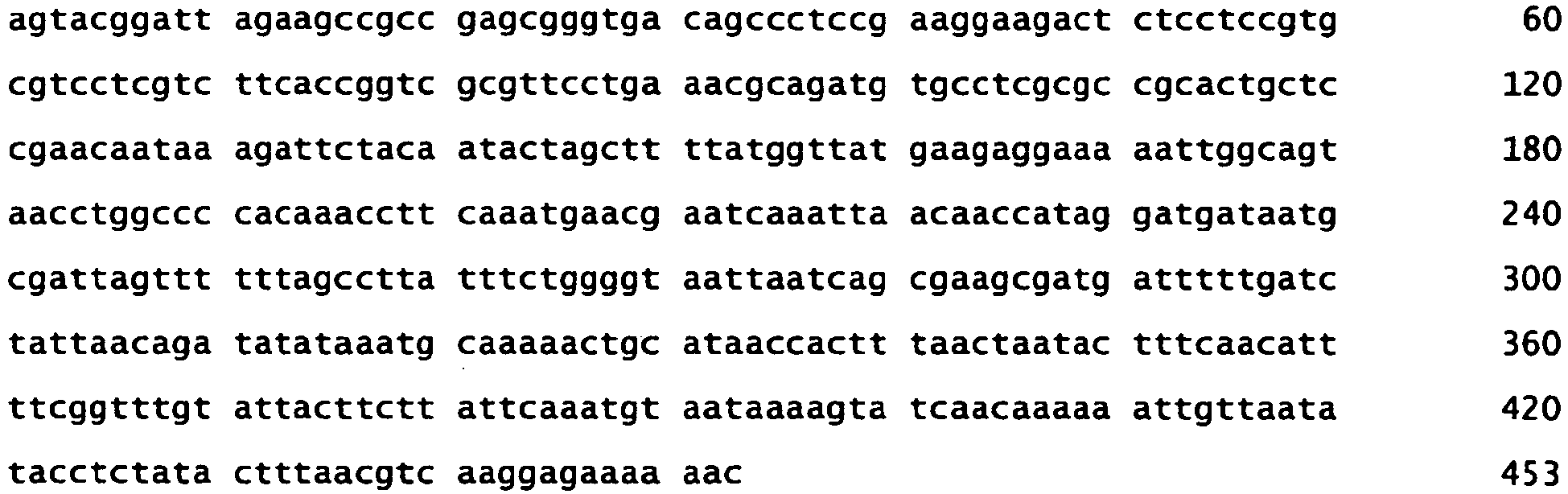
- <210> 2
<211> 507
<212> DNA
<213> Saccharomyces cerevisiae - <220>
<221> promoter
<222> (1)..(507)
<223> GAL10 promoter - <400> 2

EP62967 
- <210> 3
<211> 625
<212> DNA
<213> Saccharomyces cerevisiae - <220>
<221> promoter
<222> (1)..(625)
<223> GAL7 promoter - <400> 3

- <210> 4
<211> 85
<212> PRT
<213> Saccharomyces cerevisiae - <400> 4

EP62967 - <210> 5
<211> 26
<212> PRT
<213> Saccharomyces cerevisiae killer virus M1 - <400> 5

- <210> 6
<211> 19
<212> PRT
<213> Saccharomyces cerevisiae - <400> 6

- <210> 7
<211> 17
<212> PRT
<213> Kluyveromyces lactis - <400> 7

- <210> 8
<211> 48
<212> PRT
<213> Pichia acaciae - <400> 8

- <210> 9
<211> 1569
<212> DNA
<213> saccharomyces cerevisiae - <300>
<301> Tachikawa, H. et al. <302> Molecular structure of a yeast gene, PDI1, encoding protein disulfide isomerase that is essential for cell growth <303> J. Biochem.
<304> 110
<305> 2EP62967
<306> 306-313 - <400> 9

- <210> 10
<211> 1601
<212> DNA
<213> Conus textile - <400> 10

EP62967 
- <210> 11
<211> 1458
<212> DNA
<213> Caenorhabditis elegans - <300>
<301> Page, A. P.
<302> cyclophilin and protein disulfide isomerase genes are co-transcribed in a functionally related manner in Caenorhabditis elegans
<303> DNA cell Biology
<304> 16
<305> 11
<306> 1335-1343 - <400> 11
atgtcactgt cagtgtcctt tatcttcctc ctggtcgcat caatcggagc agttgttgct 60EP62967 
- <210> 12
<211> 1536
<212> DNA
<213> Homo sapiens - <300>
<301> Desilva, M. G. et al. <302> Characterization and chromosomal localization of a new protein disulfide isomerase, PDIp, highly expressed in human pancreas <303> DNA Cell Biology
<304> 15
<305> 1
<306> 9-16 - <400> 12

EP62967 
- <210> 13
<211> 1547
<212> DNA
<213> Aspergillus oryzae - <400> 13

EP62967 
- <210> 14
<211> 1593
<212> DNA
<213> Candida boidinii - <400> 14
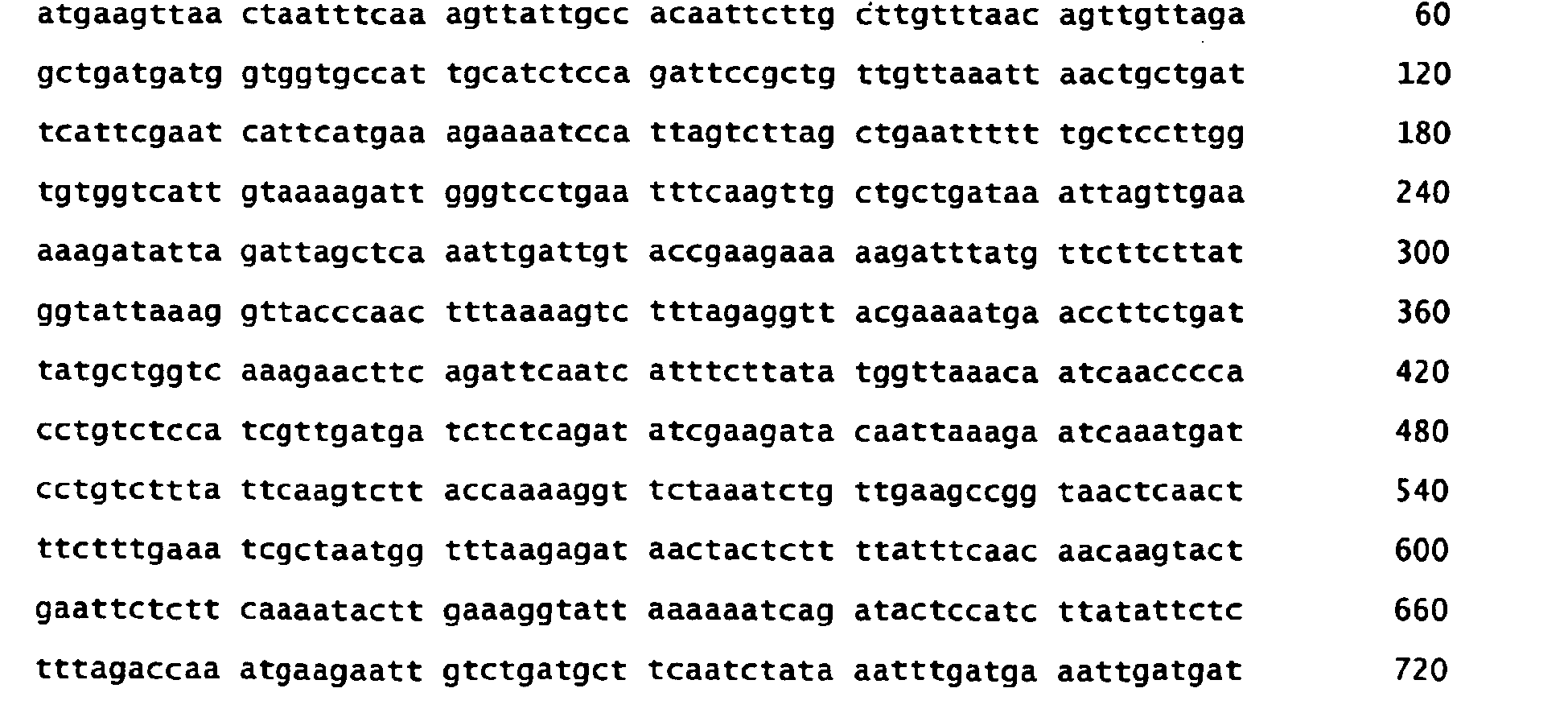
EP62967 
- <210> 15
<211> 1518
<212> DNA
<213> Humicola insolens - <400> 15
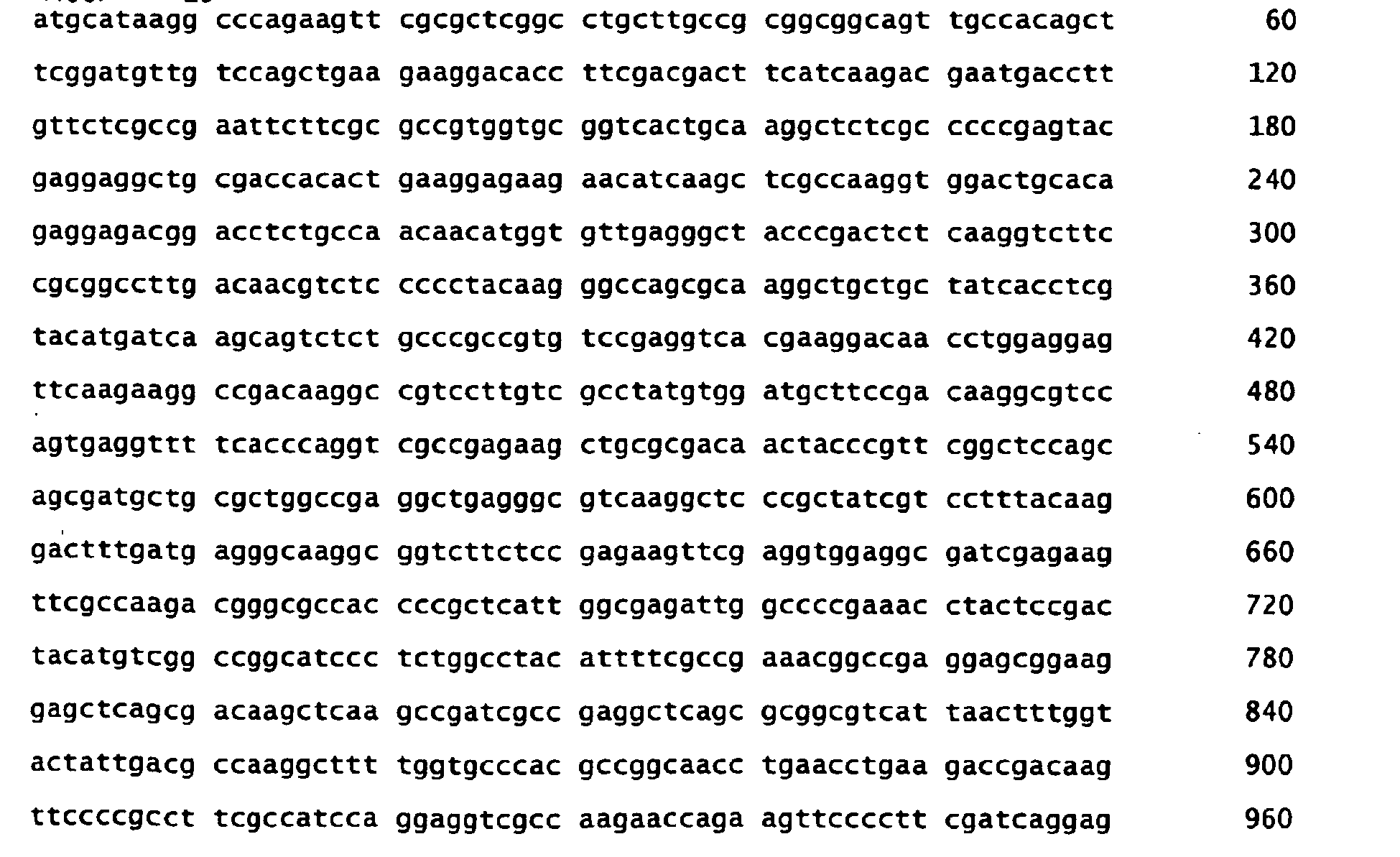
EP62967 
- <210> 16
<211> 258
<212> DNA
<213> Homo sapiens - <220>
<221> gene
<222> (1)..(258)
<223> LK8 cDNA - <400> 16

- <210> 17
<211> 39
<212> DNA
<213> Artificial sequence - <220>
<223> Foward Primer for S. cerevisiae PDI1(PDI1F) - <400> 17
ataagaatgc ggccgccata catctatccc gttatgaag 39 - <210> 18
<211> 32
<212> DNA
<213> Artificial sequence - <220>
<223> Reverse Primer for s. cerevisiae PDI1(PDI1R) - <400> 18
ggactagttt acaattcatc gtgaatggca tc 32
Claims (5)
- A method for improving secretion efficiency of a foreign protein, comprising the steps of:(a) transforming a yeast host with a recombinant foreign gene construct comprising a galactose-inducible promoter, a secretion signal sequence and a gene encoding a foreign protein to construct a transformed yeast strain wherein the galactose-inducible promoter is a GAL1 promoter set forth in SEQ ID NO: 1; and(b) culturing the transformed yeast strain under the condition that the activity of the galactose-inducible promoter is controlled by decreasing a transport rate of galactose from a culture medium into the transformed yeast strain, wherein the culturing is carried out by fed-batch culture and galactose and glucose are co-fed in a ratio ranging from 4:1 to 1:1 to the culture medium upon culturing, and further wherein the decrease in the transport rate of galactose from the medium into the transformed yeast strain is achieved by rendering a galactose permease gene of the transformed yeast defective or partially disrupting it to thereby be non-functional.
- The method according to claim 1, wherein the transforming of the step (a) is carried out by insertion of the recombinant foreign gene construct into a chromosome of the yeast host or by insertion of the recombinant foreign gene construct into a cytoplasm of the yeast host in the form of a circular vector.
- The method according to claim 1, wherein the yeast host is transformed with a recombinant foreign gene construct containing a protein disulfide isomerase-encoding gene that is expressed under the control of the galactose-inducible promoter.
- The method according to claim 1, further comprising, between the steps (a) and (b), a step (a-1) of further transforming the transformed yeast strain of the step (a) with a protein disulfide isomerase-encoding gene that is expressed under the control of the galactose-inducible promoter.
- The method according to claim 3 or 4, wherein the construct containing a gene encoding the protein disulfide isomerase is pMPDI having a cleavage map shown in FIG. 8.
Applications Claiming Priority (1)
| Application Number | Priority Date | Filing Date | Title |
|---|---|---|---|
| PCT/KR2006/002374 WO2007148840A1 (en) | 2006-06-20 | 2006-06-20 | Methods for enhancing a secretion efficiency of recombinant foreign protein in yeast expression system |
Publications (3)
| Publication Number | Publication Date |
|---|---|
| EP2041280A1 EP2041280A1 (en) | 2009-04-01 |
| EP2041280A4 EP2041280A4 (en) | 2009-12-02 |
| EP2041280B1 true EP2041280B1 (en) | 2016-08-10 |
Family
ID=38833566
Family Applications (1)
| Application Number | Title | Priority Date | Filing Date |
|---|---|---|---|
| EP06768960.4A Not-in-force EP2041280B1 (en) | 2006-06-20 | 2006-06-20 | Methods for enhancing a secretion efficiency of recombinant foreign protein in yeast expression system |
Country Status (5)
| Country | Link |
|---|---|
| US (1) | US8298787B2 (en) |
| EP (1) | EP2041280B1 (en) |
| JP (1) | JP4955764B2 (en) |
| CN (1) | CN101473035B (en) |
| WO (1) | WO2007148840A1 (en) |
Families Citing this family (6)
| Publication number | Priority date | Publication date | Assignee | Title |
|---|---|---|---|---|
| CN103717741B (en) * | 2011-06-15 | 2016-04-13 | 中央大学校产学协力团 | Method for increasing production of human papillomavirus L1 protein |
| EP2808388B1 (en) * | 2012-01-23 | 2019-03-13 | AGC Inc. | Expression vector and method for producing protein |
| CN106834334A (en) * | 2016-12-30 | 2017-06-13 | 上海科技大学 | A kind of plasmid for yeast surface display Fab fragments |
| CN113528527B (en) * | 2021-07-29 | 2023-09-29 | 华东理工大学 | A promoter for recombinant protein expression and its application |
| ES2955461B2 (en) | 2022-05-24 | 2024-12-27 | Univ Valencia Politecnica | YEAST AND PLASMID FOR SURFACE PROTEIN DISPLAY |
| CN118667675B (en) * | 2024-08-20 | 2024-12-31 | 上海昌进生物科技有限公司 | Kluyveromyces lactis and application thereof |
Family Cites Families (6)
| Publication number | Priority date | Publication date | Assignee | Title |
|---|---|---|---|---|
| NZ207925A (en) | 1983-04-25 | 1988-05-30 | Genentech Inc | Yeast expression vehicle consisting of a yeast promoter and signal peptide encoding region linked to a heterologus peptide coding region; expression and culture |
| US4929553A (en) | 1987-05-29 | 1990-05-29 | Canadian Patents & Development Ltd. | Protease for specific processing of secreted proteins |
| US6291205B1 (en) * | 1992-06-12 | 2001-09-18 | Merck & Co., Inc. | Method of increasing production of disulfide bonded recombinant proteins by saccharomyces cerevisiae |
| US6107057A (en) | 1995-09-25 | 2000-08-22 | Chiron Corporation | Pichia secretory leader for protein expression |
| CN1149291C (en) * | 1997-05-27 | 2004-05-12 | (株)韩-合纤 | Method for preparing recombinant protein using expression vector from Saccharomyces cerevisiae |
| KR100595864B1 (en) * | 2004-01-27 | 2006-06-30 | 재단법인 목암생명공학연구소 | Transformed Saccharomyces cerevisiae strain and method for producing L8 protein using same |
-
2006
- 2006-06-20 US US12/305,768 patent/US8298787B2/en not_active Expired - Fee Related
- 2006-06-20 CN CN2006800550471A patent/CN101473035B/en not_active Expired - Fee Related
- 2006-06-20 WO PCT/KR2006/002374 patent/WO2007148840A1/en not_active Ceased
- 2006-06-20 JP JP2009516385A patent/JP4955764B2/en not_active Expired - Fee Related
- 2006-06-20 EP EP06768960.4A patent/EP2041280B1/en not_active Not-in-force
Also Published As
| Publication number | Publication date |
|---|---|
| JP4955764B2 (en) | 2012-06-20 |
| US8298787B2 (en) | 2012-10-30 |
| CN101473035A (en) | 2009-07-01 |
| WO2007148840A1 (en) | 2007-12-27 |
| CN101473035B (en) | 2012-08-22 |
| EP2041280A1 (en) | 2009-04-01 |
| EP2041280A4 (en) | 2009-12-02 |
| JP2009540820A (en) | 2009-11-26 |
| US20100184136A1 (en) | 2010-07-22 |
Similar Documents
| Publication | Publication Date | Title |
|---|---|---|
| Espeso et al. | Carbon catabolite repression can account for the temporal pattern of expression of a penicillin biosynthetic gene in Aspergillus nidulans | |
| EP2565262A1 (en) | Protein expression | |
| TWI853878B (en) | Carbon-source regulated protein production in a recombinant host cell | |
| US6410264B1 (en) | Pichia pastoris gene sequences and methods for their use | |
| EP2631295A2 (en) | A recombinant host cell for the production of a compound of interest | |
| JP2019047804A (en) | Constitutional promoter | |
| US20130011875A1 (en) | Methods for the production of recombinant proteins with improved secretion efficiencies | |
| TW201718859A (en) | Promoter variant | |
| JPWO2001088143A1 (en) | Method for producing acidic sugar chain-reduced protein and glycoprotein produced | |
| EP1756145A1 (en) | Production of polypeptides by improved secretion | |
| JP6591419B2 (en) | Improved high-secretion production method of protein | |
| CN102459609B (en) | Eukaryotic host cell comprising an expression enhancer | |
| Fowler et al. | Gene expression systems for filamentous fungi | |
| US8298787B2 (en) | Methods for enhancing a secretion efficiency of recombinant foreign protein in yeast expression system | |
| Kalsner et al. | Insertion into Aspergillus nidulans of functional UDP-GlcNAc: α3-D-mannoside β-1, 2-N-acetylglucosaminyltransferase I, the enzyme catalysing the first committed step from oligomannose to hybrid and complex N-glycans | |
| EP1951877B1 (en) | Translational elongation factor promoter from pichia pastoris and method for producing recombinant protein using the same | |
| CA2103522C (en) | Yeast host strains with defects in n-glycosylation | |
| KR100595864B1 (en) | Transformed Saccharomyces cerevisiae strain and method for producing L8 protein using same | |
| KR100672745B1 (en) | Improved secretion efficiency of recombinant foreign protein in yeast expression system | |
| EP1109922B1 (en) | Method for the production of heterologous polypeptides in transformed yeast cells | |
| KR100545563B1 (en) | Saccharomyces cerevisiae strains with improved recombinant protein production capacity | |
| Panuwatsuk et al. | Evaluation of pKD1-based plasmid systems for heterologous protein production in Kluyveromyces lactis | |
| Kobayashi et al. | A system for temperature-controlled expression of a foreign gene with dual mode in Saccharomyces cerevisiae | |
| KR100977446B1 (en) | A novel gene of Hansenula polymorpha that regulates secretory stress response and a method of increasing the secretory expression efficiency of recombinant protein using the gene | |
| Stasyk et al. | in the Methylotrophic Yeasts |
Legal Events
| Date | Code | Title | Description |
|---|---|---|---|
| PUAI | Public reference made under article 153(3) epc to a published international application that has entered the european phase |
Free format text: ORIGINAL CODE: 0009012 |
|
| 17P | Request for examination filed |
Effective date: 20090115 |
|
| AK | Designated contracting states |
Kind code of ref document: A1 Designated state(s): AT BE BG CH CY CZ DE DK EE ES FI FR GB GR HU IE IS IT LI LT LU LV MC NL PL PT RO SE SI SK TR |
|
| AX | Request for extension of the european patent |
Extension state: AL BA HR MK RS |
|
| A4 | Supplementary search report drawn up and despatched |
Effective date: 20091029 |
|
| 17Q | First examination report despatched |
Effective date: 20100225 |
|
| DAX | Request for extension of the european patent (deleted) | ||
| GRAP | Despatch of communication of intention to grant a patent |
Free format text: ORIGINAL CODE: EPIDOSNIGR1 |
|
| INTG | Intention to grant announced |
Effective date: 20160127 |
|
| GRAS | Grant fee paid |
Free format text: ORIGINAL CODE: EPIDOSNIGR3 |
|
| GRAA | (expected) grant |
Free format text: ORIGINAL CODE: 0009210 |
|
| AK | Designated contracting states |
Kind code of ref document: B1 Designated state(s): AT BE BG CH CY CZ DE DK EE ES FI FR GB GR HU IE IS IT LI LT LU LV MC NL PL PT RO SE SI SK TR |
|
| REG | Reference to a national code |
Ref country code: GB Ref legal event code: FG4D |
|
| REG | Reference to a national code |
Ref country code: CH Ref legal event code: EP Ref country code: AT Ref legal event code: REF Ref document number: 819089 Country of ref document: AT Kind code of ref document: T Effective date: 20160815 |
|
| REG | Reference to a national code |
Ref country code: IE Ref legal event code: FG4D |
|
| REG | Reference to a national code |
Ref country code: DE Ref legal event code: R096 Ref document number: 602006049889 Country of ref document: DE |
|
| REG | Reference to a national code |
Ref country code: LT Ref legal event code: MG4D |
|
| REG | Reference to a national code |
Ref country code: NL Ref legal event code: MP Effective date: 20160810 |
|
| REG | Reference to a national code |
Ref country code: AT Ref legal event code: MK05 Ref document number: 819089 Country of ref document: AT Kind code of ref document: T Effective date: 20160810 |
|
| PG25 | Lapsed in a contracting state [announced via postgrant information from national office to epo] |
Ref country code: LT Free format text: LAPSE BECAUSE OF FAILURE TO SUBMIT A TRANSLATION OF THE DESCRIPTION OR TO PAY THE FEE WITHIN THE PRESCRIBED TIME-LIMIT Effective date: 20160810 Ref country code: IS Free format text: LAPSE BECAUSE OF FAILURE TO SUBMIT A TRANSLATION OF THE DESCRIPTION OR TO PAY THE FEE WITHIN THE PRESCRIBED TIME-LIMIT Effective date: 20161210 Ref country code: FI Free format text: LAPSE BECAUSE OF FAILURE TO SUBMIT A TRANSLATION OF THE DESCRIPTION OR TO PAY THE FEE WITHIN THE PRESCRIBED TIME-LIMIT Effective date: 20160810 Ref country code: NL Free format text: LAPSE BECAUSE OF FAILURE TO SUBMIT A TRANSLATION OF THE DESCRIPTION OR TO PAY THE FEE WITHIN THE PRESCRIBED TIME-LIMIT Effective date: 20160810 Ref country code: IT Free format text: LAPSE BECAUSE OF FAILURE TO SUBMIT A TRANSLATION OF THE DESCRIPTION OR TO PAY THE FEE WITHIN THE PRESCRIBED TIME-LIMIT Effective date: 20160810 |
|
| PG25 | Lapsed in a contracting state [announced via postgrant information from national office to epo] |
Ref country code: SE Free format text: LAPSE BECAUSE OF FAILURE TO SUBMIT A TRANSLATION OF THE DESCRIPTION OR TO PAY THE FEE WITHIN THE PRESCRIBED TIME-LIMIT Effective date: 20160810 Ref country code: PT Free format text: LAPSE BECAUSE OF FAILURE TO SUBMIT A TRANSLATION OF THE DESCRIPTION OR TO PAY THE FEE WITHIN THE PRESCRIBED TIME-LIMIT Effective date: 20161212 Ref country code: PL Free format text: LAPSE BECAUSE OF FAILURE TO SUBMIT A TRANSLATION OF THE DESCRIPTION OR TO PAY THE FEE WITHIN THE PRESCRIBED TIME-LIMIT Effective date: 20160810 Ref country code: GR Free format text: LAPSE BECAUSE OF FAILURE TO SUBMIT A TRANSLATION OF THE DESCRIPTION OR TO PAY THE FEE WITHIN THE PRESCRIBED TIME-LIMIT Effective date: 20161111 Ref country code: LV Free format text: LAPSE BECAUSE OF FAILURE TO SUBMIT A TRANSLATION OF THE DESCRIPTION OR TO PAY THE FEE WITHIN THE PRESCRIBED TIME-LIMIT Effective date: 20160810 Ref country code: ES Free format text: LAPSE BECAUSE OF FAILURE TO SUBMIT A TRANSLATION OF THE DESCRIPTION OR TO PAY THE FEE WITHIN THE PRESCRIBED TIME-LIMIT Effective date: 20160810 Ref country code: AT Free format text: LAPSE BECAUSE OF FAILURE TO SUBMIT A TRANSLATION OF THE DESCRIPTION OR TO PAY THE FEE WITHIN THE PRESCRIBED TIME-LIMIT Effective date: 20160810 |
|
| REG | Reference to a national code |
Ref country code: FR Ref legal event code: PLFP Year of fee payment: 12 |
|
| PG25 | Lapsed in a contracting state [announced via postgrant information from national office to epo] |
Ref country code: RO Free format text: LAPSE BECAUSE OF FAILURE TO SUBMIT A TRANSLATION OF THE DESCRIPTION OR TO PAY THE FEE WITHIN THE PRESCRIBED TIME-LIMIT Effective date: 20160810 Ref country code: EE Free format text: LAPSE BECAUSE OF FAILURE TO SUBMIT A TRANSLATION OF THE DESCRIPTION OR TO PAY THE FEE WITHIN THE PRESCRIBED TIME-LIMIT Effective date: 20160810 |
|
| REG | Reference to a national code |
Ref country code: DE Ref legal event code: R097 Ref document number: 602006049889 Country of ref document: DE |
|
| PG25 | Lapsed in a contracting state [announced via postgrant information from national office to epo] |
Ref country code: CZ Free format text: LAPSE BECAUSE OF FAILURE TO SUBMIT A TRANSLATION OF THE DESCRIPTION OR TO PAY THE FEE WITHIN THE PRESCRIBED TIME-LIMIT Effective date: 20160810 Ref country code: SK Free format text: LAPSE BECAUSE OF FAILURE TO SUBMIT A TRANSLATION OF THE DESCRIPTION OR TO PAY THE FEE WITHIN THE PRESCRIBED TIME-LIMIT Effective date: 20160810 Ref country code: BG Free format text: LAPSE BECAUSE OF FAILURE TO SUBMIT A TRANSLATION OF THE DESCRIPTION OR TO PAY THE FEE WITHIN THE PRESCRIBED TIME-LIMIT Effective date: 20161110 Ref country code: BE Free format text: LAPSE BECAUSE OF FAILURE TO SUBMIT A TRANSLATION OF THE DESCRIPTION OR TO PAY THE FEE WITHIN THE PRESCRIBED TIME-LIMIT Effective date: 20160810 Ref country code: DK Free format text: LAPSE BECAUSE OF FAILURE TO SUBMIT A TRANSLATION OF THE DESCRIPTION OR TO PAY THE FEE WITHIN THE PRESCRIBED TIME-LIMIT Effective date: 20160810 |
|
| PLBE | No opposition filed within time limit |
Free format text: ORIGINAL CODE: 0009261 |
|
| STAA | Information on the status of an ep patent application or granted ep patent |
Free format text: STATUS: NO OPPOSITION FILED WITHIN TIME LIMIT |
|
| 26N | No opposition filed |
Effective date: 20170511 |
|
| PG25 | Lapsed in a contracting state [announced via postgrant information from national office to epo] |
Ref country code: SI Free format text: LAPSE BECAUSE OF FAILURE TO SUBMIT A TRANSLATION OF THE DESCRIPTION OR TO PAY THE FEE WITHIN THE PRESCRIBED TIME-LIMIT Effective date: 20160810 |
|
| PG25 | Lapsed in a contracting state [announced via postgrant information from national office to epo] |
Ref country code: MC Free format text: LAPSE BECAUSE OF FAILURE TO SUBMIT A TRANSLATION OF THE DESCRIPTION OR TO PAY THE FEE WITHIN THE PRESCRIBED TIME-LIMIT Effective date: 20160810 |
|
| REG | Reference to a national code |
Ref country code: CH Ref legal event code: PL |
|
| REG | Reference to a national code |
Ref country code: FR Ref legal event code: PLFP Year of fee payment: 13 |
|
| REG | Reference to a national code |
Ref country code: IE Ref legal event code: MM4A |
|
| PG25 | Lapsed in a contracting state [announced via postgrant information from national office to epo] |
Ref country code: IE Free format text: LAPSE BECAUSE OF NON-PAYMENT OF DUE FEES Effective date: 20170620 Ref country code: LI Free format text: LAPSE BECAUSE OF NON-PAYMENT OF DUE FEES Effective date: 20170630 Ref country code: LU Free format text: LAPSE BECAUSE OF NON-PAYMENT OF DUE FEES Effective date: 20170620 Ref country code: CH Free format text: LAPSE BECAUSE OF NON-PAYMENT OF DUE FEES Effective date: 20170630 |
|
| PG25 | Lapsed in a contracting state [announced via postgrant information from national office to epo] |
Ref country code: HU Free format text: LAPSE BECAUSE OF FAILURE TO SUBMIT A TRANSLATION OF THE DESCRIPTION OR TO PAY THE FEE WITHIN THE PRESCRIBED TIME-LIMIT; INVALID AB INITIO Effective date: 20060620 |
|
| PG25 | Lapsed in a contracting state [announced via postgrant information from national office to epo] |
Ref country code: CY Free format text: LAPSE BECAUSE OF NON-PAYMENT OF DUE FEES Effective date: 20160810 |
|
| PG25 | Lapsed in a contracting state [announced via postgrant information from national office to epo] |
Ref country code: TR Free format text: LAPSE BECAUSE OF FAILURE TO SUBMIT A TRANSLATION OF THE DESCRIPTION OR TO PAY THE FEE WITHIN THE PRESCRIBED TIME-LIMIT Effective date: 20160810 |
|
| PGFP | Annual fee paid to national office [announced via postgrant information from national office to epo] |
Ref country code: FR Payment date: 20200306 Year of fee payment: 15 |
|
| PGFP | Annual fee paid to national office [announced via postgrant information from national office to epo] |
Ref country code: DE Payment date: 20200305 Year of fee payment: 15 |
|
| PGFP | Annual fee paid to national office [announced via postgrant information from national office to epo] |
Ref country code: GB Payment date: 20200408 Year of fee payment: 15 |
|
| REG | Reference to a national code |
Ref country code: DE Ref legal event code: R119 Ref document number: 602006049889 Country of ref document: DE |
|
| GBPC | Gb: european patent ceased through non-payment of renewal fee |
Effective date: 20210620 |
|
| PG25 | Lapsed in a contracting state [announced via postgrant information from national office to epo] |
Ref country code: GB Free format text: LAPSE BECAUSE OF NON-PAYMENT OF DUE FEES Effective date: 20210620 Ref country code: DE Free format text: LAPSE BECAUSE OF NON-PAYMENT OF DUE FEES Effective date: 20220101 |
|
| PG25 | Lapsed in a contracting state [announced via postgrant information from national office to epo] |
Ref country code: FR Free format text: LAPSE BECAUSE OF NON-PAYMENT OF DUE FEES Effective date: 20210630 |