EP2027149B2 - House dust mite allergen - Google Patents
House dust mite allergen Download PDFInfo
- Publication number
- EP2027149B2 EP2027149B2 EP07718415.8A EP07718415A EP2027149B2 EP 2027149 B2 EP2027149 B2 EP 2027149B2 EP 07718415 A EP07718415 A EP 07718415A EP 2027149 B2 EP2027149 B2 EP 2027149B2
- Authority
- EP
- European Patent Office
- Prior art keywords
- amino acid
- polypeptide
- allergen
- clone
- acid sequence
- Prior art date
- Legal status (The legal status is an assumption and is not a legal conclusion. Google has not performed a legal analysis and makes no representation as to the accuracy of the status listed.)
- Active
Links
Images




Classifications
-
- C—CHEMISTRY; METALLURGY
- C07—ORGANIC CHEMISTRY
- C07K—PEPTIDES
- C07K14/00—Peptides having more than 20 amino acids; Gastrins; Somatostatins; Melanotropins; Derivatives thereof
- C07K14/435—Peptides having more than 20 amino acids; Gastrins; Somatostatins; Melanotropins; Derivatives thereof from animals; from humans
- C07K14/43504—Peptides having more than 20 amino acids; Gastrins; Somatostatins; Melanotropins; Derivatives thereof from animals; from humans from invertebrates
- C07K14/43513—Peptides having more than 20 amino acids; Gastrins; Somatostatins; Melanotropins; Derivatives thereof from animals; from humans from invertebrates from arachnidae
- C07K14/43531—Peptides having more than 20 amino acids; Gastrins; Somatostatins; Melanotropins; Derivatives thereof from animals; from humans from invertebrates from arachnidae from mites
-
- A—HUMAN NECESSITIES
- A61—MEDICAL OR VETERINARY SCIENCE; HYGIENE
- A61K—PREPARATIONS FOR MEDICAL, DENTAL OR TOILETRY PURPOSES
- A61K39/00—Medicinal preparations containing antigens or antibodies
- A61K39/35—Allergens
-
- A—HUMAN NECESSITIES
- A61—MEDICAL OR VETERINARY SCIENCE; HYGIENE
- A61P—SPECIFIC THERAPEUTIC ACTIVITY OF CHEMICAL COMPOUNDS OR MEDICINAL PREPARATIONS
- A61P37/00—Drugs for immunological or allergic disorders
-
- A—HUMAN NECESSITIES
- A61—MEDICAL OR VETERINARY SCIENCE; HYGIENE
- A61P—SPECIFIC THERAPEUTIC ACTIVITY OF CHEMICAL COMPOUNDS OR MEDICINAL PREPARATIONS
- A61P37/00—Drugs for immunological or allergic disorders
- A61P37/02—Immunomodulators
- A61P37/04—Immunostimulants
-
- A—HUMAN NECESSITIES
- A61—MEDICAL OR VETERINARY SCIENCE; HYGIENE
- A61P—SPECIFIC THERAPEUTIC ACTIVITY OF CHEMICAL COMPOUNDS OR MEDICINAL PREPARATIONS
- A61P37/00—Drugs for immunological or allergic disorders
- A61P37/08—Antiallergic agents
-
- C—CHEMISTRY; METALLURGY
- C07—ORGANIC CHEMISTRY
- C07K—PEPTIDES
- C07K16/00—Immunoglobulins [IG], e.g. monoclonal or polyclonal antibodies
- C07K16/18—Immunoglobulins [IG], e.g. monoclonal or polyclonal antibodies against material from animals or humans
-
- C—CHEMISTRY; METALLURGY
- C07—ORGANIC CHEMISTRY
- C07K—PEPTIDES
- C07K17/00—Carrier-bound or immobilised peptides; Preparation thereof
- C07K17/02—Peptides being immobilised on, or in, an organic carrier
- C07K17/08—Peptides being immobilised on, or in, an organic carrier the carrier being a synthetic polymer
-
- C—CHEMISTRY; METALLURGY
- C07—ORGANIC CHEMISTRY
- C07K—PEPTIDES
- C07K7/00—Peptides having 5 to 20 amino acids in a fully defined sequence; Derivatives thereof
- C07K7/04—Linear peptides containing only normal peptide links
- C07K7/06—Linear peptides containing only normal peptide links having 5 to 11 amino acids
-
- C—CHEMISTRY; METALLURGY
- C07—ORGANIC CHEMISTRY
- C07K—PEPTIDES
- C07K7/00—Peptides having 5 to 20 amino acids in a fully defined sequence; Derivatives thereof
- C07K7/04—Linear peptides containing only normal peptide links
- C07K7/08—Linear peptides containing only normal peptide links having 12 to 20 amino acids
-
- G—PHYSICS
- G01—MEASURING; TESTING
- G01N—INVESTIGATING OR ANALYSING MATERIALS BY DETERMINING THEIR CHEMICAL OR PHYSICAL PROPERTIES
- G01N33/00—Investigating or analysing materials by specific methods not covered by groups G01N1/00 - G01N31/00
- G01N33/48—Biological material, e.g. blood, urine; Haemocytometers
- G01N33/50—Chemical analysis of biological material, e.g. blood, urine; Testing involving biospecific ligand binding methods; Immunological testing
- G01N33/68—Chemical analysis of biological material, e.g. blood, urine; Testing involving biospecific ligand binding methods; Immunological testing involving proteins, peptides or amino acids
- G01N33/6854—Immunoglobulins
-
- G—PHYSICS
- G01—MEASURING; TESTING
- G01N—INVESTIGATING OR ANALYSING MATERIALS BY DETERMINING THEIR CHEMICAL OR PHYSICAL PROPERTIES
- G01N33/00—Investigating or analysing materials by specific methods not covered by groups G01N1/00 - G01N31/00
- G01N33/48—Biological material, e.g. blood, urine; Haemocytometers
- G01N33/50—Chemical analysis of biological material, e.g. blood, urine; Testing involving biospecific ligand binding methods; Immunological testing
- G01N33/68—Chemical analysis of biological material, e.g. blood, urine; Testing involving biospecific ligand binding methods; Immunological testing involving proteins, peptides or amino acids
- G01N33/6893—Chemical analysis of biological material, e.g. blood, urine; Testing involving biospecific ligand binding methods; Immunological testing involving proteins, peptides or amino acids related to diseases not provided for elsewhere
-
- A—HUMAN NECESSITIES
- A61—MEDICAL OR VETERINARY SCIENCE; HYGIENE
- A61K—PREPARATIONS FOR MEDICAL, DENTAL OR TOILETRY PURPOSES
- A61K39/00—Medicinal preparations containing antigens or antibodies
- A61K2039/505—Medicinal preparations containing antigens or antibodies comprising antibodies
-
- A—HUMAN NECESSITIES
- A61—MEDICAL OR VETERINARY SCIENCE; HYGIENE
- A61K—PREPARATIONS FOR MEDICAL, DENTAL OR TOILETRY PURPOSES
- A61K39/00—Medicinal preparations containing antigens or antibodies
- A61K2039/555—Medicinal preparations containing antigens or antibodies characterised by a specific combination antigen/adjuvant
- A61K2039/55511—Organic adjuvants
- A61K2039/55566—Emulsions, e.g. Freund's adjuvant, MF59
-
- C—CHEMISTRY; METALLURGY
- C07—ORGANIC CHEMISTRY
- C07K—PEPTIDES
- C07K2317/00—Immunoglobulins specific features
- C07K2317/70—Immunoglobulins specific features characterized by effect upon binding to a cell or to an antigen
- C07K2317/76—Antagonist effect on antigen, e.g. neutralization or inhibition of binding
-
- G—PHYSICS
- G01—MEASURING; TESTING
- G01N—INVESTIGATING OR ANALYSING MATERIALS BY DETERMINING THEIR CHEMICAL OR PHYSICAL PROPERTIES
- G01N2333/00—Assays involving biological materials from specific organisms or of a specific nature
- G01N2333/435—Assays involving biological materials from specific organisms or of a specific nature from animals; from humans
- G01N2333/43504—Assays involving biological materials from specific organisms or of a specific nature from animals; from humans from invertebrates
- G01N2333/43552—Assays involving biological materials from specific organisms or of a specific nature from animals; from humans from invertebrates from insects
- G01N2333/43582—Assays involving biological materials from specific organisms or of a specific nature from animals; from humans from invertebrates from insects from mites
-
- G—PHYSICS
- G01—MEASURING; TESTING
- G01N—INVESTIGATING OR ANALYSING MATERIALS BY DETERMINING THEIR CHEMICAL OR PHYSICAL PROPERTIES
- G01N2800/00—Detection or diagnosis of diseases
- G01N2800/24—Immunology or allergic disorders
Definitions
- the present invention relates to a polypeptide having allergenic properties.
- IgE-mediated allergies More than 25% of the population in industrialised countries suffer from IgE-mediated allergies. Allergic patients are characterized by the increased production of IgE antibodies against per se harmless antigens (i.e., allergens). The immediate symptoms of Type I allergy (allergic rhinoconjunctivitis, asthma, dermatitis, anaphylactic shock) are caused by allergen-induced cross-linking of mast cell-bound IgE antibodies and the release of biologically active mediators (e.g., histamine, leukotriens).
- biologically active mediators e.g., histamine, leukotriens
- House-dust mites represent one of the most important allergen sources worldwide. Almost 10% of the population and more than 50% of allergic patients are sensitized to mite allergens.
- the HDM Dermatophagoides pteronyssinus (Der p) is prevalent in Central Europe.
- the allergens of Der p comprise more than 30 proteins or glycoproteins of which twenty-one allergens have been characterized so far.
- Group 1 and 2 allergens represent the most important allergens from HDM, which are recognized by more than 80% of Der p allergic patients, but also other HDM allergens (e.g., Der p 5 and Der p 7) were shown to represent important Der p allergens despite a considerably lower IgE-binding frequency.
- the EP 1 612 219 A1 deals with allergens derived from house-dust mites (Der p).
- the present invention relates to a polypeptide comprising an amino acid sequence having at least 60% identity to the amino acid sequence SEQ ID No. 1 or comprising at least one amino acid fragment consisting of a T cell epitope of at least 8 consecutive amino acid residues of the amino acid sequence SEQ ID No. 1, wherein the amino acid sequence SEQ ID No. 1 codes for an allergen and the polypeptide comprises at least one T cell epitope recognized by a T cell receptor specific for a molecule having the amino acid sequence SEQ ID No. 1.
- the polypeptide with the amino acid sequence SEQ ID No. 1 is a new major Der p allergen which may be useful, e.g., for diagnosis and therapy of Der p allergic patients.
- This new Der p allergen has a molecular weight of approximately 8 kDa and binds IgE from more than 50% of mite allergic patients.
- this new mite allergen is also useful for therapy or prevention of house dust mite allergy.
- the polypeptide according to the present invention induces high titers of specific IgG antibodies in mammals. If these specific IgG antibodies are administered to an individual, the exhibiting house dust mite allergen added to a sample, preferably serum, obtained from a house dust mite allergic individual, comprising IgE molecules of said individual IgE-binding to this new allergen is inhibited. This shows that allergen specific immunotherapy with this new mite allergen will induce blocking IgG antibodies in humans. The importance of the induction of blocking IgG antibodies for a successful immunotherapy has been shown recently in immunotherapy trials with defined allergens and allergen derivatives ( Gafvelin, G., et al.
- Hypoallergenic derivatives may be produced by molecular biological techniques or by the synthesis of peptides derived from the T-cell or B-cell epitopes of the allergen ( Kyte, J., and R. F. Doolittle. (1982) J Mol Biol 157:105 ).
- polypeptide refers to a molecule comprising at least 8 amino acid residues.
- identity indicates whether any two (or more) peptide, polypeptide or protein sequences have amino acid sequences that are “identical” to a certain degree ("% identity") to each other. This degree can be determined using known computer algorithms such as the "FAST A” program, using for example, the default parameters as in Pearson et al.
- Percent identity of protein molecules can further be determined, for example, by comparing sequence information using a GAP computer program (e.g. Needleman et al., (1970) J. Mol. Biol. 48:443 , as revised by Smith and Waterman (1981) Adv. Appl. Math. 2:482 ). Briefly, the GAP program defines identity as the number of aligned symbols (i.e., nucleotides or amino acids) which are identical, divided by the total number of symbols in the shorter one of the two sequences.
- Default parameters for the GAP program can include : (1) a unary comparison matrix (containing a value of 1 for identities and for non-identities) and the weighted comparison matrix of Gribskov et al. 14:6745, as described by Schwartz and Dayhoff, eds., ATLAS OF PROTEIN SEQUENCE AND STRUCTURE, National Biomedical Research Foundation, pp. 353-358 (1979 ); (2) a penalty of 3.0 for each gap and an additional 0.10 penalty for each symbol in each gap; and (3) no penalty for end gaps.
- the amino acid sequence is at least 70%, preferably at least 80%, more preferably at least 90%, most preferably at least 95%, in particular 100%, identical to the amino acid sequence SEQ ID No. 1.
- the polypeptide according to the present invention is preferably recombinantly produced by any method known in the art.
- the host in which said polypeptide may be produced can be of any kind by using corresponding vectors and plasmids (e.g. eukaryotic cells, preferably yeasts, mammalian cells, plant cells and insect cells, and prokaryotic cells, preferably Escherichia coli and Bacillus subtilis ).
- plasmids e.g. eukaryotic cells, preferably yeasts, mammalian cells, plant cells and insect cells, and prokaryotic cells, preferably Escherichia coli and Bacillus subtilis.
- polypeptide is hypoallergenic.
- hypoallergenic refers to the ability of a peptide, polypeptide or protein derived from an allergen with allergenic properties to induce the production of antibodies specifically binding to said allergen and exhibiting reduced or no allergic reactions when administered to an individual.
- the reduced or missing ability of "hypoallergenic" derivatives of an allergen like SEQ ID No. 1 to induce an allergic reaction in an individual is obtained by removing or destroying the IgE binding epitopes from said allergens, however, by conserving the T cell epitopes present on said allergens.
- Another method for producing "hypoallergenic" molecules from allergens involves C- and/or N-terminal deletions of the wild type allergen (see e.g. EP 1 224 215 ).
- amino acid fragments are fused together in an order differing from the order of said fragments in SEQ ID No. 1.
- the polypeptide according to the present invention may comprise amino acid fragments derived from SEQ ID No. 1 which may be preferably fused together in an order differing from the order in SEQ ID No. 1.
- This "shuffling" results in a polypeptide having altered features in respect to the wild type allergen having the amino acid sequence SEQ ID No. 1. For instance, this shuffling will result in an polypeptide comprising intact T cell epitopes and destroyed B cell epitopes. Such a molecule may have hypoallergenic properties.
- Said at least one amino acid fragment, which substantially consists of a T cell epitope is preferably selected from the group consisting of amino acid molecules comprising amino acids NDDDPTTTV, PTTTVHPTT, TTTVHPTTT, TTVHPTTTE, TVHPTTTEQ, TTTEQPDDK, TTEQPDDKF, FYICSNWEA, YICSNWEAV, ICSNWEAVH, SNWEAVHKD, AVHKDCPGN and TRWNEDEET.
- T cell epitopes comprise at least 8 consecutive amino acid residues of SEQ ID No. 1.
- Said T cell epitopes may also be bound to a carrier via a or without a linker.
- Said carrier may be a solid support as used in microarray technology.
- the presence of T cell epitopes in a polypeptide can be determined by methods known in the art (see e.g. " Epitope Mapping: A practical approach” Ed.O. Westwood and F. Hay, 2001, Oxford University Press ). A particularly preferred method is ELISpot ( Tobey TW and Caulfield MJ (2004), Methods Mol. Med. 94:121-132 ).
- the identified T cell epitopes may be fused N- or C-terminally to other molecules like proteins or be part of a larger fragment obtained from SEQ ID No. 1 by fragmentation.
- Another aspect of the present invention relates to a DNA molecule encoding a polypeptide according to the present invention.
- Yet another aspect of the present invention relates to a vector comprising a DNA molecule according to the present invention.
- Preferred vectors e.g. plasmids to be used according to the present invention are cloning as well as expression vectors comprising promoters, an origin of replication, regulatory elements, selection markers and/or other vector elements. If the vector is an integration vector able to be integrated into the genome of the host cell corresponding means may be provided on said vector (e.g. insertion sequence elements). The type of vector used and the regulatory elements present on said vector depend also into which host cell said vector will be integrated. If expression vectors are used the DNA molecule according to the present invention and encoding a polypeptide as described above, is operably linked to a promoter region.
- Another aspect of the present invention relates to a cell transformed with a vector according to the present invention.
- the cell to be used herein may be a eukaryotic as well as a prokaryotic cell.
- Preferred eukaryotic cells are yeast cells, in particular Saccharomyces cerevisiae, Pichia pastoris and Hansenula polymorpha, plant cells, in particular tobacco plant cells, insect cells and mammalian cells, like human and animal cells, in particular Chinese hamster ovary cells.
- Preferred prokaryotic cells are, e.g., Bacillus subtilis and Escherichia coli.
- a cell comprising a vector or a DNA molecule of the present invention may be used for producing a polypeptide according to the present invention.
- Another aspect of the present invention relates to an antibody binding to a polypeptide according to the present invention.
- Antibodies according to the present invention include, but are not limited to, polyclonal, monoclonal, multispecific, humanized or chimeric antibodies, single chain antibodies, Fab fragments, F(ab') fragments and epitope-binding fragments of any of the above. Furthermore, antibodies are considered as being immunoglobulin molecules and immunologically active portions of immunoglobulin molecules, i.e., molecules that contain an antigen binding site that immunospecifically binds an antigen.
- the immunoglobulin molecules of the invention are preferably of the types IgG, IgM, IgD, IgA and IgY, class (e.g., IgG1, IgG2, IgG3, IgG4, IgA1 and IgA2) or subclass of immunoglobulin molecule.
- Polyclonal antibodies can be prepared by administering a polypeptide of the invention, preferably using an adjuvant, to a non-human mammal and collecting the resultant antiserum. Improved titres can be obtained by repeated injections over a period of time.
- a definite amount of immunogen of the invention is e.g. diluted with physiological saline solution to a suitable concentration and the resulting diluted solution is mixed with, e.g.
- complete Freund's adjuvant to prepare a suspension or with mineral gels such as aluminum hydroxide, surface active substances such as lysolecithin, pluronic polyols, polyanions, peptides, oil emulsions, keyhole limpet hemocyanins, dinitrophenol, and potentially useful human adjuvants such as BCG (bacille Calmette-Guerin) and corynebacterium parvum.
- the suspensions and mixtures are administered to mammals, e.g. intraperitoneally, e.g. to a rabbit, using from about 50 ⁇ g to about 2500 ⁇ g polypeptide of the invention per administration.
- the suspension is preferably administered about every two weeks over a period of up to about 2-3 months, preferably about 1 month, to effect immunization.
- Antibody is recovered by collecting blood from the immunized animal after the passage of 1 to 2 weeks subsequently to the last administration, centrifuging the blood and isolating serum from the blood.
- Monoclonal antibodies may e.g. be of human or murine origin.
- Murine monoclonal antibodies may be prepared by the method of Köhler and Milstein ( Köhler, G. and Milstein, C., Nature 256 (1975) 495 ), e.g. by fusion of spleen cells of hyperimmunized mice with an appropriate mouse myeloma cell line.
- a chimeric antibody is a molecule in which different portions of the antibody are derived from different animal species, such as antibodies having a variable region derived from a murine monoclonal antibody and a human immunoglobulin constant region.
- Methods for producing chimeric antibodies are known in the art. See e.g., Morrison, Science 229:1202 (1985 ); Oi et al., BioTechniques 4:214 (1986 ); Gillies et al., (1989) J. Immunol. Methods 125:191-202 ; US 5,807,715 ; US 4,816,567 and US 4,816,397 .
- Humanized antibodies are antibody molecules from non-human species antibody that binds the desired antigen having one or more complementarity determining regions (CDRs) from the non-human species and framework regions from a human immunoglobulin molecule.
- CDRs complementarity determining regions
- framework residues in the human framework regions will be substituted with the corresponding residue from the CDR donor antibody to alter, preferably improve, antigen binding.
- These framework substitutions are identified by methods well known in the art, e.g., by modelling of the interactions of the CDR and framework residues to identify framework residues important for antigen binding and sequence comparison to identify unusual framework residues at particular positions (see, e.g., Queen et al., US 5,585,089 ; Riechmann et al., Nature 332:323 (1988 )).
- Antibodies can be humanized using a variety of techniques known in the art including, for example, CDR-grafting ( EP 239,400 ; WO 91/09967 ; US 5,225,539 ; US 5,530,101 ; and US 5,585,089 ), veneering or resurfacing ( EP 592,106 ; EP 519,596 ; Padlan, Molecular Immunology 28(4/5):489-498 (1991 ); Studnicka et al., Protein Engineering 7(6):805-814 (1994 ); Roguska. et al., PNAS 91:969-913 (1994 )), and chain shuffling ( US 5,565,332 ).
- CDR-grafting EP 239,400 ; WO 91/09967 ; US 5,225,539 ; US 5,530,101 ; and US 5,585,089
- veneering or resurfacing EP 592,106 ; EP 519,596 ; Padlan, Molecular Immunology 28(4/5):4
- the antibodies according to the present invention may advantageously be used for passive immunisation of an individual suffering from an allergy, in particular from house dust mite allergy.
- the antibody is preferably an IgG or a derivative thereof (e.g. chimeric or humanized antibody). Furthermore this antibody may also be used for desensibilisation of an individual.
- Another aspect of the present invention relates to a vaccine formulation comprising a polypeptide or an antibody according to the present invention.
- the formulation according to the present invention may also comprise other substances like stabilisers, adjuvants, pharmaceutically acceptable carriers etc..
- suitable protocols for the production of vaccine formulations are known to the person skilled in the art and can be found e.g. in " Vaccine Protocols" (A. Robinson, M.P. Cranage, M. Hudson; Humana Press Inc.,U.S.; 2nd edition 2003 ).
- Yet another aspect of the present invention relates to the use of a polypeptide according to the present invention for the diagnosis of an allergy, in particular of house dust mite allergy, in an individual.
- Said polypeptide may be used for diagnosis of allergy, in particular house dust mite allergy by exposing, e.g., a sample of an individual comprising histamine releasing cells to said polypeptide (see e.g. Purohit et al., Clin.Exp.Allergy 35 (2005): 186-192 ).
- the polypeptide(s) according to the present invention may be immobilised on a surface in order to form a polypeptide array/chip. Such arrays may be used, e.g., in high throughput screening in order to diagnose an allergy in a number of samples taken from a number of individuals.
- Another aspect of the present invention relates to the use of a polypeptide or antibody according to the present invention for the preparation of a medicament for the immunotherapy of an allergy, in particular of house dust mite allergy.
- polypeptides and antibodies of the present invention can be used for active vaccination and passive vaccination respectively. Both can be used because the formation of protective IgGs is induced when a polypeptide of the present invention is administered to an individual and the administration of immunoglobulins directed to said polypeptide will lead to competition between IgE and administered protective antibodies which in turn alleviate the symptoms of the allergy.
- Another aspect of the present invention relates to the use of a polypeptide or an antibody according to the present invention for the preparation of a medicament for the prevention of an allergen sensitisation, in particular of house dust mite allergen sensitisation.
- the polypeptide used for vaccination of an individual is preferably hypoallergenic.
- the use of such a polypeptide prevents the binding of IgE to said polypeptide and thus prevents an allergic reaction.
- said medicament further contains adjuvants, carrier, diluents, preservatives or mixtures thereof.
- the medicament comprises preferably 10 ng to 1 g, more preferably 100 ng to 10 mg, especially 0,5 ⁇ g to 200 ⁇ g of said polypeptide.
- Figure 1 shows the cDNA and amino acid sequence of the clone 30-derived allergen.
- the start codon and the stop codon are underlined.
- the signal sequence comprises amino acid residues 1 to 21 with the predicted cleavage site between amino acid residues 21 (A) and 22 (A) in bold.
- the numbers on the left side of the sequence indicate the nucleotide positions and the numbers on the right side of the sequence the amino acid positions.
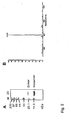
- Figure 2 shows a Coomassie Blue staining and mass spectroscopy (MS) of the clone 30-derived allergen.
- A The Coomassie Blue stained SDS-PAGE gel displays a molecular weight marker (M) and 3 ⁇ g of purified clone 30-derived allergen (30).
- B MS analysis of the purified clone 30-derived allergen shows the mass/charge ratio on the x-axis and the signal intensity on the y-axis as the percentage of the most intense signal obtained in the investigated mass range.
- the peak at 7979.20 corresponds to the calculated mass of the deduced amino acid sequence of the clone 30-derived allergen.
- Figure 3 shows an immunoblot of the clone 30-derived allergen.
- Samples of the purified clone 30-derived allergen were separated by SDS-PAGE, blotted onto nitrocellulose and incubated with sera from two mite allergic patients (1, 2) and one serum from a non-allergic individual (3).
- Bound IgE antibodies specific for the clone 30-derived allergen were detected with 125 I-labeled anti-human IgE antibodies.
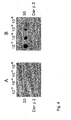
- Figure 4 shows the IgG reactivity of a rabbit anti-clone 30-derived allergen antiserum.
- the clone 30-derived allergen and the major mite allergen, Der p 2 were dotted onto nitrocellulose strips and incubated with 1:1000-1:1,000,000 diluted rabbit preimmune serum (A) or rabbit anti-clone 30-derived allergen antiserum (B).
- Bound IgG antibodies were detected with 125 I-labelled anti-rabbit whole antibodies from donkey.
- Figure 5 shows the biological activity of the clone 30-derived allergen.
- Blood samples from a mite allergic patient were exposed to 10 ⁇ g/ml, 1 ⁇ g/ml and 0.1 ⁇ g/ml of clone 30-derived allergen, to 1 ⁇ g/ml anti-IgE antibodies or to PBS as buffer control (Co) (x-axis).
- CD203c expression was determined by FACS analysis and is displayed as mean fluorescence index (MFI) (y-axis).
- Figure 6 shows an analysis of the hydrophobicity. (Kyte & Doolittle) of the mature clone 30-derived allergen using ProtScale. The amino acid positions of the mature protein including an N-terminal methionin are displayed on the x-axis. B Prediction of possible T-cell epitopes of the clone 30-derived allergen with MULTIPRED, a web-based computational system. Numbers on each side of the sequence indicate the amino acid positions of the mature clone 30-derived allergen.
- the present examples describe the identification of a new major Der p allergen which may be useful, e.g., for diagnosis and therapy of Der p allergic patients.
- the cDNA coding for this new mite allergen was isolated from a Der p expression cDNA library and expressed in Escherichia coli ( E. coli ) as recombinant allergen.
- the new allergen has a molecular weight of approximately 8 kDa and binds IgE from more than 50% of mite allergic patients, thus representing a major allergen.
- Example 1 Expression and purification of the clone 30-derived allergen
- the cDNA sequence of clone 30 ( Figure 1 ) coding for the predicted mature clone 30-derived allergen (nucleotides 89-295 with an additional ATG at the N-terminus) was subcloned into the expression vector pET-17b (Novagene, WI) and expressed in Escherichia coli BL21 (DE3) cells (Stratagene, CA). The bacterial cells were grown overnight in LB-medium containing 100mg/L ampicillin at 27°C and expression of the recombinant protein was induced by adding isopropyl- ⁇ -thiogalactopyranoside (IPTG) to a final concentration of 0.5mM. After cultivation for additional 6 hours at 27°C, cells from 1 litre E.
- IPTG isopropyl- ⁇ -thiogalactopyranoside
- coli culture were harvested by centrifugation (15 min, 3,000rpm, 4°C, Sorvall RC5C) and pellets were resuspended in 30ml 25mM Imidazole pH 7.4/0.1% (v/v) Triton X 100. Afterwards the bacterial cells were treated with 300 ⁇ g lysozyme for 20 min at room temperature. The lysate of the bacterial cells was thrice frozen in liquid nitrogen und defrosted in a 50°C waterbath. The genomic DNA was degraded by addition of 3 ⁇ g DNase for 10 min at room temperature followed by the addition of 600 ⁇ l 5M NaCl.
- the clone 30-derived allergen was eluted by a 500-0mM ammonium sulphate gradient and fractions containing the clone 30-derived allergen were pooled. After dialysis against 20mM Tris-Cl pH 8.0/10mg/L PMSF, the sample was applied to a HiTrap DEAE Sepharose FF column (Amersham Biosciences). The clone 30-derived allergen was eluted by a 0-500mM NaCl gradient and fractions containing more than 90% pure clone 30-derived allergen were pooled. The clone 30-derived allergen was dialysed against 20mM Tris-Cl pH 8.0 and stored at -20°C.
- a protein sample was analyzed for purity by 14% sodium dodecyl sulfate-polyacrylamide gel electrophoresis (SDS-PAGE) and Coomassie brilliant blue protein staining ( Figure 2 A) .
- Molecular mass analysis of the mature protein depicted a mass of 7.98 kDa ( Figure 2 B) which corresponds to the calculated mass of the deduced amino acid sequence of the clone 30-derived allergen although in SDS-PAGE the protein runs at approximately 14 kDa ( Figure 2A ).
- Example 2 IgE reactivity of the clone 30-derived allergen
- the IgE binding capacity of the clone 30-derived allergen was demonstrated by immunoblot analysis using two sera of Dermatophagoides pteronyssinus sensitized individuals ( Figure 3 ). Samples of the clone 30-derived allergen were separated by SDS-PAGE and blotted onto nitrocellulose. Nitrocellulose strips were incubated with 1:10 diluted human sera (1-3) and bound IgE antibodies were detected with 1:10 diluted 125 I-labelled anti-human IgE antibodies. The sera of the mite allergic patients (1, 2) reacted specifically with the clone 30-derived allergen. The control serum from a non-allergic individual (3) did not react with the clone 30-derived allergen.
- the frequency of IgE binding was determined in an ELISA assay with sera from 53 mite allergic individuals with perennial symptoms indicative for mite allergy, positive SPT and D. pteronyssinus specific IgE-RAST.
- An ELISA plate (Nunc, Denmark) was coated with 5 ⁇ g/ml clone 30-derived allergen and incubated with 1:10 diluted sera from mite allergic patients.
- Human IgE binding was detected with 1:1000 diluted AKP-conjugated anti-human IgE antibodies (BD Biosciences-Pharmingen, NJ).
- Example 3 Immunization with the clone 30-derived allergen induces IgG antibodies in rabbits
- a rabbit was immunized with the new allergen using Freund's adjuvant.
- the rabbit was immunized 3 times with 200 ⁇ g protein/injection using once Freund's complete and twice incomplete adjuvants (Charles River, Germany).
- IgG antibodies were studied by dot blot experiments. Recombinant Der p 2 and the clone 30-derived allergen were dotted onto nitrocellulose strips (0.5 ⁇ g/dot) and the strips were incubated with 1:1000, 1:10,000, 1:100,000 and 1:1,000,000 diluted rabbit preimmune serum and anti-clone 30-derived allergen antiserum. Bound IgG antibodies were detected with 125 I-labelled anti-rabbit whole antibodies from donkey (Amersham).
- Example 4 IgG antibodies induced with the clone 30-derived allergen in rabbits block mite allergic patients IgE binding to clone 30-derived allergen
- ELISA-inhibition assays The ability of rabbit antibodies specific for the clone 30-derived allergen to block the binding of patients' IgE to the allergen was examined by ELISA-inhibition assays.
- ELISA plate-bound clone 30-derived allergen (5 ⁇ g/ml) was preincubated with 1:100 in PBST/ 0.5% (w/v) BSA diluted rabbit anti-clone 30-derived allergen antibodies or rabbit preimmune serum and incubated at 4°C overnight. Subsequently, the plate was exposed to 1:5 in PBST/ 0.5% (w/v) BSA diluted sera from 14 mite allergic patients overnight at 4°C.
- Example 5 The clone 30-derived allergen is biologically active
- the upregulation of CD203c on basophils can be used as marker for induced activation and subsequent degranulation of basophils and therefore for the determination of the allergenic activity of an allergen.
- Heparinized blood samples 100 ⁇ l
- a monoclonal anti-IgE antibody Immunotech, France
- PBS for 15 minutes at 37°C.
- CD203c expression was determined by two-color flow cytometry on a FACScan (Becton Dickinson, CA).
- Example 6 Surface-exposed regions and possible T-cell epitopes of the clone 30-derived allergen
- the hydrophilic regions of a protein are likely to be exposed on the surface of the molecule and may potentially be antigenic. Therefore, the hydrophilic regions on the surface of the clone 30-derived allergen may represent potential B-cell epitopes.
- ProtScale http://www.expasy.org/tools/protscale.html
- the ProtScale output of the mature clone 30-derived allergen shows a protein with lots of negative peaks representing hydrophilic segments ( Figure 6 A) .
- B-cell epitopes of the clone 30-derived allergen are located between amino acids 3-12, 15-28, 34-43 and 49-68 of the mature protein.
- T-cells of the human immune system recognize allergens as short peptide fragments (T-cell epitopes) derived from the degradation of the allergens.
- MULTIPRED http://antigen.i2r.a-star.edu.sg/multipred/
- HLAs human leukocyte antigen
- MHC major histocompatibility complex
Landscapes
- Health & Medical Sciences (AREA)
- Life Sciences & Earth Sciences (AREA)
- Chemical & Material Sciences (AREA)
- Organic Chemistry (AREA)
- Medicinal Chemistry (AREA)
- General Health & Medical Sciences (AREA)
- Immunology (AREA)
- Molecular Biology (AREA)
- Engineering & Computer Science (AREA)
- Proteomics, Peptides & Aminoacids (AREA)
- Biochemistry (AREA)
- Biophysics (AREA)
- Genetics & Genomics (AREA)
- Animal Behavior & Ethology (AREA)
- Pharmacology & Pharmacy (AREA)
- Public Health (AREA)
- Veterinary Medicine (AREA)
- Biomedical Technology (AREA)
- Urology & Nephrology (AREA)
- Hematology (AREA)
- Insects & Arthropods (AREA)
- Microbiology (AREA)
- Nuclear Medicine, Radiotherapy & Molecular Imaging (AREA)
- General Chemical & Material Sciences (AREA)
- Chemical Kinetics & Catalysis (AREA)
- Bioinformatics & Cheminformatics (AREA)
- Pathology (AREA)
- Physics & Mathematics (AREA)
- Food Science & Technology (AREA)
- Analytical Chemistry (AREA)
- General Physics & Mathematics (AREA)
- Biotechnology (AREA)
- Cell Biology (AREA)
- Gastroenterology & Hepatology (AREA)
- Zoology (AREA)
- Toxicology (AREA)
- Tropical Medicine & Parasitology (AREA)
- Epidemiology (AREA)
- Mycology (AREA)
- Pulmonology (AREA)
Abstract
Description
- The present invention relates to a polypeptide having allergenic properties.
- More than 25% of the population in industrialised countries suffer from IgE-mediated allergies. Allergic patients are characterized by the increased production of IgE antibodies against per se harmless antigens (i.e., allergens). The immediate symptoms of Type I allergy (allergic rhinoconjunctivitis, asthma, dermatitis, anaphylactic shock) are caused by allergen-induced cross-linking of mast cell-bound IgE antibodies and the release of biologically active mediators (e.g., histamine, leukotriens).
- House-dust mites (HDMs) represent one of the most important allergen sources worldwide. Almost 10% of the population and more than 50% of allergic patients are sensitized to mite allergens. The HDM Dermatophagoides pteronyssinus (Der p) is prevalent in Central Europe. The allergens of Der p comprise more than 30 proteins or glycoproteins of which twenty-one allergens have been characterized so far.
Group p 1 and Der p 2) represent the most important allergens from HDM, which are recognized by more than 80% of Der p allergic patients, but also other HDM allergens (e.g., Der p 5 and Der p 7) were shown to represent important Der p allergens despite a considerably lower IgE-binding frequency. - In Weghofer M. et al. (Clin Exp Allergy 35 (2005): 1384-1391) it was shown that recombinant dust mite allergens are able to inhibit IgE reactivity and hence may be used for diagnostic tests and therapy of Der p allergy.
- In Pittner G. et al. (Clin Exp Allergy 34 (2004): 597-603) diagnostic test methods involving the major dust mite allergens Der
p 1 and Derp 2 and highly cross-reactive dust mite allergens (for instance Der p 10) to be used for selection of patients for immunotherapy with Der p extracts were described. - In Vrtala S. et al. (Methods 32 (2004): 313-320) strategies for the production and evaluation of allergen derivatives exhibiting a reduced allergenic activity (e.g. hypo-energenic molecules) and suitable for vaccination are disclosed.
- The
EP 1 612 219 A1 - Crude HDM extracts, which are currently used for diagnosis and therapy of HDM allergic patients, are only standardized for Der
p 1 and Derp 2, whereas other important allergens are only present in small amounts in HDM extracts. - It is an object of the present invention to provide novel polypeptides with allergenic and hypoallergenic properties which may be used in diagnosis, therapy and prevention of allergies, in particular of house dust mite allergy.
- Therefore, the present invention relates to a polypeptide comprising an amino acid sequence having at least 60% identity to the amino acid sequence SEQ ID No. 1 or comprising at least one amino acid fragment consisting of a T cell epitope of at least 8 consecutive amino acid residues of the amino acid sequence SEQ ID No. 1, wherein the amino acid sequence SEQ ID No. 1 codes for an allergen and the polypeptide comprises at least one T cell epitope recognized by a T cell receptor specific for a molecule having the amino acid sequence SEQ ID No. 1.
- The polypeptide with the amino acid sequence SEQ ID No. 1 (MKFNIIIVFI SLAILVHSSY AANDNDDDPT TTVHPTTTEQ PDDKFECPSR FGYFADP-KDP HKFYICSNWE AVHKDCPGNT RWNEDEETCT) is a new major Der p allergen which may be useful, e.g., for diagnosis and therapy of Der p allergic patients. This new Der p allergen has a molecular weight of approximately 8 kDa and binds IgE from more than 50% of mite allergic patients.
- The high IgE-binding frequency of the allergen with the amino acid sequence SEQ ID No. 1 and the observation that this allergen is biologically active makes it an important molecule for diagnosis of house dust mite allergy in an individual.
- Furthermore, this new mite allergen is also useful for therapy or prevention of house dust mite allergy. The polypeptide according to the present invention induces high titers of specific IgG antibodies in mammals. If these specific IgG antibodies are administered to an individual, the exhibiting house dust mite allergen added to a sample, preferably serum, obtained from a house dust mite allergic individual, comprising IgE molecules of said individual IgE-binding to this new allergen is inhibited. This shows that allergen specific immunotherapy with this new mite allergen will induce blocking IgG antibodies in humans. The importance of the induction of blocking IgG antibodies for a successful immunotherapy has been shown recently in immunotherapy trials with defined allergens and allergen derivatives (Gafvelin, G., et al. (2005) Int Arch Allergy Immunol 138:59; Jutel, M., et al. (2005) J Allergy Clin Immunol 116:608). High levels of allergen-specific IgG antibodies were induced which inhibited allergen-induced basophil degranulation (Niederberger, V., et al. (2004) PNAS USA 101 Suppl 2:14677). Modifications of the polypeptide according to the present invention exhibiting allergenic properties leading to into hypoallergenic derivatives with reduced allergenic activity and preserved immunogenicity may further improve immunotherapy by the reduction of anaphylactic side effects (Valenta, R., et al. (2004) Adv Immunol 82:105). Hypoallergenic derivatives may be produced by molecular biological techniques or by the synthesis of peptides derived from the T-cell or B-cell epitopes of the allergen (Kyte, J., and R. F. Doolittle. (1982) J Mol Biol 157:105).
- As used herein, a "polypeptide" refers to a molecule comprising at least 8 amino acid residues.
- The term "identity", as used herein, indicates whether any two (or more) peptide, polypeptide or protein sequences have amino acid sequences that are "identical" to a certain degree ("% identity") to each other. This degree can be determined using known computer algorithms such as the "FAST A" program, using for example, the default parameters as in Pearson et al. (1988) PNAS USA 85: 2444 (other programs include the GCG program package (Devereux, J., et al., Nucleic Acids Research (1984) Nucleic Acids Res., 12, 387-395), BLASTP, BLASTN, FASTA (Atschul, S.F., et al., J Molec Biol 215: 403 (1990); Guide to Huge Computers, Martin J. Bishop, ed., Academic Press, San Diego, 1994, and Carilloet al, (1988)SIAM J Applied Math 48 : 1073). For instance, the BLAST tool of the NCBI database can be used to determine identity. Other commercially or publicly available programs include, DNAStar "MegAlign" program (Madison,WI) and the University of Wisconsin Genetics Computer Group(UWG) "Gap" program (Madison, WI)). Percent identity of protein molecules can further be determined, for example, by comparing sequence information using a GAP computer program (e.g. Needleman et al., (1970) J. Mol. Biol. 48:443, as revised by Smith and Waterman (1981) Adv. Appl. Math. 2:482). Briefly, the GAP program defines identity as the number of aligned symbols (i.e., nucleotides or amino acids) which are identical, divided by the total number of symbols in the shorter one of the two sequences. Default parameters for the GAP program can include : (1) a unary comparison matrix (containing a value of 1 for identities and for non-identities) and the weighted comparison matrix of Gribskov et al. 14:6745, as described by Schwartz and Dayhoff, eds., ATLAS OF PROTEIN SEQUENCE AND STRUCTURE, National Biomedical Research Foundation, pp. 353-358 (1979); (2) a penalty of 3.0 for each gap and an additional 0.10 penalty for each symbol in each gap; and (3) no penalty for end gaps.
- According to a preferred embodiment of the present invention the amino acid sequence is at least 70%, preferably at least 80%, more preferably at least 90%, most preferably at least 95%, in particular 100%, identical to the amino acid sequence SEQ ID No. 1.
- The polypeptide according to the present invention is preferably recombinantly produced by any method known in the art. The host in which said polypeptide may be produced can be of any kind by using corresponding vectors and plasmids (e.g. eukaryotic cells, preferably yeasts, mammalian cells, plant cells and insect cells, and prokaryotic cells, preferably Escherichia coli and Bacillus subtilis). Of course, it is also possible to produce the polypeptides of the present invention chemically by methods known in the art.
- According to another preferred embodiment of the present invention said polypeptide is hypoallergenic.
- As used herein, the term "hypoallergenic" refers to the ability of a peptide, polypeptide or protein derived from an allergen with allergenic properties to induce the production of antibodies specifically binding to said allergen and exhibiting reduced or no allergic reactions when administered to an individual. The reduced or missing ability of "hypoallergenic" derivatives of an allergen like SEQ ID No. 1 to induce an allergic reaction in an individual is obtained by removing or destroying the IgE binding epitopes from said allergens, however, by conserving the T cell epitopes present on said allergens. This can be achieved, for instance, by splitting the allergen in fragments with reduced or no IgE binding capacity and fusing some or all of said fragments in an order together which does not correspond to the order of the fragments in the wild type allergen (see
e.g. EP 1 440 979 ). Another method for producing "hypoallergenic" molecules from allergens involves C- and/or N-terminal deletions of the wild type allergen (seee.g. EP 1 224 215 ). - According to another preferred embodiment of the present invention said amino acid fragments are fused together in an order differing from the order of said fragments in SEQ ID No. 1.
- The polypeptide according to the present invention may comprise amino acid fragments derived from SEQ ID No. 1 which may be preferably fused together in an order differing from the order in SEQ ID No. 1. This "shuffling" results in a polypeptide having altered features in respect to the wild type allergen having the amino acid sequence SEQ ID No. 1. For instance, this shuffling will result in an polypeptide comprising intact T cell epitopes and destroyed B cell epitopes. Such a molecule may have hypoallergenic properties.
- Said at least one amino acid fragment, which substantially consists of a T cell epitope, is preferably selected from the group consisting of amino acid molecules comprising amino acids NDDDPTTTV, PTTTVHPTT, TTTVHPTTT, TTVHPTTTE, TVHPTTTEQ, TTTEQPDDK, TTEQPDDKF, FYICSNWEA, YICSNWEAV, ICSNWEAVH, SNWEAVHKD, AVHKDCPGN and TRWNEDEET.
- In order to provoke a T cell immune response in an individual when administering a polypeptide according to the present invention said polypeptide has to comprise T cell epitopes. T cell epitopes comprise at least 8 consecutive amino acid residues of SEQ ID No. 1. Said T cell epitopes may also be bound to a carrier via a or without a linker. Said carrier may be a solid support as used in microarray technology. The presence of T cell epitopes in a polypeptide can be determined by methods known in the art (see e.g. "Epitope Mapping: A practical approach" Ed.O. Westwood and F. Hay, 2001, Oxford University Press). A particularly preferred method is ELISpot (Tobey TW and Caulfield MJ (2004), Methods Mol. Med. 94:121-132).
- The identified T cell epitopes may be fused N- or C-terminally to other molecules like proteins or be part of a larger fragment obtained from SEQ ID No. 1 by fragmentation.
- Another aspect of the present invention relates to a DNA molecule encoding a polypeptide according to the present invention.
- Yet another aspect of the present invention relates to a vector comprising a DNA molecule according to the present invention.
- Preferred vectors (e.g. plasmids) to be used according to the present invention are cloning as well as expression vectors comprising promoters, an origin of replication, regulatory elements, selection markers and/or other vector elements. If the vector is an integration vector able to be integrated into the genome of the host cell corresponding means may be provided on said vector (e.g. insertion sequence elements). The type of vector used and the regulatory elements present on said vector depend also into which host cell said vector will be integrated. If expression vectors are used the DNA molecule according to the present invention and encoding a polypeptide as described above, is operably linked to a promoter region.
- Another aspect of the present invention relates to a cell transformed with a vector according to the present invention.
- The cell to be used herein may be a eukaryotic as well as a prokaryotic cell. Preferred eukaryotic cells are yeast cells, in particular Saccharomyces cerevisiae, Pichia pastoris and Hansenula polymorpha, plant cells, in particular tobacco plant cells, insect cells and mammalian cells, like human and animal cells, in particular Chinese hamster ovary cells. Preferred prokaryotic cells are, e.g., Bacillus subtilis and Escherichia coli. A cell comprising a vector or a DNA molecule of the present invention may be used for producing a polypeptide according to the present invention.
- Another aspect of the present invention relates to an antibody binding to a polypeptide according to the present invention.
- Antibodies according to the present invention include, but are not limited to, polyclonal, monoclonal, multispecific, humanized or chimeric antibodies, single chain antibodies, Fab fragments, F(ab') fragments and epitope-binding fragments of any of the above. Furthermore, antibodies are considered as being immunoglobulin molecules and immunologically active portions of immunoglobulin molecules, i.e., molecules that contain an antigen binding site that immunospecifically binds an antigen. The immunoglobulin molecules of the invention are preferably of the types IgG, IgM, IgD, IgA and IgY, class (e.g., IgG1, IgG2, IgG3, IgG4, IgA1 and IgA2) or subclass of immunoglobulin molecule.
- Polyclonal antibodies can be prepared by administering a polypeptide of the invention, preferably using an adjuvant, to a non-human mammal and collecting the resultant antiserum. Improved titres can be obtained by repeated injections over a period of time. There is no particular limitation to the species of mammals which may be used for eliciting antibodies; it is generally preferred to use rabbits or guinea pigs, but horses, cats, dogs, goats, pigs, rats, cows, sheep, camels etc., can also be used. In the production of antibodies, a definite amount of immunogen of the invention is e.g. diluted with physiological saline solution to a suitable concentration and the resulting diluted solution is mixed with, e.g. complete Freund's adjuvant to prepare a suspension or with mineral gels such as aluminum hydroxide, surface active substances such as lysolecithin, pluronic polyols, polyanions, peptides, oil emulsions, keyhole limpet hemocyanins, dinitrophenol, and potentially useful human adjuvants such as BCG (bacille Calmette-Guerin) and corynebacterium parvum. The suspensions and mixtures are administered to mammals, e.g. intraperitoneally, e.g. to a rabbit, using from about 50 µg to about 2500 µg polypeptide of the invention per administration. The suspension is preferably administered about every two weeks over a period of up to about 2-3 months, preferably about 1 month, to effect immunization. Antibody is recovered by collecting blood from the immunized animal after the passage of 1 to 2 weeks subsequently to the last administration, centrifuging the blood and isolating serum from the blood.
- Monoclonal antibodies may e.g. be of human or murine origin. Murine monoclonal antibodies may be prepared by the method of Köhler and Milstein (Köhler, G. and Milstein, C., Nature 256 (1975) 495), e.g. by fusion of spleen cells of hyperimmunized mice with an appropriate mouse myeloma cell line.
- A chimeric antibody is a molecule in which different portions of the antibody are derived from different animal species, such as antibodies having a variable region derived from a murine monoclonal antibody and a human immunoglobulin constant region. Methods for producing chimeric antibodies are known in the art. See e.g., Morrison, Science 229:1202 (1985); Oi et al., BioTechniques 4:214 (1986); Gillies et al., (1989) J. Immunol. Methods 125:191-202;
US 5,807,715 ;US 4,816,567 andUS 4,816,397 . - Humanized antibodies are antibody molecules from non-human species antibody that binds the desired antigen having one or more complementarity determining regions (CDRs) from the non-human species and framework regions from a human immunoglobulin molecule. Often, framework residues in the human framework regions will be substituted with the corresponding residue from the CDR donor antibody to alter, preferably improve, antigen binding. These framework substitutions are identified by methods well known in the art, e.g., by modelling of the interactions of the CDR and framework residues to identify framework residues important for antigen binding and sequence comparison to identify unusual framework residues at particular positions (see, e.g.,
Queen et al., US 5,585,089 ; Riechmann et al., Nature 332:323 (1988)). Antibodies can be humanized using a variety of techniques known in the art including, for example, CDR-grafting (EP 239,400 WO 91/09967 US 5,225,539 ;US 5,530,101 ; andUS 5,585,089 ), veneering or resurfacing (EP 592,106 EP 519,596 US 5,565,332 ). - The antibodies according to the present invention may advantageously be used for passive immunisation of an individual suffering from an allergy, in particular from house dust mite allergy. For passive immunisation the antibody is preferably an IgG or a derivative thereof (e.g. chimeric or humanized antibody). Furthermore this antibody may also be used for desensibilisation of an individual.
- Another aspect of the present invention relates to a vaccine formulation comprising a polypeptide or an antibody according to the present invention.
- Next to the polypeptide or the antibody the formulation according to the present invention may also comprise other substances like stabilisers, adjuvants, pharmaceutically acceptable carriers etc.. Suitable protocols for the production of vaccine formulations are known to the person skilled in the art and can be found e.g. in "Vaccine Protocols" (A. Robinson, M.P. Cranage, M. Hudson; Humana Press Inc.,U.S.; 2nd edition 2003).
- Yet another aspect of the present invention relates to the use of a polypeptide according to the present invention for the diagnosis of an allergy, in particular of house dust mite allergy, in an individual.
- Said polypeptide may be used for diagnosis of allergy, in particular house dust mite allergy by exposing, e.g., a sample of an individual comprising histamine releasing cells to said polypeptide (see e.g. Purohit et al., Clin.Exp.Allergy 35 (2005): 186-192). Furthermore, the polypeptide(s) according to the present invention may be immobilised on a surface in order to form a polypeptide array/chip. Such arrays may be used, e.g., in high throughput screening in order to diagnose an allergy in a number of samples taken from a number of individuals.
- Another aspect of the present invention relates to the use of a polypeptide or antibody according to the present invention for the preparation of a medicament for the immunotherapy of an allergy, in particular of house dust mite allergy.
- The polypeptides and antibodies of the present invention can be used for active vaccination and passive vaccination respectively. Both can be used because the formation of protective IgGs is induced when a polypeptide of the present invention is administered to an individual and the administration of immunoglobulins directed to said polypeptide will lead to competition between IgE and administered protective antibodies which in turn alleviate the symptoms of the allergy.
- Another aspect of the present invention relates to the use of a polypeptide or an antibody according to the present invention for the preparation of a medicament for the prevention of an allergen sensitisation, in particular of house dust mite allergen sensitisation.
- The polypeptide used for vaccination of an individual is preferably hypoallergenic. The use of such a polypeptide prevents the binding of IgE to said polypeptide and thus prevents an allergic reaction.
- According to a preferred embodiment of the present invention said medicament further contains adjuvants, carrier, diluents, preservatives or mixtures thereof.
- The medicament comprises preferably 10 ng to 1 g, more preferably 100 ng to 10 mg, especially 0,5 µg to 200 µg of said polypeptide.
- The present invention is further illustrated by the following figures and examples, however, without being restricted thereto.
-
Figure 1 shows the cDNA and amino acid sequence of the clone 30-derived allergen. The start codon and the stop codon are underlined. The signal sequence comprisesamino acid residues 1 to 21 with the predicted cleavage site between amino acid residues 21 (A) and 22 (A) in bold. The numbers on the left side of the sequence indicate the nucleotide positions and the numbers on the right side of the sequence the amino acid positions. -
Figure 2 shows a Coomassie Blue staining and mass spectroscopy (MS) of the clone 30-derived allergen. A, The Coomassie Blue stained SDS-PAGE gel displays a molecular weight marker (M) and 3µg of purified clone 30-derived allergen (30). B, MS analysis of the purified clone 30-derived allergen shows the mass/charge ratio on the x-axis and the signal intensity on the y-axis as the percentage of the most intense signal obtained in the investigated mass range. The peak at 7979.20 corresponds to the calculated mass of the deduced amino acid sequence of the clone 30-derived allergen. -
Figure 3 shows an immunoblot of the clone 30-derived allergen. Samples of the purified clone 30-derived allergen were separated by SDS-PAGE, blotted onto nitrocellulose and incubated with sera from two mite allergic patients (1, 2) and one serum from a non-allergic individual (3). Bound IgE antibodies specific for the clone 30-derived allergen were detected with 125I-labeled anti-human IgE antibodies. -
Figure 4 shows the IgG reactivity of a rabbit anti-clone 30-derived allergen antiserum. The clone 30-derived allergen and the major mite allergen,Der p 2, were dotted onto nitrocellulose strips and incubated with 1:1000-1:1,000,000 diluted rabbit preimmune serum (A) or rabbit anti-clone 30-derived allergen antiserum (B). Bound IgG antibodies were detected with 125I-labelled anti-rabbit whole antibodies from donkey. -
Figure 5 shows the biological activity of the clone 30-derived allergen. Blood samples from a mite allergic patient were exposed to 10µg/ml, 1µg/ml and 0.1µg/ml of clone 30-derived allergen, to 1 µg/ml anti-IgE antibodies or to PBS as buffer control (Co) (x-axis). CD203c expression was determined by FACS analysis and is displayed as mean fluorescence index (MFI) (y-axis). -
Figure 6 shows an analysis of the hydrophobicity. (Kyte & Doolittle) of the mature clone 30-derived allergen using ProtScale. The amino acid positions of the mature protein including an N-terminal methionin are displayed on the x-axis. B Prediction of possible T-cell epitopes of the clone 30-derived allergen with MULTIPRED, a web-based computational system. Numbers on each side of the sequence indicate the amino acid positions of the mature clone 30-derived allergen. - The present examples describe the identification of a new major Der p allergen which may be useful, e.g., for diagnosis and therapy of Der p allergic patients.
- The cDNA coding for this new mite allergen was isolated from a Der p expression cDNA library and expressed in Escherichia coli (E. coli) as recombinant allergen. The new allergen has a molecular weight of approximately 8 kDa and binds IgE from more than 50% of mite allergic patients, thus representing a major allergen.
- The cDNA sequence of clone 30 (
Figure 1 ) coding for the predicted mature clone 30-derived allergen (nucleotides 89-295 with an additional ATG at the N-terminus) was subcloned into the expression vector pET-17b (Novagene, WI) and expressed in Escherichia coli BL21 (DE3) cells (Stratagene, CA). The bacterial cells were grown overnight in LB-medium containing 100mg/L ampicillin at 27°C and expression of the recombinant protein was induced by adding isopropyl-β-thiogalactopyranoside (IPTG) to a final concentration of 0.5mM. After cultivation for additional 6 hours at 27°C, cells from 1 litre E. coli culture were harvested by centrifugation (15 min, 3,000rpm, 4°C, Sorvall RC5C) and pellets were resuspended in 30ml 25mM Imidazole pH 7.4/0.1% (v/v)Triton X 100. Afterwards the bacterial cells were treated with 300µg lysozyme for 20 min at room temperature. The lysate of the bacterial cells was thrice frozen in liquid nitrogen und defrosted in a 50°C waterbath. The genomic DNA was degraded by addition of 3µg DNase for 10 min at room temperature followed by the addition of 600µl 5M NaCl. These lysed bacterial cells were centrifuged at 18,000rpm, 20 min, 4°C and proteins of the soluble fraction containing the clone 30-derived allergen were treated with 60% ammonium sulphate for 1.5 hours at 4°C. Precipitated proteins were separated by centrifugation (18,000 rpm, 20 min, 4°C) and the soluble fraction containing the clone 30-derived allergen was dialyzed against 2M ammonium sulphate/50mM sodium phosphate pH 7.0/10mg/L phenylmethylsulphonylfluoride (PMSF) and applied to a HiTrap Phenyl FF (high sub) column (Amersham Biosciences AB, Sweden). The clone 30-derived allergen was eluted by a 500-0mM ammonium sulphate gradient and fractions containing the clone 30-derived allergen were pooled. After dialysis against 20mM Tris-Cl pH 8.0/10mg/L PMSF, the sample was applied to a HiTrap DEAE Sepharose FF column (Amersham Biosciences). The clone 30-derived allergen was eluted by a 0-500mM NaCl gradient and fractions containing more than 90% pure clone 30-derived allergen were pooled. The clone 30-derived allergen was dialysed against 20mM Tris-Cl pH 8.0 and stored at -20°C. A protein sample was analyzed for purity by 14% sodium dodecyl sulfate-polyacrylamide gel electrophoresis (SDS-PAGE) and Coomassie brillant blue protein staining (Figure 2 A) . Molecular mass analysis of the mature protein depicted a mass of 7.98 kDa (Figure 2 B) which corresponds to the calculated mass of the deduced amino acid sequence of the clone 30-derived allergen although in SDS-PAGE the protein runs at approximately 14 kDa (Figure 2A ). - The IgE binding capacity of the clone 30-derived allergen was demonstrated by immunoblot analysis using two sera of Dermatophagoides pteronyssinus sensitized individuals (
Figure 3 ). Samples of the clone 30-derived allergen were separated by SDS-PAGE and blotted onto nitrocellulose. Nitrocellulose strips were incubated with 1:10 diluted human sera (1-3) and bound IgE antibodies were detected with 1:10 diluted 125I-labelled anti-human IgE antibodies. The sera of the mite allergic patients (1, 2) reacted specifically with the clone 30-derived allergen. The control serum from a non-allergic individual (3) did not react with the clone 30-derived allergen. - The frequency of IgE binding was determined in an ELISA assay with sera from 53 mite allergic individuals with perennial symptoms indicative for mite allergy, positive SPT and D. pteronyssinus specific IgE-RAST. An ELISA plate (Nunc, Denmark) was coated with 5µg/ml clone 30-derived allergen and incubated with 1:10 diluted sera from mite allergic patients. Human IgE binding was detected with 1:1000 diluted AKP-conjugated anti-human IgE antibodies (BD Biosciences-Pharmingen, NJ).
- Twenty-nine out of 53 sera from mite allergic patients (55%) showed IgE reactivity to the clone 30-derived allergen (Table I).
Table I. IgE binding frequency of clone 30-derived allergen Recombinant protein Number of patients with IgE reactiv-ity Percentage of IgE re-activity Clone 30-derived allergen 29 (n=53) 55 - In order to test whether the clone 30-derived allergen is immunogenic, a rabbit was immunized with the new allergen using Freund's adjuvant. The rabbit was immunized 3 times with 200µg protein/injection using once Freund's complete and twice incomplete adjuvants (Charles River, Germany).
- The induction of IgG antibodies was studied by dot blot experiments.
Recombinant Der p 2 and the clone 30-derived allergen were dotted onto nitrocellulose strips (0.5µg/dot) and the strips were incubated with 1:1000, 1:10,000, 1:100,000 and 1:1,000,000 diluted rabbit preimmune serum and anti-clone 30-derived allergen antiserum. Bound IgG antibodies were detected with 125I-labelled anti-rabbit whole antibodies from donkey (Amersham). - High titers of specific IgG antibodies were induced with the clone 30-derived allergen (
Figure 4 ). The anti-clone 30-derived allergen antiserum reacted specifically with the clone 30-derived allergen up to a dilution of 1:100,000 and no reaction withDer p 2 was observed (Figure 4 B) . The preimmune serum did not react with the clone 30-derived allergen and Der p 2 (Figure 4 A) . - The ability of rabbit antibodies specific for the clone 30-derived allergen to block the binding of patients' IgE to the allergen was examined by ELISA-inhibition assays. ELISA plate-bound clone 30-derived allergen (5µg/ml) was preincubated with 1:100 in PBST/ 0.5% (w/v) BSA diluted rabbit anti-clone 30-derived allergen antibodies or rabbit preimmune serum and incubated at 4°C overnight. Subsequently, the plate was exposed to 1:5 in PBST/ 0.5% (w/v) BSA diluted sera from 14 mite allergic patients overnight at 4°C. Bound IgE antibodies were detected with HRP-coupled goat anti-human IgE antibodies (Kirkegaard & Perry Gaithersbury, MD) diluted 1:2500 in PBST/ 0.5% BSA. The degree of inhibition was calculated as follows: % inhibition of IgE binding = 100-ODanti-clone 30-derived serum x 100/ODpreimmune serum.
- For the majority of patients a strong inhibition of IgE binding, ranging from 25 to 97% (mean: 82%) could be observed (Table II). In half of the sera, the IgE binding to clone 30-derived allergen was inhibited 90% or more.
-
Table II. Rabbit anti-clone 30 derived IgG antibodies inhibit IgE binding from mite allergic patients' sera to the clone 30-derived allergenPreincubation with Patient number mean 1 2 3 4 5 6 7 8 9 10 11 12 13 14 Preimmune serum (OD values) 0.569 1.140 0.451 0.982 2.520 0.628 0.790 0.347 0.484 0.269 0.553 1.333 1.638 1.038 0.910 Anti-clone 30-derived serum (OD values) 0.060 0.083 0.070 0.155 0.220 0.039 0.071 0.101 0.029 0.078 0.415 0.047 0.362 0.137 0.133 % inhibition of IgEbinding 90 93 85 84 91 94 91 71 94 71 25 97 78 87 82 - The upregulation of CD203c on basophils can be used as marker for induced activation and subsequent degranulation of basophils and therefore for the determination of the allergenic activity of an allergen. Heparinized blood samples (100µl) from a mite allergic patient were incubated with various concentrations of the clone 30-derived allergen, a monoclonal anti-IgE antibody (Immunotech, France) or PBS for 15 minutes at 37°C. CD203c expression was determined by two-color flow cytometry on a FACScan (Becton Dickinson, CA).
- The clone 30-derived allergen induced upregulation of CD203c expression on basophils of a mite allergic patient at a concentration of 10µg/ml (
Figure 5 ). Anti-human IgE antibodies (positive control) induced upregulation of CD203c expression at 1µg/ml, whereas with the negative control (PBS alone) no upregulation was obtained. - The hydrophilic regions of a protein are likely to be exposed on the surface of the molecule and may potentially be antigenic. Therefore, the hydrophilic regions on the surface of the clone 30-derived allergen may represent potential B-cell epitopes. ProtScale (http://www.expasy.org/tools/protscale.html) allows the computation and presentation of the hydrophobicity profile (Kyte & Doolittle) produced by any amino acid scale of the protein 30-derived allergen. A window size of 7 was chosen for the structural investigation. The ProtScale output of the mature clone 30-derived allergen shows a protein with lots of negative peaks representing hydrophilic segments (
Figure 6 A) . B-cell epitopes of the clone 30-derived allergen are located between amino acids 3-12, 15-28, 34-43 and 49-68 of the mature protein. - T-cells of the human immune system recognize allergens as short peptide fragments (T-cell epitopes) derived from the degradation of the allergens. MULTIPRED (http://antigen.i2r.a-star.edu.sg/multipred/) is a web-based computational system for the prediction of peptides which bind to multiple molecules belonging to the human leukocyte antigen (HLAs; human MHC, major histocompatibility complex) alleles. The predicted results for individual 9 mer peptides with a 'Sum' (the sum of the individual binding scores of the peptide to the MHC molecules) over 40 are shown in
Figure 6B . T-cell epitopes are located near the N- and the C-terminus of the mature clone 30-derived allergen. -
- <110> Biomay AG
- <120> House dust mite allergen
- <130> R 49723
- <150>
AT A 733/2006
<151> 2006-04-28 - <160> 16
- <170> PatentIn version 3.3
- <210> 1
<211> 90
<212> PRT
<213> Dermatophagoides pteronyssinus - <400> 1

- <210> 2
<211> 472
<212> DNA
<213> Dermatophagoides pteronyssinus - <400> 2

- <210> 3
<211> 70
<212> PRT
<213> Dermatophagoides pteronyssinus - <400> 3

- <210> 4
<211> 9
<212> PRT
<213> Artificial - <220>
<223> T-cell epitope of the Dermatophagoides pteronyssinus allergen - <400> 4

- <210> 5
<211> 9
<212> PRT
<213> Artificial - <220>
<223> T-cell epitope of the Dermatophagoides pteronyssinus allergen - <400> 5

- <210> 6
<211> 9
<212> PRT
<213> Artificial - <220>
<223> T-cell epitope of the Dermatophagoides pteronyssinus allergen - <400> 6

- <210> 7
<211> 9
<212> PRT
<213> Artificial - <220>
<223> T-cell epitope of the Dermatophagoides pteronyssinus allergen - <400> 7

- <210> 8
<211> 9
<212> PRT
<213> Artificial - <220>
<223> T-cell epitope of the Dermatophagoides pteronyssinus allergen - <400> 8

- <210> 9
<211> 9
<212> PRT
<213> Artificial - <220>
<223> T-cell epitope of the Dermatophagoides pteronyssinus allergen - <400> 9

- <210> 10
<211> 9
<212> PRT
<213> Artificial - <220>
<223> T-cell epitope of the Dermatophagoides pteronyssinus allergen - <400> 10

- <210> 11
<211> 9
<212> PRT
<213> Artificial - <220>
<223> T-cell epitope of the Dermatophagoides pteronyssinus allergen - <400> 11

- <210> 12
<211> 9
<212> PRT
<213> Artificial - <220>
<223> T-cell epitope of the Dermatophagoides pteronyssinus allergen - <400> 12

- <210> 13
<211> 9
<212> PRT
<213> Artificial - <220>
<223> T-cell epitope of the Dermatophagoides pteronyssinus allergen - <400> 13

- <210> 14
<211> 9
<212> PRT
<213> Artificial - <220>
<223> T-cell epitope of the Dermatophagoides pteronyssinus allergen - <400> 14

- <210> 15
<211> 9
<212> PRT
<213> Artificial - <220>
<223> T-cell epitope of the Dermatophagoides pteronyssinus allergen - <400> 15

- <210> 16
<211> 9
<212> PRT
<213> Artificial - <220>
<223> T-cell epitope of the Dermatophagoides pteronyssinus allergen - <400> 16

Claims (15)
- A polypeptide comprising an amino acid sequence having at least 60% identity to the amino acid sequence SEQ ID No. 1 or comprising at least one amino acid fragment consisting of a T cell epitope of at least 8 consecutive amino acid residues of the amino acid sequence SEQ ID No. 1, wherein the amino acid sequence SEQ ID No. 1 codes for an allergen and the polypeptide comprises at least one T cell epitope recognized by a T cell receptor specific for a molecule having the amino acid sequence SEQ ID No. 1.
- Polypeptide according to claim 1, characterised in that the amino acid sequence is at least 70%, preferably at least 80%, more preferably at least 90%, most preferably at least 95%, in particular 100%, identical to the amino acid sequence SEQ ID No. 1.
- Polypeptide according to claim 1 or 2, characterised in that said polypeptide is hypoallergenic.
- Polypeptide according to any one of claims 1 to 3, characterised in that said amino acid fragments are fused together in an order differing from the order of said fragments in SEQ ID No. 1.
- Polypeptide according to any one of claims 1 to 4, characterised in that said at least one amino acid fragment is selected from the group consisting of amino acid molecules comprising amino acids NDDDPTTTV, PTTTVHPTT, TTTVHPTTT, TTVHPTTTE, TVHPTTTEQ, TTTEQPDDK, TTEQPDDKF, FYICSNWEA, YICSNWEAV, ICSNWEAVH, SNWEAVHKD, AVHKDCPGN and TRWNEDEET.
- DNA molecule encoding a polypeptide according to any one of claims 1 to 5.
- Vector comprising a DNA molecule according to claim 6.
- Cell transformed with a vector according to claim 6.
- Antibody binding to a polypeptide according to any one of claims 1 to 5.
- Vaccine formulation comprising a polypeptide according to any one of claims 1 to 5 or an antibody according to claim 9.
- Use of a polypeptide according to any one of claims 1 to 5 for the in vitro diagnosis of an allergy, in particular of house dust mite allergy, in an individual.
- Use of a polypeptide according to any one of claims 1 to 5 or an antibody according to claim 9 for the preparation of a medicament for the immunotherapy of an allergy, in particular of house dust mite allergy.
- Use of a polypeptide according to any one of claims 1 to 5 or an antibody according to claim 9 for the preparation of a medicament for the prevention of an allergen sensitisation, in particular of house dust mite allergen sensitisation.
- Use according to claim 12 or 13, characterized in that said medicament further contains adjuvants, diluents, preservatives or mixtures thereof.
- Use according to any one of claims 12 to 14, characterized in that the medicament comprises 10 ng to 1 g, preferably 100 ng to 10 mg, especially 0,5 µg to 200 µg of said polypeptide.
Applications Claiming Priority (2)
| Application Number | Priority Date | Filing Date | Title |
|---|---|---|---|
| AT0073306A AT503530A1 (en) | 2006-04-28 | 2006-04-28 | POLYPEPTIDE WITH ALLERGENIC PROPERTIES |
| PCT/AT2007/000201 WO2007124524A1 (en) | 2006-04-28 | 2007-04-27 | House dust mite allergen |
Publications (3)
| Publication Number | Publication Date |
|---|---|
| EP2027149A1 EP2027149A1 (en) | 2009-02-25 |
| EP2027149B1 EP2027149B1 (en) | 2009-12-30 |
| EP2027149B2 true EP2027149B2 (en) | 2013-08-28 |
Family
ID=38421740
Family Applications (1)
| Application Number | Title | Priority Date | Filing Date |
|---|---|---|---|
| EP07718415.8A Active EP2027149B2 (en) | 2006-04-28 | 2007-04-27 | House dust mite allergen |
Country Status (11)
| Country | Link |
|---|---|
| US (3) | US20090104208A1 (en) |
| EP (1) | EP2027149B2 (en) |
| JP (1) | JP2009535020A (en) |
| CN (1) | CN101432299B (en) |
| AT (2) | AT503530A1 (en) |
| AU (1) | AU2007246150B2 (en) |
| CA (1) | CA2646158C (en) |
| DE (1) | DE602007004110D1 (en) |
| ES (1) | ES2339173T5 (en) |
| RU (1) | RU2570563C2 (en) |
| WO (1) | WO2007124524A1 (en) |
Families Citing this family (9)
| Publication number | Priority date | Publication date | Assignee | Title |
|---|---|---|---|---|
| EP2110383A1 (en) | 2008-04-14 | 2009-10-21 | Biomay AG | Hypoallergenic variants |
| CO6260019A1 (en) * | 2009-01-30 | 2011-03-22 | Fundacion Universidad Del Norte | IMMUNOCHEMICAL METHOD AND COMPOSITION FOR THE DETECTION OF ALLERGENS FROM ACAROS USING IGY POLYCLONAL ANTIBODIES |
| WO2012168487A1 (en) | 2011-06-09 | 2012-12-13 | Biomay Ag | Peptide carrier fusion proteins as allergy vaccines |
| EP2543725A1 (en) | 2011-07-08 | 2013-01-09 | Biomay Ag | Polysaccharide lyases |
| EP3269730A1 (en) | 2016-07-12 | 2018-01-17 | Universität Salzburg | Allergen variant |
| US20210163957A1 (en) | 2018-05-11 | 2021-06-03 | Astellas Pharma Inc. | Nucleic acid for treating mite allergy |
| CN108840917B (en) * | 2018-06-12 | 2021-11-12 | 刘志刚 | House dust mite allergen Der p30 and preparation method and application thereof |
| CN108892716B (en) * | 2018-06-12 | 2021-11-12 | 刘志刚 | House dust mite allergen Der p29 and preparation method and application thereof |
| CN108892715B (en) * | 2018-06-12 | 2021-11-12 | 刘志刚 | House dust mite allergen Der p 33 and preparation method and application thereof |
Family Cites Families (12)
| Publication number | Priority date | Publication date | Assignee | Title |
|---|---|---|---|---|
| JPH09512014A (en) * | 1994-04-14 | 1997-12-02 | イミユロジク・フアーマシユーチカル・コーポレーシヨン | Pharmaceutical peptide composition for treating mite allergy |
| SE9903950D0 (en) | 1999-10-29 | 1999-10-29 | Pharmacia & Upjohn Diag Ab | Non-anaphylactic forms of grass pollen allergen and their use |
| US20110131679A2 (en) * | 2000-04-19 | 2011-06-02 | Thomas La Rosa | Rice Nucleic Acid Molecules and Other Molecules Associated with Plants and Uses Thereof for Plant Improvement |
| US20060084794A1 (en) * | 2001-04-12 | 2006-04-20 | Human Genome Sciences, Inc. | Albumin fusion proteins |
| GB0214942D0 (en) * | 2002-06-28 | 2002-08-07 | Secr Defence | Immunogenic proteins and DNA encoding these |
| RU2372074C2 (en) * | 2002-11-26 | 2009-11-10 | Альк-Абелло А/С | Allergen-containing dosage form |
| ATE307141T1 (en) | 2003-01-21 | 2005-11-15 | Biomay Prod & Handel | METHOD FOR PREPARING HYPOALLERGENIC MOSAIC PROTEINS |
| RU2265450C2 (en) * | 2003-08-28 | 2005-12-10 | Научно-исследовательский институт вакцин и сывороток им. И.И. Мечникова РАМН | Method for obtaining tick allergen for diagnostic sampling |
| US20060150283A1 (en) * | 2004-02-13 | 2006-07-06 | Nickolai Alexandrov | Sequence-determined DNA fragments and corresponding polypeptides encoded thereby |
| US20060048240A1 (en) * | 2004-04-01 | 2006-03-02 | Nickolai Alexandrov | Sequence-determined DNA fragments and corresponding polypeptides encoded thereby |
| ES2340767T5 (en) * | 2004-07-01 | 2013-11-13 | Biomay Ag | Allergens of house dust mites |
| WO2012168487A1 (en) * | 2011-06-09 | 2012-12-13 | Biomay Ag | Peptide carrier fusion proteins as allergy vaccines |
-
2006
- 2006-04-28 AT AT0073306A patent/AT503530A1/en not_active Application Discontinuation
-
2007
- 2007-04-27 AT AT07718415T patent/ATE453664T1/en active
- 2007-04-27 JP JP2009506860A patent/JP2009535020A/en active Pending
- 2007-04-27 DE DE200760004110 patent/DE602007004110D1/en active Active
- 2007-04-27 WO PCT/AT2007/000201 patent/WO2007124524A1/en not_active Ceased
- 2007-04-27 RU RU2008146920/10A patent/RU2570563C2/en active
- 2007-04-27 US US12/298,901 patent/US20090104208A1/en not_active Abandoned
- 2007-04-27 CN CN2007800147841A patent/CN101432299B/en active Active
- 2007-04-27 AU AU2007246150A patent/AU2007246150B2/en active Active
- 2007-04-27 CA CA2646158A patent/CA2646158C/en active Active
- 2007-04-27 ES ES07718415T patent/ES2339173T5/en active Active
- 2007-04-27 EP EP07718415.8A patent/EP2027149B2/en active Active
-
2014
- 2014-08-26 US US14/468,499 patent/US20150104458A1/en not_active Abandoned
-
2016
- 2016-12-16 US US15/381,209 patent/US9963489B2/en active Active
Also Published As
| Publication number | Publication date |
|---|---|
| US20090104208A1 (en) | 2009-04-23 |
| DE602007004110D1 (en) | 2010-02-11 |
| US9963489B2 (en) | 2018-05-08 |
| WO2007124524A1 (en) | 2007-11-08 |
| AU2007246150A1 (en) | 2007-11-08 |
| EP2027149A1 (en) | 2009-02-25 |
| EP2027149B1 (en) | 2009-12-30 |
| US20150104458A1 (en) | 2015-04-16 |
| AT503530A1 (en) | 2007-11-15 |
| RU2570563C2 (en) | 2015-12-10 |
| US20170218034A1 (en) | 2017-08-03 |
| CA2646158C (en) | 2016-04-19 |
| ES2339173T3 (en) | 2010-05-17 |
| ATE453664T1 (en) | 2010-01-15 |
| CA2646158A1 (en) | 2007-11-08 |
| AU2007246150B2 (en) | 2012-06-07 |
| JP2014221050A (en) | 2014-11-27 |
| ES2339173T5 (en) | 2013-12-12 |
| RU2008146920A (en) | 2010-06-10 |
| JP2009535020A (en) | 2009-10-01 |
| JP6105520B2 (en) | 2017-03-29 |
| CN101432299A (en) | 2009-05-13 |
| CN101432299B (en) | 2013-05-29 |
Similar Documents
| Publication | Publication Date | Title |
|---|---|---|
| US9963489B2 (en) | House dust mite allergen | |
| US20080038205A1 (en) | Novel dermatophagoides proteins | |
| JP5822938B2 (en) | Hypoallergenic polypeptides for the treatment of dust mite allergy | |
| AU2003293931B2 (en) | Process for the preparation of hypoallergenic mosaic antigens | |
| EP1612219B1 (en) | Allergen from house-dust mites | |
| US20090098167A1 (en) | PHL P 1 Allergen Derivative | |
| JP6105520B6 (en) | House dust mite allergen | |
| EP1743941B1 (en) | Novel mite allergen | |
| US7128921B1 (en) | Dermatophagoides proteins and fragments thereof | |
| MX2008013050A (en) | Hypoallergenic chimeric proteins belonging to the lipid transfer family of parietaria judaica for use in the treatment of allergies. | |
| EP2281836B9 (en) | Hybrid proteins from Parietaria judaica major allergens and uses thereof |
Legal Events
| Date | Code | Title | Description |
|---|---|---|---|
| PUAI | Public reference made under article 153(3) epc to a published international application that has entered the european phase |
Free format text: ORIGINAL CODE: 0009012 |
|
| 17P | Request for examination filed |
Effective date: 20081128 |
|
| AK | Designated contracting states |
Kind code of ref document: A1 Designated state(s): AT BE BG CH CY CZ DE DK EE ES FI FR GB GR HU IE IS IT LI LT LU LV MC MT NL PL PT RO SE SI SK TR |
|
| AX | Request for extension of the european patent |
Extension state: AL BA HR MK RS |
|
| GRAP | Despatch of communication of intention to grant a patent |
Free format text: ORIGINAL CODE: EPIDOSNIGR1 |
|
| GRAS | Grant fee paid |
Free format text: ORIGINAL CODE: EPIDOSNIGR3 |
|
| GRAA | (expected) grant |
Free format text: ORIGINAL CODE: 0009210 |
|
| AK | Designated contracting states |
Kind code of ref document: B1 Designated state(s): AT BE BG CH CY CZ DE DK EE ES FI FR GB GR HU IE IS IT LI LT LU LV MC MT NL PL PT RO SE SI SK TR |
|
| AX | Request for extension of the european patent |
Extension state: HR RS |
|
| REG | Reference to a national code |
Ref country code: GB Ref legal event code: FG4D |
|
| REG | Reference to a national code |
Ref country code: CH Ref legal event code: EP |
|
| REG | Reference to a national code |
Ref country code: IE Ref legal event code: FG4D |
|
| REF | Corresponds to: |
Ref document number: 602007004110 Country of ref document: DE Date of ref document: 20100211 Kind code of ref document: P |
|
| REG | Reference to a national code |
Ref country code: NL Ref legal event code: T3 |
|
| PG25 | Lapsed in a contracting state [announced via postgrant information from national office to epo] |
Ref country code: LT Free format text: LAPSE BECAUSE OF FAILURE TO SUBMIT A TRANSLATION OF THE DESCRIPTION OR TO PAY THE FEE WITHIN THE PRESCRIBED TIME-LIMIT Effective date: 20091230 Ref country code: SE Free format text: LAPSE BECAUSE OF FAILURE TO SUBMIT A TRANSLATION OF THE DESCRIPTION OR TO PAY THE FEE WITHIN THE PRESCRIBED TIME-LIMIT Effective date: 20091230 Ref country code: FI Free format text: LAPSE BECAUSE OF FAILURE TO SUBMIT A TRANSLATION OF THE DESCRIPTION OR TO PAY THE FEE WITHIN THE PRESCRIBED TIME-LIMIT Effective date: 20091230 |
|
| REG | Reference to a national code |
Ref country code: ES Ref legal event code: FG2A Ref document number: 2339173 Country of ref document: ES Kind code of ref document: T3 |
|
| LTIE | Lt: invalidation of european patent or patent extension |
Effective date: 20091230 |
|
| PG25 | Lapsed in a contracting state [announced via postgrant information from national office to epo] |
Ref country code: LV Free format text: LAPSE BECAUSE OF FAILURE TO SUBMIT A TRANSLATION OF THE DESCRIPTION OR TO PAY THE FEE WITHIN THE PRESCRIBED TIME-LIMIT Effective date: 20091230 Ref country code: SI Free format text: LAPSE BECAUSE OF FAILURE TO SUBMIT A TRANSLATION OF THE DESCRIPTION OR TO PAY THE FEE WITHIN THE PRESCRIBED TIME-LIMIT Effective date: 20091230 Ref country code: PL Free format text: LAPSE BECAUSE OF FAILURE TO SUBMIT A TRANSLATION OF THE DESCRIPTION OR TO PAY THE FEE WITHIN THE PRESCRIBED TIME-LIMIT Effective date: 20091230 |
|
| PG25 | Lapsed in a contracting state [announced via postgrant information from national office to epo] |
Ref country code: RO Free format text: LAPSE BECAUSE OF FAILURE TO SUBMIT A TRANSLATION OF THE DESCRIPTION OR TO PAY THE FEE WITHIN THE PRESCRIBED TIME-LIMIT Effective date: 20091230 Ref country code: PT Free format text: LAPSE BECAUSE OF FAILURE TO SUBMIT A TRANSLATION OF THE DESCRIPTION OR TO PAY THE FEE WITHIN THE PRESCRIBED TIME-LIMIT Effective date: 20100430 Ref country code: EE Free format text: LAPSE BECAUSE OF FAILURE TO SUBMIT A TRANSLATION OF THE DESCRIPTION OR TO PAY THE FEE WITHIN THE PRESCRIBED TIME-LIMIT Effective date: 20091230 Ref country code: BG Free format text: LAPSE BECAUSE OF FAILURE TO SUBMIT A TRANSLATION OF THE DESCRIPTION OR TO PAY THE FEE WITHIN THE PRESCRIBED TIME-LIMIT Effective date: 20100330 Ref country code: IS Free format text: LAPSE BECAUSE OF FAILURE TO SUBMIT A TRANSLATION OF THE DESCRIPTION OR TO PAY THE FEE WITHIN THE PRESCRIBED TIME-LIMIT Effective date: 20100430 |
|
| PG25 | Lapsed in a contracting state [announced via postgrant information from national office to epo] |
Ref country code: SK Free format text: LAPSE BECAUSE OF FAILURE TO SUBMIT A TRANSLATION OF THE DESCRIPTION OR TO PAY THE FEE WITHIN THE PRESCRIBED TIME-LIMIT Effective date: 20091230 Ref country code: CZ Free format text: LAPSE BECAUSE OF FAILURE TO SUBMIT A TRANSLATION OF THE DESCRIPTION OR TO PAY THE FEE WITHIN THE PRESCRIBED TIME-LIMIT Effective date: 20091230 Ref country code: BE Free format text: LAPSE BECAUSE OF FAILURE TO SUBMIT A TRANSLATION OF THE DESCRIPTION OR TO PAY THE FEE WITHIN THE PRESCRIBED TIME-LIMIT Effective date: 20091230 |
|
| PLBI | Opposition filed |
Free format text: ORIGINAL CODE: 0009260 |
|
| PG25 | Lapsed in a contracting state [announced via postgrant information from national office to epo] |
Ref country code: GR Free format text: LAPSE BECAUSE OF FAILURE TO SUBMIT A TRANSLATION OF THE DESCRIPTION OR TO PAY THE FEE WITHIN THE PRESCRIBED TIME-LIMIT Effective date: 20100331 Ref country code: CY Free format text: LAPSE BECAUSE OF FAILURE TO SUBMIT A TRANSLATION OF THE DESCRIPTION OR TO PAY THE FEE WITHIN THE PRESCRIBED TIME-LIMIT Effective date: 20091230 |
|
| PLAX | Notice of opposition and request to file observation + time limit sent |
Free format text: ORIGINAL CODE: EPIDOSNOBS2 |
|
| 26 | Opposition filed |
Opponent name: ALK-ABELLO A/S Effective date: 20100930 |
|
| PG25 | Lapsed in a contracting state [announced via postgrant information from national office to epo] |
Ref country code: MC Free format text: LAPSE BECAUSE OF NON-PAYMENT OF DUE FEES Effective date: 20100430 |
|
| PG25 | Lapsed in a contracting state [announced via postgrant information from national office to epo] |
Ref country code: IE Free format text: LAPSE BECAUSE OF NON-PAYMENT OF DUE FEES Effective date: 20100427 Ref country code: DK Free format text: LAPSE BECAUSE OF FAILURE TO SUBMIT A TRANSLATION OF THE DESCRIPTION OR TO PAY THE FEE WITHIN THE PRESCRIBED TIME-LIMIT Effective date: 20091230 |
|
| PLAF | Information modified related to communication of a notice of opposition and request to file observations + time limit |
Free format text: ORIGINAL CODE: EPIDOSCOBS2 |
|
| PG25 | Lapsed in a contracting state [announced via postgrant information from national office to epo] |
Ref country code: IT Free format text: LAPSE BECAUSE OF NON-PAYMENT OF DUE FEES Effective date: 20100427 |
|
| PG25 | Lapsed in a contracting state [announced via postgrant information from national office to epo] |
Ref country code: MT Free format text: LAPSE BECAUSE OF FAILURE TO SUBMIT A TRANSLATION OF THE DESCRIPTION OR TO PAY THE FEE WITHIN THE PRESCRIBED TIME-LIMIT Effective date: 20091230 |
|
| PLBB | Reply of patent proprietor to notice(s) of opposition received |
Free format text: ORIGINAL CODE: EPIDOSNOBS3 |
|
| REG | Reference to a national code |
Ref country code: CH Ref legal event code: PL |
|
| PG25 | Lapsed in a contracting state [announced via postgrant information from national office to epo] |
Ref country code: LI Free format text: LAPSE BECAUSE OF NON-PAYMENT OF DUE FEES Effective date: 20110430 Ref country code: CH Free format text: LAPSE BECAUSE OF NON-PAYMENT OF DUE FEES Effective date: 20110430 |
|
| PG25 | Lapsed in a contracting state [announced via postgrant information from national office to epo] |
Ref country code: LU Free format text: LAPSE BECAUSE OF NON-PAYMENT OF DUE FEES Effective date: 20100427 Ref country code: HU Free format text: LAPSE BECAUSE OF FAILURE TO SUBMIT A TRANSLATION OF THE DESCRIPTION OR TO PAY THE FEE WITHIN THE PRESCRIBED TIME-LIMIT Effective date: 20100701 |
|
| PG25 | Lapsed in a contracting state [announced via postgrant information from national office to epo] |
Ref country code: TR Free format text: LAPSE BECAUSE OF FAILURE TO SUBMIT A TRANSLATION OF THE DESCRIPTION OR TO PAY THE FEE WITHIN THE PRESCRIBED TIME-LIMIT Effective date: 20091230 |
|
| APBM | Appeal reference recorded |
Free format text: ORIGINAL CODE: EPIDOSNREFNO |
|
| APBP | Date of receipt of notice of appeal recorded |
Free format text: ORIGINAL CODE: EPIDOSNNOA2O |
|
| APAH | Appeal reference modified |
Free format text: ORIGINAL CODE: EPIDOSCREFNO |
|
| APBU | Appeal procedure closed |
Free format text: ORIGINAL CODE: EPIDOSNNOA9O |
|
| PUAH | Patent maintained in amended form |
Free format text: ORIGINAL CODE: 0009272 |
|
| STAA | Information on the status of an ep patent application or granted ep patent |
Free format text: STATUS: PATENT MAINTAINED AS AMENDED |
|
| 27A | Patent maintained in amended form |
Effective date: 20130828 |
|
| AK | Designated contracting states |
Kind code of ref document: B2 Designated state(s): AT BE BG CH CY CZ DE DK EE ES FI FR GB GR HU IE IS IT LI LT LU LV MC MT NL PL PT RO SE SI SK TR |
|
| AX | Request for extension of the european patent |
Extension state: HR RS |
|
| REG | Reference to a national code |
Ref country code: NL Ref legal event code: T3 |
|
| REG | Reference to a national code |
Ref country code: DE Ref legal event code: R102 Ref document number: 602007004110 Country of ref document: DE Effective date: 20130828 |
|
| REG | Reference to a national code |
Ref country code: ES Ref legal event code: DC2A Ref document number: 2339173 Country of ref document: ES Kind code of ref document: T5 Effective date: 20131212 |
|
| PG25 | Lapsed in a contracting state [announced via postgrant information from national office to epo] |
Ref country code: LV Free format text: LAPSE BECAUSE OF FAILURE TO SUBMIT A TRANSLATION OF THE DESCRIPTION OR TO PAY THE FEE WITHIN THE PRESCRIBED TIME-LIMIT Effective date: 20130828 |
|
| REG | Reference to a national code |
Ref country code: FR Ref legal event code: PLFP Year of fee payment: 10 |
|
| REG | Reference to a national code |
Ref country code: FR Ref legal event code: PLFP Year of fee payment: 11 |
|
| REG | Reference to a national code |
Ref country code: FR Ref legal event code: PLFP Year of fee payment: 12 |
|
| PGFP | Annual fee paid to national office [announced via postgrant information from national office to epo] |
Ref country code: NL Payment date: 20250422 Year of fee payment: 19 |
|
| PGFP | Annual fee paid to national office [announced via postgrant information from national office to epo] |
Ref country code: DE Payment date: 20250417 Year of fee payment: 19 |
|
| PGFP | Annual fee paid to national office [announced via postgrant information from national office to epo] |
Ref country code: ES Payment date: 20250519 Year of fee payment: 19 |
|
| PGFP | Annual fee paid to national office [announced via postgrant information from national office to epo] |
Ref country code: IT Payment date: 20250422 Year of fee payment: 19 |
|
| PGFP | Annual fee paid to national office [announced via postgrant information from national office to epo] |
Ref country code: FR Payment date: 20250428 Year of fee payment: 19 |
|
| PGFP | Annual fee paid to national office [announced via postgrant information from national office to epo] |
Ref country code: AT Payment date: 20250321 Year of fee payment: 19 |
|
| PGFP | Annual fee paid to national office [announced via postgrant information from national office to epo] |
Ref country code: GB Payment date: 20260327 Year of fee payment: 20 |