EP2017748B1 - Verfahren und System zur Verwaltung komplexer Datenbankinformationen - Google Patents
Verfahren und System zur Verwaltung komplexer Datenbankinformationen Download PDFInfo
- Publication number
- EP2017748B1 EP2017748B1 EP08011353.3A EP08011353A EP2017748B1 EP 2017748 B1 EP2017748 B1 EP 2017748B1 EP 08011353 A EP08011353 A EP 08011353A EP 2017748 B1 EP2017748 B1 EP 2017748B1
- Authority
- EP
- European Patent Office
- Prior art keywords
- data
- update
- aggregated
- database
- cluster
- Prior art date
- Legal status (The legal status is an assumption and is not a legal conclusion. Google has not performed a legal analysis and makes no representation as to the accuracy of the status listed.)
- Active
Links
Images

Classifications
-
- G—PHYSICS
- G06—COMPUTING OR CALCULATING; COUNTING
- G06F—ELECTRIC DIGITAL DATA PROCESSING
- G06F16/00—Information retrieval; Database structures therefor; File system structures therefor
- G06F16/20—Information retrieval; Database structures therefor; File system structures therefor of structured data, e.g. relational data
- G06F16/28—Databases characterised by their database models, e.g. relational or object models
- G06F16/284—Relational databases
Definitions
- This description relates to techniques for managing complex database information.
- Complex data models may include storage of information in a large number of data tables, for example, in a relational database. Retrieval of needed information may thus require a significant amount of time to retrieve the information from the data tables, and to process requested information, especially if underlying data models are based on mass data.
- a database may store massive amounts of information associated with various parts that may be needed to assemble automobiles. Further, for example, many of the parts may vary from one particular model to another.
- a door of a minivan may include very different characteristics from a door of a compact automobile.
- a rear door of a hatchback automobile may include very different characteristics, and may include very different related parts, from a driver side door of a large sedan automobile.
- an automobile "door” may include many variations.
- Databases for storing information associated with such parts may include very large amounts of related information for all variations needed for assembling various models of automobiles, with variations within each model. Further, such information may change over time, and may thus need to be updated within the database.
- US6.032.158A discloses a system and method to process tables of a relational database into aggregated tables, holding updates in a separate structure.
- Integrated Product and Process Engineering may include a master data model for configurable products/materials that have many variants. iPPE may support concurrent product development and production process design, which may reduce time to market. It may include the collection of engineering- and manufacturing-specific information, such as bills of materials (BOMs), routings, and line designs in a single, integrated model, and may be particularly suited to repetitive manufacturing of products with a large number of variants.
- BOMs bills of materials
- routings routings
- line designs in a single, integrated model, and may be particularly suited to repetitive manufacturing of products with a large number of variants.
- APIs application programming interfaces
- a system includes a database storage area including a plurality of data tables configured to store relational database data items, and a cluster table configured to store data objects.
- the system further includes a data hub manager including a data table update processor configured to store a first data item in a first one of the data tables, an aggregated object processor configured to generate an aggregated data object based on preprocessing the first data table based on satisfying a predefined retrieval query, and a data hub storage manager configured to store the aggregated data object based on a preprocessed format in the cluster table.
- the data table update processor may be configured to update the first data table
- the data hub manager may further include a data hub update processor configured to update the aggregated data object in the cluster table based on the updating the first data table.
- a method includes storing a first data item in a first data table included in a database.
- the method further includes generating an aggregated data object based on preprocessing the first data table based on satisfying a predefined retrieval query, and storing the aggregated data object based on a preprocessed format in a cluster table included in the database.
- the method further includes updating the first data table, and updating the aggregated data object in the cluster table based on the updating the first data table.
- a computer program product is tangibly embodied on a computer-readable medium and is configured to cause a data processing apparatus to store a first data item in a first data table included in a database.
- the computer program product is further configured to cause the data processing apparatus to generate an aggregated data object based on preprocessing the first data table based on satisfying a predefined retrieval query, and store the aggregated data object based on a preprocessed format in a cluster table included in the database.
- the computer program product is further configured to cause the data processing apparatus to update the first data table, and update the aggregated data object in the cluster table based on the updating of the first data table.
- FIG. 1 is a block diagram of an example system for managing complex database information.
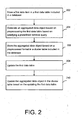
- FIG. 2 is a flowchart illustrating an operation of the system of FIG. 1 according to an example embodiment.
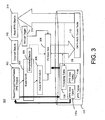
- FIG. 3 is a block diagram of a system for managing complex database information according to an example embodiment.
- FIG. 1 is a block diagram of a system 100 for managing complex database information.
- a data hub manager 102 includes various processing engines that may be configured to manage complex database information.
- the data hub manager 102 may include a user interface 104 configured to manage communication with a user 106.
- the data hub manager 102 may include a database storage area 108 for storing database information.
- the database storage area 108 may include data tables 110a, 110b configured to store relational database data items and a cluster table 112 configured to store data objects.
- the data tables 110a, 110b may be configured to store normal data records associated with a relational database.
- the data tables 110a, 110b may be configured to store data items including integrated Product and Process Engineering (iPPE) objects, and the data tables 110a, 110b may include iPPE data tables.
- iPPE integrated Product and Process Engineering
- the cluster table 112 may be configured to store aggregated data objects 114a, 114b.
- the aggregated data objects 114a, 114b may include data combined from multiple tables such as the data tables 110a, 110b into one physical record in the database.
- the aggregated data objects 114a, 114b may include data written to the database in compressed form, or in a binary format that is not easily interpreted by a human, or by programs or applications external to the data hub manager 102.
- the aggregated data objects 114a, 114b may be very large, in comparison to any one of the data tables 110a, 110b.
- retrieval of data from the cluster table 112 may be very fast if a primary key is known.
- the cluster table 112 may be defined in the data dictionary as a transparent table.
- special language elements such as EXPORT TO DATABASE, IMPORT FROM DATABASE and DELETE FROM DATABASE may be used to process data associated with the cluster table 112.
- EXPORT instruction may be used to update the aggregated data object 114a based on data items stored in data tables 110a, 110b.
- the data hub manager 102 may include a data table update processor 116 configured to store data items in the data tables 110a, 110b.
- the data table update processor 116 may be configured to store a first data item in a first one of the data tables 110a, 110b.
- the data hub manager 102 may include an aggregated object processor 118 configured to generate an aggregated data object based on preprocessing the first data table based on satisfying a predefined retrieval query.
- the aggregated object processor 118 may be configured to generate one of the aggregated data objects 114a, 114b based on preprocessing one or more of the data tables 110a, 110b.
- the preprocessing may be based on satisfying a predefined retrieval query.
- the retrieval query may be specified by the user to preprocess data from the normal data tables 110a, 110b, as well as data from other sources, to generate one of the aggregated data objects 114a, 114b, which may be stored in the cluster table 112 in compressed form.
- the data hub manager 102 may include a data hub storage manager 120 configured to store the aggregated data objects 114a, 114b based on a preprocessed format in the cluster table 112.
- a data hub storage manager 120 configured to store the aggregated data objects 114a, 114b based on a preprocessed format in the cluster table 112.
- one of the aggregated data objects 114a, 114b may be retrieved as a result of executing one instruction and one fetch from storage, instead of executing several instructions to process multiple fetches from the data tables 110a, 110b.
- the data item information may thus be stored simultaneously in the data tables 110a, 110b and in the cluster table 110, so that the user 106 may retrieve desired information from the data tables 110a, 110b or from the cluster table 110.
- the data table update processor 116 may be configured to update the data tables 110a, 110b, and the data hub manager 102 may include a data hub update processor 122 configured to update one of the aggregated data objects 114a, 114b in the cluster table 112 based on the update of the data table 110a, 110b.
- the data hub manager 102 may include a database receiving device 124 configured to receive a request based on the predefined retrieval query. For example, the request may be received from the user 106 via the user interface 104. According to an example embodiment, the data hub manager 102 may include a data hub retrieval manager 126 configured to retrieve one of the aggregated data objects 114a, 114b from the cluster table 112 in response to the request.
- the database storage area 108 may include a timestamp data table 128 configured to store indicators of times associated with updates of data items in tables.
- the timestamp data table 128 may be configured to store indicators of times associated with updates of data items in the data tables 110a, 110b.
- the timestamp data table 128 may be further configured to store indicators of times associated with updates of the cluster table 112, for example, updates based on data items from sources external to the data hub.
- the data table update processor 116 may be configured to update one of the data tables 110a, 110b including updating data items in the data tables 110a, 110b and storing, in the timestamp data table 128 included in the database, an indicator indicating a time associated with the update of the data table.
- the data hub update processor 122 may be configured to update one of the aggregated data objects 114a, 114b in the cluster table 112 including retrieving the indicator indicating the time associated with the update of the data table and storing the updated aggregated data object 114a, 114b and the indicator indicating the time associated with the update of the data table in the cluster table 112.
- the data hub manager 102 may include a data timestamp retrieval manager 130 configured to retrieve an indicator indicating a most recent time associated with the update of the first data table from the timestamp data table.
- the data hub manager 102 may further include a hub timestamp retrieval manager 132 configured to retrieve, from the cluster table 112, an indicator indicating the time associated with the update of the data table 110a, 110b that is most recently saved in the cluster table 112.
- the data hub retrieval manager 126 may be configured to retrieve one of the aggregated data objects 114a, 114b from the cluster table 112 in response to a request based on the predefined retrieval query received by the database receiving device 124, based on determining whether the indicator retrieved from the timestamp data table 128 matches the indicator retrieved from the cluster table 112. For example, if the two indicators match, the data hub retrieval manager 126 may retrieve one of the aggregated data objects 114a, 114b from the cluster table 112, and if the two indicators do not match, the data hub retrieval manager 126 may wait for the cluster table to be updated before retrieving one of the aggregated data objects 114a, 114b from the cluster table 112 in response to the request.
- the data hub manager 102 may include an updated object memory 134 configured to temporarily store objects associated with updates of data tables included in the database. For example, if one of the data tables 110a, 110b is updated via an add, modify, or delete operation, objects associated with the update may be stored in the updated object memory 134 so that the data hub manager 102 may "remember" the objects associated with the update so that the cluster table 112 may be updated in accordance with the update to the data tables 110a, 110b.
- the data table update processor 122 may be configured to update the data table including saving, in the updated object memory 134, an object associated with the update of the data table, and the data hub update processor 122 may be configured to update one of the aggregated data objects 114a, 114b in the cluster table 112 including selecting the aggregated data object 114a, 114b in the cluster table 112 for update based on the object saved in the updated object memory 134.
- the updated object memory 134 may be configured to temporarily store objects associated with sources external to the database for further update of the cluster table112 based on the objects from the external sources.
- the user 106 may request an update of one of the aggregated data objects 114a, 114b based on objects from one or more external sources.
- an external database 136 may be located external to the database included in the data hub manager 102, and the external database 136 may include an external database storage area 138 that may include external data tables 140a and 140b.
- the data hub manager 102 may include an external objects manager 142 configured to process requests to update the aggregated data objects 114a, 114b based on one or more data items stored in one or more of the external data tables 140a, 140b included in the external database 136 that is located external to the database.
- the data hub update processor 122 may be configured to update the aggregated data objects 114a, 114b in the cluster table 112 based on preprocessing one or more of the external data tables 140a, 140b based on satisfying the predefined retrieval query.
- the user 106 may need information from external sources in addition to information from the database in order to satisfy one or more frequently used queries, and may thus include the external information in the aggregated data objects 114a, 114b stored in the cluster table 112.
- the special language elements such as EXPORT TO DATABASE, IMPORT FROM DATABASE and DELETE FROM DATABASE may be used to process data associated with the cluster table 112.
- an EXPORT instruction may be used to update the aggregated data object 114a based on data items stored in the external data tables 140a, 140b.
- the external objects manager 142 may be configured to process requests to update the aggregated data objects 114a, 114b based on one or more data items stored in one of the external data tables 140a, 140b included in the external database 136 that may be located external to the database, including storing, in the timestamp data table 128, an external update indicator indicating a time associated with the update of one of the aggregated data objects 114a, 114b based the one or more data items.
- the data hub update processor 122 may be configured to update the aggregated data objects 114a, 114b in the cluster table 112 based on preprocessing one of the external data tables 140a, 140b based on satisfying the predefined retrieval query.
- the data hub update processor 122 may then store the updated aggregated data object 114a, 114b and the external update indicator in the cluster table 112.
- the indicators may be checked for matching values, for example, by the data hub retrieval manager 126, to ensure retrieval of information based on the most recent updates.
- the data hub manager 102 may be based on Advanced Business Application Programming (ABAP) methods and objects.
- ABAP Advanced Business Application Programming
- FIG. 2 is a flowchart illustrating an operation of the system of FIG. 1 .
- a method may include storing a first data item in a first data table included in a database (202).
- the data table update processor 116 may store the first data item in one of the data tables 110a, 110b as discussed previously.
- the method may further include generating an aggregated data object based on preprocessing the first data table based on satisfying a predefined retrieval query (204).
- the aggregated object processor 118 may generate an aggregated data object based on preprocessing the first data table based on satisfying the predefined retrieval query.
- the aggregated object processor 118 discussed previously may be configured to generate one of the aggregated data objects 114a, 114b based on preprocessing one or more of the data tables 110a, 110b.
- the predefined retrieval query may be provided by the example user 106.
- the method may further include storing the aggregated data object based on a preprocessed format in a cluster table included in the database (206).
- the data hub storage manager 120 may store one of the aggregated data objects 114a, 114b based on a preprocessed format in the cluster table 112.
- one of the aggregated data objects 114a, 114b may be retrieved as a result of executing one instruction and one fetch from storage, instead of executing several instructions to process multiple fetches from the data tables 110a, 110b.
- the data item information may thus be stored simultaneously in the data tables 110a, 110b and in the cluster table 110, so that the example user 106 may retrieve desired information either from the data tables 110a, 110b via multiple fetch operations, or from the cluster table 110 via fewer fetch operations.
- the method may further include updating the first data table (208), and updating the aggregated data object in the cluster table based on the updating the first data table (210).
- the data table update processor 116 discussed previously may update one of the data tables 110a, 110b
- the data hub update processor 122 may update one of the aggregated data objects 114a, 114b in the cluster table 112 based on the update of the data table 110a, 110b.
- a request based on the predefined retrieval query may be received.
- the database receiving device 124 may receive the request based on the predefined retrieval query.
- the request may be received from the example user 106 via the user interface 104.
- the aggregated data object may be retrieved from the cluster table in response to the request.
- the data hub retrieval manager 126 discussed previously may retrieve one of the aggregated data objects 114a, 114b from the cluster table 112 in response to the request.
- a second data item may be stored in a second data table included in the database, and the aggregated data object may be updated in the cluster table based on preprocessing the second data table based on satisfying the predefined retrieval query.
- the data table update processor 116 may store the second data item in one of the data tables 110a, 110b as discussed previously, and the data hub update processor 122 may update one of the aggregated data objects 114a, 114b in the cluster table 112 based on preprocessing the second data table based on satisfying the predefined retrieval query.
- updating the first data table may include updating the first data item in the first data table and storing, in a timestamp data table included in the database, an indicator indicating a time associated with the update of the first data table.
- the data table update processor 116 discussed previously may update one of the data tables 110a, 110b including updating data items in the data tables 110a, 110b and storing, in the timestamp data table 128 included in the database, an indicator indicating a time associated with the update of the data table.
- updating the aggregated data object in the cluster table may include retrieving the indicator indicating the time associated with the update of the first data table and storing the updated aggregated data object and the indicator indicating the time associated with the update of the first data table in the cluster table.
- the data hub update processor 122 may update one of the aggregated data objects 114a, 114b in the cluster table 112 including retrieving the indicator indicating the time associated with the update of the data table and storing the updated aggregated data object 114a, 114b and the indicator indicating the time associated with the update of the data table in the cluster table 112.
- updating the first data table may include saving, in a memory, an object associated with the update of the first data table, and updating the aggregated data object in the cluster table may include selecting the aggregated data object in the cluster table for update based on the object saved in the memory. For example, if one of the data tables 110a, 110b is updated via an add, modify, or delete operation, objects associated with the update may be stored in the updated object memory 134 discussed previously so that the data hub manager 102 may "remember" the objects associated with the update so that the cluster table112 may be updated in accordance with the update to the data tables 110a, 110b.
- the data table update processor 122 may update the data table including saving, in the updated object memory 134, an object associated with the update of the data table, and the data hub update processor 122 may update one of the aggregated data objects 114a, 114b in the cluster table 112 including selecting the aggregated data object 114a, 114b in the cluster table 112 for update based on the object saved in the updated object memory 134.
- the method may include processing a request to update the aggregated data object based on one or more data items stored in a third data table included in an external database that is located external to the database, and updating the aggregated data object in the cluster table based on preprocessing the third data table based on satisfying the predefined retrieval query.
- the external objects manager 142 discussed previously may process requests to update the aggregated data objects 114a, 114b based on one or more data items stored in one or more of the external data tables 140a, 140b included in the external database 136 that is located external to the database.
- the data hub update processor 122 may be configured to update the aggregated data objects 114a, 114b in the cluster table 112 based on preprocessing one or more of the external data tables 140a, 140b based on satisfying the predefined retrieval query.
- the user 106 may need information from external sources in addition to information from the database in order to satisfy one or more frequently used queries, and may thus include the external information in the aggregated data objects 114a, 114b stored in the cluster table 112.
- the special language elements such as EXPORT TO DATABASE, IMPORT FROM DATABASE and DELETE FROM DATABASE may be used to process data associated with the cluster table 112.
- an EXPORT instruction may be used to update the aggregated data object 114a based on data items stored in the external data tables 140a, 140b.
- processing the request may include processing the request to update the aggregated data object based on one or more data items stored in a third data table included in an external database that is located external to the database and storing, in a timestamp data table included in the database, an external update indicator indicating a time associated with the update of the aggregated data object based the one or more data items stored in the third table.
- updating the aggregated data object in the cluster table may include preprocessing the third data table based on satisfying the predefined retrieval query and storing the updated aggregated data object and the external update indicator in the cluster table.
- the external objects manager 142 may process the request to update one of the aggregated data objects 114a, 114b based on one or more data items stored in one of the external data tables 140a, 140b included in the external database 136 that may be located external to the database, including storing, in the timestamp data table 128, an external update indicator indicating a time associated with the update of one of the aggregated data objects 114a, 114b based the one or more data items.
- the data hub update processor 122 may update one of the aggregated data objects 114a, 114b in the cluster table based on preprocessing one of the external data tables 140a, 140b based on satisfying the predefined retrieval query and storing the updated aggregated data object 114a, 114b and the external update indicator in the cluster table 112.
- the indicators may be checked for matching values, for example, by the data hub retrieval manager 126, to ensure retrieval of information based on the most recent updates.
- FIG. 3 is a block diagram of a system 300 for managing complex database information according to an example embodiment.
- the example system 300 may include the database storage area 108 that may be configured, for example, to store iPPE tables, including data tables 110a, 110b configured to store iPPE data items or objects, and the timestamp table 128 as discussed previously with regard to FIG. 1 .
- the example the database storage area 108 may further include the cluster table 112 as discussed previously.
- the example system 300 may include one or more processors 302 configured to read/ change/ create/ delete iPPE objects.
- the data table update processor 116 discussed previously may read/ change/ create/ delete iPPE objects in iPPE data tables 110a, 110b, and the timestamp data table 128.
- a "SAVE" event 304 associated with saving information in the database storage area 108 may cause objects to be "remembered," or temporarily stored, for example, in the updated object memory 134 discussed previously.
- objects associated with the update may be stored in the updated object memory 134 so that the data hub manager 102 may "remember" the objects associated with the update so that the cluster table 112 may be updated in accordance with the update to the data tables 110a, 110b.
- the data table update processor 122 may update the data table including saving, in the updated object memory 134, an object associated with the update of the data table.
- an "AFTER SAVE" event 306 may cause objects that have been “remembered,” or temporarily stored, for example, in the updated object memory 134 by a "SAVE" event, to be used for filling the data hub 108, or updating the cluster table 112.
- the data hub update processor 122 may update one of the aggregated data objects 114a, 114b in the cluster table 112 including selecting the aggregated data object 114a, 114b in the cluster table 112 for update based on the object saved in the updated object memory 134.
- a manual trigger 310 may also cause data items to be updated in the cluster table 112.
- the cluster table 112 may be updated automatically, or may be updated based on the manual trigger, for example, via requests from the example user 106, via the user interface 104.
- the external objects manager 142 discussed previously may process requests to update the aggregated data objects 114a, 114b based on or more one external objects 312.
- iPPE objects may be retrieved 314 from the cluster table 112 via the manual trigger 310.
- the external objects manager 142 may cause updating of the cluster table 112 accordingly.
- the data hub update processor 122 may update the aggregated data objects 114a, 114b in the cluster table 112 based on preprocessing one or more of the external data tables 140a, 140b based on satisfying the predefined retrieval query.
- the user 106 may need information from external sources in addition to information from the database in order to satisfy one or more frequently used queries, and may thus include the external information in the aggregated data objects 114a, 114b stored in the cluster table 112.
- EXPORT TO DATABASE IMPORT FROM DATABASE and DELETE FROM DATABASE
- EXPORT TO DATABASE IMPORT FROM DATABASE
- DELETE FROM DATABASE may be used to process data associated with the cluster table 112.
- an EXPORT instruction may be used to update the aggregated data object 114a based on data items stored in the external data tables 140a, 140b.
- the external objects manager 142 may process requests to update the aggregated data objects 114a, 114b based on one or more data items stored in one of the external data tables 140a, 140b included in the external database 136 that may be located external to the database, including storing, in the timestamp data table 128, an external update indicator indicating a time associated with the update of one of the aggregated data objects 114a, 114b based the one or more data items.
- the data hub update processor 122 may update the aggregated data objects 114a, 114b in the cluster table 112 based on preprocessing one of the external data tables 140a, 140b based on satisfying the predefined retrieval query and storing the updated aggregated data object 114a, 114b and the external update indicator in the cluster table 112.
- the indicators may be checked for matching values, for example, by the data hub retrieval manager 126, to ensure retrieval of information based on the most recent updates.
- the data hub or cluster table 112 discussed previously may be included in an iPPE database, and may reduce the amount of retrieval time and processing time needed for the amount of data to be read from the data base during a run of an interface to another system.
- the data stored in the data hub may be needed by different systems. Reading the data from multiple IPPE data tables with conventional APIs may adversely affect the performance of the system, at least in terms of retrieval time and processing time.
- Implementations of the various techniques described herein may be implemented in digital electronic circuitry, or in computer hardware, firmware, software, or in combinations of them. Implementations may implemented as a computer program product, i.e., a computer program tangibly embodied in an information carrier, e.g., in a machine-readable storage device or in a propagated signal, for execution by, or to control the operation of, data processing apparatus, e.g., a programmable processor, a computer, or multiple computers.
- data processing apparatus e.g., a programmable processor, a computer, or multiple computers.
- a computer program such as the computer program(s) described above, can be written in any form of programming language, including compiled or interpreted languages, and can be deployed in any form, including as a stand-alone program or as a module, component, subroutine, or other unit suitable for use in a computing environment.
- a computer program can be deployed to be executed on one computer or on multiple computers at one site or distributed across multiple sites and interconnected by a communication network.
- Method steps may be performed by one or more programmable processors executing a computer program to perform functions by operating on input data and generating output. Method steps also may be performed by, and an apparatus may be implemented as, special purpose logic circuitry, e.g., an FPGA (field programmable gate array) or an ASIC (application-specific integrated circuit).
- FPGA field programmable gate array
- ASIC application-specific integrated circuit
- processors suitable for the execution of a computer program include, by way of example, both general and special purpose microprocessors, and any one or more processors of any kind of digital computer.
- a processor will receive instructions and data from a read-only memory or a random access memory or both.
- Elements of a computer may include at least one processor for executing instructions and one or more memory devices for storing instructions and data.
- a computer also may include, or be operatively coupled to receive data from or transfer data to, or both, one or more mass storage devices for storing data, e.g., magnetic, magneto-optical disks, or optical disks.
- Information carriers suitable for embodying computer program instructions and data include all forms of non-volatile memory, including by way of example semiconductor memory devices, e.g., EPROM, EEPROM, and flash memory devices; magnetic disks, e.g., internal hard disks or removable disks; magneto-optical disks; and CD-ROM and DVD-ROM disks.
- semiconductor memory devices e.g., EPROM, EEPROM, and flash memory devices
- magnetic disks e.g., internal hard disks or removable disks
- magneto-optical disks e.g., CD-ROM and DVD-ROM disks.
- the processor and the memory may be supplemented by, or incorporated in special purpose logic circuitry.
- implementations may be implemented on a computer having a display device, e.g., a cathode ray tube (CRT) or liquid crystal display (LCD) monitor, for displaying information to the user and a keyboard and a pointing device, e.g., a mouse or a trackball, by which the user can provide input to the computer.
- a display device e.g., a cathode ray tube (CRT) or liquid crystal display (LCD) monitor
- keyboard and a pointing device e.g., a mouse or a trackball
- Other kinds of devices can be used to provide for interaction with a user as well; for example, feedback provided to the user can be any form of sensory feedback, e.g., visual feedback, auditory feedback, or tactile feedback; and input from the user can be received in any form, including acoustic, speech, or tactile input.
- Implementations may be implemented in a computing system that includes a back-end component, e.g., as a data server, or that includes a middleware component, e.g., an application server, or that includes a front-end component, e.g., a client computer having a graphical user interface or a Web browser through which a user can interact with an implementation, or any combination of such back-end, middleware, or front-end components.
- Components may be interconnected by any form or medium of digital data communication, e.g., a communication network. Examples of communication networks include a local area network (LAN) and a wide area network (WAN), e.g., the Internet.
- LAN local area network
- WAN wide area network
- a system which comprises:
- the data hub manager may further comprise:
- the data table storage manager may be configured to store a second data item in a second data table included in the database
- the data hub update processor may be configured to update the aggregated data object in the cluster table based on preprocessing the second data table based on satisfying the predefined retrieval query.
- the database storage area may include a timestamp data table configured to store indicators of times associated with updates of data items in the data tables; the data table update processor may be configured to update the first data table including updating the first data item in the first data table and storing, in a timestamp data table included in the database, an indicator indicating a time associated with the update of the first data table, and the data hub update processor may be configured to update the aggregated data object in the cluster table including retrieving the indicator indicating the time associated with the update of the first data table and storing the updated aggregated data object and the indicator indicating the time associated with the update of the first data table in the cluster table.
- the data hub manager may further comprise:
- the system may further comprise:
- system may comprise:
- the database storage area may include a timestamp data table configured to store indicators of times associated with updates of data items in the data tables,
- the database may include a relational database.
- the first data item may include an integrated Product and Process Engineering (iPPE) object and the first data table may include an iPPE data table.
- iPPE integrated Product and Process Engineering
- the method may further comprise:
- method may comprise:
- Updating the first data table may comprise updating the first data item in the first data table and storing, in a timestamp data table included in the database, an indicator indicating a time associated with the update of the first data table, and updating the aggregated data object in the cluster table may comprise retrieving the indicator indicating the time associated with the update of the first data table and storing the updated aggregated data object and the indicator indicating the time associated with the update of the first data table in the cluster table.
- the method may further comprise:
- Updating the first data table may comprise saving, in a memory, an object associated with the update of the first data table, and updating the aggregated data object in the cluster table may comprise selecting the aggregated data object in the cluster table for update based on the object saved in the memory.
- the method may further comprise:
- Processing the request may comprise processing the request to update the aggregated data object based on one or more data items stored in a third data table included in an external database that is located external to the database and storing, in a timestamp data table included in the database, an external update indicator indicating a time associated with the update of the aggregated data object based the one or more data items stored in the third table, and updating the aggregated data object in the cluster table may comprise preprocessing the third data table based on satisfying the predefined retrieval query and storing the updated aggregated data object and the external update indicator in the cluster table.
- a computer program product which may be tangibly embodied on a computer-readable medium and which is configured to cause a data processing apparatus to perform the above method.
- a computer program product which may be tangibly embodied on a computer-readable medium and which is configured to cause a data processing apparatus to:
- the computer program product may be further configured to cause the data processing apparatus to:
Landscapes
- Engineering & Computer Science (AREA)
- Databases & Information Systems (AREA)
- Theoretical Computer Science (AREA)
- Data Mining & Analysis (AREA)
- Physics & Mathematics (AREA)
- General Engineering & Computer Science (AREA)
- General Physics & Mathematics (AREA)
- Information Retrieval, Db Structures And Fs Structures Therefor (AREA)
Claims (15)
- System, das umfasst:einen Datenspeicherbereich (108), der umfasst:eine Vielzahl von Datentabellen (110a, 110b), die konfiguriert sind, um relationale Datenbank-Datenelemente zu speichern, undeine Clustertabelle (112), die konfiguriert ist, um Datenobjekte zu speichern;eine Datenknotenverwaltung (102), die umfasst:einen Datentabellen-Aktualisierungsprozessor (116), der konfiguriert ist, um ein erstes Datenelement in einer ersten der Datentabellen (110a, 110b) zu speichern;einen Prozessor (118) für aggregierte Objekte, der konfiguriert ist, um basierend auf der Vorverarbeitung der ersten Datentabelle (110a) basierend auf der Erfüllung einer vordefinierten Suchanfrage ein aggregiertes Datenobjekt (114a, 114b) zu erzeugen, undeine Datenknoten-Speicherverwaltung (120), die konfiguriert ist, um das aggregierte Datenobjekt (114a, 114b) basierend auf einem vorverarbeiteten Format in der Clustertabelle (112) zu speichern, wobeider Datentabellen-Aktualisierungsprozessor (116) konfiguriert ist, um die erste Datentabelle (110a) zu aktualisieren, unddie Datenknotenverwaltung (102) ferner einen Prozessor (122) für die Datenknotenaktualisierung umfasst, der konfiguriert ist, um das aggregierte Datenobjekt (114a, 114b) in der Clustertabelle (112) basierend auf der Aktualisierung der ersten Datentabelle (110a) zu aktualisieren,wobei
der Datenspeicherbereich (108) eine Zeitstempel-Datentabelle (128) umfasst, die konfiguriert ist, um Zeitanzeigen zu speichern, die zu Aktualisierungen von Datenelementen in den Datentabellen (110a, 110b) gehören,
der Datentabellen-Aktualisierungsprozessor (116) konfiguriert ist, um die erste Datentabelle (110a) zu aktualisieren, was die Aktualisierung des ersten Datenelements in der ersten Datentabelle (110a) und das Speichern einer Anzeige, die eine zu der Aktualisierung der ersten Datentabelle (110a) gehörende Zeit anzeigt, in einer in der Datenbank (128) enthaltenen Zeitstempeltabelle (128) umfasst, und
der Datentabellen-Aktualisierungsprozessor (116) konfiguriert ist, um das aggregierte Datenobjekt (114a, 114b) in der Clustertabelle (112) zu aktualisieren, was das Abrufen der Anzeige, die die zu der Aktualisierung der ersten Datentabelle (110a) gehörende Zeit anzeigt, und das Speichern des aggregierten Datenobjekts und der Anzeige, die die zu der Aktualisierung der ersten Datentabelle (110a) gehörende Zeit anzeigt, in der Clustertabelle (112) umfasst. - System nach Anspruch 1, wobei die Datenknotenverwaltung (102) ferner umfasst:eine Datenbankempfangsvorrichtung (124), die konfiguriert ist, um eine Anforderung basierend auf der vordefinierten Suchanfrage zu empfangen; undeine Datenknoten-Abrufverwaltung (126), die konfiguriert ist, um das aggregierte Datenobjekt (114a, 114b) ansprechend auf die Anforderung aus der Clustertabelle (112) abzurufen.
- System nach Anspruch 1 oder 2, wobei
der Datentabellen-Aktualisierungsprozessor (116) konfiguriert ist, um ein zweites Datenelement (114a, 114b) in einer zweiten Datentabelle (110b), die in der Datenbank enthalten ist, zu speichern, und
der Prozessor (122) für die Datenknotenaktualisierung konfiguriert ist, um das aggregierte Datenobjekt (114a, 114b) in der Clustertabelle (112) basierend auf der Vorverarbeitung der zweiten Datentabelle (110b) basierend auf der Erfüllung der vordefinierten Suchanfrage zu aktualisieren. - System nach einem der Ansprüche 1 bis 3, wobei die Datenknotenverwaltung (102) ferner umfasst:eine Datenbankempfangsvorrichtung (124), die konfiguriert ist, um eine Anforderung basierend auf der vordefinierten Suchanfrage zu empfangen; undeine Abrufverwaltung (126) für Datenzeitstempel, die konfiguriert ist, um eine Anzeige, die eine neueste Zeit anzeigt, die zu der Aktualisierung der ersten Datentabelle (110a) gehört, aus der Zeitstempel-Datentabelle (128) abzurufen;eine Abrufverwaltung (132) für Knotenzeitstempel, die konfiguriert ist, um eine Anzeige, die die Zeit anzeigt, die zu der Aktualisierung der ersten Datentabelle (110a) gehört, die zuletzt in der Clustertabelle (112) gespeichert wurde, aus der Clustertabelle (112) abzurufen; undeine Abrufverwaltung (126) für Datenknoten, die konfiguriert ist, um ansprechend auf die Anforderung basierend auf der Bestimmung, ob die aus der Zeittempel-Datentabelle (128) abgerufene Anzeige mit der von der Clustertabelle (112) empfangenen Anzeige übereinstimmt oder nicht, das aggregierte Datenobjekt (114a, 114b) aus der Clustertabelle (112) abzurufen.
- System nach einem der Ansprüche 1 bis 4, das ferner umfasst:einen Speicher (134) für aktualisierte Objekte, der konfiguriert ist, um vorübergehend Objekte, die zu Aktualisierungen von Datentabellen (110a, 110b), die in der Datenbank enthalten sind, gehören, zu speichern, wobei:der Datentabellen-Aktualisierungsprozessor (116) konfiguriert ist, um die erste der Datentabellen (110a, 110b) zu aktualisieren, was das Speichern eines Objekts, das zu der Aktualisierung der ersten Datentabelle (110a) gehört, in dem aktualisierten Objektspeicher (134) umfasst, undder Prozessor (122) für die Datenknotenaktualisierung konfiguriert ist, um das aggregierte Datenobjekt (114a, 114b) in der Clustertabelle (112) zu aktualisieren, was die Auswahl des aggregierte Datenobjekts (114a, 114b) in der Clustertabelle (112) für die Aktualisierung basierend auf dem in dem aktualisierten Objektspeicher (134) gespeicherten Objekt umfasst.
- System nach einem der Ansprüche 1 bis 5, das ferner umfasst:eine Verwaltung (142) für externe Objekte, die konfiguriert ist, um Anforderungen für die Aktualisierung des aggregierte Datenobjekts (114a, 114b) basierend auf einem oder mehreren Datenelementen, die in einer dritten Datentabelle (140a, 140b), die in einer extern von der Datenbank angeordneten externen Datenbank (136) enthalten ist, gespeichert sind, zu verarbeiten;wobei der Prozessor (122) für die Datenknotenaktualisierung konfiguriert ist, um das aggregierte Datenobjekt (114a, 114b) in der Clustertabelle (112) basierend auf der Vorverarbeitung der dritten Datentabelle (140a, 140b) basierend auf der Erfüllung der vordefinierten Suchanfrage zu aktualisieren.
- System nach Anspruch 6, wobei:der Datenspeicherbereich (108) eine Zeitstempel-Datentabelle (128) umfasst, die konfiguriert ist, um Zeitanzeigen zu speichern, die zu Aktualisierungen von Datenelementen in den Datentabellen gehören,die Verwaltung (142) für externe Objekte konfiguriert ist, um Anforderungen für die Aktualisierung des aggregierte Datenobjekts (114a, 114b) basierend auf einem oder mehreren Datenelementen, die in einer dritten Datentabelle (140a, 140b), die in einer extern von der Datenbank angeordneten externen Datenbank (136) enthalten ist, gespeichert sind, zu verarbeiten, was das Speichern einer externen Aktualisierungsanzeige, die eine Zeit anzeigt, die zu der Aktualisierung des aggregierten Datenobjekts (114a, 114b) gehört, basierend auf dem einen oder den mehreren in der dritten Tabelle (140a, 140b) gespeicherten Datenelementen in der Zeitstempeltabelle (128) umfasst, undder Prozessor (122) für die Datenknotenaktualisierung konfiguriert ist, um das aggregierte Datenobjekt (114a, 114b) in der Clustertabelle (112) zu speichern, was die Aktualisierung des aggregierten Datenobjekts (114a, 114b) in der Clustertabelle (112) basierend auf der Vorverarbeitung der dritten Datentabelle (140a, 140b) basierend auf der Erfüllung der vordefinierten Suchanfrage umfasst, und um das aktualisierte aggregierte Datenobjekt (114a, 114b) und die externe Aktualisierungsanzeige in der Clustertabelle (112) zu speichern.
- Verfahren, das umfasst:Speichern (202) eines ersten Datenelements in einer ersten Datentabelle (110a), die in einer Datenbank enthalten ist;Erzeugen (204) eines aggregierten Datenobjekts (114a, 114b) basierend auf der Vorverarbeitung der ersten Tabelle (110a) basierend auf der Erfüllung einer vordefinierten Suchanfrage;Speichern (206) des aggregierten Datenobjekts (114a, 114b) basierend auf einem vorverarbeiteten Format in einer Clustertabelle (112), das in der Datenbank enthalten ist;Aktualisieren (208) der ersten Datentabelle (110a, 110b); undAktualisieren (210) des aggregierten Datenobjekts (114a, 114b) in der Clustertabelle (112) basierend auf der Aktualisierung der ersten Datentabelle (110a),wobeidas Aktualisieren der ersten Datentabelle (110a) die Aktualisierung des ersten Datenelements in der ersten Datentabelle (110a) und das Speichern einer Anzeige, die eine zu der Aktualisierung der ersten Datentabelle (110a) gehörende Zeit anzeigt, in einer in der Datenbank (128) enthaltenen Zeitstempeltabelle (128) umfasst, unddas Aktualisieren des aggregierten Datenobjekts (114a, 114b) in der Clustertabelle (112) das Abrufen der Anzeige, die die zu der Aktualisierung der ersten Datentabelle (110a) gehörende Zeit anzeigt, und das Speichern des aggregierten Datenobjekts und der Anzeige, die die zu der Aktualisierung der ersten Datentabelle (110a) gehörende Zeit anzeigt, in der Clustertabelle (112) umfasst.
- Verfahren nach Anspruch 8, das ferner umfasst:Empfangen einer Anforderung basierend auf der vordefinierten Suchanfrage; undansprechend auf die Anforderung Abrufen des aggregierten Datenobjekts (114a, 114b) aus der Clustertabelle (112).
- Verfahren nach Anspruch 8 oder 9, das ferner umfasst:Speichern eines zweiten Datenelements (114a, 114b) in einer zweiten Datentabelle (110b), die in der Datenbank enthalten ist; undAktualisieren des aggregierten Datenobjekts (114a, 114b) in der Clustertabelle (112) basierend auf der Vorverarbeitung der zweiten Datentabelle (110b) basierend auf der Erfüllung der vordefinierten Suchanfrage.
- Verfahren nach einem der Ansprüche 8 bis 10, das ferner umfasst:Empfangen einer Anforderung basierend auf der vordefinierten Suchanfrage; undAbrufen einer Anzeige, die eine neueste Zeit anzeigt, die zu der Aktualisierung der ersten Datentabelle (110a) gehört, aus der Zeitstempel-Datentabelle (128);Abrufen einer Anzeige, die die Zeit anzeigt, die zu der Aktualisierung der ersten Datentabelle (110a) gehört, die zuletzt in der Clustertabelle (112) gespeichert wurde, aus der Clustertabelle (112); undAbrufen des aggregierten Datenobjekts (114a, 114b) aus der Clustertabelle (112) ansprechend auf die Anforderung basierend auf der Bestimmung, ob die aus der Zeittempel-Datentabelle (128) abgerufene Anzeige mit der aus der Clustertabelle (112) abgerufenen Anzeige übereinstimmt oder nicht.
- Verfahren nach einem der Ansprüche 8 bis 11, wobei:Aktualisieren der ersten Datentabelle (110a) das Speichern eines Objekts, das zu der Aktualisierungen der ersten Datentabelle (110a, 110b), gehört, in einem Speicher umfasst, undAktualisieren des aggregierten Datenobjekts (114a, 114b) in der Clustertabelle (112), was die Auswahl des aggregierte Datenobjekts (114a, 114b) in der Clustertabelle (112) für die Aktualisierung basierend auf dem in dem Speicher gespeicherten Objekt umfasst.
- Verfahren nach einem der Ansprüche 8 bis 12, das ferner umfasst:das Verarbeiten einer Anforderung für die Aktualisierung des aggregierten Datenobjekts (114a, 114b) basierend auf einem oder mehreren Datenelementen, da/die in einer dritten Datentabelle (140a, 140b), die in einer extern von der Datenbank angeordneten externen Datenbank (136) enthalten ist, gespeichert ist/sind;das Aktualisieren des aggregierten Datenobjekts (114a, 114b) in der Clustertabelle (112) basierend auf der Vorverarbeitung der dritten Datentabelle (140a, 140b) basierend auf der Erfüllung der vordefinierten Suchanfrage.
- Verfahren nach Anspruch 13, wobei:das Verarbeiten der Anforderung umfasst: Verarbeiten der Anforderung für die Aktualisierung des aggregierten Datenobjekts (114a, 114b) basierend auf einem oder mehreren Datenelementen, die in einer dritten Datentabelle (140a, 140b), die in einer extern von der Datenbank angeordneten externen Datenbank (136) enthalten ist, gespeichert sind, und das Speichern einer externen Aktualisierungsanzeige, die eine Zeit anzeigt, die zu der Aktualisierung des aggregierten Datenobjekts (114a, 114b) gehört, basierend auf dem einen oder den mehreren in der dritten Tabelle (140a, 140b) gespeicherten Datenelementen in der Zeitstempeltabelle (128), unddas Aktualisieren des aggregierten Datenobjekts (114a, 114b) in der Clustertabelle (112) das Vorverarbeiten der dritten Datentabelle (140a, 140b) basierend auf der Erfüllung der vordefinierten Suchanfrage und das Speichern des aktualisierten aggregierten Datenobjekts (114a, 114b) und der externen Aktualisierungsanzeige in der Clustertabelle (112) umfasst.
- Computerprogrammprodukt, das konfiguriert ist, um zu bewirken, dass eine Datenverarbeitungsvorrichtung das Verfahren nach einem der Ansprüche 8 bis 14 durchführt.
Applications Claiming Priority (1)
| Application Number | Priority Date | Filing Date | Title |
|---|---|---|---|
| US11/780,938 US7822775B2 (en) | 2007-07-20 | 2007-07-20 | Method and system for managing complex database information |
Publications (2)
| Publication Number | Publication Date |
|---|---|
| EP2017748A1 EP2017748A1 (de) | 2009-01-21 |
| EP2017748B1 true EP2017748B1 (de) | 2014-09-17 |
Family
ID=39689104
Family Applications (1)
| Application Number | Title | Priority Date | Filing Date |
|---|---|---|---|
| EP08011353.3A Active EP2017748B1 (de) | 2007-07-20 | 2008-06-23 | Verfahren und System zur Verwaltung komplexer Datenbankinformationen |
Country Status (2)
| Country | Link |
|---|---|
| US (1) | US7822775B2 (de) |
| EP (1) | EP2017748B1 (de) |
Families Citing this family (15)
| Publication number | Priority date | Publication date | Assignee | Title |
|---|---|---|---|---|
| US7774354B2 (en) * | 2007-08-02 | 2010-08-10 | International Business Machines Corporation | Method and system for response time optimization for task list retrieval from databases |
| US20090199096A1 (en) * | 2008-02-04 | 2009-08-06 | International Business Machines Corporation | Automated gui test recording/playback |
| US10599620B2 (en) * | 2011-09-01 | 2020-03-24 | Full Circle Insights, Inc. | Method and system for object synchronization in CRM systems |
| US10621206B2 (en) | 2012-04-19 | 2020-04-14 | Full Circle Insights, Inc. | Method and system for recording responses in a CRM system |
| US8412745B1 (en) * | 2011-09-14 | 2013-04-02 | Raytheon Company | Relational database model optimized for the use and maintenance of watchlist data in a high demand environment |
| US9026502B2 (en) | 2013-06-25 | 2015-05-05 | Sap Se | Feedback optimized checks for database migration |
| CN104598449A (zh) * | 2013-10-30 | 2015-05-06 | Sap欧洲公司 | 基于偏好的聚类 |
| US9398397B2 (en) | 2014-01-09 | 2016-07-19 | Ford Global Technologies, Llc | Secure manipulation of embedded modem connection settings through short messaging service communication |
| US9766874B2 (en) | 2014-01-09 | 2017-09-19 | Ford Global Technologies, Llc | Autonomous global software update |
| US9524156B2 (en) | 2014-01-09 | 2016-12-20 | Ford Global Technologies, Llc | Flexible feature deployment strategy |
| US9716762B2 (en) | 2014-03-31 | 2017-07-25 | Ford Global Technologies Llc | Remote vehicle connection status |
| US9323546B2 (en) | 2014-03-31 | 2016-04-26 | Ford Global Technologies, Llc | Targeted vehicle remote feature updates |
| US10140110B2 (en) | 2014-04-02 | 2018-11-27 | Ford Global Technologies, Llc | Multiple chunk software updates |
| US9325650B2 (en) | 2014-04-02 | 2016-04-26 | Ford Global Technologies, Llc | Vehicle telematics data exchange |
| US9626403B2 (en) * | 2014-12-03 | 2017-04-18 | Verizon Patent And Licensing Inc. | Relational data model variant |
Family Cites Families (13)
| Publication number | Priority date | Publication date | Assignee | Title |
|---|---|---|---|---|
| US6032158A (en) | 1997-05-02 | 2000-02-29 | Informatica Corporation | Apparatus and method for capturing and propagating changes from an operational database to data marts |
| US6212524B1 (en) | 1998-05-06 | 2001-04-03 | E.Piphany, Inc. | Method and apparatus for creating and populating a datamart |
| US6205451B1 (en) * | 1998-05-22 | 2001-03-20 | Oracle Corporation | Method and apparatus for incremental refresh of summary tables in a database system |
| JP2000011005A (ja) * | 1998-06-17 | 2000-01-14 | Hitachi Ltd | データ分析方法及び装置及びデータ分析プログラムを記録したコンピュータ読み取り可能な記録媒体 |
| CA2414983A1 (en) * | 2002-12-23 | 2004-06-23 | Ibm Canada Limited-Ibm Canada Limitee | Independent deferred incremental refresh of materialized views |
| US7020649B2 (en) * | 2002-12-30 | 2006-03-28 | International Business Machines Corporation | System and method for incrementally maintaining non-distributive aggregate functions in a relational database |
| US7505957B2 (en) * | 2003-08-19 | 2009-03-17 | International Business Machines Corporation | Incremental AST maintenance using work areas |
| EP1513076A1 (de) * | 2003-09-05 | 2005-03-09 | Sap Ag | Datenumwandlungsverfahren und -system |
| US7571078B2 (en) * | 2004-05-20 | 2009-08-04 | Sap Ag | Time dependent process parameters for integrated process and product engineering |
| US7774319B2 (en) * | 2004-08-11 | 2010-08-10 | Sap Ag | System and method for an optimistic database access |
| US7440979B2 (en) * | 2005-03-30 | 2008-10-21 | Sap Ag | Snapshots for instant backup in a database management system |
| EP1755050A1 (de) * | 2005-08-18 | 2007-02-21 | Sap Ag | Datenverarbeitungssystem und Verfahren zur Speicherung einer hierarchischen Datenstruktur in einer Datenbank |
| US8205189B2 (en) * | 2006-07-13 | 2012-06-19 | Oracle International Corporation | Method and system for definition control in a data repository application |
-
2007
- 2007-07-20 US US11/780,938 patent/US7822775B2/en active Active
-
2008
- 2008-06-23 EP EP08011353.3A patent/EP2017748B1/de active Active
Also Published As
| Publication number | Publication date |
|---|---|
| EP2017748A1 (de) | 2009-01-21 |
| US7822775B2 (en) | 2010-10-26 |
| US20090024569A1 (en) | 2009-01-22 |
Similar Documents
| Publication | Publication Date | Title |
|---|---|---|
| US7822775B2 (en) | Method and system for managing complex database information | |
| US10831753B2 (en) | Query plan generation and execution in a relational database management system with a temporal-relational database | |
| US8051045B2 (en) | Archive indexing engine | |
| JP6404820B2 (ja) | 連続クエリをチェーン接続するための機構 | |
| US10108668B2 (en) | Column smart mechanism for column based database | |
| US8190555B2 (en) | Method and system for collecting and distributing user-created content within a data-warehouse-based computational system | |
| US11341142B2 (en) | Framework and metadata artefacts for updating data artefacts | |
| US8266186B2 (en) | Semantic model association between data abstraction layer in business intelligence tools | |
| US11157466B2 (en) | Data templates associated with non-relational database systems | |
| WO2012095771A1 (en) | Sparse index table organization | |
| WO2023086322A1 (en) | Late materialization of queried data in database cache | |
| US20180336253A1 (en) | Progressive chart rendering | |
| US10353879B2 (en) | Database catalog with metadata extensions | |
| US20240134883A1 (en) | Data object management using data object clusters | |
| US20070208722A1 (en) | Apparatus and method for modification of a saved database query based on a change in the meaning of a query value over time | |
| US7574421B2 (en) | Explicit key paging | |
| US8799266B2 (en) | Method and system for managing operation of a user-defined function on a partitioned database | |
| US8626746B2 (en) | Tracking modifications to values of various fields in a database serve | |
| US12079251B2 (en) | Model-based determination of change impact for groups of diverse data objects | |
| US7231385B2 (en) | Method, system, and program for positioning a cursor on rows of a result table | |
| US8180745B2 (en) | Persistent object references to parallel database containers | |
| US7711730B2 (en) | Method of returning data during insert statement processing | |
| US7447682B2 (en) | Framework for retrieval and display of large result sets | |
| US20050262074A1 (en) | Reporting module definition language system and method | |
| US20080162512A1 (en) | Efficient storage and distribution system for non-transactional data |
Legal Events
| Date | Code | Title | Description |
|---|---|---|---|
| PUAI | Public reference made under article 153(3) epc to a published international application that has entered the european phase |
Free format text: ORIGINAL CODE: 0009012 |
|
| AK | Designated contracting states |
Kind code of ref document: A1 Designated state(s): AT BE BG CH CY CZ DE DK EE ES FI FR GB GR HR HU IE IS IT LI LT LU LV MC MT NL NO PL PT RO SE SI SK TR |
|
| AX | Request for extension of the european patent |
Extension state: AL BA MK RS |
|
| 17P | Request for examination filed |
Effective date: 20090721 |
|
| AKX | Designation fees paid |
Designated state(s): AT BE BG CH CY CZ DE DK EE ES FI FR GB GR HR HU IE IS IT LI LT LU LV MC MT NL NO PL PT RO SE SI SK TR |
|
| GRAP | Despatch of communication of intention to grant a patent |
Free format text: ORIGINAL CODE: EPIDOSNIGR1 |
|
| INTG | Intention to grant announced |
Effective date: 20140623 |
|
| GRAS | Grant fee paid |
Free format text: ORIGINAL CODE: EPIDOSNIGR3 |
|
| GRAA | (expected) grant |
Free format text: ORIGINAL CODE: 0009210 |
|
| AK | Designated contracting states |
Kind code of ref document: B1 Designated state(s): AT BE BG CH CY CZ DE DK EE ES FI FR GB GR HR HU IE IS IT LI LT LU LV MC MT NL NO PL PT RO SE SI SK TR |
|
| REG | Reference to a national code |
Ref country code: GB Ref legal event code: FG4D |
|
| REG | Reference to a national code |
Ref country code: CH Ref legal event code: EP |
|
| REG | Reference to a national code |
Ref country code: IE Ref legal event code: FG4D |
|
| REG | Reference to a national code |
Ref country code: AT Ref legal event code: REF Ref document number: 687976 Country of ref document: AT Kind code of ref document: T Effective date: 20141015 |
|
| RAP2 | Party data changed (patent owner data changed or rights of a patent transferred) |
Owner name: SAP SE |
|
| REG | Reference to a national code |
Ref country code: DE Ref legal event code: R096 Ref document number: 602008034411 Country of ref document: DE Effective date: 20141030 |
|
| PG25 | Lapsed in a contracting state [announced via postgrant information from national office to epo] |
Ref country code: NO Free format text: LAPSE BECAUSE OF FAILURE TO SUBMIT A TRANSLATION OF THE DESCRIPTION OR TO PAY THE FEE WITHIN THE PRESCRIBED TIME-LIMIT Effective date: 20141217 Ref country code: SE Free format text: LAPSE BECAUSE OF FAILURE TO SUBMIT A TRANSLATION OF THE DESCRIPTION OR TO PAY THE FEE WITHIN THE PRESCRIBED TIME-LIMIT Effective date: 20140917 Ref country code: FI Free format text: LAPSE BECAUSE OF FAILURE TO SUBMIT A TRANSLATION OF THE DESCRIPTION OR TO PAY THE FEE WITHIN THE PRESCRIBED TIME-LIMIT Effective date: 20140917 Ref country code: GR Free format text: LAPSE BECAUSE OF FAILURE TO SUBMIT A TRANSLATION OF THE DESCRIPTION OR TO PAY THE FEE WITHIN THE PRESCRIBED TIME-LIMIT Effective date: 20141218 Ref country code: LT Free format text: LAPSE BECAUSE OF FAILURE TO SUBMIT A TRANSLATION OF THE DESCRIPTION OR TO PAY THE FEE WITHIN THE PRESCRIBED TIME-LIMIT Effective date: 20140917 |
|
| REG | Reference to a national code |
Ref country code: NL Ref legal event code: VDEP Effective date: 20140917 |
|
| REG | Reference to a national code |
Ref country code: LT Ref legal event code: MG4D |
|
| PG25 | Lapsed in a contracting state [announced via postgrant information from national office to epo] |
Ref country code: HR Free format text: LAPSE BECAUSE OF FAILURE TO SUBMIT A TRANSLATION OF THE DESCRIPTION OR TO PAY THE FEE WITHIN THE PRESCRIBED TIME-LIMIT Effective date: 20140917 Ref country code: CY Free format text: LAPSE BECAUSE OF FAILURE TO SUBMIT A TRANSLATION OF THE DESCRIPTION OR TO PAY THE FEE WITHIN THE PRESCRIBED TIME-LIMIT Effective date: 20140917 Ref country code: LV Free format text: LAPSE BECAUSE OF FAILURE TO SUBMIT A TRANSLATION OF THE DESCRIPTION OR TO PAY THE FEE WITHIN THE PRESCRIBED TIME-LIMIT Effective date: 20140917 |
|
| REG | Reference to a national code |
Ref country code: AT Ref legal event code: MK05 Ref document number: 687976 Country of ref document: AT Kind code of ref document: T Effective date: 20140917 |
|
| PG25 | Lapsed in a contracting state [announced via postgrant information from national office to epo] |
Ref country code: NL Free format text: LAPSE BECAUSE OF FAILURE TO SUBMIT A TRANSLATION OF THE DESCRIPTION OR TO PAY THE FEE WITHIN THE PRESCRIBED TIME-LIMIT Effective date: 20140917 |
|
| PG25 | Lapsed in a contracting state [announced via postgrant information from national office to epo] |
Ref country code: EE Free format text: LAPSE BECAUSE OF FAILURE TO SUBMIT A TRANSLATION OF THE DESCRIPTION OR TO PAY THE FEE WITHIN THE PRESCRIBED TIME-LIMIT Effective date: 20140917 Ref country code: CZ Free format text: LAPSE BECAUSE OF FAILURE TO SUBMIT A TRANSLATION OF THE DESCRIPTION OR TO PAY THE FEE WITHIN THE PRESCRIBED TIME-LIMIT Effective date: 20140917 Ref country code: RO Free format text: LAPSE BECAUSE OF FAILURE TO SUBMIT A TRANSLATION OF THE DESCRIPTION OR TO PAY THE FEE WITHIN THE PRESCRIBED TIME-LIMIT Effective date: 20140917 Ref country code: PT Free format text: LAPSE BECAUSE OF FAILURE TO SUBMIT A TRANSLATION OF THE DESCRIPTION OR TO PAY THE FEE WITHIN THE PRESCRIBED TIME-LIMIT Effective date: 20150119 Ref country code: ES Free format text: LAPSE BECAUSE OF FAILURE TO SUBMIT A TRANSLATION OF THE DESCRIPTION OR TO PAY THE FEE WITHIN THE PRESCRIBED TIME-LIMIT Effective date: 20140917 Ref country code: IS Free format text: LAPSE BECAUSE OF FAILURE TO SUBMIT A TRANSLATION OF THE DESCRIPTION OR TO PAY THE FEE WITHIN THE PRESCRIBED TIME-LIMIT Effective date: 20150117 Ref country code: SK Free format text: LAPSE BECAUSE OF FAILURE TO SUBMIT A TRANSLATION OF THE DESCRIPTION OR TO PAY THE FEE WITHIN THE PRESCRIBED TIME-LIMIT Effective date: 20140917 |
|
| PG25 | Lapsed in a contracting state [announced via postgrant information from national office to epo] |
Ref country code: AT Free format text: LAPSE BECAUSE OF FAILURE TO SUBMIT A TRANSLATION OF THE DESCRIPTION OR TO PAY THE FEE WITHIN THE PRESCRIBED TIME-LIMIT Effective date: 20140917 Ref country code: PL Free format text: LAPSE BECAUSE OF FAILURE TO SUBMIT A TRANSLATION OF THE DESCRIPTION OR TO PAY THE FEE WITHIN THE PRESCRIBED TIME-LIMIT Effective date: 20140917 |
|
| REG | Reference to a national code |
Ref country code: DE Ref legal event code: R097 Ref document number: 602008034411 Country of ref document: DE |
|
| PLBE | No opposition filed within time limit |
Free format text: ORIGINAL CODE: 0009261 |
|
| STAA | Information on the status of an ep patent application or granted ep patent |
Free format text: STATUS: NO OPPOSITION FILED WITHIN TIME LIMIT |
|
| PG25 | Lapsed in a contracting state [announced via postgrant information from national office to epo] |
Ref country code: DK Free format text: LAPSE BECAUSE OF FAILURE TO SUBMIT A TRANSLATION OF THE DESCRIPTION OR TO PAY THE FEE WITHIN THE PRESCRIBED TIME-LIMIT Effective date: 20140917 |
|
| 26N | No opposition filed |
Effective date: 20150618 |
|
| PG25 | Lapsed in a contracting state [announced via postgrant information from national office to epo] |
Ref country code: IT Free format text: LAPSE BECAUSE OF FAILURE TO SUBMIT A TRANSLATION OF THE DESCRIPTION OR TO PAY THE FEE WITHIN THE PRESCRIBED TIME-LIMIT Effective date: 20140917 |
|
| PG25 | Lapsed in a contracting state [announced via postgrant information from national office to epo] |
Ref country code: SI Free format text: LAPSE BECAUSE OF FAILURE TO SUBMIT A TRANSLATION OF THE DESCRIPTION OR TO PAY THE FEE WITHIN THE PRESCRIBED TIME-LIMIT Effective date: 20140917 |
|
| PG25 | Lapsed in a contracting state [announced via postgrant information from national office to epo] |
Ref country code: MC Free format text: LAPSE BECAUSE OF FAILURE TO SUBMIT A TRANSLATION OF THE DESCRIPTION OR TO PAY THE FEE WITHIN THE PRESCRIBED TIME-LIMIT Effective date: 20140917 |
|
| REG | Reference to a national code |
Ref country code: CH Ref legal event code: PL |
|
| PG25 | Lapsed in a contracting state [announced via postgrant information from national office to epo] |
Ref country code: LU Free format text: LAPSE BECAUSE OF FAILURE TO SUBMIT A TRANSLATION OF THE DESCRIPTION OR TO PAY THE FEE WITHIN THE PRESCRIBED TIME-LIMIT Effective date: 20150623 |
|
| REG | Reference to a national code |
Ref country code: IE Ref legal event code: MM4A |
|
| PG25 | Lapsed in a contracting state [announced via postgrant information from national office to epo] |
Ref country code: LI Free format text: LAPSE BECAUSE OF NON-PAYMENT OF DUE FEES Effective date: 20150630 Ref country code: IE Free format text: LAPSE BECAUSE OF NON-PAYMENT OF DUE FEES Effective date: 20150623 Ref country code: CH Free format text: LAPSE BECAUSE OF NON-PAYMENT OF DUE FEES Effective date: 20150630 |
|
| REG | Reference to a national code |
Ref country code: FR Ref legal event code: PLFP Year of fee payment: 9 |
|
| PG25 | Lapsed in a contracting state [announced via postgrant information from national office to epo] |
Ref country code: MT Free format text: LAPSE BECAUSE OF FAILURE TO SUBMIT A TRANSLATION OF THE DESCRIPTION OR TO PAY THE FEE WITHIN THE PRESCRIBED TIME-LIMIT Effective date: 20140917 |
|
| PG25 | Lapsed in a contracting state [announced via postgrant information from national office to epo] |
Ref country code: HU Free format text: LAPSE BECAUSE OF FAILURE TO SUBMIT A TRANSLATION OF THE DESCRIPTION OR TO PAY THE FEE WITHIN THE PRESCRIBED TIME-LIMIT; INVALID AB INITIO Effective date: 20080623 Ref country code: BG Free format text: LAPSE BECAUSE OF FAILURE TO SUBMIT A TRANSLATION OF THE DESCRIPTION OR TO PAY THE FEE WITHIN THE PRESCRIBED TIME-LIMIT Effective date: 20140917 |
|
| REG | Reference to a national code |
Ref country code: FR Ref legal event code: PLFP Year of fee payment: 10 |
|
| PG25 | Lapsed in a contracting state [announced via postgrant information from national office to epo] |
Ref country code: TR Free format text: LAPSE BECAUSE OF FAILURE TO SUBMIT A TRANSLATION OF THE DESCRIPTION OR TO PAY THE FEE WITHIN THE PRESCRIBED TIME-LIMIT Effective date: 20140917 |
|
| PG25 | Lapsed in a contracting state [announced via postgrant information from national office to epo] |
Ref country code: BE Free format text: LAPSE BECAUSE OF FAILURE TO SUBMIT A TRANSLATION OF THE DESCRIPTION OR TO PAY THE FEE WITHIN THE PRESCRIBED TIME-LIMIT Effective date: 20140917 |
|
| REG | Reference to a national code |
Ref country code: FR Ref legal event code: PLFP Year of fee payment: 11 |
|
| REG | Reference to a national code |
Ref country code: DE Ref legal event code: R079 Ref document number: 602008034411 Country of ref document: DE Free format text: PREVIOUS MAIN CLASS: G06F0017300000 Ipc: G06F0016000000 |
|
| PGFP | Annual fee paid to national office [announced via postgrant information from national office to epo] |
Ref country code: DE Payment date: 20250618 Year of fee payment: 18 |
|
| PGFP | Annual fee paid to national office [announced via postgrant information from national office to epo] |
Ref country code: GB Payment date: 20250618 Year of fee payment: 18 |
|
| PGFP | Annual fee paid to national office [announced via postgrant information from national office to epo] |
Ref country code: FR Payment date: 20250620 Year of fee payment: 18 |