EP2014179A1 - A new use of conjugated linoleic acid - Google Patents
A new use of conjugated linoleic acid Download PDFInfo
- Publication number
- EP2014179A1 EP2014179A1 EP07013751A EP07013751A EP2014179A1 EP 2014179 A1 EP2014179 A1 EP 2014179A1 EP 07013751 A EP07013751 A EP 07013751A EP 07013751 A EP07013751 A EP 07013751A EP 2014179 A1 EP2014179 A1 EP 2014179A1
- Authority
- EP
- European Patent Office
- Prior art keywords
- cla
- microbiota
- lab
- mammal
- production
- Prior art date
- Legal status (The legal status is an assumption and is not a legal conclusion. Google has not performed a legal analysis and makes no representation as to the accuracy of the status listed.)
- Withdrawn
Links
- JBYXPOFIGCOSSB-GOJKSUSPSA-N 9-cis,11-trans-octadecadienoic acid Chemical compound CCCCCC\C=C\C=C/CCCCCCCC(O)=O JBYXPOFIGCOSSB-GOJKSUSPSA-N 0.000 title abstract description 78
- 229940108924 conjugated linoleic acid Drugs 0.000 title abstract description 75
- OYHQOLUKZRVURQ-IXWMQOLASA-N linoleic acid Natural products CCCCC\C=C/C\C=C\CCCCCCCC(O)=O OYHQOLUKZRVURQ-IXWMQOLASA-N 0.000 title abstract description 75
- 230000000968 intestinal effect Effects 0.000 claims abstract description 26
- 241000124008 Mammalia Species 0.000 claims abstract description 19
- 238000011084 recovery Methods 0.000 claims abstract description 10
- 230000002950 deficient Effects 0.000 claims abstract description 8
- 239000000203 mixture Substances 0.000 claims description 26
- 230000003115 biocidal effect Effects 0.000 claims description 11
- 239000002253 acid Substances 0.000 claims description 4
- 239000003814 drug Substances 0.000 claims description 4
- 241000736262 Microbiota Species 0.000 description 33
- 238000004519 manufacturing process Methods 0.000 description 29
- QGZKDVFQNNGYKY-UHFFFAOYSA-N Ammonia Chemical compound N QGZKDVFQNNGYKY-UHFFFAOYSA-N 0.000 description 22
- 239000003613 bile acid Substances 0.000 description 22
- 238000002474 experimental method Methods 0.000 description 21
- 230000000694 effects Effects 0.000 description 20
- PEDCQBHIVMGVHV-UHFFFAOYSA-N Glycerine Chemical compound OCC(O)CO PEDCQBHIVMGVHV-UHFFFAOYSA-N 0.000 description 15
- 150000001875 compounds Chemical class 0.000 description 15
- 238000000855 fermentation Methods 0.000 description 12
- 230000004151 fermentation Effects 0.000 description 12
- 229910021529 ammonia Inorganic materials 0.000 description 11
- 239000002207 metabolite Substances 0.000 description 10
- 244000005700 microbiome Species 0.000 description 10
- 239000000047 product Substances 0.000 description 10
- RUDATBOHQWOJDD-UHFFFAOYSA-N (3beta,5beta,7alpha)-3,7-Dihydroxycholan-24-oic acid Natural products OC1CC2CC(O)CCC2(C)C2C1C1CCC(C(CCC(O)=O)C)C1(C)CC2 RUDATBOHQWOJDD-UHFFFAOYSA-N 0.000 description 9
- 210000001072 colon Anatomy 0.000 description 9
- 210000002429 large intestine Anatomy 0.000 description 9
- 241000186000 Bifidobacterium Species 0.000 description 8
- JVTAAEKCZFNVCJ-UHFFFAOYSA-M Lactate Chemical compound CC(O)C([O-])=O JVTAAEKCZFNVCJ-UHFFFAOYSA-M 0.000 description 8
- 241000186660 Lactobacillus Species 0.000 description 8
- VMHLLURERBWHNL-UHFFFAOYSA-M Sodium acetate Chemical compound [Na+].CC([O-])=O VMHLLURERBWHNL-UHFFFAOYSA-M 0.000 description 8
- KXGVEGMKQFWNSR-UHFFFAOYSA-N deoxycholic acid Natural products C1CC2CC(O)CCC2(C)C2C1C1CCC(C(CCC(O)=O)C)C1(C)C(O)C2 KXGVEGMKQFWNSR-UHFFFAOYSA-N 0.000 description 8
- 235000014113 dietary fatty acids Nutrition 0.000 description 8
- 229930195729 fatty acid Natural products 0.000 description 8
- 239000000194 fatty acid Substances 0.000 description 8
- 150000004665 fatty acids Chemical class 0.000 description 8
- 239000007789 gas Substances 0.000 description 8
- JVTAAEKCZFNVCJ-UHFFFAOYSA-N lactic acid Chemical compound CC(O)C(O)=O JVTAAEKCZFNVCJ-UHFFFAOYSA-N 0.000 description 8
- 238000004458 analytical method Methods 0.000 description 7
- 230000009286 beneficial effect Effects 0.000 description 7
- 108090000623 proteins and genes Proteins 0.000 description 7
- 102000004169 proteins and genes Human genes 0.000 description 7
- 241000894006 Bacteria Species 0.000 description 6
- FERIUCNNQQJTOY-UHFFFAOYSA-M Butyrate Chemical compound CCCC([O-])=O FERIUCNNQQJTOY-UHFFFAOYSA-M 0.000 description 6
- FERIUCNNQQJTOY-UHFFFAOYSA-N Butyric acid Natural products CCCC(O)=O FERIUCNNQQJTOY-UHFFFAOYSA-N 0.000 description 6
- 238000006243 chemical reaction Methods 0.000 description 6
- 244000005709 gut microbiome Species 0.000 description 6
- 238000011282 treatment Methods 0.000 description 6
- QTBSBXVTEAMEQO-UHFFFAOYSA-M Acetate Chemical compound CC([O-])=O QTBSBXVTEAMEQO-UHFFFAOYSA-M 0.000 description 5
- XBDQKXXYIPTUBI-UHFFFAOYSA-M Propionate Chemical compound CCC([O-])=O XBDQKXXYIPTUBI-UHFFFAOYSA-M 0.000 description 5
- 230000006978 adaptation Effects 0.000 description 5
- 235000013305 food Nutrition 0.000 description 5
- 210000001035 gastrointestinal tract Anatomy 0.000 description 5
- 238000000338 in vitro Methods 0.000 description 5
- 238000010874 in vitro model Methods 0.000 description 5
- 230000000813 microbial effect Effects 0.000 description 5
- 235000013406 prebiotics Nutrition 0.000 description 5
- RUDATBOHQWOJDD-UZVSRGJWSA-N ursodeoxycholic acid Chemical compound C([C@H]1C[C@@H]2O)[C@H](O)CC[C@]1(C)[C@@H]1[C@@H]2[C@@H]2CC[C@H]([C@@H](CCC(O)=O)C)[C@@]2(C)CC1 RUDATBOHQWOJDD-UZVSRGJWSA-N 0.000 description 5
- 229960001661 ursodiol Drugs 0.000 description 5
- HSINOMROUCMIEA-FGVHQWLLSA-N (2s,4r)-4-[(3r,5s,6r,7r,8s,9s,10s,13r,14s,17r)-6-ethyl-3,7-dihydroxy-10,13-dimethyl-2,3,4,5,6,7,8,9,11,12,14,15,16,17-tetradecahydro-1h-cyclopenta[a]phenanthren-17-yl]-2-methylpentanoic acid Chemical compound C([C@@]12C)C[C@@H](O)C[C@H]1[C@@H](CC)[C@@H](O)[C@@H]1[C@@H]2CC[C@]2(C)[C@@H]([C@H](C)C[C@H](C)C(O)=O)CC[C@H]21 HSINOMROUCMIEA-FGVHQWLLSA-N 0.000 description 4
- BHQCQFFYRZLCQQ-UHFFFAOYSA-N (3alpha,5alpha,7alpha,12alpha)-3,7,12-trihydroxy-cholan-24-oic acid Natural products OC1CC2CC(O)CCC2(C)C2C1C1CCC(C(CCC(O)=O)C)C1(C)C(O)C2 BHQCQFFYRZLCQQ-UHFFFAOYSA-N 0.000 description 4
- 241000186016 Bifidobacterium bifidum Species 0.000 description 4
- 239000004380 Cholic acid Substances 0.000 description 4
- 240000001046 Lactobacillus acidophilus Species 0.000 description 4
- 235000013956 Lactobacillus acidophilus Nutrition 0.000 description 4
- SMEROWZSTRWXGI-UHFFFAOYSA-N Lithocholsaeure Natural products C1CC2CC(O)CCC2(C)C2C1C1CCC(C(CCC(O)=O)C)C1(C)CC2 SMEROWZSTRWXGI-UHFFFAOYSA-N 0.000 description 4
- 238000010521 absorption reaction Methods 0.000 description 4
- 239000003242 anti bacterial agent Substances 0.000 description 4
- 230000001580 bacterial effect Effects 0.000 description 4
- 229940002008 bifidobacterium bifidum Drugs 0.000 description 4
- 229960001091 chenodeoxycholic acid Drugs 0.000 description 4
- RUDATBOHQWOJDD-BSWAIDMHSA-N chenodeoxycholic acid Chemical compound C([C@H]1C[C@H]2O)[C@H](O)CC[C@]1(C)[C@@H]1[C@@H]2[C@@H]2CC[C@H]([C@@H](CCC(O)=O)C)[C@@]2(C)CC1 RUDATBOHQWOJDD-BSWAIDMHSA-N 0.000 description 4
- BHQCQFFYRZLCQQ-OELDTZBJSA-N cholic acid Chemical compound C([C@H]1C[C@H]2O)[C@H](O)CC[C@]1(C)[C@@H]1[C@@H]2[C@@H]2CC[C@H]([C@@H](CCC(O)=O)C)[C@@]2(C)[C@@H](O)C1 BHQCQFFYRZLCQQ-OELDTZBJSA-N 0.000 description 4
- 229960002471 cholic acid Drugs 0.000 description 4
- 235000019416 cholic acid Nutrition 0.000 description 4
- KXGVEGMKQFWNSR-LLQZFEROSA-N deoxycholic acid Chemical compound C([C@H]1CC2)[C@H](O)CC[C@]1(C)[C@@H]1[C@@H]2[C@@H]2CC[C@H]([C@@H](CCC(O)=O)C)[C@@]2(C)[C@@H](O)C1 KXGVEGMKQFWNSR-LLQZFEROSA-N 0.000 description 4
- 229960003964 deoxycholic acid Drugs 0.000 description 4
- 150000002148 esters Chemical class 0.000 description 4
- 235000013376 functional food Nutrition 0.000 description 4
- 235000014655 lactic acid Nutrition 0.000 description 4
- 239000004310 lactic acid Substances 0.000 description 4
- 229940039696 lactobacillus Drugs 0.000 description 4
- 229940039695 lactobacillus acidophilus Drugs 0.000 description 4
- SMEROWZSTRWXGI-HVATVPOCSA-N lithocholic acid Chemical compound C([C@H]1CC2)[C@H](O)CC[C@]1(C)[C@@H]1[C@@H]2[C@@H]2CC[C@H]([C@@H](CCC(O)=O)C)[C@@]2(C)CC1 SMEROWZSTRWXGI-HVATVPOCSA-N 0.000 description 4
- 239000006041 probiotic Substances 0.000 description 4
- 235000018291 probiotics Nutrition 0.000 description 4
- 210000000813 small intestine Anatomy 0.000 description 4
- 238000012360 testing method Methods 0.000 description 4
- 241001112696 Clostridia Species 0.000 description 3
- 241000588921 Enterobacteriaceae Species 0.000 description 3
- 241000194033 Enterococcus Species 0.000 description 3
- 241001465754 Metazoa Species 0.000 description 3
- 241000030538 Thecla Species 0.000 description 3
- 239000000654 additive Substances 0.000 description 3
- 229940088710 antibiotic agent Drugs 0.000 description 3
- 125000004432 carbon atom Chemical group C* 0.000 description 3
- 229960002227 clindamycin Drugs 0.000 description 3
- KDLRVYVGXIQJDK-AWPVFWJPSA-N clindamycin Chemical compound CN1C[C@H](CCC)C[C@H]1C(=O)N[C@H]([C@H](C)Cl)[C@@H]1[C@H](O)[C@H](O)[C@@H](O)[C@@H](SC)O1 KDLRVYVGXIQJDK-AWPVFWJPSA-N 0.000 description 3
- 230000001186 cumulative effect Effects 0.000 description 3
- 230000036541 health Effects 0.000 description 3
- 125000002887 hydroxy group Chemical group [H]O* 0.000 description 3
- 230000002503 metabolic effect Effects 0.000 description 3
- 238000000034 method Methods 0.000 description 3
- 230000000529 probiotic effect Effects 0.000 description 3
- 230000009467 reduction Effects 0.000 description 3
- 235000021391 short chain fatty acids Nutrition 0.000 description 3
- 150000004666 short chain fatty acids Chemical class 0.000 description 3
- 239000000758 substrate Substances 0.000 description 3
- 231100000331 toxic Toxicity 0.000 description 3
- 230000002588 toxic effect Effects 0.000 description 3
- 239000003053 toxin Substances 0.000 description 3
- GKJZMAHZJGSBKD-NMMTYZSQSA-N (10E,12Z)-octadecadienoic acid Chemical compound CCCCC\C=C/C=C/CCCCCCCCC(O)=O GKJZMAHZJGSBKD-NMMTYZSQSA-N 0.000 description 2
- PHZOWSSBXJXFOR-UHFFFAOYSA-N 2-Propenyl glucosinolate Natural products OCC1OC(SC(CC=C)=NOS(O)(=O)=O)C(O)C(O)C1O PHZOWSSBXJXFOR-UHFFFAOYSA-N 0.000 description 2
- 241000606125 Bacteroides Species 0.000 description 2
- 238000004252 FT/ICR mass spectrometry Methods 0.000 description 2
- RFSUNEUAIZKAJO-ARQDHWQXSA-N Fructose Chemical class OC[C@H]1O[C@](O)(CO)[C@@H](O)[C@@H]1O RFSUNEUAIZKAJO-ARQDHWQXSA-N 0.000 description 2
- 101710174876 Probable triosephosphate isomerase 2 Proteins 0.000 description 2
- NINIDFKCEFEMDL-UHFFFAOYSA-N Sulfur Chemical compound [S] NINIDFKCEFEMDL-UHFFFAOYSA-N 0.000 description 2
- 210000001015 abdomen Anatomy 0.000 description 2
- 230000003466 anti-cipated effect Effects 0.000 description 2
- 230000015572 biosynthetic process Effects 0.000 description 2
- 150000001720 carbohydrates Chemical class 0.000 description 2
- 235000014633 carbohydrates Nutrition 0.000 description 2
- 230000000112 colonic effect Effects 0.000 description 2
- 238000011161 development Methods 0.000 description 2
- 238000000502 dialysis Methods 0.000 description 2
- 230000002496 gastric effect Effects 0.000 description 2
- 230000007366 host health Effects 0.000 description 2
- 239000007788 liquid Substances 0.000 description 2
- 230000007774 longterm Effects 0.000 description 2
- 244000000010 microbial pathogen Species 0.000 description 2
- 238000002156 mixing Methods 0.000 description 2
- 235000016709 nutrition Nutrition 0.000 description 2
- 230000035764 nutrition Effects 0.000 description 2
- IWDCLRJOBJJRNH-UHFFFAOYSA-N p-cresol Chemical compound CC1=CC=C(O)C=C1 IWDCLRJOBJJRNH-UHFFFAOYSA-N 0.000 description 2
- 230000002572 peristaltic effect Effects 0.000 description 2
- 238000011160 research Methods 0.000 description 2
- 150000003839 salts Chemical class 0.000 description 2
- 238000005070 sampling Methods 0.000 description 2
- 230000028327 secretion Effects 0.000 description 2
- 230000000638 stimulation Effects 0.000 description 2
- 210000002784 stomach Anatomy 0.000 description 2
- 239000000126 substance Substances 0.000 description 2
- 229910052717 sulfur Inorganic materials 0.000 description 2
- 239000011593 sulfur Substances 0.000 description 2
- 230000004083 survival effect Effects 0.000 description 2
- 230000001225 therapeutic effect Effects 0.000 description 2
- UFTFJSFQGQCHQW-UHFFFAOYSA-N triformin Chemical compound O=COCC(OC=O)COC=O UFTFJSFQGQCHQW-UHFFFAOYSA-N 0.000 description 2
- 230000035899 viability Effects 0.000 description 2
- XLYOFNOQVPJJNP-UHFFFAOYSA-N water Substances O XLYOFNOQVPJJNP-UHFFFAOYSA-N 0.000 description 2
- GKJZMAHZJGSBKD-UHFFFAOYSA-N (10E,12E)-Octadeca-9,11-dienoic acid Natural products CCCCCC=CC=CCCCCCCCCC(O)=O GKJZMAHZJGSBKD-UHFFFAOYSA-N 0.000 description 1
- GKJZMAHZJGSBKD-BLHCBFLLSA-N (10e,12e)-octadeca-10,12-dienoic acid Chemical compound CCCCC\C=C\C=C\CCCCCCCCC(O)=O GKJZMAHZJGSBKD-BLHCBFLLSA-N 0.000 description 1
- ADHNUPOJJCKWRT-JLXBFWJWSA-N (2e,4e)-octadeca-2,4-dienoic acid Chemical compound CCCCCCCCCCCCC\C=C\C=C\C(O)=O ADHNUPOJJCKWRT-JLXBFWJWSA-N 0.000 description 1
- SYSZENVIJHPFNL-UHFFFAOYSA-N (alpha-D-mannosyl)7-beta-D-mannosyl-diacetylchitobiosyl-L-asparagine, isoform B (protein) Chemical compound COC1=CC=C(I)C=C1 SYSZENVIJHPFNL-UHFFFAOYSA-N 0.000 description 1
- GKJZMAHZJGSBKD-ANYPYVPJSA-N 10-trans-12-cis-linoleic acid Natural products CCCCCC=C\C=C\CCCCCCCCC(O)=O GKJZMAHZJGSBKD-ANYPYVPJSA-N 0.000 description 1
- JBYXPOFIGCOSSB-XBLVEGMJSA-N 9E,11E-octadecadienoic acid Chemical compound CCCCCC\C=C\C=C\CCCCCCCC(O)=O JBYXPOFIGCOSSB-XBLVEGMJSA-N 0.000 description 1
- BVKZGUZCCUSVTD-UHFFFAOYSA-M Bicarbonate Chemical compound OC([O-])=O BVKZGUZCCUSVTD-UHFFFAOYSA-M 0.000 description 1
- OYPRJOBELJOOCE-UHFFFAOYSA-N Calcium Chemical compound [Ca] OYPRJOBELJOOCE-UHFFFAOYSA-N 0.000 description 1
- 208000005623 Carcinogenesis Diseases 0.000 description 1
- 241000193403 Clostridium Species 0.000 description 1
- 206010009944 Colon cancer Diseases 0.000 description 1
- RWSOTUBLDIXVET-UHFFFAOYSA-N Dihydrogen sulfide Chemical compound S RWSOTUBLDIXVET-UHFFFAOYSA-N 0.000 description 1
- 241000282412 Homo Species 0.000 description 1
- SIKJAQJRHWYJAI-UHFFFAOYSA-N Indole Chemical compound C1=CC=C2NC=CC2=C1 SIKJAQJRHWYJAI-UHFFFAOYSA-N 0.000 description 1
- 102100022365 NAD(P)H dehydrogenase [quinone] 1 Human genes 0.000 description 1
- ISWSIDIOOBJBQZ-UHFFFAOYSA-N Phenol Chemical compound OC1=CC=CC=C1 ISWSIDIOOBJBQZ-UHFFFAOYSA-N 0.000 description 1
- 102000001708 Protein Isoforms Human genes 0.000 description 1
- 108010029485 Protein Isoforms Proteins 0.000 description 1
- PHZOWSSBXJXFOR-MYMDCHNCSA-N Sinigrin Natural products S(=O)(=O)(O/N=C(\S[C@@H]1[C@H](O)[C@@H](O)[C@@H](O)[C@H](CO)O1)/CC=C)O PHZOWSSBXJXFOR-MYMDCHNCSA-N 0.000 description 1
- QAOWNCQODCNURD-UHFFFAOYSA-L Sulfate Chemical compound [O-]S([O-])(=O)=O QAOWNCQODCNURD-UHFFFAOYSA-L 0.000 description 1
- 102000003929 Transaminases Human genes 0.000 description 1
- 108090000340 Transaminases Proteins 0.000 description 1
- 230000003213 activating effect Effects 0.000 description 1
- 239000003513 alkali Substances 0.000 description 1
- 150000001413 amino acids Chemical class 0.000 description 1
- 108010066657 azoreductase Proteins 0.000 description 1
- 244000052616 bacterial pathogen Species 0.000 description 1
- 239000003833 bile salt Substances 0.000 description 1
- 230000000975 bioactive effect Effects 0.000 description 1
- 239000000090 biomarker Substances 0.000 description 1
- 230000036760 body temperature Effects 0.000 description 1
- 150000005693 branched-chain amino acids Chemical class 0.000 description 1
- 210000000481 breast Anatomy 0.000 description 1
- 239000011575 calcium Substances 0.000 description 1
- 229910052791 calcium Inorganic materials 0.000 description 1
- 230000003185 calcium uptake Effects 0.000 description 1
- 230000036952 cancer formation Effects 0.000 description 1
- 231100000504 carcinogenesis Toxicity 0.000 description 1
- 230000015556 catabolic process Effects 0.000 description 1
- 210000004027 cell Anatomy 0.000 description 1
- 230000008859 change Effects 0.000 description 1
- 208000029742 colonic neoplasm Diseases 0.000 description 1
- 235000013365 dairy product Nutrition 0.000 description 1
- 235000013325 dietary fiber Nutrition 0.000 description 1
- 235000015872 dietary supplement Nutrition 0.000 description 1
- 230000029087 digestion Effects 0.000 description 1
- 229940079593 drug Drugs 0.000 description 1
- 210000001842 enterocyte Anatomy 0.000 description 1
- 210000002919 epithelial cell Anatomy 0.000 description 1
- 239000000835 fiber Substances 0.000 description 1
- 239000005428 food component Substances 0.000 description 1
- 235000013350 formula milk Nutrition 0.000 description 1
- 235000021588 free fatty acids Nutrition 0.000 description 1
- 210000003736 gastrointestinal content Anatomy 0.000 description 1
- 125000004383 glucosinolate group Chemical group 0.000 description 1
- 230000008821 health effect Effects 0.000 description 1
- 230000003862 health status Effects 0.000 description 1
- 239000012510 hollow fiber Substances 0.000 description 1
- 229910000037 hydrogen sulfide Inorganic materials 0.000 description 1
- 210000003405 ileum Anatomy 0.000 description 1
- 210000000987 immune system Anatomy 0.000 description 1
- 210000004347 intestinal mucosa Anatomy 0.000 description 1
- -1 iso-form) Chemical class 0.000 description 1
- KQNPFQTWMSNSAP-UHFFFAOYSA-N isobutyric acid Chemical compound CC(C)C(O)=O KQNPFQTWMSNSAP-UHFFFAOYSA-N 0.000 description 1
- 239000000463 material Substances 0.000 description 1
- 210000004379 membrane Anatomy 0.000 description 1
- 239000012528 membrane Substances 0.000 description 1
- 230000004060 metabolic process Effects 0.000 description 1
- 244000005706 microflora Species 0.000 description 1
- 108020001162 nitroreductase Proteins 0.000 description 1
- 238000010606 normalization Methods 0.000 description 1
- 235000015097 nutrients Nutrition 0.000 description 1
- 229920001542 oligosaccharide Polymers 0.000 description 1
- 150000002482 oligosaccharides Chemical class 0.000 description 1
- 244000052769 pathogen Species 0.000 description 1
- 230000001717 pathogenic effect Effects 0.000 description 1
- 230000008855 peristalsis Effects 0.000 description 1
- 150000002989 phenols Chemical class 0.000 description 1
- QKFAFSGJTMHRRY-OCFLFPRFSA-M potassium;[(e)-1-[(2s,3r,4s,5s,6r)-3,4,5-trihydroxy-6-(hydroxymethyl)oxan-2-yl]sulfanylbut-3-enylideneamino] sulfate Chemical compound [K+].OC[C@H]1O[C@@H](S\C(CC=C)=N\OS([O-])(=O)=O)[C@H](O)[C@@H](O)[C@@H]1O QKFAFSGJTMHRRY-OCFLFPRFSA-M 0.000 description 1
- IUBVMJHASFBYGW-YEIBXKIESA-M potassium;[(z)-1-[(2s,3r,4s,5s,6r)-3,4,5-trihydroxy-6-(hydroxymethyl)oxan-2-yl]sulfanylbut-3-enylideneamino] sulfate;hydrate Chemical compound O.[K+].OC[C@H]1O[C@@H](S\C(CC=C)=N/OS([O-])(=O)=O)[C@H](O)[C@@H](O)[C@@H]1O IUBVMJHASFBYGW-YEIBXKIESA-M 0.000 description 1
- 239000000843 powder Substances 0.000 description 1
- 230000000063 preceeding effect Effects 0.000 description 1
- 231100000586 procarcinogen Toxicity 0.000 description 1
- 230000008569 process Effects 0.000 description 1
- 235000017291 sinigrin Nutrition 0.000 description 1
- ZFRKQXVRDFCRJG-UHFFFAOYSA-N skatole Chemical compound C1=CC=C2C(C)=CNC2=C1 ZFRKQXVRDFCRJG-UHFFFAOYSA-N 0.000 description 1
- 241000894007 species Species 0.000 description 1
- 230000006641 stabilisation Effects 0.000 description 1
- 238000011105 stabilization Methods 0.000 description 1
- 125000001424 substituent group Chemical group 0.000 description 1
- LSNNMFCWUKXFEE-UHFFFAOYSA-L sulfite Chemical compound [O-]S([O-])=O LSNNMFCWUKXFEE-UHFFFAOYSA-L 0.000 description 1
- 235000019722 synbiotics Nutrition 0.000 description 1
- 238000003786 synthesis reaction Methods 0.000 description 1
- 230000032258 transport Effects 0.000 description 1
- 210000002438 upper gastrointestinal tract Anatomy 0.000 description 1
- 229940070710 valerate Drugs 0.000 description 1
- 238000010200 validation analysis Methods 0.000 description 1
Images




Classifications
-
- A—HUMAN NECESSITIES
- A61—MEDICAL OR VETERINARY SCIENCE; HYGIENE
- A61K—PREPARATIONS FOR MEDICAL, DENTAL OR TOILETRY PURPOSES
- A61K31/00—Medicinal preparations containing organic active ingredients
- A61K31/185—Acids; Anhydrides, halides or salts thereof, e.g. sulfur acids, imidic, hydrazonic or hydroximic acids
- A61K31/19—Carboxylic acids, e.g. valproic acid
- A61K31/20—Carboxylic acids, e.g. valproic acid having a carboxyl group bound to a chain of seven or more carbon atoms, e.g. stearic, palmitic, arachidic acids
- A61K31/201—Carboxylic acids, e.g. valproic acid having a carboxyl group bound to a chain of seven or more carbon atoms, e.g. stearic, palmitic, arachidic acids having one or two double bonds, e.g. oleic, linoleic acids
-
- A—HUMAN NECESSITIES
- A23—FOODS OR FOODSTUFFS; TREATMENT THEREOF, NOT COVERED BY OTHER CLASSES
- A23L—FOODS, FOODSTUFFS OR NON-ALCOHOLIC BEVERAGES, NOT OTHERWISE PROVIDED FOR; PREPARATION OR TREATMENT THEREOF
- A23L33/00—Modifying nutritive qualities of foods; Dietetic products; Preparation or treatment thereof
- A23L33/10—Modifying nutritive qualities of foods; Dietetic products; Preparation or treatment thereof using additives
- A23L33/115—Fatty acids or derivatives thereof; Fats or oils
- A23L33/12—Fatty acids or derivatives thereof
-
- A—HUMAN NECESSITIES
- A23—FOODS OR FOODSTUFFS; TREATMENT THEREOF, NOT COVERED BY OTHER CLASSES
- A23V—INDEXING SCHEME RELATING TO FOODS, FOODSTUFFS OR NON-ALCOHOLIC BEVERAGES AND LACTIC OR PROPIONIC ACID BACTERIA USED IN FOODSTUFFS OR FOOD PREPARATION
- A23V2002/00—Food compositions, function of food ingredients or processes for food or foodstuffs
Definitions
- the present invention relates to use of conjugated linoleic acid (CLA) to support the recovery of a defective intestinal flora of a mammal and to the use of CLA to keep up or support a balanced intestinal flora in a mammal.
- CLA conjugated linoleic acid
- This use may be a therapeutic use or a non-therapeutic use.
- the indigenous gut microbiota should contain high numbers of beneficial bacteria such as lactobacilli and bifidobacteria and low numbers of potential harmful micro organisms such as clostridia and coli-like bacteria.
- the composition of the microbiota can be influenced by external factors, including food compounds or additives. For example, it is possible to increase the numbers of lactobacilli and bifidobacteria by certain 'prebiotics' or by feeding 'probiotics'.
- probiotics bring their own 'lunchbox' and therefore survive the transit through the gastrointestinal tract better; or ii) that both the probiotic effect and the separate effect of the prebiotics contribute to a healthy microbiota in the large intestine.
- SCFA short-chain fatty acids
- SCFA provide energy for the host (either to the epithelial cells in the case of butyrate; or systemically in the body for propionate and acetate), they reduce the pH in the colon and thereby inhibit pathogen growth, or SCFA increase calcium uptake in the body by increasing the solubility of calcium in the colon.
- microbiota can produce potential harmful compounds, for example by shifting from carbohydrate fermentation to protein fermentation resulting in the formation of isoSCFA (or branched-chain fatty acids; BCFA), ammonia, indol, skatol, phenol and p-cresol, or by activating pro-carcinogens by the activity of nitro- and azoreductase. This bioconversion can change the chemical composition as well as the activity of the compound. In this way the microbiota can activate or inactivate bio-active compounds, including drugs.
- isoSCFA or branched-chain fatty acids
- Food compounds and additives which are not digested in the small intestine can influence the level of activity as well as the 'direction' of the fermentative activity of the microbiota. This can have positive or negative effects on the (short or long term) health of the host.
- WO 2006/005464 discloses dietary supplements comprising prebiotics and physiologically active fatty acids, their salts or esters and their use as substituents for probiotics and for making medicaments to improve the health status of the body.
- the physiologically active fatty acids can be conjugated linoleic acid.
- This problem is solved by the use of CLA to support the recovery of a defective intestinal flora of a mammal and by the use of CLA to keep up or support a balanced intestinal flora in a mammal, respectively.
- CLA is an abbreviation for conjugated linoleic acid.
- Conjugated linoleic acid is an octadecadienoic acid, in which the two double bonds are not separated by one or more saturated carbon atoms, but in which the two double bonds are located between carbon atoms no. n and n+1 and between carbon atoms no. n+2 and n+3, wherein n is an integer that is at least two and at most 15.
- n is 9 or 10, i. e. the conjugated linoleic acid is a 9,11-octadecadienoic acid or a 10,12-octadecadienoic acid.
- cis-trans isomerism (E/Z isomerism) is possible.
- the isomers possible are identified by c for cis and t for trans, i. e. c9,t11-CLA is cis-9-trans-11-octadecadienoic acid.
- CLA is present as c9,t11-CLA or as t10,c12-CLA.
- CLA may be a free fatty acid, a salt thereof or a compound thereof.
- CLA is present as an ester, especially as an ester of glycerol.
- the glycerol molecules may be esterified with one, two or three molecules of CLA.
- the remaining OH-groups of the glycerol molecules may be present as free OH-groups or may be esterified with fatty acids other than CLA.
- CLA is present as an ester of glycerol, wherein all three OH-groups of the glycerol are esterified with CLA.
- This is a so called triglyceride of CLA.
- CLA helps recover the naturally balanced intestinal bacterial flora when for some reason (e.g antibiotics) is reduced the viability of the health bacterial flora is reduced. CLA is not causing any additional fermentation as soluble fibers or oligosaccharides do.
- CLA it is advantageous to use at a level of 1 to 10 g per individual per day. A daily dose of 4.5 g per individual is preferred.
- CLA Regular intake of CLA helps to keep a balanced intestinal flora. It helps to reduce the volume of the belly (i. e. to keep a flat belly).
- CLA can be used in association with LB (lactic acid bacteria such as Lactobacillus acidophilus and Bifidobacterium bifidum) or without LB.
- CLA may be used in powder form or in oil form.
- TIM 2 Dynamic in vitro models of the large intestine
- TIM dynamic in vitro gastrointestinal models
- TIM-1 gastric and small intestinal compartments
- TIM 2 large intestinal compartments
- the following standardized conditions can be simulated: body temperature, pH in the lumen, composition and rate of secretion, delivery of a pre-digested substrate from the 'ileum' mixing (peristalsis) and transport of the intestinal contents, absorption of water, complex, high density, metabolic active, anaerobic microbial flora of human (or animal) origin, and absorption of metabolic products via a semi-permeable membrane inside the colon model
- Minekus, M., Smeets-Peeters, M., Bernalier, A., Marol-Bonnin, S., Havenaar, R., Marteau, P., Alric, M., Fonty, G., and Huis in 't Veld, J.H.J. A computer-controlled system to simulate conditions of the large intestine with peristaltic mixing, water absorption and absorption of fermentation products.
- the aim of the present examples was to investigate the influence of conjugated linoleic acid (CLA) and lactic acid bacteria (Lactobacillus acidophilus and Bifidobacterium bifidum), alone or in combination, on the microbiota activity in the large intestine, with respect to the production of SCFA, lactate, and protein-fermentative metabolites (e.g. BCFA, ammonia).
- CLA conjugated linoleic acid
- lactic acid bacteria Lactate
- protein-fermentative metabolites e.g. BCFA, ammonia
- the composition of the microbiota with respect to health-promoting microorganisms, (potentially) toxic and pathogenic microorganisms was investigated.
- the production of secondary bile acids and the effect of CLA and/or LAB on this was studied as well.
- the experiments were performed in the in vitro model of the large intestine (TIM-2), and studied in a microbiota that has been treated with antibiotics
- conjugated linoleic acid triglyceride of fatty acids, approximately 80 % by weight of the fatty acids are CLA, approximately 50 % by weight of the CLA is c9,t11-CLA, approximately 50 % by weight of the CLA is t10,c12-CLA
- CLA conjugated linoleic acid
- Lactobacillus acidophilus from Variati & Co.
- Test system TNO large-intestinal model (TIM-2) and origin of microbiota
- Fig. 3 is a schematic representation of TIM-2.
- the letters have the following meaning: a: peristaltic compartments; b: pH-electrode; c: alkali pump; d: dialysis liquid circuit with hollow fibers; e: level-sensor; f: N 2 gas inlet; g: in- or outlet valves; h: sampling-port; i: gas outlet; j: 'ileal delivery' container.
- the model was inoculated with a standardized, active intestinal microbiota originating from healthy human adults (as described in: Venema, K., Van Nuenen, M., Smeets-Peeters, M., Minekus, M. and Havenaar, R. (2000). TNO's in vitro large intestinal model: an excellent screeening tool for functional food and pharmaceutical research. Emahrung/Nutrition 24 (12): 558-564 ). This assured that a microbiota identical in composition was used throughout the project. Prior to the addition of the test-products, the microbiota was treated with clindamycin at 15 ⁇ g/ml in a 16 h adaptation phase.
- the composition of the colon microbiota was followed in time after intake of the test compounds during several days at an interval of 24 h. to study the effect on the compounds on the microbiota composition and activity. Differences in the speed of fermentation between the beginning and at the end of the long-term study might indicate the adaptation or selection of the microbiota to the test compounds.
- samples were taken from the lumen of the model, and from the dialysis liquid. These samples were analysed gas-chromatographically on the concentrations of SCFA and lactate. Furthermore, samples were taken for analyses on the protein-fermentative metabolites ammonia, and branched-chain fatty acids (BCFA). This indicated the balance between the production of health-promoting and toxic metabolites.
- the volume of gas produced by the microbiota was measured. It should be noted that in TIM-2 strictly the gas produced by the microbiota is measured. The contribution of CO 2 by secretion of bicarbonate into the lumen of the large intestine by the intestinal epithelium is omitted in the model. Unforntunately, the small amount of gas produced (see Results) precluded analyses with respect to the composition of the gas.
- the objective of the present examples was to study the effect of the test-compounds on the activity and composition of the microbiota (after treatment with an antibiotic).
- the test-parameters were:
- the dose of CLA was based on an anticipated dose per day.
- the dose of LAB is based on the combination of an anticipated dose per day plus the estimated survival of these strains during transit through the upper GI tract (stomach and small intestine). Assuming an intake of approx 1*10 9 cfu (100 ml x 1*10 7 cfu/ml) and a survival of approx. 10%, the estimated amount of viable cells reaching the colon is 1*10 8 cfu. All experiments were performed in duplicate.
- TIM-2 experiments were performed using a microbiota that was treated with clindamycin during the 16 hour stabilization period preceeding the addition of the test-compounds.
- the antibiotic was added to the lumen of the in vitro model, as well as the dialysate to sustain the concentration of the compound over the full adaptation period.
- Samples from the lumen and dialysate were analyzed for production of microbial metabolites, composition of the microbiota and conversion of primary bile acids into depoty bile acids.
- Fig. 4 shows the cumulative production of short-chain fatty acids (SCFA, acetate, propionate and butyrate) and lactate during the different experiments.
- Fig. 5 shows the cumulative production of metabolites produced from protein fermentation, a process which is generally believed to be putrefactive and lead to production of toxic metabolites (amongst others ammonia). From this figure it can be observed that generally protein fermentation was greatly reduced by the addition of LAB (reduction of ammonia and the branched-chain fatty acids (BCFA) i -butyrate and i -valerate, of which the latter two are biomarkers for protein fermentation as they are derived from branched-chain amino acids).
- BCFA branched-chain fatty acids
- CLA either alone or in combination with LAB
- CLA has a similar effect on reduction of BCFA production, but no (CLA) or a less clear (CLA+LAB) effects on production of ammonia.
- Fig. 6 displays the composition of the microbiota in time.
- LAB and CLA+LAB
- recovery of the Bifidobacterium group and the Lactobacillus group is more pronounced than in the control, as expected because these microorganisms are added to the system.
- CLA addition alone also seems to favour recovery of these microbial groups in time.
- the bile acids that were measured using this method were: Cholic acid (CA), Deoxycholic acid (DC), Chenodeoxycholic acid (CDC), Lithocholic acid (LCA) and Ursodeoxycholic acid (UDCA). Trace amounts of the conjugated bile salt (tauro- or glycoconjugates) were observed as well.
- the concentration of measured bile acids in the different experiments is displayed in Table 1. From the table it can be observed that CLA (alone or in combination with LAB) addition resulted in high amounts of the primary bile acids CA and CDC. The highest amounts were observed when CLA was given together with the LAB. Also, the combination of CLA+LAB resulted in lowest amounts of the startery bile acid DC. CLA or LAB alone did not seem to have an effect on this. Similarly, the combination of CLA and LAB reduced LCA amounts, whereas the individual addition of CLA or LAB only lowered the amount of this manifesty bile acid marginally when compared to control. Lastly, CLA reduced the amount of the depoty bile acid UDCA by about 40%. Strikingly, addition of LAB increase amounts of this bile acid. Addition of both CLA and LAB seemed to results in normalization by CLA of the increase caused by LAB, to a level similar to that produced in the control experiment.
- the aim of the present examples was to investigate the influence of conjugated linoleic acid (CLA) and lactic acid bacteria ( Lactobacillus acidophilus and Bifidobacterium bifidum ), alone or in combination, on the microbiota activity in the large intestine, with respect to the production of SCFA, lactate, and protein-fermentative metabolites (e.g. BCFA, ammonia).
- CLA conjugated linoleic acid
- lactic acid bacteria Lactobacillus acidophilus and Bifidobacterium bifidum
- BCFA protein-fermentative metabolites
Landscapes
- Health & Medical Sciences (AREA)
- Life Sciences & Earth Sciences (AREA)
- Chemical & Material Sciences (AREA)
- Public Health (AREA)
- Oil, Petroleum & Natural Gas (AREA)
- Pharmacology & Pharmacy (AREA)
- Animal Behavior & Ethology (AREA)
- General Health & Medical Sciences (AREA)
- Medicinal Chemistry (AREA)
- Veterinary Medicine (AREA)
- Epidemiology (AREA)
- Mycology (AREA)
- Nutrition Science (AREA)
- Engineering & Computer Science (AREA)
- Food Science & Technology (AREA)
- Polymers & Plastics (AREA)
- Medicines Containing Material From Animals Or Micro-Organisms (AREA)
- Coloring Foods And Improving Nutritive Qualities (AREA)
Abstract
The present invention relates to use of conjugated linoleic acid (CLA) to support the recovery of a defective intestinal flora of a mammal and to the use of CLA to keep up or support a balanced intestinal flora in a mammal.
Description
- The present invention relates to use of conjugated linoleic acid (CLA) to support the recovery of a defective intestinal flora of a mammal and to the use of CLA to keep up or support a balanced intestinal flora in a mammal. This use may be a therapeutic use or a non-therapeutic use.
- The following paragraphs describe the role of intestinal microbiota in relation to food compounds and additives.
- It is generally accepted that a well balanced intestinal microbiota is of significant importance for the health of the host (e.g. increased colonization resistance, stimulation of immune system, support in digestion and synthesis of nutrients, production of butyrate for the enterocytes). The indigenous gut microbiota should contain high numbers of beneficial bacteria such as lactobacilli and bifidobacteria and low numbers of potential harmful micro organisms such as clostridia and coli-like bacteria. The composition of the microbiota can be influenced by external factors, including food compounds or additives. For example, it is possible to increase the numbers of lactobacilli and bifidobacteria by certain 'prebiotics' or by feeding 'probiotics'.
- Infants on breast feeding contain relatively high numbers of lactobacilli and bifidobacteria. However, infants on formula milk harbour relatively less of these beneficial micro organisms and contain more of the putrefactive and potential pathogenic bacteria, such as clostridia and enterobacteriaceae. It is commonly accepted that lactic acid bacteria such as lactobacilli and bifidobacteria are capable of reducing the numbers of harmful micro organisms. Therefore, these species are frequently tested for their potential probiotic effects. Non-digestible dietary fibers, such as fructo-oligosaccharides (FOS), have a well established prebiotic effect by acting as a specific substrate for beneficial micro organisms. A recent development is the combined use of probiotics and prebiotics, so called 'synbiotics'. The concept behind this is that i) the probiotic strains bring their own 'lunchbox' and therefore survive the transit through the gastrointestinal tract better; or ii) that both the probiotic effect and the separate effect of the prebiotics contribute to a healthy microbiota in the large intestine.
- The following paragraphs describe the relation of intestinal microbiota and bioconversion.
- Food compounds that are not digested in or taken up by the small intestine, reach the large intestine unaltered and can be fermented by the colonic microbiota. In the case of carbohydrates this bioconversion leads to the production of a.o. short-chain fatty acids (SCFA; mainly acetate, propionate and butyrate). These SCFA are beneficial to the host. To name just a few beneficial properties, SCFA provide energy for the host (either to the epithelial cells in the case of butyrate; or systemically in the body for propionate and acetate), they reduce the pH in the colon and thereby inhibit pathogen growth, or SCFA increase calcium uptake in the body by increasing the solubility of calcium in the colon.
- Another important function of a well balanced intestinal microbiota is the breakdown of potential harmful (food) compounds. On the other hand the microbiota can produce potential harmful compounds, for example by shifting from carbohydrate fermentation to protein fermentation resulting in the formation of isoSCFA (or branched-chain fatty acids; BCFA), ammonia, indol, skatol, phenol and p-cresol, or by activating pro-carcinogens by the activity of nitro- and azoreductase. This bioconversion can change the chemical composition as well as the activity of the compound. In this way the microbiota can activate or inactivate bio-active compounds, including drugs.
- Food compounds and additives which are not digested in the small intestine can influence the level of activity as well as the 'direction' of the fermentative activity of the microbiota. This can have positive or negative effects on the (short or long term) health of the host.
-
WO 2006/005464 discloses dietary supplements comprising prebiotics and physiologically active fatty acids, their salts or esters and their use as substituents for probiotics and for making medicaments to improve the health status of the body. The physiologically active fatty acids can be conjugated linoleic acid. - It is desirable that mammals, especially humans have a naturally balanced intestinal bacterial flora. This intestinal flora may be deteriorated for several reasons. Its viability may be reduced by antibiotics. There is a need to support the recovery of a defective intestinal flora of mammals and there is a need to keep up or to support a balanced intestinal flora in mammals. To meet this need is the problem underlying the present invention.
- This problem is solved by the use of CLA to support the recovery of a defective intestinal flora of a mammal and by the use of CLA to keep up or support a balanced intestinal flora in a mammal, respectively.
- CLA is an abbreviation for conjugated linoleic acid. Conjugated linoleic acid is an octadecadienoic acid, in which the two double bonds are not separated by one or more saturated carbon atoms, but in which the two double bonds are located between carbon atoms no. n and n+1 and between carbon atoms no. n+2 and n+3, wherein n is an integer that is at least two and at most 15. In one embodiment of the present invention n is 9 or 10, i. e. the conjugated linoleic acid is a 9,11-octadecadienoic acid or a 10,12-octadecadienoic acid. At each of the two double bonds cis-trans isomerism (E/Z isomerism) is possible. The isomers possible are identified by c for cis and t for trans, i. e. c9,t11-CLA is cis-9-trans-11-octadecadienoic acid. In one embodiment of the present invention CLA is present as c9,t11-CLA or as t10,c12-CLA.
- According to the present invention CLA may be a free fatty acid, a salt thereof or a compound thereof. In one embodiment of the present invention CLA is present as an ester, especially as an ester of glycerol. In this case the glycerol molecules may be esterified with one, two or three molecules of CLA. The remaining OH-groups of the glycerol molecules may be present as free OH-groups or may be esterified with fatty acids other than CLA.
- In one embodiment of the present invention CLA is present as an ester of glycerol, wherein all three OH-groups of the glycerol are esterified with CLA. This is a so called triglyceride of CLA.
- The following are embodiments of the present invention:
- 1. Use of CLA to support the recovery of a defective intestinal flora of a mammal.
- 2. Use of CLA to keep up or support a balanced intestinal flora in a mammal.
- 3. The use according to any of
embodiments 1 or 2 wherein the mammal is a human. - 4. The use according to any of
embodiments 1 to 3 wherein 1 to 10 g of CLA (calculated as free acid) are administered per individual per day. - 5. The use according to any of
embodiments 1 to 4 wherein the intestinal flora has been or is influenced negatively by at least one antibiotic. - 6. A composition comprising CLA for use as a medicament for treating or for preventing a defective intestinal flora of a mammal.
- 7. The composition according to embodiment 6 wherein the mammal is a human.
- 8. The composition according to any of embodiments 6 or 7 wherein the use comprises administering 1 to 10 g of CLA (calculated as free acid) per individual per day.
- 9. The composition according to any of embodiments 6 to 8 wherein the intestinal flora has been or is influenced negatively by at least one antibiotic.
- CLA helps recover the naturally balanced intestinal bacterial flora when for some reason (e.g antibiotics) is reduced the viability of the health bacterial flora is reduced. CLA is not causing any additional fermentation as soluble fibers or oligosaccharides do.
- It is advantageous to use CLA at a level of 1 to 10 g per individual per day. A daily dose of 4.5 g per individual is preferred.
- Regular intake of CLA helps to keep a balanced intestinal flora. It helps to reduce the volume of the belly (i. e. to keep a flat belly).
- According to the present invention CLA can be used in association with LB (lactic acid bacteria such as Lactobacillus acidophilus and Bifidobacterium bifidum) or without LB. CLA may be used in powder form or in oil form.
- The influence on the microbiota and the subsequent health effects of functional food components should be investigated in order to proof possible health claims of functional foods. Although the ultimate model is the human being, this 'model' has various drawbacks, such as ethical constraints, high costs, and limitations in sampling from the small and large bowel (the site where it really happens). A dynamic laboratory model, which simulates the successive kinetic conditions in the gastrointestinal tract, including an active microbiota, was used as a good alternative.
- A dynamic in vitro gastrointestinal models (TIM) was developed, in which the successive conditions in the lumen of the gastrointestinal tract can be simulated in an accurate and reproducible manner (Minekus, M., Marteau, P., Havenaar, R. and Huis in 't Veld, J.H.J., A multicompartmental dynamic computer-controlled model simulating the stomach and small intestine, Alternatives to Lab. Animals 23,197-209,1995 ), ( Minekus, M., Development and validation of a dynamic model of the gastrointestinal tract. PhD Thesis, University of Utrecht, Utrecht, Netherlands, 1998 ), ( Havenaar, R. and Minekus, M., Simulated assimilation, Dairy Industries International 61: 17-23, 1996). This offers the opportunity to compare different ingested products under identical and standardized conditions. The model comprising the gastric and small intestinal compartments (TIM-1) is depicted in
Fig. 1 . - In the model comprising the large intestinal (colon) compartments (TIM 2; depicted in
Fig. 2 ) the following standardized conditions can be simulated: body temperature, pH in the lumen, composition and rate of secretion, delivery of a pre-digested substrate from the 'ileum' mixing (peristalsis) and transport of the intestinal contents, absorption of water, complex, high density, metabolic active, anaerobic microbial flora of human (or animal) origin, and absorption of metabolic products via a semi-permeable membrane inside the colon model (Minekus, M., Smeets-Peeters, M., Bernalier, A., Marol-Bonnin, S., Havenaar, R., Marteau, P., Alric, M., Fonty, G., and Huis in 't Veld, J.H.J., A computer-controlled system to simulate conditions of the large intestine with peristaltic mixing, water absorption and absorption of fermentation products. Appl. Microb. Biotechn. 53: 108-114, 1999 ), ( Venema, K., Van Nuenen, M., Smeets-Peeters, M., Minekus, M. and Havenaar, R., TNO's in vitro large intestinal model: an excellent screeening tool for functional food and pharmaceutical research, Ernährung/Nutrition 24 (12): 558-564, 2000 ). This model has been validated successfully with regards to the number and ratio of the various micro organisms which are similar in composition and metabolic activity with that of the human (or animal) colon. Furthermore, it has been validated for the production of metabolites, such as short chain fatty acids (including iso-form), gasses, ammonia, and phenol compounds and used for studies on bioconversion of glucosinolates by the human colon microbiota ( Krul, C., Humblot, C., Philippe, C., Vermeulen, M., Van Nuenen, M., Havenaar, R., Rabot, S., Metabolism of sinigrin (2-propenyl glucosinolate) by the human colonic microflora in a dynamic in vitro large-intestinal model, Carcinogenesis 23 (6): 1009-1016, 2002 ). - The aim of the present examples was to investigate the influence of conjugated linoleic acid (CLA) and lactic acid bacteria (Lactobacillus acidophilus and Bifidobacterium bifidum), alone or in combination, on the microbiota activity in the large intestine, with respect to the production of SCFA, lactate, and protein-fermentative metabolites (e.g. BCFA, ammonia). In addition, the composition of the microbiota with respect to health-promoting microorganisms, (potentially) toxic and pathogenic microorganisms was investigated. Furthermore, the production of secondary bile acids and the effect of CLA and/or LAB on this was studied as well. The experiments were performed in the in vitro model of the large intestine (TIM-2), and studied in a microbiota that has been treated with antibiotics.
- Name: conjugated linoleic acid (triglyceride of fatty acids, approximately 80 % by weight of the fatty acids are CLA, approximately 50 % by weight of the CLA is c9,t11-CLA, approximately 50 % by weight of the CLA is t10,c12-CLA) - Short name: CLA
- Name: Lactobacillus acidophilus
from Variati & Co. - Name: Bifidobacterium bifidum
from Variati & Co. - The experiments were performed in the dynamic in vitro system of the large intestine (TIM-2) as described above and presented in
Fig. 2 andFig. 3 . -
Fig. 3 is a schematic representation of TIM-2. The letters have the following meaning: a: peristaltic compartments; b: pH-electrode; c: alkali pump; d: dialysis liquid circuit with hollow fibers; e: level-sensor; f: N2 gas inlet; g: in- or outlet valves; h: sampling-port; i: gas outlet; j: 'ileal delivery' container. - The model was inoculated with a standardized, active intestinal microbiota originating from healthy human adults (as described in: Venema, K., Van Nuenen, M., Smeets-Peeters, M., Minekus, M. and Havenaar, R. (2000). TNO's in vitro large intestinal model: an excellent screeening tool for functional food and pharmaceutical research. Emahrung/Nutrition 24 (12): 558-564). This assured that a microbiota identical in composition was used throughout the project. Prior to the addition of the test-products, the microbiota was treated with clindamycin at 15 µg/ml in a 16 h adaptation phase.
- In the study, which took from Monday to Friday (with a 16 h adaptation period, and 3 days of addition of the test-substrate), the composition of the colon microbiota was followed in time after intake of the test compounds during several days at an interval of 24 h. to study the effect on the compounds on the microbiota composition and activity. Differences in the speed of fermentation between the beginning and at the end of the long-term study might indicate the adaptation or selection of the microbiota to the test compounds.
- Before and at the end of the fermentation experiments samples were taken from the lumen of the model, and from the dialysis liquid. These samples were analysed gas-chromatographically on the concentrations of SCFA and lactate. Furthermore, samples were taken for analyses on the protein-fermentative metabolites ammonia, and branched-chain fatty acids (BCFA). This indicated the balance between the production of health-promoting and toxic metabolites.
- Additional samples were taken from the lumen of the colon model at the start and end of the fermentation experiments for analysis of the composition of the microbiota using non-selective and selective culture plates for the total anaerobic counts and the numbers of Bacteroides, Bifidobacterium, Lactobacillus, Enterococcus, (sulphite reducing) Clostridium, and Enterobacteriaceae. Analysis of the composition of the microbiota indicated the bacterial genera which are selectively stimulated or suppressed by the test compound(s).
- Additionally, the volume of gas produced by the microbiota was measured. It should be noted that in TIM-2 strictly the gas produced by the microbiota is measured. The contribution of CO2 by secretion of bicarbonate into the lumen of the large intestine by the intestinal epithelium is omitted in the model. Unforntunately, the small amount of gas produced (see Results) precluded analyses with respect to the composition of the gas.
- Additional samples were taken at the start and at the end of the fermentation experiments for analyses with respect to the production of secondary bile acids (using FT-MS).
- The objective of the present examples was to study the effect of the test-compounds on the activity and composition of the microbiota (after treatment with an antibiotic). The test-parameters were:
- a) no test-product (control)
- b) CLA at concentration 4.5 g/day
- c) LAB at
concentration 1*108g cfu/day - d) CLA 4.5 g/day +
LAB 1*108 cfu/day - The dose of CLA was based on an anticipated dose per day. The dose of LAB is based on the combination of an anticipated dose per day plus the estimated survival of these strains during transit through the upper GI tract (stomach and small intestine). Assuming an intake of
approx 1*109 cfu (100 ml x 1*107 cfu/ml) and a survival of approx. 10%, the estimated amount of viable cells reaching the colon is 1*108 cfu. All experiments were performed in duplicate. - In a short series of pilot experiments the behaviour of the test-compounds (CLA and LAB strains) and the optimal concentration of the antibiotic were established. Based on these results the final protocol was prepared.
- TIM-2 experiments were performed using a microbiota that was treated with clindamycin during the 16 hour stabilization period preceeding the addition of the test-compounds. The antibiotic was added to the lumen of the in vitro model, as well as the dialysate to sustain the concentration of the compound over the full adaptation period.
- Duplicate experiments were carried out with the following test-parameters:
- a) no test-product (control)
- b) CLA at concentration 4.5 g/day
- c) LAB at
concentration 1*108 cfu/day - d) CLA 4.5 g/day +
LAB 1*108 cfu/day - Samples from the lumen and dialysate were analyzed for production of microbial metabolites, composition of the microbiota and conversion of primary bile acids into secundary bile acids.
-
Fig. 4 shows the cumulative production of short-chain fatty acids (SCFA, acetate, propionate and butyrate) and lactate during the different experiments. These results show that there is a reduction in production of acetate upon addition of LAB, CLA or the combination of the two. Propionate production is slightly induced by CLA, and reduced by LAB. When these are added in combination, there is no influence on production when compared to the control. Butyrate is reduced in those experiments where CLA was added. Lactate production is more variable. This is mainly because there is only limited lactate production (in fact, immediately after the adaptation phase there is consumption of lactate, evidenced by its 'negative production'). Cumulative lactate production maximally reaches 3 mmol, versus 100 mmol, 60 mmol and 25 mmol for acetate, propionate and butyrate respectively. -
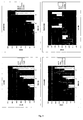
Fig. 5 shows the cumulative production of metabolites produced from protein fermentation, a process which is generally believed to be putrefactive and lead to production of toxic metabolites (amongst others ammonia). From this figure it can be observed that generally protein fermentation was greatly reduced by the addition of LAB (reduction of ammonia and the branched-chain fatty acids (BCFA) i-butyrate and i-valerate, of which the latter two are biomarkers for protein fermentation as they are derived from branched-chain amino acids). CLA (either alone or in combination with LAB) has a similar effect on reduction of BCFA production, but no (CLA) or a less clear (CLA+LAB) effects on production of ammonia. It is our experience that ammonia production is more difficult to influence than production of other putrefactive metabolites, basically because of the great amount of transaminase reactions carried out by the microbiota. In general however, it can be concluded that the CLA and LAB (alone and in combination) reduce protein fermentation and reduce production fo toxic metabolites. - Gas volume was measured as well, but no differences between the experiments were observed (data not shown). The little amount of gas produced precluded chemical analysis.
-
Fig. 6 displays the composition of the microbiota in time. At the start of the experiments, relative low numbers of microorganisms are present, due to the treatment with clindamycin. In the control experiment, most microbial groups slowly increase in time, due to recovery after the antibiotic treatment. In the experiments with LAB, and CLA+LAB, recovery of the Bifidobacterium group and the Lactobacillus group is more pronounced than in the control, as expected because these microorganisms are added to the system. Although not as pronounced as with those treatments where LAB was added, CLA addition alone also seems to favour recovery of these microbial groups in time. Also recovery of Bacteroides, total anearobes, Enterobacteriaceae and Enterococcus progresse faster when LAB, CLA or both are added (except for LAB+CLA addition with Enterococcus). Slufite reducing clostridia (involved in the conversion of sulfur-containing compounds (sulfate, sulfur-containing amino acids) into the toxic hydrogen sulfide are reduced pronouncedly upon addition of the test-compounds (alone or in combination). Taken together, the effects observed in our in vitro model point into the direction of a more beneficial composition of the microbiota after addition of the test-compounds following antibiotic administration. - The influence of CLA and LAB on the conversion of primary bile acids into secundary bile acids was studied as well. For this, samples were taken from the lumen of TIM-2 and analyzed using FT-MS.
- The bile acids that were measured using this method were: Cholic acid (CA), Deoxycholic acid (DC), Chenodeoxycholic acid (CDC), Lithocholic acid (LCA) and Ursodeoxycholic acid (UDCA). Trace amounts of the conjugated bile salt (tauro- or glycoconjugates) were observed as well.
- Conversion of the primary bile acids CA -> DC, and CDC -> LCA -> UDCA is shown in
Fig. 7 . - The concentration of measured bile acids in the different experiments is displayed in Table 1. From the table it can be observed that CLA (alone or in combination with LAB) addition resulted in high amounts of the primary bile acids CA and CDC. The highest amounts were observed when CLA was given together with the LAB. Also, the combination of CLA+LAB resulted in lowest amounts of the secundary bile acid DC. CLA or LAB alone did not seem to have an effect on this. Similarly, the combination of CLA and LAB reduced LCA amounts, whereas the individual addition of CLA or LAB only lowered the amount of this secundary bile acid marginally when compared to control. Lastly, CLA reduced the amount of the secundary bile acid UDCA by about 40%. Strikingly, addition of LAB increase amounts of this bile acid. Addition of both CLA and LAB seemed to results in normalization by CLA of the increase caused by LAB, to a level similar to that produced in the control experiment.
- Taken together, the results indicate that CLA (either alone, but synergistically for some bile acids with LAB) seemed to beneficially influence the amounts ofprimary versus secundary bile acids in the in vitro model. Since the secundary bile acids are believed to be involved in amongst others stimulation in the onset of colon cancer, this is considered to be beneficial for gut health.
Table 1. Concentration of the primary (green) and secundary (red) bile acids in the lumen samples of TIM-2 taken at 72 hours. CA DC CDC LCA UDCA Control 162 30800 5 5668 616 CLA 2035 35500 1200 4090 383 LAB 293 35000 < 4 4635 1120 CLA+LAB 7346 14400 2060 1575 567 - The aim of the present examples was to investigate the influence of conjugated linoleic acid (CLA) and lactic acid bacteria (Lactobacillus acidophilus and Bifidobacterium bifidum), alone or in combination, on the microbiota activity in the large intestine, with respect to the production of SCFA, lactate, and protein-fermentative metabolites (e.g. BCFA, ammonia). In addition, the composition of the microbiota with respect to health-promoting microorganisms, (potentially) toxic and pathogenic microorganisms was investigated. Furthermore, the production of secondary bile acids and the effect of CLA and/or LAB on this was studied as well.
- Conclusions that can be drawn from the results are:
- LAB reduced the production of the protein fermentative metabolites BCFA and ammonia;
- CLA reduced the production of the protein fermentative metabolites BCFA only. Ammonia was unaffected;
- When LAB were added, an increase in Lactobacillus and Bifidobacterium counts were observed, as expected, but in addition the composition of the microbiota after antibiotic treatment was normalized quicker and better when compared to control;
- CLA also normalized the microbiota after antibiotic treatment but to a lesser extent with respect to the counts of Lactobacillus and Bifidobacterium, most likely due to the fact that in this case these microorganisms were not added;
- The production of secundary bile acids was reduced in the presence of CLA, and at the same time, the amount of primary bile acids was higher than that in the control experiment. The effect was highest when CLA was added together with LAB.
Claims (9)
- Use of CLA to support the recovery of a defective intestinal flora of a mammal.
- Use of CLA to keep up or support a balanced intestinal flora in a mammal.
- The use according to any of claims 1 or 2 wherein the mammal is a human.
- The use according to any of claims 1 to 3 wherein 1 to 10 g of CLA (calculated as free acid) are administered per individual per day.
- The use according to any of claims 1 to 4 wherein the intestinal flora has been or is influenced negatively by at least one antibiotic.
- A composition comprising CLA for use as a medicament for treating or for preventing a defective intestinal flora of a mammal.
- The composition according to claim 6 wherein the mammal is a human.
- The composition according to any of claims 6 or 7 wherein the use comprises administering 1 to 10 g of CLA (calculated as free acid) per individual per day.
- The composition according to any of claims 6 to 8 wherein the intestinal flora has been or is influenced negatively by at least one antibiotic.
Priority Applications (1)
| Application Number | Priority Date | Filing Date | Title |
|---|---|---|---|
| EP07013751A EP2014179A1 (en) | 2007-07-13 | 2007-07-13 | A new use of conjugated linoleic acid |
Applications Claiming Priority (1)
| Application Number | Priority Date | Filing Date | Title |
|---|---|---|---|
| EP07013751A EP2014179A1 (en) | 2007-07-13 | 2007-07-13 | A new use of conjugated linoleic acid |
Publications (1)
| Publication Number | Publication Date |
|---|---|
| EP2014179A1 true EP2014179A1 (en) | 2009-01-14 |
Family
ID=38288434
Family Applications (1)
| Application Number | Title | Priority Date | Filing Date |
|---|---|---|---|
| EP07013751A Withdrawn EP2014179A1 (en) | 2007-07-13 | 2007-07-13 | A new use of conjugated linoleic acid |
Country Status (1)
| Country | Link |
|---|---|
| EP (1) | EP2014179A1 (en) |
Citations (2)
| Publication number | Priority date | Publication date | Assignee | Title |
|---|---|---|---|---|
| EP1264893A1 (en) * | 2001-06-08 | 2002-12-11 | Teagasc Dairy Products Research Centre | CLA biosynthesis by bifidobacteria |
| WO2006005464A2 (en) * | 2004-07-10 | 2006-01-19 | Cognis Ip Management Gmbh | Dietary supplements comprising prebiotics and fatty acid |
-
2007
- 2007-07-13 EP EP07013751A patent/EP2014179A1/en not_active Withdrawn
Patent Citations (2)
| Publication number | Priority date | Publication date | Assignee | Title |
|---|---|---|---|---|
| EP1264893A1 (en) * | 2001-06-08 | 2002-12-11 | Teagasc Dairy Products Research Centre | CLA biosynthesis by bifidobacteria |
| WO2006005464A2 (en) * | 2004-07-10 | 2006-01-19 | Cognis Ip Management Gmbh | Dietary supplements comprising prebiotics and fatty acid |
Similar Documents
| Publication | Publication Date | Title |
|---|---|---|
| Miqdady et al. | Prebiotics in the infant microbiome: the past, present, and future | |
| Ramakrishna | Role of the gut microbiota in human nutrition and metabolism | |
| Larcher et al. | Protracted diarrhoea in infancy. Analysis of 82 cases with particular reference to diagnosis and management. | |
| ES2356196T3 (en) | USE OF POLYDEXTROSA TO SIMULATE THE FUNCTIONAL ATTRIBUTES OF THE OLIGOSACÁRIDOS OF THE BREAST MILK IN BABIES FEEDED BY FORMULA. | |
| US20230285431A1 (en) | Human Milk Oligosaccharide for Improving Health of Intestinal Microenvironment and Use Thereof | |
| de Cássia Freitas et al. | High-performance inulin and oligofructose prebiotics increase the intestinal absorption of iron in rats with iron deficiency anaemia during the growth phase | |
| CN104206946A (en) | Nutritional composition for promoting gut microbiota balance and health | |
| BR112012008005B1 (en) | composition comprising strains of lactobacillus plantarum | |
| Gurung et al. | Toxicological evaluation of 6′-sialyllactose (6'-SL) sodium salt | |
| Dahiya et al. | Guardians of the gut: harnessing the power of probiotic microbiota and their exopolysaccharides to mitigate heavy metal toxicity in human for better health | |
| US20220248739A1 (en) | Non-digestible oligosaccharides for decreased colonic protein fermentation | |
| Gassull | The intestinal lumen as a therapeutic target in inflammatory bowel disease | |
| CN104431352B (en) | A kind of preparation method and application of growth promotion symphysis unit bacterium solution | |
| Tessier et al. | Bile acid and microbiome interactions in the developing child | |
| CN108669563A (en) | A kind of composition, its application and strengthen immunity, the product for improving allergy | |
| Jiang et al. | The gut microbiome and intestinal failure-associated liver disease | |
| EP2014179A1 (en) | A new use of conjugated linoleic acid | |
| Opo et al. | Role of the Microbiome in the Function and Diseases of the Digestive System | |
| Sivieri et al. | Fermentation by gut microbiota cultured in a simulator of the human intestinal microbial ecosystem is improved by probiotic Enterococcus faecium CRL 183 | |
| Dinh | EFFECTS OF PREBIOTICS, PROBIOTICS, AND ANTIBIOTICS ON THE HUMAN GUT MICROBIOME | |
| US20190307802A1 (en) | Probiotic compositions including immune modulators | |
| RU2755707C1 (en) | Agent for correcting dyspeptic disorders of the gastrointestinal tract | |
| RU2816647C2 (en) | Indigestible oligosaccharides for reduction of colonic fermentation of protein | |
| Pacurar et al. | THE ROLE OF GUT MICROBIOTA IN THE PATHOGENESIS OF LIVER DISEASES. | |
| JP5051335B2 (en) | Composition having intestinal environment improving action |
Legal Events
| Date | Code | Title | Description |
|---|---|---|---|
| PUAI | Public reference made under article 153(3) epc to a published international application that has entered the european phase |
Free format text: ORIGINAL CODE: 0009012 |
|
| AK | Designated contracting states |
Kind code of ref document: A1 Designated state(s): AT BE BG CH CY CZ DE DK EE ES FI FR GB GR HU IE IS IT LI LT LU LV MC MT NL PL PT RO SE SI SK TR |
|
| AX | Request for extension of the european patent |
Extension state: AL BA HR MK RS |
|
| AKX | Designation fees paid | ||
| REG | Reference to a national code |
Ref country code: DE Ref legal event code: 8566 |
|
| STAA | Information on the status of an ep patent application or granted ep patent |
Free format text: STATUS: THE APPLICATION IS DEEMED TO BE WITHDRAWN |
|
| 18D | Application deemed to be withdrawn |
Effective date: 20090715 |