EP2008531A1 - Composition for foods and drinks having improved hygroscopicity - Google Patents
Composition for foods and drinks having improved hygroscopicity Download PDFInfo
- Publication number
- EP2008531A1 EP2008531A1 EP07738558A EP07738558A EP2008531A1 EP 2008531 A1 EP2008531 A1 EP 2008531A1 EP 07738558 A EP07738558 A EP 07738558A EP 07738558 A EP07738558 A EP 07738558A EP 2008531 A1 EP2008531 A1 EP 2008531A1
- Authority
- EP
- European Patent Office
- Prior art keywords
- carnitine
- sesamin
- hygroscopicity
- hygroscopic
- food
- Prior art date
- Legal status (The legal status is an assumption and is not a legal conclusion. Google has not performed a legal analysis and makes no representation as to the accuracy of the status listed.)
- Withdrawn
Links
Images
Classifications
-
- A—HUMAN NECESSITIES
- A23—FOODS OR FOODSTUFFS; TREATMENT THEREOF, NOT COVERED BY OTHER CLASSES
- A23L—FOODS, FOODSTUFFS OR NON-ALCOHOLIC BEVERAGES, NOT OTHERWISE PROVIDED FOR; PREPARATION OR TREATMENT THEREOF
- A23L29/00—Foods or foodstuffs containing additives; Preparation or treatment thereof
-
- A—HUMAN NECESSITIES
- A61—MEDICAL OR VETERINARY SCIENCE; HYGIENE
- A61K—PREPARATIONS FOR MEDICAL, DENTAL OR TOILETRY PURPOSES
- A61K9/00—Medicinal preparations characterised by special physical form
- A61K9/0087—Galenical forms not covered by A61K9/02 - A61K9/7023
- A61K9/0095—Drinks; Beverages; Syrups; Compositions for reconstitution thereof, e.g. powders or tablets to be dispersed in a glass of water; Veterinary drenches
-
- A—HUMAN NECESSITIES
- A23—FOODS OR FOODSTUFFS; TREATMENT THEREOF, NOT COVERED BY OTHER CLASSES
- A23L—FOODS, FOODSTUFFS OR NON-ALCOHOLIC BEVERAGES, NOT OTHERWISE PROVIDED FOR; PREPARATION OR TREATMENT THEREOF
- A23L33/00—Modifying nutritive qualities of foods; Dietetic products; Preparation or treatment thereof
- A23L33/10—Modifying nutritive qualities of foods; Dietetic products; Preparation or treatment thereof using additives
- A23L33/105—Plant extracts, their artificial duplicates or their derivatives
-
- A—HUMAN NECESSITIES
- A23—FOODS OR FOODSTUFFS; TREATMENT THEREOF, NOT COVERED BY OTHER CLASSES
- A23L—FOODS, FOODSTUFFS OR NON-ALCOHOLIC BEVERAGES, NOT OTHERWISE PROVIDED FOR; PREPARATION OR TREATMENT THEREOF
- A23L33/00—Modifying nutritive qualities of foods; Dietetic products; Preparation or treatment thereof
- A23L33/10—Modifying nutritive qualities of foods; Dietetic products; Preparation or treatment thereof using additives
- A23L33/17—Amino acids, peptides or proteins
- A23L33/175—Amino acids
-
- A—HUMAN NECESSITIES
- A61—MEDICAL OR VETERINARY SCIENCE; HYGIENE
- A61K—PREPARATIONS FOR MEDICAL, DENTAL OR TOILETRY PURPOSES
- A61K31/00—Medicinal preparations containing organic active ingredients
- A61K31/185—Acids; Anhydrides, halides or salts thereof, e.g. sulfur acids, imidic, hydrazonic or hydroximic acids
- A61K31/205—Amine addition salts of organic acids; Inner quaternary ammonium salts, e.g. betaine, carnitine
-
- A—HUMAN NECESSITIES
- A61—MEDICAL OR VETERINARY SCIENCE; HYGIENE
- A61K—PREPARATIONS FOR MEDICAL, DENTAL OR TOILETRY PURPOSES
- A61K31/00—Medicinal preparations containing organic active ingredients
- A61K31/33—Heterocyclic compounds
- A61K31/335—Heterocyclic compounds having oxygen as the only ring hetero atom, e.g. fungichromin
- A61K31/357—Heterocyclic compounds having oxygen as the only ring hetero atom, e.g. fungichromin having two or more oxygen atoms in the same ring, e.g. crown ethers, guanadrel
- A61K31/36—Compounds containing methylenedioxyphenyl groups, e.g. sesamin
-
- A—HUMAN NECESSITIES
- A61—MEDICAL OR VETERINARY SCIENCE; HYGIENE
- A61K—PREPARATIONS FOR MEDICAL, DENTAL OR TOILETRY PURPOSES
- A61K9/00—Medicinal preparations characterised by special physical form
- A61K9/14—Particulate form, e.g. powders, Processes for size reducing of pure drugs or the resulting products, Pure drug nanoparticles
- A61K9/16—Agglomerates; Granulates; Microbeadlets ; Microspheres; Pellets; Solid products obtained by spray drying, spray freeze drying, spray congealing,(multiple) emulsion solvent evaporation or extraction
- A61K9/1605—Excipients; Inactive ingredients
- A61K9/1629—Organic macromolecular compounds
- A61K9/1652—Polysaccharides, e.g. alginate, cellulose derivatives; Cyclodextrin
-
- A—HUMAN NECESSITIES
- A61—MEDICAL OR VETERINARY SCIENCE; HYGIENE
- A61K—PREPARATIONS FOR MEDICAL, DENTAL OR TOILETRY PURPOSES
- A61K9/00—Medicinal preparations characterised by special physical form
- A61K9/20—Pills, tablets, discs, rods
- A61K9/2004—Excipients; Inactive ingredients
- A61K9/2022—Organic macromolecular compounds
- A61K9/205—Polysaccharides, e.g. alginate, gums; Cyclodextrin
- A61K9/2059—Starch, including chemically or physically modified derivatives; Amylose; Amylopectin; Dextrin
-
- A—HUMAN NECESSITIES
- A61—MEDICAL OR VETERINARY SCIENCE; HYGIENE
- A61P—SPECIFIC THERAPEUTIC ACTIVITY OF CHEMICAL COMPOUNDS OR MEDICINAL PREPARATIONS
- A61P3/00—Drugs for disorders of the metabolism
- A61P3/02—Nutrients, e.g. vitamins, minerals
-
- A—HUMAN NECESSITIES
- A23—FOODS OR FOODSTUFFS; TREATMENT THEREOF, NOT COVERED BY OTHER CLASSES
- A23V—INDEXING SCHEME RELATING TO FOODS, FOODSTUFFS OR NON-ALCOHOLIC BEVERAGES AND LACTIC OR PROPIONIC ACID BACTERIA USED IN FOODSTUFFS OR FOOD PREPARATION
- A23V2002/00—Food compositions, function of food ingredients or processes for food or foodstuffs
Definitions
- the present invention relates to compositions for food and beverage comprising a hygroscopic powdery material and a sesamin-class compound(s), more specifically powdery compositions for food and beverage comprising a hygroscopic powdery material and a sesamin-class compound(s) mixed with each other, thereby improving hygroscopicity of the hygroscopic powdery material, as well as foods and beverages containing the compositions.
- a method for preventing deliquescence or agglomeration by adding powdery fat and oil and calcium carbonate to a powdery material (patent document 1), a method for preventing agglomeration by adding a sucrose fatty acid ester (patent document 2), a method for preventing deliquescence by adsorbing a deliquescent material into an adsorbent material (patent document 3), an improved product wherein a hygroscopic powdery material is coated with an enteric coat (patent document 4), and a method for retarding deliquescence by changing the crystal form (patent document 5), and other approaches have been disclosed.
- Naturally occurring L-carnitine is a special amino acid known as an essential nutrient for burning fat in the body to convert it into energy and expected to help: preventing life-style related diseases by burning excess fat; recovering from fatigue or increasing stamina; improving performance in sports or in daily life;, or increasing the basal metabolism.
- L-carnitine has been used in foods and beverages such as dietary supplements, products for diet therapy, and health foods or compositions for food and beverage in order to appropriately take it because the amount of L-carnitine present in the body decreases and becomes insufficient with age after it reaches a peak in the twenties.
- L-carnitine and derivatives thereof are known to have very high hygroscopicity and to be very unstable when they form an inner salt (or a betaine compound) represented by the formula below:
- R is H or a C 1 -C 5 lower alkanoyl.
- composition described in patent document 9 above was prepared by adding an L-carnitine inner salt to L(+)tartaric acid boiled in 90% aqueous ethanol, thus requiring a lot of a carnitine salt-containing solution to be concentrated at a high temperature under reduced pressure, which involved not only considerable energy wasting but also serious problems such as cost increase, recycling of solvents, environmental pollution and disposal of toxic wastes when organic solvents were used.
- an object of the present invention is to provide a composition for food and beverage comprising a hygroscopic powdery material, wherein hygroscopicity of the hygroscopic powdery material, especially carnitine or a salt thereof or a derivative thereof has been improved by a method that can be easily and industrially applied at a low cost.
- hygroscopicity of hygroscopic powdery materials is improved by mixing the hygroscopic powdery materials with powdery sesamin-class compounds, and especially when the hygroscopic powdery material is carnitine or a salt thereof or a derivative thereof, its hygroscopicity is remarkably improved.
- a powdery sesamin-class compound(s) are readily applicable to food and beverage because they are tasteless and odorless, and thus accomplished the present invention.
- the present invention provides a composition for food and beverage, preferably a powdery composition for food and beverage, comprising a hygroscopic powdery material and a sesamin-class compound(s), preferably a powdery sesamin-class compound(s).
- the present invention also provides a powdery composition for food and beverage comprising a hygroscopic powdery material and a sesamin-class compound(s) mixed with each other wherein the hygroscopic powdery material has improved hygroscopicity.
- the present invention also provides the composition wherein the hygroscopic powdery material is carnitine or a salt thereof or a derivative thereof.
- the present invention also provides the composition wherein the sesamin-class compound(s) are sesamin and/or episesamin, more specifically sesamin and episesamin.
- the present invention also provides a food or beverage containing any one of the compositions.
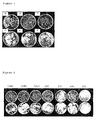
- Figure 1 shows the results of improvement in the hygroscopicity of carnitine when carnitine was mixed with sesamin-class compounds in Example 1.
- Figure 2 shows the results of improvement in the hygroscopicity of carnitine when carnitine was mixed with various additives in Example 1.
- Upper line After 12 hours at 40°C/75%RH
- Lower line After 12 hours at 20°C.
- Comparative example 1 (1a) a-Cyclodextrin, (1 ⁇ ) ⁇ -Cyclodextrin, and (1 ⁇ ) ⁇ -Cyclodextrin
- Comparative example 2 (2) SiO 2
- Comparative example 3 (3) Starch
- Comparative example 4 (4) Water-soluble dietary fiber
- Comparative example 5 (5) Sucrose fatty acid ester.
- hygroscopicity means the property possessed by a material of absorbing water vapor in the atmosphere when it is exposed to the air, and especially, the property of absorbing water vapor in the atmosphere which allows a material to dissolve in absorbed water, called deliquescence is also included in the term “hygroscopicity” used herein.
- the expression “improved hygroscopicity” of a hygroscopic powdery material means that hygroscopicity decreases, or deliquescence and/or agglomeration is prevented, or deliquescence and/or agglomeration is inhibited, as compared with untreated hygroscopic powdery materials.
- Hygroscopicity can be measured and/or evaluated by a method known to those skilled in the art e.g., as described in the Example below. Specifically, a suitable method involves allowing a weighed material to stand under given conditions such as room temperature or high temperature and high humidity for a suitable time, and then visually observing the changes (for e.g., observing moisture on the surface of the material, observing disappearance of solids, observing fluidity or the degree of agglomeration of powder, observing color changes, etc.) or measuring weight gain (the amount of absorbed water).
- a suitable method involves allowing a weighed material to stand under given conditions such as room temperature or high temperature and high humidity for a suitable time, and then visually observing the changes (for e.g., observing moisture on the surface of the material, observing disappearance of solids, observing fluidity or the degree of agglomeration of powder, observing color changes, etc.) or measuring weight gain (the amount of absorbed water).
- the "hygroscopic powdery material” may be any material acceptable for use in foods and beverages or drugs in which the hygroscopicity becomes a concern during manufacturing and/or storage or other stage of a desired product.
- the material in which "hygroscopicity becomes a concern” can be readily determined by those skilled in the art by reference to for e.g., the description about hygroscopicity herein, specifically moisture absorption during manufacturing or storage of a product.
- it is a material showing hygroscopicity (or deliquescence) under conditions of temperature 40°C, relative humidity 75% used in acceleration test for determining storage stability of a product.
- hygroscopic powdery materials include: salts of organic or inorganic acids such as sodium metaphosphate, potassium pyrophosphate, sodium acetate, ammonium alum; inorganic salts such as magnesium chloride, calcium chloride; sugars such as xylooligosaccharide; and active ingredients used in medicines, e.g., sodium valproate, suplatast tosilate, choline salts, rivastigmine, pyridostigmine bromide, bacampicillin, L-carnitine and derivatives thereof, moricizine hydrochloride, and herbal extracts such as Quercus salicina extract.
- salts of organic or inorganic acids such as sodium metaphosphate, potassium pyrophosphate, sodium acetate, ammonium alum
- inorganic salts such as magnesium chloride, calcium chloride
- sugars such as xylooligosaccharide
- active ingredients used in medicines e.g., sodium valproate
- the hygroscopic powdery material of the present invention is preferably a hygroscopic material with minimal problem of flavor so far as possessing similar physiological activity because it is contained in a composition for a food or a beverage.
- the hygroscopic material is carnitine or a salt thereof or a derivative thereof, it is more preferable to use tasteless and odorless L-carnitine than L-carnitine tartrate having a strong acidic taste.
- carnitine or a salt thereof or a derivative thereof includes carnitine [(CH 3 ) 3 N + CH 2 CH(OH)CH 2 COO - , ⁇ -trimethylammonium- ⁇ -hydroxybutyric acid], isomers thereof and salts thereof, as well as derivatives of carnitine, isomers thereof and salts thereof (e.g., derivatives converted in vivo into carnitine).
- Examples include carnitine, L-carnitine, carnitine chloride (DL-, L-isomers), L-carnitine tartrate, L-carnitine maleate, L-carnitine fumarate, L-carnitine sulfate, L-carnitine oxalate, magnesium salt of L-carnitine, acyl-L-carnitine, acetyl-L-carnitine, propionyl-L-carnitine, carnitine orotate, etc.
- R is H or a C 1 -C 5 lower alkanoyl.
- the explanation about carnitine herein also applies to salts of carnitine and derivatives of carnitine or salts thereof.
- the "sesamin-class compound(s)” includes sesamin and its analogs, specifically sesamin, sesaminol, episesaminol, sesamolin, episesamin, dioxabicyclo [3.3.0] octane derivatives (e.g., described in JP Hei 04-9331-A ), etc. Especially, sesamin and episesamin are preferred in the present invention. Moreover, the “sesamin-class compound(s)” also includes glycosides of sesamin and its analogs as well as their metabolites, and any of them may be contained in the compositions for food and beverage of the present invention so far as they are suitable for providing the compositions for food and beverage of the present invention.
- sesamin-class compound(s) used in the present invention are not limited by the preparation process or the like, so far as they are solid.
- sesamin and/or episesamin is used as a sesamin-class compound(s)
- sesamin extracted from sesame oil by a publicly known method e.g., extracting sesame oil with hot methanol, and after removal of methanol, extracting the residue with acetone (described in JP Hei 04-9331-A )
- sesamin extracts or purified sesamin can be used.
- sesame oil used as raw material is not specifically limited, but sesamin extracts or purified sesamin extracted from tasteless and odorless sesame oil are preferably used because the flavor specific to sesame oil is sometimes evaluated as organoleptically unfavorable when they are contained in the compositions for food and beverage of the present invention.
- the preferred sesamin content described below is to be included by using a low-purity sesamin-class compound(s)
- the volume of the resulting compositions for food and beverage or the resulting foods and beverages may excessively increase to cause difficulty in consuming.
- formulations for oral administration (tablets, capsules, etc.) become bulky so as to cause difficulty in consuming.
- purified sesamin is preferably used because it may be taken in low doses.
- the sesamin-class compound(s) of the present invention are preferably a powdery sesamin-class compound(s) in view of the improvement of hygroscopicity of the hygroscopic powdery material.
- the particle size of the powdery sesamin-class compound(s) may be normally in the range of JIS Standard Sieve 10-250 mesh, preferably 60-200 mesh, depending on the method by which they are mixed with the hygroscopic powdery material (homogeneity).
- the sesamin-class compound is preferably inter alia sesamin and/or episesamin. This is because various physiological effects of these sesamin-class compounds may be produced additively or synergistically with the effects of the hygroscopic material.
- the hygroscopic powdery material is for e.g., carnitine
- the energy metabolism-promoting effect and motor ability-promoting effect of carnitine may be produced additively or synergistically with one of the physiological effects of sesamin and episesamin such as energy metabolism-promoting effect ( Biosci. Biotechnol. Biochem., 69, 179-188, 2005 ) or motor ability-promoting effect ( Int. J. Sports Med., 24, 530-534, 2003 , Biofactors, 21, 191-196, 2004 ), thereby providing excellent health foods.
- compositions for food and beverage of the present invention comprise a hygroscopic powdery material and a sesamin-class compound(s) and can be obtained by mixing the hygroscopic powdery material and the sesamin-class compound(s), optionally with other additives.
- the manner of mixing is not limited, and any method can be used so far as the materials are homogeneously mixed.
- Suitable methods include mixing with commonly known mixers, e.g., horizontal cylindrical mixers, V-shaped mixers, double cone mixers, cube mixers, screw mixers, ribbon mixers, media agitation mills, high-speed rotary grinding/impact mills, and pneumatic grinders such as jet mills; grinding/mixing in mortars or ball mills; and agitation/mixing in bags made from polyethylene (PE), nylon or the like bags.
- mixers e.g., horizontal cylindrical mixers, V-shaped mixers, double cone mixers, cube mixers, screw mixers, ribbon mixers, media agitation mills, high-speed rotary grinding/impact mills, and pneumatic grinders such as jet mills; grinding/mixing in mortars or ball mills; and agitation/mixing in bags made from polyethylene (PE), nylon or the like bags.
- agitation/mixing in a bag can be preferably used.
- hygroscopic powdery material and a sesamin-class compound(s) are thoroughly
- the amount of the sesamin-class compound(s) depends on the type of the hygroscopic material used in combination and the presence or absence of other additives etc., but it is suitably contained in an amount equivalent to a weight ratio to the hygroscopic material of about 0.001-100:100, preferably 0.01-10:100.
- compositions for food and beverage of the present invention can be directly used as foods and beverages described below, or contained as appropriate in the foods and beverages by a method known to those skilled in the art.
- the compositions for food and beverage of the present invention are chemically stable and suitable for storage or manufacturing foods and beverages because of the improved hygroscopicity of the powdery material contained in the composition.
- food and beverage means to include seasonings, dietary supplements, health foods, foods for diet therapy, total health foods, supplements and drinks as well as medicines for oral administration.
- the foods and beverages of the present invention can be solid (e.g., crystals, capsules, tablets, powder), semi-solid (e.g., gel, paste), and liquid (e.g., mineral water, soft drinks, fruit drink, isotonic drink, liquors).
- the foods and beverages of the present invention are in the form of tablets or granules, or tablets or granules to be dissolved in liquid just before ingestion.
- the foods and beverages of the present invention can be prepared by including a composition for food and beverage of the present invention using a method known to those skilled in the art.
- the foods and beverages of the present invention can be expected to stably produce desired effects of the hygroscopic powdery material and sesamin.
- the amounts of the hygroscopic powdery material and sesamin in the foods and beverages of the present invention are not specifically limited, but can be determined as appropriate by those skilled in the art depending on the manner of taking the foods and beverages on the basis of their preferred daily doses.
- compositions for food and beverage of the present invention may contain optional additives.
- the foods and beverages of the present invention may contain any ingredient used in conventional foods and beverages.
- additives and/or ingredients include vitamins such as vitamin E, vitamin C; sugars, excipients, disintegrants, binders, lubricants, emulsifiers, tonicity agents (isotonizing agents), buffers, solubilizers, preservatives, stabilizers, antioxidants, colorants, flavoring agents, perfumes, coagulants, pH-modifiers, thickeners, extract powders, herbal medicines, inorganic salts, etc.
- compositions for food and beverage or the foods and beverages of the present invention can be provided with indications of their specific purposes (e.g., to supplement nutrition, maintain health, burn fat, protect against obesity, keep in shape after slimming, etc.) and/or specific directions (e.g., dose, frequency, manner, etc.).
- Carnitine was used as a hygroscopic material to evaluate the improvement in the hygroscopicity of carnitine by mixing it with sesamin-class compounds.
- L-carnitine crystalline powder (L-carnitine crystalline powder from San-Ei Gen F.F.I., Inc.) was used as a hygroscopic powdery material.
- the following additives frequently used in formulations were used in place of the sesamin-class compound(s) to evaluate the improvement in the hygroscopicity of carnitine.
- Comparative example 1 Cyclodextrins (a-CD / ⁇ -CD / ⁇ -CD) (DexyPearl a-100 / ⁇ -100 / ⁇ -100 from Ensuiko Sugar Refining Co., Ltd.)
- Comparative example 2 SiO 2 (Sylopage from Fuji Silysia Chemical Ltd.)
- Comparative example 3 Starch (Perfiller 102 from Nippon Starch Chemical Co., Ltd.)
- Comparative example 4 Water-soluble dietary fiber (Sunfiber from Taiyo Kagaku Co., Ltd.)
- Comparative example 5 Sucrose fatty acid ester (DK ester F-10 from Dai-ichi Kogyo Seiyaku Co., Ltd.).
- Figure 1 shows the results of improvement in the hygroscopicity of carnitine when carnitine was mixed with the sesamin-class compounds.
- Carnitine alone deliquesced (absorbed moisture) not only at high temperature and high humidity (40°C, 75%RH) but also at room temperature because of high hygroscopicity ( Figure 1 (b) (c) ).
- the mixture of equal amounts of the sesamin-class compounds and carnitine remained powdery at both room temperature and high temperature and high humidity ( Figure 1 (e) (f) ).
- the sesamin-class compounds have the effect of improving hygroscopicity (deliquescence) of the hygroscopic material.
- the effect of improving hygroscopicity increases with the extent to which they are mixed (experimental results not shown).
- Figure 2 shows the results of improvement in the hygroscopicity of carnitine when carnitine was mixed with additives of Comparative examples 1-5.
- Cyclodextrins Comparative example 1, Figure 2 (1a), (1 ⁇ ), (1 ⁇ )
- SiO 2 Comparative example 2, Figure 2 (2)
- Starch Comparative example 3, Figure 2 (3)
- water-soluble dietary fiber Comparative example 4, Figure 2 (4)
- Sucrose fatty acid ester (Comparative example 5, Figure 2 (5)) showed improvement in hygroscopicity.
- sesamin-class compounds or sucrose fatty acid ester is effective in improving hygroscopicity of carnitine. It seemed to be especially preferable to use sesamin-class compounds because they are tasteless and odorless.
- Example 2 Improvement in the hygroscopicity of various hygroscopic powdery materials
- L-carnitine L-tartrate (L-carnitine L-tartrate S from San-Ei Gen F.F.I., Inc., which is improved in hygroscopicity as compared with L-carnitine, but still hygroscopic), MgCl 2 (Magnesium chloride S from Tomita Pharmaceutical Co., Ltd.), and xylooligosaccharide (Xylooligo-95P from Suntory Limited) were used as hygroscopic powdery materials.
- MgCl 2 Magnetic chloride S from Tomita Pharmaceutical Co., Ltd.
- xylooligosaccharide Xylooligo-95P from Suntory Limited
- Sesamin-class compounds 0.01 g Carnitine 100 g Tocopherol acetate 0.25 g Silicic anhydride 20.5 g Corn starch 79.0 g
- the powdery materials are homogeneously mixed and then combined with 100 ml of a 10% hydroxypropylcellulose/ethanol solution, and the mixture is kneaded, extruded and dried by a standard method to give granules.
- Sesamin-class compounds 0.01 g Carnitine 100 g Starch 172 g Sucrose fatty acid ester 9.0 g Silicon oxide 9.0 g These are mixed and compressed on a single-punch tablet press into tablets having a diameter of 9 mm and a weight of 300 mg.
- Flavor Sodium DL-tartrate 0.1 g Succinic acid 0.009g Sweetener: Liquid sugar 800 g Acidifier: Citric acid 12 g Vitamins: Vitamin C 10 g Sesamin-class compounds 1 g Carnitine 10 g Vitamin E 30 g Cyclodextrin 5 g Perfume 15 ml Potassium chloride 1 g Magnesium sulfate 0.5 g
- L-carnitine L-tartrate Lithyl-tartrate
- other functional ingredients consisting of a sesamin-class compound(s) (Takemoto Oil & Fat Co., Ltd.), Nelumbo nucifera extract powder (Matsuura Yakugyo Co., Ltd.), capsaicin (Nippon Shinyaku Co., Ltd.), caffeine (SHIRATORI Pharmaceutical Co., Ltd.), Banaba leaf extract powder (Tokiwa Phytochemical Co., Ltd.) and vitamin B1 (Tanabe Seiyaku Co., Ltd.) were added at the amounts shown below (per tablet).
- a sesamin-class compound(s) Takemoto Oil & Fat Co., Ltd.
- Nelumbo nucifera extract powder Matsuura Yakugyo Co., Ltd.
- capsaicin Nippon Shinyaku Co., Ltd.
- caffeine SHIRATORI Pharmaceutical Co., Ltd.
- Banaba leaf extract powder Tokiwa Phytochemical Co., Ltd.
- Sucrose fatty acid ester, cellulose, silicon dioxide, starch, and lactose were added as excipients and the mixture was compressed on a tablet press into tablets each having a diameter of 8 mm and a weight of 250 mg. It was found that no problem of hygroscopicity or deliquescence occurred during preparation and storage of the prepared tablets.
- the sesamin-class compounds and carnitine described in Example 1 and L-carnitine L-tartrate described in Example 2 were used. Thirteen panelists were asked to lick a mixture of equal amounts of the sesamin-class compounds and carnitine (P), and L-carnitine L-tartrate (Q) in a powdery state, and to answer five questions about (1) sweetness, (2) stimulation (3) aftertaste, (4) unpalatability, (5) preference. The answers to questions (1)-(4) were chosen from the following three options: it is 1. strongly felt, 2. slightly felt, or 3. not specially felt, and the answer to (5) was chosen from either P or Q.
- composition of the present invention consisting of a mixture of equal amounts of a sesamin-class compound(s) and carnitine (P) is (1) slightly sweet, (2) less stimulant, (3) free of aftertaste, (4) palatable, and (5) preferred as compared with a carnitine derivative in which hygroscopicity of carnitine was improved by a conventional method, L-carnitine L-tartrate (Q), showing that the composition of the present invention is also excellent in flavor as a composition for food and beverage.
Landscapes
- Health & Medical Sciences (AREA)
- Life Sciences & Earth Sciences (AREA)
- Chemical & Material Sciences (AREA)
- Pharmacology & Pharmacy (AREA)
- Public Health (AREA)
- General Health & Medical Sciences (AREA)
- Veterinary Medicine (AREA)
- Animal Behavior & Ethology (AREA)
- Medicinal Chemistry (AREA)
- Epidemiology (AREA)
- Engineering & Computer Science (AREA)
- Nutrition Science (AREA)
- Food Science & Technology (AREA)
- Polymers & Plastics (AREA)
- Bioinformatics & Cheminformatics (AREA)
- Mycology (AREA)
- Botany (AREA)
- Proteomics, Peptides & Aminoacids (AREA)
- Hematology (AREA)
- Obesity (AREA)
- Chemical Kinetics & Catalysis (AREA)
- Organic Chemistry (AREA)
- General Chemical & Material Sciences (AREA)
- Diabetes (AREA)
- Nuclear Medicine, Radiotherapy & Molecular Imaging (AREA)
- Acyclic And Carbocyclic Compounds In Medicinal Compositions (AREA)
- Medicinal Preparation (AREA)
- Coloring Foods And Improving Nutritive Qualities (AREA)
- General Preparation And Processing Of Foods (AREA)
- Pharmaceuticals Containing Other Organic And Inorganic Compounds (AREA)
- Non-Alcoholic Beverages (AREA)
Abstract
Description
- The present invention relates to compositions for food and beverage comprising a hygroscopic powdery material and a sesamin-class compound(s), more specifically powdery compositions for food and beverage comprising a hygroscopic powdery material and a sesamin-class compound(s) mixed with each other, thereby improving hygroscopicity of the hygroscopic powdery material, as well as foods and beverages containing the compositions.
- The absorption of moisture by powdery materials often becomes a concern during manufacturing and/or during storage. The degree of hygroscopicity varies with the material, but in the most serious cases, powder absorbs water to form a solution (deliquesces). If moisture absorption occurs during manufacturing of a powdery material, it may cause problems such as changes in flow characteristics, increase in viscosity, aggregation, and decrease in releasability, thereby inviting not only difficulty in handling but also loss in chemical stability resulting in fluctuation in the composition of the material or product. If moisture absorption occurs during storage of a powder material, it may cause problems not only such as deterioration of appearance but also decrease in chemical stability of active ingredients contained, or changes in solubility due to changes in the crystal form. Various methods have been proposed to solve the problems of hygroscopicity or deliquescence of hygroscopic powdery materials that are difficult to handle during manufacturing or storage as described above, e.g., salts of organic or inorganic acids, inorganic salts and compound materials used in drugs or the like.
- For example, a method for preventing deliquescence or agglomeration by adding powdery fat and oil and calcium carbonate to a powdery material (patent document 1), a method for preventing agglomeration by adding a sucrose fatty acid ester (patent document 2), a method for preventing deliquescence by adsorbing a deliquescent material into an adsorbent material (patent document 3), an improved product wherein a hygroscopic powdery material is coated with an enteric coat (patent document 4), and a method for retarding deliquescence by changing the crystal form (patent document 5), and other approaches have been disclosed.
- Naturally occurring L-carnitine is a special amino acid known as an essential nutrient for burning fat in the body to convert it into energy and expected to help: preventing life-style related diseases by burning excess fat; recovering from fatigue or increasing stamina; improving performance in sports or in daily life;, or increasing the basal metabolism. Recently, L-carnitine has been used in foods and beverages such as dietary supplements, products for diet therapy, and health foods or compositions for food and beverage in order to appropriately take it because the amount of L-carnitine present in the body decreases and becomes insufficient with age after it reaches a peak in the twenties. However, L-carnitine and derivatives thereof are known to have very high hygroscopicity and to be very unstable when they form an inner salt (or a betaine compound) represented by the formula below:
-

- When L-carnitine absorbs moisture, it turns into a paste or a glue and loses chemical stability to release trimethylamine and produces an unpleasant fishy odor. For these reasons, methods for decreasing hygroscopicity of L-carnitine or a salt thereof or a derivative thereof have been proposed. For example, a process for preparing carnitine orotate with low hygroscopicity (patent document 6), the use of maleate and fumarate of L(-)carnitine (patent document 7), sulfate and oxalate of L(-)carnitine (patent document 8), and the use of L(-)carnitine L(+)tartrate (2:1) (patent document 9), and other approaches have been disclosed.
Patent document - 1.
JP 2001-224319-A - 2.
JP 2004-121175-A - 3.
JP 2003-95980-A - 4.
JP 2004-35505-A - 5.
JP 2000-342902-A - 6. Japanese Patent No.
303067 - 7.
US Patent No. 4602039 - 8. French Patent No.
2 529 545 FR 82 11626 - 9. European Patent No.
0434088 - As described above, methods for improving hygroscopicity and deliquescence of various hygroscopic powdery materials including L-carnitine have been proposed. However, no satisfactory method has existed that can be easily applied and prevents or inhibits hygroscopicity. Approaches for improving hygroscopicity by additives gave rise to concerns about safety and side effects of the additives, as well as problems of flavor when they were used in food and beverage. Moreover, methods used for improving hygroscopicity by modifying the crystal form or salt form of a powdery material gave rise to manufacturing problems such as making the processes for manufacturing, more complex. For example, the composition described in patent document 9 above was prepared by adding an L-carnitine inner salt to L(+)tartaric acid boiled in 90% aqueous ethanol, thus requiring a lot of a carnitine salt-containing solution to be concentrated at a high temperature under reduced pressure, which involved not only considerable energy wasting but also serious problems such as cost increase, recycling of solvents, environmental pollution and disposal of toxic wastes when organic solvents were used.
- Accordingly, an object of the present invention is to provide a composition for food and beverage comprising a hygroscopic powdery material, wherein hygroscopicity of the hygroscopic powdery material, especially carnitine or a salt thereof or a derivative thereof has been improved by a method that can be easily and industrially applied at a low cost. MEANS FOR SOLVING PROBLEM
- As a result of careful studies to solve the problems described above, the inventors found that hygroscopicity of hygroscopic powdery materials is improved by mixing the hygroscopic powdery materials with powdery sesamin-class compounds, and especially when the hygroscopic powdery material is carnitine or a salt thereof or a derivative thereof, its hygroscopicity is remarkably improved. Then, we verified that a powdery sesamin-class compound(s) are readily applicable to food and beverage because they are tasteless and odorless, and thus accomplished the present invention.
- Accordingly, the present invention provides a composition for food and beverage, preferably a powdery composition for food and beverage, comprising a hygroscopic powdery material and a sesamin-class compound(s), preferably a powdery sesamin-class compound(s).
- The present invention also provides a powdery composition for food and beverage comprising a hygroscopic powdery material and a sesamin-class compound(s) mixed with each other wherein the hygroscopic powdery material has improved hygroscopicity.
- The present invention also provides the composition wherein the hygroscopic powdery material is carnitine or a salt thereof or a derivative thereof. The present invention also provides the composition wherein the sesamin-class compound(s) are sesamin and/or episesamin, more specifically sesamin and episesamin.
- The present invention also provides a food or beverage containing any one of the compositions.
-
Figure 1 shows the results of improvement in the hygroscopicity of carnitine when carnitine was mixed with sesamin-class compounds in Example 1. (a) Carnitine alone , (b) Carnitine alone, (c) Carnitine alone, (d) Carnitine + Sesamin, (e) Carnitine + Sesamin, (f) Carnitine + Sesamin.
Figure 2 shows the results of improvement in the hygroscopicity of carnitine when carnitine was mixed with various additives in Example 1. Upper line: After 12 hours at 40°C/75%RH, Lower line: After 12 hours at 20°C. Comparative example 1: (1a) a-Cyclodextrin, (1β) β-Cyclodextrin, and (1γ) γ-Cyclodextrin, Comparative example 2: (2) SiO2, Comparative example 3: (3) Starch, Comparative example 4: (4) Water-soluble dietary fiber, Comparative example 5: (5) Sucrose fatty acid ester. - As used herein, "hygroscopicity" means the property possessed by a material of absorbing water vapor in the atmosphere when it is exposed to the air, and especially, the property of absorbing water vapor in the atmosphere which allows a material to dissolve in absorbed water, called deliquescence is also included in the term "hygroscopicity" used herein. The expression "improved hygroscopicity" of a hygroscopic powdery material means that hygroscopicity decreases, or deliquescence and/or agglomeration is prevented, or deliquescence and/or agglomeration is inhibited, as compared with untreated hygroscopic powdery materials.
- Hygroscopicity can be measured and/or evaluated by a method known to those skilled in the art e.g., as described in the Example below. Specifically, a suitable method involves allowing a weighed material to stand under given conditions such as room temperature or high temperature and high humidity for a suitable time, and then visually observing the changes (for e.g., observing moisture on the surface of the material, observing disappearance of solids, observing fluidity or the degree of agglomeration of powder, observing color changes, etc.) or measuring weight gain (the amount of absorbed water).
- As used herein, the "hygroscopic powdery material" may be any material acceptable for use in foods and beverages or drugs in which the hygroscopicity becomes a concern during manufacturing and/or storage or other stage of a desired product. As used herein, the material in which "hygroscopicity becomes a concern" can be readily determined by those skilled in the art by reference to for e.g., the description about hygroscopicity herein, specifically moisture absorption during manufacturing or storage of a product. Especially, it is a material showing hygroscopicity (or deliquescence) under conditions of temperature 40°C, relative humidity 75% used in acceleration test for determining storage stability of a product. Specific examples of hygroscopic powdery materials include: salts of organic or inorganic acids such as sodium metaphosphate, potassium pyrophosphate, sodium acetate, ammonium alum; inorganic salts such as magnesium chloride, calcium chloride; sugars such as xylooligosaccharide; and active ingredients used in medicines, e.g., sodium valproate, suplatast tosilate, choline salts, rivastigmine, pyridostigmine bromide, bacampicillin, L-carnitine and derivatives thereof, moricizine hydrochloride, and herbal extracts such as Quercus salicina extract.
- The hygroscopic powdery material of the present invention is preferably a hygroscopic material with minimal problem of flavor so far as possessing similar physiological activity because it is contained in a composition for a food or a beverage. For example, when the hygroscopic material is carnitine or a salt thereof or a derivative thereof, it is more preferable to use tasteless and odorless L-carnitine than L-carnitine tartrate having a strong acidic taste.
- As used herein, carnitine or a salt thereof or a derivative thereof includes carnitine [(CH3)3N+CH2CH(OH)CH2COO-, γ-trimethylammonium-β-hydroxybutyric acid], isomers thereof and salts thereof, as well as derivatives of carnitine, isomers thereof and salts thereof (e.g., derivatives converted in vivo into carnitine). Examples include carnitine, L-carnitine, carnitine chloride (DL-, L-isomers), L-carnitine tartrate, L-carnitine maleate, L-carnitine fumarate, L-carnitine sulfate, L-carnitine oxalate, magnesium salt of L-carnitine, acyl-L-carnitine, acetyl-L-carnitine, propionyl-L-carnitine, carnitine orotate, etc. These are not limited by the preparation process, and may be naturally extracted, fermented from microorganisms or synthesized, but a preferred example is a naturally occurring L-carnitine or a salt thereof or a derivative thereof, for e.g., represented by the formula below:
-

- As used herein, the "sesamin-class compound(s)" includes sesamin and its analogs, specifically sesamin, sesaminol, episesaminol, sesamolin, episesamin, dioxabicyclo [3.3.0] octane derivatives (e.g., described in
JP Hei 04-9331-A - The sesamin-class compound(s) used in the present invention are not limited by the preparation process or the like, so far as they are solid. When sesamin and/or episesamin is used as a sesamin-class compound(s), for example, sesamin extracted from sesame oil by a publicly known method (e.g., extracting sesame oil with hot methanol, and after removal of methanol, extracting the residue with acetone (described in
JP Hei 04-9331-A - The sesamin-class compound(s) of the present invention are preferably a powdery sesamin-class compound(s) in view of the improvement of hygroscopicity of the hygroscopic powdery material. The particle size of the powdery sesamin-class compound(s) may be normally in the range of JIS Standard Sieve 10-250 mesh, preferably 60-200 mesh, depending on the method by which they are mixed with the hygroscopic powdery material (homogeneity).
- When the hygroscopic powdery material included in combination with the sesamin-class compound in the compositions for food and beverage of the present invention has health-enhancing or other effects, the sesamin-class compound is preferably inter alia sesamin and/or episesamin. This is because various physiological effects of these sesamin-class compounds may be produced additively or synergistically with the effects of the hygroscopic material. When the hygroscopic powdery material is for e.g., carnitine, the energy metabolism-promoting effect and motor ability-promoting effect of carnitine may be produced additively or synergistically with one of the physiological effects of sesamin and episesamin such as energy metabolism-promoting effect (Biosci. Biotechnol. Biochem., 69, 179-188, 2005) or motor ability-promoting effect (Int. J. Sports Med., 24, 530-534, 2003, Biofactors, 21, 191-196, 2004), thereby providing excellent health foods.
- The compositions for food and beverage of the present invention comprise a hygroscopic powdery material and a sesamin-class compound(s) and can be obtained by mixing the hygroscopic powdery material and the sesamin-class compound(s), optionally with other additives. The manner of mixing is not limited, and any method can be used so far as the materials are homogeneously mixed. Suitable methods include mixing with commonly known mixers, e.g., horizontal cylindrical mixers, V-shaped mixers, double cone mixers, cube mixers, screw mixers, ribbon mixers, media agitation mills, high-speed rotary grinding/impact mills, and pneumatic grinders such as jet mills; grinding/mixing in mortars or ball mills; and agitation/mixing in bags made from polyethylene (PE), nylon or the like bags. In view of easy operation without requiring a special machine, agitation/mixing in a bag can be preferably used. When the hygroscopic powdery material and a sesamin-class compound(s) are thoroughly mixed, hygroscopicity can be further improved.
- In the compositions for food and beverage of the present invention, the amount of the sesamin-class compound(s) depends on the type of the hygroscopic material used in combination and the presence or absence of other additives etc., but it is suitably contained in an amount equivalent to a weight ratio to the hygroscopic material of about 0.001-100:100, preferably 0.01-10:100.
- The compositions for food and beverage of the present invention can be directly used as foods and beverages described below, or contained as appropriate in the foods and beverages by a method known to those skilled in the art. The compositions for food and beverage of the present invention are chemically stable and suitable for storage or manufacturing foods and beverages because of the improved hygroscopicity of the powdery material contained in the composition.
- As used herein, food and beverage means to include seasonings, dietary supplements, health foods, foods for diet therapy, total health foods, supplements and drinks as well as medicines for oral administration. The foods and beverages of the present invention can be solid (e.g., crystals, capsules, tablets, powder), semi-solid (e.g., gel, paste), and liquid (e.g., mineral water, soft drinks, fruit drink, isotonic drink, liquors). Preferably, the foods and beverages of the present invention are in the form of tablets or granules, or tablets or granules to be dissolved in liquid just before ingestion.
- The foods and beverages of the present invention can be prepared by including a composition for food and beverage of the present invention using a method known to those skilled in the art. The foods and beverages of the present invention can be expected to stably produce desired effects of the hygroscopic powdery material and sesamin.
- The amounts of the hygroscopic powdery material and sesamin in the foods and beverages of the present invention are not specifically limited, but can be determined as appropriate by those skilled in the art depending on the manner of taking the foods and beverages on the basis of their preferred daily doses.
- In addition to the hygroscopic powdery material and sesamin-class compound(s) mentioned above, the compositions for food and beverage of the present invention may contain optional additives. In addition to the compositions for food and beverage of the present invention mentioned above, the foods and beverages of the present invention may contain any ingredient used in conventional foods and beverages. Examples of these additives and/or ingredients include vitamins such as vitamin E, vitamin C; sugars, excipients, disintegrants, binders, lubricants, emulsifiers, tonicity agents (isotonizing agents), buffers, solubilizers, preservatives, stabilizers, antioxidants, colorants, flavoring agents, perfumes, coagulants, pH-modifiers, thickeners, extract powders, herbal medicines, inorganic salts, etc.
- Further, the compositions for food and beverage or the foods and beverages of the present invention can be provided with indications of their specific purposes (e.g., to supplement nutrition, maintain health, burn fat, protect against obesity, keep in shape after slimming, etc.) and/or specific directions (e.g., dose, frequency, manner, etc.).
- The following examples further illustrate the present invention without, however, limiting the invention thereto.
- Carnitine was used as a hygroscopic material to evaluate the improvement in the hygroscopicity of carnitine by mixing it with sesamin-class compounds.
- L-carnitine crystalline powder (L-carnitine crystalline powder from San-Ei Gen F.F.I., Inc.) was used as a hygroscopic powdery material. A mixture of purified powdery sesamin and episesamin (sesamin:episesamin=51.1:48.2 (weight ratio)) was used as sesamin-class compounds.
As comparative examples, the following additives frequently used in formulations were used in place of the sesamin-class compound(s) to evaluate the improvement in the hygroscopicity of carnitine.
Comparative example 1: Cyclodextrins (a-CD / β-CD / γ-CD) (DexyPearl a-100 / β-100 / γ-100 from Ensuiko Sugar Refining Co., Ltd.)
Comparative example 2: SiO2 (Sylopage from Fuji Silysia Chemical Ltd.)
Comparative example 3: Starch (Perfiller 102 from Nippon Starch Chemical Co., Ltd.)
Comparative example 4: Water-soluble dietary fiber (Sunfiber from Taiyo Kagaku Co., Ltd.)
Comparative example 5: Sucrose fatty acid ester (DK ester F-10 from Dai-ichi Kogyo Seiyaku Co., Ltd.). -
- 1. In a petri dish (40f), 200 mg of powder of carnitine or a 1:1 mixture of carnitine and the sesamin-class compounds (mixed in a PE bag) was placed.
- 2. Changes in aspects were visually observed after the petri dish was covered and allowed to stand (A) at room temperature (20°C) or (B) in an incubator (40°C, 75%RH) for 12 hours.
- 3. Powders of Comparative examples 1-5 were used in place of the sesamin-class compounds and evaluated in the same manner.
-
Figure 1 shows the results of improvement in the hygroscopicity of carnitine when carnitine was mixed with the sesamin-class compounds. Carnitine alone deliquesced (absorbed moisture) not only at high temperature and high humidity (40°C, 75%RH) but also at room temperature because of high hygroscopicity (Figure 1 (b) (c) ). On the other hand, the mixture of equal amounts of the sesamin-class compounds and carnitine remained powdery at both room temperature and high temperature and high humidity (Figure 1 (e) (f) ). Thus, it was shown that the sesamin-class compounds have the effect of improving hygroscopicity (deliquescence) of the hygroscopic material. When mixing conditions of carnitine and sesamin changed, it was shown that the effect of improving hygroscopicity increases with the extent to which they are mixed (experimental results not shown). -
Figure 2 shows the results of improvement in the hygroscopicity of carnitine when carnitine was mixed with additives of Comparative examples 1-5. Cyclodextrins (Comparative example 1,Figure 2 (1a), (1β), (1γ)) and SiO2 (Comparative example 2,Figure 2 (2)) showed no effect of improving hygroscopicity. Starch (Comparative example 3,Figure 2 (3)) and water-soluble dietary fiber (Comparative example 4,Figure 2 (4)) partially showed deliquescence. Sucrose fatty acid ester (Comparative example 5,Figure 2 (5)) showed improvement in hygroscopicity. - These results suggested that the sesamin-class compounds or sucrose fatty acid ester is effective in improving hygroscopicity of carnitine. It seemed to be especially preferable to use sesamin-class compounds because they are tasteless and odorless.
- L-carnitine L-tartrate (L-carnitine L-tartrate S from San-Ei Gen F.F.I., Inc., which is improved in hygroscopicity as compared with L-carnitine, but still hygroscopic), MgCl2 (Magnesium chloride S from Tomita Pharmaceutical Co., Ltd.), and xylooligosaccharide (Xylooligo-95P from Suntory Limited) were used as hygroscopic powdery materials. The effect of sesamin-class compounds on improving the hygroscopicity of these hygroscopic powdery materials was evaluated by the same procedure as described in Example 1. The results showed that all of the hygroscopic powdery materials improved in hygroscopicity.
- In the following preparation examples, the sesamin-class compounds and carnitine described in Example 1 are used.
-
Sesamin-class compounds 0.01 g Carnitine 100 g Tocopherol acetate 0.25 g Silicic anhydride 20.5 g Corn starch 79.0 g -
Sesamin-class compounds 0.01 g Carnitine 100 g Starch 172 g Sucrose fatty acid ester 9.0 g Silicon oxide 9.0 g -
Gelatin 60.0% Glycerin 30.0% Methyl p-oxybenzoate 0.15% Propyl p-oxybenzoate 0.51% Water q.s. Sesamin-class compounds 10.0 mg Carnitine 100 mg Glycerin fatty acid ester 15.0 mg Beeswax 15.0 mg Wheat germ oil 160 mg -
Flavor: Sodium DL-tartrate 0.1 g Succinic acid 0.009g Sweetener: Liquid sugar 800 g Acidifier: Citric acid 12 g Vitamins: Vitamin C 10 g Sesamin-class compounds 1 g Carnitine 10 g Vitamin E 30 g Cyclodextrin 5 g Perfume 15 ml Potassium chloride 1 g Magnesium sulfate 0.5 g - The ingredients above are blended and combined with water to 10 L. About 100ml of this drinkable preparation is taken each time.
- A health food (tablets) containing an L-carnitine derivative designed to maintain health and/or keep in shape after slimming was prepared. L-carnitine L-tartrate (Lonza Japan Ltd.) was used as L-carnitine derivative and other functional ingredients consisting of a sesamin-class compound(s) (Takemoto Oil & Fat Co., Ltd.), Nelumbo nucifera extract powder (Matsuura Yakugyo Co., Ltd.), capsaicin (Nippon Shinyaku Co., Ltd.), caffeine (SHIRATORI Pharmaceutical Co., Ltd.), Banaba leaf extract powder (Tokiwa Phytochemical Co., Ltd.) and vitamin B1 (Tanabe Seiyaku Co., Ltd.) were added at the amounts shown below (per tablet). Sucrose fatty acid ester, cellulose, silicon dioxide, starch, and lactose were added as excipients and the mixture was compressed on a tablet press into tablets each having a diameter of 8 mm and a weight of 250 mg. It was found that no problem of hygroscopicity or deliquescence occurred during preparation and storage of the prepared tablets.
L-carnitine L-tartrate 74.3 mg Sesamin-class compounds 1.7 mg Nelumbo nucifera extract powder 16.7 mg Capsaicin 4.2 mg Caffeine 16.7 mg Banaba leaf extract powder 16.7 mg Vitamin B1 0.18 mg - In the following preparation examples, the sesamin-class compounds and carnitine described in Example 1 and L-carnitine L-tartrate described in Example 2 were used. Thirteen panelists were asked to lick a mixture of equal amounts of the sesamin-class compounds and carnitine (P), and L-carnitine L-tartrate (Q) in a powdery state, and to answer five questions about (1) sweetness, (2) stimulation (3) aftertaste, (4) unpalatability, (5) preference. The answers to questions (1)-(4) were chosen from the following three options: it is 1. strongly felt, 2. slightly felt, or 3. not specially felt, and the answer to (5) was chosen from either P or Q.
- The results showed that more panelists preferred P to Q, as shown in Table 1 (the figures in Table 1 represent the numbers of panelists who chose each answer for P and Q). Thus, it was demonstrated that a composition of the present invention consisting of a mixture of equal amounts of a sesamin-class compound(s) and carnitine (P) is (1) slightly sweet, (2) less stimulant, (3) free of aftertaste, (4) palatable, and (5) preferred as compared with a carnitine derivative in which hygroscopicity of carnitine was improved by a conventional method, L-carnitine L-tartrate (Q), showing that the composition of the present invention is also excellent in flavor as a composition for food and beverage.
-

Claims (5)
- A composition for food or beverage comprising a hygroscopic powdery material and a sesamin-class compound(s).
- The composition of claim 1 wherein the hygroscopic powdery material is carnitine or a salt thereof or a derivative thereof.
- The composition of claim 1 or 2 wherein the sesamin-class compound(s) are sesamin and/or episesamin.
- A powdery composition for food or beverage comprising a hygroscopic powdery material and a sesamin-class compound(s) mixed with each other wherein the hygroscopic powdery material has improved hygroscopicity.
- A food or beverage containing the composition of any one of claims 1 to 4.
Applications Claiming Priority (2)
| Application Number | Priority Date | Filing Date | Title |
|---|---|---|---|
| JP2006071026A JP5069416B2 (en) | 2006-03-15 | 2006-03-15 | Composition for food and drink with improved hygroscopicity |
| PCT/JP2007/055088 WO2007105757A1 (en) | 2006-03-15 | 2007-03-14 | Composition for foods and drinks having improved hygroscopicity |
Publications (2)
| Publication Number | Publication Date |
|---|---|
| EP2008531A1 true EP2008531A1 (en) | 2008-12-31 |
| EP2008531A4 EP2008531A4 (en) | 2012-01-11 |
Family
ID=38509573
Family Applications (1)
| Application Number | Title | Priority Date | Filing Date |
|---|---|---|---|
| EP07738558A Withdrawn EP2008531A4 (en) | 2006-03-15 | 2007-03-14 | FOOD AND BEVERAGE COMPOSITION HAVING ENHANCED HYGROSCOPY |
Country Status (8)
| Country | Link |
|---|---|
| US (1) | US20090092733A1 (en) |
| EP (1) | EP2008531A4 (en) |
| JP (1) | JP5069416B2 (en) |
| KR (1) | KR20090008227A (en) |
| CN (1) | CN101400270A (en) |
| SG (1) | SG170121A1 (en) |
| TW (1) | TWI418304B (en) |
| WO (1) | WO2007105757A1 (en) |
Cited By (2)
| Publication number | Priority date | Publication date | Assignee | Title |
|---|---|---|---|---|
| WO2011069654A1 (en) * | 2009-12-11 | 2011-06-16 | Lonza Ltd | Carnitine granulate and methods for its production |
| WO2022258631A1 (en) * | 2021-06-07 | 2022-12-15 | Kaesler Nutrition Gmbh | Carnitine formulation |
Families Citing this family (9)
| Publication number | Priority date | Publication date | Assignee | Title |
|---|---|---|---|---|
| AU2007237685B2 (en) | 2006-03-15 | 2012-08-09 | Suntory Holdings Limited | Compositions containing riboflavin and sesamin-class compounds |
| EP3342409A1 (en) | 2007-03-15 | 2018-07-04 | Suntory Holdings Limited | Anti-fatigue agent |
| WO2009038095A1 (en) * | 2007-09-19 | 2009-03-26 | Suntory Holdings Limited | Composition comprising sesamin component and vitamin b1 component |
| US8653130B2 (en) * | 2007-09-19 | 2014-02-18 | Suntory Holdings Limited | Compositions containing sesamin-class compound(s) and arachidonic acid class compound(s) |
| JP5367328B2 (en) * | 2008-09-01 | 2013-12-11 | 株式会社ファンケル | Carnitine-containing preparation |
| KR20150052868A (en) * | 2012-09-06 | 2015-05-14 | 에프. 호프만-라 로슈 아게 | Improved matrix stability compositions and methods |
| US8877240B1 (en) * | 2014-01-09 | 2014-11-04 | Chemlink Laboratories, Llc | Tablet binding compositions |
| JP6142936B2 (en) * | 2016-03-04 | 2017-06-07 | 学校法人近畿大学 | β-secretase inhibitor and food and drink for β-secretase inhibition |
| CN108741073A (en) * | 2018-05-29 | 2018-11-06 | 福建春秋展业生物科技有限公司 | A kind of preparation method of dietotherapy hair growth composition |
Family Cites Families (27)
| Publication number | Priority date | Publication date | Assignee | Title |
|---|---|---|---|---|
| JPS375199B1 (en) | 1959-12-28 | 1962-06-19 | ||
| US4427694A (en) * | 1982-06-11 | 1984-01-24 | The Vinoxen Company, Inc. | Sesamin as a psychotropic agent |
| FR2529545B1 (en) | 1982-07-02 | 1985-05-31 | Sanofi Sa | NOVEL CARNITINE SALTS AND THEIR PREPARATION PROCESS |
| DE3463261D1 (en) | 1983-12-28 | 1987-05-27 | Sigma Tau Ind Farmaceuti | Salts of l-carnitine and alkanoyl l-carnitines and process for preparing same |
| DK0409654T3 (en) * | 1989-07-21 | 2001-12-27 | Suntory Ltd | Liver function enhancer |
| US5211953A (en) * | 1989-07-21 | 1993-05-18 | Suntory, Limited | Liver function improver |
| US5073376A (en) * | 1989-12-22 | 1991-12-17 | Lonza Ltd. | Preparations containing l-carnitine |
| JP3075358B2 (en) | 1990-04-03 | 2000-08-14 | サントリー株式会社 | Liver function improver |
| JPH0812569A (en) * | 1994-06-24 | 1996-01-16 | Takeda Chem Ind Ltd | Solid substance adsorbing carnitine chloride thereon |
| DK0782827T3 (en) * | 1995-07-04 | 2004-02-09 | Suntory Ltd | Use of a balancing agent for omega-6 and omega-3 unsaturated fatty acids |
| JP2000342902A (en) | 1999-06-07 | 2000-12-12 | Ube Gosei Kogyo Kk | Method and apparatus for producing deliquescent inorganic salt crystals with delayed deliquescent |
| JP2001224319A (en) | 2000-02-16 | 2001-08-21 | Sanei Gen Ffi Inc | Powder-containing composition |
| JP2003095980A (en) | 2001-09-21 | 2003-04-03 | Nippon Shinyaku Co Ltd | Composition containing deliquescent substance |
| JP2004035505A (en) | 2002-07-05 | 2004-02-05 | Osone Shoji Kk | Improved powdery product and method for producing the same |
| JP2004121175A (en) | 2002-10-07 | 2004-04-22 | Dai Ichi Kogyo Seiyaku Co Ltd | Anti-caking agent for powdered formulations containing hygroscopic additives |
| JP2004189619A (en) * | 2002-12-09 | 2004-07-08 | Dai Ichi Seiyaku Co Ltd | Nourishing tonic |
| EP1637136A4 (en) * | 2003-05-27 | 2007-08-01 | Suntory Ltd | Composition having autonomic nerve modulating activity and method of use thereof |
| AU2004257756A1 (en) * | 2003-07-10 | 2005-01-27 | Carl A. Forest | Foods, beverages, condiments, spices and salad dressings with specialized supplements |
| US8628690B2 (en) * | 2004-02-23 | 2014-01-14 | The Texas A&M University System | Nanoemulsion compositions and methods of use thereof |
| JP2006016358A (en) * | 2004-07-02 | 2006-01-19 | Dai Ichi Seiyaku Co Ltd | Anti-fatigue formulation |
| JP2006016359A (en) * | 2004-07-02 | 2006-01-19 | Dai Ichi Seiyaku Co Ltd | Anti-fatigue composition |
| JP2006016357A (en) * | 2004-07-02 | 2006-01-19 | Dai Ichi Seiyaku Co Ltd | Anti-fatigue composition |
| JP2006022064A (en) * | 2004-07-09 | 2006-01-26 | Asahi Kasei Pharma Kk | Prophylactic and/or ameliorative agent for arteriosclerosis, functional food, or cosmetic |
| AU2007237685B2 (en) * | 2006-03-15 | 2012-08-09 | Suntory Holdings Limited | Compositions containing riboflavin and sesamin-class compounds |
| US7777071B2 (en) * | 2006-08-11 | 2010-08-17 | Ssv Therapeutics, Inc. | Production of carnitine conjugate intermediates |
| JP4829963B2 (en) * | 2006-10-04 | 2011-12-07 | サントリーホールディングス株式会社 | Lignan compounds containing O / W / O type emulsion and composition containing the same |
| JP5256041B2 (en) * | 2006-10-31 | 2013-08-07 | 株式会社カネカ | Biologically active substance-containing particulate composition and method for producing the same |
-
2006
- 2006-03-15 JP JP2006071026A patent/JP5069416B2/en not_active Expired - Fee Related
-
2007
- 2007-03-14 WO PCT/JP2007/055088 patent/WO2007105757A1/en not_active Ceased
- 2007-03-14 US US12/282,702 patent/US20090092733A1/en not_active Abandoned
- 2007-03-14 KR KR1020087025094A patent/KR20090008227A/en not_active Ceased
- 2007-03-14 EP EP07738558A patent/EP2008531A4/en not_active Withdrawn
- 2007-03-14 SG SG201101847-0A patent/SG170121A1/en unknown
- 2007-03-14 CN CNA2007800087906A patent/CN101400270A/en active Pending
- 2007-03-15 TW TW096108987A patent/TWI418304B/en active
Cited By (5)
| Publication number | Priority date | Publication date | Assignee | Title |
|---|---|---|---|---|
| WO2011069654A1 (en) * | 2009-12-11 | 2011-06-16 | Lonza Ltd | Carnitine granulate and methods for its production |
| EP2335495A1 (en) * | 2009-12-11 | 2011-06-22 | Lonza Ltd. | Carnitine granulate and methods for its production |
| CN102651974A (en) * | 2009-12-11 | 2012-08-29 | 隆萨有限公司 | Carnitine granulate and methods for its production |
| CN102651974B (en) * | 2009-12-11 | 2015-04-01 | 隆萨有限公司 | Carnitine granulate and methods for its production |
| WO2022258631A1 (en) * | 2021-06-07 | 2022-12-15 | Kaesler Nutrition Gmbh | Carnitine formulation |
Also Published As
| Publication number | Publication date |
|---|---|
| JP2007244270A (en) | 2007-09-27 |
| EP2008531A4 (en) | 2012-01-11 |
| KR20090008227A (en) | 2009-01-21 |
| TWI418304B (en) | 2013-12-11 |
| WO2007105757A1 (en) | 2007-09-20 |
| SG170121A1 (en) | 2011-04-29 |
| JP5069416B2 (en) | 2012-11-07 |
| CN101400270A (en) | 2009-04-01 |
| US20090092733A1 (en) | 2009-04-09 |
| TW200803752A (en) | 2008-01-16 |
Similar Documents
| Publication | Publication Date | Title |
|---|---|---|
| US20090092733A1 (en) | Compositions for Food or Beverage with Improved Hygroscopicity | |
| US11571479B2 (en) | Nutritional composition | |
| US8357380B2 (en) | Coenzyme Q10-containing composition | |
| US5389371A (en) | Areca food additives and its foods | |
| CN106793810B (en) | Cyclohexanecarboxylic acid for selective taste masking | |
| JP2015188450A (en) | Sweetness enhancing naringenin and its salt | |
| JP4119629B2 (en) | Antihypertensive agent | |
| US20040197401A1 (en) | Modifying undesirable tastes | |
| JP2005002005A (en) | Coenzyme Q10-containing composition | |
| CN101296693B (en) | Endurance improver | |
| US20020187180A1 (en) | Modifying undesirable tastes | |
| JP2008143811A (en) | Lipid metabolism promoting composition | |
| US20200330454A1 (en) | Capsule containing pyrroloquinoline quinone or salt thereof and branched-chain amino acid | |
| JP7758478B2 (en) | solid composition | |
| JP2024050456A (en) | Vitamin B1-containing oral composition | |
| JP4520602B2 (en) | Antihypertensive agent | |
| WO2026014501A1 (en) | Oral composition | |
| EP4599692A1 (en) | Oral composition | |
| JP2025032782A (en) | Flavonoid absorption enhancer | |
| JP2008173134A (en) | Antihypertensive agent | |
| JP2006320223A (en) | Foods containing vitamin C-enhanced thiamines | |
| HK1174022A (en) | Nutritional composition | |
| HK1174022B (en) | Nutritional composition |
Legal Events
| Date | Code | Title | Description |
|---|---|---|---|
| PUAI | Public reference made under article 153(3) epc to a published international application that has entered the european phase |
Free format text: ORIGINAL CODE: 0009012 |
|
| 17P | Request for examination filed |
Effective date: 20081001 |
|
| AK | Designated contracting states |
Kind code of ref document: A1 Designated state(s): AT BE BG CH CY CZ DE DK EE ES FI FR GB GR HU IE IS IT LI LT LU LV MC MT NL PL PT RO SE SI SK TR |
|
| AX | Request for extension of the european patent |
Extension state: AL BA HR MK RS |
|
| RAP1 | Party data changed (applicant data changed or rights of an application transferred) |
Owner name: SUNTORY HOLDINGS LIMITED |
|
| A4 | Supplementary search report drawn up and despatched |
Effective date: 20111213 |
|
| RIC1 | Information provided on ipc code assigned before grant |
Ipc: A61K 31/36 20060101ALI20111207BHEP Ipc: A23L 1/30 20060101AFI20111207BHEP |
|
| DAX | Request for extension of the european patent (deleted) | ||
| STAA | Information on the status of an ep patent application or granted ep patent |
Free format text: STATUS: THE APPLICATION IS DEEMED TO BE WITHDRAWN |
|
| 18D | Application deemed to be withdrawn |
Effective date: 20120710 |