EP1990405A1 - Genetically modified strains producing anthracycline metabolites useful as cancer drugs - Google Patents
Genetically modified strains producing anthracycline metabolites useful as cancer drugs Download PDFInfo
- Publication number
- EP1990405A1 EP1990405A1 EP07009217A EP07009217A EP1990405A1 EP 1990405 A1 EP1990405 A1 EP 1990405A1 EP 07009217 A EP07009217 A EP 07009217A EP 07009217 A EP07009217 A EP 07009217A EP 1990405 A1 EP1990405 A1 EP 1990405A1
- Authority
- EP
- European Patent Office
- Prior art keywords
- strain
- rhodomycinone
- metabolites
- epidaunorubicin
- anthracycline
- Prior art date
- Legal status (The legal status is an assumption and is not a legal conclusion. Google has not performed a legal analysis and makes no representation as to the accuracy of the status listed.)
- Granted
Links
Images

Classifications
-
- C—CHEMISTRY; METALLURGY
- C12—BIOCHEMISTRY; BEER; SPIRITS; WINE; VINEGAR; MICROBIOLOGY; ENZYMOLOGY; MUTATION OR GENETIC ENGINEERING
- C12N—MICROORGANISMS OR ENZYMES; COMPOSITIONS THEREOF; PROPAGATING, PRESERVING, OR MAINTAINING MICROORGANISMS; MUTATION OR GENETIC ENGINEERING; CULTURE MEDIA
- C12N1/00—Microorganisms; Compositions thereof; Processes of propagating, maintaining or preserving microorganisms or compositions thereof; Processes of preparing or isolating a composition containing a microorganism; Culture media therefor
- C12N1/20—Bacteria; Culture media therefor
-
- C—CHEMISTRY; METALLURGY
- C12—BIOCHEMISTRY; BEER; SPIRITS; WINE; VINEGAR; MICROBIOLOGY; ENZYMOLOGY; MUTATION OR GENETIC ENGINEERING
- C12P—FERMENTATION OR ENZYME-USING PROCESSES TO SYNTHESISE A DESIRED CHEMICAL COMPOUND OR COMPOSITION OR TO SEPARATE OPTICAL ISOMERS FROM A RACEMIC MIXTURE
- C12P19/00—Preparation of compounds containing saccharide radicals
- C12P19/44—Preparation of O-glycosides, e.g. glucosides
- C12P19/56—Preparation of O-glycosides, e.g. glucosides having an oxygen atom of the saccharide radical directly bound to a condensed ring system having three or more carbocyclic rings, e.g. daunomycin, adriamycin
-
- C—CHEMISTRY; METALLURGY
- C12—BIOCHEMISTRY; BEER; SPIRITS; WINE; VINEGAR; MICROBIOLOGY; ENZYMOLOGY; MUTATION OR GENETIC ENGINEERING
- C12N—MICROORGANISMS OR ENZYMES; COMPOSITIONS THEREOF; PROPAGATING, PRESERVING, OR MAINTAINING MICROORGANISMS; MUTATION OR GENETIC ENGINEERING; CULTURE MEDIA
- C12N15/00—Mutation or genetic engineering; DNA or RNA concerning genetic engineering, vectors, e.g. plasmids, or their isolation, preparation or purification; Use of hosts therefor
- C12N15/09—Recombinant DNA-technology
- C12N15/11—DNA or RNA fragments; Modified forms thereof; Non-coding nucleic acids having a biological activity
- C12N15/52—Genes encoding for enzymes or proenzymes
-
- C—CHEMISTRY; METALLURGY
- C12—BIOCHEMISTRY; BEER; SPIRITS; WINE; VINEGAR; MICROBIOLOGY; ENZYMOLOGY; MUTATION OR GENETIC ENGINEERING
- C12N—MICROORGANISMS OR ENZYMES; COMPOSITIONS THEREOF; PROPAGATING, PRESERVING, OR MAINTAINING MICROORGANISMS; MUTATION OR GENETIC ENGINEERING; CULTURE MEDIA
- C12N9/00—Enzymes; Proenzymes; Compositions thereof; Processes for preparing, activating, inhibiting, separating or purifying enzymes
- C12N9/0004—Oxidoreductases (1.)
- C12N9/0006—Oxidoreductases (1.) acting on CH-OH groups as donors (1.1)
-
- C—CHEMISTRY; METALLURGY
- C12—BIOCHEMISTRY; BEER; SPIRITS; WINE; VINEGAR; MICROBIOLOGY; ENZYMOLOGY; MUTATION OR GENETIC ENGINEERING
- C12N—MICROORGANISMS OR ENZYMES; COMPOSITIONS THEREOF; PROPAGATING, PRESERVING, OR MAINTAINING MICROORGANISMS; MUTATION OR GENETIC ENGINEERING; CULTURE MEDIA
- C12N9/00—Enzymes; Proenzymes; Compositions thereof; Processes for preparing, activating, inhibiting, separating or purifying enzymes
- C12N9/10—Transferases (2.)
- C12N9/1003—Transferases (2.) transferring one-carbon groups (2.1)
- C12N9/1007—Methyltransferases (general) (2.1.1.)
Definitions
- the present invention relates to genetically modified strains of Streptomyces peucetius and to the use of such strains in the production of high titre mixtures of anthracycline metabolites, such as 4'-epidaunorubicin, 13-dihydro-epidaunorubicin, 4'-epi-feudomycin and ⁇ -rhodomycinone by single batch fermentation, useful in downstream processes according to the present invention for producing the active pharmaceutical ingredients epirubicin and/or idarubicin.
- anthracycline metabolites such as 4'-epidaunorubicin, 13-dihydro-epidaunorubicin, 4'-epi-feudomycin and ⁇ -rhodomycinone
- Daunomycins are a group of antitumor antibiotics produced by several Streptomyces sp., such as S. peucetius, S. coerulorubidus, S. griseus, Streptomyces sp. C5, S. peucetius var. caesius, and S. bifurcus.
- the basic compound of the group is daunomycin (DiMarco et al., 1964).
- Daunomycin and its 14-hydroxy derivative doxorubicin have been used in cancer chemotherapy since 1967 and 1971, respectively. Daunomycin is particularly used for hematologic malignancies, whereas doxorubicin exhibits a broad anticancer spectrum.
- Anthracyclines have been in use for cancer chemotherapy for more than thirty years. Doxorubicin is still today the mainly used cytotoxic drug because of its extraordinarily wide spectrum of malignancies. Epirubicin, the second most important antitumour antibiotic soon after doxorubicin, is becoming even more important.
- Daunomycins may be described by the general formula I and its most important derivatives are shown in Table 1.
- Table 1 R 4 R 14 2'substituent 4' Daunorubicin OCH 3 H
- Doxorubicin OCH 3 OH Epirubicin OCH 3 OH 4'epi isomer Idarubloin H H
- Valrubicin OCH 3 valerate trifluoroacetyl group
- Epirubicin is clinically used for many types of cancer. The market is growing as it competes with doxorubicin. New formulations, conjugates and new combinations with other cancer drugs also expand the usage of epirubicin.
- Epirubicin is manufactured by a process which comprises producing daunorubicin by fermentation and synthetically modifying the aglycone and sugar moiety, disclosed e.g. in US Patent 5,874,550 .
- Idarubicin (4-demethoxy-daunorubicin) is used to treat certain types of cancer, including leukemia, lymphoma, and other diseases of the bone marrow. It is claimed to cause less side effects than doxorubicin.
- the global annual market for idarubicin is, however, no more than 20 kg, presumably because of its exceptionally high price, which is due to a very complicated manufacturing process.
- Idarubicinone is manufactured starting from daunomycinone, obtained from fermentation of daunorubicin with subsequent acidic hydrolysis. Daunorubicinone is further synthetically modified to idarubicinone. A sugar residue, daunosamine, is attached by a complicated synthetic reaction series, as described in e.g. US Patent No. 4,325,946 .
- European patent publication EP1123310 describes a successful modification of the sugar moiety of anthracyclines by introducing the gene snog C to an anthracycline producing strain resulting in formation of aklavinone-4'-epi-2-deoxyfucose. However, the production titres remain low as discussed above.
- a desired metabolite from the complex matrix comprising typically 10-20 similar products is often not successful.
- Yet another reason for low yields is a poor resistance against non-endogenous compounds by the producer strains.
- Adaptation of the producer strain to a non-endogenous metabolite by step-wise addition of a toxic product, such as epidaunorubicin, epirubicin or idarubicin to culture broth is time consuming and preferably results in accumulation of a metabolite that is less toxic to the producer strain.
- the present invention relates to improved, genetically modified producer strains, preferably strains derived from Streptomyces peucetius, which produce a mixture of antracycline metabolites, including non-endogeneous metabolites, such as epidaunomycins, at a titre of at least 0.5 g per litre culture broth, used for the subsequent production of anthracycline antibiotics, particularly epirubicin and idarubicin
- the gene used for replacement was surprisingly found in a shotgun cloning experiment related to isolation of genes from bacterial cultures with a probe derived from snog C (Torkkell et al., 2001).
- the genetically modified strain designated as G001/pB70dv, accumulated epidaunorubin metabolites, roughly 800 mg per 1 litre of culture broth and simultaneously ⁇ -rhodomycinone was produced in relatively high level; 200-300 mg/l.
- a mixture of epidaunomycin metabolites found contained 4-OH-compounds so called epi-carminomycins making purification process somewhat complicated.
- epidaunomycin metabolites and ⁇ -rhodomycinone Typically epidaunorubicin:13-DHED:4'-epi-feudomycin : ⁇ -rhodomycinone with titres of 600 mg/l; 500mg/l: 200 mg/l: 200 mg/l, respectively. Minor quantities of epirubicin were also found as side product in all cultivations.
- the present invention further relates to a method of producing and isolating crude epidaunomycins, including epidaunorubicin, 13-dihydro-epidaunorubicin (13-DHED), 4'-epi-feudomycin, and ⁇ -rhodomycinone from a single fermentation batch.
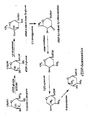
- the process scheme according to the present invention is generally described in Figure 2 .
- the present invention aims at maximizing the epidaunomycin and ⁇ -rhodomycinone production, minimizing the production of non-endogenous side products and to simplify in this manner the subsequent downstream process.
- Important aspects of a producer strain suitable for use in the production process of the present invention is
- a single fermentation batch is used as a source of synthetic material for both epirubicin and idarubicin, i.e., both commercially important anthracyclines.
- the present invention provides improved producer strains for use in a process for producing epidaunomycins and ⁇ -rhodomycinone by fermentation.
- Streptomyces strains are able to produce daunomycin, whereas S . peucetius is preferably used as the producer strain for epidaunomycins in the present invention.
- S . peucetius var. caesius G001 DSM12245 is used as the parent strain which is used for genetic modifications to obtain the strain accumulating epidaunomycins and ⁇ -rhodomycinone.
- a mutant strain of S . peucetius var. caesius G001 was used as parent strain of this invention.
- several other strains sharing biosynthetic machinery for production of daunomycins are equally suitable.
- the strain was blocked in production of baumycins by a chemical mutagen, NTG (N-methyl-N'-nitro-N-nitrosoguanidine), and corresponding gene, dnrH, was sequenced in order to identify the point mutation resulting in blocking baumycins production.
- the point mutation caused the change in amino acid; Gly was replaced by Asp.
- any daunorubicin producer is suitable, a high-producing strain blocked in biosynthesis of baumycins is a preferred host strain for this invention.
- Cloning of the genes for 4'-ketoreductase could be done by any known method that results in availability of the gene to be expressed in a selected host.
- E . coli as a host strain for a gene library, hybridization is an advantageous screening strategy.
- the probe for hybridization may be any fragment derived from snog C or similar gene and generated by subcloning with suitable restriction sites or by PCR amplification. Colonies for the gene library are transferred to membranes for filter hybridization, and nylon membranes are typically used. Any method for detection for hybridization may be used but, in particular, the DIG System (Boehringer Mannheim, GmbH, Germany) is useful. Since the probe is heterologous to the hybridized DNA, it is preferable to carry out stringent washes of hybridization at 65°C in a low salt concentration, according to Boehringer Mannheim's manual, DIG System User's Guide for Filter hybridization.
- the functionality of the gene was demonstrated by experiments to detect epidaunomycins (besides ⁇ -rhodomycinone) in the culture broth by the strain carrying ekr8 cloned in a high copy number expression vector, plJE486.
- Any 4'-ketoreductase gene that can convert the stereochemistry of the 4'-OH-group in daunosamine is suitable for cloning into a daunorubicin-producing strain to generate production of epidaunomycin (besides s-rhodomycinone) according to the present invention, but it is preferred that the gene is expressed in high level.
- the gene dnm V (Otten et al., 1997) is responsible for the ketoreduction step in daunosamine pathway.
- This particular gene is a competitor for a transferred gene and is, therefore, preferably inactivated or deleted.
- Inactivation of the gene dnm V may be achieved by any known technique for disrupting a gene function. For this purpose homologous recombination for gene inactivation is preferred. It is also possible to cause a mutation to the gene by random techniques such as chemical mutagenization.
- the gene ekr8 was cloned in different constructs into a strain, obtained by plasmid dropping of parent strain G001, and the metabolites of the achieved strains were analysed.
- the metabolite profile of one clone was considered promising for down stream purposes.
- This clone carries the plasmid pB89rdmB (rdmB, see Jansson et al. 2003) and produced epidaunomycins and ⁇ -rhodomycinone at a titre corresponding roughly to 50 % of the amount of daunomycins produced by the strain G001.
- the plasmid pB89rdmB contains the genes ekr8 and rdmB.
- This clone was designated as G005a.
- the gene construct could be expressed in any vector capable of replicating in streptomycetes.
- a high copy number plasmid is, however, preferably used as a vector.
- the plasmid vector plJE486 (Ylihonko et al., 1996) was found to be advantageous.
- the stability is crucial for commercial production and was therefore extremely advantageous even though surprising.
- the genetically modified strain is stabile without selection pressure
- the new clone achieves the peak of the production level in the eighth day, whereas the sixth day is the best for parent strain G001,
- the mutant strain produces epidaunorubicin, 13-DHED, epi-feudomycin and ⁇ -rhodomycinone as major products, whereas the rest of the anthracycline fraction covers less than 10% of the yield.
- Table 2 provides information about typical metabolite profiles of the strains for the presented invention. Quantities are given in mg/l Table 2.
- Strain 4'-epi-dauno-rubicin 13-DHED 4'-epi-feudo-mycin B Other epi-dauno-mycins (not specified)* ⁇ -rhodo-mycinone G001/pB70dV 250 - 350 50 - 150 na 350 - 450 200-300 pB89rdmB containing clone 350 - 450 250- 400 150 - 250 ⁇ 100 150 - 300 NTG mutagenization 500- 700 400 - 600 150 - 300 ⁇ 100 150 - 300 * mainly epicarminomycins
- a well-known difficulty when attempting to use S. peucetius or related strains in the manufacturing of anthracyclines for clinical use is the poor stability, changes in production titre of cultivations of the strains in terms of productivity. It is not economically viable to use such strains and, at its worst, it causes noticeable economic disadvantages and, in the worst cases, leads to the lack of desired cytotoxic drugs for cancer patients.
- the effect of the instability of the strains to their productivity is a consequence of the mutagenicity of daunorubicin and related metabolites. Therefore, a stable producer strain according to the present invention is advantageous for manufacturing anthracyclines, and a guarantee for continuous supply of important cytotoxic anticancer drugs.
- Cultivation of a modified producer strain according to the present invention can be carried out in a medium containing suitable nutrient sources.
- a preferred medium is the E1 medium, which is described in Experiment 2.
- the plasmid body of plJE486 includes a gene responsible for resistance to thiostrepton. Therefore, general experimental protocols would suggest maintaining a selection pressure to keep the plasmid containing strain in the cultivations. Surprisingly, however, cultivations of the said strain in the absence of thiostrepton did not cause loss of the cloned plasmid, suggesting that E1 medium without the supplied antibiotic is preferred in the cultivations.
- a non-ionic adsorbent is added to the medium before or during the cultivation to collect metabolites from fermentation broth, increasing the recovery per batch.
- a polystyrene resin such as Amberlite XAD-7 (CAS # 37380-43-1) (Rohm & Haas Germany GmbH, Frankfurt) or Diaion HP-20 in a suitable medium, such as E1 described in more detail in the experimental section, increases the recovery of epidaunorubicin13-DHED and epi-feudomycin. ⁇ -rhodomycinone is alongside adsorbed from the fermentation broth as well.
- the higher yield is due to the extremely strong adsorbing ability of the XAD-7 for epidaunomycin metabolites by cross-linking the molecules.
- Crude epidaunomycins obtained as the yield of recovery contains roughly 500 - 700 mg/l of epidaunorubicin, 400 - 600 mg/l of 13-DHED, 150 - 300 mg/l of 4'-epi-feudomycin and 150 - 300 mg/l of e-rhodomycinone. If Diaion HP-20 is used as an adsorbent, the same yields are recovered but the amount of adsorbent supplemented to the E1-medium has to be higher significantly.
- the fermentation process can be carried out in any conditions enabling the maximum production of epidaunomycins and ⁇ -rhodomycinone. It is, however, advantageous to carry out fermentations in a temperature range of 26°C to 34°C at pH 6.5-7.5 for 7 to 14 days.
- the adsorbent may be added at any time of cultivation, but the best yield is obtained if the adsorbent is added to the culture in the beginning of cultivation.
- the substances adsorbed in the adsorbent resin comprising mostly epidaunomycins and ⁇ -rhodomycinone, were separated from the culture broth by decanting. Resin was extracted using organic solvents, methanol and butanol being preferred. An amount of solvent as 10-50 % of the volume of the culture broth in a fermentor is recommended. Repeating extraction 1-5 times liberates adsorbent used from the all anthracycline metabolites, and resin is re-cyclable after washing with water.
- Separation of the aglycone fraction, which contains ⁇ -rhodomycinone, is advantageous after recovery of all metabolites from the adsorbent.
- 13-DHED is easily separated from glycosidic fraction by chromatography followed by crystallization alongside with epidaunorubicin separation. 13-DHED could be adsorbing to a resin added to the culture broth of Streptomyces strain with capabilities for daunomycin synthesis and especially the late steps. Even though any strain is suitable, it is advantageous to use the strain which is blocked in early biosynthetic pathway and unable to accumulate daunomycin metabolites.
- Crude epidaunorubicin (purity ⁇ 80 %) is used as a starting material for synthetic chemistry to obtain epirubicin, which is a frequently used cancer drug. Any synthetic or biocatalytic reaction series may be used for the 14-hydroxylation.
- Aklavinone a typical precursor for several anthracyclines, is 11-hydroxylated to form ⁇ -rhodomycinone, which is glycosylated.
- the modifications in the position 10 need for a glycosylated form even though other sugar residues, such as rhodosamine, are accepted substrates.
- 13-oxygenation takes place and the ultimate step for daunorubicin biosynthesis is an O-methylation at C-4. Therefore, 10- and 13-modifications as well as glycosylation are successful despite the 4-deoxy-form.
- Both 4-deoxyaklavinone and 4-deoxy- ⁇ -rhodomycinone are converted into idarubicin.
- the process of the present invention is indeed efficient since it allows production and recovery of ⁇ -rhodomycinone, epidaunorubicin, 13 DHED and 4'-epi-feudomycin from a single fermentation batch.
- Streptomyces DNA was performed in E. coli and propagated DNA was then introduced into Streptomyces strains.
- the bacterial strains and plasmids used in this work are described in Table 3 below. Table 3. Bacterial strains and plasmids. Strain/plasmid Description Reference or Source E. coli XL1-Blue E. coli cloning host Stratagene G001 Daunomycin producing Streptomyces strain DSM12245 G001/pB70dv Epidaunomycins and epi-carminomycins producing Streptomyces strain DSM 19076
- the gene snog C was used as a probe for cloning of corresponding genes from streptomycetes gene libraries.
- the genes cloned and propagated in E. coli were transferred into G001 in a vector pIJE486 and products obtained in small scale cultivations were studied by comparing to G001 products. In this way the clone carrying ekr8 was found to produce epidaunomycins in addition to daunomycins.
- the clone was selected that was unable to produce typical daunorubicin metabolites whereas accumulating epidaunomycins and it was designated as G001/pB70dv (deposit no: DSM 19076).
- Products obtained in cultivating the clone in conditions as described in Example 2 revealed both epidaunomycins and epi-carminomycins.
- the plasmid containing clone G001/pB70dv was cultivated several rounds in TSB-medium (Oxoid Tryptone Soya Broth powder 30 g per 1 litre) to drop out the plasmid.
- the strain obtained did not carry the plasmid and produced aglycones.
- the gene ekr8 was cloned into different constructs carrying the genes involved in late steps of anthracycline biosynthesis and introduced into aglycone producing strain mentioned above.
- rdmB (ACCESSION U10405) show high sequence similarity to dnrK even though O-methyl transferase activity has not been demonstrated (see Jansson et al. 2003).
- the strain carrying pB89rdmB was further mutagenized by NTG (N-methyl-N'-nitro-N-nitrosoguanidine) (Sigma-Aldrich) Roughly 200 colonies were picked up on agar plates after mutagenization and first cultivated in 3 ml of E1-medium. For further details of cultivation conditions, see example 2 below.
- NTG N-methyl-N'-nitro-N-nitrosoguanidine
- Microbial strains were finally selected, that were able to produce epidaunomycin metabolites more than the pB89rdmB carrying clone in same proportions and without thiostrepton in medium for selection pressure.
- E1 Per litre of tap water: glucose 20 g; soluble starch 20 g; Peptide 5 g; Yeast extract 2.5 g; K 2 HPO 4 ⁇ 3H 2 O 1.3 g; MgSO 4 ⁇ 7H 2 O 1 g; NaCl 3 g; CaCO 3 3 g; pH 7-7.5).
- XAD-7 was decanted with water from one cultivation flask and washed XAD-7 was extracted with 40 ml of methanol shaking for at least 30 min. The HPLC was used for analysing the samples.
- the use of XAD-7 in E1-medium increased the epidaunomycin yield to 500-700 mg/l from about 400 - 500 mg/l. See other products on Table 2.
- the optimum production time was eleven days.
- Seed culture was made by cultivating a strain with the capability of high titre production of epidaunomycins and ⁇ -rhodomycinone in four flasks with 60 ml of the E1 medium supplemented with thiostrepton (5 mg/l) for four days. The cultures were combined and the 240 ml of the culture broth was used to inoculate a 20 1 E1-medium supplemented with XAD-7 (15 g/l) in the fermentor. Fermentation was carried out in 20 litres volume for 11 days at the temperature of 30 °C and 34°C, 350 rpm with the aeration of 10 l/min.
- the substituents containing epidaunorubicin and ⁇ -rhodomycinone adsorbed to XAD-7 were decanted from the 20 litre culture broth obtained from fermentation.
- the resin was washed to remove cell debris by water.
- Pellet was extracted with 1 litre of methanol for two to five times.
- the aglycones were extracted with chloroform by adding 1 I of chloroform to the 3 litre of combined methanol extracts. Solvent and water layers were separated. Glycosides in water phase were extracted to chloroform at lightly alkaline pH and pH was stabilized with saturated Na-HCO 3 . Salts were removed by washing with water. Finally the chloroform-phase is filtrated through a cartridge filter. Yield of epidaunomycin using the said process corresponded to the 70 % of the crude extract.
- the solvent fraction obtained from extraction in the paragraph 4.1. above was dried and concentrated to small volume. Flash chromatography was done using chloroform as an eluent. The purified fraction was crystallized by dissolving into chloroform-methanol mixture and concentrated to small volume and > 90 % purity of ⁇ -rhodomycinone was obtained. Dried precipitate was dissolved and purification was done by flash-chromatography using a solvent system with CHCl 3 :Acetone:Methanol. Glycosides are extracted. This is done twice to maximize the yield. After extracting all the glycosides to chloroform, the pH is stabilized by extracting with saturated NaHCO 3 . Then salts are removed by extracting with RO-water for two to four times. The phases are separated with a two-phase separator.
- Purified epidaunorubicin was converted into epirubicin by chemical synthesis as a one-pot reaction consisting of two reactions; bromination and hydrolysis. In the first one C-14-position is substituted with bromine and in the second step C-14 is hydroxylated leading to formation of epirubicin.
- Epidauno-rubicin obtained as described in Example 5 was dissolved in methanol and bromine was added. Reaction was done under 10°C and analyzed by HPLC. The bromination reaction was stopped after one day by addition of sodiumformiate buffer. pH was adjusted ⁇ 3 and the temperature of the mixture is adjusted to 50-60°C. Reaction was monitored with HPLC and when the amount of epirubicin does not get higher anymore the reaction was stopped by cooling down the reaction mixture.
Landscapes
- Chemical & Material Sciences (AREA)
- Life Sciences & Earth Sciences (AREA)
- Health & Medical Sciences (AREA)
- Engineering & Computer Science (AREA)
- Organic Chemistry (AREA)
- Genetics & Genomics (AREA)
- Wood Science & Technology (AREA)
- Zoology (AREA)
- Bioinformatics & Cheminformatics (AREA)
- Biotechnology (AREA)
- General Engineering & Computer Science (AREA)
- General Health & Medical Sciences (AREA)
- Microbiology (AREA)
- Biochemistry (AREA)
- Biomedical Technology (AREA)
- Molecular Biology (AREA)
- Medicinal Chemistry (AREA)
- Chemical Kinetics & Catalysis (AREA)
- General Chemical & Material Sciences (AREA)
- Plant Pathology (AREA)
- Biophysics (AREA)
- Physics & Mathematics (AREA)
- Tropical Medicine & Parasitology (AREA)
- Virology (AREA)
- Micro-Organisms Or Cultivation Processes Thereof (AREA)
- Preparation Of Compounds By Using Micro-Organisms (AREA)
- Pharmaceuticals Containing Other Organic And Inorganic Compounds (AREA)
- Saccharide Compounds (AREA)
- Medicines Containing Material From Animals Or Micro-Organisms (AREA)
Abstract
Description
- The present invention relates to genetically modified strains of Streptomyces peucetius and to the use of such strains in the production of high titre mixtures of anthracycline metabolites, such as 4'-epidaunorubicin, 13-dihydro-epidaunorubicin, 4'-epi-feudomycin and ε-rhodomycinone by single batch fermentation, useful in downstream processes according to the present invention for producing the active pharmaceutical ingredients epirubicin and/or idarubicin.
- Daunomycins are a group of antitumor antibiotics produced by several Streptomyces sp., such as S. peucetius, S. coerulorubidus, S. griseus, Streptomyces sp. C5, S. peucetius var. caesius, and S. bifurcus. The basic compound of the group is daunomycin (DiMarco et al., 1964). Daunomycin and its 14-hydroxy derivative doxorubicin have been used in cancer chemotherapy since 1967 and 1971, respectively. Daunomycin is particularly used for hematologic malignancies, whereas doxorubicin exhibits a broad anticancer spectrum. Considering all the known anthracyclines currently in clinical use, six out of seven are members of daunomycin group. Manufacturing processes for these compounds use daunorubicin or its aglycone, daunomycinone, as the starting material for chemical synthesis.
- Anthracyclines have been in use for cancer chemotherapy for more than thirty years. Doxorubicin is still today the mainly used cytotoxic drug because of its extraordinarily wide spectrum of malignancies. Epirubicin, the second most important antitumour antibiotic soon after doxorubicin, is becoming even more important.
- Daunomycins may be described by the general formula I

Table 1 R4 R14 2'substituent 4' Daunorubicin OCH3 H Doxorubicin OCH3 OH Epirubicin OCH3 OH 4'epi isomer Idarubloin H H Annamycin H OH I 4'epi isomer Pirarubicin OCH3 OH 4'-O-tetrahydropyranyl Valrubicin OCH3 valerate trifluoroacetyl group - Epirubicin is clinically used for many types of cancer. The market is growing as it competes with doxorubicin. New formulations, conjugates and new combinations with other cancer drugs also expand the usage of epirubicin. Epirubicin is manufactured by a process which comprises producing daunorubicin by fermentation and synthetically modifying the aglycone and sugar moiety, disclosed e.g. in
US Patent 5,874,550 . - Idarubicin (4-demethoxy-daunorubicin) is used to treat certain types of cancer, including leukemia, lymphoma, and other diseases of the bone marrow. It is claimed to cause less side effects than doxorubicin. The global annual market for idarubicin is, however, no more than 20 kg, presumably because of its exceptionally high price, which is due to a very complicated manufacturing process. Idarubicinone is manufactured starting from daunomycinone, obtained from fermentation of daunorubicin with subsequent acidic hydrolysis. Daunorubicinone is further synthetically modified to idarubicinone. A sugar residue, daunosamine, is attached by a complicated synthetic reaction series, as described in e.g.
US Patent No. 4,325,946 . - Prior to genetic engineering, generation of strains producing desired non-endogenous substances was almost impossible. Even though the modifications in the chemical structure are minor, e.g. epidaunorubicin differs from daunorubicin only in the stereochemistry of the 4' OH-group in the daunosamine moiety; several mutations are needed to cause the alterations. This means that several rounds of mutagenesis are needed and million of clones need to be selected and tested in order to find a desired change in a chemical structure.
- Today it is well known that genetic modification of bacterial strains facilitates the production of non-endogenous metabolites. However, it is also well known that these strains accumulate the foreign metabolites, hybrid compounds, in poor quantities even though endogenous metabolites are produced in relatively high level. This fact results in poor economic and the processes are often not commercially feasible.
- European patent publication
EP1123310 describes a successful modification of the sugar moiety of anthracyclines by introducing the gene snogC to an anthracycline producing strain resulting in formation of aklavinone-4'-epi-2-deoxyfucose. However, the production titres remain low as discussed above. - Furthermore, purification of a desired metabolite from the complex matrix comprising typically 10-20 similar products is often not successful. Yet another reason for low yields is a poor resistance against non-endogenous compounds by the producer strains. Adaptation of the producer strain to a non-endogenous metabolite by step-wise addition of a toxic product, such as epidaunorubicin, epirubicin or idarubicin to culture broth is time consuming and preferably results in accumulation of a metabolite that is less toxic to the producer strain.
- Recently some progress regarding yield and economy of the biotechnological production of the anthracycline epirubicin has been reported, for example in International Patent Publication
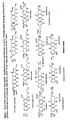
WO 2006/111561 A1 . By mutagenization of a strain from the species Streptomyces peucetius a microbial strain was obtained, which is producing epidaunorubicin (a precursor of epirubicin) and/or epirubicin itself at concentrations of at least 0.1 g/l culture broth. - The biosynthetic pathway for anthracyclines and substrate specificities are described in several publications (for a recent review see Niemi et al., 2002) even though the final steps of daunomycin biosynthesis, the reactions modifying the aglycone moiety after glycosylation and the molecular genetics therein are not fully understood. The biosynthetic pathway is shown in
Figure 1 . The triumph of anthracyclines seems to be continuous. Several new formulations, conjugates, new molecules and prodrugs of daunomycin class are in the pipelines for cancer drugs. Anthracycline production starting from daunorubicin by chemical synthesis is a multi-step process that results in relatively low yields suggesting that improved processes are needed. Thus, there is a well recognized need for improved producer strains and efficient, commercially viable productions processes. -
-
Figure 1 is a schematic presentation of the biosynthetic pathway for daunomycin class of anthracyclines. -
Figure 2 is a schematic presentation of a process for producing and isolating crude epidaunomycins and ε-rhodomycinone from a fermentation batch. -
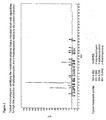
Figure 3 shows a typical chromatogram identifying the metabolites obtained from a microbial strain with capabilities for high titre production of epidaunomycins and ε-rhodomycinone relating to the present invention. Typical metabolite profile: Rt=6.950 13-DHED, Rt=7.850 4'-epi-feudomycin, Rt=8.725 4'-Epidaunorubicin, Rt=15.842 ε-rhodomycinone - Throughout this description epidaunomycins, such as epidaunorubicin (CAS # 56390-08-0), 13-dihydro-epidaunorubicin = 4'-epi-daunorubicinol (referred to as 13-DHED hereinafter), and epi-feudomycin (designated as analogously to Feudomycin B) are collectively referred to as epidaunomycins.
- The present invention relates to improved, genetically modified producer strains, preferably strains derived from Streptomyces peucetius, which produce a mixture of antracycline metabolites, including non-endogeneous metabolites, such as epidaunomycins, at a titre of at least 0.5 g per litre culture broth, used for the subsequent production of anthracycline antibiotics, particularly epirubicin and idarubicin
- In the present work we have used a mutant strain of S. peucetius var. caesius, deposited at DSMZ with the deposition No. DSM 12245, which is blocked in biosynthesis of baumycins, and is able to produce daunomycin at a more than hundred times higher titre than the wild type strain. The strain also produces increased amounts of ε-rhodomycinone. The strain was further modified genetically by replacing the functional gene dnmV (Otten et al., 1997) by the gene ekr8 resulting in opposite stereochemistry in the 4'-position of daunomycin metabolites providing thus epidaunomycin metabolites family. The gene used for replacement was surprisingly found in a shotgun cloning experiment related to isolation of genes from bacterial cultures with a probe derived from snogC (Torkkell et al., 2001). The genetically modified strain, designated as G001/pB70dv, accumulated epidaunorubin metabolites, roughly 800 mg per 1 litre of culture broth and simultaneously ε-rhodomycinone was produced in relatively high level; 200-300 mg/l. However, a mixture of epidaunomycin metabolites found contained 4-OH-compounds so called epi-carminomycins making purification process somewhat complicated.
- Different gene constructs available were introduced into a strain obtained by dropping away the plasmid pB70dv from the host strain G001, and surprisingly, the plasmid pB89rdmB caused production of epidaunomycin metabolites without epi-carminomycins. Furthermore, unexpected increase in the production titre was obtained when this strain culture was treated once again with a mutagen. 200 mutants were studied in test tube cultivations for production of epidaunomycins and ε-rhodomycinone and high-producing strains producing more than 1 g of anthracycline metabolites per litre of culture broth were identified. These strains produce good mixtures of epidaunomycin metabolites and ε-rhodomycinone: Typically epidaunorubicin:13-DHED:4'-epi-feudomycin :ε-rhodomycinone with titres of 600 mg/l; 500mg/l: 200 mg/l: 200 mg/l, respectively. Minor quantities of epirubicin were also found as side product in all cultivations.
- Glycosylation of the aglycone moiety does not proceed completely with these strains and the critical biosynthetic intermediate, ε-rhodomycinone, is found in remarkable quantities in the culture broth. Cultivation of these genetically modified strains using a resin in fermentation broth resulted in even higher titres of metabolites and facilitates the down stream process.
- The present invention further relates to a method of producing and isolating crude epidaunomycins, including epidaunorubicin, 13-dihydro-epidaunorubicin (13-DHED), 4'-epi-feudomycin, and ε-rhodomycinone from a single fermentation batch. The process scheme according to the present invention is generally described in
Figure 2 . - The present invention aims at maximizing the epidaunomycin and ε-rhodomycinone production, minimizing the production of non-endogenous side products and to simplify in this manner the subsequent downstream process. Important aspects of a producer strain suitable for use in the production process of the present invention is
- i) that the crude metabolite profile is suitable for down stream processing and;
- ii) that the capability of overproduction is not limited by a sensitivity of the strain to epidaunomycins and ε-rhodomycinone.
- In the process according to the present invention a single fermentation batch is used as a source of synthetic material for both epirubicin and idarubicin, i.e., both commercially important anthracyclines.
- Taking into consideration the known drawback of the prior art, it would be of essential economical interest, to be able to provide in a single batch fermentation a high titre of a mixture of non-endogenous metabolites, suitable for the subsequent manufacturing of more than one anthracycline antibiotic, particularly epirubicin and idarubicin. For simplifying subsequent downstream processings, an even more economical aspect is to avoid the additional formation of endogenous compounds as far as possible. All this is object of the present invention.
- Production of one anthracycline, such as epirubicin, by single batch fermentations using optimized microbial strains is a start for getting more efficient production purposes. But the best solution for commercially viable production processes would be to work with modified microbial strains delivering in single batch fermentation at one time a high titre of a mixture of metabolites useful as starting material for the production of more than one anthracycline antibiotic.
- The present invention provides improved producer strains for use in a process for producing epidaunomycins and ε-rhodomycinone by fermentation. Several Streptomyces strains are able to produce daunomycin, whereas S. peucetius is preferably used as the producer strain for epidaunomycins in the present invention. Throughout the present description, including the working examples, S. peucetius var. caesius G001 (DSM12245) is used as the parent strain which is used for genetic modifications to obtain the strain accumulating epidaunomycins and ε-rhodomycinone.
- However, any strain sharing the following characteristics is suitable for this process:
- 1. Capacity for high production of epidaunomycin metabolites; exceeding 0.1 g/l in total.
- 2. An incomplete glycosylation system to obtain ε-rhodomycinone in the fermentation process; more than 10 % of the whole anthracycline metabolites fraction.
- 3. All the metabolites epidaunorubicin, 13-DHED, epi-feudomycin and ε-rhodomycinone are produced in amounts of at least 10 % each of the total anthracycline metabolite fraction.
- 3. Biosynthetic pathway to produce daunorubicin and related metabolites is blocked.
- A mutant strain of S. peucetius var. caesius G001 was used as parent strain of this invention. However, several other strains sharing biosynthetic machinery for production of daunomycins are equally suitable. The strain was blocked in production of baumycins by a chemical mutagen, NTG (N-methyl-N'-nitro-N-nitrosoguanidine), and corresponding gene, dnrH, was sequenced in order to identify the point mutation resulting in blocking baumycins production. The point mutation caused the change in amino acid; Gly was replaced by Asp. Even though any daunorubicin producer is suitable, a high-producing strain blocked in biosynthesis of baumycins is a preferred host strain for this invention.
- Cloning of the genes for 4'-ketoreductase could be done by any known method that results in availability of the gene to be expressed in a selected host. We used a DNA-fragment derived from the gene snogC, which has previously been shown to create 4'epi-anthracyclines by Ylihonko et al. (1999), as a probe for screening corresponding ketoreductase genes with a better concomitant action with glycosyl transferases of daunosamine pathway, e.g. ekr8. Using E. coli as a host strain for a gene library, hybridization is an advantageous screening strategy. The probe for hybridization may be any fragment derived from snogC or similar gene and generated by subcloning with suitable restriction sites or by PCR amplification. Colonies for the gene library are transferred to membranes for filter hybridization, and nylon membranes are typically used. Any method for detection for hybridization may be used but, in particular, the DIG System (Boehringer Mannheim, GmbH, Germany) is useful. Since the probe is heterologous to the hybridized DNA, it is preferable to carry out stringent washes of hybridization at 65°C in a low salt concentration, according to Boehringer Mannheim's manual, DIG System User's Guide for Filter hybridization. The functionality of the gene was demonstrated by experiments to detect epidaunomycins (besides ε-rhodomycinone) in the culture broth by the strain carrying ekr8 cloned in a high copy number expression vector, plJE486. Any 4'-ketoreductase gene that can convert the stereochemistry of the 4'-OH-group in daunosamine is suitable for cloning into a daunorubicin-producing strain to generate production of epidaunomycin (besides s-rhodomycinone) according to the present invention, but it is preferred that the gene is expressed in high level. According to the biosynthetic pathway for daunomycins, the gene dnmV (Otten et al., 1997) is responsible for the ketoreduction step in daunosamine pathway. This particular gene is a competitor for a transferred gene and is, therefore, preferably inactivated or deleted. Inactivation of the gene dnmV may be achieved by any known technique for disrupting a gene function. For this purpose homologous recombination for gene inactivation is preferred. It is also possible to cause a mutation to the gene by random techniques such as chemical mutagenization.
- The gene ekr8 was cloned in different constructs into a strain, obtained by plasmid dropping of parent strain G001, and the metabolites of the achieved strains were analysed. The metabolite profile of one clone was considered promising for down stream purposes. This clone carries the plasmid pB89rdmB (rdmB, see Jansson et al. 2003) and produced epidaunomycins and ε-rhodomycinone at a titre corresponding roughly to 50 % of the amount of daunomycins produced by the strain G001. The plasmid pB89rdmB contains the genes ekr8 and rdmB. This clone was designated as G005a. The gene construct could be expressed in any vector capable of replicating in streptomycetes. A high copy number plasmid is, however, preferably used as a vector. For this invention the plasmid vector plJE486 (Ylihonko et al., 1996) was found to be advantageous.
- Several methods for introducing DNA into host cells have been described. A highly preferred procedure is protoplast transformation and it is used thorough this work. However, any method and any vector used to generate a strain having the characteristics of a strain according to the present invention, and described above, is useful.
- It was found that the strain mentioned above, containing plasmid pB89rdmB, is somewhat sensitive to epidaunomycins as endogenous resistance against daunomycins was not sufficient and resulted in poor stability of the strain as was noticed by changes in production titres found in repeated cultivations. Increasing the resistance by adaptation with epirubicin or epidaunorubicin resulted in higher titres of 13DHED. The strain culture was treated in stringent conditions with a mutagen and even though any chemical mutagens could be used, NTG is preferred. A clone from mutagenesis treatment with increased production of the same metabolites as compared to the pB89rdmB containing clone was obtained, the stability in a long-term was noticed. The stability is crucial for commercial production and was therefore extremely advantageous even though surprising. The genetically modified strain is stabile without selection pressure The new clone achieves the peak of the production level in the eighth day, whereas the sixth day is the best for parent strain G001, Typically the mutant strain produces epidaunorubicin, 13-DHED, epi-feudomycin and ε-rhodomycinone as major products, whereas the rest of the anthracycline fraction covers less than 10% of the yield.
- Table 2 provides information about typical metabolite profiles of the strains for the presented invention. Quantities are given in mg/l
Table 2. Strain 4'-epi-dauno-rubicin 13-DHED 4'-epi-feudo-mycin B Other epi-dauno-mycins (not specified)* ε-rhodo-mycinone G001/pB70dV 250 - 350 50 - 150 na 350 - 450 200-300 pB89rdmB containing clone 350 - 450 250- 400 150 - 250 < 100 150 - 300 NTG mutagenization 500- 700 400 - 600 150 - 300 < 100 150 - 300 * mainly epicarminomycins - A well-known difficulty when attempting to use S. peucetius or related strains in the manufacturing of anthracyclines for clinical use is the poor stability, changes in production titre of cultivations of the strains in terms of productivity. It is not economically viable to use such strains and, at its worst, it causes noticeable economic disadvantages and, in the worst cases, leads to the lack of desired cytotoxic drugs for cancer patients. The effect of the instability of the strains to their productivity is a consequence of the mutagenicity of daunorubicin and related metabolites. Therefore, a stable producer strain according to the present invention is advantageous for manufacturing anthracyclines, and a guarantee for continuous supply of important cytotoxic anticancer drugs.
- Cultivation of a modified producer strain according to the present invention, preferably a Streptomyces strain, most preferably a Streptomyces peucetius strain, can be carried out in a medium containing suitable nutrient sources. A preferred medium is the E1 medium, which is described in
Experiment 2. The plasmid body of plJE486 includes a gene responsible for resistance to thiostrepton. Therefore, general experimental protocols would suggest maintaining a selection pressure to keep the plasmid containing strain in the cultivations. Surprisingly, however, cultivations of the said strain in the absence of thiostrepton did not cause loss of the cloned plasmid, suggesting that E1 medium without the supplied antibiotic is preferred in the cultivations. - Addition of an adsorbing resin to a cultivation broth is described in processes for anthracyclines (Torkkell et al. 2001 and Metsä-Ketelä et al., 2003) The toxic product which is also a mutagen affects in two ways; (i) less production caused by toxic effect and (ii) mutagenization of a producer strain. Therefore, an adsorbent which does not interfere with the product or bacteria in cultivation, but adsorbs both the excreted metabolites and those accumulated in cells is preferable.
- In a preferred embodiment of the present invention a non-ionic adsorbent is added to the medium before or during the cultivation to collect metabolites from fermentation broth, increasing the recovery per batch. A polystyrene resin, such as Amberlite XAD-7 (CAS # 37380-43-1) (Rohm & Haas Germany GmbH, Frankfurt) or Diaion HP-20 in a suitable medium, such as E1 described in more detail in the experimental section, increases the recovery of epidaunorubicin13-DHED and epi-feudomycin. ε-rhodomycinone is alongside adsorbed from the fermentation broth as well. The higher yield is due to the extremely strong adsorbing ability of the XAD-7 for epidaunomycin metabolites by cross-linking the molecules. Crude epidaunomycins obtained as the yield of recovery contains roughly 500 - 700 mg/l of epidaunorubicin, 400 - 600 mg/l of 13-DHED, 150 - 300 mg/l of 4'-epi-feudomycin and 150 - 300 mg/l of e-rhodomycinone. If Diaion HP-20 is used as an adsorbent, the same yields are recovered but the amount of adsorbent supplemented to the E1-medium has to be higher significantly.
- The fermentation process can be carried out in any conditions enabling the maximum production of epidaunomycins and ε-rhodomycinone. It is, however, advantageous to carry out fermentations in a temperature range of 26°C to 34°C at pH 6.5-7.5 for 7 to 14 days. The adsorbent may be added at any time of cultivation, but the best yield is obtained if the adsorbent is added to the culture in the beginning of cultivation.
- The substances adsorbed in the adsorbent resin, comprising mostly epidaunomycins and ε-rhodomycinone, were separated from the culture broth by decanting. Resin was extracted using organic solvents, methanol and butanol being preferred. An amount of solvent as 10-50 % of the volume of the culture broth in a fermentor is recommended. Repeating extraction 1-5 times liberates adsorbent used from the all anthracycline metabolites, and resin is re-cyclable after washing with water.
- Separation of the aglycone fraction, which contains ε-rhodomycinone, is advantageous after recovery of all metabolites from the adsorbent.
- 13-DHED, is easily separated from glycosidic fraction by chromatography followed by crystallization alongside with epidaunorubicin separation. 13-DHED could be adsorbing to a resin added to the culture broth of Streptomyces strain with capabilities for daunomycin synthesis and especially the late steps. Even though any strain is suitable, it is advantageous to use the strain which is blocked in early biosynthetic pathway and unable to accumulate daunomycin metabolites.
- Crude epidaunorubicin (purity ≥ 80 %) is used as a starting material for synthetic chemistry to obtain epirubicin, which is a frequently used cancer drug. Any synthetic or biocatalytic reaction series may be used for the 14-hydroxylation.
- There are several possibilities to convert epidaunorubicin into its 14-hydroxylated form, epirubicin. The endogeneous gene product alone, 14-hydroxylase, is not sufficiently active in the cultural conditions to convert all epidaunorubicin formed into epirubicin even though minor amounts of epirubicin is found in the culture broth. According to our experiments (data not shown), even high copies of the gene for 14-hydroxylase, failed to complete the process for epirubicin production. Nevertheless, two US patent publications,
US 5,955,319 andUS 6,210,930 disclose the conversion of daunorubicin into doxorubicin in a low level by the gene product of doxA. Apparently, the bioconversion is highly dependent on the conditions, and we have not succeeded in repeating the process. - There are various possibilities to add a hydroxyl group at the C-14 of the intact epidaunorubicin, analogously to synthesis of doxorubicin from daunorubicin.
- Purification of epirubicin is carried out by chromatography and/or by crystallization after extraction of epirubicin from the synthesis mixture. However, to achieve the quality requested for active pharmaceutical ingredient, chromatography separation to give epirubicin in ≥ 97 % purity is essential.
- It is known that biosynthesis proceeds in the sequence shown in
Figure 1 . Aklavinone, a typical precursor for several anthracyclines, is 11-hydroxylated to form ε-rhodomycinone, which is glycosylated. The modifications in theposition 10 need for a glycosylated form even though other sugar residues, such as rhodosamine, are accepted substrates. After 10-modifications, 13-oxygenation takes place and the ultimate step for daunorubicin biosynthesis is an O-methylation at C-4. Therefore, 10- and 13-modifications as well as glycosylation are successful despite the 4-deoxy-form. Both 4-deoxyaklavinone and 4-deoxy-ε-rhodomycinone are converted into idarubicin. - The process of the present invention is indeed efficient since it allows production and recovery of ε-rhodomycinone, epidaunorubicin, 13 DHED and 4'-epi-feudomycin from a single fermentation batch.
- For the reasons listed above it is advantageous to use a strain according to the present invention in fermentation to produce epirubicin and idarubicin for commercial use. The process according to the present invention enables the production of the important anthracyclines in a high yield with low costs. The diagram of the fermentation process is described in
Figure 2 . - A more detailed description of the present invention is given in the examples below.
- It will be obvious to a person skilled in the art that, as the technology advances, the inventive concept can be implemented in various ways. The invention and its embodiments are not limited to the examples described above but may vary within the scope of the claims.
- Manipulation of the Streptomyces DNA was performed in E. coli and propagated DNA was then introduced into Streptomyces strains. The bacterial strains and plasmids used in this work are described in Table 3 below.
Table 3. Bacterial strains and plasmids. Strain/plasmid Description Reference or Source E. coli XL1-Blue E. coli cloning host Stratagene G001 Daunomycin producing Streptomyces strain DSM12245 G001/pB70dv Epidaunomycins and epi-carminomycins producing Streptomyces strain DSM 19076 - Cultivations of Streptomyces and E. coli strains as well as isolations and manipulations of DNA were carried out as described in the laboratory manuals of Hopwood et al. (1985) and Sambrook et al. (1989), respectively. Plasmids were introduced into E. coli strains by high-voltage electroporation and into Streptomyces by protoplast transformation (Ylihonko et al., 1996).
- The gene snogC was used as a probe for cloning of corresponding genes from streptomycetes gene libraries. The genes cloned and propagated in E. coli were transferred into G001 in a vector pIJE486 and products obtained in small scale cultivations were studied by comparing to G001 products. In this way the clone carrying ekr8 was found to produce epidaunomycins in addition to daunomycins. The clone was selected that was unable to produce typical daunorubicin metabolites whereas accumulating epidaunomycins and it was designated as G001/pB70dv (deposit no: DSM 19076). Products obtained in cultivating the clone in conditions as described in Example 2, revealed both epidaunomycins and epi-carminomycins.
- The plasmid containing clone G001/pB70dv was cultivated several rounds in TSB-medium (Oxoid Tryptone Soya Broth powder 30 g per 1 litre) to drop out the plasmid. The strain obtained did not carry the plasmid and produced aglycones. The gene ekr8 was cloned into different constructs carrying the genes involved in late steps of anthracycline biosynthesis and introduced into aglycone producing strain mentioned above. Analysis of samples from small scale cultivations in conditions described in example 2 were studied and the clone obtained carrying the plasmid pB89rdmB was able to produce epidaunomycin metabolites whereas epicarminomycins were no more accumulated in the culture broth. The quantities are shown in Table 2 above.
- The production of epi-carminomycins may be the result of incomplete activity of 4-O-methylase in the clone G001/pB70dv. Therefore, the gene rdmB which was cloned in the construction pB89rdmB was suggested to be responsible for complete biosynthesis to avoid epicarminomycins. rdmB (ACCESSION U10405) show high sequence similarity to dnrK even though O-methyl transferase activity has not been demonstrated (see Jansson et al. 2003). The strain carrying pB89rdmB was further mutagenized by NTG (N-methyl-N'-nitro-N-nitrosoguanidine) (Sigma-Aldrich) Roughly 200 colonies were picked up on agar plates after mutagenization and first cultivated in 3 ml of E1-medium. For further details of cultivation conditions, see example 2 below. The clones obtained by random mutagenization with improved epidaunomycins production and identical product profile to that of the pB89rdmB carrying strain were cultivated several times. Microbial strains were finally selected, that were able to produce epidaunomycin metabolites more than the pB89rdmB carrying clone in same proportions and without thiostrepton in medium for selection pressure.
- Stability of such strains for suitability to commercial production was demonstrated by fourteen repeated cultivations (data not shown).
- Strains, obtained as described in example 1, were cultivated in 50 ml of E1-medium supplemented with XAD-7 (15 g/l). (E1: Per litre of tap water: glucose 20 g; soluble starch 20 g; Peptide 5 g; Yeast extract 2.5 g; K2HPO4·3H2O 1.3 g; MgSO4·7H2O 1 g; NaCl 3 g; CaCO3 3 g; pH 7-7.5).
- To determine the production titre the compounds were extracted from the fourth growth day until the tenth day. To determine the amount of anthracycline metabolites produced, XAD-7 was decanted with water from one cultivation flask and washed XAD-7 was extracted with 40 ml of methanol shaking for at least 30 min. The HPLC was used for analysing the samples. The use of XAD-7 in E1-medium increased the epidaunomycin yield to 500-700 mg/l from about 400 - 500 mg/l. See other products on Table 2. The optimum production time was eleven days. The changes in colony morphology were not found at the end of cultivation in the presence of the adsorbent, suggesting that it is possible to prevent the toxic and mutagen effect of epidaunomycin metabolites by adsorbing those into XAD during cultivation.
- A typical chromatogram of the products obtained is shown in
Figure 3 . - Seed culture was made by cultivating a strain with the capability of high titre production of epidaunomycins and ε-rhodomycinone in four flasks with 60 ml of the E1 medium supplemented with thiostrepton (5 mg/l) for four days. The cultures were combined and the 240 ml of the culture broth was used to inoculate a 20 1 E1-medium supplemented with XAD-7 (15 g/l) in the fermentor. Fermentation was carried out in 20 litres volume for 11 days at the temperature of 30 °C and 34°C, 350 rpm with the aeration of 10 l/min.
- The substituents containing epidaunorubicin and ε-rhodomycinone adsorbed to XAD-7 were decanted from the 20 litre culture broth obtained from fermentation. The resin was washed to remove cell debris by water. Pellet was extracted with 1 litre of methanol for two to five times. The aglycones were extracted with chloroform by adding 1 I of chloroform to the 3 litre of combined methanol extracts. Solvent and water layers were separated. Glycosides in water phase were extracted to chloroform at lightly alkaline pH and pH was stabilized with saturated Na-HCO3. Salts were removed by washing with water. Finally the chloroform-phase is filtrated through a cartridge filter. Yield of epidaunomycin using the said process corresponded to the 70 % of the crude extract.
- The solvent fraction obtained from extraction in the paragraph 4.1. above was dried and concentrated to small volume. Flash chromatography was done using chloroform as an eluent. The purified fraction was crystallized by dissolving into chloroform-methanol mixture and concentrated to small volume and > 90 % purity of ε-rhodomycinone was obtained. Dried precipitate was dissolved and purification was done by flash-chromatography using a solvent system with CHCl3:Acetone:Methanol. Glycosides are extracted. This is done twice to maximize the yield. After extracting all the glycosides to chloroform, the pH is stabilized by extracting with saturated NaHCO3. Then salts are removed by extracting with RO-water for two to four times. The phases are separated with a two-phase separator.
- To separate epidaunorubicin, 13-DHED and epi-feudomycin from epidaunomycins obtained in Example 4.1, chromatography was carried out The filtrated chloroform is pumped into a silica column and purified by chromatography using chloroform-methanol-solution as a mobile phase. Pure fractions of each three metabolites were collected, and fractions of each product were pooled. To epidaunorubicin fractions, butanol was added and acidic pH was adjusted. After that the evaporation was started. When the evaporation was continued epidaunorubicin starts to crystallize. The crystals are filtrated and dried in a vacuum cabinet. The fractions of 13-DHED were crystallized by ethanol-water solutions.
- Purified epidaunorubicin was converted into epirubicin by chemical synthesis as a one-pot reaction consisting of two reactions; bromination and hydrolysis. In the first one C-14-position is substituted with bromine and in the second step C-14 is hydroxylated leading to formation of epirubicin. Epidauno-rubicin obtained as described in Example 5 was dissolved in methanol and bromine was added. Reaction was done under 10°C and analyzed by HPLC. The bromination reaction was stopped after one day by addition of sodiumformiate buffer. pH was adjusted < 3 and the temperature of the mixture is adjusted to 50-60°C. Reaction was monitored with HPLC and when the amount of epirubicin does not get higher anymore the reaction was stopped by cooling down the reaction mixture.
- Purification was done by RP-silica chromatography. Fractions were collected and analyzed with HPLC and pure fractions (purity >97 %) were pooled. After crystallization the purity exceeding 98 % was obtained.
-
- Equipment: Jasco HPLC.
- Column: Phonomenex, Aqua, 150 x 4.6 mm, 3 µm
- Solvent A: 0.05 % TEA (pH=2.0 with TFA)
- Solvent B:10% MeOH in THF
- Temperature of the column: room temperature
- Stream velocity:1 ml/min
- Detection: UV-Vis, 480 nm
- Injection volume: 5 µl
-
time (min) Solvent A [%] Solvent B [%] 0 80 20 10 60 40 27 45 55 28 10 90 30 10 90 31 80 20 36 80 20 - The following microorganism was deposited under the rules of the Budapest Treaty at DMSZ-Deutsche Sammlung von Mikroorganismen und Zellkulturen GmbH, Mascheroder Weg 1b, D-38124 Braunschweig, Germany
Microorganism Accession number Date of deposit G001/pB70dV DSM 19076 2007-02-23 -
- Di Marco A, Silvestrini R, Gaetani M, Soldati M, Orezzi P, Dasdia T, Scarpinato BM, Valentmi L: 1964, 'daunomycin' , a new antibiotic of the rhodomycin group. Nature 15: 706-707.
- Hopwood DA, Bibb MJ, Chater KF, Kieser T, Bruton CJ, Kieser HM, Lydiate DJ, Smith CP, Ward JM and Schrempf H (1985) Genetic Manipulation of Streptomyces: a Laboratory Manual. John Innes Foundation, Norwich.
- Jansson A, Niemi J, Lindqvist Y, Mantsala P and Schneider G (2003) Crystal structure of aclacinomycin-10-hydroxylase, a S-adenosyl-L-methionine-dependent methyltransferase homolog involved in anthracycline biosynthesis in Streptomyces purpurascens. J Mol Biol 334:269-280.
- Metsä-Ketelä M, Palmu K, Kunnari T, Ylihonko K and Mäntsälä P (2003) Engineering Anthracycline Biosynthesis toward Angucyclines. Antimicrobial Agents and Chemotherapy, 47 (4), 1291-1296
- Niemi J, Kantola J, Ylihonko K, Mäntsälä, P. (2002) Anthracycline biosynthesis: stps, enzymes and genes (review) in Microbial secondary metabolites: biosynthesis, genetics and regulation (eds. Francisco Fierro & Juan Francisco Martin). Research Signpost 37/661, Kerala, India.
- Otten SL, Gallo MA, Madduri K, Liu X, Hutchinson CR. (1997) Cloning and characterization of the Streptomyces peucetius dnmZUV genes encoding three enzymes required for biosynthesis of the daunorubicin precursor thymidine diphospho-L-daunosamine. J Bacteriol. 179 (13), 4446-50.
- Sambrook J, Fritsch EF and Maniatis T (1989) Molecular Cloning: a Laboratory Manual. Cold Spring Harbor Laboratory, Cold Spring Harbor, NY.
- Torkkell S, Kunnari T, Palmu K, Mäntsälä P, Hakala J and Ylihonko K (2001) The entire nogalamycin biosynthetic gene cluster of Streptomyces nogalater. characterization of a 20-kb DNA region and generation of hybrid structures. Molecular Genetics and Genomics 266:276-288.
- Torkkell S. 2001, Anthracycline antibiotics: Biosynthetic pathway and molecular genetics of nogalamycin, a product of Streptomyces nogalater. Publications in Annales Universitatis Turkuensis-series nr: 275.
- Ylihonko K, Tuikkanen J, Jussila S, Cong L and Mäntsalä P (1996) A gene cluster involved in nogalamycin biosynthesis from Streptomyces nogalater. sequence analysis and complementation of early blocked mutations of the anthracycline pathway. Mol Gen Genet 251:113-120
Claims (19)
- A microbial strain, which produces anthracycline metabolites at a titre of at least 0.5 g/l fermentation broth.
- The strain according to claim 1, wherein this strain is producing at least 0.1 g/l fermentation broth of each of the compounds epidaunorubicin, 13-dihydro-epidaunorubicin, 4'-epi-feudomycin and ε-rhodomycinone.
- The strain according to any one of claims 1 and 2, wherein this strain is producing of any of the compounds epidaunorubicin, 13-dihydro-epidaunorubicin, 4'-epi-feudomycin and ε-rhodomycinone at least 10 % of the total anthracycline metabolite fraction.
- The strain according to any one of claims 1 - 3, wherein the biosynthesis of endogeneous daunomycin metabolites is blocked.
- The strain according to any of claims 1 - 4, wherein said baumycin production is blocked by random mutagenization.
- The strain according to any of claims 1-5, wherein said strain carries genes for 4'ketoreductase and for O-methylation.
- The strain according to claim 6, wherein said genes are ekr8 and rdmB.
- The strain according to any of claims 1-7, wherein said strain is selected from the genera Streptomyces.
- The strain according to any of claims 1-8, wherein said strain is preferably selected from the species Streptomyces peucetius.
- The strain according to any of claims 9, wherein said strain is more preferably selected from the species Streptomyces peucetius var. caesius.
- A process for producing anthracycline metabolites by fermentation using a microbial producer strain according to any one of claims 1-10.
- The process according to claim 11, wherein said anthracycline metabolites are selected from the group consisting of epidaunomycins and ε-rhodomycinone.
- The process according to any one of claims 11 and 12, wherein said anthracycline metabolites are preferably selected from the group consisting of epidaunorubicin, 13-dihydroepidaunorubicin, 4'-epi-feudomcyin and ε-rhodomycinone.
- The process according to any one of claims 11-13, wherein crude epidaunomycins and ε-rhodomycinone are absorbed from the fermentation broth by adding a resin at any time.
- The process according to claim 14, wherein said resin is selected from the group of ionic and non-ionic adsorbents.
- The process according to claim 15, wherein said resin is selected from the group of polystyrenes.
- The process according to claim 16, wherein said resin is selected from the group consisting of XAD-7 and Diaion HP-20.
- The process according to any one of claims 14-17, wherein said resin is added in an amount of 1 - 100 g/l.
- The process according to claim 18, wherein said resin is preferably added in an amount of 15 - 40 g/l.
Priority Applications (12)
| Application Number | Priority Date | Filing Date | Title |
|---|---|---|---|
| DK07009217.6T DK1990405T3 (en) | 2007-05-08 | 2007-05-08 | Genetically modified strains producing anthracycline metabolites useful as cancer drugs |
| ES07009217.6T ES2644422T3 (en) | 2007-05-08 | 2007-05-08 | Genetically modified strains that produce anthracycline metabolites useful as cancer drugs |
| PL07009217T PL1990405T3 (en) | 2007-05-08 | 2007-05-08 | Genetically modified strains producing anthracycline metabolites useful as cancer drugs |
| EP07009217.6A EP1990405B1 (en) | 2007-05-08 | 2007-05-08 | Genetically modified strains producing anthracycline metabolites useful as cancer drugs |
| PCT/EP2008/003447 WO2008135195A1 (en) | 2007-05-08 | 2008-04-29 | Genetically modified strains producing anthracycline metabolites useful as cancer drugs |
| CA002687034A CA2687034A1 (en) | 2007-05-08 | 2008-04-29 | Genetically modified strains producing anthracycline metabolites useful as cancer drugs |
| MX2009012029A MX2009012029A (en) | 2007-05-08 | 2008-04-29 | Genetically modified strains producing anthracycline metabolites useful as cancer drugs. |
| JP2010506832A JP2010525828A (en) | 2007-05-08 | 2008-04-29 | Genetically modified strains producing anthracycline metabolites that can be used as cancer drugs |
| CN200880015212XA CN101978043B (en) | 2007-05-08 | 2008-04-29 | Genetically modified strains producing anthracycline metabolites useful as cancer drugs |
| US12/598,806 US20100143977A1 (en) | 2007-05-08 | 2008-04-29 | Genetically modified strains producing anthracycline metabolites useful as cancer drugs |
| KR1020097023289A KR101177175B1 (en) | 2007-05-08 | 2008-04-29 | Genetically modified strains producing anthracycline metabolites useful as cancer drugs |
| TW097136944A TWI374187B (en) | 2007-05-08 | 2008-09-25 | Genetically modified strains producing anthracycline metabolites useful as cancer drugs |
Applications Claiming Priority (1)
| Application Number | Priority Date | Filing Date | Title |
|---|---|---|---|
| EP07009217.6A EP1990405B1 (en) | 2007-05-08 | 2007-05-08 | Genetically modified strains producing anthracycline metabolites useful as cancer drugs |
Publications (2)
| Publication Number | Publication Date |
|---|---|
| EP1990405A1 true EP1990405A1 (en) | 2008-11-12 |
| EP1990405B1 EP1990405B1 (en) | 2017-07-26 |
Family
ID=38387557
Family Applications (1)
| Application Number | Title | Priority Date | Filing Date |
|---|---|---|---|
| EP07009217.6A Active EP1990405B1 (en) | 2007-05-08 | 2007-05-08 | Genetically modified strains producing anthracycline metabolites useful as cancer drugs |
Country Status (12)
| Country | Link |
|---|---|
| US (1) | US20100143977A1 (en) |
| EP (1) | EP1990405B1 (en) |
| JP (1) | JP2010525828A (en) |
| KR (1) | KR101177175B1 (en) |
| CN (1) | CN101978043B (en) |
| CA (1) | CA2687034A1 (en) |
| DK (1) | DK1990405T3 (en) |
| ES (1) | ES2644422T3 (en) |
| MX (1) | MX2009012029A (en) |
| PL (1) | PL1990405T3 (en) |
| TW (1) | TWI374187B (en) |
| WO (1) | WO2008135195A1 (en) |
Cited By (4)
| Publication number | Priority date | Publication date | Assignee | Title |
|---|---|---|---|---|
| DE102011103751A1 (en) | 2011-05-31 | 2012-12-06 | Heraeus Precious Metals Gmbh & Co. Kg | Crystallization of epirubicin hydrochloride |
| DE102011111991A1 (en) * | 2011-08-30 | 2013-02-28 | Lead Discovery Center Gmbh | New cyclosporin derivatives |
| DE102014208194A1 (en) | 2014-04-30 | 2015-11-05 | Heraeus Deutschland GmbH & Co. KG | Purification of epidaunorubicin |
| EP3279206A4 (en) * | 2015-03-30 | 2018-12-26 | Meiji Seika Pharma Co., Ltd. | Method for producing epirubicin and novel production intermediate therefor |
Families Citing this family (3)
| Publication number | Priority date | Publication date | Assignee | Title |
|---|---|---|---|---|
| EP2636676A3 (en) | 2009-09-08 | 2014-01-01 | Heraeus Precious Metals GmbH & Co. KG | Crystallization of epidaunorubicin x HCl |
| CN105861455B (en) | 2016-05-16 | 2018-10-26 | 浙江海正药业股份有限公司 | DoxA protein mutants and its encoding gene and application |
| CN107541481B (en) * | 2016-06-23 | 2021-07-02 | 上海医药工业研究院 | A genetically engineered bacterium producing epirubicin and its application |
Citations (6)
| Publication number | Priority date | Publication date | Assignee | Title |
|---|---|---|---|---|
| US4325946A (en) | 1979-09-01 | 1982-04-20 | Farmitalia Carlo Erba S.P.A. | Anthracycline glycosides, their preparation, use and compositions thereof |
| US5874550A (en) | 1996-12-16 | 1999-02-23 | Pharmachemie B.V. | Process for preparing epirubicin or acid addition salts thereof from daunorubicin |
| US5955319A (en) | 1997-07-28 | 1999-09-21 | Pharmacia & Upjohn, S.P.A. | Process for preparing doxorubicin |
| US6210930B1 (en) | 1997-03-06 | 2001-04-03 | Pharmacia & Upjohn, S.P.A. | Process for preparing doxorubicin |
| EP1123310A1 (en) | 1998-10-23 | 2001-08-16 | Galilaeus Oy | Gene cluster involved in nogalamycin biosynthesis, and its use in production of hybrid antibiotics |
| WO2006111561A1 (en) | 2005-04-21 | 2006-10-26 | Dsm Ip Assets B.V. | Improved microbial production of anthracyclins |
Family Cites Families (2)
| Publication number | Priority date | Publication date | Assignee | Title |
|---|---|---|---|---|
| US20020012979A1 (en) * | 1998-06-08 | 2002-01-31 | Alan Berry | Vitamin c production in microorganisms and plants |
| DE10300719A1 (en) * | 2003-01-11 | 2004-07-22 | Basf Ag | Improved process for the production of vitamin B12 |
-
2007
- 2007-05-08 DK DK07009217.6T patent/DK1990405T3/en active
- 2007-05-08 ES ES07009217.6T patent/ES2644422T3/en active Active
- 2007-05-08 PL PL07009217T patent/PL1990405T3/en unknown
- 2007-05-08 EP EP07009217.6A patent/EP1990405B1/en active Active
-
2008
- 2008-04-29 WO PCT/EP2008/003447 patent/WO2008135195A1/en not_active Ceased
- 2008-04-29 CA CA002687034A patent/CA2687034A1/en not_active Abandoned
- 2008-04-29 CN CN200880015212XA patent/CN101978043B/en not_active Expired - Fee Related
- 2008-04-29 US US12/598,806 patent/US20100143977A1/en not_active Abandoned
- 2008-04-29 KR KR1020097023289A patent/KR101177175B1/en active Active
- 2008-04-29 JP JP2010506832A patent/JP2010525828A/en active Pending
- 2008-04-29 MX MX2009012029A patent/MX2009012029A/en active IP Right Grant
- 2008-09-25 TW TW097136944A patent/TWI374187B/en active
Patent Citations (6)
| Publication number | Priority date | Publication date | Assignee | Title |
|---|---|---|---|---|
| US4325946A (en) | 1979-09-01 | 1982-04-20 | Farmitalia Carlo Erba S.P.A. | Anthracycline glycosides, their preparation, use and compositions thereof |
| US5874550A (en) | 1996-12-16 | 1999-02-23 | Pharmachemie B.V. | Process for preparing epirubicin or acid addition salts thereof from daunorubicin |
| US6210930B1 (en) | 1997-03-06 | 2001-04-03 | Pharmacia & Upjohn, S.P.A. | Process for preparing doxorubicin |
| US5955319A (en) | 1997-07-28 | 1999-09-21 | Pharmacia & Upjohn, S.P.A. | Process for preparing doxorubicin |
| EP1123310A1 (en) | 1998-10-23 | 2001-08-16 | Galilaeus Oy | Gene cluster involved in nogalamycin biosynthesis, and its use in production of hybrid antibiotics |
| WO2006111561A1 (en) | 2005-04-21 | 2006-10-26 | Dsm Ip Assets B.V. | Improved microbial production of anthracyclins |
Non-Patent Citations (17)
| Title |
|---|
| DI MARCO A; SILVESTRINI R; GAETANI M; SOLDATI M; OREZZI P; DASDIA T; SCARPINATO BM; VALENTINI L: "'daunomycin' , a new antibiotic of the rhodomycin group", NATURE, vol. 15, 1964, pages 706 - 707 |
| HAUTALA ANNE ET AL: "Studies on a second and third ring cyclization in anthracycline biosynthesis.", THE JOURNAL OF ANTIBIOTICS FEB 2003, vol. 56, no. 2, February 2003 (2003-02-01), pages 143 - 153, XP009088730, ISSN: 0021-8820 * |
| HOPWOOD DA; BIBB MJ; CHATER KF; KIESER T; BRUTON CJ; KIESER HM; LYDIATE DJ; SMITH CP; WARD JM; SCHREMPF H: "Genetic Manipulation of Streptomyces: a Laboratory Manual", 1985, JOHN INNES FOUNDATION |
| JANSSON A ET AL: "Crystal Structure of Aclacinomycin-10-Hydroxylase, a S-Adenosyl-l-Methionine-dependent Methyltransferase Homolog Involved in Anthracycline Biosynthesis in Streptomyces purpurascens", JOURNAL OF MOLECULAR BIOLOGY, LONDON, GB, vol. 334, no. 2, 21 November 2003 (2003-11-21), pages 269 - 280, XP004470974, ISSN: 0022-2836 * |
| JANSSON A; NIEMI J; LINDQVIST Y; MANTSALA P; SCHNEIDER G: "Crystal structure of acla- cinomycin-10-hydroxylase, a S-adenosyl-L-methionine-dependent methyltransferase homolog involved in anthracycline biosynthesis in Streptomyces purpurascens", J MOL BIOL, vol. 334, 2003, pages 269 - 280 |
| KUNNARI T J ET AL: "Hybrid anthracyclines from a genetically engineered Streptomyces galilaeus mutant.", THE JOURNAL OF ORGANIC CHEMISTRY 19 MAY 2000, vol. 65, no. 10, 19 May 2000 (2000-05-19), pages 2851 - 2855, XP002463347, ISSN: 0022-3263 * |
| LOMOVSKAYA NATALIE ET AL: "Doxorubicin overproduction in Streptomyces peucetius: Cloning and characterization of the dnrU ketoreductase and dnrV genes and the doxA cytochrome P-450 hydroxylase gene", JOURNAL OF BACTERIOLOGY, vol. 181, no. 1, January 1999 (1999-01-01), pages 305 - 318, XP002342780, ISSN: 0021-9193 * |
| MADDURI K ET AL: "Production of the antitumor drug epirubicin (4'-epidoxorubicin) and its precursor by a genetically engineered strain of Streptomyces peucetius", NATURE BIOTECHNOLOGY, NATURE PUB. CO, NEW YORK, NY, US, vol. 16, no. 1, January 1998 (1998-01-01), pages 69 - 74, XP002210929, ISSN: 1087-0156 * |
| METSÄ-KETELÄ M; PALMU K; KUNNARI T; YLIHONKO K; MÄNTSÄLÄ P: "Engineering Anthracycline Biosynthesis toward Angucyclines", ANTIMICROBIAL AGENTS AND CHEMOTHERAPY, vol. 47, no. 4, 2003, pages 1291 - 1296 |
| NIEMI J; KANTOLA J; YLIHONKO K; MÄNTSÄLÄ, P: "Research Signpost 37/661, Kerala, India", 2002, article "Anthracycline biosynthesis: stps, enzymes and genes (review) in Microbial secondary metabolites: biosynthesis, genetics and regulation" |
| OTTEN SL; GALLO MA; MADDURI K; LIU X; HUTCHINSON CR: "Cloning and characterization of the Streptomyces peucetius dnmZUV genes encoding three enzymes required for biosynthesis of the daunorubicin precursor thymidine diphospho-L-daunosamine", J BACTERIOL., vol. 179, no. 13, 1997, pages 4446 - 50 |
| SAMBROOK J; FRITSCH EF; MANIATIS T: "Molecular Cloning: a Laboratory Manual", 1989, COLD SPRING HARBOR LABORATORY |
| SEGURA D ET AL: "Anthracyclines: Isolation of overproducing strains by the selection and genetic recombination of putative regulatory mutants of Streptomyces peucetius var. caesius", APPLIED MICROBIOLOGY AND BIOTECHNOLOGY, vol. 48, no. 5, November 1997 (1997-11-01), pages 615 - 620, XP002463348, ISSN: 0175-7598 * |
| TORKKELL S: "Anthracycline antibiotics: Biosynthetic pathway and molecular genetics of nogalamycin, a product of Streptomyces nogalater", PUBLICATIONS IN ANNALES UNIVERSITATIS TURKUENSIS-SERIES NR: 275, 2001 |
| TORKKELL S; KUNNARI T; PALMU K; MÄNTSÄLÄ P; HAKALA J; YLIHONKO K: "The entire nogalamycin biosynthetic gene cluster of Streptomyces nogalater. characterization of a 20-kb DNA region and generation of hybrid structures", MOLECULAR GENETICS AND GENOMICS, vol. 266, 2001, pages 276 - 288 |
| WANG YULONG ET AL: "Modification of aklavinone and aclacinomycins in vitro and in vivo by rhodomycin biosynthesis gene products.", FEMS MICROBIOLOGY LETTERS 19 FEB 2002, vol. 208, no. 1, 19 February 2002 (2002-02-19), pages 117 - 122, XP002463346, ISSN: 0378-1097 * |
| YLIHONKO K; TUIKKANEN J; JUSSILA S; CONG L; MÄNTSÄLÄ P: "A gene cluster involved in nogalamycin biosynthesis from Streptomyces nogalater. sequence analysis and complementation of early blocked mutations of the anthracycline pathway", MOL GEN GENET, vol. 251, 1996, pages 113 - 120, XP000652375, DOI: doi:10.1007/s004380050147 |
Cited By (12)
| Publication number | Priority date | Publication date | Assignee | Title |
|---|---|---|---|---|
| DE102011103751A1 (en) | 2011-05-31 | 2012-12-06 | Heraeus Precious Metals Gmbh & Co. Kg | Crystallization of epirubicin hydrochloride |
| WO2012163508A1 (en) | 2011-05-31 | 2012-12-06 | Heraeus Precious Metals Gmbh & Co. Kg | Crystallization of epirubicin hydrochloride |
| US9657047B2 (en) | 2011-05-31 | 2017-05-23 | Medac Gesellschaft für klinische Spezialpräparate mbH | Crystallization of epirubicin hydrochloride |
| DE102011111991A1 (en) * | 2011-08-30 | 2013-02-28 | Lead Discovery Center Gmbh | New cyclosporin derivatives |
| DE102014208194A1 (en) | 2014-04-30 | 2015-11-05 | Heraeus Deutschland GmbH & Co. KG | Purification of epidaunorubicin |
| WO2015166016A1 (en) | 2014-04-30 | 2015-11-05 | Heraeus Deutschland GmbH & Co. KG | Purification of epidaunorubicin |
| RU2662158C2 (en) * | 2014-04-30 | 2018-07-24 | Медак Гезелльшафт Фюр Клинише Шпециальпрепарате Мбх | Removal of impurities from epidaunubrubicin |
| US10081652B2 (en) | 2014-04-30 | 2018-09-25 | Medac Gesellschaft für klinische Spezialpräparate mbH | Purification of epidaunorubicin |
| AU2015254638B2 (en) * | 2014-04-30 | 2019-02-07 | Medac Gesellschaft Fur Klinische Spezialpraparate Mbh | Purification of epidaunorubicin |
| EP3279206A4 (en) * | 2015-03-30 | 2018-12-26 | Meiji Seika Pharma Co., Ltd. | Method for producing epirubicin and novel production intermediate therefor |
| US10301343B2 (en) | 2015-03-30 | 2019-05-28 | Meiji Seika Pharma Co., Ltd. | Method of producing epirubicin and novel production intermediate thereof |
| TWI712611B (en) * | 2015-03-30 | 2020-12-11 | 日商明治製菓藥業股份有限公司 | The manufacturing method of pantoxin and its novel manufacturing intermediate |
Also Published As
| Publication number | Publication date |
|---|---|
| TWI374187B (en) | 2012-10-11 |
| MX2009012029A (en) | 2010-01-25 |
| JP2010525828A (en) | 2010-07-29 |
| KR101177175B1 (en) | 2012-08-24 |
| CN101978043B (en) | 2013-06-19 |
| WO2008135195A1 (en) | 2008-11-13 |
| CN101978043A (en) | 2011-02-16 |
| EP1990405B1 (en) | 2017-07-26 |
| ES2644422T3 (en) | 2017-11-28 |
| DK1990405T3 (en) | 2017-11-06 |
| KR20100010503A (en) | 2010-02-01 |
| TW201012923A (en) | 2010-04-01 |
| US20100143977A1 (en) | 2010-06-10 |
| PL1990405T3 (en) | 2018-01-31 |
| CA2687034A1 (en) | 2008-11-13 |
Similar Documents
| Publication | Publication Date | Title |
|---|---|---|
| Madduri et al. | Production of the antitumor drug epirubicin (4′-epidoxorubicin) and its precursor by a genetically engineered strain of Streptomyces peucetius | |
| EP1990405B1 (en) | Genetically modified strains producing anthracycline metabolites useful as cancer drugs | |
| Lomovskaya et al. | Doxorubicin overproduction in Streptomyces peucetius: cloning and characterization of the dnrU ketoreductase and dnrV genes and the doxA cytochrome P-450 hydroxylase gene | |
| EP1062345B1 (en) | Biosynthetic genes for spinosyn insecticide production | |
| EP2042608B1 (en) | Genetically modified Streptomyces strains for biotransformations in anthracycline production | |
| US8697409B2 (en) | Ketoreductase mutant | |
| AU2008361598B2 (en) | Genetically modified strains for biotransformations in anthracycline production | |
| CA2252725C (en) | A process for the biotransformation of colchicinoid compounds into the corresponding 3-glycosyl derivatives | |
| US6210930B1 (en) | Process for preparing doxorubicin | |
| CN101918577B (en) | Novel aminoglycoside antibiotic, method for producing the same, and pharmaceutical use of the same | |
| US6372458B1 (en) | Process for the biotransformation of colchicone compounds into the correspondence 3-glycosyl derivatives | |
| JP2731367B2 (en) | Novel hybrid anthracycline antibiotic and method for producing the same | |
| FI107739B (en) | In clacinomycin biosynthesis included gene clusters and its use in genetic engineering | |
| EP0792285B1 (en) | Process for producing anthracyclines and intermediates thereof | |
| Inventi-Solari et al. | Doxorubicin Overproduction in | |
| Murrell | Investigation of sugar biosynthesis pathways of antitumor antibiotics C-1027 and bleomycin | |
| JP2004089156A (en) | Visenistatin synthase gene cluster, vicenistamine glycosyltransferase polypeptide and gene encoding the polypeptide | |
| FR2786200A1 (en) | New nucleic acid sequences encoding enzymes involved in macrolide biosynthesis | |
| FR2766496A1 (en) | New nucleic acid sequences encoding enzymes involved in macrolide biosynthesis | |
| JP2003174884A (en) | rhoG gene and uses thereof | |
| FR2786201A1 (en) | New nucleic acid sequences encoding enzymes involved in macrolide biosynthesis |
Legal Events
| Date | Code | Title | Description |
|---|---|---|---|
| PUAI | Public reference made under article 153(3) epc to a published international application that has entered the european phase |
Free format text: ORIGINAL CODE: 0009012 |
|
| 17P | Request for examination filed |
Effective date: 20070508 |
|
| AK | Designated contracting states |
Kind code of ref document: A1 Designated state(s): AT BE BG CH CY CZ DE DK EE ES FI FR GB GR HU IE IS IT LI LT LU LV MC MT NL PL PT RO SE SI SK TR |
|
| AX | Request for extension of the european patent |
Extension state: AL BA HR MK RS |
|
| 17Q | First examination report despatched |
Effective date: 20090120 |
|
| RAP1 | Party data changed (applicant data changed or rights of an application transferred) |
Owner name: W. C. HERAEUS GMBH |
|
| AKX | Designation fees paid |
Designated state(s): AT BE BG CH CY CZ DE DK EE ES FI FR GB GR HU IE IS IT LI LT LU LV MC MT NL PL PT RO SE SI SK TR |
|
| RAP1 | Party data changed (applicant data changed or rights of an application transferred) |
Owner name: HERAEUS PRECIOUS METALS GMBH & CO. KG |
|
| RAP1 | Party data changed (applicant data changed or rights of an application transferred) |
Owner name: HERAEUS DEUTSCHLAND GMBH & CO. KG |
|
| RAP1 | Party data changed (applicant data changed or rights of an application transferred) |
Owner name: PROVIVO OY |
|
| GRAP | Despatch of communication of intention to grant a patent |
Free format text: ORIGINAL CODE: EPIDOSNIGR1 |
|
| STAA | Information on the status of an ep patent application or granted ep patent |
Free format text: STATUS: GRANT OF PATENT IS INTENDED |
|
| RIC1 | Information provided on ipc code assigned before grant |
Ipc: C12N 1/21 20060101AFI20170301BHEP Ipc: C12P 19/56 20060101ALI20170301BHEP Ipc: C12R 1/46 20060101ALI20170301BHEP |
|
| RIN1 | Information on inventor provided before grant (corrected) |
Inventor name: YLIHONKO, KRISTIINA, DR. Inventor name: LAMBERT, MICHAEL, DR. |
|
| INTG | Intention to grant announced |
Effective date: 20170324 |
|
| GRAS | Grant fee paid |
Free format text: ORIGINAL CODE: EPIDOSNIGR3 |
|
| GRAA | (expected) grant |
Free format text: ORIGINAL CODE: 0009210 |
|
| STAA | Information on the status of an ep patent application or granted ep patent |
Free format text: STATUS: THE PATENT HAS BEEN GRANTED |
|
| AK | Designated contracting states |
Kind code of ref document: B1 Designated state(s): AT BE BG CH CY CZ DE DK EE ES FI FR GB GR HU IE IS IT LI LT LU LV MC MT NL PL PT RO SE SI SK TR |
|
| REG | Reference to a national code |
Ref country code: GB Ref legal event code: FG4D |
|
| REG | Reference to a national code |
Ref country code: CH Ref legal event code: EP |
|
| REG | Reference to a national code |
Ref country code: AT Ref legal event code: REF Ref document number: 912400 Country of ref document: AT Kind code of ref document: T Effective date: 20170815 |
|
| REG | Reference to a national code |
Ref country code: IE Ref legal event code: FG4D |
|
| REG | Reference to a national code |
Ref country code: DE Ref legal event code: R096 Ref document number: 602007051743 Country of ref document: DE |
|
| REG | Reference to a national code |
Ref country code: NL Ref legal event code: FP |
|
| REG | Reference to a national code |
Ref country code: DK Ref legal event code: T3 Effective date: 20171102 |
|
| REG | Reference to a national code |
Ref country code: ES Ref legal event code: FG2A Ref document number: 2644422 Country of ref document: ES Kind code of ref document: T3 Effective date: 20171128 |
|
| REG | Reference to a national code |
Ref country code: LT Ref legal event code: MG4D |
|
| PG25 | Lapsed in a contracting state [announced via postgrant information from national office to epo] |
Ref country code: SE Free format text: LAPSE BECAUSE OF FAILURE TO SUBMIT A TRANSLATION OF THE DESCRIPTION OR TO PAY THE FEE WITHIN THE PRESCRIBED TIME-LIMIT Effective date: 20170726 Ref country code: LT Free format text: LAPSE BECAUSE OF FAILURE TO SUBMIT A TRANSLATION OF THE DESCRIPTION OR TO PAY THE FEE WITHIN THE PRESCRIBED TIME-LIMIT Effective date: 20170726 |
|
| PG25 | Lapsed in a contracting state [announced via postgrant information from national office to epo] |
Ref country code: BG Free format text: LAPSE BECAUSE OF FAILURE TO SUBMIT A TRANSLATION OF THE DESCRIPTION OR TO PAY THE FEE WITHIN THE PRESCRIBED TIME-LIMIT Effective date: 20171026 Ref country code: LV Free format text: LAPSE BECAUSE OF FAILURE TO SUBMIT A TRANSLATION OF THE DESCRIPTION OR TO PAY THE FEE WITHIN THE PRESCRIBED TIME-LIMIT Effective date: 20170726 Ref country code: IS Free format text: LAPSE BECAUSE OF FAILURE TO SUBMIT A TRANSLATION OF THE DESCRIPTION OR TO PAY THE FEE WITHIN THE PRESCRIBED TIME-LIMIT Effective date: 20171126 Ref country code: GR Free format text: LAPSE BECAUSE OF FAILURE TO SUBMIT A TRANSLATION OF THE DESCRIPTION OR TO PAY THE FEE WITHIN THE PRESCRIBED TIME-LIMIT Effective date: 20171027 |
|
| PG25 | Lapsed in a contracting state [announced via postgrant information from national office to epo] |
Ref country code: RO Free format text: LAPSE BECAUSE OF FAILURE TO SUBMIT A TRANSLATION OF THE DESCRIPTION OR TO PAY THE FEE WITHIN THE PRESCRIBED TIME-LIMIT Effective date: 20170726 |
|
| REG | Reference to a national code |
Ref country code: DE Ref legal event code: R097 Ref document number: 602007051743 Country of ref document: DE |
|
| REG | Reference to a national code |
Ref country code: FR Ref legal event code: PLFP Year of fee payment: 12 |
|
| PG25 | Lapsed in a contracting state [announced via postgrant information from national office to epo] |
Ref country code: EE Free format text: LAPSE BECAUSE OF FAILURE TO SUBMIT A TRANSLATION OF THE DESCRIPTION OR TO PAY THE FEE WITHIN THE PRESCRIBED TIME-LIMIT Effective date: 20170726 Ref country code: SK Free format text: LAPSE BECAUSE OF FAILURE TO SUBMIT A TRANSLATION OF THE DESCRIPTION OR TO PAY THE FEE WITHIN THE PRESCRIBED TIME-LIMIT Effective date: 20170726 |
|
| PLBE | No opposition filed within time limit |
Free format text: ORIGINAL CODE: 0009261 |
|
| STAA | Information on the status of an ep patent application or granted ep patent |
Free format text: STATUS: NO OPPOSITION FILED WITHIN TIME LIMIT |
|
| 26N | No opposition filed |
Effective date: 20180430 |
|
| PG25 | Lapsed in a contracting state [announced via postgrant information from national office to epo] |
Ref country code: SI Free format text: LAPSE BECAUSE OF FAILURE TO SUBMIT A TRANSLATION OF THE DESCRIPTION OR TO PAY THE FEE WITHIN THE PRESCRIBED TIME-LIMIT Effective date: 20170726 |
|
| PG25 | Lapsed in a contracting state [announced via postgrant information from national office to epo] |
Ref country code: MC Free format text: LAPSE BECAUSE OF FAILURE TO SUBMIT A TRANSLATION OF THE DESCRIPTION OR TO PAY THE FEE WITHIN THE PRESCRIBED TIME-LIMIT Effective date: 20170726 |
|
| PG25 | Lapsed in a contracting state [announced via postgrant information from national office to epo] |
Ref country code: LU Free format text: LAPSE BECAUSE OF NON-PAYMENT OF DUE FEES Effective date: 20180508 |
|
| REG | Reference to a national code |
Ref country code: AT Ref legal event code: UEP Ref document number: 912400 Country of ref document: AT Kind code of ref document: T Effective date: 20170726 |
|
| PG25 | Lapsed in a contracting state [announced via postgrant information from national office to epo] |
Ref country code: MT Free format text: LAPSE BECAUSE OF NON-PAYMENT OF DUE FEES Effective date: 20180508 |
|
| PG25 | Lapsed in a contracting state [announced via postgrant information from national office to epo] |
Ref country code: HU Free format text: LAPSE BECAUSE OF FAILURE TO SUBMIT A TRANSLATION OF THE DESCRIPTION OR TO PAY THE FEE WITHIN THE PRESCRIBED TIME-LIMIT; INVALID AB INITIO Effective date: 20070508 Ref country code: PT Free format text: LAPSE BECAUSE OF FAILURE TO SUBMIT A TRANSLATION OF THE DESCRIPTION OR TO PAY THE FEE WITHIN THE PRESCRIBED TIME-LIMIT Effective date: 20170726 |
|
| PG25 | Lapsed in a contracting state [announced via postgrant information from national office to epo] |
Ref country code: CY Free format text: LAPSE BECAUSE OF FAILURE TO SUBMIT A TRANSLATION OF THE DESCRIPTION OR TO PAY THE FEE WITHIN THE PRESCRIBED TIME-LIMIT Effective date: 20170726 |
|
| PGFP | Annual fee paid to national office [announced via postgrant information from national office to epo] |
Ref country code: NL Payment date: 20240516 Year of fee payment: 18 |
|
| PGFP | Annual fee paid to national office [announced via postgrant information from national office to epo] |
Ref country code: GB Payment date: 20240517 Year of fee payment: 18 |
|
| PGFP | Annual fee paid to national office [announced via postgrant information from national office to epo] |
Ref country code: DE Payment date: 20240520 Year of fee payment: 18 |
|
| PGFP | Annual fee paid to national office [announced via postgrant information from national office to epo] |
Ref country code: DK Payment date: 20240515 Year of fee payment: 18 |
|
| PGFP | Annual fee paid to national office [announced via postgrant information from national office to epo] |
Ref country code: CH Payment date: 20240602 Year of fee payment: 18 |
|
| PGFP | Annual fee paid to national office [announced via postgrant information from national office to epo] |
Ref country code: ES Payment date: 20240611 Year of fee payment: 18 |
|
| PGFP | Annual fee paid to national office [announced via postgrant information from national office to epo] |
Ref country code: AT Payment date: 20240521 Year of fee payment: 18 Ref country code: CZ Payment date: 20240409 Year of fee payment: 18 |
|
| PGFP | Annual fee paid to national office [announced via postgrant information from national office to epo] |
Ref country code: FR Payment date: 20240517 Year of fee payment: 18 Ref country code: FI Payment date: 20240521 Year of fee payment: 18 |
|
| PGFP | Annual fee paid to national office [announced via postgrant information from national office to epo] |
Ref country code: PL Payment date: 20240429 Year of fee payment: 18 |
|
| PGFP | Annual fee paid to national office [announced via postgrant information from national office to epo] |
Ref country code: TR Payment date: 20240408 Year of fee payment: 18 Ref country code: BE Payment date: 20240516 Year of fee payment: 18 |
|
| PGFP | Annual fee paid to national office [announced via postgrant information from national office to epo] |
Ref country code: IT Payment date: 20240520 Year of fee payment: 18 |
|
| PGFP | Annual fee paid to national office [announced via postgrant information from national office to epo] |
Ref country code: IE Payment date: 20250805 Year of fee payment: 19 |
|
| REG | Reference to a national code |
Ref country code: DE Ref legal event code: R119 Ref document number: 602007051743 Country of ref document: DE |
|
| REG | Reference to a national code |
Ref country code: DK Ref legal event code: EBP Effective date: 20250531 |
|
| REG | Reference to a national code |
Ref country code: CH Ref legal event code: H13 Free format text: ST27 STATUS EVENT CODE: U-0-0-H10-H13 (AS PROVIDED BY THE NATIONAL OFFICE) Effective date: 20251223 |
|
| REG | Reference to a national code |
Ref country code: NL Ref legal event code: MM Effective date: 20250601 |
|
| PG25 | Lapsed in a contracting state [announced via postgrant information from national office to epo] |
Ref country code: AT Free format text: LAPSE BECAUSE OF NON-PAYMENT OF DUE FEES Effective date: 20250508 |
|
| PG25 | Lapsed in a contracting state [announced via postgrant information from national office to epo] |
Ref country code: FI Free format text: LAPSE BECAUSE OF NON-PAYMENT OF DUE FEES Effective date: 20250508 |
|
| REG | Reference to a national code |
Ref country code: AT Ref legal event code: MM01 Ref document number: 912400 Country of ref document: AT Kind code of ref document: T Effective date: 20250508 |
|
| PG25 | Lapsed in a contracting state [announced via postgrant information from national office to epo] |
Ref country code: CH Free format text: LAPSE BECAUSE OF NON-PAYMENT OF DUE FEES Effective date: 20250531 |
|
| PG25 | Lapsed in a contracting state [announced via postgrant information from national office to epo] |
Ref country code: CZ Free format text: LAPSE BECAUSE OF NON-PAYMENT OF DUE FEES Effective date: 20250508 |
|
| GBPC | Gb: european patent ceased through non-payment of renewal fee |
Effective date: 20250508 |
|
| REG | Reference to a national code |
Ref country code: BE Ref legal event code: MM Effective date: 20250531 |
|
| PG25 | Lapsed in a contracting state [announced via postgrant information from national office to epo] |
Ref country code: NL Free format text: LAPSE BECAUSE OF NON-PAYMENT OF DUE FEES Effective date: 20250601 |
|
| PG25 | Lapsed in a contracting state [announced via postgrant information from national office to epo] |
Ref country code: GB Free format text: LAPSE BECAUSE OF NON-PAYMENT OF DUE FEES Effective date: 20250508 |
|
| PG25 | Lapsed in a contracting state [announced via postgrant information from national office to epo] |
Ref country code: DK Free format text: LAPSE BECAUSE OF NON-PAYMENT OF DUE FEES Effective date: 20250531 Ref country code: DE Free format text: LAPSE BECAUSE OF NON-PAYMENT OF DUE FEES Effective date: 20251202 |
|
| PG25 | Lapsed in a contracting state [announced via postgrant information from national office to epo] |
Ref country code: BE Free format text: LAPSE BECAUSE OF NON-PAYMENT OF DUE FEES Effective date: 20250531 Ref country code: IT Free format text: LAPSE BECAUSE OF NON-PAYMENT OF DUE FEES Effective date: 20250508 |
|
| PG25 | Lapsed in a contracting state [announced via postgrant information from national office to epo] |
Ref country code: FR Free format text: LAPSE BECAUSE OF NON-PAYMENT OF DUE FEES Effective date: 20250531 |