EP1988713A1 - Image processing apparatus and method using padding data - Google Patents
Image processing apparatus and method using padding data Download PDFInfo
- Publication number
- EP1988713A1 EP1988713A1 EP07107210A EP07107210A EP1988713A1 EP 1988713 A1 EP1988713 A1 EP 1988713A1 EP 07107210 A EP07107210 A EP 07107210A EP 07107210 A EP07107210 A EP 07107210A EP 1988713 A1 EP1988713 A1 EP 1988713A1
- Authority
- EP
- European Patent Office
- Prior art keywords
- image
- data
- image data
- processing apparatus
- decoder circuit
- Prior art date
- Legal status (The legal status is an assumption and is not a legal conclusion. Google has not performed a legal analysis and makes no representation as to the accuracy of the status listed.)
- Withdrawn
Links
- 238000012545 processing Methods 0.000 title claims abstract description 30
- 238000000034 method Methods 0.000 title claims description 10
- 238000012360 testing method Methods 0.000 claims description 22
- 238000003780 insertion Methods 0.000 description 2
- 230000037431 insertion Effects 0.000 description 2
- 230000006835 compression Effects 0.000 description 1
- 238000007906 compression Methods 0.000 description 1
- 230000001934 delay Effects 0.000 description 1
- 238000010586 diagram Methods 0.000 description 1
- 230000000694 effects Effects 0.000 description 1
- 238000012986 modification Methods 0.000 description 1
- 230000004048 modification Effects 0.000 description 1
Images

Classifications
-
- H—ELECTRICITY
- H04—ELECTRIC COMMUNICATION TECHNIQUE
- H04N—PICTORIAL COMMUNICATION, e.g. TELEVISION
- H04N21/00—Selective content distribution, e.g. interactive television or video on demand [VOD]
- H04N21/40—Client devices specifically adapted for the reception of or interaction with content, e.g. set-top-box [STB]; Operations thereof
- H04N21/43—Processing of content or additional data, e.g. demultiplexing additional data from a digital video stream; Elementary client operations, e.g. monitoring of home network or synchronising decoder's clock; Client middleware
- H04N21/434—Disassembling of a multiplex stream, e.g. demultiplexing audio and video streams, extraction of additional data from a video stream; Remultiplexing of multiplex streams; Extraction or processing of SI; Disassembling of packetised elementary stream
- H04N21/4344—Remultiplexing of multiplex streams, e.g. by modifying time stamps or remapping the packet identifiers
-
- H—ELECTRICITY
- H04—ELECTRIC COMMUNICATION TECHNIQUE
- H04N—PICTORIAL COMMUNICATION, e.g. TELEVISION
- H04N19/00—Methods or arrangements for coding, decoding, compressing or decompressing digital video signals
-
- H—ELECTRICITY
- H04—ELECTRIC COMMUNICATION TECHNIQUE
- H04N—PICTORIAL COMMUNICATION, e.g. TELEVISION
- H04N21/00—Selective content distribution, e.g. interactive television or video on demand [VOD]
- H04N21/20—Servers specifically adapted for the distribution of content, e.g. VOD servers; Operations thereof
- H04N21/23—Processing of content or additional data; Elementary server operations; Server middleware
- H04N21/234—Processing of video elementary streams, e.g. splicing of video streams or manipulating encoded video stream scene graphs
- H04N21/2343—Processing of video elementary streams, e.g. splicing of video streams or manipulating encoded video stream scene graphs involving reformatting operations of video signals for distribution or compliance with end-user requests or end-user device requirements
-
- H—ELECTRICITY
- H04—ELECTRIC COMMUNICATION TECHNIQUE
- H04N—PICTORIAL COMMUNICATION, e.g. TELEVISION
- H04N21/00—Selective content distribution, e.g. interactive television or video on demand [VOD]
- H04N21/20—Servers specifically adapted for the distribution of content, e.g. VOD servers; Operations thereof
- H04N21/23—Processing of content or additional data; Elementary server operations; Server middleware
- H04N21/235—Processing of additional data, e.g. scrambling of additional data or processing content descriptors
- H04N21/2353—Processing of additional data, e.g. scrambling of additional data or processing content descriptors specifically adapted to content descriptors, e.g. coding, compressing or processing of metadata
-
- H—ELECTRICITY
- H04—ELECTRIC COMMUNICATION TECHNIQUE
- H04N—PICTORIAL COMMUNICATION, e.g. TELEVISION
- H04N21/00—Selective content distribution, e.g. interactive television or video on demand [VOD]
- H04N21/20—Servers specifically adapted for the distribution of content, e.g. VOD servers; Operations thereof
- H04N21/23—Processing of content or additional data; Elementary server operations; Server middleware
- H04N21/236—Assembling of a multiplex stream, e.g. transport stream, by combining a video stream with other content or additional data, e.g. inserting a URL [Uniform Resource Locator] into a video stream, multiplexing software data into a video stream; Remultiplexing of multiplex streams; Insertion of stuffing bits into the multiplex stream, e.g. to obtain a constant bit-rate; Assembling of a packetised elementary stream
-
- H—ELECTRICITY
- H04—ELECTRIC COMMUNICATION TECHNIQUE
- H04N—PICTORIAL COMMUNICATION, e.g. TELEVISION
- H04N21/00—Selective content distribution, e.g. interactive television or video on demand [VOD]
- H04N21/20—Servers specifically adapted for the distribution of content, e.g. VOD servers; Operations thereof
- H04N21/23—Processing of content or additional data; Elementary server operations; Server middleware
- H04N21/236—Assembling of a multiplex stream, e.g. transport stream, by combining a video stream with other content or additional data, e.g. inserting a URL [Uniform Resource Locator] into a video stream, multiplexing software data into a video stream; Remultiplexing of multiplex streams; Insertion of stuffing bits into the multiplex stream, e.g. to obtain a constant bit-rate; Assembling of a packetised elementary stream
- H04N21/23608—Remultiplexing multiplex streams, e.g. involving modifying time stamps or remapping the packet identifiers
-
- H—ELECTRICITY
- H04—ELECTRIC COMMUNICATION TECHNIQUE
- H04N—PICTORIAL COMMUNICATION, e.g. TELEVISION
- H04N21/00—Selective content distribution, e.g. interactive television or video on demand [VOD]
- H04N21/20—Servers specifically adapted for the distribution of content, e.g. VOD servers; Operations thereof
- H04N21/23—Processing of content or additional data; Elementary server operations; Server middleware
- H04N21/236—Assembling of a multiplex stream, e.g. transport stream, by combining a video stream with other content or additional data, e.g. inserting a URL [Uniform Resource Locator] into a video stream, multiplexing software data into a video stream; Remultiplexing of multiplex streams; Insertion of stuffing bits into the multiplex stream, e.g. to obtain a constant bit-rate; Assembling of a packetised elementary stream
- H04N21/23611—Insertion of stuffing data into a multiplex stream, e.g. to obtain a constant bitrate
-
- H—ELECTRICITY
- H04—ELECTRIC COMMUNICATION TECHNIQUE
- H04N—PICTORIAL COMMUNICATION, e.g. TELEVISION
- H04N21/00—Selective content distribution, e.g. interactive television or video on demand [VOD]
- H04N21/40—Client devices specifically adapted for the reception of or interaction with content, e.g. set-top-box [STB]; Operations thereof
- H04N21/43—Processing of content or additional data, e.g. demultiplexing additional data from a digital video stream; Elementary client operations, e.g. monitoring of home network or synchronising decoder's clock; Client middleware
- H04N21/434—Disassembling of a multiplex stream, e.g. demultiplexing audio and video streams, extraction of additional data from a video stream; Remultiplexing of multiplex streams; Extraction or processing of SI; Disassembling of packetised elementary stream
- H04N21/4348—Demultiplexing of additional data and video streams
-
- H—ELECTRICITY
- H04—ELECTRIC COMMUNICATION TECHNIQUE
- H04N—PICTORIAL COMMUNICATION, e.g. TELEVISION
- H04N7/00—Television systems
- H04N7/24—Systems for the transmission of television signals using pulse code modulation
- H04N7/52—Systems for transmission of a pulse code modulated video signal with one or more other pulse code modulated signals, e.g. an audio signal or a synchronizing signal
- H04N7/54—Systems for transmission of a pulse code modulated video signal with one or more other pulse code modulated signals, e.g. an audio signal or a synchronizing signal the signals being synchronous
- H04N7/56—Synchronising systems therefor
Definitions
- This invention relates to an image processing apparatus and method. More particularly, but not exclusively, it relates to an image processing apparatus and method comprising a hardware decoder.
- a digital camera captures image data in frames comprising active video data, line balancing data and frame blanking data.
- the start and end of a frame and the start and end of a line of active video data is signified by a flag byte in order to allow synchronisation of the contents lines and frames active video data. Typical values of these flag bytes are shown in table 1.
- a co-processor associate with the camera scans that serially imput frame data for data corresponding, or nearly corresponding, to these flags and inserts a padding byte after these of the bytes of the flag in order to prevent a reset of the frame at an incorrect point.
- this padding is typically "A5". The insertion of the padding byte prevents the completion of a start or end flag sequence.
- the padding bytes disrupt the structure of the active video data file.
- a standard VGA image is 640 x 480 pixels, after insertion of padding bytes certain rows may now appear to be 640 pixels long. Therefore, the padding bytes must be removed from the active video data frame prior to display.
- this is achieved by the stripping of the padding bytes from active video data using software.
- the use of software to strip the padding bytes delays the processing of the active video data.
- the effect of the high software overhead associated with this process is that the rate of display of frames is reduced compared to a rate of image capture. For example, using a camera with a 30 frames per second. (fps) capture rate for VGA and software processing of the image data a display rate of approximately 7.5 fps is achievable.
- fps frames per second.
- serialisation of video data output from an encoder also causes a problem in that serialisation can occur at any point within a byte due to imperfect synchronisation between the encoder and decoder. This makes it possible that the flag bytes are not encoded perfectly, for example, FF 02 may appear as FE 01 due to imperfect serialisation. This can result in bit shifting of image data. Accordingly, all possible combinations of these bytes that can correspond to imperfect serialisation of FF 02 must be checked for, this further increases software overhead.
- an image processing apparatus comprising an encoder processor and a decoder circuit, the encoder processor being arranged to receive image data from a sensor and to encode the data with padding data, should a series of bytes indicative of command sequence occur within said image data characterised by said decoder circuit being arranged to receive said image data and said padding data remove said padding data from within said image data.
- the decoder circuit may comprise a field programmable gate array (FPGA).
- FPGA field programmable gate array
- the FPGA may be programmable using Very High Speed Integrated Circuit Hardware Description Language (VHDL).
- VHDL Very High Speed Integrated Circuit Hardware Description Language
- the padding data may comprise either, or both, of line blanking data or/and frame blanking data from a frame of video data.
- the removal of blanking data from a frame of video data reduces the video data to be transferred to a display device. This allows increased speed of processing, and consequently display, at the display device.
- the image data may comprise data encoded using the JPEG 8 protocol.
- a method of improving the quality of an image comprising processing image data using an image processing apparatus according to the first aspect of the present invention and displaying an image corresponding to the post-processed image data.
- the removal of padding data by the image processing apparatus restores row sizes of an image to their base size for display. This enhances the quality of the image when displayed.
- an image capture device comprising an image processing apparatus according to the first aspect of the present invention.
- the image capture device may comprise any of the following: digital stills camera, digital video camera, mobile telephone, web-cam, endoscope, bar code reader, biosensor.
- a device test apparatus comprising an image capture device, an image processing apparatus according to the first aspect of the present invention and a display device, the image capture device being arranged to capture test image data and to pass the test image data to the image processing apparatus, the image processing apparatus being arranged to process the test image data and to output the test image data to the display device, the display device being arranged to display an image corresponding to the post-processed test image data.
- a method of increasing the rate of display of an image upon a display device comprising processing image data using an image processing apparatus according to the first aspect of the present invention and displaying an image corresponding to the post-processed image data upon the display device.
- a decoder circuit operable as the decoder circuit of the first aspect of the present invention.
- an image processing apparatus comprises an encoder processor (102) and a decoder circuit (104).
- the encoder processor (102) receives image data from an image sensor (106).
- the encoder processor (102) comprises a JPEG 8 encoder and a compression control protocol encoder.
- the encoder processor (102) and the image sensor (106) comprise elements of a camera, for example a digital stills camera or a digital video camera.
- the encoder processor (102) injects bytes into the image frame data (200).
- the padding data comprises control data relating to the start of a frame (SOF) (202) or the end of a frame (EOF) (204), to the start of a line (SOL) (206)or the end of a line (EOL) of a frame (208), or frame (210) or line blanking data (212).
- SOF start of a frame
- EEF end of a frame
- SOL start of a line
- EOL end of a line
- frame and line blanking data are used to allow such features as zoom and upscaling of images to operate.
- the decoder circuit (104) is typically an FPGA, such as those supplied by Xilinx, Inc., that has been programmed using VHDL such that it scans the image data for padding data. Typically, the decoder circuit (104) checks all possible bit sequences corresponding to known padding data values. In a preferred embodiment, the decoder circuit (104) checks the image data in three byte groups. This allows for the possibility of bit shifting of padding data during any serialisation of the image data.
- the decoder circuit (104) Once the decoder circuit (104) has identified padding data it removes the padding data from the image data.
- the image data is then passed to a display device (108) where it is processed and displayed.
- the display device comprises a laptop computer, a personal computer (PC), a personal digital assistant (PDA) or a mobile telephone.
- a device test apparatus (300) comprises a test piece mounting (302), a decoder circuit (304) and a display device (306).
- the test piece mounting (302) comprises an encoder processor (308) and test circuitry (310) suitable to interface with the decoder circuit (304).
- the test piece mounting (302) receives an image sensor (312) for test.
- the image sensor (312) captures test image data which passes to the encoder processor (308) where padding data is injected into the test image data as described hereinbefore.
- the test image data passes to the decoder circuit (304) where the padding data is stripped out and the image data is passed for interpretation and display on the display device (306), typically a laptop computer
- an image capture device (400) comprises a an image sensor (402) and a image processing apparatus (404) as described hereinbefore with reference to Figure 1 .
- the image capture device (400) comprises any of the following: digital stills camera, digital video camera, mobile telephone, web-cam, endoscope, bar code reader, biosensor.
Landscapes
- Engineering & Computer Science (AREA)
- Multimedia (AREA)
- Signal Processing (AREA)
- Library & Information Science (AREA)
- Compression Or Coding Systems Of Tv Signals (AREA)
- Controls And Circuits For Display Device (AREA)
- Studio Devices (AREA)
Abstract
An image processing apparatus (100) comprises an encoder processor (102) and a decoder circuit (104). The encoder processor (102) receives image data from a sensor (106) and encodes the data with padding data if should a series of bytes indicative of command sequence occur within the image data. The decoder circuit (104) receives the image data and the padding data, and removes the padding data from within the image data.
Description
- This invention relates to an image processing apparatus and method. More particularly, but not exclusively, it relates to an image processing apparatus and method comprising a hardware decoder.
- Typically, a digital camera captures image data in frames comprising active video data, line balancing data and frame blanking data. The start and end of a frame and the start and end of a line of active video data is signified by a flag byte in order to allow synchronisation of the contents lines and frames active video data. Typical values of these flag bytes are shown in table 1.
Table 1 Byte n-2 Byte n-1 Detect 00H in JPEG Byte n XXXXXXXX 11111111 00000000 1XXXXXXX 01111111 00000000 11XXXXXX 00111111 00000000 111XXXXX 00011111 00000000 1111XXXX 00001111 00000000 11111XXX 00000111 00000000 111111XX 00000011 00000000 1111111X 00000001 00000000 - It is possible for a series of bits to correspond to one of these flags by chance. A co-processor associate with the camera scans that serially imput frame data for data corresponding, or nearly corresponding, to these flags and inserts a padding byte after these of the bytes of the flag in order to prevent a reset of the frame at an incorrect point. In JPEG-8 this padding is typically "A5". The insertion of the padding byte prevents the completion of a start or end flag sequence.
- However, the padding bytes disrupt the structure of the active video data file. For example, a standard VGA image is 640 x 480 pixels, after insertion of padding bytes certain rows may now appear to be 640 pixels long. Therefore, the padding bytes must be removed from the active video data frame prior to display. Typically, in mobile telephones and other video display equipment, this is achieved by the stripping of the padding bytes from active video data using software. The use of software to strip the padding bytes delays the processing of the active video data.
- The effect of the high software overhead associated with this process is that the rate of display of frames is reduced compared to a rate of image capture. For example, using a camera with a 30 frames per second. (fps) capture rate for VGA and software processing of the image data a display rate of approximately 7.5 fps is achievable.
- The serialisation of video data output from an encoder also causes a problem in that serialisation can occur at any point within a byte due to imperfect synchronisation between the encoder and decoder. This makes it possible that the flag bytes are not encoded perfectly, for example, FF 02 may appear as FE 01 due to imperfect serialisation. This can result in bit shifting of image data. Accordingly, all possible combinations of these bytes that can correspond to imperfect serialisation of FF 02 must be checked for, this further increases software overhead.
- According to a first aspect of the present invention there is provided an image processing apparatus comprising an encoder processor and a decoder circuit, the encoder processor being arranged to receive image data from a sensor and to encode the data with padding data, should a series of bytes indicative of command sequence occur within said image data characterised by said decoder circuit being arranged to receive said image data and said padding data remove said padding data from within said image data.
- The use of dedicated hardware circuit for the removal of padding data removes the delay in processing use to the use of software associated with current implementations. Additionally, the removal of padding data restores row sizes of an image to their base size for display. This enhances the quality of the image when displayed.
- The decoder circuit may comprise a field programmable gate array (FPGA). The FPGA may be programmable using Very High Speed Integrated Circuit Hardware Description Language (VHDL).
- The padding data may comprise either, or both, of line blanking data or/and frame blanking data from a frame of video data.
- The removal of blanking data from a frame of video data reduces the video data to be transferred to a display device. This allows increased speed of processing, and consequently display, at the display device.
- The image data may comprise data encoded using the JPEG 8 protocol.
- According to a second aspect of the present invention there is provided a method of improving the quality of an image comprising processing image data using an image processing apparatus according to the first aspect of the present invention and displaying an image corresponding to the post-processed image data.
- The removal of padding data by the image processing apparatus restores row sizes of an image to their base size for display. This enhances the quality of the image when displayed.
- According to a third aspect of the present invention there is provided an image capture device comprising an image processing apparatus according to the first aspect of the present invention.
- The image capture device may comprise any of the following: digital stills camera, digital video camera, mobile telephone, web-cam, endoscope, bar code reader, biosensor.
- According to a fourth aspect of the present invention there is provided a device test apparatus comprising an image capture device, an image processing apparatus according to the first aspect of the present invention and a display device, the image capture device being arranged to capture test image data and to pass the test image data to the image processing apparatus, the image processing apparatus being arranged to process the test image data and to output the test image data to the display device, the display device being arranged to display an image corresponding to the post-processed test image data.
- According to a fifth aspect of the present invention there is provided a method of increasing the rate of display of an image upon a display device comprising processing image data using an image processing apparatus according to the first aspect of the present invention and displaying an image corresponding to the post-processed image data upon the display device.
- According to a sixth aspect of the present invention there is provided a decoder circuit operable as the decoder circuit of the first aspect of the present invention.
- The use of dedicated hardware circuit for the removal of padding data removes the delay in processing use to the use of software associated with current implementations.
- The invention will now be described, by way of example only, with reference to the accompanying drawings, in which:
-
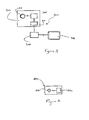
Figure 1 is an embodiment of an image processing apparatus according to an aspect of the present invention; -
Figure 2 is a schematic diagram of an image frame showing padding bytes; -
Figure 3 is an embodiment of a device test apparatus according to another aspect of the present invention; and -
Figure 4 is an embodiment of an image capture device according to a further aspect of the present invention. - Referring now to
Figures 1 and 2 , an image processing apparatus (100) comprises an encoder processor (102) and a decoder circuit (104). The encoder processor (102) receives image data from an image sensor (106). Typically, the encoder processor (102) comprises a JPEG 8 encoder and a compression control protocol encoder. Usually, the encoder processor (102) and the image sensor (106) comprise elements of a camera, for example a digital stills camera or a digital video camera. - The encoder processor (102) injects bytes into the image frame data (200). In the present embodiment the padding data comprises control data relating to the start of a frame (SOF) (202) or the end of a frame (EOF) (204), to the start of a line (SOL) (206)or the end of a line (EOL) of a frame (208), or frame (210) or line blanking data (212). Typically, frame and line blanking data (210, 212) are used to allow such features as zoom and upscaling of images to operate.
- The decoder circuit (104) is typically an FPGA, such as those supplied by Xilinx, Inc., that has been programmed using VHDL such that it scans the image data for padding data. Typically, the decoder circuit (104) checks all possible bit sequences corresponding to known padding data values. In a preferred embodiment, the decoder circuit (104) checks the image data in three byte groups. This allows for the possibility of bit shifting of padding data during any serialisation of the image data.
- Once the decoder circuit (104) has identified padding data it removes the padding data from the image data. The image data is then passed to a display device (108) where it is processed and displayed. Typically, the display device comprises a laptop computer, a personal computer (PC), a personal digital assistant (PDA) or a mobile telephone.
- Referring now to
Figure 3 , a device test apparatus (300) comprises a test piece mounting (302), a decoder circuit (304) and a display device (306). - The test piece mounting (302) comprises an encoder processor (308) and test circuitry (310) suitable to interface with the decoder circuit (304). The test piece mounting (302) receives an image sensor (312) for test.
- In use, the image sensor (312) captures test image data which passes to the encoder processor (308) where padding data is injected into the test image data as described hereinbefore. The test image data passes to the decoder circuit (304) where the padding data is stripped out and the image data is passed for interpretation and display on the display device (306), typically a laptop computer
- Referring now to
Figure 4 , an image capture device (400) comprises a an image sensor (402) and a image processing apparatus (404) as described hereinbefore with reference toFigure 1 . Typically, the image capture device (400) comprises any of the following: digital stills camera, digital video camera, mobile telephone, web-cam, endoscope, bar code reader, biosensor. - While various embodiments of the invention have been described, it will be apparent to those skilled in the art once given this disclosure that various modifications, changes, improvements and variations may be made without departing from the scope of the invention.
Claims (11)
- An image processing apparatus (100) comprising an encoder processor (102) and a decoder circuit (104), the encoder processor (102) being arranged to receive image data from a sensor (106) and to encode the data with padding data, should a series of bytes indicative of command sequence occur within said image data, characterised by said decoder circuit (104) being arranged to receive said image data and said padding data, the decoder circuit (104) being further arranged to remove said padding data from within said image data.
- Apparatus according to claim 1 wherein the decoder circuit (104) comprises a field programmable gate array (FPGA).
- Apparatus according to claim 2 wherein the FPGA is programmable using Very High Speed Integrated Circuit Hardware Description Language (VHDL).
- Apparatus according to any preceding claim wherein the padding data comprises either, or both, of line blanking data or/and frame blanking data from a frame of video data (200).
- Apparatus according to any preceding claim wherein the image data comprises data encoded using the JPEG 8 protocol.
- A method of improving the quality of an image comprising processing image data using an image processing apparatus (100) according to any one of claims 1 to 5 and displaying an image corresponding to the post-processed image data.
- An image capture device (400) comprising an image processing apparatus (100) according to any one of claims 1 to 5.
- An image capture device of claim 7 wherein the image capture device (400) comprises any of the following: digital stills camera, digital video camera, mobile telephone, web-cam, endoscope, bar code reader, biosensor.
- A device test apparatus (300) comprising an image capture device (312), an image processing apparatus according to any one of claims 1 to 5 and a display device, the image capture device (312) being arranged to capture test image data and to pass the test image data to the image processing apparatus (100), the image processing apparatus (100) being arranged to process the test image data and to output the test image data to the display device (306), the display device (306) being arranged to display an image corresponding to the post-processed test image data.
- A method of increasing the rate of display of an image upon a display device comprising processing image data using an image processing apparatus (100) according any one of claims 1 to 5 and displaying an image corresponding to the post-processed image data upon the display device.
- A decoder circuit operable as the decoder circuit (104) of any one of claims 1 to 5.
Priority Applications (2)
| Application Number | Priority Date | Filing Date | Title |
|---|---|---|---|
| EP07107210A EP1988713A1 (en) | 2007-04-30 | 2007-04-30 | Image processing apparatus and method using padding data |
| US12/112,146 US8446482B2 (en) | 2007-04-30 | 2008-04-30 | Image processing apparatus and method |
Applications Claiming Priority (1)
| Application Number | Priority Date | Filing Date | Title |
|---|---|---|---|
| EP07107210A EP1988713A1 (en) | 2007-04-30 | 2007-04-30 | Image processing apparatus and method using padding data |
Publications (1)
| Publication Number | Publication Date |
|---|---|
| EP1988713A1 true EP1988713A1 (en) | 2008-11-05 |
Family
ID=38995790
Family Applications (1)
| Application Number | Title | Priority Date | Filing Date |
|---|---|---|---|
| EP07107210A Withdrawn EP1988713A1 (en) | 2007-04-30 | 2007-04-30 | Image processing apparatus and method using padding data |
Country Status (2)
| Country | Link |
|---|---|
| US (1) | US8446482B2 (en) |
| EP (1) | EP1988713A1 (en) |
Cited By (2)
| Publication number | Priority date | Publication date | Assignee | Title |
|---|---|---|---|---|
| EP2296381A3 (en) * | 2009-07-31 | 2017-07-12 | LG Electronics Inc. | Method and apparatus for generating compressed file |
| CN109027558A (en) * | 2018-09-06 | 2018-12-18 | 邯郸学院 | The camera rocking equipment of computer control |
Families Citing this family (3)
| Publication number | Priority date | Publication date | Assignee | Title |
|---|---|---|---|---|
| US8896668B2 (en) | 2010-04-05 | 2014-11-25 | Qualcomm Incorporated | Combining data from multiple image sensors |
| US9001227B2 (en) * | 2010-04-05 | 2015-04-07 | Qualcomm Incorporated | Combining data from multiple image sensors |
| CN106331765B (en) * | 2015-06-30 | 2020-06-05 | 腾讯科技(深圳)有限公司 | Hard solution testing method, terminal, server and computer readable storage medium |
Citations (2)
| Publication number | Priority date | Publication date | Assignee | Title |
|---|---|---|---|---|
| EP1432159A1 (en) * | 2002-12-19 | 2004-06-23 | Digital Multimedia Technologies | A method of transmitting data frames in a radio communication system |
| EP1753244A1 (en) * | 2002-01-22 | 2007-02-14 | Microsoft Corporation | Methods and systems for start code emulation prevention and data stuffing |
Family Cites Families (5)
| Publication number | Priority date | Publication date | Assignee | Title |
|---|---|---|---|---|
| KR100309695B1 (en) * | 1998-06-01 | 2001-12-28 | 구자홍 | Compressed recording method of intermittent video and playback method of compressed intermittent video |
| US6904124B2 (en) * | 2001-01-31 | 2005-06-07 | General Electric Company | Indirect programming of detector framing node |
| US7577981B2 (en) * | 2005-02-03 | 2009-08-18 | Texas Instruments Incorporated | Updating embedded firmware in a video system |
| JP4207912B2 (en) * | 2005-03-24 | 2009-01-14 | セイコーエプソン株式会社 | Data transfer control device and electronic device |
| JP4687279B2 (en) * | 2005-06-29 | 2011-05-25 | ソニー株式会社 | Image reproduction apparatus, image reproduction method, and image reproduction program |
-
2007
- 2007-04-30 EP EP07107210A patent/EP1988713A1/en not_active Withdrawn
-
2008
- 2008-04-30 US US12/112,146 patent/US8446482B2/en not_active Expired - Fee Related
Patent Citations (2)
| Publication number | Priority date | Publication date | Assignee | Title |
|---|---|---|---|---|
| EP1753244A1 (en) * | 2002-01-22 | 2007-02-14 | Microsoft Corporation | Methods and systems for start code emulation prevention and data stuffing |
| EP1432159A1 (en) * | 2002-12-19 | 2004-06-23 | Digital Multimedia Technologies | A method of transmitting data frames in a radio communication system |
Non-Patent Citations (2)
| Title |
|---|
| "SINGLE COPY TRANSMIT AND RECEIVE FOR UNCONSTRAINED DATA OVER CONSTRAINED MEDIUM", IBM TECHNICAL DISCLOSURE BULLETIN, IBM CORP. NEW YORK, US, vol. 39, no. 11, November 1996 (1996-11-01), pages 23 - 27, XP000679809, ISSN: 0018-8689 * |
| GUO LIHUA ET AL: "Implementation of MPEG-2 transmission multiplexer with FPGA", ASIC, 2001. PROCEEDINGS. 4TH INTERNATIONAL CONFERENCE ON OCT. 23-25, 2001, PISCATAWAY, NJ, USA,IEEE, 23 October 2001 (2001-10-23), pages 522 - 525, XP010576825, ISBN: 0-7803-6677-8 * |
Cited By (3)
| Publication number | Priority date | Publication date | Assignee | Title |
|---|---|---|---|---|
| EP2296381A3 (en) * | 2009-07-31 | 2017-07-12 | LG Electronics Inc. | Method and apparatus for generating compressed file |
| CN109027558A (en) * | 2018-09-06 | 2018-12-18 | 邯郸学院 | The camera rocking equipment of computer control |
| CN109027558B (en) * | 2018-09-06 | 2020-01-31 | 邯郸学院 | computer controlled camera pan |
Also Published As
| Publication number | Publication date |
|---|---|
| US20080266399A1 (en) | 2008-10-30 |
| US8446482B2 (en) | 2013-05-21 |
Similar Documents
| Publication | Publication Date | Title |
|---|---|---|
| US8446482B2 (en) | Image processing apparatus and method | |
| US20130314428A1 (en) | Image processing apparatus and associated method | |
| WO2017179960A1 (en) | Encoding apparatus, decoding apparatus, and control methods therefor | |
| CN1863266A (en) | Method for resizing image in wireless terminal and wireless terminal adapted for resizing | |
| US10148934B2 (en) | Image process apparatus and image process method | |
| US9030609B1 (en) | Segmented video data processing | |
| CN101690173A (en) | Image processing apparatus and method for displaying captured image without time delay and computer readable medium stored thereon computer executable instructions for performing the method | |
| KR19980048945A (en) | Video and graphic window control device and its control method | |
| US8026952B2 (en) | Image capturing device with reduced-sized sub-image collection and an image processing method thereof | |
| CN108765289B (en) | Digital image extracting, splicing, restoring and filling method | |
| CN108924624B (en) | Information processing method and device | |
| WO2001011461A1 (en) | System and method for frame rate matching | |
| US20100328514A1 (en) | Image processing device, imaging apparatus, and thumbnail image displaying method | |
| CN102694962A (en) | Noise reduction method and apparatus | |
| CN103474049B (en) | Image processing apparatus and image processing method | |
| EP1718065A1 (en) | Method and apparatus for processing image data | |
| US20100201825A1 (en) | Image processing system and method thereof | |
| US20070103593A1 (en) | Broadcast receiving apparatus for capturing broadcast signal and method thereof | |
| US7675576B2 (en) | Video processing apparatus and method thereof | |
| US7684650B2 (en) | Method for processing image frame output from an image sensor by an image processor | |
| US20070008325A1 (en) | Method and apparatus providing for high efficiency data capture for compression encoding | |
| US20100254618A1 (en) | Method for Accessing Image Data and Related Apparatus | |
| US11328398B2 (en) | Method and system of reducing block boundary artifacts in digital image processing | |
| JPH0879754A (en) | Image encoding device and image decoding device | |
| CN110555802A (en) | Multi-pixel mosaic method and system providing data for image parallel operation circuit |
Legal Events
| Date | Code | Title | Description |
|---|---|---|---|
| PUAI | Public reference made under article 153(3) epc to a published international application that has entered the european phase |
Free format text: ORIGINAL CODE: 0009012 |
|
| AK | Designated contracting states |
Kind code of ref document: A1 Designated state(s): AT BE BG CH CY CZ DE DK EE ES FI FR GB GR HU IE IS IT LI LT LU LV MC MT NL PL PT RO SE SI SK TR |
|
| AX | Request for extension of the european patent |
Extension state: AL BA HR MK RS |
|
| AKX | Designation fees paid | ||
| REG | Reference to a national code |
Ref country code: DE Ref legal event code: 8566 |
|
| STAA | Information on the status of an ep patent application or granted ep patent |
Free format text: STATUS: THE APPLICATION IS DEEMED TO BE WITHDRAWN |
|
| 18D | Application deemed to be withdrawn |
Effective date: 20090507 |