EP1974028B1 - Alpha-galactosidase from bifidobacterium bifidum and its use - Google Patents
Alpha-galactosidase from bifidobacterium bifidum and its use Download PDFInfo
- Publication number
- EP1974028B1 EP1974028B1 EP06820587.1A EP06820587A EP1974028B1 EP 1974028 B1 EP1974028 B1 EP 1974028B1 EP 06820587 A EP06820587 A EP 06820587A EP 1974028 B1 EP1974028 B1 EP 1974028B1
- Authority
- EP
- European Patent Office
- Prior art keywords
- enzyme
- cell
- dna
- host cell
- vector
- Prior art date
- Legal status (The legal status is an assumption and is not a legal conclusion. Google has not performed a legal analysis and makes no representation as to the accuracy of the status listed.)
- Active
Links
Images



Classifications
-
- C—CHEMISTRY; METALLURGY
- C12—BIOCHEMISTRY; BEER; SPIRITS; WINE; VINEGAR; MICROBIOLOGY; ENZYMOLOGY; MUTATION OR GENETIC ENGINEERING
- C12P—FERMENTATION OR ENZYME-USING PROCESSES TO SYNTHESISE A DESIRED CHEMICAL COMPOUND OR COMPOSITION OR TO SEPARATE OPTICAL ISOMERS FROM A RACEMIC MIXTURE
- C12P19/00—Preparation of compounds containing saccharide radicals
- C12P19/12—Disaccharides
-
- C—CHEMISTRY; METALLURGY
- C12—BIOCHEMISTRY; BEER; SPIRITS; WINE; VINEGAR; MICROBIOLOGY; ENZYMOLOGY; MUTATION OR GENETIC ENGINEERING
- C12N—MICROORGANISMS OR ENZYMES; COMPOSITIONS THEREOF; PROPAGATING, PRESERVING, OR MAINTAINING MICROORGANISMS; MUTATION OR GENETIC ENGINEERING; CULTURE MEDIA
- C12N9/00—Enzymes; Proenzymes; Compositions thereof; Processes for preparing, activating, inhibiting, separating or purifying enzymes
- C12N9/14—Hydrolases (3)
- C12N9/24—Hydrolases (3) acting on glycosyl compounds (3.2)
- C12N9/2402—Hydrolases (3) acting on glycosyl compounds (3.2) hydrolysing O- and S- glycosyl compounds (3.2.1)
- C12N9/2465—Hydrolases (3) acting on glycosyl compounds (3.2) hydrolysing O- and S- glycosyl compounds (3.2.1) acting on alpha-galactose-glycoside bonds, e.g. alpha-galactosidase (3.2.1.22)
-
- A—HUMAN NECESSITIES
- A23—FOODS OR FOODSTUFFS; TREATMENT THEREOF, NOT COVERED BY OTHER CLASSES
- A23C—DAIRY PRODUCTS, e.g. MILK, BUTTER OR CHEESE; MILK OR CHEESE SUBSTITUTES; PREPARATION THEREOF
- A23C9/00—Milk preparations; Milk powder or milk powder preparations
- A23C9/12—Fermented milk preparations; Treatment using microorganisms or enzymes
-
- A—HUMAN NECESSITIES
- A23—FOODS OR FOODSTUFFS; TREATMENT THEREOF, NOT COVERED BY OTHER CLASSES
- A23L—FOODS, FOODSTUFFS OR NON-ALCOHOLIC BEVERAGES, NOT OTHERWISE PROVIDED FOR; PREPARATION OR TREATMENT THEREOF
- A23L29/00—Foods or foodstuffs containing additives; Preparation or treatment thereof
- A23L29/30—Foods or foodstuffs containing additives; Preparation or treatment thereof containing carbohydrate syrups; containing sugars; containing sugar alcohols, e.g. xylitol; containing starch hydrolysates, e.g. dextrin
-
- A—HUMAN NECESSITIES
- A23—FOODS OR FOODSTUFFS; TREATMENT THEREOF, NOT COVERED BY OTHER CLASSES
- A23K—FODDER
- A23K20/00—Accessory food factors for animal feeding-stuffs
- A23K20/10—Organic substances
- A23K20/163—Sugars; Polysaccharides
-
- A—HUMAN NECESSITIES
- A23—FOODS OR FOODSTUFFS; TREATMENT THEREOF, NOT COVERED BY OTHER CLASSES
- A23K—FODDER
- A23K20/00—Accessory food factors for animal feeding-stuffs
- A23K20/10—Organic substances
- A23K20/189—Enzymes
-
- A—HUMAN NECESSITIES
- A23—FOODS OR FOODSTUFFS; TREATMENT THEREOF, NOT COVERED BY OTHER CLASSES
- A23L—FOODS, FOODSTUFFS OR NON-ALCOHOLIC BEVERAGES, NOT OTHERWISE PROVIDED FOR; PREPARATION OR TREATMENT THEREOF
- A23L27/00—Spices; Flavouring agents or condiments; Artificial sweetening agents; Table salts; Dietetic salt substitutes; Preparation or treatment thereof
- A23L27/30—Artificial sweetening agents
- A23L27/33—Artificial sweetening agents containing sugars or derivatives
-
- A—HUMAN NECESSITIES
- A23—FOODS OR FOODSTUFFS; TREATMENT THEREOF, NOT COVERED BY OTHER CLASSES
- A23L—FOODS, FOODSTUFFS OR NON-ALCOHOLIC BEVERAGES, NOT OTHERWISE PROVIDED FOR; PREPARATION OR TREATMENT THEREOF
- A23L29/00—Foods or foodstuffs containing additives; Preparation or treatment thereof
- A23L29/06—Enzymes
-
- A—HUMAN NECESSITIES
- A23—FOODS OR FOODSTUFFS; TREATMENT THEREOF, NOT COVERED BY OTHER CLASSES
- A23L—FOODS, FOODSTUFFS OR NON-ALCOHOLIC BEVERAGES, NOT OTHERWISE PROVIDED FOR; PREPARATION OR TREATMENT THEREOF
- A23L33/00—Modifying nutritive qualities of foods; Dietetic products; Preparation or treatment thereof
-
- A—HUMAN NECESSITIES
- A23—FOODS OR FOODSTUFFS; TREATMENT THEREOF, NOT COVERED BY OTHER CLASSES
- A23L—FOODS, FOODSTUFFS OR NON-ALCOHOLIC BEVERAGES, NOT OTHERWISE PROVIDED FOR; PREPARATION OR TREATMENT THEREOF
- A23L33/00—Modifying nutritive qualities of foods; Dietetic products; Preparation or treatment thereof
- A23L33/10—Modifying nutritive qualities of foods; Dietetic products; Preparation or treatment thereof using additives
-
- A—HUMAN NECESSITIES
- A61—MEDICAL OR VETERINARY SCIENCE; HYGIENE
- A61K—PREPARATIONS FOR MEDICAL, DENTAL OR TOILETRY PURPOSES
- A61K31/00—Medicinal preparations containing organic active ingredients
- A61K31/70—Carbohydrates; Sugars; Derivatives thereof
- A61K31/7016—Disaccharides, e.g. lactose, lactulose
-
- C—CHEMISTRY; METALLURGY
- C12—BIOCHEMISTRY; BEER; SPIRITS; WINE; VINEGAR; MICROBIOLOGY; ENZYMOLOGY; MUTATION OR GENETIC ENGINEERING
- C12N—MICROORGANISMS OR ENZYMES; COMPOSITIONS THEREOF; PROPAGATING, PRESERVING, OR MAINTAINING MICROORGANISMS; MUTATION OR GENETIC ENGINEERING; CULTURE MEDIA
- C12N5/00—Undifferentiated human, animal or plant cells, e.g. cell lines; Tissues; Cultivation or maintenance thereof; Culture media therefor
- C12N5/10—Cells modified by introduction of foreign genetic material
-
- C—CHEMISTRY; METALLURGY
- C12—BIOCHEMISTRY; BEER; SPIRITS; WINE; VINEGAR; MICROBIOLOGY; ENZYMOLOGY; MUTATION OR GENETIC ENGINEERING
- C12N—MICROORGANISMS OR ENZYMES; COMPOSITIONS THEREOF; PROPAGATING, PRESERVING, OR MAINTAINING MICROORGANISMS; MUTATION OR GENETIC ENGINEERING; CULTURE MEDIA
- C12N9/00—Enzymes; Proenzymes; Compositions thereof; Processes for preparing, activating, inhibiting, separating or purifying enzymes
- C12N9/14—Hydrolases (3)
- C12N9/24—Hydrolases (3) acting on glycosyl compounds (3.2)
- C12N9/2402—Hydrolases (3) acting on glycosyl compounds (3.2) hydrolysing O- and S- glycosyl compounds (3.2.1)
- C12N9/2405—Glucanases
- C12N9/2408—Glucanases acting on alpha -1,4-glucosidic bonds
- C12N9/2411—Amylases
- C12N9/2414—Alpha-amylase (3.2.1.1.)
- C12N9/2417—Alpha-amylase (3.2.1.1.) from microbiological source
Definitions
- the present invention relates to a novel ⁇ -galactosidase with transgalactosylating activity capable of converting mellibiose to ⁇ -galactobiose disaccharides.
- a novel ⁇ -galactosidase with transgalactosylating activity capable of converting mellibiose to ⁇ -galactobiose disaccharides.
- the invention particularly relates to DNA sequences encoding the isolated ⁇ -galactosidase enzyme, to the enzyme encoded by such a DNA sequence and to a host cell comprising a DNA sequence or containing a recombinant vector incorporating the DNA sequence.
- the invention also relates to the use of the enzyme encoded by DNA sequence, or of the host cell containing a DNA sequence or recombinant vector, to produce ⁇ -galactobiose.
- Bifidobacteria naturally colonise the lower intestinal tract, an environment which is poor in mono and disaccharides since such sugars are preferentially consumed by the host and microbes present in the upper intestinal tract.
- bifidobacteria In order to survive in the lower intestinal tract bifidobacteria produce various kinds of exo- and endoglycosidases in surface bound and/or extracellular forms, by which they can utilise diverse carbohydrates.
- glycosidases Besides hydrolase activity, some enzymes from bifidobacteria show transferase activity. This transglycosylation activity of glycosidases is extensively used for the enzymatic synthesis of various oligosaccharides, which have proven to act as bifidobacteria growth promoting factors.
- ⁇ -Galactosidases belong to the group of glycosyl hydrolases and can be classified into two groups based on their substrate specificity, i.e. one group is specific for small saccharides such as p-nitrophenyl- ⁇ -D-galactopyranoside, mellibiose and raffinose, and the other group can liberate galactose from galactomannans such as guar gum, in addition to small substrates.
- Van Laere V.M.J. et al in Applied Microbiology and Biotechnology, 52(5), (1999), 681-688 describe an ⁇ -galactosidase from Bifidobacterium adolescentis.
- a strain of Bifidobacterium bifidum has been found that is capable of producing a galactosidase enzyme activity that converts lactose to a novel mixture of galactooligosaccharides which unexpectedly contains up to 35% of disaccharides including galabiose (Gal ( ⁇ 1-6) - Gal).
- This disaccharide is known (see Paton, J.C. & Paton, A.W. (1998), Clin. Microbiol. Revs., 11, 450-479 ; Carlsson, K.A. (1989), Ann. Reviews Biochem., 58, 309-350 ) to be an antiadhesive capable of preventing the adhesion of toxins, e.g. Shiga toxin and pathogens such as E. coli , to the wall of the gut.
- DNA sequence which encodes a protein with an amino acid sequence as given in SEQ. ID NO: 2.
- the DNA sequence is given in SEQ. ID NO: 1.
- an enzyme encoded by a DNA sequence as defined above Such an enzyme may comprise the amino acid sequence given in SEQ. ID NO: 2.
- a recombinant vector preferably an expression vector, comprising a DNA sequence as defined above.
- a vector may be incorporated into a host cell such as a bacterial, yeast or fungal cell.
- the DNA sequence may be incorporated into such a host cell.
- a suitable host cell may be selected from Bifidobacterium, Lactococcus, Lactobacillus, Bacillus for example Bacillus subtilis or Bacillus circulans, Escherichia and Aspergillus for example Aspergillus niger.
- the enzyme encoded by the DNA sequence as defined above produces a mixture of oligosaccharides, in particular ⁇ -galactobiose disaccharides.
- the enzyme or the host cell as described above may be used to produce ⁇ -galactobiose disaccharides, which may form part of a product for improving gut health.
- a product may be selected from the group consisting of dairy products (for example liquid milk, dried milk powder such as whole milk powder, skimmed milk powder, fat filled milk powders, whey powders, baby milks, baby formula, ice cream, yoghurt, cheese, fermented dairy products), beverages such as fruit juice, infant foods, cereals, bread, biscuits, confectionery, cakes, food supplements, dietary supplements, probiotic comestible products, prebiotic comestible products, animal feeds, poultry feeds or indeed any other food or beverage.
- dairy products for example liquid milk, dried milk powder such as whole milk powder, skimmed milk powder, fat filled milk powders, whey powders, baby milks, baby formula, ice cream, yoghurt, cheese, fermented dairy products
- beverages such as fruit juice, infant foods, cereals, bread, biscuits, confectionery, cakes
- the disaccharides so produced may be used for the preparation of a medicament for example in tablet or capsule form for preventing the adhesion of pathogens or toxins produced by pathogens to the gut wall.
- the medicament may be administered to a patient, for example following a course of antibiotic treatment, which often alters or even destroys the normal healthy gut flora.
- a process for producing an enzyme as defined above which comprises culturing a host cell as defined above in a suitable culture medium under conditions permitting expression of the enzyme and recovering the resulting enzyme or enzyme products from the culture.
- the invention is also directed to a process for producing the galactobiose disaccharides which comprises contacting the enzyme as defined above or a host cell as defined above with a mellibiose-containing material under conditions that lead to the formation of the disaccharides.
- Suitable mellibiose containing material may be selected from commercially available mellibiose, raffinose, stachyose or as an extract of soybeans.
- Genomic DNA was isolated from the Bifidobacterium bifidum strain (NCIMB 41171) using the method of Lawson et al. (1989) Fems Microbiol Letters, 65, (1-2), 41-45 .
- the DNA was digested with restriction enzymes and fragments having a maximum size of 15 kbp were ligated with pBluescript KS(+) vector.
- E. coli cells were transformed with a vector containing insertions consisting of PstI digested chromosomal DNA from the B.bifidum.
- Clones with ⁇ -galactosidase activity were selected on Luria Bertani agar plates containing p-nitrophenyl ⁇ -D-galactopyronoside and isopropyl- ⁇ -D-thiogalactoside (IPTG). Two ⁇ -galactosidase positive clones (pMelA1 and pMelA2) were identified.
- the two positive clones were digested with EcroR1 , PstI and Bam HI and showed a similar restriction pattern indicating that both contained the same inserted DNA fragment.
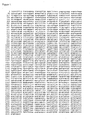
- DNA sequencing of the inserted DNA fragment MelA1 was performed using the dideoxy chain-termination method of Sanger ( Russel P., 2002 iGenetics, Pearson Education, Inc., San Francisco, 187-189 ) using the BigDye Terminator V.3.O cycle sequencing kit (Applied Biosystems, USA). The DNA sequence of MelA1 is shown in Figure 1 (SEQ. ID NO: 1).
- the open reading frame (ORF) was located by using the ORF finder from NCBI (National Center of Biotechnology Information). The bacterial genetic code was used and the frame length was determined to be 300 bp.
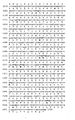
- the nucleotide sequence of Figure 1 was translated in all six possible reading frames and one open reading frame of 759 amino acids encoding a putative ⁇ -galactosidase was identified. The translation is shown in Figure 2 (SEQ. ID NO: 2).
- the Bifidobacterium bifidum strain (NCIMB 41171) was maintained on cryogenic beads in Microbank tubes at -70°C.
- the strain was revived on Wilkinson Chalgren (WC) agar (Oxoid, UK) and TPY medium (trypticase phytone yeast extract medium) and grown anaerobically (CO 2 and N 2 composition 80% and 20% respectively) at 37°C for 48 hours.
- WC Wilkinson Chalgren
- TPY medium trypticase phytone yeast extract medium
- Escherichia coli strains RA11r and DH5 a used in this study were commonly incubated under aerobic conditions at 37°C in Luria Bertani (LB) agar or broth ( Sambrook J. and Russell, W.D., (2001) Molecular Cloning: A Laboratory Manual. Cold Spring Harbour Laboratory Press, New York ) and when necessary was supplemented with antibiotics (100 ⁇ g/ml ampicillin and/or 15 ⁇ g/ml chloramphenicol) and 40 ⁇ l of 2% X- ⁇ -galactopyranoside (X- ⁇ -Gal), 7 ⁇ l of 20% (isopropyl- ⁇ -D-thiogalactoside) IPTG which were applied on the surface of a pre-made 90mm agar plate.
- LB Luria Bertani
- X- ⁇ -galactopyranoside X- ⁇ -Gal
- X- ⁇ -Gal X- ⁇ -galactopyranoside
- IPTG isopropyl- ⁇ -D-
- the ⁇ -galactosidase deficient strain E . coli RA11r Hanatani et al, 1983, J. Biol. Chem, 259, (3), 1807-1812 ) (genotype: melA - B + , rec A - , lacZ - Y - ) is a derivative of E. coli K12 and was used in expression experiments.
- coli DH5a strain (Invitrogen, Paisley, UK) (genotype: F ⁇ 80 lac Z ⁇ M ⁇ ( lac ZYA-argF)U169 recA1 endA1 hsdR17(r k - , m k - ) pho
- a sup E44 thi- 1 gyr A96 rel A1 ⁇ - ) is an ⁇ -galactosidase positive strain and was used for all other genetic manipulations.
- E. coli strain RA11r for expression experiments, was done according to its genotype. This strain does not encode an active ⁇ -galactosidase due to mel A mutation on its chromosomal DNA. However, this strain has an active melibiose transporter which is necessary for the transport of sugars (melibiose) into the cytoplasma and hence the metabolism of them by active ⁇ -galactosidases. It was not known whether the Bifidobacterium bifidum ⁇ -galactosidase was expressed intracellularly or extracellularly. So the existence of an active melibiose transporter was essential for the identification of the ⁇ -gal positive clones and hence the isolation of ⁇ -galactosidase encoding genes.
- this strain is a recA mutant which minimises recombination of introduced DNA with host DNA, thus increasing the stability of inserts.
- Genomic DNA was isolated from the Bifidobacterium bifidum strain (NCIMB 41171) by using the method of Lawson et al. (1989).
- cells were harvested from plates in 0.5 ml of TES buffer in 1.5. ml ependorfs. 10 ⁇ l of lysozyme/mutanolysin mixture (4:1, lysozyme 10 mg/ml; mutanolysin 1 mg/ml) were added and the mixture was then mixed and incubated for 30 minutes at 37°C. The cells were then treated with 10 ⁇ l of proteinase K (at 20 mg/ml) and 10 ⁇ l RNase (10 mg/ml), mixed and incubated for 1 hour at 65°C.
- the extracted DNA was analysed by gel electrophoresis and the concentration measured at 260nm. It was stored in -20°C or -70°C for prolonged periods of time and multiple thawing and freezing was avoided in order to reduce the possibility of degradation.
- the vector used throughout this study was the pBluescript KS(+) (Stratagene, North Torrey Pines Road). This cloning vehicle was chosen because of the lac promoter which pBluescript KS (+) encodes which is necessary for the transcription initiation of genes which lack their own promoter.
- the vector was digested with the following restriction enzymes: Pst I , Bam HI and Eco RI according to the manufacturer's instructions using a tenfold excess of enzyme over DNA (enzyme units: ⁇ gr DNA equal to ten units of enzyme per one ⁇ gr of plasmid DNA or ten enzyme units per 0.5 pmol of plasmid DNA). After enzyme heat inactivation (20 min at 65°C) the restriction patterns were analysed by horizontal gel electrophoresis analysis.
- the vectors were further dephosphorylated with calf intestinal alkaline phosphatase CIAP (Promega, Southampton, UK) according to the manufacturer's instructions.
- the efficiency of the treatment was tested by self-ligation of the vector (with Bacteriophage T4 DNA ligase according to manufacturer's instructions) following transformation into DH5a cells.
- the presence of a single fragment in the gel indicated the complete vector digestion and the single restriction digestion of it.
- the sufficient digestion of the vector was tested also by transforming unligated molecules into competent E. coli DH5a cells.
- the number of formed colonies on LB agar plates supplemented with ampicillin (100 ⁇ gr/ml) was an indicator of the undigested molecules and the expected background during the subsequent experiments.
- Genomic DNA was partially digested with three restriction enzymes that recognise frequently occurring hexa-nucleotide sequences within prokaryotic DNA.
- EcoRI, BamHI and PstI are type II restriction endonucleases specifically recognizing the sequences 5'G/AATTC'3, 5'G/GATCC'3 and 5'CTGCA/G'3 respectively, and make double-strand breaks within these sequences generating 5'overhangs of four nucleotides, AATT, GATC for EcoRI and BamHI respectively, and 3'overhangs, ACGT for PstI.
- Tube A shows the number of self-ligated vector DNA which must be subtracted from the total number of transformants after transformation.
- Tube B shows the ligation of the vector with the DNA fragments and tube C shows the control in order that the transformation efficiency to be calculated.
- Tube DNA A Vector (15 fmoles [ ⁇ 29.7 ng])
- B Vector (15 fmoles ⁇ 29.7ng DNA) plus insert (foreign 15 fmoles ⁇ 69.3ng)
- C pUC control (0.056 fmoles [ ⁇ 100 pg])
- the molar ratio of plasmid DNA vector to insert DNA fragment should be ⁇ 1:1 in the ligation reaction.
- the final DNA concentration should be ⁇ 10ng/ ⁇ l.
- DNA fragments were added to the tubes together with the water and then warmed to 45°C for 5 minutes to melt any cohesive termini that were reannealed during preparation.
- the DNA was chilled to 0°C before the remainder of the ligation reagents were added and the reaction mixtures were incubated overnight at 16°C (Sambrook and Russell, 2001).
- transformations were performed according to Hanahan instructions. ⁇ 50ng of ligated DNA in 5 ⁇ l solution was added to 100 ⁇ l of competent E. coli RA11r cells. After heat treatment and expression of the ampicillin resistance gene the cells were spreaded over the surface of LB plates containing ampicillin (100 ⁇ gr/ml), X- ⁇ -Gal (40 ⁇ l of 2% X- ⁇ -Gal) and IPTG (7 ⁇ l of 20%IPTG).
- the number of transformants from each ligation reaction was measured.
- the number of transformants commonly obtained from tube C was 2x10 5 -1x10 6 cfu/ ⁇ g whereas from tube A was 500-600 cfu/ ⁇ g.
- the number of transformants in tube A was an indication of the efficient treatment of the vector DNA.
- the number of transformants in tube B was in a range from 2-4x10 4 cfu/ ⁇ g.
- the two Pst I positive clones were digested with Ecro RI , PstI, Bam HI, Hind III , Sma I , and Kpn I restriction enzymes.
- Restriction enzymes Ecro RI , PstI and Bam HI showed similar restriction pattern, one fragment of ⁇ 5kbp (gene of interest) and one -3kbp (plasmid DNA) indicating that these enzymes were cut at the same positions.
- Hind III gave a fragment at 6.5kbp and a fragment at 1.5kbp whereas enzymes Sma I and Kpn I gave one fragment with size ⁇ 8kbp indicating that they were cut at only one position.
- the similar restriction patterns for both plasmids were an indication that both contain the same DNA fragment insert.
- DNA sequencing was performed with the dideoxy chain-termination method of Sanger by using the BigDye Terminator v.3.0 cycle sequencing kit (Applied Biosystems, USA) and analysed with the ABI Prism 3100, a fluorescence-based DNA analysis system incorporating capillary electrophoresis.
- GPS-1 is a TN7 transposon-based in vitro system which uses TnsABC Transposase to insert Transposon randomly into the DNA target.
- the donor: target DNA mass ratio of 1:4 was used according to the manufacturer instructions.
- the number of isolated plasmids for sequencing after insertion of the Transprimer into the target plasmid was 25. This number was calculated according to the manufacturer instructions and it assumes a 5-fold depth of coverage.
- the sequencing reaction mix contained approximately 400-600ng plasmid DNA, 3.2pmol of primer solution and 4 ⁇ l of BigDye Terminator solution.
- the open reading frame (ORF) was located by using the ORF finder from NCBI.
- the bacterial genetic code was used and the frame length was determined to be 300bp.
- the nucleotide sequence was translated in all six possible frames and one open reading frame of 759 amino acids encoding a putative ⁇ -galactosidase was identified (The translation is shown in Figure 2 ). The start and stop codon was confirmed.
- the Bifidobacterium ⁇ -galactosidase gene on plasmid pMelA1 was expressed in E . coli under growth conditions which would normally repress expression from the inducible E. coli lac Z promoter located in the flanking region of the cloning vector. This observation indicated that endogenous, internal bifidobacterial sequences upstream of the ⁇ -galactosidase gene may serve as a transcription initiation signal in E . coli.
- the transcription start is indicated with bold italic letter.
- the above results indicate that the gene is controlled from its own promoter for transcription.
- E coli RA11 host cells After treatment of the E.coli biomass (collected by centrifugation at 10,000 g) with toluene at a concentration of 2000 ppm in order to increase cell permeability and also to render the cells non-viable by destroying their cytoplasmic membrane.
- the E-coli biomass was prepared as described in Example 1 under "E coli strains".
- Synthesis with ⁇ -galactosidase was performed at a substrate concentration of 40% (w/w) initial mellibiose concentration.
- the synthesis solution was prepared in 0.1 M phosphate buffer at pH 6.0.
- Synthesis was performed at 40°C in shaking waterbath at 150 rpm.
- the pH optimum for the specific enzyme was chosen based on activity measurements (using p-nitrophenyl- ⁇ -D-galactopyranoside as substrate) of a specific enzymatic preparation at varying pH values.
Landscapes
- Life Sciences & Earth Sciences (AREA)
- Chemical & Material Sciences (AREA)
- Health & Medical Sciences (AREA)
- Engineering & Computer Science (AREA)
- Polymers & Plastics (AREA)
- Zoology (AREA)
- Food Science & Technology (AREA)
- Organic Chemistry (AREA)
- Genetics & Genomics (AREA)
- Wood Science & Technology (AREA)
- Bioinformatics & Cheminformatics (AREA)
- Biotechnology (AREA)
- Microbiology (AREA)
- Nutrition Science (AREA)
- Biomedical Technology (AREA)
- General Health & Medical Sciences (AREA)
- General Engineering & Computer Science (AREA)
- Biochemistry (AREA)
- Molecular Biology (AREA)
- Animal Husbandry (AREA)
- Mycology (AREA)
- Medicinal Chemistry (AREA)
- Proteomics, Peptides & Aminoacids (AREA)
- Cell Biology (AREA)
- General Chemical & Material Sciences (AREA)
- Chemical Kinetics & Catalysis (AREA)
- Veterinary Medicine (AREA)
- Public Health (AREA)
- Animal Behavior & Ethology (AREA)
- Epidemiology (AREA)
- Pharmacology & Pharmacy (AREA)
- Micro-Organisms Or Cultivation Processes Thereof (AREA)
- Enzymes And Modification Thereof (AREA)
- Coloring Foods And Improving Nutritive Qualities (AREA)
- Fodder In General (AREA)
- Pharmaceuticals Containing Other Organic And Inorganic Compounds (AREA)
- Preparation Of Compounds By Using Micro-Organisms (AREA)
- Saccharide Compounds (AREA)
Description
- The present invention relates to a novel α-galactosidase with transgalactosylating activity capable of converting mellibiose to α-galactobiose disaccharides. In particular it relates to an α-galactosidase isolated from a recently discovered strain of Bifidobacterium bifidum.
- The invention particularly relates to DNA sequences encoding the isolated α-galactosidase enzyme, to the enzyme encoded by such a DNA sequence and to a host cell comprising a DNA sequence or containing a recombinant vector incorporating the DNA sequence. The invention also relates to the use of the enzyme encoded by DNA sequence, or of the host cell containing a DNA sequence or recombinant vector, to produce α-galactobiose.
- Bifidobacteria naturally colonise the lower intestinal tract, an environment which is poor in mono and disaccharides since such sugars are preferentially consumed by the host and microbes present in the upper intestinal tract. In order to survive in the lower intestinal tract bifidobacteria produce various kinds of exo- and endoglycosidases in surface bound and/or extracellular forms, by which they can utilise diverse carbohydrates.
- Besides hydrolase activity, some enzymes from bifidobacteria show transferase activity. This transglycosylation activity of glycosidases is extensively used for the enzymatic synthesis of various oligosaccharides, which have proven to act as bifidobacteria growth promoting factors.
- It is known that members of bifidobacteria produce β-galactosidase enzymes that are involved in the bacterial metabolism of lactose. Moller, P.L. et al in Appl & Environ. Microbial., (2001), 62, (5), 2276-2283 describe the isolation and characterisation of three β-galactosidase genes from a strain of Bifidobacterium bifidum. They found that all three β-galactosidases were able to catalyse the formation of beta-linked galactooligosaccharides by transgalactosylation.
- It is known that some species of bifidobacteria, but not B. bifidum produce α-galactosidases as well as β-galactosidases. α-Galactosidases belong to the group of glycosyl hydrolases and can be classified into two groups based on their substrate specificity, i.e. one group is specific for small saccharides such as p-nitrophenyl-α-D-galactopyranoside, mellibiose and raffinose, and the other group can liberate galactose from galactomannans such as guar gum, in addition to small substrates.
- Database Geneseq [Online] 19 November 2002, "Bifidobacteria longum NCC2705 ORF amino acid sequence SEQ ID No. 919". XP002431983 retrieved from EBI accession no. GSP: ABP66175 Database accession no. ABP 66175 discloses an amino acid sequence from B. longum.
- Database UniProt [Online] 1 November 1999, "Alpha-galactosidase (EC 3.2.1.22)". XP002431984 retrieved from EBI accession No. UNIPROT: Q9XCX2 Database accession no. Q9XCX2 and van den Broek L.A.M. et al in Biotechnology Letters, 21(5), (1999) 441-445 disclose an alpha-galactosidase sequence from Bifidobacterium adolescentis.
- Database UniProt [Online] 27 September 2005, "Gylcoside hydrolase, clan GH-D. "XP002431985 retrieved from EBI accession no. UNIPROT: Q40Z83 Database accession no. Q40Z83 discloses a glycoside hydrolase sequence.
- Scalabrini P. et al in J Food Microbiology, 39(3), (1998), 213-219 describe the analysis of strains of Bifidobacterium for their α-galactosidase activity and the production of lactic and acetic acids to determine their potential for use in the production of fermented soymilk.
- Van Laere V.M.J. et al in Applied Microbiology and Biotechnology, 52(5), (1999), 681-688 describe an α-galactosidase from Bifidobacterium adolescentis.
- Lamoureux L et al in J Dairy Science, 85(5), (2002), 1058-1069 describe the production of oligosaccharides in yoghurt containing bifidobacteria and yoghurt cultures.
- A strain of Bifidobacterium bifidum has been found that is capable of producing a galactosidase enzyme activity that converts lactose to a novel mixture of galactooligosaccharides which unexpectedly contains up to 35% of disaccharides including galabiose (Gal (α 1-6) - Gal). This disaccharide is known (see Paton, J.C. & Paton, A.W. (1998), Clin. Microbiol. Revs., 11, 450-479; Carlsson, K.A. (1989), Ann. Reviews Biochem., 58, 309-350) to be an antiadhesive capable of preventing the adhesion of toxins, e.g. Shiga toxin and pathogens such as E. coli, to the wall of the gut.
- This strain of B bifidum was deposited under accession number NCIMB 41171 at the National Collection of Industrial & Marine Bacteria, Aberdeen, UK on 31 March 2003. It is also described in
UK Patent no. 2 412 380 - It has been found that this strain of B. bifidum produces an α-galactosidase that is capable of converting mellibiose to α-galactobiose disaccharides.
- According to the invention there is provided a DNA sequence which encodes a protein with an amino acid sequence as given in SEQ. ID NO: 2. The DNA sequence is given in SEQ. ID NO: 1.
- According to a second aspect of the invention there is provided an enzyme encoded by a DNA sequence as defined above. Such an enzyme may comprise the amino acid sequence given in SEQ. ID NO: 2.
- According to a third aspect of the invention there is provided a recombinant vector, preferably an expression vector, comprising a DNA sequence as defined above. Such a vector may be incorporated into a host cell such as a bacterial, yeast or fungal cell. Alternatively, the DNA sequence may be incorporated into such a host cell. A suitable host cell may be selected from Bifidobacterium, Lactococcus, Lactobacillus, Bacillus for example Bacillus subtilis or Bacillus circulans, Escherichia and Aspergillus for example Aspergillus niger.
- Using mellibiose as a substrate, the enzyme encoded by the DNA sequence as defined above produces a mixture of oligosaccharides, in particular α-galactobiose disaccharides.
- The enzyme or the host cell as described above may be used to produce α-galactobiose disaccharides, which may form part of a product for improving gut health. Such a product may be selected from the group consisting of dairy products (for example liquid milk, dried milk powder such as whole milk powder, skimmed milk powder, fat filled milk powders, whey powders, baby milks, baby formula, ice cream, yoghurt, cheese, fermented dairy products), beverages such as fruit juice, infant foods, cereals, bread, biscuits, confectionery, cakes, food supplements, dietary supplements, probiotic comestible products, prebiotic comestible products, animal feeds, poultry feeds or indeed any other food or beverage.
- Alternatively, the disaccharides so produced may be used for the preparation of a medicament for example in tablet or capsule form for preventing the adhesion of pathogens or toxins produced by pathogens to the gut wall. The medicament may be administered to a patient, for example following a course of antibiotic treatment, which often alters or even destroys the normal healthy gut flora.
- According to yet a further aspect of the invention there is provided a process for producing an enzyme as defined above which comprises culturing a host cell as defined above in a suitable culture medium under conditions permitting expression of the enzyme and recovering the resulting enzyme or enzyme products from the culture.
- The invention is also directed to a process for producing the galactobiose disaccharides which comprises contacting the enzyme as defined above or a host cell as defined above with a mellibiose-containing material under conditions that lead to the formation of the disaccharides.
- Suitable mellibiose containing material may be selected from commercially available mellibiose, raffinose, stachyose or as an extract of soybeans.
-
-
Figure 1 shows the nucleotide sequence (SEQ. ID NO: 1) of Bifidobacterium bifidum α-galactosidase with the start and stop codon indicated in bold letters; -
Figure 2 shows the nucleotide sequence ofFigure 1 with the amino acid sequence (SEQ. ID NO: 2) of the enzyme; -
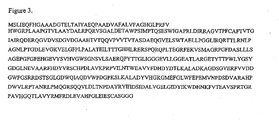
Figure 3 shows the first 540 amino acids of the amino acid sequence (SEQ. ID NO: 2) ofFigure 2 ; -
Figure 4 is a graph showing the time course reaction during α-galactooligosaccharide synthesis with the α-galactosidase and 40% (w/w) wellibiose 0.1M phosphate buffer at pH 6.0 as substrate; and -
Figure 5 shows a high performance anion exchange chromatogram of the α-galactooligosaccharide mixture synthesized by the α-galactosidase from B.bifidum NCIMB 41171 using 40% (w/w) mellibiose in 0.1 M phosphate buffer at pH 6.0 as substrate. (Glc = glucose, Gal = galactose, Mel = mellibiose, DP = degree of polymerization). The dashed arrows denote the galactooligosaccharide products. - Genomic DNA was isolated from the Bifidobacterium bifidum strain (NCIMB 41171) using the method of Lawson et al. (1989) Fems Microbiol Letters, 65, (1-2), 41-45. The DNA was digested with restriction enzymes and fragments having a maximum size of 15 kbp were ligated with pBluescript KS(+) vector. E. coli cells were transformed with a vector containing insertions consisting of PstI digested chromosomal DNA from the B.bifidum. Clones with α-galactosidase activity were selected on Luria Bertani agar plates containing p-nitrophenyl α-D-galactopyronoside and isopropyl-β-D-thiogalactoside (IPTG). Two α-galactosidase positive clones (pMelA1 and pMelA2) were identified.
- The two positive clones were digested with EcroR1, PstI and Bam HI and showed a similar restriction pattern indicating that both contained the same inserted DNA fragment. DNA sequencing of the inserted DNA fragment MelA1 was performed using the dideoxy chain-termination method of Sanger (Russel P., 2002 iGenetics, Pearson Education, Inc., San Francisco, 187-189) using the BigDye Terminator V.3.O cycle sequencing kit (Applied Biosystems, USA). The DNA sequence of MelA1 is shown in
Figure 1 (SEQ. ID NO: 1). - The open reading frame (ORF) was located by using the ORF finder from NCBI (National Center of Biotechnology Information). The bacterial genetic code was used and the frame length was determined to be 300 bp. The nucleotide sequence of
Figure 1 was translated in all six possible reading frames and one open reading frame of 759 amino acids encoding a putative α-galactosidase was identified. The translation is shown inFigure 2 (SEQ. ID NO: 2). - The present invention will be further described by way of reference to the following examples.
- All chemicals and media preparations used throughout this study were obtained from Sigma (Dorset, UK), Invitrogen (Paisley, UK), Oxoid (Basingstoke, UK), Qiagen (West Sussex, UK) and Promega (Southampton, UK).
- The Bifidobacterium bifidum strain (NCIMB 41171) was maintained on cryogenic beads in Microbank tubes at -70°C. For later experiments, the strain was revived on Wilkinson Chalgren (WC) agar (Oxoid, UK) and TPY medium (trypticase phytone yeast extract medium) and grown anaerobically (CO2 and N2 composition 80% and 20% respectively) at 37°C for 48 hours. The colony morphology and the absence of contamination were tested by gram staining.
- Escherichia coli strains RA11r and DH5 a used in this study were commonly incubated under aerobic conditions at 37°C in Luria Bertani (LB) agar or broth (Sambrook J. and Russell, W.D., (2001) Molecular Cloning: A Laboratory Manual. Cold Spring Harbour Laboratory Press, New York) and when necessary was supplemented with antibiotics (100µg/ml ampicillin and/or 15µg/ml chloramphenicol) and 40µl of 2% X-α-galactopyranoside (X-α-Gal), 7µl of 20% (isopropyl-β-D-thiogalactoside) IPTG which were applied on the surface of a pre-made 90mm agar plate.
- The α-galactosidase deficient strain E. coli RA11r (Hanatani et al, 1983, J. Biol. Chem, 259, (3), 1807-1812) (genotype: melA- B+ , recA - , lacZ-Y-) is a derivative of E. coli K12 and was used in expression experiments. E. coli DH5a strain (Invitrogen, Paisley, UK) (genotype: F ϕ80lacZΔM Δ(lacZYA-argF)U169 recA1 endA1 hsdR17(rk -, mk -) phoA supE44 thi-1 gyrA96 relA1λ-) is an α-galactosidase positive strain and was used for all other genetic manipulations.
- The choice ofE. coli strain RA11r, for expression experiments, was done according to its genotype. This strain does not encode an active α-galactosidase due to melA mutation on its chromosomal DNA. However, this strain has an active melibiose transporter which is necessary for the transport of sugars (melibiose) into the cytoplasma and hence the metabolism of them by active α-galactosidases. It was not known whether the Bifidobacterium bifidum α-galactosidase was expressed intracellularly or extracellularly. So the existence of an active melibiose transporter was essential for the identification of the α-gal positive clones and hence the isolation of α-galactosidase encoding genes.
- Moreover this strain is a recA mutant which minimises recombination of introduced DNA with host DNA, thus increasing the stability of inserts.
- Genomic DNA was isolated from the Bifidobacterium bifidum strain (NCIMB 41171) by using the method of Lawson et al. (1989).
- According to this method, cells were harvested from plates in 0.5 ml of TES buffer in 1.5. ml ependorfs. 10 µl of lysozyme/mutanolysin mixture (4:1,
lysozyme 10 mg/ml; mutanolysin 1 mg/ml) were added and the mixture was then mixed and incubated for 30 minutes at 37°C. The cells were then treated with 10 µl of proteinase K (at 20 mg/ml) and 10 µl RNase (10 mg/ml), mixed and incubated for 1 hour at 65°C. After incubation, 100 µl of 10% SDS was added and the cell lysates were gently mixed by inversion and incubated for a further 15 minutes at 65°C, followed by addition of 0.62 ml of phenol/chloroform and mixed by inversion until an emulsion formed. The cell lysate was centrifuged at 6,500 rpm for 10 minutes and the upper aqueous layer was transferred to a clean ependorf using a flamed, wide bore blue pipette tip. The extraction (deproteinazation step) was repeated until cell debris was removed completely. The DNA was precipitated by the addition of 1 ml ice-cold ethanol followed by incubation for at least 30 minutes on ice or stored overnight in a - 20°C freezer. The genomic DNA was recovered by centrifugation at 13,000 rpm for 5 minutes and after drying it was re-suspended in 50 µl of sterile 10 mM Tris-Cl pH 8. - The extracted DNA was analysed by gel electrophoresis and the concentration measured at 260nm. It was stored in -20°C or -70°C for prolonged periods of time and multiple thawing and freezing was avoided in order to reduce the possibility of degradation.
- The vector used throughout this study was the pBluescript KS(+) (Stratagene, North Torrey Pines Road). This cloning vehicle was chosen because of the lac promoter which pBluescript KS (+) encodes which is necessary for the transcription initiation of genes which lack their own promoter.
- The vector was digested with the following restriction enzymes: PstI, BamHI and EcoRI according to the manufacturer's instructions using a tenfold excess of enzyme over DNA (enzyme units:µgr DNA equal to ten units of enzyme per one µgr of plasmid DNA or ten enzyme units per 0.5 pmol of plasmid DNA). After enzyme heat inactivation (20 min at 65°C) the restriction patterns were analysed by horizontal gel electrophoresis analysis.
- The vectors were further dephosphorylated with calf intestinal alkaline phosphatase CIAP (Promega, Southampton, UK) according to the manufacturer's instructions. The efficiency of the treatment was tested by self-ligation of the vector (with Bacteriophage T4 DNA ligase according to manufacturer's instructions) following transformation into DH5a cells.
- The presence of a single fragment in the gel indicated the complete vector digestion and the single restriction digestion of it. The sufficient digestion of the vector was tested also by transforming unligated molecules into competent E. coli DH5a cells. The number of formed colonies on LB agar plates supplemented with ampicillin (100µgr/ml) was an indicator of the undigested molecules and the expected background during the subsequent experiments.
- Genomic DNA was partially digested with three restriction enzymes that recognise frequently occurring hexa-nucleotide sequences within prokaryotic DNA. EcoRI, BamHI and PstI are type II restriction endonucleases specifically recognizing the sequences 5'G/AATTC'3, 5'G/GATCC'3 and 5'CTGCA/G'3 respectively, and make double-strand breaks within these sequences generating 5'overhangs of four nucleotides, AATT, GATC for EcoRI and BamHI respectively, and 3'overhangs, ACGT for PstI.
- All these enzymes were active and able to cleave DNA only in the presence of divalent magnesium ions. These ions were the only required cofactor.
- All restriction digestions of the genomic DNA samples were incubated for 2 hours at 37°C and finally heat inactivated at 65°C for 20 minutes. The reactions were then cooled at room temperature and the appropriate amount of loading buffer was added, followed by gentle mixing with a sealed glass capillary. The solutions then were loaded into wells of a 0.8% agarose gel (power supply 4-5volts/cm for 14-16 hours) and the size of the digested DNA was estimated with that of 1kbp DNA standards (Promega, UK) (Sambrook J. Molecular Cloning: A Laboratory Manual (2002)).
- Fragment purification from the reaction mixtures and the agarose gels was done by using the QIAEX gel extraction kit from Qiagen (West Sussex, UK). Protocols are described with details in the manufacturer's manual.
- After purification of the DNA fragments with the Qiaex gel extraction kit, they were ligated with CIAP-treated pBluescript KS (+) vector. For ligation, appropriate amounts of DNA were transferred to sterile 0.5 ml microfuge tubes as shown in Table 1.
Table 1: Ligation mixtures. Tube A shows the number of self-ligated vector DNA which must be subtracted from the total number of transformants after transformation. Tube B shows the ligation of the vector with the DNA fragments and tube C shows the control in order that the transformation efficiency to be calculated. Tube DNA A Vector (15 fmoles [~ 29.7 ng]) B Vector (15 fmoles ~29.7ng DNA) plus insert (foreign 15 fmoles ~ 69.3ng) C pUC control (0.056 fmoles [~100 pg]) The molar ratio of plasmid DNA vector to insert DNA fragment should be ~1:1 in the ligation reaction. The final DNA concentration should be ~10ng/µl. - Before each ligation the DNA fragments were warmed at 45°C for 5 minutes to melt any cohesive termini that reannealed during fragment preparation. A molar ratio of vector:insert DNA of 1:1 was chosen for all ligation reactions and the reaction assembly was done according to Promega's instructions.
- To tubes A and B 1.0 µl of 10x ligation buffer and 0.5 Weiss units of T4 DNA ligase (Promega, UK) were added and the ligation volume was adjusted to 10 µl with molecular biology grade water. To tubes C 1.0 µl of 10x ligation buffer were added and the ligation volume was adjusted to 10 µl with molecular biology grade water.
- DNA fragments were added to the tubes together with the water and then warmed to 45°C for 5 minutes to melt any cohesive termini that were reannealed during preparation. The DNA was chilled to 0°C before the remainder of the ligation reagents were added and the reaction mixtures were incubated overnight at 16°C (Sambrook and Russell, 2001).
- After ethanol precipitation and purification of the ligated fragments (in order to remove the ligation mixture which cause reduction of the transformation efficiency) transformations were performed according to Hanahan instructions. ~50ng of ligated DNA in 5µl solution was added to 100µl of competent E. coli RA11r cells. After heat treatment and expression of the ampicillin resistance gene the cells were spreaded over the surface of LB plates containing ampicillin (100µgr/ml), X-α-Gal (40µl of 2% X-α-Gal) and IPTG (7µl of 20%IPTG).
- The number of transformants from each ligation reaction was measured. The number of transformants commonly obtained from tube C was 2x10⁵-1x10⁶cfu/µg whereas from tube A was 500-600 cfu/µg. The number of transformants in tube A was an indication of the efficient treatment of the vector DNA. The number of transformants in tube B was in a range from 2-4x10⁴cfu/µg.
- Ligation mixtures with PstI chromosomal DNA gave rise to two α-galactosidase positive clones (pMelA1 and pMelA2) out of approximately 2500 screened transformants, whereas with EcoRI and BamHI -treated chromosomal DNA did not give any positive clone out of approximately 4000 total screened transformants.
- The two PstI positive clones were digested with EcroRI, PstI, BamHI, HindIII, SmaI, and KpnI restriction enzymes. Restriction enzymes EcroRI, PstI and BamHI showed similar restriction pattern, one fragment of ~5kbp (gene of interest) and one -3kbp (plasmid DNA) indicating that these enzymes were cut at the same positions. HindIII gave a fragment at 6.5kbp and a fragment at 1.5kbp whereas enzymes SmaI and KpnI gave one fragment with size ~8kbp indicating that they were cut at only one position. The similar restriction patterns for both plasmids were an indication that both contain the same DNA fragment insert.
- DNA sequencing was performed with the dideoxy chain-termination method of Sanger by using the BigDye Terminator v.3.0 cycle sequencing kit (Applied Biosystems, USA) and analysed with the ABI Prism 3100, a fluorescence-based DNA analysis system incorporating capillary electrophoresis.
- The 5'- and 3'- ends of the inserted DNA fragments were sequenced with vector specific primers. The inserts were further sequenced by using the Genome Priming System (GPS-1) (New England Biolabs, Uk). GPS-1 is a TN7 transposon-based in vitro system which uses TnsABC Transposase to insert Transposon randomly into the DNA target. The donor: target DNA mass ratio of 1:4 was used according to the manufacturer instructions. The number of isolated plasmids for sequencing after insertion of the Transprimer into the target plasmid was 25. This number was calculated according to the manufacturer instructions and it assumes a 5-fold depth of coverage.
- Unique priming sites on both ends of the Transprimer element allowed the sequencing of both strands of the target DNA at the position of the insertion.
- The sequencing reaction mix contained approximately 400-600ng plasmid DNA, 3.2pmol of primer solution and 4µl of BigDye Terminator solution.
- The open reading frame (ORF) was located by using the ORF finder from NCBI. The bacterial genetic code was used and the frame length was determined to be 300bp. The nucleotide sequence was translated in all six possible frames and one open reading frame of 759 amino acids encoding a putative α-galactosidase was identified (The translation is shown in
Figure 2 ). The start and stop codon was confirmed. - The Bifidobacterium α-galactosidase gene on plasmid pMelA1 was expressed in E. coli under growth conditions which would normally repress expression from the inducible E. coli lacZ promoter located in the flanking region of the cloning vector. This observation indicated that endogenous, internal bifidobacterial sequences upstream of the α-galactosidase gene may serve as a transcription initiation signal in E. coli.
- The transcription start is indicated with bold italic letter. The above results indicate that the gene is controlled from its own promoter for transcription.
- The following described synthesis, unless otherwise stated, was performed with the whole E. coli RA11 host cells after treatment of the E.coli biomass (collected by centrifugation at 10,000 g) with toluene at a concentration of 2000 ppm in order to increase cell permeability and also to render the cells non-viable by destroying their cytoplasmic membrane. The E-coli biomass was prepared as described in Example 1 under "E coli strains".
- Synthesis with α-galactosidase was performed at a substrate concentration of 40% (w/w) initial mellibiose concentration. The synthesis solution was prepared in 0.1 M phosphate buffer at pH 6.0. Synthesis was performed at 40°C in shaking waterbath at 150 rpm. The pH optimum for the specific enzyme was chosen based on activity measurements (using p-nitrophenyl-α-D-galactopyranoside as substrate) of a specific enzymatic preparation at varying pH values.
- For α-
galactosidase synthesis 2 ml of an E. coli RA11 cell suspension (with an activity of 0.3 U/ml) were centrifuged (at 10,000 g) to collect the biomass and the supernatant was discarded. This biomass was re-suspended with 1 g of 40% (w/w) mellibiose substrate solution in order to perform the synthesis. - The concentrations of the different sugars present in the mixture during synthesis are shown in
Figure 4 . High performance anion exchange chromatography coupled with pulsed amperometric detection (HPAEC-PAD) chromatograms of galactooligosaccharide mixtures synthesized by the α-galactosidase cloned from B. bifidum NCIMB 41171 are shown inFigure 5 . The galactooligosaccharide mixture sugar concentrations at the optimum synthesis time point are shown in table 1.Table 1. Carbohydrate composition of α-galactooligosaccharide synthesis at 40 % (w/w) initial mellibiose concentration at the time point where maximum oligosaccharide concentration was observed. Synthesis Init. Subst. GOS DP≥3 GOS DP=2 Mel Glc Gal % (w/w) Concentration (% of total sugars) 40 13.93 6.61 38.06 24.1 17.29 - Mel: Mellibiose, Glc: glucose, Gal: galactose, DP: degree of polymerisation
-
- <110> Lindsay, Clare L
- <120> Product and Process
- <130> P/13587.WO
- <150>
GB 0525857.9
<151> 2005-12-20 - <160> 2
- <170> PatentIn version 3.4
- <210> 1
<211> 3129
<212> DNA
<213> Bifidobacterium bifidum - <220>
<221> gene
<222> (1)..(6) - <400> 1


- <210> 2
<211> 759
<212> PRT - <213> Bifidobacterium bifidum
- <400> 2


Claims (17)
- A DNA sequence which
encodes a protein with an amino acid sequence as given in SEQ. ID. NO: 2. - The DNA sequence according to Claim 1, wherein the sequence is given in SEQ. ID NO: 1.
- An enzyme encoded by a DNA sequence of claim 1 or claim 2.
- An enzyme comprising an amino acid sequence according to SEQ. ID NO: 2.
- An α-galactosidase having the sequence as defined in SEQ. ID NO: 2.
- A recombinant vector comprising a DNA sequence of claim 1 or claim 2.
- The vector according to claim 6, wherein said vector is an expression vector.
- A host cell comprising a DNA sequence of claim 1 or claim 2.
- A host cell comprising the vector of claim 6 or claim 7.
- The host cell according to claim 8 or claim 9, wherein said cell is a bacterial cell, a yeast cell or a fungal cell.
- The host cell according to claim 10, wherein said cell is selected from the group consisting of Bifidobacterium, Lactococcus, Lactobacillus, Escherichia, Bacillus and Aspergillus.
- The host cell according to claim 11, wherein the cell is selected from the group consisting of Bifidobacterium bifidum, Bacillus subtilis, Bacillus circulans and Aspergillus niger.
- Use of an enzyme of any one of claims 3 to 5, or a cell of any one of claim 8 to 12, for producing α-galactobiose disaccharides.
- Use of an enzyme of any one of claims 3 to 5, or a cell of any one of claims 8 to 12, for producing α-galactobiose disaccharides to be part of a product selected from the group consisting of dairy products, such as liquid milk, dried milk powder, baby milks, baby formula, ice cream, yoghurt, cheese, fermented dairy products, beverages such as fruit juice, infant foods, cereals, bread, biscuits, confectionary, cakes, food supplements, dietary supplements, probiotic comestible products, prebiotic comestible products, animal feeds, poultry feeds and medicaments.
- Use of a host cell of any one of claim 8 to 12, for producing a product selected from the group consisting of dairy products, such as liquid milk, dried milk powder, baby milks, baby formula, ice cream, yoghurt, cheese, fermented dairy products, beverages such as fruit juice, infant foods, cereals, bread, biscuits, confectionary, cakes, food supplements, dietary supplement, probiotic comestible product, prebiotic comestible product, animal feeds, poultry feeds and medicaments.
- A process for producing an enzyme of any one of claim 3 to 5 comprising culturing a host cell of any one of claims 8 to 12 in a suitable culture medium under conditions permitting expression of said enzyme and recovering the resulting enzyme from the culture.
- A process for producing a disaccharide comprising contacting an enzyme of any one of claims 3 to 5 or a host cell of any one of claims 8 to 12 with a solution of mellibiose.
Priority Applications (2)
| Application Number | Priority Date | Filing Date | Title |
|---|---|---|---|
| PL06820587T PL1974028T3 (en) | 2005-12-20 | 2006-12-19 | Alpha-galactosidase from bifidobacterium bifidum and its use |
| CY20131100647T CY1114173T1 (en) | 2005-12-20 | 2013-07-29 | A-Lactose from BIFIDOBACTERIUM BIFIDUM AND ITS USE |
Applications Claiming Priority (2)
| Application Number | Priority Date | Filing Date | Title |
|---|---|---|---|
| GBGB0525857.9A GB0525857D0 (en) | 2005-12-20 | 2005-12-20 | Product and process |
| PCT/GB2006/004796 WO2007071987A2 (en) | 2005-12-20 | 2006-12-19 | Alpha-galactosidase from bifidobacterium bifidum and its use |
Publications (2)
| Publication Number | Publication Date |
|---|---|
| EP1974028A2 EP1974028A2 (en) | 2008-10-01 |
| EP1974028B1 true EP1974028B1 (en) | 2013-06-19 |
Family
ID=35840743
Family Applications (1)
| Application Number | Title | Priority Date | Filing Date |
|---|---|---|---|
| EP06820587.1A Active EP1974028B1 (en) | 2005-12-20 | 2006-12-19 | Alpha-galactosidase from bifidobacterium bifidum and its use |
Country Status (22)
| Country | Link |
|---|---|
| US (1) | US8058047B2 (en) |
| EP (1) | EP1974028B1 (en) |
| JP (1) | JP5248324B2 (en) |
| KR (1) | KR101335396B1 (en) |
| CN (1) | CN101370935B (en) |
| AU (1) | AU2006328108B2 (en) |
| BR (1) | BRPI0620199A2 (en) |
| CA (1) | CA2634273C (en) |
| CY (1) | CY1114173T1 (en) |
| DK (1) | DK1974028T3 (en) |
| ES (1) | ES2420522T3 (en) |
| GB (2) | GB0525857D0 (en) |
| IL (1) | IL192342A (en) |
| MY (1) | MY144029A (en) |
| NO (1) | NO341747B1 (en) |
| NZ (1) | NZ568827A (en) |
| PL (1) | PL1974028T3 (en) |
| PT (1) | PT1974028E (en) |
| RU (1) | RU2385931C1 (en) |
| UA (1) | UA97353C2 (en) |
| WO (1) | WO2007071987A2 (en) |
| ZA (1) | ZA200805361B (en) |
Families Citing this family (4)
| Publication number | Priority date | Publication date | Assignee | Title |
|---|---|---|---|---|
| AU2009347008B2 (en) | 2009-05-27 | 2013-08-15 | Clasado Limited | Method of preventing diarrhoea |
| CN104105471B (en) | 2012-02-14 | 2018-03-13 | 宝洁公司 | Skin symbiosis prebiotics agent and the local use comprising its composition |
| CN114145418A (en) * | 2020-09-07 | 2022-03-08 | 陈杰 | Amino acid nutritional rice flour and preparation method thereof |
| CN116004689B (en) * | 2022-08-23 | 2025-08-29 | 上海理工大学 | A gene editing tool for eliminating bifidobacterium resistance plasmids and its application method |
Family Cites Families (31)
| Publication number | Priority date | Publication date | Assignee | Title |
|---|---|---|---|---|
| US4435389A (en) * | 1980-07-07 | 1984-03-06 | Kabushiki Kaisha Yakult Honsha | Composition for promoting growth of bifidobacteria |
| JPS6259290A (en) | 1985-09-09 | 1987-03-14 | Riyoushiyoku Kenkyukai | Isoraffinose and production thereof |
| JP2711095B2 (en) * | 1986-09-27 | 1998-02-10 | ユニチカ株式会社 | Production method of growth promoter of bifidobacterium |
| DK199887D0 (en) | 1987-04-15 | 1987-04-15 | Danisco Bioteknologi As | yeast strain |
| JP2518663B2 (en) * | 1987-12-24 | 1996-07-24 | 株式会社ヤクルト本社 | Method for producing processed milk containing galactooligosaccharide |
| FR2640997A1 (en) * | 1988-12-22 | 1990-06-29 | Ajinomoto Kk | Process for the manufacture of a galactose transfer product. |
| JP2819312B2 (en) | 1989-07-18 | 1998-10-30 | 焼津水産化学工業株式会社 | Method for producing N-acetyllactosamine |
| JP2819313B2 (en) | 1989-07-18 | 1998-10-30 | 焼津水産化学工業株式会社 | Method for producing N-acetyllactosamine |
| CA2027835A1 (en) | 1990-01-19 | 1991-07-20 | William D. Prevatt | Strains of phaffia rhodozyma containing high levels of astaxanthin |
| JP2750767B2 (en) | 1990-02-21 | 1998-05-13 | 雪印乳業株式会社 | New sugar alcohol |
| JP2952439B2 (en) | 1991-11-26 | 1999-09-27 | 株式会社ホーネンコーポレーション | New food and drink ingredients |
| JPH05146296A (en) | 1991-11-27 | 1993-06-15 | Yakult Honsha Co Ltd | DNA fragment containing β-galactosidase gene and plasmid incorporating the DNA fragment |
| JP2904687B2 (en) | 1993-09-17 | 1999-06-14 | 雪印乳業株式会社 | New oligosaccharide |
| FR2723963B1 (en) | 1994-08-31 | 1997-01-17 | Gervais Danone Co | PREPARATION OF PRODUCTS FERMENTED BY STREPTOCOCCUS THERMOPHILUS, ENRICHED IN GALACTO-OLIGOSACCHARIDES AND BETA-GALACTOSIDASE |
| JP3246296B2 (en) | 1995-11-09 | 2002-01-15 | 宇部興産株式会社 | Forming method of semi-molten metal |
| JPH1023898A (en) | 1996-07-10 | 1998-01-27 | Meiji Milk Prod Co Ltd | Novel method for producing N-acetyllactosamine derivative |
| KR100245383B1 (en) | 1996-09-13 | 2000-03-02 | 정훈보 | Cross groove forming heat pipe and manufacturing method |
| JP2894293B2 (en) | 1996-09-17 | 1999-05-24 | 不二製油株式会社 | Galactanase S-39 and Bacillus sp. S-39 producing the same |
| RU2113479C1 (en) * | 1997-04-23 | 1998-06-20 | Тихоокеанский институт биоорганической химии Дальневосточное отделение РАН | Strain of bacterium pseudoalteromonas species - a producer of alpha-galactosidase |
| NL1010770C2 (en) | 1998-12-09 | 2000-06-13 | Nutricia Nv | Preparation containing oligosaccharides and probiotics. |
| JP3049693B1 (en) | 1998-12-10 | 2000-06-05 | ソフィアインターナショナル株式会社 | Terminal terminal |
| FR2789086B1 (en) | 1999-02-03 | 2003-01-31 | Alain Rambach | METHOD FOR DETECTING CULTIVATED BACTERIA IN ANAEROBIC CONDITION |
| AU2001262068B2 (en) | 2000-05-26 | 2006-07-06 | Arla Foods Amba | A new enzyme isolated from a bifidobacterium |
| EP1227152A1 (en) | 2001-01-30 | 2002-07-31 | Société des Produits Nestlé S.A. | Bacterial strain and genome of bifidobacterium |
| GB0229015D0 (en) * | 2002-12-12 | 2003-01-15 | Novartis Nutrition Ag | New Compound |
| GB0303716D0 (en) * | 2003-02-18 | 2003-03-19 | Mars Uk Ltd | Food product and process |
| MXPA05010349A (en) | 2003-06-30 | 2006-03-08 | Clasado Inc | Novel galactooligosaccharide composition and the preparation thereof. |
| GB0522740D0 (en) | 2005-11-08 | 2005-12-14 | Clasado Inc | Process for the production of oligosaccharides |
| GB0601901D0 (en) * | 2006-01-31 | 2006-03-08 | Product and Process | |
| GB0606112D0 (en) * | 2006-03-28 | 2006-05-03 | Product and process | |
| GB0809921D0 (en) * | 2008-05-30 | 2008-07-09 | Clasado Inc | Product and process therefor |
-
2005
- 2005-12-20 GB GBGB0525857.9A patent/GB0525857D0/en not_active Ceased
-
2006
- 2006-12-19 WO PCT/GB2006/004796 patent/WO2007071987A2/en not_active Ceased
- 2006-12-19 US US12/086,834 patent/US8058047B2/en active Active
- 2006-12-19 NZ NZ568827A patent/NZ568827A/en not_active IP Right Cessation
- 2006-12-19 PL PL06820587T patent/PL1974028T3/en unknown
- 2006-12-19 CN CN2006800481537A patent/CN101370935B/en not_active Expired - Fee Related
- 2006-12-19 UA UAA200809397A patent/UA97353C2/en unknown
- 2006-12-19 RU RU2008129712/13A patent/RU2385931C1/en not_active IP Right Cessation
- 2006-12-19 EP EP06820587.1A patent/EP1974028B1/en active Active
- 2006-12-19 PT PT68205871T patent/PT1974028E/en unknown
- 2006-12-19 KR KR1020087017584A patent/KR101335396B1/en active Active
- 2006-12-19 BR BRPI0620199-7A patent/BRPI0620199A2/en not_active Application Discontinuation
- 2006-12-19 DK DK06820587.1T patent/DK1974028T3/en active
- 2006-12-19 AU AU2006328108A patent/AU2006328108B2/en not_active Ceased
- 2006-12-19 ES ES06820587T patent/ES2420522T3/en active Active
- 2006-12-19 JP JP2008546601A patent/JP5248324B2/en active Active
- 2006-12-19 CA CA2634273A patent/CA2634273C/en active Active
-
2008
- 2008-06-19 ZA ZA200805361A patent/ZA200805361B/en unknown
- 2008-06-19 MY MYPI20082213A patent/MY144029A/en unknown
- 2008-06-19 IL IL192342A patent/IL192342A/en not_active IP Right Cessation
- 2008-06-20 NO NO20082802A patent/NO341747B1/en not_active IP Right Cessation
- 2008-07-04 GB GB0812296A patent/GB2447003B/en active Active
-
2013
- 2013-07-29 CY CY20131100647T patent/CY1114173T1/en unknown
Also Published As
Similar Documents
| Publication | Publication Date | Title |
|---|---|---|
| CA2645783C (en) | Beta-galactosidase with transgalactosylating activity | |
| AU2007211356B2 (en) | Galactosidase with alpha-galactosyltransferase activity | |
| NZ522623A (en) | A beta galactosidase with transglactosylase activity isolated from a bifidobacterium | |
| IL192342A (en) | Alpha galactosidase from bifidobacterium bifidum and its use | |
| MX2008008117A (en) | Alpha-galactosidase from bifidobacterium bifidum and its use | |
| MX2008009709A (en) | Galactosidase with alpha-galactosyltransferase activity |
Legal Events
| Date | Code | Title | Description |
|---|---|---|---|
| PUAI | Public reference made under article 153(3) epc to a published international application that has entered the european phase |
Free format text: ORIGINAL CODE: 0009012 |
|
| 17P | Request for examination filed |
Effective date: 20080704 |
|
| AK | Designated contracting states |
Kind code of ref document: A2 Designated state(s): AT BE BG CH CY CZ DE DK EE ES FI FR GB GR HU IE IS IT LI LT LU LV MC NL PL PT RO SE SI SK TR |
|
| 17Q | First examination report despatched |
Effective date: 20081015 |
|
| RIN1 | Information on inventor provided before grant (corrected) |
Inventor name: GOULAS, ATHANASIOS, K. Inventor name: GOULAS, THEODOROS Inventor name: TZORTZIS, GEORGIOS |
|
| DAX | Request for extension of the european patent (deleted) | ||
| GRAP | Despatch of communication of intention to grant a patent |
Free format text: ORIGINAL CODE: EPIDOSNIGR1 |
|
| GRAS | Grant fee paid |
Free format text: ORIGINAL CODE: EPIDOSNIGR3 |
|
| GRAA | (expected) grant |
Free format text: ORIGINAL CODE: 0009210 |
|
| AK | Designated contracting states |
Kind code of ref document: B1 Designated state(s): AT BE BG CH CY CZ DE DK EE ES FI FR GB GR HU IE IS IT LI LT LU LV MC NL PL PT RO SE SI SK TR |
|
| REG | Reference to a national code |
Ref country code: GB Ref legal event code: FG4D |
|
| REG | Reference to a national code |
Ref country code: CH Ref legal event code: EP |
|
| REG | Reference to a national code |
Ref country code: DK Ref legal event code: T3 |
|
| REG | Reference to a national code |
Ref country code: PT Ref legal event code: SC4A Free format text: AVAILABILITY OF NATIONAL TRANSLATION Effective date: 20130628 |
|
| REG | Reference to a national code |
Ref country code: AT Ref legal event code: REF Ref document number: 617681 Country of ref document: AT Kind code of ref document: T Effective date: 20130715 Ref country code: CH Ref legal event code: NV Representative=s name: BRAUNPAT BRAUN EDER AG, CH |
|
| REG | Reference to a national code |
Ref country code: IE Ref legal event code: FG4D |
|
| REG | Reference to a national code |
Ref country code: DE Ref legal event code: R096 Ref document number: 602006036913 Country of ref document: DE Effective date: 20130814 |
|
| REG | Reference to a national code |
Ref country code: ES Ref legal event code: FG2A Ref document number: 2420522 Country of ref document: ES Kind code of ref document: T3 Effective date: 20130823 |
|
| REG | Reference to a national code |
Ref country code: SE Ref legal event code: TRGR |
|
| REG | Reference to a national code |
Ref country code: NL Ref legal event code: T3 |
|
| PG25 | Lapsed in a contracting state [announced via postgrant information from national office to epo] |
Ref country code: SI Free format text: LAPSE BECAUSE OF FAILURE TO SUBMIT A TRANSLATION OF THE DESCRIPTION OR TO PAY THE FEE WITHIN THE PRESCRIBED TIME-LIMIT Effective date: 20130619 Ref country code: LT Free format text: LAPSE BECAUSE OF FAILURE TO SUBMIT A TRANSLATION OF THE DESCRIPTION OR TO PAY THE FEE WITHIN THE PRESCRIBED TIME-LIMIT Effective date: 20130619 |
|
| REG | Reference to a national code |
Ref country code: GR Ref legal event code: EP Ref document number: 20130401810 Country of ref document: GR Effective date: 20131015 |
|
| REG | Reference to a national code |
Ref country code: LT Ref legal event code: MG4D |
|
| PG25 | Lapsed in a contracting state [announced via postgrant information from national office to epo] |
Ref country code: BG Free format text: LAPSE BECAUSE OF FAILURE TO SUBMIT A TRANSLATION OF THE DESCRIPTION OR TO PAY THE FEE WITHIN THE PRESCRIBED TIME-LIMIT Effective date: 20130919 |
|
| PG25 | Lapsed in a contracting state [announced via postgrant information from national office to epo] |
Ref country code: LV Free format text: LAPSE BECAUSE OF FAILURE TO SUBMIT A TRANSLATION OF THE DESCRIPTION OR TO PAY THE FEE WITHIN THE PRESCRIBED TIME-LIMIT Effective date: 20130619 |
|
| PG25 | Lapsed in a contracting state [announced via postgrant information from national office to epo] |
Ref country code: EE Free format text: LAPSE BECAUSE OF FAILURE TO SUBMIT A TRANSLATION OF THE DESCRIPTION OR TO PAY THE FEE WITHIN THE PRESCRIBED TIME-LIMIT Effective date: 20130619 Ref country code: SK Free format text: LAPSE BECAUSE OF FAILURE TO SUBMIT A TRANSLATION OF THE DESCRIPTION OR TO PAY THE FEE WITHIN THE PRESCRIBED TIME-LIMIT Effective date: 20130619 Ref country code: IS Free format text: LAPSE BECAUSE OF FAILURE TO SUBMIT A TRANSLATION OF THE DESCRIPTION OR TO PAY THE FEE WITHIN THE PRESCRIBED TIME-LIMIT Effective date: 20131019 |
|
| REG | Reference to a national code |
Ref country code: PL Ref legal event code: T3 |
|
| PG25 | Lapsed in a contracting state [announced via postgrant information from national office to epo] |
Ref country code: RO Free format text: LAPSE BECAUSE OF FAILURE TO SUBMIT A TRANSLATION OF THE DESCRIPTION OR TO PAY THE FEE WITHIN THE PRESCRIBED TIME-LIMIT Effective date: 20130619 |
|
| PLBE | No opposition filed within time limit |
Free format text: ORIGINAL CODE: 0009261 |
|
| STAA | Information on the status of an ep patent application or granted ep patent |
Free format text: STATUS: NO OPPOSITION FILED WITHIN TIME LIMIT |
|
| 26N | No opposition filed |
Effective date: 20140320 |
|
| REG | Reference to a national code |
Ref country code: HU Ref legal event code: AG4A Ref document number: E019063 Country of ref document: HU |
|
| REG | Reference to a national code |
Ref country code: DE Ref legal event code: R097 Ref document number: 602006036913 Country of ref document: DE Effective date: 20140320 |
|
| REG | Reference to a national code |
Ref country code: FR Ref legal event code: PLFP Year of fee payment: 10 |
|
| REG | Reference to a national code |
Ref country code: FR Ref legal event code: PLFP Year of fee payment: 11 |
|
| REG | Reference to a national code |
Ref country code: FR Ref legal event code: PLFP Year of fee payment: 12 |
|
| PGFP | Annual fee paid to national office [announced via postgrant information from national office to epo] |
Ref country code: TR Payment date: 20171214 Year of fee payment: 12 Ref country code: CZ Payment date: 20171215 Year of fee payment: 12 Ref country code: MC Payment date: 20171102 Year of fee payment: 12 Ref country code: DK Payment date: 20171215 Year of fee payment: 12 Ref country code: NL Payment date: 20171130 Year of fee payment: 12 Ref country code: FI Payment date: 20171218 Year of fee payment: 12 Ref country code: LU Payment date: 20171219 Year of fee payment: 12 Ref country code: HU Payment date: 20171102 Year of fee payment: 12 |
|
| PGFP | Annual fee paid to national office [announced via postgrant information from national office to epo] |
Ref country code: AT Payment date: 20171212 Year of fee payment: 12 Ref country code: BE Payment date: 20171027 Year of fee payment: 12 Ref country code: SE Payment date: 20171218 Year of fee payment: 12 Ref country code: PL Payment date: 20171211 Year of fee payment: 12 Ref country code: CH Payment date: 20171225 Year of fee payment: 12 Ref country code: PT Payment date: 20171026 Year of fee payment: 12 Ref country code: GR Payment date: 20171220 Year of fee payment: 12 |
|
| PGFP | Annual fee paid to national office [announced via postgrant information from national office to epo] |
Ref country code: CY Payment date: 20171026 Year of fee payment: 12 |
|
| REG | Reference to a national code |
Ref country code: CH Ref legal event code: PCAR Free format text: NEW ADDRESS: HOLEESTRASSE 87, 4054 BASEL (CH) |
|
| REG | Reference to a national code |
Ref country code: DK Ref legal event code: EBP Effective date: 20181231 |
|
| REG | Reference to a national code |
Ref country code: SE Ref legal event code: EUG |
|
| PG25 | Lapsed in a contracting state [announced via postgrant information from national office to epo] |
Ref country code: SE Free format text: LAPSE BECAUSE OF NON-PAYMENT OF DUE FEES Effective date: 20181220 Ref country code: CZ Free format text: LAPSE BECAUSE OF NON-PAYMENT OF DUE FEES Effective date: 20181219 Ref country code: PT Free format text: LAPSE BECAUSE OF NON-PAYMENT OF DUE FEES Effective date: 20190619 Ref country code: FI Free format text: LAPSE BECAUSE OF NON-PAYMENT OF DUE FEES Effective date: 20181219 Ref country code: CY Free format text: LAPSE BECAUSE OF NON-PAYMENT OF DUE FEES Effective date: 20181219 |
|
| REG | Reference to a national code |
Ref country code: CH Ref legal event code: PL |
|
| REG | Reference to a national code |
Ref country code: NL Ref legal event code: MM Effective date: 20190101 |
|
| REG | Reference to a national code |
Ref country code: AT Ref legal event code: MM01 Ref document number: 617681 Country of ref document: AT Kind code of ref document: T Effective date: 20181219 |
|
| PG25 | Lapsed in a contracting state [announced via postgrant information from national office to epo] |
Ref country code: MC Free format text: LAPSE BECAUSE OF NON-PAYMENT OF DUE FEES Effective date: 20190102 Ref country code: LU Free format text: LAPSE BECAUSE OF NON-PAYMENT OF DUE FEES Effective date: 20181219 |
|
| PG25 | Lapsed in a contracting state [announced via postgrant information from national office to epo] |
Ref country code: NL Free format text: LAPSE BECAUSE OF NON-PAYMENT OF DUE FEES Effective date: 20190101 |
|
| REG | Reference to a national code |
Ref country code: BE Ref legal event code: MM Effective date: 20181231 |
|
| PG25 | Lapsed in a contracting state [announced via postgrant information from national office to epo] |
Ref country code: GR Free format text: LAPSE BECAUSE OF NON-PAYMENT OF DUE FEES Effective date: 20190702 Ref country code: HU Free format text: LAPSE BECAUSE OF NON-PAYMENT OF DUE FEES Effective date: 20181220 Ref country code: BE Free format text: LAPSE BECAUSE OF NON-PAYMENT OF DUE FEES Effective date: 20181231 |
|
| PG25 | Lapsed in a contracting state [announced via postgrant information from national office to epo] |
Ref country code: CH Free format text: LAPSE BECAUSE OF NON-PAYMENT OF DUE FEES Effective date: 20181231 Ref country code: LI Free format text: LAPSE BECAUSE OF NON-PAYMENT OF DUE FEES Effective date: 20181231 Ref country code: AT Free format text: LAPSE BECAUSE OF NON-PAYMENT OF DUE FEES Effective date: 20181219 |
|
| PG25 | Lapsed in a contracting state [announced via postgrant information from national office to epo] |
Ref country code: DK Free format text: LAPSE BECAUSE OF NON-PAYMENT OF DUE FEES Effective date: 20181231 |
|
| PGFP | Annual fee paid to national office [announced via postgrant information from national office to epo] |
Ref country code: ES Payment date: 20200121 Year of fee payment: 14 |
|
| PG25 | Lapsed in a contracting state [announced via postgrant information from national office to epo] |
Ref country code: PL Free format text: LAPSE BECAUSE OF NON-PAYMENT OF DUE FEES Effective date: 20181219 |
|
| REG | Reference to a national code |
Ref country code: DE Ref legal event code: R081 Ref document number: 602006036913 Country of ref document: DE Owner name: CLASADO LTD., READING, GB Free format text: FORMER OWNER: CLASADO INC., PANAMA, PA Ref country code: DE Ref legal event code: R082 Ref document number: 602006036913 Country of ref document: DE Representative=s name: DREISS PATENTANWAELTE PARTG MBB, DE Ref country code: DE Ref legal event code: R081 Ref document number: 602006036913 Country of ref document: DE Owner name: CLASADO RESEARCH SERVICES LTD., GB Free format text: FORMER OWNER: CLASADO INC., PANAMA, PA |
|
| REG | Reference to a national code |
Ref country code: GB Ref legal event code: 732E Free format text: REGISTERED BETWEEN 20210218 AND 20210224 |
|
| REG | Reference to a national code |
Ref country code: ES Ref legal event code: FD2A Effective date: 20220222 |
|
| PG25 | Lapsed in a contracting state [announced via postgrant information from national office to epo] |
Ref country code: ES Free format text: LAPSE BECAUSE OF NON-PAYMENT OF DUE FEES Effective date: 20201220 |
|
| PG25 | Lapsed in a contracting state [announced via postgrant information from national office to epo] |
Ref country code: TR Free format text: LAPSE BECAUSE OF NON-PAYMENT OF DUE FEES Effective date: 20181219 |
|
| P01 | Opt-out of the competence of the unified patent court (upc) registered |
Effective date: 20230509 |
|
| REG | Reference to a national code |
Ref country code: DE Ref legal event code: R081 Ref document number: 602006036913 Country of ref document: DE Owner name: CLASADO LTD., READING, GB Free format text: FORMER OWNER: CLASADO RESEARCH SERVICES LTD., READING, GB |
|
| REG | Reference to a national code |
Ref country code: GB Ref legal event code: 732E Free format text: REGISTERED BETWEEN 20240502 AND 20240508 |
|
| PGFP | Annual fee paid to national office [announced via postgrant information from national office to epo] |
Ref country code: DE Payment date: 20241210 Year of fee payment: 19 |
|
| PGFP | Annual fee paid to national office [announced via postgrant information from national office to epo] |
Ref country code: GB Payment date: 20241209 Year of fee payment: 19 |
|
| PGFP | Annual fee paid to national office [announced via postgrant information from national office to epo] |
Ref country code: FR Payment date: 20241223 Year of fee payment: 19 |
|
| PGFP | Annual fee paid to national office [announced via postgrant information from national office to epo] |
Ref country code: IE Payment date: 20241220 Year of fee payment: 19 |
|
| PGFP | Annual fee paid to national office [announced via postgrant information from national office to epo] |
Ref country code: IT Payment date: 20241223 Year of fee payment: 19 |